By Joshua Scarselli.
As a photographer, I love to follow the work of local people in the business. Through my heavy focus on pro wrestling, I came across one of the best in the area, Andrew Elder. I first saw Andrew’s work while looking at pictures from The Dynasty, a local professional wrestling promotion that I enjoy. His crisp images, vibrant color, and tight focal composition I found amazing. I’ve had the opportunity to pick Andrew’s brain and have received some great advice. I knew right away he would make a great interview. So without further ado, here is about Andrew, by Andrew!

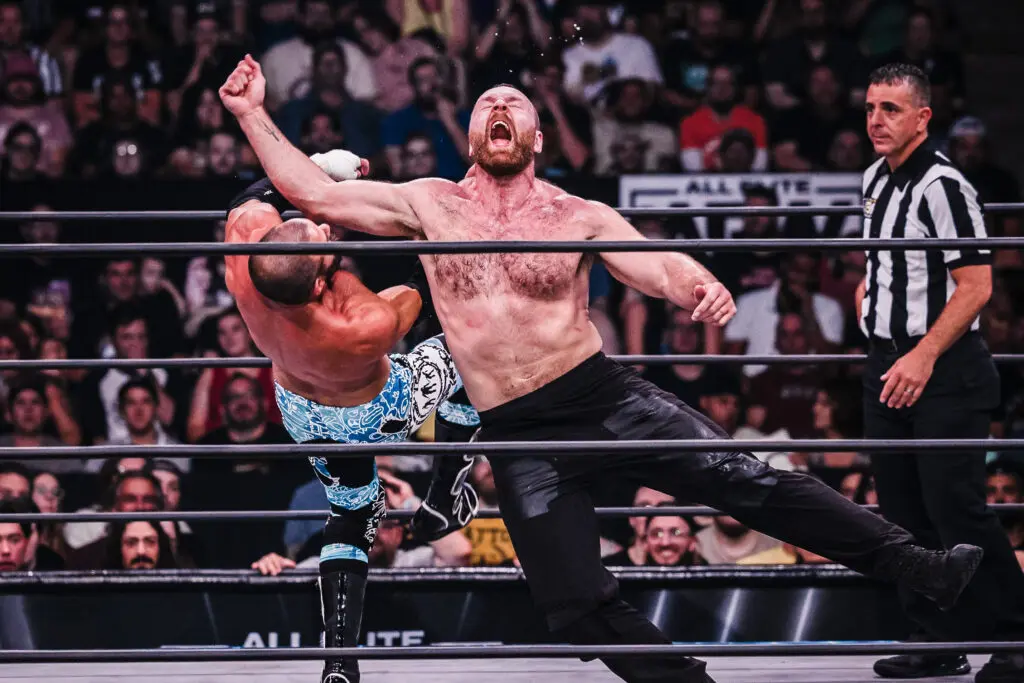
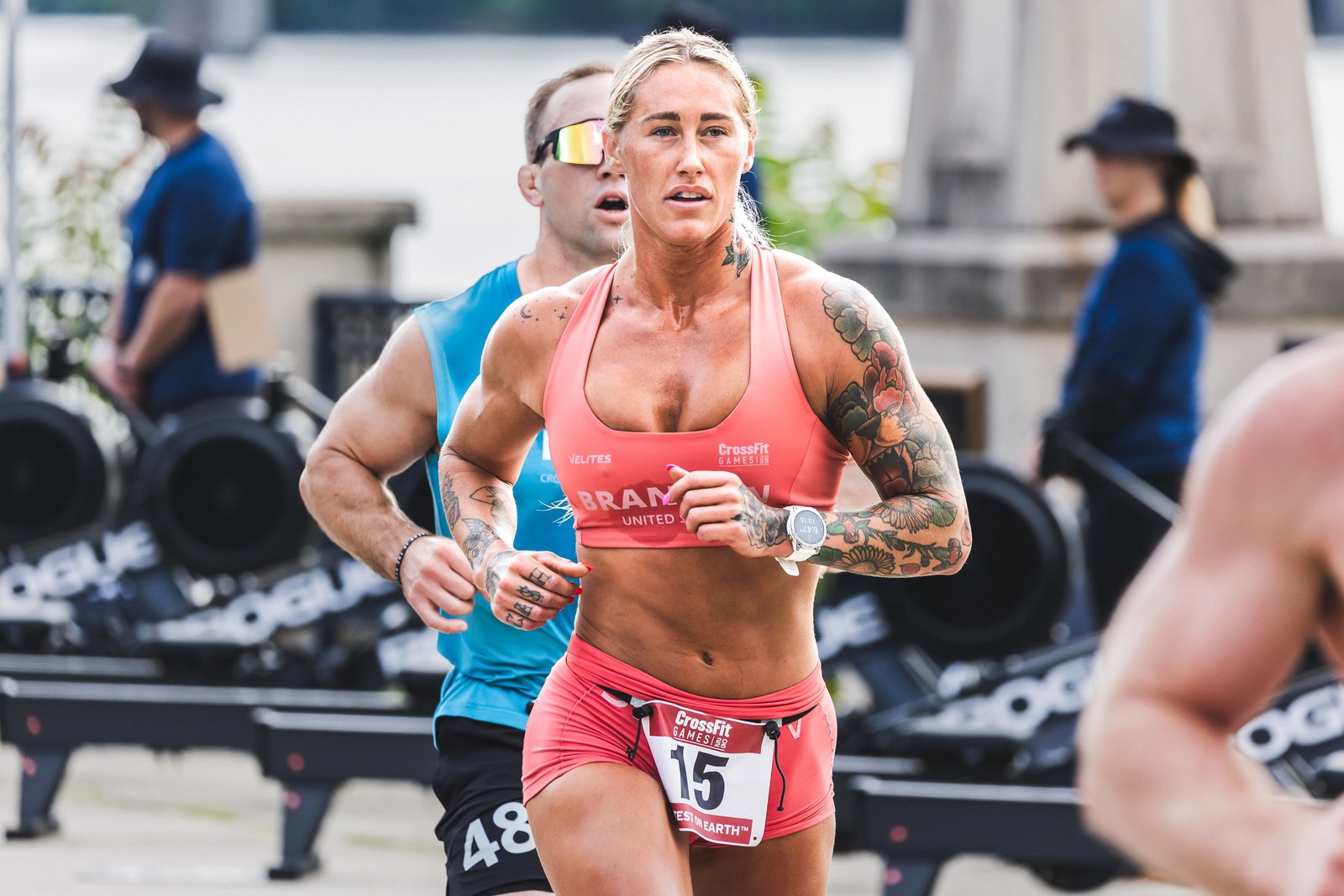
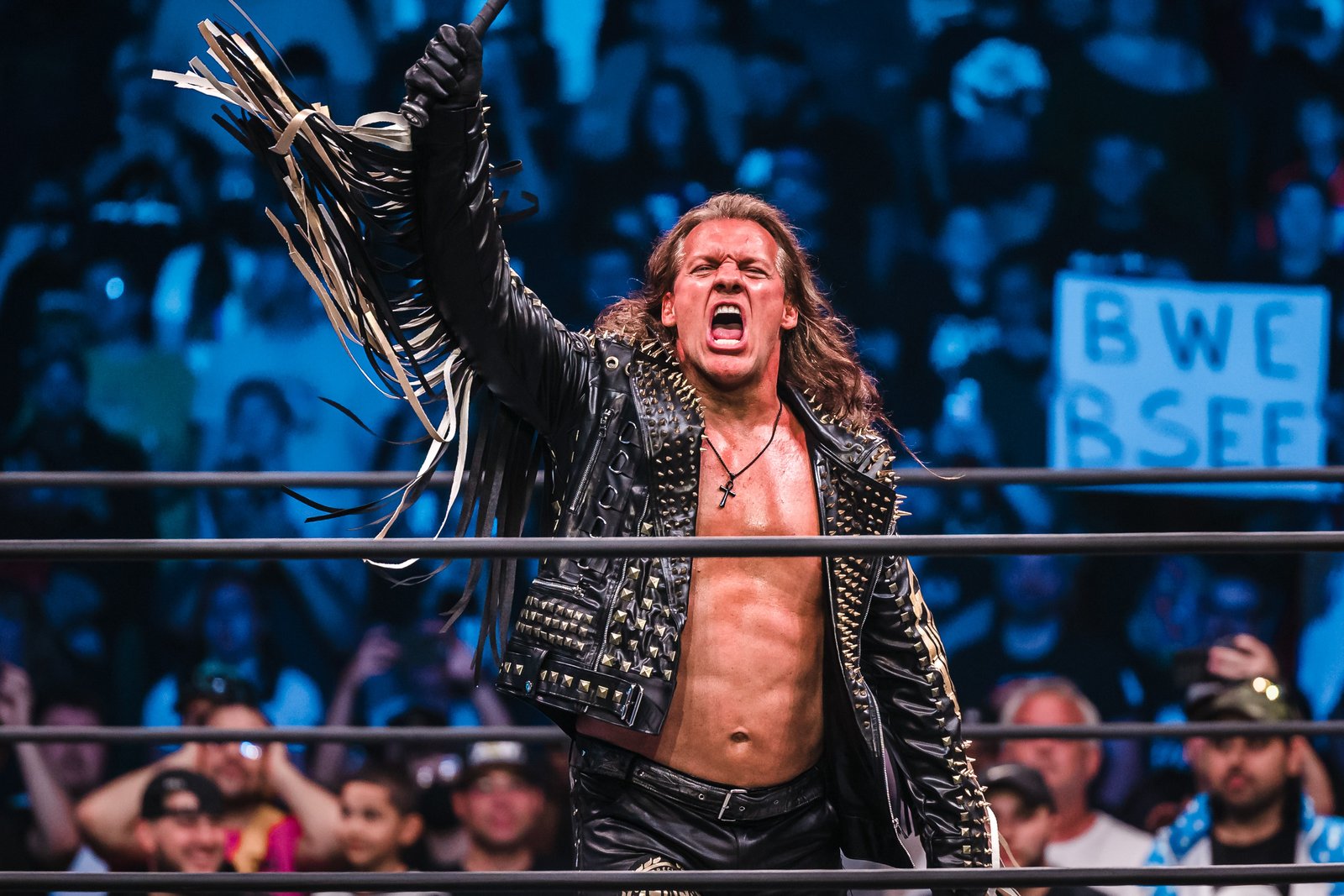
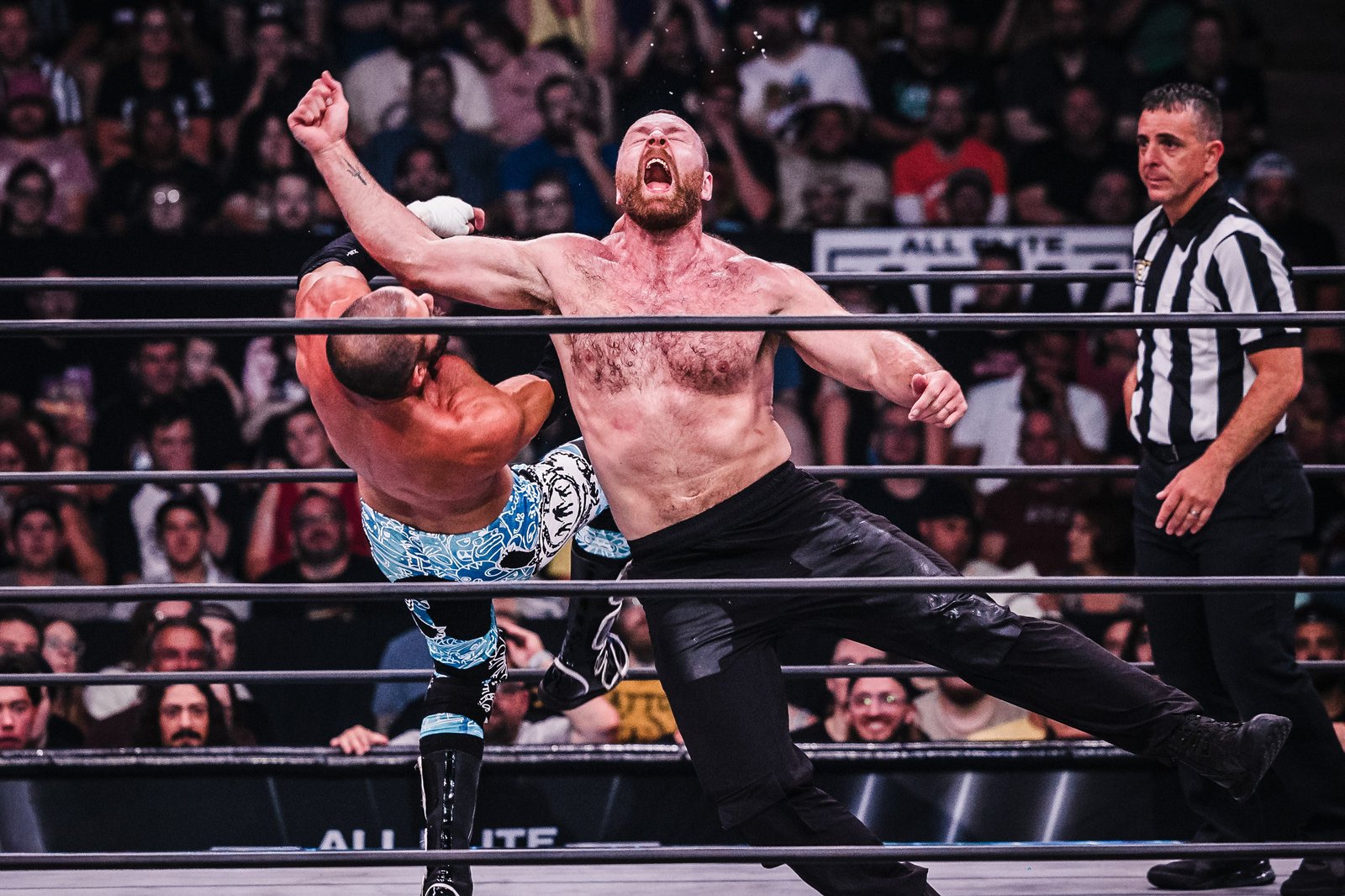
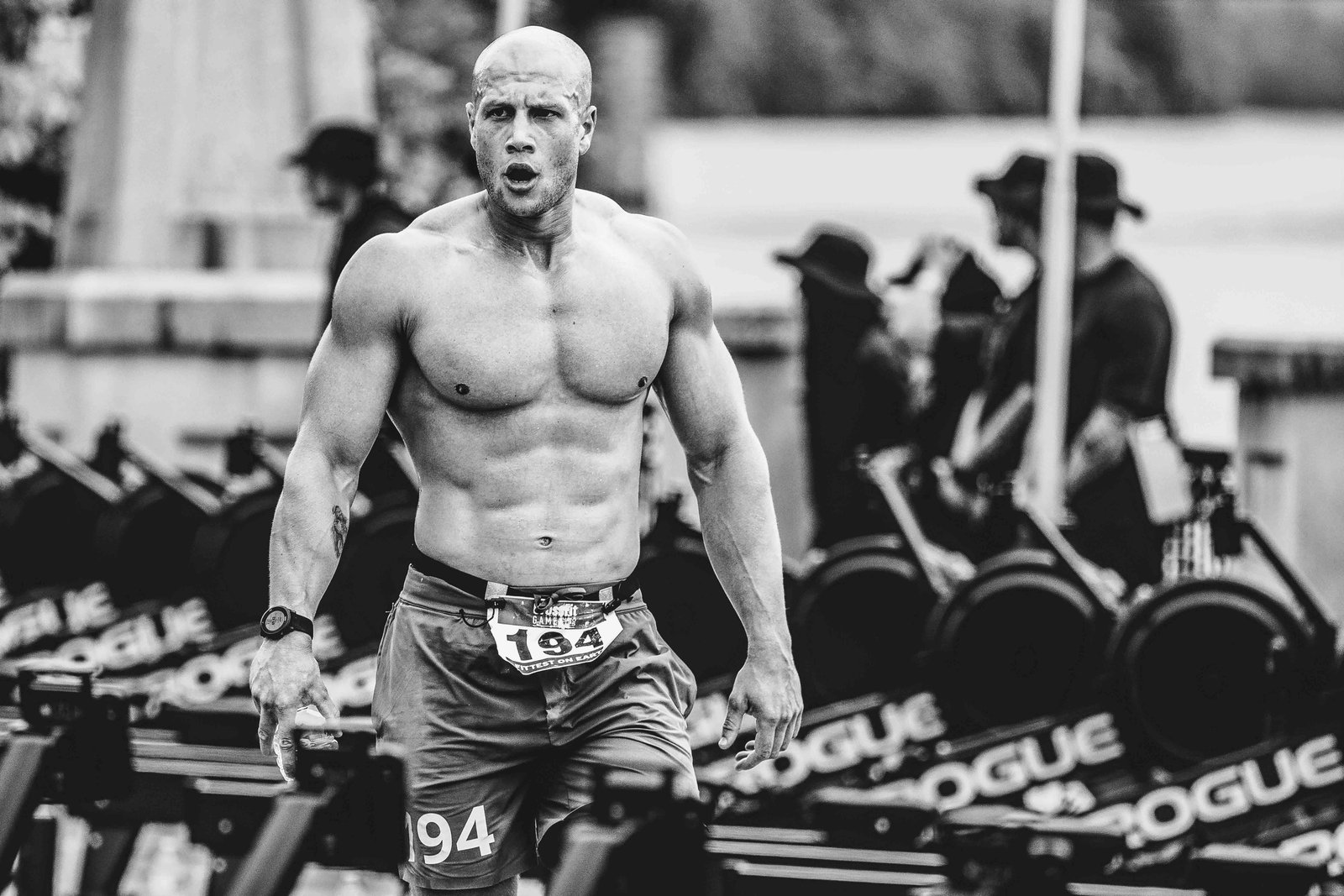
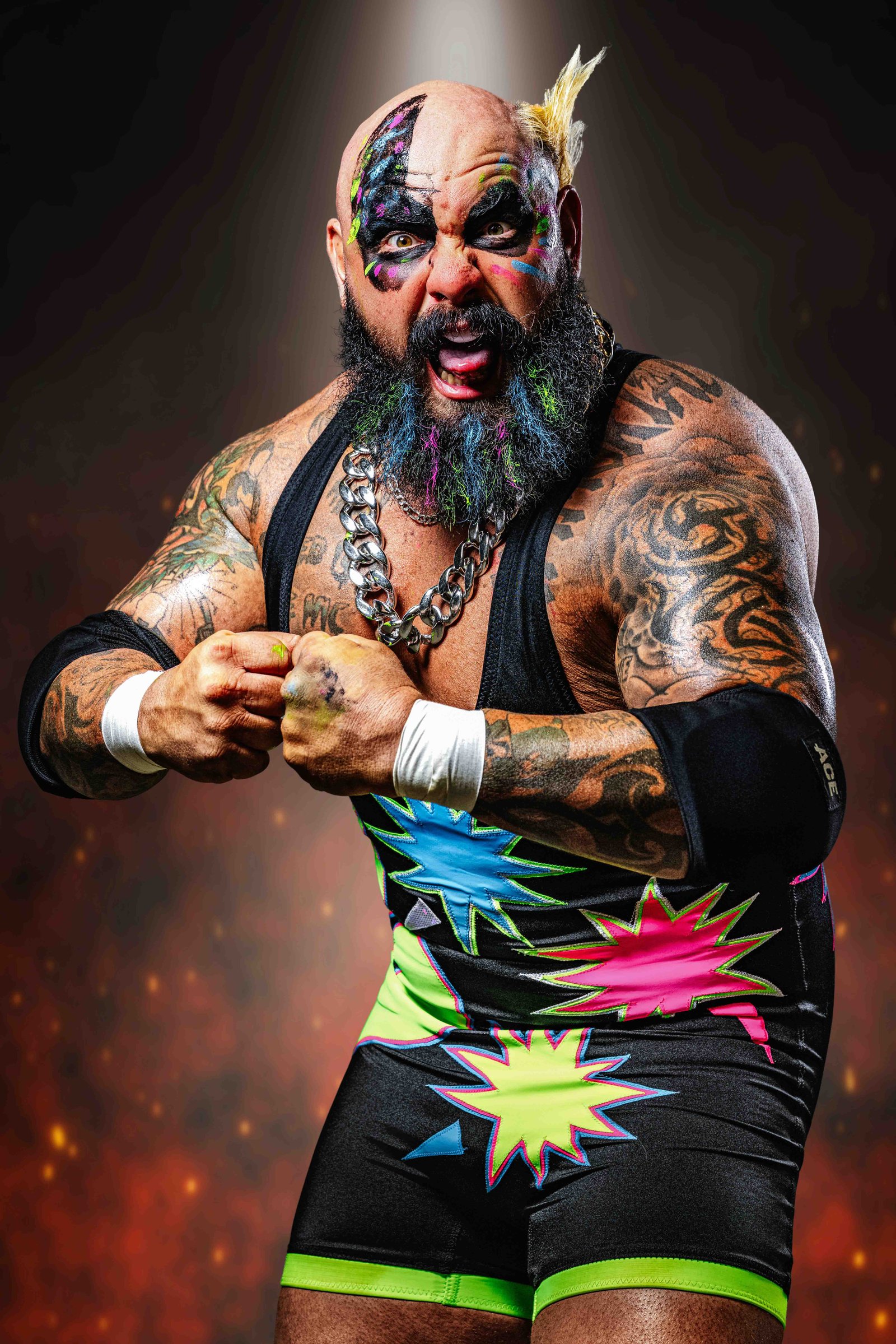
Photos of AEW Dynamite (7-26-23) at the MVP Arena by Andrew Elder with Best Frame Forward
RRX: Before we dive into the photography side, tell us a bit about yourself.
Andrew Elder: I’ve been a resident of Upstate New York since the age of 11. My dad moved our family out here from Ohio for a job at that time. It’s hard to believe for many who know me now, but I was a pretty quiet kid, especially through high school. That changed during my time in the military. I did four years in the Navy, which got me out of my shell. I’ve worn … many hats when it comes to work! I’ve done construction, waited tables, pumped gas (back when that was a thing), worked as a bouncer at clubs in Los Angeles, a copy editor for an ad agency in Saratoga, played in rock bands, and sang with choirs. I was even a topless bartender at Club Phoenix on Central Ave waaay back in the day! In the middle of that, I was diagnosed in my early thirties with Stage 3 colon cancer, which is a whole story in and of itself, and one that had huge ripple effects in my life. Eventually, though, my main 9-to-5 career settled out in the software world, working as a trainer and instructional designer, where I created video-based learning content for clients and internally for employee training. And that is where the photography story begins for me …
RRX: Good groundwork! So after all that, how did you get into photography as a career?
AE: After my time in the Navy, I got a dual degree in English and Theatre Arts from SUNY Fredonia. I bounced around for a few years, wearing many of those hats I mentioned, and settled back in the Albany area in 2005. When I began working in instructional design, I convinced my employer to upgrade my gear beyond the cheap webcam and basic lights I’d purchased, and I bought a Canon 70D through them. That was 2016 or so. I quickly realized the video fundamentals I was learning applied to photography as well, and found I enjoyed that MUCH more. I started Best Frame Forward as a small side hustle in 2017, growing it slowly for the next few years. By 2022, I was using a lot of my PTO from my full-time job for my side work. That summer, I ended up getting fired from that job (being obviously more interested in my outside endeavors), and rather than look for another traditional position, it was my wise and lovely wife, Courtney, who encouraged me to lean into the business full-time. It was already pretty well established, and by no longer having to split my efforts, I was able to match my monthly income from my software work in just a few months!
RRX: What was the biggest challenge you had switching from a 9-5 job to doing photography full-time?
AE: The hardest part for sure was having to learn how to say “no”. In my 9-to-5 days, if I needed time off, for example, and wouldn’t be available for something, it was just, “No problem, see you when you’re back.” As an entrepreneur, if I have to say no to a shoot or project I can’t fit on my calendar, there’s a ripple effect. There’s no hard feelings, but they’ll go and find another photographer. And even if that person doesn’t do as good a job as I could have, or didn’t provide as good an experience, it’s unlikely they’d bother coming around again because it’s easier to stick with someone you know. Every “no” is a potential repeat client and raving fan I miss out on, not to mention the ripple effect of potential referrals and new connections that might have come from them. But it’s important all the same to balance work and life, now more than ever when it’s all too easy to pour all of myself into what I love doing so much.
RRX: How did you solve that problem?
AE: Through the power of teamwork, to literally make my dreams work! As I’ve met and gotten to know other photographers, several have come on board as (very) part-time associate photographers. I give them feedback and answer questions, loan them gear, and help them with their own work. The magic, though, is that – while they start as assistants or second shooters with me – eventually I can send them on their own to cover events and projects when I’m not available personally. I still handle the client communications, as well as editing and delivery, to keep things consistent on that end. But they help me say “yes” more often, and help keep those connections strong and growing. Very grateful for my team!
RRX: You take absolutely stunning images. Everything is crisp, focused beautifully, and has vibrant colors. What key things do you focus on to achieve this?

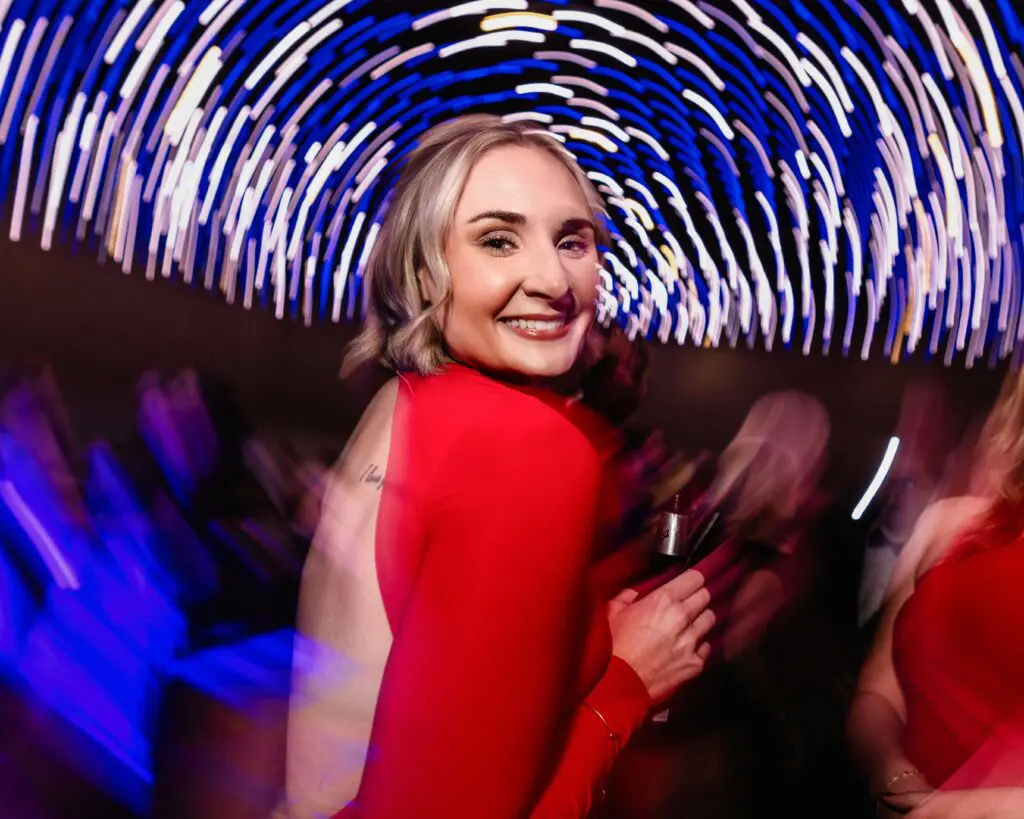
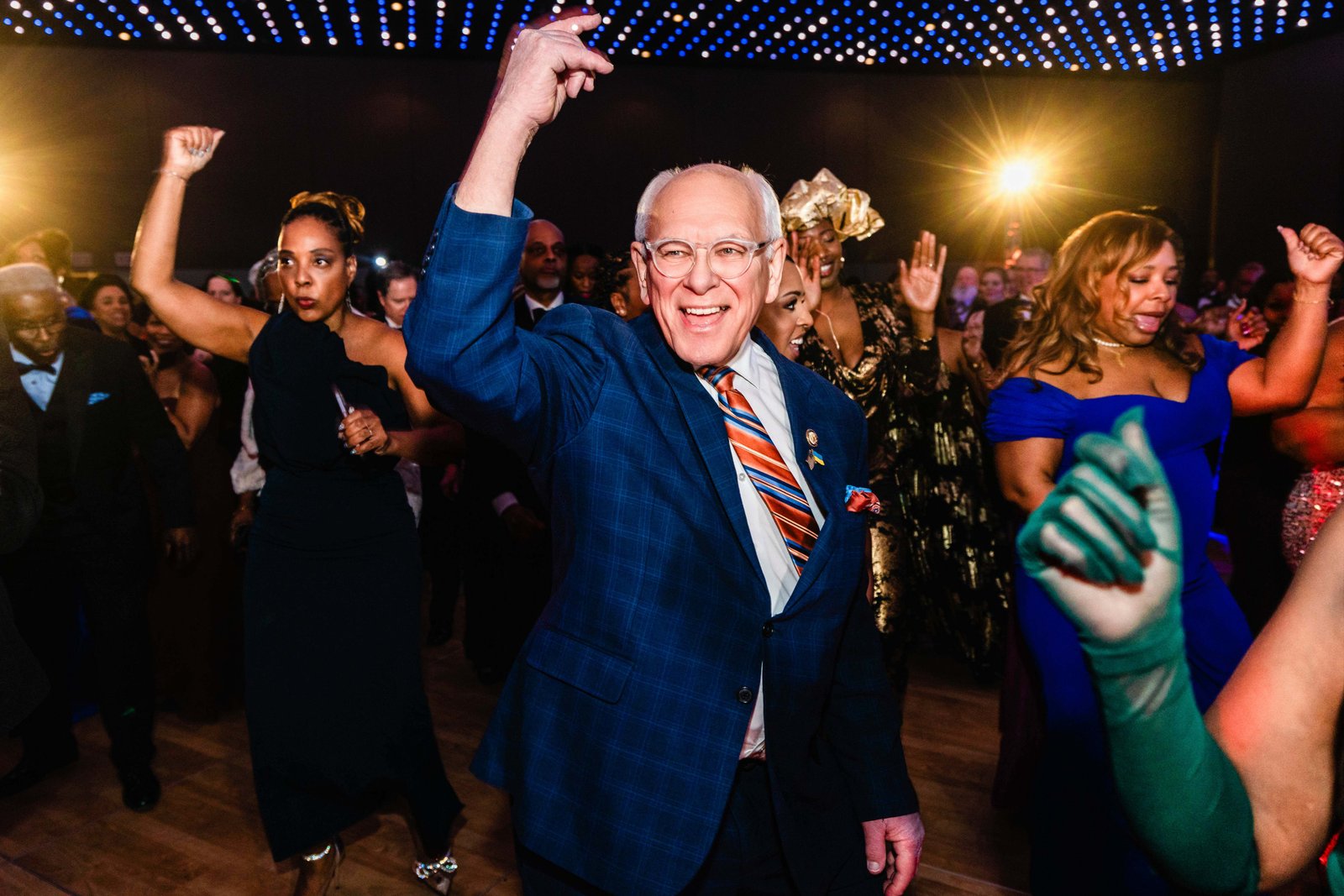
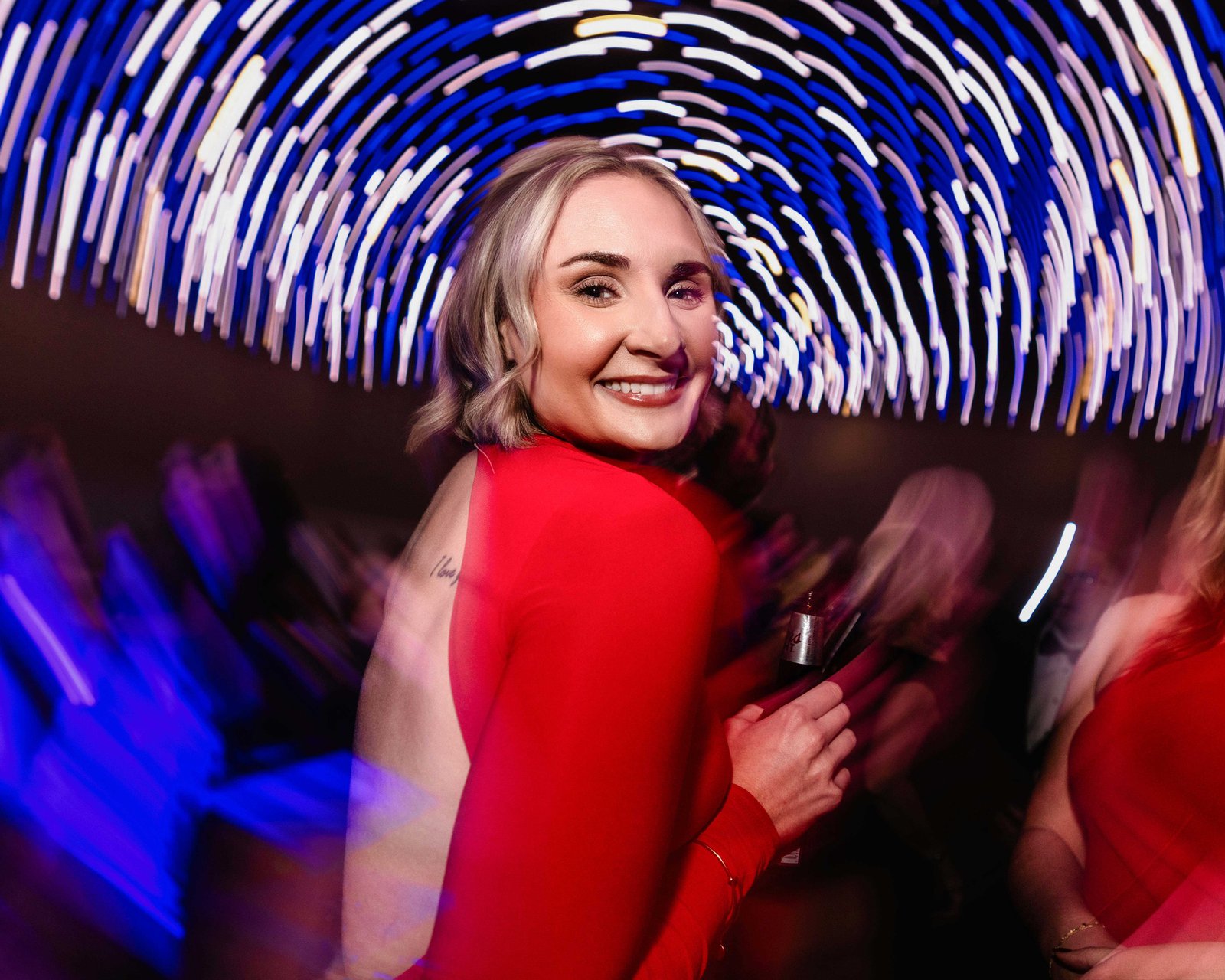
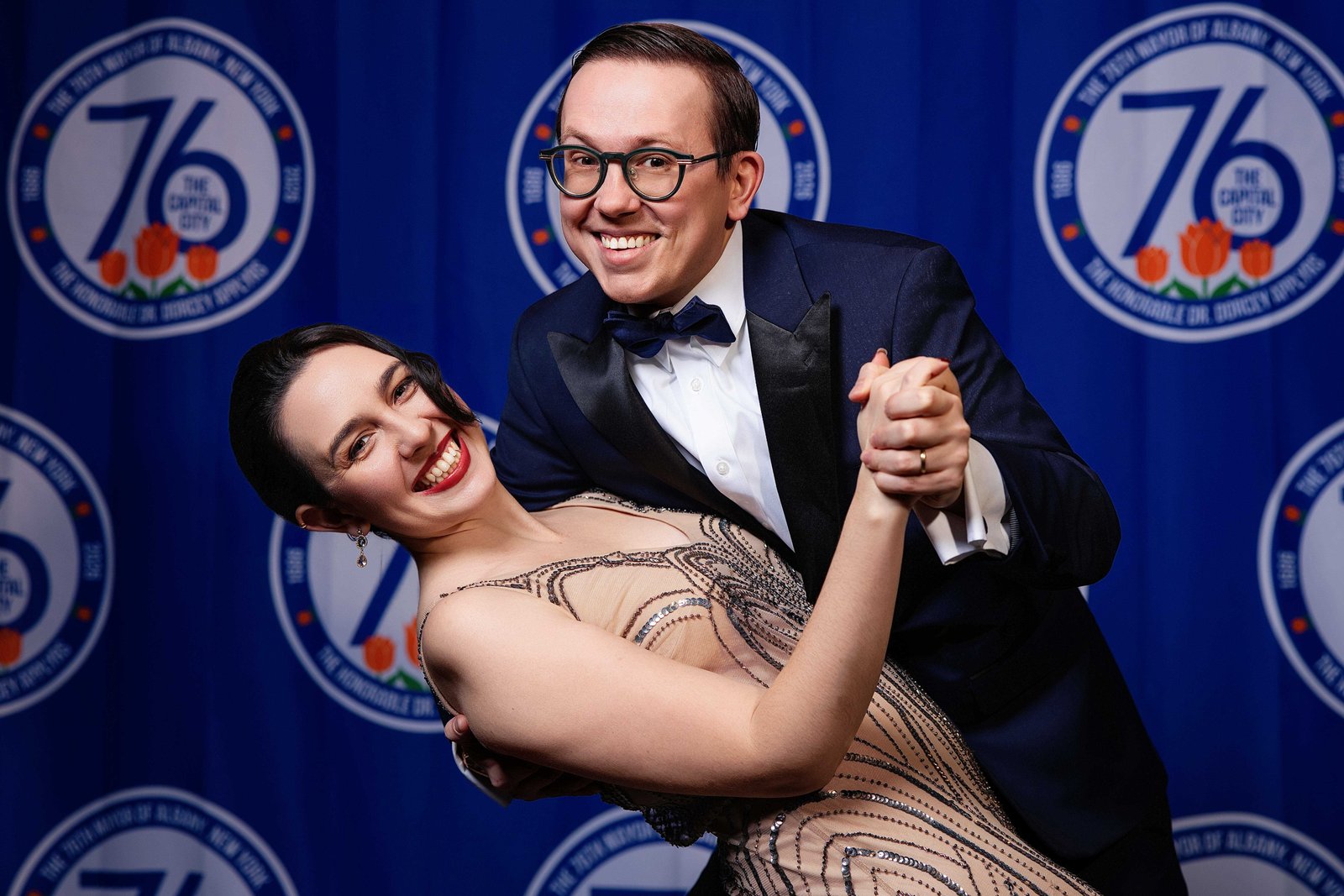
Photos of the 2026 Inaugural Ball for Mayor Dorcey Applyrs in Albany NY, taken by Andrew Elder of Best Frame Forward
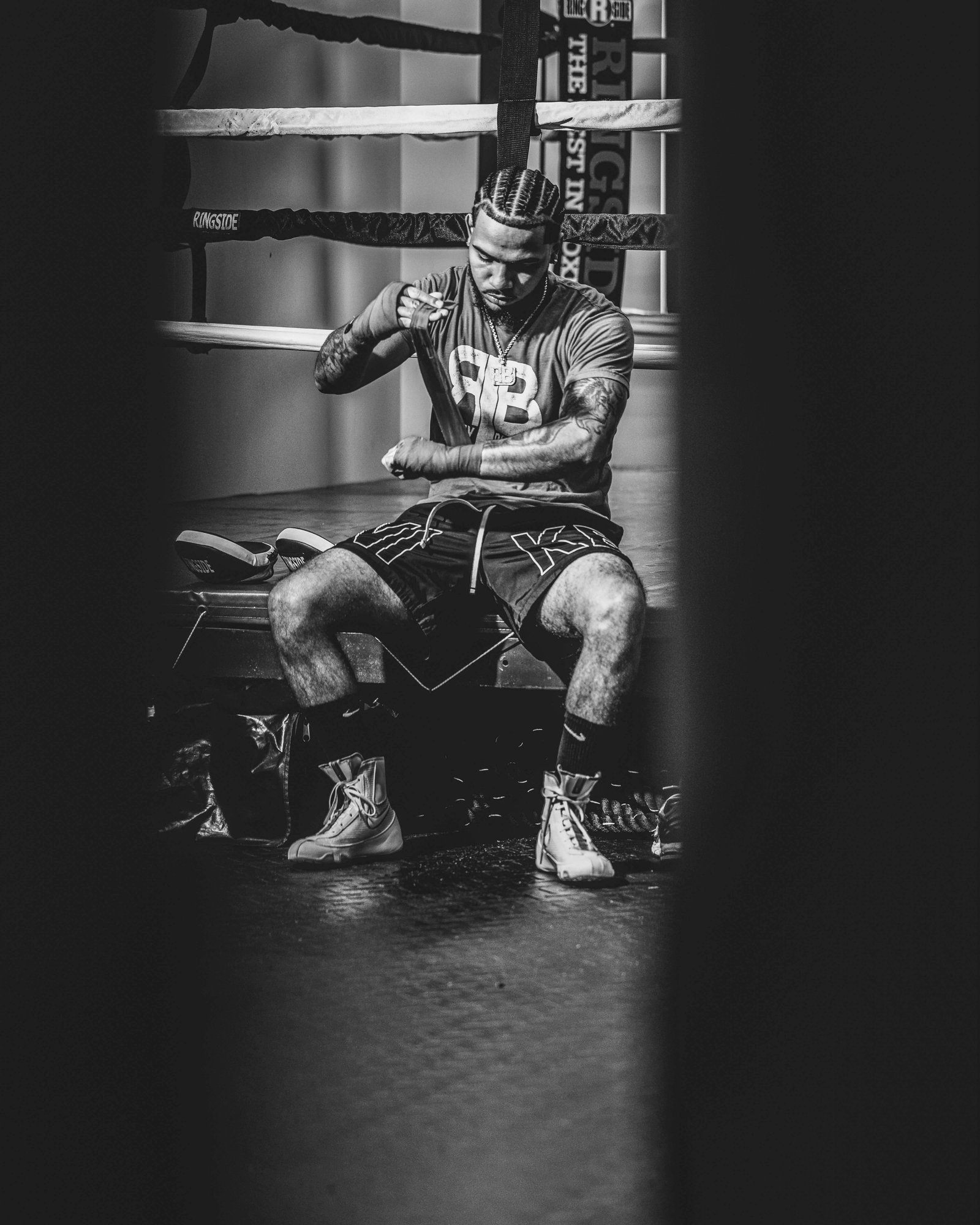
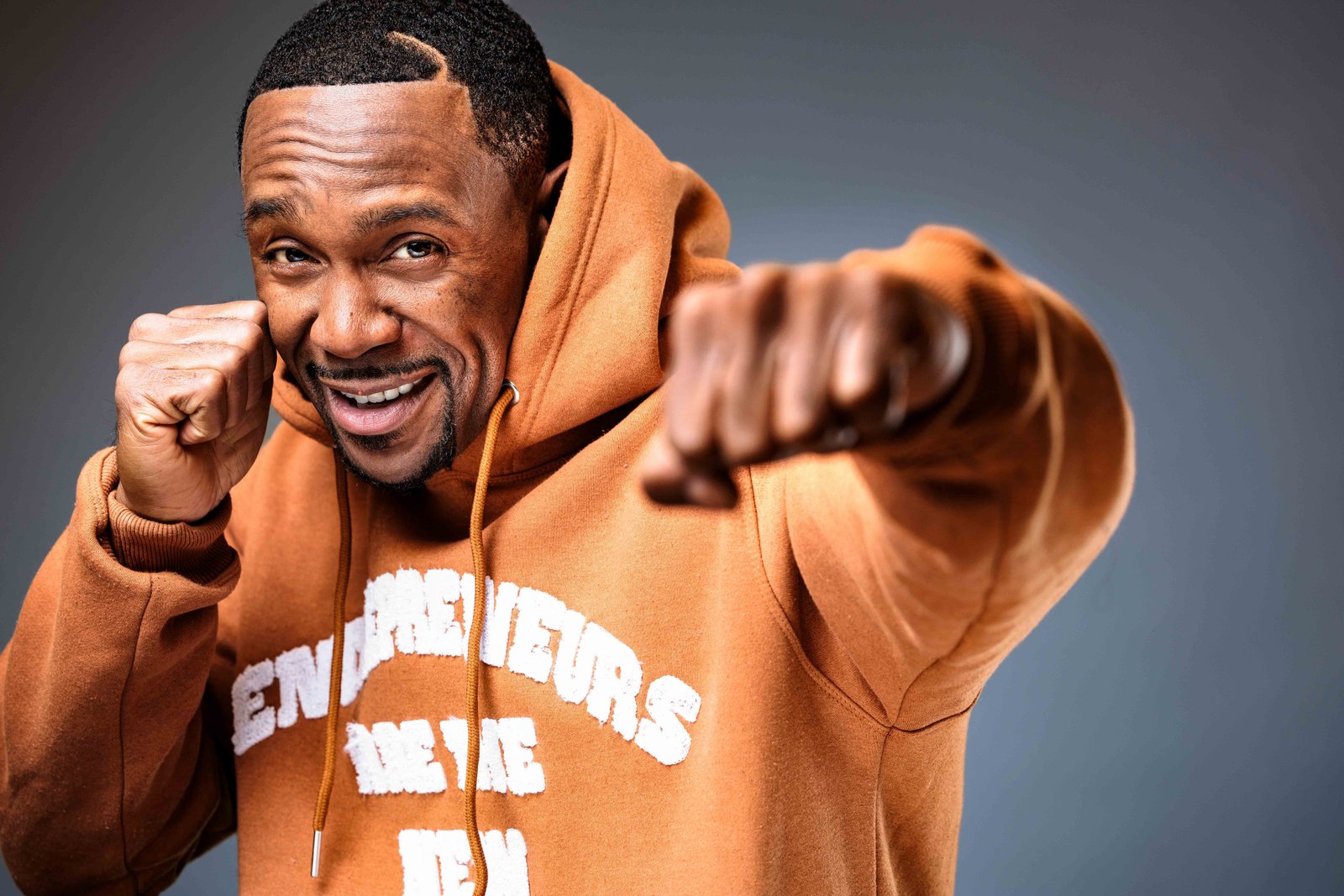
AE: First, thanks so much for that! I try to represent moments and individuals in their full, authentic beauty. Even if that beauty sometimes means someone is getting punched in the face, or thrown out of a wrestling ring! There are some days I achieve that better than others for sure, but it’s the effort that keeps me moving forward and striving to improve every time I go out with a camera. In a word, I look for “connection.” Between the camera and subject, of course, but more importantly, between them and the moment, the action, the emotion, whatever is happening that makes that image breathe and stand out. On the technical side, I always approached photography mechanically first. I wanted to learn the tools I had to work with – from my first $300 Canon Rebel to the new mirrorless cameras I use now – inside and out, so I knew what I could do with them and how to get the most out of their limitations and advantages. I live by the old adage to “learn the rules like a master so you can break them like an artist.” It’s great to lean on your instincts and your eye, but I believe that knowing your gear fully and having those settings built into your muscle memory can only aid any approach to great photography.
RRX: You do a wide variety of photography. Combat sports, professional wrestling, basketball, theater … how did you transition from one to the other?
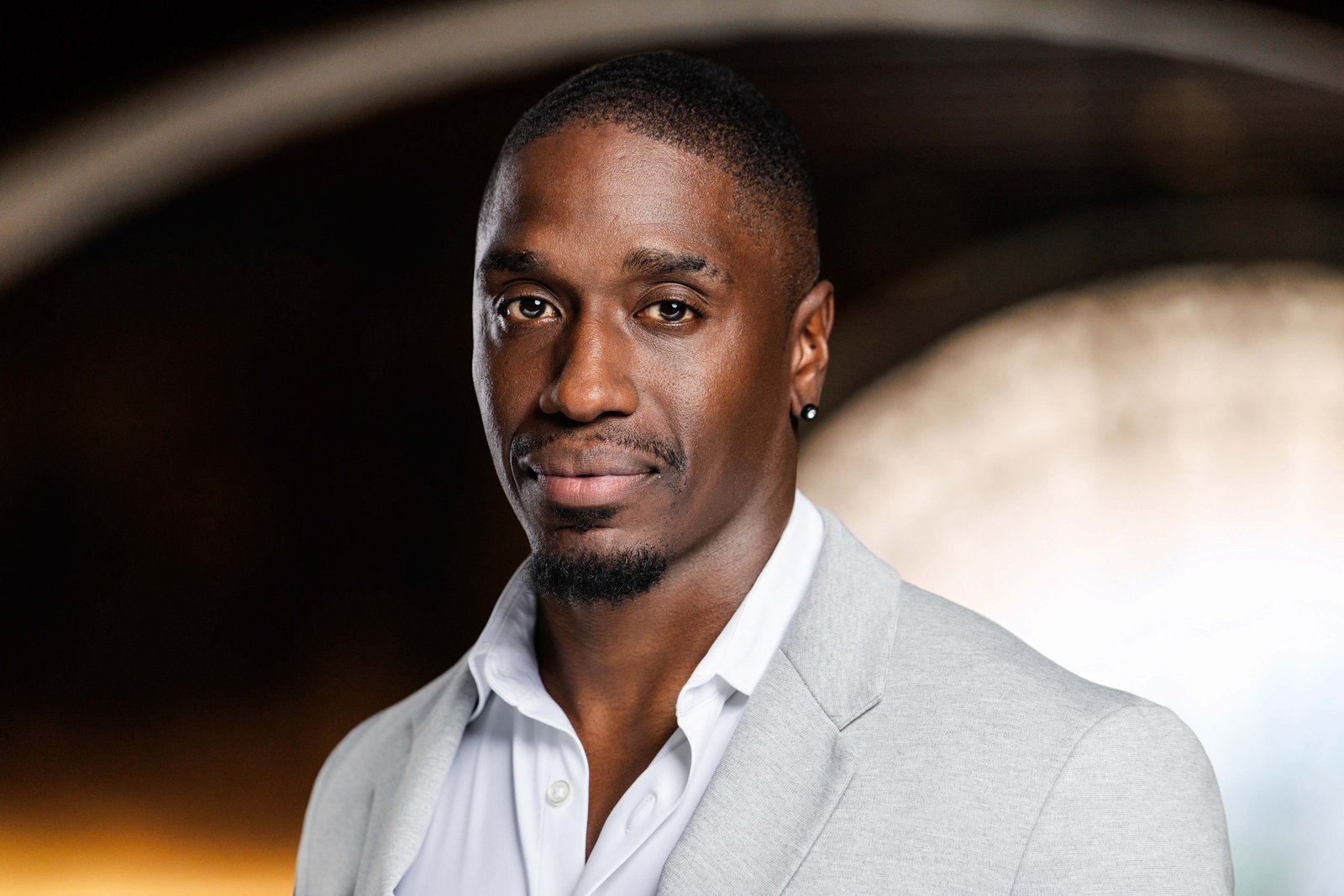
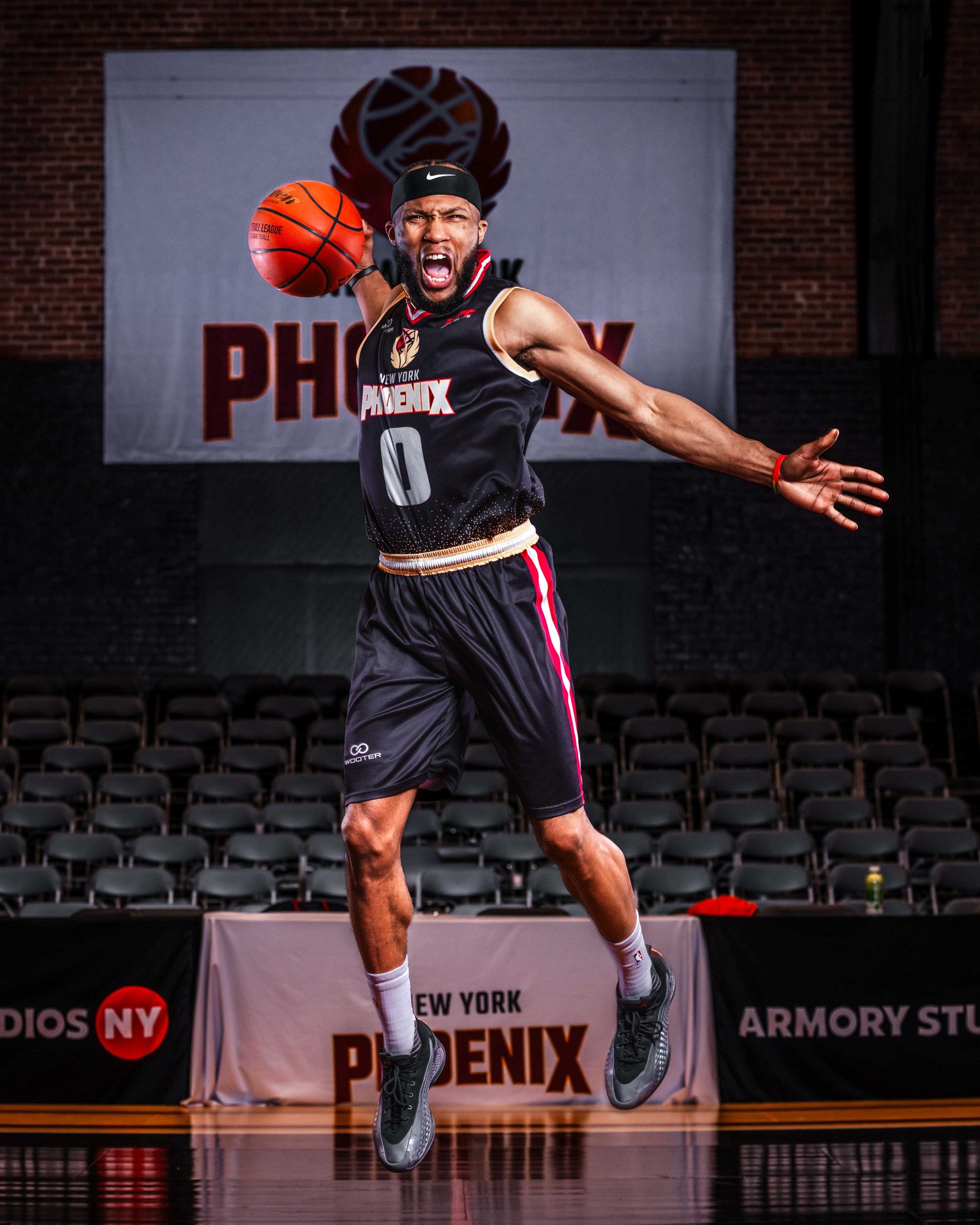
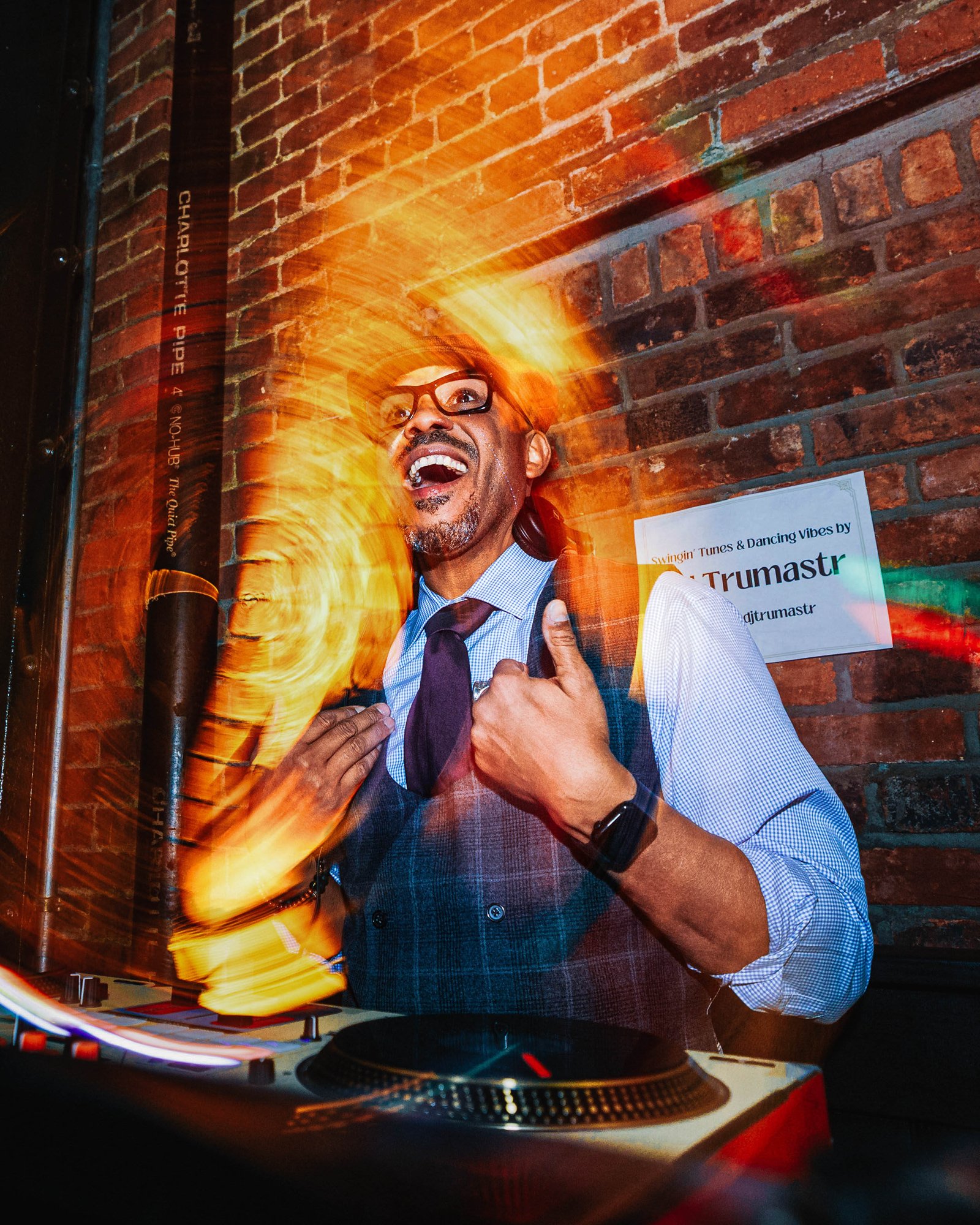
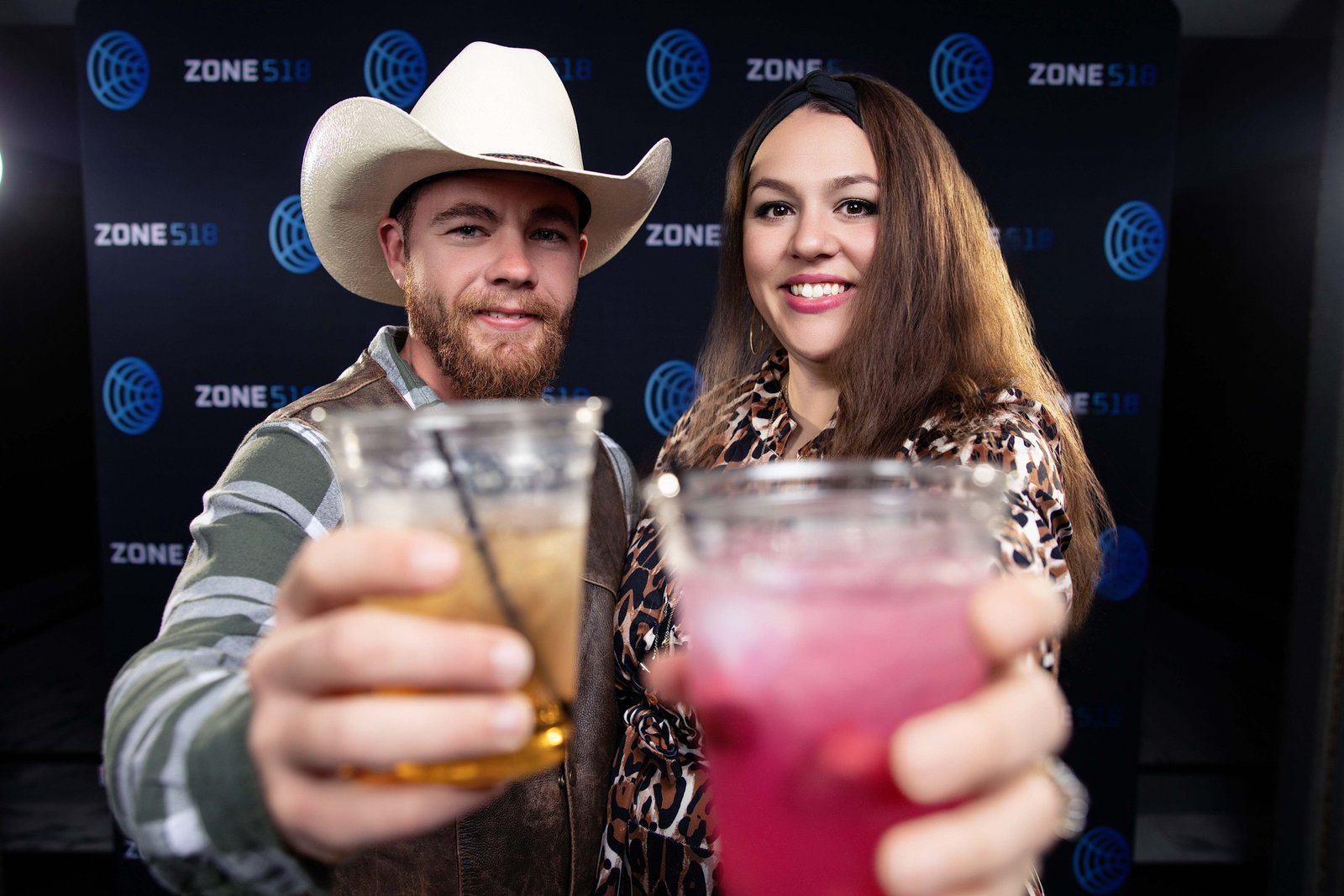
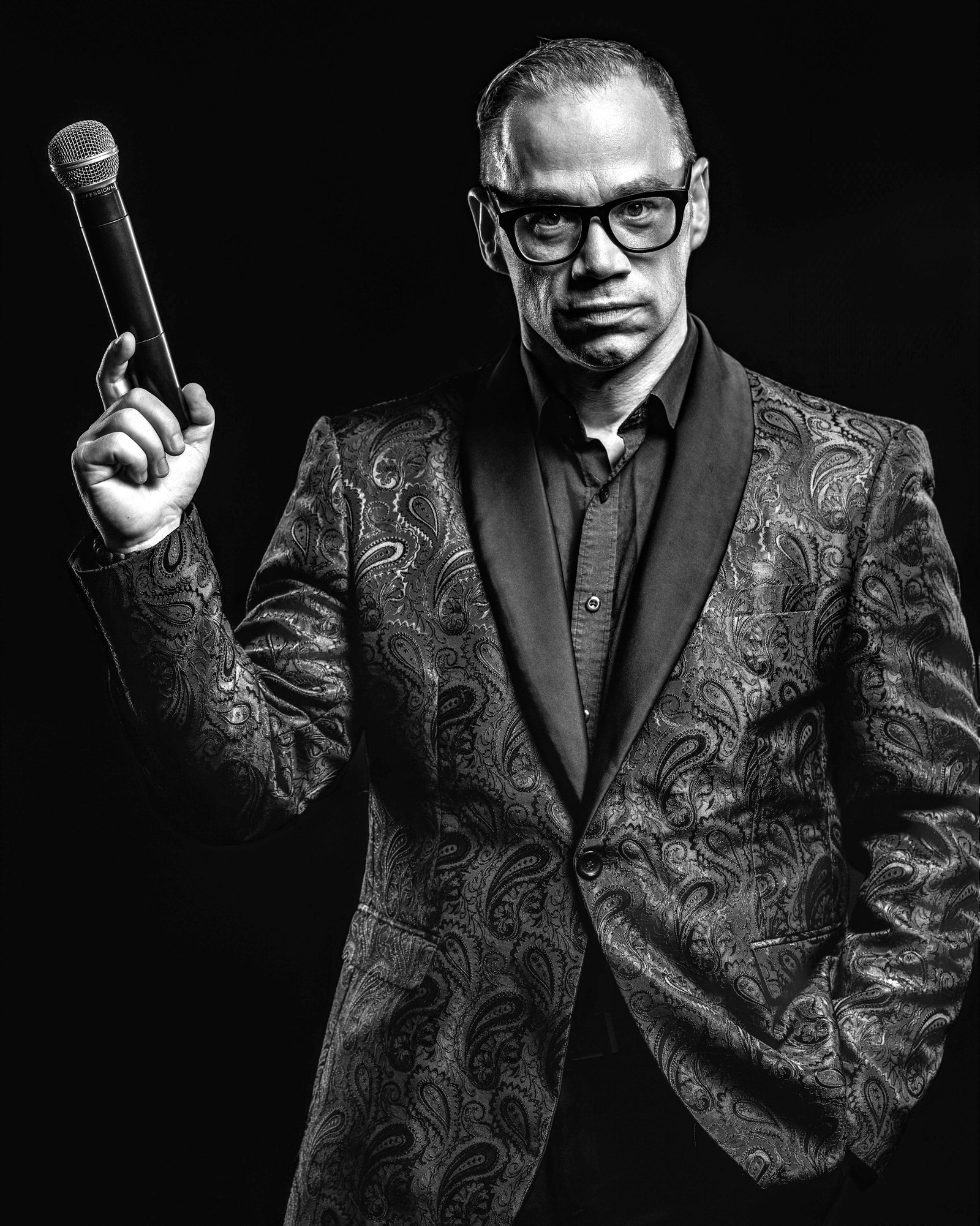
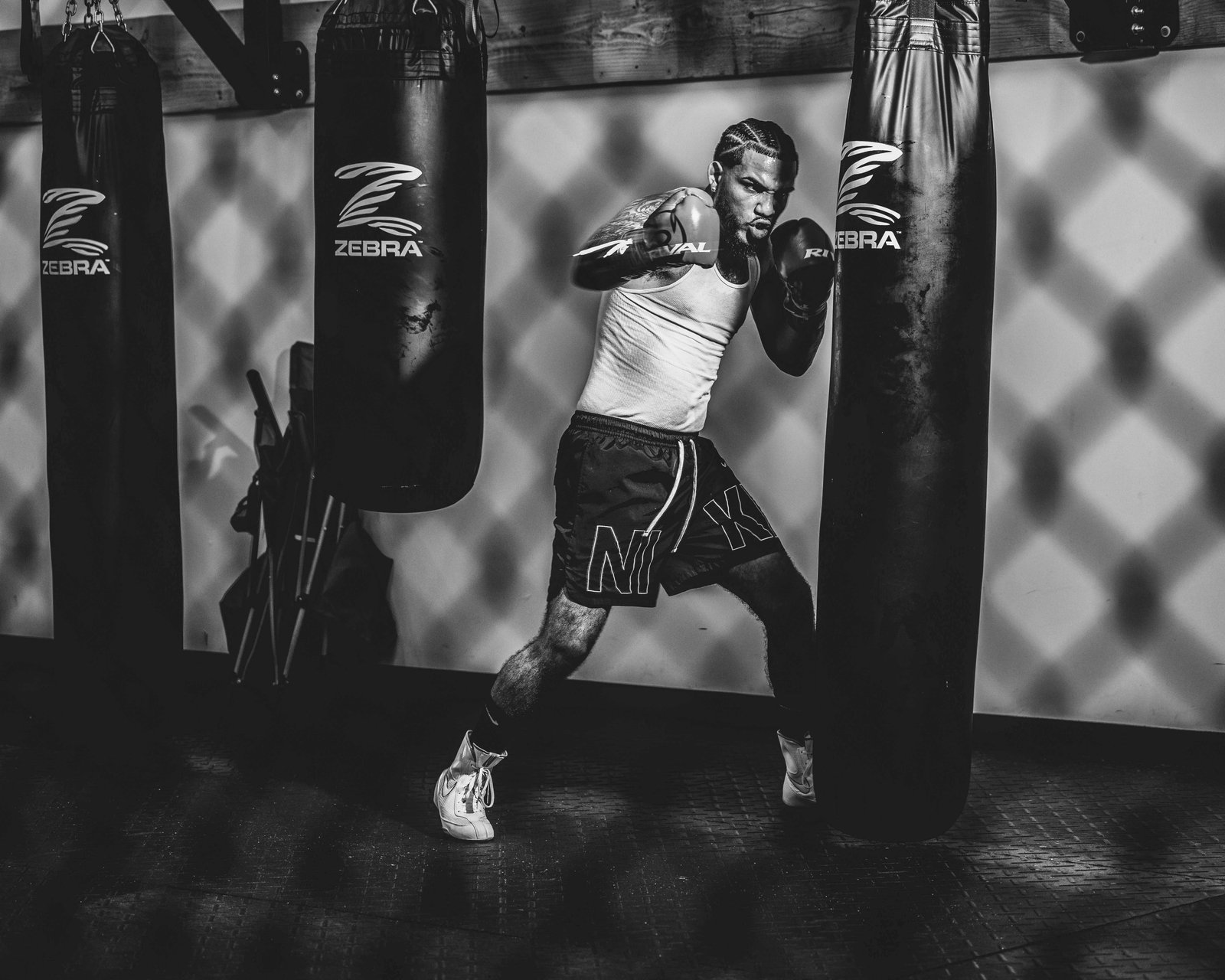
AE: It’s funny, I’m getting to be pretty well known for those areas, but all together they’re a small minority of what I do. About 60% of my business comes from corporate and non-profit events. Think of black-tie galas, fund-raisers, conferences, award programs, etc., that you see at the Albany Capital Center, Rivers Event Center, and the like. Another 20% comes from headshots for professionals, actors, and athletes, either at my studio space at Hone Coworks, or onsite at the client’s location. Only about 20% of my business is sports, theater, and a little bit of dance. But I’m very grateful to have that extra variety, and those can be so much fun! As for how I transition, it’s just a matter of research and repetition. Before my first MMA and pro wrestling events, I found great photographers in those areas online and studied their work (those with YouTube channels were particularly helpful), along with tips from sports photography Facebook groups. I did the same again for theater, dance, and basketball. I practiced what I learned, particularly how those areas differed from events and headshots, until I locked the lessons in. It’s interesting how sports and theatre/dance have a similar approach. In all three cases, you’re working with heightened emotion, heightened presentation and lighting, and heightened and/or fast action. You usually deal with very bright or very dark lights, often with changing or dynamic colors and shadows, and it’s a fun challenge since you don’t usually know what you’re going to get.
RRX: Of all the different events and sports you shoot, what gives you the most artistic license?

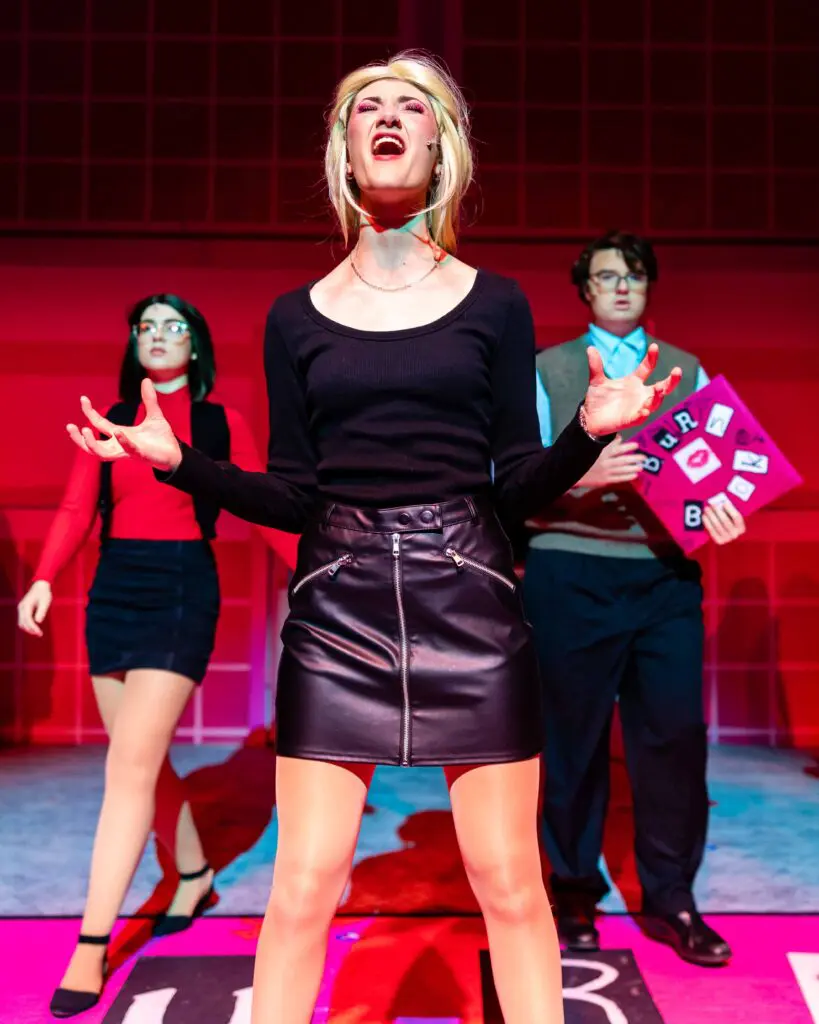
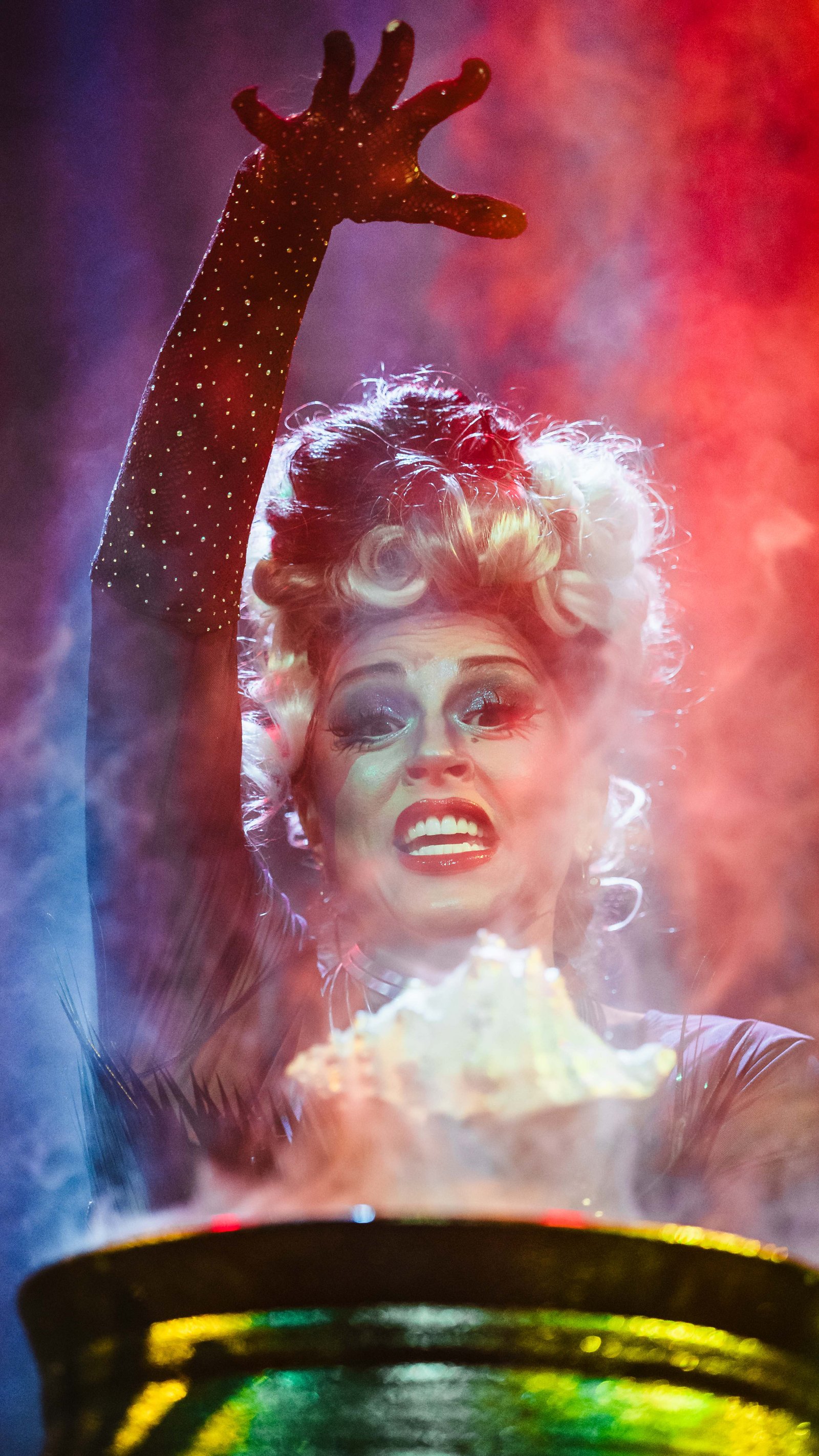
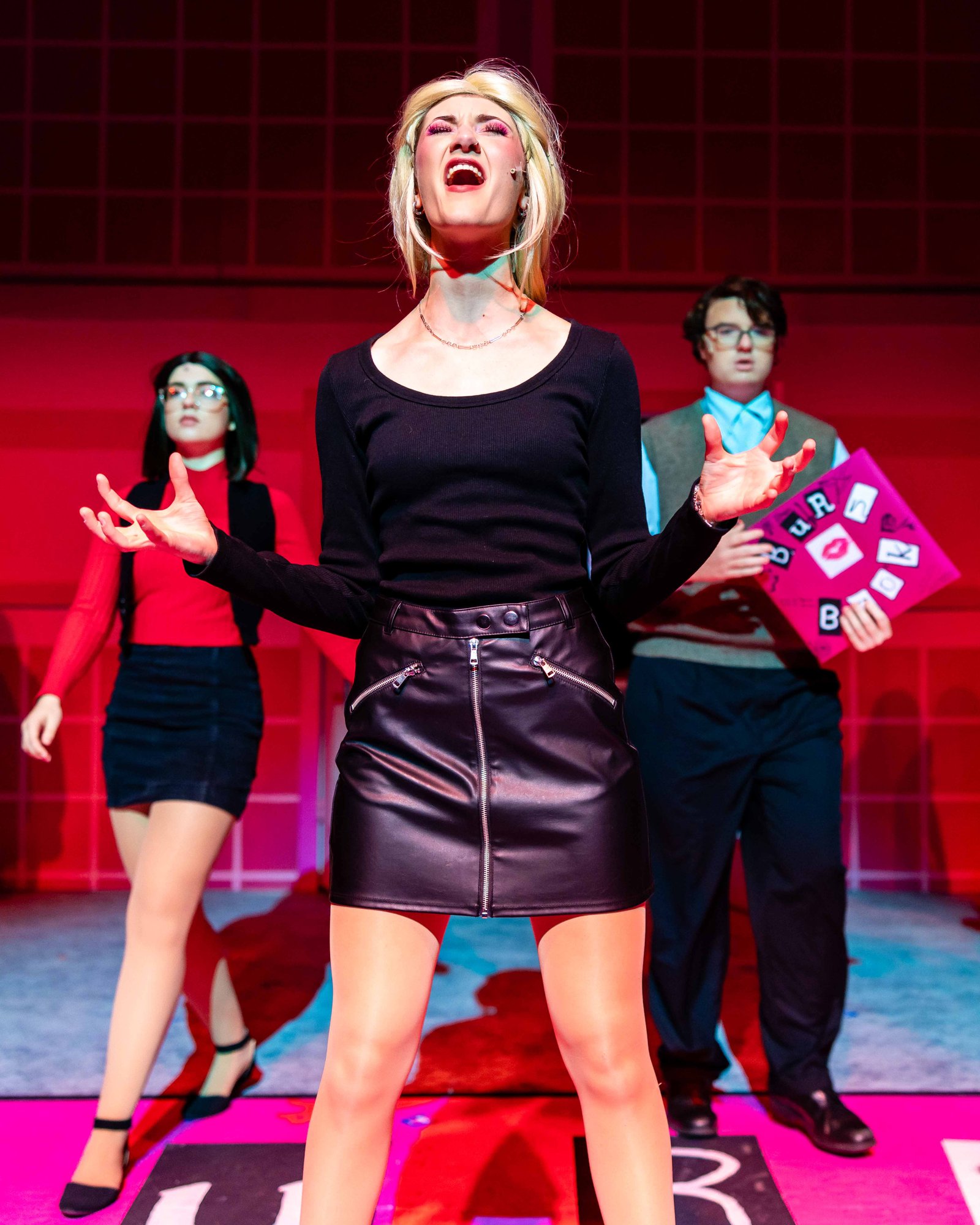
Photos of the SLOC production of ‘Mean Girls’, taken by Andrew Elder of Best Frame Forward
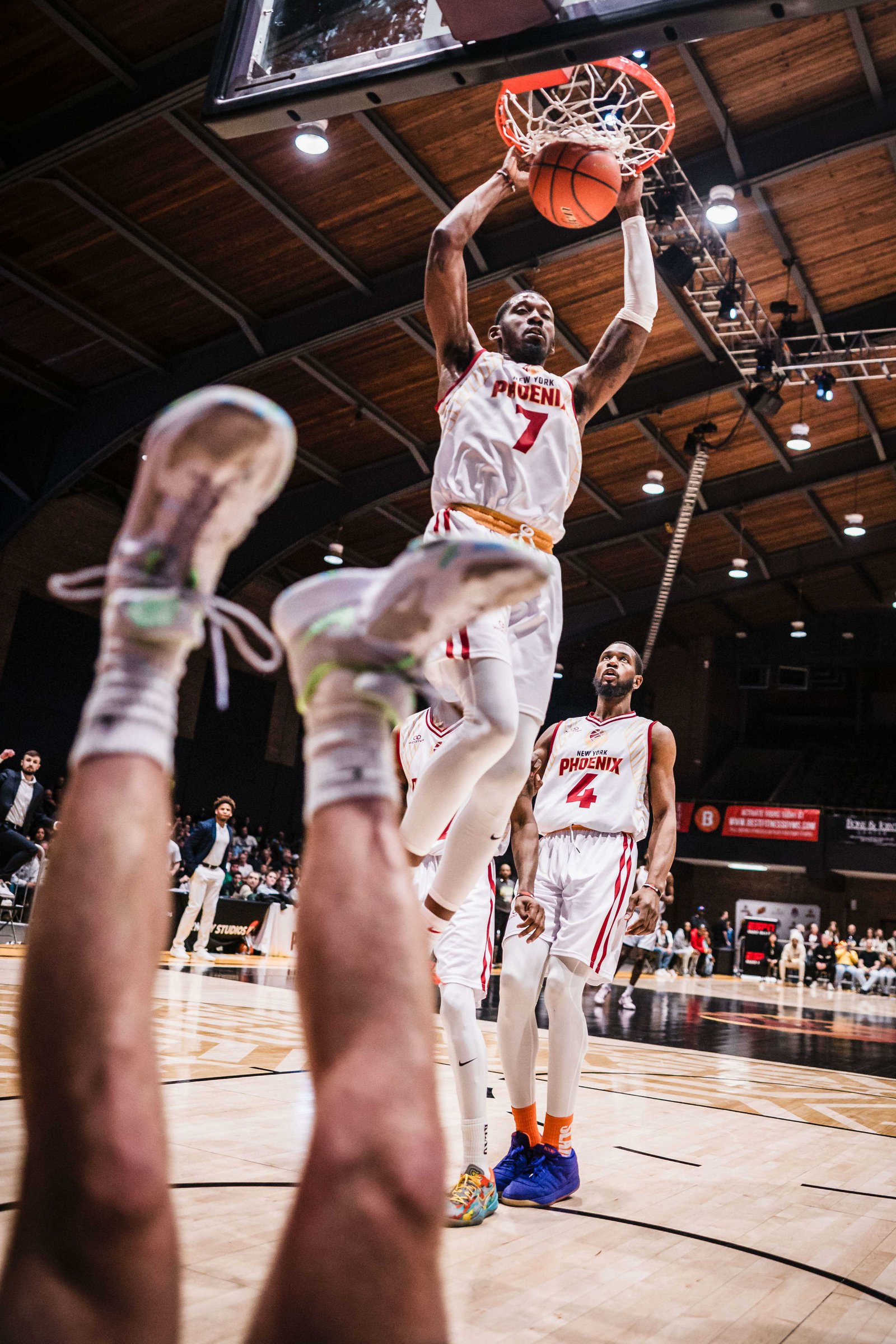
AE: Theater photos would be tops in that regard. There really aren’t that many established “rules,” like there definitely are in sports! That said, I always look for creative angles and points of view that will surprise those who see them. And those “rules” are most often in place for marketing personnel who are a step removed from the events and games. For example, a rule of thumb in basketball is that the best photos are “peak action,” meaning they have the ball, face, and hand in the photo at the moment right before release or right as a dunk crosses the rim. But the reaction shots, the ones after that peak has passed, or when their back is turned, and they’re silhouetted by the lights – you know who values those more than any other? That player. Or their mom or dad. Or their high school coach, who wants to see that moment of triumph they helped shape. Action isn’t everything. Rules are meant to be broken. As long as, like I said before, you know those rules FIRST so you know what you’re breaking and why.
RRX: What do you find important to consider when deciding your composition?
AE: For me, it’s all about light, light, LIGHT. If there’s an angle I think would be interesting, but the light from that direction is terrible, I find where the light is and think about how to make that just as interesting. Beyond that, I try to capture moments from unexpected points of view. For example, I see a lot of theater photography that showcases the same view as the audience; straight on from the middle. Those are important to represent a show, but I also look for angles that let me show something the audience can’t see, and might not even be aware of. Often, that’s looking for different angles or levels, perhaps capturing a scene from the point of view of the character rather than the audience. The same goes for events and sports. What can I find that will show this moment from a new angle, a new point of view? Sometimes it’s not there, or it’s not all that interesting, but I always look!
RRX: I’ve seen other photographers thank you for being a mentor. You have given me some fantastic advice as well.
AE: Thanks for that! I don’t know if “mentor” is the right term; maybe “overenthusiastic puppy with lots of opinions” is better. I only picked up my first “real” camera not quite a decade ago, and I’m very aware of how much I do NOT know compared to local greats like Dino Petrocelli and Richard Lovrich (who have been generous with their time and expertise with me). But I do get as huge a kick out of meeting other photographers and talking about photo gear, techniques, and the business of making money with our crazy art as I do out of creating images myself. My associates and I talk a lot about this stuff. Bottom line, if I can spare newer photographers some of the headaches I endured banging my head against the wall of what once seemed like insanely complex techniques, I love to do that. Watching those “light bulb moments” as something clicks during our conversations is a warm-fuzzy I never get tired of.
RRX: What advice would you give to someone who is just starting out in the world of photography?
AE: Take NOTHING for granted. Don’t assume buying your first “real” camera or spending $3000 out of the gate will allow you to take great images instantly. But also, don’t assume that you HAVE to spend that $3000 to take great images or start charging money for your work. Don’t assume that if you CAN take great images, the world will beat down your door to give you money to do it. Don’t assume that if you ARE making money at it, that you somehow know everything and up-and-comers aren’t worthy of your time, or that there’s nothing more to learn. Don’t assume that the Capital Region actually IS small, and that there aren’t more than enough opportunities, partnerships, potential clients, and chances to thrive and shine for every single one of us! The idea of “community over competition” isn’t new, but it’s real, and if more of us embraced that idea, we’d all be eating better!
RRX: Where can people keep track of your work?
AE: Here, I have to admit to being a chronic under-poster. When I do, it’s most often on Facebook, a few times a month at least under my personal page (facebook.com/andrewelderjr). I’ll post occasionally under “Best Frame Forward” on Instagram and X/Twitter, but a lot more infrequently. Bottom line, most of the time I’m creating content FOR a client, not myself. And I let them do all their posts first. By the time that happens, I’m already on to another half dozen things, and I usually just don’t bother (or forget!) to go back, but I try to at least re-share posts and stories from them that showcase my stuff. I’ll get better at it … some day!
RRX: Anything else you’d like to add?
AE: Don’t let those saying it can’t be done stop you from doing it! You can make a living as a photographer or other creative fields in the Capital Region. I’ve been providing a full-time living for myself and my family for over three years. My wife is a musician and singer, working as a music therapist.
All photos by Andrew Elder / Best Frame Forward