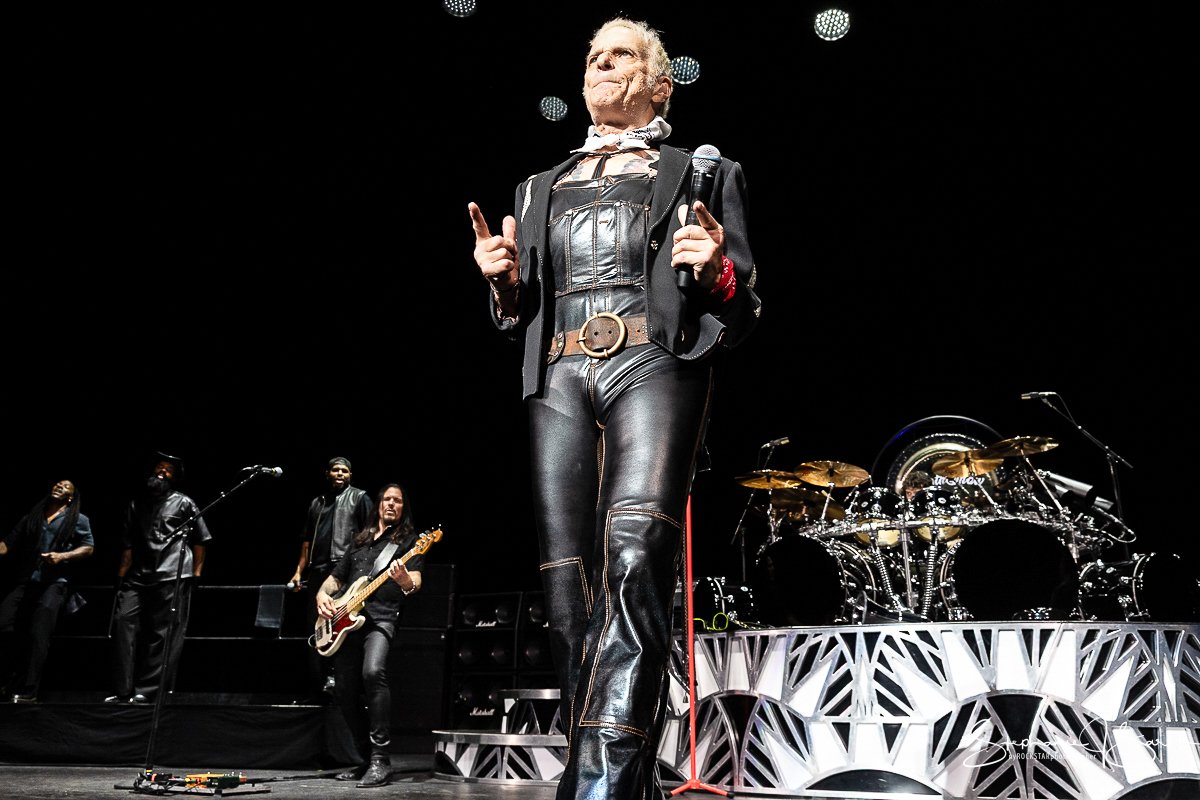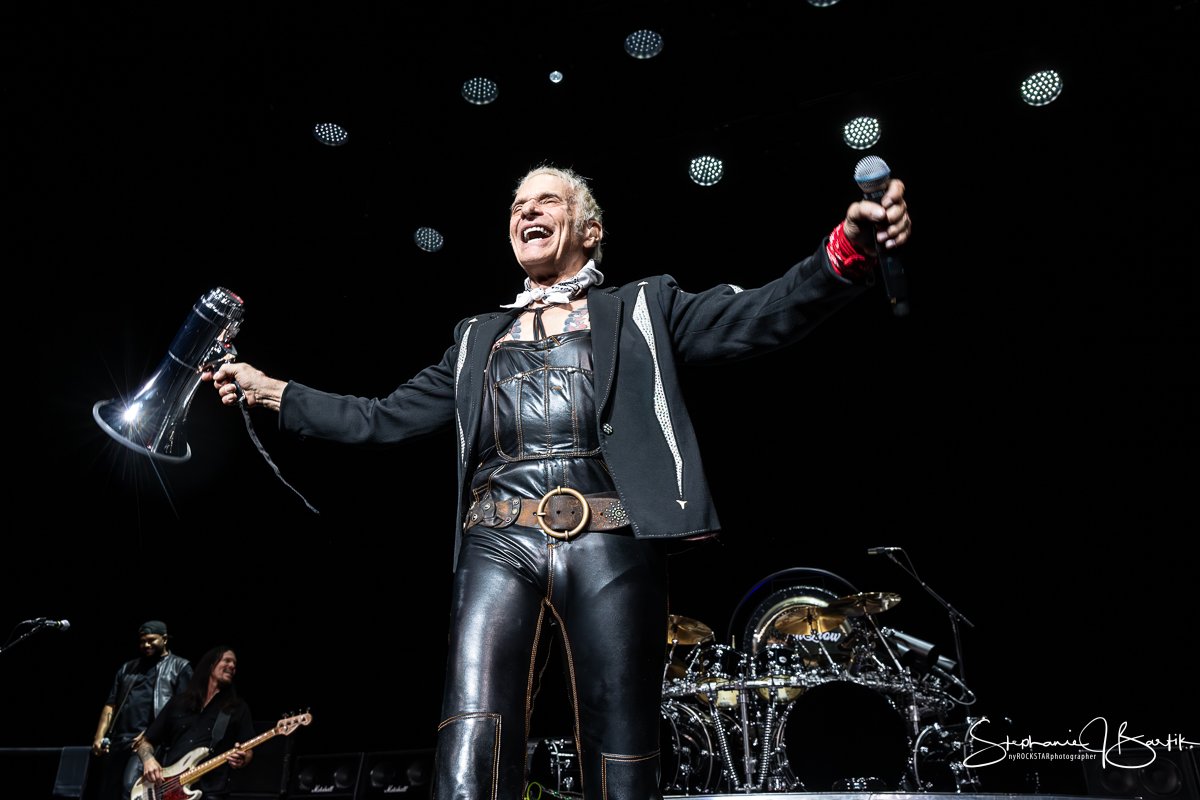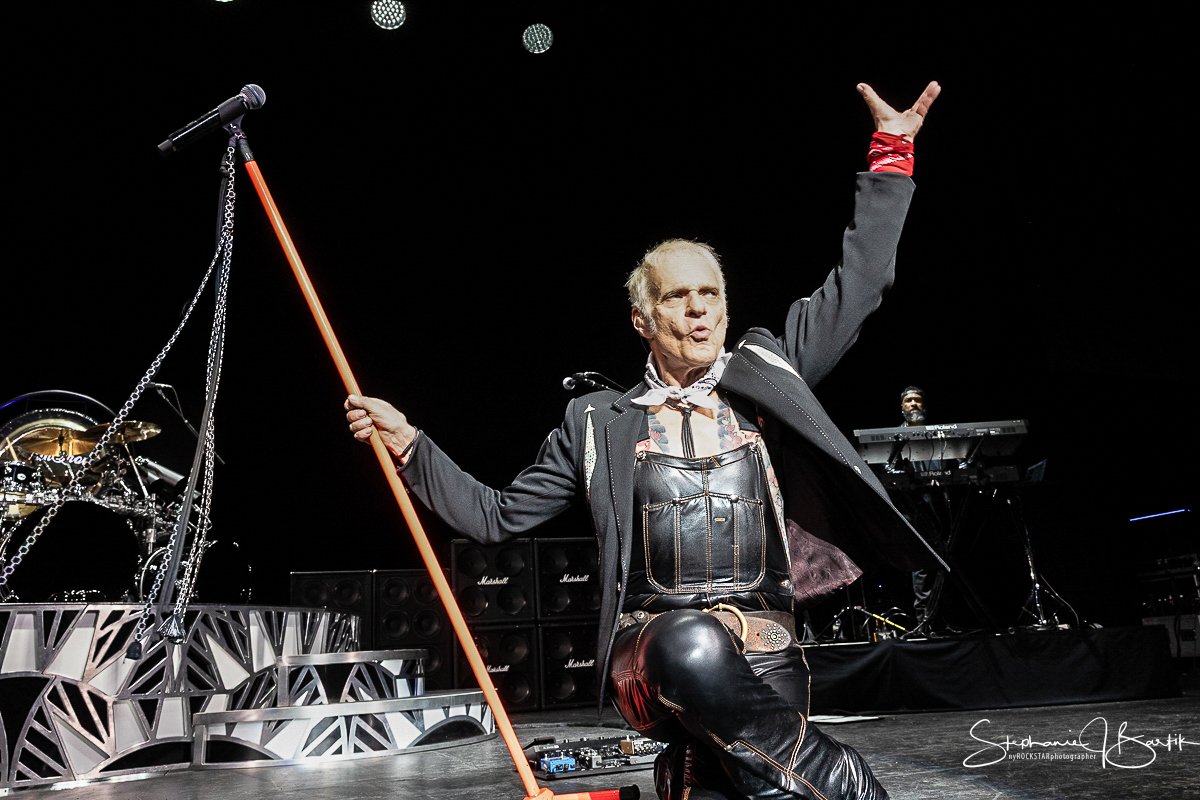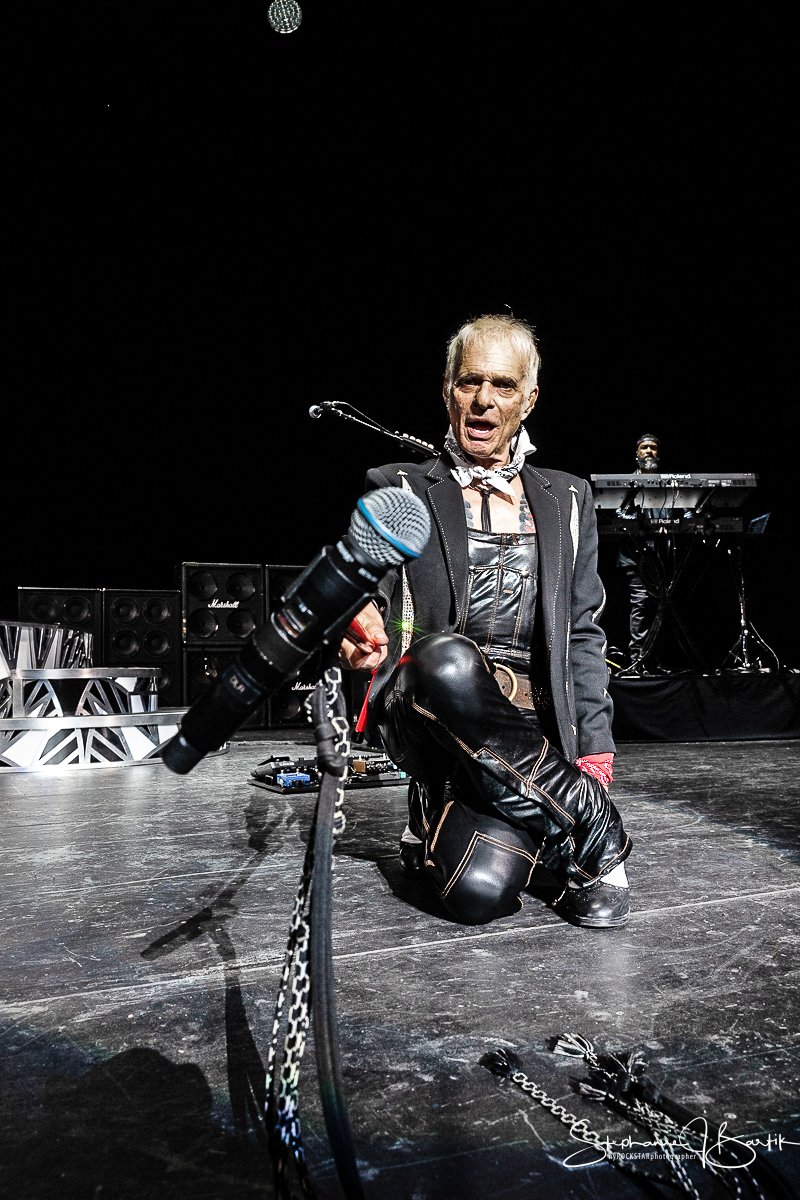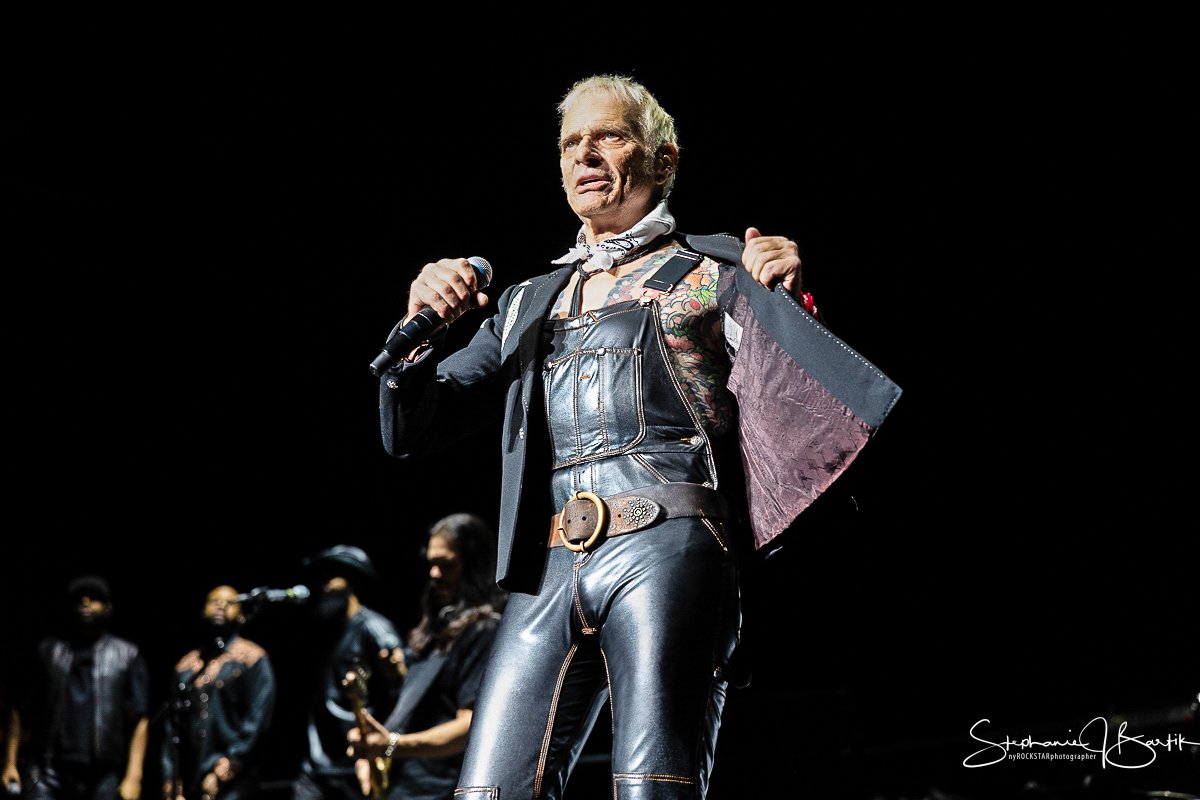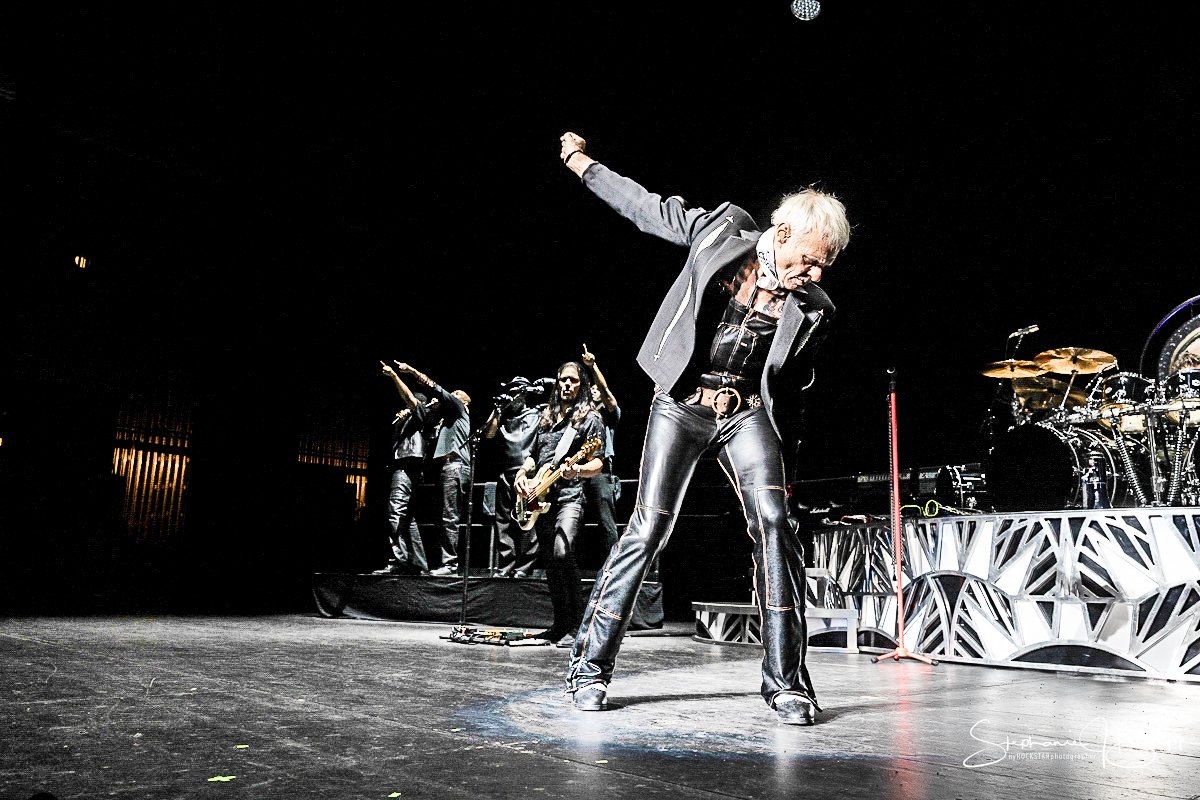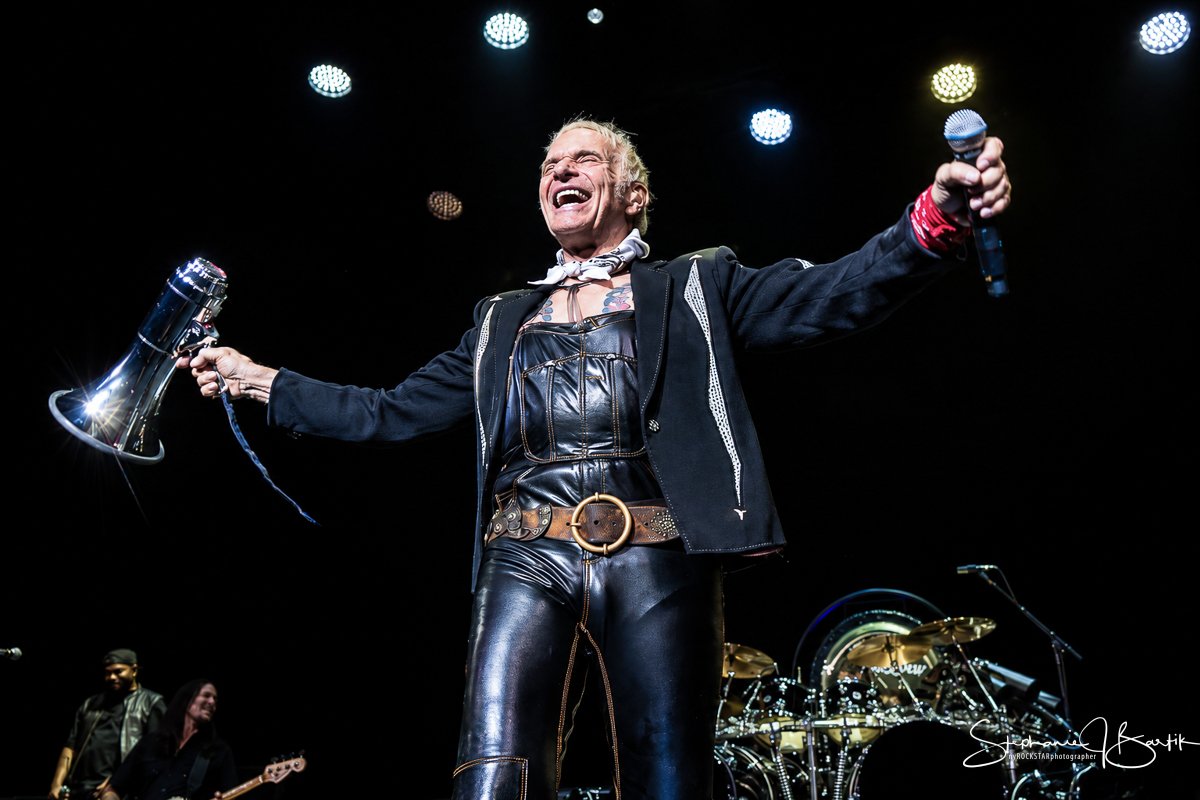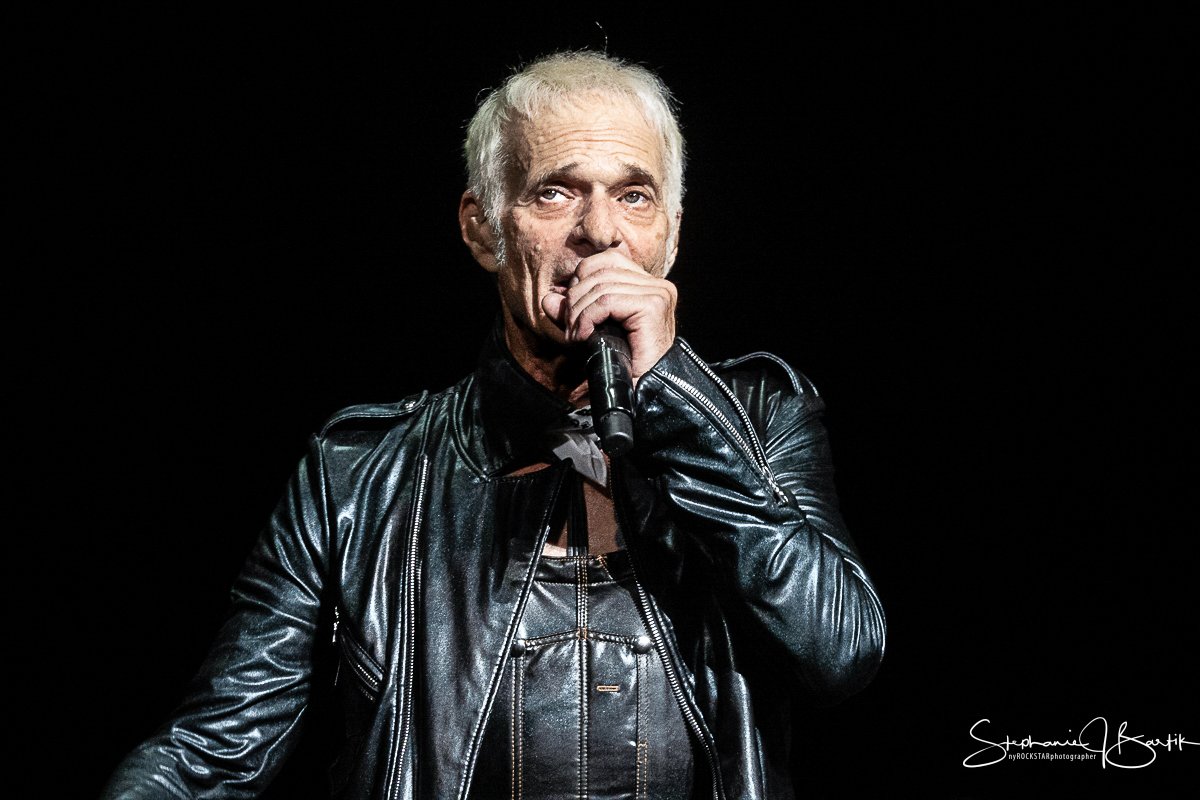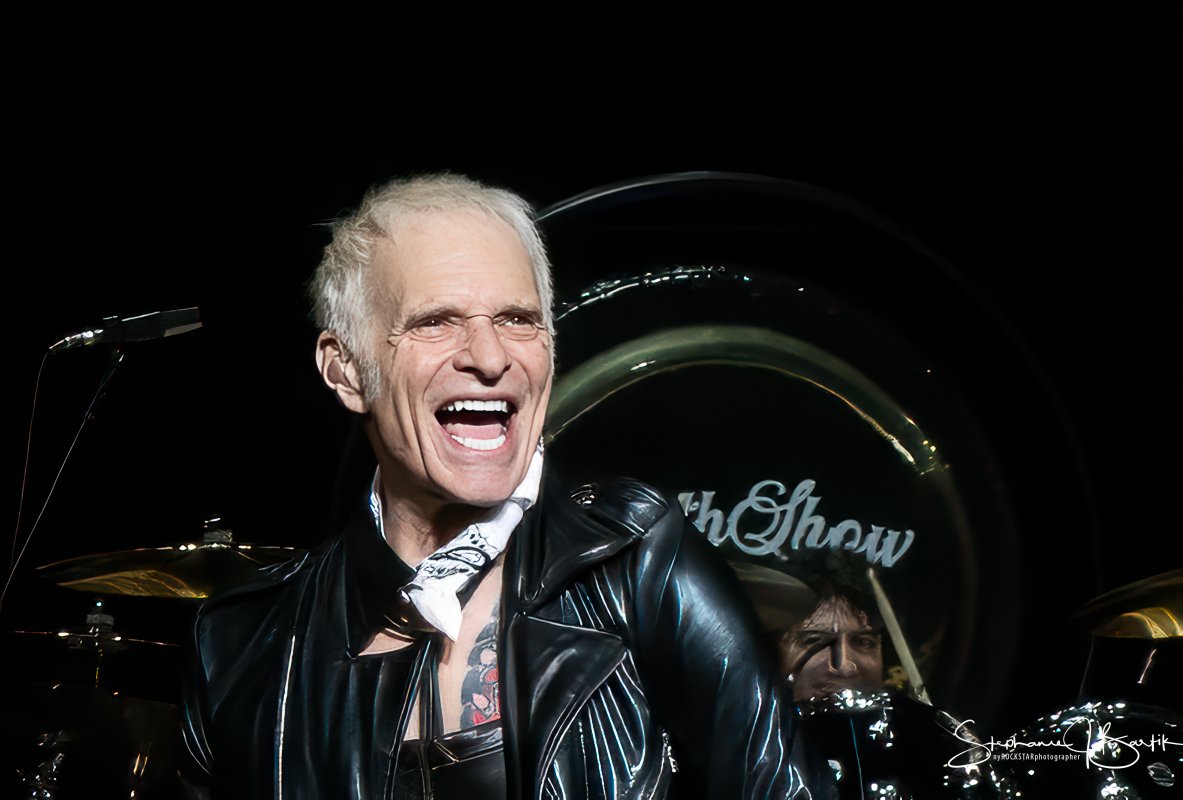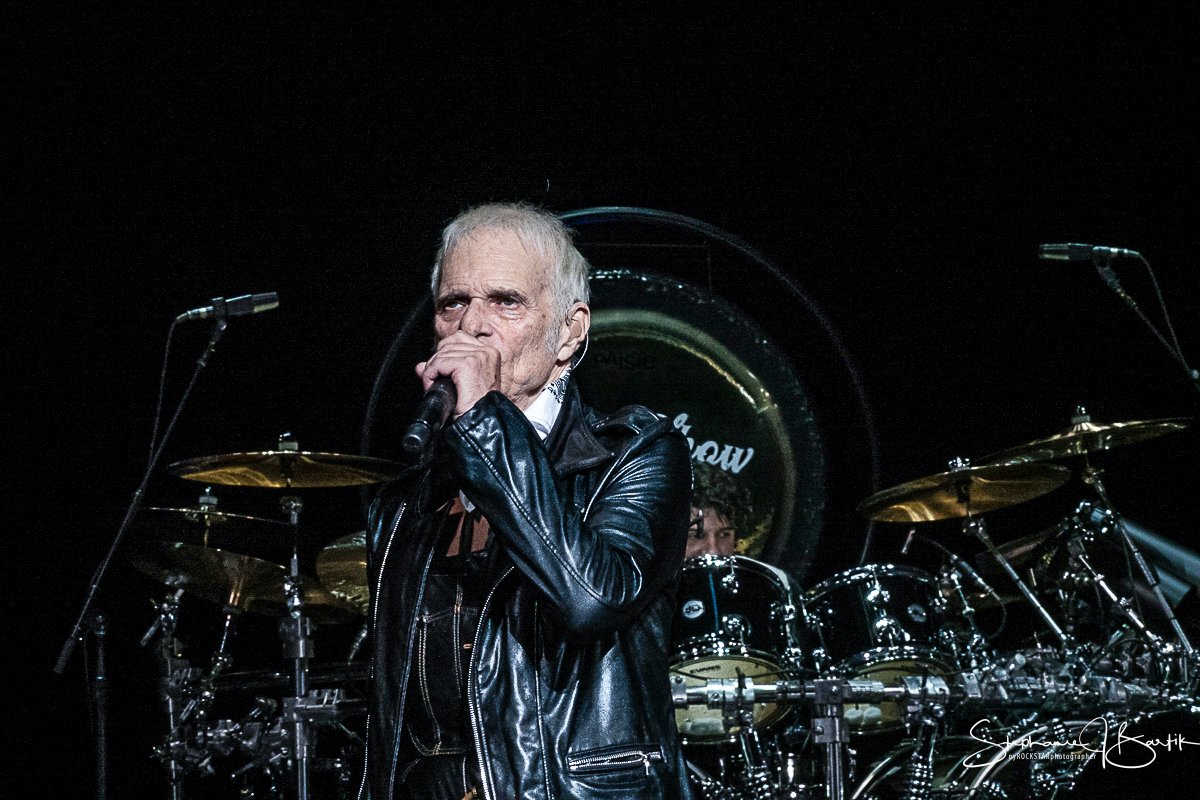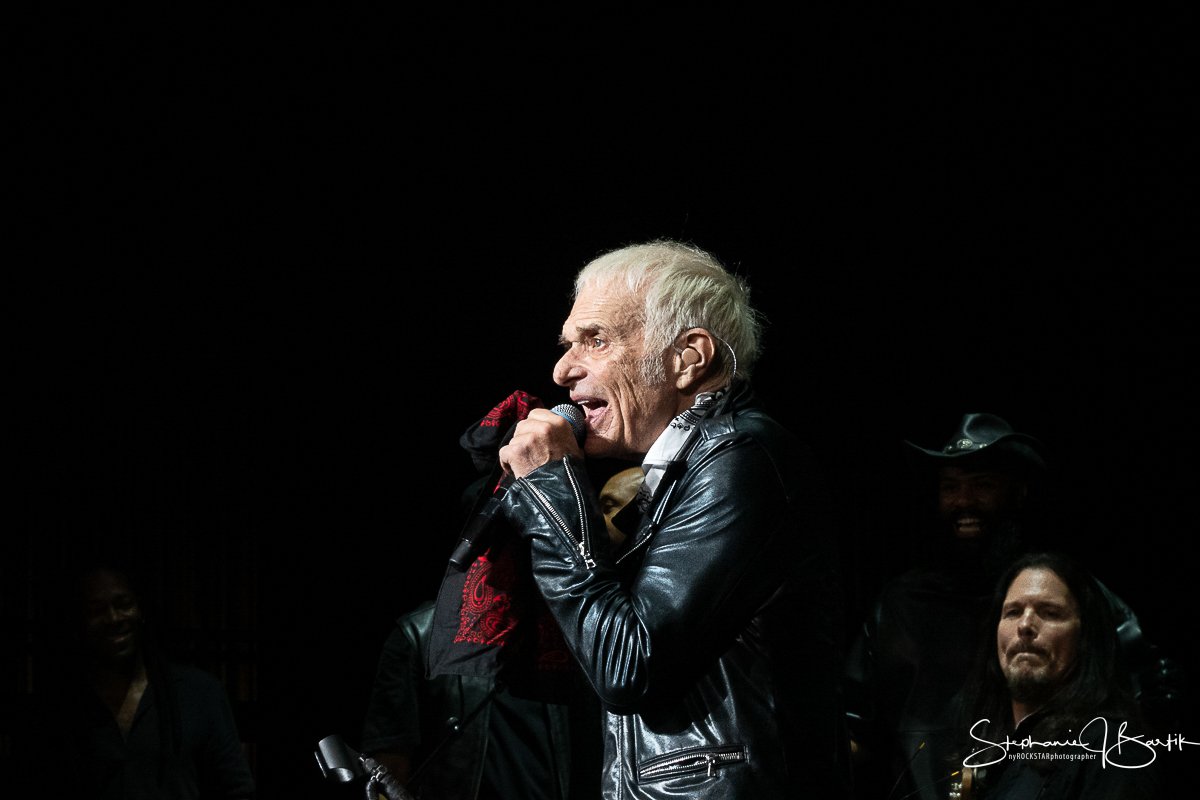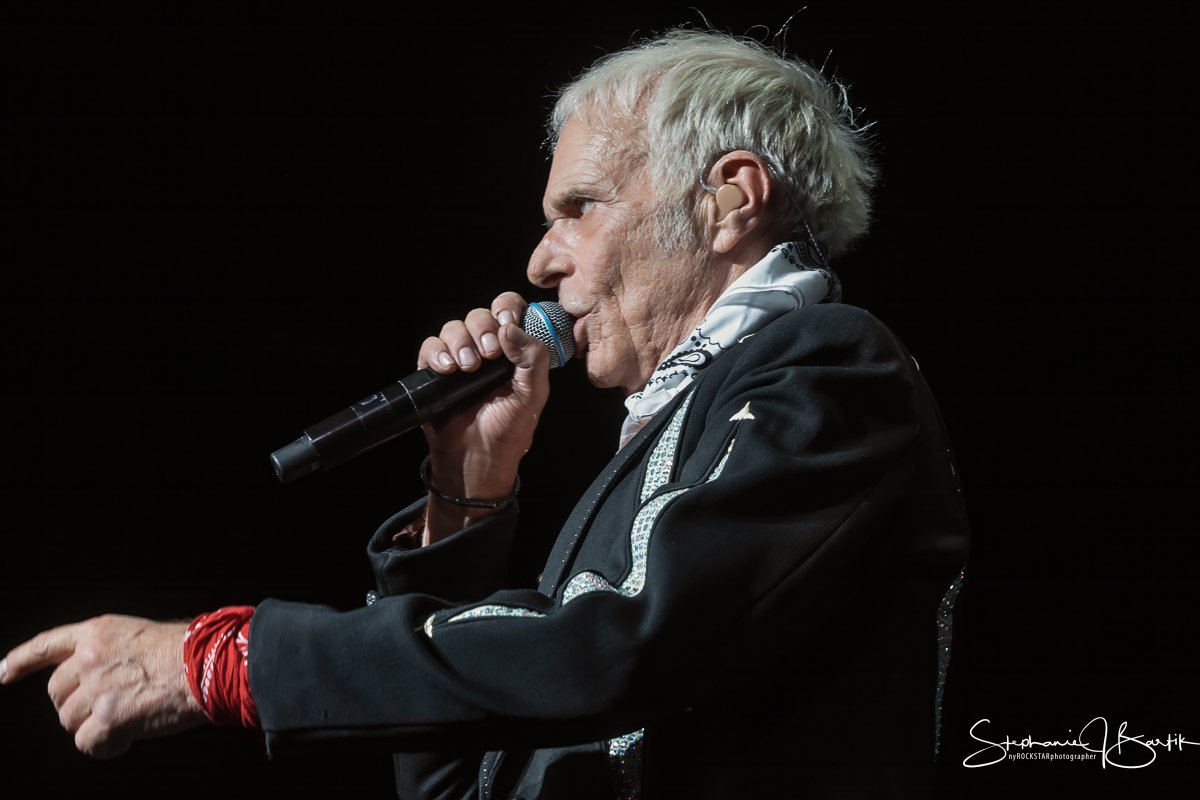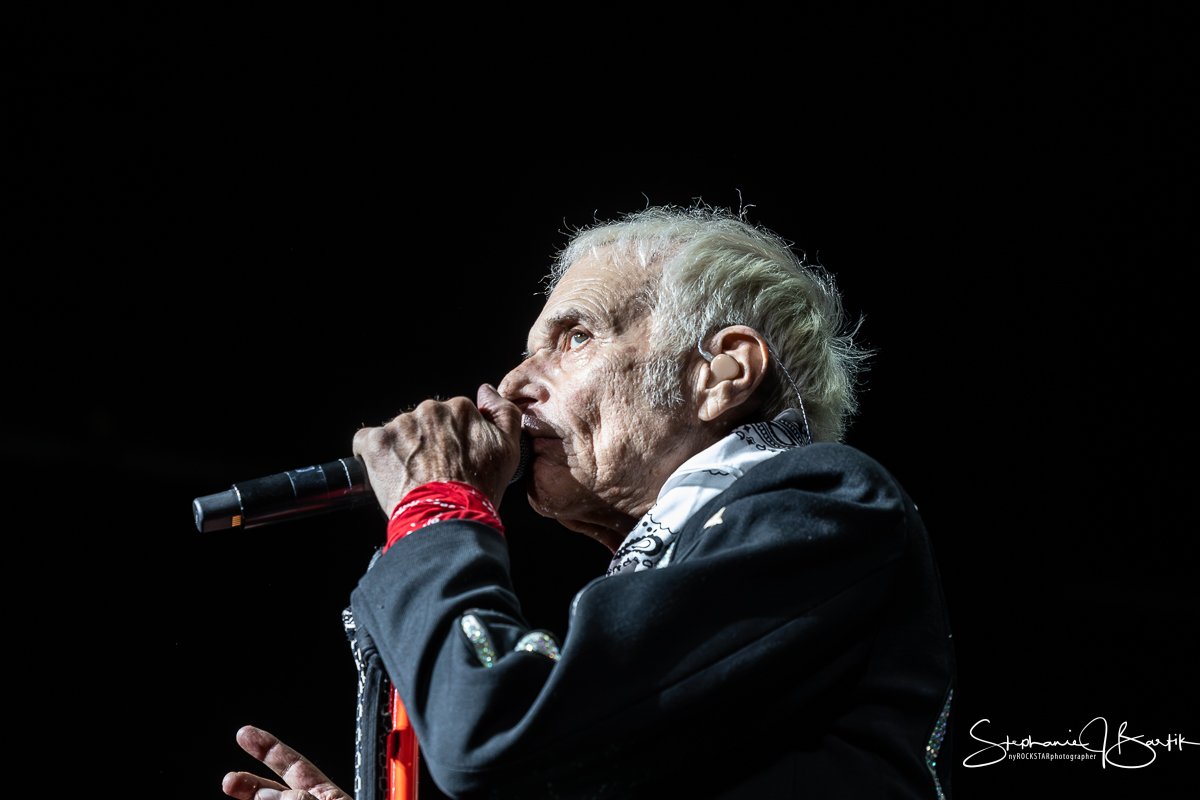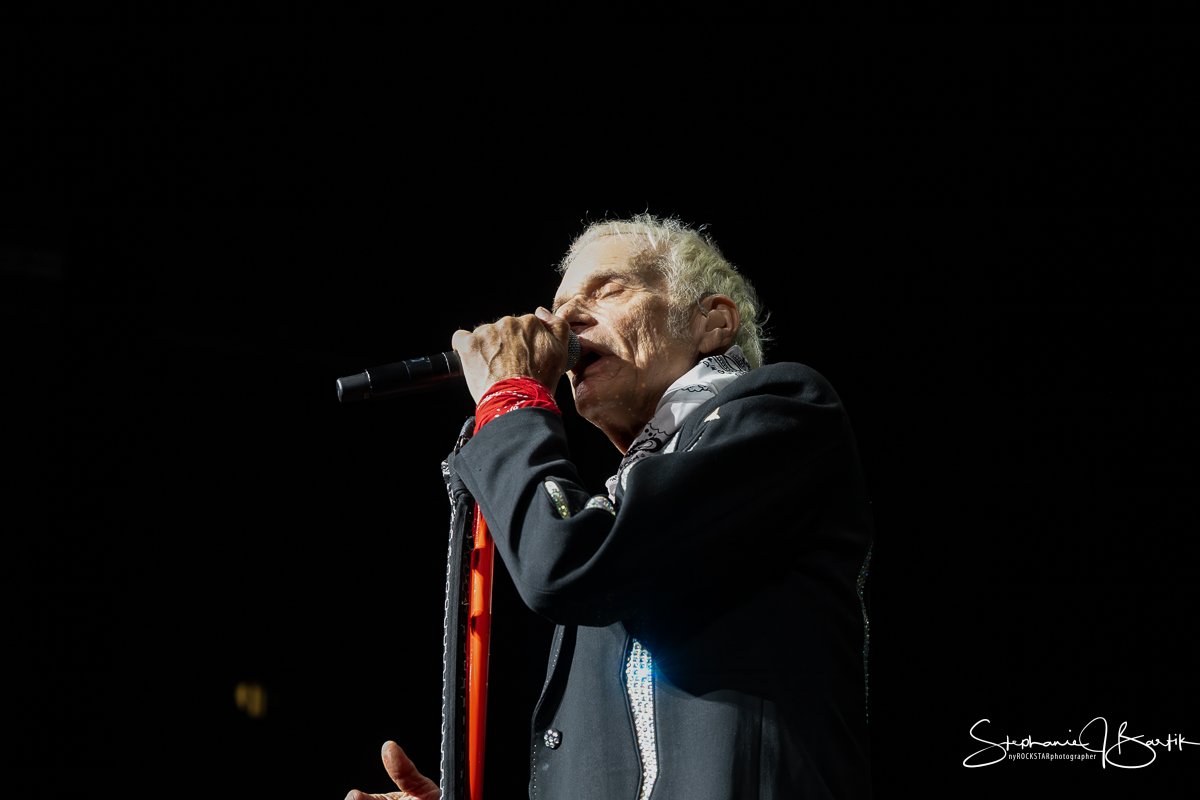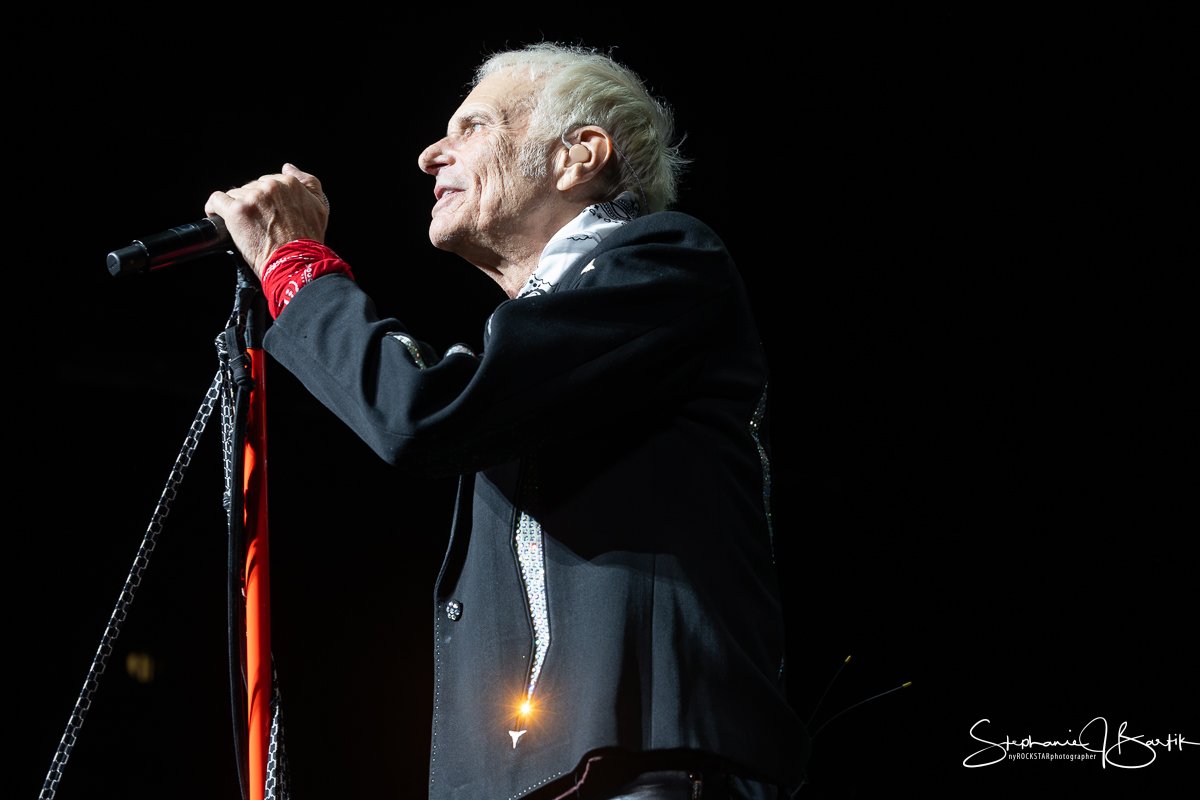

Schenectady, N.Y. – May 26, 2026 – David Lee Roth has been performing longer than many of today’s fans have been alive – 54 years on stage in his 71 years of life. While plenty of people his age have retired to swinging golf clubs, Roth still chooses to swing a mic stand under stage lights.
And yes, the critics are always there.
I’ll admit it freely – I’ve always been a Sammy Hagar fan. I’ve always preferred Sammy’s vocals, musicianship, and overall style to Roth’s over-the-top “look at me” persona. So when I say this, I say it without much of a horse in the race.
There’s still something to be said for an artist who keeps showing up for the fans who want one more night with the music that shaped their lives.
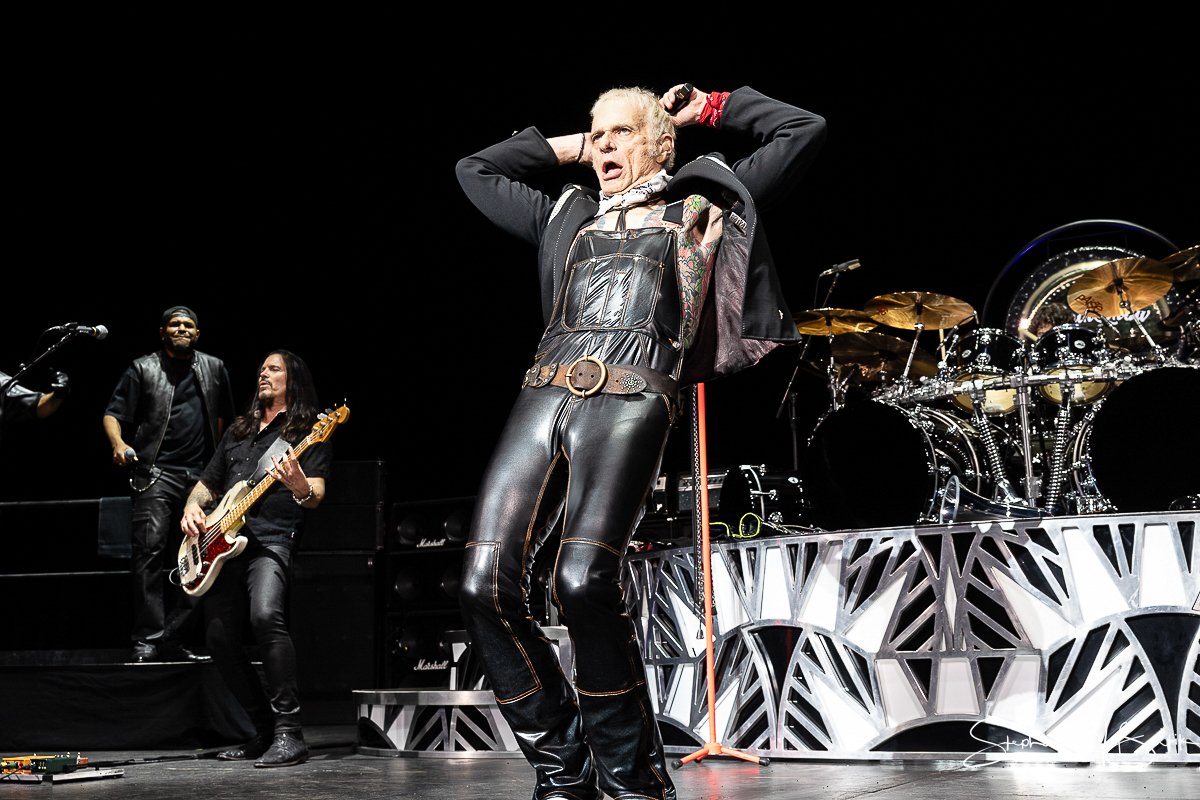
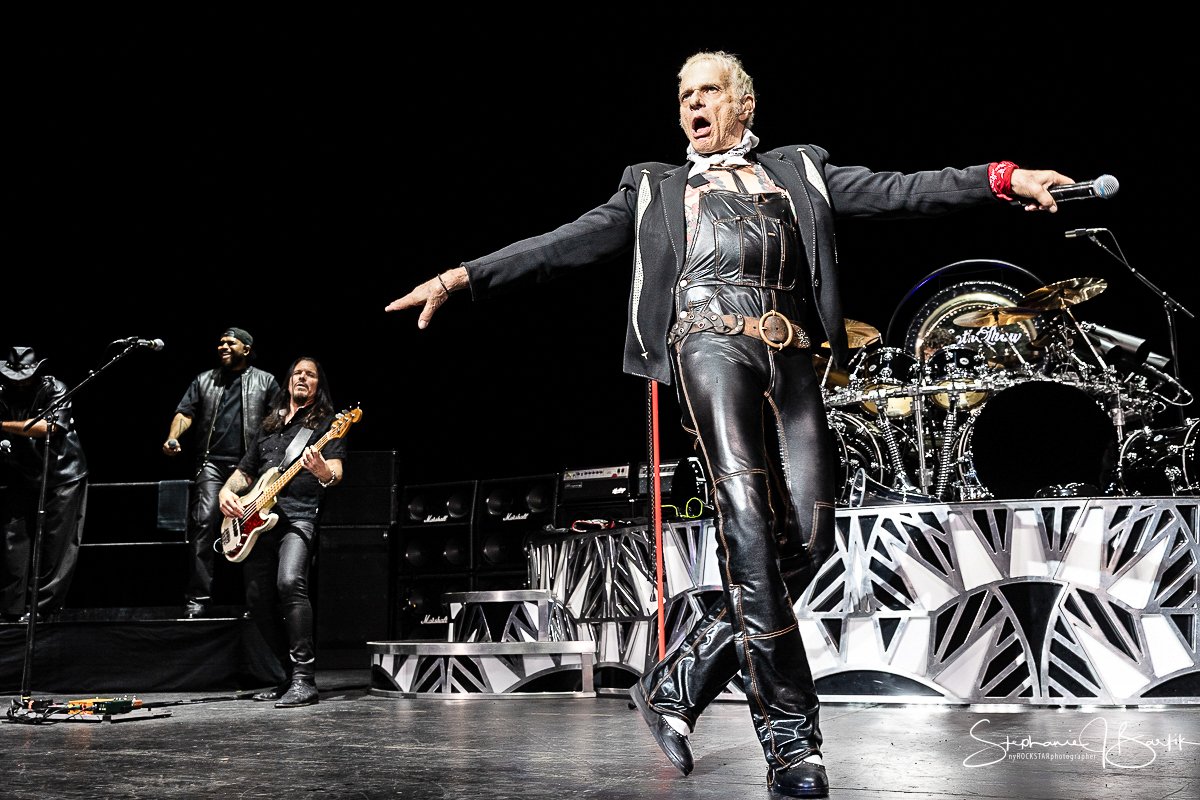
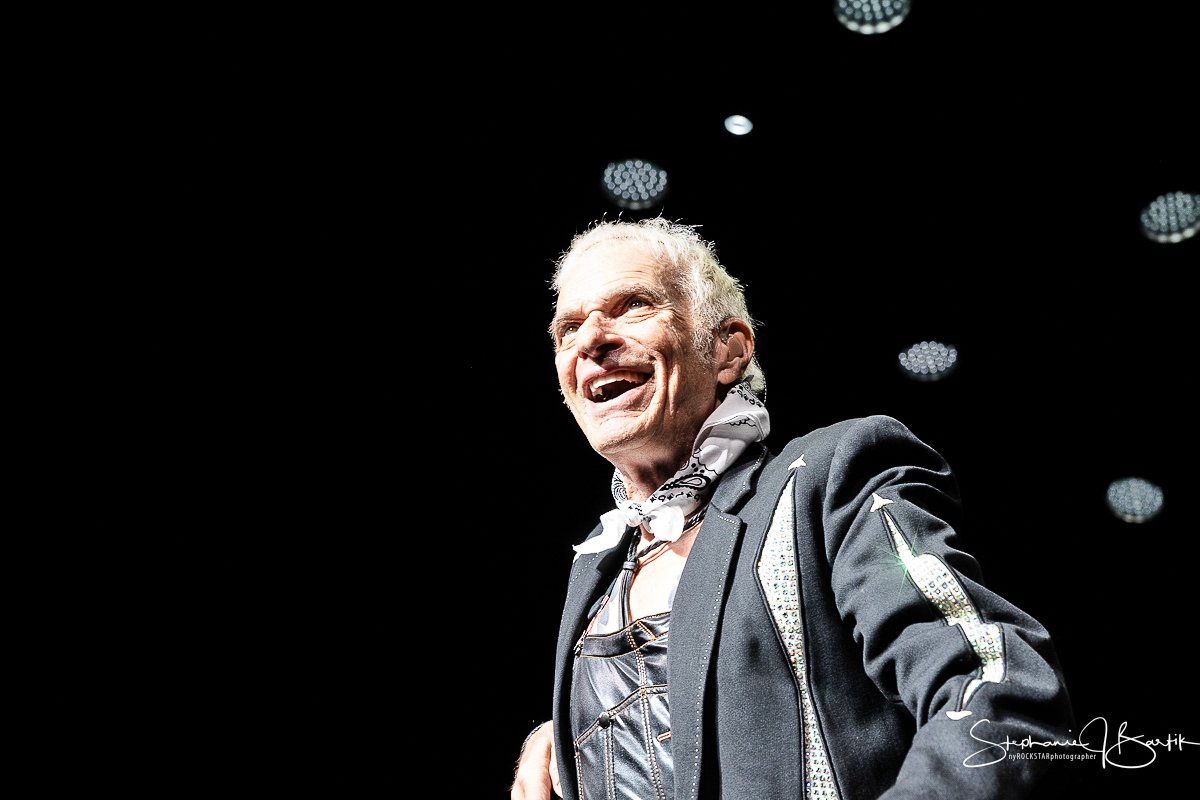
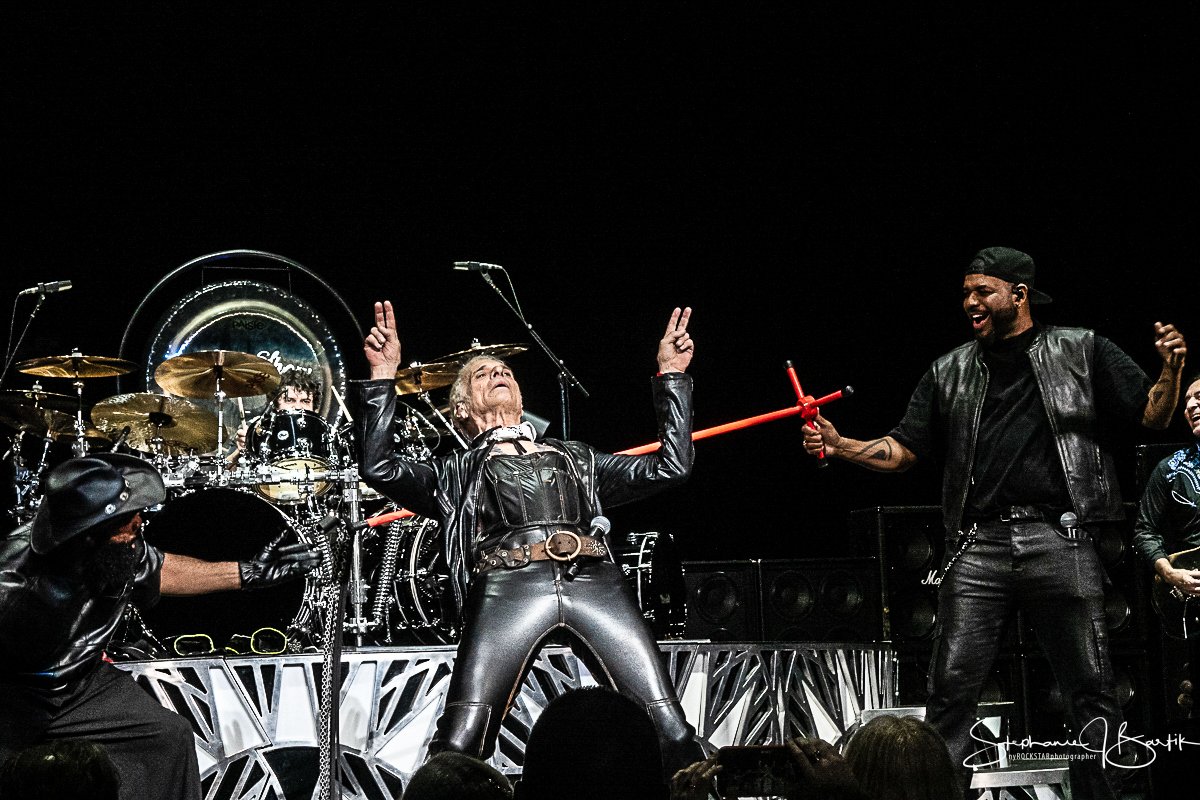
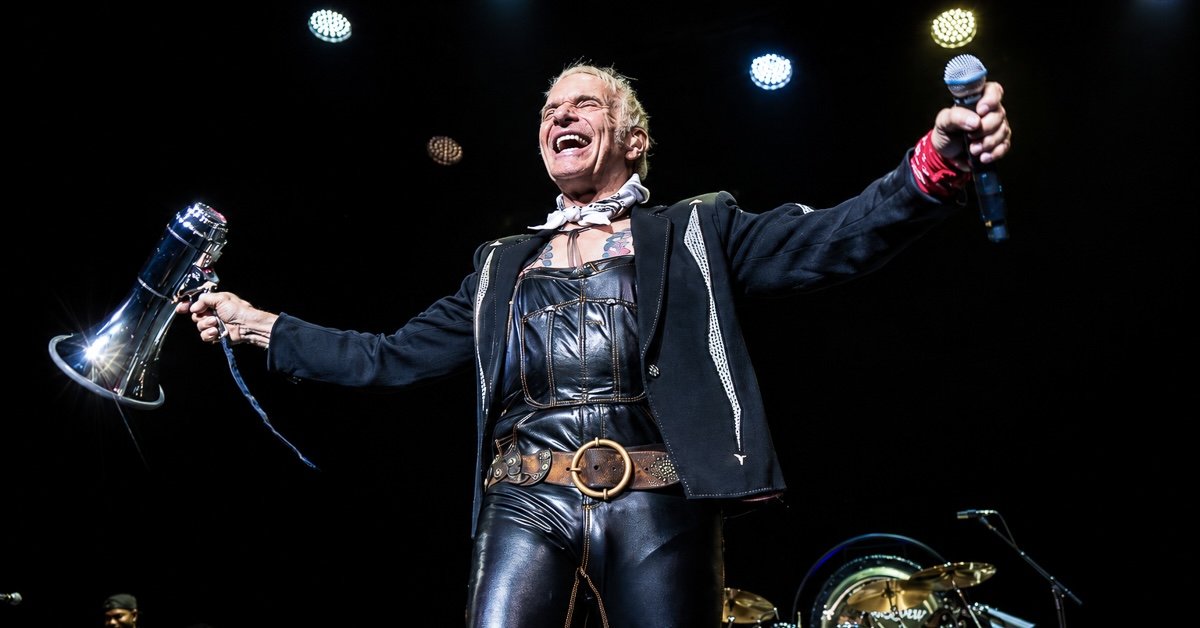
No, this isn’t the Diamond Dave of the 1980s. He’s not flying across the stage in full splits anymore. But that trademark grin, the swagger, the humor, and the showmanship were all alive Tuesday night at Proctors. Cheesy at times? Absolutely. But Roth also helped create the blueprint for the modern rock frontman, and that legacy still carries weight.
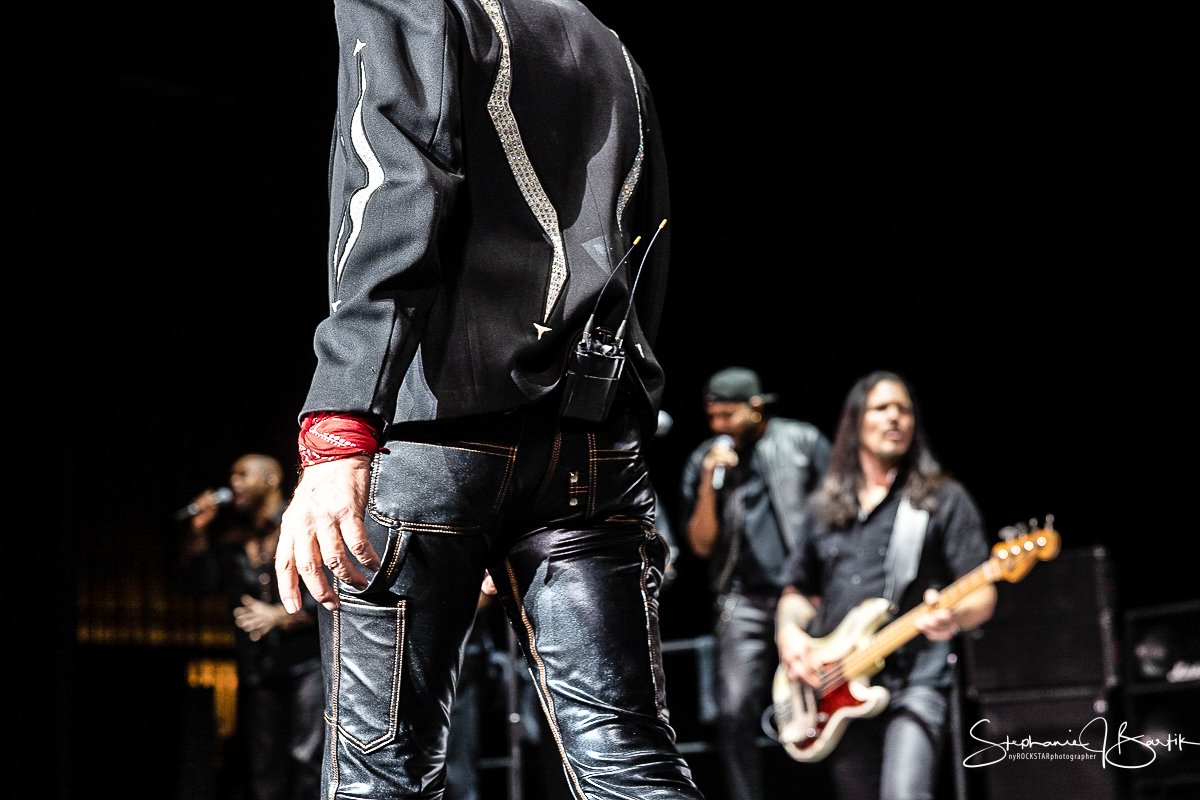
One photo I posted from the show after I got home sparked hundreds of reactions and dozens of comments almost immediately – some defending him, others tearing him apart. Over one image.
And honestly, what struck me most wasn’t really the debate about David Lee Roth. It was the reaction people have to aging itself.
People seem deeply uncomfortable watching artists grow older in public. We celebrate legends, but often only the frozen versions that exist in our memories, old MTV videos, album covers, and stories from decades ago. The moment age becomes visible – in a voice, a movement, a face – suddenly people start asking why they’re still performing at all.
Maybe this topic hits me harder because, more often than not, I’m also the oldest person in the photo pit – and frequently the only woman there.
So when I see the instant dismissal of older performers, it feels familiar. There’s this strange expectation that once people reach a certain age, they should quietly step aside, stop taking up space, stop being visible, stop being ambitious, stop being loud.
But music has never really worked that way.
Bodies change. Voices change. Energy shifts. That happens to every single person lucky enough to keep living. Not everyone gets the privilege of reaching 71 years old, let alone standing under stage lights after more than five decades in the business while thousands of people compare you to a version of yourself from forty years ago.
And if people still want to buy tickets, sing along, and reconnect with music that meant something to them, why shouldn’t they?
You don’t have to love every performer. Trust me, I understand why some people don’t connect with Roth’s style. But there’s a difference between saying, “This isn’t for me,” and acting like other people are somehow wrong for enjoying it.
The crowd at Proctors didn’t show up expecting a time machine. They showed up because the music still meant something to them.
Anyway – the show.
Proctors remains one of the Capital Region’s most beautiful venues. The historic theater, with its ornate old-world charm and welcoming staff, felt like the perfect backdrop for a night built on rock nostalgia. The venue seats around 2,600; I’d estimate roughly 1,000 attended on this Tuesday night after a holiday weekend. Before the show, staff invited fans from the back sections to move closer to the stage, instantly giving the room more energy.
Roth dug deep into the Van Halen catalog from the start. “Drop Dead Legs” opened with its heavy groove before rolling into the aggressive punch of “Romeo Delight,” a deep cut that longtime fans clearly appreciated hearing live.
Mid-set, the mood shifted with lighter, party-ready material that brought sunny California energy into downtown Schenectady. Roth leaned fully into the humor and vaudeville-style personality that has always made him such a unique performer.
One of the night’s strongest moments came when Dave sat alone on stage and shared a personal story about writing songs with Eddie Van Halen in the early days — describing cramped Pasadena rooms where the riffs that changed rock history first came together. It was surprisingly sincere and heartfelt before the band rolled into “Ice Cream Man.”
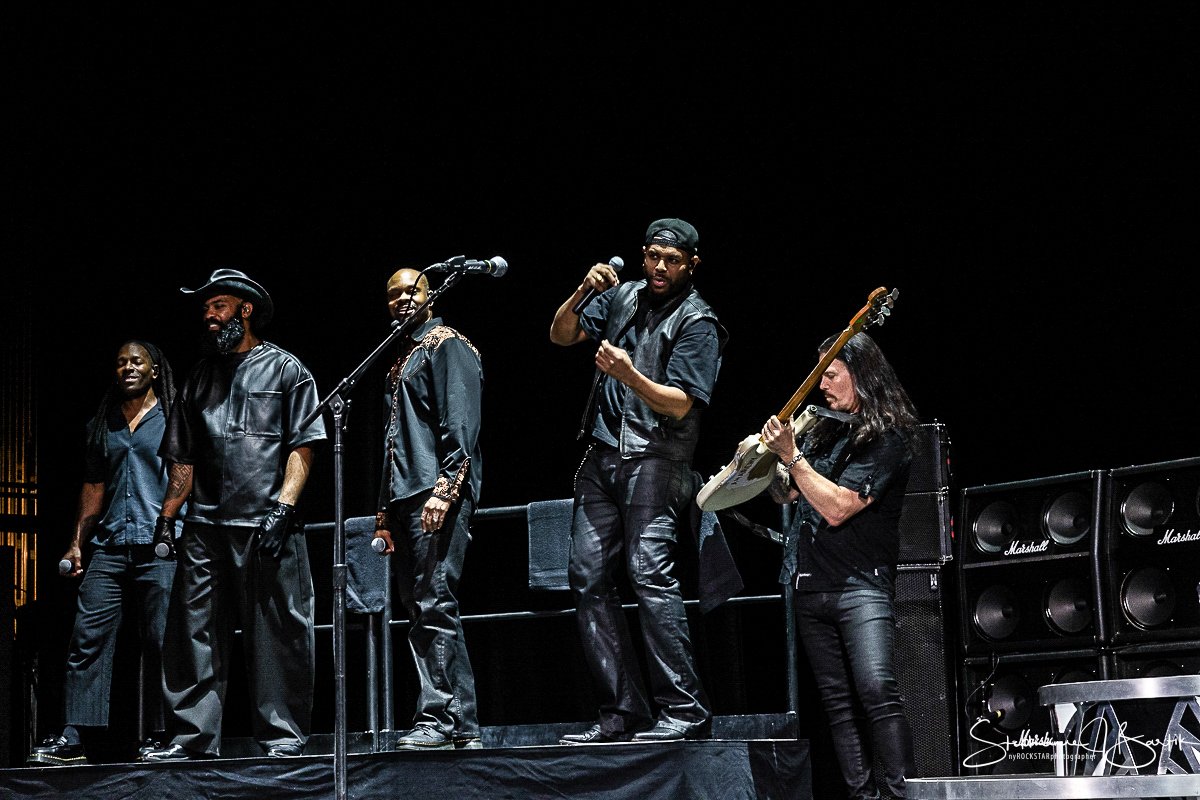
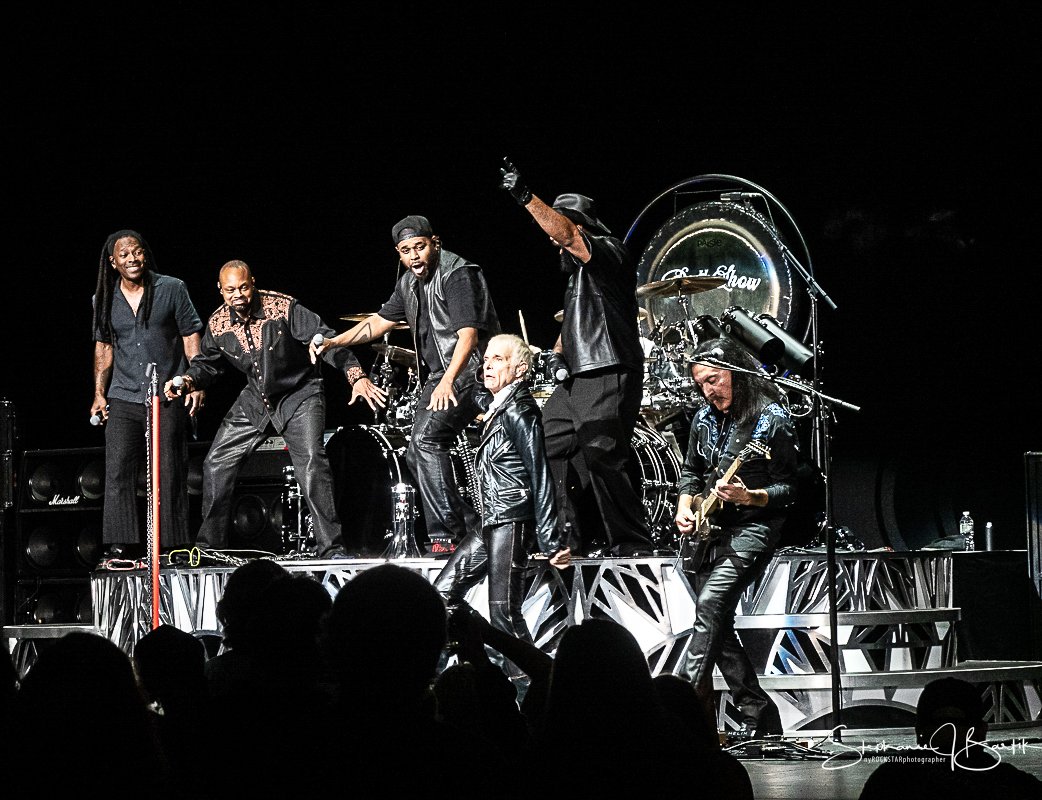
From there, the energy ramped right back up. “Unchained” shook the theater, the backing vocalists nailed the classic responses, and the crowd erupted. “Ain’t Talkin’ ’Bout Love,” “Hot for Teacher,” and “Everybody Wants Some!!” turned the theater into a full-on singalong before “Jump” closed the night exactly the way it should – loud, nostalgic, and celebratory.
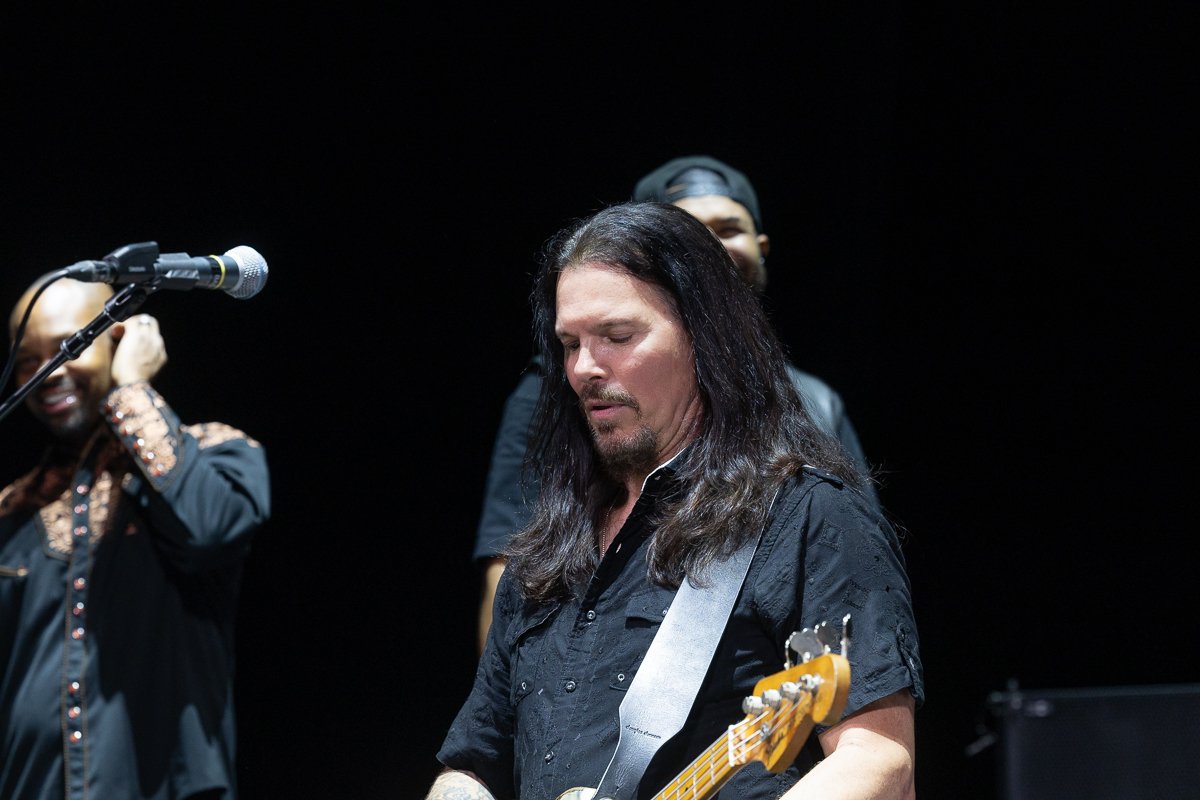
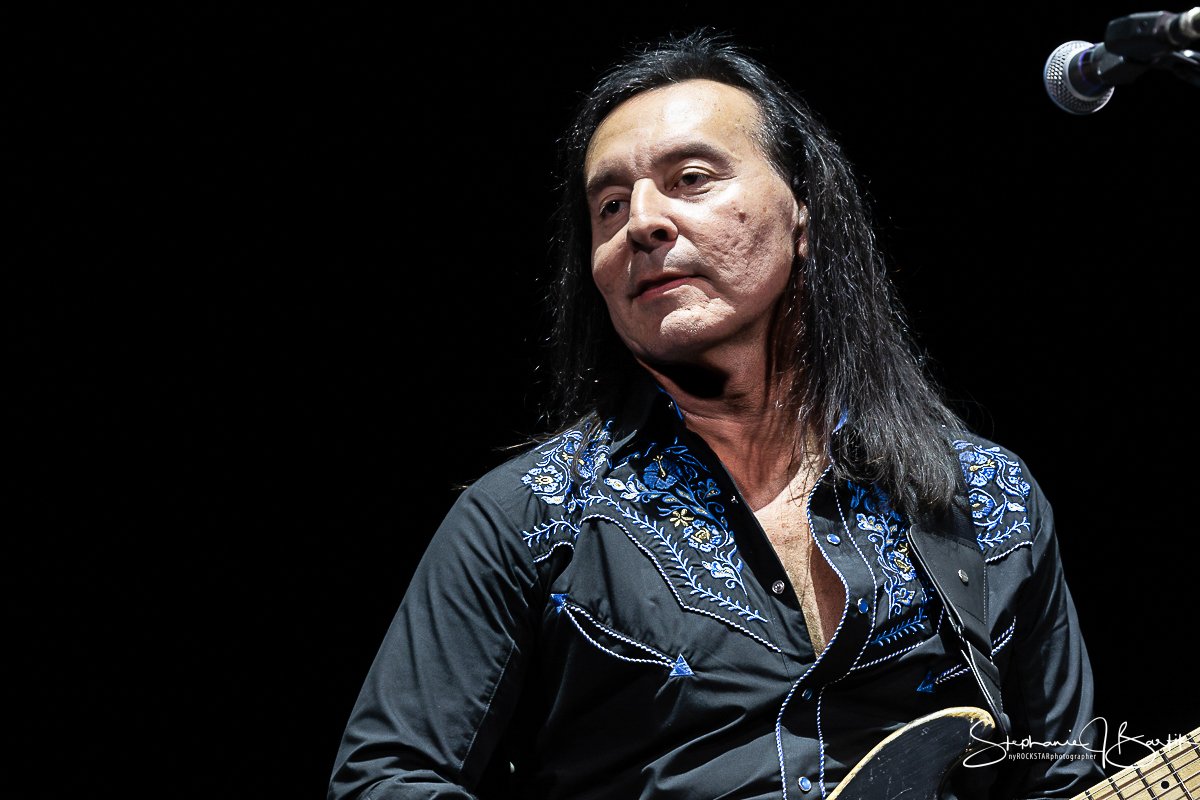
The current lineup featured:
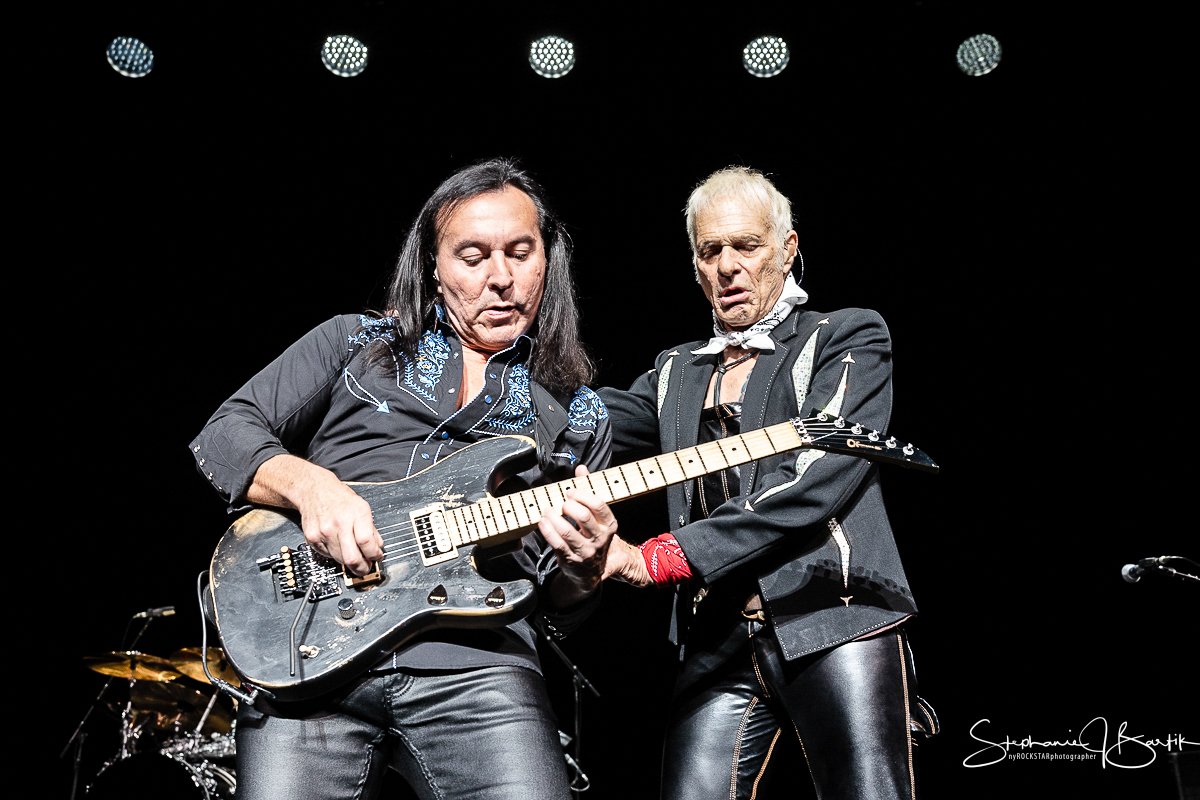
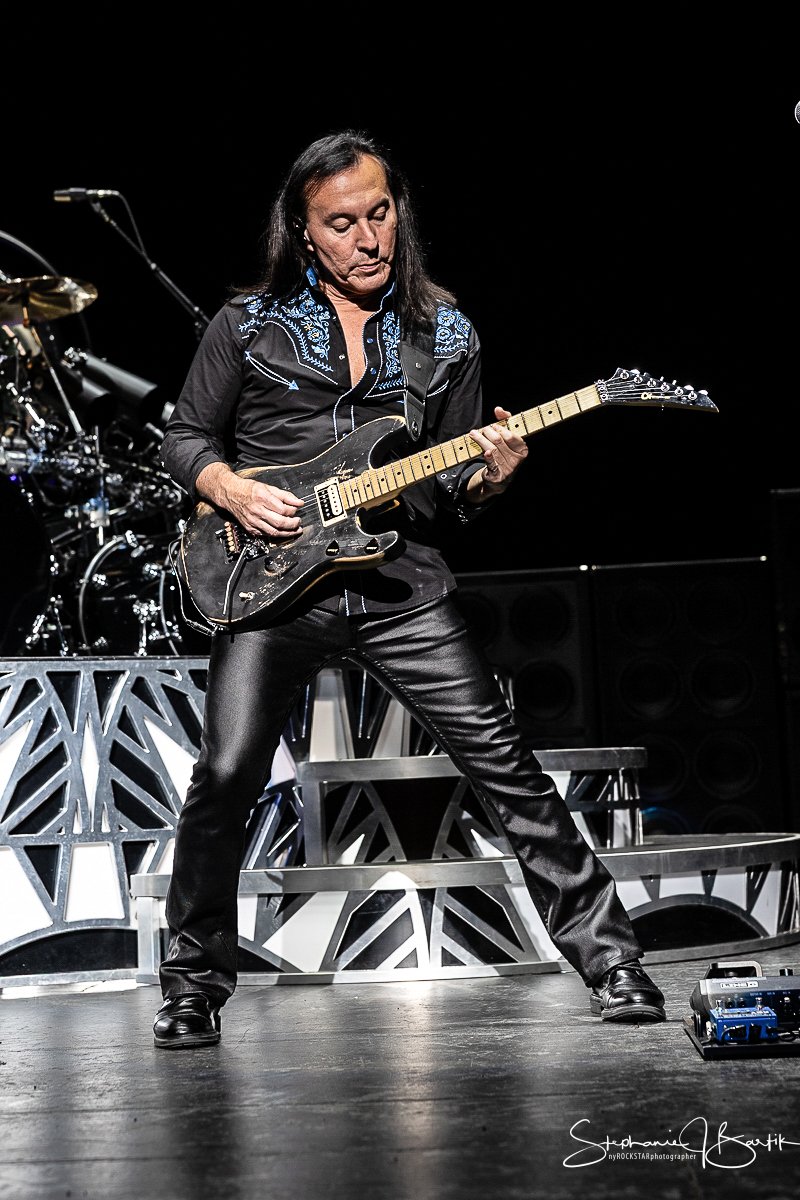
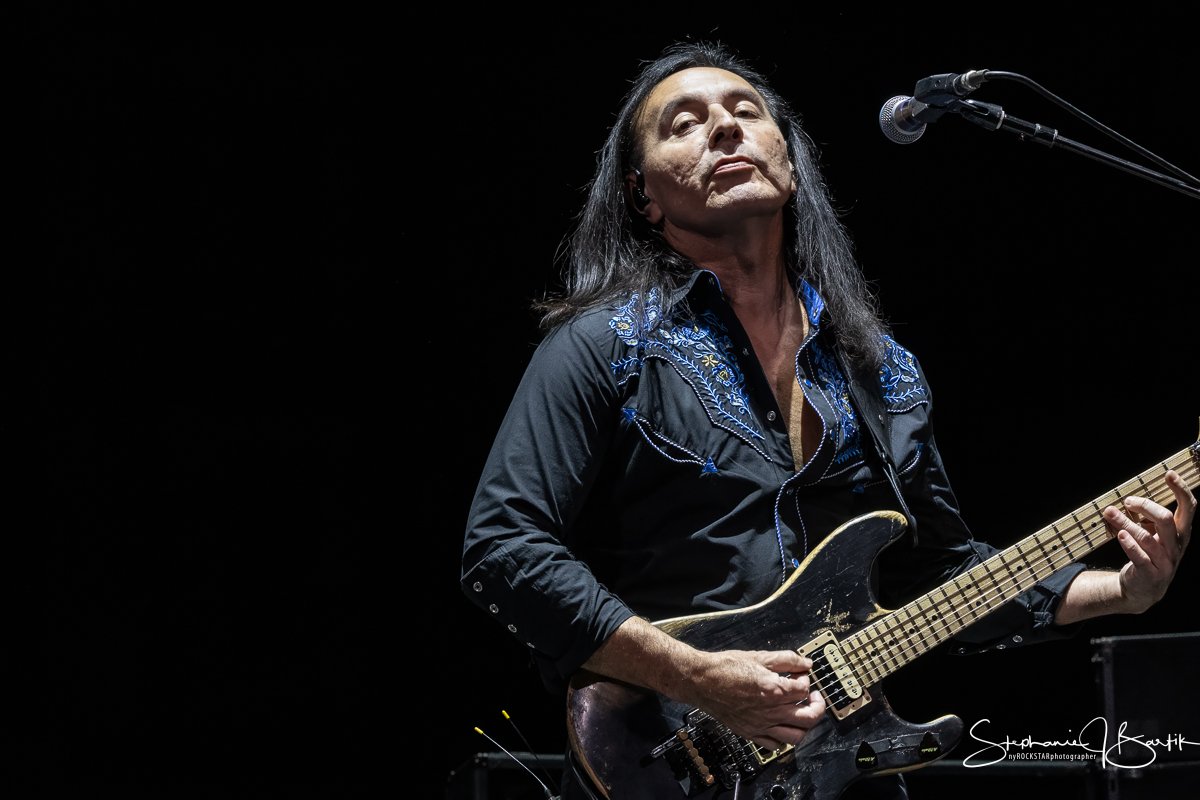
- Guitar: Al Estrada (formerly of the Van Halen tribute band Eruption)
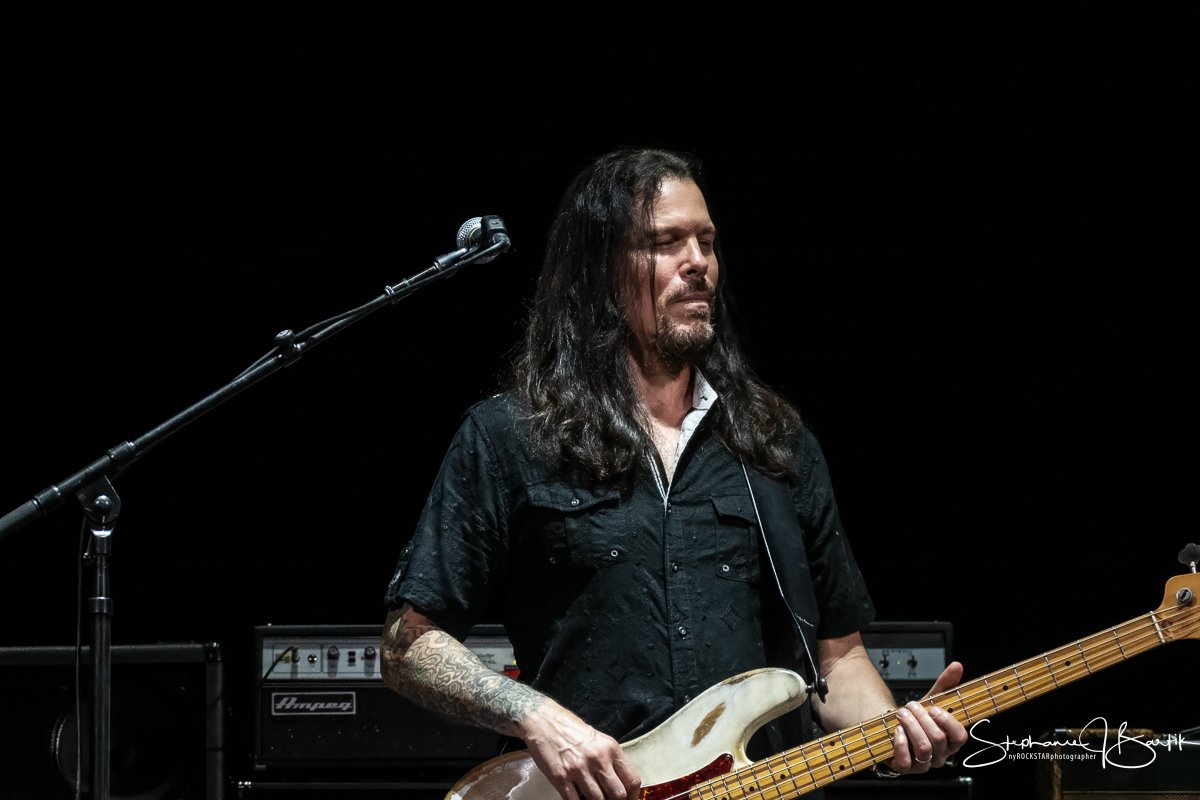
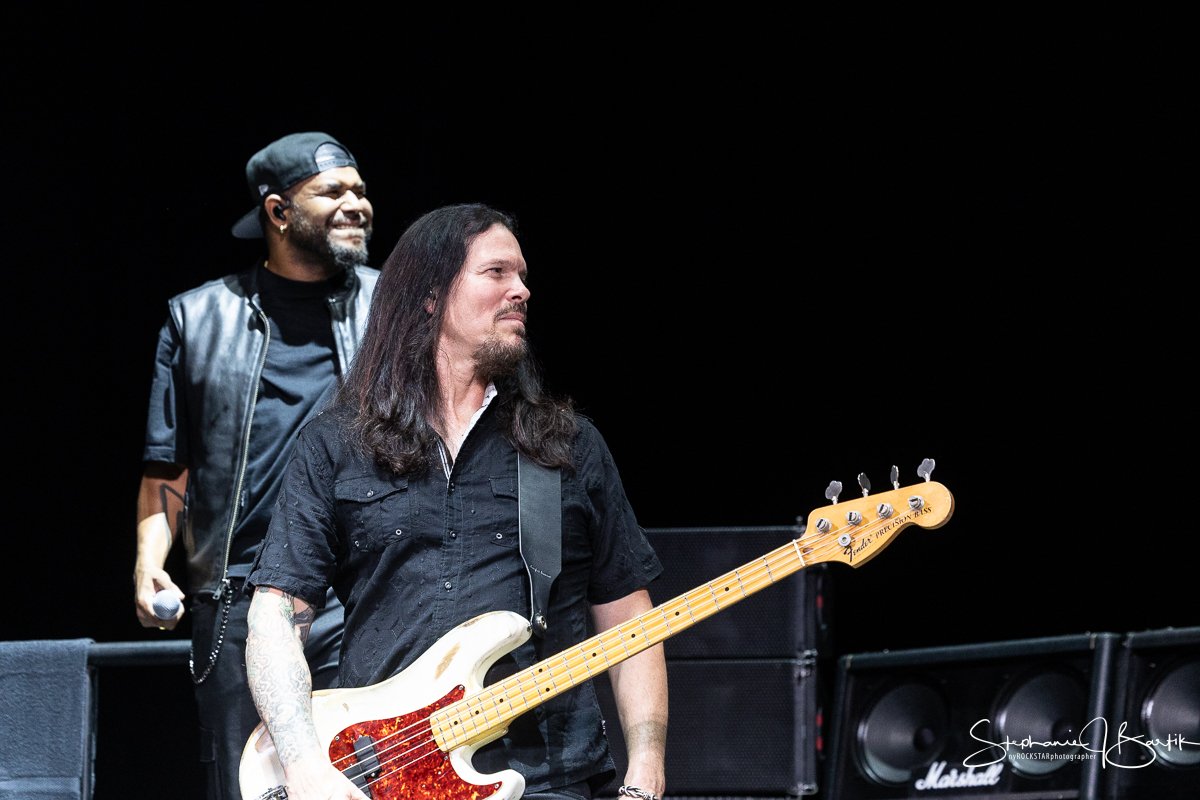
- Bass: Sean McNabb
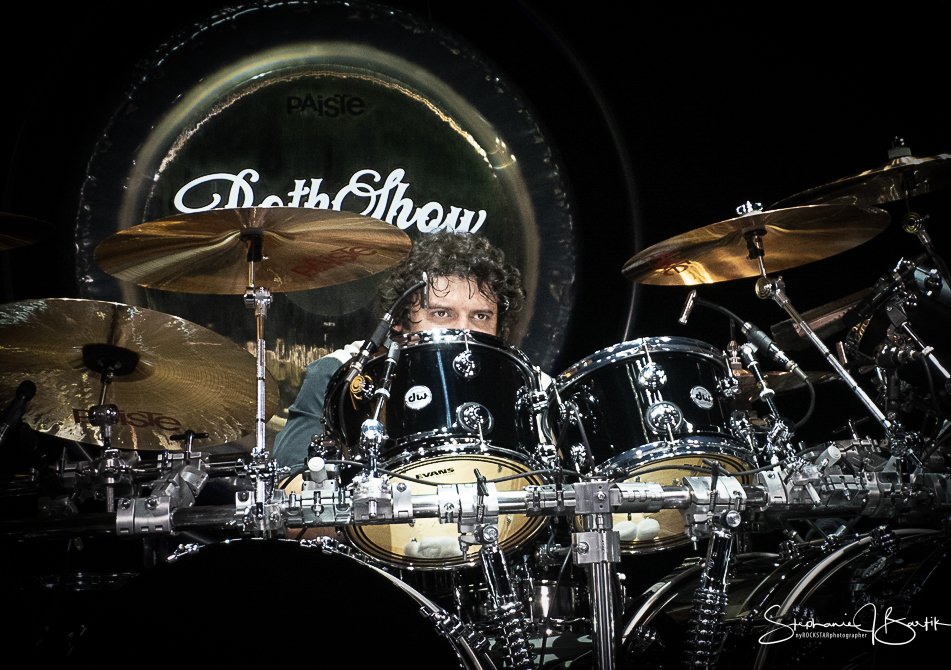
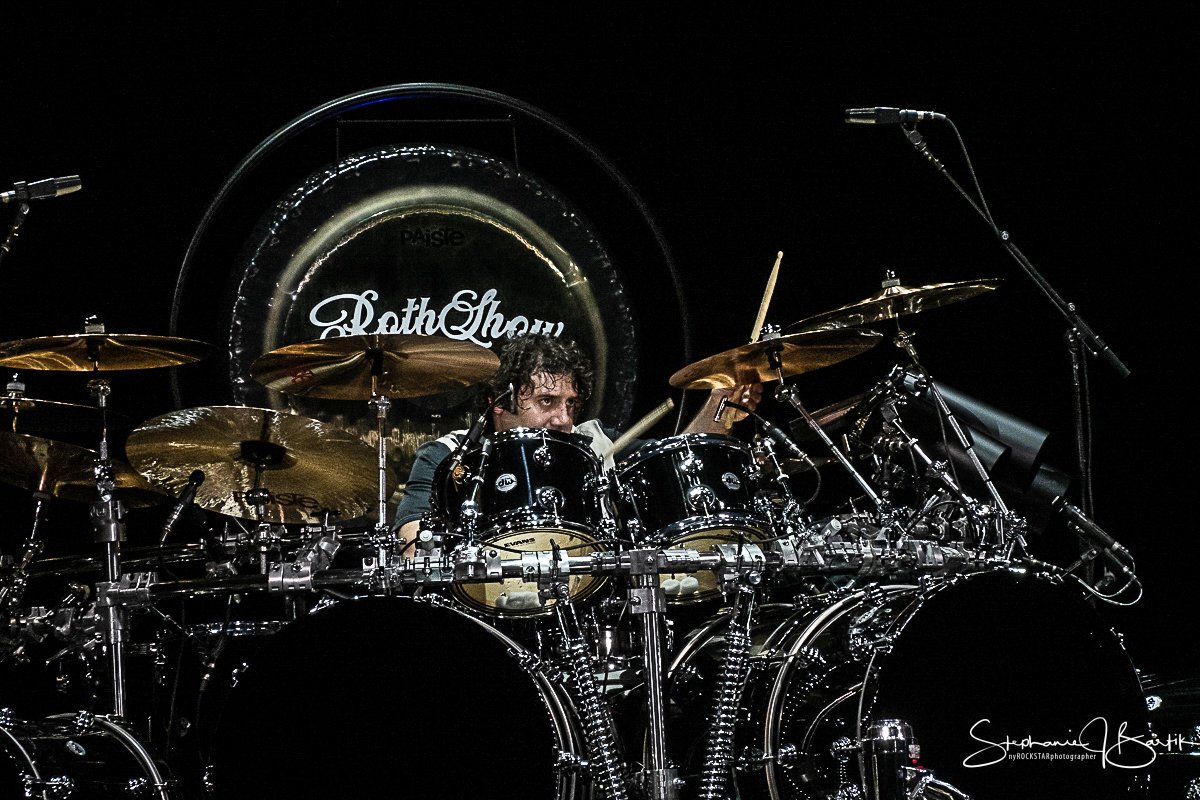
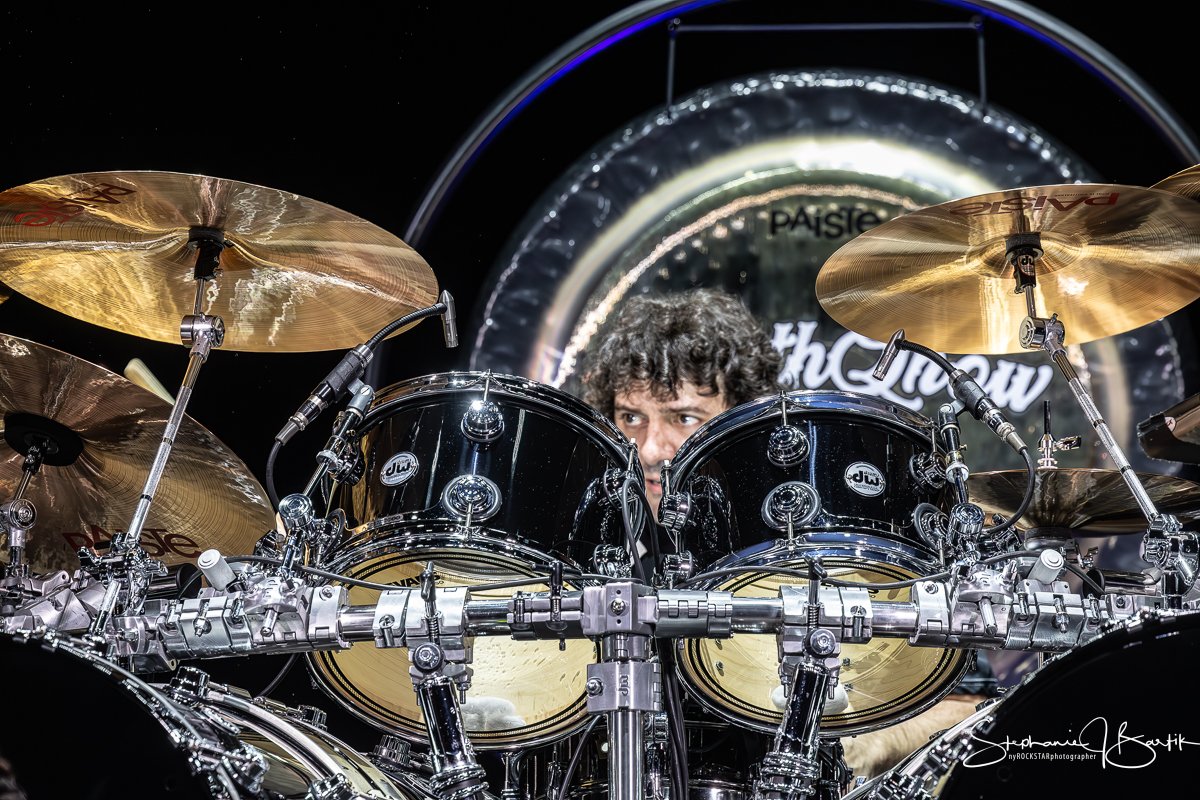
- Drums: Francis Valentino
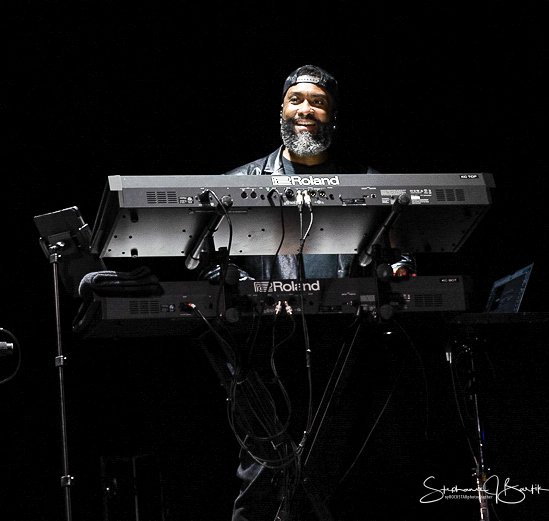
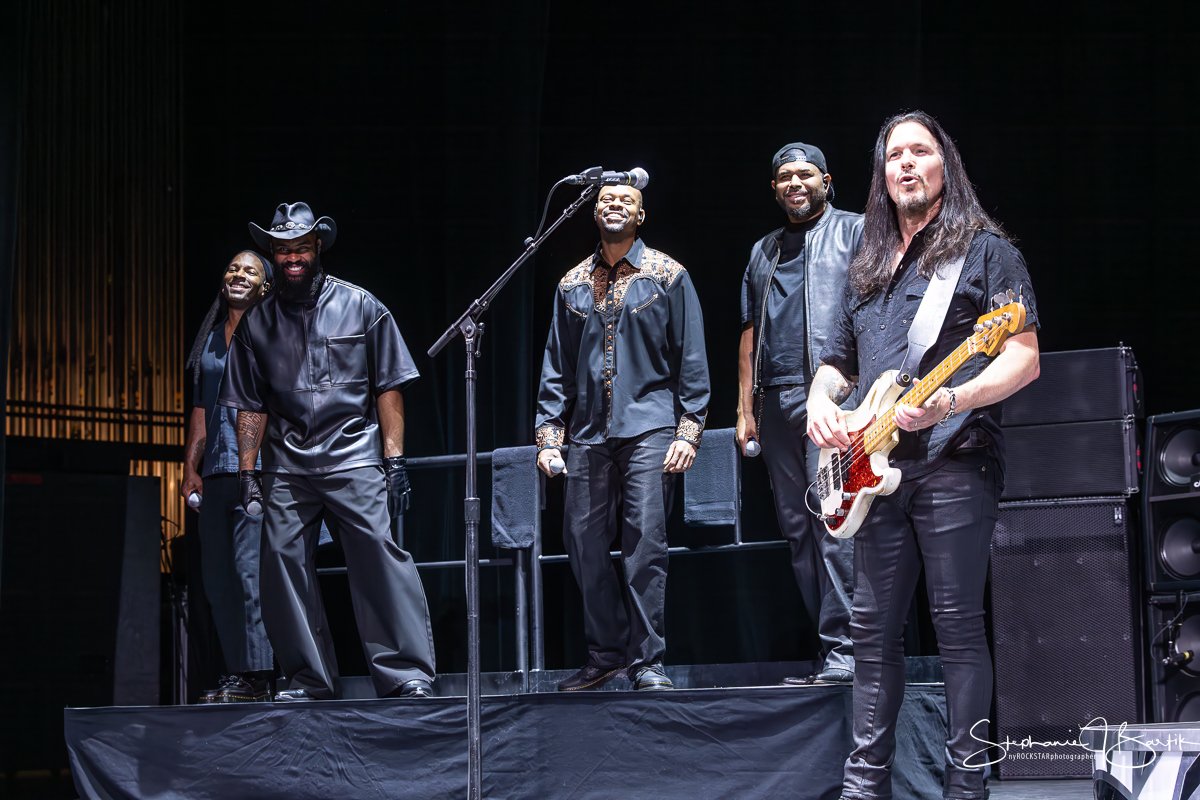
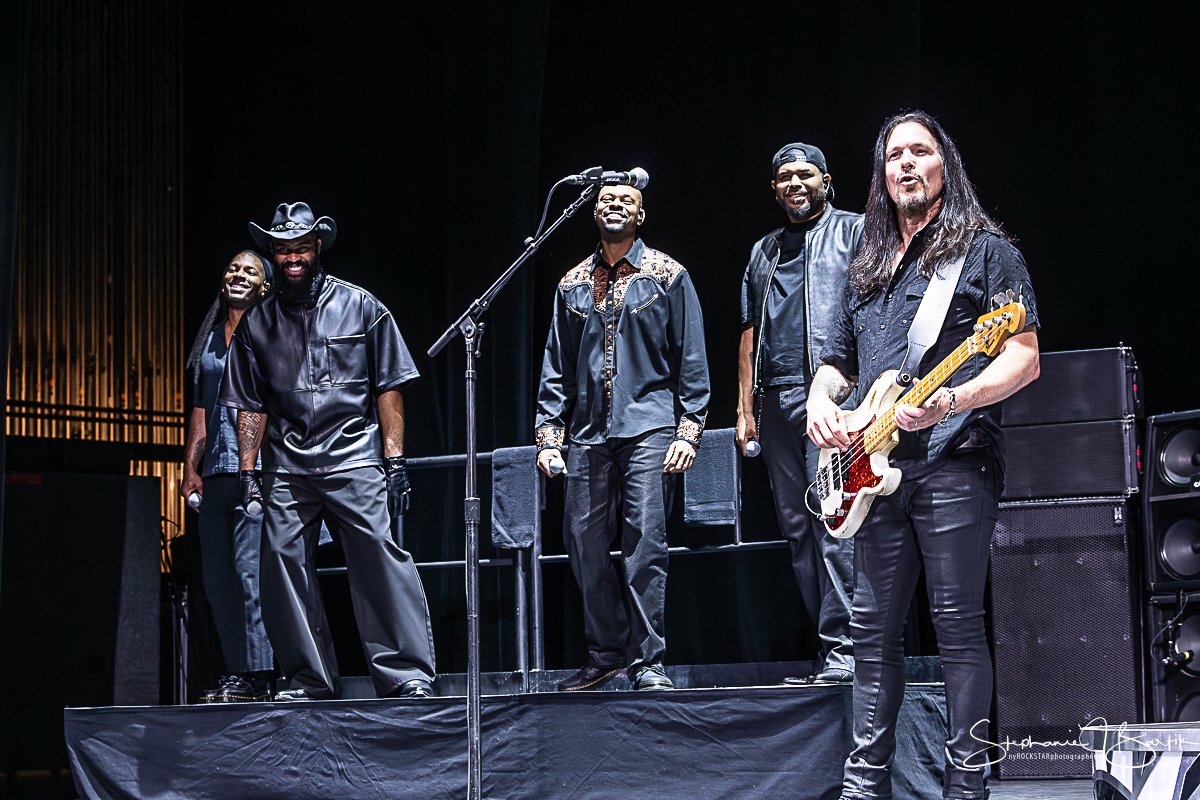
- Background vocals: a four-person backing vocal section
Setlist:
- “Panama”
- “Drop Dead Legs”
- “Romeo Delight”
- “Little Dreamer”
- Blues Jam
- “I’m the One”
- “Dance the Night Away”
- “Ice Cream Man”
- “You Really Got Me”
- “Jamie’s Cryin’”
- “Unchained”
- “Mean Street”
- “Ain’t Talkin’ ’Bout Love”
- “Hot for Teacher”
- “Everybody Wants Some!!”
- “Jump”
At the end of the night, David Lee Roth wasn’t trying to recreate 1984.
He was celebrating the fact that he’s still here.
And judging by the reaction inside Proctors, a whole lot of people were glad he was.
Photography by Stephanie J Bartik.