
Home Blog

Music Notes: The Art and Science of Music – An Xperience Column

0
Music Notes

Can The Right Note Sound Wrong?  Yes, and it often does. 

By Peak Music Studios.

Walk into almost any modern recording studio, and you have access to technology that singers 30 years ago could only dream about. We can move, stretch, and shorten notes, adjust timing, repair harmonies, smooth out volume differences, and, with programs like Melodyne and Auto-Tune, put a vocal remarkably close to perfect pitch. 

That creates an obvious question: if we can fix the vocal in the studio, why bother learning to sing better? The answer is simple. A corrected vocal and a great vocal performance are not the same thing.

When most people hear the term voice correction, they immediately think of pitch correction. That is certainly part of it, but modern vocal editing can go much further. We can adjust timing, tighten background vocals, change note lengths, smooth dynamics, reduce unwanted noises, and manipulate things such as vibrato and formants. It is remarkable technology, and I use it. The problem starts when we expect the technology to create something that was never present in the original performance.

Suppose a singer is supposed to sing an A and lands noticeably flat. I can take that note and move it until the software tells me that it is now an A. Technically, I have fixed the pitch. But what if the singer tightened while trying to reach the note? What if the vowel distorted? What if they pushed too much air, lost resonance, entered the note late, or scooped awkwardly into it? Now I have a perfectly tuned version of a poorly sung note.

We can take this idea to an extreme. Imagine taking a recording of Arnold Schwarzenegger speaking and using every modern studio tool available to force every syllable onto perfectly chosen musical pitches. With enough editing, we could potentially make every note register as “correct.” Would that suddenly make the performance comparable to Frank Sinatra? As Arnold said, “Come on, don’t bullxxxx me!” We would have accurate pitches, but we would not have Sinatra’s phrasing, control, tone, timing, or musical instinct. Pitch is only one element.

When a great singer produces a note, many things are happening: pitch, resonance, breath pressure, vowel shape, articulation, dynamics, onset, vibrato, timing, phrasing, and emotional intent. All of those elements combine into what the listener actually experiences. Two people can sing precisely the same melody, and one can leave you awestruck with beauty while the other can leave you heading for the door.

Consider Sinatra. His greatness was never simply a matter of singing the written notes correctly. Listen to the placement of a word, the way he delays a phrase, moves into and away from a note, or uses breath as part of the musical line. If we reduced Sinatra to a series of pitches on a computer screen, we would miss much of what made him extraordinary.

Whitney Houston provides an even more dramatic example. Of course she possessed tremendous pitch accuracy, but that was only the beginning. Her control of dynamics, registration, resonance, vowel modification, ornamentation, and emotional pacing made a melody come alive. A computer might move another singer’s notes to the exact pitches Whitney sang. It cannot manufacture the physical coordination, musical choices, and emotional commitment that created her performance.

The principle also applies to singers who were never known for pristine vocal technique. Jimi Hendrix was not Frank Sinatra, and no one needed him to be. Hendrix had an unmistakable vocal personality. Rock, blues, jazz, and countless other forms depend on bends, scoops, slides, falls, rhythmic displacement, and sounds that sometimes exist somewhere between conventional pitches. Correct every moment of a Hendrix vocal until every pitch sits mathematically in the center of a tuning grid, and we might make the recording technically cleaner and artistically worse.

Human voices are not pianos. A piano gives us C, then D, then E. A singer moves through the spaces between those notes. The human voice slides, bends, approaches notes from above or below, and uses vibrato around a pitch center. In many styles, those movements are not mistakes. They are the style.

That distinction matters when we use correction software. If every deviation from the center of a note is treated as an error, we can slowly remove the very things that tell the listener there is a human being behind the microphone. We can make a singer more accurate while simultaneously making the performance less emotional and more computer-like.

Voice correction also cannot automatically create good tone. If a singer strains to reach a high note, I can move that note until it is perfectly in tune. What I now have is a perfectly in-tune strained high note. The software cannot replace the resonance that was never produced, the breath coordination that was missing, or the freedom that was lost because of tension. The original physical event matters. This is why good producers and engineers will sometimes spend less time trying to repair a bad take and simply say, “Let’s do that again.”


My preferred studio process is performance first, comping second, correction third, and processing last. First, get the best performances we can. Then, if necessary, build the final vocal from the strongest moments of several good takes. After that, correct the small things that remain. A note may be slightly flat. A harmony may enter a little early. One phrase might need tightening. Those are exactly the jobs these tools do well. Once the performance is solid, EQ, compression, saturation, reverb, delay, and the rest of the studio can help present that performance in the best possible way. Technology can rescue a recording. It cannot create artistry.

Think of photography. Start with a beautifully composed, properly focused photograph, and editing software can make something excellent even better. Start with something badly lit, out of focus, and poorly composed, and software may rescue pieces of it, but you are asking the computer to reconstruct information that was never there. Vocal production works the same way.

Give me a vocal that is 95 percent there, and modern technology can do wonderful things with the remaining five percent. Give me a performance where we need to rebuild half of what happened, and we may eventually create something technically accurate, but technical accuracy is not the same thing as a great performance.

That is why singers still matter today, when nearly anything can be edited or falsified. Technology has made it much easier for us to create an accurate vocal. It has not made it easy to create a great vocal.

Use the technology. Correct the slightly flat note. Tighten the harmony. Fix the timing problem. Make the recording as strong as it can possibly be. But don’t confuse repairing a performance with developing the ability to perform. We could probably make Arnold Schwarzenegger sing every note of a Sinatra song in perfect tune with enough studio work. What we could not do is make him Frank Sinatra.

The computer can move the note. The singer makes the note meaningful.

Ringside Renaissance – An Xperience Interview

0


by Joshua Scarselli.

Today we sit down with the hosts of one of the hottest wrestling podcasts around: Ringside Renaissance. Kombat Jones and Very Deadly Jesse bring us behind the scenes and tell us about what makes a great wrestling podcast.

RRX: How did you guys come up with the idea for the podcast?

VDJ: We’ve been lifelong friends literally since we were kids. And from the beginning, wrestling was the one constant. Even when life pulled us in different directions for a few years, when we reconnected, we picked up right where we left off … talking wrestling.

At some point we realized we’ve been having these debates for decades. Why not turn the cameras and microphones on and let people in on it? That’s how Ringside Renaissance was born.

RRX: You guys are growing quite the following. What do you concentrate on to set you apart from other wrestling podcasts?

KJ: We focus on being unapologetically authentic. A lot of personalities in the space feel like characters playing a version of themselves. We don’t do that. We’re goofy. We’re immature at times. We have a raunchy sense of humor. But we also know wrestling. So we mix sharp analysis with chaotic energy and let it be what it is. We’re not trying to sound like anyone else. We’re just being us and that’s what people connect with.

RRX: You offer some really insightful analysis. What is your background in wrestling?

VDJ: We’ve been students of the game our entire lives. Countless hours of watching events, breaking down matches, studying promos, documentaries, interviews everything.

We didn’t just grow up watching wrestling. We grew up analyzing it. Working in the business has always been a dream for both of us. The podcast is our way of contributing even if it’s from outside the ropes for now.

RRX: Who are some of your favorite people you have had the chance to interact with in the business?

KJ: Honestly, one of the biggest things for us has been getting recognition from people actually in the business — especially being called “Busted Open approved.” That meant a lot because those are people who LIVE this.

But beyond that, it’s not even just about big names — it’s the fans, the IWC, the people in the comments going crazy every week. That interaction is what fuels the show. We’re building something where it’s not just us talking wrestling … it’s a whole community reacting in real time.

VDJ: I agree with Kombat. The crazy people we interact with on social media have been great. And the new friendships we have made with other podcasters.

As far as people in the business, I had a really cool night with Jimmy Snuka years ago. We met at the Pro Wrestling Hall of Fame induction ceremony and hung out all night together. I have a bunch of stories running into wrestlers. But that one, and meeting Matt and Jeff Hardy drunk at an Outback Steakhouse, are probably my favorite.

RRX: If you could have any guest or group of guests, who would it be and what would you ask them?

KJ: If we’re going dream-level: CM Punk, Paul Heyman, Triple H. That’s the table right there.

Questions? Not the safe ones. “What’s something fans THINK they understand about wrestling … that they’re completely wrong about?” “What’s a storyline you wish you could redo?” “How much of the chaos we see on screen is actually real backstage tension?” We want real conversations — not media-trained answers.

VDJ: Again, I agree with Kombat here. Only other guests I would potentially like are Danhausen and Killer Kross

RRX: What do you see as the future of Ringside Renaissance?

KJ: Ringside Renaissance is bigger than a podcast. We’re building a full media brand. Live shows, guest interviews, viral short-form content, and eventually … stepping INTO the wrestling world, not just covering it. We want to be the bridge between fans and the business — but with personality, comedy, and zero filter. Rated RR isn’t just a name … it’s the direction.

RRX: If you could see one thing in wrestling you haven’t seen yet, what would it be?

VDJ: We want to see a fully blurred line between reality and storyline again. Not just “oh that was a good promo”. I’m talking fans questioning what’s real. Social media becoming part of the storyline. Real-life tension bleeding into TV. That unpredictable feeling that made wrestling feel dangerous again.

RRX: Where can people find you and keep track of what you’re up to?

KJ: We’re everywhere: YouTube (main hub), Spotify & all podcast platforms – TikTok, Instagram, X. Just search “Ringside Renaissance Wrestling Podcast” or hit the Linktree.

We drop episodes live at 6PM EST — and the clips are constant all week.

RRX: Anything else you would like to add?

VDJ: Yeah, A lot of people talk about wrestling. We’re building something people feel.

We’re not here to play it safe, follow narratives, or sound like everybody else. We’re here to say what the fans are already thinking … just louder.

Photos provided by Ringside Renaissance

Interview: Charlie Starr of Blackberry Smoke Chats with RRX About 25 Year Anniversary Tour

0

Interview: Blackberry Smoke (Charlie Starr)
By: Rob Smittix
Photo By: Andy Sapp

After some brief technical phone issues on both of our ends.

RRX: I actually think we’re in business now.

CS: All right, great.

RRX: We were just talking about technology and how it works against us sometimes.

CS: Yeah, and here we are.

RRX: Here we are, we made it happen. Now, did you notice they said that AI might actually be able to kill us all within the next 10 years? It’s all over the news.

CS: I mean, that’s how the movie plays out, right?

RRX: It sure is. It’s like we wrote the script. Now we’re trying to actually go for it. So, that’s what’s going on in the world. What’s going on in the world of Charlie Starr this morning?

CS: I’m just looking out the window on a sunny Toronto day. I have the day off and that’s nice gonna see what there is to do in this city. And yeah, we’re in the middle of this 25th anniversary tour.

RRX: Yeah, 25 years. How does it feel? Does it feel like it’s been that long?

CS: No, it feels like 5 years.

RRX: Right? Exactly. When you sit back and reflect, like when you’re looking out the window in Toronto and you start to think about how did you get here? Obviously, it was the music that brought you here.

CS: It’s just like they say, when your job is something you love, it’s not a job and time really flies, that’s true.

RRX: And today is a day off for you, but you’re still up early in the morning?

CS: Yeah man, I’m an early riser, I’m late to bed and up early. As we get older, your body creates less melatonin or something, right? And you sleep fewer hours.

RRX: My schedule’s very weird, I’m not even usually up yet. I promised when I talked to your management that I’d have coffee in hand and be ready for you but my wife drank all the coffee, so I’m drinking tea.

CS: (Laughs)Well, that sounds great.

RRX: So are you a coffee or a tea guy?

CS: Both, mostly coffee.

RRX: Right? It’s more accessible here in North America.

CS: I guess it is. When we go to the UK, I enjoy a cup of tea.

RRX: For sure. So, we’re excited to have you come to our neck of the woods, down at UPAC in Kingston this Saturday. What are we to expect out of a band that’s been around for 25 years?

CS: Well, I don’t know. Here’s what usually happens. I’ll get up that morning and look at what we played last time we were there over coffee, with whoever might be around me on the bus that morning. I’ll say, hey, what do you wanna play? And I might listen to their advice or I might turn a deaf ear to it.

(Both Laugh)

CS: I try not to repeat what we did last time or what we did the night before because it just keeps it interesting for us and for the people who are coming to multiple shows, you know? And for the person who saw us last time, they definitely don’t wanna see the same thing again. With 25 years of music to choose from, there’s plenty of variety.

RRX: I love that. I wish everybody would take that advice.

CS: I’ve started seeing bands do that when I was younger and I thought that’s great. And then of course, I would see bands that would do the same exact thing and I don’t hate that either because it’s a different night but I prefer the bands that switch it up.

RRX: Absolutely, I think some of the bands that don’t switch it up, when they’re going from town to town… it’s kind of like they’re stuck, where they have to play those songs that everybody wants to hear. I often think about… imagine being a comedian and having to do the same stuff over and over. How do you keep that fresh for yourself?

CS: Well, you know? I had a conversation with Dusty Slay, who is a great comedian and he was a guest of ours that at last year’s High Tide Getaway in Mexico hosted by Blackberry Smoke. Which we’re doing again this year, this is shameless plug. Last year’s lineup included Dusty Slay and he and I were sitting having coffee, talking about what we do and I said, you know it’s funny when I think about it and when I kind of examine it a little more closely, you and I have the exact opposite job description. You have to do something that people have not heard every night and make them laugh with it and I have to do things that they have heard and make them dance. It’s completely a 180 and he’s like, yeah, you’re exactly right.

RRX: I’m very familiar with Dusty, he’s hilarious and I think that’s a whole different thing, you know? I’ve been funny a couple of times but I could never imagined going up on stage and trying to be funny and nobody laughs. Even if you as a musician hit a sour note, they’re still gonna applaud you.

CS: He had never seen us live. He was aware of our music but it was his first time seeing a show of ours. We had an afternoon show on the beach that day, he and his wife came down and we invited a bunch of artists that were there. We did a cover show, it was just fun and loose and when we were done he’s like, you’re funny man! And I was like, What? And he goes, I like your work. That was some good material. I was like… well, thank you, Dusty Slay. I might get a patch made that says that. I wore it like a badge and still do.

RRX: Oh, absolutely, wear that as a badge of honor.

CS: That’s right.

RRX: If you had something that you could say to the fans out there right now, what is it that you would say?

CS: Man, I would say thank you for coming to see us and listening to our music and supporting us for 25 years, and let’s do it for 25 more!

RRX: For sure gotta do it for 25 more. Besides, you’ve got some people out there that are really giving you the run for their money. Willie’s still out there, unfortunately we just recently lost Dolly.

CS: Oh man, it’s huge, people like Dolly loom large. In the music industry she was a mainstay, you know? Just a giant.

RRX: She sure was. She was one of the biggest and we still got some of the biggest still out there today. Obviously, Keith Richard’s is gonna be here forever but… yeah man, just keep making music until you can’t. Like Frankie Valli, right?

CS: Right.

RRX: A lot of people were upset that they were putting Frankie out there on stage like that, but that’s not what’s happening. He wants to do it, so let the man do it.

CS: That’s right, that’s what he loves. People don’t want to stop doing what they love.

RRX: Exactly. Well, I know they’ve said you might be too rock to be country or too country to be rock but what do you think?

CS: It’s just music to me.

RRX: It is definitely just music and we’re looking forward to joining you for some of that music this Saturday at UPAC in Kingston. Anything else you’d say to people to encourage them to come on out?

CS: Come on out and help us celebrate our silver anniversary.

RRX: Amen to that.

Blackberry Smoke at UPAC, Kingston, NY

Saturday Sept 19th

For Tickets CLICK HERE!

The Hammerhead Horns @ McGeary’s, 8/15/2026

0

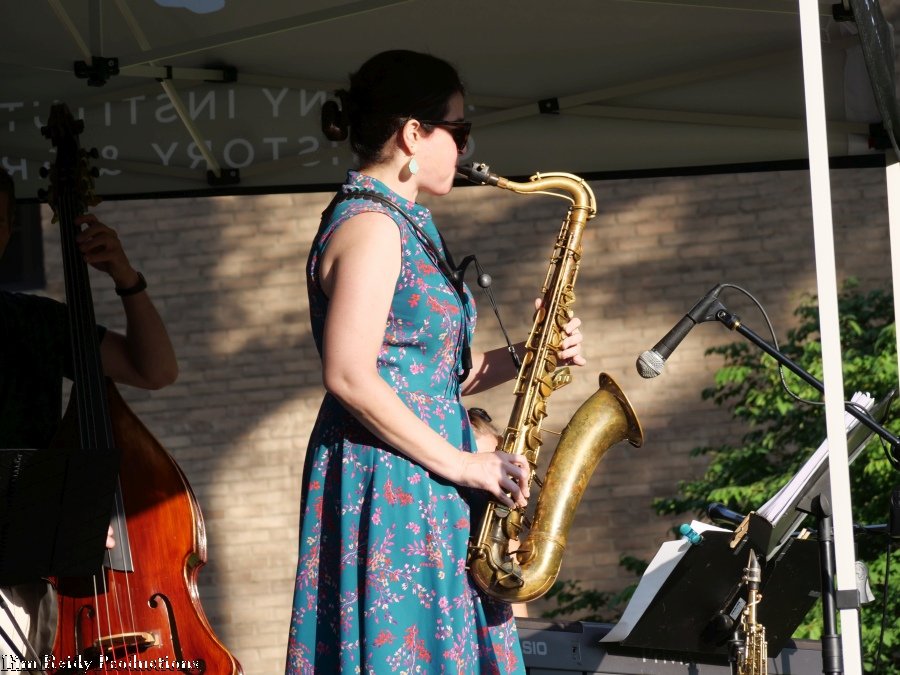
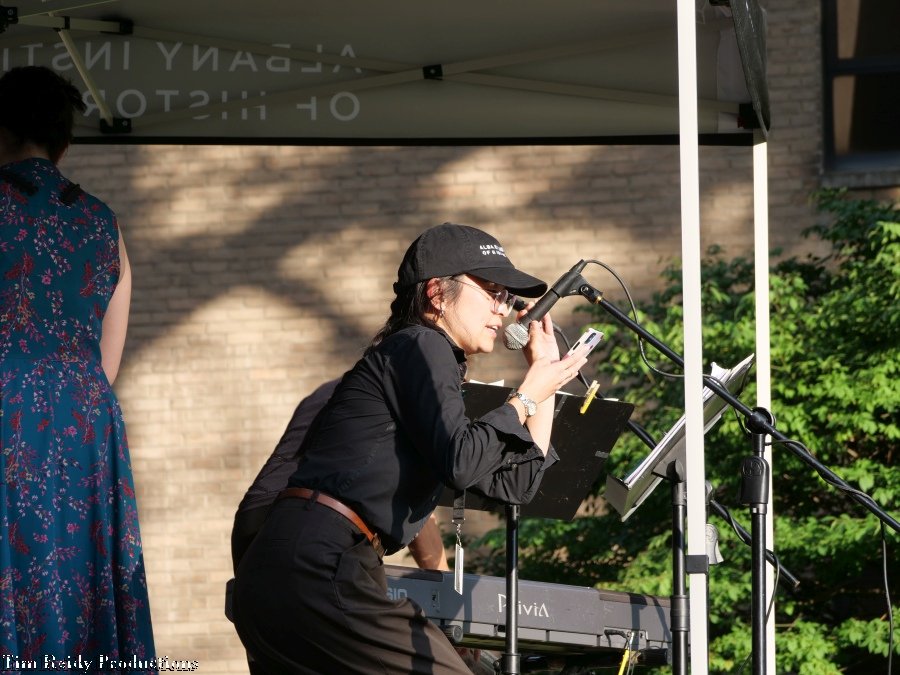
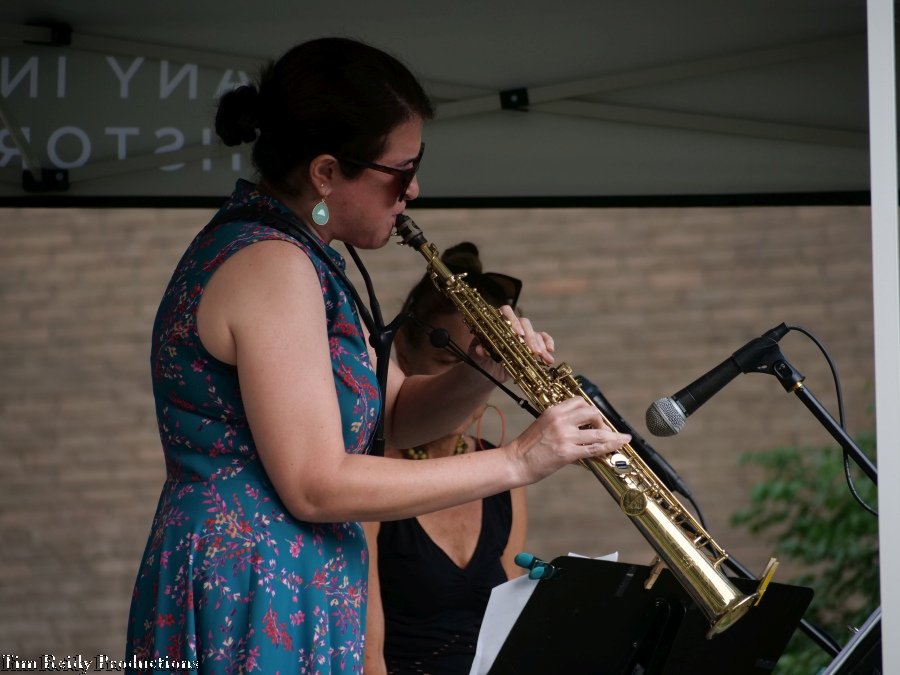
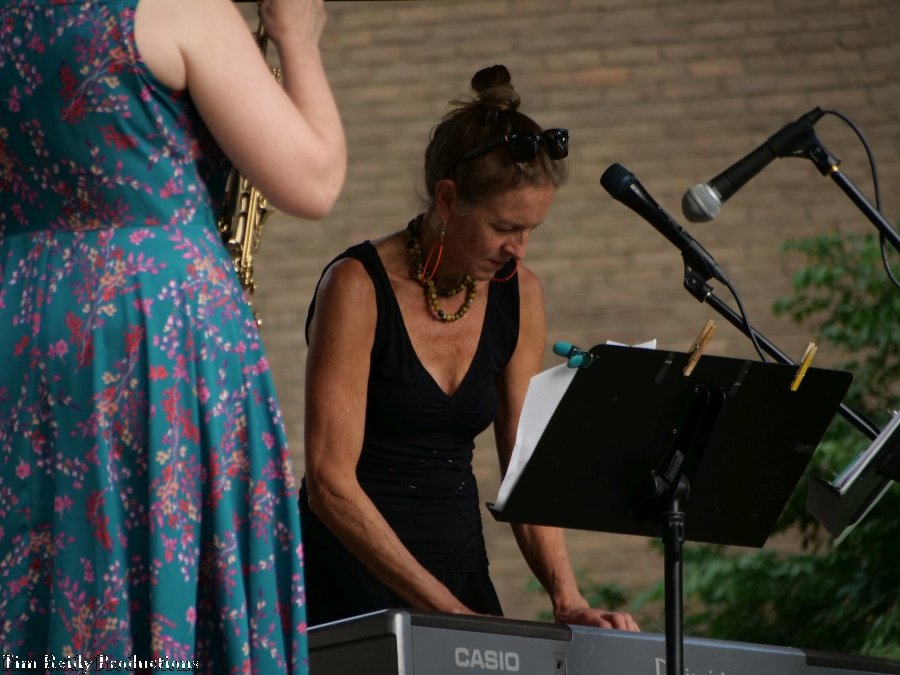
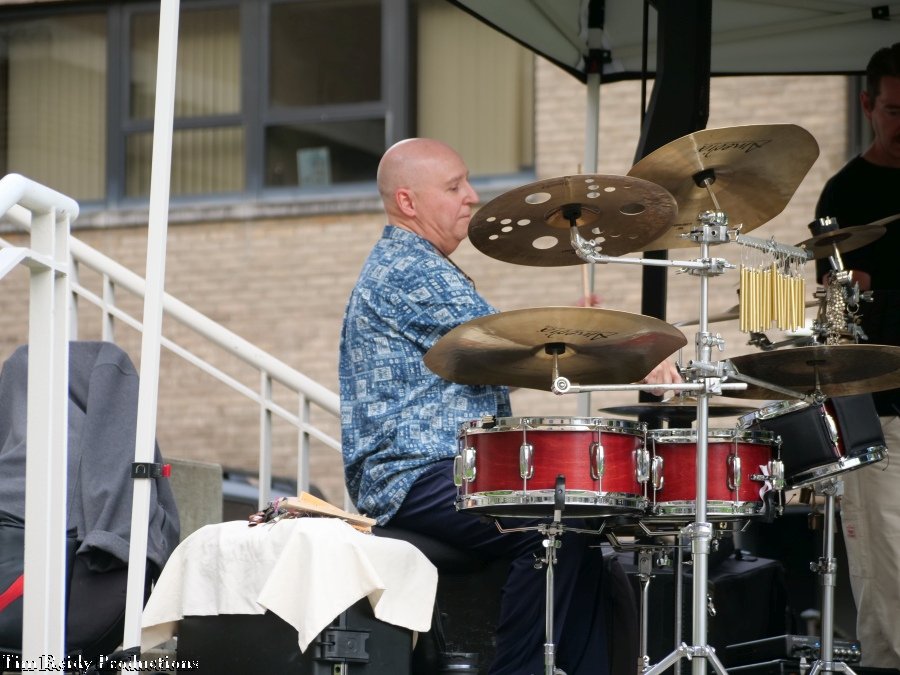
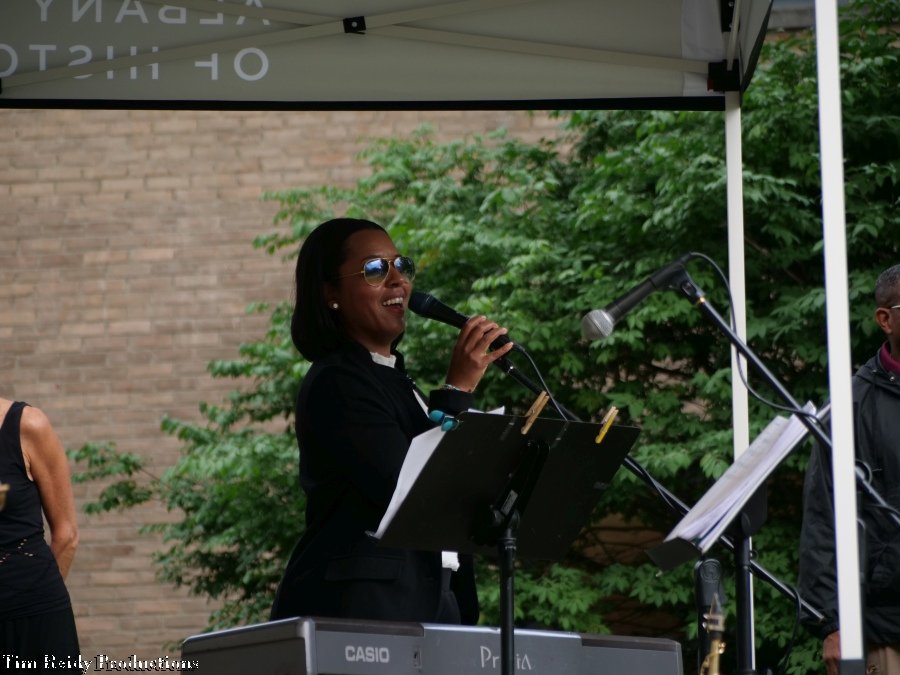
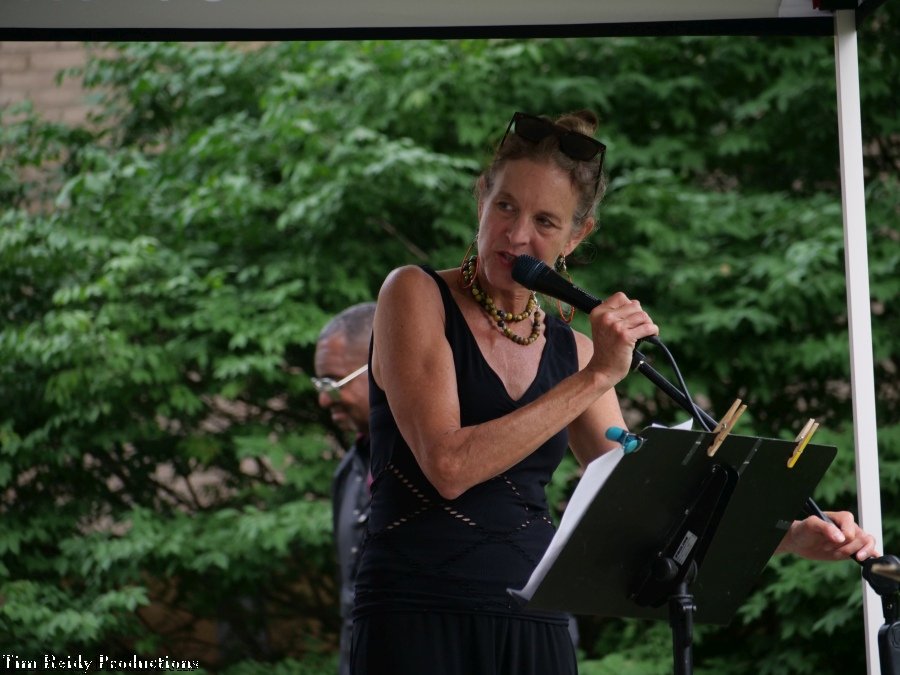
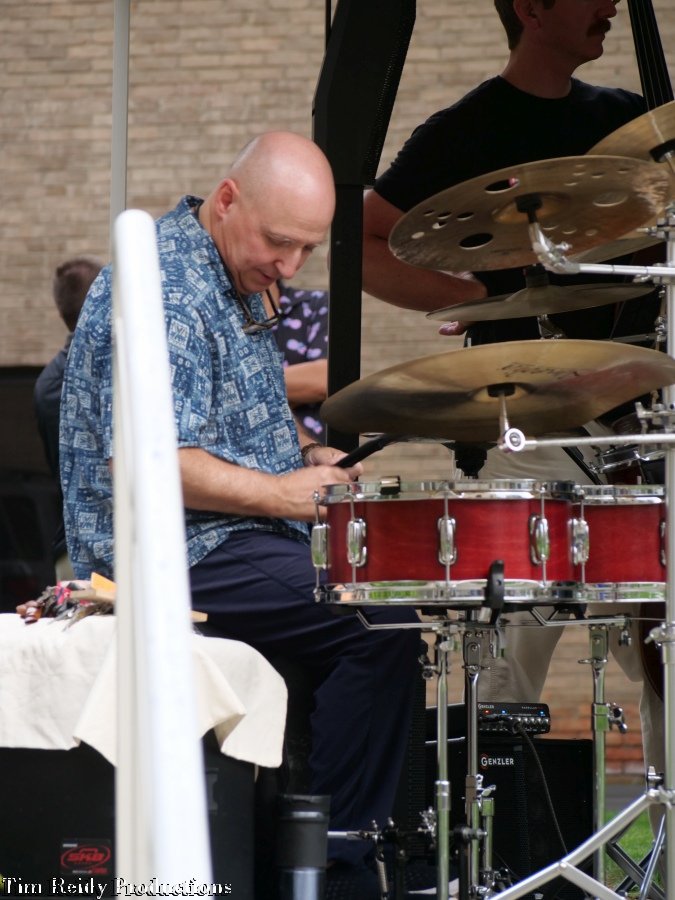
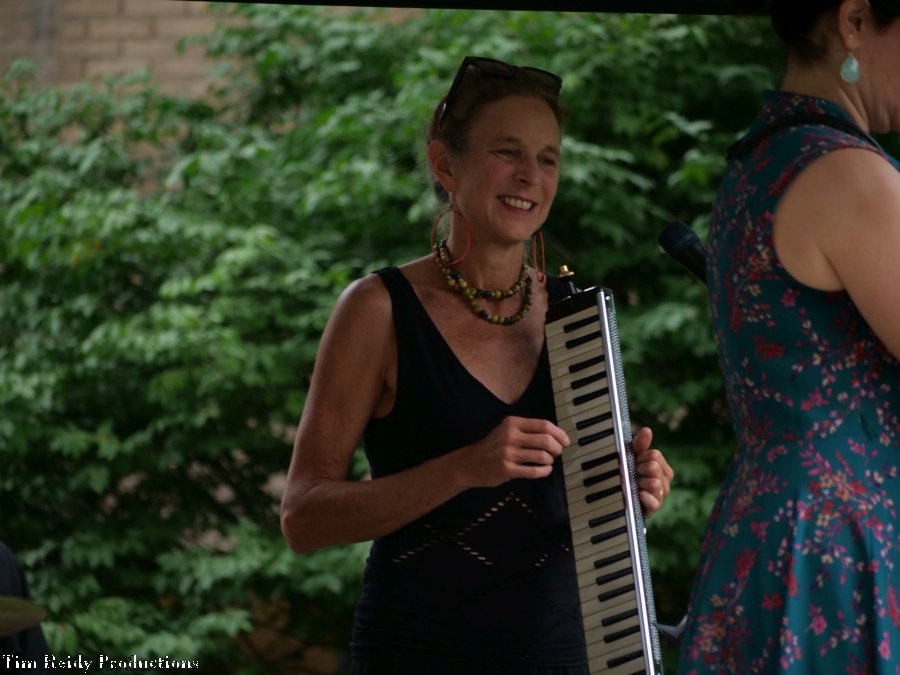
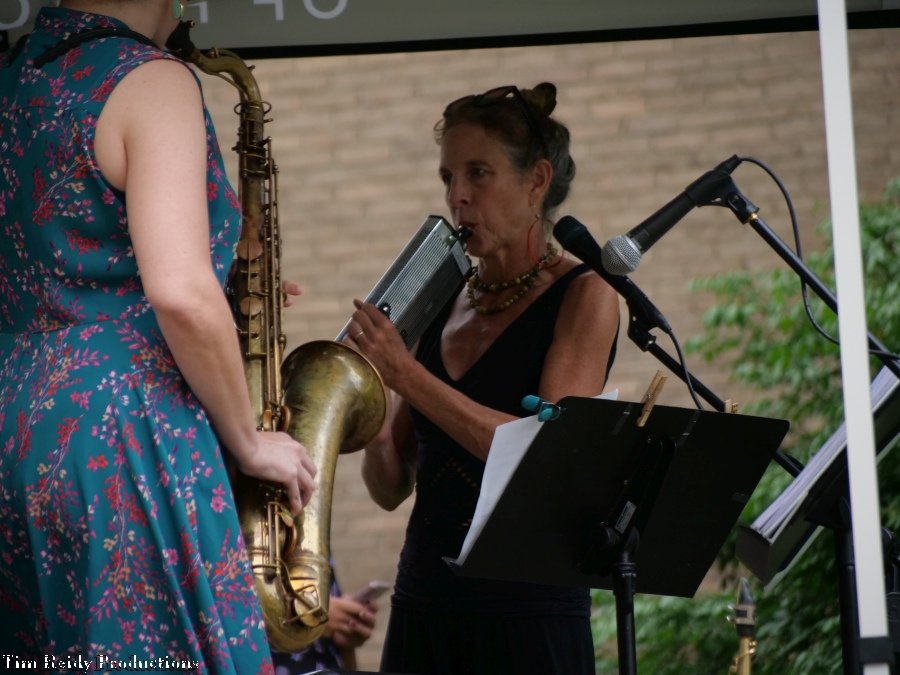
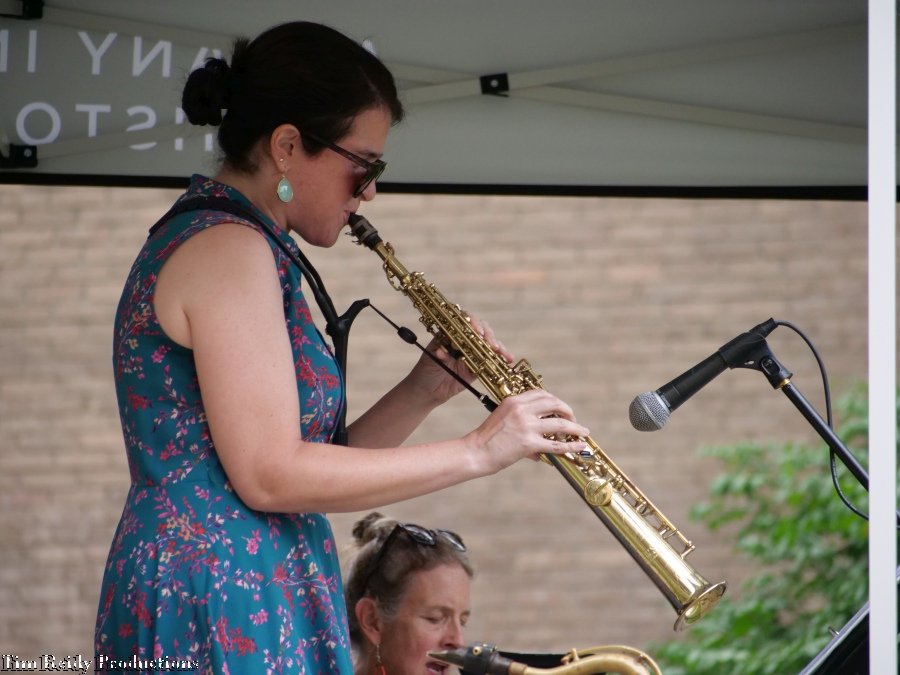
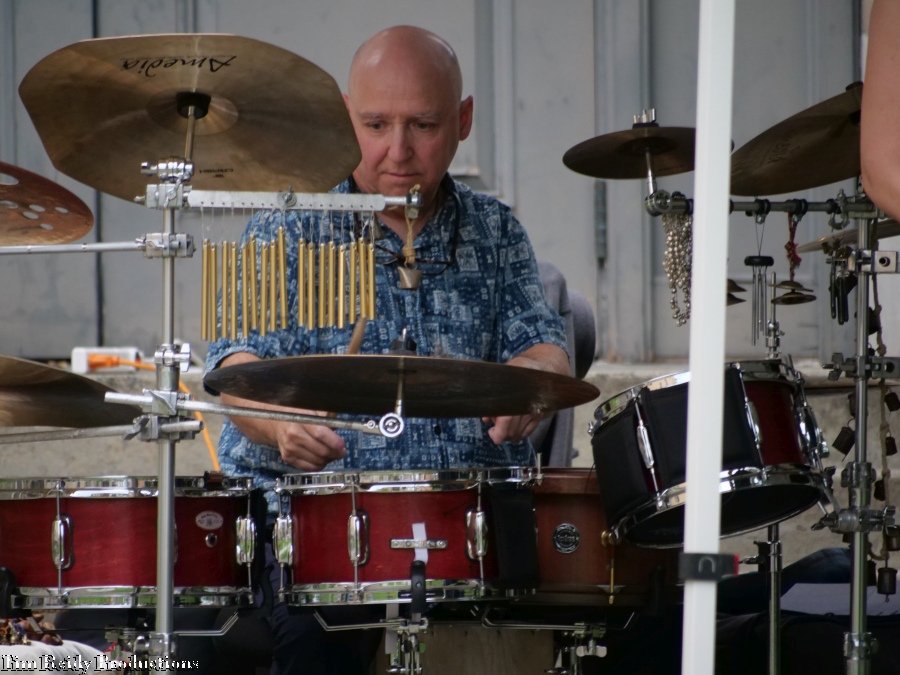
McGeary’s hosted the Hammerhead Horns on August 15.


Photography by Timothy Reidy.

More from McGeary’s here …

No Filter: An Interview with Off The Record Trio

0
Screenshot

Photo by Mirth Films

by Lisa Irwin.

Off The Record Trio is a popular ‘ 60s-style band based out of the Capital Region. Lisa Irwin recently had a chance to interview them.  To learn more about Off The Record Trio, please click here: www.offtherecordtrio.com.

RRX: As I was preparing for this column and deciding who I wanted to interview, I immediately thought of Off The Record Trio. Thank you so much for taking the time to answer a few questions for me. I love the energy and style you all have. Your shows are lively and fun to watch. Can you tell me a little bit about the members and how Off The Record Trio started, and about your vibe in general?

OTR: Thank you—that means a lot to us.

Off The Record Trio grew out of a shared love for the music with our friend Lou Sansivero. Over the years, we had the pleasure of playing with Billy Harrison and now with Geo Doody. Between the three of us, we have decades of performing experience, but what really brings us together is the idea that there are so many incredible songs from the ‘60s that people haven’t heard live in years—or maybe ever. We love mixing those forgotten gems with the songs everyone knows, so people are constantly saying, “Oh my gosh, I haven’t heard this in forever!”

Geo Doody brings a deep knowledge of the music, Bob Resnick is the heartbeat of the band with a groove that keeps people moving, and I (Joanna Palladino) get to tell the stories and connect with the audience through the songs. It’s a true collaboration.

Our vibe has been described as part vintage cocktail party, part dance party, and part musical treasure hunt. We want every show to feel like you’re hanging out with friends who just happen to have a really great soundtrack.

RRX: You are an award-winning trio and have won the Capital Region Eddies Award four times. Winning once is exciting. Winning four times suggests consistency. What’s your secret to keeping a show fresh after all these years?

OTR: First of all, we are truly amazed and humbled that we continue to be recognized.  We know the Capital Region is blessed with an incredible array of talented cover bands, and we know we are lucky to even be in their company.  I think our secret is –  we never phone it in.

Every audience is different, and we treat every show like it’s someone’s first time seeing us. We change the set lists constantly, pull out songs we haven’t played in years, add new material, and pay attention to the room. If people want to dance, we’ll lean into that. If they’re listening closely, we’ll tell more stories about the music and the artists behind it.

We’re also genuinely friends, and I think audiences can feel that. There’s a lot of laughter onstage, plenty of improvisation, and we navigate when something unexpected happens. Sometimes those unplanned moments become everyone’s favorite part of the night.

We also collaborate with other musicians, and their energy helps keep our shows fresh! Luke McNamee often plays with us and brings a different element with his saxophone. Mike Kelly and Ross Rice sit in every once and awhile on keys, and their playing expands our song selections.  

RRX: When people leave an Off The Record Trio show, what do you hope they’re talking about on the drive home?

OTR: I hope they’re saying, “I forgot how much I loved that song and it still makes sense!”

Or maybe, “Who originally did that one?” because we’ve introduced them to something new.

More than anything, though, I hope they’re smiling. Life is heavy enough. If for two hours we helped people forget about work, politics, bills, or whatever was weighing on them—and they laughed, danced, sang along, or held someone’s hand during a ballad—then we’ve done exactly what we came to do.

RRX: You’ve played a lot of live shows. What’s the most unexpected moment that almost derailed a performance but ended up making it unforgettable?

OTR: Live music has a way of reminding you that perfection is overrated.

We’ve had power glitches, weather interruptions, forgotten lyrics, and equipment that decided to quit at exactly the wrong moment. Usually I experience costume failures – ripped seams, broken jewelry, and broken shoes. I just laugh it off and keep dancing. 

Those moments remind us that people aren’t there to watch machines—they’re there to share an experience with real people. Sometimes the “mistakes” become the stories everyone remembers.

RRX: Again, thank you so much for this interview. One last question. Do you have any upcoming projects or things in the works that you can share a sneak peek of with me?

OTR: We’re always digging for songs that deserve another chance to be heard, so audiences can expect some new additions to the set list this year. We found some previously unreleased songs from lesser-known girl groups and will be adding them to our set list this month.

We’re also looking for opportunities to bring the Off The Record experience to new venues and festivals throughout the Northeast. We love introducing people to music they didn’t know they missed.

And who knows? We’ve learned never to say never. There are always ideas floating around—whether it’s another live recording, a cool video shoot, themed shows centered around a particular era or artist, or collaborations with some of the incredible musicians in the Capital Region (check out our three-band bill at Ophelia’s this fall with the Va Va Voodoos and the Del-Martians). The best part about this band is that we’re always looking ahead while celebrating music that has stood the test of time.

The Record File – An Xperience Column

0

by Tony Mastrianni.

MADONNA SAVED SUMMER 2026: STILL THE QUEEN OF THE DIVAS!

Let’s face it, it was a dreadful summer, with the music industry not releasing too many major artists’ albums. The new Stones and McCartney releases were nothing to rave about. However, one big record towered above the slag heap. Although I have had a love/hate relationship with Madonna for many decades, I can now attest that the dance floor is very much alive again. Madonna was the rage of the Summer of 2026 with her latest album (a two-LP), “Confessions II,” on the Warner Records/Maverick label. Reuniting with producer Stuart Price, Madonna sets the stage for an evolution of the groundbreaking world she created with the album “Confessions on a Dance Floor.” Across the 16 continuous mixed tracks of this double album, she explores diverse themes like love, trauma, loss, and healing. The album reinforces Madonna’s enduring belief that dance music is far from superficial; the dance floor is a lifeline, a place for escapism, connection, and survival. This spring, she previewed the album, inviting fans to the dance floor with the Billboard Dance Airplay No. 1 hit “I Feel So Free.” She also debuted “Bring Your Love,” featuring Sabrina Carpenter, at Coachella, marking 20 years since her festival debut (which subsequently topped the UK Club Chart as well). Her voice is superb throughout the 2 LPs.

The album features her daughter, Lola Leon, on the sentimental track, “The Test,” which the two co-wrote, with deeply personal lyrics reflecting the healing and progression of their relationship. Madonna also collaborates for the first time with Dutch DJ and producer Martin Garrix on the lamenting “Bizarre,” an exploration of the complexities of love. Additionally, Belgian artist Stromae brings his unique style to the seductive “My Sins Are My Savior.” Producers Andrew Watt and Cirkuit join Stuart Price on two evocative songs, “Danceteria” and “L.E.S. Girl,” chronicling Madonna’s early years in New York City, celebrating the legendary club, the friendships that shaped her, and the unique life only Madonna could capture. At the first-ever halftime show for the FIFA World Cup 26 Final on July 19 from New York New Jersey Stadium, and with a global audience exceeding 1.5 billion viewers, her “Confessions II” track “Read My Lips,” featuring Colombian singer Feid, became an anthem of the tournament. 

Bottom line: pseudo-divas come and go, but this diva, now 68 years of age, still outperforms all imitators. Hundreds (if not thousands) of young women in search of stardom around the planet have sung and danced to her drum for the past five decades, and all have fallen short of the glory of Madonna.  

ONE LAST GEM FROM ELECTRO ROCK MASTERS, SOFT CELL!

These guys can dance to the odd beat! Electronic music legends SOFT CELL, a.k.a. singer and frontman Marc Almond and multi-instrumentalist and producer Dave Ball, have released a feel-good, kitsch video for their new single, In Heaven (When I Dance With You).” Out digitally on all platforms, this track is the second single taken from ”Danceteria,” Soft Cell’s sixth and final studio album, which will be released in late September (via Republic of Music). “Danceteria,” the album, is a classy and playful farewell to 47 years of Marc and Dave making music as Soft Cell and features career-defining performances from our electronic pop legends. Reminiscent of SparksPet Shop Boys, and with lyrics Lady Gaga would kill for, the album takes you on a vivid journey through a day in early ’80s New York, bouncing round the clock from night to bleary daybreak and headlong back into the club. The 12-track album will be simmering with great sounds, which comes as no surprise. Thanks for all the great music, guys!

ELEPHANT’S MEMORY FINALLY REISSUED ON REAL GONE MUSIC!

Led by the leadership of saxophonist and vocalist Stan Bronstein, Elephant’s Memory is best remembered for backing John Lennon and Yoko Ono on “Some Time in New York City,” “Approximately Infinite Universe,” and “Live in New York City.” (They also recorded an album for the Beatles’ Apple label). But before those brushes with fame, the band earned a reputation as a political street band in Greenwich Village, and you can see them in action on the front cover of this album, released on the Metromedia label in 1970. The opening track, “Mongoose,” was a minor hit and is one funky, irresistible ride (ex-Country Joe & the Fish member David Cohen contributes guitar and keyboards), and the rest of the record brings that gloriously grimy, late-‘60s Greenwich vibe … it’s no wonder Elephant’s Memory contributed a couple of tracks to the “Midnight Cowboy” soundtrack. 

For its first reissue in any format, this album was remastered by Mike Milchner at Sonic Vision and pressed on clear vinyl with black swirl. A blast from the past, and one of the most intense demonstrations of cacophony of this era. Another superb reissue from this great indie label! 

THIS NASHVILLE ARTIST IS A BEACON OF STORYTELLIN’

Let’s take a left turn here and head for Nashville. I have an old friend there who takes the country out of country (what??)  Yes, sometimes country music gets too countrified and simple-like.  Let me introduce you to Lance Cowan, who might be breaking out with his new album, “The Air That I Breathe,” on Patio Records. Lance’s professional journey is a study in the art of narrative, weaving through three distinct, yet interconnected careers that orbit the same principle:  The Art of Storytelling!  He was a writer/correspondent, a public relations manager, and a singer/songwriter.  He has the Midas touch with his lyrics.  He weaves his tales all through this album (his third).  He seemingly has perfected his writing skills (and his vocals are very good).  If musicianship is in question, let me assure you that the players on his new album are brimming with high credential contributors—such as Dan Dugmore (James Taylor, Linda Ronstadt), Pat McGrath (Carrie Underwood), Phil Madeira (Emmylou Harris, Phil Keaggy), Bryan Owings (Emmylou Harris), Dave Pomeroy (Don Williams, Elton John), Chip Davis (Alabama), Billy Davis (Dolly Parton) and Sam Bush and Jimmie Dale Gilmore.  

Mr. Cowan’s stories take the clunky out of country, and he will intrigue and entertain the listener with strong character.  Certainly not your everyday country record.  If you are looking for an alternative country singer with character who will entertain the hell out of you, then look no further! And the music is fine.

‘Till Next Time…

…2..3..4 – An Xperience Column

0

“The Wrath of Grapes”

By Chris Busone.

“Here’s to it, all’s to it. Damn the ones who can’t do it. You gotta be roped to it, tied to it, made to do it. If you can’t do it, lead me to it, cause I’m used to it!”

– A toast by Jim Lazzaro, drummer – Chaser Band, circa 1985.

Yes, friends and readers, many was the night on many a stage that I raised many a cup as my friend and bandmate Jimmy Lazz spoke those inspiring words from behind his Ludwigs, thereby setting off a chain reaction which caused bystanders, band standers and band members alike to raise a glass of their favorite potent potable and gleefully gulp in a unified celebratory swallow.

Gloriously intoxicating days were these, when drinking on stage was not only acceptable but encouraged by onlookers and club owners who would send trays of shots filled with strange brews and mixtures up to the bandstand for us to consume, cheered on by the crowd. Numbing nectars with names like Screaming Nazis, Kamikazes, Fuzzy Navels, and Nipples, both Buttery and Slippery. (FYI – if you have either of these nipple-related afflictions, you should seek medical attention immediately. If you have a Fuzzy Navel, just change your sweater, dude.) 

There were Harvey Wallbangers, which were basically a Screwdriver with a shot of Italian liqueur, but if you added Sloe Gin and Southern Comfort, you had yourself a Sloe Comfortable Screw Up Against The Wall. We knocked back things called Zombies, Alabama Slammers, Tequila Mockingbirds, Whiskey Business, Rum Diaries, and Irish Car Bombs. And we drank them without the slightest pause or pretense, without knowing what was in them, and caring even less. “Whatever gets you there!” was our battle cry. 

But alas, my brothers and sisters in intoxicants, nowadays imbibing to excess is looked down upon, and those sodden who are with the devil drink are shunned by polite society. No longer are people enthralled or bemused by the blasted bassist or gassed-up guitar god. Gone are the days of the lubricated lead singer desperately holding onto his mic stand for dear life, as he chortles the wrong lyrics in demolished key signatures. 

And if you’re that member of a friend group that always seems several sheets too many to the wind and “walking on round heels” as my dad used to say, your current cohorts may set you adrift on a sudsy sea without a life raft.

Here’s a good rule of thumb: if your friends are discussing the affordability crisis and pontificating over the possible repercussions of the upcoming mid-term elections while you’re hanging onto the bar doing the swizzle-sway and hunting for bear with a switch, you might be feeling no pain right now, Otis, but you may as well just check yourself into the Mayberry drunk tank cause the townsfolk are tired of your act.

Best you find yourself some ’80s holdovers who are nicely irrigated with horizontal lubricant and off their trolley and in their cups. Home is wherever you lay your hat, and pass out. Nite-Nite. 

Hell, even the TV “Friends” got on Fun Bobby’s case just for wanting to make his coffee Irish. I mean, he was just trying to liven things up a bit, you uptight white people. No wonder you don’t have any Black friends, Monica. Try pulling that stick outta your a$$. Oh, and like you’re all NOT addicted to caffeine? …Could those cups BE any bigger? …Geesh.

That said, if the go-go juice is your thing, you shine on, you crazy glassy-eyed diamond. Let your frothy flag fly! Paint the town maraschino cherry red. Put your best foot forward and trip over the curb. Bet your best friend that you can jump off the balcony into the above-ground pool. You could do it! You could!!

Or, you could dial it back a bit. 

I myself have seriously cut back on my own alcohol consumption these past several months. (That thud you heard was several of my close friends passing out from shock. We’ll give them a moment to recover.)

Yes, after four or five decades of the loudmouth liquid, and “one’s too many and a hundred’s not enough,” I decided it was time for a change. No one told me I should, or talked me into it. I wasn’t getting hate mail from my liver, and I’m a happy drunk, so there were no issues. I just felt like I wanted to.

So what took so long, you ask. Why didn’t I get on the wagon sooner? (Or is it off the wagon? I’m never really sure.) The answer is a simple one: I didn’t want to. And any good Sunday school teacher will tell you, ya have to wanna. It’s like anything else in life. You know it’s right when you hear that voice in the head telling you so.

Now, that is not to say that I won’t have a drink with my wife on a date night/dinner date, or toast a jolly good fellow on his jolly good birthday. I haven’t quite instituted the 18th amendment, but I’m reeling in my intake of the sauce in a significant way. I simply save my self-imposed drink maximum for clinkable occasions. 

Coco Chanel said, “I only drink on two occasions; when I’m in love, and when I’m not.” Send the lady a Cosmo and put it on my tab.

As for me, I have to say that I don’t miss having to do the math in my head as to whether the amount of drinks I’ve had is equal to, or greater than, the coefficient related to the variable of time that I’ve spent between cocktails, multiplied by the glasses of water I drank, in relation to how much I weigh and what I ate, and then solve for “R”. It’s that complex equation we all do that determines whether you can drive home safely without getting caught up in the illegal/immoral money-grab they call DWI checkpoints.

Another plus is waking up without the wrath of grapes, which makes the mornings a little more enjoyable. 

But fear not, my wet friends, we can still raise a glass to Jimmy Lazz’s classic toast, as that is just too amazing to pass up. Just, for me, not too many or too often. 

And for the record, I think it’s OFF the wagon, cause you’re definitely drinking if you’re ON the wagon, because all the booze is ON the wagon cause that’s how it gets delivered, right? I mean, why are we even mentioning the wagon unless it’s carrying booze, huh? Answer me that. So if you’re OFF the wagon, then you’re not drinking, ‘cause now you’re just out on the street, and there’s no booze out there on the street, so you’re NOT drinking cause the wagon with all the booze … oh, that thing … that’s down there somewhere, like blocks away. And also, I’m not sure why the driver kicked me OFF the wagon in the first place, ‘cause I wasn’t half as bad as those other people in the back and … wait, WAIT! I’m OFF track here. But I had this! I did!

Or maybe not. Whatever, let’s just toast. I’ll count it off: 2…3…4 Salute!!

The Xperience Monthly – September 2026

0
The Xperience Monthly September 2026 Edition

Go get your copy of The Xperience Monthly, September 2026 edition, for FREE, at any of the over 1,100 locations around the Capital Region of New York.
If you can’t find one, you’re not even trying!

Check out the digital edition, here ===> The Xperience Monthly – September 2026 Digital Edition

The Xperience Monthly September 2026 Edition

Canna Talk – An Xperience Column

0

By MBF and 400 River.

There is so much going on in NYS cannabis, so I wanted to really delve into it with key players in the market. This interview will be the first in a probably non-consecutive series featuring folks who have helped grow New York’s legal cannabis industry from the ground up.

This month, I decided to interview the owner and head cultivator at none other than MB Farm, Rich Taylor. We’ve been working together for the past four years, since the start of NY’s legal cannabis program. In those four years, he grew a brand from zero, formed partnerships with tons of local cannabis operators, opened the state’s second microbusiness dispensary, and takes care of our indoor cultivation operation. Let’s hear what Rich has to say.

MBF: Did you come from an agricultural background? How did you originally get into cannabis cultivation?

RT: Yes, I did. I started off in 2013 growing hops for my farm brewery. The state allowed hemp cultivation starting around 2017, I think, and I decided to apply for a license. Creating my own recipes for my beer led to growing hemp with the hope of using hemp in beer, in addition to the traditional hops. I experimented a lot with that and saw how using different strains of hemp could impact the beer’s flavor. In the process of growing hemp, I became fascinated with the plants.

There are so many great benefits that the plant provides. After growing hemp for over four years and familiarizing myself with the plant, the state prioritized hemp cultivators to get cannabis cultivation licenses.

MBF: What draws you to cannabis and keeps you showing up every day?

RT: More than anything, I enjoy the cultivation aspect of the business. It’s so interesting working with cannabis because there really is new information coming out every day. The plant wasn’t studied seriously since it was considered a “drug,” so a lot of information was completely anecdotal. There is something to learn every day. This is a labor-intensive business, so I work to cultivate the highest quality cannabis flower I can and then use that in the products we create.

MBF: Did the hemp business get you prepared for the cannabis business?

RT: I would say generally yes. Our first year growing cannabis, we grew acres of plants. This was really similar to growing hemp, and not too much of a change. The evolution of my cannabis business has led to us growing indoors, which is a huge change. There is more focus put on each individual plant, as opposed to growing in bulk. The volume of products we sell now is significantly higher than with hemp-based products, so that was something to get used to. We also have way more variety, so there are lots more products to manage.

MBF: Give us one snippet of information about the cannabis plant that just blows your mind.

RT: It amazes me how quickly the plant can go from a tiny clone to a beautiful, huge flowering plant in such a short amount of time. Most of the plants that we grow will become fully mature in the span of 120 days. I love to see the differences in how the different strains grow up and mature. There is a lot of variety in the cannabis plants.

MBF: Give our readers a quick overview of what the market was like the first year or two of the program here in NY.

RT: The market the first few years was very slow. The slow rollout of licensing for retail dispensaries meant that the market for cultivators to sell into was very small. Because of this, it was difficult to sell the product we had grown. We spoke to a lot of dispensary owners who had the impression that their stores would be open shortly, but that was not the case. It was a really difficult time for most of the operators in the industry, regardless of whether it was on the cultivation side or the retail side.

MBF: Why did you decide to go with a microbusiness license as opposed to just a cultivation license?

RT: After the second year of operation, when we were allowed by the state to participate in CGS (Cannabis Grower’s Showcase), I was convinced that I wanted to remain a part of the retail side of the industry. While my primary interest is on the cultivation side of things, it has been really interesting to see how the retail side of things works and interact with customers.

MBF: You’ve worked many hours at 400 River as a budtender. Are there any cannabis products that you wish would get more love?

RT: Our Sasquatch is amazing. It actually does get a lot of love, but it’s one of my favorites at the moment. This is a gummy product that we did to honor our local cryptid, and we are on our second iteration of it. Other than that, I know that most cultivators would probably say lower THC flower/products. My goal is to create high-quality products, but that doesn’t always mean high THC products. It seems like the market is really demanding those high THC products, but having moderate THC and high terpenes is something that I would like to see catch on a bit more.

MBF: Any advice for those looking to get into the cannabis industry? What about starting their own cannabis business?

RT: Like most other businesses, the difference between a hobby and a profession is a great divide. It can be a great opportunity, though, because there are so many aspects of the industry. Cultivation is just a small corner of the industry. There is a need for lab techs, retail managers, processors, sales representatives, graphic designers, and more. So, depending on your skill set, there are a lot of varied opportunities within this industry.

As for starting a cannabis business, I would recommend having a job in cannabis or preexisting experience, or just a lot of money. Growing on a commercial level is way different from having a few plants at home. There are also so many layers of bureaucracy and difficulties because of the federal illegality that make it harder to manage this business than any other business I’ve owned. If you can navigate that, though, there are a lot of fun and cool opportunities in NY cannabis.

Prog Digest – An Xperience Column

0

By Klyde Kadiddlehumper.

WARNING!

This column is certainly not Prog-related.  It is completely, 100% rock and roll.  Kinda.  And, perhaps, a small lesson about the past.

I’ve mentioned how long before printing these columns are written. In this case, just a shade over two weeks.

What many of us thought would never happen did last evening.

Ritchie Blackmore was onstage and performed with Deep Purple.  After 33 years.

This is either more proof, if you needed it, that we are decidedly headed to an apocalypse or certainly a teaser.

We’ll get to the very simple reason for the 33-year split – and yeah, it’s pretty simple – in a bit.

Blackmore was a founding member of both Deep Purple and Rainbow … both on and off, leaving Purple for good in ’93.

Now, we get to the part where, of course, there is a woman involved.

Ritchie met a Rainbow fan in 1989. Born Candice Lauren Isralow, then called Candice Loren when she began modeling at 12, and later Candice Night.  A Long Island girl (born in Hauppauge), she also worked as a rock and roll radio host at a nearby “unnamed” radio station.

At their initial meeting, she and Blackmore talked ghosts, music, travel, and philosophy, and eventually became good friends and moved in together in 1991.

The two created Blackmore’s Night in 1997. OK, so … Blackmore is known for some killer riffs.  However, Blackmore’s Night is something, um, different.  They are a neo-medieval folk rock band.  If I knew what that meant, I’d tell ya.  

Perhaps the idea came from Tull’s “Songs from the Wood” or “Minstrel in the Gallery.”  Who knows.

In October of 2008, after 19 years (15 engaged), Blackmore and Night married.  They’ve a daughter, Autumn Esmerelda, and a son, Rory Dartanyan.

Aside from the couple, there are five other current members and 28 past members.

Instrumentation is seriously interesting, if not confounding.  Blackmore plays acoustic and electric guitar, mandolin, mandola, domra, hurdy-gurdy, and nyckelharpa, while Night handles vocals, chanter, cornamuse, shawm, rauschpfeife, tambourine, and woodwinds.  Perhaps one day we’ll look at some of the really interesting instruments out there, both old and new.

Describing the feel is not a simple task.  

Blackmore is a serious monster when in with Purple or Rainbow.  Certainly not the case in Blackmore’s Night – at least not how we all think of it.

Far more melodic and ethereal at times, Night’s vocals can soar, and her lyrics might remind some of Stevie Nicks – although Klyde, to be frank (well, not Frank, but frank …), finds them a little lighter than Stevie.  Pleasant, just not as powerful.

Melodically, the music is nice, easy to listen to, and well produced.  Live recordings really show best why they are popular.  Of course, I do find that I end up with a serious appetite for a turkey leg …

As for the rift between Ritchie and Ian Gillan, it’s the same old story we see all the time in the entertainment world.  Massive egos.  Mine’s bigger than yours. My groupies are hotter than your groupies.

So after 33 years, hatchets were buried (in whose back I still can’t decide) and the two reconciled.   Perhaps as time has passed they, as with so many of us, simply can’t remember what the heck they were really arguing about.

What did he play with Purple? “Smoke on the Water,” of course.

At this writing, it was only a couple of days ago.  A friend was there and completely blown away.  Saw the clip and it was seriously cool.

There is, however, still a mystery.  Constant Companion is a Long Island girl; however, if it wasn’t WLIR – who cares, right?  So, we still have no idea where Candice had a show on the radio.  Knowing full well there are plenty of transplants up here, one of you all must know what station that was.

So, if you do, post it to radioradiox on Facebook, and if we can confirm you are right, Klyde will come up with some tix to something cool, and you get to go.  Damned if I know what that will be, but it’s on my dime.  

Now, adjust your codpiece and get to it!

Until next time.

Klyde