Home Blog Page 18

Music Notes: The Art and Science of Music – An Xperience Column

By Peak Music Studios.

Who Is the Greatest Guitarist of All Time?

Who is the greatest guitarist of all time is one of the most dangerous questions in music. It can start a friendly conversation, divide a band, ruin a Thanksgiving dinner, or cause three grown adults in a music store to point at each other while someone in the background plays the opening to “Sweet Child O’ Mine” slightly out of tune.

The problem is not that the question is bad. The problem is that the question is incomplete.

When someone asks, “Who is the greatest guitarist?” the real answer should probably be, “Greatest at what?” Greatest songwriter? Greatest performer? Greatest technician? Fastest player? Most influential? Best tone? Best feel? Best rhythm player? Best lead player? Best at making one note sound like it has lived a full and difficult life? These are all different questions, and each one may lead us to a different answer.

If we only measure speed, we can find players who are terrifyingly fast. There are guitarists who can pick one string at ridiculous speeds. There are players who can make a metronome question its career choices. That is impressive, and speed is a real skill. But if the definition of “greatest guitarist” becomes “who can pick one string twice as fast as everyone else,” then we have reduced music to a sporting event involving a tiny piece of plastic and a deeply stressed wrist.

Music needs more. A guitarist can be fast and forgettable. A guitarist can be technically advanced and still not move anyone. A guitarist can play 9,000 notes and somehow say less than another guitarist says with one bend. That is the mystery. The greatest guitarist is not simply the fastest guitarist, the most famous guitarist, the guitarist with the hardest solo, the biggest amp, the longest hair, the loudest pants, or the most dramatic face while bending the G string.

Greatness seems to live somewhere in the balance. At Peak Music and Dance, we might look at greatness through three major categories: technical ability, songwriting or musical creation, and performance. Those three together tell us much more than speed alone.

First, technical ability must be high. This does not mean every great guitarist has to play like a machine from the future. It means the guitarist has command of the instrument. They can do what they intend to do. They have control over tone, timing, bends, vibrato, rhythm, articulation, phrasing, dynamics, and feel. Technique is not just speed. Technique is control.

This is why someone like Eddie Van Halen matters so much. Yes, Eddie had technical firepower. The tapping, the harmonics, the tremolo bar, the speed, the wild vocabulary — all of it changed the electric guitar. But Eddie was not great only because he could play difficult things. He was great because the difficult things sounded musical, exciting, joyful, dangerous, and alive. He did not just have technique. He had electricity.

The same is true in a very different way with Eric Clapton. Clapton is not usually discussed as the fastest guitarist. That was never the point. His greatness lives in phrasing, tone, blues vocabulary, songwriting, and emotional delivery. His playing reminds us that the guitar is not only a machine for notes. It is an instrument for expression. One guitarist may impress the brain. Another may hit the heart. The greatest do both.

Second, songwriting must be present at a high level. This is where the conversation gets really interesting. A guitarist can be a brilliant instrumentalist and still not create songs that last. Another guitarist may not be the most technically advanced player in the world, but they write parts that become part of history.

Think about the guitarists whose riffs, solos, and songs are instantly recognizable. Jimmy Page did not merely play guitar. He helped build songs, arrangements, riffs, textures, and atmospheres that shaped rock music. Jimi Hendrix did not merely play lead guitar. He reimagined the electric guitar as a voice, a storm, a machine, a rhythm section, and a psychedelic orchestra. Tony Iommi created riffs that helped define heavy metal. Keith Richards gave rock and roll some of its most durable rhythm guitar language. Brian May created guitar parts that sounded orchestral, melodic, and unmistakably his own.

Songwriting is where guitar leaves the practice room and enters the world. A scale is not a song. A lick is not always a song. A technical exercise is not always a song. But a riff people remember for fifty years is something else. If the guitar part becomes part of the culture, if people recognize it from two notes, if it makes people sing, move, dance, remember, or feel something, that guitarist has done more than demonstrate skill. They have created meaning.

Third, performance must electrify a crowd. This is the part that is hard to measure, but everyone knows it when they see it. Some guitarists do not just play the instrument. They become a force on stage. Angus Young is a perfect example. If we are measuring stage energy, commitment, and crowd impact, Angus has to be in the conversation. The schoolboy outfit, the duckwalk, the movement, the attitude, the sound, the commitment to the riff — it is all part of the performance. He does not just play AC/DC songs. He becomes the physical embodiment of that music.

Eddie Van Halen also belongs here. Eddie did not simply perform difficult guitar parts. He made difficulty look like joy. He smiled. He moved. He connected. He made the impossible seem like it had just occurred to him while having the time of his life. That kind of performance changes how people experience music.

We can also look beyond guitar to understand this. Chopin was not just a composer, locked away writing beautiful piano music. He was known as an electrifying performer in his own world. His playing, touch, nuance, and presence mattered. Elvis Presley is another useful example. Elvis could play guitar, but do we call Elvis one of the greatest guitarists of all time? Usually, no. His greatness was not primarily guitar greatness. His greatness was performance, voice, charisma, style, cultural force, and the ability to electrify an audience. The guitar was part of the image and part of the music, but it was not the main reason people call Elvis great.

That distinction helps us. A person can be a great performer who plays guitar without being one of the greatest guitarists. A person can be a great technician without being one of the greatest musical artists. A person can be a great songwriter without being the most technically advanced player. But when high-level technique, songwriting, and electrifying performance all come together, that is when the “greatest guitarist” conversation becomes serious.

Of course, many names belong somewhere in this discussion. Given the length of this article, we cannot mention everyone. Guitar fans will bring up Buckethead, Zakk Wylde, Dimebag Darrell, Yngwie Malmsteen, Steve Vai, Joe Satriani, Randy Rhoads, Slash, Mark Knopfler, John Petrucci, and many others. These players are extraordinary, and in certain categories, some of them may rank near the very top. If the category is precision, speed, composition, metal riffing, tone, stage presence, influence within a genre, or technical innovation, many of those names deserve serious respect.

But that is exactly the point. A single category is not enough. If we define greatness only by speed, we may end up with someone most listeners have never heard of. If we define it only by flash, we may miss feel. If we define it only by fame, we may miss musicianship. If we define it only by difficulty, we may miss songwriting. The question becomes silly if we isolate it too far. “Who is the best guitarist?” cannot simply mean, “Who can pick the first string the fastest?” That may be athletic. It may be impressive. It may even be world-record impressive. But music is not only a race.

That is why names like Jimi Hendrix, Eddie Van Halen, Jimmy Page, Eric Clapton, Stevie Ray Vaughan, Jeff Beck, David Gilmour, Brian May, Prince, Tony Iommi, Ritchie Blackmore, Carlos Santana, and Angus Young keep returning to the conversation. They do not all win the same category. That is the point.

Hendrix may be the greatest example of imagination, influence, performance, and guitar-as-universe. Eddie may be the greatest example of technical revolution combined with joy, songwriting, and stage electricity. Clapton may be one of the greatest examples of blues phrasing, tone, taste, and songwriting presence. Page may be one of the greatest examples of riffs, production, arrangement, and rock mythology. Stevie Ray Vaughan may be one of the greatest examples of power, feel, tone, and physical command. David Gilmour may be one of the greatest examples of melody, space, tone, and emotional patience. Angus Young may not be the most technical guitarist in history, but if the metric is crowd energy, commitment, and rock-and-roll electricity, he can run across the stage, duckwalk through the argument, and win the room before anyone finishes the question.

So who is the greatest? It depends on what we are measuring. And that is not a weak answer. That is the honest answer. Great guitar playing is not one thing. It is a balance of ability, creation, and communication. Technical ability means the guitarist has command of the instrument. Songwriting means the guitarist creates music that matters beyond the exercise. Performance means the guitarist can deliver that music in a way that reaches people.

That is the triangle: technique, songwriting, and performance. The greatest guitarists usually live somewhere near the center of that triangle. They can play. They can create. They can move people.

At Peak Music and Dance, this is an important lesson for students. We do not practice technique just to win a race. We do not learn songs just to copy someone else. We do not perform just to show off. We practice technique so our hands, voice, and body can obey our musical ideas. We study songs so we understand how music is built. We perform so we can communicate something real to another human being.

The greatest guitarist of all time may always be argued about, and honestly, that is part of the fun. But the better question for a student is not only, “Who is the greatest?” The better question is, “What makes them great?”

Because once we answer that, we stop arguing like fans and start listening like musicians. We hear the technique. We hear the songwriting. We hear the performance. We hear the choices. We hear the sound of someone turning wood, wire, fingers, electricity, and imagination into something people remember.

That is greatness. And like the voice, like EQ, and like timing, it is not magic. It is something we can study, even if we still reserve the right to argue about it loudly after rehearsal.

NOTE: Thanks to Fred Preston for catching Jeff’s error on the release date of the Allman Brothers’ ”Eat a Peach.” The album was released on February 12, 1972. Not January. Not March. February. Thanks, Fred. The right information matters, especially when the record is this good.
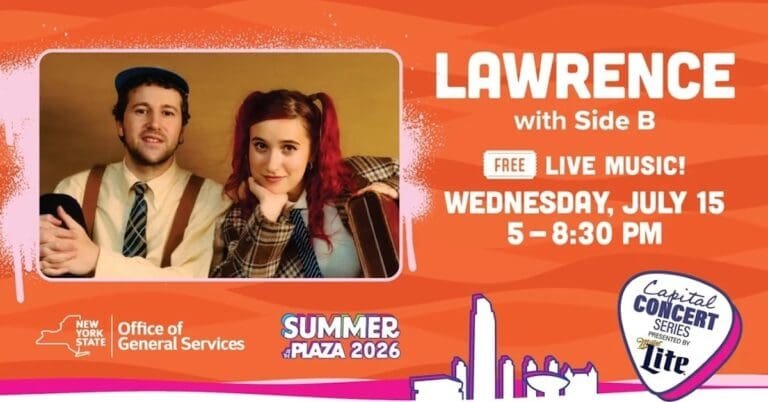
Recap: Lawrence @ Empire State Plaza, 7/15/2026

0

By Charla Earney.

The Jackson 5? Funk? R&B? Pop? Jazz? 

The answer is yes.

Lawrence refuses to fit neatly into a single genre. One minute you hear echoes of Stevie Wonder and Motown, the next you’re knee-deep in funk, soul, jazz arrangements, and enough pop hooks to keep the whole crowd singing. Labels become meaningless once they take the stage.

Founded by siblings Clyde and Gracie Lawrence, the New York City-based, eight-piece band isn’t simply fronted by a brother and sister; it operates as a true ensemble. Every musician matters. Every horn line, every rhythm, every harmony serves the song. And every one of them came to play that day! I didn’t plan on dancing. The first few songs convinced me I wasn’t going to have a choice. Unlike many bands that explode overnight, Lawrence built their following the hard way. They toured relentlessly, played clubs and theaters across the country, and released their now-famous “acoustic-ish” videos: one-take performances that showcased musicianship instead of studio tricks. Their persistence paid off. 

Their 2024 album “Family Business” became their breakthrough, with “Whatcha Want” climbing into the U.S. Top 40. Since then, they’ve toured internationally, appeared on national television, and, as Gracie proudly announced early in the evening, recently received a Grammy nomination. Judging by what I witnessed Wednesday night, none of that came as a surprise.

The weather deserved a paragraph of its own.

The day had been classic upstate New York: hot, humid, sticky enough to keep most people hiding indoors. But as evening settled over the Hudson, the breeze rolled in off the river as though it had been hired for the event. It cooled the crowd at exactly the right moments and turned what could have been an uncomfortable evening into one of those perfect summer nights you’ll remember long after the music fades.

For a weekday crowd, the Capital Concert Series at the Empire State Plaza drew an impressive turnout. Plenty of people clearly decided the weather was worth gambling on. They won. Gracie Lawrence wasted absolutely no time introducing herself. She opened the show swinging. For someone so petite, the amount of power that came out of her seemed almost impossible. Her voice wasn’t simply loud; it was controlled, clean, and packed with emotion. It reminded me of that unforgettable scene in “Sister Act” when the quiet, unassuming nun suddenly opens her mouth and reveals a voice capable of rattling the entire church. That was Gracie. Tiny frame. Massive voice. She wore a dark pleated mini skirt, a bright red halter top, matching red socks, Mary Jane shoes, and twin French braids that completed a look that was playful without compromising confidence. When she picked up the tambourine, it became another extension of her personality. Every movement looked intentional. Every note landed.
Then came Clyde.
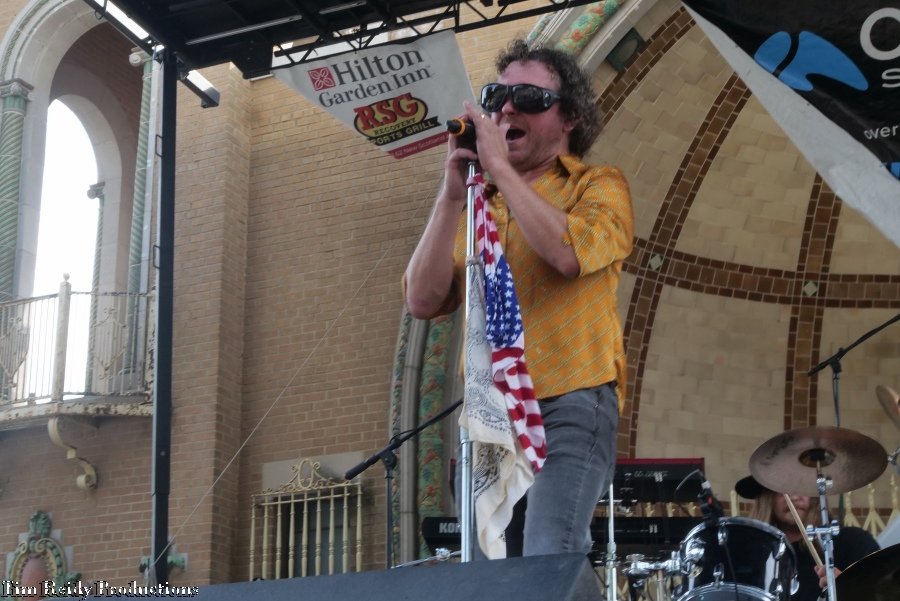
After hearing Gracie command the stage so completely, I wondered if her brother could possibly match that energy. He didn’t imitate it. He complemented her, and at different moments it soared over. His voice is remarkably clean, warm, effortless, and remarkably expressive. Sitting behind the piano for nearly the entire show, he somehow managed to lead the band without ever appearing to work at it. When he and Gracie sang together, their harmonies became so rich and full that, more than once, I found myself listening closely just to appreciate how perfectly their voices blended. It wasn’t gospel. But it had that same joyful spirit.
The visual presentation of the band reflected the same professionalism. Clyde stood out in a yellow T-shirt and white cap while the rest of the band wore coordinated white shirts and tan pants. It wasn’t flashy. It simply reinforced the idea that everyone belonged to the same team. No egos. Just eight musicians pulling in the same direction.

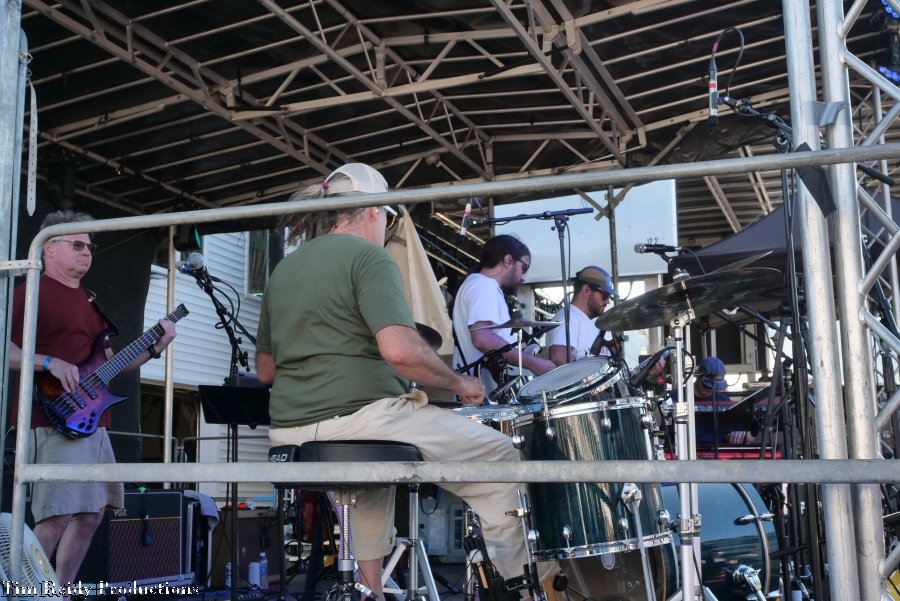
The heartbeat of the evening came from drummer Sam Askin. Good drummers keep time. Great drummers make you forget you’re listening to one. Sam did both. His precision drove every song forward while somehow making each groove feel effortless. I caught myself ignoring my aching feet because they refused to stop moving. Every drum solo left me disappointed, not because it wasn’t good enough, but because I wanted it to keep going. I wasn’t ready for it to end.

Bassist Michael Karsh occupied what I always call “the space in between.” The bass isn’t always the instrument people notice first, but remove it, and everything falls apart. Michael supplied the depth, attitude, and pulse that allowed every other musician to shine. Locked in with Sam, the rhythm section created a foundation that made the entire band feel unstoppable.

Guitarist Jonny Koh had moments that absolutely caught fire. His playing was tasteful when it needed to be and explosive when the songs demanded it. Several solos brought huge cheers from the audience, and his stage presence matched the infectious energy pouring off the rest of the band.

The horn section deserves its own standing ovation. Jordan Cohen on tenor saxophone, Sumner Becker on alto saxophone, and Marc Langer on trumpet didn’t simply fill musical space; they became characters in every song. Marc, especially, seemed determined to steal the spotlight whenever he stepped forward. Mission accomplished. His interaction with the audience made every trumpet entrance feel like an event, while the saxophones layered warmth and excitement into arrangements already overflowing with personality. Together they transformed songs into celebrations.

One thing became increasingly obvious as the evening went on. I could understand every lyric. Every instrument had room to breathe. The vocals were crystal clear. The mix was balanced. There wasn’t a single moment where the sound distracted from the performance. Whoever handles front-of-house audio deserves enormous credit. Great live sound often goes unnoticed because everything simply works. This was one of those nights.

The band leaned heavily on original material while sprinkling in a few carefully chosen covers. One highlight was their tribute to the Beatles, inspired by their recent performance in Liverpool, the city where the Fab Four began their legendary journey. 

Listening to Lawrence reinterpreting Beatles music with an eight-piece lineup was fascinating. Their arrangements added an entirely different level of color and movement while still respecting the originals. I couldn’t help wishing I had been in Liverpool to hear it there.

Would I see Lawrence again? Oh, hell yes. In fact, I’d go out of my way too. Some concerts entertain you. Others remind you why live music matters. Lawrence displayed the latter.

Benwah Kenobi – An Xperience Interview

Photograph by Nate Black.

Interview by Joshua Scarselli.

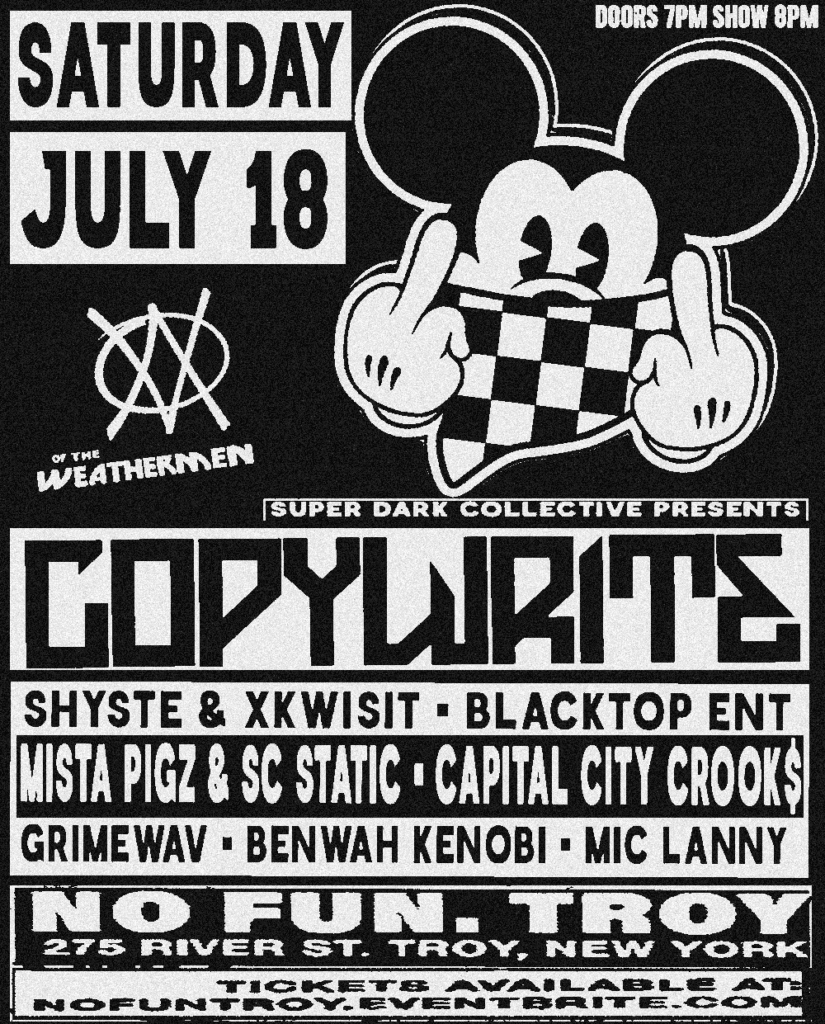
Today we sit down with one of the hottest acts in local hip hop: Benwah Kenobi. Benwah Kenobi made time to talk before he performs this Saturday at No Fun in Troy.

RRX: Tell us about yourself. How did you get into hip hop music?

BK: My introduction to hip hop music was by my cousin, who was a fan of the music and would listen to various artists that were popular in the late ’80s and ’90s, as well as the soundtrack album to “Crooklyn” by Spike Lee, which had a song on it by Buckshot, Masta Ace, and Special Ed that I would listen to religiously.

RRX: Your music has a dreamlike style to it. How do you achieve this?

BK: Music is my form of escapism and expressionism, so when I write, I try to maintain a more holistic approach to the subject matter I’m writing about. I try not to ever speak about myself in my music, and when I do, I write from personal struggles and experiences rather than bragging about material goods. That’s not to say that I haven’t in the past, but now when I write, I try to maintain a third-person perspective.

RRX: Who do you draw your inspiration from?

BK: Most of my inspiration comes from my experiences I have gone through. In 2016, I was in a coma after falling 53 feet off of a roof, so learning how to navigate life after having that traumatic experience gives me plenty of material to write about, as well as struggling to make genuine human connections while having a TBI (traumatic brain injury) gives me plenty of material to write about because again, when you listen to my music, you’re essentially hearing my journal. I’m an open book haha.

RRX: What do you want people to take away from your performance?

BK: More than anything, I want people to understand that I take the craft seriously, I don’t rush my writing, and I never force it. So it may take me a while to make music, but know that when I do release music, it’s never going to sound rushed or lazy.

RRX: Where can people keep track of your music and upcoming performances?

BK: I am mostly active on Instagram; my Instagram handle is @benwah_kenobi. I post my releases on that platform as well as my upcoming show dates. I have no problem interacting with people, so anyone can feel free to contact me there; I’m not “Hollywood,” as people say.

You can catch Benwah Kenobi today, July 18th, at No Fun right here in Troy!

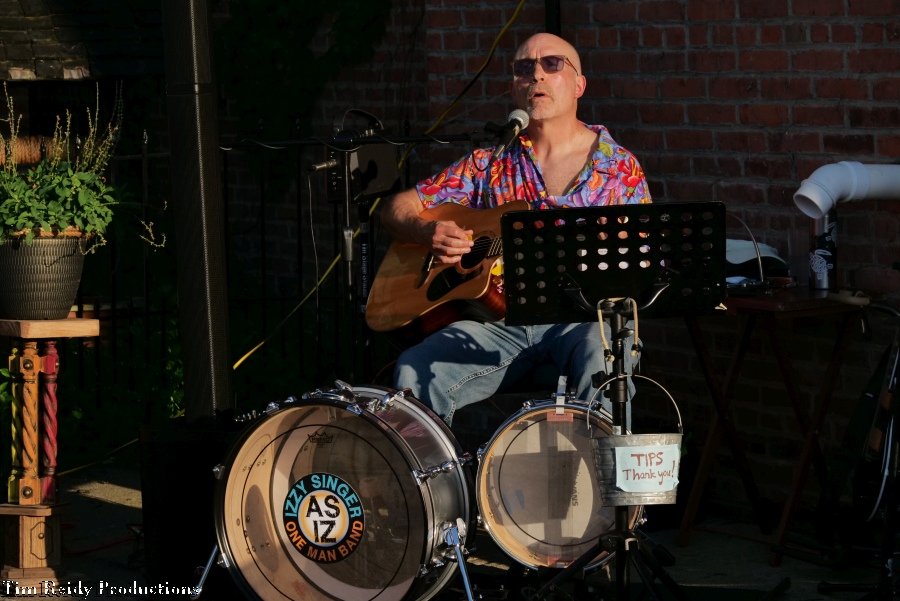
As Iz @ Oh Corn! Arepas, 7/10/2026

0

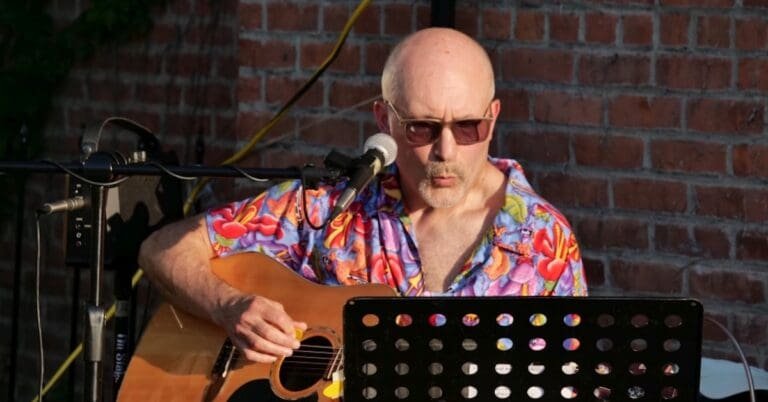
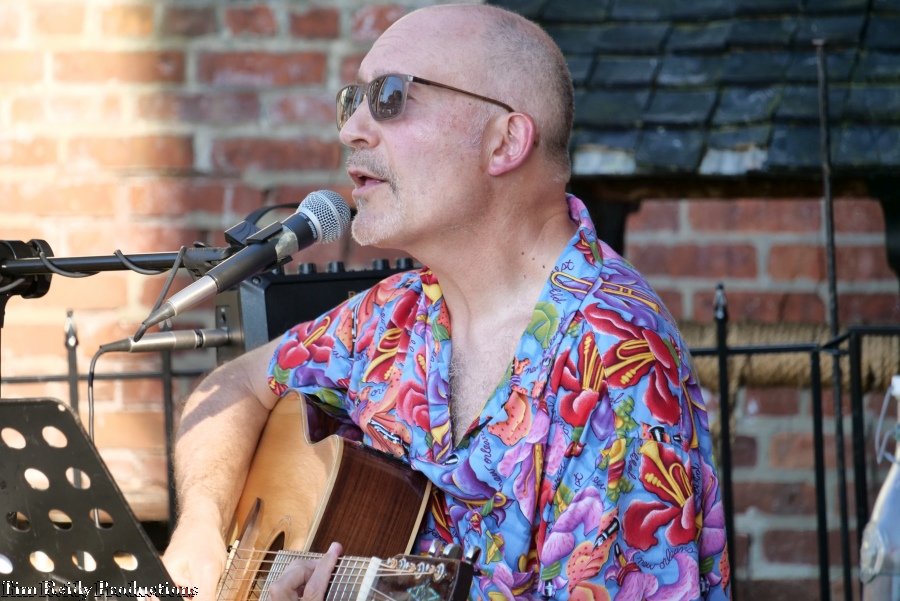
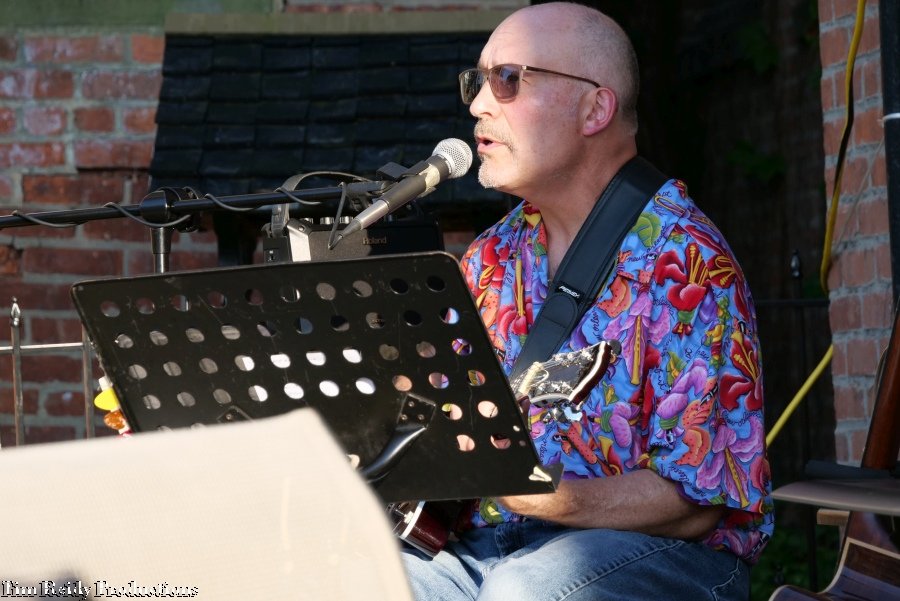
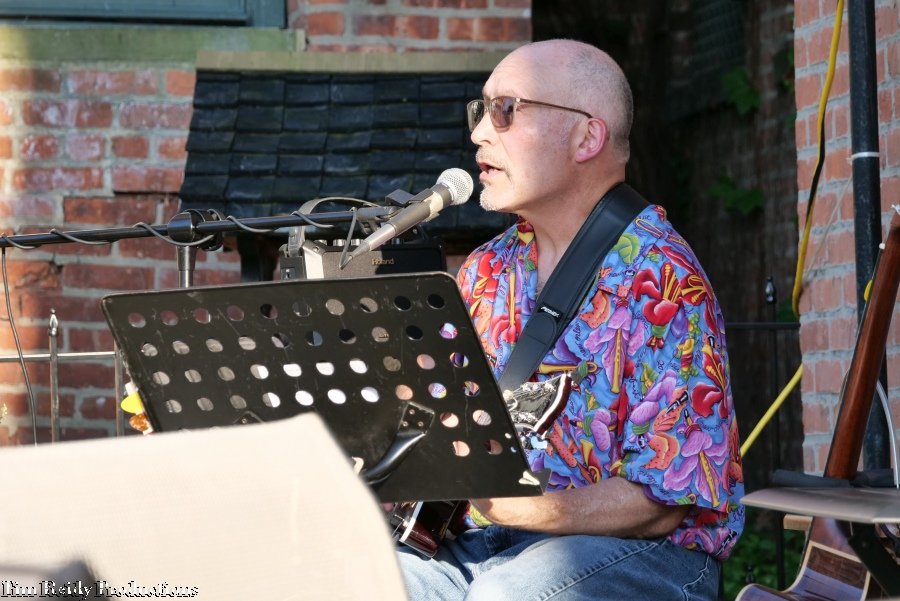
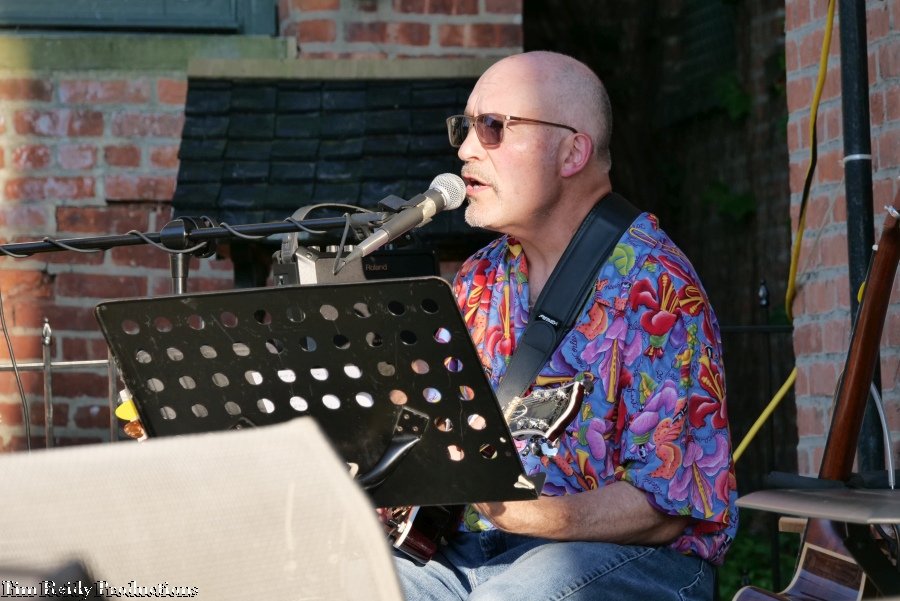
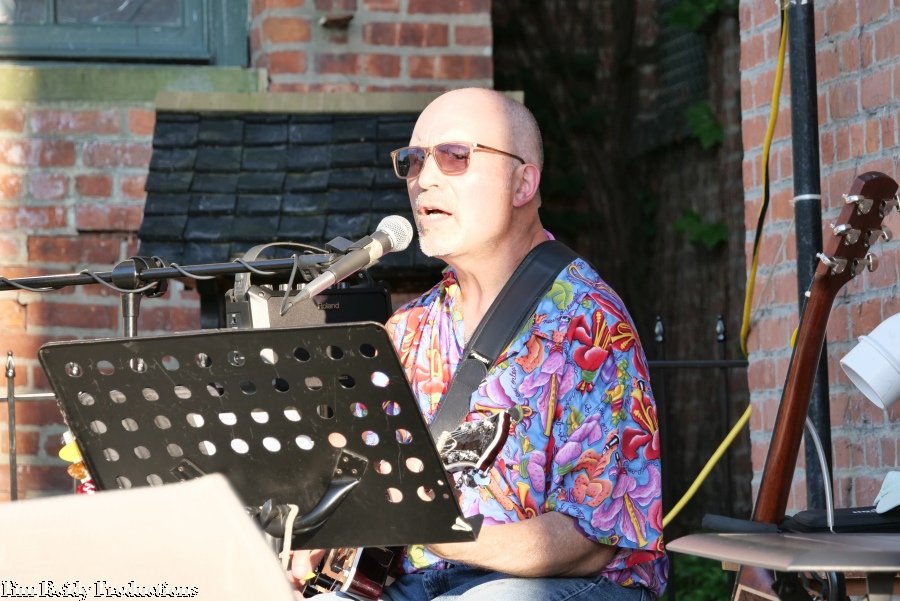
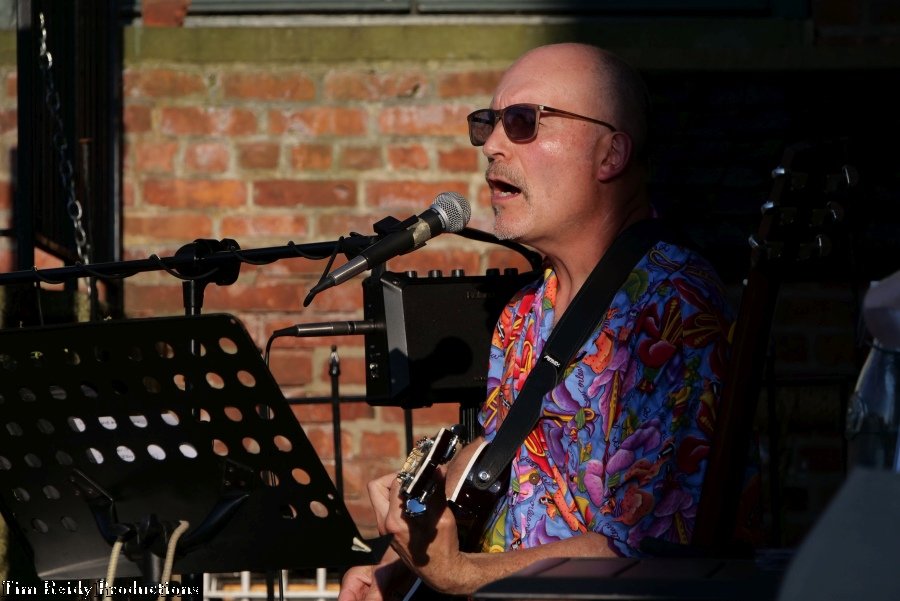
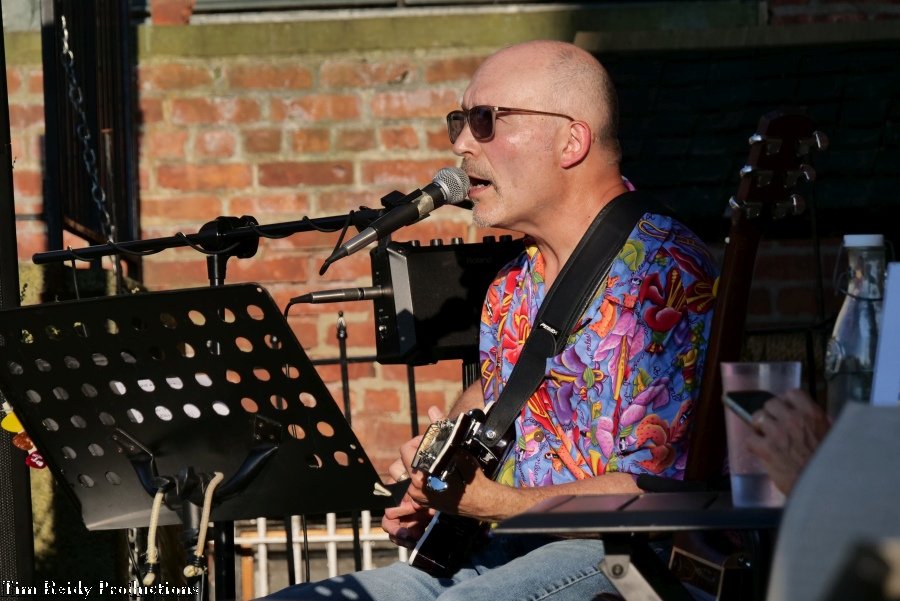
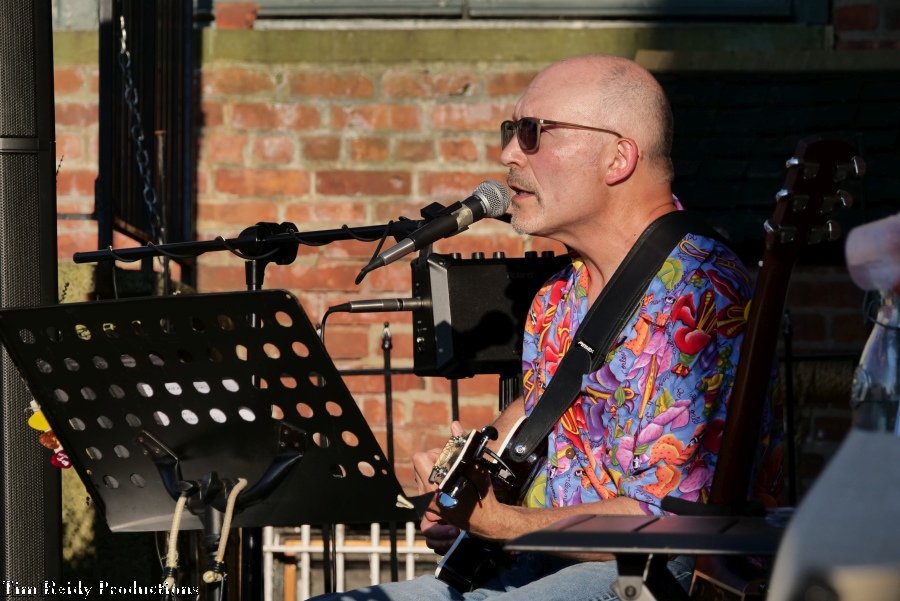
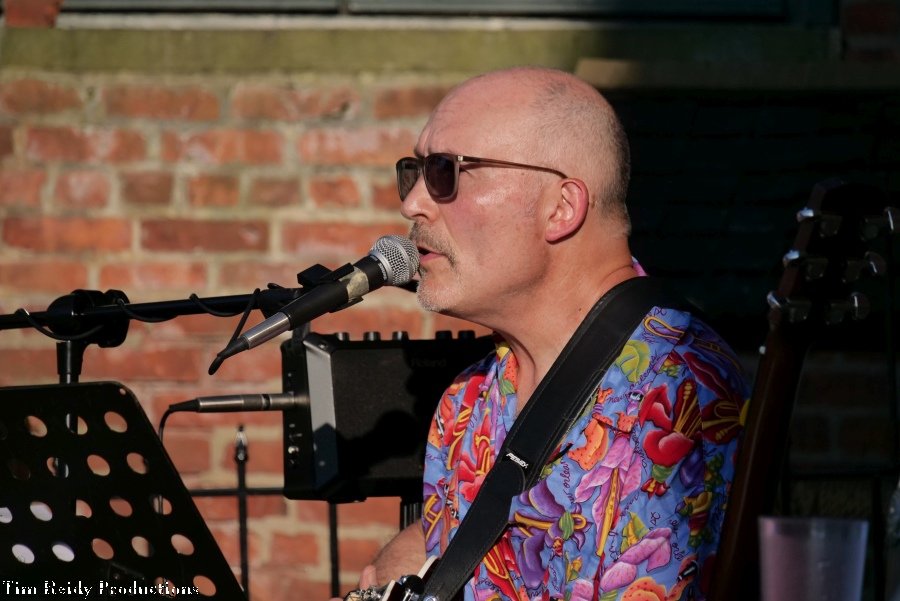
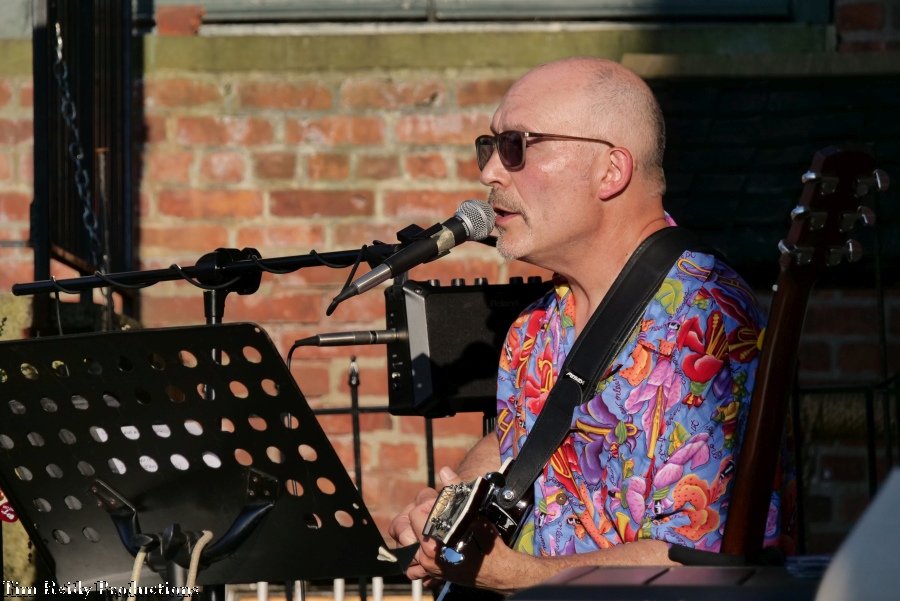
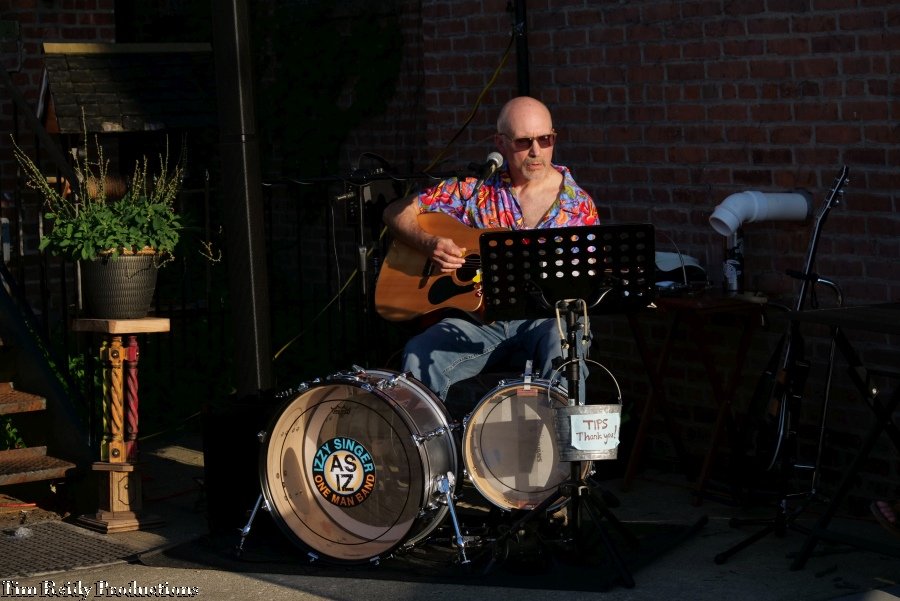
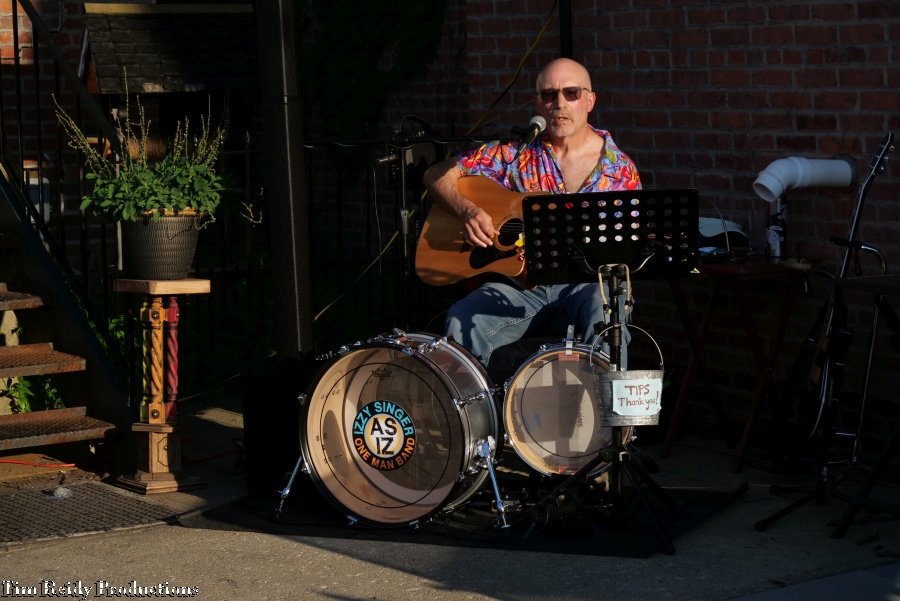
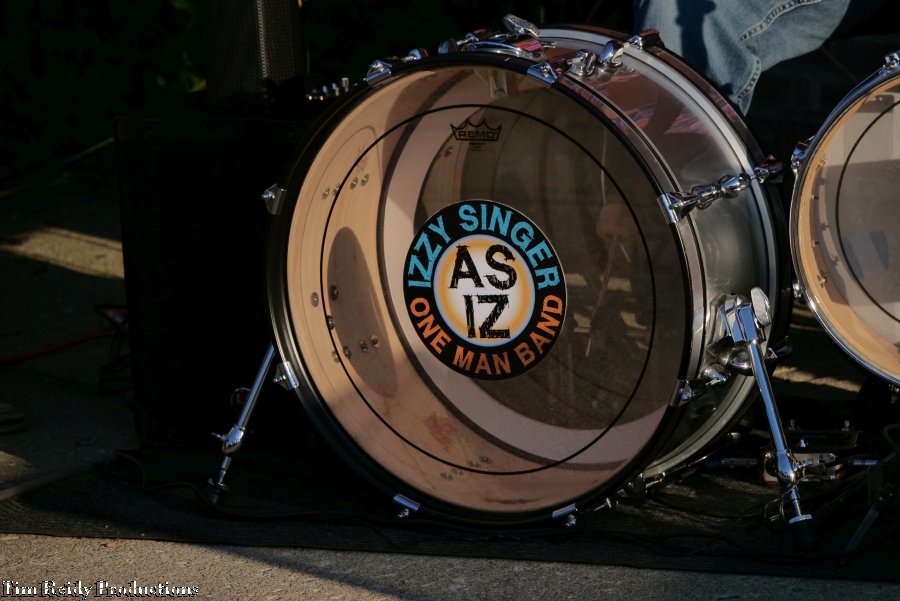
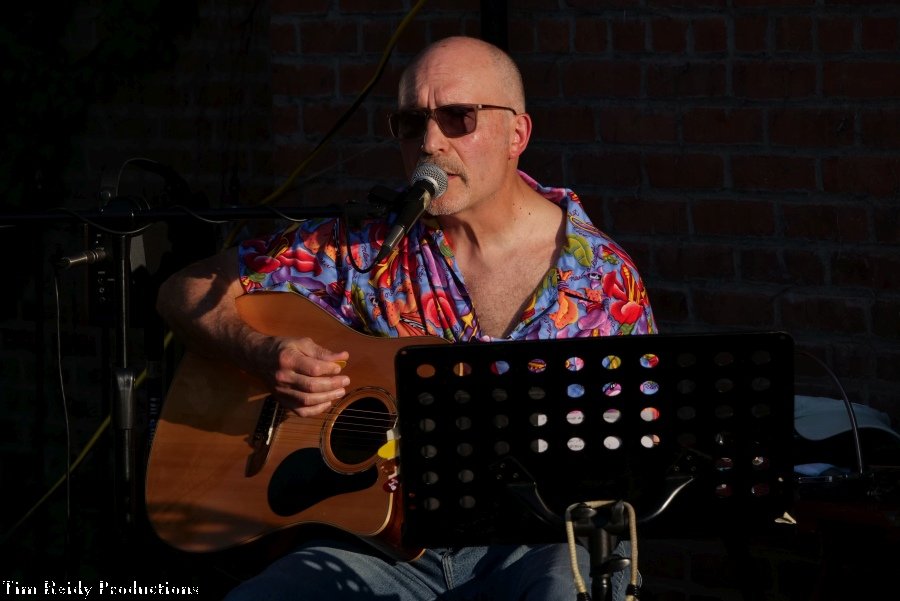
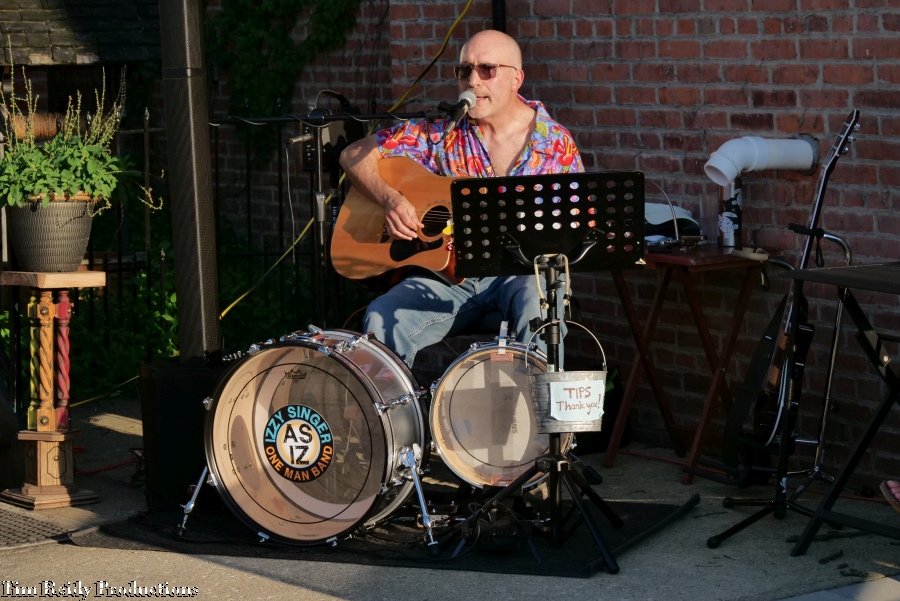
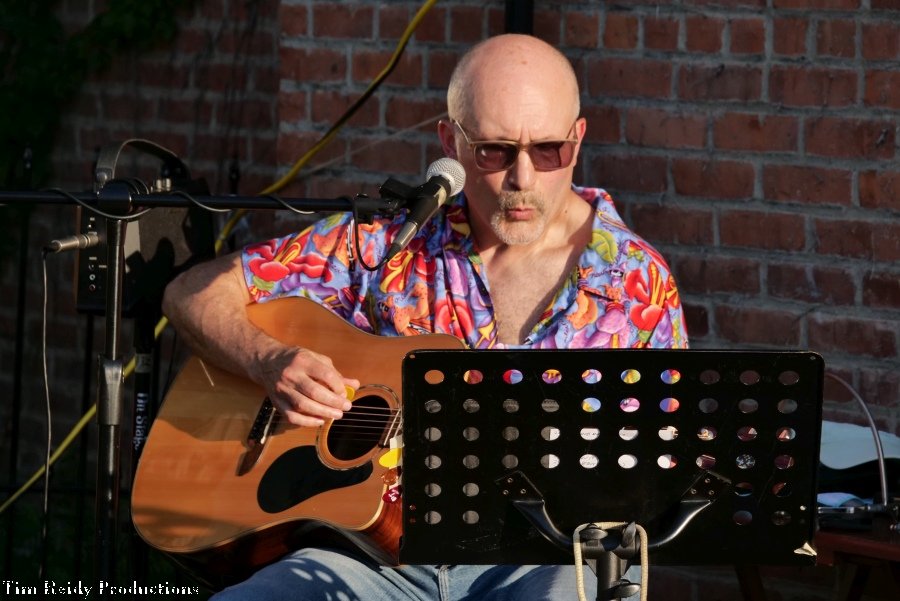
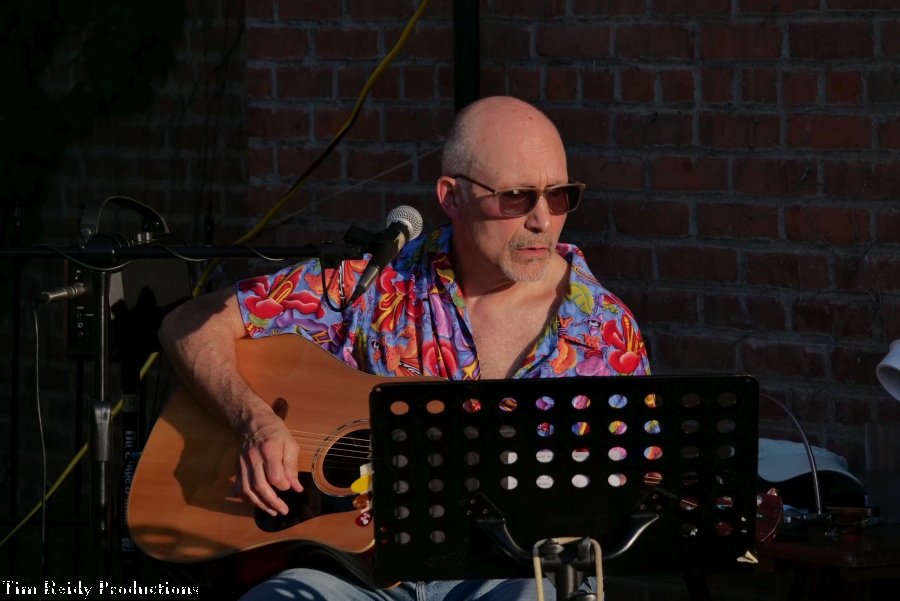
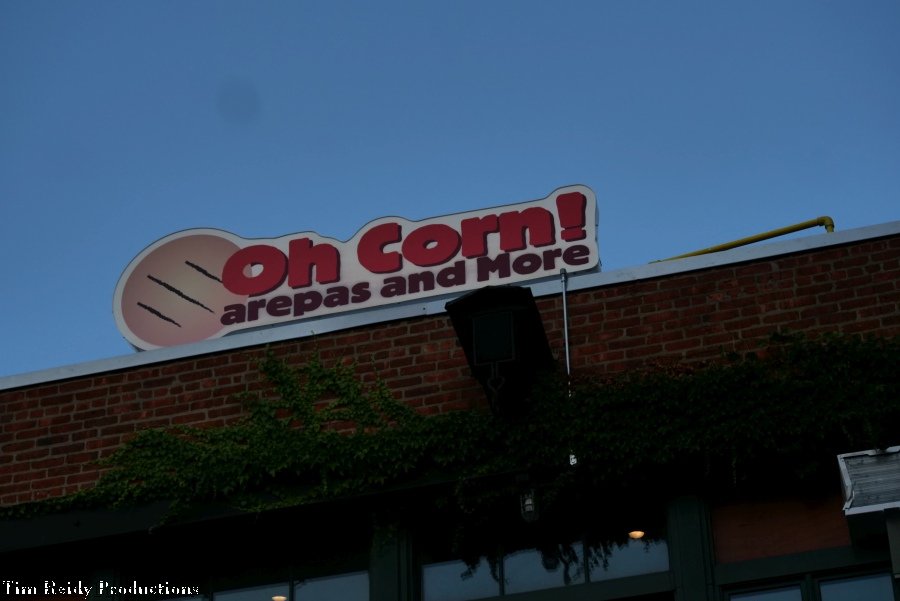
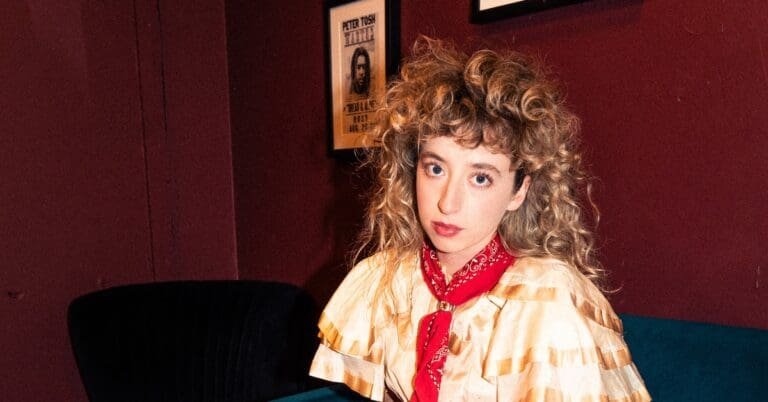
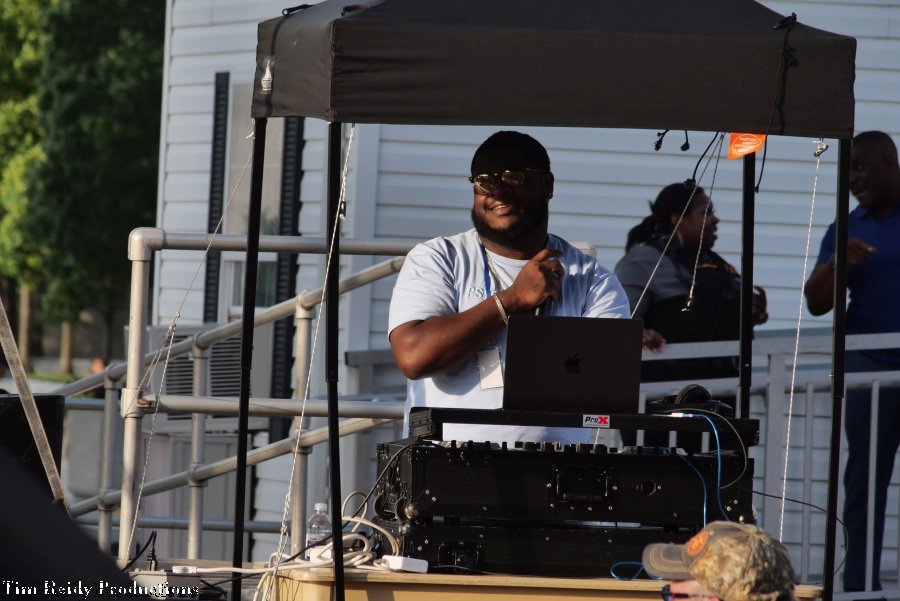
As Iz (Izzy Singer) entertained the crowd on the lovely patio at Oh Corn! Arepas on July 10.

Photography by Timothy Reidy.

More from Oh Corn! Arepas here …


Kostas “Gus” Hais – Thanks for Asking!

0

By Sara Busone.

RRX: Tell me about your most recent song, album, or video. Not a process, but a cool story that took place within the process.

I recently released my first solo two-song release, “Even For a Day / My Time Has Come.” For a while, I’d been planning to do something completely different from what my band, Blackcat Elliot, does. Along the way, I found myself with a batch of songs I’d written on my acoustic and started thinking they might become a five-song EP.

One of the songs, “My Time Has Come,” had the lyrics and chords, but I just couldn’t find the right phrasing. Then I had carpal tunnel surgery. While I was recovering, the melody and phrasing finally came to me, but I couldn’t play guitar. So I reached out to my stepdaughter, Madyson Powell, who’s an astounding musician. I handed her my guitar, showed her the chords, and together we worked through the song while I recorded it on my iPhone. You can’t control when inspiration arrives; you just have to be ready to catch it.

RRX: Let’s talk about the future. What’s coming to us?

I really enjoyed working with Dominick Campana on my most recent solo project, and I’m hoping we get the chance to collaborate again in the near future on another release.

Right now, though, my focus is on the next Blackcat Elliot record. Our original bass player, Jamie St. Denis, has rejoined the band, and we’ve been writing new material nonstop. We’re excited about these songs, and I’d love to get them out into the world soon.

At the end of the day, I’m just going to keep writing and recording until I can’t. It doesn’t matter who I’m working with or what project it’s for; I just want to keep making and releasing music.

RRX: Would you be a one-hit wonder and household name, or would you rather have all your songs be solidly received, but no chart-climbers?

One-hit wonder. Hands down.

If you’ve got one hit, you’ve got a song people will remember for decades. You can spend the rest of your career playing medium-sized venues without constantly worrying about ticket sales because there will always be people who come out just to hear that one song. Along the way, you’ll also build a loyal fanbase that sticks around for your other music. As you and your fans get older, that hit becomes something you all share.

RRX: Do you feel better when you sing about good times, or the darker times? Is there a difference you can describe?

It really depends on the project I’m working on.

With my band, Blackcat Elliot, the music is usually upbeat, high-energy, and made to get people moving. When I’m performing as my acoustic act, Gus Unplugged, I naturally gravitate toward the slower, more emotional songs. It’s a different outlet that lets me be a little more vulnerable.

My first solo release falls somewhere in the middle. It has moments of both light and darkness, but overall it’s the most personal music I’ve written. The lyrics come from real experiences, so regardless of whether the songs are happy or sad, they all reflect something genuine. I think there’s value in writing about both the good times give people something to celebrate, while the harder times help people realize they’re not alone.

RRX: What instrument would you add to the band if you could? Is there anything you are trying to do
musically that would be helped with one or more additional players?

I’ve always wondered what another guitarist could bring to Blackcat Elliot. My previous band, North Again, had that dual-guitar attack, and there was something really powerful about that dynamic. At the same time, with the style of music we play now, adding another guitar might be too much and just make everything louder without adding much.

I’ve also thought about what it would be like to step away from the guitar entirely during a live show and focus solely on singing and connecting with the crowd. That said, I think I’d miss having a guitar around my neck; it feels like a part of who I am on stage and gives me something to channel while performing.

RRX: What was your worst show like?

One show that definitely stands out was at a club in New York City called The Pussycat Lounge. Our booking agent at the time, Frank Wood, got us the gig.

Honestly, I don’t remember it as our worst performance because Blackcat Elliot actually played pretty well. What made it memorable was what happened to me.

The club was two or maybe three floors; I honestly can’t remember. The first floor looked like something straight out of The Sopranos, with what seemed like mobsters hanging around with strippers. The bands played upstairs, and by the third song of our set, I broke a guitar string.

The second it happened, it felt like someone had dumped a bucket of water over my head. It wasn’t water – it was sweat. My anxiety instantly went through the roof because we were only a few songs into the set. I looked over at Marky Balboa and Johnny Mystery, and they both yelled, “Keep going, Gus!”

So I did.

We finished the set, the crowd enjoyed it, and the club even invited us back, so it couldn’t have gone that badly. I won’t get into everything else that happened that night, but I definitely learned one important lesson: always bring a backup guitar.

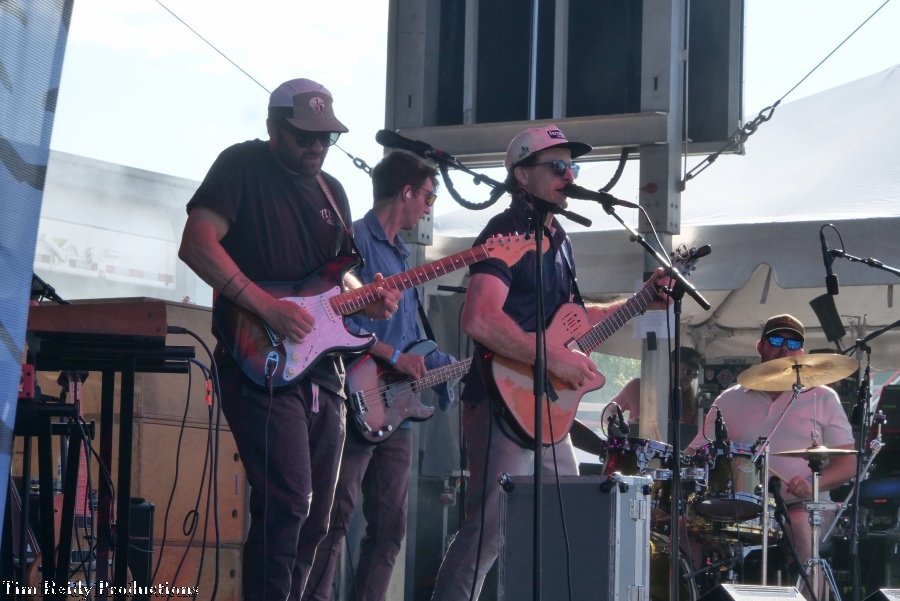
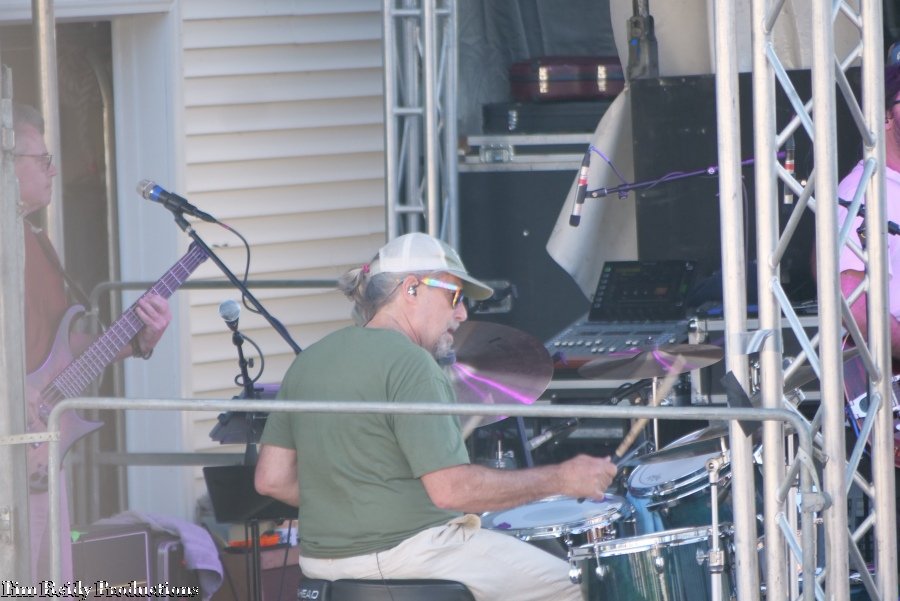
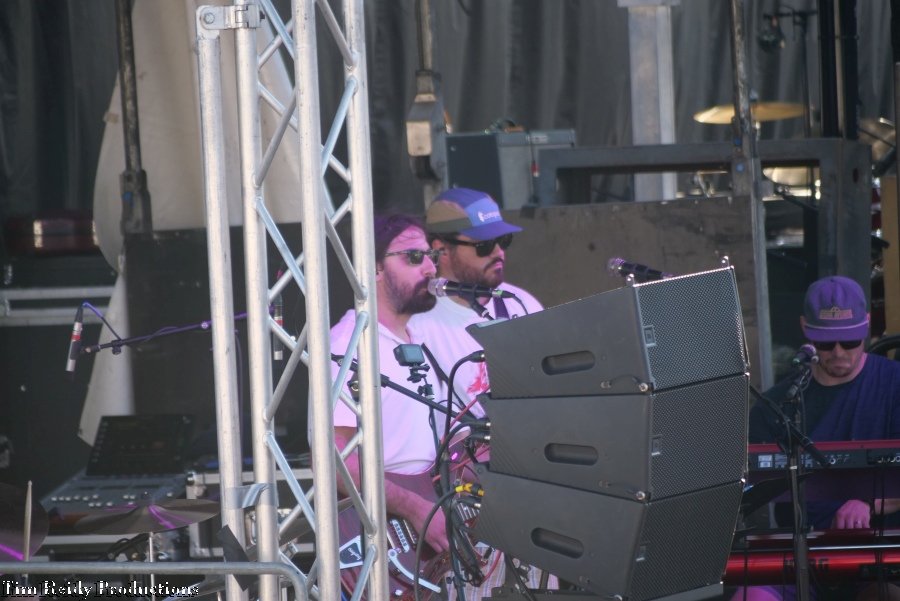
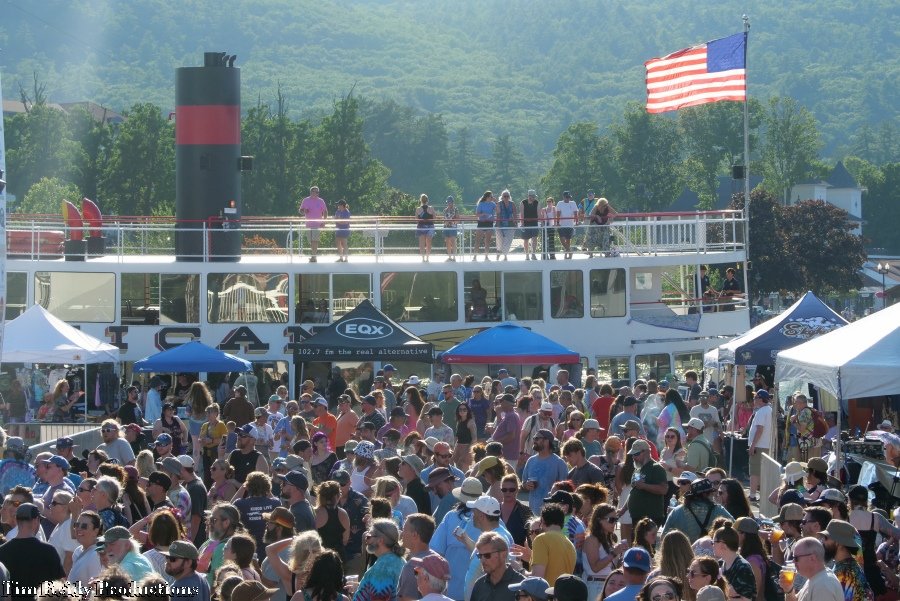
“Rock the Dock” @ Lake George Steamboat Company, 7/11/2026 (Part 1 of 2)

0

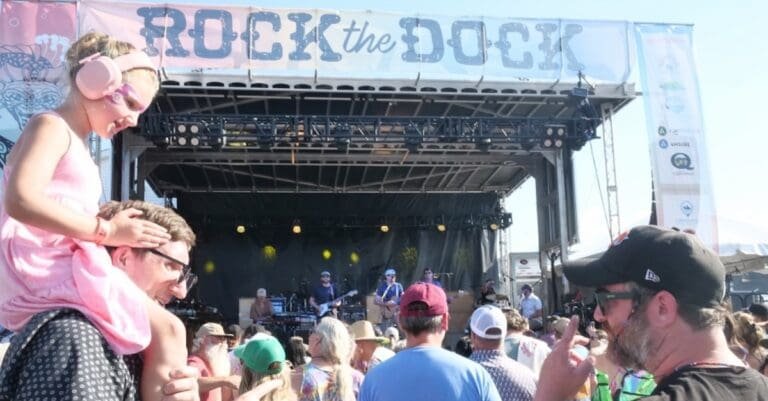
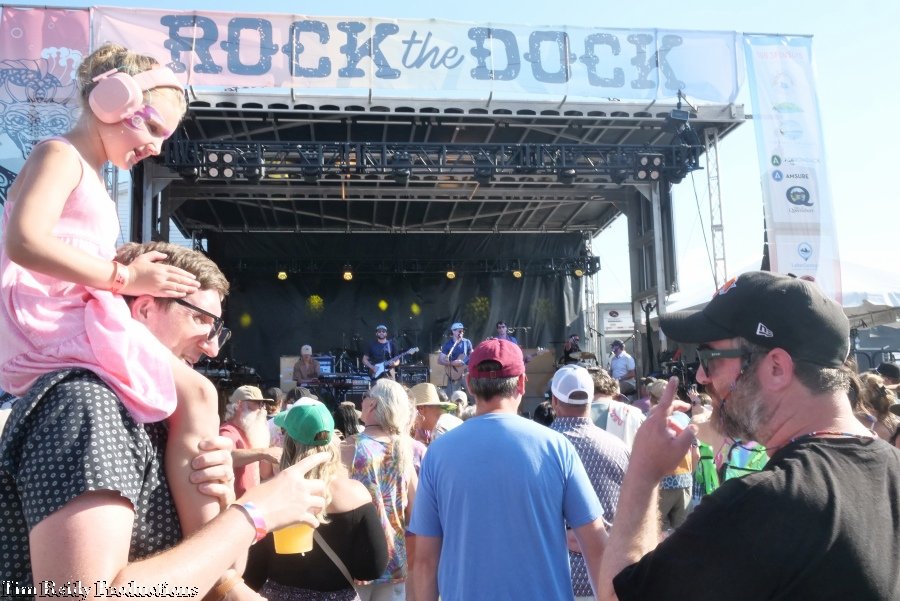
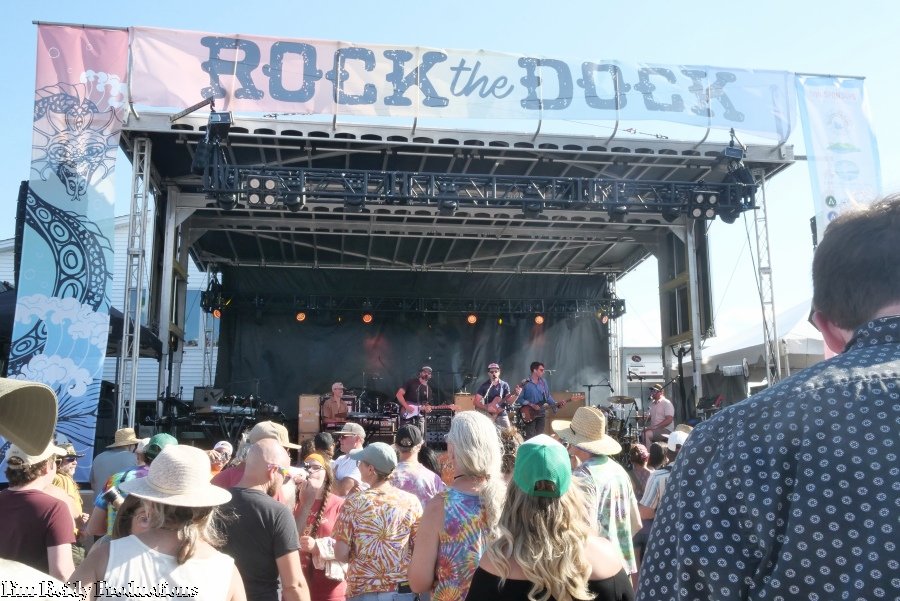
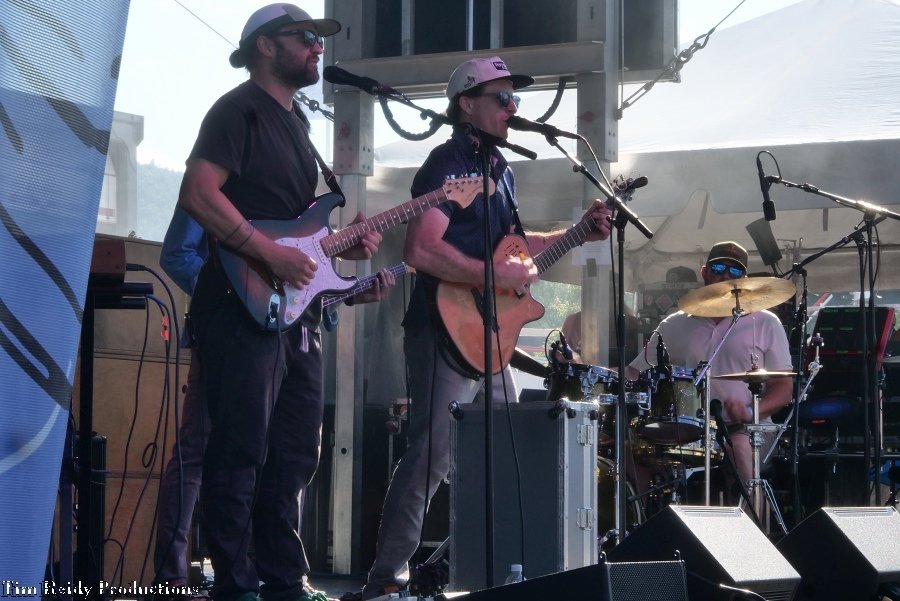
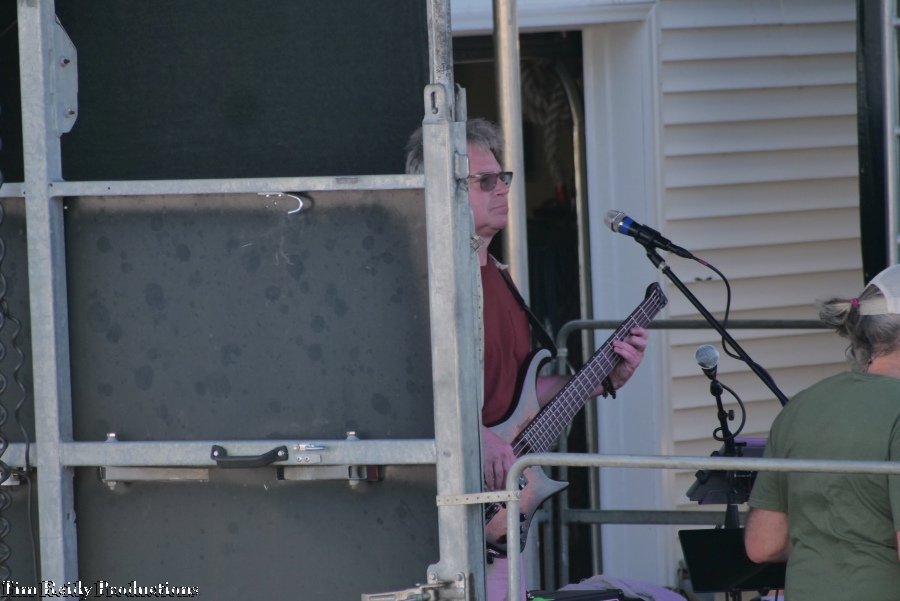
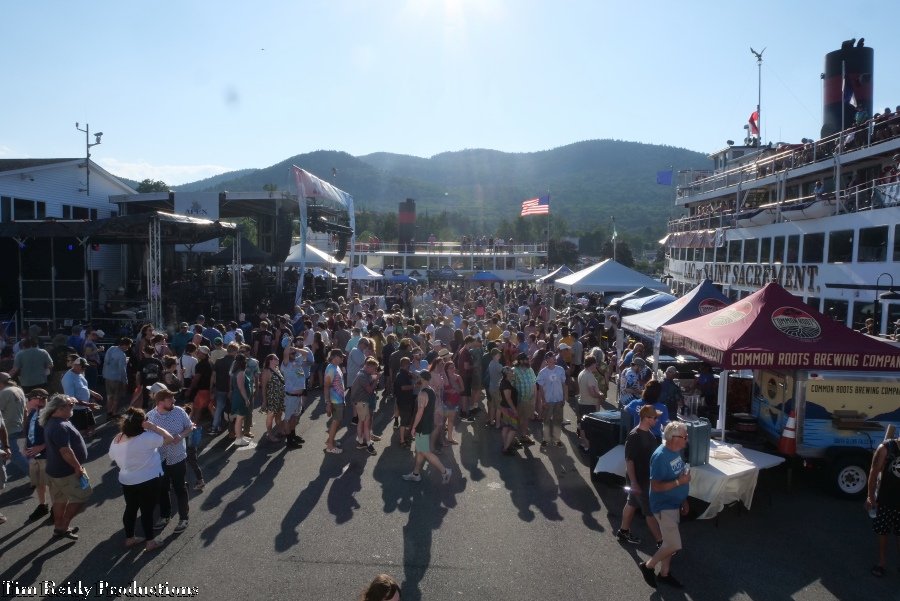
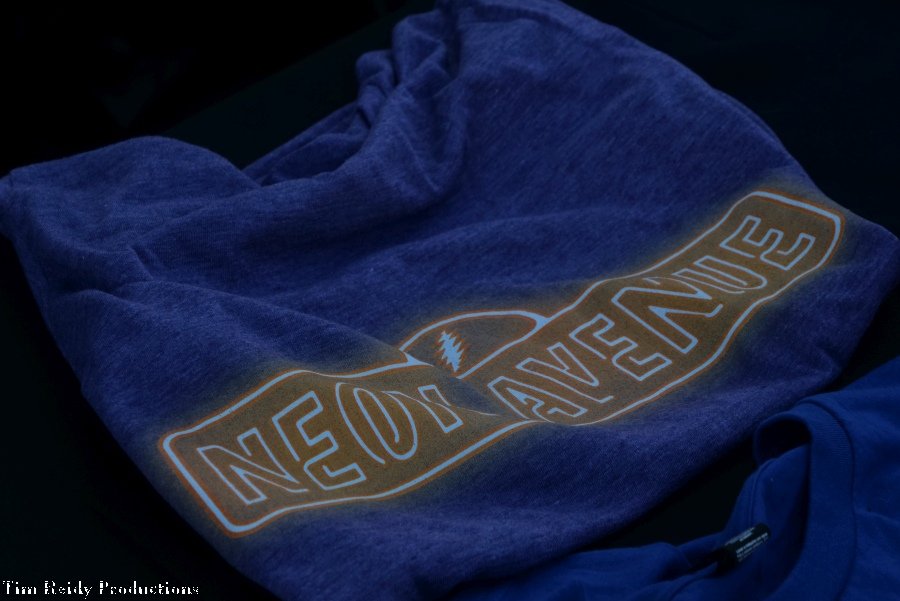
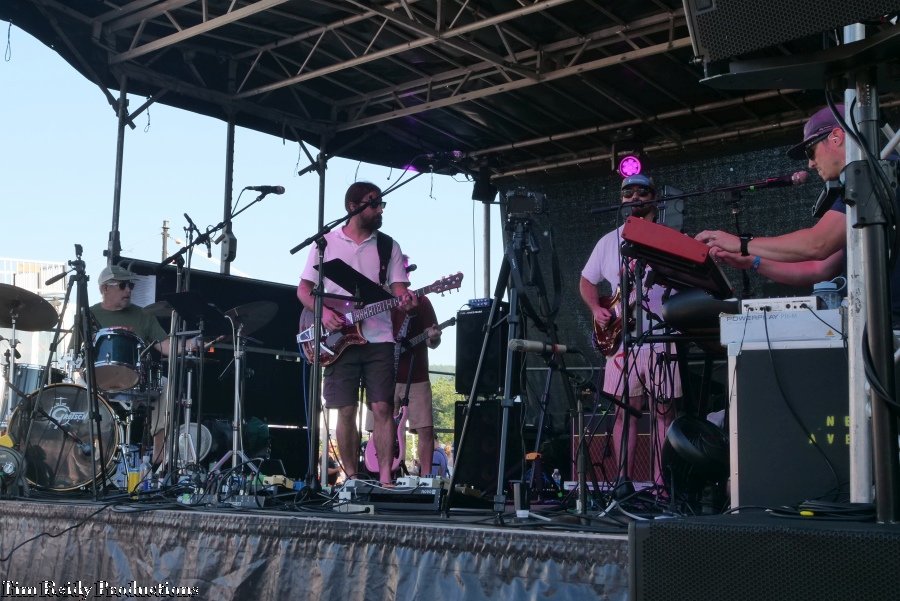
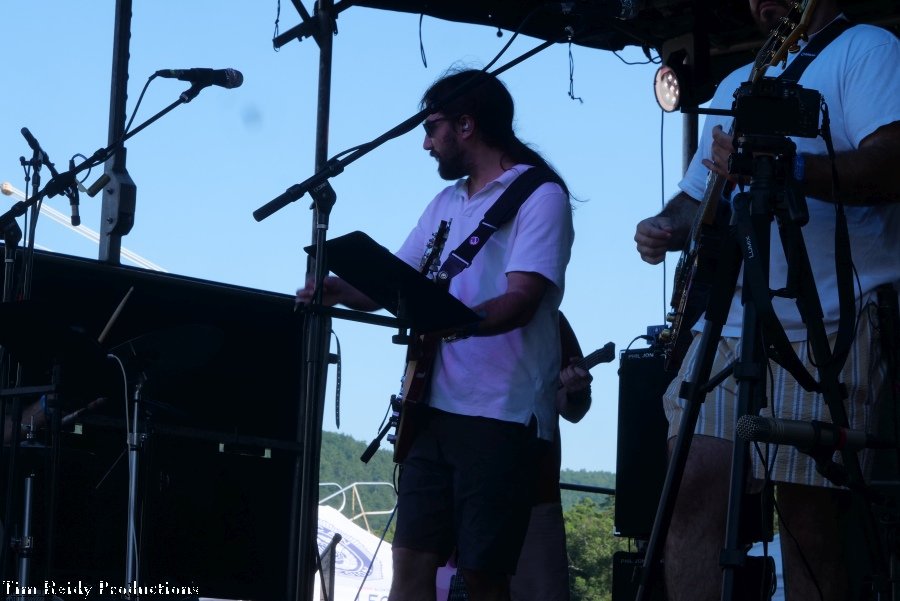
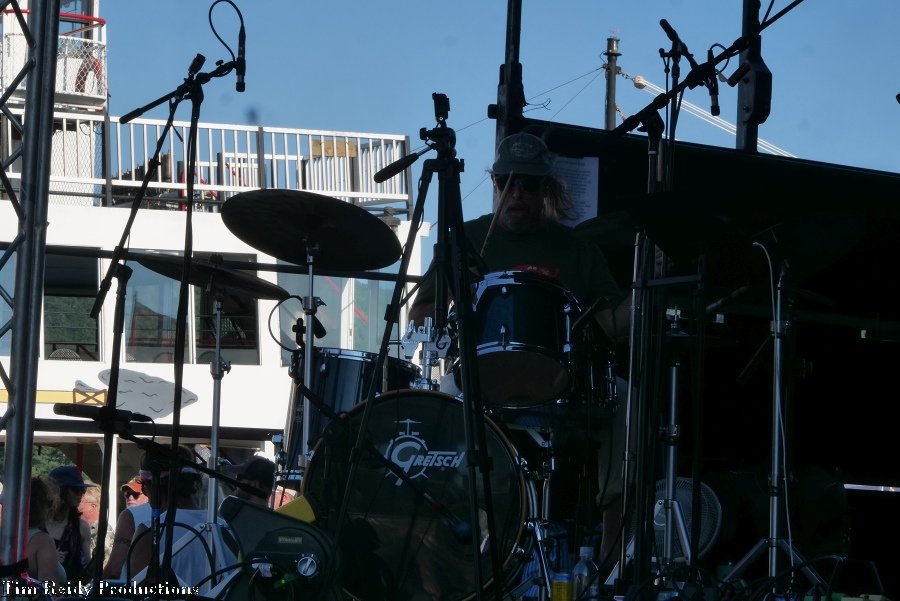
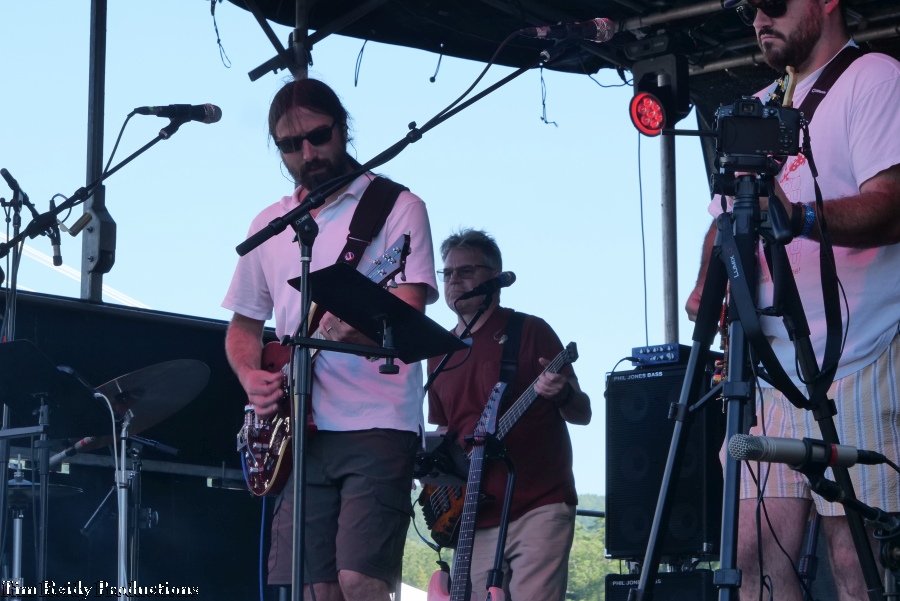
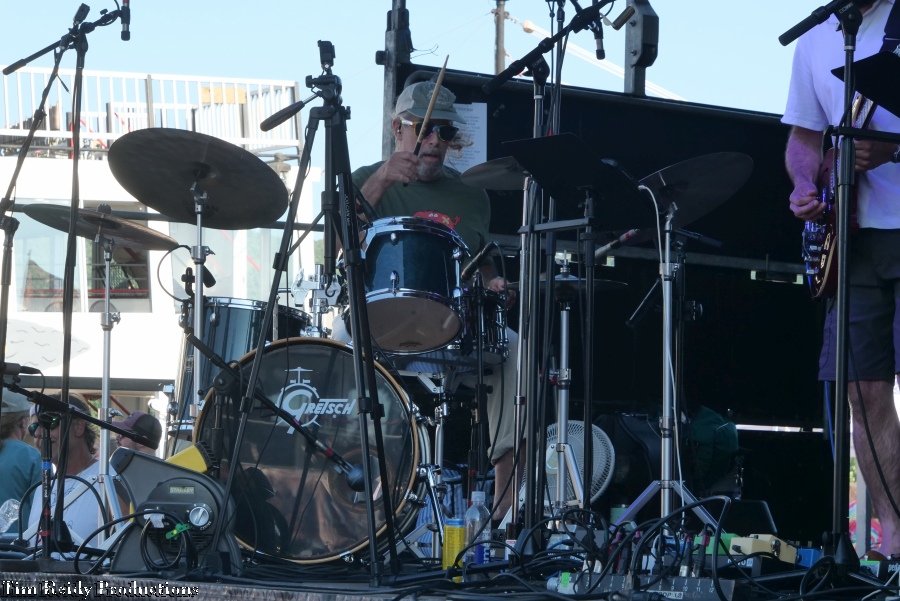
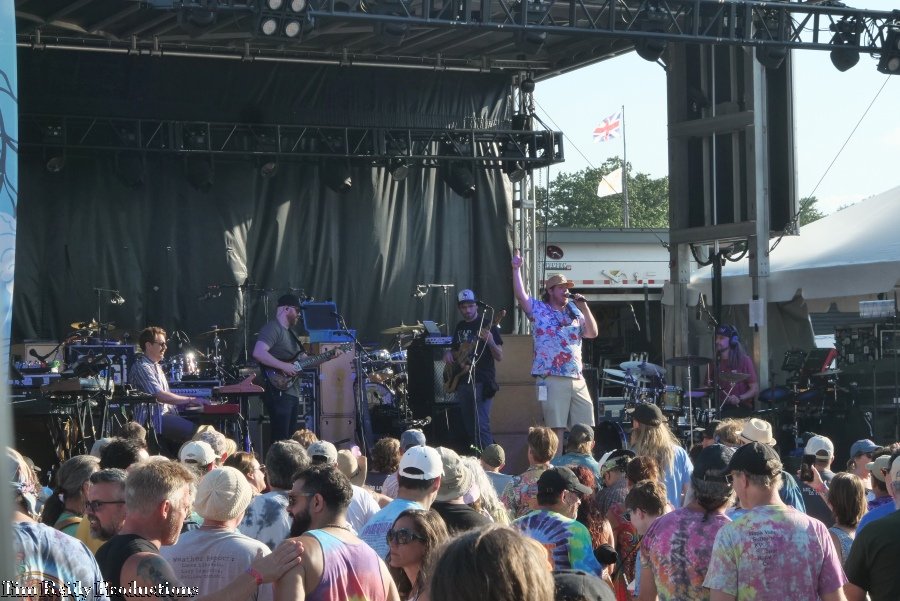
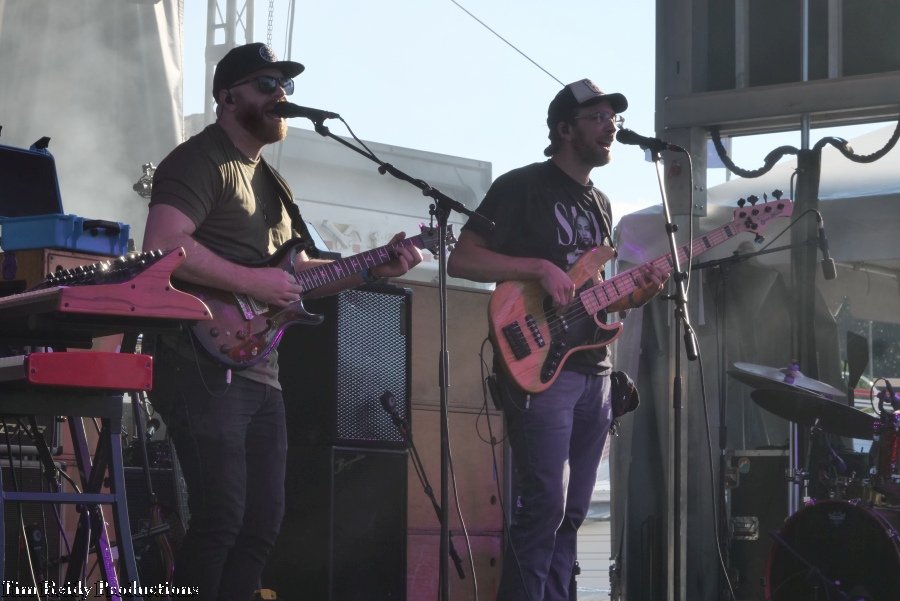
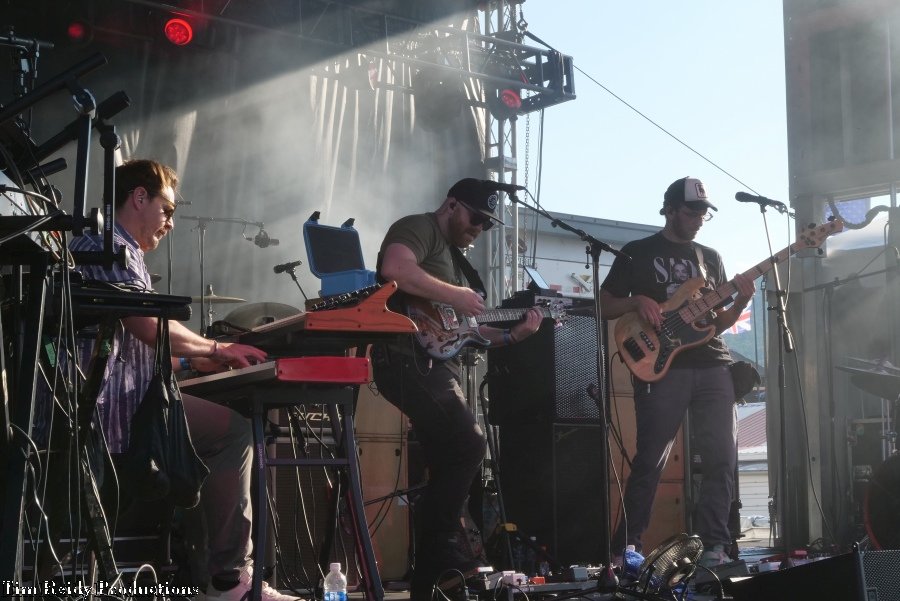
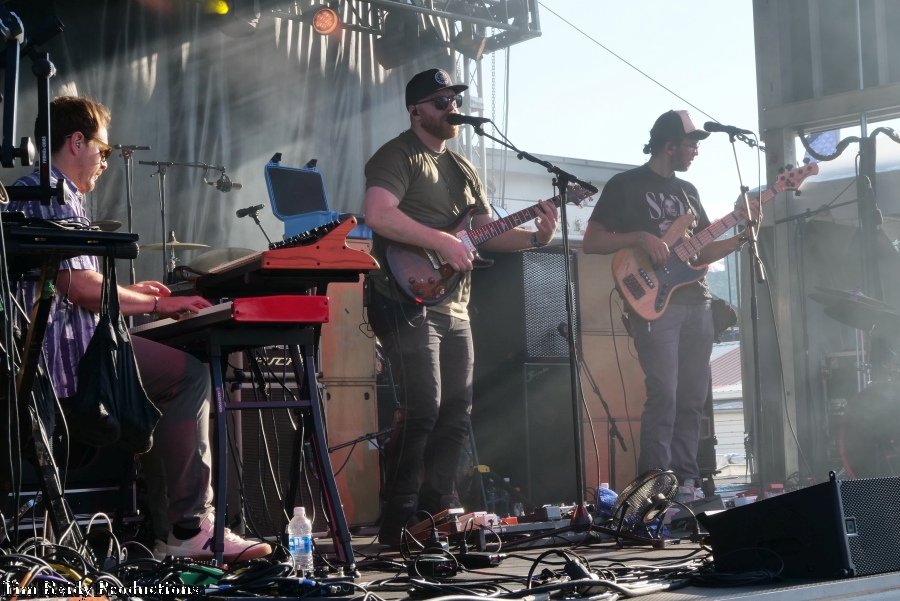
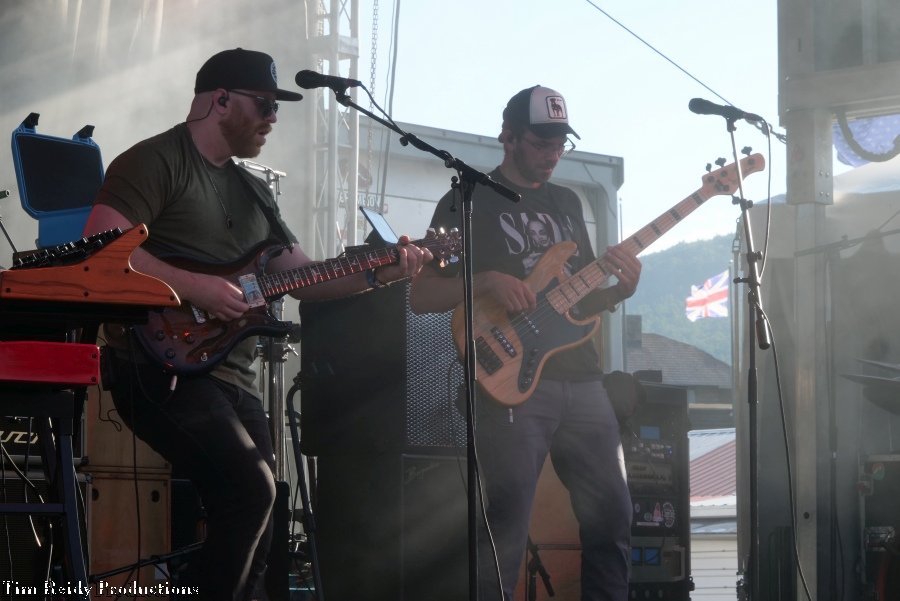
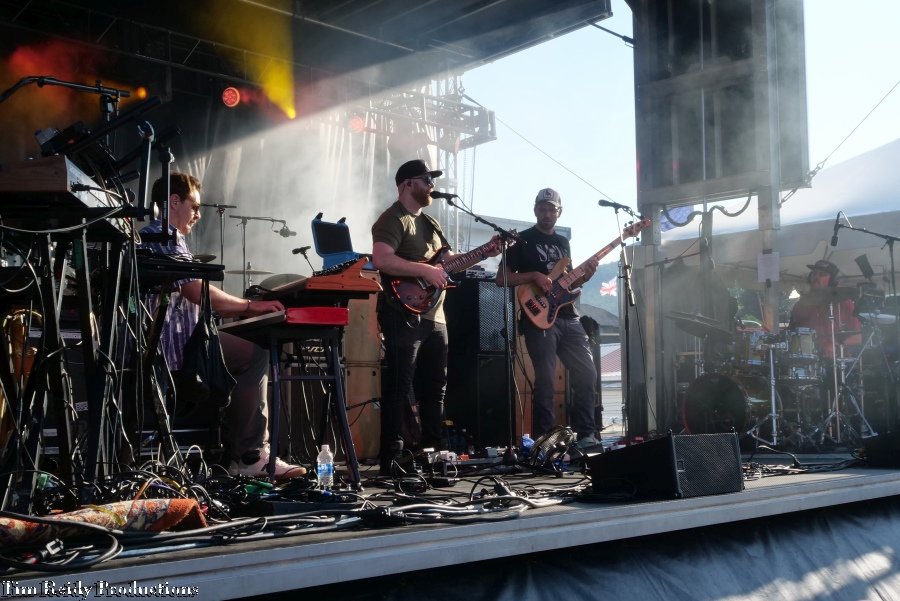
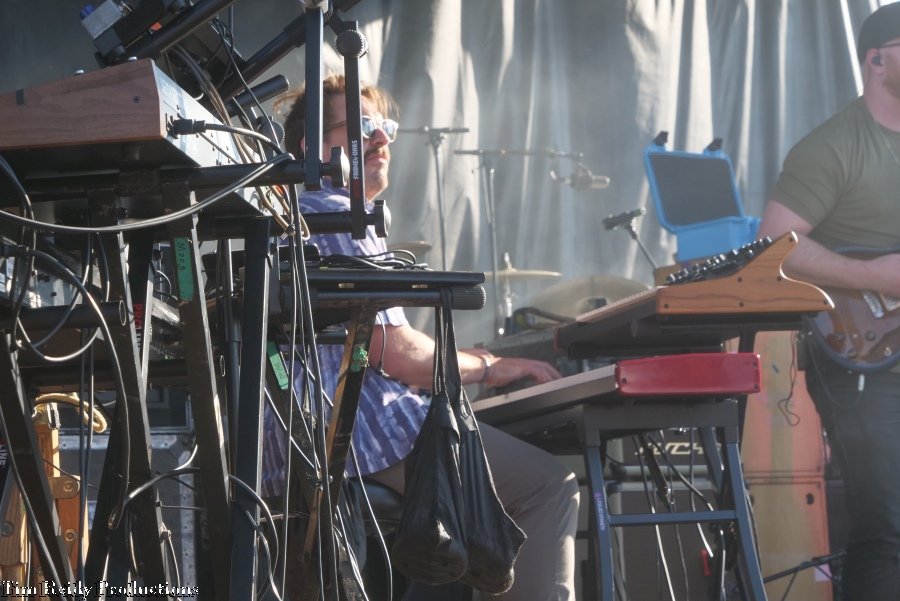
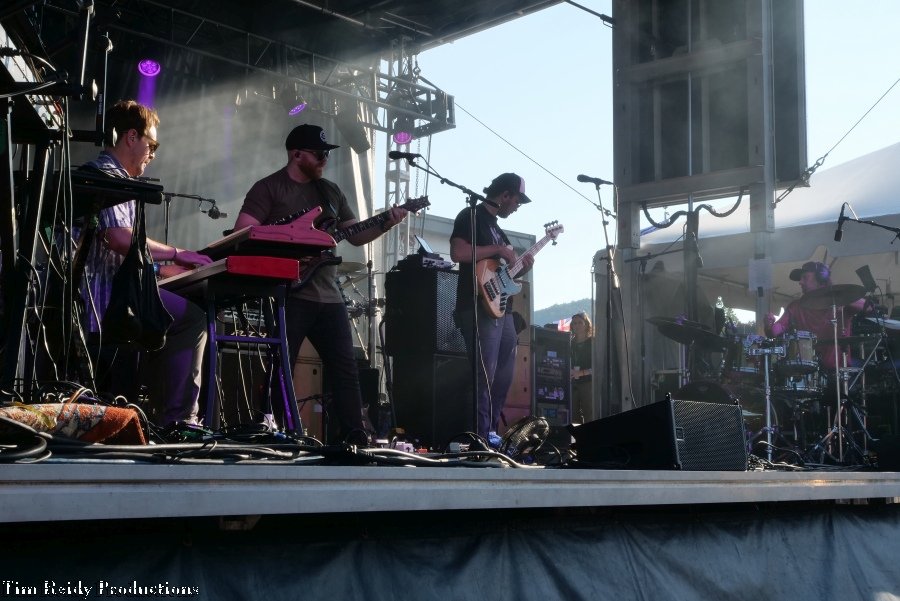
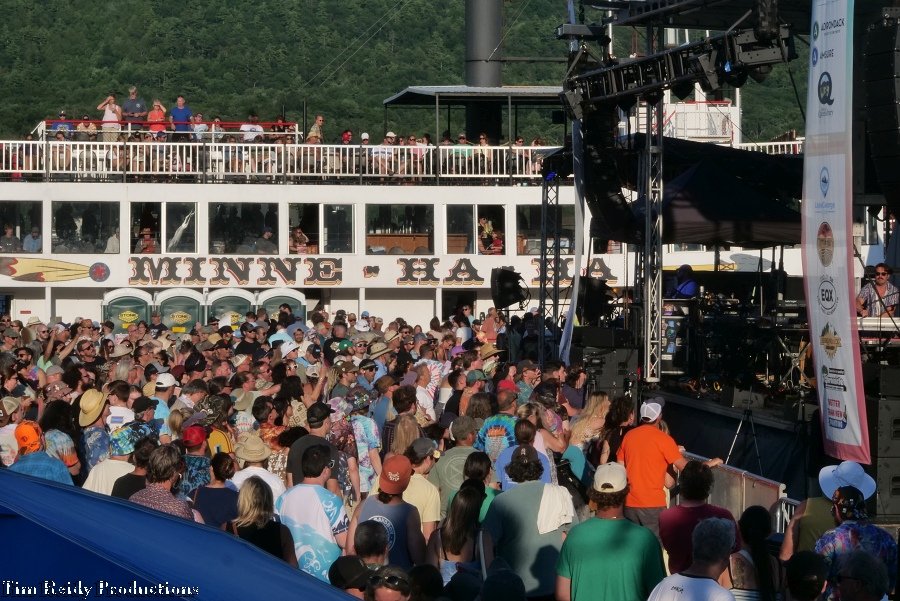
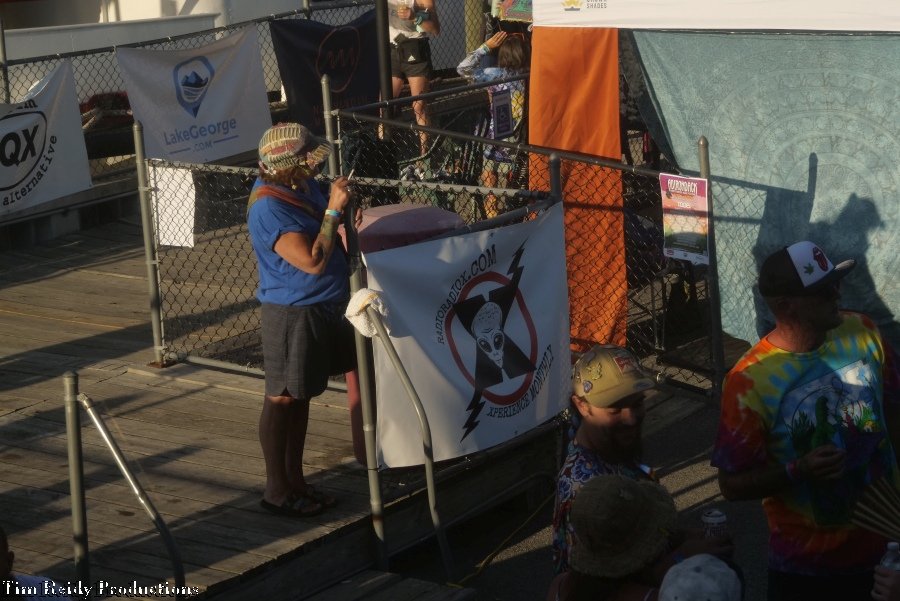
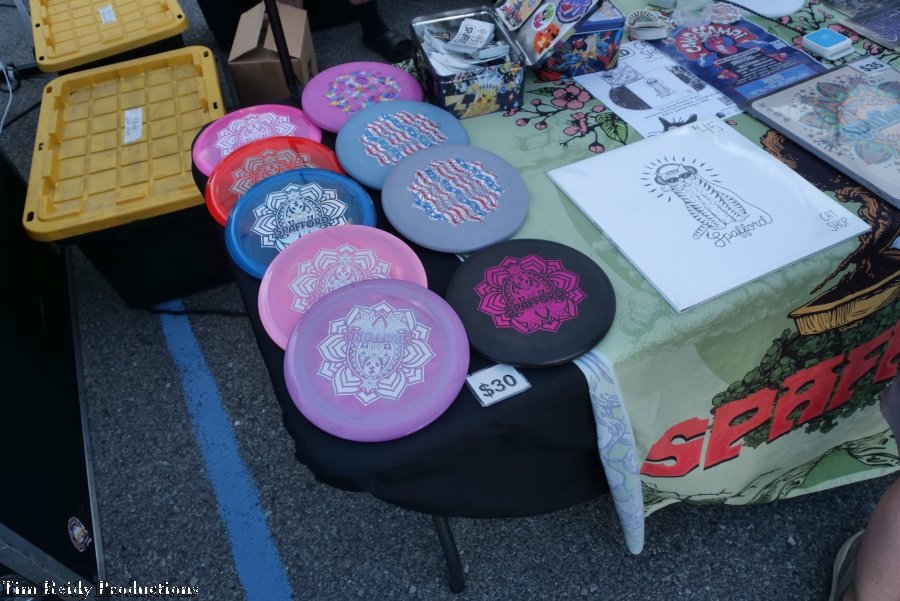
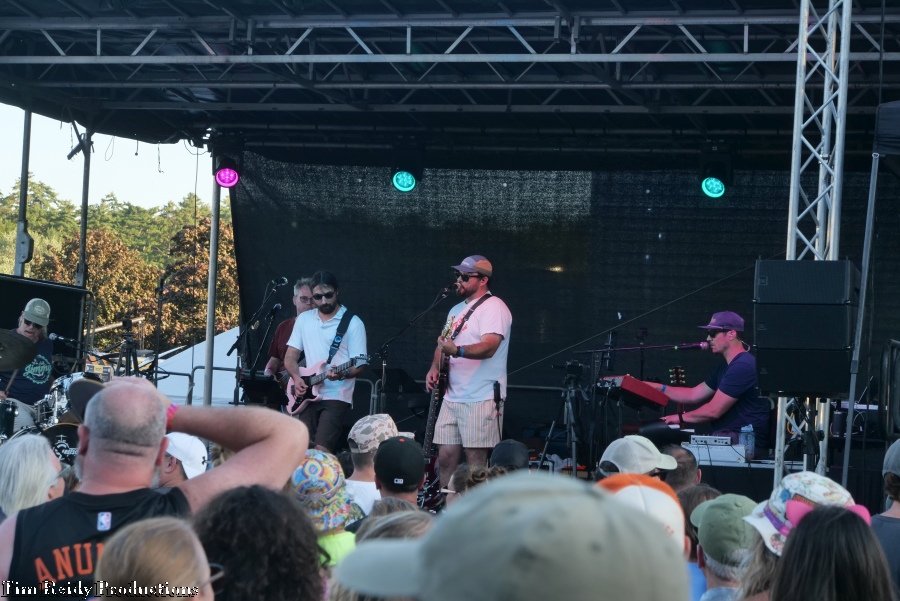
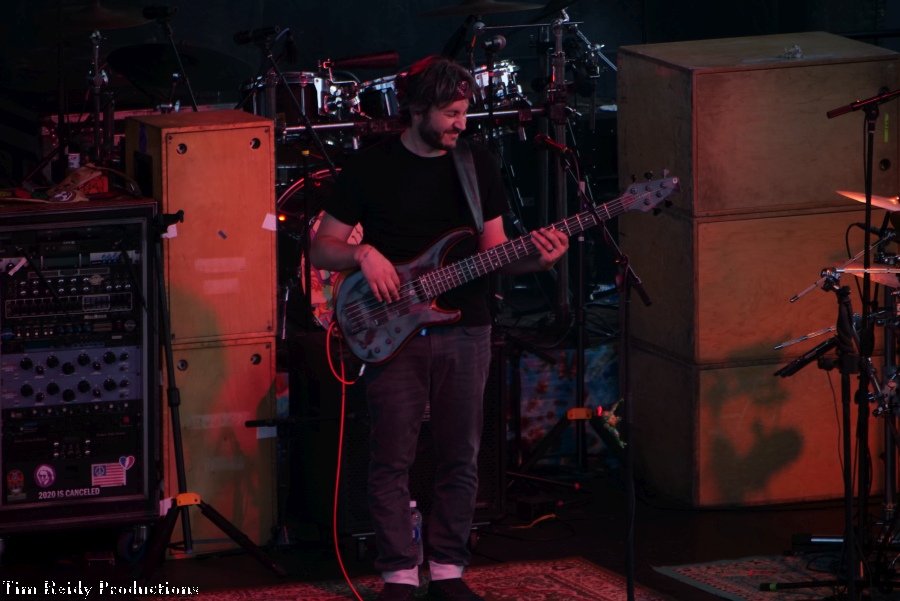
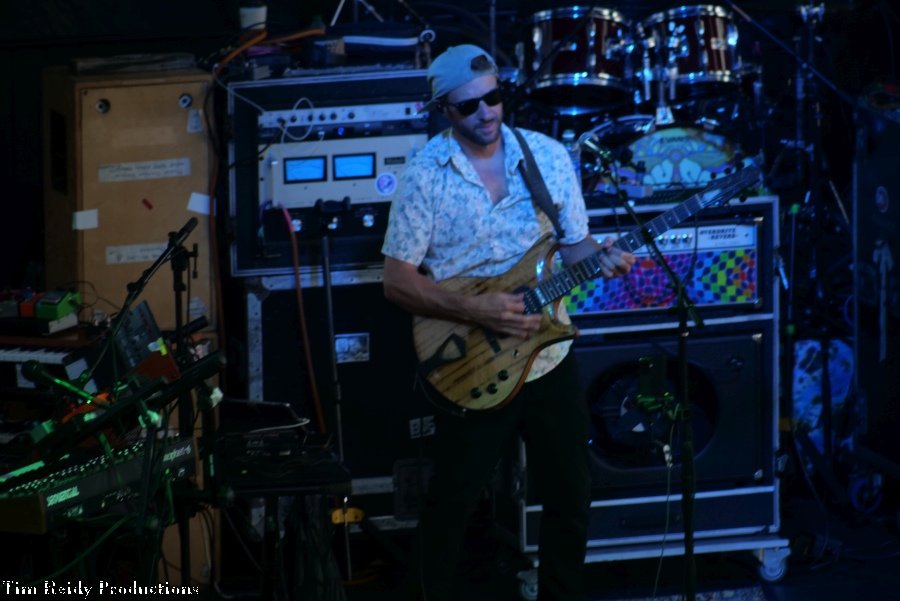
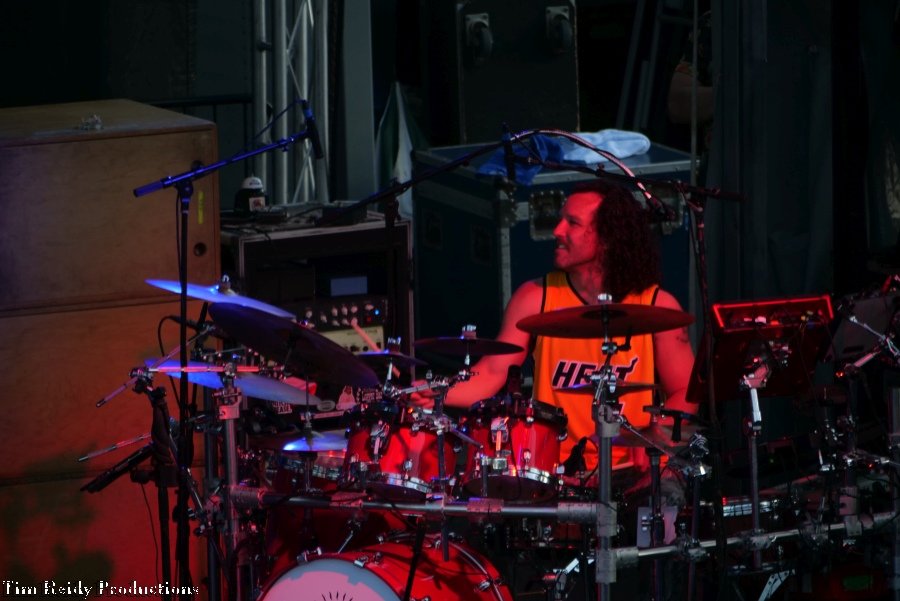
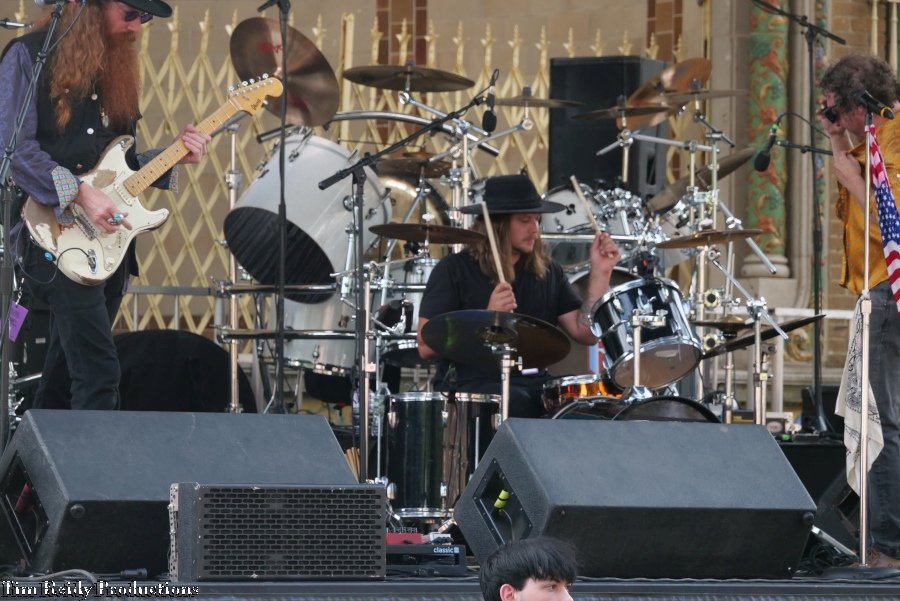
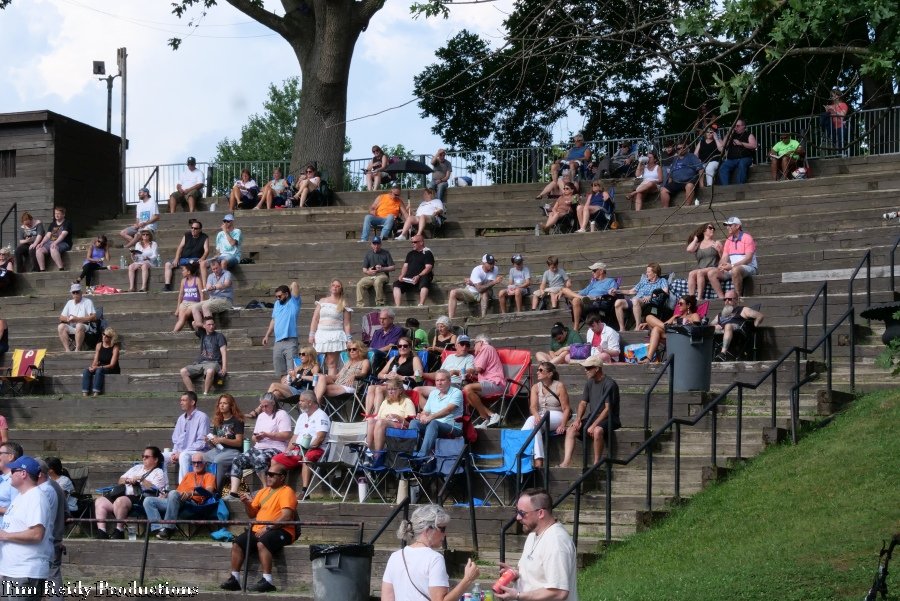
The annual Rock the Dock music festival was held at the Lake George Steamboat Company on July 8 and featured Dark Star Orchestra, Spafford, Strange Machines, Annie in the Water, Creamery Station, and Neon Avenue.

Photography by Timothy Reidy.

More from Rock the Dock here …

Meels – An Xperience Interview

0

Impressive Opener Meels chats with RRX after her show with the Nitty Gritty Dirt Band at the Egg

By OP Callaghan.

I was fortunate enough to catch The Nitty Gritty Dirt Band at The Egg in Albany.  For those who don’t know, TNGDB, also known as The Dirt Band, hail from Long Beach, California.  Founded in 1966, the band originally included solo artist Jackson Browne.  They have won three Grammy Awards and have recorded over 25 albums. Their show at The Egg included covers from Bob Dylan,  Rodney Crowell,  Bruce Springsteen, and The Band.  Their concert spanned a six-decade career, showcasing the band’s ability to blend original fan favorites and covers, with a balance of country, bluegrass, folk, and rock.  The band’s sharp performance perfectly illustrated what nearly 60 years of experience means. I was not terribly familiar with the band prior to this show, but a crash course listening to some of their more popular albums, such as 1972’s “Will The Circle Be Unbroken” and pop hits such as “Mr Bojangles,” jarred my memory into the realization that I had heard more of them than I had thought.  Fronted by singer/guitarist Jeff Hanna and drummer/vocalist Jimmie Fadden, and featuring Hanna’s son Jaime on guitar, Bob Carpenter on keys/vocals, Ross Holmes on fiddle/mandolin, and Jim Photoglo on bass, the Nitty Gritty Dirt Band did not disappoint.  From the opener, “You Ain’t Goin’ Nowhere,”  to the closer, “Will The Circle Be Unbroken,” the stellar musicianship and performance kept the packed theater rocking to these true pioneers of American roots music. It was a great show by a great band.

Opening up the show was Mill Valley, California’s own Meels, a remarkably talented young lady, whose devotion and commitment to early country music is worn proudly on the sleeve of her vintage dress.  My daughter and I spent several days listening to Meels’ two full-length releases: “Tales from a Bird’s Bedroom” and “Across the Raccoon Strait.”   Her songs and lyrics are catchy, whimsical, and at times dark, suggesting a deep life experience beyond her years.  Songs like “The Falcon and the Loon”, “The Wizard,” and “Out West” show a devotion to the genre, as well as a deep, passionate talent that is both endearing and beautiful.  Her performance at The Egg with guitar and vocal accompaniment from Jackson Craig included her originals as well as some wonderful cover choices from the Beatles, Neil Young,  Dolly Parton, and John Prine.  Her version of “Angel From Montgomery” is one of the finest performances that I have seen. Meels is the real deal; both talented and confident in her work, without arrogance or desperation.  So, I was thrilled to not only see her performance but to get a few minutes to chat with this exceptionally gifted young lady.

RRX:  Wow!   That was really great.  Tell me how you got started in your musical career.

Meels:  My parents put me in piano lessons from the early age of 5. I was the only one out of my sisters who stuck with it !!

RRX:  I’m glad that you did!  Do you come from a musical family?

Meels: My grandmother grew up as a concert pianist, and my uncle is a bluegrass musician.

RRX:  Who were some of your musical influences when you were younger?

Meels: Lady Gaga was huge for me; Peter Paul and Mary, John Denver, and the Beatles !!

RRX: Who inspires you now?

Meels: I am still incredibly inspired by John Denver and early ‘70s folk like Peter, Paul and Mary. But now, Paul McCartney specifically is a huge influence for me. Loretta Lynn, Marty Robbins, Bob Dylan, Joan Baez, Willie Nelson … I could go on !!

RRX:  Your writing and performance style is so reminiscent of traditional country music, with all of the heart and soul of someone much older than you.  How do you explain that?

Meels: My whole life, I have been told I have an old soul. I think I just resonate with old things, like vintage clothing, old music, and history. A psychic once told me that I have lived over 30 past lives.

RRX:  You’ve been on tour with The Nitty Gritty Dirt Band, which traditionally draws an older audience.   How was that experience?

Meels: I think that because I make music that has a more vintage feel, it really resonates with Nitty Gritty’s audience!! I personally loved playing shows for their audience and had a lot of great interactions with them at the merch table.  

RRX:  Clearly, you were more than accepted! What’s something that you’re passionate about outside of music?

Meels: Vintage clothing, crocheting, and my dachshund. I am a grandma at heart. 

RRX: What are your future plans?  Are you touring this summer?

Meels: I will be hitting a few festivals and one off shows this summer, including but not limited to, Jackelope Jamboree and Bourbon & Beyond. 

RRX:  What is one of your songs that you are especially proud of, or most pleased with the performance of?

Meels: I am especially pleased with “The Wizard.” 

RRX:  It’s truly a great song.  I really like the choice of cover tunes that you played in your set. Before you played it, you called Neil Young’s “Harvest Moon”  the “greatest love song ever written”.  I love that insight.  Besides Neil, who are some other artists that inspire you outside of country music?

Meels:  Paul McCartney, Paul Simon, JJ Cale, Jim Croce, Joan Baez, Janis Joplin, Billy Joel, and the Carpenters, to name a few!

RRX: That’s quite a palate!  Thanks for what you do, Meels.  I’m looking forward to seeing you again!


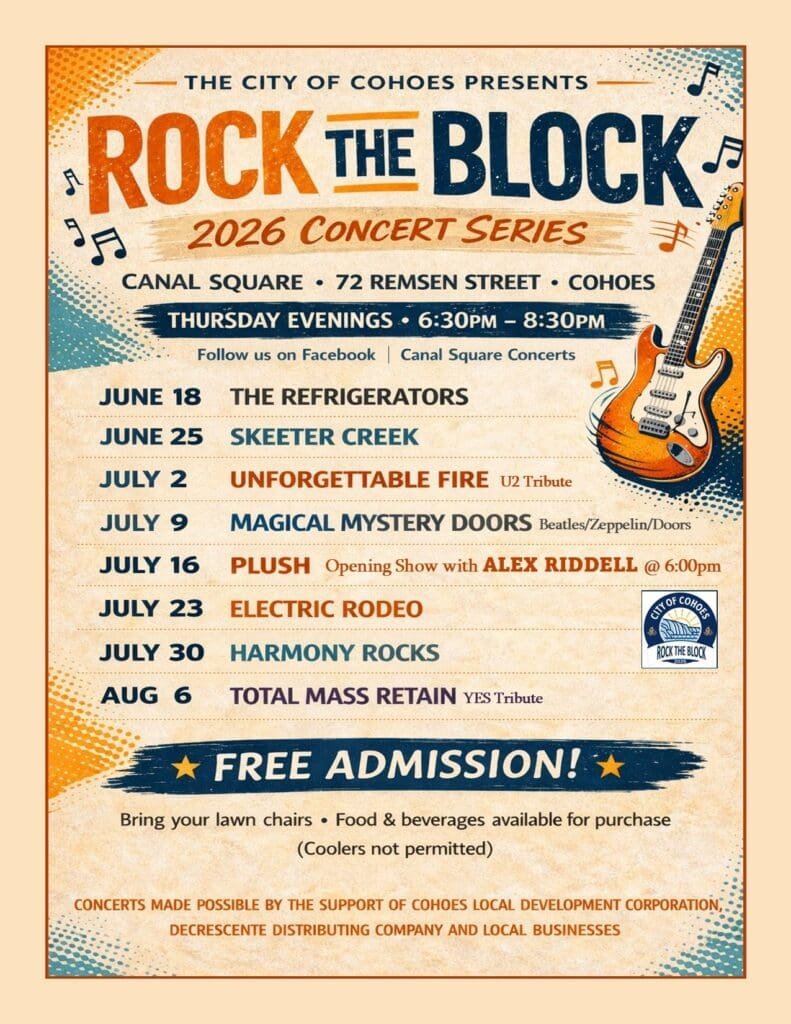
Four Weeks to Change My Mind. Cohoes Rock the Block Rocks!

0

By Charla Earney.

There is an odd amount of judgment surrounding cover bands. I’ve heard it for years. “They’re not original.” “They’re just playing someone else’s music.” “Go support original artists instead.” I understand the argument. Original music matters. It pushes culture forward. Every legendary song we cherish today was once somebody’s brand-new idea. But after attending the first four weeks of Cohoes’ Rock the Block concert series this summer, I’ve come to a different conclusion. Cover bands aren’t competing with original artists. They’re preserving something. For many of us, they preserve experiences we’ll never have. Music has always been the soundtrack to my life. For years, headphones acted as my shield from the world. Whenever life became too loud, one tap of an earbud let me disappear into familiar songs. After my traumatic brain injury, everything changed. The word “overwhelmed” stopped being a description and became something I calculated every day. Live music, the thing I loved most, became impossible to tolerate. Crowds, volume, lights … they all demanded energy I often didn’t have. Slowly, though, I’ve worked my way back. Now, every show feels like another victory. Because of that journey, I don’t take live music for granted anymore.

There are artists I’ll never get to see.

Phil Collins announced his farewell performances. I watched the dates come and go. His health wouldn’t allow more shows, and I couldn’t afford to travel. I’ll never experience the anticipation before “In the Air Tonight” builds into that famous drum fill. I’ll never witness the smoke, lighting, and theatrical production friends will still talk about decades later. Janis Joplin. Tom Petty. Countless others. Their music lives on, but the performances became history. And that’s exactly why cover bands matter. We preserve old buildings. We preserve photographs. We preserve history. Why wouldn’t we preserve music?

When talented musicians recreate songs that shaped generations, they give audiences something increasingly rare: the chance to experience great music together instead of alone through earbuds. Done poorly, cover bands can be painful. Done well? They’re unforgettable, and they are FIRE!!

Rock the Block was originally scheduled to begin four weeks earlier, but New York weather had other plans. Growing up in the Catskills, “rain or shine” meant exactly that. You showed up. Mother Nature could do whatever she wanted. Apparently, New York has decided to reinterpret the phrase. Thunder and lightning forced organizers to cancel opening night. Ironically, the skies cleared shortly afterward, leaving an empty stage and disappointed concertgoers wondering what could have been. Thankfully, the wait was only a week.

The series officially opened June 25 with Skeeter Creek. For years I had seen their name on Facebook event pages and festival posters. Friends constantly told me, “You have to see them.” They were right. Calling Skeeter Creek “good” doesn’t come close. They were outstanding. The weather threatened with occasional rain, but the band never lost momentum. Their husband-and-wife harmonies between Dave Ahl and Renee Lussier-Ahl were effortless. 

Every note landed exactly where it should have and gave me shivers. Although they’re often labeled a country band, that’s far too limiting. Their set moved comfortably between modern country, classic country, Southern rock, country rock, and crowd favorites that had everyone, from lifelong country fans to casual listeners, singing together. That’s what impressed me most. They weren’t simply reproducing songs. They were making those songs their own.

One guitarist played a beautiful cream-and-black Telecaster that sounded as stunning as it looked. You could tell he knew every inch of that instrument and, when he played, proved it. The band looked relaxed, engaged, and excited all at the same time. I felt it too. The audience didn’t just look happy; they moved happy. The entire evening reminded me why live music can never be replaced by streaming playlists.

The following week belonged to U2. Or at least, it felt that way. Unforgettable Fire took the stage on July 2. I’ll admit my first impression wasn’t great. The opening vocals weren’t connecting, and I quietly settled into the idea that this would simply be background music while catching up with friends. Then I noticed the microphone was changed. Immediately, everything transformed. Suddenly Bono was standing in front of me. Not literally, of course, but close enough that my memories filled in the rest. I’ve listened to U2 since I was six years old, hearing my sister’s records through the bedroom walls. Those songs are woven into my childhood, and I have turned to their counsel a thousand times. Unforgettable Fire didn’t simply perform them. They recreated the feeling. The Edge’s signature guitar sounds. The vocal delivery. The stage presence. Their clothes! The energy. For a couple of hours, I forgot I was watching a tribute band. I was simply enjoying the music that helped shape my life, my whole life, and still does. That’s the highest compliment I can give.

Then came July 9.

Magical Mystery Doors. Calling them a Beatles-and-Doors tribute band barely scratches the surface. Visually, they may have been the most creative performance of the series. Behind the musicians, digital artwork evolved with every song. Giant wings framed performers before transforming into crows, mythology, and surreal psychedelic imagery. At one point, Thor himself appeared on screen, hammering in perfect rhythm alongside the drummer. It sounds ridiculous. It was incredible. The visuals did NOT distract from the music. Instead, they became another instrument in the performance. You simply must experience it in person.

After three weeks, one thought kept returning. Why do cover bands receive so little respect? These musicians spend countless hours studying iconic performances. Learning guitar tones. Perfecting harmonies, recreating arrangements, mastering stage production, sound, and choreography. All so audiences can relive music that otherwise exists only in memory. That isn’t imitation. That’s preservation. They’re keeping the music I love alive.

The Rock the Block series isn’t finished yet. There are still plenty of opportunities to experience it yourself.

July 16- features Plush, with Alex Riddle opening the evening.

July 23- welcomes Electric Rodeo for a night of country and Southern rock.

July 30- brings Harmony Rocks to the Block.

The series concludes August 6 with Total Mass Retain, one of the country’s premier Yes tribute bands. 

Whether you’re a lifelong concertgoer or simply looking for an excuse to spend a summer evening outside, bring a lawn chair, bring a friend, and show up. Support the musicians who spend countless hours keeping the music we love alive. Because the best memories aren’t made by scrolling through a playlist. They’re made standing in front of a stage with a few strangers singing the same song together. I will see you next Rock the Block!


Ding Dong / Anthem @ Empire State Plaza, 7/8/2026

0

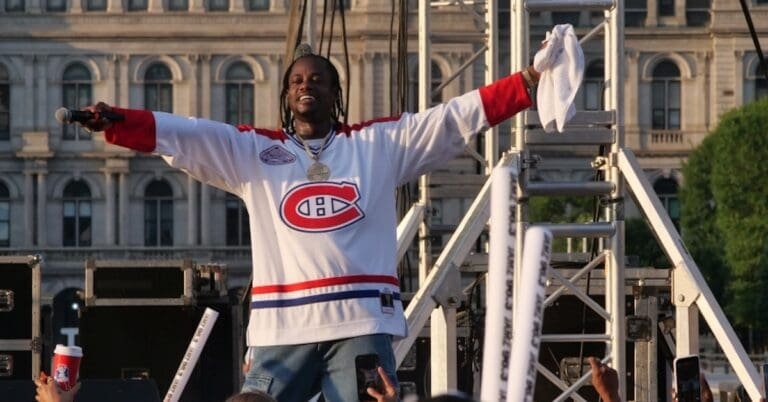
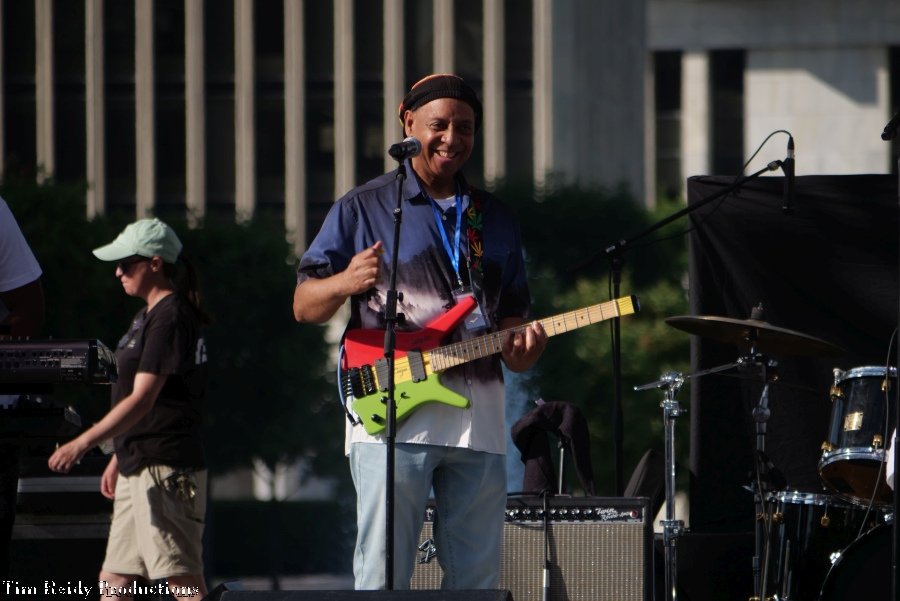
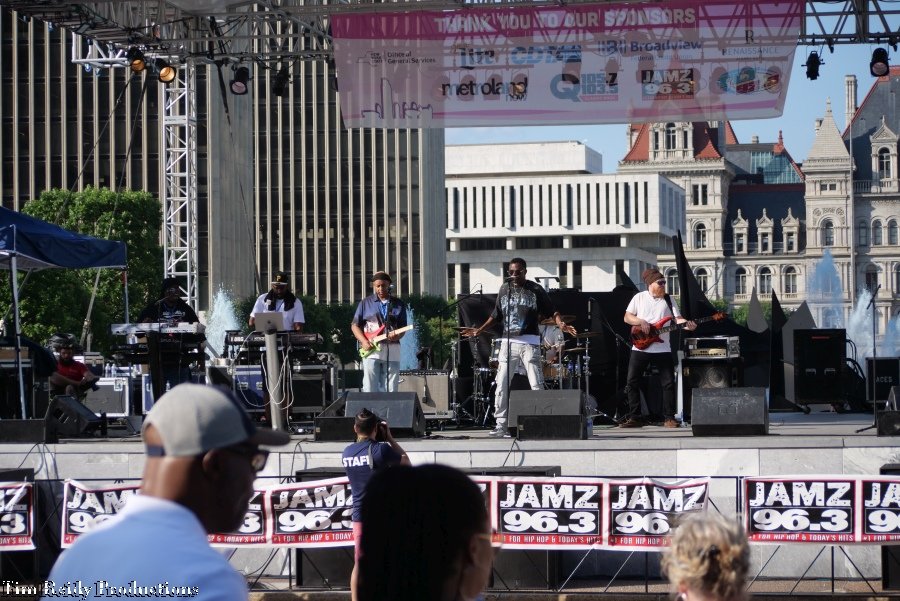
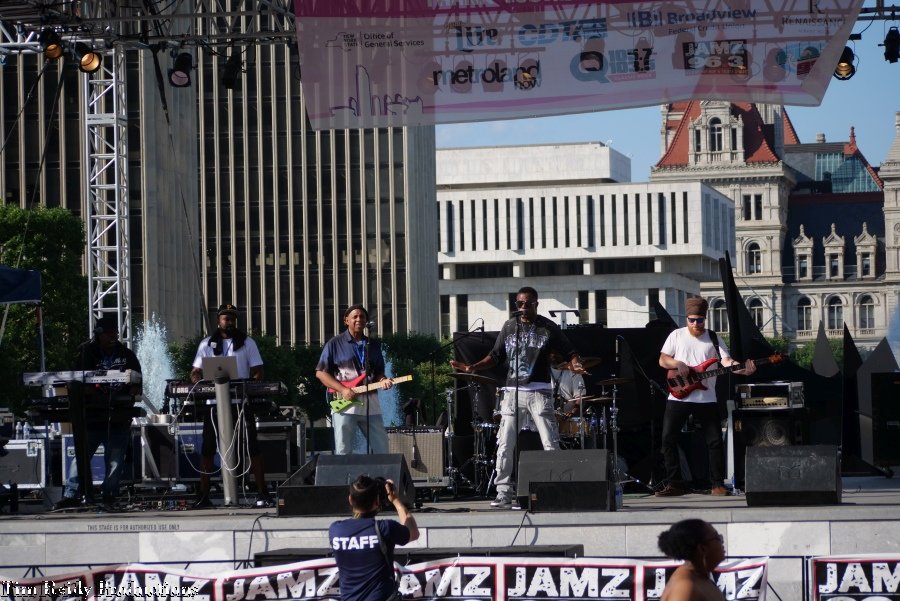
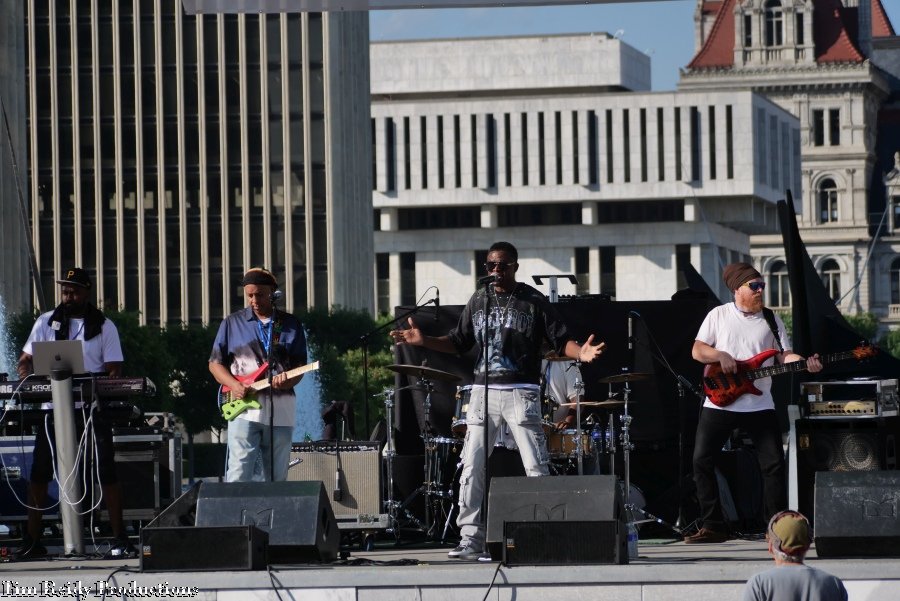
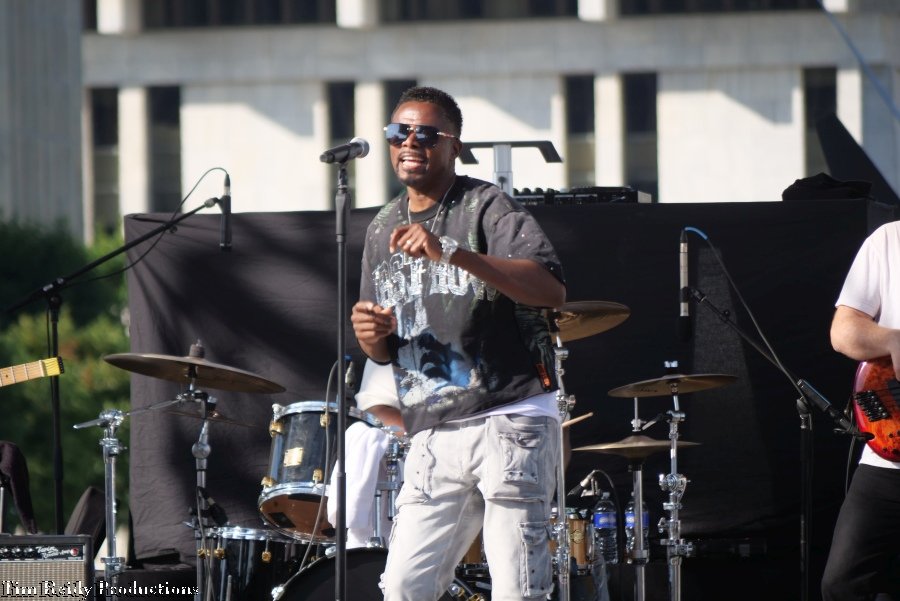
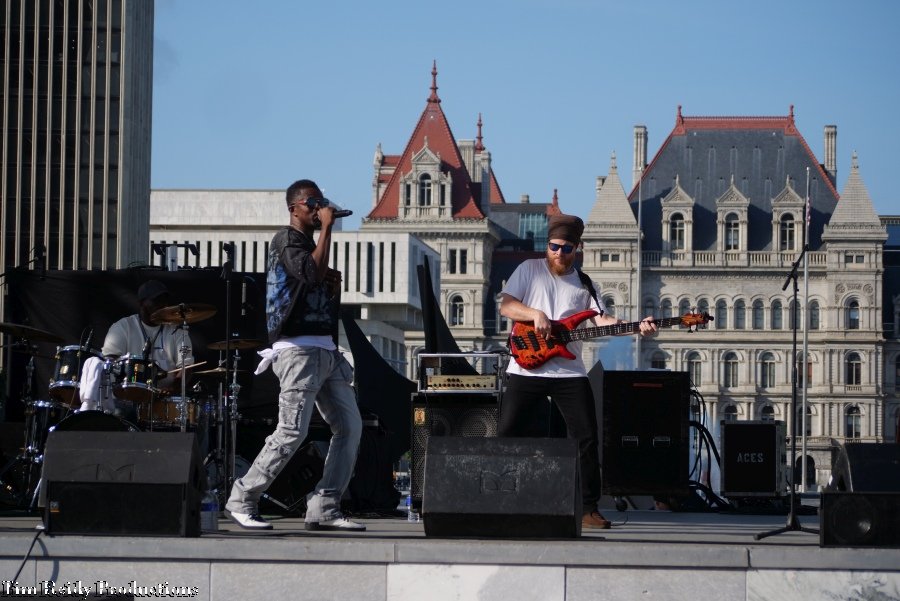
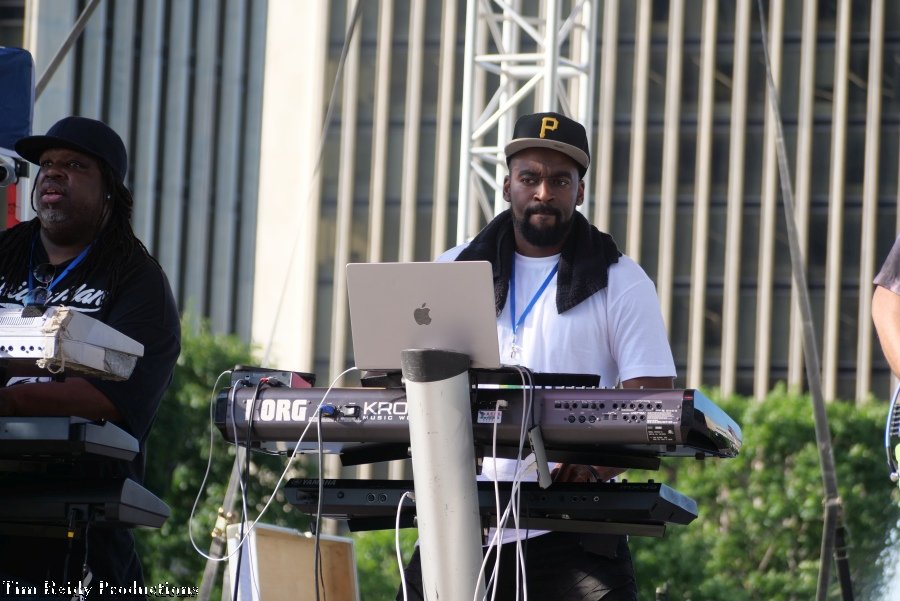
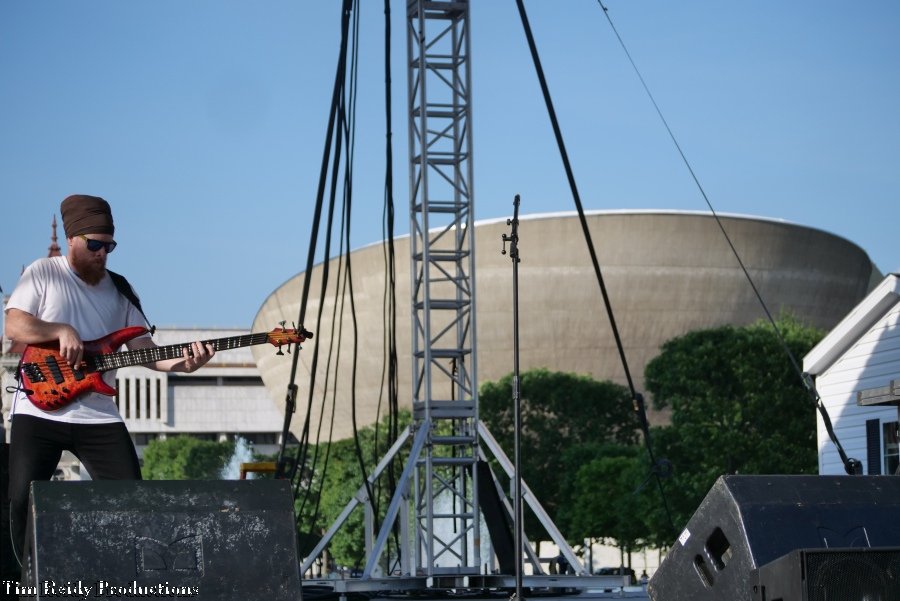
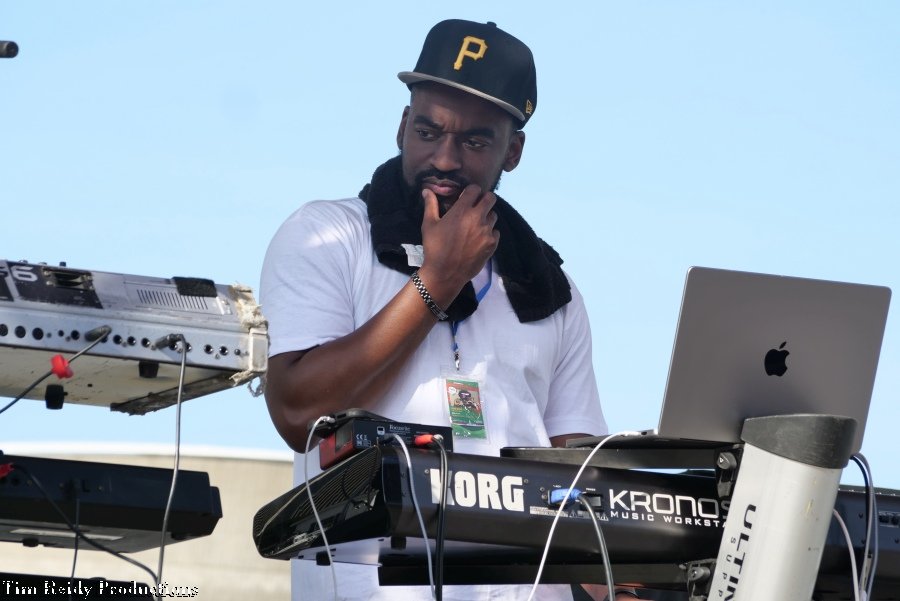
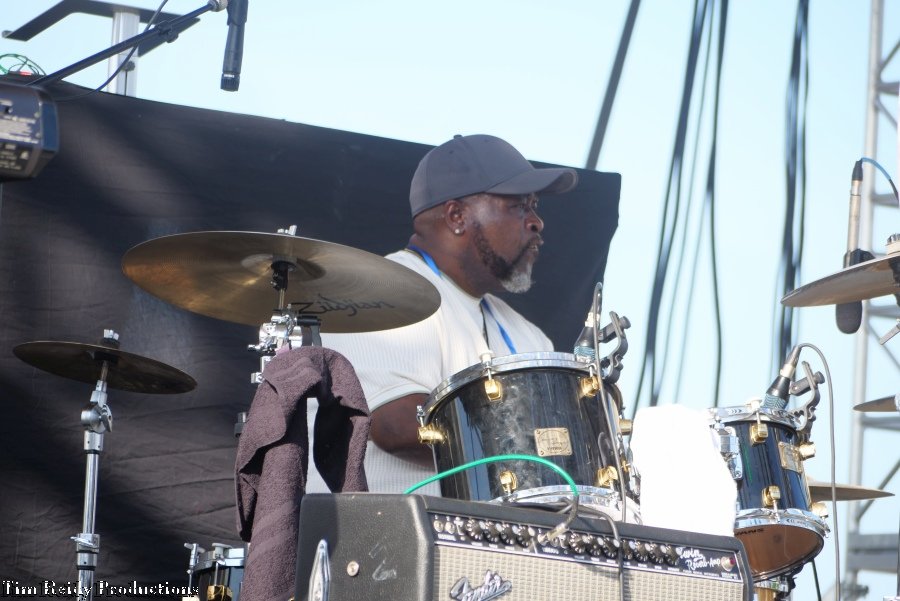
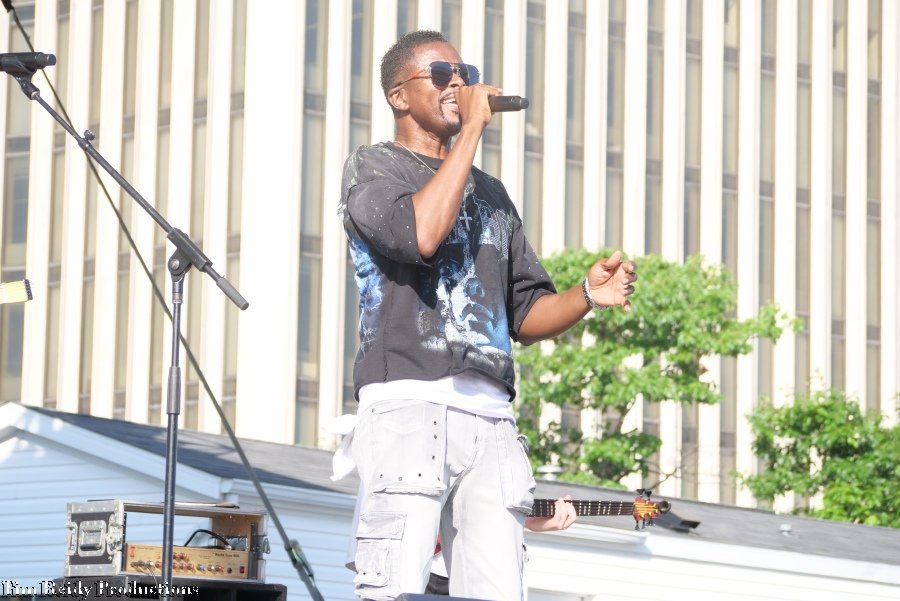
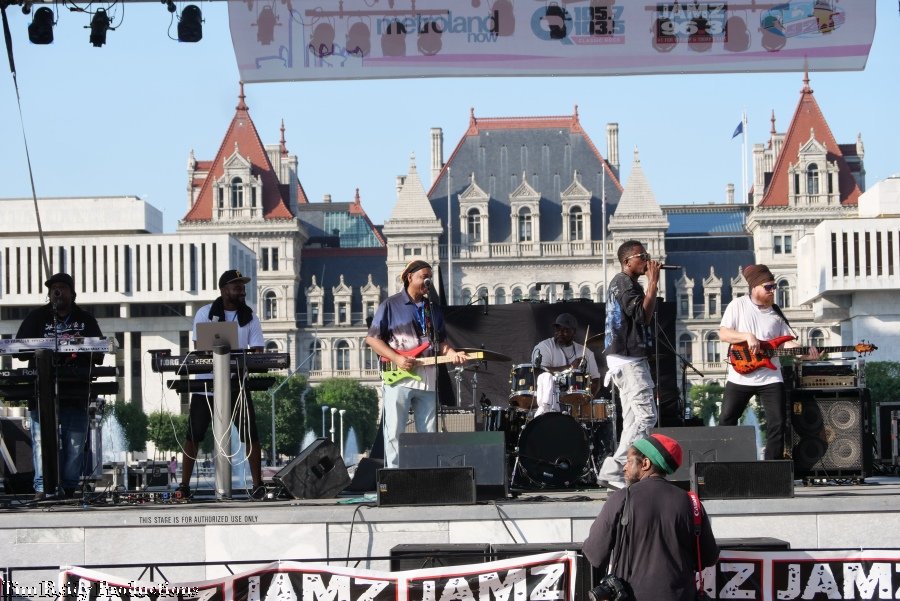
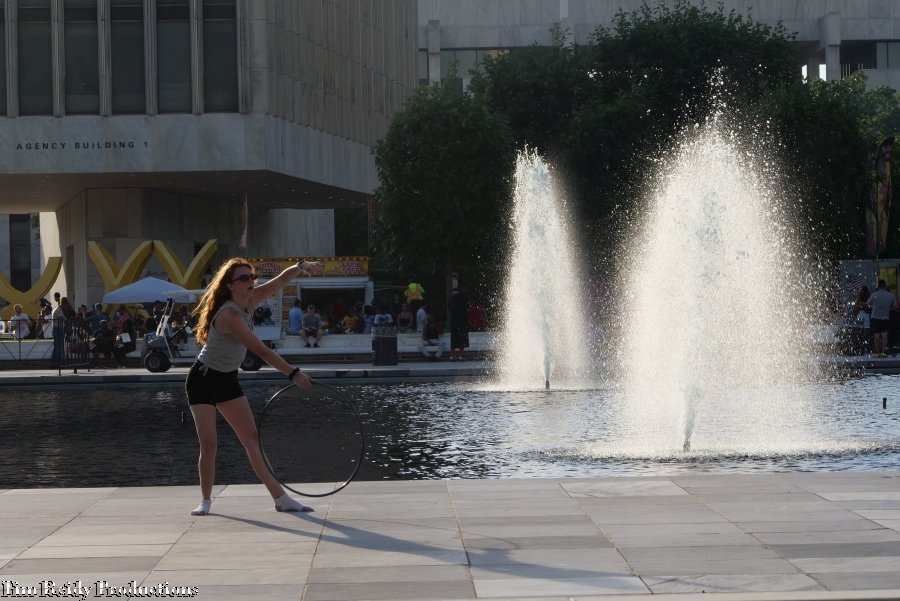
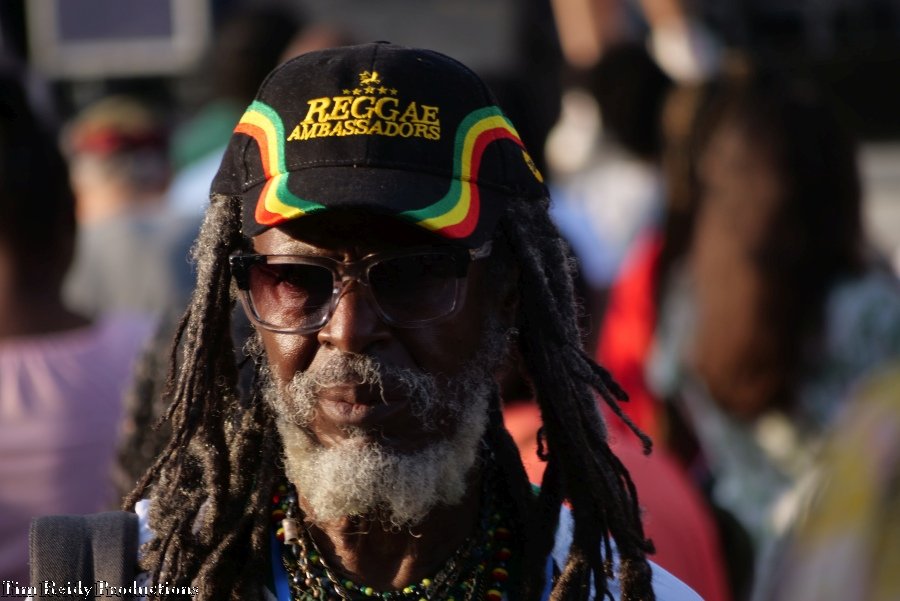
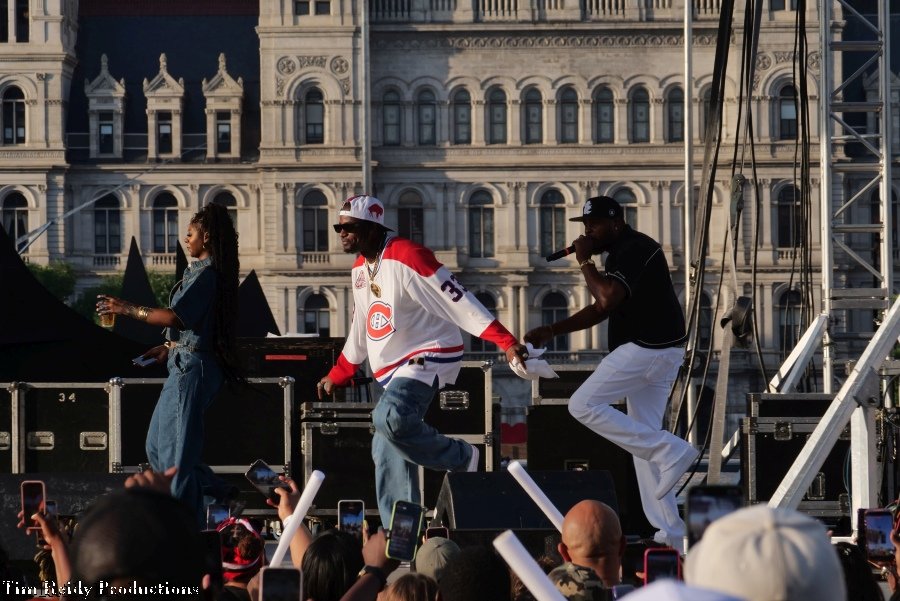
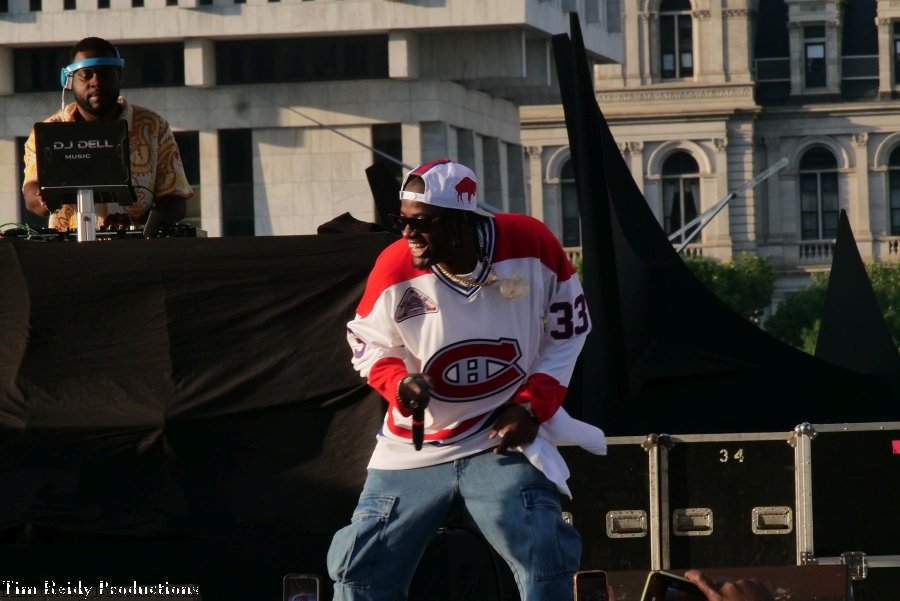
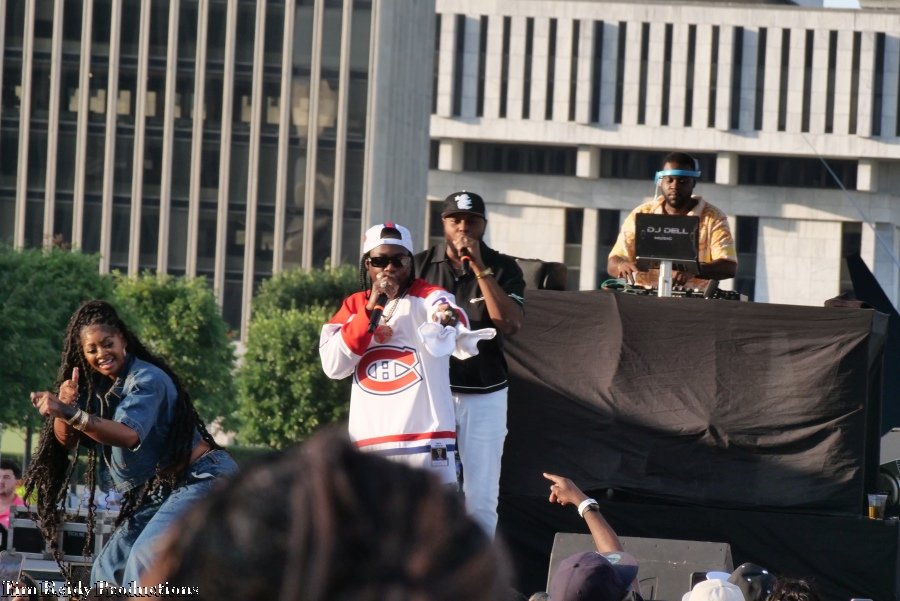
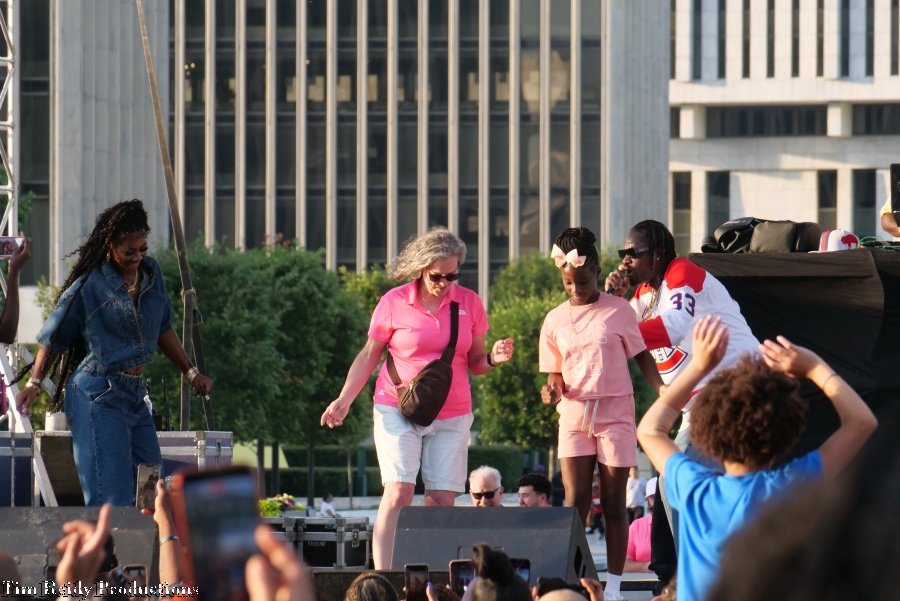
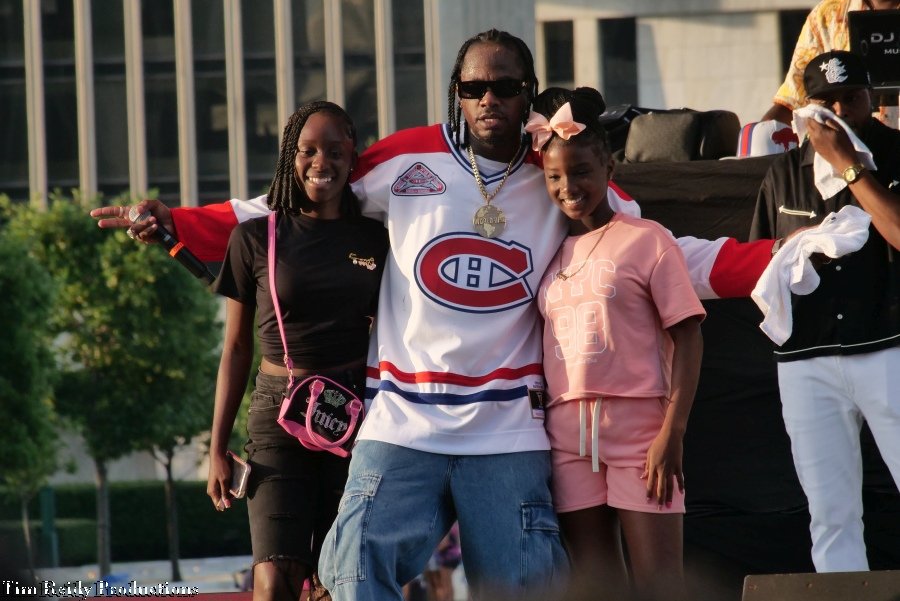
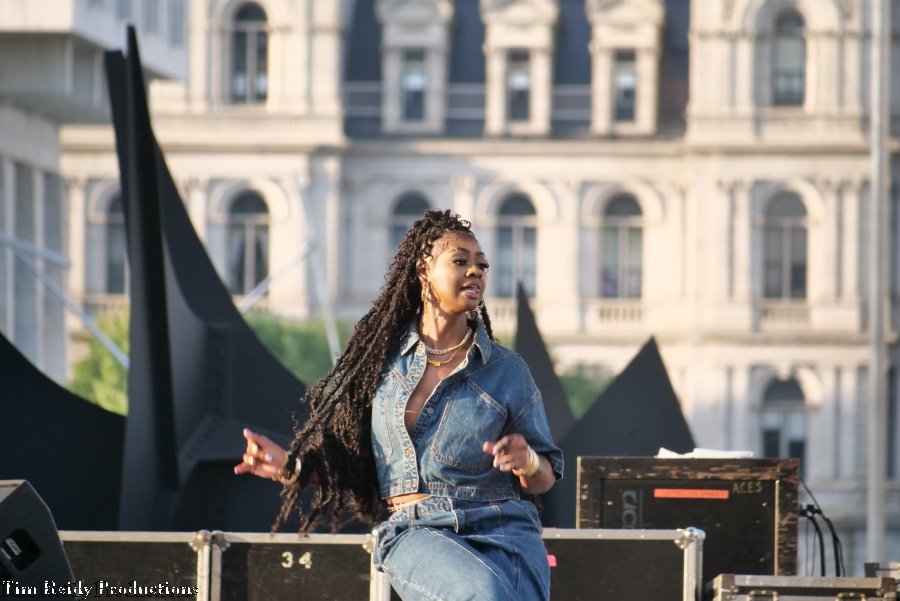
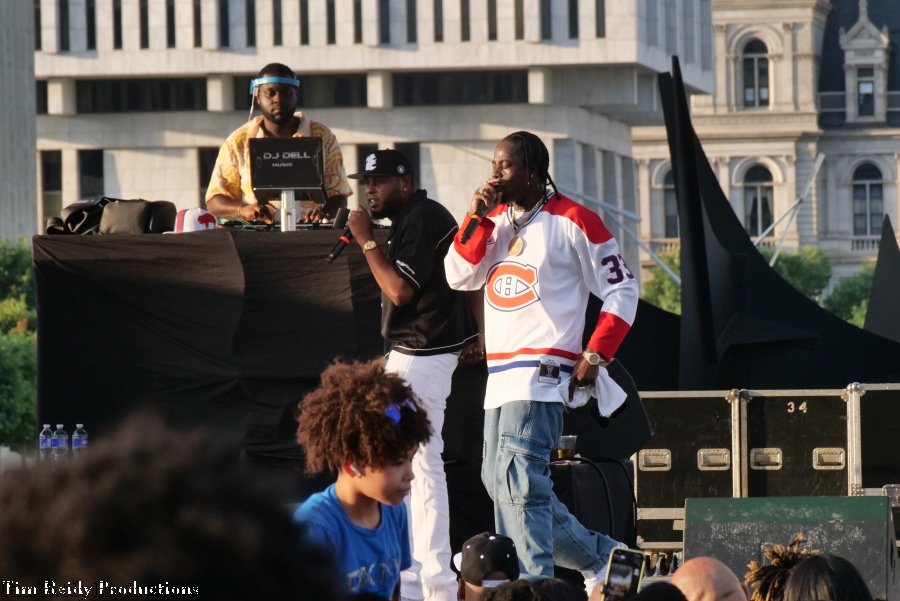
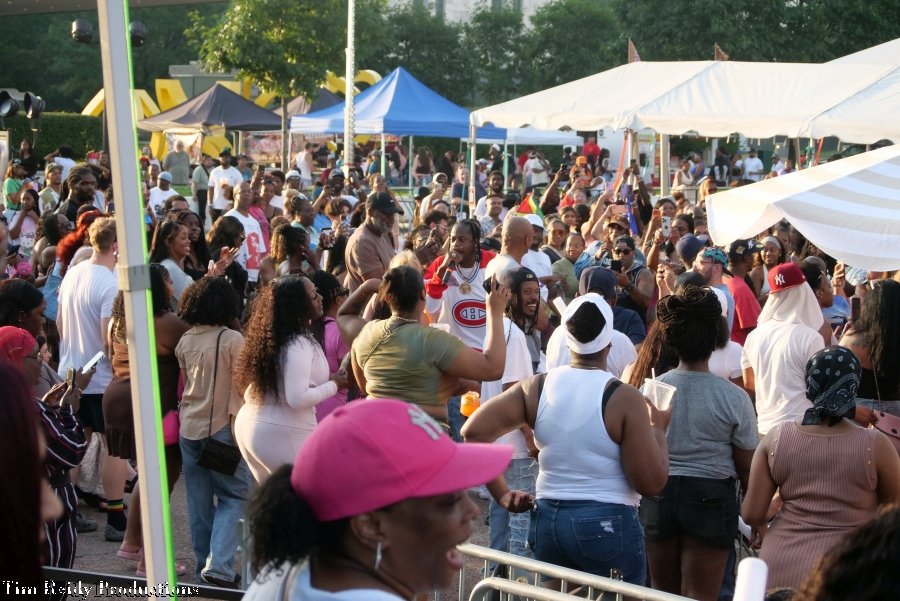
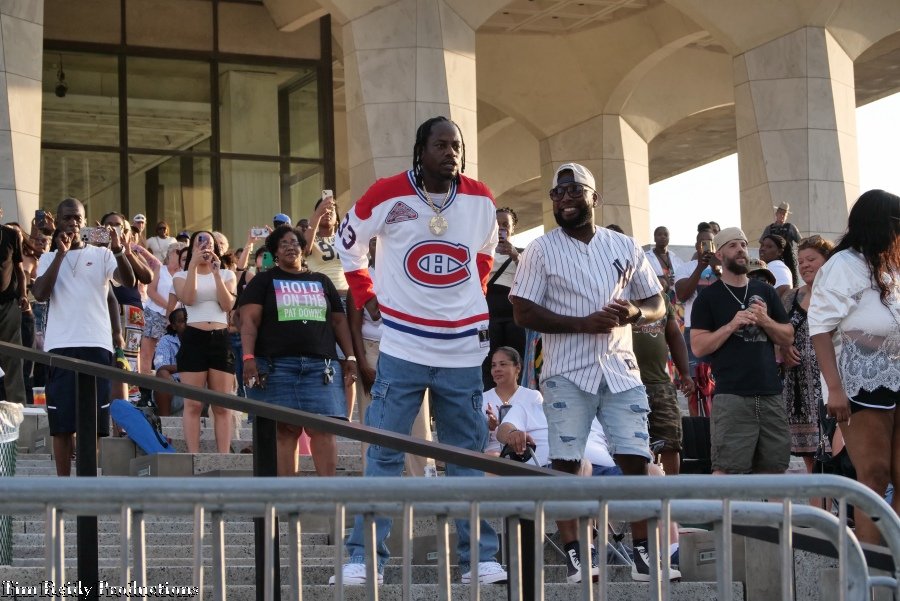
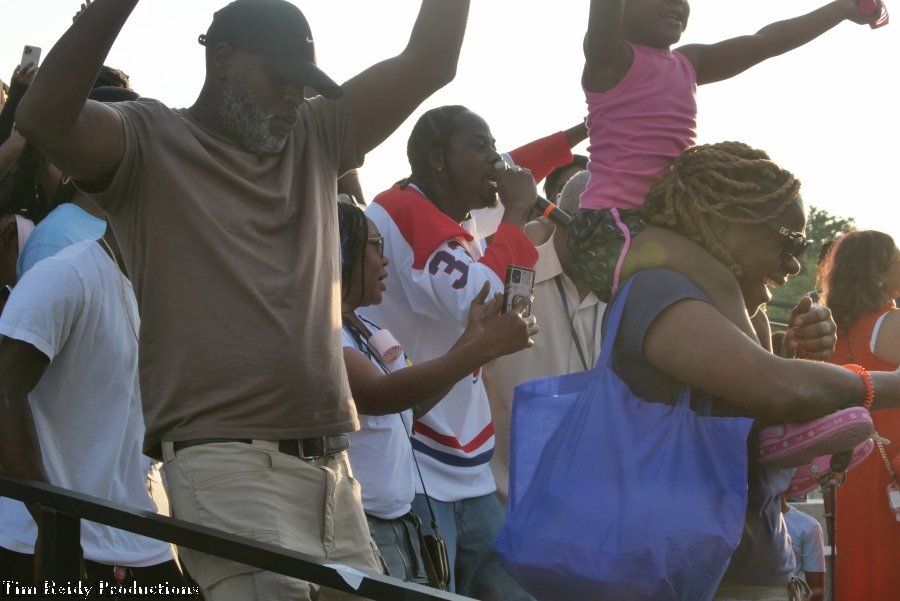
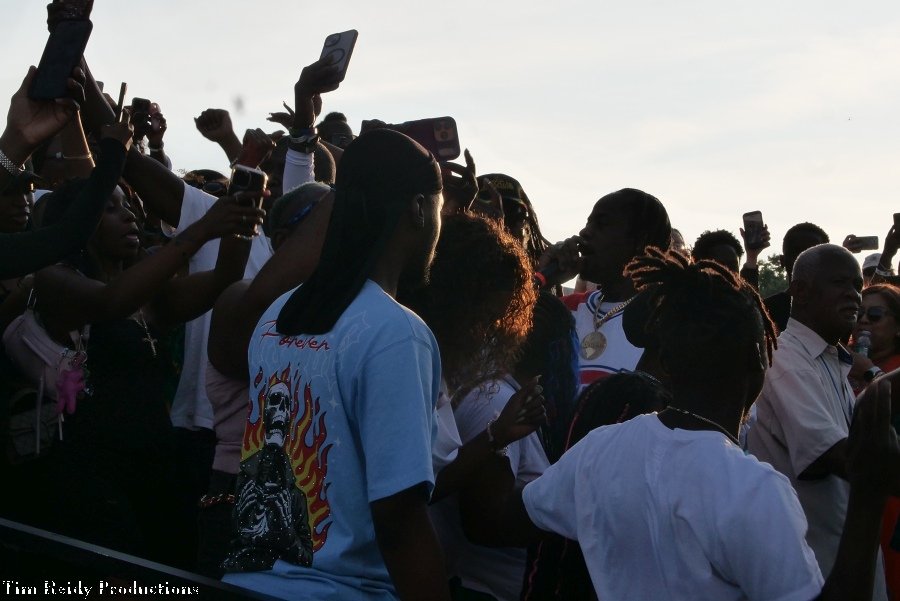
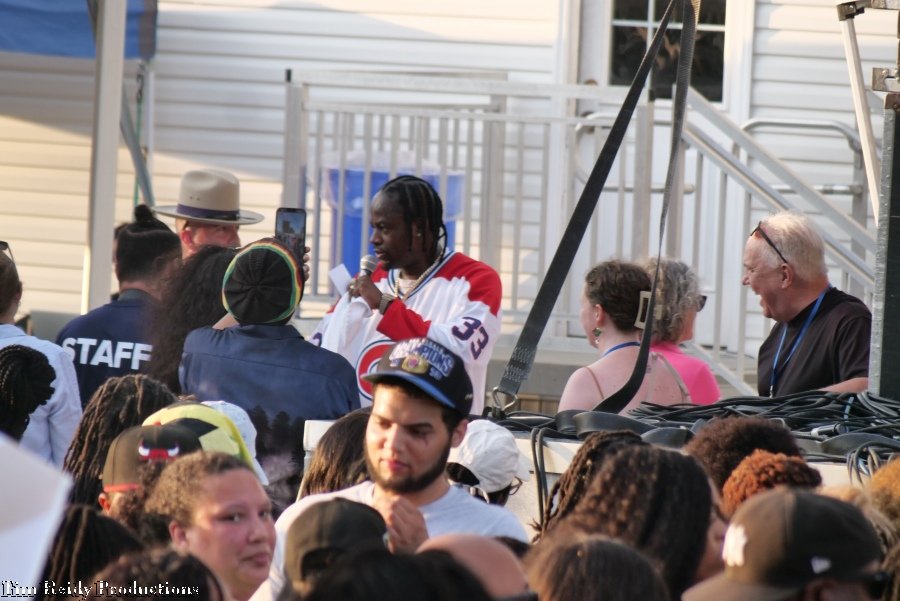
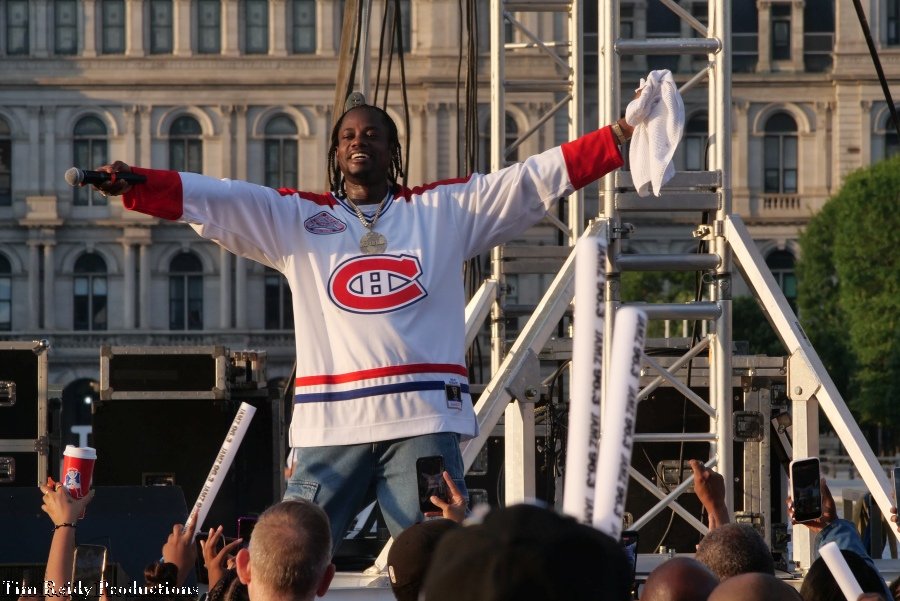
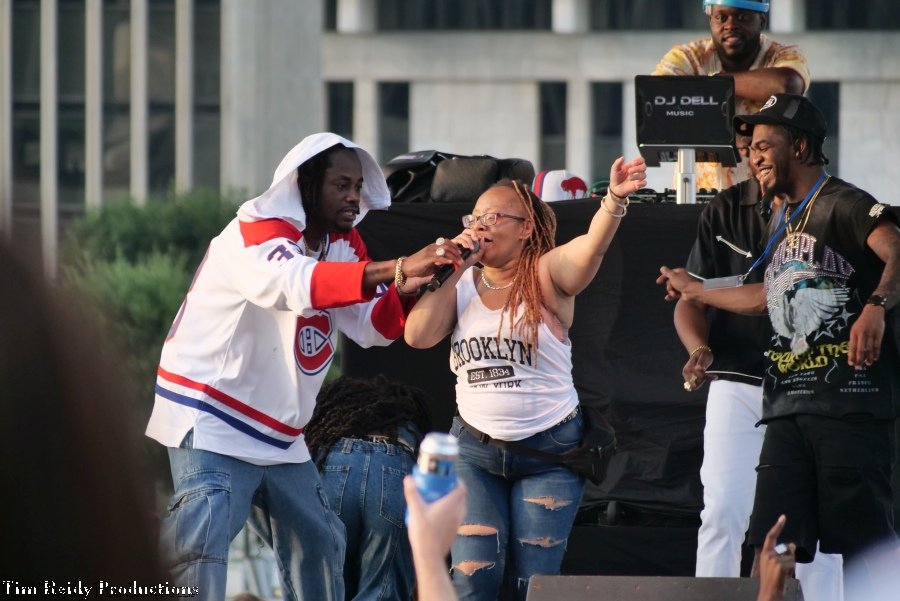
On July 8, it was Reggae Night at the Capital Concert Series. The event, held at the Empire State Plaza, featured Ding Dong and Anthem.

Photography by Timothy Reidy.

More from the Empire State Plaza here …

FJ / Ginger Geezus @ Alive at Five, 7/9/2026

0

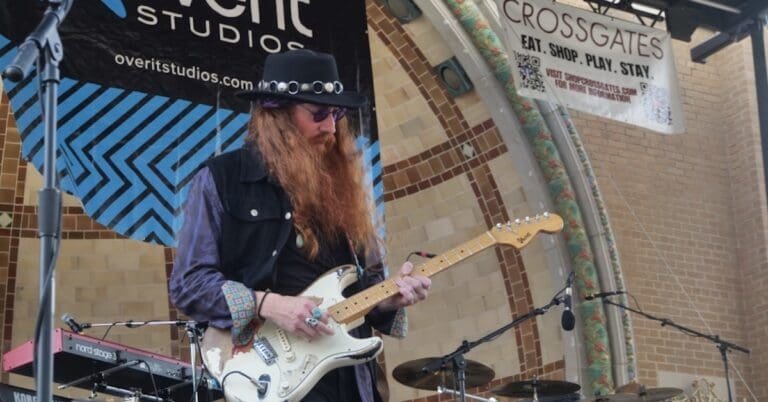
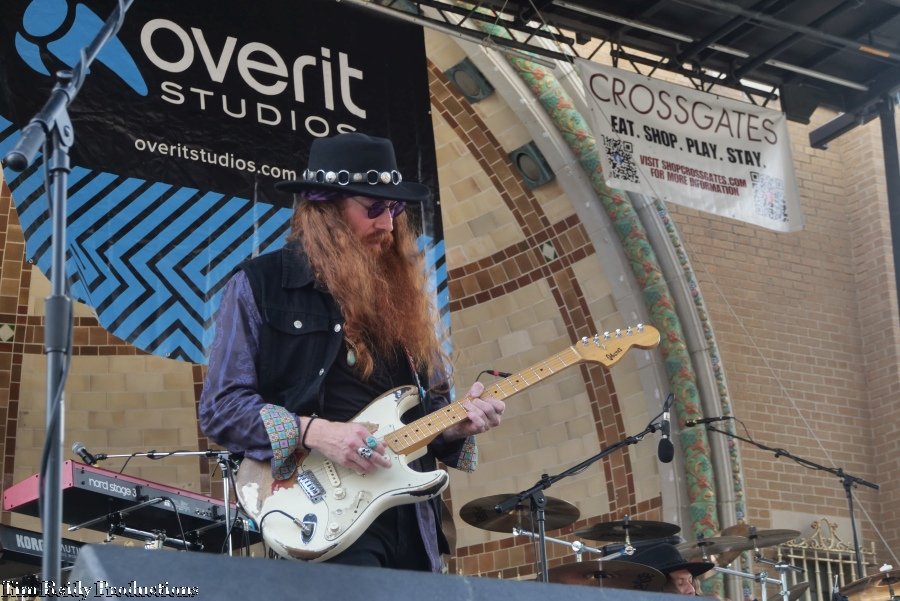
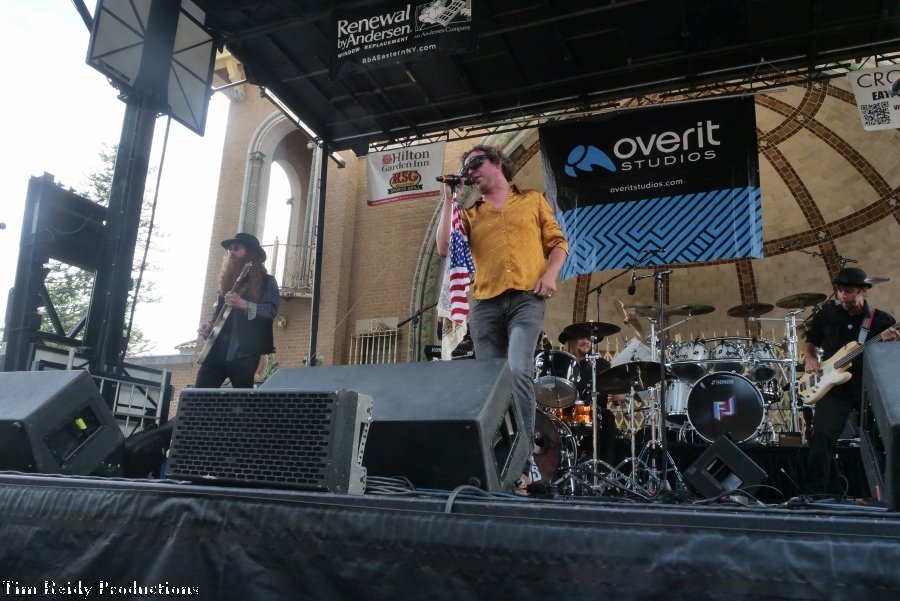
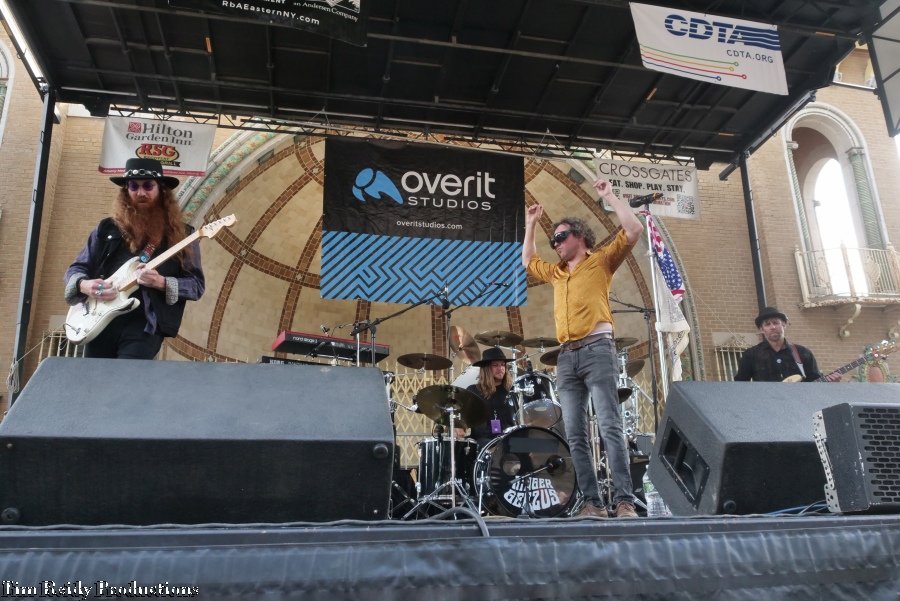
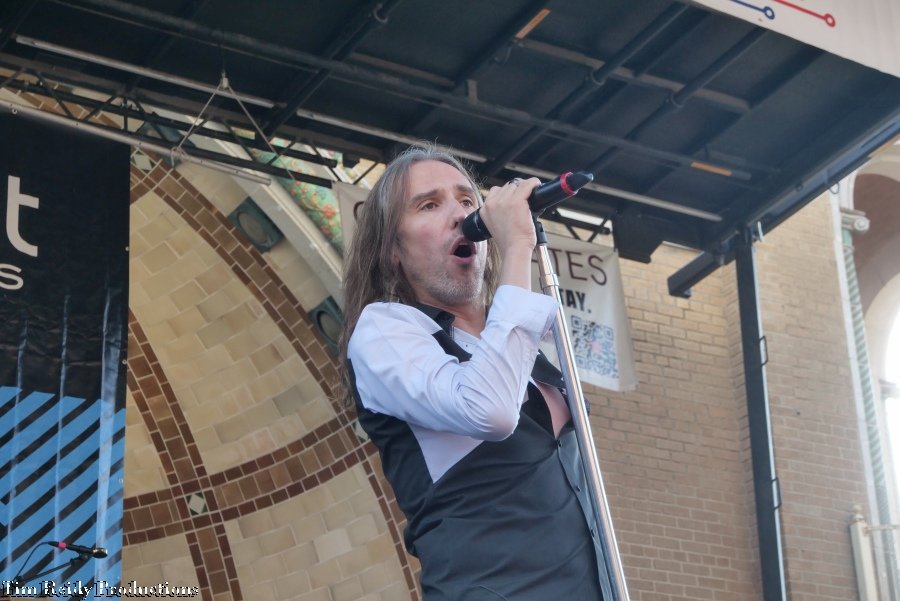
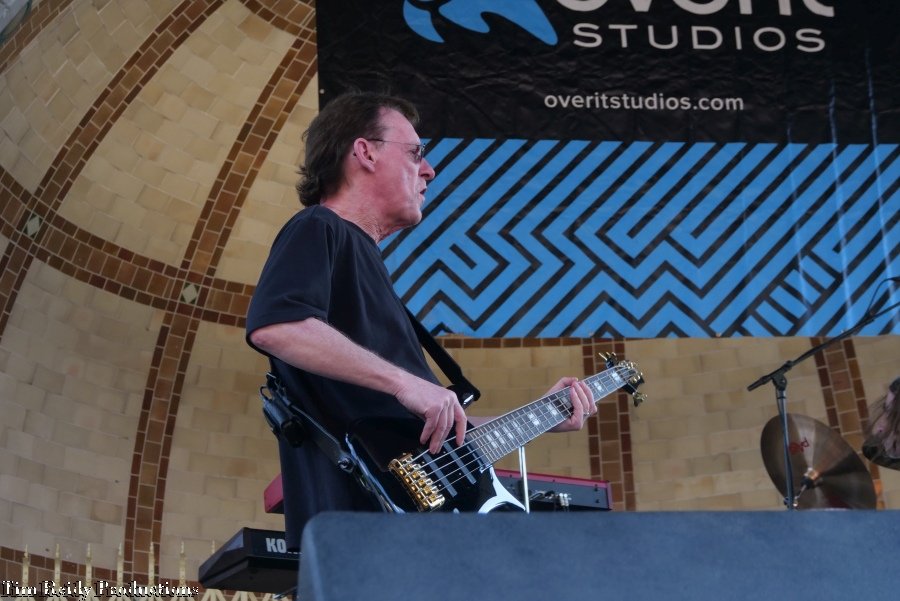
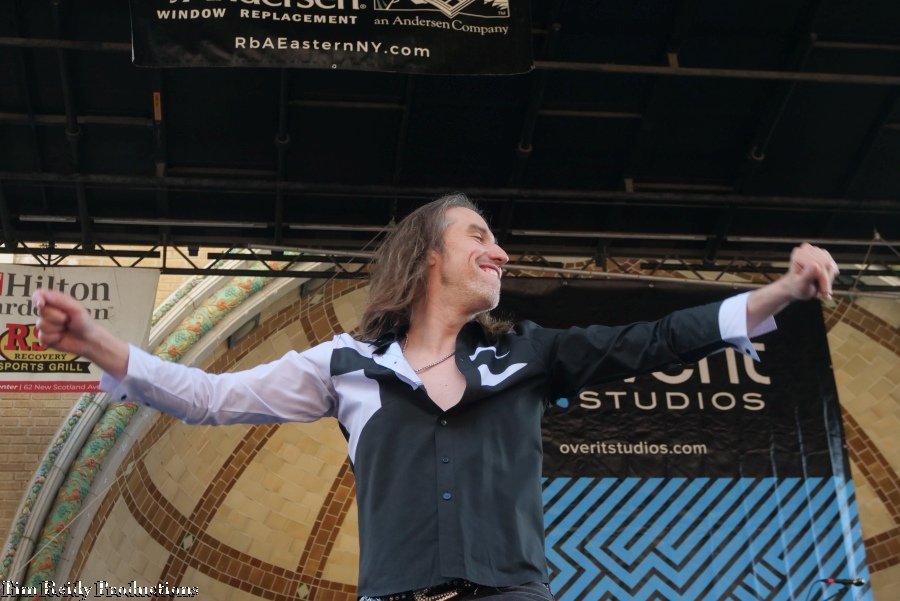
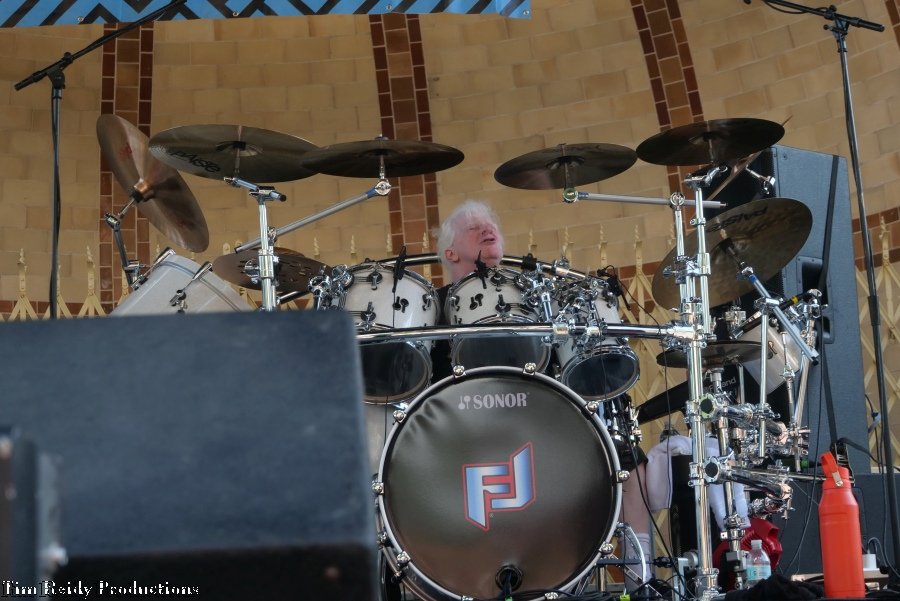
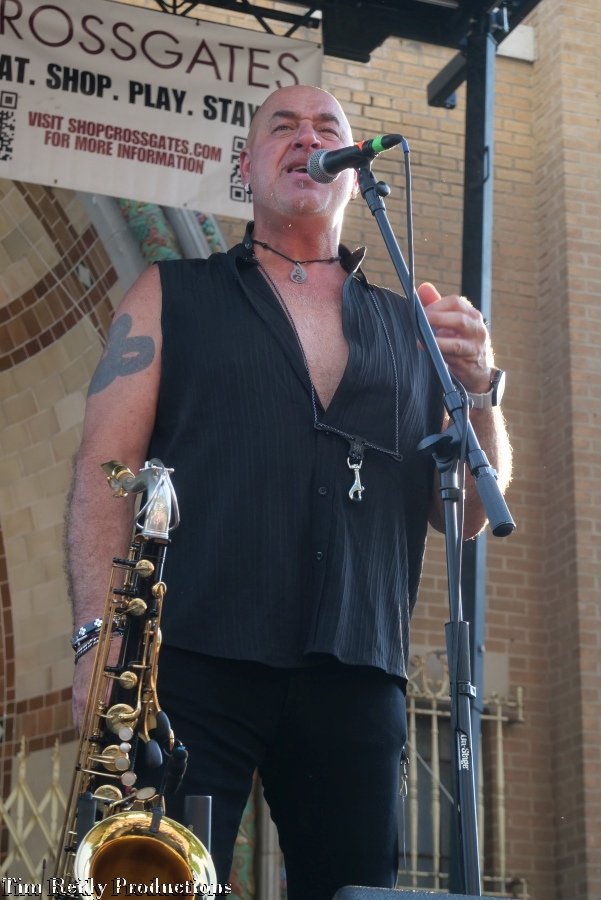
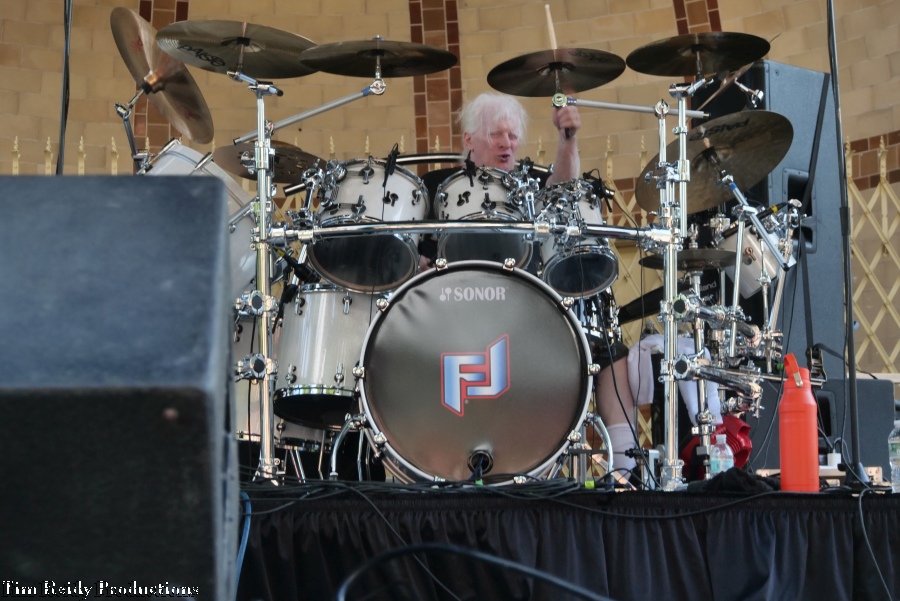
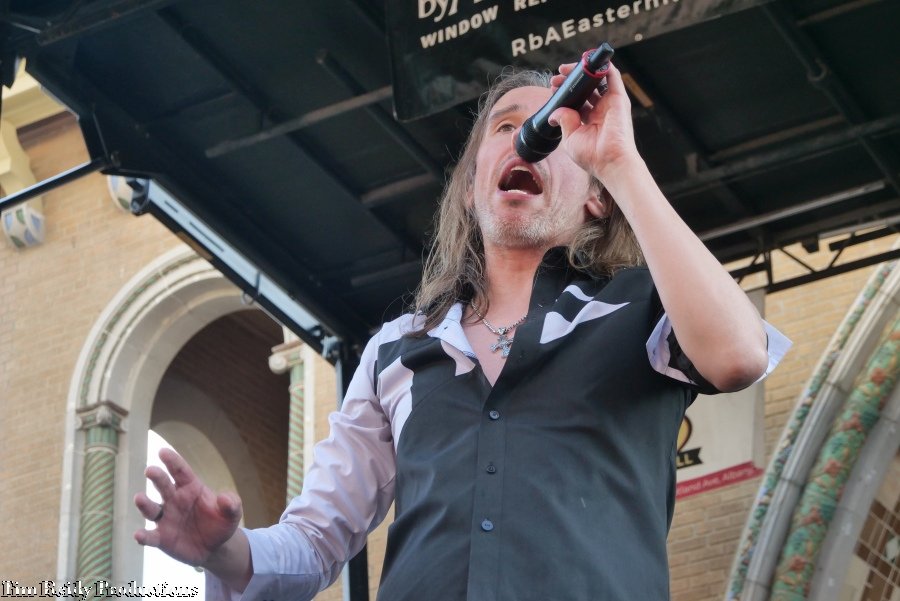
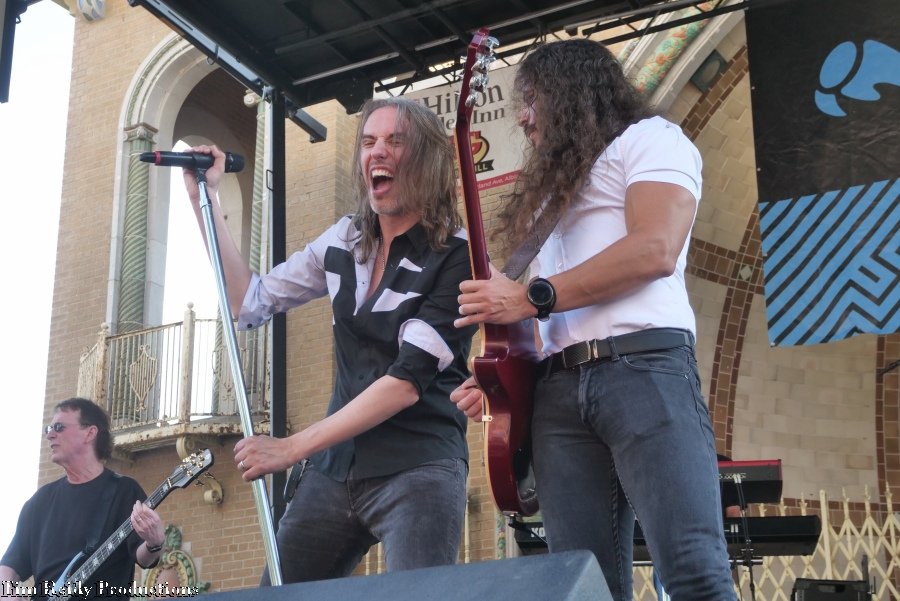
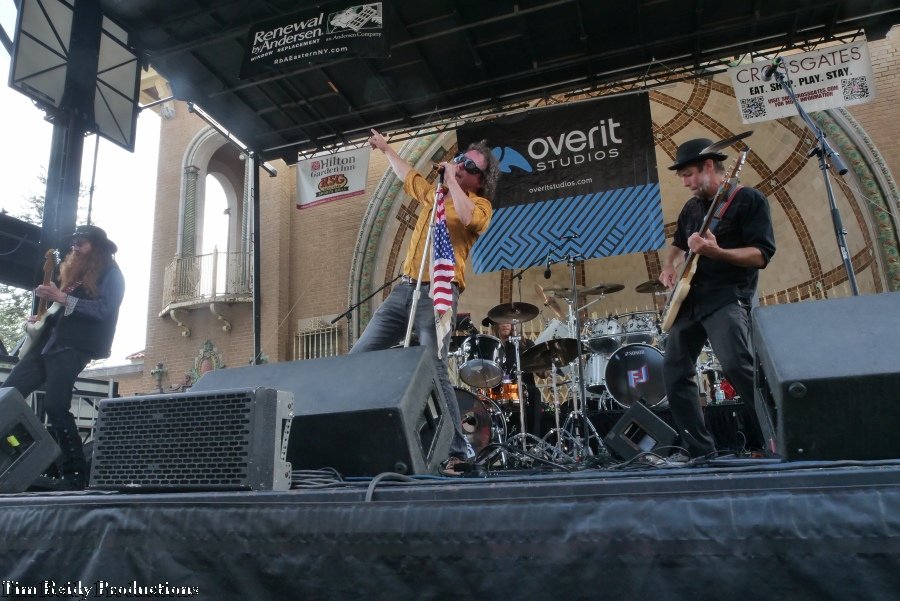
Rock Night at Alive at Five featured classic rock tribute act FJ, as well as the inimitable Ginger Geezus.

Photography by Timothy Reidy.

More from Alive at Five here …