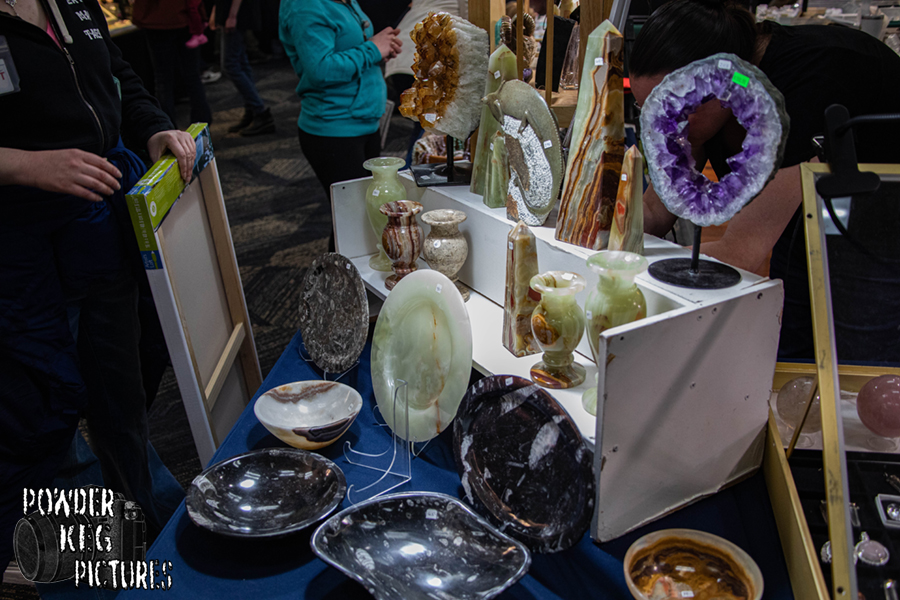
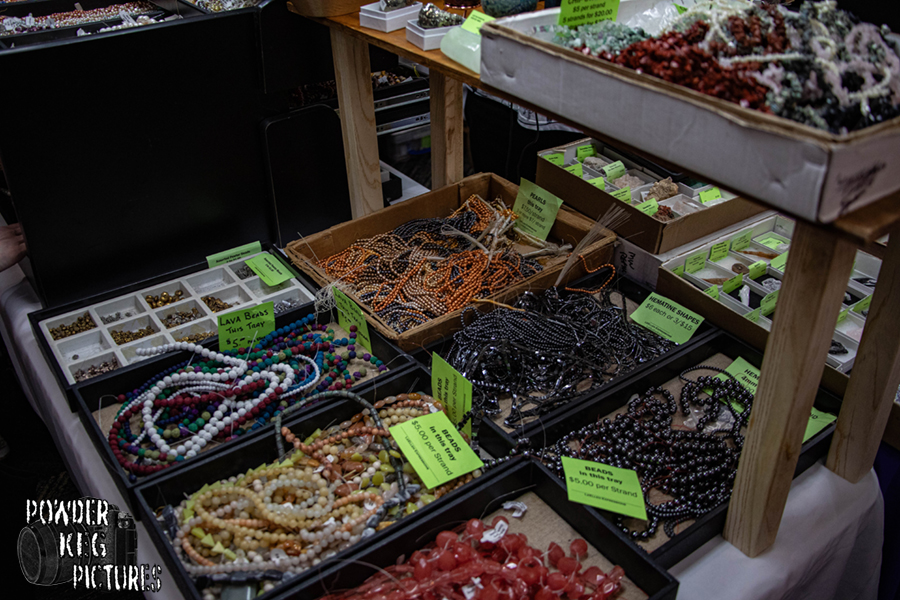
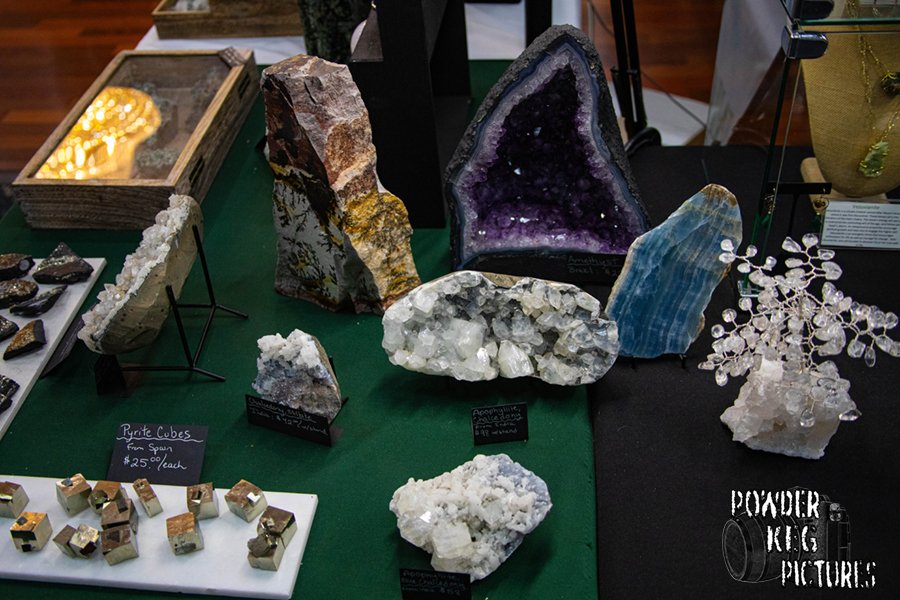
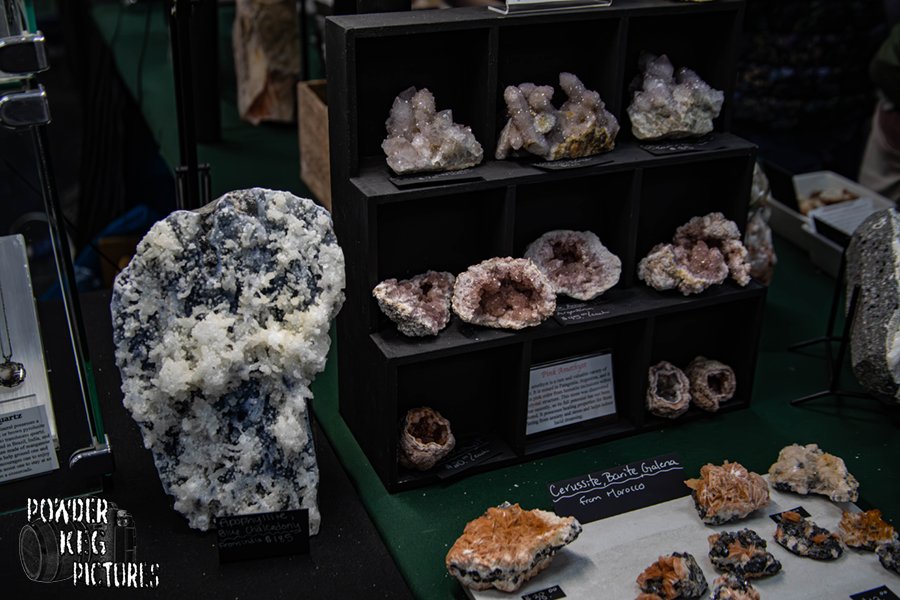
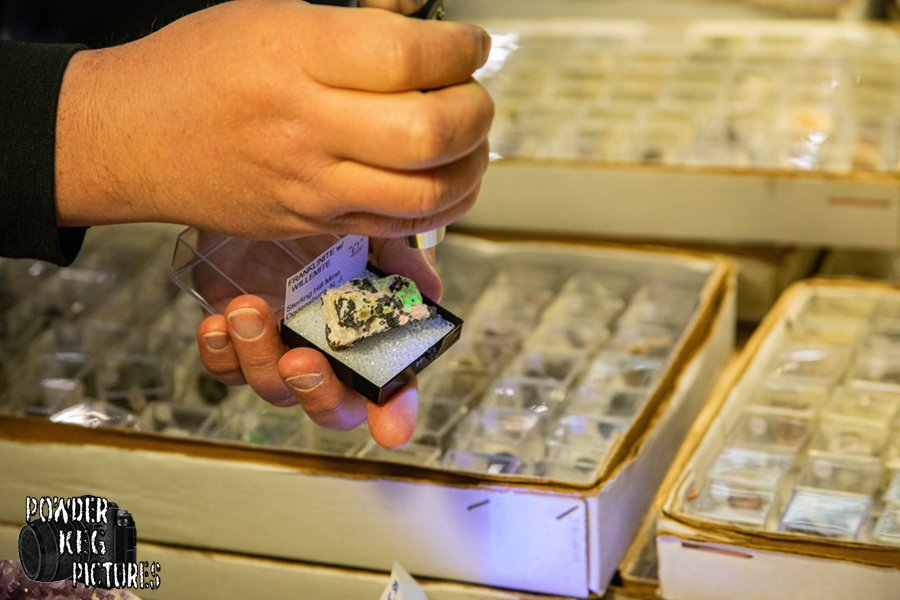
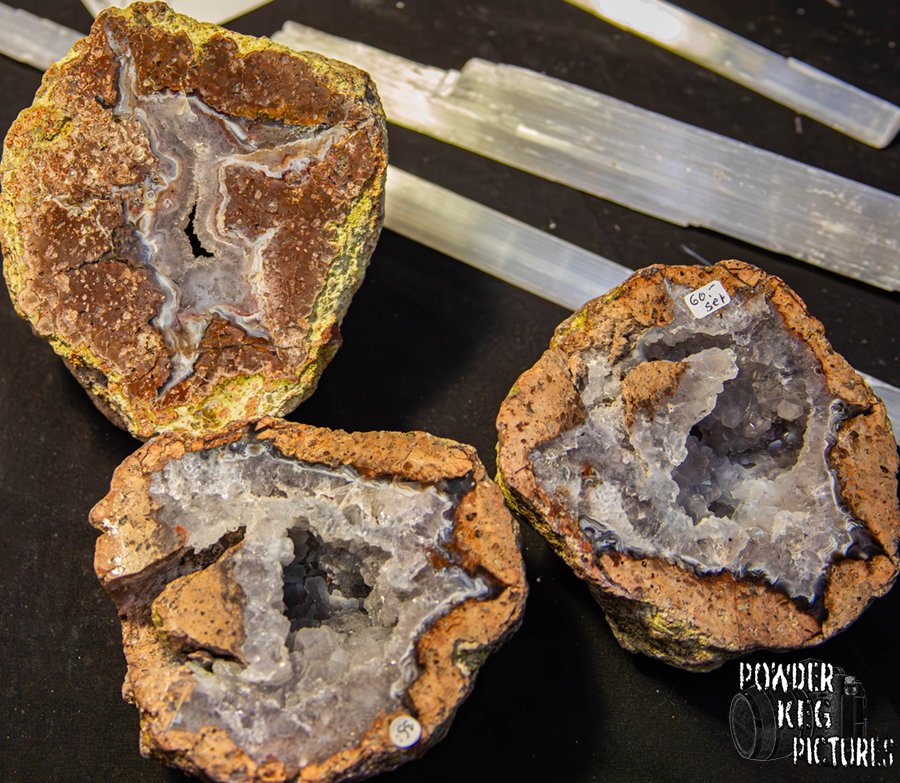
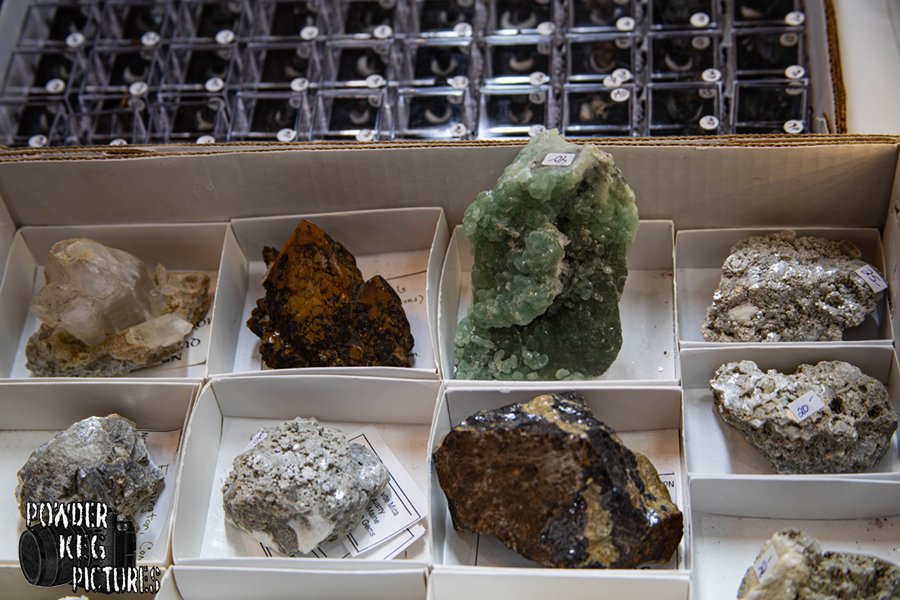
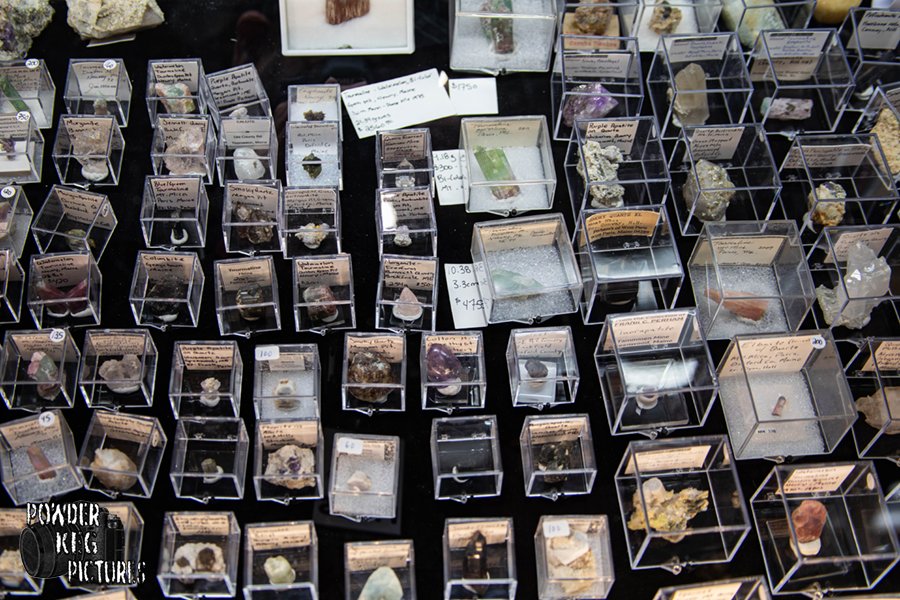
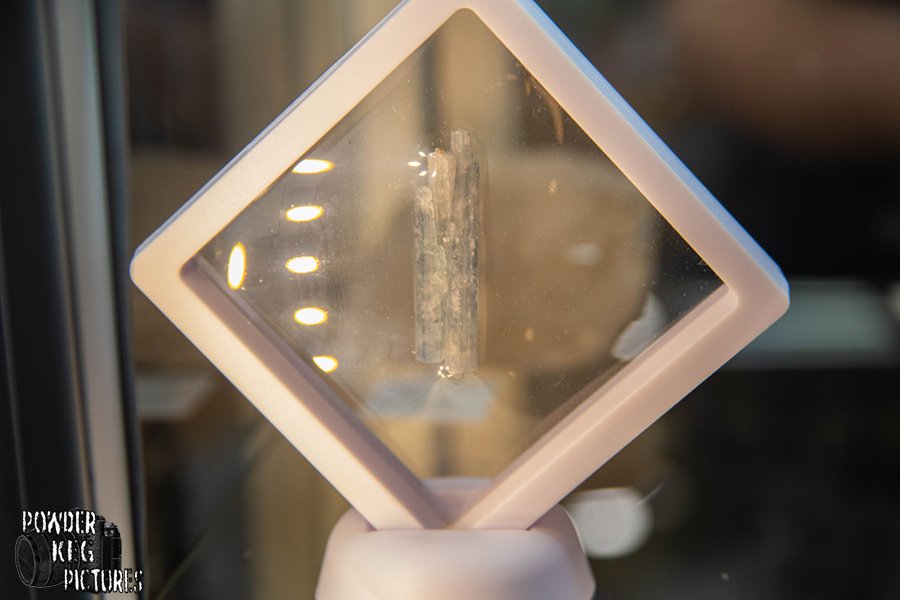
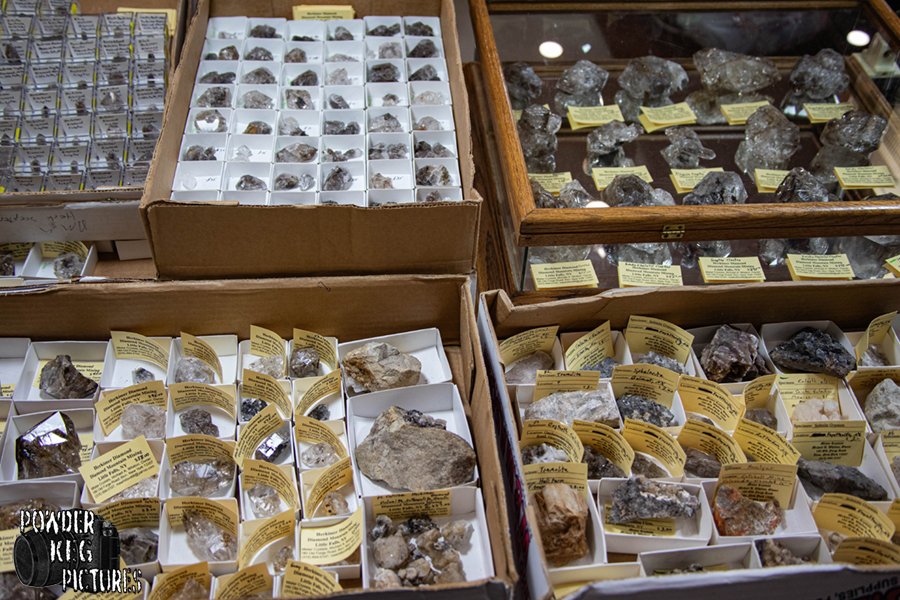
The Polish Community Center was the place to be this weekend for all things rocks, minerals, gems, and fossils. More than 20 local and national vendors participated.
Photography by Joshua Scarselli.
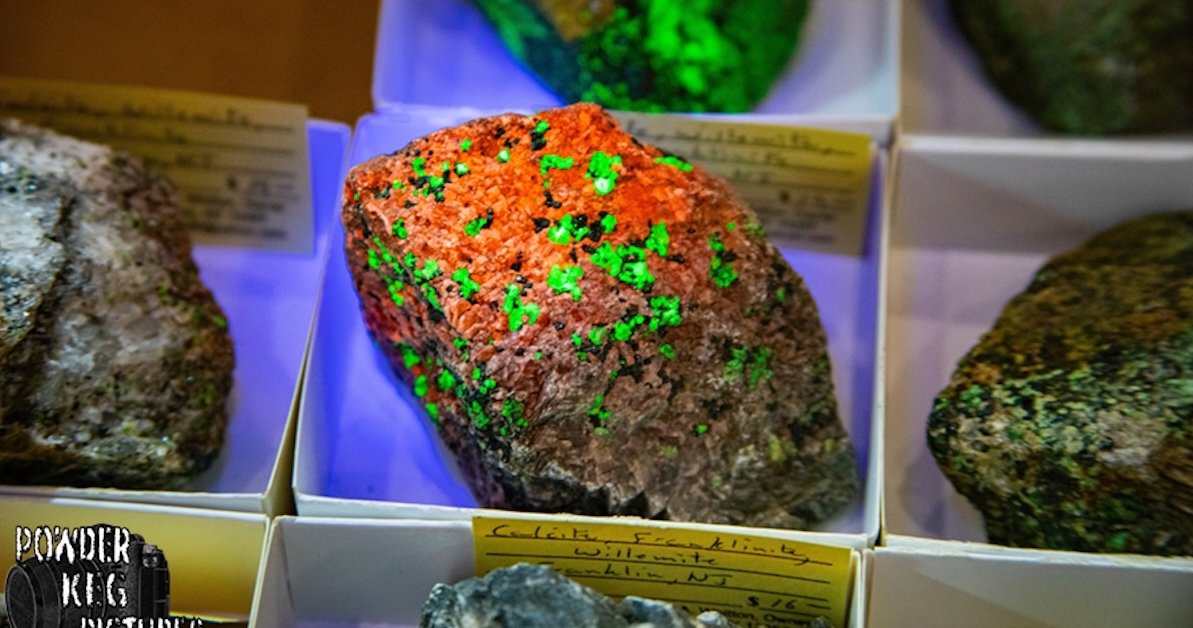
The Polish Community Center was the place to be this weekend for all things rocks, minerals, gems, and fossils. More than 20 local and national vendors participated.
Photography by Joshua Scarselli.
Xperience Lookback – Rachel Freeman – by Liam Sweeny.
Originally published November 2024.
RRX: Can you tell me a little (or a lot) about Byrdhouse? What was the inception of it? Did it start with a concept, or was it the brick-and-mortar first?
RF: Byrdhouse began as a D.I.Y. venue in Albany, New York where I could share my passion for local music by booking dozens of independent bands and artists. Spanning three separate locations, the Byrdhouse was a welcoming environment in which a diverse crowd of music lovers could let loose and show support for their community. Since its inception, Byrdhouse shows have put a spotlight on numerous genres, amplifying marginalized voices to be heard by larger audiences. Though the Byrdhouse has ceased functioning as a venue, its original all-inclusive punk ethos remains intact through renewed booking efforts. Byrdhouse has now evolved into its next stage: an ever-growing conglomerate of creative collaborations moving from stage to stage and artist to artist. Byrdhouse’s most popular bookings include Weatherday, Vial, Horse Jumper of Love, Jigsaw Youth, and Weakened Friends for No Fun in Troy, as well as Guerilla Toss, Mannequin Pussy and Screaming Females for WCDB Albany. On top of booking popular alternative bands, Byrdhouse is also responsible for managing tours and shows for local up-and-comers including Senior Living, Alliteration, Candy Ambulance, and Lemon of Choice. Together, with the support of the Capital Region’s many amazing D.I.Y. communities, Byrdhouse has managed to book over 100 shows with no signs of stopping yet. We’ll see you at our next show.
As of now, I have worked with the staff of No Fun, Tex of Hey Greasy, and Shane of Super Dark Collective, along with investors to carry the power and ownership of beloved Troy venue No Fun.
Along with efforts towards No Fun, I also work with creatives across the state, including collaborations with Ella Kasper in Binghamton to book and spread the love of DIY music there. Byrdhouse is growing and collaborating with many like-minded individuals, including our Hudson Valley/New Paltz sister collective Doors at 7.
I wouldn’t be where I am without the help of others and collaborating with the DIY community.
RRX: Zeke told us about the Times Union getting her address and basically doxing her and Caesar’s Palace. And it strikes me that underground music, a purely benign pursuit, can be seen by the bureaucratic world as some aberration. Can the city do things to help places like Byrdhouse, Caesar’s Palace, or Rat Den, instead of trying to shut them down?
RF: For DIY venues, the concern of being shut down by the cops has always hung pretty high above the heads of people who run it. If the bureaucratic world could focus on actual crimes more than trying to shut down venues, and abolish the worry for venue-runners, I believe that the DIY scene would prosper that much more.
If bureaucratic entities step in, to me, it doesn’t really seem as DIY to me. But if there were community resources that could help fund and source those running DIY, there could be some benefit to folks. Something to hone the safety and teach those around; a community-helping-community feel.
RRX: I like to focus on a scene, maybe it’s the writer in me. So let’s talk about two moments having to do with your experience with the underground DIY scene. So far, what was your most beautiful moment? Can you describe it? And what was your saddest moment? Same thing.
RF: Sad: creative spark suffered and as everything suffered, the DIY scene had a huge damper because of COVID. It was truly sad having to cancel huge festivals and shows I had booked because of the pandemic. It felt like I was about to hit my peak during Byrdhouse Basement 2 and it got crapped on. I couldn’t see my friends and musicians. It truly was an incredibly sad moment for me. Seeing the community hit a Great Depression if you will. (Byrdhouse Basement 2 is where I hit my stride as a booker, and seeing all my hard work get trampled on was a hard time.)
Beautiful: brick-and-mortar Byrdhouse.
All the memories of piecing together the venues and coming together as friends who have a deep pleasure in working together to showcase music.
First venue: first show; seeing it all come together and do something we were proud of.
Second venue: favorite venue of the three, where we truly tore down walls and built that basement fit for shows. Sharing all that time with my friends and musicians and getting to know the scene and people more.
Third venue: last show after a festival that was supposed to happen forever ago. Phoenix Fest, all my friends together, and dedicating the last song to Jonah (our friend who passed away two days before the first Byrdhouse show. We dedicated a song to him at the first-ever show and were able to do the same for the last-ever basement show.) The community DIY was really felt at that last show.
RRX: Byrdhouse, Caesar’s Palace, Rat Den, Dojo … it wasn’t just for local acts. Bands from the region, maybe from the country, did touring stops. BJ told me about Ben Rowe’s “2 Dead Hummingbirds” promotions, said a lot of great bands came through that way. Can you tell me about that, or any other effort to bring bigger acts in?
RF: Yeah, so putting Albany on the map so that bigger touring acts will play Albany is super important to me. We want our favorite artists from all around to come play in Albany. Byrdhouse’s focus has been putting a spotlight on local bands and showcasing what our community is about, in hopes of pulling bigger touring acts too, to support and relish in harmony with each other.
RRX: Zeke talked about a lot of the shows going to bars and businesses now, like No Fun and Son of Egg. Do you think it’s inevitable when you get successful that you have to move what you’re doing “aboveground?” Can the underground shows successfully coexist with traditional shows, like bar shows?
RF: Inevitable might not be the right choice of word or paint the right picture, but I think as venue-runners experience their calling and have a passion for booking shows and being involved, they want to bring it to a bigger setting and evolve a bit. My roots will forever be in DIY, and I would be nowhere without it. I don’t think it’s inevitable but I think it’s a rite of passage for the few that do find it to be their calling.
I truly believe DIY shows are super important to coexist with traditional shows. DIY shows are paramount to keep the community thriving with smaller bands starting off, and for people to get a sense of the roots in the community. I see DIY as the root of the scene, and the bar venues as the evolution of said roots.
RRX: Someone from ESPN somewhat recently said that there was nothing to do in Albany. Some people here defended her statement. What would you say to that?
RF: She’s not wrong but she’s not right. To her point, with regard to nightlife, she could be correct because the city bureaucrats don’t value the nightlife and for places to operate to excite tourists and natives alike. For example, the cabaret license puts a damper on businesses being able to showcase local talent. She’s wrong in the sense that we have a great underground community, with shows happening and fun events held by community organizers.
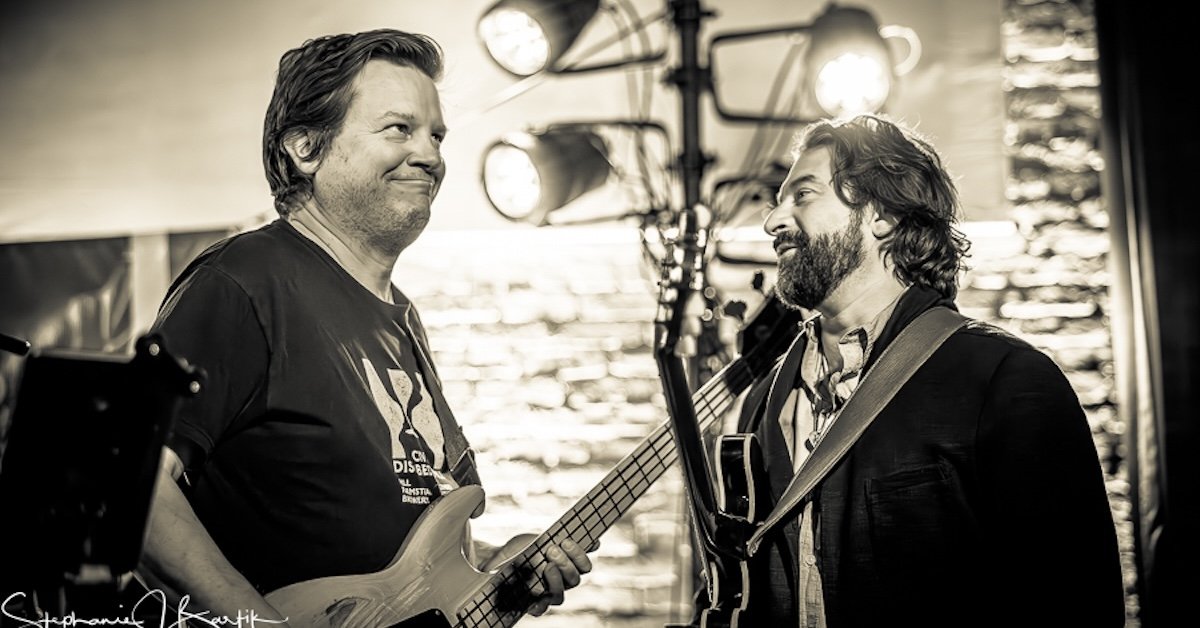
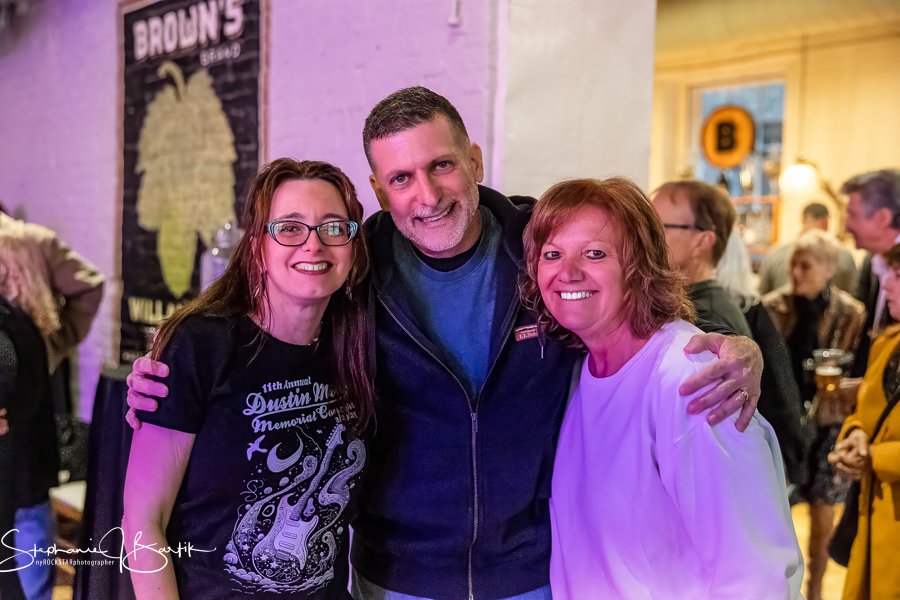
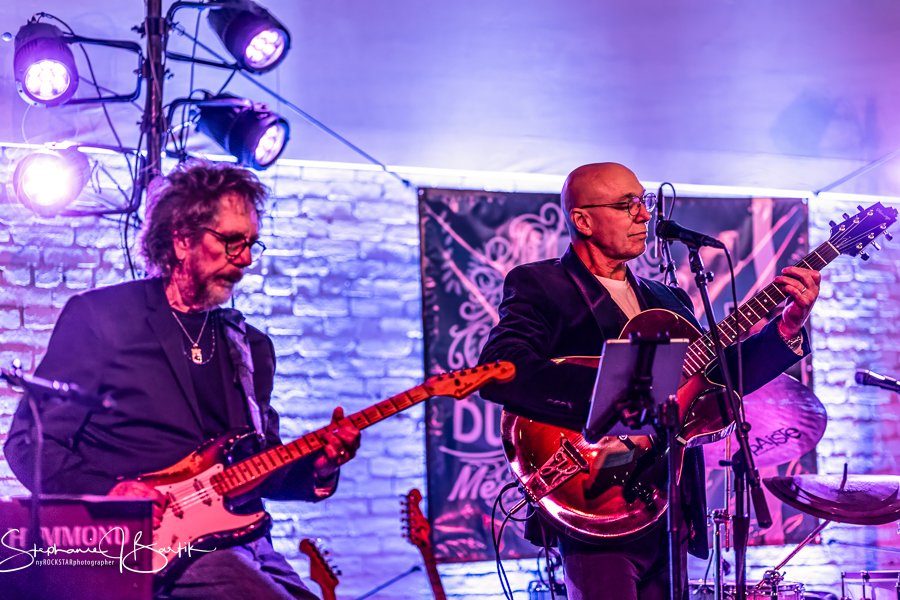
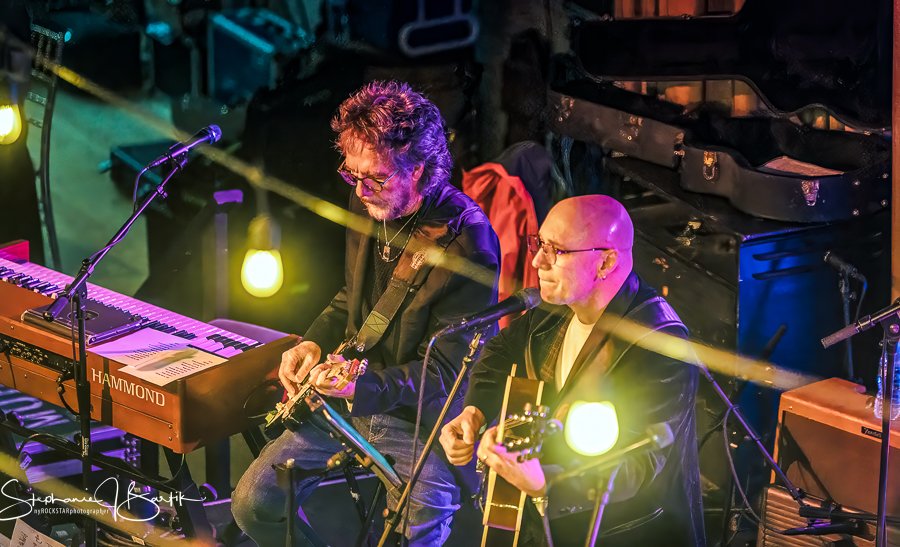
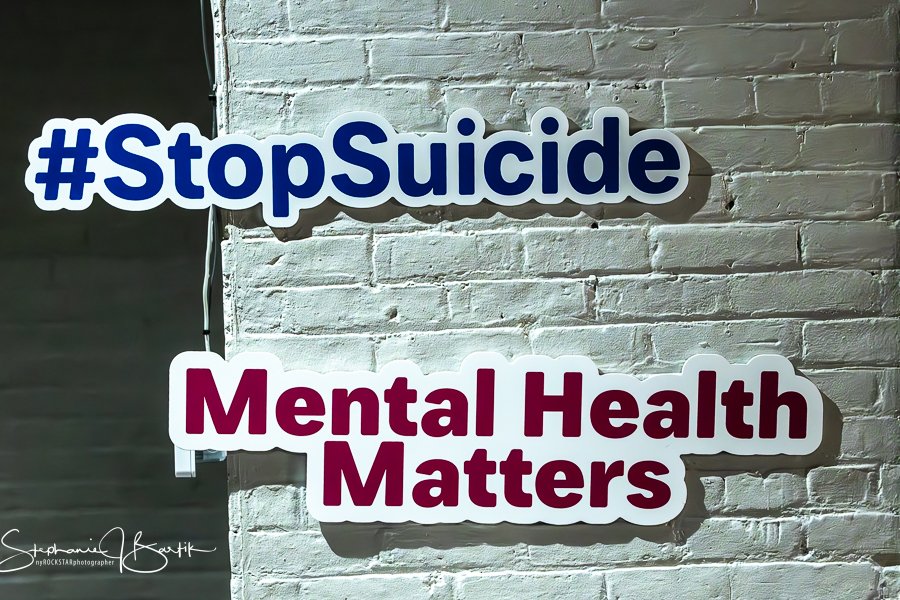
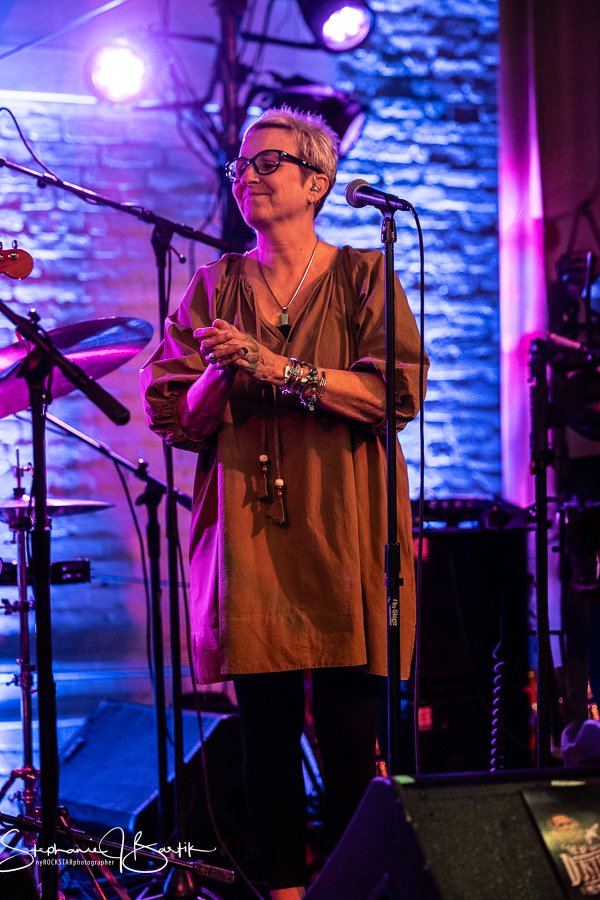
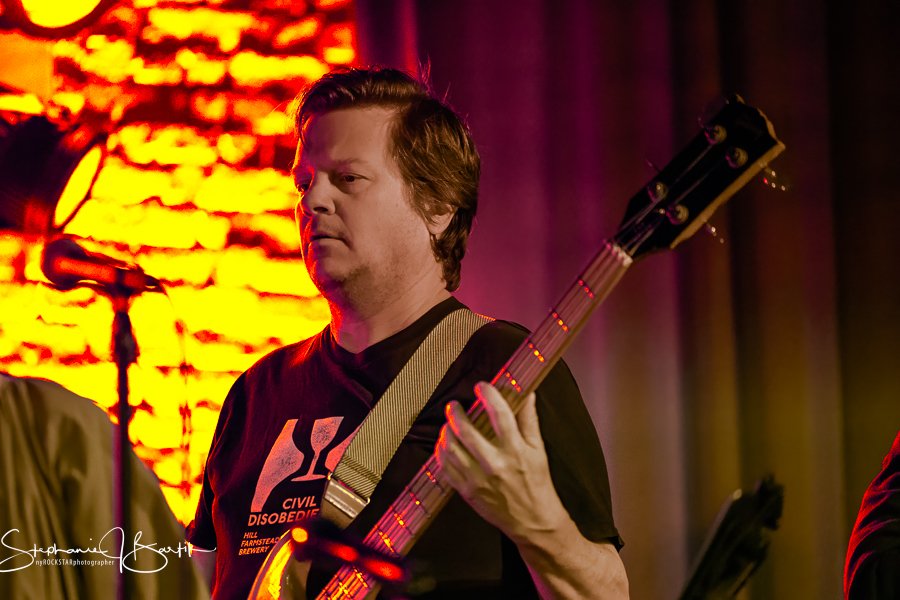
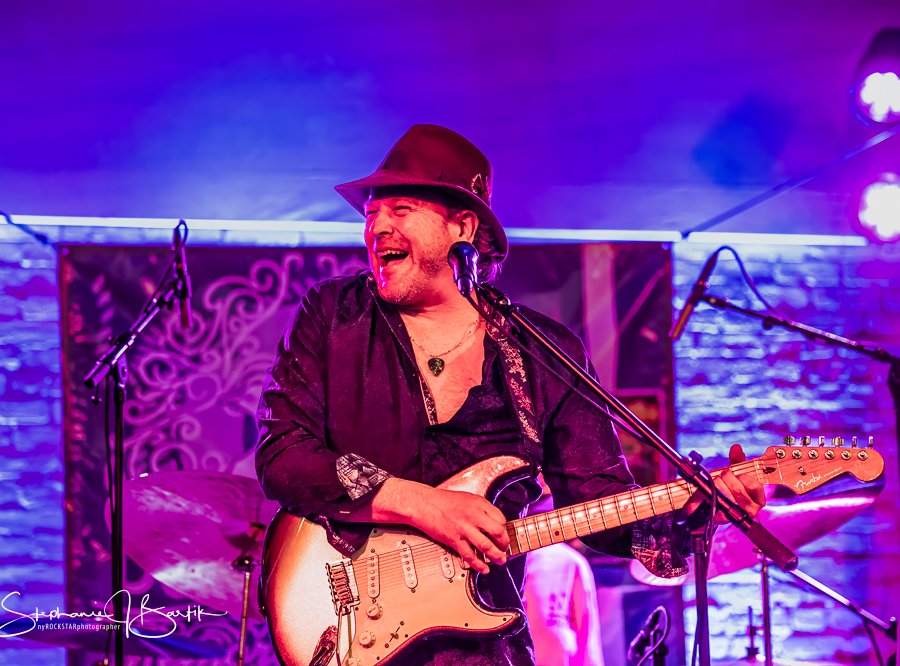
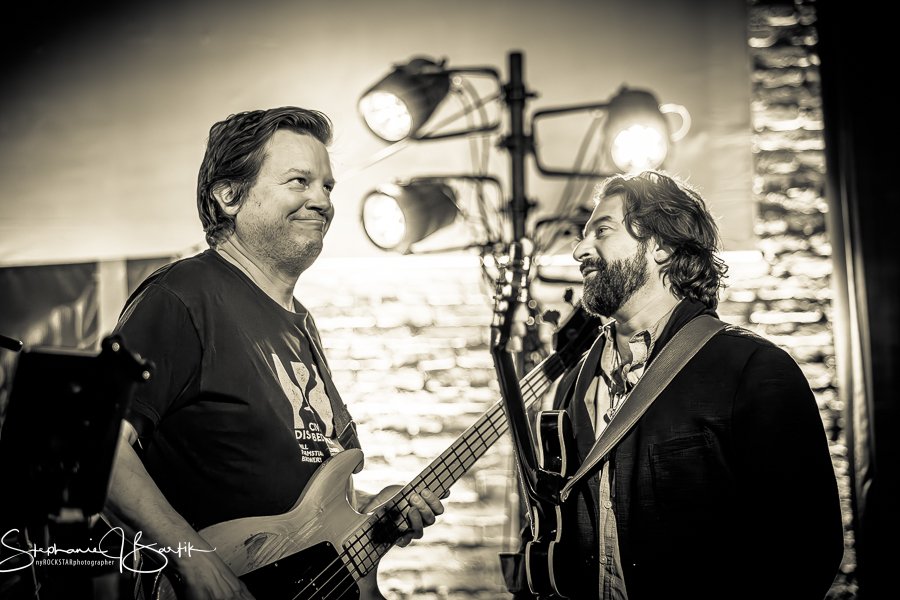
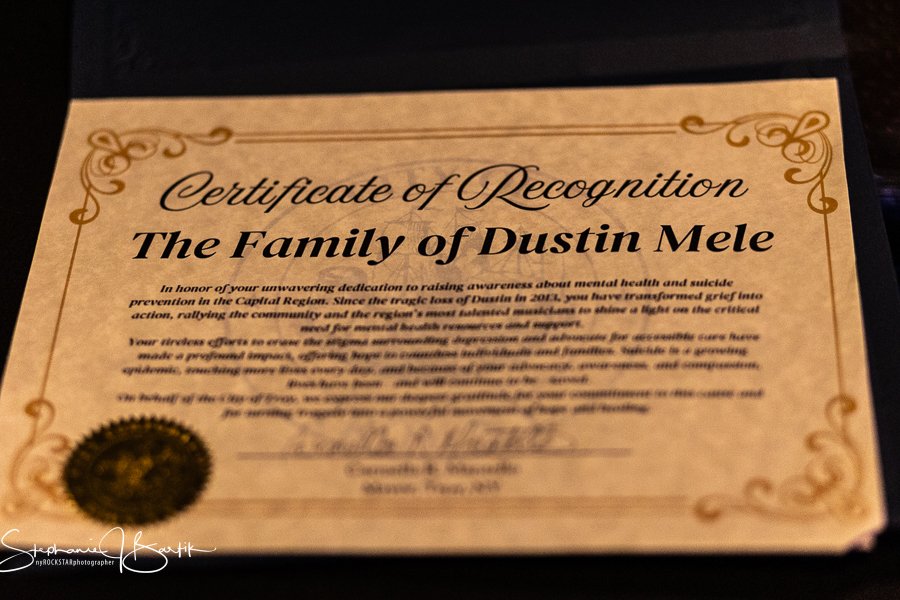
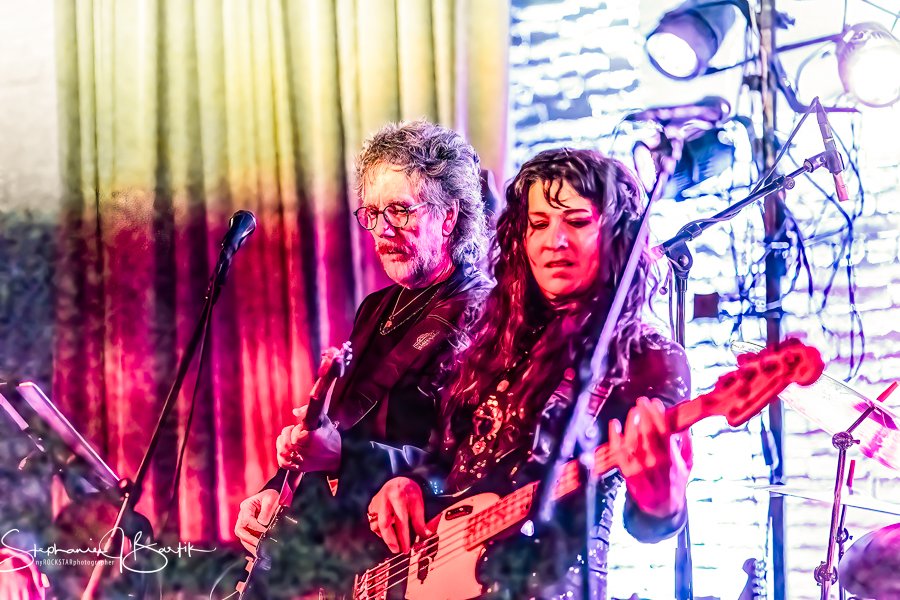
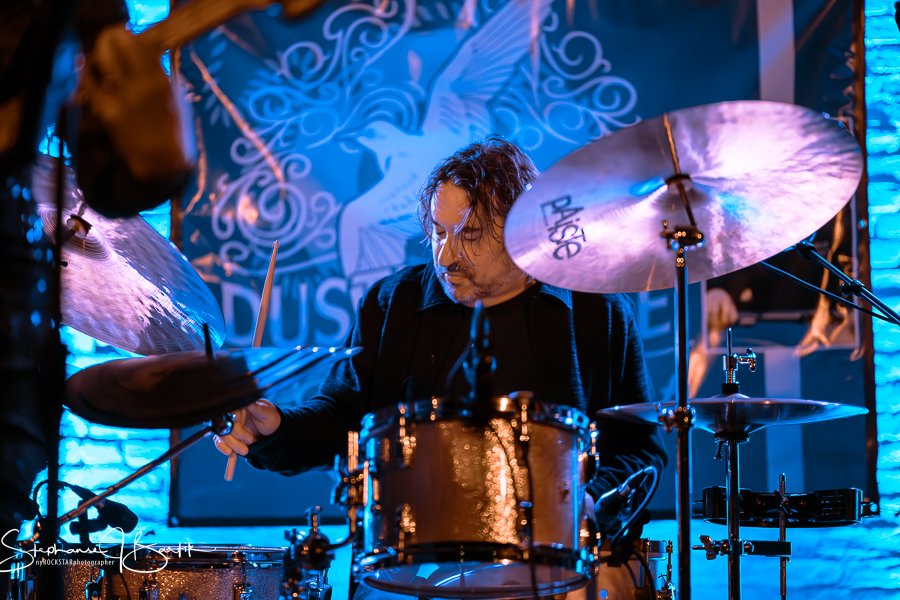
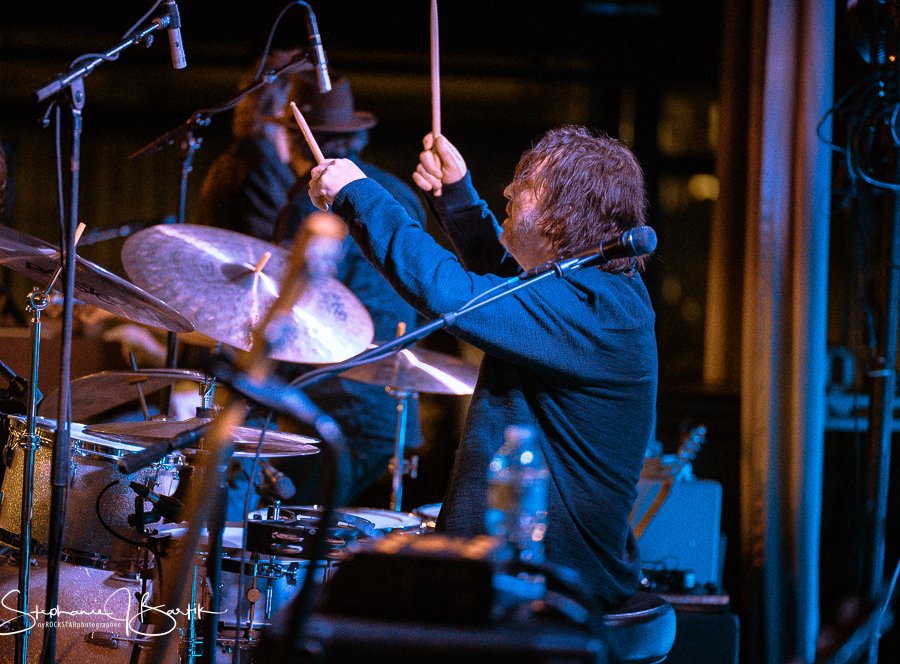
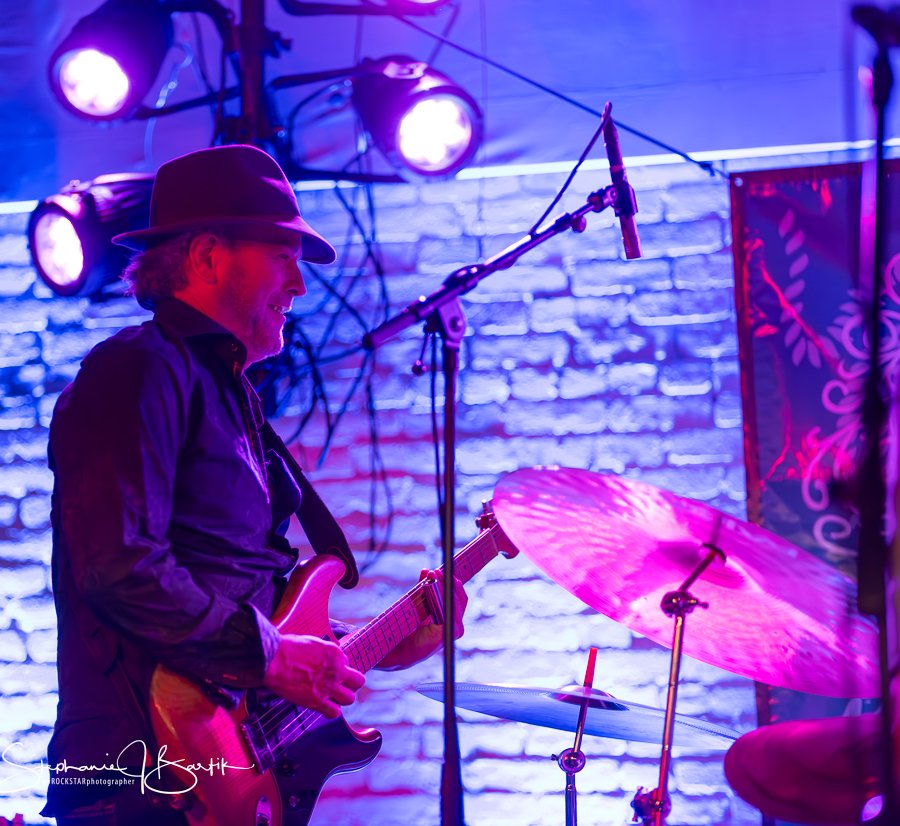
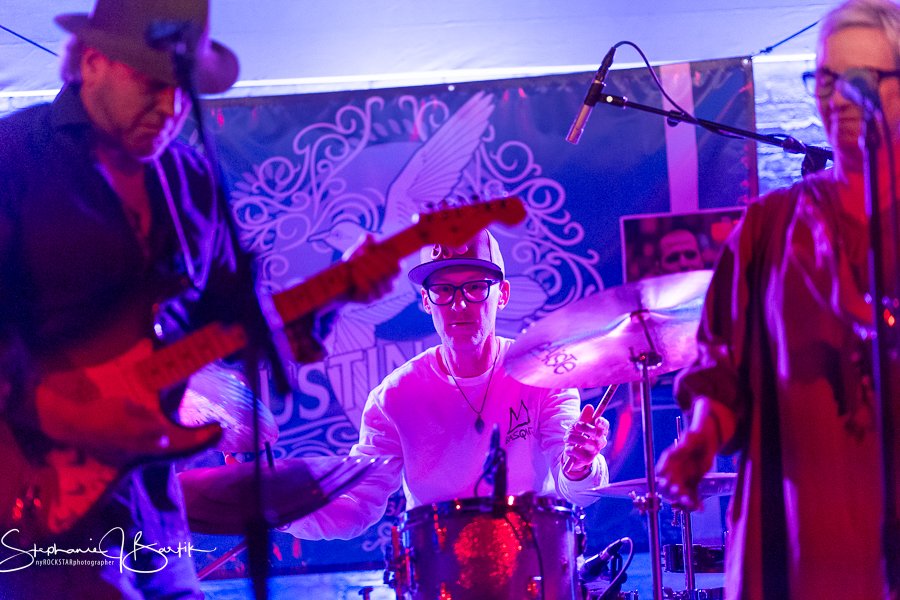
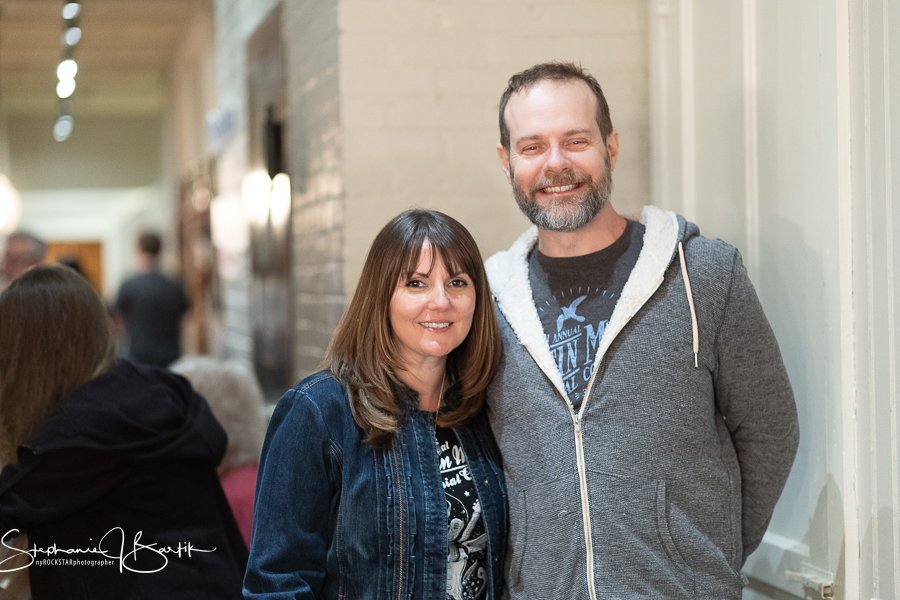
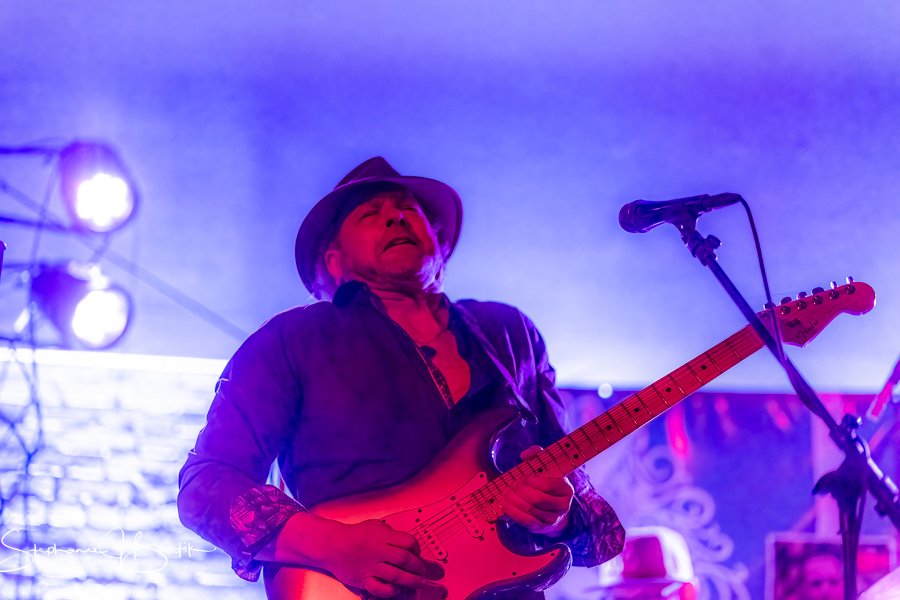
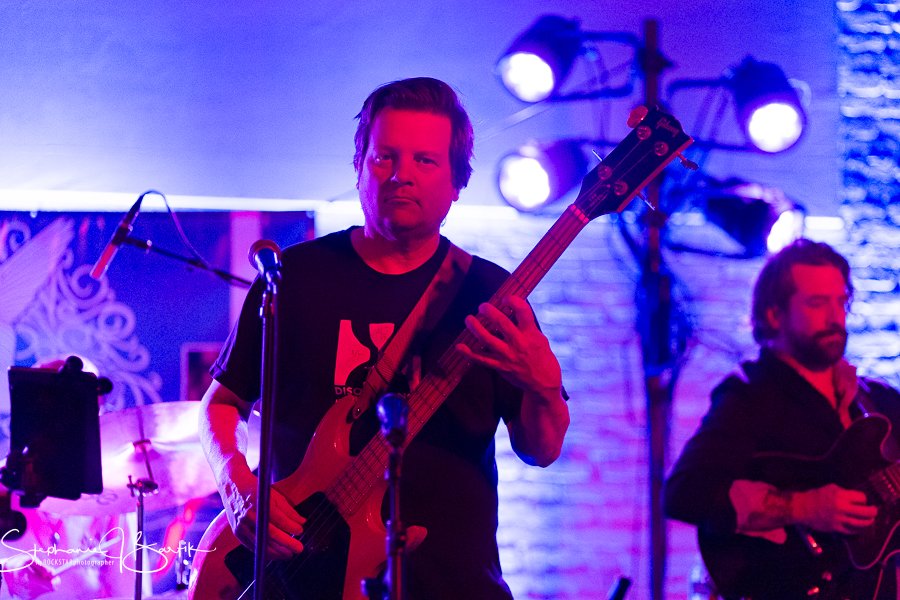
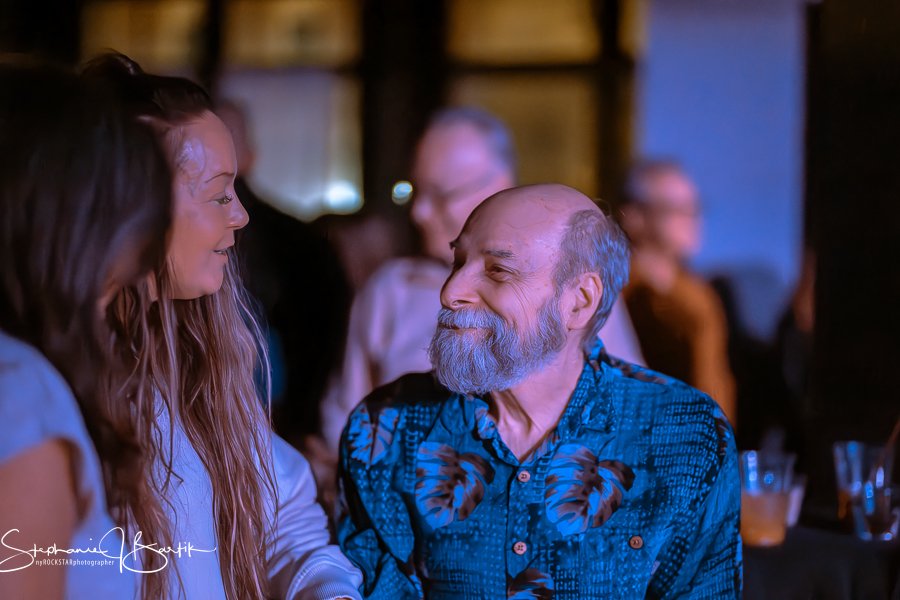
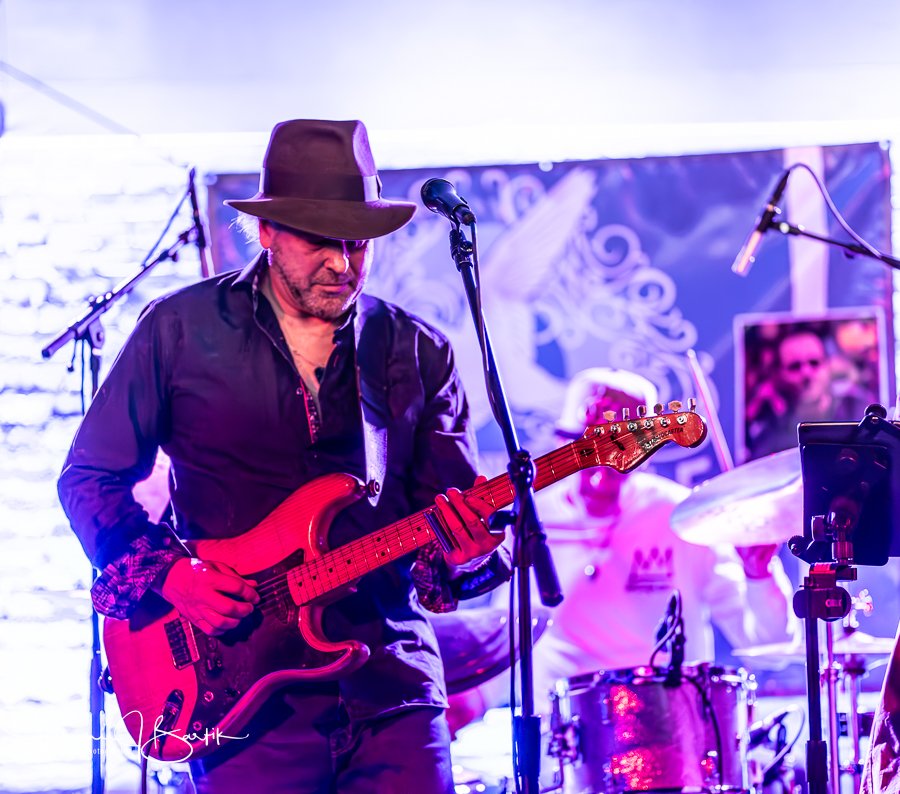
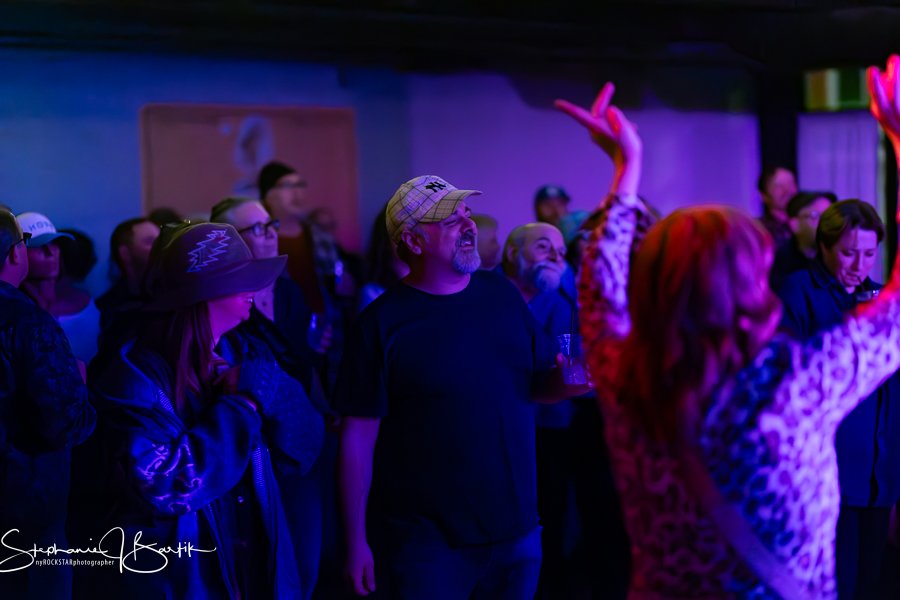
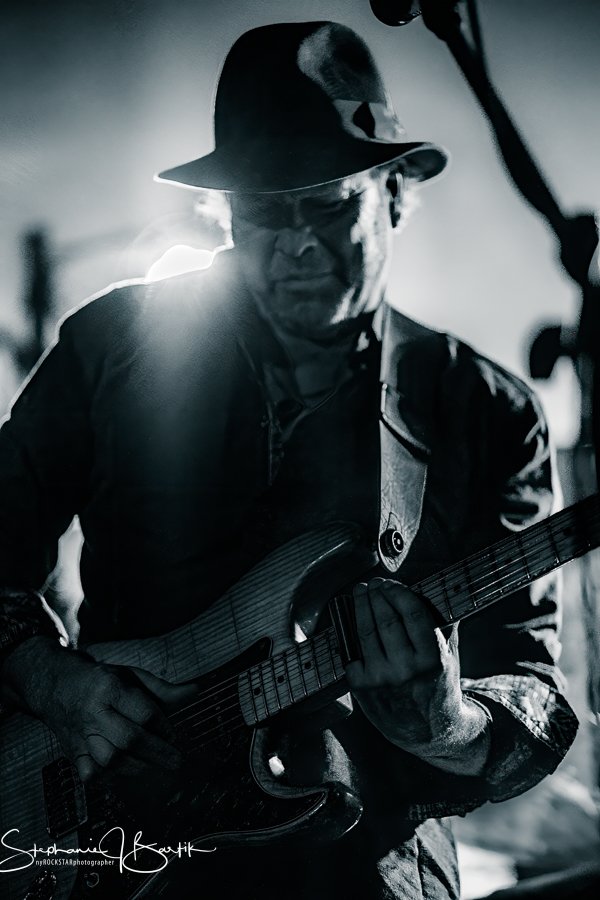
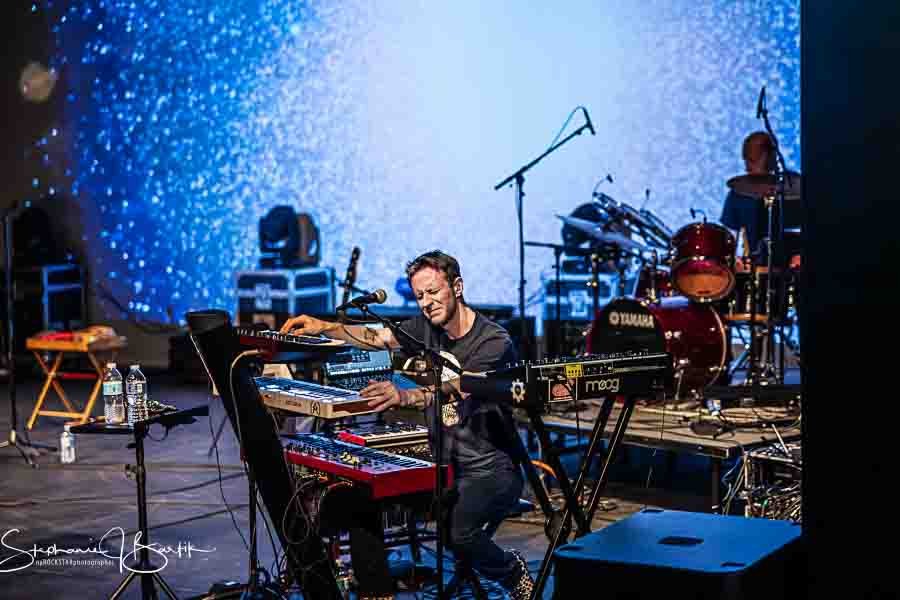
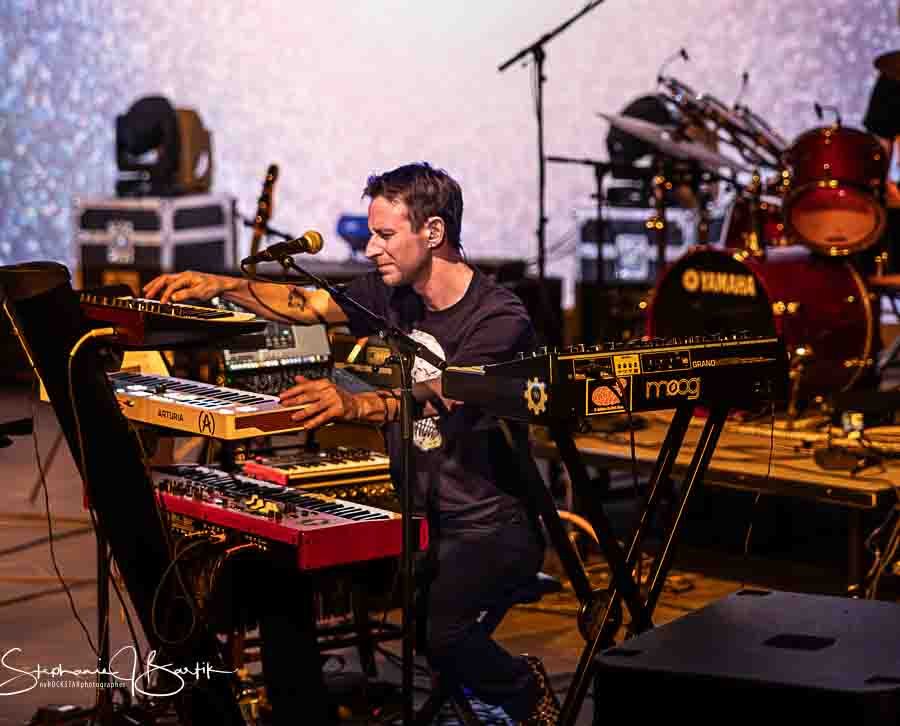
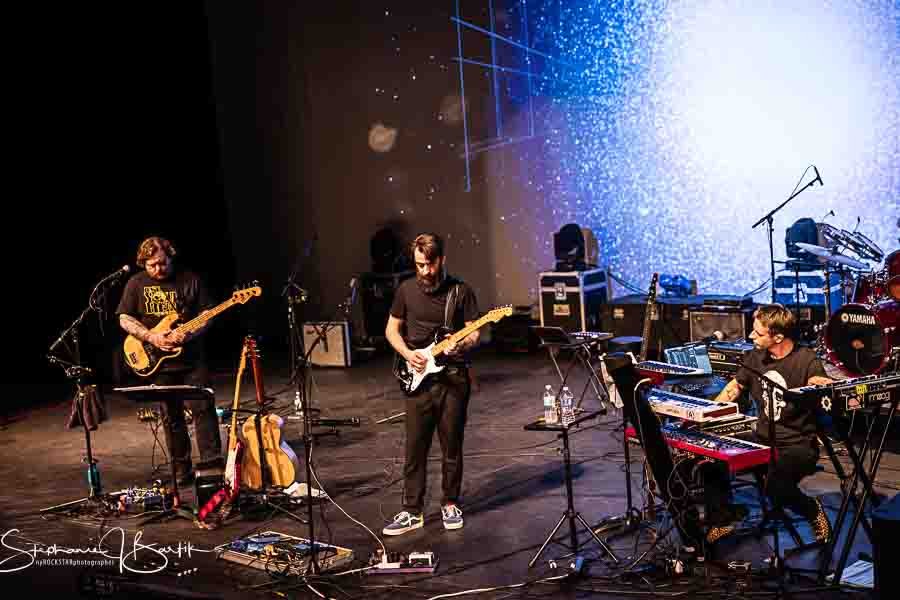
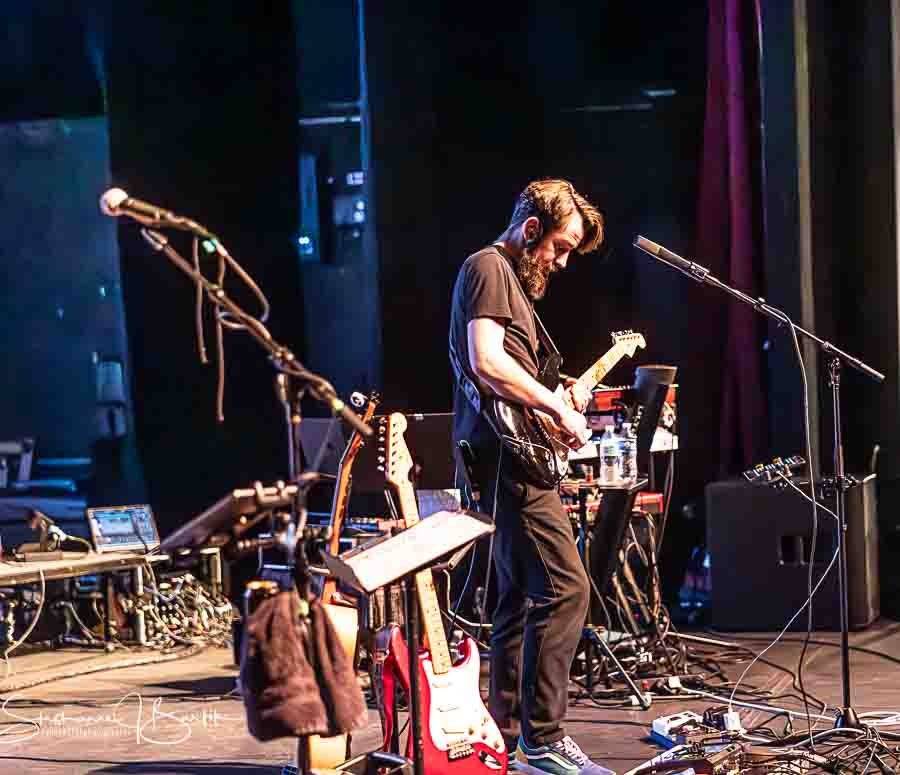
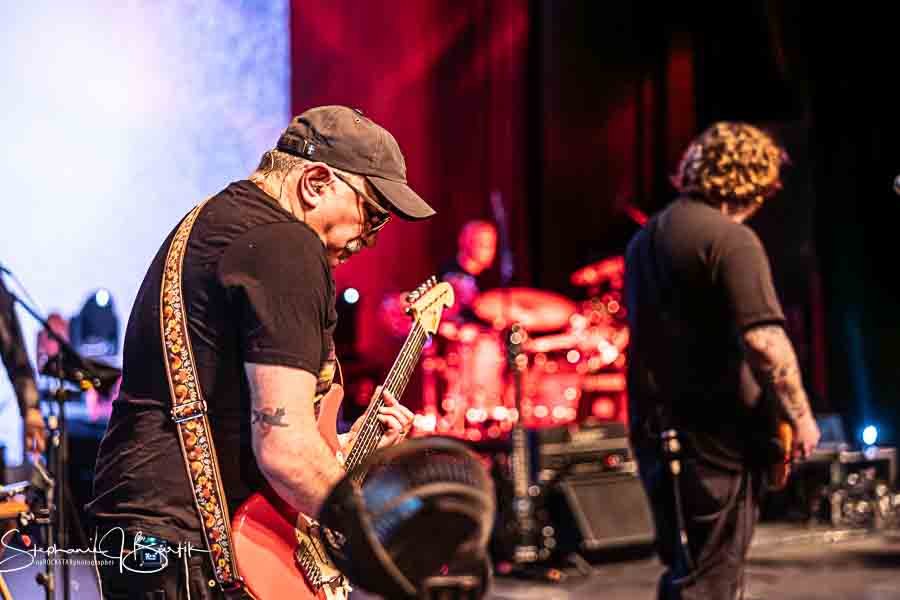
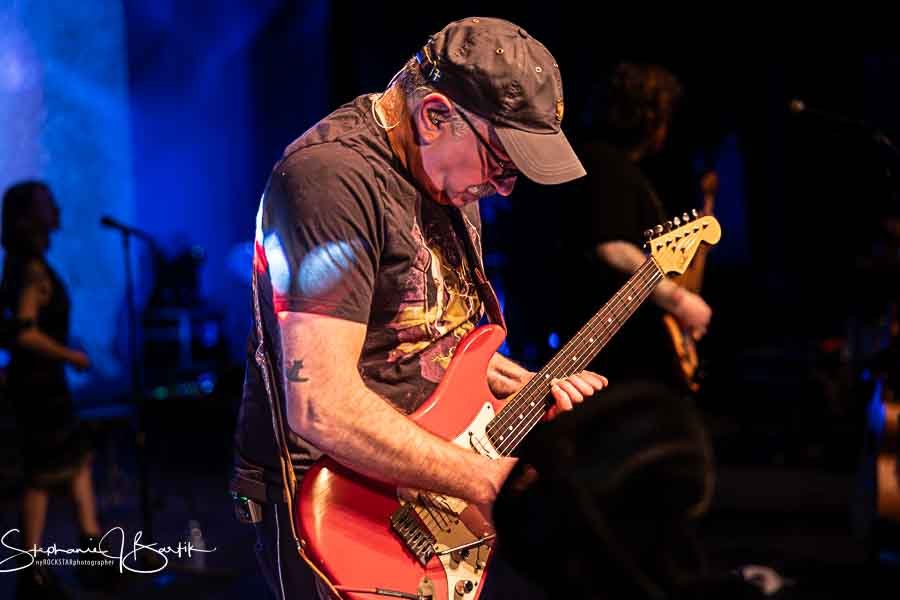
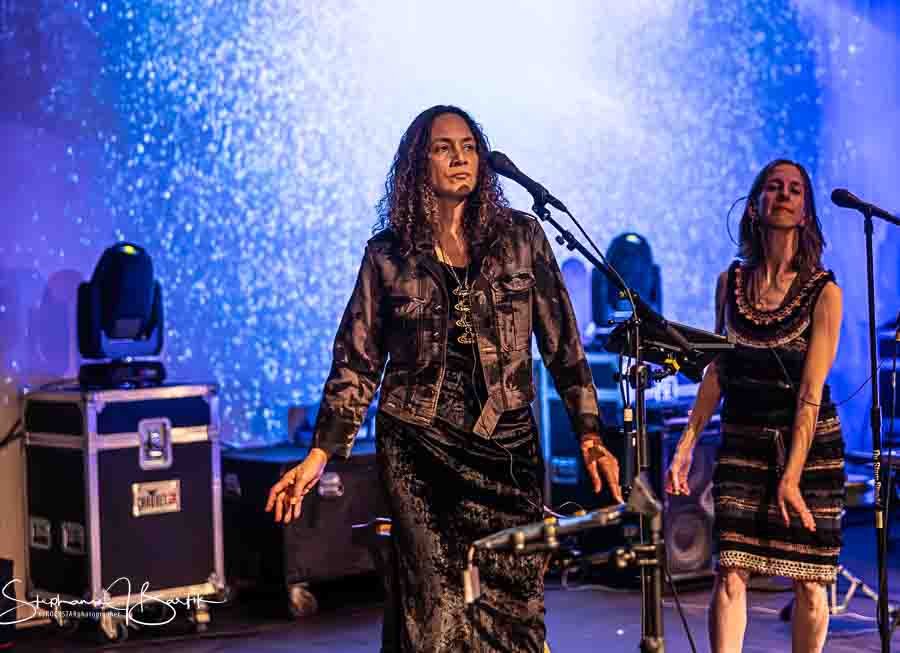
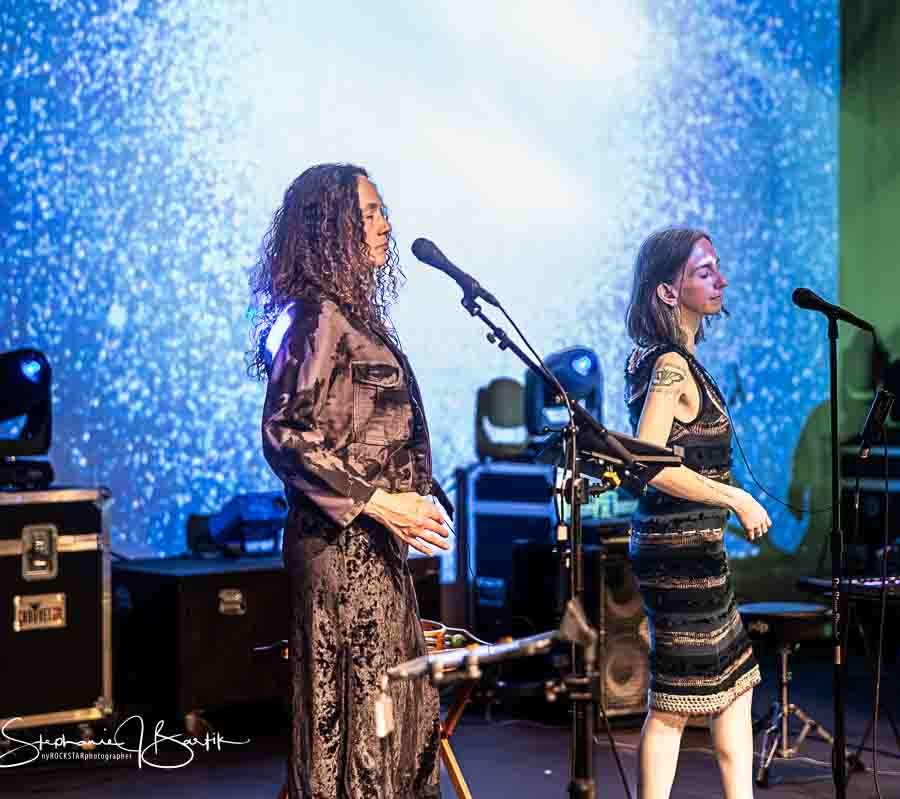
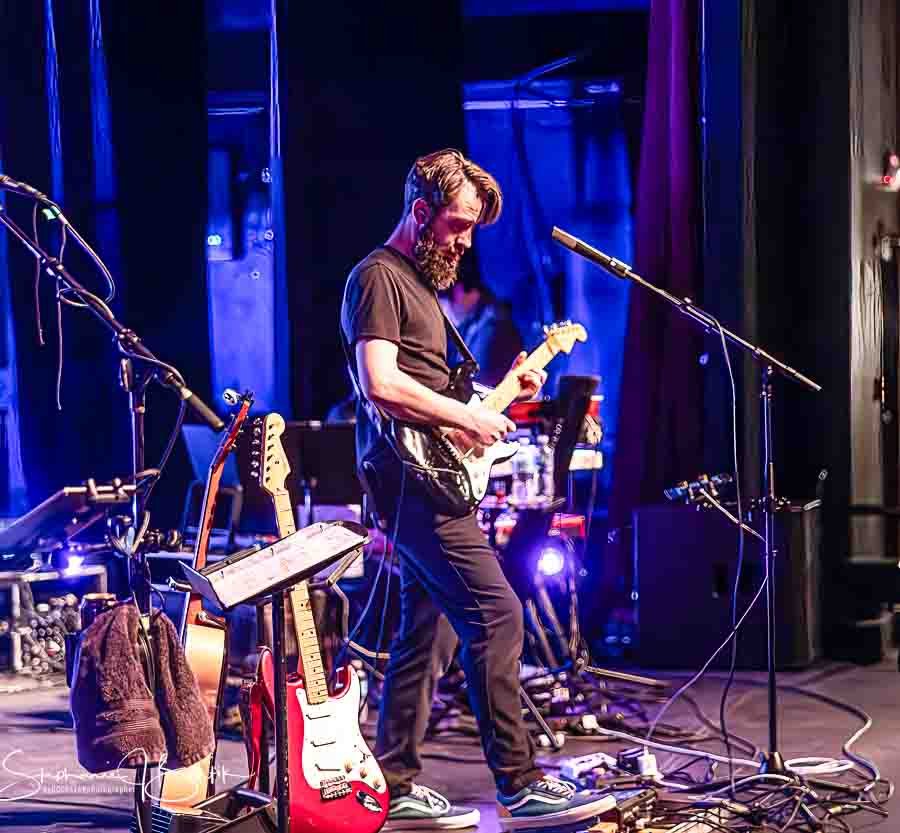
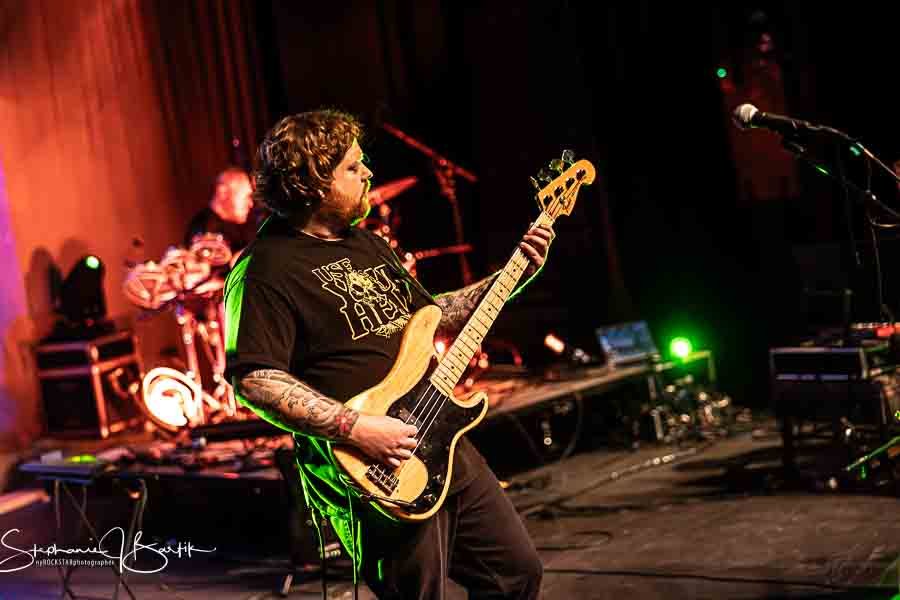
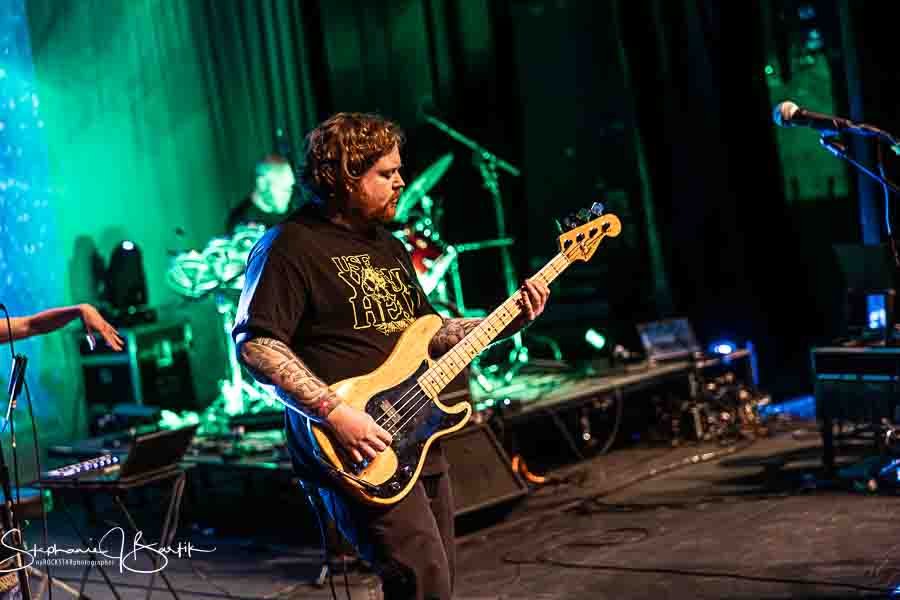
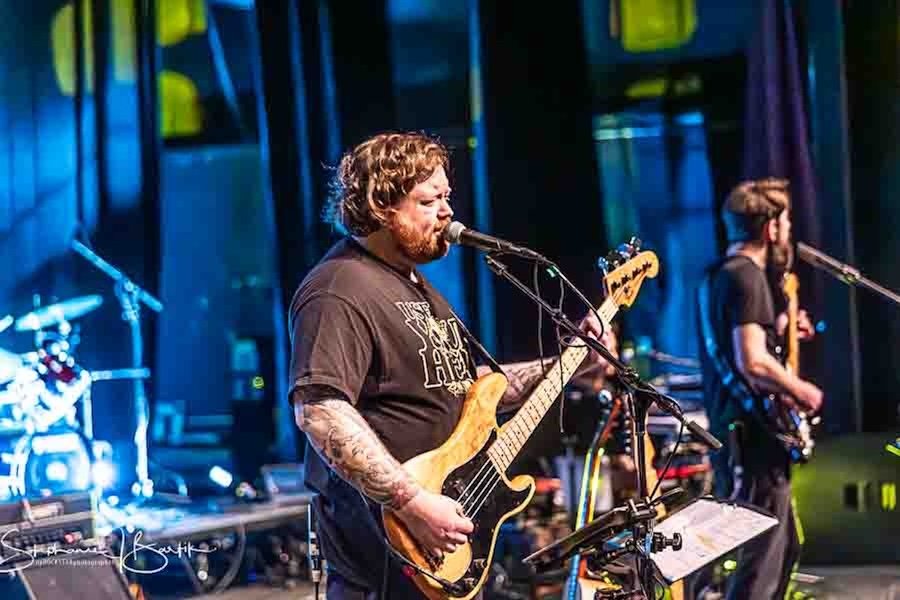
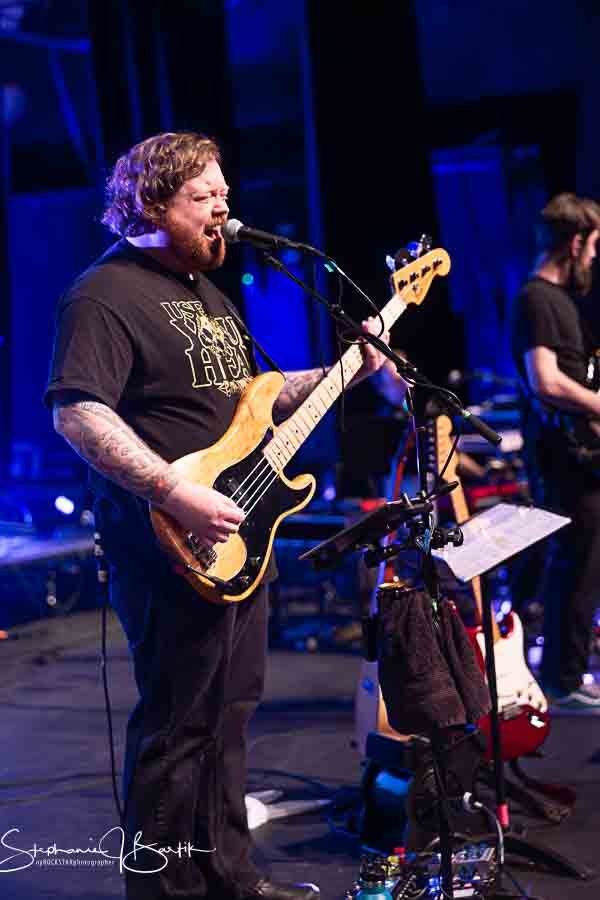
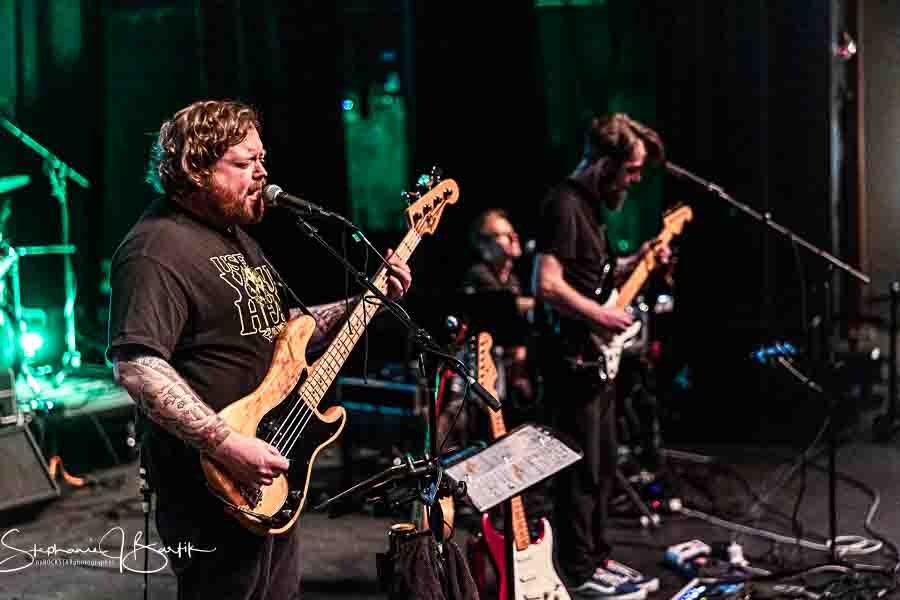
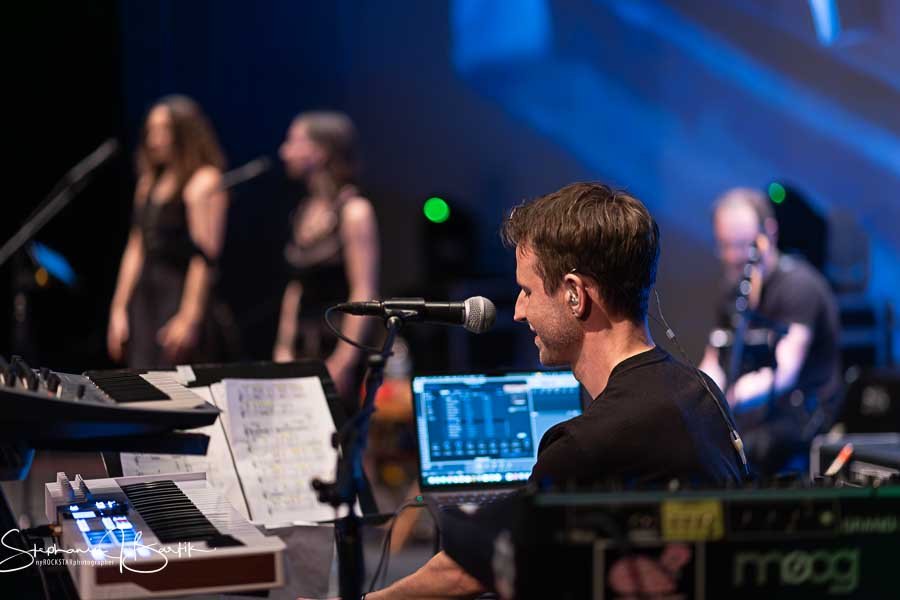
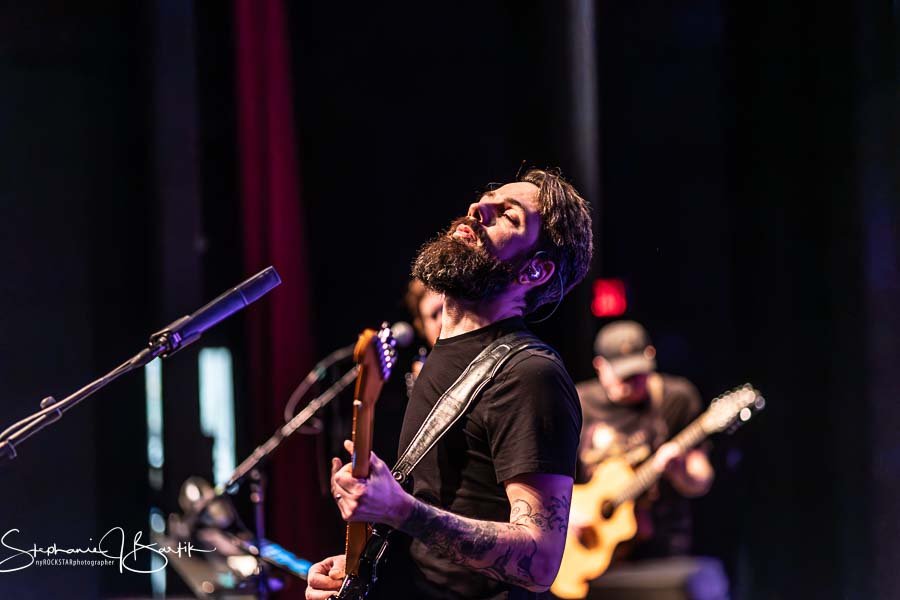
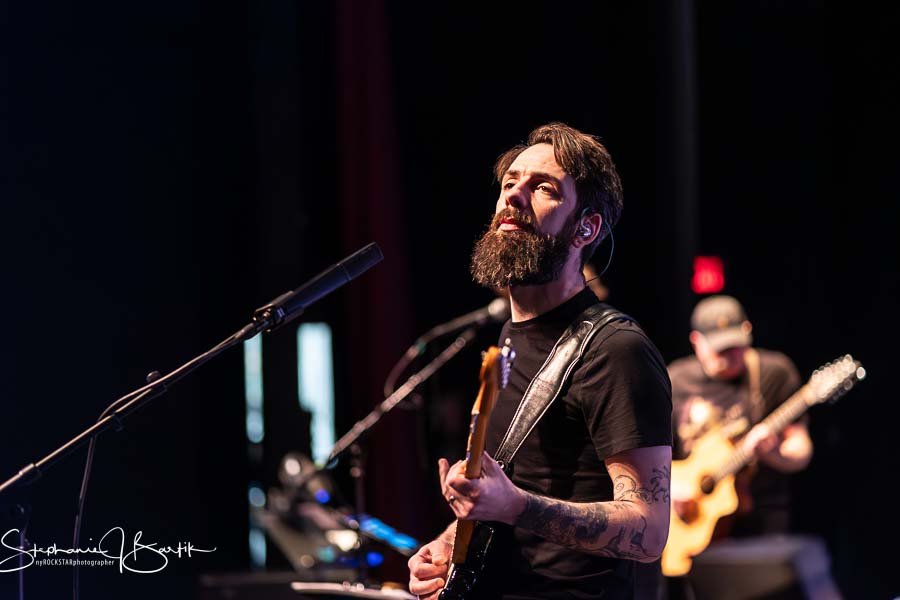
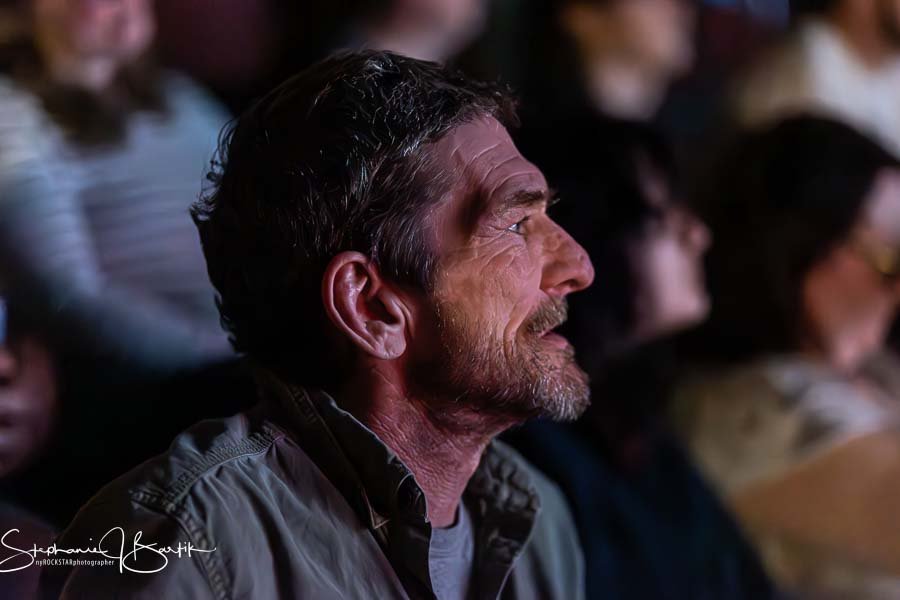
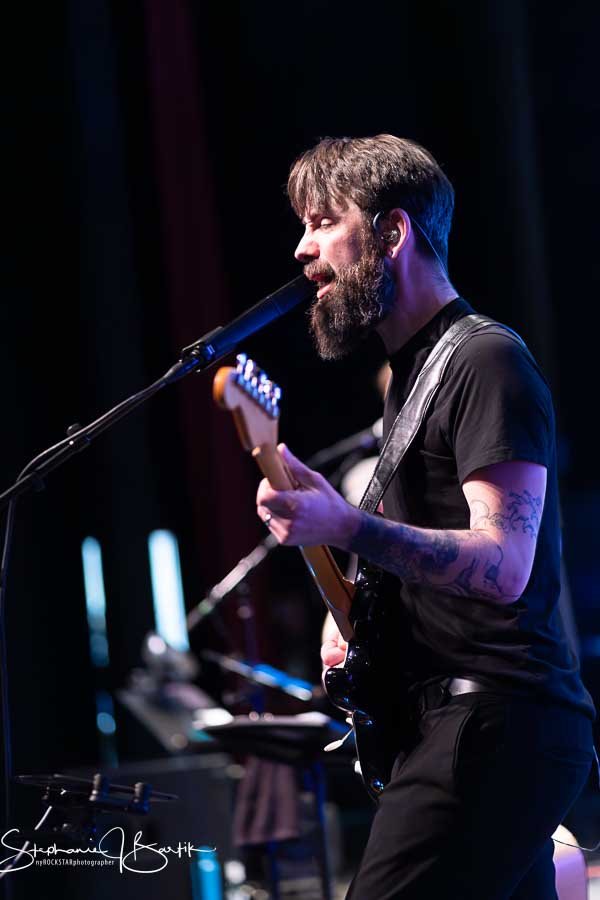
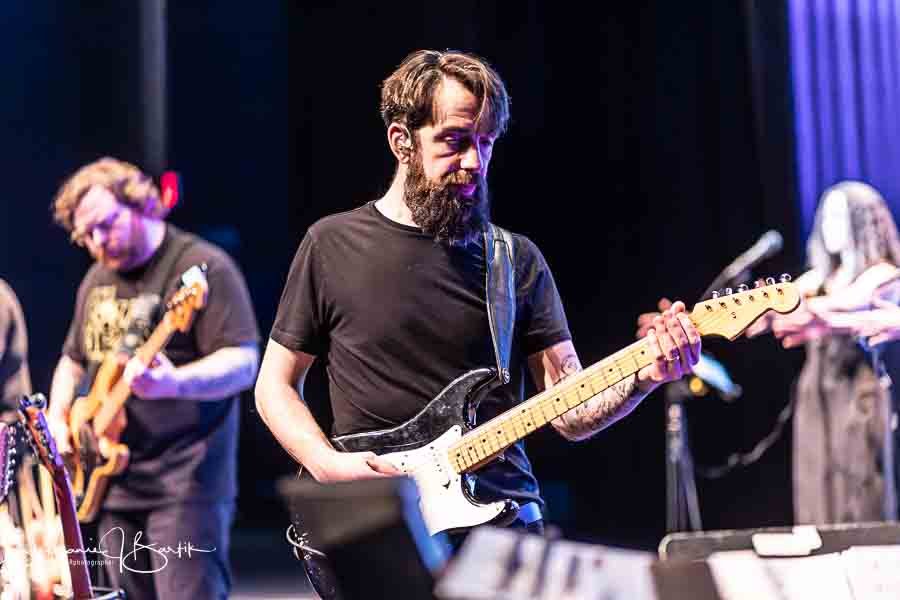
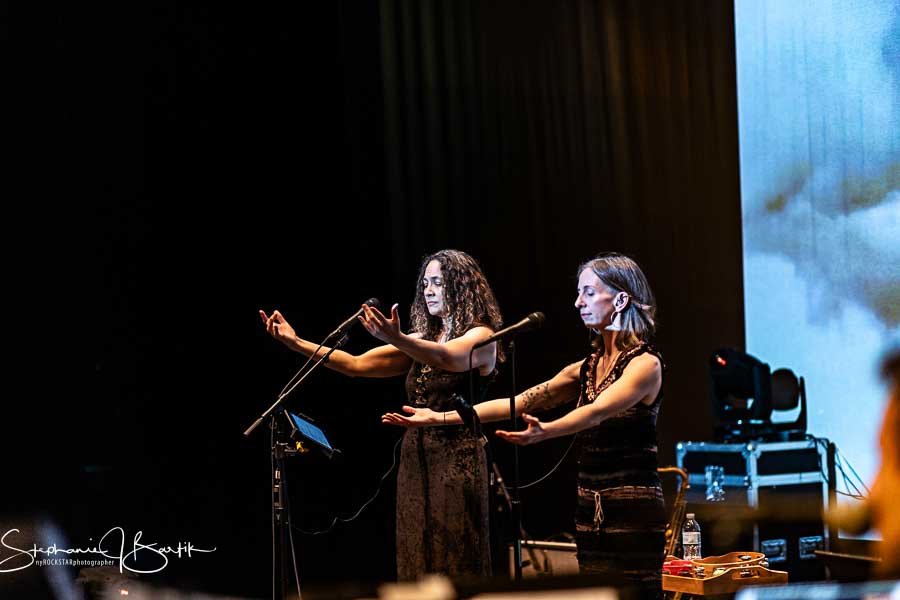
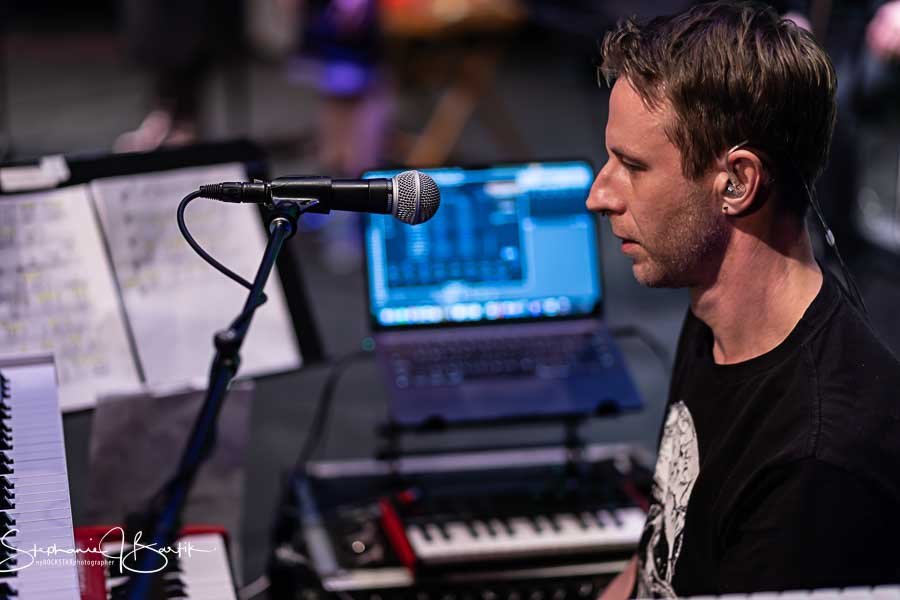
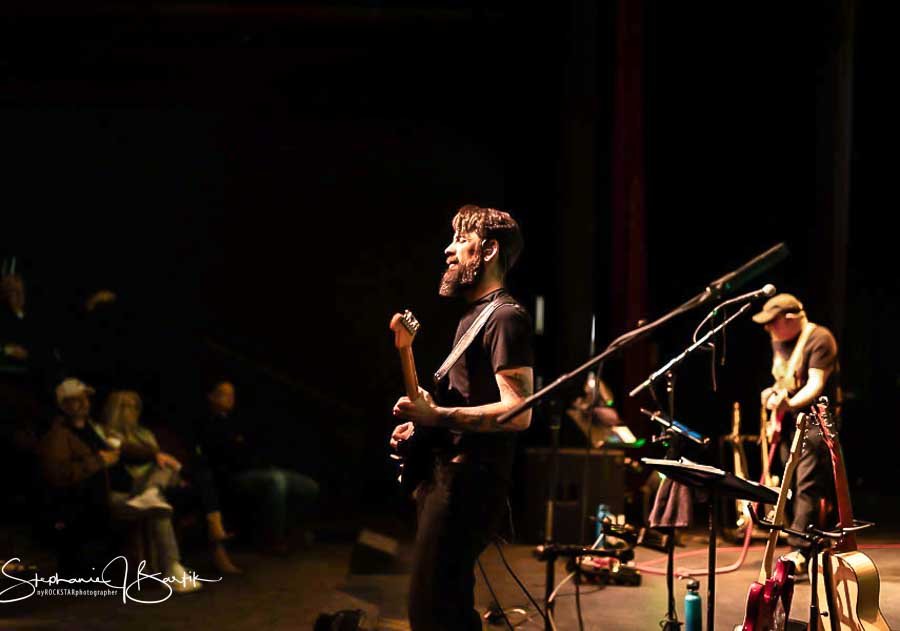
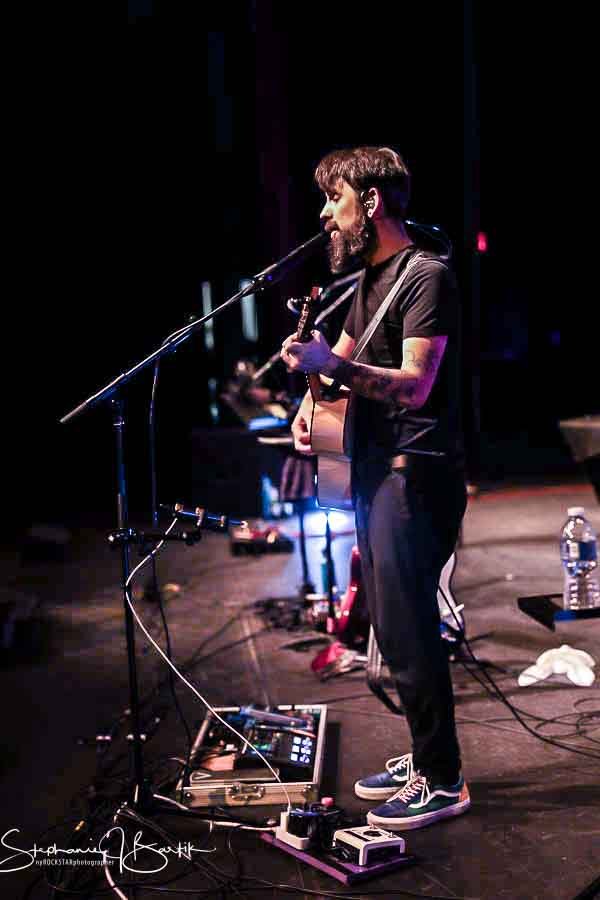
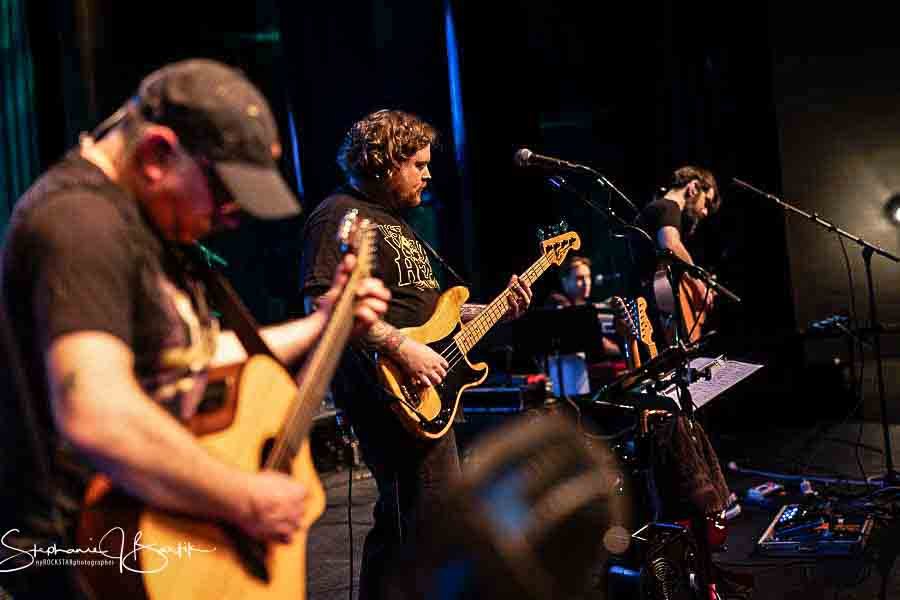
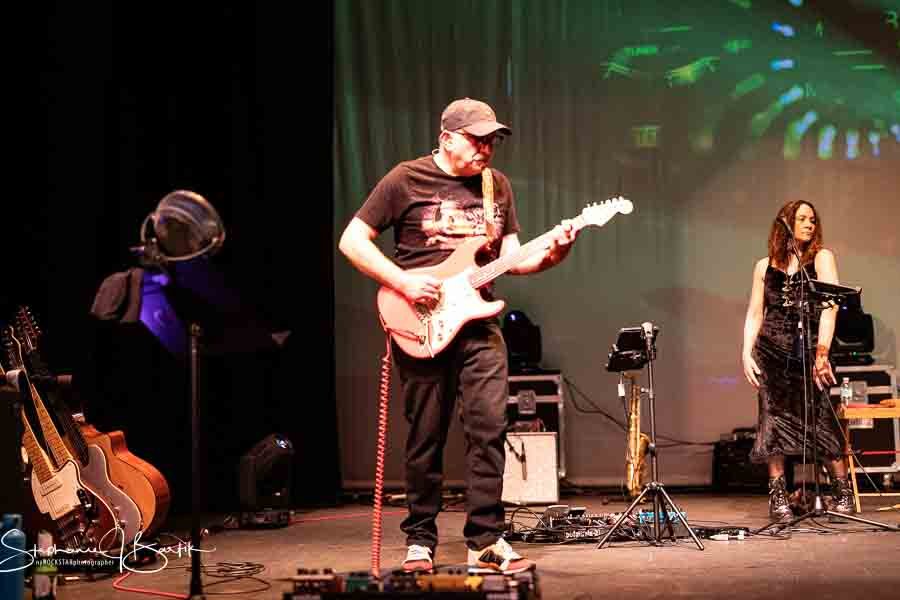
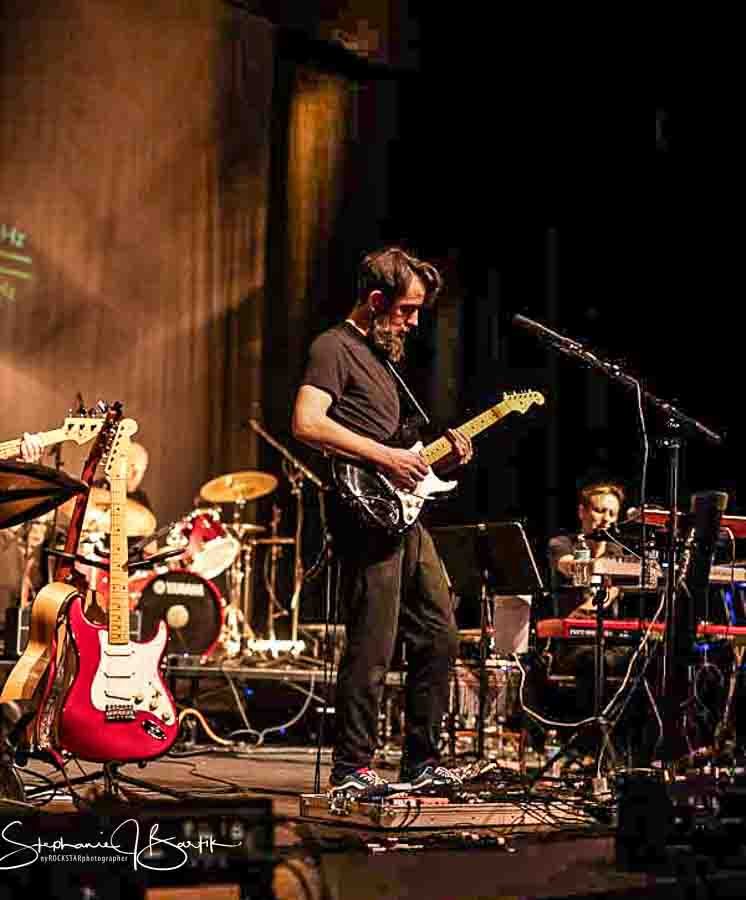
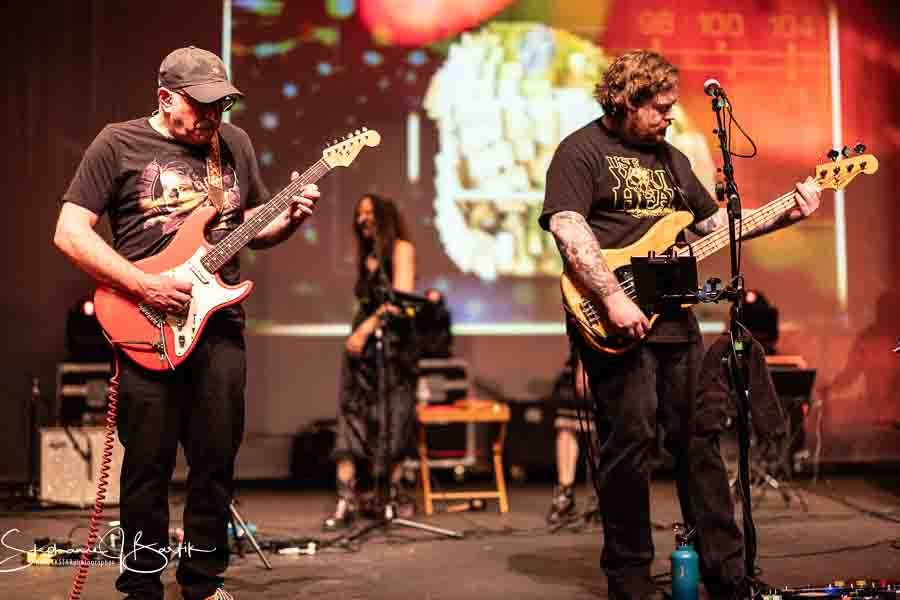
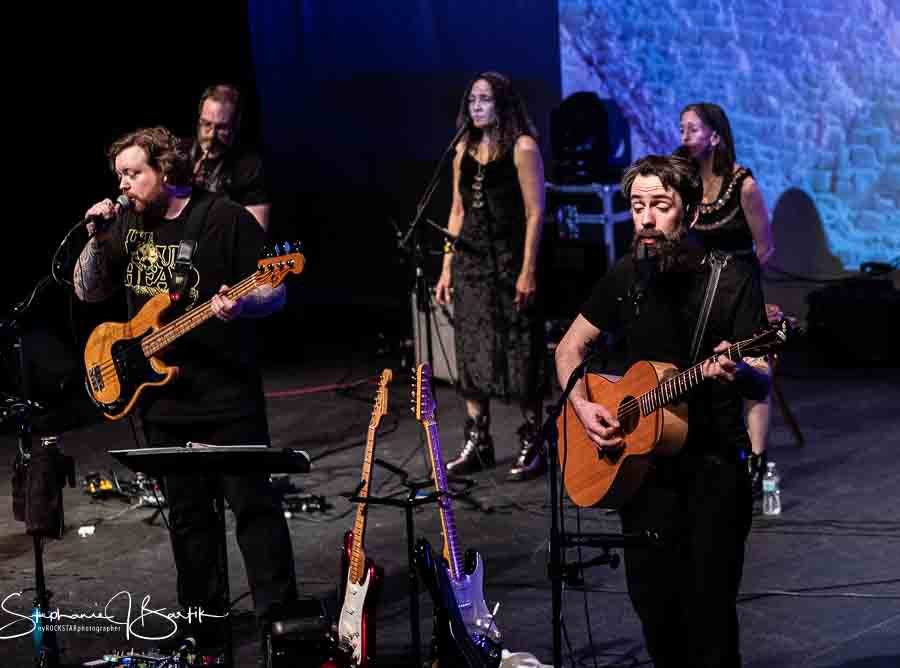
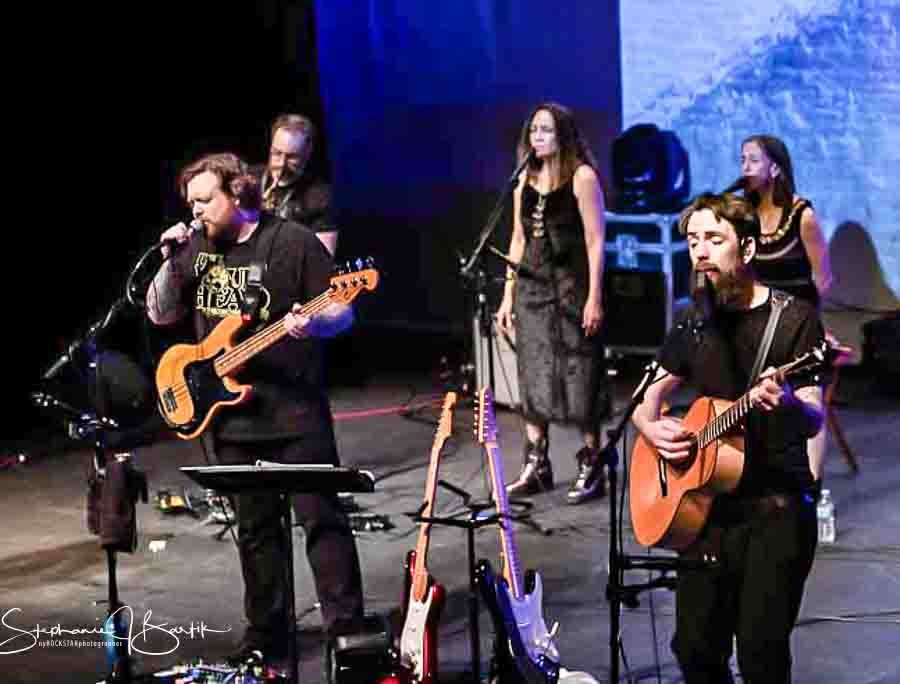
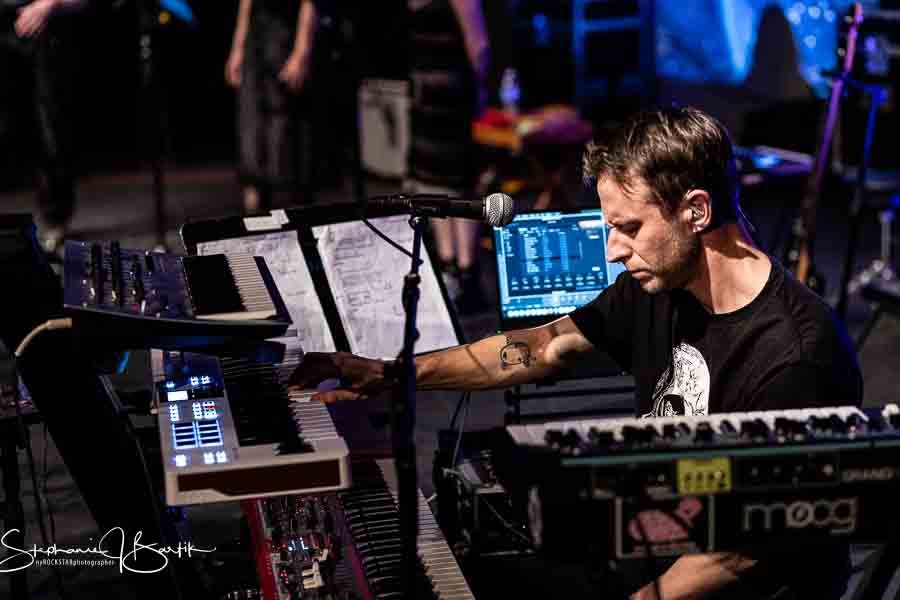
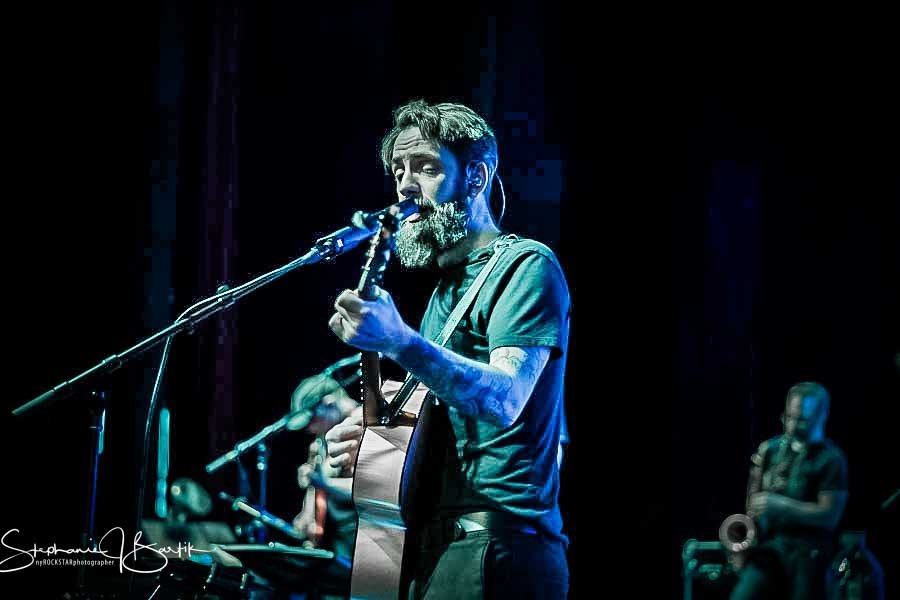
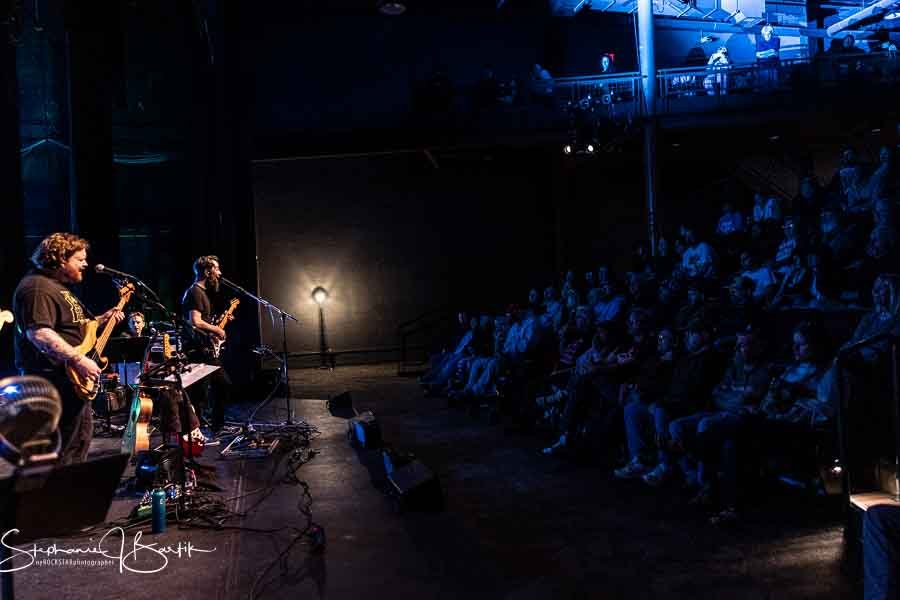
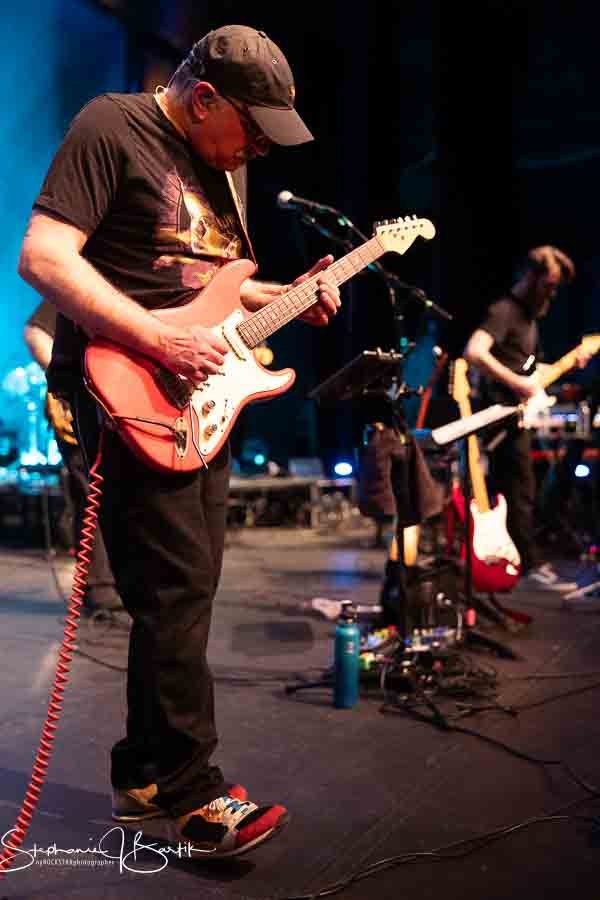
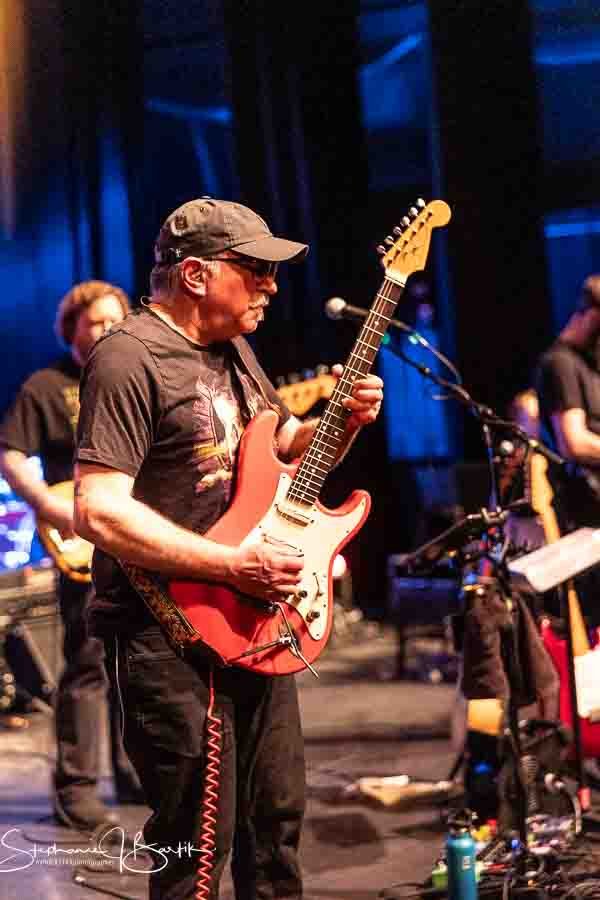
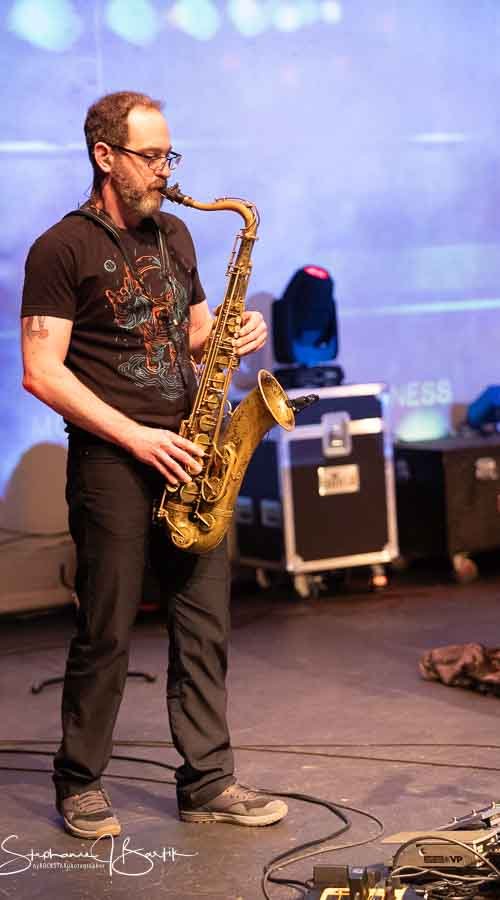
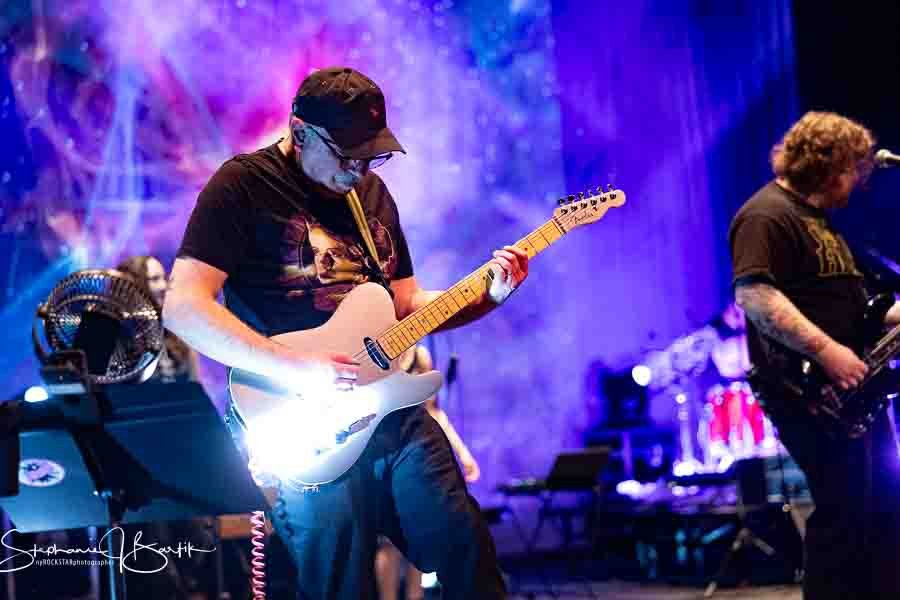
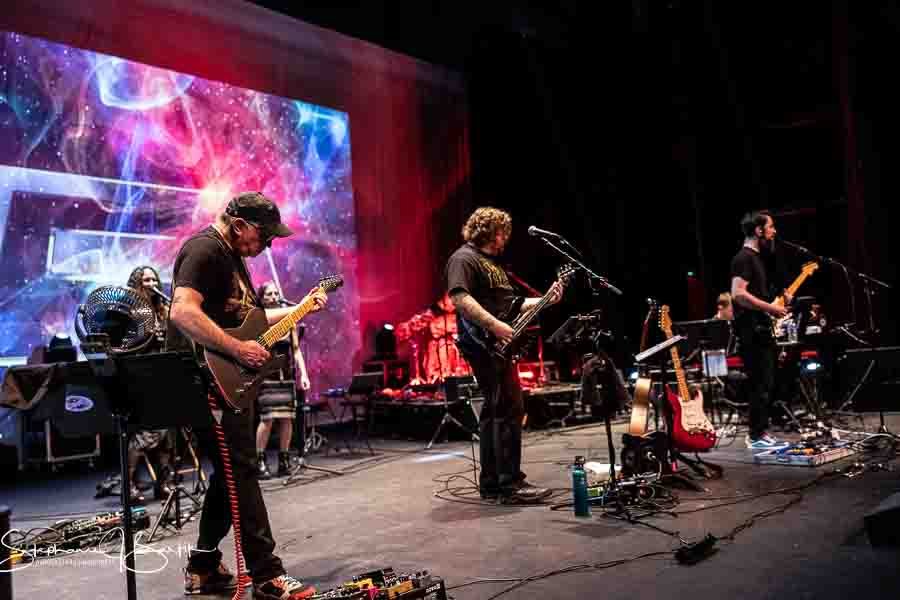
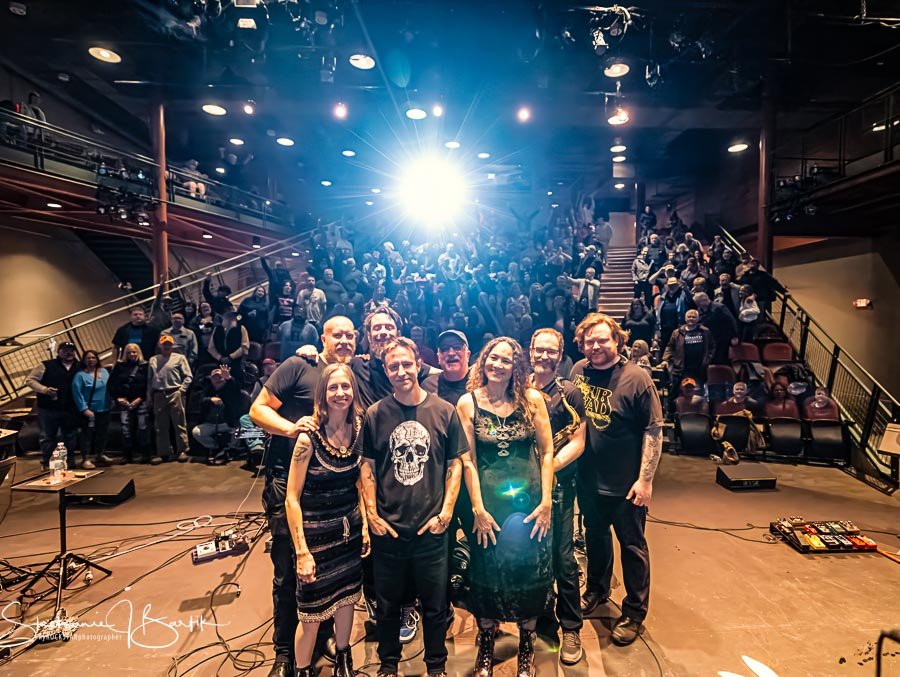
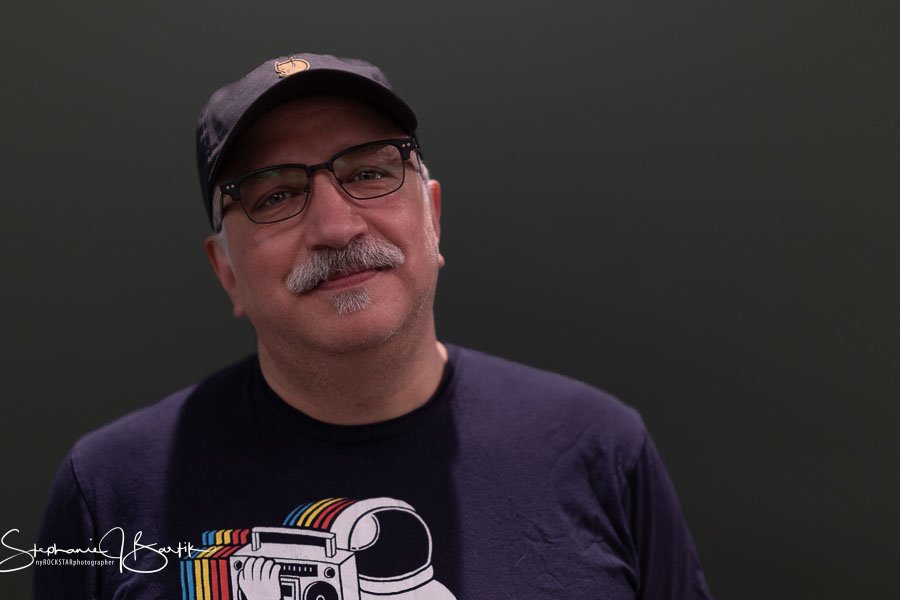
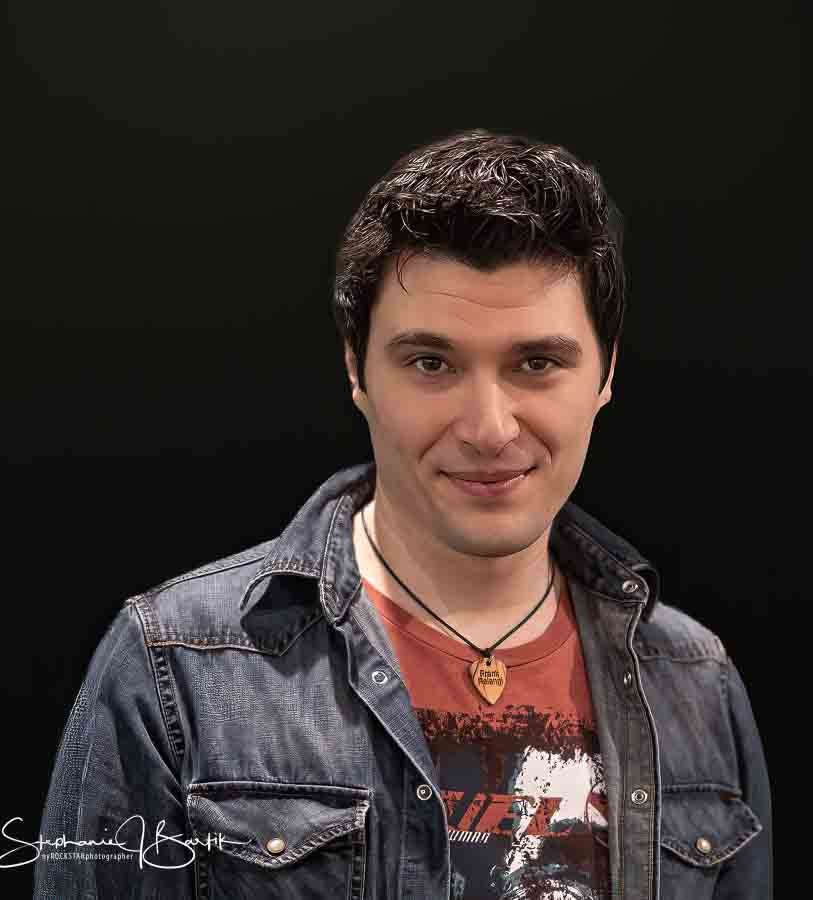
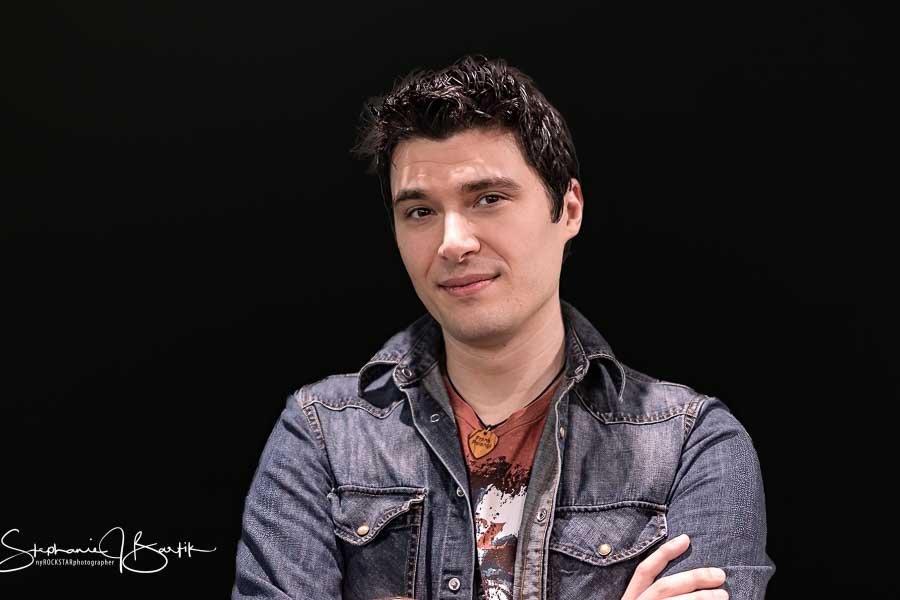
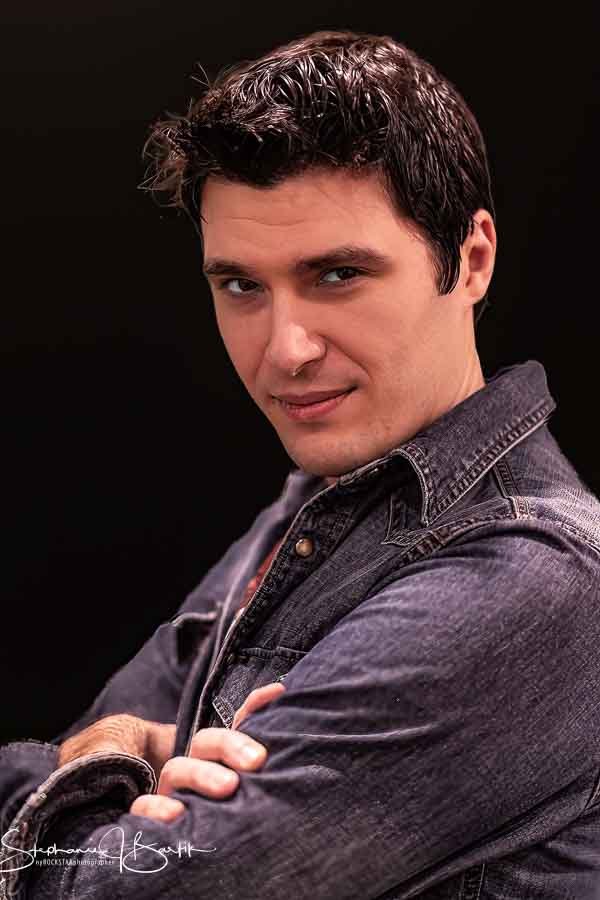
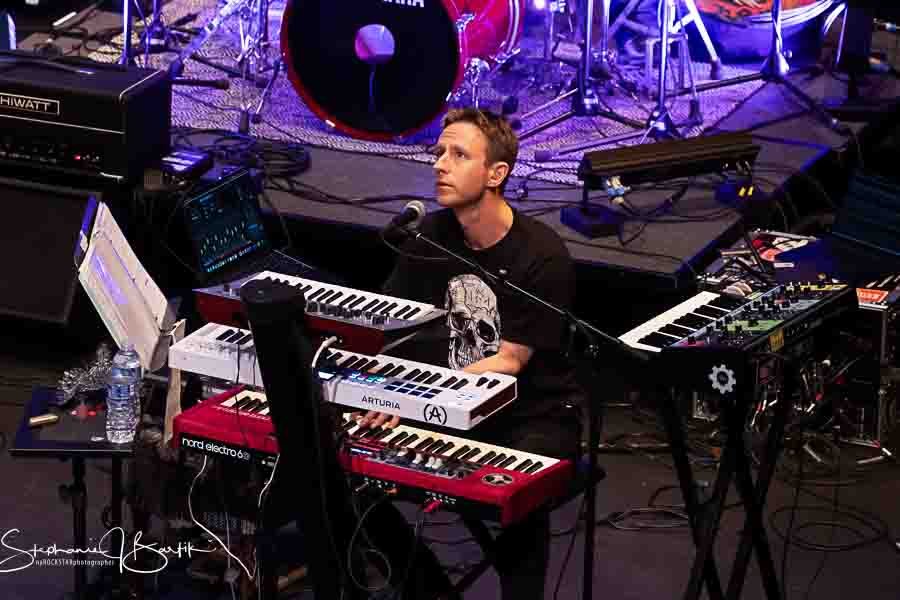
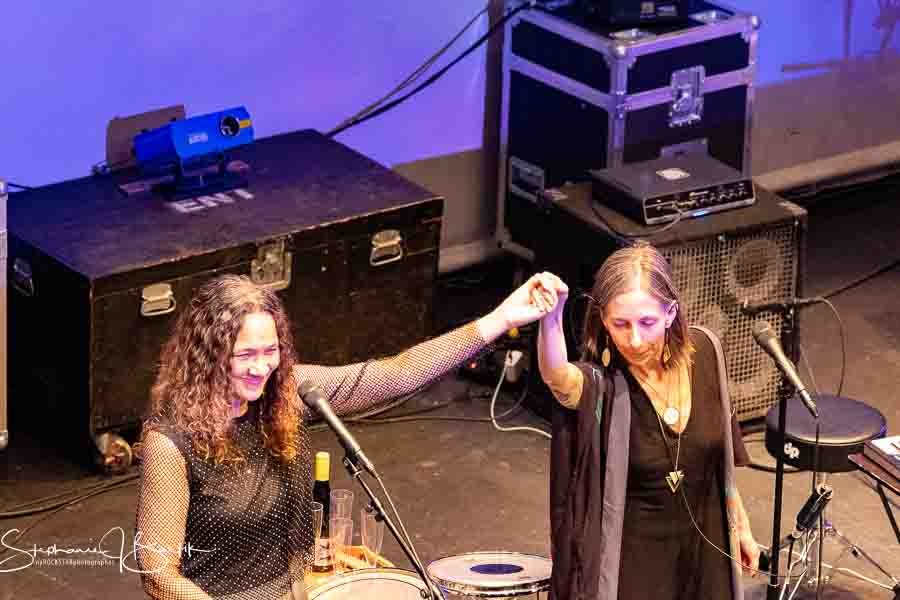
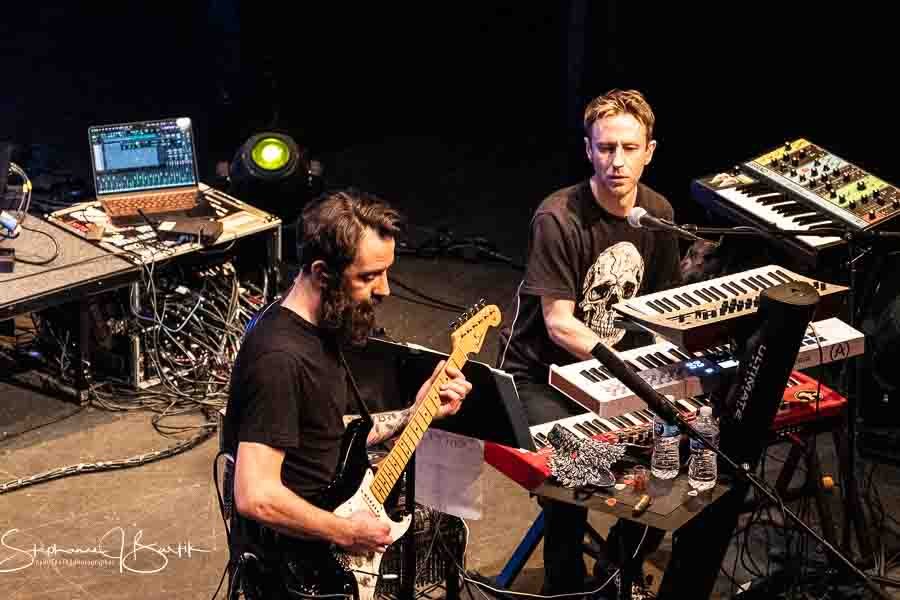
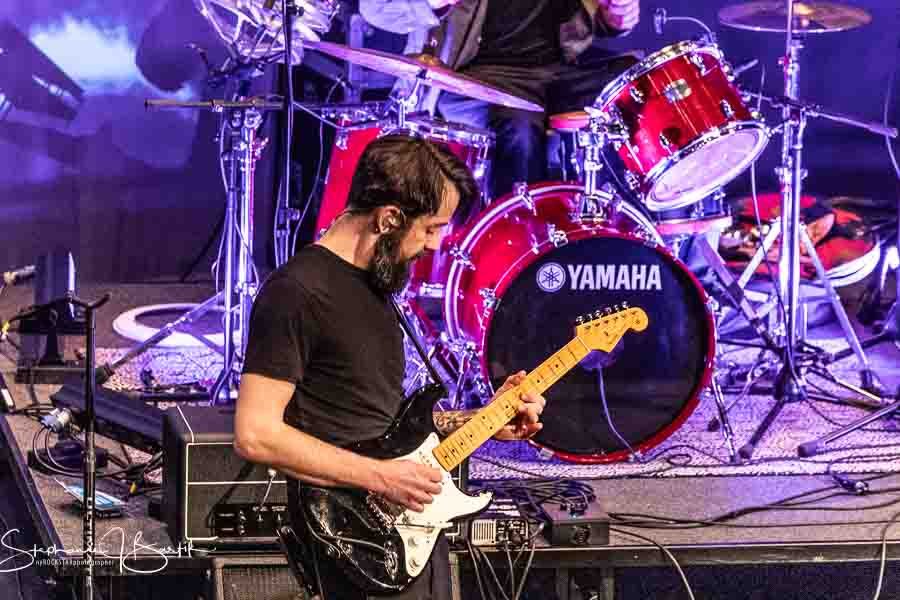
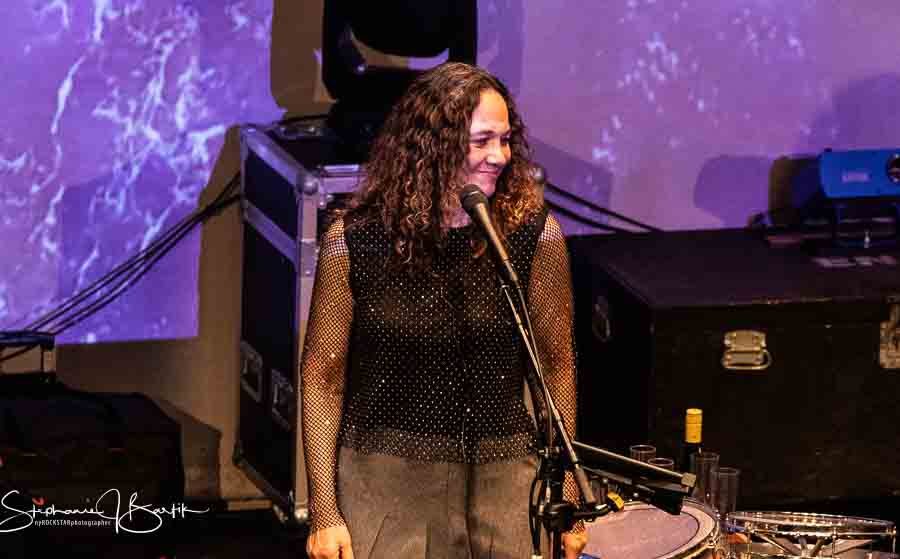
Saturday night saw the 11th edition of the Dustin Mele Memorial Concert, held at Brown’s Revoultion Hall. Each year, this outstanding event brings together a who’s who of the local music scene. This year’s concert featured the music of Eric Clapton, performed by the likes of Bobby Vandetta, Super 400, the Rob Beaulieu Band, Nick Landess, Brad Hester, Joe Mele, and others. Most importantly, the proceeds benefited the American Foundation for Suicide Prevention (AFSP), the National Alliance on Mental Illness (NAMI), and the Catholic Charities CoNSERNS-U Program.
See some of the highlights captured in our gallery below.
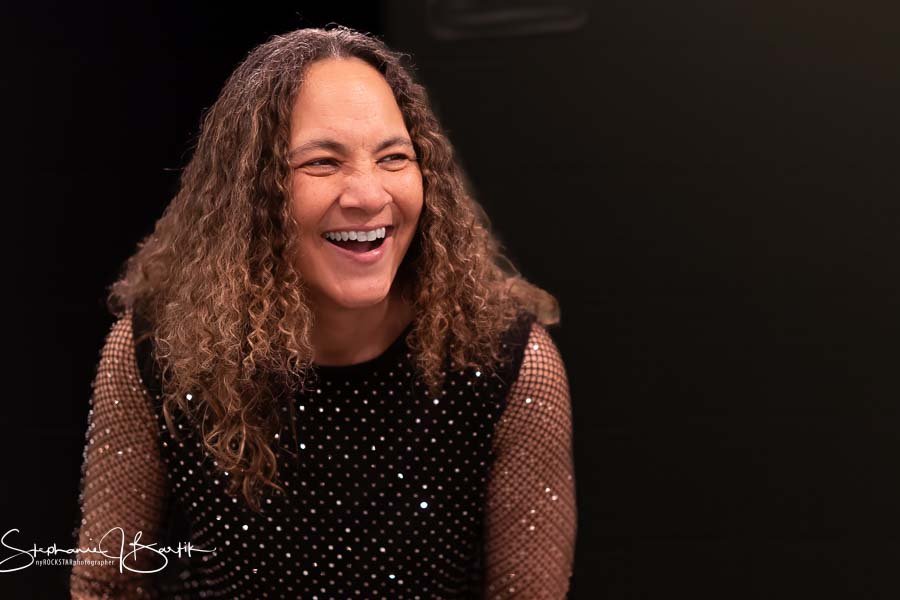
Photography by Stephanie J Bartik.
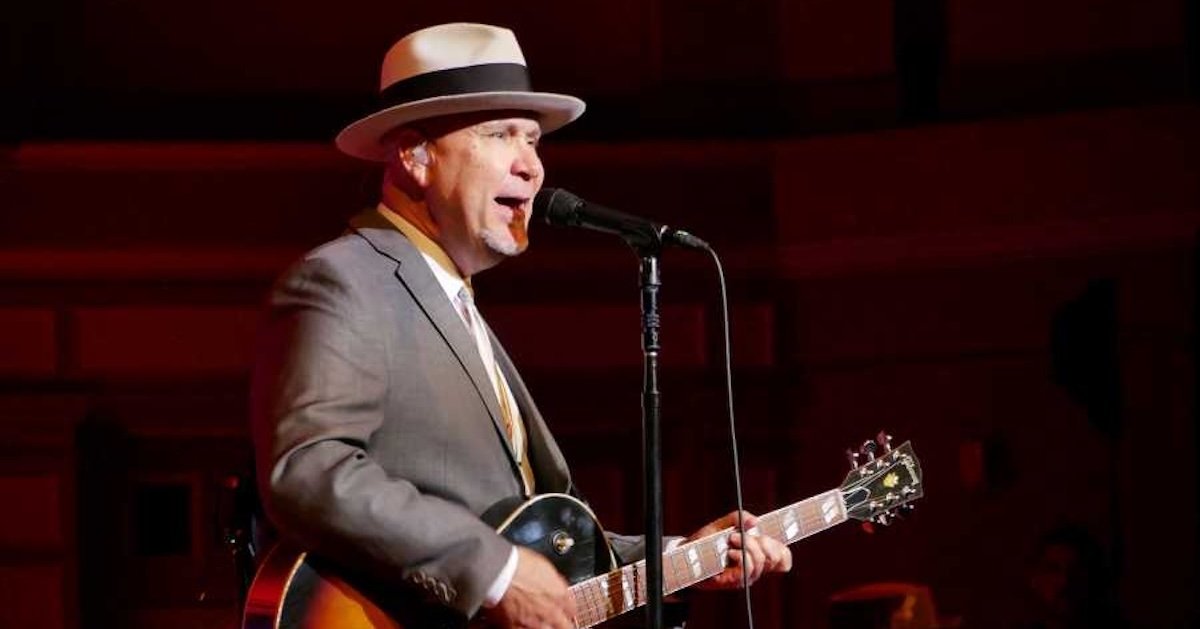
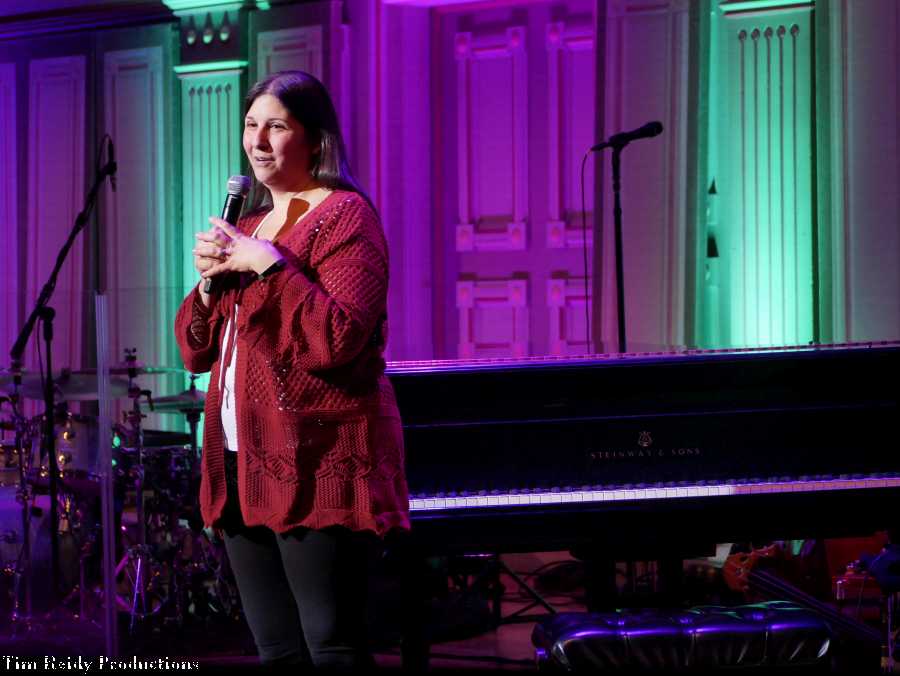
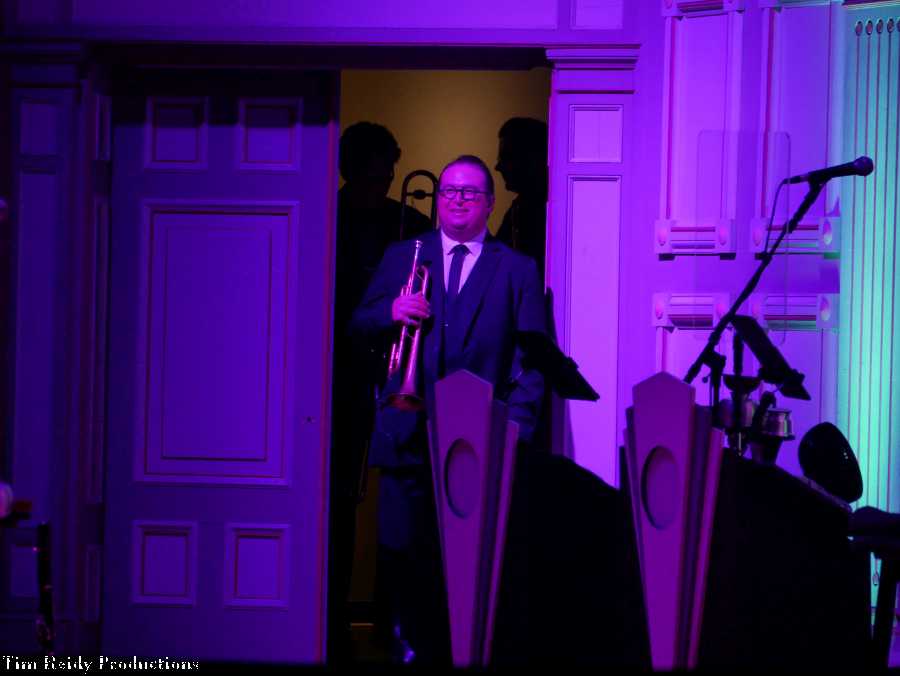
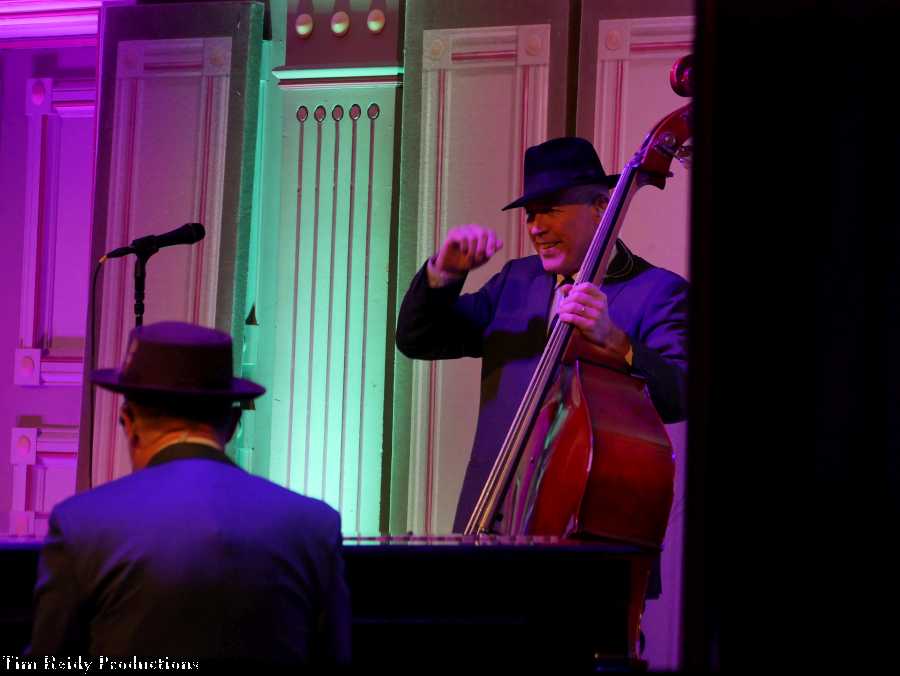
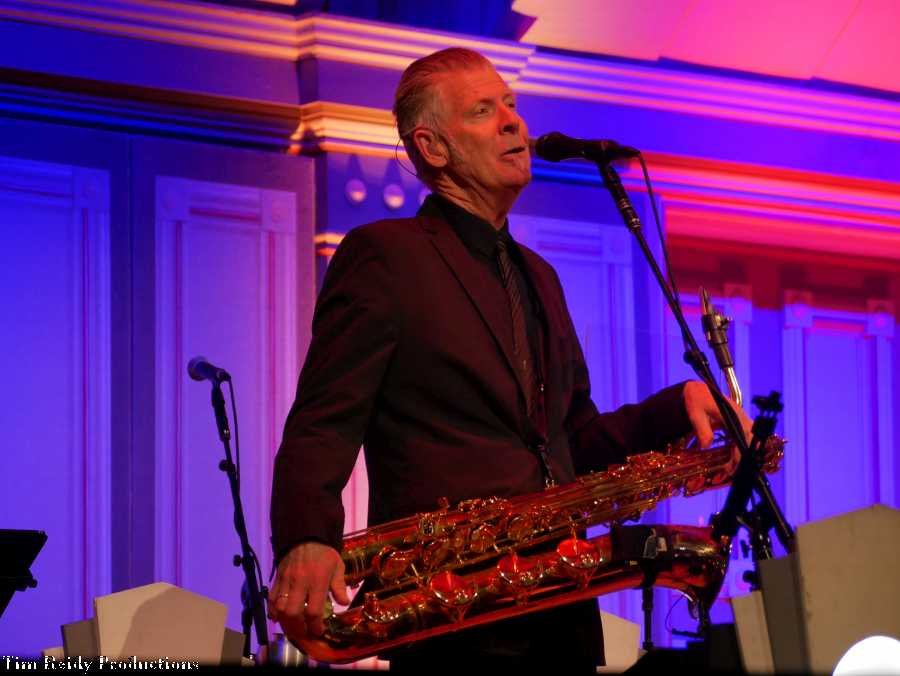
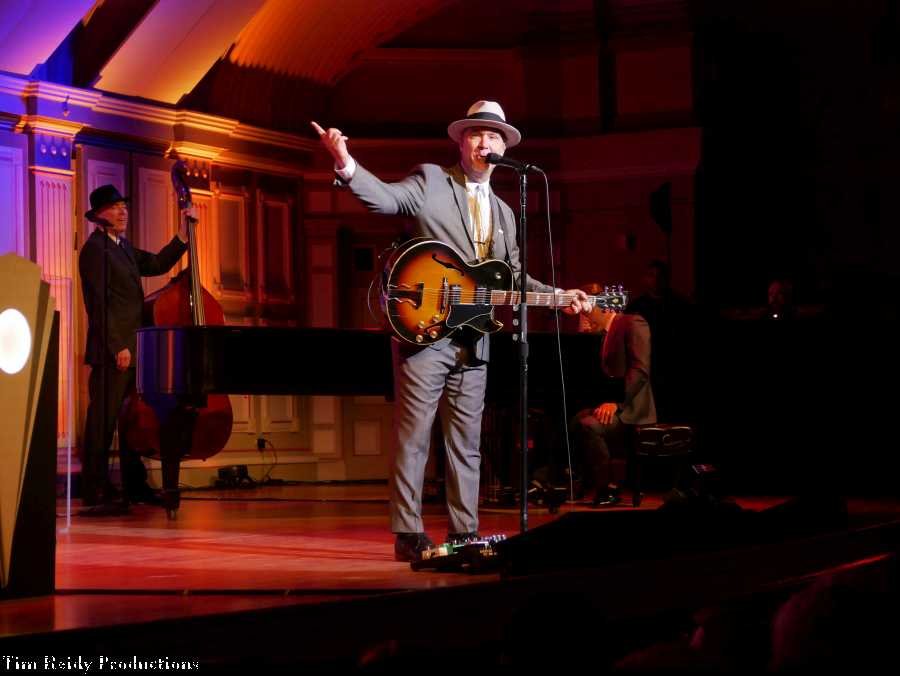
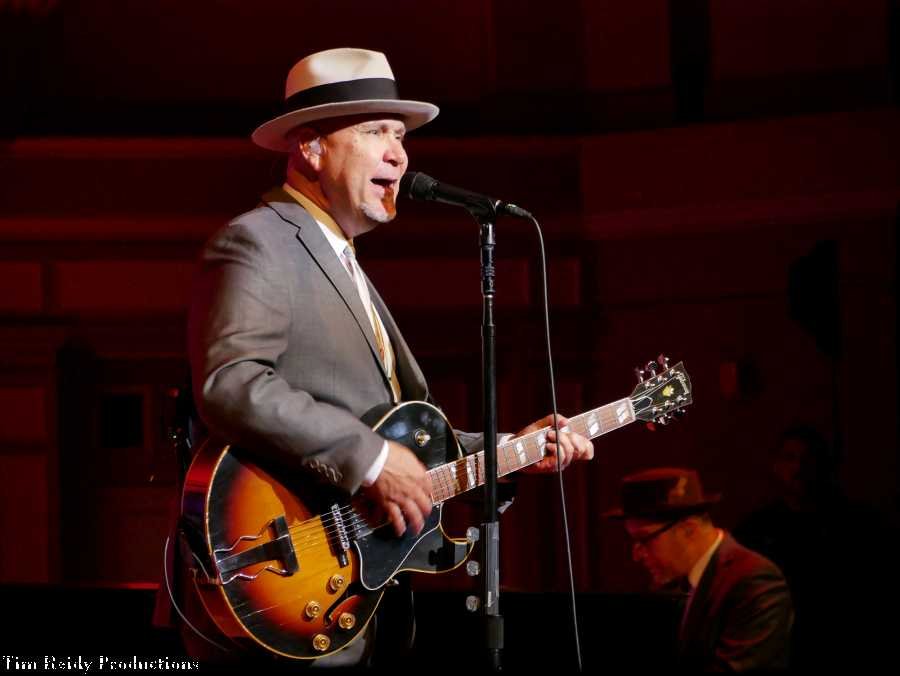
Big Bad Voodoo Daddy brought their swing with a lot of flair Wednesday night at Troy Saving Bank Music Hall.
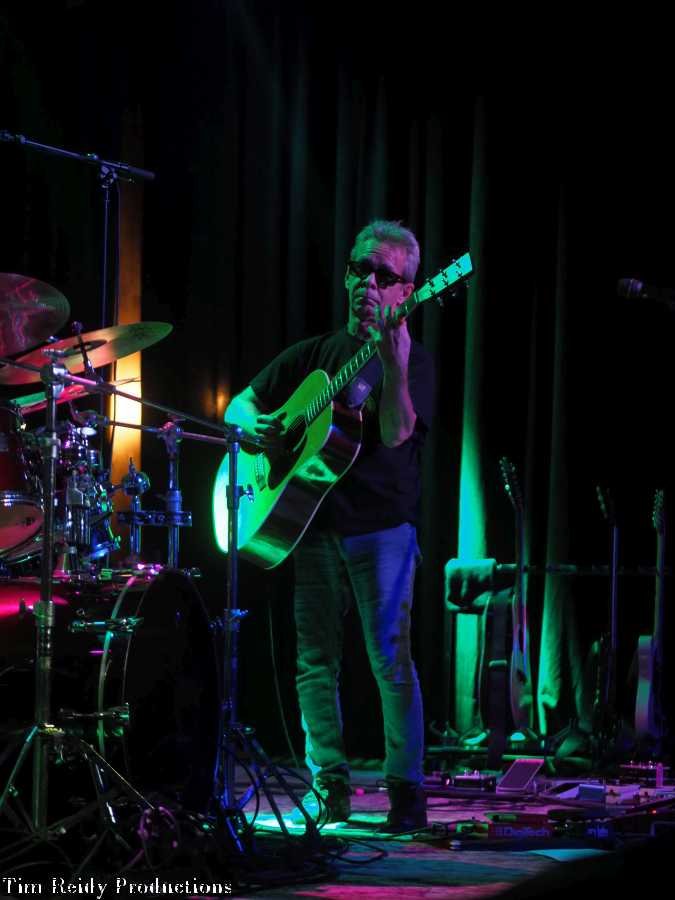
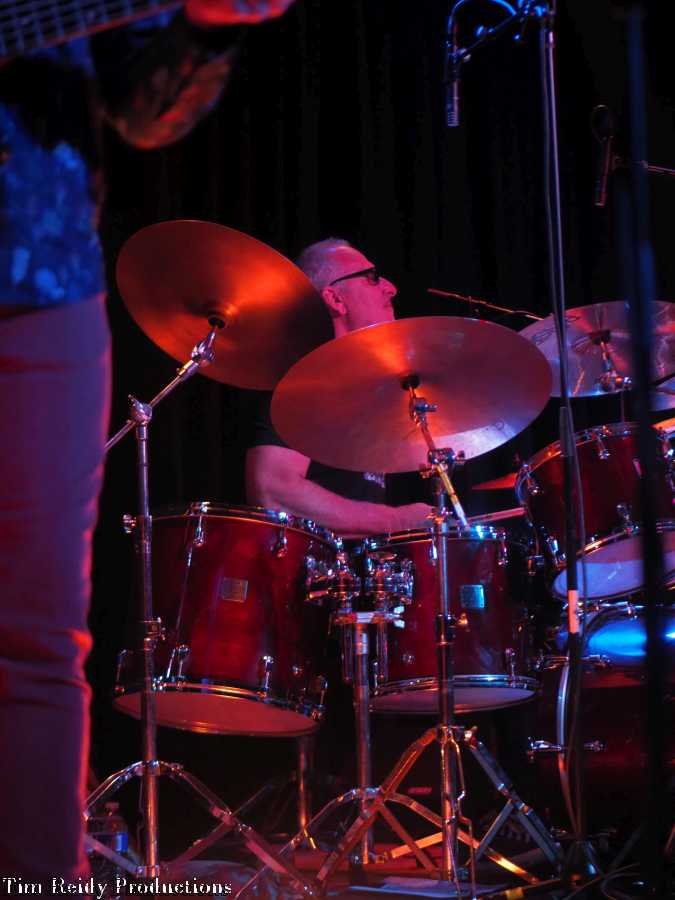
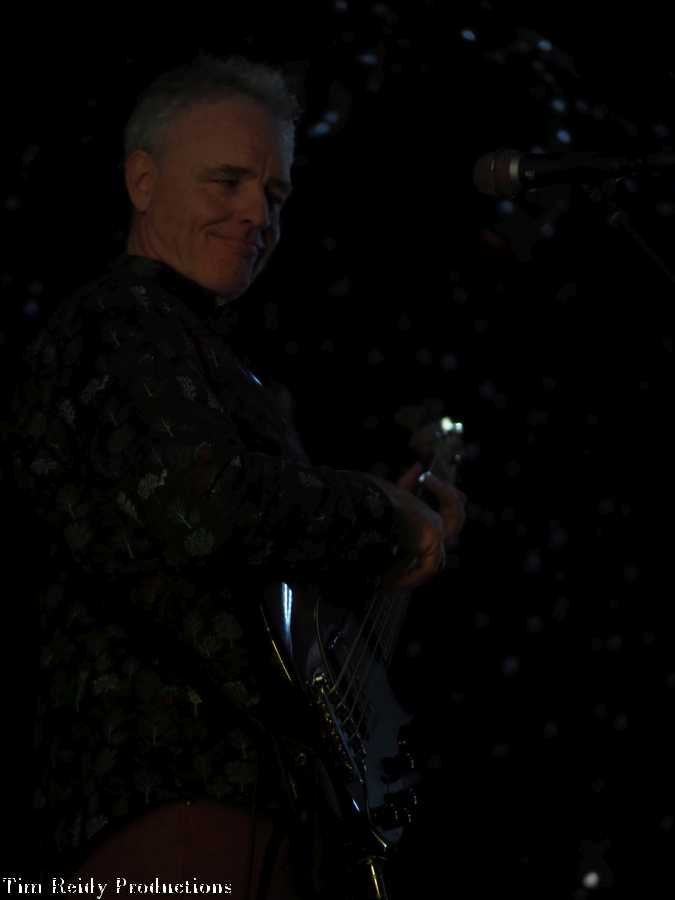
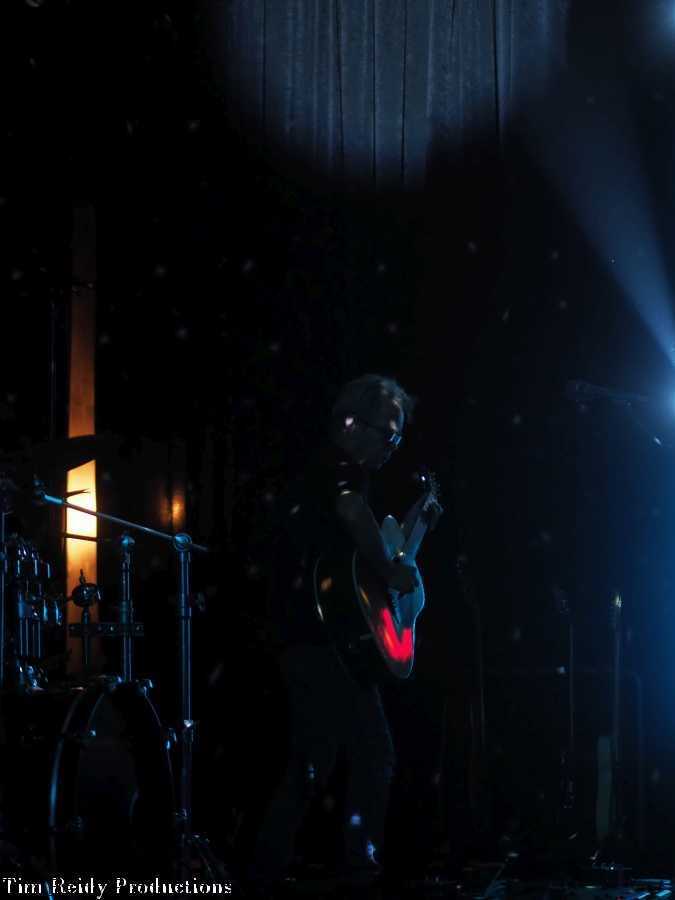
Photography by Timothy Reidy.
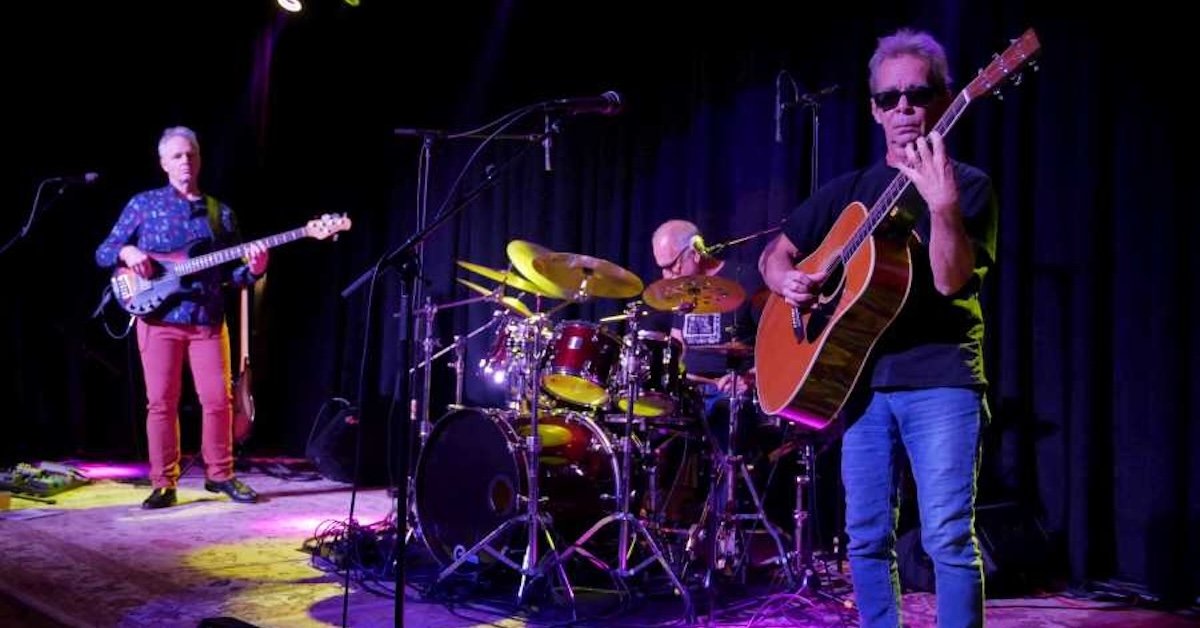
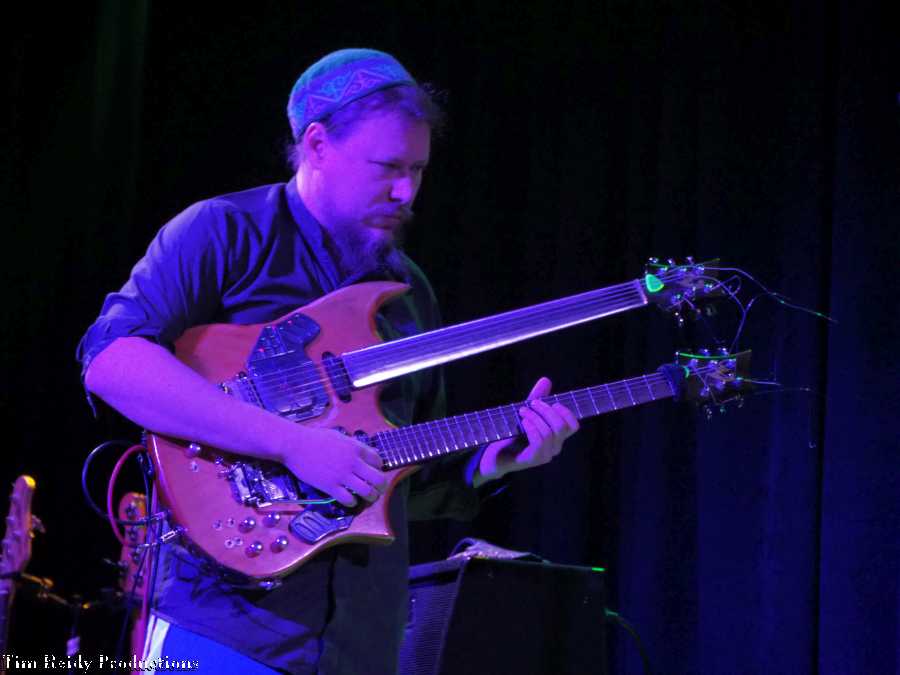
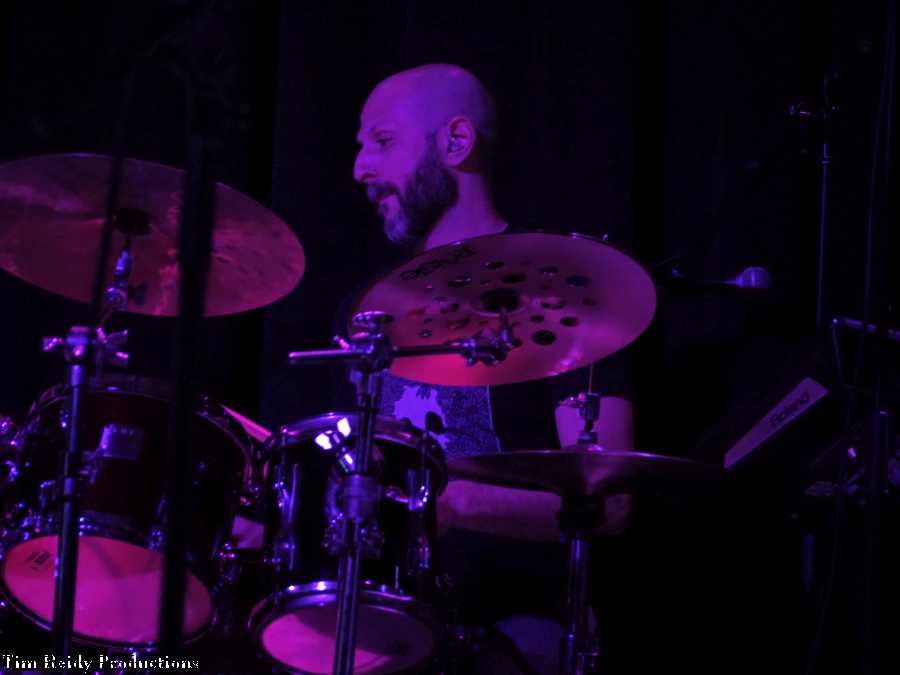
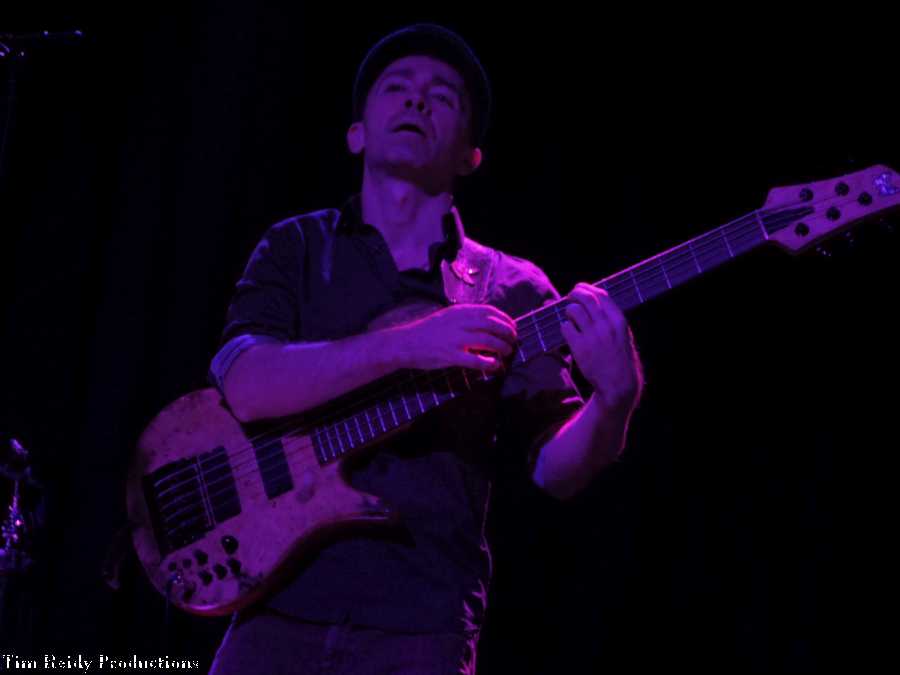
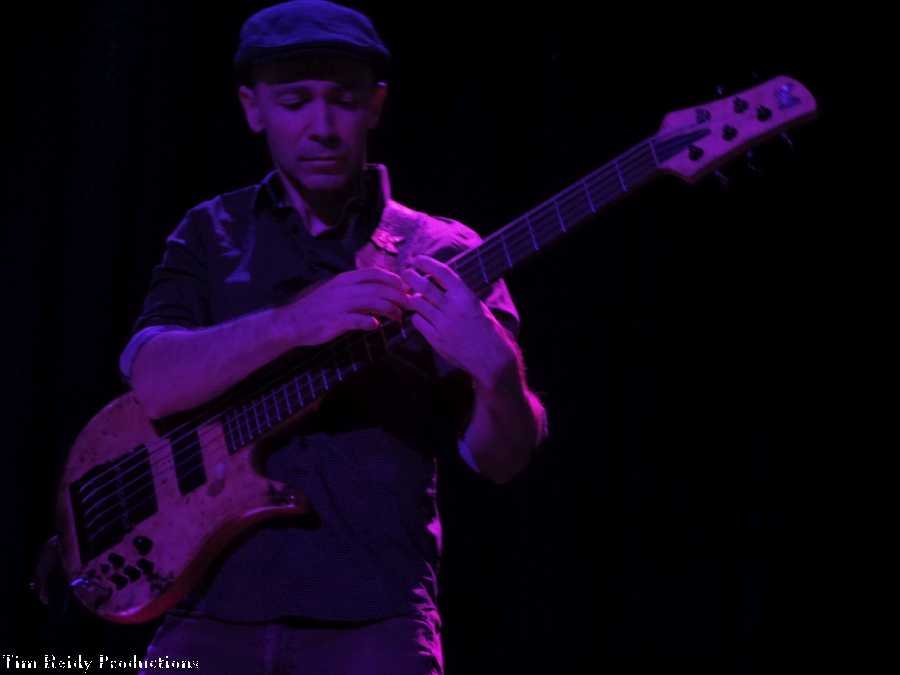
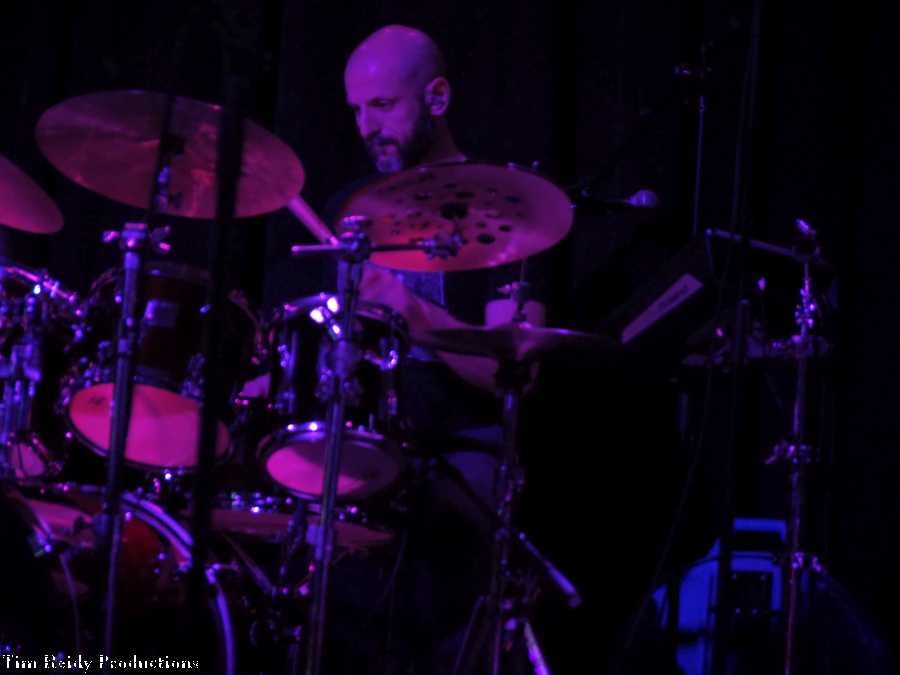
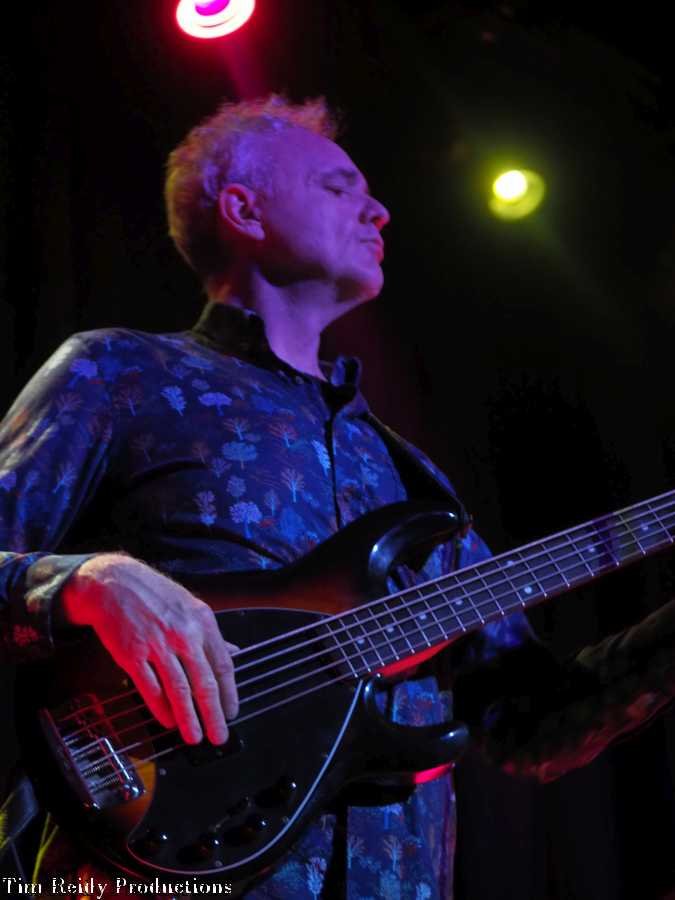
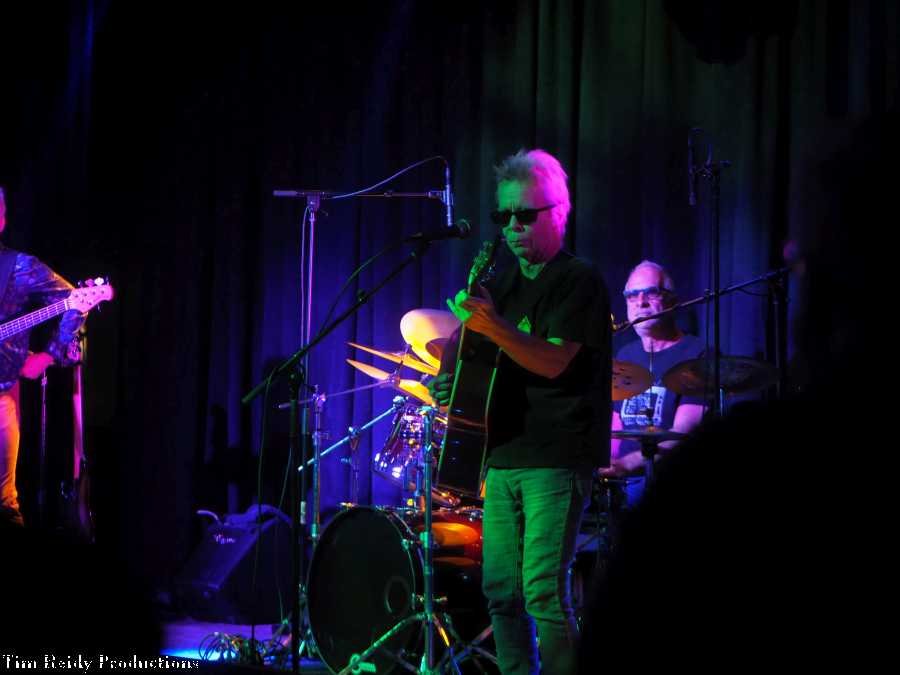
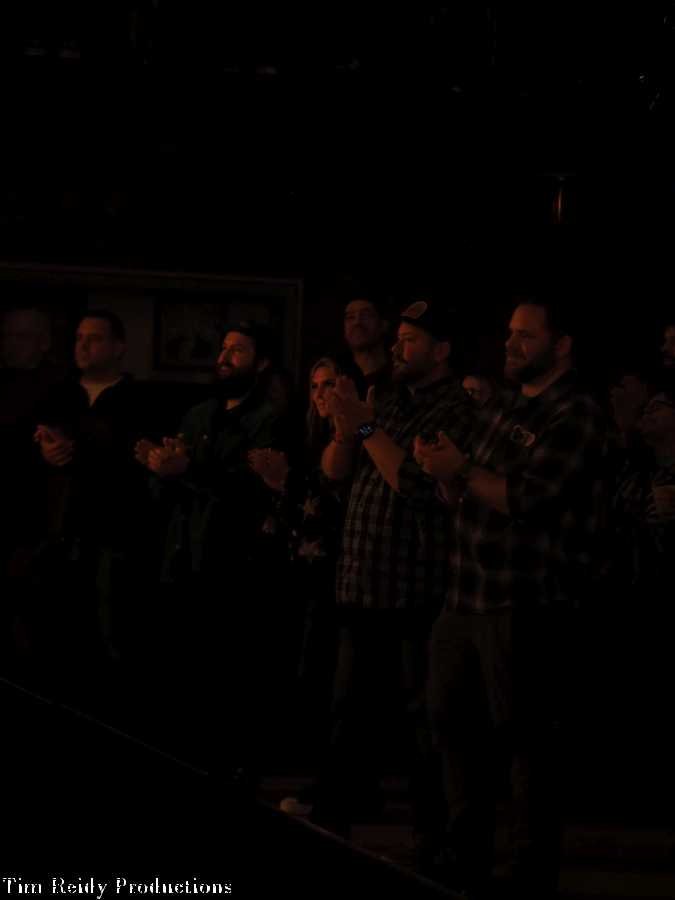
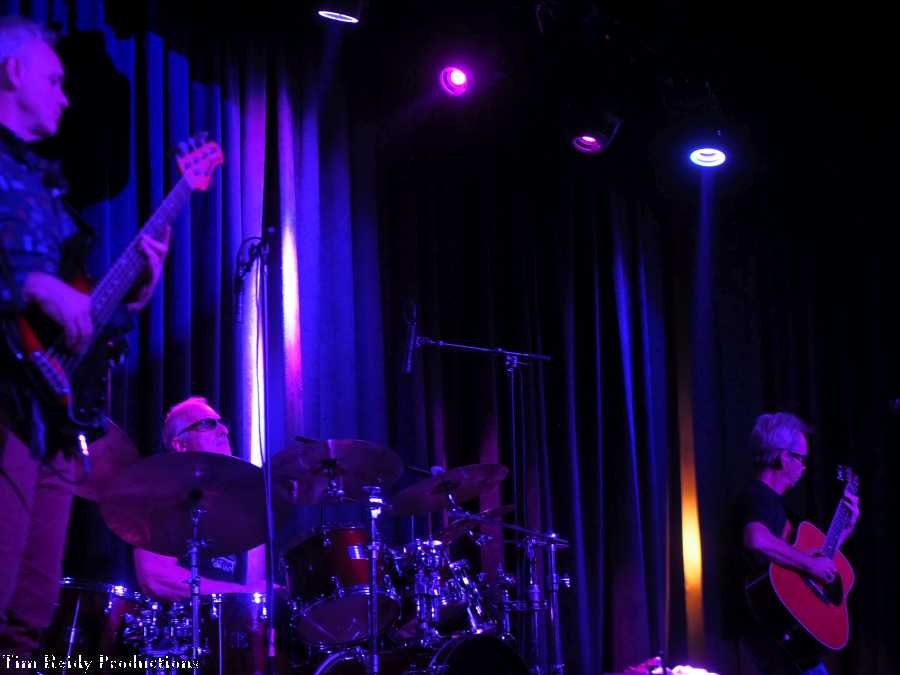
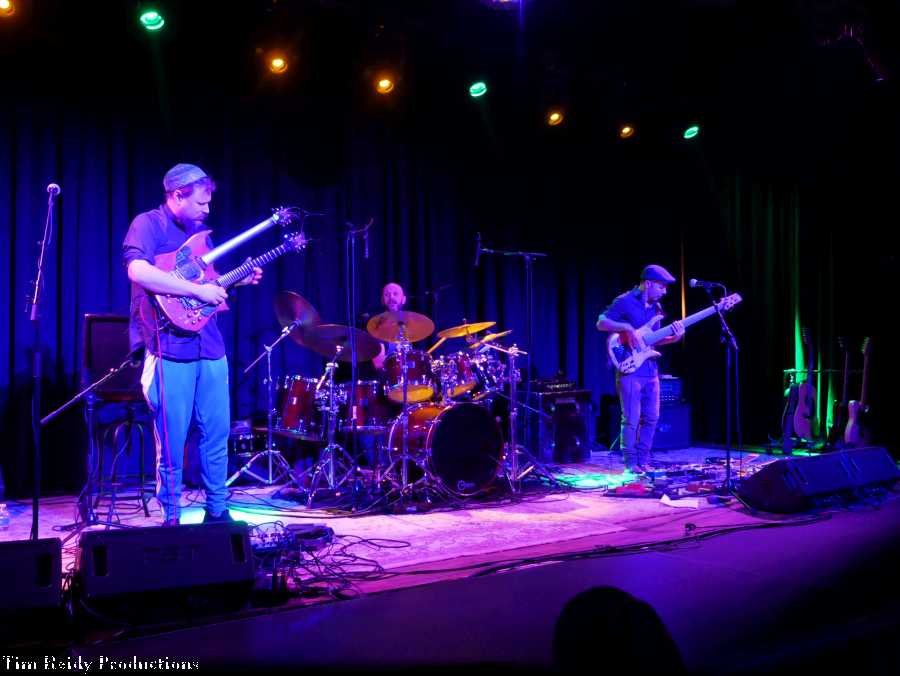
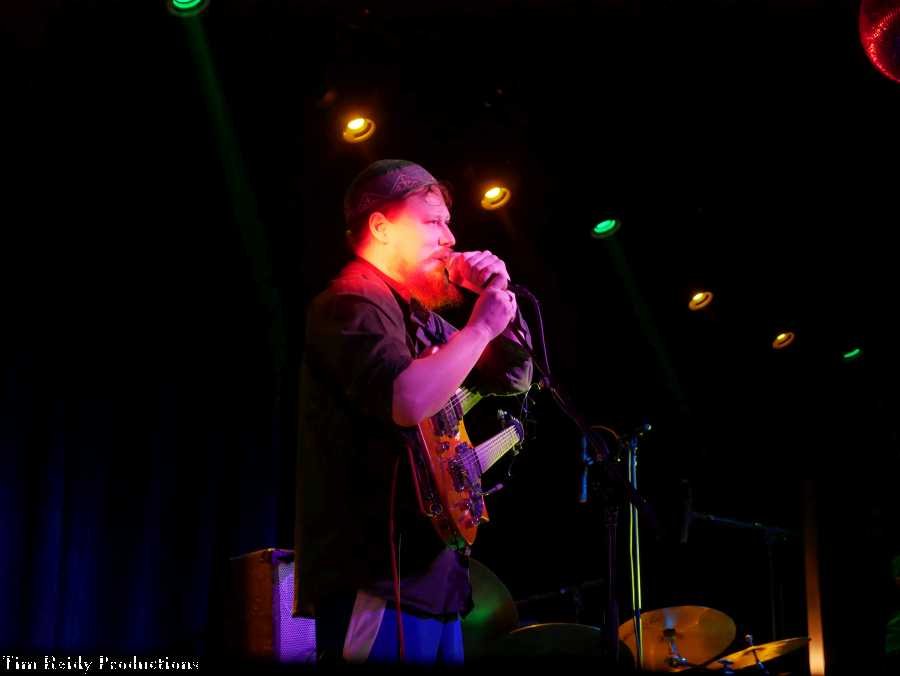
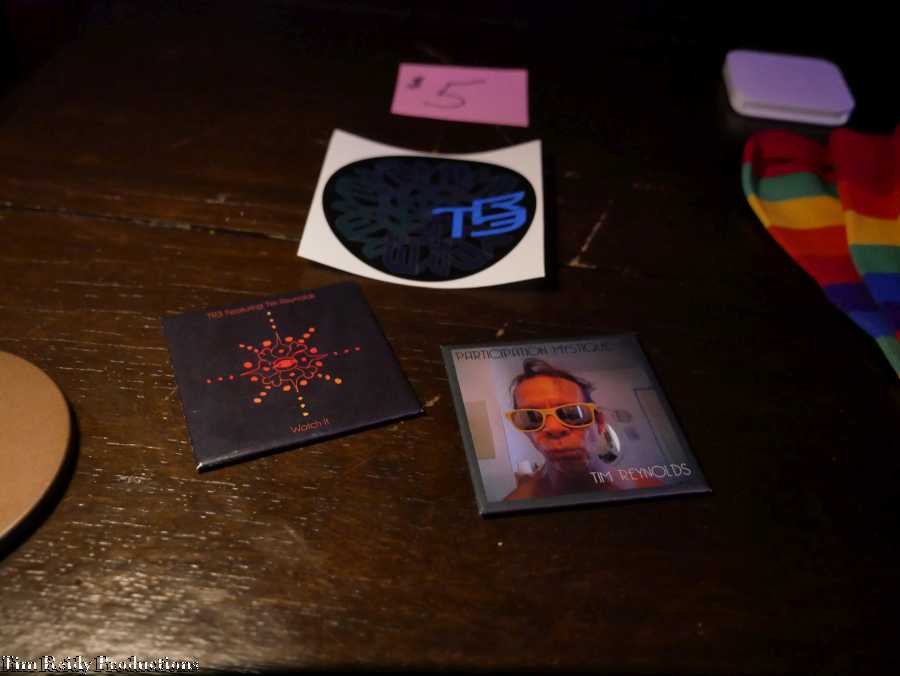
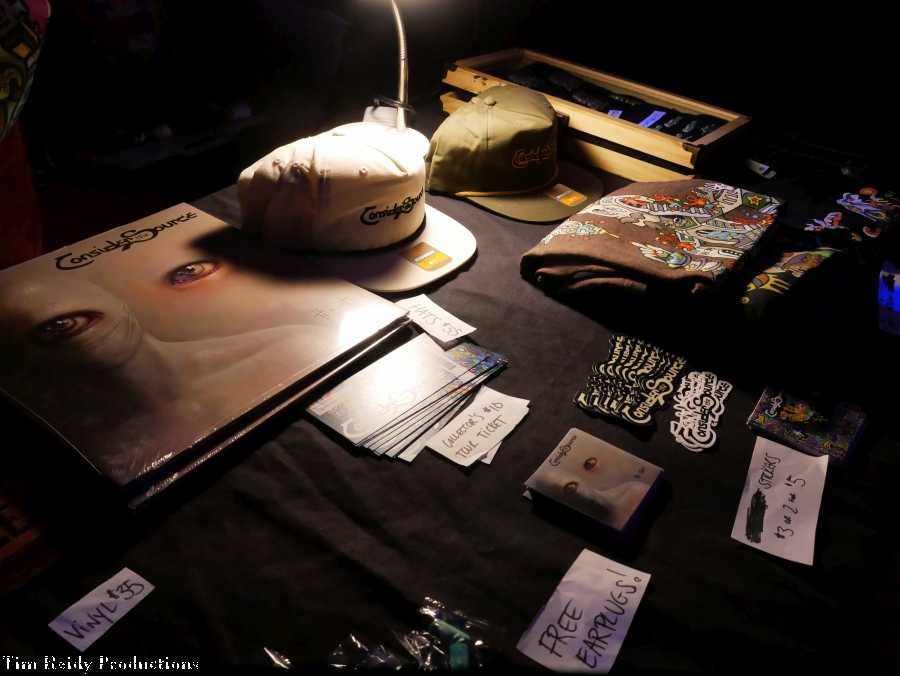
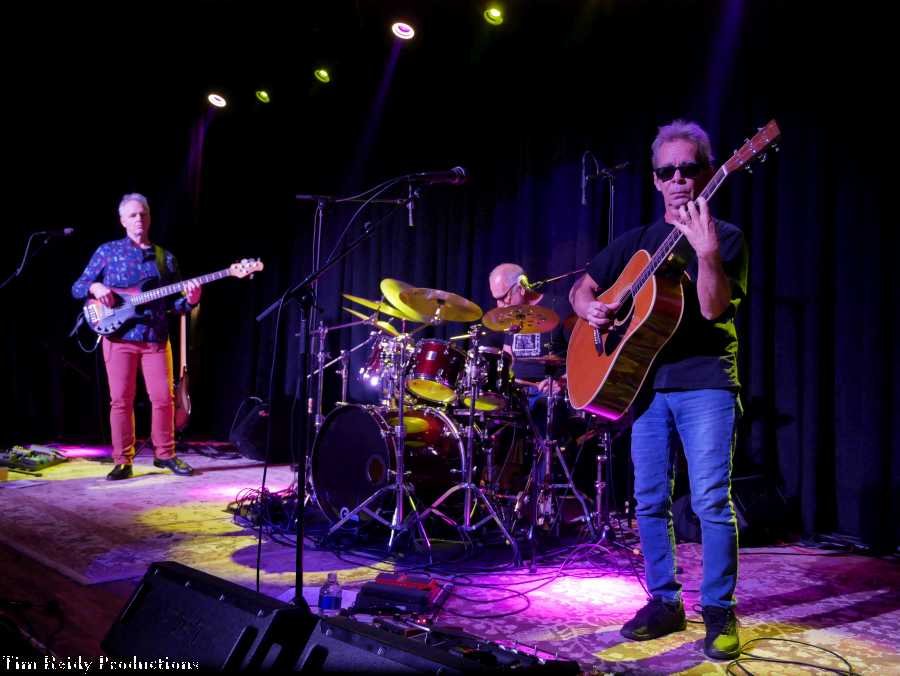
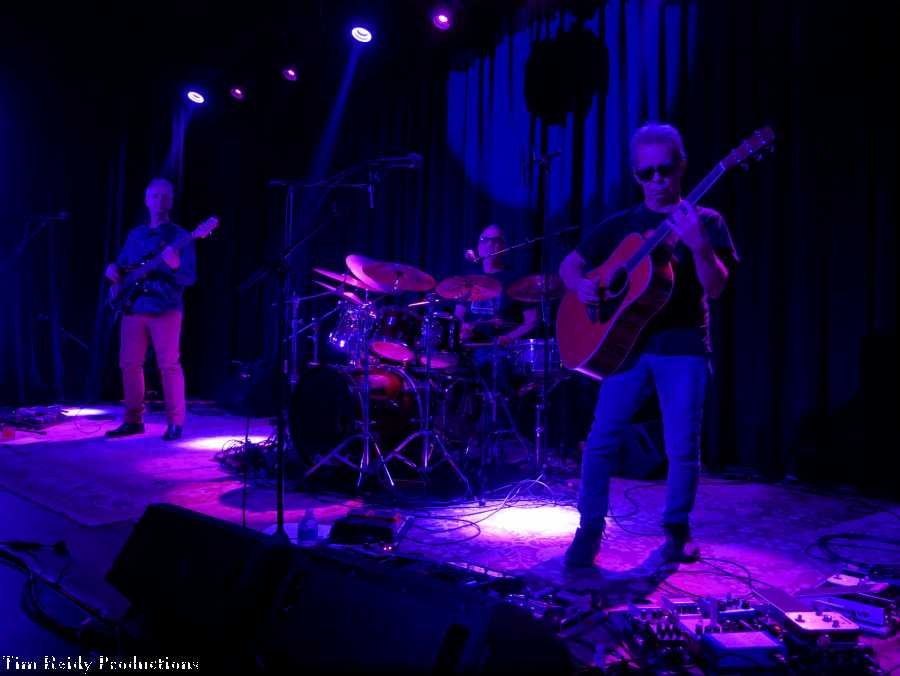
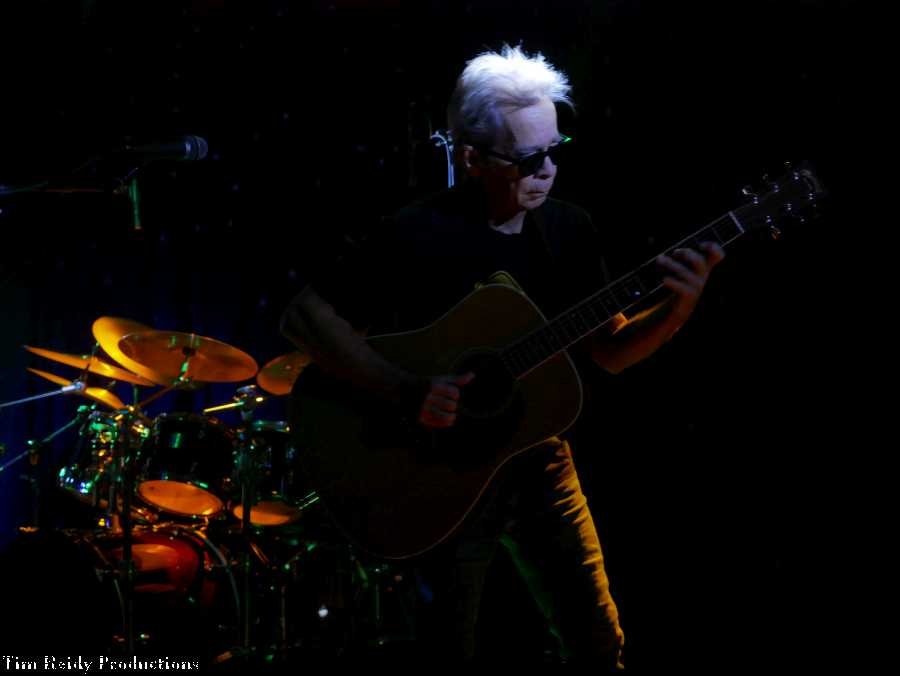
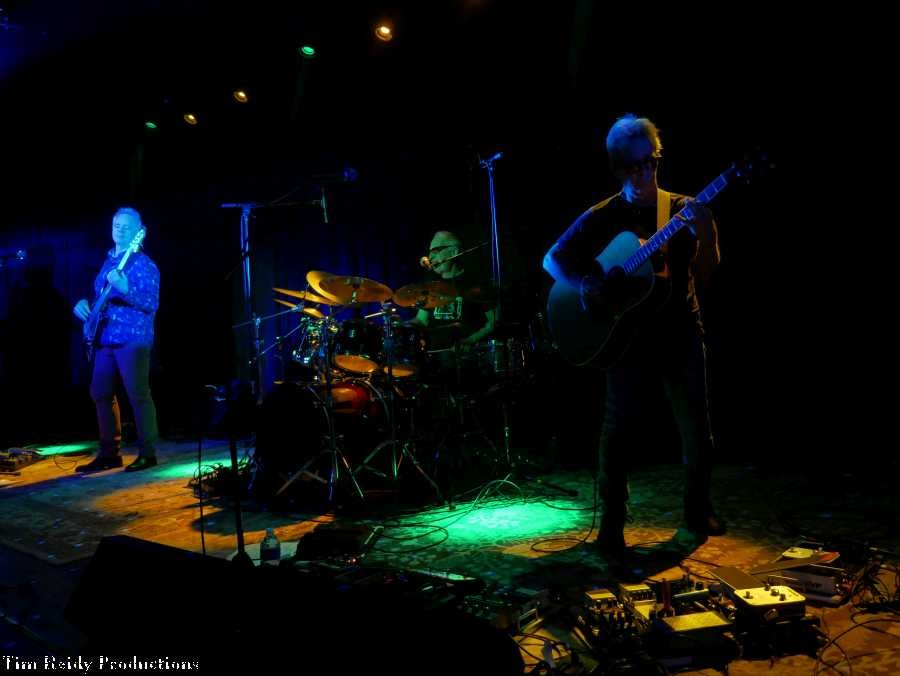
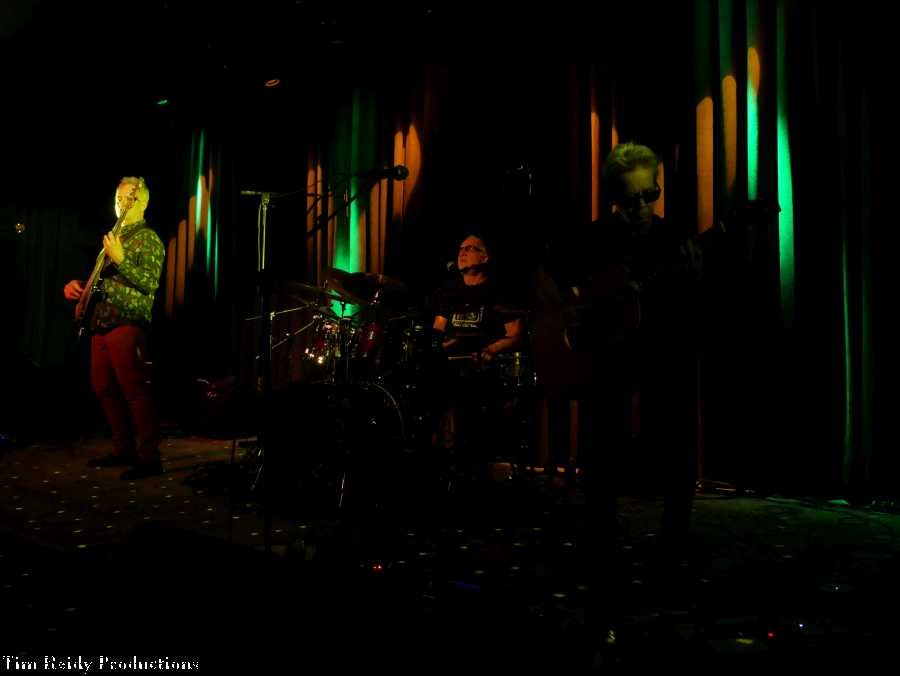
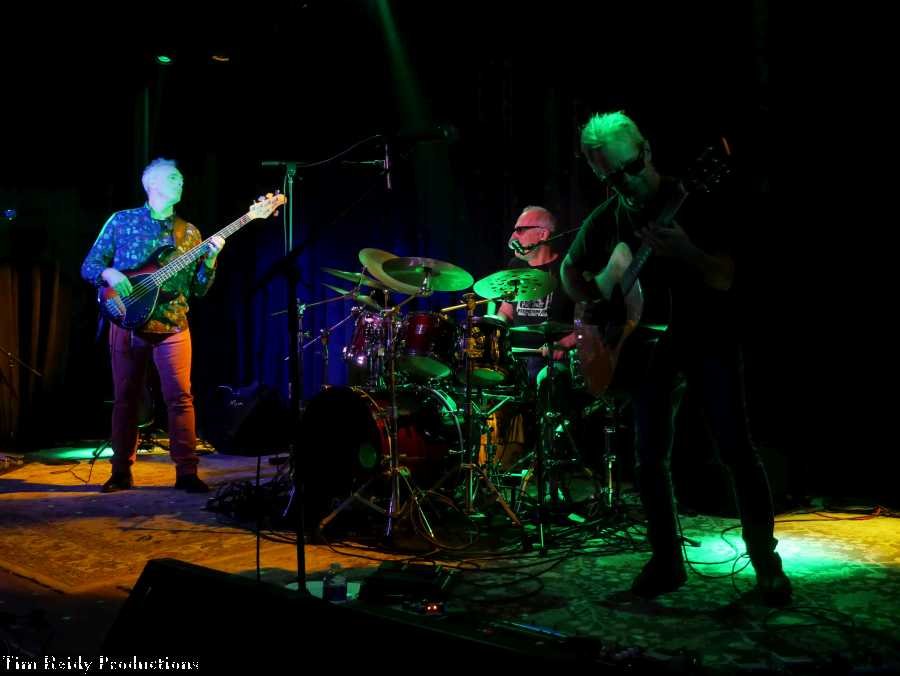
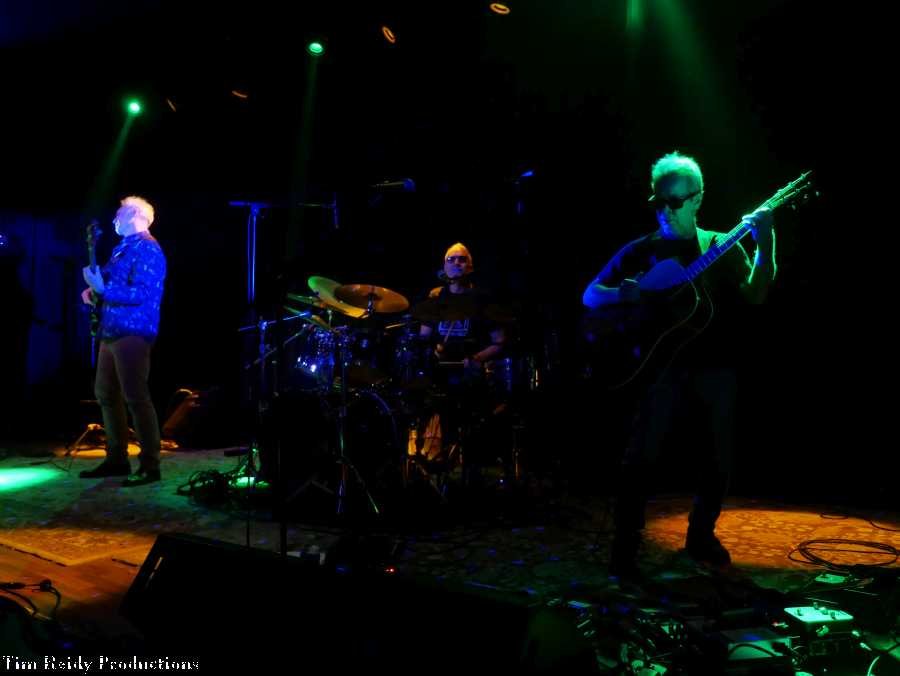
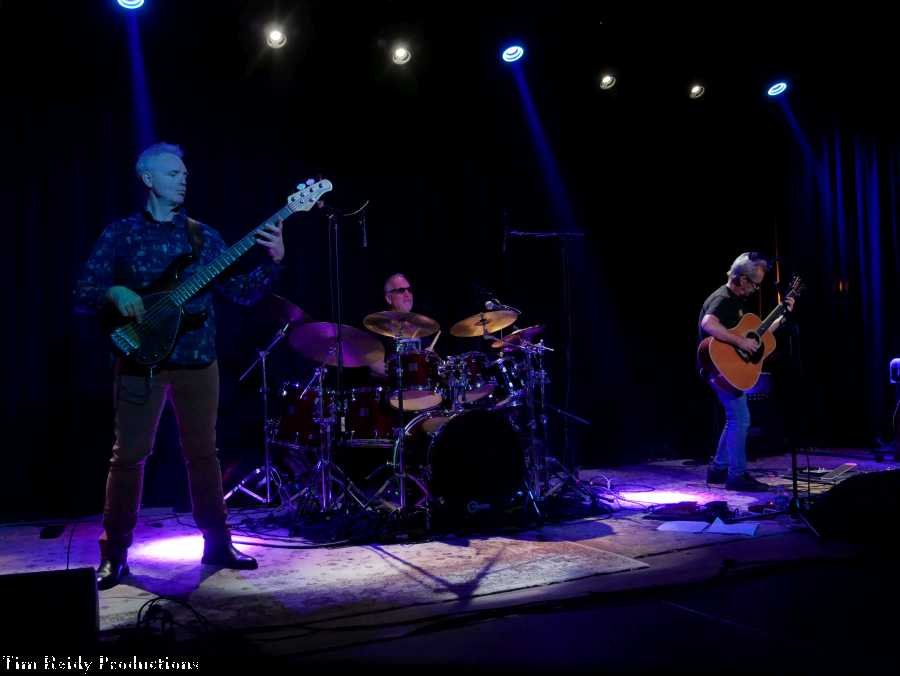
Tim Reynolds, renowned solo artist and lead guitarist for the Dave Matthews Band, brought his TR3 trio to Lark Hall on March 20. Consider the Source opened up the instrumental show.
Photography by Timothy Reidy.
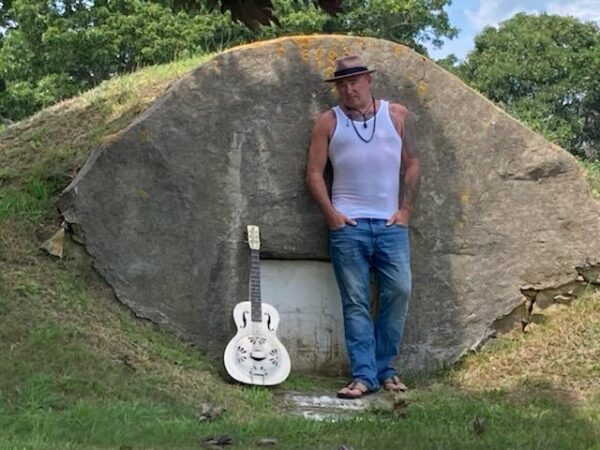
I’ve been seeing Kristian Montgomery posting a new song almost every week on the social media sites, and they are all pretty darn good. Hardship and survival, life and love, the visceral emotions of these experiences are heard through songs inspired by storytelling. I figured it would be good to learn more about what is sparking this rush of creativity.
RRX: You have a lot of stuff coming up this summer. You’ve been working on your album. You’ve got some great shows booked. Tell us what’s going on.
KM: June 28th is Rocking on the River opening for Neon Ave. And after that I’ve got a gig at Unihog in July 14th.
Hopefully my album will be done in time for August 5th. We’re playing at Pauly’s Hotel with two Boston bands I’m bringing in. The first one’s called No Detour. And the other band is called The Sleds, and they’re tearing it up in the Boston scene right now.
The singer for No Detour is this kid Jake, and the first thing that kid ever asked me in his entire life is, “Hey mister, can I ask your daughter out?” And he was really small, maybe 12 years old at the time? But I always thought that he was such a funny kid. And I was heartbroken when he married someone else other than my daughter. But I still call him my son-in-law.
He’s just a great kid. He’s going to be opening the show. I’m bringing in traveling blue collar bands to Albany to put on a show. And I’m hoping that some other 518 artists will come out and network with them. They’ll bring them to Boston and we can start doing some gig swapping.
RRX: Gig swapping is great! I love it!
KM: I’m all about making friends. I know you played with Jennifer Tefft, and she’s always been one of my favorite singer-songwriters in Boston. It was great to see her tour out here.
RRX: She’s a favorite of mine too! So talented!
The album that’s coming out in August, where did you record that? Tell us about your experience putting that together.
KM: It was in Manchester, VT. It was night and day in comparison to my previous efforts. I worked with producer Joe Clap in Boston on my first three albums. I got really comfortable and used to the way we worked together. Joe is like a musical father figure with a very warm personality. Really good at going with the flow. Played guitar on my records. He ended up getting nominated for the New England Music Awards after my last record.
I was scared when I worked with Andrew in Manchester. His clients prior to me were Alicia Keys and John Legend and these really big names. When we first started recording, he said, dude, I know you said you can only afford to do six songs, but we’re going to do twelve. He played drums on all of them. He played guitar on a lot. The piano and everything.
RRX: So, he got really excited about your music then? It sounds amazing the preview stuff you sent me.
KM: He just had so many resources at his studio that I never had access to before. I mean, he has a bouzouki in his studio. I was looking at it, and I was like, can we use it on this song? And he says, no, I don’t think it will fit. And I’m like, how about this one? I’m gonna write a damn song with a bouzouki in it. It’s gonna happen!
RRX: That’s so funny!
I have a question for you about your artwork. The imagery tells a story to me. It has a really dark side to it. Are you tipping your hand to the listener that they are going to hear this darker side in your music?
KM: Absolutely. You know, my first album I ever wrote, The Gravel Church. I wrote it without a guitar in front of me. Without any instruments, it was sixteen songs. I wrote it in Cellblock C at Plymouth County Correctional Institute after I went through a nasty divorce. I’d asked for a child support modification so I could afford my insulin because I’m a diabetic, and the judge said no. So I paid my child support, and it’s Massachusetts. I ended up having to be brought back to life at the hospital. And I sent the judge a message on FB begging for my life, and he threw me in jail for six months. It’s a true story.
So a lot of my music comes from a dark place. I’ve had a really rough life. I grew up really poor down south and I struggled to be able to make art my whole life and have had to work construction jobs. Being a 6’2” 200+ pound dude, your body basically already sold you. You’re going to be in construction.
RRX: But you’re a fire fighter now, right?
KM: Well, I’m an engineer for a hospital. But I’m also a volunteer fire fighter in Wallingford, VT.
RRX: How cool.
KM: We do a lot, and it’s physically demanding.
You know, I talk quite a bit in interviews about the music scene coming from Boston. I was nominated for the Boston Music Awards and the New England Music Awards, and everyone there I saw were these children of privilege coming from affluent families, and it was really hard to relate to them and to associate with them. People who had the privilege to make art without having to struggle for it.
And I went to the Capital District Listen Up Music Awards, and I met all sorts of people. It was like, holy shit! I think I’m home. Everyone here has a day job. Everyone here is working their asses off to make art. It was just such a refreshing change of pace. I’ve made a lot of really cool friends already.
RRX: I’m glad to hear that. And I think that post COVID our scene has come back with a renewed appreciation for each other. In general, I’ve been lucky. And there is a lot of support in this scene.
Thank you so much for taking the time to talk with me. Anything you want to tell our readers before we wrap up?
KM: We’re all over the streaming sites and YouTube, so it would be great for people to look up Kristian Montgomery and the Winterkill band, subscribe to our channels and stream our music. Because the reality of our music world today is that we get more recognition with streams and views.
RXX: I think our readers will be very happy with what they hear. I highly encourage everyone to check out your music on their favorite streaming site, go check out your live shows, and get ready for your album release in August! I know it’s going to be filled with the passion and grit that every great rock album is made of.
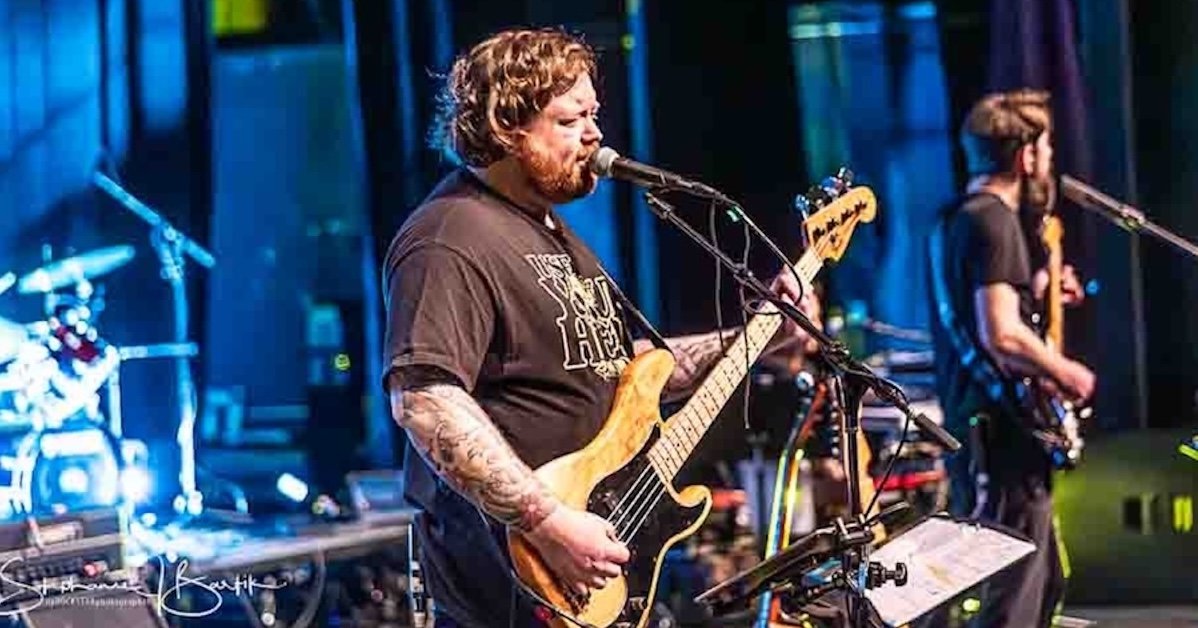
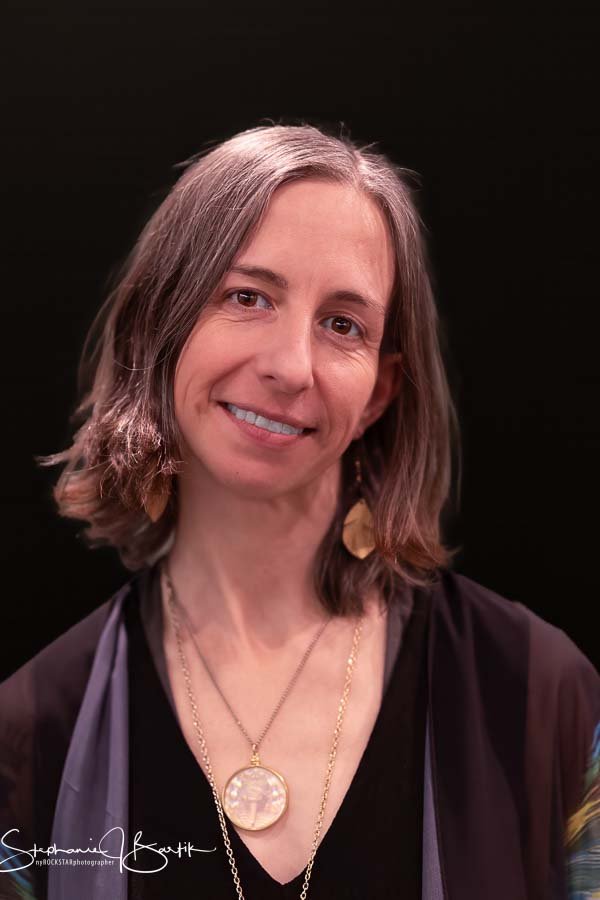
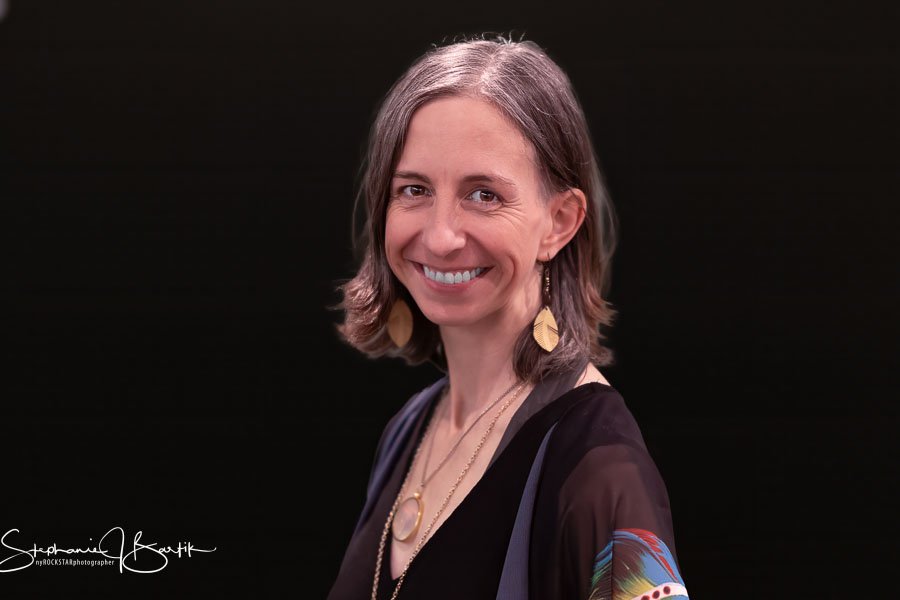
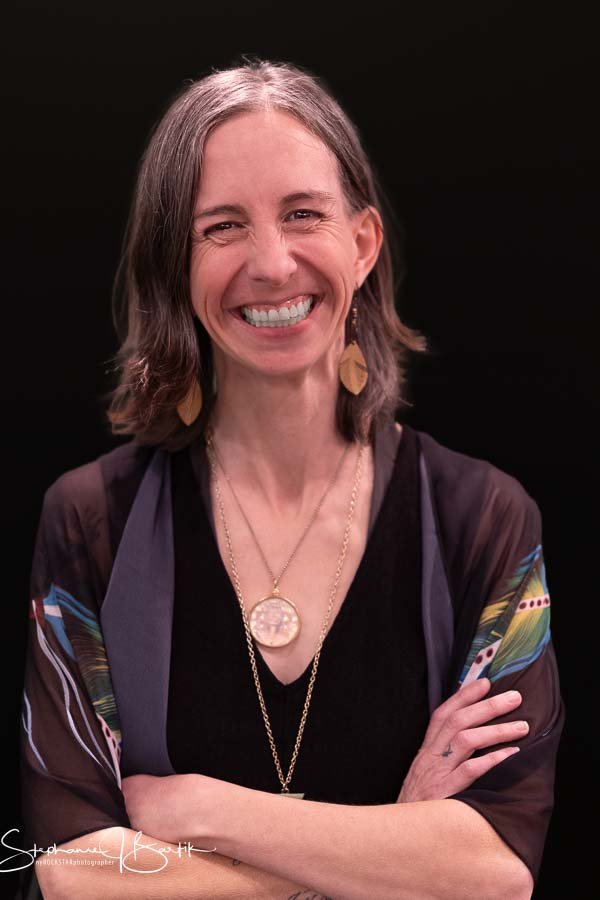
Words and Photography by Stephanie J Bartik.
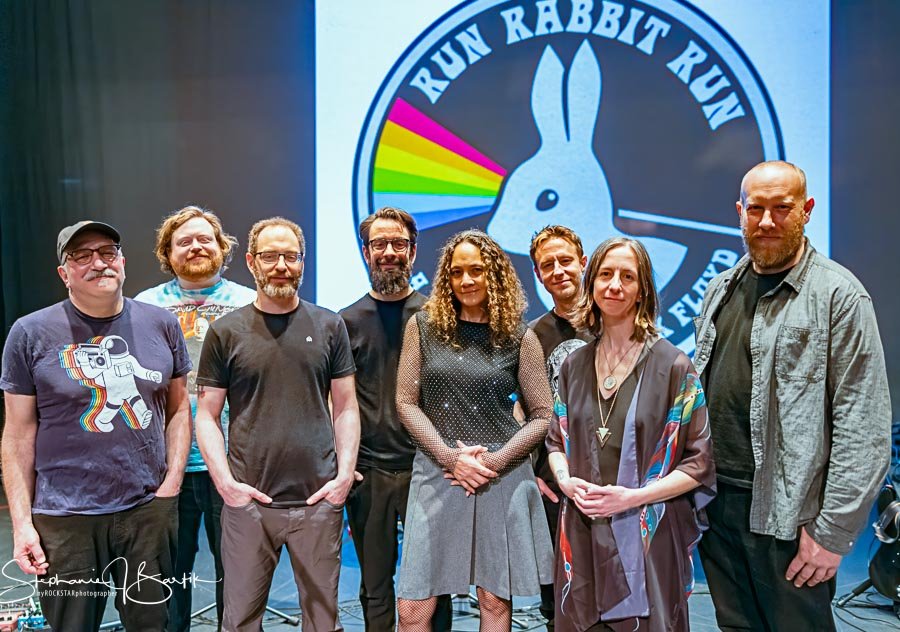
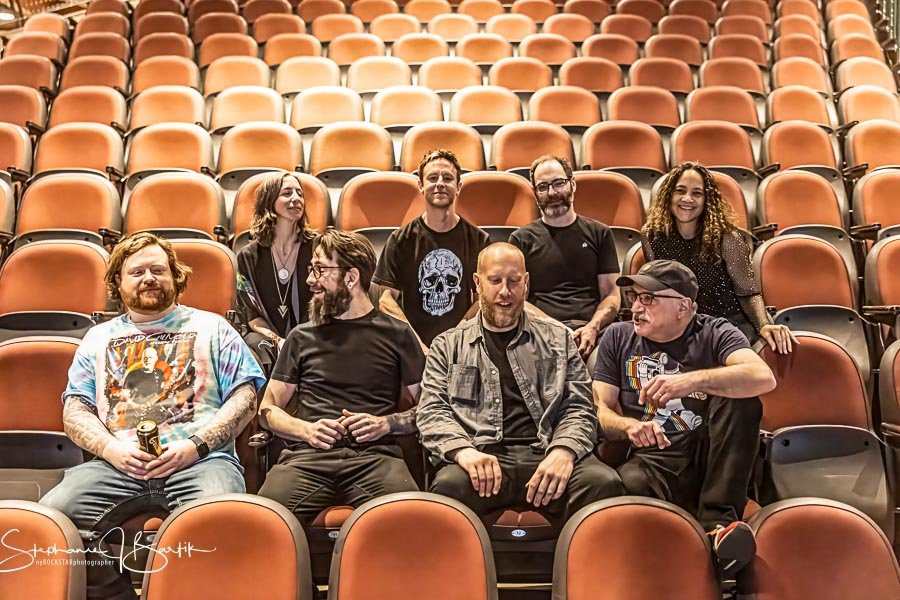
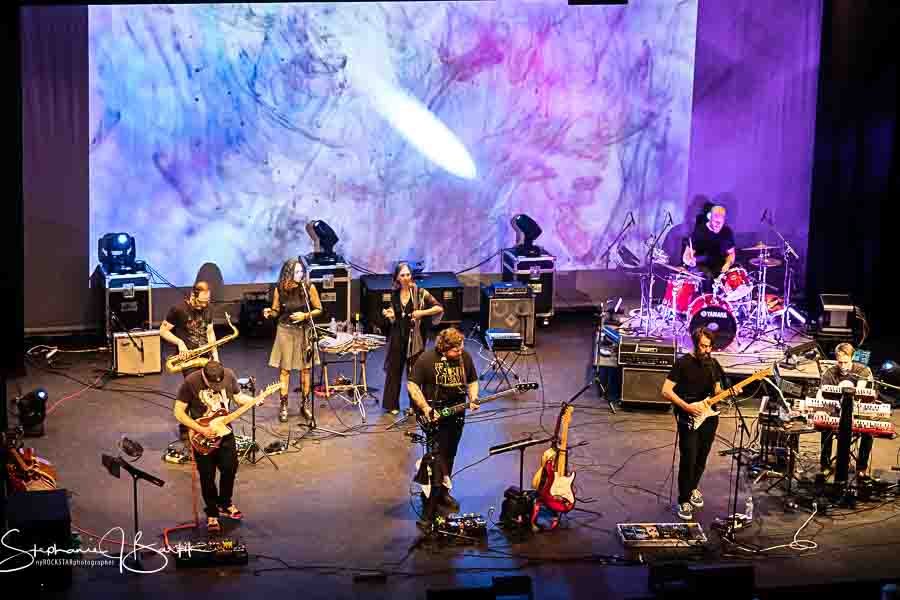
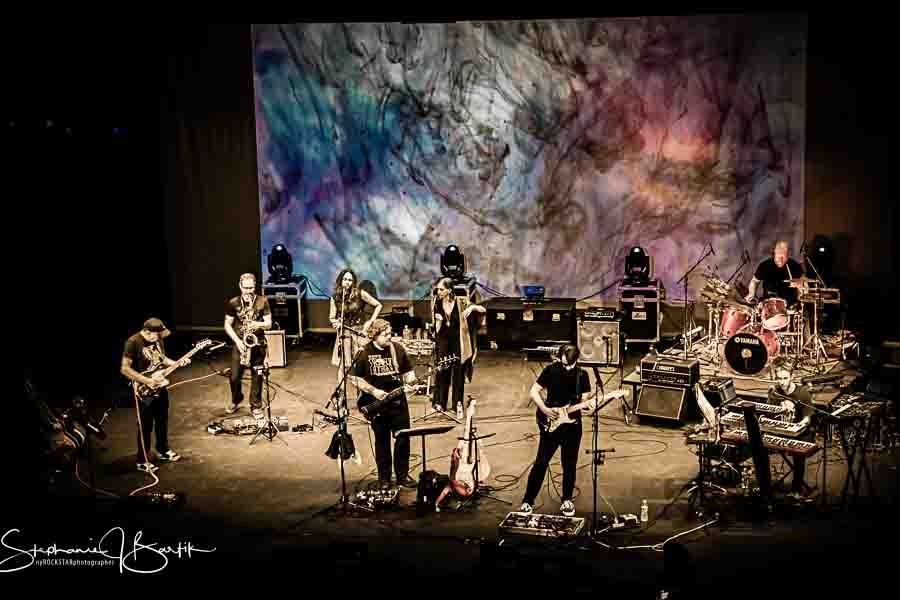
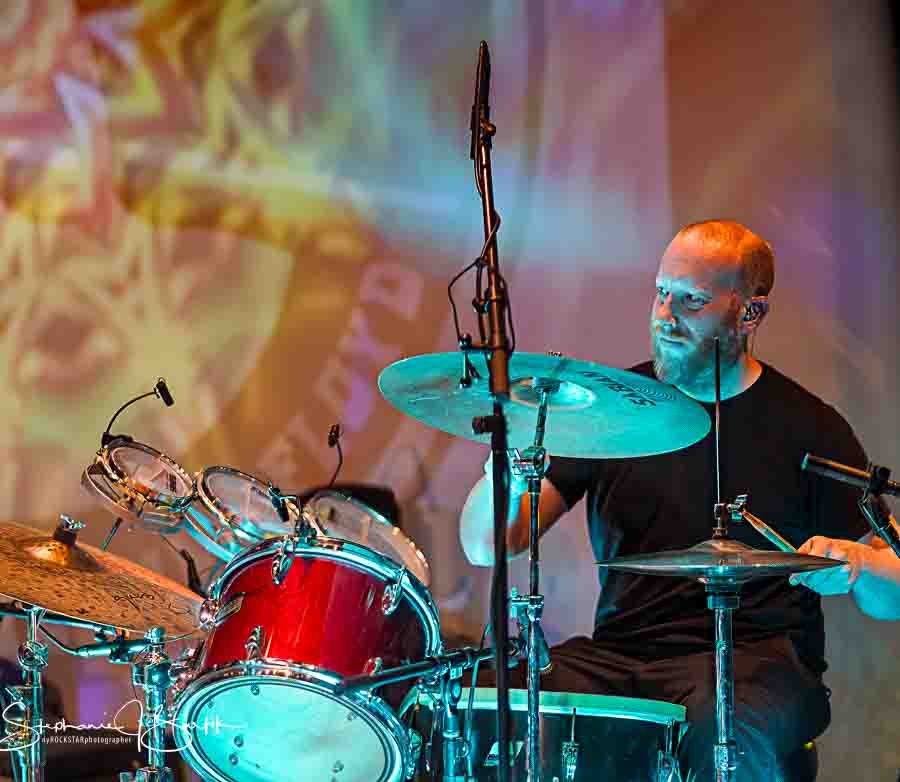
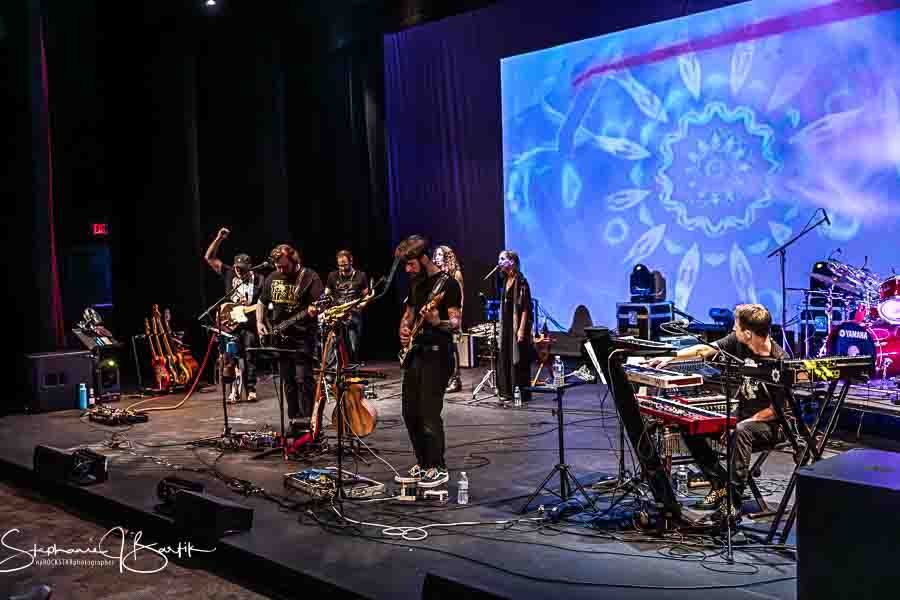
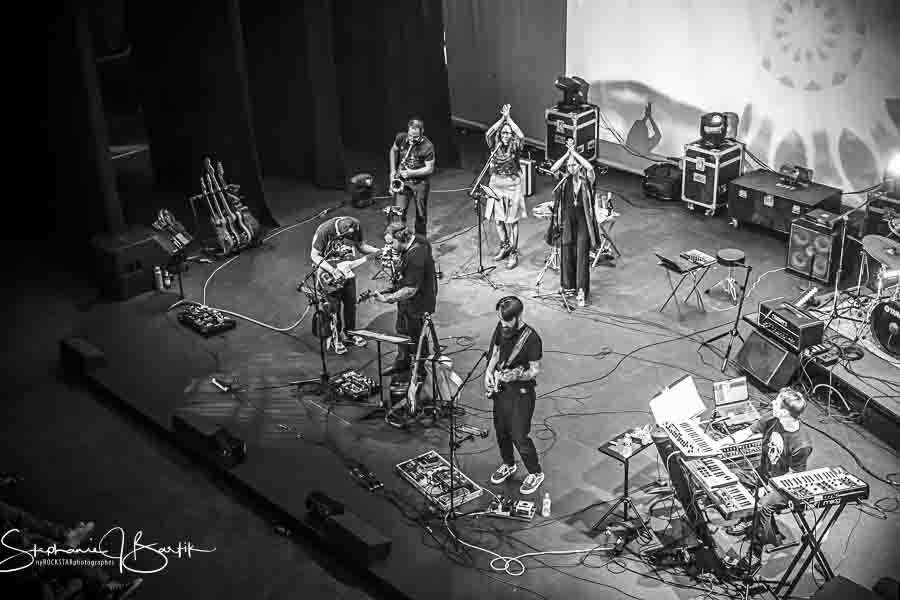
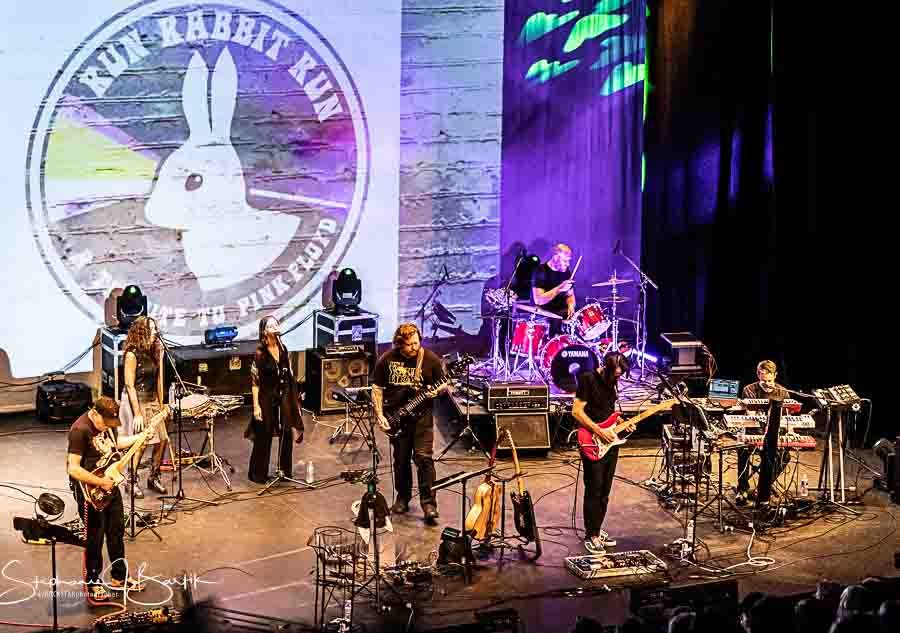
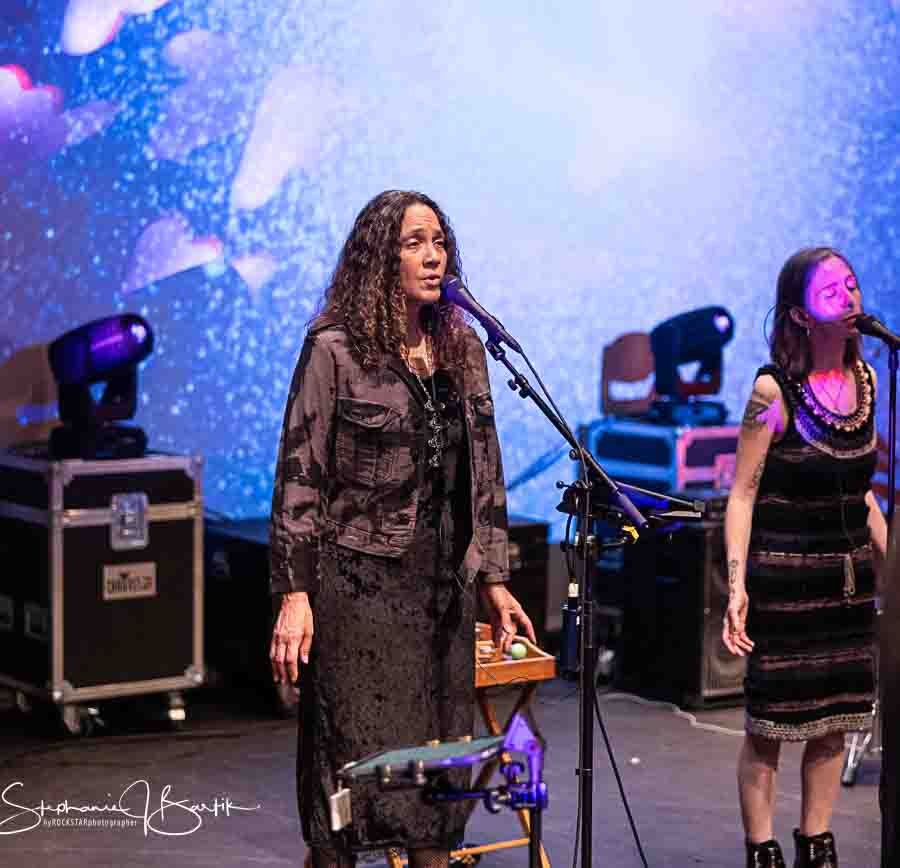
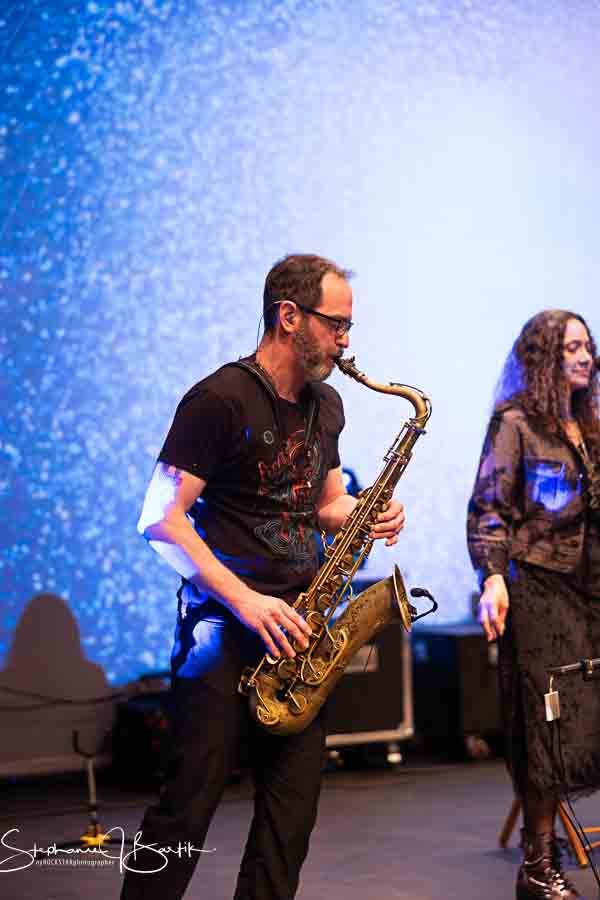
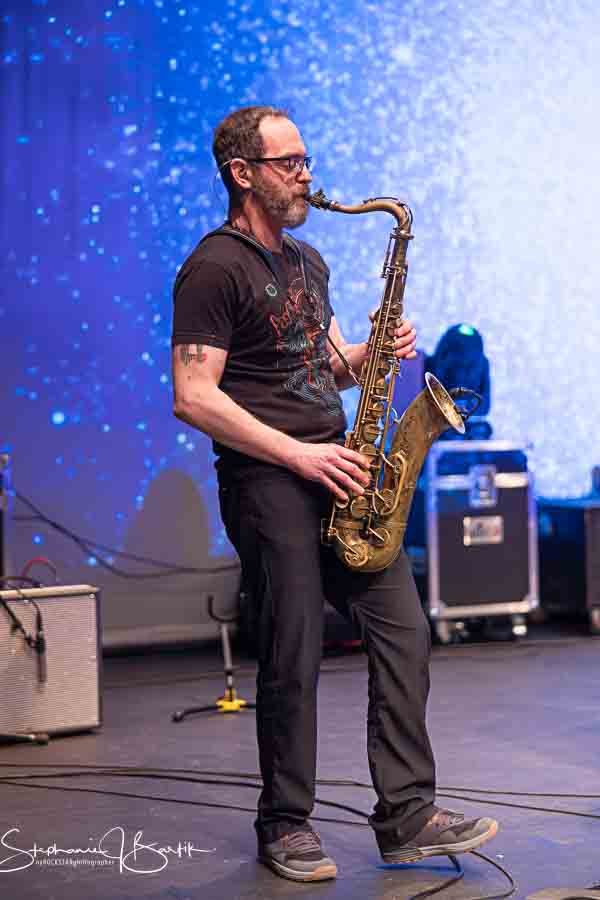
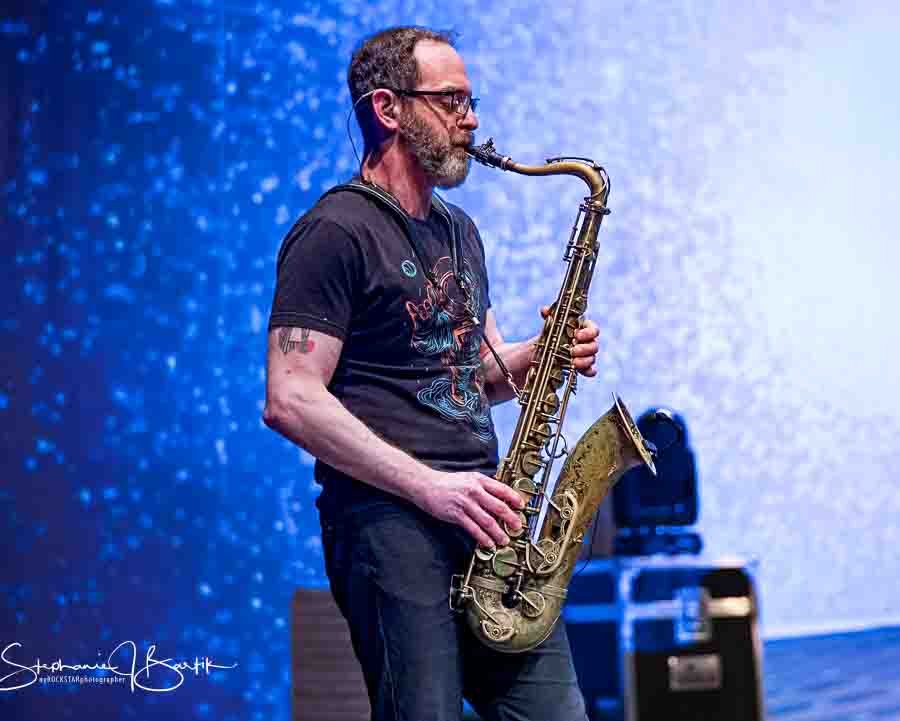
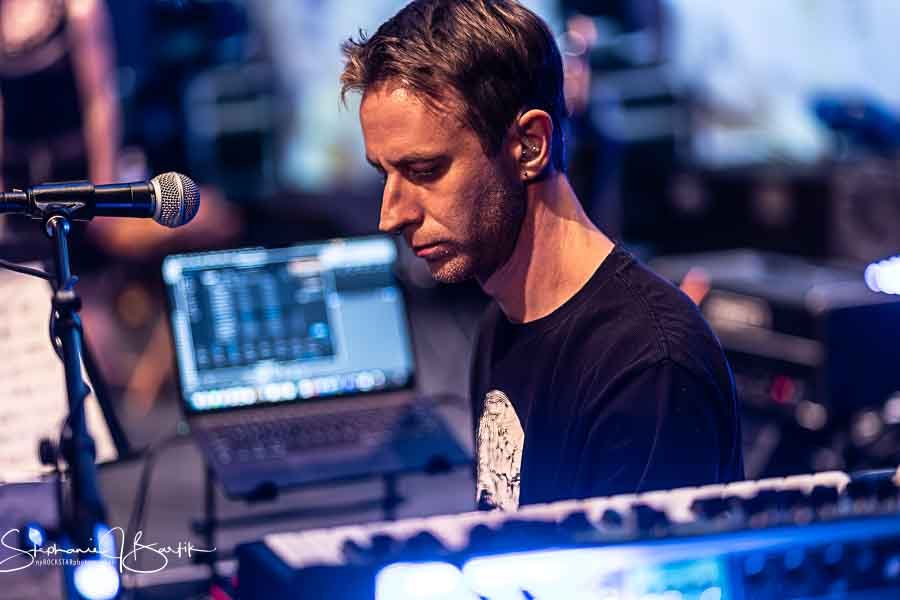
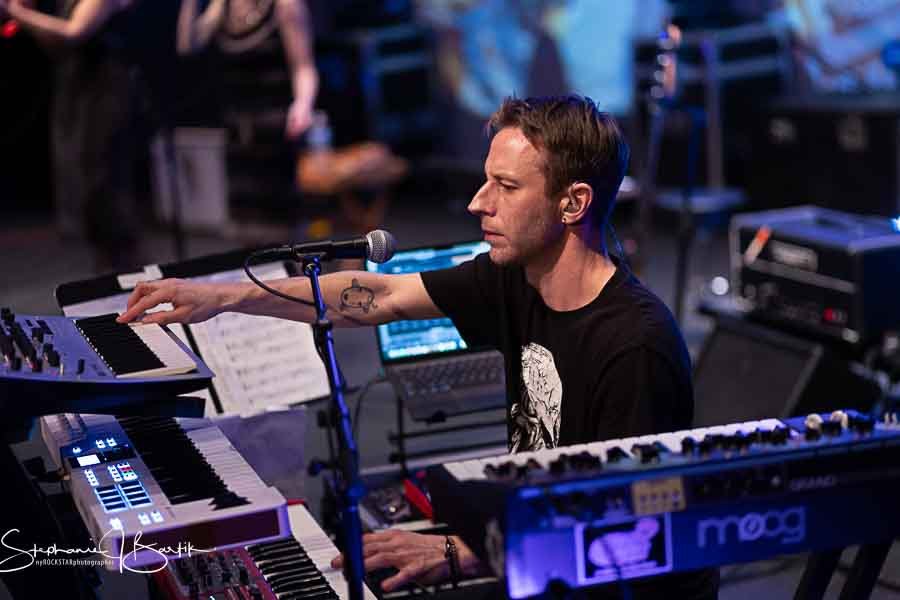
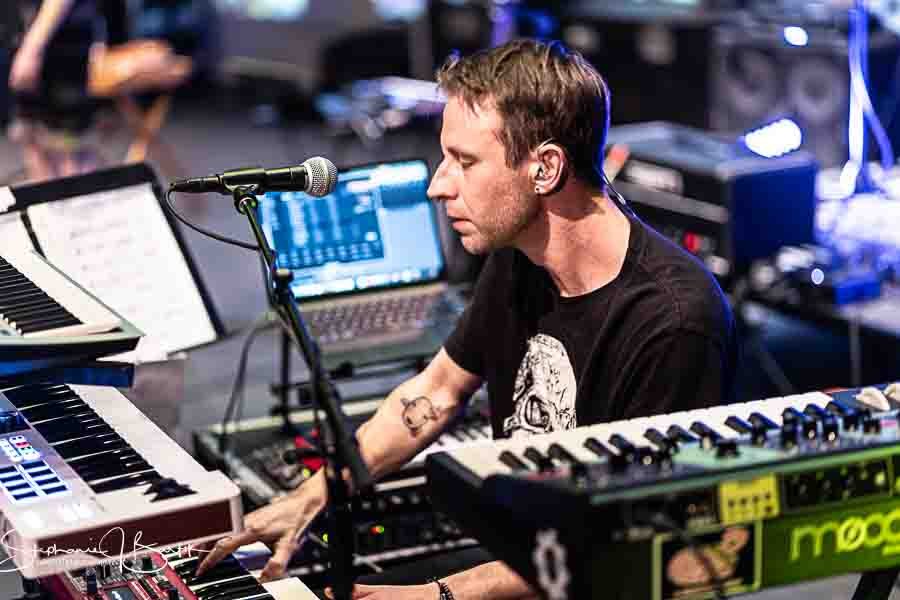
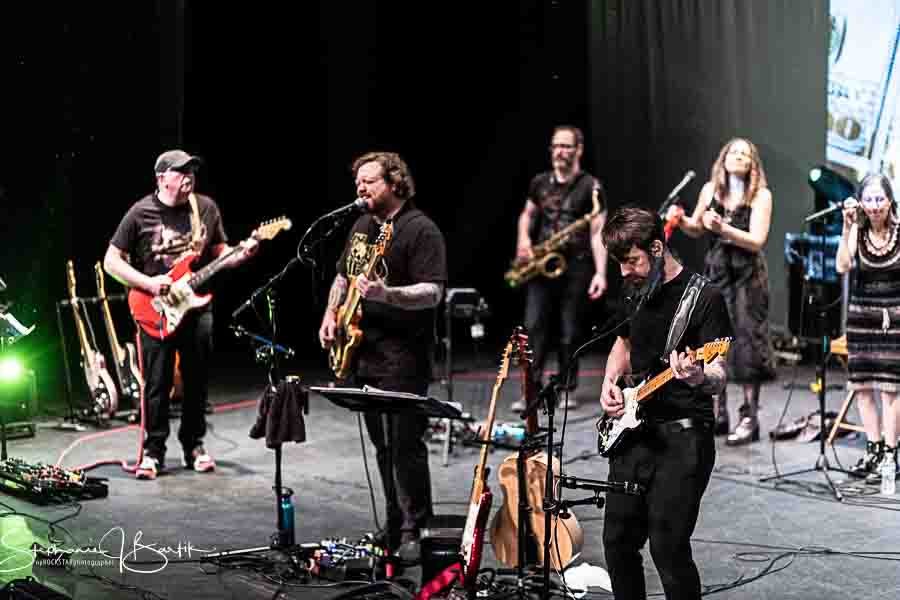
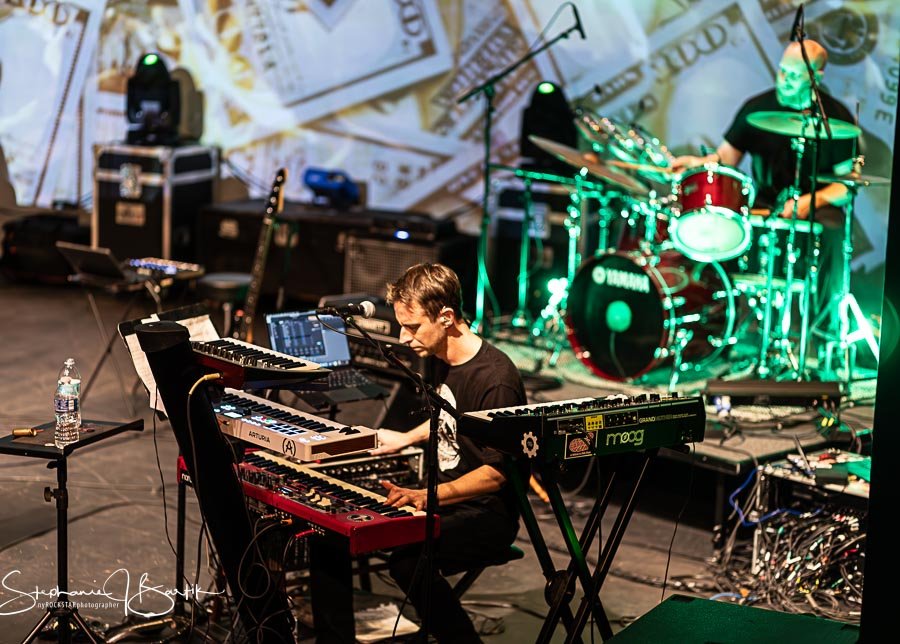
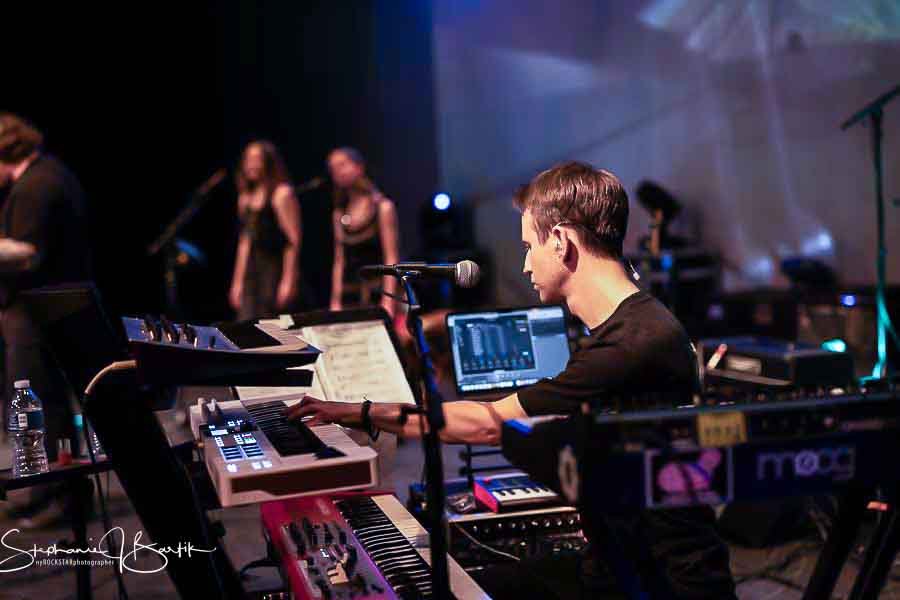
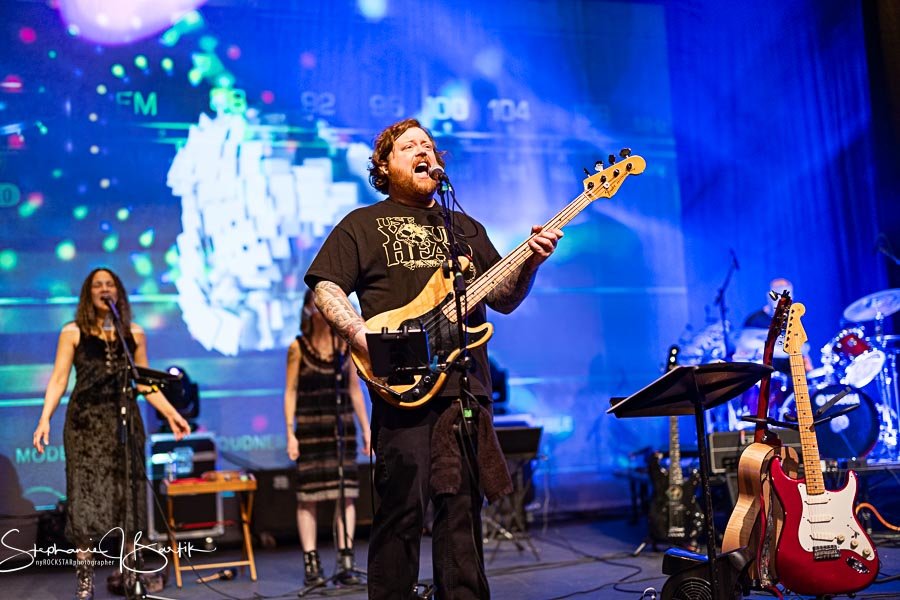
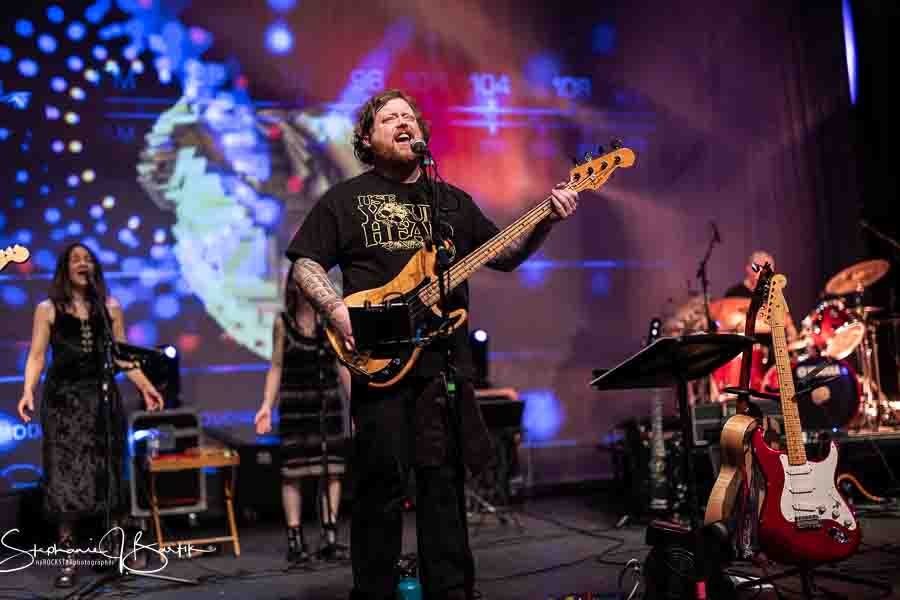
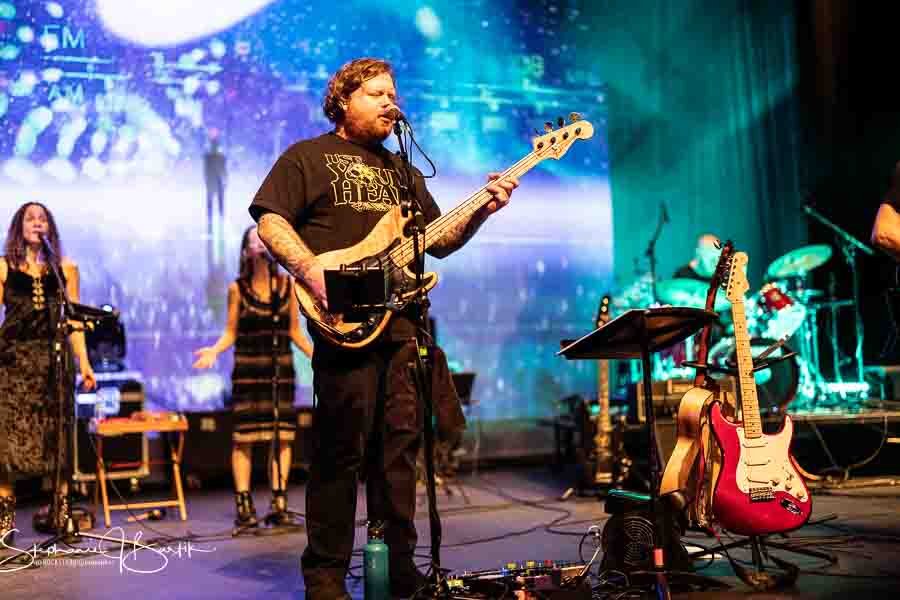
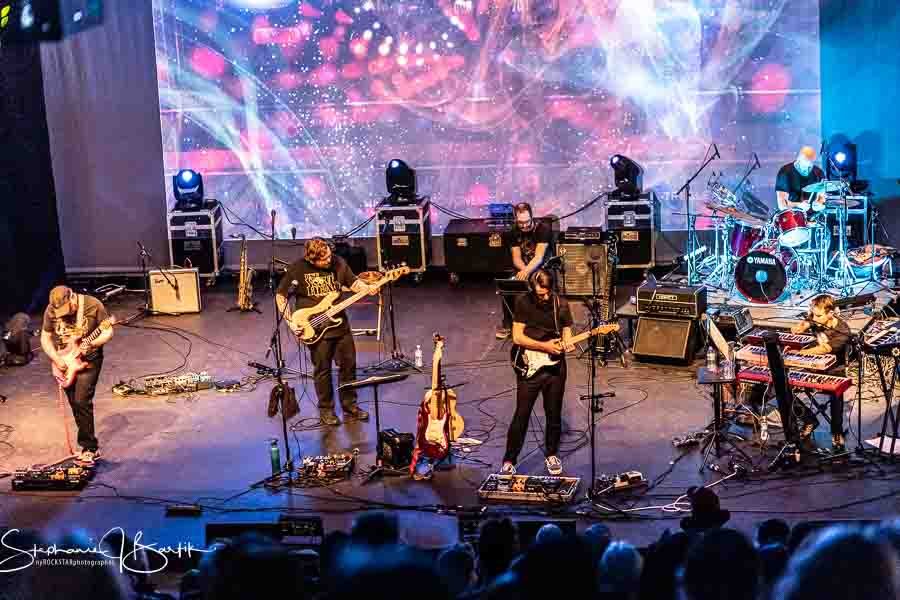
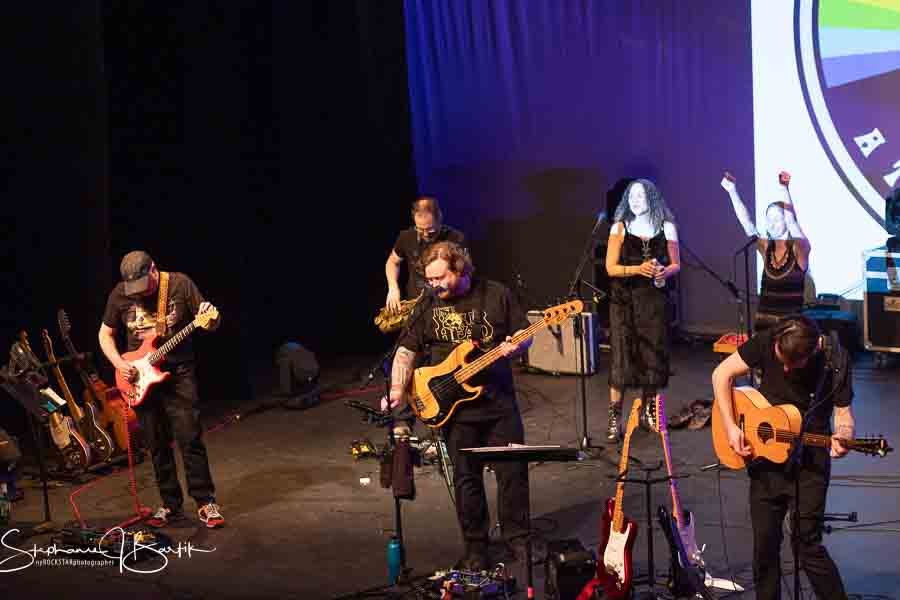
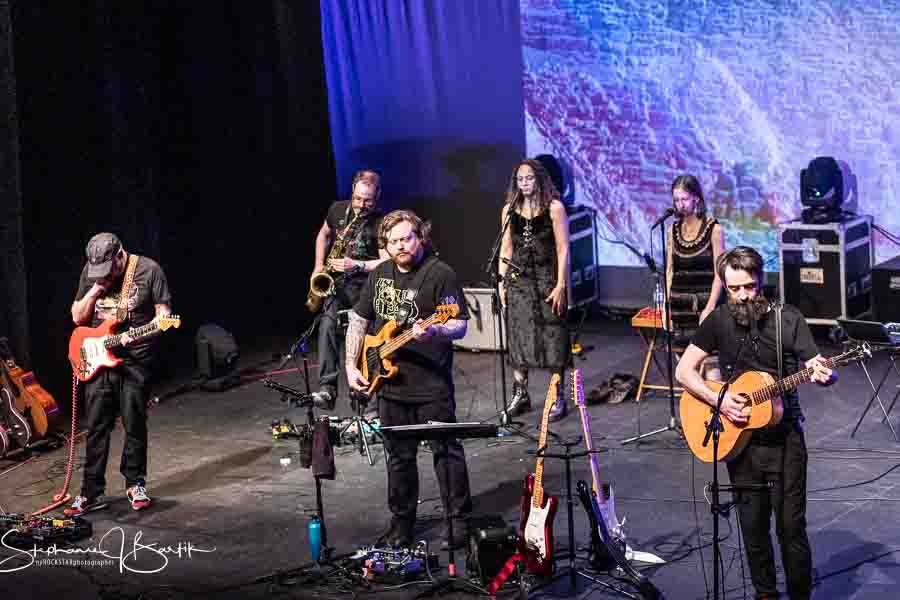
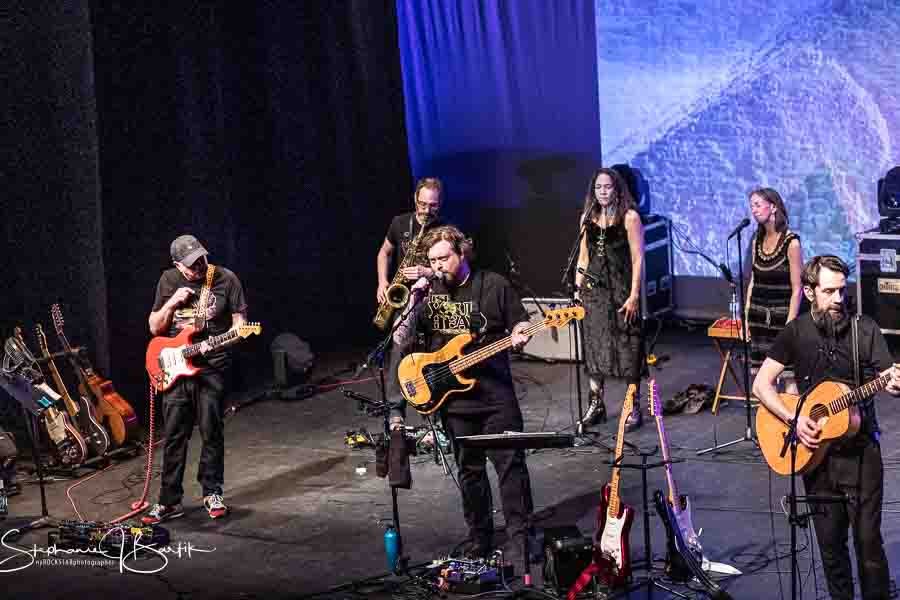
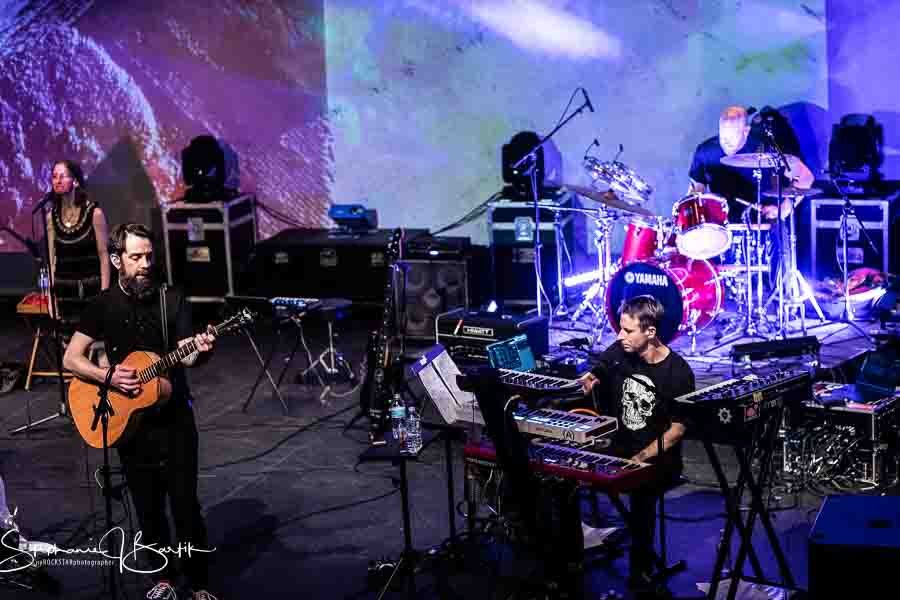
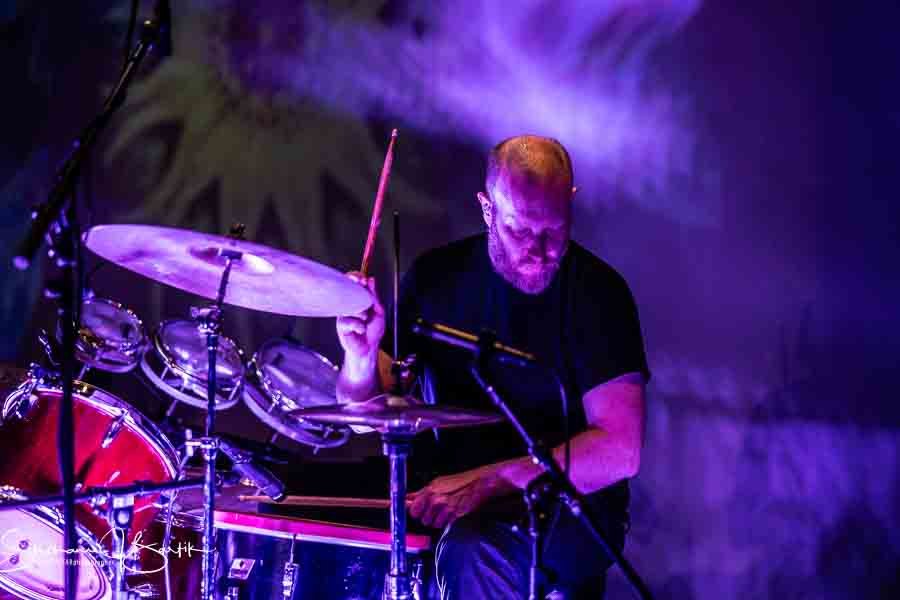
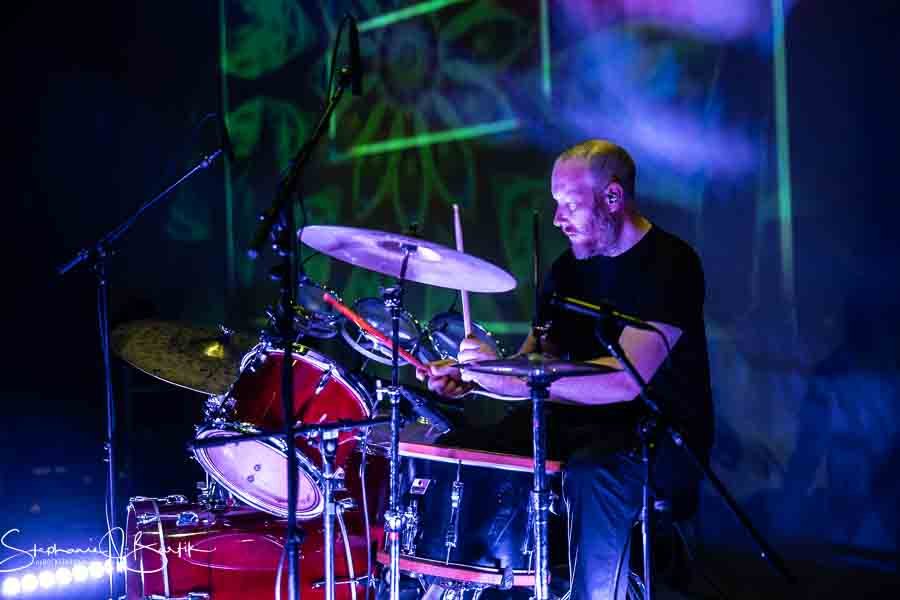
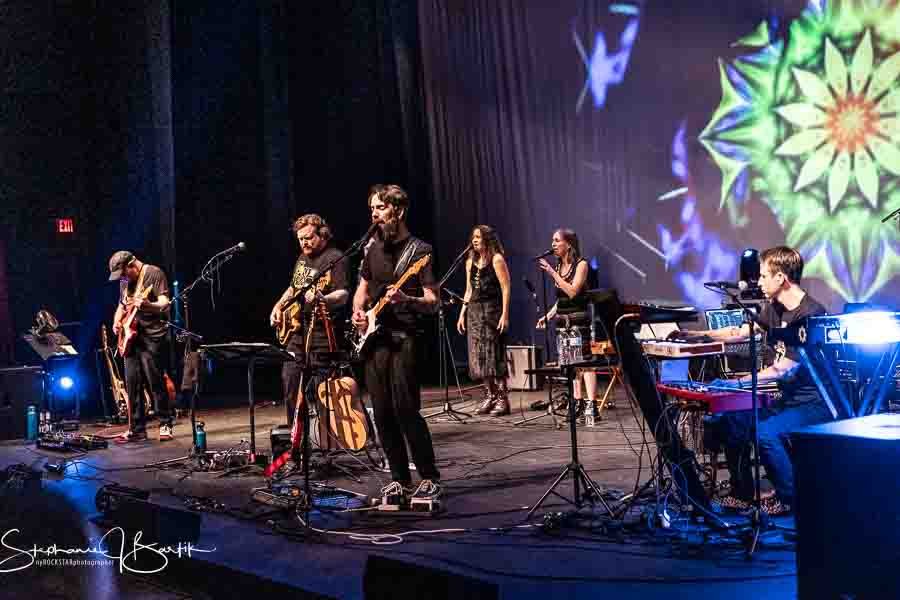
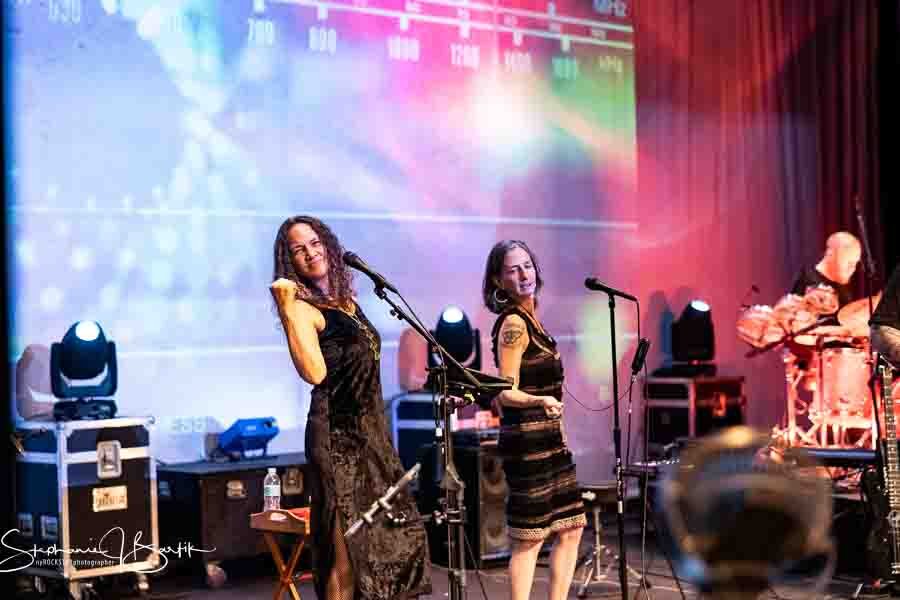
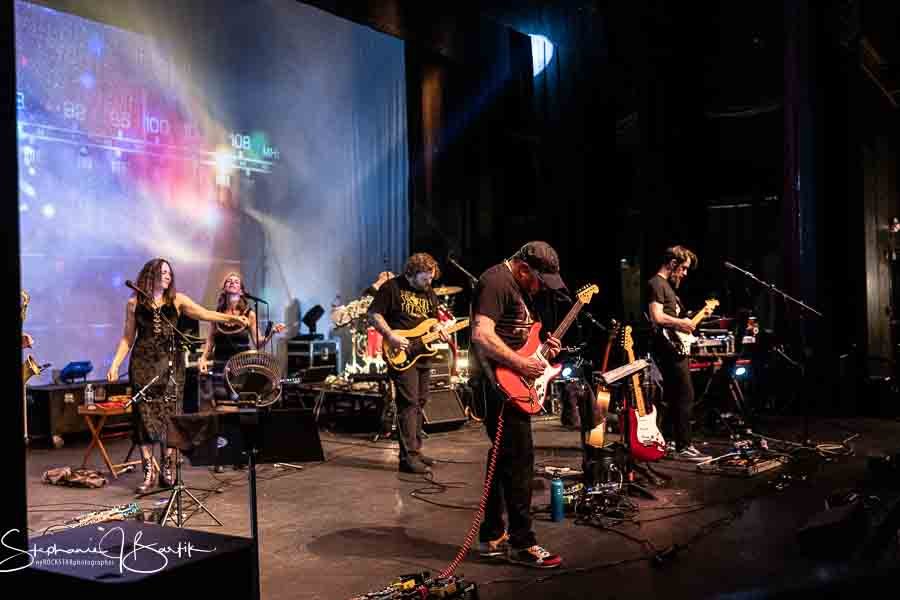
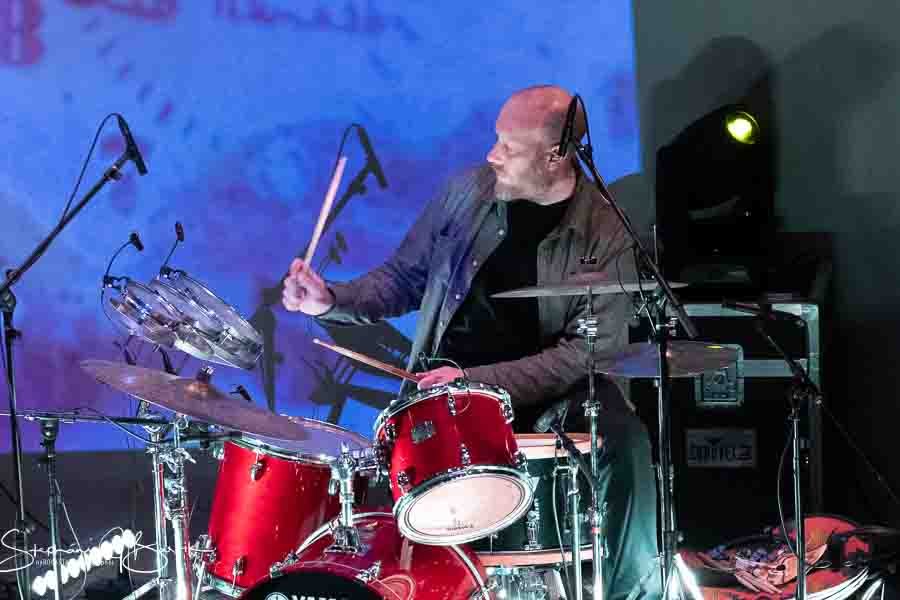
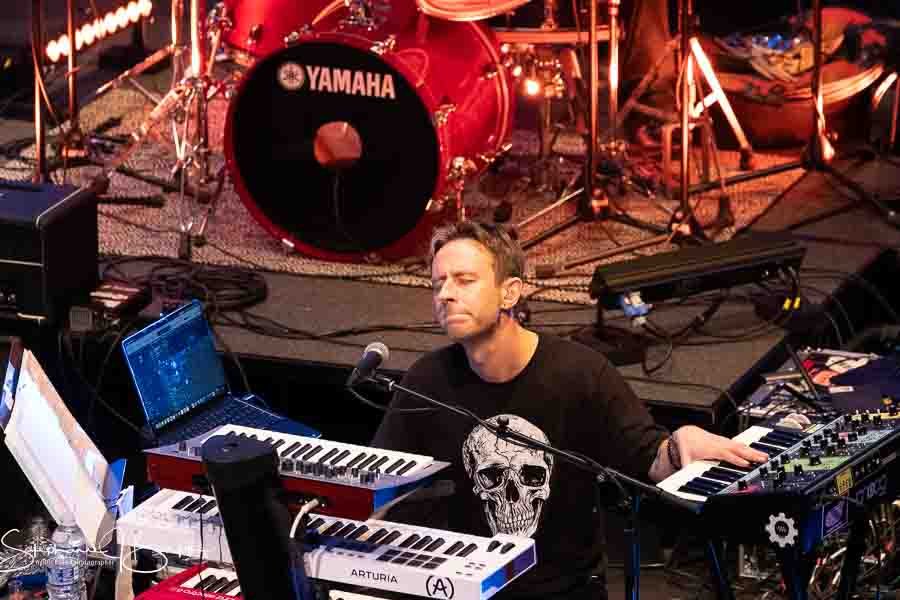
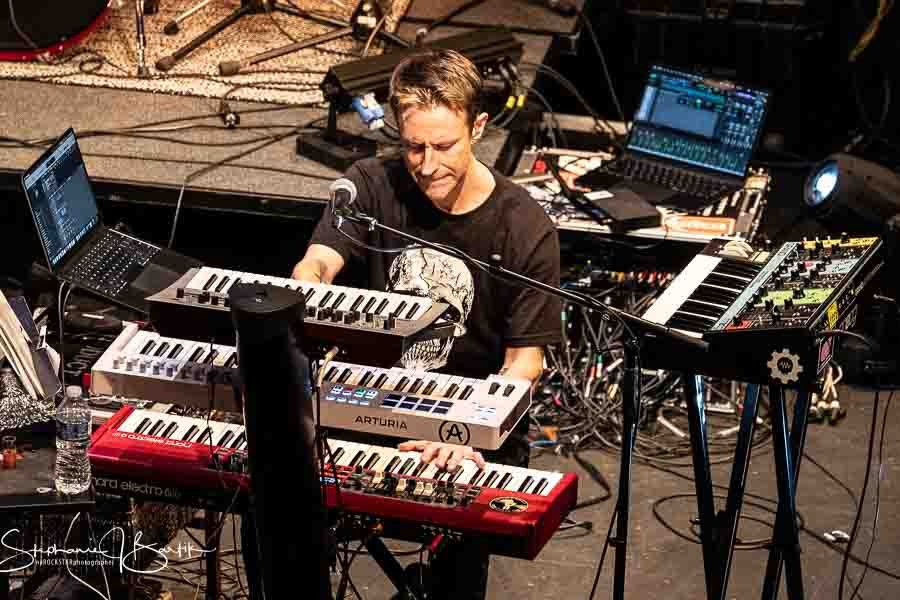
In the heart of Albany, New York, something extraordinary is happening in the local music scene. Run Rabbit Run, an eight-piece Pink Floyd tribute band, has become a sonic and visual force, transporting audiences back to the golden age of psychedelic rock with uncanny precision and soul.
Born out of pure reverence for one of rock’s most legendary bands, Run Rabbit Run doesn’t just cover Pink Floyd’s music—they inhabit it. Each performance is a meticulously crafted journey through Floyd’s expansive universe, from the haunting echoes of Live at Pompeii to the ethereal warmth of Wish You Were Here.
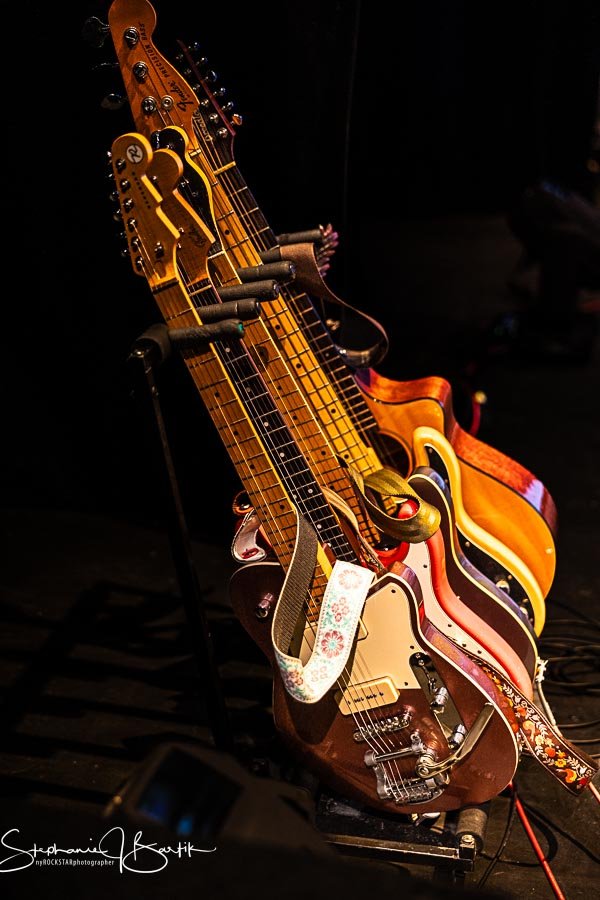
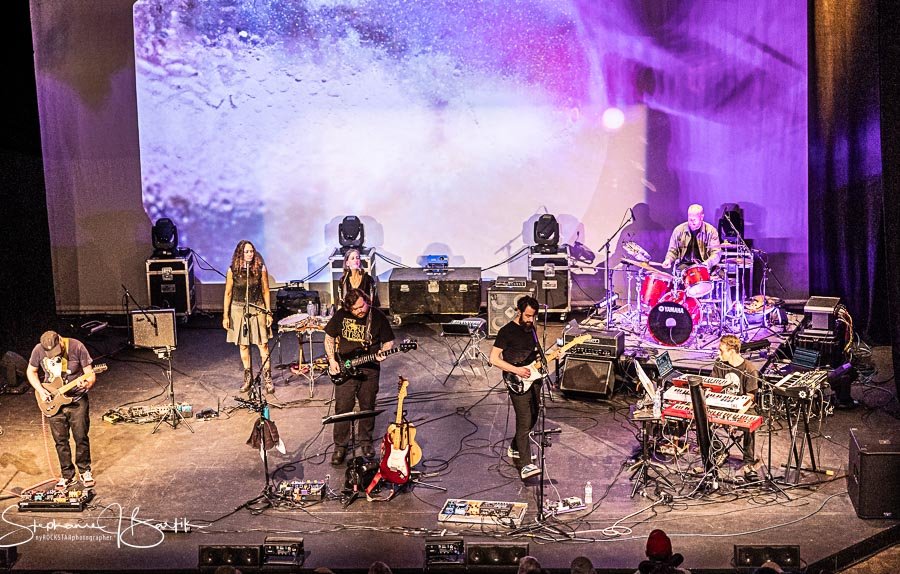
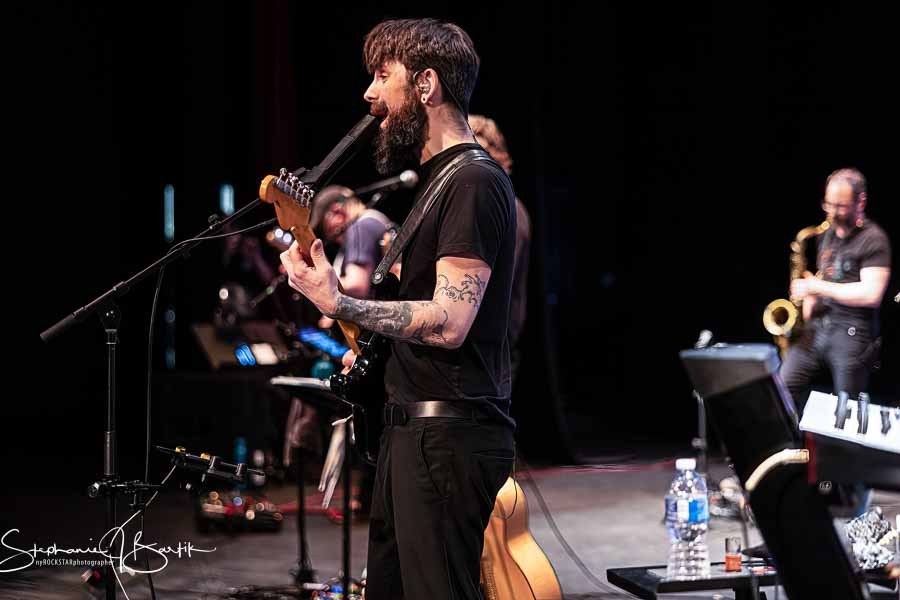
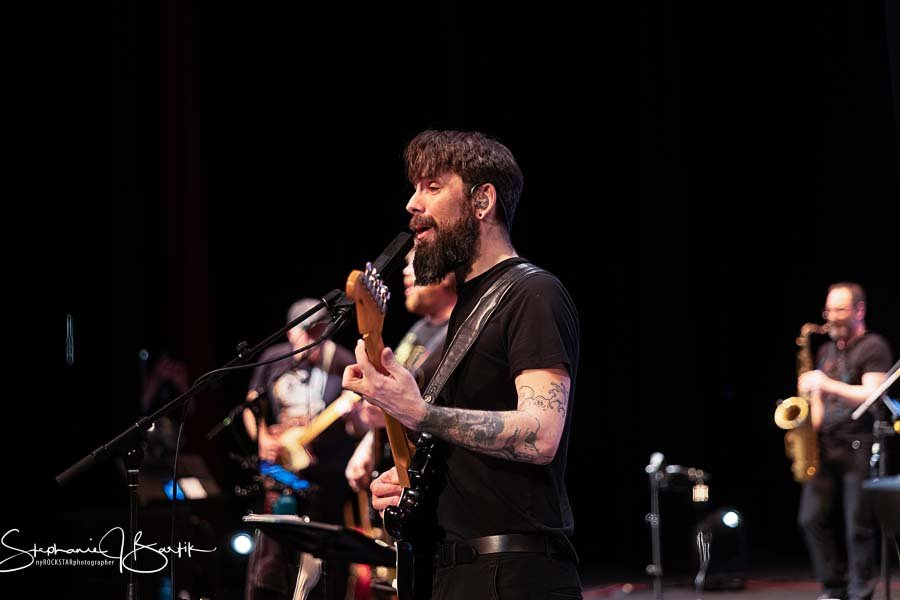
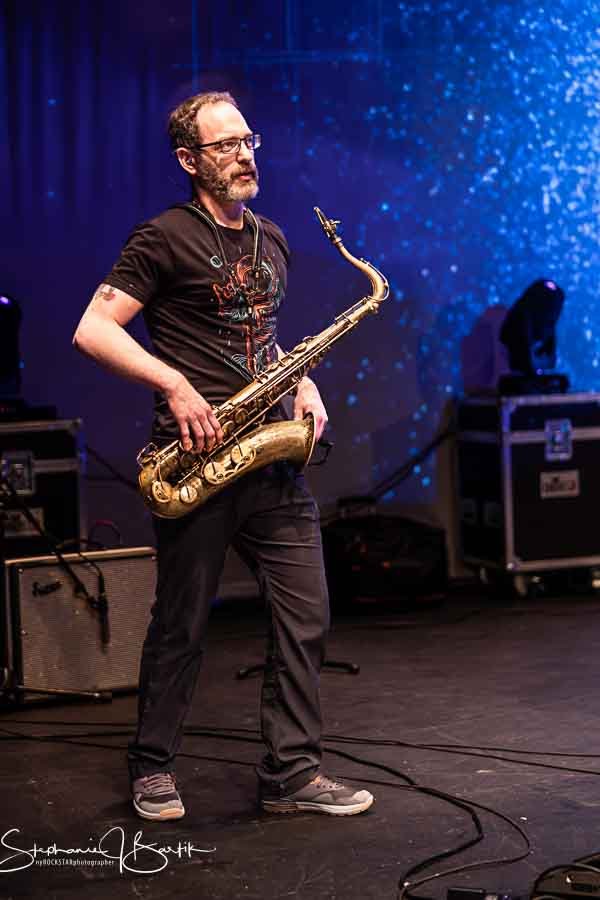
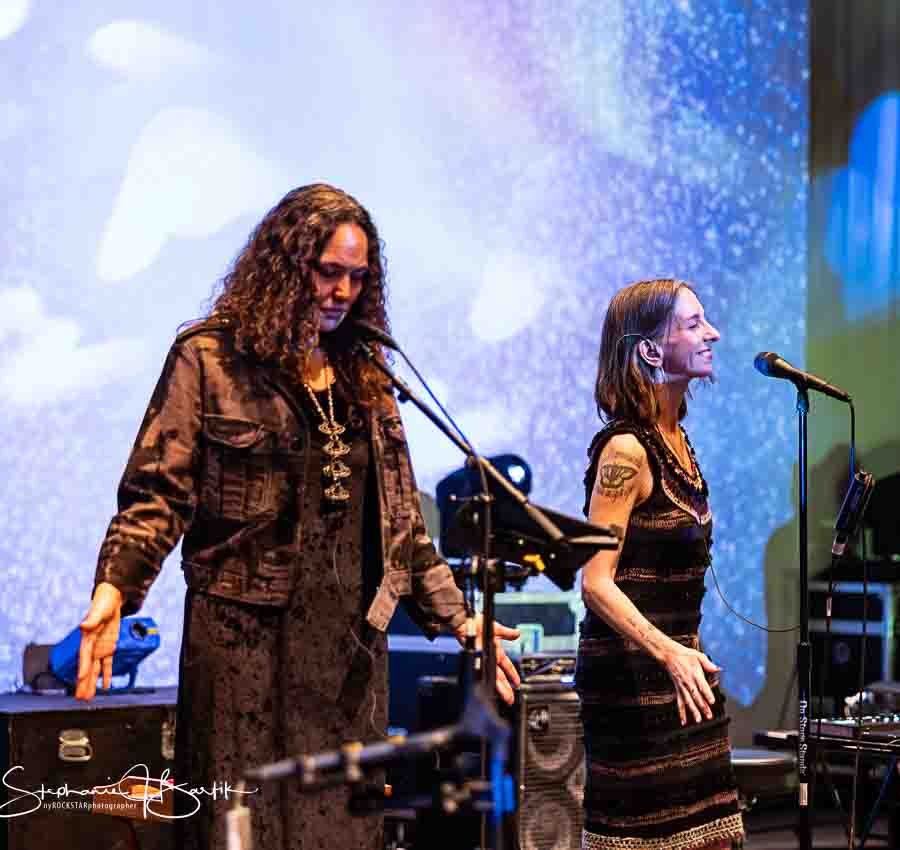
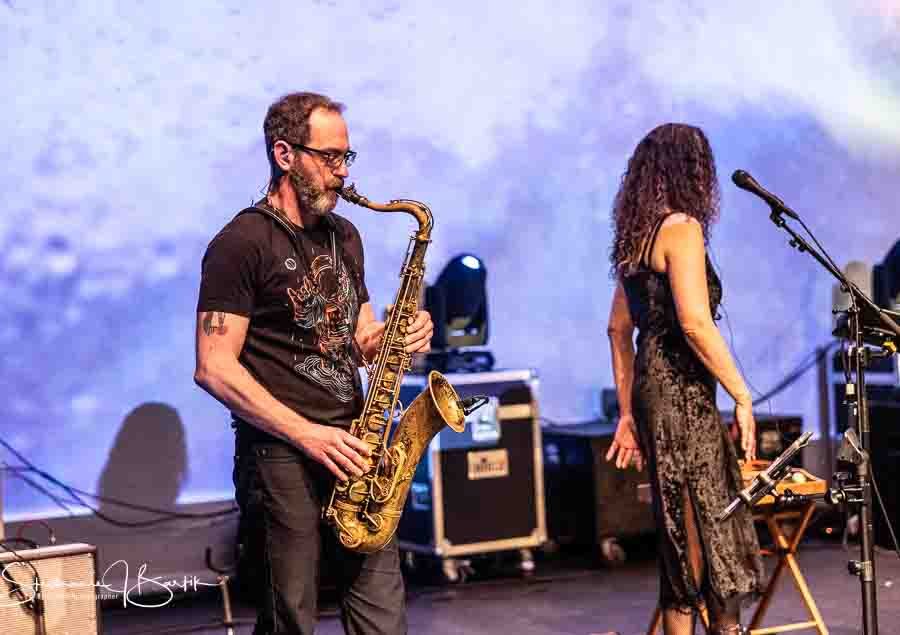
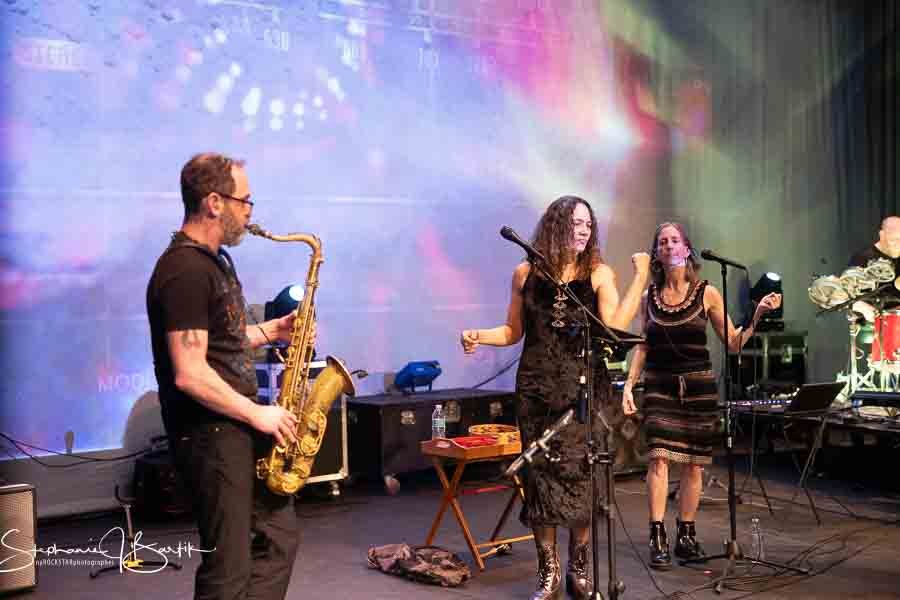
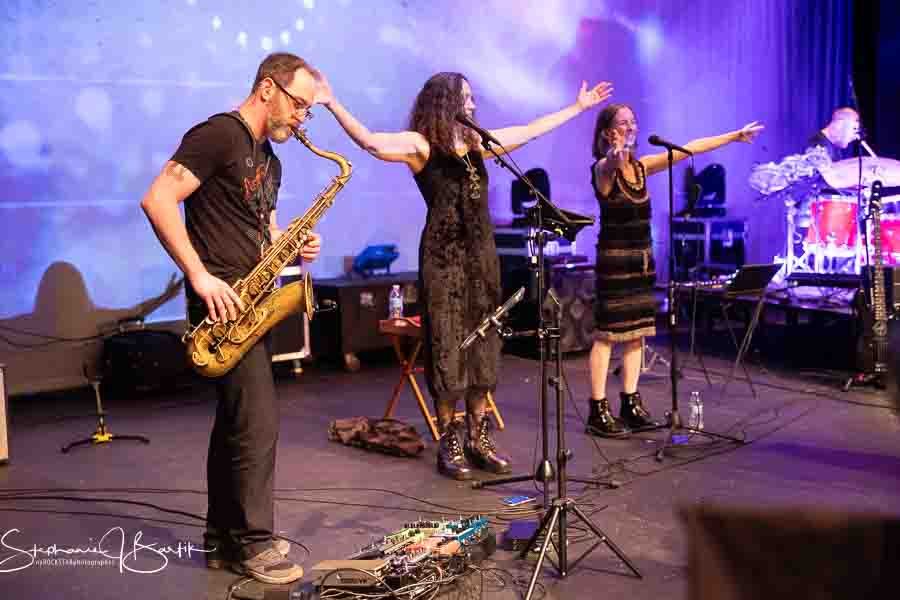
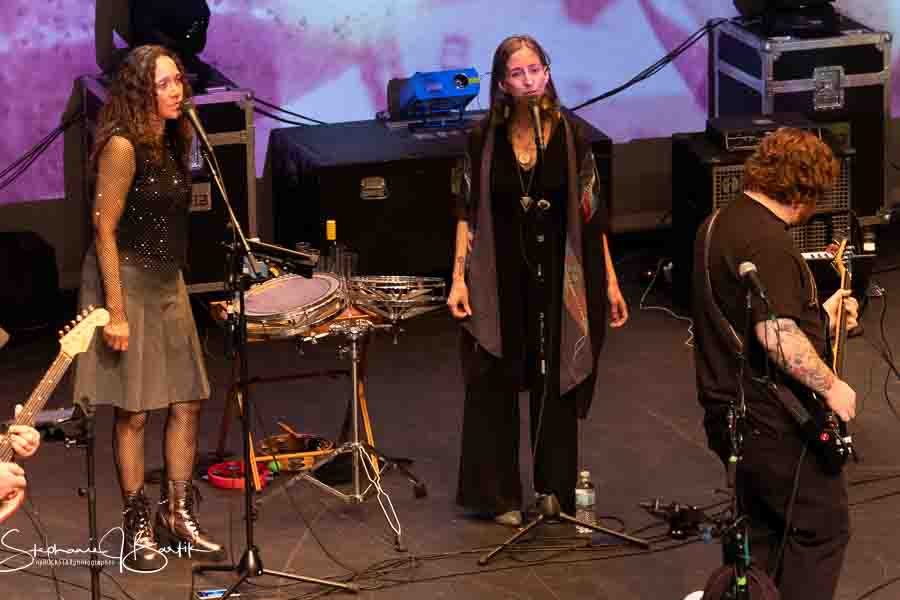
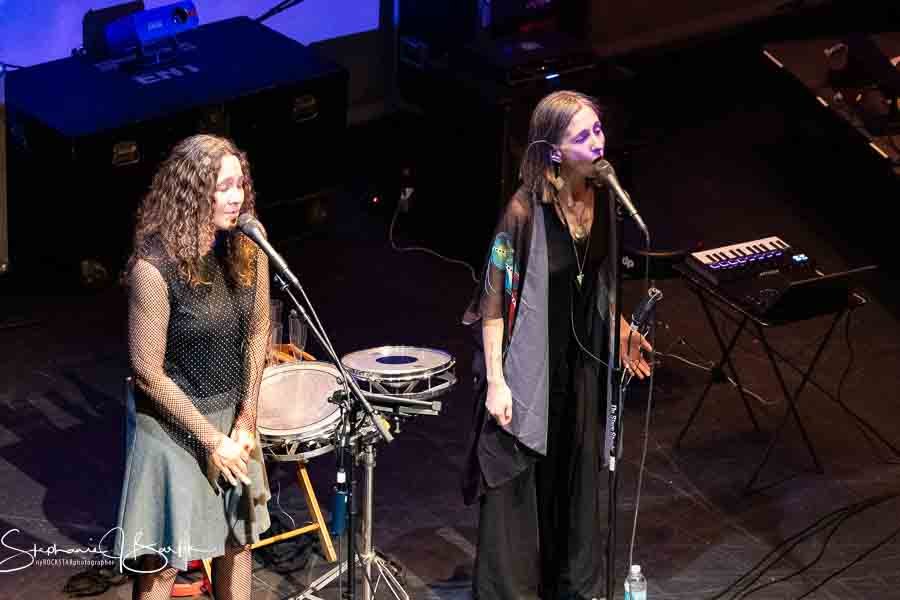
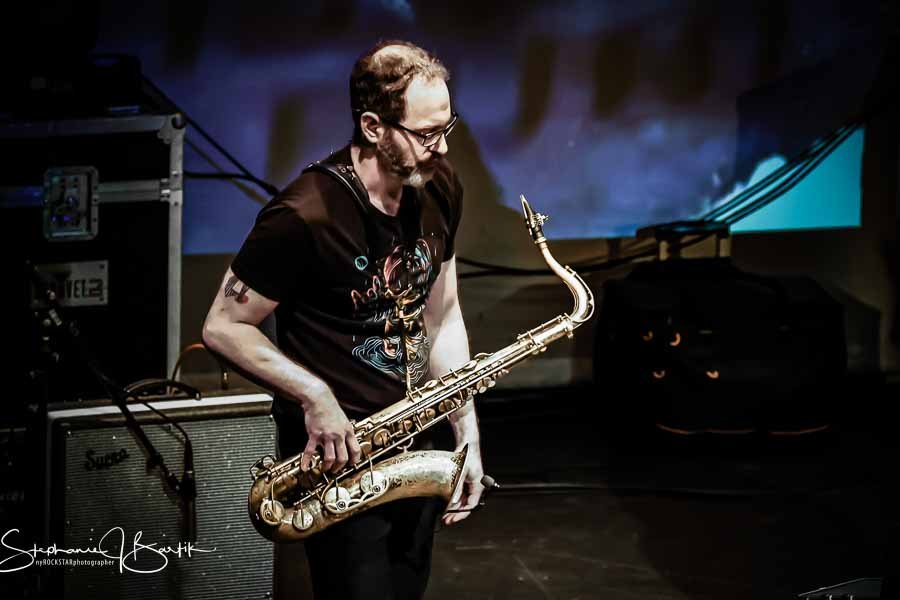
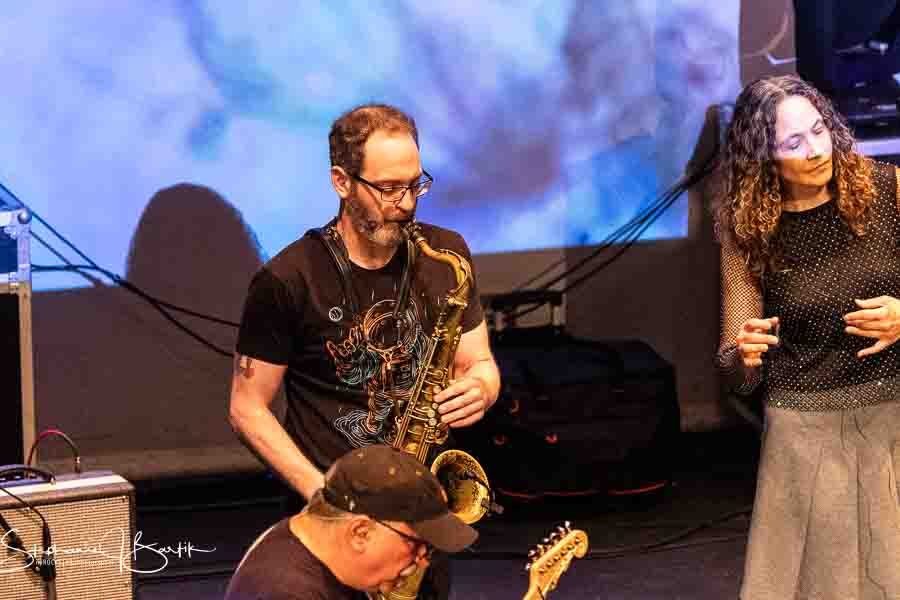
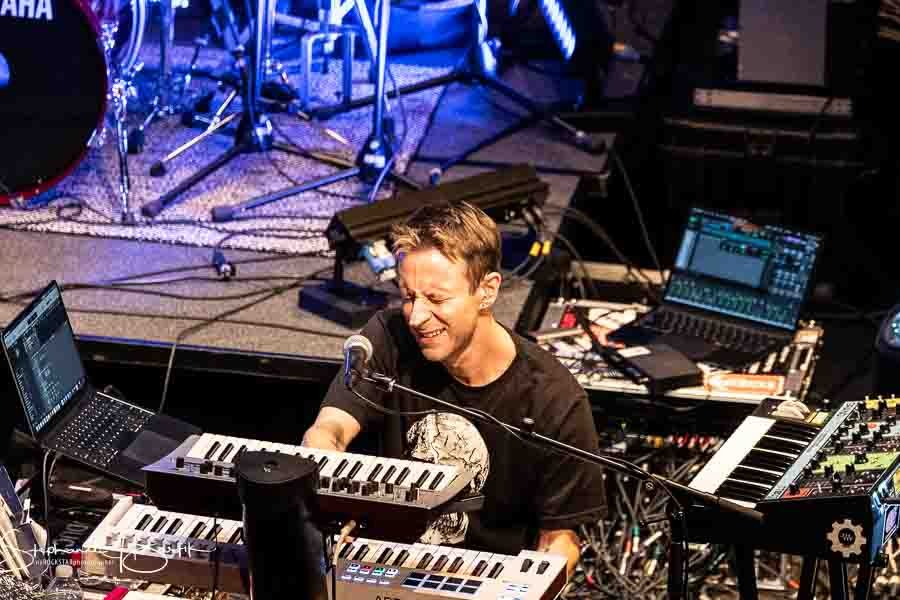
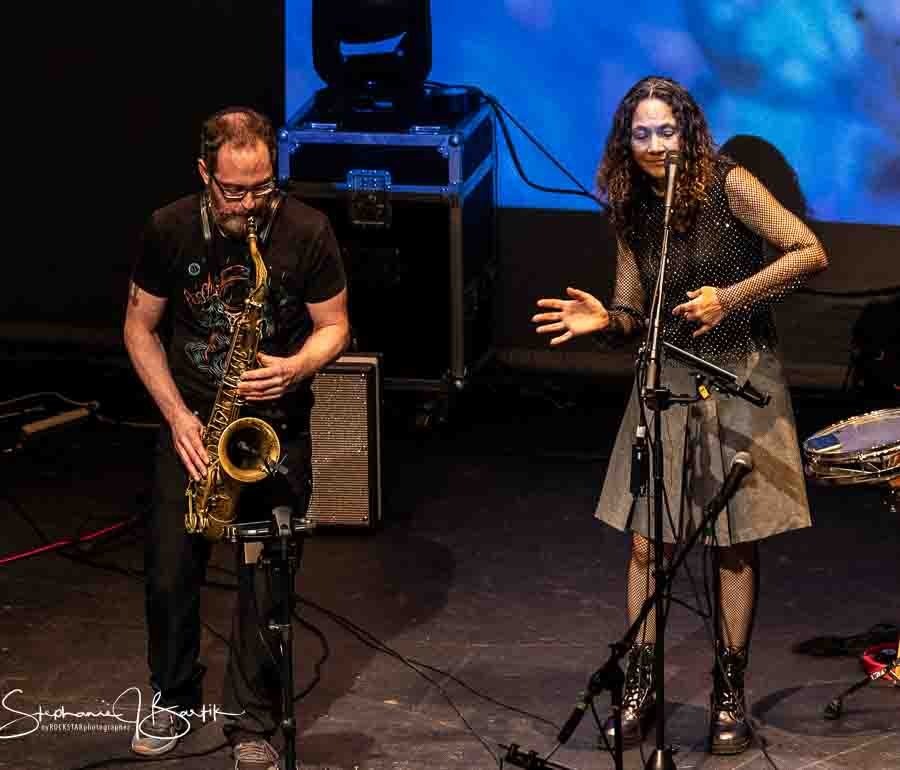
Their attention to detail is staggering. Carl Blackwood and Eric Halder trade guitar solos that would make Gilmour proud, every bend and sustain dripping with emotion. Sean Fortune anchors the band with a bass groove that channels Waters’ signature tension and release. Behind the kit, Cody Bingham brings both thunder and subtlety, all while contributing vocal layers. Chris Andreski weaves atmospheric textures on keyboards and synths, while Scott Vorwald adds saxophone swells and synth brilliance that bring tracks like “Shine On You Crazy Diamond” to soaring new heights. Backing vocalists Lady T and Wil Lo elevate the sound with gospel-rich harmonies that fill the room like sunlight through stained glass.
But it’s not just the sound that mesmerizes—it’s the spectacle. Run Rabbit Run’s shows feature breathtaking light displays and visuals that perfectly sync with the music’s ebb and flow. It’s a full-body experience, a sensory overload in the best way possible. The band’s performances aren’t mere nostalgia trips but acts of revival.
Venues across Albany’s Capital Region have taken notice. Run Rabbit Run has sold out iconic spots like the Cohoes Music Hall and WAMC’s The Linda, and they headlined Lake George’s “Rock the Lake” to a sea of roaring fans. With every show, their reputation grows, drawing in lifelong Floyd devotees and newcomers alike.
And the journey continues. On May 16 at Lark Hall, Run Rabbit Run will perform selections from Live at Pompeii along with Wish You Were Here in its entirety. It promises to be an unforgettable night—an homage not just to the music, but to the spirit of exploration and artistry that Pink Floyd embodied.
For those who’ve never seen Pink Floyd live—or for those longing to feel that magic again—Run Rabbit Run delivers the next best thing. This isn’t just a tribute. It’s a resurrection.
New and Soon to be Released Music Books Issued by Da Capo Press – by Tony Mastrianni.
Good reads….a slew of new rock music books are soon coming out from DaCapo Press in May or June. Tell your local book store to put in advance orders now!
Here is some advance preview information:
This book depicts a deep dive into the cultural revolutions of the 1960s, how it came to be, and their lasting influence. McNally, best known for his work on the Grateful Dead, explores how the countercultural movement shaped music, politics, and society. He brings to life the figures, music, and ideals that transformed the era, from the Beat Generation to the rise of psychedelia.
Set in the heart of Orange County, this book traces the birth of punk rock, where bands like Social Distortion, The Vandals, and more forged a rebellious new sound. Jackson and Kohn provide an oral history of the scene, blending interviews and firsthand accounts to capture the movement’s raw energy and cultural impact.
A deep dive into The Raincoats, the groundbreaking British punk band known for their raw sound, DIY spirit, and feminist approach. Golden explores their origins, experimental style, and impact on alternative music. Admired by Nirvana, who invited them to tour, The Raincoats remain a vital force in punk history.
A compelling biography of the Everly Brothers, chronicling their rise to fame, sibling rivalry, and lasting influence on rock and country music. Mazor delves into their iconic harmonies, behind-the-scenes struggles, and the evolution of their sound that shaped generations of musicians.
OUT NOW:
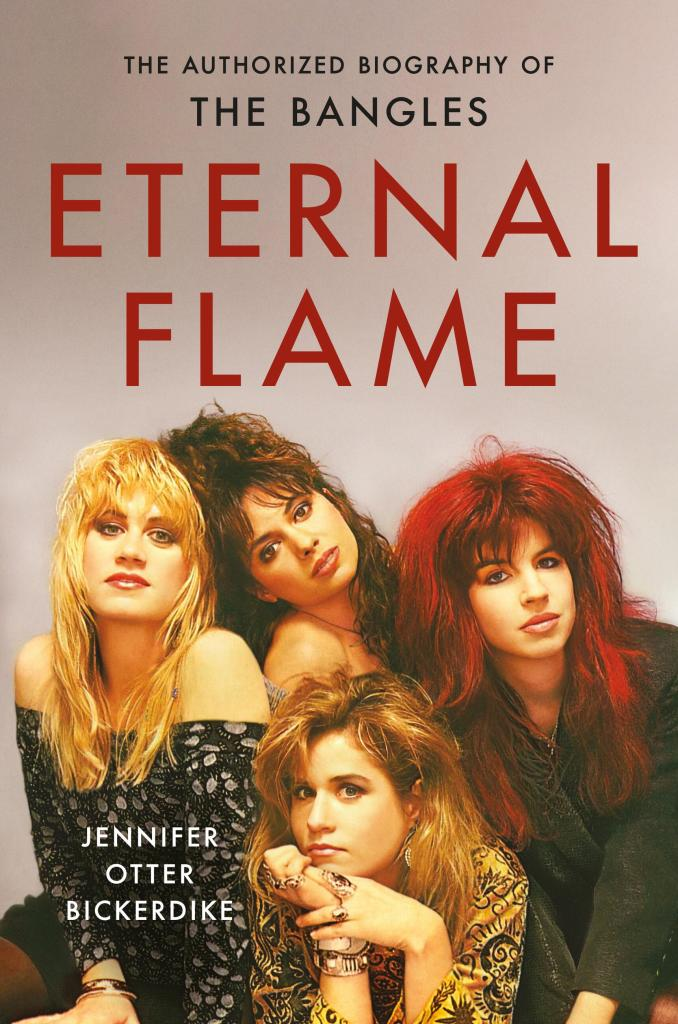
The new THE BANGELS AUTHORIZED BIOGRAPHY : ETERNAL FLAME is out now on Da Capo! Jennifer Otter Bickerdike shares the authorized biography of the quintessential ’80s pop band The Bangles, who scored massive hits with “Manic Monday,” Walk Like an Egyptian,” “Hazy Shade of Winter,” and more. Perhaps the most unique and talented band since the THE RUNAWAYS. They went from the apex of the rock-/pop scene with number one hits through turbulent times. Seemingly unstoppable, amid their 1980’s apex, internal dissentions lead to a decline. These four pretty ladies were all very talented and each had their own perspectives. Suzanna Hoffs was the unmistakable queen of the pop-rock genre, and out of the top leading ladies of the era. Fascinating insights are shared. You will not want to put this “tell all” book down once you start reading it. Replete with many great photos! 5 STARS!
***Tell your local book store to stock up on these titles for spring and summer reading!

Rick Bolton – Interview – Thanks for Asking! – by Liam Sweeny.
RRX: Every artist’s first song is a milestone. But so is the latest song. Describe the first song/album you recorded, and also the latest song/album you recorded; what are the differences?
RB: I wrote my first song when I was 13 and recorded it a couple years later! It was raw and pretty bad but it was a thrill to discover this new canvas and the possibilities that went with it even if it was 60 years ago. Everything has changed so much in the recording world but the thrill remains. Back in the day unless you had a ton of money it was tough to get exactly what you wanted. Strings, Choir, Keyboard sounds were non existent and unless you were solo, regardless of how good the musicians and engineers were, it could be tough to convey to them exactly what you wanted! Everything was on the clock which could get pricey. I did my last one at home using GarageBand. That allowed me to get an unadulterated, no compromise recording of my vision. All at the pace I wanted go and I could try a ton of different beats, bass lines, and assorted instrumentation for free! I love audio painting! Then with what I had, I brought it to the studio and it was easy to convey to the musicians and engineer what I was after!
RRX: Like songs, every artist has a unique feeling about their first show. What was your first show like? Was it your best show? If not, what was your best show like?
RB: I don’t think this counts but my first show was when I was 13 playing with 3 of my buddies trying to knock out songs by the Kinks, Paul Revere and the Raiders Etc. For a school dance. It was awesome…..we were badass….haha!
My first show as a single songwriter was terrifying! There were maybe 16-18 people in a dank little coffee house in St Johnsbury Vt. I remember feeling super lonely till I heard applause. I don’t know that I can single out a best show but the ones where people have laughed, cried and stood at the end, all in the same night certainly stand out in my mind. I’ve been lucky to have experienced that and when it happens there’s no greater feeling. . Oh, and a check that clears is a good show as well!
RRX: We all get a little support from those around us. And we also can be impressed by our fellow performers. Who do you admire in your community, and why?
RB: I really admire those performers who aren’t as concerned about what music can do for them but what they can do for music! Those performers who have been out there for a long time and still don’t “mail it in”! Those who have given up a “normal life” for music! People don’t realize all the hard work that happens off stage!
Promotion, Travel, Rehearsal , Etc to make $100! Locally some I really admire are Erin Harkes, Sirsy, Garland Nelson, Michael Eck (my apologies to those I’ve forgotten)and all those performers who have been out there doing it for 20 plus years!
RRX: My singer punched my drummer out. Memorable moment, though nothing to brag about. But we have these things that, when summing up your endeavor, an incident comes to mind. What do you got?
RB: I was playing in a dive bar, honkey tonk band in the mid-seventies out west! Texas, Wyoming, Utah etc in the days of chicken wire and mechanical bulls. So my very first gig with the band was Ogden, Utah and the place we were playing held maybe 400-500 with the aforementioned chicken wire. We started the night with what I thought was a smoking tune but after we finished it was a scene from The Blues Brothers, people throwing beer cans at us! I turned to the pedal steel player to ask what we did wrong and he said “wrong, hell, these people love us”! I was unaware of the band affection tradition of the west! I was smiling till I thought of what might happen if they didn’t like you!
RRX: What do you think is the most poorly understood thing about music, or the music you play?
RB: I’ve always liked the “there’s no money past the 5th fret” or “you can play a thousand chords for three people or three chords for thousands of people” quotes! I feel for jazz guys! So much talent so few ears!
RRX: What do you think is the most dangerous song to cover from the perspective of criticism? Who do you think is too hard to cover, and why?
RB: A few of many might be Brown Eyed Girl, Mustang Sally, Wagon Wheel and of course Free Bird.
You probably wouldn’t want your musician friends hearing you do these. I kind of disagree with musicians who refuse to do certain songs! First, you’re getting paid to sing other people’s songs in the restaurants, clubs and bars! Basically you’re an employee playing to make people enjoy themselves! It’s tough in those venues to go all original! Also, they’re probably pretty good songs originally that were overplayed to the point of nausea! Listen to Richard Thompson doing Britney Spears “Oops I Did It Again” ! I actually heard the tune for the first time after hearing his rendition! I’ve always liked a good cover done differently that might open you up to the lyrics!
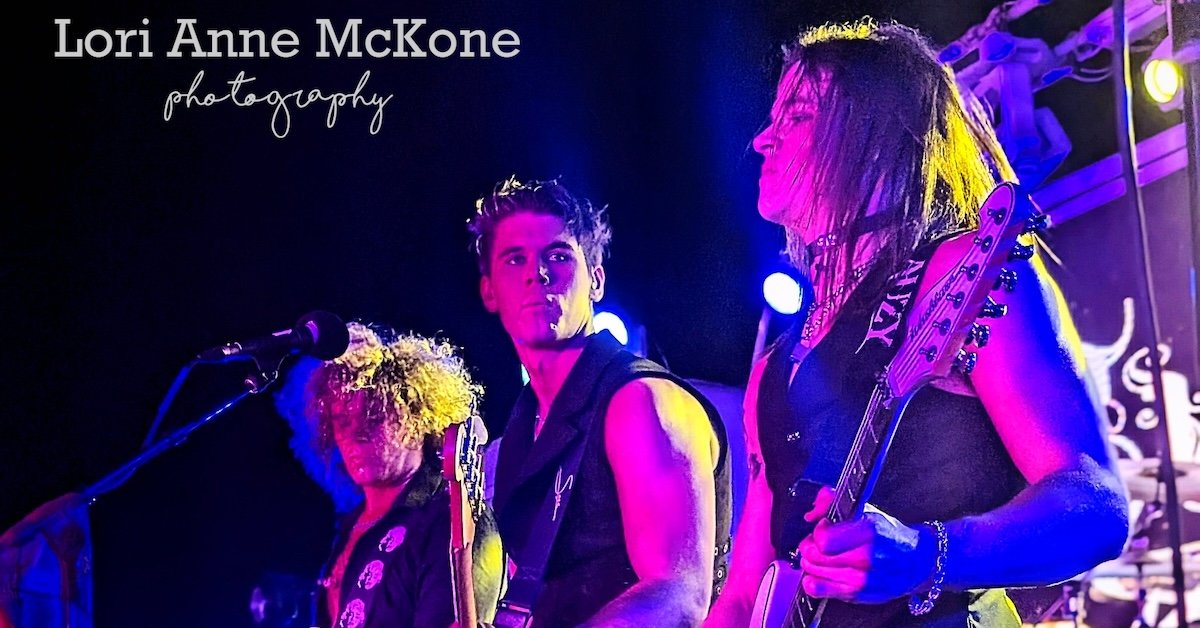
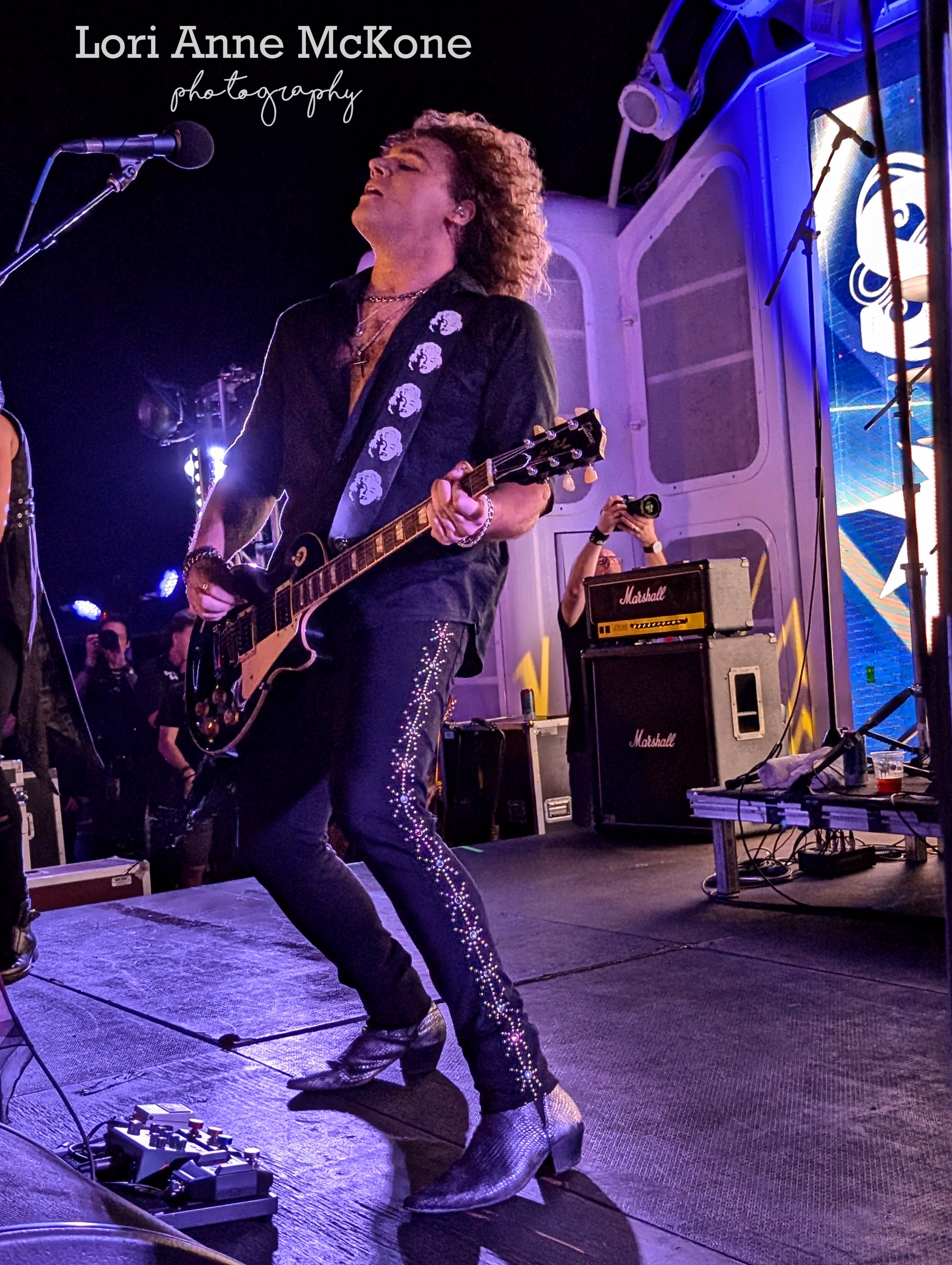
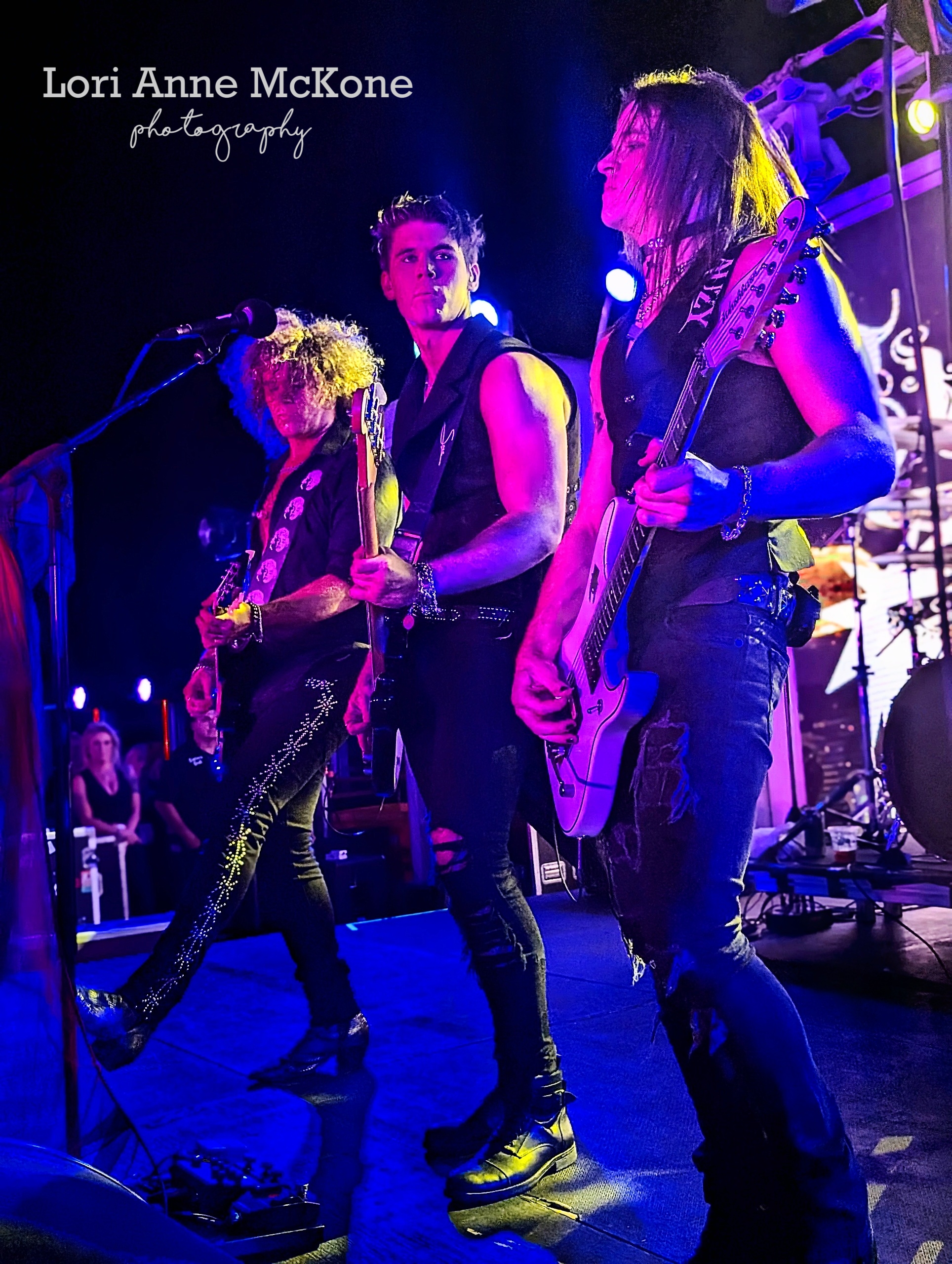
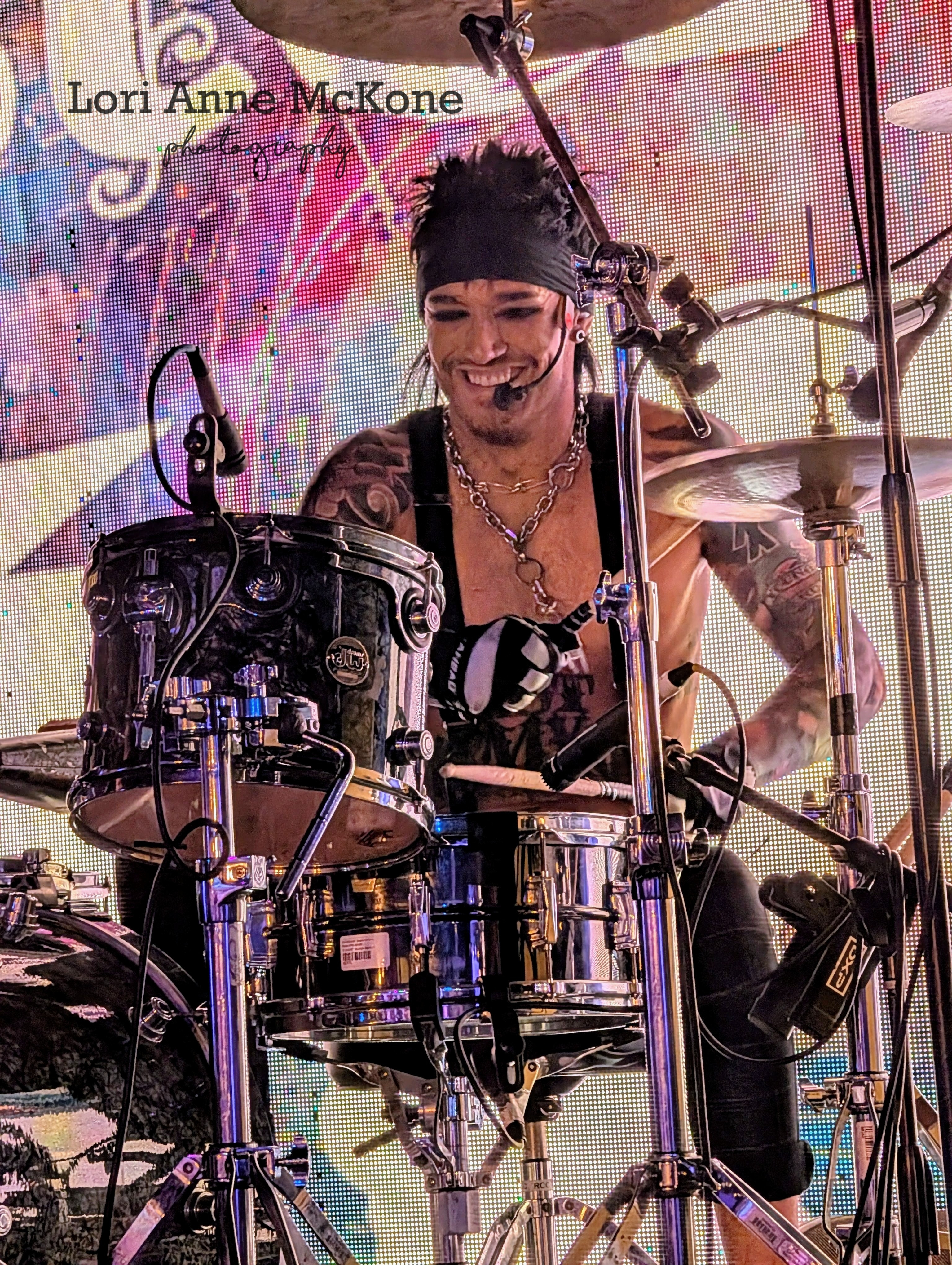
Sisters Doll, a band of brothers from Melbourne, Australia—Austin, Bryce, Brennan, and Sage Mileto—formed in 2010. Gaining recognition through their impressive performance on “Australia’s Got Talent,” the group has since cemented their place in the music industry. They’ve shared stages with iconic acts like Kiss and L.A. Guns, showcasing their undeniable talent and passion for rock music. They boast five number one singles from the “Scars” album to date and have the potential for more with their catchy melodies and choruses.
Photography by Lori Anne McKone.

RadioRadioX & The Xperience Monthly
© 2018 - 2026 Imperial Broadcasting. Most Rights Reserved.