Grampfather – Xperience History – by Joshua Reedy.
Originally published March 2022.
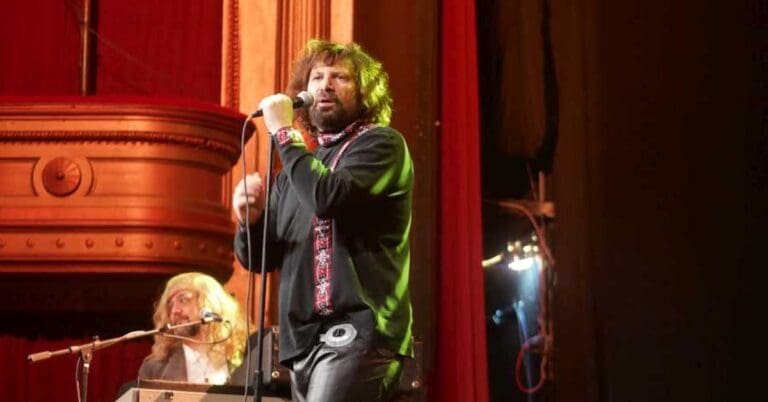
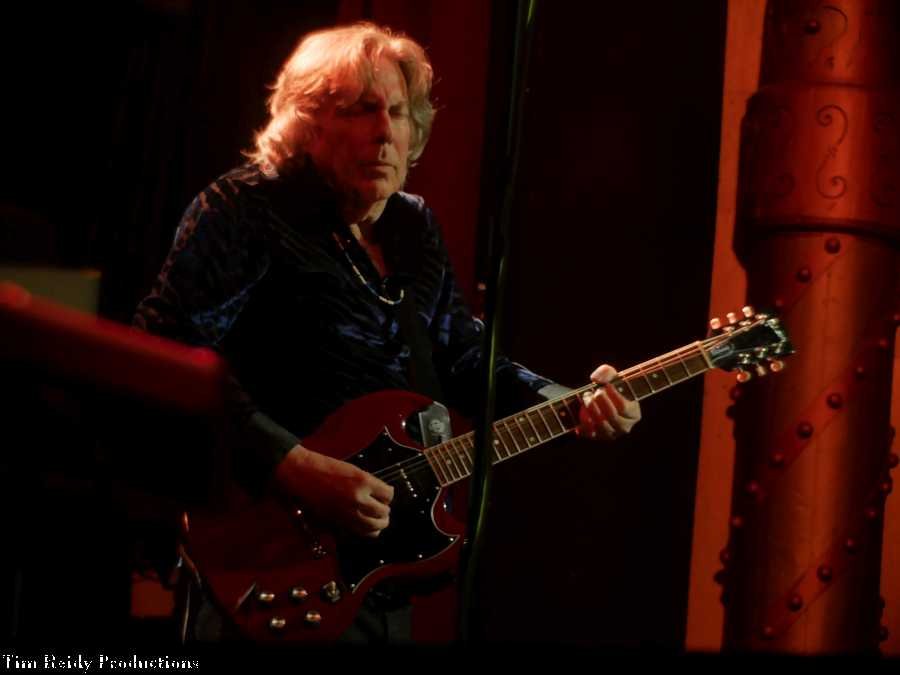
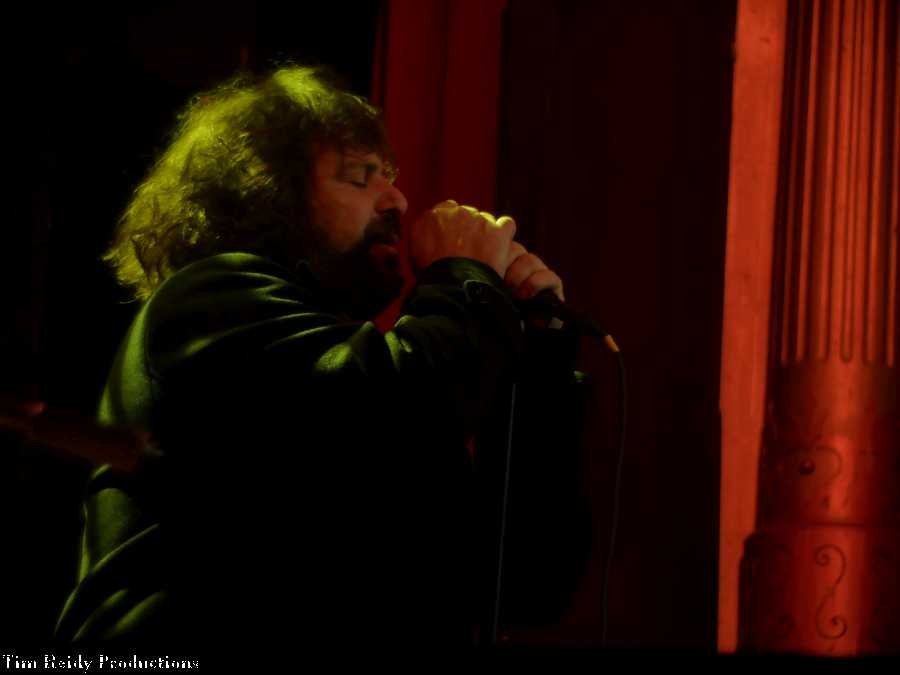
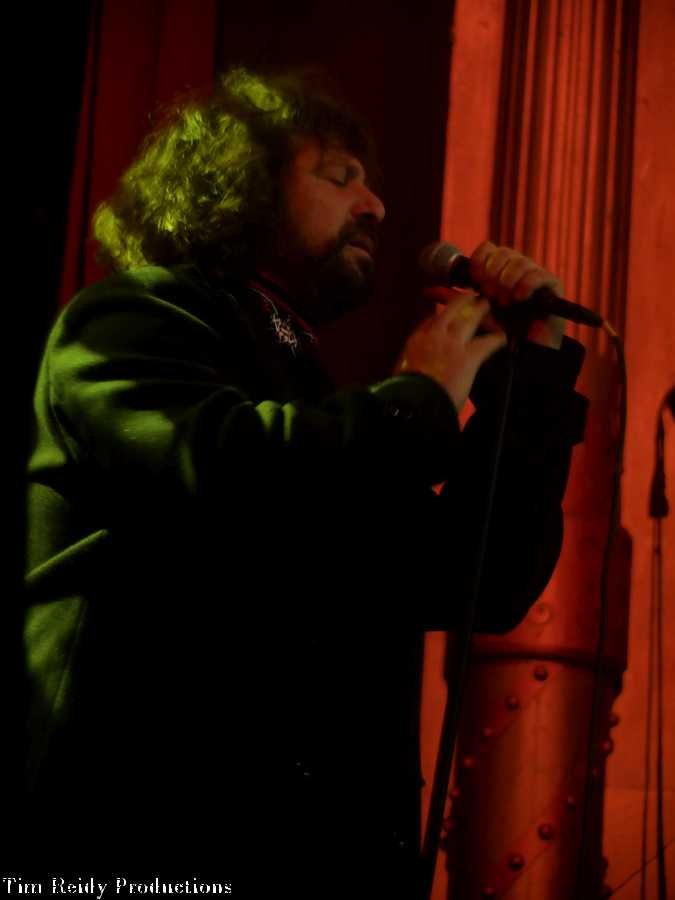
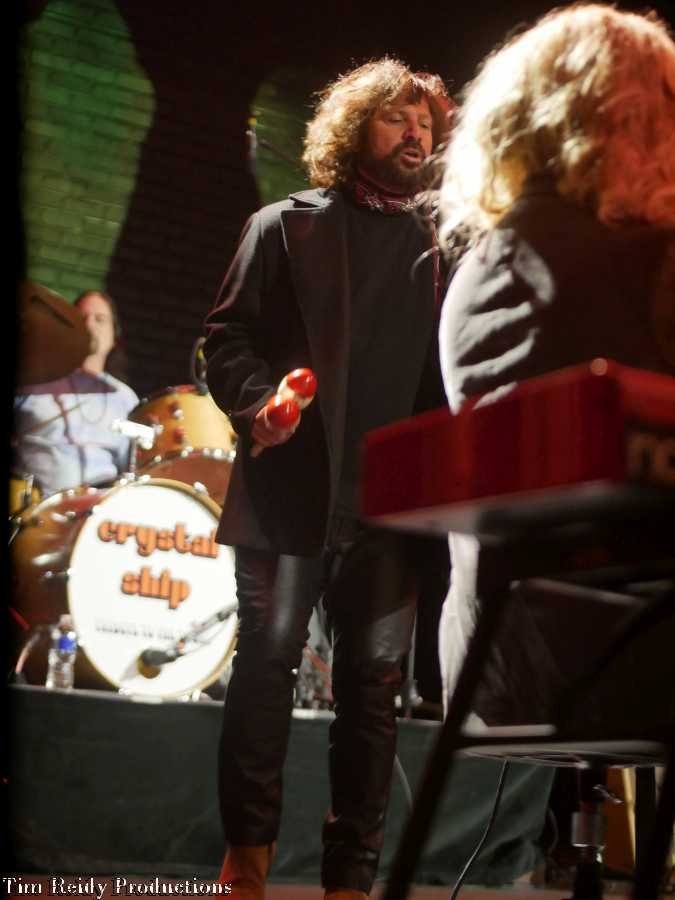
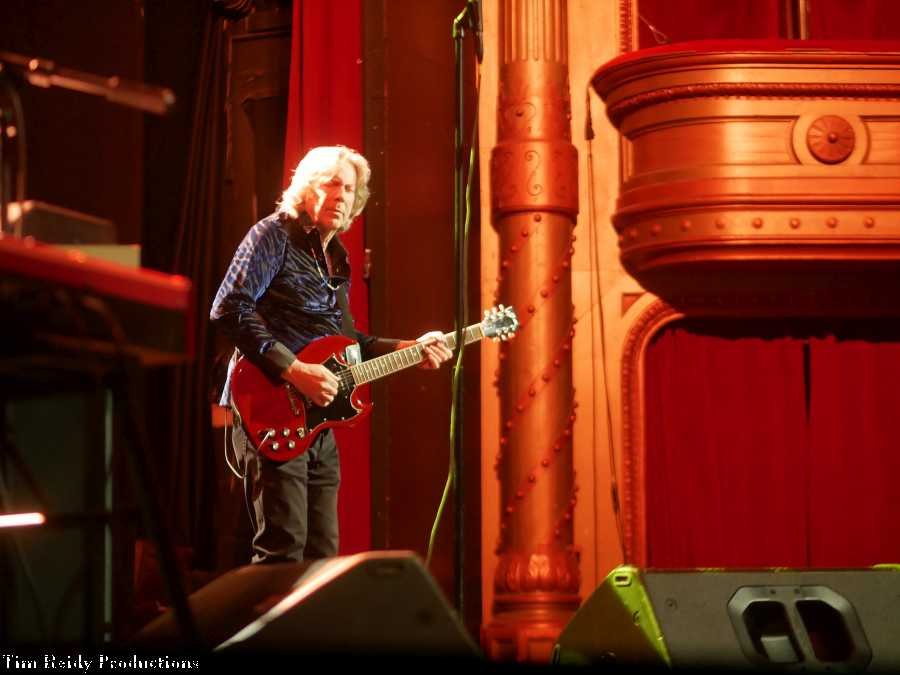
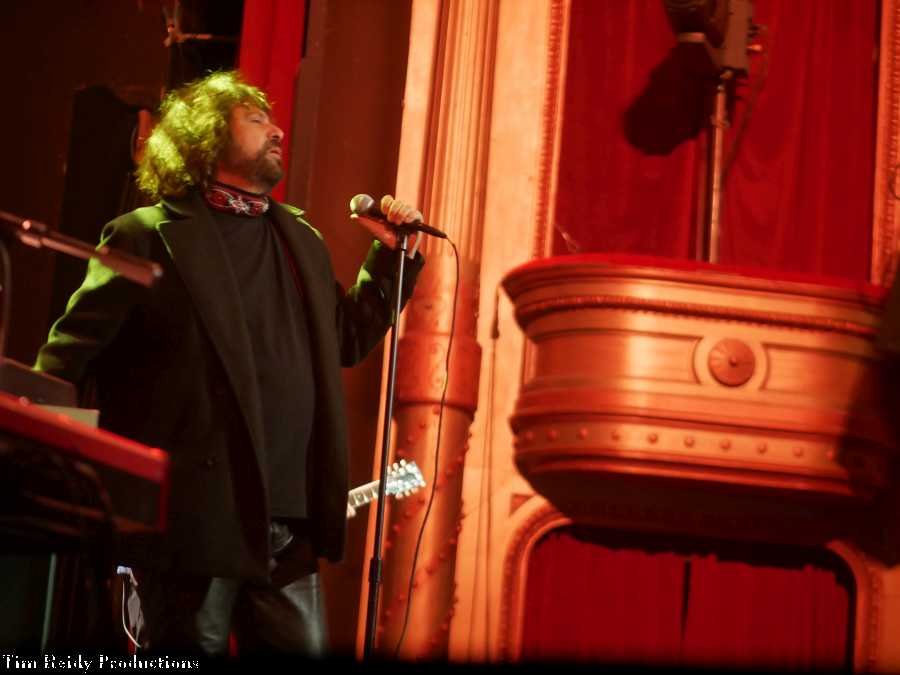
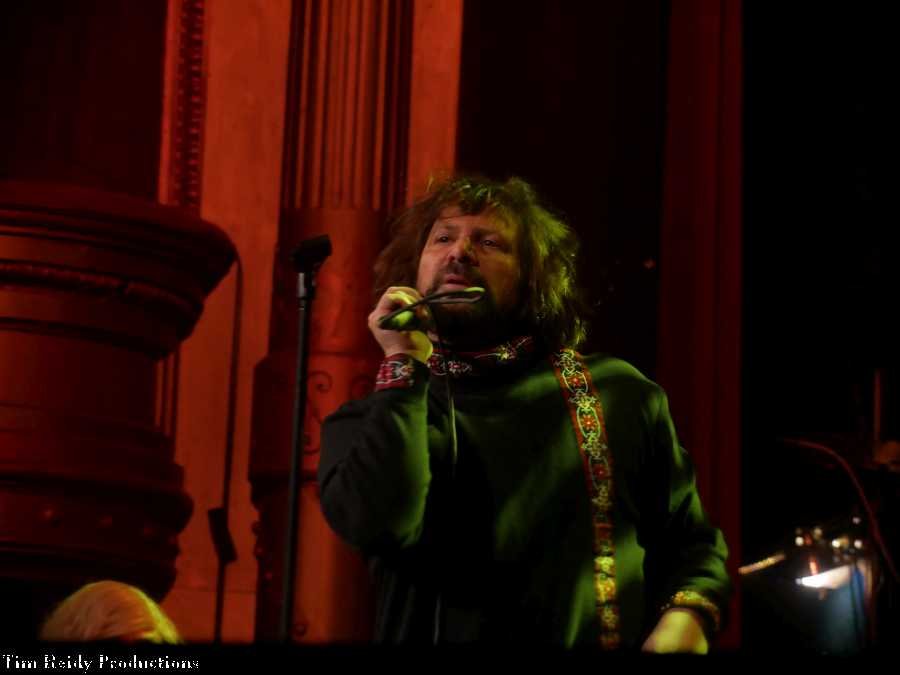
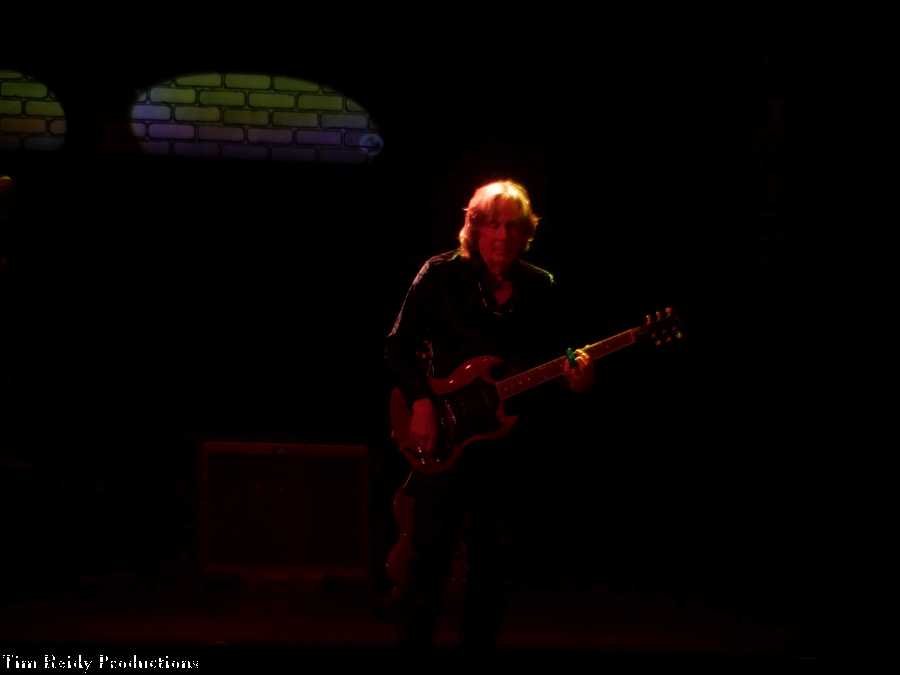
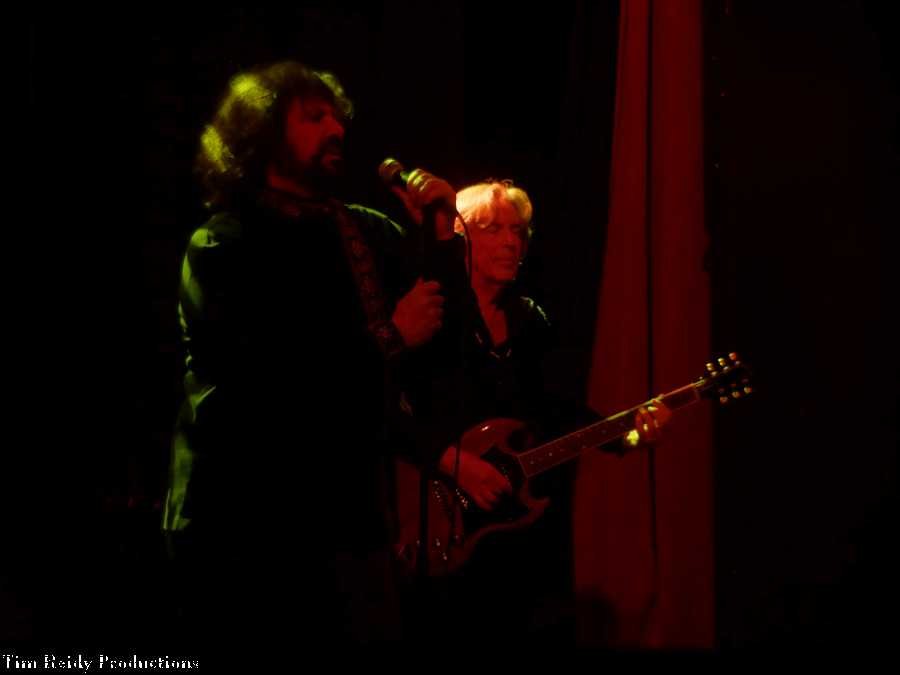
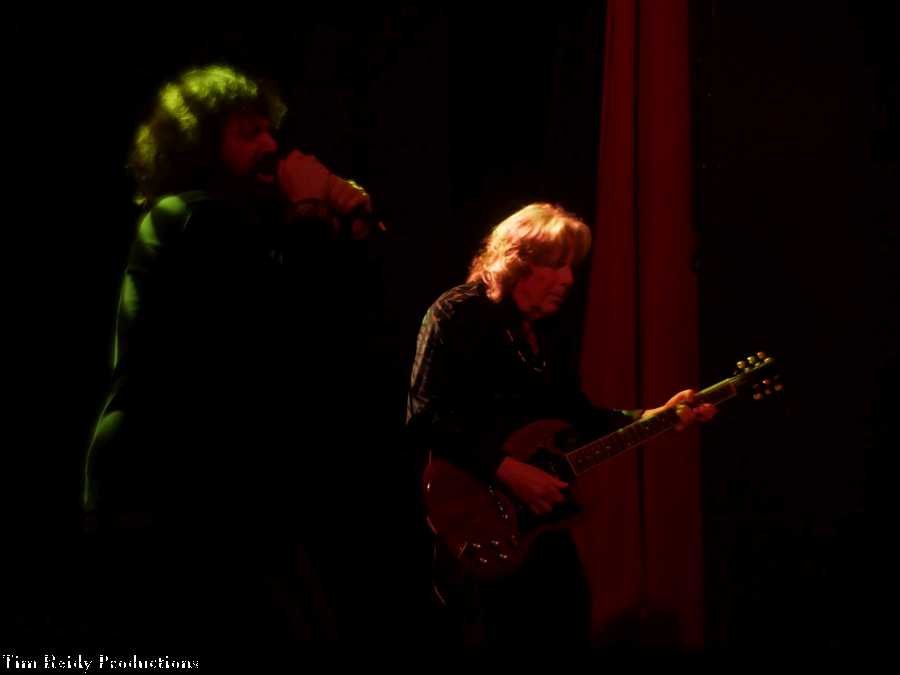
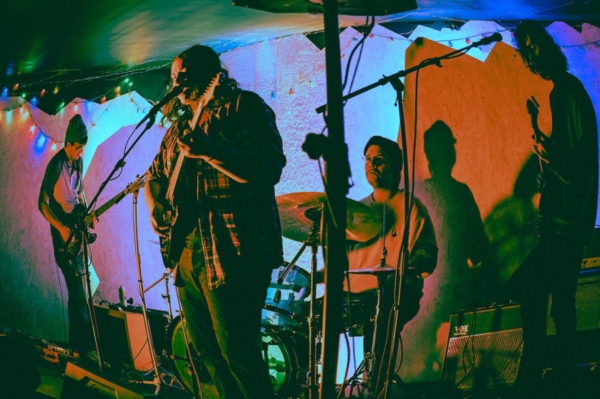
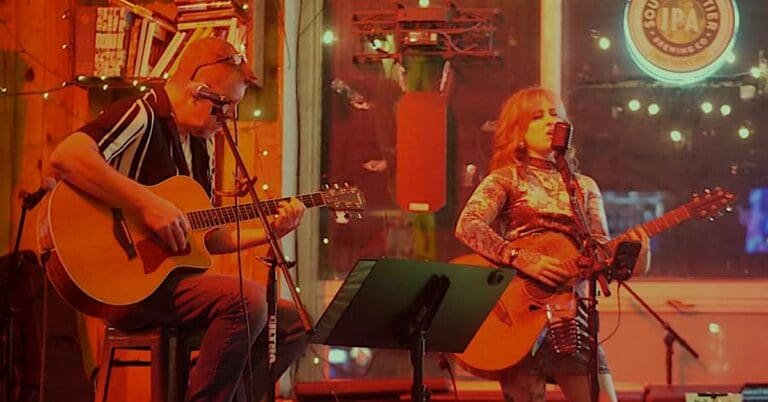
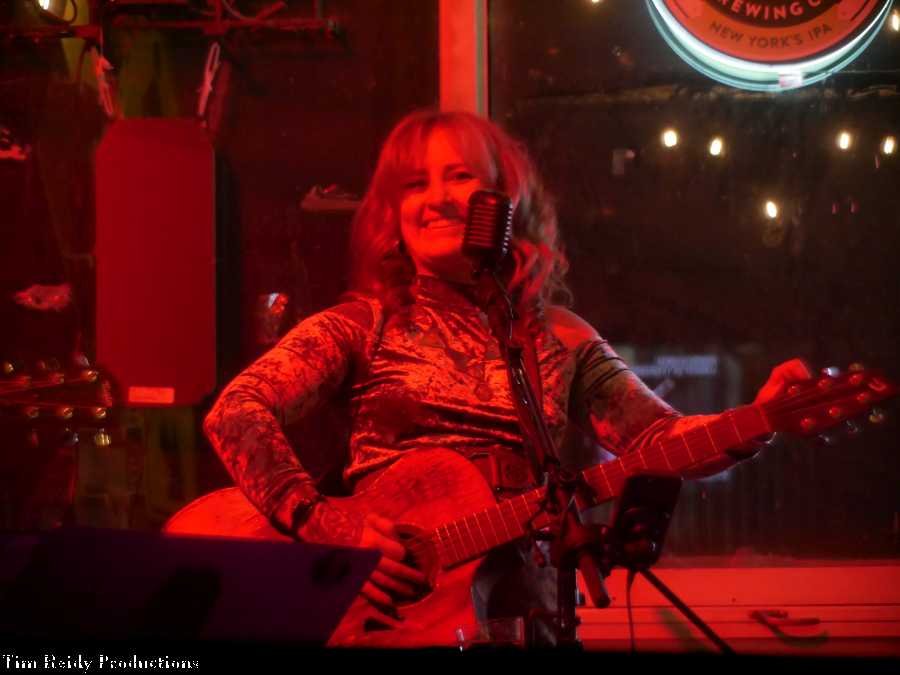
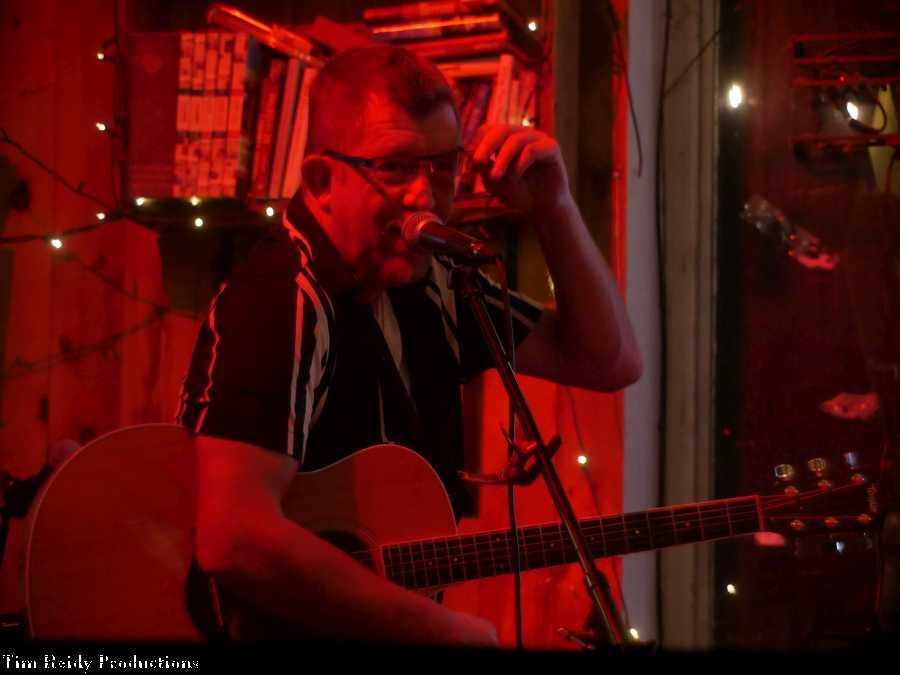
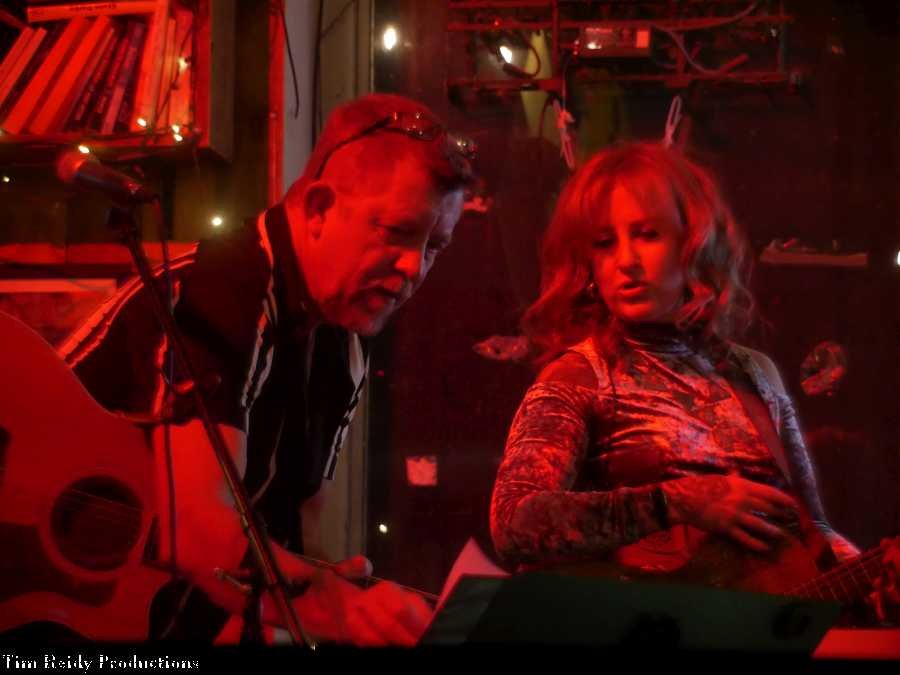
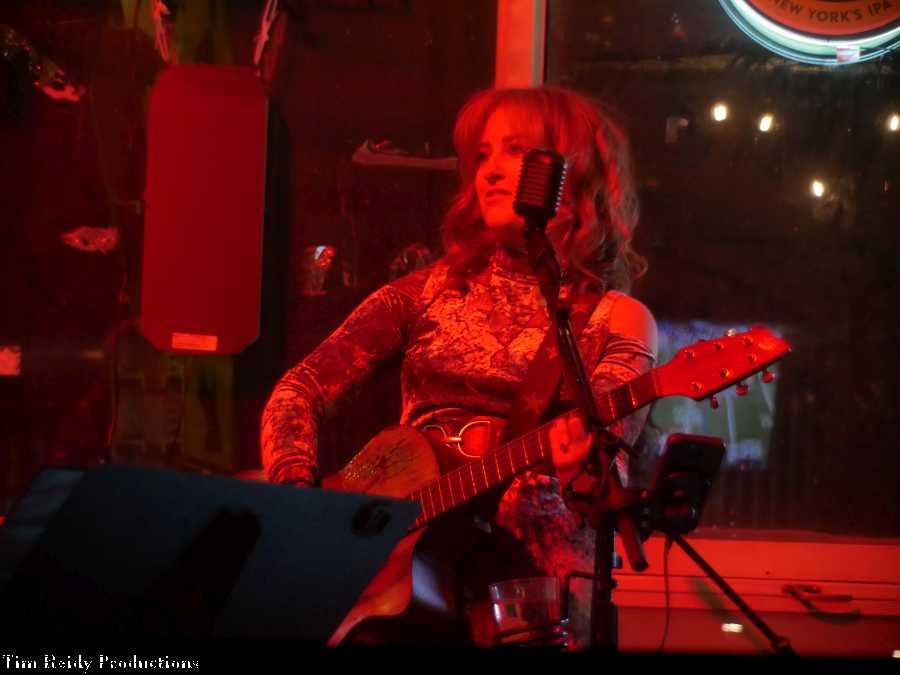
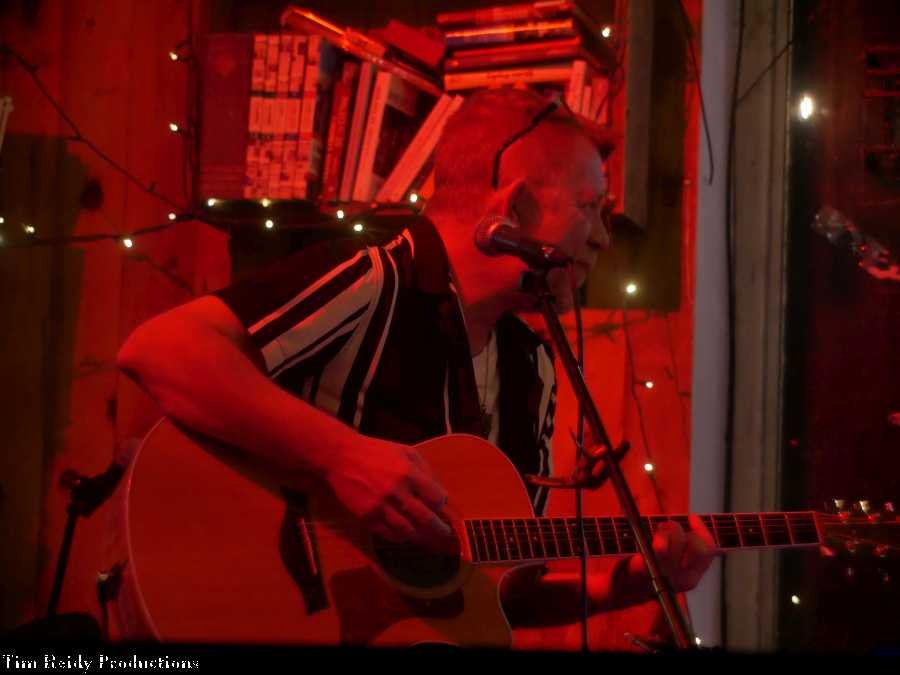
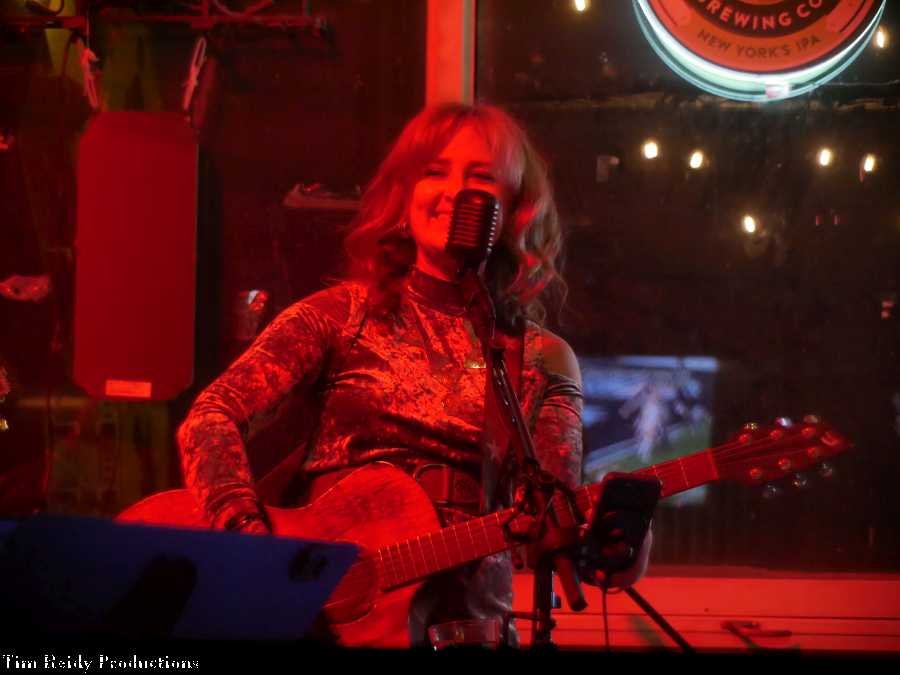
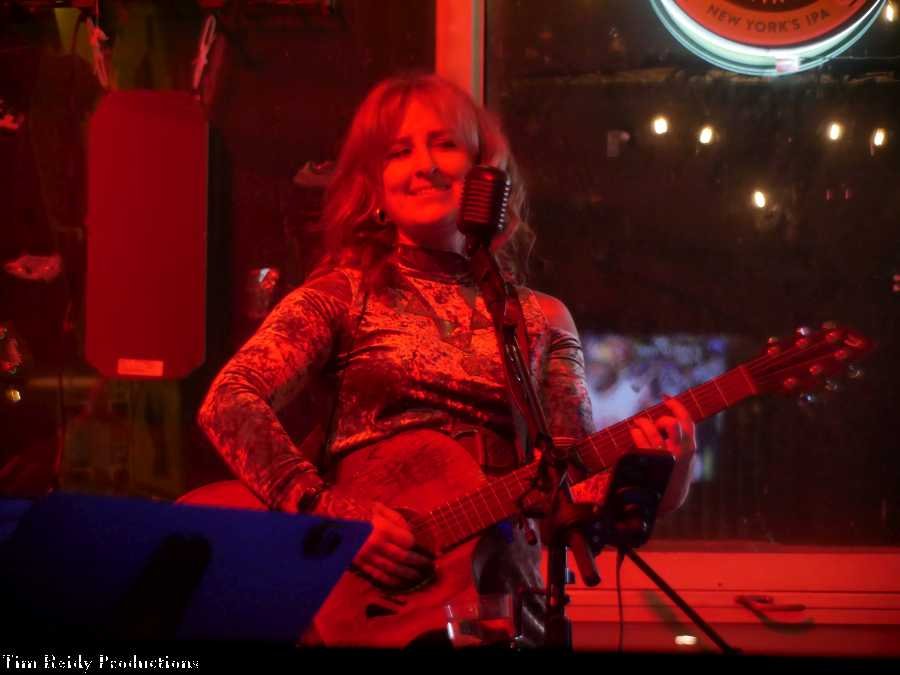
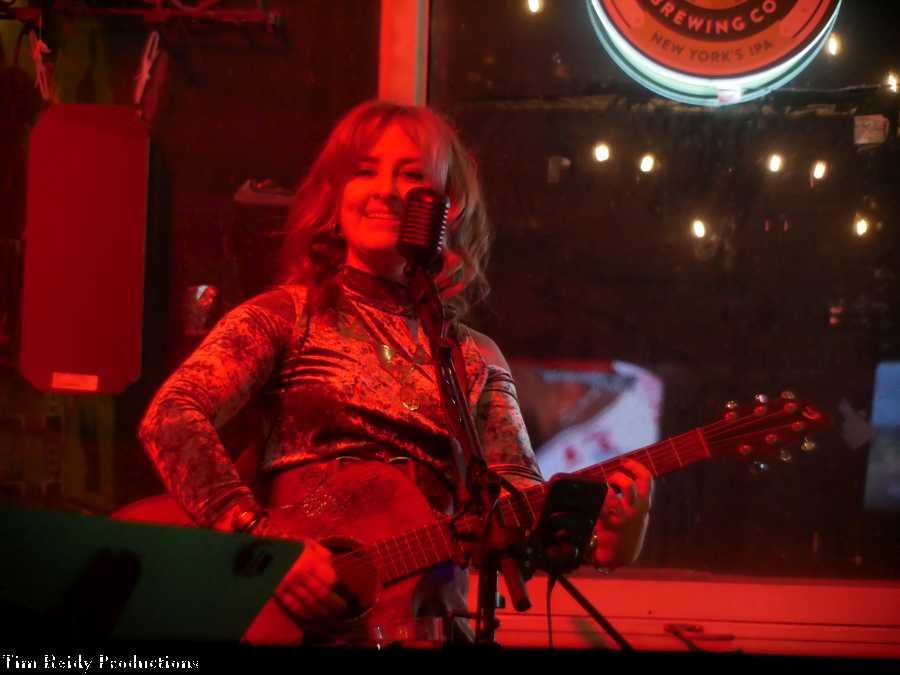
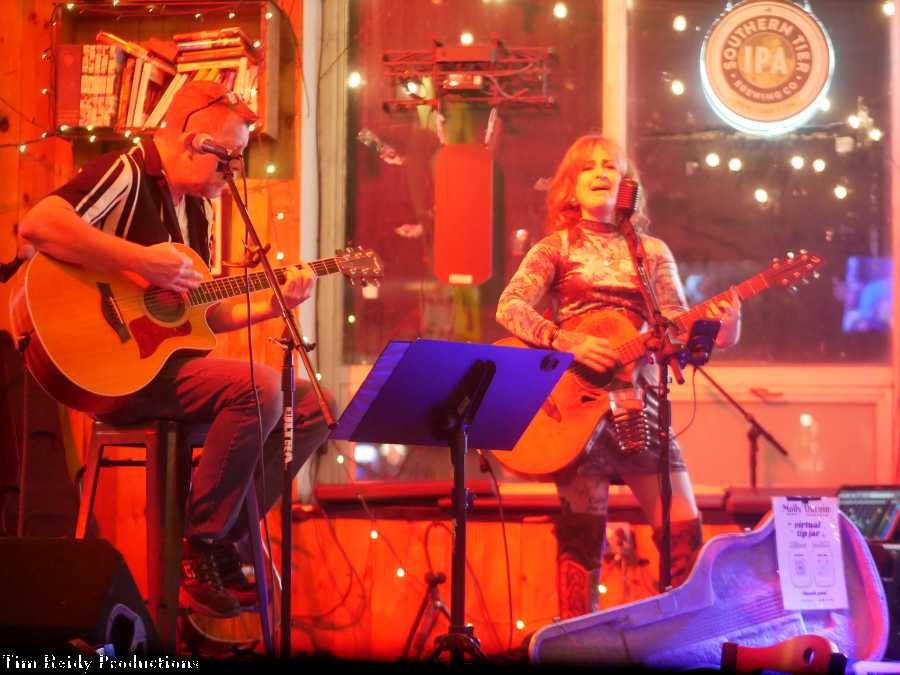
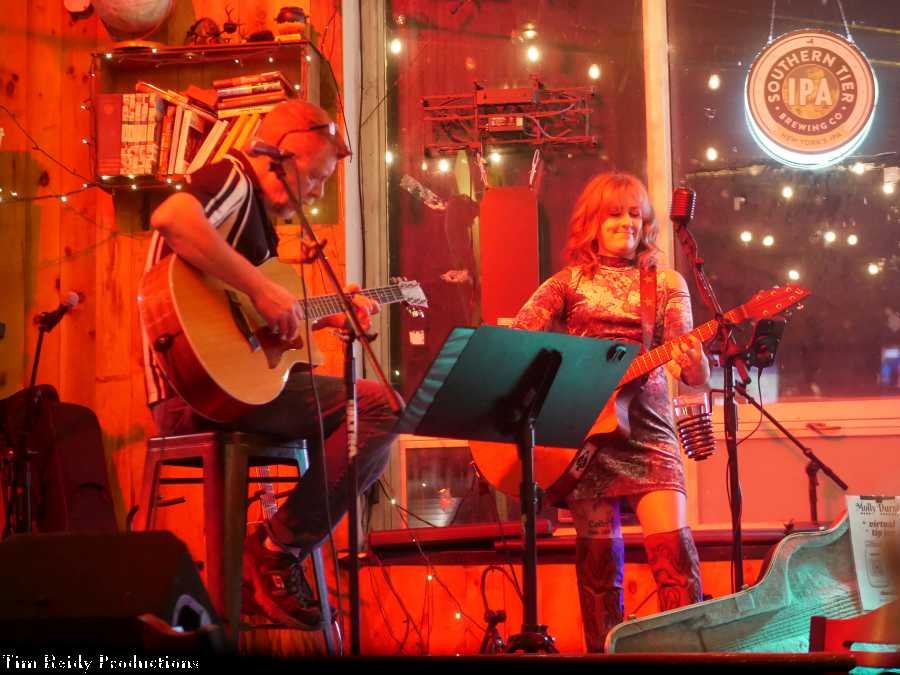
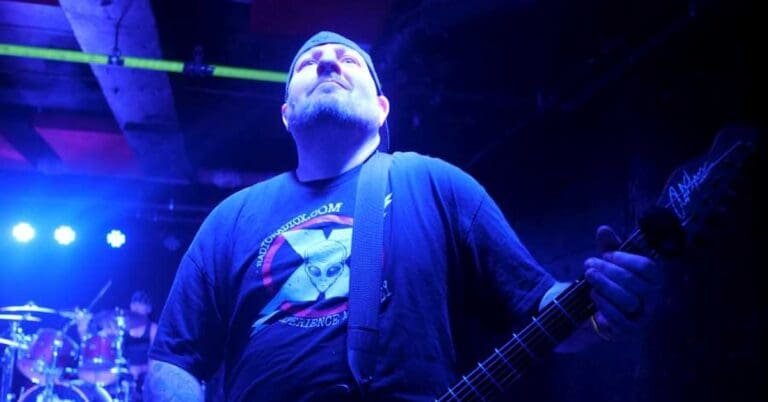
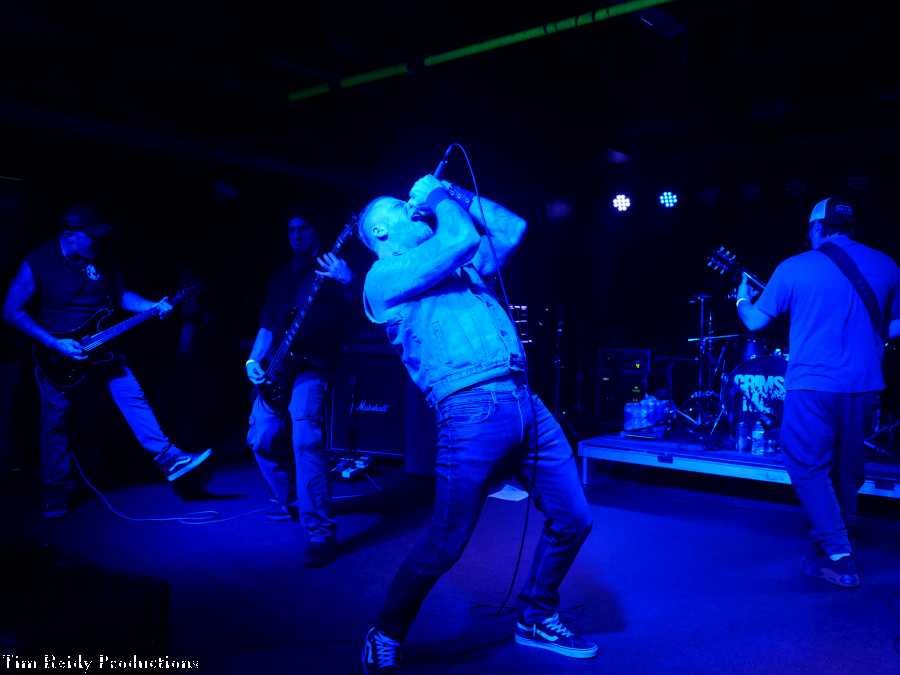
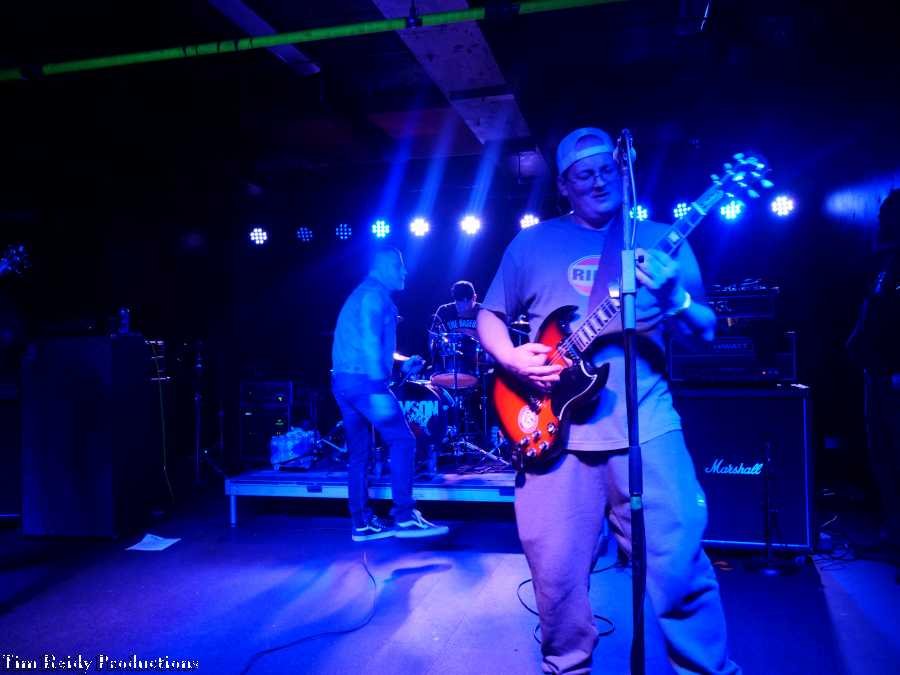
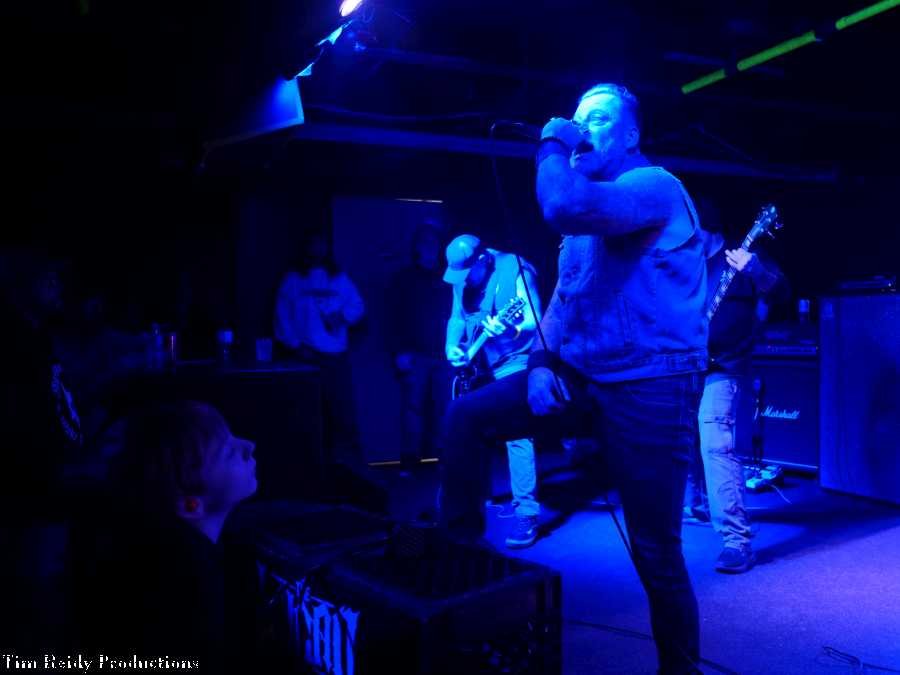
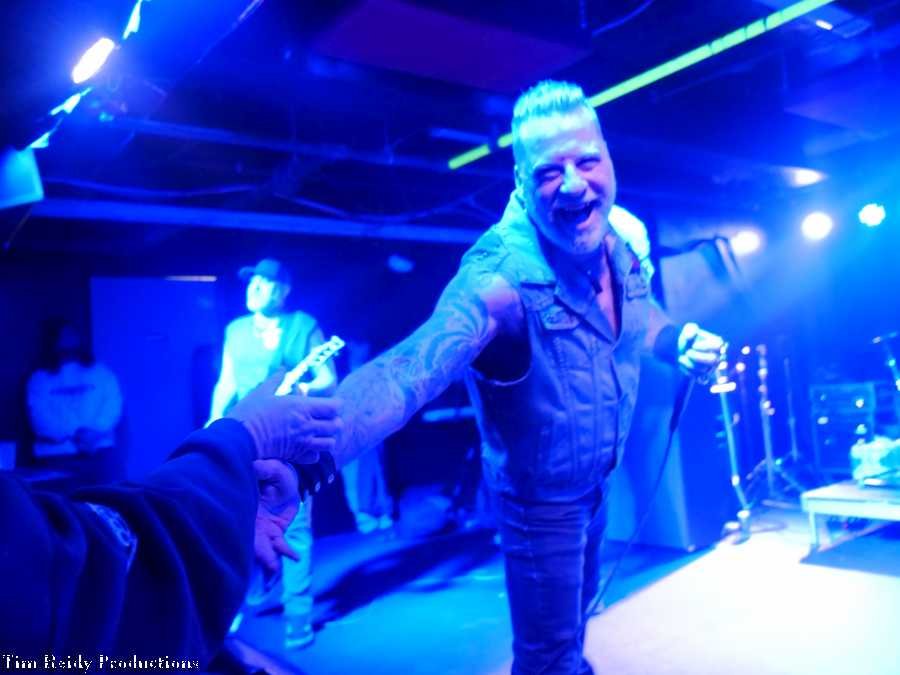
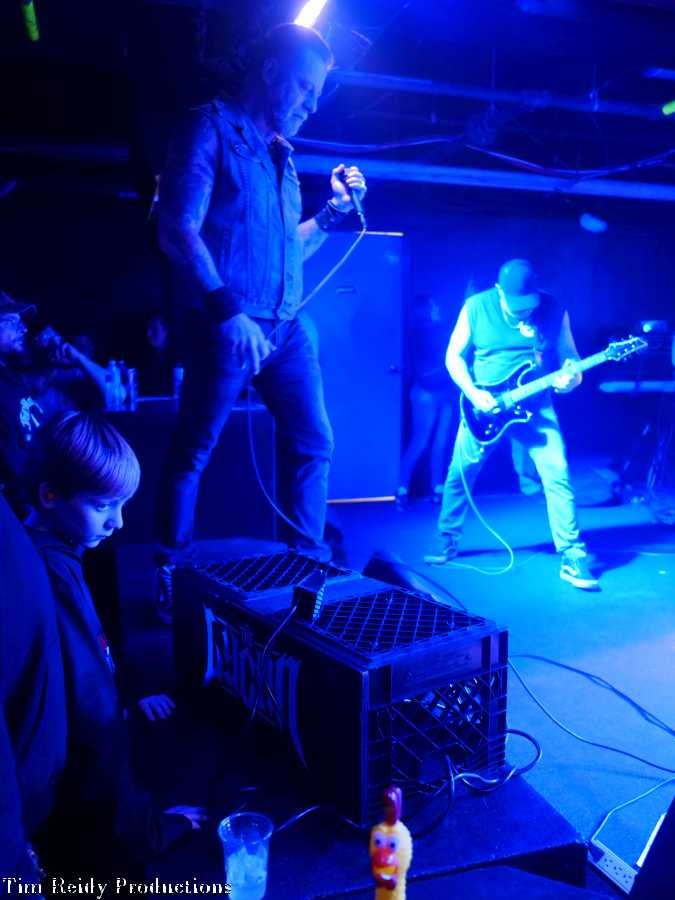
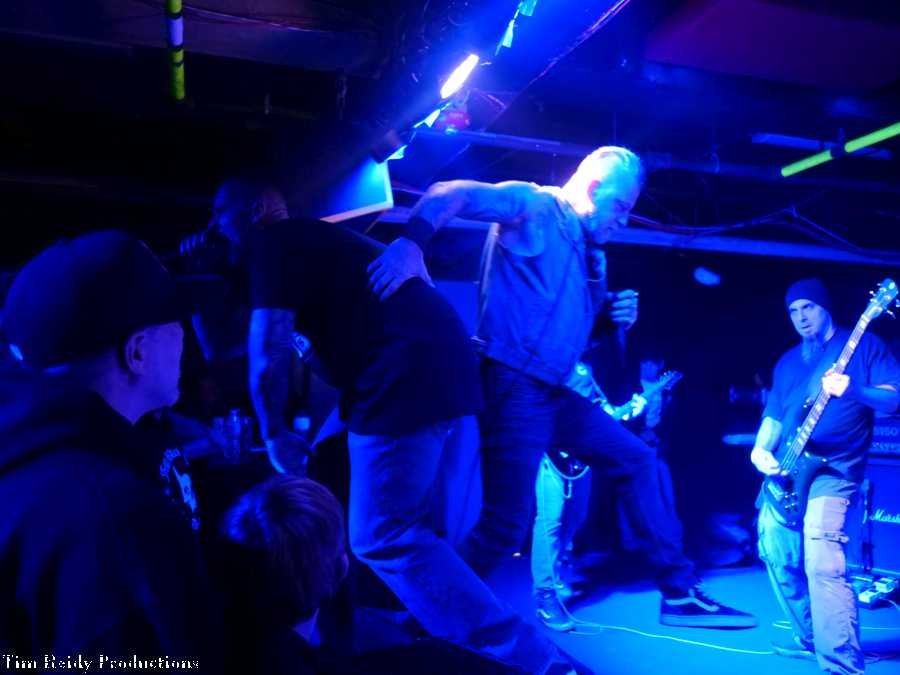
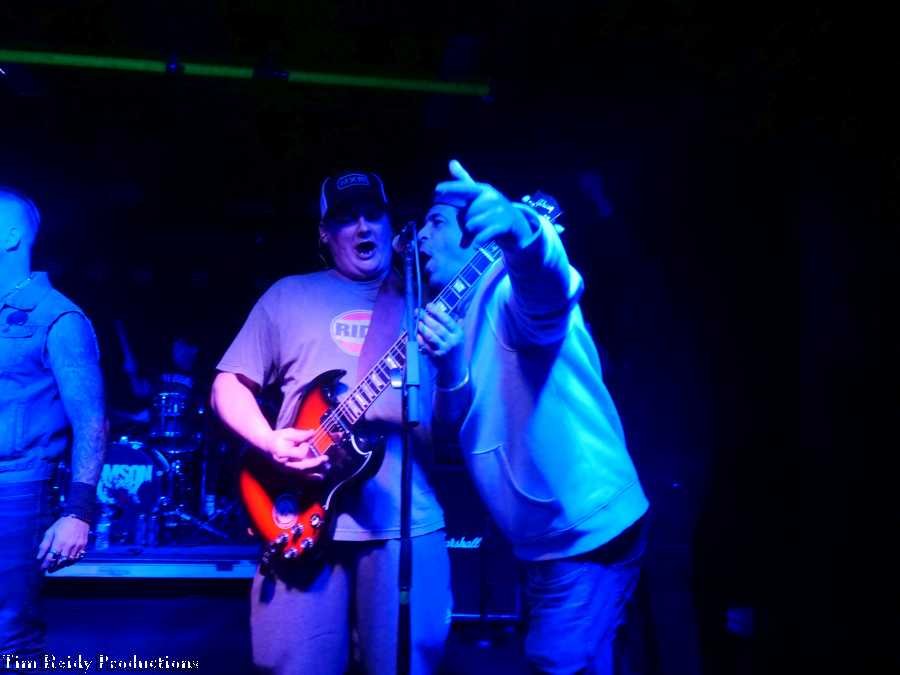
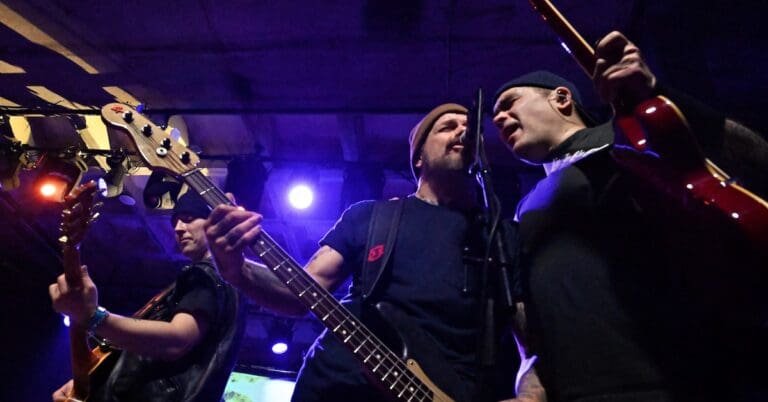
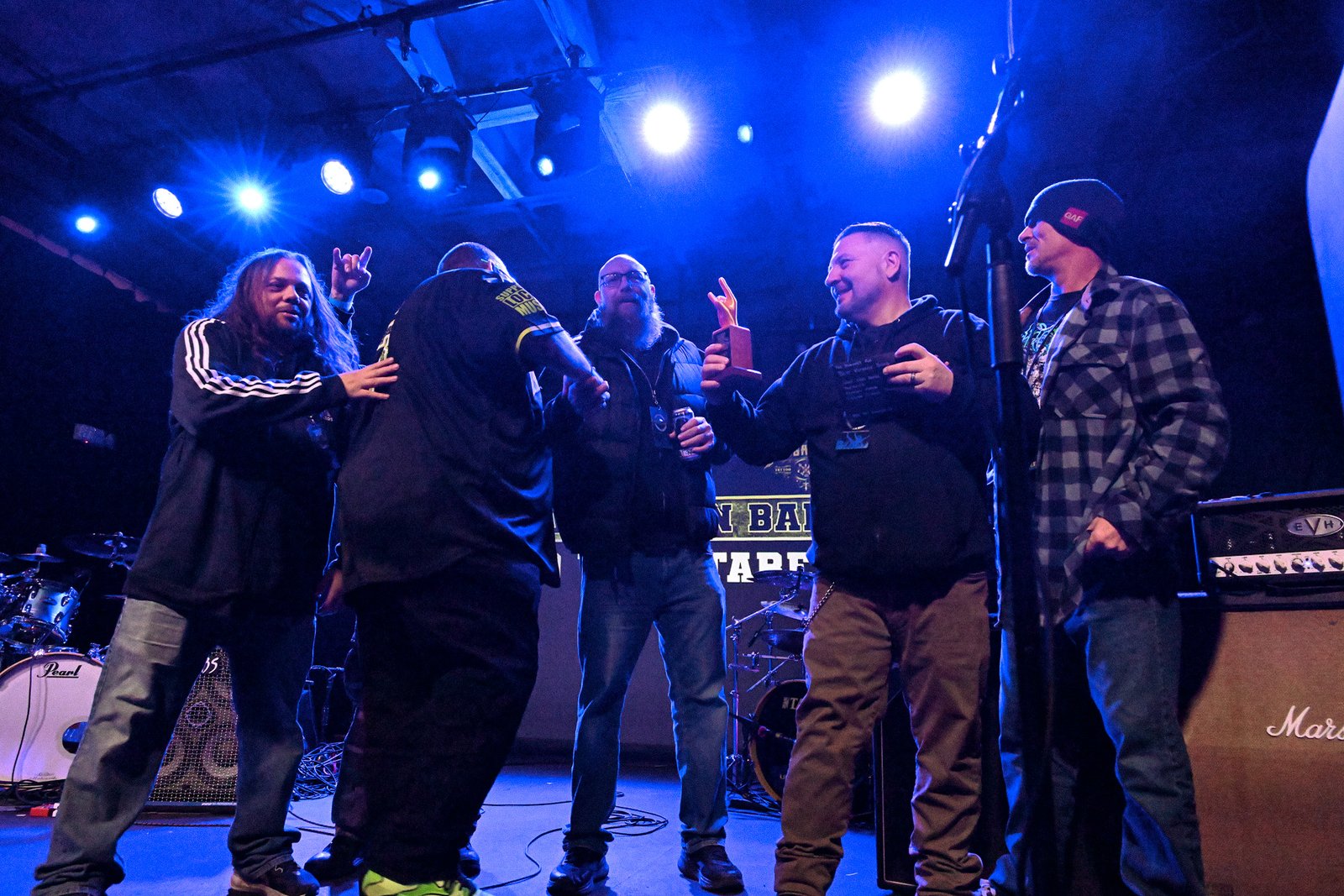
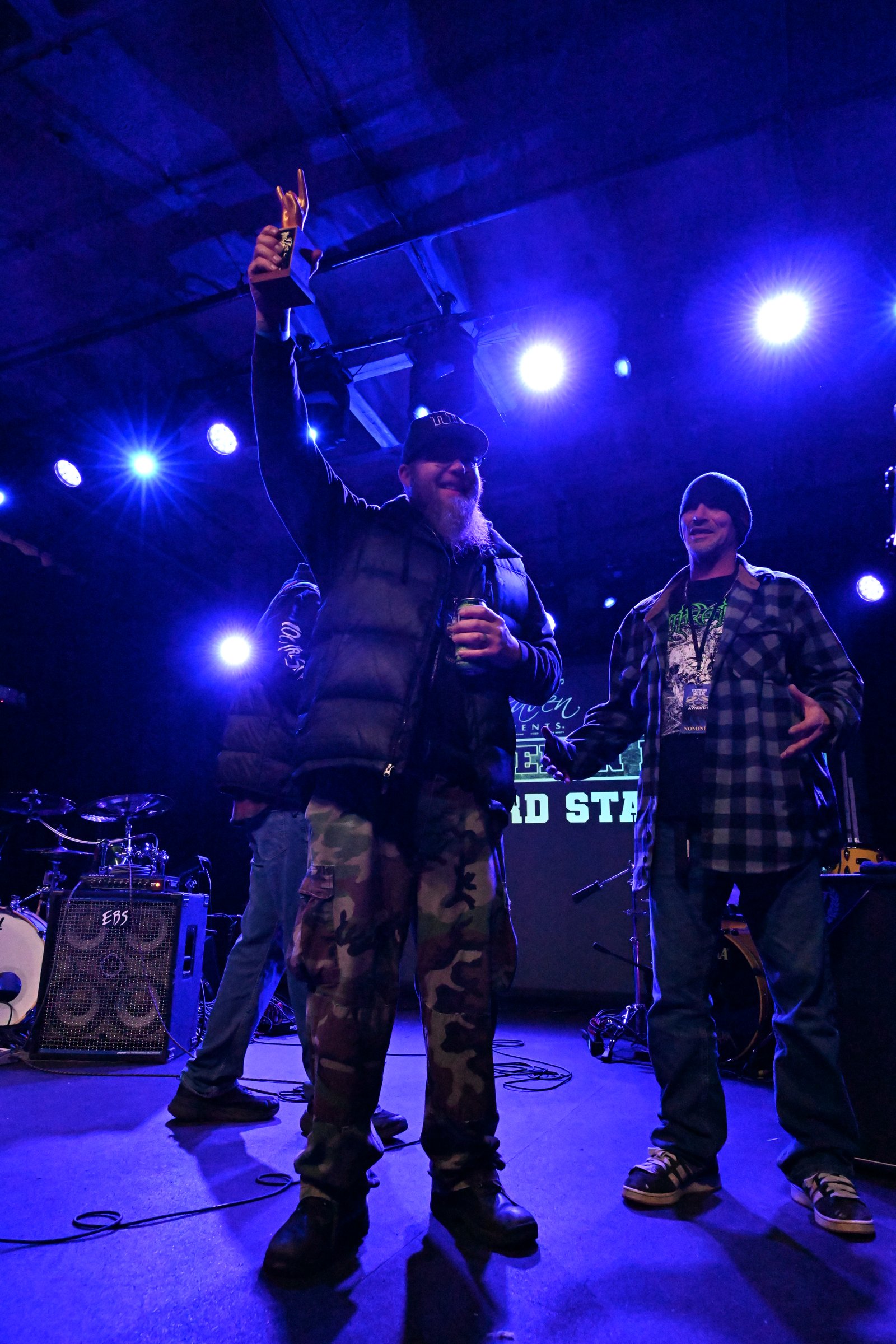
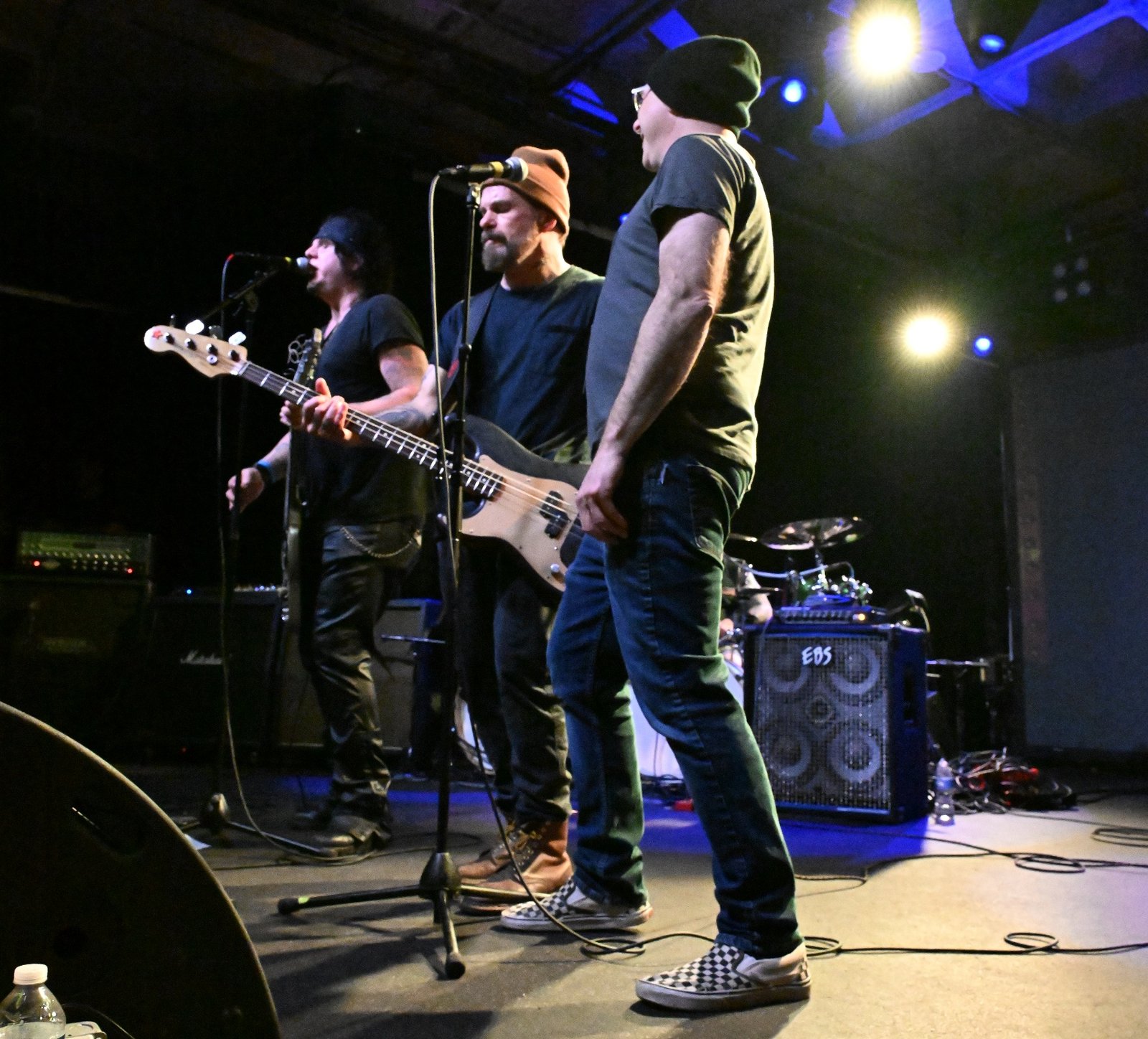
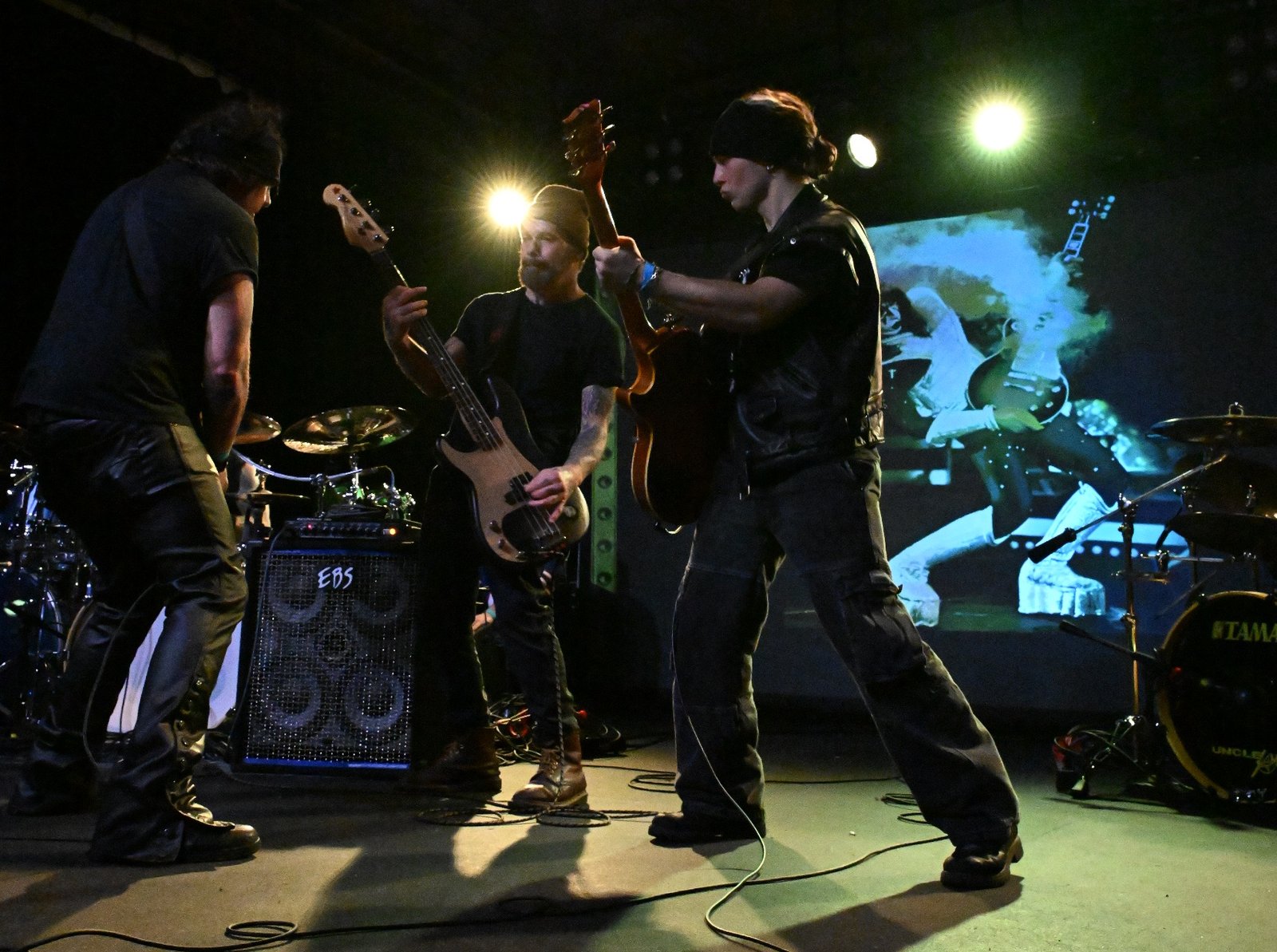
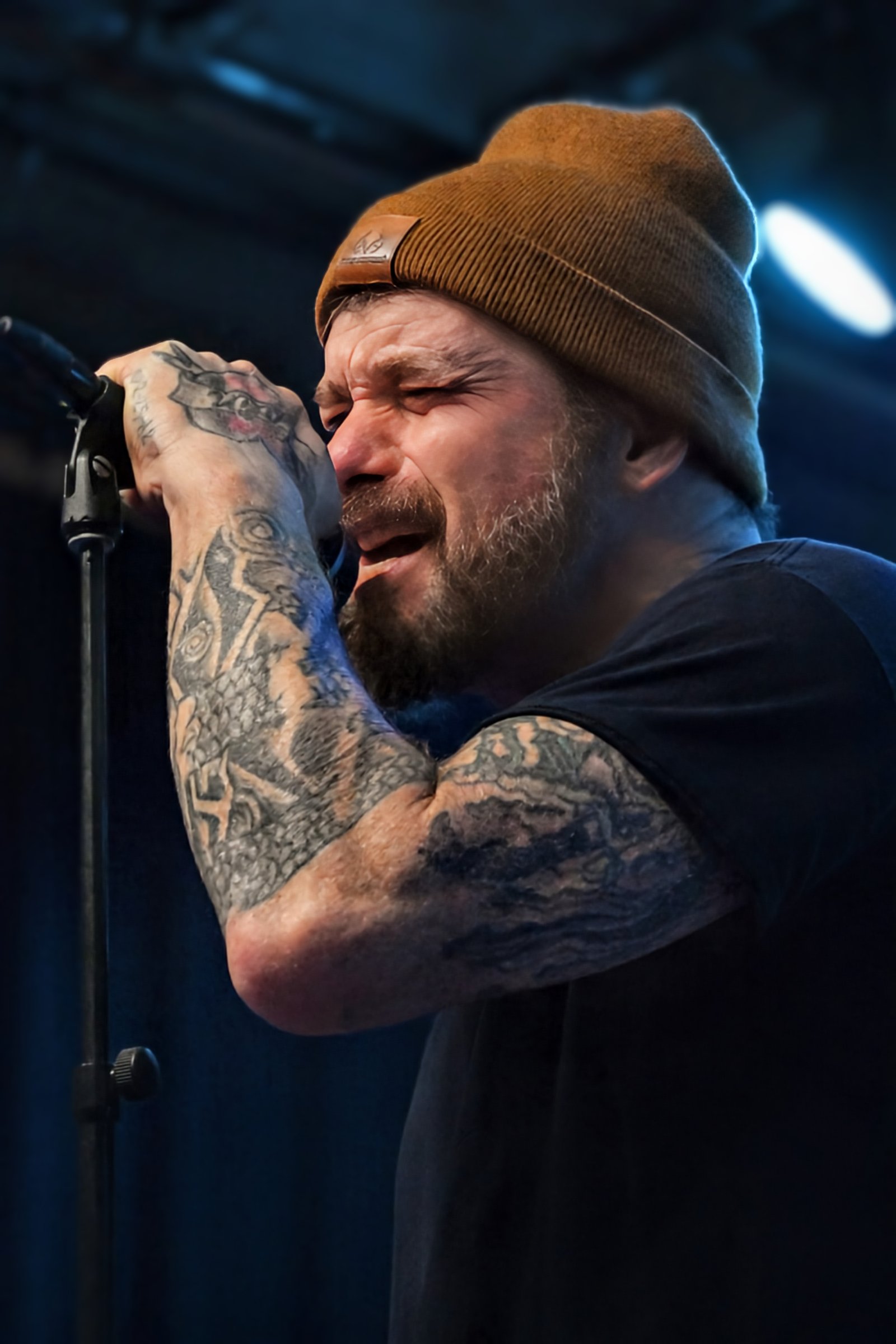
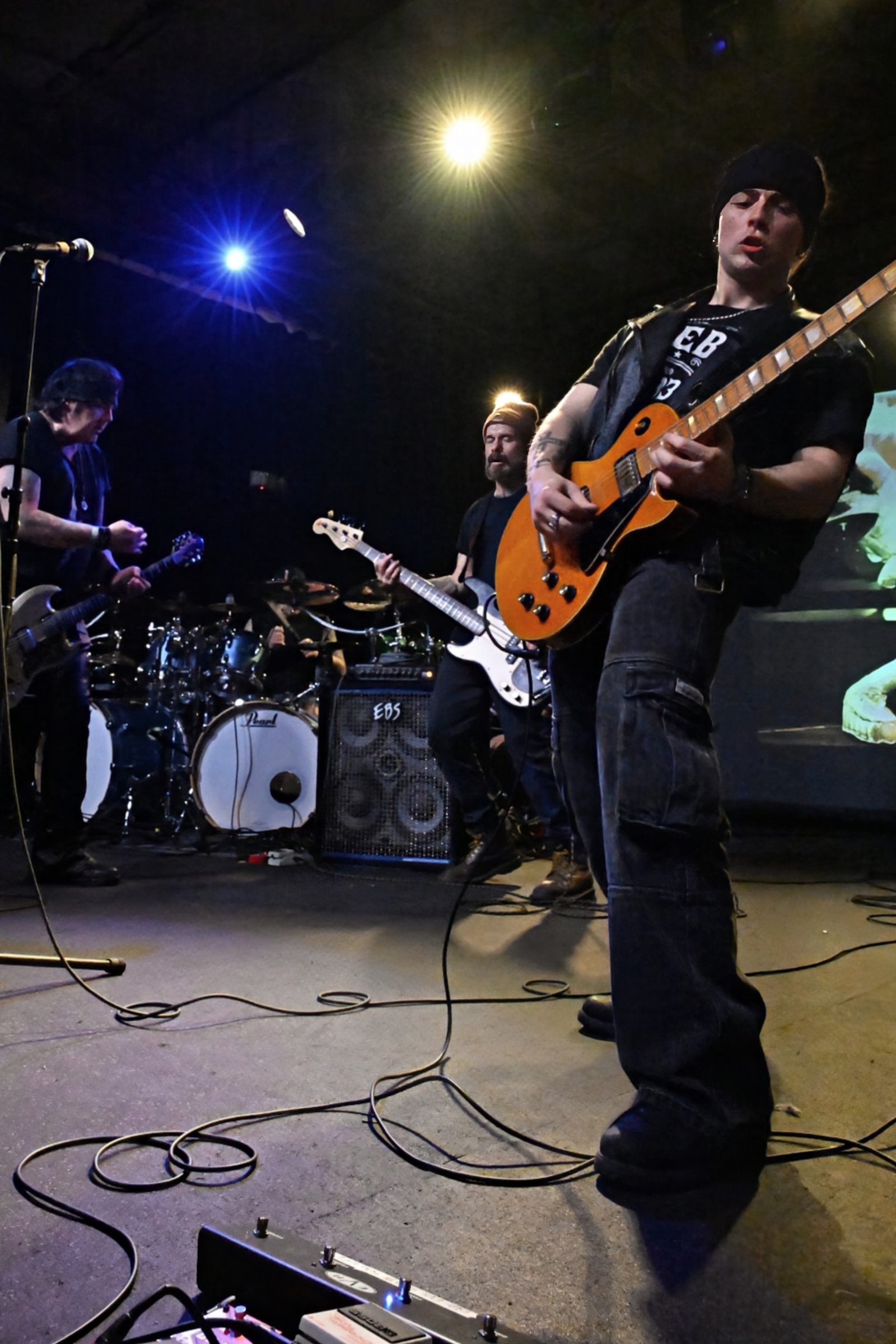
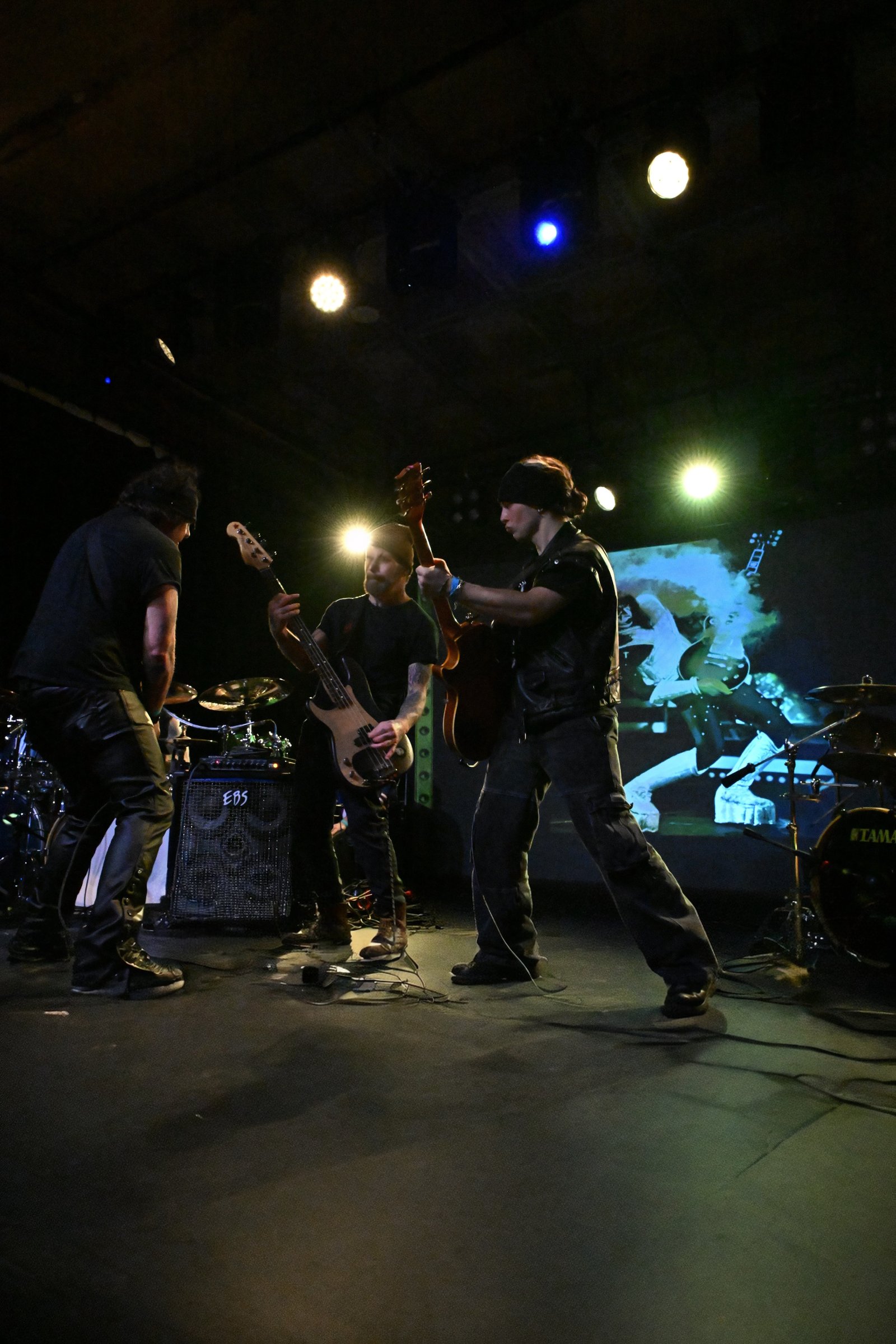
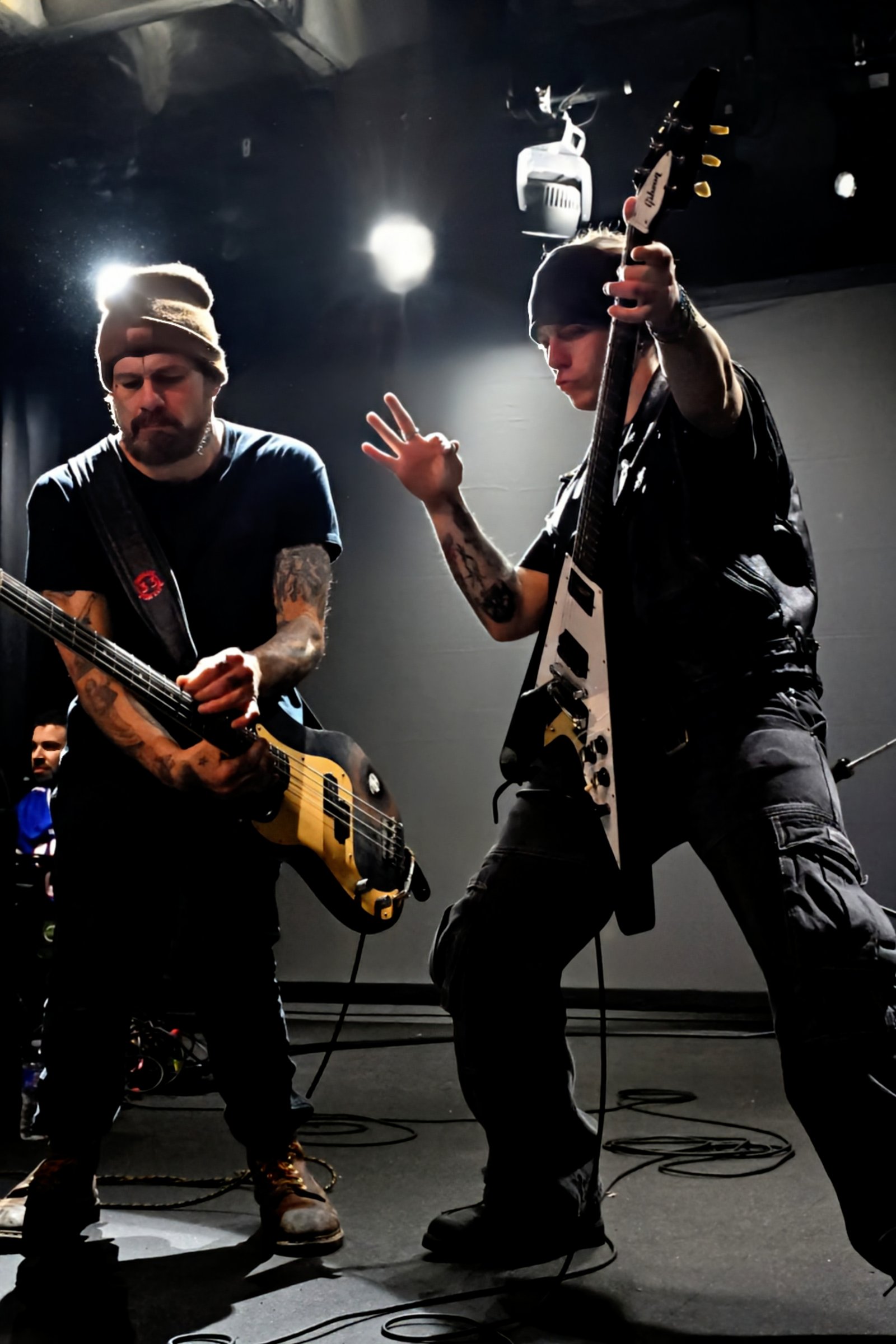
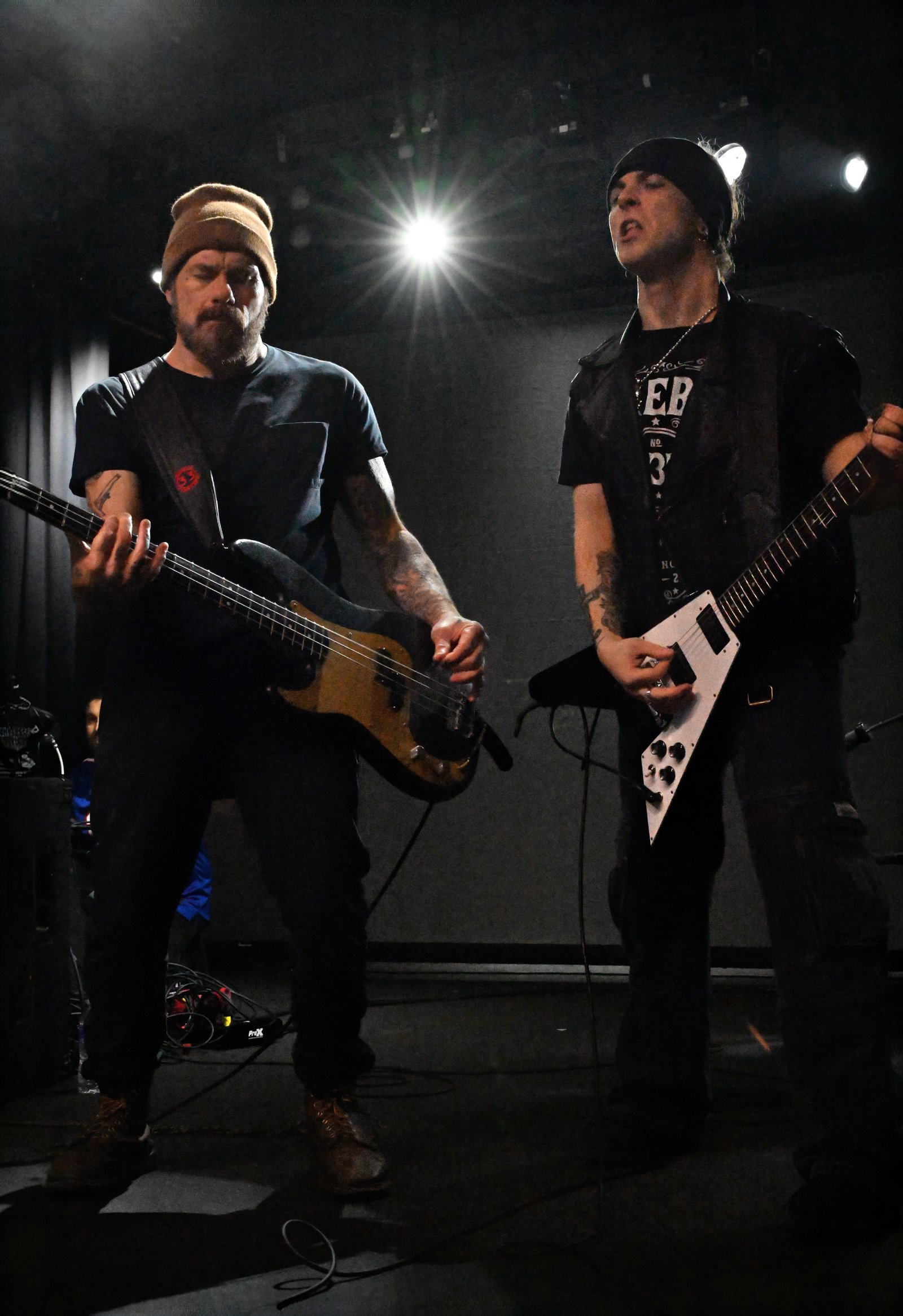
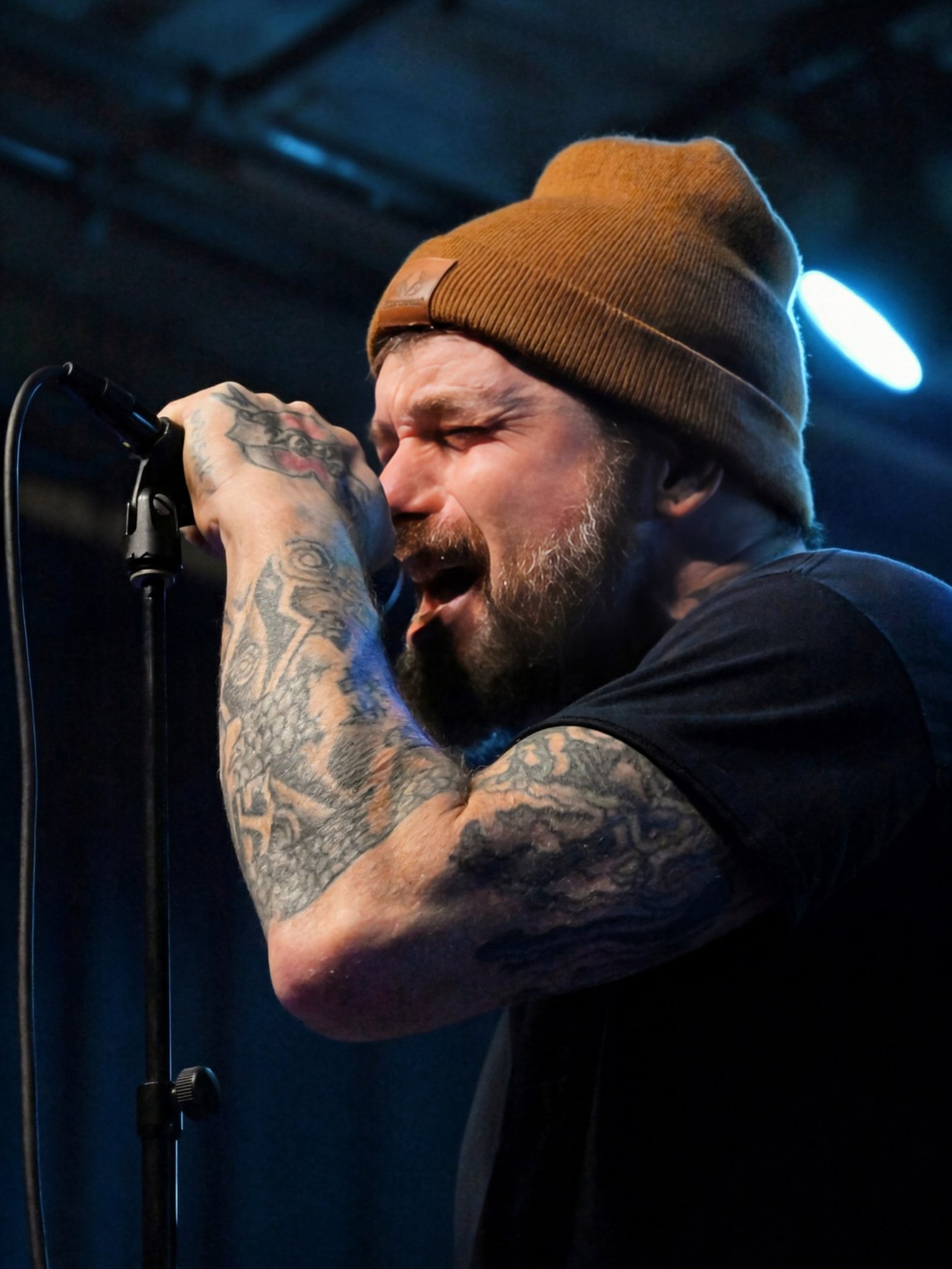
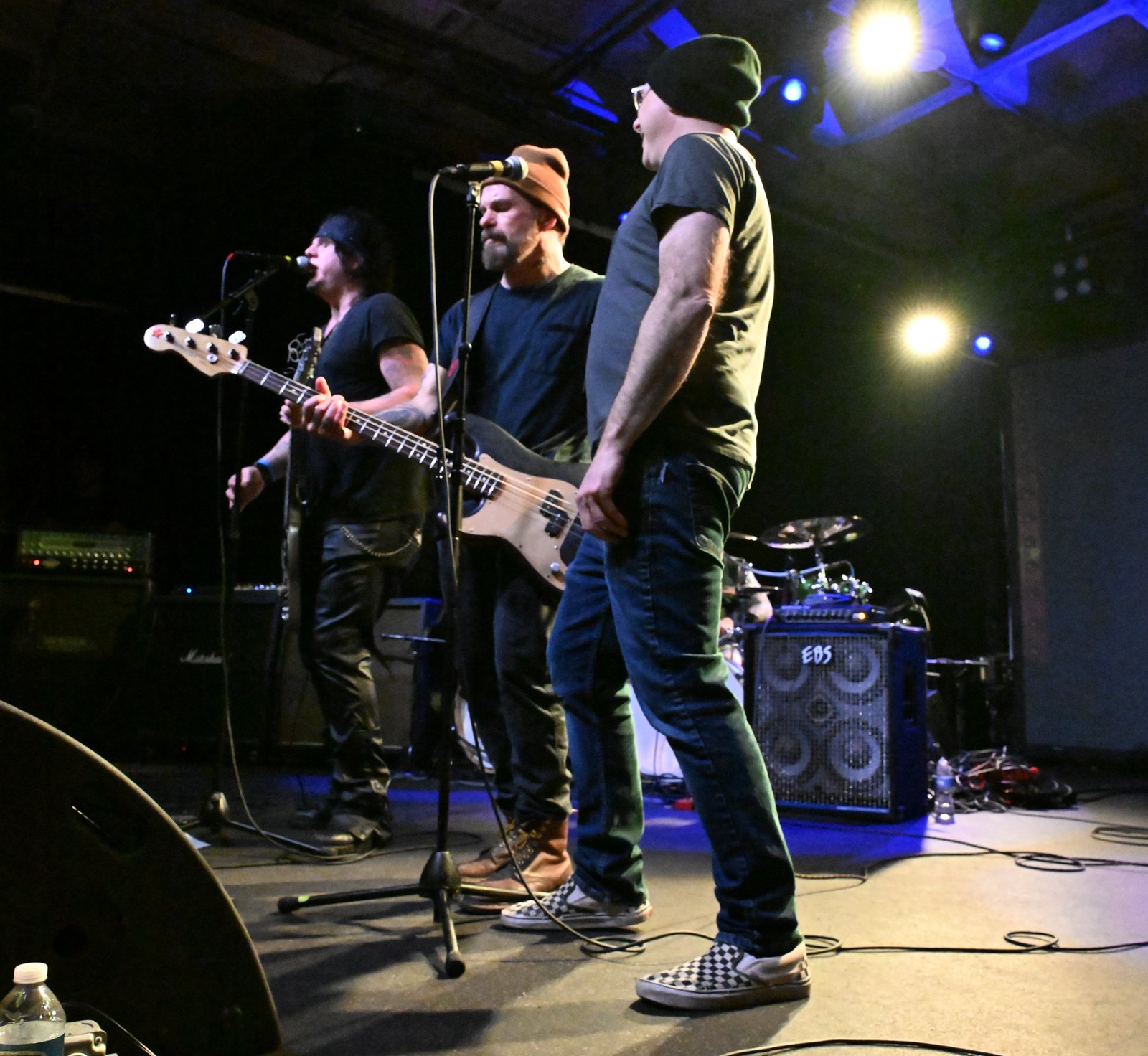
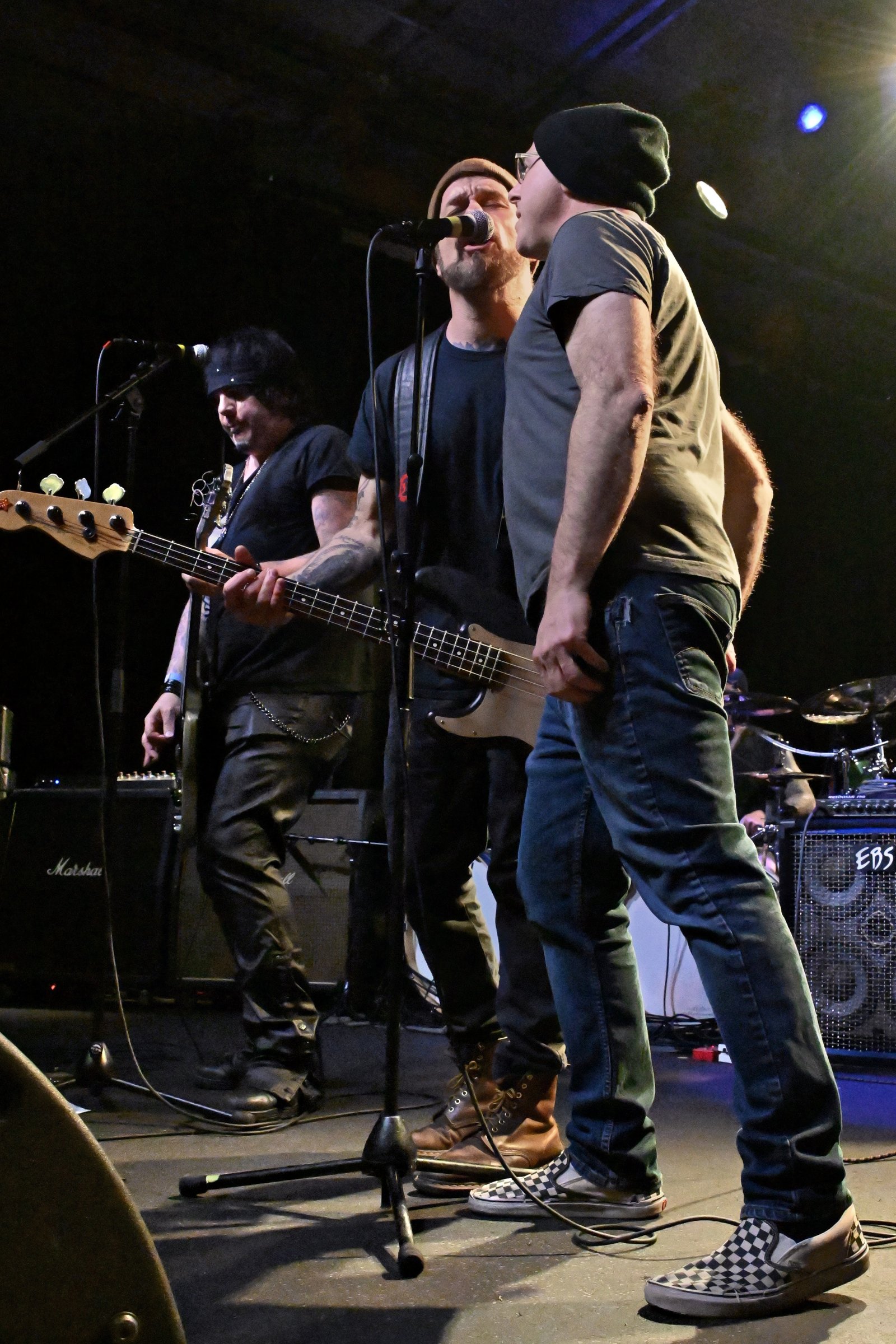
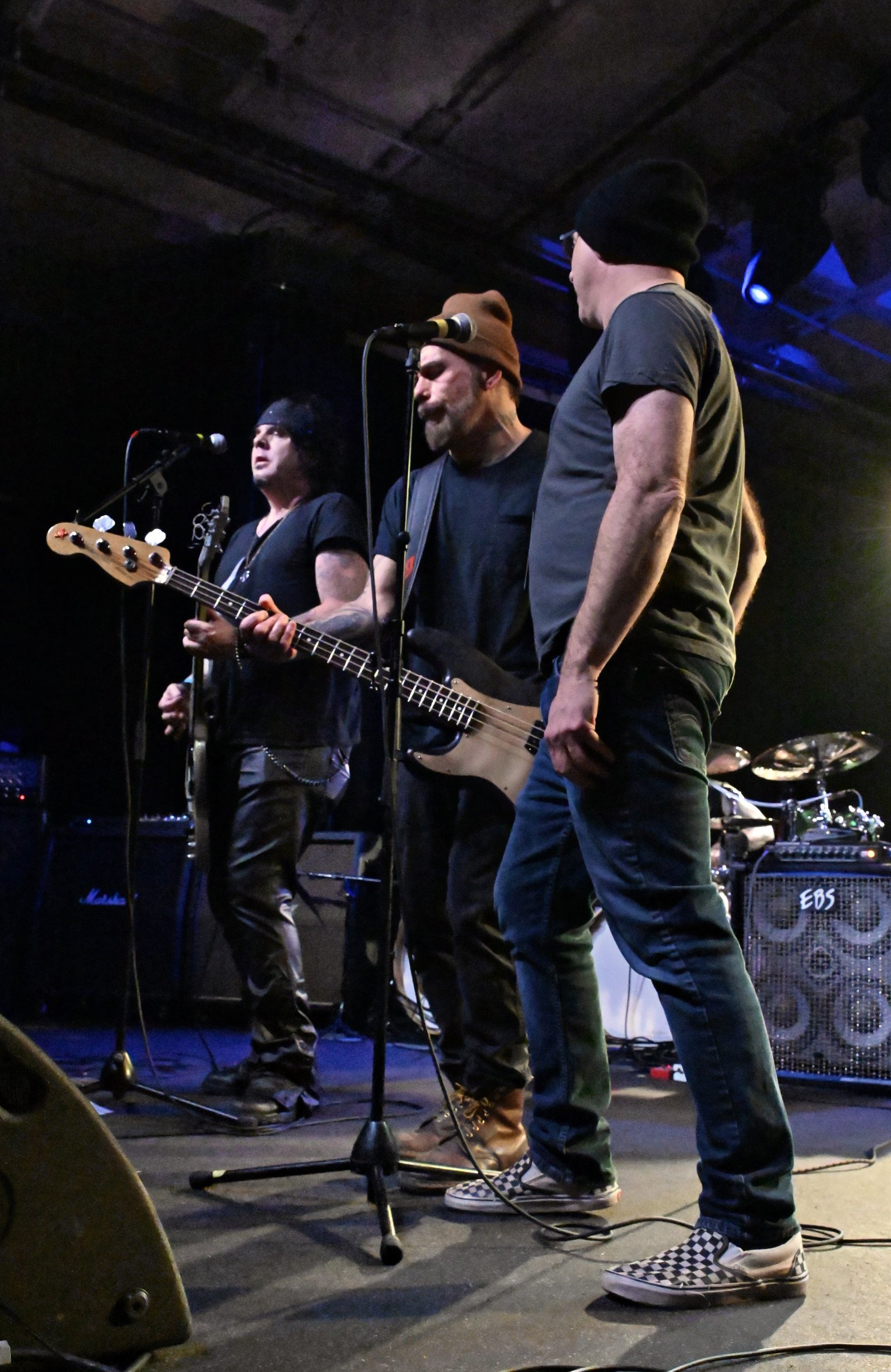
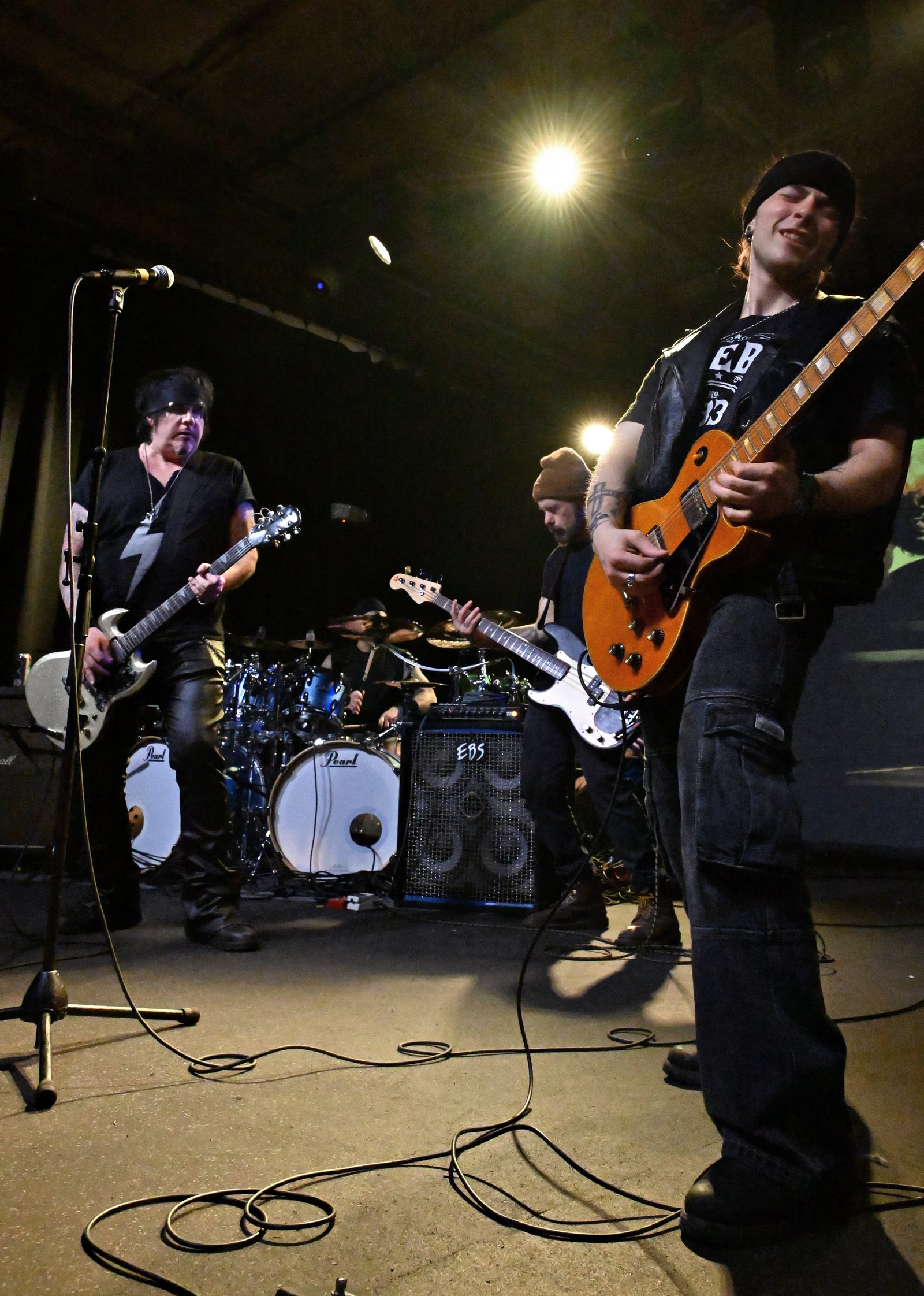
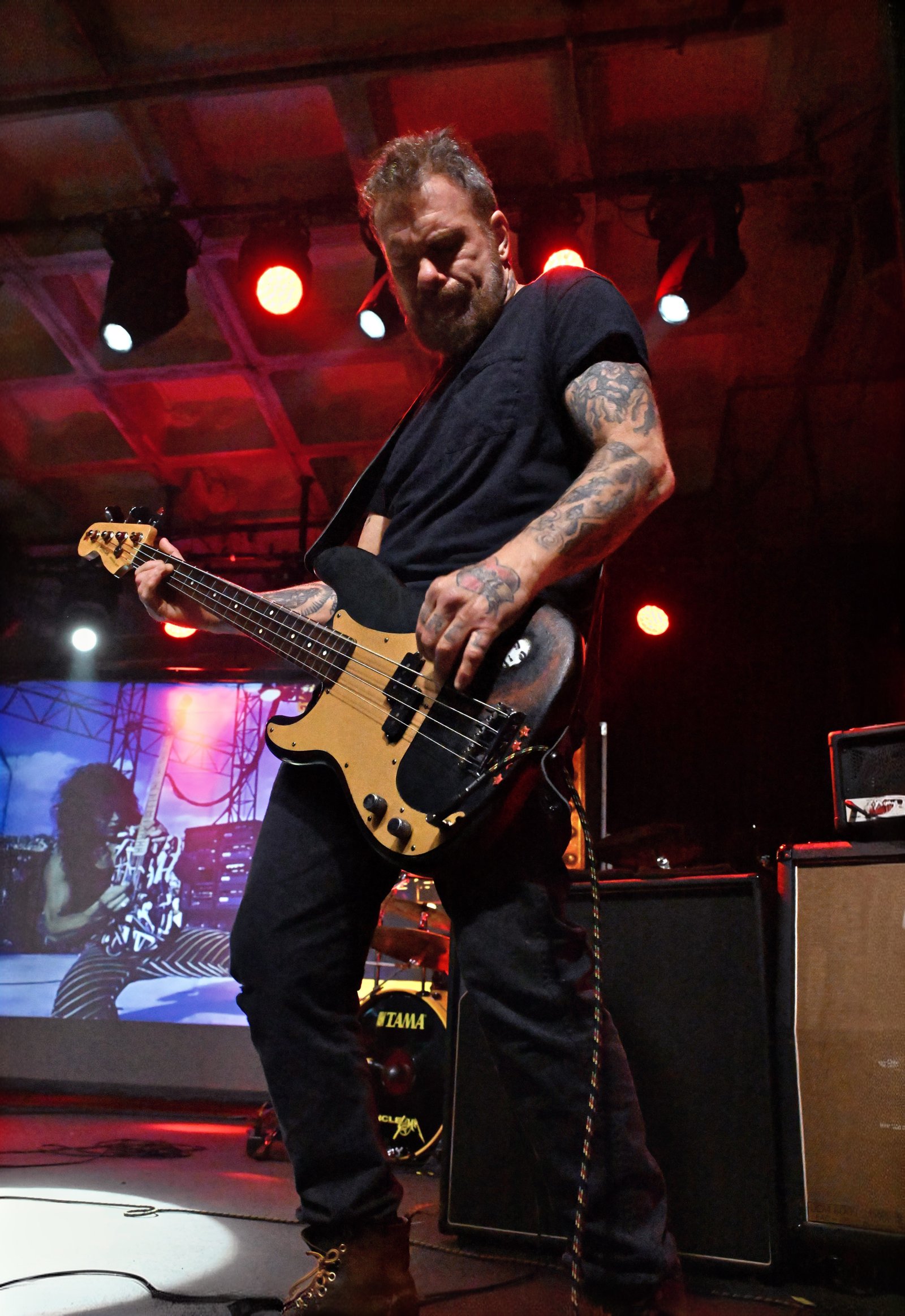
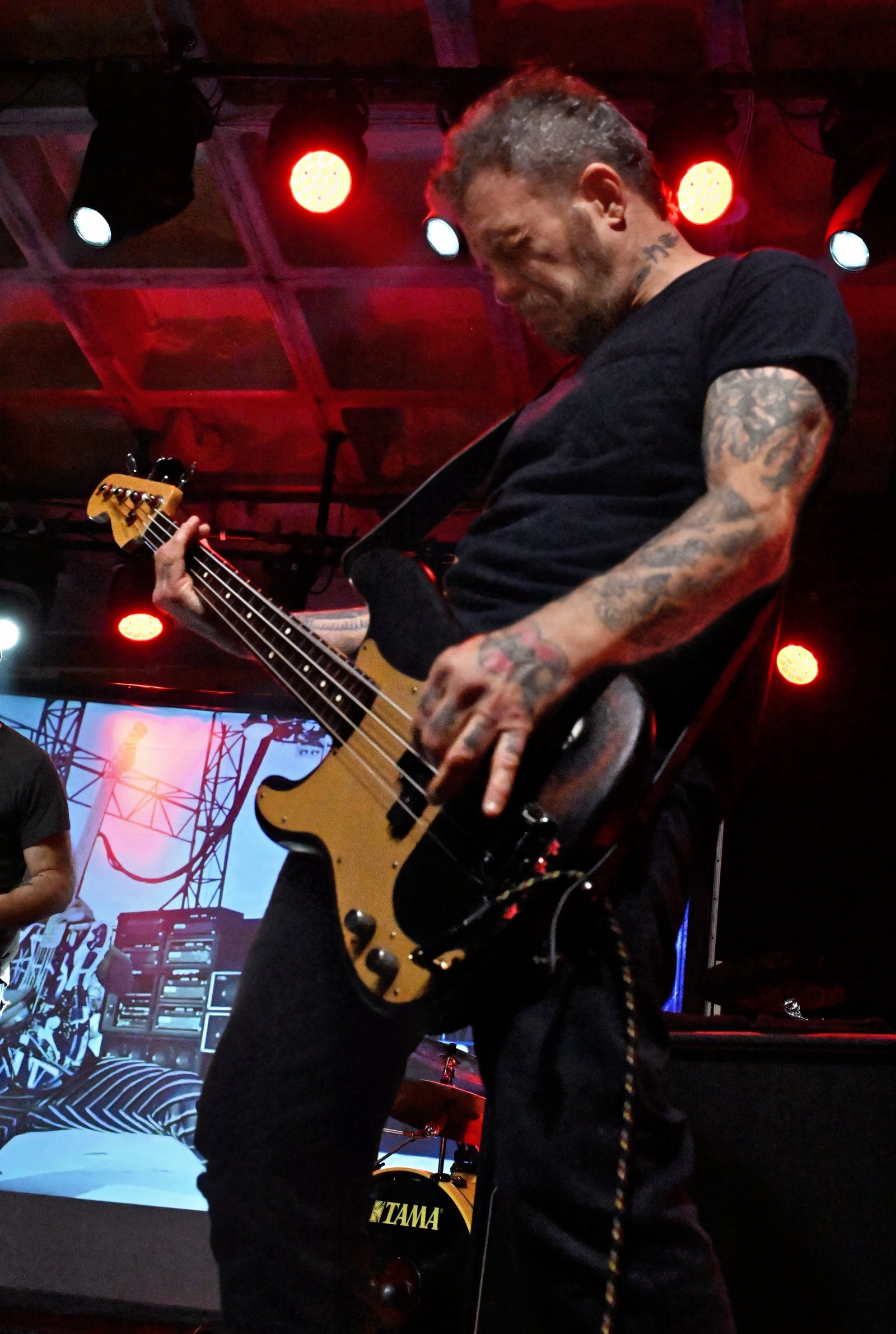
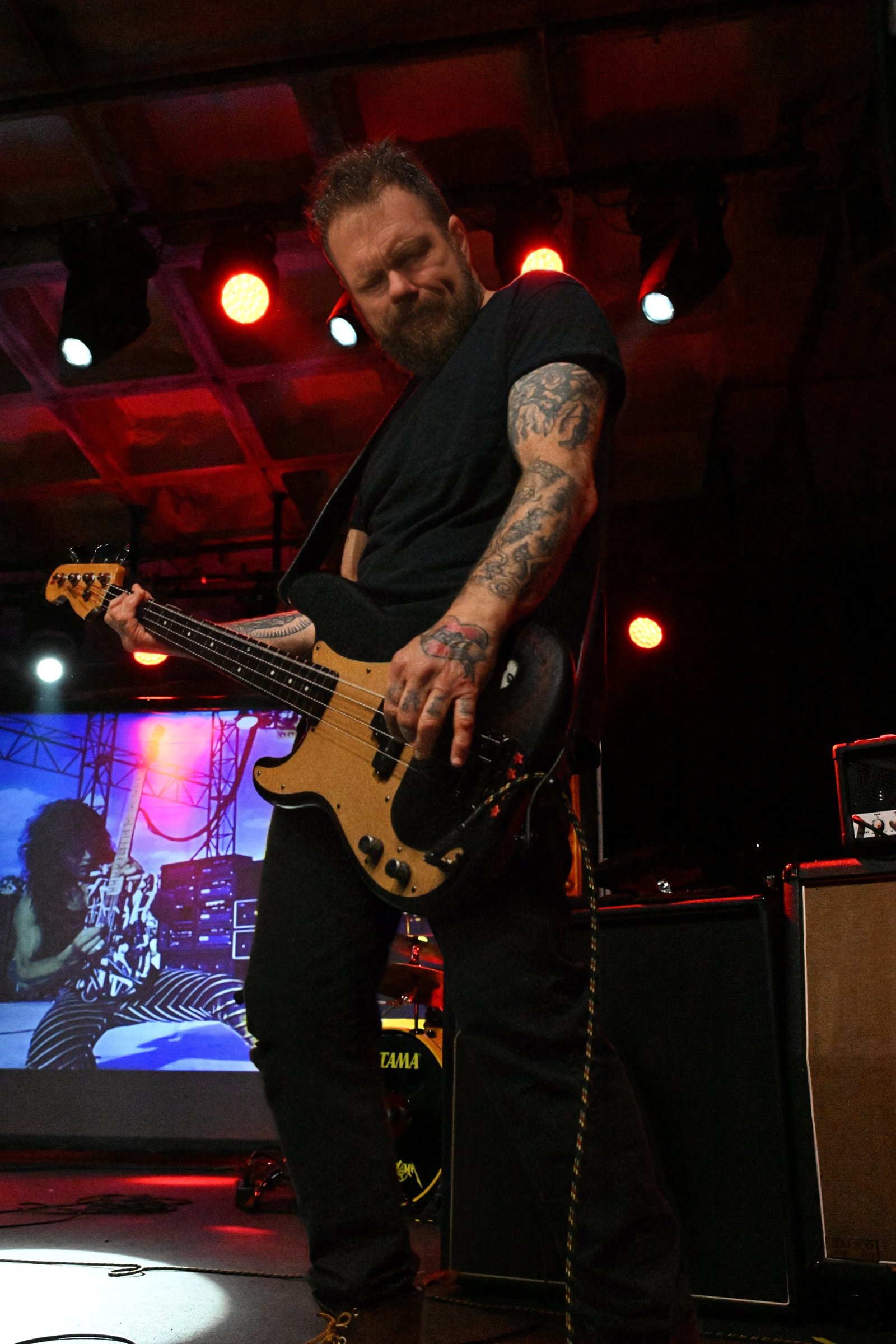
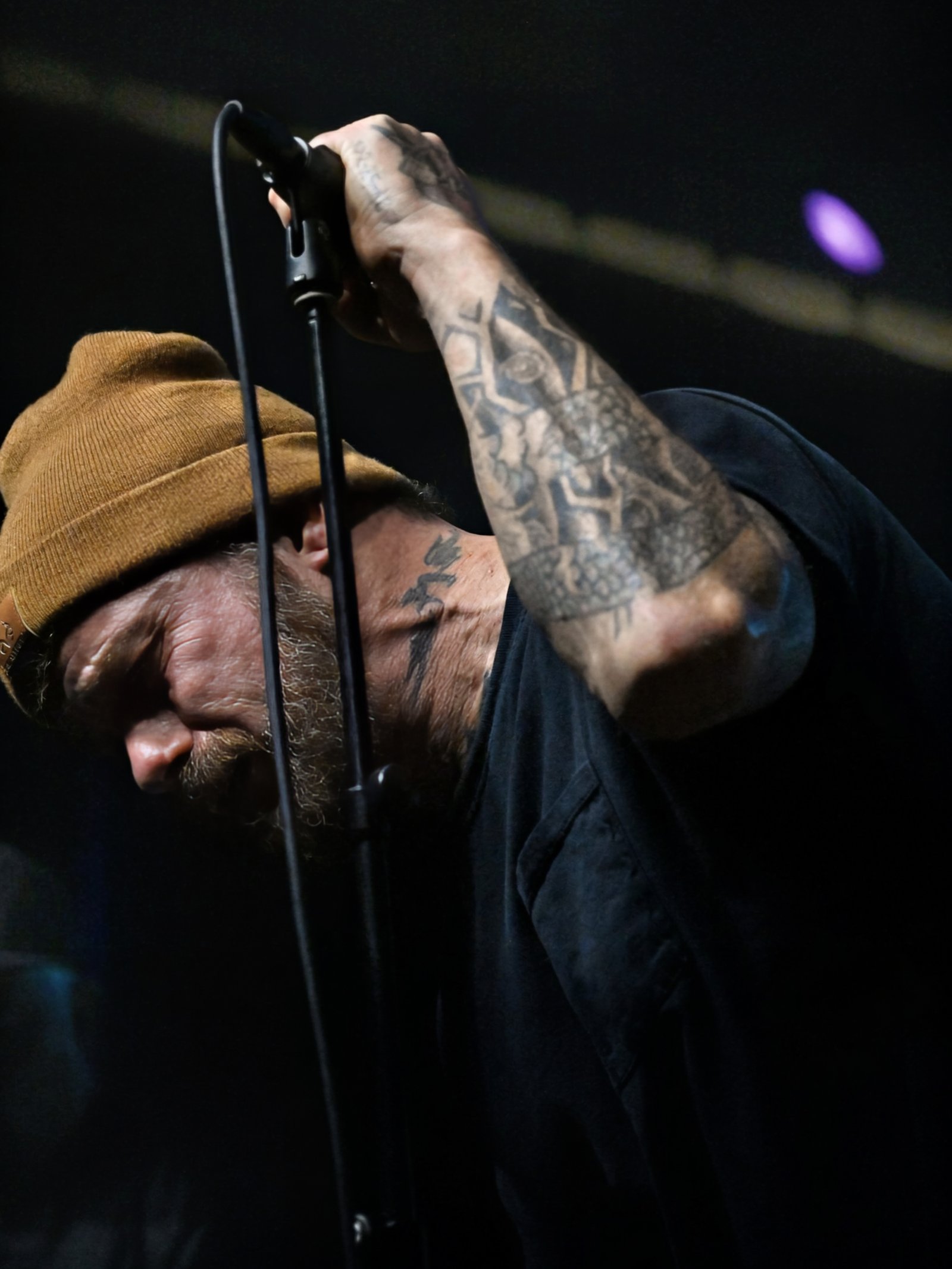
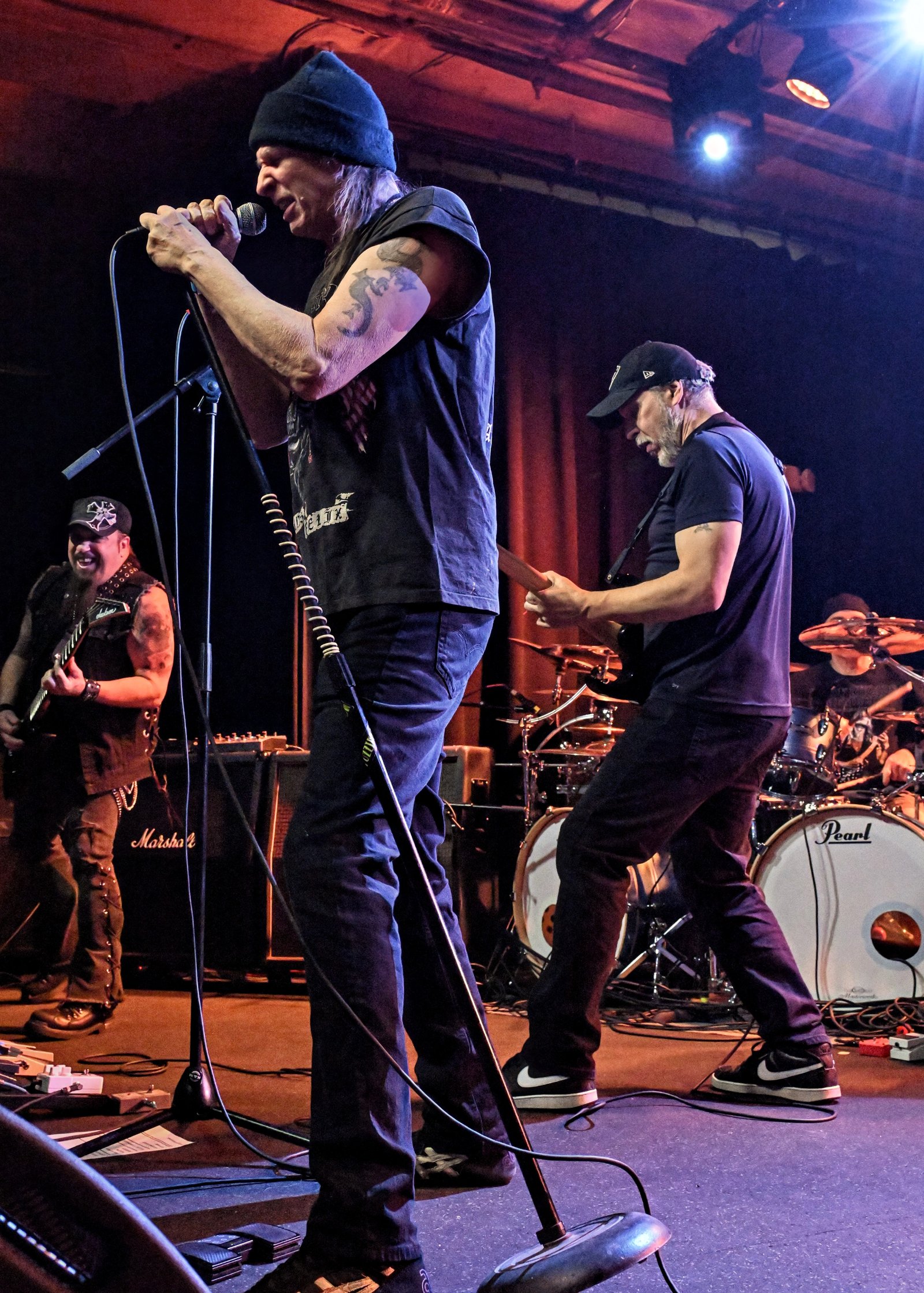
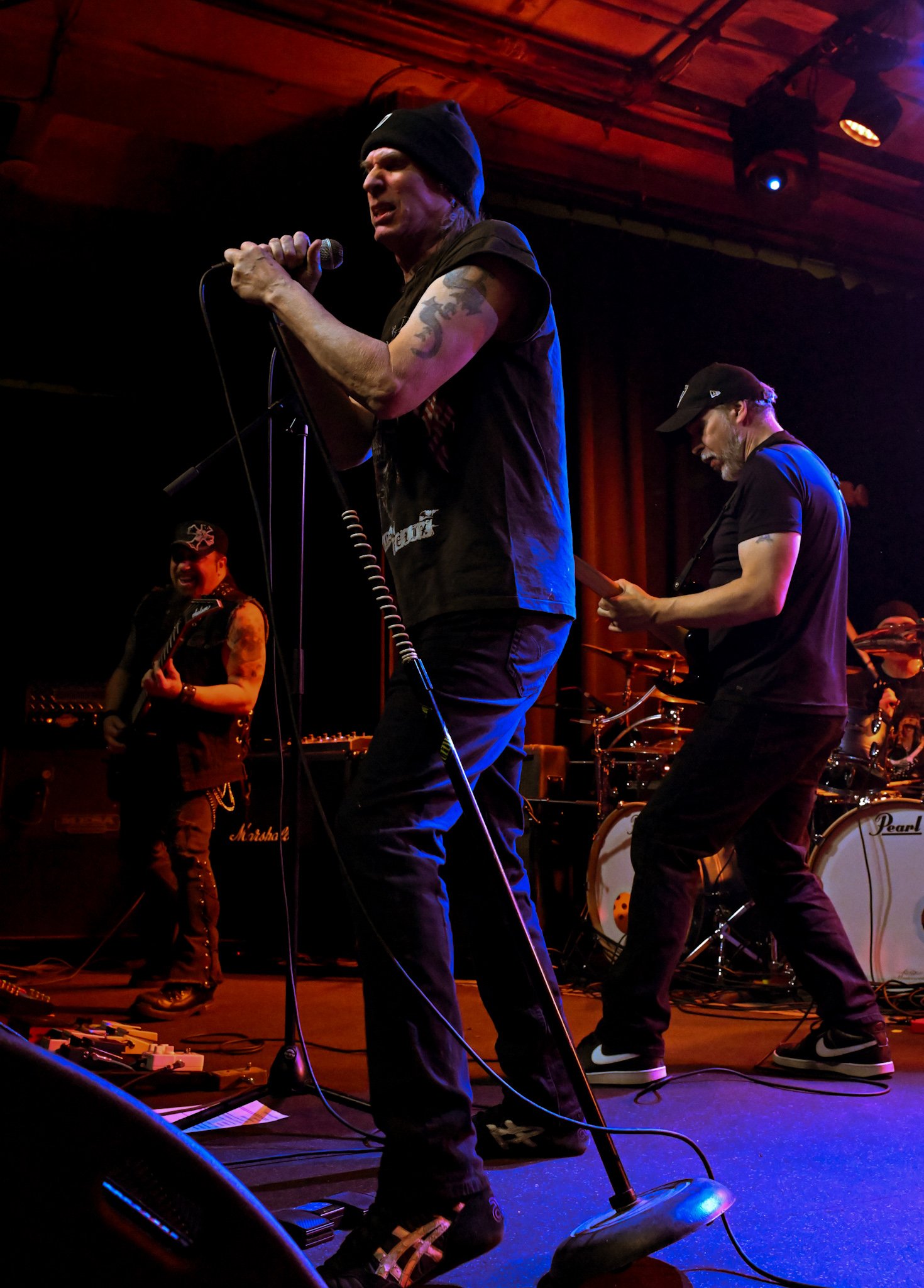
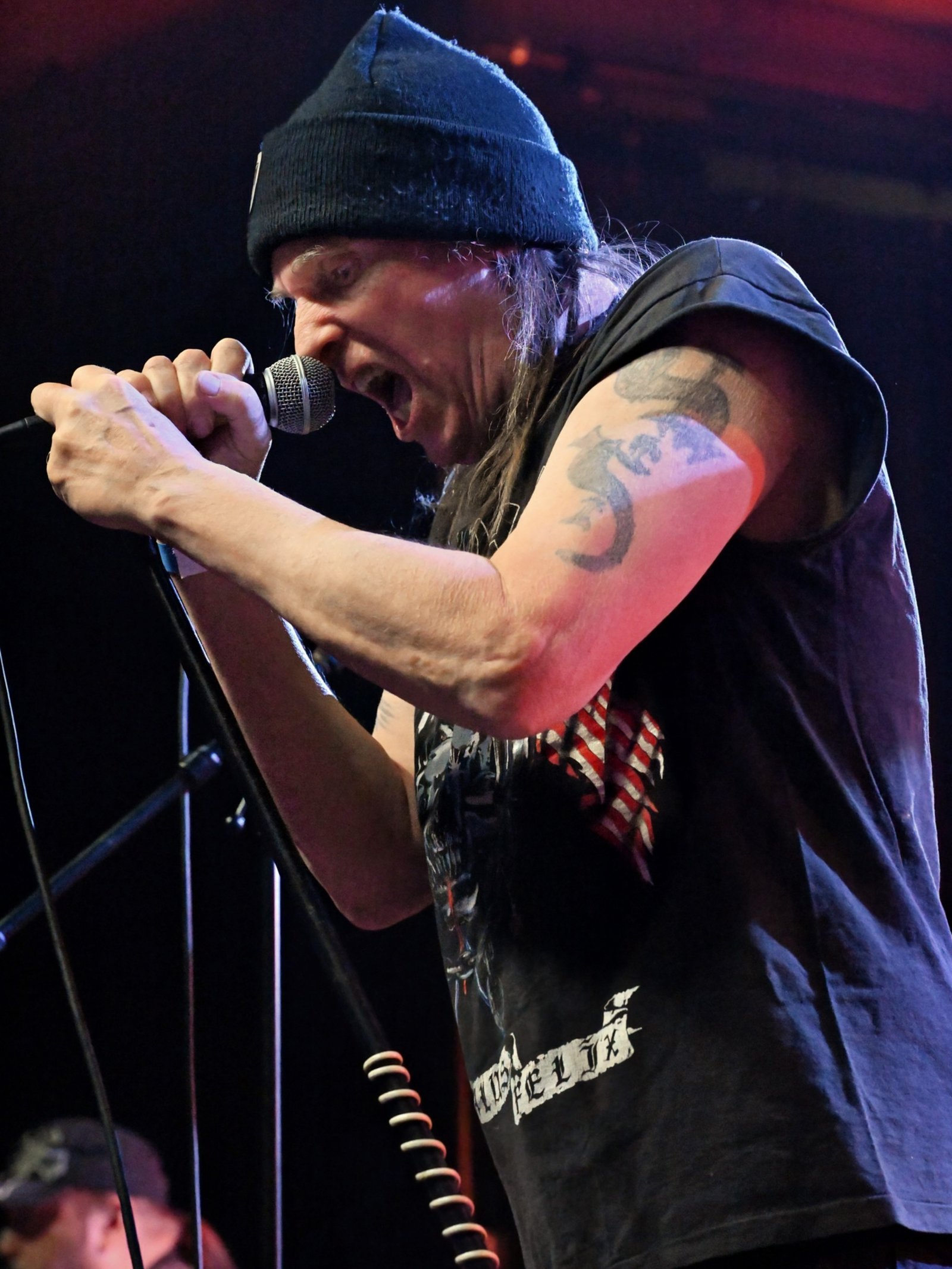
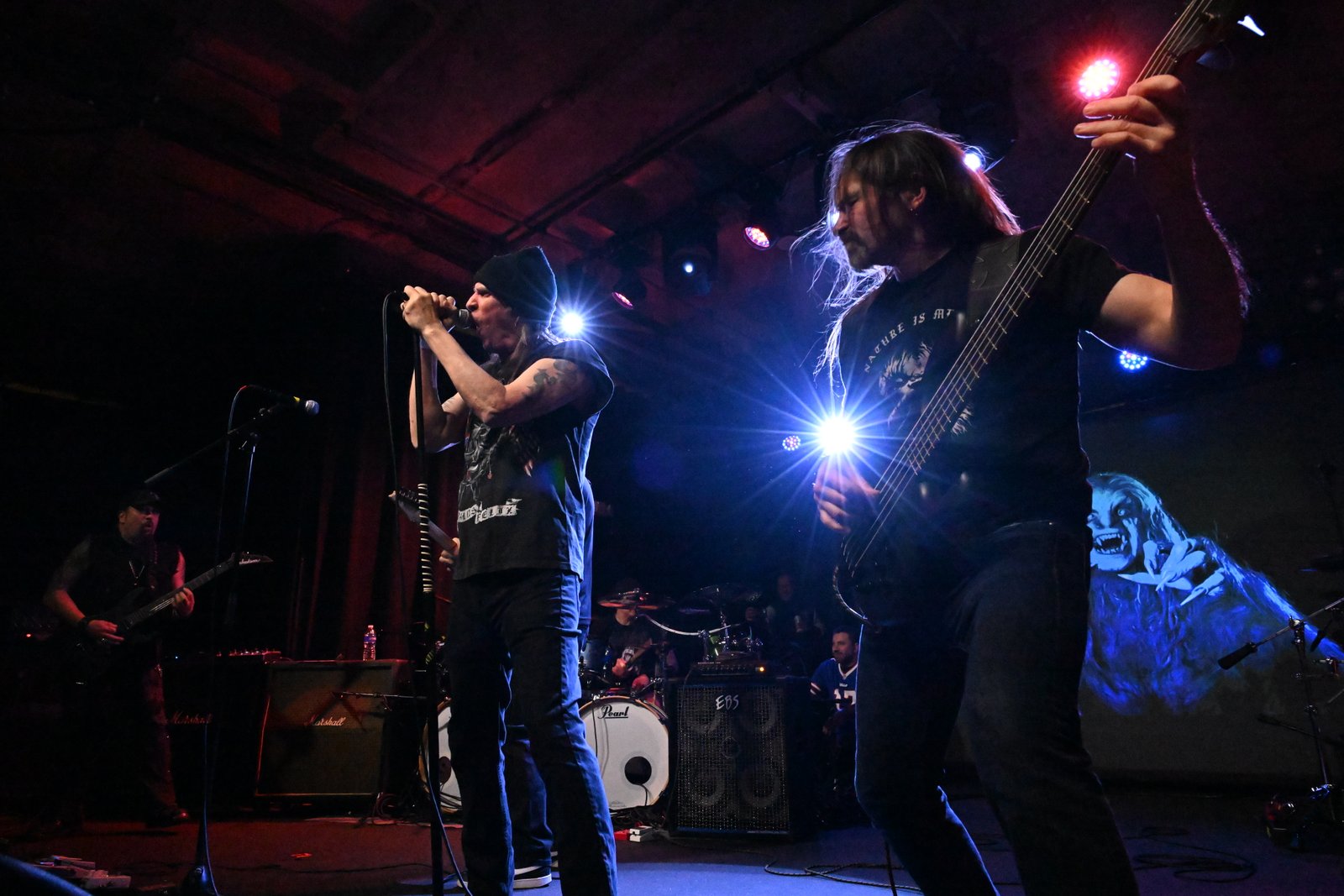
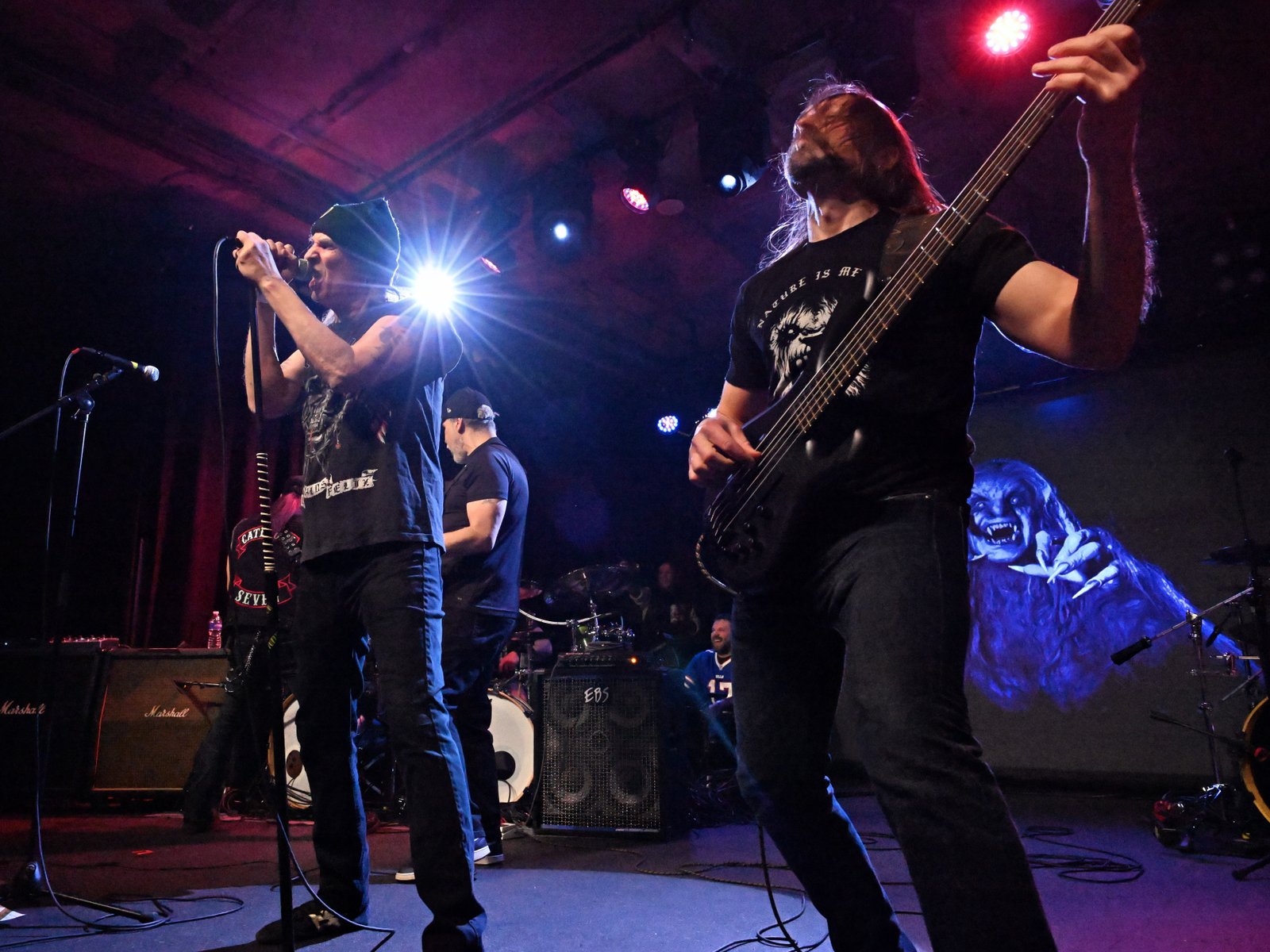
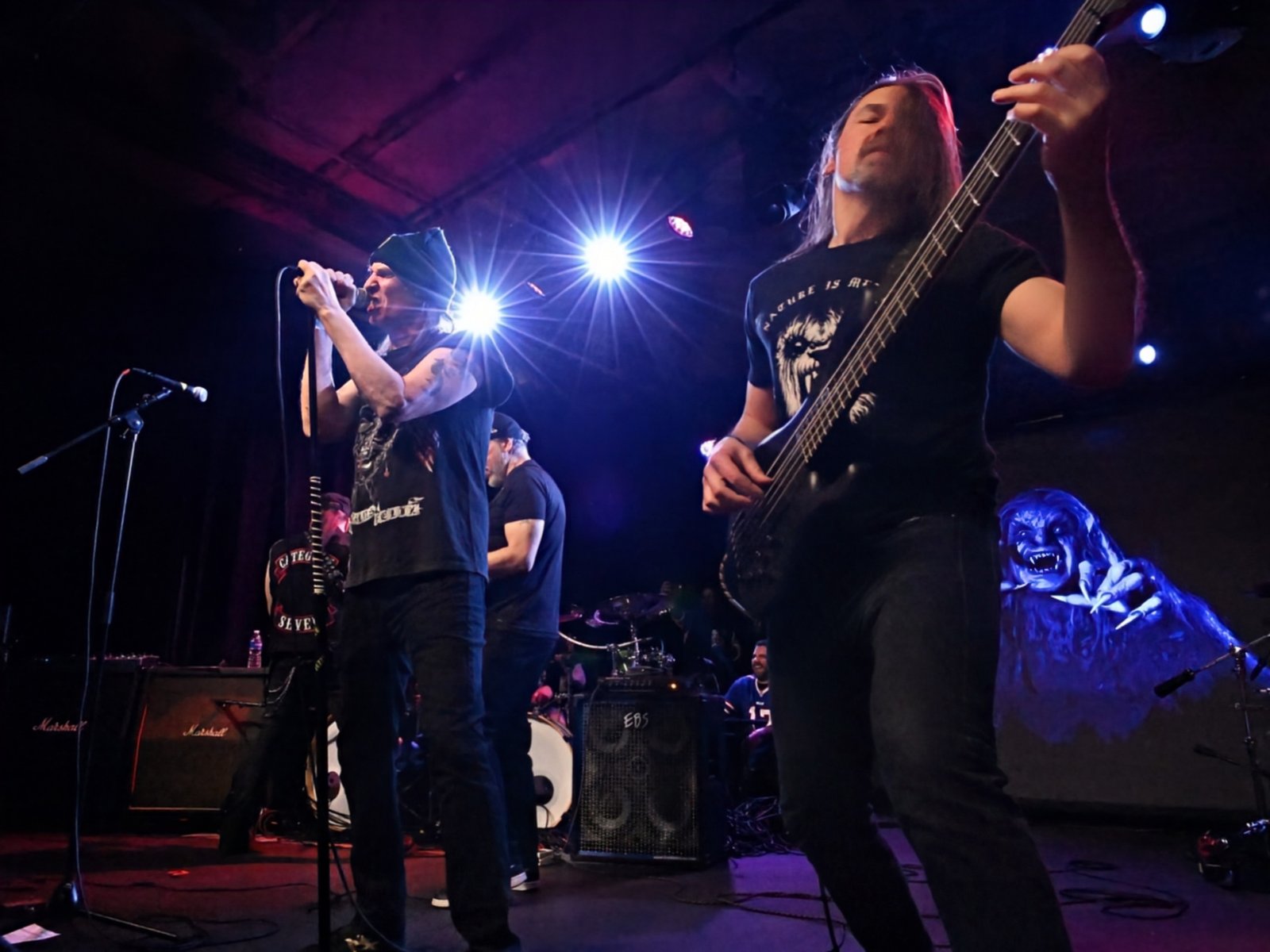
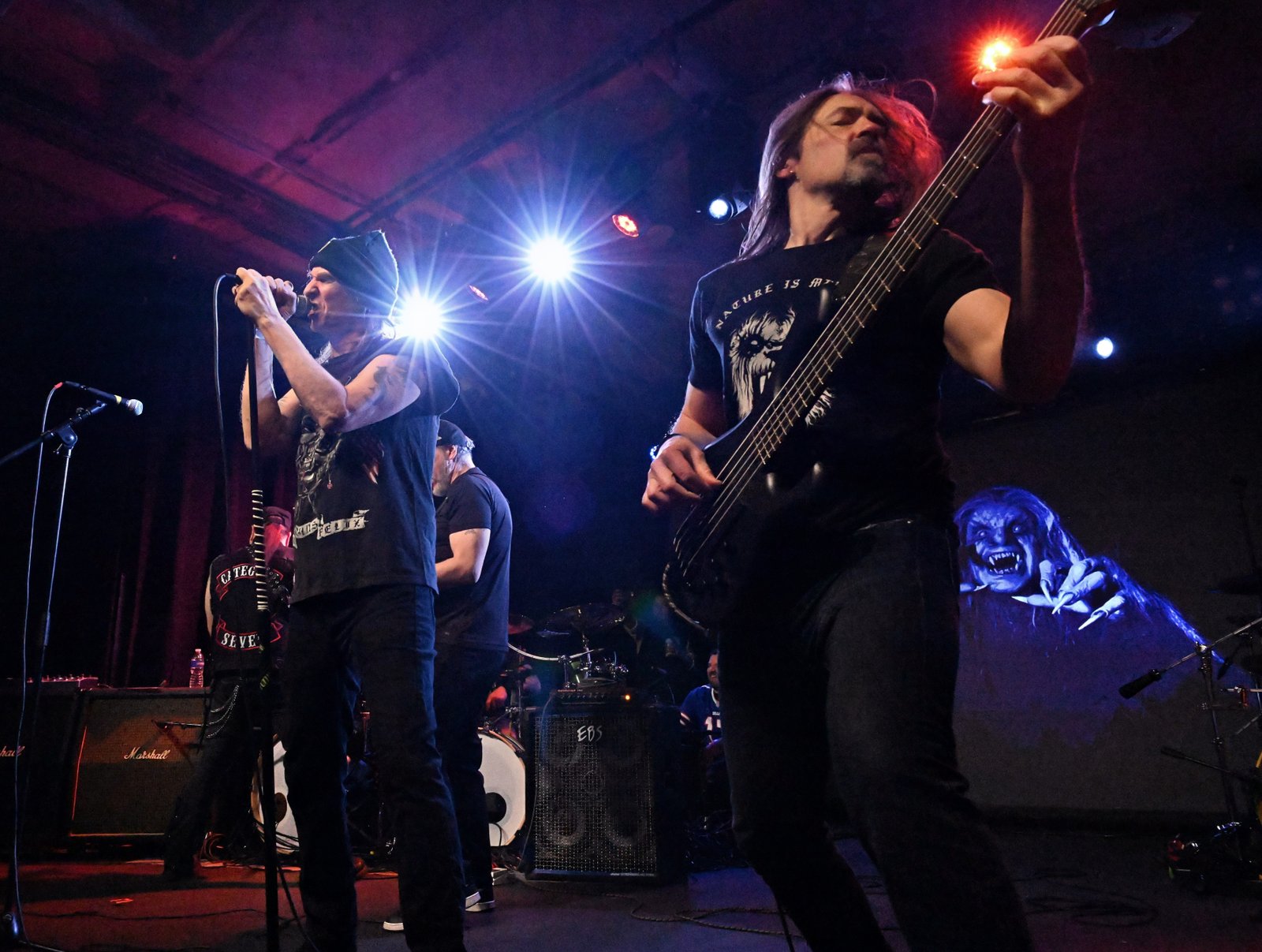
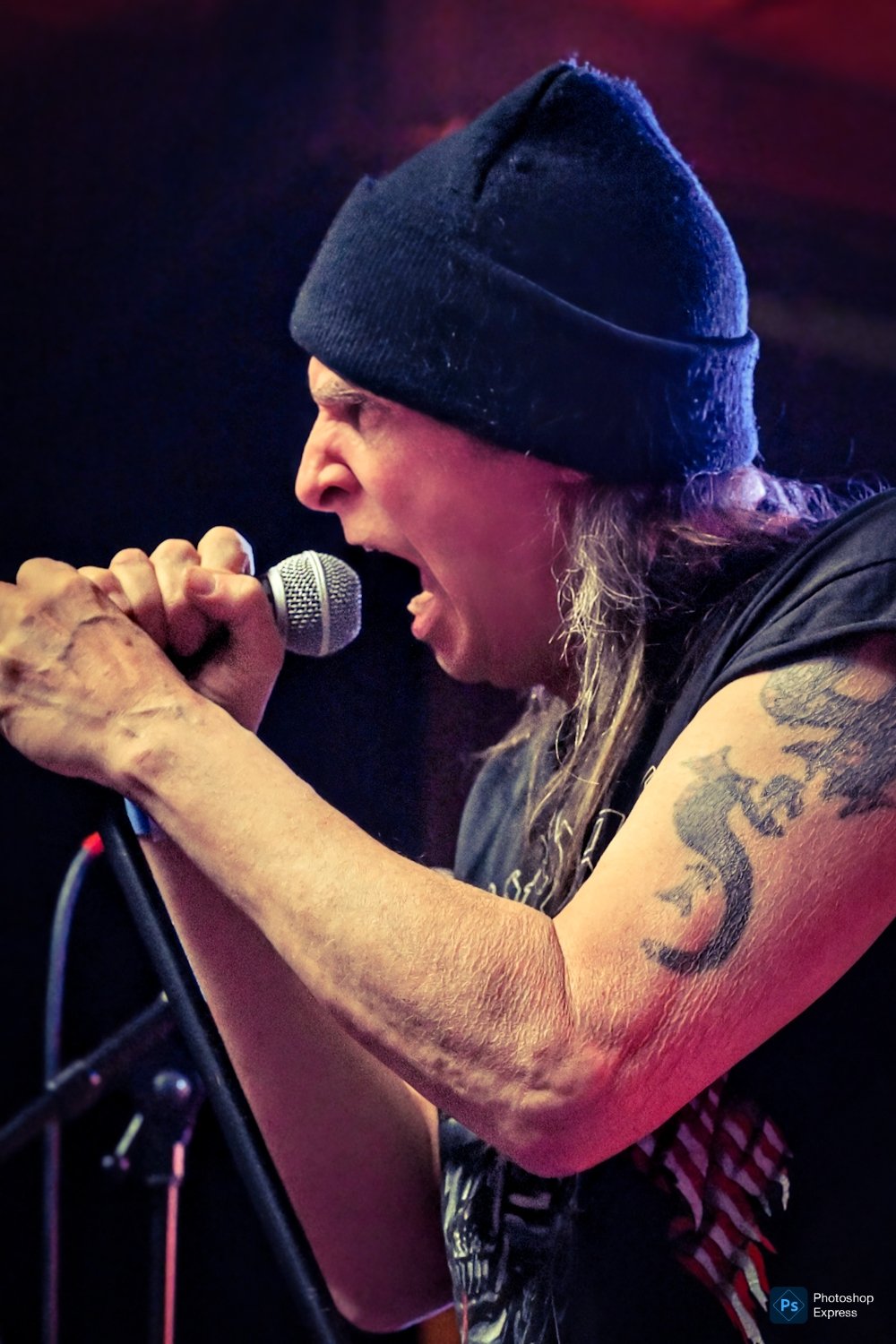
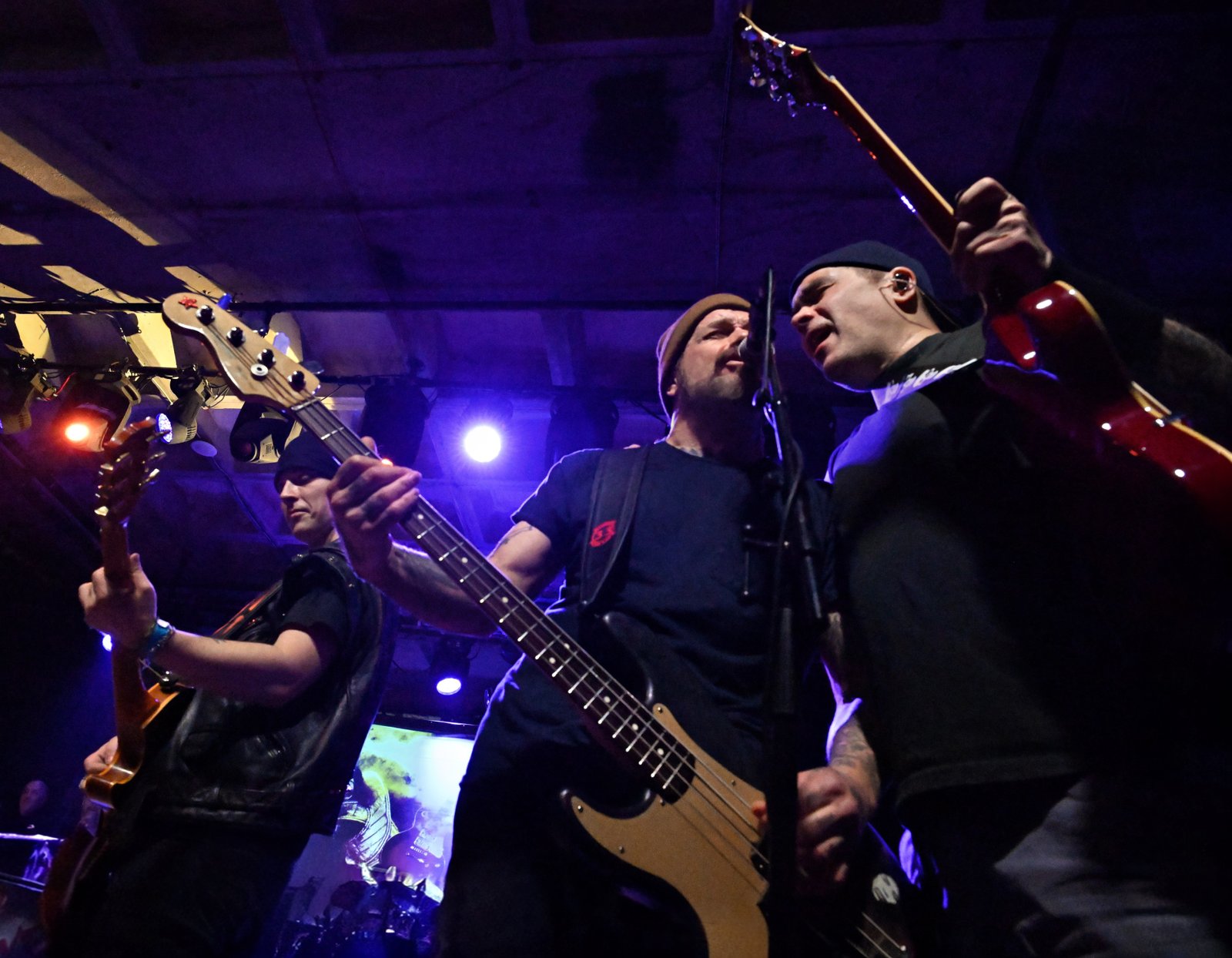
Grampfather are a Kingston band with a prolific ability to dynamically blend the fuzzy, prodding guitar blasts of psych-rock with the addicting, cool melodies of indie-rock. Their latest release Gramppappies boasts an eclectic mix of hard-hitting tracks, from the distorted stabs of “Murder Hornets” to the gliding riffs of “Poppies.” The band has featured a rotating crew built around guitarist/singer James Kwapisz and fellow long-term guitar player Andrew Blot. Grampfather’s rhythm section is composed of Tony DiMauro on drums and Jake Offermann on bass; the band is known for their electric live performances. Frontman James Kwapisz recently wrote in to discuss Gramppappies and what makes Grampfather such a unique band.
RRX: Before I get into more specific questions, why don’t you guys tell me a bit about your new album in your own words? What goals did you have when setting out to record this one?
JK: Gramppappies is my favorite of our albums so far. I think it comprehensively exemplifies our range of sounds/genres in a way that flows from song to song and isn’t disjunctive. While our last album, Magnum Grampus (2020), we think of as our “thrash album,” this one is a bit more dynamic. It starts off a bit thrashy and abrasive, kind of beginning where our last album ended, continuing the doomy theme, but as the album progresses the themes get more hopeful and the music gets lighter, chiller, and a little poppy at times.
The reason we titled the album Gramppappies is to draw attention to the pluralization of Grampfathers. I started the band in 2013 and have had members come and go throughout the years, but our current line-up is solid and dedicated to the project, so I wanted to shed light on all of us and not just me.
RRX: Tell me about where you guys recorded, is the album cover a photo of the studio?
JK: The album cover photo was taken in our studio space at Jake’s house. It’s actually in his bedroom. While we did record Tony’s drums there, the other instruments were recorded at our own places. I recorded my vocals and my guitar, synth, and bass parts at my house because I get kind of self-conscious and want to get everything perfect, thinking, “This is it; this is what the song will be forever–let’s get it right so there’ll be no regrets in the future.” Sometimes it takes me hours to get one instrument track done after countless takes.
RRX: I really enjoy the seamless blend of more technical psych rock and a kind of smooth alternative sound. Would you say that’s an accurate description and was this style intentional?
JK: Yeah, that’s pretty accurate. We’re big fans of King Gizzard and the Lizard Wizard. They’re so eclectic, prolific, and hit the nail on the head with each genre they explore–all qualities that we strive for in our music. Their influence especially shines through in songs like “The Myspace Tom Continuum,” “Dead Ends,” and “Odd Times for Odd Times” in that they, as the latter song indicates, explore odd time signatures and kind of proggy song structures.
RRX: I feel like your live energy is a huge draw for people, do you feel that capturing that raw emotion is a major focus when recording new material? Or do you like to keep the experiences of live/recorded material separate?
JK: Before I started the band, I used to make instrumental chill rock stuff under the name Cat People. I was inspired by the house/basement show scene in New Paltz, so I started a new band to emulate that rowdy, enlivening, and just fun energy. “Grampfather” came from the juxtaposition between the name and the youthful, energetic nature of the music. But it can’t be wild and in-your-face all the time. I think the fact that we waver between abrasive and chill stuff is what makes our live shows, and albums for that matter, alluring and never boring. I think of shows and albums like an EKG–the idea is to never flatline. Gotta keep ‘em on their toes.
RRX: Listening more closely to the lyrics on tracks like “Murder Hornets” there’s obviously a deeper message, how has the social climate impacted your music?
JK: “Murder Hornets” carries on the anger and frustration from Magnum Grampus that resulted from the shit show of 2020. After the seemingly endless tragedies of that year, the news of murder hornets just struck me as a cartoonish cherry on top of it all. But how long can you stay angry and frustrated? It’s not a great way to go about life. Sure, there are many things wrong with the world that we should be passionate about, but I don’t think being so divisive and extreme about them is doing much good.
RRX: What are some of your favorite contemporary bands, these could be local friends or huge bands you’d love to see.
JK: King Gizzard is a big influence, as I said earlier, but also Modest Mouse, Broken Social Scene, and The Strokes for the indie vibes, The Mars Volta for the chaotic, proggy explorations, and a bunch of others. People have told us we sound like Pavement, Dinosaur Jr., and other bands that I hadn’t listened to until we received that feedback. Some cool local bands we dig are Moonunitt from New Paltz–super chill, tight, and pretty prolific–Lemon of Choice from Albany–surfy, chaotic psych rock and great stage presence, and many others that people should check out on our “Gramppappies’ Friends” playlist. Moon Tooth I think deserves a notable mention. They’re kind of like the hometown heroes in my eyes. In a previous line-up of the band, we used to practice in the same space–the guitarist Nick Lee and our former drummer Jesse Grayer used to live there. They’re blowing up. They just got signed to Pure Noise Records and were on Rolling Stone’s top 50 albums list in 2019. They’re a big inspiration for us.
RRX: I think my favorite moment on the new record might be the transition from the blistering solo on “Thad B. Radd” to the sweet and catchy riffs on “Poppies,” is that sort of juxtaposition something you guys thought about a lot?
JK: Yeah, so although we’re broke and can’t really afford to have vinyl records made at the moment, we think of the first five songs as the A side and the latter five as the B side. We chose the first songs of what we think of as the A and B sides, “Murder Hornets” and “Poppies,” to release as singles because they exemplify the hard rock quality of the first half of the album and the chill rock vibe of the second half.
RRX: What makes Kingston unique to you? What’s the go-to spot to catch a show?
JK: Kingston is awesome. After having lived in New Paltz on and off for five or so years while going to SUNY for undergrad and grad school, it was a great shift for me to move here. Being that New Paltz is a college town, it can make you feel ancient when you’re only in your late 20s. I do miss the abundance of bars and house/basement venues in New Paltz. In comparison, the Kingston music scene is pretty sparse, sadly. Tubby’s is a great spot for great shows, but it’s tiny. Since it’s like the only place in Kingston for live music, it can be hard to book there since they’re inundated with so many booking inquiries. The deaths of BSP and The Beverly were a big blow for the town’s music scene.
RRX: You’re all phenomenal players, how did you first come together as musicians? Do you find that you push each other to grow as songwriters?
JK: Besides me, Andrew’s been in the band the longest of the current line-up. I met him through our mutual friend Brandon, who–fun fact–played drums on the last three songs of our 2019 album The Gramp Stamp. Before meeting him it was tough for me to jive with other guitar players, but our styles blend pretty awesomely I think. He’s definitely a better lead guitar player than me, so it was nice to take a more reserved approach to writing my guitar parts, focusing on rhythm so as to let his lead guitar skills shine.
When our former drummer Matt told us that he planned to move to Philly, our former bassist Freddy hit up his friend Tony to join the band. Tony’s got a background in heavy rock, so after jamming with him I gleaned from his style and skills and was inspired to write some heavier stuff, utilizing his double bass pedal for example.
After graduating, Freddy moved back to Queens, so it was pretty tough to get together for practice. I met Jake at a dog birthday party–yep, you read that right. Our mutual friend Kevin had shown Jake Magnum Grampus, and he was a big fan of it, so I asked if he’d be interested in playing bass for us.
RRX: I love the sense of humor that comes out in some of the track names, where did the concept of “grampfather” and the personality behind the band come from?
JK: So yeah, again, the juxtaposition between an agéd, decrepit old man for the name and the enlivening, wavering energy of the music is pretty amusing to me, and I hope others feel the same. I think it’s fun to think up a bunch of ridiculous band names for projects that’ll probably never happen, many of which end up becoming song names. For example, “The Myspace Tom Continuum,” “Large Garbage,” and “Praised Bork” would be pretty funny band names. Maybe I’m the only one laughing, I don’t know. We have fun.
RRX: Finally, the album, “Gramppappies,” will already be publicly released when this interview is out (congrats!) Are there any shout outs you’d like to give or anything special you’d like to tell the readers?
JK: Thanks! We’re all so happy with how this album came out. Big thank yous to Westfall Recording Company for mastering the album and making the songs sound crispy, our friend Simon Mandic for filming and editing our music videos, Jake’s sister Emily Offermann for making the “Poppies” single art, Cole Solis-Jativa for designing the “Murder Hornets” single art, Jake for creating the album art, and to all my bandmates. After having so many people bail on this project, it’s so awesome to finally be making music and playing shows with such a committed group of amazingly talented, funny, and genuine people. I hope everyone enjoys the album. We’re always cooking, so follow us to stay updated on new music and shows.
The depletion of cohesion beneath collapse’s looming mass leaves an absence of faith, where ruptive passion takes shape. Immersed in the saturation of unceasing sighs, divinity dangles hope where fleeing life can’t arise, until the relentless will to survive unearths the craft of what it means to be alive.
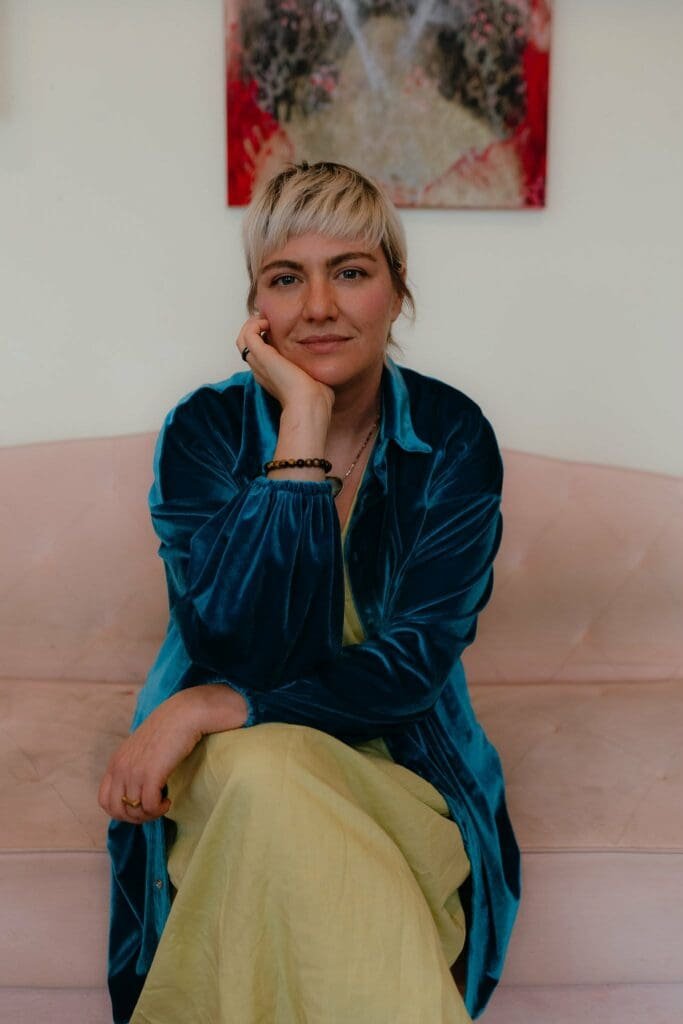
This verity unveiled itself through the soft-lit lumen of local painter Julie Brown, whose zeal drew my fascination into her hushed interior vastness. Having shared the turbulence of her twenties with me prior to our encounter, I knew I’d be welcomed into an unruffled refuge where abstraction could be explored to the liminal edge.
An embodiment of implosive magnetism highlights the material intelligence of a remarkable sequence of works that breathe beyond anatomy. The structural traces unravel a luminous compression accumulated through a seriousness void of pretension. Evoking responses that are experiential rather than explanatory, the tone remains controlled without muddying interpretation.
Her hunger for clarity, worn through disembodiment, depicts a metaphysical narrative encased in the airiness of dream logic. Imagine a rapture without climax, stretching sensation fine enough to linger. Unfastened, you’re plunged into absorption as breath slows, memories awaken, harmony thickens, and time blanks on advancement.
A ripple that doesn’t grant exhilaration, but permission into a sub-atomic dimension where hues press closer, and the body thrums like guitar strings stroked by the fingers of ancestors. It carries a faint ache braided through wisdom real enough to touch. Though present and slightly untethered, you wade through a state that can’t be held, only tasted. Nearing culmination, you’re comfortably exposed, bare to the marrow of the bone. Calm and glistening, you’re cradled by an unsullied world that only gives and never takes.
Her work gets you high on a drug you can’t buy, but can only experience through an unflinching dive into the jungle of life that turns the weak into monsters and the strong into sovereigns, not to rule over others, but to master oneself in a way that euthanizes the ego.
I suppose this all makes sense, given her venture into holistic health modalities such as acupuncture, sensory deprivation, salt caves, meditation, and sound healing back in 2019, which shifted the game for her from that of arena football to the national league. This, combined with picking back up the paintbrush, granted Julie a second coming, eventually landing her in tuning fork sound therapy in 2021, where she fused with her inner compass and, at last, found her life’s vocation that had been obscured by familiarity for so damn long.
Now a certified sound healer, she’s able to see her inner world in terms of frequency and vibration, transferring that ethereal surfacing through your chest, jaw, and stomach, resulting in a lightly disorienting containment rather than stimulation. It’s the kind of wavy sh** that a nonreceptive person would equate to hocus pocus or voodoo, but I’m here to double down on the truth. She is the real f***ing deal. No games, no gimmicks. My brain left her naturally lit somatic sphere, serenaded by divine tranquility. And I’m saying this after a gracious sample tuning.
Julie is a being who thoroughly understands the power of art to transform and connect us all into a unified consciousness. An integral part of a shared collective of creatives within the Troy, NY area, she strides forth in the waking reality of imagining a new world.
Sitting down to speak with her, the oneiric trance became anchored in a discussion that unleashed the raw humanity of a pillar within the art community.
Julie Brown
RRX: When you look at your body of work as a whole, what part of yourself do you recognize that existed before diagnosis, language, or explanation?
Julie Brown: This sense of open playfulness. This open heart that always wanted to give everyone everything. That was always there. I feel like that energy is in my work. It’s like an opening, like a portal. The intention behind every piece, without me even thinking about it, is how can I imbue this work with as much positive energy as possible so that anyone looking at it feels something. It’s giving, but giving from a place of abundance, not lack. I understand that I’m abundant. I don’t feel a sense of scarcity. That energy exchange feels sacred to me. Anyone experiencing my work feels like a gift to me, regardless of how they label it.
RRX: During the years when anxiety and panic dominated your inner life, how did your body communicate truths that your mind couldn’t yet hear?
JB: I believe every form of sickness is your body trying to tell you something. I used to see myself as a victim, like why are these things happening to me? Why do I have anxiety? Why do I have depression? I used to say “I am depressed” as if it was my identity. Now I honor those signals. When my body stops me, whether it’s anxiety or depression, I see it as information telling me something needs to shift. For me, frustration usually lives in my stomach. That’s how I know something isn’t flowing. When things are aligned, I feel satisfied. I ground myself, do acupressure, come back to truth with a capital T.
RRX: In these paintings, the forms feel gathered inward rather than released outward. What inner force is responsible for that gathering?
JB: Compassion. I don’t think you can have anything without compassion for yourself. A lot of this work came from real self-love, not performative self-love, but truly accepting myself for who I am and loving myself unconditionally. That’s been the only way forward.
RRX: When you returned to painting after years away, what aspect of yourself did the act of making restore that nothing else could?
JB: Hope. Excitement about life. Purpose. When I wasn’t painting, I was in the darkest place of my life. I didn’t believe happiness was possible. I remember saying to my therapist that I couldn’t even imagine being happy for a minute, let alone a day. When I returned to painting in 2020 and made dozens and dozens of works, something shifted. Suddenly, happiness existed in my body again. Contentment existed. I had to build tolerance for joy because it felt unfamiliar. Painting gave me permission to believe in what was possible again.
RRX: Many of these surfaces feel layered with residue rather than gesture. What are these layers holding that couldn’t be released all at once?
JB: I call it the veil. It’s like peeling an onion. You don’t know how many layers there are when you start. We all have blind spots, things we don’t see clearly because we’re inside them. Once I felt empowered enough to stand on my own two feet, I wanted to peel those layers back. Trauma lives there. Ego lives there. Childhood conditioning lives there. Healing isn’t comfortable. It doesn’t end. You reprioritize everything when you strip things away. You can’t hide or distract yourself anymore. You have to be with it. That’s the work.
RRX: Light appears here as pressure rather than illumination. What does that kind of light reveal to you about healing?
JB: Light is infinitely more powerful than darkness. Darkness exists, but calling in light eradicates it completely. I work with 100% pure light. I call in guides, source energy. I don’t see myself as the creator of the work. I’m a conduit. A channel. That’s where the ego separates. I allow the light to move through me. We forget who we are as humans. We forget that we’re light beings, connected to everything. Healing is remembering. We forget, then we remember. That’s the test of being human.
RRX: When working with sound, frequency, or paint, how do you recognize the moment when an emotional release becomes a shift in consciousness?
JB: I feel it in my body. Tingling, waves, chills. I often feel the same emotion that’s releasing from the other person because we’re sharing the same frequency. After sound sessions, it’s always a 180. People come in anxious or closed off and leave lighter. The frequencies integrate over days. With painting, it’s similar. When you’re creating, you’re present. Something reorders itself internally. The process itself does the work. It’s not about the final product or whether it sells. It’s about what happens while you’re there.
RRX: The repeated patterns in your work feel more like memory than ornament. What role does repetition play in your spiritual integration?
JB: Repetition is everything. Meditation is repetition. Journaling is repetition. Returning to the work again and again is how we integrate. These paintings are living meditative spaces. Repetition is how we reprogram ourselves. It’s how we come home to ourselves.
RRX: As your practice has moved toward collective healing, how has your understanding of individuality changed?
JB: You lose individuality in the best way. You realize you’re connected to everyone. Collective healing amplifies everything. We need each other. We’re hardwired for connection. Purpose comes from service. When you step into that, individuality becomes something porous, something shared.
RRX: If these paintings were encountered long after your story was forgotten, what essence of your inner world do you believe would still be felt?
JB: Love. Wonder. Interconnectedness. Energy. Those things live in the work beyond me.
With nothing left to extract, no thesis to underline nor doctrine to convert, Julie Brown’s work doesn’t exist to be understood so much as it demands to be taken in, momentarily and sincerely, barefaced.
It resists flair and certitude, offering instead an expanse where focus unclenches, breath settles, and the ego dissipates. You don’t leave altered in a way that demands explanation, but in a way the body carries forward.
What she leaves topples both inspiration and conclusion, replacing them with a heightened awareness that arrives unannounced. Rooted in the creative ecosystem of Troy, her practice unfolds in humble conversation with others equally invested in imagining what comes next. Nothing boisterous, but more profound. Within that shared labor, art shifts from self-revelation to connected sustenance, paving the way for something enduring to take shape.
Brian Burnett is an 80 year-old forensic scientist with over 3,000 cases under his belt, and he has come out and said he believe Kurt Cobain did not commit suicide’ rather, Burnett believes the crime scene was staged. He said that important elements of the evidence doesn’t support the original judge’s ruling.
At issue here was the fact that there weren’t protocols at the time, and it may have led to an erroneous initial conclusion.
“In my estimation, the bloodstains on Cobain’s shirt and pant leg could only have been deposited by someone else after the gunsh*t,”
A group called “Who K*lled Kurt?” is pushing that the suicide ruling be changed to “undetermined.”
Les Claypool
Les Claypool has announced that he will be going on a huge 2026 tour. This will bring Primus, Claypool, Lemon Delirium and Les Claypool’s Fearless Frog Brigade together, and from Delirium, we get a new single. The tour, “Claypool Gold,” will be all of the projects blend fluidly. The tour launches on May 20th in Reno, Nevada, and covers twenty-five dates, wrapping up on July 4th in Napa, California.
“Claypool Gold” 2026 Tour Dates:
May 20 – Reno Events Center – Reno, NV
May 22 – Hayden Homes Amphitheater – Bend, OR
May 23 – Marymoor Live – Redmond, WA
May 25 – KettleHouse Amphitheater – Bonner, MT
May 26 – The Lot at the Complex – Salt Lake City, UT
May 28 – Starlight Amphitheatre – Kansas City, MO
May 30 – The Factory – St. Louis, MO
May 31 – Meadow Brook Amphitheatre – Rochester Hills, MI
June 2 – Jacobs Pavilion – Cleveland, OH
June 3 – Salt Shed – Chicago, IL
June 5 – The Caverns Outdoor Amphitheater – Pelham, TN
June 6 – KEMBA Live! Outdoor – Columbus, OH
June 9 – Thompson’s Point – Portland, ME
June 10 – Leader Bank Pavilion – Boston, MA
June 12 – Saratoga Performing Arts Center – Saratoga Springs, NY
June 13 – Stone Pony Summerstage – Asbury Park, NJ
June 14 – All Good Now Festival – Columbia, MD
June 16 – The AMP Ballantyne – Charlotte, NC
June 17 – Firefly Distillery – North Charleston, SC
June 19 – St. Augustine Amphitheatre – St. Augustine, FL
June 20 – Synovus Bank Amphitheater at Chastain Park – Atlanta, GA
June 22 – Walmart AMP – Rogers, AR
June 23 – ACL Live at Moody Theatre – Austin, TX
June 25 – The Pavilion at Toyota Music Factory – Irving, TX
June 27 – Dillon Amphitheater – Dillon, CO
June 28 – Dillon Amphitheater – Dillon, CO
June 30 – Arizona Financial Theatre – Phoenix, AZ
July 1 – Gallagher Square – San Diego, CA
July 3 – Long Beach Amphitheater – Long Beach, CA
July 4 – Meritage Resort & Spa – Napa, CA
Flight of the Conchords
New Zealand comedy duo Flight of the Conchords will be reforming this year for the Netflix is a Joke festival in L.A. Flight of the Conchords is a comedy duo composed of New Zealanders Jermaine Clement and Brett MacKenzie. The festival will include veteran comics Jerry Seinfeld, John Mulaney, Bill Burr, Conan O’Brien, Adam Sandler, Nikki Glaser, Seth Rogen, Sarah Silverman and Jon Stewart. Flight of the Conchords have one show independently at the Greek on Saturday, May 9th.
Burning Gate – The Weird Side of the Internet – by Liam Sweeny.
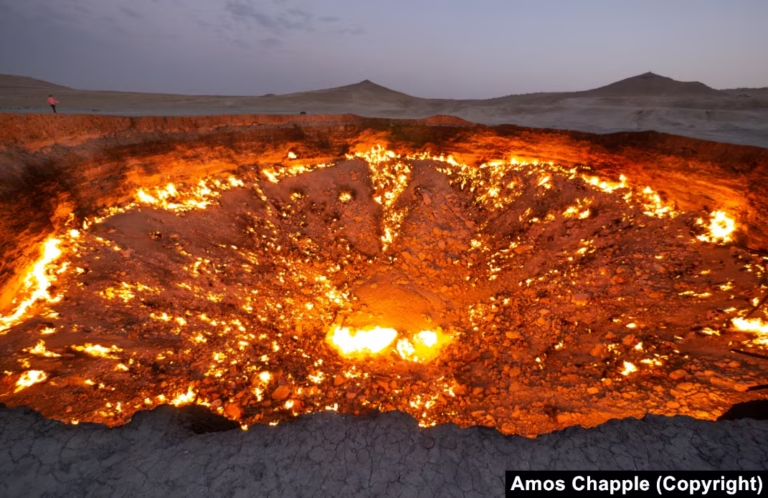
Turkmenistan, the mysterious natioin of… I’m not really sure. Turkmenistanis, please fill in that blank. But I can add one thing to the forthcoming travel ads: gate of hell.
In the desert of Turkmenistan, there exists a pit, 200 feet wide, that burns, and burns and burns. With an oil exploration accident and a near inexhaustible supply of methane, you could fit sinners in it all day. It is a gate of hell. And while it is a tourist attraction, the government, and likely, the scientists are wanting to put it out. The Darvaza Crater.
So I’m torn with this being a super buzzkill, but not ignoring the fact that I’m rooting for a gate of hell. But either way, it’s not easy to put out that kind of fire. They’re looking at scientists from all over the world, excited to come and give it a shot. And this really trips the “band of misfit heroes go up against the hell gate” vibe.
Let’s look at the villain. The pit is two-hundred feet across. That’s the length of a 747. Or five school buses nose to tail. This really is a gate. In the desert, this ever-burning pit. They are concerned about the environmental impact, but experts say it doesn’t take up a huge portion of the country’s carbon footprint.
One thing we could do, if we wanted the gate of hell open, is to designate it an eternal flame, like JFK’s flame. This massive flame in honor of the time we annihilated the last alien race that tried to take us over.
I do know about the burning town of Centralia, Pennsylvania, and I have similar feelings about it, but as it is closer to friends and neighbors that have to deal with it, I’m quiet on it. Do what it is you have to do.
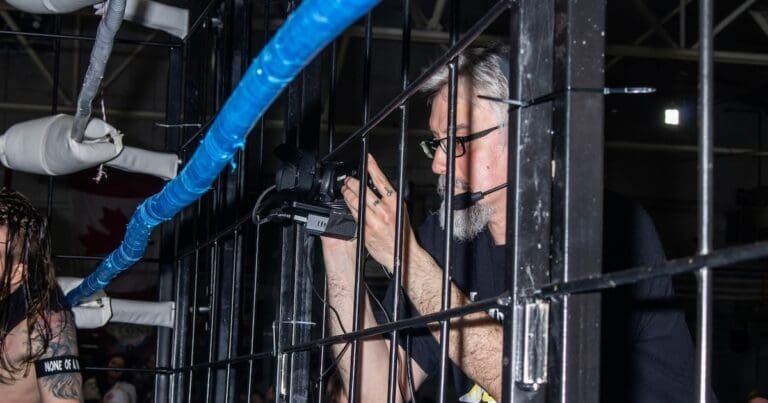
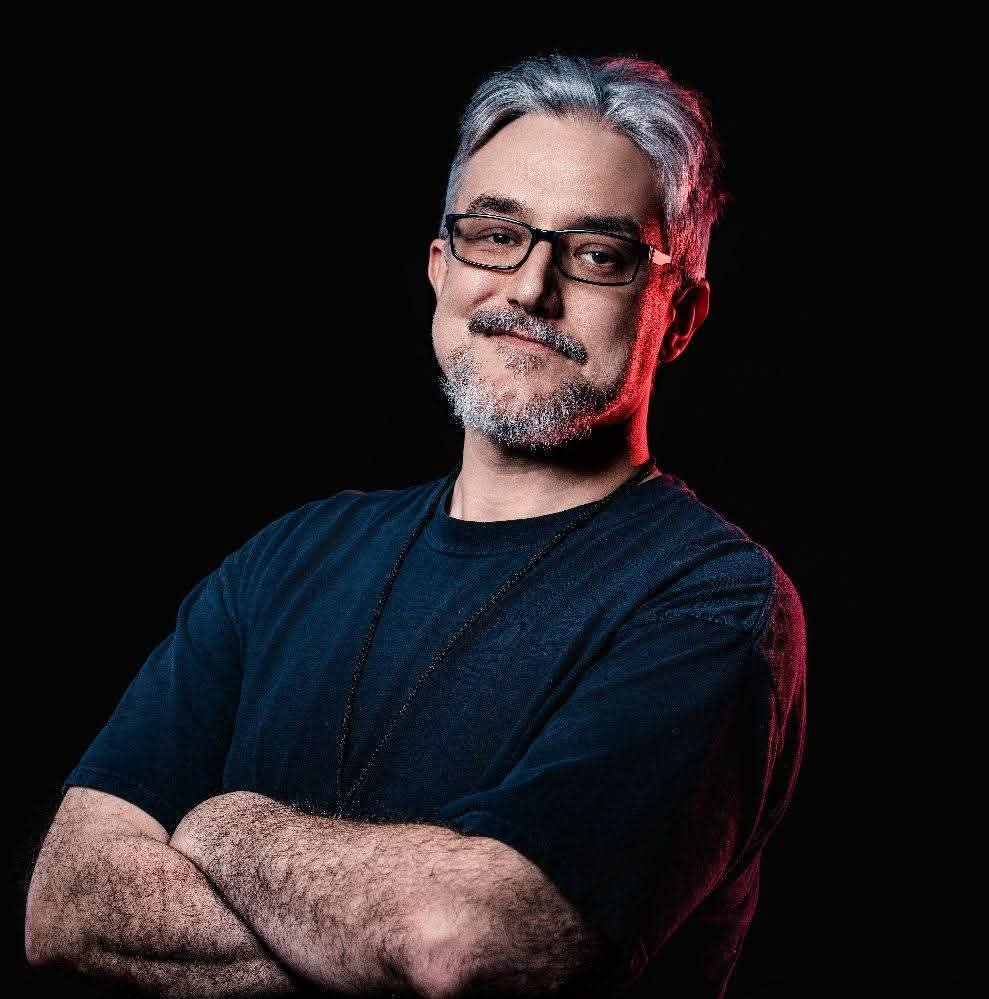
Have you ever been to a live wrestling show or watched one on TV? A lot goes on with these productions. You need more than just the wrestlers to make a wrestling show successful. Today, we talked with one such person, Tyler King. Tyler gives us a little glimpse of what it is like to be one of the non-wrestlers who make a wrestling show so great!
photo by Andrew Elder
RRX: How did you get involved in wrestling?
TK: My first time working behind the scenes was for Dynasty Pro Wrestling in St. Johnsville, NY, for their February 2017 show. I still work there today.
I had attended their shows semi-regularly up to that point, and after watching one with my childhood friend James, he suggested that I follow his lead by working with the ring crew and attending a seminar hosted by professional wrestler Robbie E at the next event.
After that, I joined the street team, spending hours driving around hanging event flyers wherever I could, just happy to be involved.
James and I had only worked two shows, and it was mere hours before the third when one of the promoters, Chris Envy, approached and informed us that we would be the camera operators for the event following a double cancellation.
I still remember the feeling of anticipation and excitement all these years later. Within moments of the show starting, James tripped walking backwards and fell over the ring steps. It was at that moment I realized that the path to going further in the wrestling business than James or anyone else that I used to backyard wrestle with was wide open for me.
RRX: What is your favorite thing to film?
TK: That’s a hard question to answer because after doing a good job, my two favorite things are working with friends and life experiences. I quite enjoy working in new states, for new promotions, new venues, new forms of combat sports, anything. Actually, just this afternoon I learned that one of my gigs next month will have me working two miles from the Bush Baked Beans Museum and Factory. That might not seem exciting to some people, and honestly, I wouldn’t drive more than five miles to see it myself, but I enjoy travel and offbeat things like that.
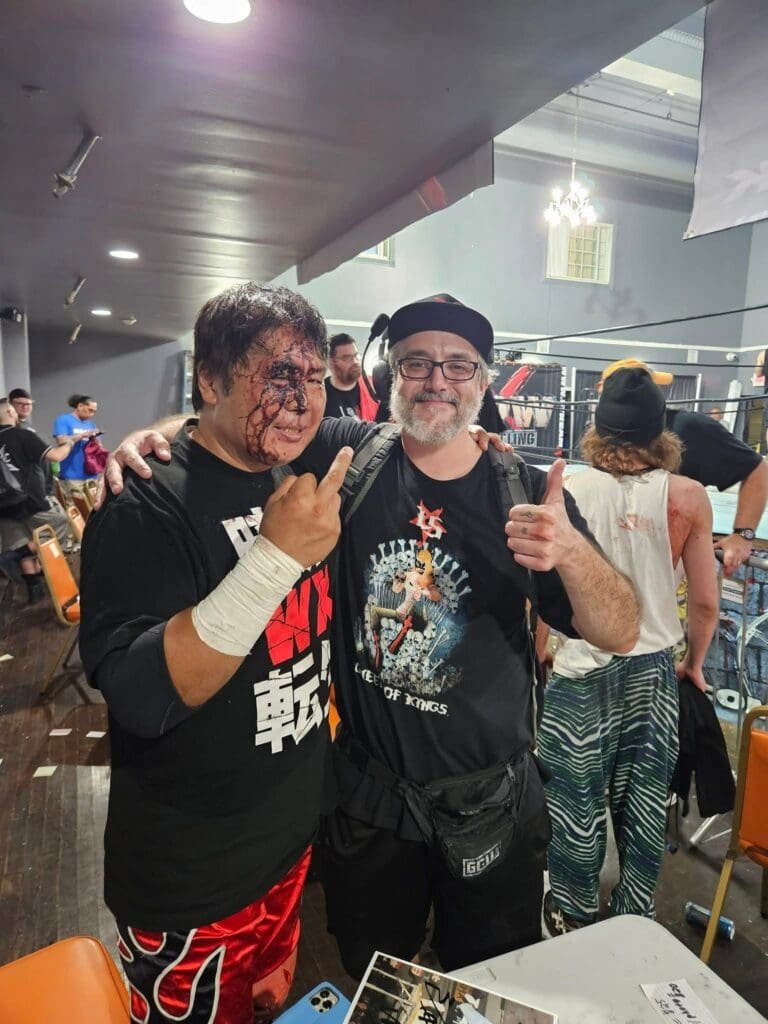
If we are talking from a fandom perspective, my favorite thing to film is hardcore and deathmatch wrestling. I know a lot of people think of it as lesser than, but I’ve been a fan of destruction in general ever since I was a little kid. In the first grade, I was told I could do whatever I wanted for my birthday. I requested to go to a junkyard because I enjoyed looking at smashed cars so much. Also being born in the ’80s, it seemed like wrestling was the only thing that wasn’t hyperviolent, so naturally I fell in love with ECW the first time that I saw it. When I finally attended my first wrestling show at the age of 15 and picked up a Japanese deathmatch VHS tape, I was deeply enthralled and off to the races.
RRX: What’s the most gruesome deathmatch stuff you’ve shot?
TK: I filmed a buddy of mine, JJ Escoba,r breaking his back jumping off a balcony. I filmed a wrestler get a hypodermic needle stuck through his nether regions, but I’m not sure if that’s even appropriate for this interview. I’ve filmed a lot of really bad cuts, but I’d have to imagine that the broken back would be the gnarliest injury I have filmed. It was legitimately very scary and disturbing; it took hours to find out if he was even able to feel his legs, and he ended up with a considerable amount of hardware screwed into his spine.
I also filmed a friend who wrestles under the name “The North Korean Assassin” suffering third-degree burns after being set ablaze by a fireball gone awry. He was fully engulfed. He had to get skin grafts; the skin was hanging off his back, arms, and hands. He was in the hospital for a long time. That was an interesting moment because I was kind of torn between getting the shot and watching somebody who I consider a friend running around in the ring on fire. I was kind of frozen in time for a moment; everything slowed down. That was an interesting experience.
Photo by Mr. Dan the Photo Man
RRX: What other jobs besides operating a camera have you done?
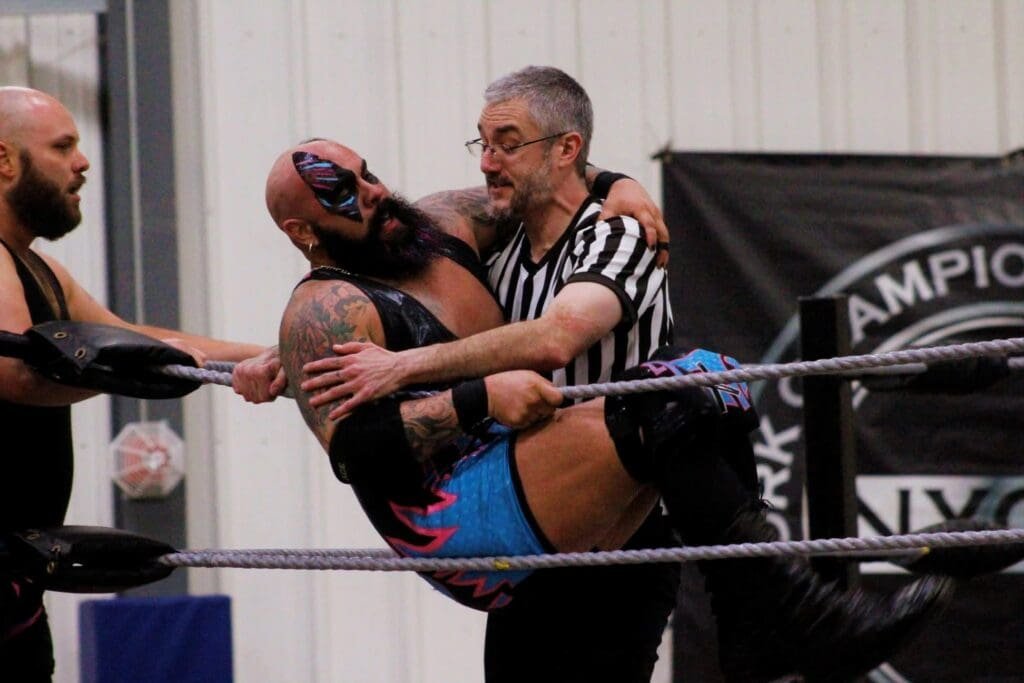
TK: I mentioned earlier that I started out on the ring crew, and after that, I joined the street team, going around getting flyers hung up at local businesses. After becoming a camera operator, I was a driver for the fly-in wrestlers for a while. I would pick them up at the airport or their hotel and then help handle the autograph signing. After that, I would drive them to and from the venue. I got to spend the day with a lot of talent I grew up watching. I got to sit down and eat with people like Billy Gunn, Carlito, Gail Kim, and Ron Simmons, among others. I was also a poorly trained referee for over a year, working in several different promotions across several different states.
I always tried to make myself useful in any way I could. I’ve even produced and directed shows to test-drive that role and to gain a better understanding of what goes into a production. My love of pro wrestling and appreciation of being involved has really had me wearing many different hats. I even found myself on the pyrotechnics crew for a no-rope exploding barbed wire deathmatch at last year’s Carnage Cup. I think the area I have been most talented in would be as a ringside camera operator, but I was actually able to try my hand at commentary recently …
RRX: That was going to be my next question. Let’s talk about your new on-camera gig as a commentator. How did that come about?
TK: I was looking to try something new. I will always love filming events, but after deciding that being a referee wasn’t for me, I thought I would accomplish an old childhood dream and see if there was still an on-screen role that suited me in the wrestling business. One last shot. I wasn’t even sure that I would want to do it again after the first time, which is why I’m really grateful for the management at Mass Movement Wrestling for having the faith in me to try something out that I wasn’t even fully sure I wanted to pursue.
I really thought it would be a one-and-done type thing. I imagined that afterward, the wave of relief that I would feel after having gotten it done with would wash away any thoughts I had of doing it again in the future, but that isn’t what happened at all. I had a lot of fun and felt a sense of satisfaction afterward. It was kind of like a new avenue opening up for me and something new to pursue in this business that has already given me so much enjoyment.
RRX: How was the transition from being behind the camera to being on camera?
TK: I’ve never been much of a center of attention type of person, but I think that my enjoyment and my love of wrestling is what drives me to go outside of my comfort zone and do these things, to explore new roles and be involved in something that I’m really into. I hope that’s evident in my work. I hope that people hear my commentary and I sound like somebody who actually respects the sport and wants to do a good job.
RRX: What is one of your favorite moments that you’ve been involved with, as far as either being behind the scenes or being a ref or being a commentator?
TK: Well, the first show I ever attended was an ECW house show in 2001 that my father took me to. Many years later, with him in attendance, I was able to count a title match pinfall win for the wrestler who was world champion of ECW back in 2001 at that first show. Being able to have my father watch me hand over that title was a cool full-circle moment. Then afterward, he said he thought I did pretty good as a referee, but I wasn’t believable and he could tell that I was acting. I guess you can’t win them all!
Photo by Tyler King
RRX: Who are some of your favorite in-ring talents that you have worked with?
TK: I’ve been lucky enough to work with basically every active American deathmatch wrestler that I consider worthwhile. The first deathmatch event I filmed was headlined by the Necro Butcher versus Shlak in a no-canvas, bare boards, no-rope barbed wire deathmatch. Necro Butcher is a certified legend. Shlak is a modern-day legend. To be able to film that match as the main event for my first deathmatch show was, well, I really couldn’t have asked for anything more. It’s always fun to work with people from my childhood, like the Hardy Boyz or Raven, but I’m forever just so grateful to have gotten to film all of the top talent from my favorite genre. Sure, I would love to film guys like Rob Van Dam or Masato Tanaka, but after all I’ve gotten to experience already in wrestling, in addition to working combat sports stadium shows in front of thousands of fans, setting new goals would almost make me feel ungrateful.
RRX: Who would you put on your Mount Rushmore of Wrestling?
TK: Deathmatch Wrestling or overall? Deathmatch wrestling would have to be Atsushi Onita first and foremost, of course. Then Mr. Danger, Mitsuhiro Matsunaga, my personal favorite. The Necro Butcher would be next, and the fourth spot would go to the human meat grinder, Shlak.
As far as mainstream wrestling, my personal favorites have always been what I call the Holy Trinity of ECW. Sabu, The Sandman and RVD. Being the age that I am, it’s like ECW was tailor-made for me.
I know there’s a fourth spot on there also. That would be a toss-up between Mick Foley, Razor Ramon, and Mike Awesome.
RRX: Where can people keep track of you?
TK: You can find me on Facebook or my neglected instagram @macpheerson
If you’re interested in hearing my commentary, our latest show from Mass Movement Wrestling is available completely free in its entirety on the Rumble app, you don’t even need to create a membership to watch. If you’re looking for a top-notch production team for ANY event (not just combat sports!), reach out to our pro team at STF media.
Also, please consider supporting local promotions like Dynasty and Immortal Championship Wrestling to keep live shows accessible in our area. Lastly, thank you to everyone reading, and remember the light at the end of the tunnel, maybe you.