

The Wall That Heals Visits Troy: A Tribute Long Overdue
Words and Photography by Stephanie J Bartik.
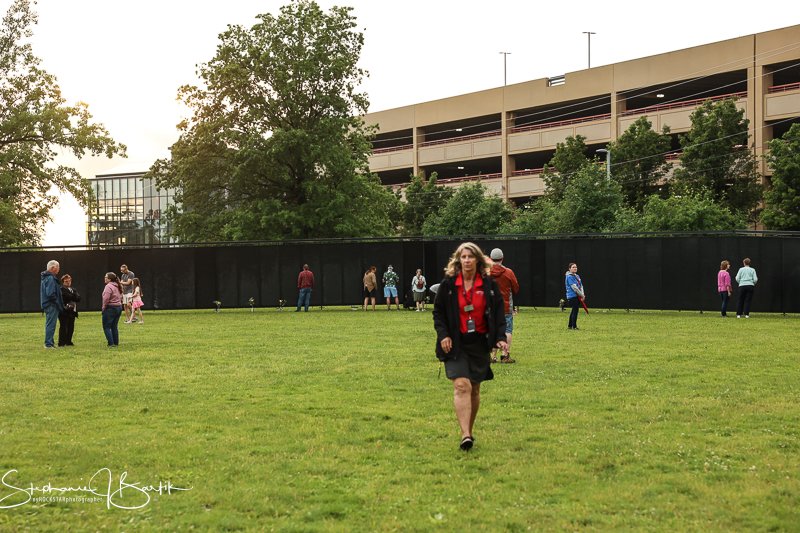
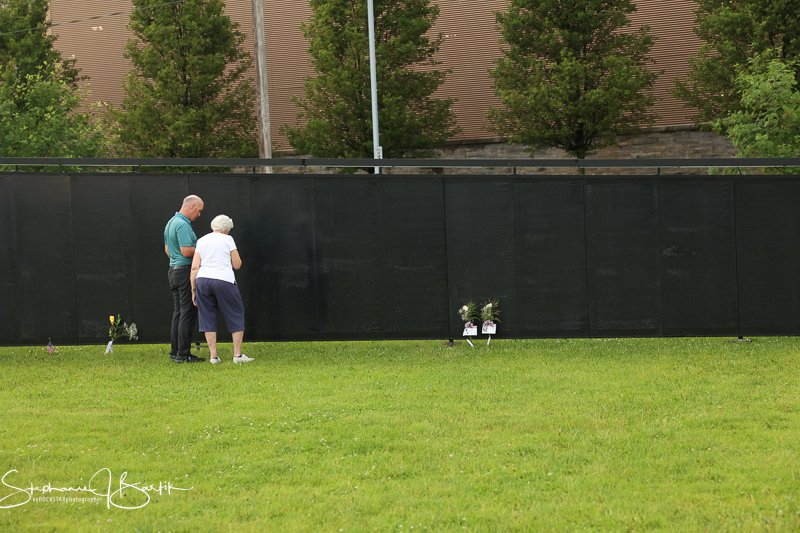
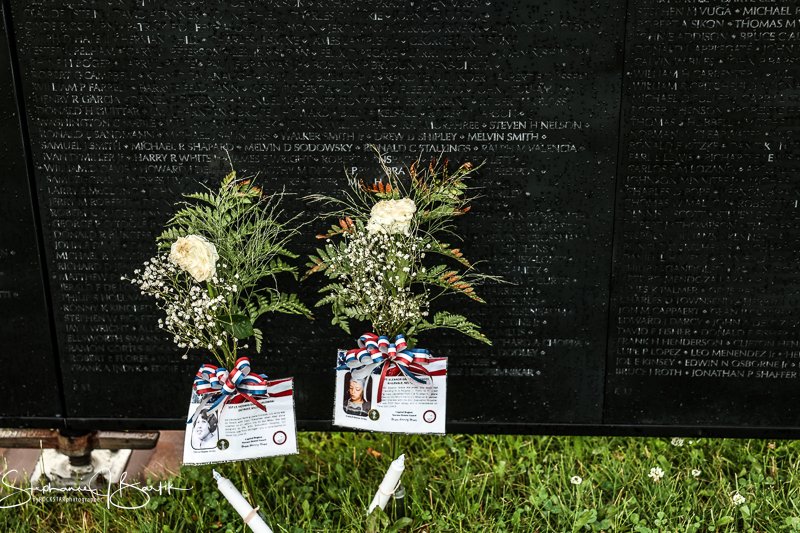
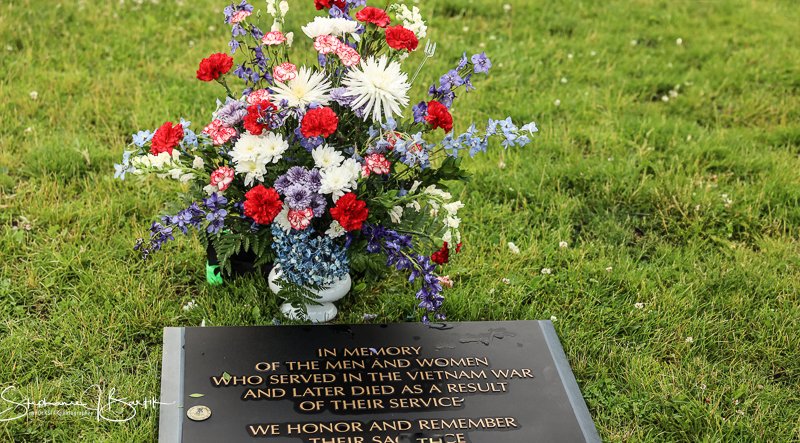
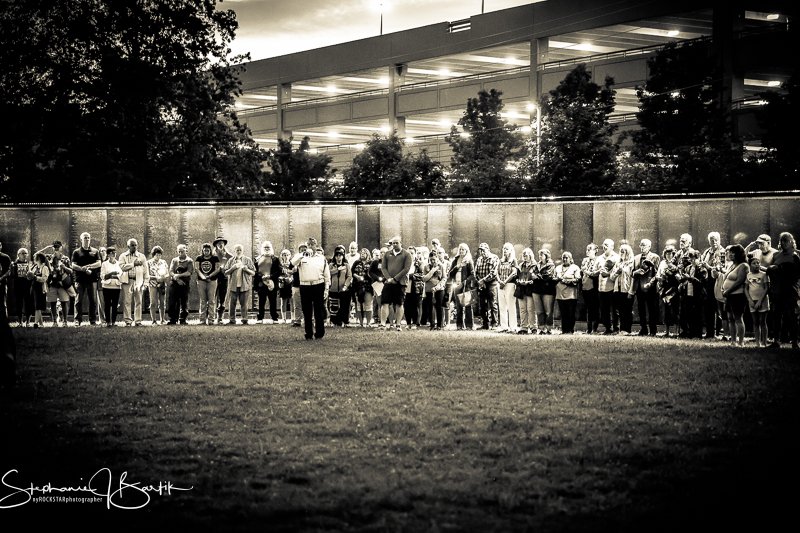
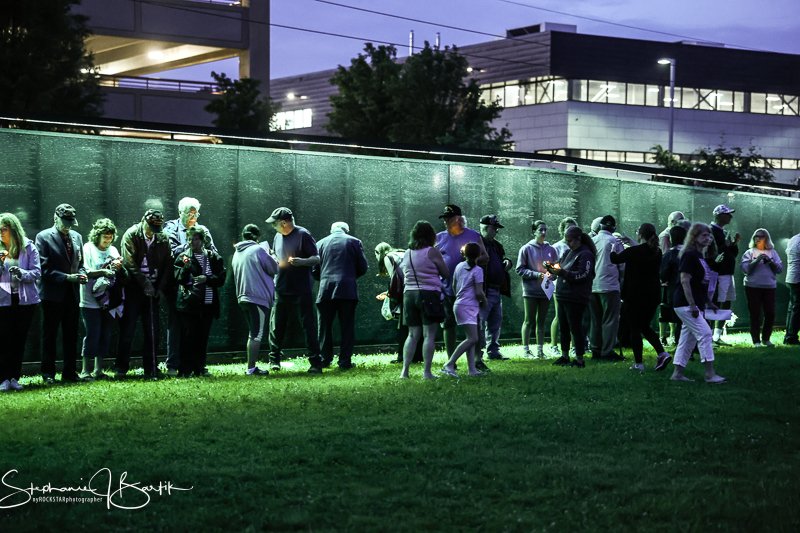
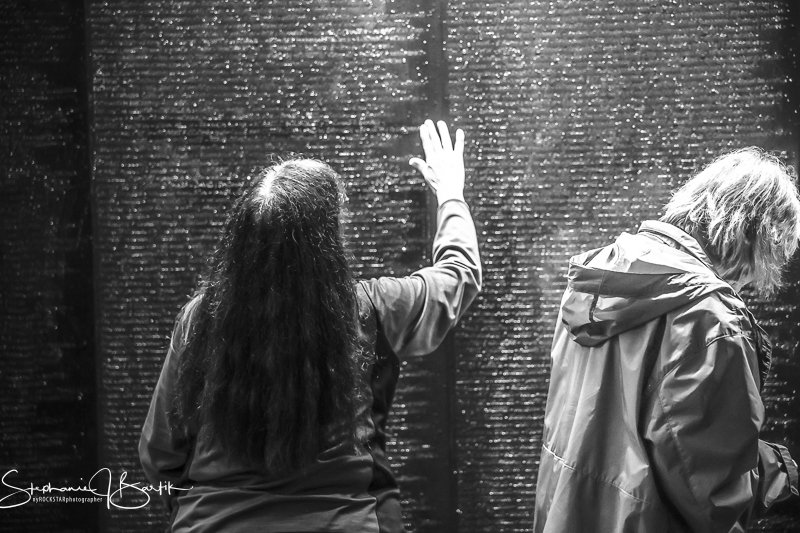
This weekend in Troy, New York, the quiet grounds of La Salle Institute were transformed into a place of remembrance, reflection, and long-awaited recognition. From June 5 to June 8, the Collar City hosts The Wall That Heals, a three-quarter scale replica of the Vietnam Veterans Memorial in Washington, D.C. At 375 feet long and nearly 8 feet tall, the replica wall arrived as part of a national tour that brings the memory of Vietnam’s fallen closer to hometowns across America.

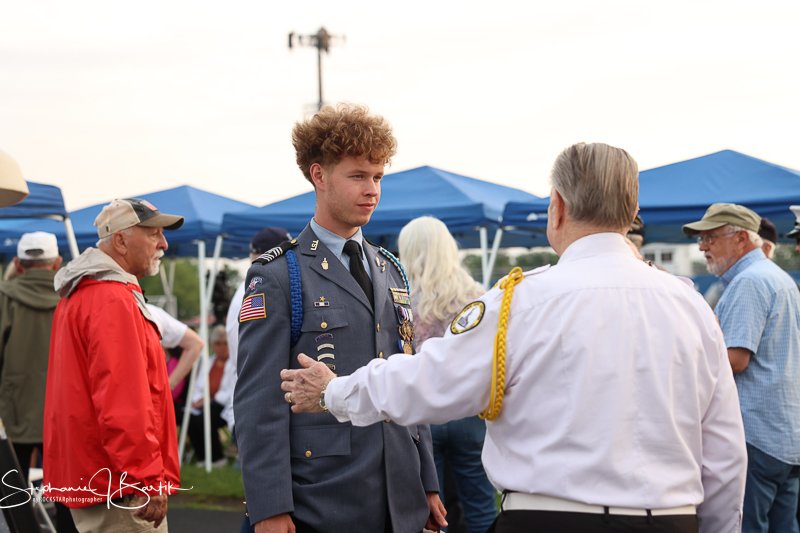
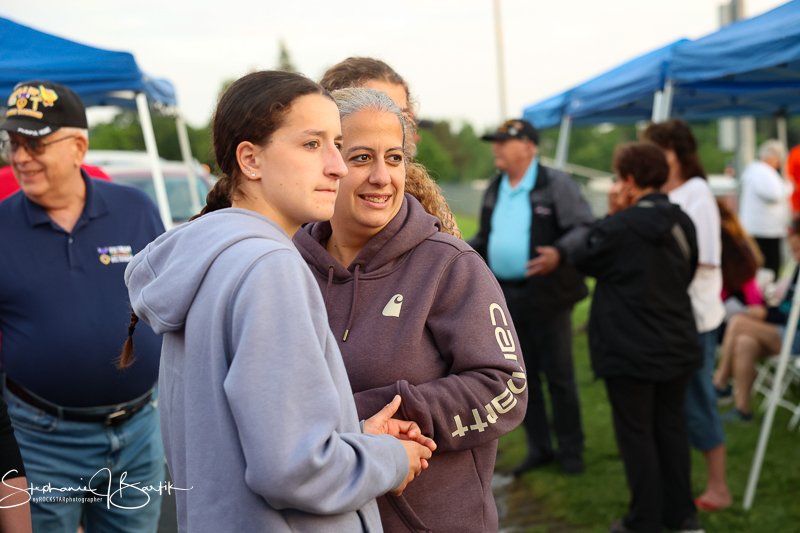
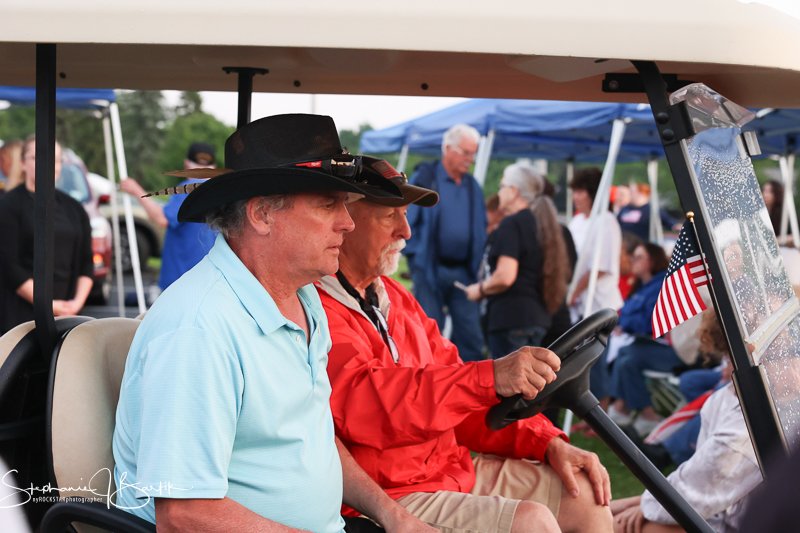
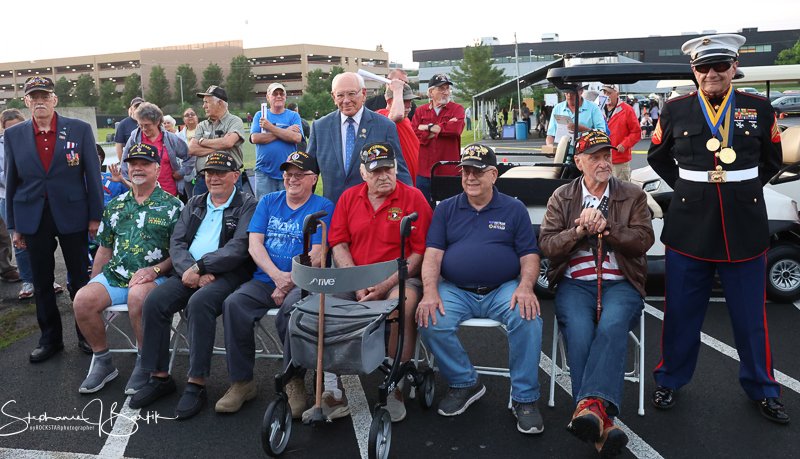
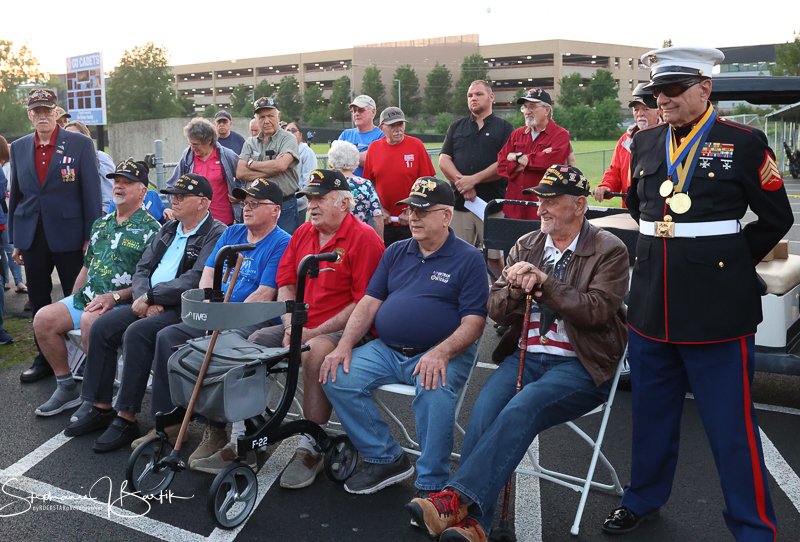
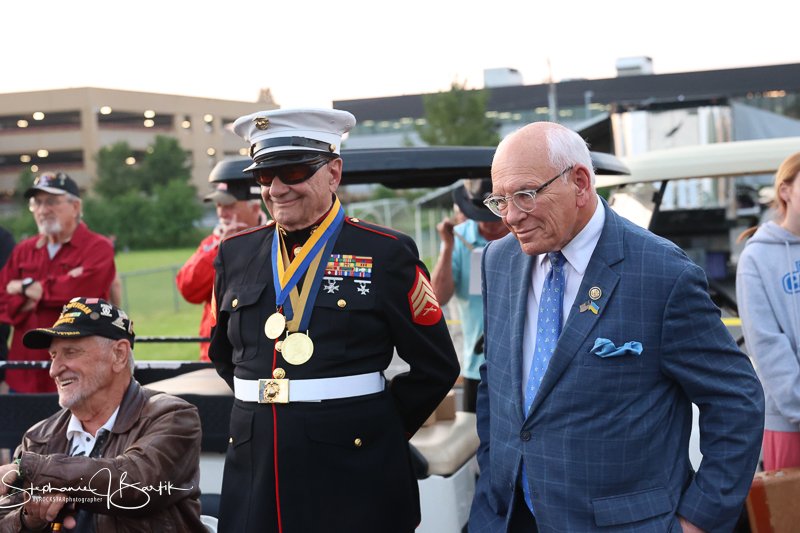
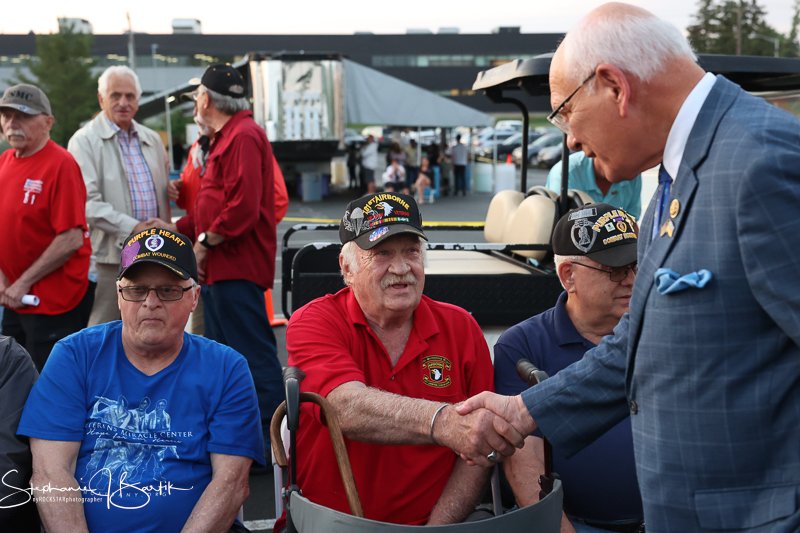
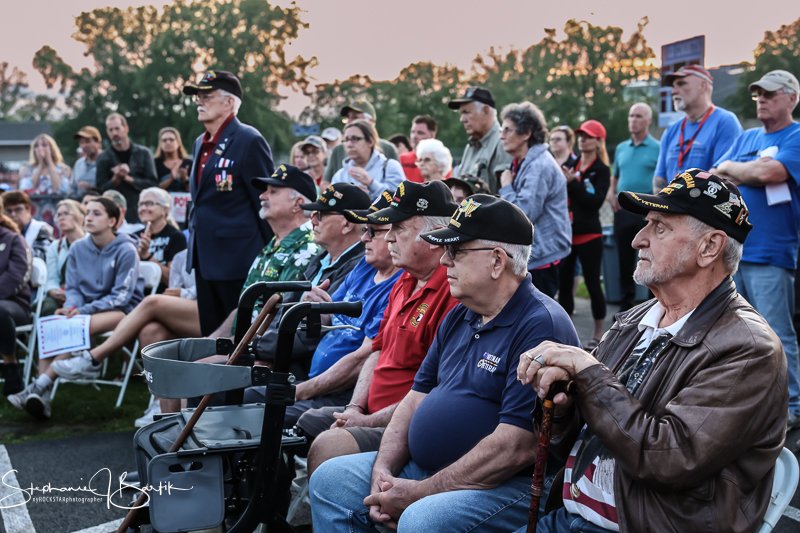
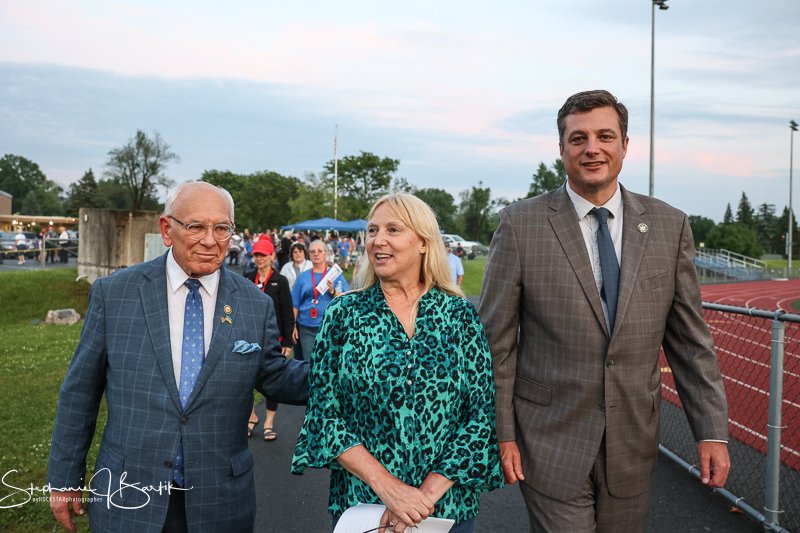
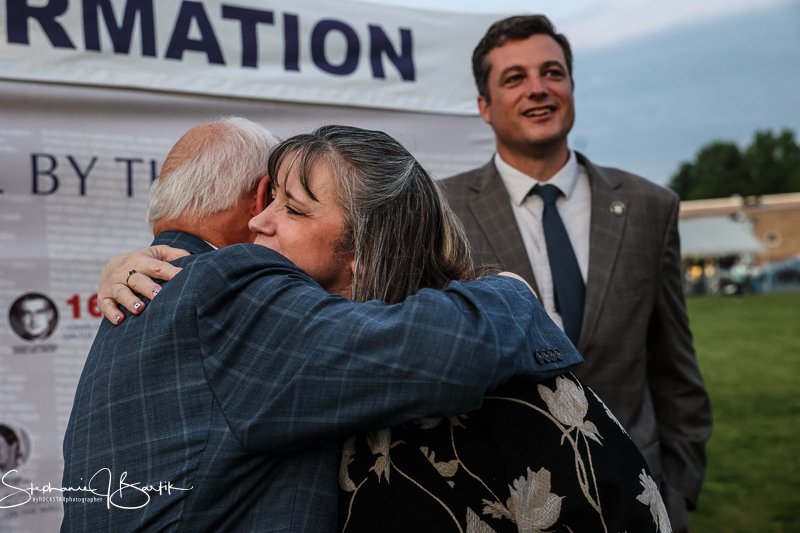
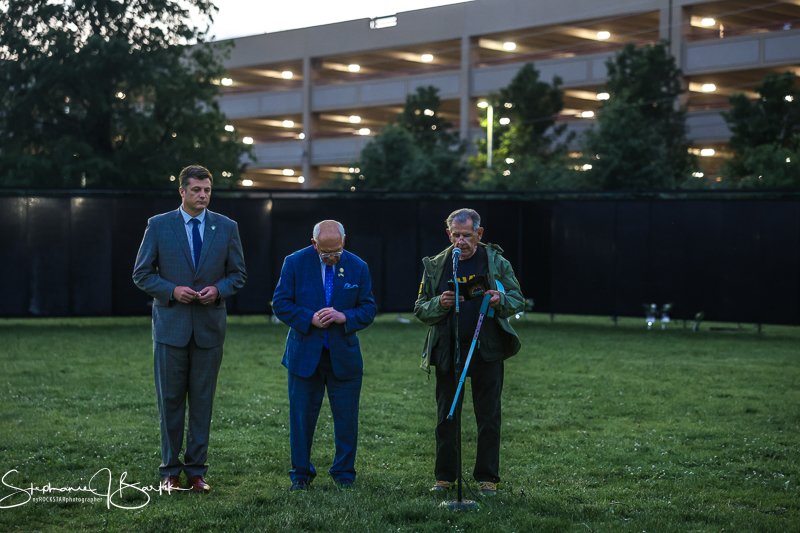
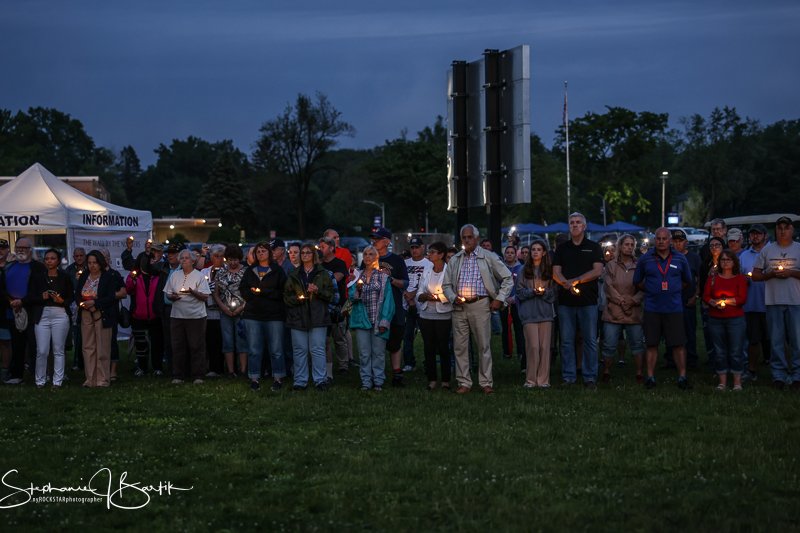
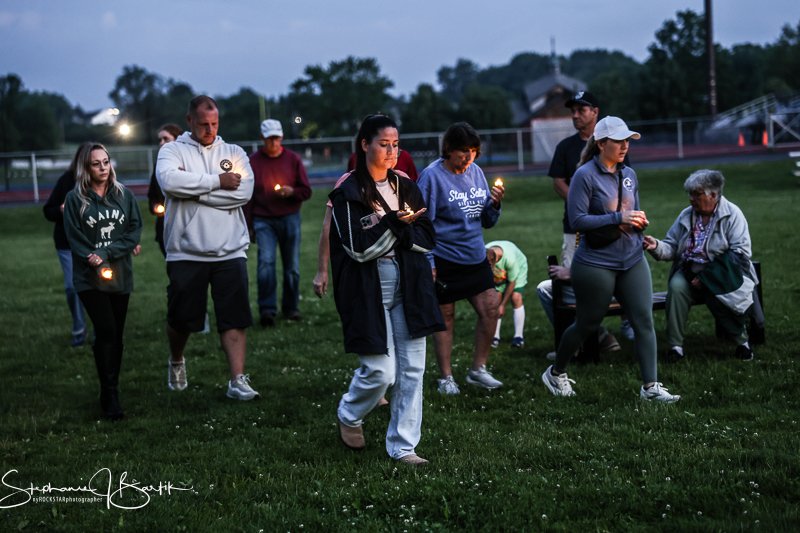
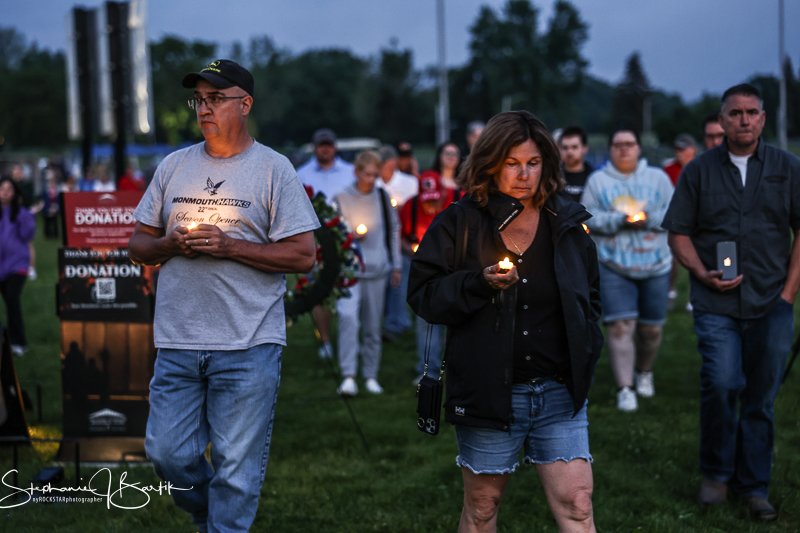
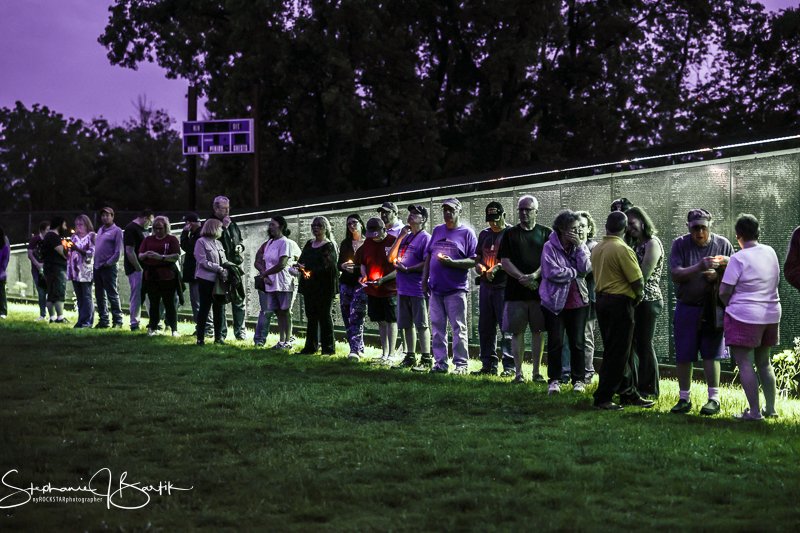
Selected from over 135 applicant communities, Troy was one of only 30 to receive the honor in 2025—and the only host in the entire tri-state area. This distinction wasn’t lost on the estimated 200 attendees who gathered Friday evening for an emotional Candlelight PTSD Awareness in Memory Ceremony.
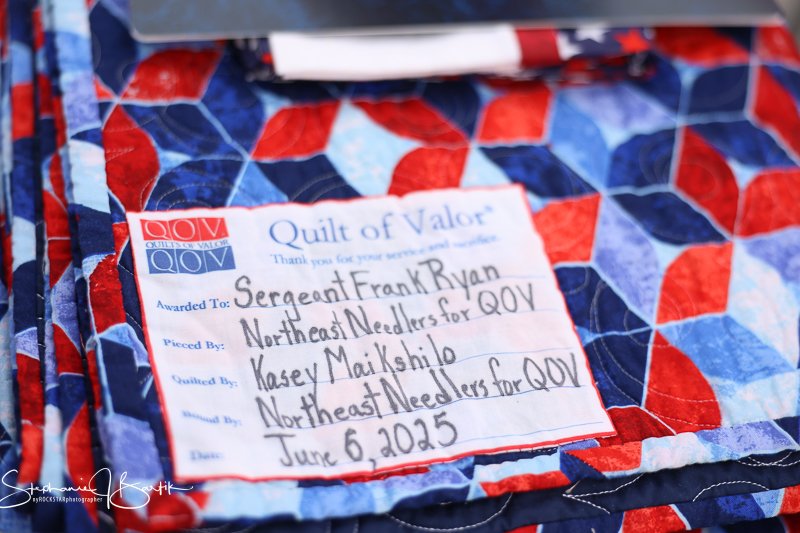
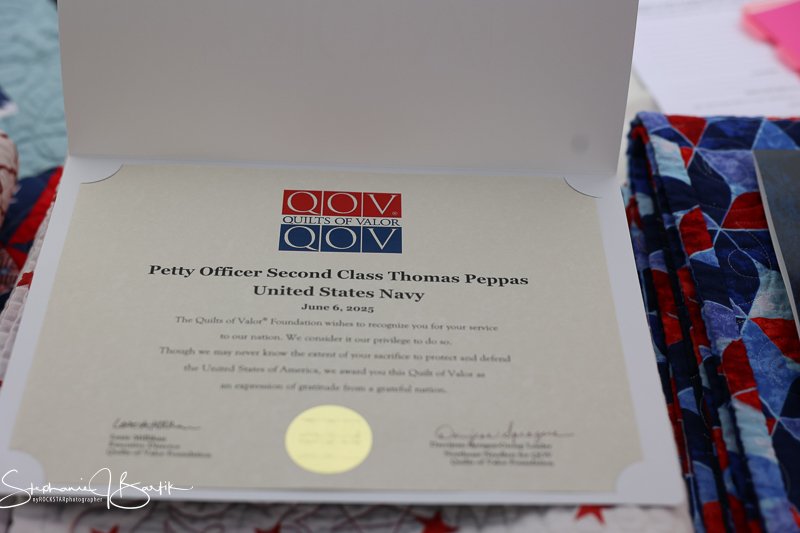
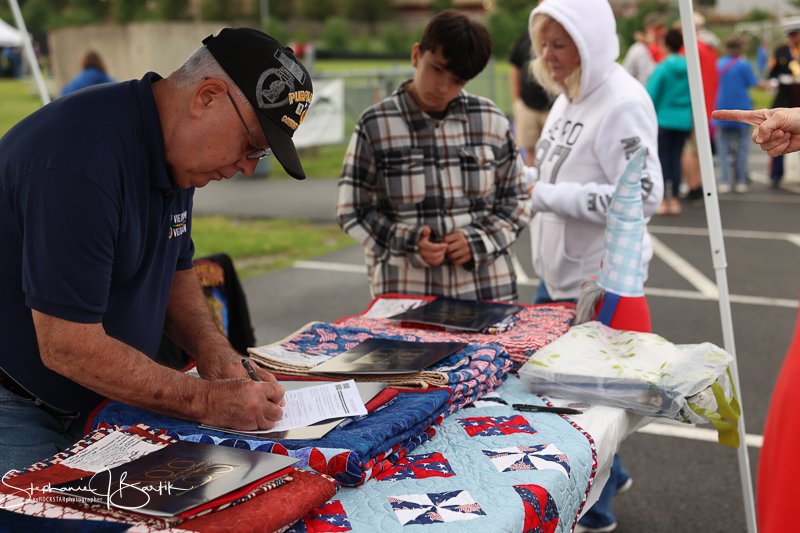
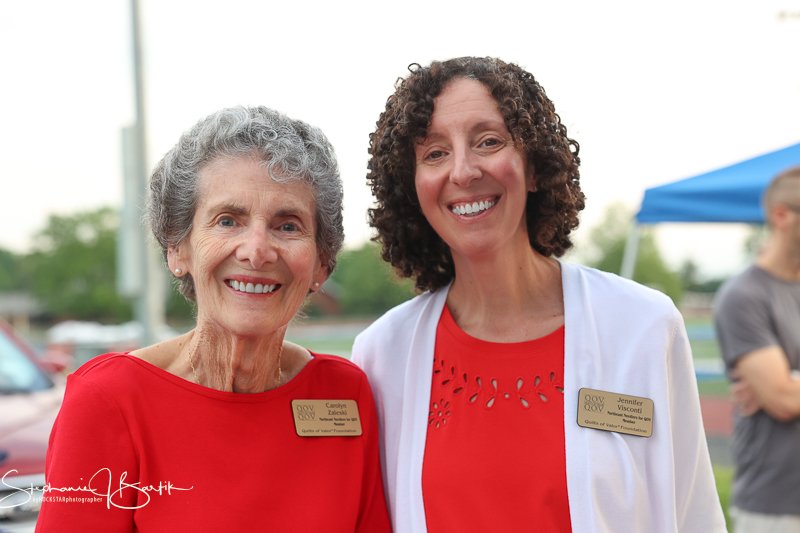
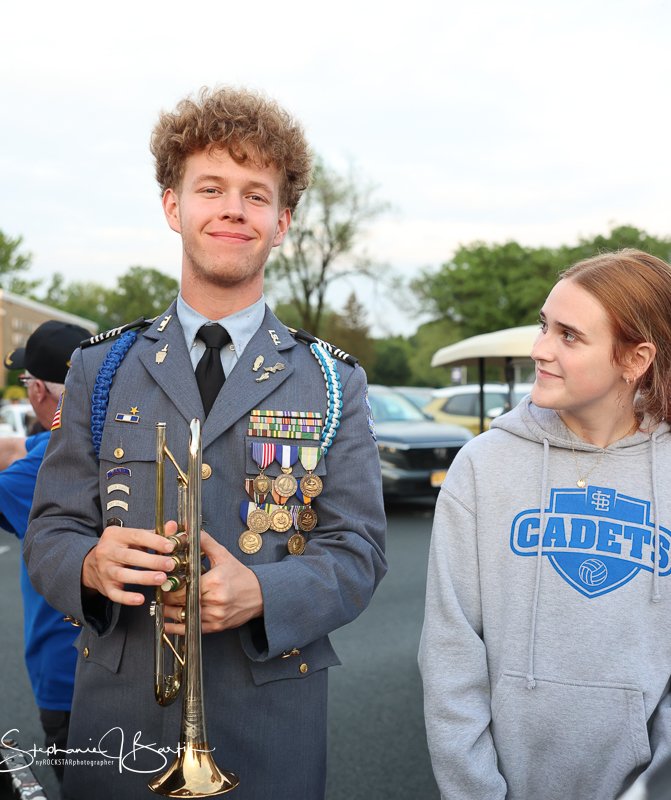
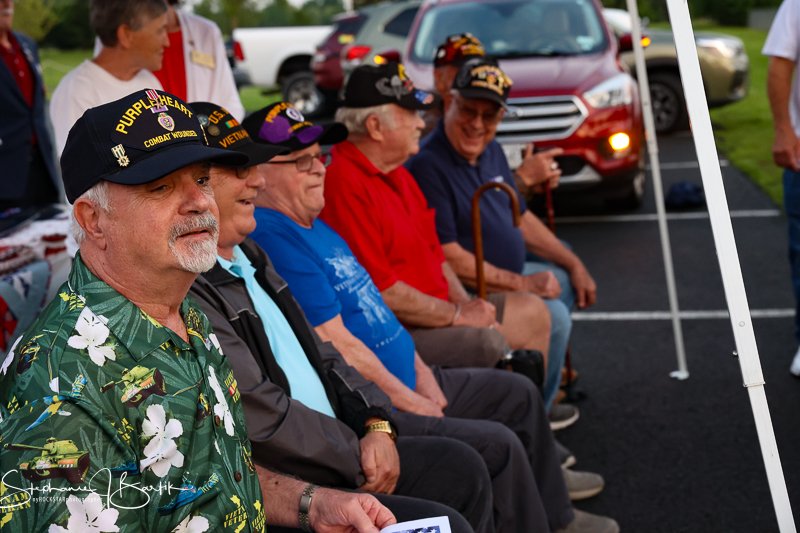
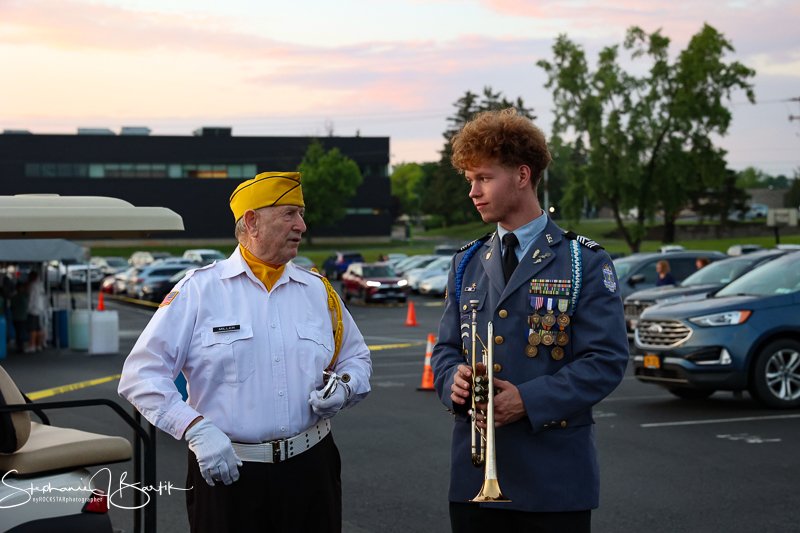
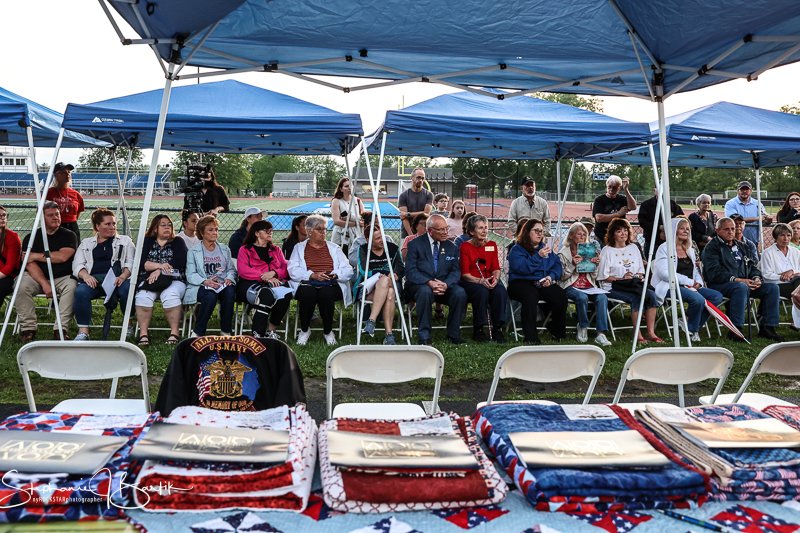
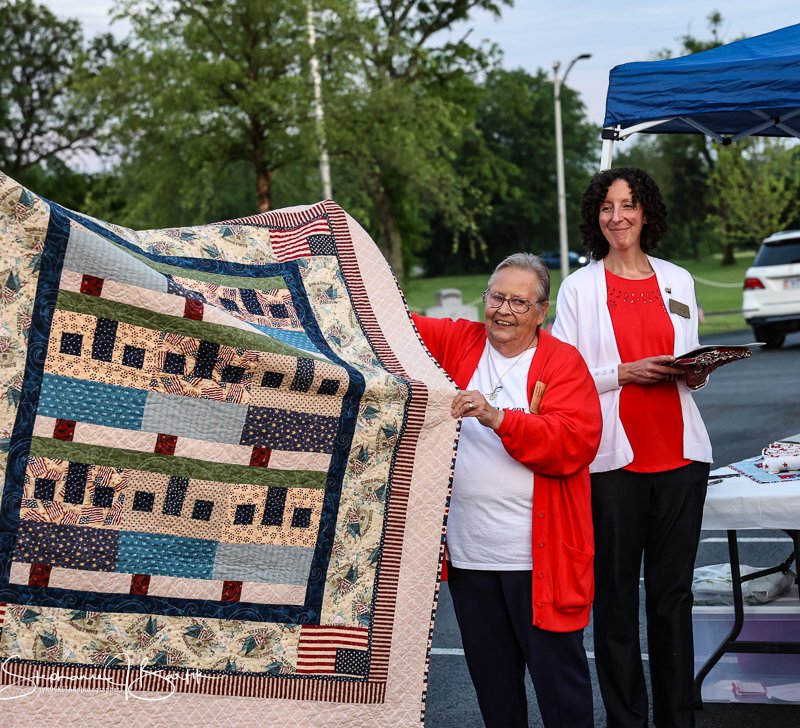
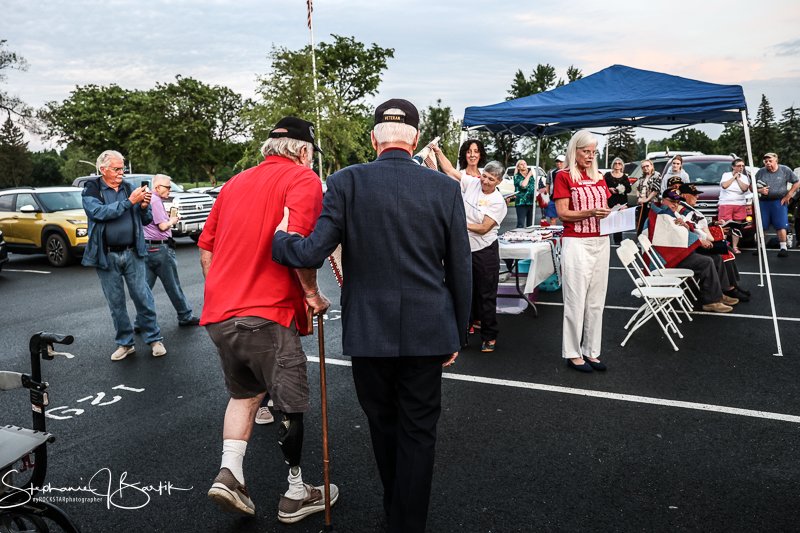
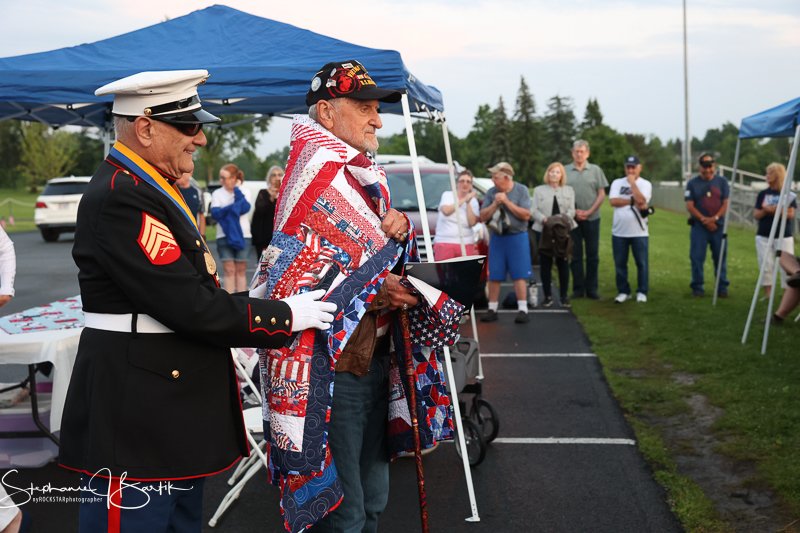
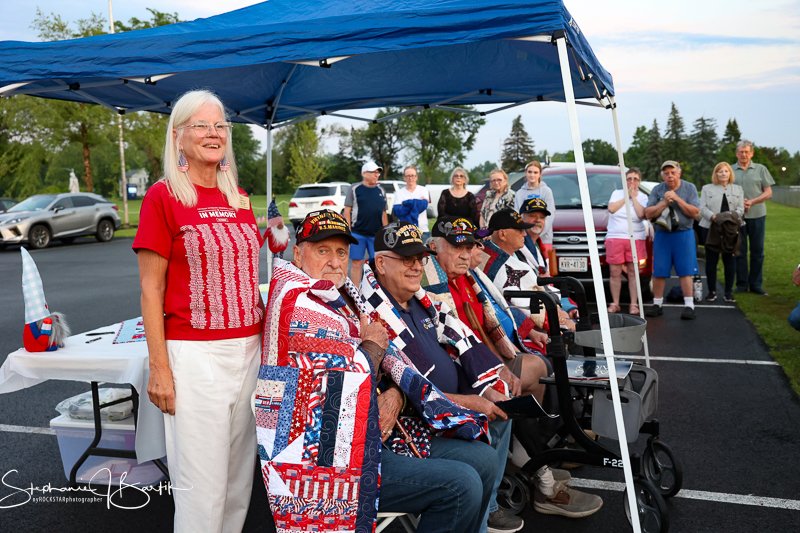
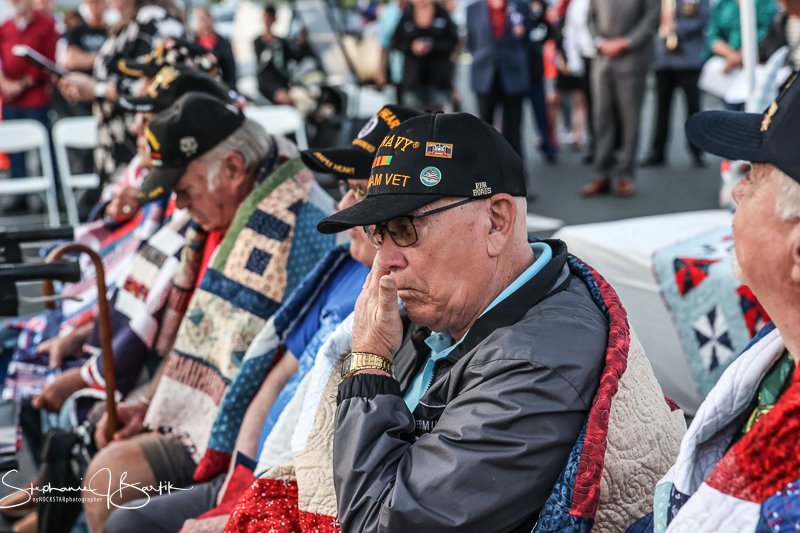
Six local veterans were honored with handmade quilts from the Quilts of Valor Foundation, each a token of gratitude and comfort presented in recognition of their service and sacrifice. Afterward, a candlelight vigil followed. Attendees—each handed a small flickering candle—stood in reverent silence as a clergyman offered prayers for those lost in war. The final tribute came as two trumpeters performed “Taps,” echoing across the wall and into the hearts of those present.

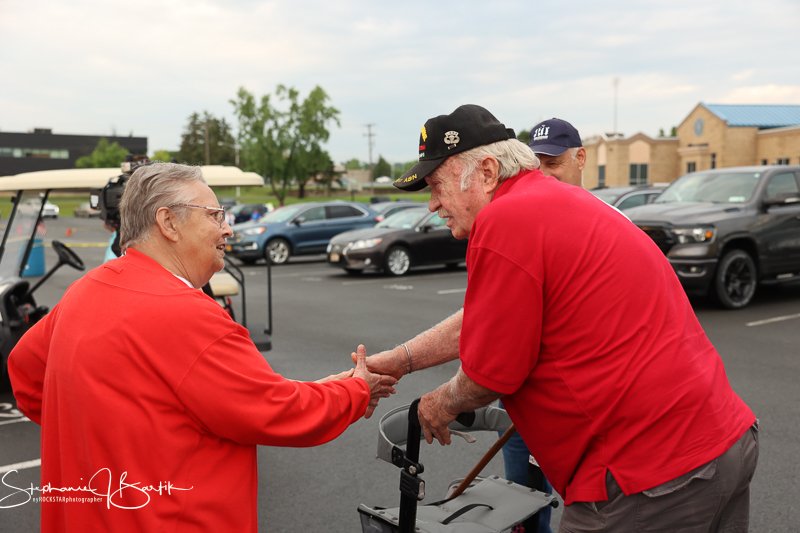
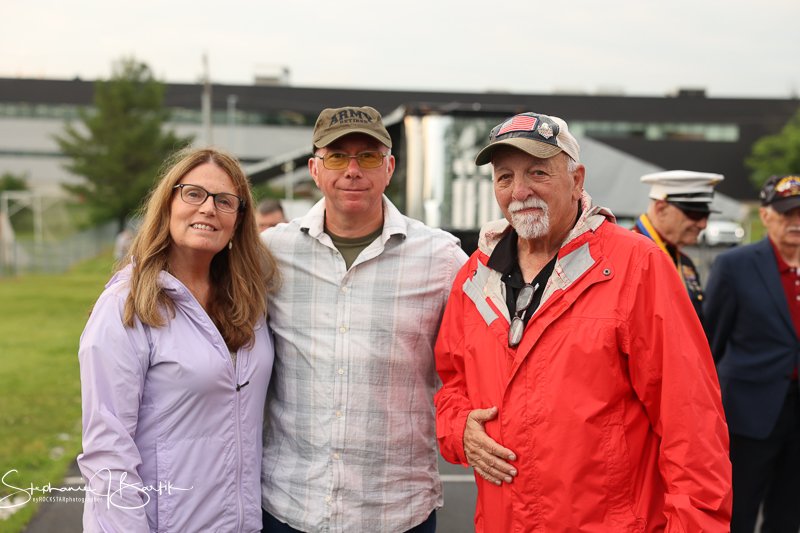
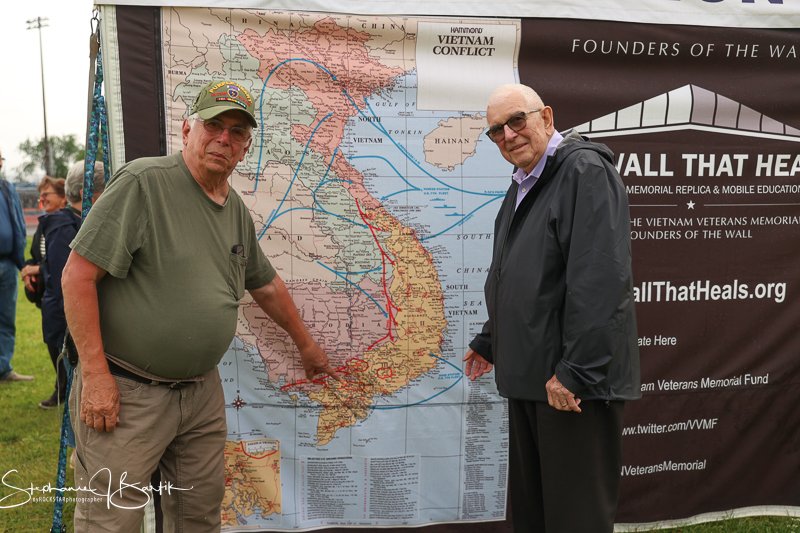
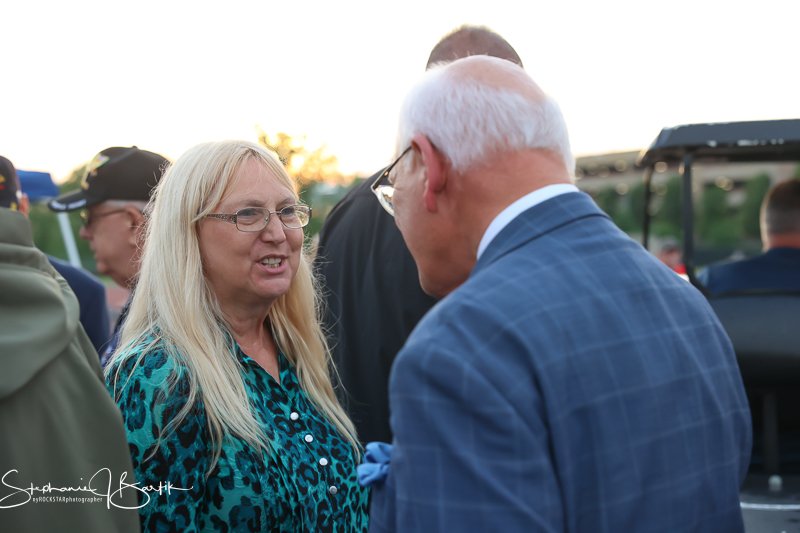
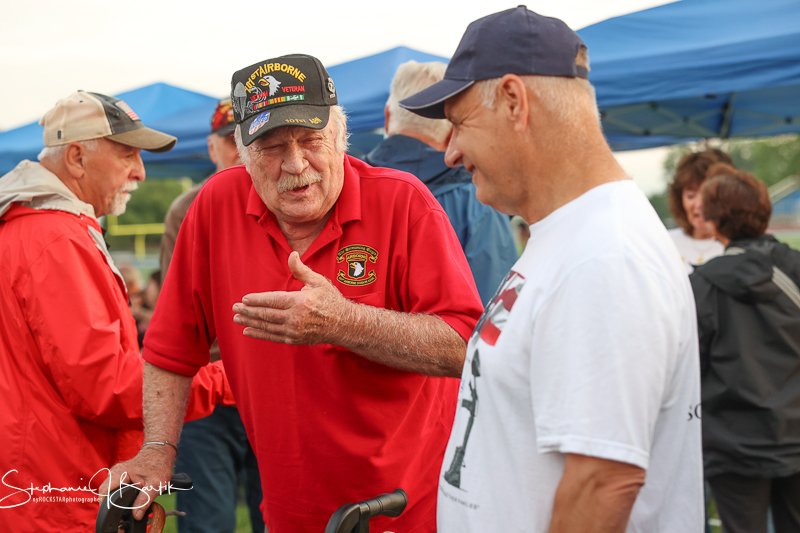
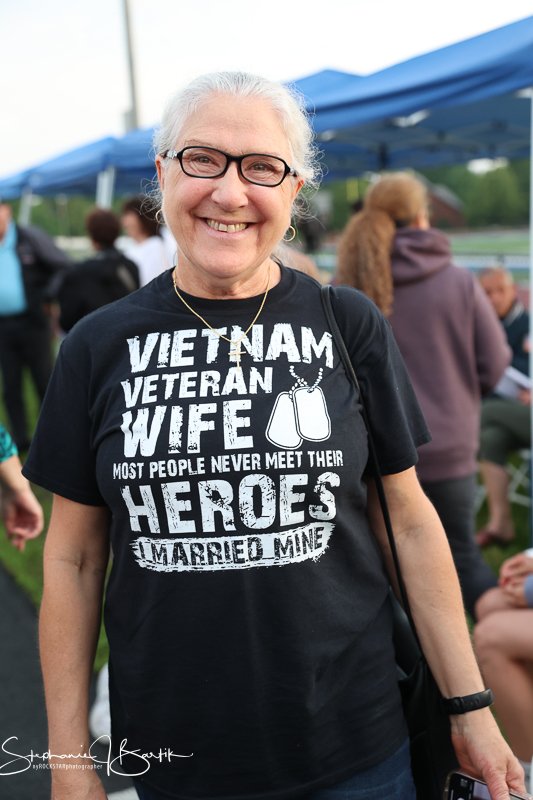
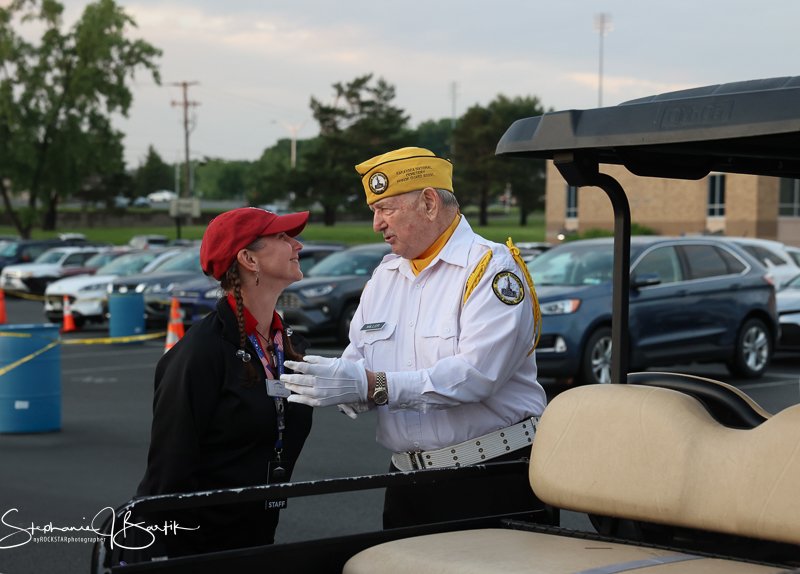
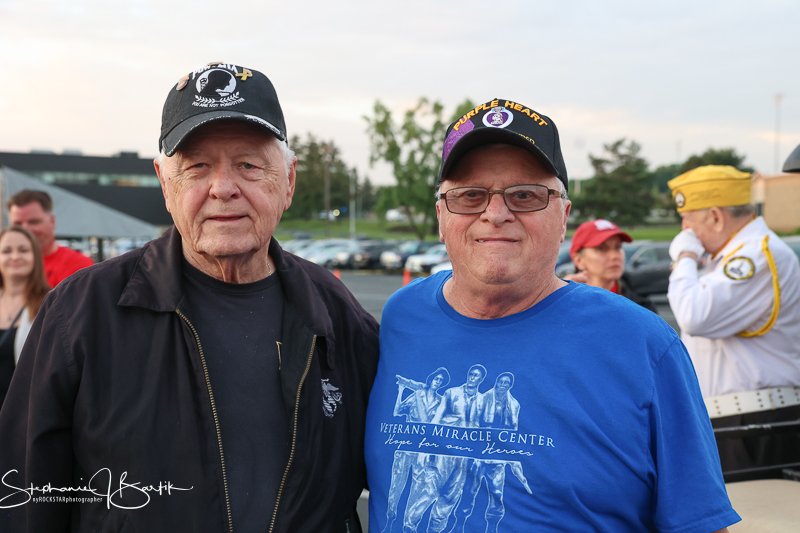
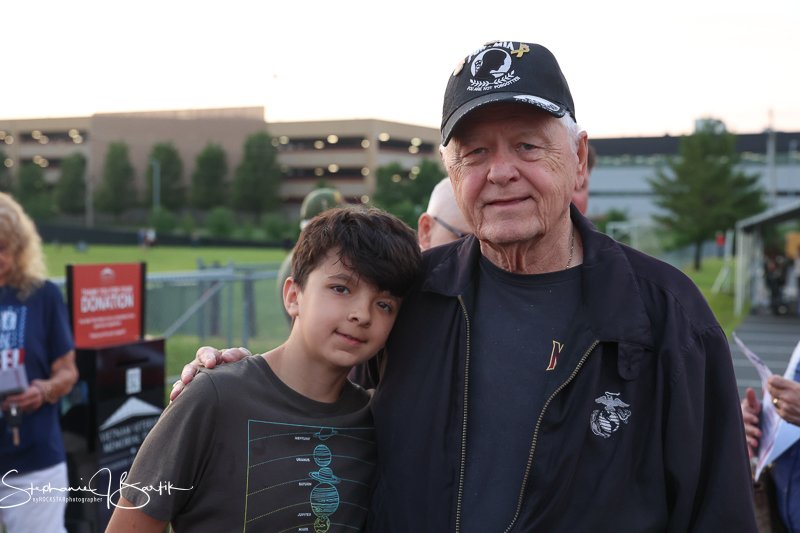
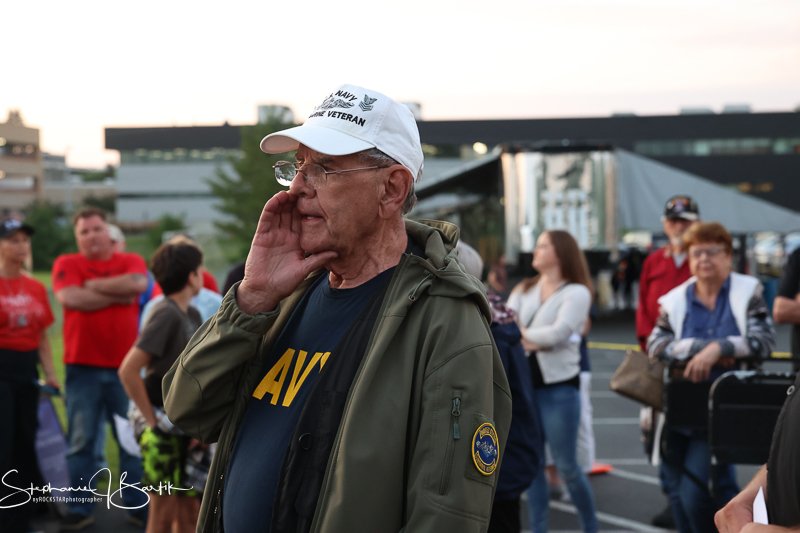
For many, including myself, this was more than an event to photograph. As I prepared my camera, I found myself pulled into conversations with veterans and families, reflecting on a generation that never received the welcome it deserved.
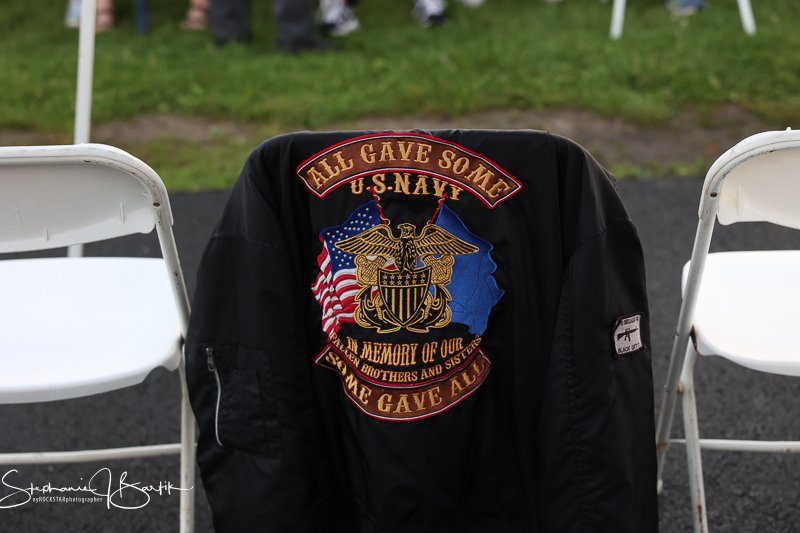
Vietnam veterans, unlike their fathers and uncles from World War II or today’s sons and daughters returning from Iraq or Afghanistan, came home to a nation divided. There were no parades or joyous reunions broadcast on national TV. Instead, they were often met with silence—or worse, hostility. Branded as symbols of an unpopular war, many were forced to bury their experiences deep inside.
I remember the night of December 1, 1969, when the first draft lottery was televised. My older brother and his friend Adam watched anxiously as birth dates were drawn from blue plastic capsules. Adam’s birthday—September 14—was the first picked. Number 001. “I never won anything before,” he said bitterly. Facing near-certain deployment, he enlisted, hoping to gain some control over his fate. My brother drew number 106. Not lucky, just less doomed.

The trauma of Vietnam wasn’t just about what they saw—it was also about what they couldn’t say when they came home. One vet told me how he’d once forgotten the origin of a scar on his leg. Months later, the memory hit: it was from a riverine patrol boat ambush. The recollection had been suppressed for years, buried beneath layers of survival.
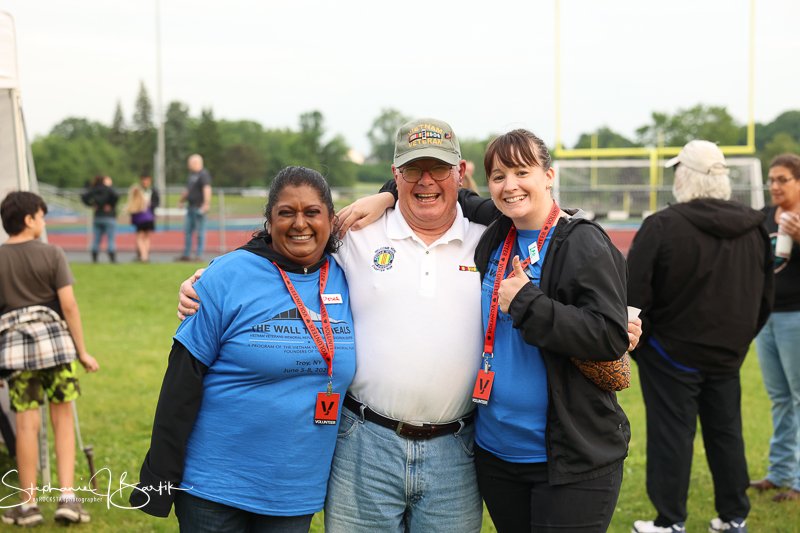
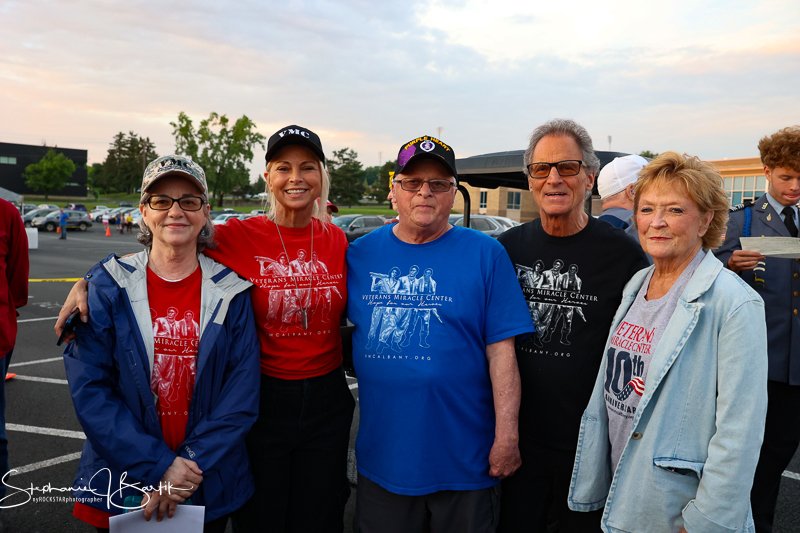
The Wall That Heals is more than polished black panels and engraved names. It is a long-overdue embrace for those who returned in silence, carrying wounds we couldn’t see. Gratitude goes to Cheri Pierce, co-chair of the Wall That Heals Troy Committee, and the many volunteers who ensured these stories were finally seen, honored, and heard, including Ms. Pierce’s co-chair, Chris Albert, and four partners who came together to make it all happen: La Salle Institute, Hudson Valley Community College VET-ROC, Rensselaer County, and CRAB Garrison #1954.