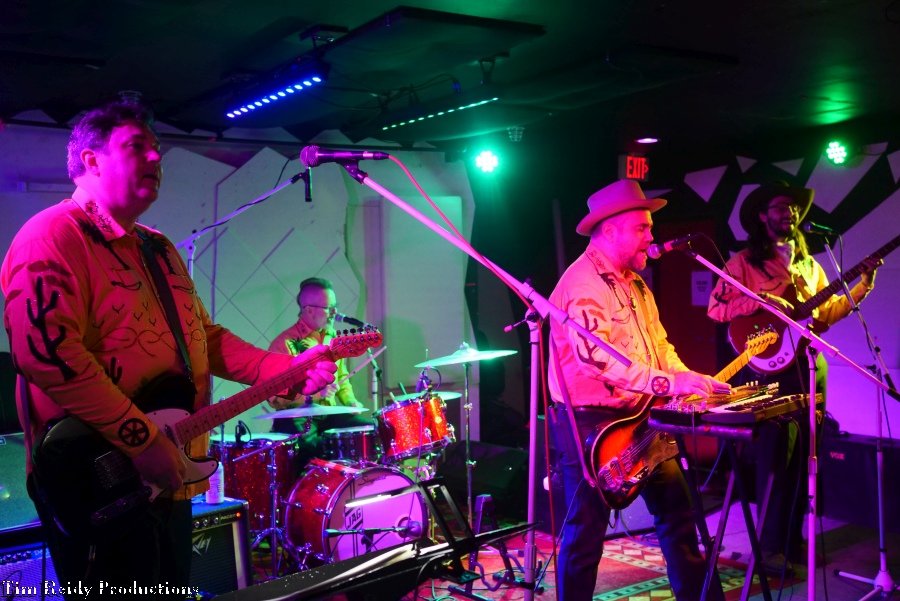
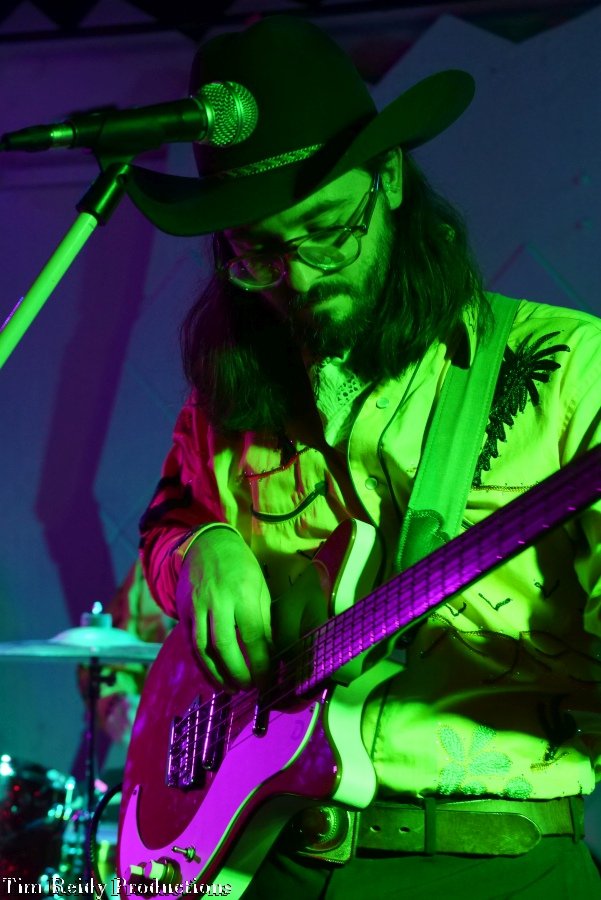
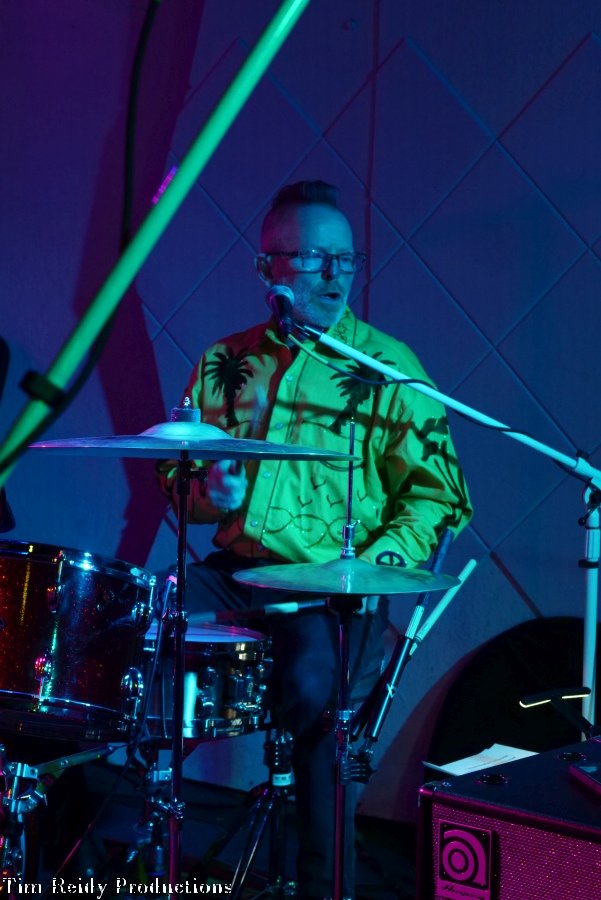
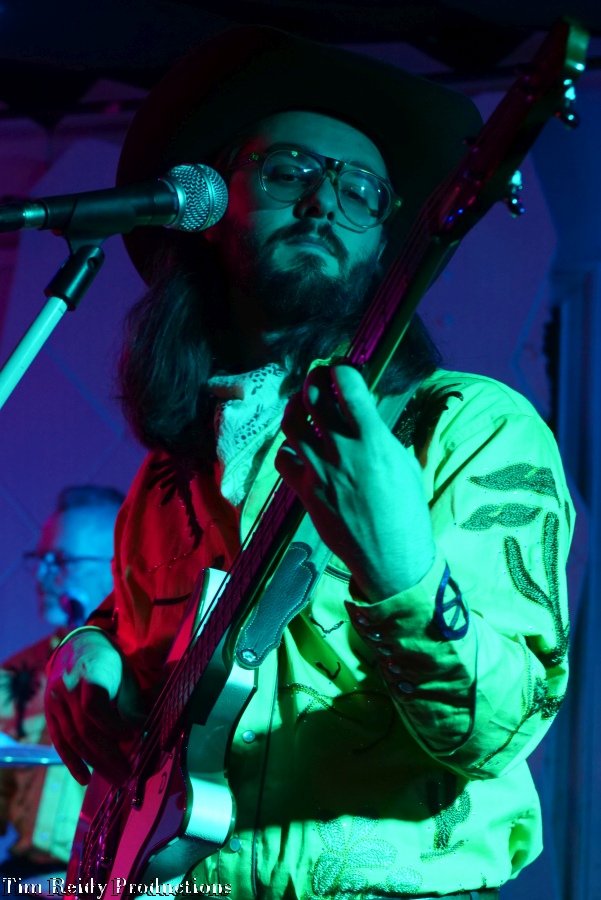
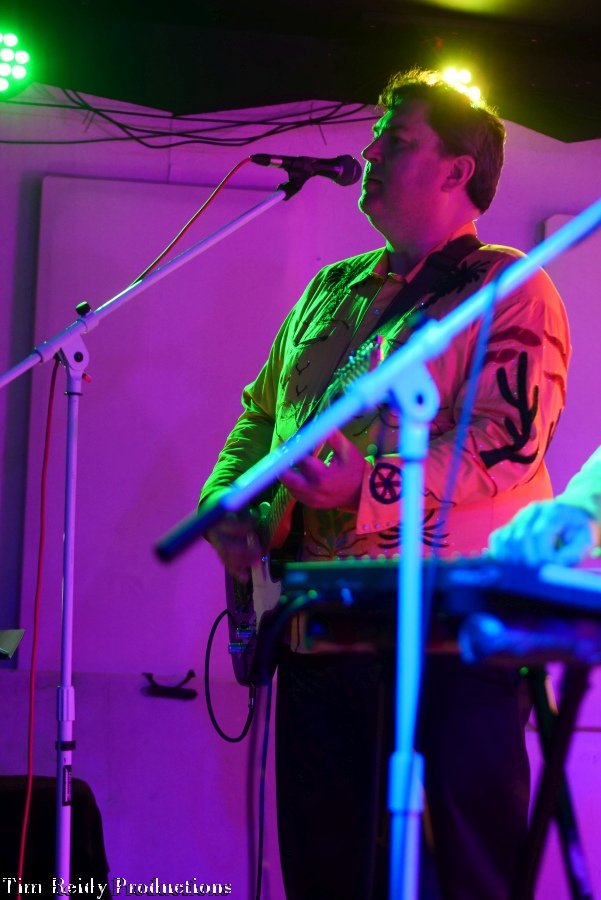
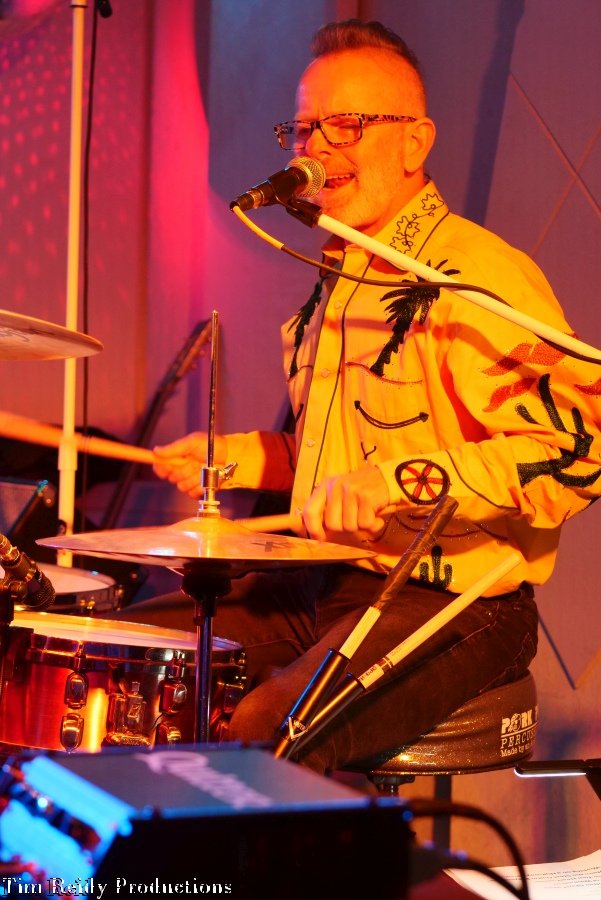
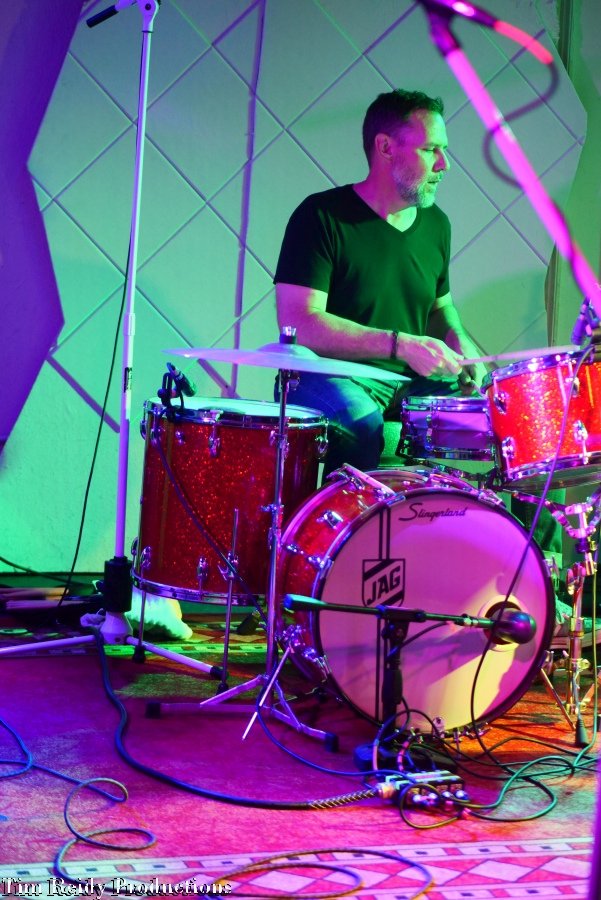
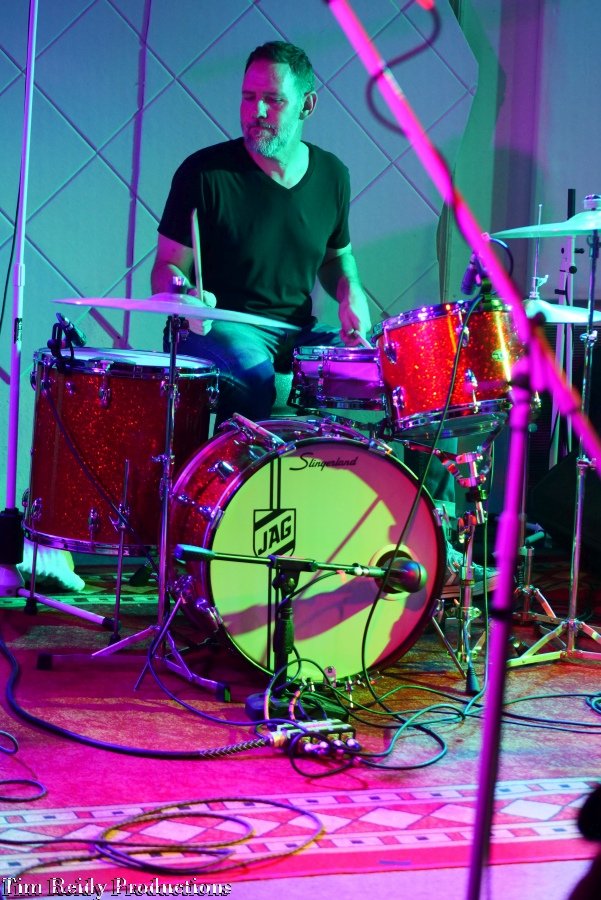
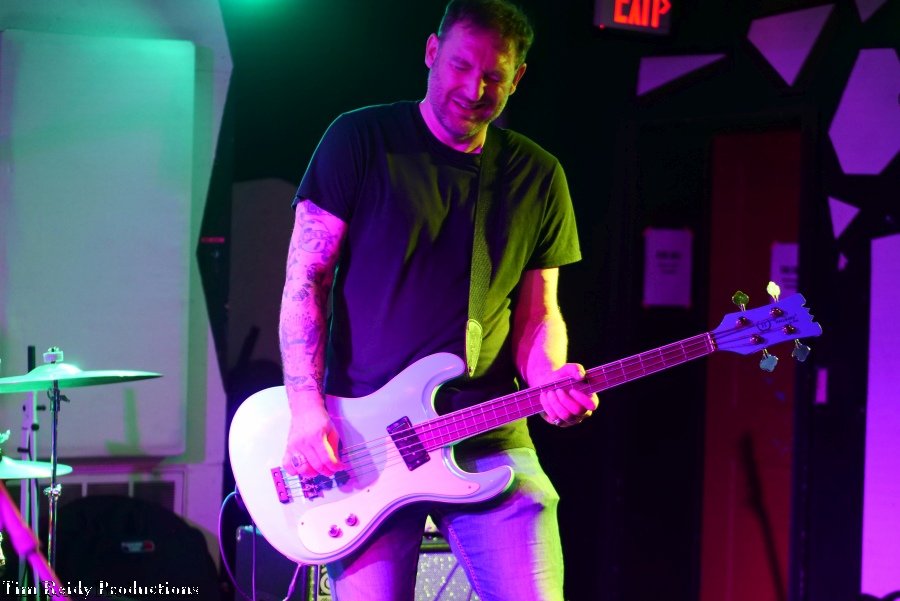
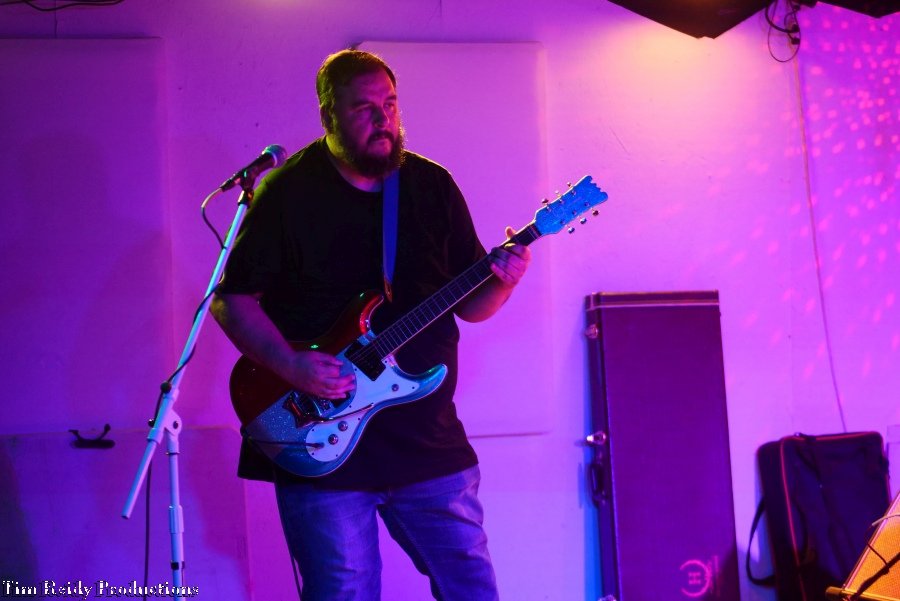
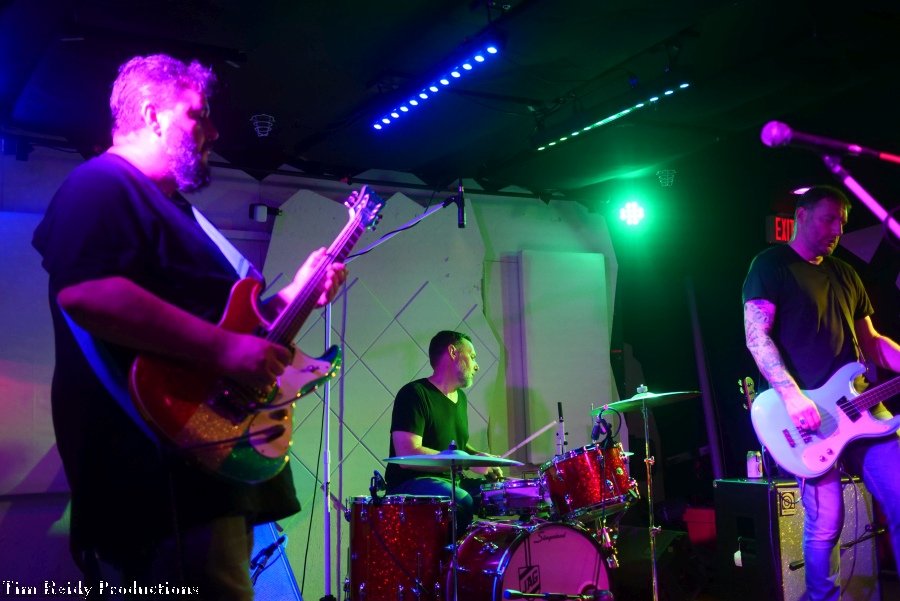
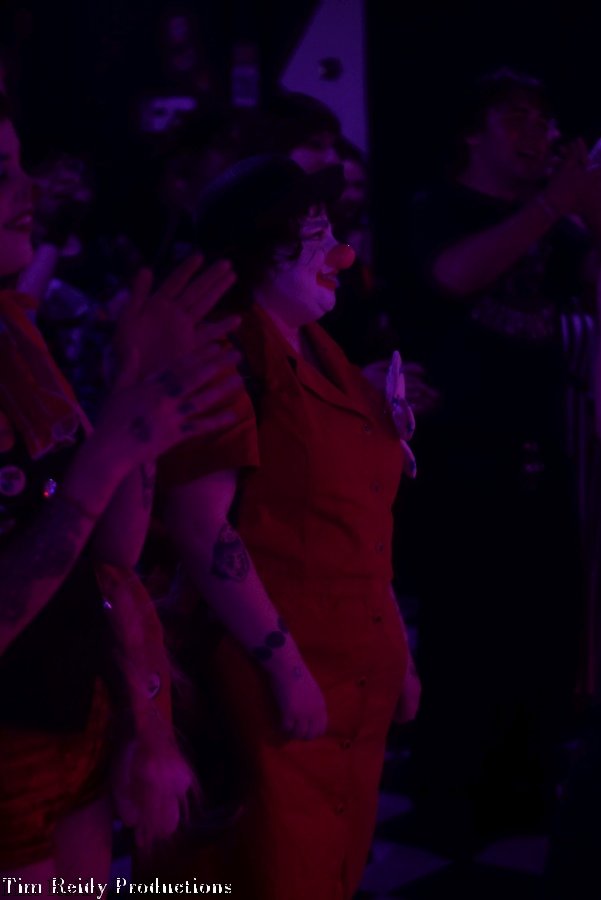
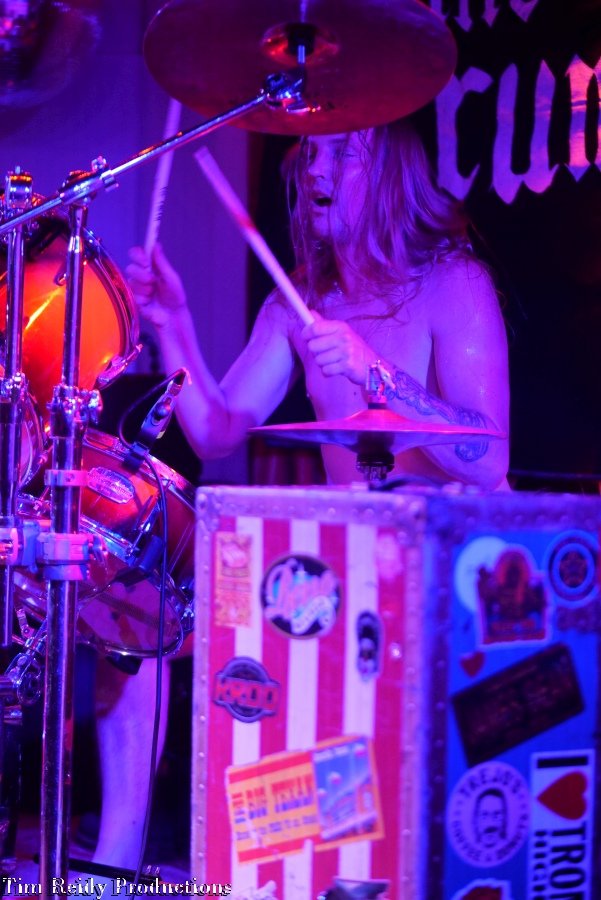
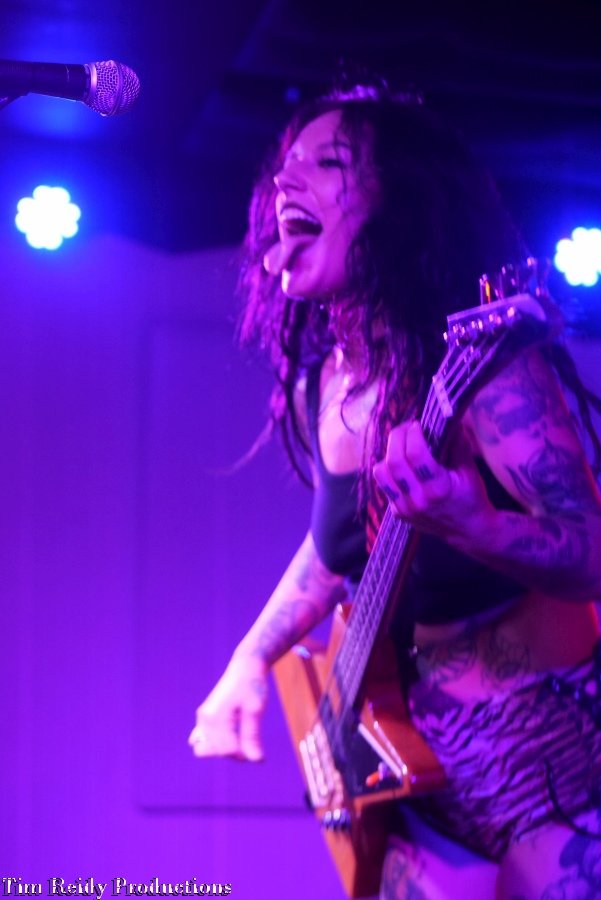
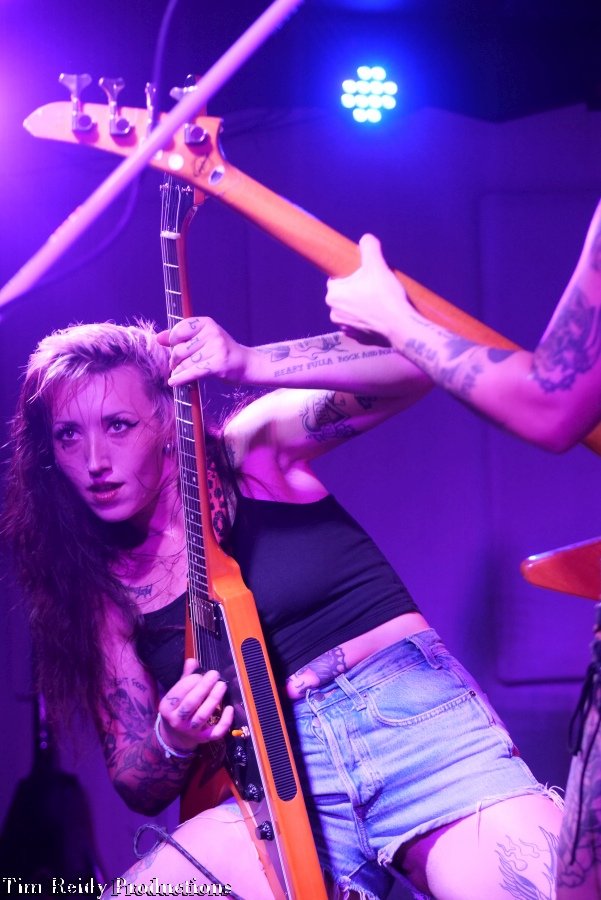
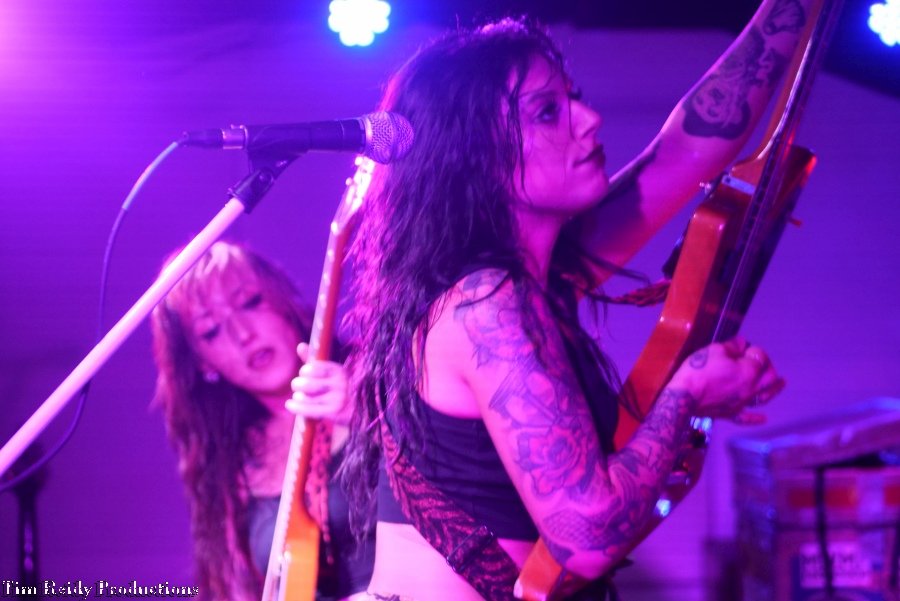
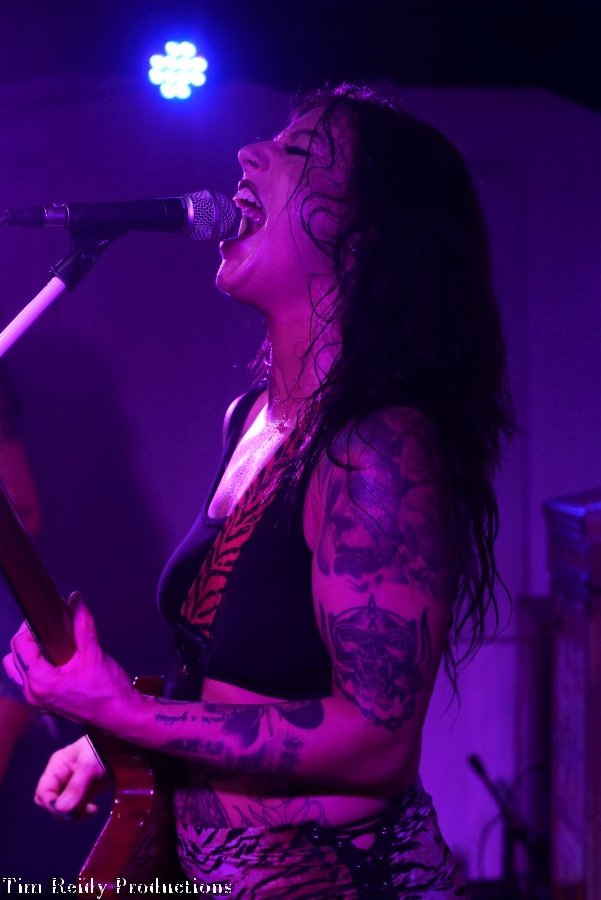
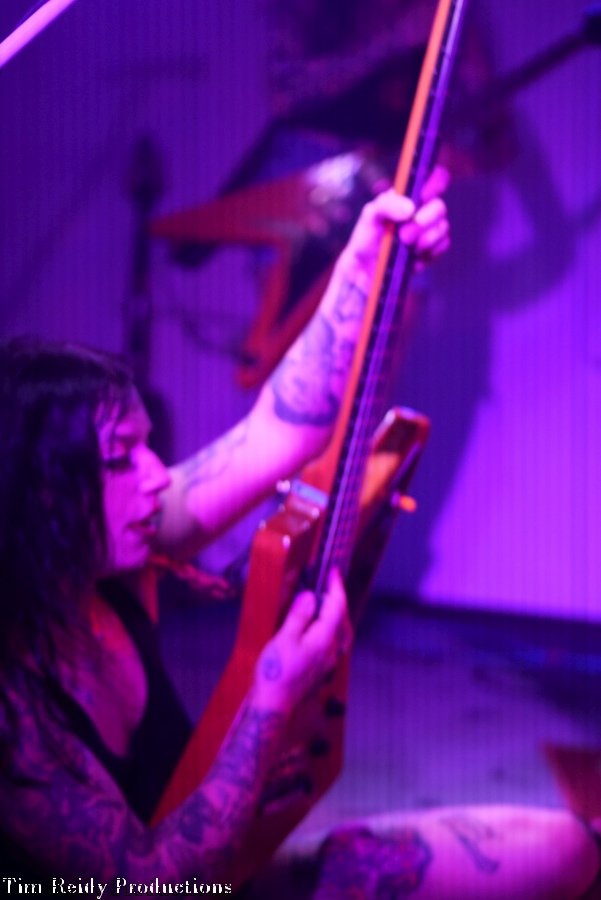
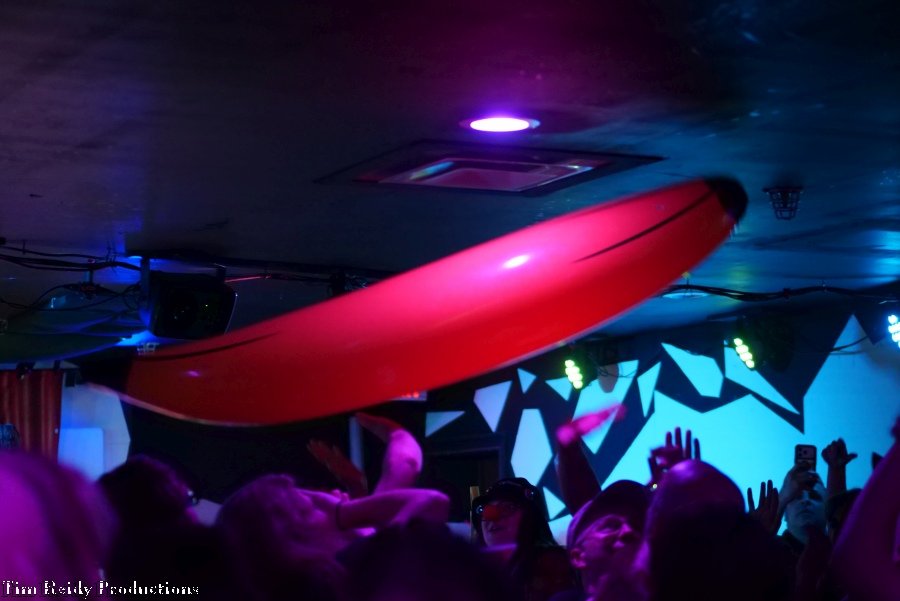
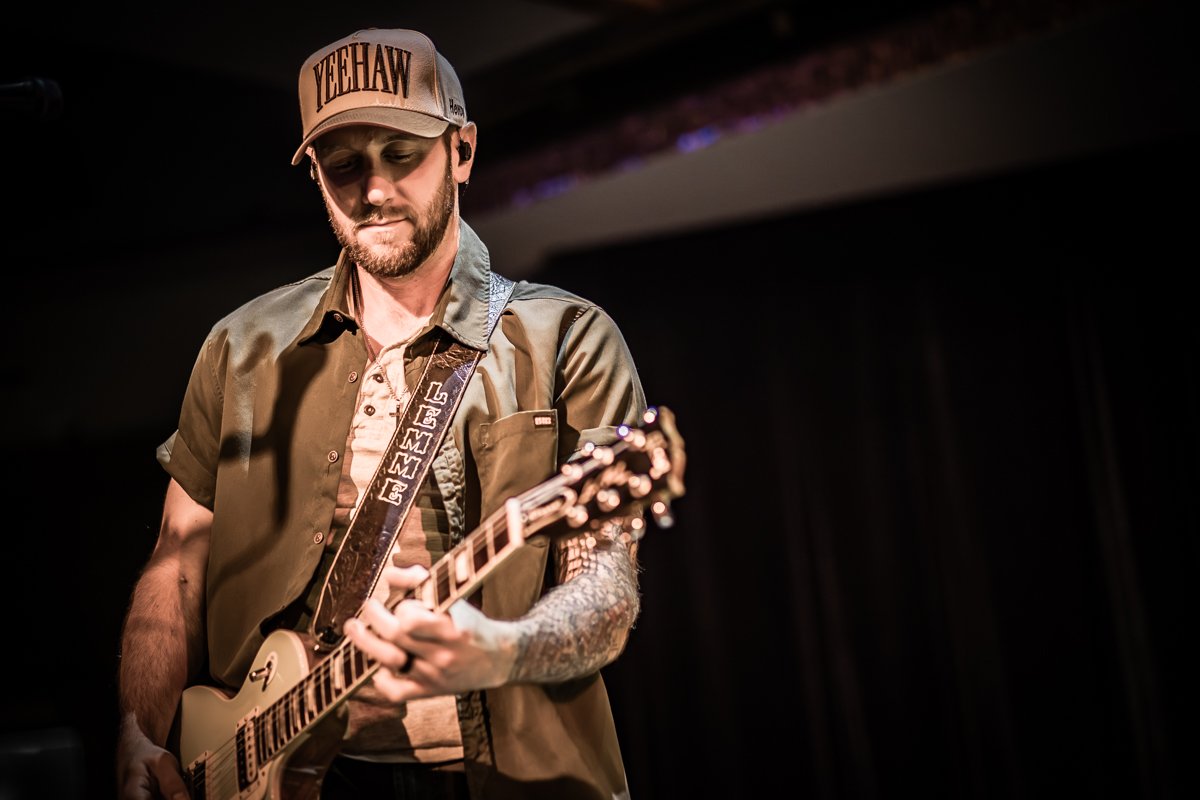
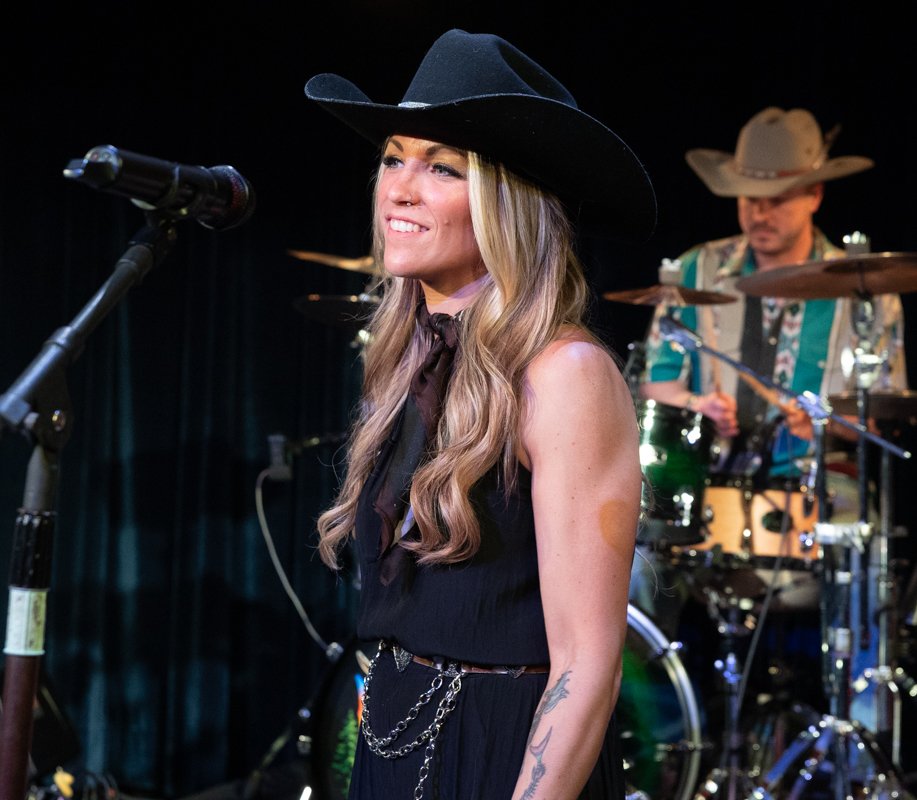
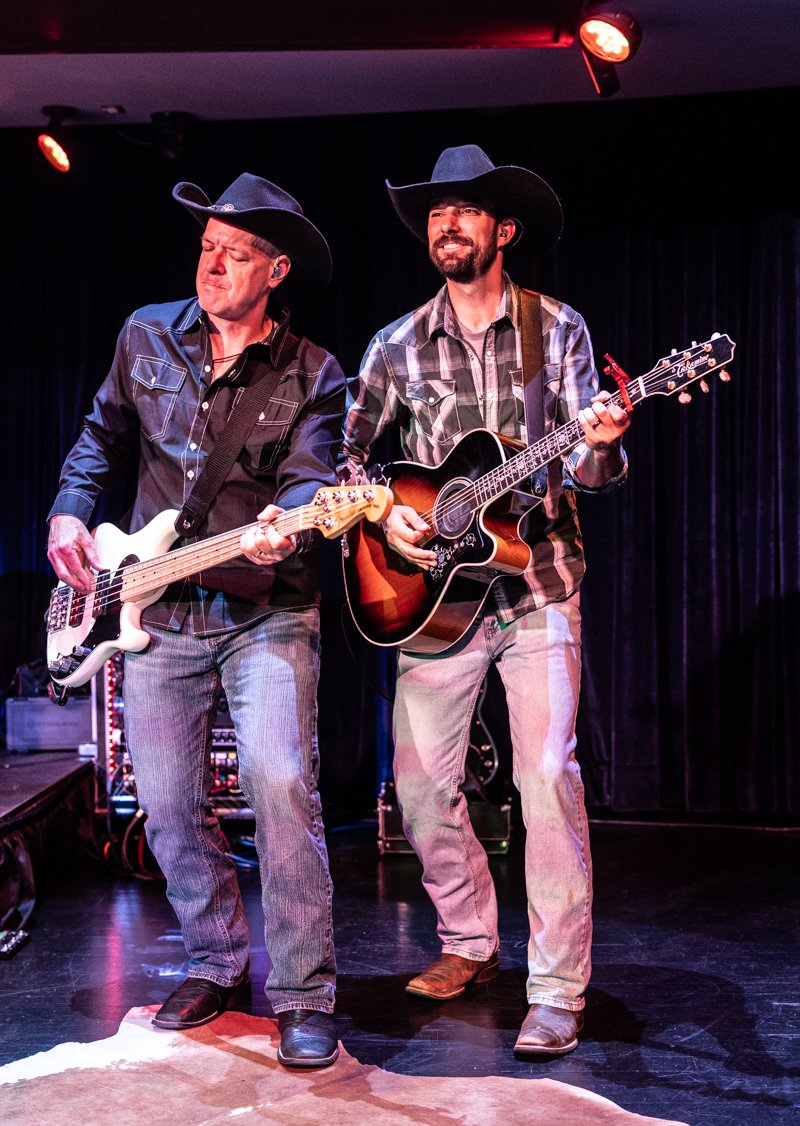
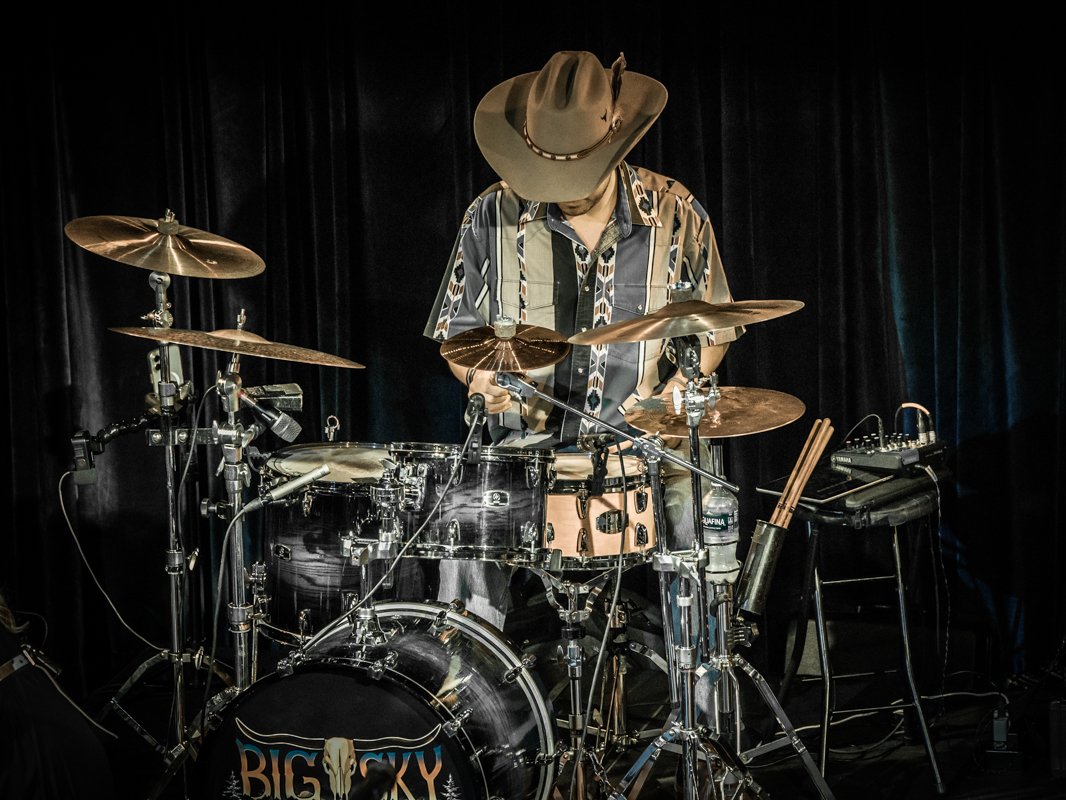
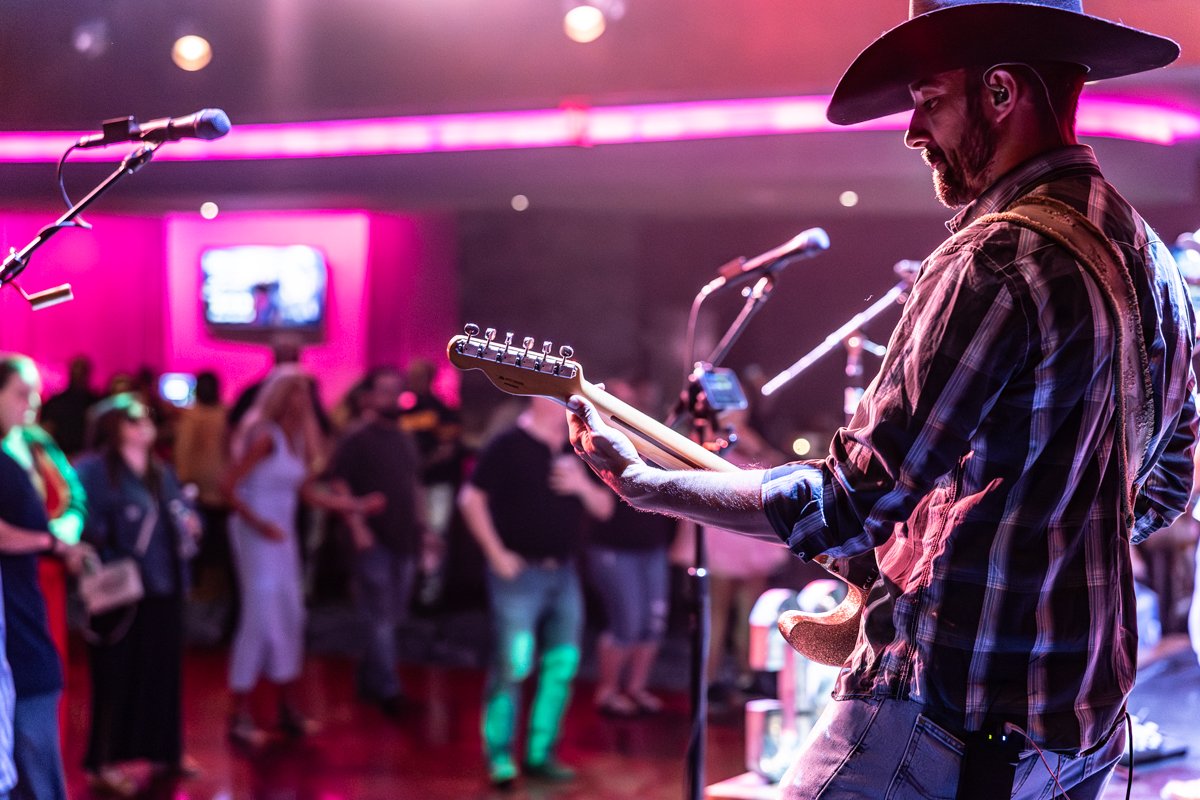
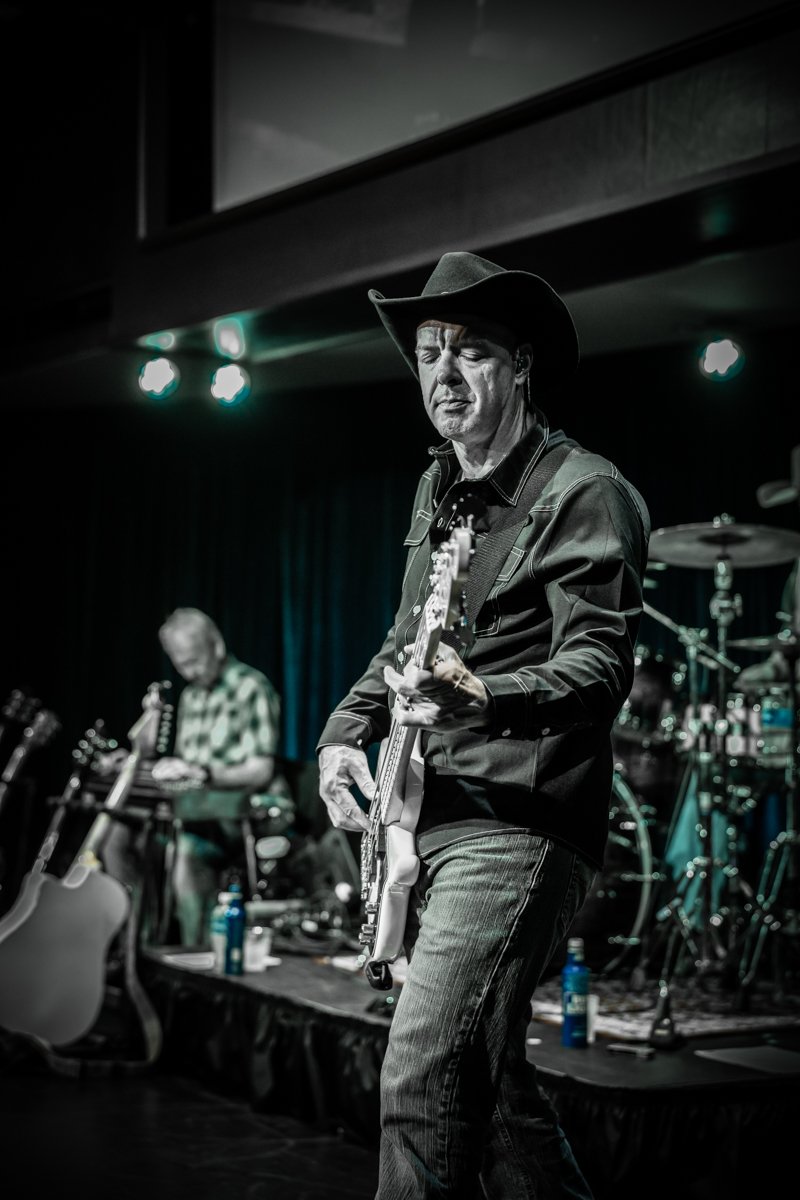
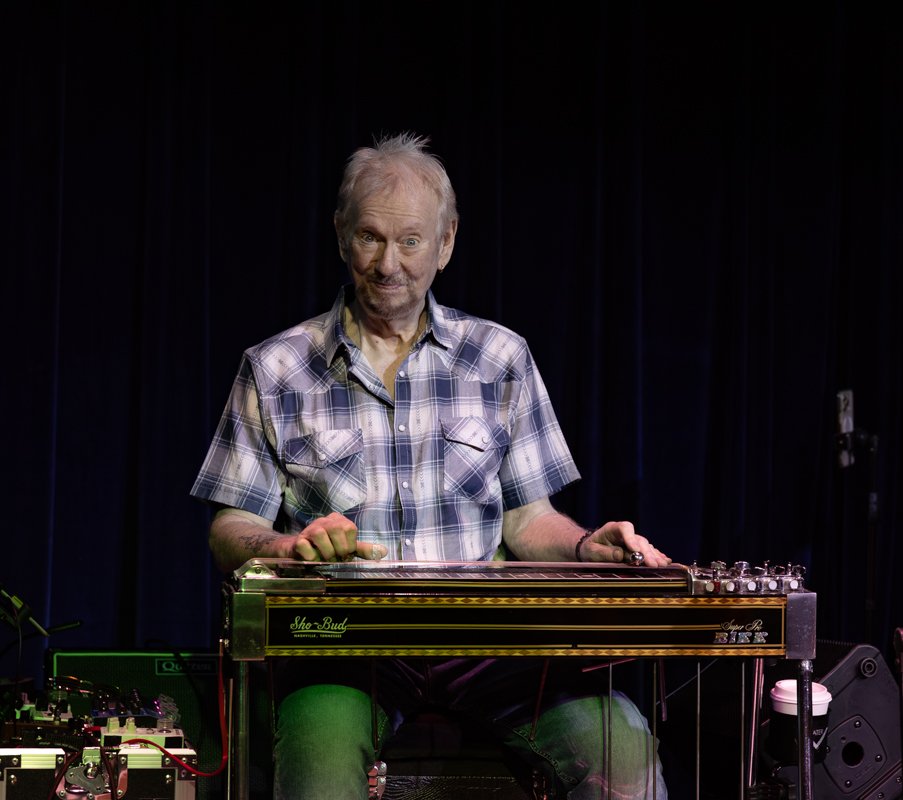
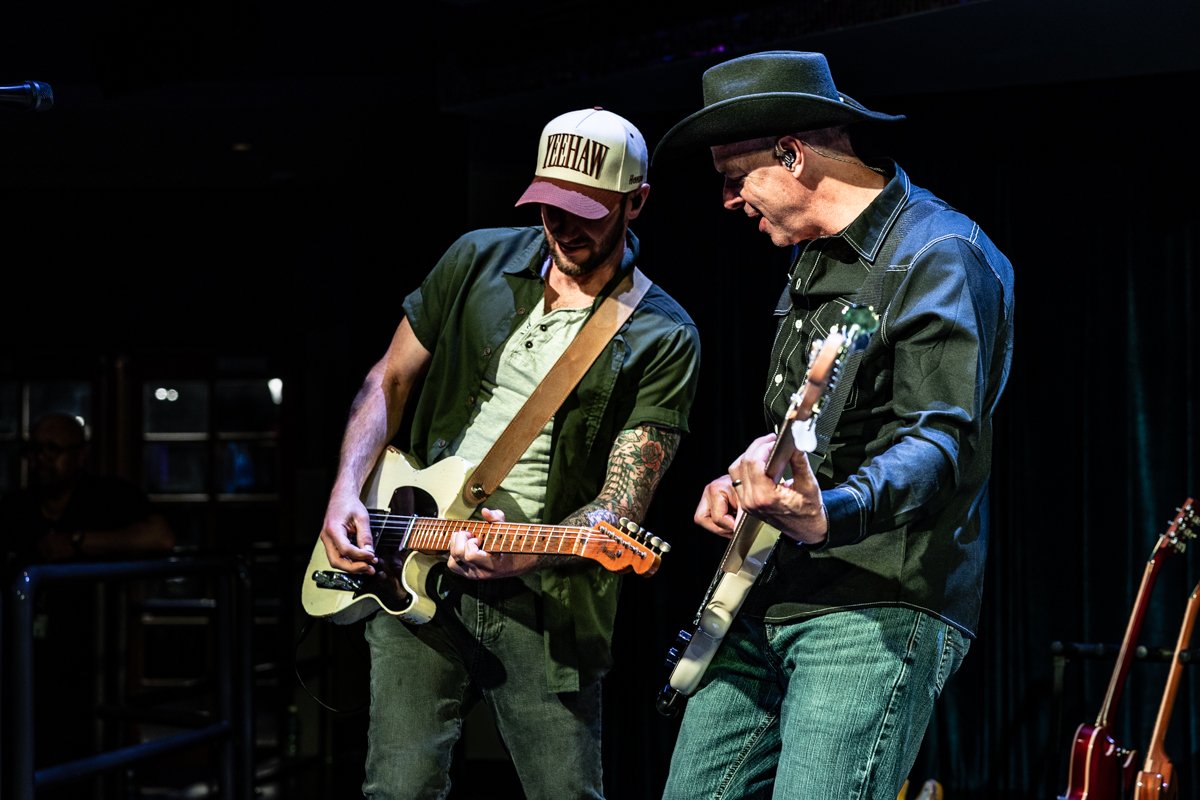
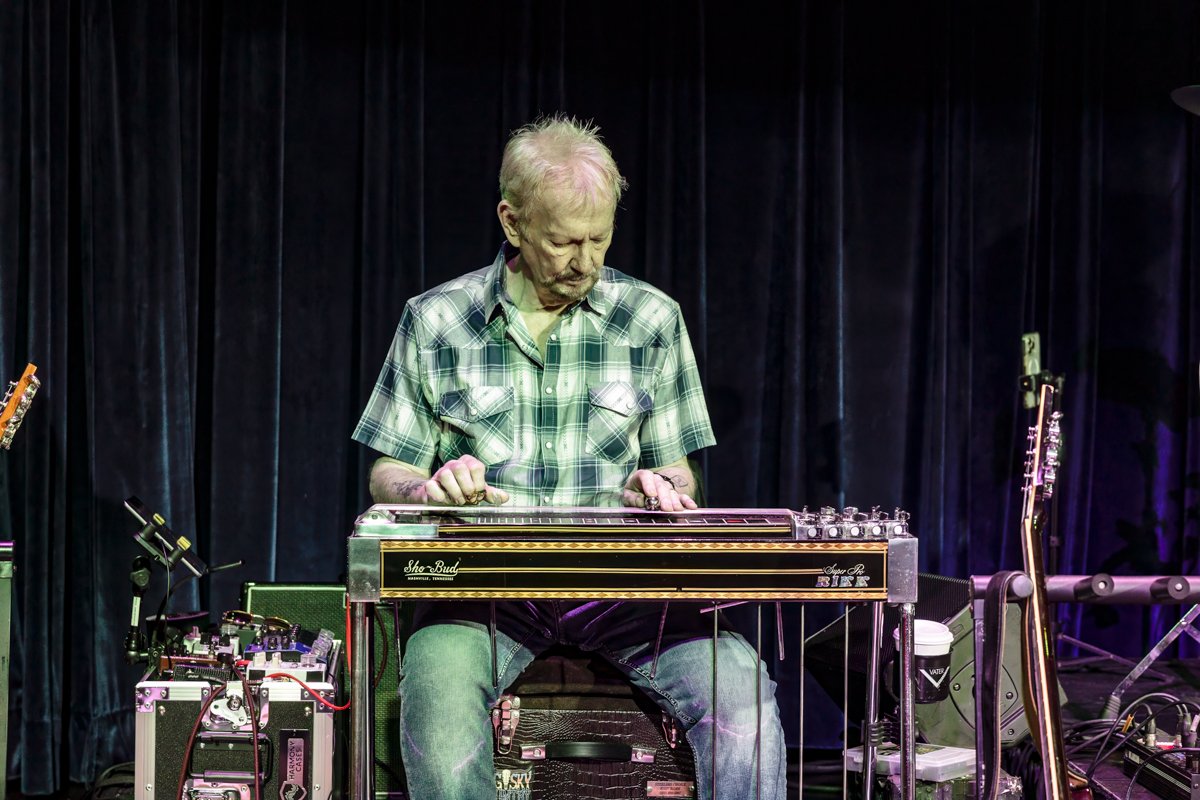
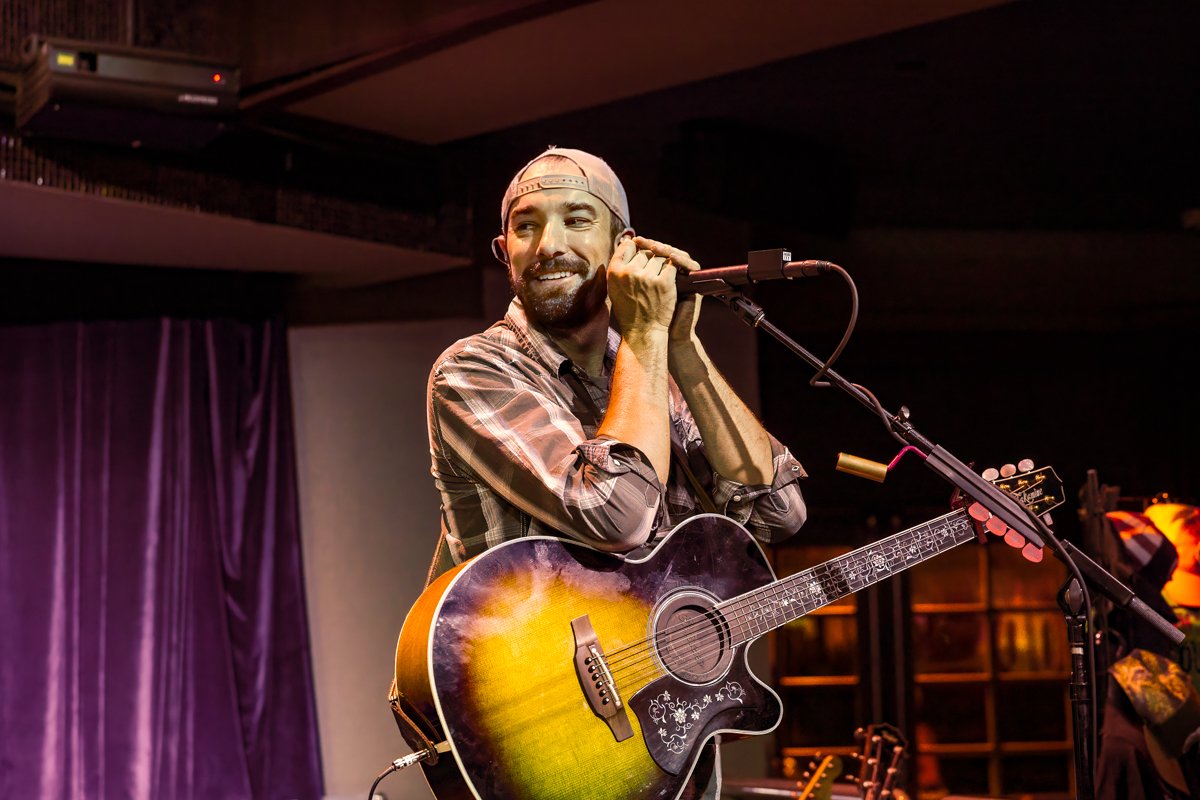
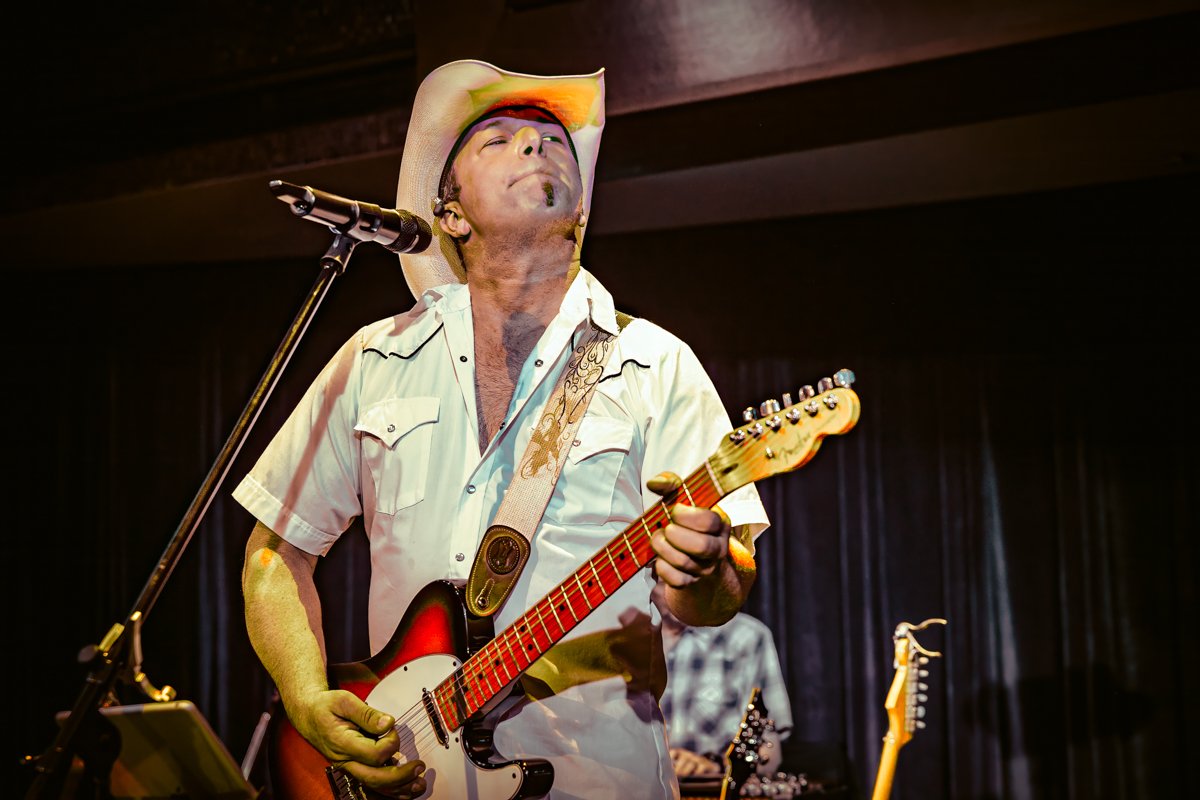
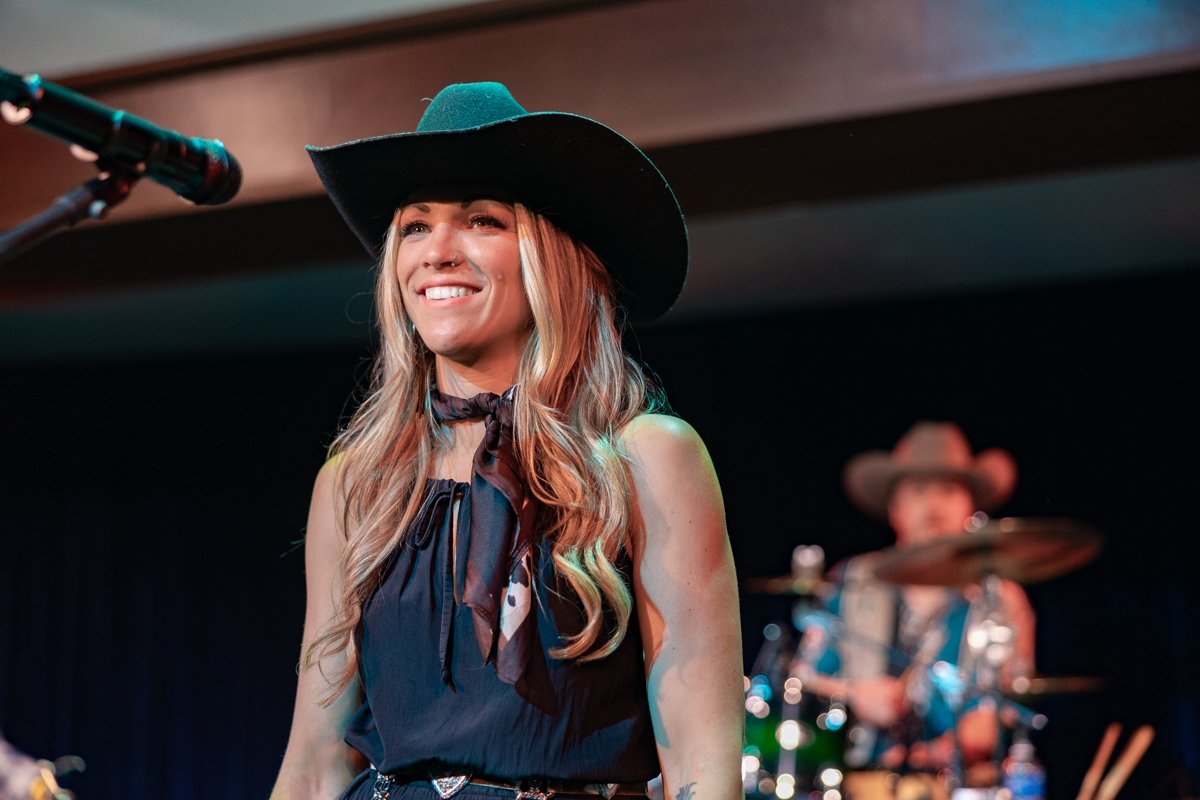
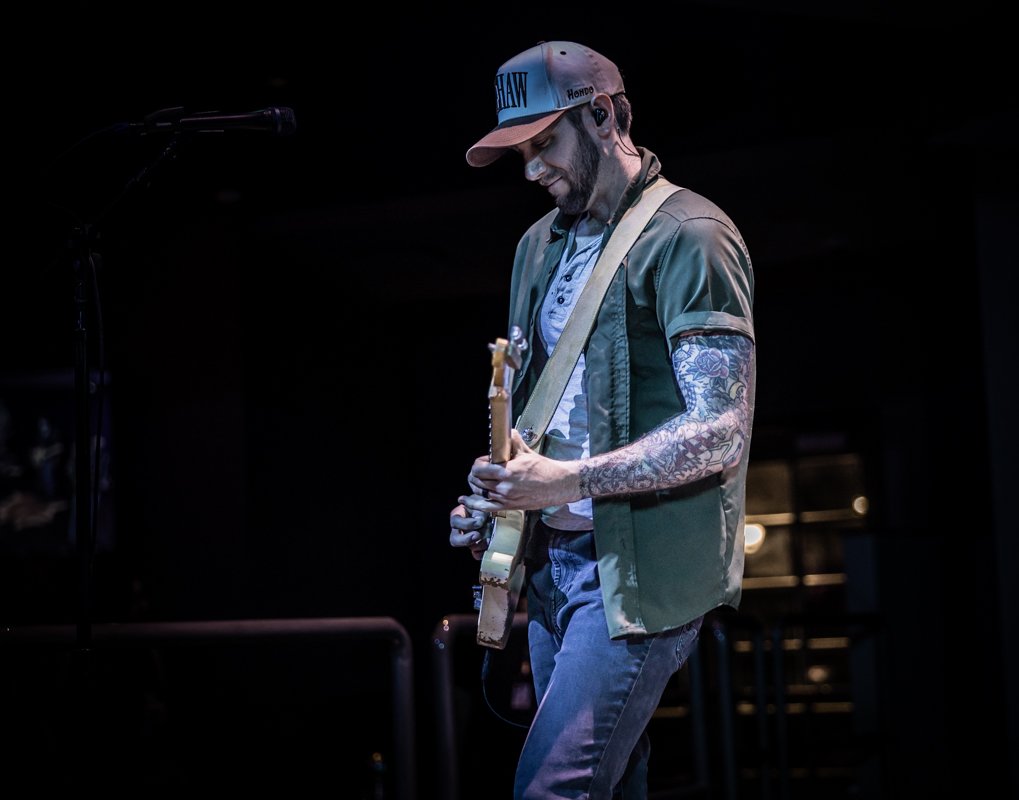
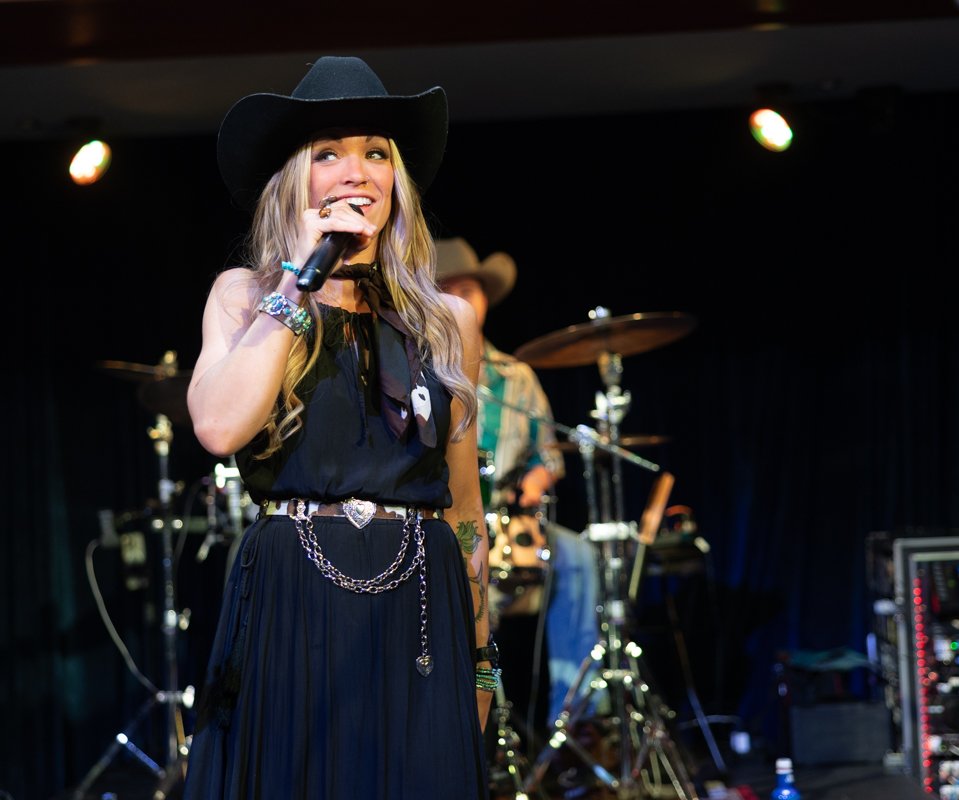
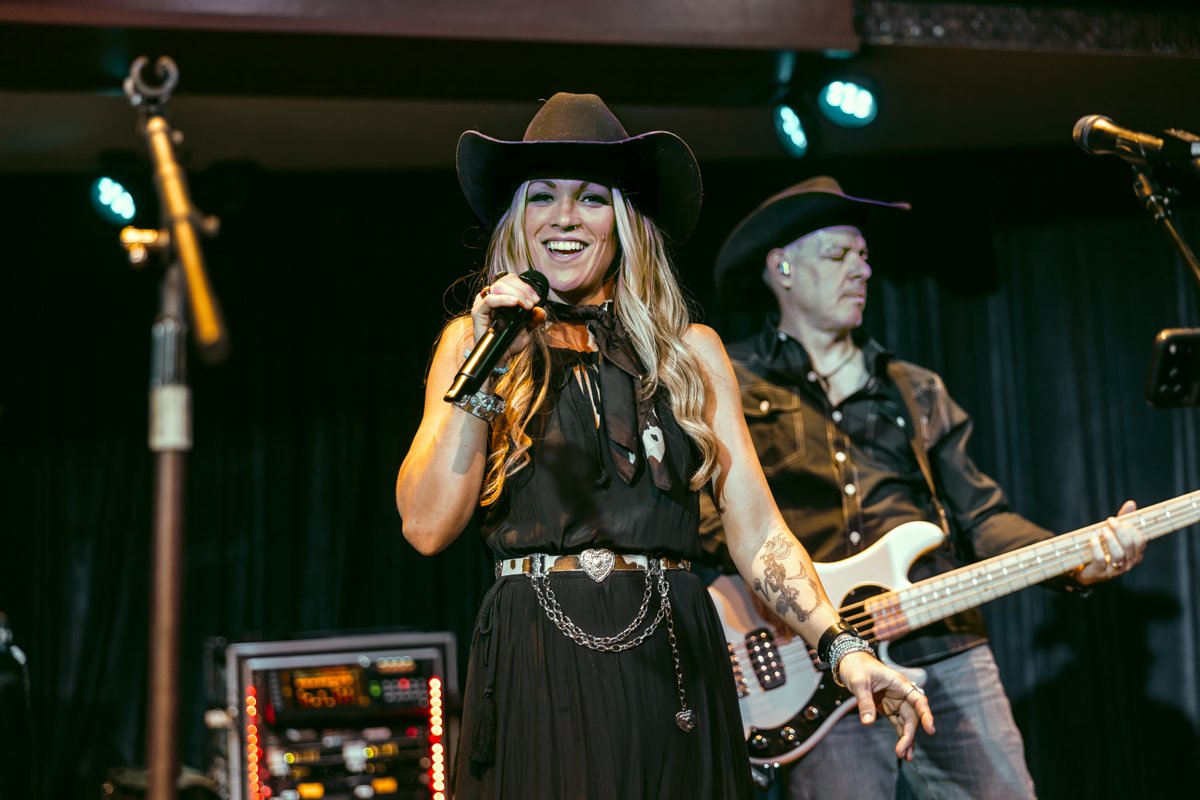
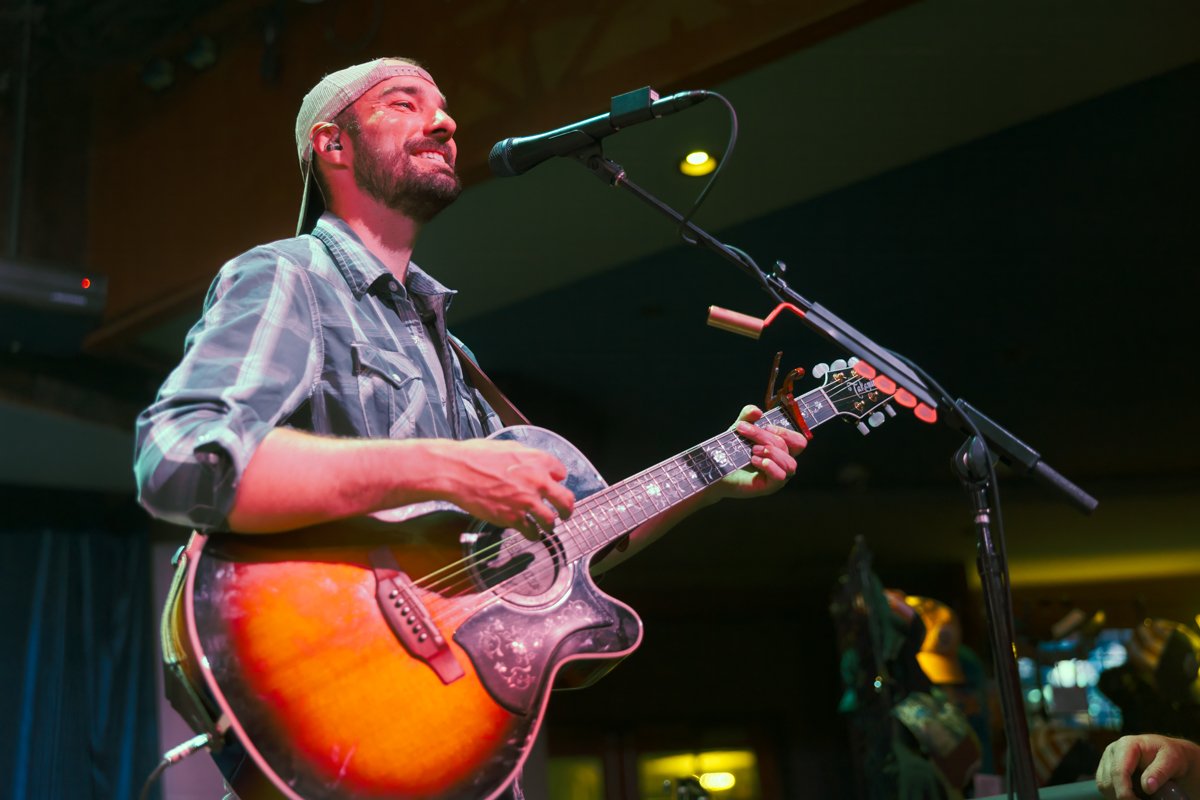
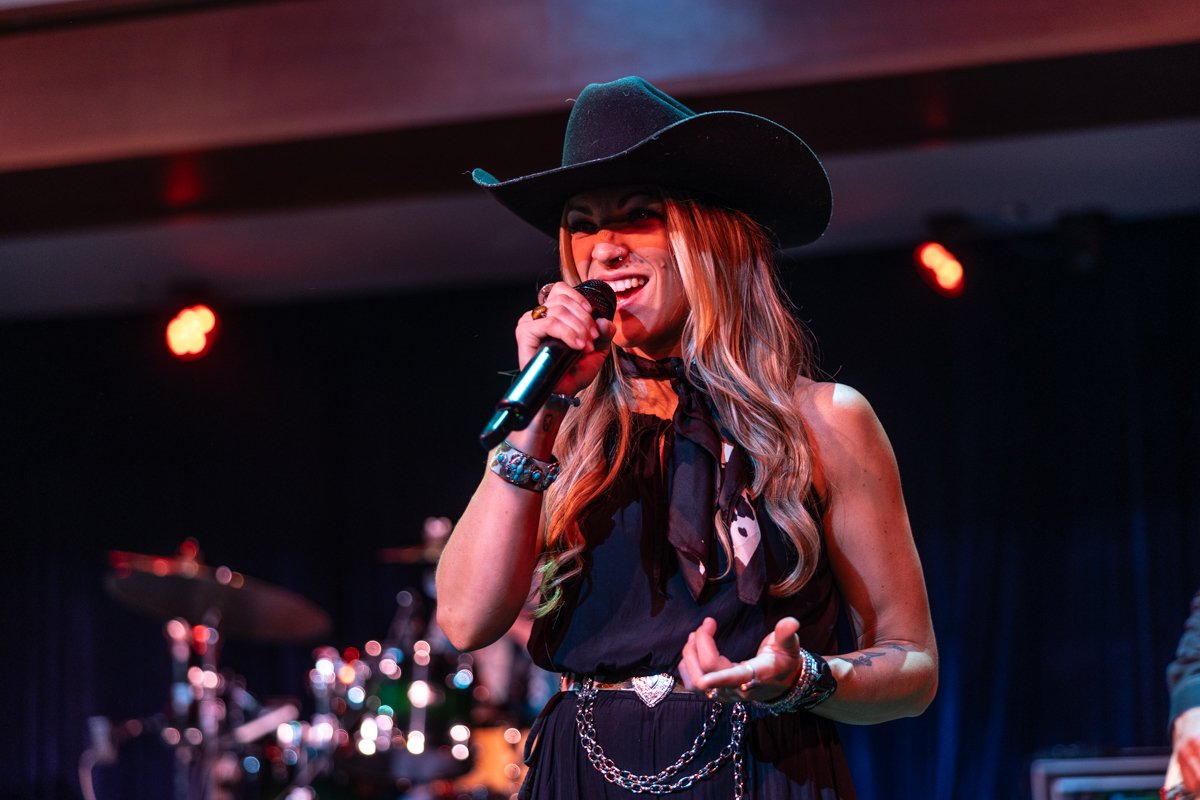
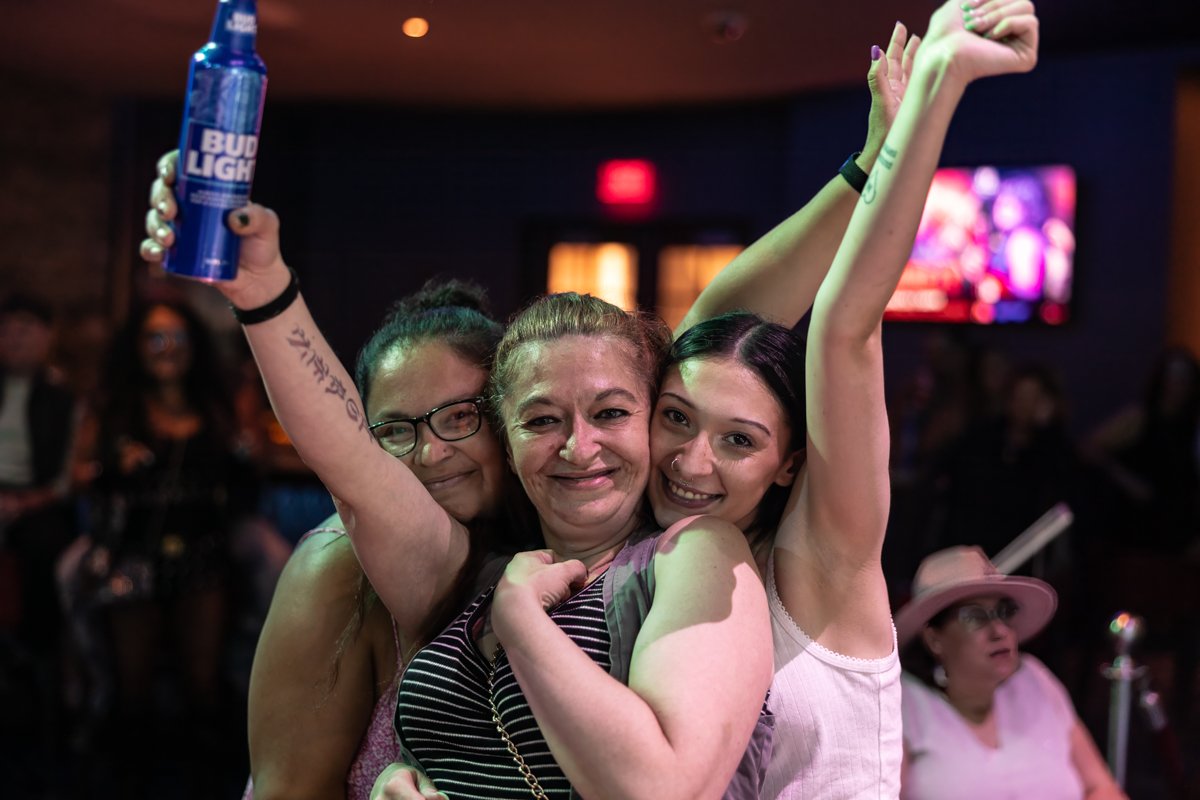
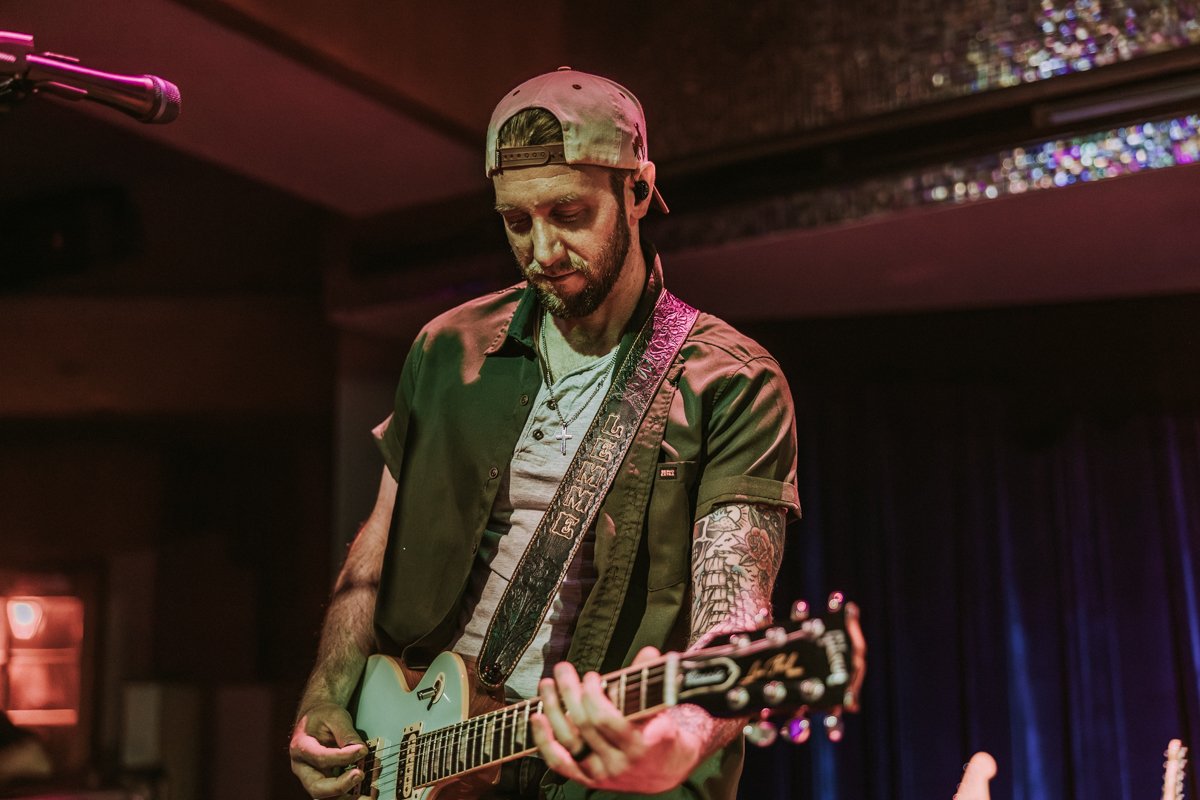
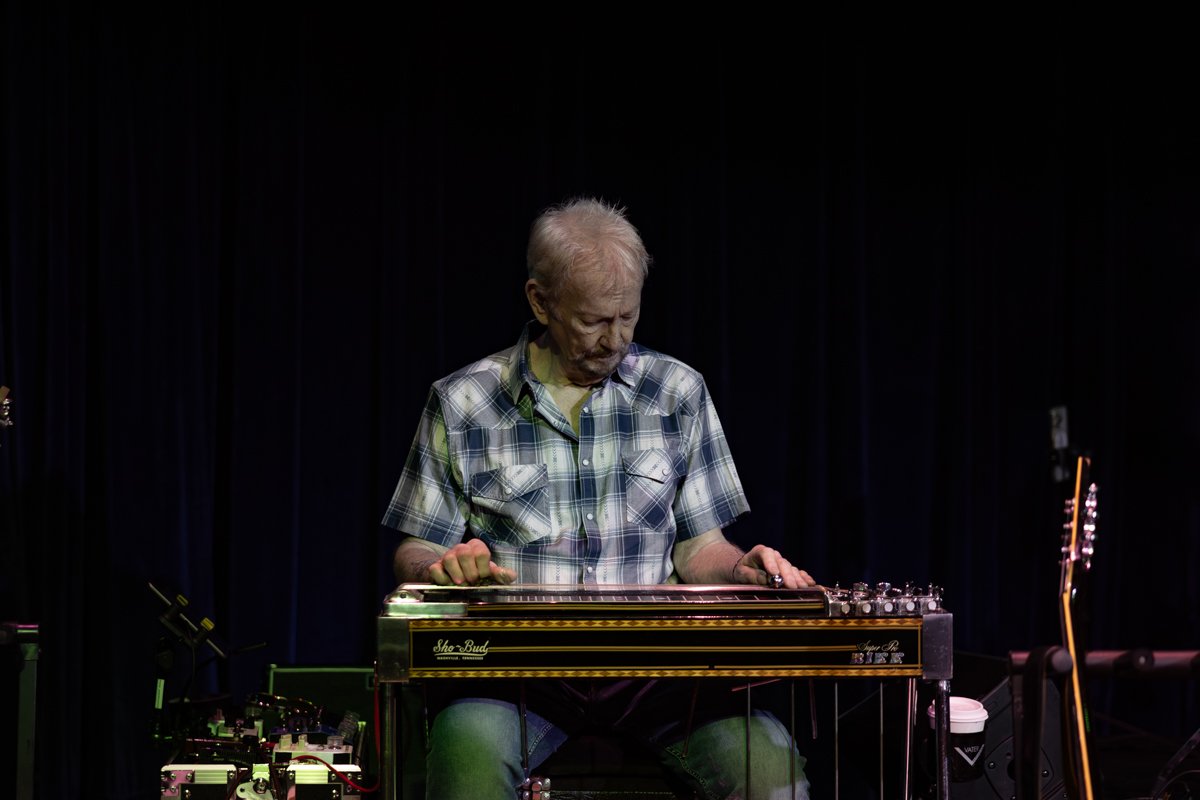
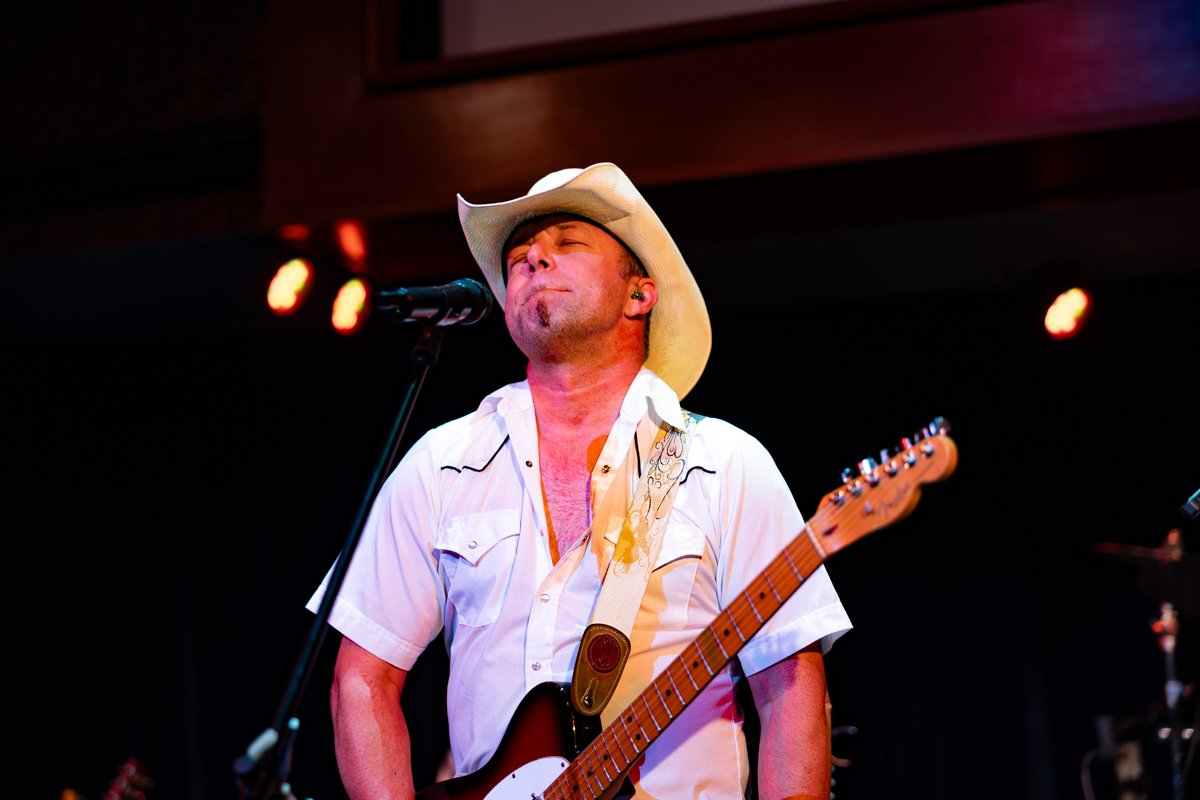
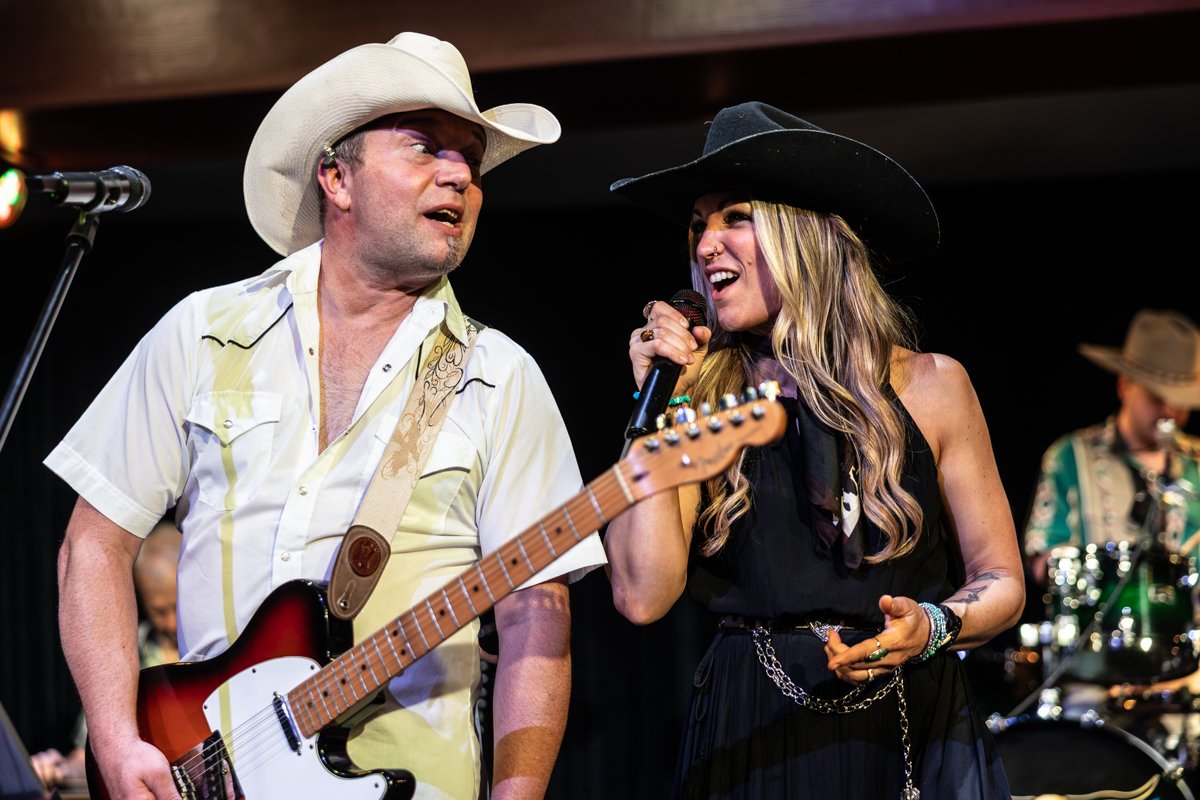
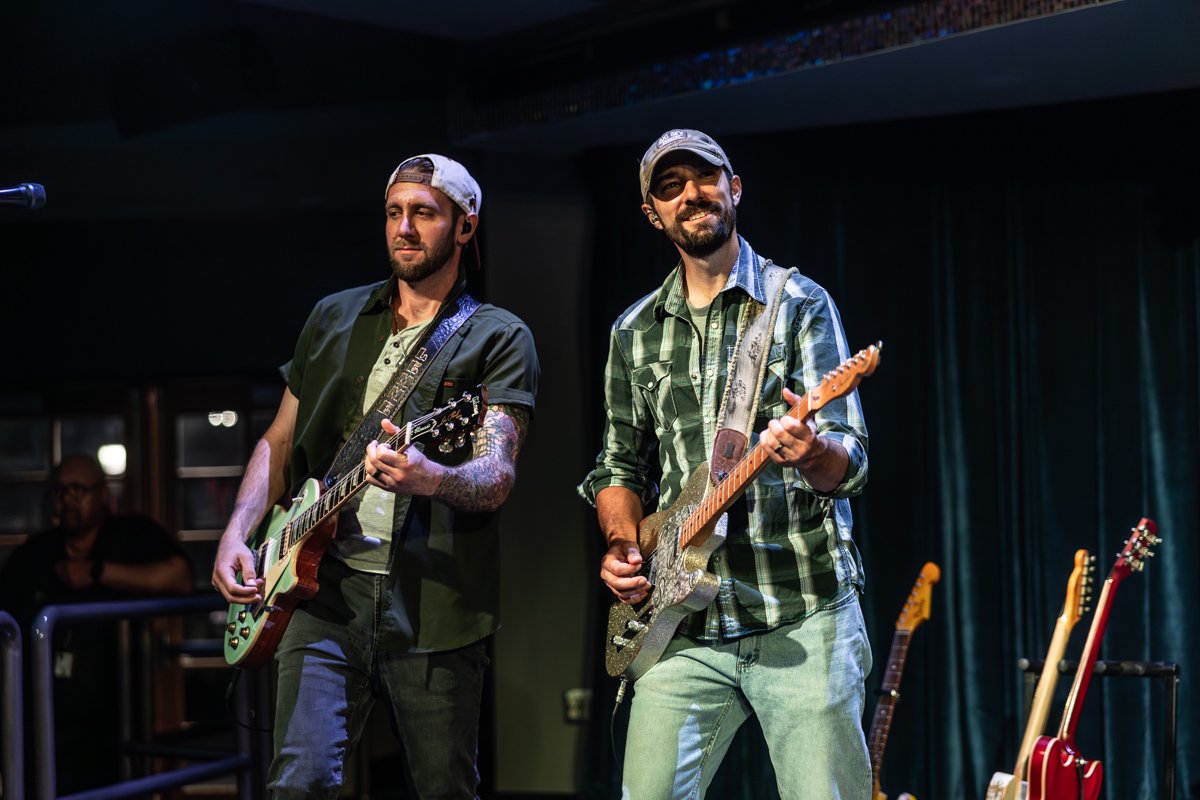
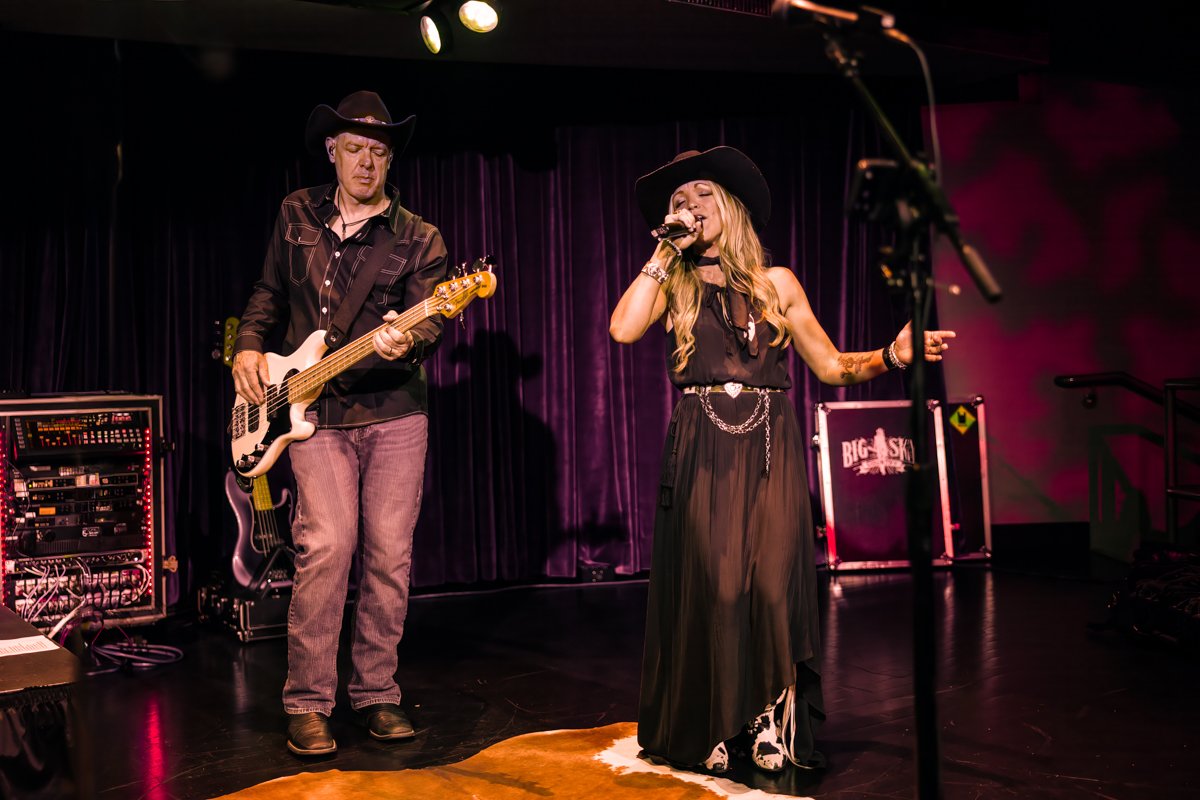
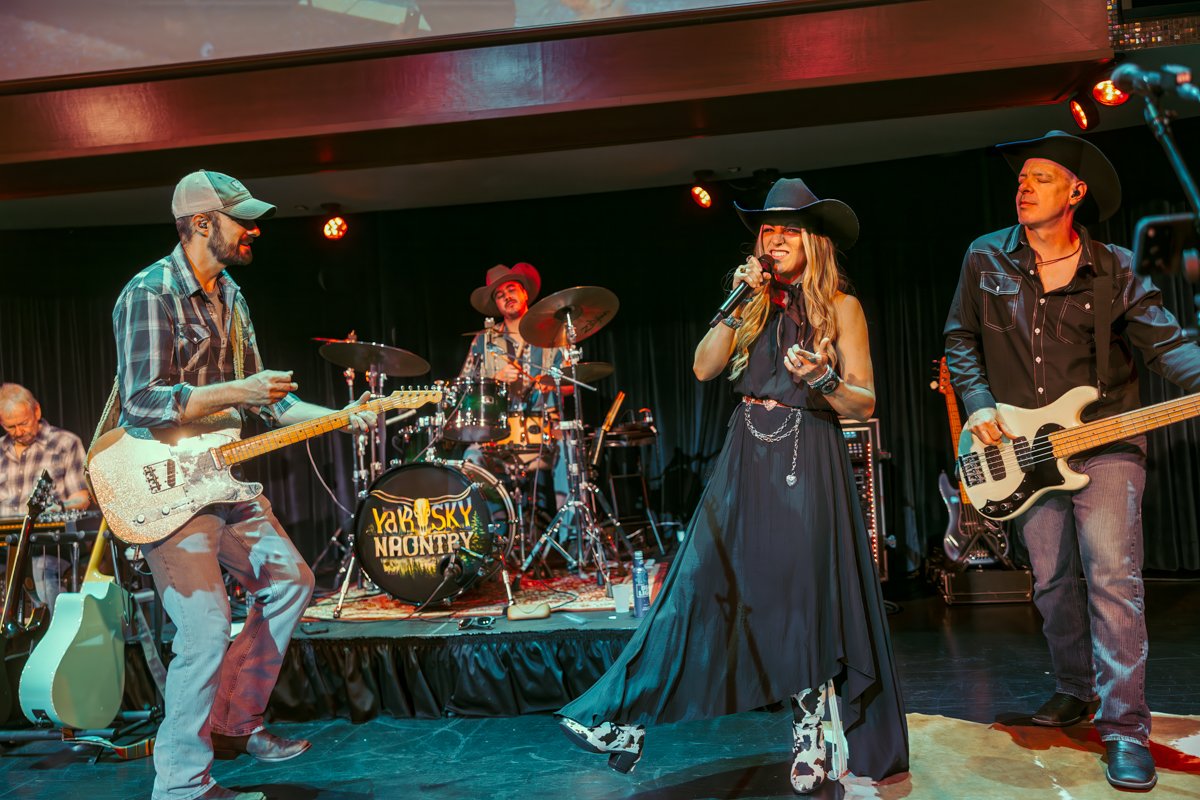
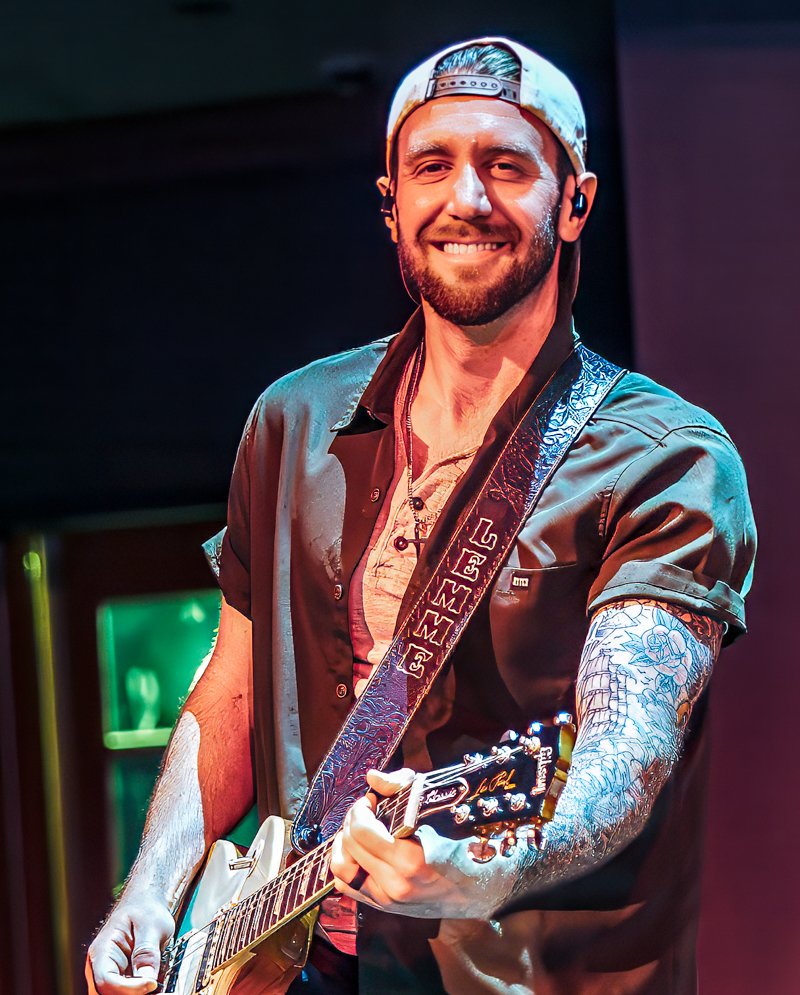
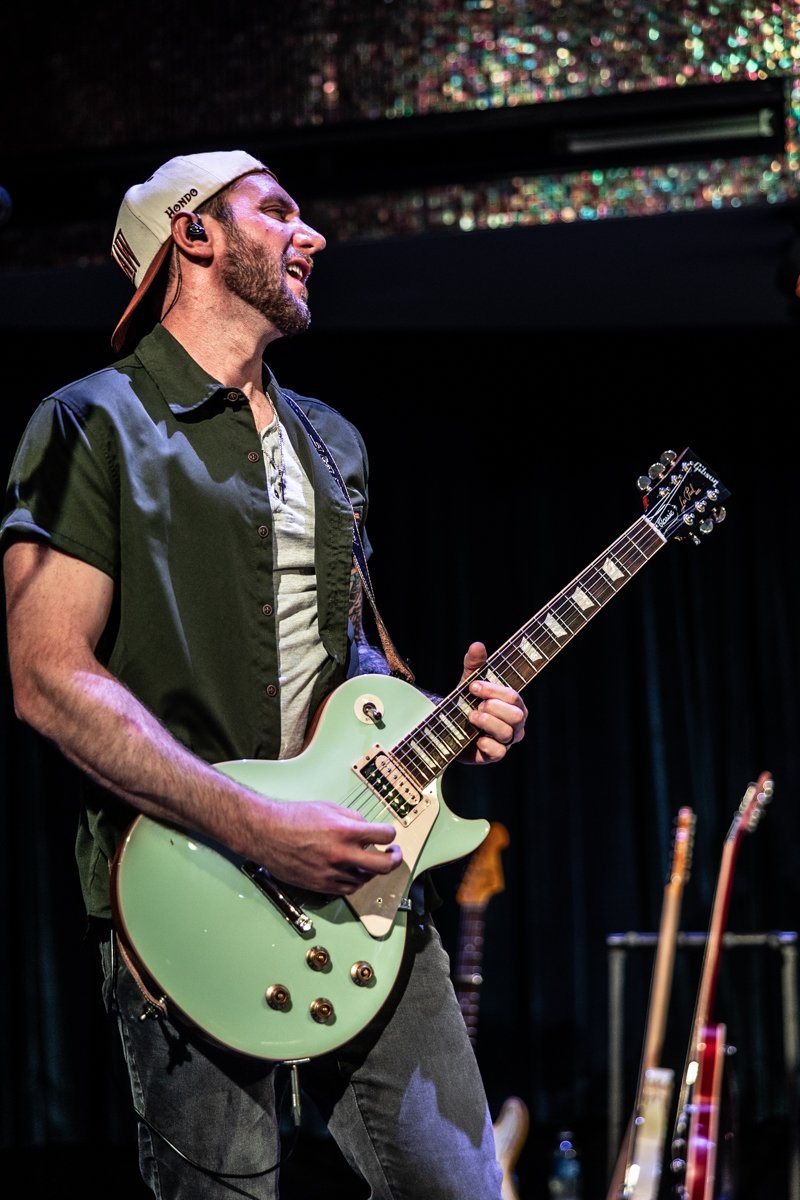
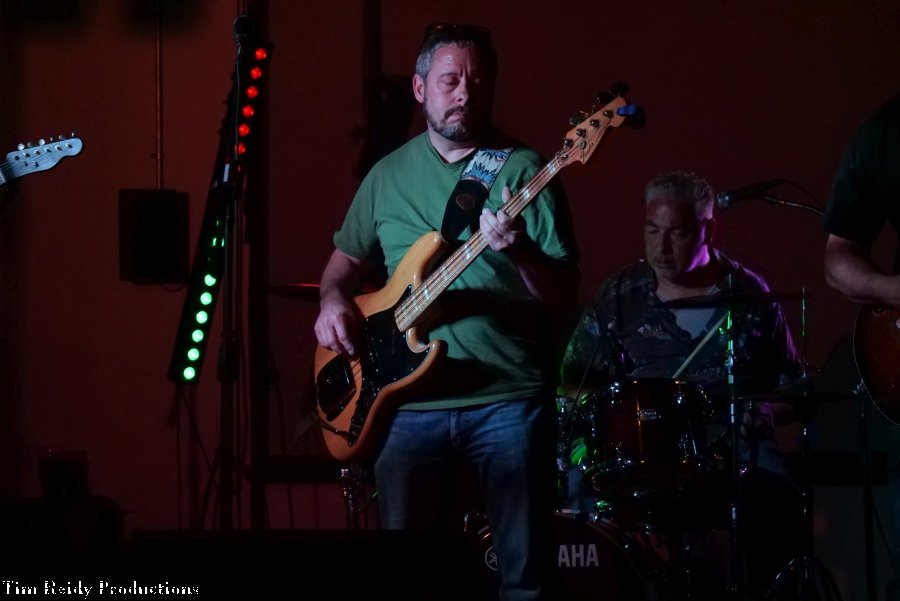
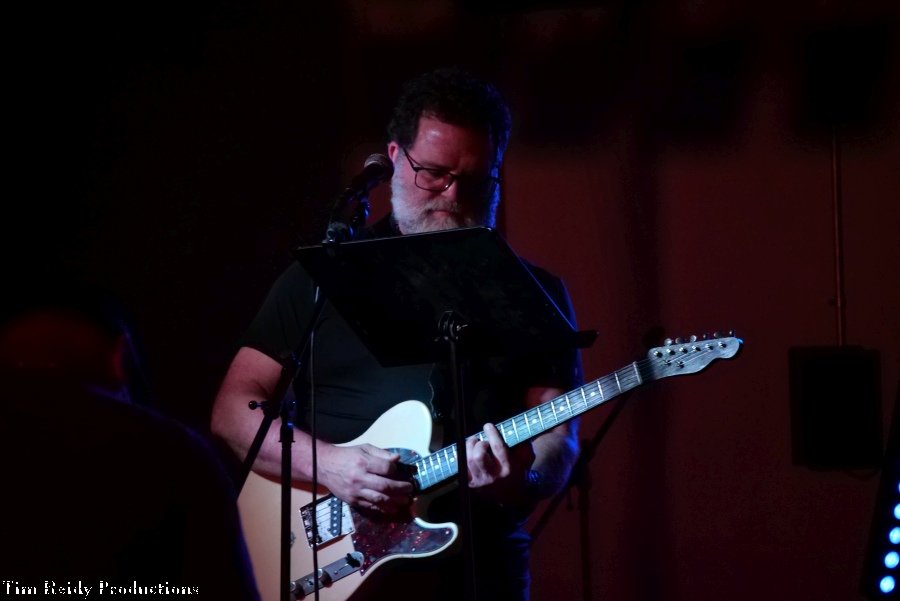
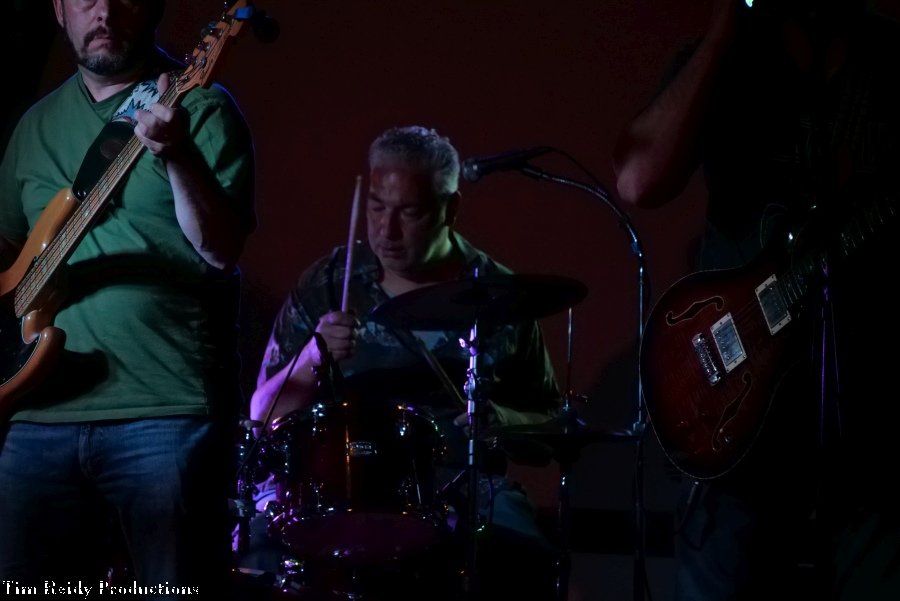
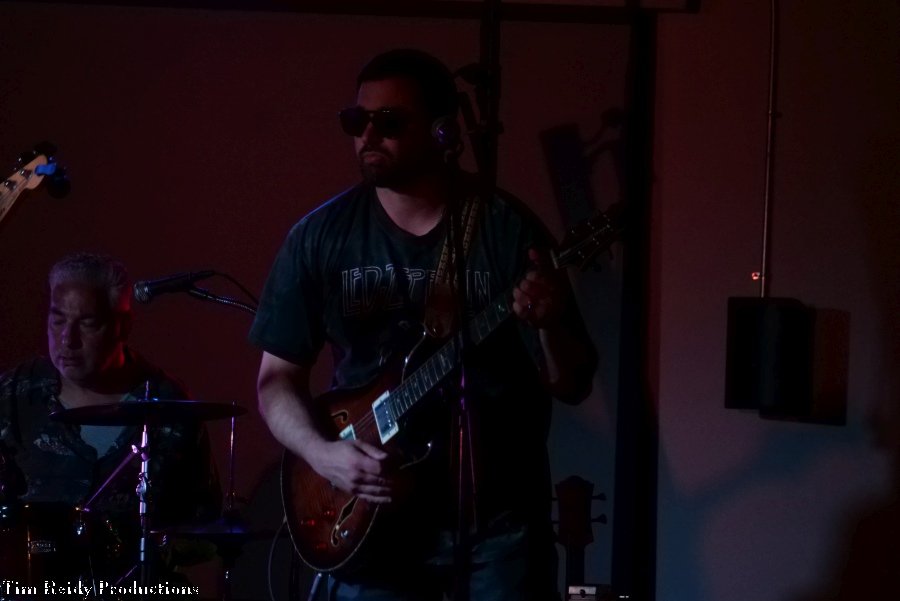
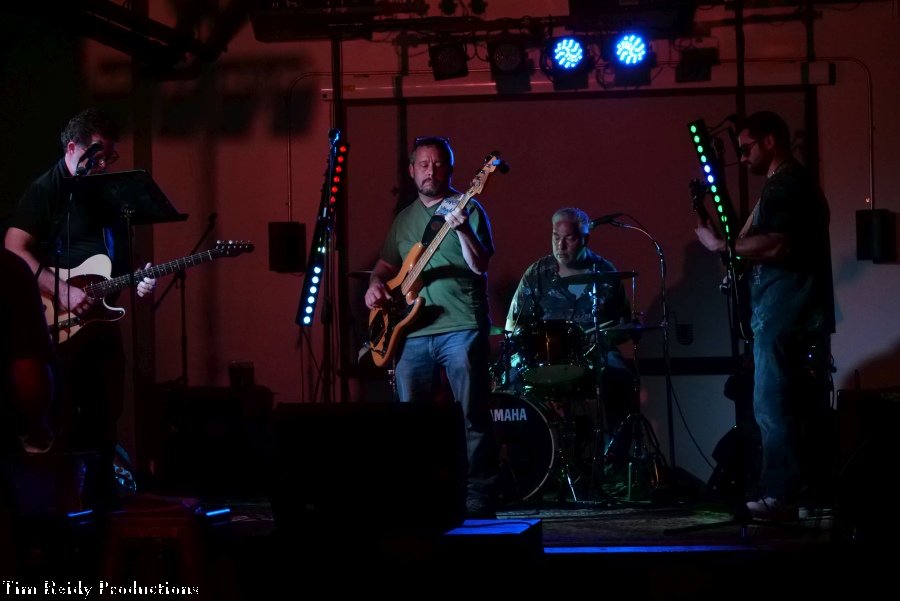
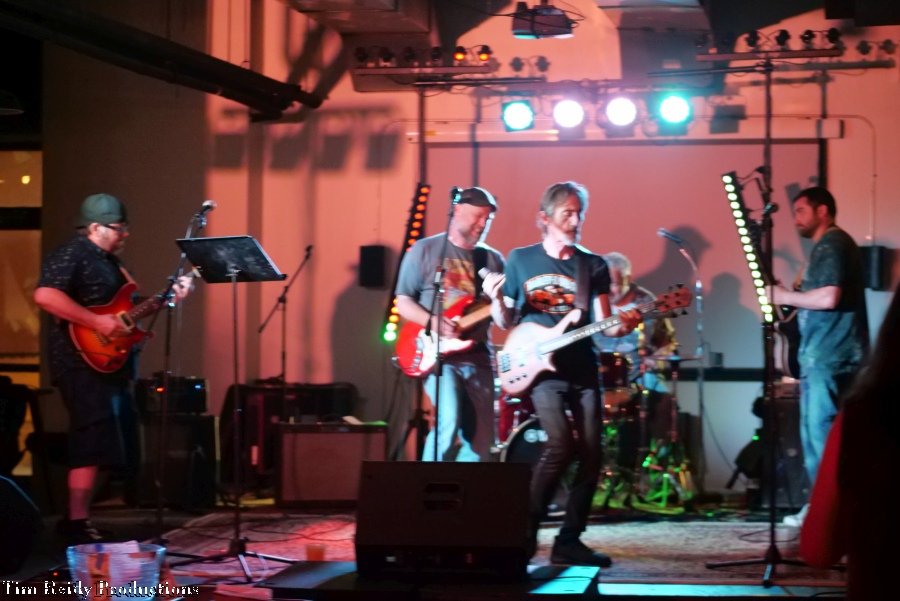
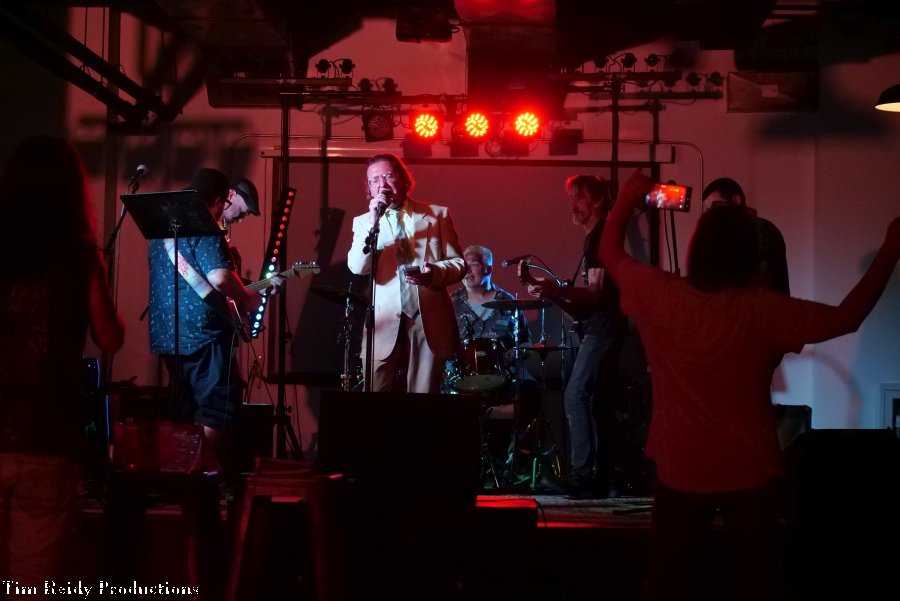
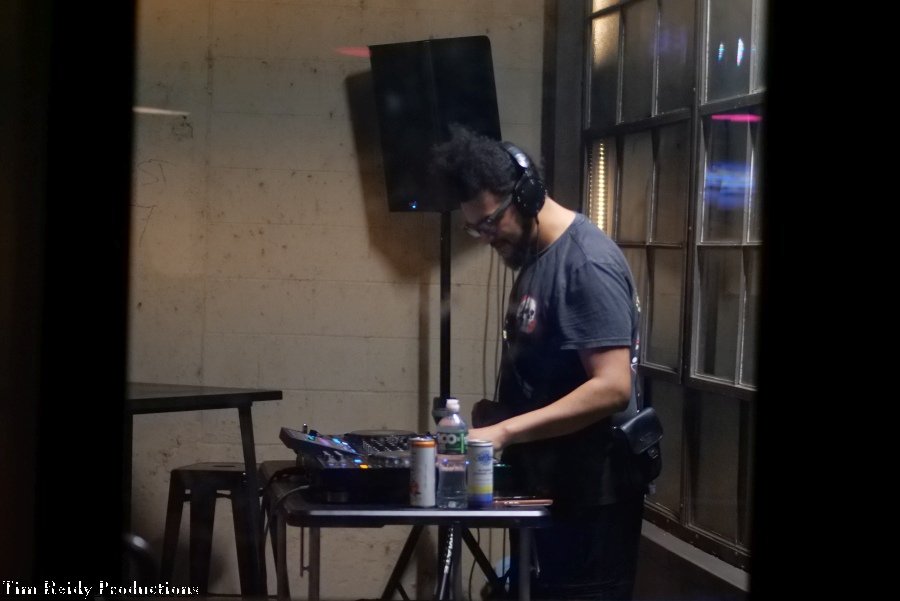
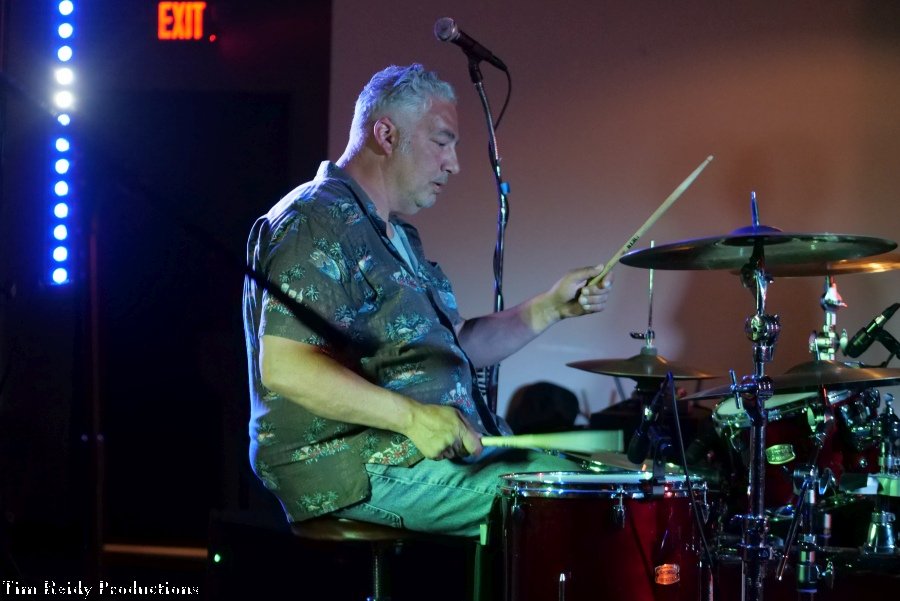
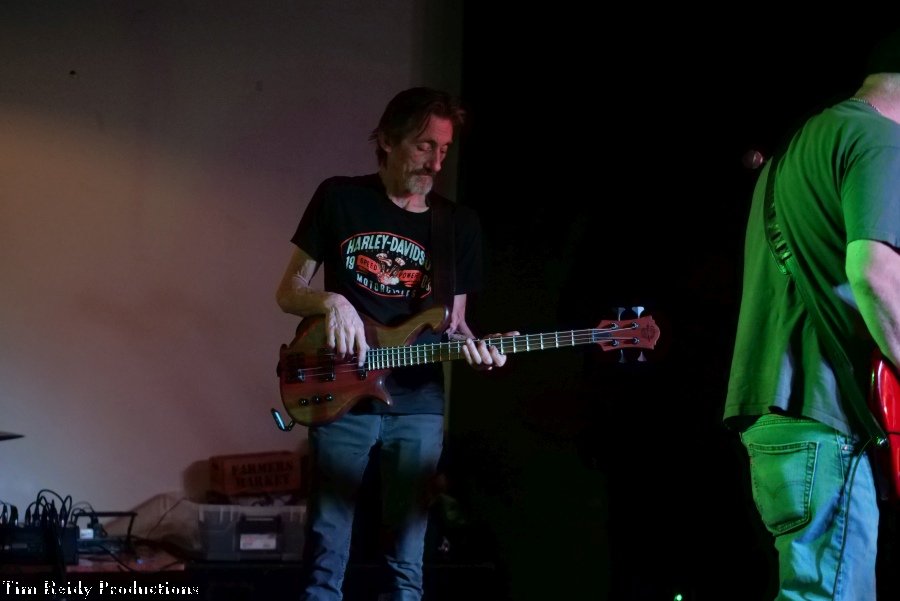
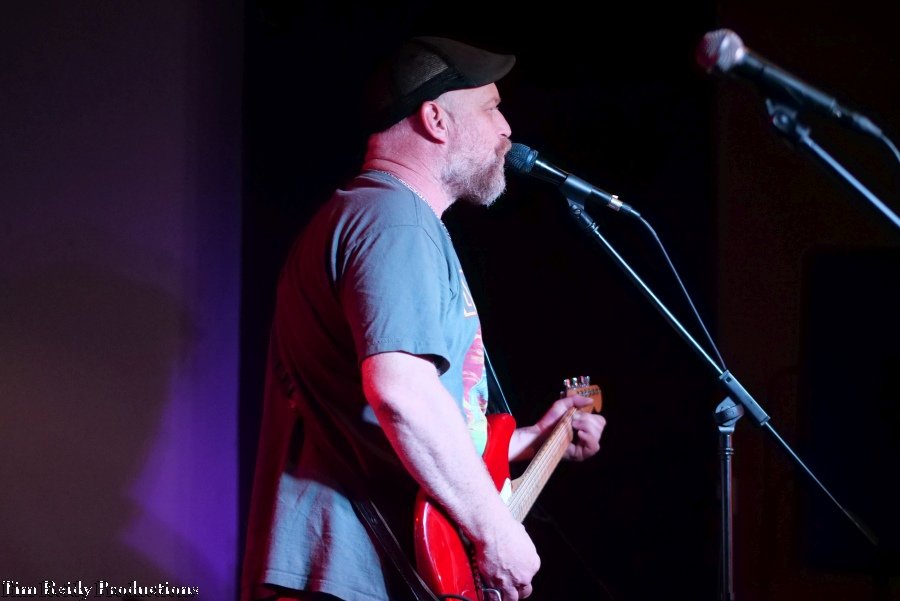
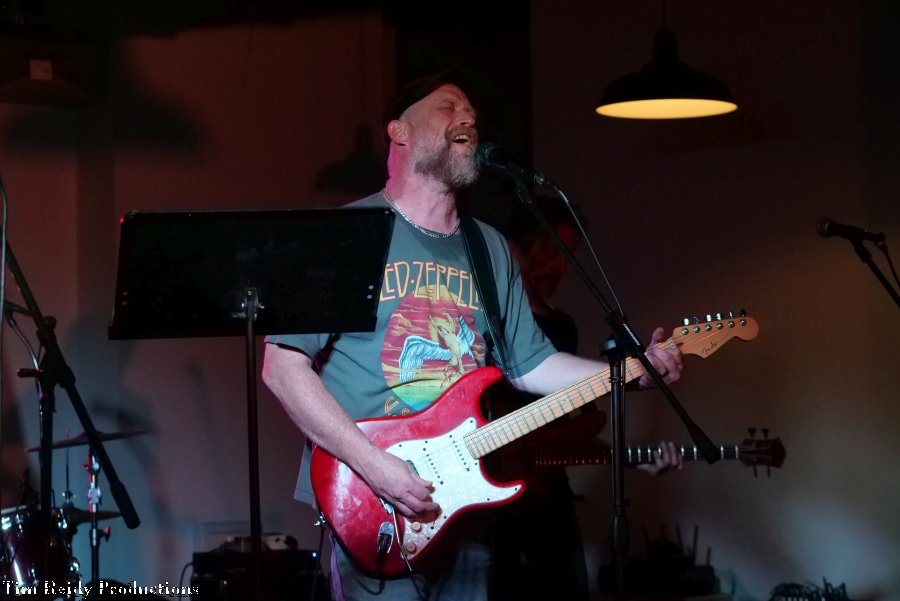
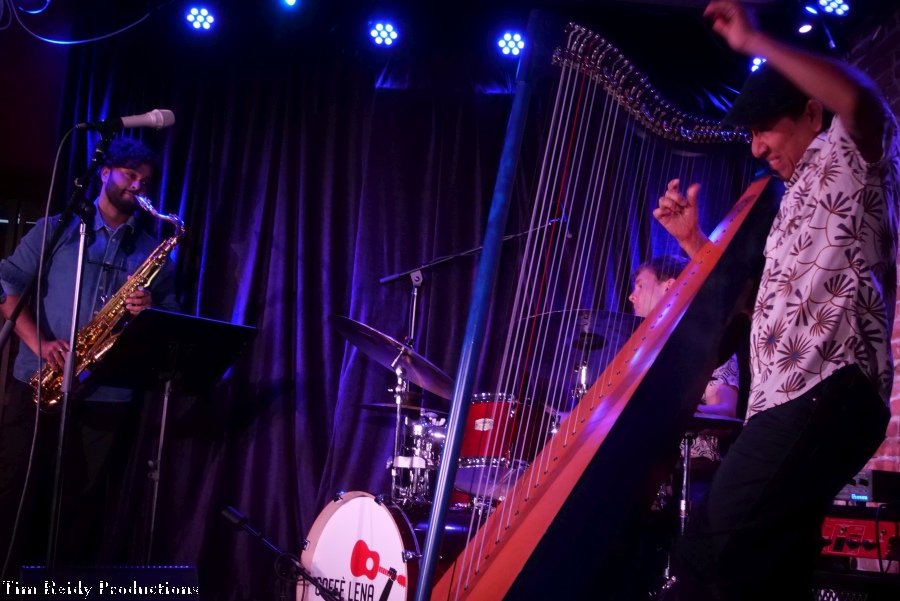
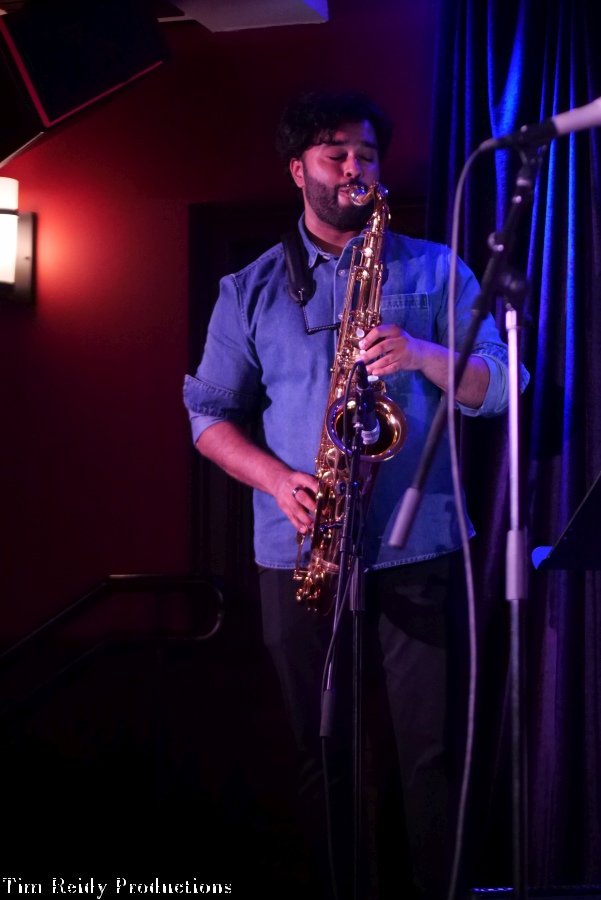
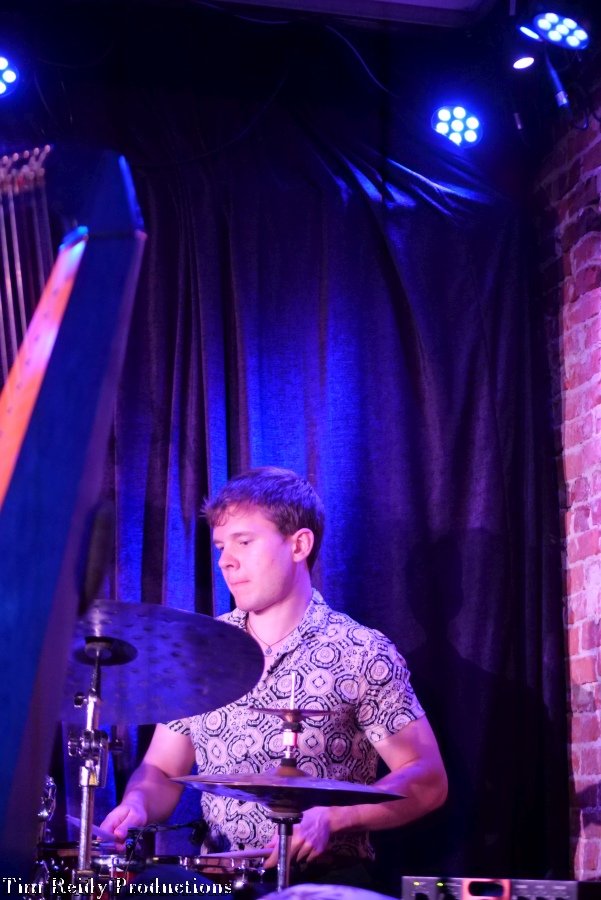
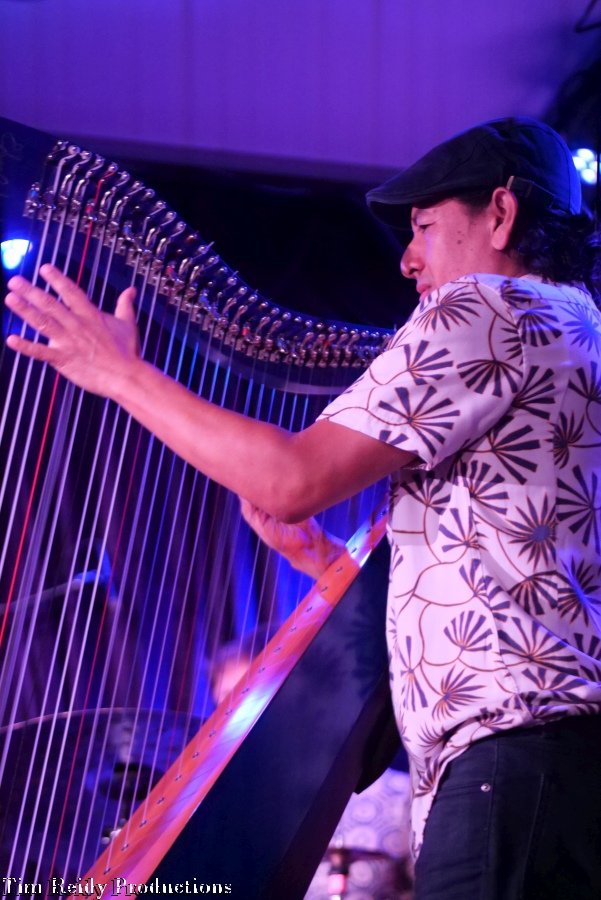
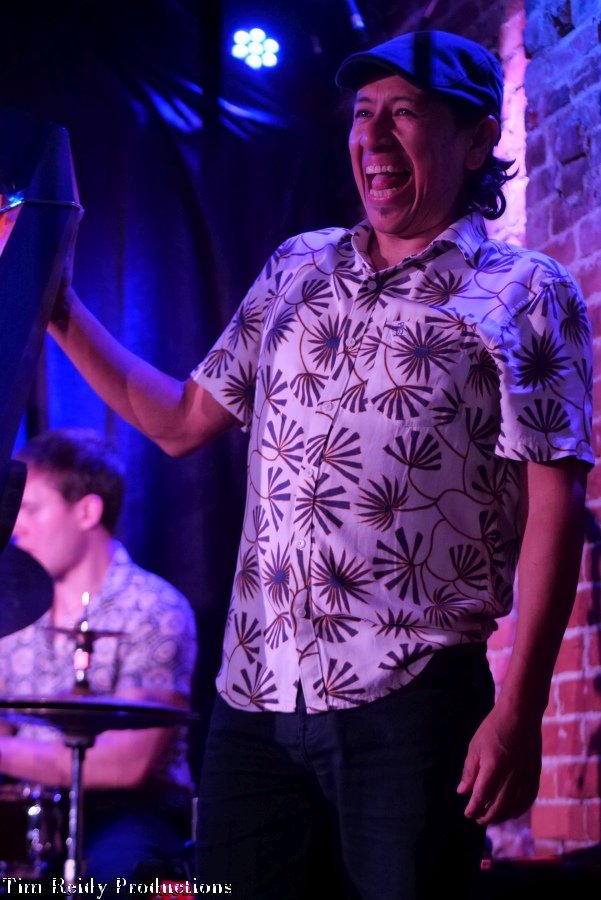
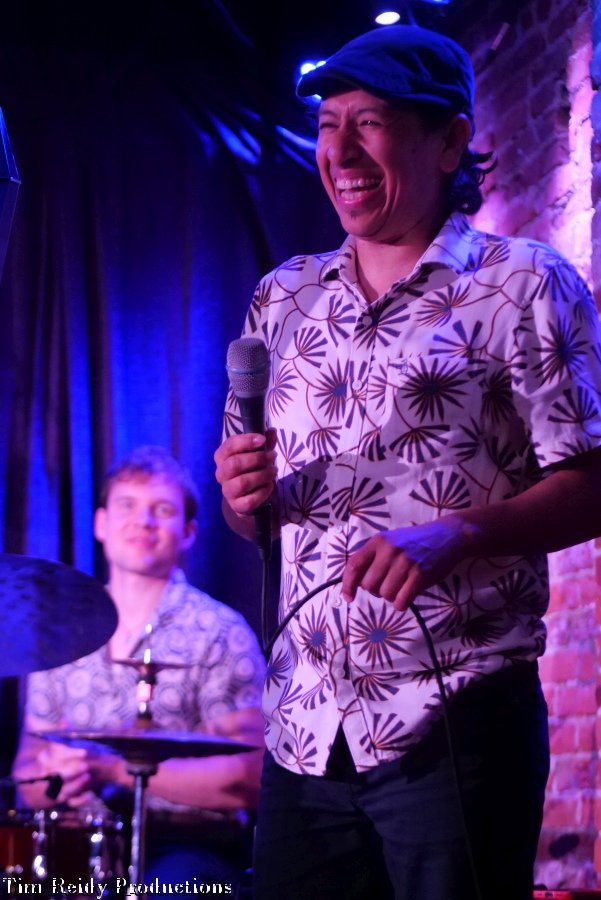
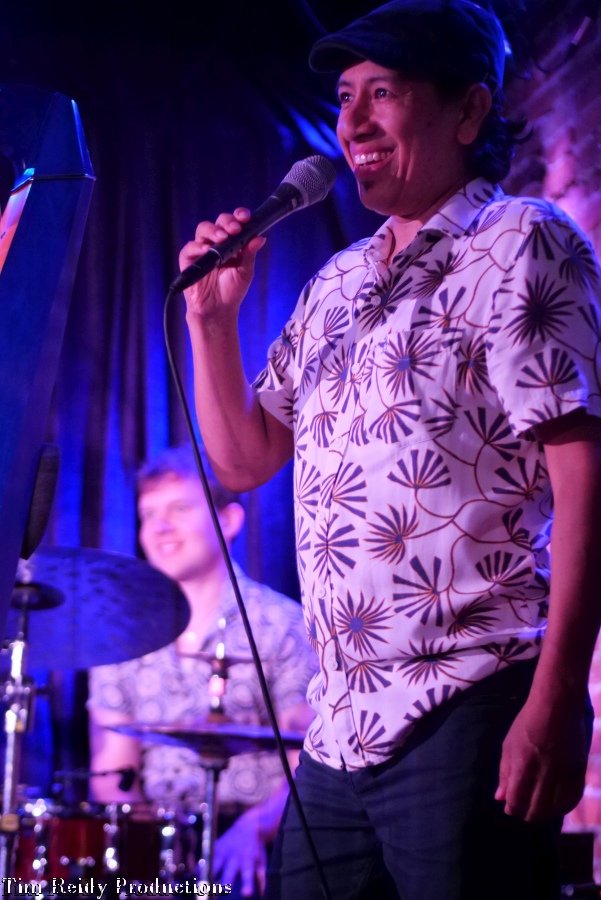
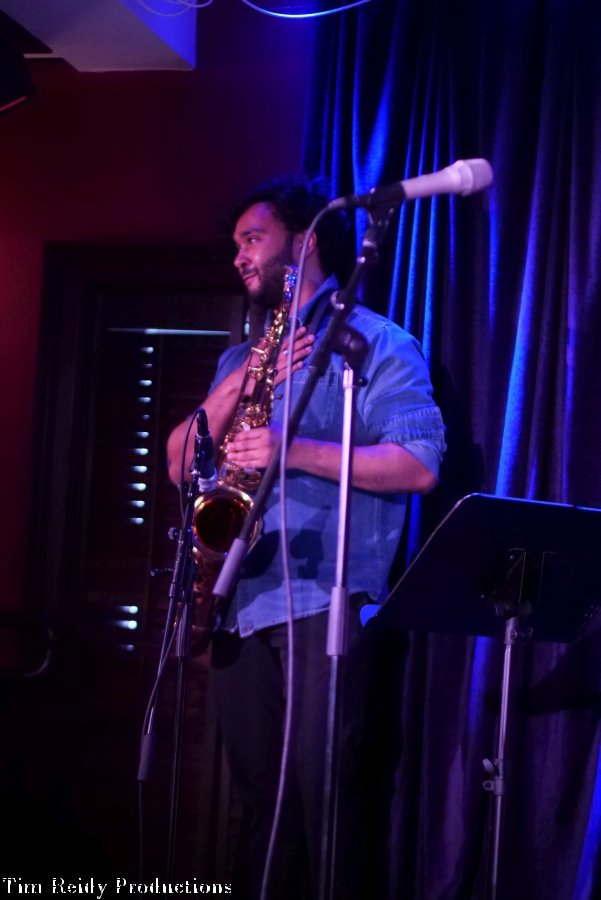
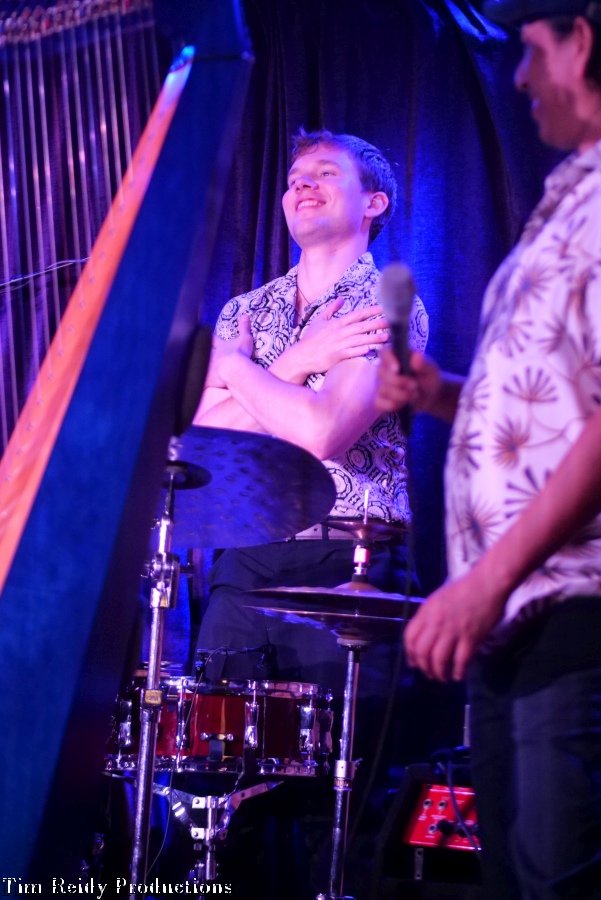
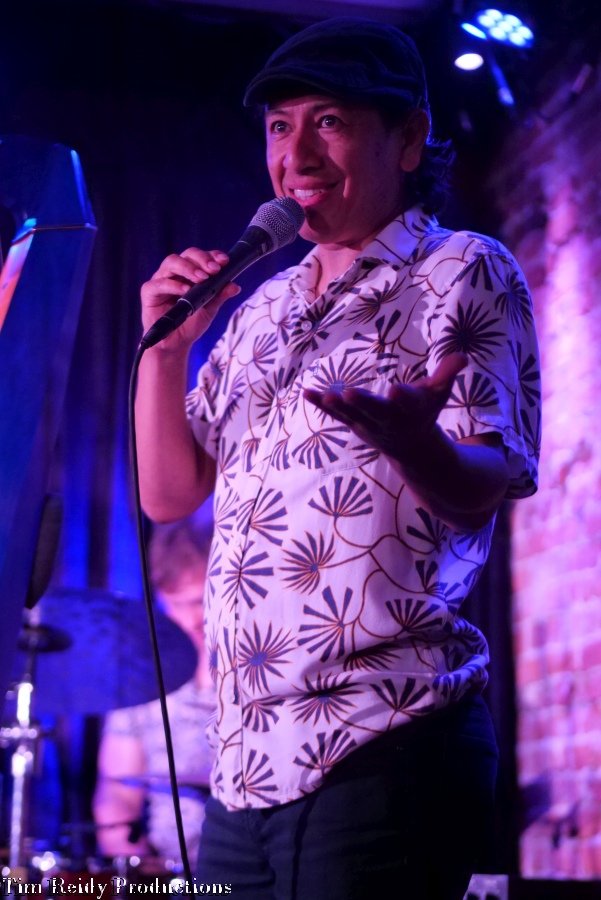
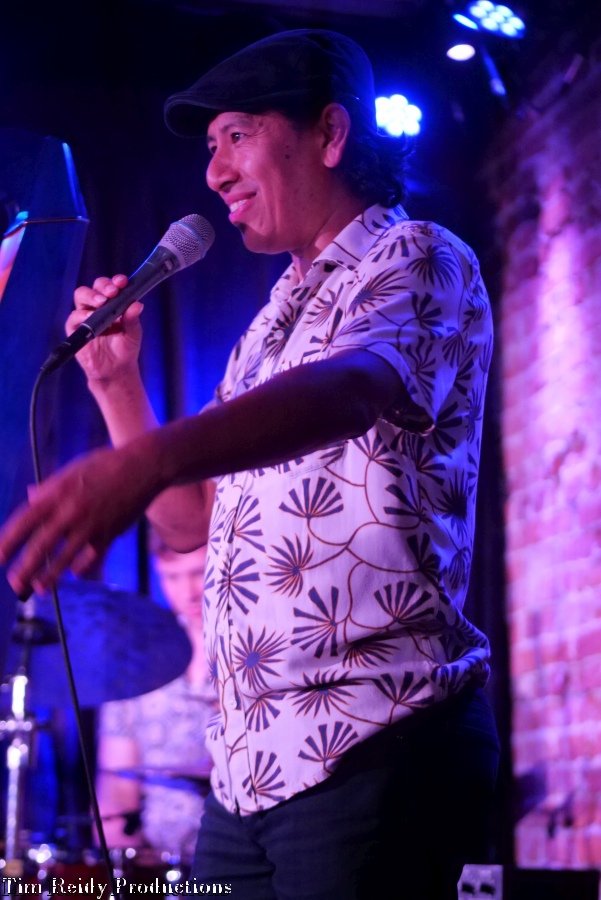
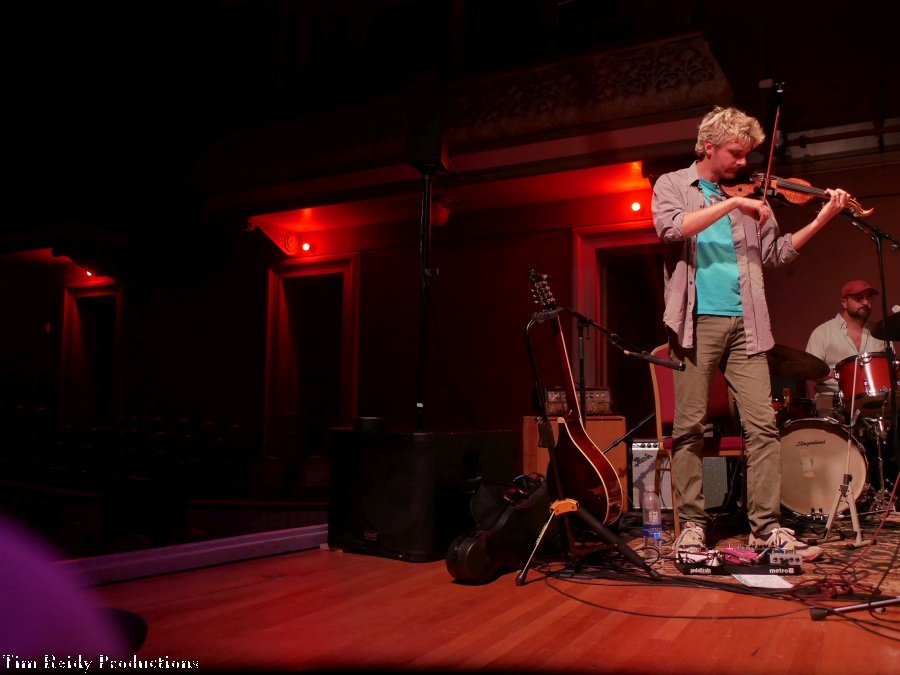
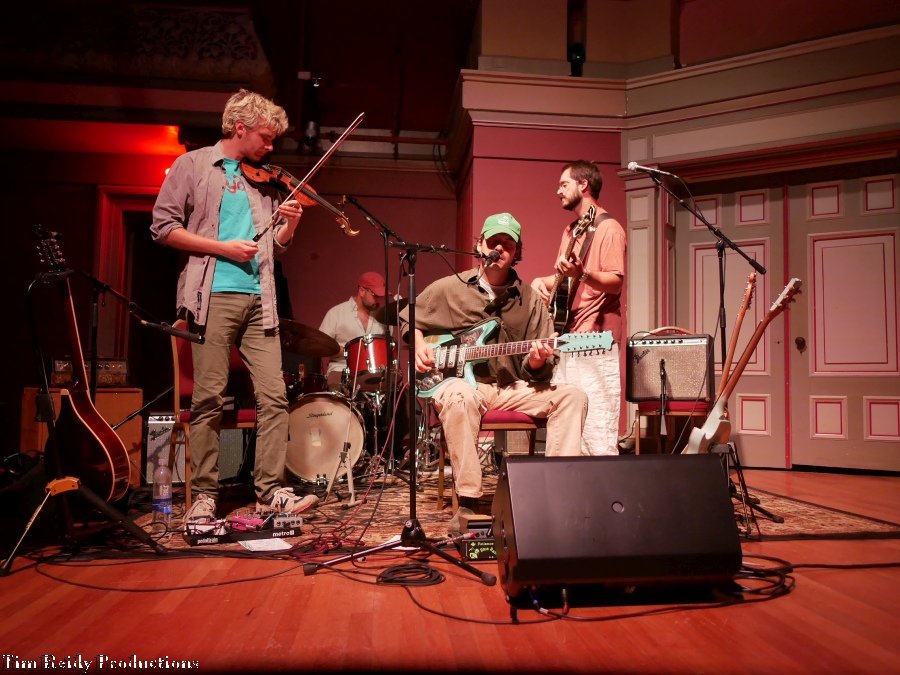
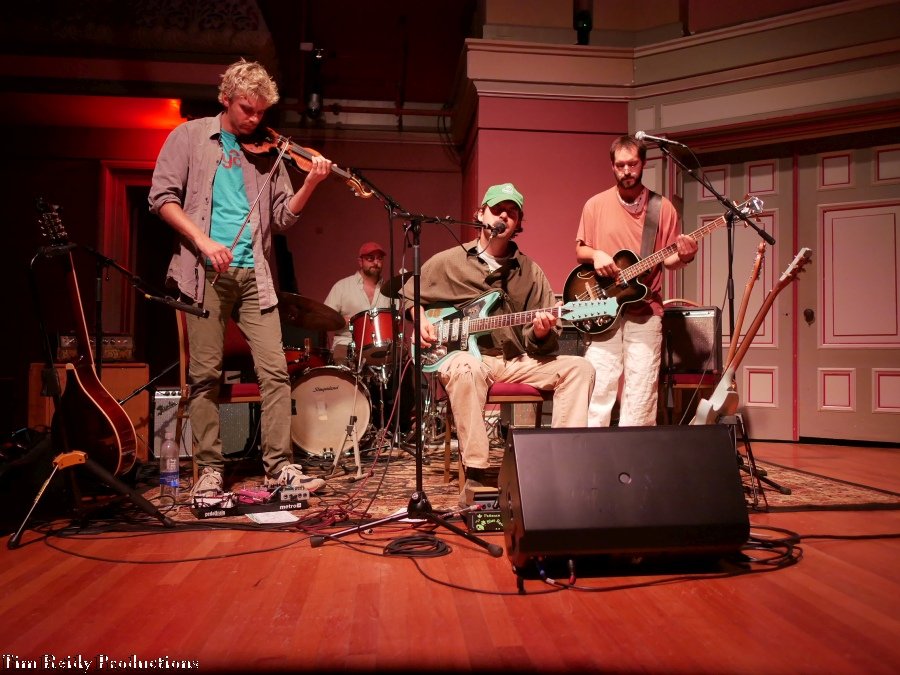
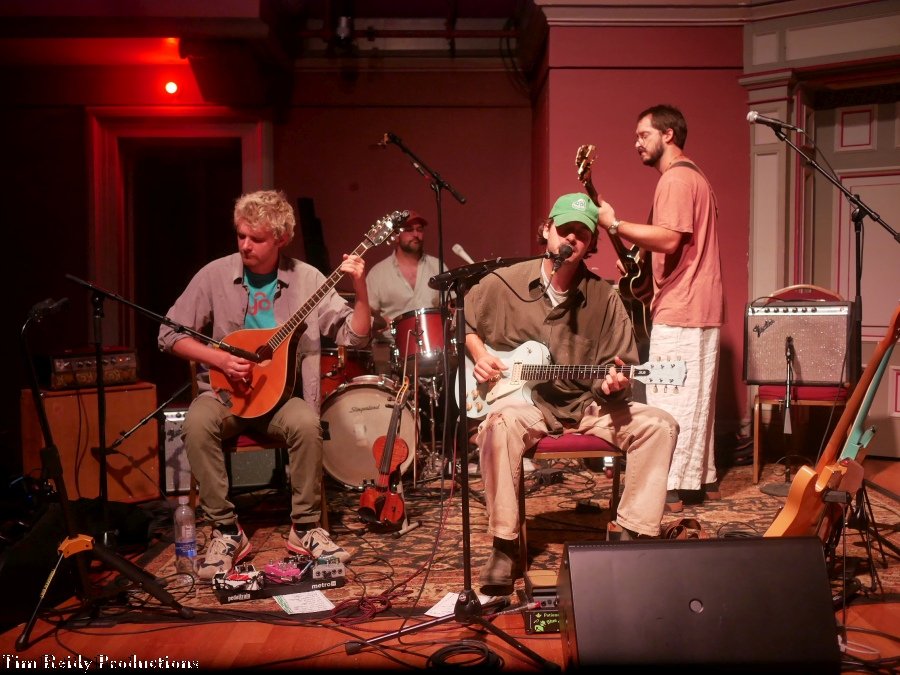
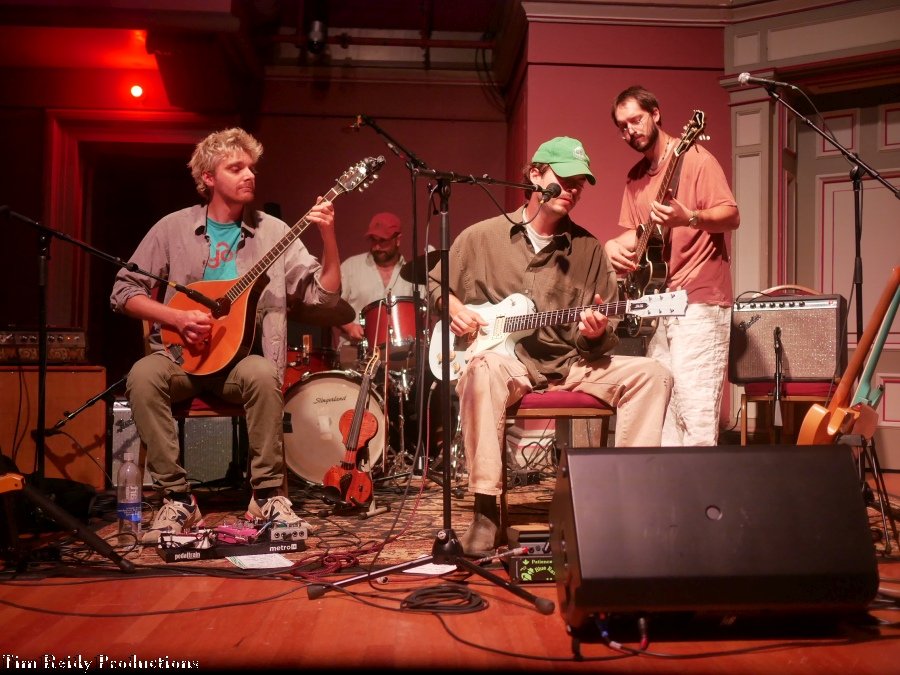
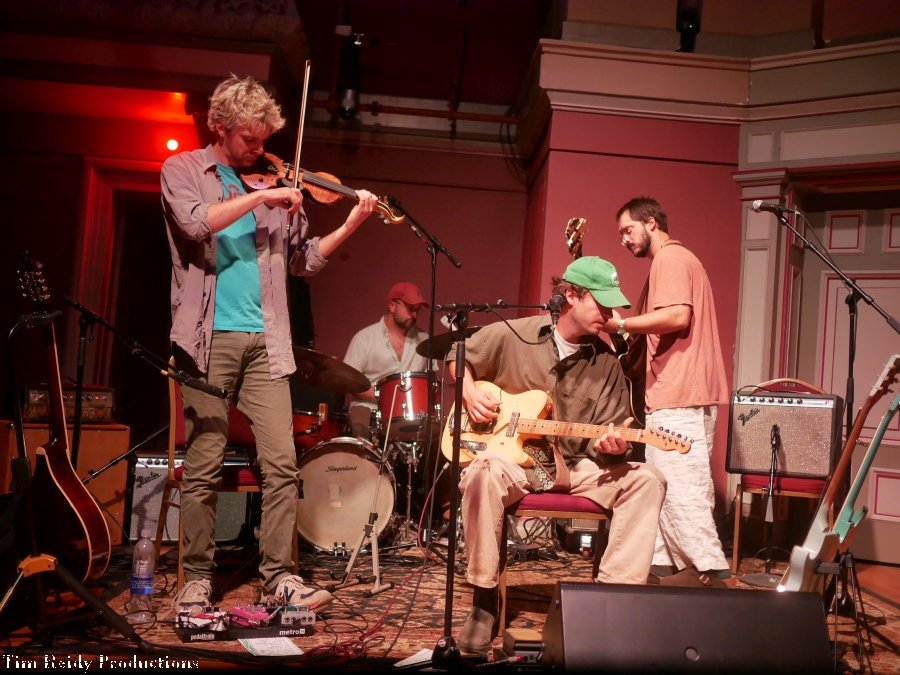
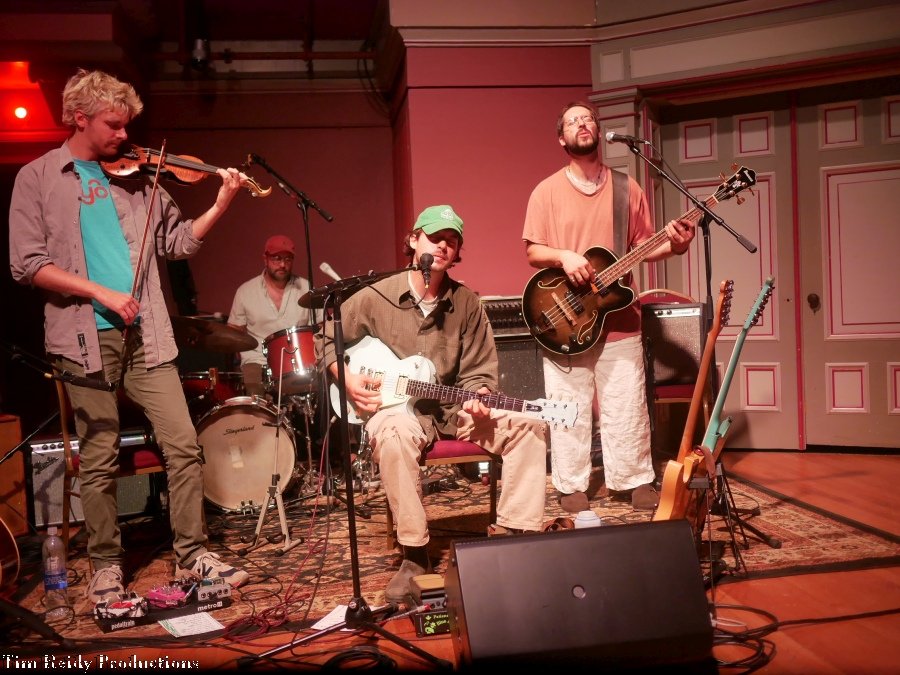
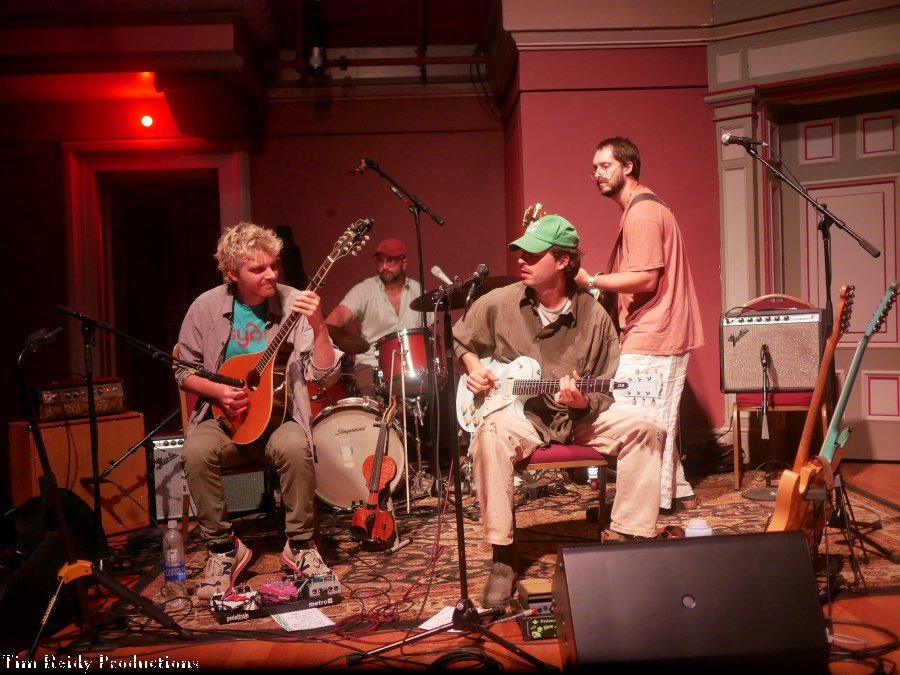
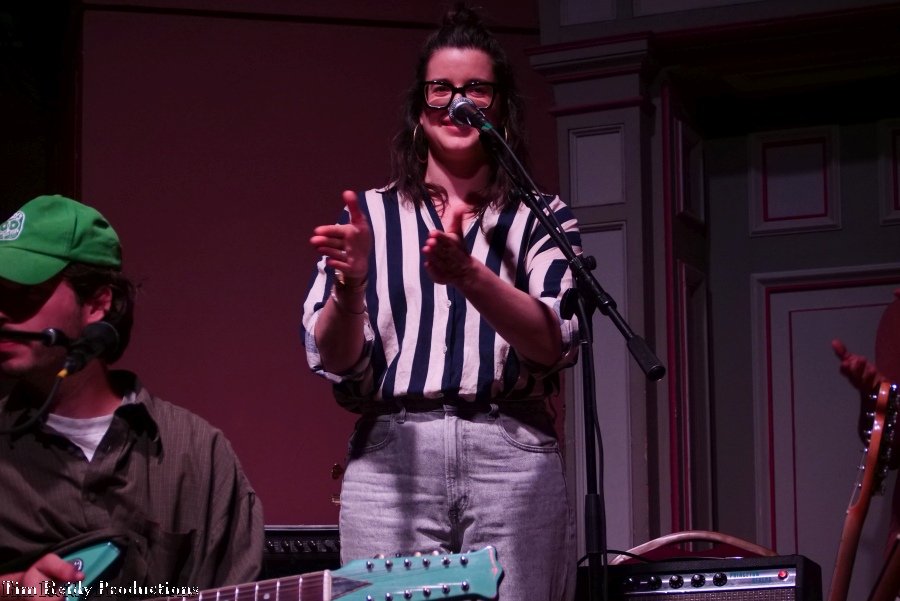
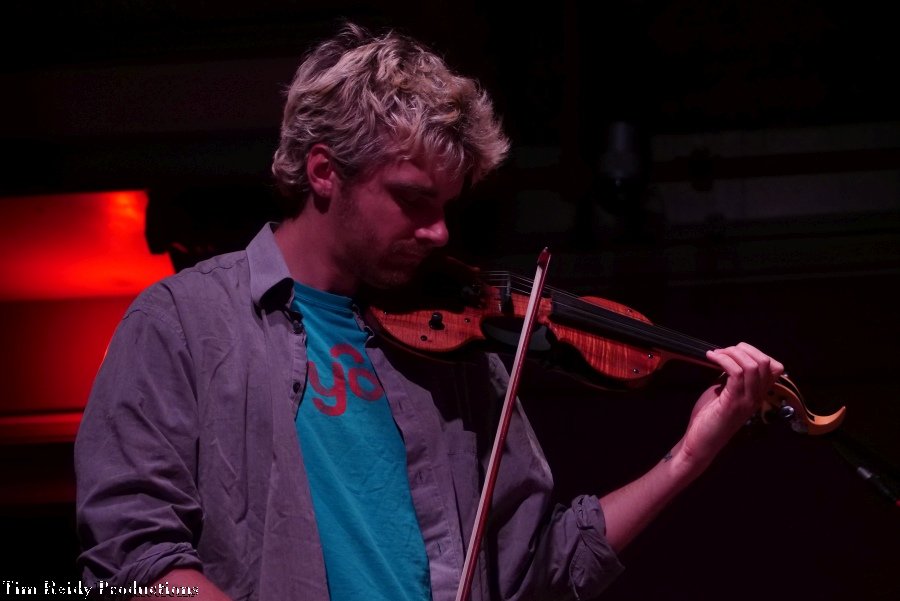
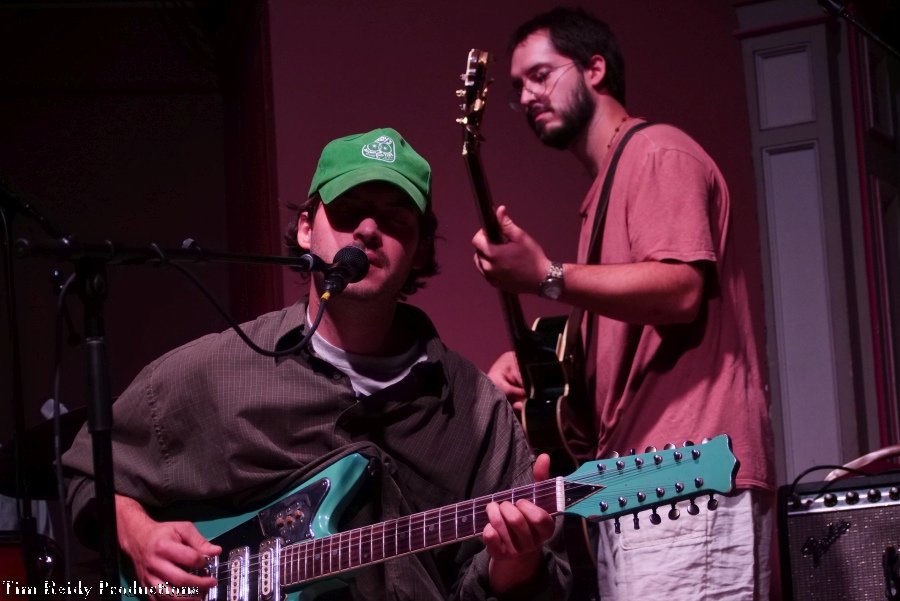
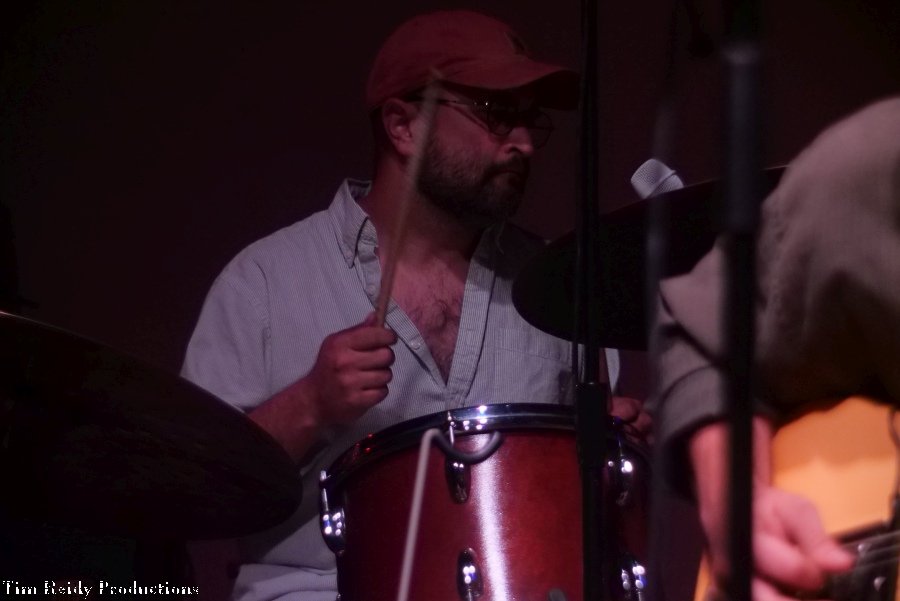
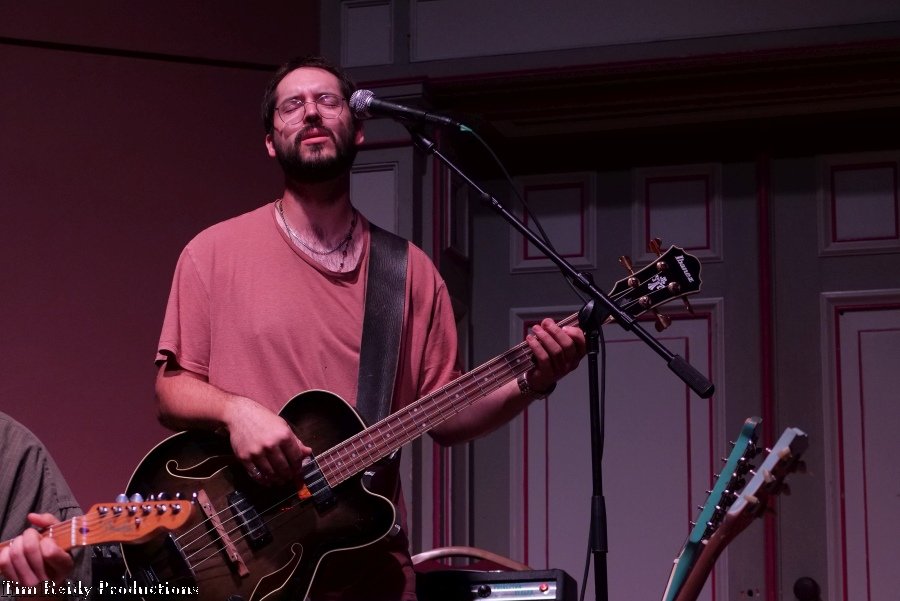
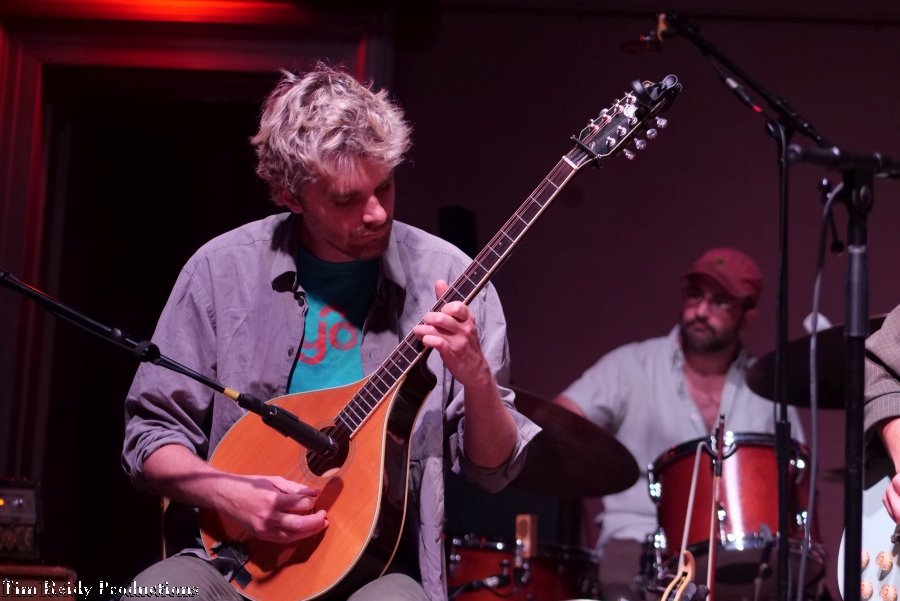
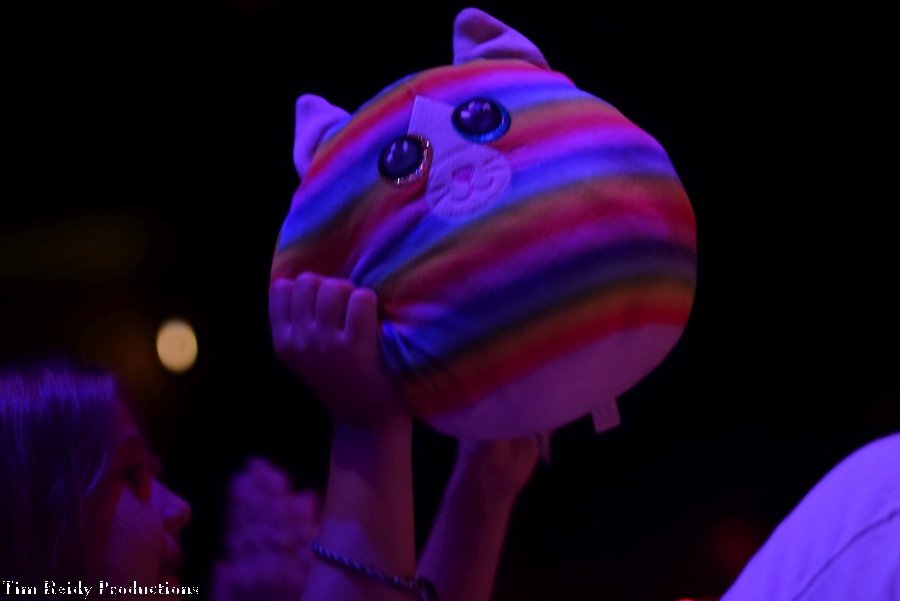
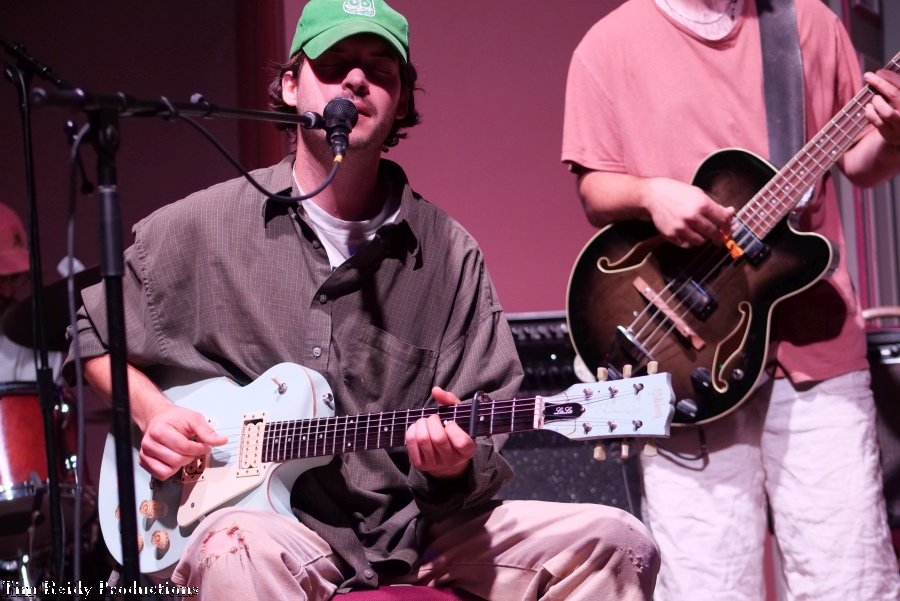
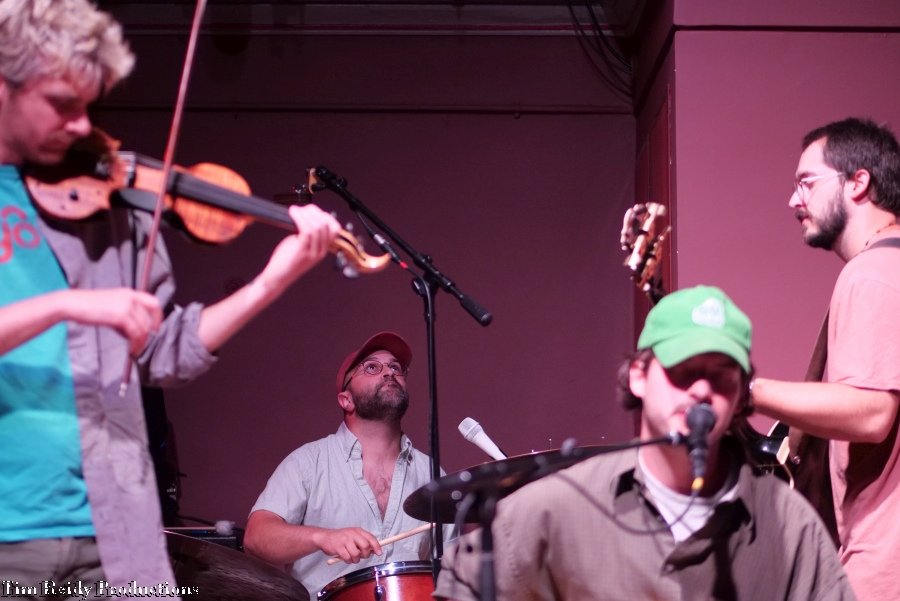
The Lift Series at Troy Savings Bank Music Hall continued on June 17, this time featuring Blue Ranger.
Photography by Timothy Reidy.
More from the Lift Series here …
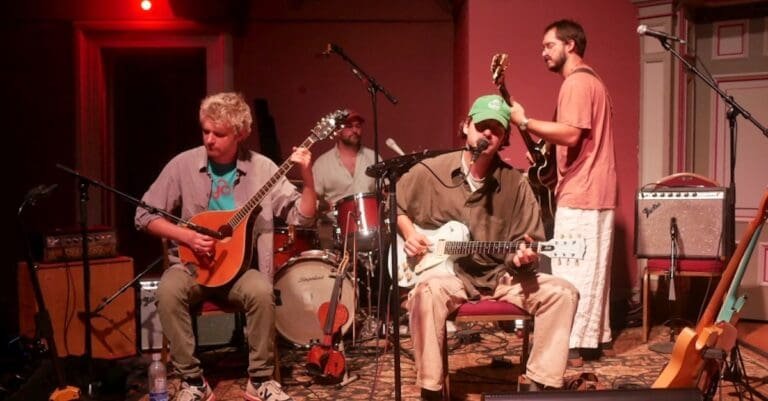
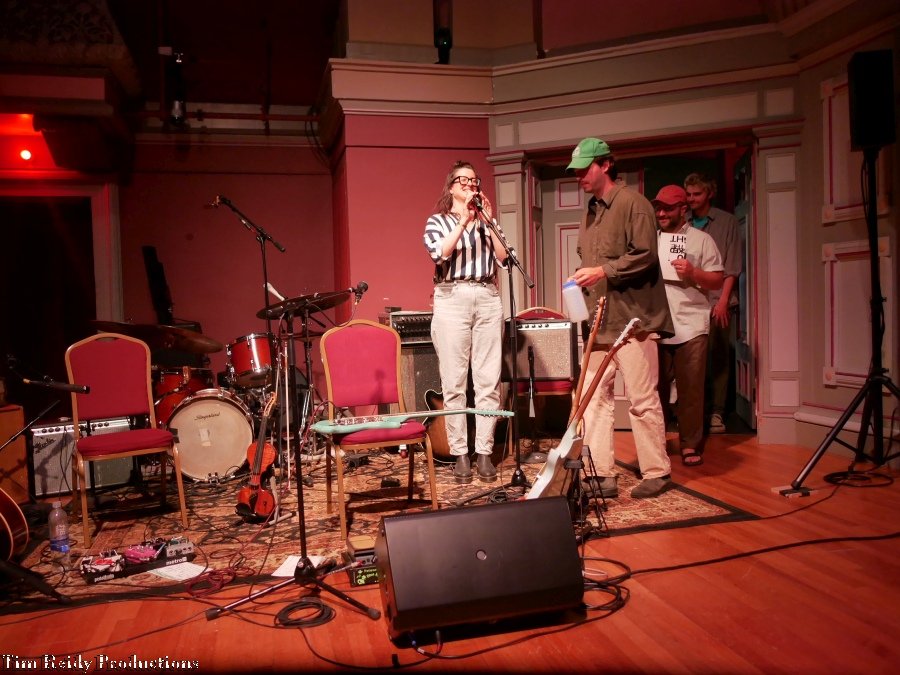
The Lift Series at Troy Savings Bank Music Hall continued on June 17, this time featuring Blue Ranger.
Photography by Timothy Reidy.
More from the Lift Series here …

In New York, we have a really exciting and complicated cannabis program. New York has had legal cannabis since 2022, and our medical program has existed since 2016. There are a lot of different types of actors in the New York State cannabis industry, so let’s spend time exploring how our system is structured. Even though we are four years into this, the market is still constantly making adjustments and evolving to bring great weed to New Yorkers.
Medical Cannabis
New York has a robust medical cannabis market. Our state allows approved medical cannabis providers to prescribe cannabis for a variety of conditions. There are a lot of different conditions that can benefit from cannabis use and a lot of different ways to treat them, so talking with a professional is the only way to go. From there, a patient gets their prescription with a precise dosage that can be fulfilled at a medical dispensary. Medical dispensaries have staff that can fulfill patients’ orders through various products – flower, vapes, edibles, tinctures, capsules, and more. There are also pharmacists on staff at medical dispensaries to assist patients.
There are purchase limits for medical cannabis, just like in the recreational market. Patients can get enough for a 60-day supply. They also have the right to grow their own plants at home. Even though it’s medically legal, plants and product cannot be taken out of the state. This is a downside to cannabis still being federally illegal. One of the most interesting things about the medical program is that there is no age limit. As long as someone is prescribed cannabis by a certified medical professional, they can be ten or one hundred. Another difference from the recreational market is the tax structure. Medical cannabis users pay a significantly lower tax rate on products compared to those bought on the recreational market.
Cultivation, processing, and sale of medical cannabis is done by Registered Organizations (ROs). Each RO is responsible for providing the most safe and effective product for patients. Product is rigorously tested to ensure that patients get exactly the dose and effect needed. Cannabis must be grown indoors to meet medical standards. The ROs are responsible for submitting a lot of information to the state about each product, so there’s a lot of behind-the-scenes work to ensure a compliant end product.
Recreational Cannabis
New York’s recreational cannabis market is quickly becoming a key industry in the state, bringing in millions in tax revenue and offering consumers safe cannabis products to purchase. It’s a bit of an understatement to say that the state was off to a rocky start in the first years of legalization, but it looks like we are starting to see some progress in a very positive direction. Within the recreational cannabis industry, there are different players I’ll explain now.
Registered Organizations/ Registered Organization Non-Dispensing (ROND)
ROs can operate within the recreational sphere, too. If you’ve shopped for cannabis, you may have shopped in a medical store as a recreational customer. Most dispensaries will have separate lines or areas for medical users versus recreational users. Medical dispensaries must carry a specific amount of product for recreational cannabis users. You will also find cannabis products from ROs and RONDs in most recreational dispensaries.
Cultivators
Cultivators grow weed – and lots of it. Cultivation licenses were awarded to those who grew hemp in New York state prior to cannabis legalization. During the first few years of NY cannabis, most cultivators were limited to growing outdoors or in greenhouses. When conditional cultivators were able to renew their licenses, they had the opportunity to expand to indoor cultivation as well. Among cultivation licenses, there are various tiers that allow for a smaller or larger canopy. The first type of cultivation license is outdoor. These grows can be as large as 25,000 square feet of canopy area or as small as 2,500 square feet. Outdoor cultivation can produce some sticky, amazing buds, but weather plays a huge role in the success of these grows. Mixed light cultivation is another type of growing style that cultivators can choose. This involves cultivating cannabis in a greenhouse or hoophouse and using supplemental lighting. The additional lighting provides an extra push for the cannabis’ growth, and being inside allows some protection from the elements. Indoor cultivation is what it sounds like. Cannabis plants are grown inside a structure using lights. Perks to indoor grows include the fact that they aren’t dependent on weather or season – growers can keep growing year-round. Set to very specific schedules, lights mimic natural sunlight and darkness to induce flowering. In New York, cultivators can also opt for a combination cultivation license, which may allow outdoor and mixed light cultivation, for example.
Dispensaries
New York started off their cannabis program with a strong emphasis on social justice, so the first dispensary licenses given out were to justice-involved individuals. Those who were arrested for cannabis-related crimes were given first priority to participate in the legal cannabis market. If you look at license numbers and see CAURD (Conditional Adult-Use Retail Dispensary), it is a part of the state’s initiative to undo some of the harm of past cannabis policy. New, non-justice-involved dispensary licenses that open operate under license numbers with RETL in them.
The first year of New York’s cannabis program had dispensaries opening up very slowly. There are so many rules and regulations for opening a dispensary. Stores need to have secure storage, security systems, and a great location away from schools and houses of worship. It can be a complicated and drawn-out process.
Processors
Processors wear many hats in the cannabis industry. They can “process” cannabis flower products by trimming flower and making that into prerolls. Processors make gummies, tinctures, and chocolates. One of their most important functions is extraction. The extraction of cannabis oil is critical to the industry. Whether they use CO2, ethanol, or other extraction methods, the product obtained is then used to infuse prerolls, gummies, and to fill vapes. Touring a processing facility is akin to touring a laboratory, where there are strict protocols in place to ensure safety and no contamination.
Microbusiness
Microbusinesses are a really cool feature of the NY cannabis industry. Micros can grow, process, deliver, open a retail dispensary, and sell to other dispensaries. It’s as close to a vertically integrated operation on the recreational market as possible. Micros are a huge asset to the NY cannabis market since they can focus on providing smaller batch, high-quality product.
Stay tuned as the industry keeps evolving and getting even better!
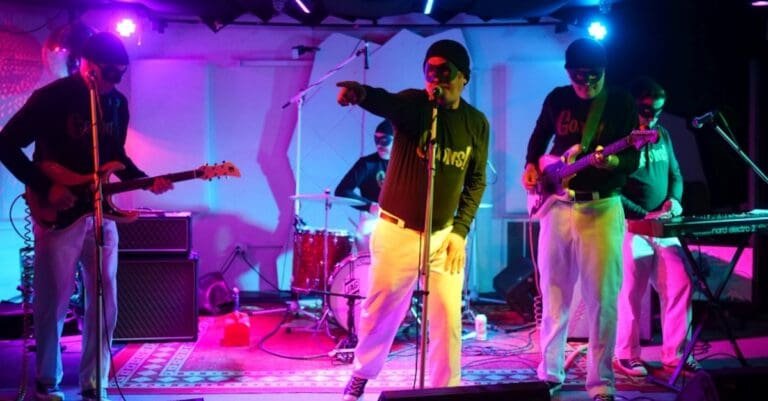
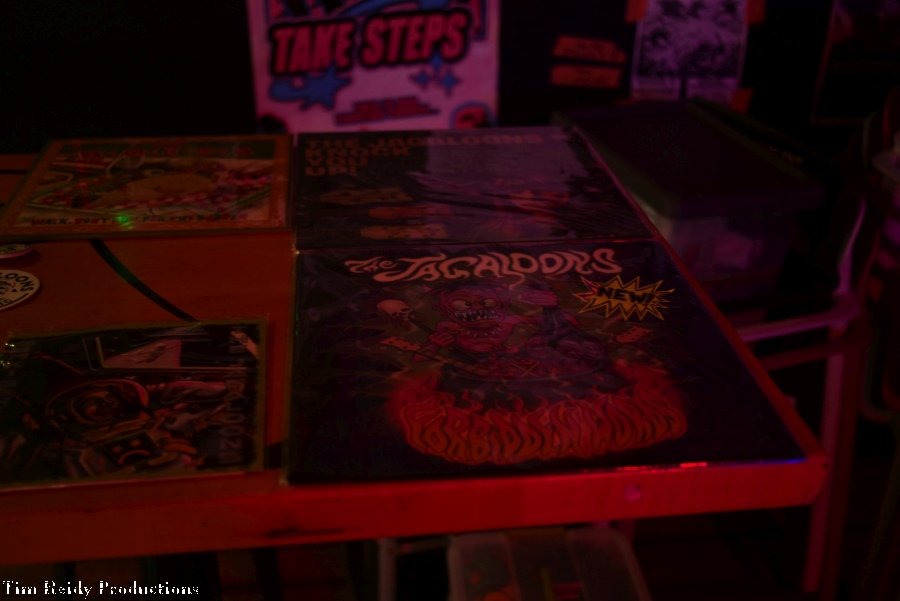
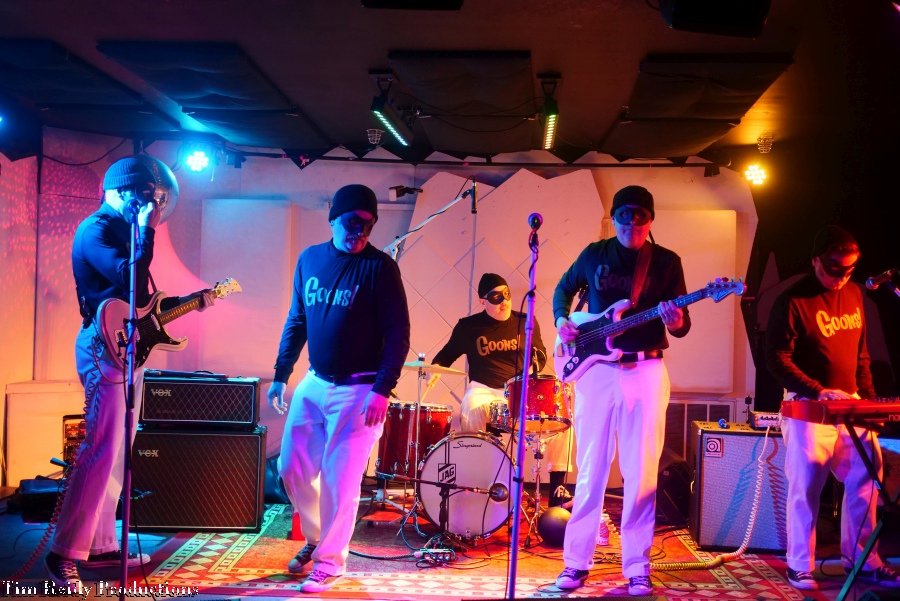
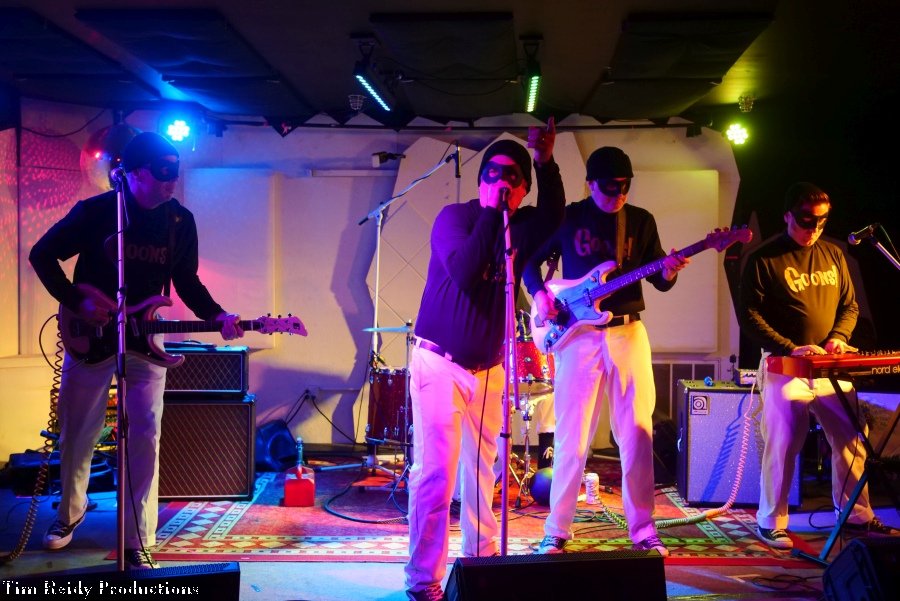
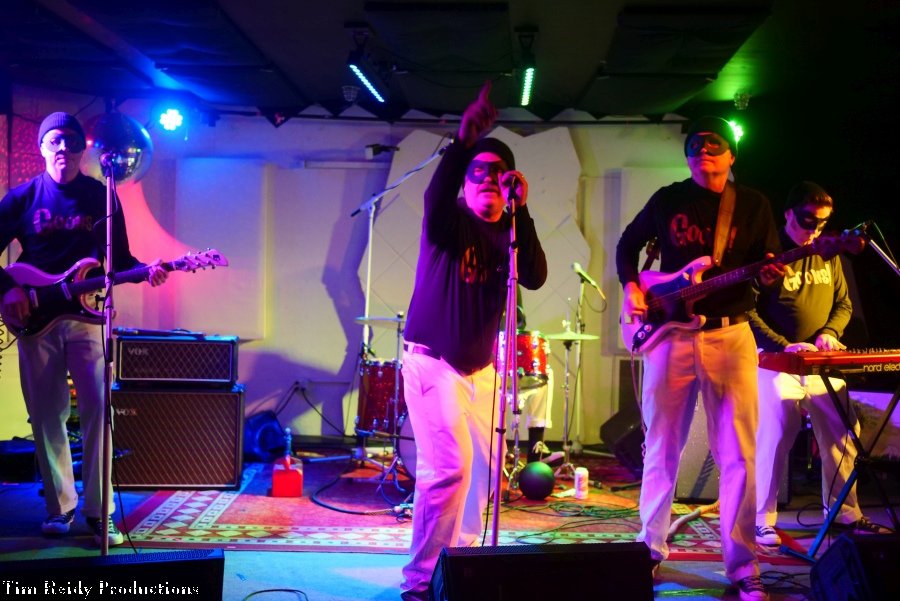
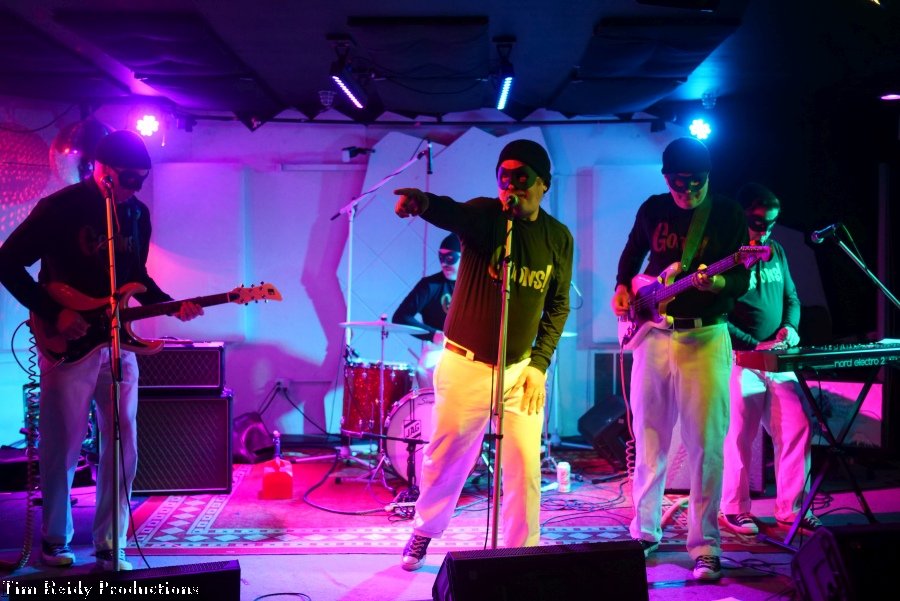
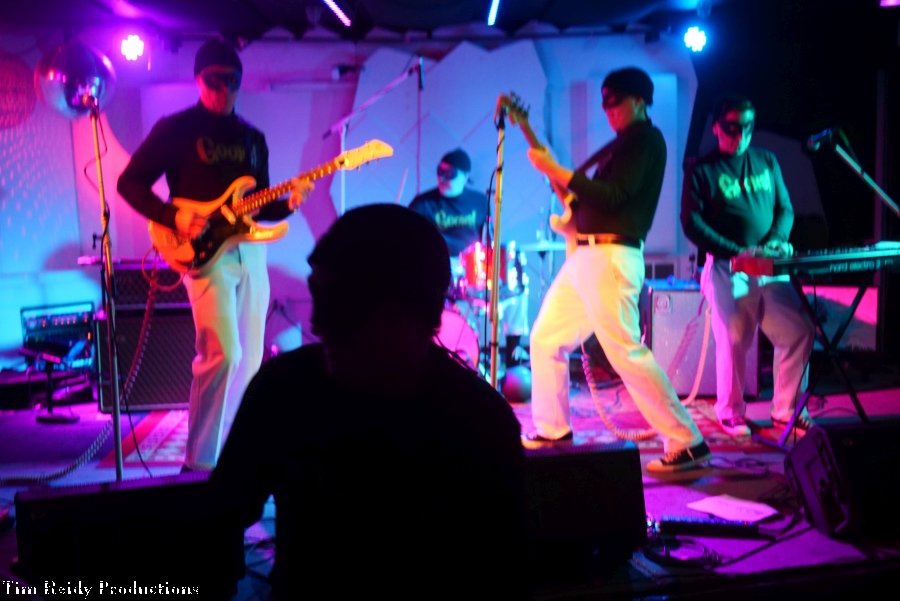
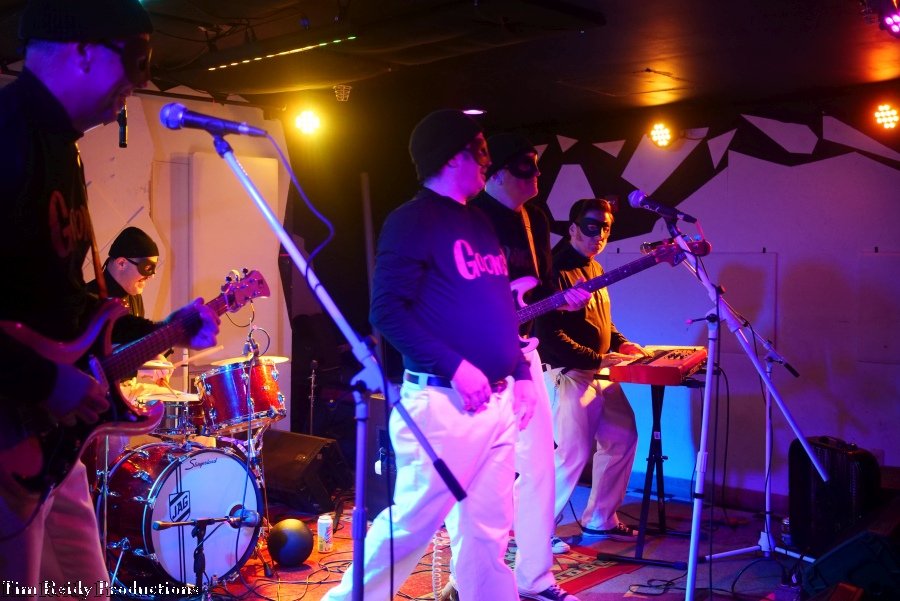
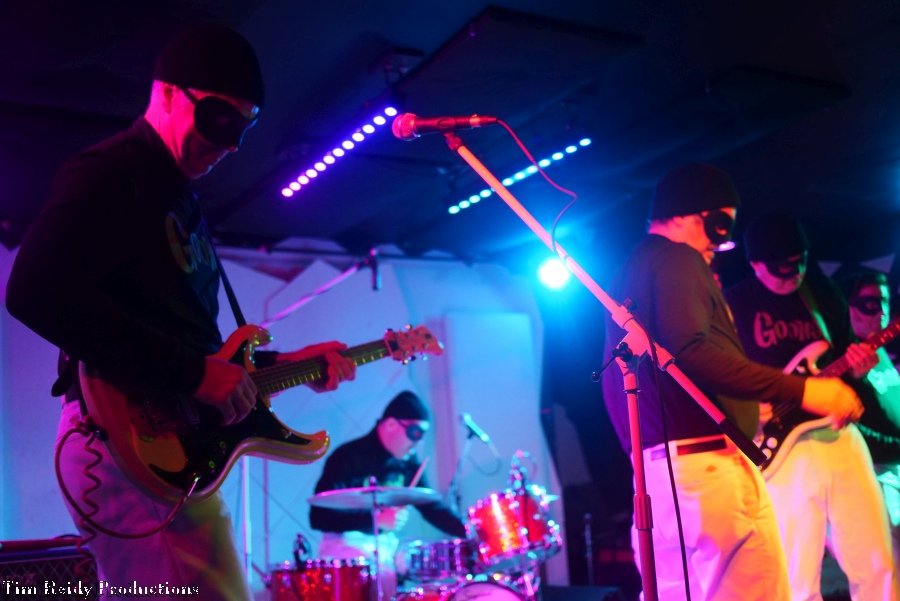
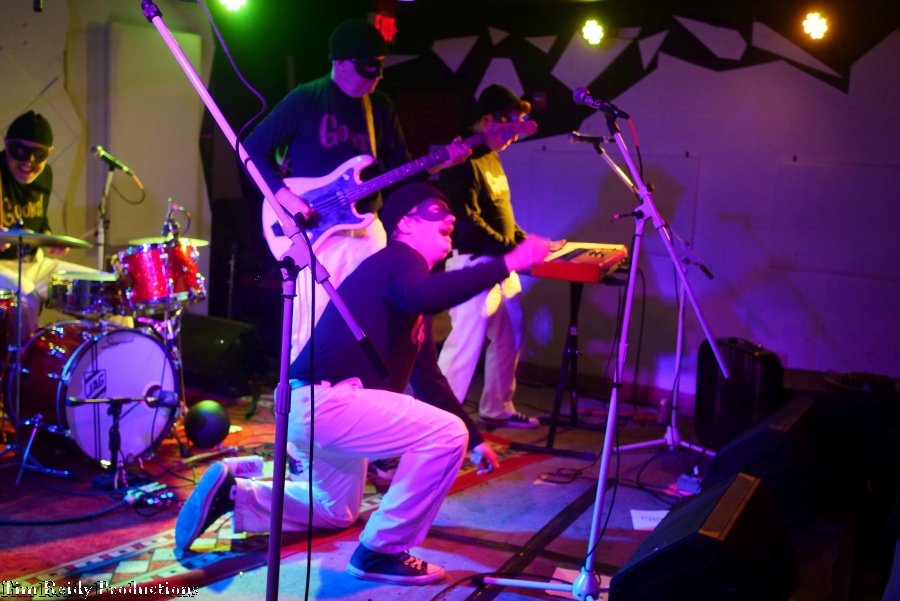
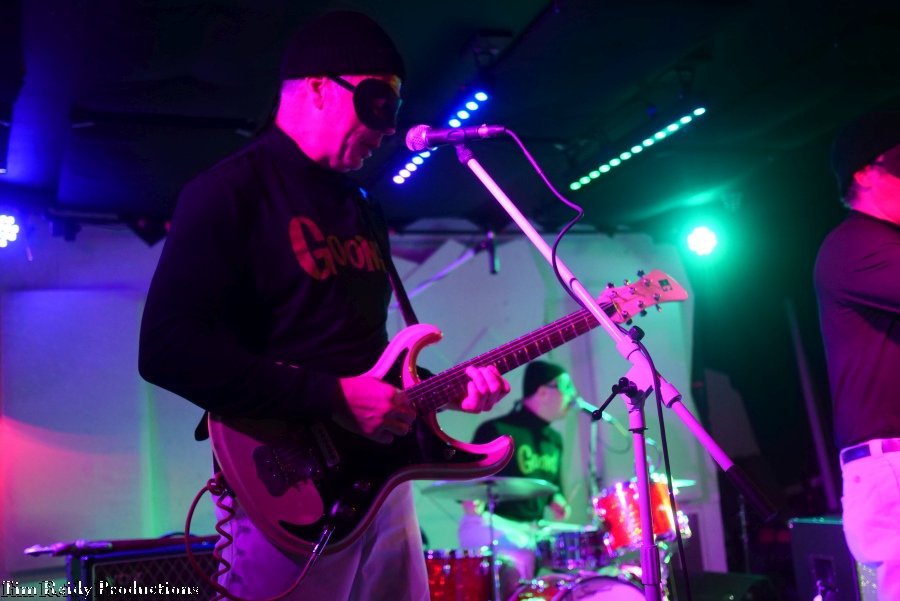
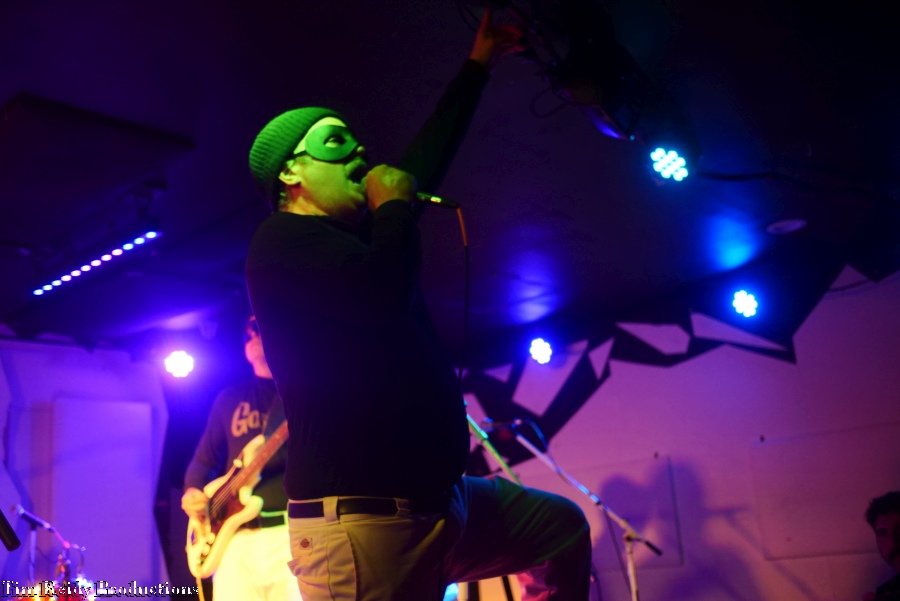
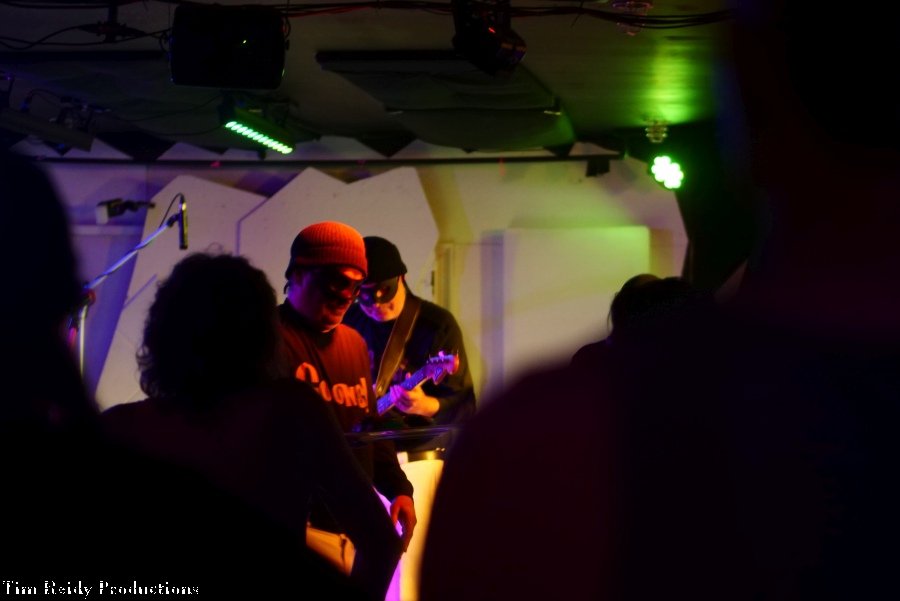
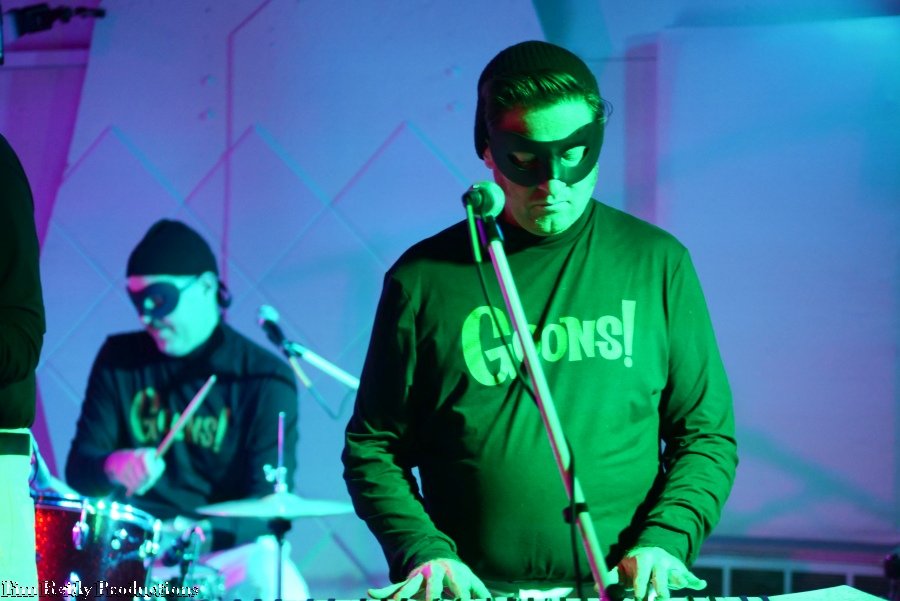
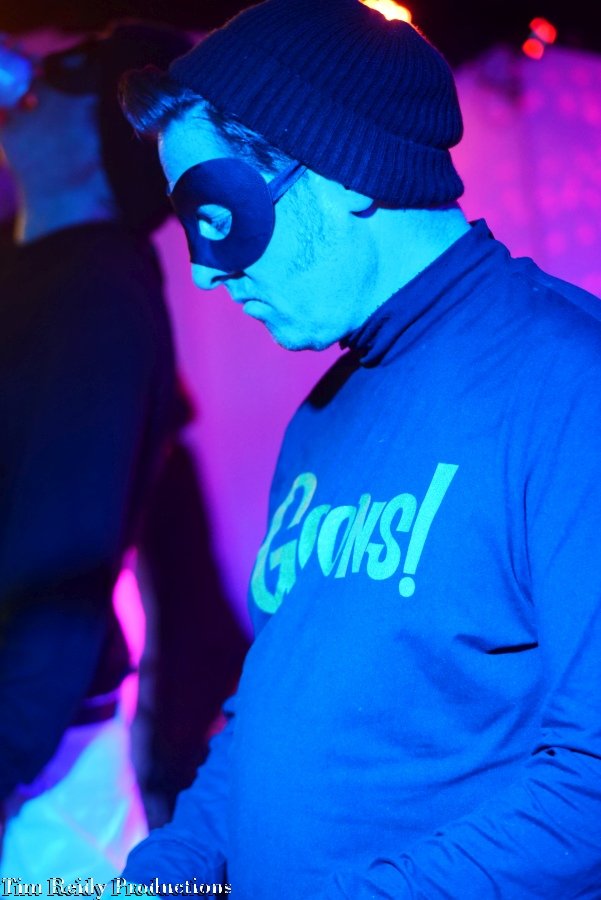
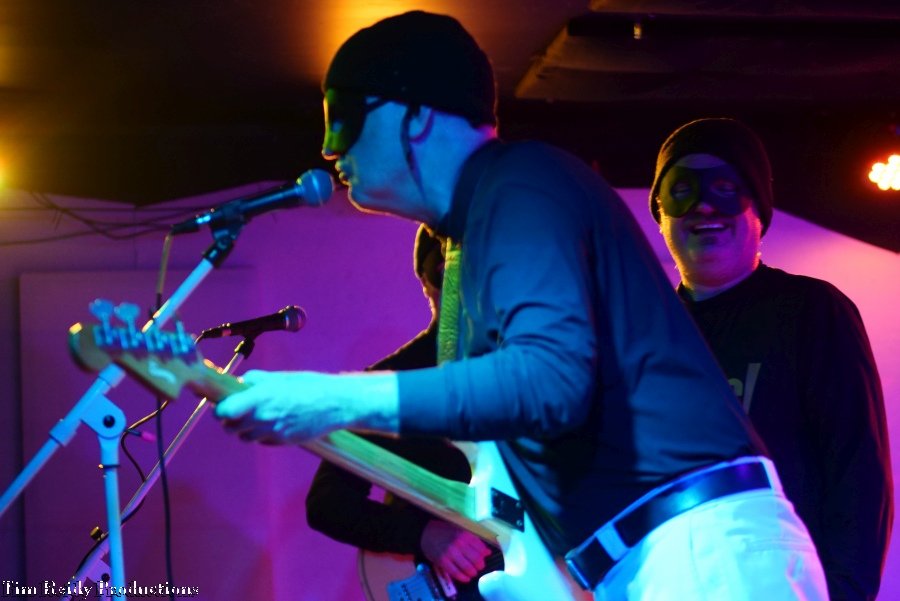
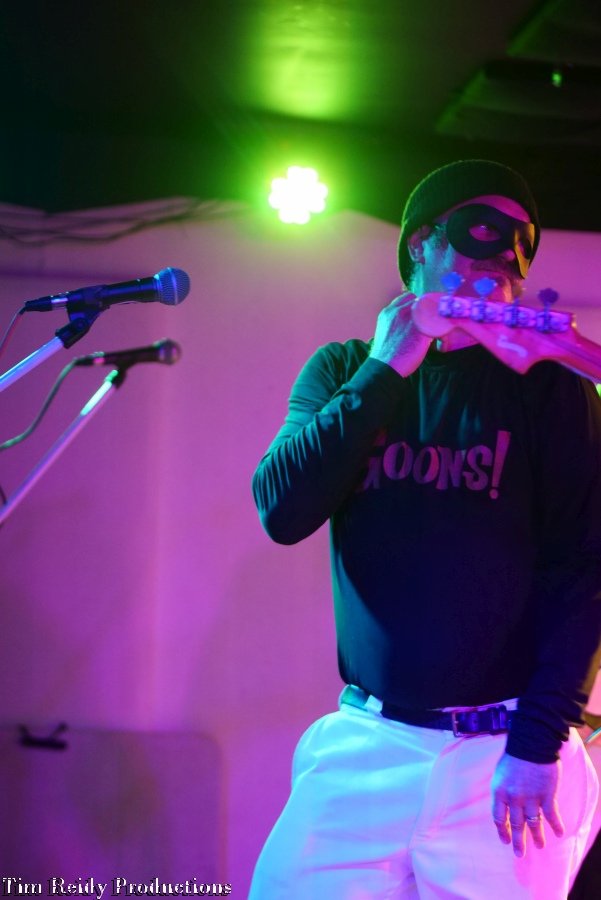
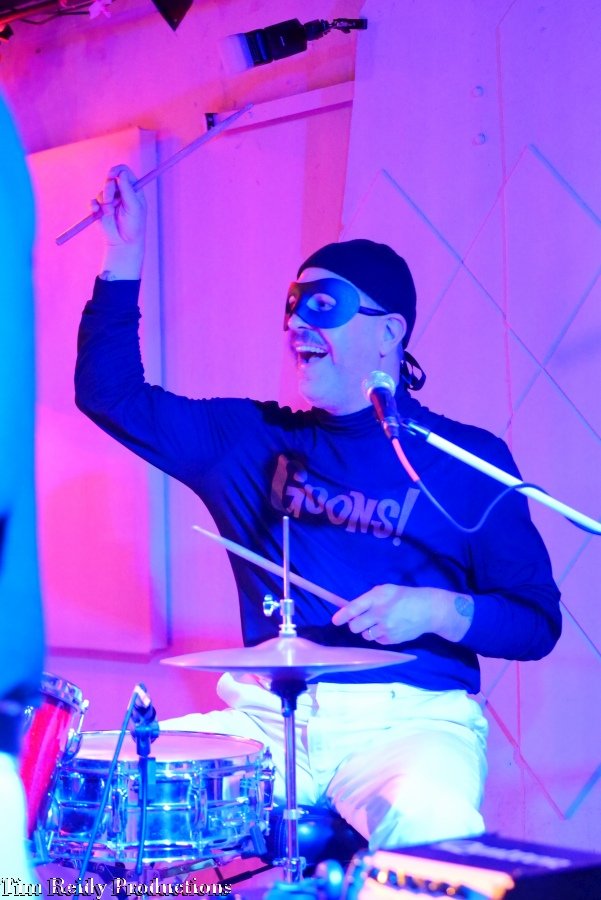
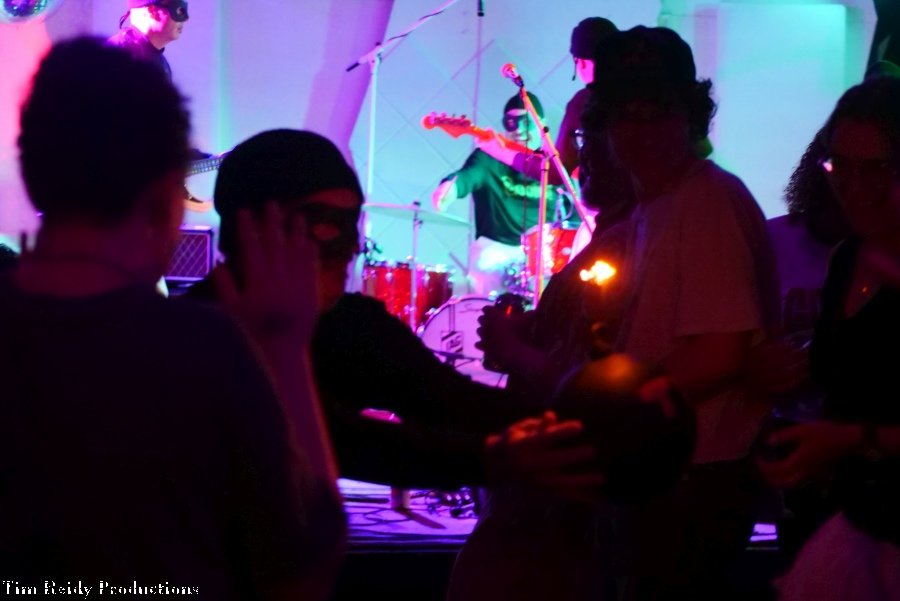
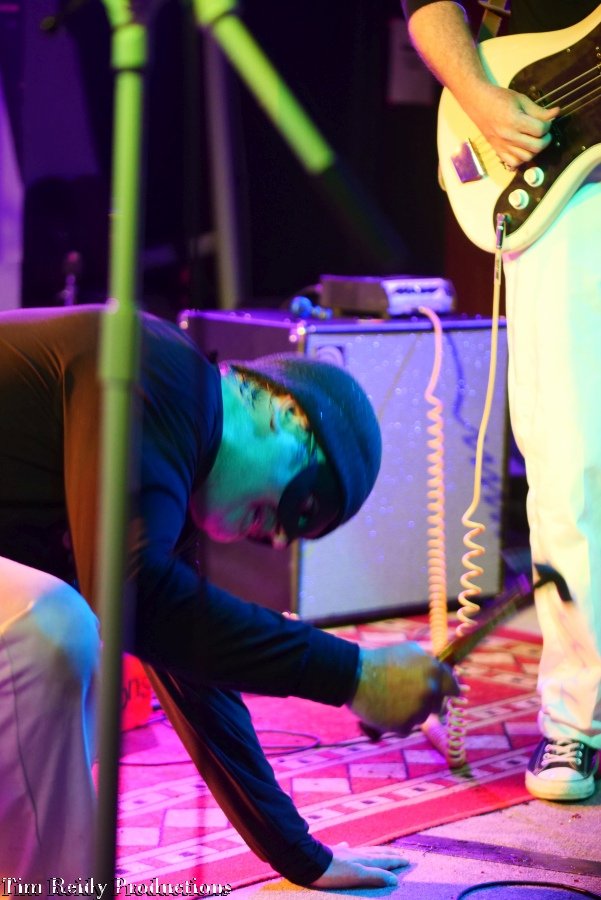
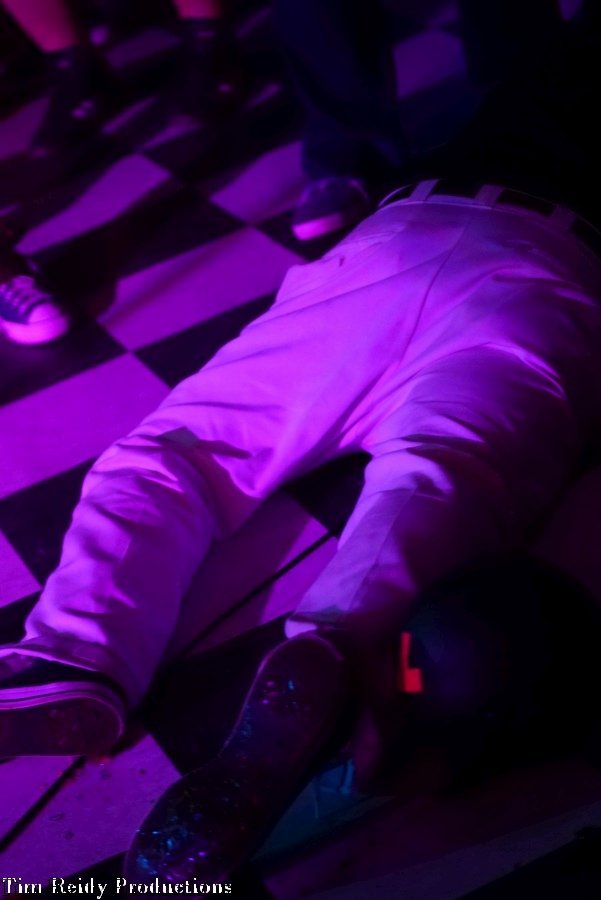
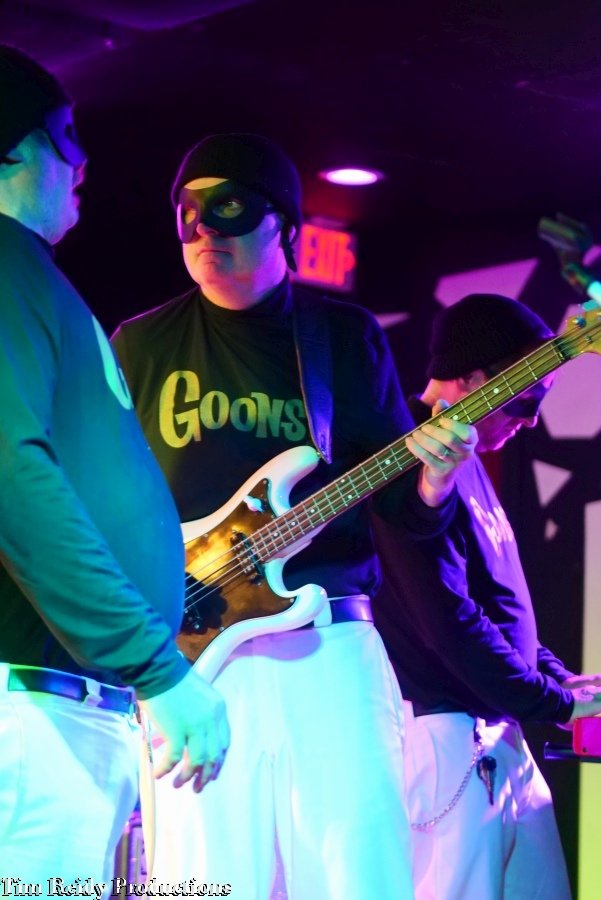
Goons! had a record release party at No Fun on Saturday, June 13. The lineup for the Goons was Goon Number 1, Goon Number 2, Goon Number 3, Goon Number 4, and Goon Number 5. Goons! were up to no good. The Jagaloons gave the early crowd some touching surf rock memories, and The AM’s made a honky tonk set with a glass of wine.
Photography by Timothy Reidy.
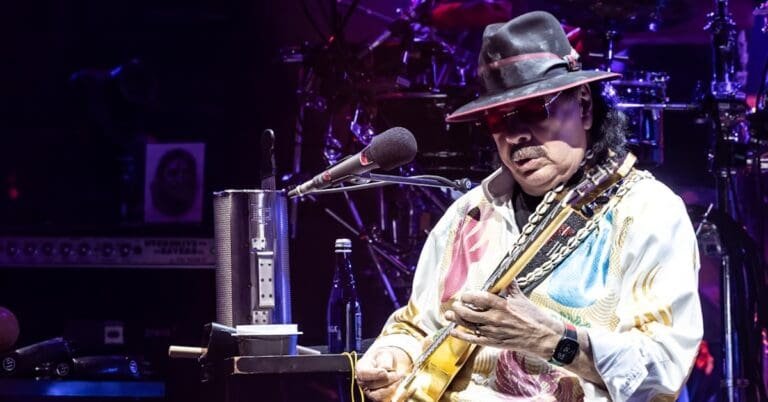
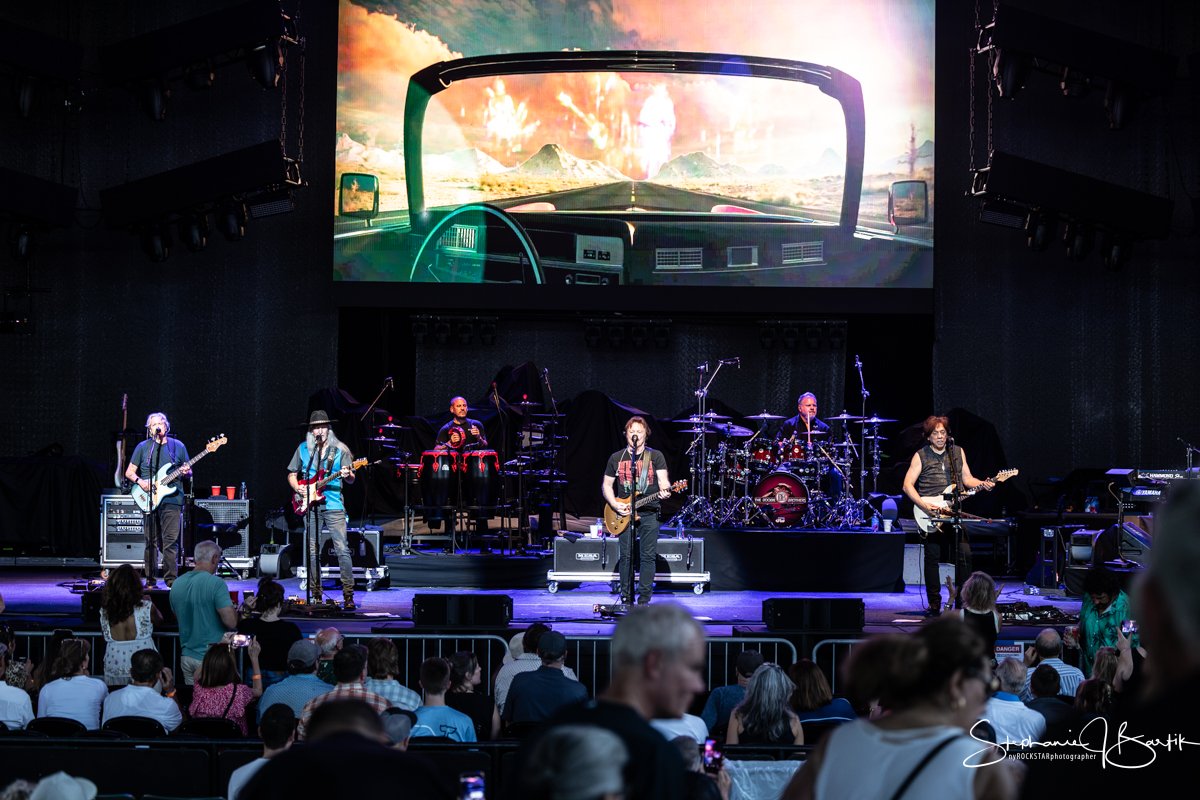
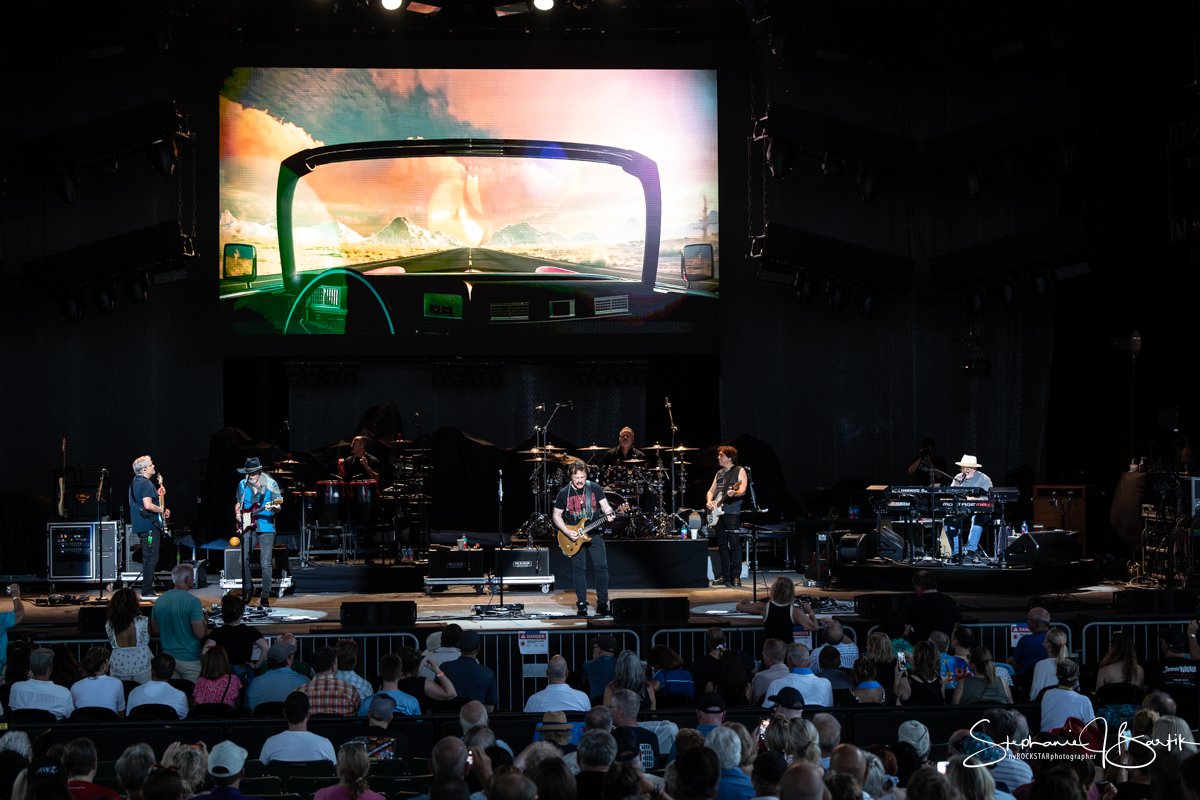
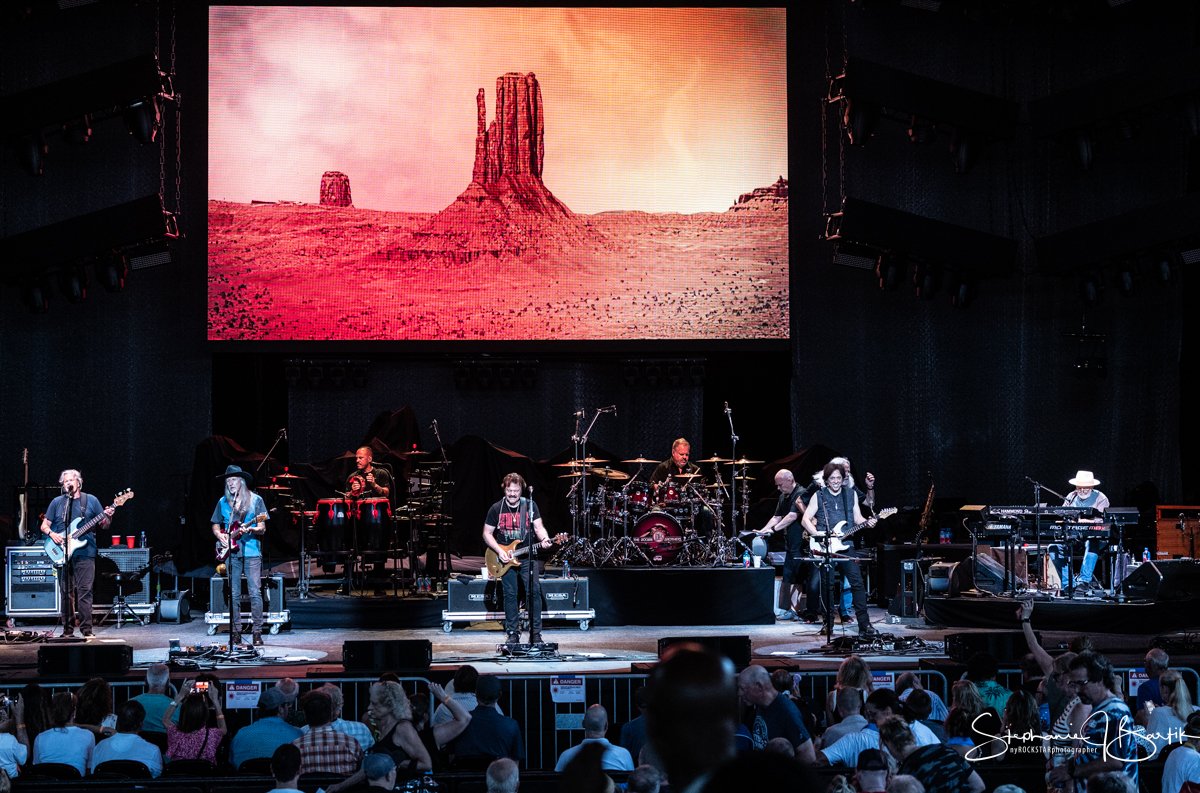
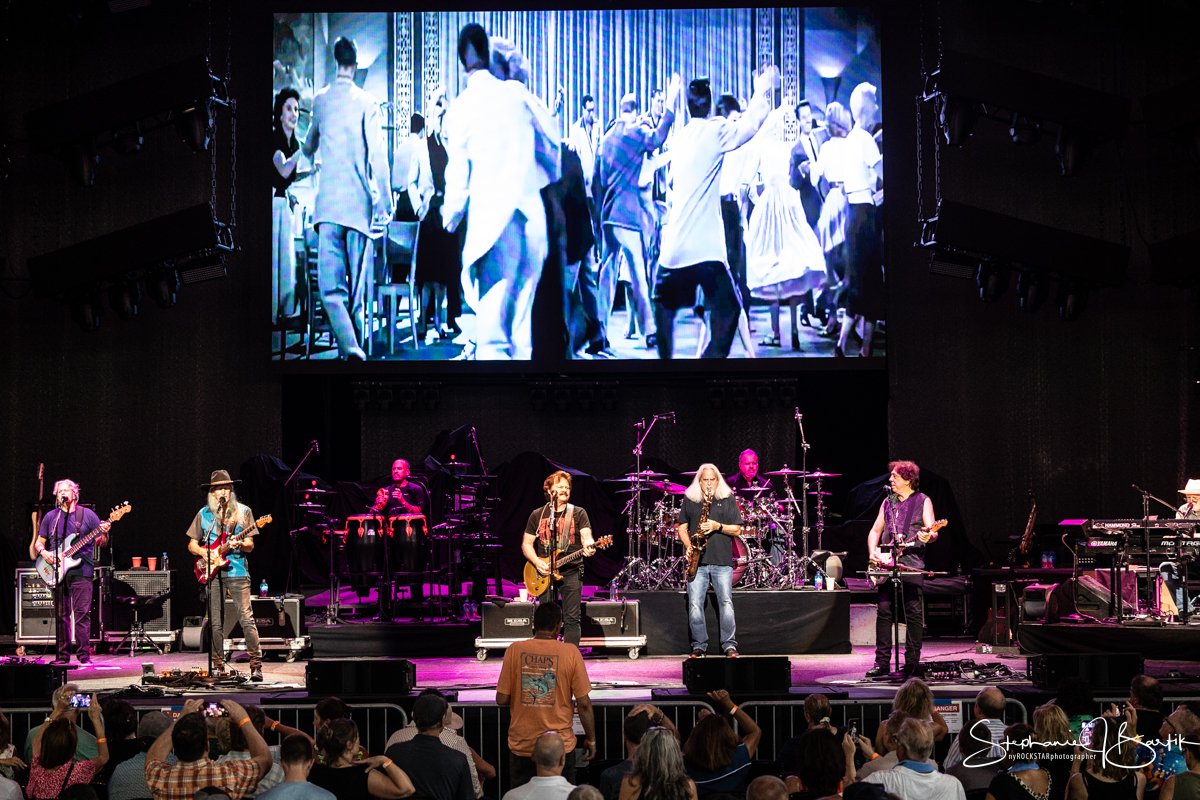
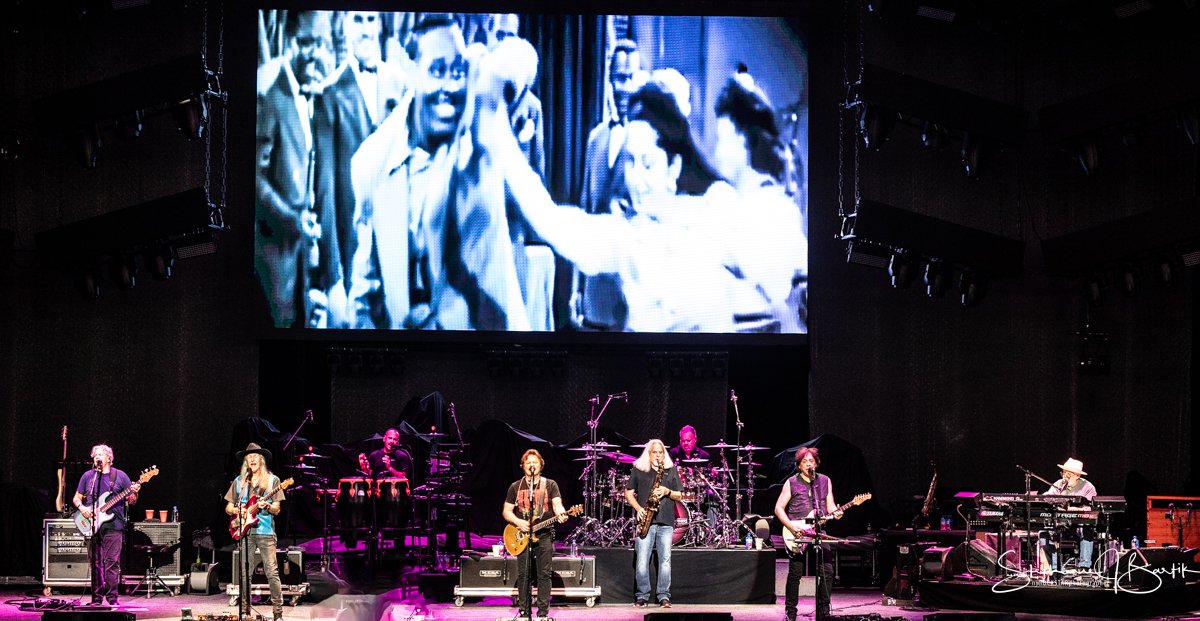
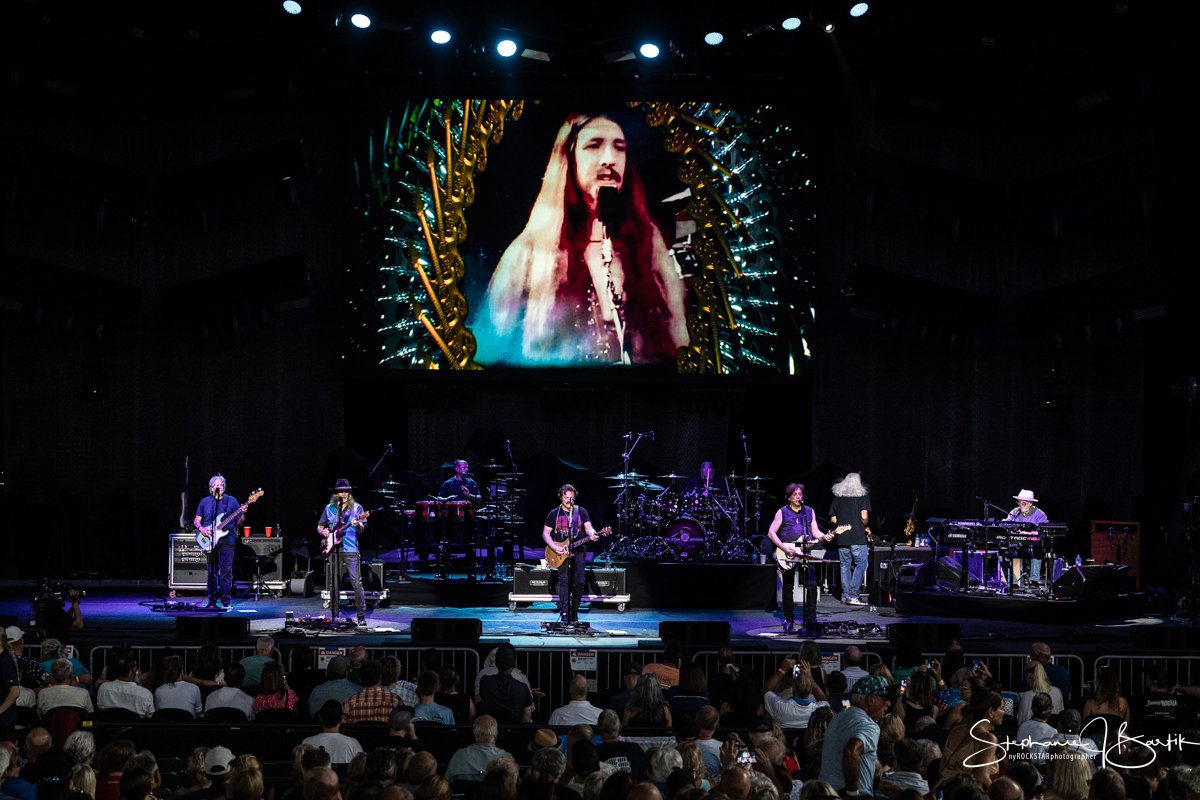
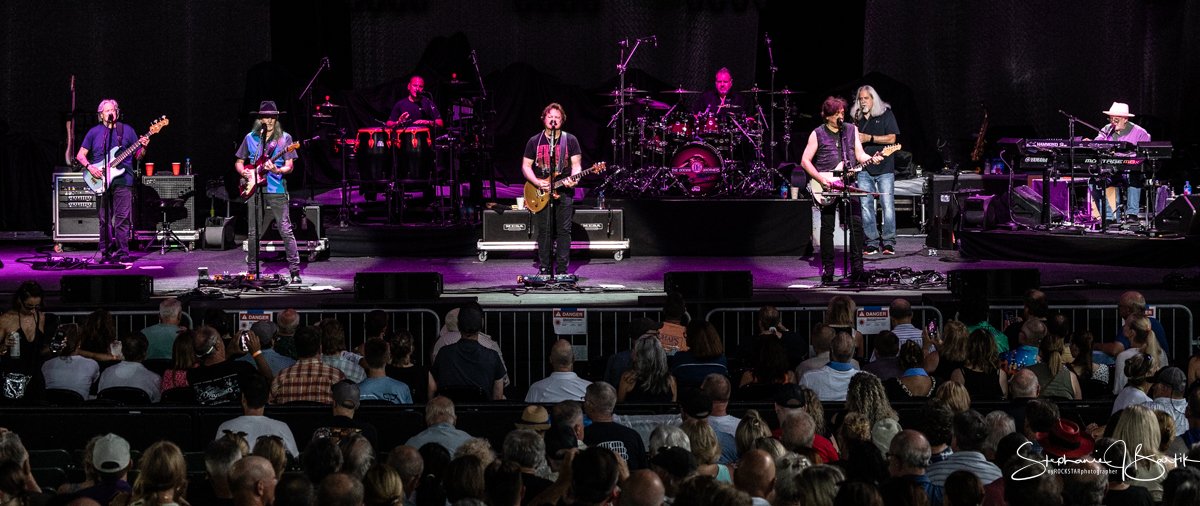
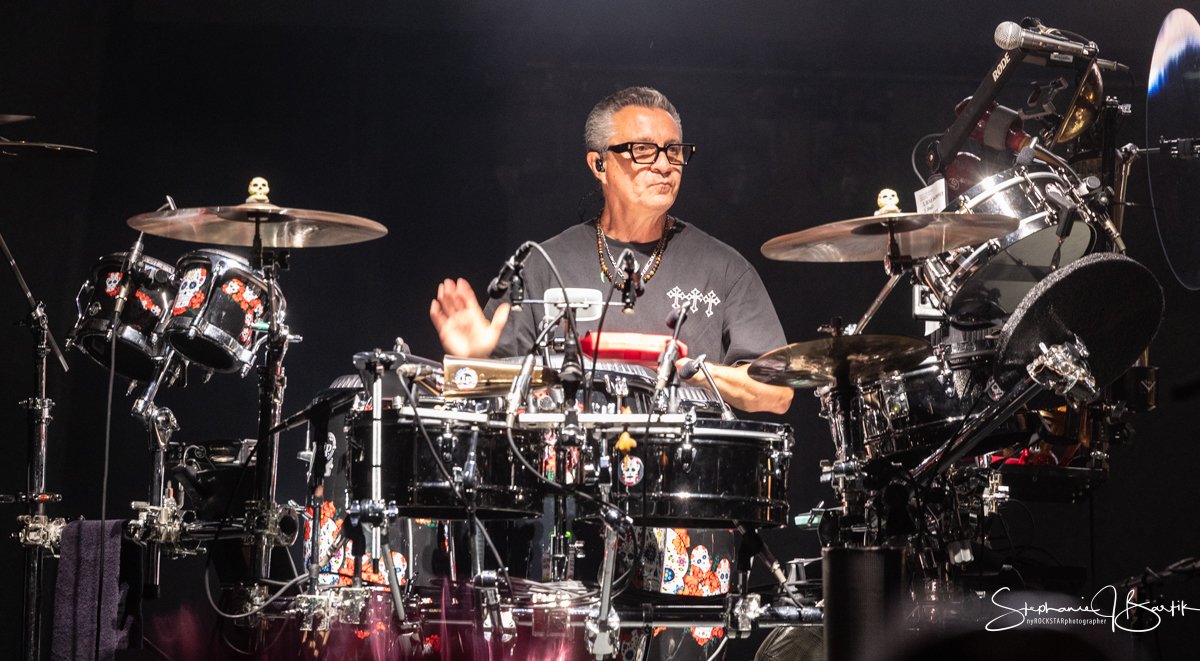
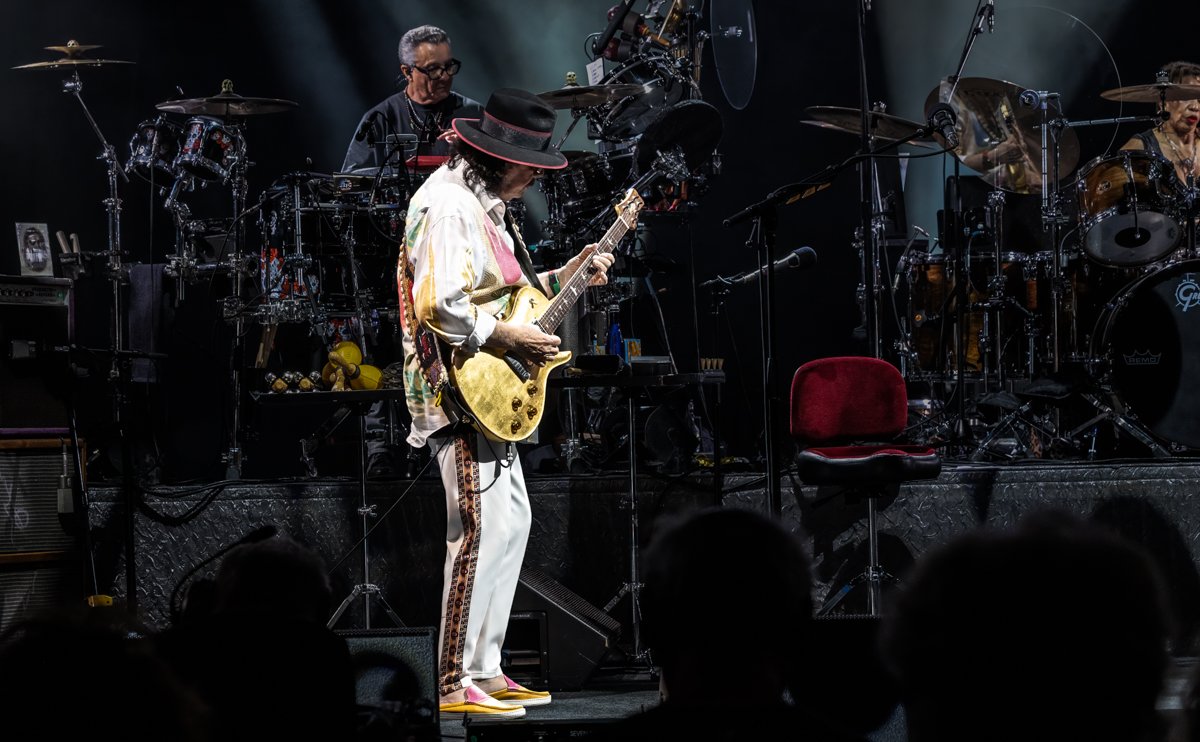
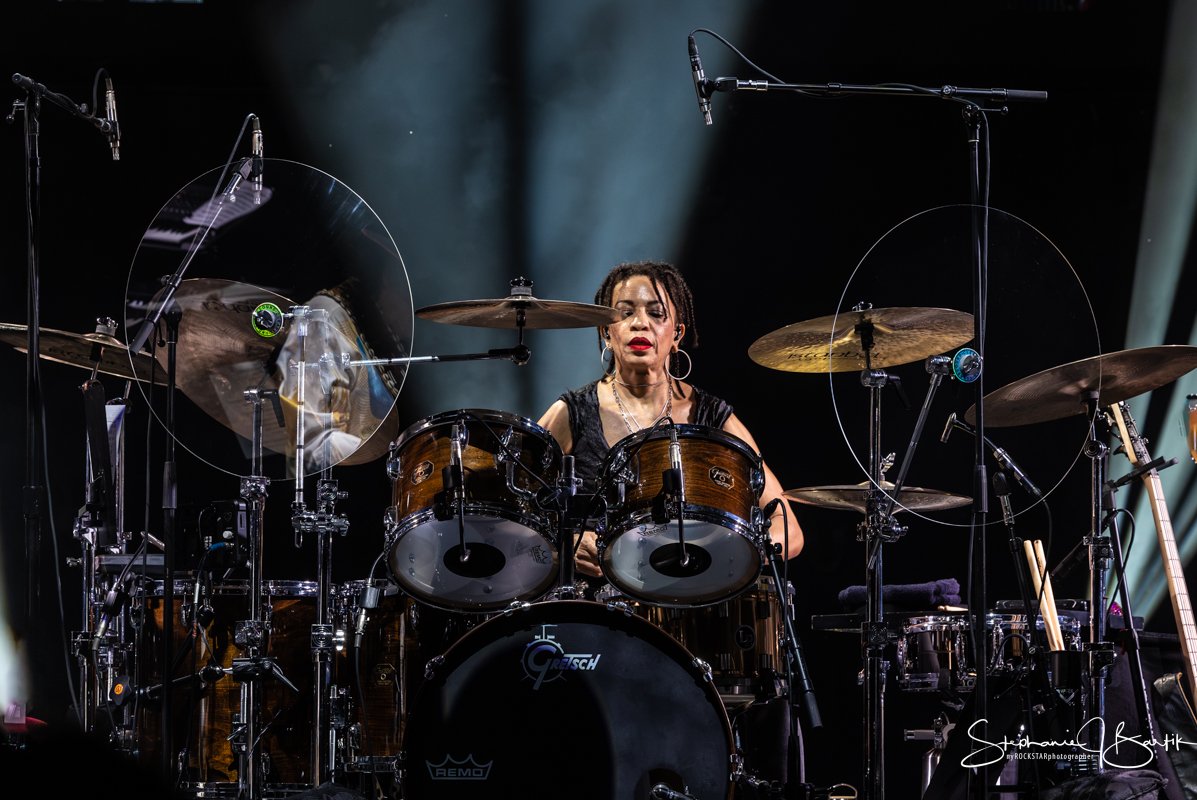
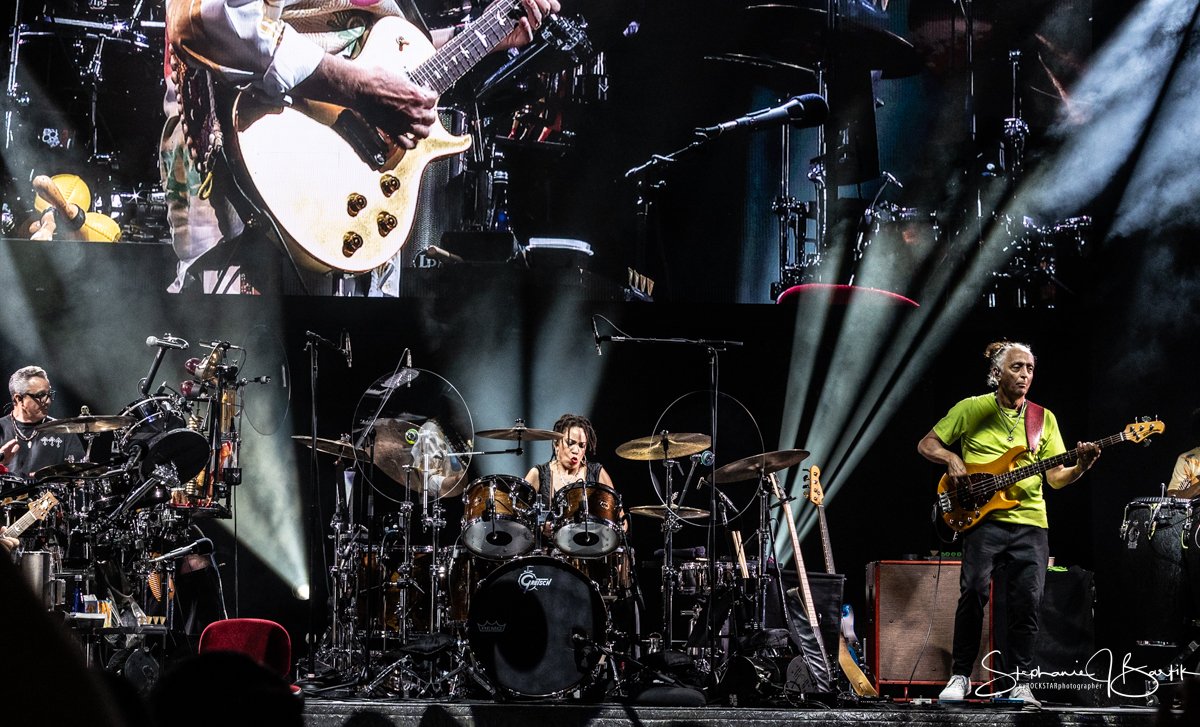
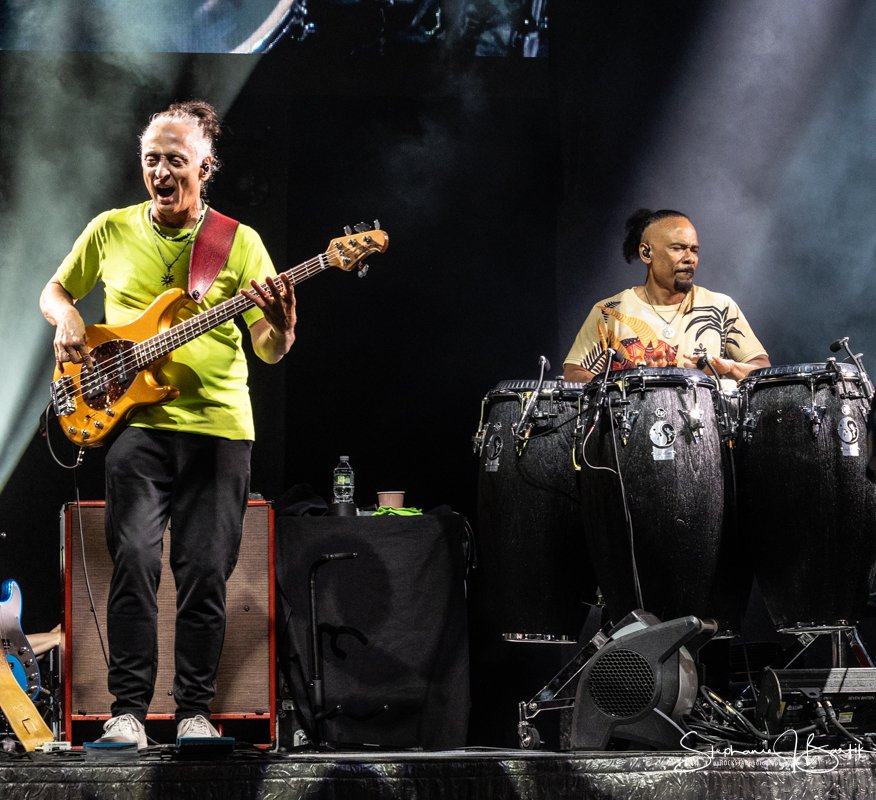
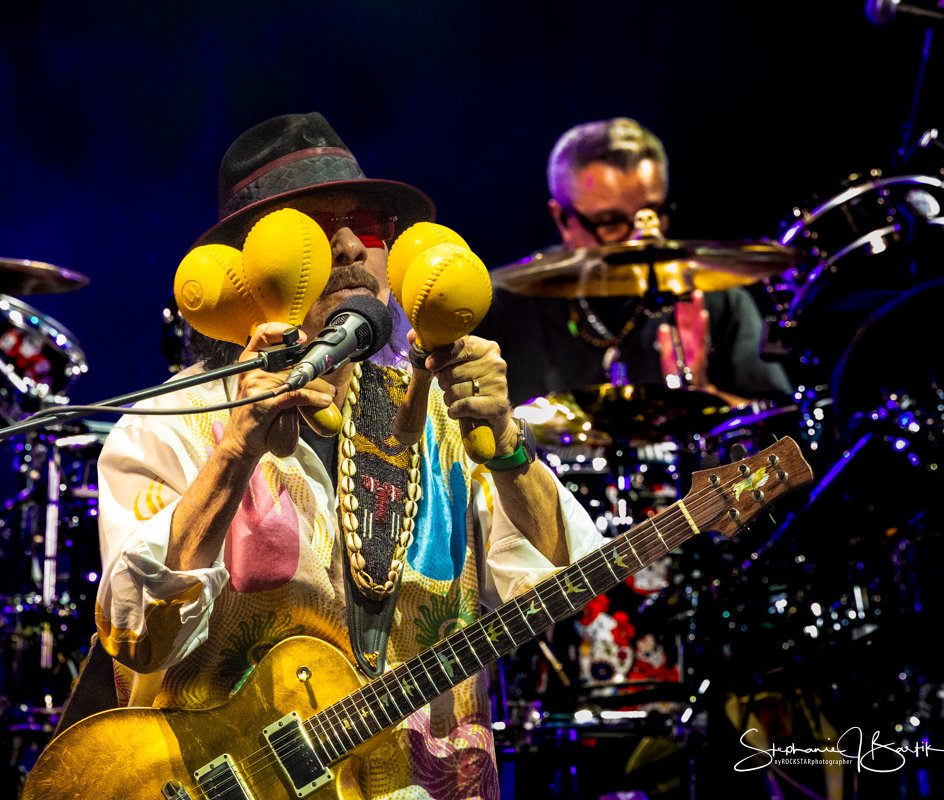
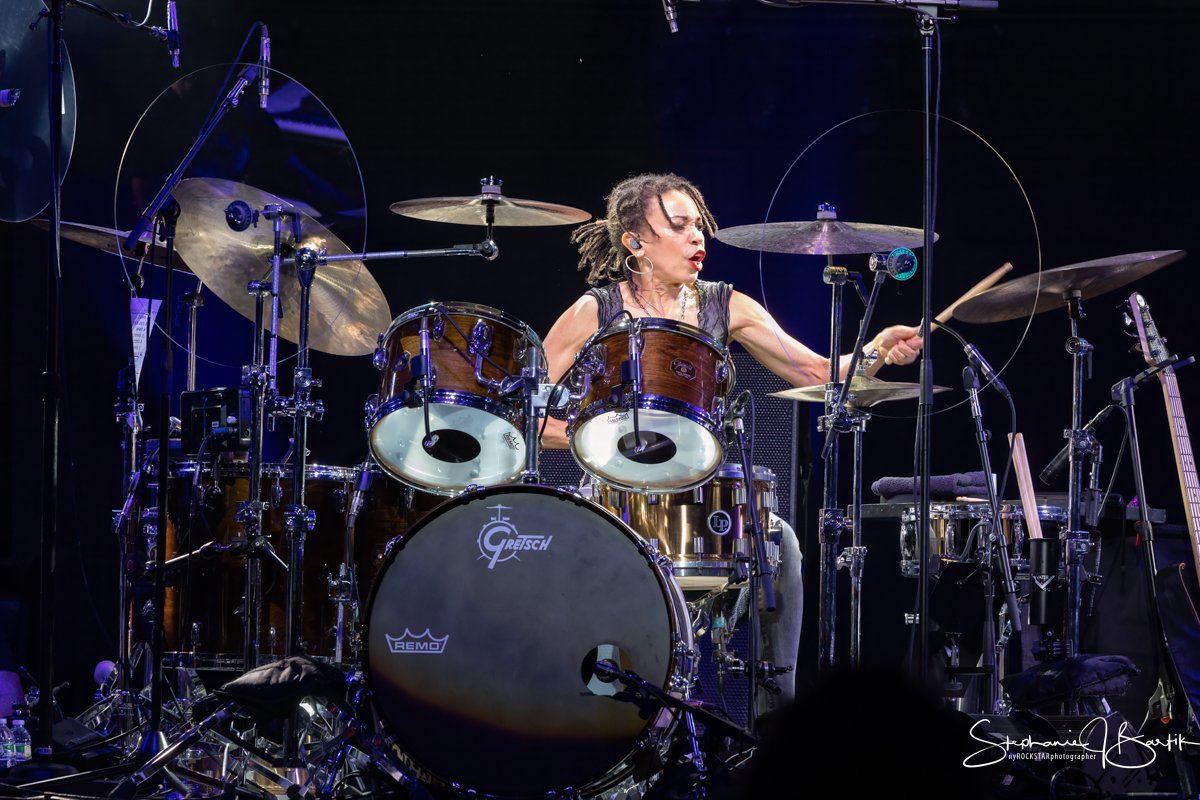
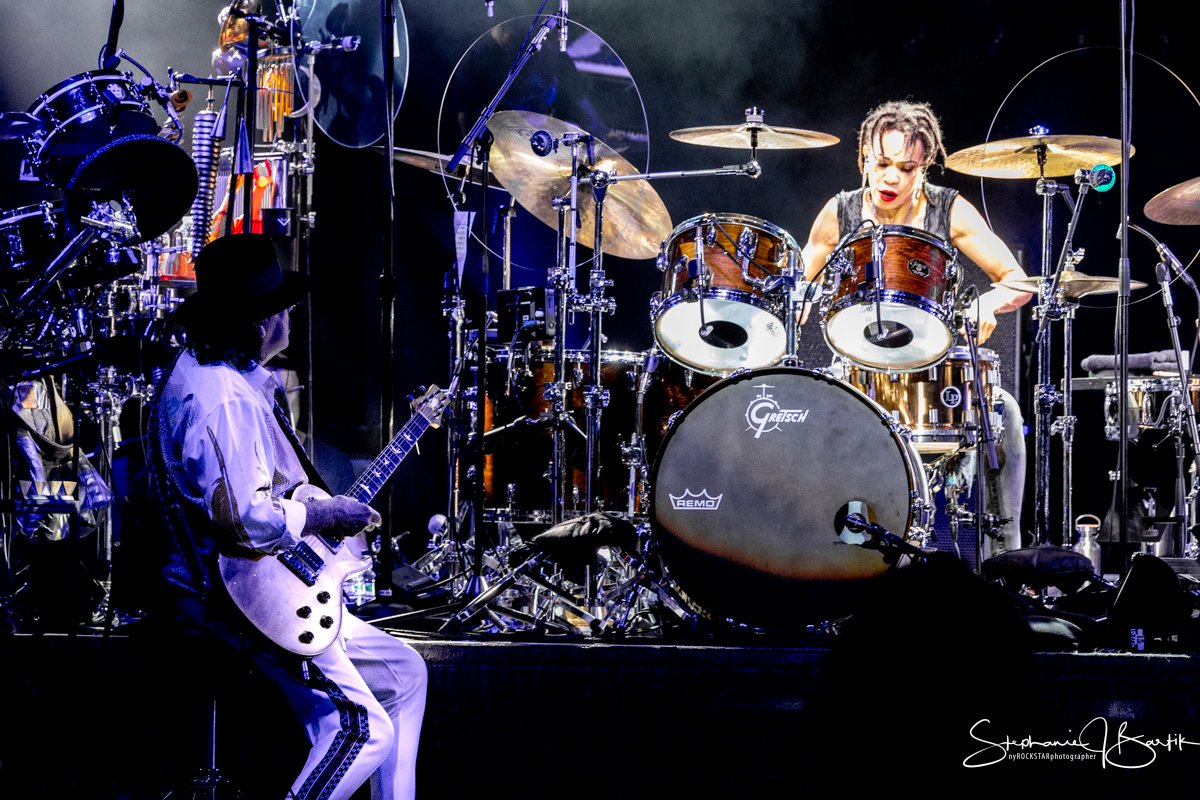
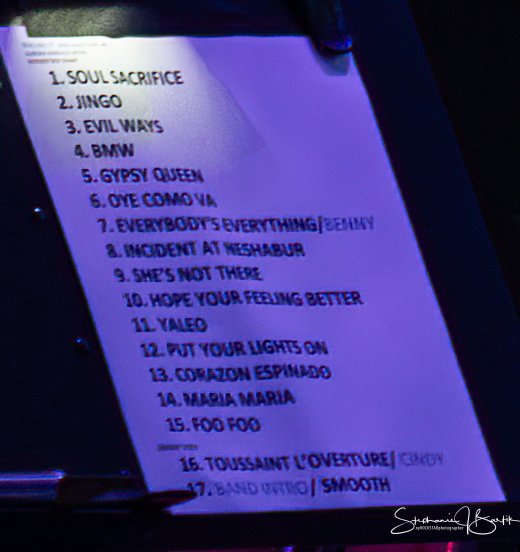
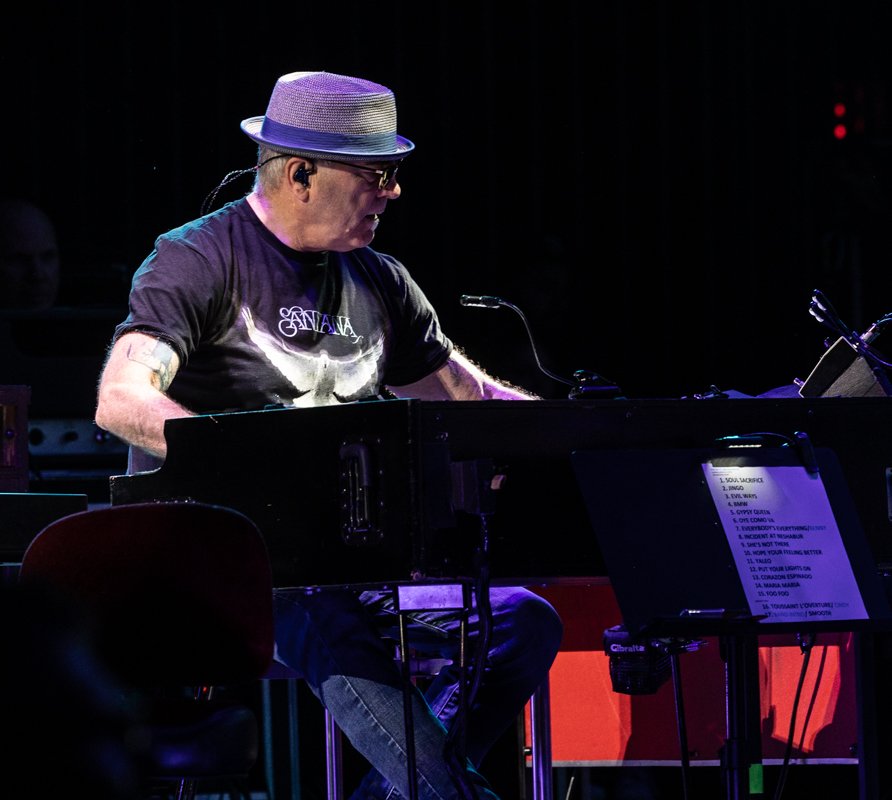
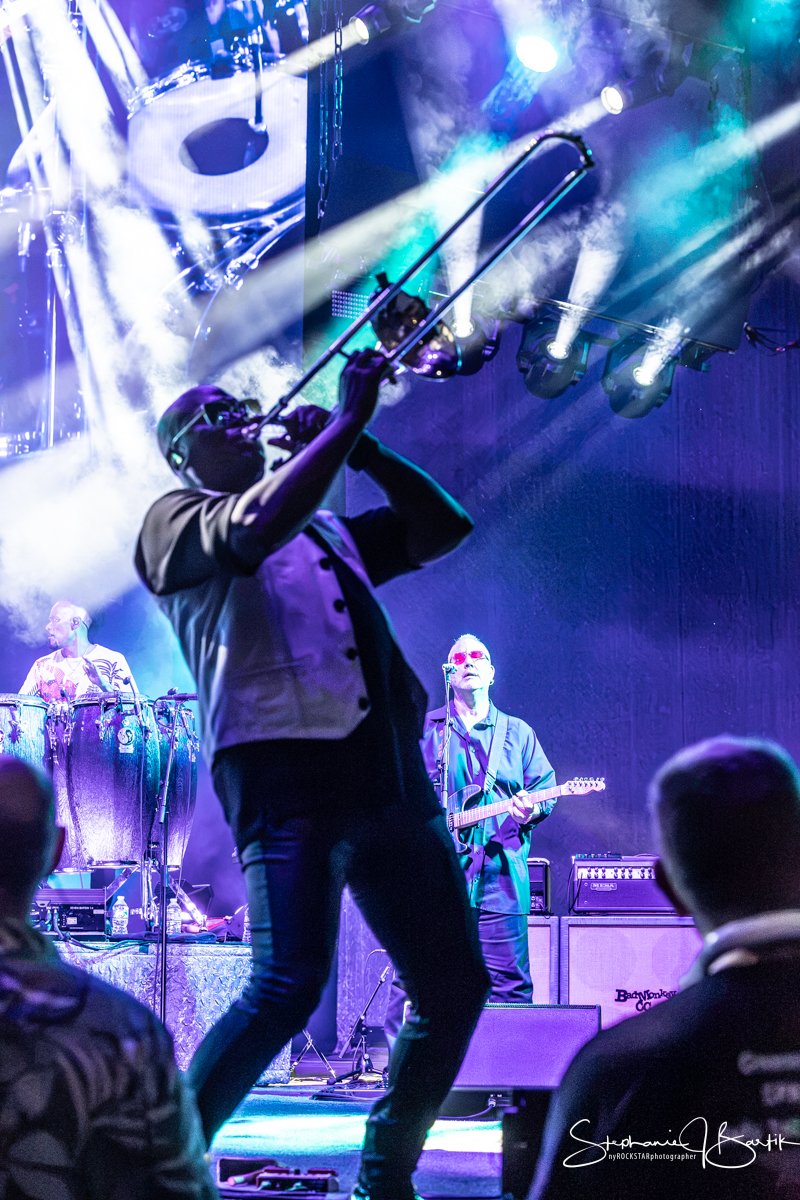
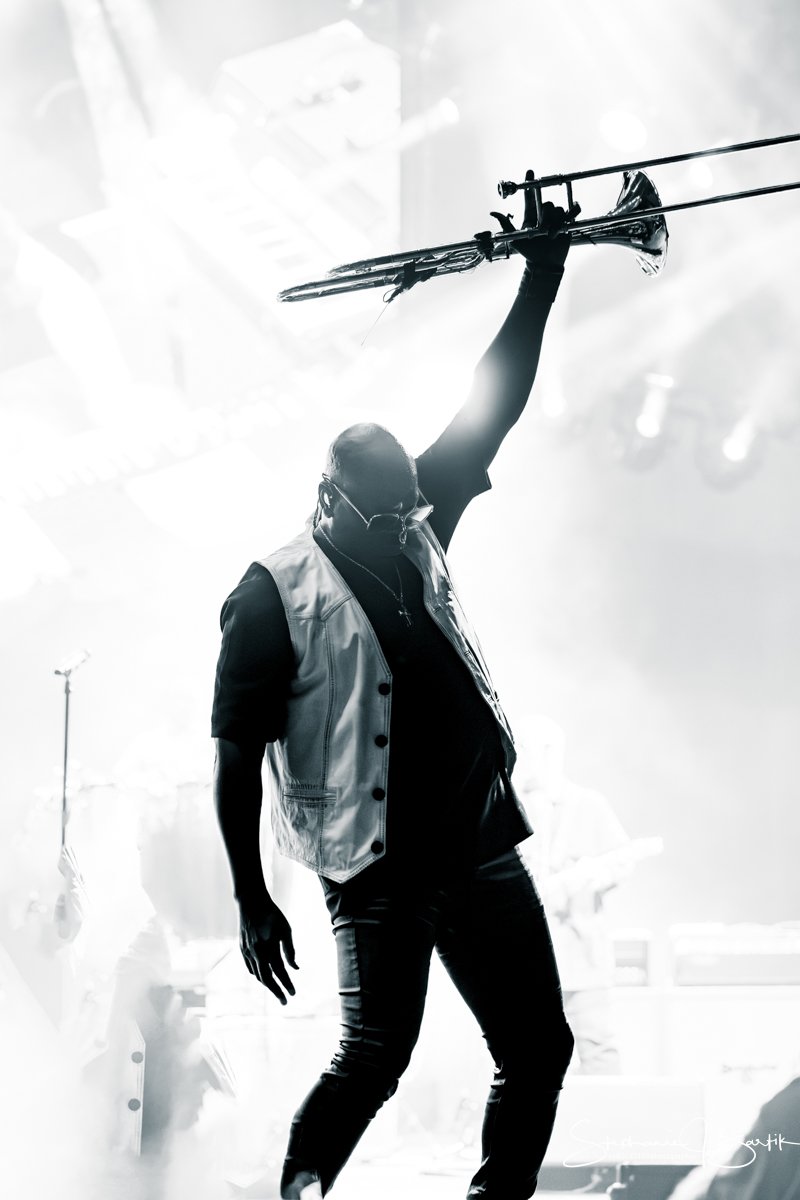
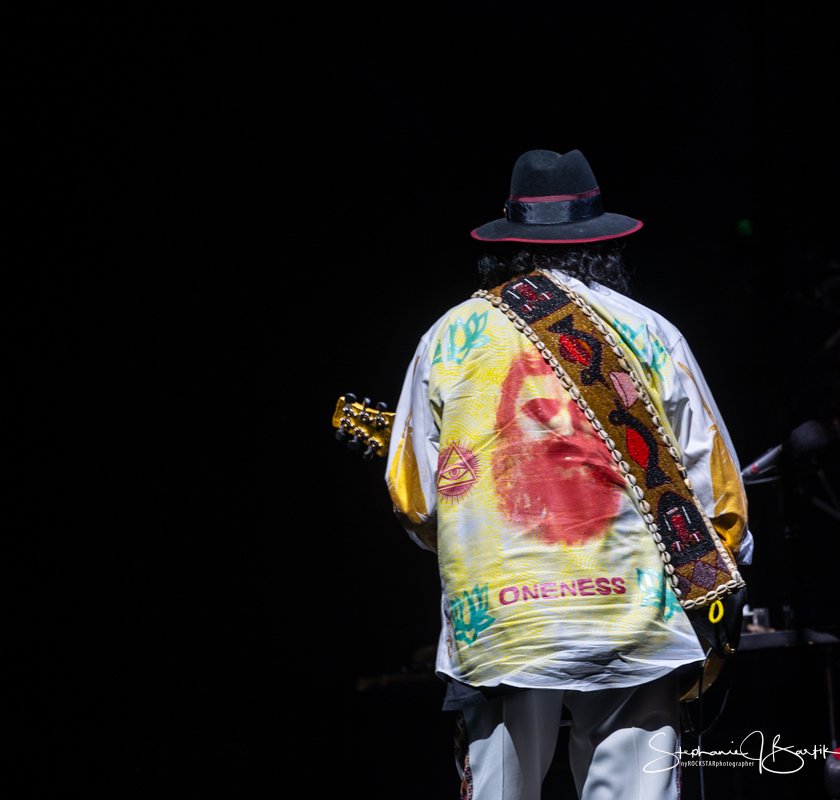
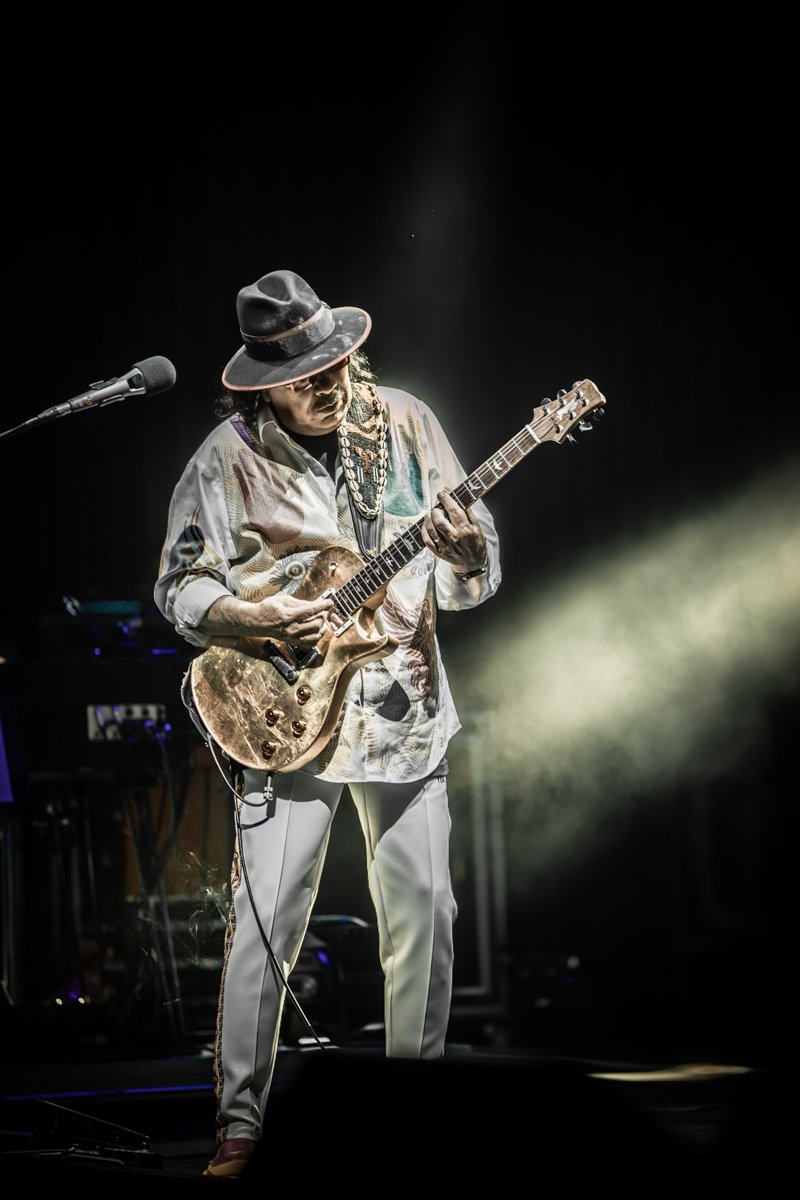
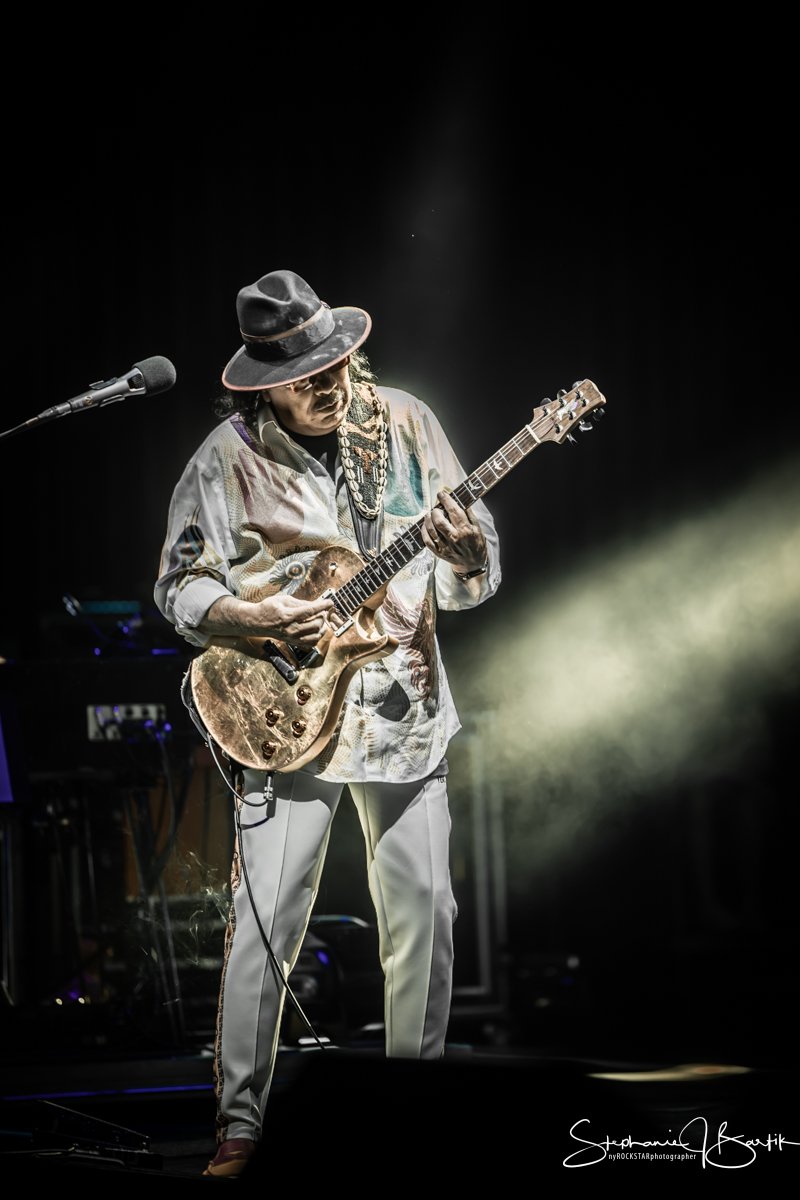
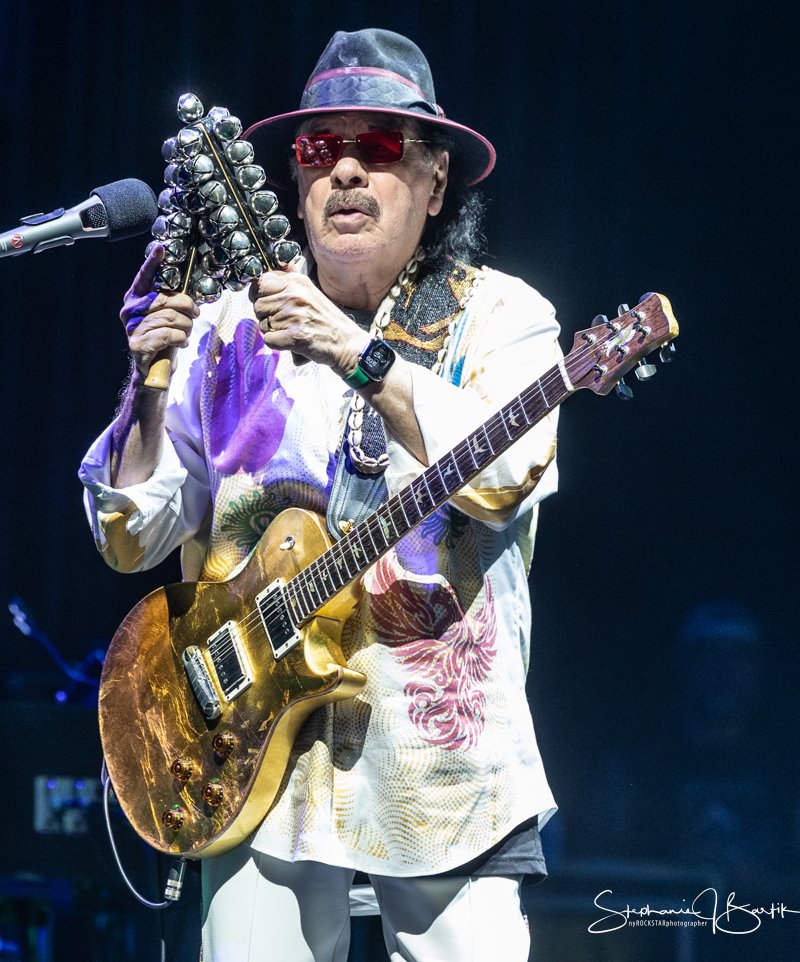
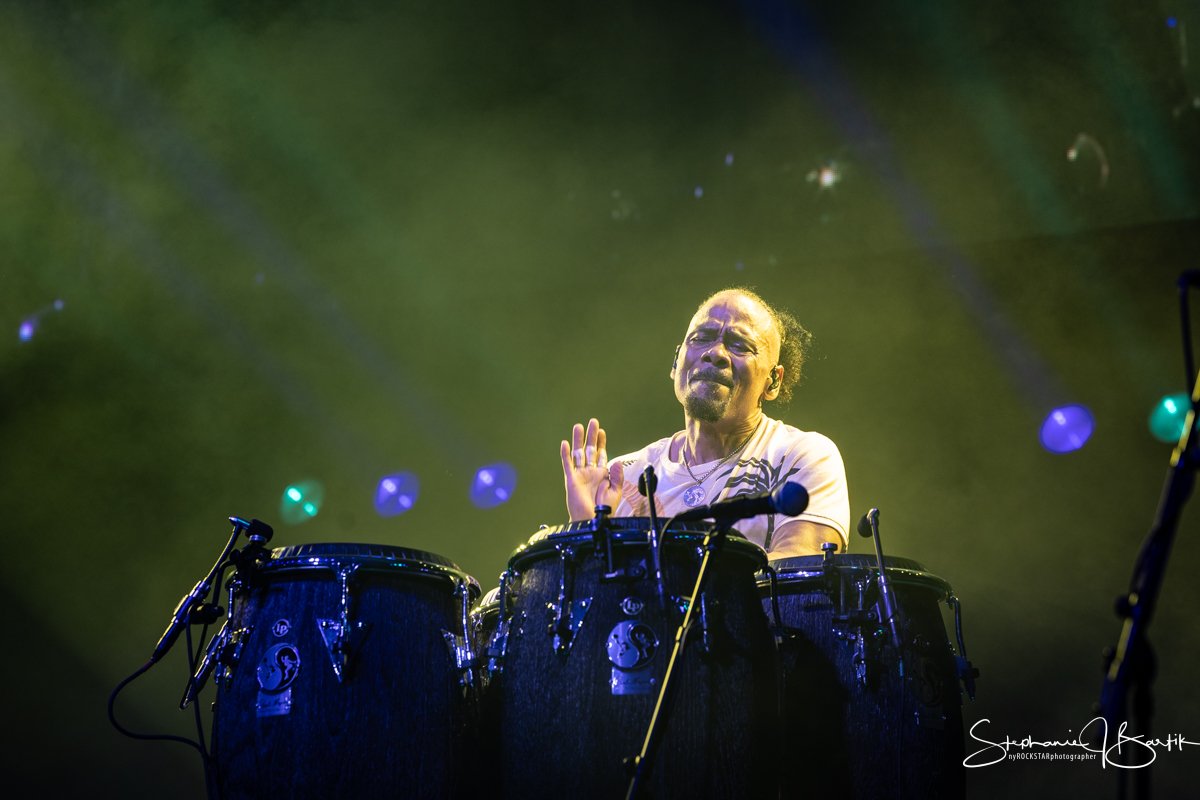
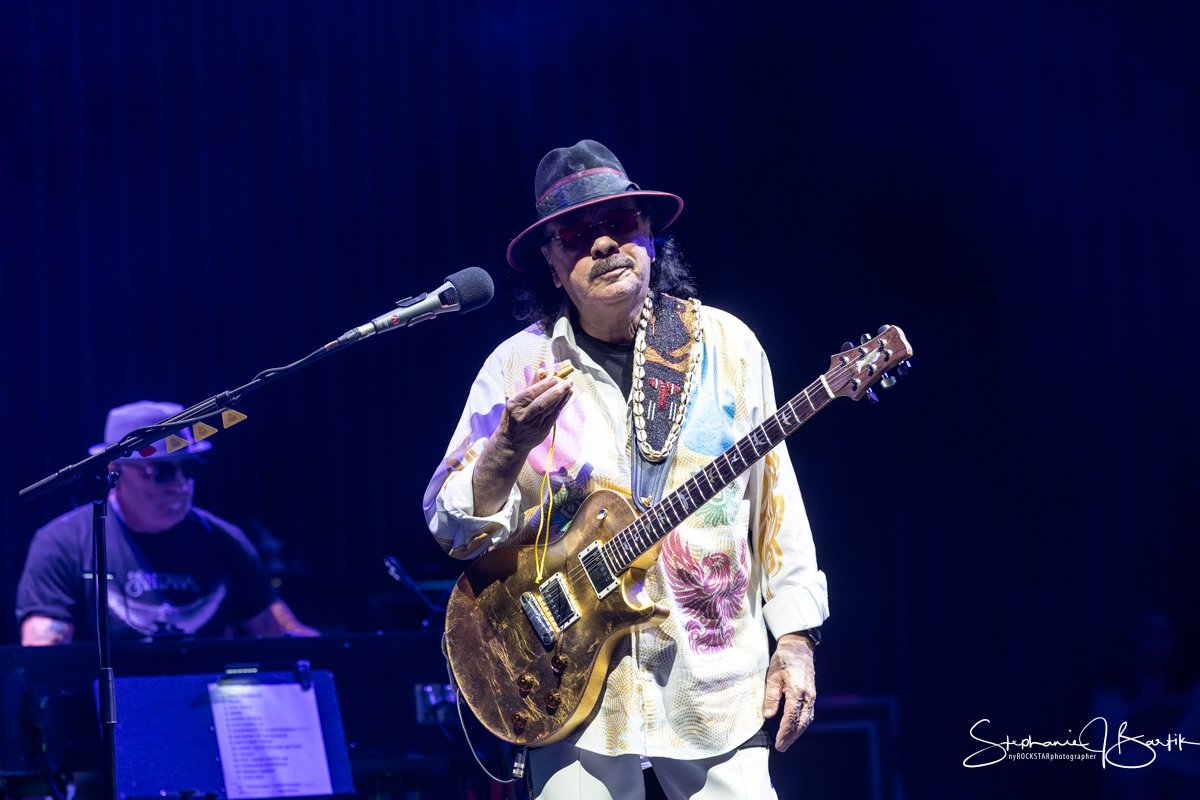
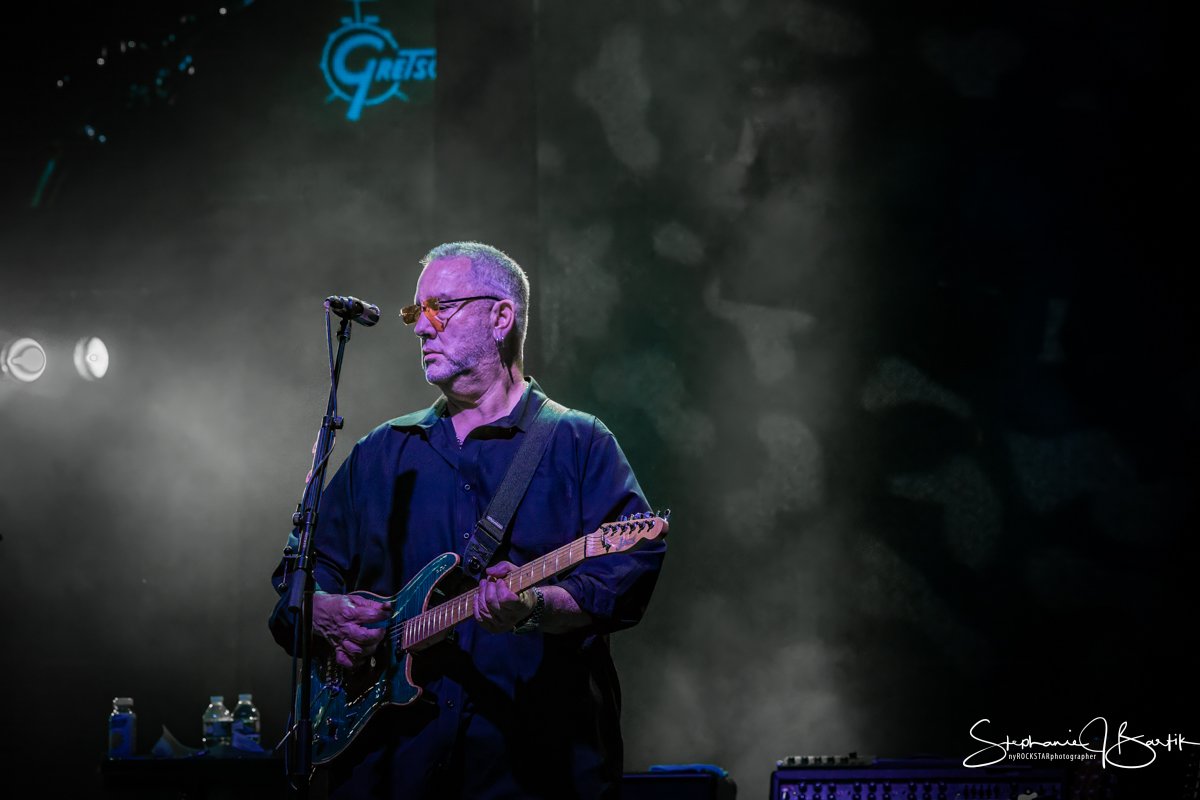
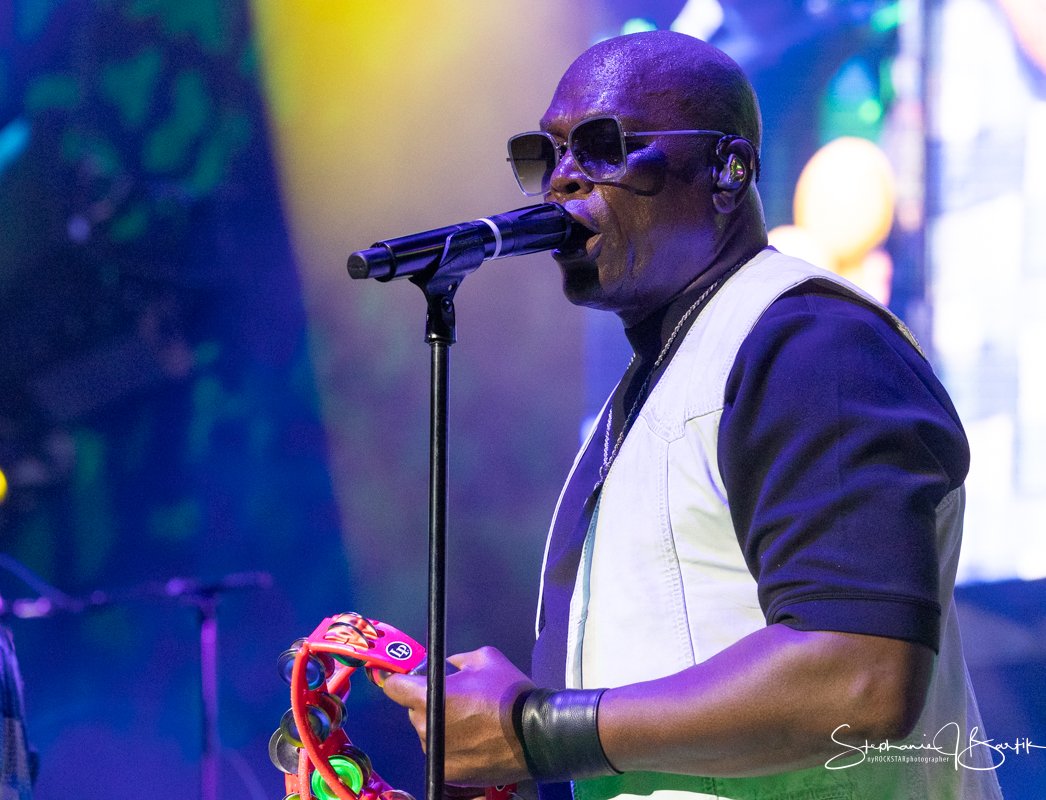
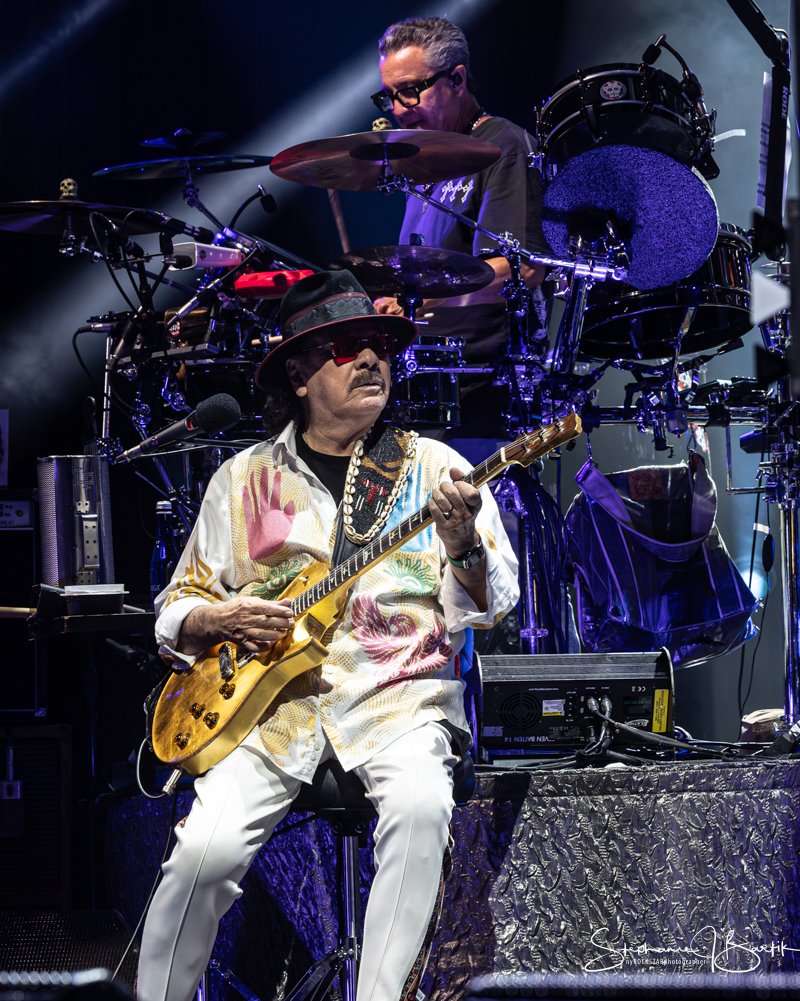
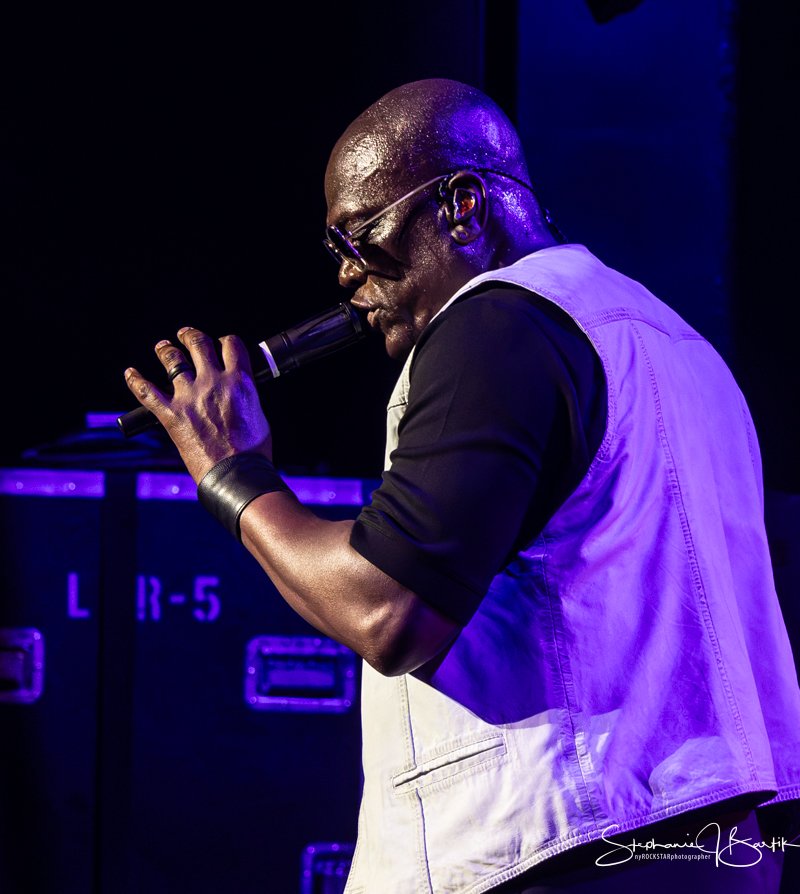
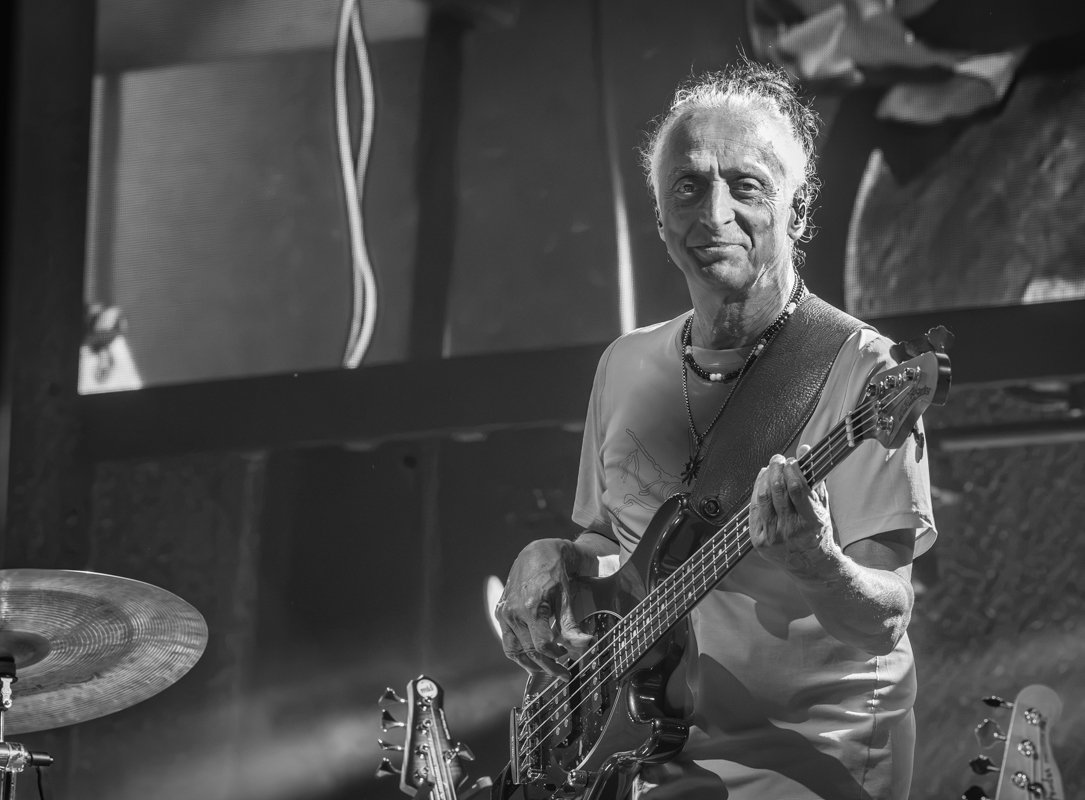
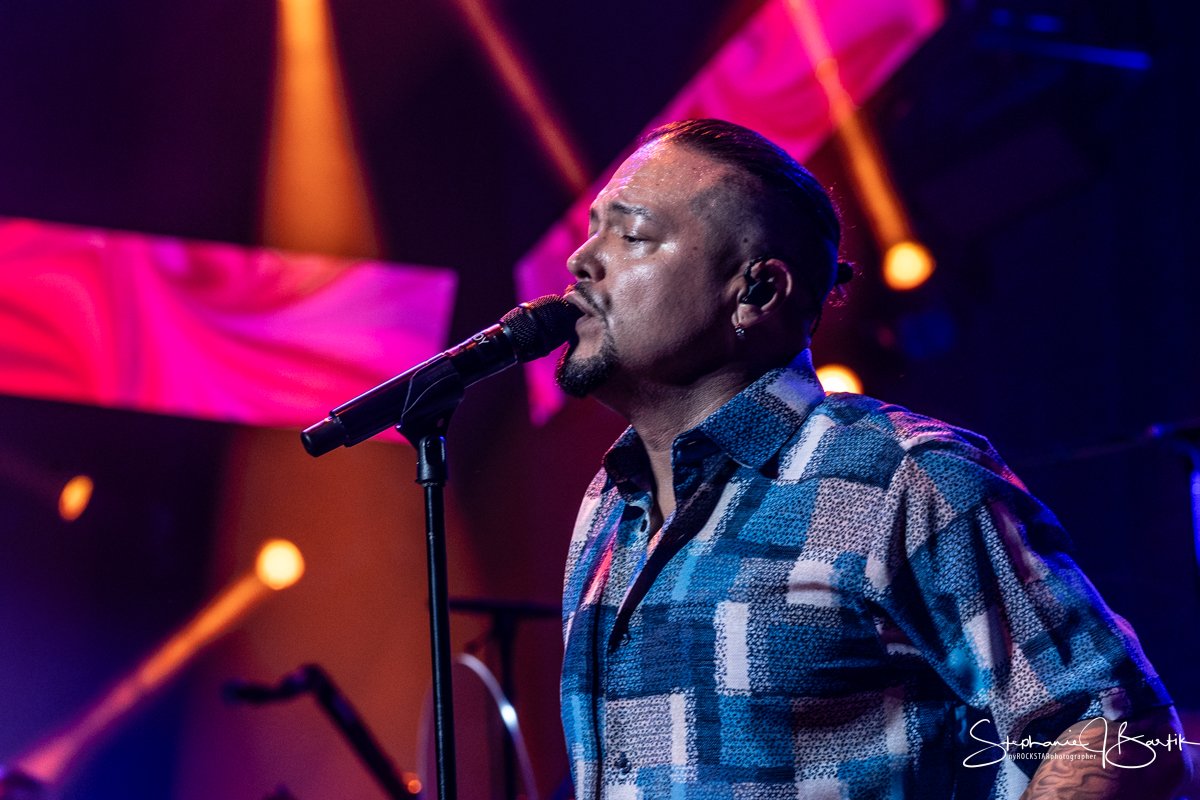
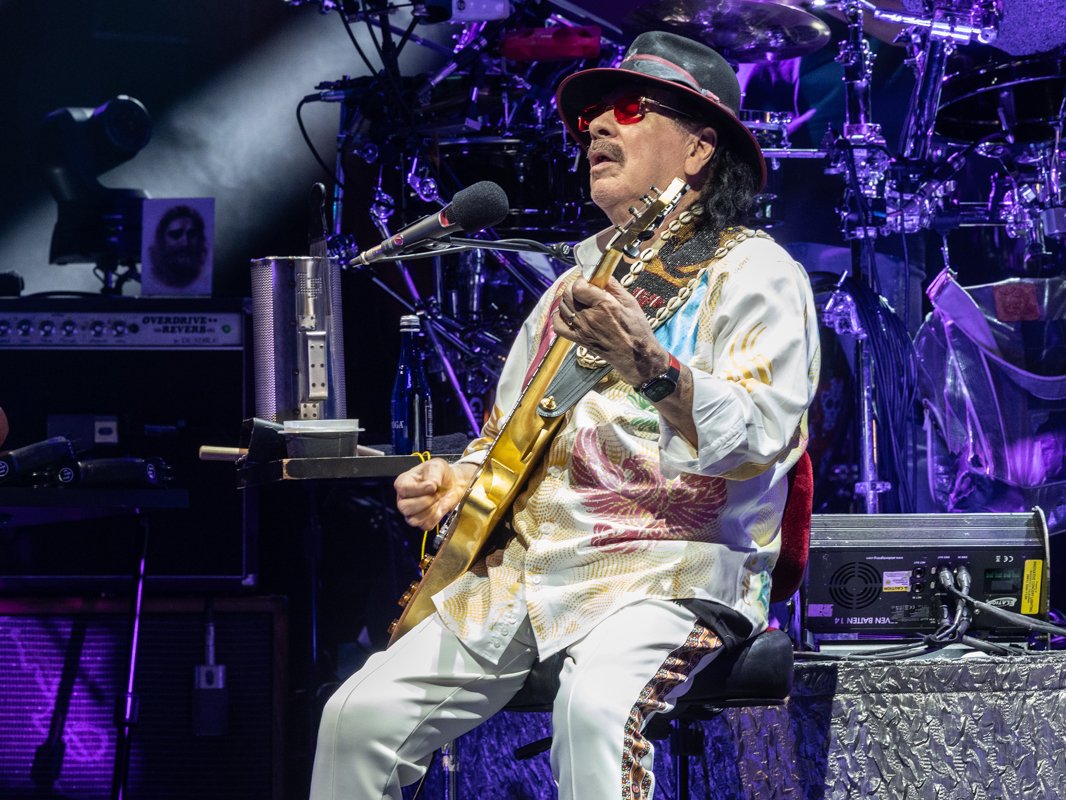
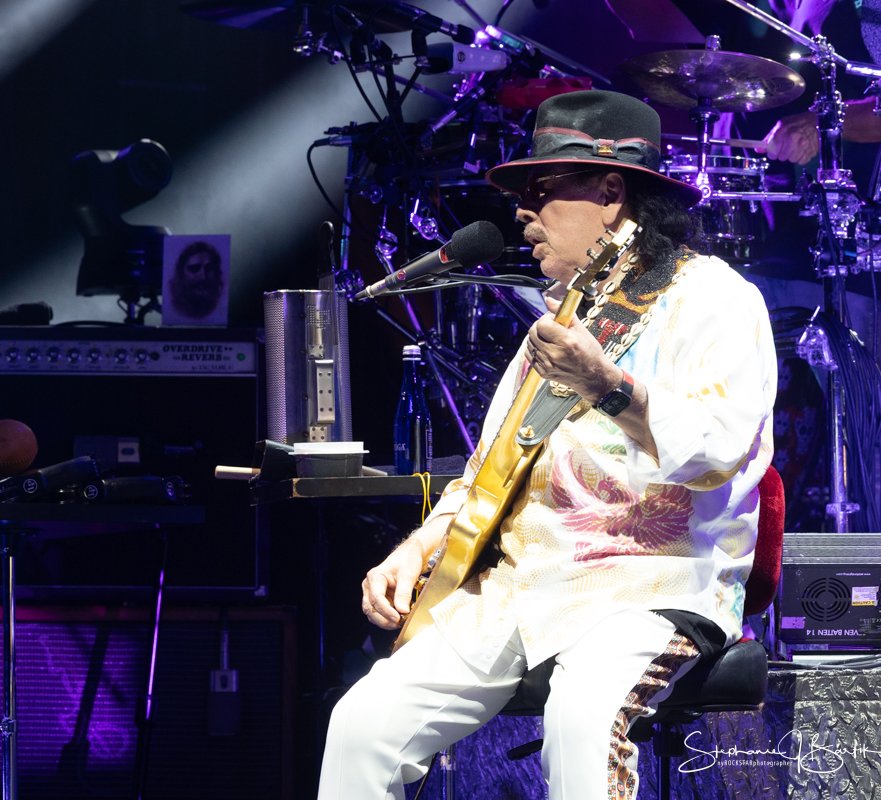
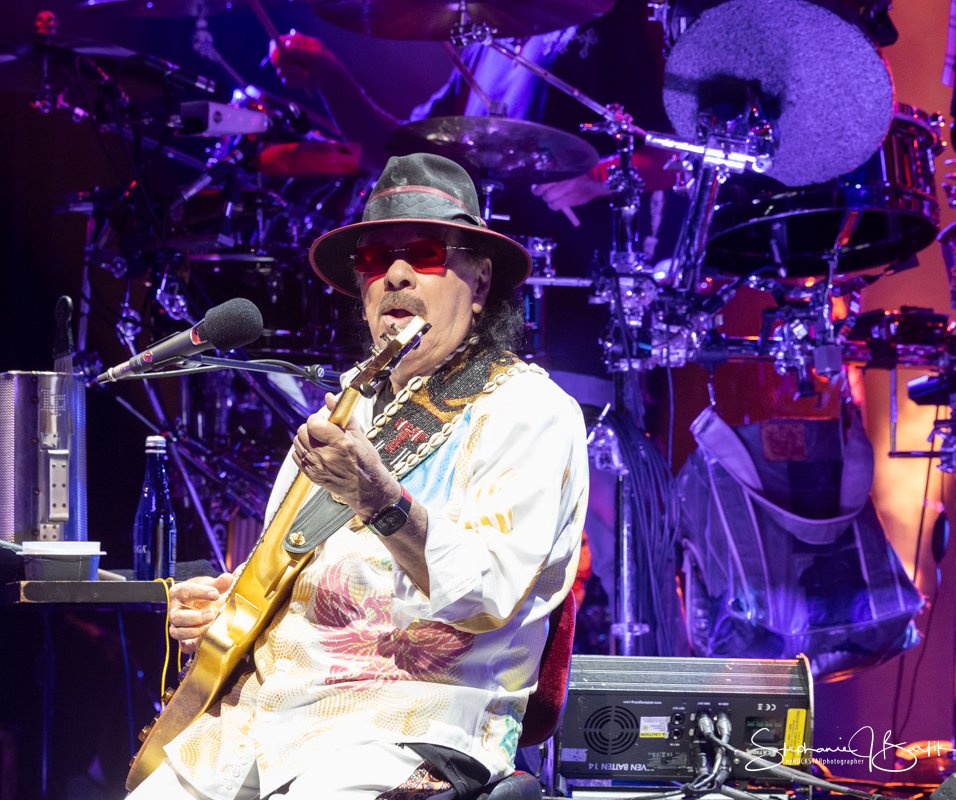
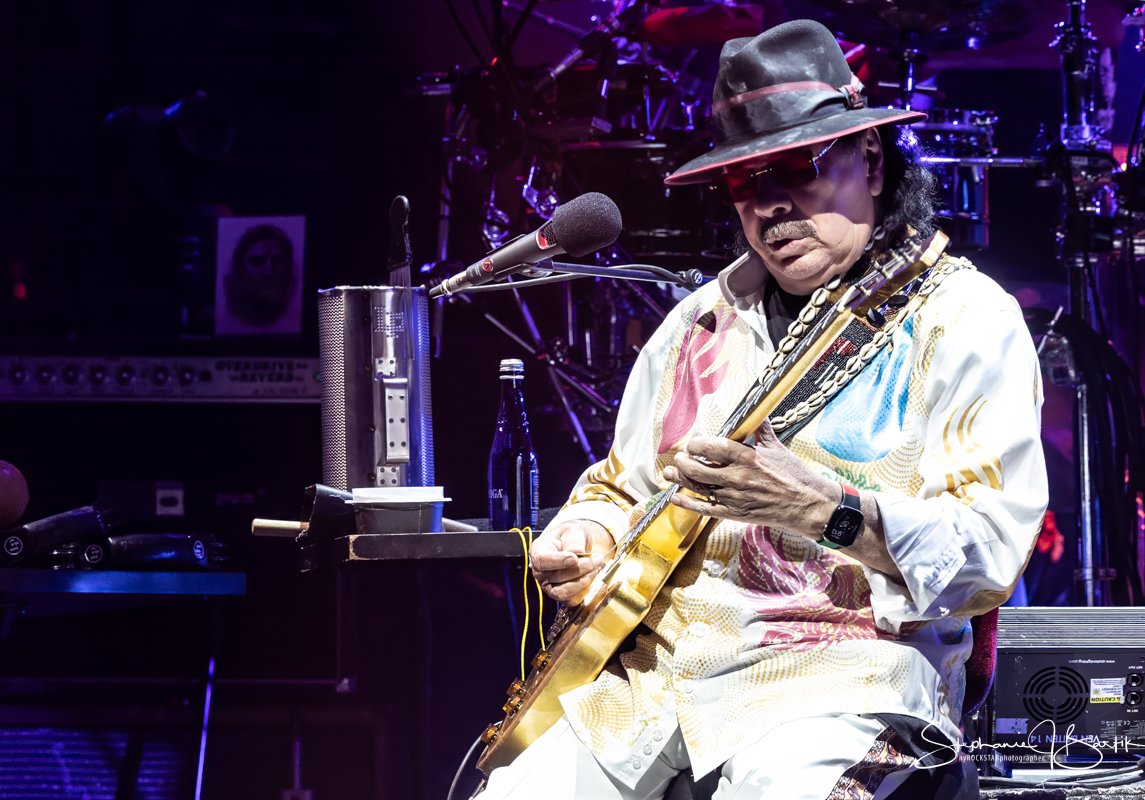
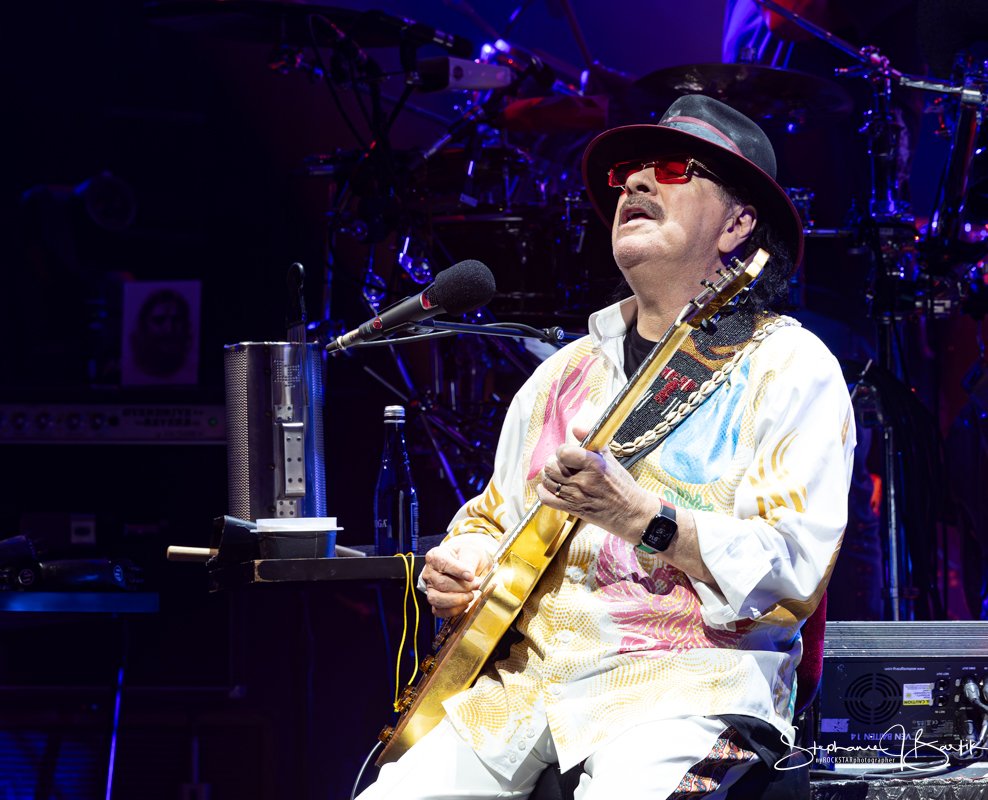
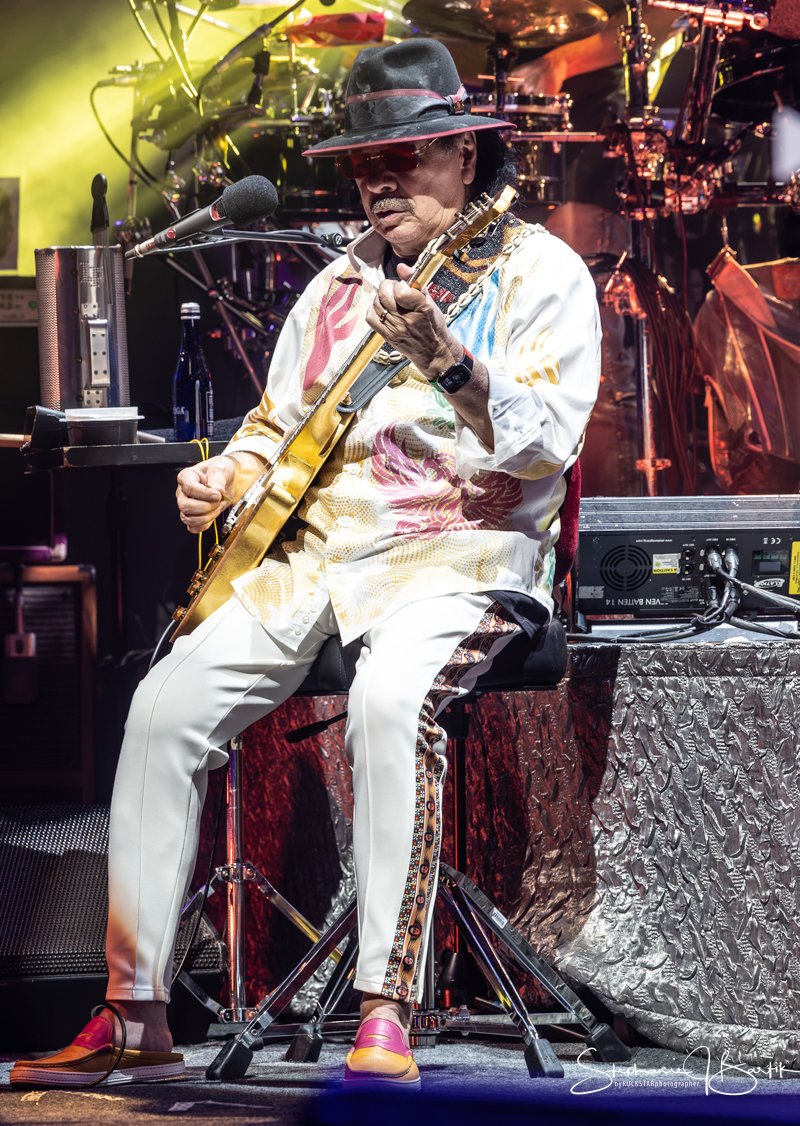
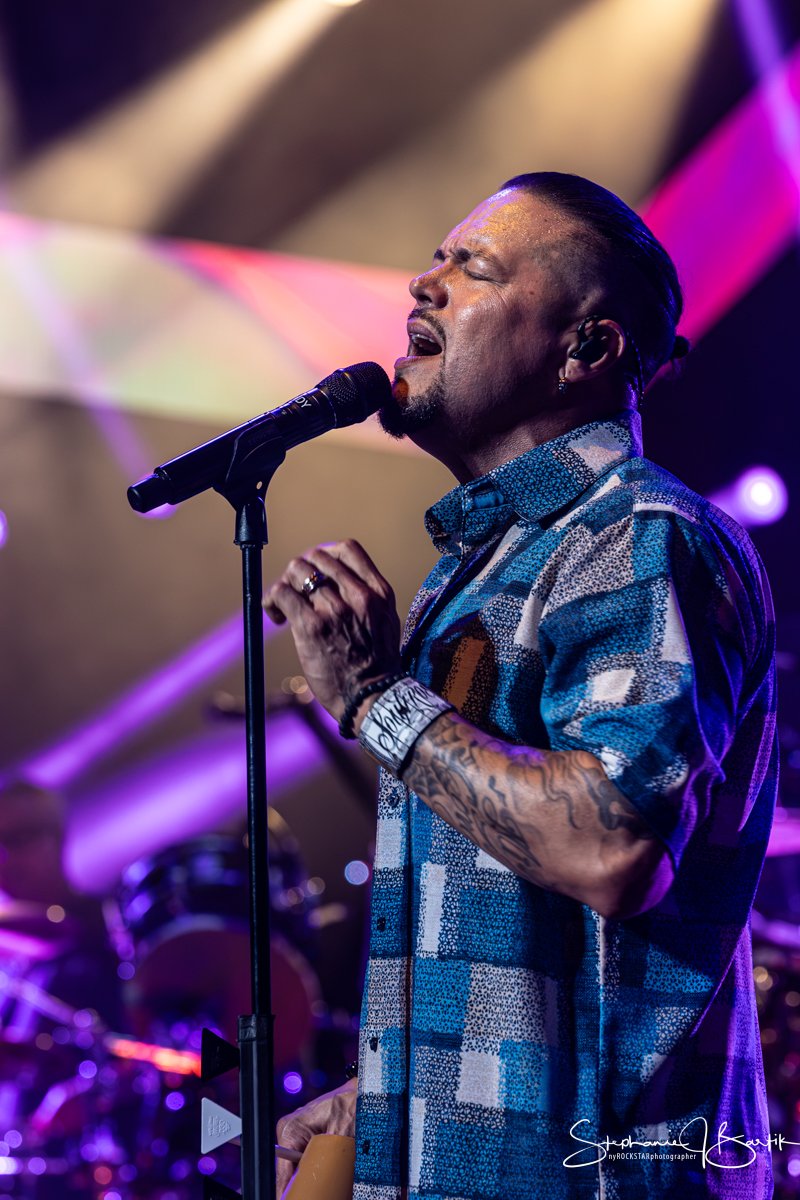
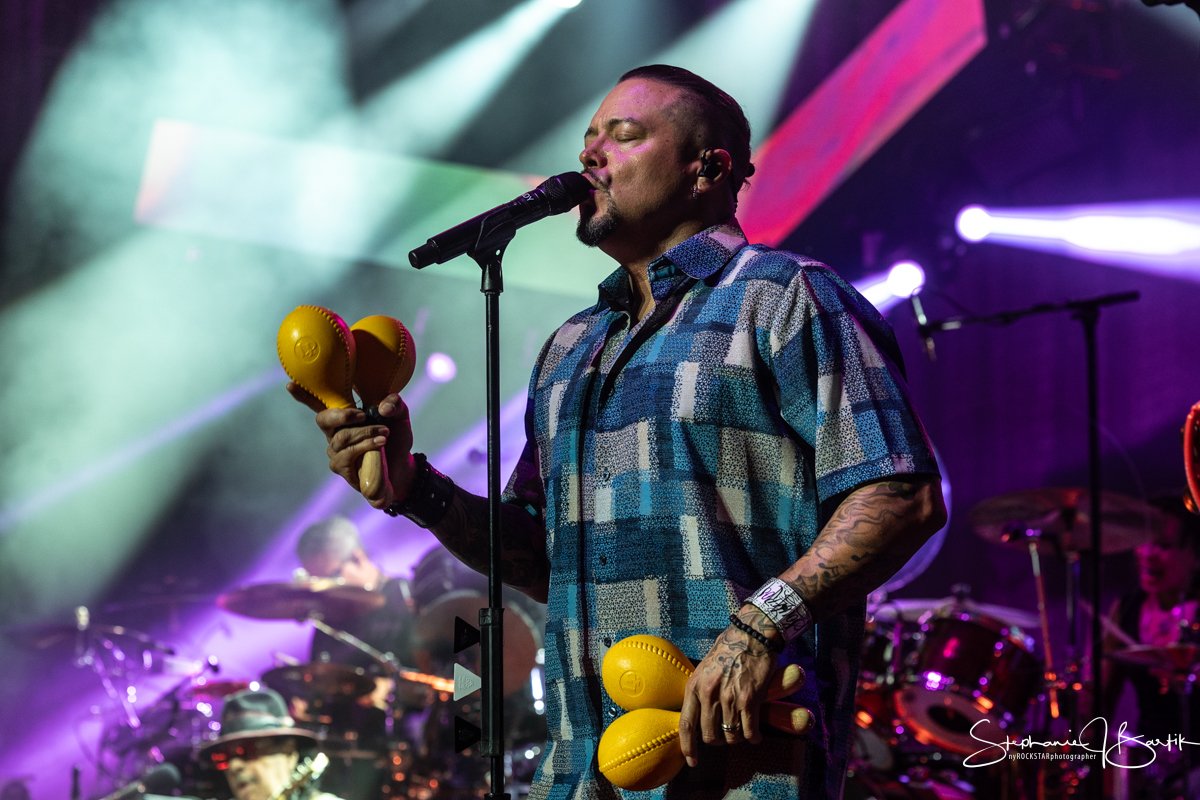
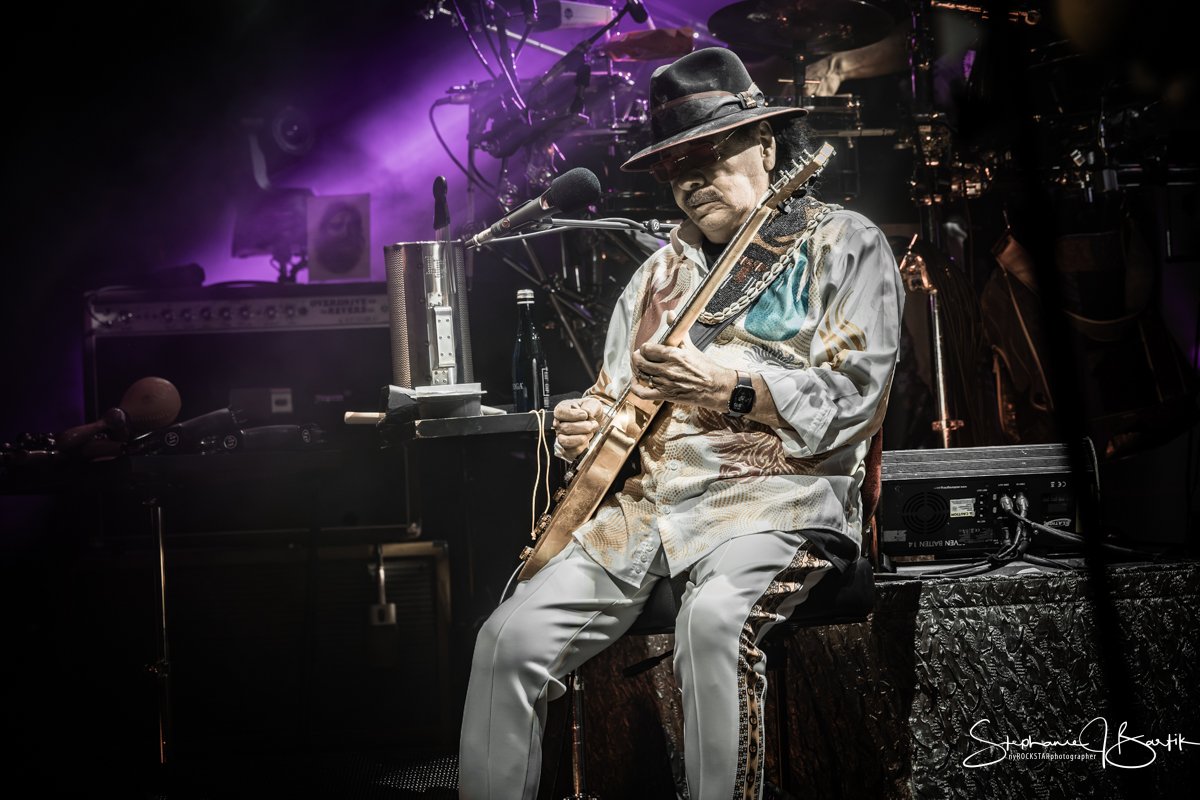
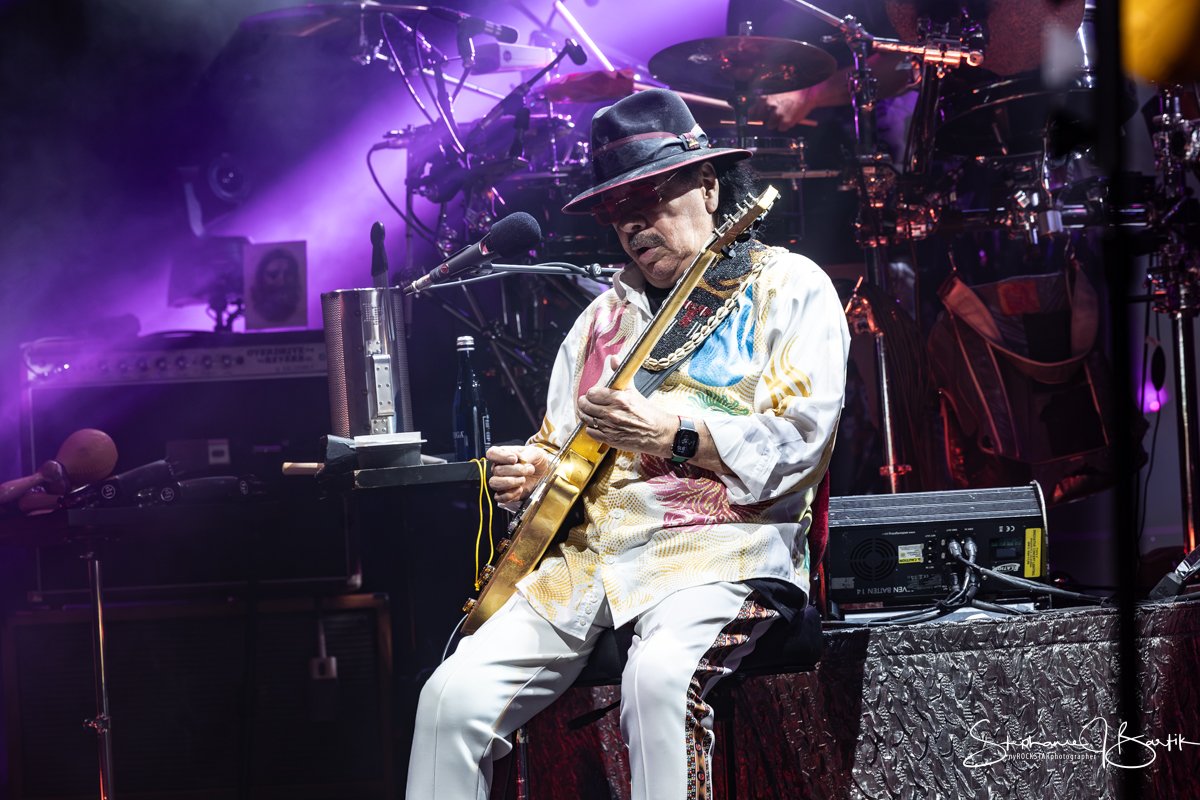
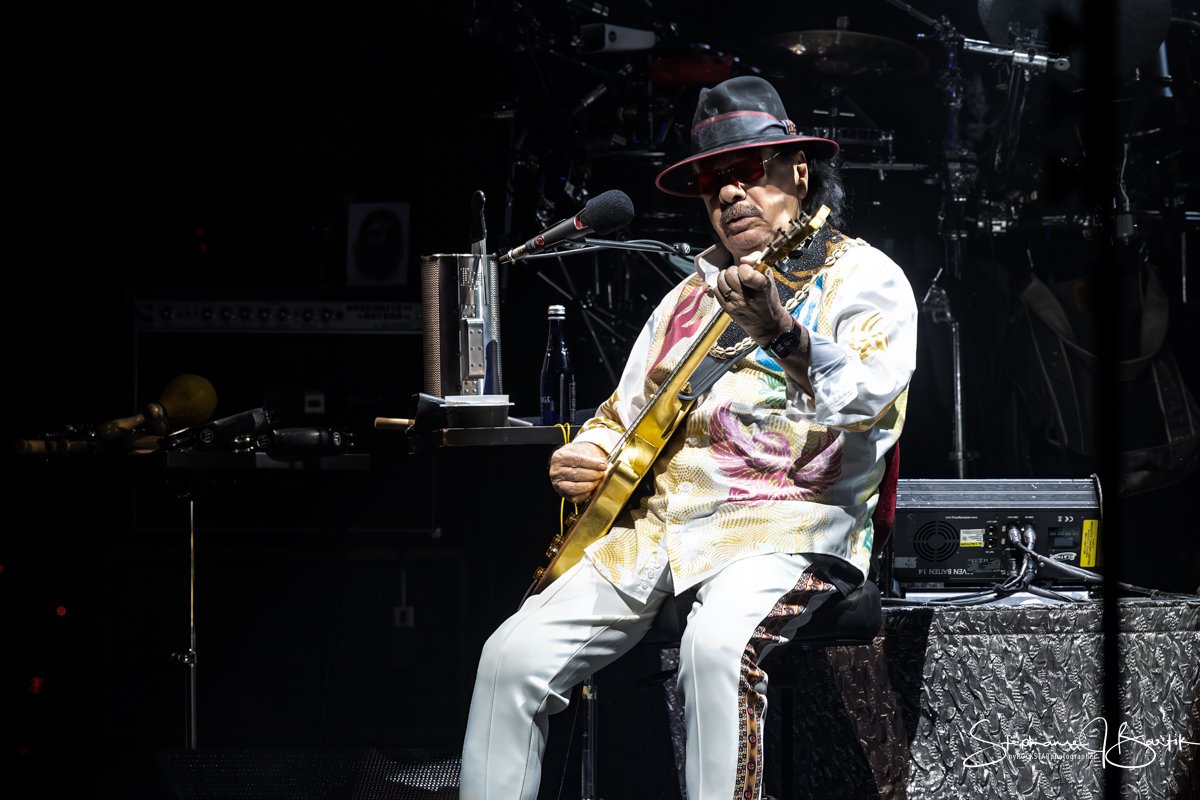
Santana and the Doobie Brothers brought their Oneness Tour to Saratoga Performing Arts Center on July 1.
Photography by Stephanie J Bartik.
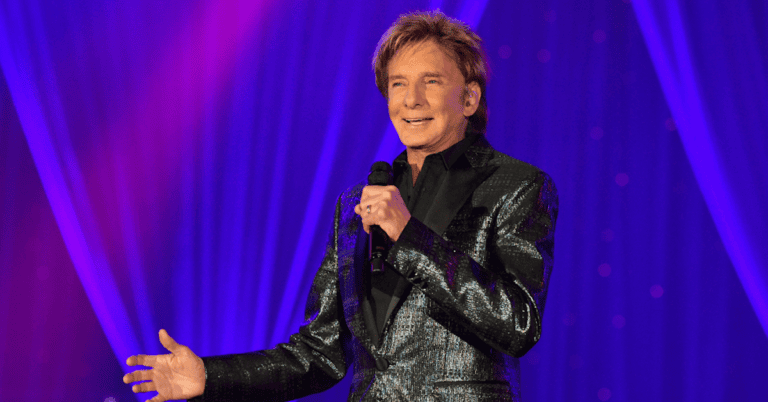
By Michael Bruce.
As a huge Kiss fan, I’ve always wanted to say, “Man … Manilow?”, and actually mean it! Why? Kiss put out a home video called “Kiss Exposed” in 1987. In a staged-for-the-beginning-of-the-video scene, a reporter knocks on Paul’s mansion door to come in and do an interview. When the tired rock star (because he was up all night with girls) answers the door, he tells them to come back later. The reporter tells Paul that he’d love to, “but we’ve got the Manilow concert tonight.” My friends and I thought that was hilarious, because it is. Making a reference about the importance of Barry Manilow in a hard rock band’s home video got a ton of laughs. But truth be told, it was all and always just in good fun. Even hard rocker Paul Stanley himself would tell you Barry Manilow is one of the true greats in the entertainment world.
Speaking of entertaining, Barry Manilow entertained the socks off of Albany, NY at the MVP Arena on June 29. It was a rescheduled show because Barry had to undergo surgery to clear up early-stage lung cancer and beat a bout of pneumonia some months ago. However, he’s fully back, looking and sounding good! As you would expect, tons of women were there, and guys like me bringing their wives, but definitely more than happy to be there to see Barry. He is an original, he is a crooner, he is a niche, he’s a hit machine, a fantastic singer/songwriter, but he is even above all those things a LIVE ENTERTAINER. If you had to pick someone to teach you how to “entertain,” you should put Barry Manilow at minimum towards the very top of your list. Some people just have “IT.” That unexplainable something that just draws you in, and you become interested even when they’re just talking. Barry is sincere, heartfelt, charismatic, and downright funny. He has no issues glorifying himself and making fun of himself. At one point, the 83-year-old ENTERTAINER celebrating himself said, “I like it in here with all of you. Let’s forget what’s out there, lock the doors, and order a pizza. And I love the fact that you are all here for the same reason … To Love Me.” I certainly cracked up. His delivery was as good as any comedian. In another moment where he made fun of himself, he said, “I am still a Sex God” (then he did some love-making motions) … THEN, proceeded to walk like his hip went out and said, “Now the Sex God needs to sit down.” He was just simply having a great time. He was just as happy to see Albany, as Albany was to see him.
However, let’s get to the brass tacks. Barry Manilow is a LEGEND. He has multiple songs that can truly live on forever, because so many people will always be able to relate to them, and these great compositions simply make you feel good! They are total ear candy! He started with “It’s A Miracle,” as he stood atop this super cool ramp, on this super cool kind of Vegas-style stage setup, with a big screen behind him, and his incredible band on both sides of the ramp. His excellent backing vocalists were down in front near where he would sing center stage most of the night, unless he was behind his piano. By the way, when the band was playing some grandiose intro music, and we saw Barry on stage for the first time atop the ramp, his arms out, with Manilow in huge letters behind him on the screen … it was the feeling of wow, THE LEGEND IS IN THE HOUSE! Follow that up with, “I’m Your Man,” “Somewhere In The Night,” “Daybreak,” “Looks Like We Made It,” “Can’t Smile Without You,” “Weekend In New England,” “I Write The Songs”… I mean C’mon! My fingers hurt from typing all these hits!! Here’s the scary part: his 90-minute hits-packed show DIDN’T include a ton of hits! We would have been there all night. Some show highlights were when he got personal. He performed the song, “This One’s For You,” and dedicated it to his grandfather, who recognized his talent at a very early age. He even played a part of a recording over the speakers from a record his grandfather had him make when he was like 8 years old. Then he played the Donna Summer version of his song, “Could It Be Magic,” in all of the song’s danceable disco glory. Then he said that in every region the tour stopped at, they wanted to award a music teacher with an excellent reputation. Phil Pandori from Niskayuna received that award, and he stood up and waved from one of the floor seats as they put a spotlight on him. That was a wonderful moment. Barry dedicated “Once Before I Go” to the music guru Clive Davis, who recently passed away. Barry actually spoke at his funeral. Clive was one of the people who helped Barry get to the top. Barry had some fun with covering “Can’t Take My Eyes Off Of You” by Frankie Valli. He also joined his backing vocalists for an a cappella version of “William Tell Overture” that was most impressive.
Among all of those great songs, sing-a-long songs, songs that made me smile, laugh, dance in my seat and even get a little teary … his performance of “Mandy” was earth-moving for me. They ran a video of young Barry Manilow on a television show called “The Midnight Special.” This was a popular show for some years where they often televised up-and-coming musical stars performing. On the show, they announced Barry as the next American star. Wow, they weren’t kidding. The song started as we watched Barry performing “Mandy” in 1975. It was so crazy to think that this great performance was 51 years ago! Then, the 83-year-old Barry Manilow, who was right in front of us at his piano, joined in with the 1975 Barry as they traded lines and sang it together. It’s the kind of thing that just mentally wrecks you with emotion. You’re so happy to watch something so entertaining, so happy that Barry is still right in front of you singing this gorgeous song, but at the same time thinking, how in the world has 51 years passed by!! I cannot imagine what it feels like for Barry every show he does that. Getting “the chills” was an understatement, as we are so grateful to still have some of these incredible entertainers that mean so much to us still with us on Earth. Hey Mike, what about “Copacabana”? Settle down, folks. Of course, that was the show-stopper final song of the night. Nobody was still during one of the most famous dance songs ever recorded!
Barry Manilow, Bravo! Thank you for giving us songs and performances that will live on for us and for generations to come. You are a true one of a kind, and Albany LOVED its time with you last night.
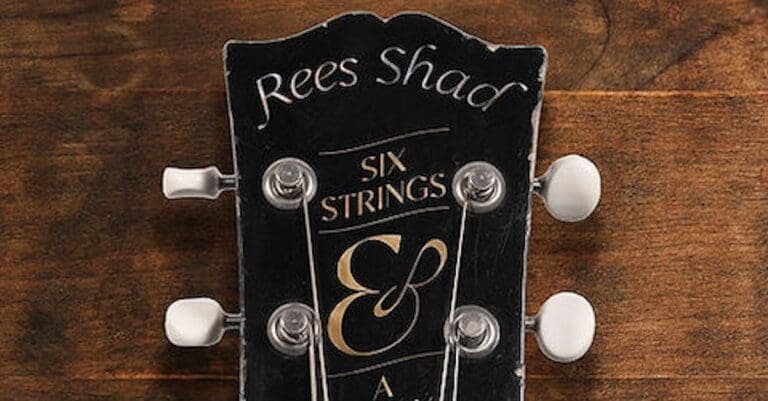
By Rob Skane.
Over the course of a distinguished career, Rees Shad has established himself as a master storyteller whose songs blend literary depth with melodic craftsmanship. Working within the broad traditions of Americana, folk, and roots music, Shad creates richly detailed narratives that reveal both a keen observer’s eye and a songwriter’s instinct for emotional truth. His catalog reflects a lifelong commitment to the art of songwriting, where every lyric serves the story and every song invites a deeper listen. Please visit www.reesshadmusic.com
RRX: What was the moment that made you pick up a guitar and never put it down?
RS: I actually put it down all the time. I like to pick up another instrument and make my brain bend so that the next time I pick up a guitar, I am approaching it with a different mentality. But you were being facetious, weren’t you? I was hanging out with my two best friends in 7th grade, thinking that perhaps we should stop playing air guitar and actually learn to play rock n’ roll on real instruments. We went about saving our pennies until we had enough money to each buy an instrument. I had played piano since I was 5 or 6, and writing songs on it pretty much since the get-go, but my folks weren’t gonna spring for an electric piano, so it was decided (by my pals) that I was gonna play guitar. I scratched together $25 and brought it down to We Buy Guitars on 48th Street in NYC and bought myself a Magnatone Tornado Strat-like electric guitar. They didn’t have a case for it, so I carried it home in a trash bag, worked out how to plug it into my parents’ stereo system, and started working at figuring out how the thing could be played. About a year later, I got a Goya classical guitar and started bringing that everywhere with me … so much easier than dragging a piano around … and girls seemed to dig sitting and listening, so I kept the guitar around and transitioned to writing songs on it. I have only recently come back to the piano in a serious way. Half the songs for the upcoming album are piano songs … which means I now tour with guitars AND an electric piano. Ugh. So much for lightening the load in my old age.
RRX: If you could go back and tell your younger self one thing about playing guitar, what would you say?
RS: Turn it the f*** down!
Seriously? I’d advise myself to drop the pick and embrace the strings with my fingertips. It took me too long to make that shift, and it has made a huge difference in the subtlety that this instrument is capable of.
RRX: When you’re not onstage or recording, what kind of stuff do you play when no one’s listening?
RS: Someone is ALWAYS listening! Even when I put the aluminum foil hat on. I like to pull out old sheet music and try to figure out what was going on in an old American Songbook-type song. Songs with changes that I normally wouldn’t play through or write lyrics to. It stretches my consideration of what I can play with when I am composing. I’ll also go online and try to teach myself a song that I’ve recently heard. Like, I have been working to learn Buddy Mondlock’s “The Kid” this afternoon. Just so the next time I see him, I can maybe harmonize with him and play a solo that doesn’t suck. But when I first start my warm-up routine, I almost always start playing swinging blues stuff. Kinda jazzy, kinda bluesy, with a bit of a bop feel to get my hands moving in different ways than I might normally have them move.
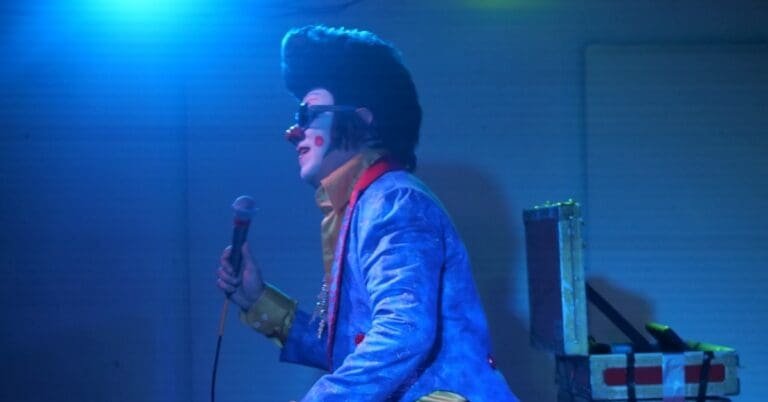
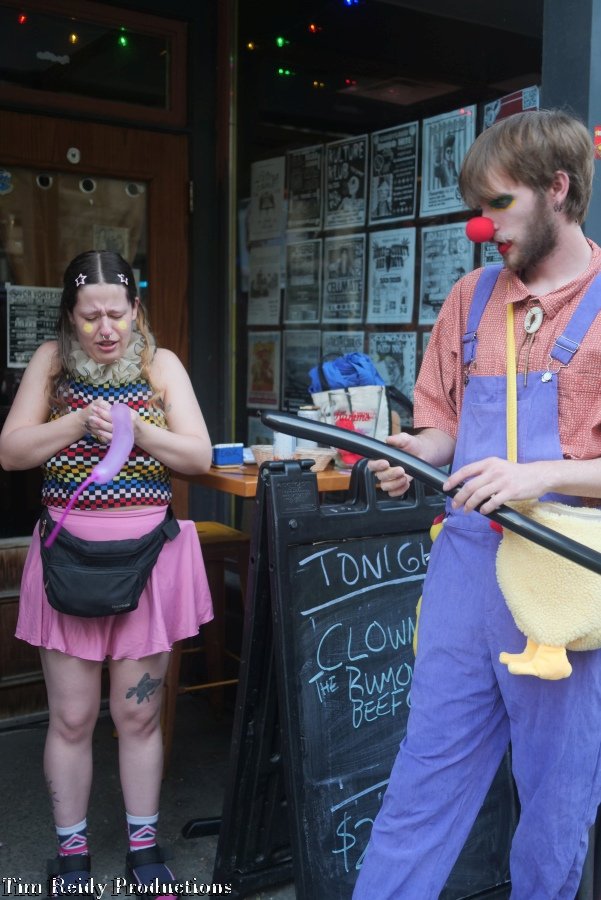
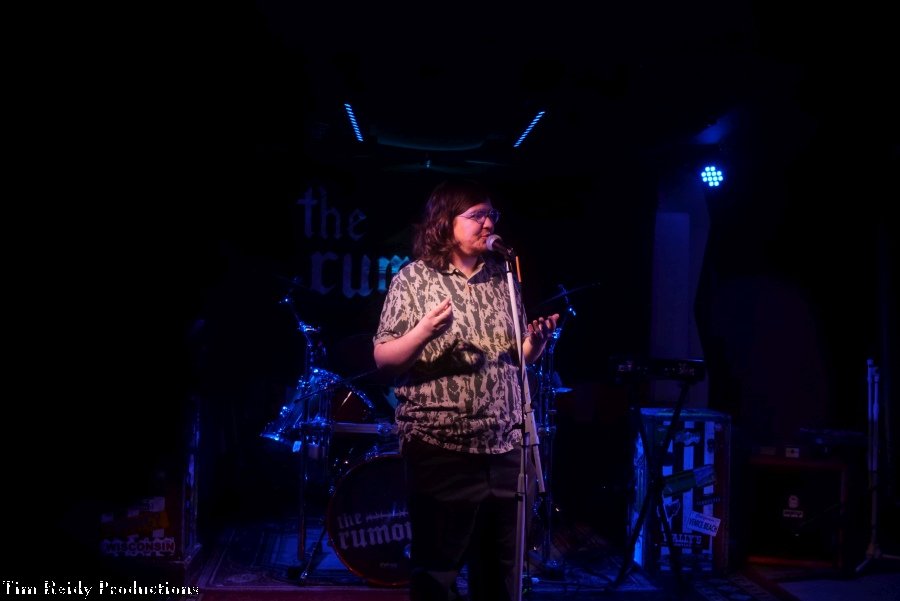
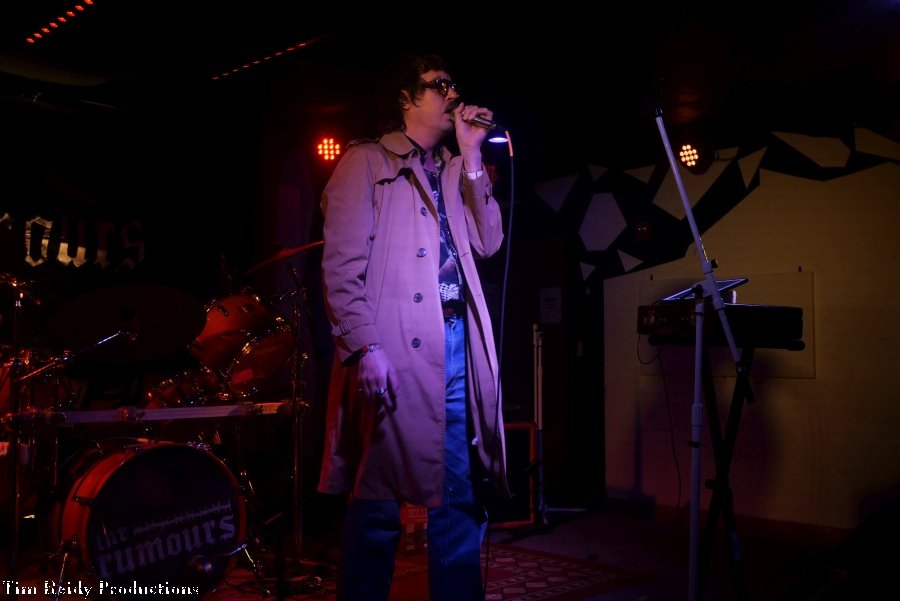
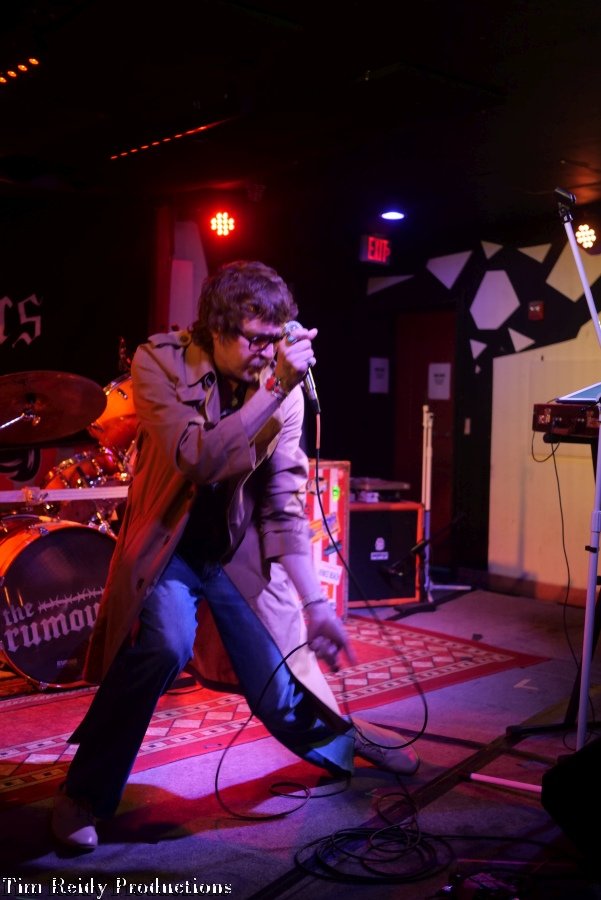
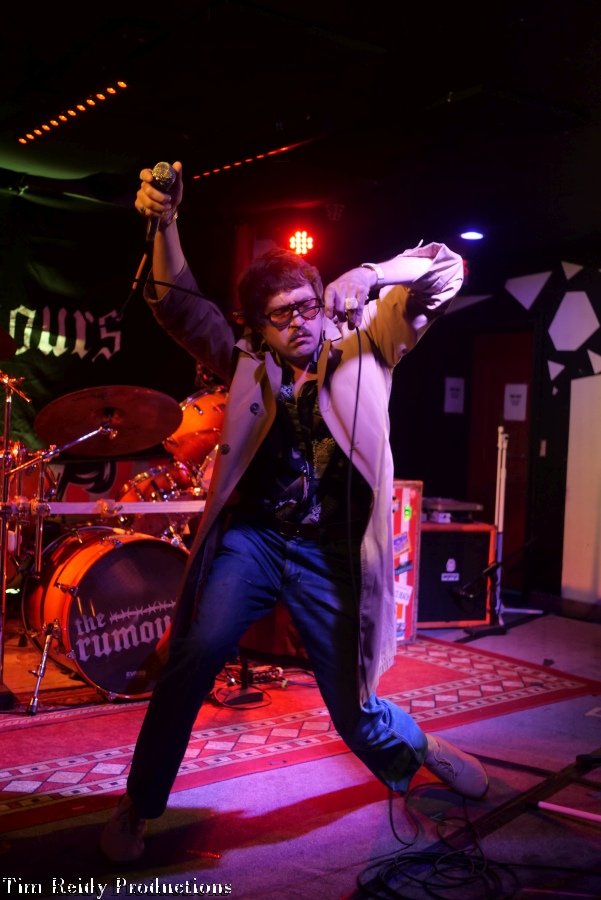
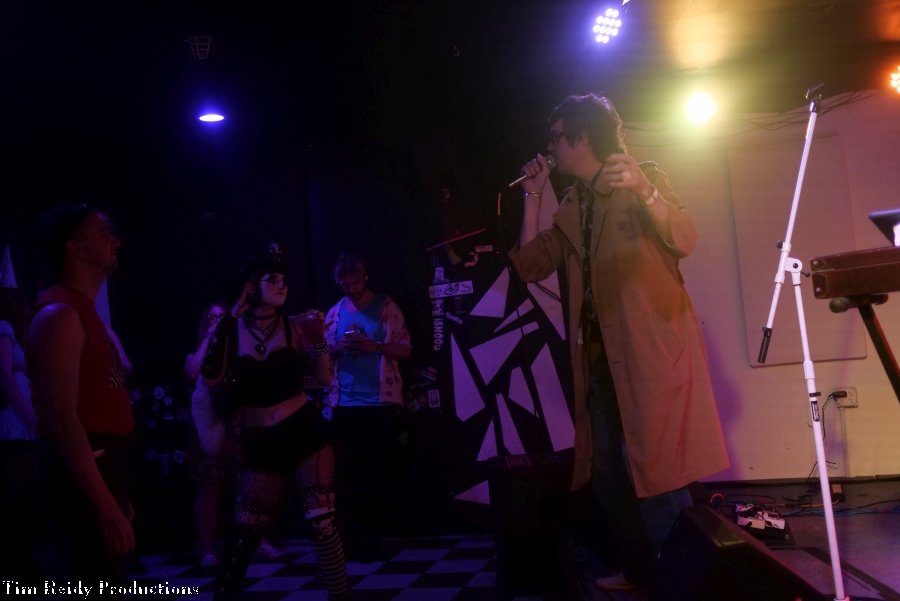
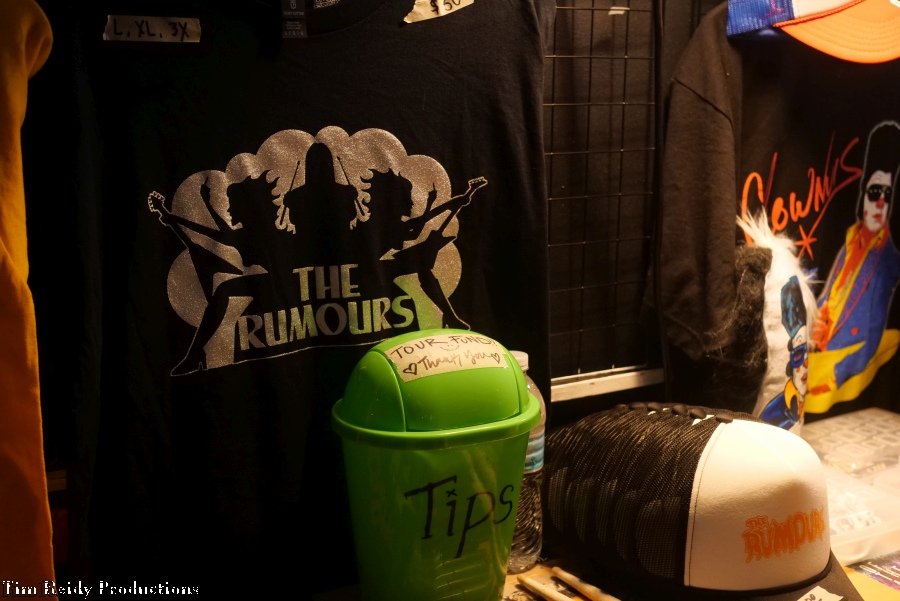
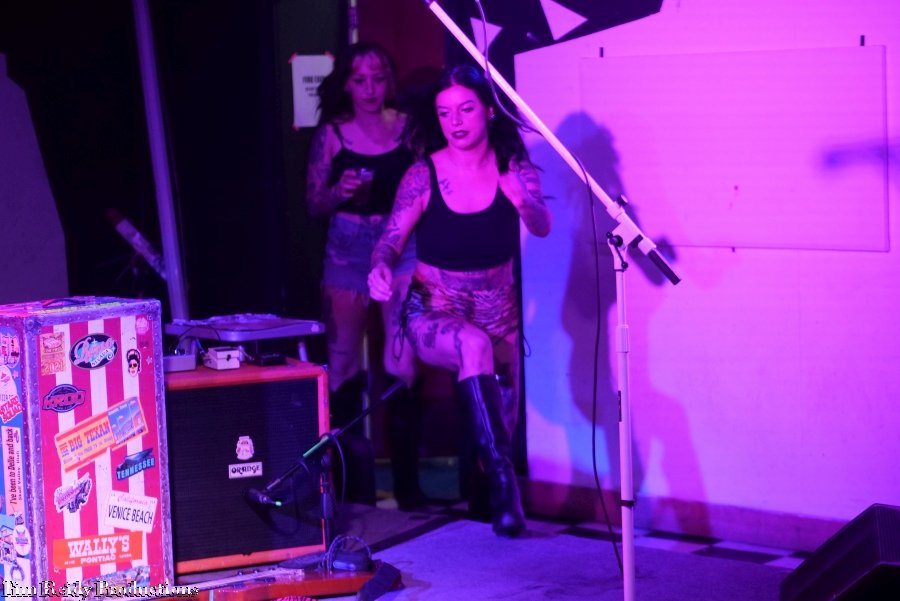
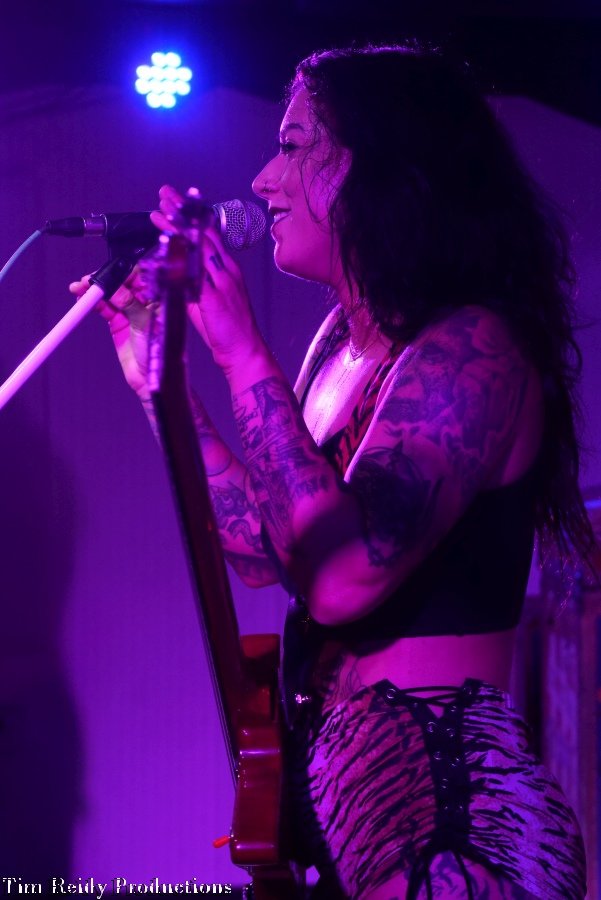
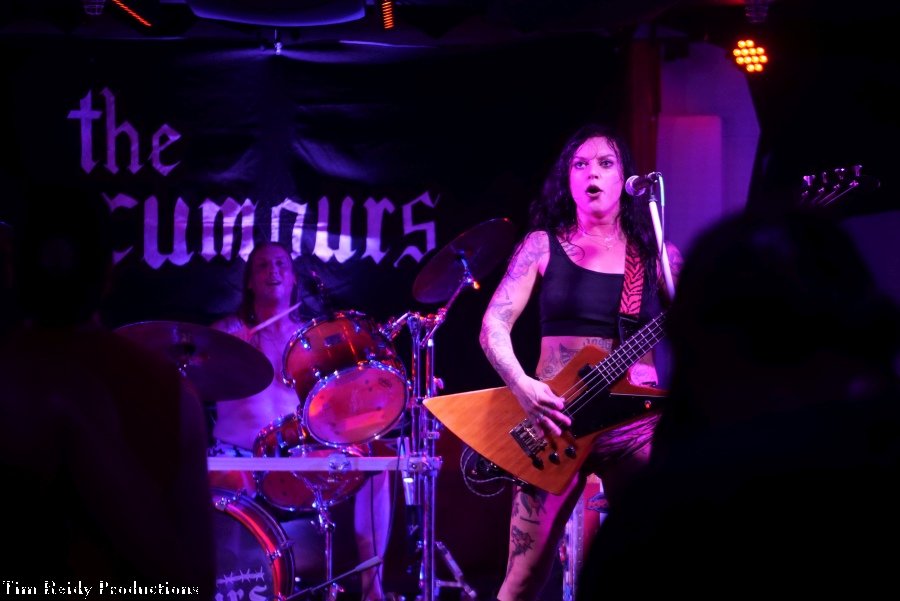
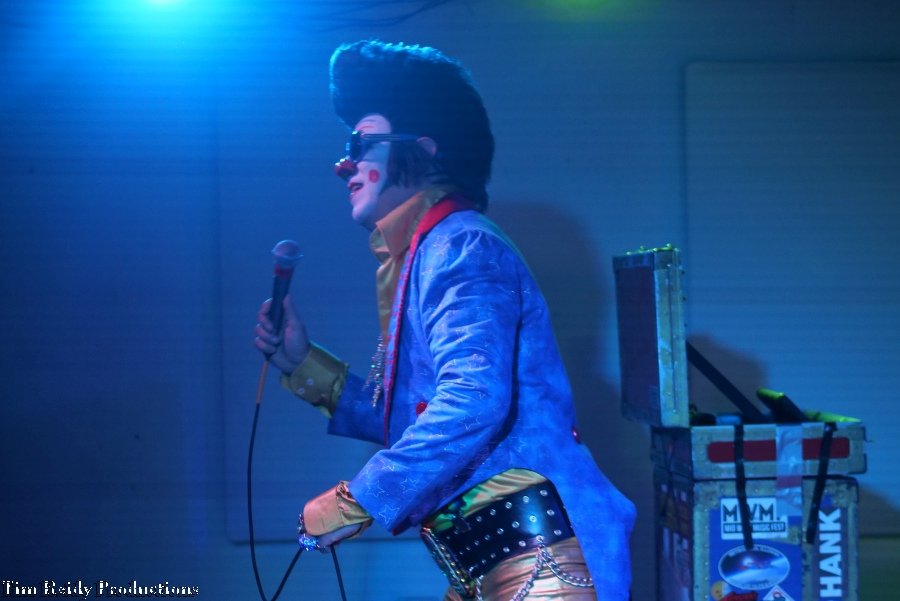
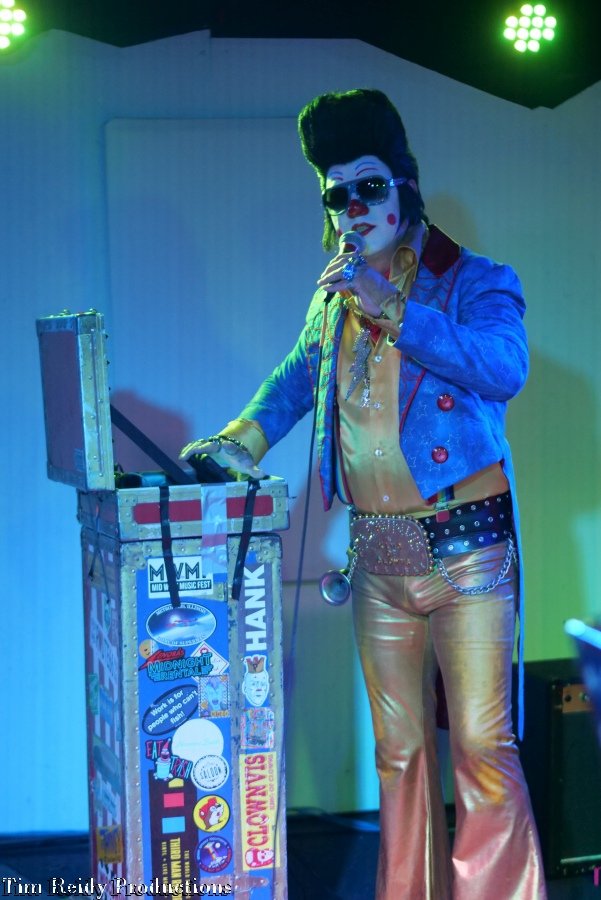
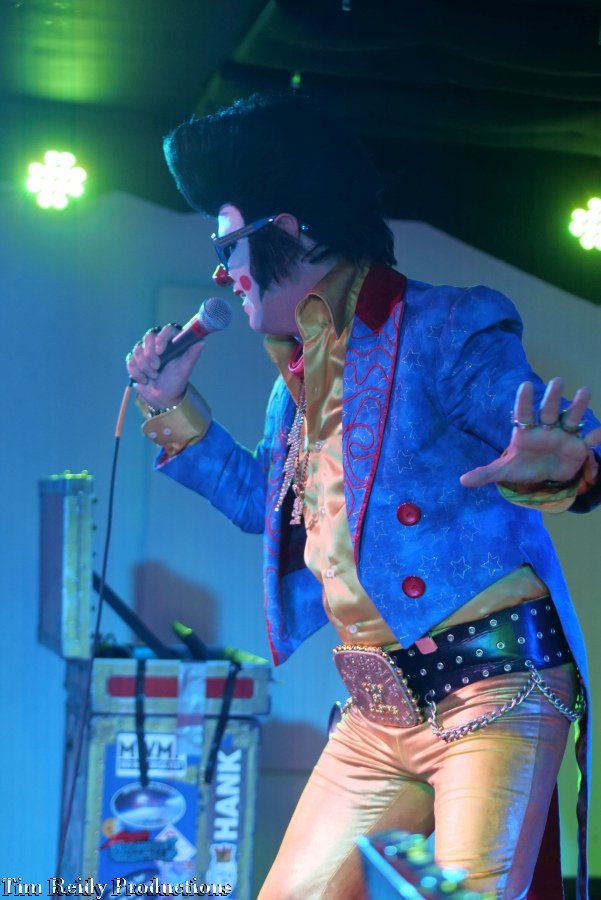
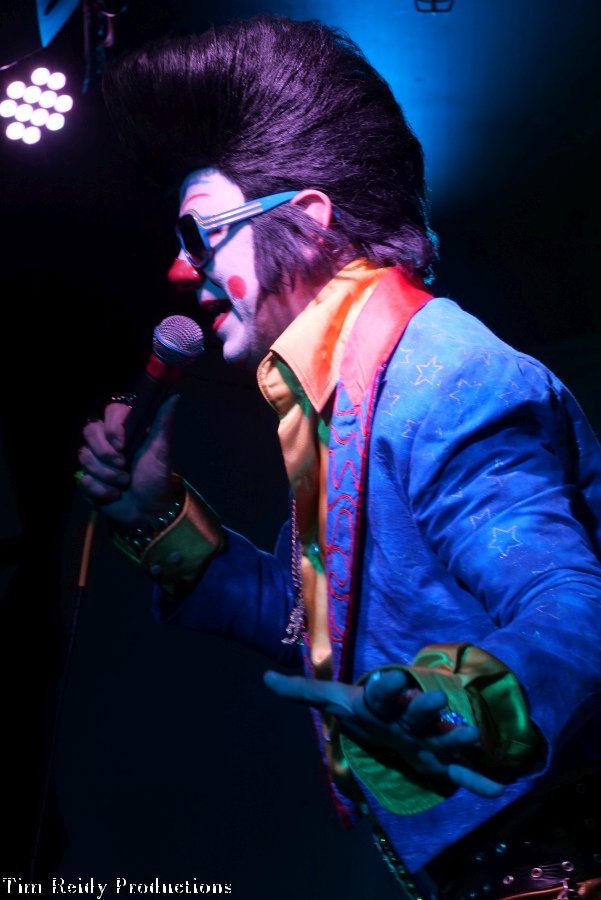
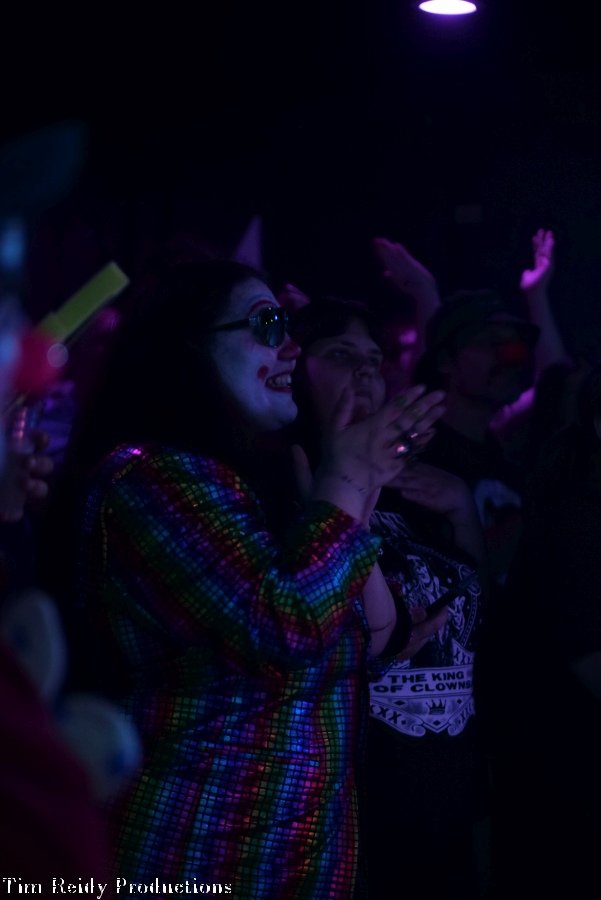
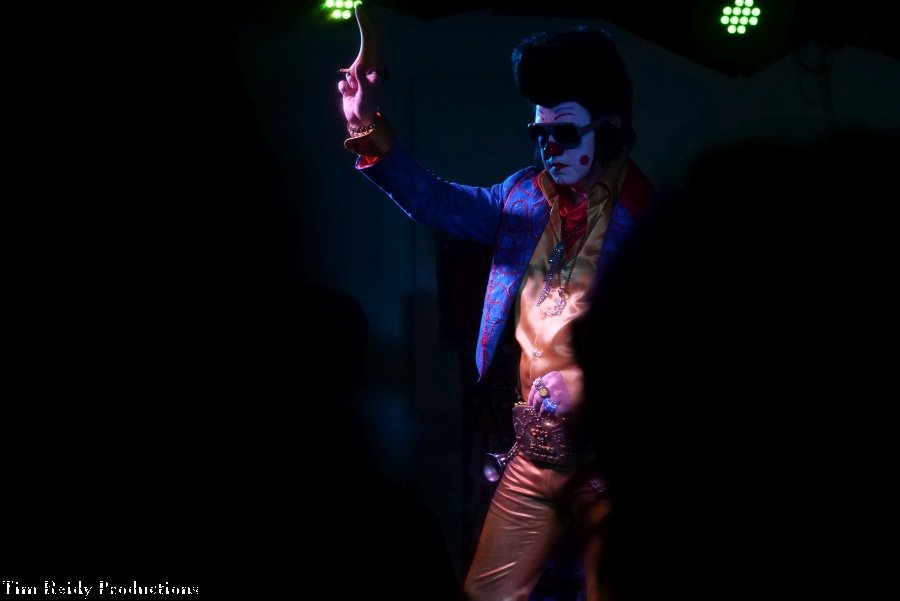
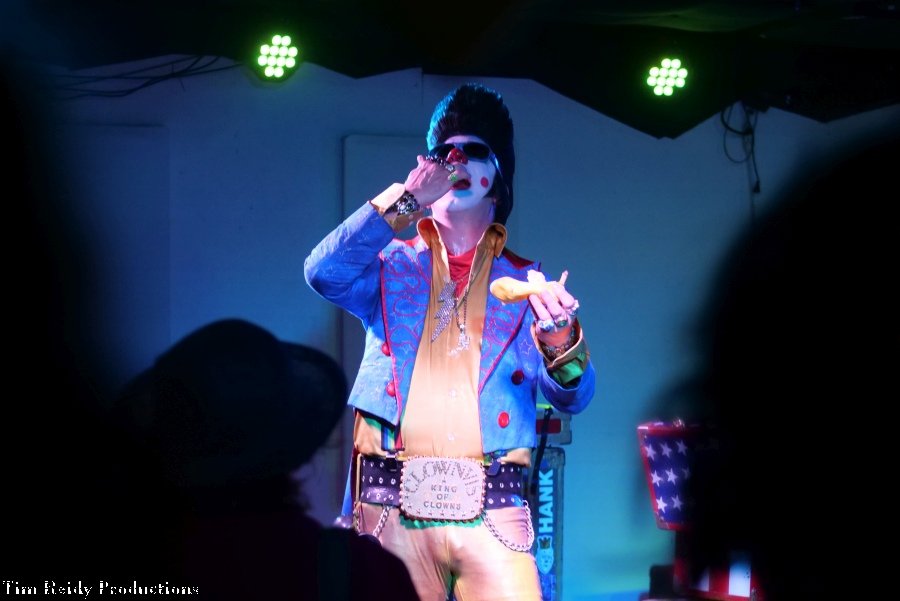
Clownvis (The King of Clowns) came to Troy’s No Fun on Saturday night, and brought a variety show with the Rumours and Beef Gordon.
Photography by Timothy Reidy.
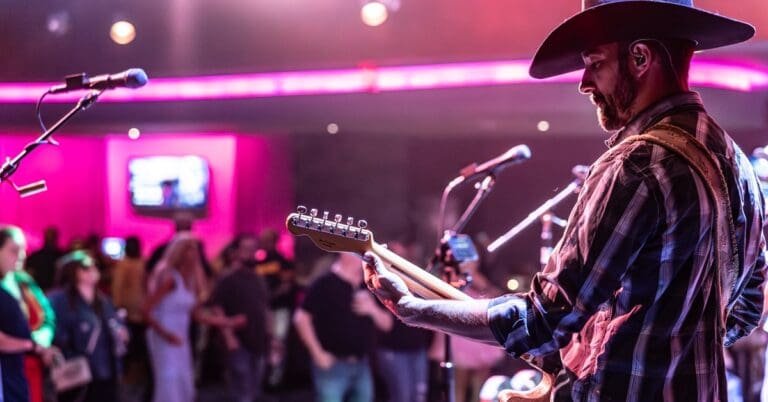
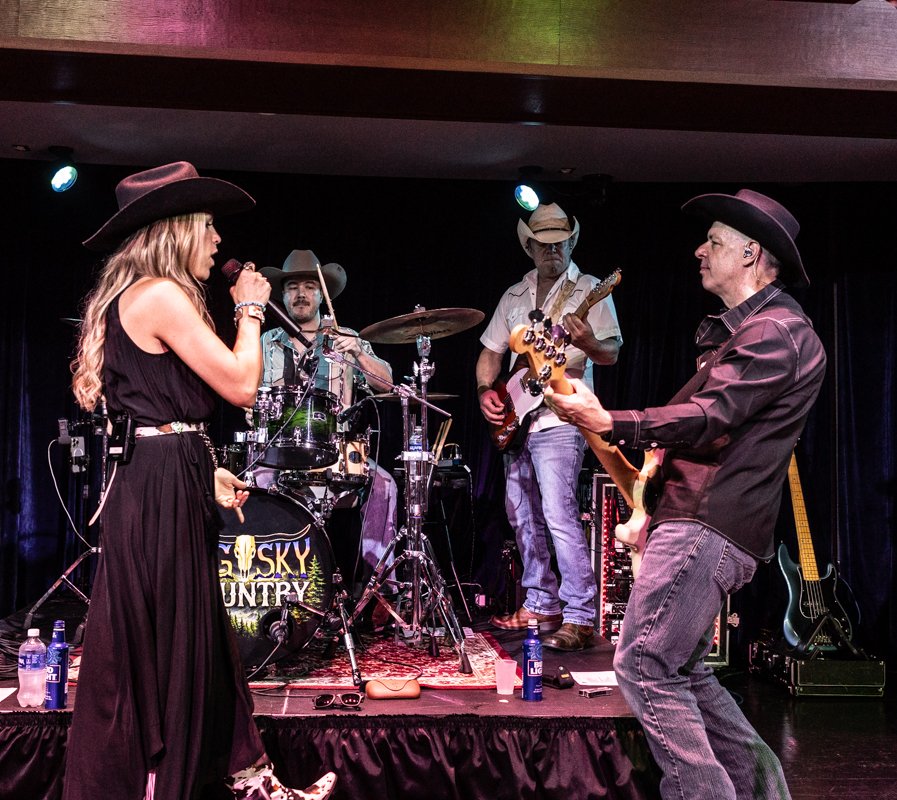
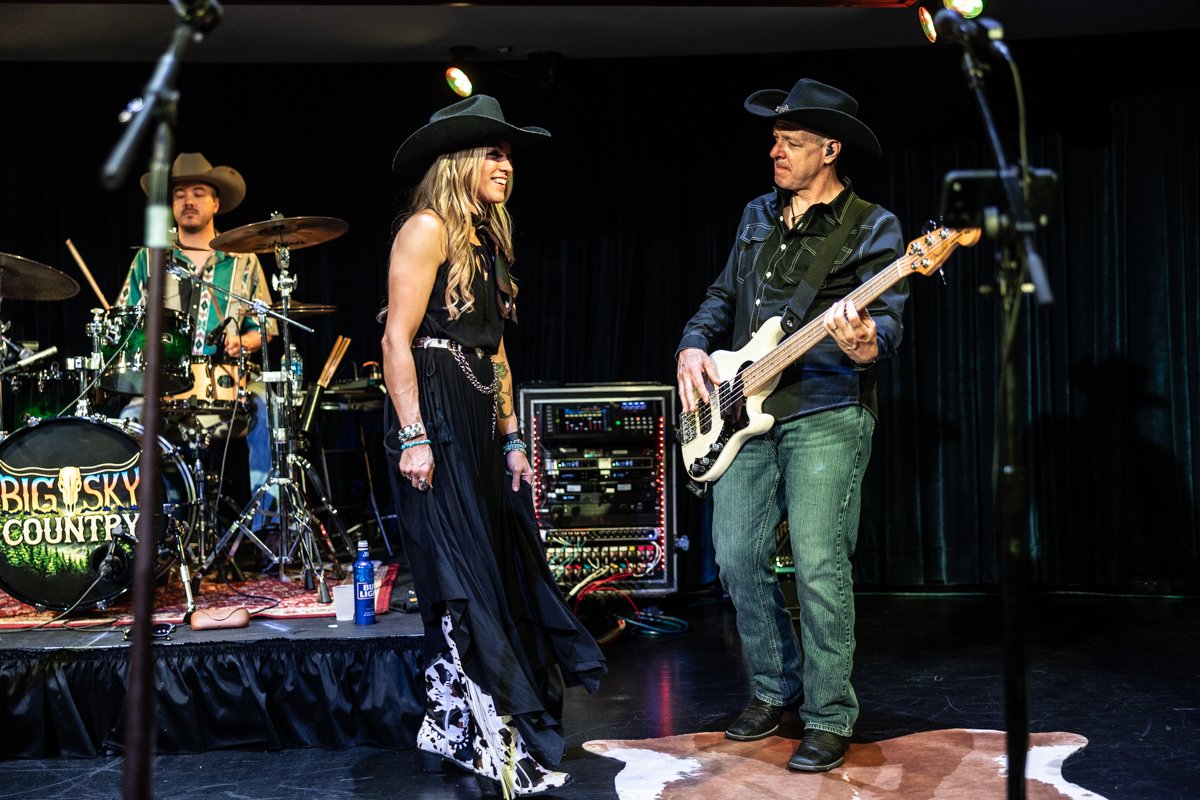
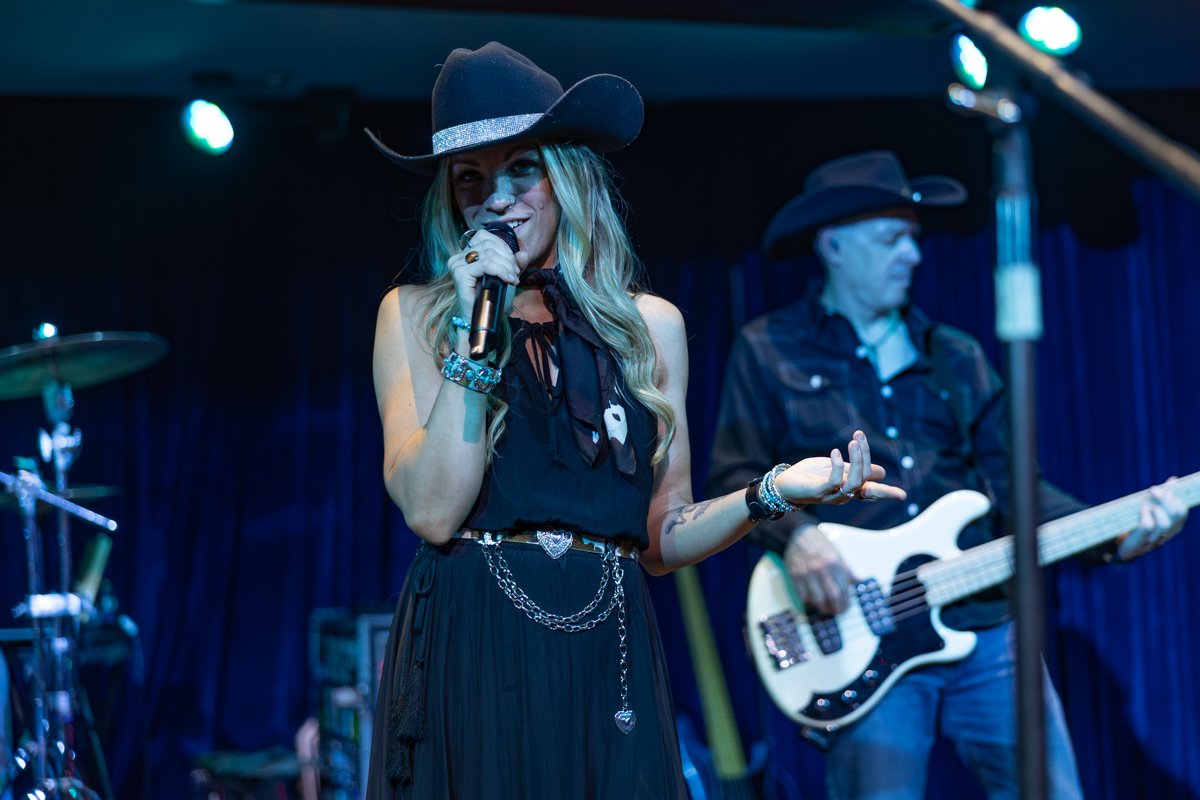
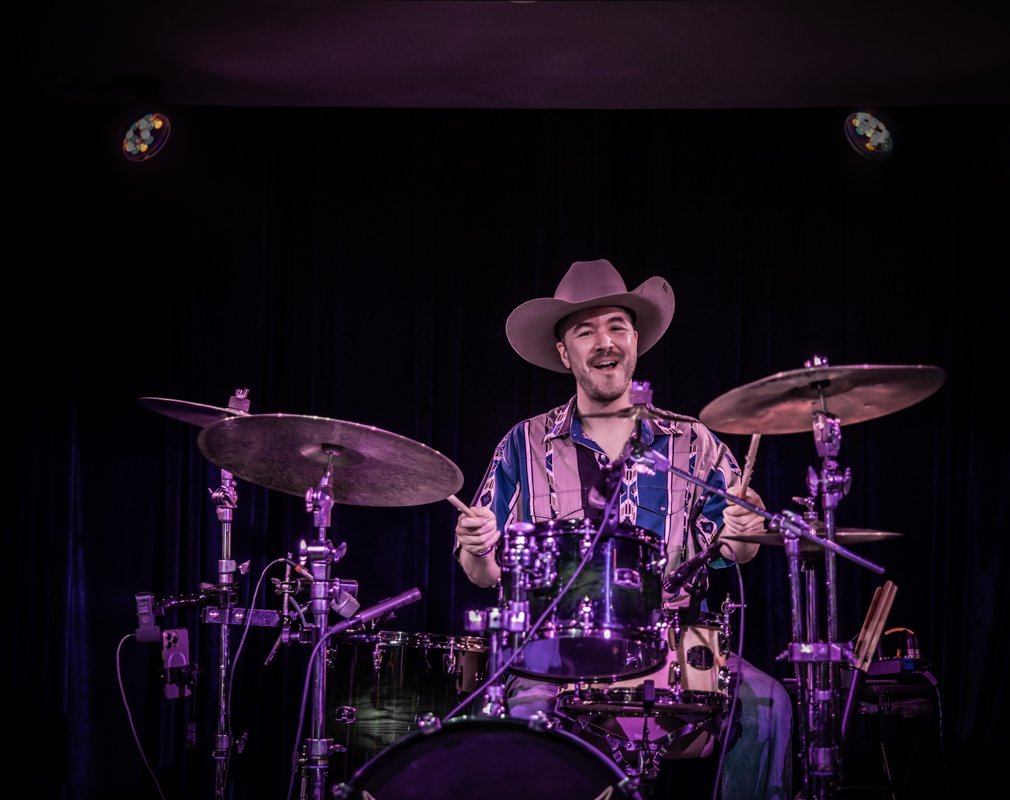
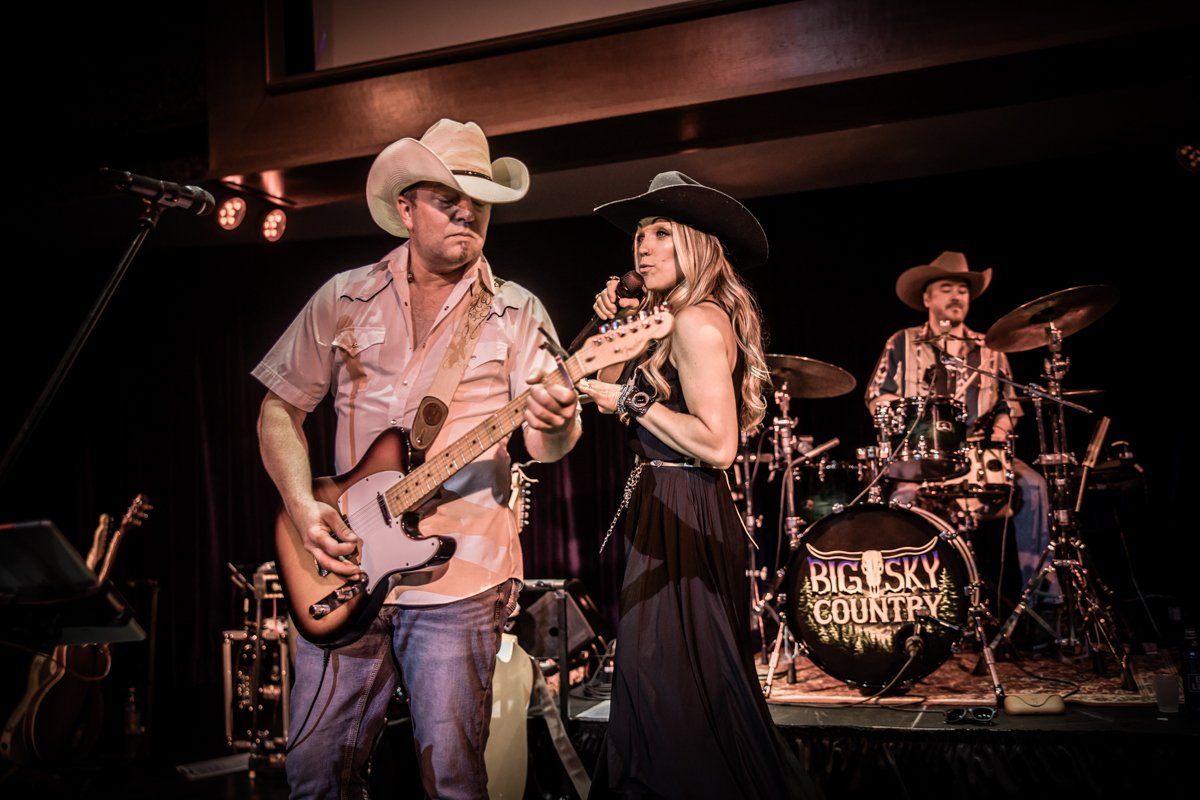
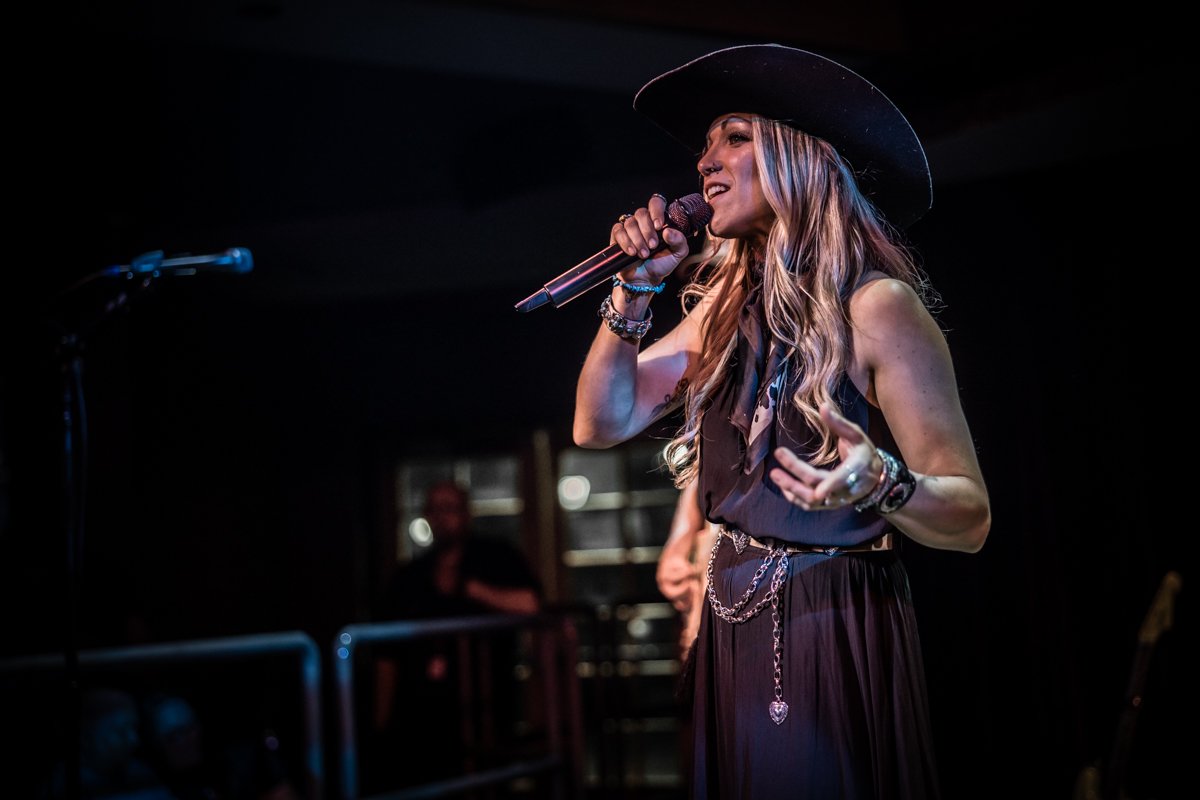
Big Sky Country was the last of the shows at Vapor for the summer. Vapor Entertainment will start up again in September.
Photography by Stephanie J Bartik.
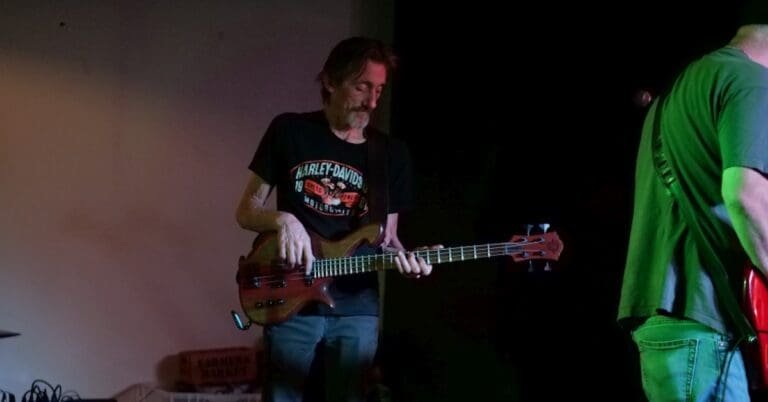
Some photos from the Open Mic Night at Slidin’ Dirty.
Photography by Timothy Reidy.
More from Slidin’ Dirty here …
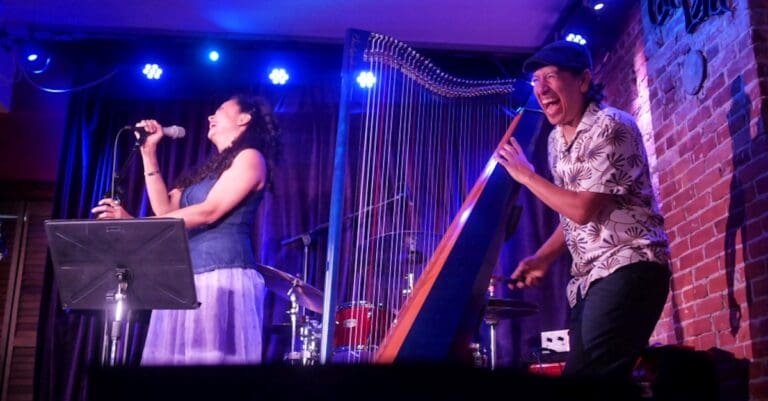
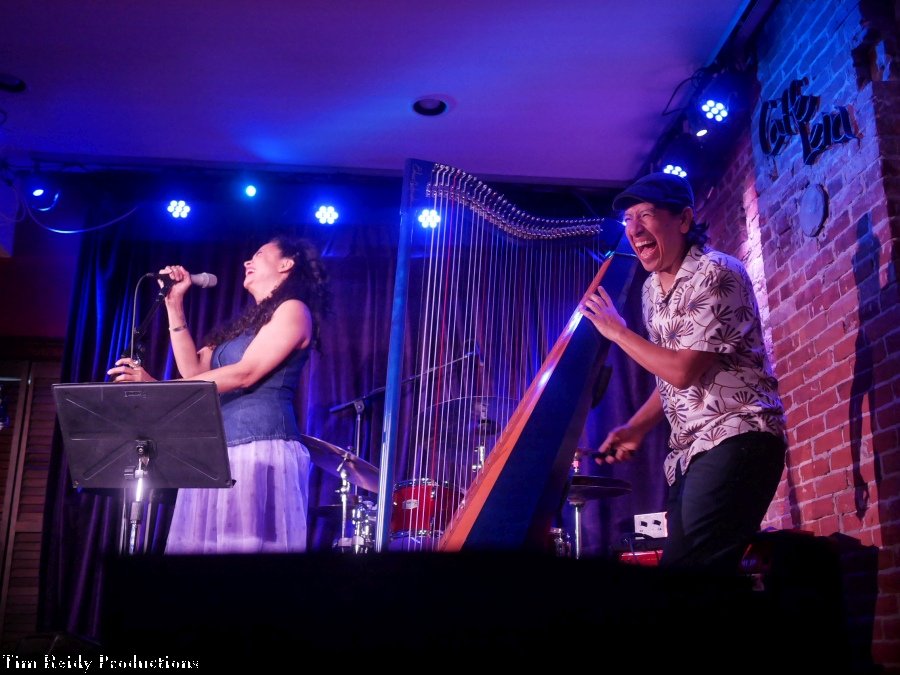
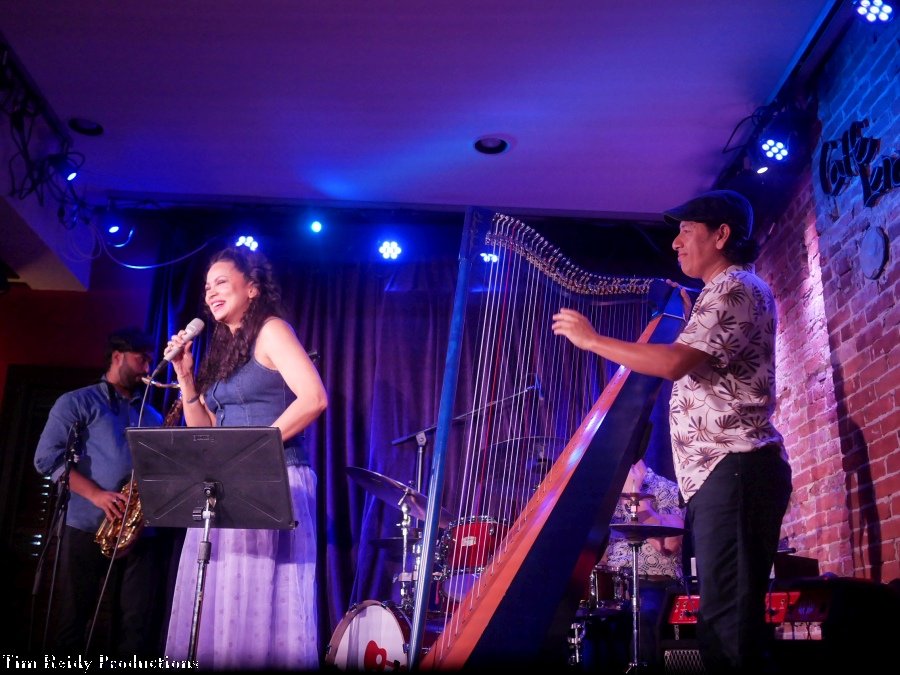
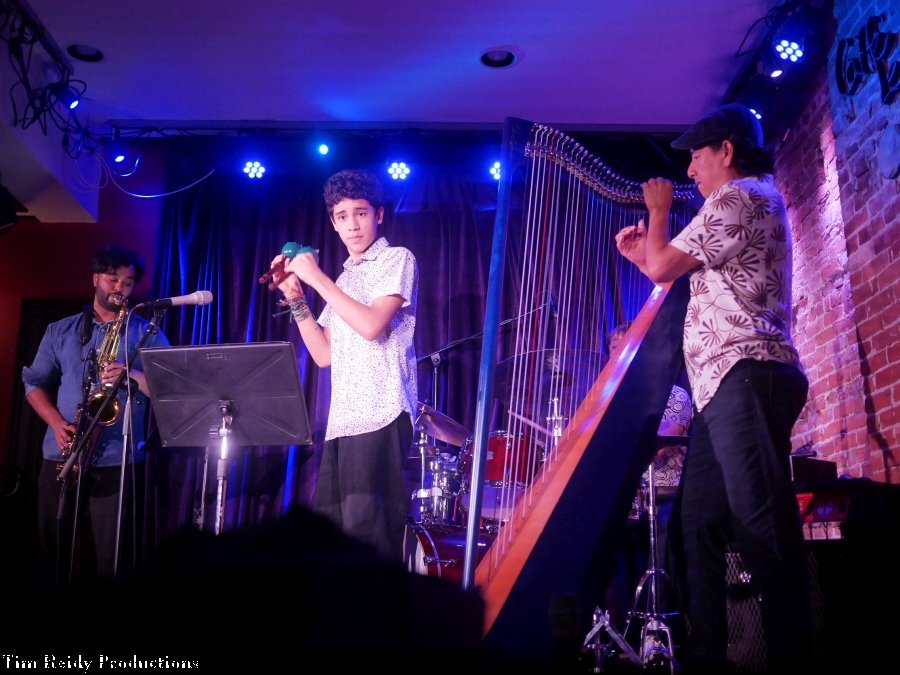
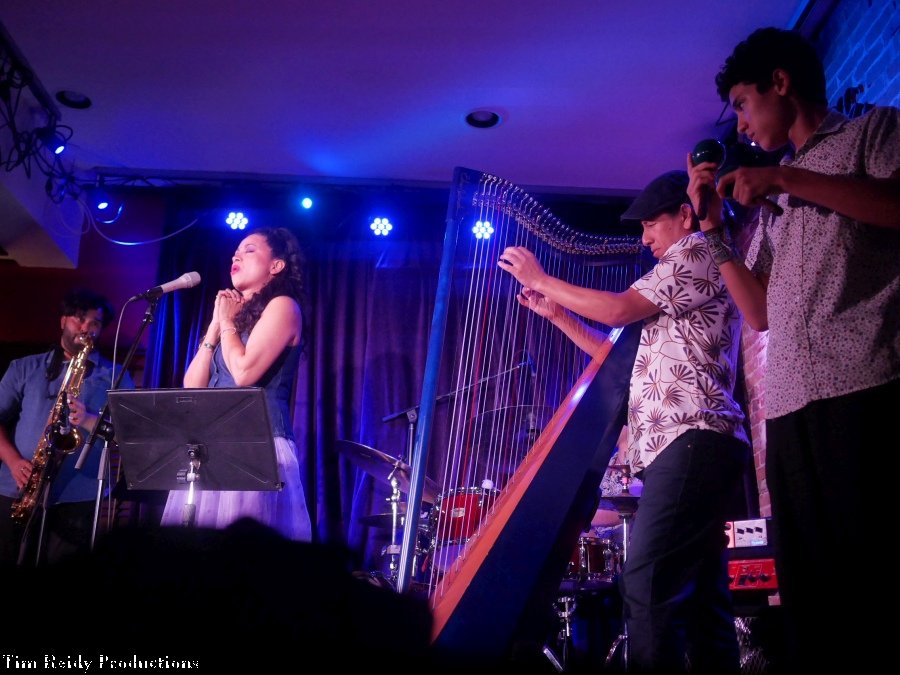
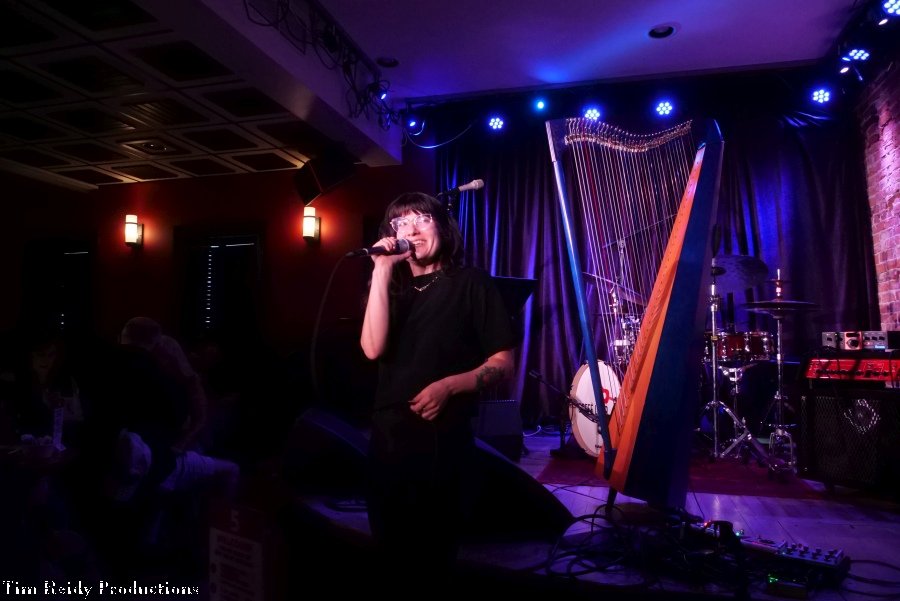
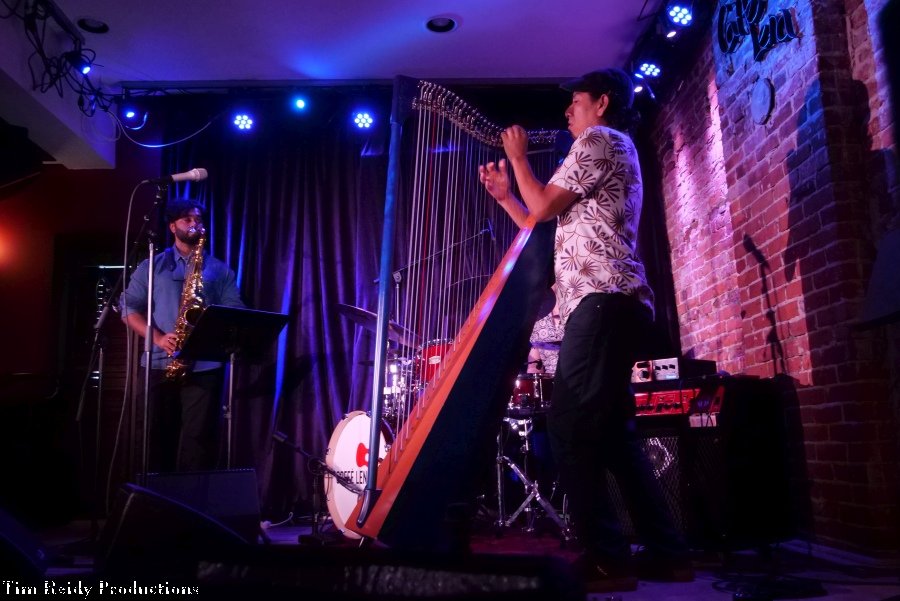
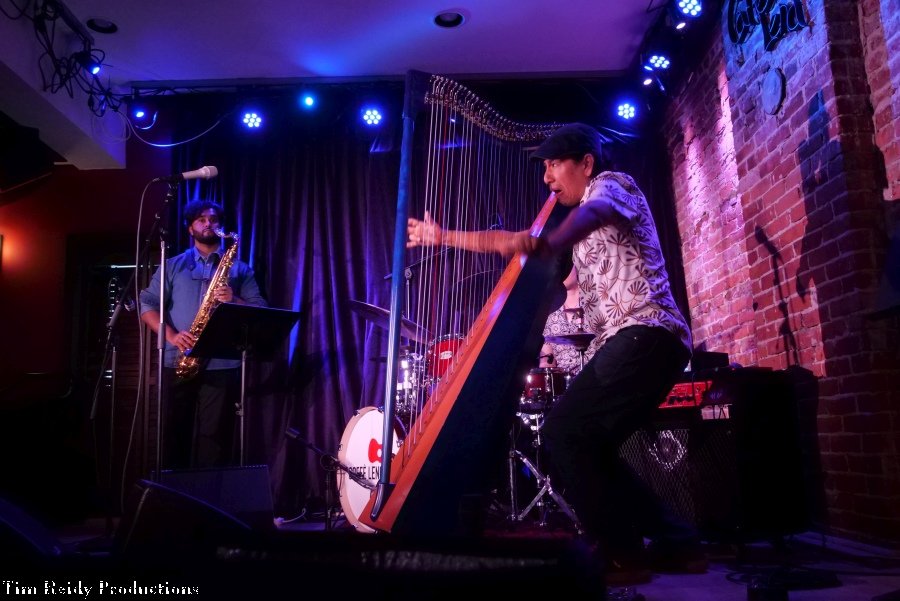
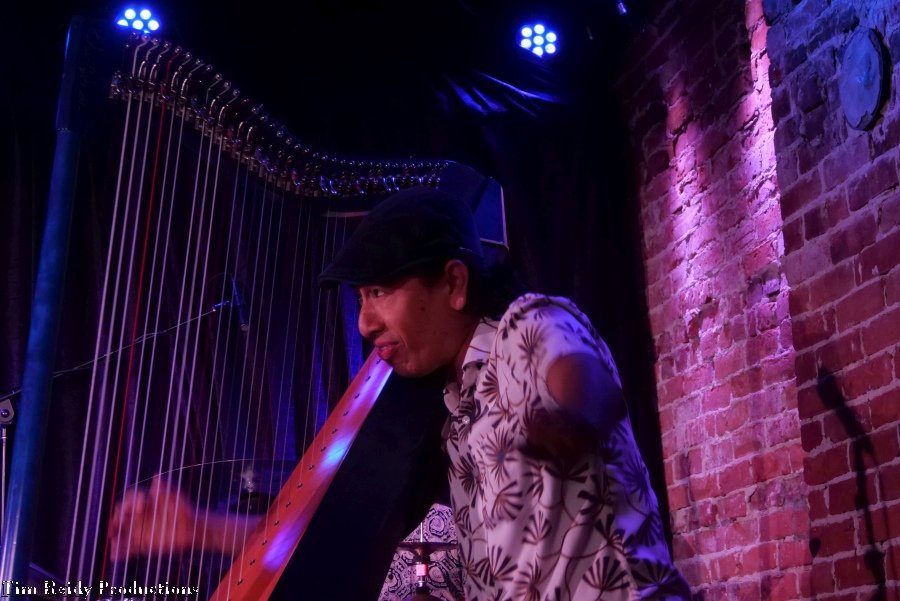
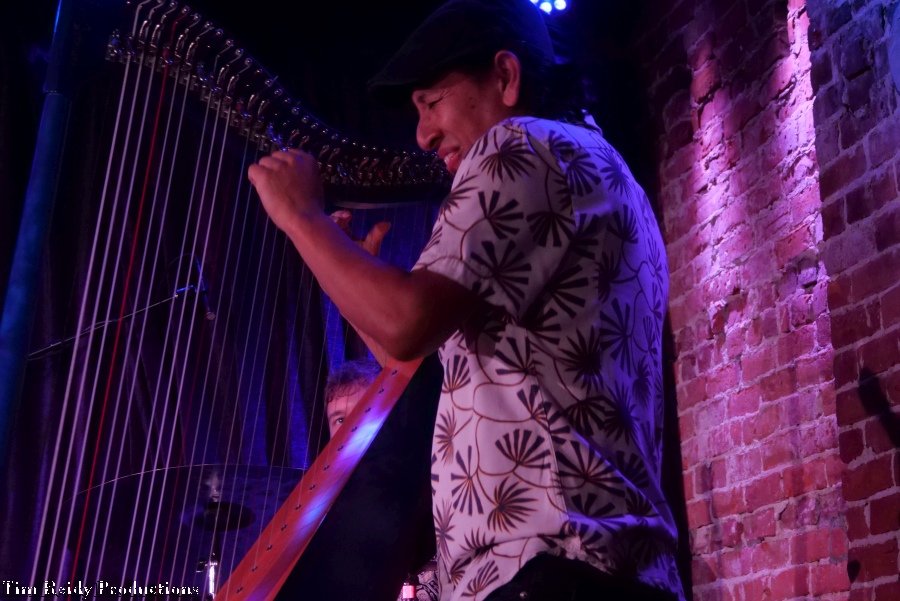
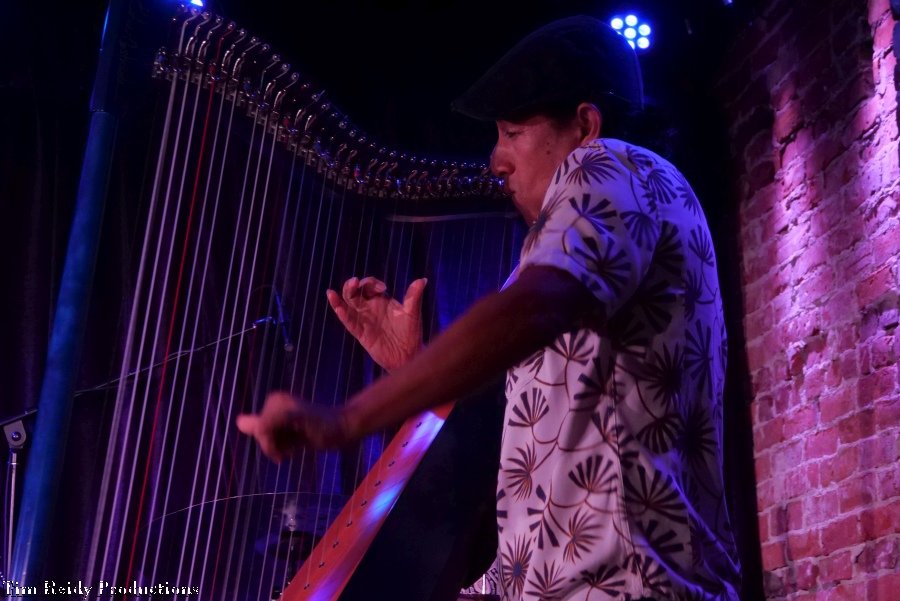
Edmar Castañeda made for a fine evening at Caffe Lena that was appreciated by the crowd. Playing harp, he also added some family members for a family-affair show.
Photography by Timothy Reidy.

RadioRadioX & The Xperience Monthly
© 2018 - 2026 Imperial Broadcasting. Most Rights Reserved.