Home Blog Page 278

JUST ANNOUNCED!!! 2025 Listen Up Awards Hero Class!

0

Since the beginning of The Listen Up Awards four years ago, we have honored people that have played an intricate role in our local music scene. We never tell those who are being honored that we chose them to be in the hero class, they find out when it’s announced; just like everyone else! Well here’s the announcement for the 2025 Listen Up Awards Hero Class!


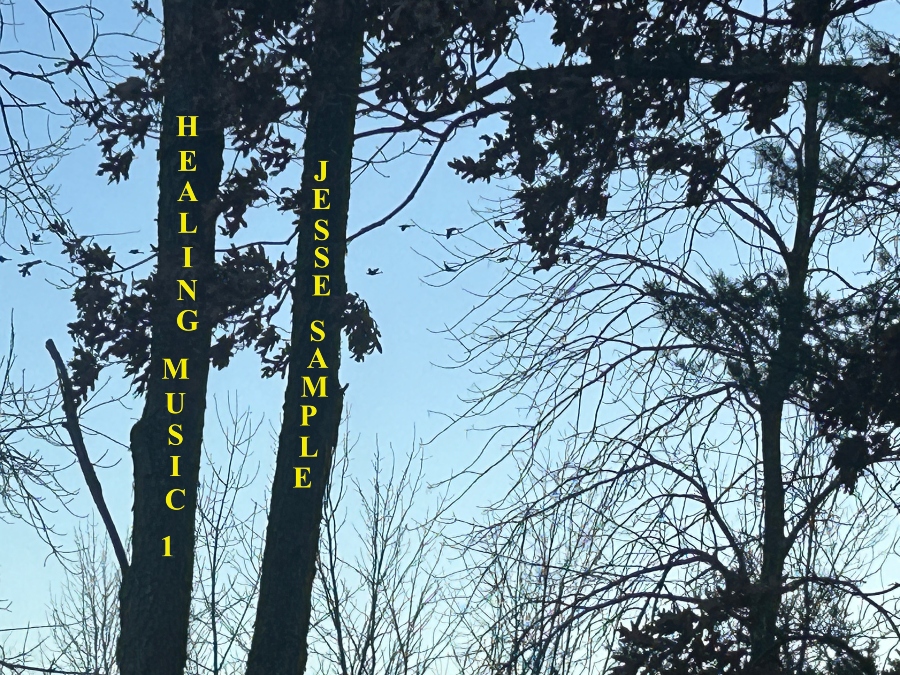
Week Forty-Six: Jesse Sample’s Freak of the Week ““Healing Music 1”

0

Jesse Sample’s Freak of the Week airs EVERY WEDNESDAY at 6pm Eastern Only on RadioRadioX.com

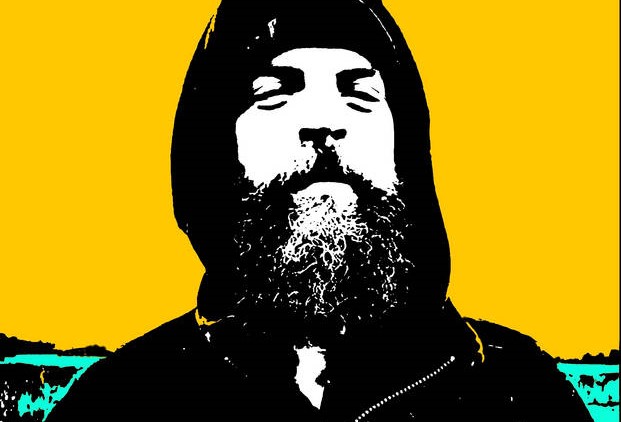
This is Jesse Sample. I’ve been wired hot lately. There is so much going on in my life and in society in general. There are a million things calling for attention and one could easily lose their mind in the effort to create a “short list.” I’m getting the impression that I am not alone in this. How do we hit breaks on the big show?

A fan once reached out and asked if I do anything in the healing 432Hz frequency. I didn’t know what she meant in that moment but using music as a healing tool is something I’ve been doing for a long time. It turns out that the 432Hz frequency resonates with 8Hz  which is known as the Schumann Resonance and said to be the fundamental electromagnetic “heartbeat” of the earth. This week I tuned my guitar accordingly and took my hand at composing some healing music.

Maybe this is a clue on how to cut down that list of attention seekers. The earth and nature serve an ancient order and operate at their own frequency. Maybe all of this is smaller than it seems and living within the harmonic fabric of real things is a nice start. I’ll take a deep breath and feel my place in the natural world. Then I’ll pay the bills and a wear the various hats.

Thanks to all of you forces of nature tuned into RadioradioX. This is the Freak of the week, “Healing Music 1”


Michael Francis McCarthy – An Xperience Interview

0
Michael Francis McCarthy

Michael Francis McCarthy – Interview – Thanks for Asking! – by Liam Sweeny.

RRX: You play American roots music, and it seems obvious that there’s more to America than “North.” Because you mix Bolivian music in with Delta blues, distinctly known as organic American music. Where does Bolivian music fit in?

MM: Having spent the early part of my childhood in South America, I love Andean music, especially Bolivian folklore music, which is derived from Spanish classical but utilizes indigenous rhythm patterns, particularly the iconic “1/2/1-2-3” motif. Like bluegrass, Bolivian folklore is mountain music that adheres to certain rules and forms that you get to know. The chord progressions are epic and can be cross-pollinated with rock music over a pentatonic melodic bridge. I even hear crossover elements into metal, as a lover of golden era thrash. So when I put all this together, it allows me to infuse my roots playing with heavy palm muted rhythmic sections that adhere to some of those classic indigenous rhythmic elements, which I reinforce by stomping on my microphone stand with my boot during solo performances, in imitation of the bass drum & mallet accompaniment typical of Bolivian folklore music. I cover some songs by Bolivian folklore legends Savia Andina and Luis Rico, and I also incorporate some of those sound elements into my own writing.

I consider all stringed instrument folk music to flow from a common mother sound. If you cast wide enough and dig back far enough you can find the common ground between all forms of roots music. There’s nothing new under the sun; there are only so many ingredients you can work with. You have major chords, minor chords, variants within those two flavors of chords, and rhythms that, regardless of time signature, can be boiled down to intervals of one, two, or three, rendered in various patterns.

My music is American because I am American, because I was born and raised in the Americas, but the antecedents of my style come from Europe, and from other places still before.

RRX: You do a lot of shows in our area, three hours as the crows fly when they’re trying to cover the most ground. And you play on average once every couple of days. This is hard, because you don’t want any area to get oversaturated and lose interest. How do you keep that from happening?

MM: Great question. Avoiding oversaturation is certainly a challenge.

The answer is multifaceted:

I work hard to cast a wide net. By playing a radius of 3-4 hours around my home in all directions and also working some far-flung markets like Virginia and farther afield I can spread out my calendar. Over the next two months I’ll reach out to nearly a thousand establishments close enough for me to drive out to, perform and then drive home and sleep in my bed that night. Only a small percentage of them will actually book a show, but with that kind of volume and that wide a span of land, I keep pushing into new territory every year.

I have been informally rotating markets for years, but I’ve recently gotten strategic, identifying 12 larger Northeastern regional markets. I’m still fine-tuning it, but the idea is to hit each market four times a year, and then fill in the rest of the dates with small town shows. I do 100-125 shows a year.

The small town shows are key. I really believe in going out to a remote area, playing the local watering hole and giving people a really heartfelt performance. I find that small towns are very receptive to and appreciative of music.

Part of what allows me to do this is my choice of genre. Not all formats would work in all markets. Acoustic American roots music is uniquely universal in appeal, and it’s also very adaptable. “American roots” is such a wide umbrella; I can do deep delta blues, bluegrass, outlaw country, ’70s jam, folk music, Mexican/Bolivian/Cuban vibes…plus I can mix in other elements with any of those, like a little jazz or metal for flavoring. The wide appeal and malleability of my genre allows me to serve a wide range of audiences.

I never play a song that I don’t want to play, and if a gig feels stale, I know there are enough people and places out there looking for my music that I just move on down the road. If it’s boring to me then I will probably be projecting that boredom and it will be boring to them, so I just keep moving to greener pastures, of which there are many.

Lastly, part of why I don’t worry about saturation is that my goal is not really to get famous. There’s definitely something to be said for the strategic approach of doing something else for a living, only playing shows once in awhile, building as much hype as possible around those shows, and focusing heavily on capturing and disseminating media from those rare hyped up shows. If I was playing another genre, like metal for example, I would absolutely need to do that because there aren’t really opportunities for solo metal musicians to go get paid a living working class wage performing by themselves in down-home leisure establishments.

Big crowds are great, big stages feel good, but above all I view this as working class work and I relish the challenge of booking a kind of anonymous show in a new town, showing up and having to win over the crowd by blowing the roof off the joint.

I stay on the move and try not to get stuck in any one place too long. I’ve noticed that musicians frequently lose momentum because they refuse to migrate to new regions to reach new markets. I’ve been living in upstate New York for 7 years, which is the longest I’ve stayed put anywhere in the last 23 years of my life and I’ve lived in 5 different counties over the last 7 years. To make it work I’ve had to get industrial about pushing into new markets. As I work my way up the food chain here gradually in the Northeast, I have the freedom to turn down gigs that aren’t so great, I have certain gigs that I only book once a year or a couple times a year, and I can afford to let certain fields lie fallow for a few years to create scarcity and demand. For example, I spent a few years playing the Lake Placid Essex County region heavily. When I had a feeling it was time for a change, I stopped booking it for a few years. After taking some time off and reassessing the ever-changing booking landscape in the region, I picked a couple new venues and got back into the market and reconnected with fans who had missed me. But yeah, I stay on the move, both in the bigger picture sense of continuing to explore new regions as a migratory person, moving fairly frequently, and also in terms of hitting the road and getting out of my home county as much as possible.

Lastly, I’m especially conscious of not oversaturating my home market. There are two aphorisms that come into play here: 1) “You’re hamburger at home, you’re steak on the road” and 2) “Don’t shit where you eat”. I only book shows in my county of residence intermittently so that it stays fresh for my audience and for me.

RRX: You’re a seasonal farm worker who has five albums and plays like a force of nature. Where do you find the time to work and play? Is all your touring “off-season?” And does seasonal farm work pay for studio time, or were you able to get your music down in a more DIY way?

MM: I’m happy to say that as time goes on I’m doing less of the farm work. I pruned apple trees late last winter and I worked a month of 14-hour days, 6 days a week on vegetable farm in Virginia in April. Other than that, since April, I’ve just been playing gigs full time and this winter, like most winters, the only available farm work is dairy, and I don’t wish (or need) to do dairy work. It’s the most brutal lol.

Seasonal farm work does not pay for studio time. Ironically, music is a much more lucrative business. I do farm work not just for the money, but for the skills, the connection with the regional food network, to gather knowledge and resources for my own long-term homesteading and survival dreams, to keep my body in good shape, to get free produce and honestly, because it’s a really refreshing break from the self-centered, public facing, party oriented, socially overwhelming world of performing and marketing myself as a musician. Farm work is a quality of life and mindset thing. Digging potatoes for 14 hours, working long long days in the hot sun with farmers who are extremely stoic and independent, it creates a kind of toughness in me that serves me well when I have to get back to booking, driving forever, trying to crush it on stage. Farm work is really relaxing for me, because the expectations are very clear, there aren’t a whole lot of social cues to have to read, it doesn’t really matter how I look, it’s not really about me, I’m not sitting there filming myself and showing little clips of me with a shovel trying to be some kind of figurehead lol. And also when I do get back on stage, I sure am glad to not be digging potatoes for $15 an hour. They balance each other out.

I did a few crowdfunding campaigns to cover some of the costs of recording several of my albums, but at this point my album recordings are funded through my music work. If anything, my music work subsidizes my ongoing interest in farming, which is a famously money-losing business. In that way, music and farming are pretty similar: it’s a lifestyle thing that you do for love, that only makes money if you scale it up in a really big business kind of way, and if you want to survive doing it at the small scale, you have to hustle really hard and be tough and humble, and you do it because it pays you in ways beyond just money.

My touring is year-round. The busiest time of the year is April through November. Things typically slow down December through March, although I do end up having business in ski towns. A lot of my gigs are outdoor only, so they really hit in the summer and fall. Some of the best gigs are fall so I’m typically really busy through the end of October. I have had heavy gigging winters but I’ve learned that between deer and snow, winter gig driving can be expensive. As the years go on I’m more conscious of squirreling away my acorns in the good weather so I can hibernate in the winter, write songs, do some recording and do some traveling and touring outside the region in late winter. This year I’ll go to Bolivia for a month in February to study and perform. I’ll come back in late March, throw a couple snowballs and get ready to set up greenhouses in early April and then start gigging heavy for the next 7 months.

RRX: You have plans to go to South America, where you were born, to play, then on to a European tour. Most people think of how cool that’s got to be, but it’s a lot of planning and a lot of work. Can you take us through a little of the process of setting up a tour outside of America?

MM: Well I’m kind of making it up as I go along. I’ll be coming into these markets cold and anonymous, so there will be a lot of research to do about venues in the area. One of the first steps is to identify other artists in my niche, typically through social media, but also through word of mouth, who either live in those markets and tour here or better yet live here and tour over there. Then I look at where they’re playing, and who’s booking them, and try to make it happen with direct outreach.

I find that the most powerful connections are made in person. Typically if I’m trying to break into a new market I just go put boots on the ground, bring my guitar with me and insinuate myself into that community by literally showing up in the physical outernet and connecting with musicians, going to social situations where musicians gather and jam, going to shows, feeling it out. There’s only so much you can do over the internet.

At the end of the day, if you’re bold enough, a market is a market is a market. You get on Google, you look up live music in the region, you find out the names of the venues, you see the bands that are playing there and you go follow them on social media, maybe send them some messages to network and connect a little bit, and ultimately it just comes down to reaching out to the venue and proposing a deal. I’ve worked hard to create a sound that speaks for itself so that venues are willing to book me even without me being famous. I don’t book huge venues; I don’t get booked based on my internet reputation. I get booked based on my ground game, the sounds that I make.

For the journey to Bolivia in February I’ll be spending some time in larger cities like the capital, La Paz, and quite a bit of time in rural areas. I don’t expect to lock down paying gigs in rural areas. In any major city overseas there are expat communities that want to get a taste of their home culture and there are moneyed international communities that like to bring in outside talent. So it’s a pretty good chance that I’ll be able to book something ahead of time for La Paz. Even if I don’t, I’ll walk into all the venues in the city of La Paz Bolivia that have music anything like what I do during the first week that I’m there, I’ll meet the bands, I’ll find out about open mics and jams, I’ll find out who does the booking and shake their hand and talk to them. It’s quite possible they will find a slot for me during the month I’m there. If not, I’ll make plans for the following performance season.

The Europe tour is still in the planning stages. I’m aiming for September 2025. I’ll be releasing singles from my new album starting in the new year, once every 6 weeks or so, and then after releasing six singles I’ll drop the whole album in August and then start touring behind it. Ideally I would do Europe during warm weather for a month and then come back here and do an East Coast leg, North to South and back. It’ll be kind of the same process there, very DIY. See who else is in my niche performing at my tier and slightly above, connect with them, see which venues and promoters are booking them, try to work out some shared bills, book anchor dates at some cool venues with ticketed shows, then bust out Google maps and look at the touring route, identify all the small towns in between major markets and start hammering the booking emails setting up shows for cash guarantees.

RRX: You have an album coming out, your fifth, and you’re going to be dropping singles from it in the spring. What’s the album like? Did you have an overall vision for it going in, or did it just kind of happen?

MM: I’m letting the lyrics tell me what the album is about. I haven’t named it yet. I’m not reinventing the wheel, I’m just talking about my life and the things I see around me. There are definitely themes that are connected but I’m actually specifically avoiding trying to impose any concept on it ahead of time. I’m letting this one write itself one line at a time.

Musically this album is more focused than some of my past albums that featured multiple formats and genres. I think I’m dialing into my sound more over the years; I call it “Northern roots”. It’s basically folk and country, slightly psychedelic with some dark elements coming from my love of heavier music. On this one I have been conscious of how the songs sound in relation to each other; I don’t want any two songs to sound too similar to each other, but I also don’t want some of the jarring transitions I’ve had on past albums, where I might jump from a really heavy song to a folk ballad, etc. Sonically, this time around I’m focused on stage honing these songs and striving to capture my live sound in the studio. I think some of my past albums had some overproduced elements that, if I could do them again, I would strip down a little bit. Every album is a learning process, so I’m actively refining my approach.

RRX: I like to get stories out of people, because really, all we are is walking stories with blood pressure. So with all your playing and touring, you must have a story that has stuck with you, good or bad, a defining moment in your life as a musician. What have you got?

MM: I mean, the whole thing has been a story. That’s like asking a fish to point out the water. There have been so many moments, you know?

The moments that get to me are the small connections with individual people; the soldier in St. Augustine, Florida who sat in front of me and wept, telling me he didn’t know people still played like that these days.

The guy in the wheelchair in Austin, Texas who started hollering at the top of his lungs in support of me singing a Junior Kimbrough song with the line, “I don’t walk like I used to, I don’t talk like I used to, I don’t love like I used to. Things have changed, and I done got old”.

The homeless man who was lying in the street in Schenectady on a winter night who, after me dragging him over to the curb, asked me to play him a song and then became overjoyed when I sang “I Ain’t Got No Home” by Woody Guthrie.

The father of my deceased best friend and drummer from my old band who put his arm around me at his son’s memorial service and made me promise to never quit, a vow that I took very seriously.

From the ages of 4 to 8 I took guitar lessons from a folk musician in rural New Hampshire – a kind but very taciturn and deeply rural woman who seemed like she came from an earlier time. I hadn’t seen her for maybe 15 years, and I stopped in at her guitar shop about 8 years ago. She asked me how and what I was doing, and when I told her I was out gigging full-time she smiled, just barely, almost imperceptibly. Under the pretext of wanting to try out one of her guitars, I sat down and played for a minute, trying not to show that I was watching to see if she would approve. She smiled again, just barely and nodded her head twice. That nod of approval from my old teacher a quarter century down the line was the proudest moment in my music career.

RRX: This is where you answer the question I didn’t ask. Remarks? Comments? Educate, enlighten, emote – the floor is yours.

MM: American roots music is about connecting people. I’m part of a long line of people who took up the vocation of providing entertainment to people at a humble, regional level. I want to play bigger stages, travel far and wide, make friends, meet my heroes, all of that. I also just love what I do, even in obscurity. We all have a limited run, and nothing lasts forever. I’m doing what I can with the most integrity that I possibly can. I want people to show up and see in me a willingness to keep tradition alive and play with heart. This is a really competitive time to be a musician, and with rising costs of living and tons of people out there making bids for their careers, this work is not for the faint of heart. I feel lucky to do what I do, I think the Albany region is an awesome place to be based for people who play music, and I’m deeply appreciative of the work of regional publications like Radioradiox. Showing up with heart, trying hard, being a believer, believing so hard that you allow other people to believe, not getting beaten down by the noise, staying ambitious but not letting the hustle ruin the fun for you, it’s a community effort even as it’s highly personal. After I’m dead and gone, my wish is that they look back on my career and say “Michael Francis McCarthy was the real thing”.


More from Liam Sweeny…

The Dracula Diet – Glitches in the Matrix

0
The Dracula Diet

The Dracula Diet – Glitches in the Matrix – by Liam Sweeny.

We just passed through Halloween a week ago, and if I had run across the factoid to come then, I might have posted this story on Thursday, a hair out of sequence. And this is actually about sequence, or sequencing. And it’s also about vampires, one in particular: Dracula.

Dracula was based off of Vlad Tepes, a.k.a. “Vlad the Impaler,” a fifteenth century Romanian ruler with unbridled cruelty and a love of, you guessed it, impaling people. Author Bram Stoker brought Tepes to life as a blood-drinking immortal, and the world kind of forgot he was a real person.

Yet he was real, and he wrote letters that he touched, and a little tiny piece of him went onto every letter. And this is where “sequencing” comes in. Really that word is a misnomer. Gleb Zilberstein is the pioneer of a protein extraction method that allows us to grab proteins off of things people touch. And when they did that to Vlad’s letters, they came to an interesting conclusion:

Vlad Tepes, a.k.a Vlad the Impaler, a.k.a. the immortal scourge Dracula, was probably a vegan.

No, he didn’t love animals; he impaled spiders when imprisoned. Food was scarce back then because it was colder than it is today, and meat was even more scarce. So even a tyrant had to figure out a million uses for cauliflower.

There is one really fun fact to come out of this. They believe that Vlad Tepes had haemolacria, or crying blood tears.

It’s interesting that they can now figure out your diet by analyzing the envelope your power bill came in, but I would say they could do that with just a sniff test if I just got done with a meatball sub.

Long story short, Vlad the Impaler never thought to impale anyone horizontally over an open fire and have a good old fashioned “long pig roast.”

From The Daily Star.


More from Liam Sweeny…
INTERVIEW: Yulan & Blaise

0

Interview by Rachael Skinner.

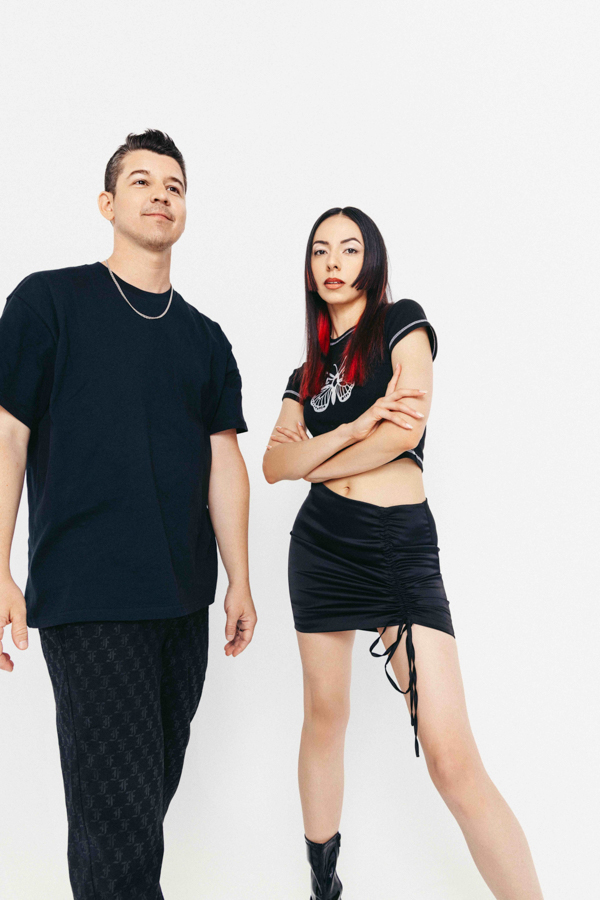
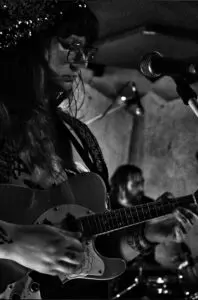
Yulan & Blaise is a remarkably gifted duo made up of Yulan Jack and Blaise Garza. Yulan Jack boasts a rich background that ranges from classical singing to screen performances, including a role in the Emmy-nominated series “Deadloch.” Blaise Garza, a versatile multi-instrumentalist, has spent two decades with the iconic band, the Violent Femmes. Together these two merged their artistic and creative forces to create a fresh take on experimental electronic pop. Their single, “God Complex,” is set to release on November 22, 2024. This track draws from the “Bristol Sound” and channels the essence of ‘90s soundtracks, providing an enticing glimpse of some of the magic that awaits us on their 2025 EP.

After having the honor of interviewing them and experiencing their artistic visions through listening to their enchanting and enigmatic single “God Complex,” I am truly excited to share with you what we discussed.

(SINGLE COVER ARTWORK: Yulan & Blaise)

RRX: What sparked your journey into music, and in what ways does it connect to your endeavors across various artistic mediums?

YULAN: Music has always been part of my artistic vocabulary, from classical vocal training when I was 13 onwards, to my ongoing interest in electronic and experimental music. This project with Blaise feels like all these different threads of my creative life finally weaving together. I’m Singaporean Chinese Australian and I’ve moved around a lot, between Australia, the UK, the US and Asia, so I’m influenced by many different places and cultures. I’m drawn to artists who refuse to be boxed in.

RRX: Who are your musical and artistic inspirations?

YULAN: Some of the artists who have had the greatest influence on me include Faye Wong, Kate Bush, Björk, Patti Smith, and more recently Caroline Polachek. I think what they all have in common is that they are all experimental and multidisciplinary in their approach, highly visual, and they are poets in their own ways – very language driven. The way Faye Wong moves between different languages really resonates, as I’m in the process of trying to write and sing more in Mandarin.

RRX: Your artistic endeavors frequently explore themes of identity and the reclamation of culture. In what ways does “God Complex” further this dialogue?

YULAN: In a literal sense, our debut single “God Complex” is about a lover en route to another galaxy, and that acts as a metaphor for bigger questions around the benefits and perils of technology. It doesn’t directly deal with our identities, but I don’t think it’s an accident that it explores themes of vastness and loneliness – Blaise and I are both multiracial and we have both moved around a lot. We know what it is to feel at home everywhere and nowhere. Some of the later songs in our EP deal with identity in more concrete ways.

RRX: What were your musical and artistic pursuits before teaming up with Blaise to produce this EP?

YULAN: My career path has been winding and full of surprises, even for me! I studied Drama at the University of Bristol in the UK, then trained as an actor at the American Repertory Theater at Harvard. I’ve worked as a stage and screen actor, including in Deadloch (Amazon Prime) and stage productions in Australia, the US, and UK. But I’ve always been drawn to finding new and innovative ways to explore my cultural identity, like when I moved to China in 2019 and made a vlog series about learning kung fu and Mandarin.

RRX: What led you to share your life and musical journey with Blaise?

YULAN: Blaise and I met while performing at the Museum of Old and New Art (MONA) in Tasmania in 2020. It’s a massive art collection owned by a multi-millionaire and focused around the themes of sex and death. Blaise was working there as a musician and I was working as a vocalist. We were performing there for almost two years, and a few months into that time we became friends and then began dating. I think we recognized in each other this shared desire to push artistic boundaries while staying grounded in something authentic. Looking back now, it’s funny to think that MONA’s owner David Walsh had that parking space labeled “GOD.” It feels somewhat prophetic since we’re releasing a song called “God Complex.”

RRX: Can you describe to me your creative process behind creating your single “God Complex” with Blaise?

YULAN: We both like a lot of different genres so we experimented a lot before finding a sound that felt truthful. We initially recorded at Frying Pan Studios at MONA, working with the legendary REDD.17 desk that the Beatles used, but we ended up re-recording parts of the track in our living room, to keep that sense of intimacy and rawness. The song emerged from conversations about long-distance relationships and tech billionaires like Elon Musk – this idea of someone on a mission to colonize space, the complicated ethics of that, and the feelings of a lover left behind. We wanted to create something that sounded both futuristic and nostalgic.

RRX: You embarked on your musical adventure at a remarkably young age, transitioning from a child actor to a member of Violent Femmes. What sparked your passion for music?

Yulan & Blaise | Photographer Kishka Jensen

BLAISE: I grew up working as a child actor, including in the US soap opera “Another World.” When I was 12, my parents took me to a pawn shop and I thought the sax “looked the coolest.” By the time I was 14, I owned a collection of instruments including a six-foot contrabass saxophone. I did a gig with the Central Coast Philharmonia, which ended up catching the attention of a roadie for the Violent Femmes, Zip Zembinski. Brian, the Violent Femmes bass player, asked me to sit in with the band. And I’m still touring with them 20 years later.

RRX: You’re very well known for your impressive 6-foot contrabass saxophone.. What inspired your shift to the realm of experimental electronic music with the EWI (Electronic Wind Instrument) for your debut single?

BLAISE: The transition felt natural. After collecting and performing on nearly every type of saxophone imaginable, from the tiny Soprillo to the Sub Contrabass, the EWI represents this fascinating bridge between acoustic and electronic worlds. It’s really an extension of my ongoing fascination with pushing wind instruments into new territory. Plus, my background in composition and audio engineering, which I studied at UCSD, made me curious about these electronic frontiers. But we do use sax and contrabass sax in some of the later tracks of the EP too.

RRX: You’ve have incorporated some pretty intriguing instruments into this track. What sparked your inspiration

BLAISE: My passion for collecting instruments – over 70 now – really came into play here. We’re using traditional or folk instruments but in unexpected ways and new contexts. There’s Chinese erhu, a nod to Yulan’s Chinese heritage, and the jaguar whistle, a nod to my Mexican roots.

RRX: How has your experience with the Violent Femmes helped to influence this new path on your musical journey?

BLAISE: The Violent Femmes taught me to break the rules musically. Even though this project isn’t punk in a musical sense, our approach is “punk.” This project with Yulan feels like a natural progression of the experimentation I’ve learned from the Violent Femmes.

RRX: Could you share some insights into your partnership with Yulan and the way you both collaborate to produce your music?

BLAISE: Early on when we met, I asked Yulan if she wrote any poetry because I am always coming up with chord progressions but I’ve never put lyrics to them. It turns out she does write poetry, and she’s an incredible singer. So our skill sets are very complementary. Having said that, we try to work together on everything and act as the producer for each other and try to push each other to create the best work we can. Yulan had me repeat the EWI solo about ten times until we got one she thought was right for the track!

RRX: The EP promises to be quite genre-defying. What should listeners anticipate?

BLAISE: For each song in the EP we’re creating these cinematic visual worlds, each with a slightly different musical language, but all within an experimental electronic space, and some are a little more pop-leaning. Each track and music video reimagines our relationship in different scenarios – whether that’s dystopian futures or strangely nostalgic places. It’s more than just the music – we’re excited to share these worlds we’ve crafted.

God Complex will be released on November 22 across all music streaming platforms. Be sure to mark this day on your calendar and check out Yulan & Blaise!

Be sure to show some love to this dynamic duo and follow their journey on social media.

INSTAGRAM: https://www.instagram.com/yulan.and.blaise/

FACEBOOK: https://www.facebook.com/yulan.and.blaise/

WEBSITE: https://yulanandblaise.com

Recap: Escape From the Zoo / Hans Gruber and the Die Hards at No Fun 11/8/2024

0

Recap By: Rob Smittix

Photos By: Christopher Ebbs

Asylum Albany & Upstate Black & Blue Presents: Escape From the Zoo / Hans Gruber and the Die Hards / Blast Craze / Zombie Giuliani

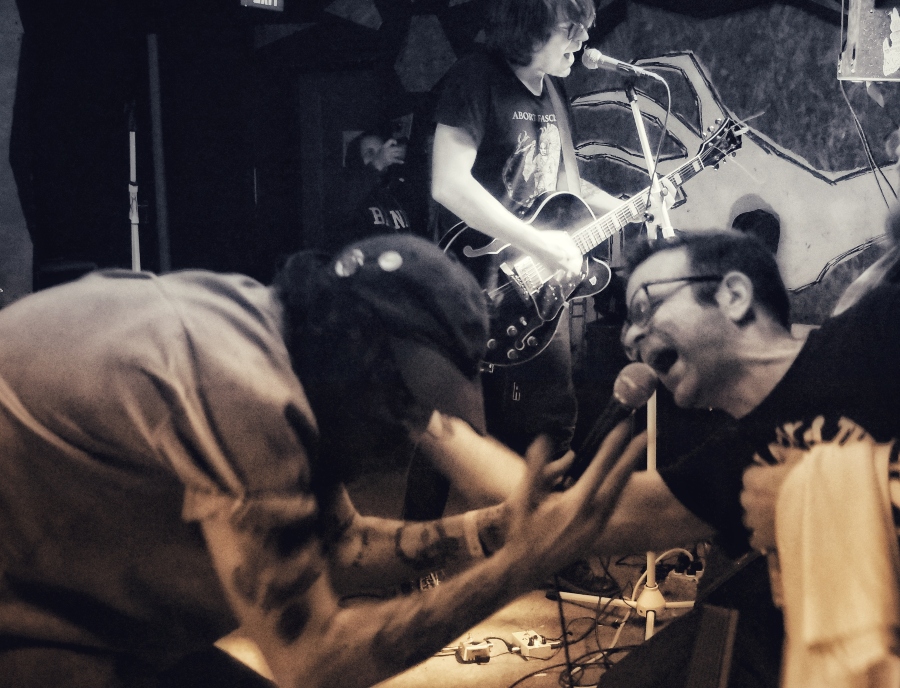
I have been awaiting this show ever since I heard the announcement. First, hats off to Dan Asylum for booking this. I (Rob Smittix) have been a fan of Days N Daze for years and all of Jesse Sendejas’ projects including Chad Hates George and of course Escape From the Zoo. I can’t even decide which band I like better, so I made the decision not to try. And to top it off Hans Gruber and the Die Hards are on this bill! My band Smittix played one of our last shows with them and they were a tough act to follow. When I arrived at No Fun I met Jessamyn “Onion” Cobb, the Drummer for Escape From the Zoo and he said the exact same thing that they are a tough act to follow, except they do it every night on this tour.

I had the pleasure of interviewing Jesse back in 2021 and if you’d like to check it out CLICK HERE

Jesse and I talked on the phone several times since that interview and he was even nice enough to listen to my band’s music and give his opinions, which I thought the coolest coming from one of the greatest lyricists of our time. Before the doors officially opened at No Fun that Friday evening I had a chance to finally meet Jesse in person. He was just sitting there all by himself and I didn’t want to bug him but at the same time I may not have had this same opportunity later. I extended my hand to shake his, sat down next to him on the couch and we had a pleasant chat. I confirmed that the phone number I have for him is still correct and he told me I’d reach him better if I just call and not text. He’s the coolest.

Zombie Giuliani opened the show with a killer set. They played their new album in it’s entirety as heard on RadioRadioX.com (shameless plug, lol). Punk is still alive despite what they may say. Blast Craze is also now on my radar, they reminded my brother Jay (also my drummer) and I of ourselves (Smittix). The dude even had my hat lol. I just want these bands to know that we plan on supporting them as much as we can. I wouldn’t be surprised if you see these two local punk bands on some of our bills moving forward.

One of the coolest things to me was hearing from a few people in the audience that it was my radio show that first exposed them to Escape From the Zoo. That’s the kind of feedback that I love to hear. Oh and if I bumped into you in the mosh pit, I’d blame my sister in law Amanda. She loves pushing me into people. It was a great night, we sung along, we danced and we watched a little nut slip out on stage, it was magical!

For More Information on the bands follow these links:

Escape From the Zoo: CLICK HERE

Hans Gruber and the Die Hards CLICK HERE

Zombie Giuliani CLICK HERE

Blast Craze CLICK HERE


“Rewind the Time” (Veterans Benefit) @ Wicked, 11/9/2024

0

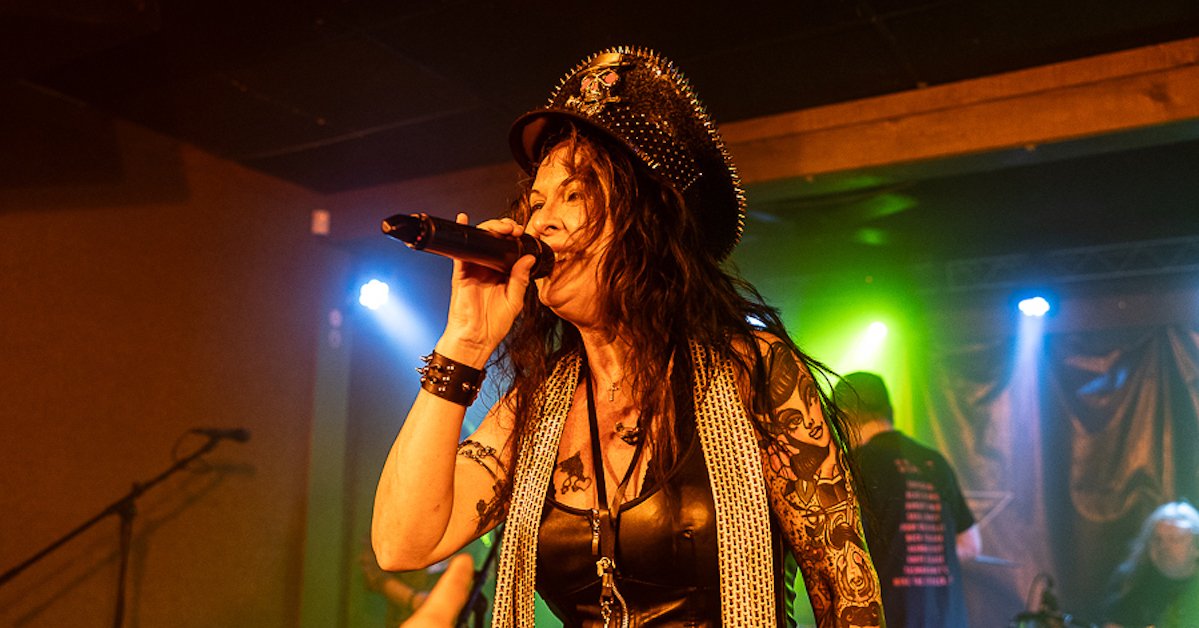
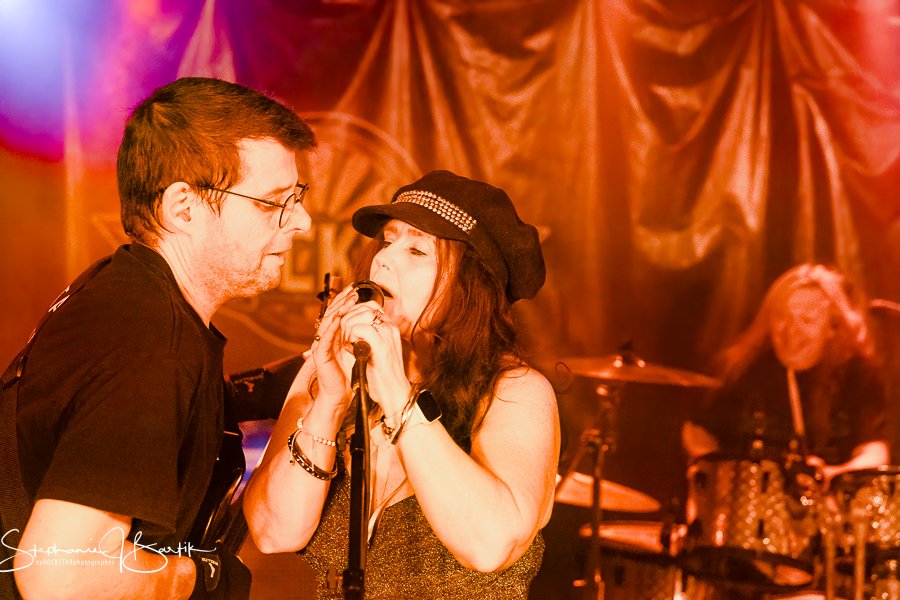
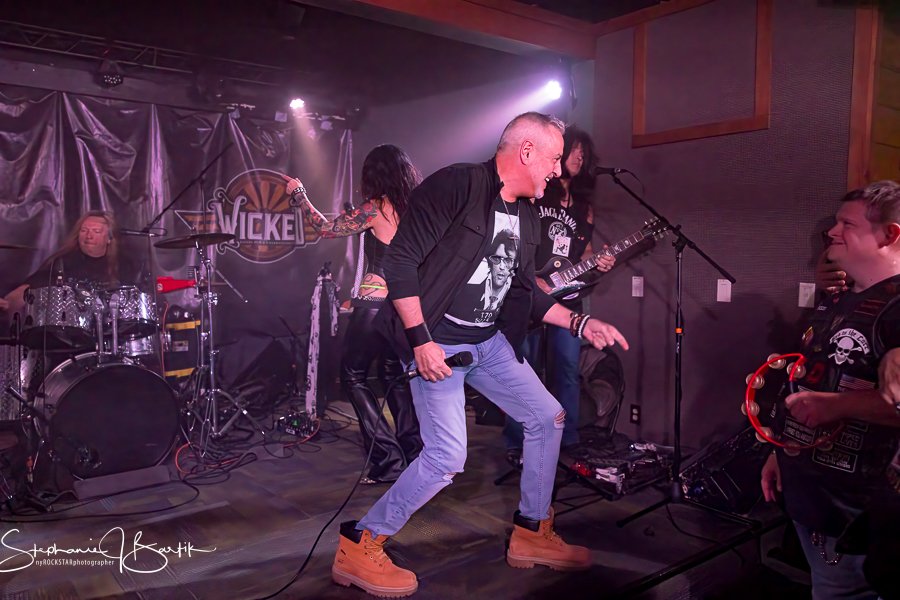
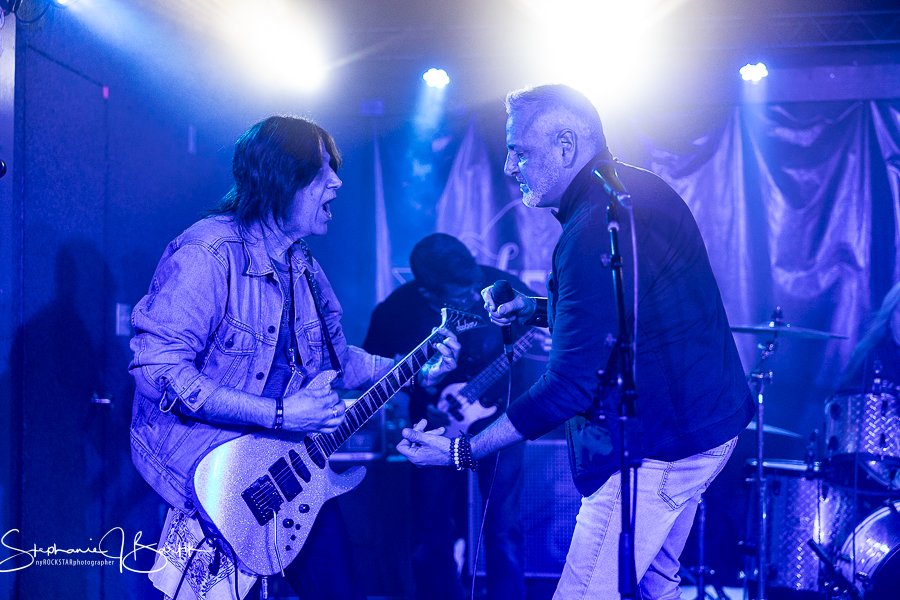
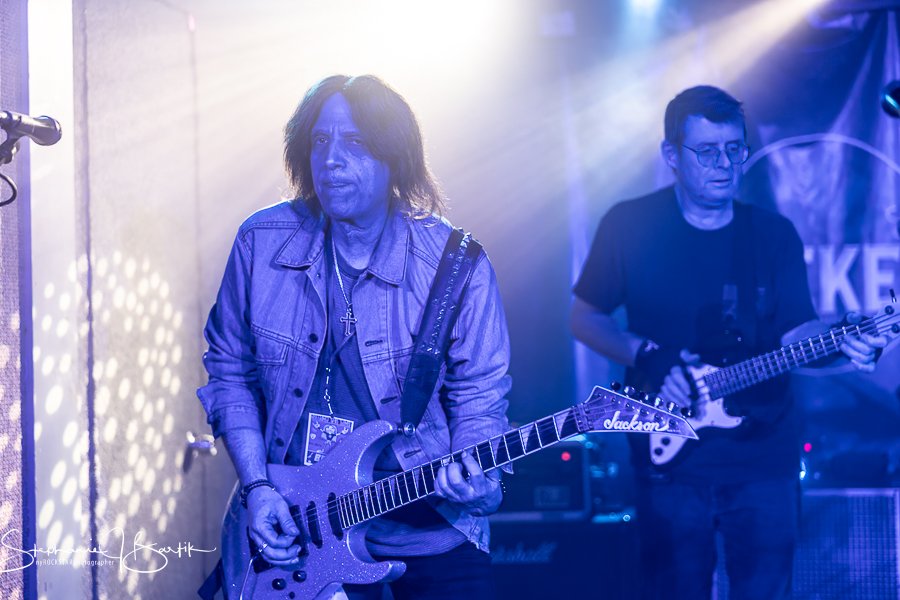
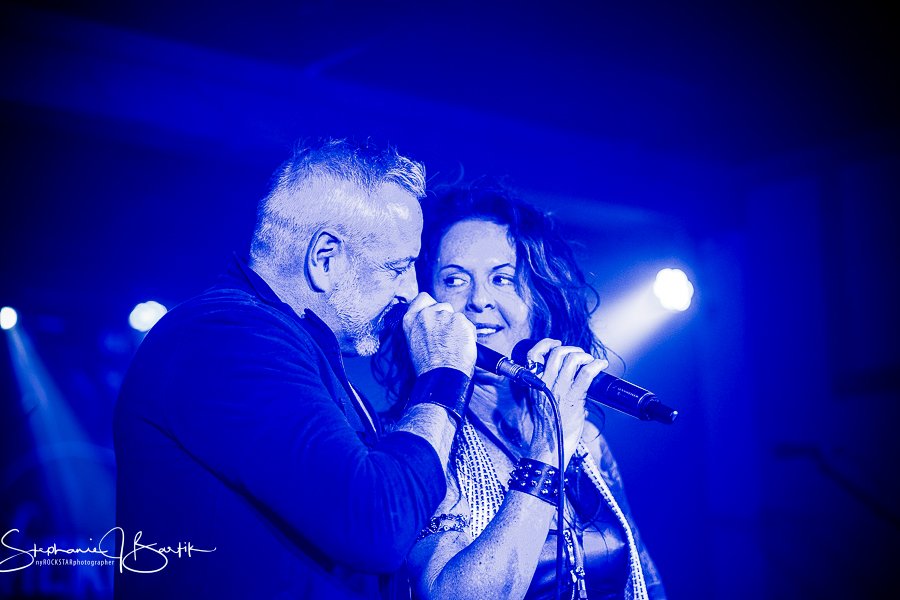
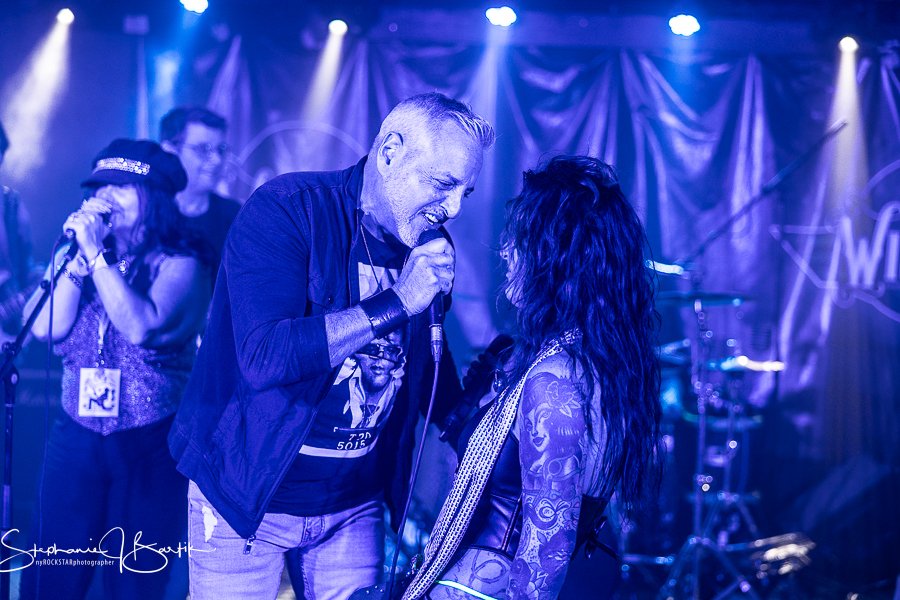
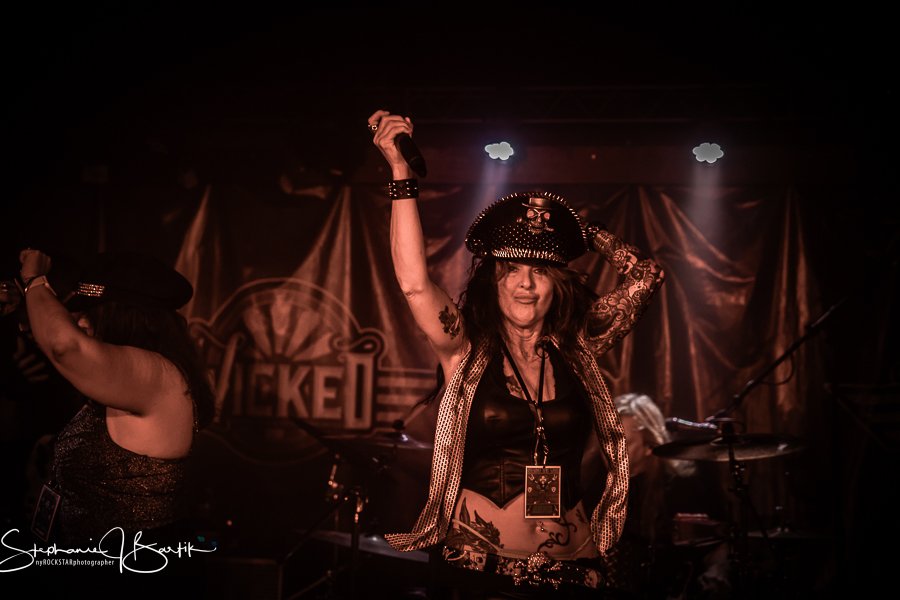
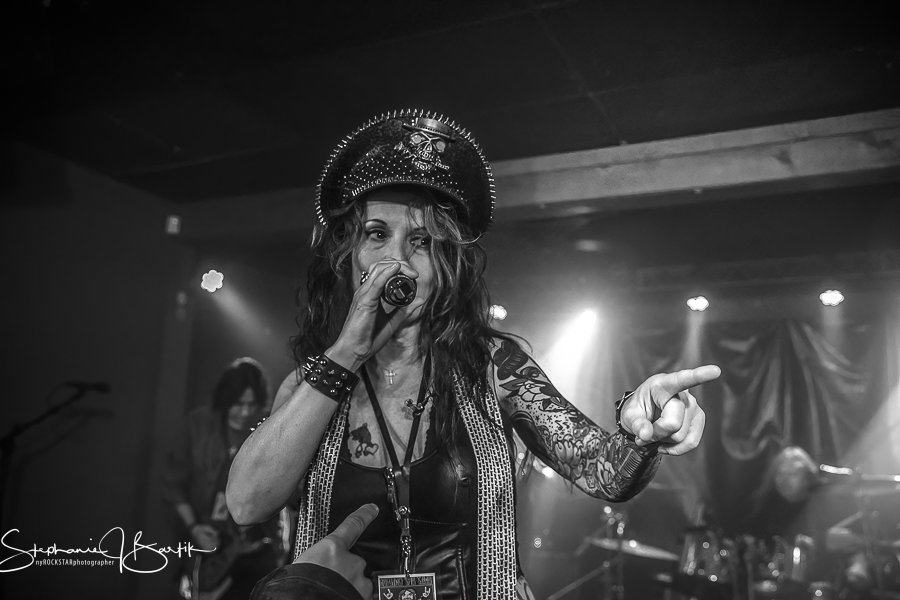
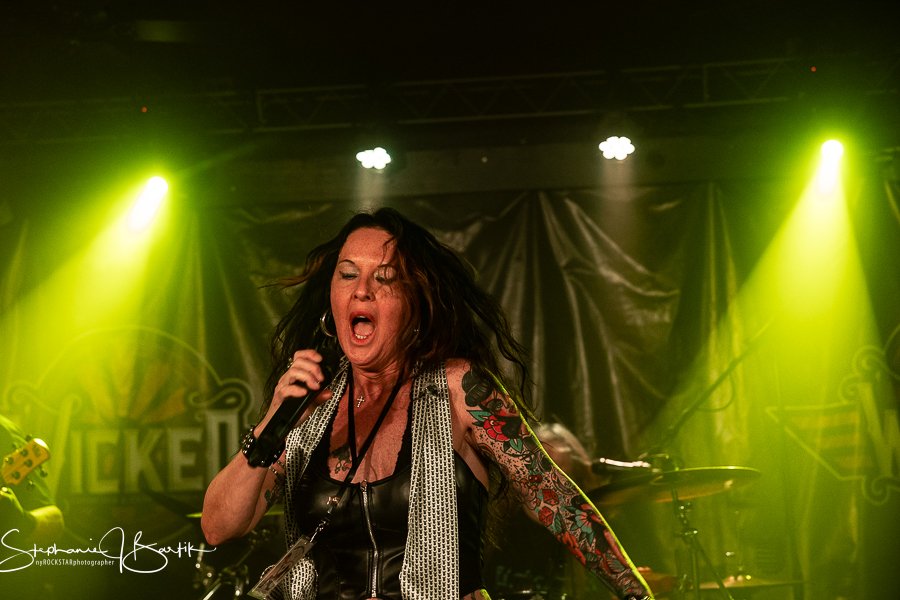
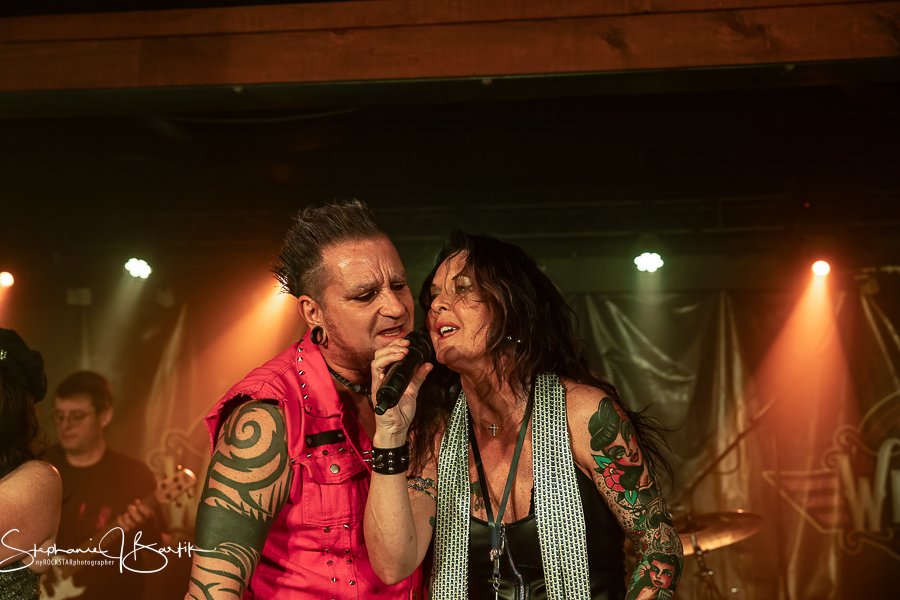
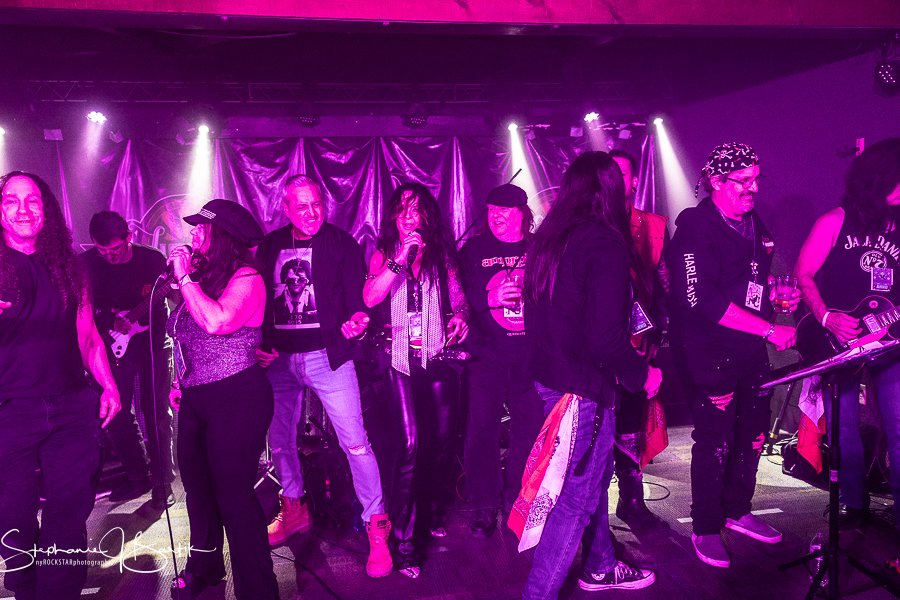
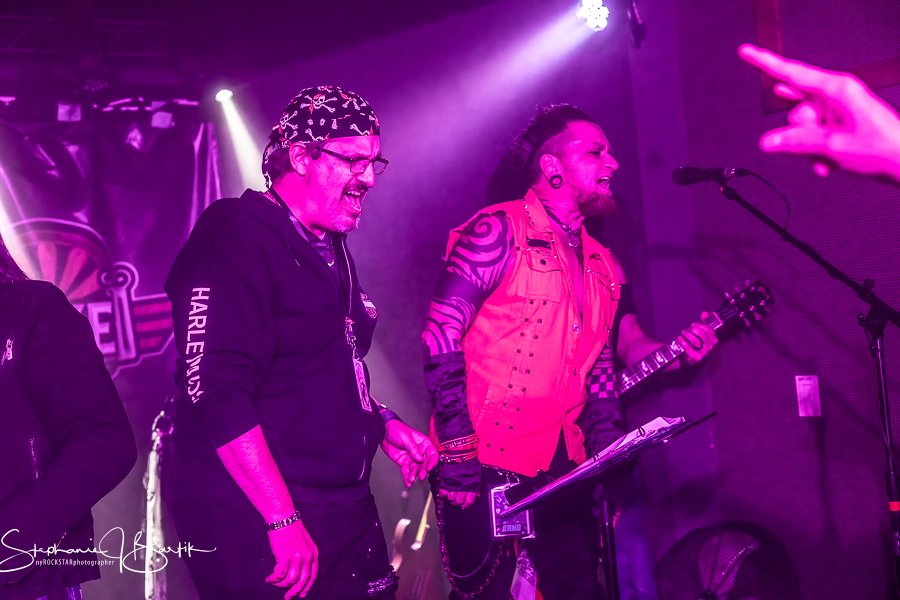
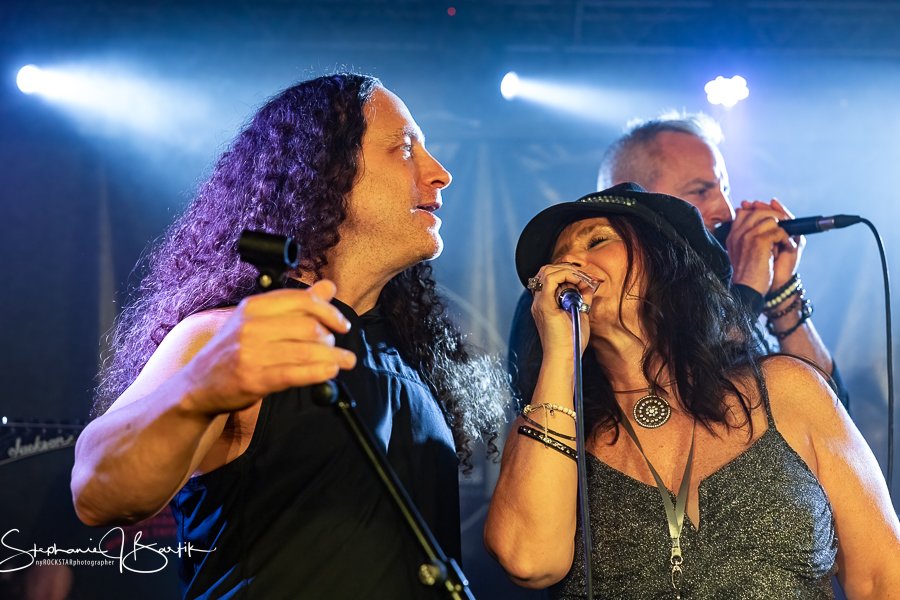
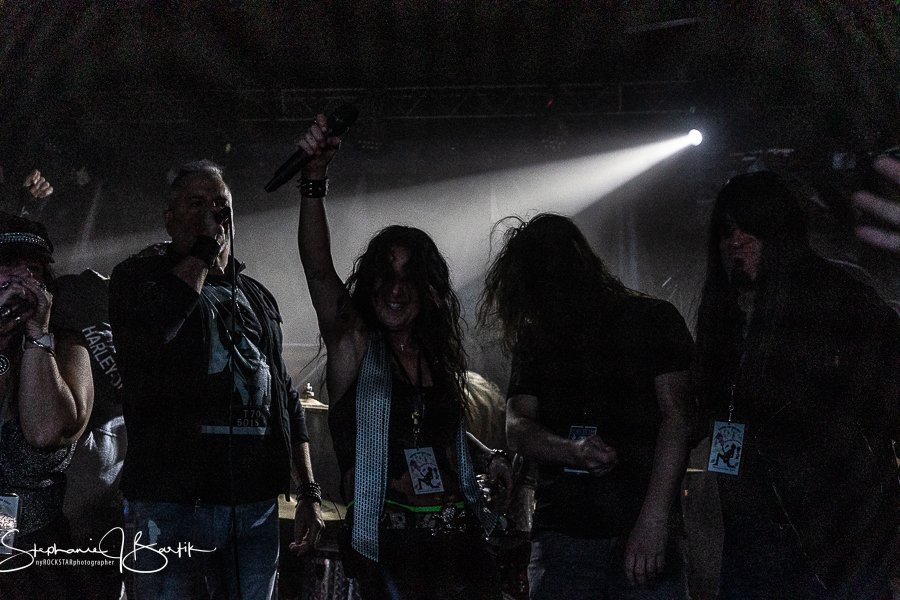
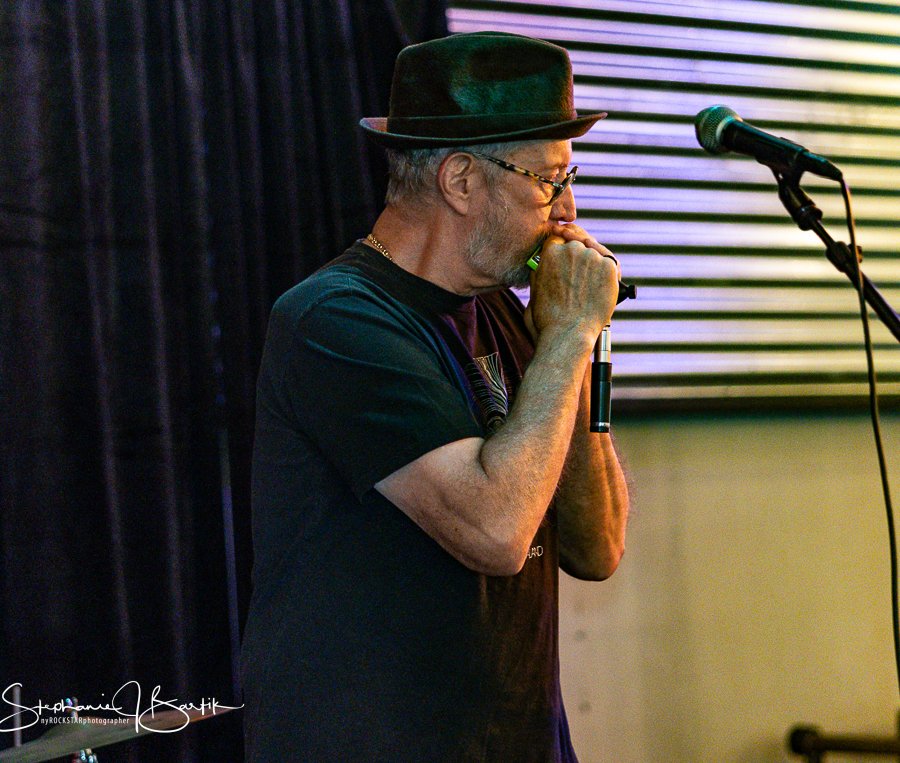
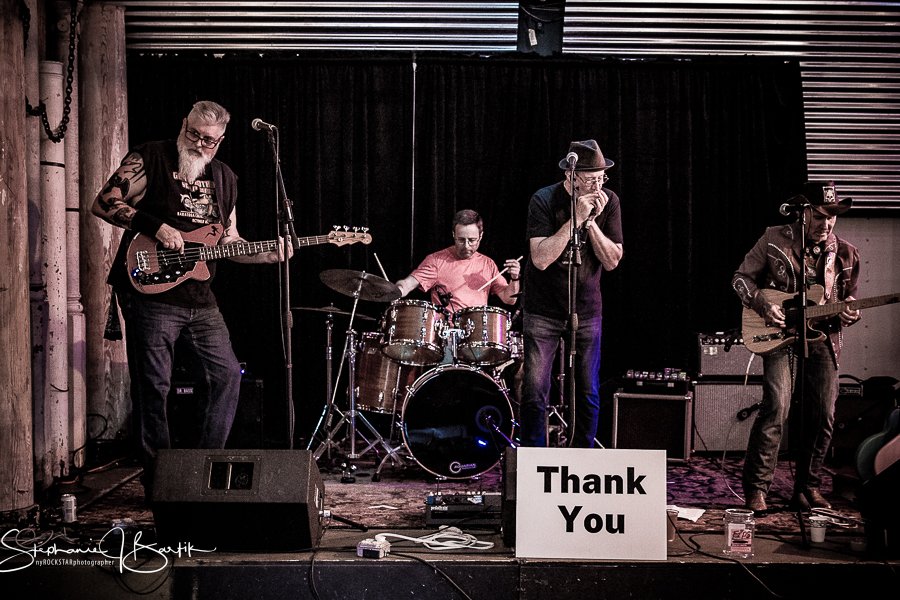
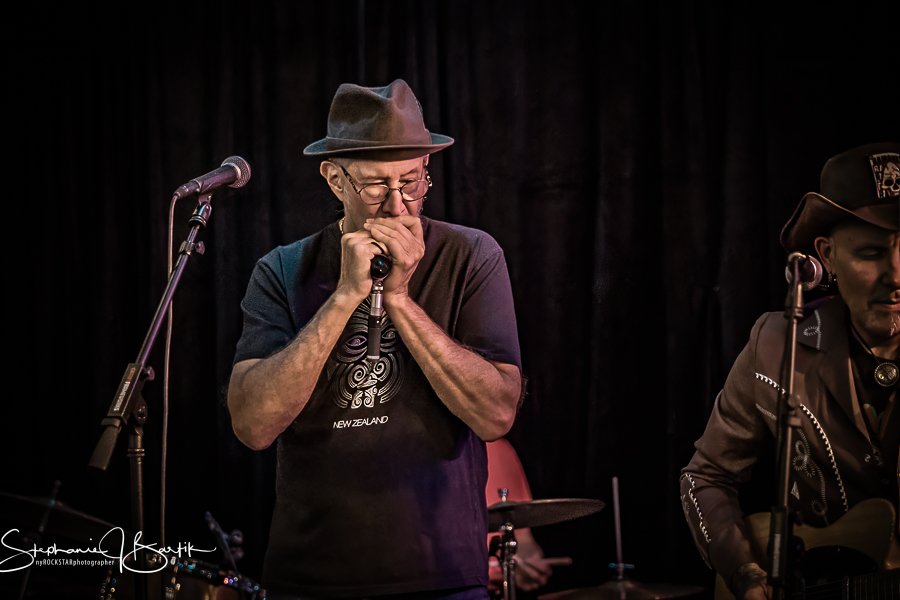
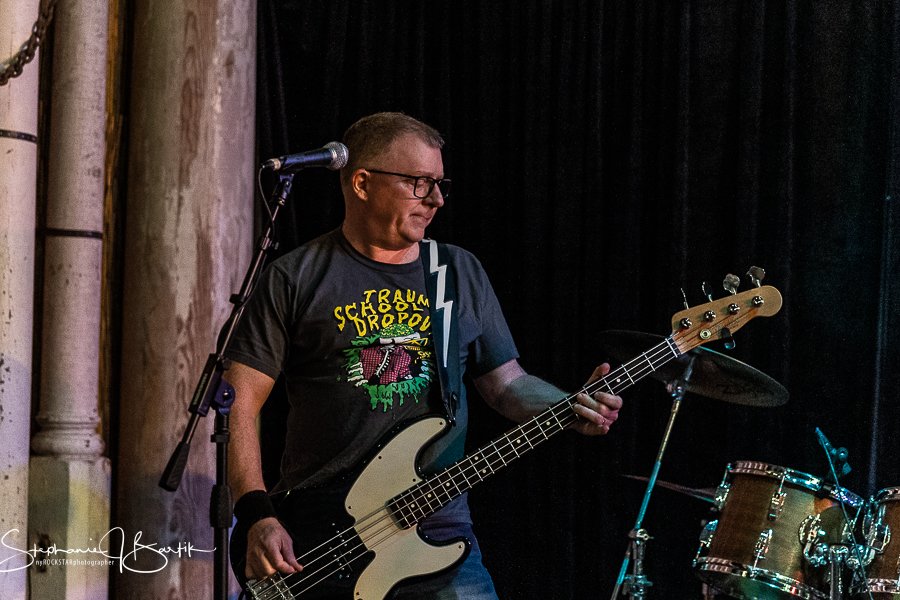
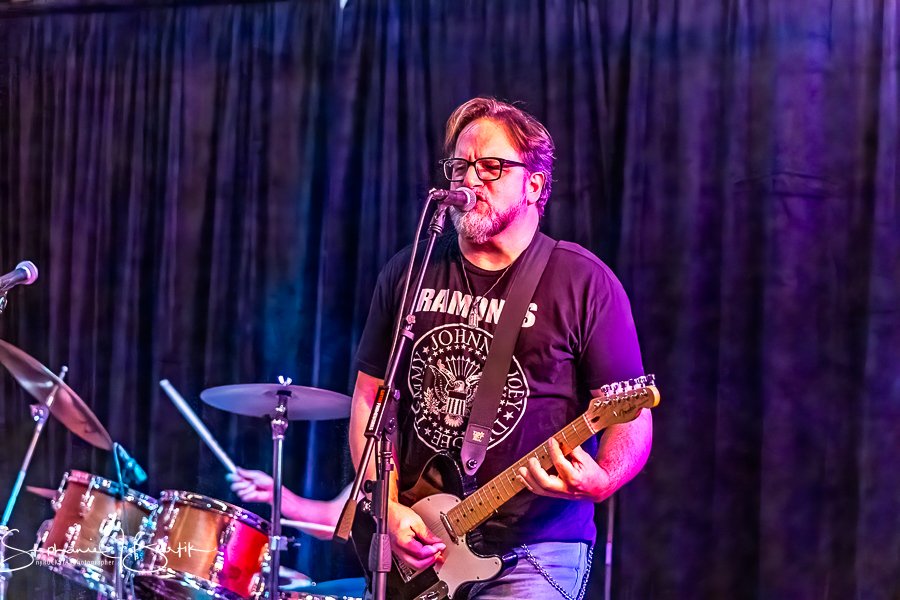
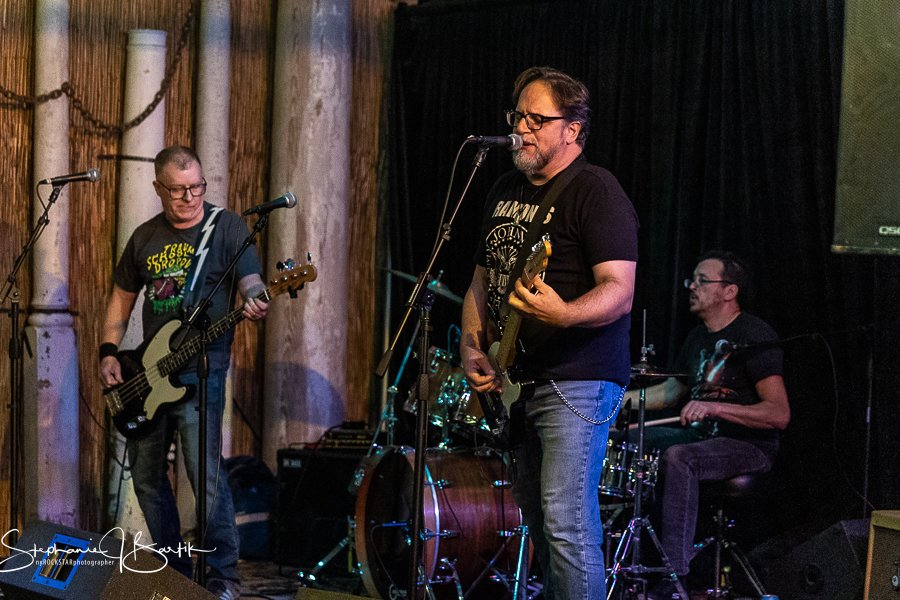
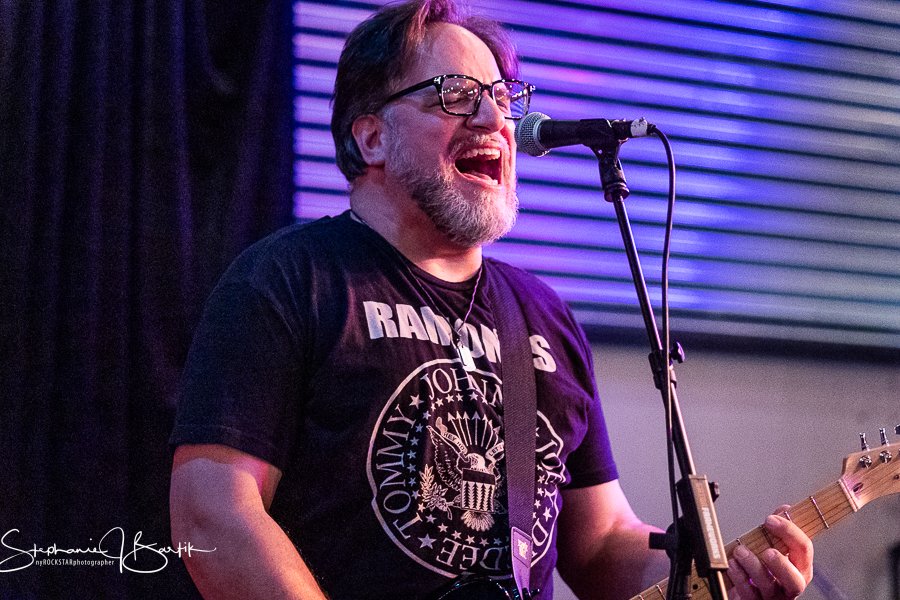
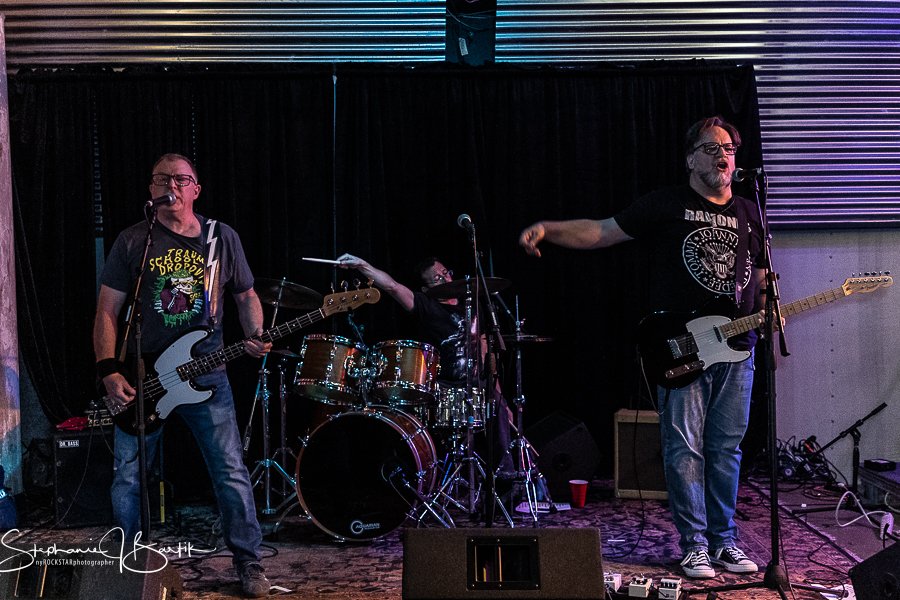
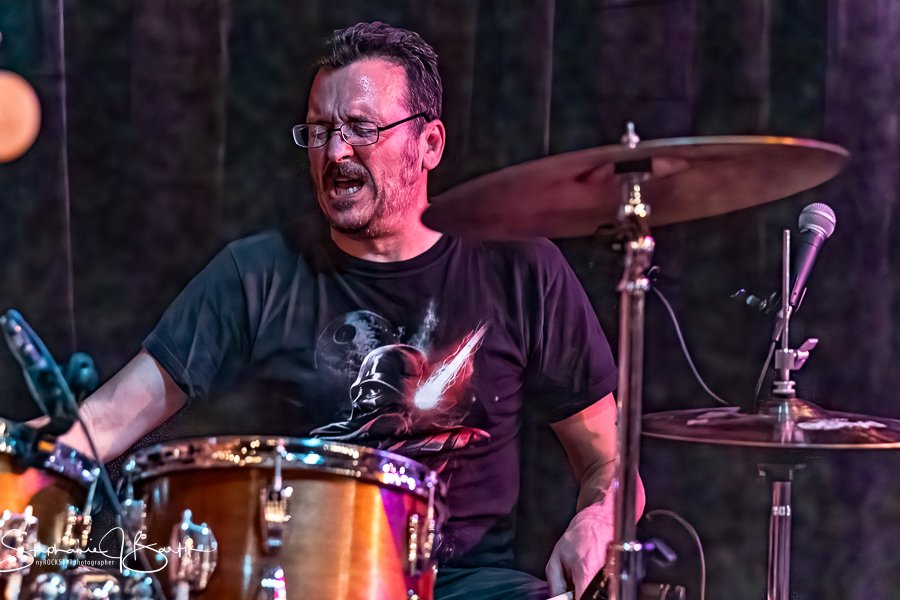
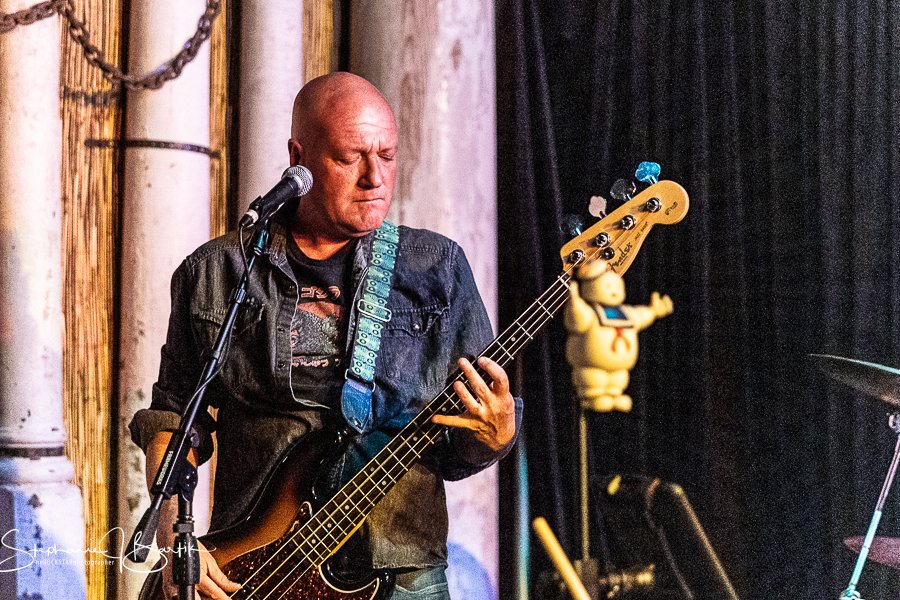
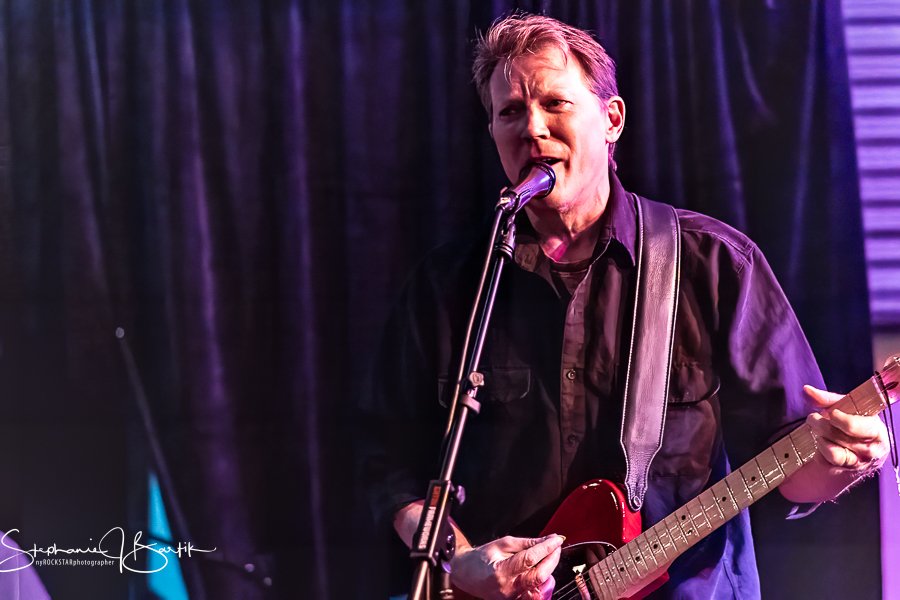
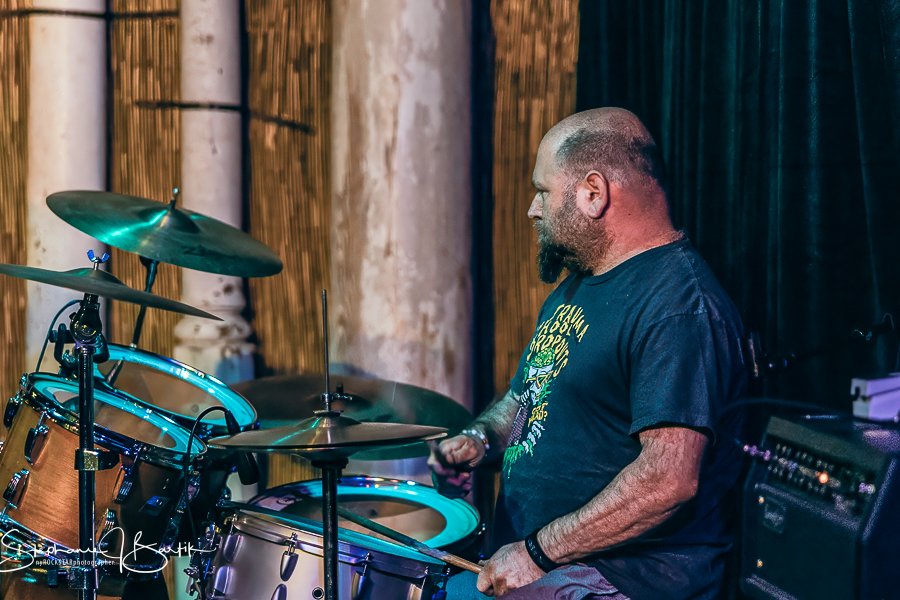
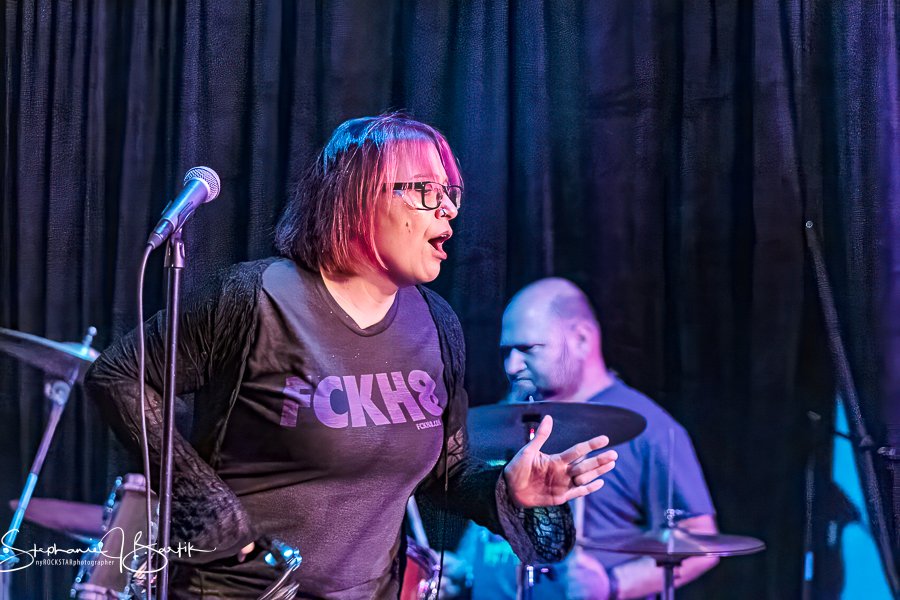
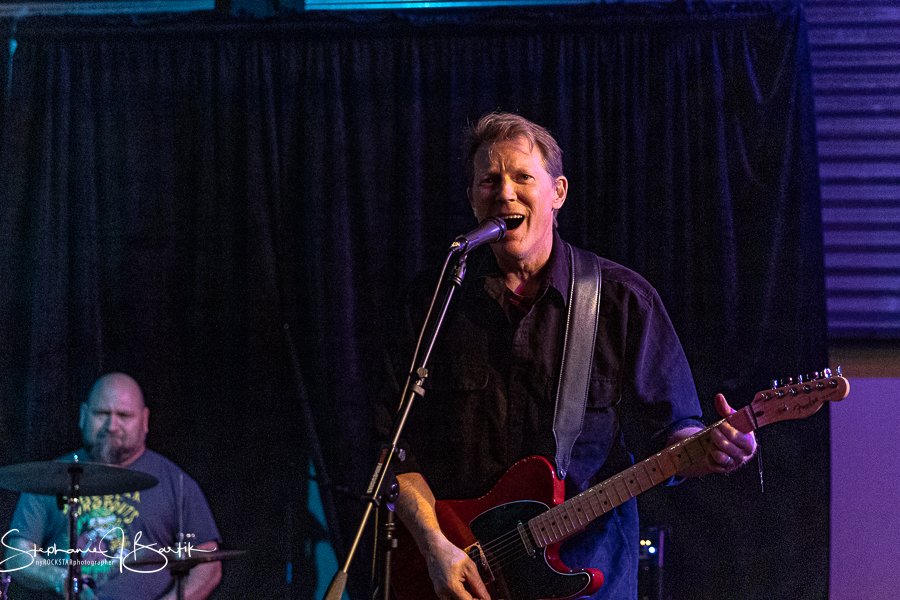
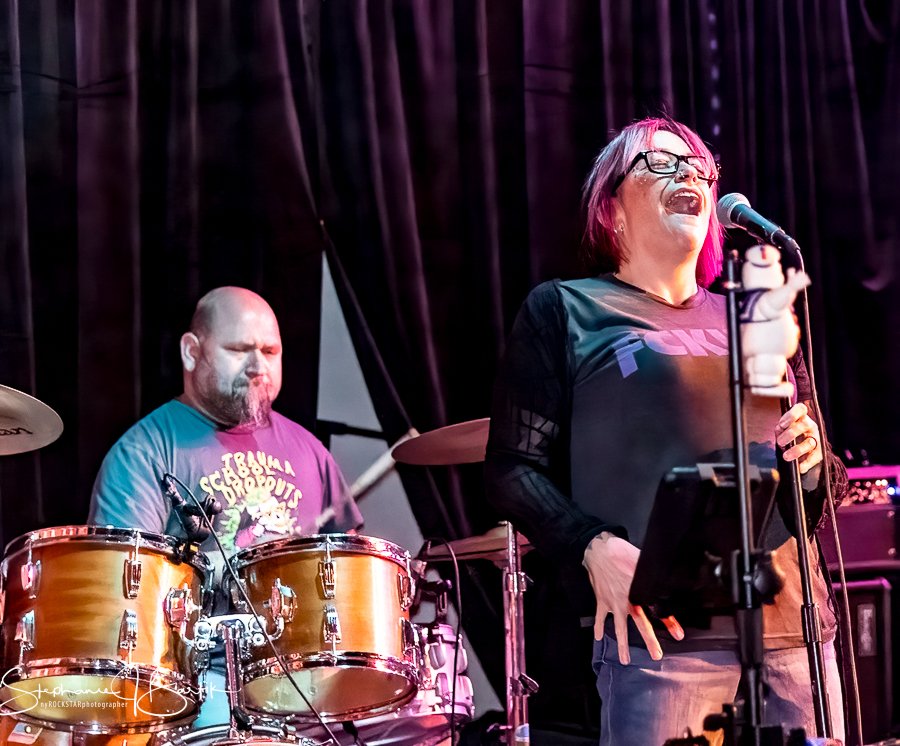
The ’80s and ’90s were back in full force for this benefit show at Wicked. Mike and the Monsters, Back for More, Modern Vintage, Fifth Element, Savage Amusement, and Radio Active were the bands that took part.

Photography by Stephanie J Bartik.

More from Stephanie J Bartik …

Nanola Celebrates 11 Years  This Week!

0
Nanola

Nanola Celebrates 11 Years  This Week!

Malta, NY :  Nanola will be celebrating 11 years this week starting 11/11/2024.  Nanola is located at 2639 Rt 9 in Malta NY.   Nanola operates as a bar and restaurant open seven days a week for lunch and dinner.  They provide some of the area’s best burgers and wings as well as some Cajun and New Orlean’s specialties.  Jambalaya and even fried alligator from time-to-time graces Nanola’s menu.

Nanola has also hosted many events from weddings to funerals.  They have a stage with professional sound and have had many acts take the stage over the years.  Local cover bands and solo acts tend to fill Nanola’s schedule these days but they still pull out the big guns occasionally and have hosted acts such as White Denim, Michael Glabicki (Rusted Root,  Caroline Rose, Bob Moses,  Tokyo Police Club, Dogs in a Pile.  Owner Shane Spillenger has repeatedly kicked himself for turning down Goose on a random Wednesday one week.  This week they will be hosting Shake Rattle and Roll Dueling Pianos and Saturday night 80’s cover band Aquanett!

Nanola also hosts weekly trivia, and all your sports viewing events with the NFL package.

They also have open mic monthly and karaoke sprinkled in.  In the warmer months they have three beach volley ball courts that have leagues almost every day of the week.  The volleyball leagues are ran by Spillenger’s partner Matthew Wink.  US Olympic players have used the courts for practice!

To coincide with this week’s anniversary they will be refining the menu to Nanola’s tried and true favorites. For a limited time only Nanola will be bringing back its buy one get one happy hour between 4 and 6pm seven days a week.  They will also be offering 1$ wings for a limited time only as well.  Reservations are highly encouraged and can be placed online at www.nanolarestaurant.com  or by calling 518587-1300 and dialing 1 for Nanola as they share the phone system with Spillenger’s  other location Ophelia’s  located at 388 Broadway in Albany.

Ophelia’s  Nanola is not Spillenger’s first foray into the restaurant business nor his first brush with the live music industry. A Capital Region native, he grew up working in various restaurants and bars that his father, the late Ralph Spillenger, owned and operated, including the downtown Albany-based Bayou (now The Hollow Kitchen + Bar) and Jillian’s, putting in 70-hour weeks at the height of the popularity of these establishments. He also founded PearlPalooza in 2009, downtown Albany’s largest, free, one-day music festival, and runs a promotional company called Sugar Productions.

Nanola welcomes everyone to come and celebrate.

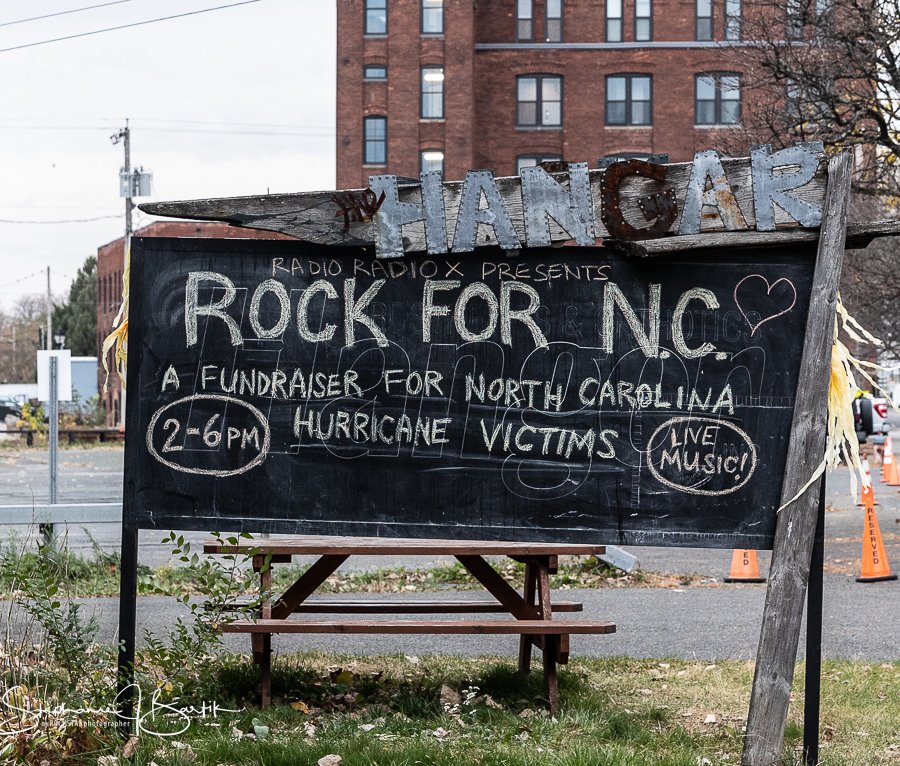
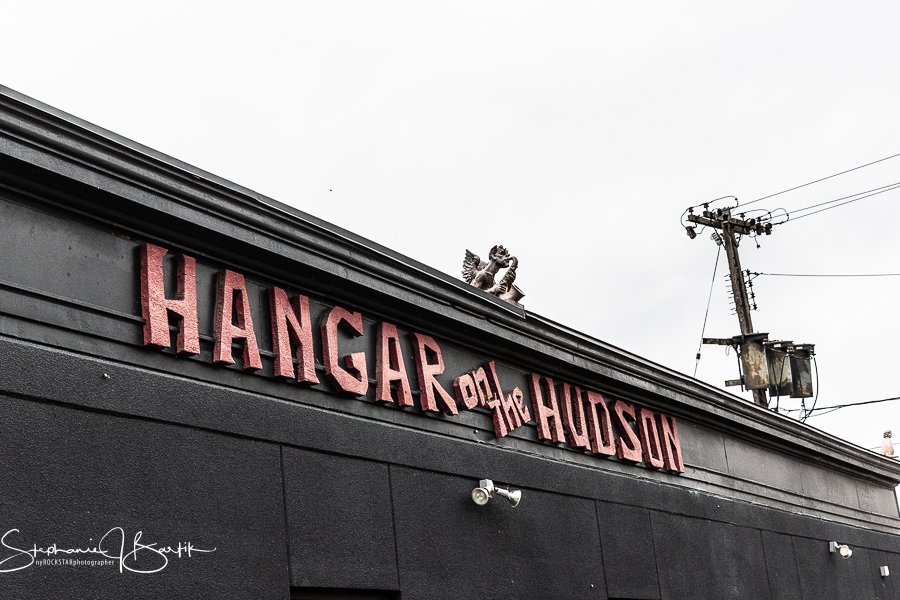
“Rock for North Carolina” @ Hangar on the Hudson, 11/10/2024

0

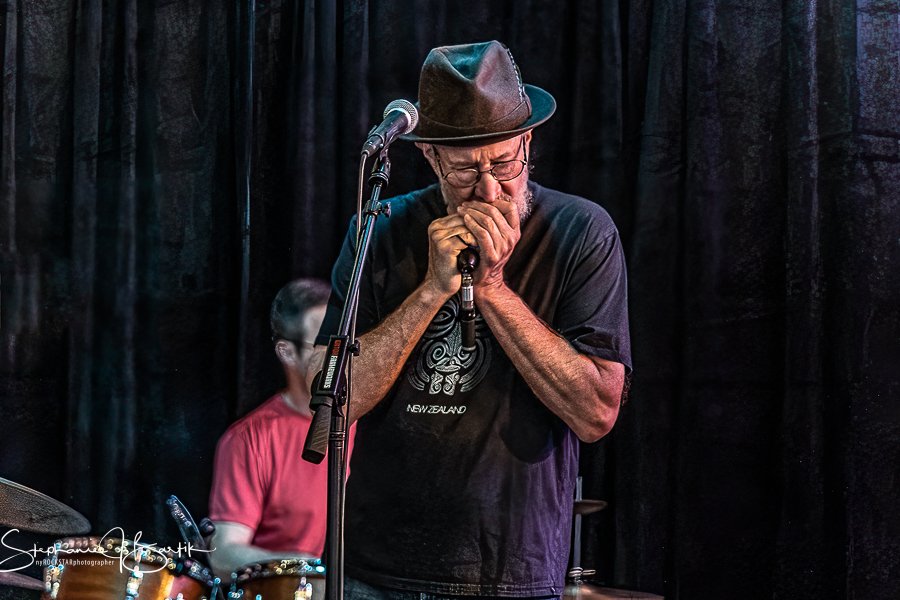
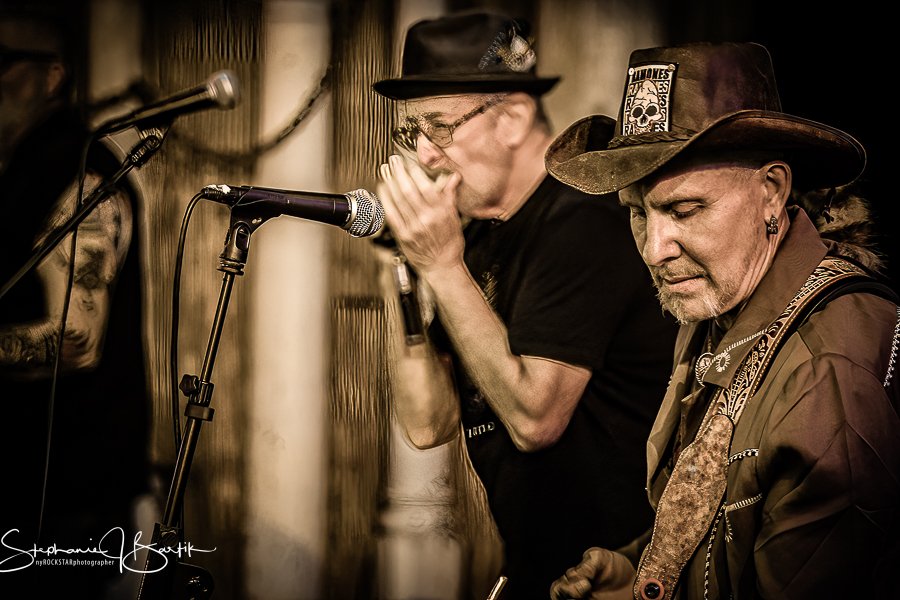
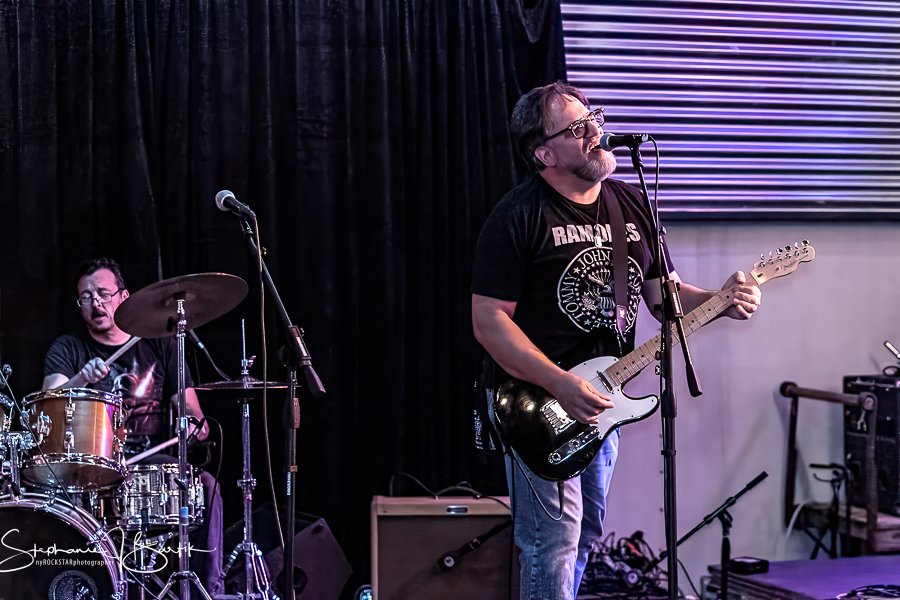
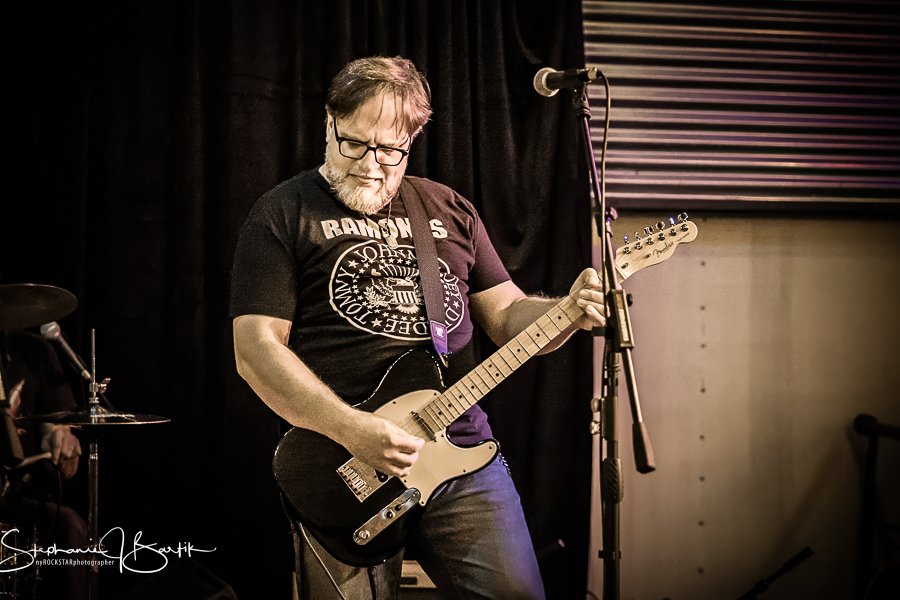
RadioRadioX, Hot Cousin, Blackcat Elliot, and Big Frank and the Bargain Bingers joined up to raise money for hurricane victims in North Carolina.

See video of Blackcat Elliot and the full gallery for all the bands below.


Photography by Stephanie J Bartik.

More from Stephanie J Bartik …
Nanola Celebrates 11 Years This Week!

0

Malta, NY :  Nanola will be celebrating 11 years this week starting 11/11/2024.  Nanola is located at 2639 Rt 9 in Malta NY.   Nanola operates as a bar and restaurant open seven days a week for lunch and dinner.  They provide some of the area’s best burgers and wings as well as some Cajun and New Orlean’s specialties.  Jambalaya and even fried alligator from time-to-time graces Nanola’s menu. 

Nanola has also hosted many events from weddings to funerals.  They have a stage with professional sound and have had many acts take the stage over the years.  Local cover bands and solo acts tend to fill Nanola’s schedule these days but they still pull out the big guns occasionally and have hosted acts such as White Denim, Michael Glabicki (Rusted Root,  Caroline Rose, Bob Moses,  Tokyo Police Club, Dogs in a Pile.  Owner Shane Spillenger has repeatedly kicked himself for turning down Goose on a random Wednesday one week.  This week they will be hosting Shake Rattle and Roll Dueling Pianos and Saturday night 80’s cover band Aquanett!

Nanola also hosts weekly trivia, and all your sports viewing events with the NFL package.  

They also have open mic monthly and karaoke sprinkled in.  In the warmer months they have three beach volley ball courts that have leagues almost every day of the week.  The volleyball leagues are ran by Spillenger’s partner Matthew Wink.  US Olympic players have used the courts for practice!

To coincide with this week’s anniversary they will be refining the menu to Nanola’s tried and true favorites. For a limited time only Nanola will be bringing back its buy one get one happy hour between 4 and 6pm seven days a week.  They will also be offering 1$ wings for a limited time only as well.  Reservations are highly encouraged and can be placed online at www.nanolarestaurant.com  or by calling 518587-1300 and dialing 1 for Nanola as they share the phone system with Spillenger’s  other location Ophelia’s  located at 388 Broadway in Albany.

Ophelia’s  Nanola is not Spillenger’s first foray into the restaurant business nor his first brush with the live music industry. A Capital Region native, he grew up working in various restaurants and bars that his father, the late Ralph Spillenger, owned and operated, including the downtown Albany-based Bayou (now The Hollow Kitchen + Bar) and Jillian’s, putting in 70-hour weeks at the height of the popularity of these establishments. He also founded PearlPalooza in 2009, downtown Albany’s largest, free, one-day music festival, and runs a promotional company called Sugar Productions.

Nanola welcomes everyone to come and celebrate.