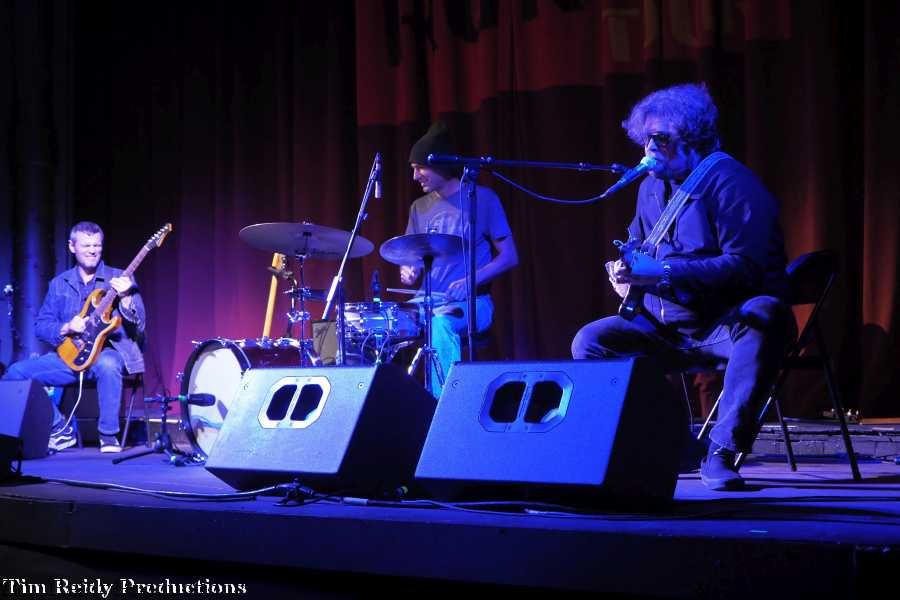
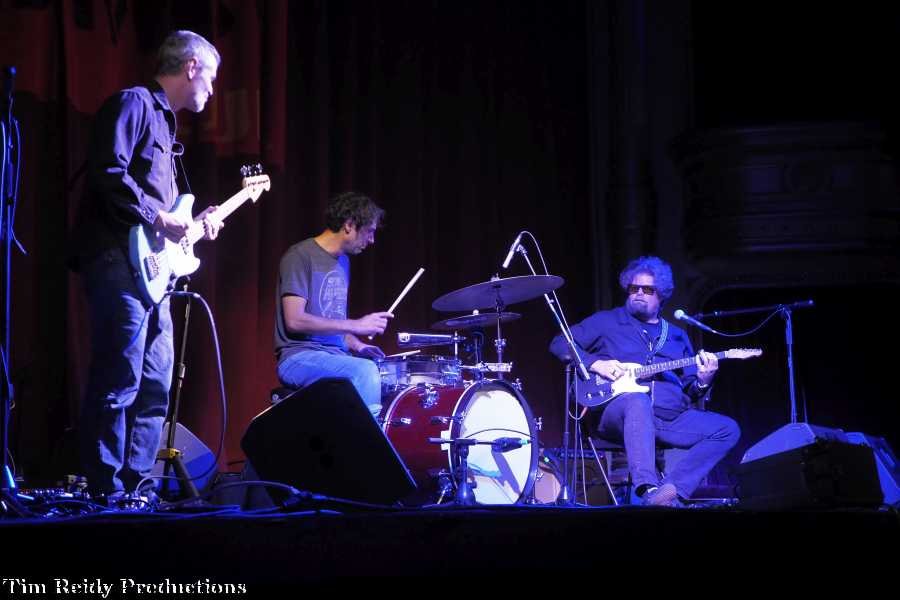
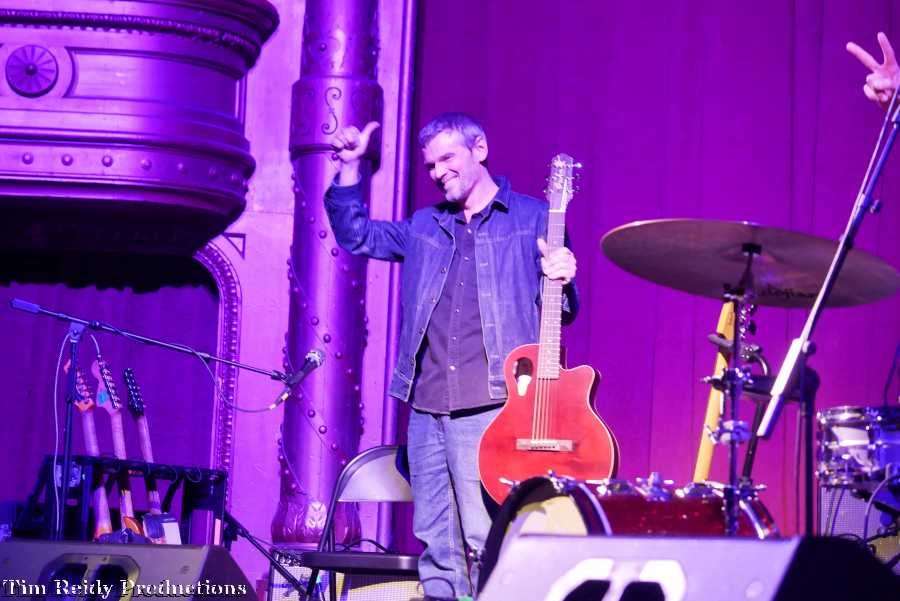
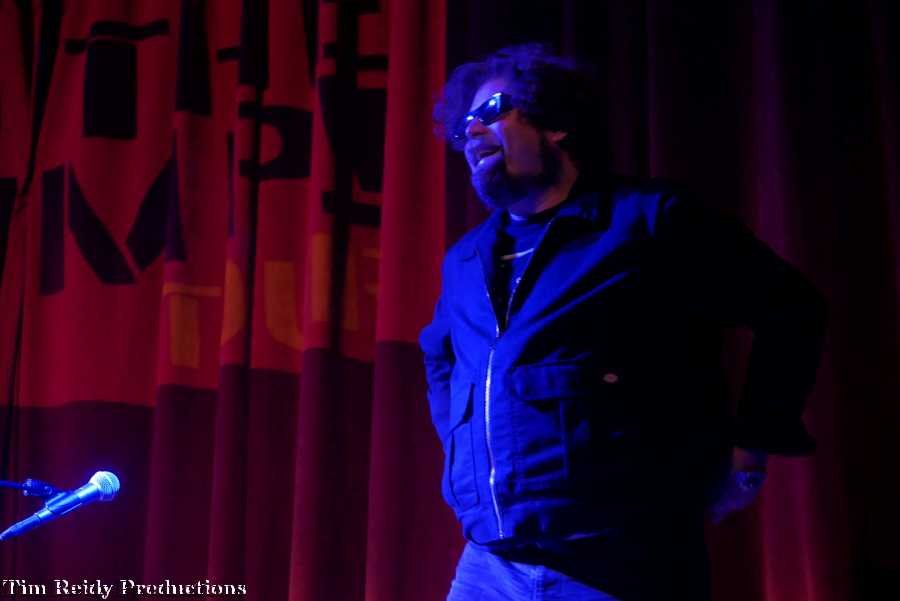
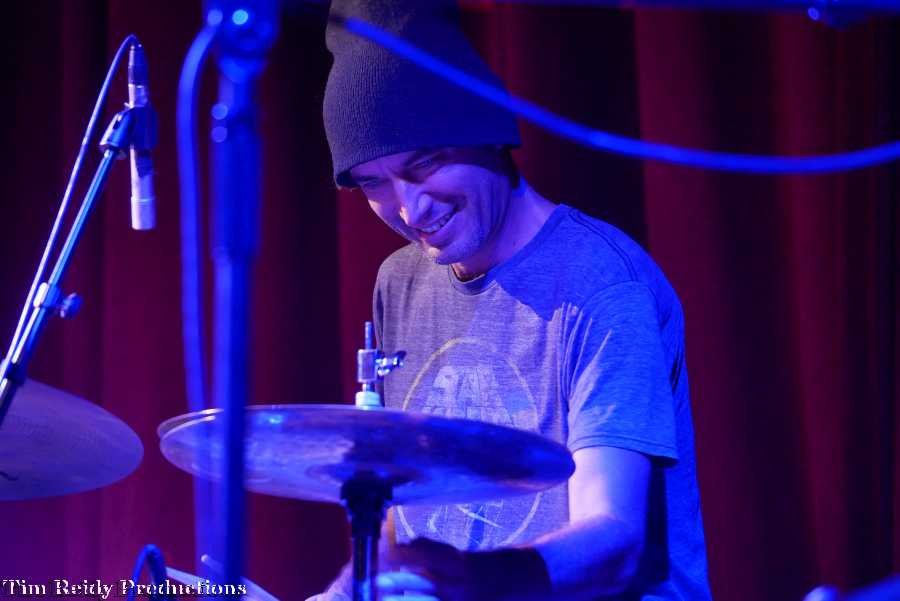
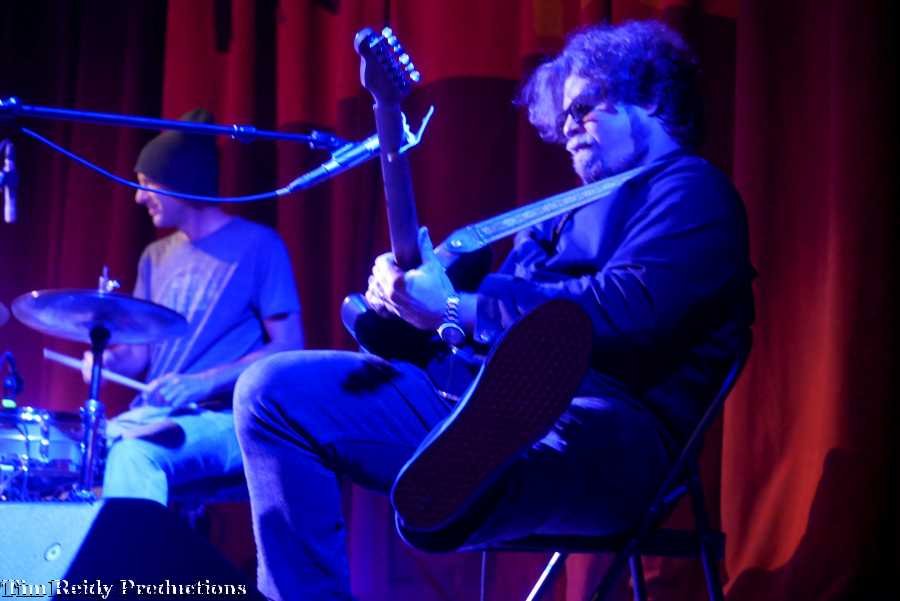
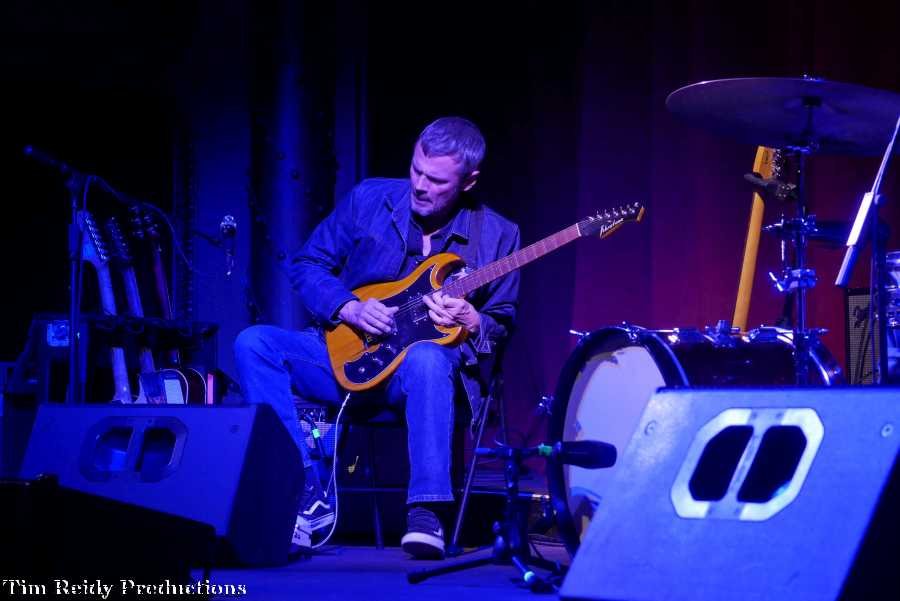
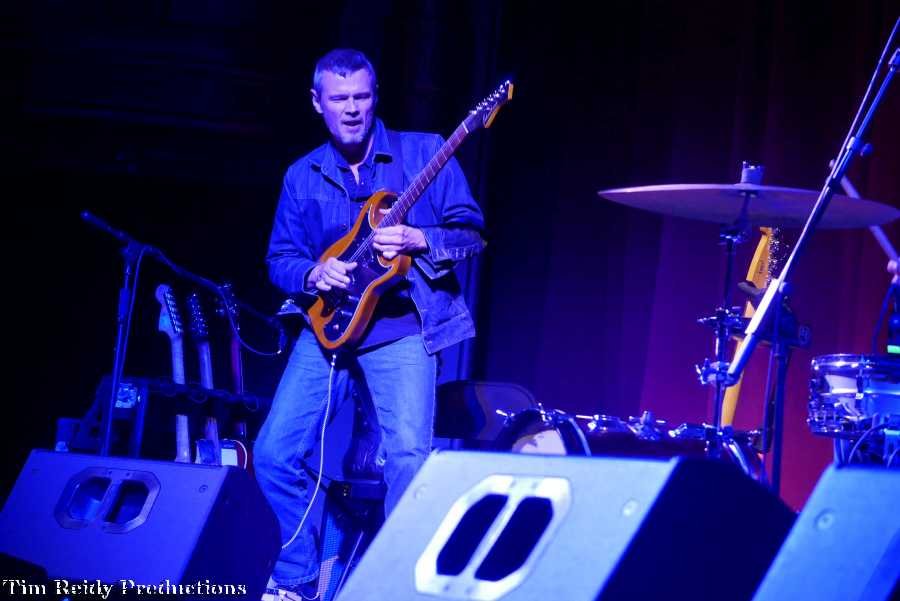
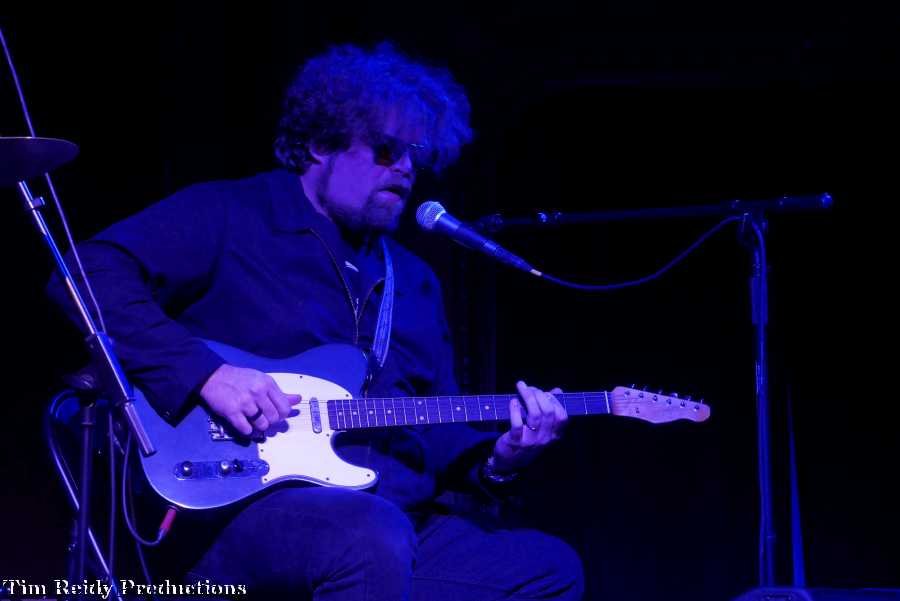
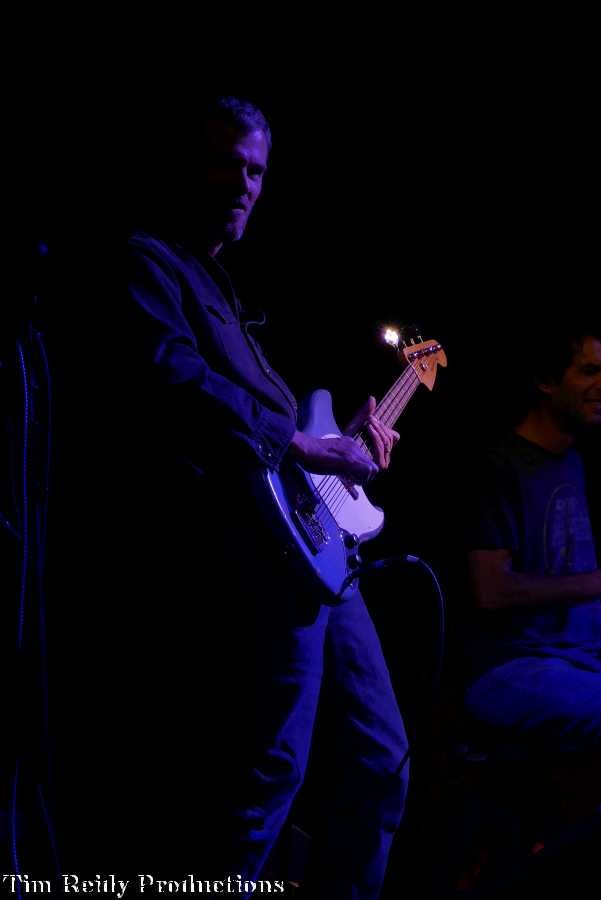
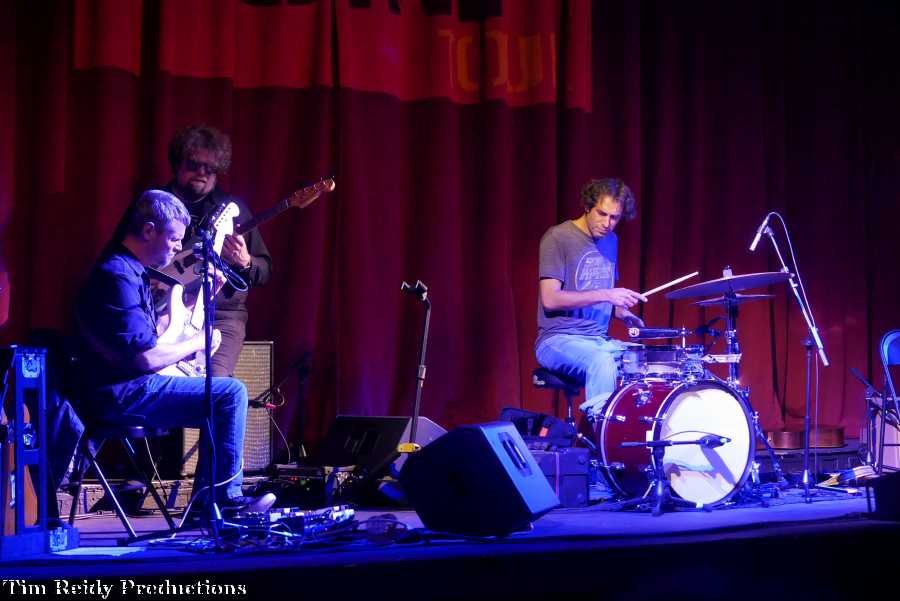
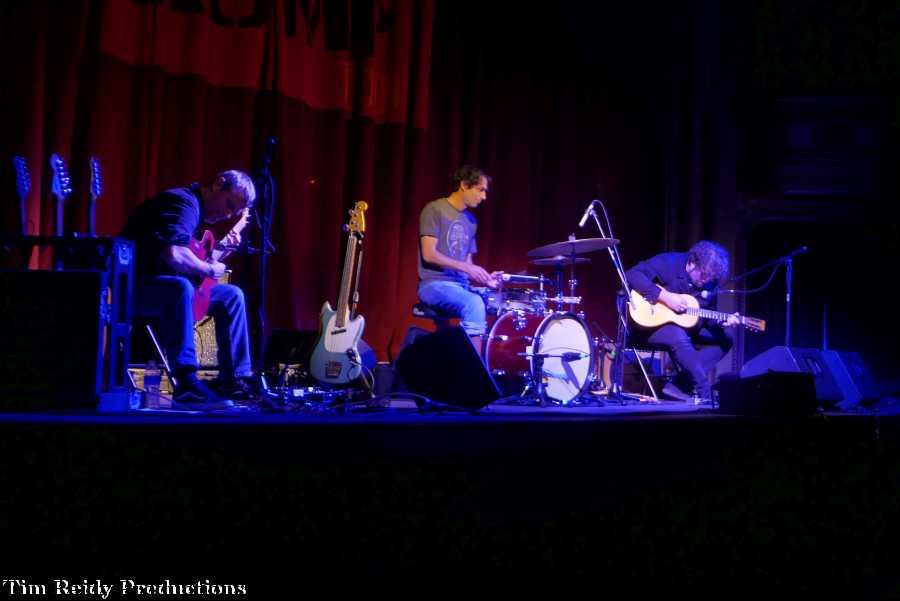
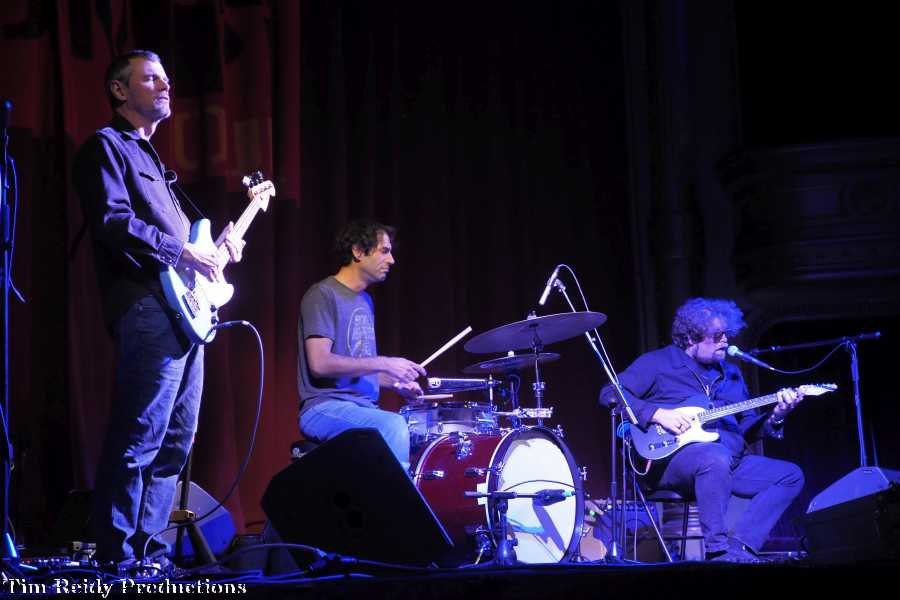
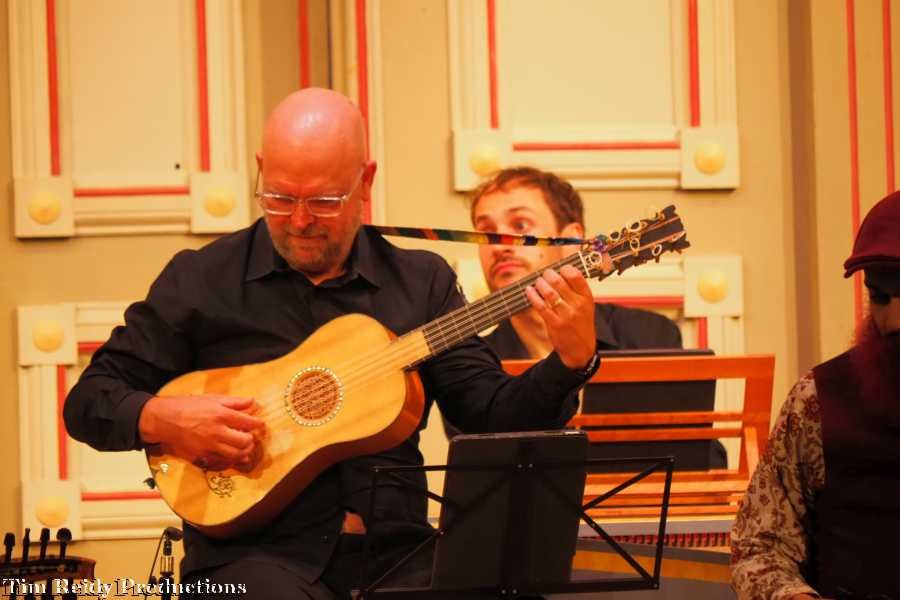
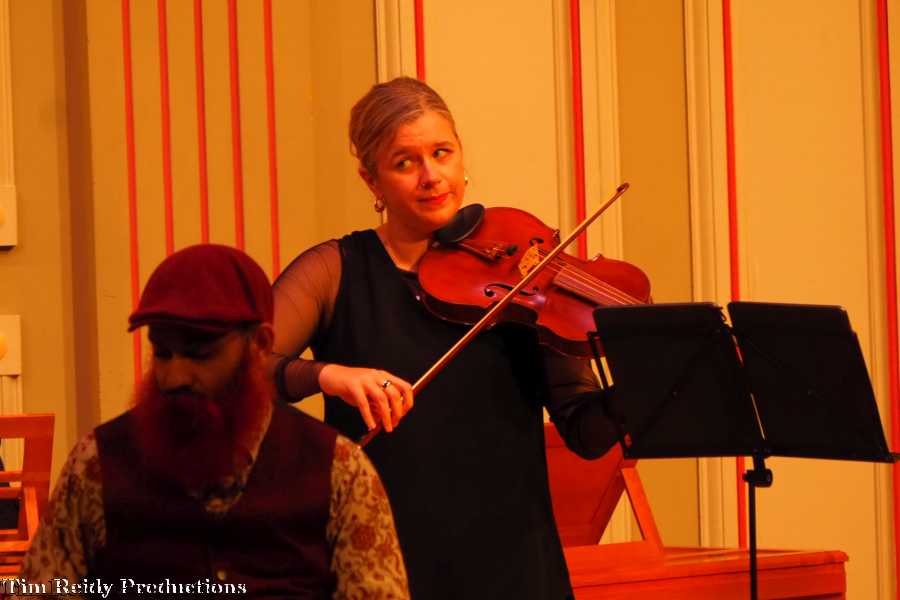
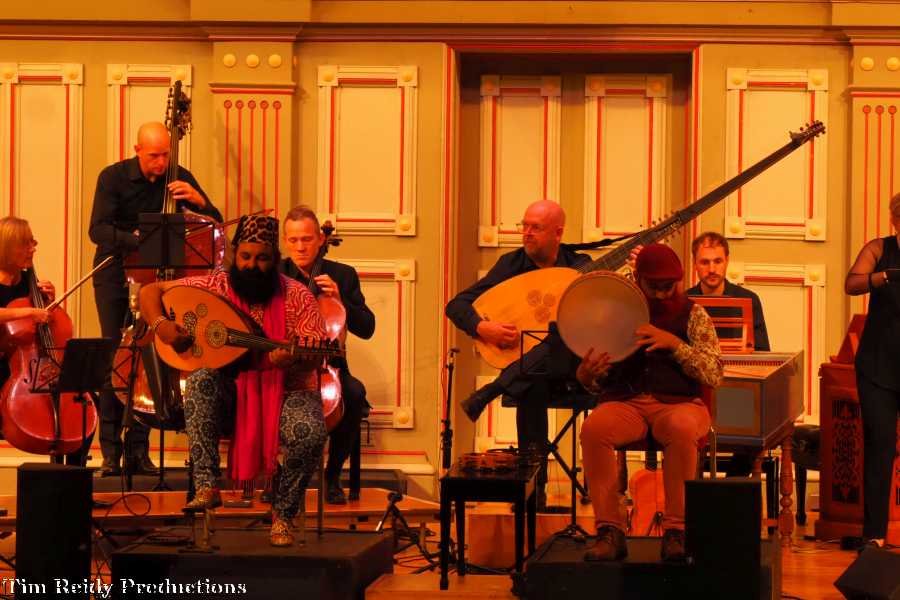
PhanArt and Kale teamed up for a Palace Sessions in the afternoon, presented by Mirth Films.
Photography by Timothy Reidy.
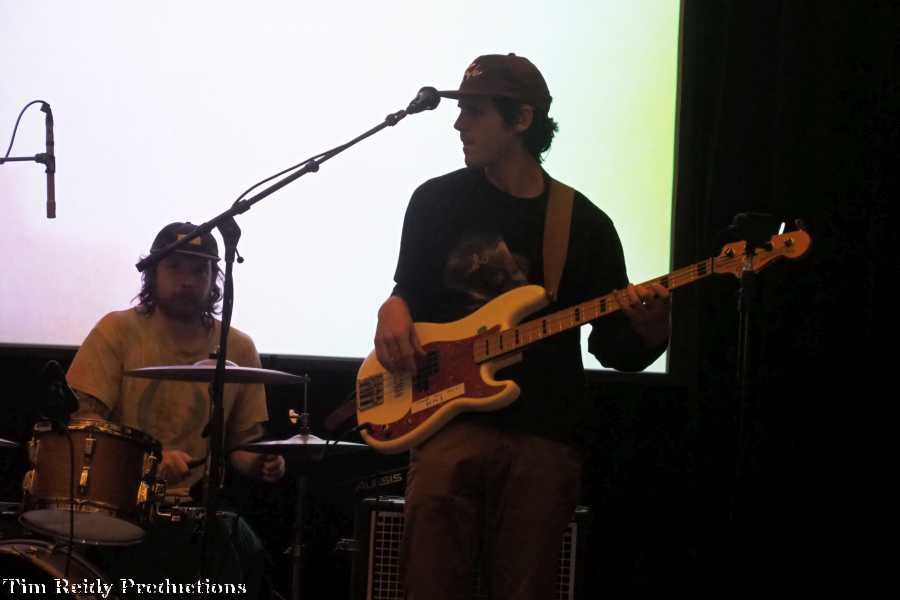
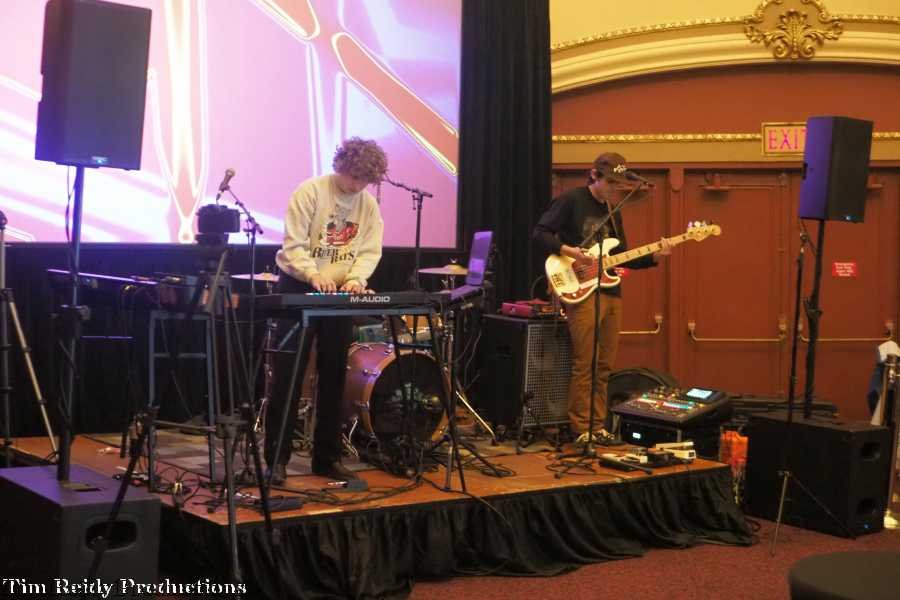
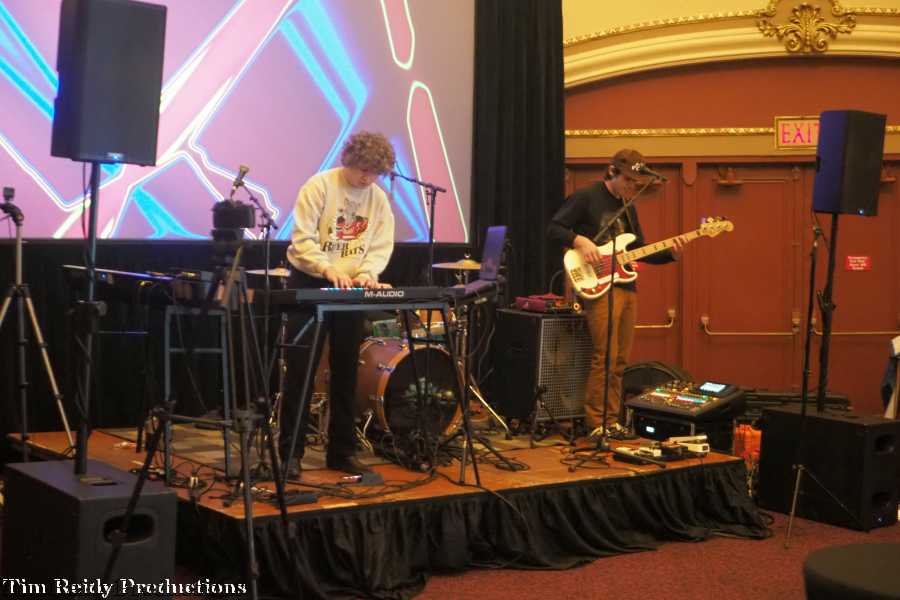
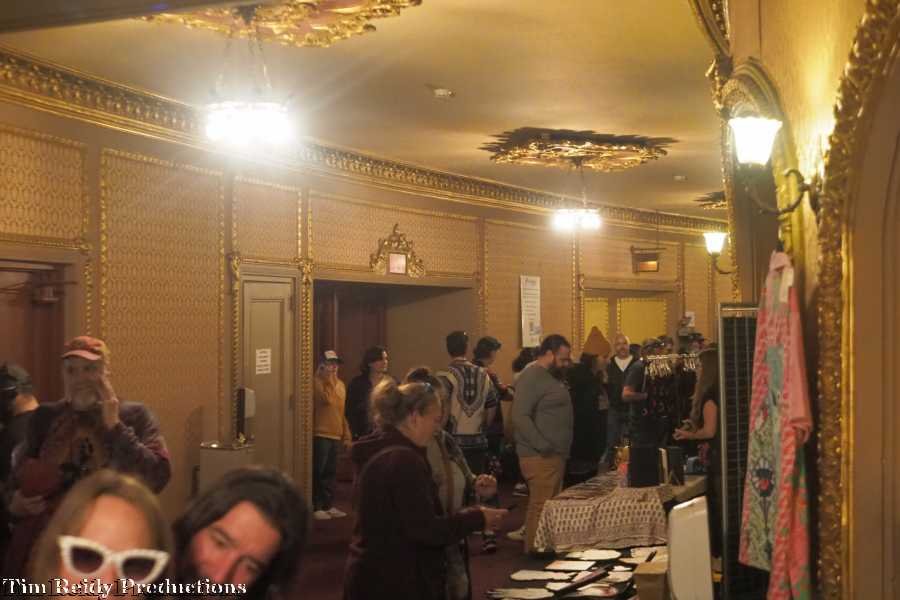
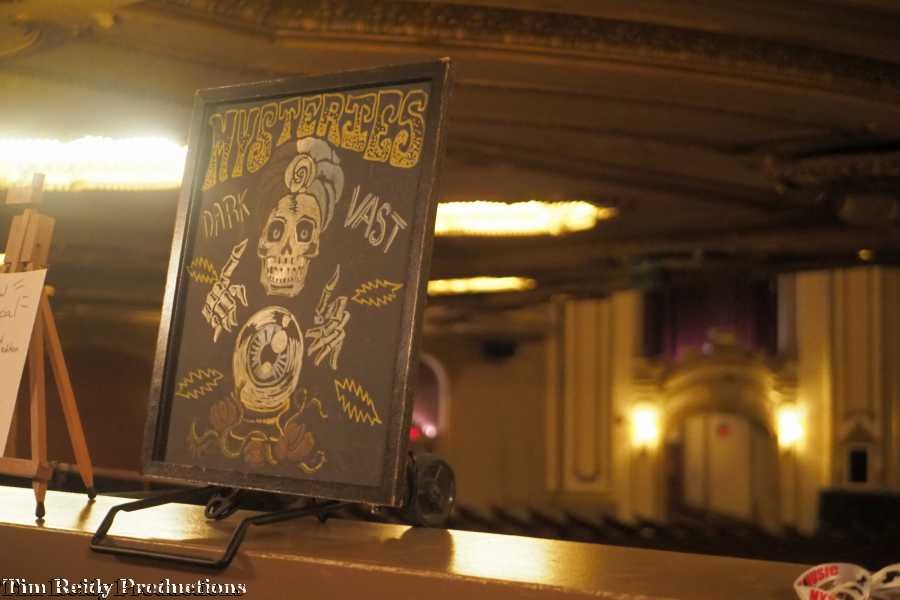
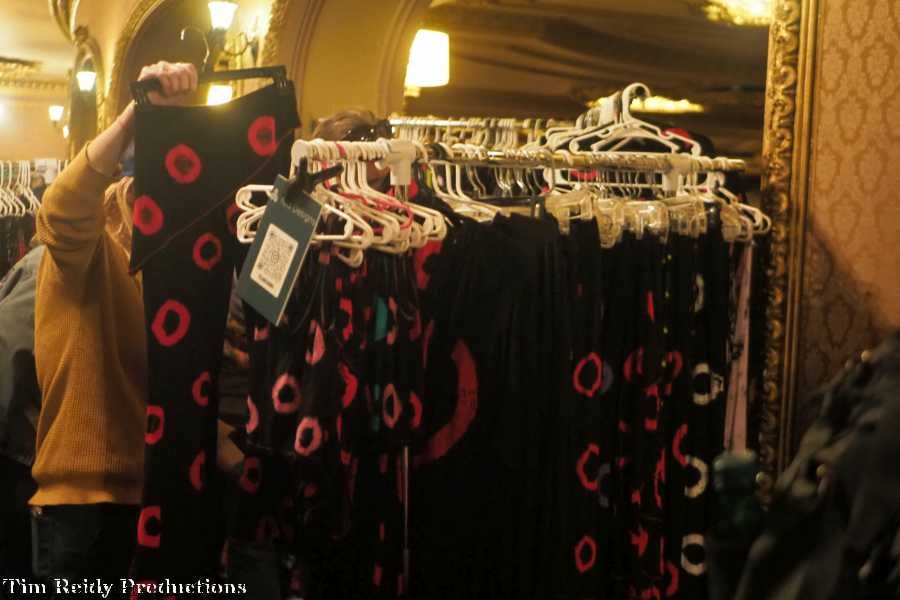

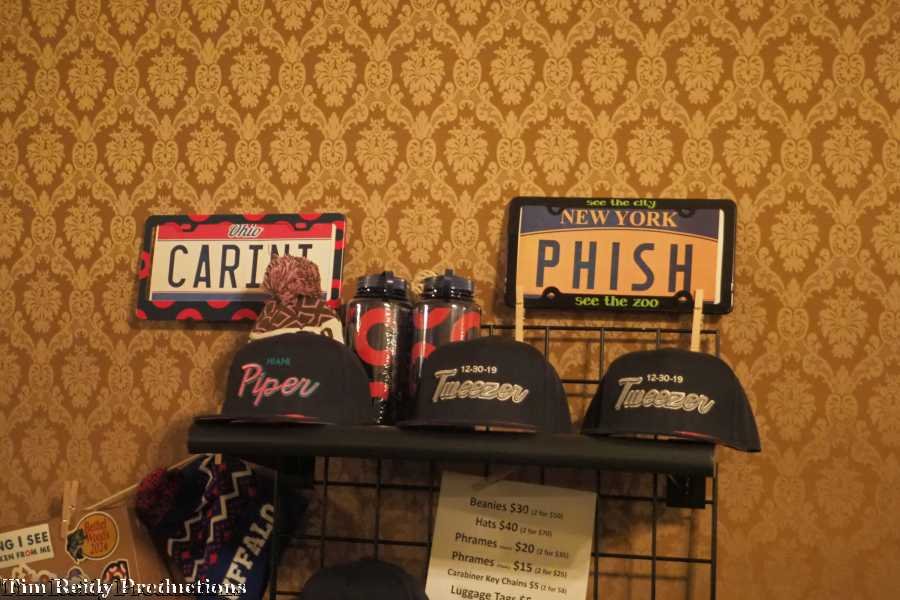
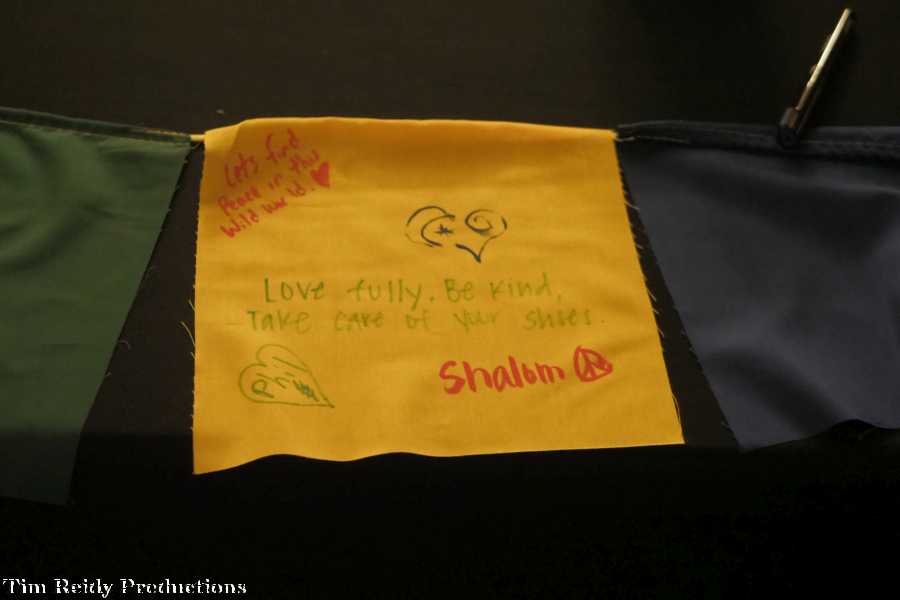
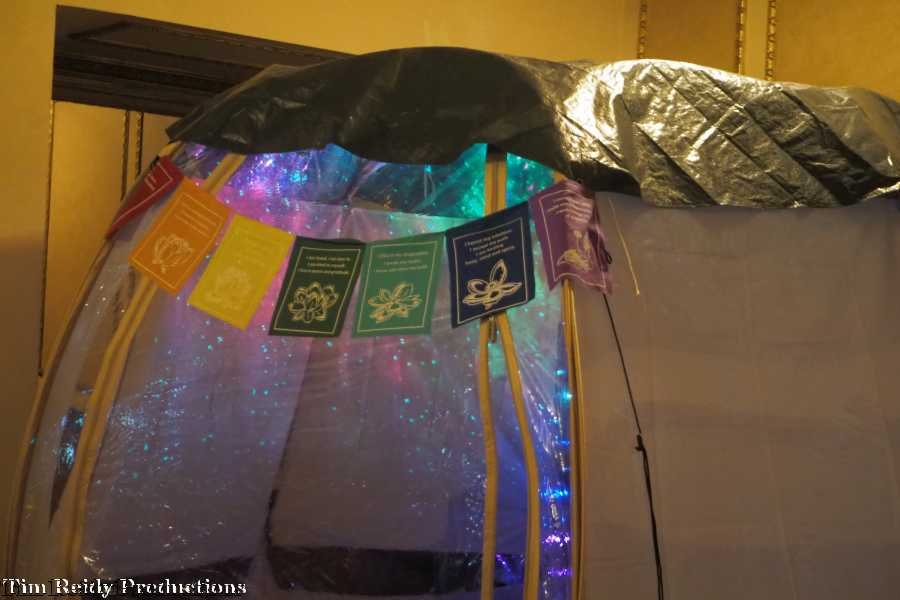
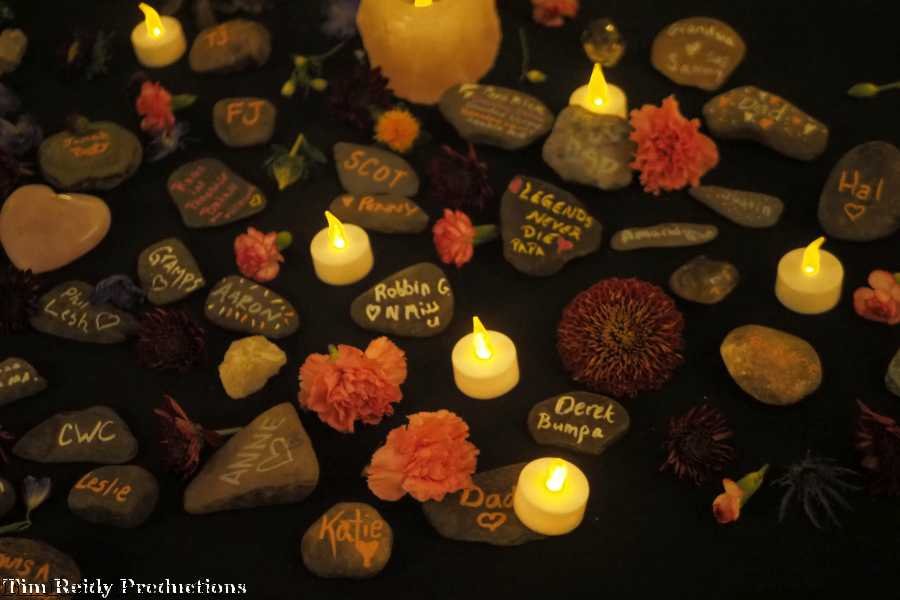
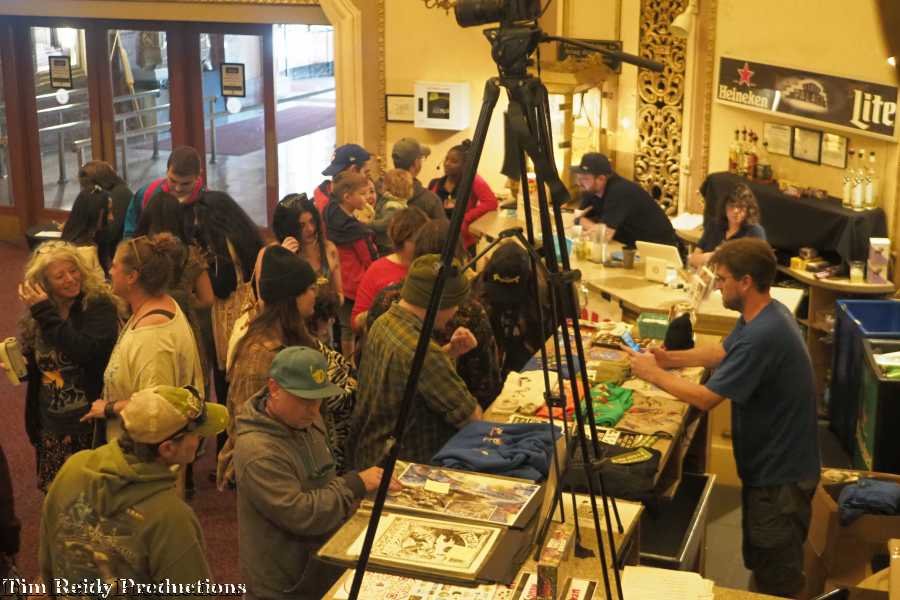
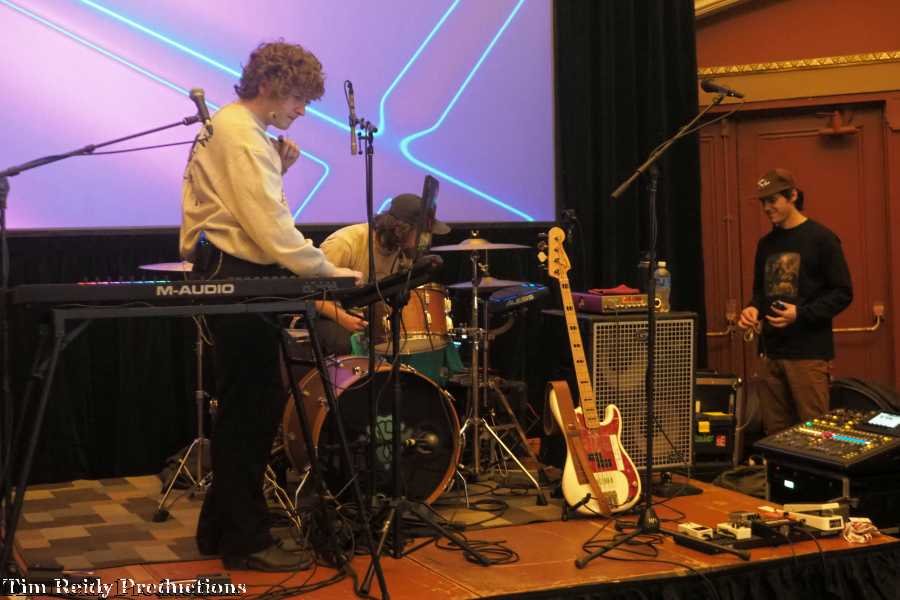
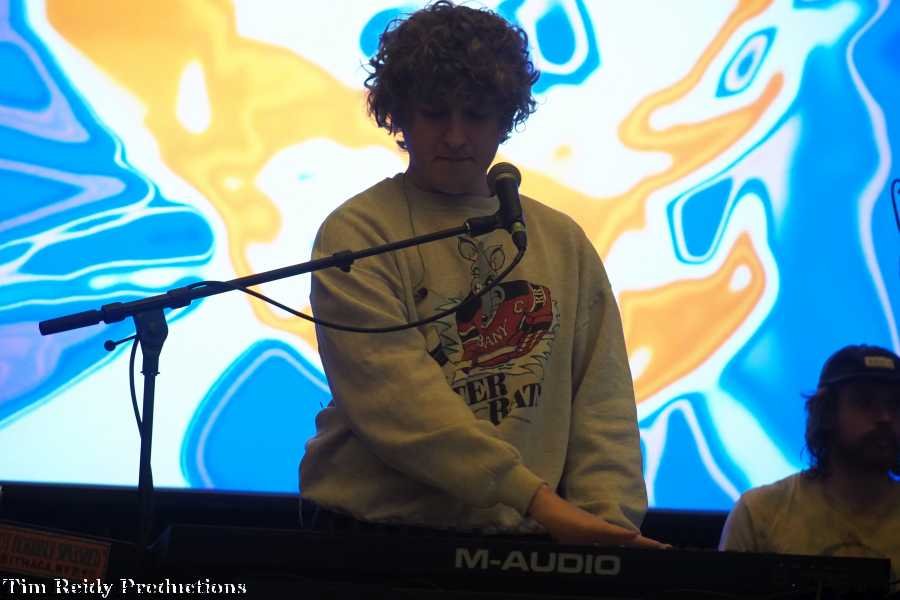
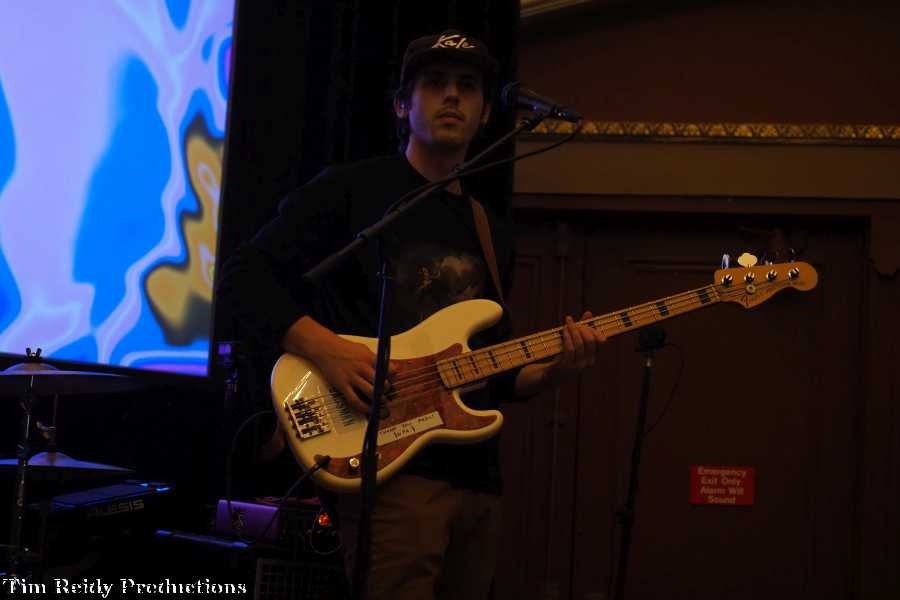
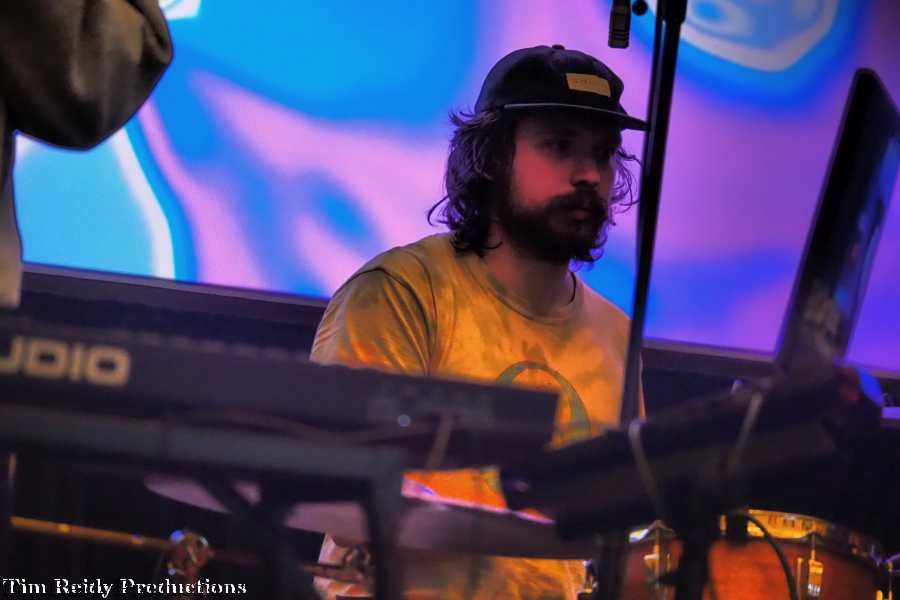
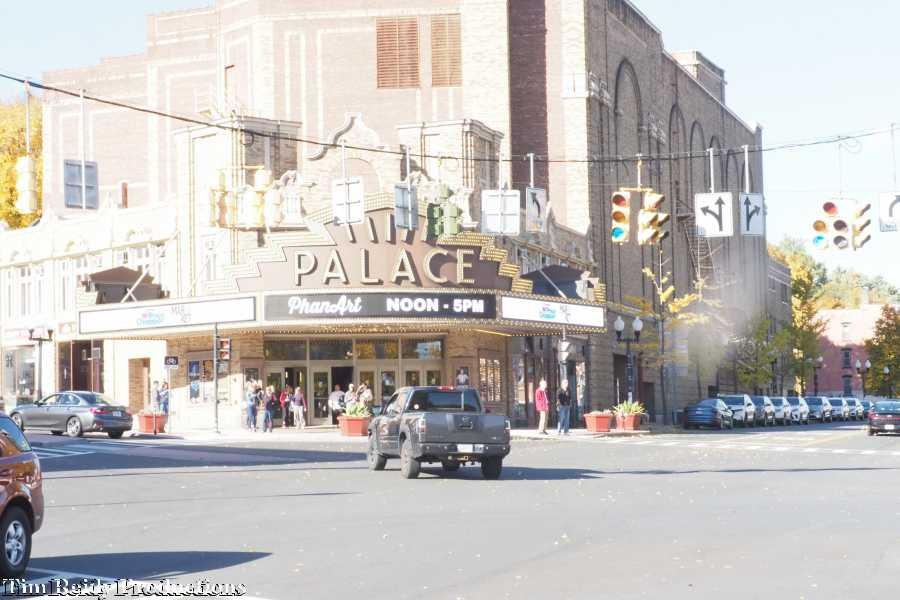

PhanArt and Kale teamed up for a Palace Sessions in the afternoon, presented by Mirth Films.
Photography by Timothy Reidy.
by Tara Dee
I consider Troy a magical place on the planet. Although Troy has its critics, that statement probably doesn’t seem so easy to argue given our recent gorgeous weather – the other day as I strolled downtown the skies were blue, the weather crisp, and leaves were drifting gently all around me, soon to become a carpet of gold on the ground. Over the years I’ve had the pleasure of discovering many an amazing new band while sitting on the wall outside of the Beat Shop, gone to shows I can only describe as jaw-dropping at the Hangar, stumbled upon the most delightful mischief and mayhem at our short-lived but well-loved Steampunk festival – so many times I remember marveling at the fact that I was enjoying experiences one might expect to find in a more urban environment than in a small town in upstate NewYork, our very own Enchanted City.
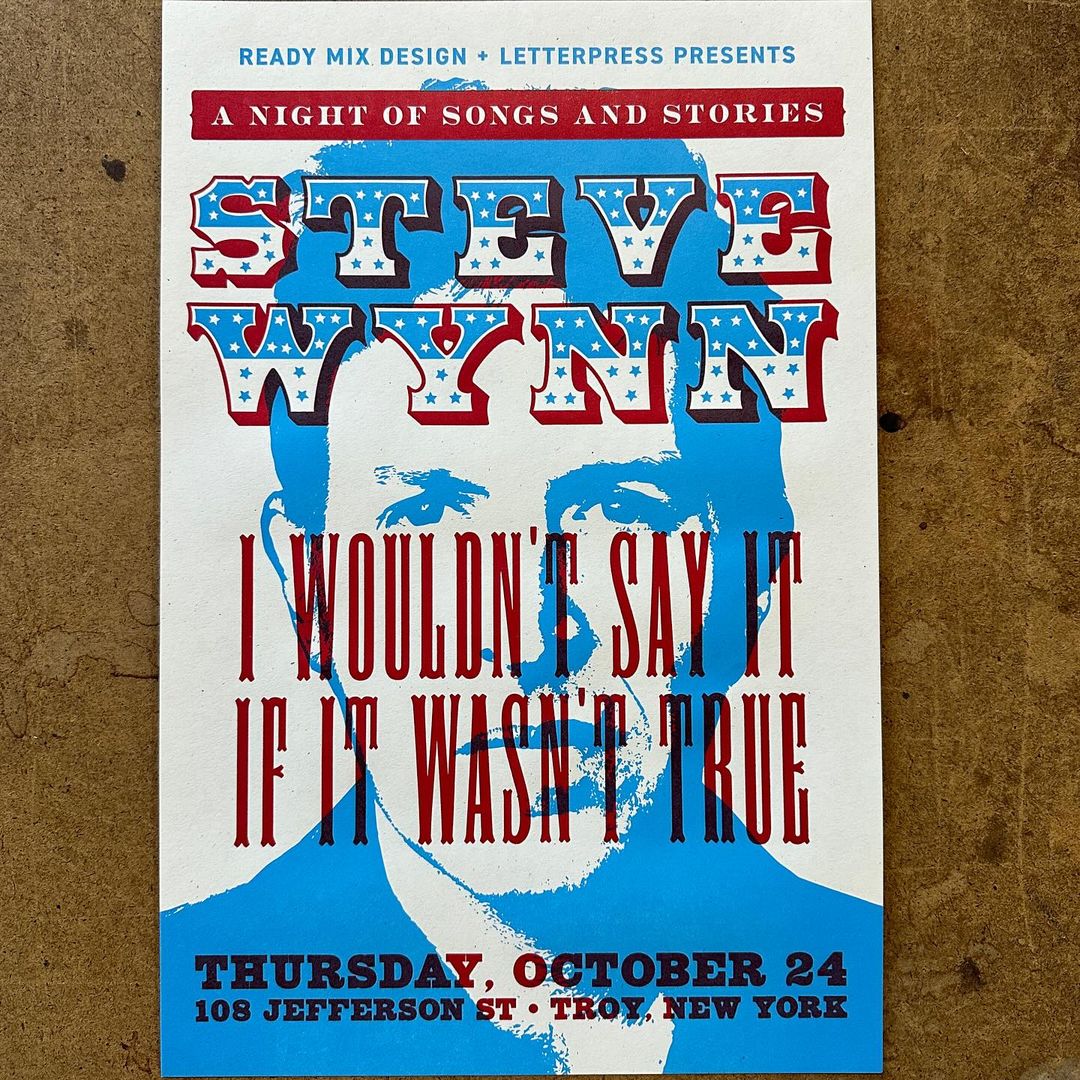
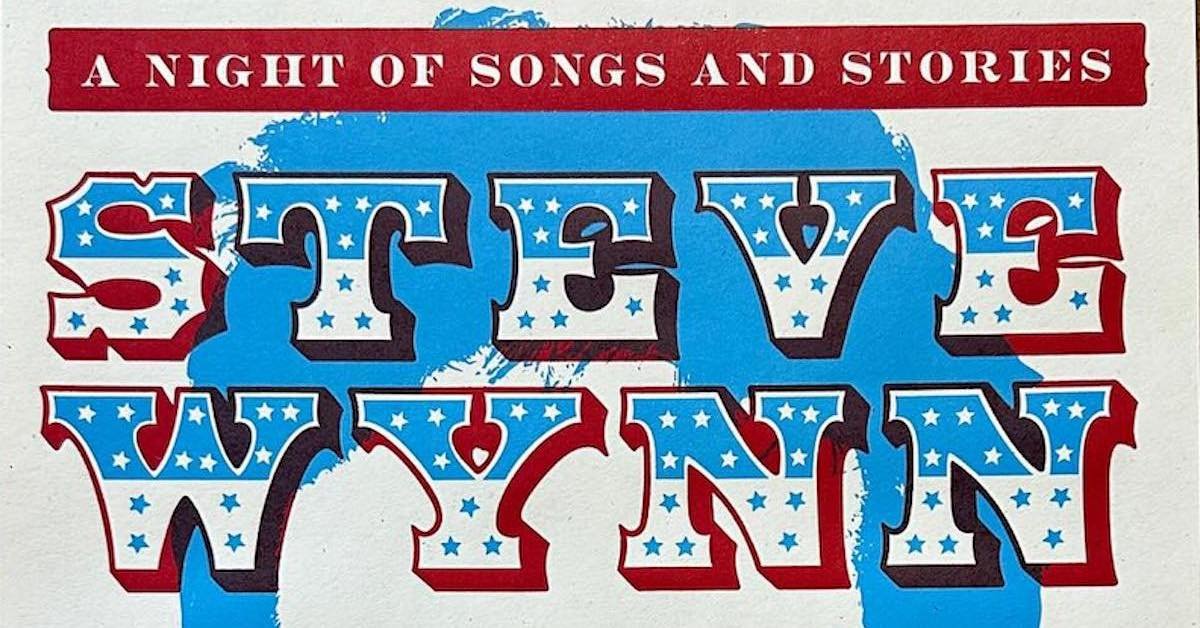
Add another show to my list of magical experiences in Troy, and that would be seeing Steve Wynn at Ready Mix Design + Letterpress. As a longtime fan of Wynn, both his extensive solo material and work with the Dream Syndicate (during the show he noted he has recorded over 400 songs and written far more than that), I was thrilled to see he was performing a house concert a few blocks away from where I live at a print/lettering shop. The magic was apparent right away when we walked in, as the shop had designed and printed paper tickets to hand out even though the sales were online only. Nice touch!
Working machinery had been moved aside to make room for audience seating and a small stage with one guitar, a mic and a stool for the performer. Made for quite the intimate setting and we all noted you could smell the oil from the printing machines, a reminder that this wasn’t a typical venue or show.
Steve Wynn took the stage and started out with a reading from his new memoir, “I Wouldn’t Say It If It Wasn’t True,” then promptly launched into a song he wrote when he was nine years old. I’d be curious to know how many artists can say they have a song they wrote when they were nine that they would still be willing to play in public. The current tour is to promote the new book and companion album, “Make It Right.” Over the next hour or so Wynn read from the book and then played songs that sonically illustrated/expanded upon what he had described in writing in his memoir.
Wynn, clearly a rabid music fan as many of us in attendance can identify with, talked about the music that captured his interest at a young age, from the Rolling Stones to the Velvet Underground to Big Star. He shared a story of deciding to take a Greyhound bus from Los Angeles to Memphis at the age of 21 to seek out Alex Chilton with nothing more to guide him than a love of Chilton’s music and an address he had from the back of an album cover. Did he find his hero? Yes, yes he did- go ahead and order the book for the full story. It’s worth it.
There were so many aha moments, such as when Wynn demonstrated “borrowing” an idea from the English Beat’s “Save It For Later,” not only describing what he had changed but playing the changes on his guitar until it had morphed into the Dream Syndicate song, “Tell Me When It’s Over.” This passage had struck me when I read the book, but I didn’t really get it until I heard him play it.
He also talked about the Dream Syndicate’s penchant for repetition, another light bulb moment for me. I’d been surprised to read he’d been inspired by the Fall, another of my all-time favorite bands and frankly I wasn’t seeing the connection until he said that. Ah!!!! To quote Mark E. Smith – the three Rs -repetition, repetition, repetition!
Hearing the history/backstory of the songs is one of the things I love most about live shows. The songs on the new album are strong, and the Dream Syndicate songs rocked as they always do whether they’re performed solo as they were this evening or with the full band. I had the pleasure of seeing Dream Syndicate at the beginning of the year and of course, while seeing Wynn solo is completely different than the psychedelic, barely-controlled chaos of the Dream Syndicate, both shows were outstanding. The book is largely about the history of the Dream Syndicate from their initial skyrocketing success until Wynn dissolved the band seven years later. Not exactly a spoiler alert since this is not part of the book, but the band reunited in 2017, and has put out four new albums. All of them are terrific so check them out!
Thanks to Jason of Ready Mix Design for letting Steve Wynn bring the magic to us right here in Troy, New York. Jason was pretty low-key about the shows they’ve been holding in his shop, but you might want to give them a follow @readymixdesign so you’re in the loop next time.
Happy Fall everyone and hope to see you at the next show!

Xiao Ma: A Son’s Love – The Weird Side of the Internet – by Liam Sweeny.
When you care for a parent, you want them to be happy. And when they have problems moving, you find a way, you always find a way. Usually that way involved a wheelchair. But for Xiao Ma, that way was on his back.
See his mother and father were in a car accident, an accident his father didn’t survive. His mother survived, but with a condition called cerebral atrophy, a condition that left her with a brain that would regress. She currently has the mental age of six. And Ma did a cherished, most admirable thing: he sold his business, his house, and decided to take his mother to see all of China… on his back.
He was a business owner. He surely could’ve afforded a wheelchair. But he has chosen to carry his mom on his back for a trip throughout China. Not only would pretty much nobody in America have that level of dedication, but if they did, they’d probably get stopped by a cop and charged with elder abuse. The pure amount of love it would require to shoulder such a quite physical burden, it’s something we’re just not conditioned for in America.
I take care of my mom, and she has mobility issues, and a number of other issues. And one time she was in the hospital and couldn’t see, and I fed her her eggs. And I didn’t realize how such a level of caring for someone would feel. And though what I did was no comparison, I kind of get Xiao Ma, and why he would go to that length. It’s love, pure and simple.
We get so caught up in the humanity of the world, because it sells, it bleeds and so it leads, but in our country, in our would, millions, billions of people every day are providing acts of true compassion.

Singin’ Guru – An Xperience Column – By Jeff and Crystal Moore.
Dear Singin’ Guru,
OK, I’ve got a stupid question. I read on a singing school site that pitch matching ability was a prerequisite to join. Is this singing the right note?
Sincerely,
Just Don’t Know
Dear Just Don’t Know,
You are correct! Pitch matching is singing the right note, but there is much more to it than just singing the “right” note. Pitch matching is a process that engages the body and brain in remarkable coordination. Let’s dive deeper and break this down.
When we talk about pitch matching, what we’re really discussing is the alignment of frequency. Sound, at its core, is vibration. So, when a sound is made—whether by a piano, guitar, or vocal cords—it creates vibrations in the air that pulse at a certain rate or frequency. Think of these vibrations like tiny drumbeats moving through the air toward your ear. This vibration rate, measured in cycles per second (or Hertz, abbreviated Hz), determines the pitch.
As these pulses hit your ear, your auditory system translates them into electrical signals that are sent to your brain. Amazingly, there’s a specific area in the brain, part of the auditory cortex, that processes pitch. This is what allows us to recognize whether the pitch is high, low, or somewhere in between.
Now, here’s where it gets complex: to match pitch, you not only have to perceive the pitch accurately but also reproduce it by adjusting your vocal folds. These tiny muscles, which sit in your larynx (or voice box), must vibrate at the same frequency as the sound you’re hearing. So, if you hear an A4 at 440 Hz, you need to adjust your vocal cords to vibrate at exactly 440 cycles per second. Isn’t that incredible?!
And if that sounds like a complicated dance of biology and physics, it truly is! Many beginners worry about pitch matching, but the good news is that pitch matching can be trained and refined, even if it doesn’t come naturally at first. Think of it as a coordination exercise that aligns hearing and vocal production.
To illustrate this with a relatable example, consider middle C. Middle C resonates at around 261 Hz, meaning 261 vibrations per second. A piano, a guitar, and a human voice can all produce this same note at 261 Hz, yet each one sounds distinct. This quality of sound, known as timbre, is what allows us to distinguish between instruments—even when they’re playing the exact same pitch. Timbre arises from the unique overtones and resonances each instrument (or voice) creates, and it’s why we can tell middle C on a piano apart from middle C sung by a person.
So, pitch matching is essentially the skill of tuning your vocal folds to vibrate at the same frequency as the note you’re hearing. If you can do this, you’ve unlocked the first layer of singing on pitch. From here, the next challenge is developing the control and refinement to make it sound pleasing, to add the richness of tone and clarity that we often think of as “singing well.”
In fact, with practice, most people can learn to match pitch and improve their ear for frequency in a relatively short time. Think of it like learning to catch a ball or balance on a bike. It may seem difficult at first, but your brain and body adapt with repetition and guidance. So, if you’re worried that pitch matching is out of reach, remember that it’s a skill, not just a talent, and with work, you can master it.
A simple way to start is to pull up a pitch-matching app – we recommend our pitch-matching app which can be found at www.YourSingingQuestionsAnswered.com. Using a keyboard or a keyboard app, play a pitch and see what the note is. Then sing the note and get feedback from the pitch-matching app. Do this for five minutes a day and you will be matching pitch with the best of them in a few weeks.
Yours Truly,
The Singin’ Guru
Dear Singin’ Guru,
I know you get asked this question all of the time, but really, can a normal person really learn to sing well? If so, how does all of this work? I like detail 😊
Signed,
Give Me the Deets!
Dear Mr. Deets,
Let’s dive into the science behind this, because singing well is not just about inspiration — it’s about understanding how the voice works and how anyone, with enough dedication, can tap into that potential.
The human voice is a muscle-driven instrument. Just like any other muscle in your body, your vocal cords, diaphragm, and even the muscles of your throat and mouth can be trained and strengthened over time. This is why we emphasize foundational exercises like breath control, interval training, and pitch matching. These aren’t just things to do to “get better”—they are the very building blocks of vocal success.
Breath control isn’t just about learning to take deeper breaths. It’s about coordinating your breath with your vocal production, giving your voice the power and stability it needs to hit notes cleanly and with confidence. The science behind this is fascinating: when you control your diaphragm properly, you regulate the air pressure passing through your vocal cords, which in turn controls pitch, volume, and tone.
Next, let’s talk about vowel shaping, something that even the best singers have to continually refine. The resonance of your voice changes based on how you shape your mouth, tongue, and throat. Science tells us that the shape of your vocal tract (the space in your mouth and throat where sound resonates) alters the sound waves you produce. By learning to adjust this shape consciously, you gain control over the tone, quality, and even pitch of your voice. This is why we spend time working on vowel manipulation in our studio—it directly impacts the quality of your sound.
Then there’s pitch matching and interval training, which aren’t just about hitting the right note. They are about training your ear to hear subtleties in sound, a skill that the brain can learn and improve with practice. Think of it like learning a new language—at first, it seems overwhelming, but over time, you pick up the nuances. Neuroscience shows that auditory training (like learning to recognize intervals) can lead to measurable improvements in your brain’s ability to process sound, meaning that with practice, you’ll be able to match pitches more accurately and sing in harmony with others more effortlessly.
Now, consider this: we are constantly growing, physically and mentally. The voice itself changes over time. Just because you weren’t born with perfect pitch doesn’t mean you can’t develop a fantastic ear for music. And even if you’ve struggled with vocal control in the past, it doesn’t mean you’re stuck there forever. With the right guidance, you can train your voice to be more consistent, powerful, and expressive.
So, coming full circle, if you’re wondering if an “ordinary” person can learn to sing “well,” science gives us a resounding yes. Vocal training is an exercise in patience and precision, but the reward is more than just hitting the right notes—it’s unlocking a part of yourself that you may have thought was unreachable.
And who knows? That Grammy may not be such a far-off dream after all.
Humbly yours,
The Singin’ Guru

Cris Jacobs – An Xperience Interview – by Rob Smittix.
RRX: So, how’re things treating you these days?
CJ: You know, busy as always between road life and home life. I have two young kids. So there’s never a never a dull moment in life, which is good.
RRX: That it is. Yeah, there’s gotta be some kind of balance between the road and family. I would imagine that’s gotta be tough sometimes.
CJ: It can be. But it’s a work in progress and everybody’s understanding and we figure it out. There are pros and cons to it. When I’m gone, unfortunately, I’m gone. But when I’m home I get to spend real quality time that maybe working day-job dads don’t. So, it’s got pluses and minuses for sure.
RRX: Absolutely. Did you grow up in a musical home and do you have a musical home now yourself? With the kids and everything?
CJ: Yeah, I mean … I did. My parents didn’t play music but they were huge music fans and music lovers and had great taste. They were huge Deadheads so they loved the Grateful Dead. My dad had walls of live Dead tapes, you know? And Little Feat, Frank Zappa, the Neville Brothers, jazz, bluegrass, and all that stuff. So, I grew up listening to all that good stuff. My house now, it’s definitely a musical house. Both my daughters, they’re only eight and five, but they’re already taking piano lessons and they love to sing.
They’re obviously always hearing me play music and playing guitar. Music is very encouraged; they come see Dad work, and it’s gonna be ingrained in them that it’s ok to be into it and that’s a good way to express yourself. Hoping they follow in my footsteps if they want, but I’m not pushing it too hard. But knowing the joy it can bring you, I definitely wanna introduce them to it.
RRX: No, that’s the coolest – I could relate. So, you’ve got this new album, “One of These Days.” I’ve been checking it out, but it’s got a powerhouse of the features.
CJ: Yeah, man. It came together pretty great. It sort of started out as a pipe dream of wanting to make a bluegrass-centric record. Bluegrass had always been one of my favorite styles of music that really lit my fire as a youngster. I really wanted to learn how to play it and I spent a lot of time trying to play it.
I played in some bluegrass groups before kind of going more electric. But it’s always been a huge part of my musical DNA and I just kind of hit a point where I wanted to get back to it. A lot of things lined up for me, where I had recently met Jerry Douglas and I sort of hit it off with him in a nice, friendly way. So, when I had this idea in my head, he was the first person I called just to ask if he’d produce the record and he said he’d be into it.
We started lining some people up, and then as we were recording and the songs were coming together, we were calling people right then and there saying… “Hey, Sam Bush wanna come in and play a few songs? Hey Billy Strings, do you wanna play on this one? Lindsay Lou and McCrary Sisters …” It was all organic though. It wasn’t like I wanna make a star-studded record. It was just like, I wanna make a record. I wanna make it with Jerry. And then as the songs came together, it’s like… what does this song need? And that’s how it happened. I’m very, very lucky.
RRX: No, this is very cool. And it was crazy for me because when they sent me your information, I was like … this seems rather familiar. When I got your number to give you a call, I went to put it into my phone and I already had your phone number. So, I think this was supposed to happen a few months ago or something and just maybe never did. But now you’re actually coming to town to the Cohoes Music Hall, so now it makes even more sense to chat with you. It’s a really cool place, I think you’ll like it over there.
So what’s a Cris Jacobs show like? What’s this tour all about and what can we expect?
CJ: It’s gonna be great. I mean, we have a monster band lined up that pretty much is set to cover the gamut of my catalog. I have a killer rhythm section that’s been playing with me for almost 15 years. And for this tour, I have my friend Jay Starling who plays in Leftover Salmon currently. He plays dobro, lap steel, and keyboards. We’re gonna be doing all of the stuff from the new record. Plus, we’re still able to crank it up and do some funky rock and roll. Between all my last few records of music and the versatility of the band, it’s become a very dynamic live show where we can break it down to an intimate acoustic song, and then try to melt faces too with some electric stuff. I think it’s gonna be great. I can’t wait for us to get out there and by that point, we’ll be nice and warmed up because it’ll be a couple weeks into the tour.
RRX: Nice. So, where’s the tour taking you besides here?
CJ: We kick it off down in the Carolinas. We were supposed to do Asheville on Saturday, which obviously isn’t happening unfortunately.
But yeah, Georgia, North and South Carolina. And then actually for Halloween week I’m back home doing two nights at the arena here in town with Billy Strings. He’s doing a two-night Halloween thing with some special guests and I got the call for that. So that’ll be pretty fun. And then we pick back up the week after that; up your way and then a bunch of Northeast shows and then out to Chicago, Pittsburgh, Buffalo, Indianapolis, Cleveland … it’s basically Midwest and East Coast.
RRX: Awesome man. I’ve really been digging the music and I’m all over the place. I mean, I’ll cover a hip-hop show, a jazz show, or a metal show even. Bluegrass kind of gets tied into country, which I love real country, and it took me a long time as a city boy to realize that. I just really didn’t like a lot of the pop stuff that’s being played.
CJ: No, I feel the same way. Yeah, Merle Haggard, Hank Williams, Waylon Jennings all day long.
RRX: Any day of the week for sure. I just got to thinking because I go out to a lot of these shows and it is my generation “X,” some of the millennials, and definitely the boomers that are still around who are really keeping live music going. I wonder about the younger kids, who don’t seem to be concerned about AI creating music and it breaks my heart.
CJ: I hate being the boomer-sounding “get off of my lawn” guy but the AI thing freaks me out. The fact that it can crank out a song that sounds comparable or even better than something that somebody poured their heart and soul into for hours or days is just really troubling to me. I’d like to believe that the heart and soul will still rise to the top. It’s the only thing that keeps me going honestly.
RRX: Me too, man. I appreciate your time. We’ll see you November 7th, 8 pm at the Cohoes Musical Hall with special guest Daniel Rodriguez!
CJ: Come on out. Like I said, it’ll be a dynamic show. There’s something for everyone. If you wanna dance, if you wanna cry, if you wanna sing along, if you wanna chill, if you wanna get rocked, it’s all gonna happen!
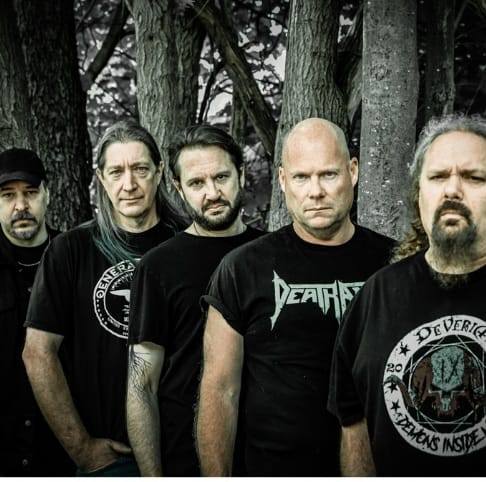
Deveria – Xperience History – by Liam Sweeny.
We lean over the opened hoods of muscle cars, tossing numbers in the air like 426 and 3.0 liter, and we marvel at how that combination of numbers and constants and forces can combine and take a quarter mile in fourteen seconds. Heavy metal is no different, except the numbers are 4/4 and 134 beats per minutes, and the result takes you into a mosh pit in as little as three seconds.
Deveria is well versed in the numbers of music, and what they do to one’s willingness to get in and let it all go. This upstate power/thrash band is on a long road.
I sit with John Suski, Deveria and we talk pit stops.
RRX: In 2010, you took an eight year hiatus as a band, and came back in 2010 with substantial lineup changes. This sounds like you’re describing just starting a new band. Are some or all of the same songs in play? Is there a thread that runs through the old stuff and the new stuff where I would listen and go ‘yup, that’s Deveria?’
JS: A lot of the original songs are still played as they are on our first album, along with some new material from when the band formed in it’s current and best lineup to date. Listening to that album now, for me, it’s easy to pick out which songs are the newer ones. They have a sharper edge to their sound and tend to be more dynamic and grow as the song progresses. We have definitely grown into this style more as we go. But we are not adverse to a straight up, in your face monster, that is fast and heavy throughout. Overall, between the guitars and vocals. that “sound” carries over all our songs, no matter the style. But as far as trying to pinpoint any particular theme? That is almost impossible for us.
RRX: You guys are influenced by a lot of the same bands that I was influenced by, not in music, but in life: Queensryche, Metallica, Iron Maiden and Black Sabbath, to name a few. When you’re heavily influenced by more than one major band, does one of those bands tend to lead you, or do they collectively create a sound greater than themselves?
JS: I like to think of all our influences as different paints on a pallet. We all can try and paint a specific landscape scene, but everyone’s will have subtle differences, depending on how much of each paint you use. As a band we all seem to enjoy a lot of the same “core” metal bands, (Iron Maiden, Metallica, Exodus, Fates Warning, etc). But I think it is more the bands that we don’t share together, (some of which would shock most people),that we bring to the table, is what really makes us different from other bands.
RRX: One of the bitches of getting older is that you can lose touch with a scene if it caters to the young; or rather, those with young backs. The local metal scene was everything when I was growing up – Saratoga Winners was still around. Now it’s a new scene, and we got Empire Live and Empire Underground… is this driving a new metal scene?
JS: Absolutely! And I would like to point out, that it is not just the venues, but there are some awesome people, (Mike Valente for one), personally responsible for keeping this going. I missed out on a lot of it back in the day. I joined the Navy right out of high school, and was pretty much absent from the scene up here for about 20 years. I hear stories all the time about the way it was, some good, some horrible. And from what I can gather, it seems that it is a much tighter community now.
RRX: Deveria is an American melodic power/thrash band. And power in a band comes from the emerging of flesh and steel, will and wire. Equipment and gear makes a big contribution to any band’s sound, but in a power/thrash band, the right equipment can take the place of an army. Can you tell us something interesting about your gear?
JS: I play the drums, and I have gone through many styles of how I set them up over the years. from tiny little 4 piece kits, to massive 12 piece prog beasts. As I have gotten older, I tend to stick with a 7 piece, that more than gets the job done, but isn’t too crazy. I absolutely have to have two separate kick drums. I own a double pedal, but I don’t like the way it feels compared to two individual pedals. Lots of younger bands nowadays use smaller kits, which is cool, it works for them, but it is not for me. The big kit just screams metal when looking at it from the crowd. But as far as sound, I always stick with Evans G2 heads, which make my Pearl kit punchy, and for cymbals, I recently switched over to Meinl Custom Darks (I love these, they cut through the mix without overtaking the guitars), along with some personal custom made cymbals from Soultone.
RRX: Deveria was nominated for a 2022 Listen Up award, which is the first award show of its kind, from Radioradiox. It was homegrown strictly, meaning the station didn’t have anything to do with who was nominated or voted on. Do you have anything you can say to the people who nominated you? Care to nominate a band for next time?
JS: I was super honored to even be thought of. It was a shock for sure. Typically, when you see these type of local voting polls, metal bands are not even a thought. They are not mainstream enough to get the crowds like the other styles you will typically see at all the outdoor stages in the warmer months. So it was surprising to see Deveria, along with some other local metal bands be nominated. That being said. I would love to see the poll maybe split off into separate genres. Let’s be honest, I have no delusions on how awesome we are (I’m kidding of course), but no original metal band is ever gonna beat out a pop cover band when it comes to popularity contests. But the metal fans are die-hard for sure, and it would be interesting to see.
RRX: About ongoings and what-not. You guys are busy, and I can’t imagine some digital multitrack recorder isn’t flashing a red circle once in a while. What are you working on right now? Do you have anything coming out that you can spill a little about? What about shows, anything happening next month when the paper comes out?
JS: We are constantly writing and polishing songs up. We learned a lot in the studio the last time with the way things work, and what we could improve on preparedness wise. We are taking our time with this new album, and the songs definitely show the time and effort. I (a drummer!), even have contributed many ideas for them, which obviously makes me very proud. This next album is gonna be harder, faster, and more technical than anything we have ever done. Yet I believe it still holds true to the more “old school” style that people expect from us old farts.

JD Simo and Luther Dickinson jam out at Cohoes Music Hall on their “Do the Rump” tour.
Photography by Timothy Reidy.
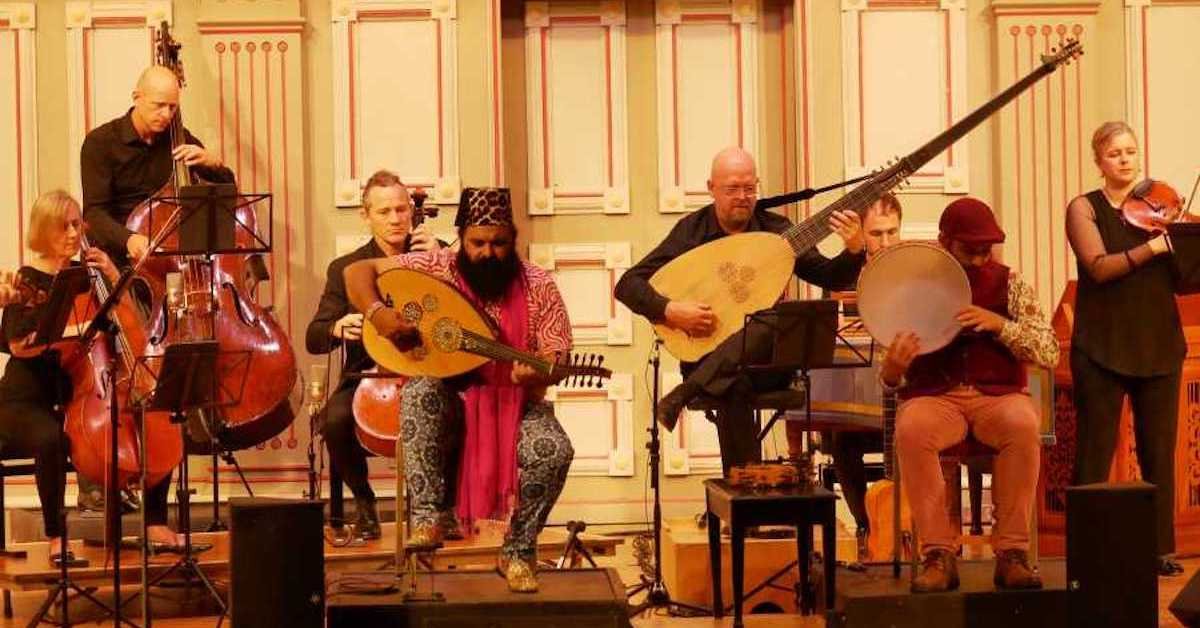
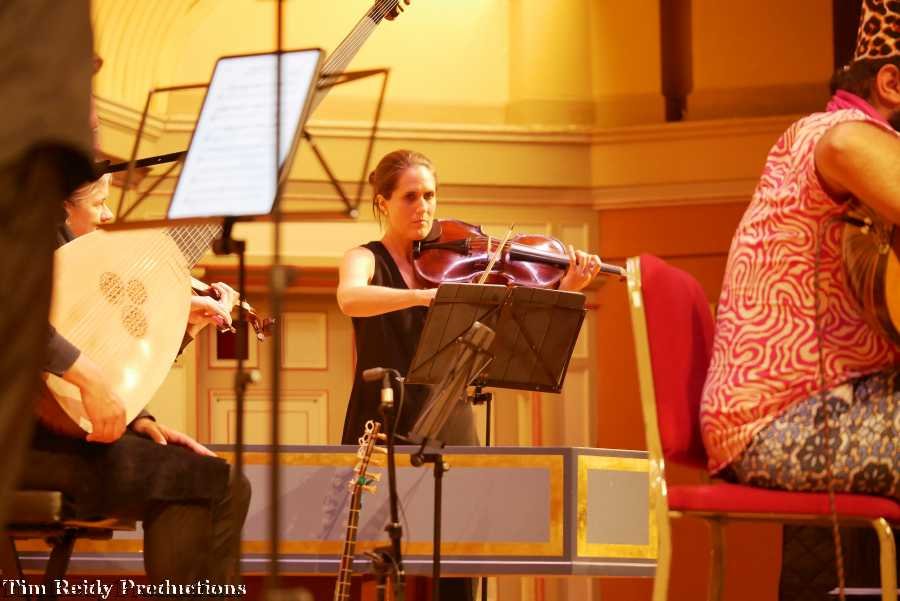
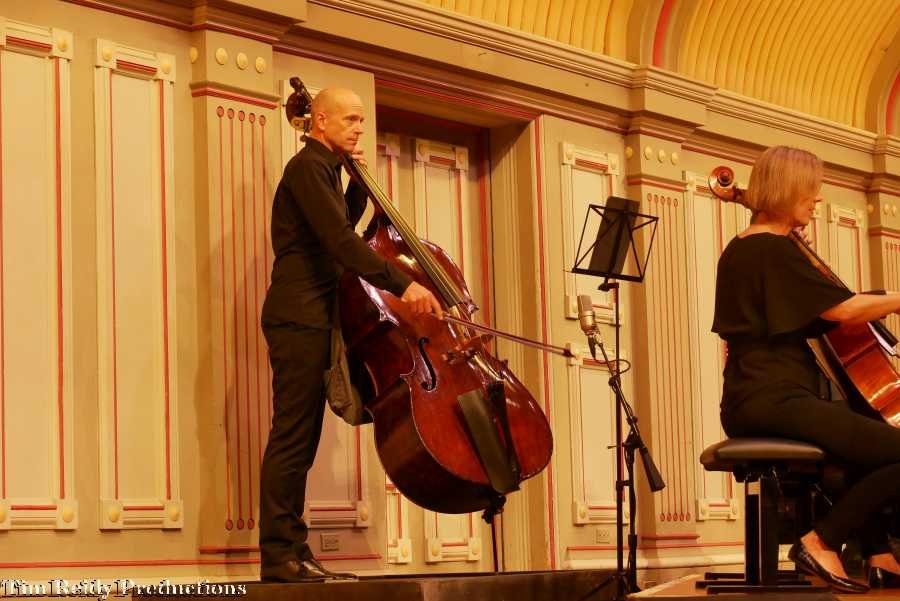
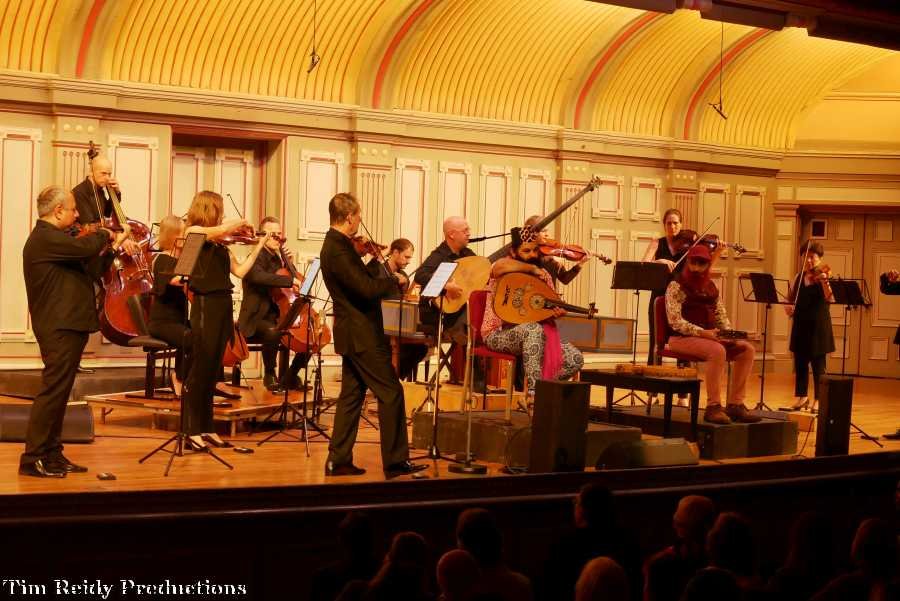
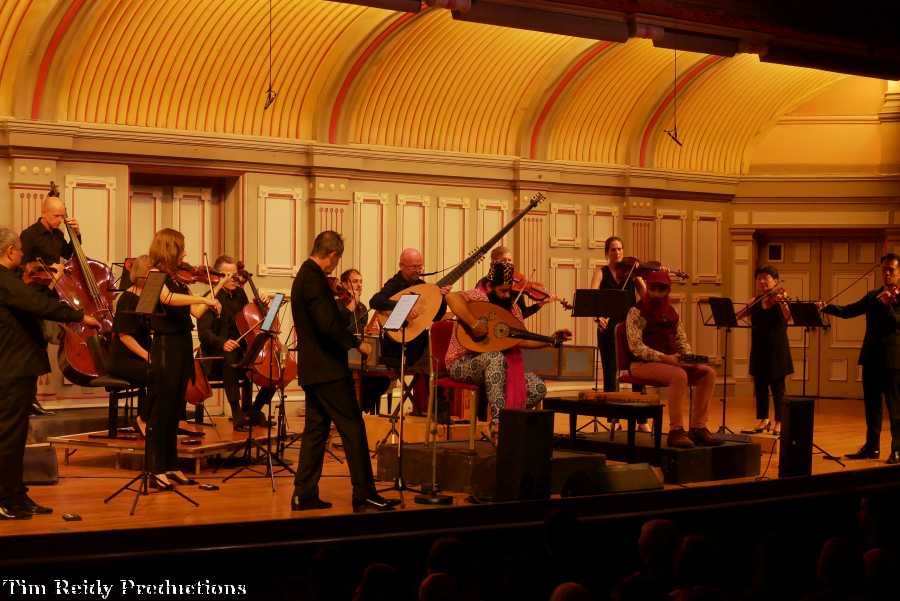
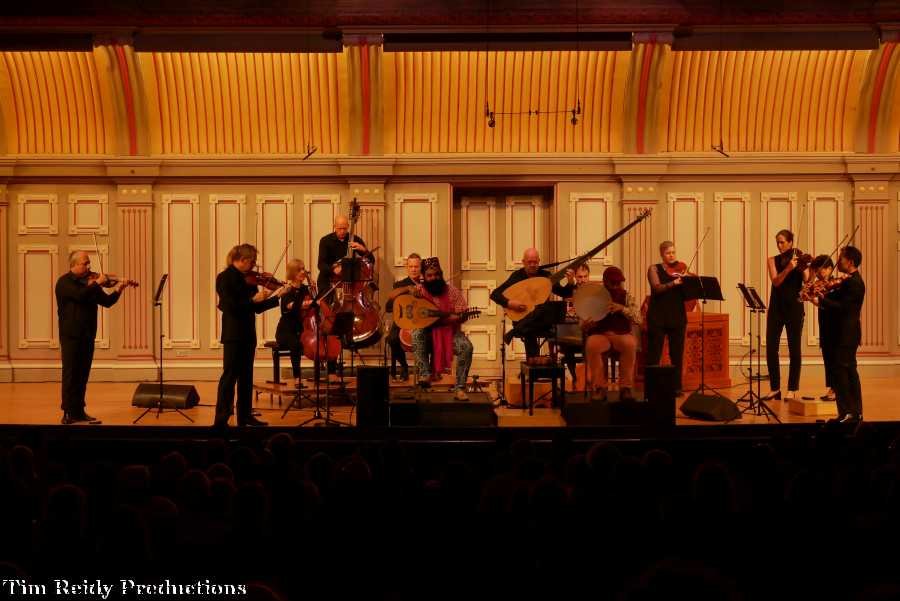
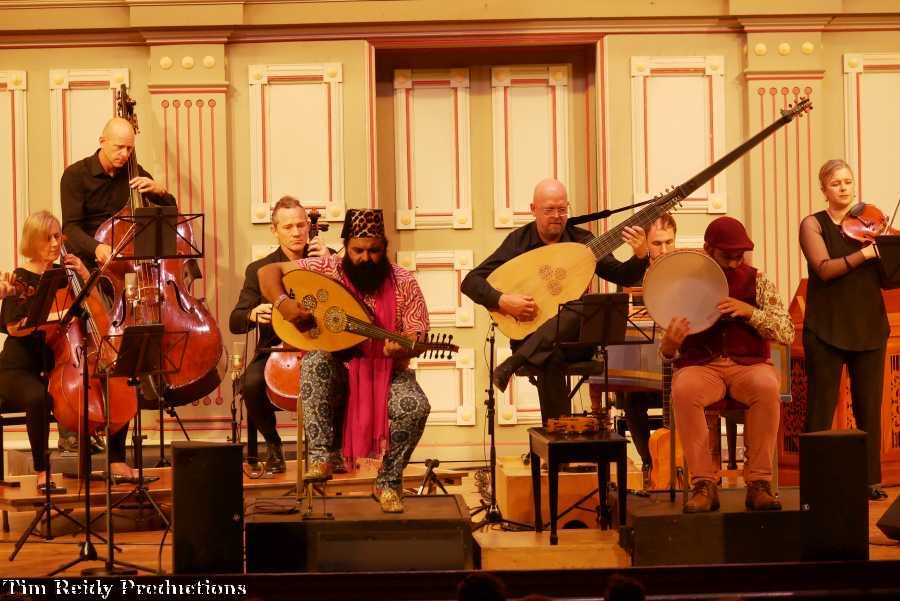
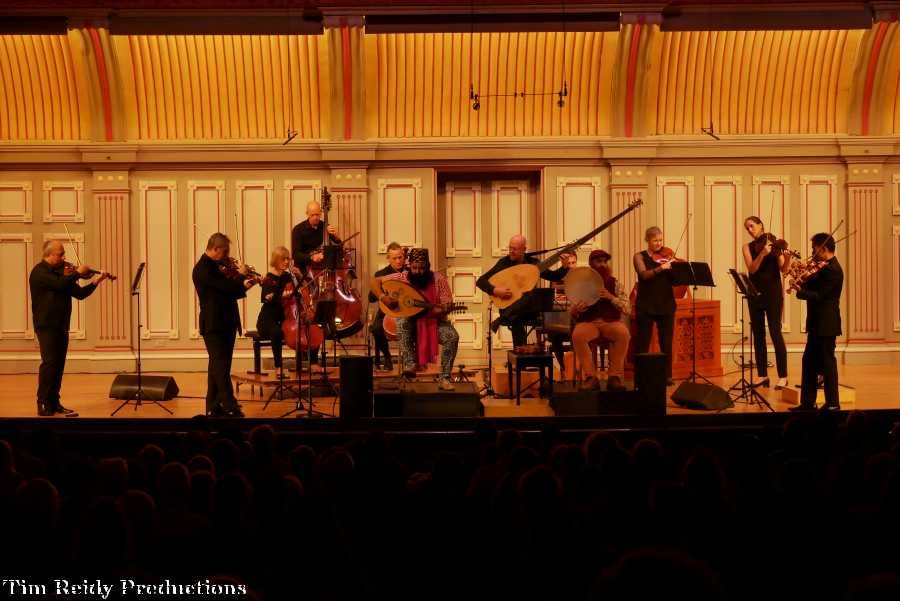
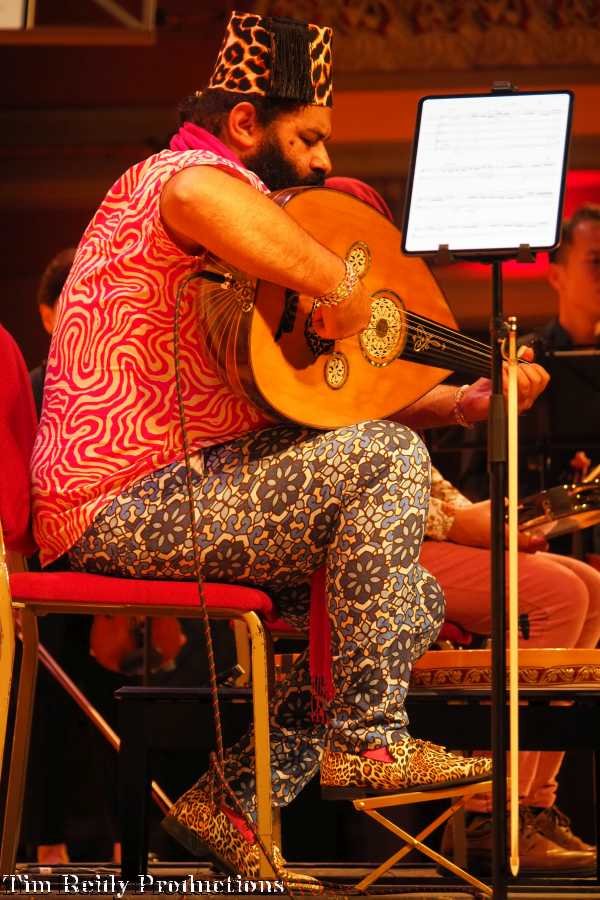
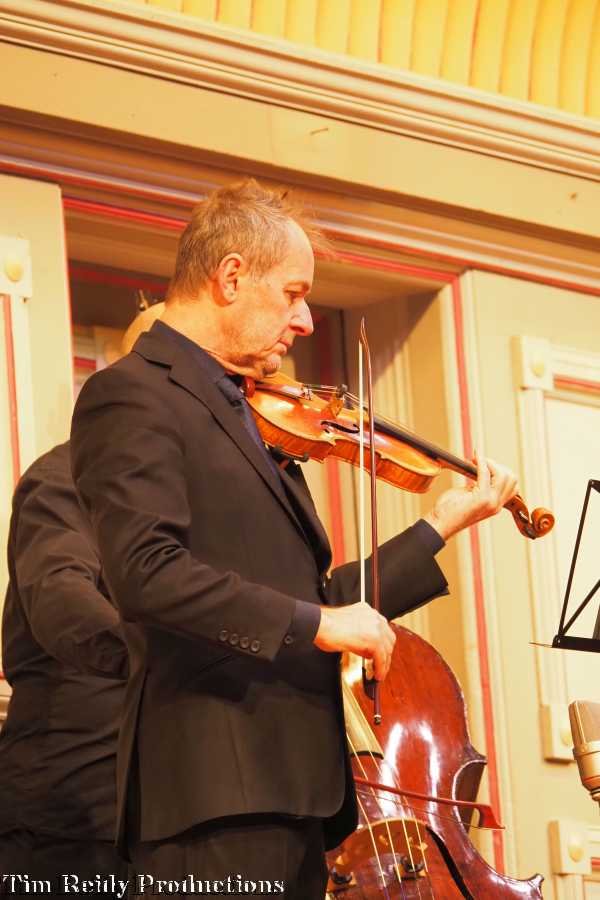
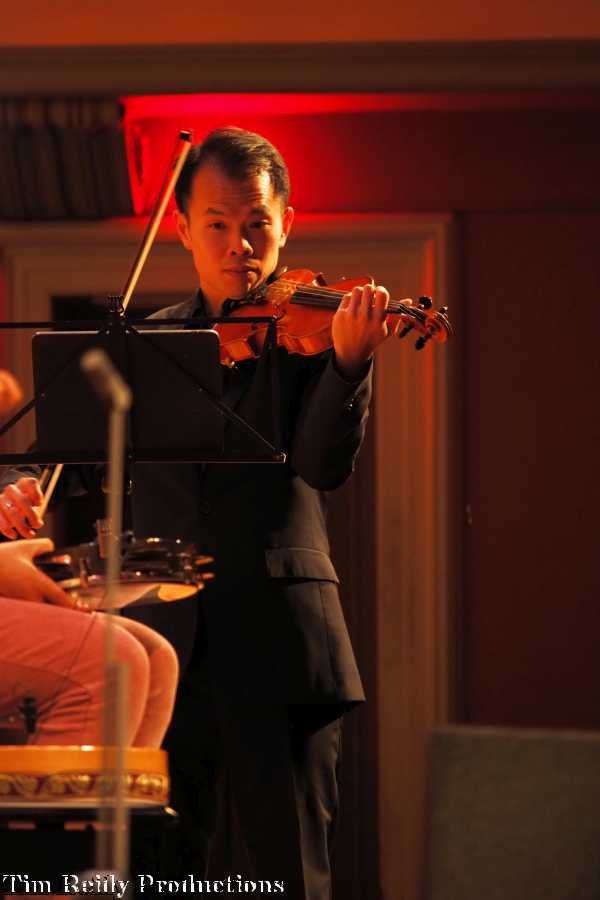
Australian Chamber Orchestra believes in using really old instruments to make their magic. Tuesday brought us a show through Troy Chromatic Concerts.
The show was a mix of mainly Tawadros’ compositions and Vivaldi’s “Four Seasons.”
Photography by Timothy Reidy.
PapaSweenBean’s Friday Night – The Audience – by Liam Sweeny.
My Friday night started out at home, actually. Leza Cantoral of Clash Books had an online book reading on Zoom. I figured the drinks were cheaper when they came from my fridge, so a good time. And esteemed wordsmith S.A. Cosby put in a visit.
The readings were great, visceral, carnal, in some cases. But everybody’s work was top-notch. I had an epiphanic moment due to my own inability to see how many people were in attendance, which there were a few. See, I thought I was the only one there who wasn’t there to read. And I felt a little self-conscious, like people were going to think “what the hell is that guy even doing here?” Now I personally know Leza and Christoph of Clash, and in fact, Christoph bought one of my books at my book signing. But I still felt awkward being the only person there not participating.
And here was the epiphany – I was participating. I was the audience. See, when you’re a writer, musician, whatever, you get so absorbed in the performance aspect that you forget sometimes how to be the audience. And just how vital you are as audience. I mean, you are holding down one end of the see-saw of the cosmic balance of kicking a sweet ass vibe. Think of a show that no one shows up to that the players performed magnificently. Now picture a packed house and the band was out of tune and the singer puked on the drummer. Give me that second show any day.
And of course, there were actually a bunch of audience members at the reading when I figured out how to check that, but I am taking my epiphany and walking out the damn door. And the reading was amazing, in case I didn’t already say that.
I did go out after, first to a show in Troy that unfortunately had a cover charge on a day I was feeling he full effect of being broke, so I did not attend. I probably could’ve used my press pass, as I was only there to take pics of the band, but I feel awkward doing that. Also I didn’t have it.
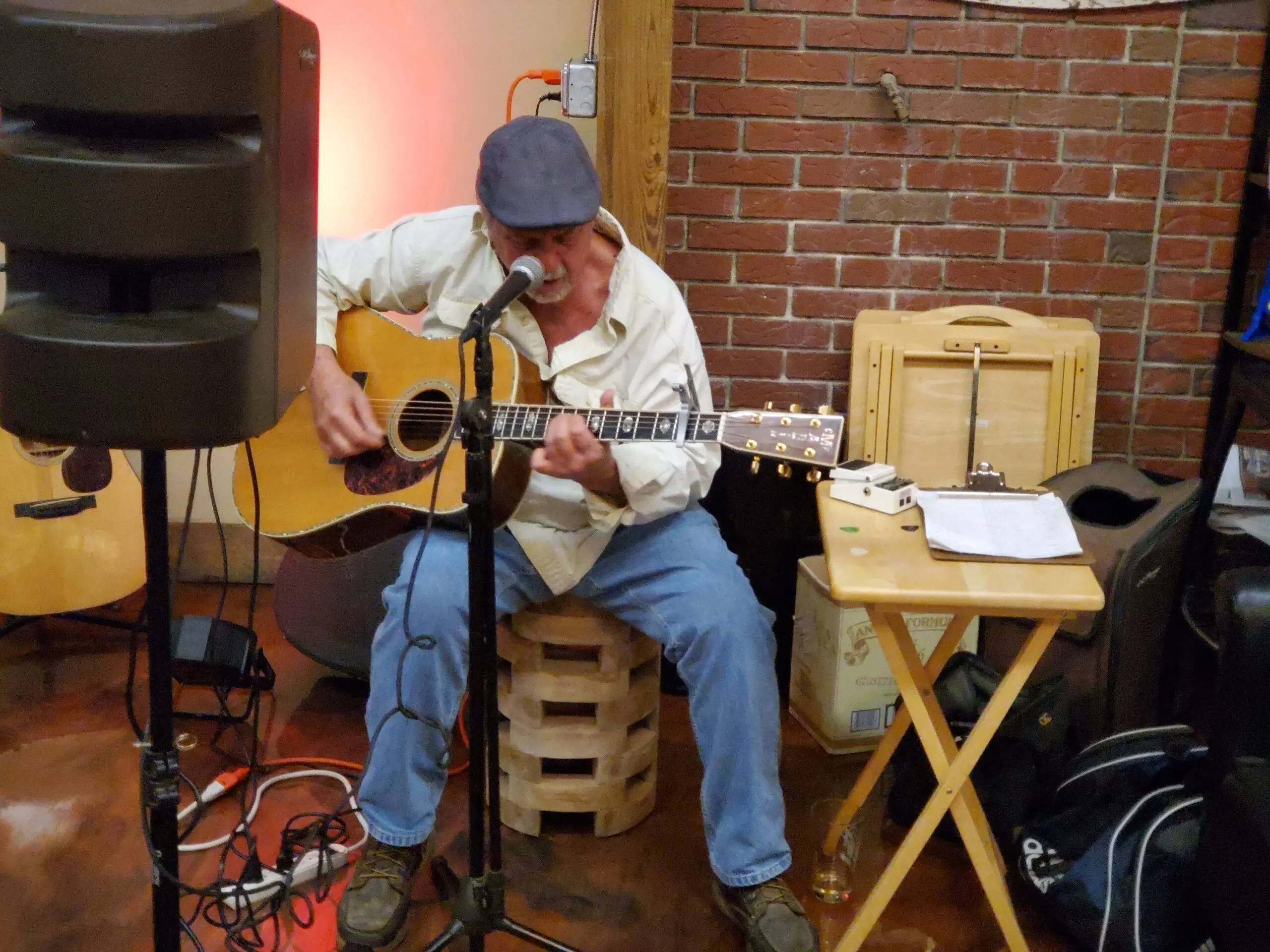
I did go to Bye-I Brewing in Cohoes, where I encountered the musical stylings of Ron McLaughlin. Nice acoustic set, he’s got that good power-gravel voice. I met the owner, Bob, and I met Valerie behind the bar. I forgot Valerie’s name a minute after I heard it, don’t you hate that? And I have the whole, “repeat their name when you hear it,” going on, still missed it. Sorry Valerie.
Bye-I is huge now. They’re a brewery with a bar/restaurant area, kitchen soon to come. It’s in this massive space that is somehow homey. Vats and drums off to the side, hoses, and a bunch of stuff I don’t know the names of. This may become my Friday night landing spot, we’ll see.
Kind of slow night. I’ll definitely bring my pass next time.


Service Industry – Interview – Thanks for Asking! – by Liam Sweeny.
RRX: Music genres are difficult for some artists. Some strictly adhere; others not so much. What is your perspective on the genre you play, or the genres you hover around?
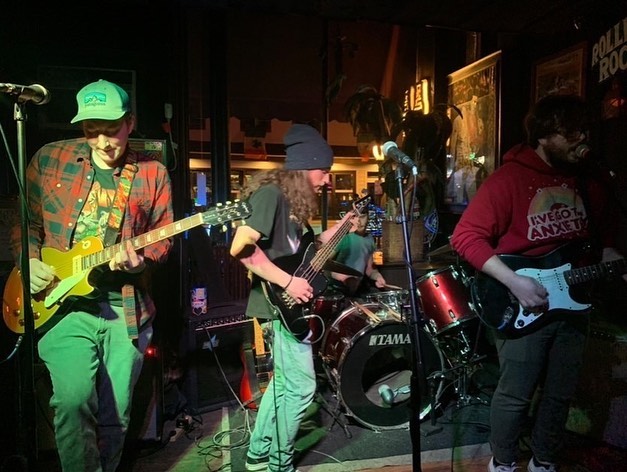
Holden: I guess we’re indie rock. Sean, Zac and I all write in very different ways, and our roles change around based on who’s writing/singing lead. Sean’s songs are usually shoegazey and/or funky, Zac’s songs are mostly rooted in rhythmic post-hardcore/emo (he’s got a mean scream), and my songs are somewhere between Pavement and 70s-80s post punk. There’s a lot of overlap and while our songs can range in sound, the songs end up surprisingly cohesive. We don’t really try to do any one genre, we just wanna make good songs.
Nick: Indie Rock’n’roll
RRX: What would you like fans to know before they come to see you play? (No basic stuff; get specific.)
Holden: It’s no secret that we’re really bad at crowd engagement, haha. We put so much of ourselves into honing our respective crafts, writing songs we’re proud of, practicing, planning strong setlists and playing the hell out of them live, but we’re all pretty awkward dudes. It’s a cruel irony, being performers with social anxiety. When we play out, I almost always have my eyes closed and I’m so nervous I can barely remember the venue or the other bands playing, let alone thank them. Our guitarist, Sean, has really stepped up lately and has been filling this role. Thanks, Sean!
Nick: With 3 distinct singers and songwriters we’ve got a diverse set of songs. Chances are everytime you see us there will be something new. We’ve got some wild guitar tones and keep things interesting while still being accessible. We love to see folks dancing while we awkwardly avoid eye contact and stare at the floor. Except Sean. Thanks Sean!
RRX: Would you rather have one of your songs blow up and make you a one-hit wonder and household name, or would you rather have all your songs be solidly received, but no chart-climbers? (You have to pick one or the other here.)
Holden: As much as I’d love to write a “Creep”, “Flagpole Sitta” or “Tubthumping” and be able to live comfortably off the royalties forever, I think we’d all prefer to be lesser-known but well-respected for our music. I’d be happy as a cult classic, at best.
Nick: I want that taco bell money.
RRX: Playing out is tricky because you never know what’s going to happen when you get there. Sometimes everything goes wrong. What was your worst show like?
Holden: We played a show with Countdown From Ten and Ampevene once. It was one of our first shows, back in 2019. They’re both super cool bands–very intense, very harmonically and rhythmically complex. I think we made it on the bill because we had one song in 5/4, haha. It was unfortunately pretty sparsely-attended, which tends to add to the discomfort. Anyway, they both slayed. We played in the middle set I think, and I was shaking and sweating nervously the entire time. I could barely sing into the mic. The other bands were very sweet, very reassuring and said they’d enjoyed our set. I don’t think we bombed or anything, but we just felt like we were a bad high school punk band playing on the same bill as the Mars Volta and Hella or something. It was humbling!
Nick: All our shows are good. I’ve never made a mistake in my life.
RRX: What historical era would you like to visit if the sole purpose was to put together a Battle of the Bands? How would you set it up?
Holden: I think 14th century Europe would be pretty wild. A bunch of lute/flute bands, some Gregorian chant, and everyone around is either tripping on ergot or sick with the Black Plague. Whoever wins first place must be using witchcraft or plotting against the church to be THAT good, so they get burned at the stake!
Nick: Holden wins. Can’t beat that.
RRX: Different people in the band will like different songs. A drummer’s favorite song on the release will be different then the guitar player’s. What are each of your favorite songs from your most recent album?
Nick (drums): I’d say “fms” cuz I get to hit the drums real hard.
Zac (bass, vocals): I would also say “fms”. It was super fun making it and still fun to play. When we were first learning it it was definitely like an “oh these guys are cool and I like playing with them” moment for me.
Holden (guitar, vocals): I really like how “She Knows” turned out, the lead guitar parts are fun to play. We also spent some extra recording time layering the vocals and I’m really proud of the work we put into it.
Sean (guitar, synth, vocals): Idk if I have a favorite, different songs for different moods.

RadioRadioX & The Xperience Monthly
© 2018 - 2026 Imperial Broadcasting. Most Rights Reserved.