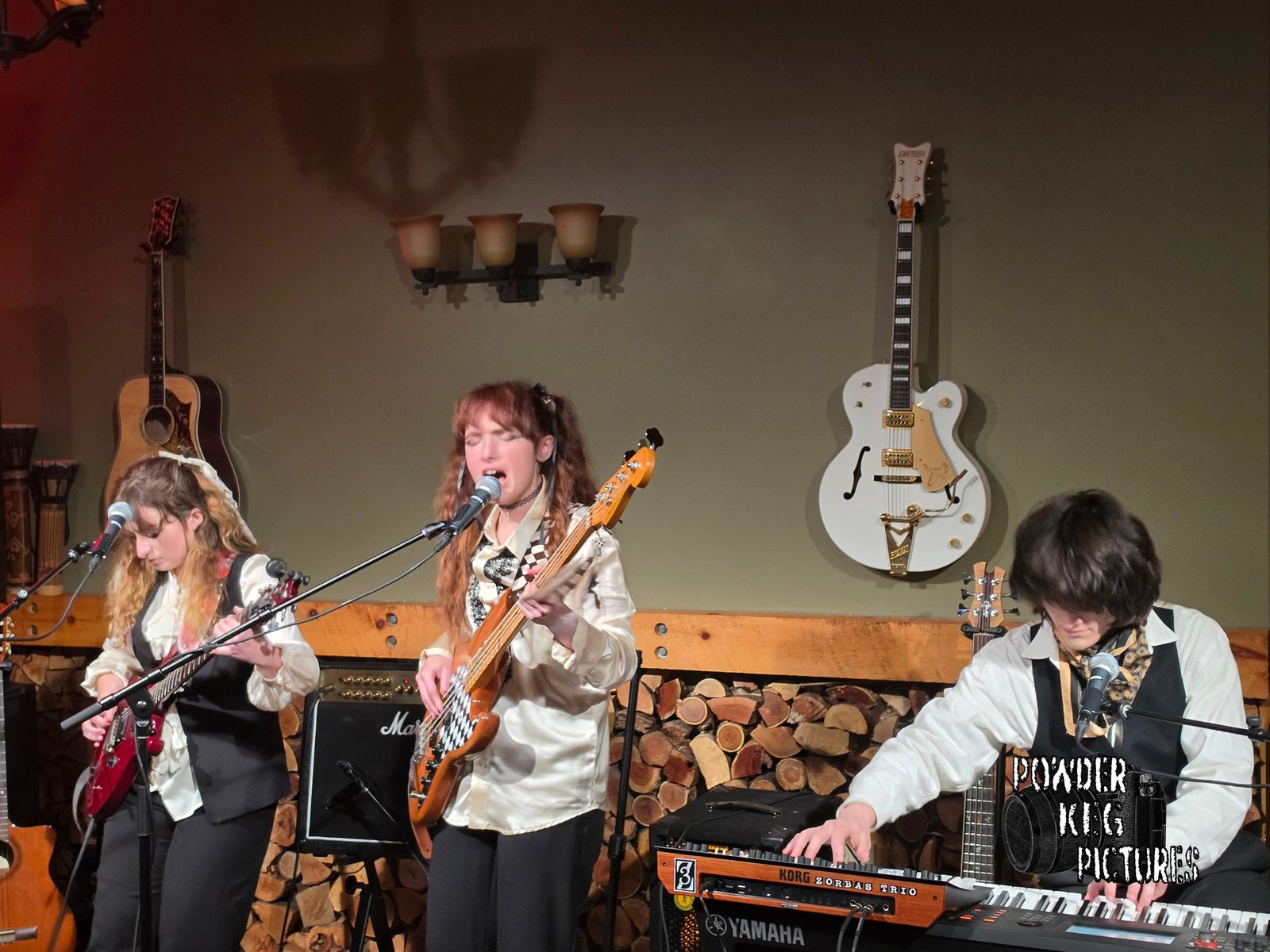
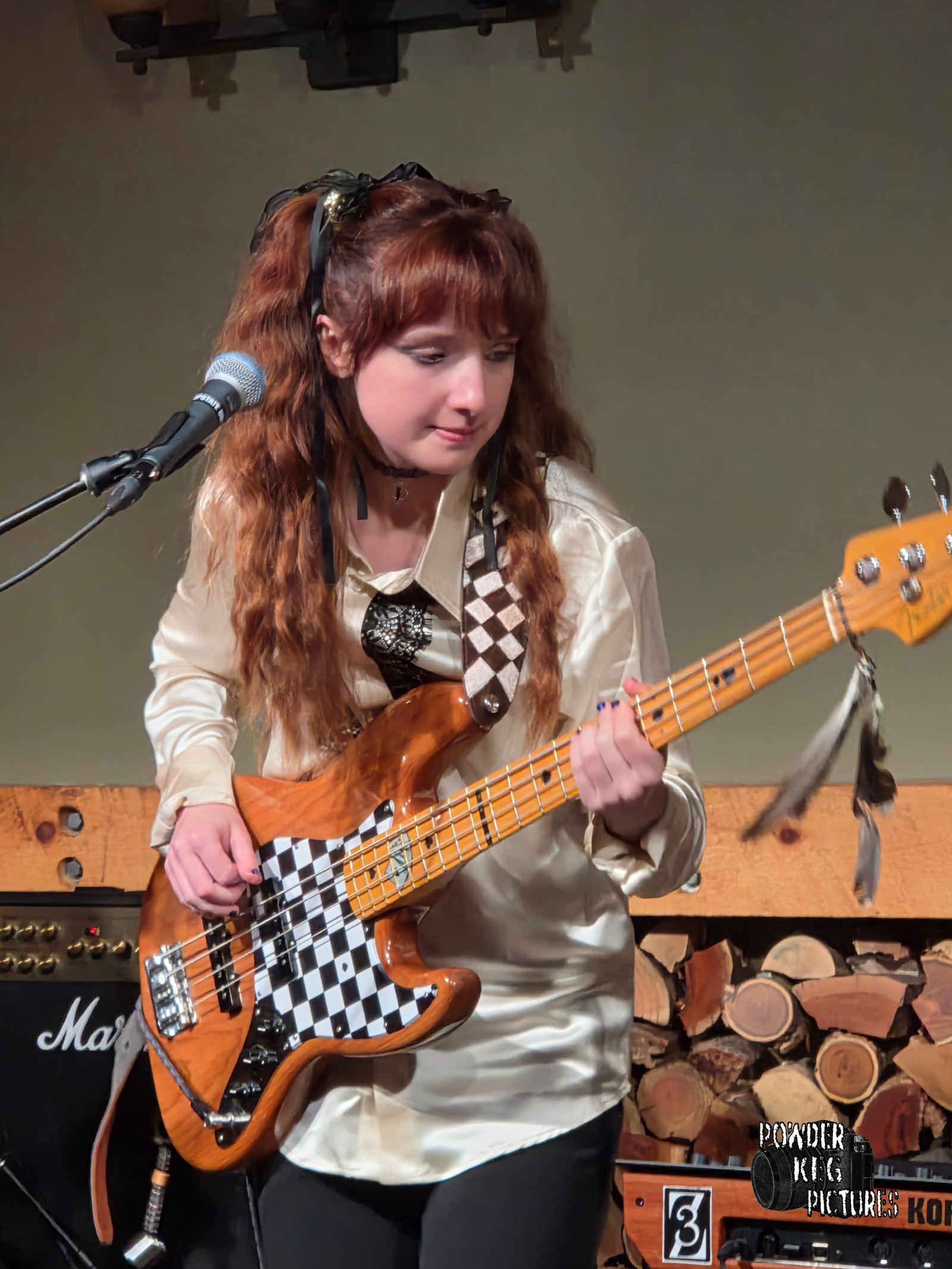
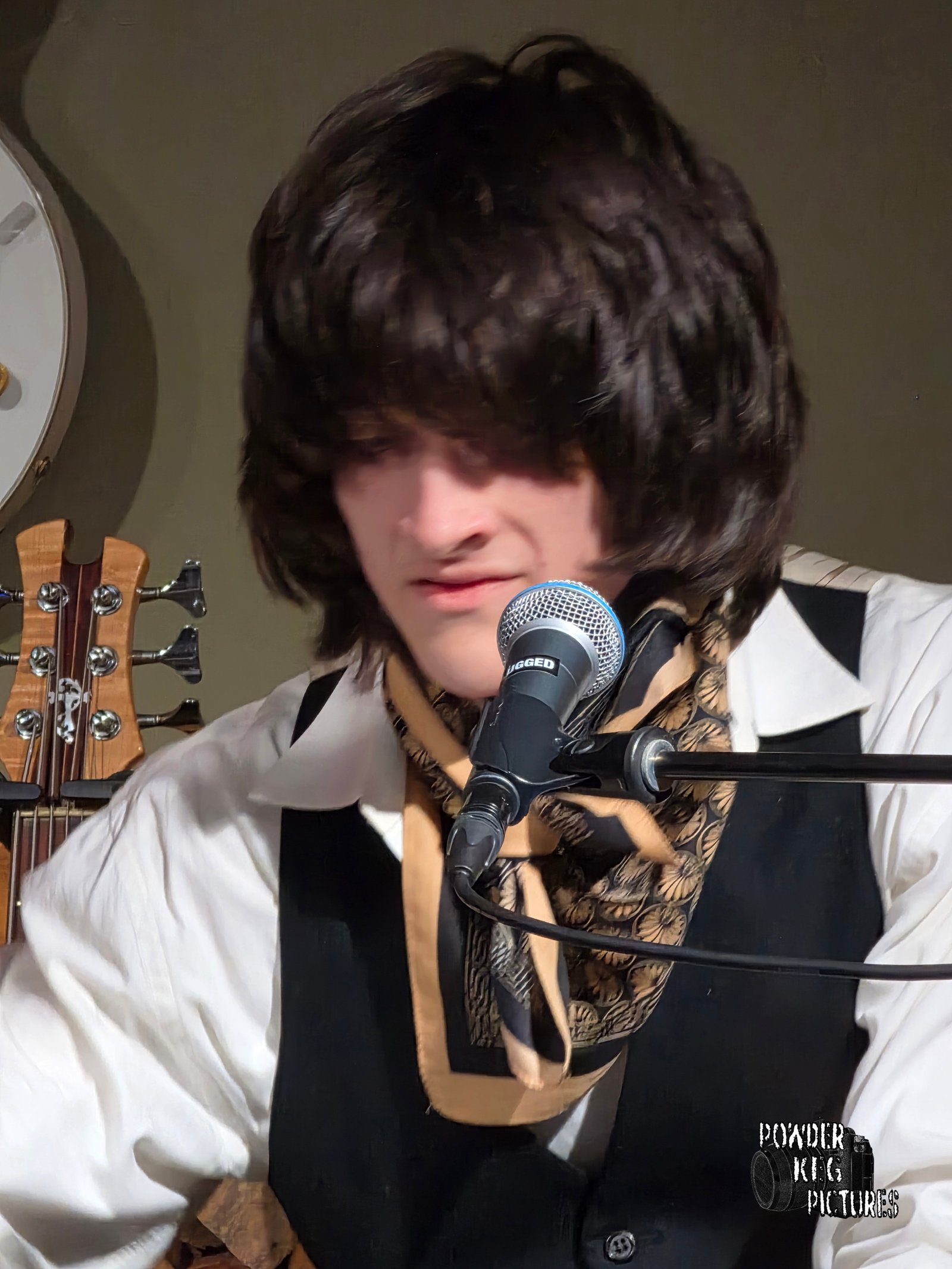
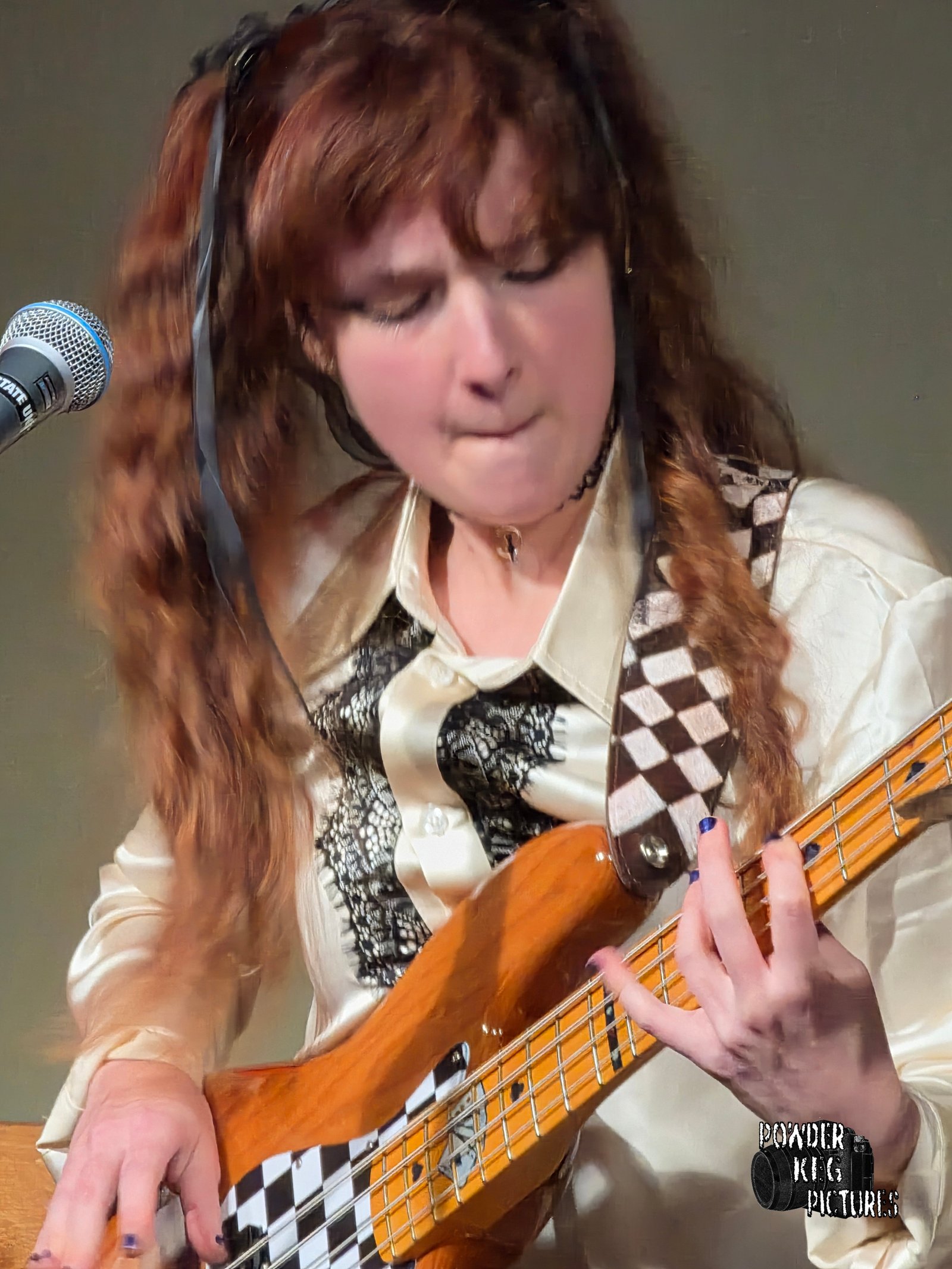
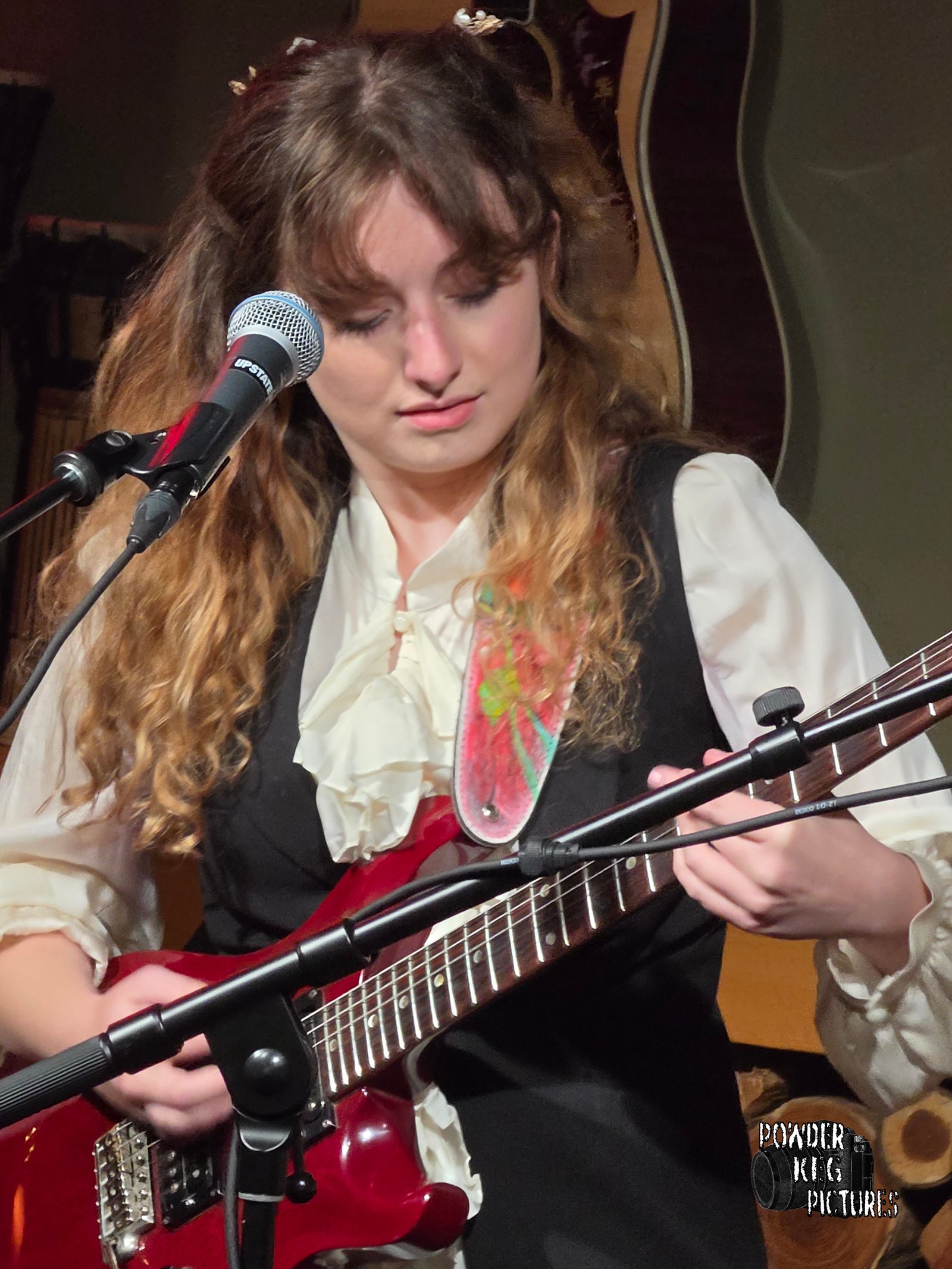
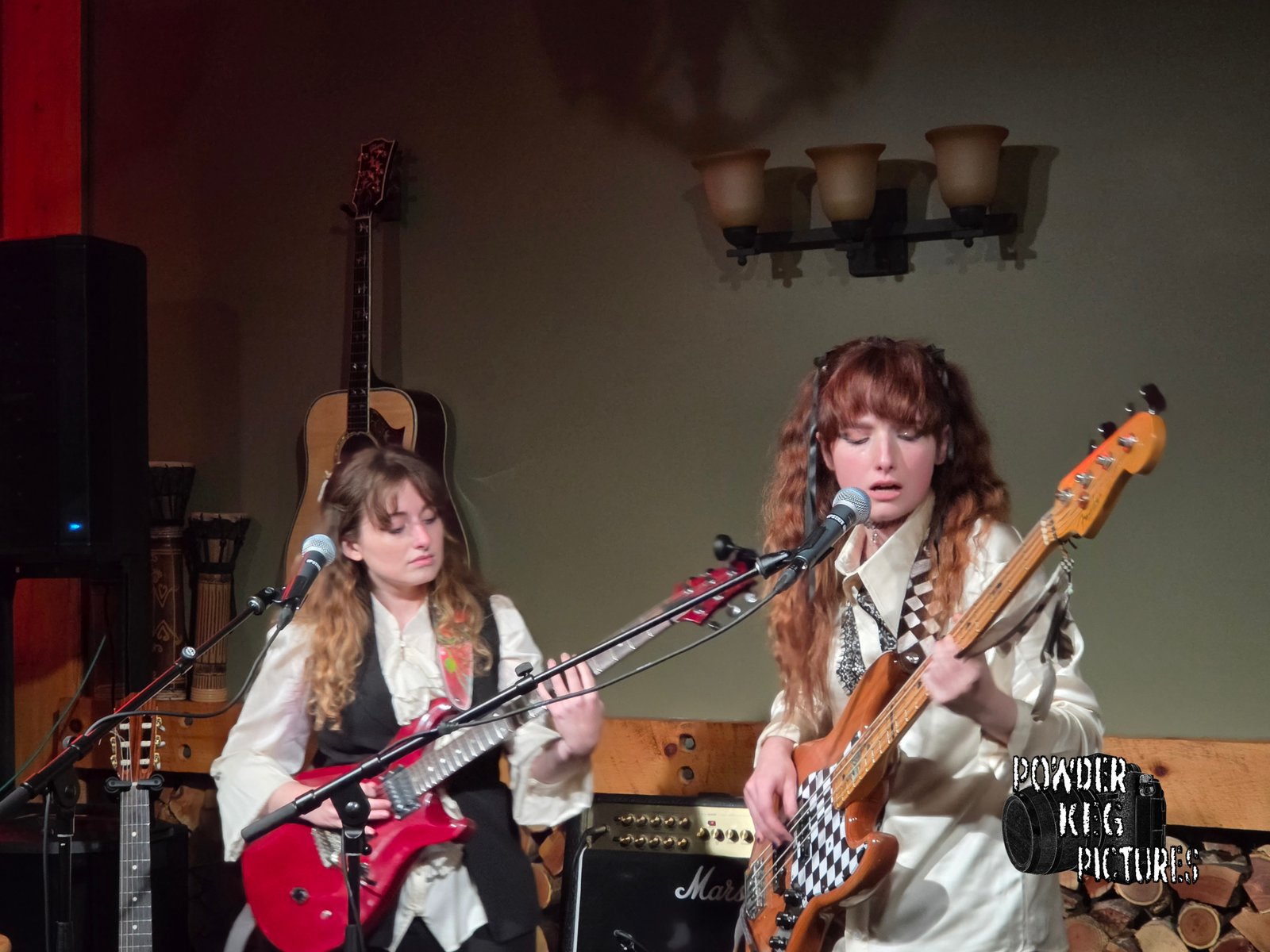
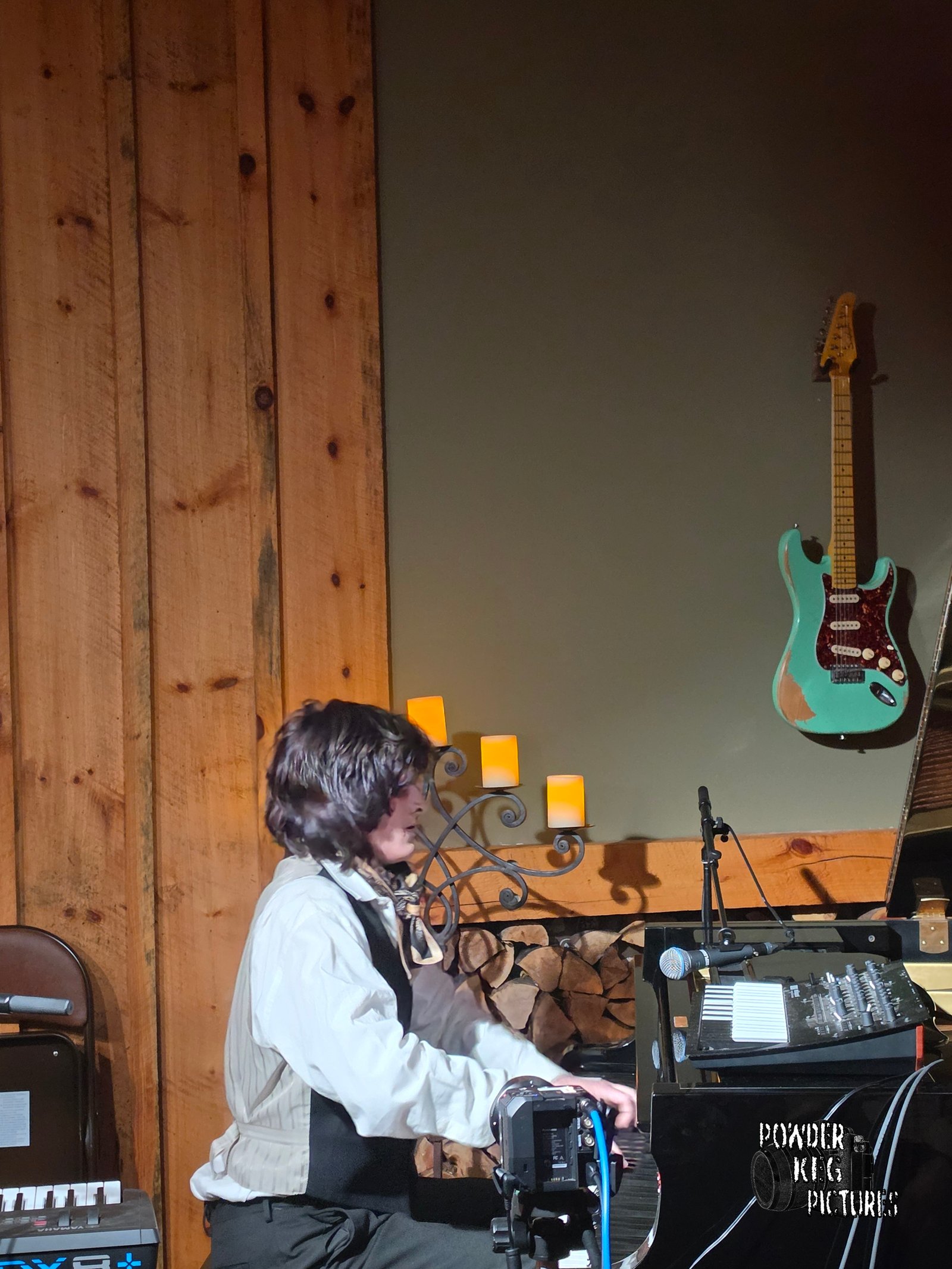
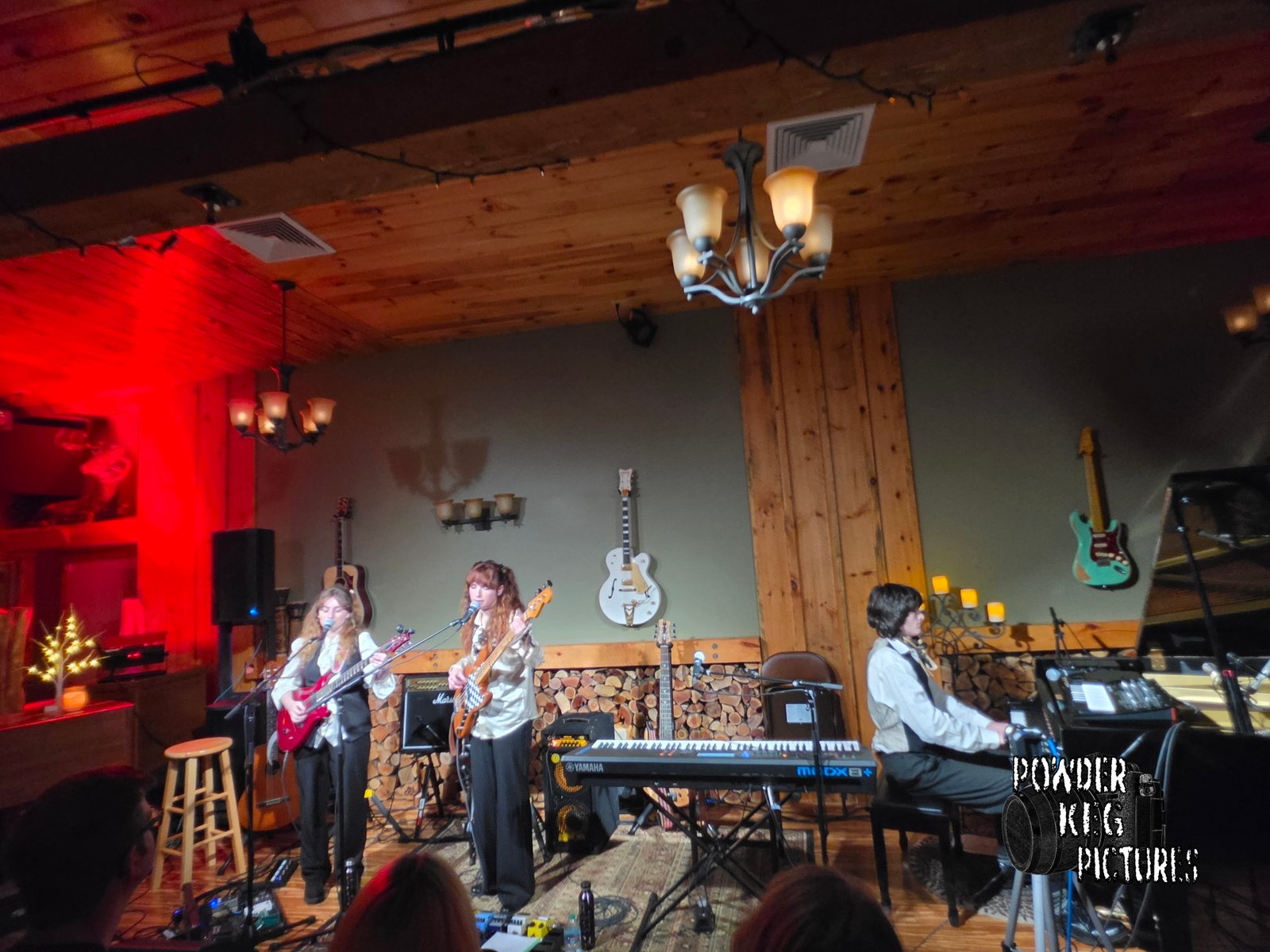
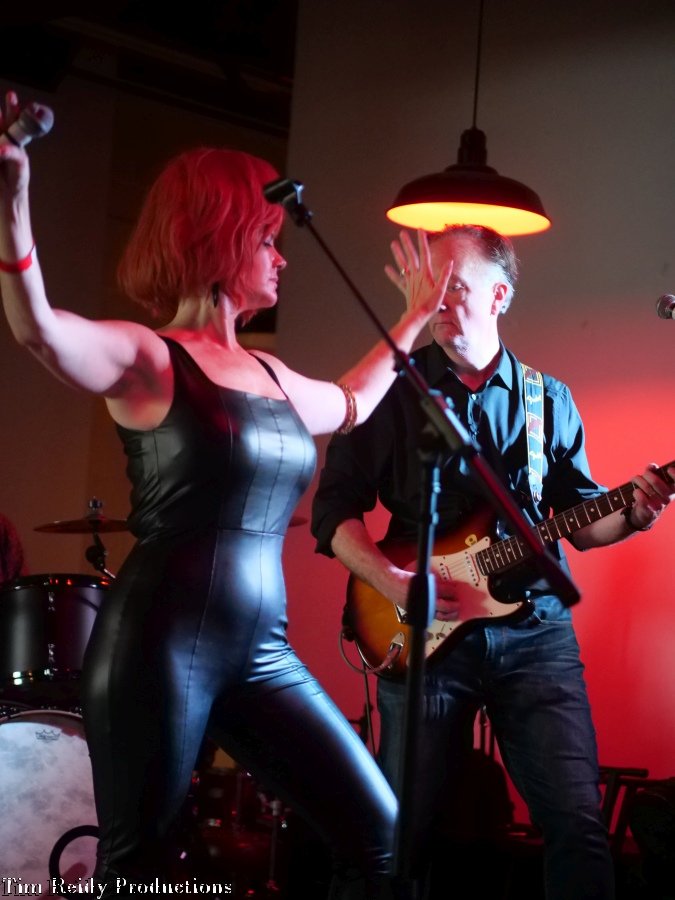
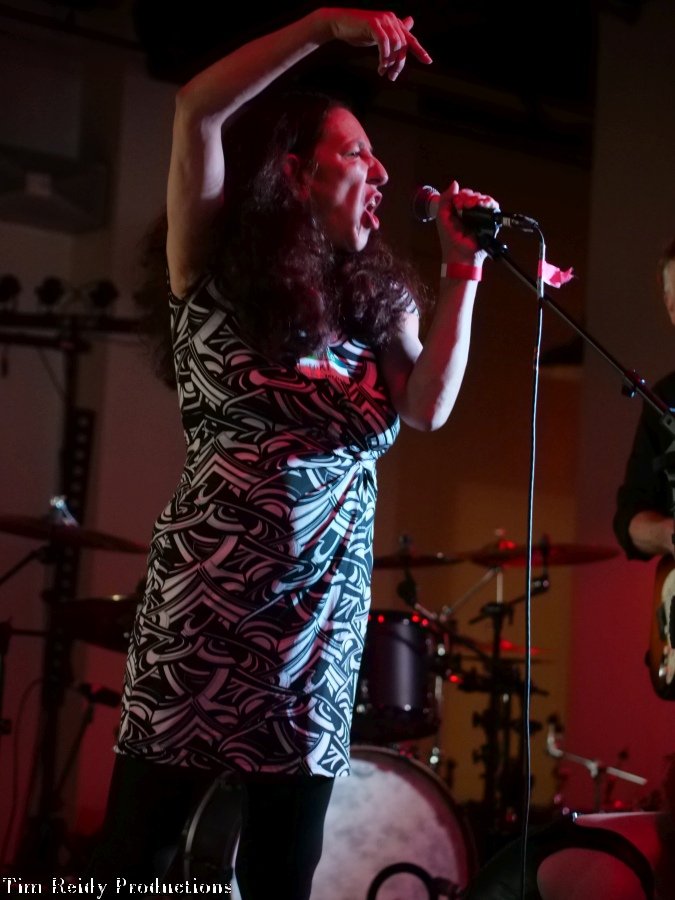
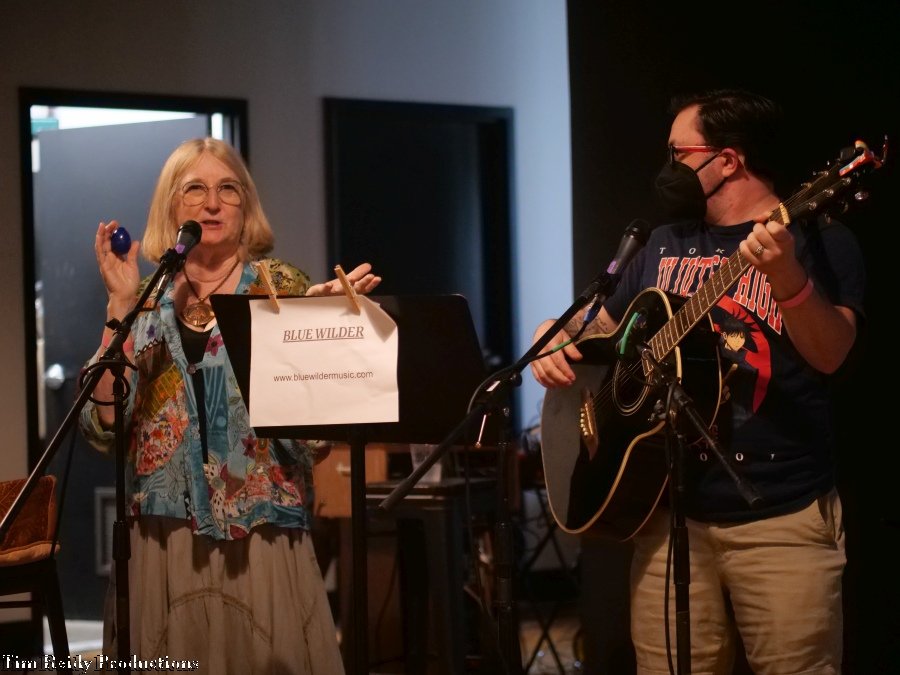
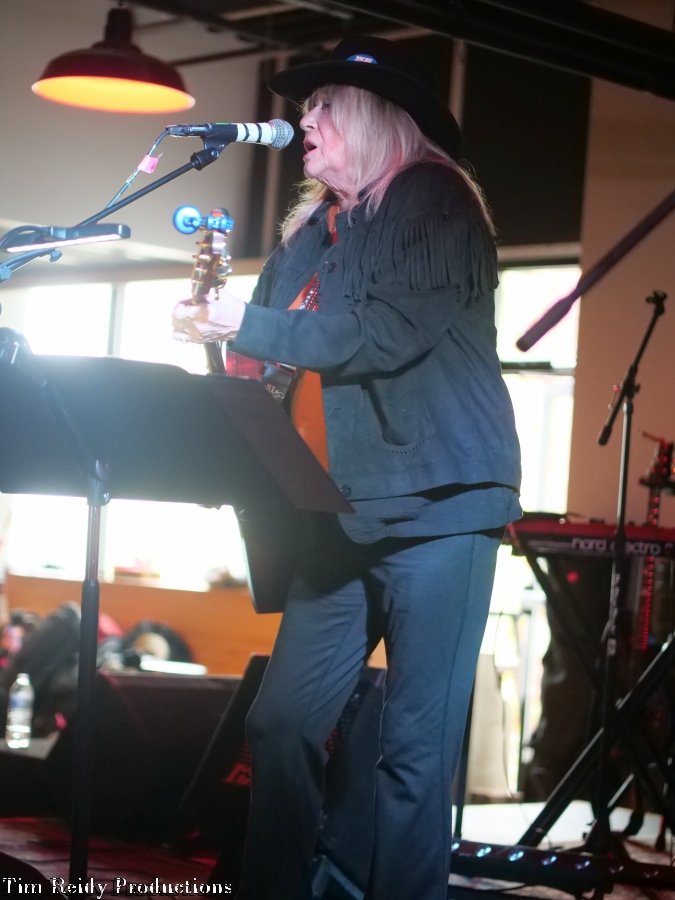
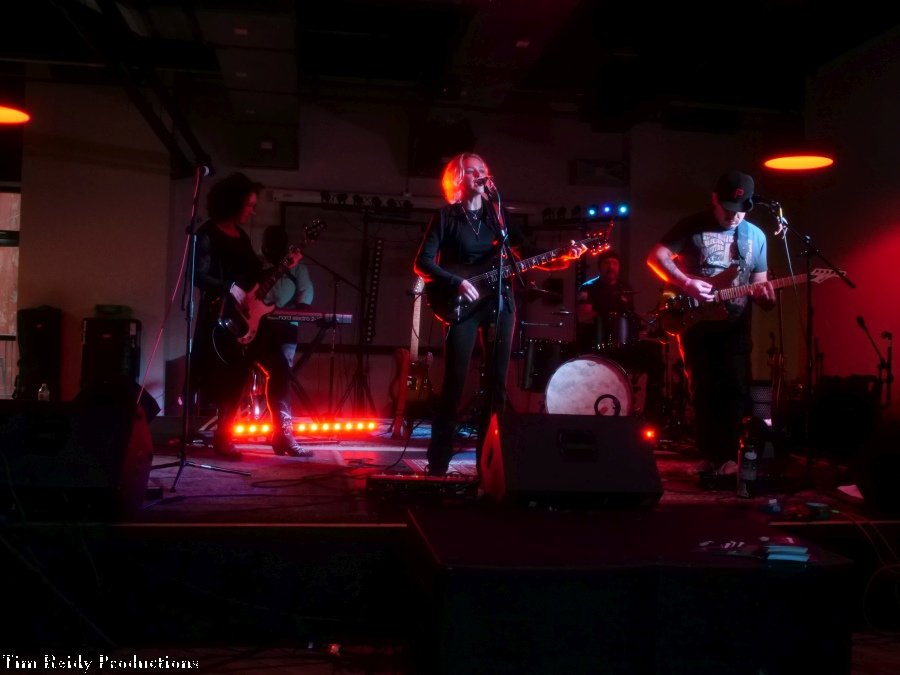
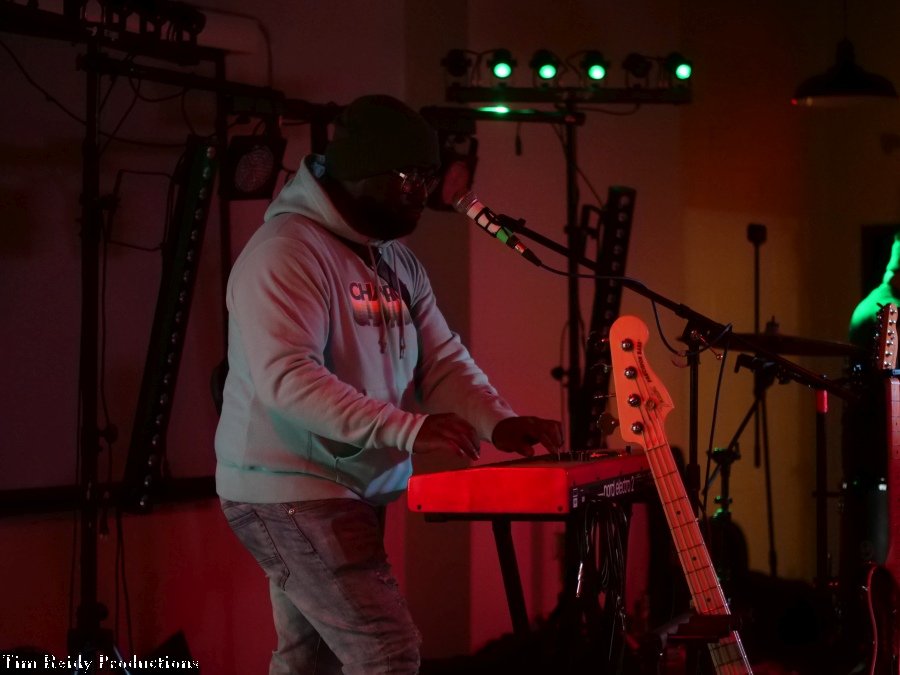
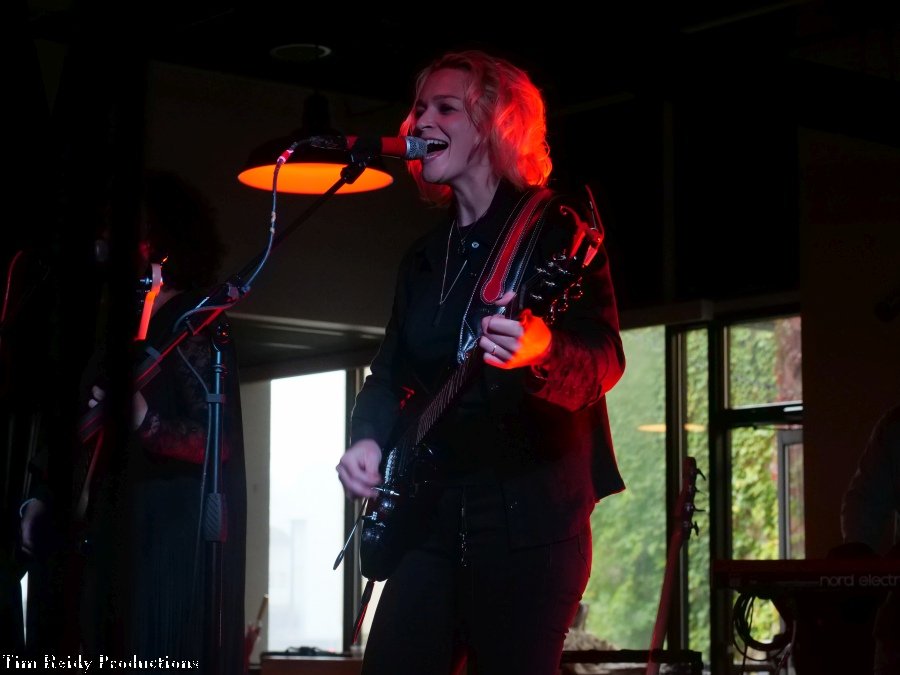
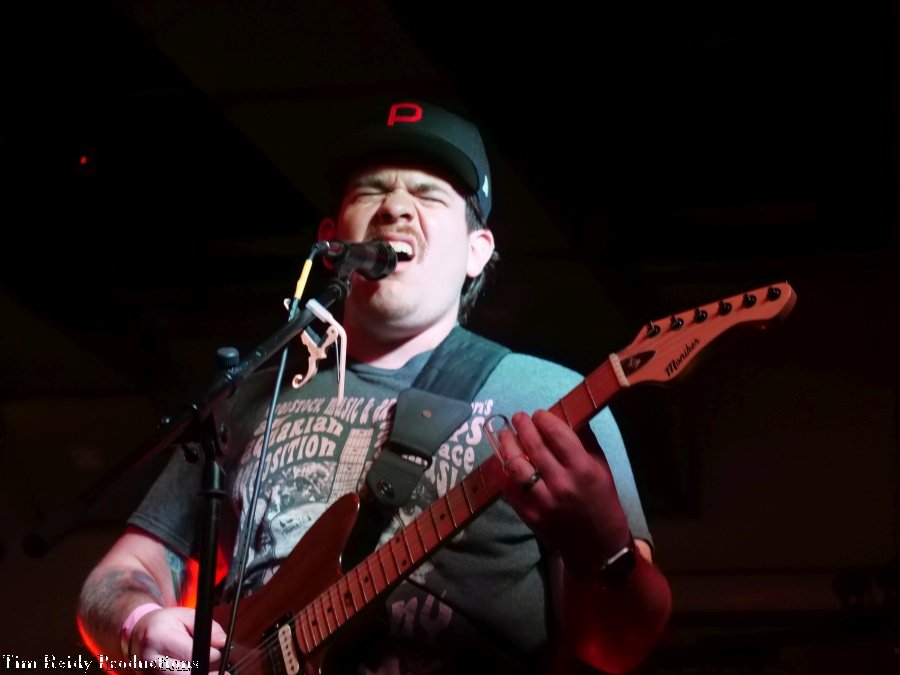
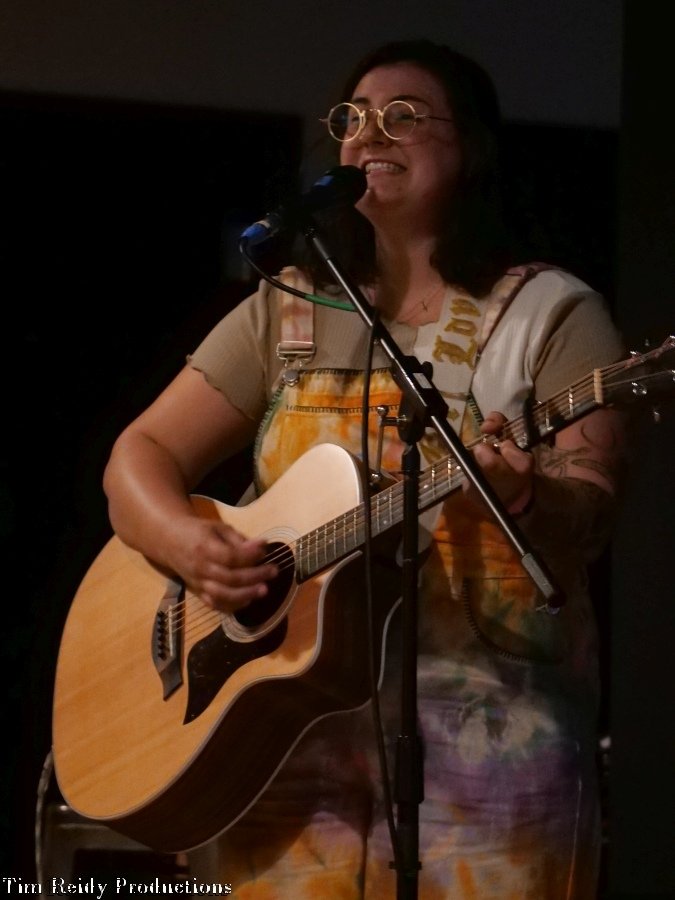
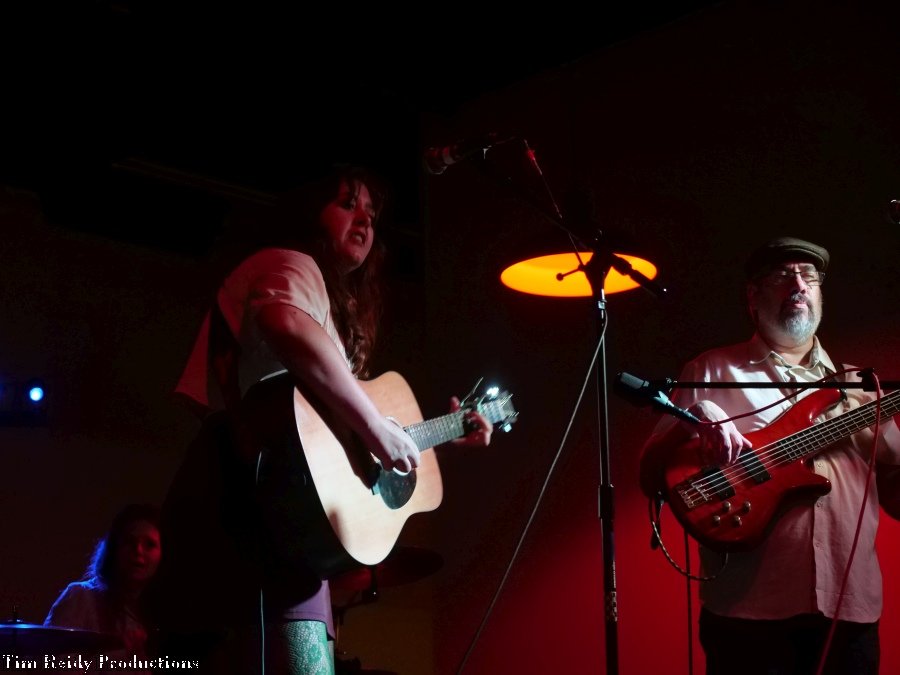
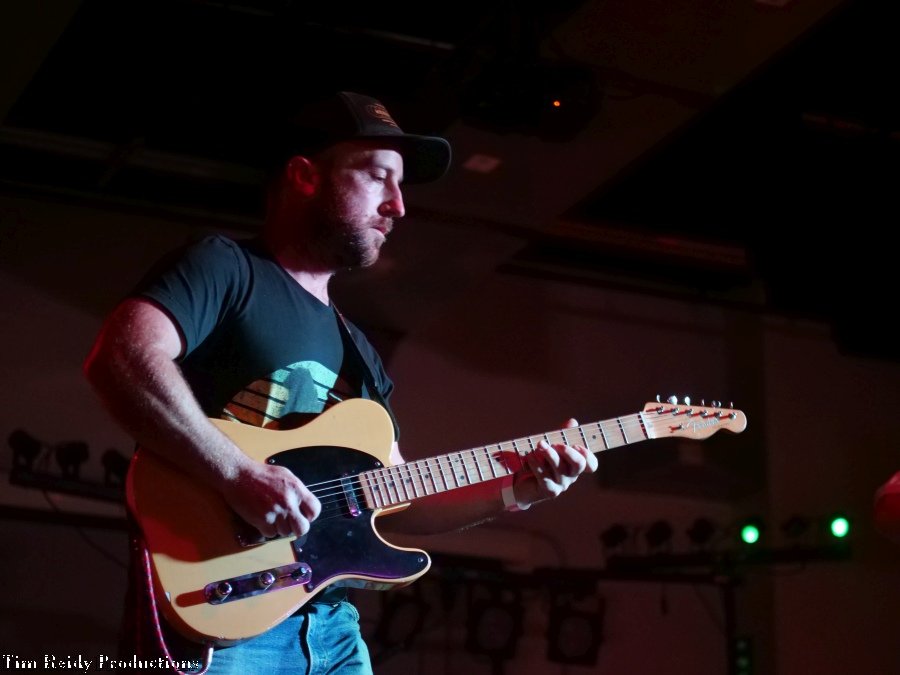
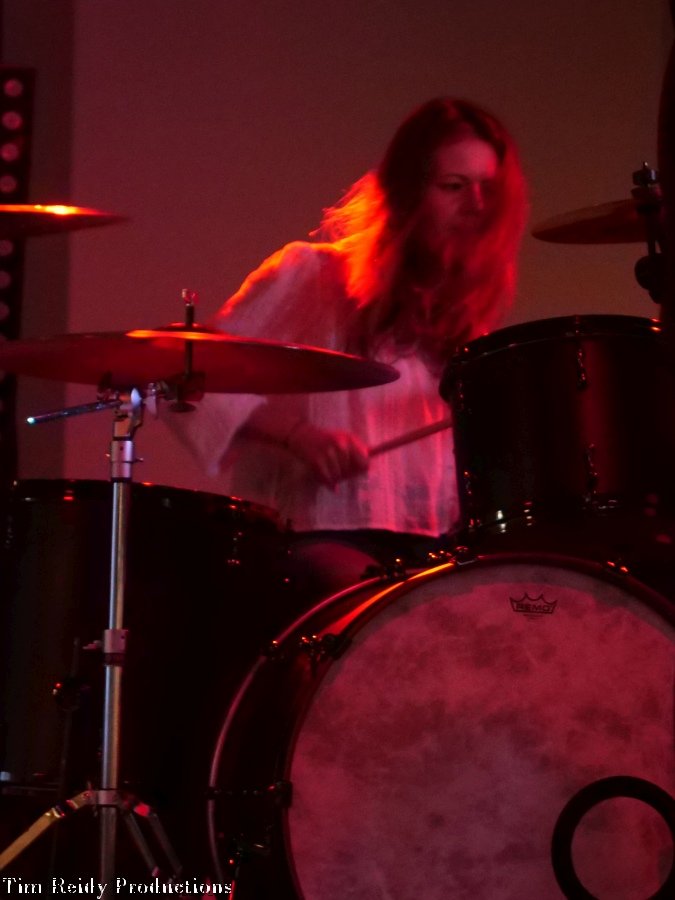
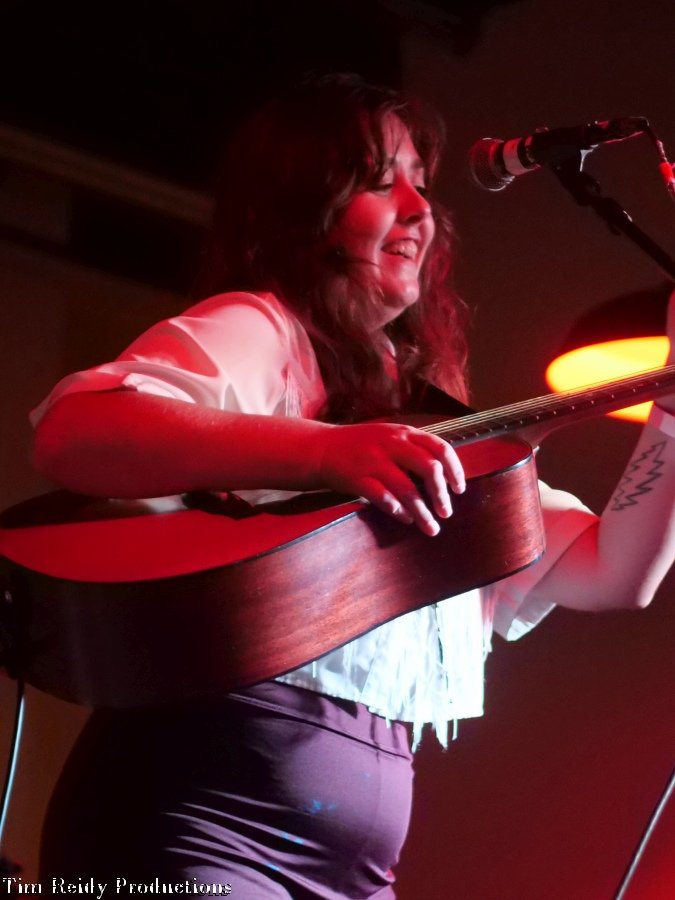
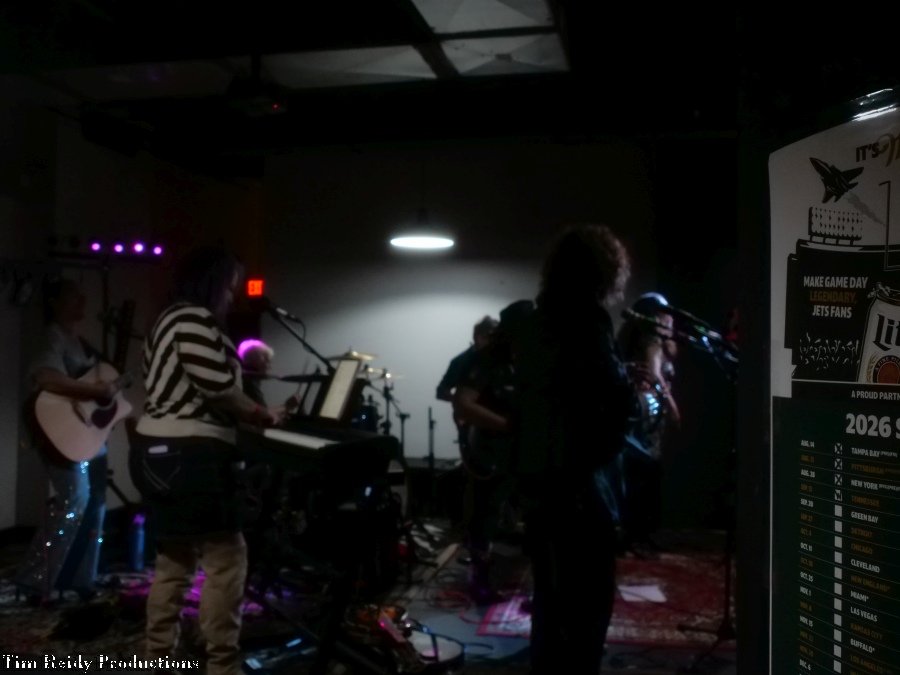
Photography by Joshua Scarselli.
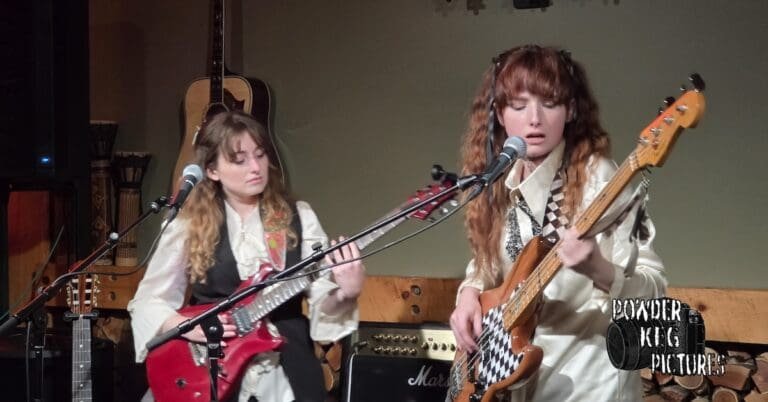
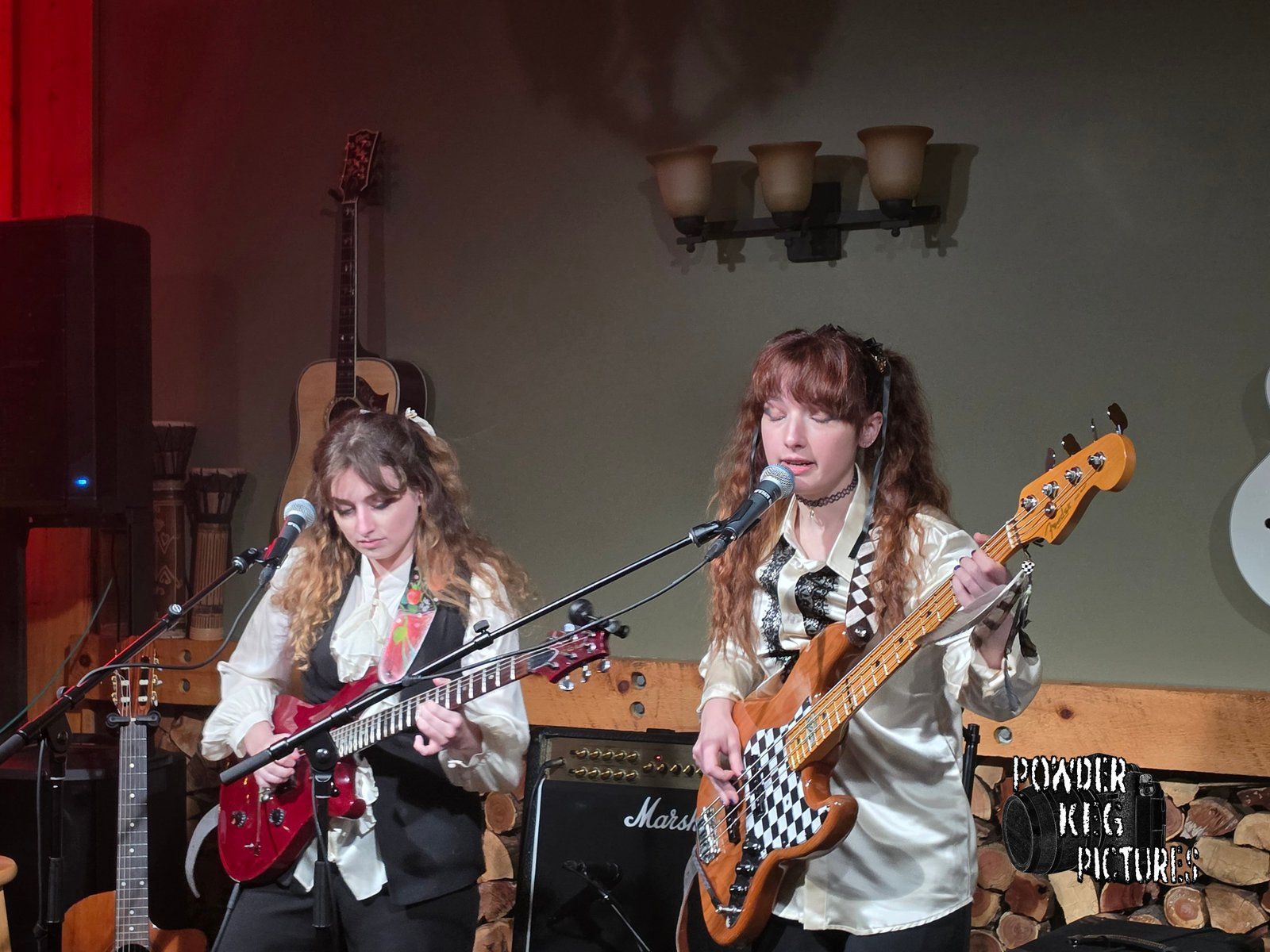
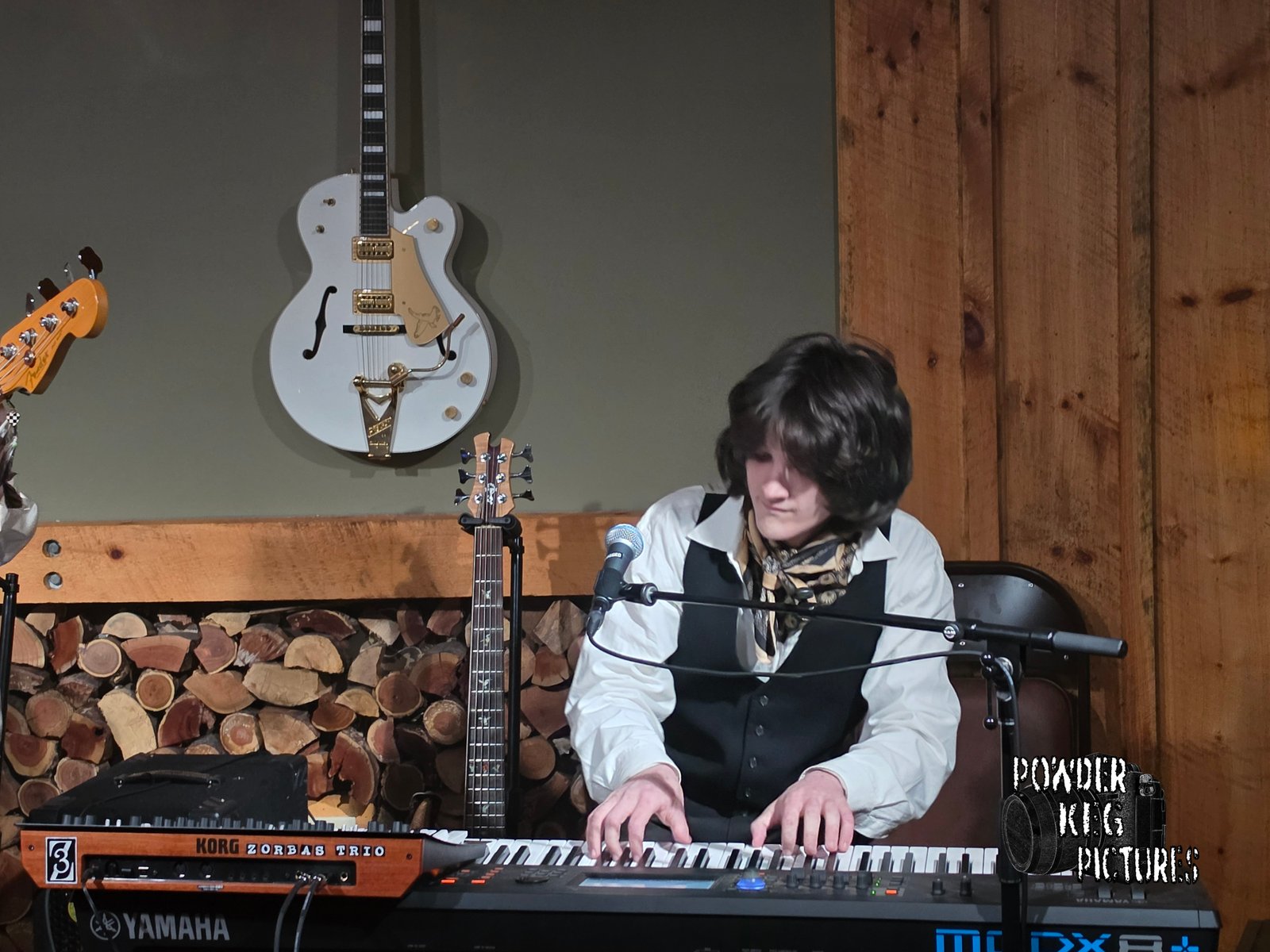
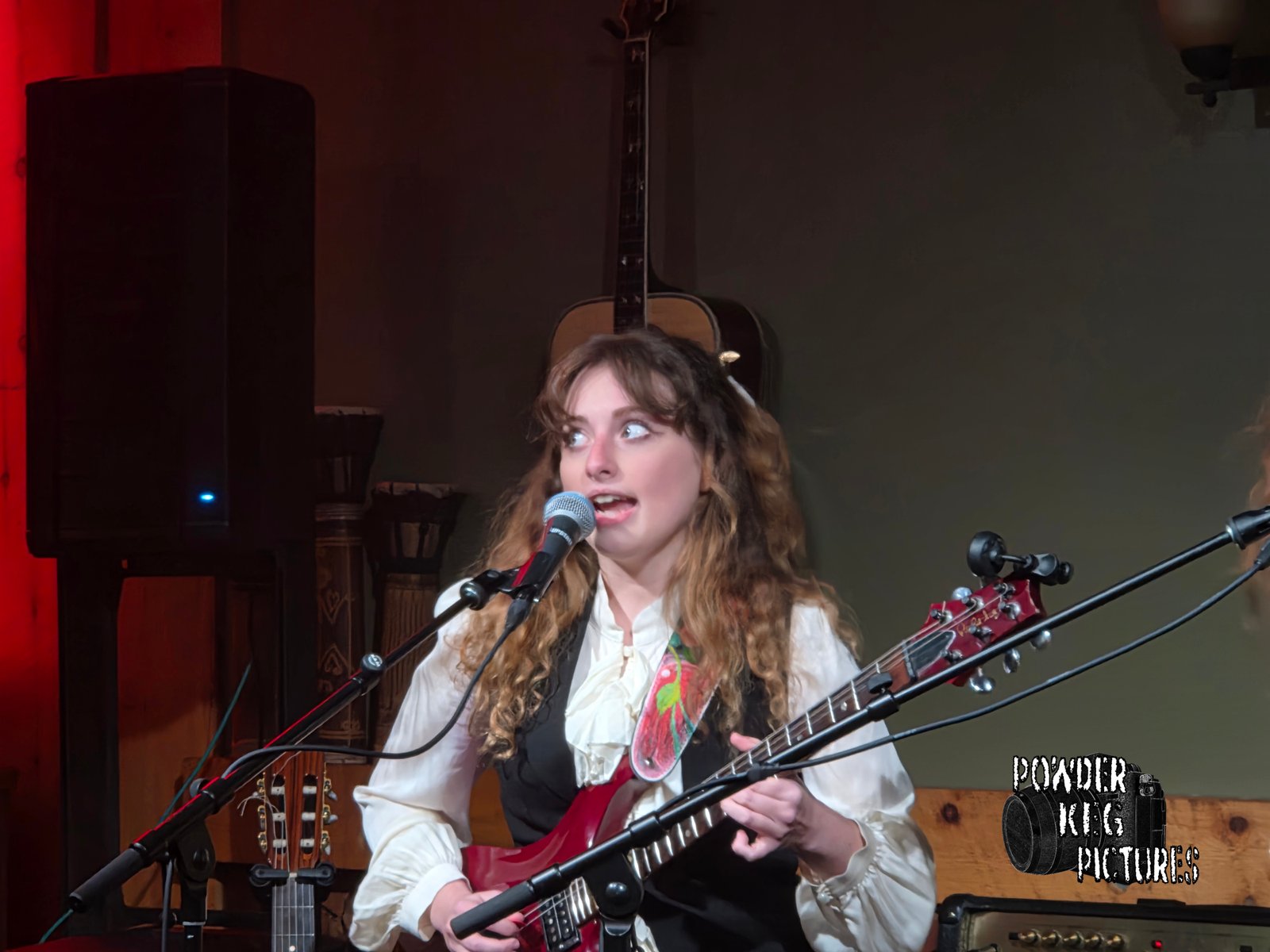
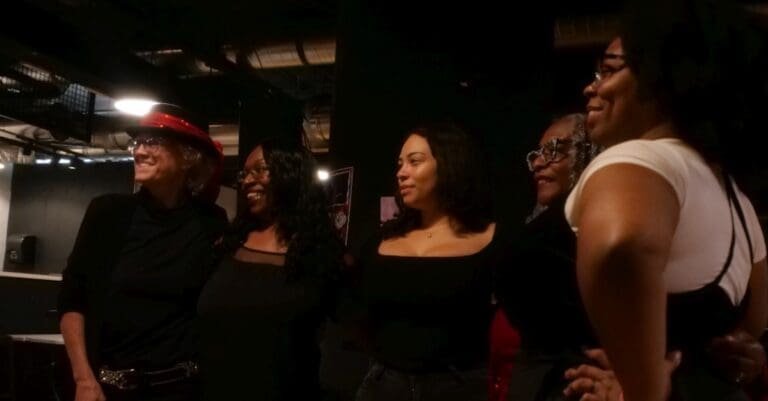
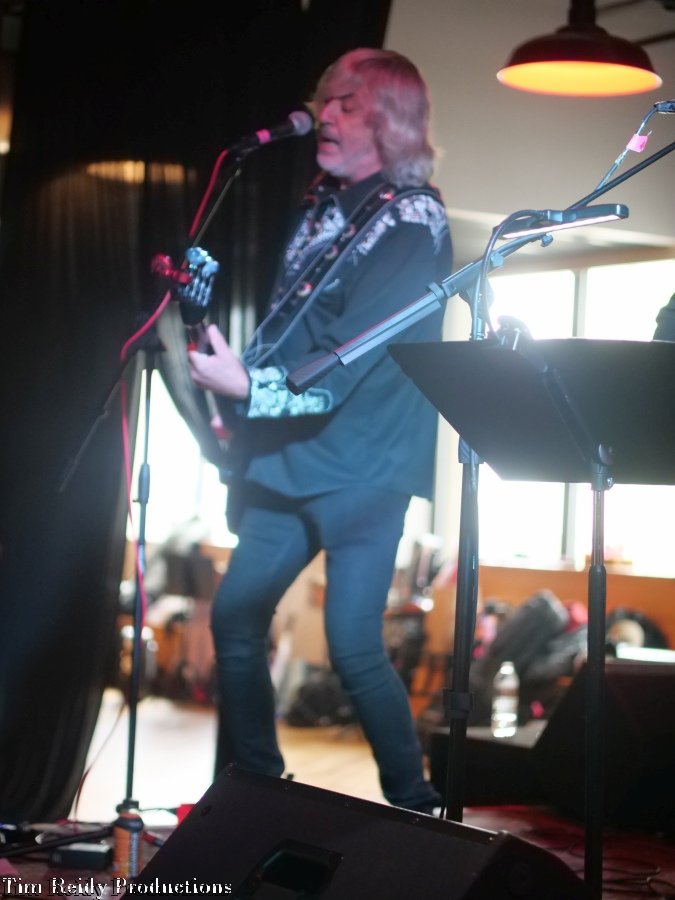
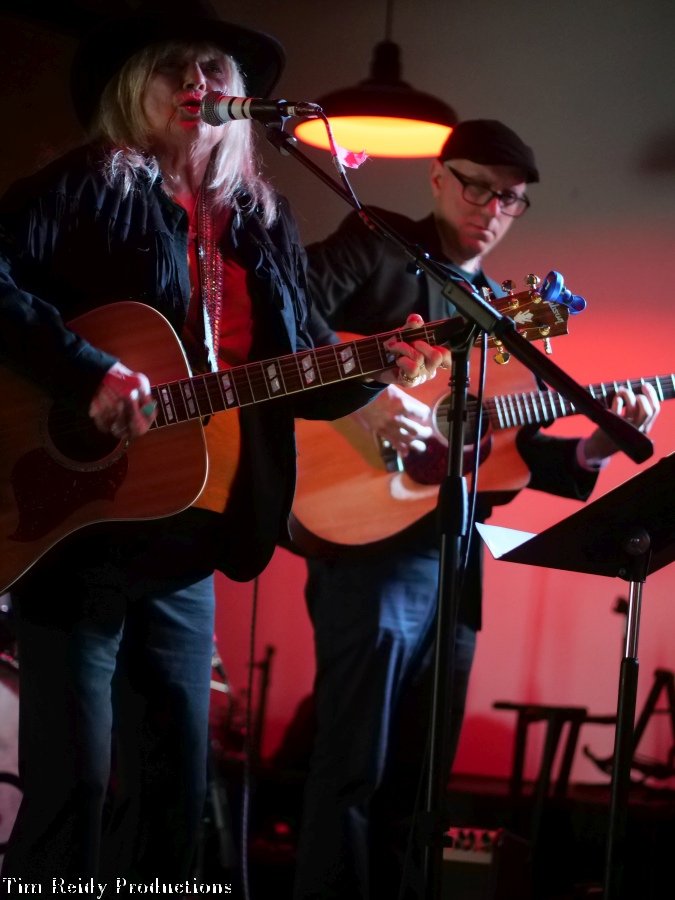
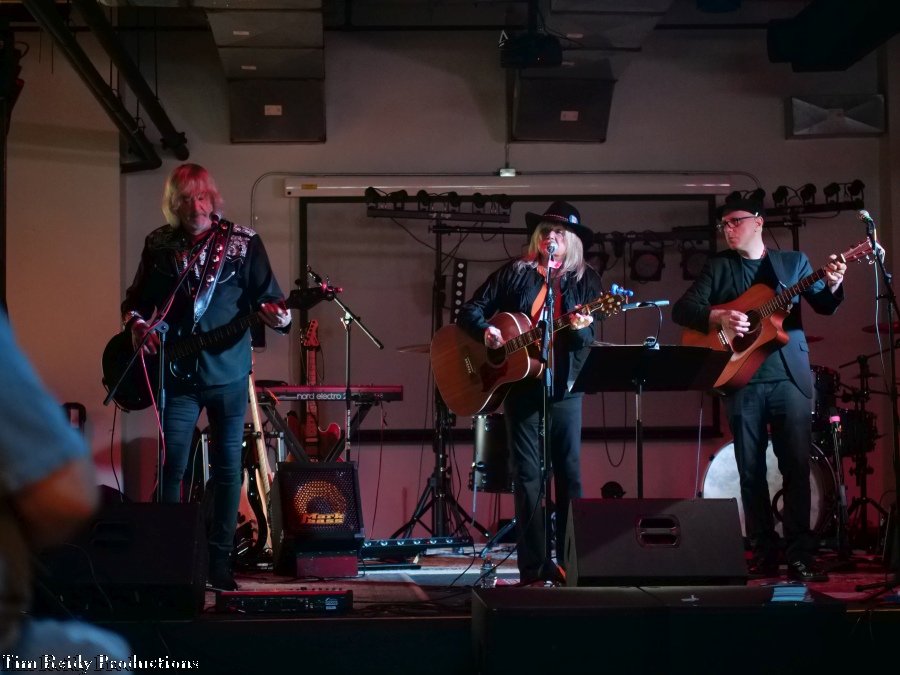
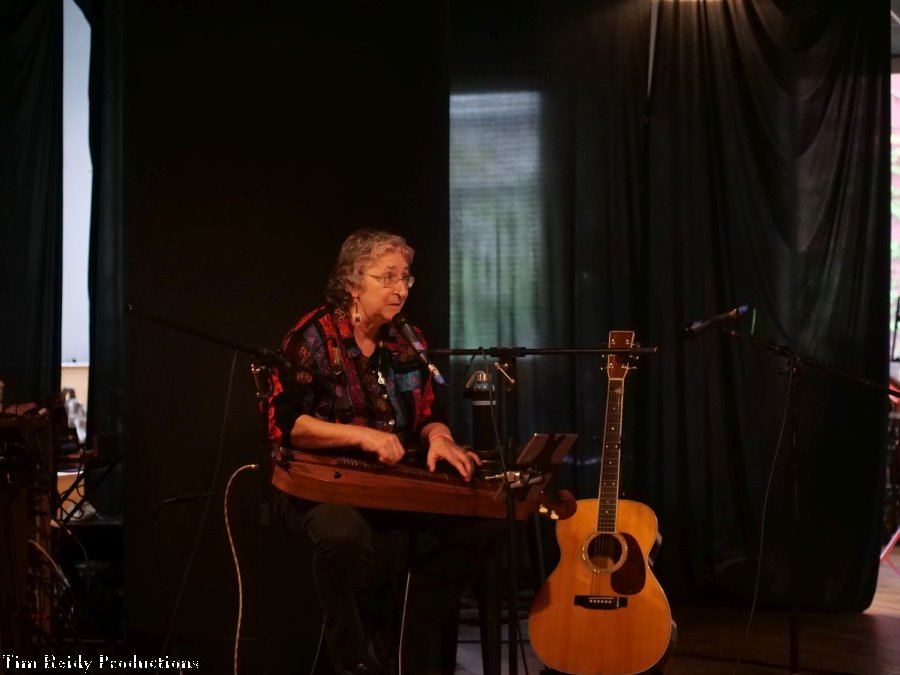
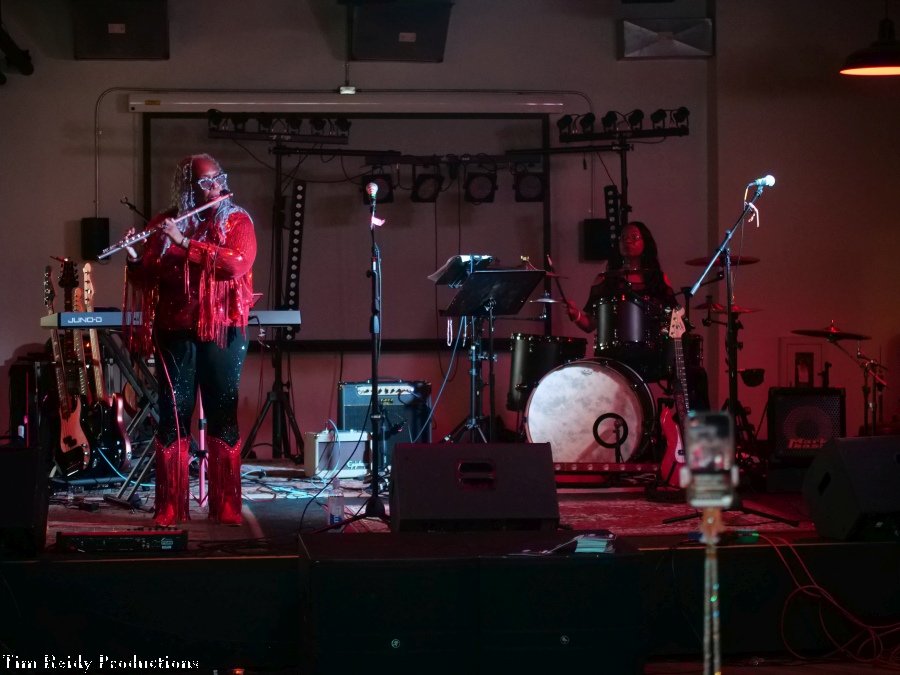
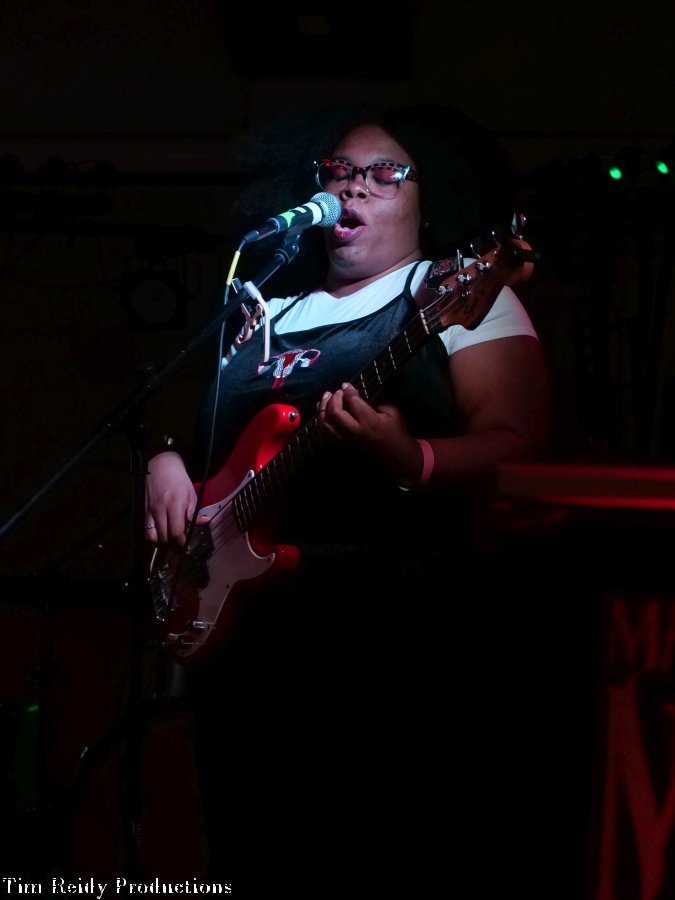
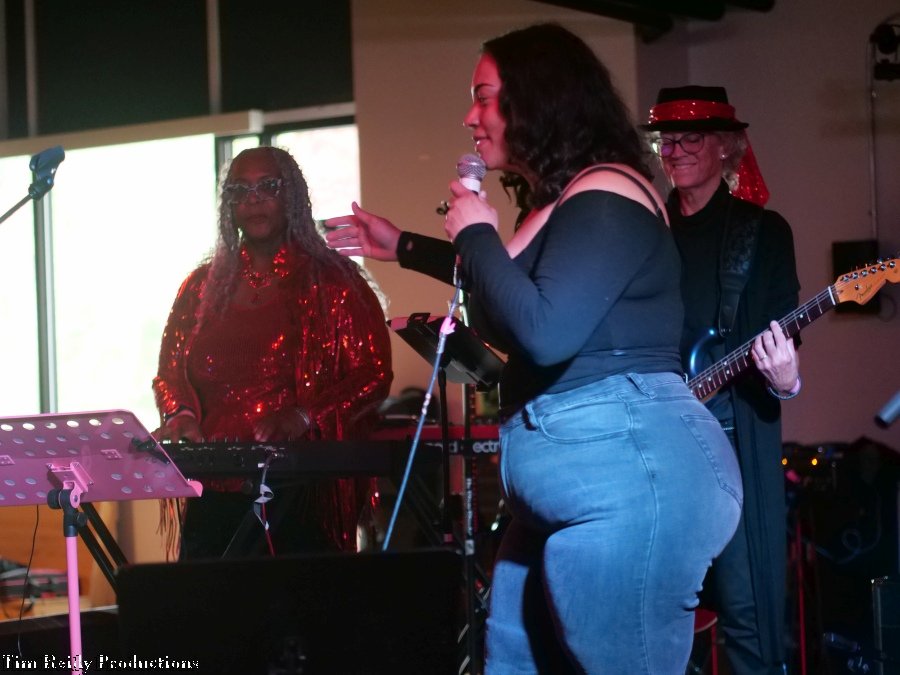
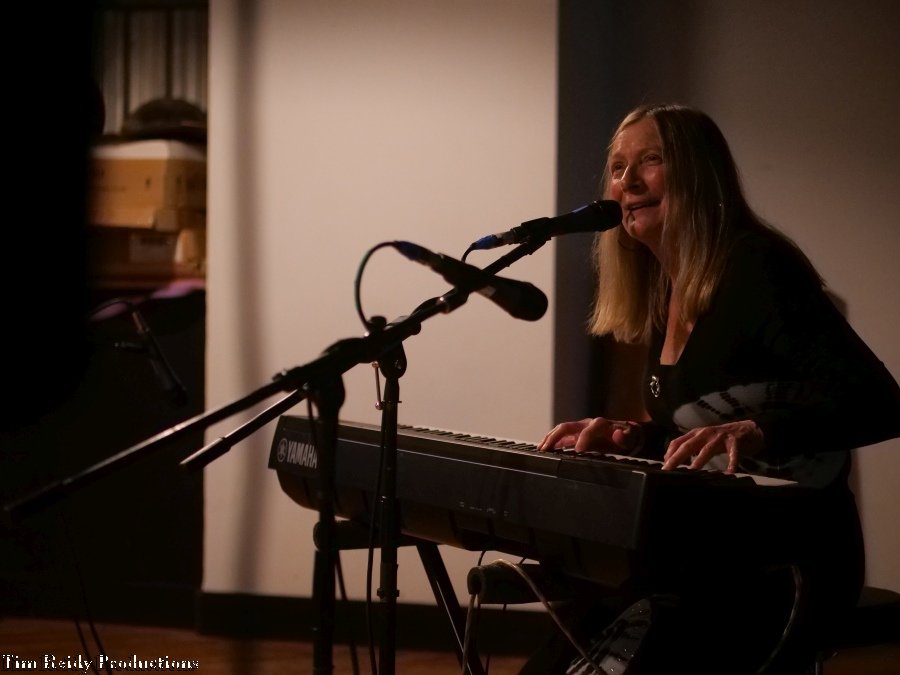
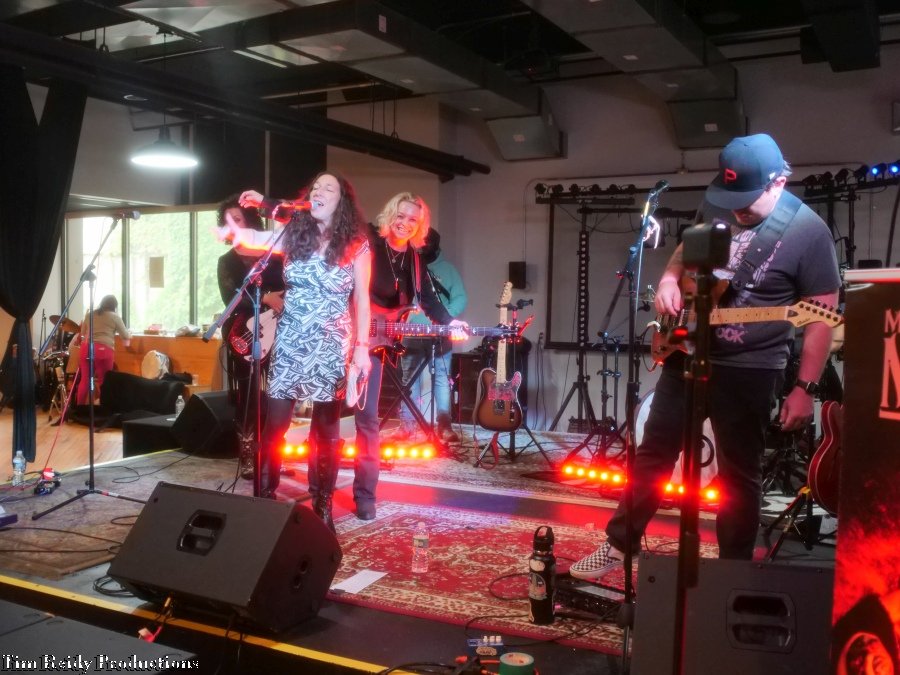
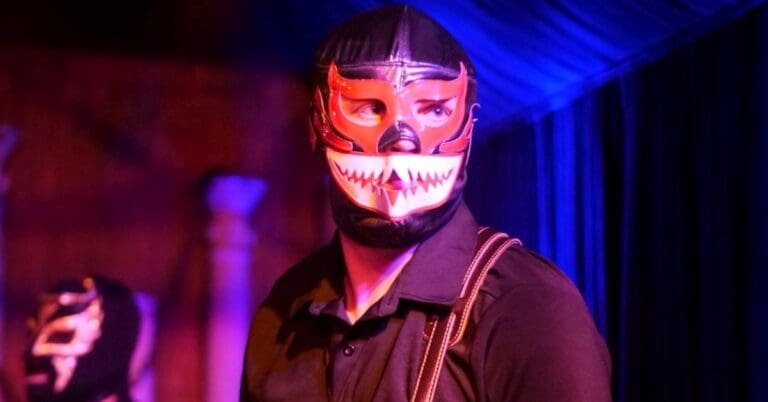
Zorbas Trio @ White Lake Studios, 9/24/2026
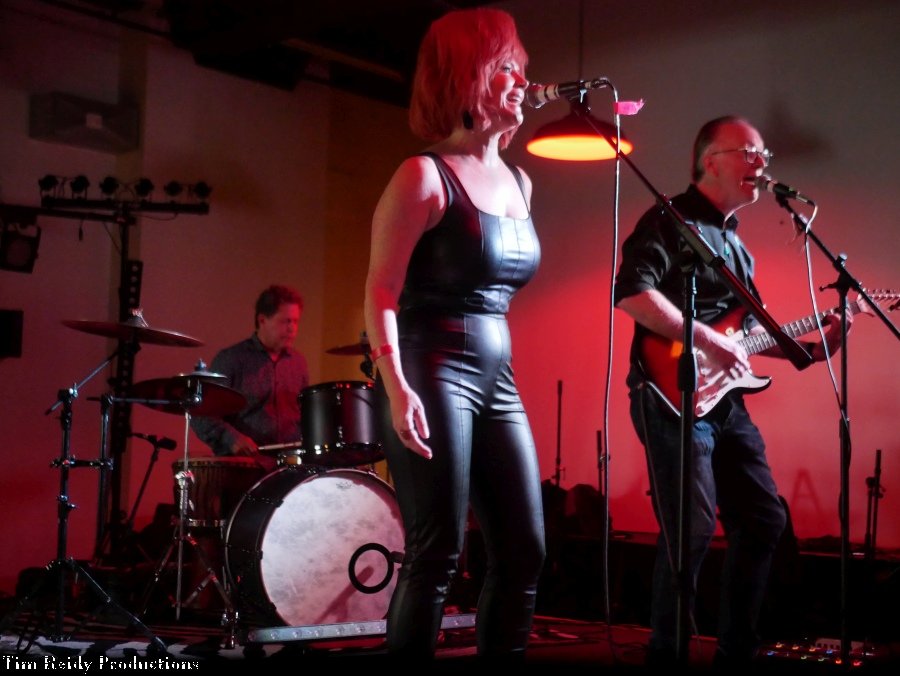
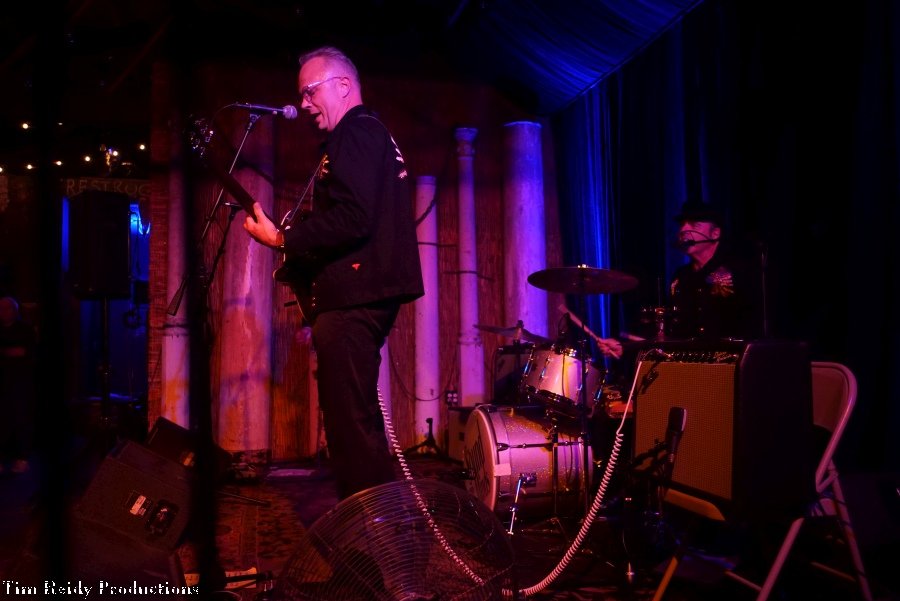
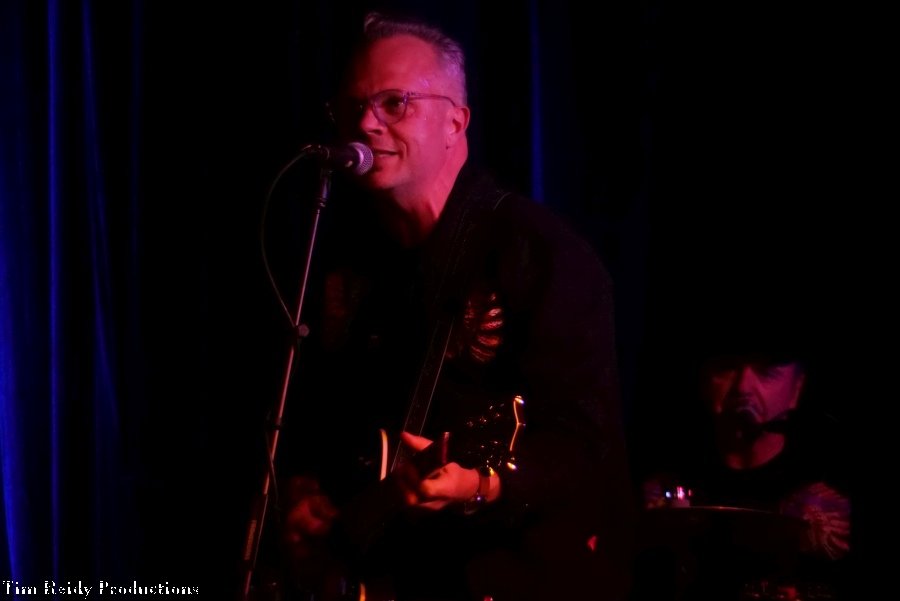
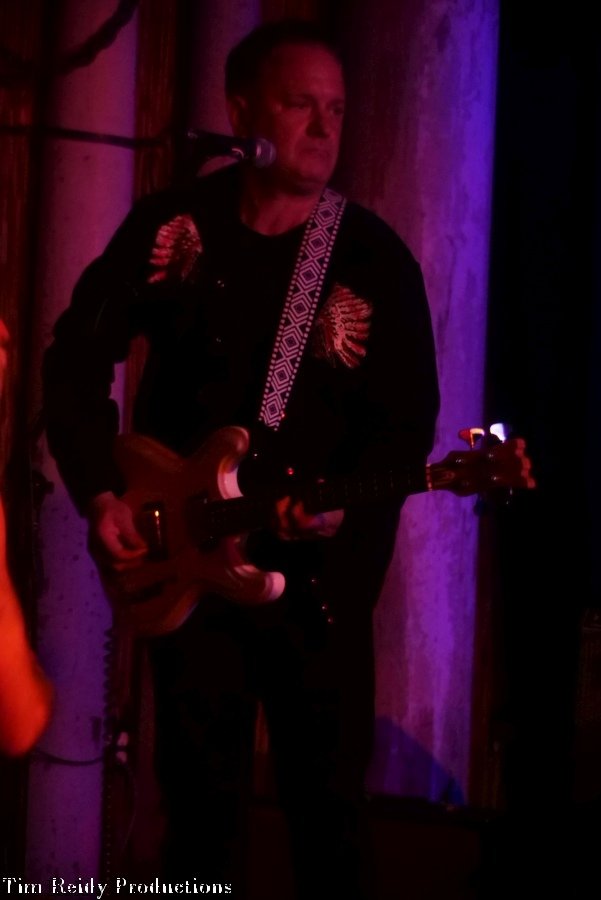
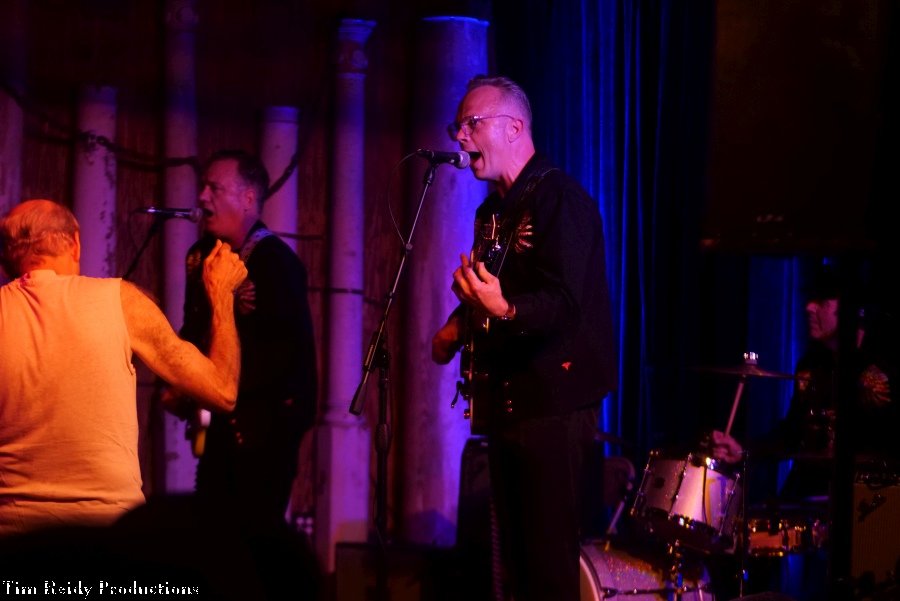
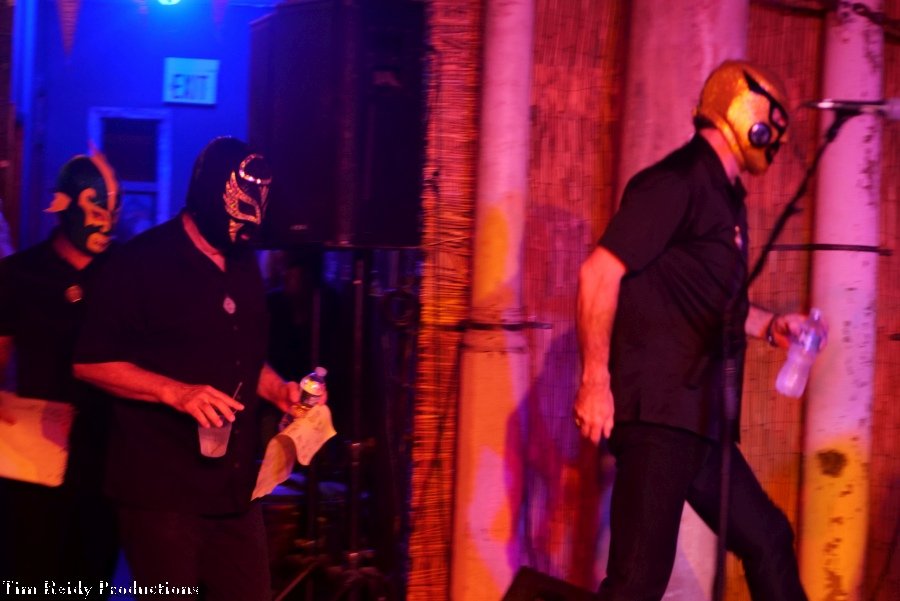
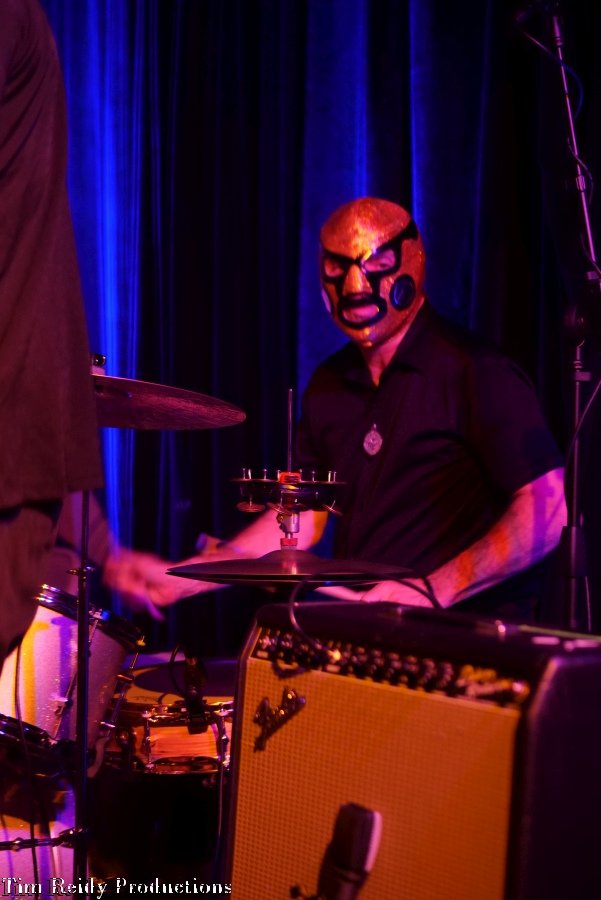
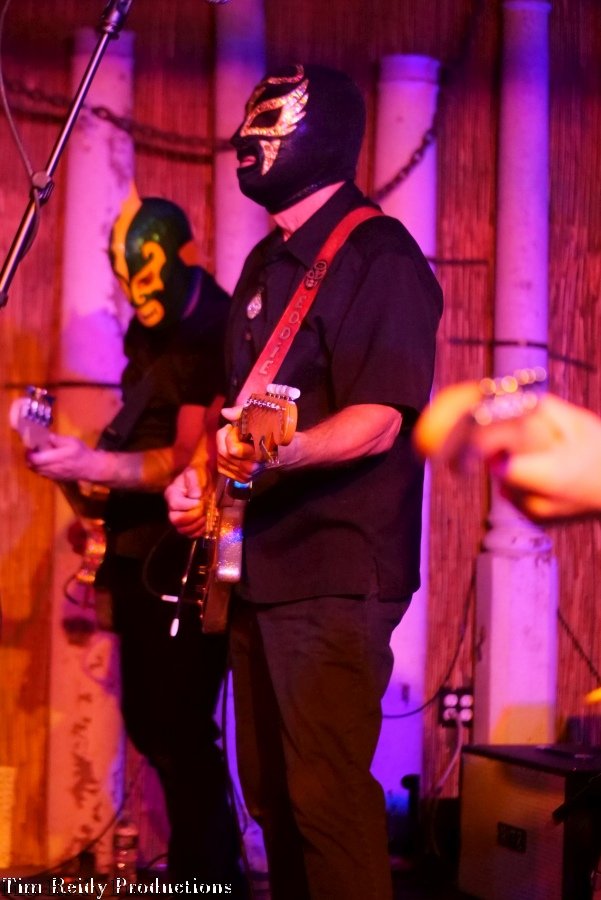
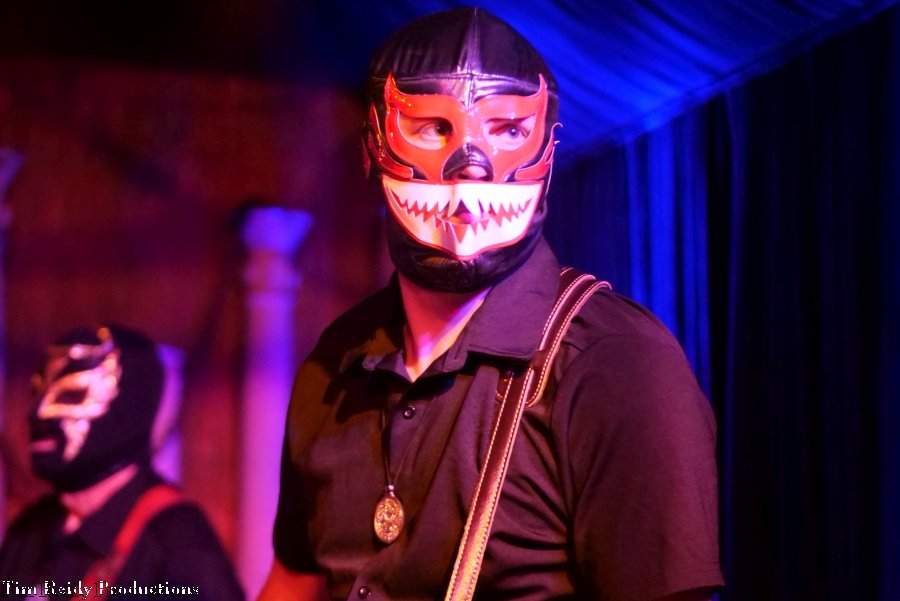
Super 400 @ Hangar on the Hudson, 9/13/2026
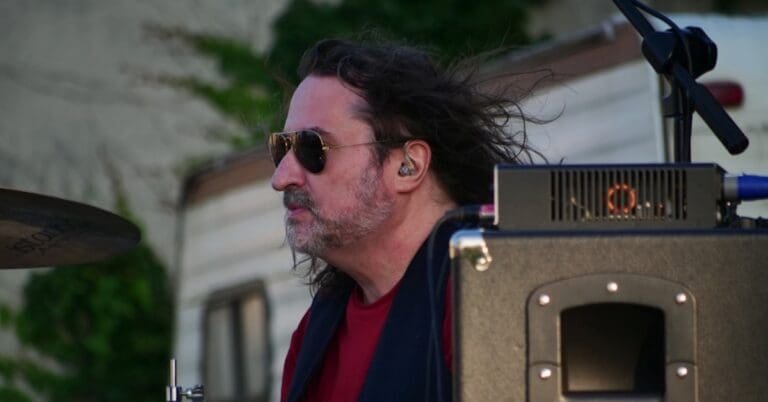
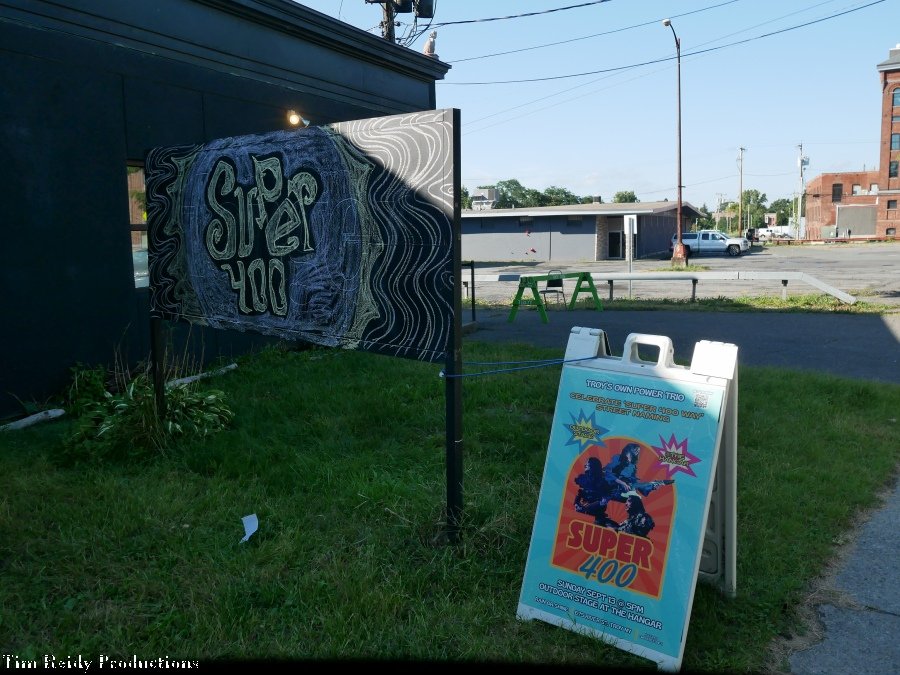
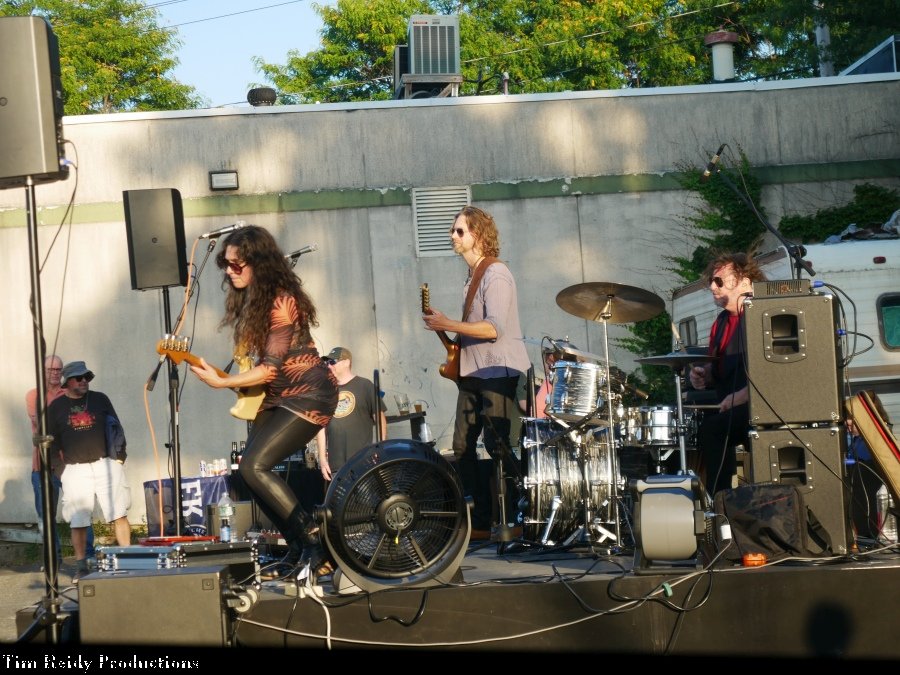
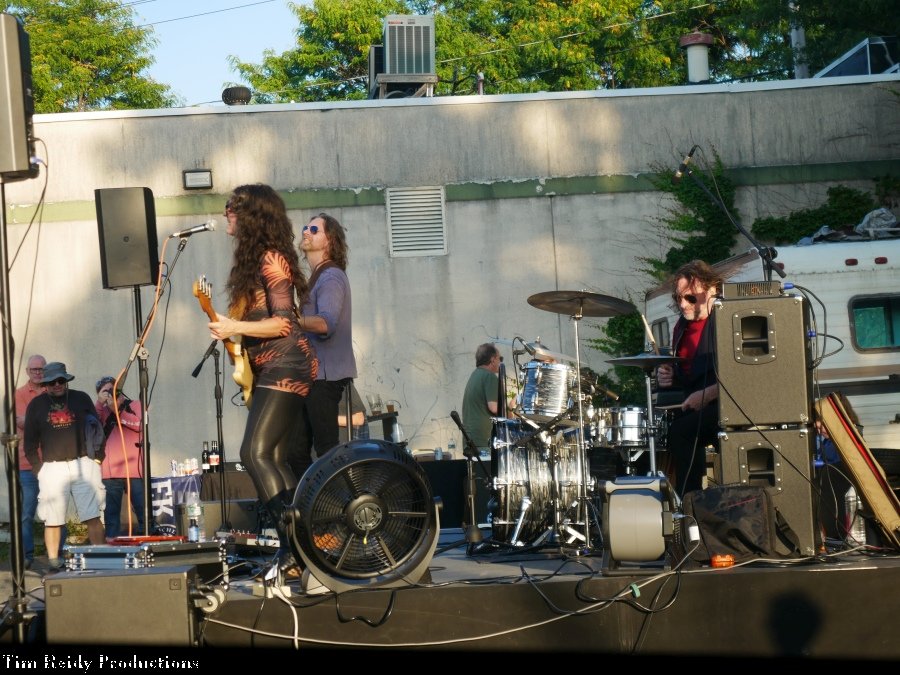
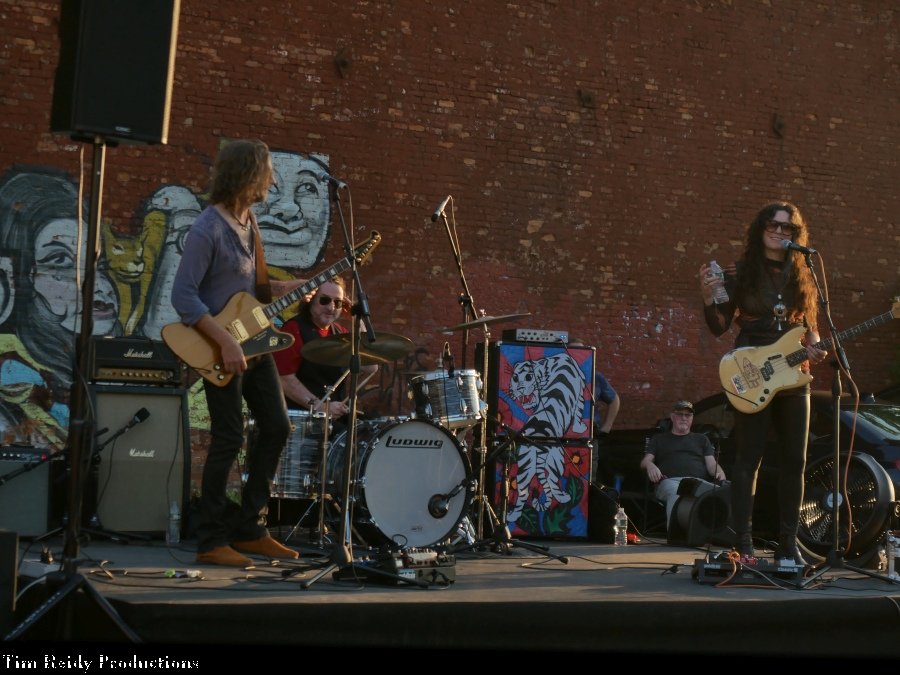
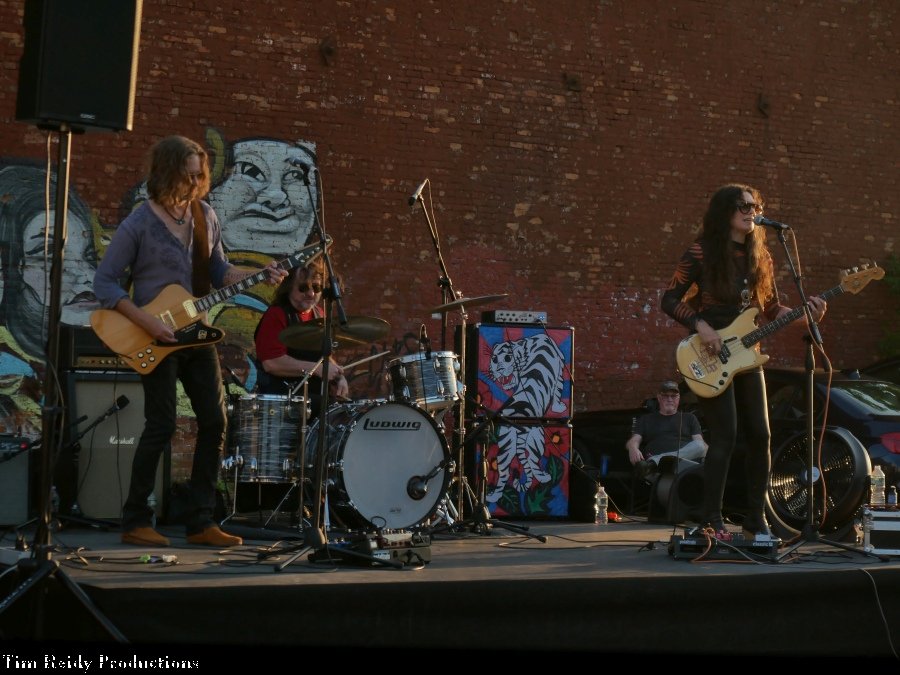
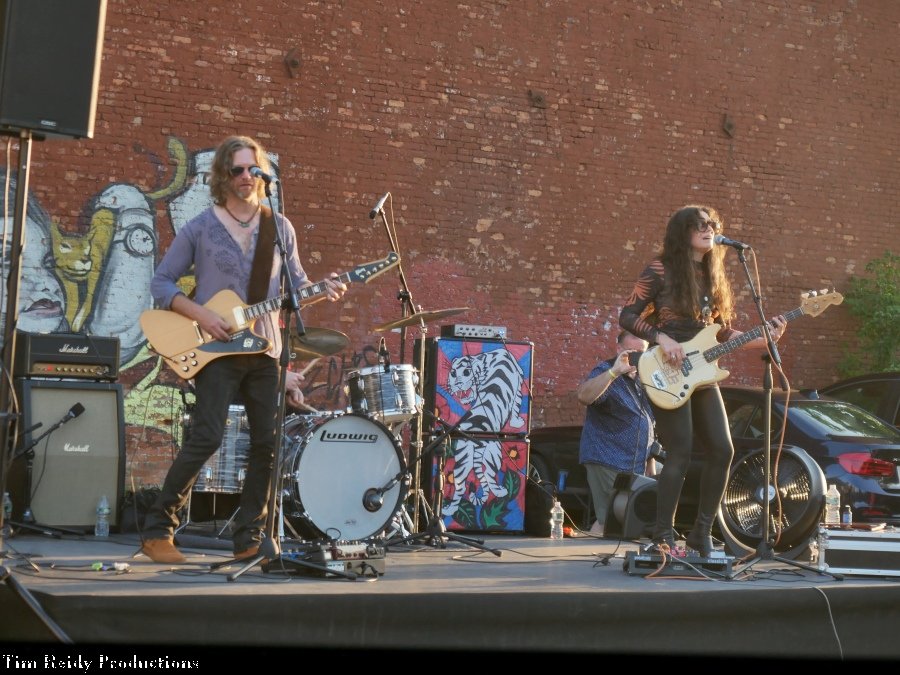
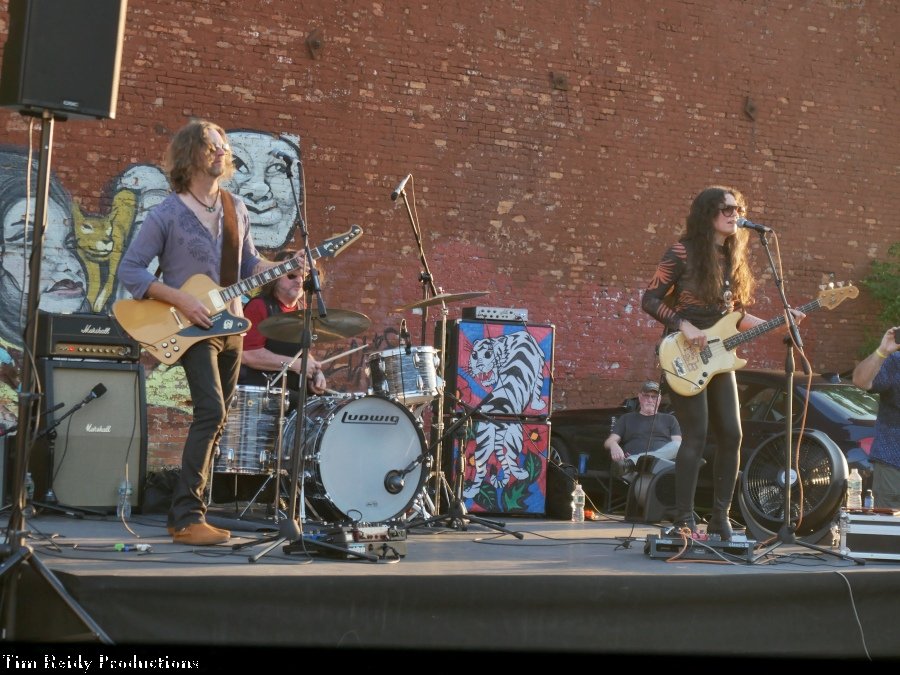
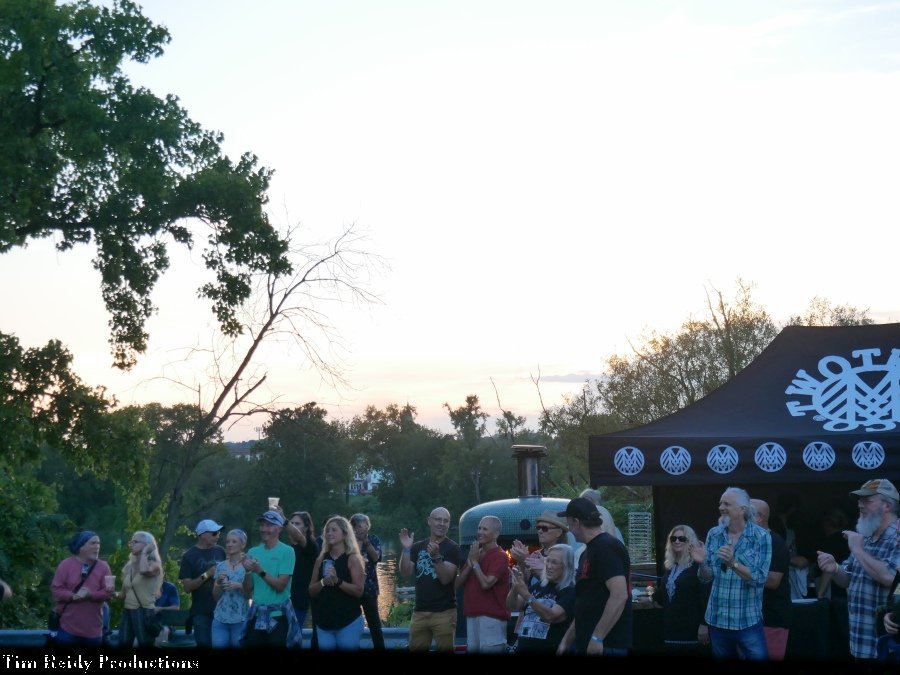
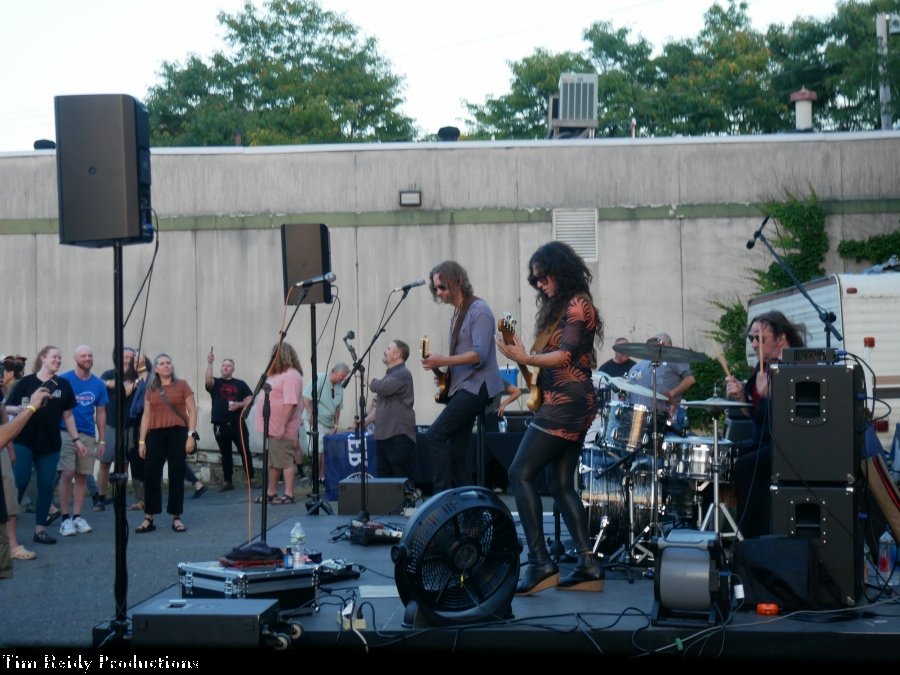
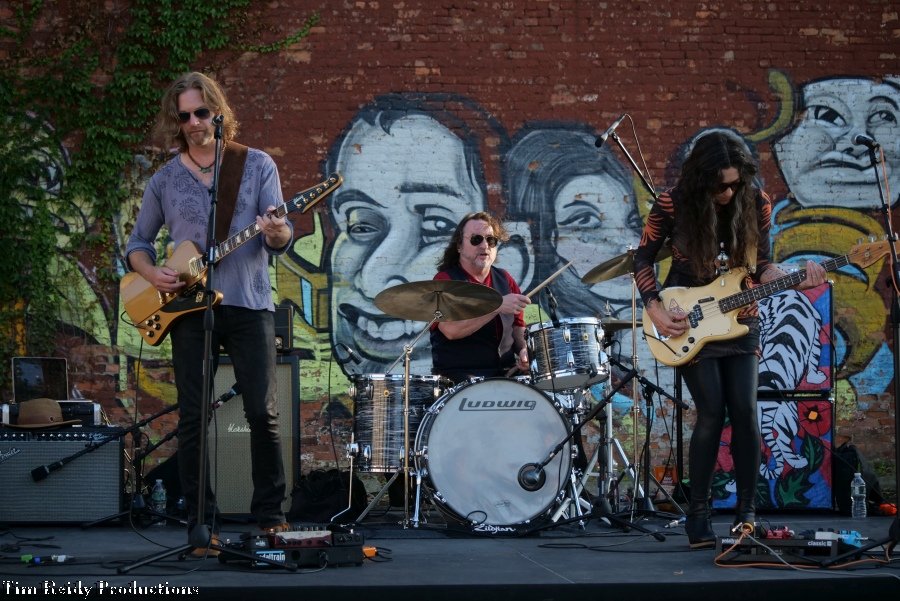
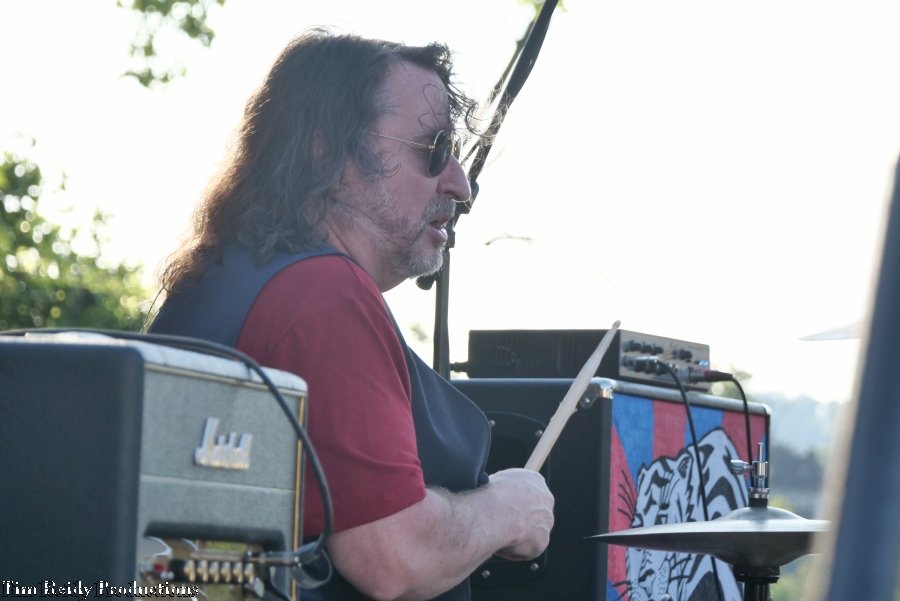
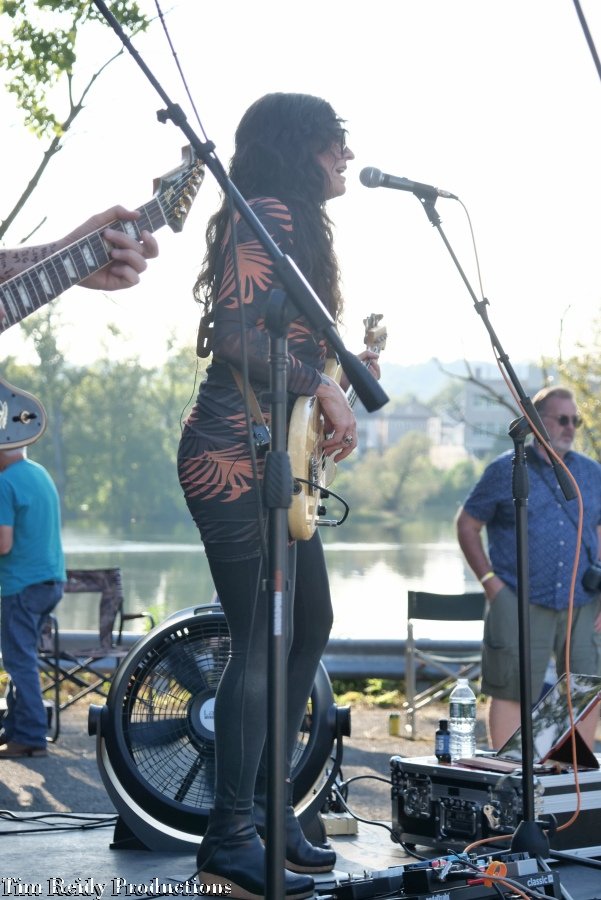
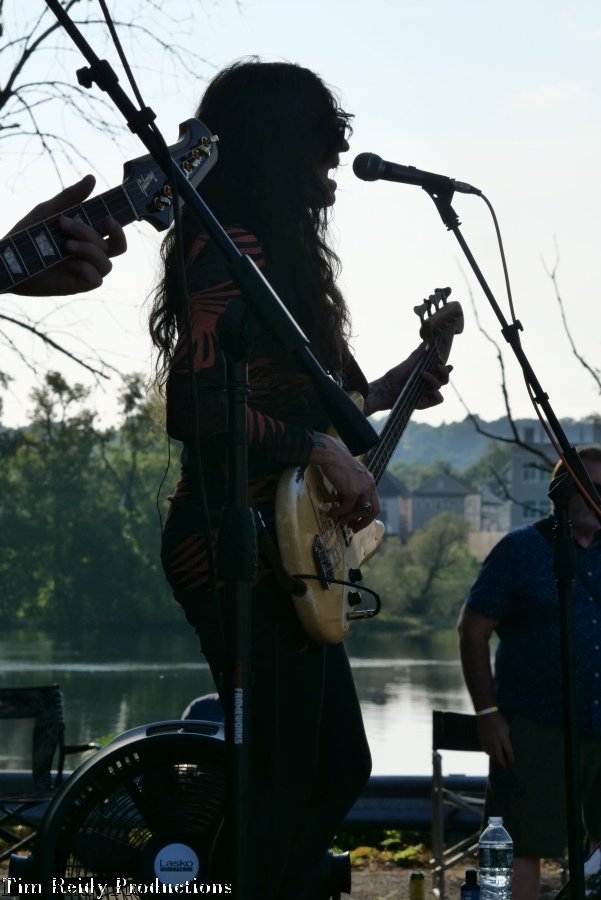
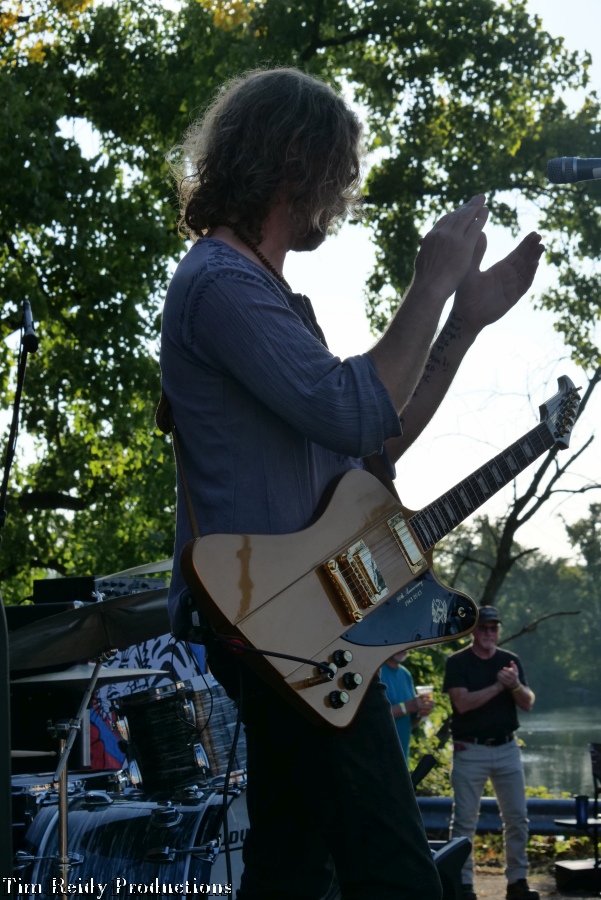
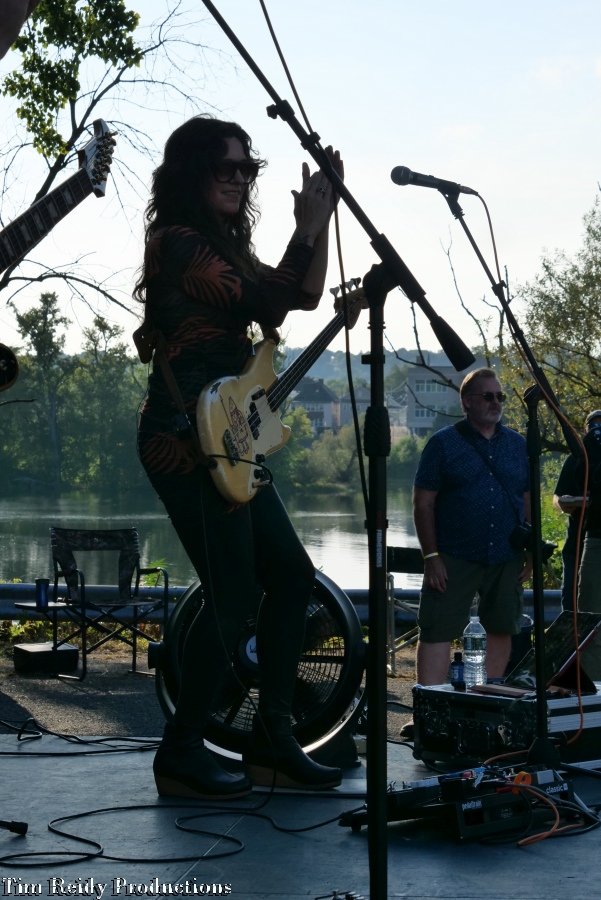
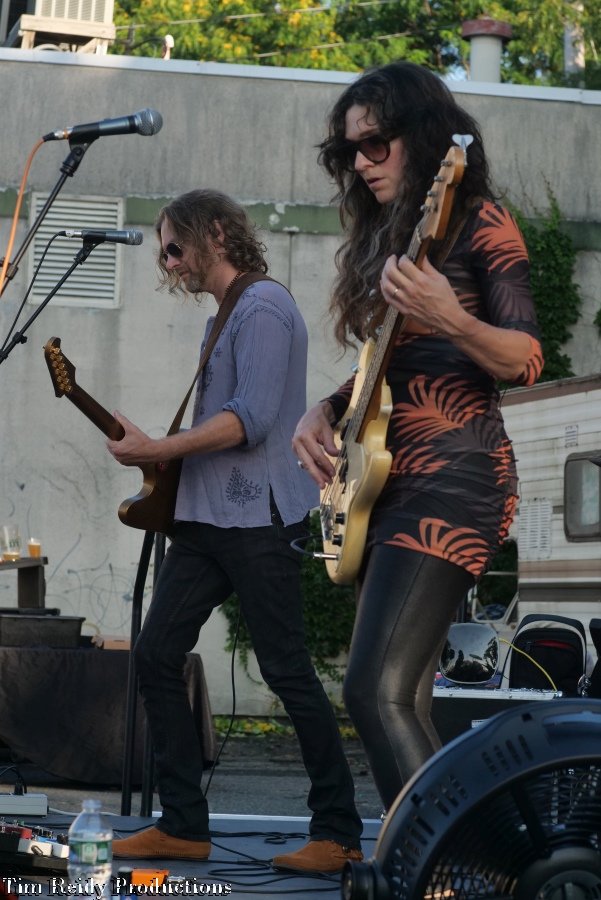
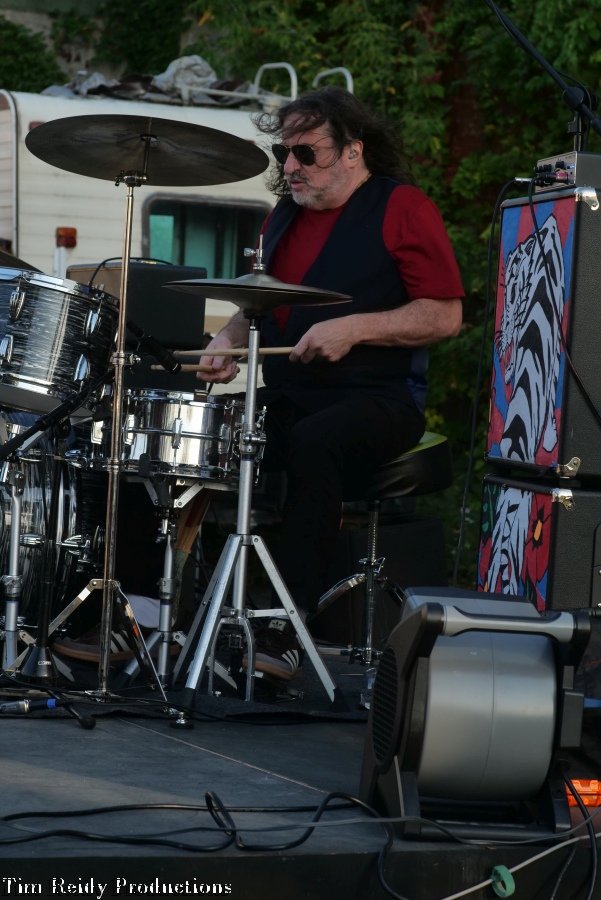
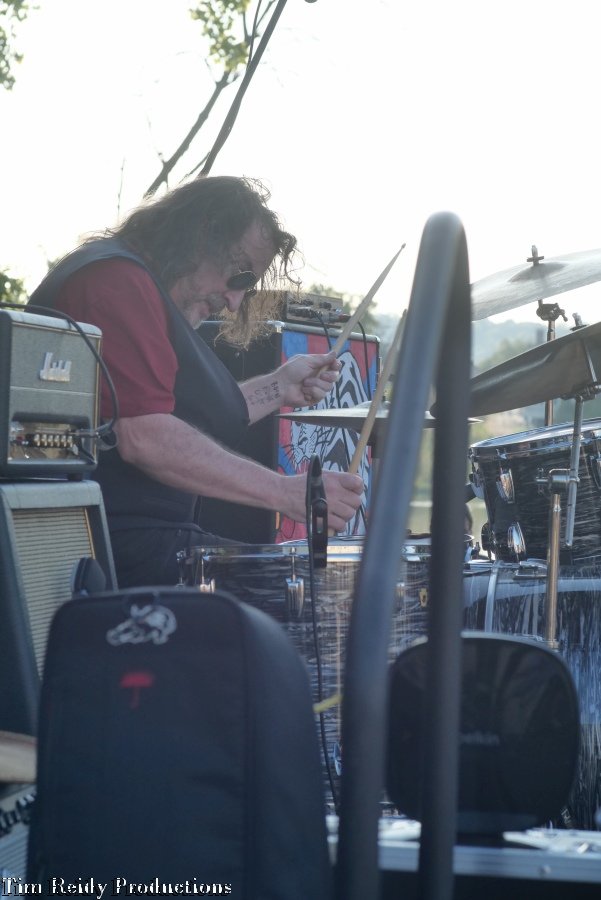
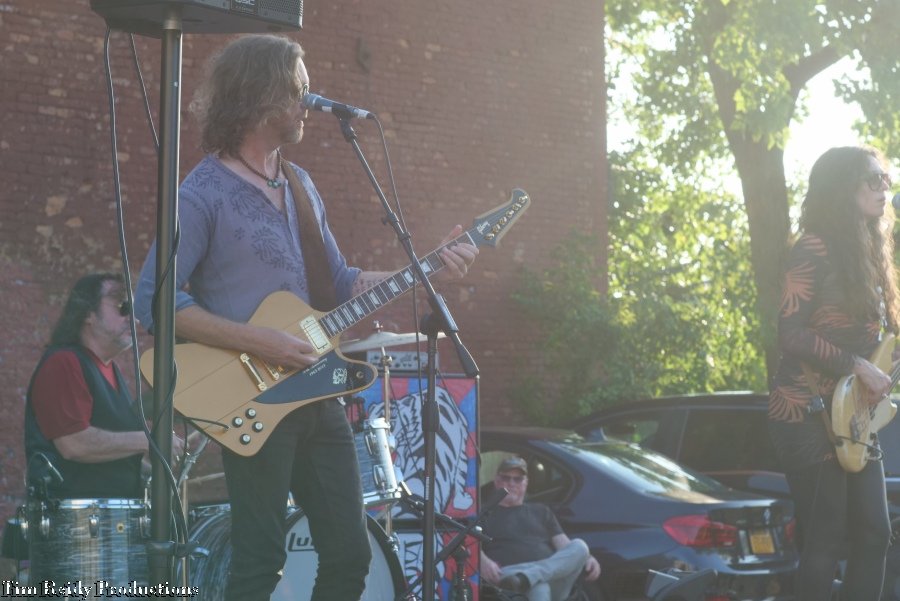
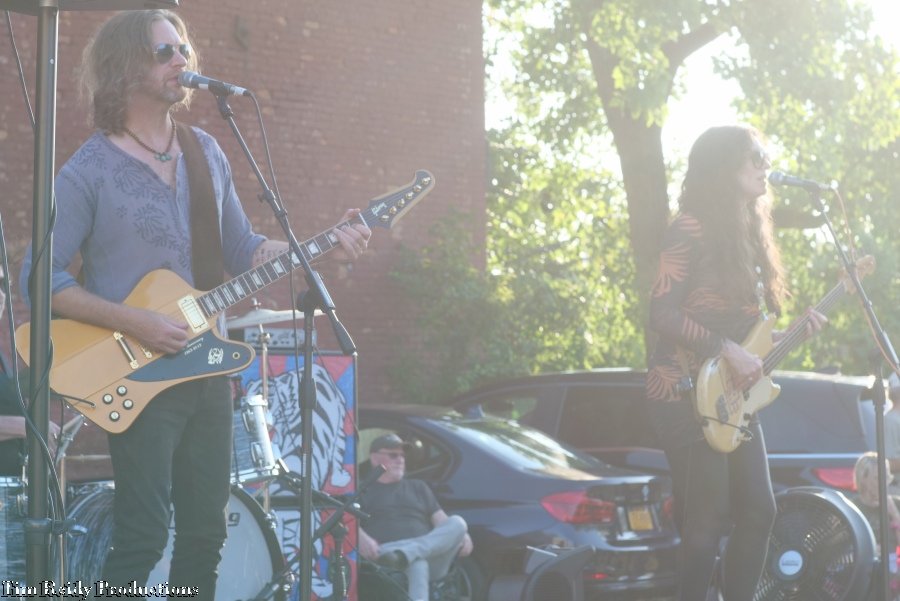
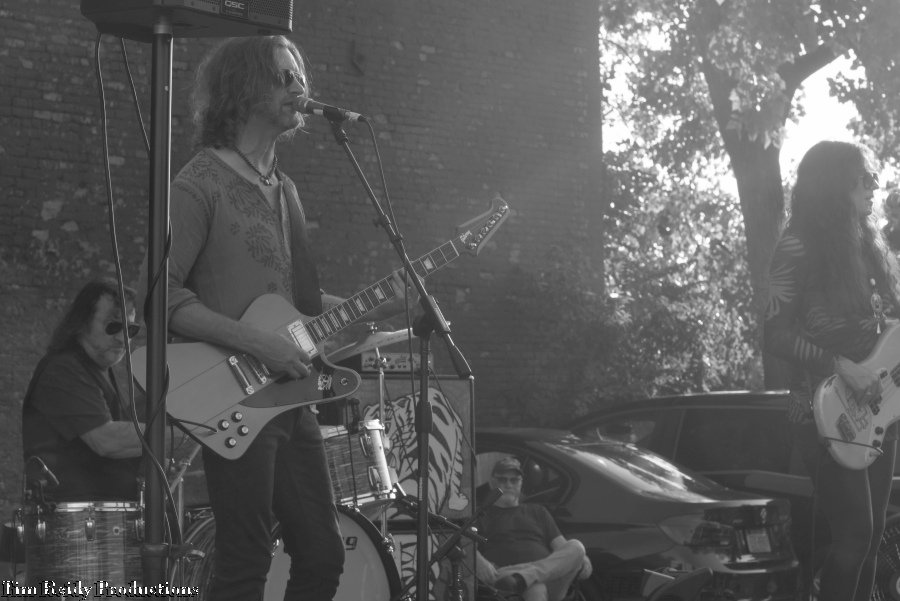
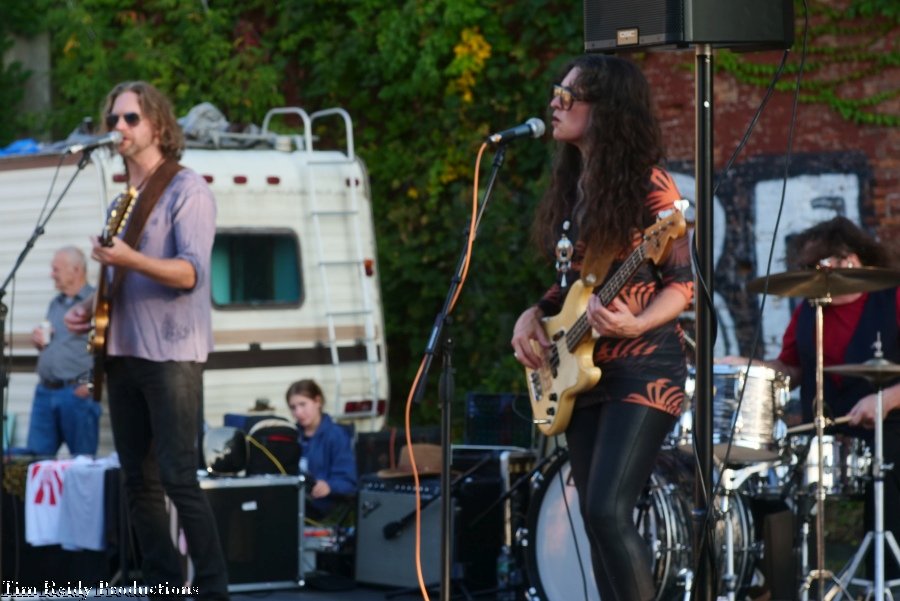
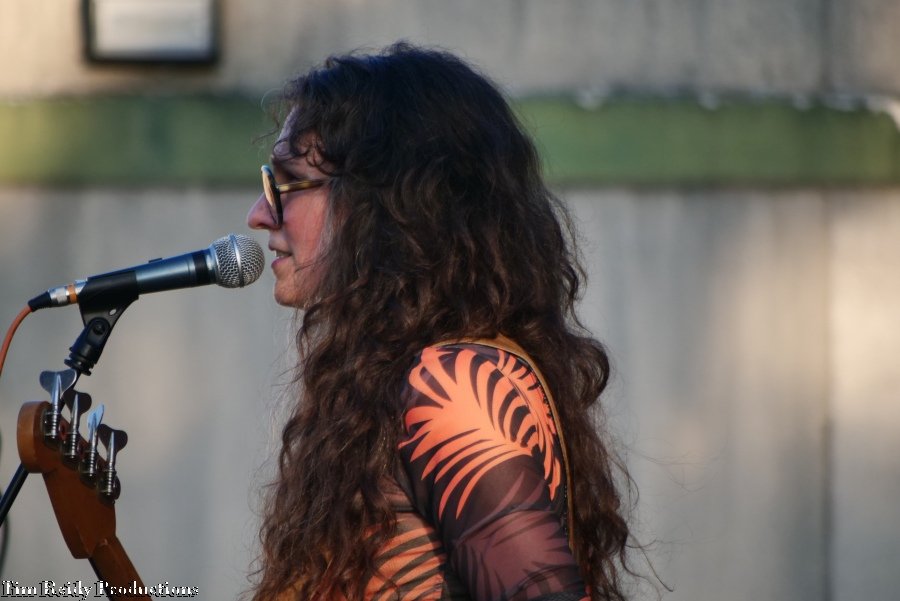
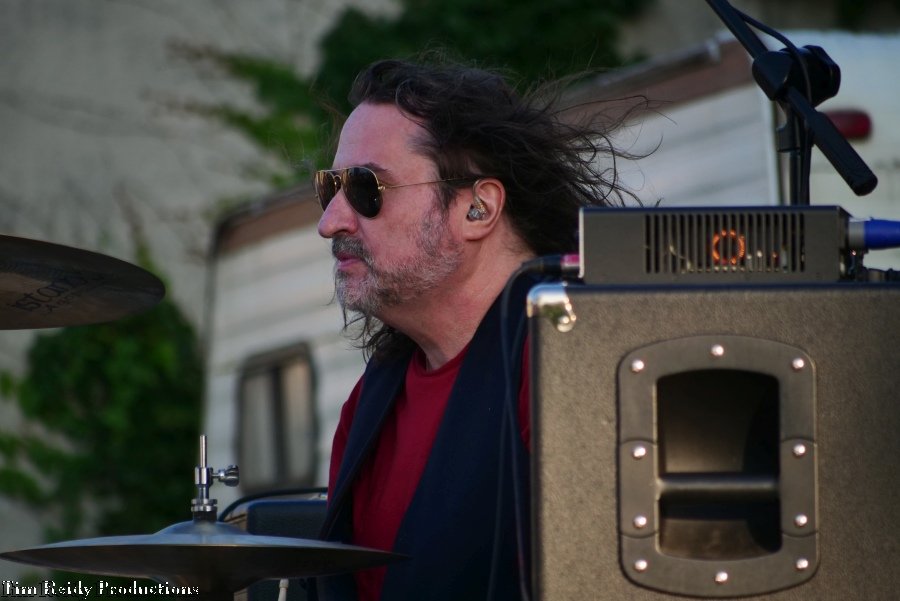
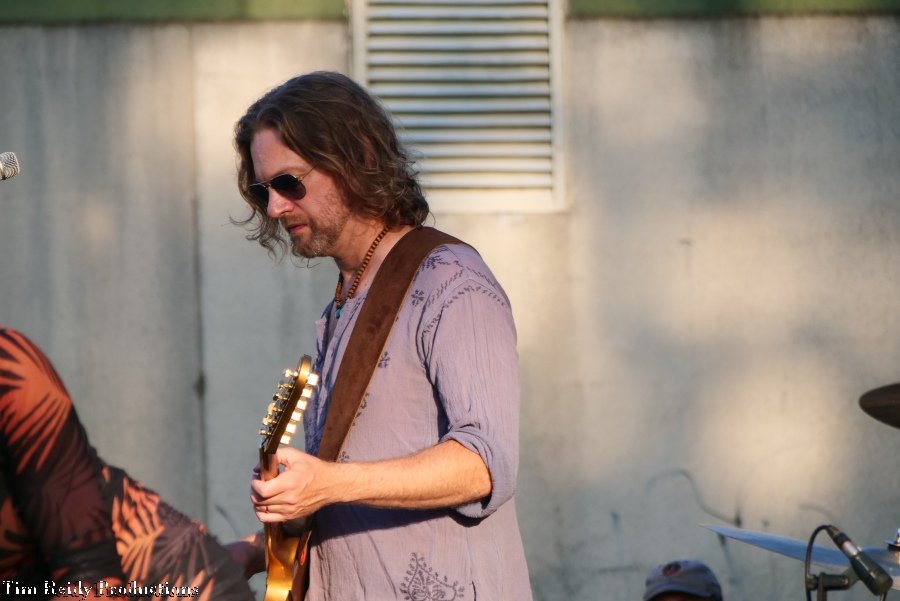
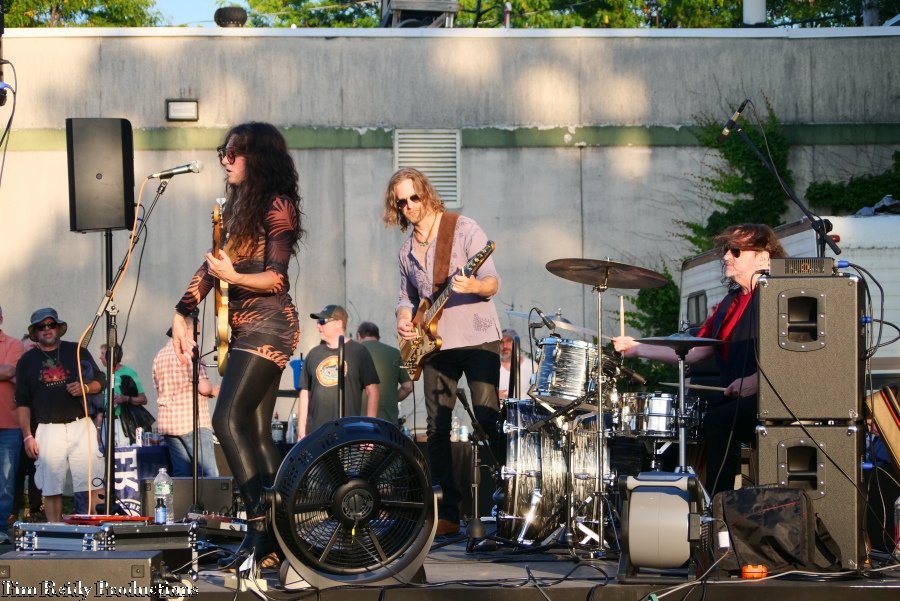
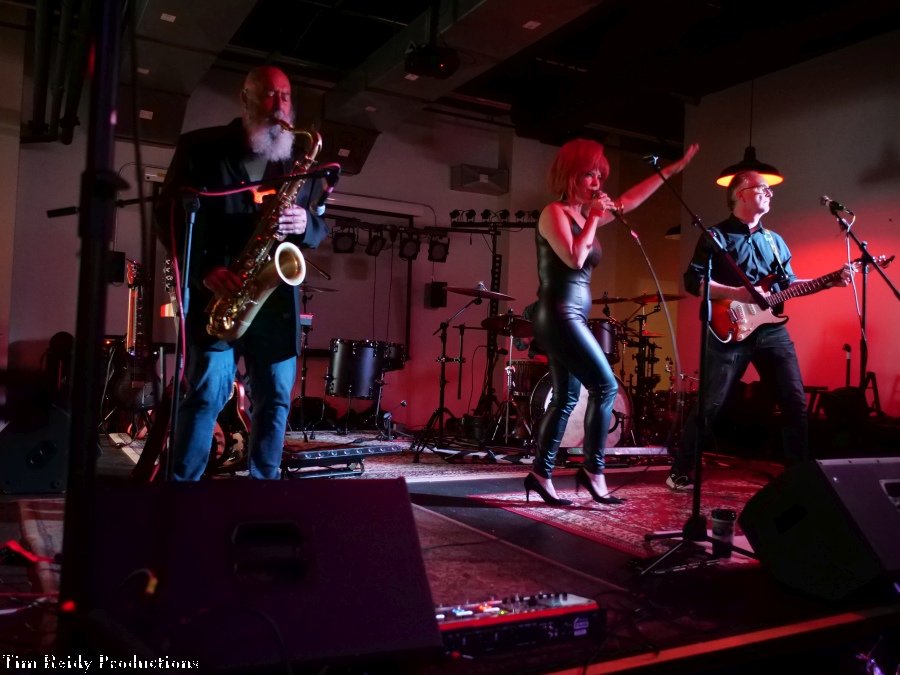
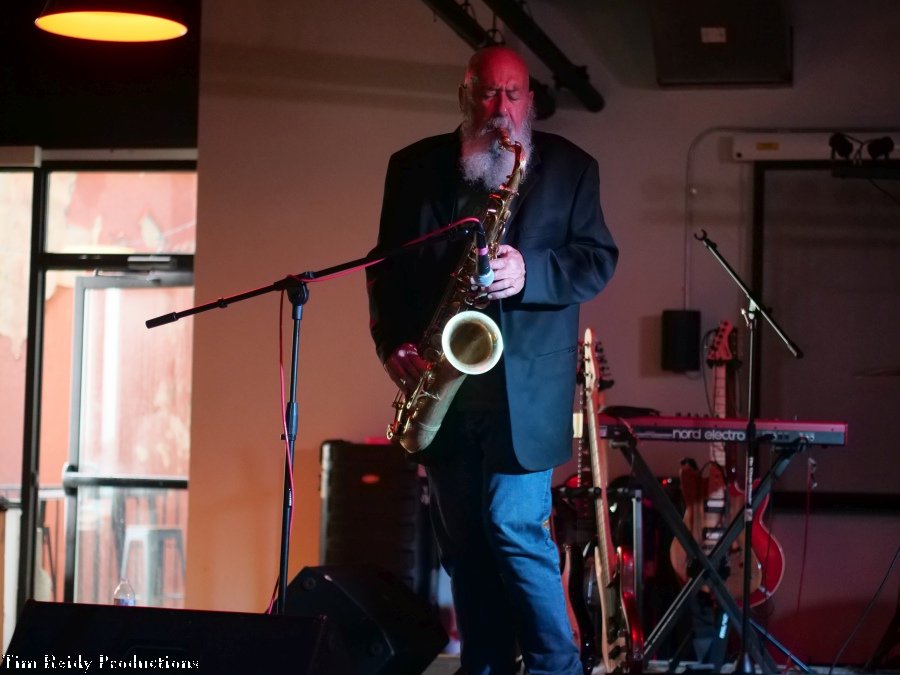
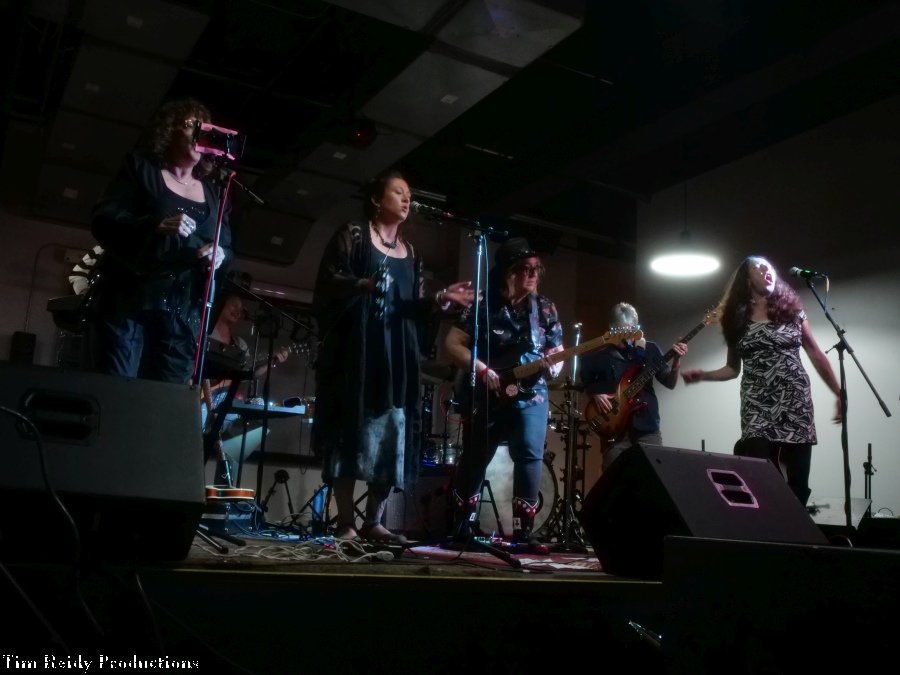
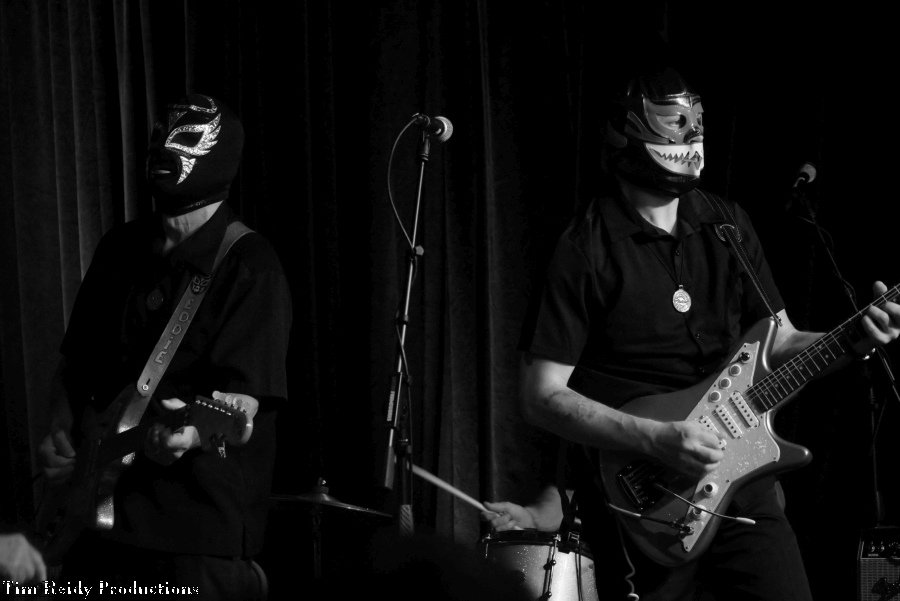
Super 400 Way in Troy was dedicated on September 14, but the day before, the band put on a very cool show, outdoors, at Hangar on the Hudson.
Photography by Timothy Reidy.
More from Hangar on the Hudson here …
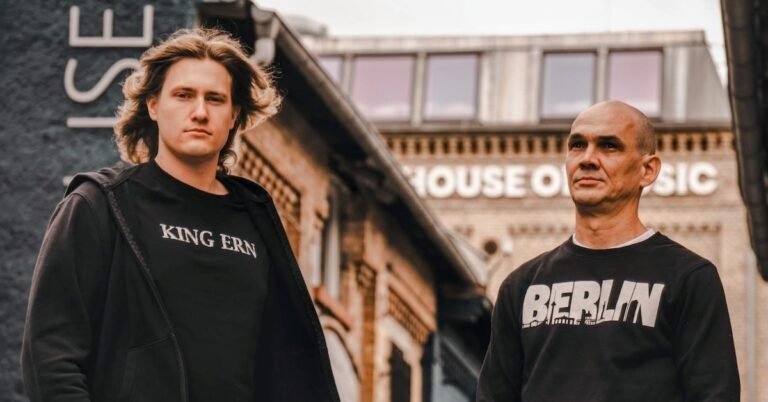
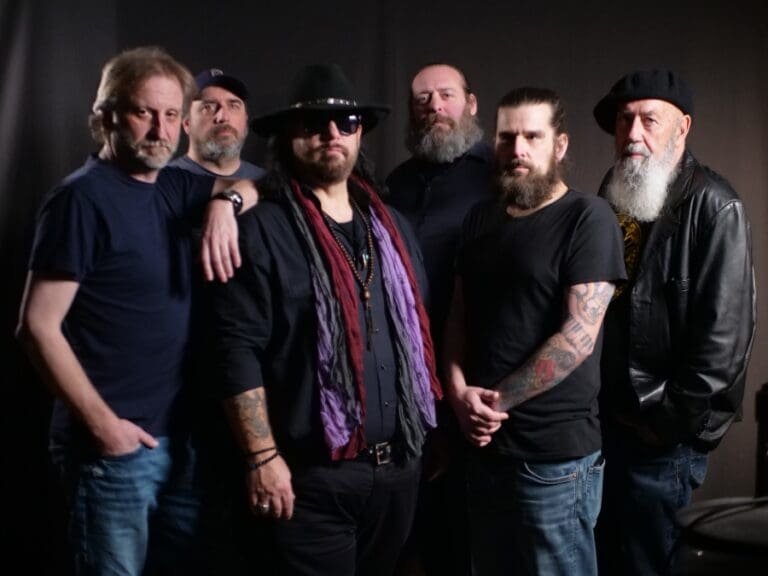
King Ern – Thanks for Asking!
By Liam Sweeny.
RRX: One of the best icebreakers is to ask someone what their favorite song is. And there are sometimes two; your favorite song, and today’s favorite song. What’s your favorite song, today’s and for all time?
Figo: I assume that question isn’t referring to our own songs. I don’t really have a “favorite song.”
Daniel: My song of the day is “Blackhole” by Architects. If you don’t know Architects, you have to check them out. They make great music and are very interesting people.
The best song ever is “Master of Puppets” by Metallica. This song inspired generations to pick up a guitar, just like it did in my case. Metallica is the greatest heavy metal band in the world, period.
RRX: We lean on our friends as musicians. We don’t play for our health. We need our friends to tell us whether we’re hitting the mark. What’s the most meaningful thing a friend told you about your music, and how did it affect your playing or songwriting?
Figo: That’s absolutely right. Why would you compose songs just for yourself? Music is meant to inspire and be shared. Before a new song is released, I let very close friends hear it first, and they are brutally honest with their feedback. However, it doesn’t have a direct influence, in my case, on my performance.
Daniel: My friend Figo always inspires me to push myself further. He keeps telling me that I’m a great guitar player, even though I wouldn’t say that about myself. I remember one time when another friend of mine, who was in a successful band and toured around the world, told me after a jam session at his house that I should pursue music because he believed I could achieve something.
Those small moments, even though I don’t realistically believe I’ll “make it” in the music business, inspire me and give me more fuel to rock and roll. Sometimes, those are exactly the words you need to hear.
RRX: People aren’t going out to concerts as much. And musicians are caught up trying to figure out algorithms and marketing instead of sweating it out through a show. Do you see us going out more in the future? Why or why not?
Figo: I can’t confirm that people aren’t going to concerts much. As for the whole issue of algorithms and marketing—well, you obviously can’t do without them; they’ve always been part of releasing music. But I suspect you’re referring to the whole social media side of things—how many likes and followers you get, and so on. I sometimes get the impression that some bands do it solely for that reason, defining and measuring their music by likes and streams. Sure, I’m happy about likes and streams, but I don’t measure our songs by likes or streams. I’m not out there chasing likes.
Daniel: Realistically, I think the world will keep moving in the direction of digitalization, AI, and so on. Music has never been so easily accessible to everyone, and at the same time, it feels like people are not as fascinated by live shows anymore. We have YouTube, Spotify, etc. We can have a live show in our homes, so why go out somewhere?
One day, VR shows will be something completely normal, and they will present another threat to live shows. Live shows are still popular, but the business is brutal. Prices keep rising, while the motivation to attend keeps declining. It’s just the sad reality.
I think live shows will never die, but then again, dinosaurs didn’t know they were going to go extinct in the blink of an eye either, right?
RRX: Songwriters are poets. Maybe. People who consider themselves poets might not see song lyrics as poetry proper. What do you think? Are song lyrics poetry even if they don’t match accepted poetic structures?
Figo: To start with, I don’t really care what a poet says about lyricists, or vice versa. I write song lyrics.
RRX: A big part of the music is the life that inspired the music. Do you have an internalized way of turning your life’s highs and lows into song, or do you go into songwriting openly and your life just happens upon you at that time?
Figo: I don’t have a specific method or formula; I simply write, and while I’m writing, I’m not always fully aware of what it’s actually about—that only becomes clear later on. With the exception of *Disgust At The Horror*, the lyrics for all my releases to date—whether for King Ern or as part of collaborations—date back to 1995 and were originally intended for a book. However, since I found writing a book difficult and the material resembled song lyrics more than anything else, I opted for lyrics; in a sense, then, I am singing my book.
Daniel: I’ve tried many times to write a song inspired by life events or emotions, but since I don’t write lyrics, I find it very difficult to express those things through an instrument alone. I approach my music in a cold, calculated, and structured way. But I can’t directly transfer emotion into my music, for example, how being enraged or sad could transform me in a split second into a virtuoso.
I’m still the same Daniel, but now I’m twice as pissed off because I was already pissed off before I picked up my guitar, and now I’m pissed off because I can’t write a good riff on the spot.
RRX: Writing about life, singing about your deepest moments, you must draw a line between what you give the public and what you keep. How do you decide where that line is? And has it shifted over the years?
Figo: As a rule, I don’t explain my lyrics, nor would I discuss them, because I don’t write for others and I leave the interpretation to the readers. If I am asked what the lyrics are about, I do answer the question. I don’t expect my lyrics to be understood, I am the content of these lyrics.
RRX: When you’re putting songs together, is it a gathering of parts, or is one instrument the “bedrock” that you lay down first? If you’re solo, is it singing first or instrument first?
Daniel: Basically, my songs usually start with a riff. I develop the riff into longer sections. I constantly ask myself, “What does this song need?” and, based on my intuition, I start adding new layers that complement the riff. So far, I have composed only one song based purely on a feeling, but usually, the riff is the foundation on which I build the entire song.
RRX: Have you ever teared up when you were writing a song? Or smashed an instrument, or even felt the urge to do either so strongly you had to restrain yourself? If so, what was happening? And what song came from it?
Daniel: There was only one song that I composed in one sitting because I needed to quickly express my deep sadness and meditate. It was a reaction to a huge disappointment at one stage of my life and a manifestation of my feelings. The song was never released. Maybe one day
Various Fields – An Xperience Interview
by Larry Felton.
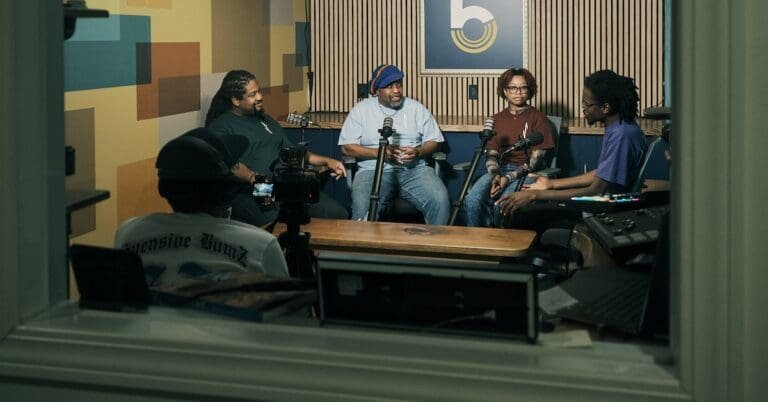
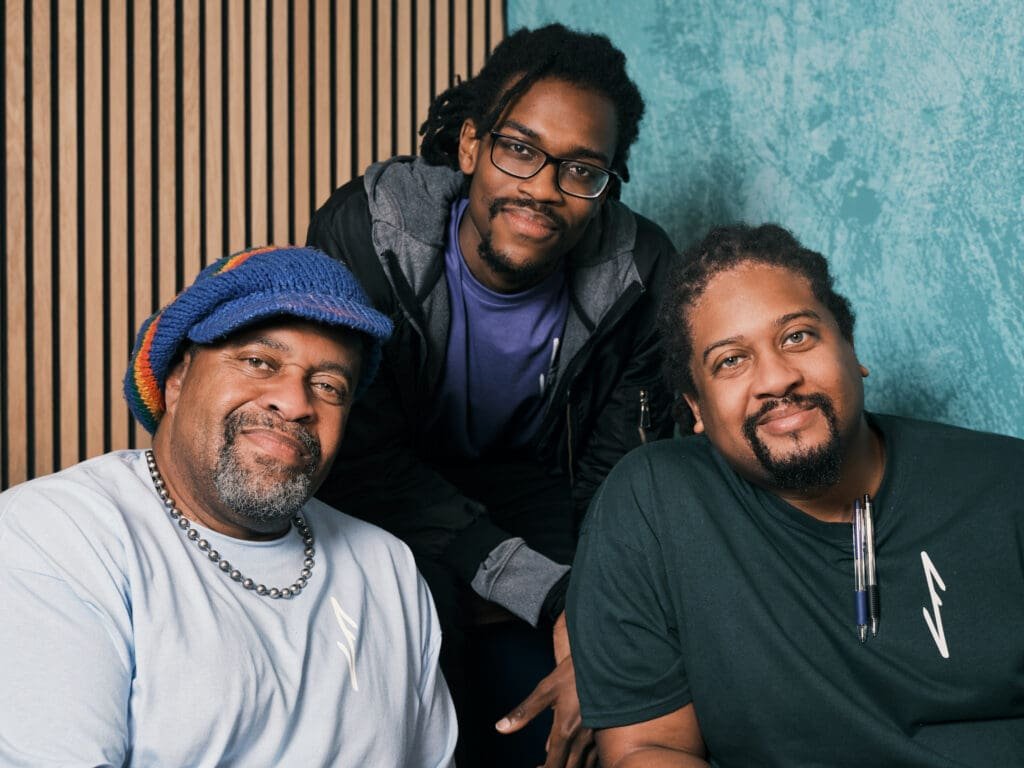
On a Sunday afternoon in early August, I visited the Blake Annex to watch Hayes Fields and his sons, Lex and Tre, record Episode 103 of their podcast, Various Fields. Hayes is an actor, musician, and member of the MopCo Improv Theatre company. After the podcast wrapped, the three sat down to talk about how a family project grew into a showcase for the Capital Region’s creative community.
RRX: Before there was a podcast, what was life like for the Fields family?
Hayes: Creativity has always been part of our family. When I was growing up, we’d go to my mother’s and father’s house, and we’d do skits. We’d pretend to be in an elevator or make up little scenes.
When Tre and Lex were growing up, that same spirit stayed with us. We were cartoon adjacent, comic book adjacent, always talking, joking, making each other laugh. As a father, it was a delight to watch them grow into these incredibly creative people.
RRX: Where did the idea for Various Fields come from?
Tre: Dad was doing more acting and wanted another way to get himself out there. We’d all worked on different creative projects, but this was the first time we’d really come together as a family.
Lex: He said, “Let’s do a podcast,” and we all said, “Let’s see what happens.”
Hayes: We’d never done a podcast before. We didn’t know what we were doing, and that became part of the idea.
My father used to say, “We don’t know nothing.” We figured we’d just start, learn, and get better.
RRX: What has the podcast added to your family?
Tre: Growing up, Sundays were church and family. As we got older, everybody’s schedules changed. We stayed close, but life naturally pulls you in different directions. The podcast became one thing we could all commit to every week.
Lex: That’s what surprised me most. You start slowly pulling apart, and you don’t even realize it’s happening. Now every Sunday I get to see my dad and my brother. Even though we’re recording a podcast, we’re also just hanging out.
RRX: At what point did you realize the podcast could become more than just the three of you talking?
Hayes: Our family has always believed in reaching out to people. We talk a lot about encouraging literacy, getting people registered to vote, and helping wherever we can. The podcast gave us a platform to do those same things more publicly.
RRX: Your family has a phrase: “Seek out to reach out.” What does that mean?
Hayes: I always said that to these guys growing up: seek out to reach out. Look for opportunities to help people.
Lex: Dad said that to us almost every night before we went to bed. Now we have a place where we can actually do it. Maybe somebody has an art project or a story to tell. We can say, “Come on. Tell your story. We’ll throw your voice out into the world.”
RRX: Did you always know what kind of podcast this was going to become?
Tre: Not really. Pretty quickly we realized we didn’t want the show to be only about us. We wanted other people to share what they know.
Hayes: The internet already has enough people yelling at each other. We wanted to build something different.
I hope people feel like they’re sitting at the table with us. Maybe they don’t have that kind of family connection where they are. We hope they can laugh with us, listen with us, and just spend some time with us.
RRX: You’ve let people see the podcast evolve over more than a hundred episodes. How important is it to let the rough edges show?
Tre: Dad has always believed in doing the thing first. As we’ve gotten more experience, the production has improved, but I like that people can go back and watch us figuring it out. Hopefully someone watches us and thinks, “We could do that.”
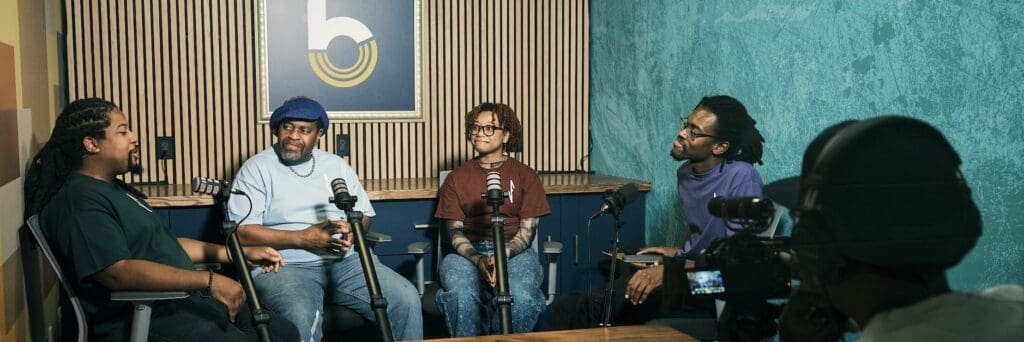
RRX: The podcast has also become a showcase for the Capital Region’s creative community.
Lex: That’s become one of my favorite parts.
In the beginning, it was mostly the three of us. Now we’re bringing in local artists, musicians, performers, and community members. We get to shine a light on people doing really interesting work.
Tre: If we can help connect creative people who might never have met otherwise, then we’re doing something worthwhile.
Hayes: Albany has been wonderful for us. It’s big enough that there’s always something happening, but small enough that people can actually build relationships.
RRX: What have these first hundred episodes taught each of you?
Lex: Confidence.
I’ve always been loud and outgoing, but this taught me to trust my own voice. When I say something now, I know why I believe it.
Tre: Meeting all these creative people has reinforced something for me. Your passions are your passions. You shouldn’t be embarrassed by them.
Hayes: I finally became comfortable saying, “I’m a podcaster.”
Sometimes you have to speak something into existence. If you keep doing the work, eventually the words become true.
RRX: What do you hope the next hundred episodes become?
Lex: I hope we become an even bigger platform for other people.
If somebody has a story, an idea, or a project, I want them to know there’s a place where somebody wants to hear it.
Tre: Everybody has something worth sharing.
RRX: Let’s finish with a little improv.
My father …
Tre: … was the inspiration for this whole podcast.
RRX: My sons are …
Hayes: … people who I would have wanted to be my best friends growing up.
RRX: The next hundred episodes are …
Tre: … a work in progress.

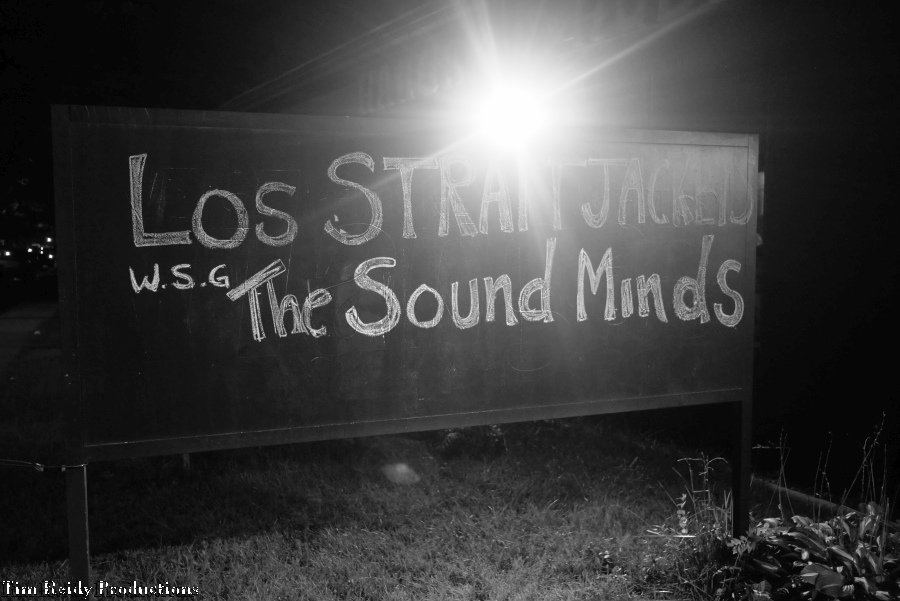
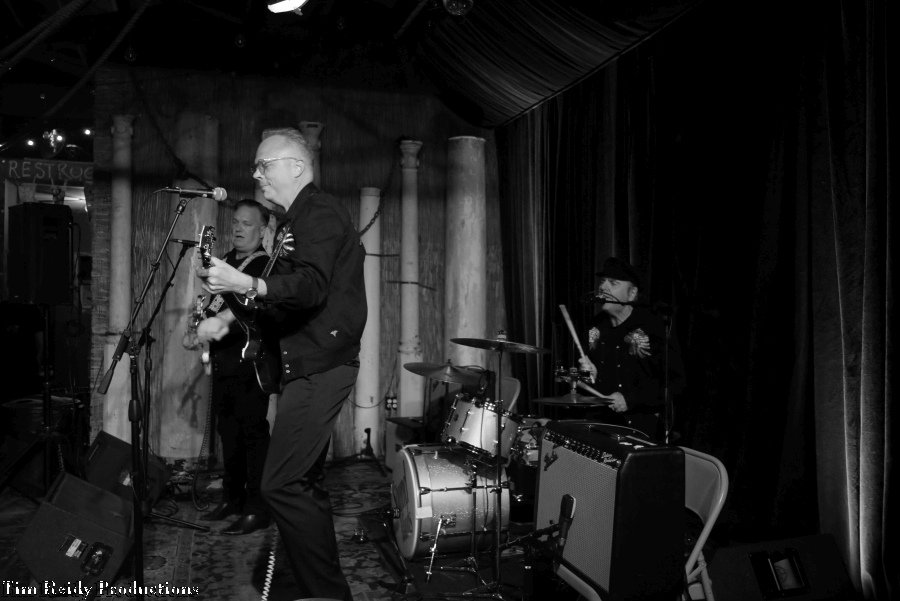
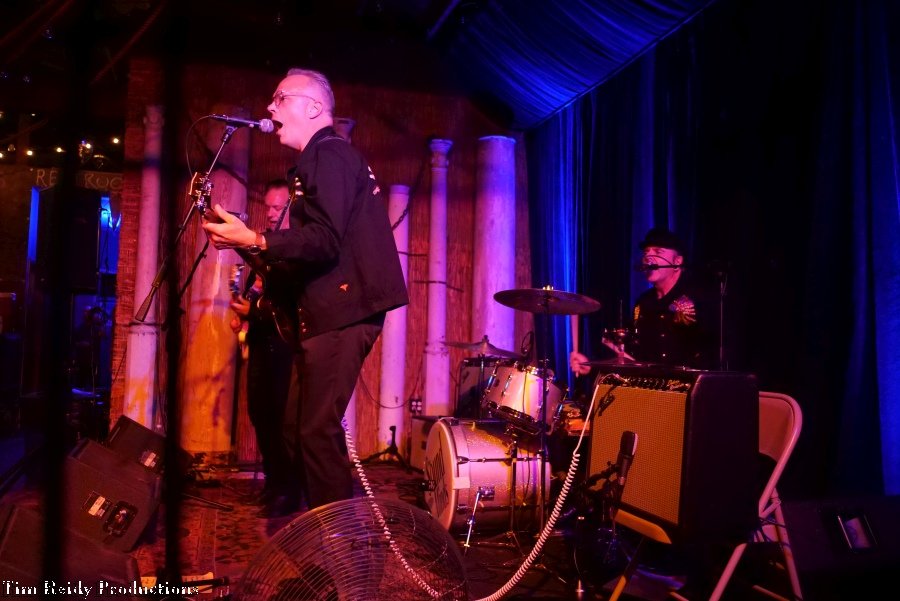
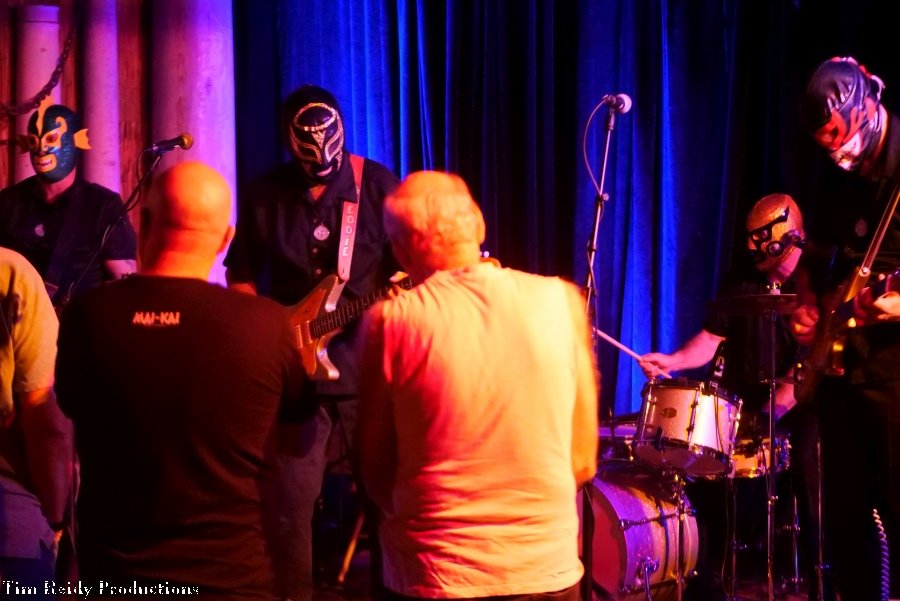
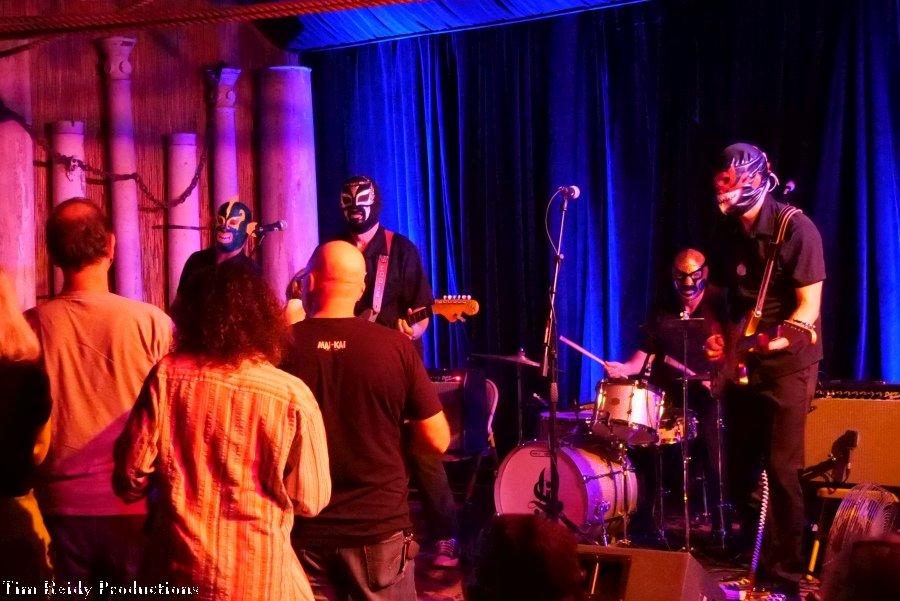
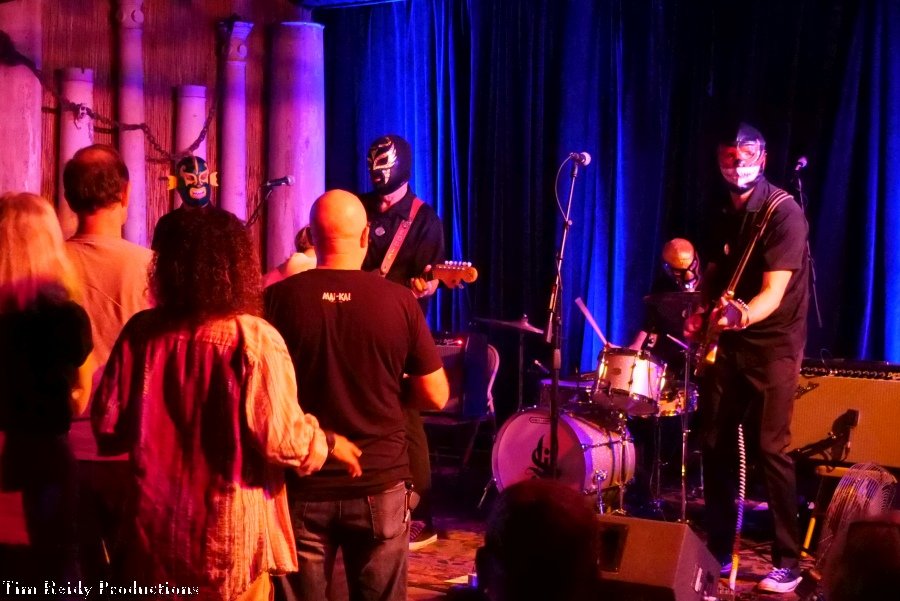
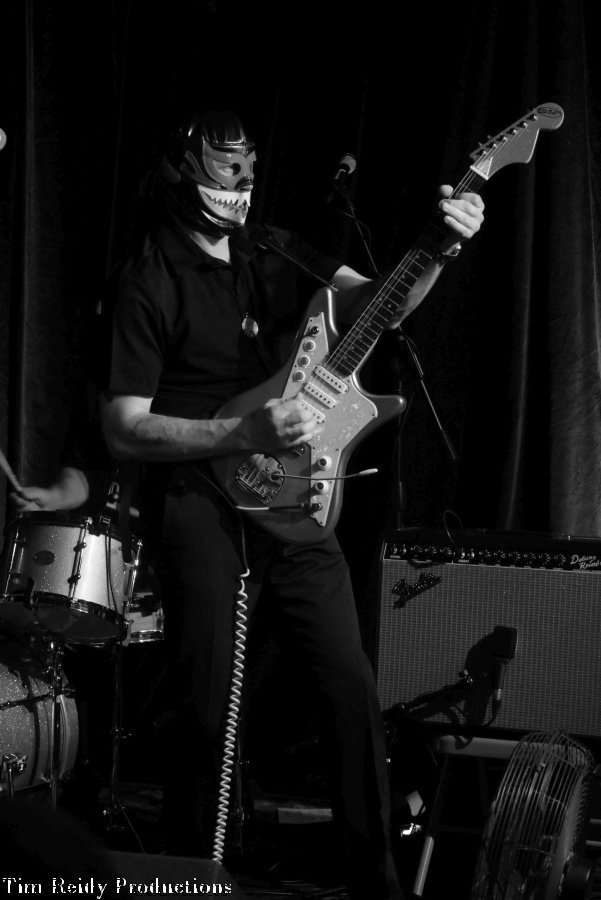
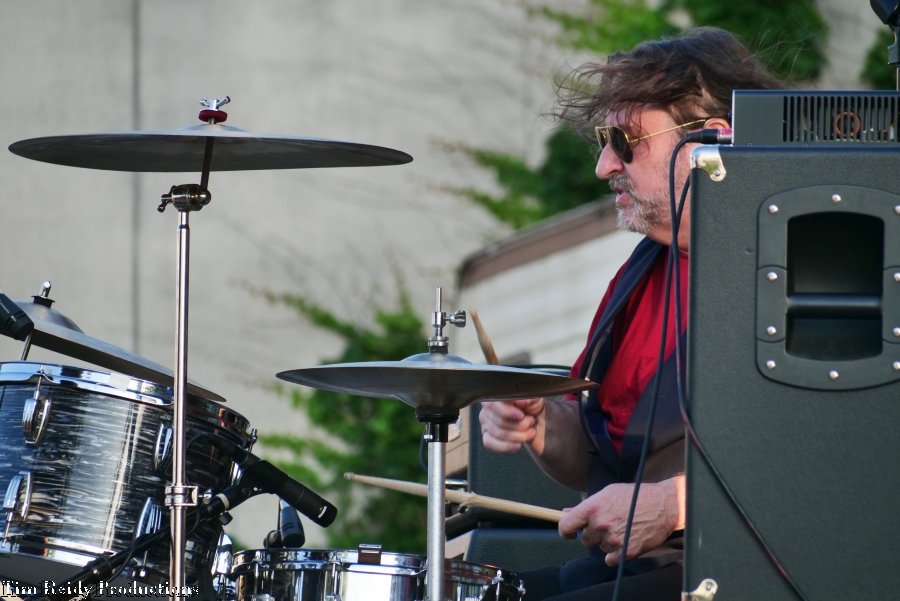
Los Straitjackets / The Sound Minds @ Hangar on the Hudson, 9/10/2026
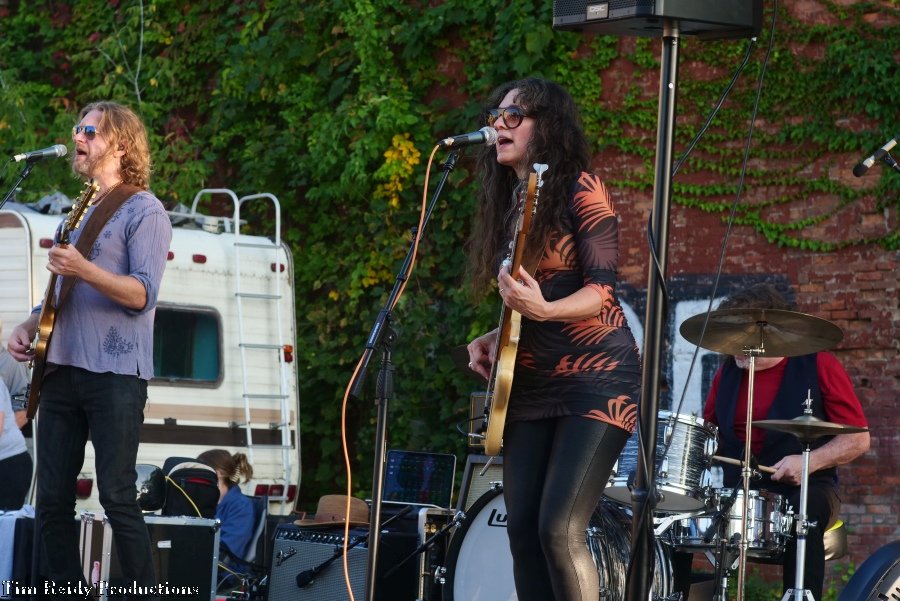
’60s-style sounds abounded at the Hangar on a Thursday night, with Los Straitjackets and the Sound Minds.
Photography by Timothy Reidy.
RECAP:Roger Daltrey @ The Big E, 9/20/2026
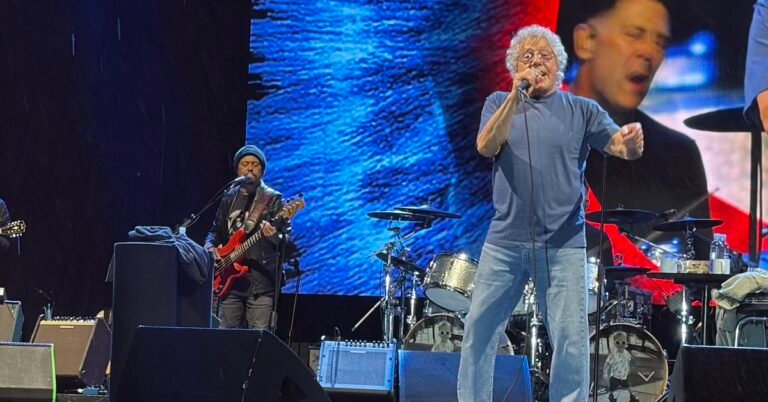
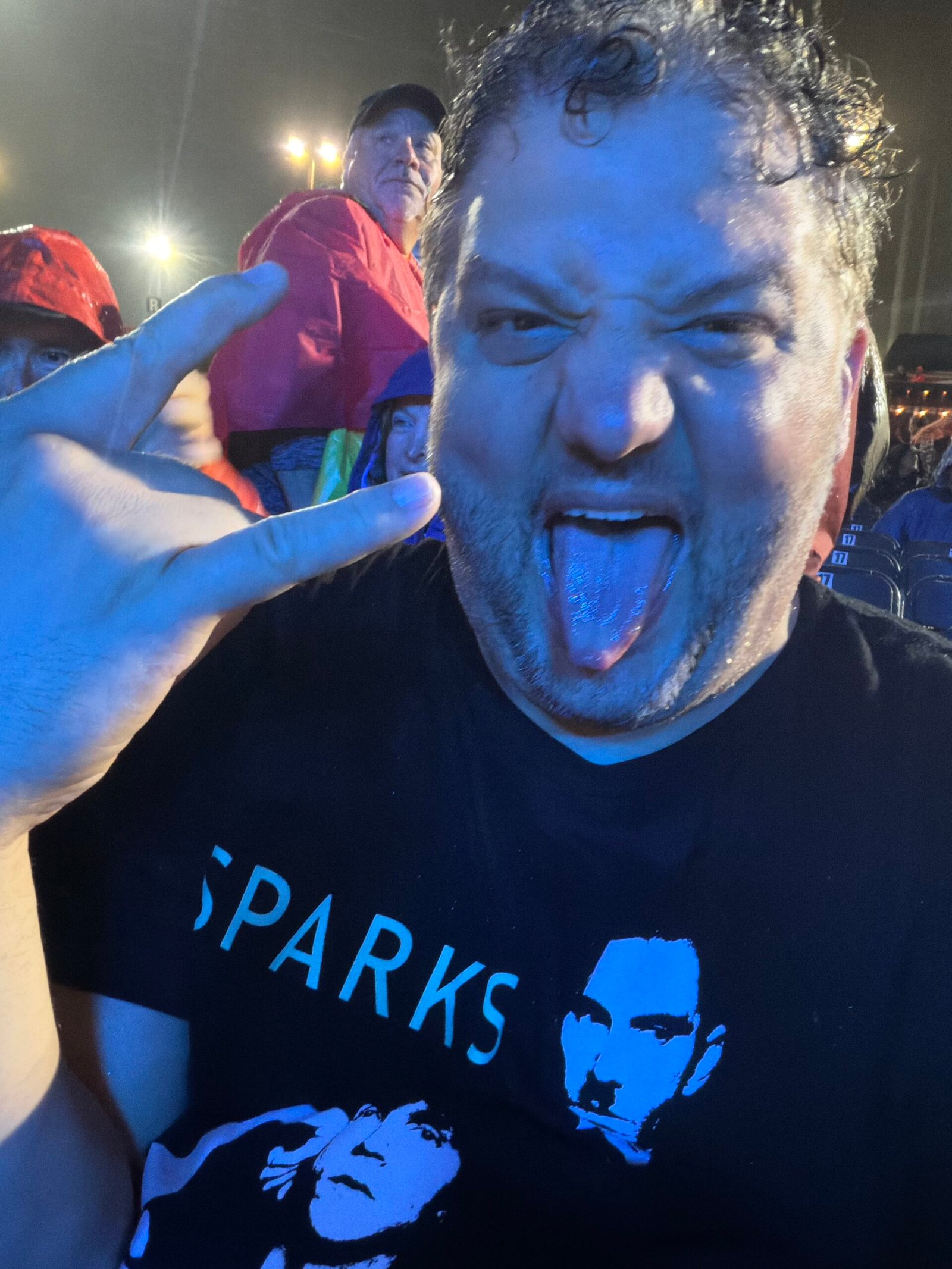
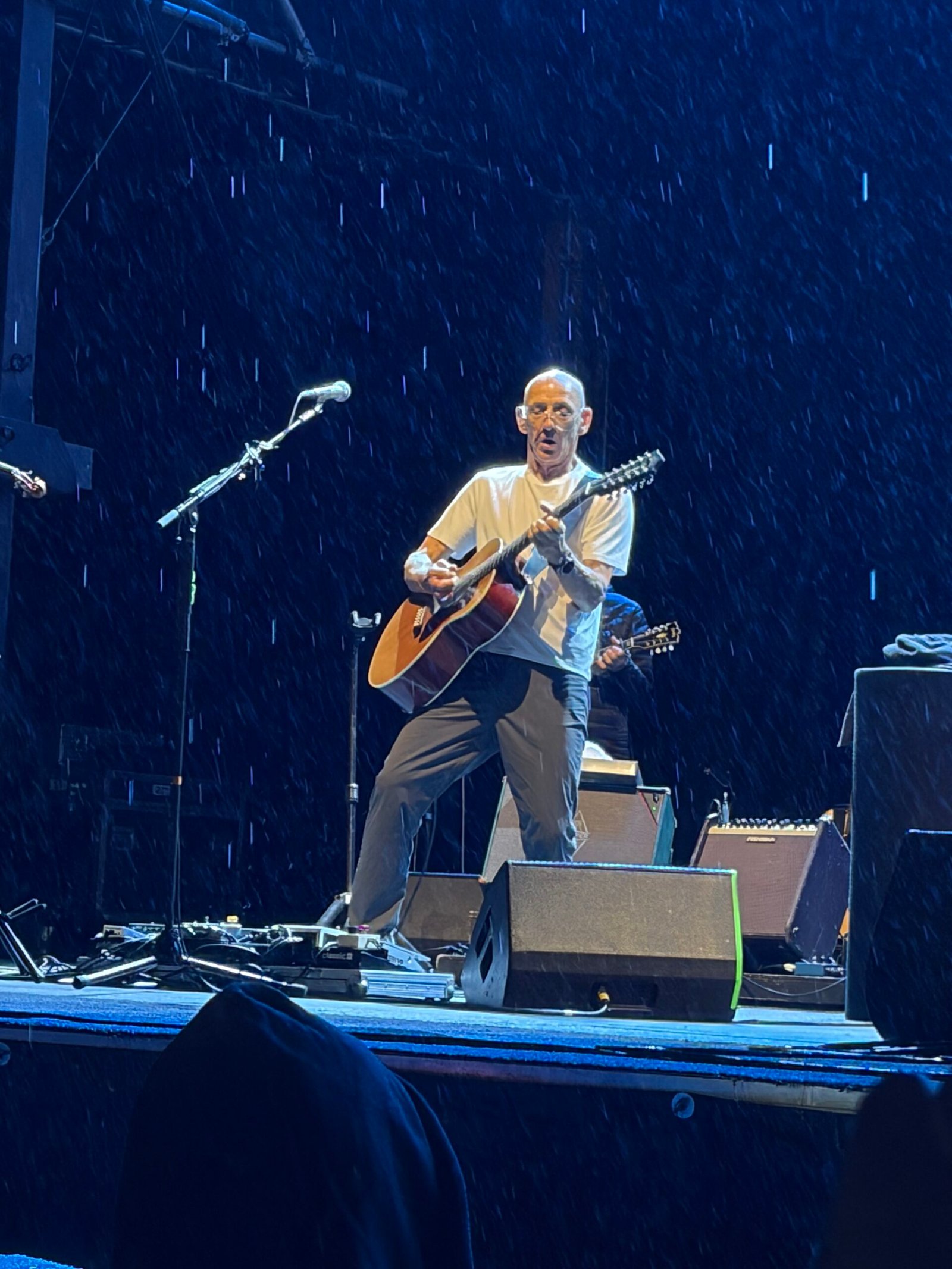
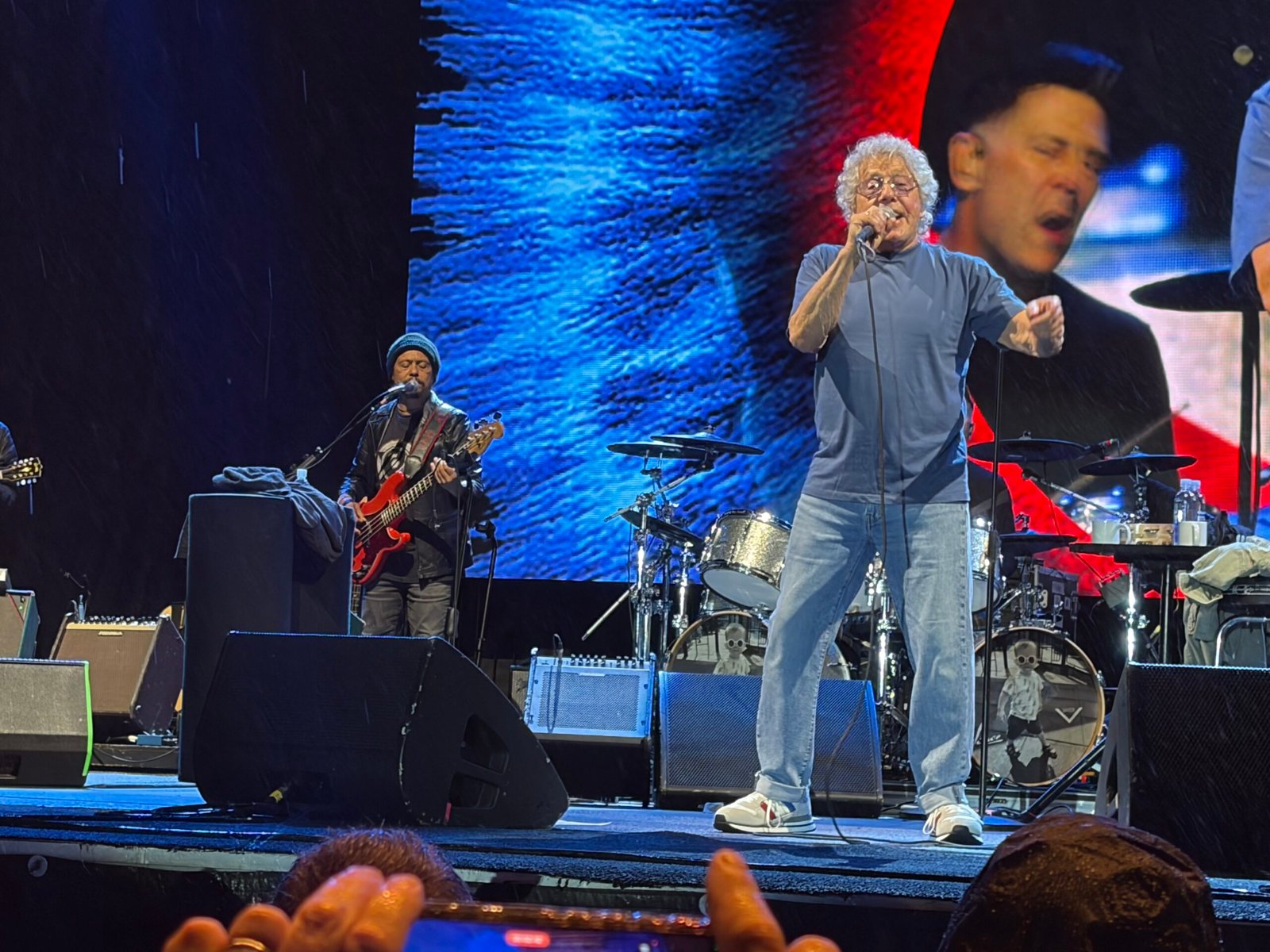
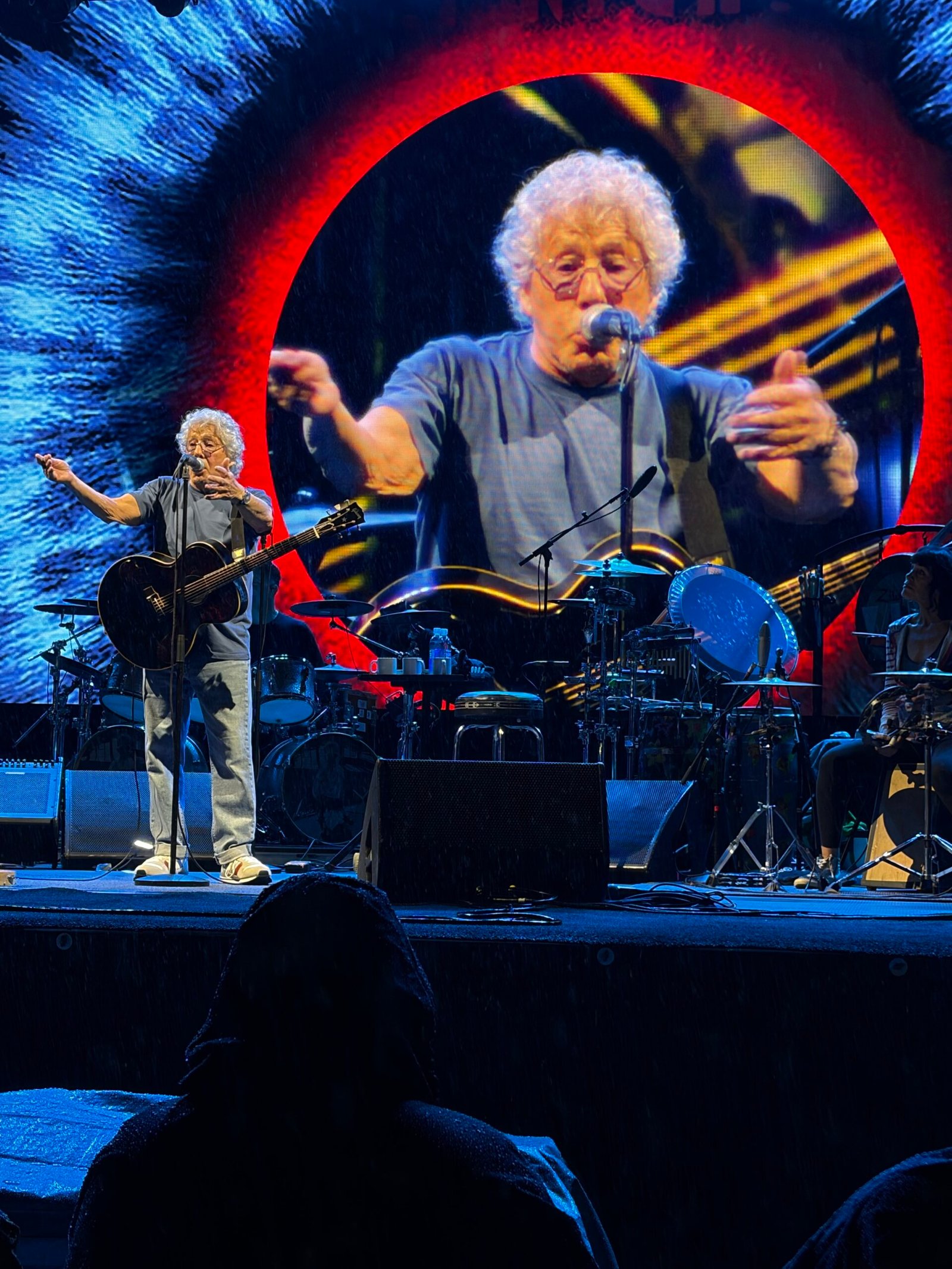
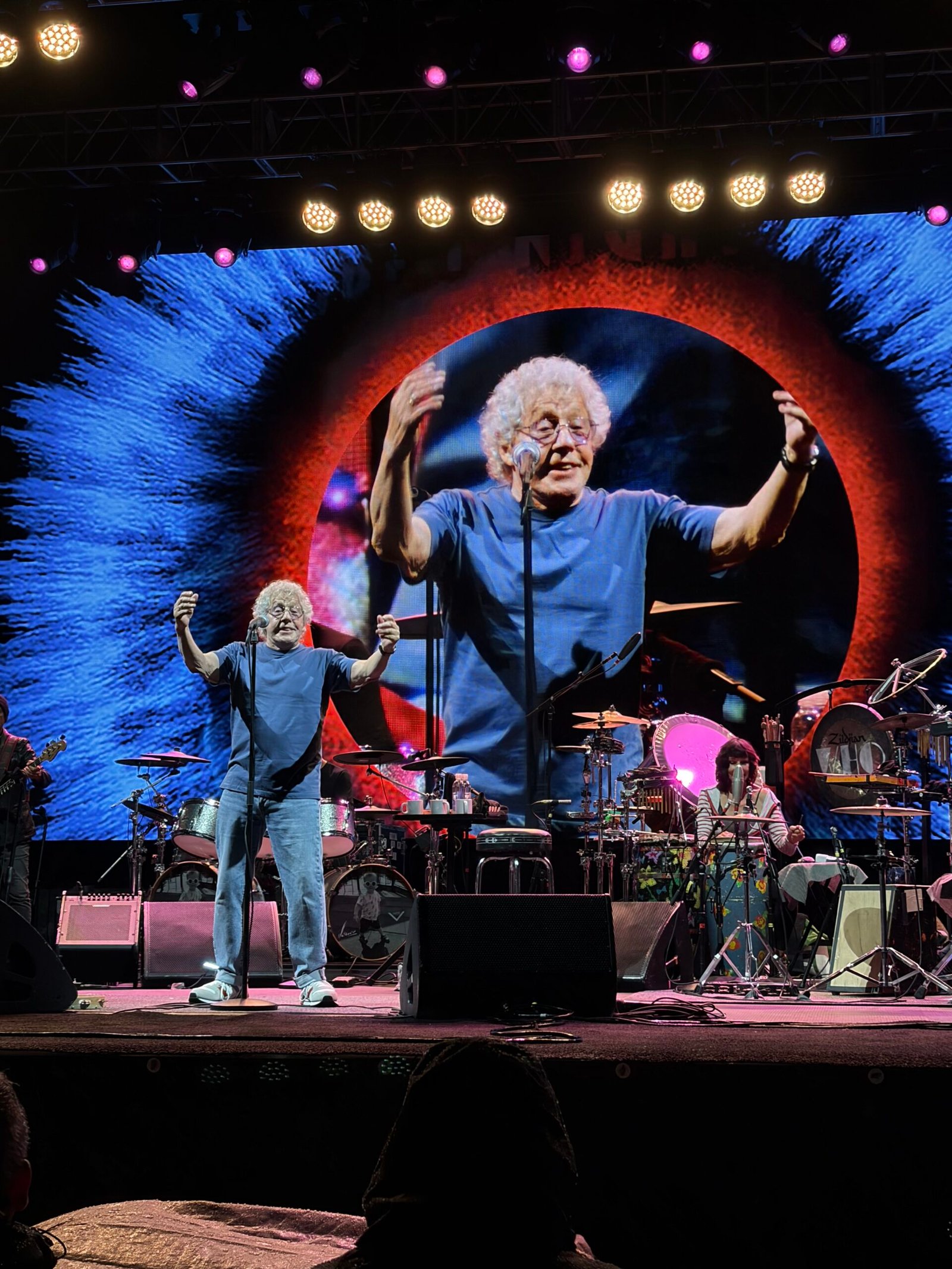
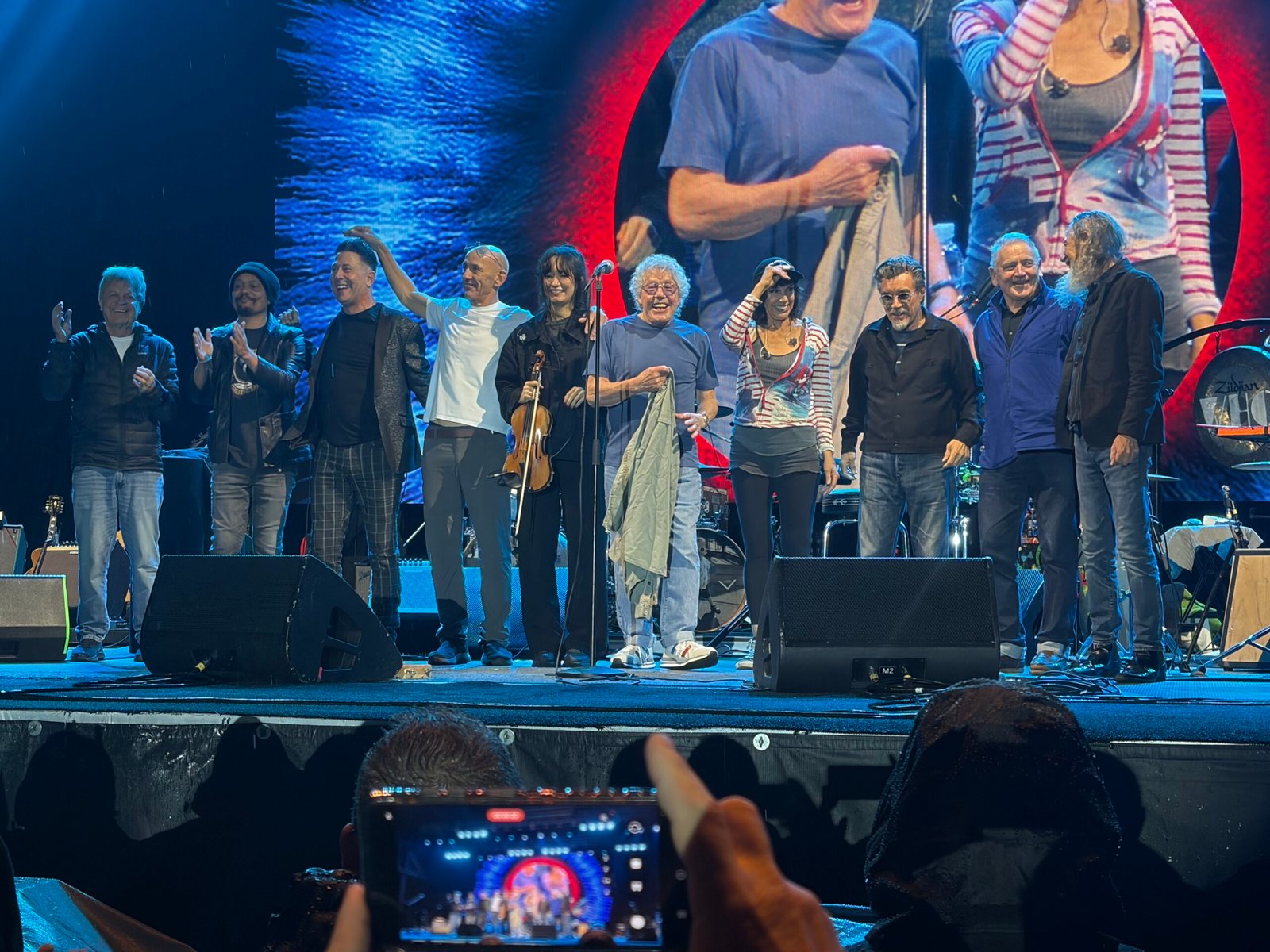
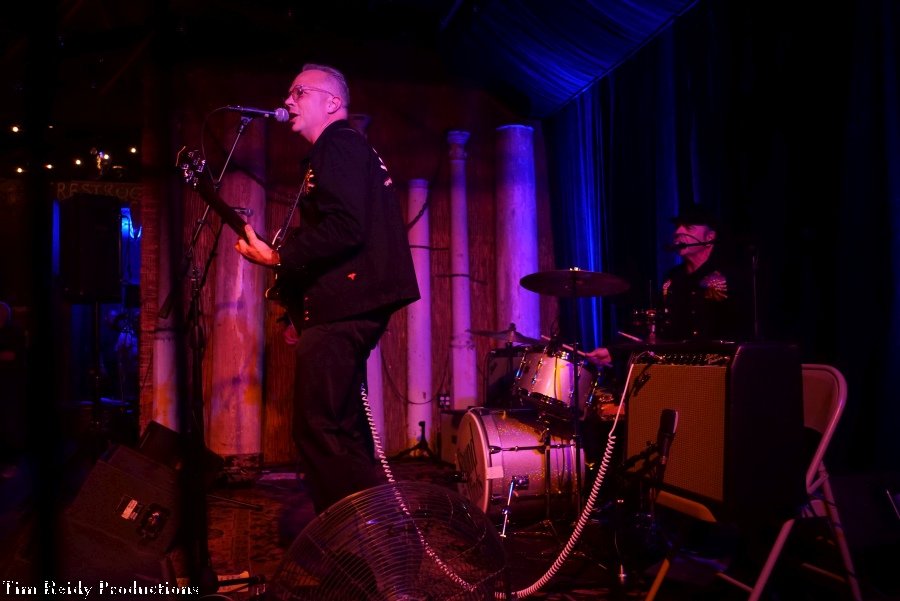
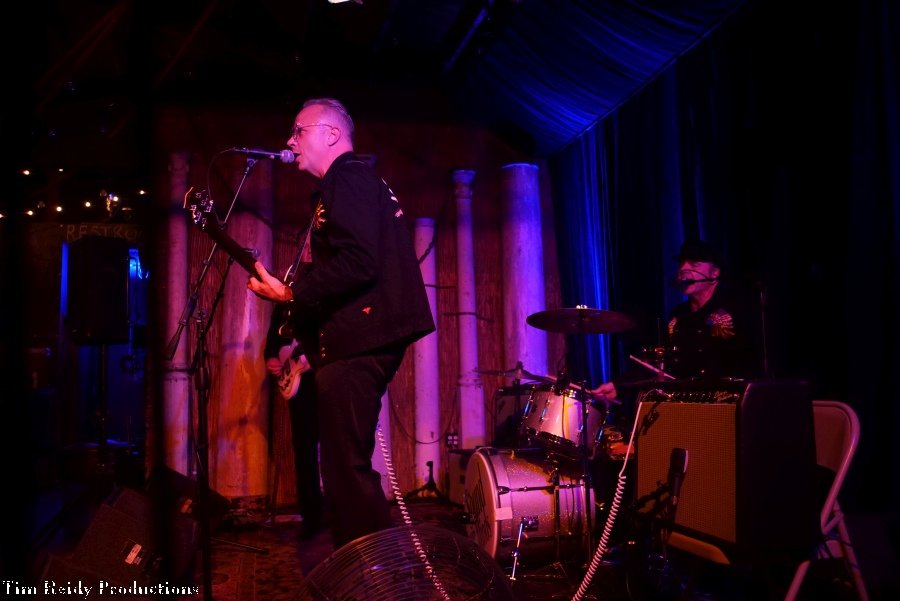
Love was “raining” o’er Roger Daltrey on Sunday night at West Springfield’s Big E Arena. As for the rest of us, it was just raining rain! The outdoor venue was over 2000 strong for the iconic singer of The Who, and ponchos were prevalent and abundant, but this writer had no problem donning only his shorts and a Sparks T-shirt, gladly taking on the rain to see a legend of this caliber up close and personal. And he seemed to be having fun as well!
Singer Amy Helm was supposed to open but cancelled during the day. That made the show start at 7:45 and end around 9:15, which worked well for those in the crowd like myself who made the trip.
Opening the show was a fun surprise, covering Pete Townshend’s solo hit “Let My Love Open the Door.” As someone who’s best known for covering the lyrical genius of Townshend, it’s interesting to hear him delve into Pete’s solo catalog. He followed that with an obscure cover of Taj Mahal’s “Freedom Ride” before a double shot of Who classics, “Who Are You” and “Substitute.” Prior to those songs, he did reassure the crowd that there would be Who songs in the mix. “Not a lot, but just enough,” he quipped.
Daltrey is still a freak of nature. His signature masculine and powerful voice has shown little sign of wear at 82 years of age. And although he opts not to do the scream in “Won’t Get Fooled Again,” he has earned the right to leave that to the audience. He loves to be on the road to keep his instrument sharp for whenever The Who DO decide to go back on tour. The Who have been having farewell tours since ’82, and now the singer is literally 82.
Daltrey also performed his solo smash, 1973’s “Giving It All Away,” which was penned by a then-unknown Leo Sayer, before a cover of Paul Simon’s “Boy in the Bubble,” which Daltrey stated his love to perform, as his solo band has the capabilities of the cultural sounds and instrumentation of Simon. The Who’s “Squeeze Box” and “Won’t Get Fooled Again” followed, before the almost humorous back-to-back covers of CCR’s “Have You Ever Seen the Rain?” and Johnny Nash’s “I Can See Clearly Now,” as the rain was still “coming down on a (not so) sunny day.” We in the first few rows ate it up though, getting to know everyone personally as we all joked about our wet chairs, umbrellas, ponchos, etc. We all hugged in our little group and sang loudly as we were getting drenched.
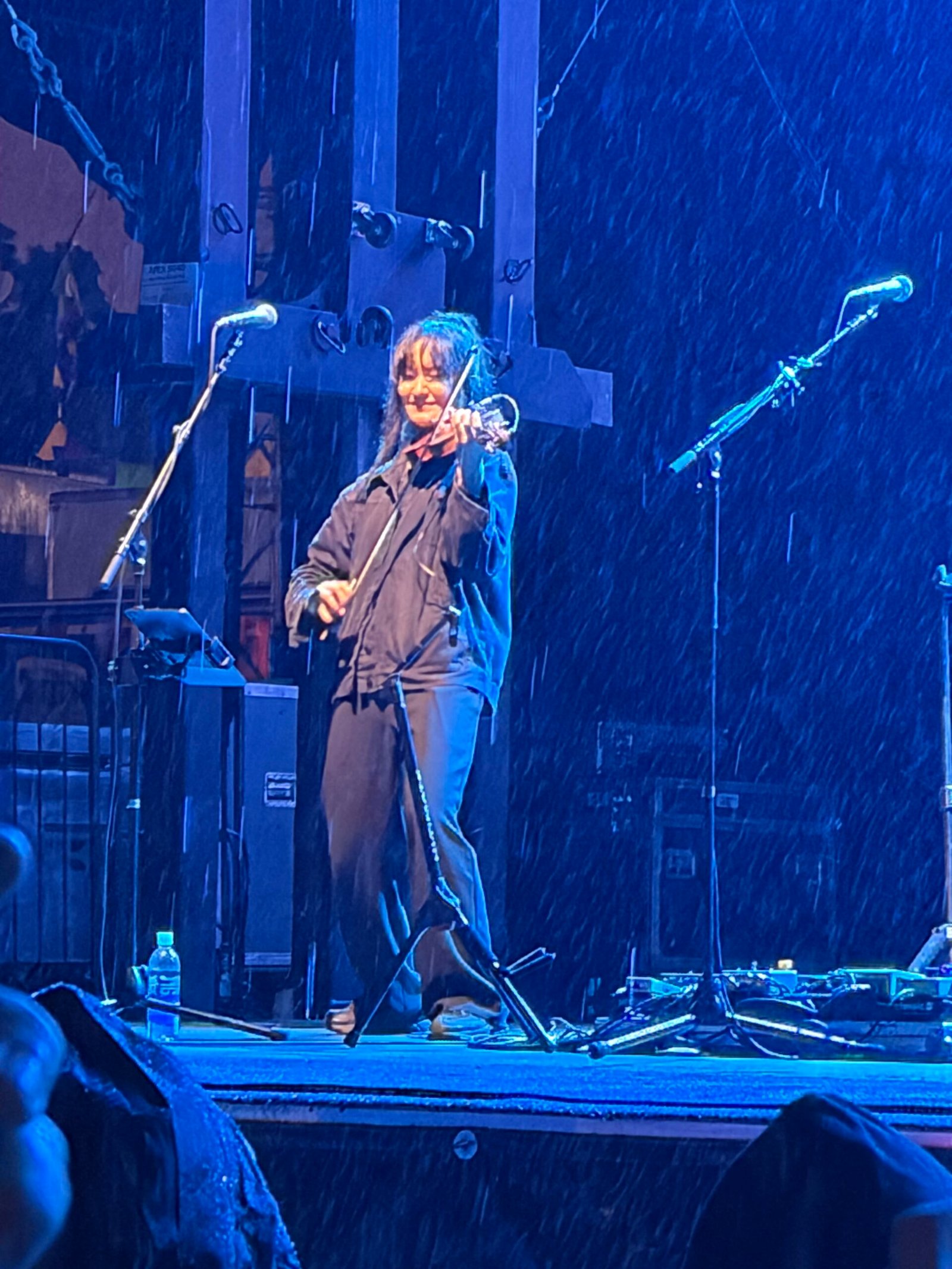
To close out the show, Roger led his band, which included Simon Townshend, Pete’s brother who has been playing with The Who and nearly every Who side project since 1996, into the iconic “Baba O’Riley,” featuring one of the highlights of the night – Katie Jacoby’s violin solo to close out the song. Jacoby has been touring with Roger’s solo band since 2018, and with The Who since 2019. The night ended with the band performing a rollicking version of Neil Young’s “Rockin’ in the Free World.”
Being so close to him onstage and seeing an older man who still looks and sounds great only exuberated my awe-filled reverence towards him. This is a man who came up alongside The Beatles, The Stones and all of that, changed the musical landscape in rock, hard rock, punk and even heavy metal – almost single-handedly. He has acted alongside Ann Margaret in “Tommy,” performed at Woodstock and the Isle of Wight, blown every other band on the planet off stages around the world, set a Guinness Book record for “loudest band in the world,” and dealt with Keith Moon (which he should be awarded sainthood for). And there he was. Right there, unassuming until he opened his mouth. The history in that man is untouchable. And again, as I always say – see these guys while we still can.
I will travel within a 4-hour radius to see any members of certain bands, with The Who being on the top of that list. And although their “Farewell Tours” have become almost a parody of themselves at this point, with both Roger and The Who citing the costs and troubles of touring in the US as being a reason why, these days, we may not see them here again. All I can say is that I hope that’s wrong. These greats can’t play forever, even though the endurance and power of Daltrey’s voice don’t make me feel that way.
Setlist can be found here:
https://www.setlist.fm/