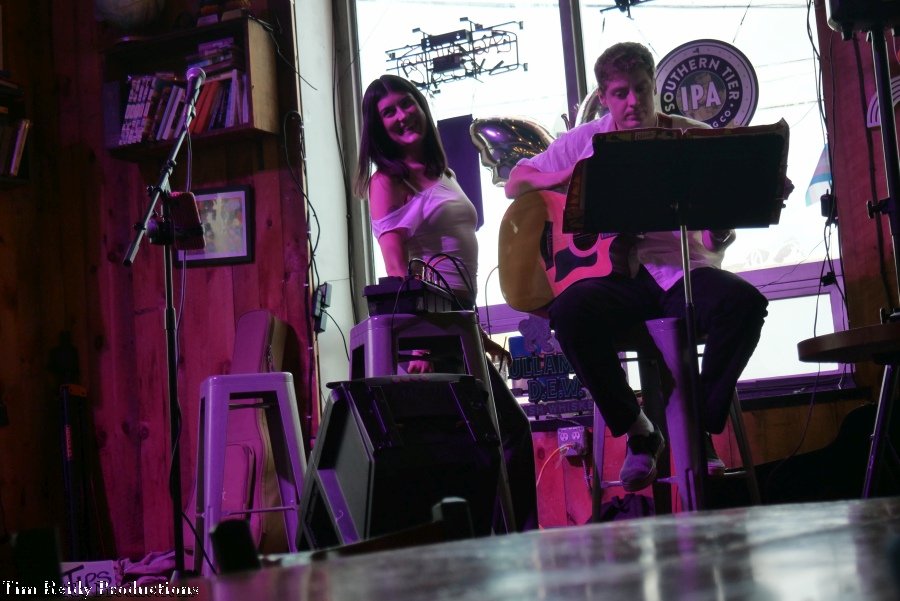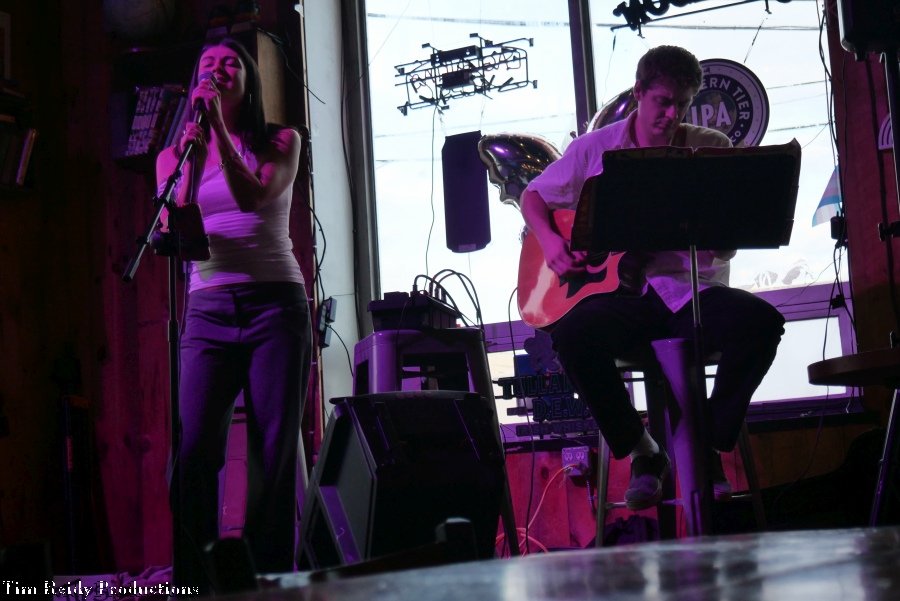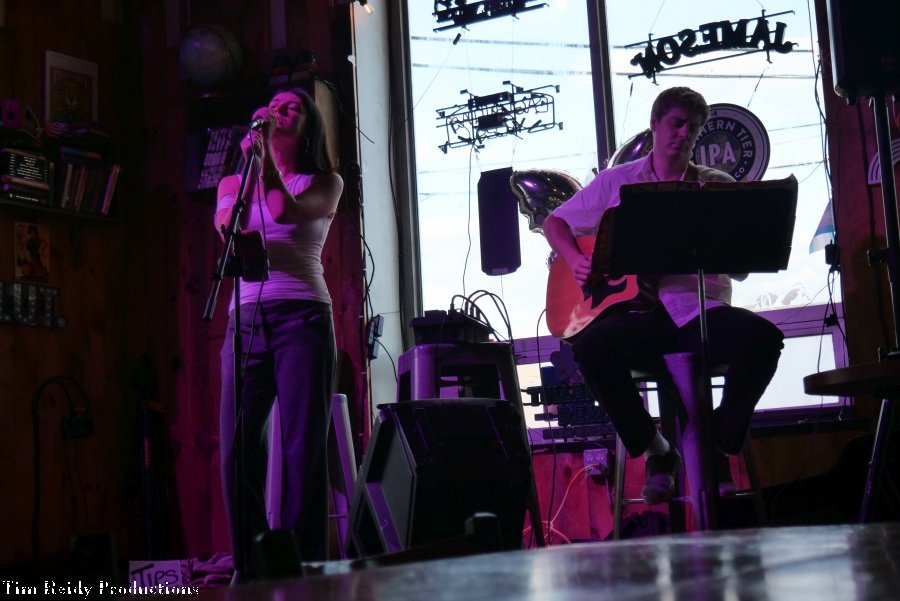
Home Blog Page 4

Bruk: The Legend of “Free Bird!”

0

An original story by Jason Irwin.

Long before concert halls had velvet curtains, before electric guitars could make your pants vibrate, and before anyone had invented the phrase “Please silence your cell phones,” there lived a young man named Bruk. The ancient historians describe him as “a child of great potential,” which was apparently the polite way of saying, “Nobody knows what happened to this kid.” Bruk was not a particularly bright child. He wasn’t the brightest member of his family. He wasn’t even the brightest member of his cave. One afternoon, he spent three hours trying to eat a rock because his father told him it was a “stone sandwich.” His father eventually admitted that he had made that up, but by then Bruk had swallowed two pebbles and was feeling pretty good about lunch.

His parents, Ug and Munga, were not exactly what you would call good parents. They loved Bruk in the same way a bee loves a fish: they acknowledged his existence, but mostly left him to figure things out for himself. Ug spent his days hunting and his nights complaining about the quality of the mammoth steaks. Munga spent most of her time yelling at Ug. “UG! YOU BRING HOME NO MEAT!” “I BRING HOME MEAT YESTERDAY!” “THAT WAS YESTERDAY!” “THEN WHY YOU STILL TALK ABOUT IT?” It was a difficult household, and Bruk was raised primarily by whoever happened to be closest to the fire.

Because Ug and Munga were too busy arguing to actually teach their son anything, they decided to simplify his education. They taught him two words: “free” and “bird.” That was it. “FREE,” Ug would say whenever he found something that didn’t cost anything. “BIRD,” Munga would say whenever there was a bird. Eventually, Bruk put the two concepts together. Free bird. This became his favorite phrase, his personal philosophy and, eventually, the beginning of one of the great curses ever placed upon live music. He didn’t know what a metaphor was, or a simile, or even a noun, but he knew that if you put those two words together loudly enough, people tended to look at you.

One afternoon, Bruk wandered through the woods and spotted a small bird trapped beneath a branch. He lifted the branch, the bird flew away, and Bruk raised both arms toward the heavens. “FREE BIRD!” he shouted. He had done something good. Unfortunately, this was also the high point of his intellectual development. A few days later, Bruk discovered that if he walked into the village marketplace and shouted “FREE BIRD,” people would look at him. This was very exciting. He didn’t understand why they were looking at him, but he had discovered the intoxicating power of attention, and Bruk was a man who could never be accused of knowing when enough attention was enough.

So he began shouting it everywhere. At the fire. “FREE BIRD!” At the river. “FREE BIRD!” During tribal council while the elders were discussing an upcoming woolly mammoth hunt. “FREE BIRD!” The elders were not amused. One elder finally stood up and said, “Bruk, please stop yelling that.” Bruk nodded solemnly. He understood. Then, approximately nine seconds later, he yelled, “FREE BIRD!” By the time Bruk was a teenager, the village had developed a warning system. If someone saw him approaching, they would shout, “BRUK IS COMING!” and everybody would hide their birds.

As the years passed, Bruk became known throughout the region as the man who shouted “Free Bird” at inappropriate times. He yelled it when hunters returned empty-handed, during weddings, during funerals, and once while a man was having a tooth pulled with a sharpened stick. “FREE BIRD!” The dentist dropped the stick. The patient screamed. Nobody knew what Bruk wanted. Neither did Bruk. Scholars would later debate whether he was requesting a bird, demanding that somebody release one, asking for a bird without paying for it, or simply being an idiot. The scholarly consensus eventually became: yes. One particularly respected elder suggested that Bruk might someday develop a third word. The elder was mocked for such wild optimism.

Then one evening, something happened that would change the course of history.

A traveling group of musicians arrived in the village. They called themselves The Mammoth Stompers. They had drums made from animal hides, rattles made from bones, and one particularly talented caveman who could blow into a hollowed-out log and produce a sound remarkably similar to a dying moose. The entire tribe gathered around the fire. The musicians began to play. The crowd danced. The Mammoth Stompers played faster. Everyone cheered. It was, by all surviving accounts, the greatest concert the Stone Age had ever seen. And then, from somewhere in the back of the crowd, came a familiar voice. “FREE BIRD!” The musicians stopped. The dancers stopped. The moose stopped dying. Everyone turned around. There stood Bruk, grinning like a man who had just discovered fire for the second time.
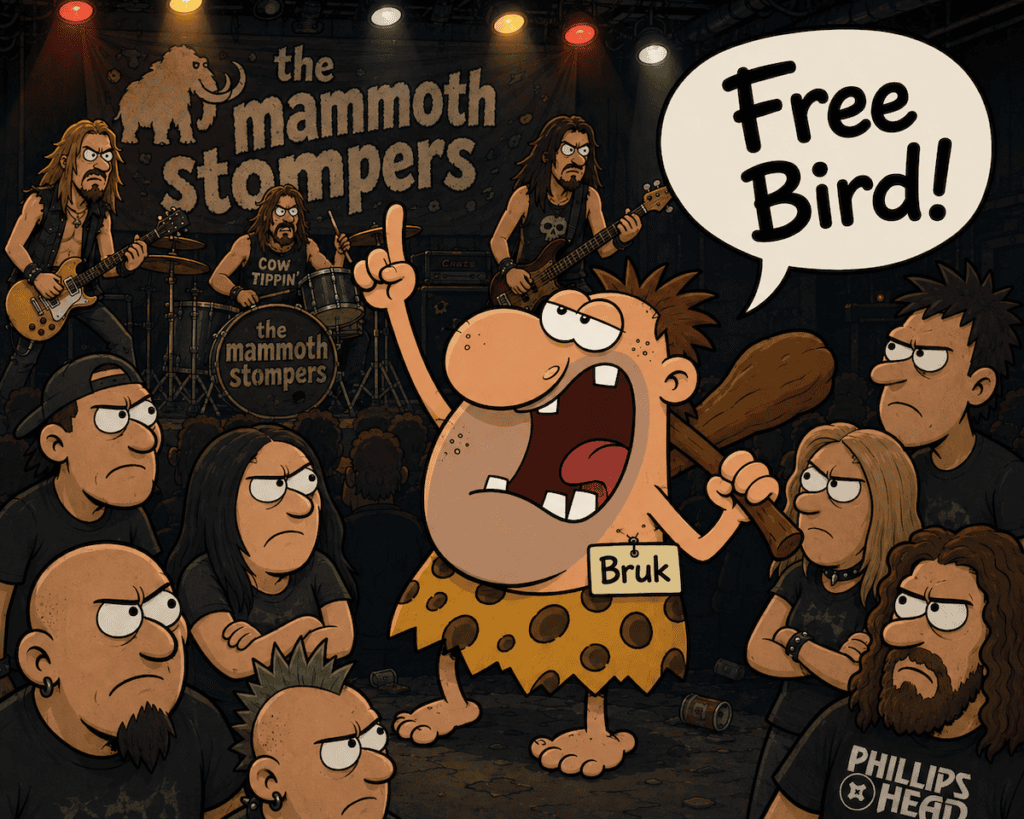
He had created something magnificent. He had yelled “Free Bird” at musicians, and everybody heard him. One finally asked, “What does that mean?” Bruk thought very hard. He looked at the musicians, the crowd, and the sky. Then he said the only words he knew: “Free bird.” The musicians shrugged and started playing again. When they finished the song, he yelled it again. “FREE BIRD!”

This time, one of the musicians threw a drumstick at him. Bruk ducked. He thought it was part of the show. He loved it. From that day forward, Bruk became convinced that shouting “Free Bird” was the highest form of musical criticism. It didn’t matter what kind of music was being played. Drums? “FREE BIRD!” Flutes? “FREE BIRD!” A woman singing a beautiful ballad about the death of her husband? “FREE BIRD!” A choir performing a sacred song at sunrise? “FREE BIRD!” At that point, even the elders agreed that perhaps Bruk should be hit with something.

Eventually, the tribe simply stopped inviting Bruk to musical events. But this did not stop him. He hid behind rocks, climbed trees, and even once crawled through a tunnel beneath the village so he could pop his head through the floor during a performance. “FREE BIRD!” The musicians were furious. The audience was furious. The elders were furious. Bruk was delighted. He had no useful skills, no trade, no ability to hunt, and absolutely no understanding of music, but he had discovered that if he interrupted other people’s hard work loudly enough, strangers would remember him. In the primitive mind of Bruk, this was fame.

And so the legend of Bruk was passed down through the generations. The wheel was invented. Fire was improved. People learned to write. Empires rose and fell. Ships crossed oceans. Concert halls were built. Amplifiers were invented. Electric guitars appeared. Humanity sent men to the moon and put tiny computers in nearly everyone’s pocket. And somehow, through the mysterious passage of history, Bruk’s spirit survived.

His descendants are still among us. They wait through an entire concert. They listen to the opening act, the second song, the guitar solo, and the singer explain how much a song means to them. They may even spend $80 on a ticket. Then, at precisely the moment when everyone is enjoying the music, they summon the ancient wisdom of Bruk. “FREE BIRD!”

Nobody knows why. Nobody asked for it. The band probably isn’t going to play it. And there is a very good chance the person yelling it doesn’t even particularly like the song. It is simply tradition, a sacred ritual passed down from a poorly supervised caveman whose parents taught him only two words and apparently never followed up with a third.

So the next time you’re at a concert and somebody screams “Free Bird!” at a band that has spent years writing, recording, and performing its own music, remember Bruk. Remember the ancient cave. Remember the two-word education. Remember the bird that flew away. Remember the great civilization that somehow invented the electric guitar but failed to invent a way to prevent Bruk from getting into the building.

And remember that somewhere, thousands of years ago, a confused young caveman discovered that yelling two random words at musicians got everybody’s attention. He never learned anything else. He didn’t become a warrior, a hunter, or a farmer. He didn’t invent the wheel. He just yelled “Free Bird.” And somehow, against all odds, that became his greatest contribution to civilization.

And, if you missed the moral of the story, it is this: If you are the person standing in the crowd screaming “FREEEEE BIRDDDDD!” at the band, congratulations. You have achieved what generations of human evolution have tried desperately to avoid. You are a stupid caveman. Somewhere deep inside you, Bruk is smiling. He is probably holding a rock, wondering if it is a sandwich.
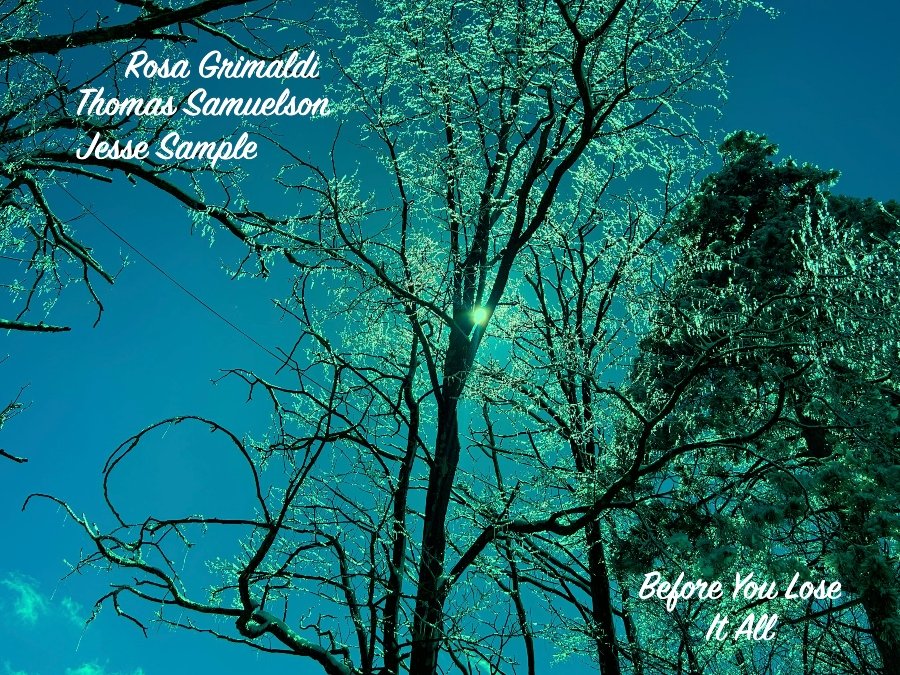
Week 38: Jesse Sample’s Freak of the Week “Before you lose it all”

0

Jesse Sample’s Freak of the Week airs EVERY WEDNESDAY at 5pm ONLY on RadioRadioX.com

This is Jesse Sample. For someone to be truly nasty with you, they must be operating up close. For angry words to hit hard, the person saying them must have certain access to us. Betrayal can only exist is there is a trust to betray. The guy in traffic who flips you off or calls you a bad name is just a guy in traffic. It doesn’t mean anything because he has no authority. It may not give us a warm and fuzzy feeling but most of the time we move along, and our day is no worse. But when we have a relationship with someone, and they come after our character, we can get rocked. We let em in and now they have a chainsaw.

Rosa, Thomas and I went into to the studio last night and went to work. The guitar parts came quick and the drums felt right. Thomas put down bass on the A section and Rosa started developing the verse lyrics. All three of us walked in there needing to get something out and the first part of the night went fast. There came a point about an hour and a half in, where we started chatting about our week and it turned out we were all working through issues with other people. And that in itself is not surprising. It’s the water in which we swim, but it must be accounted for. We carry things around with us and if we are to live healthy lives, we need to come to terms with these things.

When someone close to us attacks us, it can’t be undone. Maybe they experience regret and they can apologize but a little poison always remains in the well. Miscommunications come and go, but when someone goes in intending to do damage, that exists forever. It’s not always someone else. I’ve said some things that I would do anything to take back…but we all know that that’s impossible.

Perhaps, we could practice being kind out along these detours that we had to take because of the bridges we burned. Maybe the bridge didn’t burn all the way, and we could make it our live’s work to repair what we’—0p0o ve done and mend it, humble in the knowledge that it will never be perfect. That could a purpose.

Thanks to all of you tuned into RadioradioX.com. This is the Freak of the Week, “Before you lose it all.”

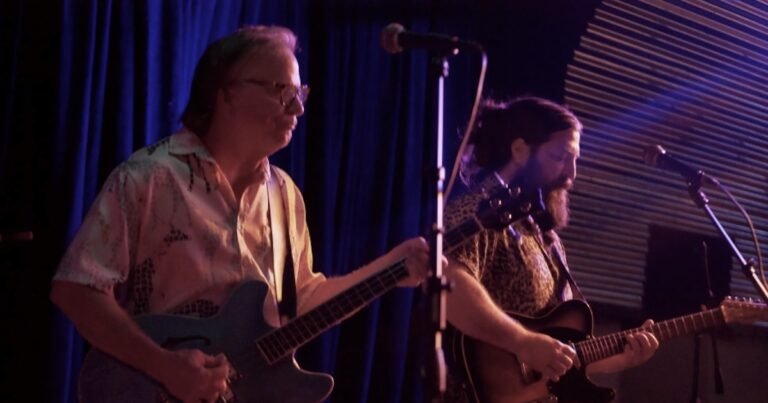
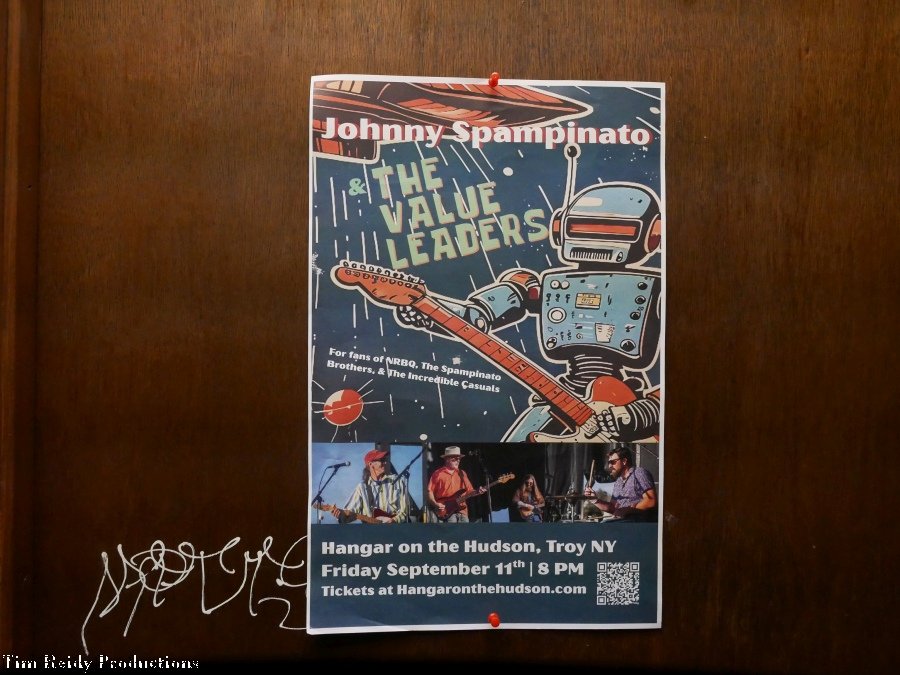
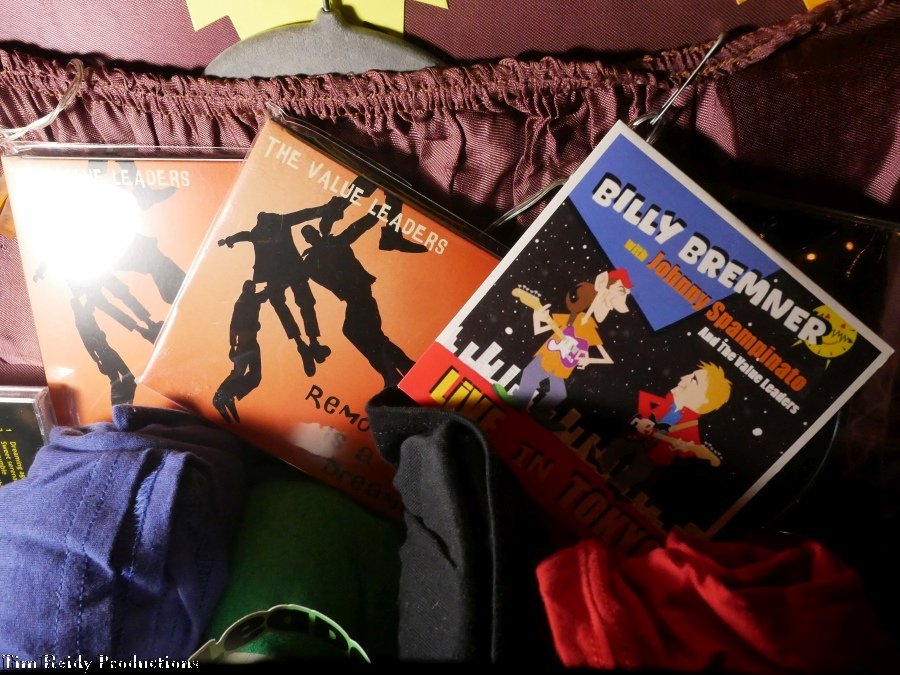
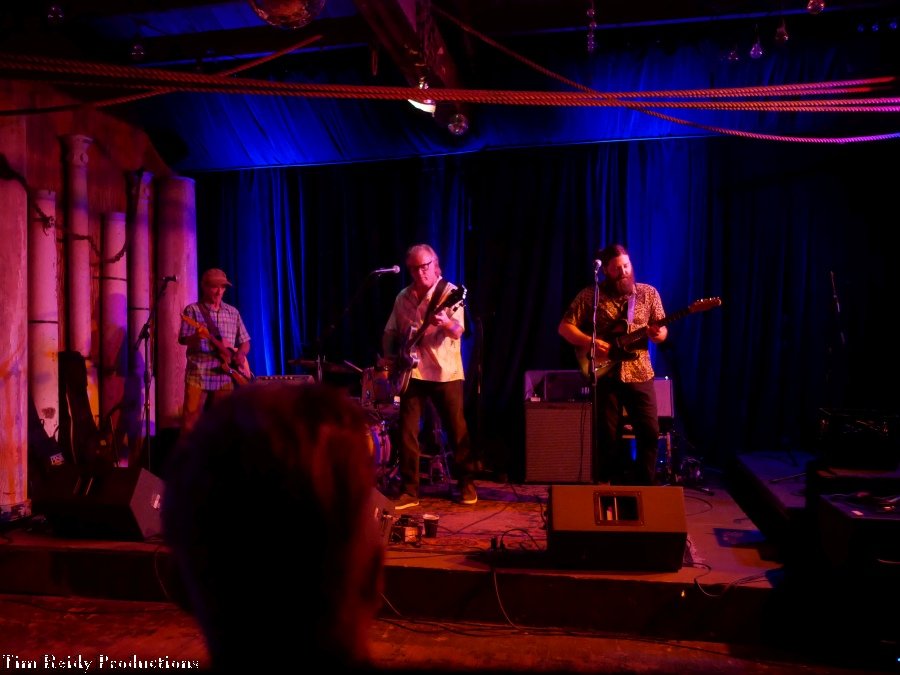
The Value Leaders @ Hangar on the Hudson, 9/11/2026

0

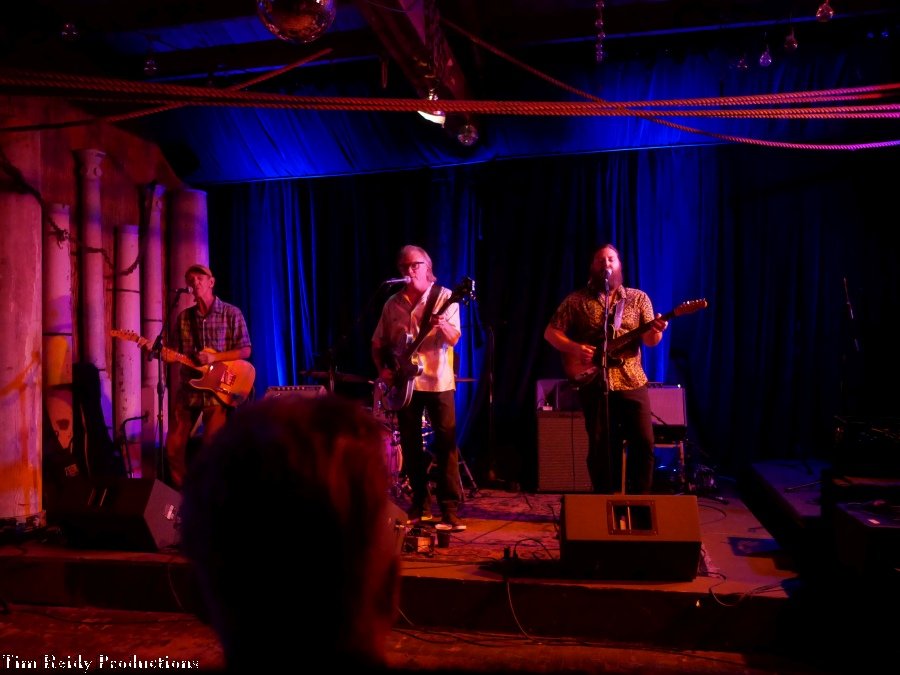
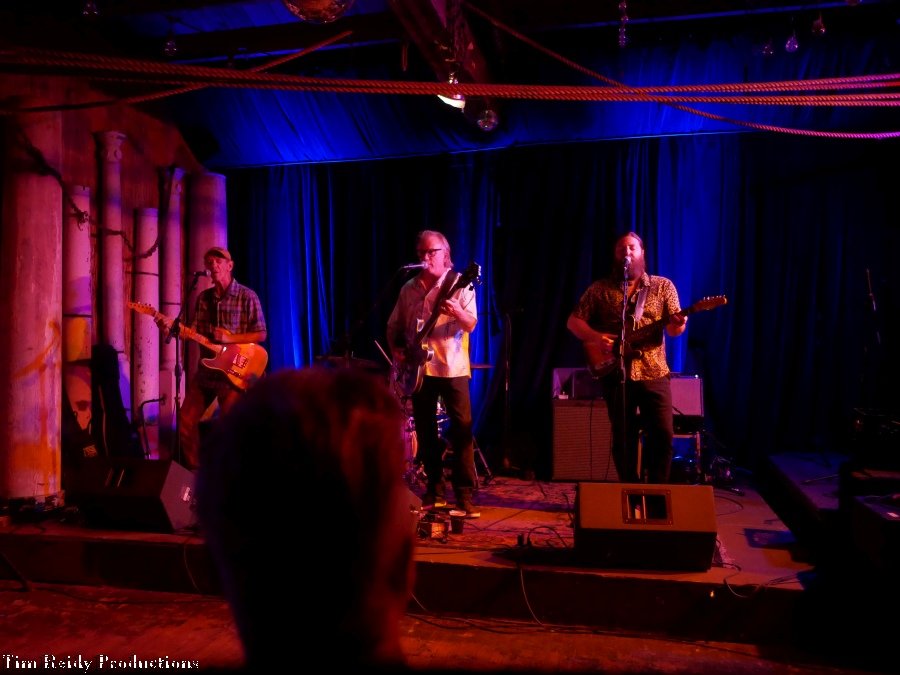
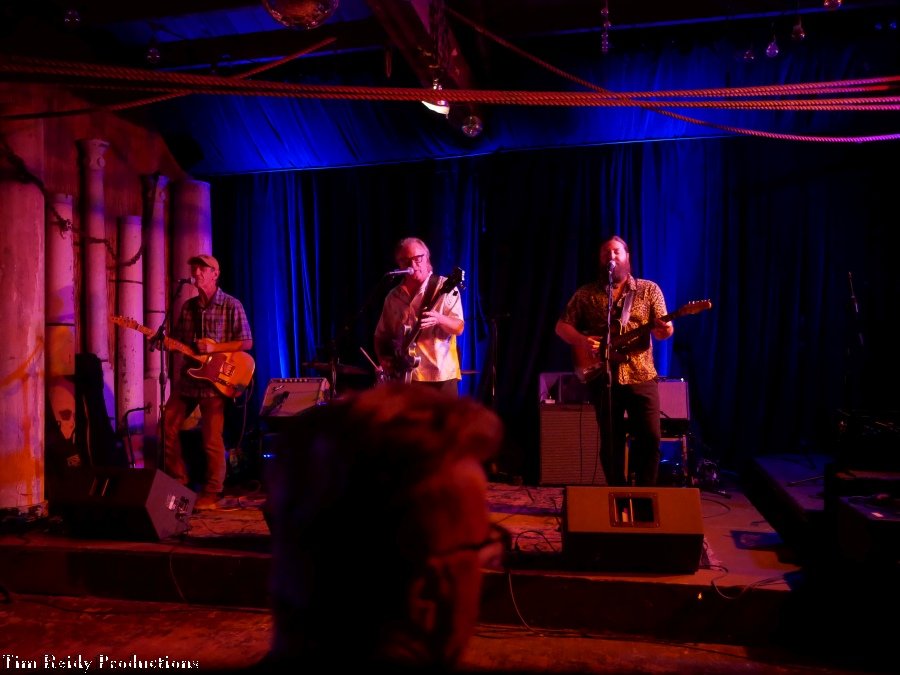
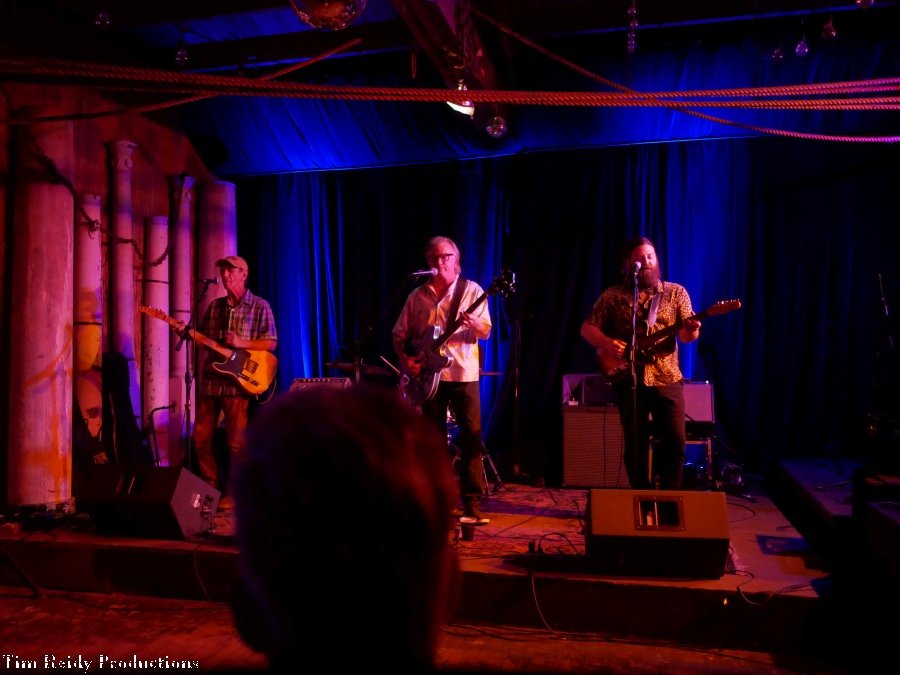
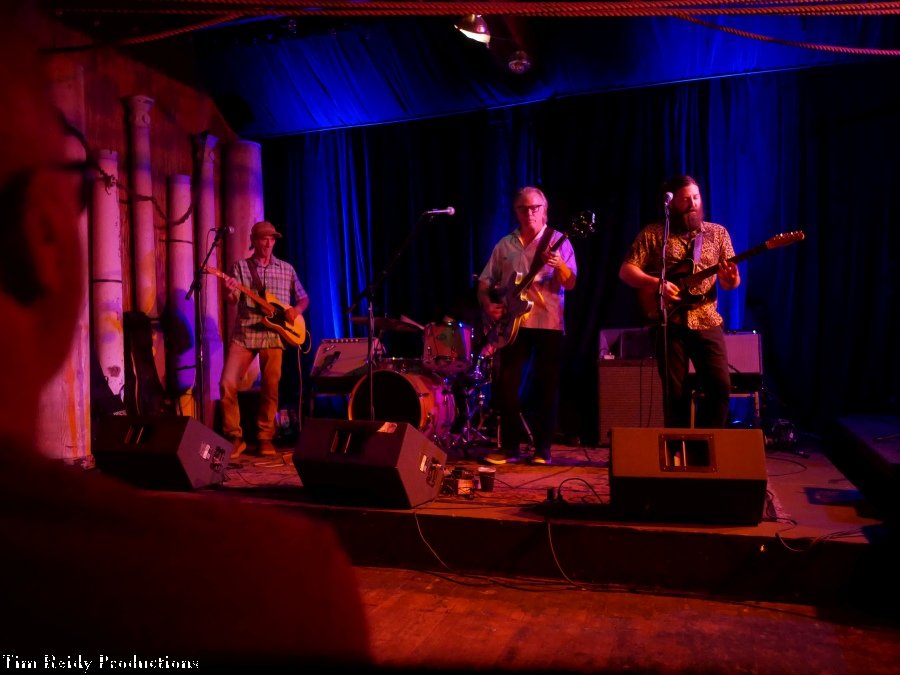
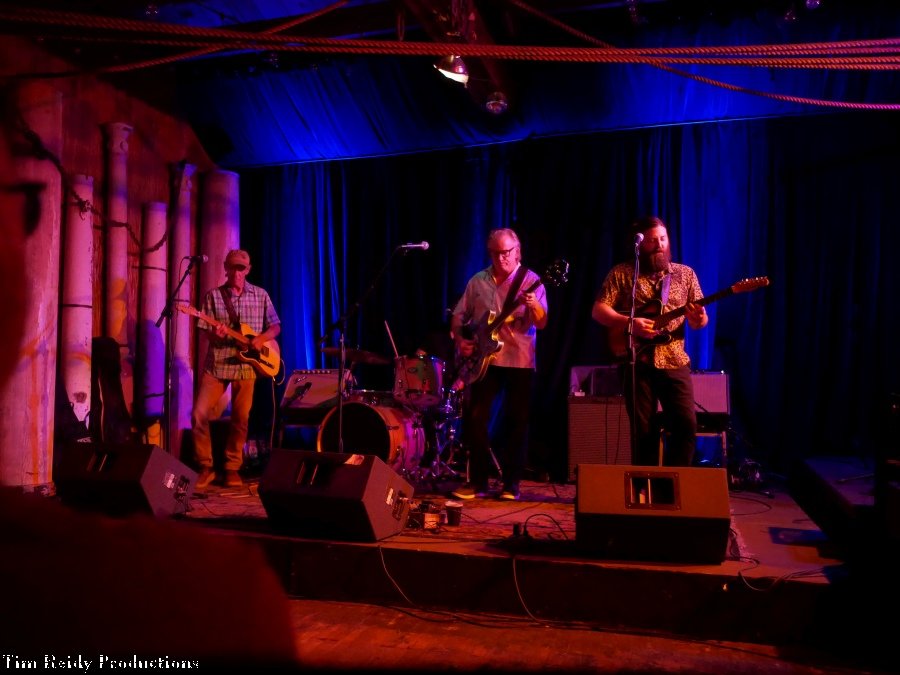
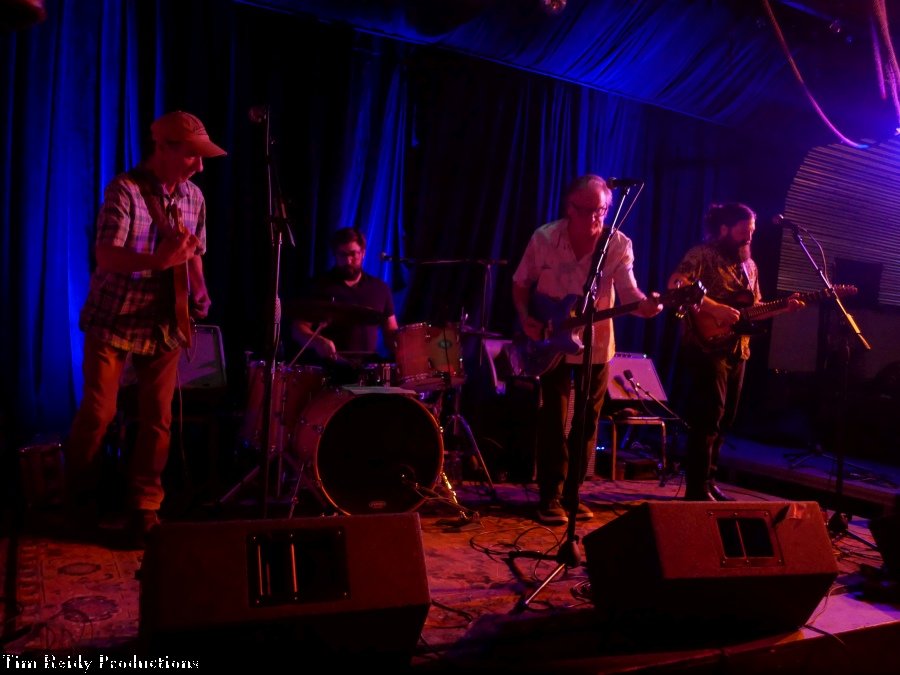
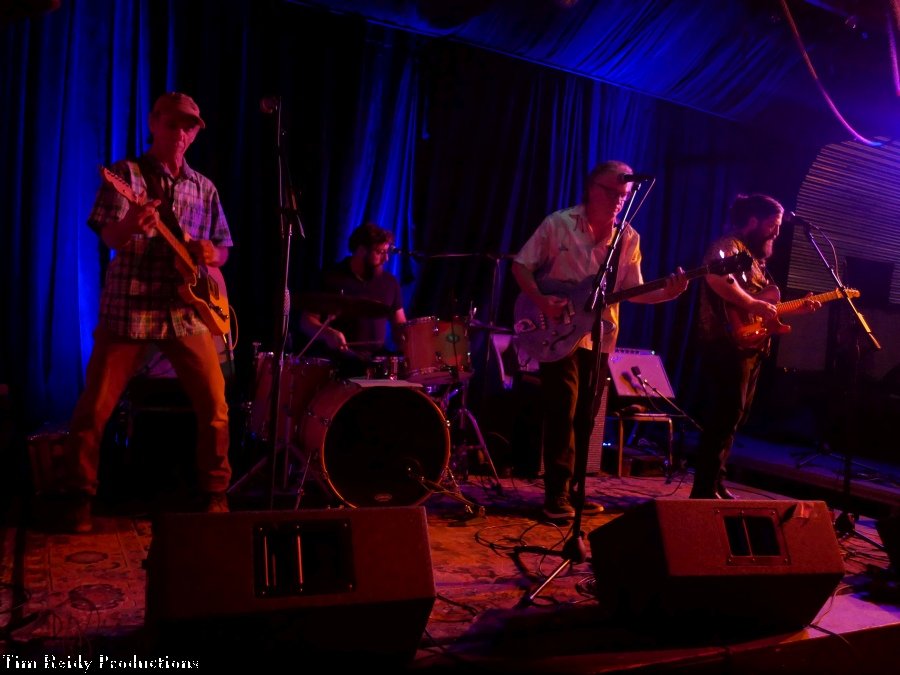
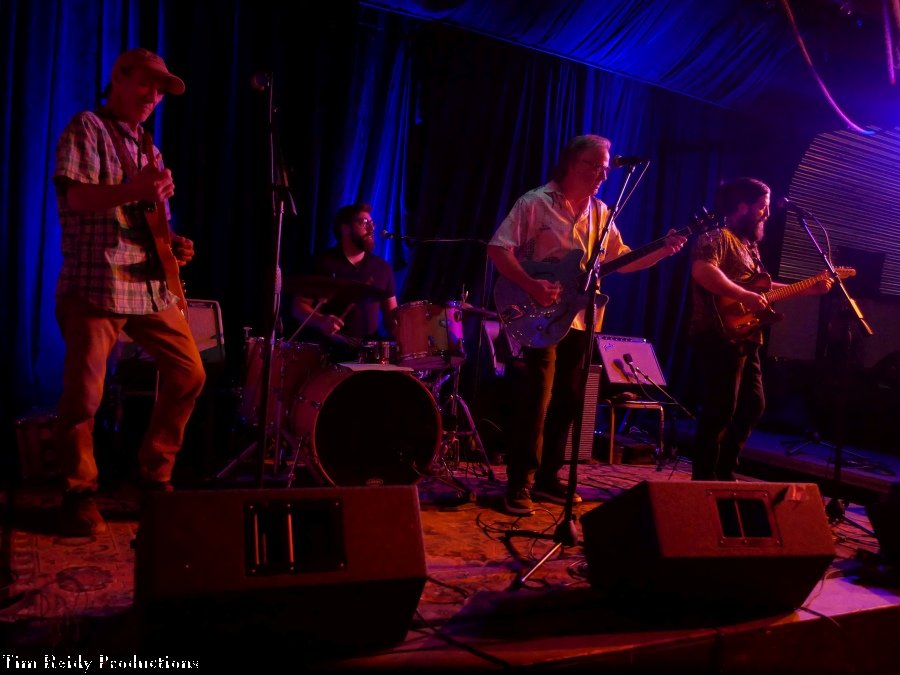
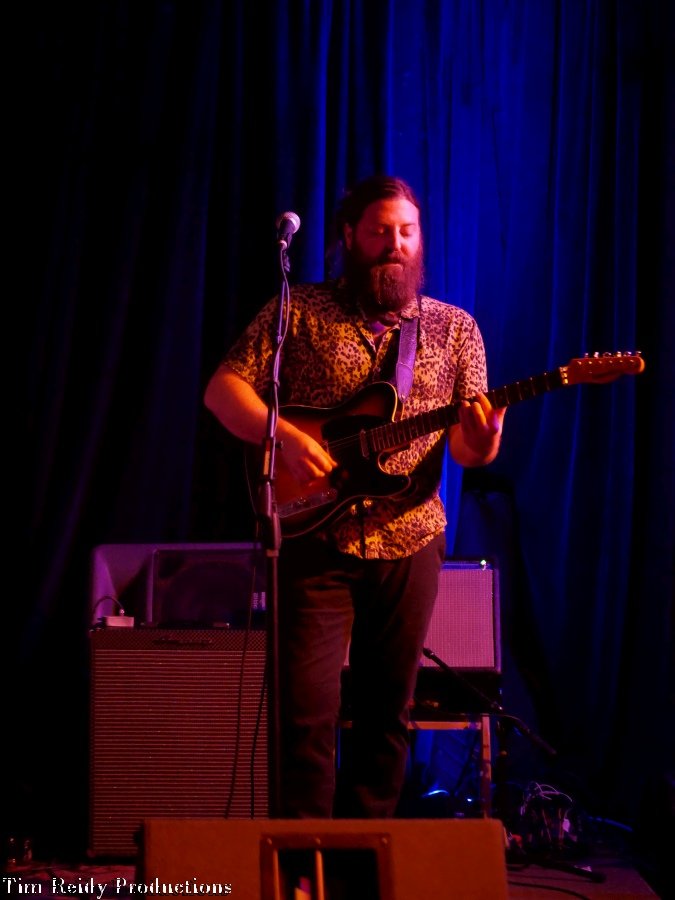
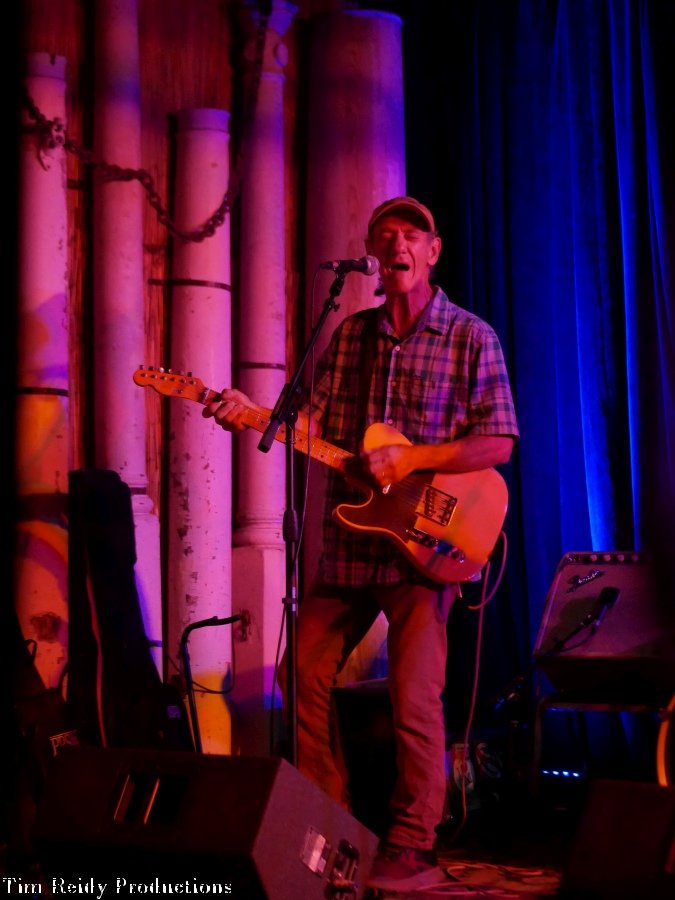
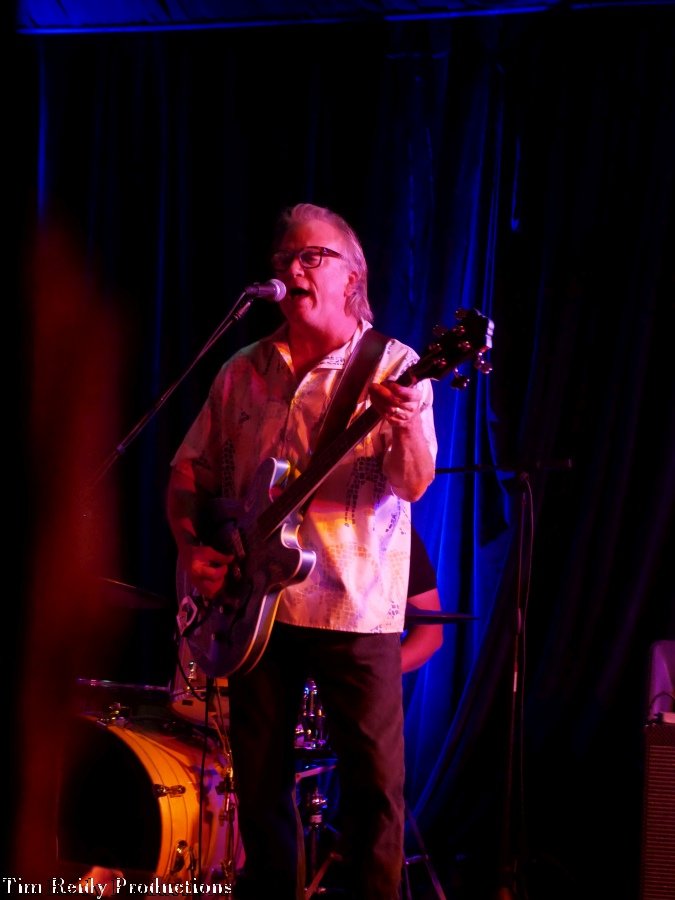
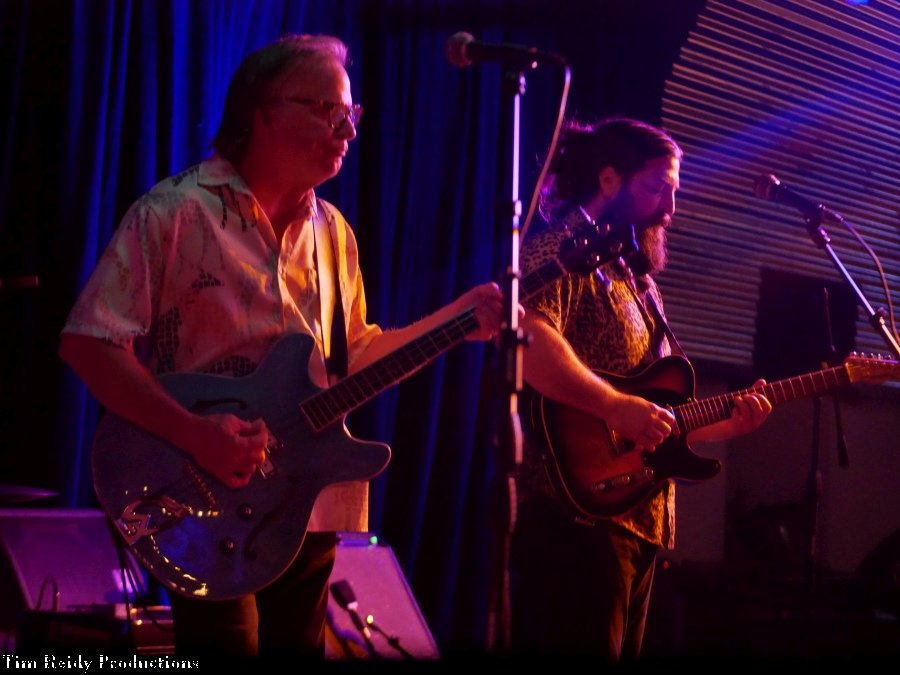
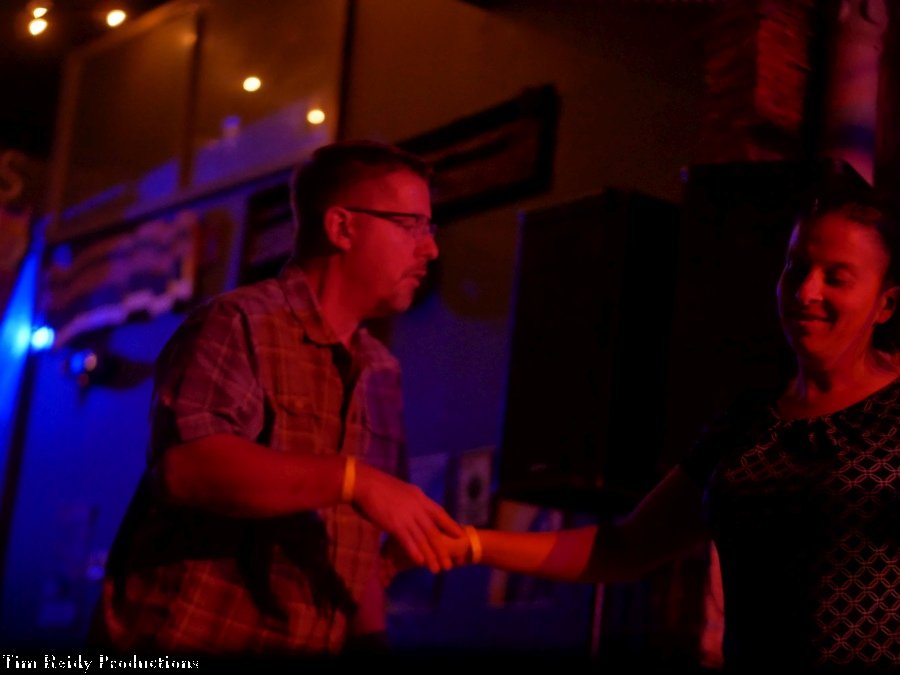
Johnny Spampinato and The Value Leaders put on a Friday night program at the Hangar on the Hudson.

Photography by Timothy Reidy.

More from Hangar on the Hudson here …

REVIEW: “Parallel Lives” at Albany Civic Theater

0

by J Hunter.

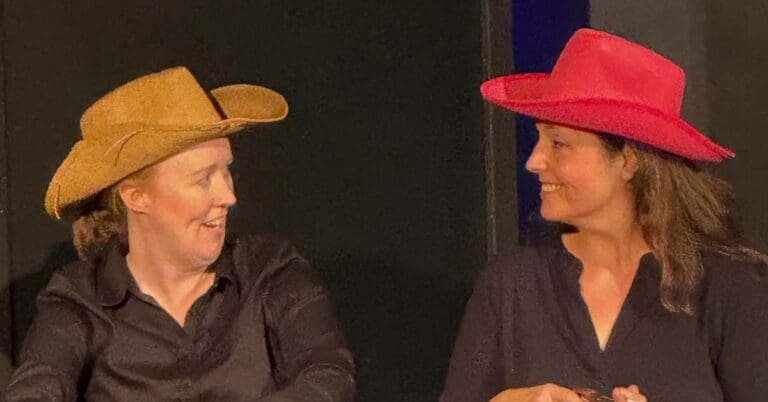
You’re probably familiar with Kathy Najimy through her film work (most notably “Hocus Pocus”), and you may know Mo Gaffney from her short stint on “Absolutely Fabulous.” For us older folks, though, they popped up off-Broadway at the end of the ’80s with the two-woman show “The Kathy & Mo Show: Parallel Lives.” Albany Civic Theater has turned “Parallel Lives” into a side-splitting ensemble piece that is an outstanding season opener for ACT.

Director Amanda Dorman makes her first choice right out of the gate, and it makes a funny scene even funnier. In the opening to the 1991 HBO Special “Parallel Lives,” Najimy & Gaffney mirror the Raphael masterpiece “Two Cherubs” as they play angels who have had a bit of fun designing the human race – including “letting the male ego run wild” and having women give birth “through a very tiny opening!” 

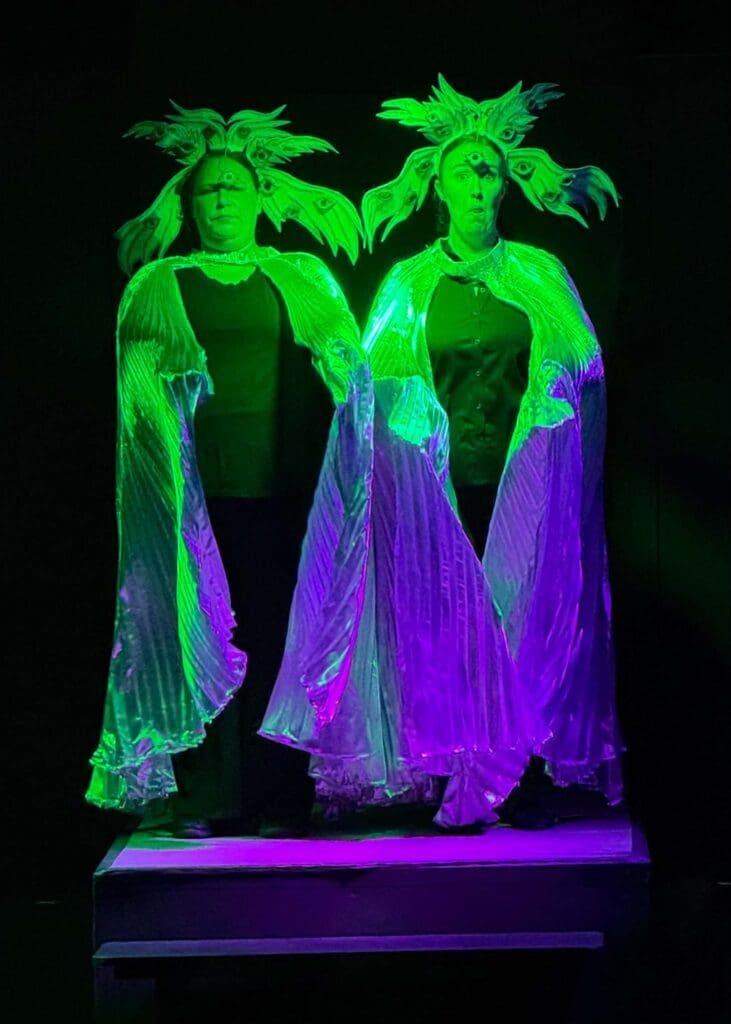
Katie Weinberg and Amanda Conlon

Dorman literally shoots the scene into outer space, turning Katie Weinberg and Amanda Conlon into many-eyed, helium-voiced aliens with a really dark sense of humor, both of them lit brilliantly (from above and below) by Oona Newman. The short “callback scene” at the start of Act Two has the horrified aliens observing the results of their work, most notably women’s reaction to the angels’ birthing process. As Conlon’s extremely nasal alien puts it most eloquently, “THEY’RE PISSED!” 

The primary goal of “Parallel Lives” is to show us that women are essentially shoveling sand against the tide from the jump, always needing to (Read: “being forced to”) fit into the round holes – no matter what shape the women happen to be. Conlon hits another scene out of the park with a pantomimed “beauty routine” that is both hilarious and horrific. The classical music accompanying the scene (introduced by Mary Darcy, in her Morning Radio Host bag) turns it into a ballet that comes within shouting distance of the macabre.

I never waste any chance to see Josephine Tracey work her comic talents, and she is in her glory here, all while keeping her characters out of the stereotypical. Her spaced-out sister at a grandmother’s wake (“Oh, I can’t eat anything with a nervous system!”) is right on the money; her shock at her first visit to a gay bar is painfully suburban (“Their parents must not have given them money or something!”); and her horror as a little girl in Catholic Church is frighteningly genuine when she hears her friend (played by Katie) declare loudly, “I don’t WANNA be a sister! I wanna be a PRIEST!”

Rita Machin and Debra Burger round out the cast with their own comic moments, one of which has them as Brooklyn senior citizens – complete with fake-fur stoles – attending a feminist performance at a health-food restaurant as part of their Women’s Studies class. The women crack themselves up as we crack up watching them navigate the menu (which we are told is carved on a tree stump). But the scene goes from funny to tender as Burger talks about visiting her nephew and his roommate, which leads into a touching coming-out story that makes you hold your breath in 2026. Machin’s peppy moderator is just one of the cascade of laughs that comes from the support group for Disney princesses. (“Hi, I’m Barbara, mother of Cinder. Cinderella. I’m Barbara Ella…”)

Aside from the lighting inside the huge box that acts as a performance space within a performance space, Dorman and Adam Coons have successfully collaborated on a bare-bones set design that supports the cast while staying out of the way. Another slightly smaller black box acted as both the front of the bar for barflies Conlon and Tracey, and as the back of the bar for Weinberg and Burger in another scene as performers who’ve been left behind by time. There are no props, and everyone is dressed in (basically) the same black outfit. In short, Dorman has made sure nothing gets in the way of the women on stage and the various lessons they teach us over the course of two hours (with one intermission).

Barry Streifort’s spot-on sound design starts working us as soon as the doors open, leading us into the theater with Nancy Sinatra’s instant classic “These Boots Are Made for Walkin’.” It’s an all-woman pre-show, with artists ranging from Pink to Patsy Cline to Enya to (GASP!) Tiffany! Kenny Rogers’ classic ballad “Lady” sets up dueling monologues between a Rogers devotee (Weinberg) and a “veteran” prostitute (Burger). Waylon Jennings’ winsome “Luckenbach, Texas” introduces the funny-cum-sad barroom scene where Conlon (as an increasingly drunk Texas male) tries to pick up Tracey with slight variations on the phrase, “You look very very pretty tonight!”

I will say the closing scene didn’t work for me, if only because it seemed like Najimy and Gaffney couldn’t quite figure out how to wrap it all up. For me, all the cast had to do was step to the front of the stage and shout (in unison, just like their final bows), “THIS IS THE SH** WOMEN HAVE TO PUT UP WITH – EVERY. SINGLE. DAY!” Hey, it’s not slander if it’s true. And while “Parallel Lives” may have been written nearly forty years ago, so much in the show easily translates to today. That’s sad on one level, as it means women’s lot in life has not advanced as much as we like to think. That said, this play has messages that still need to be sent, and Amanda Dorman has built a fine group of messengers that bring it like it’s 1989.

Albany Civic Theater presents “Parallel Lives” by Mo Gaffney and Kathy Najimy, September 23 – 27  and October 2 -4. For tickets and show times, go to www.albanycivictheater.org.

Hops & Harvest Festival

0

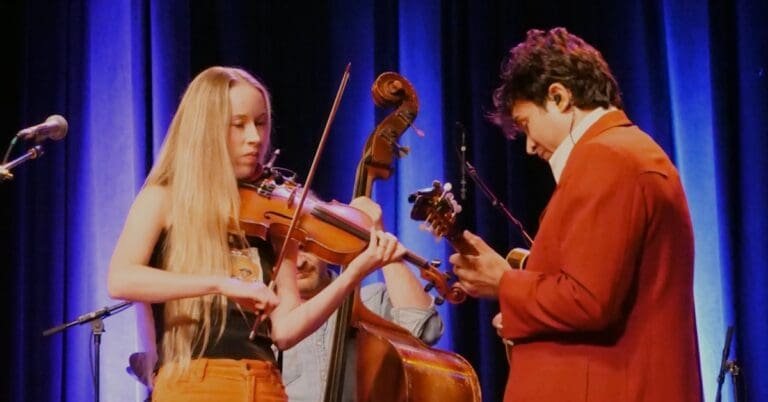
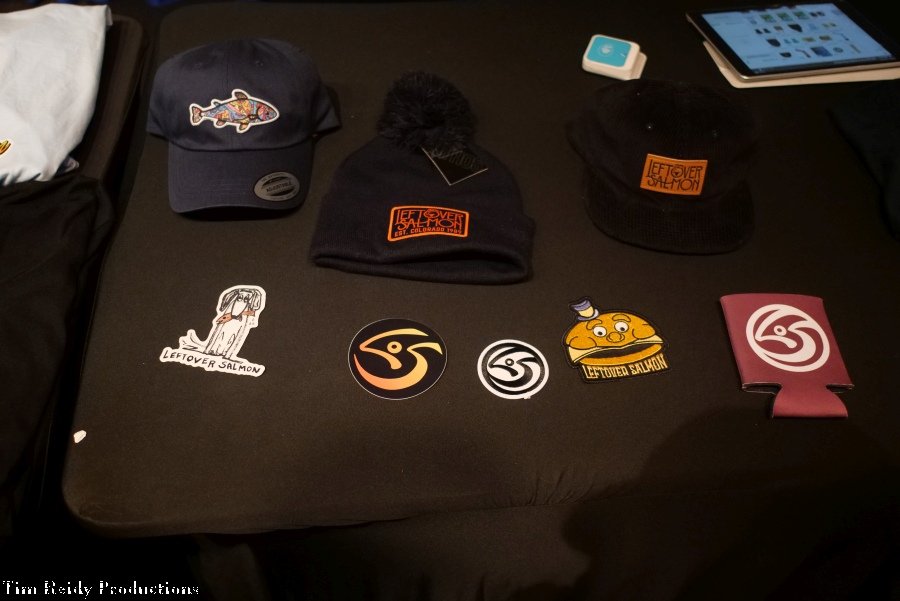
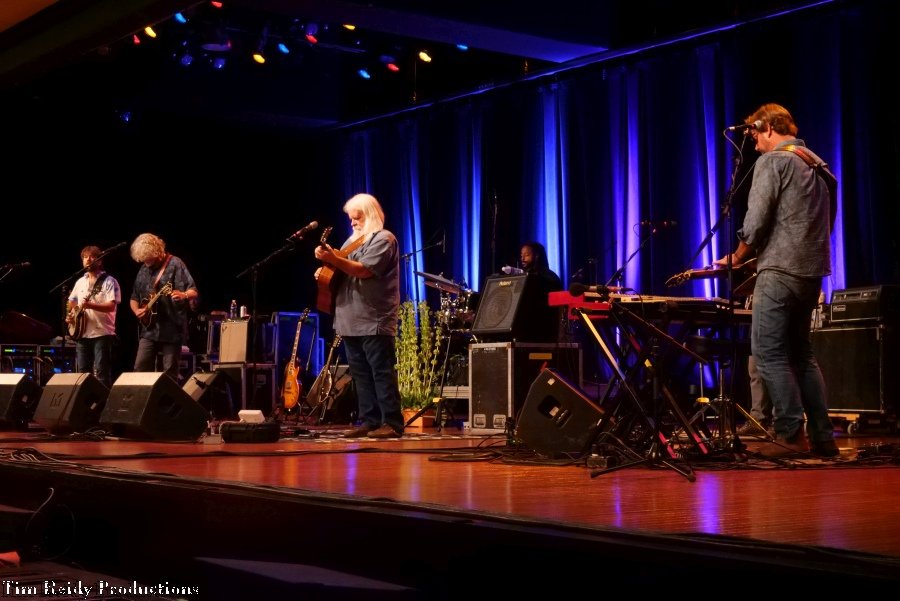
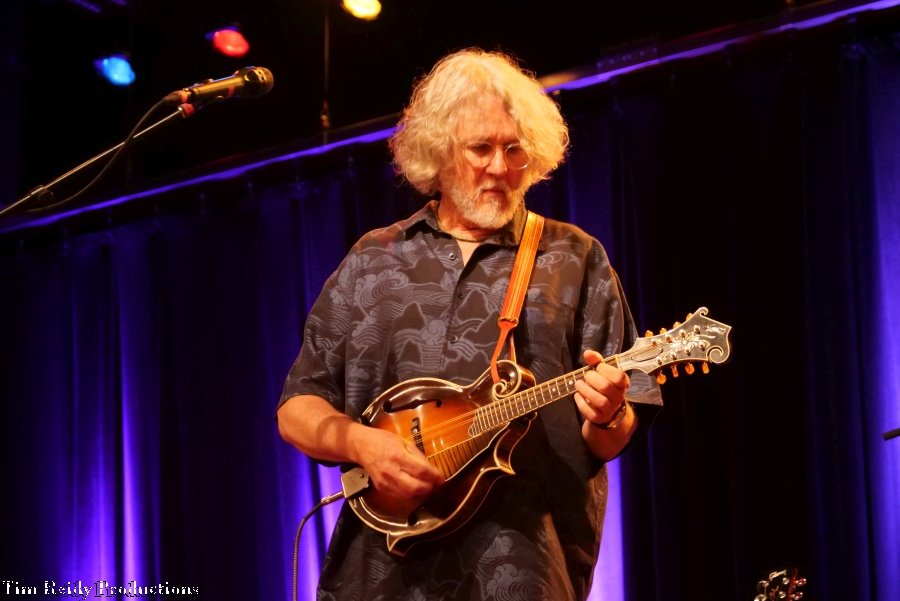
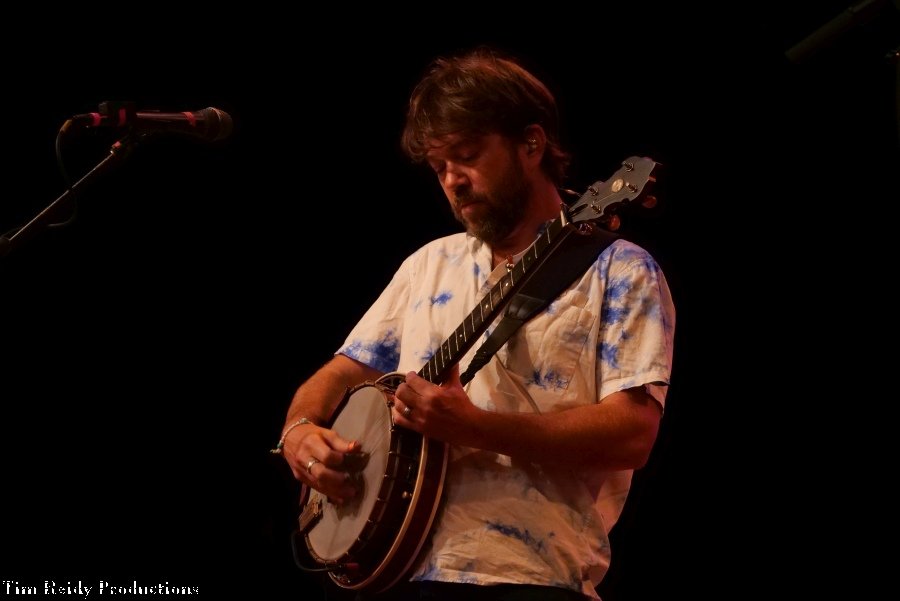
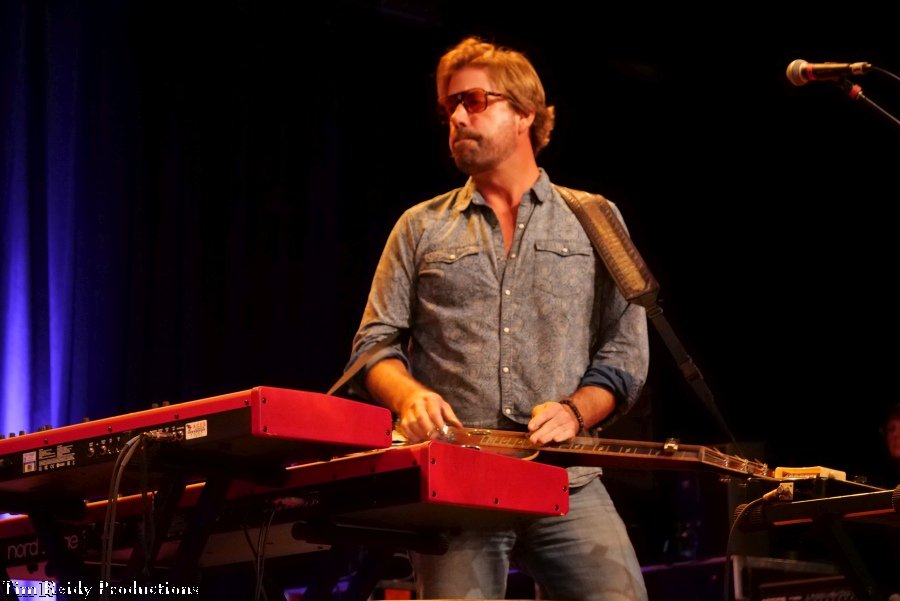
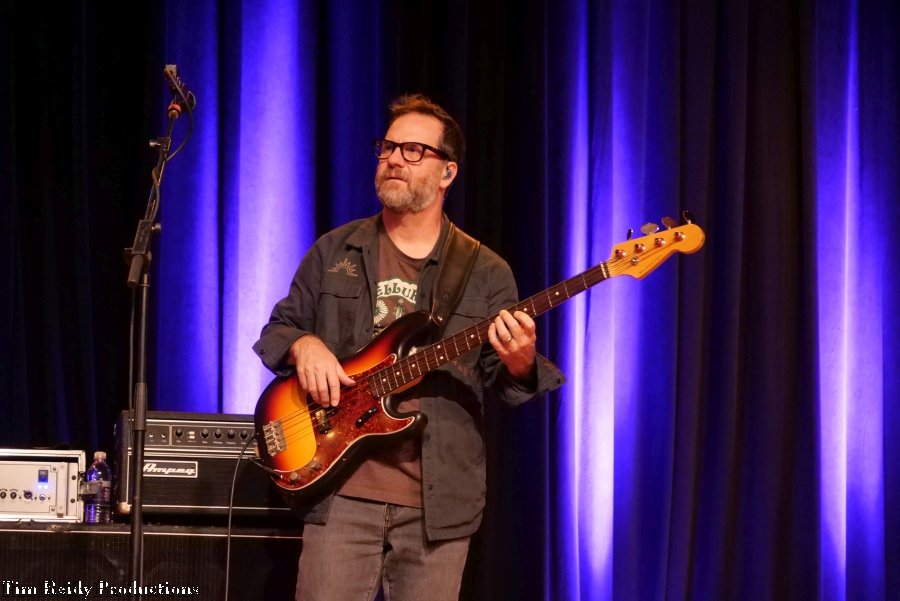
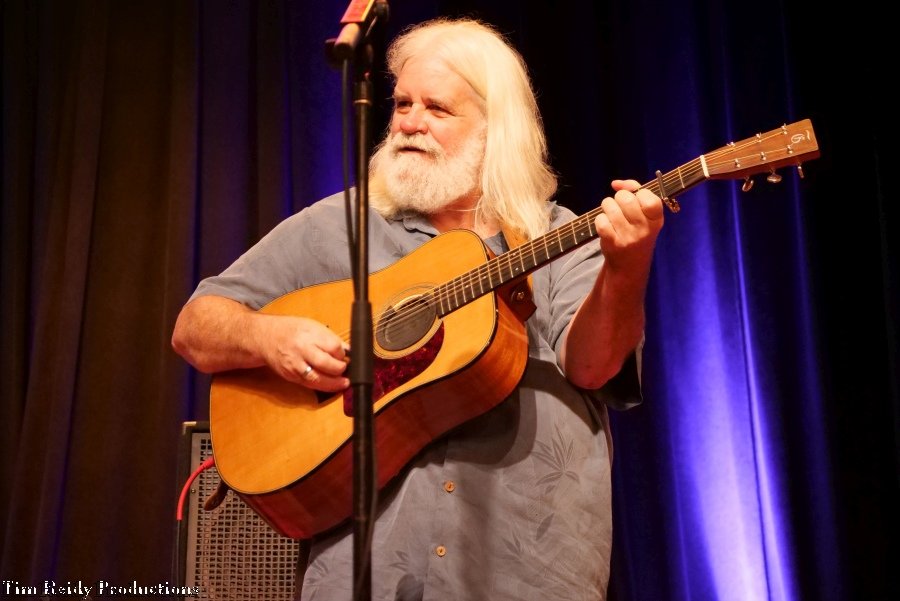
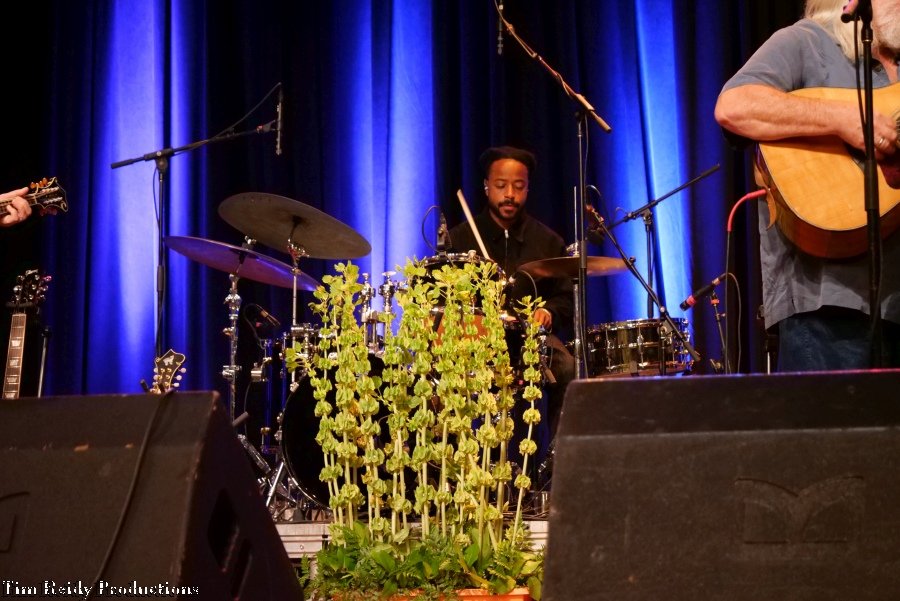
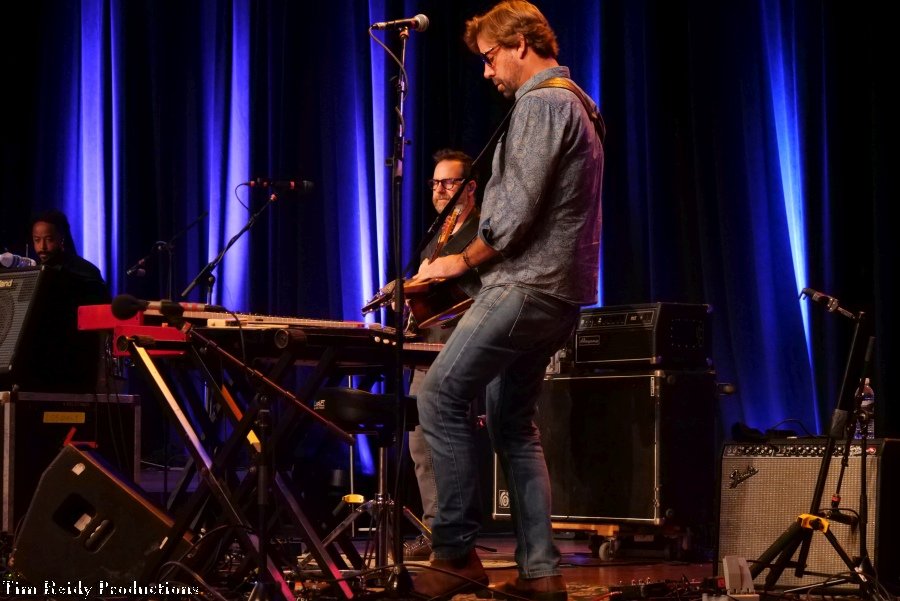
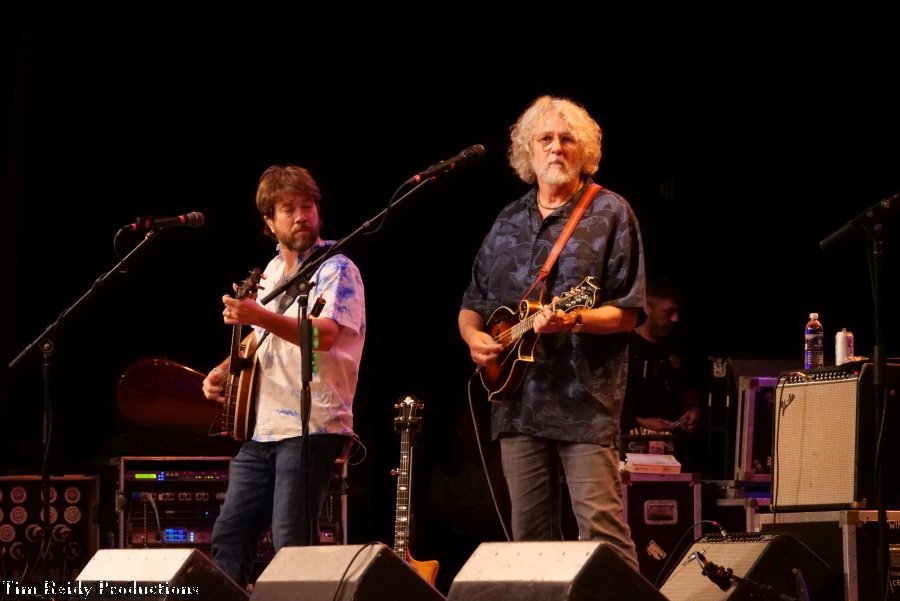
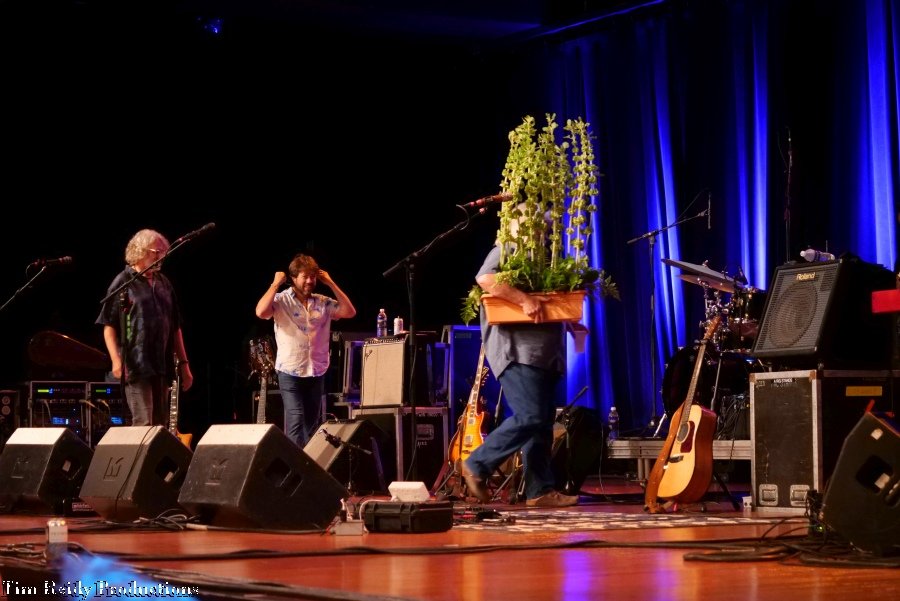
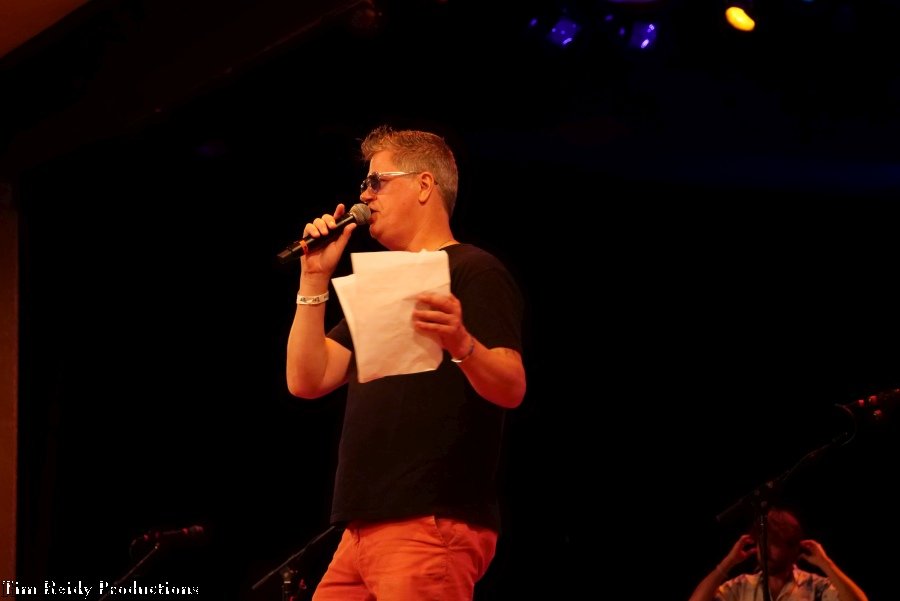
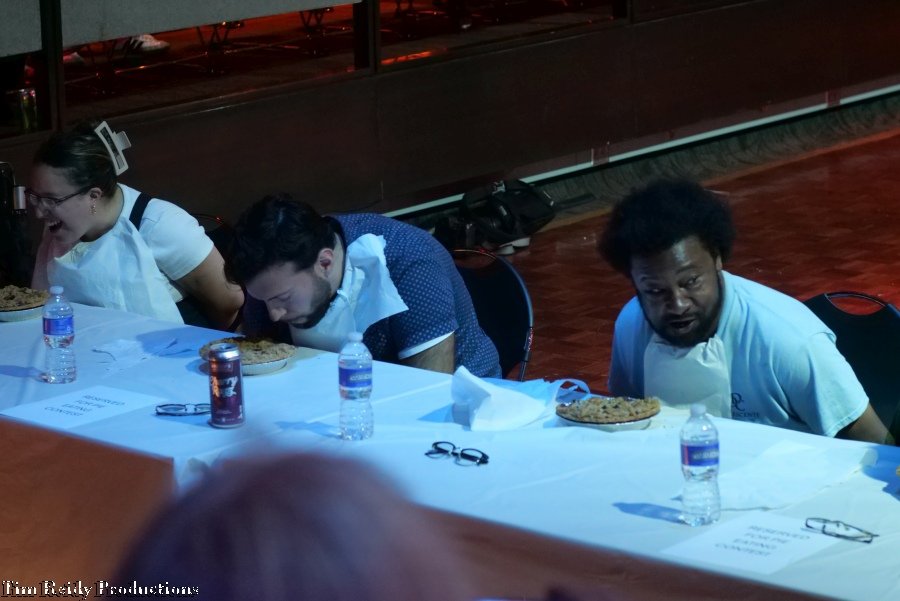
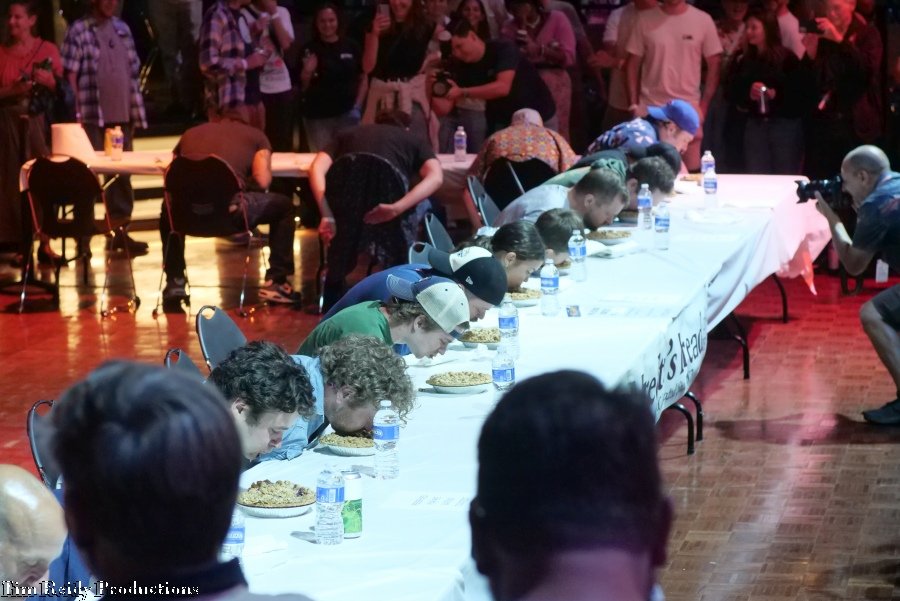
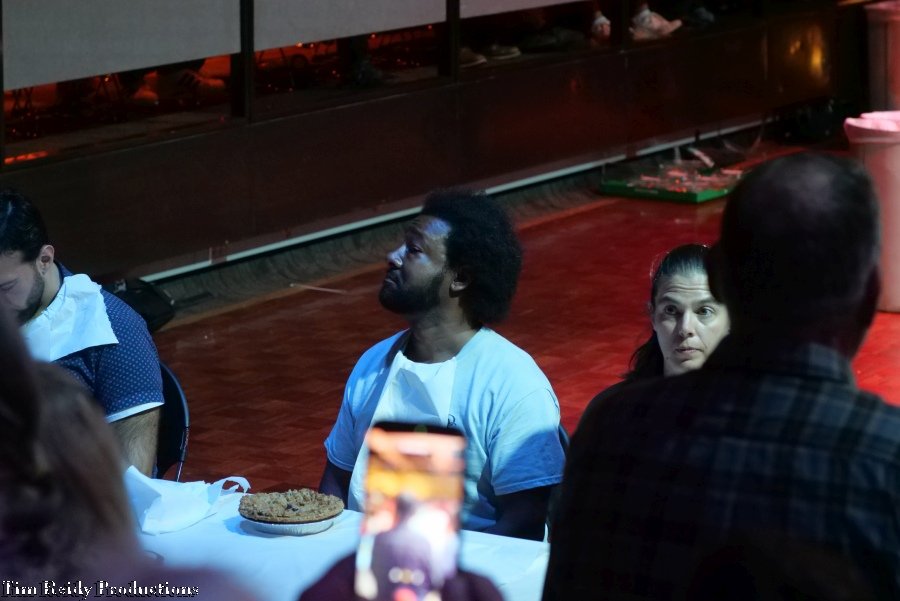
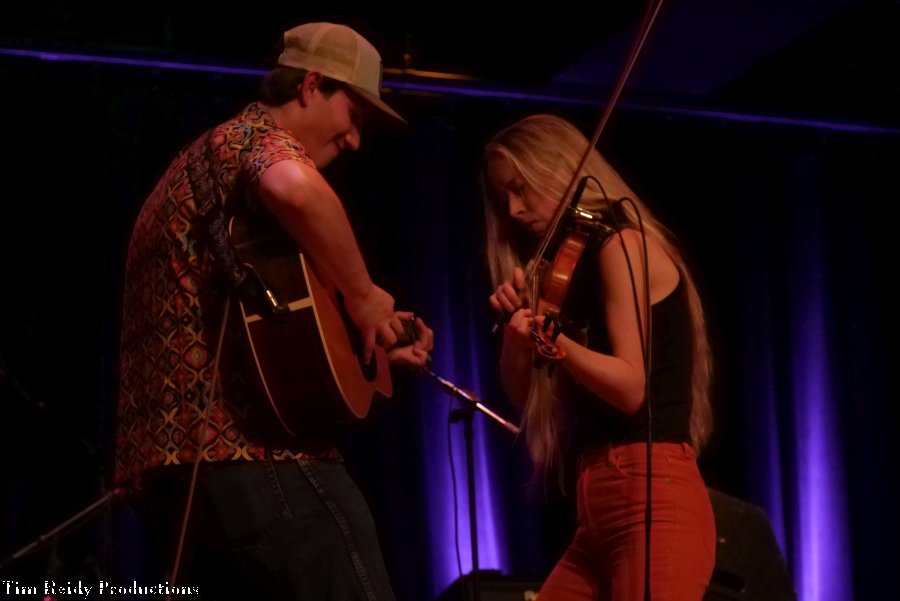
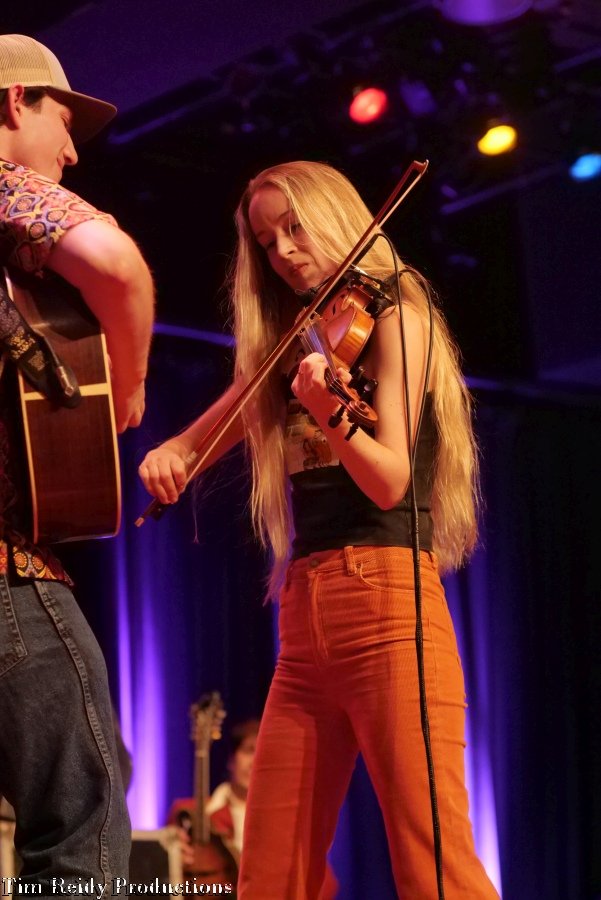
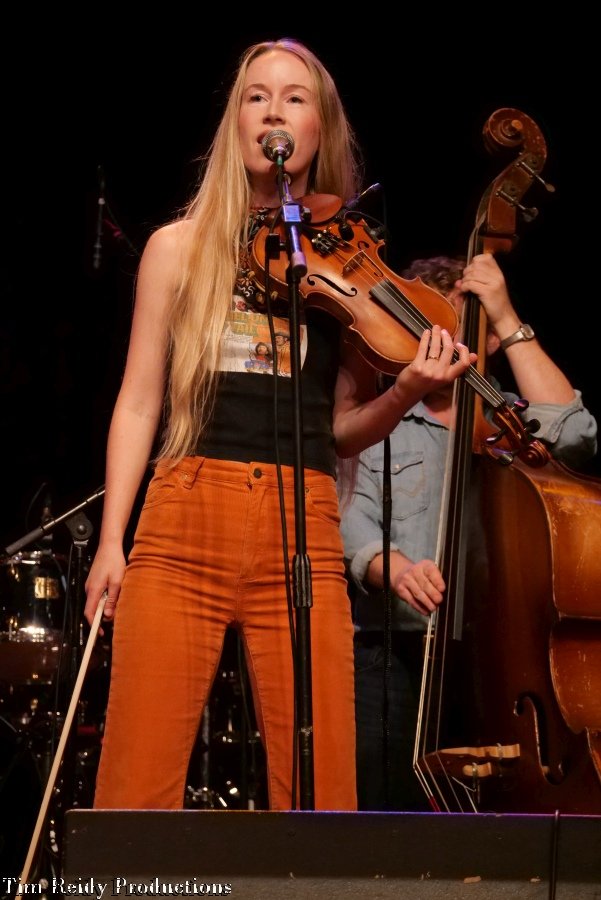
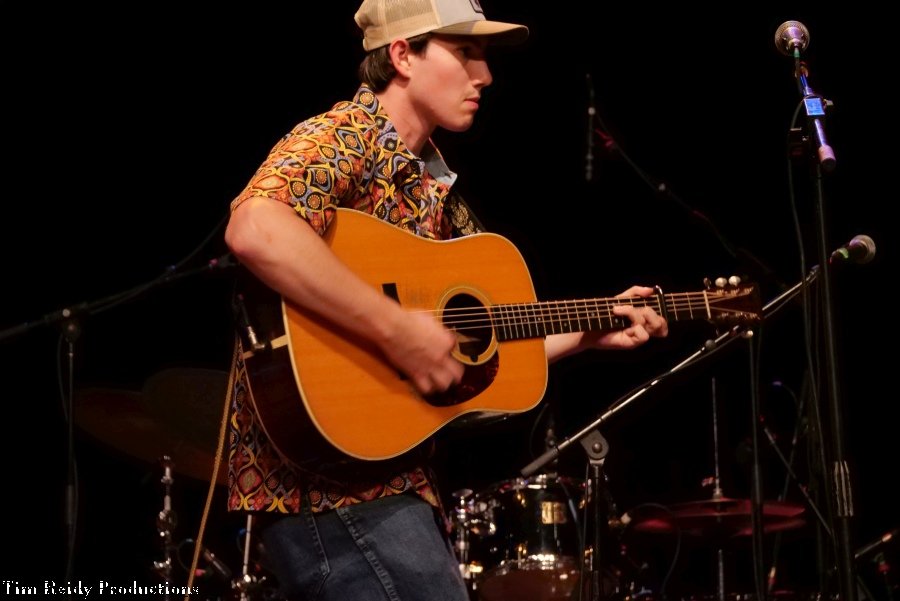
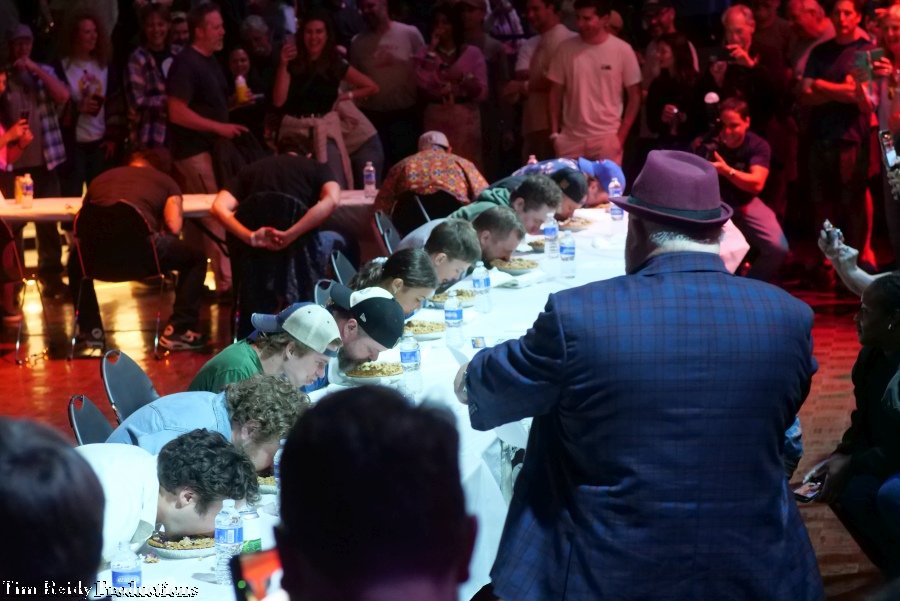
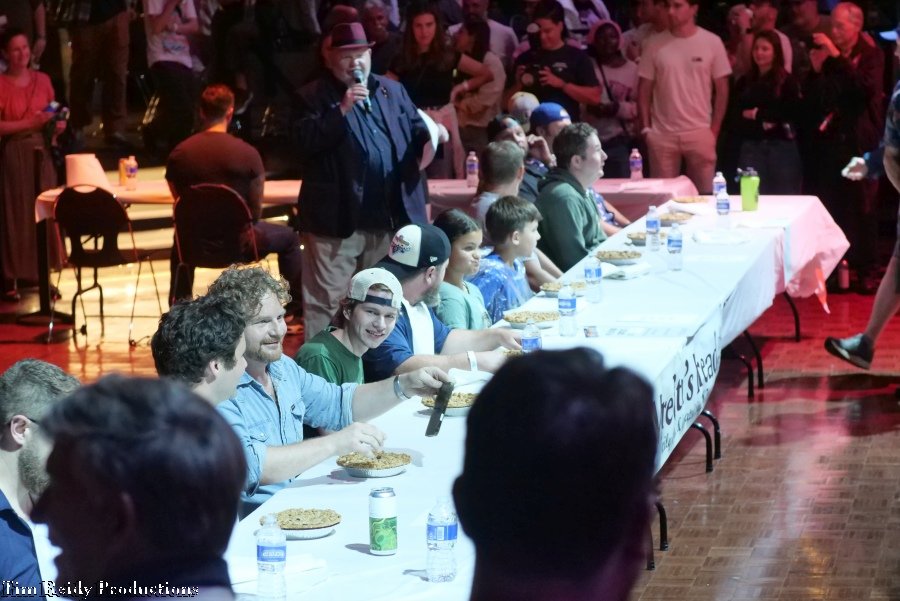
This year’s Hops & Harvest Festival, held September 9 at the Empire State Plaza, had to be moved indoors and featured Leftover Salmon, Bronwyn, and Wyatt Ellis, along with fresh pies for eating (quickly).

Photography by Timothy Reidy.

More from the Empire State Plaza here …


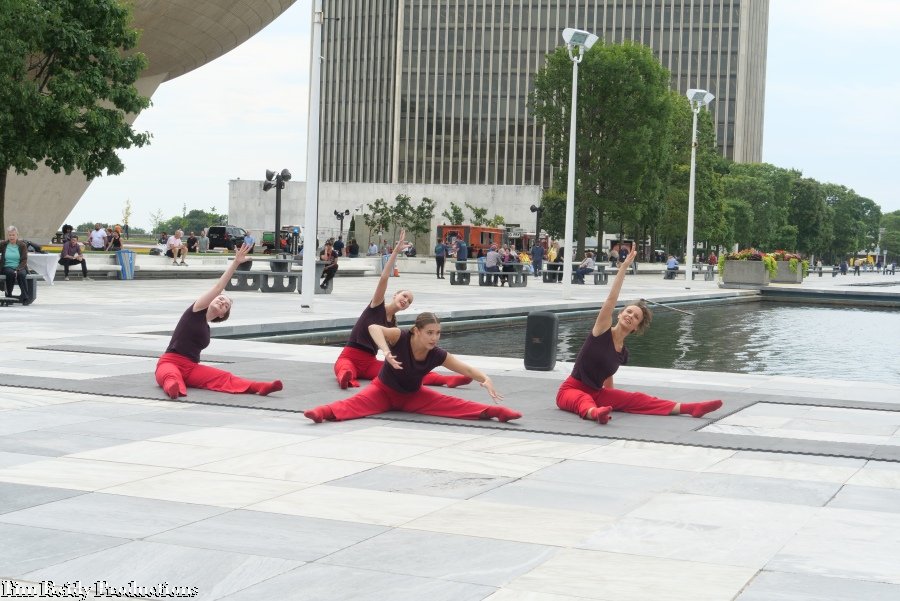
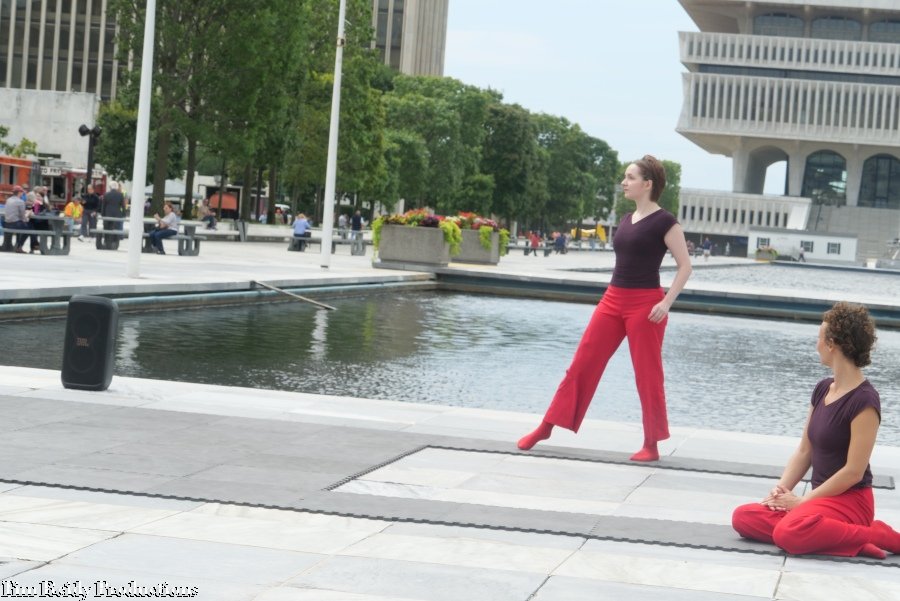
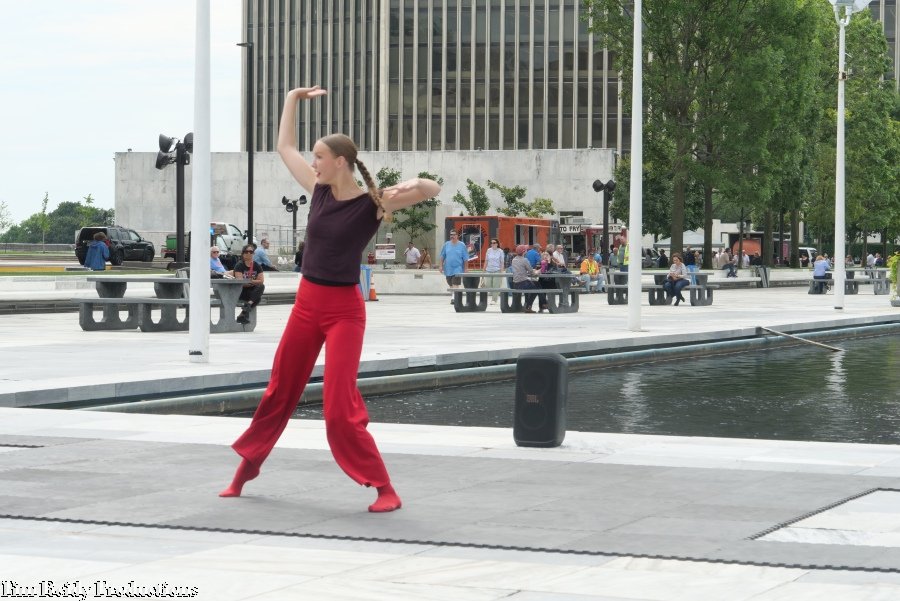
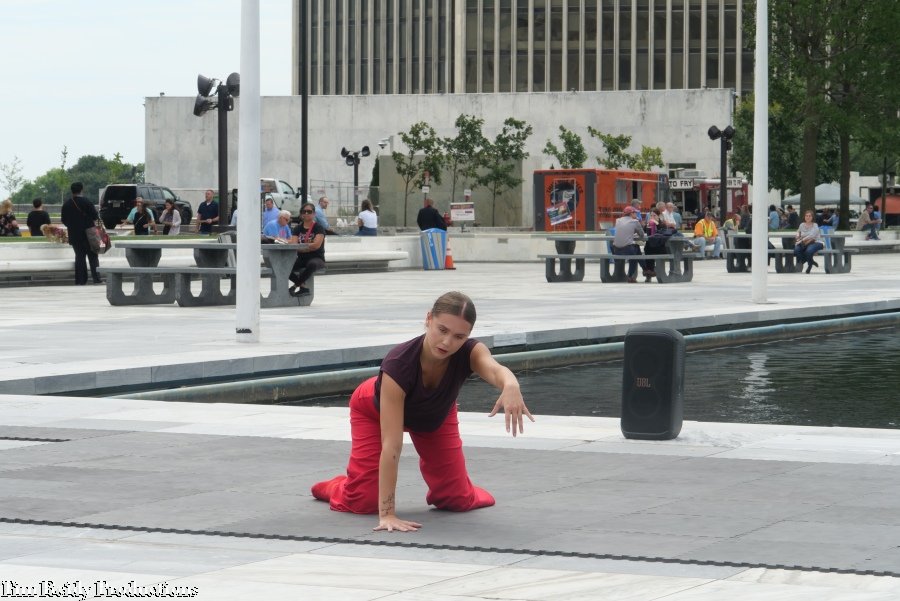
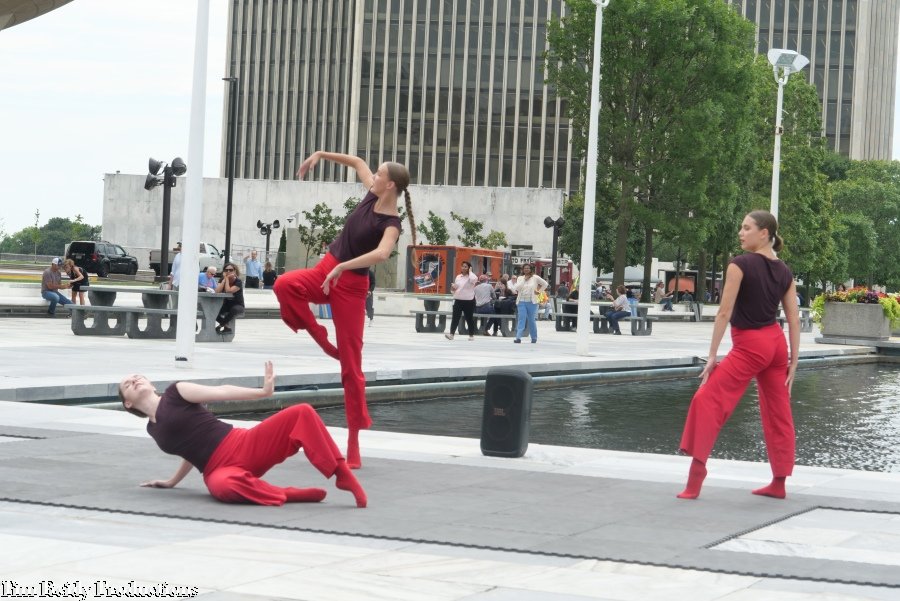
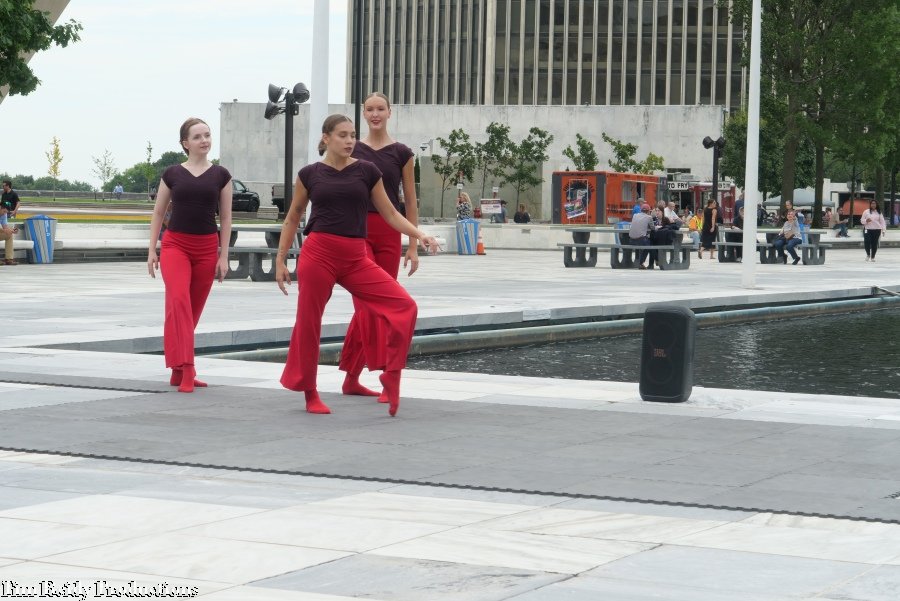
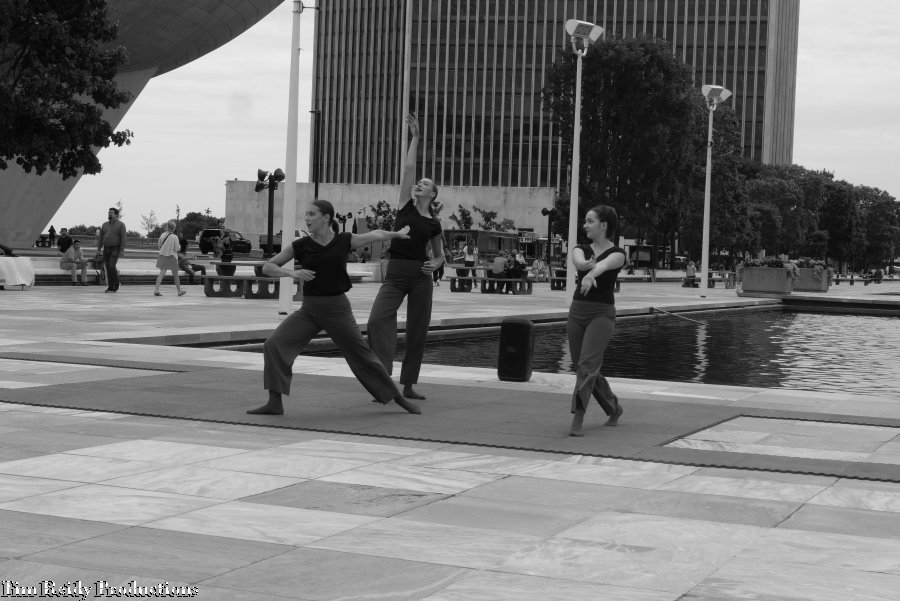
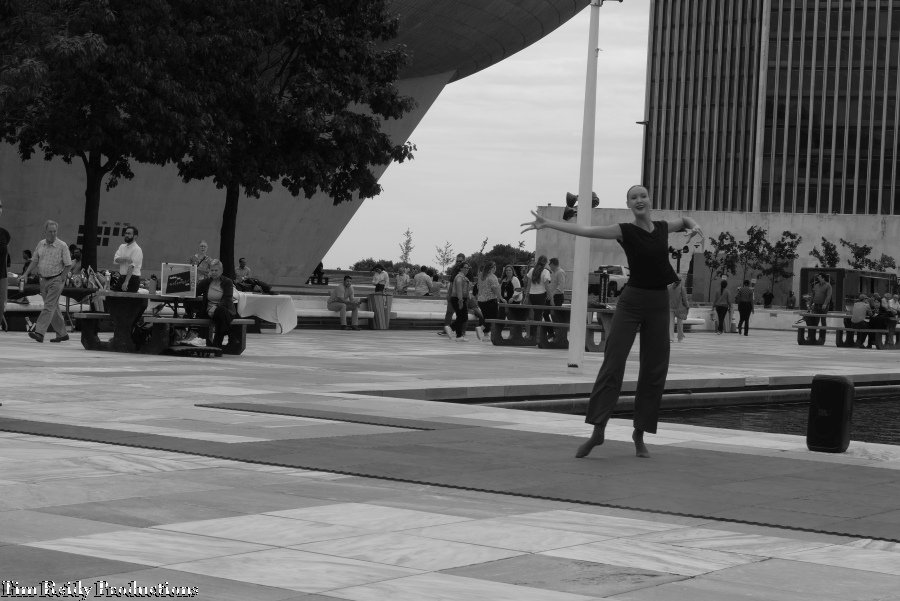
Ellen Sinopoli Dance Company @ Empire State Plaza, 9/9/2026

0

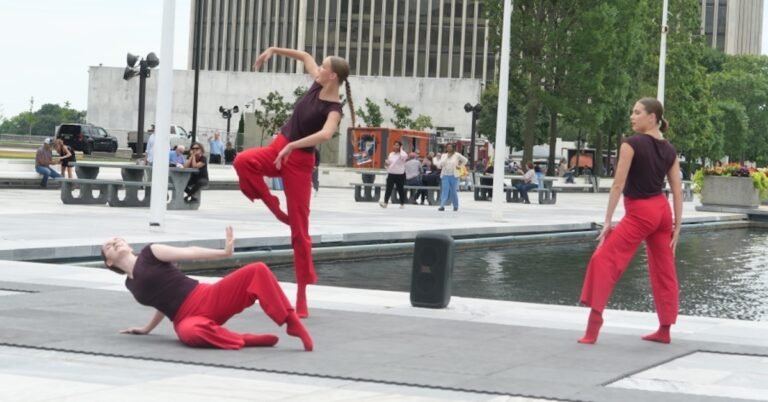
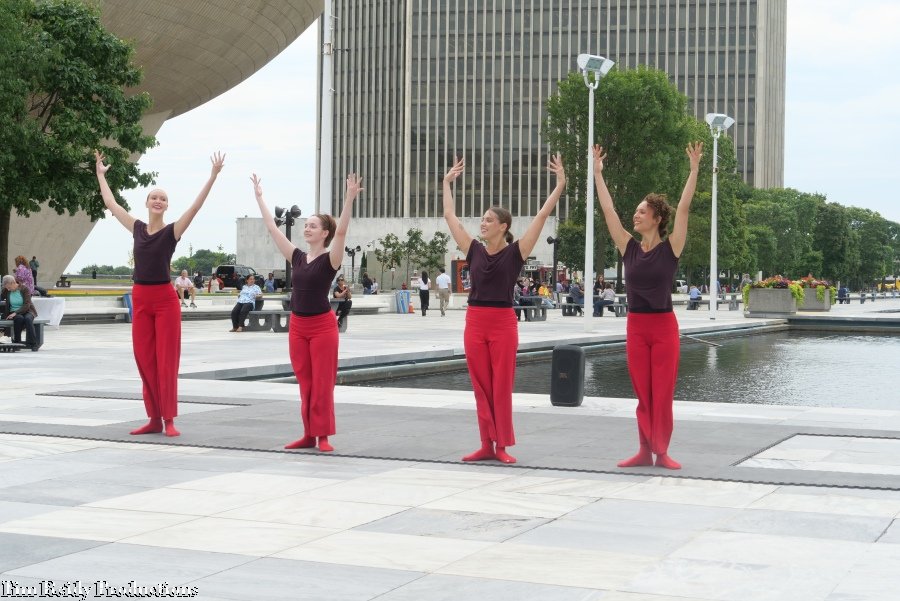
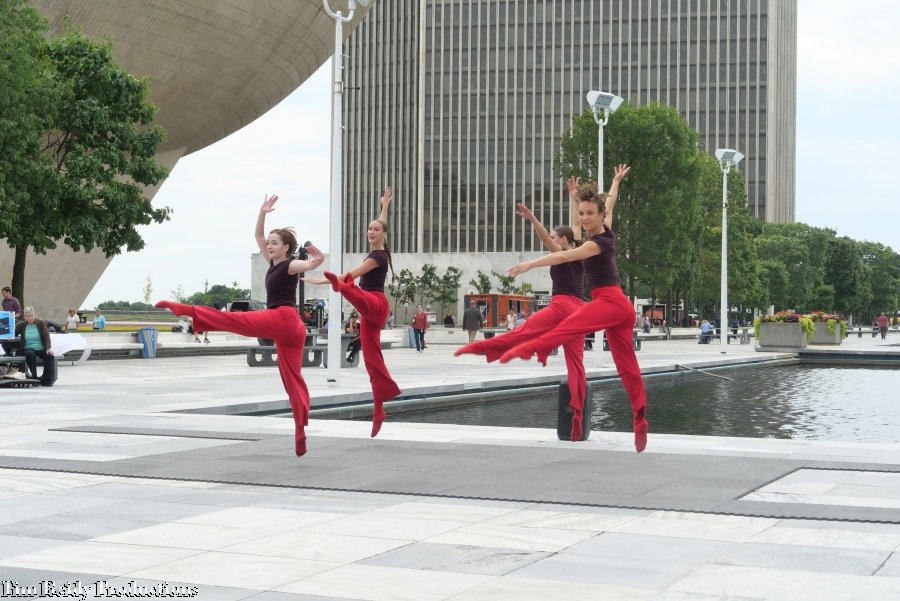
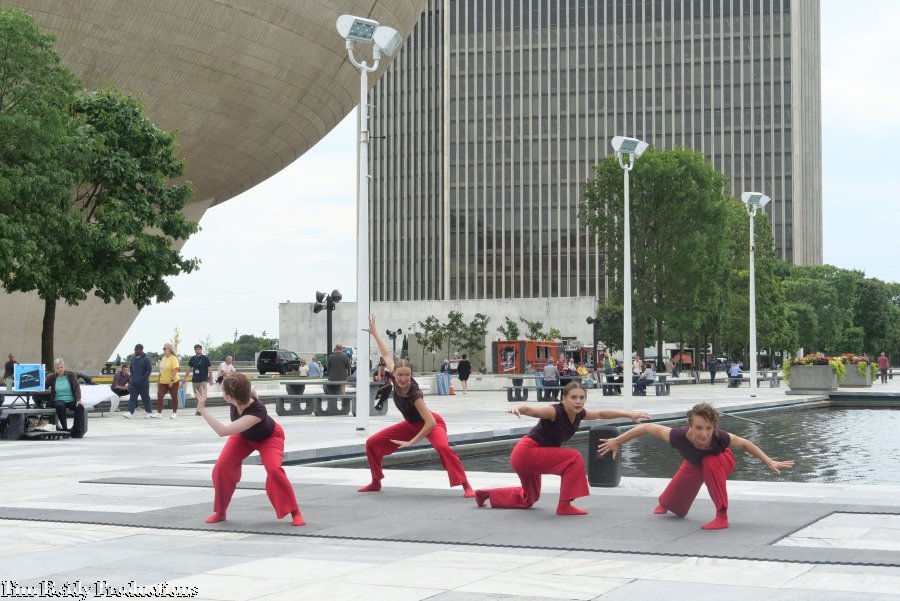
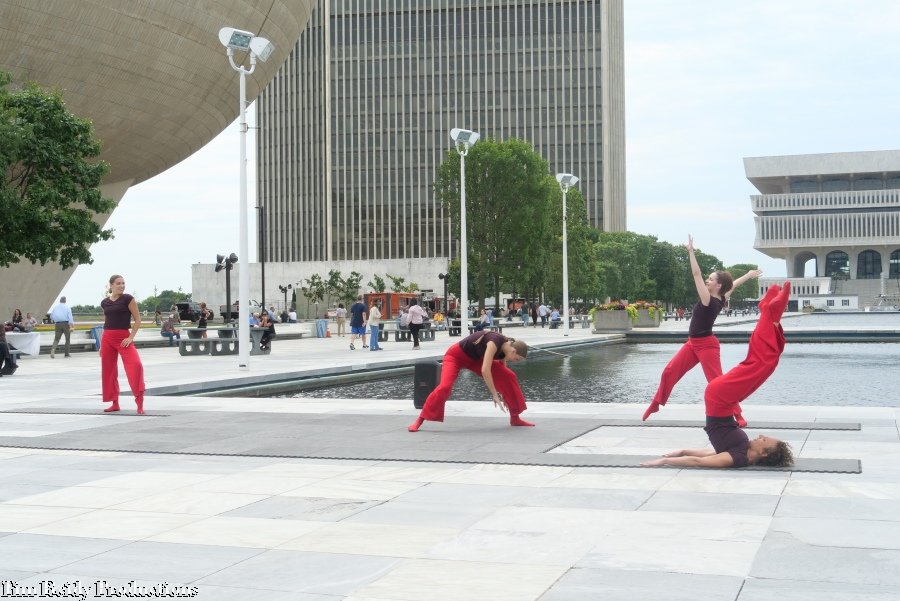
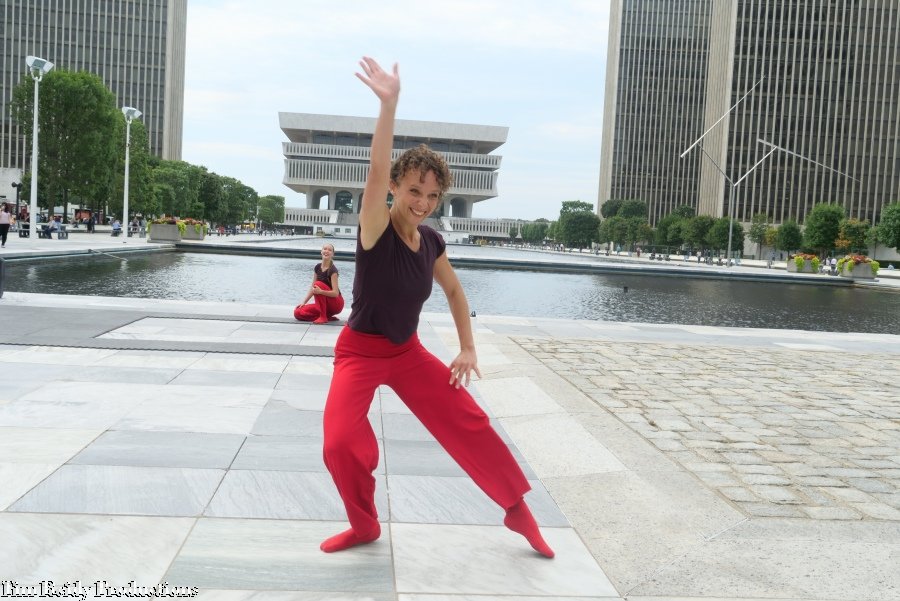
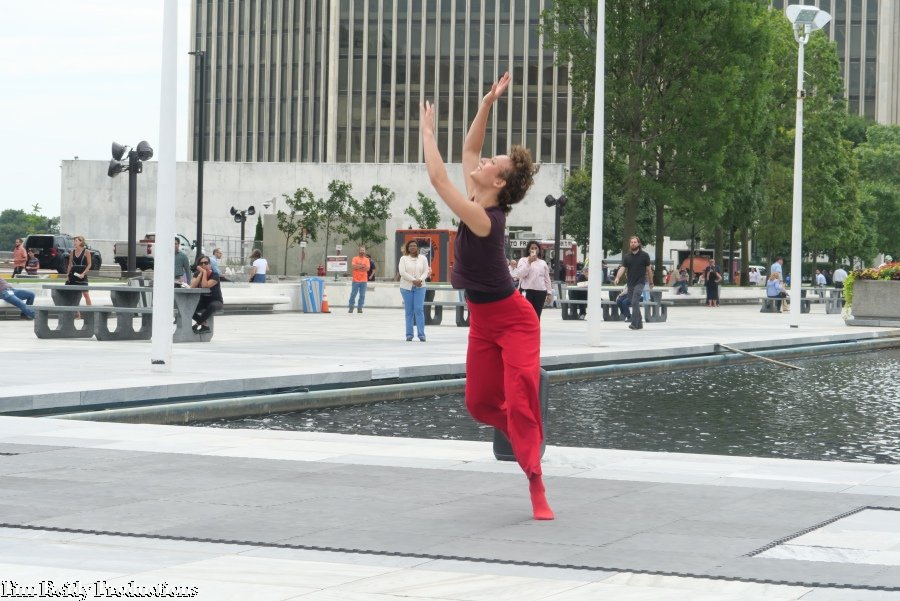
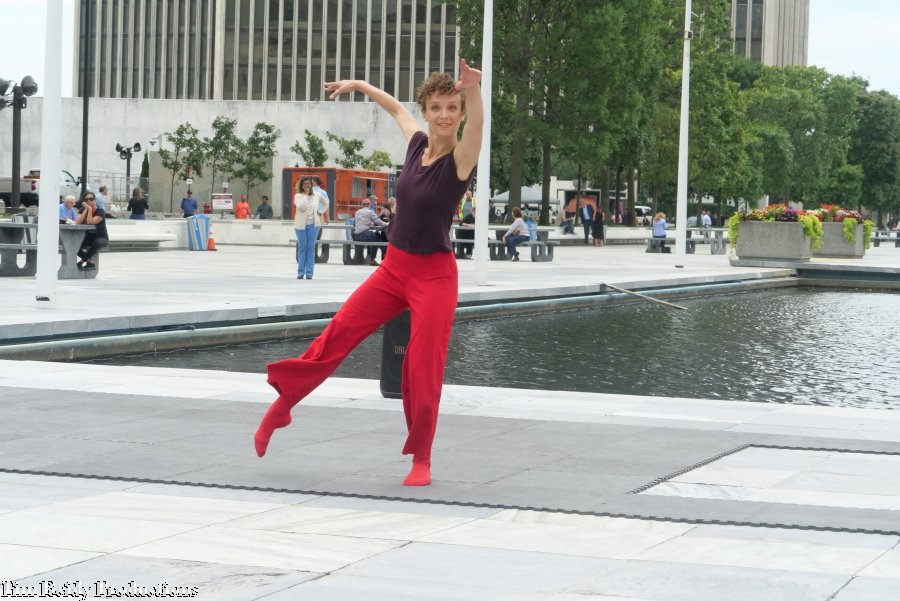
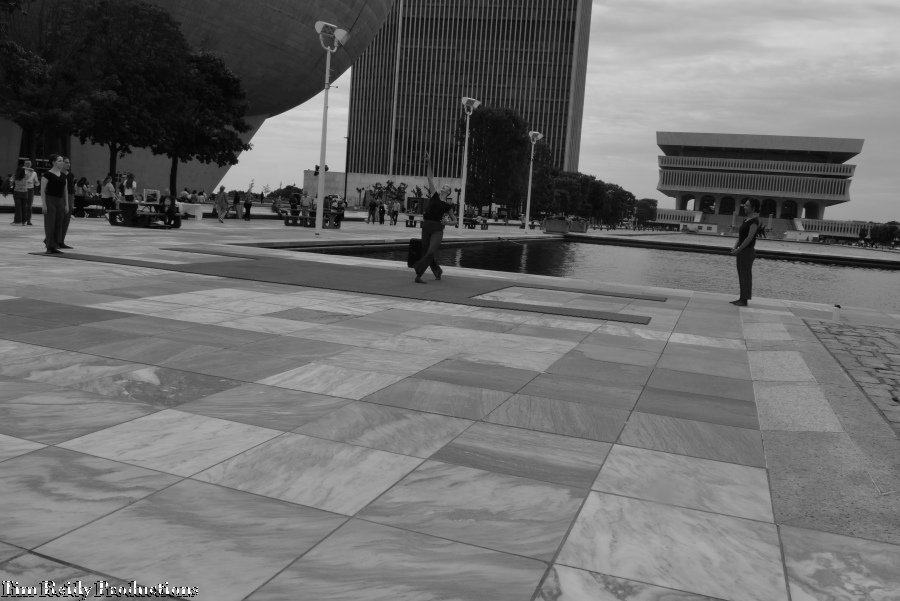
On September 9, next to the Farmers Market, the Ellen Sinopoli Dance Company brought out the welcome mat for its dancers and the crowd at the Empire State Plaza.

Photography by Timothy Reidy.

More from the Empire State plaza here ..

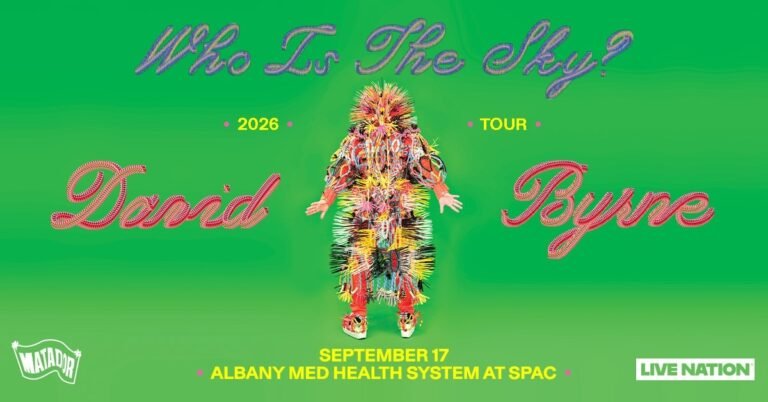
RECAP: David Byrne @ Saratoga Performing Arts Center, 9/17/2026

0

by The Vibe Dog

As I sit and stare at my keyboard … I’m not exactly sure how or where to begin writing my recap of this show… 

And maybe that’s because, despite having seen more concerts than I can reasonably count over the years, I walked out of Saratoga Performing Arts Center Thursday night trying to figure out exactly what the hell I had just witnessed. 

It began with David Byrne and a few stringed instruments gently beginning the show with their version of the Talking Heads song, “Heaven.” 

But what struck me immediately was the stage. 

There were no amplifiers. No speakers. No monitors. No cables. No traditional rock-and-roll clutter. 

Just Byrne, a few musicians and an enormous screen stretching across the entire stage. 

And slowly, you realized the handful of players appeared to be standing on the surface of the moon – with the Earth slowly rising behind them. 

It was beautiful. Ethereal. Almost otherworldly. 

And it turned out to be a pretty good preview of what was coming. 

Byrne and his entire 13-piece band performed completely wirelessly. Vocals came through wireless headsets, stage monitors were in-ear only, and the musicians literally wore their instruments – including the percussionists and keyboardist. 

The entire stage was wide-open territory. 

And everyone on it – including Byrne – was part of the choreography. 

The musicians weren’t simply performing in front of the visuals. 

They were inside them. 

Then came the second song: “Everybody Laughs.” 

And the audience suddenly lost whatever interest it had in remaining seated.

The aisles were in a state of immediate gridlock, with people dancing alone, in couples, and in groups. I looked out toward the lawn, where a slight drizzle was falling, and thousands of people appeared to be dancing almost in unison, as if they were pre-programmed to do so. I honestly can’t remember the last time I saw a crowd at SPAC respond to music that instantly. 

And then David Byrne began telling stories. 

My absolute favorite story occurred between the second and third songs of the night. He began by sharing that, “Some years ago when I was in high school, there was a girl in my class who seemed extraordinarily happy – all the time … Now, I was not an unhappy person … but I wondered … maybe she knows something that … I don’t know … and maybe I could figure it out … or ask her what it is. So, one day, we were talking, and she said, ‘You know what I like to do? I like to go lie in the field … by the Yoo-Hoo Chocolate Food  Factory … you know the one … by the highway.’ And I said, “Yeah … I know.” Then she said,  ‘ … and I take LSD!’ I was a young person – in high school at this stage … but I wasn’t quite ready to take that road to happiness … yet. But later … later, I wrote a song.” At that point, they launched into one of my all-time Talking Head faves, “And She Was” … and in that moment, a song that had always somewhat mystified me with its seemingly vague lyrics, suddenly made perfect sense as a sprawling screen across the entire stage began to project a 360-degree rotating panorama of vivid imagery – suburban neighborhood houses, paved roads and lush trees, all literally floating and rotating across the screen in a slow, flying motion, mirroring the song’s lyrics about floating above the yard. That stage floor became a giant LED grid that synced perfectly with the backdrop – in this case, it simulated a vibrant, lush green lawn. And the crowd? They absolutely kept dancing in the aisles … singing and laughing along, loving every second of it! 

And that was the first of the night’s great surprises for me. 

I’d heard “And She Was” for years. Loved it. Sung along with it. 

Tonight, a song I’d known for decades had somehow been handed back to me in a completely different form. 

And that kept happening. 

During “T-Shirt,” the enormous screen became a parade of funny and witty shirts, including  “It’s Drunk … I’m Christmas” and “I Wish More People Were Fluent in SILENCE,” along with some politically motivated shirts. 

During “My Apartment Is My Friend,” the screen became the interior of Byrne’s apartment.  Somehow – and don’t ask me how – it appeared as though performers could actually hide in different places within the projected apartment, disappearing into the image and emerging from it. 

I knew it was a projection. However, my eyes weren’t entirely convinced. 

What ensued over the next hour and 40 minutes was an overdose of the same euphoria – from a David Byrne & Brian Eno cover, to a few more Talking Heads songs, alongside several tracks from Byrne’s solo albums, such as 2025’s “Who Is The Sky” (which, when you say it out loud, sounds somewhat like,“Who Is This Guy?”), as well as songs from 2001’s “Look Into the Eyeball” and his 1989 solo debut album, “Rei Momo.” 

Just when my seat buddy, the ever-so-lovely Mrs. Vibe Dog, and I thought we had been completely “danced-out,” Byrne then slammed the entire night into overdrive beginning with Psycho Killer – a song Byrne introduced by sharing it had been co-arranged by Arthur  Russell, who died from AIDS in 1992. (side note: there’s an incredible acoustic version of this song on the 2024 remaster of “Talking Heads ’77,” which features Arthur Russell on cello, which you absolutely MUST check out!). 

“Psycho Killer” was musically driving, but Byrne’s vocals were almost matter-of-fact … deliberately and playfully refusing to match the energy of the music underneath him. 

Then came “Life During Wartime,” and the percussion and choreography pushed everything into another gear. 

In the middle of the song, the backdrop suddenly shifted to imagery depicting ICE attacks and operations throughout the United States. It was a jarring visual intrusion from the outside world into an otherwise surreal, constantly moving universe. 

And then the music kept going. 

Just when we thought they’d given everything they had, Byrne and company somehow found another gear and nearly blew the roof off SPAC! 

The final three songs of the main set – “Psycho Killer,” “Life During Wartime,” and “Once in a  Lifetime” – were the most exciting stretch of the night. 

Then came the encore. 

“Everybody’s Coming to My House.” 

And finally …“Burning Down the House.” 

At that point, whatever remained of the audience’s collective restraint was officially gone. And so was mine.

This was a show I knew I was going to enjoy, having seen snippets of this band live from NPR’s “Tiny Desk” series and back in May, on The Late Show with Steven Colbert. However, what I was totally unprepared for was that I would be dancing almost the entire hour and 45 minutes of this show! Sitting still – or even standing still – while witnessing this was NEVER AN OPTION, my friends! 

Walking out of SPAC, we kept repeating the same thing to each other: “That was unbelievable.” And somehow, we were still saying it the next morning. Maybe that’s the best way to describe what happened at SPAC on September 17th. 

It wasn’t simply a concert … it was music, choreography, theater, technology, humor and visual insanity all moving together as one thing. 

The stage became the moon. 

The Earth rose behind the musicians. 

Suburban neighborhoods floated through the air. 

A lawn appeared beneath their feet. 

David Byrne’s apartment became a magic trick. 

The aisles became gridlocked dance floors. 

And a 13-piece band somehow managed to make an enormous concert stage feel completely free. 

For those of you who missed this tour (the final show was two days later, on September  19th, at Forest Hills Stadium in Queens), Byrne announced on August 27th that there will be a movie version of the tour, currently in post-production, scheduled for release  sometime during the next year. 

I hope they capture it. 

Because there are concerts you watch. 
There are concerts you hear. 
And then there are concerts you somehow find yourself inside. 
This was one of those, my friends!

Aiva and Leno @ Lost & Found, 9/7/2026

0

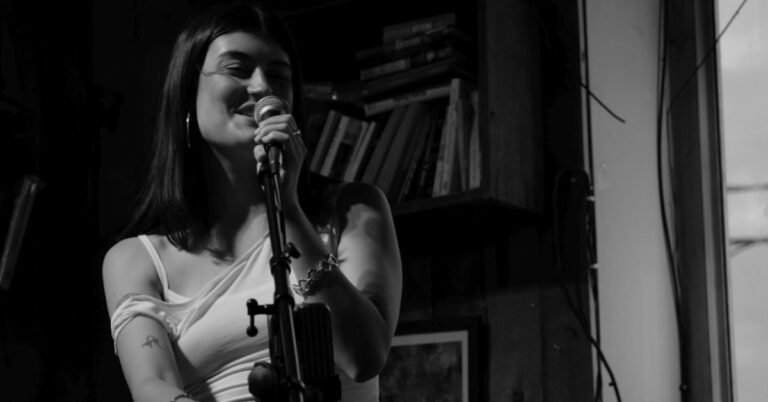
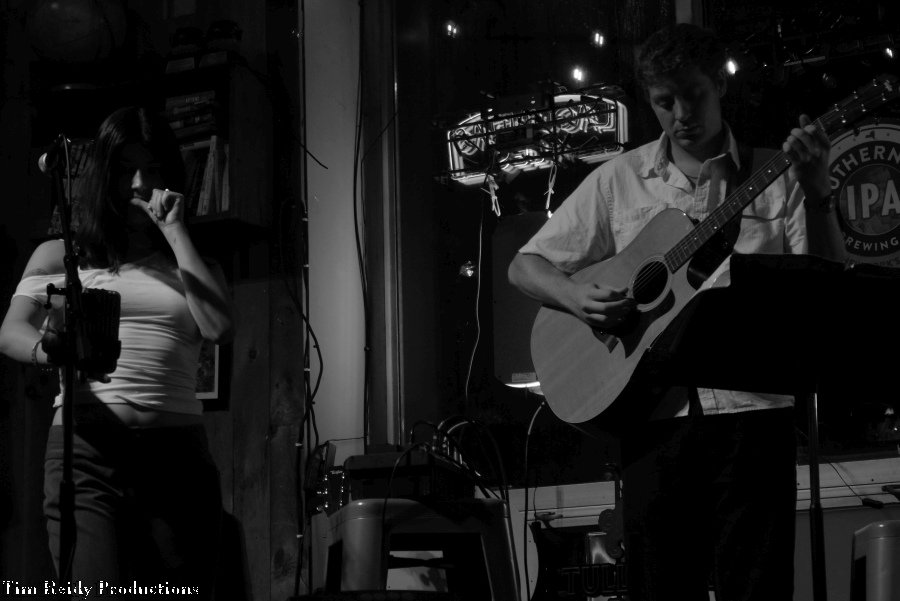
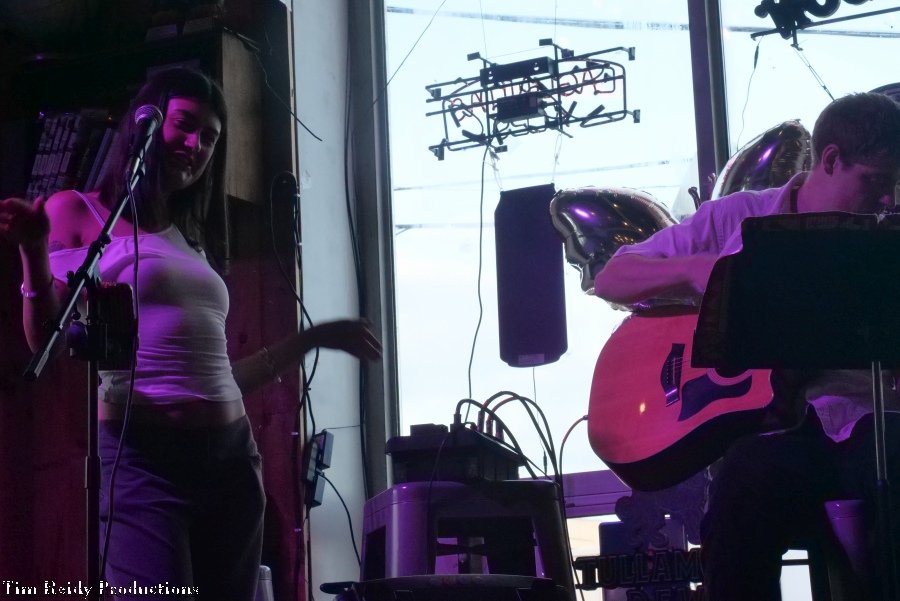
Aiva and Leno had a good mixer at Lost & Found on Labor Day.

Photography by Timothy Reidy.

More from Lost & Found here …


Lawnstock 3 @ Silver Factory Records, 9/19/2026

0

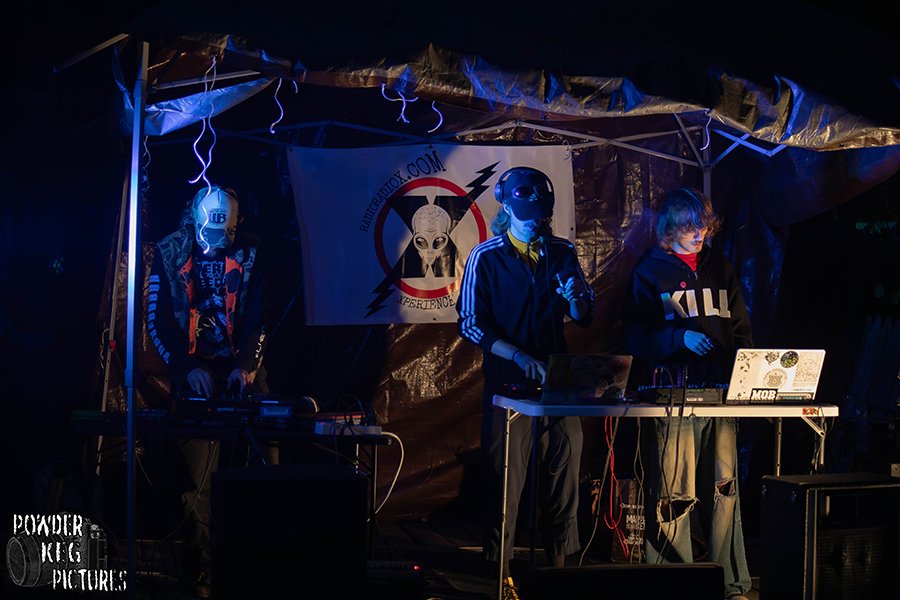
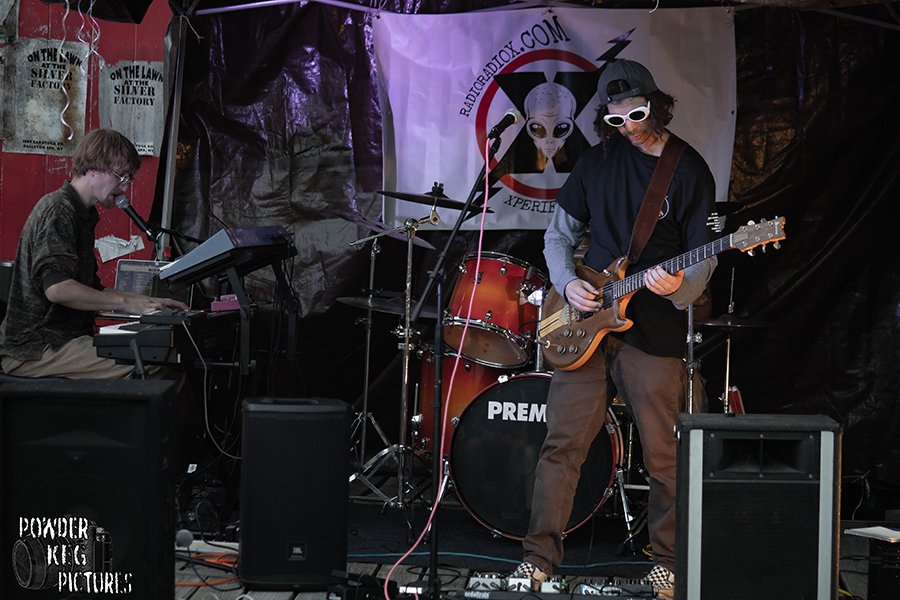
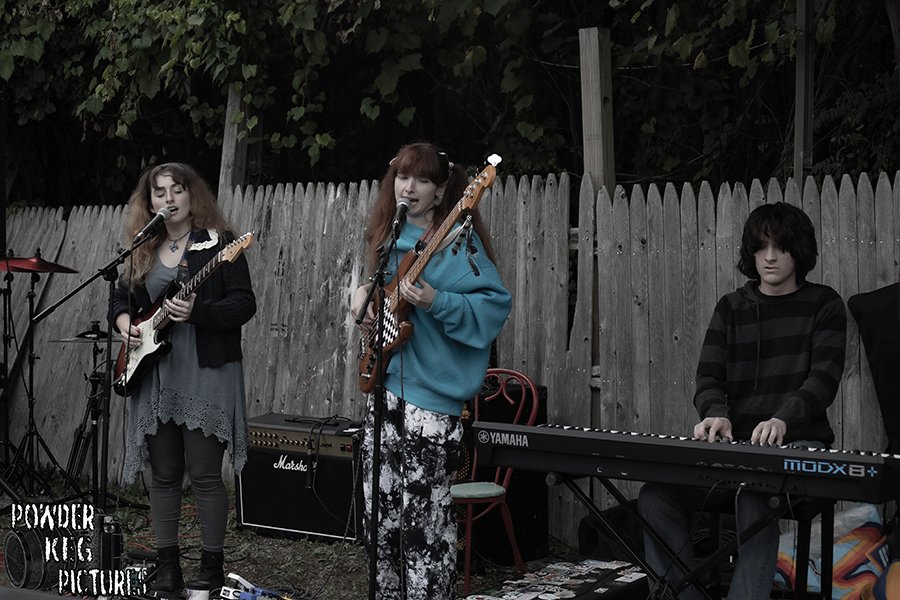
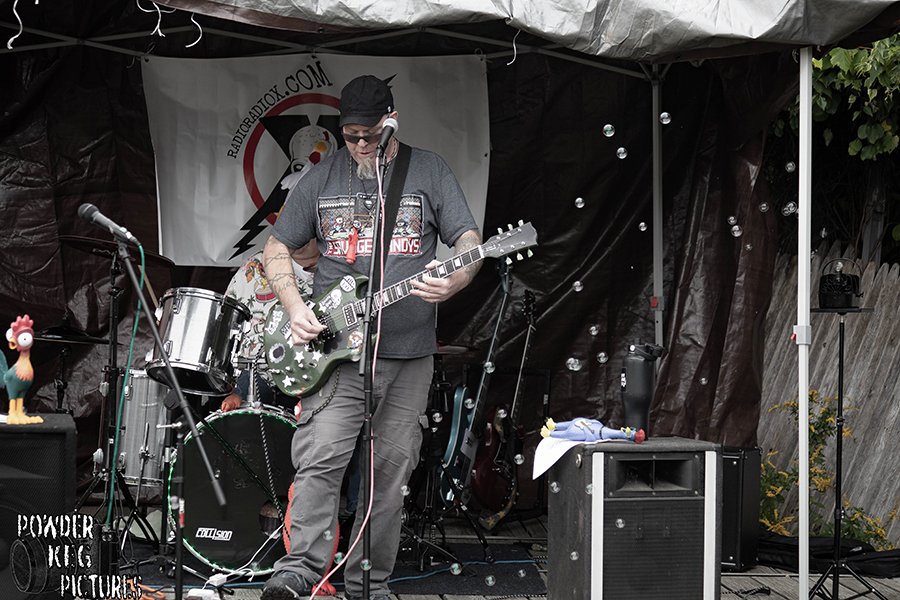
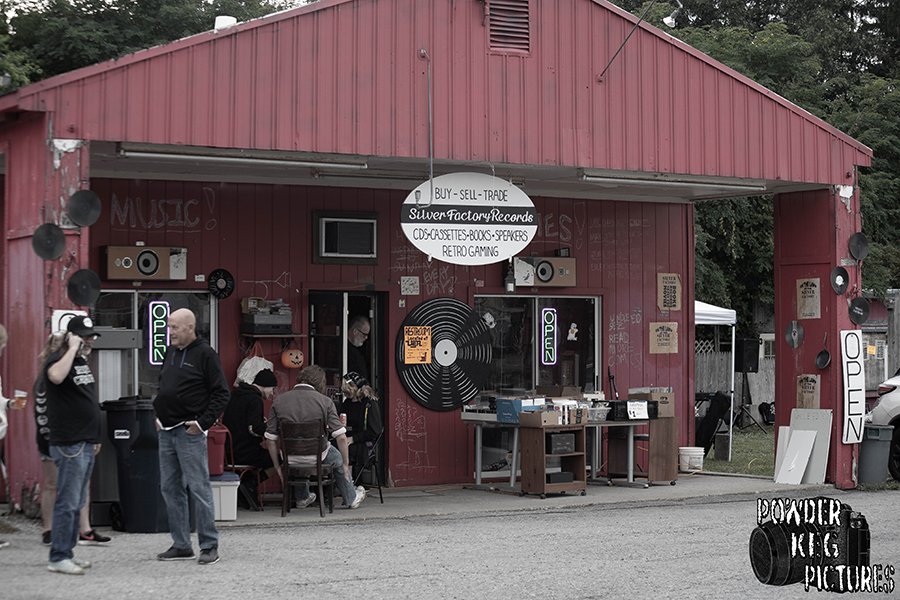
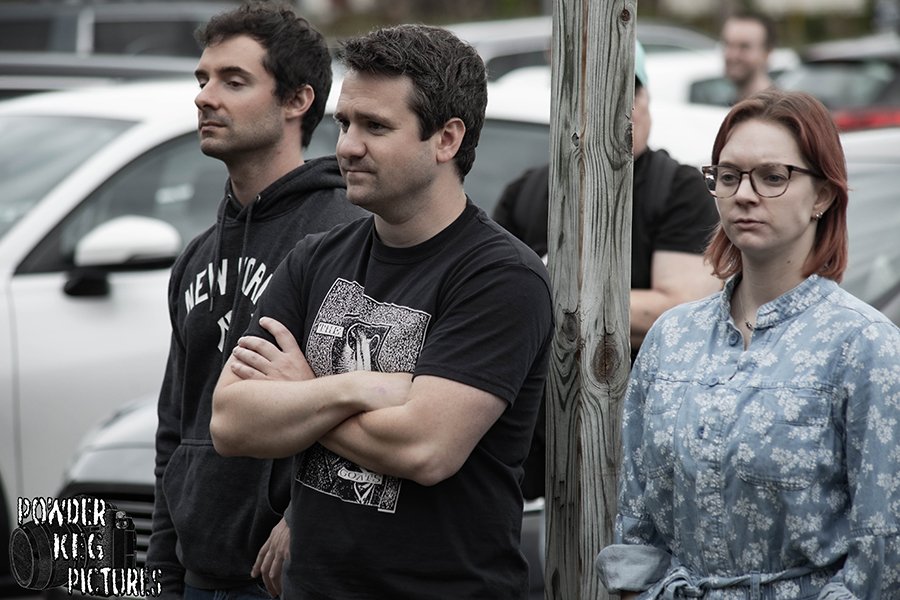
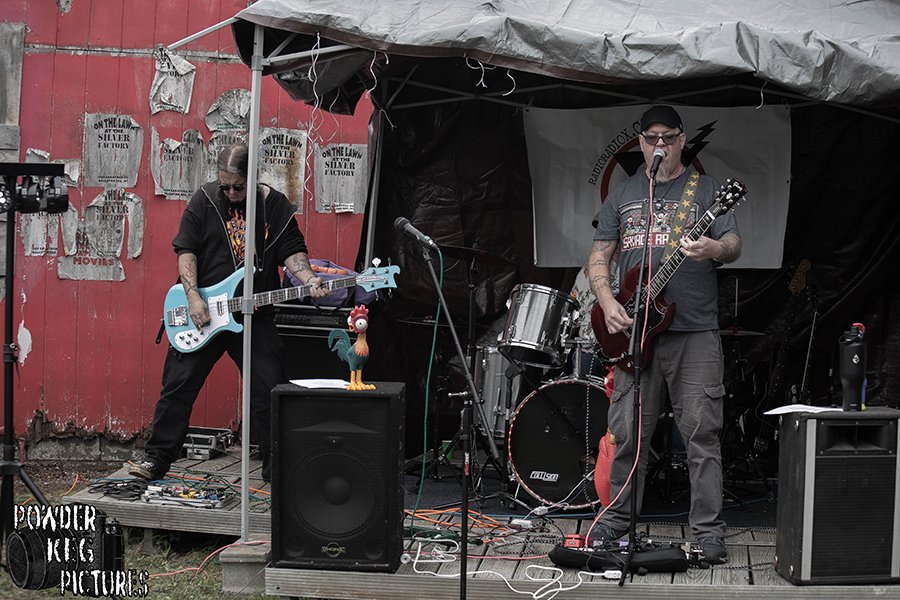
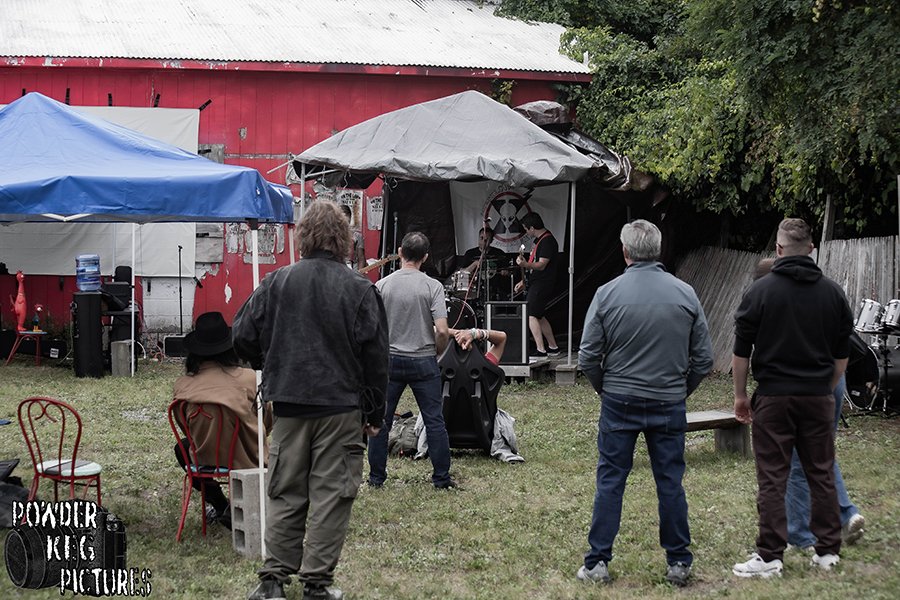
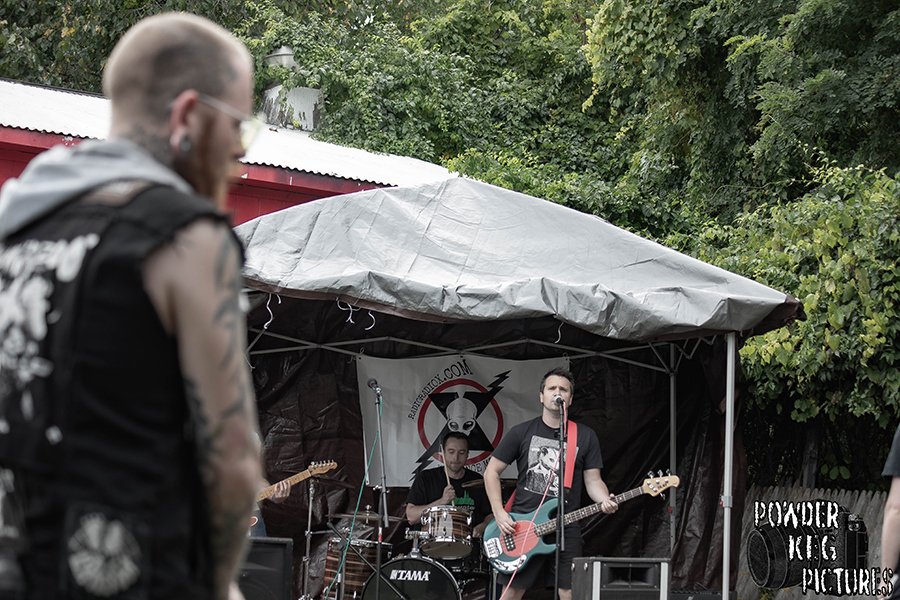
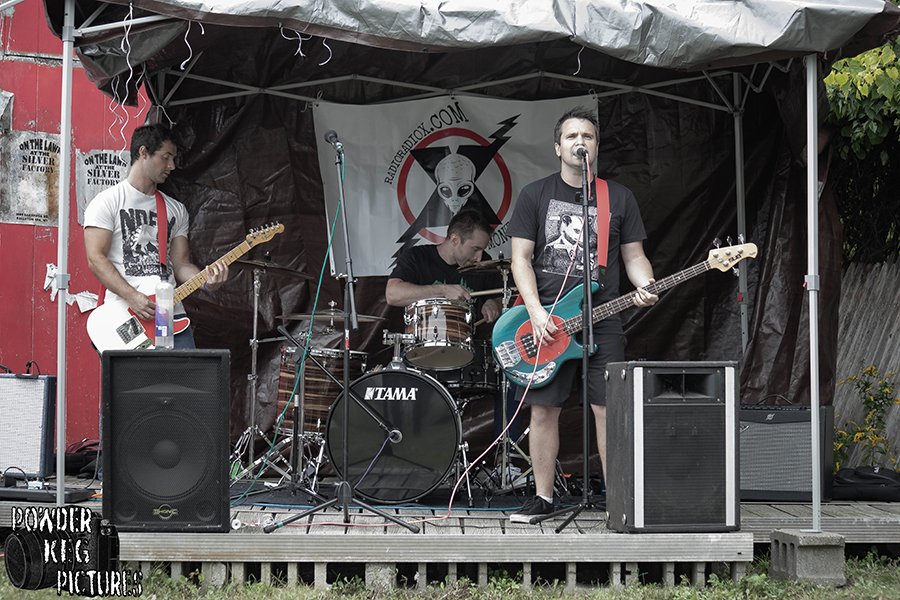
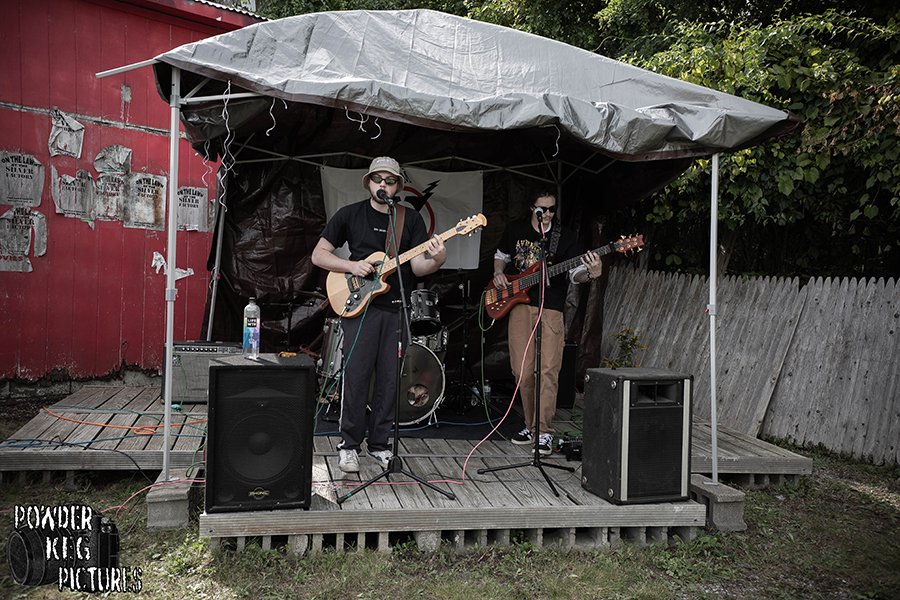
The third annual edition of the Lawnstock festival, held each year at Silver Factory Records in Ballston Spa, featured Uncle Frank Says No!, Angel Pimps, Habeus Porpoise, Psychomanteum, Zorbas Trio, Brother T and the Boys, The Kings of Nothing, Deranged Heads, HMX, and Manifest Darkness.

Photography by Joshua Scarselli.

More from Lawnstock here …


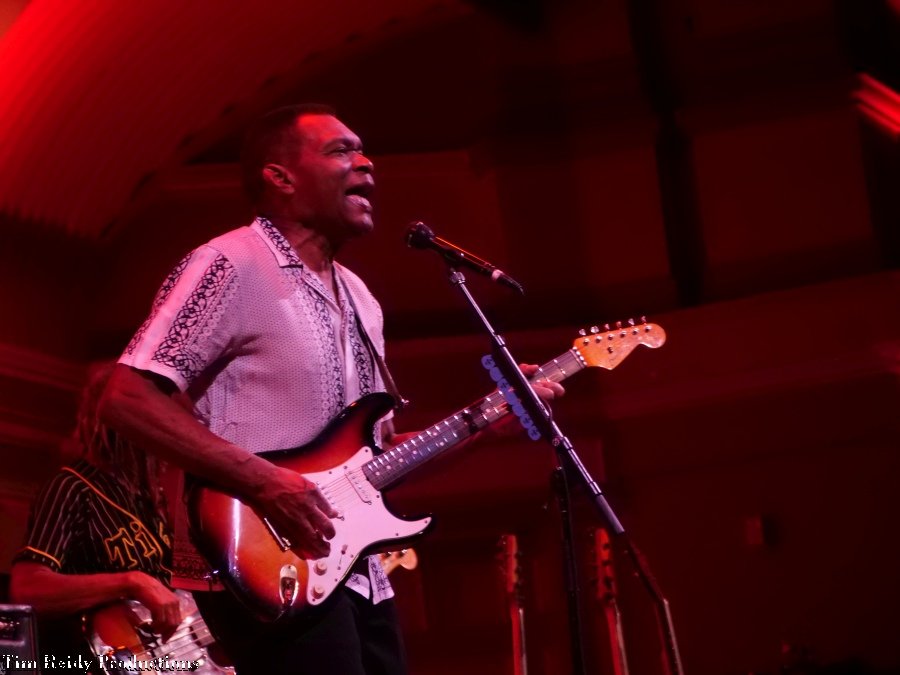
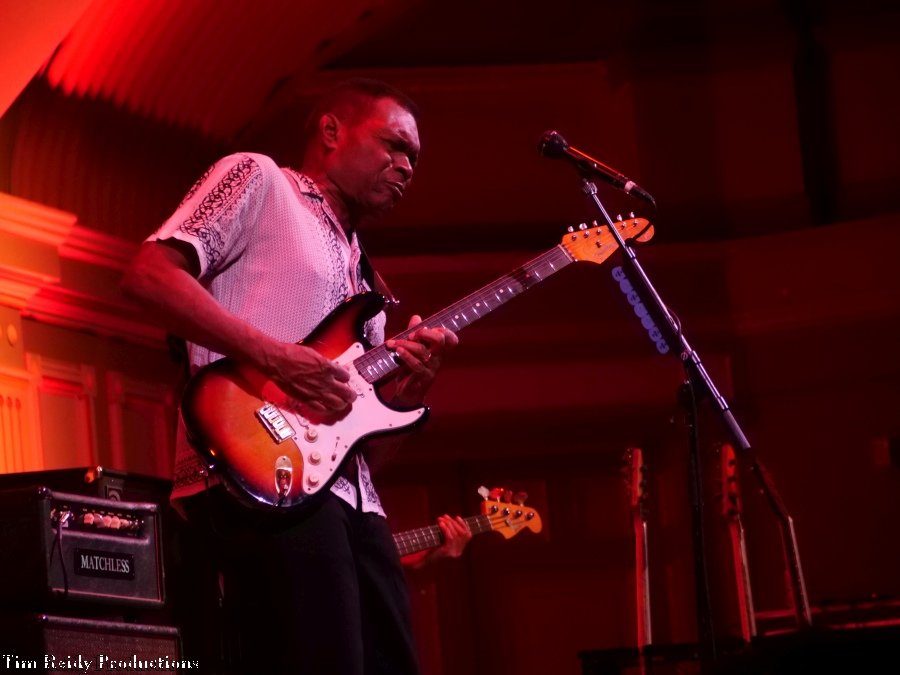
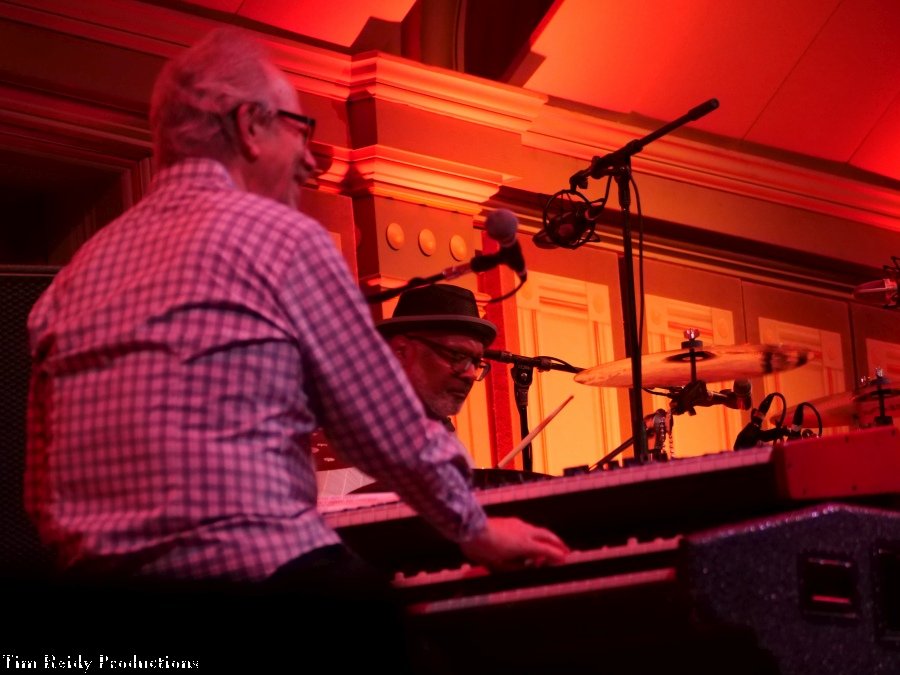
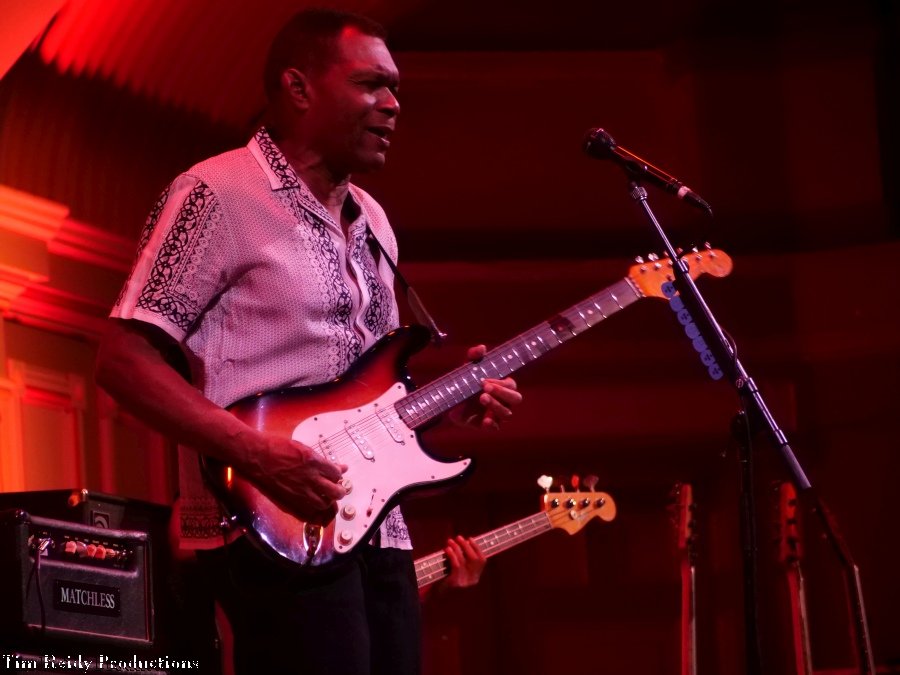
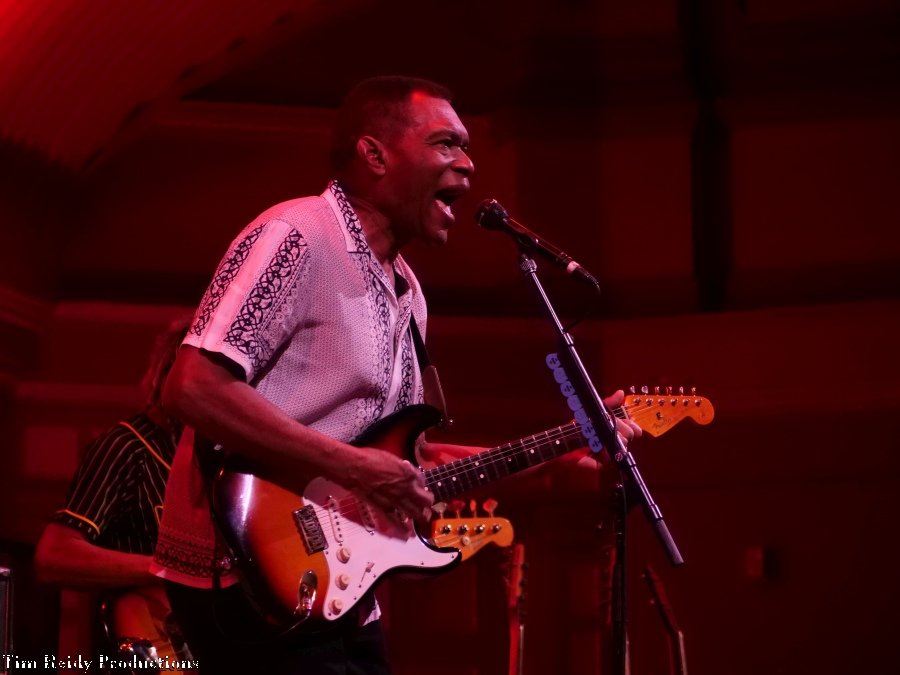
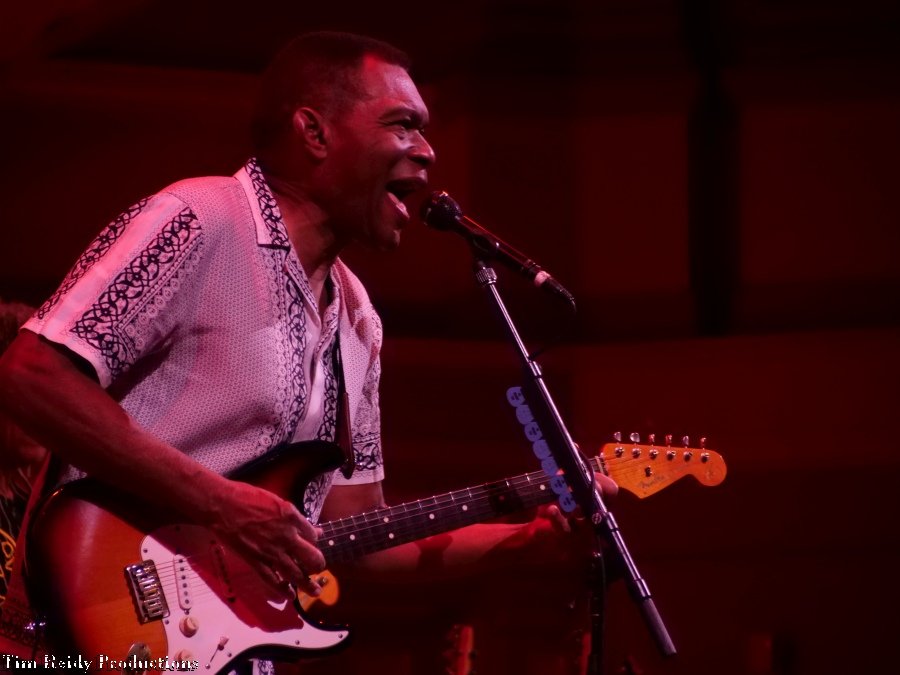
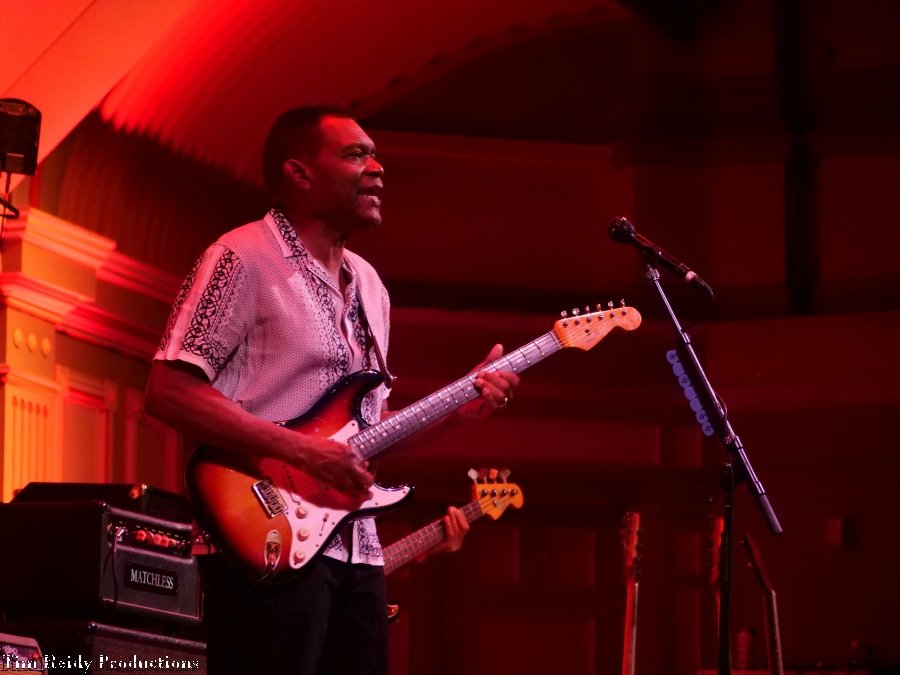
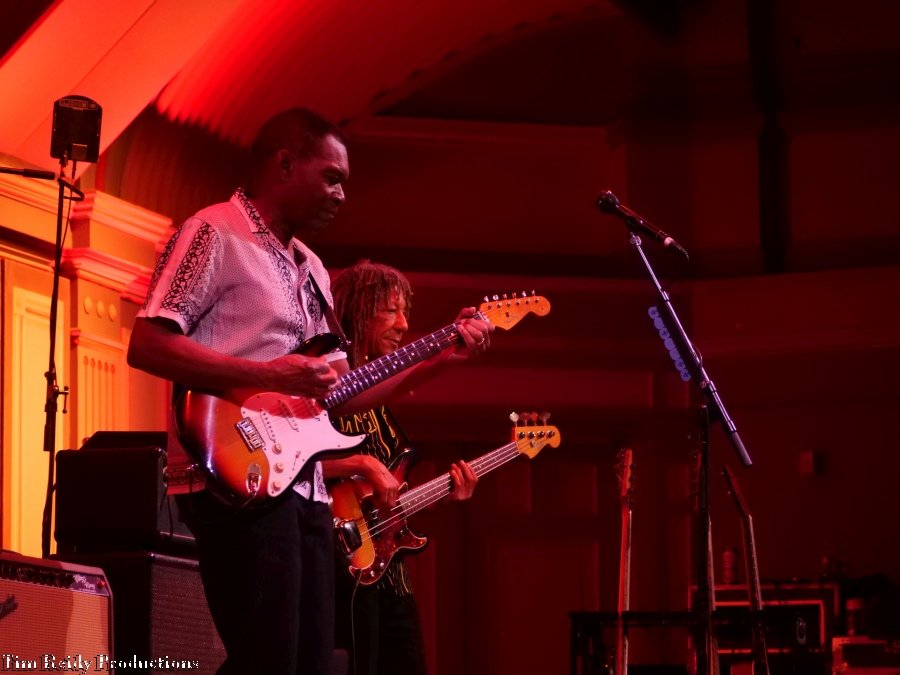
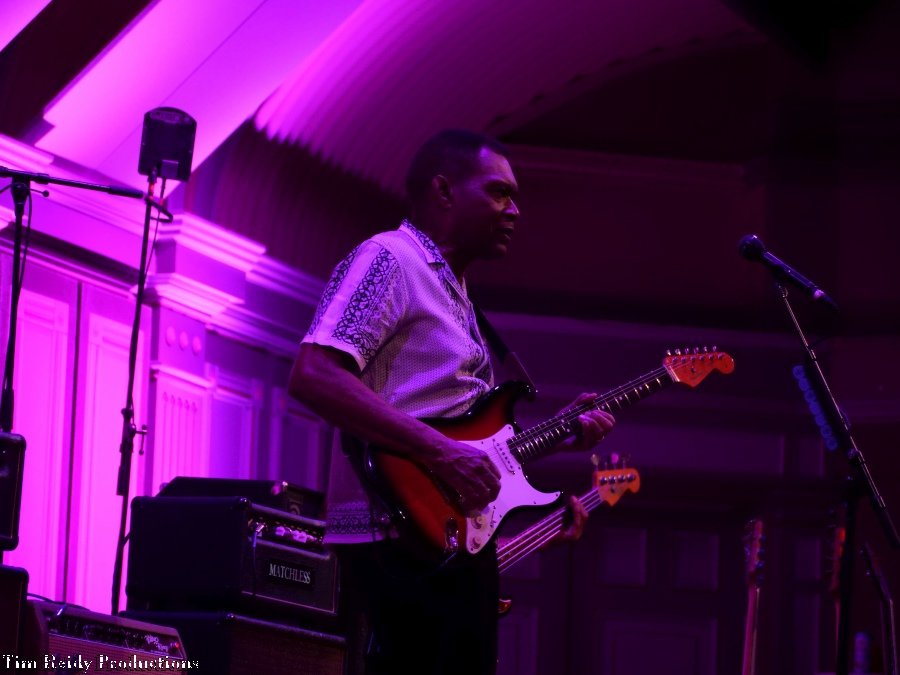
Robert Cray @ Troy Savings Bank Music Hall, 9/18/2026

0

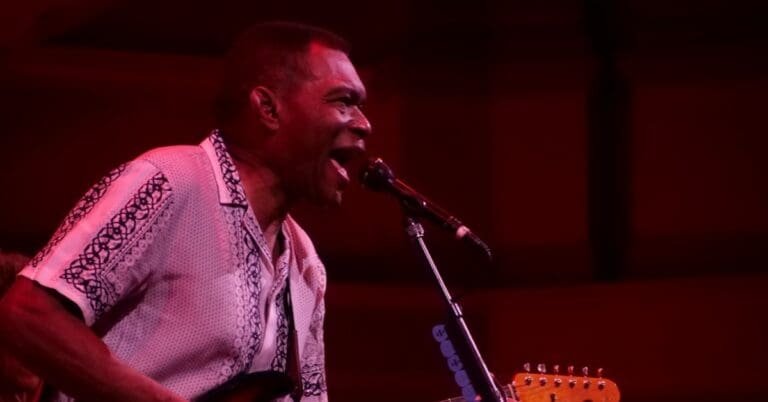
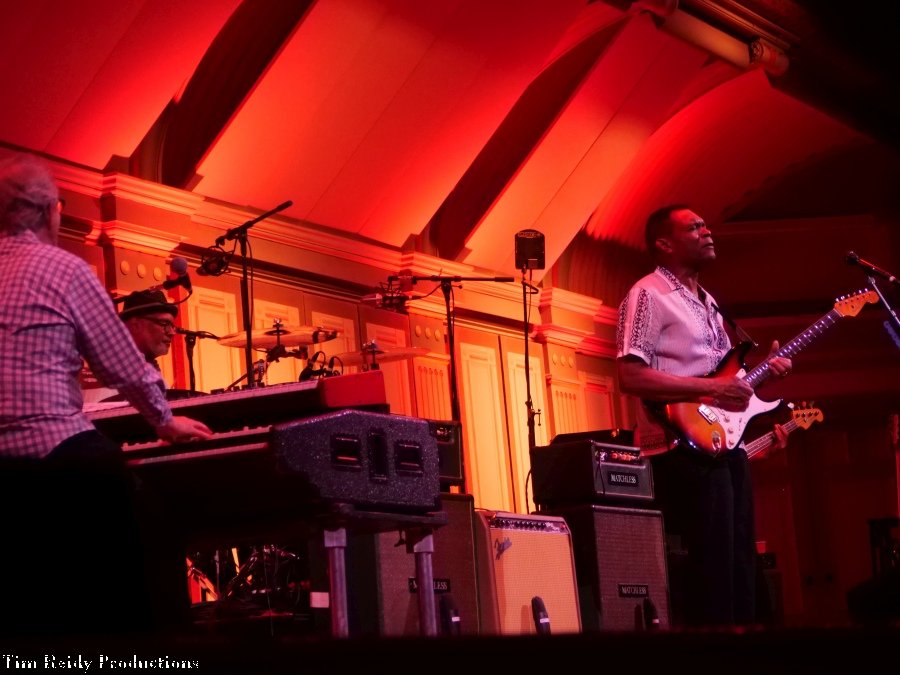
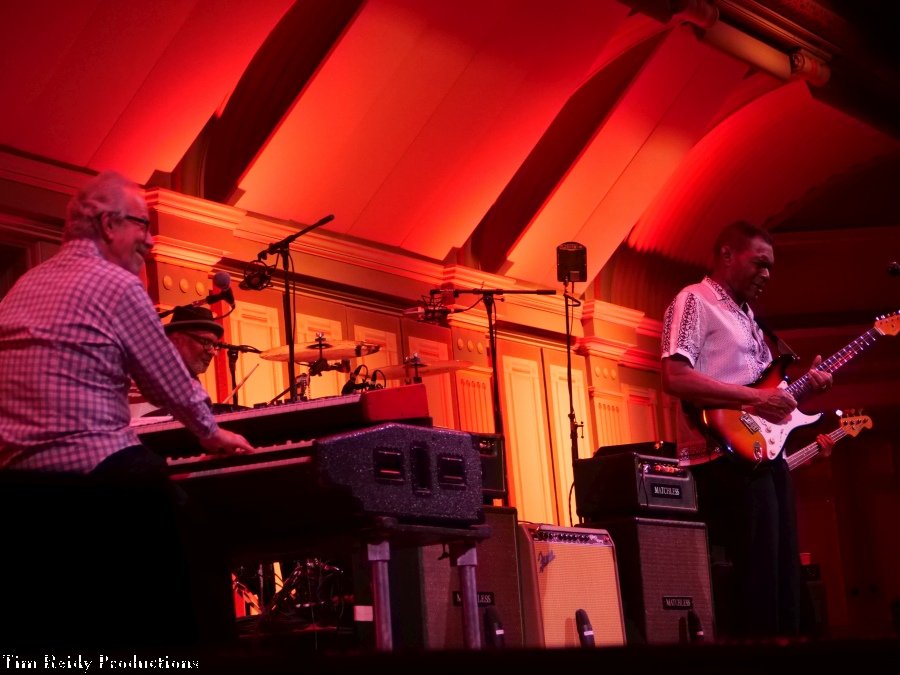
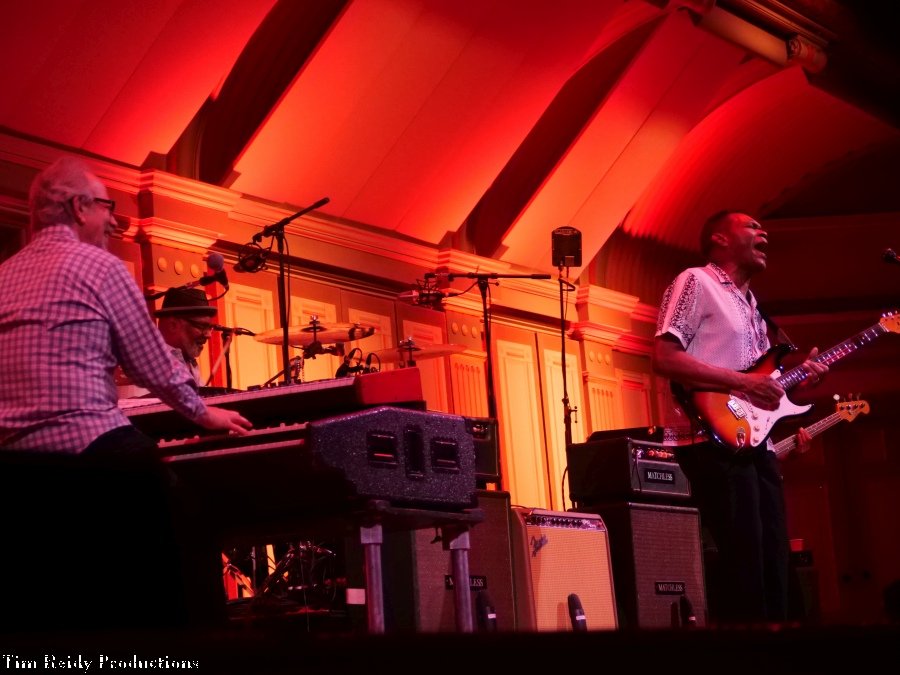
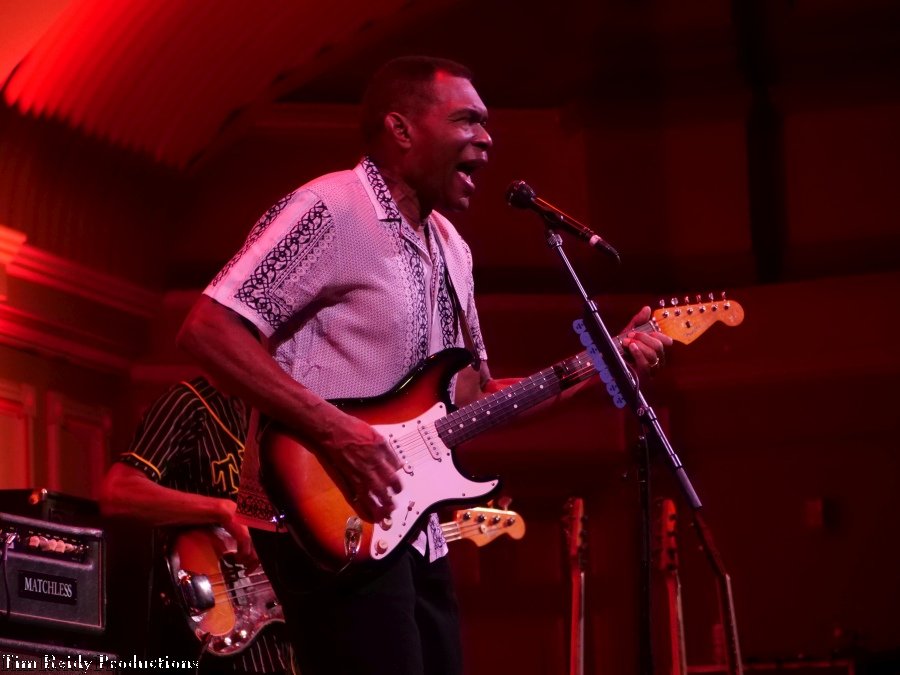
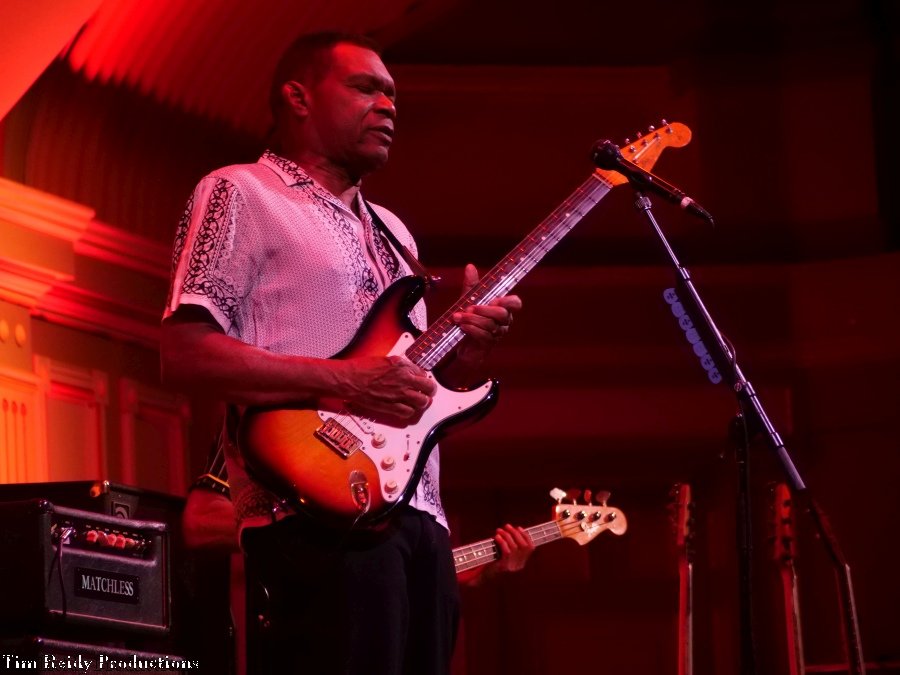
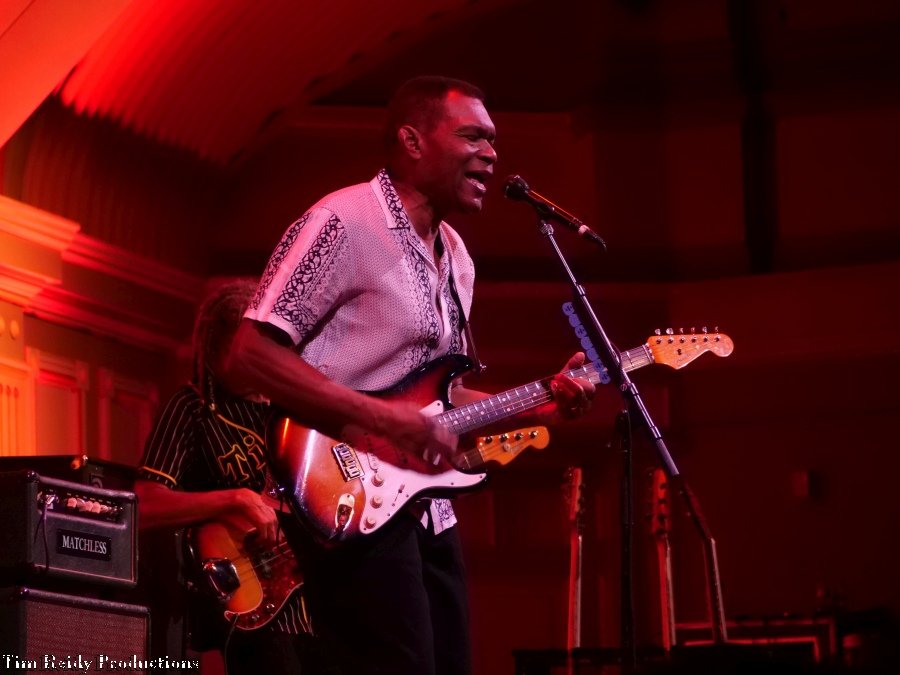
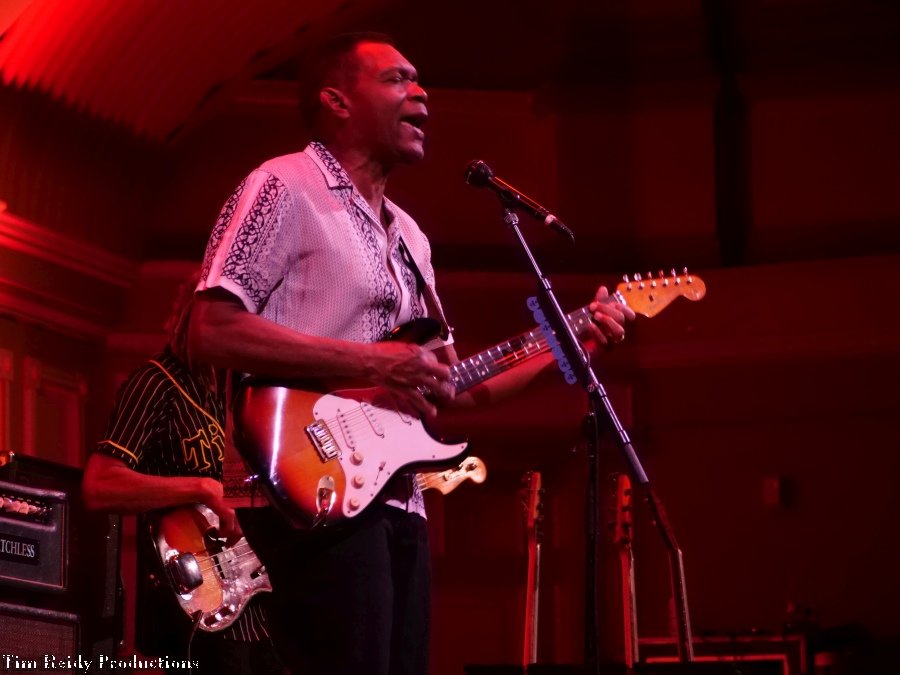
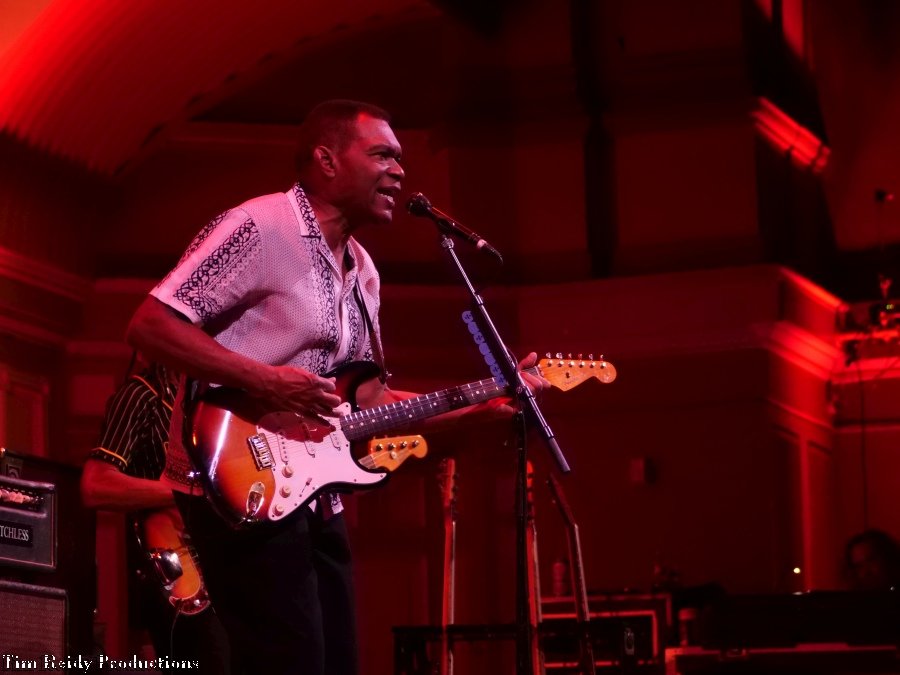
Robert Cray brought his All Amped Up tour to the Troy Savings Bank Music Hall on September 18.

Photography by Timothy Reidy.

More from Troy Savings Bank Music Hall here …