Canna Corner – An Xperience Column
Written by Staff on July 5, 2026
In New York, we have a really exciting and complicated cannabis program. New York has had legal cannabis since 2022, and our medical program has existed since 2016. There are a lot of different types of actors in the New York State cannabis industry, so let’s spend time exploring how our system is structured. Even though we are four years into this, the market is still constantly making adjustments and evolving to bring great weed to New Yorkers.
Medical Cannabis
New York has a robust medical cannabis market. Our state allows approved medical cannabis providers to prescribe cannabis for a variety of conditions. There are a lot of different conditions that can benefit from cannabis use and a lot of different ways to treat them, so talking with a professional is the only way to go. From there, a patient gets their prescription with a precise dosage that can be fulfilled at a medical dispensary. Medical dispensaries have staff that can fulfill patients’ orders through various products – flower, vapes, edibles, tinctures, capsules, and more. There are also pharmacists on staff at medical dispensaries to assist patients.
There are purchase limits for medical cannabis, just like in the recreational market. Patients can get enough for a 60-day supply. They also have the right to grow their own plants at home. Even though it’s medically legal, plants and product cannot be taken out of the state. This is a downside to cannabis still being federally illegal. One of the most interesting things about the medical program is that there is no age limit. As long as someone is prescribed cannabis by a certified medical professional, they can be ten or one hundred. Another difference from the recreational market is the tax structure. Medical cannabis users pay a significantly lower tax rate on products compared to those bought on the recreational market.
Cultivation, processing, and sale of medical cannabis is done by Registered Organizations (ROs). Each RO is responsible for providing the most safe and effective product for patients. Product is rigorously tested to ensure that patients get exactly the dose and effect needed. Cannabis must be grown indoors to meet medical standards. The ROs are responsible for submitting a lot of information to the state about each product, so there’s a lot of behind-the-scenes work to ensure a compliant end product.
Recreational Cannabis
New York’s recreational cannabis market is quickly becoming a key industry in the state, bringing in millions in tax revenue and offering consumers safe cannabis products to purchase. It’s a bit of an understatement to say that the state was off to a rocky start in the first years of legalization, but it looks like we are starting to see some progress in a very positive direction. Within the recreational cannabis industry, there are different players I’ll explain now.
Registered Organizations/ Registered Organization Non-Dispensing (ROND)
ROs can operate within the recreational sphere, too. If you’ve shopped for cannabis, you may have shopped in a medical store as a recreational customer. Most dispensaries will have separate lines or areas for medical users versus recreational users. Medical dispensaries must carry a specific amount of product for recreational cannabis users. You will also find cannabis products from ROs and RONDs in most recreational dispensaries.
Cultivators
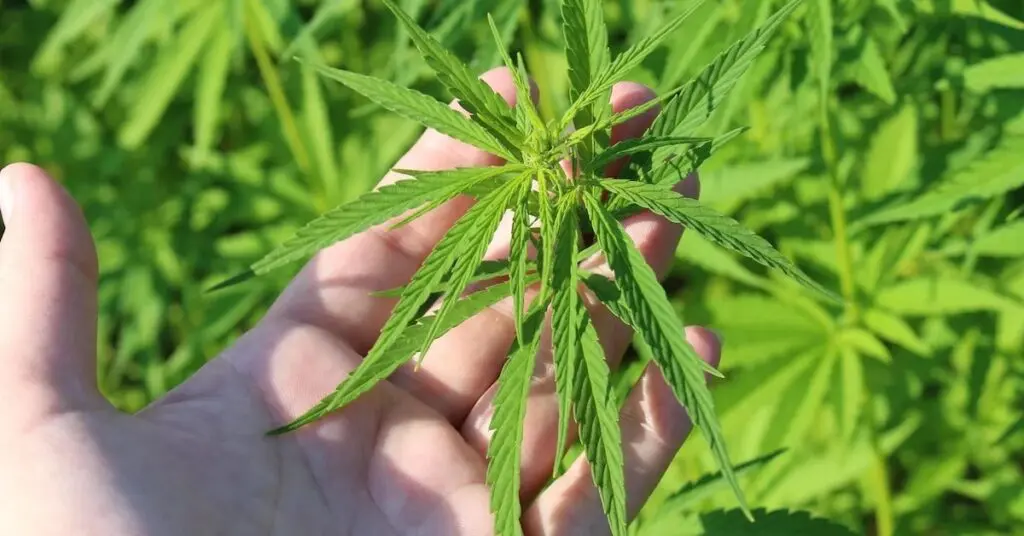
Cultivators grow weed – and lots of it. Cultivation licenses were awarded to those who grew hemp in New York state prior to cannabis legalization. During the first few years of NY cannabis, most cultivators were limited to growing outdoors or in greenhouses. When conditional cultivators were able to renew their licenses, they had the opportunity to expand to indoor cultivation as well. Among cultivation licenses, there are various tiers that allow for a smaller or larger canopy. The first type of cultivation license is outdoor. These grows can be as large as 25,000 square feet of canopy area or as small as 2,500 square feet. Outdoor cultivation can produce some sticky, amazing buds, but weather plays a huge role in the success of these grows. Mixed light cultivation is another type of growing style that cultivators can choose. This involves cultivating cannabis in a greenhouse or hoophouse and using supplemental lighting. The additional lighting provides an extra push for the cannabis’ growth, and being inside allows some protection from the elements. Indoor cultivation is what it sounds like. Cannabis plants are grown inside a structure using lights. Perks to indoor grows include the fact that they aren’t dependent on weather or season – growers can keep growing year-round. Set to very specific schedules, lights mimic natural sunlight and darkness to induce flowering. In New York, cultivators can also opt for a combination cultivation license, which may allow outdoor and mixed light cultivation, for example.
Dispensaries
New York started off their cannabis program with a strong emphasis on social justice, so the first dispensary licenses given out were to justice-involved individuals. Those who were arrested for cannabis-related crimes were given first priority to participate in the legal cannabis market. If you look at license numbers and see CAURD (Conditional Adult-Use Retail Dispensary), it is a part of the state’s initiative to undo some of the harm of past cannabis policy. New, non-justice-involved dispensary licenses that open operate under license numbers with RETL in them.
The first year of New York’s cannabis program had dispensaries opening up very slowly. There are so many rules and regulations for opening a dispensary. Stores need to have secure storage, security systems, and a great location away from schools and houses of worship. It can be a complicated and drawn-out process.
Processors
Processors wear many hats in the cannabis industry. They can “process” cannabis flower products by trimming flower and making that into prerolls. Processors make gummies, tinctures, and chocolates. One of their most important functions is extraction. The extraction of cannabis oil is critical to the industry. Whether they use CO2, ethanol, or other extraction methods, the product obtained is then used to infuse prerolls, gummies, and to fill vapes. Touring a processing facility is akin to touring a laboratory, where there are strict protocols in place to ensure safety and no contamination.
Microbusiness
Microbusinesses are a really cool feature of the NY cannabis industry. Micros can grow, process, deliver, open a retail dispensary, and sell to other dispensaries. It’s as close to a vertically integrated operation on the recreational market as possible. Micros are a huge asset to the NY cannabis market since they can focus on providing smaller batch, high-quality product.
Stay tuned as the industry keeps evolving and getting even better!
Continue reading

 RadioRadioX