Home Blog Page 11

“Breathing Time” Coming to Cohoes Music Hall

0

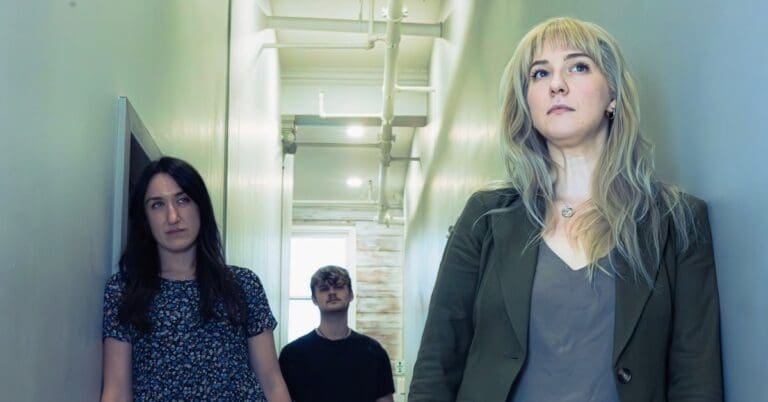
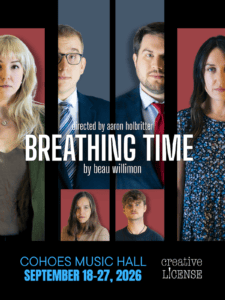
Creative License Presents Capital Region Premiere of Beau Willimon’s Breathing Time at Cohoes Music Hall

September 18–27, 2026

COHOES, NY — Creative License theater collective will present Breathing Time, a compelling drama by acclaimed playwright and screenwriter Beau Willimon, September 18–27, 2026, at the historic Cohoes Music Hall. The production marks the play’s Capital Region premiere and is part of Creative License’s 2026–2027 season.

Best known as the creator of House of Cards and writer of the Tony Award-winning Farragut North, Willimon explores grief, family, and the unexpected ways tragedy can reshape our lives in Breathing Time.

The play follows Jack and Mike, two finance workers whose lives are changed by an unimaginable tragedy. In its aftermath, family members are brought together to confront a future none of them expected. As they struggle to make sense of their loss and find a way forward, the play examines the relationships that sustain us and the moments that can alter the course of a life.

The New York Times praised Breathing Time as “a simple study in how ordinary relationships can be shaped by much larger events.”

The production is directed by Creative License co-founder and co-Artistic Director Aaron Holbritter and features a local cast including Nick Martiniano, Chad Reid, Rhiannon Artico, Laura Graver, Emily Bryan, and Jacob Bell.

“Breathing Time is exactly the kind of actor-driven, compelling work that we want to bring to Capital Region audiences,” said Holbritter. “It’s an intimate story that explores some very universal experiences—loss, family, and the challenge of moving forward when life takes an unexpected turn.”

The production continues Creative License’s partnership with Cohoes Music Hall, following recent productions including A Few Good Men and The Lifespan of a Fact.

PERFORMANCE SCHEDULE

Friday, September 18, 2026 — 7:30 p.m.
Saturday, September 19, 2026 — 7:30 p.m.
Sunday, September 20, 2026 — 2:00 p.m. (Matinee)
Friday, September 25, 2026 — 7:30 p.m.
Saturday, September 26, 2026 — 7:30 p.m.
Sunday, September 27, 2026 — 2:00 p.m. (Matinee)

TICKETS & INFORMATION

Tickets are available through the Cohoes Music Hall box office. For tickets and additional information, visit CreativeLicenseOnline.com or contact the Cohoes Music Hall box office.


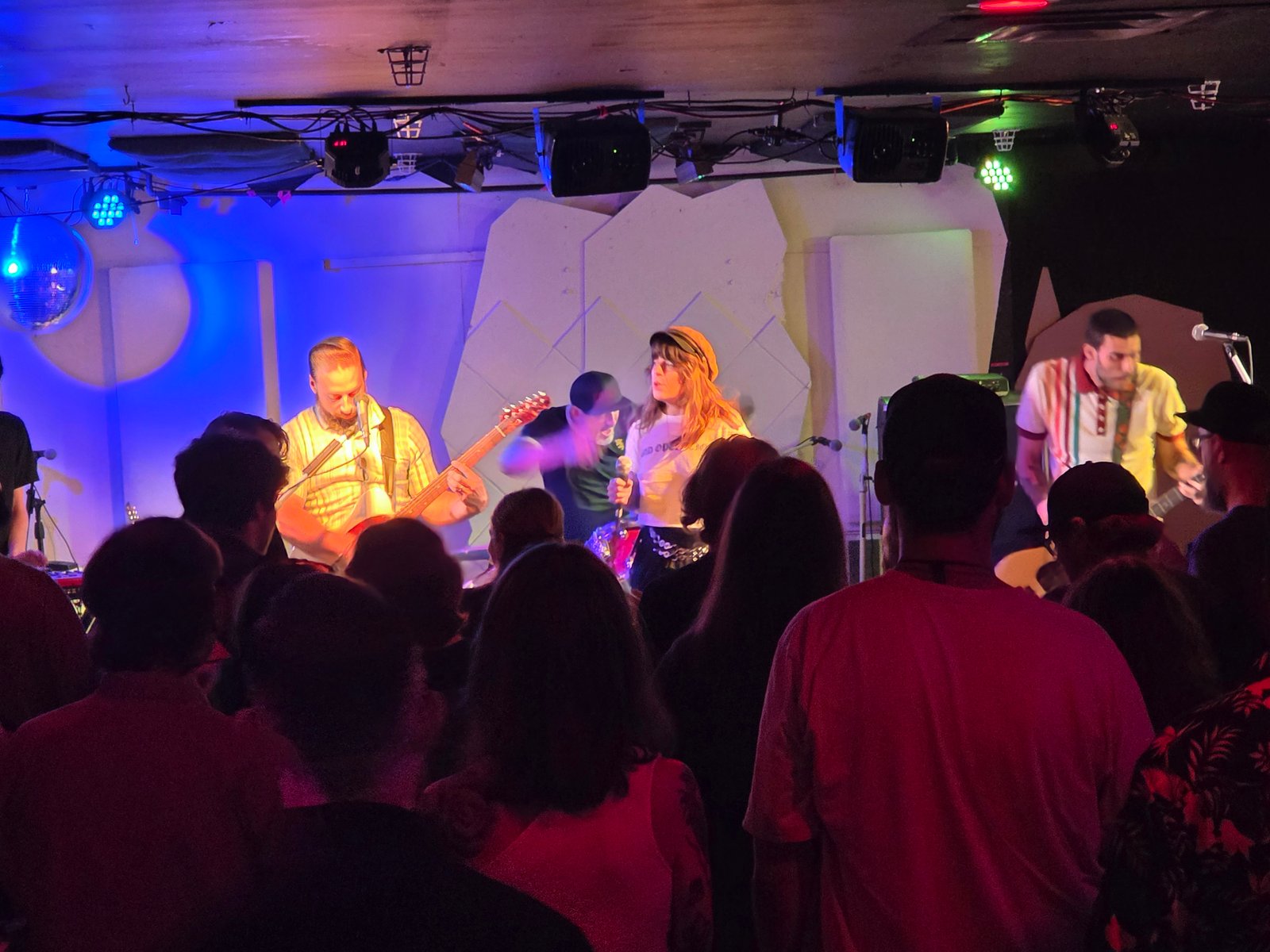
Shannon Roy and the Boys / KyMcClinton Duo @ Slidin’ Dirty, 8/8/2026

0

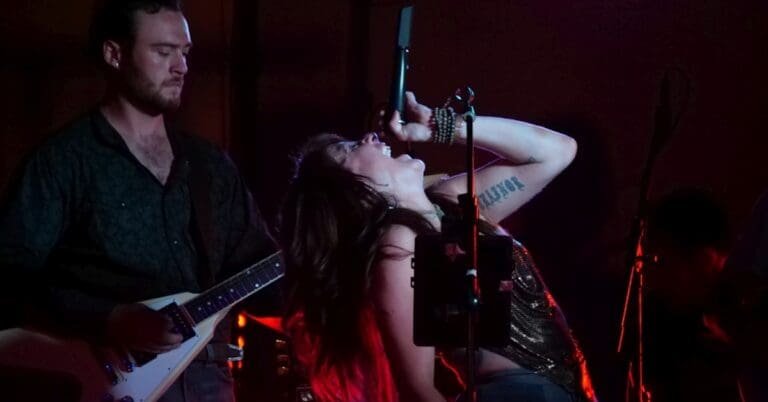
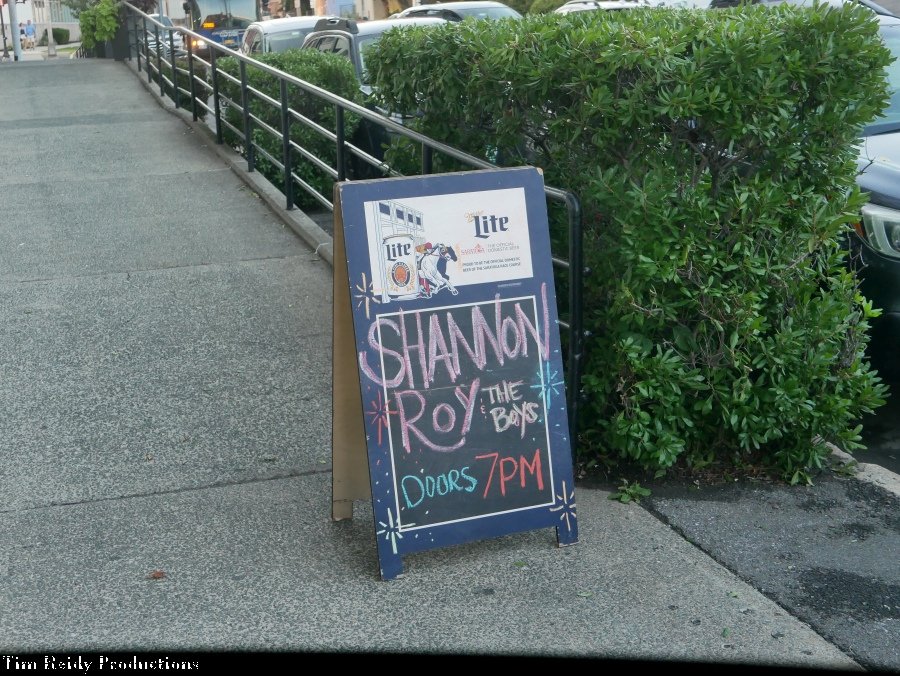
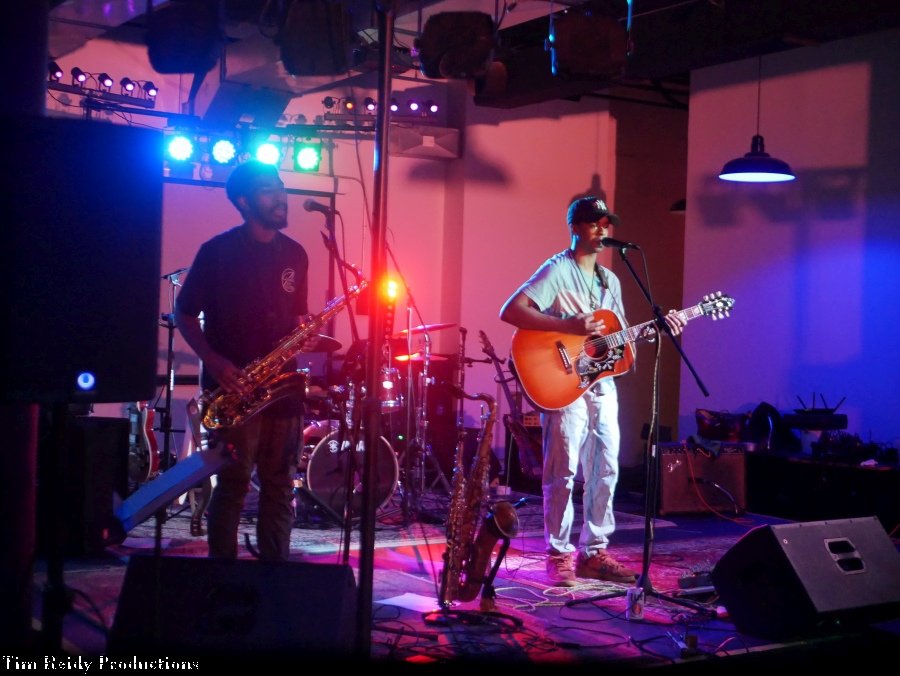
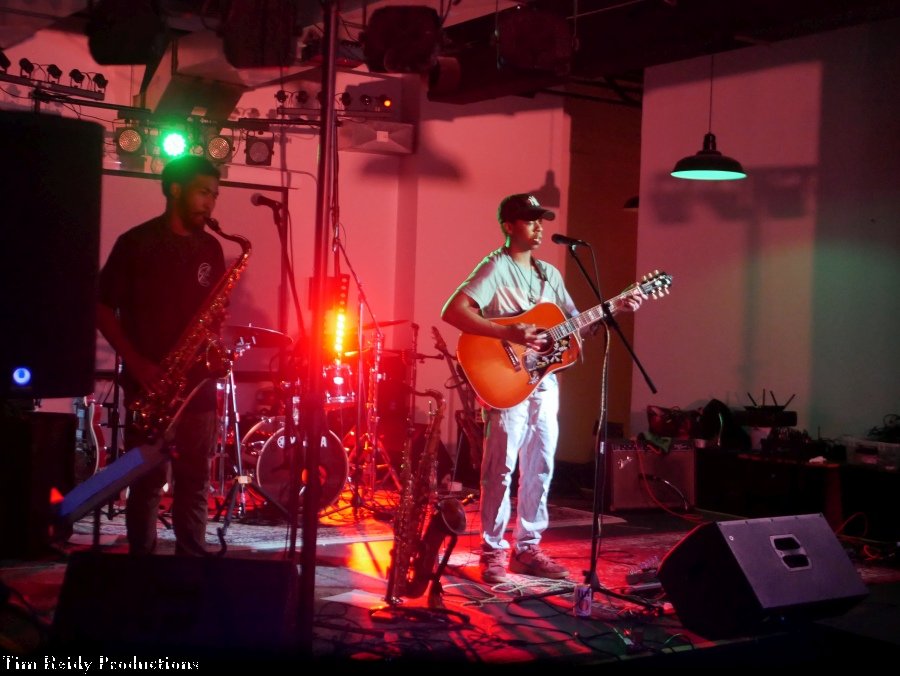
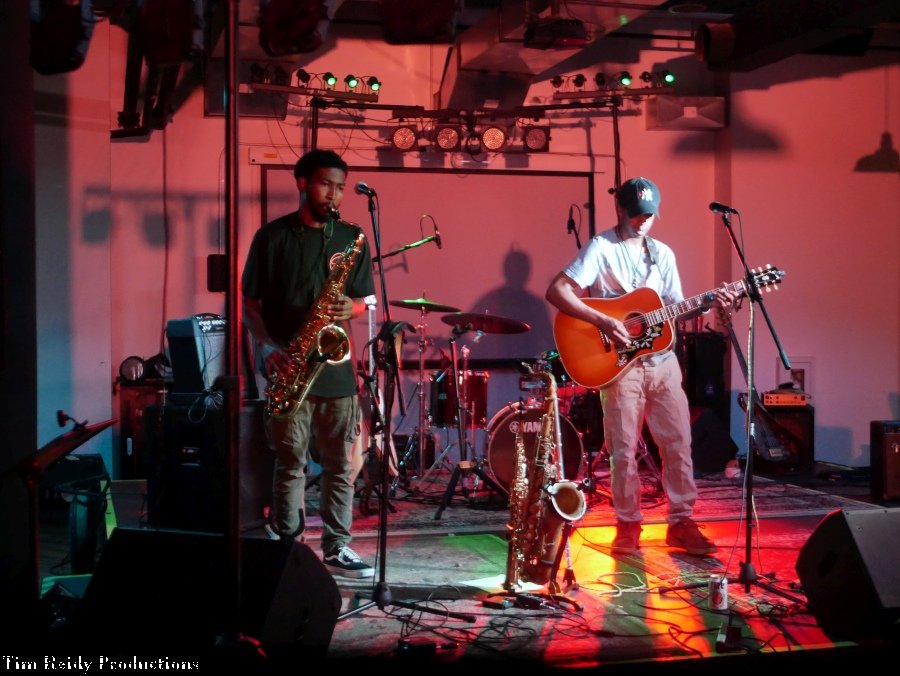
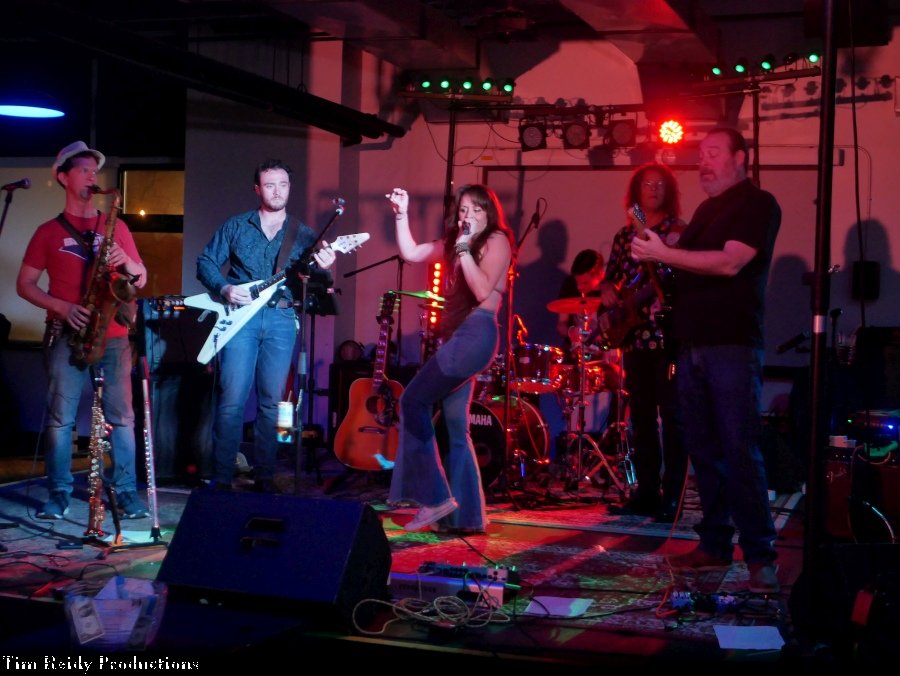
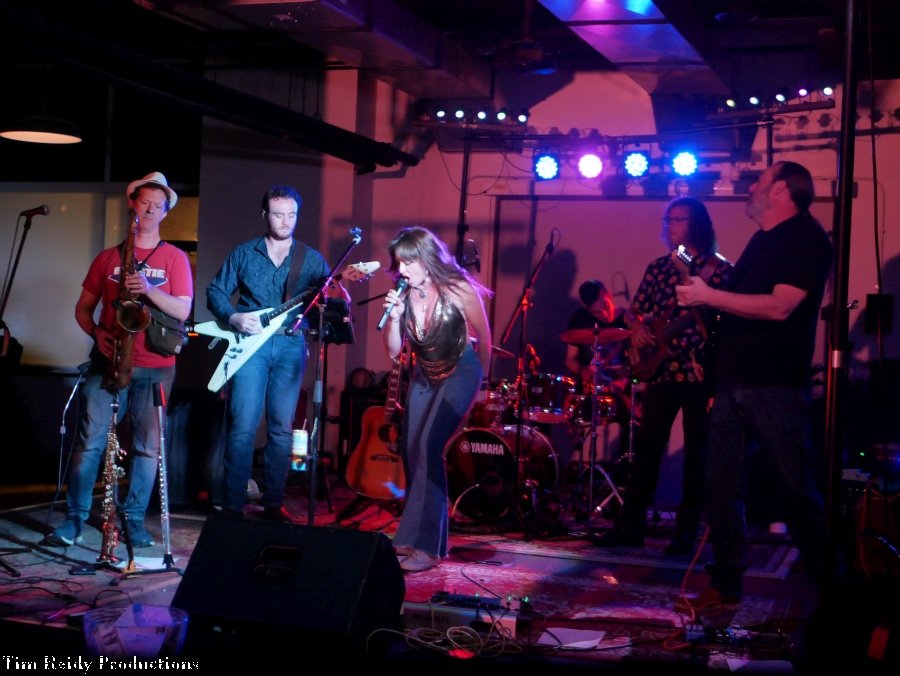
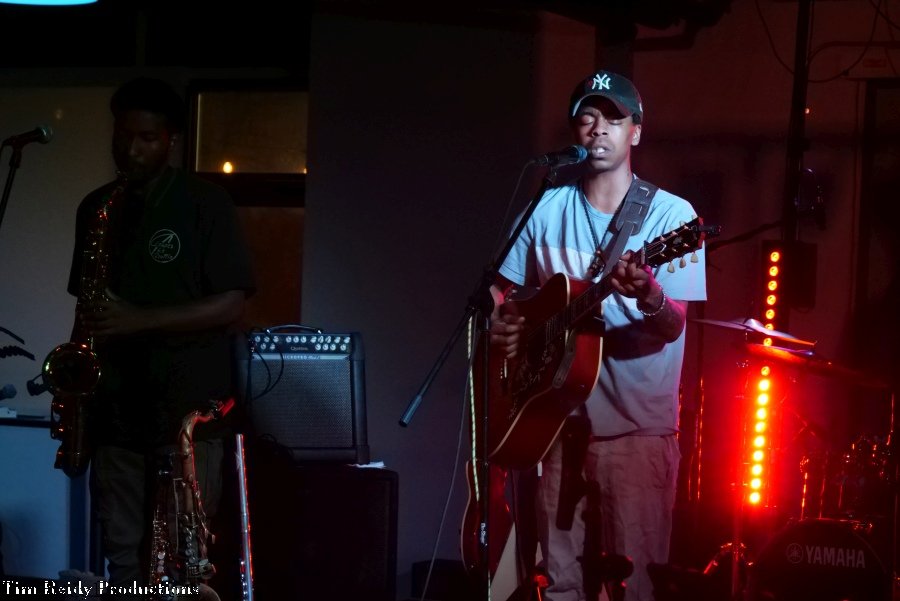
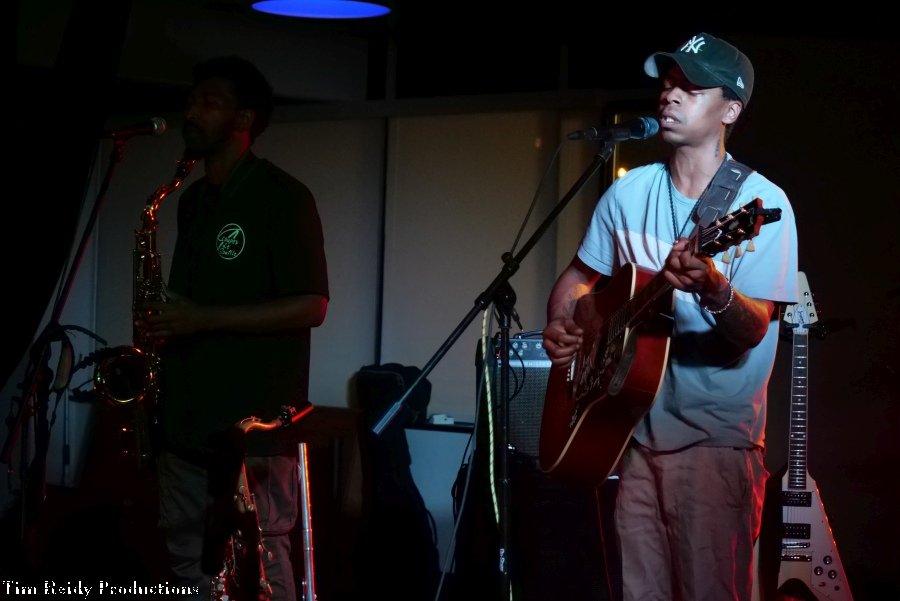
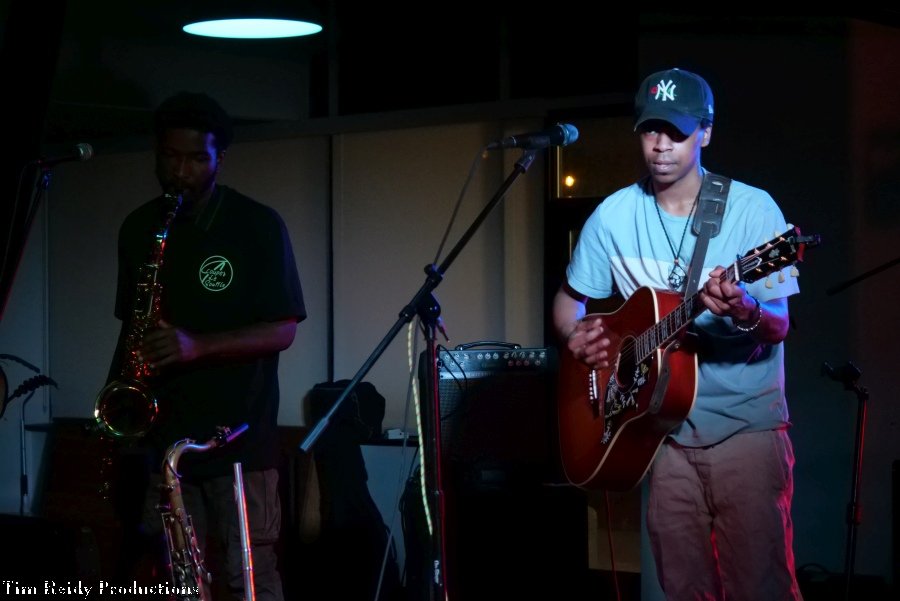
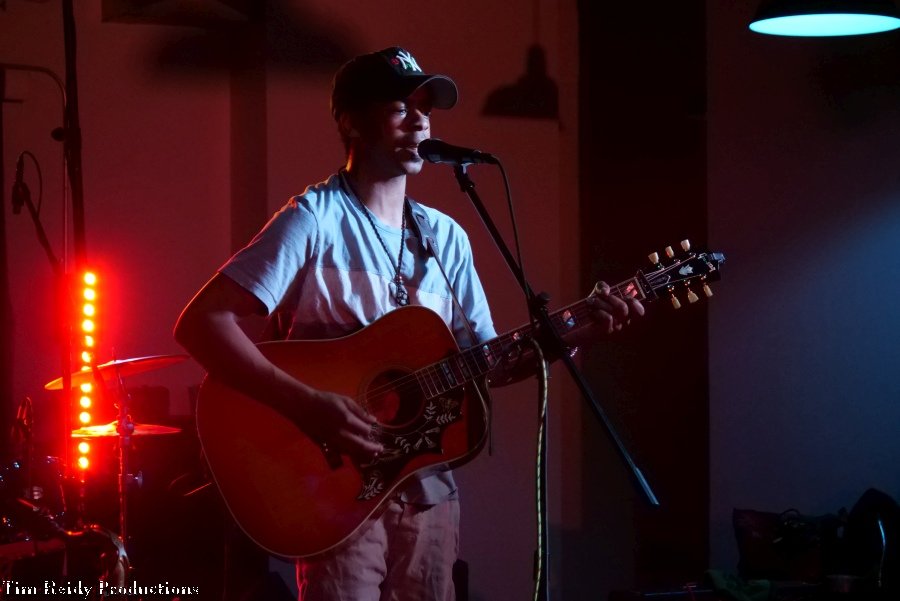
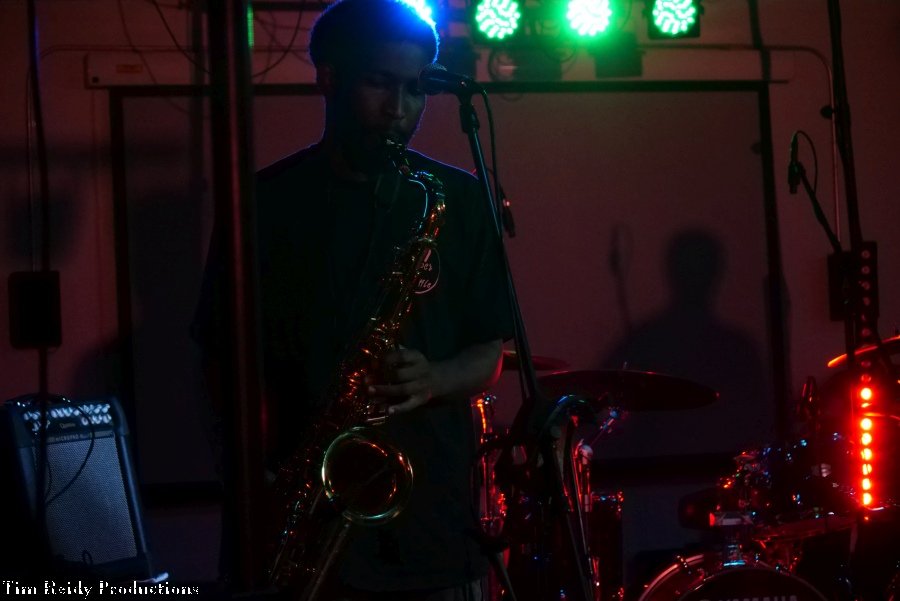
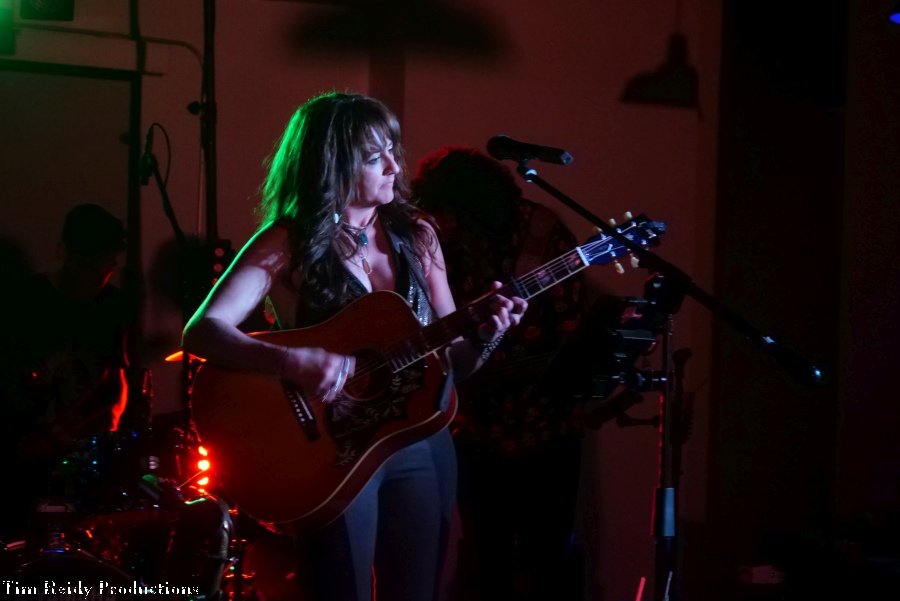
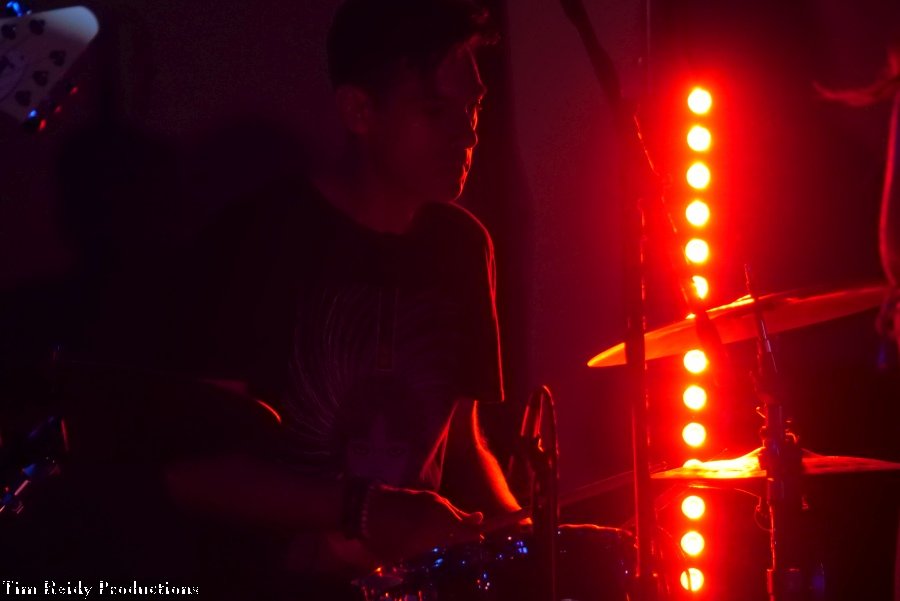
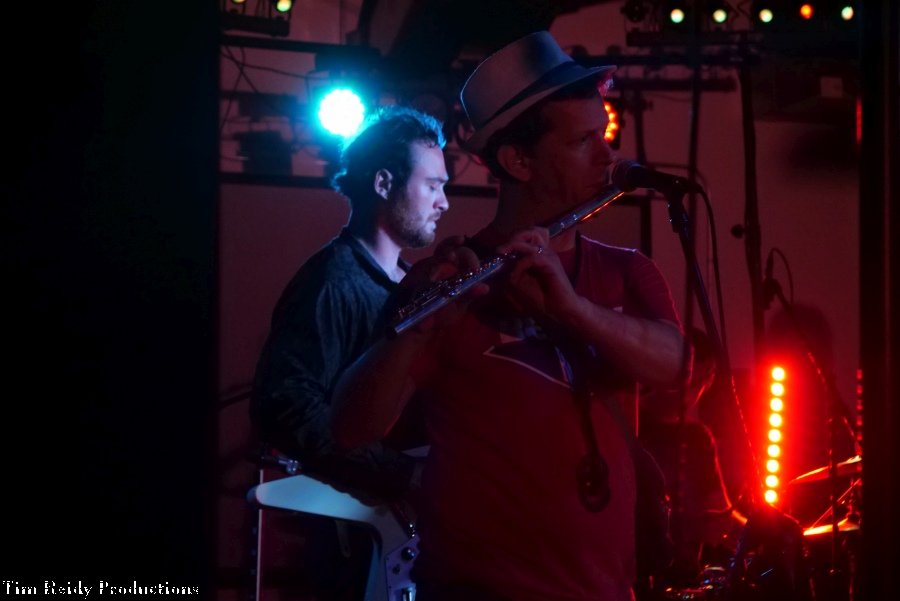
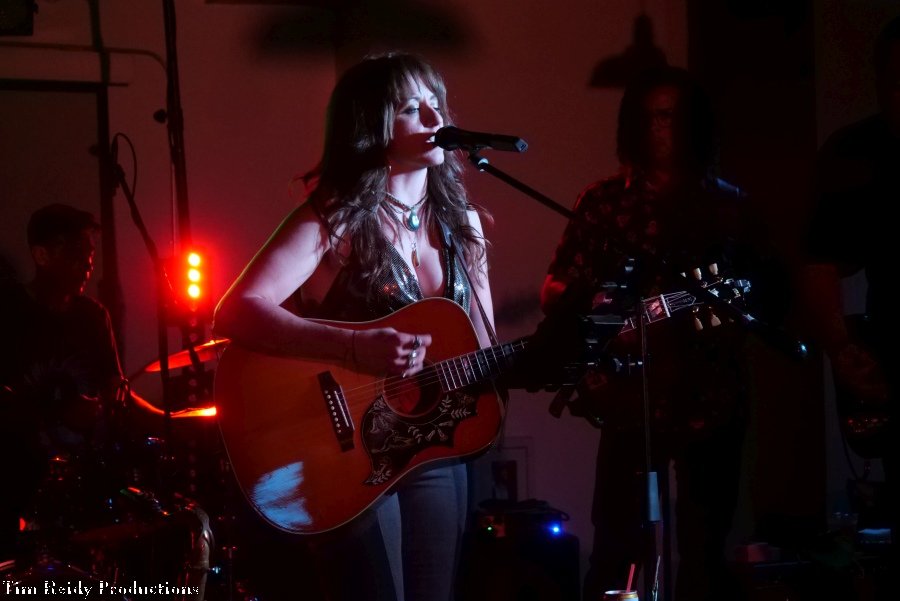
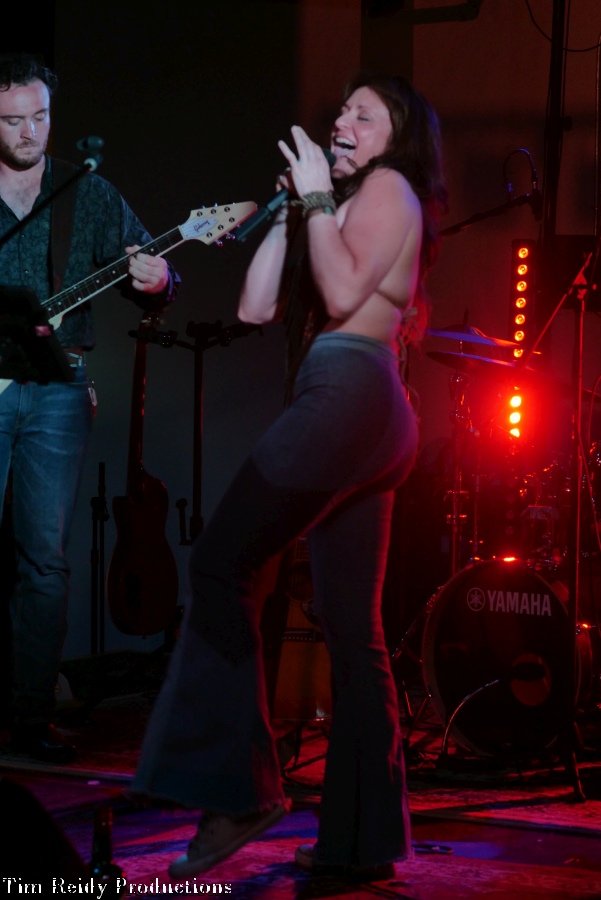
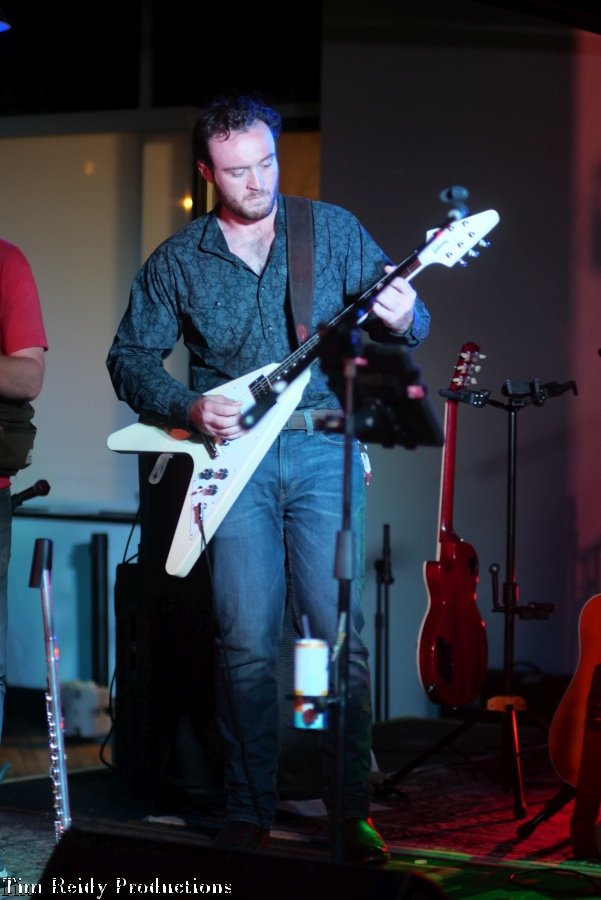
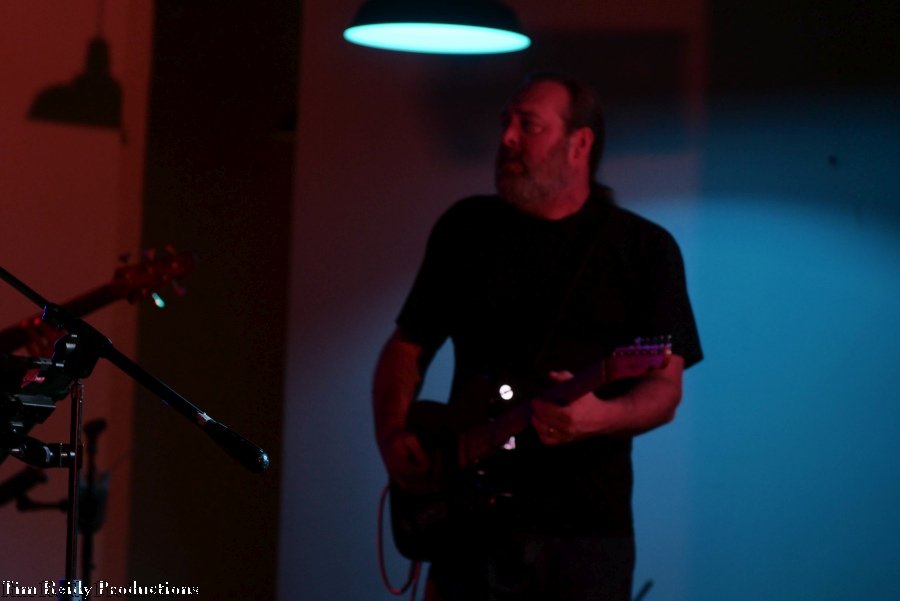
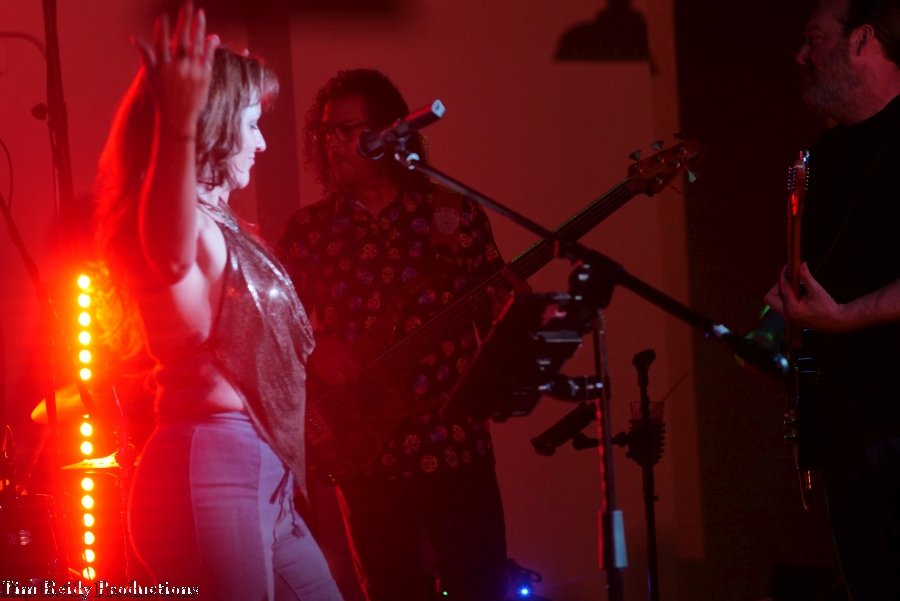
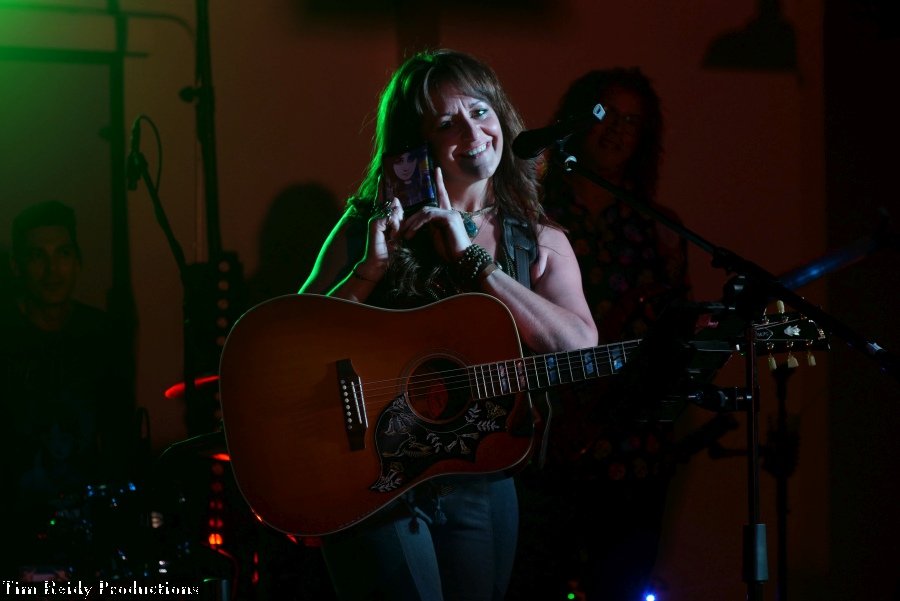
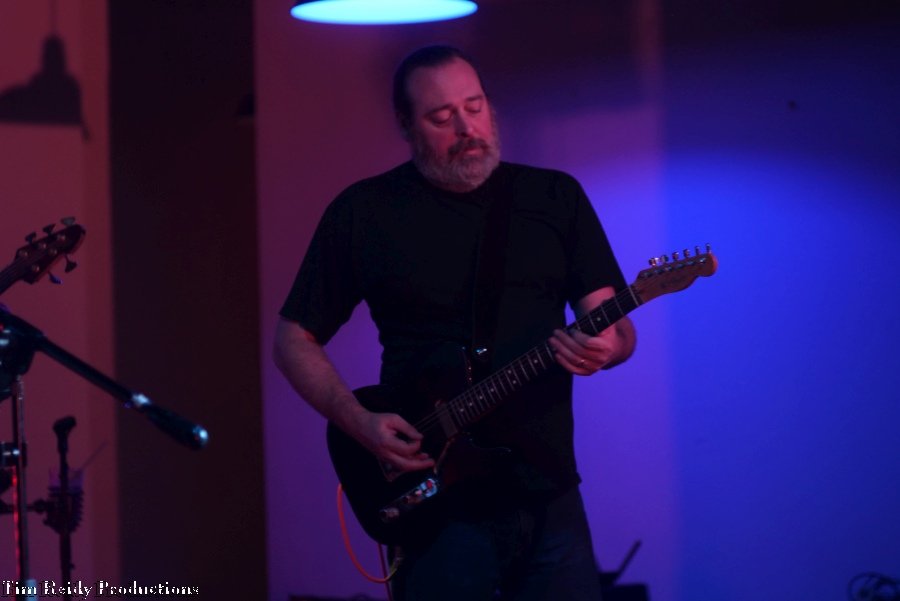
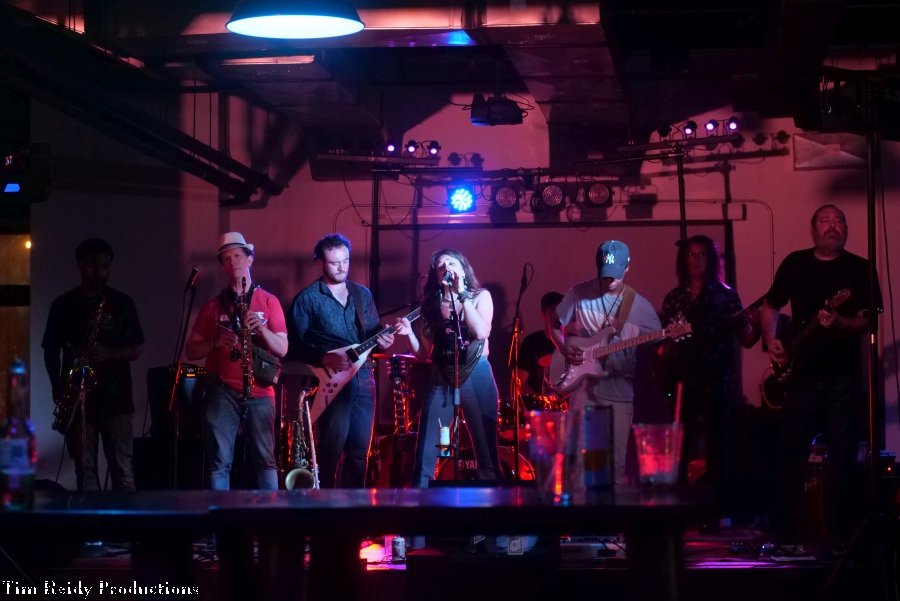
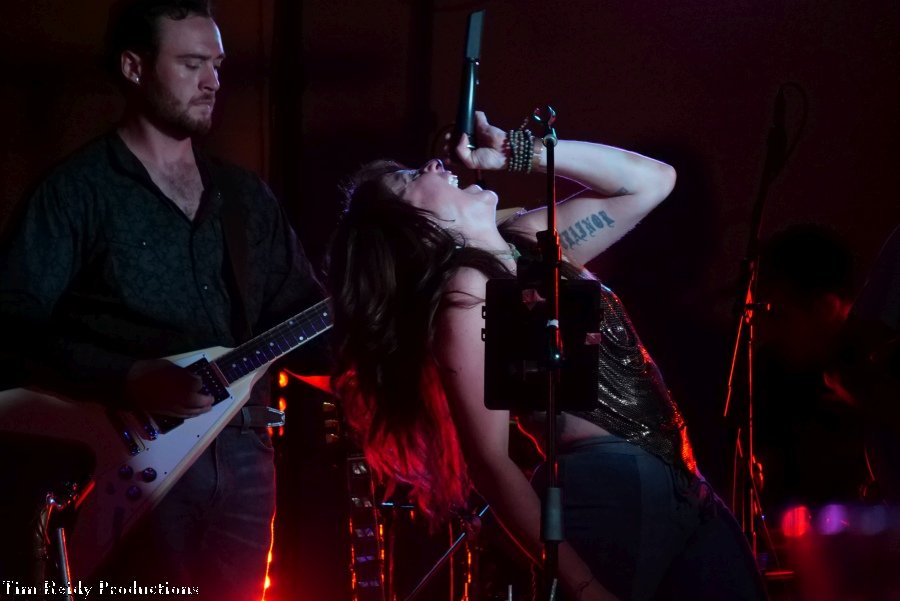
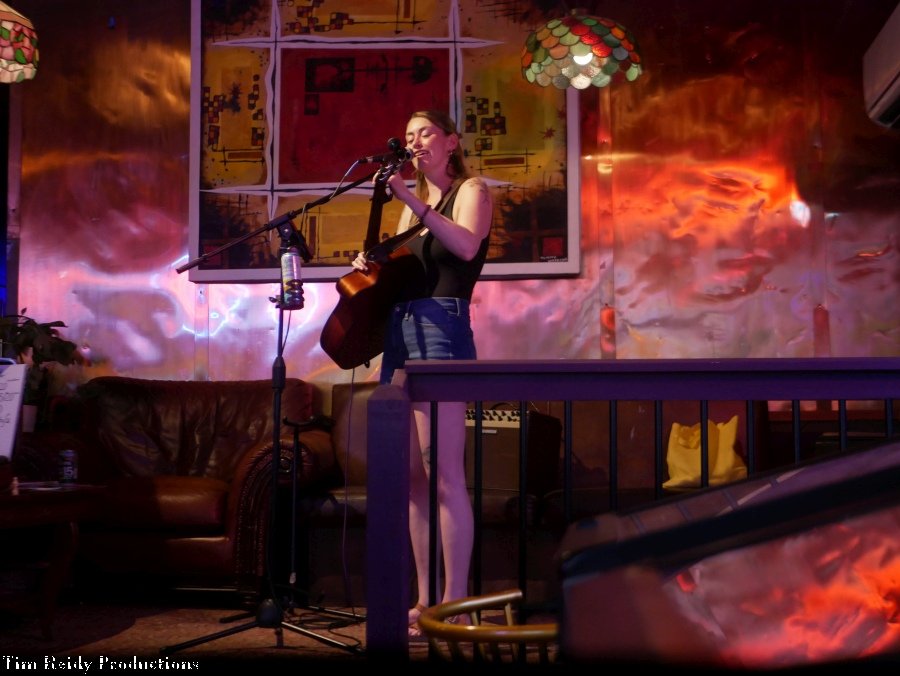
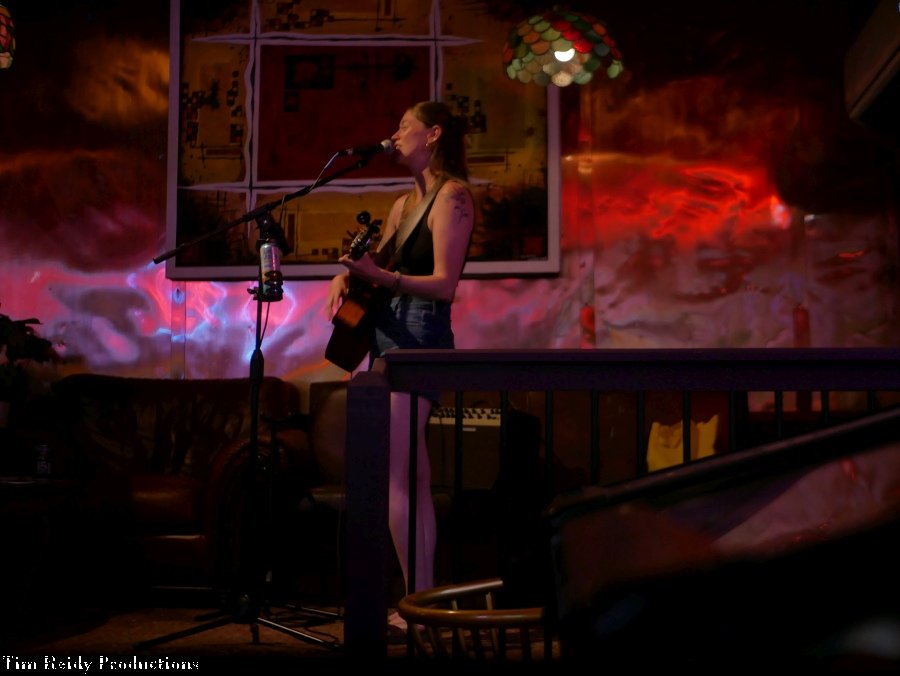
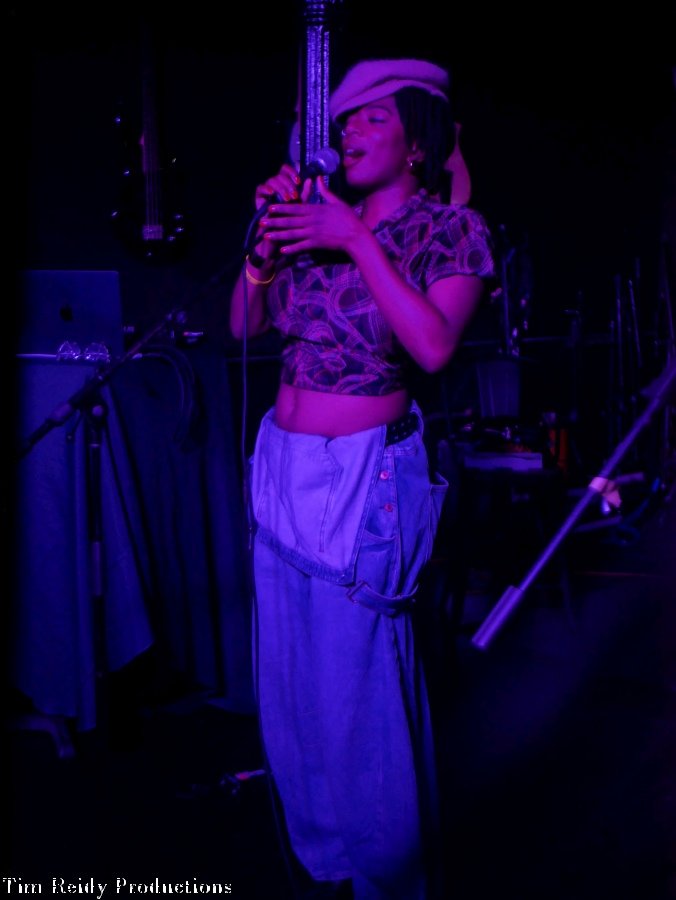
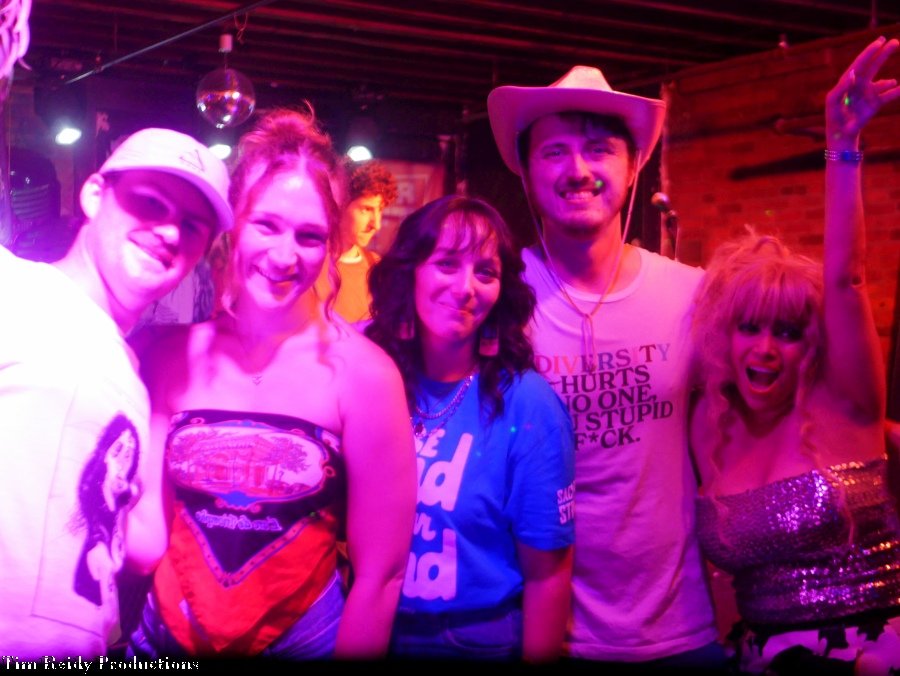
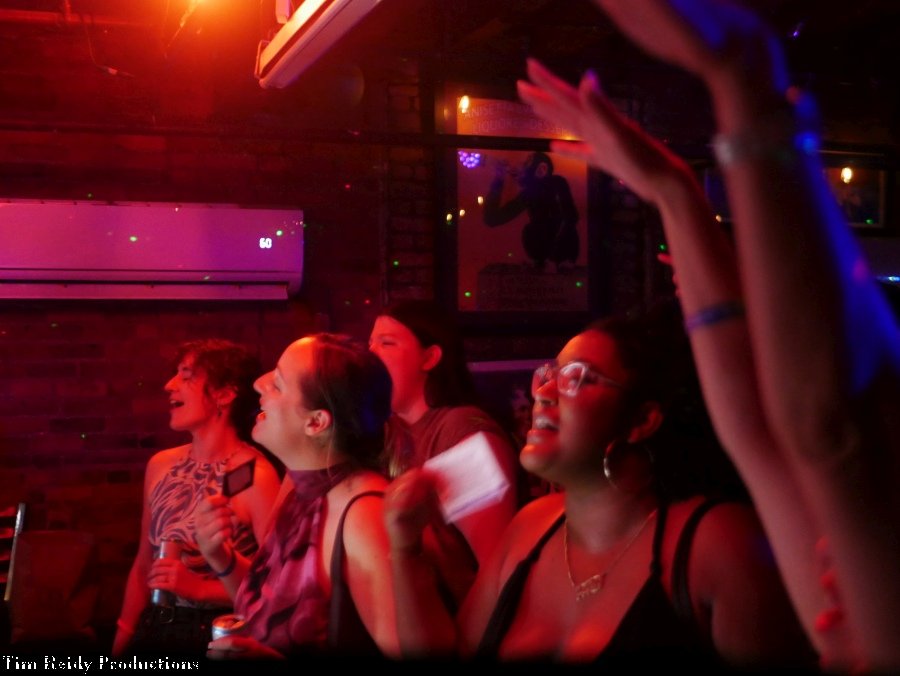
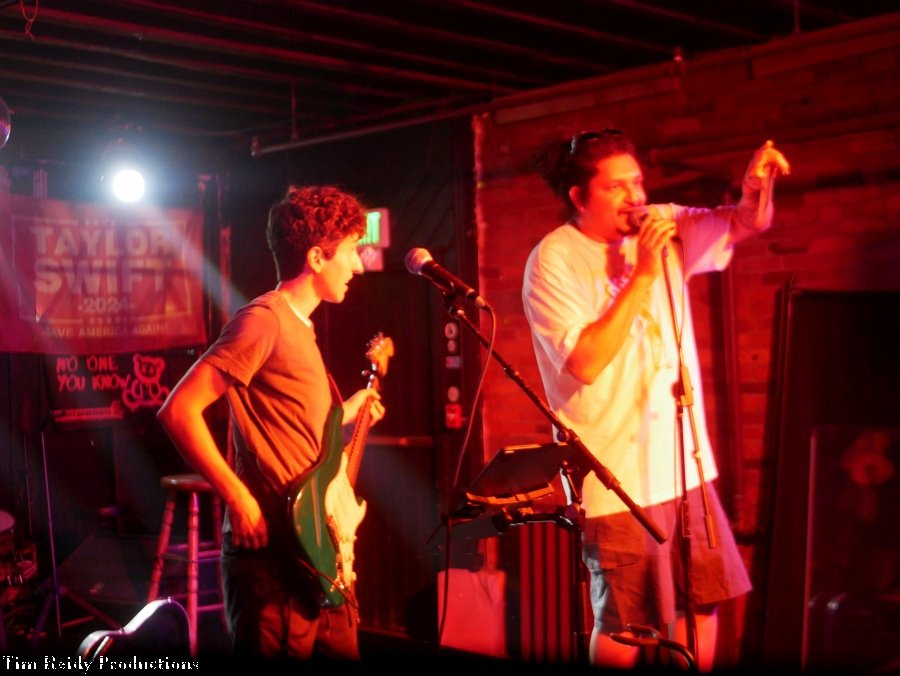
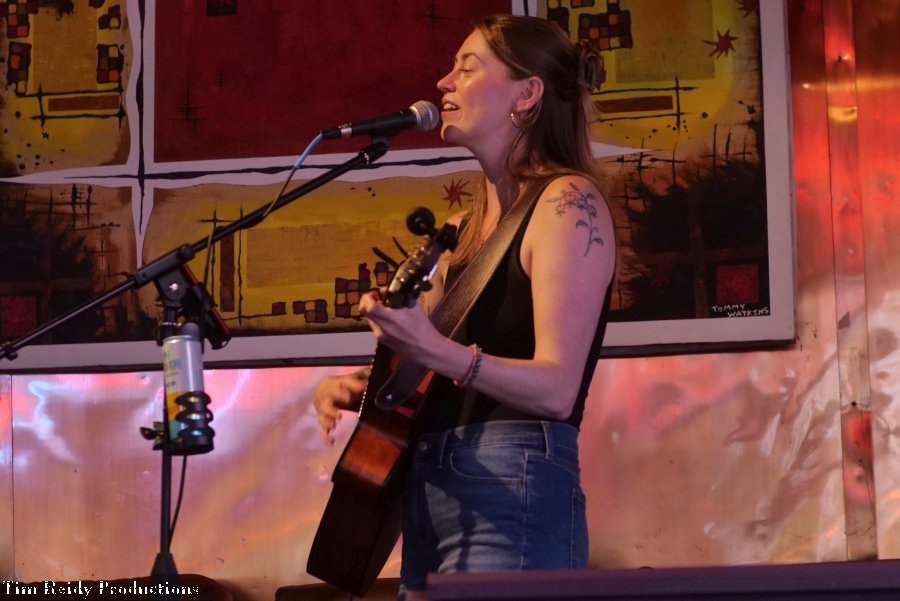
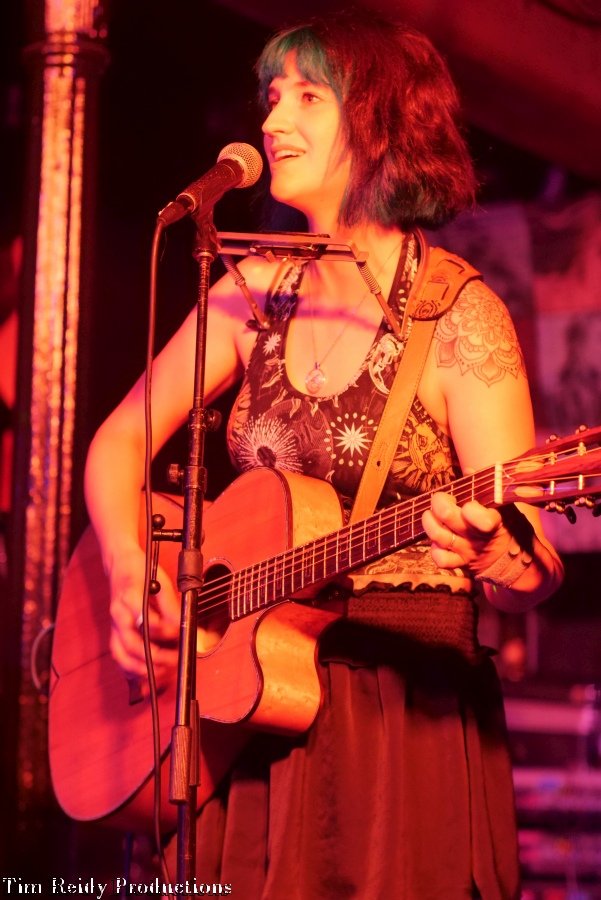
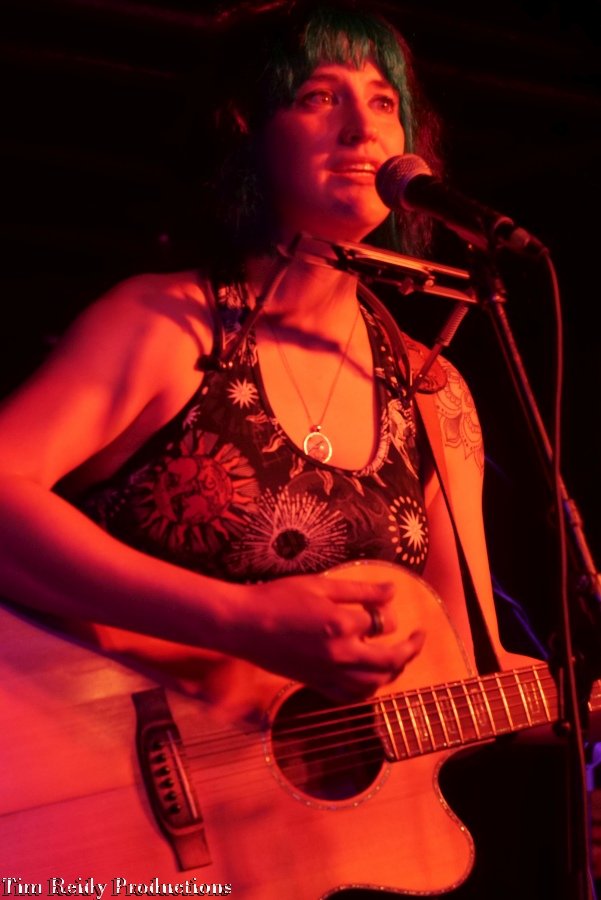
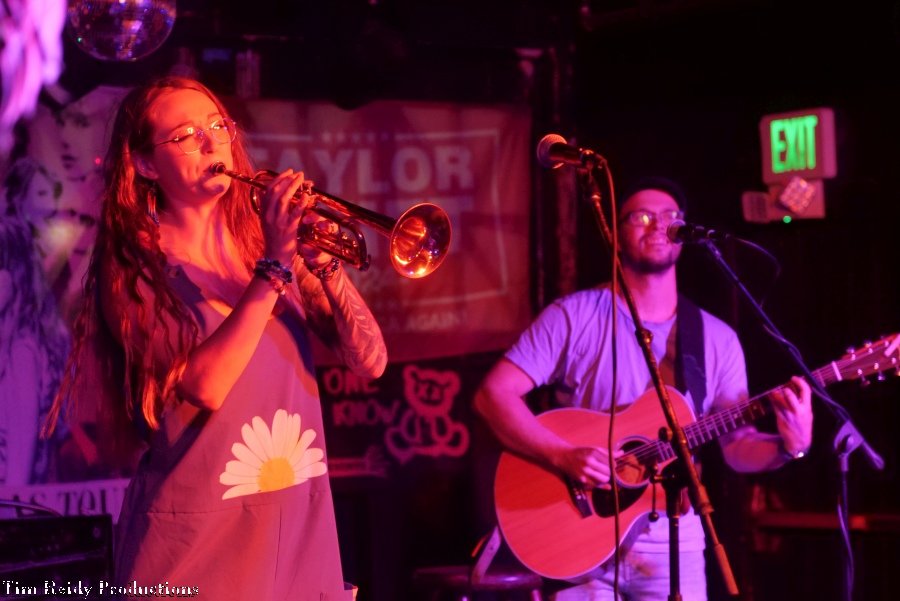
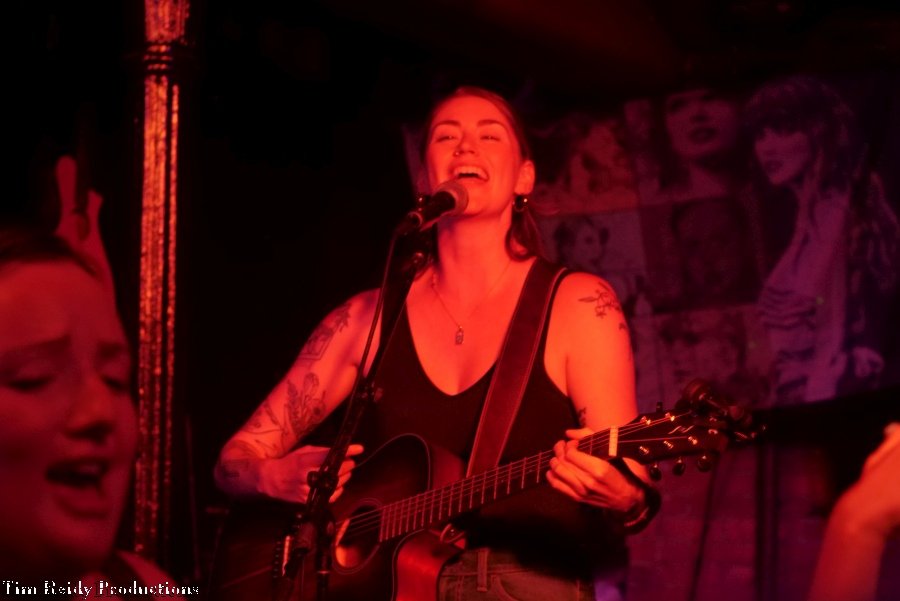
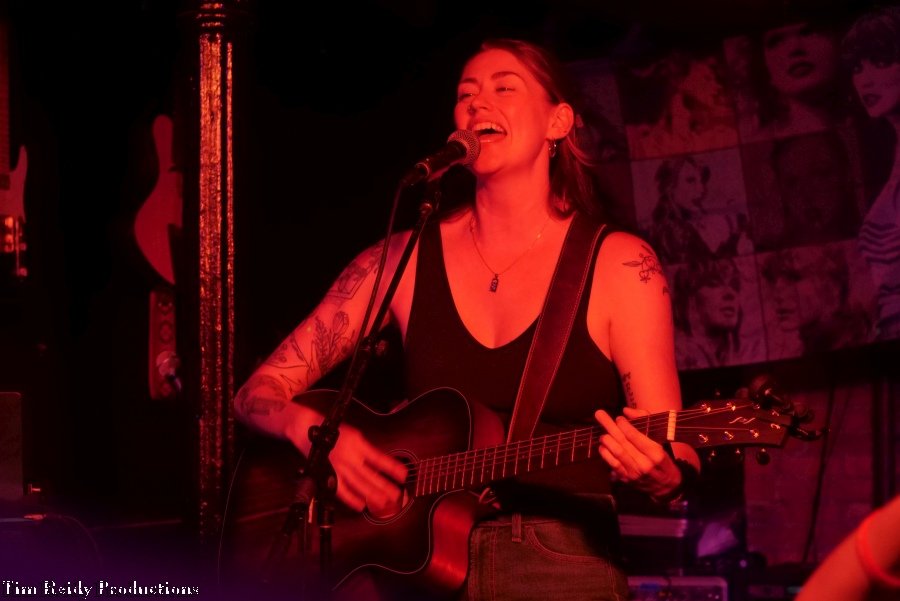
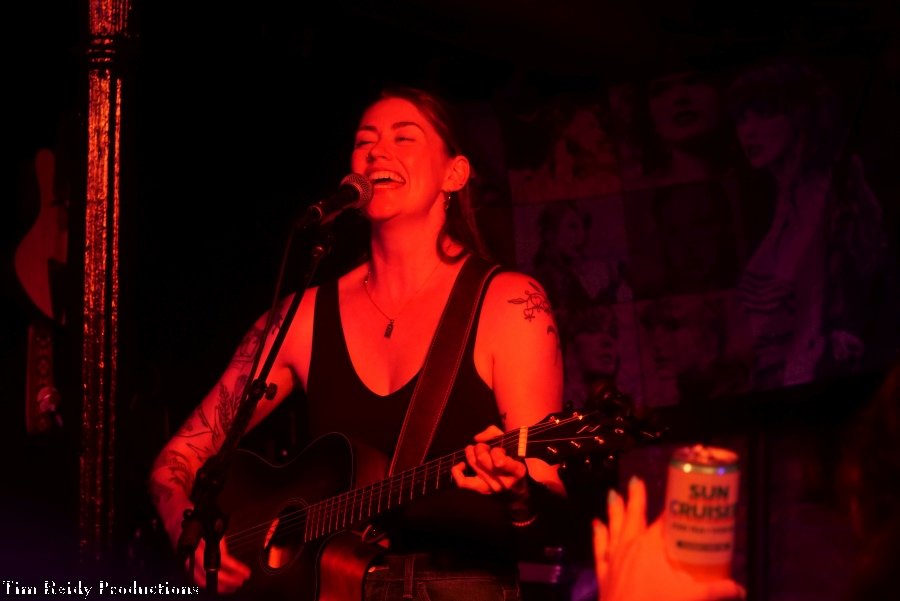
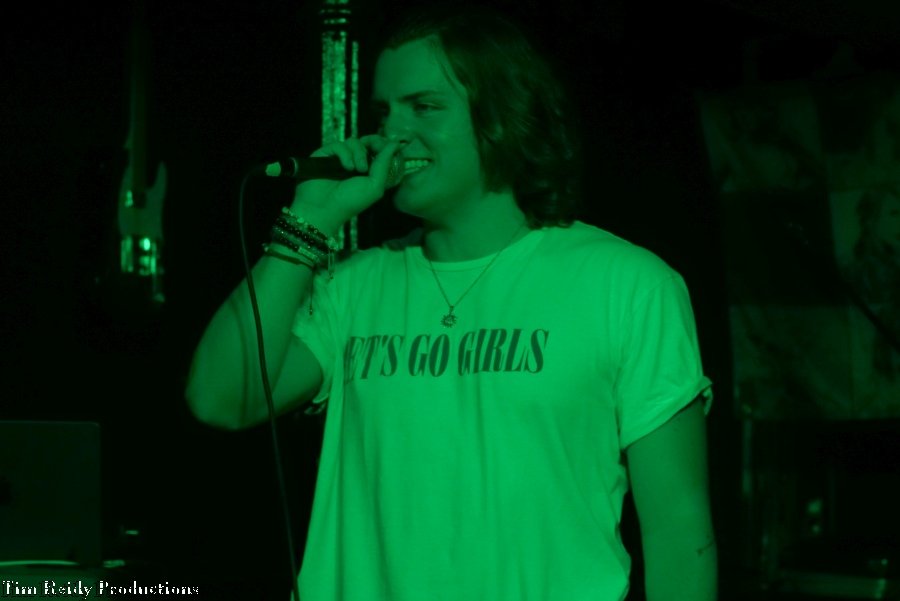
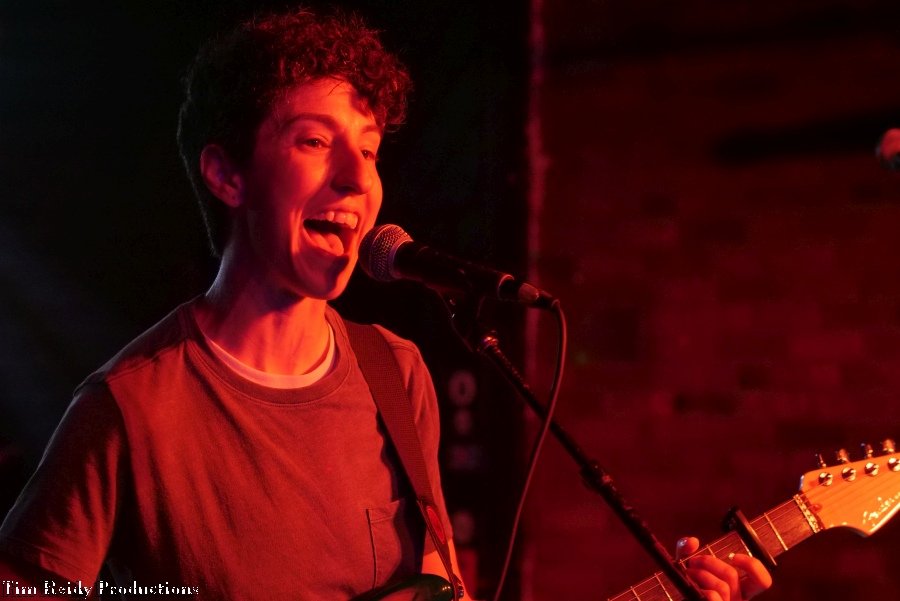
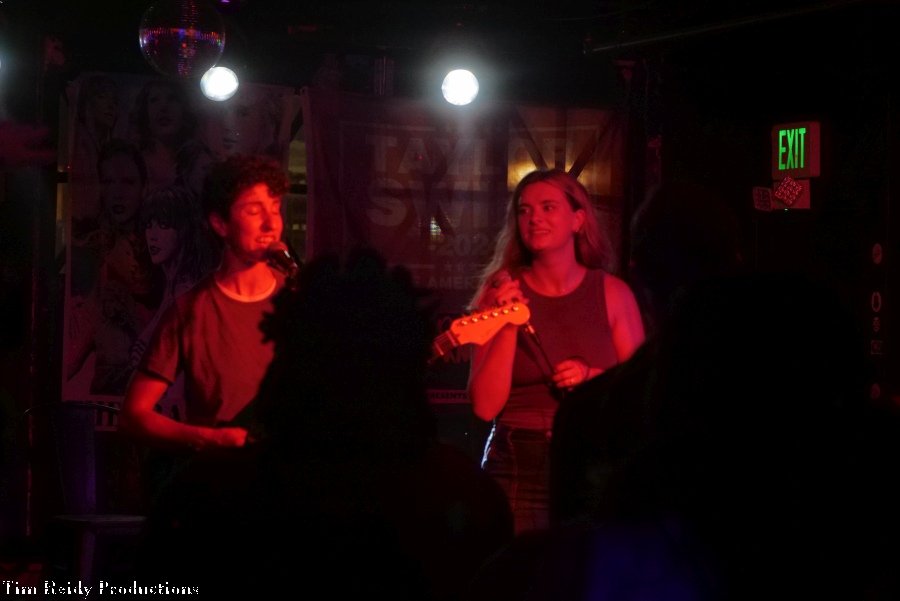
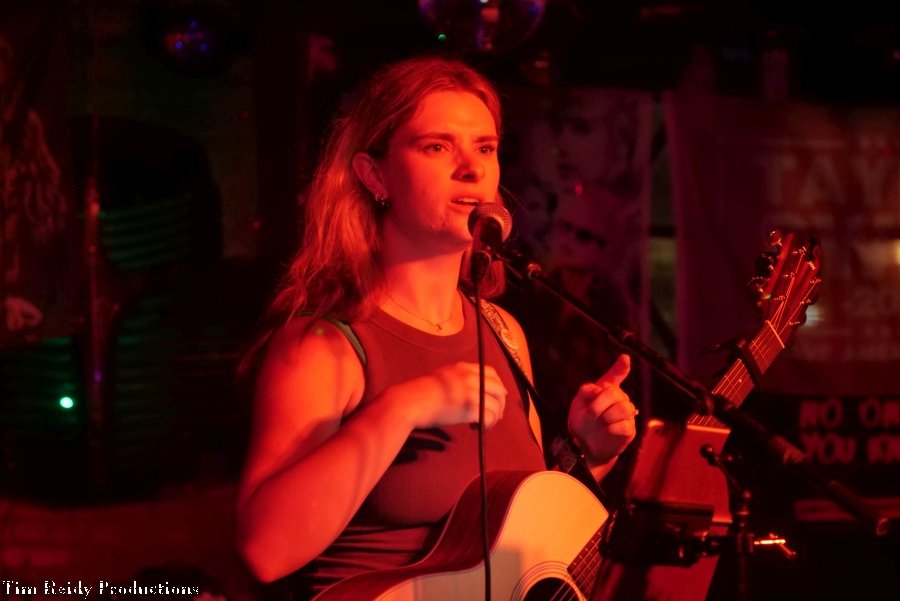
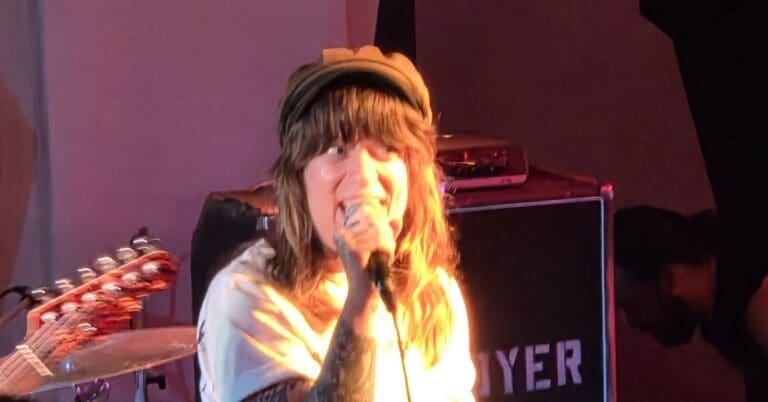
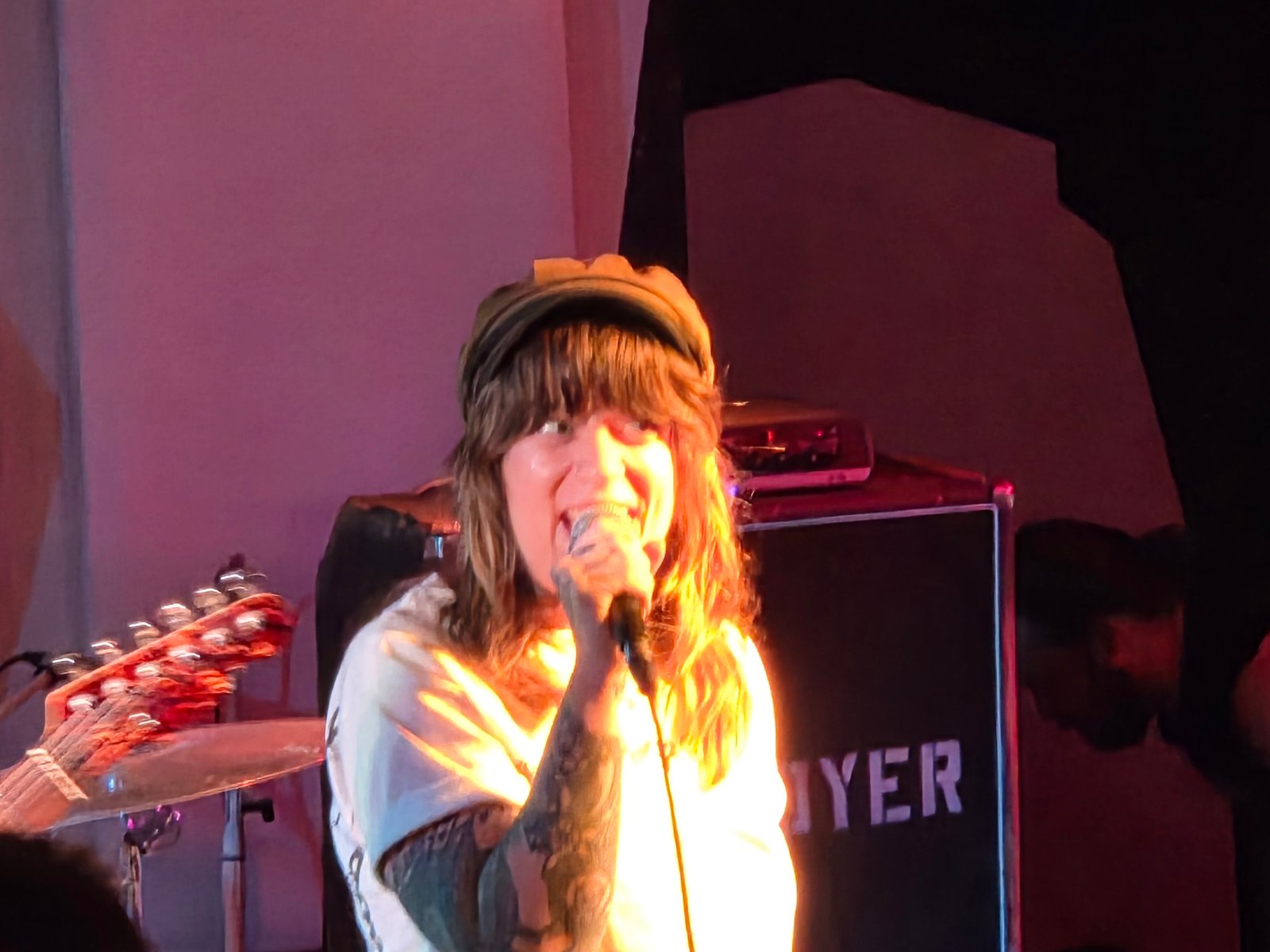
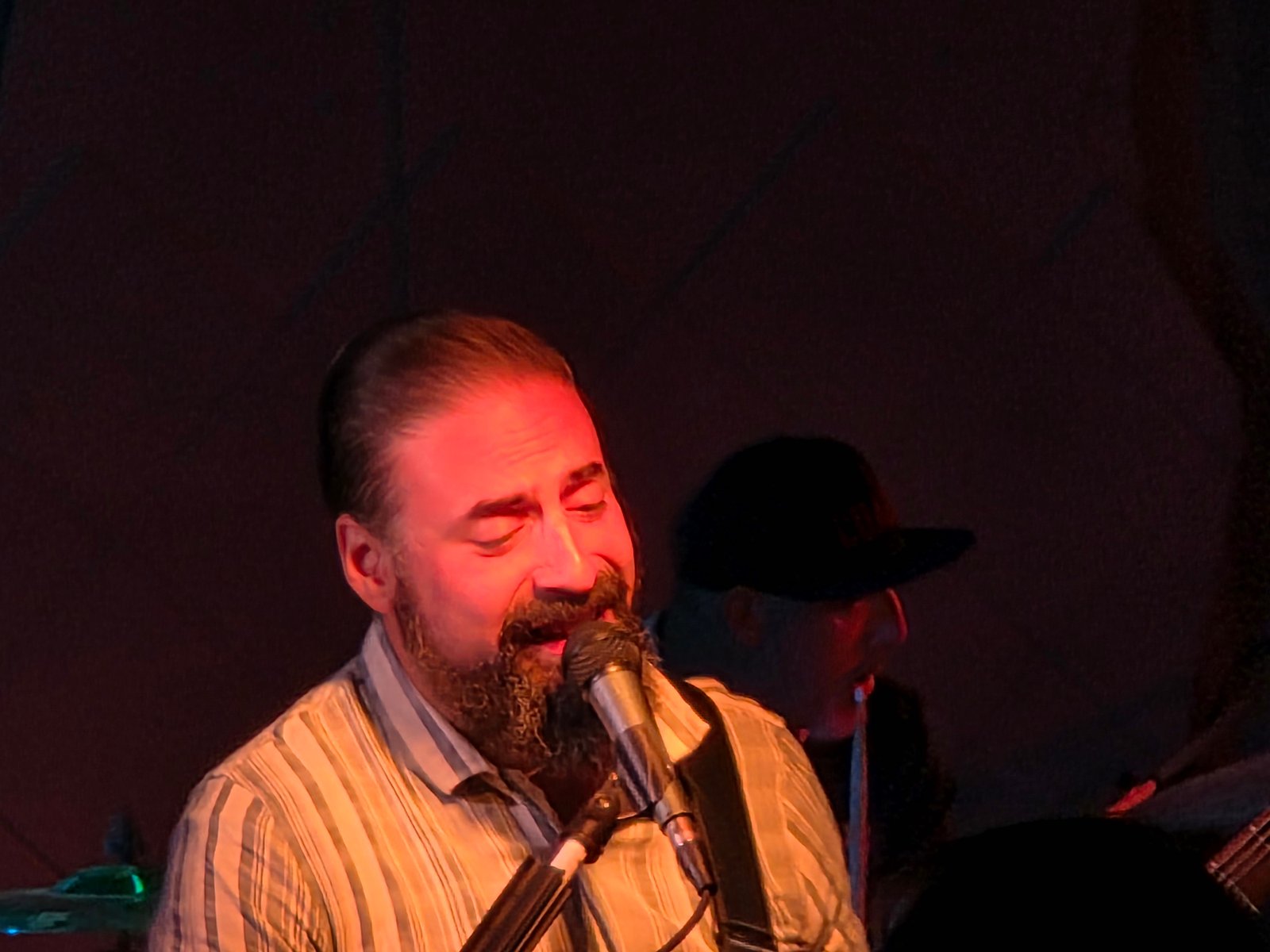
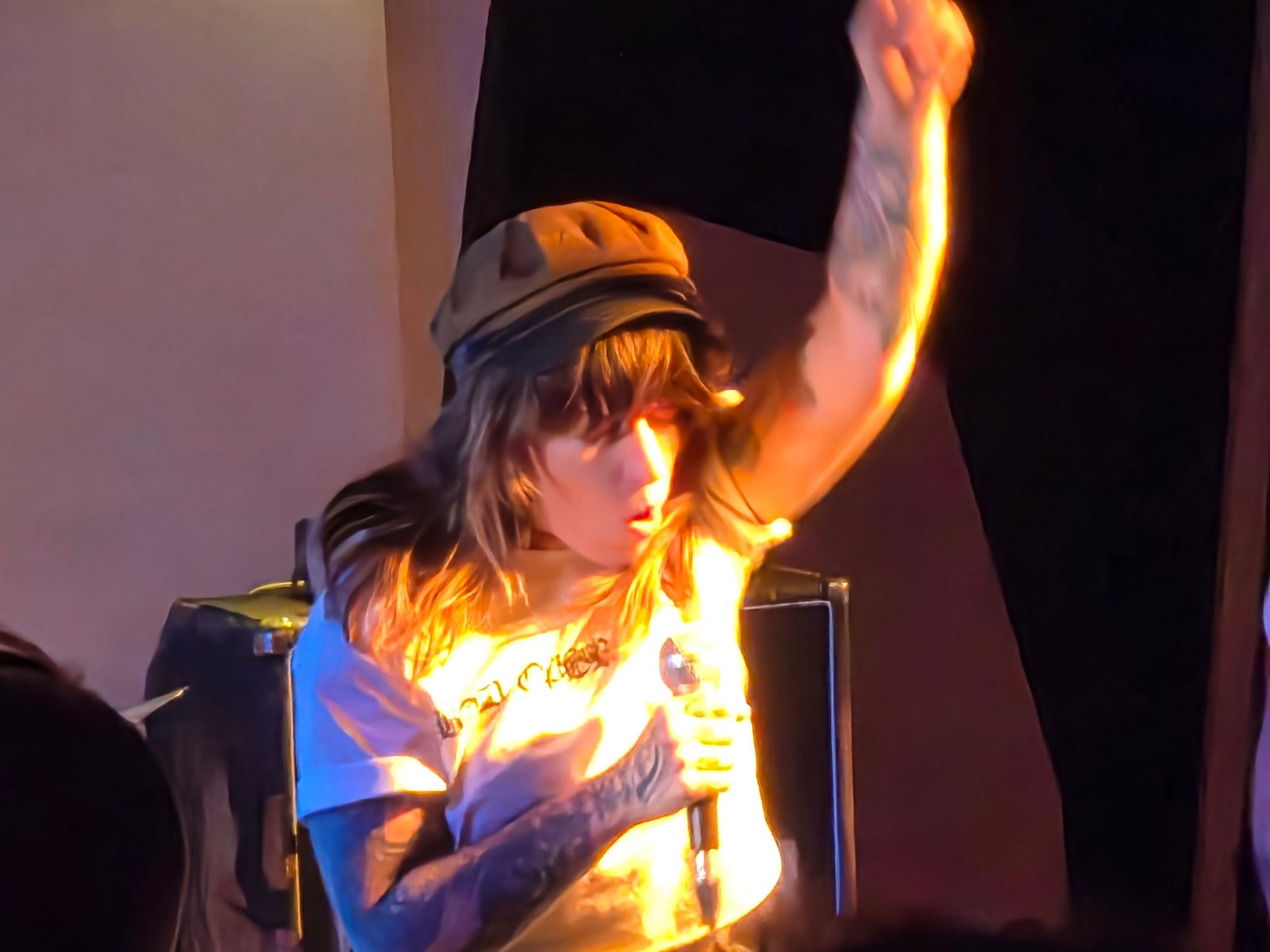
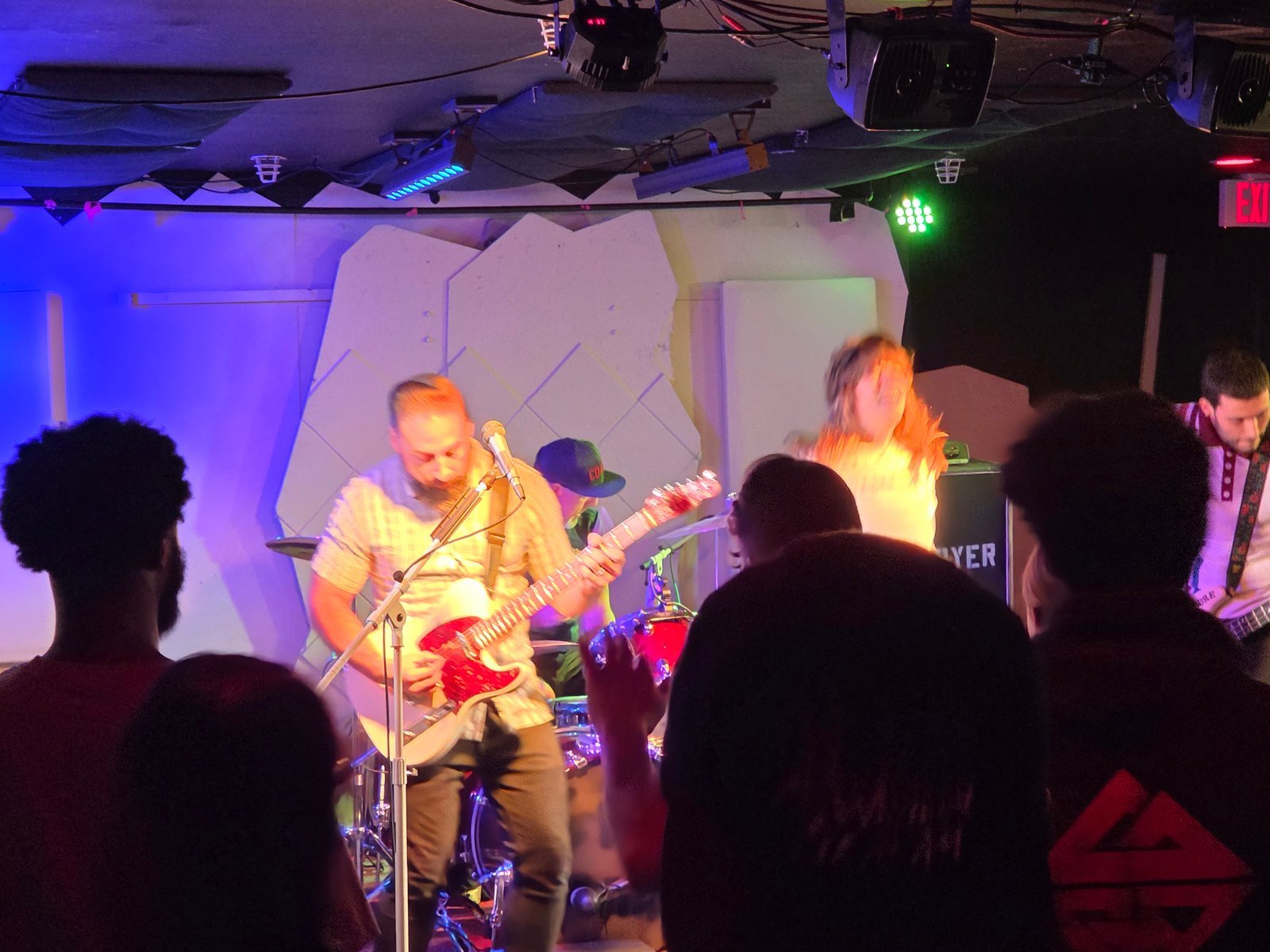
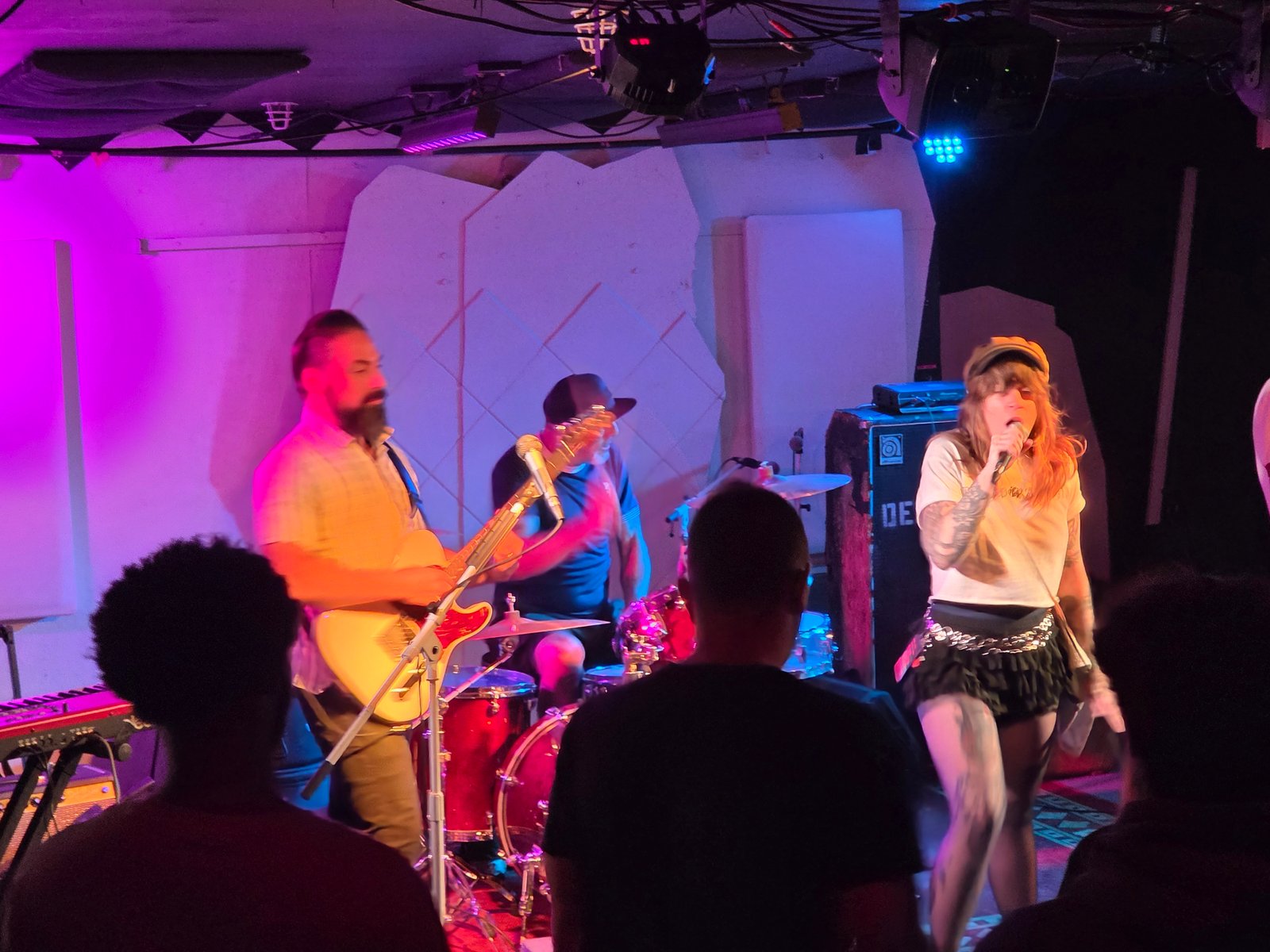
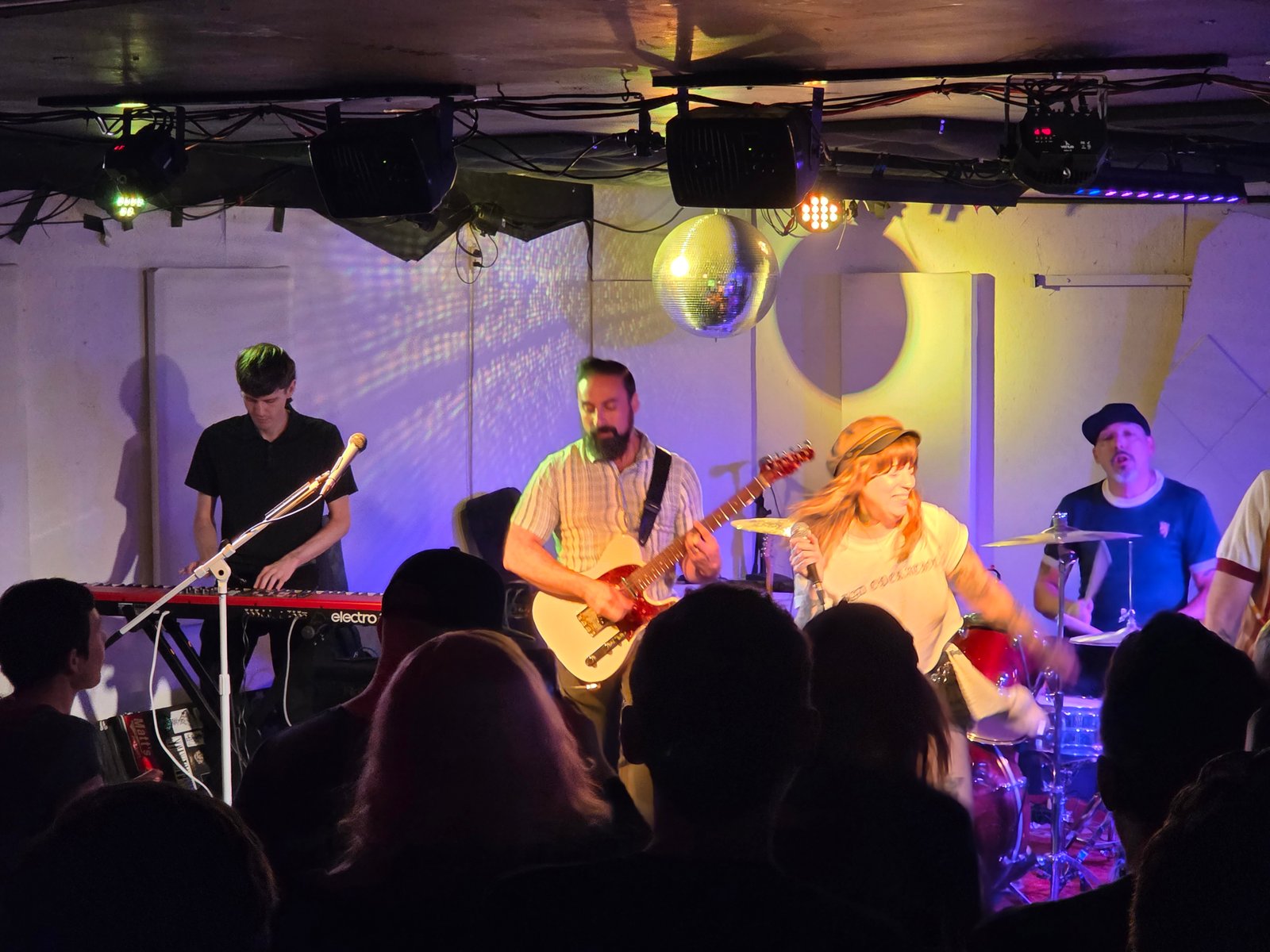
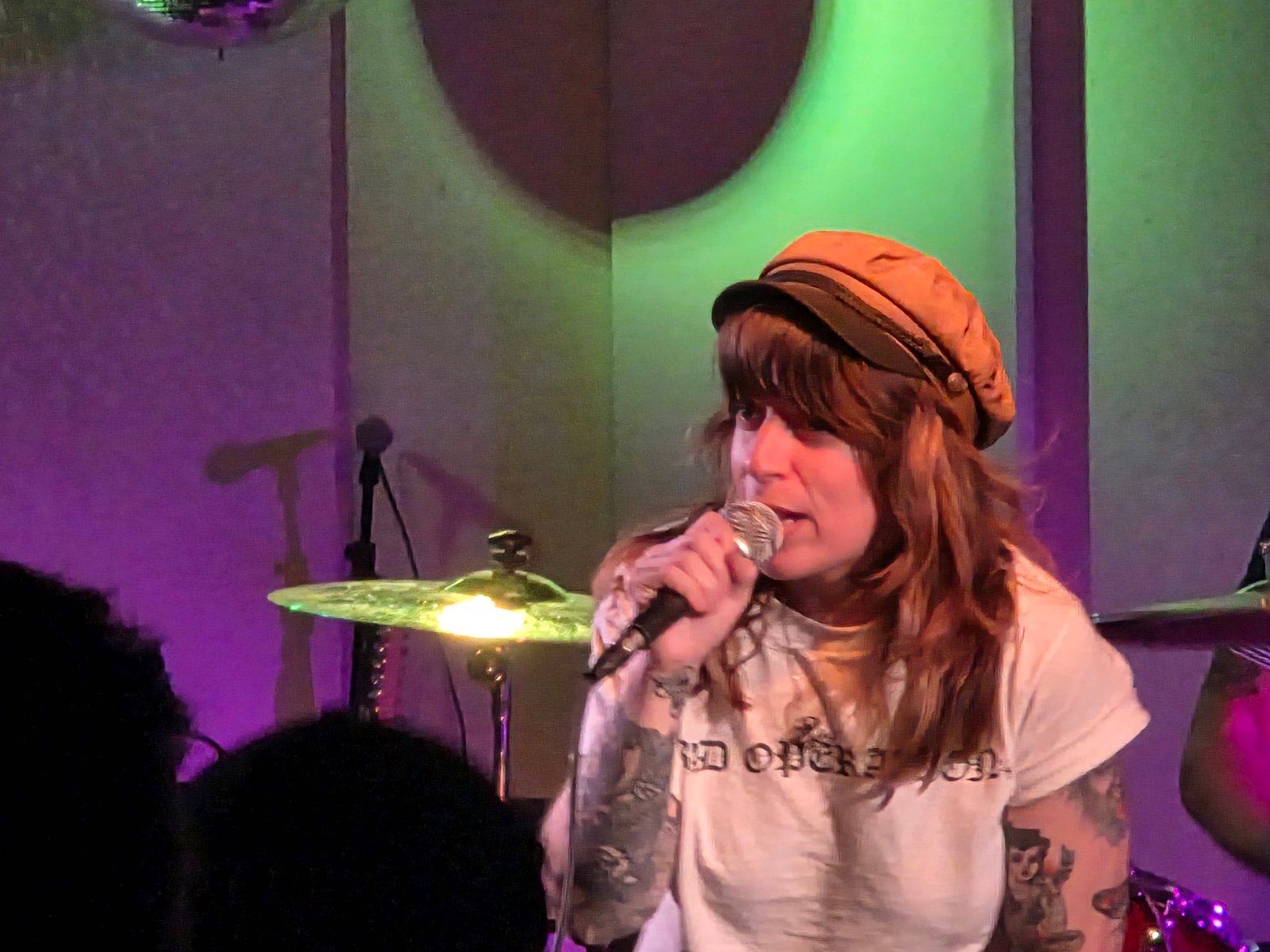
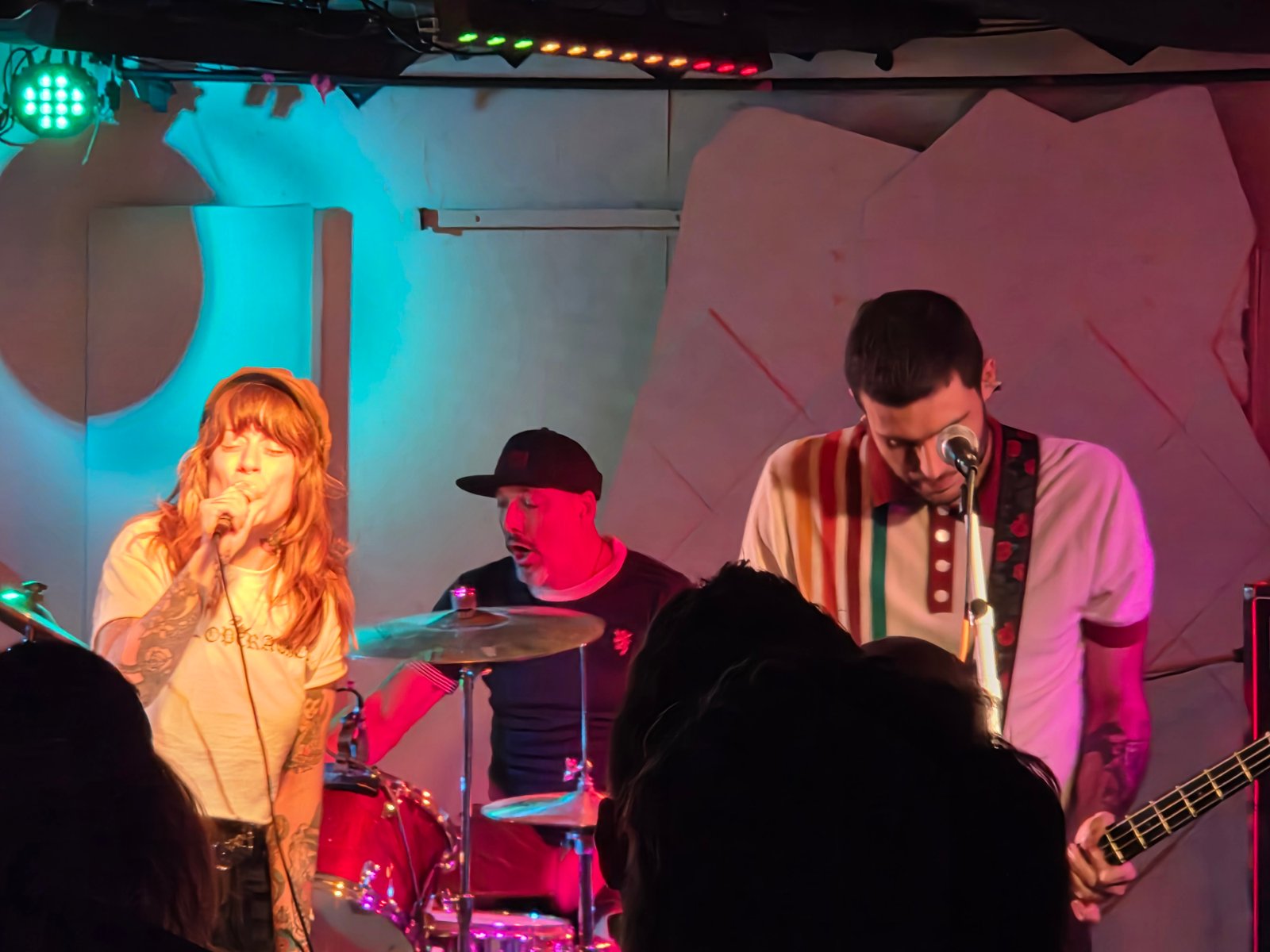
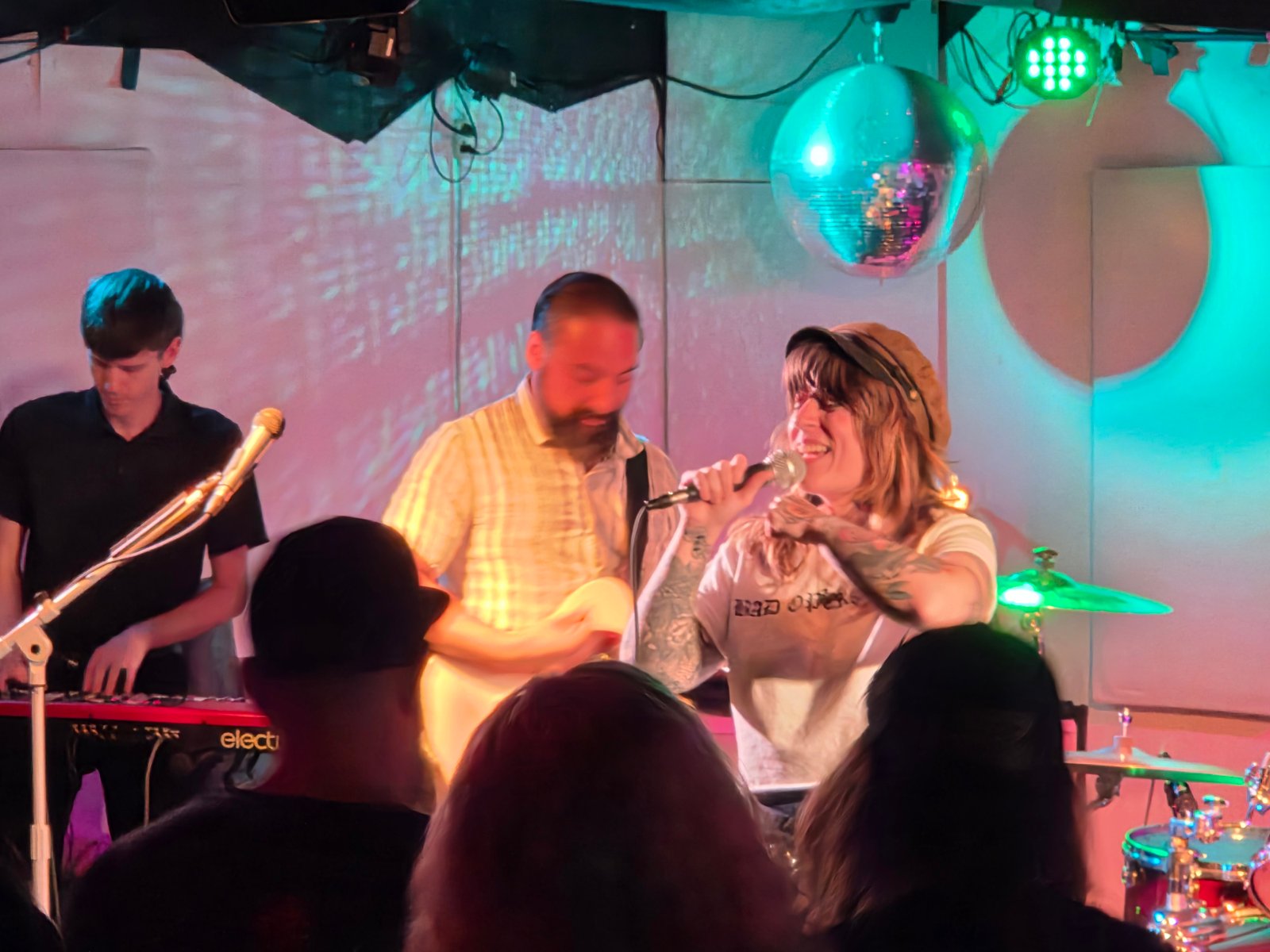
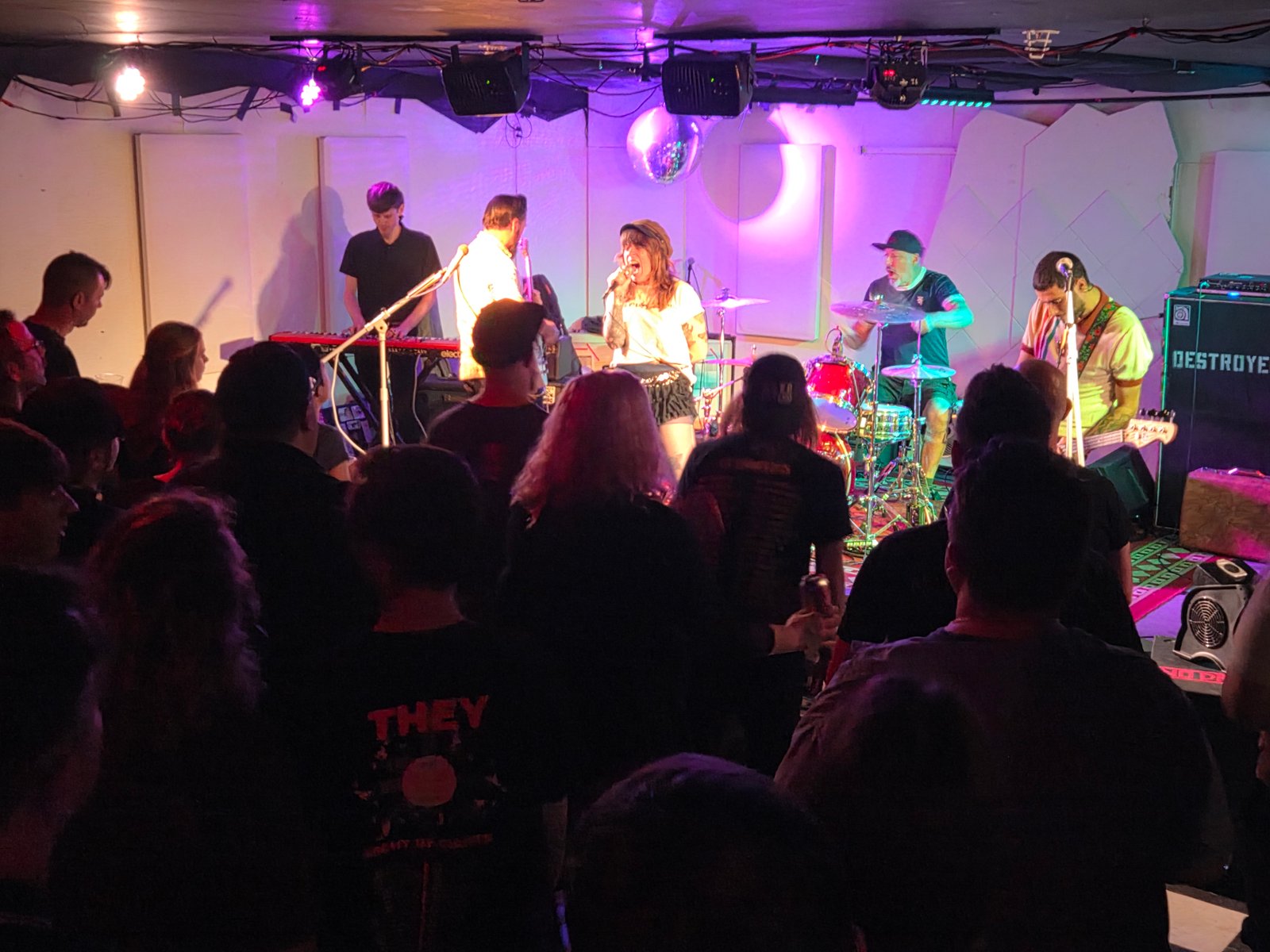
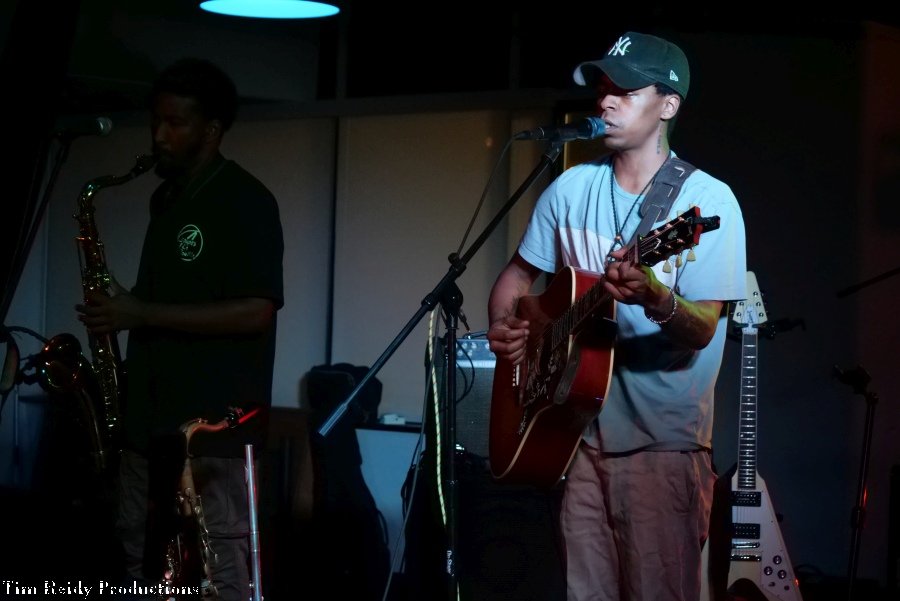
The Ky McClinton Duo opened for Shannon Roy at Slidin’ Dirty, then closed the night as some of the boys. Bluesy rock ensued.

Photography by Timothy Reidy.

More on Shannon Roy here …

RECAP: Brandi Carlile / Jensen McRae @ Tanglewood, 8/18/2026

0

By The Vibe Dog.

There are concerts, and then there are incidents.

After many years of voluntarily surrendering evenings to live music, I have developed a reasonably reliable system for determining which is which.

You arrive. You find your seat. You look around at the people who have paid an alarming amount of money to sit in front of, behind, or beside you. You wait for the lights to go down. Somebody eventually walks onto a stage and makes a noise loud enough to justify the entire enterprise.

Simple.

Civilized.

Predictable.

Then somebody tells you that Brandi Carlile is one of the greatest live performers on the planet.

That is where things become dangerous.

Because everybody I knew who had seen Brandi Carlile live said essentially the same thing: “Best concert I’ve ever seen!”

Well, that’s a hell of a thing to tell a man who has been going to concerts since dinosaurs were still arguing over whether arena rock was getting too commercial!

Expectations are dangerous animals.

So, I entered the Koussevitzky Music Shed at Tanglewood on August 18 carrying a crap-ton of years of accumulated concert baggage and one enormous question:

Could Brandi Carlile possibly be as good as everybody claims?

The answer arrived shortly after Jensen McRae and her magnificent band tore through a forty-five-minute opening set that this audience actually listened to.

That’s worth noting.

Opening acts are frequently treated like the musical equivalent of the safety instructions on an airplane: technically necessary, occasionally useful, and largely ignored by everyone who has already decided what they came to see.

Not this night.

McRae had the crowd.

Then Brandi Carlile walked onto the stage with her for “God Has a Hitman,” McRae’s track featuring Carlile.

And suddenly the evening had stopped warming up.

It had begun.

What happened next was less a concert than an extended demonstration of what happens when a world-class musician is given a microphone, a great band, several thousand willing accomplices, and apparently no obligation whatsoever to behave like a conventional rock star.

Carlile told stories.

Lots of stories.

She told stories before songs, after songs, during songs, around songs and, on at least one occasion, because a piece of stage equipment had apparently decided it needed its own moment in the spotlight.

She sat down at the piano.

The monitors weren’t working.

Normally, this is the point where the technical crew begins communicating in increasingly desperate hand signals while the audience stares at the ceiling.

Carlile simply explained that she couldn’t give the monitor guy too much crap because he was her brother-in-law. “His name is Jerry.” Jerry was now part of the show.

Eventually, Carlile switched the piano from Fender Rhodes mode to Acoustic Piano mode and – miracle of modern science – the monitors came alive.

She looked at the audience. “Should I just play this song on the piano?” The place erupted.

Then she confessed that she had actually wanted to play the song on the piano all along. She had played with us. Beautifully. And we thanked her for it.

This was the trick Carlile kept pulling all night: she made imperfection look intentional.

She made technical problems funny. She made forgotten parts entertaining. She made thousands of strangers feel like they had somehow been invited over for dinner and nobody had bothered to tell them there would be a concert afterward.

Then came the stories …

Her first airplane ride at seventeen: white-knuckle terror, destination Idaho.

Three years later, she and “The Twins” – bassist Phil and guitarist Tim Hanseroth – flew from Washington State to New York City.

Their expectations of New York had apparently been assembled by “Home Alone,” hearsay, and the imagination of three people who had never seen the place.

They expected snow.

They’d been told skyscrapers were separated by tiny slivers of blue sky.

And they desperately wanted to see cockroaches …

New York, being New York, immediately came through.

NYC had apparently rolled out the welcome mat!

Then Carlile talked about Elton John.

She had idolized him. To her, he was practically an angel.

Then she worked with him.

The angel turned out to have some human characteristics.

And that was apparently the best thing that could have happened.

Once she stopped worshipping him and started treating him like a colleague, the music got better.

They performed “Who Believes in Angels?” with Dave Mackay attempting the unenviable task of recreating Elton John’s piano work – work that, Carlile noted, Elton himself had approved.

There are moments when a piano player must feel that his career has become a hostage situation. I believe this may have been one of them.

Then came the audience requests.

Dangerous territory.

“Dreams” was selected, and suddenly Phil, Tim, and Brandi were conducting an archaeological excavation into their own memories.

Who sang the Beach Boys part?

Who had the Sgt. Pepper part?

Who was supposed to sing what?

Nobody seemed entirely certain.

Then, somehow, it all clicked.

The song happened.

The audience exploded.

“Turpentine” followed, and this time the crowd was drafted into active service. Tim taught one section their harmony. Brandi and Phil handled the others.

For a few glorious minutes, the Koussevitzky Music Shed became a giant human vocal instrument.

Then came the zipline story.

Carlile had built a zipline in her backyard.

And somehow convinced her wife to test it.

This is either marriage or a highly sophisticated insurance fraud scheme.

Her wife is British, she explained, and has a peculiar habit of answering questions with questions.

“Are the kids in bed?”

“That’s not appropriate for you to not know where the kids are, is it?”

Then came Bonnie Raitt.

Carlile spoke about seeing shows at The Gorge in Washington, including James Taylor, and about her lifelong admiration for Raitt. She had sung the same Bonnie Raitt song every night as a countdown to seeing her perform.

Then she sang it. “I Can’t Make You Love Me.”

And for a few minutes, all the jokes disappeared.

There are certain songs that remind you why you came to a concert in the first place.

That was one of them.

By then, I had stopped wondering whether Brandi Carlile could live up to the hype.

She had already backed the truck over it.

Twice.

Then came my own personal concert experience, with…

“The Mad Hatter”.

A couple in front of me left their seats. Two new people arrived. 

No worries, right – I mean…concert seating is a fluid ecosystem.

The one who sat directly in front of me was wearing a hat so large it appeared to have its own weather system.

I moved left.

The hat moved left.

I moved right.

The hat moved right.

This was no longer a concert.

It was geometry.

Then everyone stood.

And I discovered that “Mr. Hat-Man-Dude” and I were exactly the same height.

But here’s the thing:

Everyone else was moving with the music.

“Mr. Hat-Man-nequin wasn’t.

His body remained perfectly still.

Only his head moved.

Up.

Down.

Back.

Forth.

Slowly.

Hypnotically.

Relentlessly.

I had discovered I was sitting behind “the human bobblehead”.

Then, everyone sat. Except him.

And suddenly I was staring at this enormous hat oscillating above a completely stationary human body like some kind of malfunctioning carnival attraction.

At some point, apparently having been sucked into his vortex, I lost control of my lower extremities – totally unaware that I was doing anything…I apparently began using my feet to attempt to make his empty seat touch the back of his legs.

My “Row-N-Seat-Buddy” looked over and asked:

“What are you doing?”

Excellent question.

“Um…I think I’ve been hypnotized. I have no control over my lower extremities.”

This seemed like the only reasonable explanation.

Eventually I escaped the gravitational field of “Hat-Man-Dude” and returned my attention to the stage.

And there was Brandi Carlile.

Still singing.

Still telling stories.

Still making thousands of people laugh, sing, listen, and feel something.

After all these years and all those concerts, I don’t throw this around lightly:

This was one of the best shows I’ve ever seen.

Not because it was flawless.

Because it wasn’t.

It was better than flawless.

It was alive.

The music was extraordinary. The stories were ridiculous and touching. The audience became part of the performance. The technical problems became punchlines. Elton John became human. Jerry became a character. Bonnie Raitt became a pilgrimage.

And somewhere in front of Row N, a man in an enormous hat became a challenge.

That is what a great concert can do.

You arrive expecting a performance.

You leave with a story.

I went into Tanglewood expecting the unexpected.

For once, I got what I actually came for.

And I still don’t know whether I was watching Brandi Carlile…

or whether Brandi Carlile was watching all of us.

Either way, Jerry got the monitors working.

And somewhere out there, “The Hat-A-Strophic-Dude” is probably still bobbling …

Setlist – Main Set

  • Returning to Myself
  • Human
  • Mainstream Kid
  • Looking Out
  • A War With Time
  • A Woman Oversees
  • Right on Time
  • Who Believes in Angels?
  • Dreams (Live audience request)
  • Turpentine (Live audience request)
  • You Without Me
  • The Mother
  • The Story
  • You and Me on the Rock
  • No One Knows Us
  • Church & State
  • I Can’t Make You Love Me (Bonnie Raitt cover)
  • The Joke
  • Hold Out Your Hand

Encore

  • Dear Mr. President (Pink cover, with Jensen McRae)
  • Uninvited (Alanis Morissette cover)
  • A Long Goodbye
  • Sweet Baby James (Snippet)
 

A Visit to “Vintage Athens” with Armistead Wellford

0

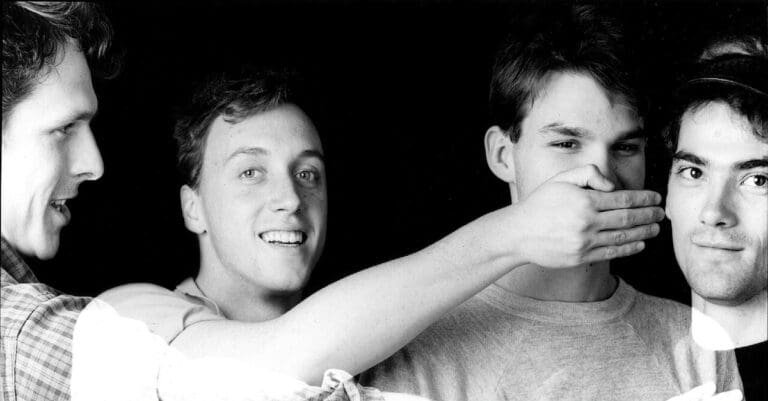
Image: Love Tractor: (l to r) Armistead Wellford, Mark Cline, Mike Richmond, Kit Swartz. Photo by Liwkram, licensed under Creative Commons.

By Tara Davis.

Most of our readers and RadioRadioX listeners are familiar with some of the bands that were originators of the wildly creative music scene that was Athens, Georgia in the ‘80s, such as the B-52s and R.E.M. But how many of you have heard of Pylon, the Side Effects, or Love Tractor?

Recently, Kaleidoscope host Jim Barrett and I had the pleasure of spending a lovely summer afternoon in conversation with Armistead Wellford of Love Tractor, learning more about the musical crucible that was Athens in the early ‘80s. Armistead, who was in town working as a carriage driver for “The Gilded Age” production, hails from Richmond, Virginia, but a large part of his heart will clearly always belong to Athens and the scene he created there with friends and fellow bandmates.

Wellford arrived at UGA (University of Georgia) Art School to study Graphic Design in 1978 with the intent of going into cartooning or animation. He cites his favorite artists as Rembrandt, R. Crumb, and Max Fleischer. We sat down with Armistead and his “cousin-in-law,” filmmaker James Rasin, to continue a conversation that began in the River Street Beat Shop the last time “The Gilded Age” was in town to learn more of the backstory of ‘80s Athens, and were rewarded with a rock and roll history lesson and so much more.

Wellford shared anecdotes of happy memories and lasting close friendships with many of the other musicians and creative co-conspirators such as Jerry Ayers (who had much more than his share of 15 minutes of fame – including penning the lyrics for the B-52’s “52 Girls”), people who were integral to the development of the fertile Athens scene. Seeing the B-52s take Saturday Night Live by storm in January 1980 inspired others around them to form or put renewed effort into their own bands. Armistead played bass, as well as guitar and clarinet, for Love Tractor, a band known for their largely instrumental songs, unusual for pop music at the time. “I’m afraid of lyrics,” he laughs. When asked if there was a common thread between bands that seem worlds apart sonically, such as R.E.M. and Pylon, he noted that there was some competition among the bands, which may have contributed to each of them developing their own unique sound. Still, he remembers, “we all wanted to make each other proud.” It strikes me that another common thread was the sheer danceability of much of the music, whether it was the freaky punk frolic that was the B-52s, the angular, disjointed urgency of Pylon, or the rhythmic, rollicking romp of Love Tractor. Armistead remembers he was told, “Your job as a bass player is important, to keep the dancers on the dance floor.”

The scene he describes of those days is of young people spending their waking hours almost entirely on creating – attending art school during the day, writing music at night, performing on the weekends, and creating their own style with vintage clothing and accessories procured from Potter’s House, “the go-to place for hipster fashion.” They sought out locations to host touring bands such as the Cramps or Gang of Four, as there weren’t yet venues for the bands to play. One of these spaces was a friend’s painting studio (belonging to Pylon drummer Curtis Crowe) that became an early version of the now legendary 40 Watt Club (eventually to become a proper club in a building across the street), so named because of the 40-watt lightbulb hanging in the studio. He described Athens as a “small town with a SoHo feeling,” where “all the buildings were empty.”

“Oh,” he adds with a roguish grin, “and we had a lot of sex.”

A musician from a young age, Wellford started playing violin at age 5 and studied the Suzuki method, and even met Suzuki himself a couple of years later on a school trip. His father, also a musician, began teaching him to play guitar at age 7. A talented multi-instrumentalist, Armistead plays guitar, bass, clarinet, and piano largely by ear in addition to writing music. He notes that although he came from a family of “great literary minds,” he has always been a musician. In Athens, while attending art school where he became friends with classmate Michael Stipe, he was writing and performing music with Love Tractor, who eventually toured with New Order, the Psychedelic Furs, 10,000 Maniacs, and opened for the B-52s at Radio City Music Hall. Dave Schools of Widespread Panic is a friend and cites Love Tractor as an influence, as evidenced by their song “Love Tractor.” The Love Tractor song “Fun to Be Happy” has been frequently covered by the Feelies.

Love Tractor reissued two of their six albums in 2022 and 2023 (a good place to start is their album “Around the Bend”) with plans to revisit others, but typical band differences prevented them from completing that project. In the meantime, he toured the Gutterball album “Weasel” (a side project of Steve Wynn of The Dream Syndicate) and started writing and recording his own new material under the moniker “Armi and Friends,” eventually settling on the name “Armistead’s Armi.” We were treated to a preview of a few unreleased demos and are looking forward to them seeing a proper release. These songs, rhythmic and funky, yet full of shimmery touches, feature delicate nuances (such as the addition of harp and strings) and deliberate musical references, as in the song “Start,” which integrates the melody of the starting horn for a horse carriage into the mix. Check out the single, “Turbulence of Love,” on Spotify (featuring/produced by Bill Berry with lyrics by Fred Schneider).

Due to his lifelong love of and expertise with horses, he became a carriage driver, which has resulted in him being involved in the series “Lincoln” and “The Gilded Age,” among others. In “The Gilded Age,” Wellford plays the role of coachman to Bertha Russell (Carrie Coon), and he describes the sensitivity required to drive a carriage as being similar to playing music. Truly a Renaissance man (in addition to being a musician, composer, and actor, he is a painter with an interest in historical renovation), when asked how he balances all of these different creative endeavors, he simply replied, “They all work together.”

Armistead shared a recent encounter with a staff member of “The Gilded Age” shoot, Patrick, who, upon getting deeper in conversation in a moment of kismet, turned out to be none other than the son of Roger McGuinn of the Byrds, whom Armistead has long admired. Coincidentally(?) he had just purchased a Byrds album at the Beat Shop, a record store that reminds him of Wuxtry Records in Athens – still in business today. Troy has always been a magical place for me, a place where it seems like anything can happen, and I know there are others who feel the same way. For many, having “The Gilded Age” film in our small town is a kind of recognition of some of the aspects that make it so special. I’ve enjoyed many magical moments at the Beat Shop, and this connection with Armistead was one of them.

Enjoy Troy, and watch this space for updates from Armistead’s Armi!

UNIHOG: Where Music Builds Community

0

(Warning: You May Accidentally Become an Artist)
By Charla Earney.

UNIHOG is an odd name. I still haven’t learned exactly where it came from. I could go online and deep dive into the history of the place and probably learn quite a bit. But UNIHOG is one of those places I’ve deliberately wanted to understand in person. Because the real question I’ve been trying to answer isn’t where the name came from. It’s this: what role does a place like UNIHOG and places like it play in a community?

I was first introduced to UNIHOG after being dragged there by an acquaintance. Navigating life with a brain injury, I was encouraged to start with something manageable: Music Bingo. Music Bingo led to Open Mic Night. Open Mic Night led to concerts. Concerts led to musicians. Somewhere along the way, those evenings became much more than entertainment. They became part of my own journey, from someone searching for a place to belong to someone who proudly calls herself a music journalist and an artist. That transformation is one answer to the question. But it’s only one. Through this journey, I learned it is more than a building.

There are certain venues where I walk through the door and immediately feel something. It might not always be a magic I understand. It might not even be a magic I completely agree with or naturally fit into. But it is there. I’ve spent a lot of time wondering where that feeling comes from. Is it the building? The people? The musicians? The land? Or is it just me? I’ve come to believe it’s all of it. UNIHOG isn’t built around luxury. It is nestled in a small New York town: Hoosick Falls, New York. That’s part of its charm. Anywhere else it wouldn’t be the same. Outside sits a simple wooden stage with folding metal chairs and heavy wooden tables. I learned that being comfortable isn’t really the point. I’m grateful for the chairs when I need to rest my feet, then I get back up. The outdoors offers space, something that can be difficult to find inside, and in larger venues: room. I’m 6’1″. Add a hat and heels, and I take up more space than most. Inside, I’m constantly aware of everyone around me: arms, chairs, drinks, and personal space. Outside, I can simply dance and spread out. Apparently, I can even end up dancing on top of a shipping container. If you brave the ladder, the sound and view are epic.

The Unihog was an old mannequin factory and reminds me of House of Blues in North Carolina. What interested me most about UNIHOG wasn’t the building. It’s what happens because the building exists. I’ve watched a local outdoor music series run by a fellow organizer, Kevin O’Malley, get rained out, then see Jasen (VonGuinness, owner) open the doors at UNIHOG as backup to make sure the music still happened. He didn’t have to do that. He simply understood that sometimes preserving a community matters more than preserving a schedule. His was open; he said, “hell ya, come on in”.  I’ve watched a young musician climb onto the stage for what looked like one of her very first performances. You could see both excitement and fear in her eyes. She took a breath, sang her song, and, by the time she finished, the room had quietly rallied around her. I know I did.
Moments like that don’t happen in arenas, big stages, or on Instagram. They happen in places where people know each other. Like the show “Cheers,” everybody knows your name! I’ve watched local musicians share the stage with touring musicians.  I’ve watched strangers become regulars. I’ve watched audience members become performers. I’ve watched people discover bands they had never heard before. I was one of them. That, I think, is the role places like UNIHOG play in a community. They become gathering places where creativity is encouraged instead of judged. Where experienced musicians remember what it felt like to be new. Where new musicians are given permission to be brave. Where audiences don’t just consume art, they become part of it. It is a place to become.

When I first started going to UNIHOG and small places like it, I wasn’t introducing myself as a writer. I wasn’t calling myself an artist. I was simply showing up. As a patron, then as a fan. That mattered. There was room to watch. Room to listen. Room to learn. Eventually, there was room to write. People like Jasen and Brittany, the owners, created an environment where those things could happen naturally. They didn’t tell me who I should become. They simply provided the space where I could figure it out for myself. That is why independent music venues matter. Not because they have the biggest stages. Not because they have the best sound systems. But because they create opportunities for people to discover something, whether it’s a new band, a new friend, or even a new version of themselves. We Need More Places Like This!!!

As far as I’m concerned, we need a hundred more places like UNIHOG. Not copies. That would defeat the purpose. Each one should reflect on its own town, its own musicians, its own regulars, its own oddballs, and the people who wander through the door having absolutely no idea what they’re about to discover. Small music venues don’t need to become miniature concert arenas. They need personality. They need people willing to take chances on one another. When I watch communities of artists in different stages of development gather at places like UNIHOG, it gives me more hope in humanity than I can easily put into words. Musicians travel hundreds of miles and end up on a little stage in a small town.

Someone in the audience hears a band they’ve never heard before.

Someone talks to a stranger.

Someone signed up for Open Mic.

Someone finds the courage to perform for the first time.

Someone discovers they aren’t alone.

That is the magic I’ve been trying to identify. It isn’t just the building. It isn’t just the land. It isn’t just the music. It’s what happens when all of those things come together in one place. UNIHOG and venues like them don’t simply host concerts. They build community. It provides a concentration of creativity. A hub. A place where people can find one another and sometimes find themselves. Every time I’m there, whether the music is polished or rough, familiar or completely new, I leave reminded of something simple. People, in general, are amazing. And music has a remarkable way of bringing out the best in them.

Music is the way.

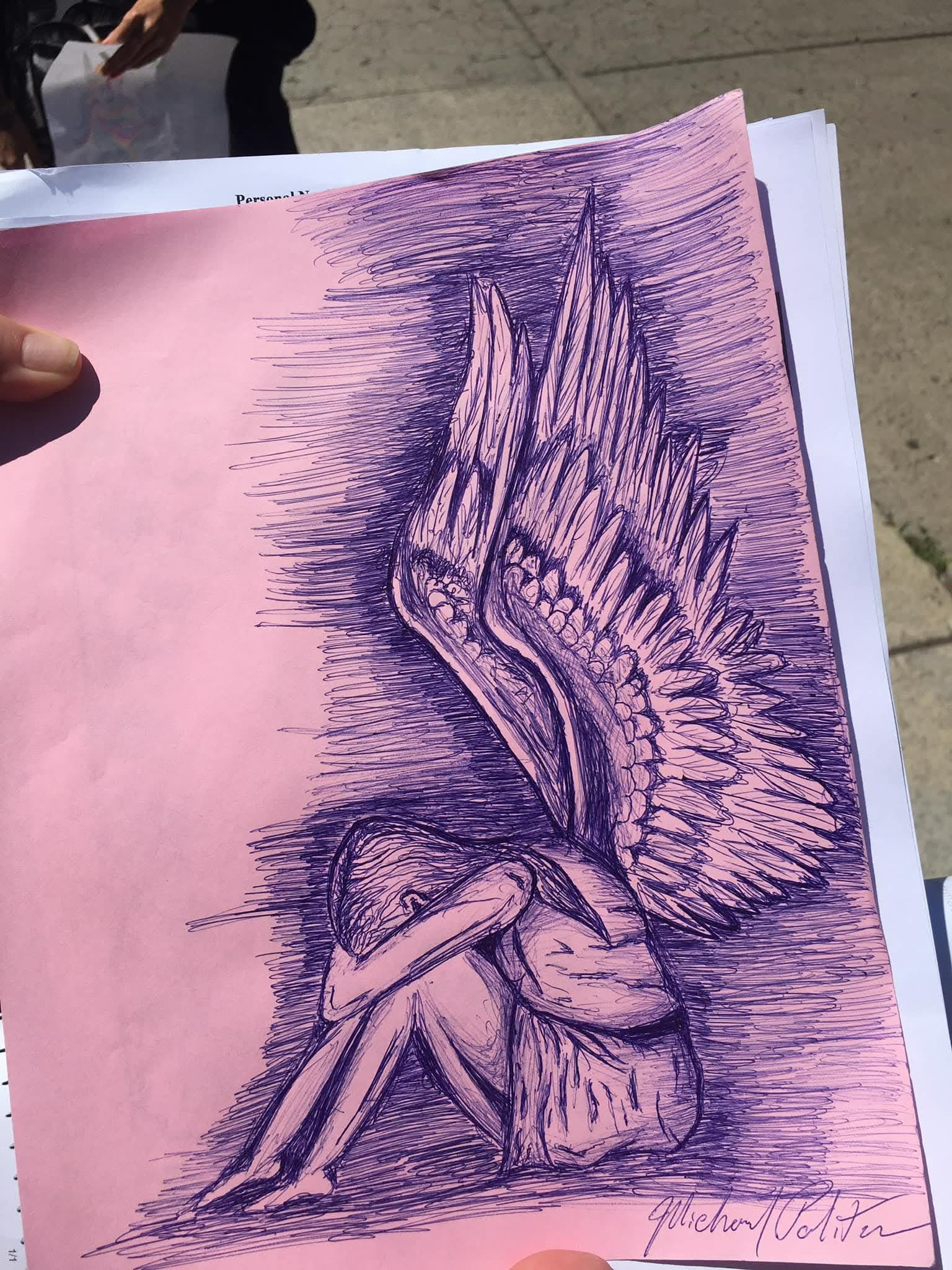
Artist Spotlight: Michael Politan

0

By Joshua Scarselli.

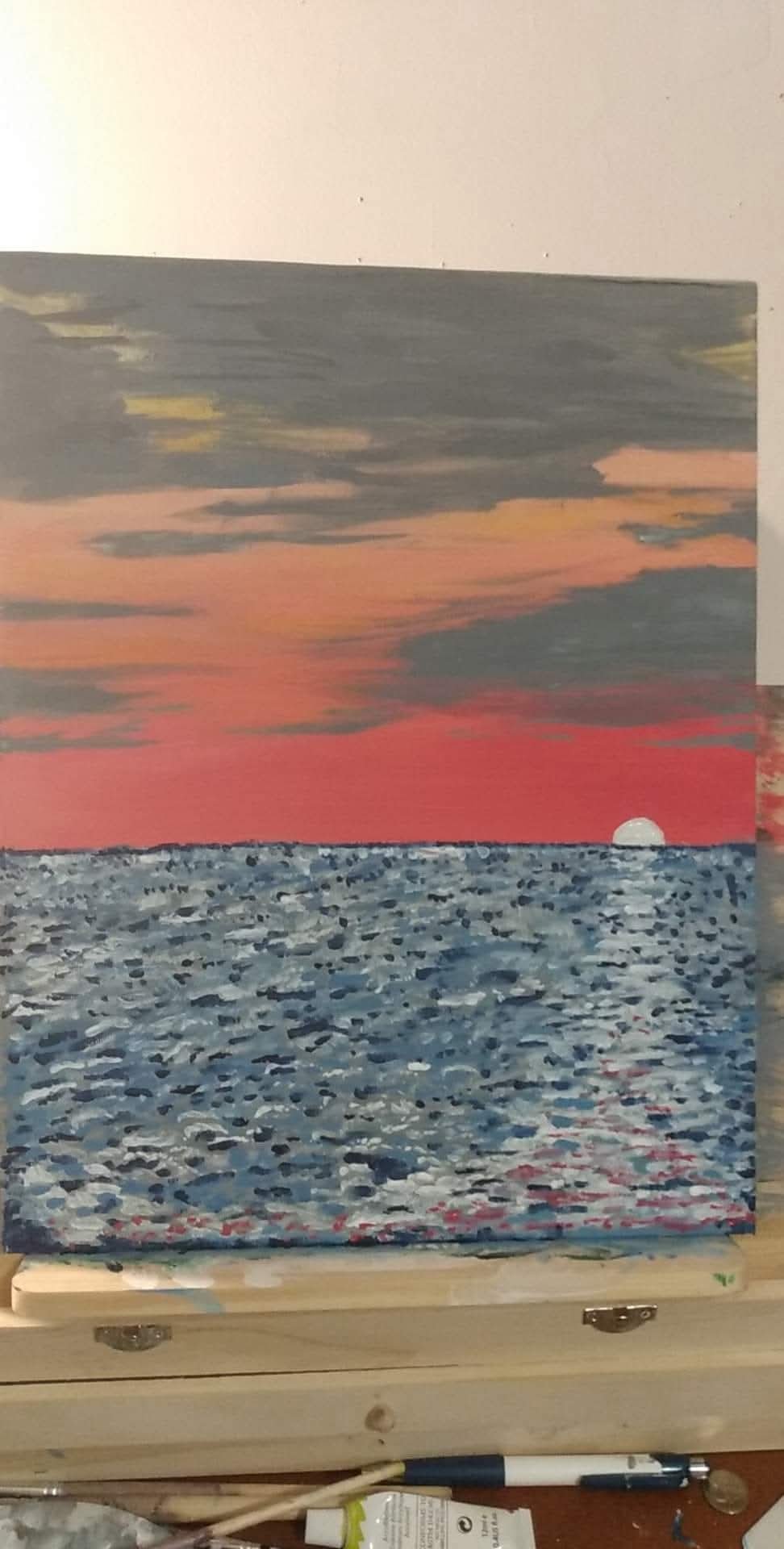
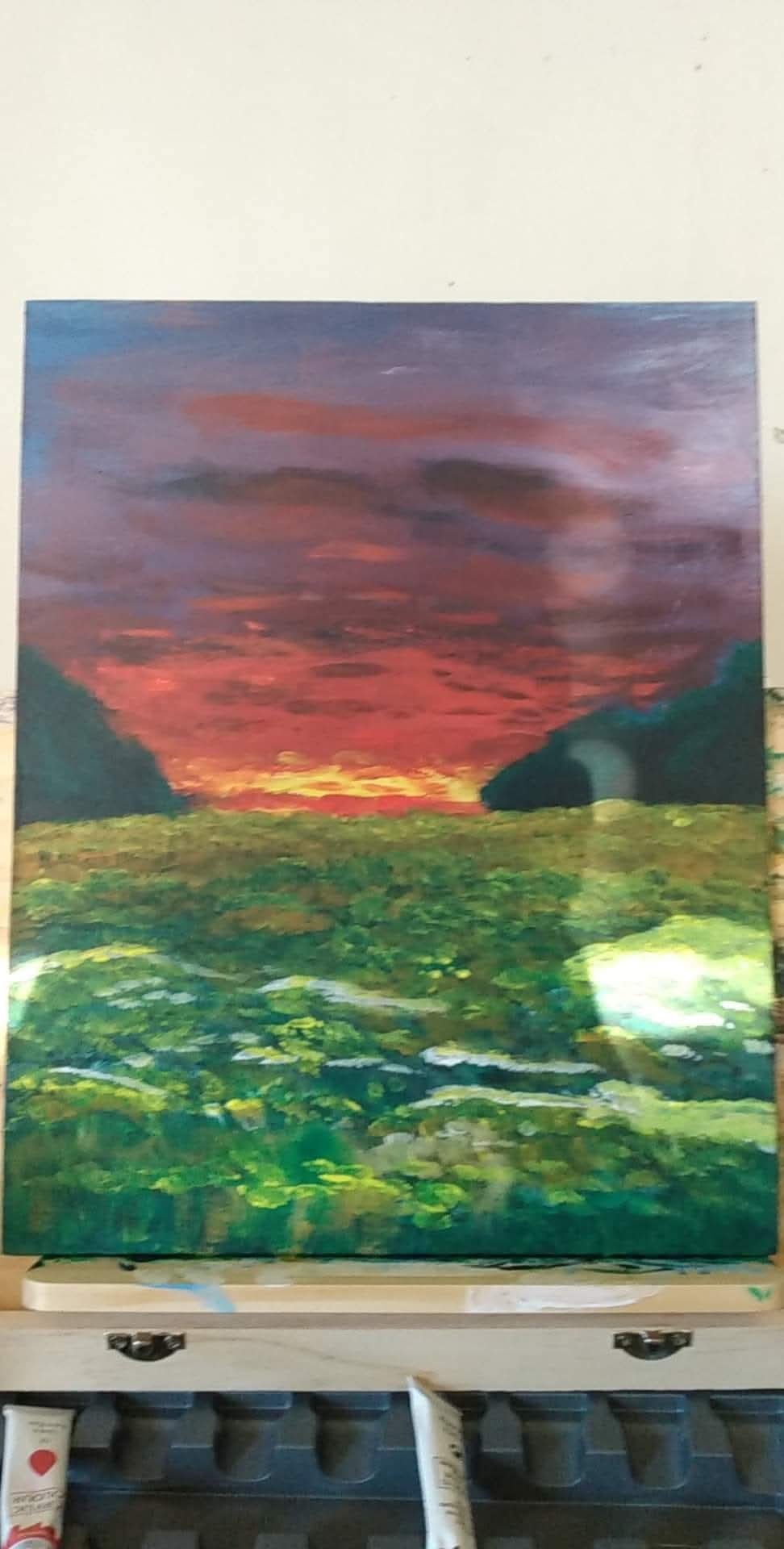
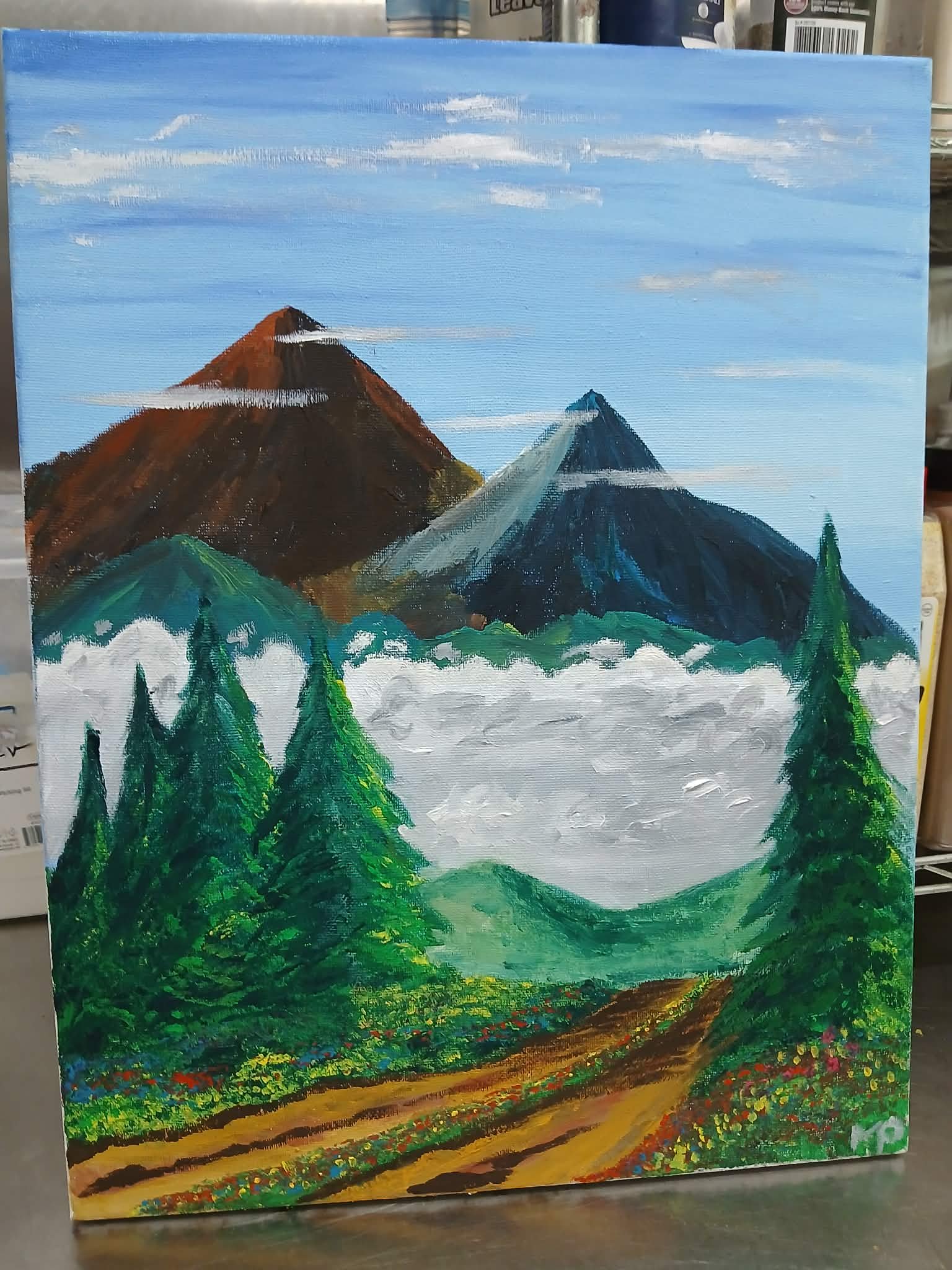
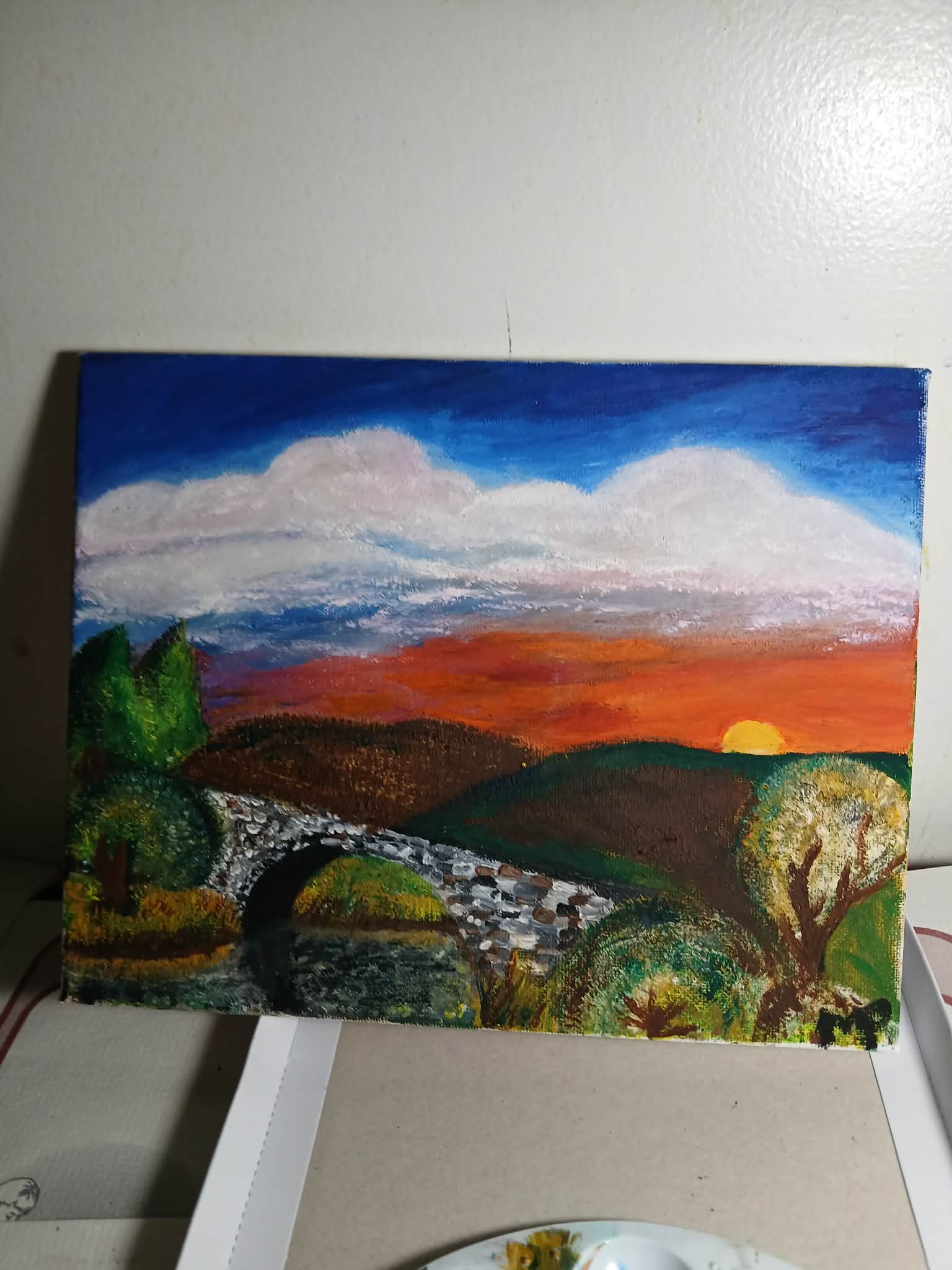
This is the inaugural interview in my new Artist Spotlight Series. I’ll be looking for different types of artists to interview. The more unknown or peculiar, the better! If you would like to be interviewed for this series, you can e-mail me at powderkegpictures@gmail.com.

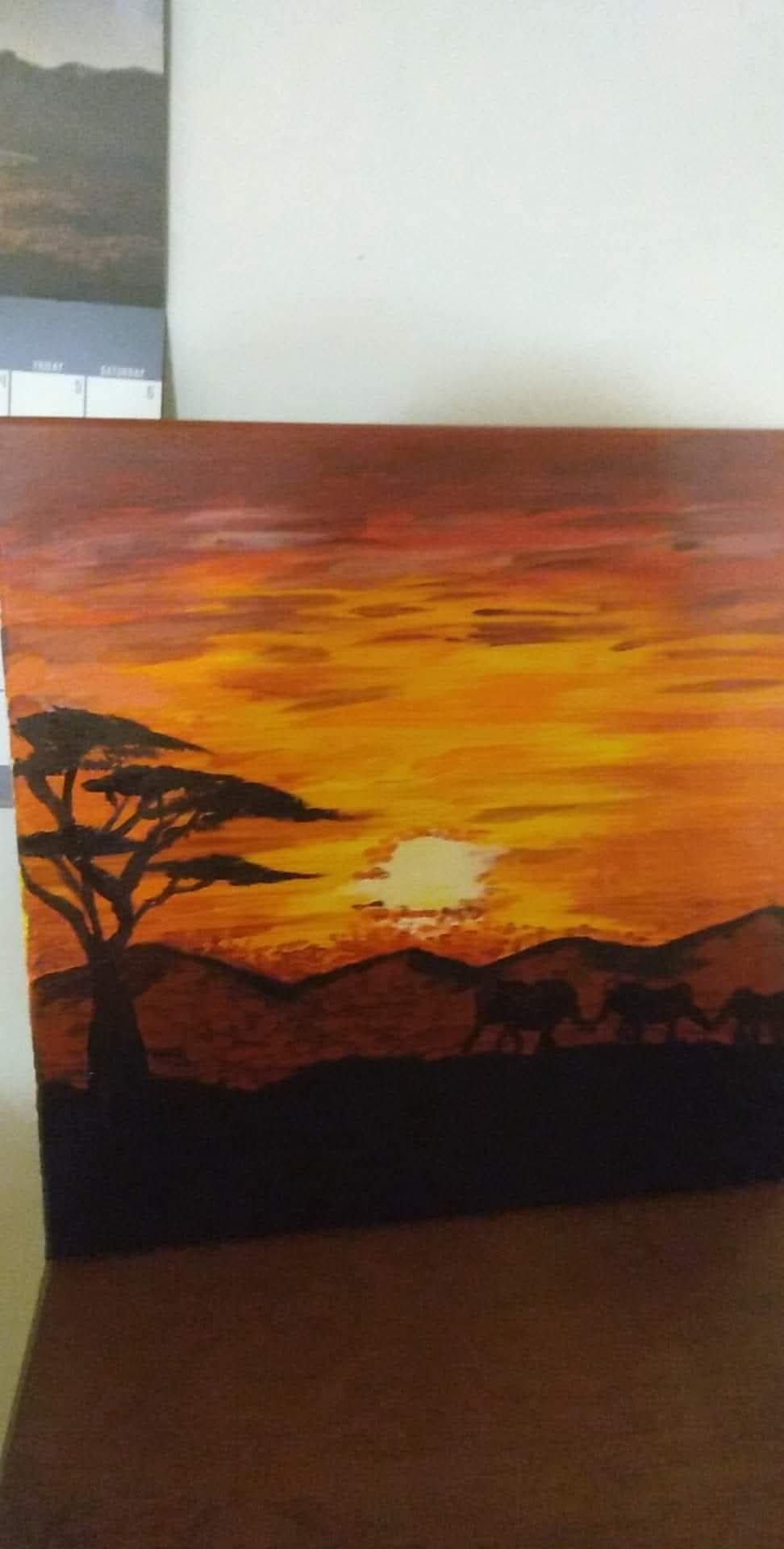
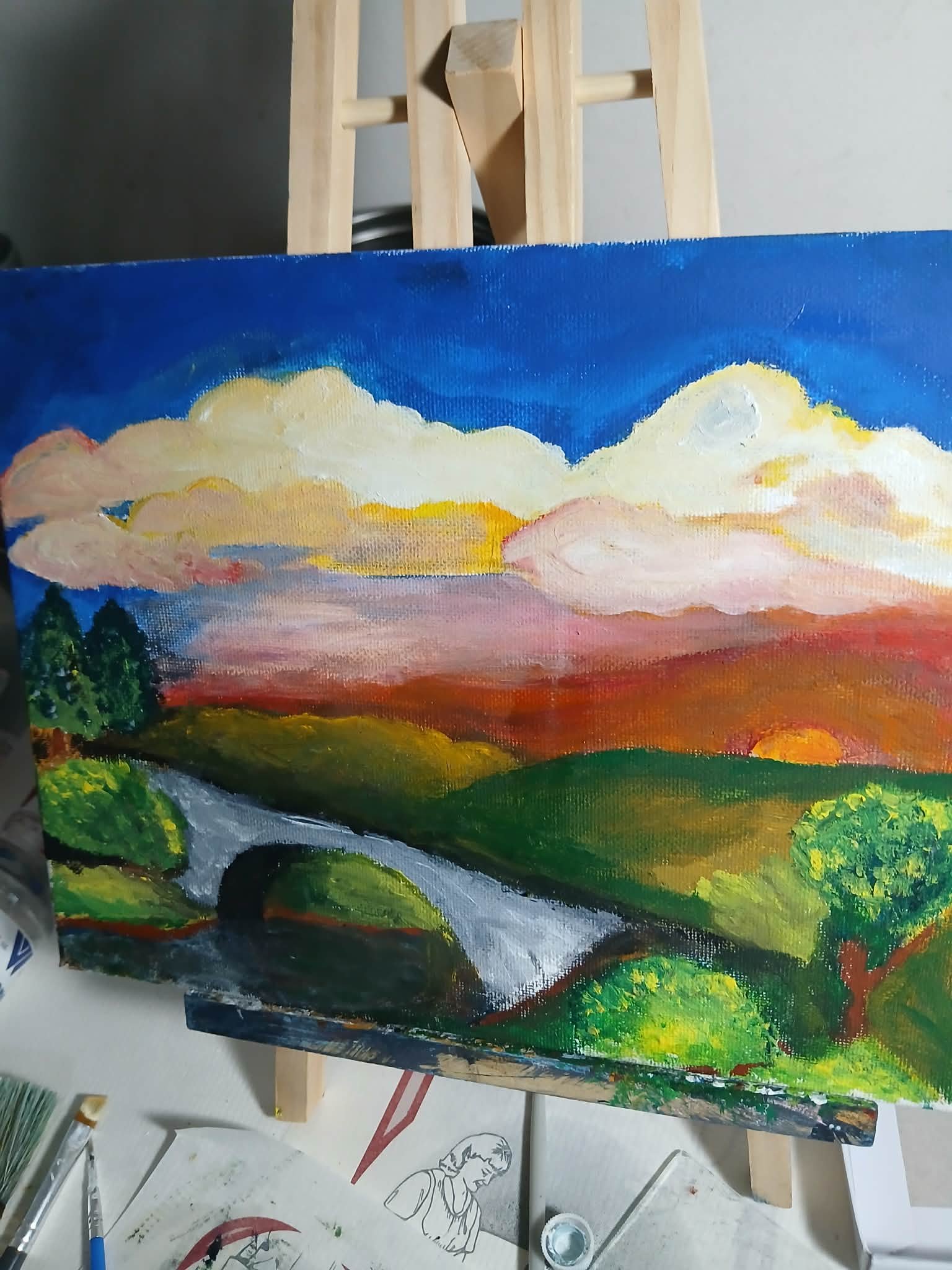
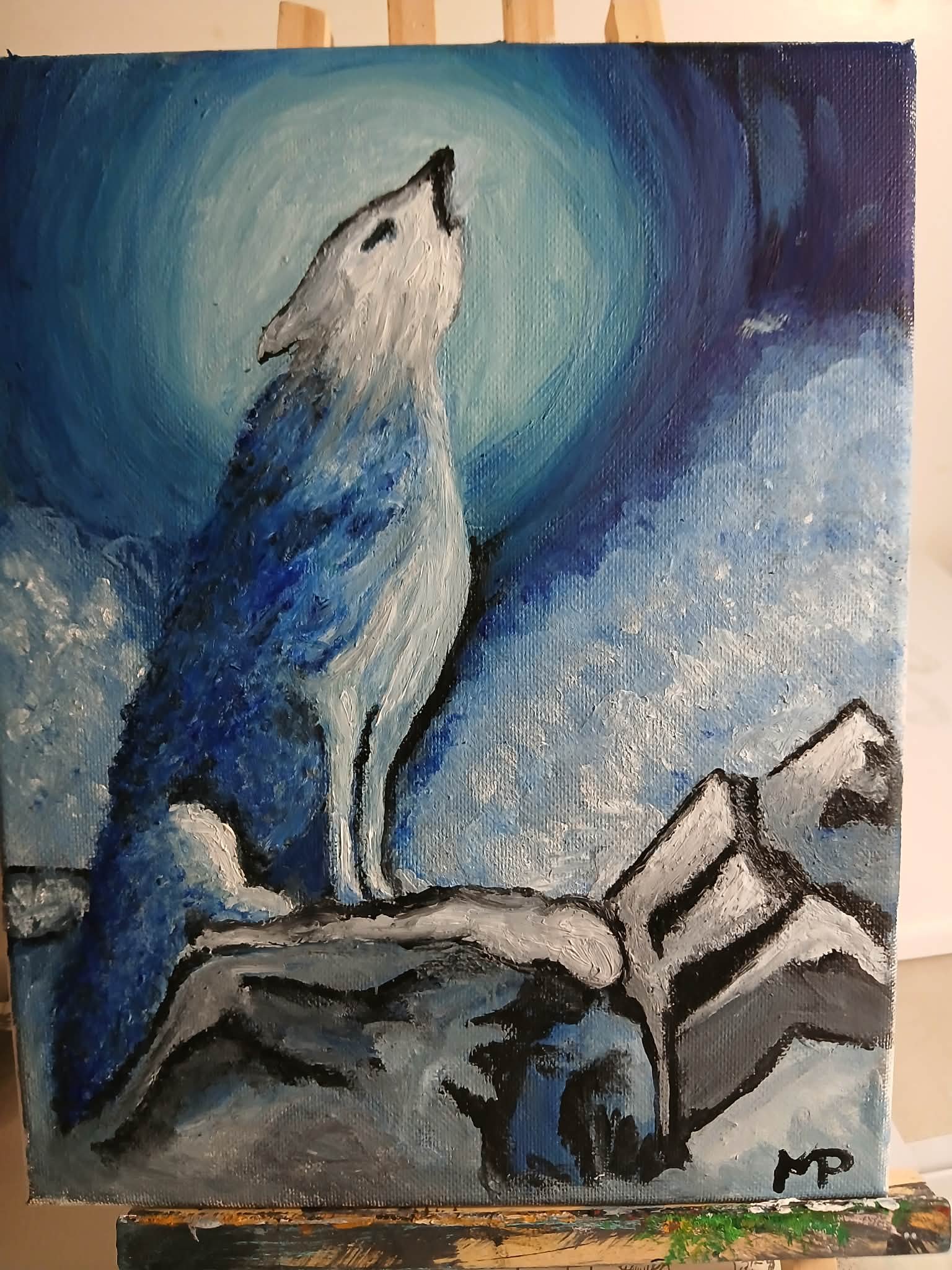
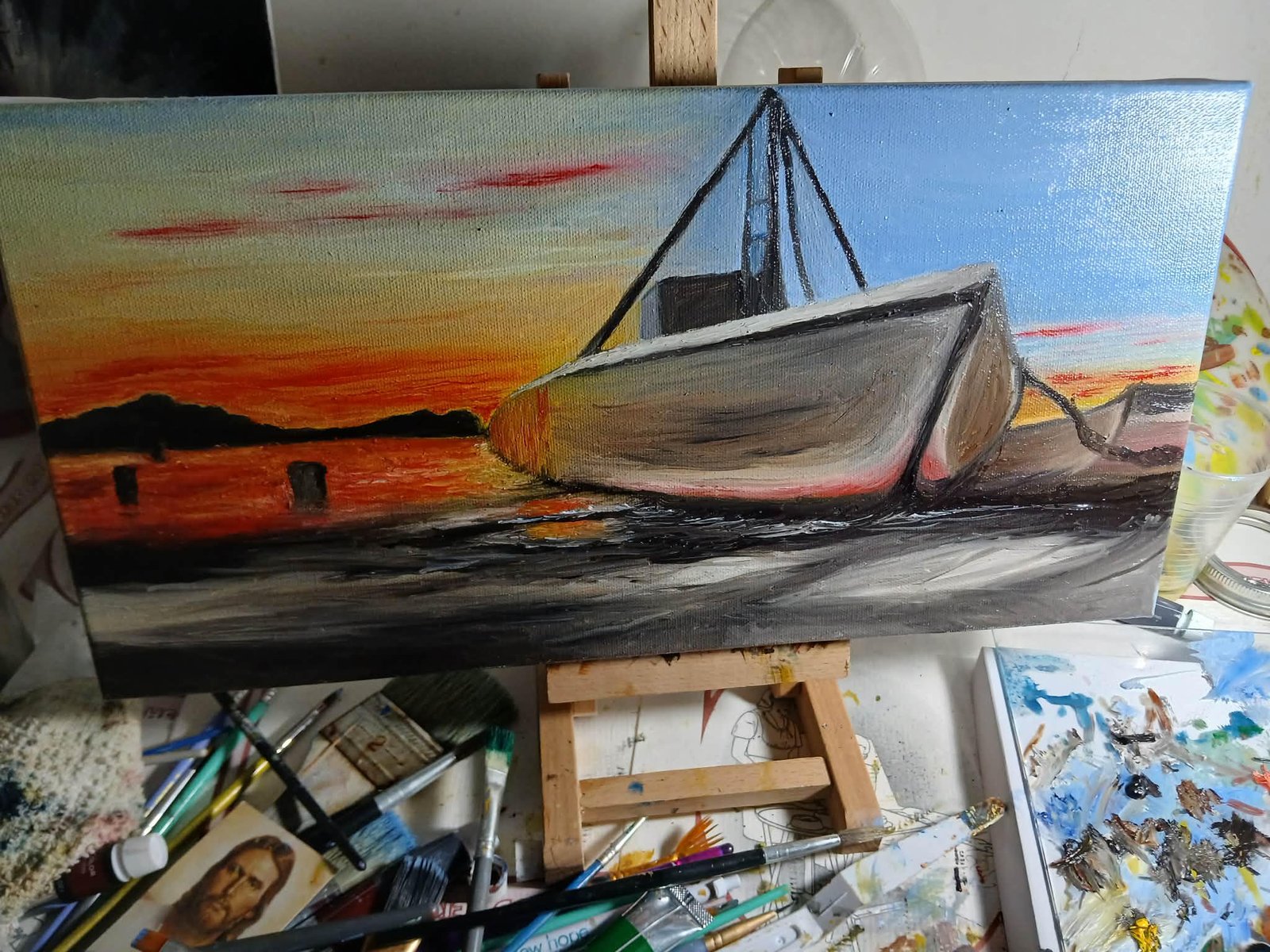
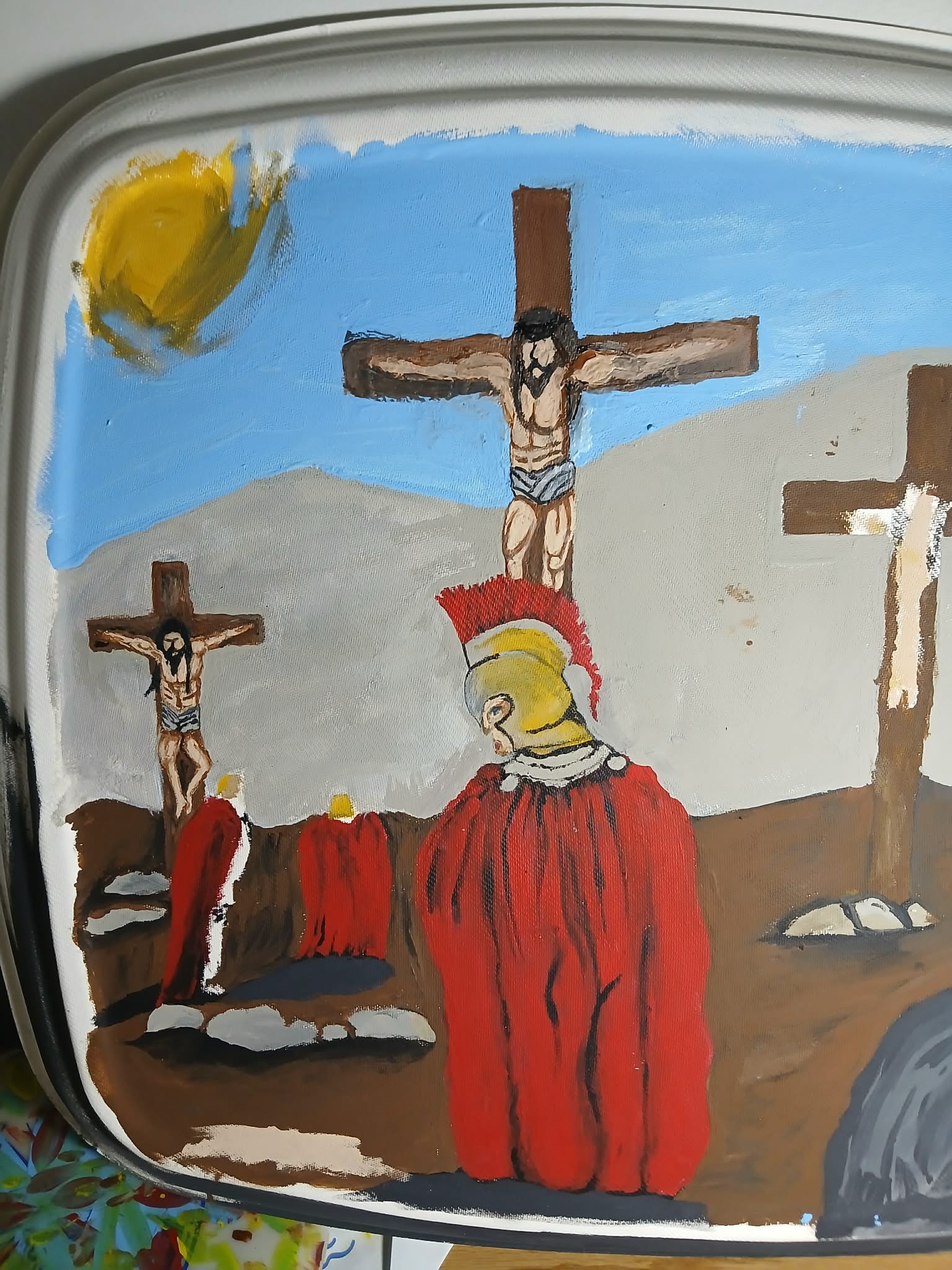
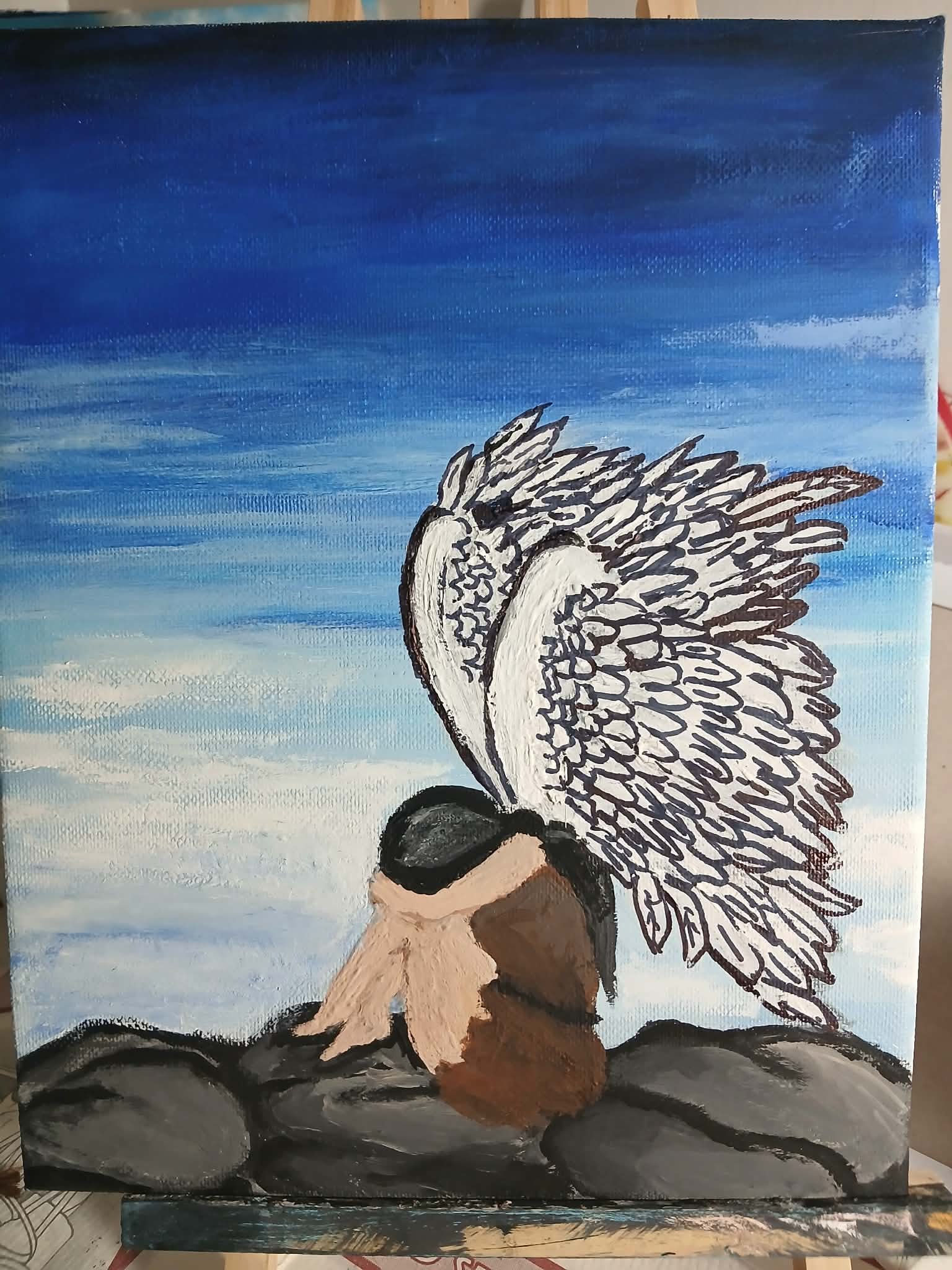
Today we talk to Michael Politan. Michael is a great artist who really has an eye for contrast. I found his paintings on Facebook and had to have a chat with him. He actually inspired me to start this interview series. Keep reading to find out more about Michael Politan and his amazing paintings!

RRX: How did you get into painting and making art?

MP: My father liked to draw. As a kid, he would let me finish his sketches. Growing up he would teach me a couple of things, but really I would just copy other artwork from magazine covers. When I was a kid, I copied Teenage Mutant Ninja Turtles comics and other things like that.

RRX: Where do you draw your inspiration from?

MP: Honestly, inspiration and imagination are a bit hard, but I love the greats of the Renaissance of fine arts. I hope one day I’ll be able to paint like them. I try to get a little bit from anyone who’s a famous artist.

RRX: One of the things I enjoy about your paintings is that they are unpolished in a polished way. They aren’t sharp images but a really good play on colors and contrast. How do you achieve this?

MP: But it’s the use (or not) of medium. In reality, I’m still learning how to use the right ones. Some of the work I do, I don’t use them, and some I do. It’s just an ongoing learning curve for me. So, mediums are the use of linseed oil and/or turpentine or paint thinner in “fat over lean.” It helps make it glossy and stretch the paint, or it can help it dry faster. So it’s a learning curve on how much linseed oil to use or how much thinner. You can also mix the two.
RRX: How has art played a role on your road through recovery?

MP: So yeah, I’m in recovery. I lived on the street and was homeless. When I do my artwork, it’s just a way for me to help cope with life and let my mind wander. I have had a lot of hardships in my life. It’s an escape from reality in a better, healthier way than what I used to do. It helps with stress, and it’s addictive, but in a good way. It’s something I can do, mess up on, and seem to make things look good. It’s very exciting for me to say, “Hey, I painted that. I didn’t even know I could do it, and it looks great.”

RRX: Where can people keep track of your art and contact you for commissions?

MP: Honestly, if someone just wanted to email me or just use Facebook. They can ask me for some of the work I have done already, or they can ask me to paint something just for them. We can come up with a price. It is a healthier hobby for me. But if I can make some money and be discovered, that’s a plus too. Thank you for your interest, and happy painting.

Facebook: Michael Politan

Email: Micpol84@gmail.com

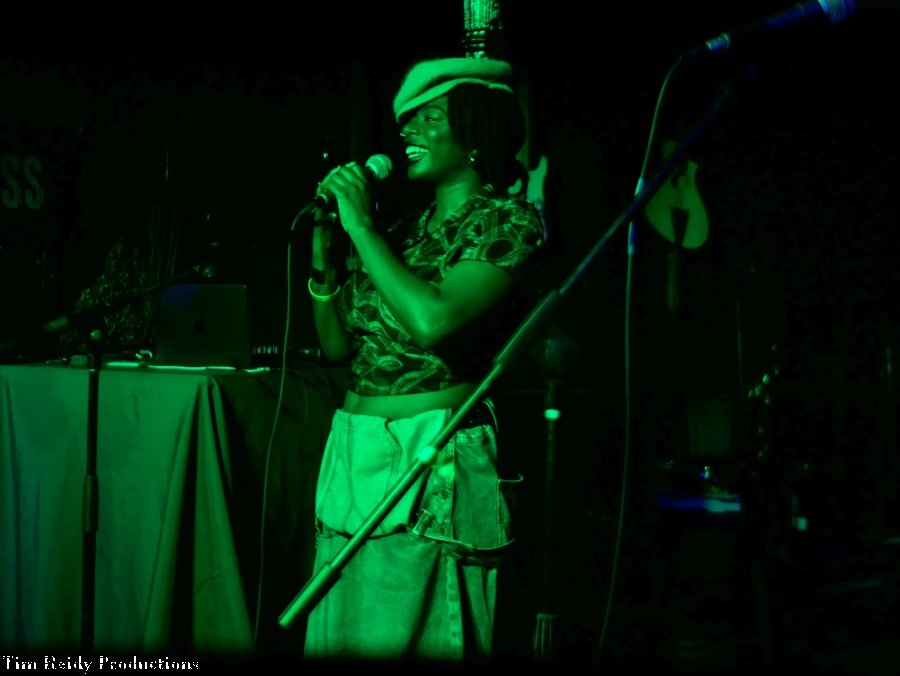
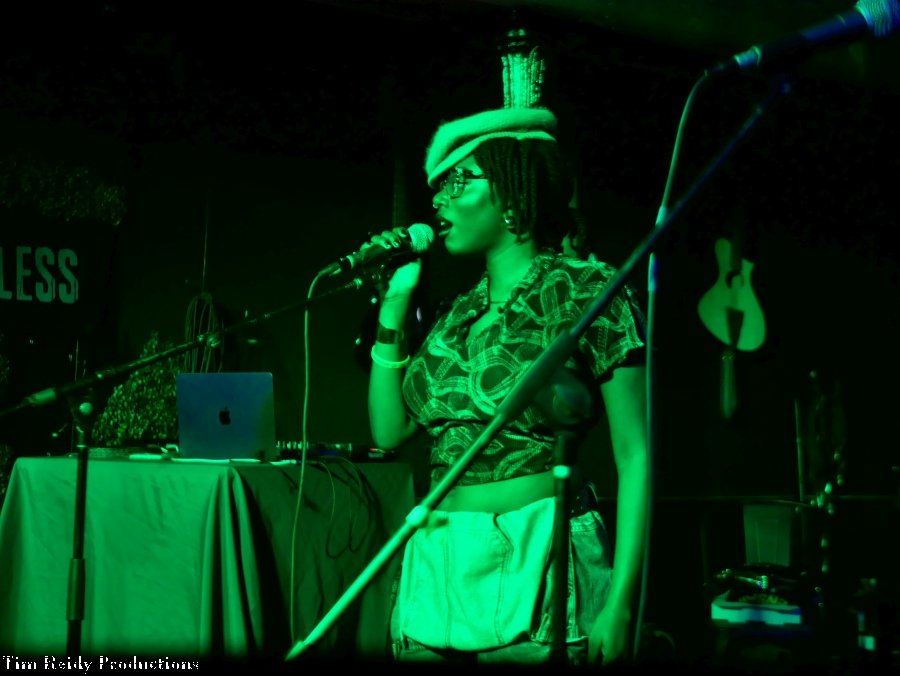
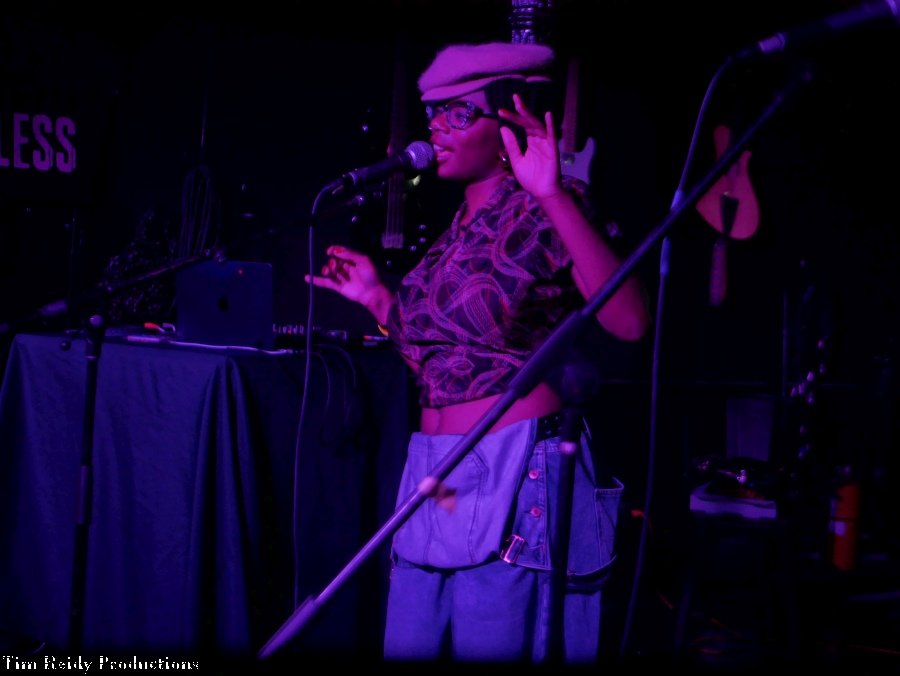
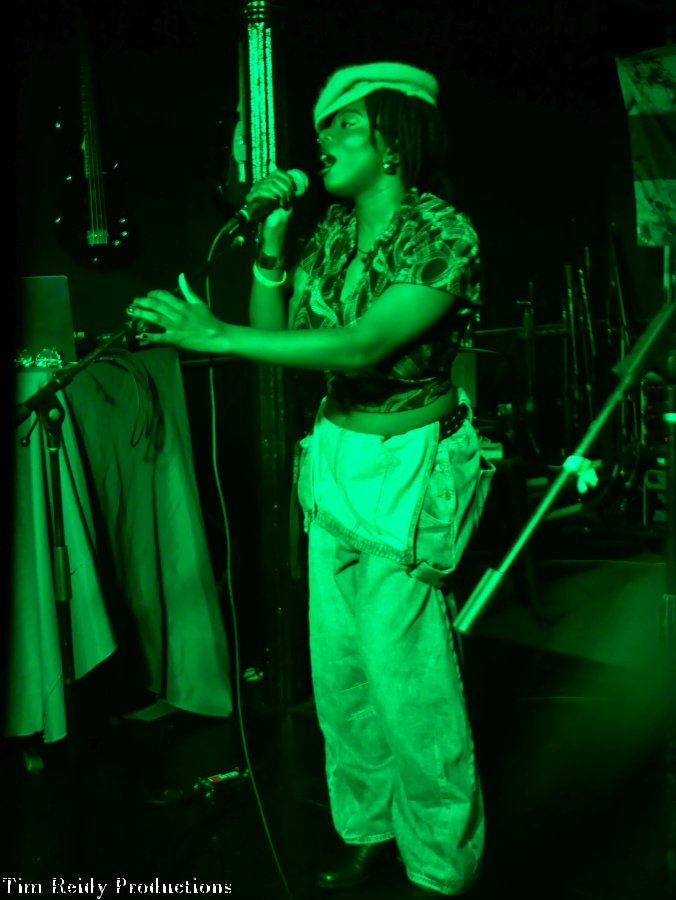
“Femininomenon” @ Ophelia’s, 8/7/2026

0

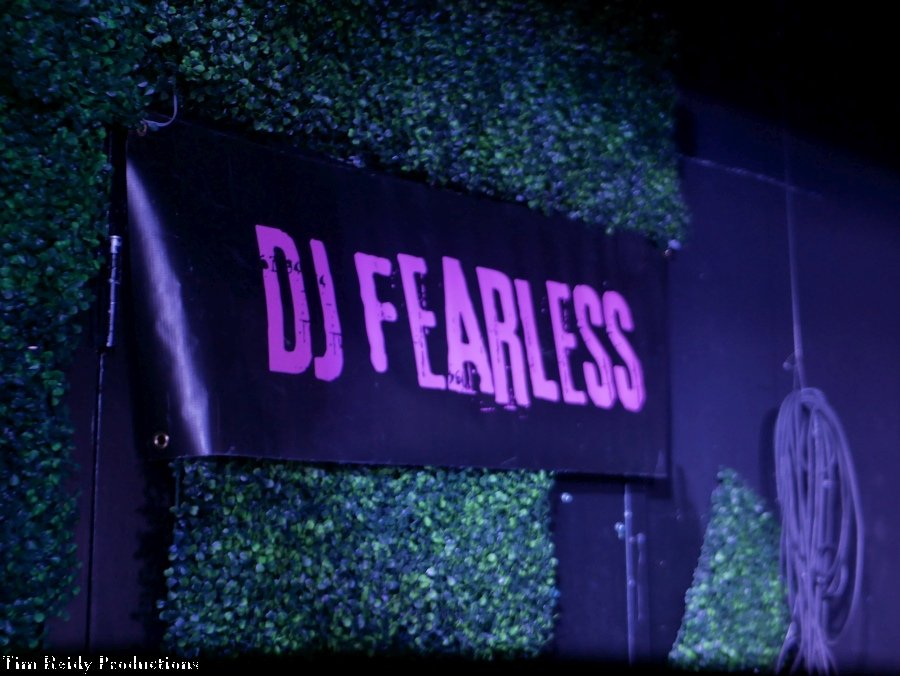
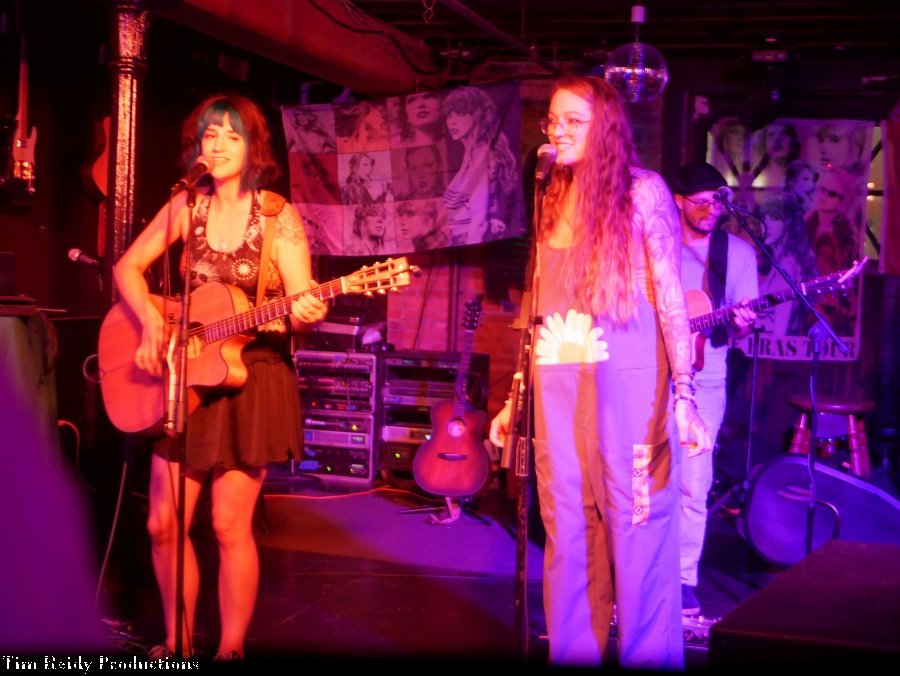
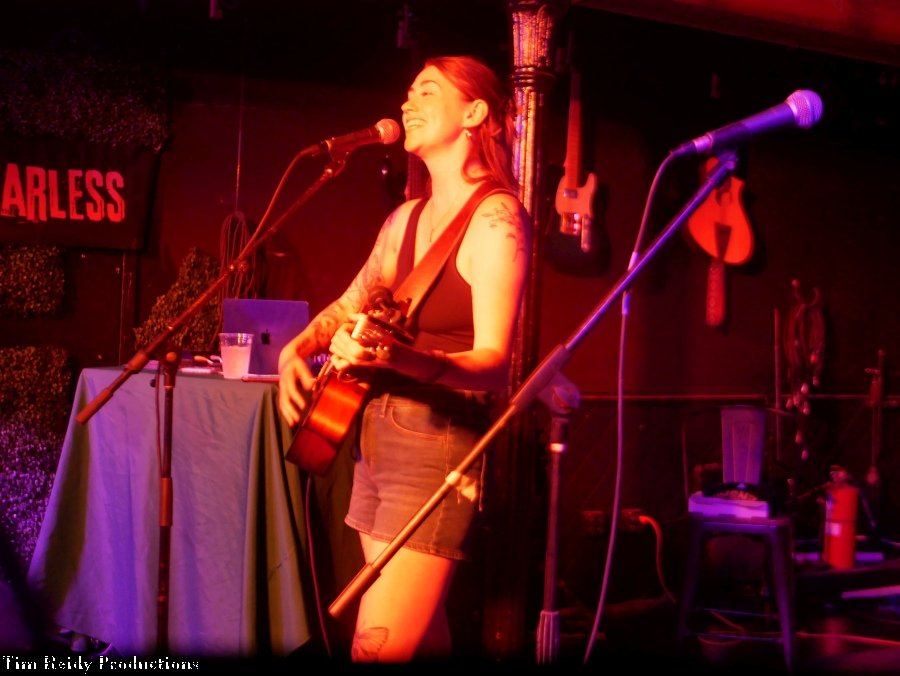
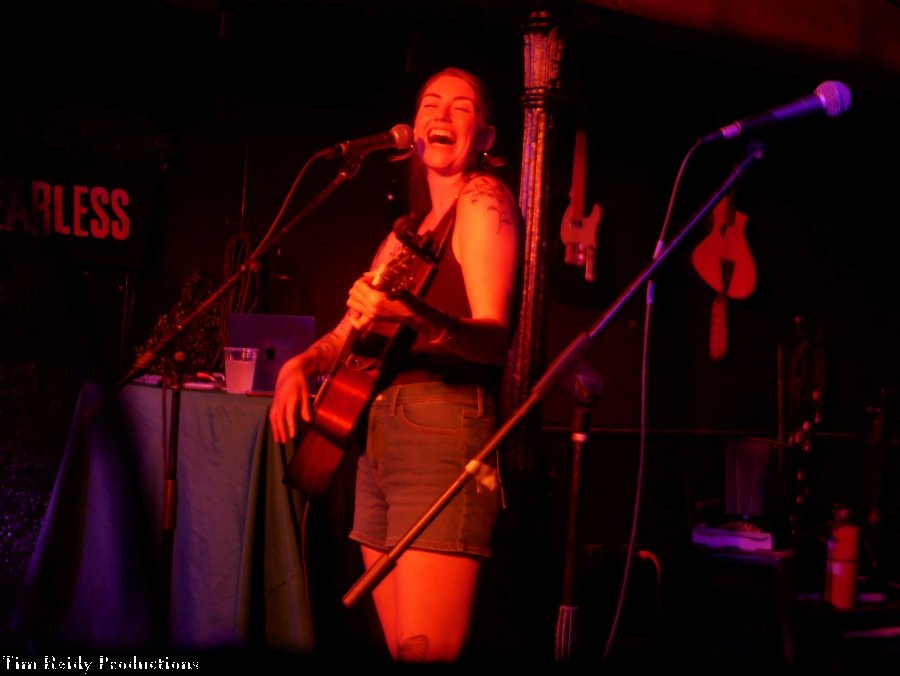
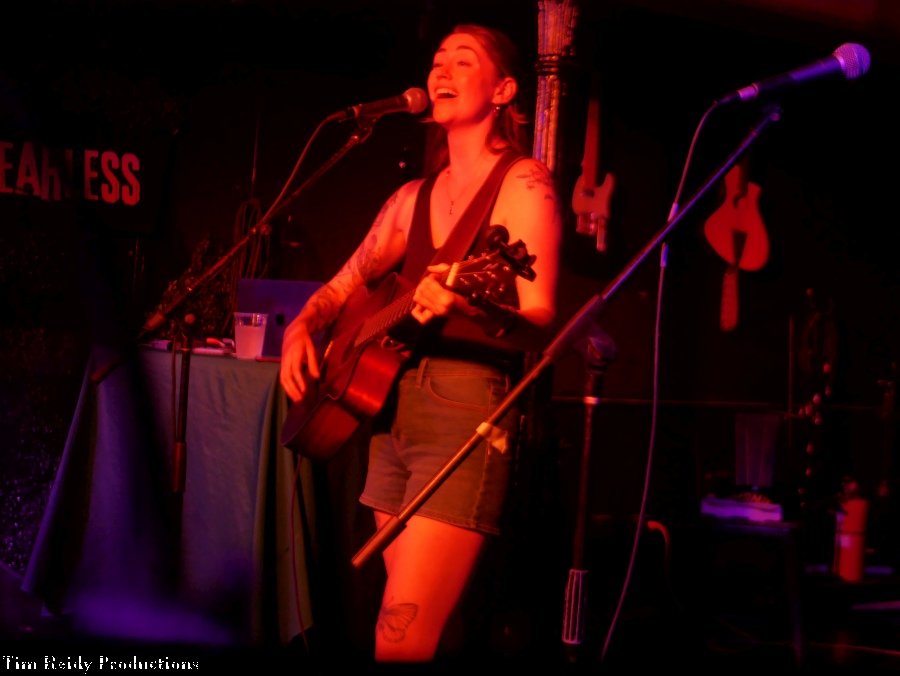
Femininomenon at Ophelia’s featured Nocturnne, Shannon Tehya, Caity Gallagher, Keegan James, Aila Chiar, Julia Alsarraf, Sydney Worthley, and a First Friday Birthday Party for DJ Fearless.

Photography by Timothy Reidy.

More from Femininomenon here …

Finding Community at MopCo – An Interview with Maria Ayoob

0

By Larry Felton.

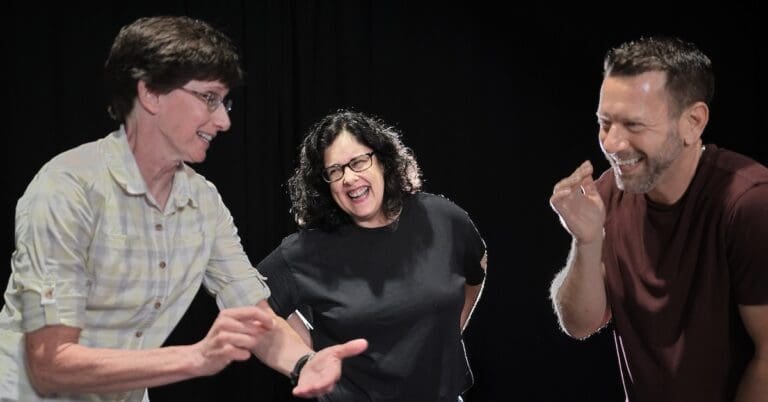
When artistic director Michael Burns suggested Maria Ayoob as someone to interview at MopCo Improv Theater, he also invited me to enroll in her Improv 101 class. Three weeks later, after six hours as one of her students, I sat down with Maria to talk about how a Google search turned into an unexpected creative life.

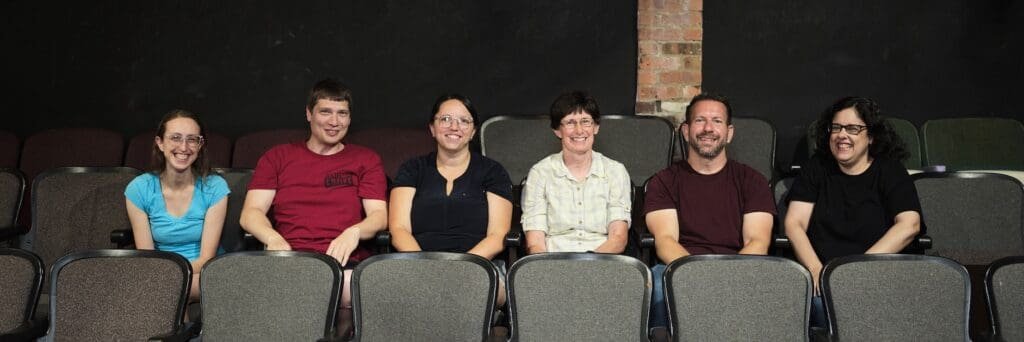
(l-r) Kaitlin Spector, James Wojcicki, Katie Hernandez, Erika Kurtz, Rich Cardone, and Maria Ayoob
What intrigued you enough to sign up for that first class—the one I am taking now?

Before I took the class, I read an article about what to expect in your first improv class. I was fascinated by the idea that something which looks so magical when people do it well can actually be broken down into learnable skills. I got really interested in the learning part of it—how do you learn those skills until they become this cool thing you see on stage?

What led you to improv?

I tried every hobby that you can think of. I always wanted to make sure I was doing something outside of work that was different from work. So I took woodworking classes and photography and knitting and all those things. But they would keep my interest for a few months, and then it would fall off.

Why did improv stick when nothing else had?

I think one of the things that drew me to improv is I’ve always liked connecting with people through humor. There’s also the fact that I’m in my fifties, and it’s happening for me now. I never thought I would have this whole creative fulfillment happen for me at this age.

You’ve called MopCo the heart of this community. What do you mean by that?

People dive into the community. They come to Monday nights (Mopco holds drop-sessions for community members on Monday evenings), go to shows, meet people—and they create friendships and relationships out of it.

In my twenties, friendship was coffee-based. You talked, you ate, you drank coffee. This is different. The friendship is an outcome of an activity you’re doing together, which has been very cool.

You’ve described the people at MopCo as geniuses who are also your loving friends. How does that happen?

I think it’s taking those principles and really practicing them several hours a week—saying, “I’m going to appreciate what you’re doing,” instead of what happens in so many other parts of our lives. You’re spending two hours delighting in other people and being delighted by them. What it’s brought me is joy, honestly, which I don’t think I ever would have imagined wanting. It wouldn’t have even been a goal.

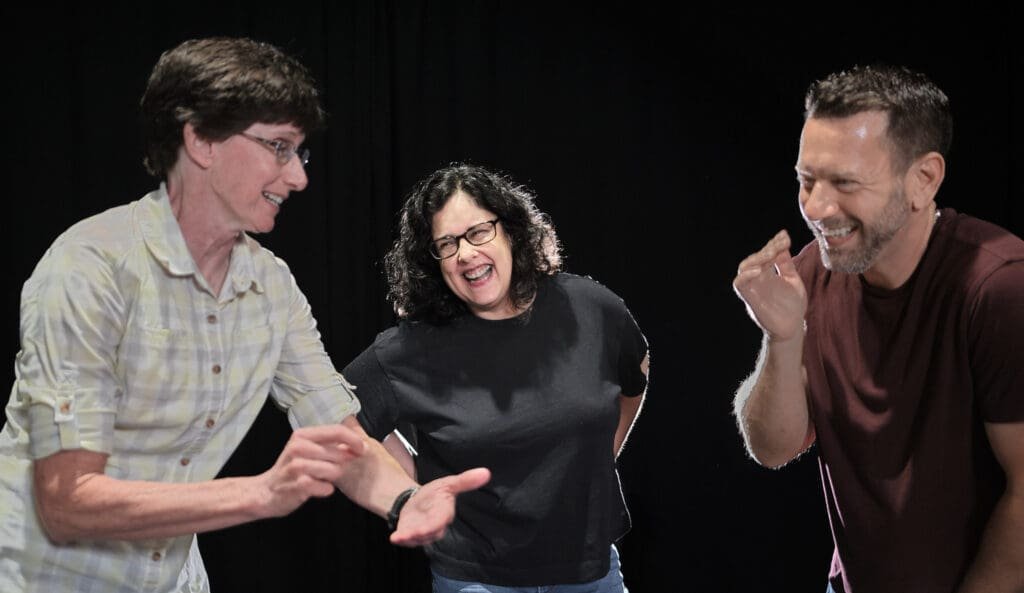
(l-r) Erika Kurtz, Maria Ayoob, and Rich Cardone working on a scene

How did you end up teaching it?

Michael needed coverage for the first session of a four-week class, and he asked if anybody would do it. I said I’d shadow him for a class first, then try one myself—and I fell in love with it immediately. I love being able to spend two hours creating a space where people can feel safe, let their guard down, and laugh.

Do students find the same thing you did?

I had a woman in one of my first classes who came back the second week and said, “I work in sales, so I hear ‘no’ all the time, all day. This was two hours of hearing ‘yes’ and being affirmed.”

I think that’s a lot of what people get that they’re not expecting—the power of approaching other people with a different attitude and being able to receive more from them in return.

What’s the furthest you’ve seen a student take it?

I’ve only been teaching for about a year, but there are people from one of my first classes—a whole group of them started a troupe, and they’re doing a performance at MopCo in a few weeks. A lot of people come back and keep taking classes. Some take Improv 101 again. A lot come back for Monday night workout sessions. People stick around.

What would you tell someone before their first class—before the one I’m taking now?

I would tell them to just show up. That’s one of the things improv has helped me do. This thing is going to happen, and I can’t stop it, so I’m just going to show up, and we’ll make something of it.

I would also tell them they’re not going to have to work as hard as they think they’re going to have to work.


The Doomstompers @ No Fun, 8/14/2026

0

By Liam Sweeny.

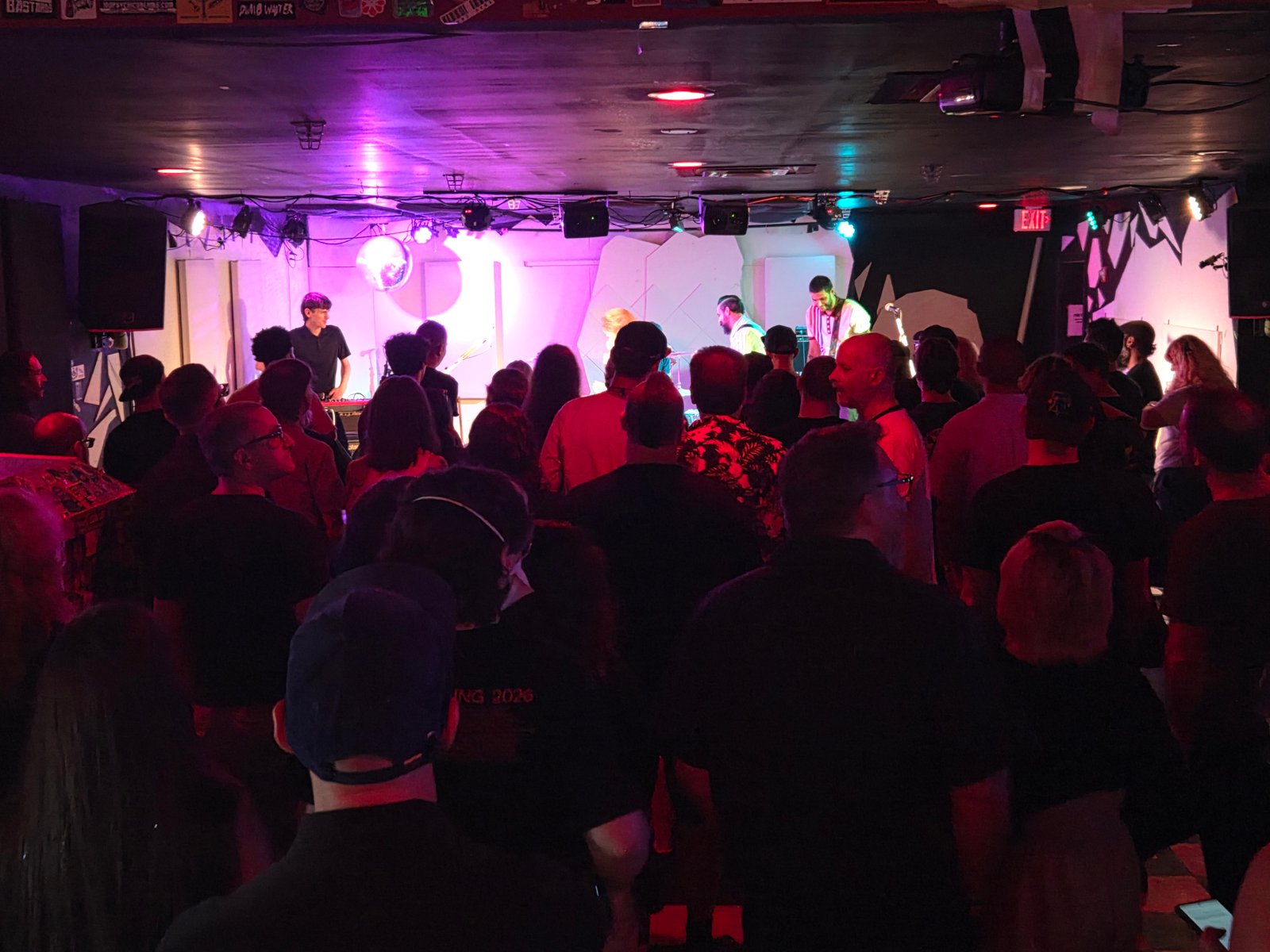
No Fun is the life of Monument Square in Troy on any given night. Its walls are tagged in band stickers, and its checkerboard floor offers patrons the dull gleam of a surface that embraces foot traffic. It’s got a bar and a foosball table and a big screen calling out future shows in pale blue letters. And if you squeeze your eyes and veer off behind the bar, you’ll see the back end of Burrito Burrito (or Wizard Burger, because if you hop outside and go to the next door, you can order either). And of course, waiting for the band to set up, I did just that, and ordered a Sorcerer Burger.

I must testify upon the burger. I am a large man at a stately 33o lbs. I have consumed my doctorate. There are essentially two types of burgers. One is a specialty burger. Honey-cream-cheese-jalapeno-whatever. They earn their weight with the variety of ingredients. The other is, let’s call it, a blue-collar burger, general issue. It works sixty hours and doesn’t act like a martyr about it. Ground beef, bun, onions, pickles, mustard, ketchup. It drinks its coffee black. We’ve had these ingredients our whole lives. A blue-collar burger is David with a pickle in the slingshot. And that Sorcerer Burger slew my giant hunger. Really good.

The band I was seeing was called the Doomstompers, out of Queens. Kind of a ska feel with tons of heart and tons of attitude. Singer’s name is Kay, and she had great stage presence, working the crowd when I was there, and for a ska band, I saw hints here and there of what you see when a mosh pit starts breaking out. They opened for the Abruptors, Ben Basile, and Girth Control, all of whom I wanted to see, but I was broke, and I just couldn’t stay there knowing I could so easily go next door and blow grocery money on “The Roswell” (a burrito).

Girth Control would understand.

More from No Fun here …

Mammoth at Empire Live: No Nostalgia Needed

0

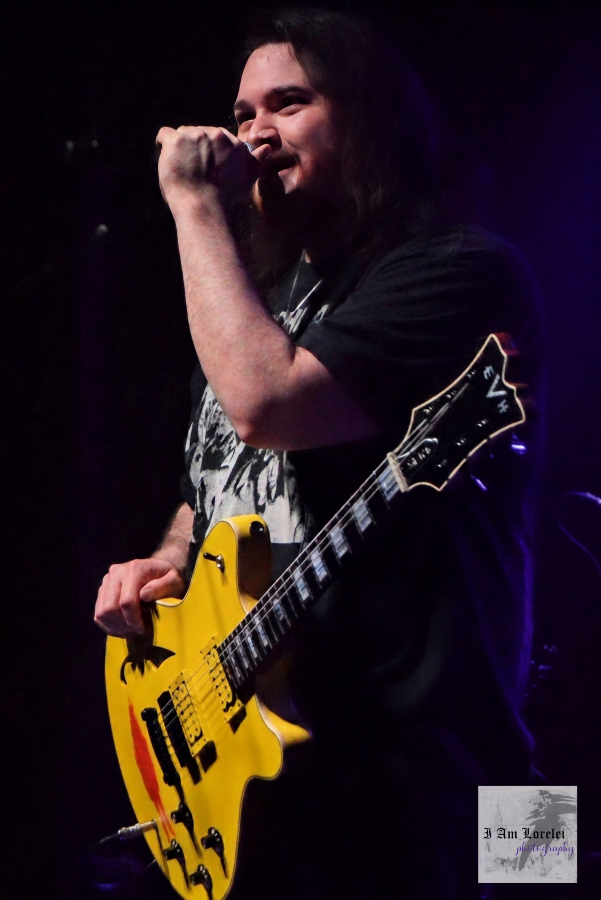
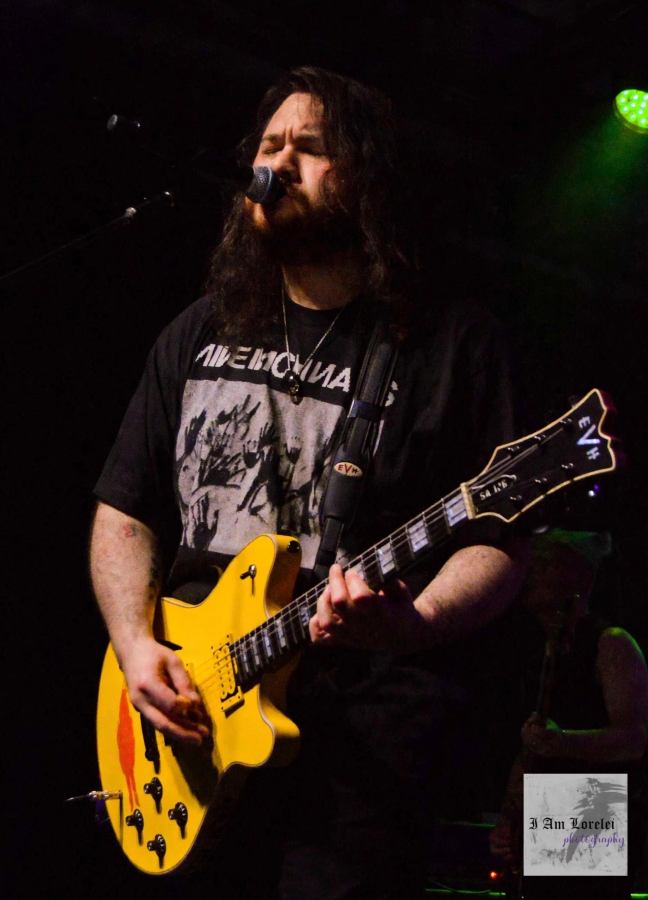
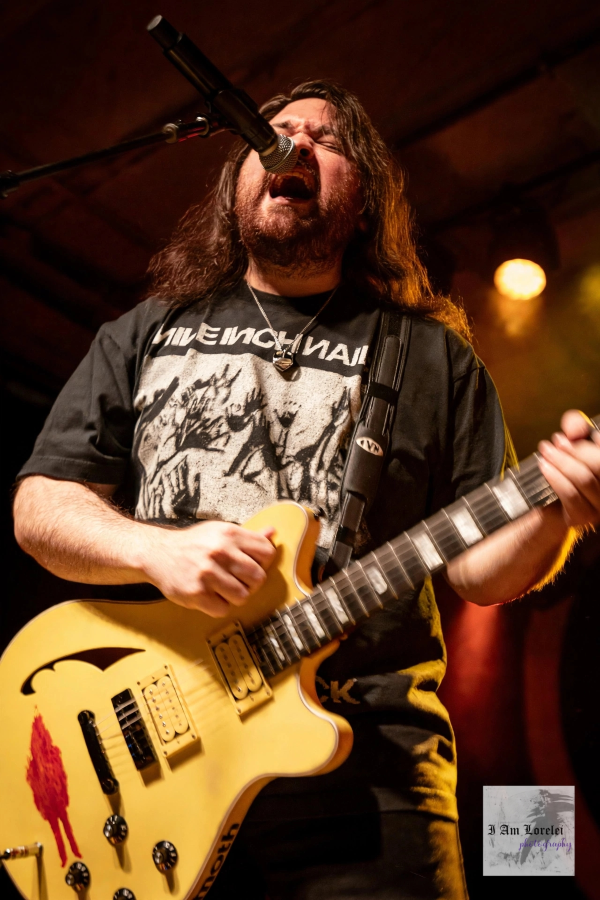
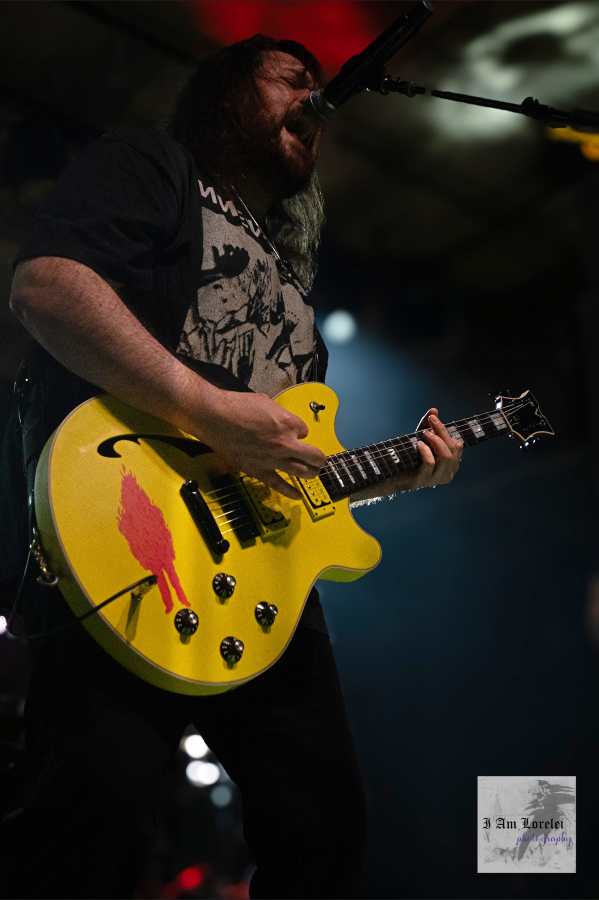
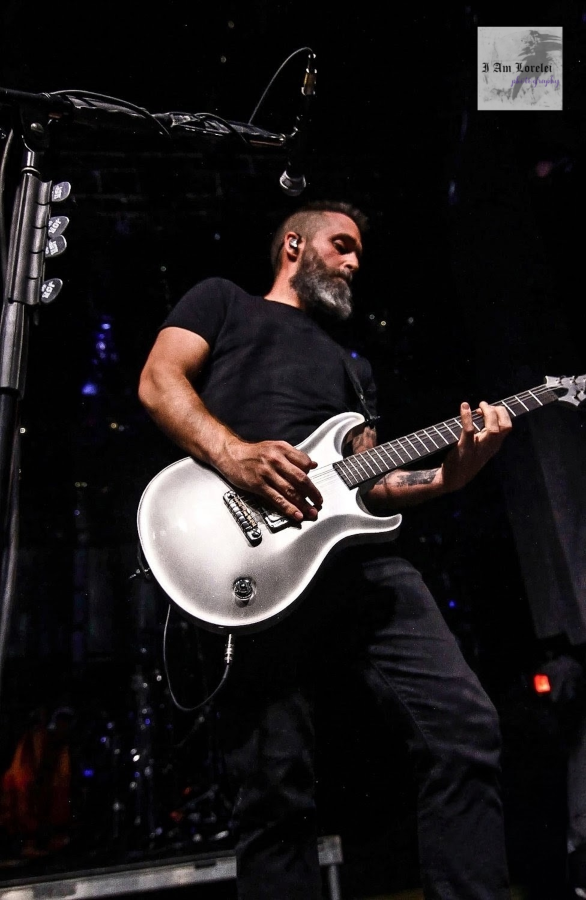
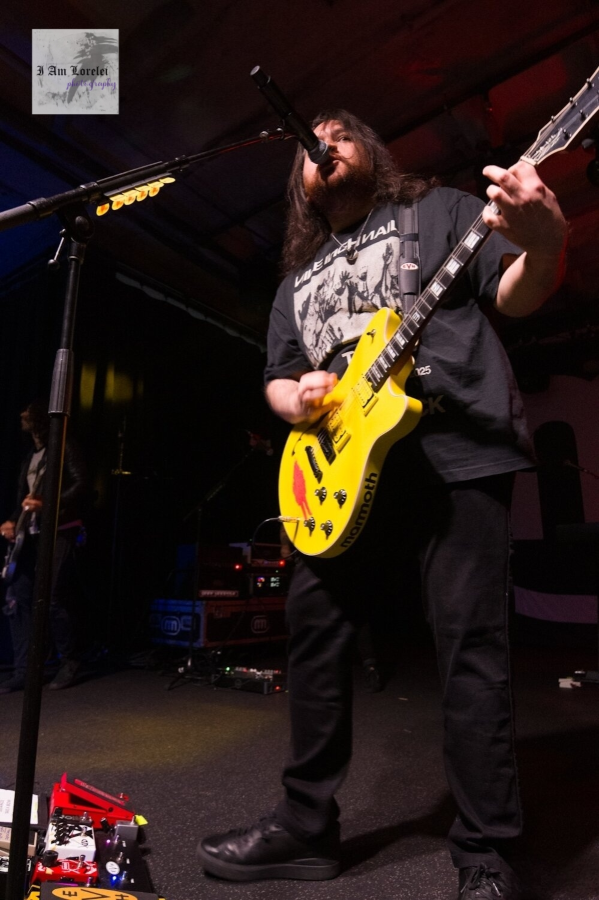
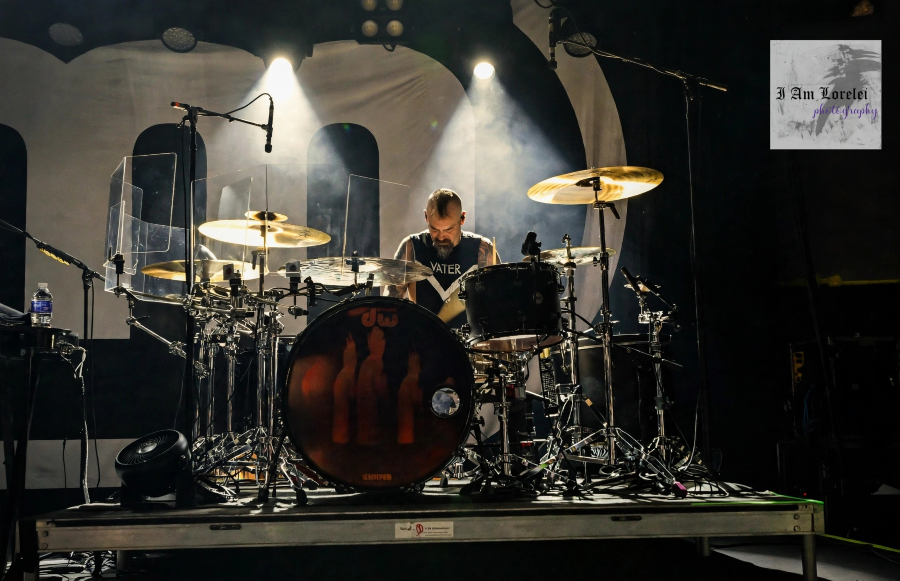
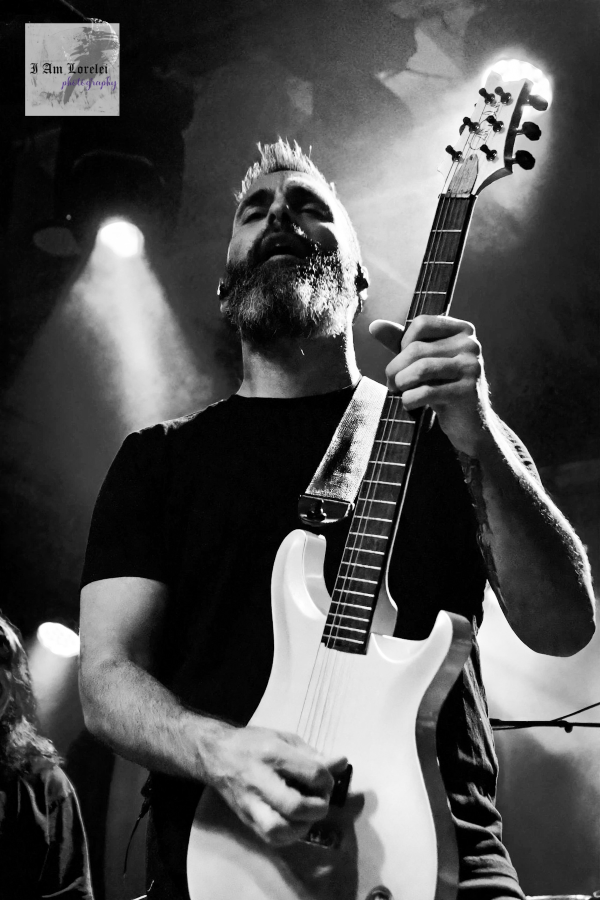
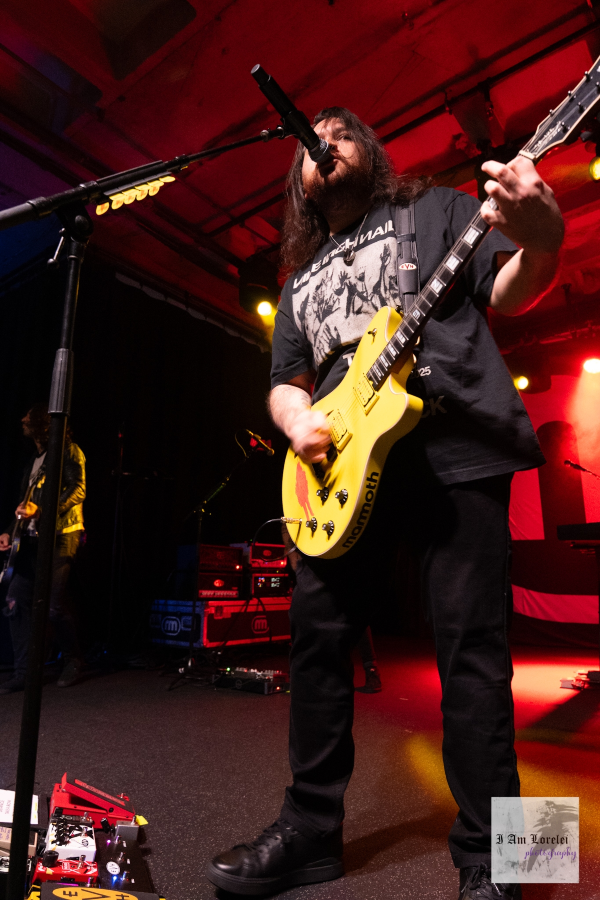
By I Am Lorelei!.

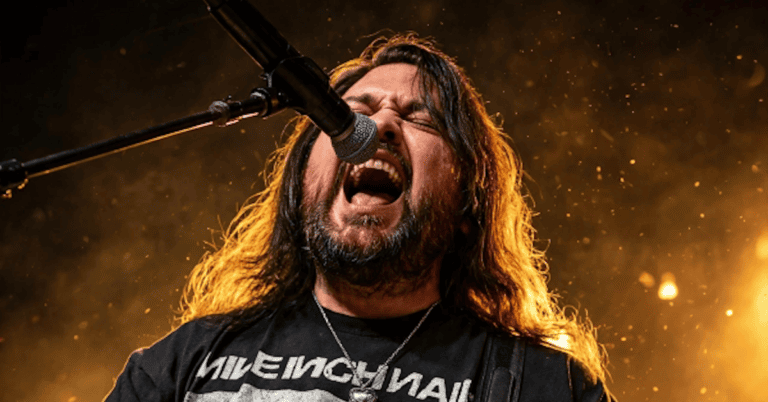
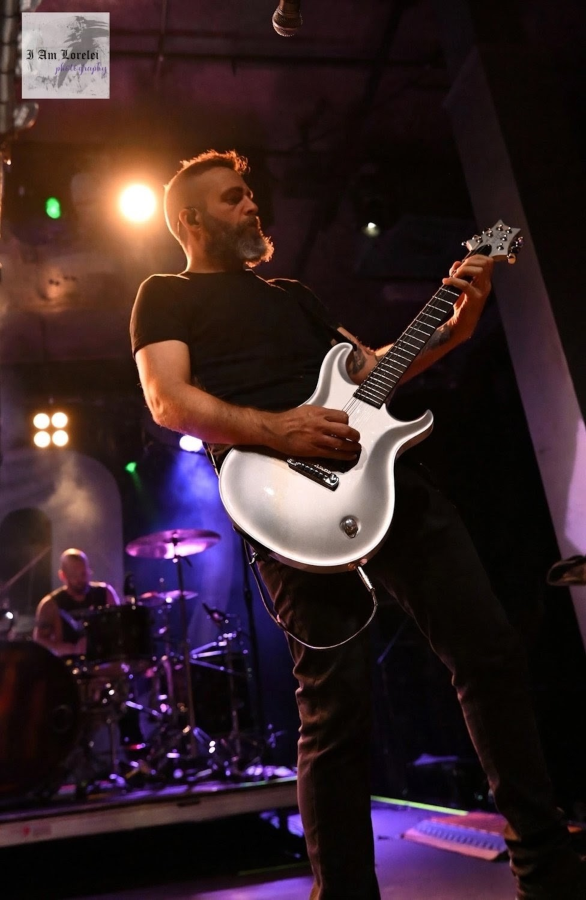
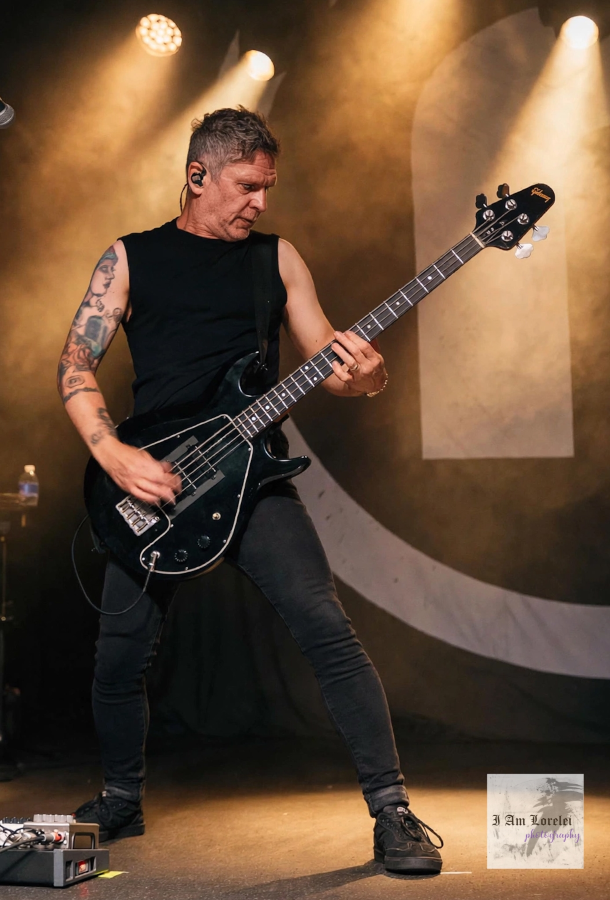
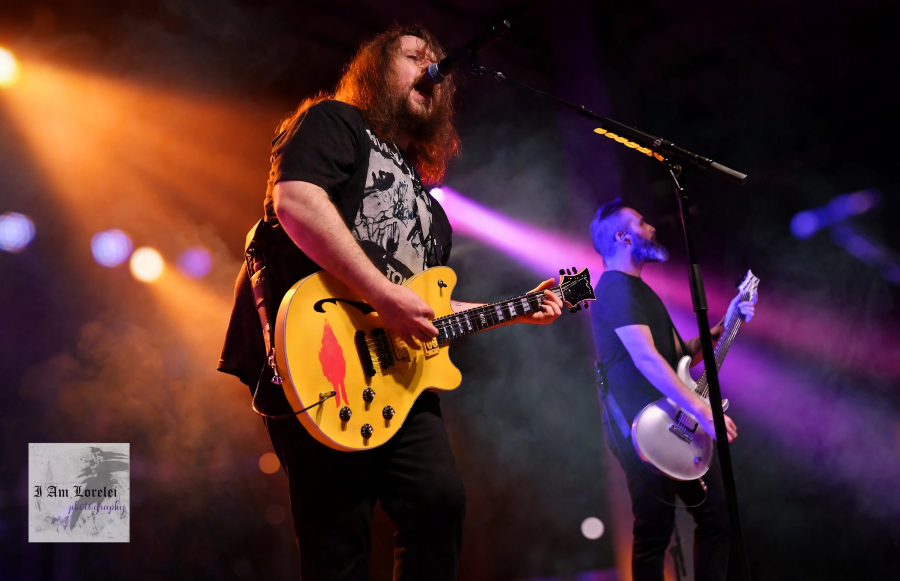
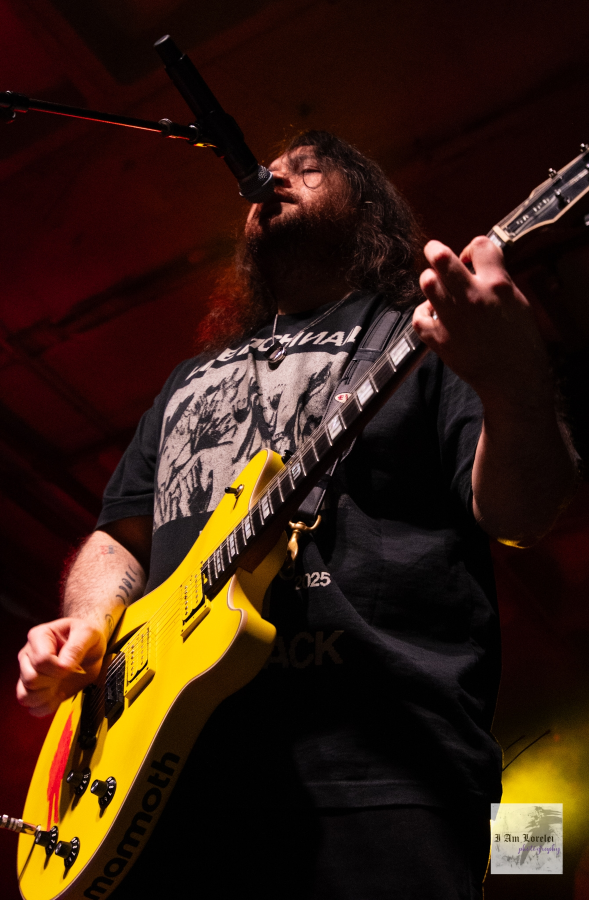
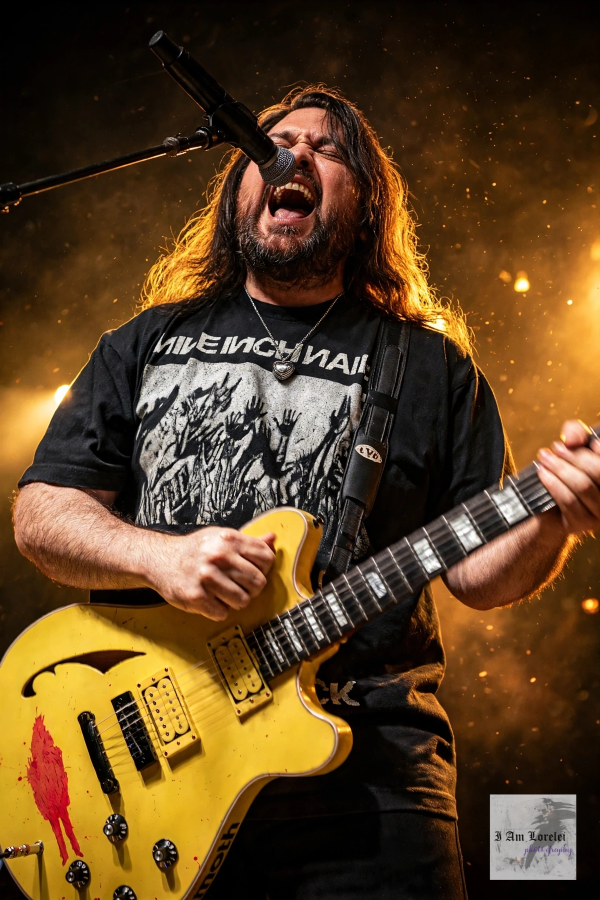
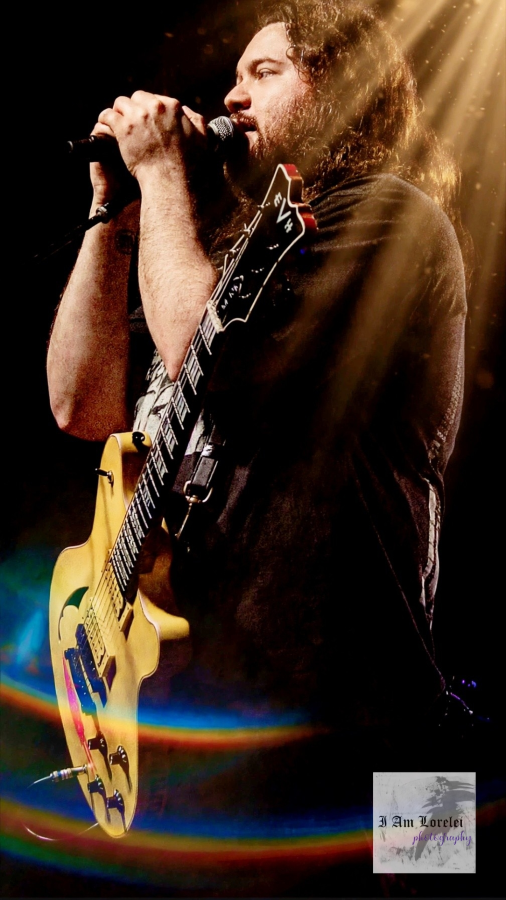
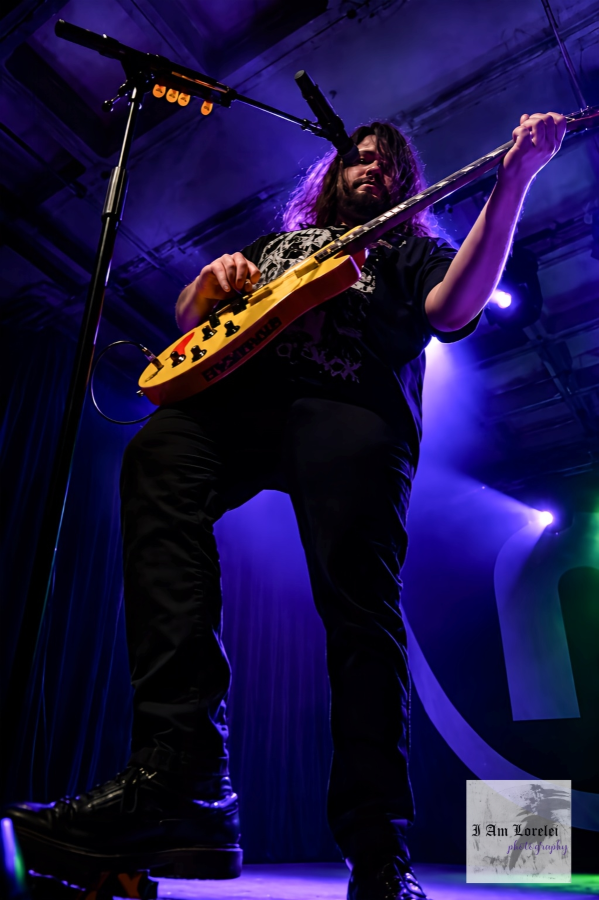
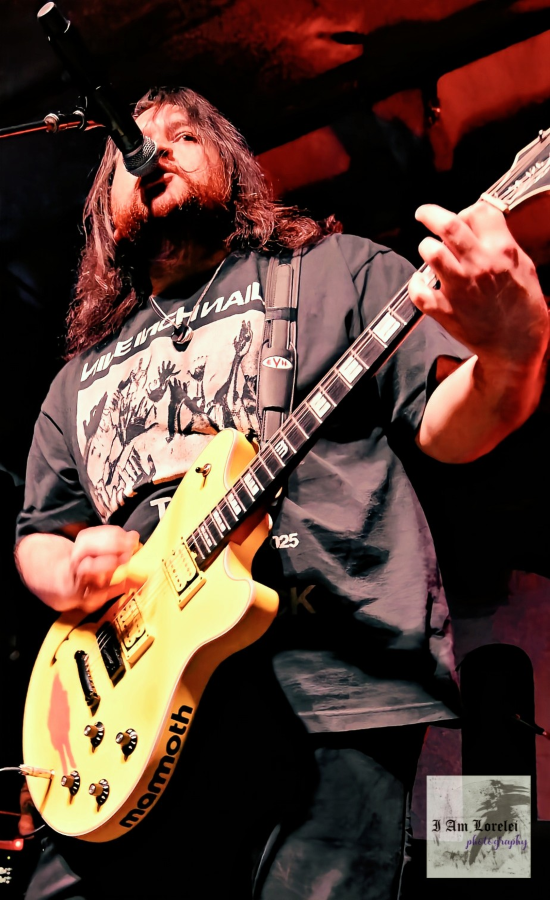
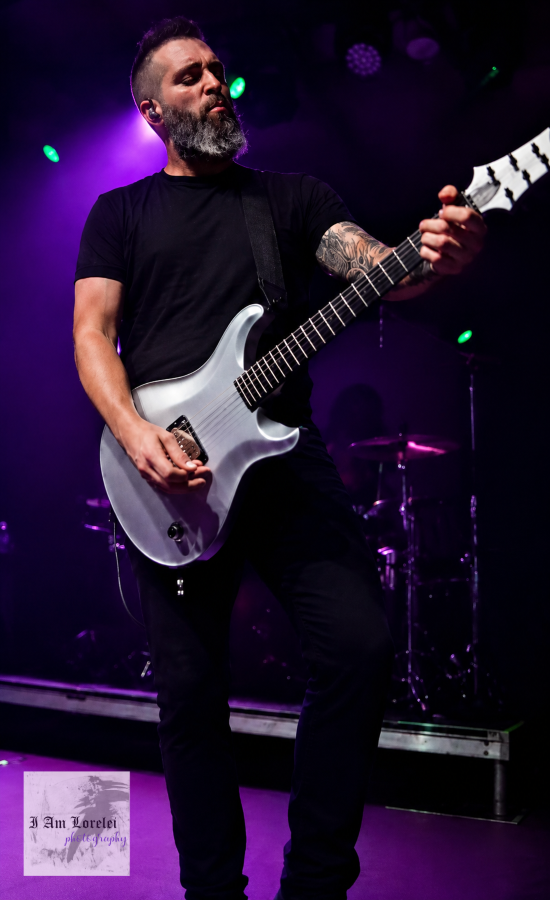
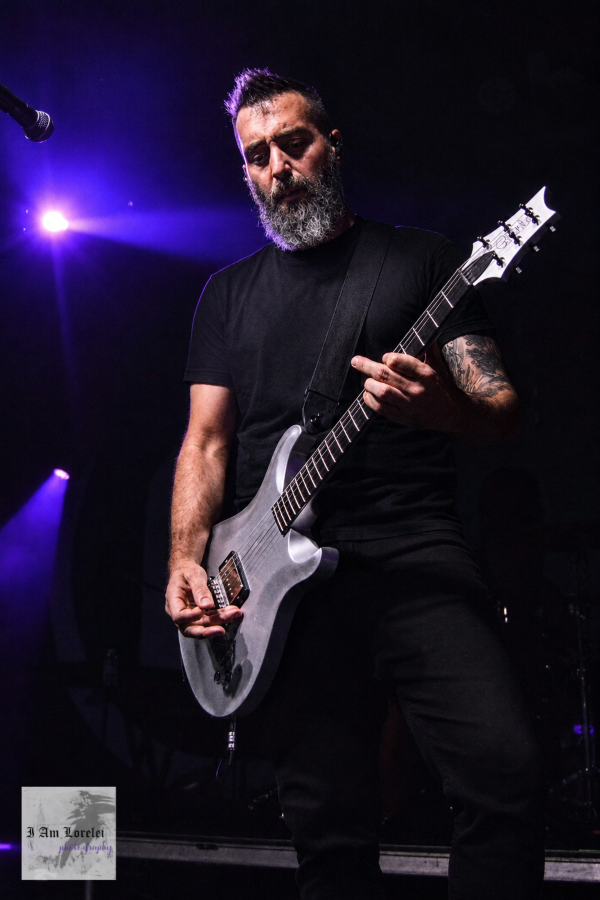
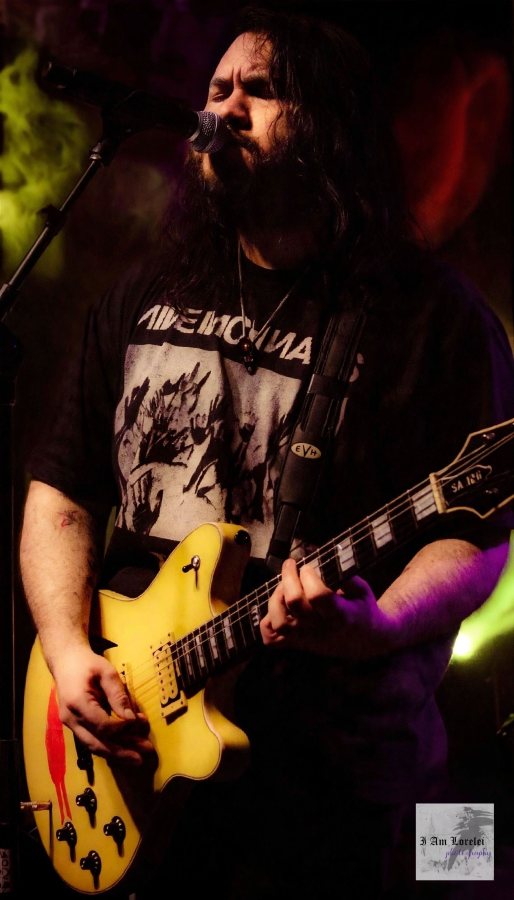
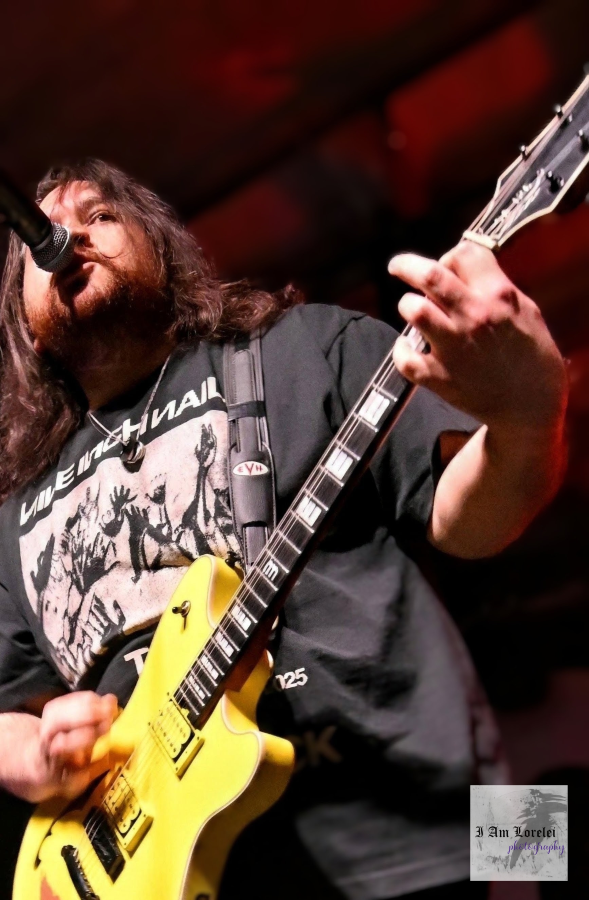
Walking into Empire Live on Thursday, August 6, 2026, there was no avoiding the larger story surrounding Wolfgang Van Halen — but what mattered most that night was the music in front of us. Mammoth (the WVH suffix was dropped last year) isn’t built on nostalgia. It’s built on Wolfgang’s own instincts, his own songs, and the unusual way he brings them to life: first alone in the studio, then with a locked-in touring band that turns that solitary work into something collective, loud, and fully alive on stage.

That contrast deserves attention because it shapes everything about Mammoth as a project. Unlike most bands, Wolfgang doesn’t bring in outside musicians to record his albums; every guitar, bass, and drum track is his own. It’s a solitary, almost obsessive process, and by his own admission, he loves it, even if it means giving up something he genuinely misses: playing drums live. He pays a price for that trade-off, but he makes it willingly because the recording process is where he has full control.

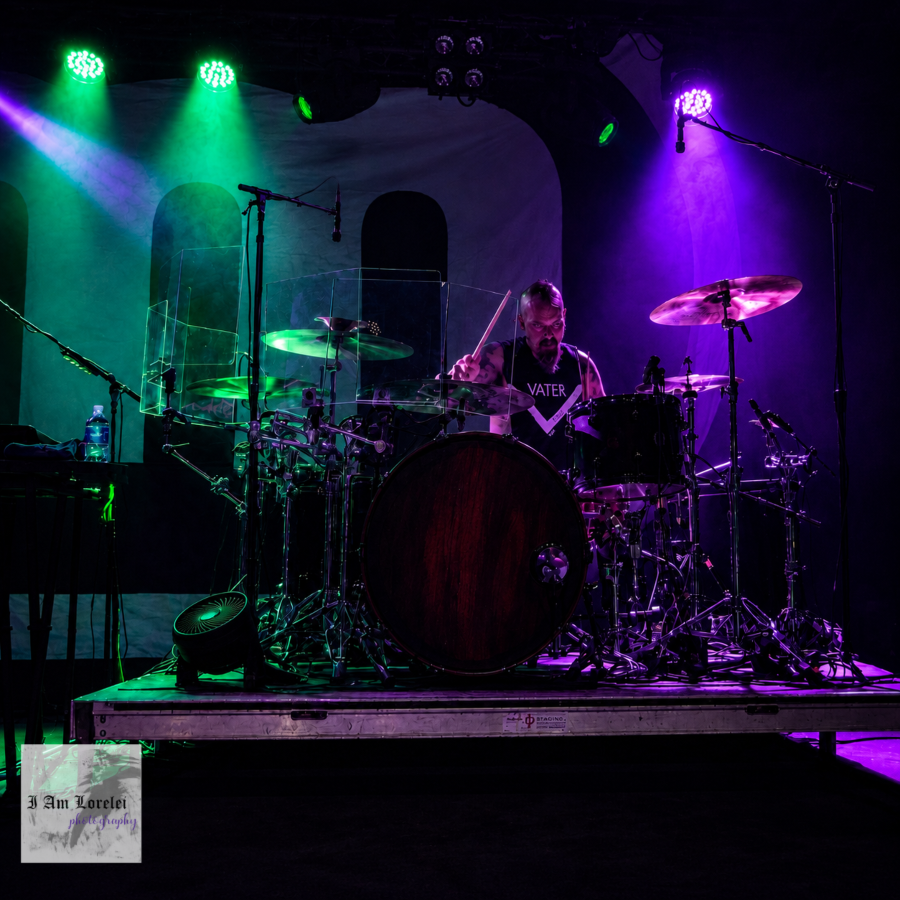
For now, the creative process remains a dialogue between two people: Wolfgang and producer Michael “Elvis” Baskette. Just two guys building the record from the ground up. Maybe he will relinquish total control down the line and allow one of his touring guitarists to perform a solo on a track. But for now, the albums remain a closed loop, while the touring band – the same lineup he’s now had for more than two years – gives that music its second life on stage.

That distinction matters live. The band isn’t simply recreating a record made without them; they’re interpreting music Wolfgang built on his own, night after night, as a lineup that has had real time to lock in.

Empire Live was already buzzing before Wolfgang Van Halen stepped onstage. Albany crowds don’t always arrive early, but this one did, with fans of every age pressed against the barricade, shoulder to shoulder, waiting for something loud, emotional, and worth staying out late for on a Thursday night.

Blaze Francisco were already familiar to some in the room, having previously passed through as an opener for Sebastian Bach. This time, they were initially scheduled for just one date with Mammoth — but after that booking, Mammoth’s management reached out to Blaze Francisco’s team and added five more shows ahead of their South America and Europe run beginning in October 2026. It was easy to see why. Blaze Francisco hit the stage with alt-rock grit and real purpose, and the room answered almost immediately — heads nodding, hands going up, people pushing closer, and the early-arriving crowd turning from curious to fully invested. By the end of their set, they hadn’t just warmed up the audience; they had the whole room revved, loud, and ready for what was coming next.

By the time Wolfgang stepped out, Empire Live didn’t need much convincing. Blaze Francisco had already done the job of loosening the room up, and once Mammoth hit, the crowd was right there with them. People weren’t standing around waiting to be impressed; they were singing, yelling, filming, throwing hands in the air, and reacting to every shift in the set.

That kind of loyalty was easy to spot in the crowd. I met two women who had already seen Mammoth five times — one who came in from Nassau and another from Arizona. That says something. This wasn’t just a room full of casual concertgoers checking out a familiar name; there were people there who had clearly made Wolfgang’s music part of their lives and were willing to follow it wherever they could.

What struck me most was the way Wolfgang carried himself through the set. He doesn’t command the stage with exaggerated theatrics or constant motion; his presence is steadier than that, rooted in focus, confidence, and total command of the songs. One minute, he was digging into guitar parts that pulled audible reactions from the crowd – making people gasp without meaning to – and the next, he was softening the edges and letting his vulnerability sit in the open. There’s a quiet intensity to the way he performs, as if every note has already lived with him for a long time before he releases it into the room.

That made his connection with the crowd feel easy and unforced. Wolfgang didn’t overdo the stage banter, but when he looked out, smiled, stepped toward the front of the stage, or leaned into a chorus, the room gave it right back. He has the kind of stage presence that doesn’t need to chase attention; it draws people in by making the music feel personal, even in its loudest moments. The band played like a unit that trusted each other, trading energy across the stage and then throwing it outward, while the audience responded with raised hands, shouted lyrics, and the kind of sustained roar that makes a club show feel bigger than the room itself.

The songs rolled out like chapters: strong vocals, blistering solos, piano passages, and moments that let Wolfie flex every part of his musical identity — the heavy, the melodic, the introspective, and the celebratory.

  • One of a Kind
  • Another Celebration at the End of the World
  • The Spell
  • Epiphany
  • Like a Pastime
  • Same Old Song
  • Stone
  • Happy
  • Take a Bow
  • Mammoth
  • Distance
  • Don’t Back Down
  • I Really Wanna
  • The End

People walked away understanding that Mammoth is not a side note to anyone else’s story. It is its own band, with its own sound, and Wolfgang is clearly steering it. When the show ended and the crowd spilled onto North Pearl Street, there was that dazed, happy look people have after a genuinely good concert — the kind where no one says much at first because they’re still processing what they just experienced.

Albany got a real one that night – a loud, tight, honest rock show from an artist who clearly knows exactly what he wants this band to be.

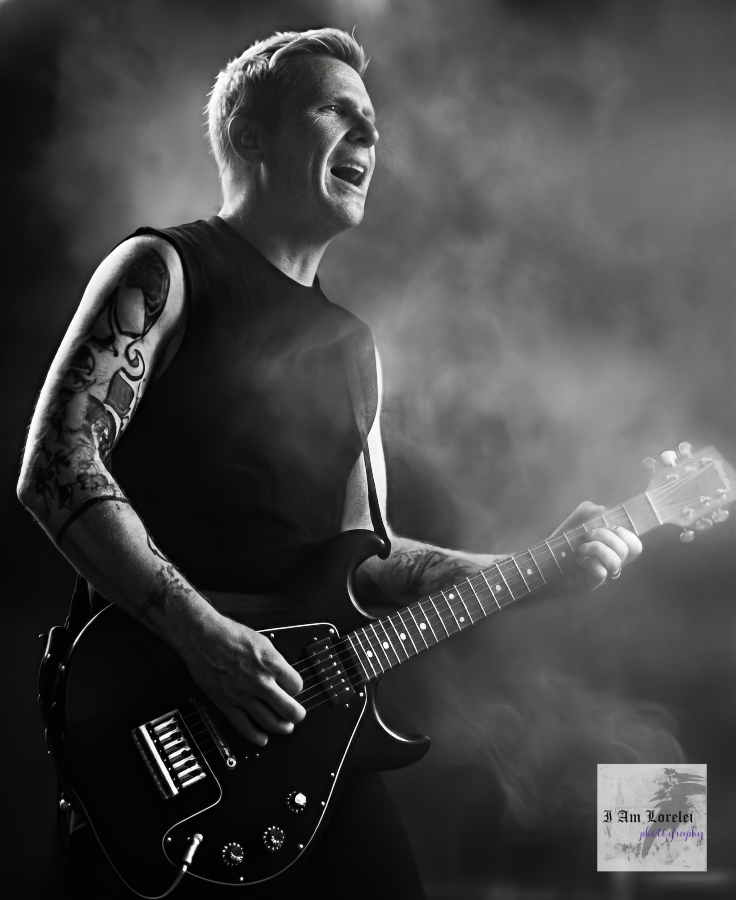
Photography by I Am Lorelei!.

More from Empire Live here …