Home Blog Page 10

BDA (Bleeding Disorder Association) Health Day

0

by Joshua Scarselli.

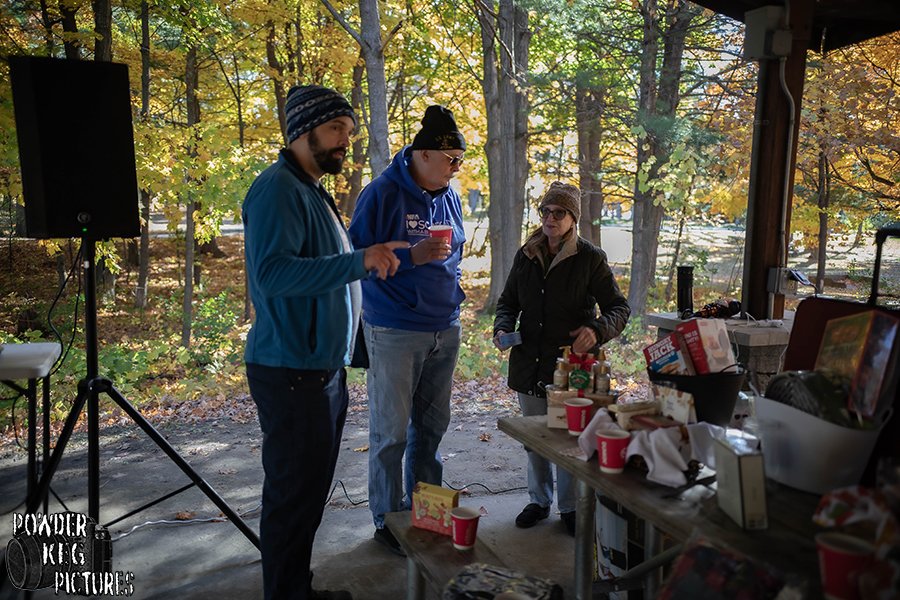
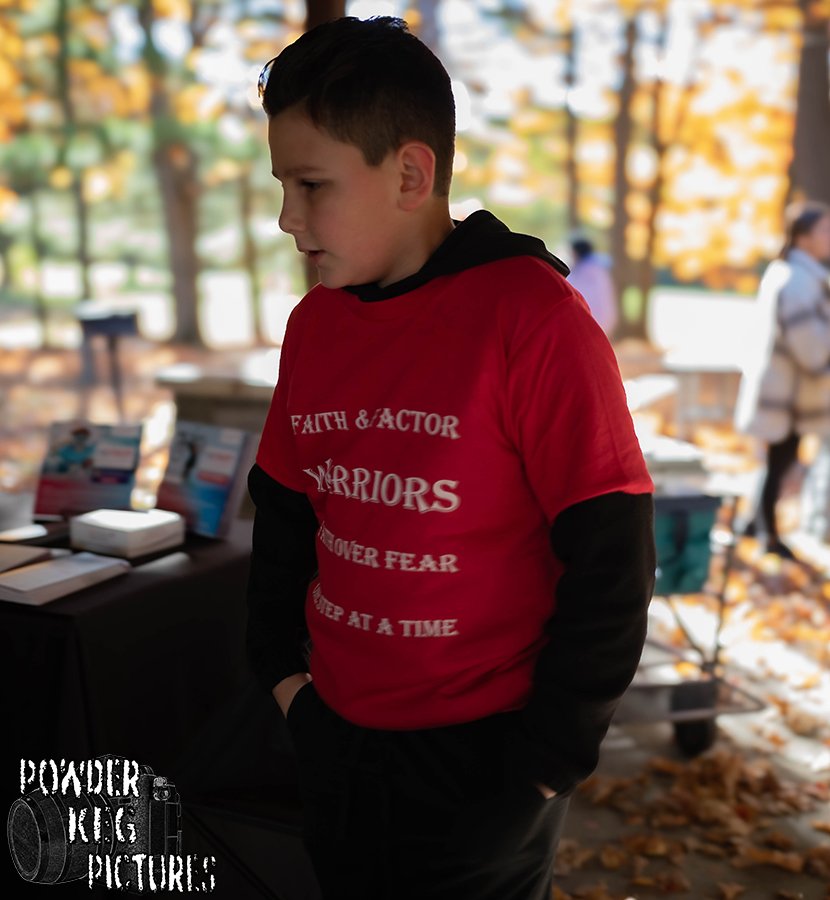
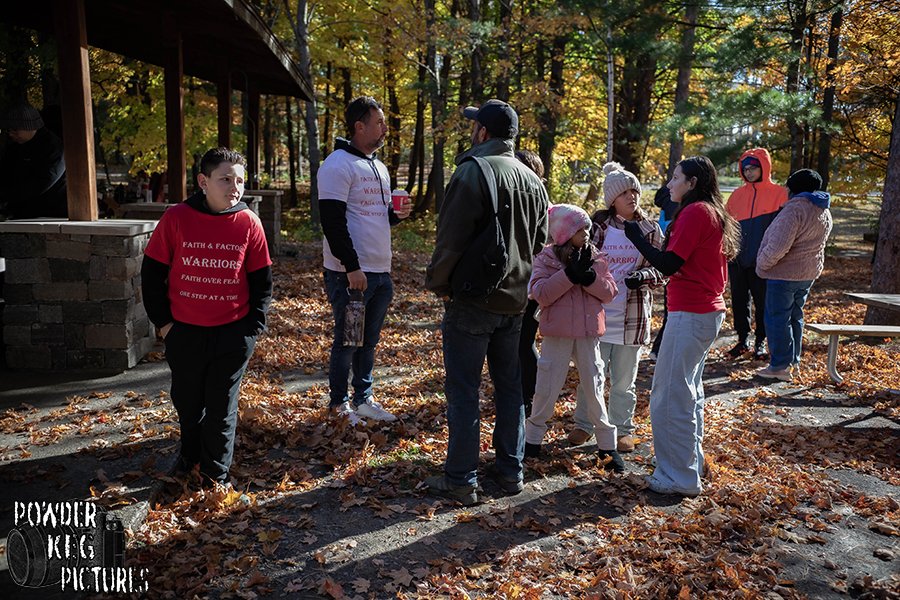
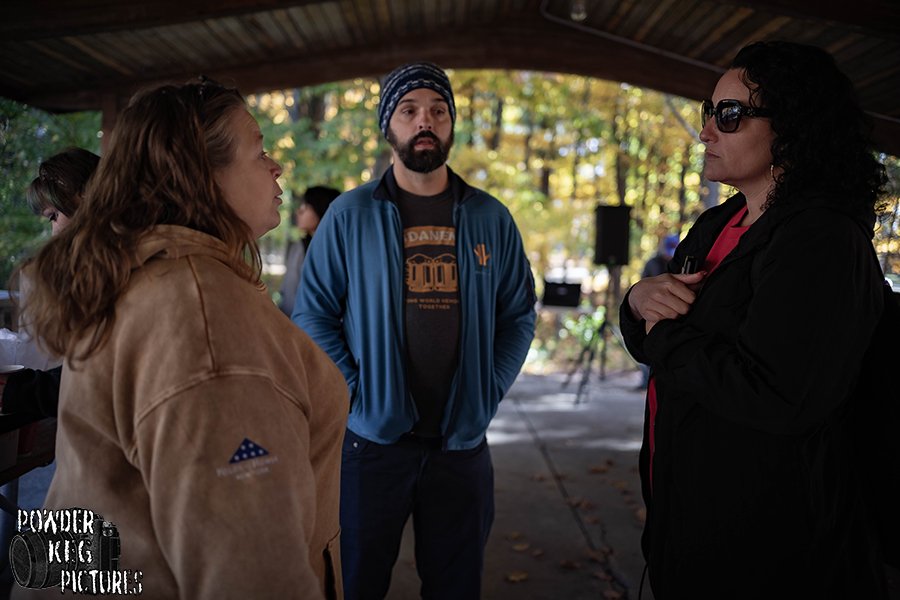
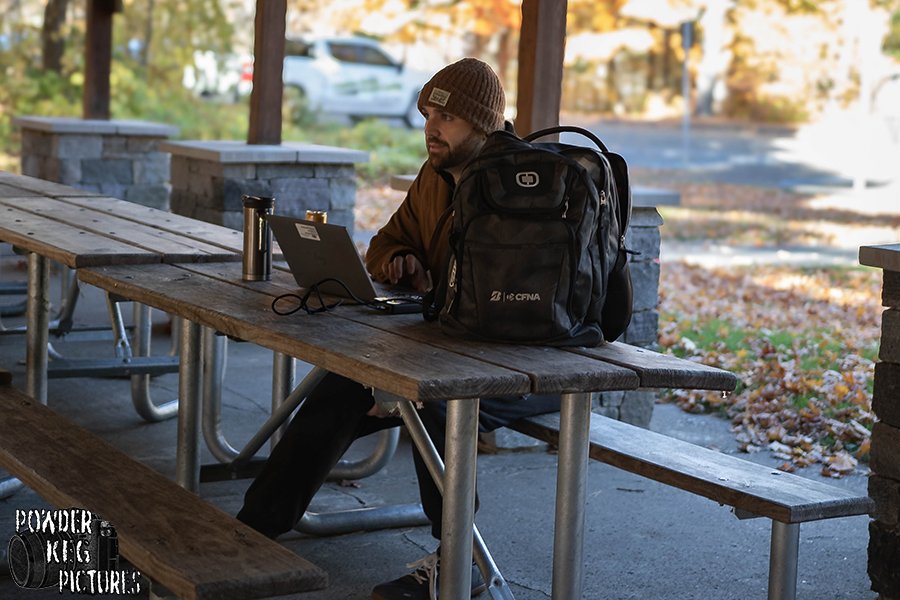
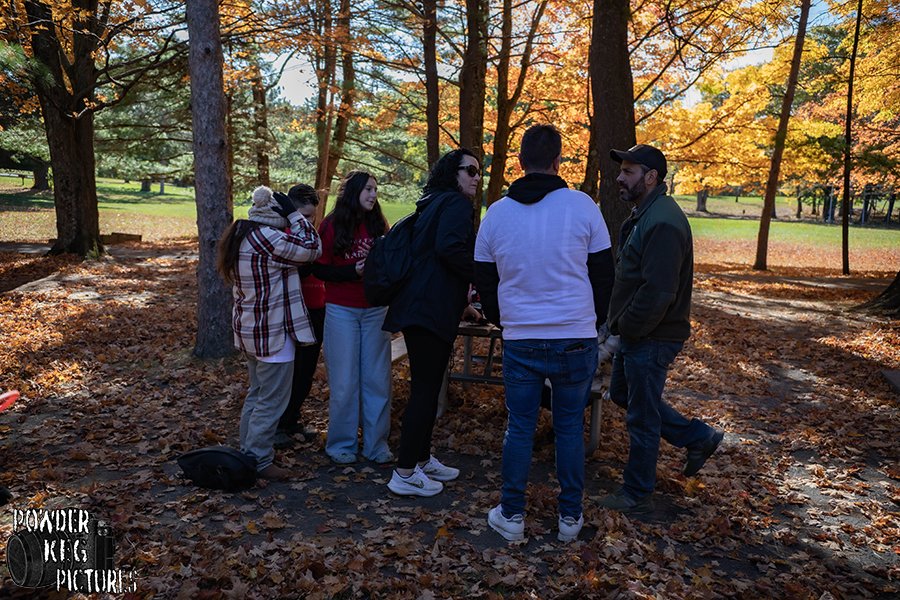
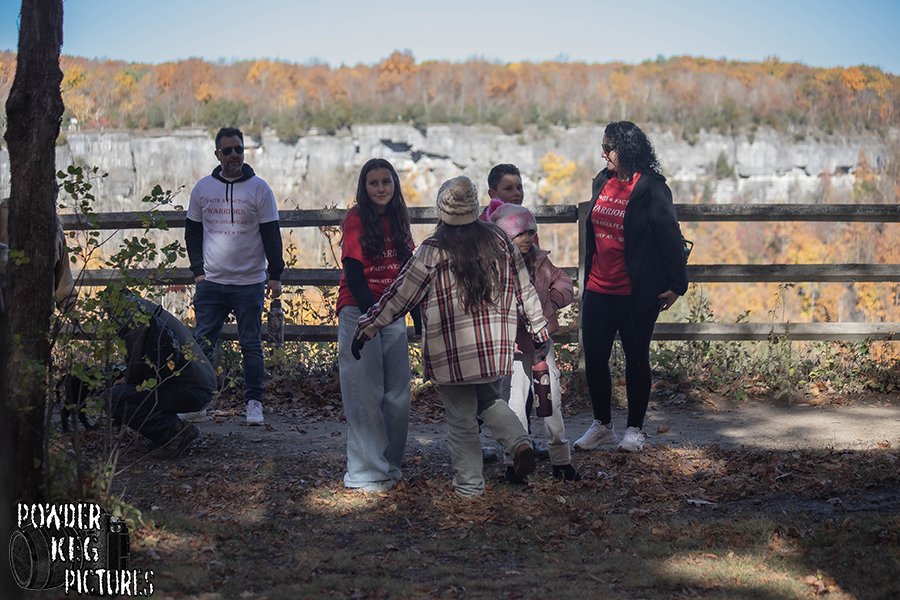
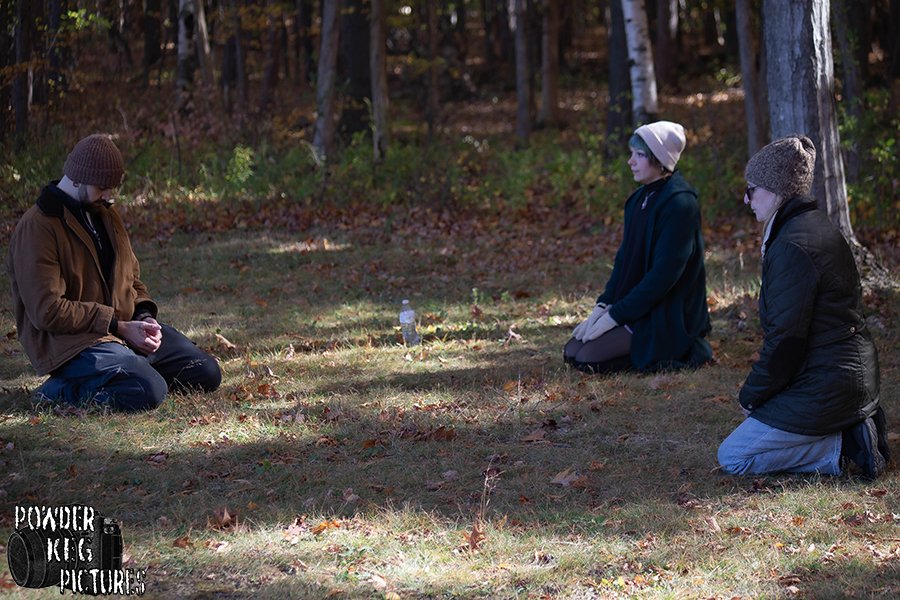
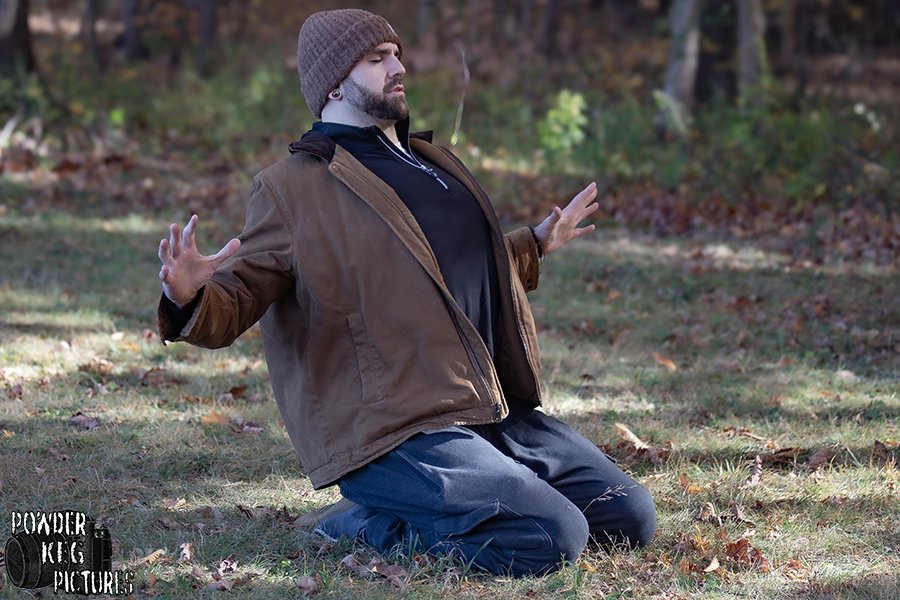
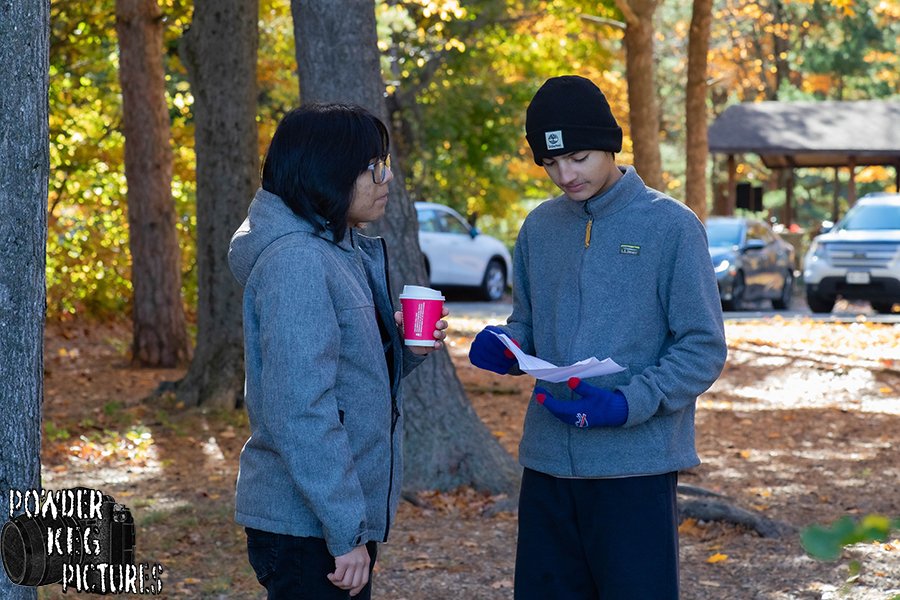
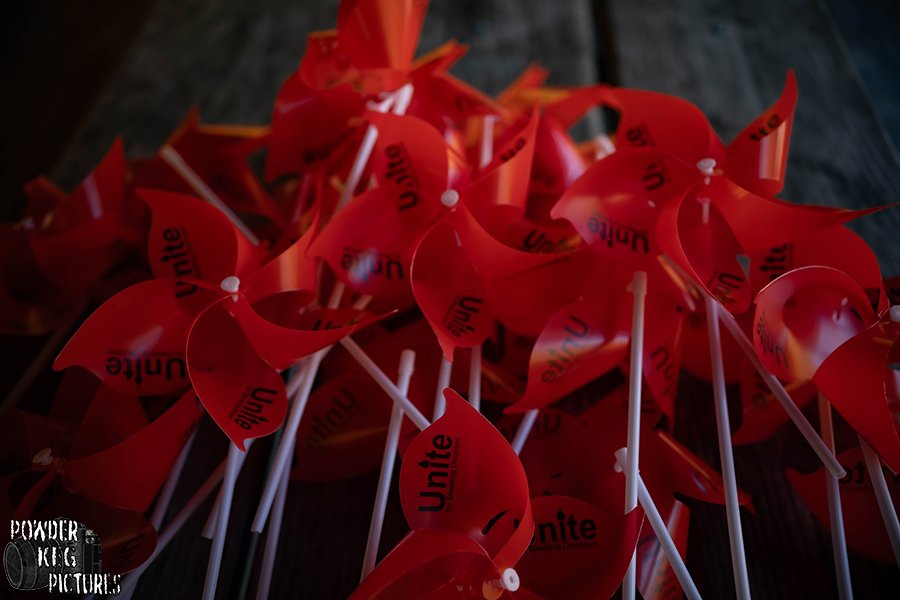
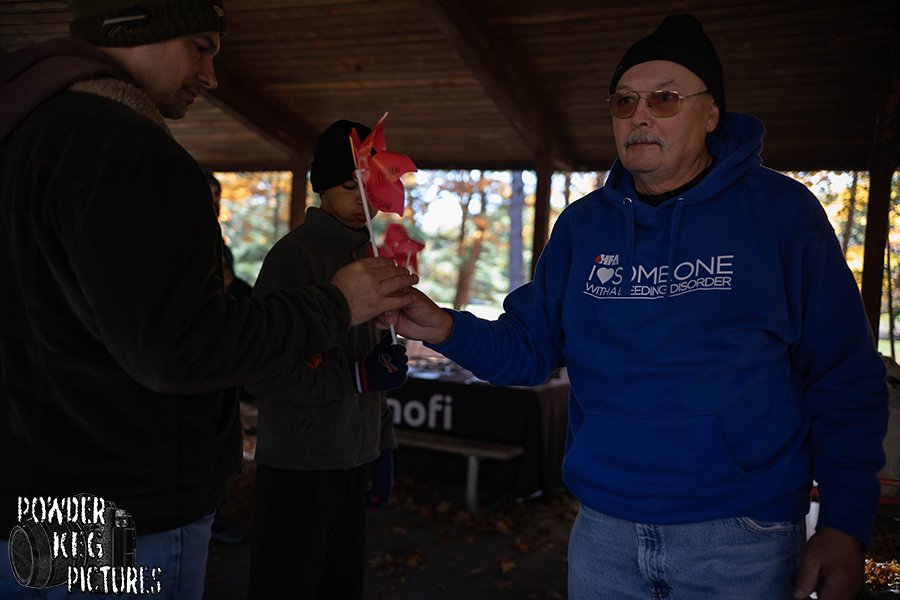
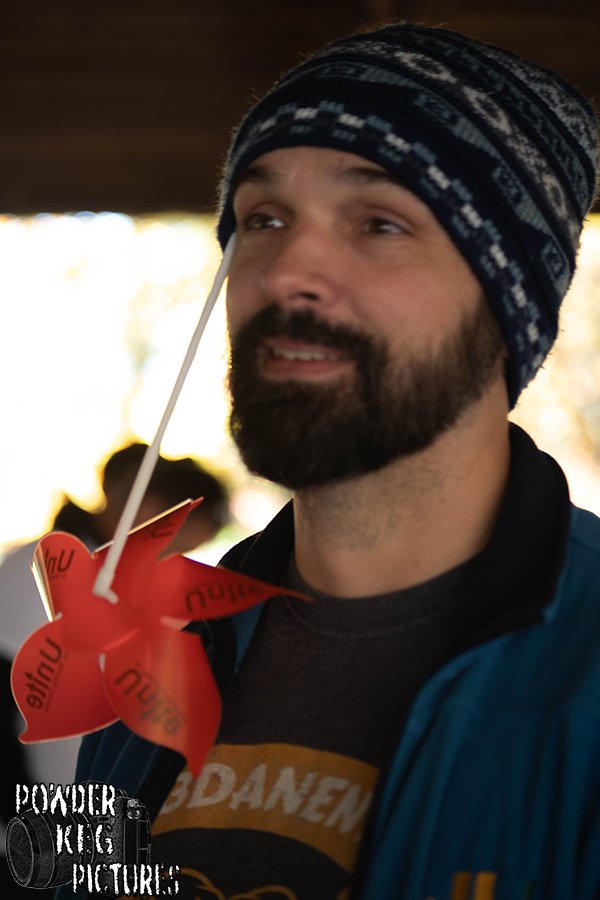
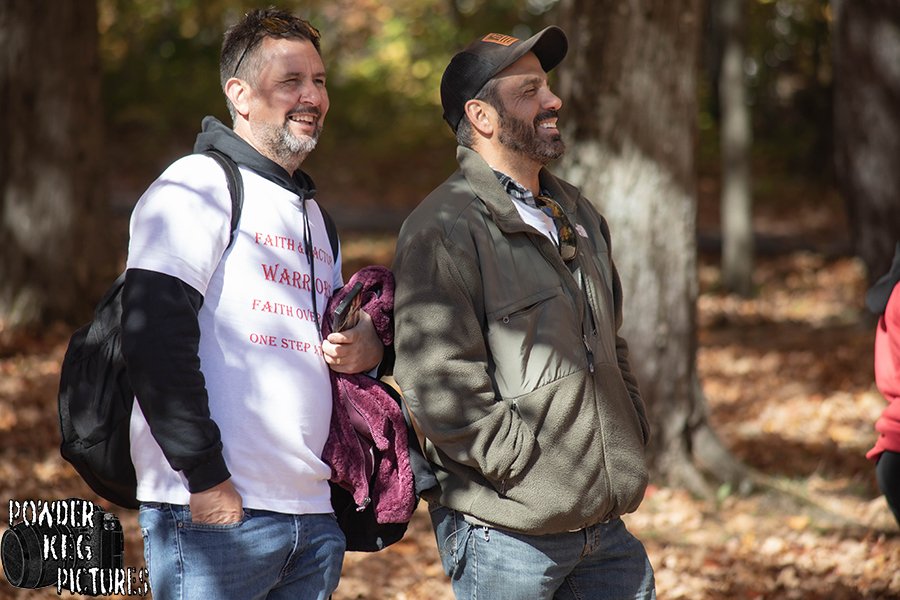
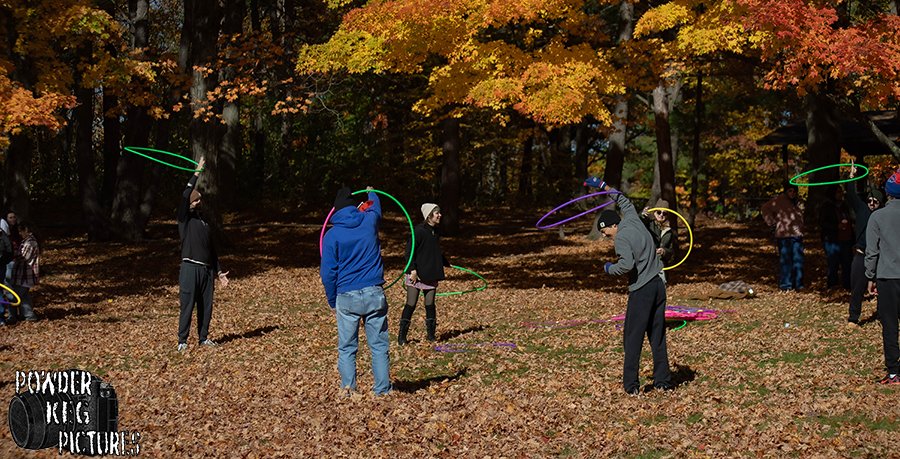
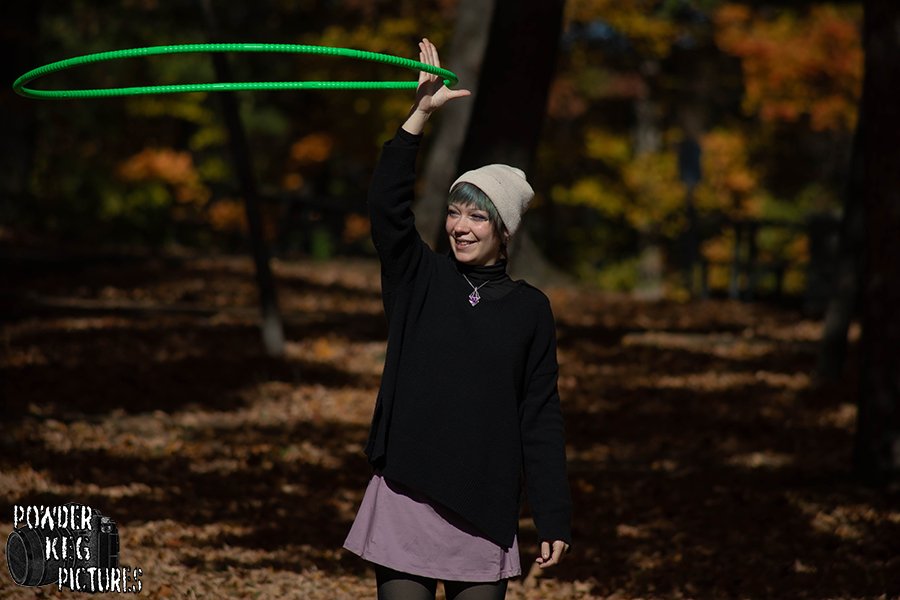
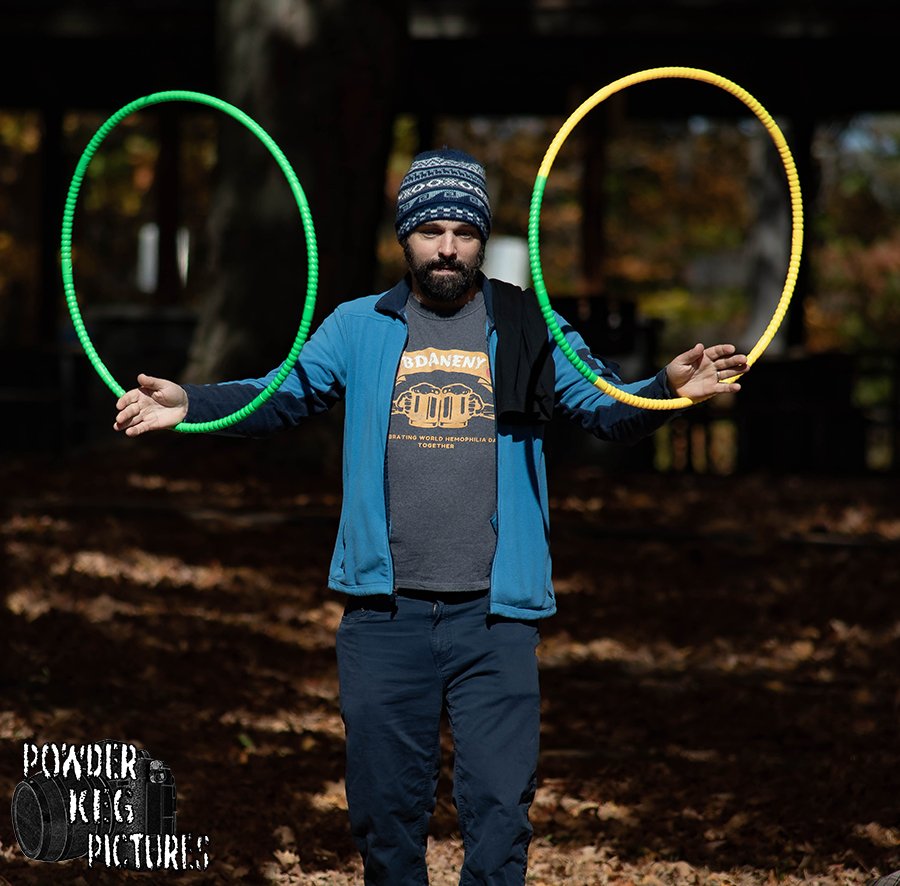
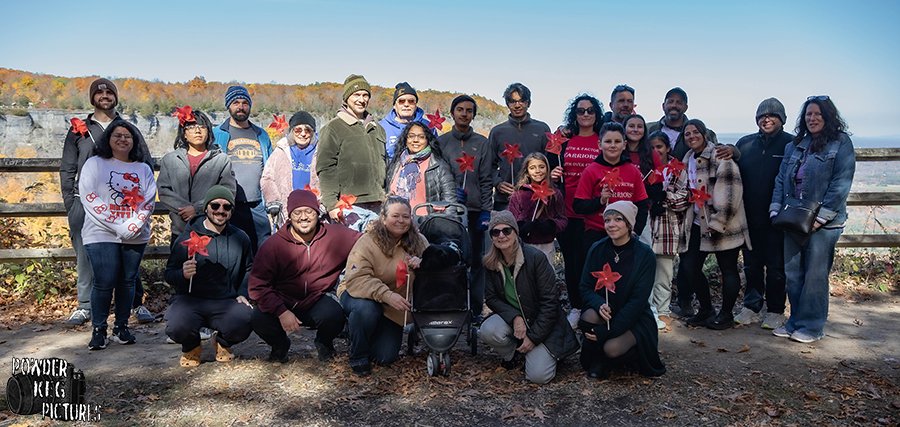
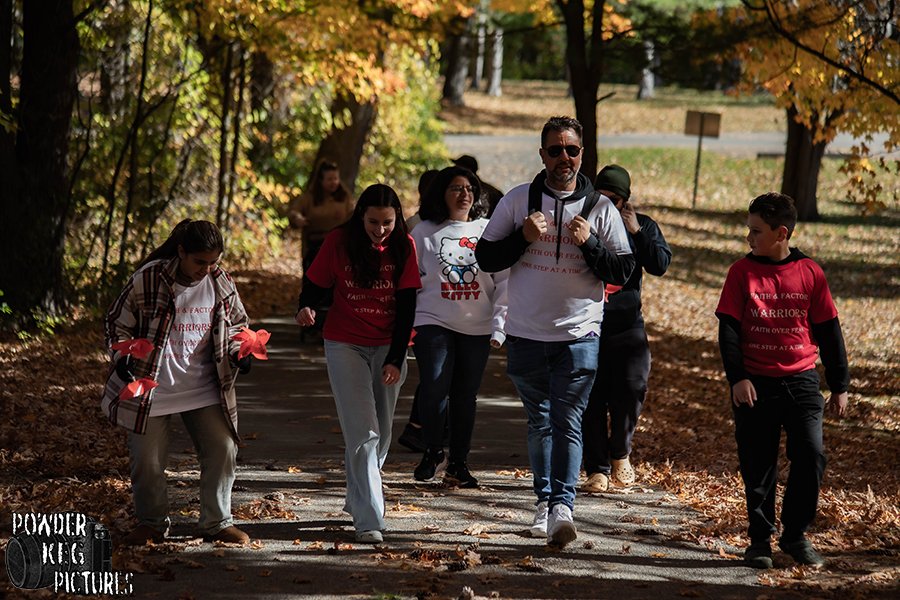
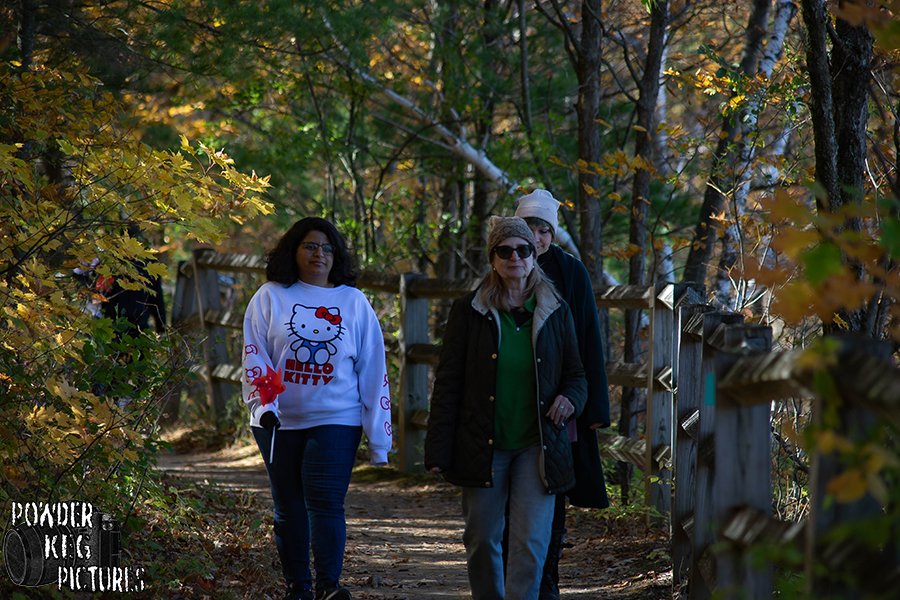
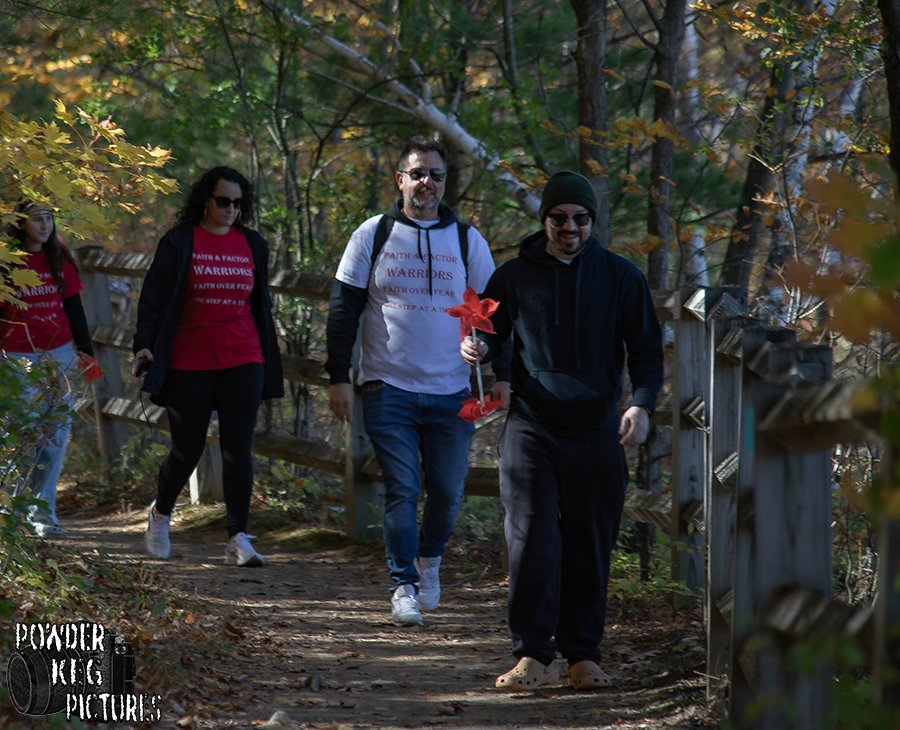
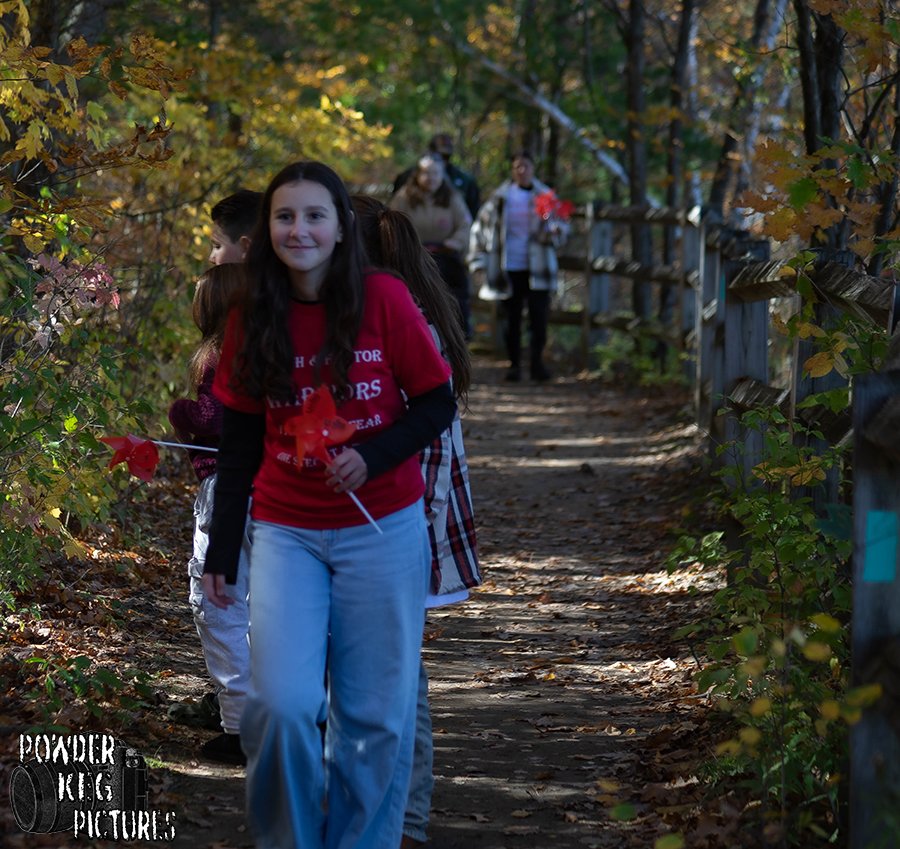
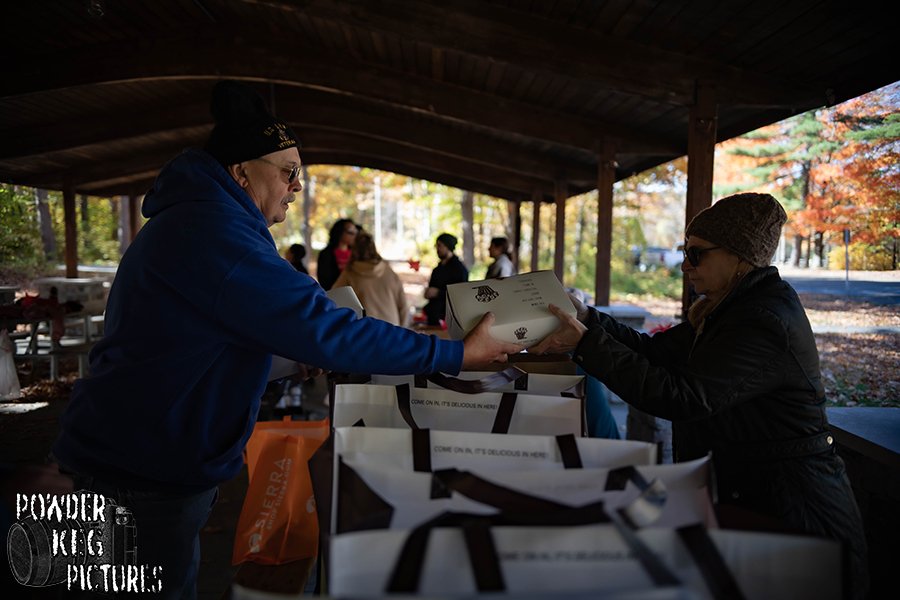
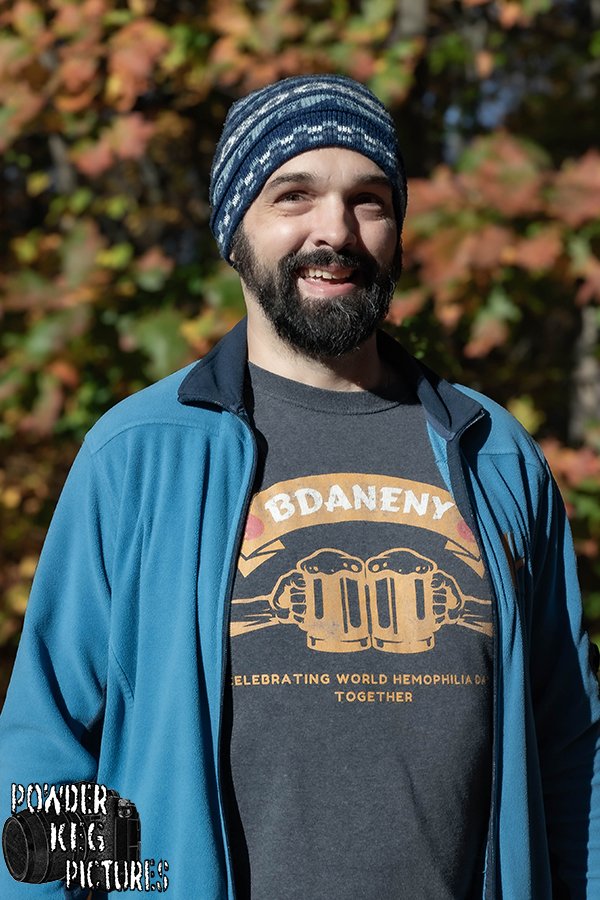
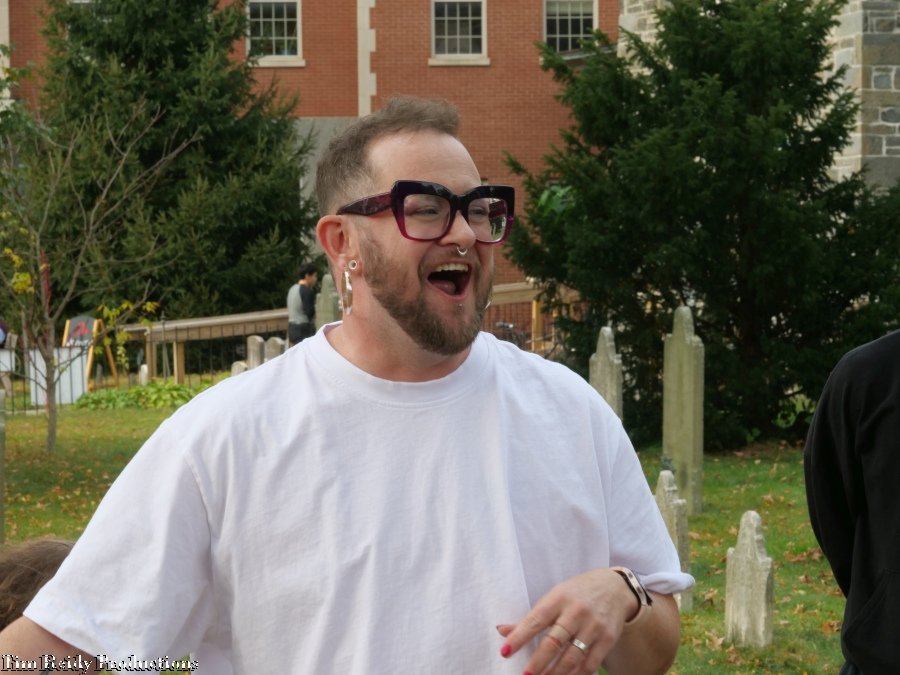
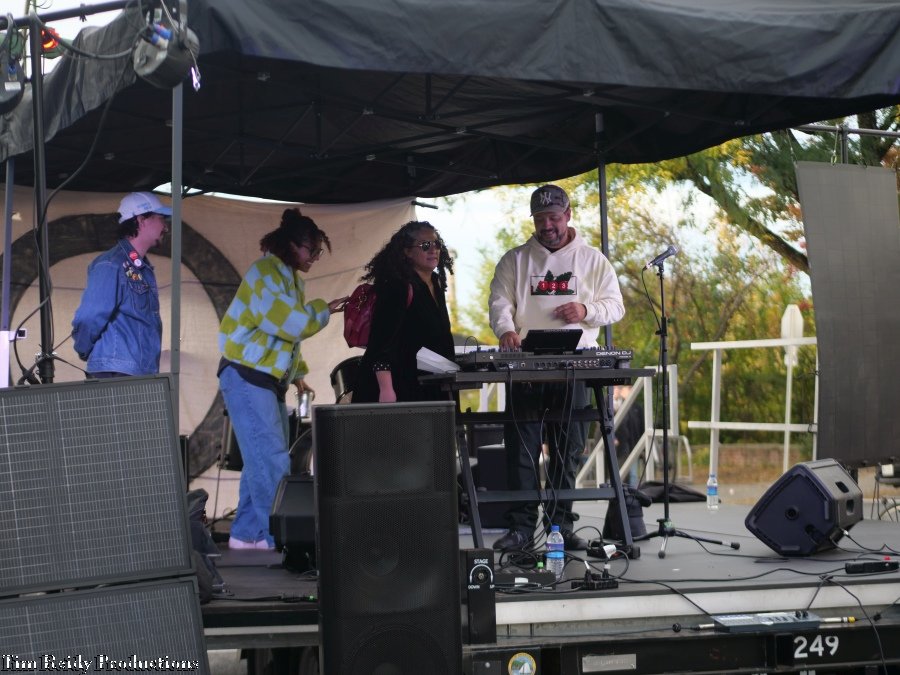
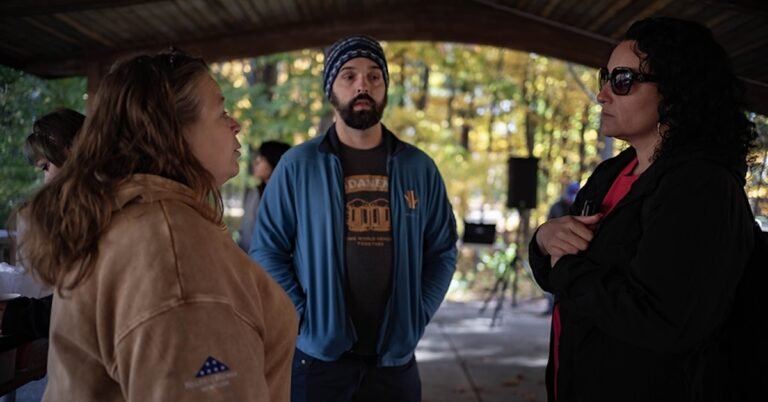
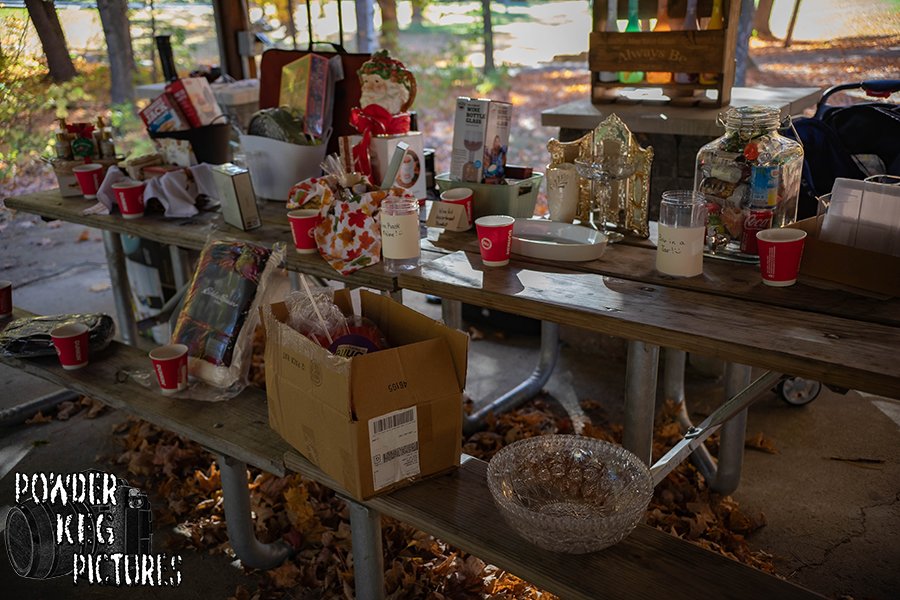
The Bleeding Disorder Association of Northeastern New York held its Health Day. Various activities brought together the bleeding disorder community on a crisp fall day in Thacher Park. There was a yoga run by James Davidson from The Hot Yoga Spot. Dayana Young (Dank.n3t on Instagram) led the group in a tutorial on various exercises you can do with a hula hoop. The afternoon walk capped off with a leisurely stroll around the park followed by a raffle for some great prizes! The newly elected President of the Board of Directors for the Bleeding Disorder Association of Northeastern New York, Chris Huskie, had a chat with me to let us know more about the association and what they do for the community.

RRX: Can you tell me a little bit about yourself and how you got involved with the Bleeding Disorder Association?

CH: My name is Chris Huskie. I’ve been part of the Bleeding Disorder Association since I was a child because I am a severe hemophiliac. I remember coming to all these events when I was a kid and getting to meet people and learn about the community and learning about myself and my disorder. As I grew older, I took a step back for a little bit, and then I decided I wanted to come back into it and help out. I’ve now been a board member for six years, and I’ve recently been elected as a new president, which is very exciting.

RRX: Congratulations! Tell me a little bit about the association, and what kind of services you offer for the bleeding disorder community?

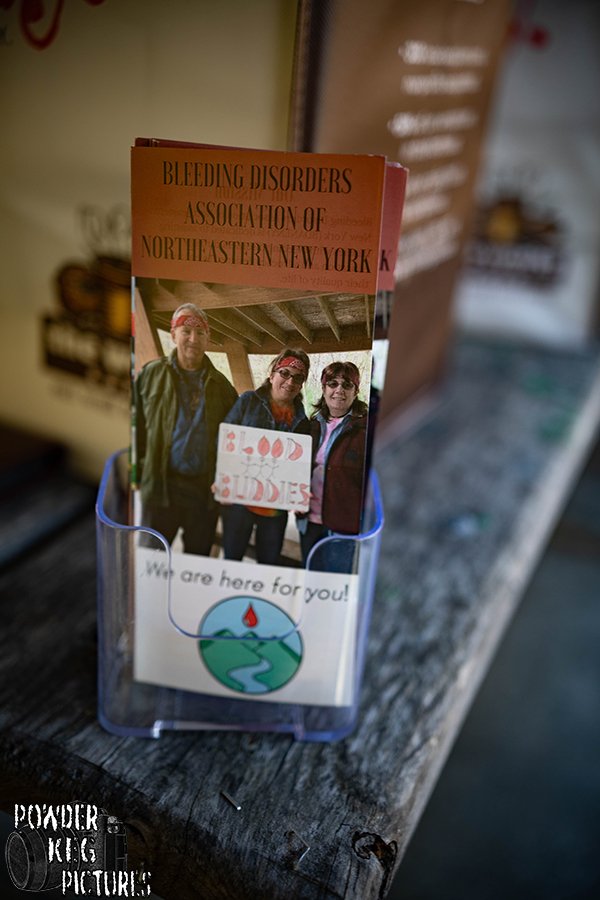
CH: Good question. The association serves the Capital Region. We have 22 counties that we take care of.  We have an assistance program that helps people with bleeding disorders who may be in hard times with things like rent, electric bills, car maintenance, or food. We can also help with gas if they are having a hard time getting to their doctor appointments and back.  We have a new family committee that introduces families with newly diagnosed bleeding disorders to us and what we do. They offer emotional guidance and help with education on what to do under different situations.  Our organization’s main goal is to help the community in any way we can. Being someone who has been on both sides of that coin, I am proud to say that what we do does help, and we will continue to grow so we can help more and more people.

RRX: As somebody who grew up with a bleeding disorder, what are some of the challenges or things you have to take into consideration?

CH: So one of the bigger challenges is misinformation. It’s a very rare disorder. A lot of people don’t know a lot about it. Some people hear it, and they think, oh, this hemophiliac, he’s going to get cut a little bit, and he’s going to bleed out, and he’s going to die. Like, no, that is wrong. We mainly are concerned about blunt force traumas. So you get internal bleedings that you really can’t necessarily see, but can cause long-term effects. If you were to twist your ankle, then your ankle will get better in a day or two. For us, it might be like a week or maybe more.

Over time, that happens over and over and over and over and over again. Then cartilage starts breaking down in between your bones. Then you can’t move as much as you used to be able to. Early onset of arthritis can happen. I’ve known people — luckily, this doesn’t happen much anymore because of advancements in medication — but I do know people who’ve had their joints fused together. So they can no longer bend their arms, or they can no longer bend their legs because of this.

So it is a big issue, but there are modern medications coming out, which is fantastic. So much better than it used to be. So, but yeah, a big issue that we have as a whole as a community is just getting the information out there. Educating people who don’t know anything about it, so a lot of these events are good not only for people with bleeding disorders, but friends, families, or even just people who are interested and want to know more about it. Come here and learn about it. We’re here for you. We’re here to teach you. We’re here to show you, and you have some fun at the same time.

RRX: Where can people find out information about your events and what the Bleeding Disorder Association can do for them?

CH: A big place is on Facebook. We post a lot on Facebook. We do have a website: https://bdaneny.org. It’s the Bleeding Disorder Association of Northeastern New York. We post everything on there. The information about our different scholarships and different events. We have lots of events all the time. We have dinners that are sponsored by different pharmaceutical companies or new medications, new ideas, new mindsets coming out. So we do have a lot of different dinners. Go and get a free meal, and you can learn a lot about what’s happening for the future for our organization, and for the community as a whole.

Photography by Joshua Scarselli.
More from Joshua Scarselli here …

O+ Festival (Saturday)

0

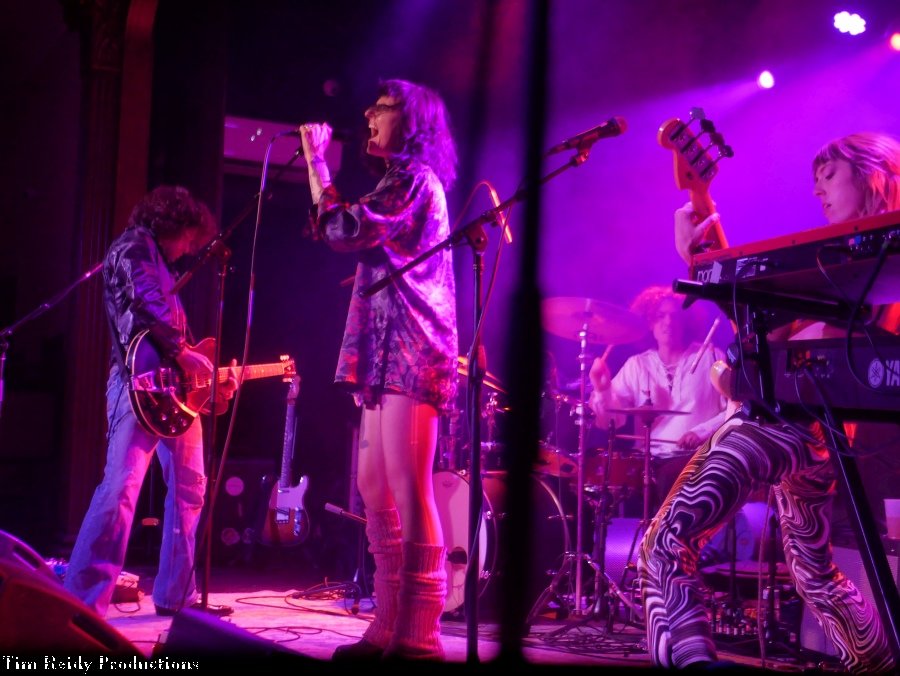
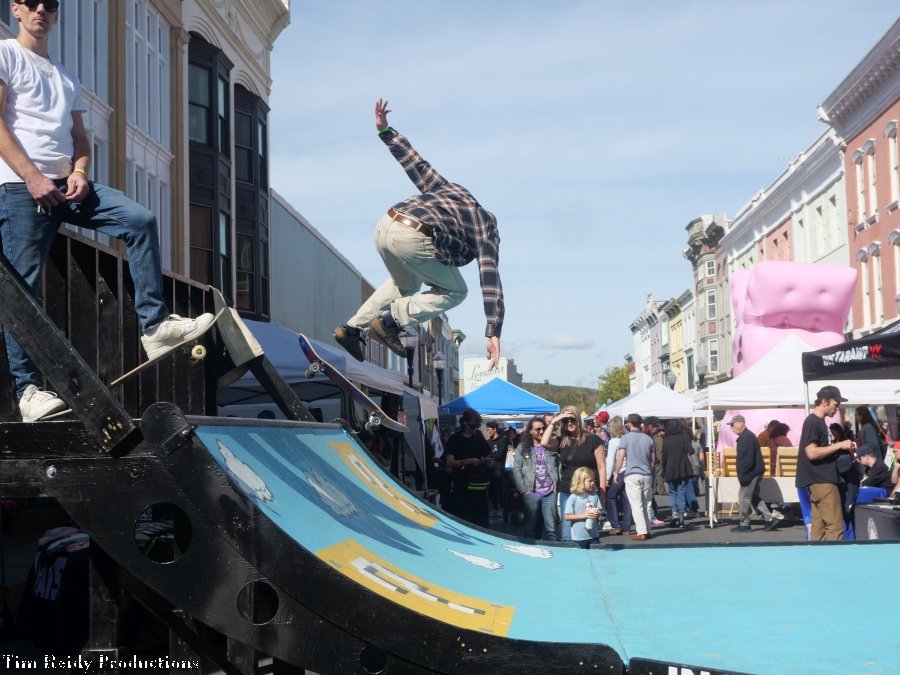
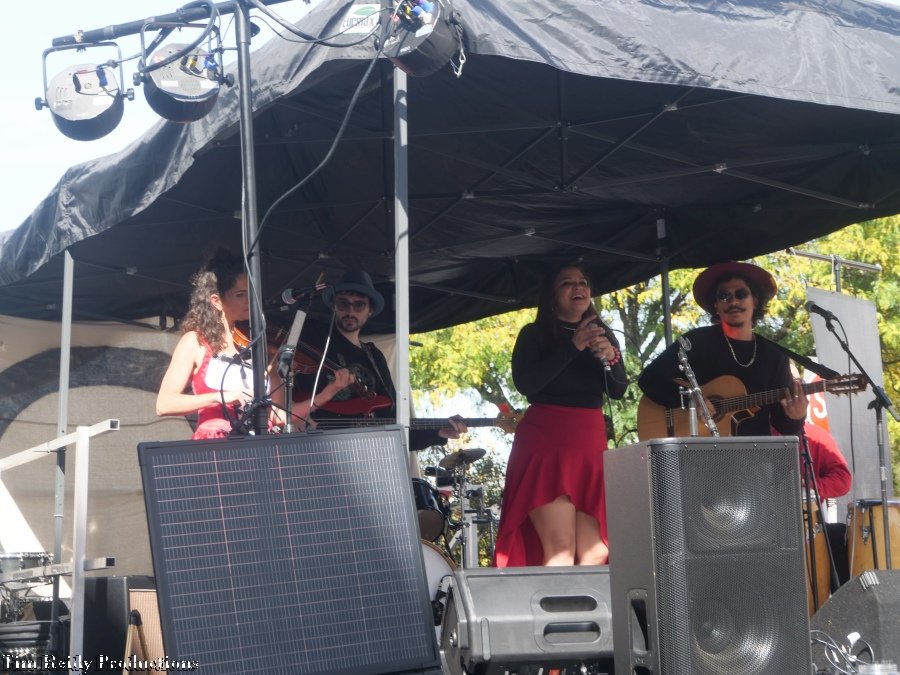
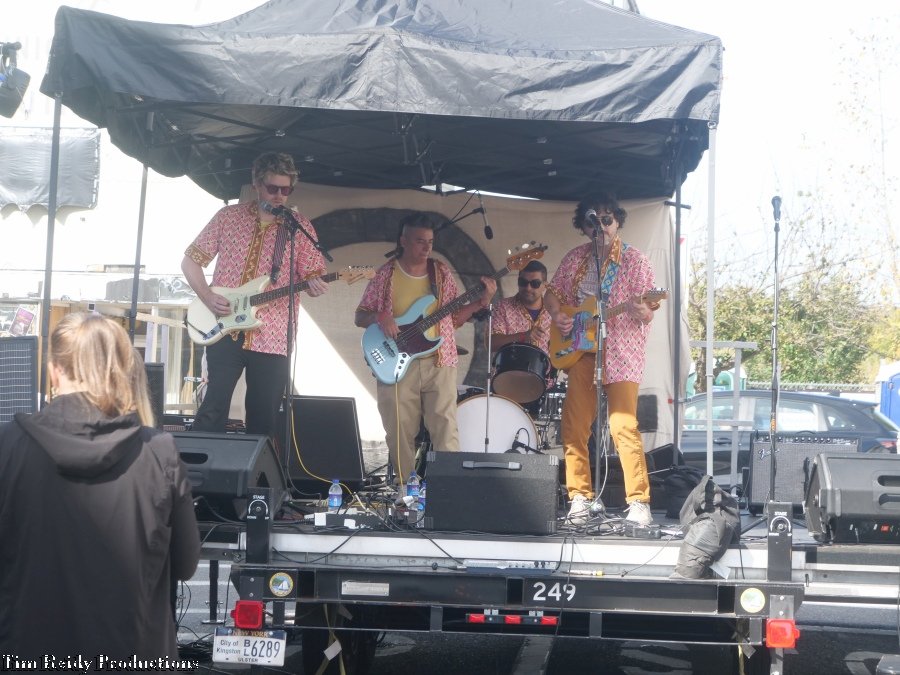
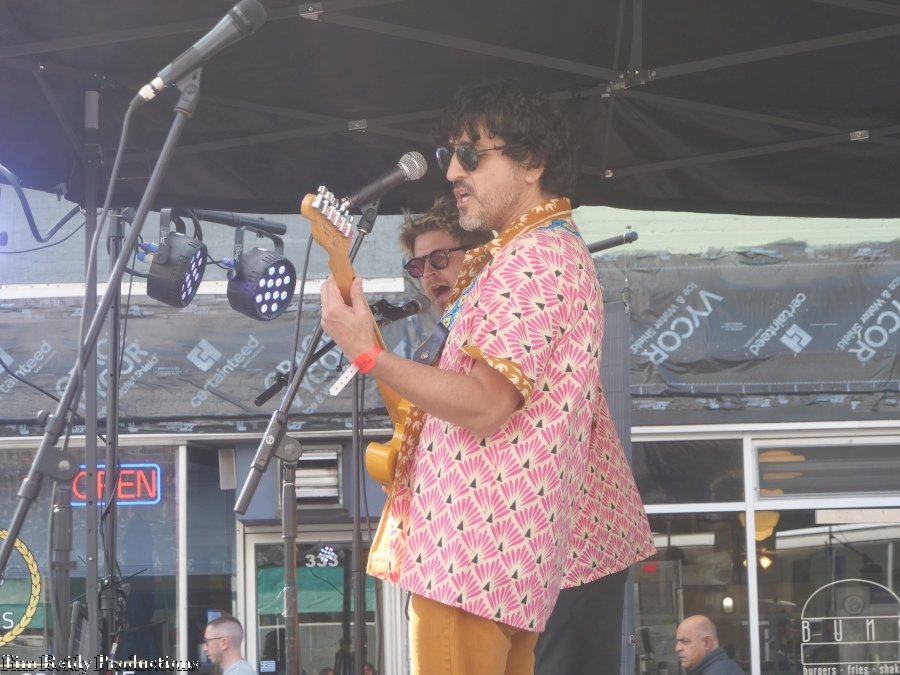
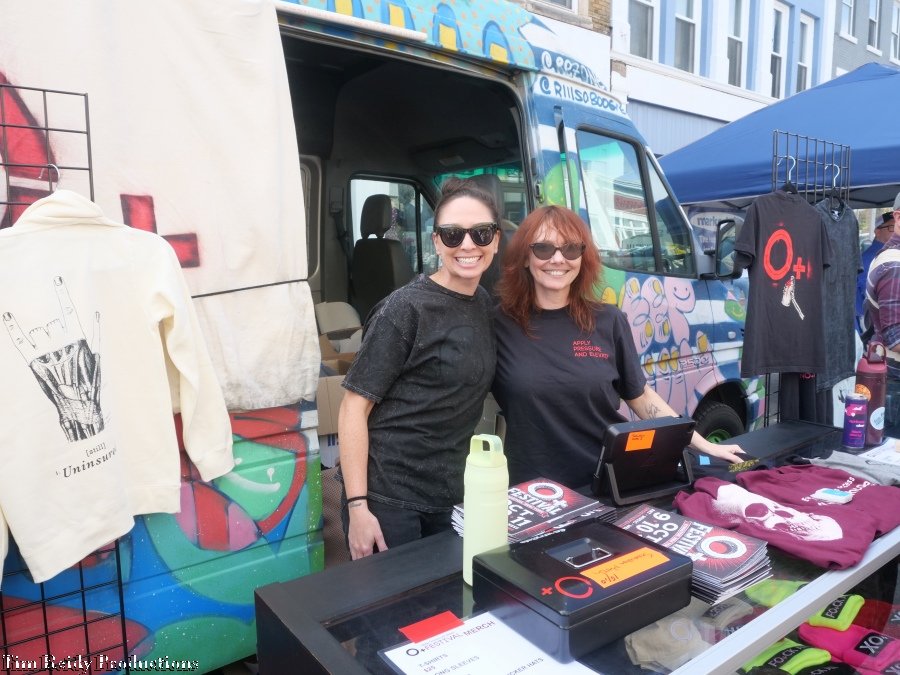
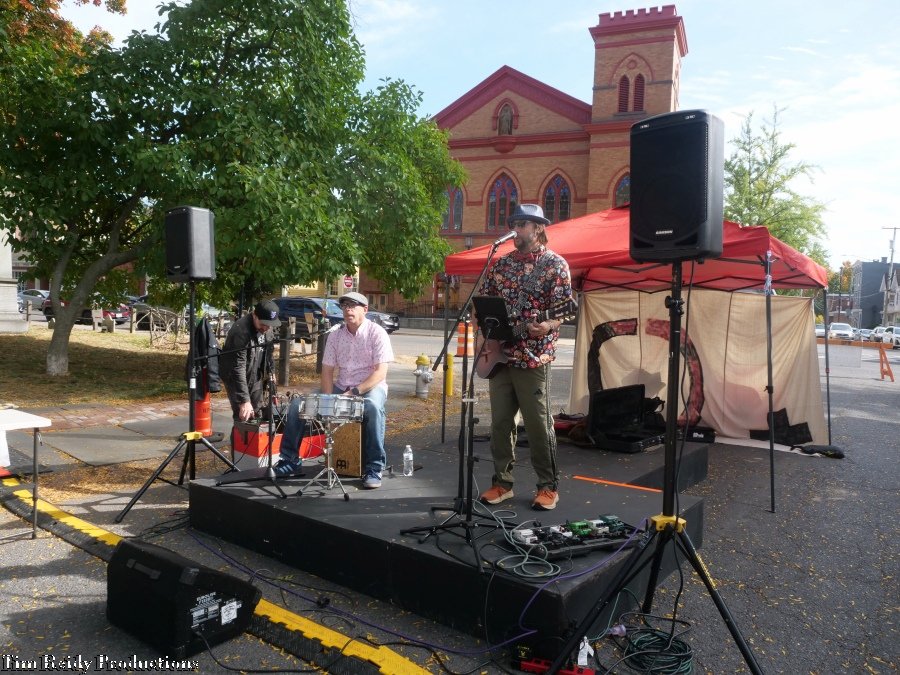
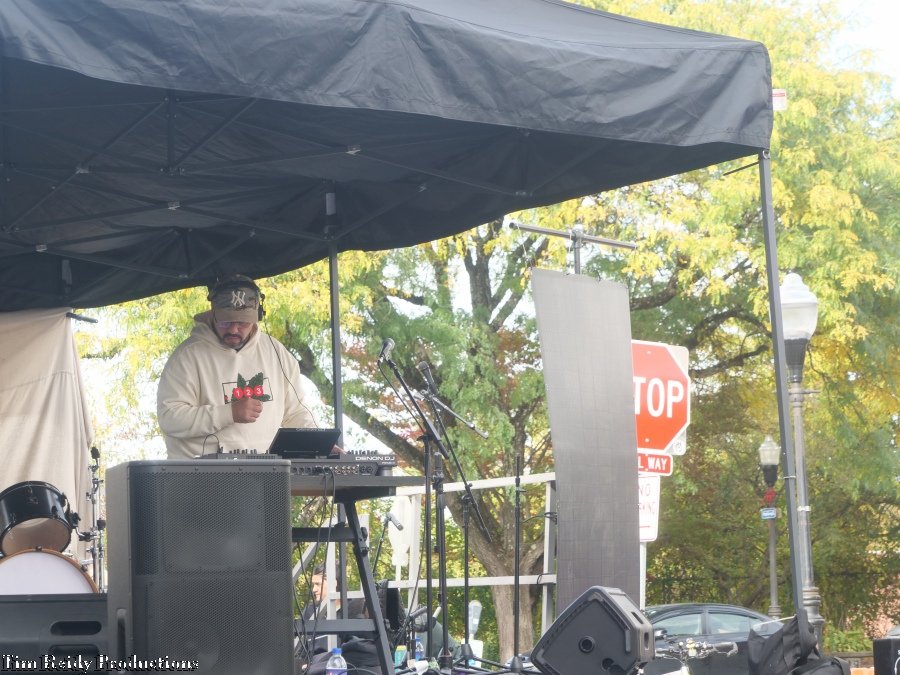
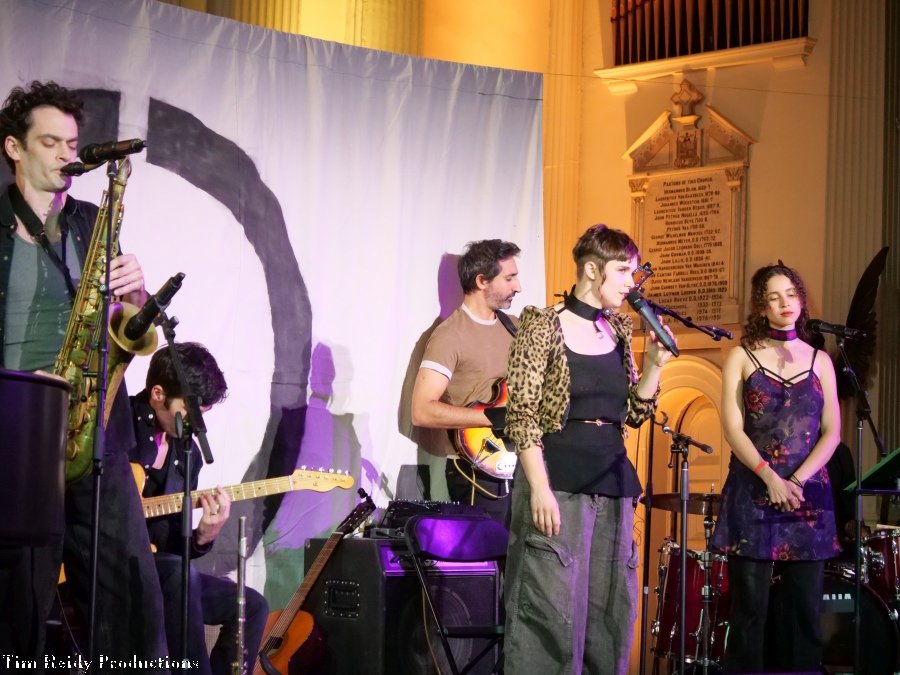
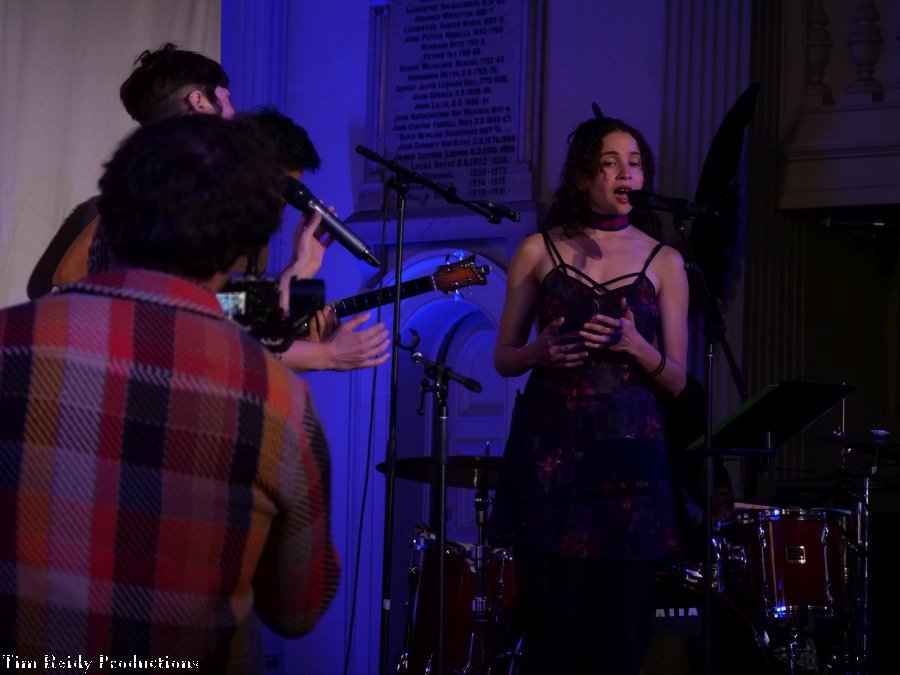
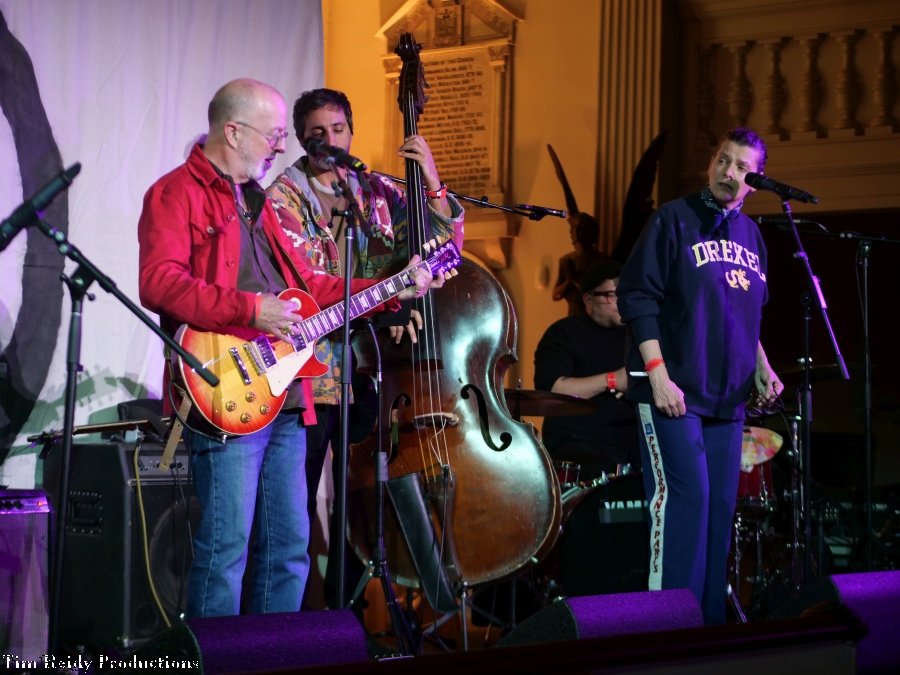
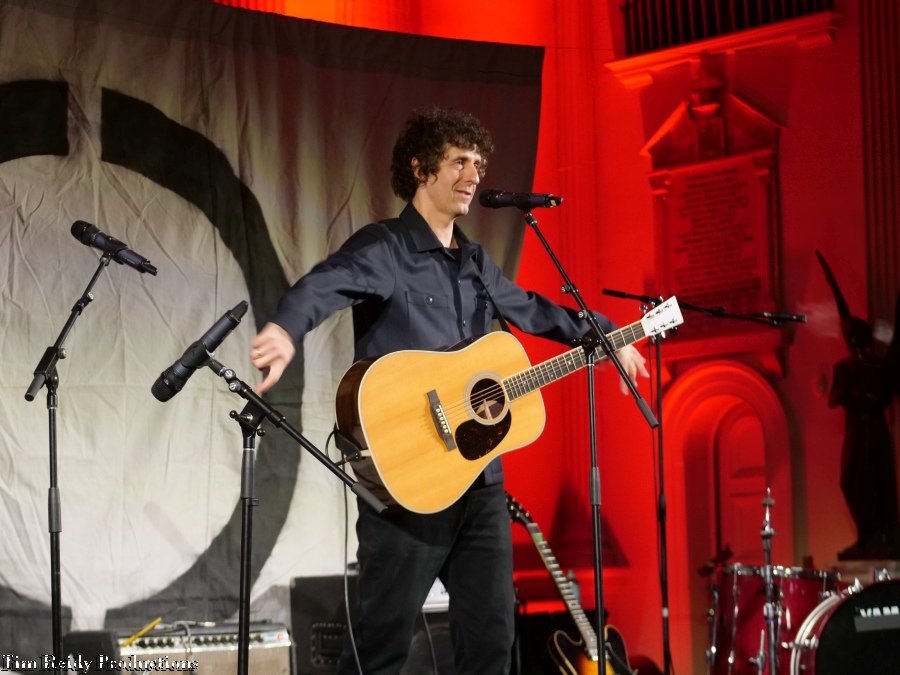
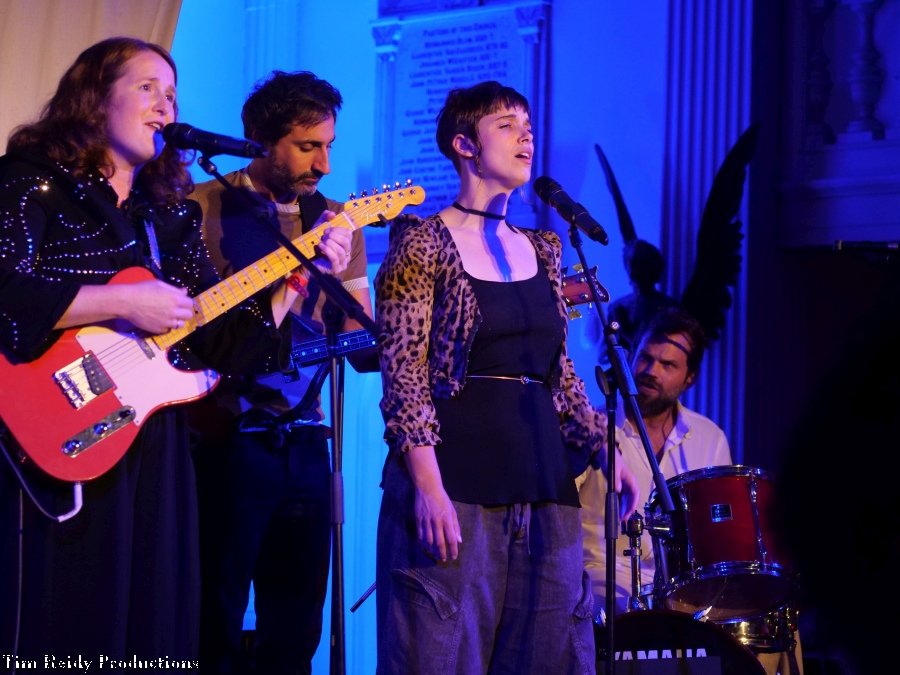
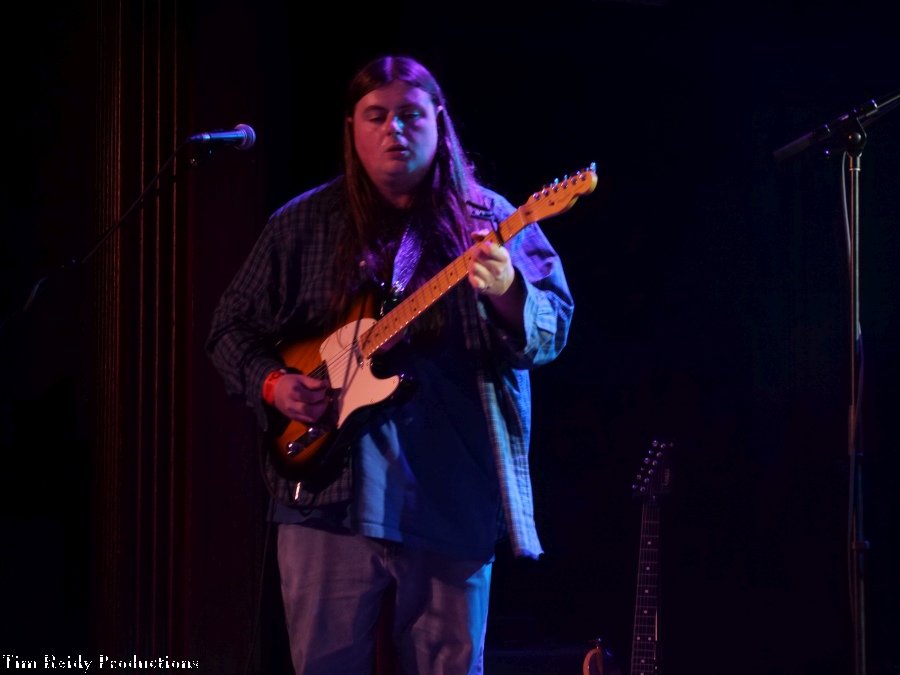
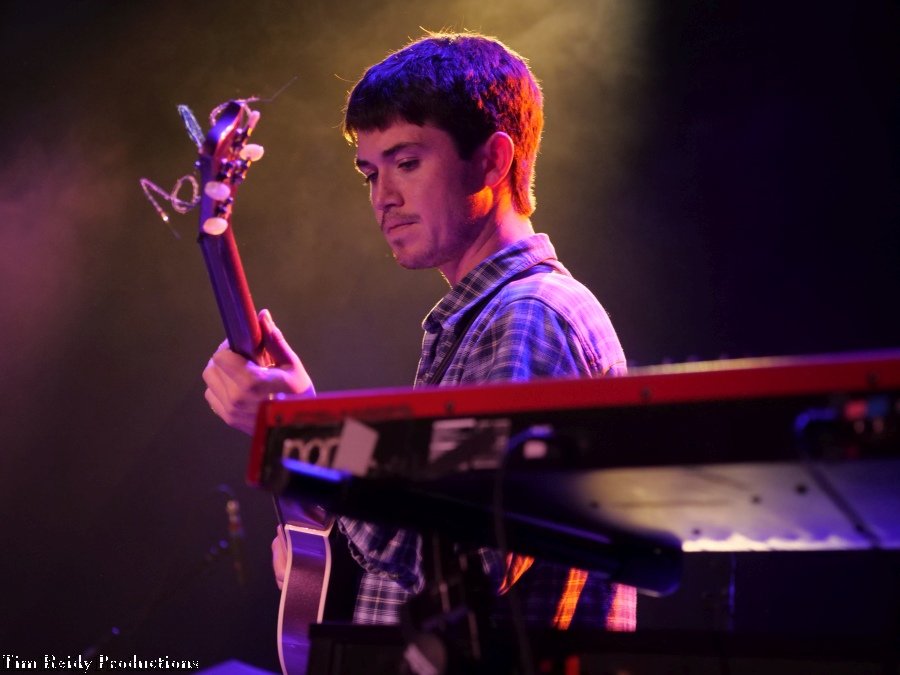
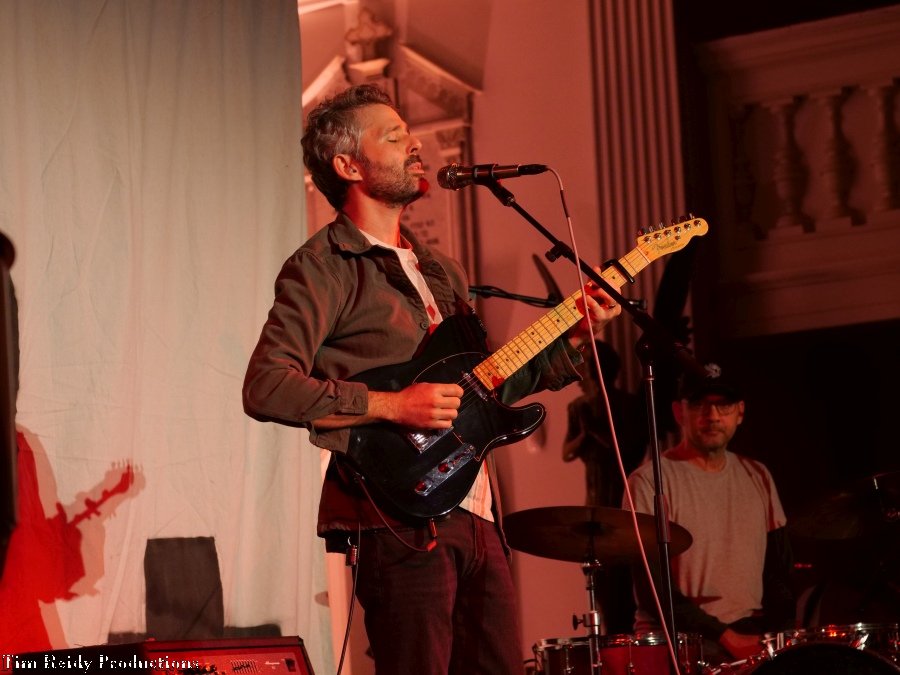
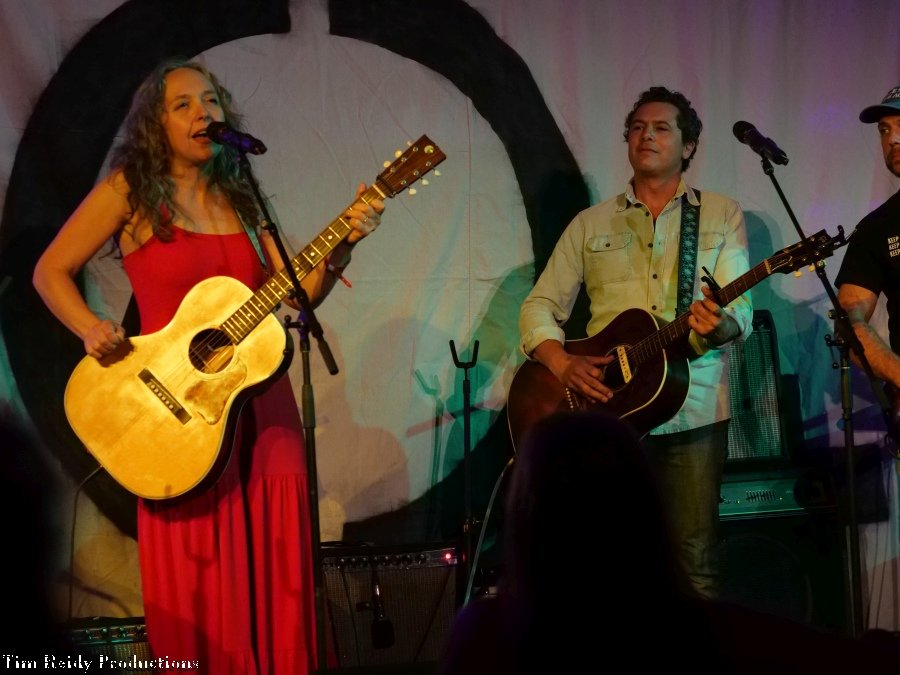
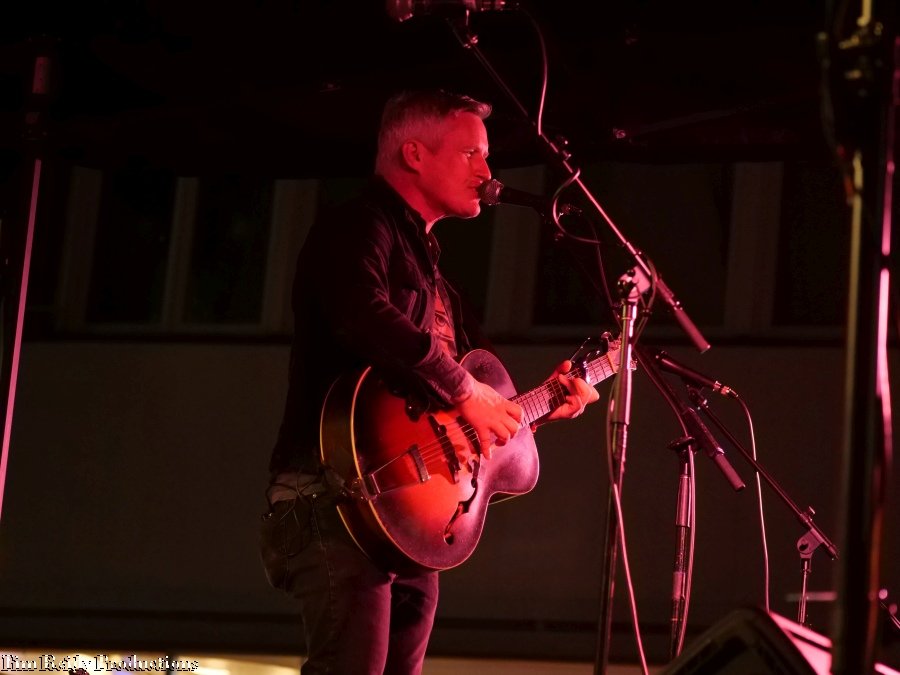
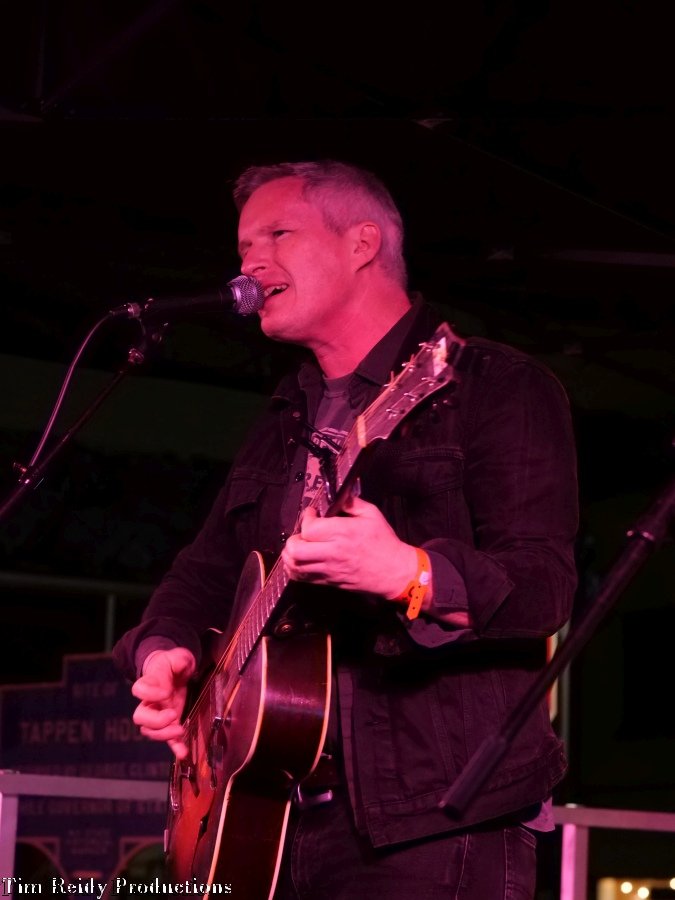
Day Two (Saturday, October 10) of the Kingston Festival featured ALESSANDRA GONZALEZ, THE JAGUAR, THE GOLEM TRILOGY, TIPPY TOPWELL, ELIZABETH CLARK, BECCS, KALIEDEOSCOPE, GERRY LEONARDS SPOOKY GHOST, MY BOY, MUNDY, ONLY SON, SKORTS, MEG LUI, JOELTON MAYFIELD, THE ANTLERS, LUCERO and more.
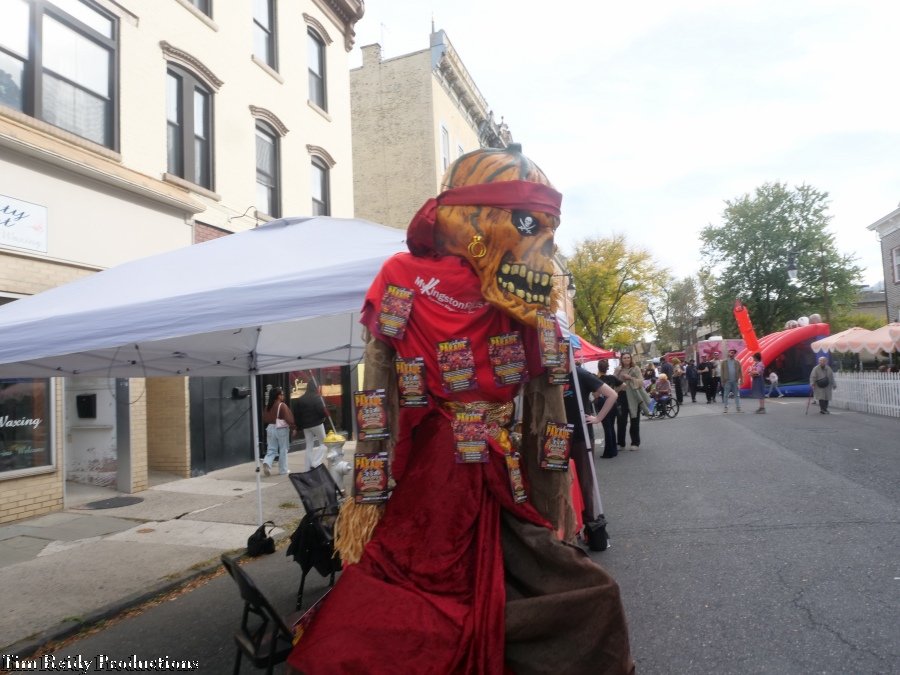
Photography by Timothy Reidy.
More coverage of this year’s festival from Timothy Reidy here …

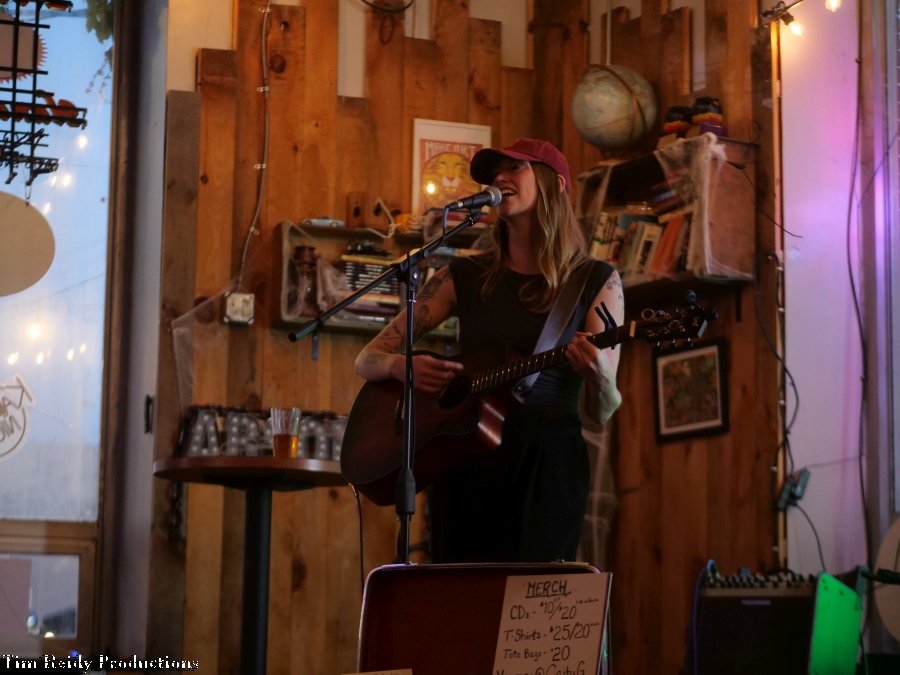
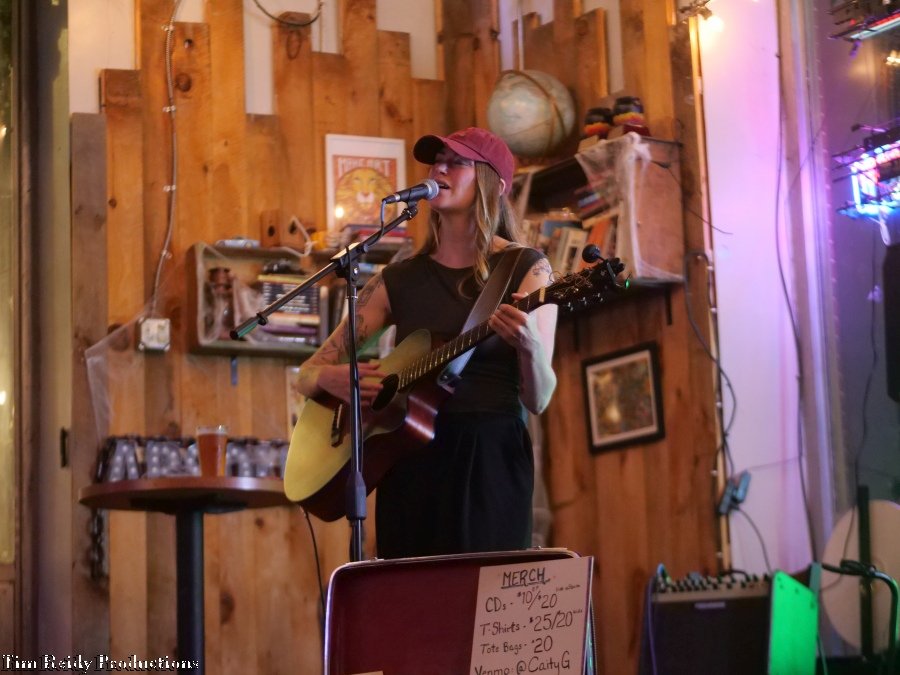
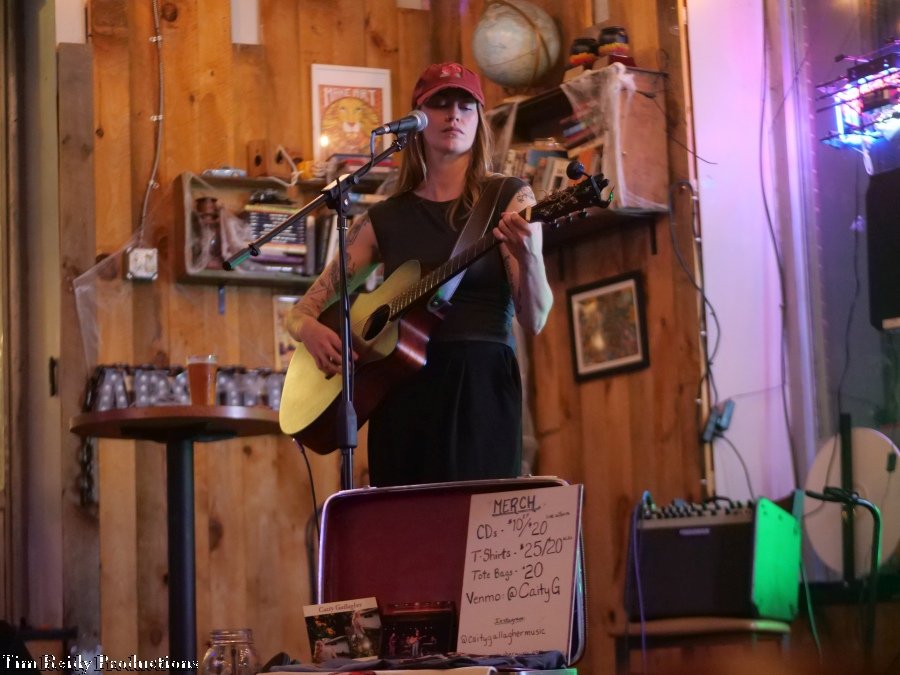
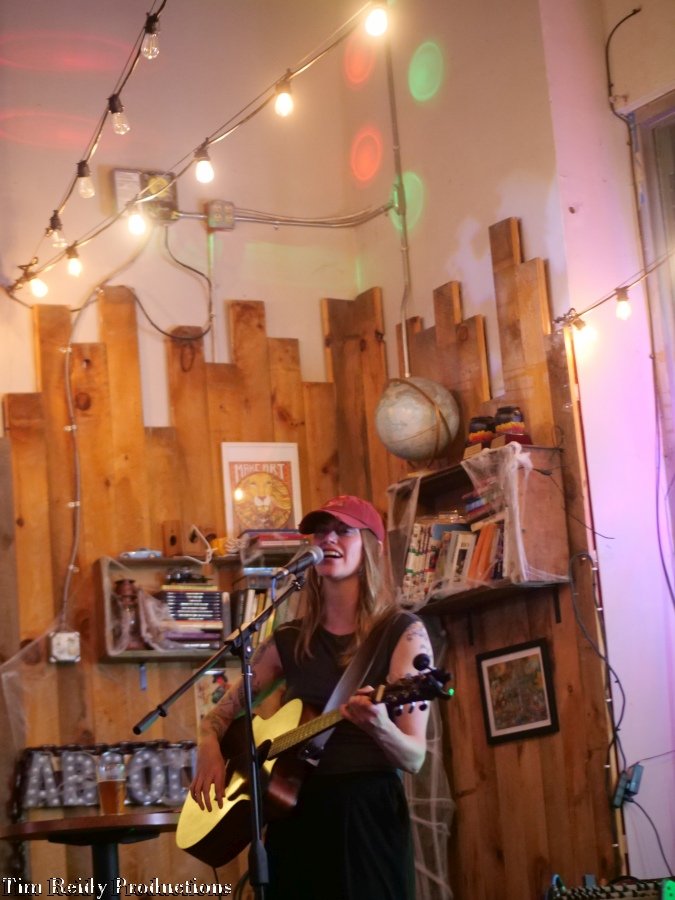
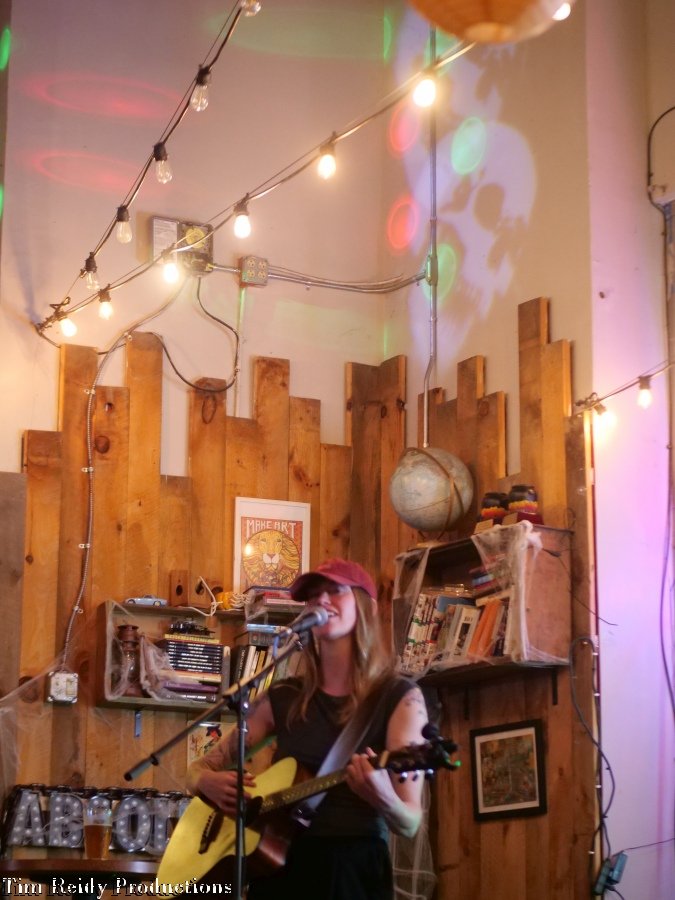
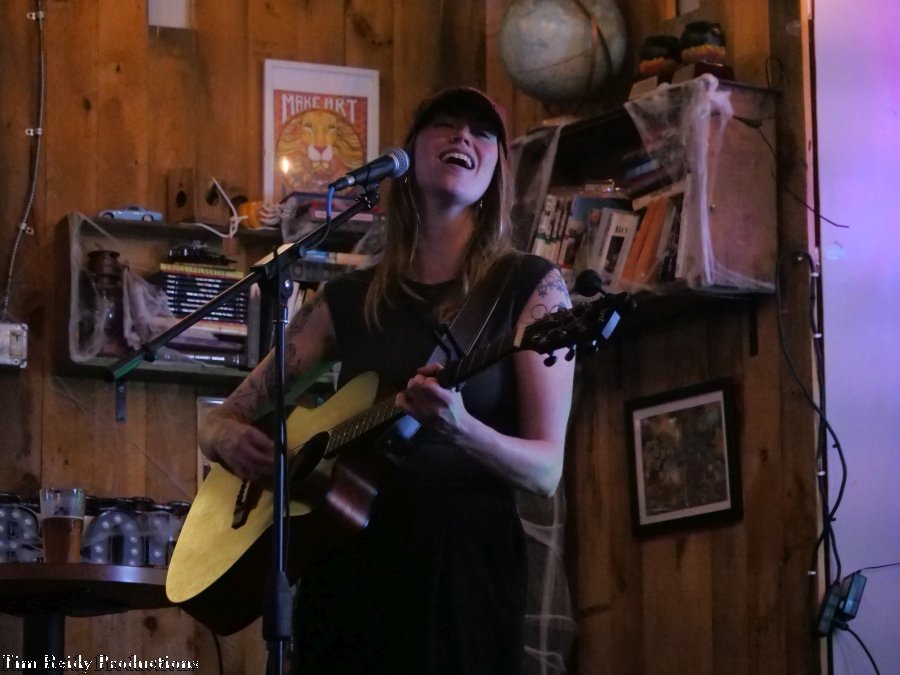
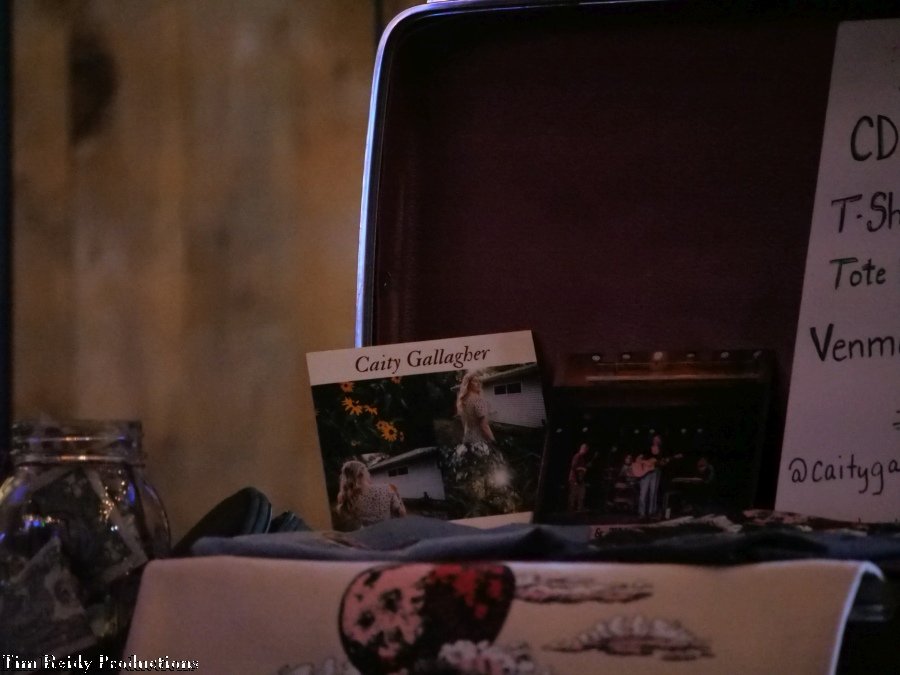
Caity Gallagher @ Lost and Found, 10/12/2026

1

Columbus Day at Lost and Found with Caity Gallagher.

Photography by Timothy Reidy.

More from Lost and Found here …


O+ Festival (Friday)

0

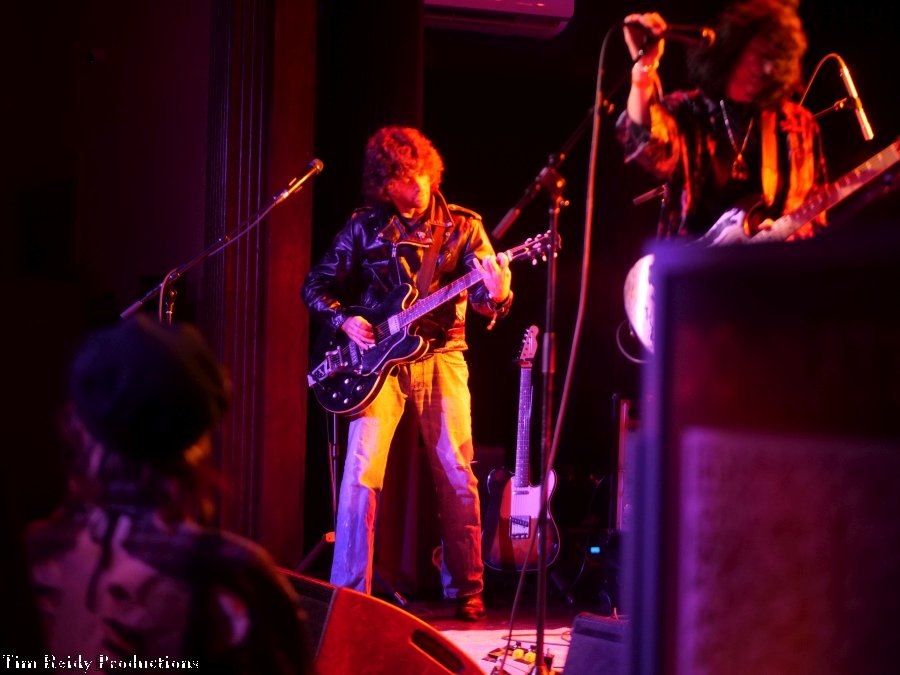
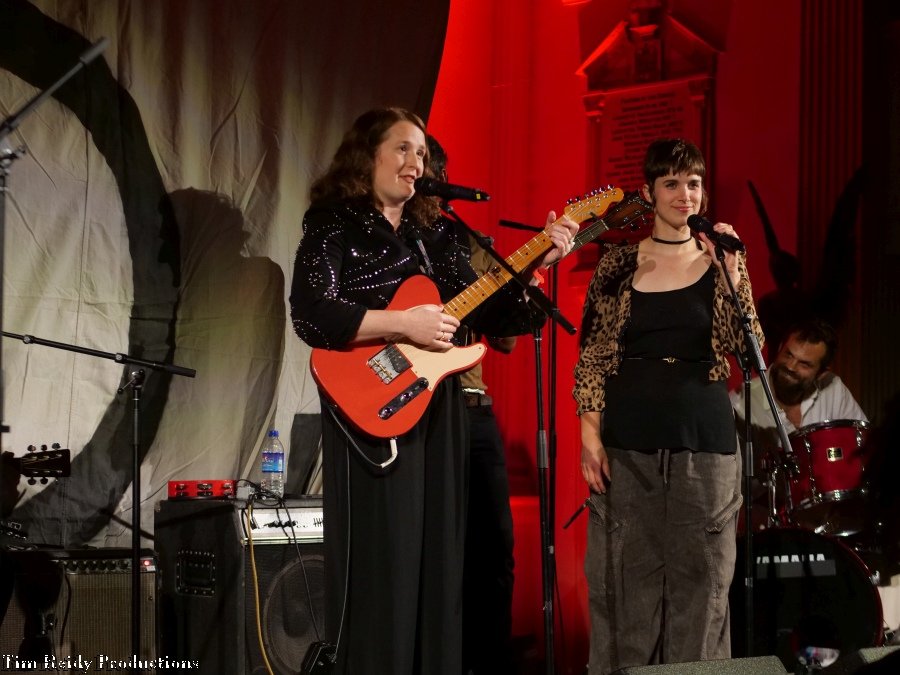
Day One (Friday, October 9) of the Kingston Festival featured Ladies of the Valley, Brandi & the Alexanders, KILLER FILM, WHISKEY TREATY ROADSHOW, DUSTBOWL FAERIES, THE MAMMALS, PETE BERNHARD, MATT POND, and more.

Photography by Timothy Reidy.

More from Timothy Reidy here …


Music Notes: The Art and Science of Music – An Xperience Column

By Peak Music and Dance.

Your Child Wants to Quit Music. Now What?

Oscar Wilde once wrote, “Children begin by loving their parents; as they grow older they judge them; sometimes they forgive them.”

There is some comfort in knowing parents were apparently being blamed for everything long before social media. Parenting may be the most important job in the world for which there is no reliable instruction manual, very little formal training, constantly changing requirements, and a customer who will eventually explain, in considerable detail, everything you did wrong.

And yet we do it. We encourage. We worry. We drive them to lessons, rehearsals, games, and performances. We pay for instruments, equipment, and accessories we did not know existed until someone explained that our child absolutely needed one. Then, one afternoon, your child announces, “I want to quit.” Welcome to parenting.

For parents of young musicians, this can be an especially difficult moment. Music does not always reward a child immediately. Progress happens slowly. There are plateaus and frustrating weeks when seemingly nothing works. A video game may congratulate you every thirty seconds. A guitar will happily allow you to play the same wrong note for six months. 

The question is not simply whether your child wants to quit. Do they actually want to quit, or do they simply want the difficulty to stop? Those are not the same thing. A child may genuinely discover that guitar, piano, dance, baseball, or some other activity is not for them. Children should be allowed to discover who they are. But sometimes “I don’t like this anymore” really means “I don’t like being bad at this,” “This used to be easy,” or “I haven’t made progress lately.” All of those feelings are real. None necessarily mean it is time to quit.

Parents have a difficult role here. Encourage without controlling, expect effort without turning practice into a fight, and recognize real unhappiness without teaching children that discomfort is always a reason to stop – that is a narrow road, and most of us occasionally drive into the ditch. One of the easiest mistakes sounds like this: “I am paying for these lessons, and you are going to practice.”

From the parent’s perspective, that makes perfect sense. From the child’s perspective, something else can begin happening. The guitar is no longer the guitar. The guitar is now the thing Mom and Dad yell about. Eventually the child says, “I hate guitar.” Most of the time they do not hate guitar. They hate fighting about guitar practice.

That is why, particularly with beginners, build the habit of practice before becoming obsessed with the duration. Fifteen focused minutes can accomplish a great deal. For a child, even tuning the guitar each day can be difficult, and a win. The goal is to let them experience a basic cycle: Practice = Improvement = Better Performance = Pride and Self-Confidence. Once young musicians experience that enough times, they begin to trust the process. Eventually, they begin motivating themselves.

Parents do not need to become the practice police. Ask questions instead. What are you learning? What is difficult right now? Show me something you could not do a month ago. Listen to them. Attend performances. Celebrate progress. Treat the work as meaningful. Then let the teacher do much of the technical evaluation. Your child already has a teacher. They still need a parent in the audience.

Somewhere along the way, however, I think our modern approach to education has become confused about one word: fun. Of course children should have fun. Music should contain joy, creativity, excitement, friendship, and moments when a student suddenly realizes, “I can actually do this.” But fun cannot be the sole purpose of the experience.

Sometimes I imagine taking the philosophy of “if it isn’t fun, stop doing it” back to ancient Egypt. The Great Pyramid is under construction. A worker is moving an enormous block of stone under the Egyptian sun. He stops and announces, “This isn’t fun anymore.” Management gathers. There is concern. Perhaps he needs a different stone. Maybe a smaller stone. Perhaps today should be Pyramid Fun Day. Someone suggests snacks. Another worker reports that he no longer enjoys geometry. Construction is suspended. Five thousand years later, tourists arrive and admire a five-foot-high pile of rocks.

The point is obviously not that music education should resemble forced labor in ancient Egypt. Please do not quote me as advocating Pharaoh-based guitar instruction! The point is that anything worth building eventually becomes difficult. Fighting with a child will not build a lasting relationship with music, but teaching a child to quit whenever something stops being immediately satisfying will not build one either. Somewhere between those extremes is where real education lives.

Music requires something increasingly difficult to teach: discipline. You cannot swipe past the difficult part of learning or scroll around the months required to develop coordination. There is no “skip ad” button for frustration. A difficult song, a bad performance, an audition that did not go well, or trying something ten times and succeeding on the eleventh are not evidence that something has gone wrong. They teach a young person how to prepare, recover, tolerate frustration, and continue.

Our job is not to remove difficulty from our children’s lives but to help them discover that difficulty can be overcome. So before allowing a student to quit, find out what is actually wrong. Has progress stalled? Is the material too difficult? Too easy? Where is the child developmentally? If the teacher doesn’t know, find one who does. Do they need a new song, a performance, a group, a different challenge or goal? Sometimes what appears to be a motivation problem is really a progress problem. Fix the progress problem, and motivation often returns.

This does not mean a child can never stop playing an instrument. They may eventually decide that music is not something they want to pursue. That is very different from learning to walk away whenever learning becomes difficult. You cannot pull on a plant to make it grow faster. You provide the right conditions and give it time. Children are much the same.

Eventually, what you hope to hear is something much more important than a perfect chord: “I can do difficult things.” Your child does not need to play Carnegie Hall or become a pro. They may put the guitar in its case someday and go years without playing. But the listening, coordination, memory, creativity, pattern recognition, and discipline involved in making music do not simply disappear.

Perhaps that is the real goal. Not simply raising a musician, but raising a young person who understands that meaningful things take time, frustration can be survived, and effort changes ability. And someday, after years of doing your best, your grown child may still explain all the mistakes you made raising them. Oscar Wilde warned us. If we are very lucky, perhaps eventually they will forgive us.

And if, somewhere along the way, they learned not to run from every difficult thing they encounter, we probably did something right.

Joshua Gruft – Capital Region Timekeepers

0

By OP Callaghan.

A little about me …

I love old movies and spend a lot of my spare time watching TCM or some of the other vintage cinema streaming services.  I will often watch the same 20 or 30 films, as I have my favorites.   A few weeks back, I watched “Paper Moon,” featuring Ryan O’Neal and Tatum O’Neal, as a couple of grifters traveling through the Midwest during the depression. Not only was Tatum brilliant and lovable, but her real-life father, Ryan, was detestable and genuinely a terrible person.  I went down the rabbit hole and found out that Ryan is kind of a lousy person in real life too.  But enough about me.  (Cue transition music)

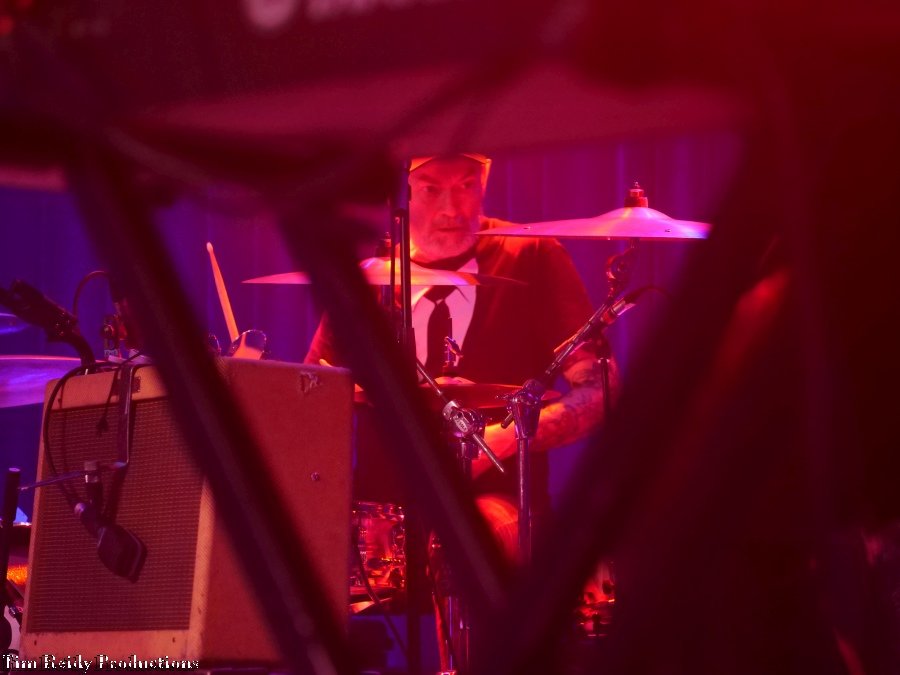
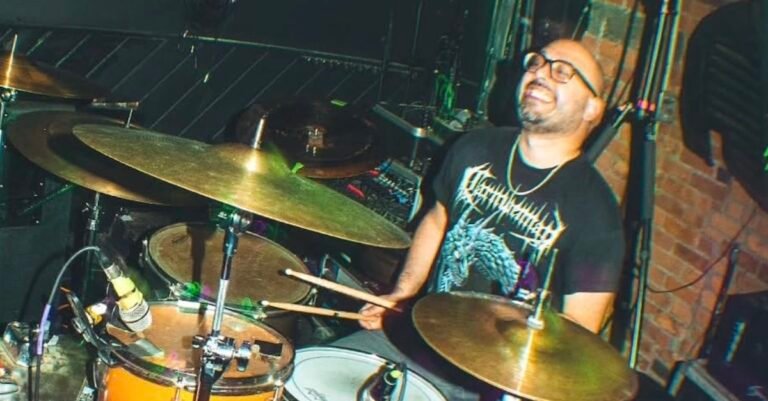
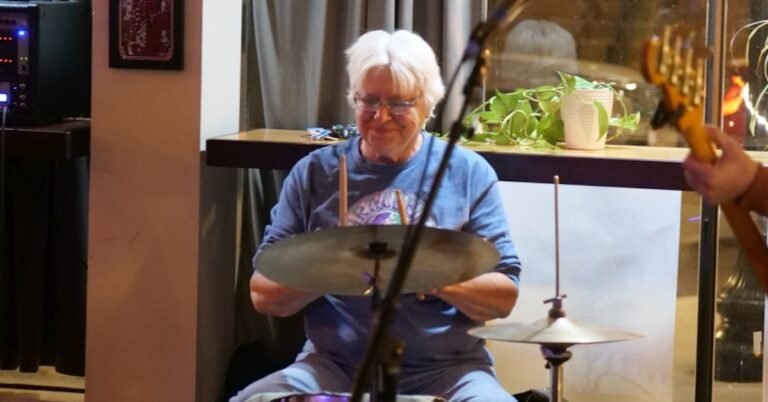
Joshua Gruft is the owner of Paper Moon, a gem of a bookstore right here in Troy, NY.  I shop there regularly, as its eclectic selection of new and used books, magazines, and independent publications always has something interesting.  I knew that Josh was also a DJ, but I recently learned that he is also a great drummer!   His traditional training and punk influences make him a percussive giant, and I am thrilled to introduce him to all of you.  So without further delay, let’s welcome DJ, bookstore owner, writer/publisher, composer, and drummer extraordinaire, Joshua Gruft!!!


RRX: Welcome, Josh.  Tell me how you got started playing drums.

JG: Thanks for the invite, OP! I started playing percussion in my fourth-grade concert band. I’m so grateful for those first few years of playing rudiments over and over. From eighth through tenth grade, I played in a military-style marching band; our big gig every year was the Macy’s Thanksgiving Day Parade in New York City. All of those foundational skills still come in handy. Once you become a walking metronome, nothing can stop you.

RRX: We hate to play the rudiments, but goddamnit if they aren’t the most important foundation!   Do you come from a musical family?

JG: My great-uncle on my mom’s side was an Ecuadorian cumbia saxophonist. I never met him, but I love listening to his records. Other than that, my family was filled with music lovers. There was always music playing in the house. ’70s rock from my dad and ’80s Spanish pop from my mom.

My parents also took me to a lot of concerts, everything from James Brown to B.B. King to Green Day to Limp Bizkit to Weird Al to Rob Zombie. There’s nothing more inspiring than seeing live music.

RRX: Certainly!  Is there one moment in time, or a piece of music, or a specific drummer, that really solidified it for you that you wanted to be a drummer?

JG: Green Day was my favorite band growing up. As soon as I saw the “Basket Case” video on MTV, I wanted to play exactly like Tré Cool. I would put on my headphones and tap along to “Dookie” on a practice pad for hours. Even the way he set up his drums inspired me. I still use a jazz-style four-piece setup today.

RRX: Tre is a master of the rudiments!  Who are some of your other influences?

JG: I love funky music. Any time I play drums, you can expect to hear a little James Brown or Fela Kuti in there. After my drum teacher taught me all of Tré Cool’s fills, we spent months learning every drum part on James Brown’s ”20 All-Time Greatest Hits!” CD.

I’m also a big fan of Brazilian and Turkish rhythms. I once joined a belly dancing troupe and played darbuka just so I could dive deeper into Turkish music. I even quit a band once because they wouldn’t let me throw in some bossa nova from time to time.

Aphex Twin’s manic breakbeats and J Dilla’s heavily swung rhythms have also had a huge influence on the way I approach drums.

RRX: Very cool!  Tell me about your first kit.  What are you playing now?

JG: My first kit was a beautiful green woodgrain six-piece Mapex with two rack toms and two floor toms. I had already started gigging by 15, and lugging that entire kit around got old pretty quickly.

My next kit was a white three-piece Tama from the ’90s, and that became my workhorse. In college, I was playing in jazz and funk groups while traveling by subway, so I bought a small three-piece nesting kit from Drummers World in Manhattan. The bass drum and floor tom opened up so the entire kit could pack inside itself.

Very early in my career, I learned to bring as little gear as possible. To this day, I feel most comfortable behind a small kit.

My cymbals are a mix of Sabian, Zildjian, and Paiste. My hi-hats even have a Zildjian top and Paiste bottom. I round out the kit with a Pearl Chad Smith Signature black-nickel snare and Pro-Mark Japanese oak nylon-tip sticks, 5A most of the time, or 5B if I’m playing with a louder group.

RRX:  Tell me about some of your playing experience.  

JG: In my teens, I played in punk bands on stages all across the Albany-Schenectady-Troy region. In my 20s, I played drums in jazz clubs in New York City. Clubs would book only one band for the entire night, so that’s where I learned how to handle extended three- and four-hour sets.

In my 30s, back in upstate New York, I played in jam bands and started getting serious about producing music on my own. Being primarily a drummer hadn’t given me much songwriting experience, so I spent a lot of time producing instrumentals, mostly for local rapper Wavy Cunningham.

Working with Wavy allowed me to concentrate on recording, production, and songwriting. We released a lot of music before eventually realizing we should just start a band. These days, we mostly get together and jam with other artists.

Now, at 40, I’m back playing punk clubs and basements with Selfless Demise. There’s really nothing like performing for an underground punk crowd.

RRX:  Tell me about your latest band, Selfless Demise!

JG: About three years ago, I met our singer, Will, aka Tw3ak, the loudest rapper I’ve ever heard. In November 2025, I finally convinced him to start a band with me, and Selfless Demise was born. 

We brought in members from his other band, Pocket Sand, and really hit the ground running. Everyone in the band was already experienced with playing shows, so that’s exactly what we started doing. Even when half the set consisted of improvisations we came up with on the spot.

We play loud and slow, and it’s been incredibly fun. The crowds have been really responsive, which has led us to gig at least twice a month.

RRX:  Where can we see you playing?  What does the future hold?

JG: You can catch us playing all over upstate New York, from No Fun and Ophelia’s to basements and coffee shops. We plan to record a full-length album this winter and then hit the festival circuit hard next summer.

RRX:  What do you do outside of drumming?

JG: In my 20s, I started DJing so I could gig nonstop. My first DJ gigs were in dive bars, where I’d set up in a corner and spin reggae and jazz all night. Building a small following around the city eventually led to playing underground club music at loft parties in Brooklyn.

I still DJ around Troy today, mostly for drag and burlesque events, under the name DJ Mercy.

In 2022, I started an art magazine, which eventually led me to open my own magazine shop and bookstore, Paper Moon. Paper Moon is located at 6 Brunswick Road in Troy, in the same building as Collar City Guitars, Factory Tattoo, and J. Gernon Framing.

Opening the bookstore has allowed me to connect with unique art scenes from around the world and bring some of that work back to Troy.

RRX: Anything else you’d like to share?

JG: Upstate New York has been an amazing place to grow up and perform, and I love having the opportunity to give something back through my bookstore. I post upcoming events and other information at PaperMoonTroy.com. And practice your rudiments! 

RRX:  I’m playing paradiddles as we speak …

WAMM (Women Are Making Music) @ The Eleven, 10/7/2026

1

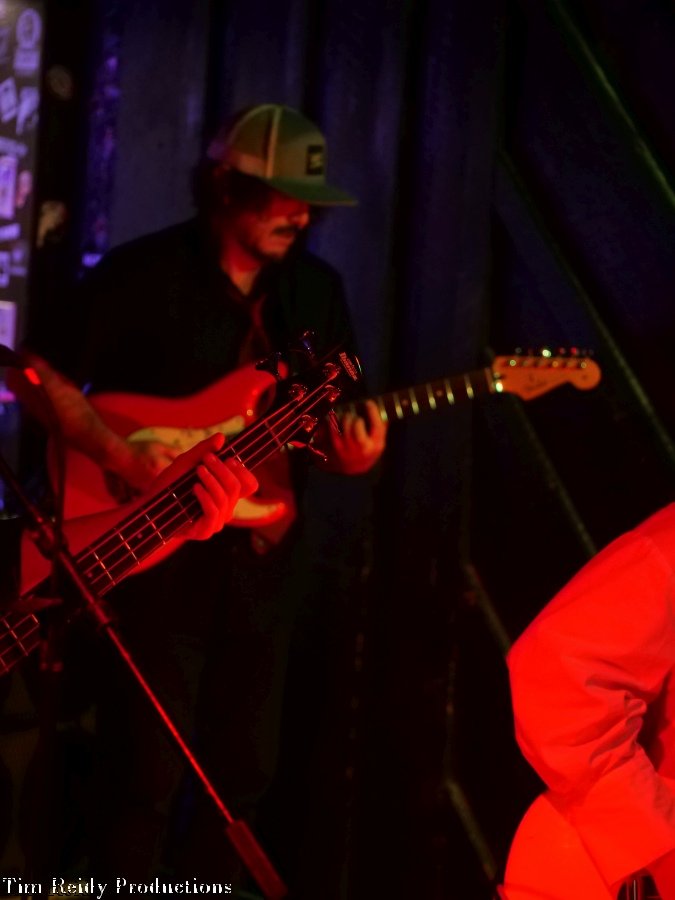
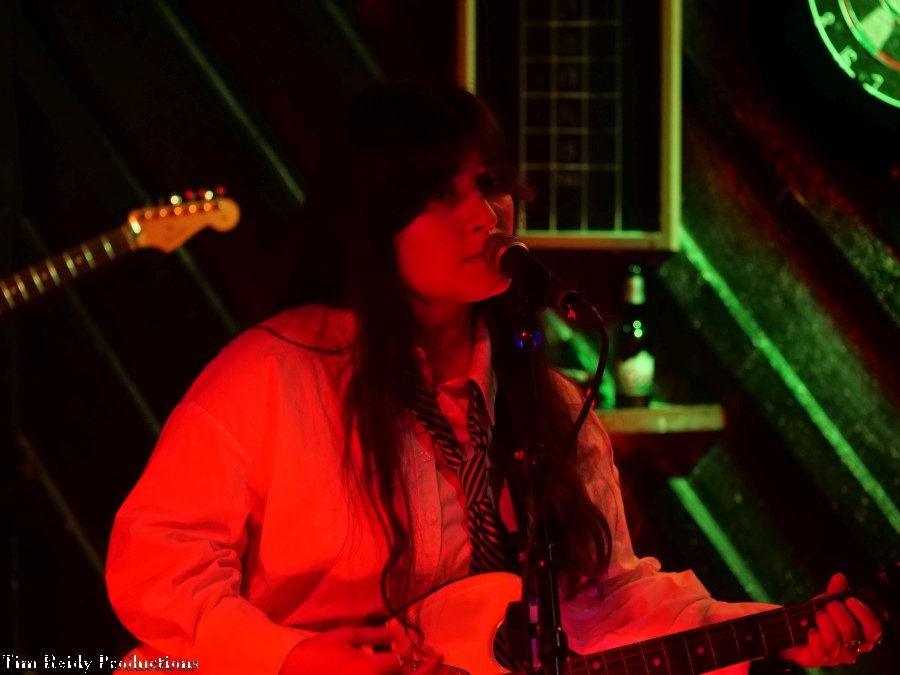
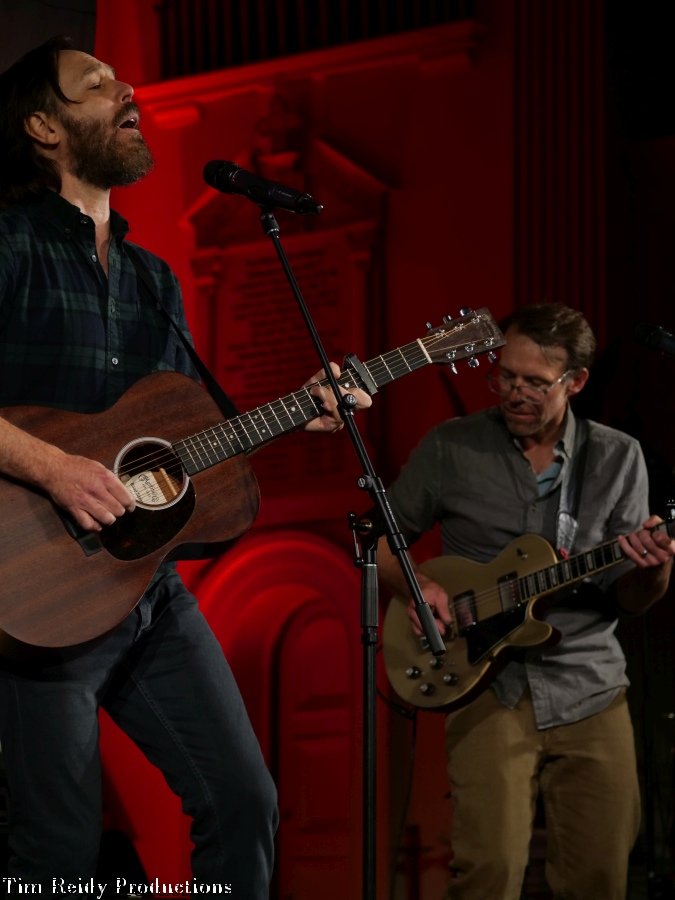
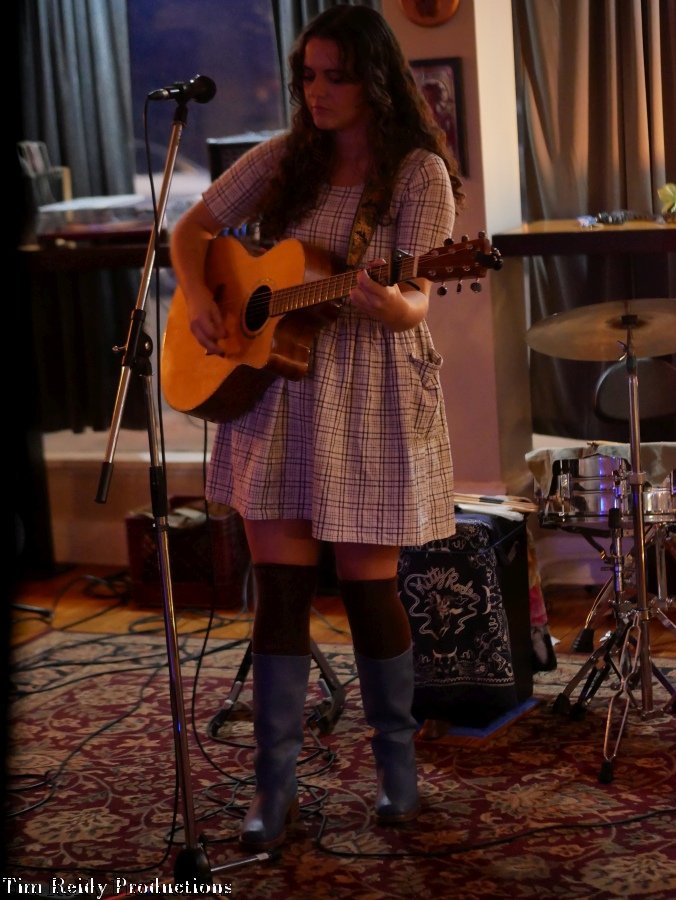
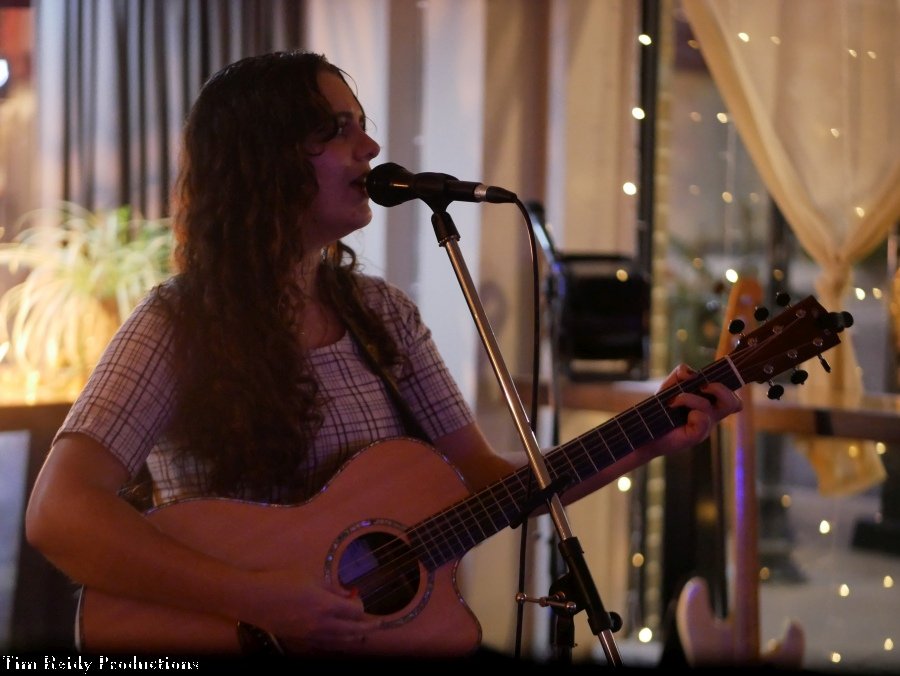
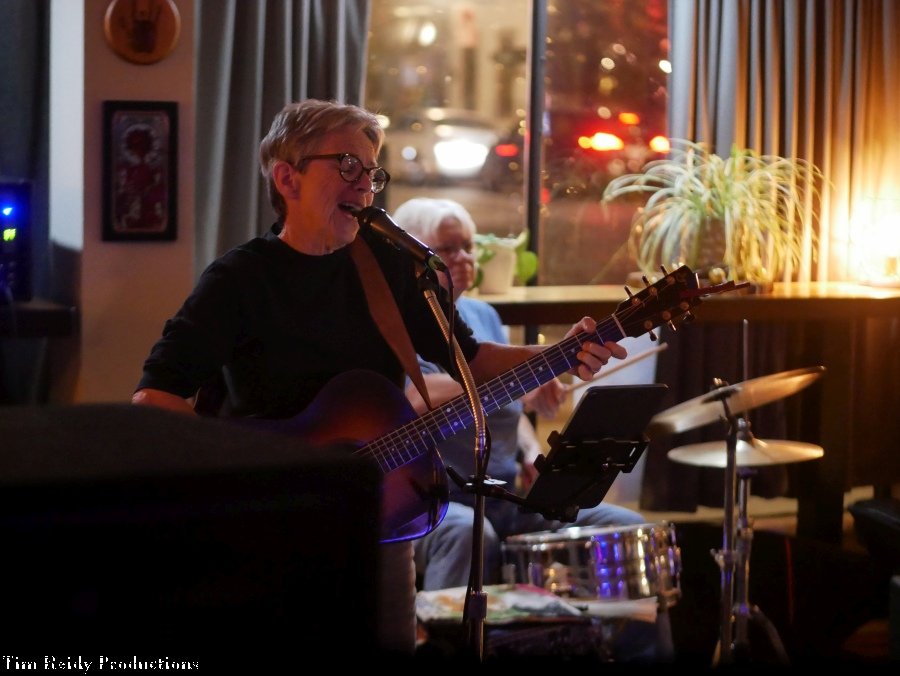
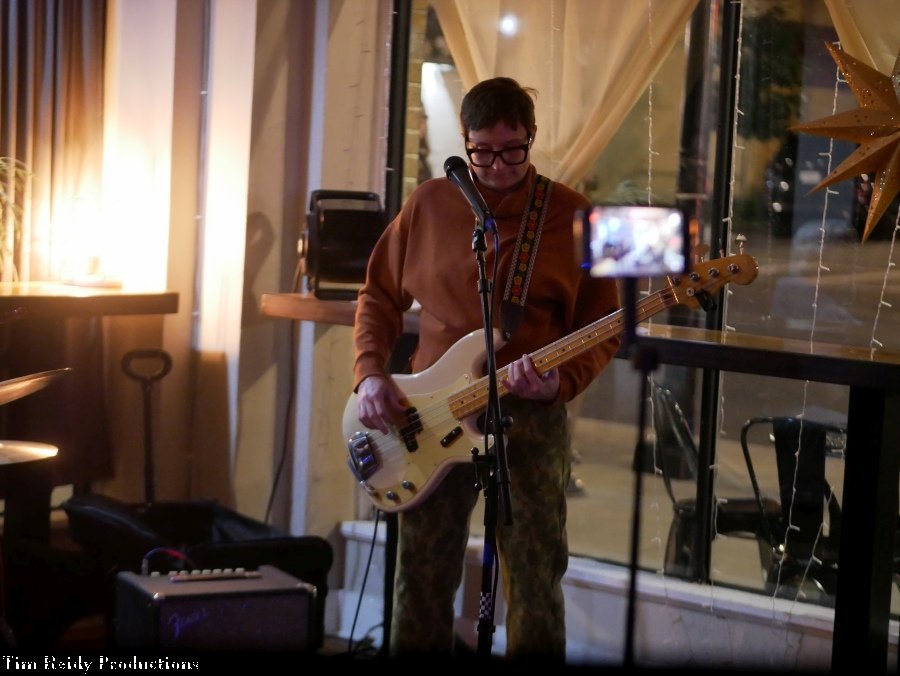
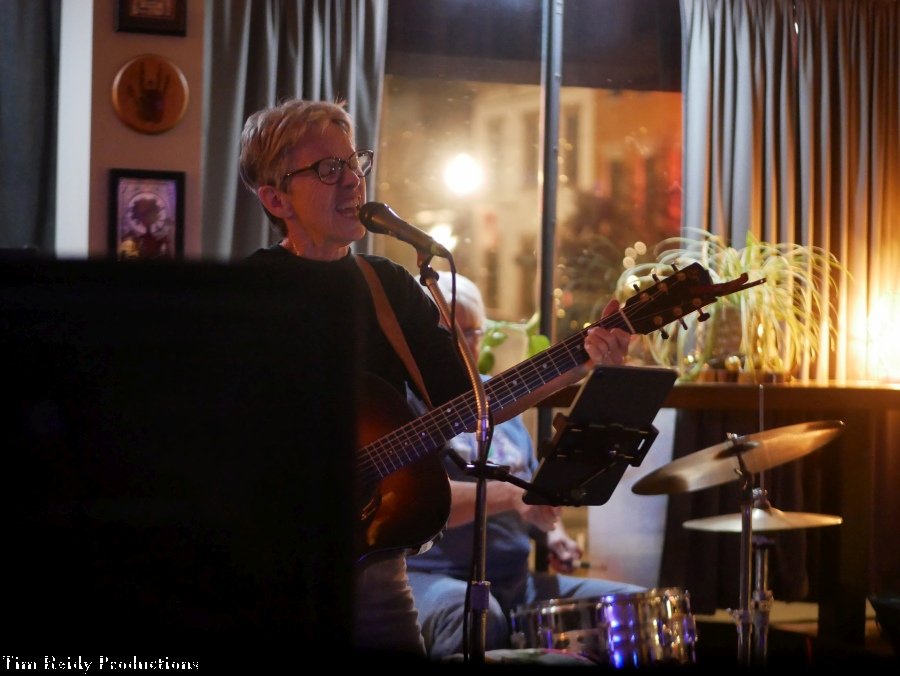
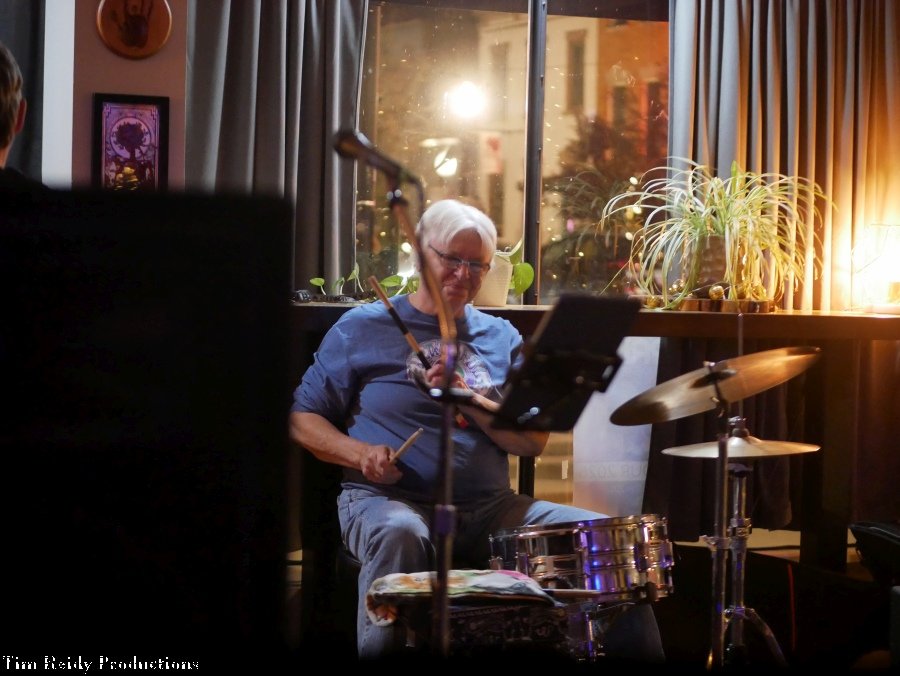
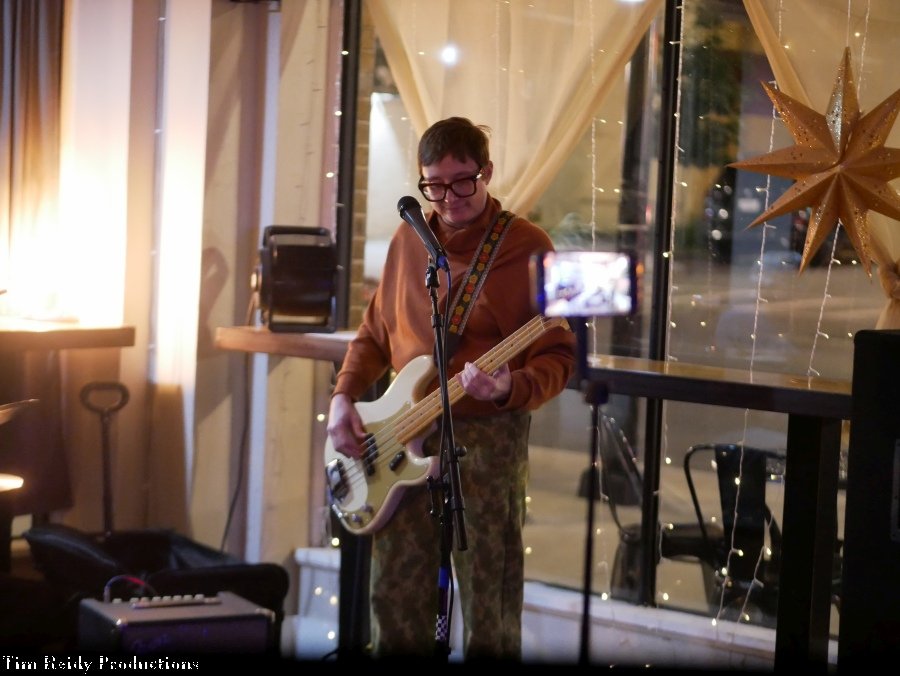
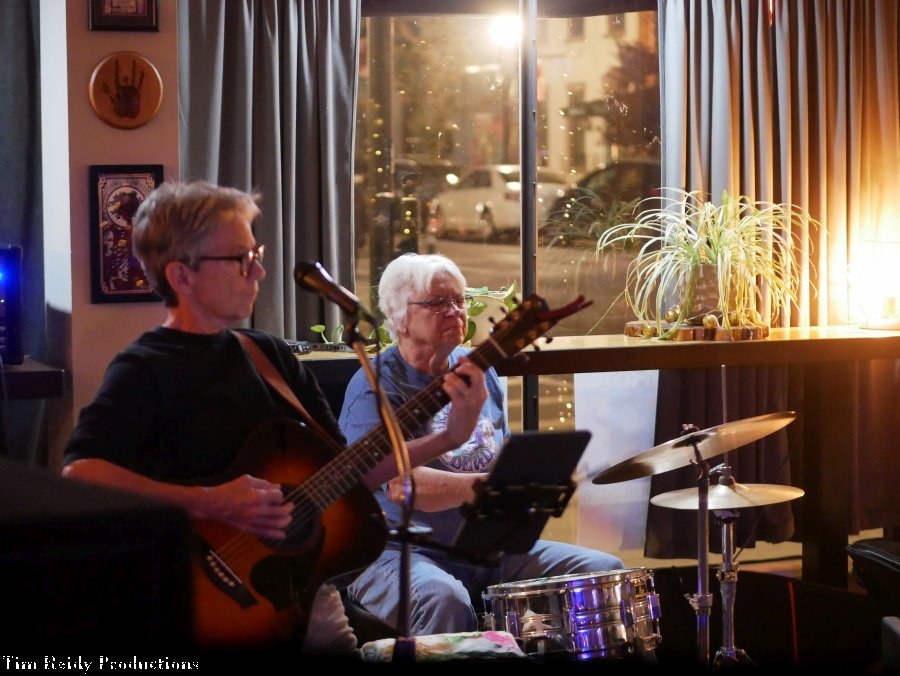
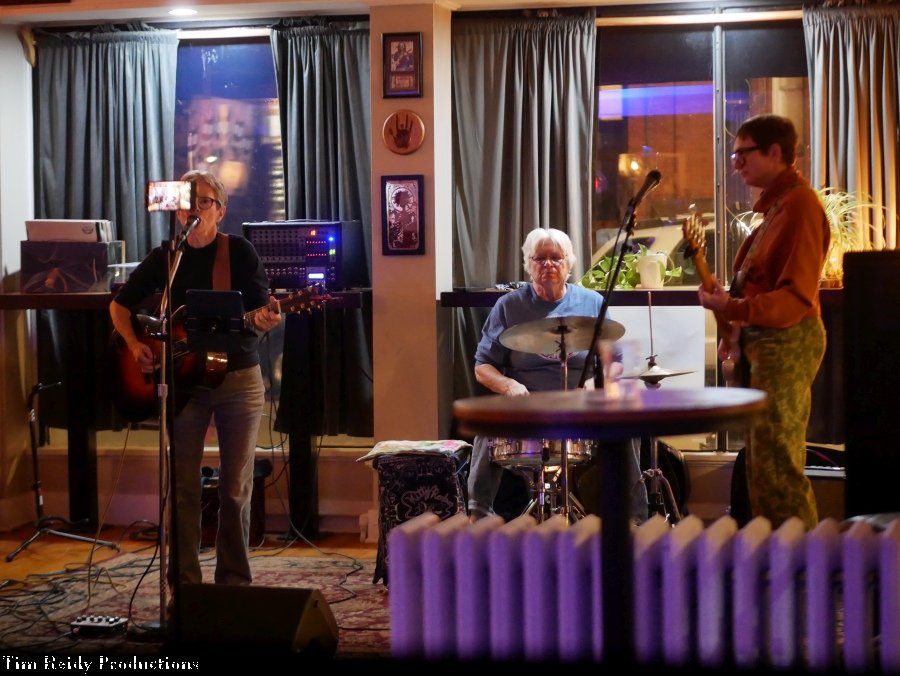
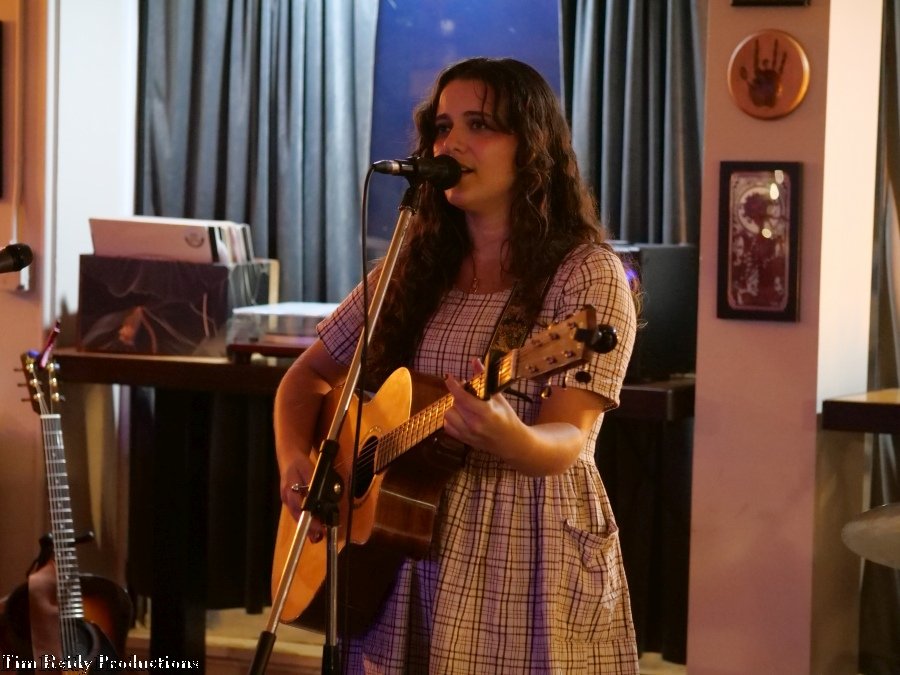
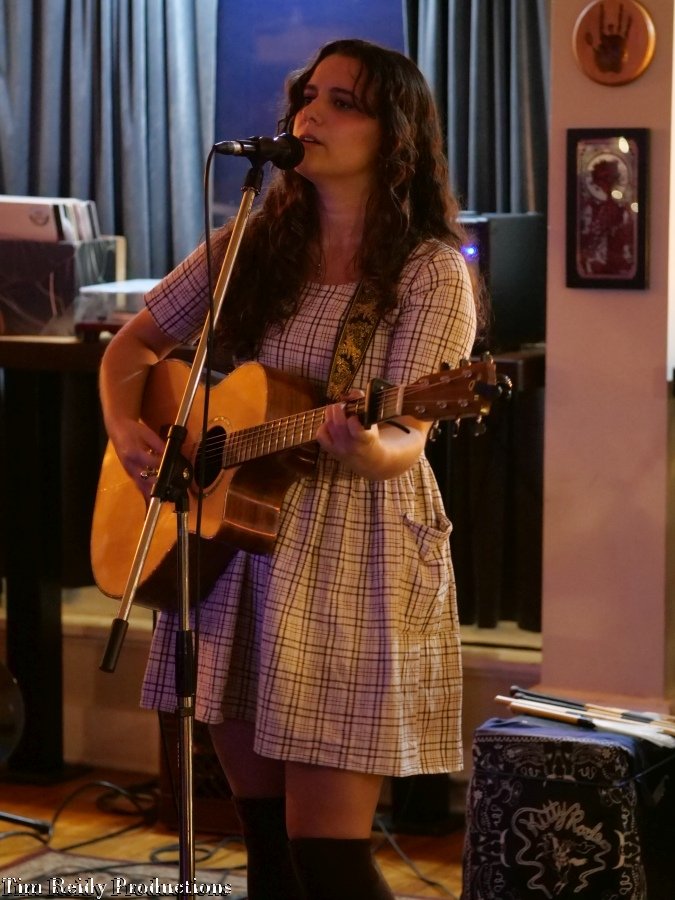
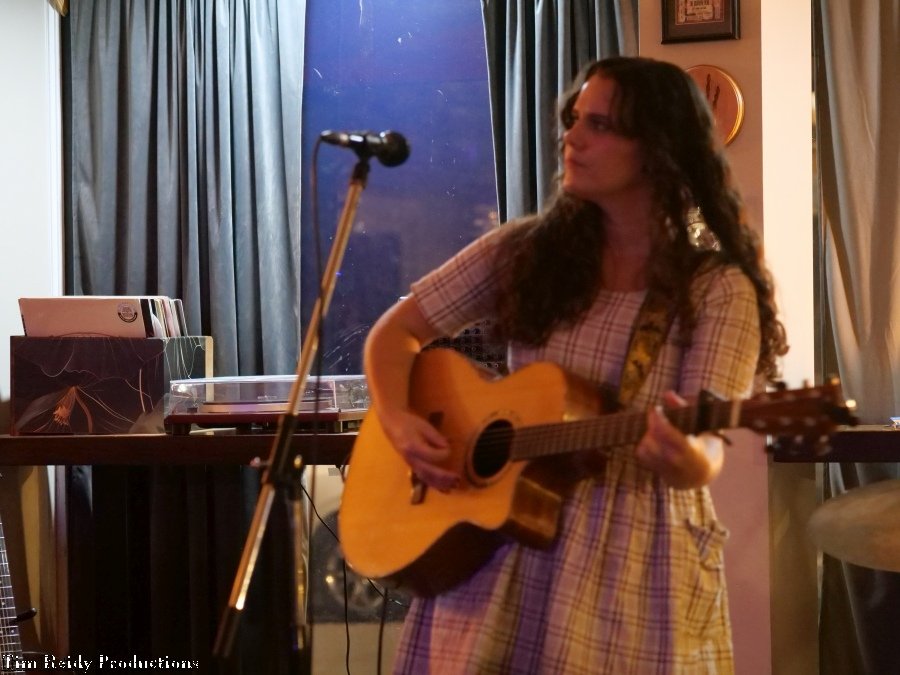
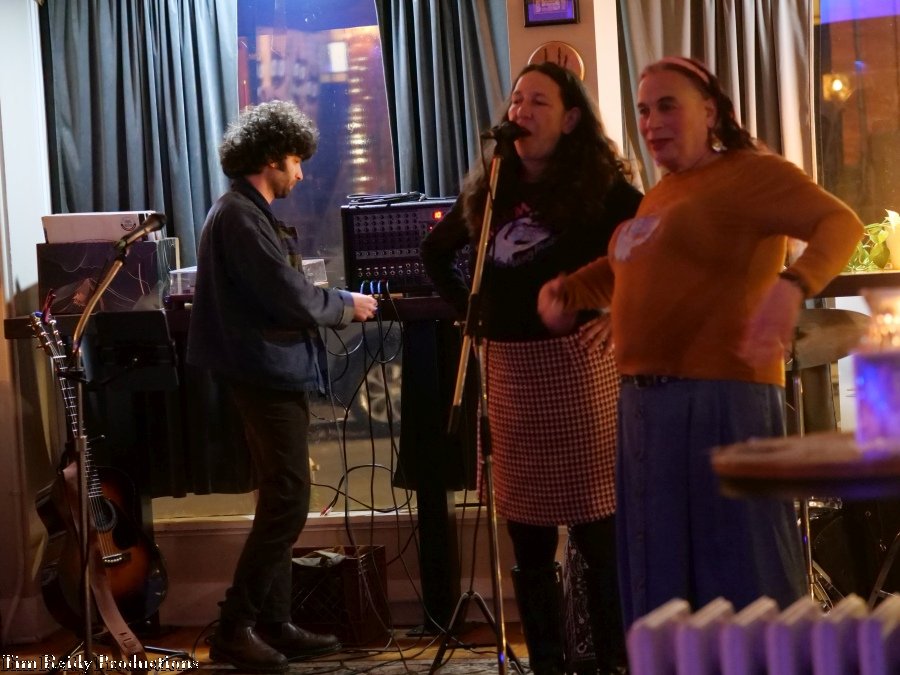
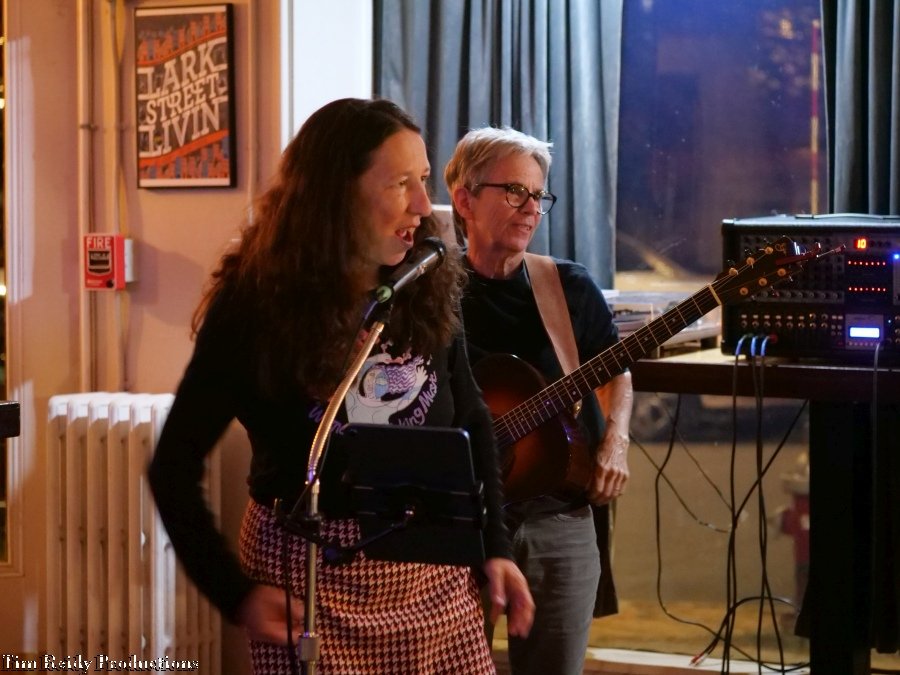
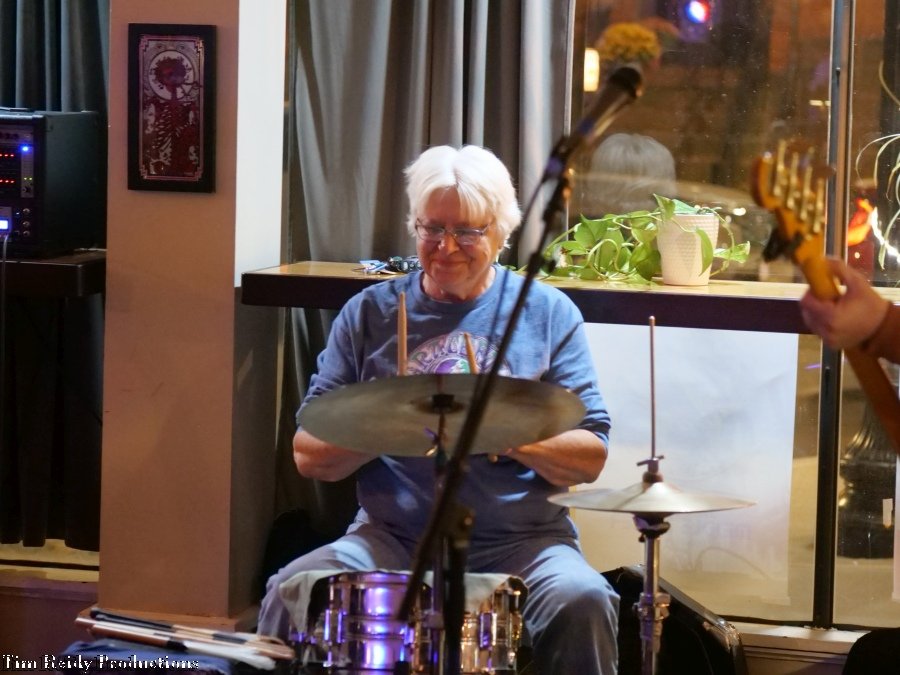
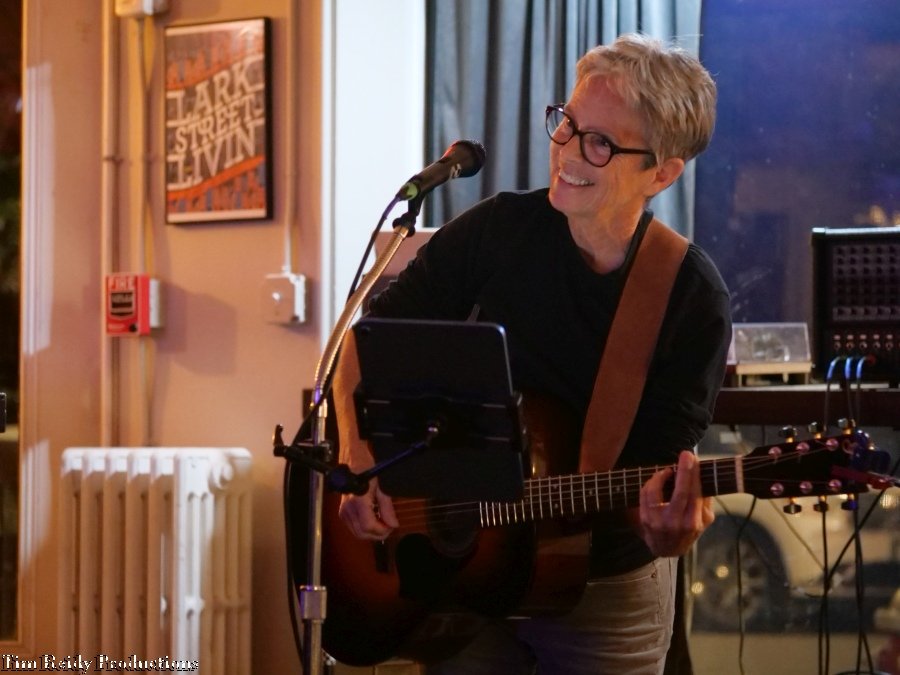
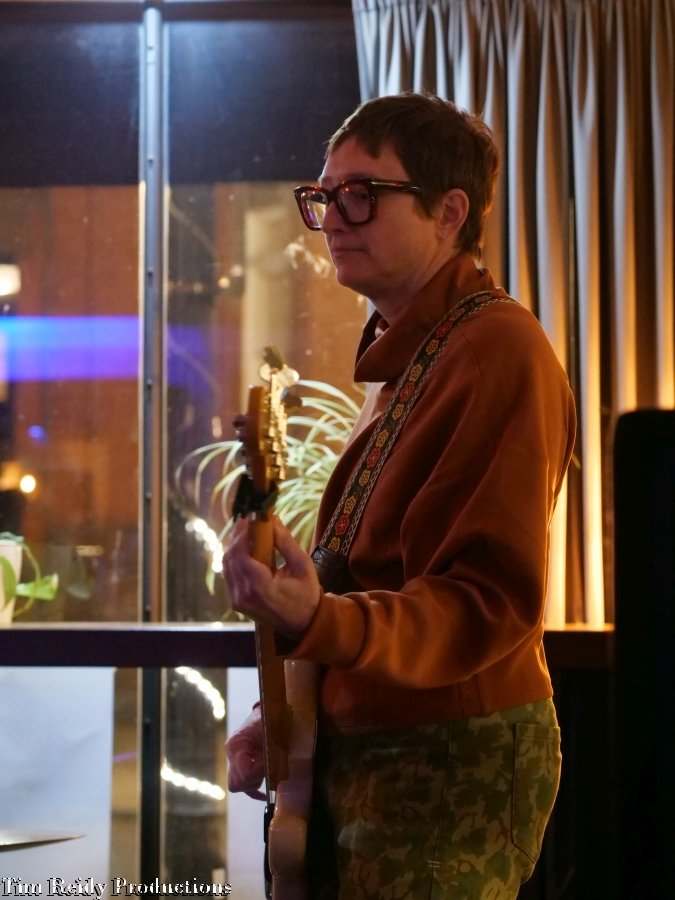
WAMM went to 11, as they hosted Kitty Rodeo and Katherine Winston at The Eleven on Lark Street.

Photography by Timothy Reidy.

More from WAMM here …

Cindy Guitars – An Xperience Interview

0

By Rob Skane.

Cindy Hulej crafts amazing guitars using wood from New York City buildings; some of the wood is close to 200 years old. Cindy began as an apprentice at Carmine Street Guitars, working under Rick Kelly, a legendary luthier. She is now an in-demand custom guitar builder. As a matter of fact, you should have her build your next guitar! Please find Cindy at cindyguitars.com


RRX: What was it about building guitars that first grabbed you? Was there a particular guitar or builder that made you think, “I want to do this myself”?

CH: The first guitar builder that caught my eye was Rick Kelly, who has been my mentor (I call him my angel) for 15 years now. I found a big thread about him on the Gear Page, and I followed it for years as a teenager. I grew up with guitar, my father was a player his whole life and he would work on his here and there and I always watched him. It didn’t come until later, when I was in the place to figure out what I wanted to really do, that I kept circling back to how cool it would be to work with Rick. I didn’t want to leave NYC and go to a luthiery school out west. I admired Rick’s shared love and knowledge about NYC’s history, old growth timber, and artwork (although I didn’t realize just how into it he was until I actually met him). We hit it off right away the first time I stepped into the shop, and there’s nobody like him … I call him the walking encyclopedia. He made me start my own brand from the get-go which I wasn’t expecting or had even thought about, but even that is in his principles of “I work on my customs and you work on yours.” I think it’s just one of the many things he is very stand-up and smart for.


RRX: What do you love most about the actual process of building a guitar—the woodworking, the electronics, shaping the neck, or that moment when you finally plug it in and hear it for the first time?

CH: I love everything about the build process, truly. I love pulling nails, making templates, routing (although the machine we use is very dangerous so you have to be in a sharp state of mind to be on it), the tedious sanding, the artwork if someone wants it, soldering, mixing the finish … it’s all exciting. The best thing is getting to see the instrument on stage or hear it on an album. As long as the customer loves it, I’m very happy, and it keeps me going.


RRX: When you start designing a guitar, do you usually have a very specific idea in your head, or does the instrument tend to reveal itself as you work on it?

CH: It goes both ways. Sometimes I have a sketch and the guitar ends up a whole different visual, but other times, especially if a client has a specific idea, it’s pretty on point. No matter; it’s a very “back and forth process” with the client and very personal.

RRX: How much of yourself do you think ends up in the guitars you build? Is there something about your guitars that reflects your personality or your way of seeing things?

CH: I put so much love, time, thought, inspiration, and evaluation into every guitar and all the artwork I do. It is all an extension of me and who I am. I am hoping, at this point, if you see one of my guitars, you know it’s mine. Whether you’re in luthiery, the art world, music, architecture or anything else, if you have found your voice – a voice that people can recognize that it’s you in one way or another –  I think you’re on the right path.


RRX: Is there a particular part of guitar building that you find almost meditative or therapeutic—the part where you can lose yourself in the work?

CH: I get lost into all the different parts for different reasons. I love putting position markers/inlays in. My pyrography can be very meditative as well. Also anything that involves my mini chisels. Neck shaping is as well because you can watch the grain structure start to sort of pop and you’re carving.


RRX: After building so many guitars, do you still get that little rush when you finish one and it gets played for the first time? What does that moment feel like for you?

CH: Of course I still get that rush, especially with never having built one the same in fifteen years. Each one and it’s story are very close to my heart so it’s always amazing to see, feel, and hear the final outcome with knowing how much work and love fo into them. It’s a very rewarding career, and I feel lucky every day I go into work and, yes, every time I finish a build.

No MSG TV: Ever ‘After’: An Interview with Francesco Mattei of Noveria

0

Ever ‘After’: An Interview with Francesco Mattei of Noveria
By Justin Smulison

Photo By: Michela Polito

Noveria is a progressive power metal band from Italy whose fifth album, Becoming After,
showcases modern heaviness, grandiose atmospheres, and breathtaking musicianship.
Guitarist, bandleader and primary composer Francesco “Frank” Mattei spoke with RadioRadioX
Contributor Justin Smulison to discuss Noveria’s new lineup, and how Becoming After pushes
the band into unexplored territory – darker, deeper, yet more alive than ever.
Recorded shortly after Noveria’s successful U.S. debut at Progpower 2026 in Georgia, Frank
spoke about some of the album’s many highlights, his songwriting methods and how guest
violinist Abigail Stahlschmidt inspired one of Becoming After’s most uplifting songs.

Fans of Symphony X, Dream Theater and Evergrey will love what Noveria brings to the
international prog-metal scene.
And if you happen to be in France next month, experience Noveria live!
Nov. 5, 2026 – Le Brin de Zinc (Barberaz, France)
Nov. 6, 2026 – Overdrive Café / Over Eighteen Motors (Saint-Symphorien-d'Ozon,
France)
Nov. 7, 2026 – Salle Polyvalente de la Laure (Saverdun, France) – Metalfest 09 2026
Song clips:
“Echoes from the Abyss,” “Cold Flames,” “Through Your Light.”

Noveria online:
https://www.noveriaofficial.com/home.html
https://www.facebook.com/NoveriaOfficial
https://www.instagram.com/NoveriaOfficial
https://x.com/NoveriaOfficial
Spotify: https://open.spotify.com/artist/1mWXMFoDJAYWg1wrqUKBpE
Scarlet Records: https://scarletrecords.com/product/noveria-becoming-after-cd-digipak/

Five for Fighting / Lace and Lee @ Troy Savings Bank Music Hall, 10/6/2026

0

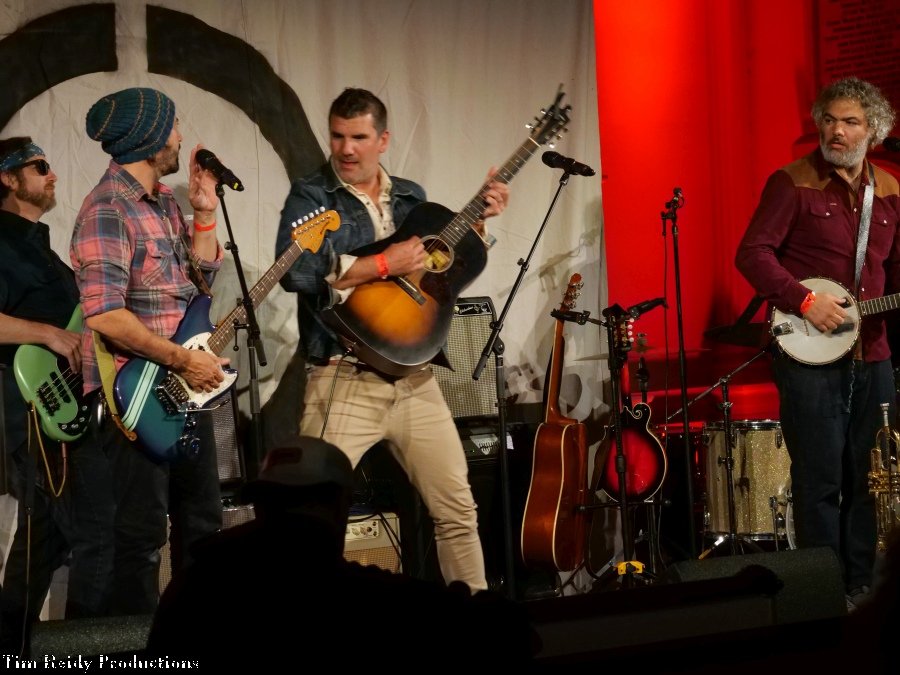
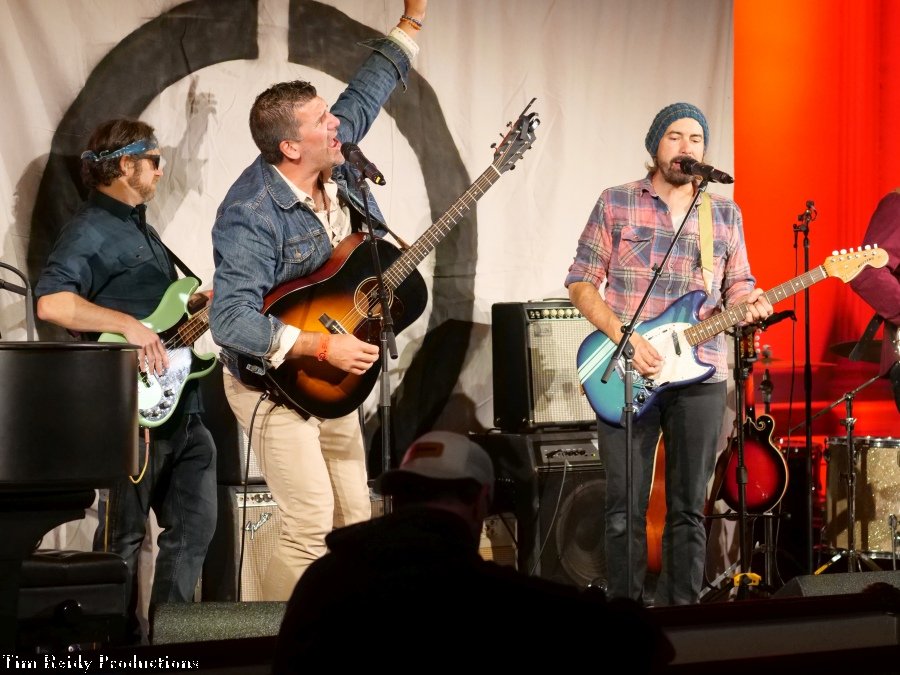
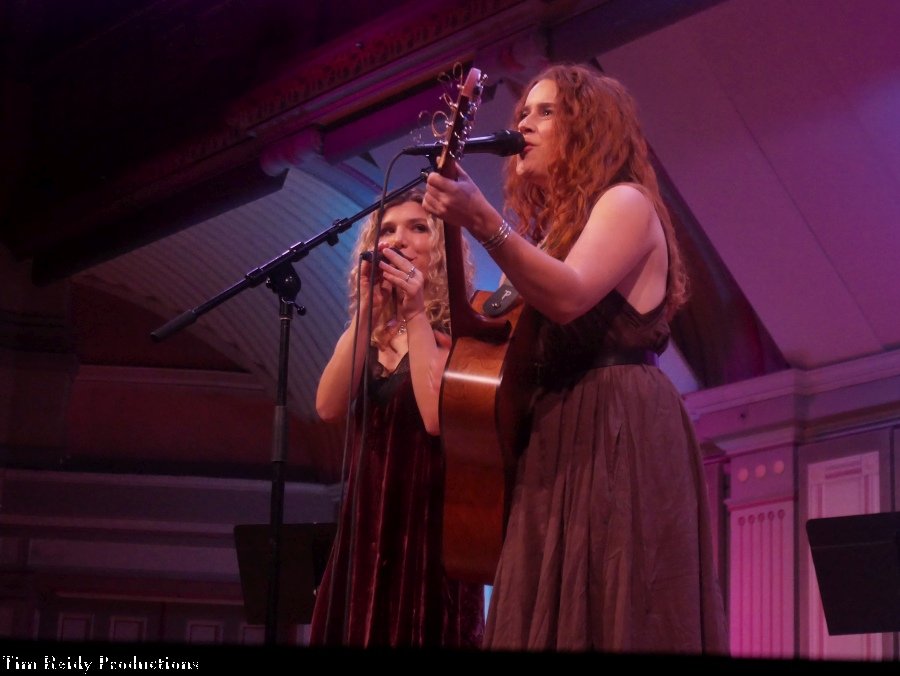
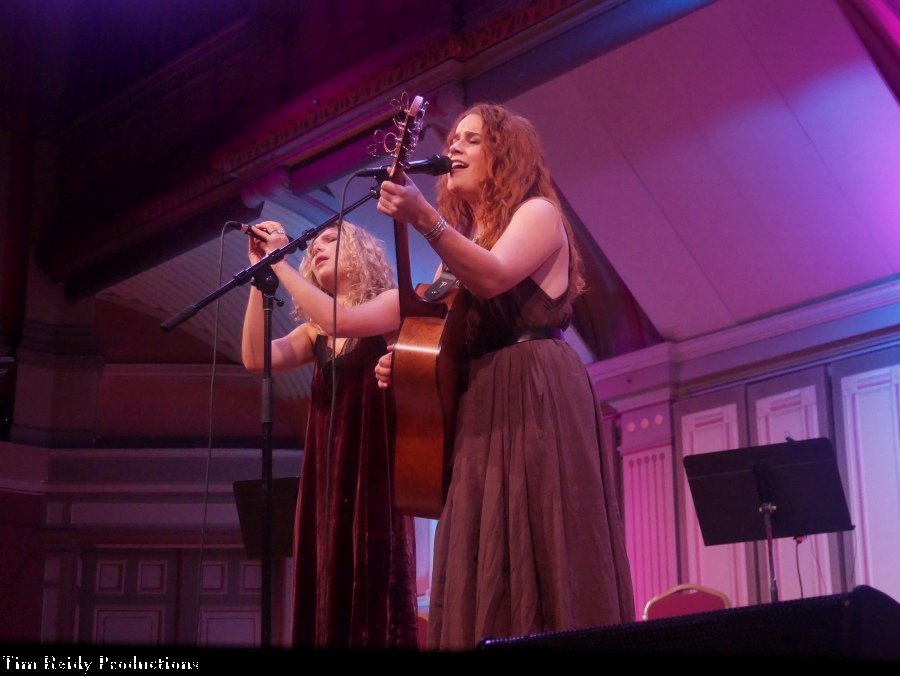
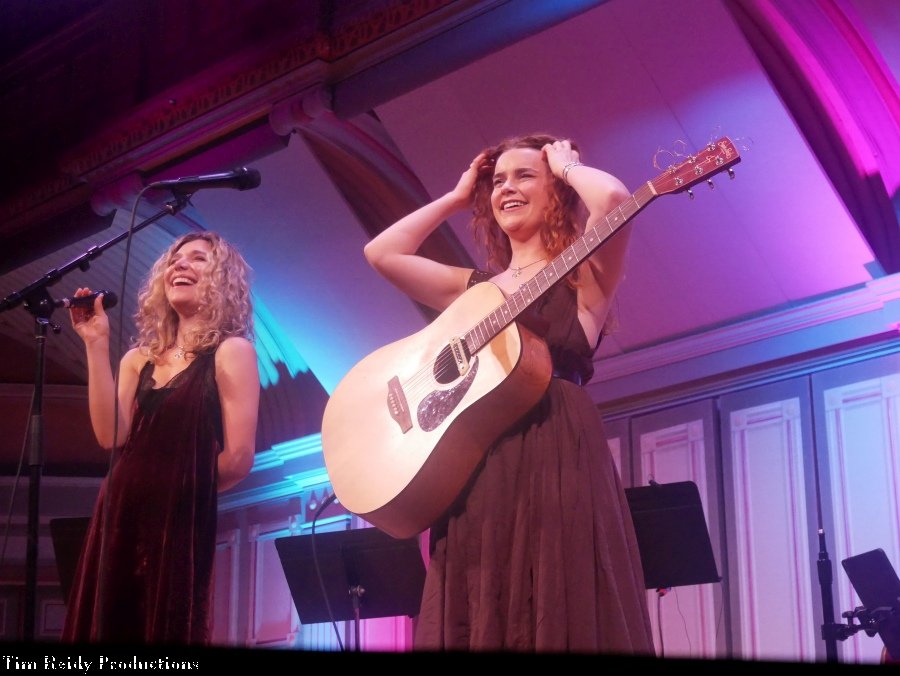
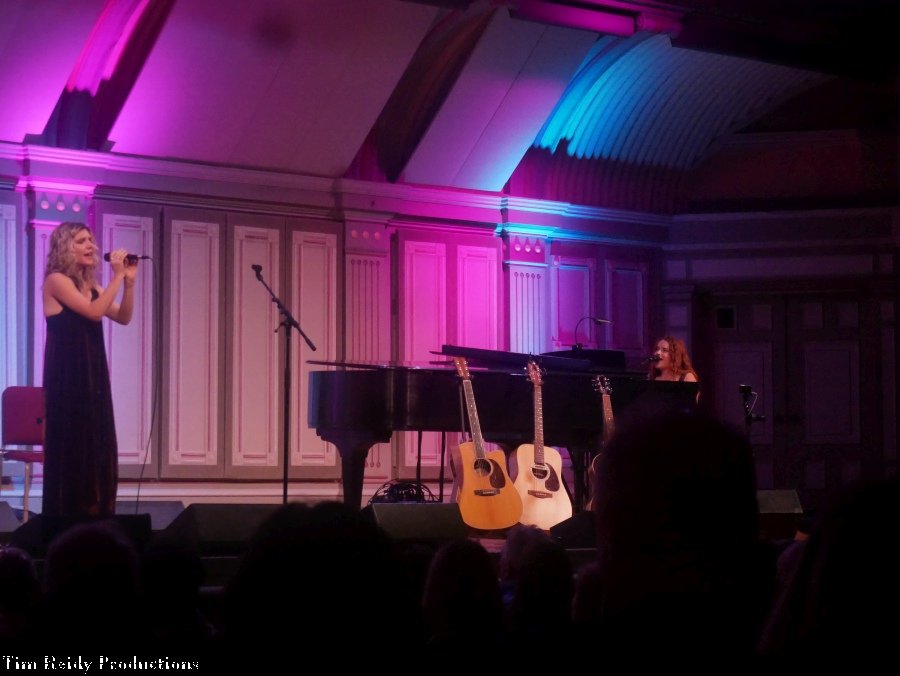
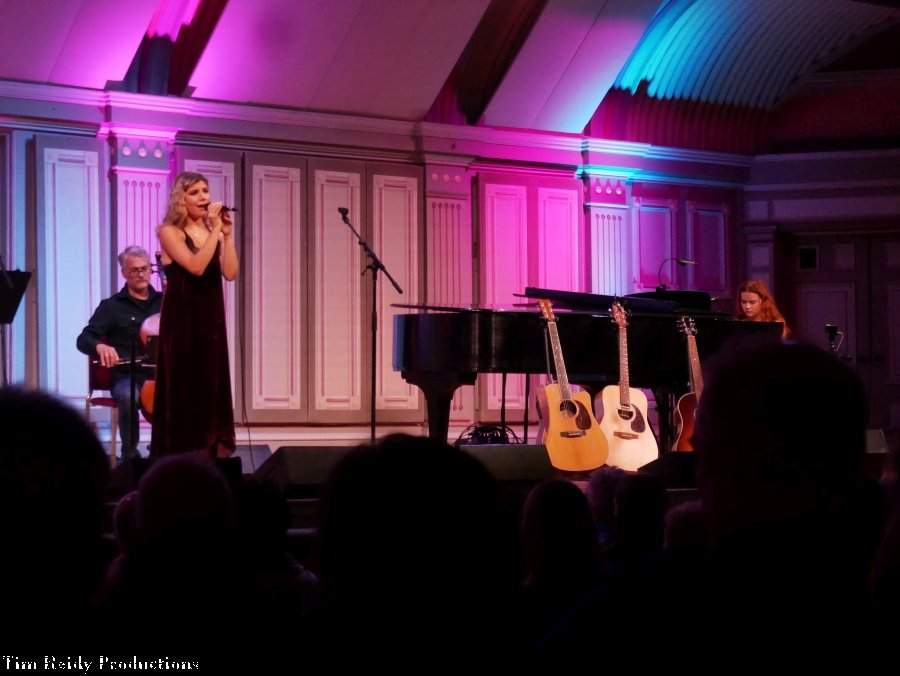
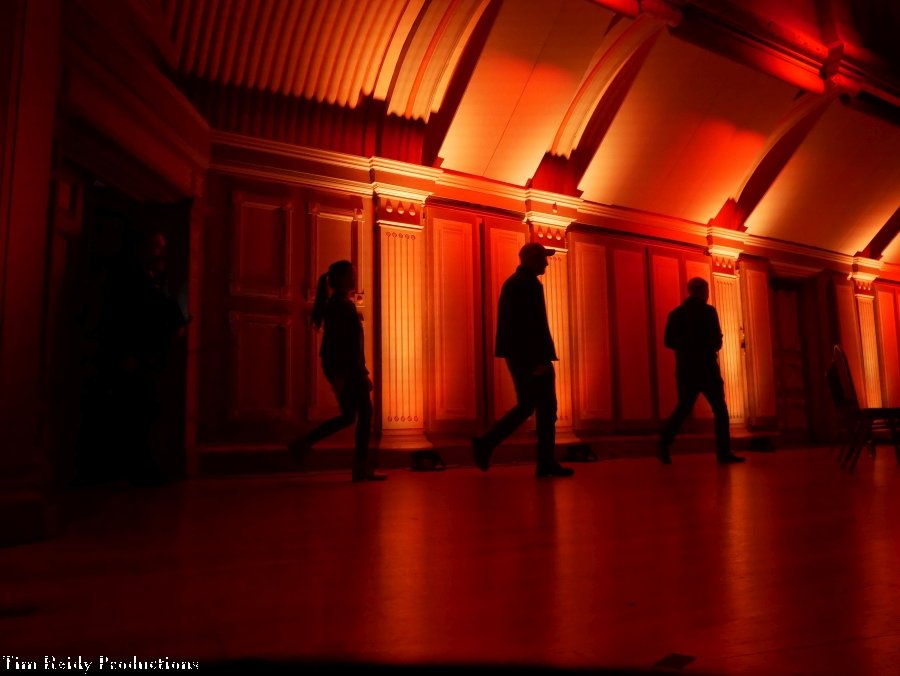
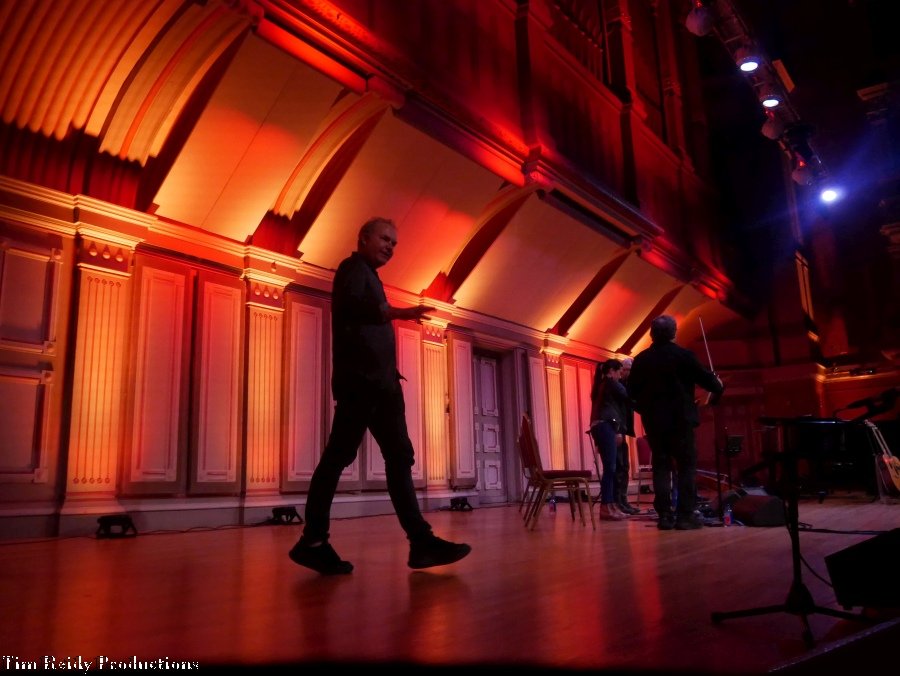
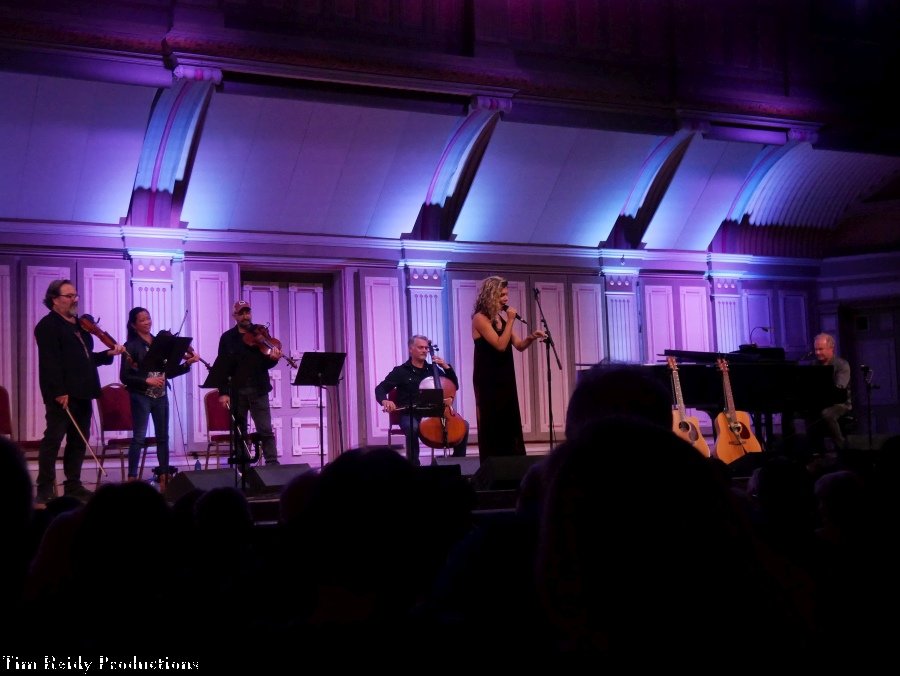
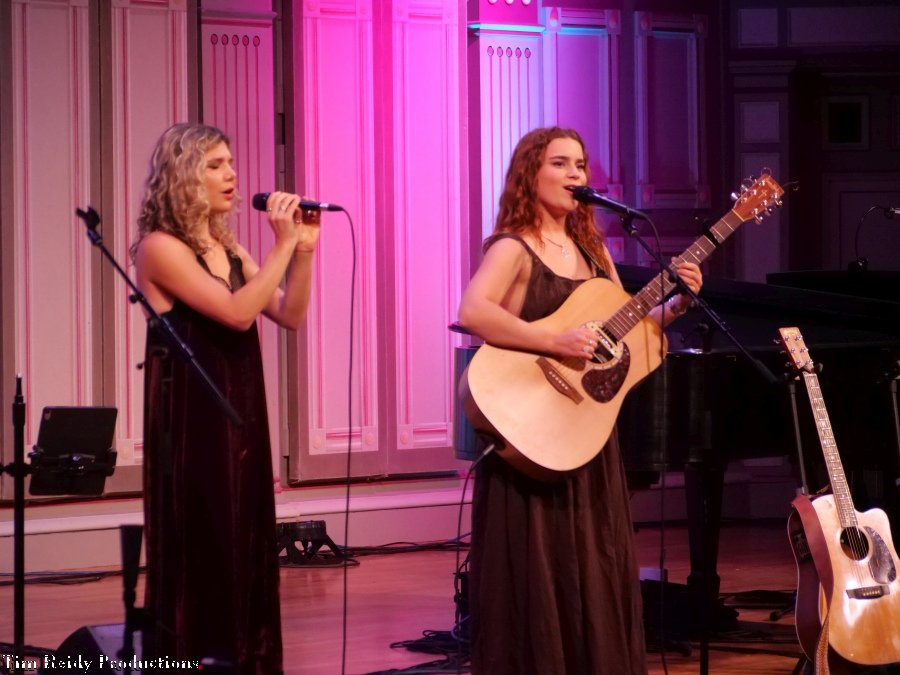
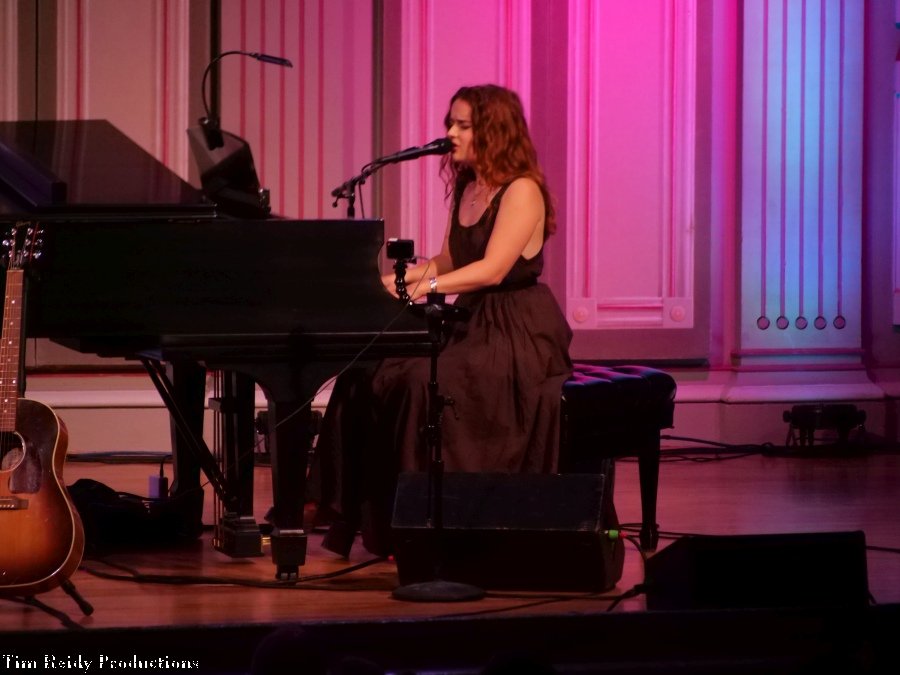
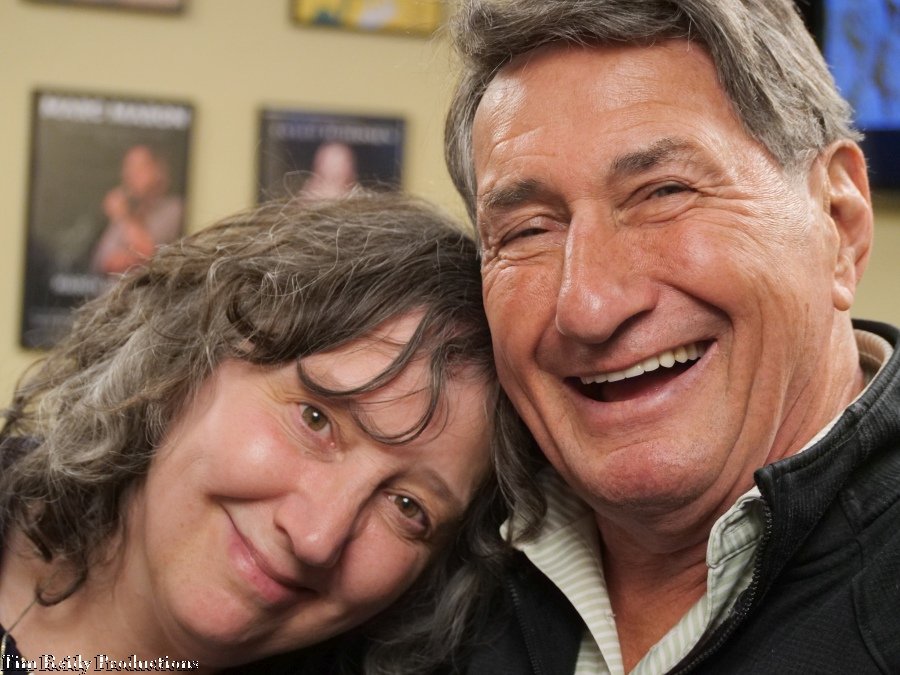
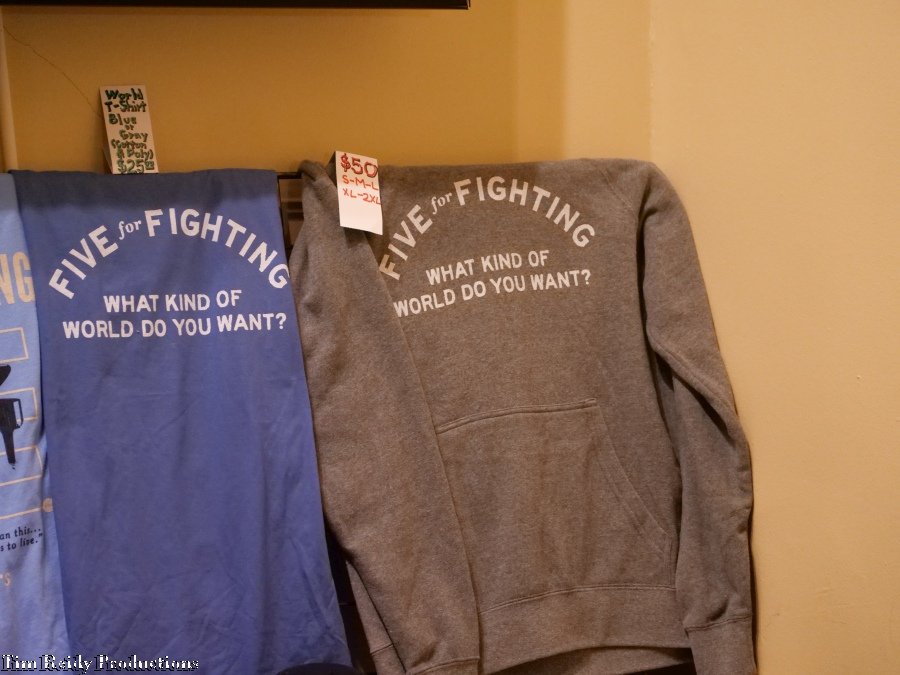
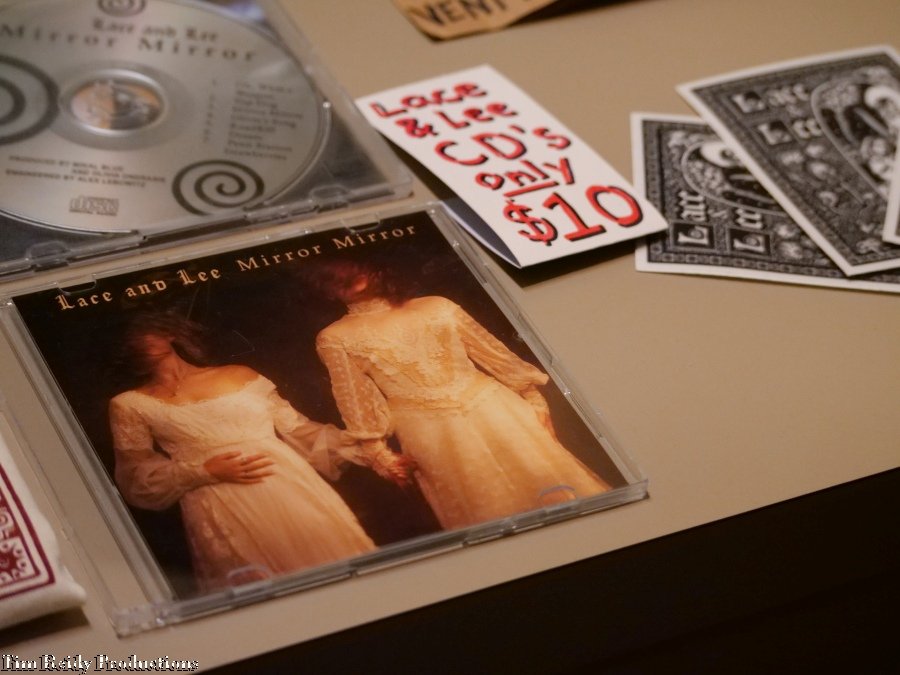
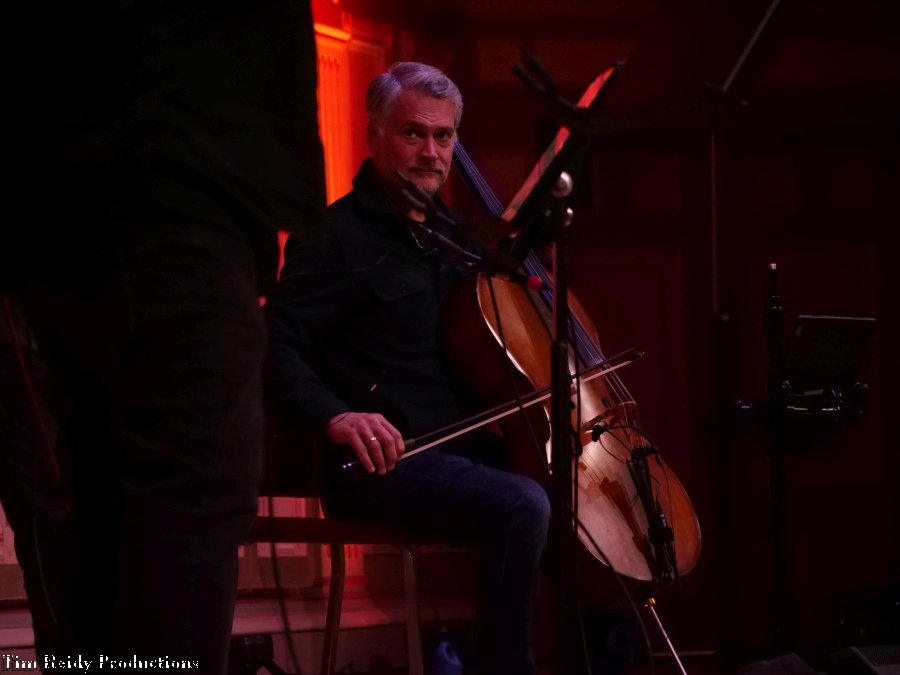
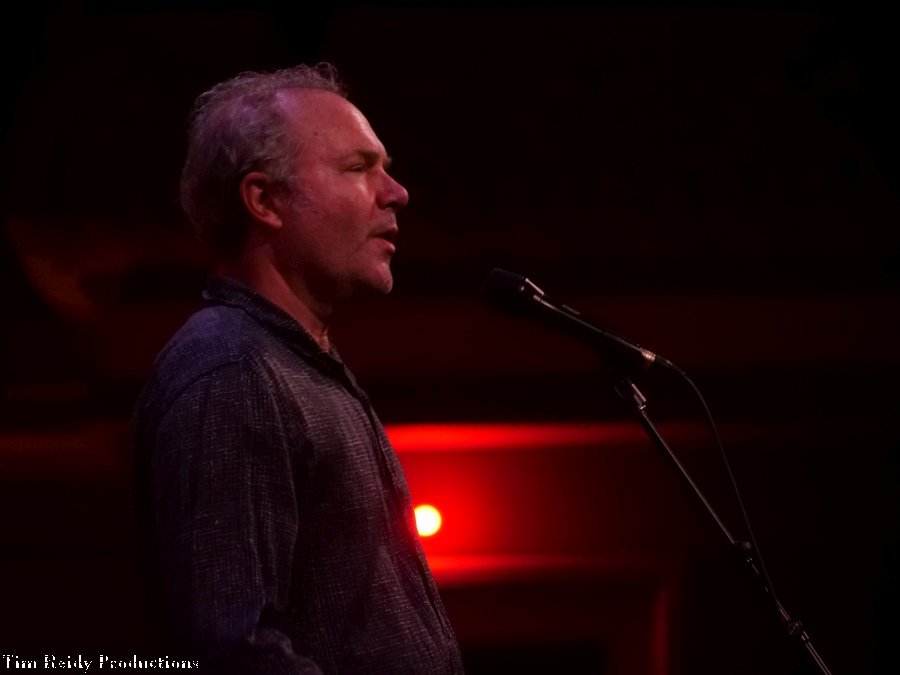
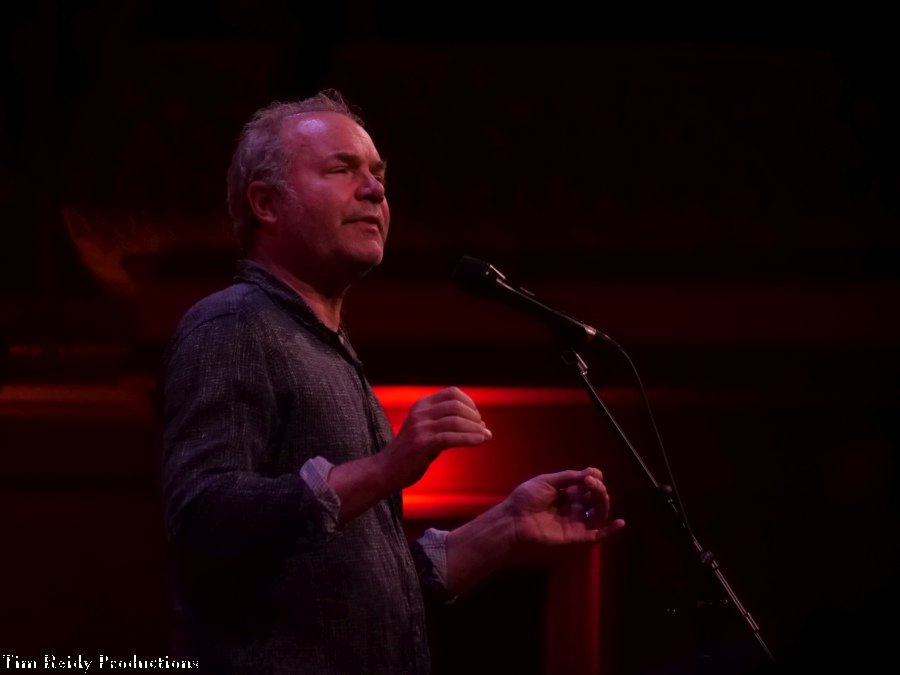
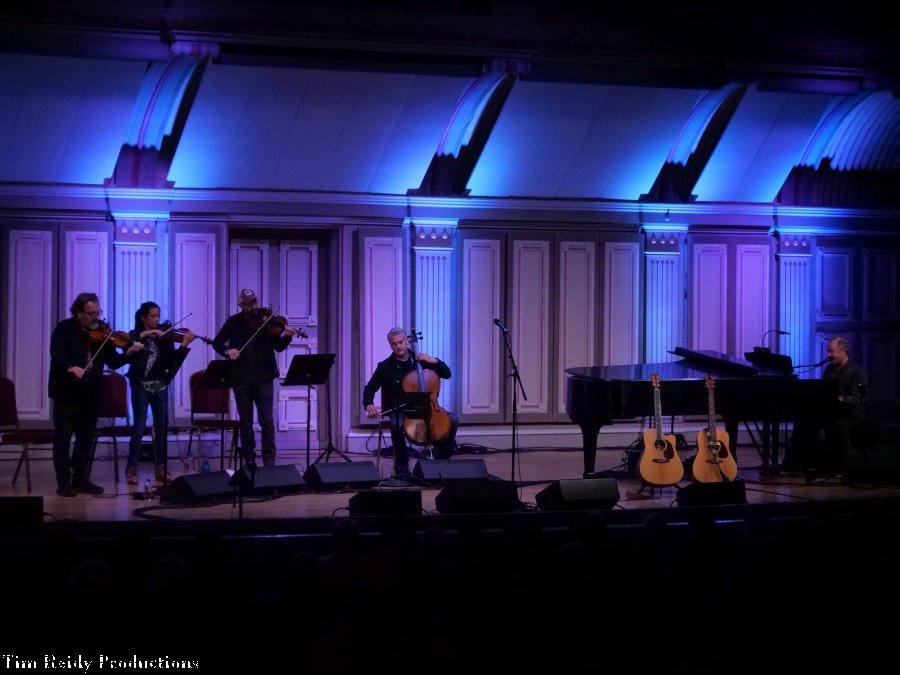
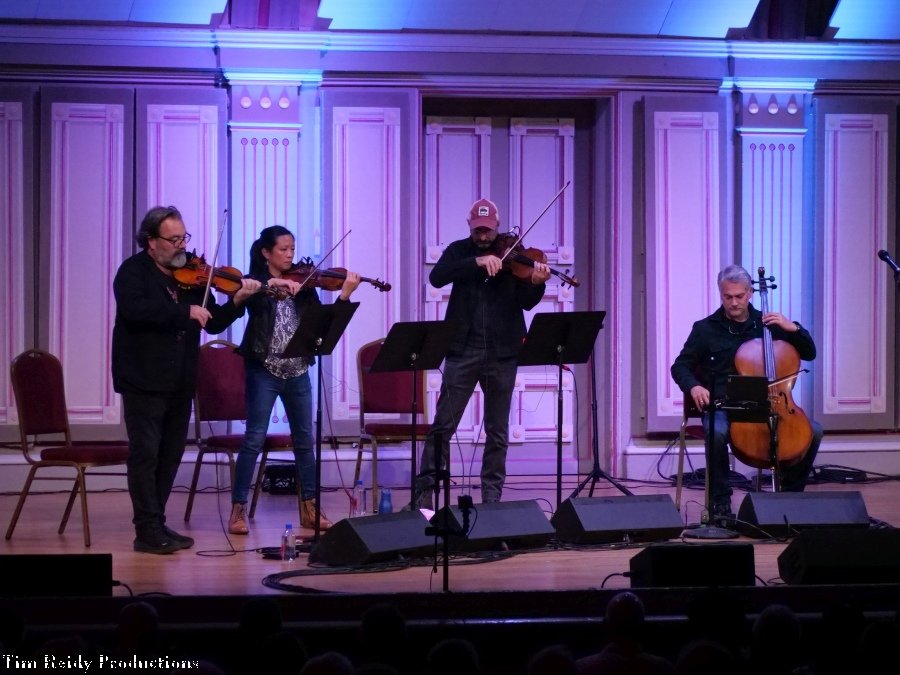
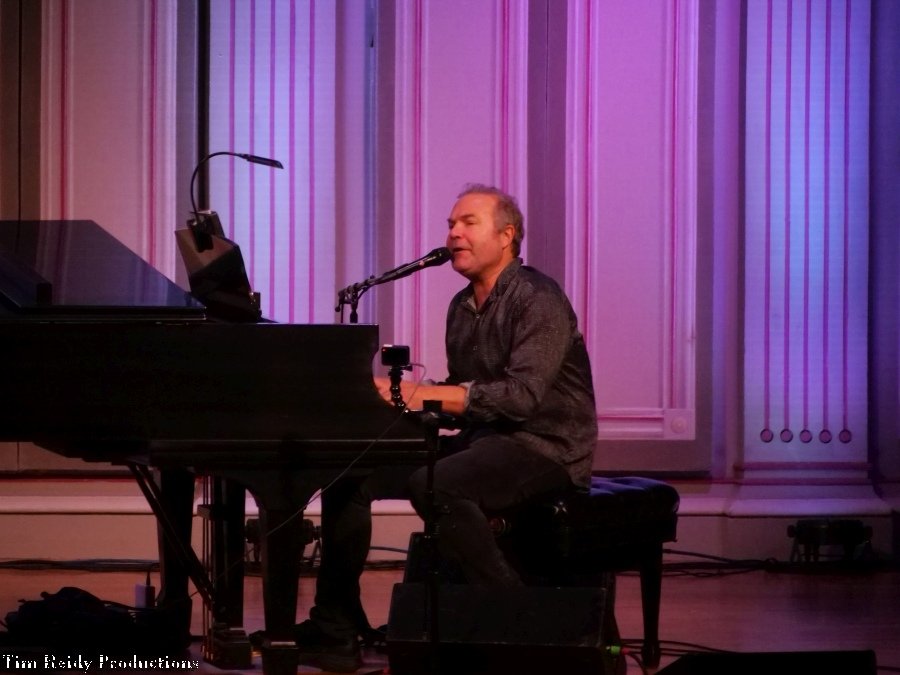
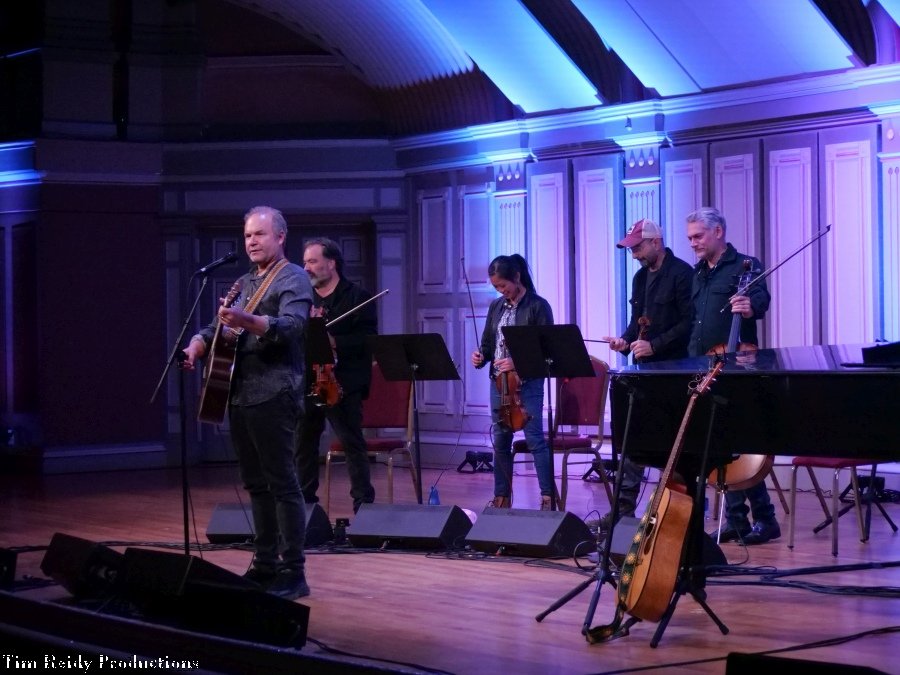
Five for Fighting brought his brand of piano-based soft rock to the Troy Savings Bank Music Hall, with Indie duo Lace and Lee opening. Both groups intermingled at times.

Photography by Timothy Reidy.

More from Troy Savings Bank Music Hall here …