Home Blog Page 255

Choices – An Xperience Article

0
Choices

Choices – An Xperience Article – by Charla Earney.

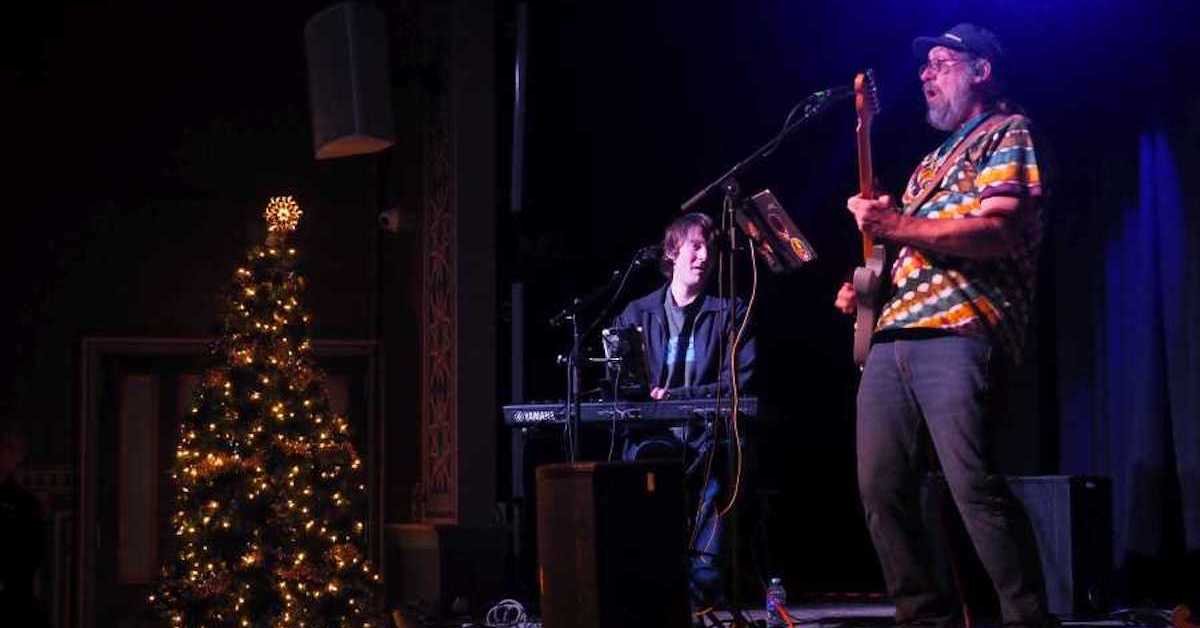
Are we the sum of the choices we make? People talk about choice all the time, but usually not in the way that matters. What is it, why do we have it, and what the hell are we supposed to do with it once it shows up at our door like an uninvited Amazon package? The Hebrews seeded the concept. Today, English uses “choice” both as a noun and an adjective. As a noun: the act of choosing. As an adjective: “of very fine quality.” (Ironically, not all choices are choice choices.) In my experience, the struggle with choice is universal. For years now, I have been careful about what I let into my brain. Curating my media diet. I’m deliberate with my choices. I grew up long before our current dopamine drip of screens and scrolling. I realized “my” overwhelm isn’t a personal flaw — it’s too many damn choices! Sometimes I go home just to recover from the peanut butter aisle. If only choice were reduced to routine, what would “I” choose? That’s exactly what I wanted to learn from Mark. When the time came to choose his routine, what did he choose?

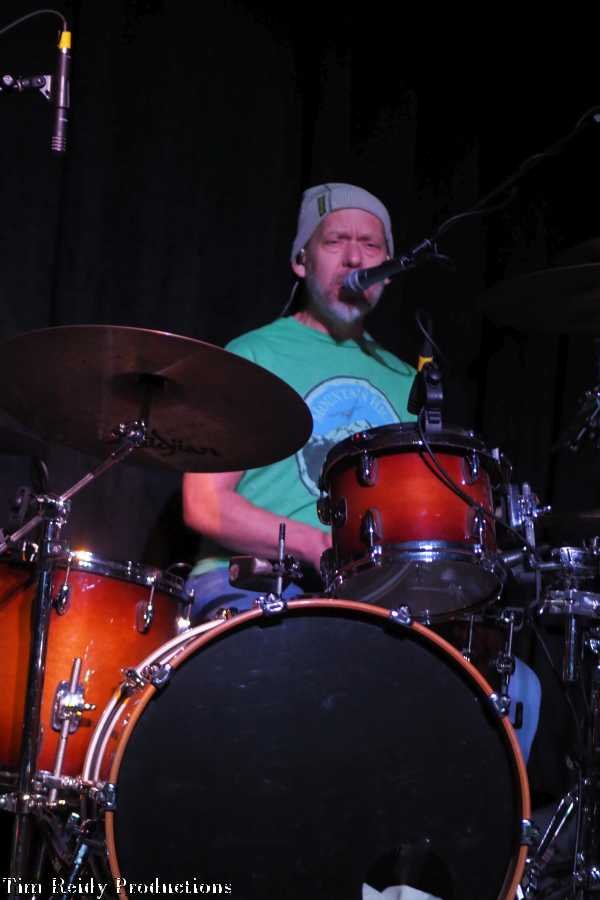
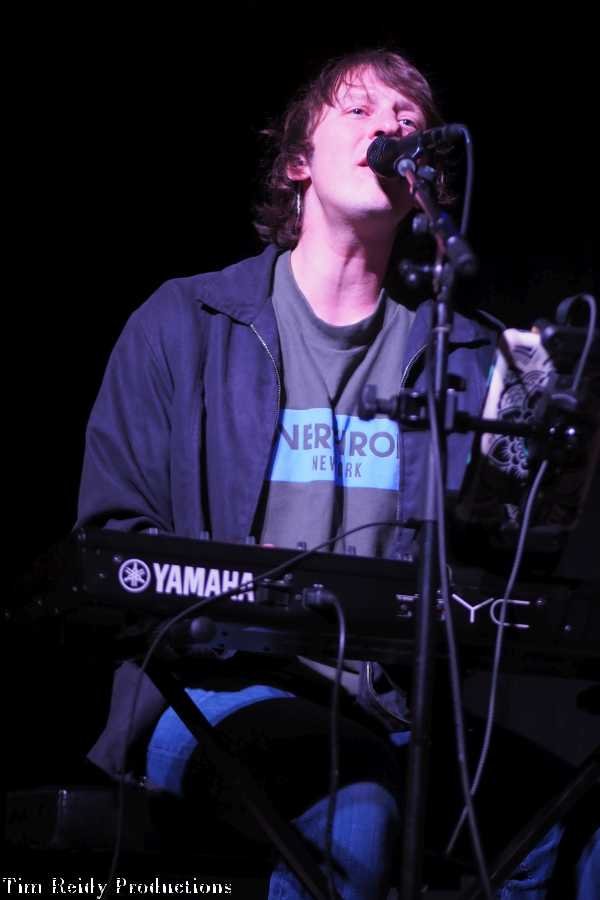
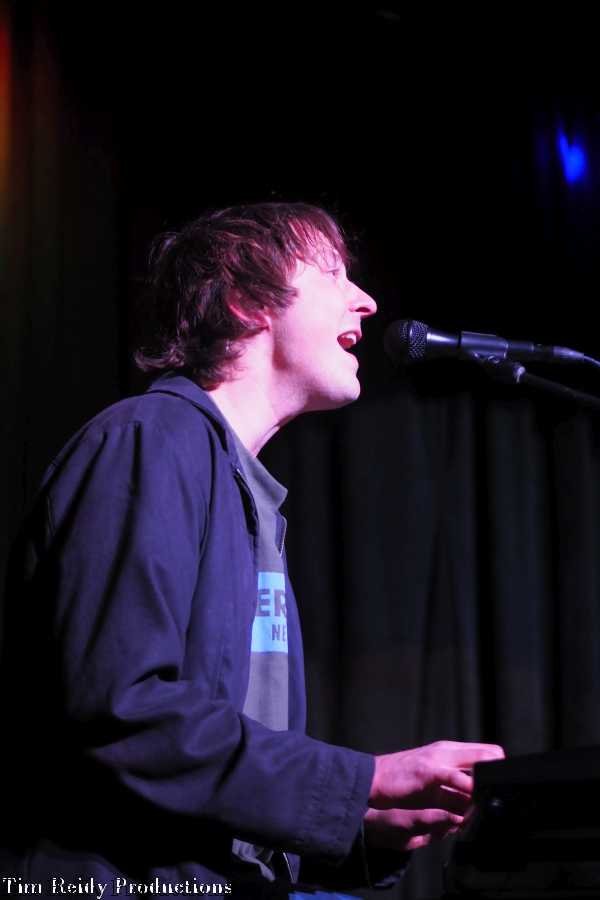
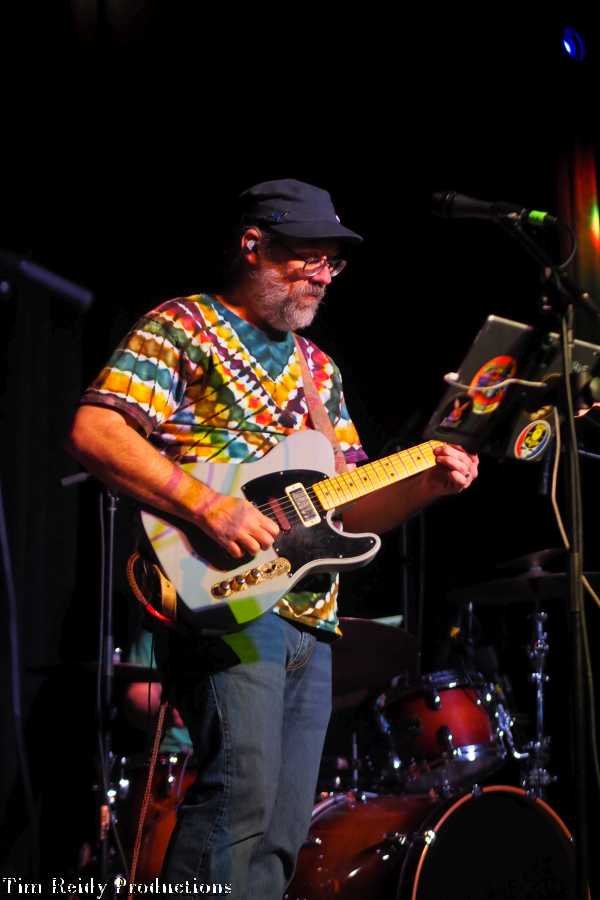
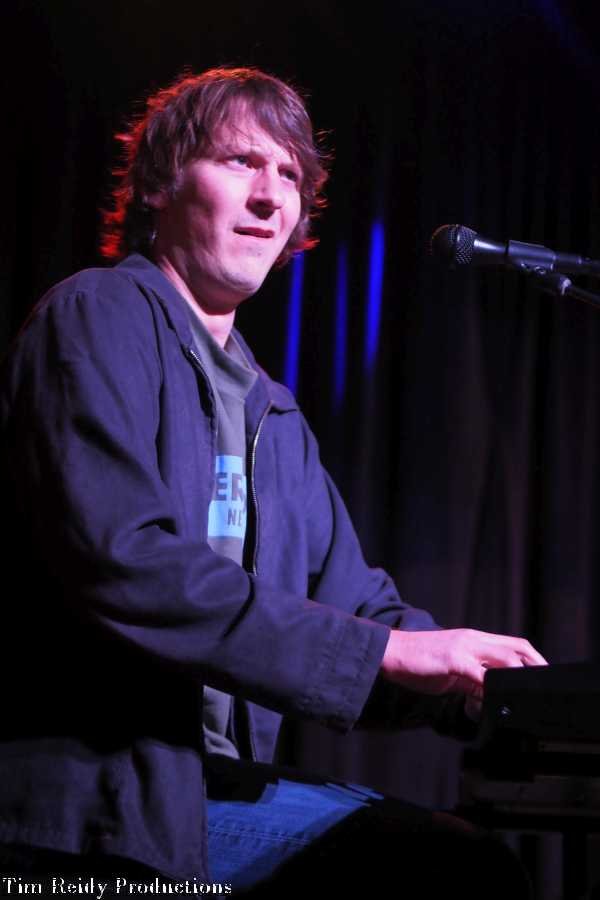
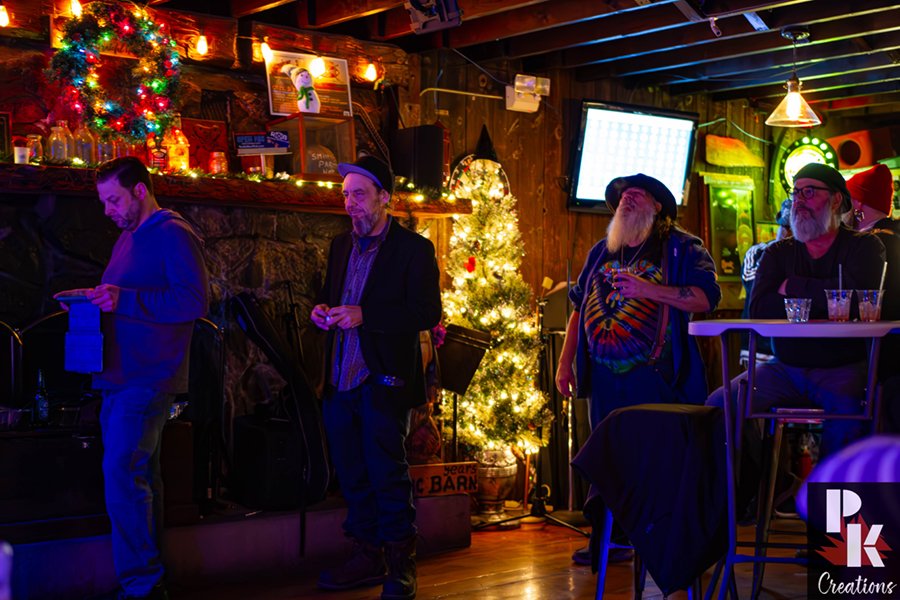
I first met Mark Richardson at the Rustic Barn on a warm New York summer night. He introduced himself out on the lanai — the smoking area out back. The first thing I noticed was his approach: he looked me right in the eye, handshake firm but gentle, the kind a teacher gives when he’s about to tell you to “use your inside voice.” He seemed quietly amused by me. I was amused by him. My first impression? “This one’s grounded. A good one.” And I love being right. Over the next few months, I heard him play at open mic nights. He held his guitar like it was an extension of himself. His playing was liquid — the clean strums, the chords; the subtle touches guitarists use to coax emotion out of a single string. It all moved through him from him. When he finally sang, it felt like a reveal. Vocals to back up the playing? Yes, please. I was hooked. What I learned from talking with him was simple: he was recently retired and looking to play music with friends. But, like retired people always discover, life gets busier — who knew? He still had to find venues, coordinate schedules, and navigate the time demands of other musicians who work full-time jobs, have families, and juggle responsibilities like flaming swords. (Shout out to all the state workers moonshading as rock stars.) Mark’s aim was true. Music is always the way. And I will support that!

The Birth of NOTA Band: A Brilliant Solution Disguised as a Joke.

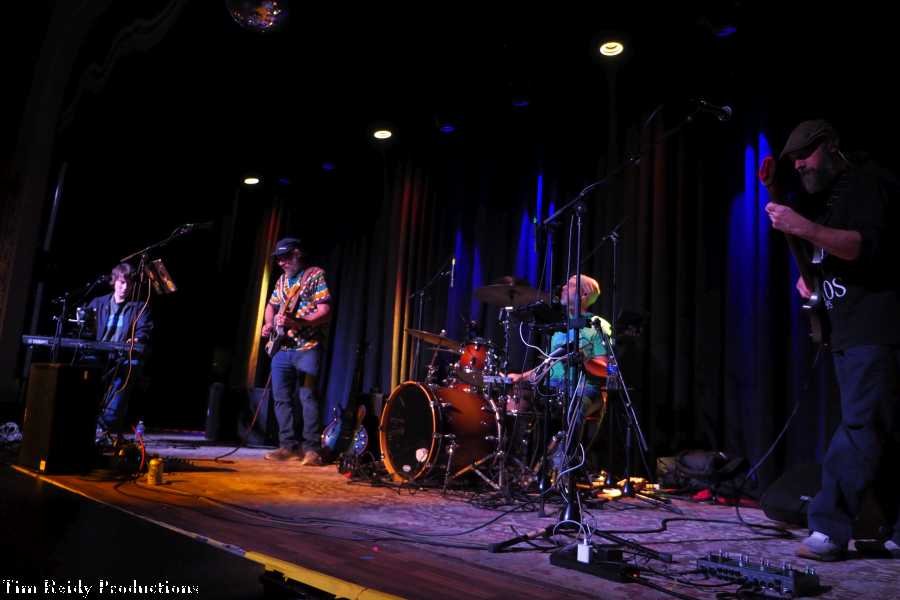
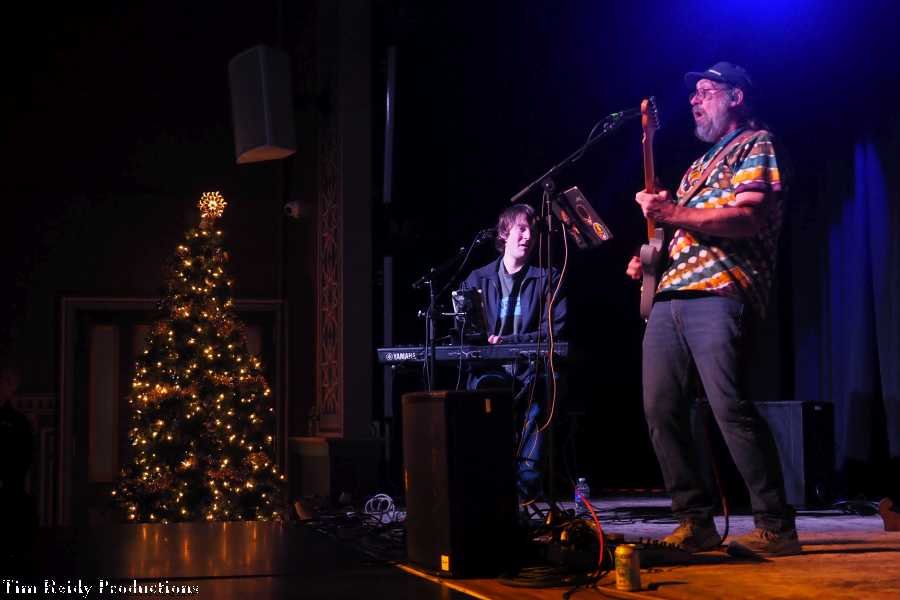
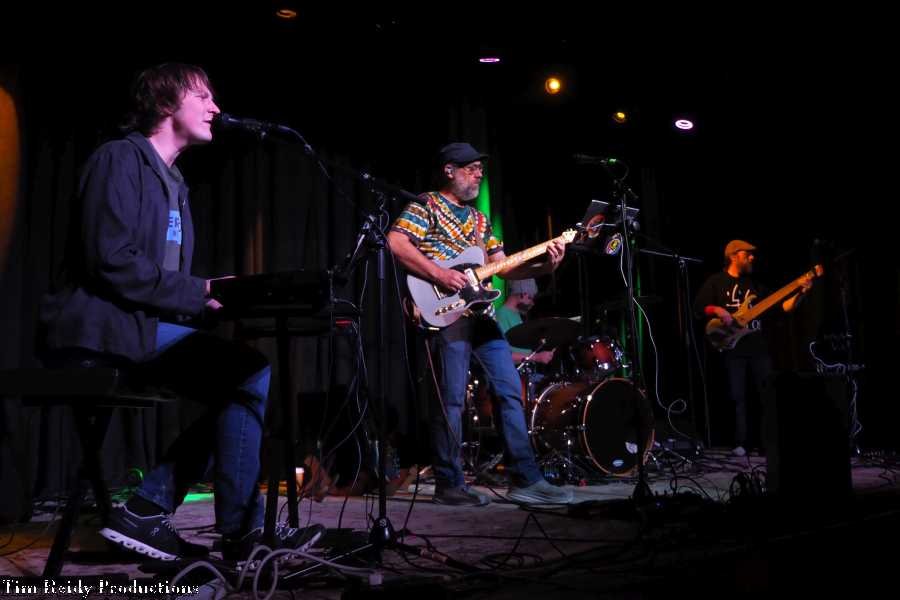
Last month, Mark invited me to Ophelia’s because he’d started something called NOTA Band. I saw the flyer and thought, “Is this a joke? A double negative? A philosophical riddle?” It turns out — kind of. Pulling together a consistent band is hard. Musicians have jobs, families, obligations, and occasionally they’d like to sleep. Mark wanted to play with his friends, but commitment means rehearsals, schedules, and expectations — and nothing kills joy faster than turning it into homework. Mark did what sensible men with physics degrees do:

He solved the problem.

He created NOTA Band, short for “Not A Band.” Philosophy: It is not a band.

Reality: It’s the show you’ve never been to, every time. I am partial to the merry-go-round of various artists who pop by when I go to venues. It’s an open invitation — an “all call” to local musicians and friends:

“Come play!”

If you don’t want to play, come enjoy the people who do. No pressure. No obligation. No “sorry guys, I can’t rehearse Thursday — my kid has soccer.” Just play for the fun of it.

Just joy.

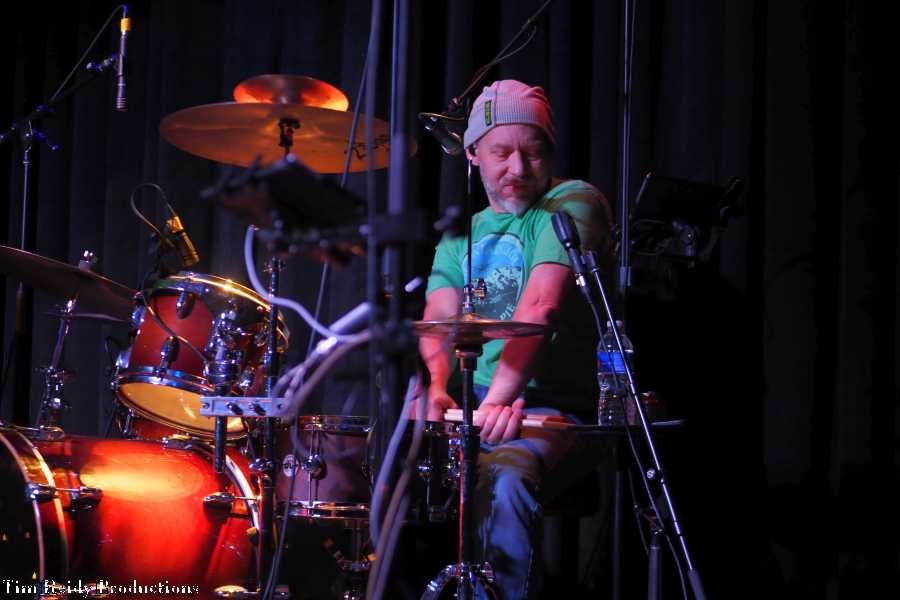
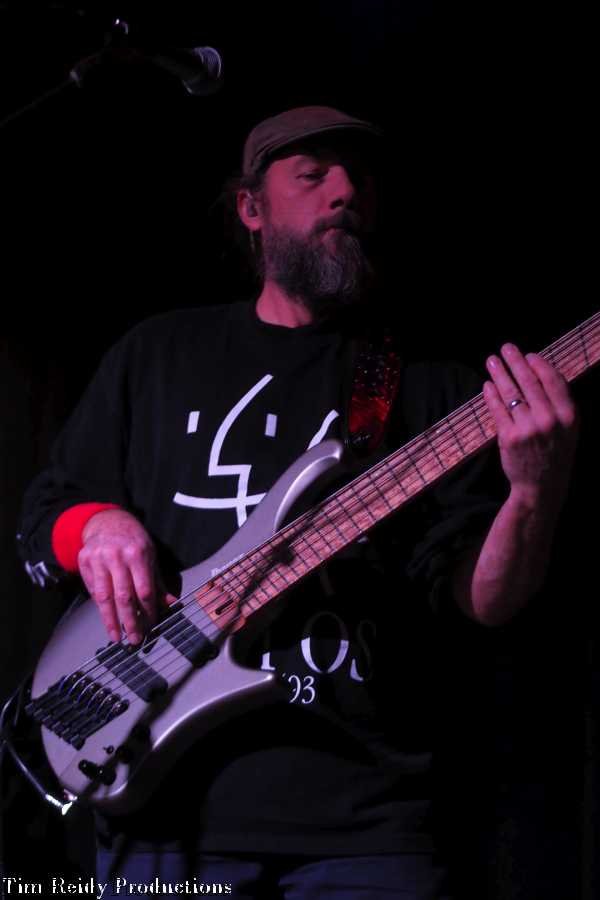
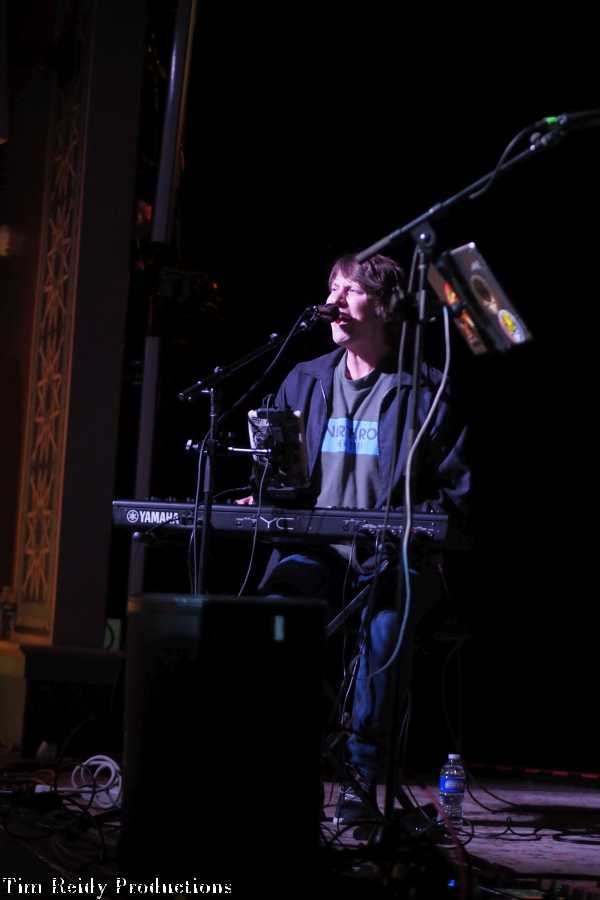
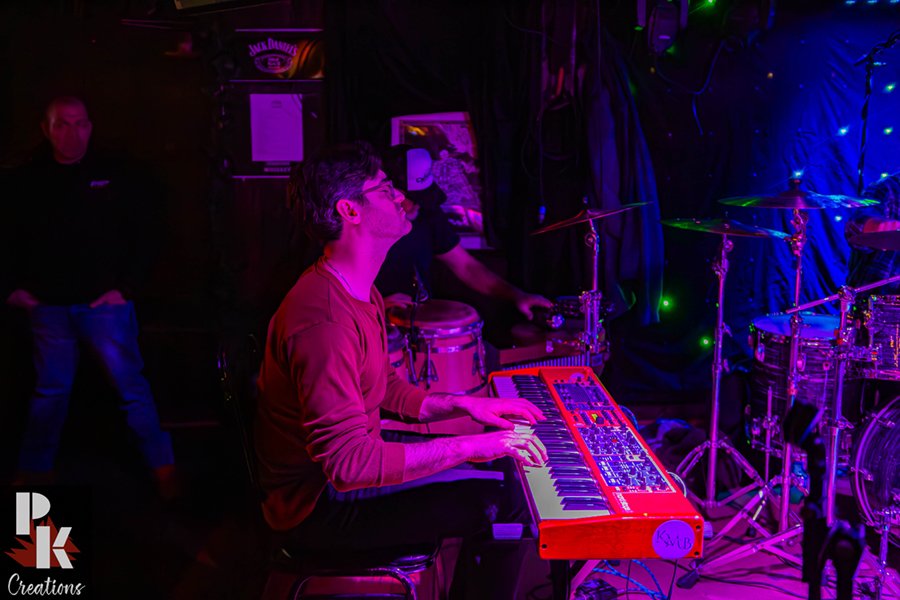
Every night is different. You get firsthand a casual jam session. A new original in real time — which is basically sex for the soul. Pure gems that ended up on my playlist, and I have discovered musicians I would never have found otherwise. The quality of artists who show up is stunning — like band camp, but without the trauma of too many notes crammed into one brain. When a tall, older gentleman walks in with a seasoned sway and lays out a folder of harmonicas that are well-used and well-tended, I got a little excited. I have heard and seen a range of players, from saxophone and flute, to organ and ivory bones that blew me away, and guitar solos that simply healed my soul.  These musicians play because they want to. And you feel it. And Mark? He doesn’t just “know his way around the guitar.” This man knows his tunes. Why does NOTA Band Matter?

NOTA Band isn’t a band. It’s a choice — a deliberate one.

A choice to play instead of pressure.

A choice to gather instead of “grind”.

A choice to create community instead of “brand identity.”

A choice to let music simply be music.

In a world drowning in options — from peanut butter to life paths — Mark carved out something rare: a space where the only choice you need to make is whether you want to listen, play, or laugh at the absurdity of it all. And if you’re lucky? You might get to hear him play. And then you’ll understand exactly why this choice matters. Now? I look for NOTA Band and schedule them in whenever I can. I have a good feeling this is just the beginning for Mark and NOTA. I look forward to seeing how this playground grows and develops. I know I am aiming to be there at any step I can. If we are the sum of our choices, then I will choose to follow NOTA. The prediction is, it’s gonna get really good. Buckle up.

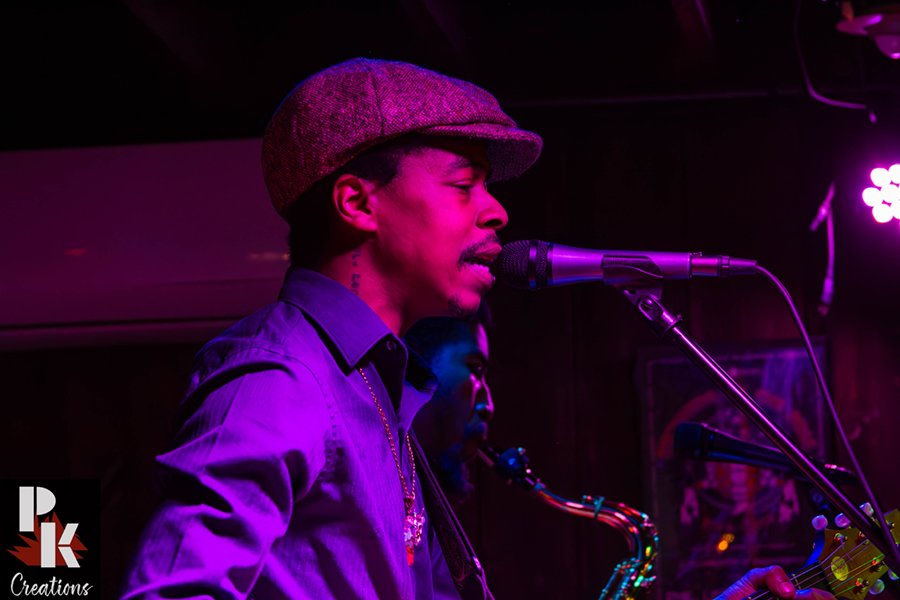
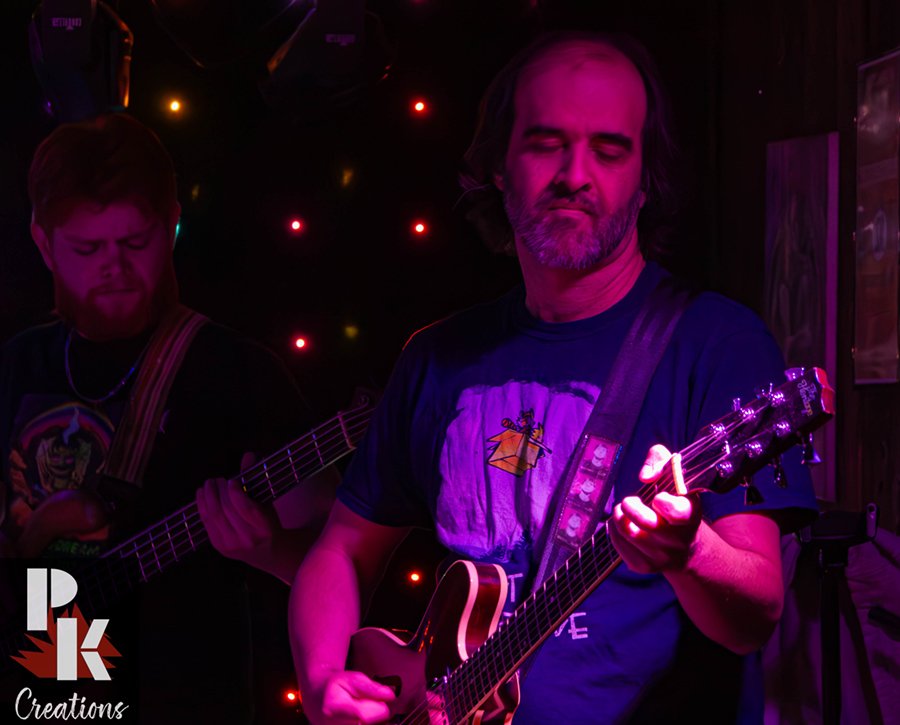
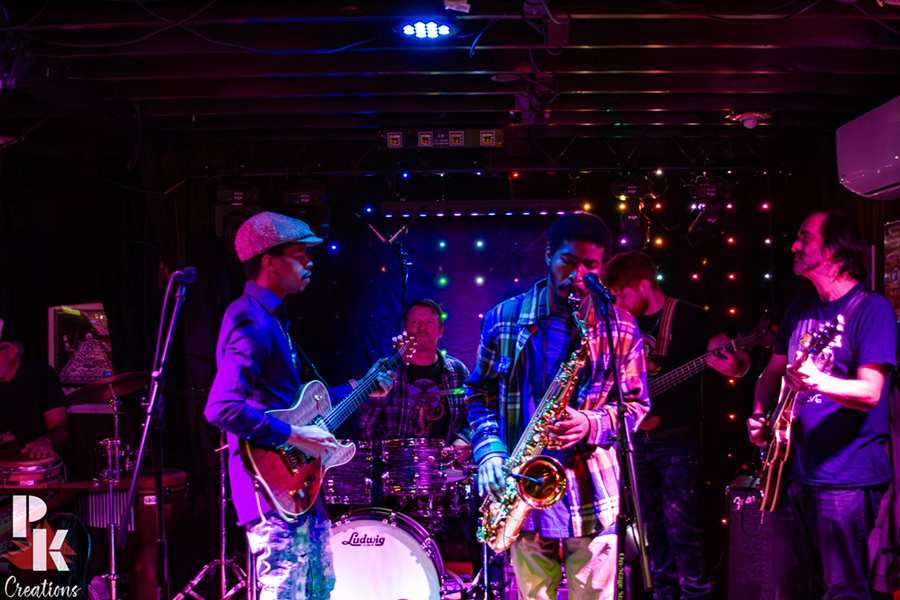
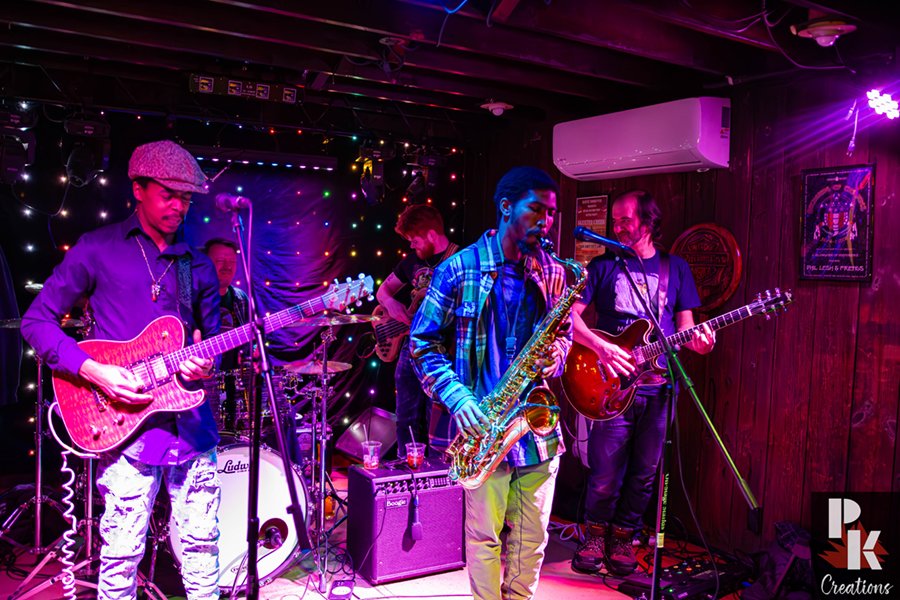
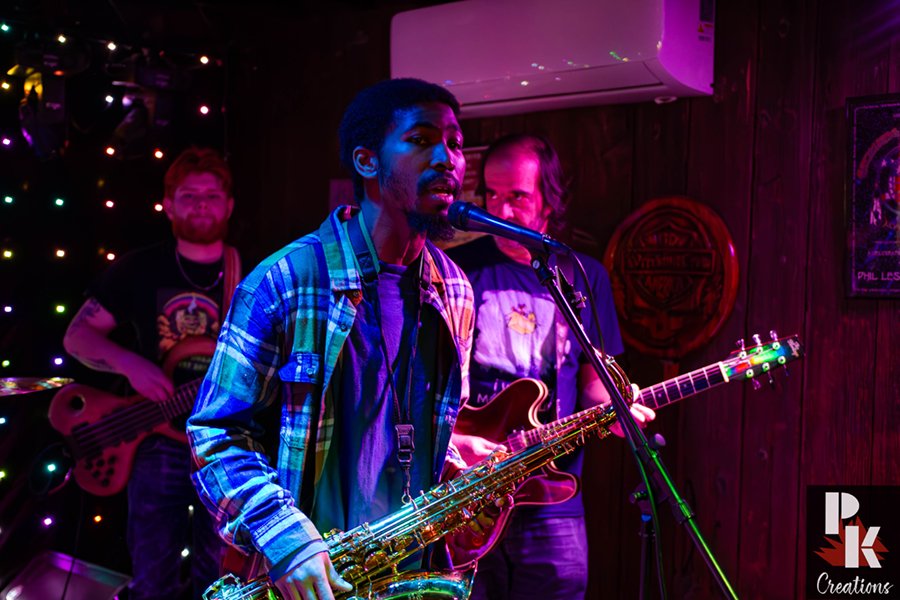
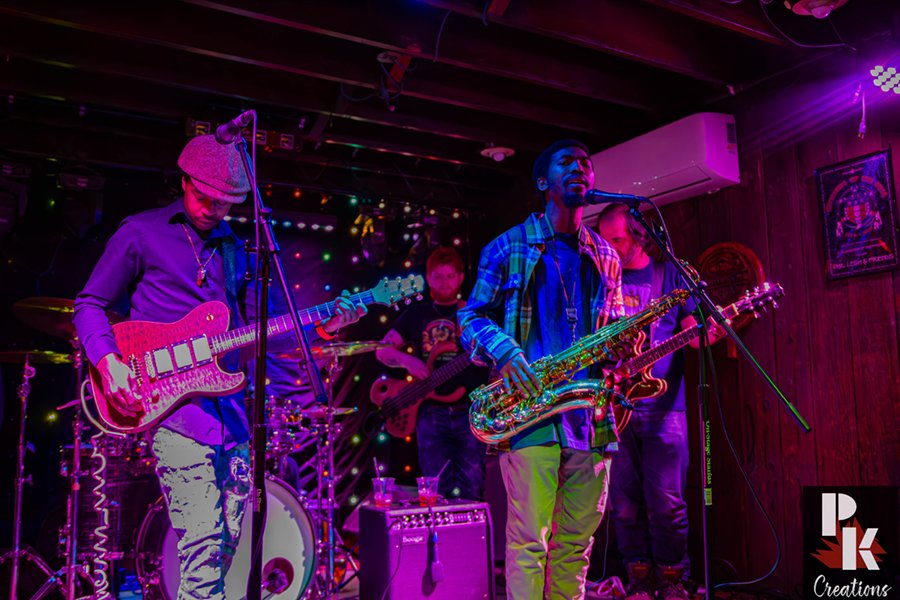
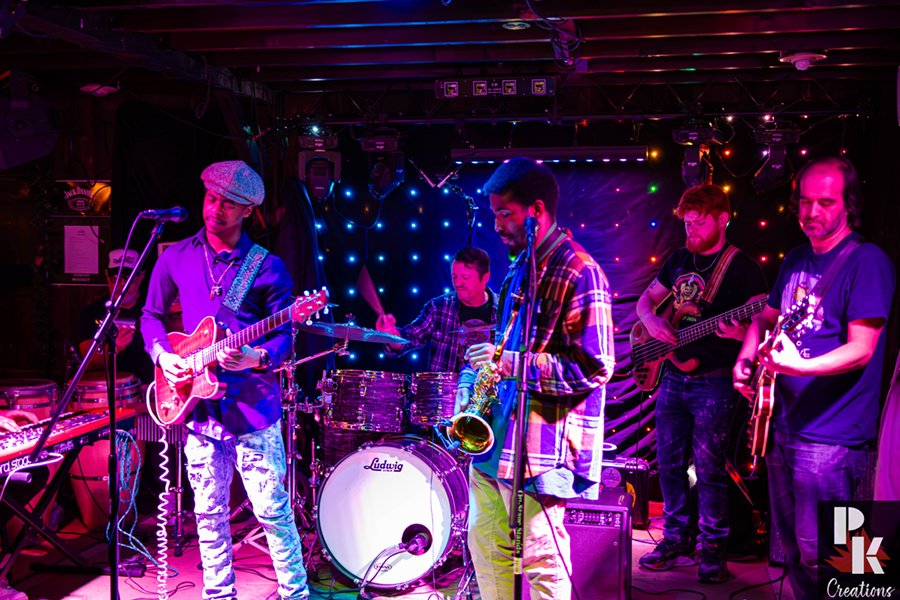
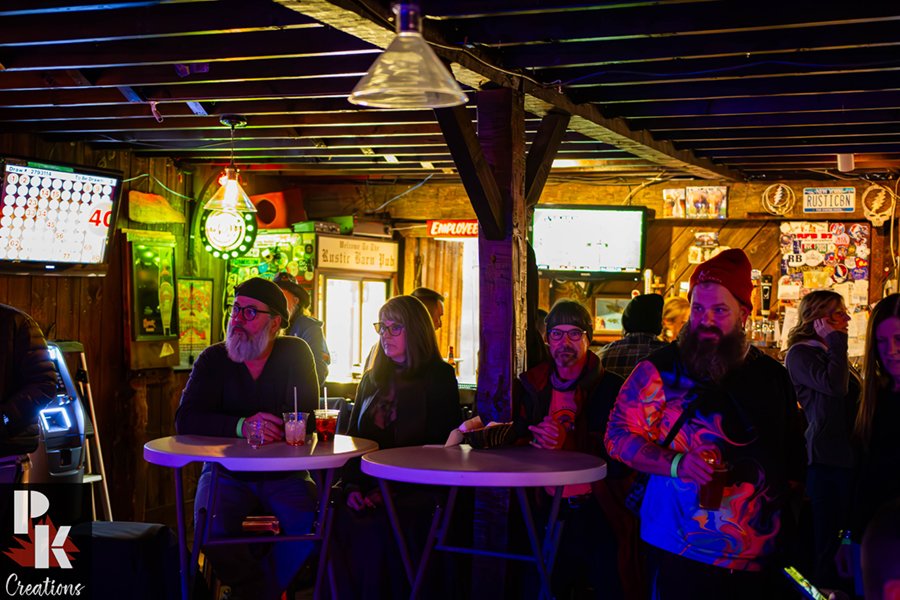
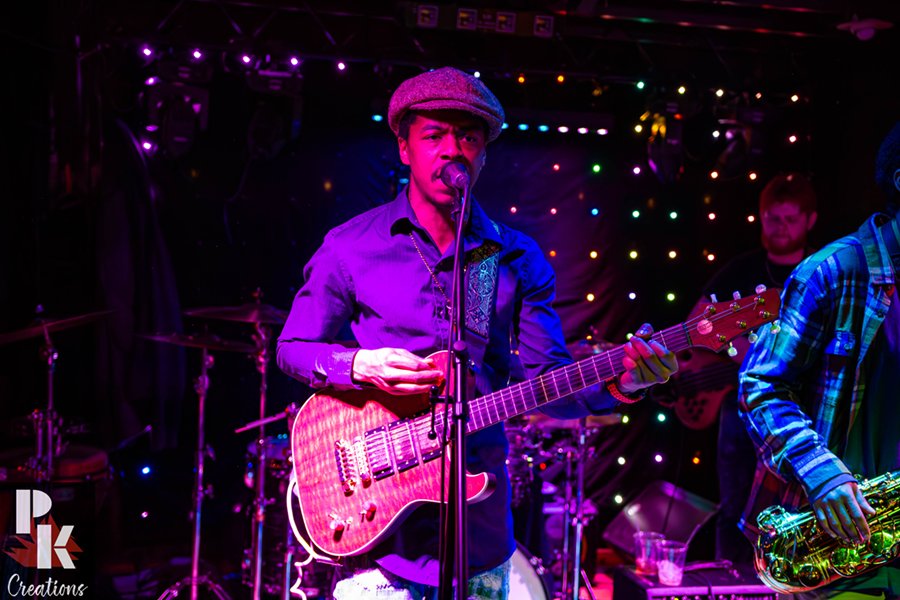
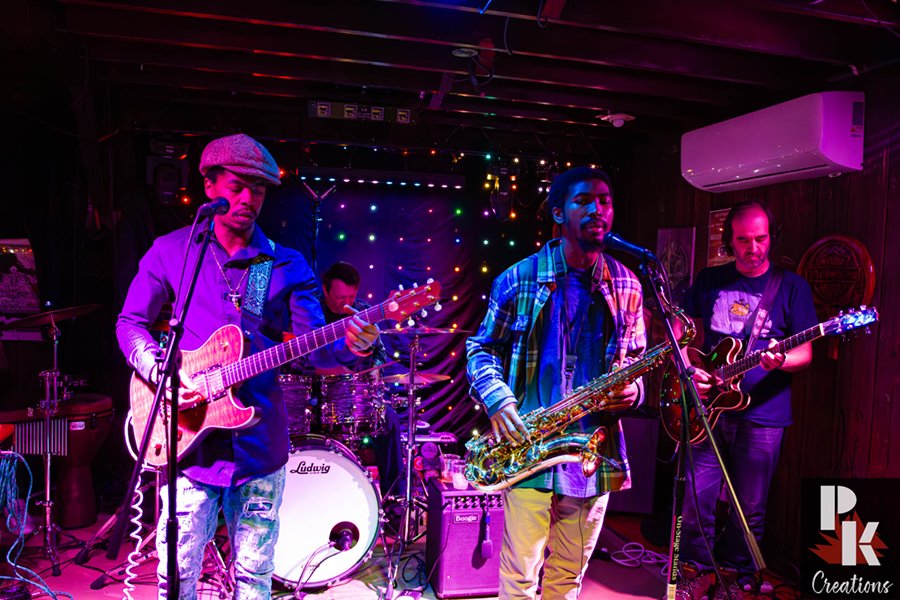
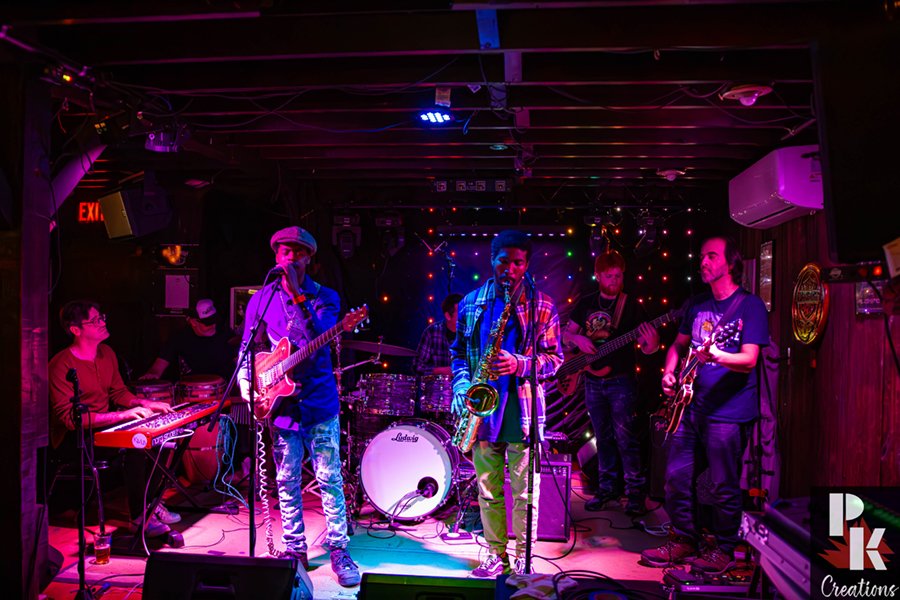
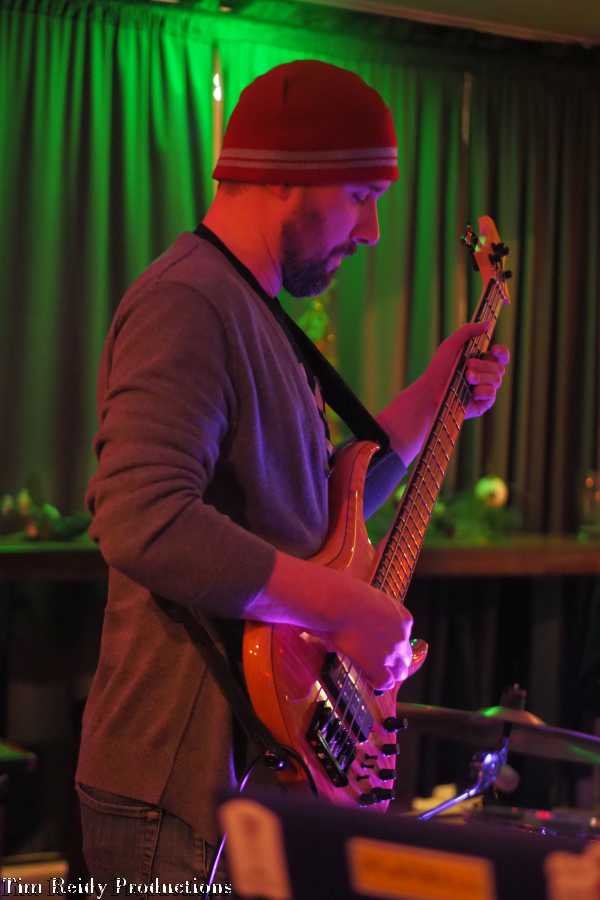
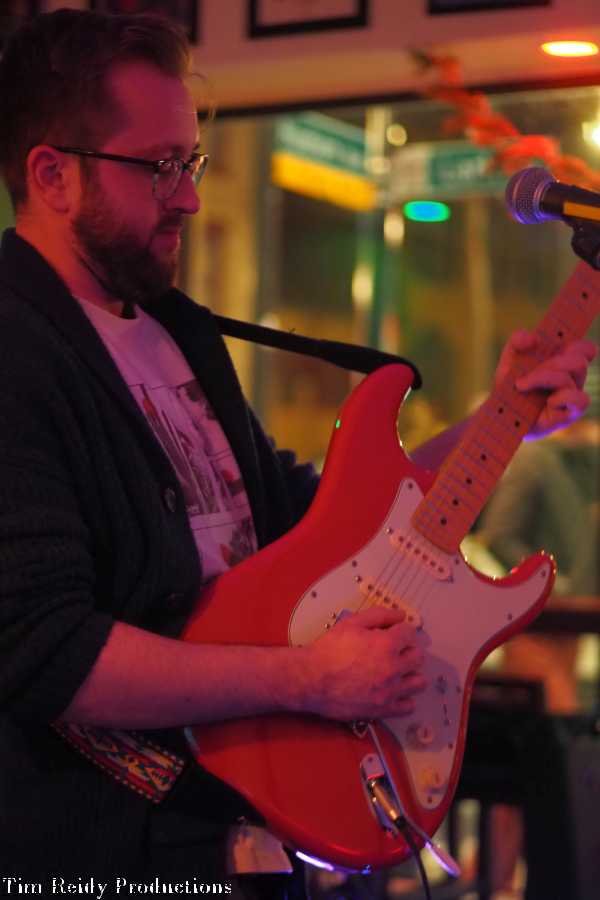
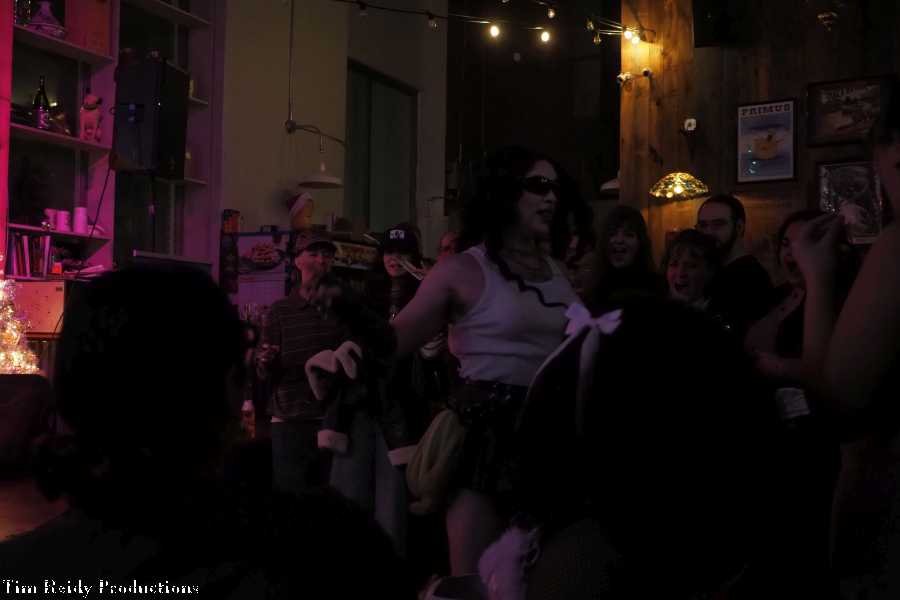
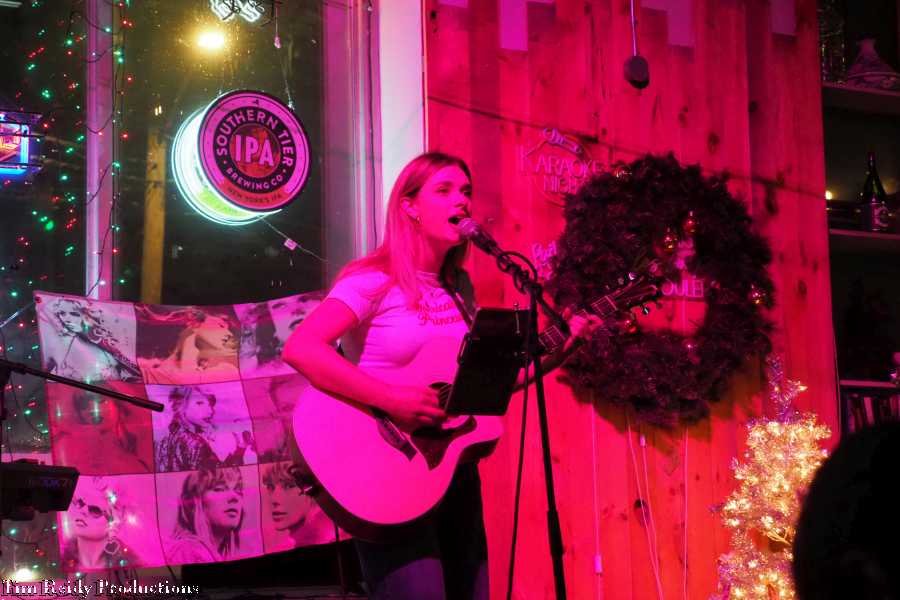
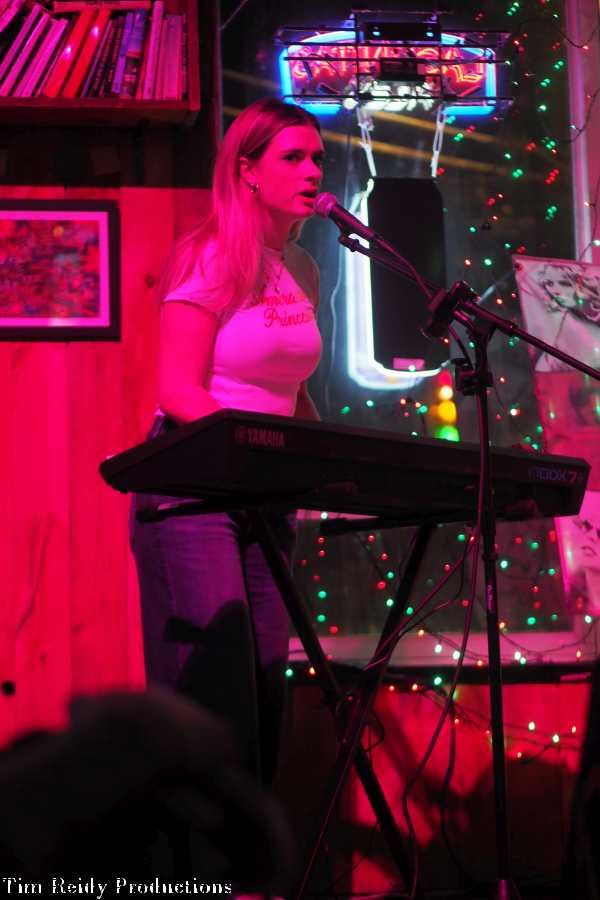
Ky McClinton Band @ Rustic Barn, 01/04/2025

0

Photography by Joshua Scarselli.

More from Joshua Scarselli …

Lithium, Chptr. 22 – Xperience Fiction

0
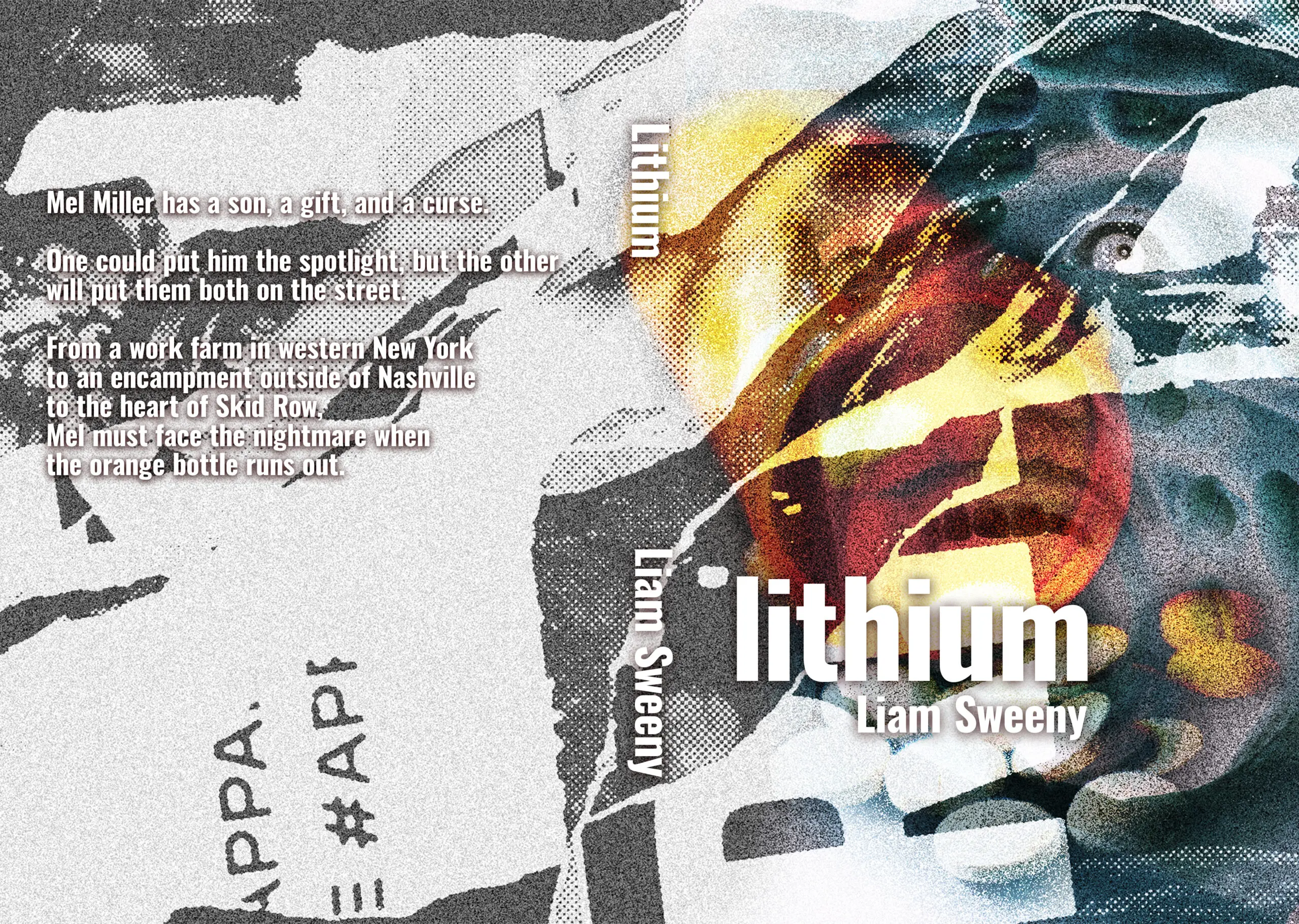
Lithium

Lithium, Chptr. 22 – Xperience Fiction – by Liam Sweeny.

Mel found himself in a small room connected to a corridor, both haunted by the wayward energy of the mad and delusional. The walls glistened with whitewash, but Mel knew what lay beneath that thin coat was the lives and work of prophets and shaman, cloaked in paperwork and diagnoses to hide truths that could bring the happy-go-lucky world to its knees. And now he was one of them. It was his turn to make his mark, to add a layer to the walls that would be so potent, so profound that they would have to call the cleaners to cancel his thought.

A bulbous, heavy woman read a magazine behind Plexiglas, three sets of concentric holes separating her from him, and he knew that nothing of value would get through those holes. Mel stood there in front of the window and felt the surge of flame from his soul glow orange to blue, sparks of white and red kicked up by his tempest. He launched it at her as if but for the briefest moment he could enlighten her heart and align it to his own.

She turned the page and blew a pink bubble without an upward glance. He stilled his mind, putting his focus between his eyes and formed a baby cosmos and watched it grow, galaxies passing between neurons, iron-rich, earth-killing asteroids coursing through arteries and leaving craters in capillaries. He fashioned a black hole in his stomach and swallowed interstellar gas. When it was done and he saw that it was good, he opened his mouth and let out a cry that spoke of all the life in his cosmos, one word.

“Hey.”

The woman behind the Plexiglas tore her eyes from the paper and rolled them. Another bubble. Another pop.

“You need something?”

“I need my son. I need my wife,” he said. “I need my brush.”

“Sir, the people who dropped you off can’t come in here. Only patients can come in here. And I have no idea where your brush is, but if I did, I couldn’t give it to you nohow.”

“With my brush, I could open up the walls. Anywhere you want to go, you can step out of your glass and walk there. A mountain. Paris. Third planet of the seventh sun in the Andromeda galaxy – anywhere.”

“Sir, I know this will be hard for you, but please sit down. The doctor will see you soon enough. Just watch TV or read a magazine.”

Mel grabbed a seat and tried to sit still, but he didn’t have it in him. What he did have was octane that he needed to burn off. He decided to walk the corridor down and back, his eyes on the Plexiglas, his mind on his jailer. Her eyes were back on her magazine. He wondered from what stock she came that she could see the bounty and mind magic that permeated the structure and have it all pass her by, she none the wiser. Who could sleep to a stereo at full crank playing experimental jazz? She could.

Mel’s mouth was dry, but he couldn’t ask for water. Water was control. Water was an admission of frailty. He had barely eaten in days, and had drunk from faucets outside, and then only ravenous gulps. His eyes burned. If he did get water, he might very well splash it in his eyes to extinguish them. It was control that they didn’t put a water fountain in the corridor. The soda machine was a diamond dealer to a pauper.

Mel ended his pacing where it began.

“Can I have water?”

She pointed to the corridor. “There’s a soda machine right there.”

“Is it free?”

“Nope.”

Mel turned his pockets inside out and realized that, in that room, for the first time, he hadn’t a cent to his name.

“Hold on, give me a minute. I’ll get you some water.”

Mel went back to the corridor, wishing he had a watch, or that there was a clock on the wall, the absence of which was even more control. Mel walked and ruminated on the fact that the room he was in was designed to make anyone on his side of the glass helpless. Unless, of course, they had money to grease the soda machine.

Mel guessed a minute and went back to the Plexiglas. She looked up at him.

“It’s been a minute. I gave you one. Will you give me water?”

“It’s going to be a minute.”

“It’s been a minute.”

She got up from her chair and set the magazine down. “If I get you water, will you be quiet?”

“Are there conditions for water?” Mel said. “What are the conditions for bread?”

“I don’t have to get you water, you know.”

“I don’t need a brush to beautify the walls.”

“I don’t respond very well to threats,” she said.

Mel placed his hands on the counter. “You don’t respond very well to anything.”

She sat back down and picked up her magazine. “It’s going to be a minute.”

Mel continued to pace the corridor, trying each of the three doors it contained. They were all locked, but he tried them each time he walked by them. If she wanted to treat him like he didn’t exist, he’d become a poltergeist. He’d try doors and tear apart the magazines and turn the TV to a static channel. And he started to, but as he was halfway through his haunt, a tall, thick man with plastic, clear-frame glasses and a stethoscope around his neck called out, “Melville Miller?”

Mel walked up to him like he was Jesus in a lab coat.

“Come on in, we’ll talk,” he said.

Mel walked into an examination room with a paper-lined clinic bed with four cuffs, top and bottom on each side. Mel knew they were restraints.

“I’m Doctor Weiss,” he said as he shut the door. “Let’s find out what’s going on with you today, get you feeling better.”

“Can I ask you a question?” Mel said.

“Sure.”

Mel hopped on the bed, pressed his palms into the paper.

“Can I get some water?”


***


The man staring back in the bathroom mirror was unrecognizable. Mel knew it was him, knew it on the same level that he knew it was early in the morning and that there was a hallway beyond the bedroom door. But he couldn’t recognize himself. He was above, below and beyond himself. The figure in the mirror was only the center point, an anchor around which his many forms orbited. He struggled to pull those forms together, which needed to happen for him to move.

There was a shit in the toilet that he couldn’t flush. It wasn’t too big, but he knew if he flushed it, it would go down the pipes and into the sewer, and eventually into the nearest river, where it would pollute that body and unleash a plague upon the people of L.A, He couldn’t do that, couldn’t be the bringer of death and pain to the people of Skid Row who always lived among death and pain.

It was five a.m.; Mel knew it in his bones. But he was groggy still from the boop last night. That’s what they called it in Albany the last time he was in the hospital and got one. The shot that makes the energy melt away. Last night they forced him to sit in a chair in front of the nurse’s station when he was first brought upstairs. They dispossessed him of his shoelaces and his belt, cuffed his arm and checked his heart every fifteen minutes. He knew it was fifteen minutes, because this world ran on fifteen minutes. Then the boop.

He woke up groggy, but the fire still burned in him. He had to keep moving. He had to keep dodging the void. And if he walked enough, if he paced enough, he could earn Andy’s freedom. He could earn Hope’s release. The void would give him what he wanted; it was the rules of creation.

Mel held it together enough to leave the bathroom for the bedroom. A lump in the bed next to him told him he had a cellmate. His cellmate came with a tribute; the dresser was piled high with clothes. Red clothes. Brilliant red clothes. Mel thanked him and said a blessing for him on behalf of the dimension he presided over right then. The void wouldn’t get his cellmate, and this would be a start of his prep to get his life back. Then he started trying on the shirts, marveling at each one, admiring the fit. His cellmate had to know he appreciated the gift.

“What the hell are you doing in my clothes, man?” He said with sleep and anger in his voice.

“I’m trying on your gifts,” Mel said. “I love them.”

“They’re my clothes. They’re not your gifts. Get ‘em off before I beat your ass.”

Mel took the shirt he had on off, folding it carefully to appease the gods displeased at his transgression.

“But I made you a blessing,” Mel said. “I’ll have to take it back now, and I haven’t had to do that yet.”

“Just shut the fuck up,” his cellmate said. “It’s too early.”

“Five o’clock is the best time,” Mel said. “Everything starts anew. No matter what you do the night before, once five o’clock rolls around, you get a fresh start, and the wall you painted on the day before gets whitewashed. You really need to try this morning with me. I can teach you so many things.”

His cellmate threw the blankets and got up, letting out a grunt as he opened the door and went for the hall. The light poured in, the light that was never extinguished, the light that had shone on madness and epiphany over the years and brought the tortured to reason. It burned Mel’s eyes that had only hours before felt heavy lids and REM.

A beautiful young woman came in, curly, flowing blond hair and black wireframe glasses. Large eyes, light in color, though he couldn’t make the color out in the shadow of the doorway.

“Mel, Bill said he’s unable to sleep. Are you having trouble sleeping? Do you need something?”

“I need breakfast,” Mel said. “I haven’t eaten in days.” Mel felt odd saying it, but it was mostly true. Soup was drink, not food.

“Breakfast isn’t until seven o’clock. Can you wait until then?”

“Can y’all talk about this outside the room? I’m tired.” Bill said as he found his bed, got in, and threw the blanket over him.

“How about we go out to the nurse’s station and talk.”

Mel followed her out into the hallway. Her nametag said Amanda. Mel tried to figure out the origin of the word Amanda so that he could talk to her spirit, but he couldn’t because he was, despite his inner flame, exhausted. The boop was no joke.

The nurse’s station was a chest-high version of the Pentagon with a side removed. It was that in look and in function, as the nurses were constantly in battle with the void and its sister, the chaos, which Mel had under control with sigils he’d long ago tattooed in his arm. There was no tattoo to subdue the void, for it was too vast. The only thing more plentiful than nurses and sphygmomanometers and stethoscopes was paperwork. Paperwork was the real war, and even at that hour, three nurses were engaged in combat.

Amanda held up his chart. “So you got a shot of haloperidol last night,” she said. “My, that should’ve kept you out till this afternoon.”

“I am tired, but I have things to do.”

“Okay, what things?”

“I have to save my son and my love,” Mel said. “I need to walk to do it.”

“You need to get better before you can do anything,” Amanda said. “Based on what I see, you go back out there now, you’ll just end up back here… if you’re lucky. Worse could happen.”

Amanda let him walk with her as she checked on the other rooms. She told him what the general schedule was and asked him about Andy and Hope. Mel tried to tell her, but he knew he wasn’t saying what he meant. She listened to him, though.

After rounds, she took him to the dining room and gave him a turkey sandwich that the staff had stashed away in a minifridge behind the counter.

“We give these to people who are hungry and really need something,” she said. “There’s pints of milk in the dining room fridge. We can’t give you sandwiches all the time, and you have to promise me that if you have this, you’ll go back in your room until seven, and you won’t talk to Bill or try on his clothes, okay?”

Mel tore into his sandwich. “Not talking is hard.”

“Try,” she said. “And the first step to getting better is admitting you have a problem, even a small one.”


***


There was something in the morning meds. In fact, there were many things in the morning meds, and Mel had no idea what any of them were. Amanda told him most of it was the meds he was taking before he went off, with a few extras. So it was in one of the extras that his wiring seized.

He was fine until lunch when he started to drift as he contemplated his mashed potatoes. He wanted to examine their molecular nature, and no sooner had he thought that than his head was heavy, and he nearly gave himself a gravy baptism. He woke up and turned his attention to the television, on which a meteorologist discussed a return of the spring temperatures. Mel tried to compare the average high in L.A. to what it might be in Albany, and he nearly passed out again.

As he got up and walked around, his attention was drawn to the paintings on the wall, and as his mind began to take off, it was grounded. He was filled with rage. He was scared. He asked the nurse on duty, not Amanda, what was shutting him down.

“You’re starting on so many meds right now,” she said. “It could be any of them.”

“I’ve been on the other meds before.” Mel wanted to say more, but his head felt heavy, and he didn’t want to hit the ground.

“Yes, but you’re starting them again,” she said. “When was the last time you started them?”

Mel thought about it and his mind spun out.

“I don’t know,” he said. “I can’t think.”

“Don’t worry, you’ll get used to it. It’ll just take time.” She checked his chart. “You have a meeting with Doctor Sellers at two o’clock, in a couple hours. He’s the psychiatrist. He can tell you more about your meds.”

“Okay.” Mel walked away, wanting to say more than “Okay,” but not being able to.

He spent his time walking up and down the corridors. They branched at right angles from the nurse’s station and were about a hundred yards long. Mel was guessing that, and it was draining to guess.

He went everywhere he was authorized to go, even taking a shower because he could, and because he hadn’t taken one since he dipped in the pond with Hope in Nashville. It was cold, and the pressure could’ve cleaned graffiti off concrete. When he was done, the clock above the nurse’s station read one forty-six.

There was a man waiting near Dr. Sellers’s door as Mel set upon the spot to wait himself. To call him a man was being generous; he likely had just graduated high school. He had a new growth mustache and jet-black hair, clean cut except for a long, braided tail jutting out from the bottom.

“What’s up, dude?” He said. “I’m Bill, but everyone calls me Critter.”

“My roommate’s name is Bill.”

“Then just call me Critter, Crit, whatever. Both work.”

Mel wanted to talk to him, tried to let him know of the void and the interdimensional portals painted over in every wall of the hospital, but every thought came at the cost of exhaustion.

“You going to see the doctor?” Mel finally spit out.

“Yeah. He’s a prick,” Critter said. “He’s not at all 420 friendly. I mean, I ain’t askin’ for any, but you even mention weed, or that you ever did it, automatically you’re a junkie. He’s even against coffee. Fucker brings a twenty-ounce cup in, says it’s decaf. The fuck it is. No one needs twenty ounces of decaf.”

“No they don’t.” Mel said, taking a deep breath to pass the wave as thoughts bubbled up.

“You came in last night, huh?” Critter said. Mel nodded.

“They gave you the Poke, didn’t they? The shot?”

“Yeah,” Mel said. “The Boop.”

“Never heard of the Boop. I can tell you ain’t from here. Gotta be New York.”

“Albany.”

“I spent time in Brooklyn.” The door opened and a very tidy, almost neurotically tidy man with a combover stepped in the doorway.

“Come on in, Bill,” he said. “And you,” he motioned to Mel. “Just go in the day room. We don’t want people hanging around this door. For safety.”

Mel walked into the day room thinking Critter was right. Fortunately, the room was empty. Mel found out that they were required to go to groups that occurred throughout the day. He didn’t have to because he was new. Or because he was, until that med kicked in, disruptive.

Mel fell asleep at a table and awoke to Dr. Sellers patting him on the shoulder. Mel followed the doc into the office, which was as tidy as he was. It was also bare of any decoration. Sellers started by asking the standard battery of questions. Did Mel feel like harming himself? Did he feel like harming others? Was he hearing voices? Mel could honestly answer no to all. Then he opened with, “So how do you feel today?”

“Can’t talk,” Mel said. “Can’t think.”

“According to the intake notes, you came in manic with delusions. Full psychotic break. We were able to get your records from Albany, and we are starting you on the same meds you were taking. Why did you stop taking them?”

“Couldn’t afford them.”

“Are you on Medicaid?”

“Yes-, but no,” he said. “Had a job before.”

“And you were on their insurance?”

“No, quit. Months ago.” Mel started to drift.

“Mel, I need you to pay attention,” Sellers said.

Mel got angry, frustration like a friction against his gears. “You did this… to me.”

“I’d say you did this to yourself.” Doctor Sellers flipped a page on his clipboard. “You’ve had bipolar for a long time, according to your records. And you had a manic episode in… 2006. And you went so long. So you stopped your meds and it came back.

“What are the odds that you take the steps to keep on your meds once you leave here?”

“I don’t know,” Mel said. “Homeless.”

“Yeah, that’s on here too. Do you have anyone at all that looks after you?”

Mel wanted to tell him that it was he that looked after his son, and Hope needed no one to take care of her. But they weren’t there and the thought of them threatened to drive him to dream right there in the chair.

“No,” he said.

“In that case,” Doctor Sellers said. “All we can do is patch and pray.”


More from Liam Sweeny…



Queen of Sol (Norway) – Interview – Thanks for Asking!

0
Queen of Sol

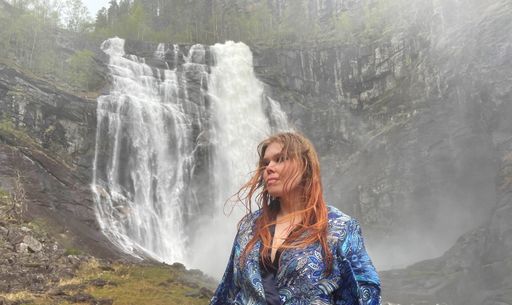
Queen of Sol (Norway) – Interview – Thanks for Asking! – by Liam Sweeny.

RRX: What do you think is the most poorly understood thing about music, or the music you play?

QoS: Ever since I started recording my music and releasing it to the world, I have heard from acquaintances and some people in the promotion business that my music is too sad, melancholic or dark for today’s world. That people wish to hear lighthearted music. I do not agree. What a better time than now to share deep songs, seeing the world in shambles and experiencing traumatic situations. I am not about to close my ears and eyes to suffering. I wish to see the pain and go on a musical odyssey that will take me closer to truth and higher consciousness.

To truly focus on your music and go all in requires a lot of work. After COVID a lot of people started making music because they had a lot of spare time, so now when society is up and running normally again, the competition is fierce, it is near impossible to break through the noise. It demands courage and grit to make it, to endure all the disappointments and the rejections, to keep moving and learning.

RRX: With the exception of singing, everyone has an instrument, an inanimate object that has the distinction of being a lifelong friend. Smooth or temperamental, these objects have a character. So pick someone to answer, can you tell us something special about what you play, your technique, your instrument?

QoS: When I was 15, I got money for my confirmation, a tradition where I grew up. I wanted to use this money to buy my first guitar. I went to 4Sound in Bergen and tried different acoustic electric guitars. I got to try several guitars in a private room, getting a sense of the sound. When I heard the sound coming from the last guitar, my heart was set, it resonated with me, the sound was deep, round and warm. There was none alike. I was told by the salesman that this Martin guitar was 1 in 14 custom made guitars imported from the US, so knowing that this was one of a kind just made it even more set in stone. This unique Martin was the one for me. A bond was made, and everywhere I have been it has been with me, still looking beautiful and sounding amazing.

RRX: What was the very first reaction to your music, from the first person to ever hear so much as a practice jam or the demo of your first song?

QoS: My very first public concert happened in a bar in Bergen, called Apollon Platebar, one of the guests told me after I had played through my debut EP “The Heart Has Many Rooms”, that my music was like a movie, that my songs were rich with stories, beautifully vulnerable and that my deep soulful voice gripped her heart. I was very grateful that she had this point of view and what she said has really stuck with me.

RRX: In the musical world, there are many supporting players. Recording engineers, sound techs, cover art designers. Who are three people that support the craft that you would like to shine a spotlight on?

QoS: I am so lucky to have my life partner Dan. We work together on creating visuals for my music and down to the creative & technical mixing of a song. I couldn’t have done this without him. He dreams with me all the way.

RRX: We let it out differently when we play music. The happy, sad, good and back; it can all be put out musically. Overall, do you feel better when you sing about the better times, or the worser times? Is there a difference you can describe

QoS: My music is all about vulnerability and truth, I treasure going deeper into the fabric of being human. I breathe through my music, this is how I vent, so most of my songs reflect something dark and melancholic. Meaningful changes can come from exploring the depths of your soul. I have a desire to help others see their gold hidden within darkness.

RRX: Let’s talk about your next project, your next few. Just not the ones you’re working on now. The ones you have your eyes on for the future. What’s coming to us?

QoS: “Am I Dreaming?” is the focus track on my upcoming EP “Ghosts That Never Dim”. This EP collects sorrow, nostalgia and pain through three songs that delve into separate stories from my life. Some memories we carry with us are good, other memories leave a destructive mark – both the good and the bad stay with us, because all traces matter. Each room is the keeper of something meaningful and one day it may become valuable.

My next song “Neverending” releases 28 February. This is a romantic song reflecting what it’s like to be in the dark, when you’re on your knees crying out into the cold. We need to know that we’re not alone, and experience love & healing during our life. When darkness descends, ‘’Neverending’’ comes to life.

Even further into the future I have an EP planned, called “In Between The Fights You Have In This Life”. If everything goes right, the release will start in September and end in January 2026.

This EP reflects on the power we have to make the change in our lives that can give transformation and prosperity. It is time to let new life arise; Why do you keep fighting? How do you rise up again after you’ve lost? In you dwells the fight to keep moving and learning. There are many things we can do in between the fights we have in this life, to let our consciousness expand, so that our life force may grow.

One day I’d like to release an album, I have written all the songs for my debut album, but I have to wait for the right time. I look forward to discovering my future.


https://music.apple.com/us/artist/queen-of-sol/1564974879


More from Liam Sweeny…
2025 New Scotland Spirits LISTEN UP AWARDS: NOMINEES ANNOUNCED/VOTING BEGINS!

0
Our list of nominees have been revealed! Here is the official list of nominees for the 2025 Listen Up Awards presented by New Scotland Spirits! Voting is now open. Vote below on who you want to win a Listen Up Award. Voting wraps up on February 28th at 11:59 pm. Congrats to all who were nominated! Winners will be revealed on March 23rd at the Listen Up Awards taking place at The Cohoes Music Hall in Cohoes, NY at 3pm. See below for the full list of nominees:
Vote Here:
Favorite Solo(Male):
-Gus Unplugged
-Jason Irwin
-Phil Orsini
-Tom Staudle
Favorite Party Band:
-Ill Funk Ensemble
-Big Empty
-Harmony Rocks
-Out Of Office
Favorite Reggae/World Artist:
-Dr. Jah and the Love Prophets
-IMI
-Mixed Roots
-Maria Z
Favorite Solo(Female):
-Angelina Valente
-Caity Gallagher
-Girl Love
-Shannon Tehya
Favorite Duo: 
-Cosby Gibson and Tom Staudle
-Pogo
-Stretch
-The Tradition
Favorite Country Artist:
-Chris Sanders
-Kristian Montgomery
-Tame The Rooster
-Whiskey Highway
Favorite Cover/Tribute Act:
-Flannel Kings
-Lucid Street
-Off The Record
-Out of Office
Favorite Americana Artist:
-Kristian Montgomery
-Marty Wendell
-Laura Leigh
-The Bluebillies
Favorite Pop Artist:
-Lil Josiey
-Shannon Tehya
-Steve Candlen
-Sydney Worthley
Favorite Rock Band:
-Ginger Geezus
-Grandstand Jockeys
-The Hard Luck Souls
-The William Deuel Band
Favorite Alt/Indie Artist:
-Anacortez
-Like The Astronaut
-Kale
-Seize Atlantis
Favorite Folk/Bluegrass Act:
-The Bluebillies
-Northern Borne
-The Insolent Willies
-Laura Leigh
Favorite Punk/Garage Act:
-Brother T and the Boys
-Feryl Meryl
-Trauma School Dropouts
-VinTri Hill
Favorite Metal/Hardcore Band:
-Cold Kiss
-Kakos
-Out of My Head
-Psychomanteum
Favorite Jam Band:
-Glass Pony
-Hilltop
-Ky McClinton Band
-The Seapods
Favorite Blues Artist:
-Dealt The Blues
-Sonny Speed
-Joe Roy Jackson
-Rich Ertelt
Favorite R&B/Soul/Funk Act:
-Aplo
-Doc Horton
-The E-Block
-Garland Nelson
Favorite Electronica/Experimental Artist:
-Bloodx3
-Harry Pyle
-100 Psychic Dreams
-Laveda
Favorite Performing/Recording DJ:
-Irod
-J.B. Aka. Dirty Moses
-DJ Fearless
-SM Ink
Favorite Hip-Hop Artist:
B. Austin
-Bonus
-Camtron 5000
-Ricky Bandana
Favorite Prog. Rock Artist:
-Capital Zen
-Timbre Coup
-T.V. Doctors
-Sky Furrows
Best Hair and Makeup:
-Cait Tizzone
-Joanna Off The Record
-Mike Trash
-Shannon Tehya
Most Likely To Fall Off Stage:
-Brother T
-MIke Heiser
-Mike Trash
-Norm Fraim
Favorite Club/Small Venue:
-Arsenal City Tavern
-Caffe Lena
-Hangar on the Hudson
-The Grateful Den
Best Dressed: 
-Cait Tizzone
-Tommy Love
-Joanna Off The Record
-Norm Fraim
Best Marketing/Social Media: 
-Lucid Street
-Big Empty
-Shannon Tehya
-Vintri Hill

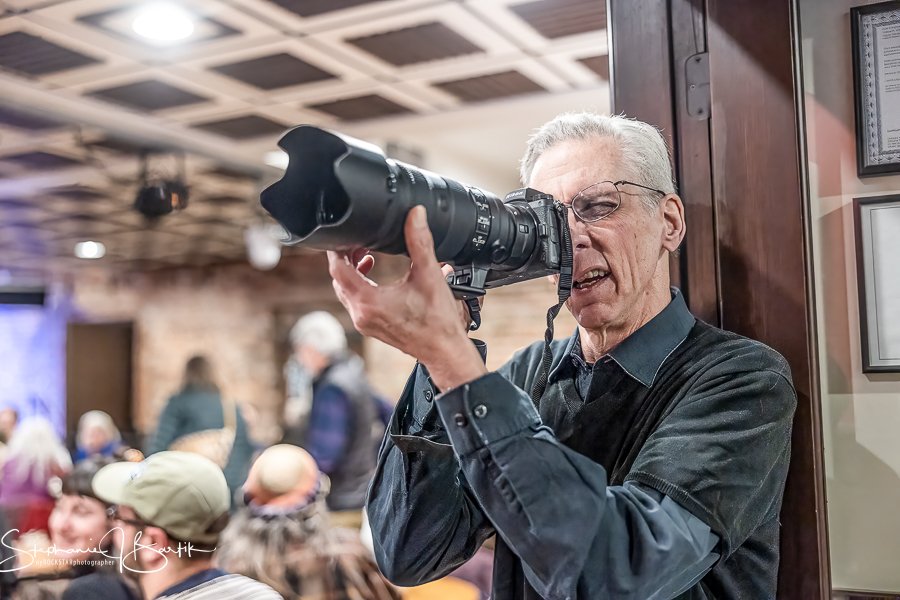
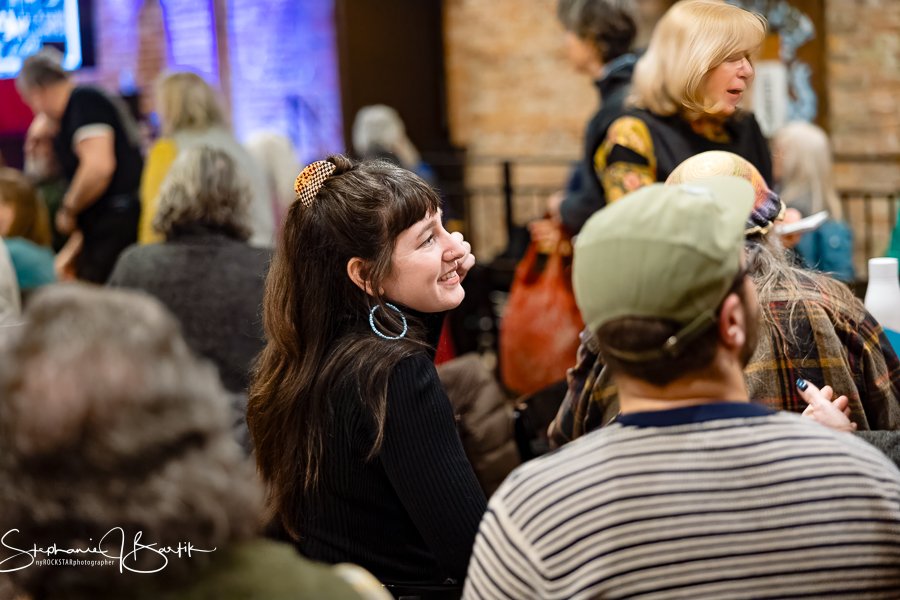
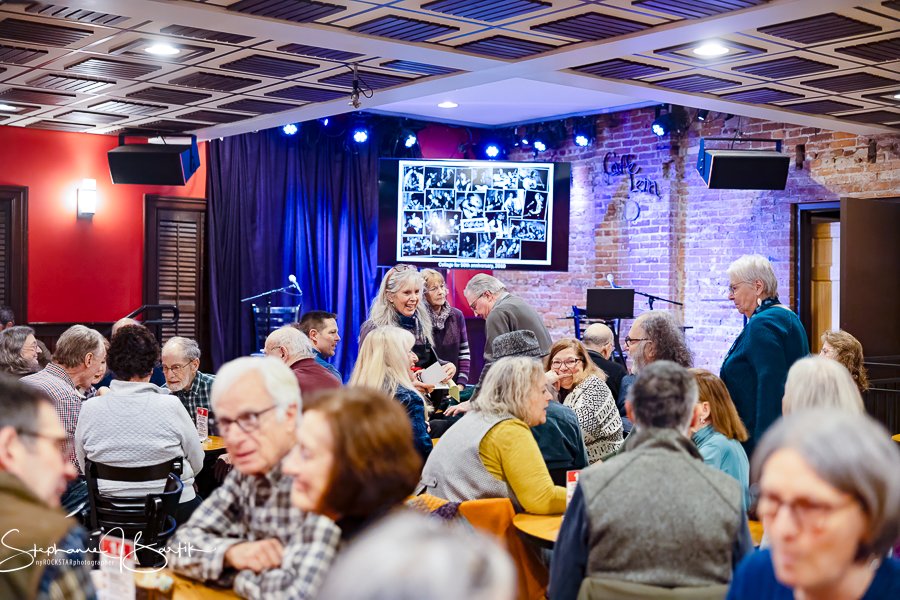
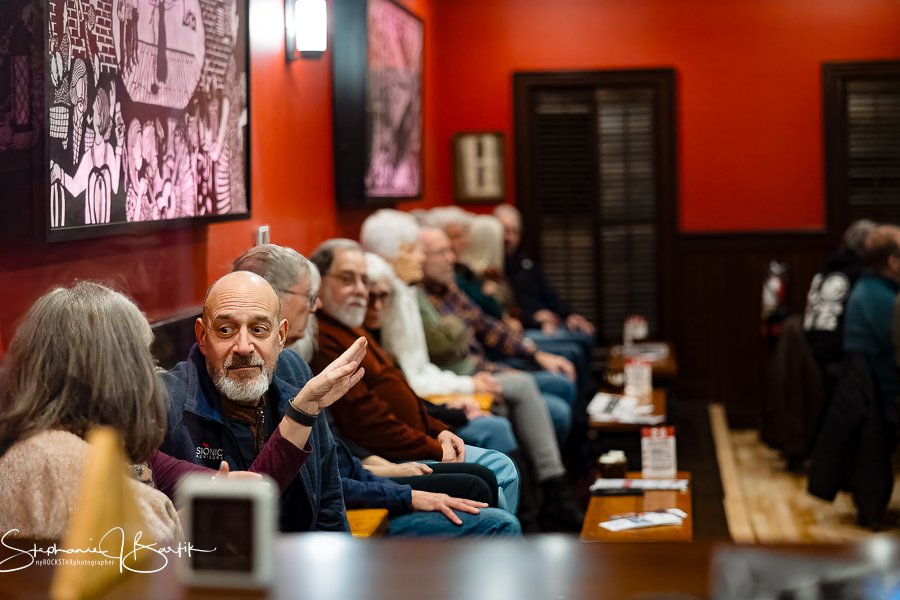
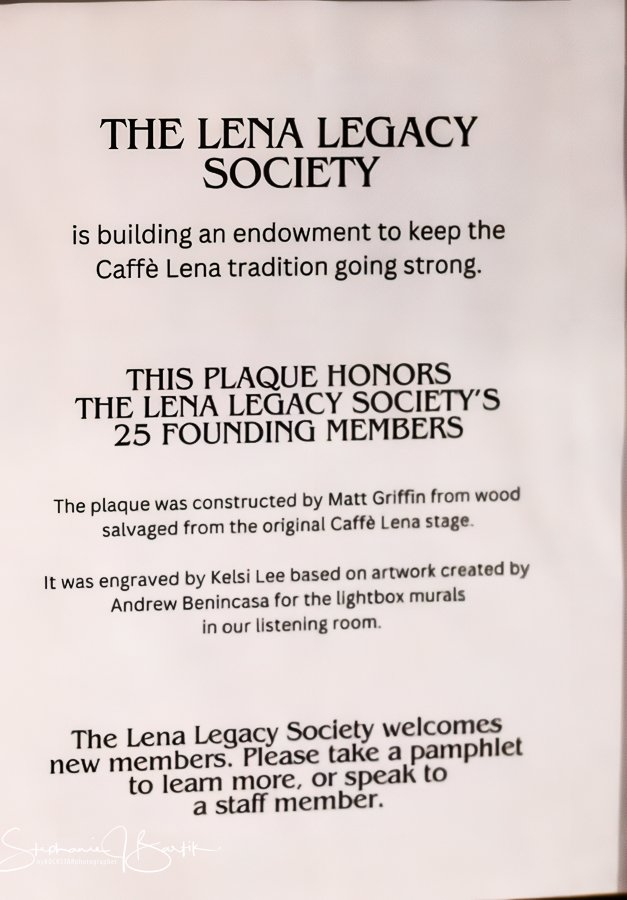
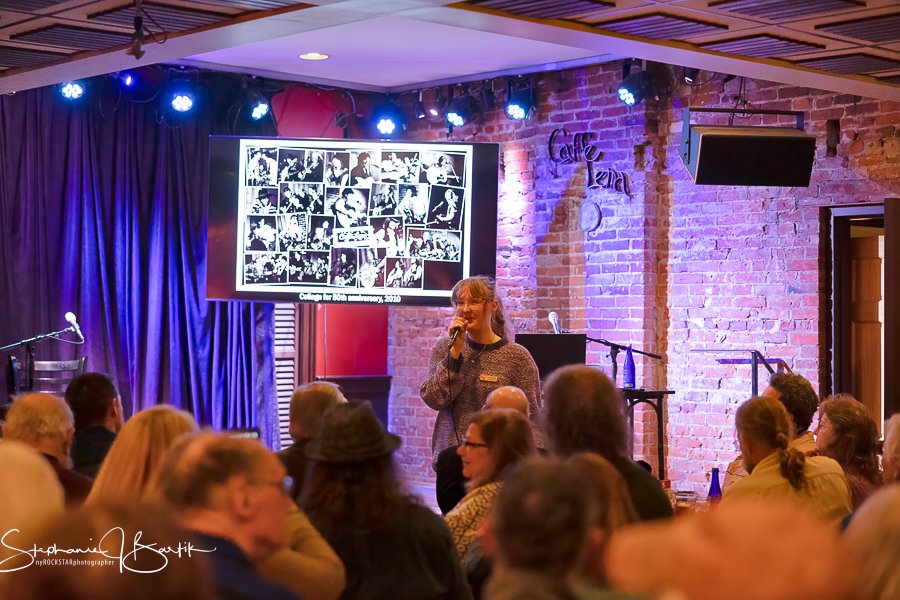
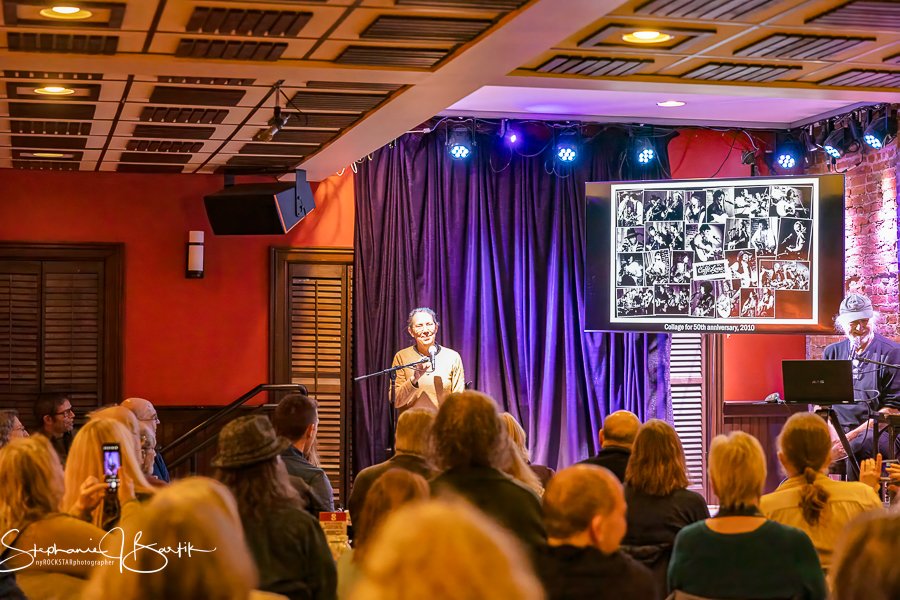
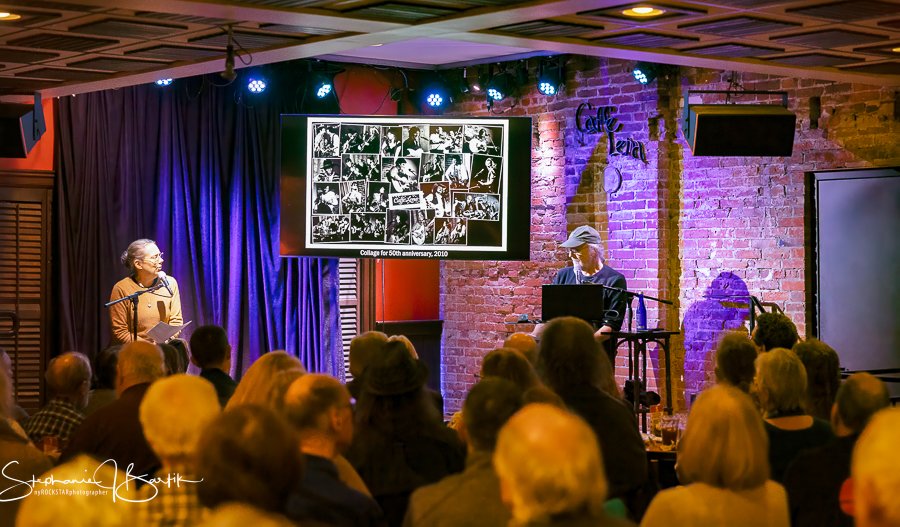
“Five Decades at Caffe Lena: The Joe Deuel Photo Collection”

0

Words and Photography by Stephanie J Bartik.

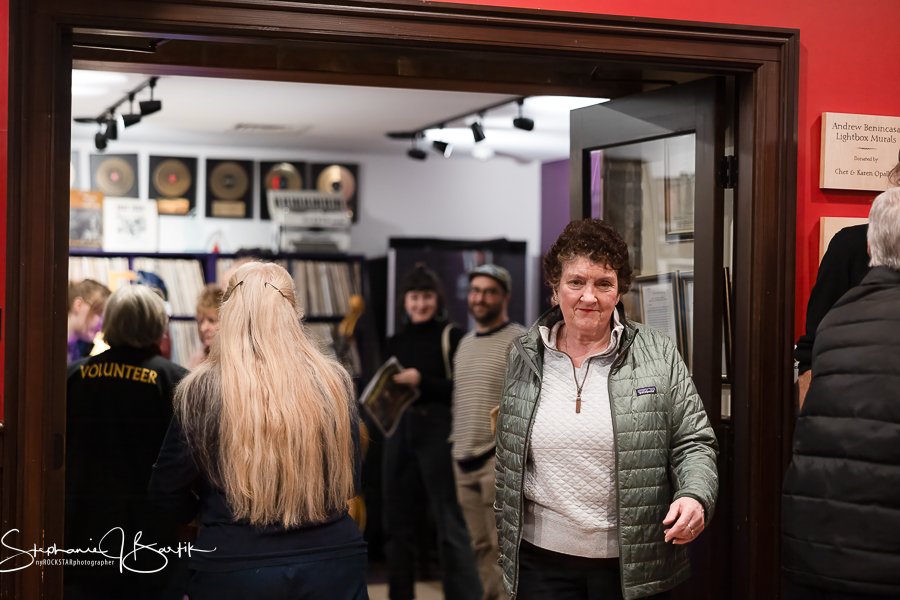
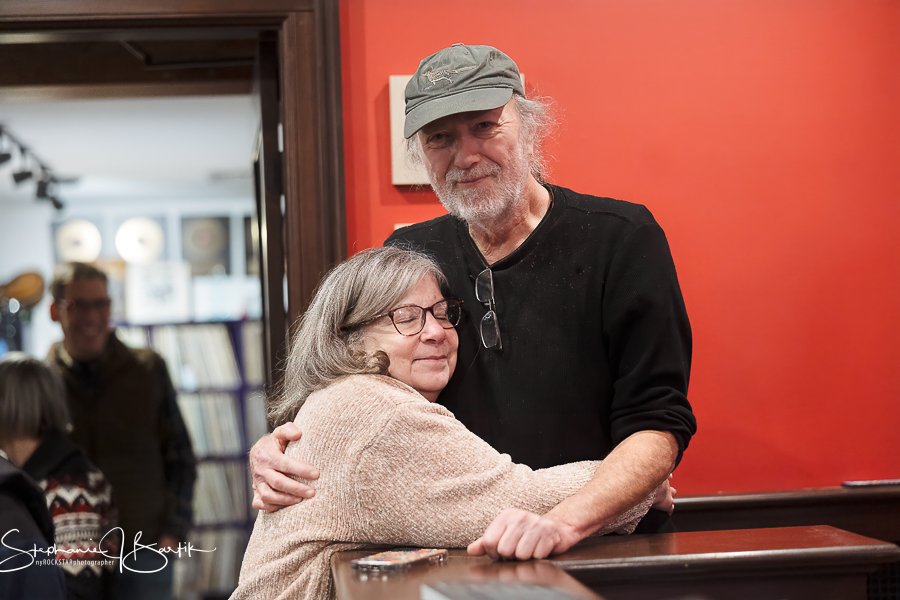
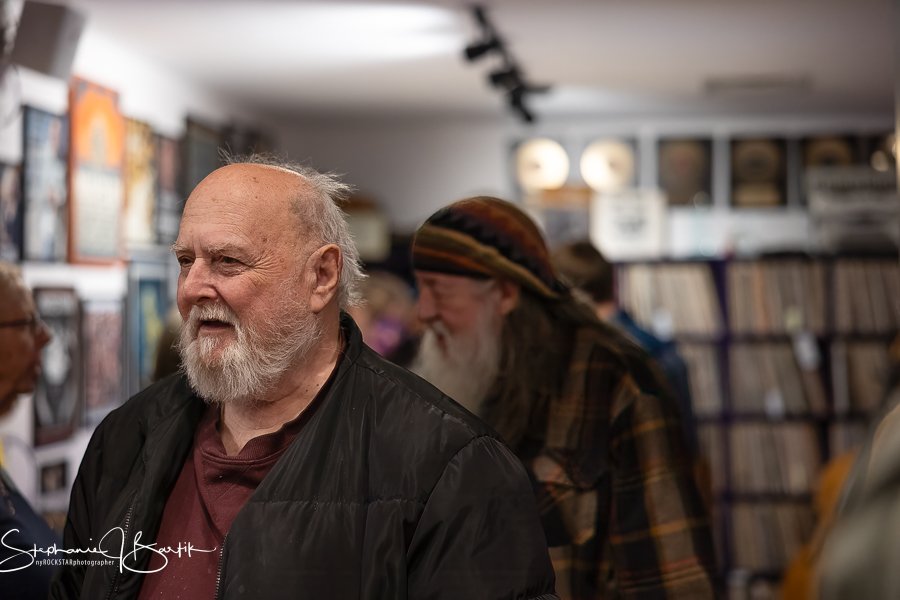
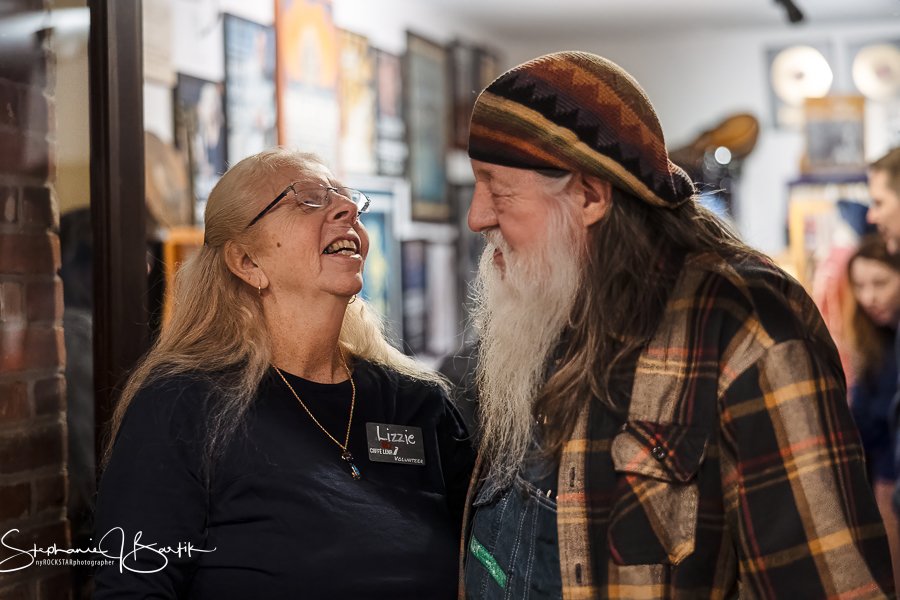
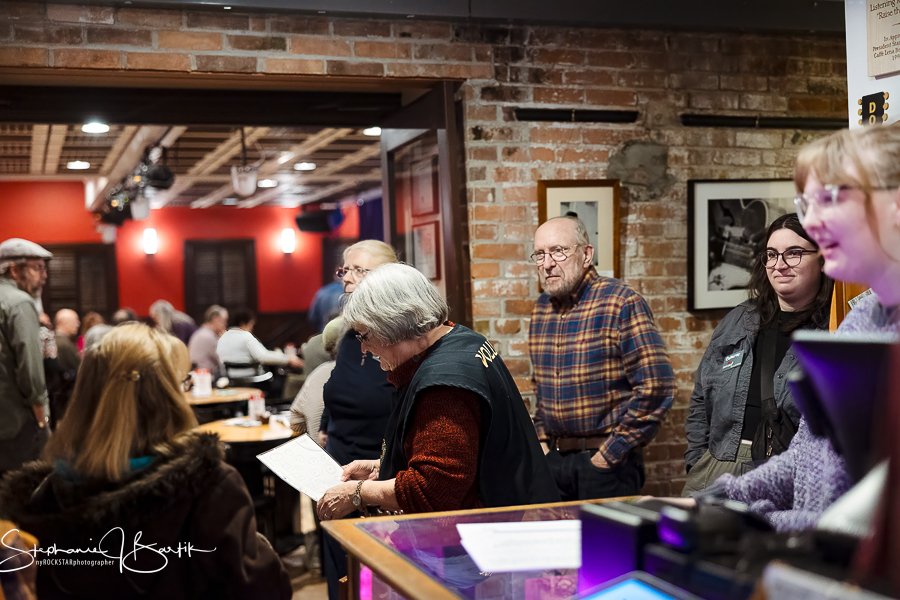
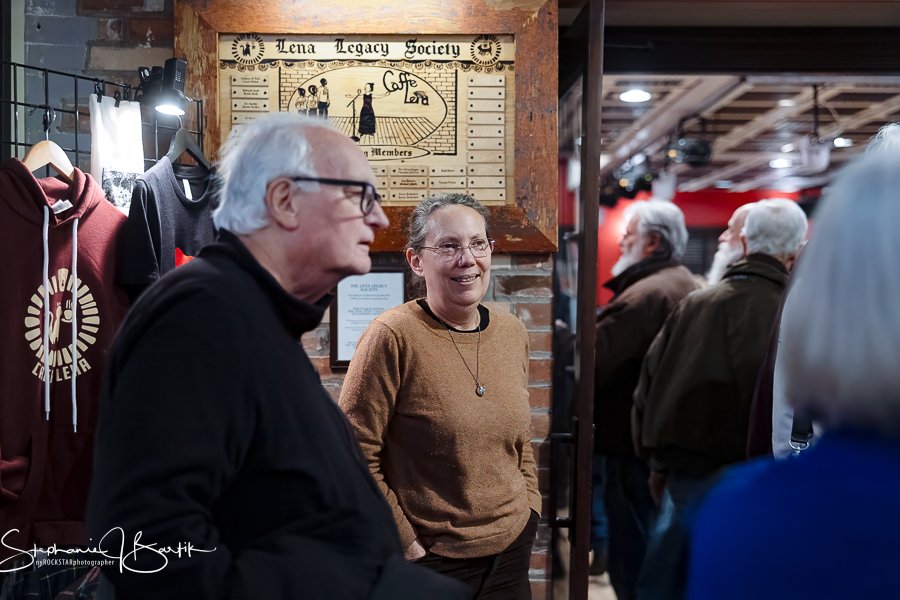
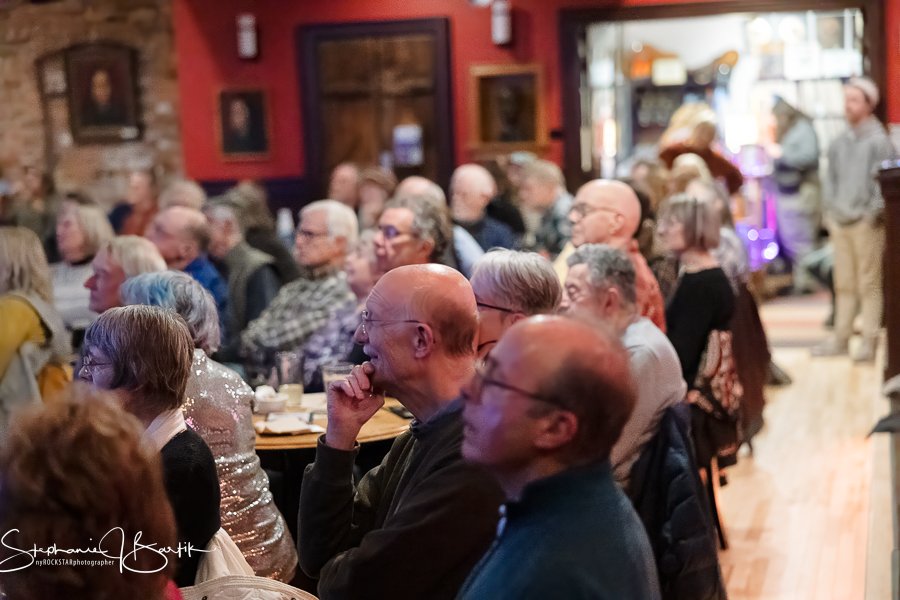
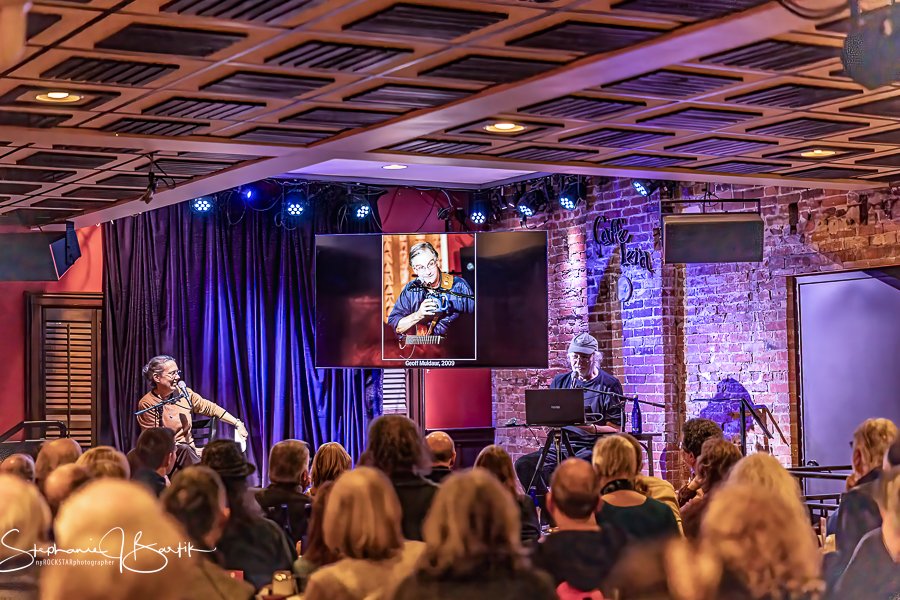
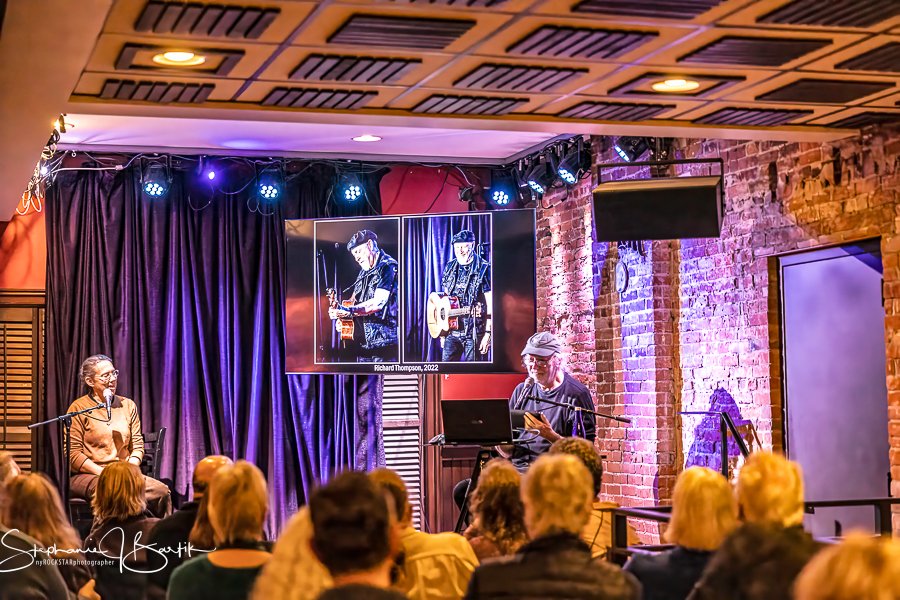
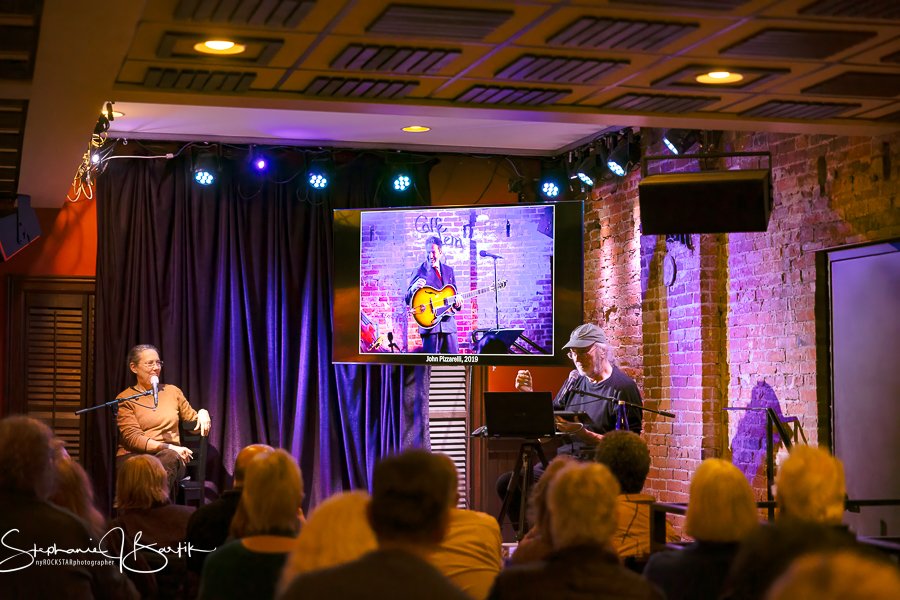
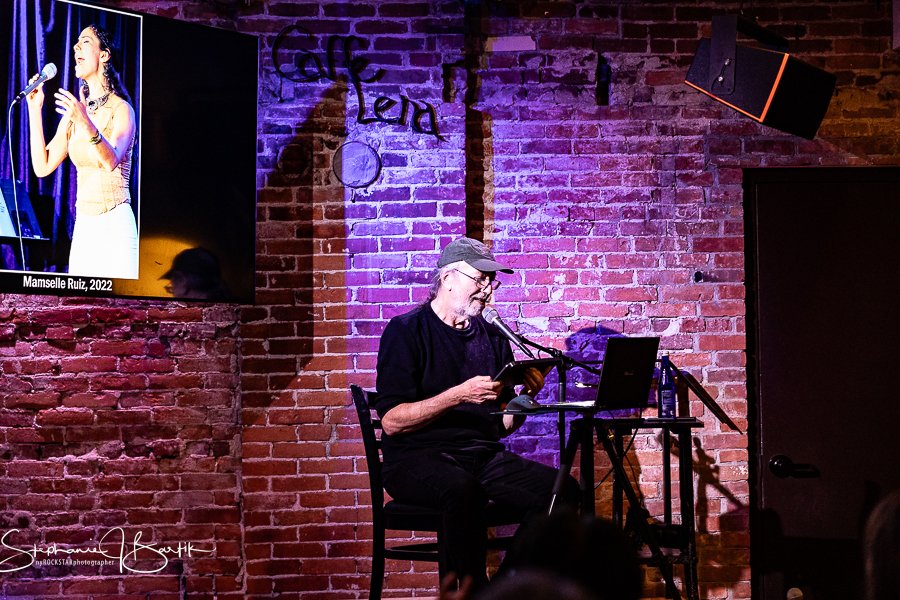
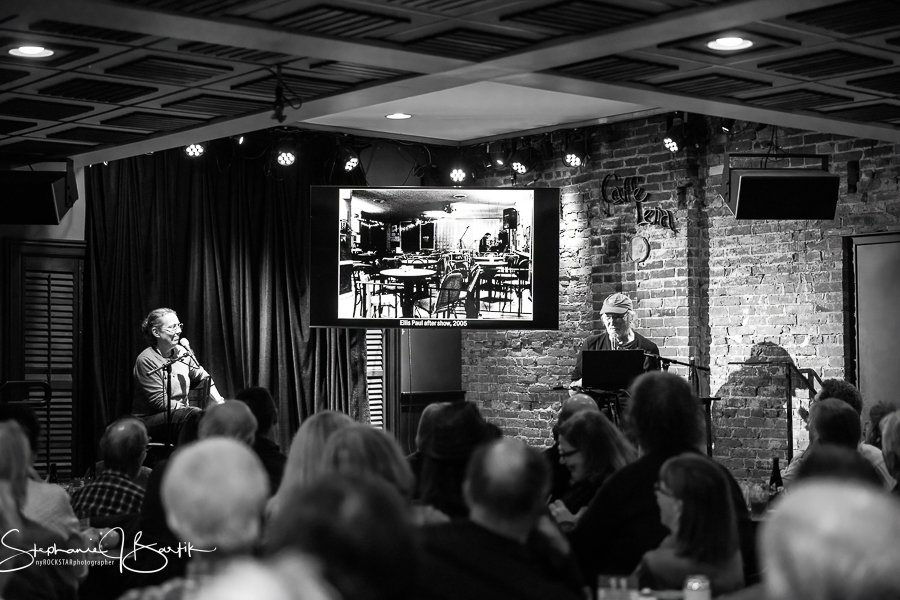
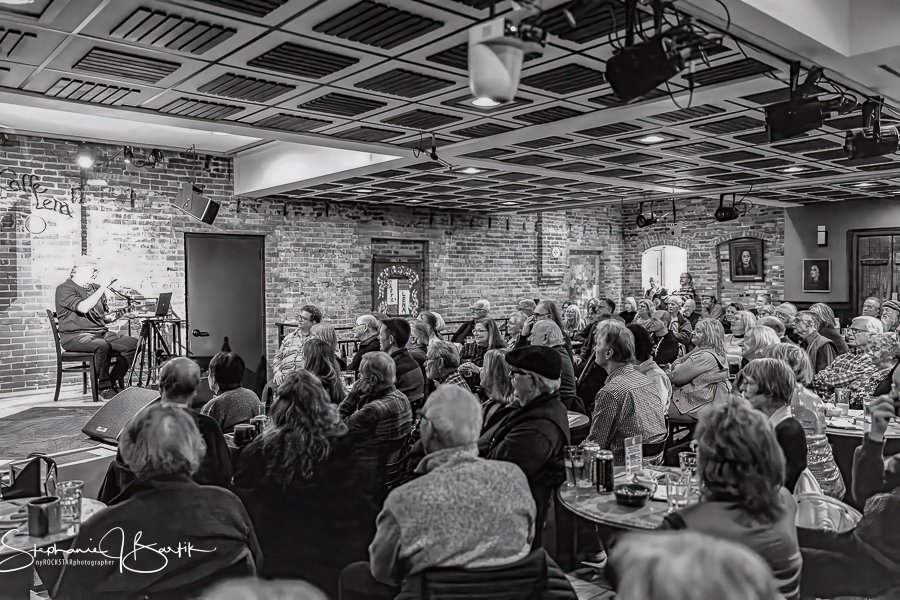
Caffe Lena, the oldest continually operating coffeehouse in the United States, has seen its fair share of history, music, and soul-stirring performances since opening its doors in 1960. Yet few have chronicled its legacy as intimately as Joe Deuel, the quiet yet pivotal figure who has been part of the venue’s heartbeat for over five decades. On January 4, 2025, Caffe Lena celebrated Joe’s extraordinary contributions with a sold-out event titled “Five Decades at Caffe Lena: The Joe Deuel Photo Collection.” The night was a fitting tribute to a man whose work has both documented and elevated the iconic venue.

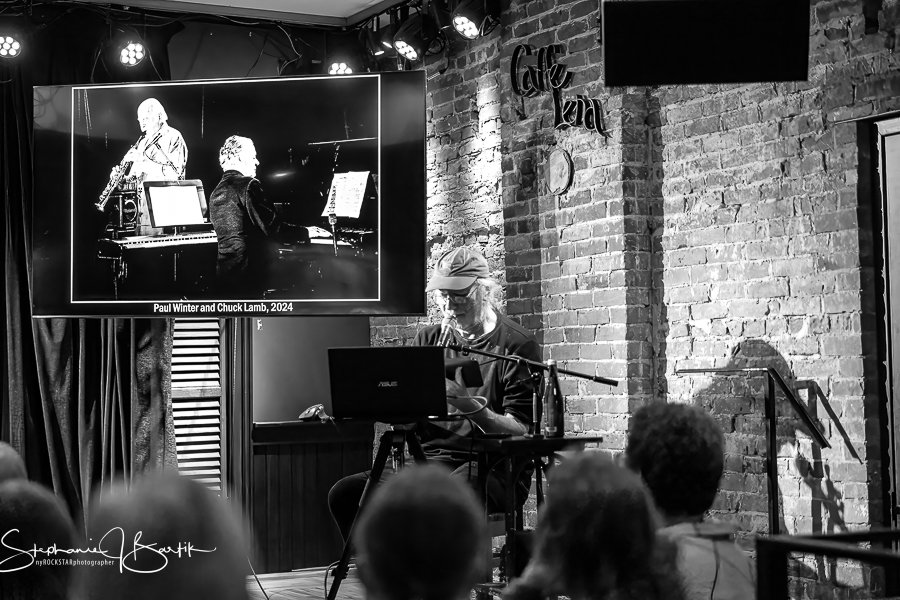
If you’ve ever attended a show at Caffe Lena, you’ve likely witnessed Joe’s magic without realizing it. As the venue’s longtime sound engineer, Joe ensures the impeccable acoustics that make every performance unforgettable. But his talents go far beyond the soundboard. Armed with his camera, Joe has captured countless tender and powerful moments—both on stage and behind the scenes—that havebecome a visual history of this legendary space.

His photography graces much of the 2013 coffee table book “Caffe Lena: Inside America’s Legendary Folk Music Coffeehouse,” a treasure trove of stories and images from the venue’s storied past. But until this event, Joe had rarely spoken publicly about his work. Guided by Executive Director Sarah Craig, who has worked alongside Joe for over 30 years, the evening brought his iconic photographs—and the stories behind them—to life.

As Joe shared his journey, the audience was treated to a retrospective spanning five decades of Caffe Lena’s history. From the grainy charm of black-and-white film to the crisp clarity of digital, his work reveals the emotions, struggles, and triumphs of performers and the unique energy of the coffeehouse. There were images of folk legends like Dave Van Ronk and Rosalie Sorrells, alongside shots of contemporary artists like the Figgs and Chandler Travis.

Joe’s unassuming nature and dry wit made the evening feel personal, much like a Caffe Lena performance. Despite being in the spotlight—a rarity for most photographers—Joe handled the attention with humility and grace, offering one-liners and heartfelt reflections as he walked the audience through decades of memories.

In addition to his work at Caffe Lena, Joe’s photography has appeared in numerous publications, including Eye on Saratoga and Saratoga Living. His images have graced album covers and been showcased in exhibitions like the juried “Albany/Troy Photo Regional” and “A Transitional Interpretation: American Roots Music by Five Photographers” at the Crandall Folklife Center.

For those of us fortunate enough to attend the event, the night was more than a celebration of one man’s work; it was a testament to the enduring spirit of Caffe Lena. As the venue enters its 65th year, Joe’s photos remind us of the timeless connection between artist, audience, and space.

As a fellow photographer, I was honored to capture this special night. Joe and I, like many photographers, tend to work in the shadows, clad in black to avoid attention. But seeing Joe take center stage—and watching the room celebrate his invaluable contributions—was inspiring. His ability to preserve the soul of Caffe Lena through his lens ensures that its legacy will live on for generations.

For those who have walked through the doors of Caffe Lena, Joe Deuel’s work is more than art; it’s a window into the soul of America’s oldest coffeehouse. And for those who have yet to visit, his photographs offer a powerful invitation to experience it firsthand.

More from Stephanie J Bartik …

Genius Afterlife – The Weird Side of the Internet

0
Genius Afterlife

Genius Afterlife – The Weird Side of the Internet – by Liam Sweeny.

If the smartest person on the planet told you what happened when you die, would you believe them? I think it depends, for me. For example, if they told me that a brain study done at the point of death says this or that, sure, I’d believe them. Because that’s basic science; I could’ve looked that up, and they just did. Or maybe they were the one doing the study.

What if they told you they knew what the afterlife was? Remember, smartest person in the world. I think I would believe them if they had a near death experience; they’re smart enough to explain and probably interpret what they experienced.

But what if they told you they knew what the afterlife was, and didn’t have the near death experience? Just on the basis of them being the smartest person in the world? To be clear, we listen to, and believe idiots all day on television and social media. So would we believe the smartest person in the world just on their IQ?

Chris Langan is the smartest person on earth, with an IQ of 190-210. This tops former smartest woman Marilyn Von Savant with an IQ of 205. Now he is self-proclaimed, so Marilyn might still be the top brain. But she’s just floating through the ether not making waves.

Basically, he thinks that the universe is a self-generating computer system of sorts, and when we die we pop into another part of the system. And you probably won’t remember who you are.

This is what Langan, the smartest person in the world thinks. But I, the 21,383,085th smartest person in the world thinks that I can come up with way cooler ideas than this. I think this proclamation is the kick in the ass I needed to let my MENSA membership lapse. That and I don’t have eighty bucks.


More from Liam Sweeny…
The Singin’ Guru – An Xperience Column

0
The Singin' Guru

The Singin’ Guru – An Xperience Column – by Jeff and Crystal Moore.

Dear Singin’ Guru,

I’m busting my hump singing at bars for next to nothing. I absolutely love making my music, but how do I become an artist when it’s so hard to make a living as a musician?

Broke as a Joke


Dear Broke,

Ah, the recurring and often repeated, question: how do you become an artist when the world seems to have the financial equivalent of T-Rex arms when it comes to supporting musicians? Becoming an artist doesn’t necessarily mean quitting your day job nor does it require you to chase a Spotify chart. Here’s the thing: being an artist doesn’t have to equal making a living off your music. Art is about expression, not necessarily profession. But if you’re aiming to do both—create and pay your bills—then let’s unpack what that journey looks like.

The Fame Trap: What They Don’t Tell You

Let’s talk about fame. While it’s tempting to picture yourself headlining Coachella or playing to packed arenas, fame has its own trap. Do you think Jimmy Buffett really wanted to play “Margaritaville” for the 10,000th time? Or that Def Leppard is thrilled to crank out “Rock of Ages” on yet another reunion tour instead of playing something fresh? Probably not.

Rob Halford of Judas Priest could decide to tackle opera, but do you think fans screaming for “Painkiller” would stay quiet for an aria? Doubtful. Fame locks you into what fans expect. As an artist, you’ll need to decide if you want your work to define you—or if you’re okay with being defined by what your fans latch onto.

Here’s seven things you can do to balance art and making a living:

  • Stick to What You Love: Don’t chase trends. If you’re into experimental jazz but TikTok says K-pop is in, stick to jazz. Chasing trends is like trying to catch smoke—it disappears before you can grab it. As jazz legend Miles Davis said, “Do not fear mistakes. There are none.” Create what feels right to you.
  • Master Your Craft: Whether it’s metal, folk, or EDM, you need solid technique. A lot of musicians get stuck at “good enough,” but in competitive fields, mastery is what sets you apart. Yo-Yo Ma once noted, “Passion is one great force that unleashes creativity, because if you’re passionate about something, then you’re more willing to take risks.” Hone your technique so you can take those creative risks.
  • Embrace Creativity in Your Genre: Be unique within the space you love. Listeners may not always notice your technical prowess, but they’ll remember a song that stands out. Push boundaries, but don’t forget to stay true to your core sound.
  • Grow Your Fans Organically: One fan at a time. Be kind, be grateful, and connect. If 10 people are listening to your music, treat them like they’re the most important people in the world—because they are. David Bowie put it beautifully: “Don’t play to the gallery… if you feel safe in the area you’re working in, you’re not working in the right area.” Be authentic, and fans will come.
  • Know That Not Everyone Will Follow You: Switching genres? Some fans will come along; others won’t. That’s okay. You’re evolving as an artist, and your fans are evolving, too. Focus on the ones who stick around and welcome new ones who appreciate your latest journey.
  • Separate Passion from Profession: Ask yourself: is music your calling or career—or both? If it’s a passion, you don’t need to monetize every note. If it’s a profession, get ready for some hustle. The two paths overlap but aren’t the same.
  • Get Business Savvy: Marketing your music isn’t selling out; it’s ensuring that your art reaches ears. The saddest song is the one no one hears. Treat your music career like a small business—learn about branding, distribution, and revenue streams. Remember what Taylor Swift said: “In this industry, you have to adapt or perish.” Marketing and networking are part of the gig.
  • Art, Heart, and the Balancing Act: Yes, becoming an artist is hard work. Balancing your creativity with the realities of the music business can feel overwhelming, but the rewards are worth it. As musicians, we’re here to add light to the world—and let’s be honest, the world could use all the light it can get.

So, here’s my advice: follow your art, listen to your heart, and learn the business ropes as you go. Whether you’re performing at open mics, uploading tracks to SoundCloud, or headlining a show, you’re doing something beautiful: you’re creating music. And the world needs that. Keep going, and don’t forget to enjoy the ride. After all, as the legendary Prince said, “A strong spirit transcends rules.”


Dear Singin’ Guru,

The winters here are so dry, half the time I feel like a shrunken head which really affects my voice. How do I sing through winter dryness, allergies, and illnesses without giving up when I feel this way?

Dried Up in the 518


Dear Dried Up,

Don’t you love winter? The season of dry air, relentless allergies, and those dreaded colds that keep knocking at your door. If you’ve found yourself wondering, “Should I just pack it in and stop singing until spring?” the answer is a resounding NO!

Now, before you go all Elsa and let it go, let me offer some guidance – and just to cover myself: I’m not a doctor, nor do I play one on TV, so always consult your physician before following any advice here. But as a voice coach who’s practically seen it all, I can confidently say that with the right approach, winter doesn’t have to silence your voice. From my perspective, singing through illness isn’t always a bad idea.

Here’s a fun thought experiment: when you injure your leg, do doctors tell you to stay in bed indefinitely? Nope. They patch you up, then send you off to physical therapy where you move that leg as soon as it’s safe. The same logic applies to your voice.

If you’re dealing with a cold or mild respiratory symptoms, gentle vocal exercises can improve your condition. Singing increases oxygen uptake, improves circulation, and helps your vocal apparatus stay limber. However, if you’re experiencing serious symptoms—like pneumonia, a severe cough, or strep throat—sit this one out and consult your doctor.

Lip trills and straw exercises are your best friends when you’re feeling off. They allow you to exercise your vocal folds gently and with less pressure, which helps prevent strain. Search these up on YouTube for demonstrations. Warm up by doing these exercises, too. Research backs this up: semi-occluded vocal tract exercises (like straw phonation) reduce tension and improve vocal fold closure, even for those with vocal fatigue.

Singers must learn to listen to their bodies. If you feel pain, discomfort, or start coughing uncontrollably, stop immediately. But if you notice you’re feeling better after a warm-up, that’s a good sign! Try adding a simple exercise to your routine. Build up gradually, and before you know it, you’ll be back to belting those high notes.

Being hydrated can also help you combat your voice’s mortal enemy of dry, cold air. Keep a humidifier running in your practice space and drink plenty of water throughout the day. Tea and honey are fine if you like them, but water is your vocal cords’ true BFF. And steer clear of alcohol and caffeine, which can dehydrate you further.

If you decide to sit out every time you get the sniffles, you could lose 2–3 weeks of practice, multiple times a year. That adds up! Instead, focus on safe vocal exercises to maintain your strength and technique. Even light practice will keep your voice in shape and shorten your recovery time.


Yours Truly,

The Singin’ Guru


More from Jeff and Crystal Moore…
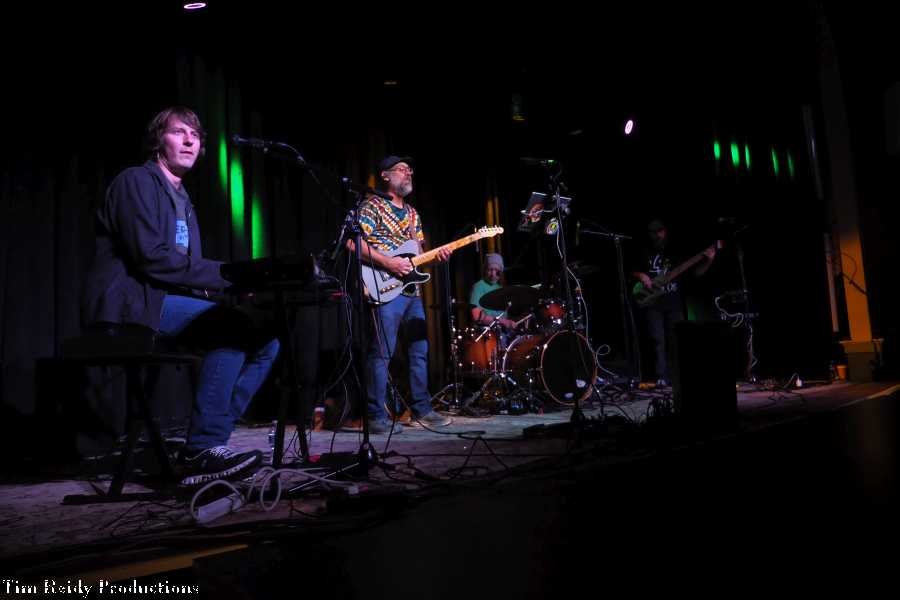
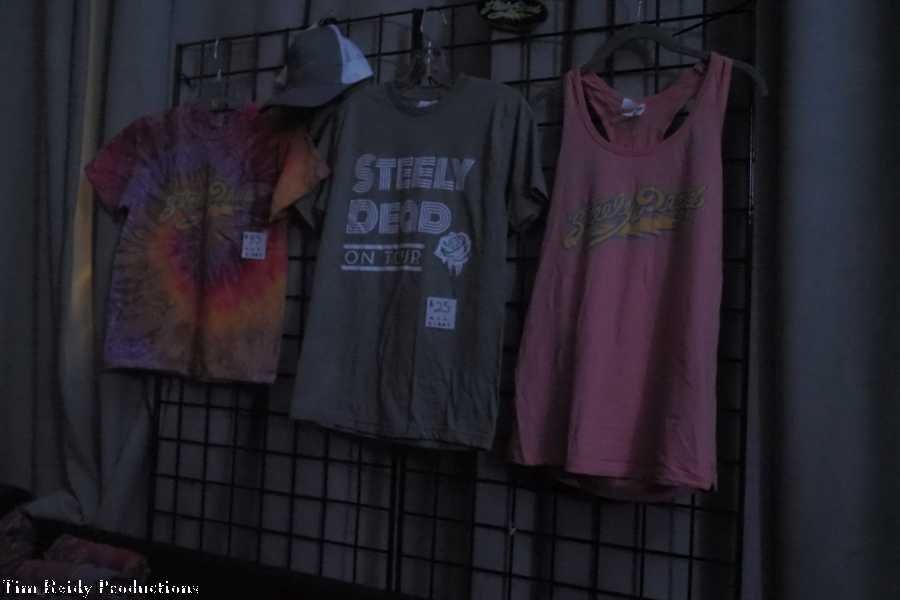
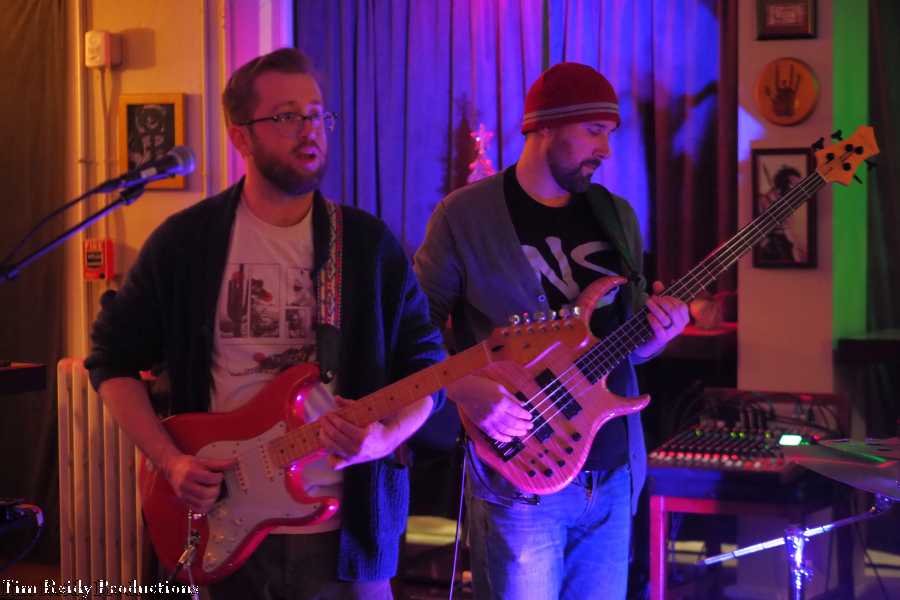
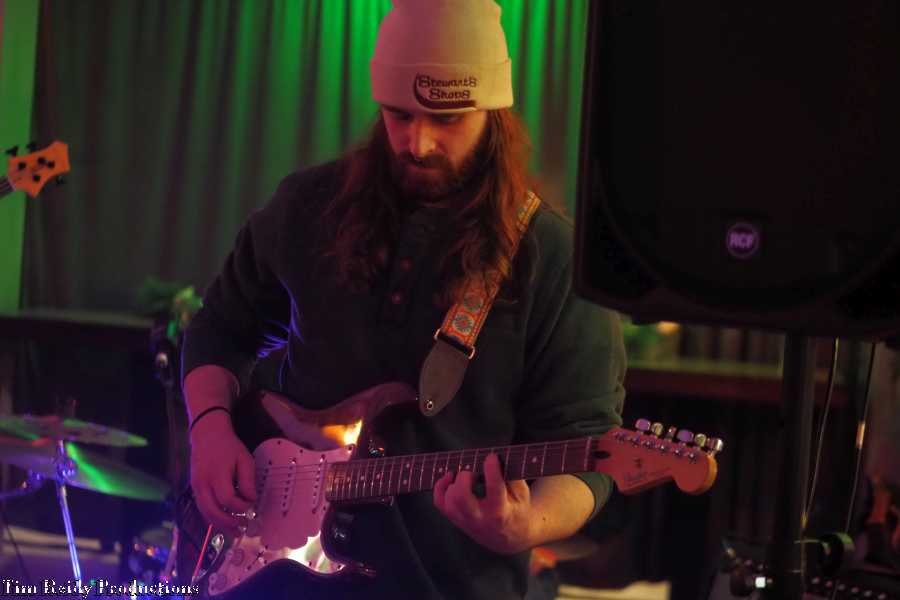
Steely Dead / Alec Lewis Group @ Lark Hall / The Eleven, 12/27/2024

0
OLYMPUS DIGITAL CAMERA

Steely Dead played the big room upstairs while the Alec Lewis Group held court downstairs at the Eleven.

Photography by Timothy Reidy.

Steely Dead


Alec Lewis Group

More from Timothy Reidy …

“Femininomenon” @ Lost & Found, 12/27/2024

0
OLYMPUS DIGITAL CAMERA

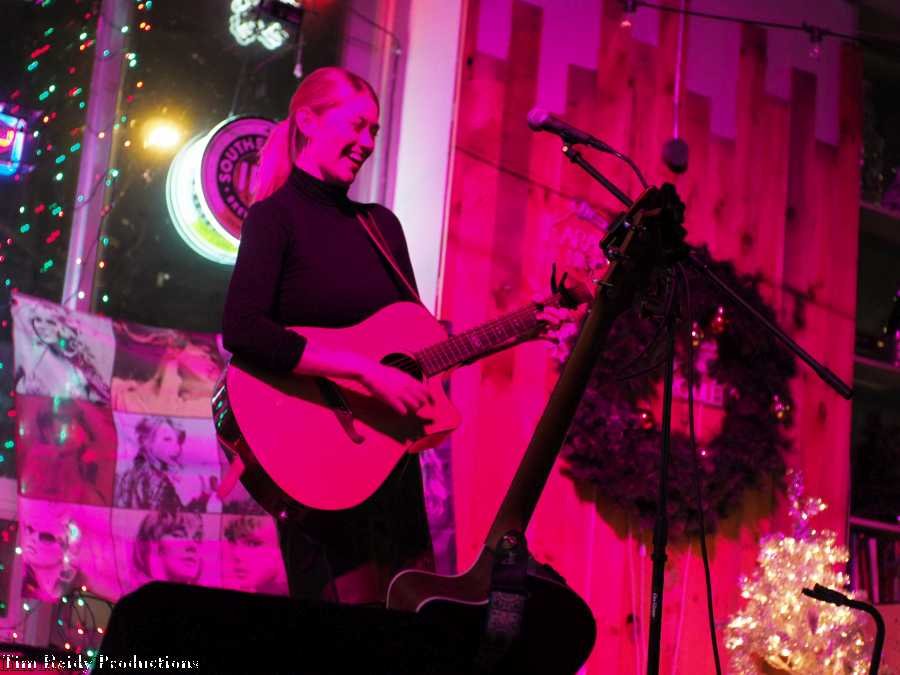
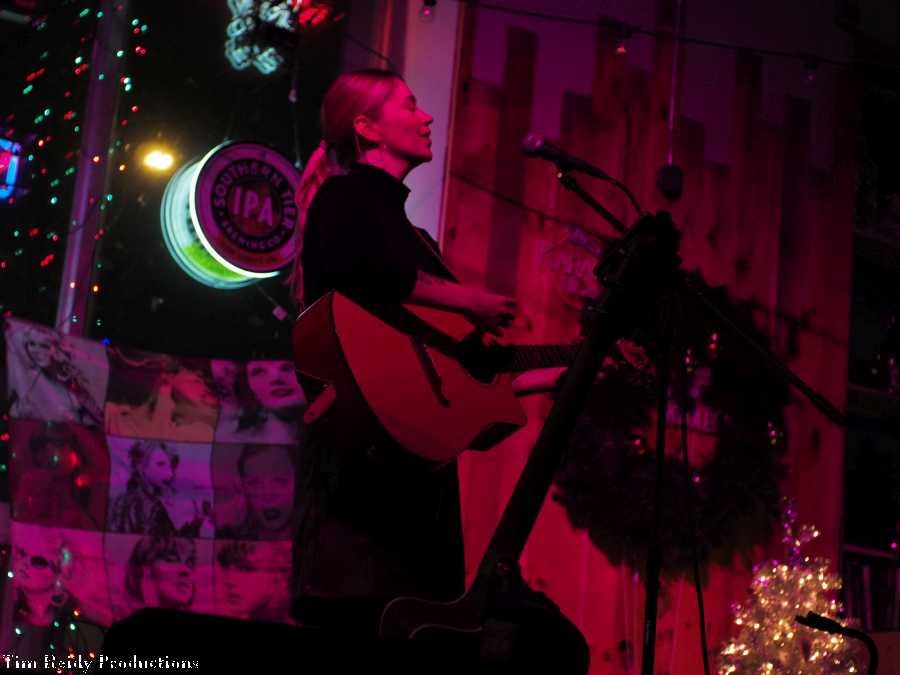
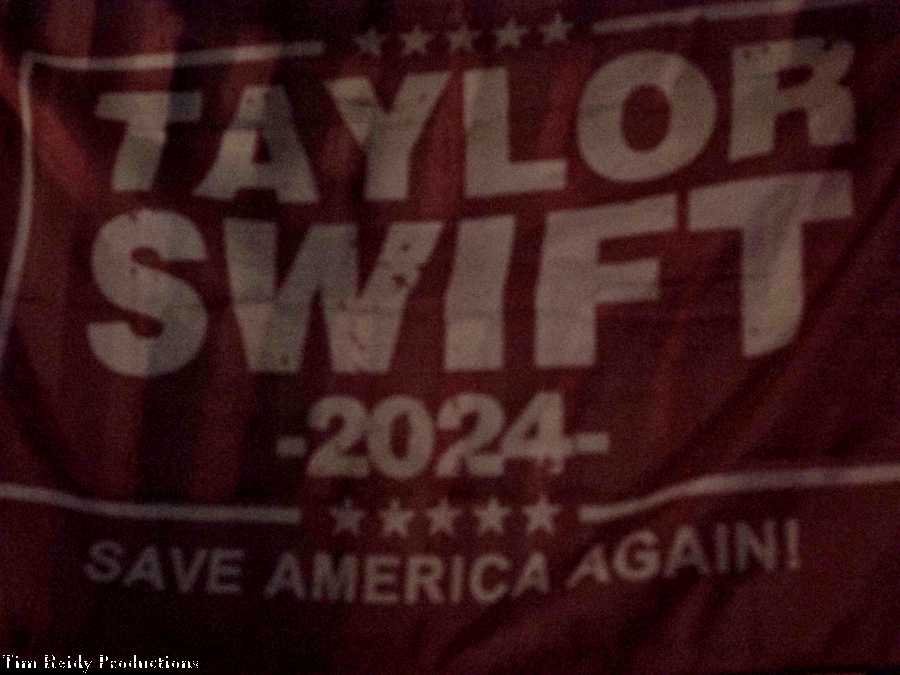
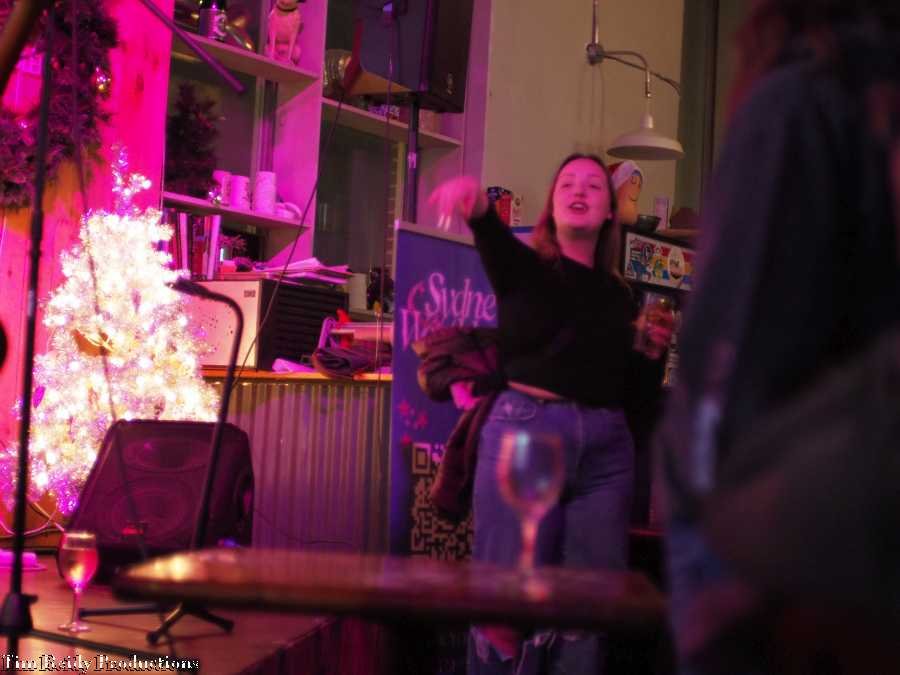
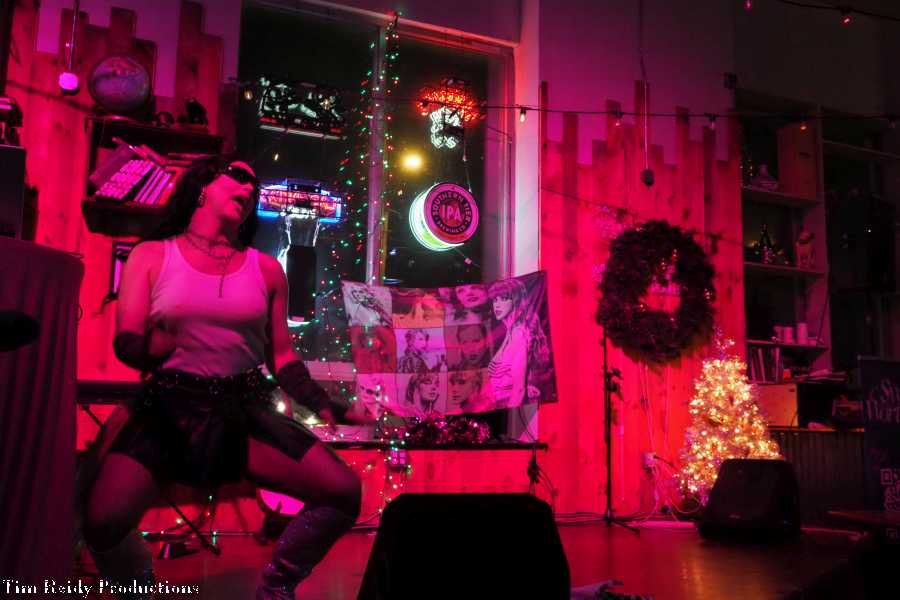
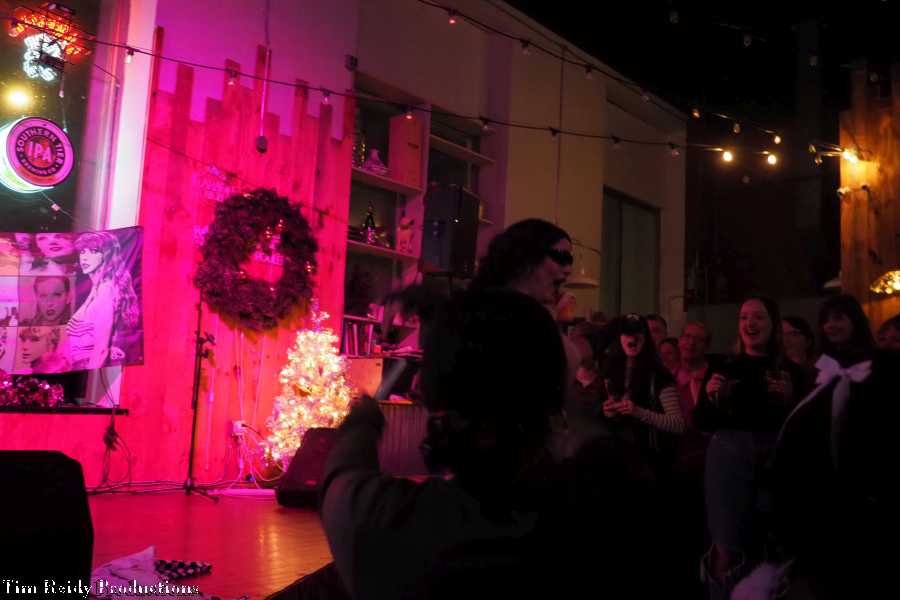
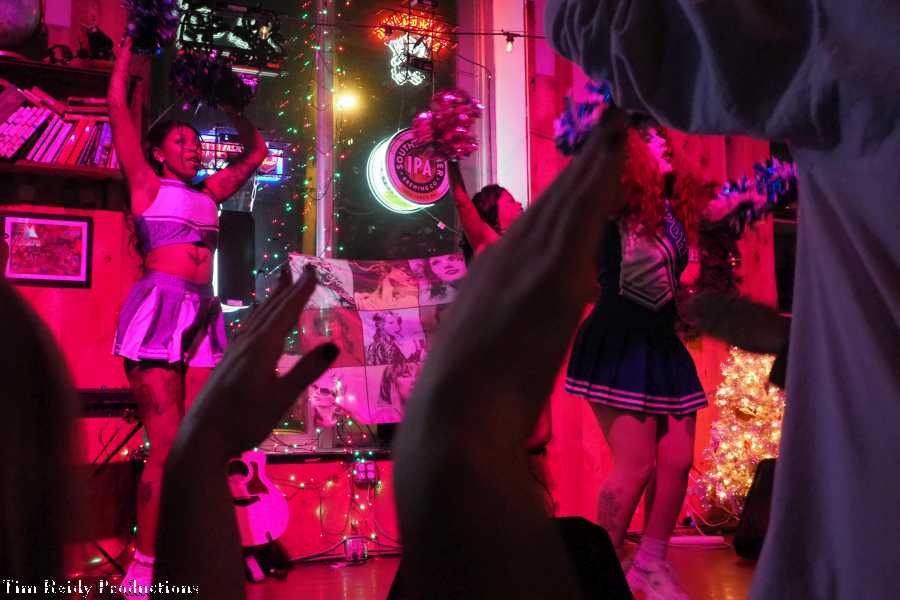
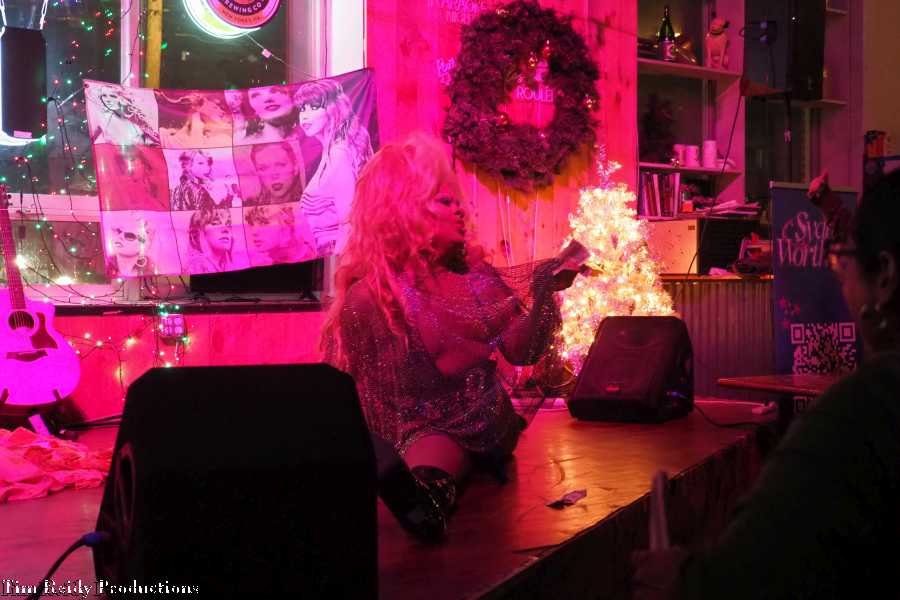
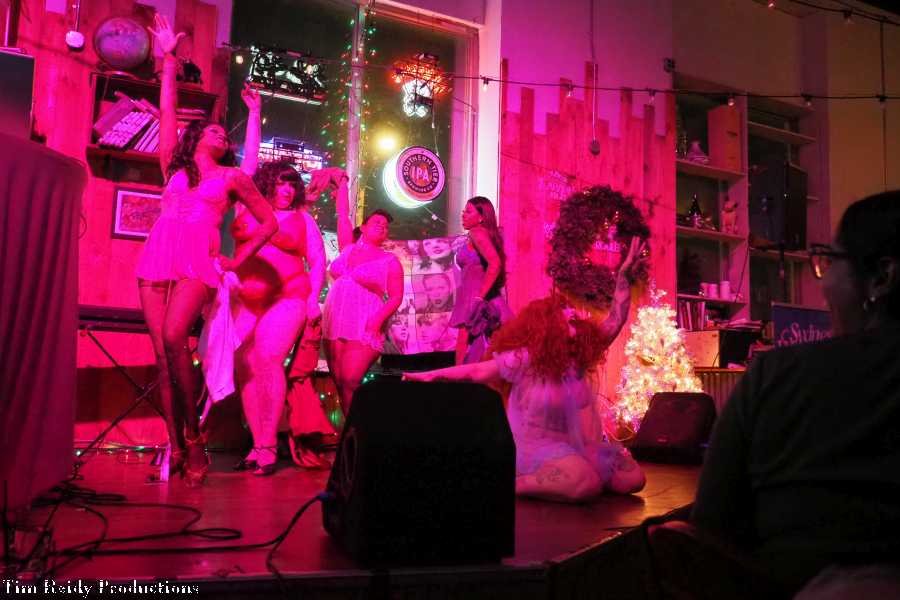
Femininomenon, a No One You Know production, showcased artists such as Taylor Swift and Chappell Roan. Vamp Vixens, Sydney Worthley, Caity Gallagher, and some drag queens were there to sing and dance to a fierce Lost & Found crowd.

Photography by Timothy Reidy.

More from Timothy Reidy …