Home Blog Page 260

Gary Mader – Eyehategod – An Xperience Interview

0
Gary Mader

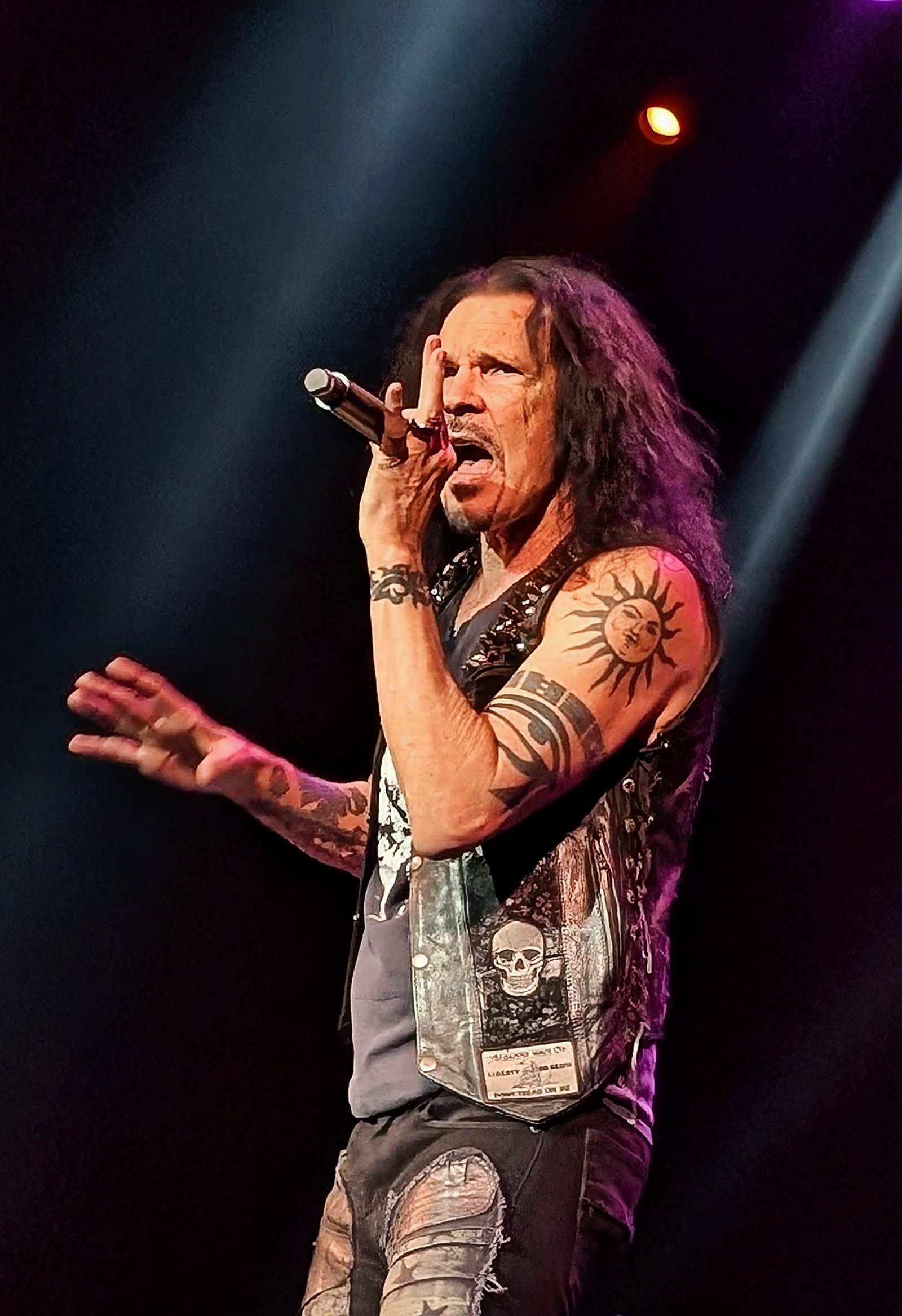
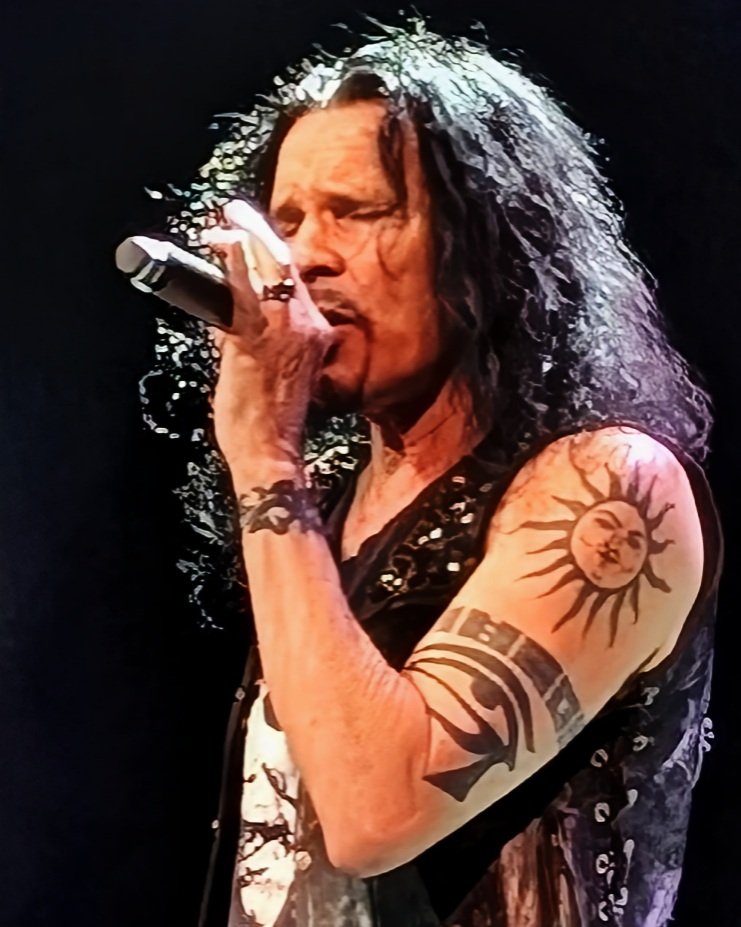
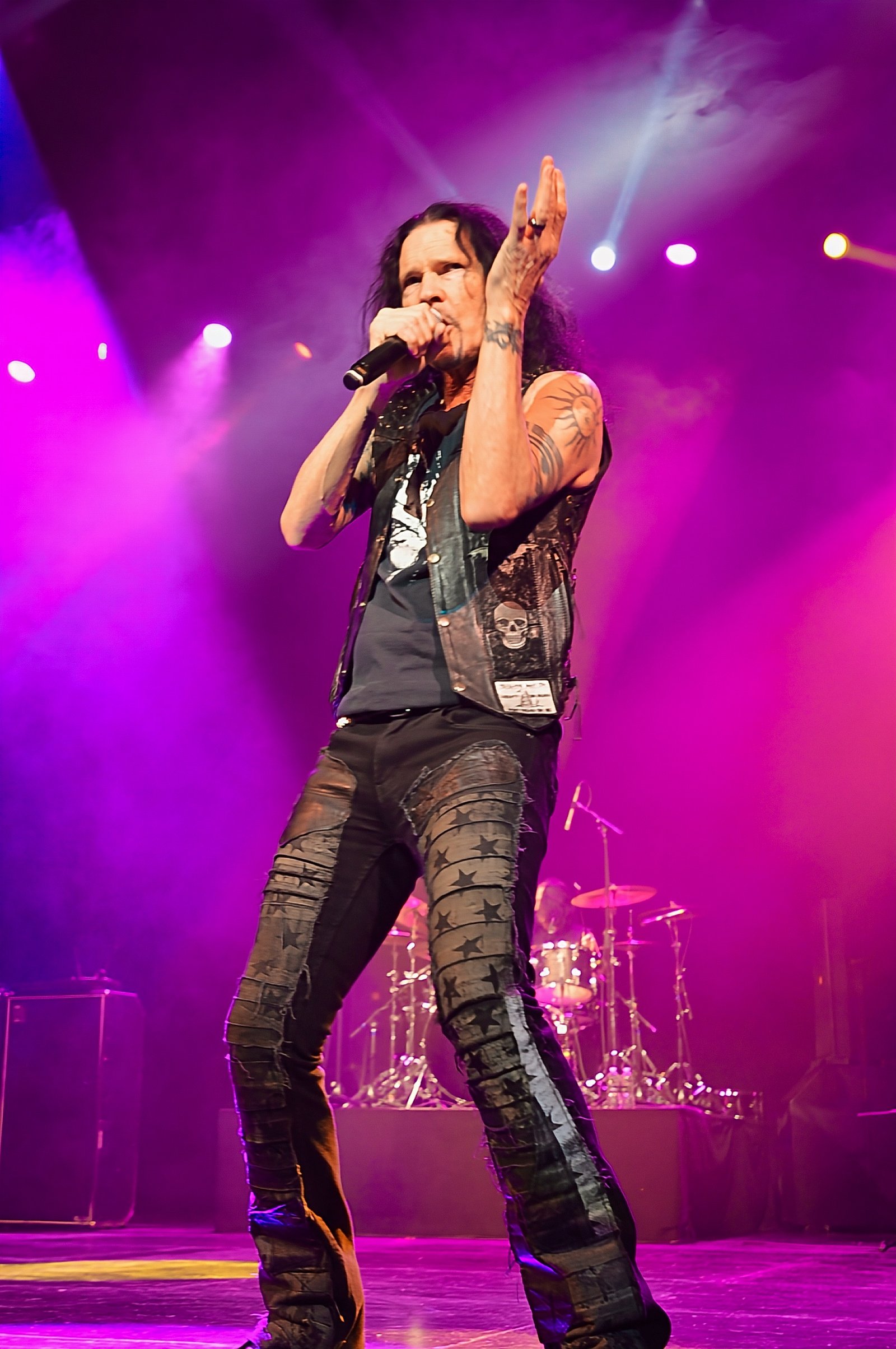
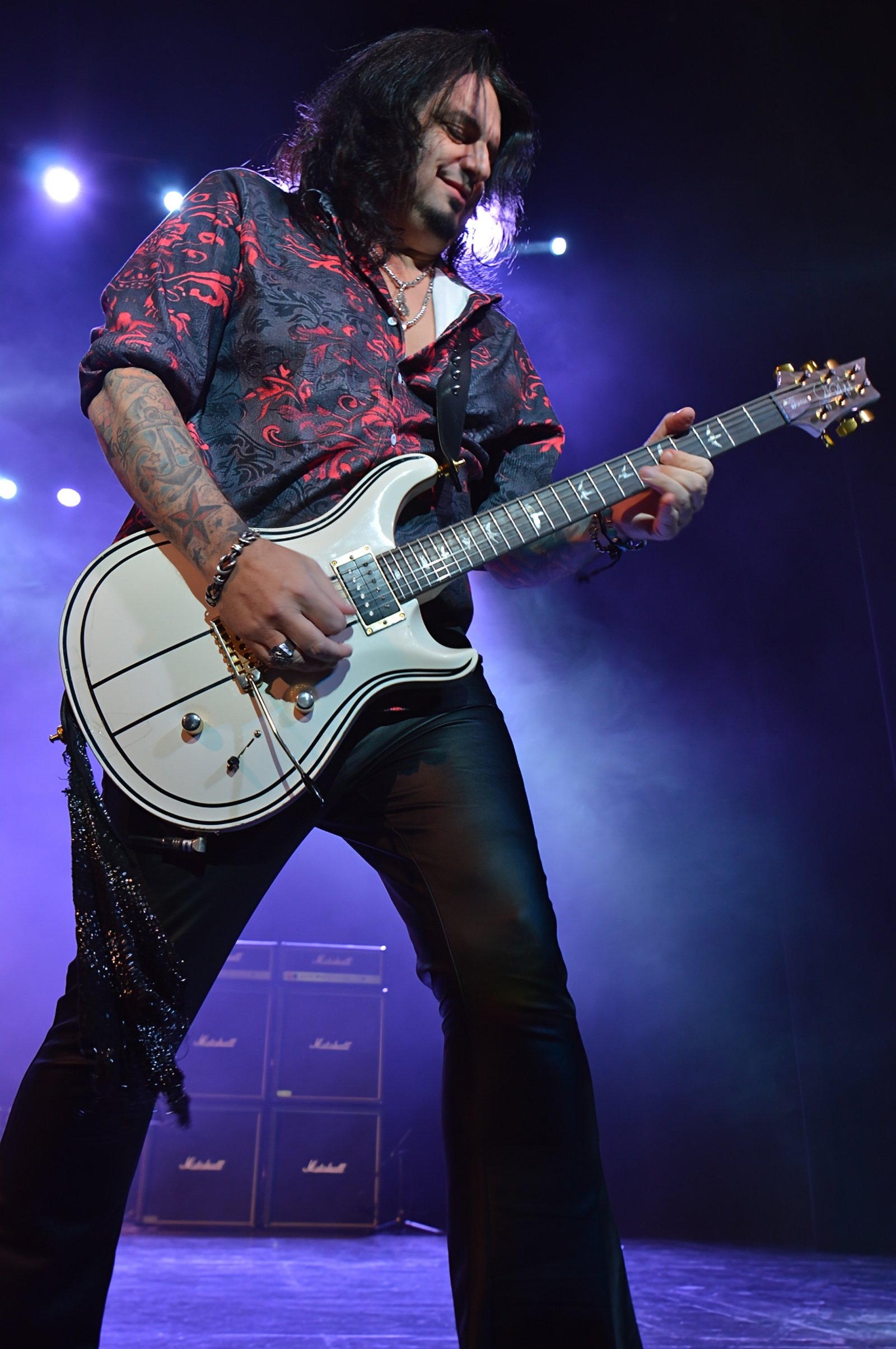
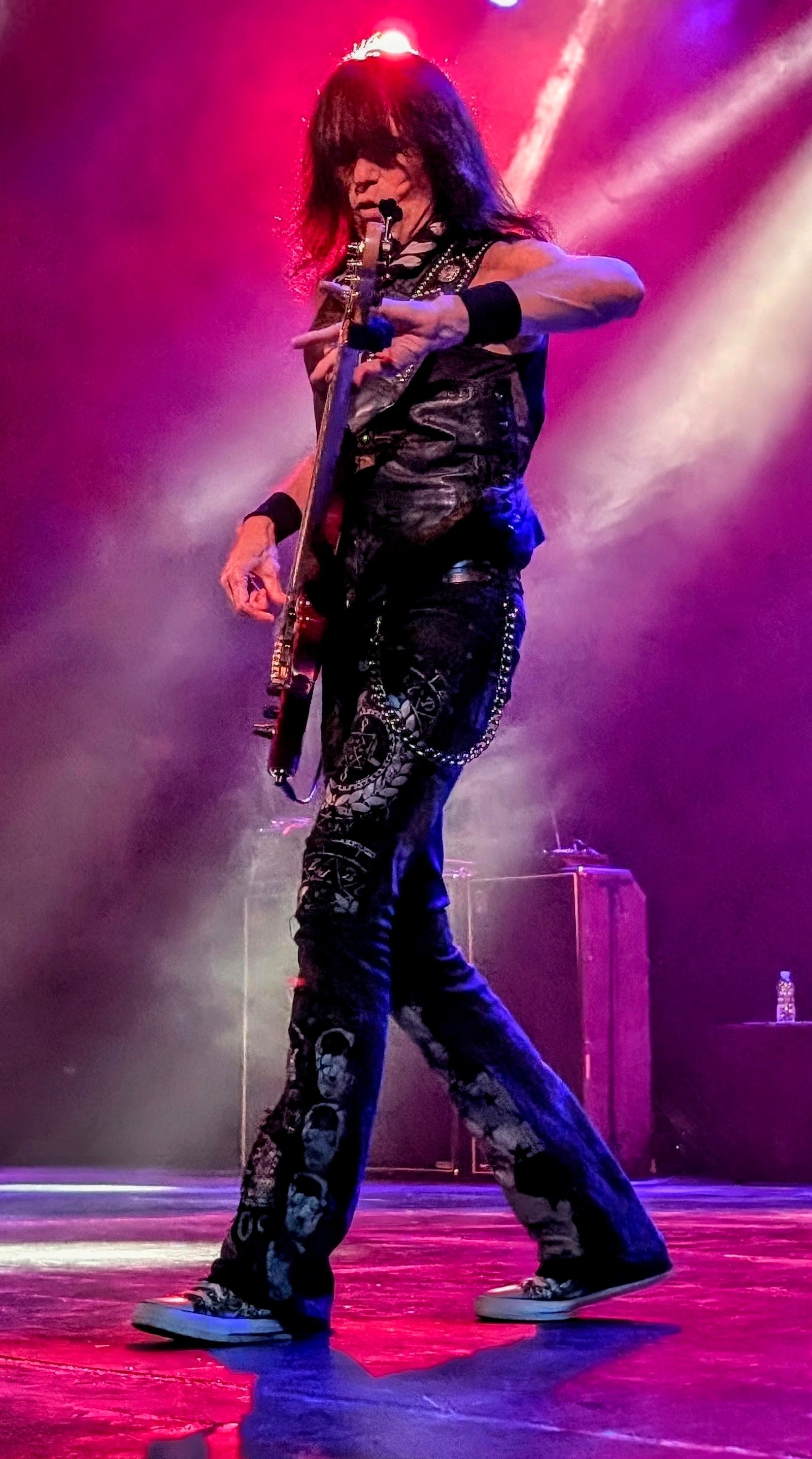
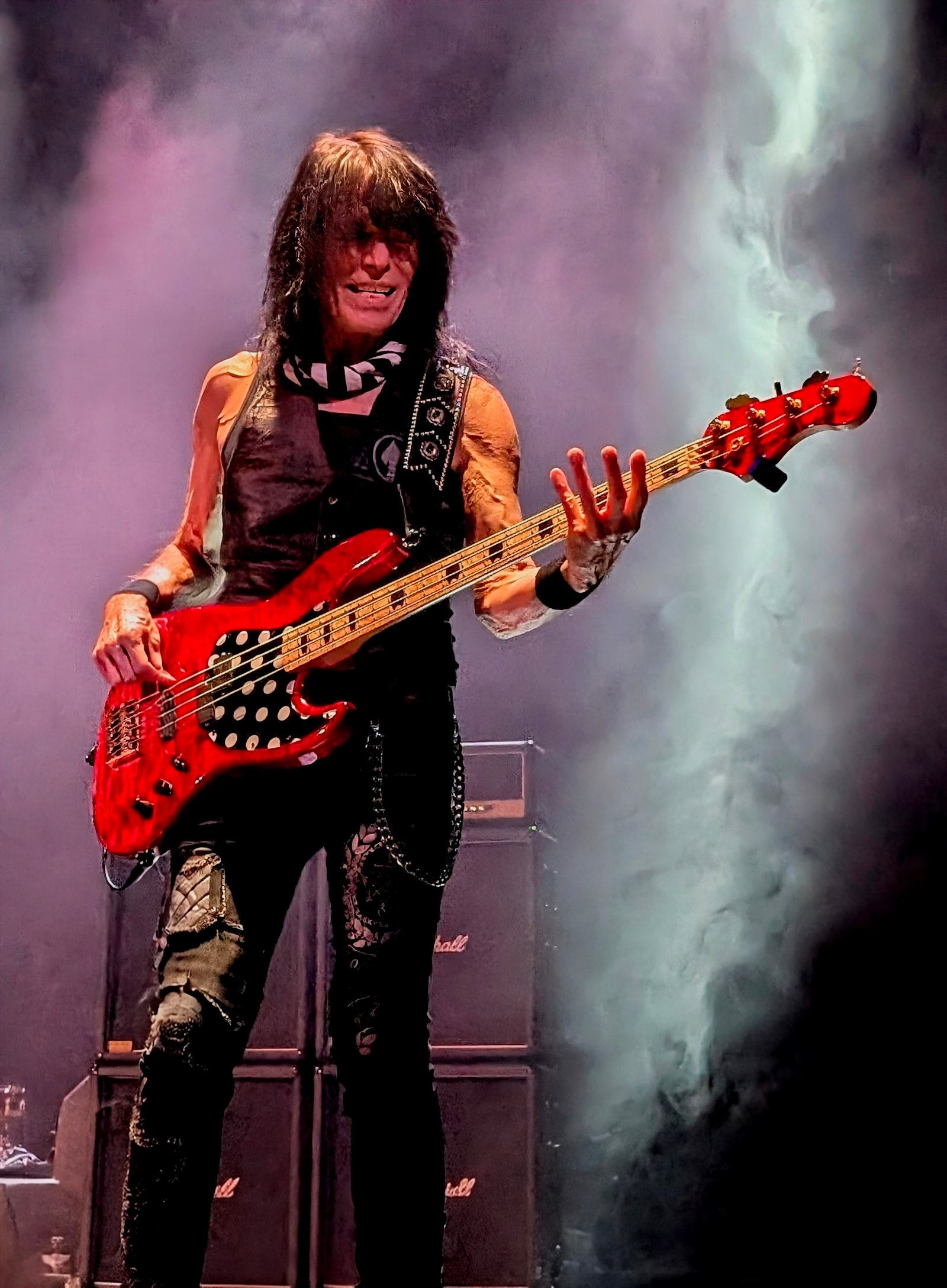
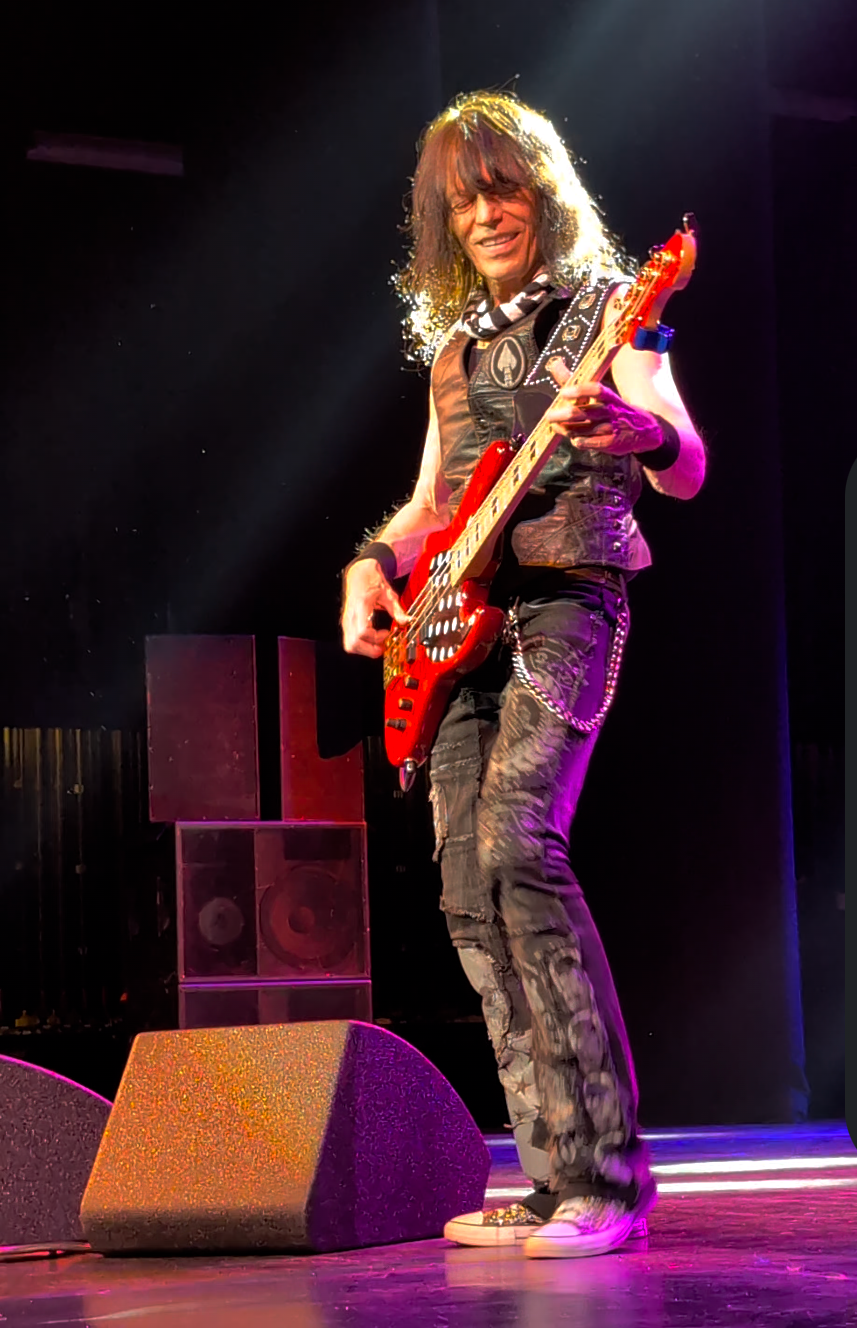
Gary Mader – Eyehategod – An Xperience Interview – writing and photography by Rachael Skinner.

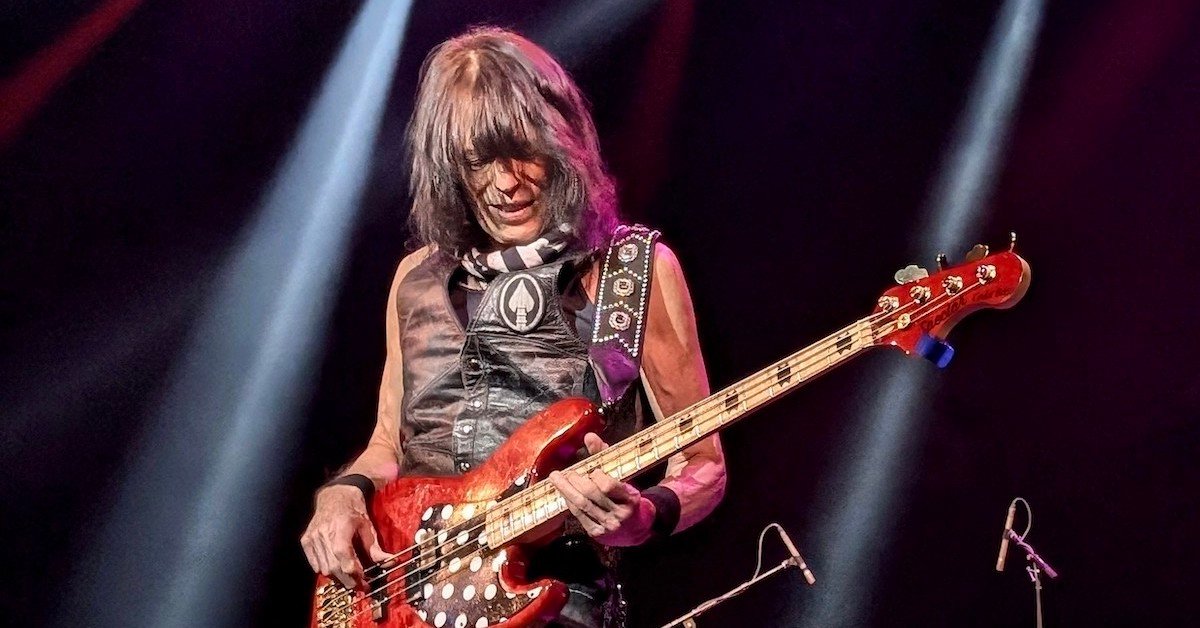
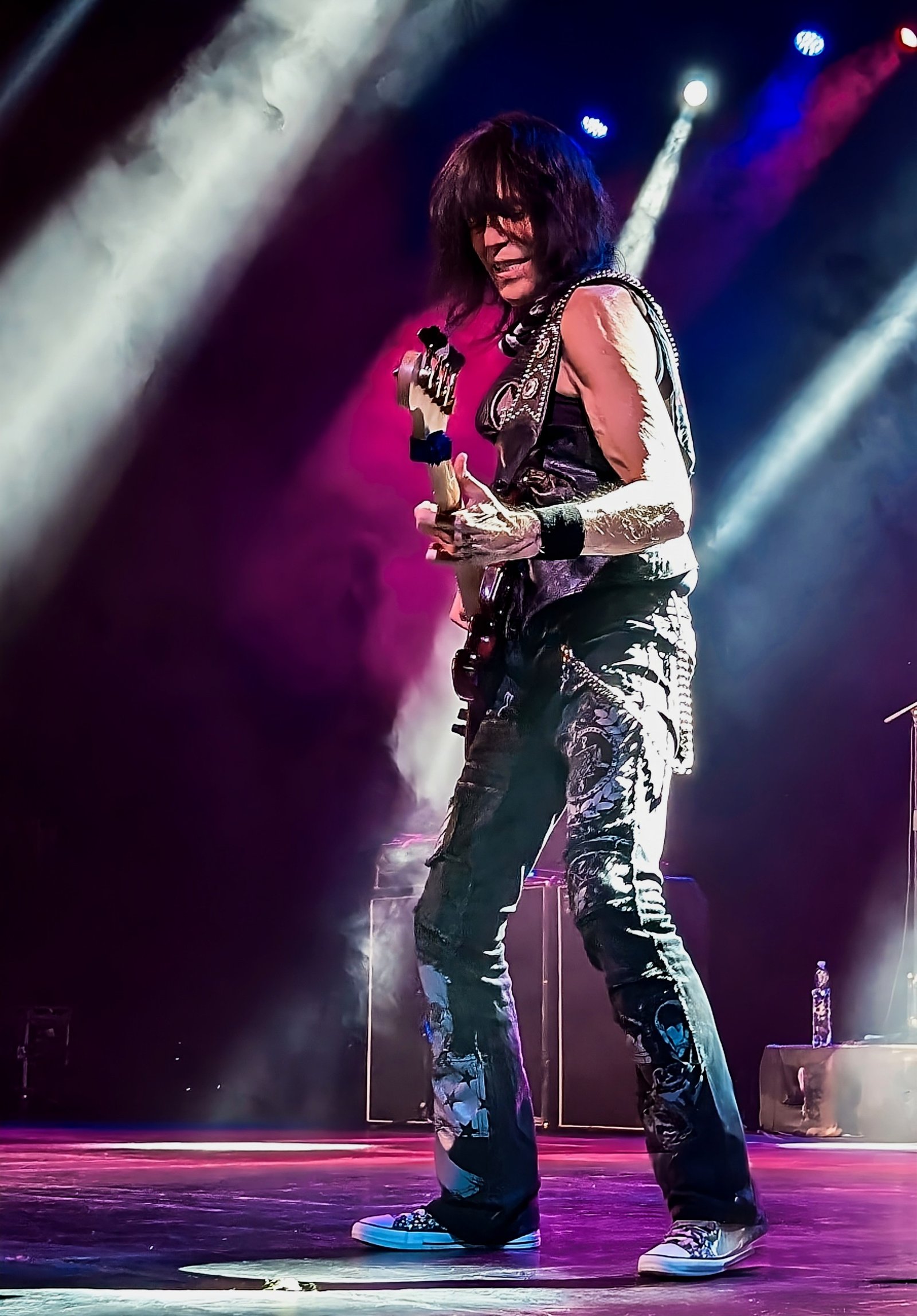
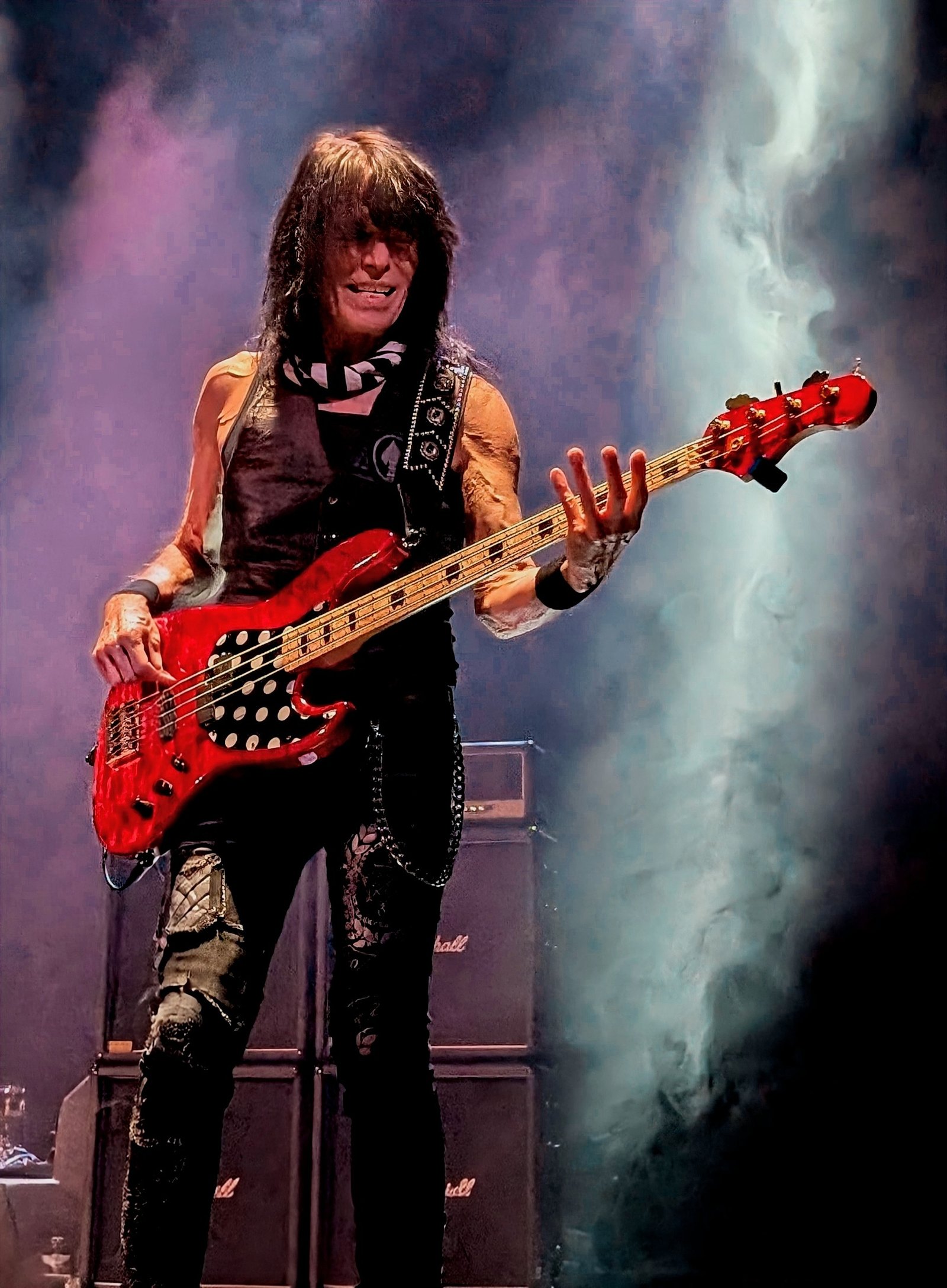
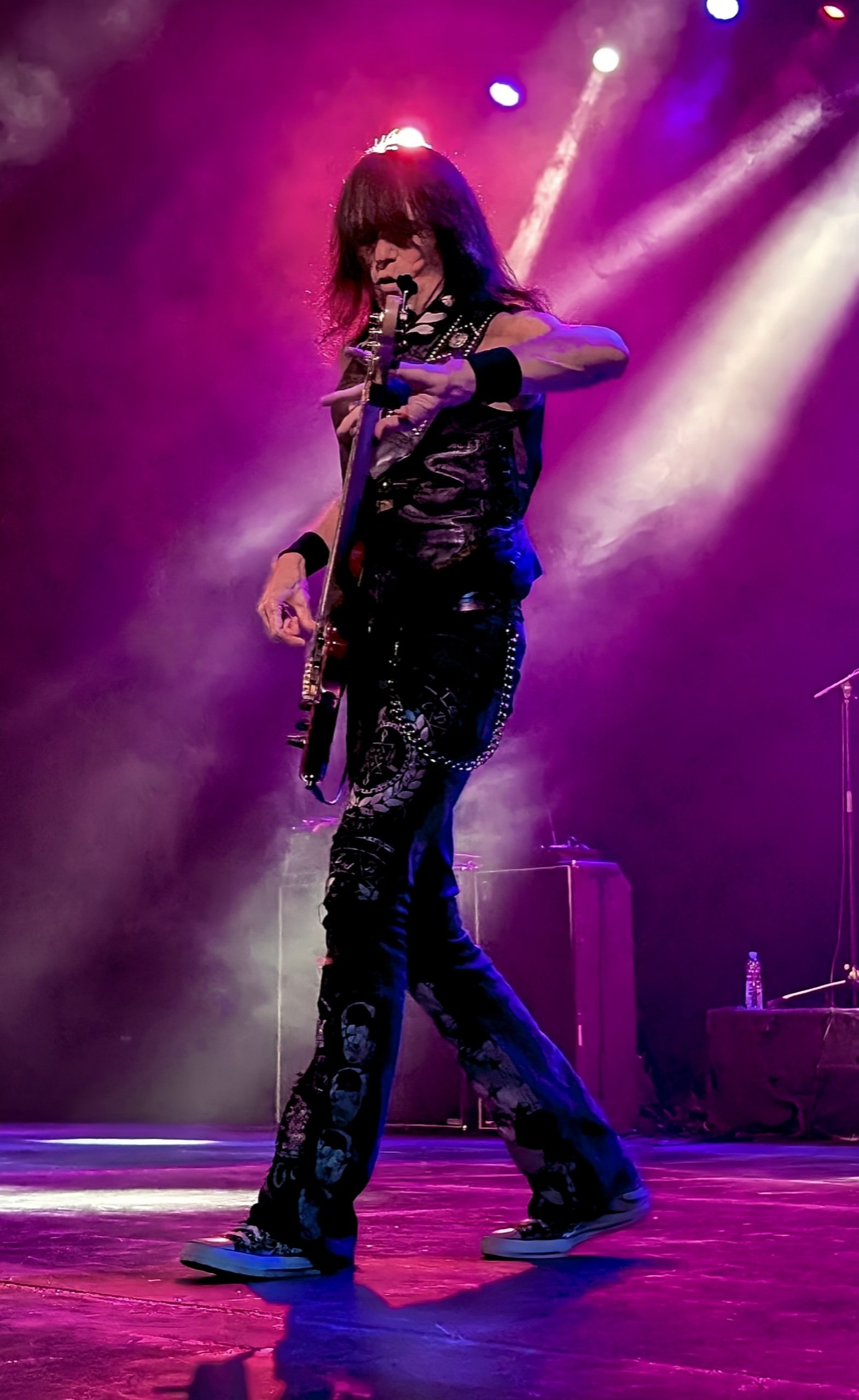
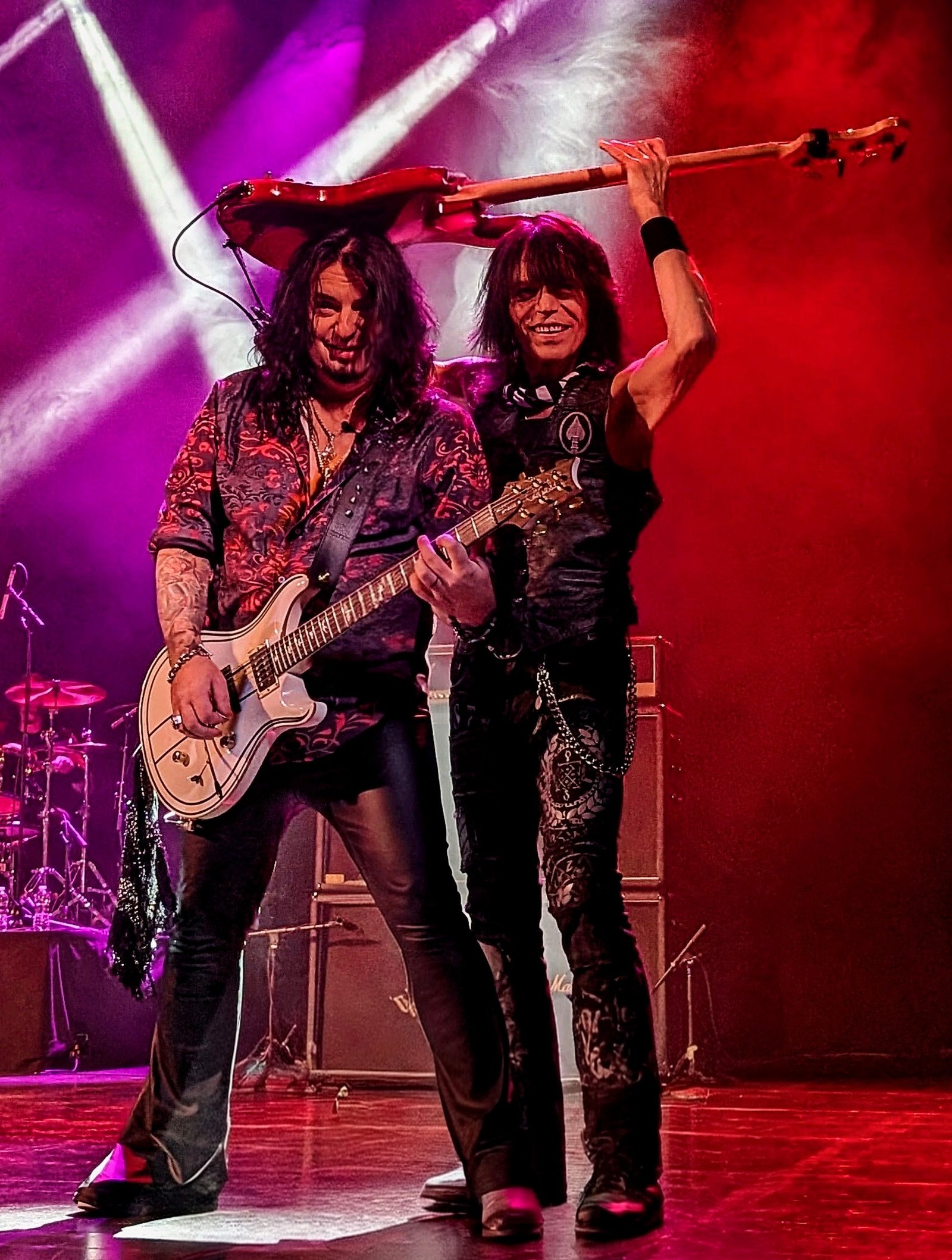
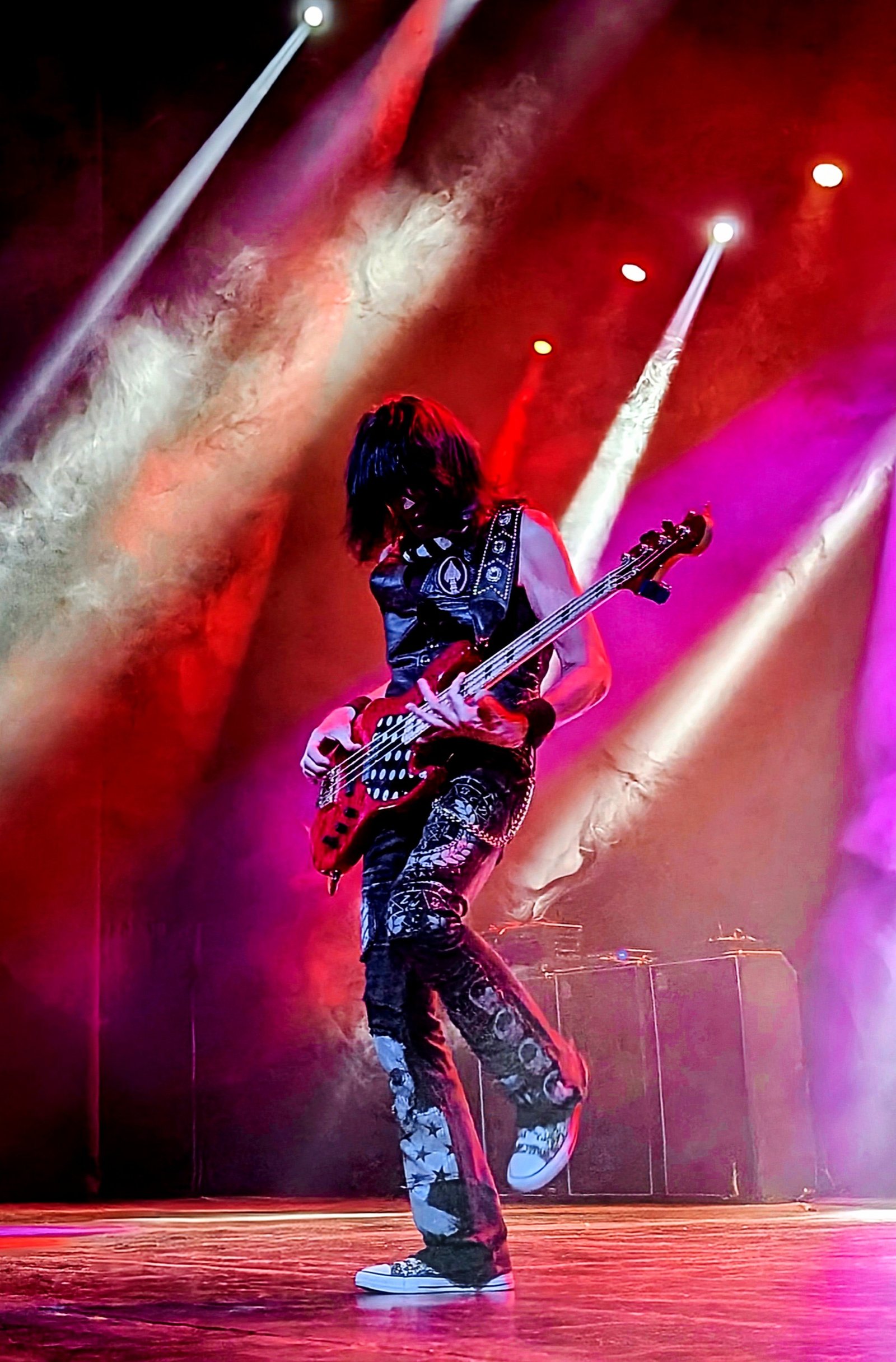
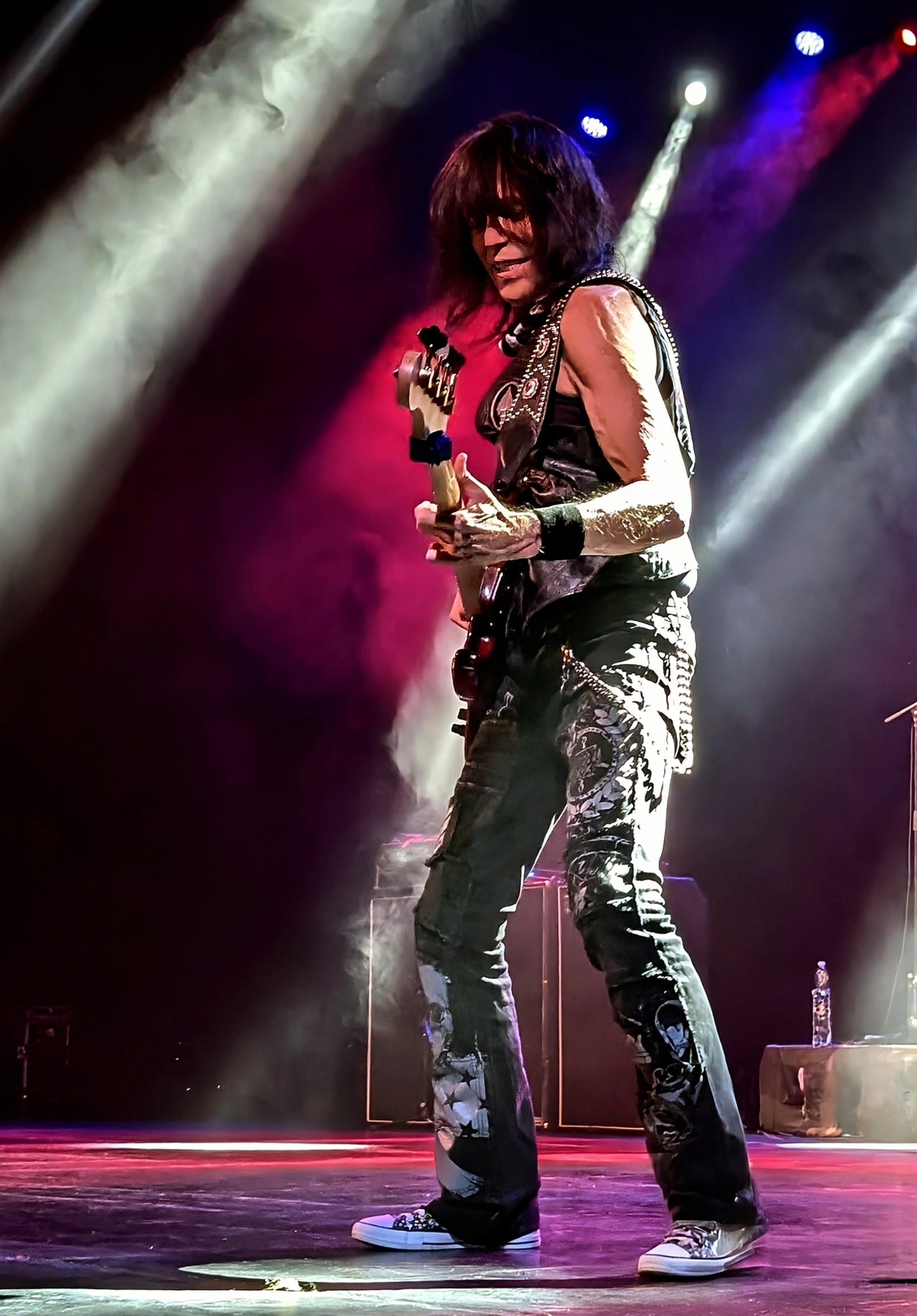
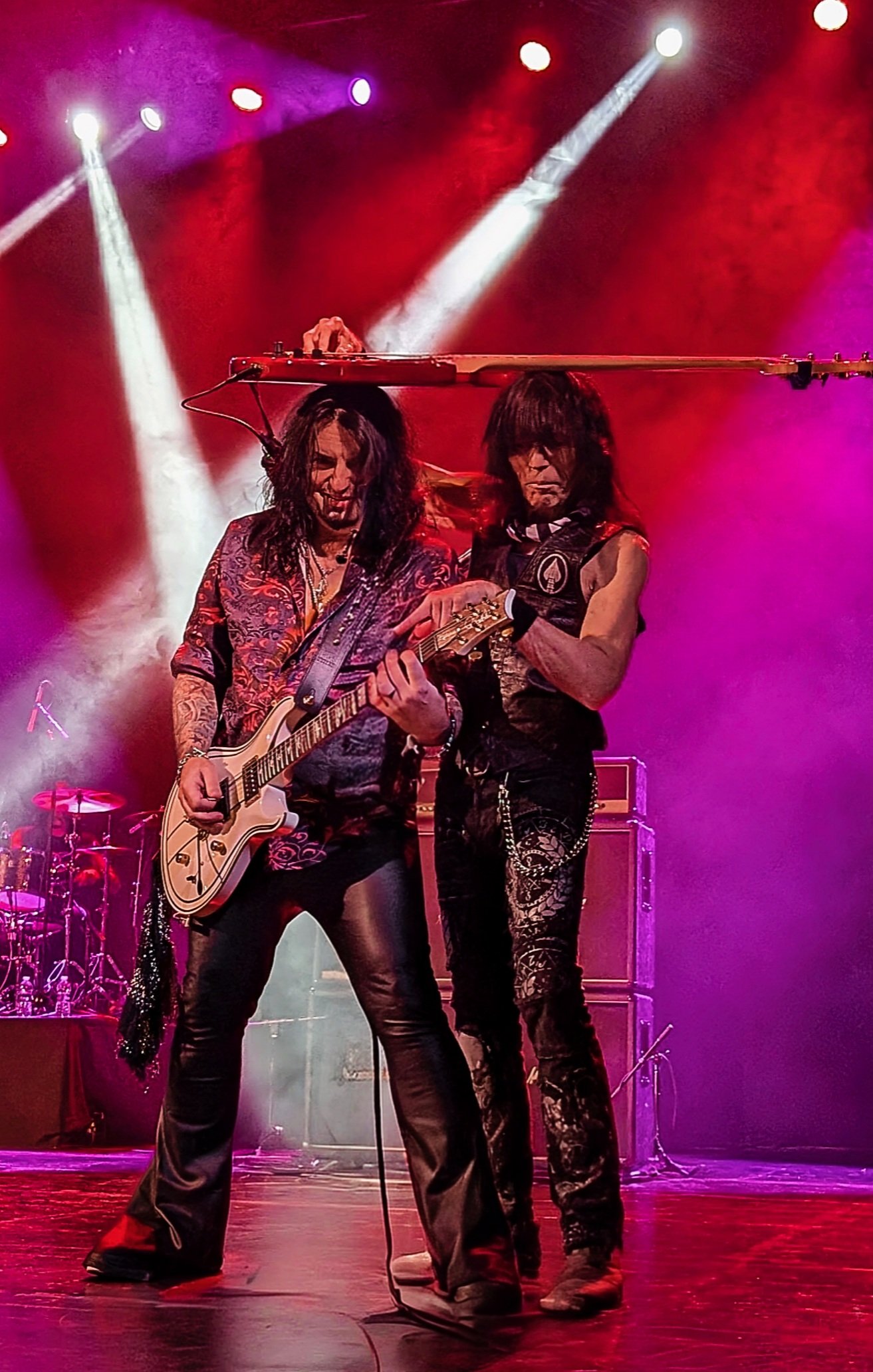
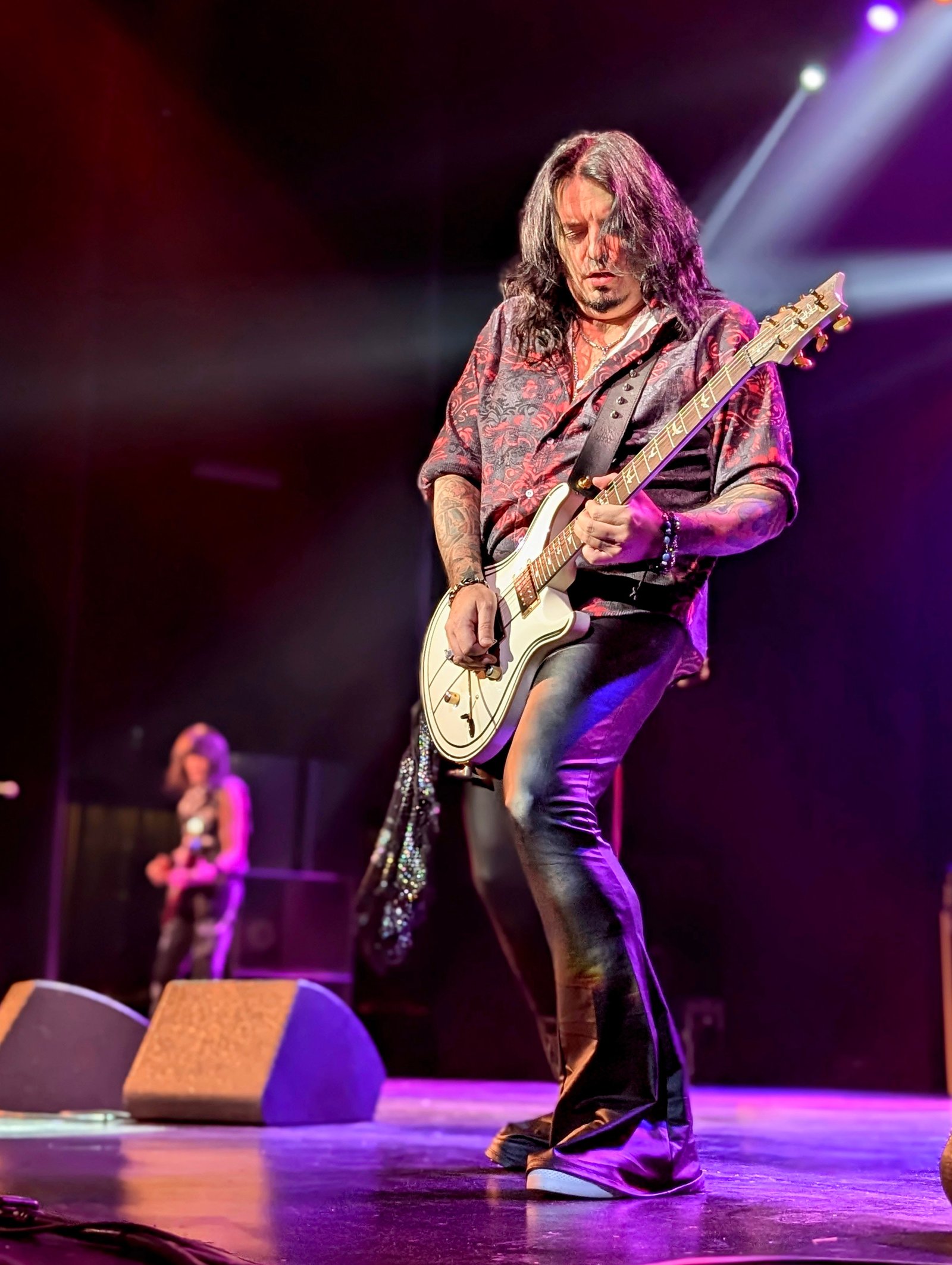
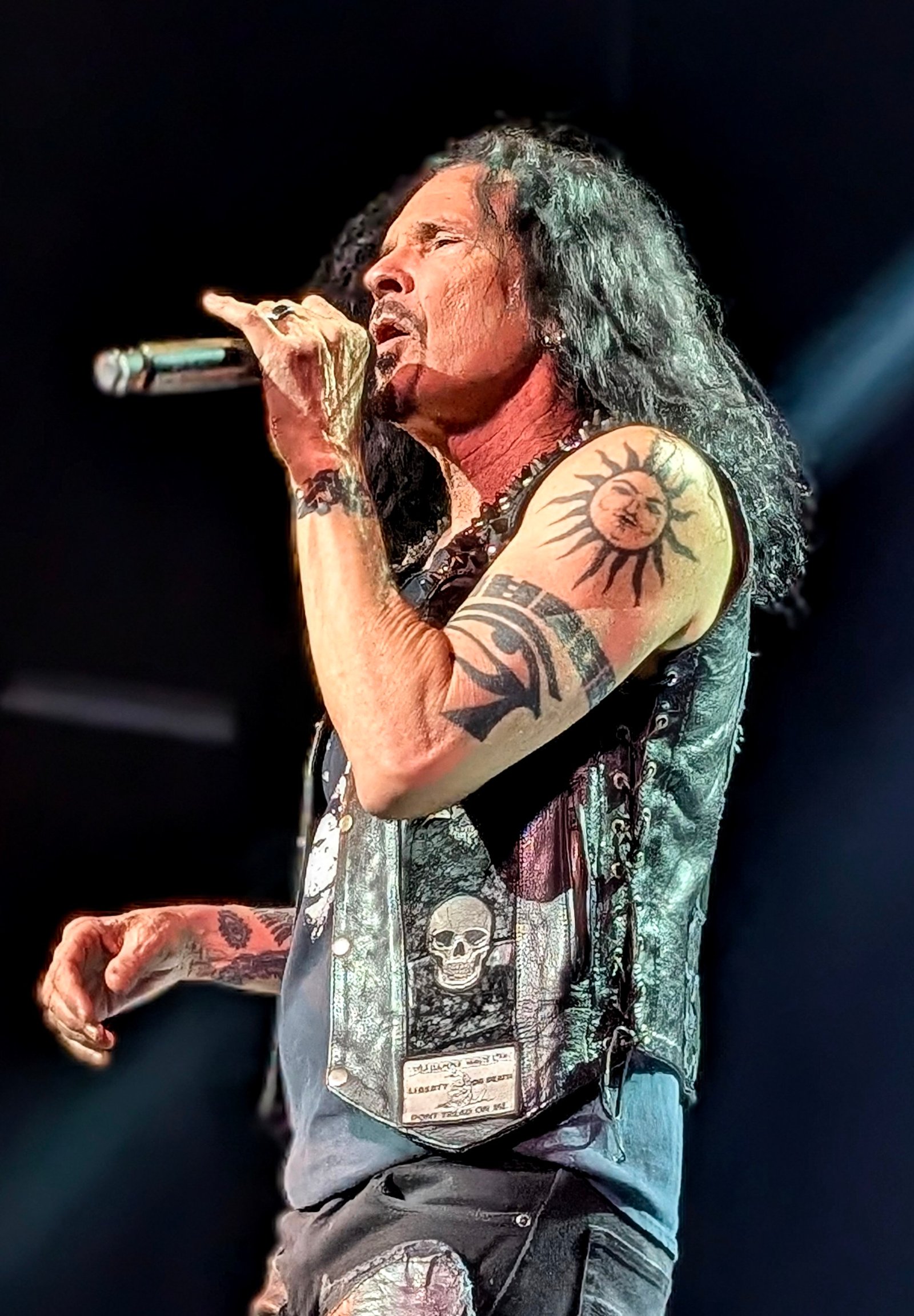
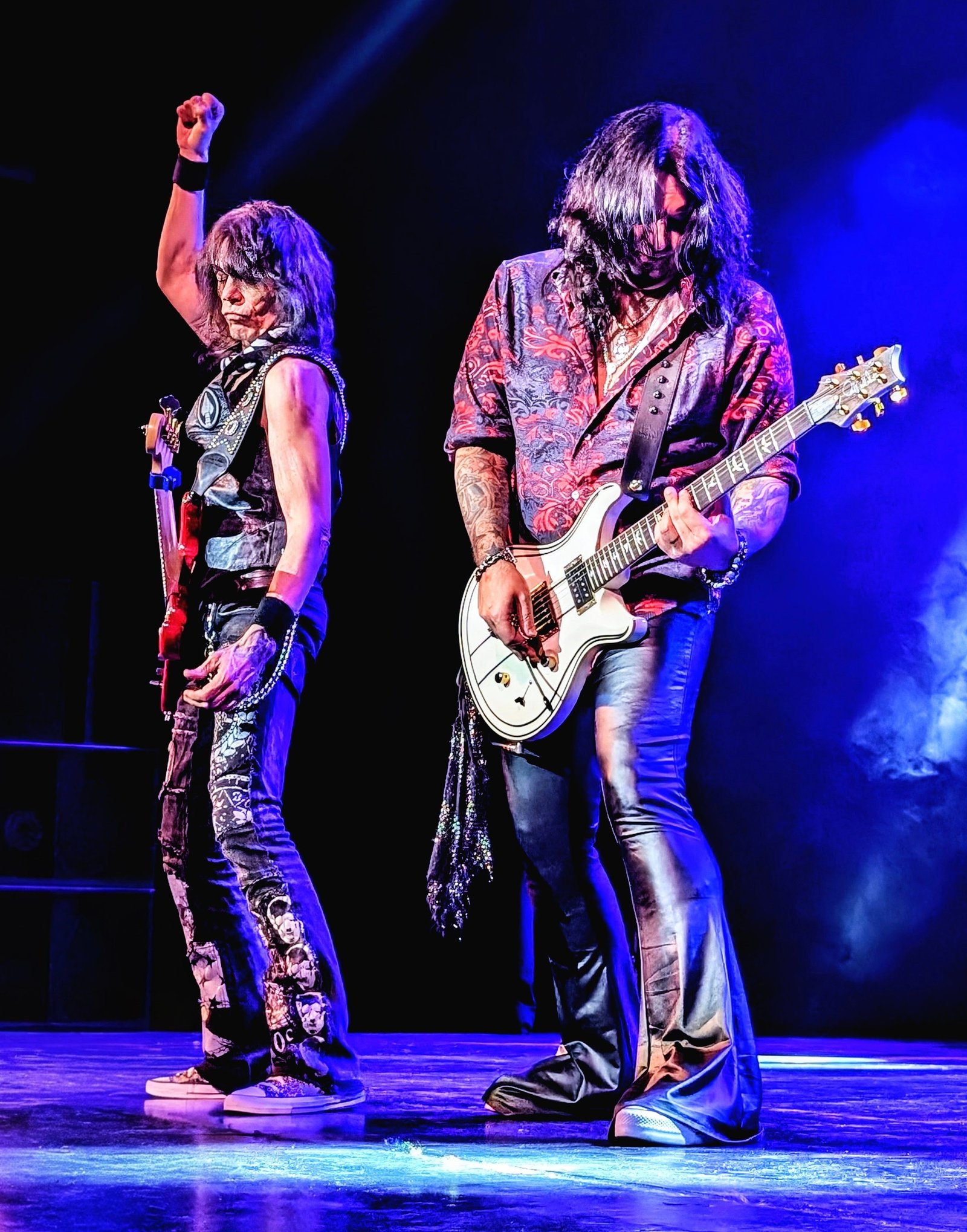
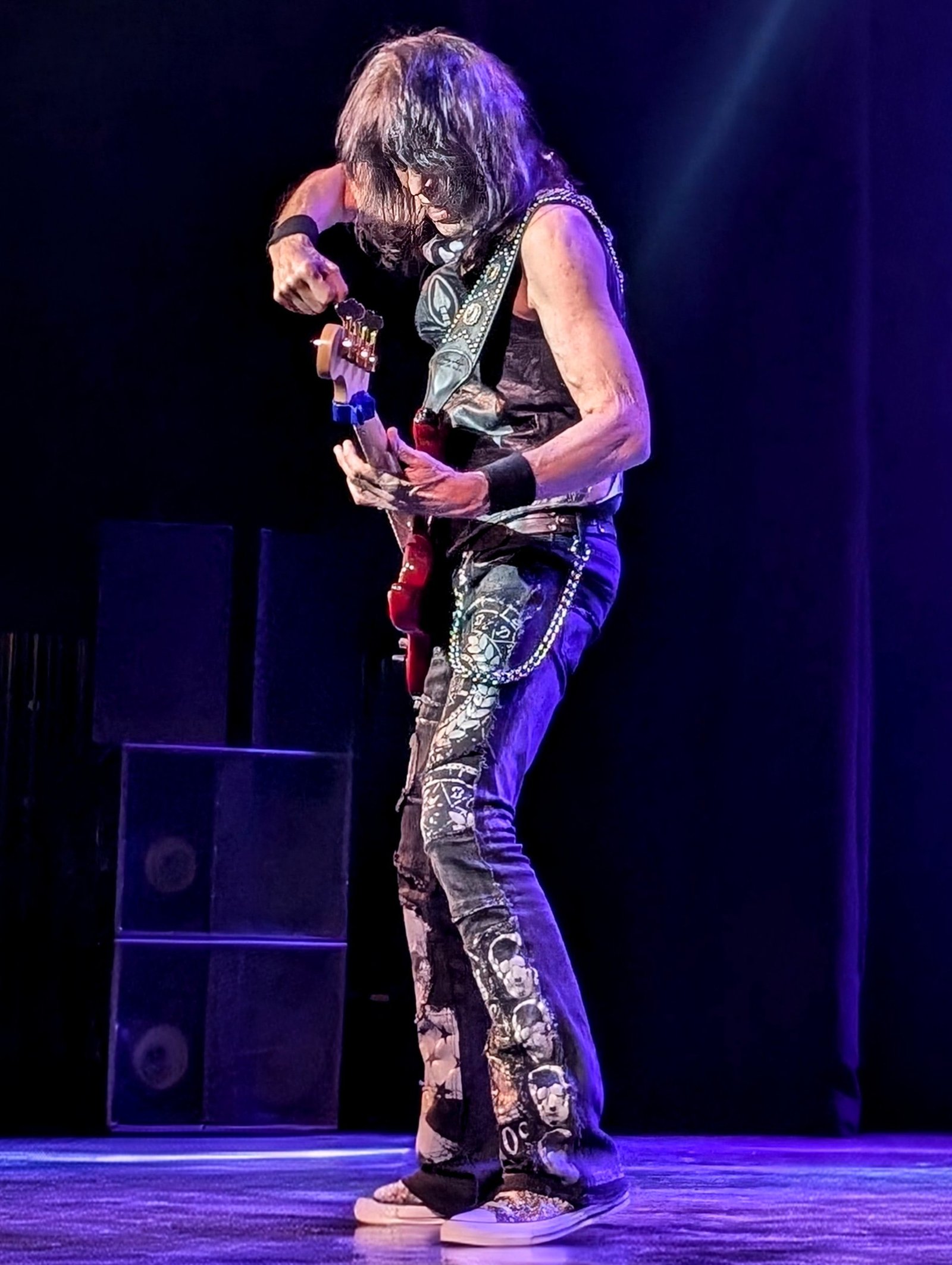
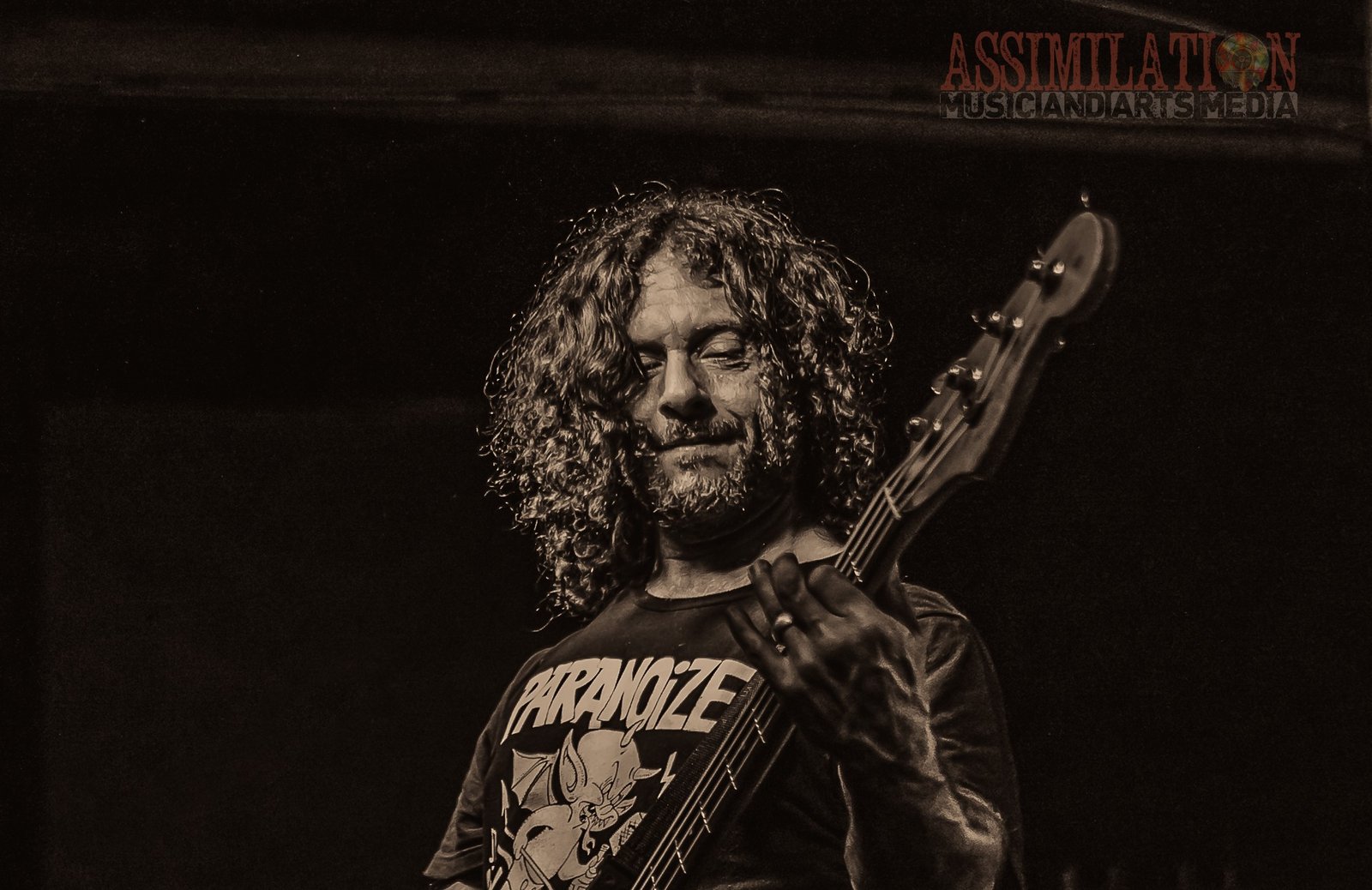
Gary Mader is the bassist in NOLA’s legendary sludge-metal band EYEHATEGOD and is a founding member of Outlaw Order. In addition to his work with EYEHATEGOD, he also plays bass for Headwoundz and Missing Monuments, and showcases his guitar skills with Class Hole and Hawg Jaw. This past summer, I had the honor of capturing his live performance with EYEHATEGOD at Albany’s Empire Live. Recently, I caught up with Gary and had the opportunity to ask him a few questions about his journey.

RRX: At what age did you first discover your passion for music?

GM: Around 10 or earlier. All within the span of my elementary school years. I watched Hee Haw with my grandparents, jammed Michael Jackson and Styx records with my uncle, watched the Muppets, and most importantly, I was privileged enough to be raised in a city that worships music.

RRX: What were the first instruments that drew your attention?

GM: Drums. I really loved the Muppet Show, and was drawn to Animal’s energy. My first instrument was his Signature snare drum that my parents got me for Christmas.

RRX: How old were you when you first started to play bass guitar? What was your first bass?

GM: I was 13. I bought a $50 used bass, and was in a band the next year.

RRX: What genres of music contribute to shaping and enhancing your bass techniques and style?

GM: R&B, punk rock, hip hop, hardcore, jazz, and classic rock influenced me the most. Hardcore and punk were the genres that encouraged me the most to pick up an instrument because, as catchy as the music was, it was simple enough to make the young me say, “This is something I can do.”

RRX: What were your musical endeavors prior to joining EYEHATEGOD?

GM: I played in a high school band called Armed Response that formed in 1988. After that, Hawg Jaw started in 1996 with the same singer from our high school band; we are still locally functional. Just before I joined EHG, I joined a garage punk band called Headwoundz – also still together.

RRX: Explain to me how the universe merged your rhythmic journey to align with that of EYEHATEGOD? How did you all meet and join forces?

GM: We were all part of the same music community. In New Orleans, the underground music scene was about 200-300 in the late ‘80s, and everyone kind of knew each other because of that. Mike, Jimmy, Brian, and Joey were a few years older than our crew of friends, but were cool to us younger folk and made us feel welcomed amongst their friends and their bands that we looked up to.

RRX: Throughout the decades of being a part of the EYEHATEGOD family and enduring many external challenges and personal struggles together, what do you feel keeps the passion and commitment that is so unwavering throughout all this time?

GM: Our love for this band and playing music.

RRX: Being a part of a band, I imagine, is a lot like being a part of a family. It was a significant loss losing Joey, and definitely left a lasting impact. Can you share with me a few of your favorite memories you have of Joey throughout your years jamming with one another?

GM: I have no particular recollection in mind, but he was a one-of-a-kind human that we never forget to this day. We remember him for his humor, as we could be standing in the biggest pile of shit, and he could make light of it in some kind of way. Personally, it is Joey that first inspired me to always take in what we encounter to the fullest; to have appreciation for this band, and gratitude for being able to visit the places we’ve been because “not many people from home get to do this shit.”

RRX: How did you all welcome Aaron Hill to become a part of EYEHATEGOD?

GM: He was already part of the small group of friends that make up most of our bands in New Orleans and was the obvious choice when it was time to get a new drummer. Looking back on when he joined, we were certain he was as out of his mind as we were, is an amazing player, and a Louisiana native. He learned around 13 songs, and we toured a few months after.

RRX: Brian Patton started his family and departed honorably from the band in 2018. How was it transitioning to jamming with one guitarist versus having two all these years?

GM: It was difficult because Brian was a significant part of this band. His riffs were great, and he and Jimmy played off of one another like two players that have played together for decades. Once he left, we knew we had our work cut out for us, but we embraced it as a means of progressing as a band. The sound would definitely change, and while the years with Brian are never forgotten, we knew it was time for another turn in our creative output. It forced us to lean more towards the Black Flag influence with more emphasis on the raw aspect of our music.

RRX: Describe your first experience creating the self-titled album with EYEHATEGOD? Are there any key moments that you would like to share with us about the creative process?

GM: Writing all of those songs was so exciting to me because it was my first full-length with the band. I had done recordings with other bands at that time, but we put some work into that record! It had been a while since we released anything, and we were all determined to make it the definitive EHG record. It took years of writing, and the recording process was also a roller coaster. We had Billy Anderson come to New Orleans to engineer part of it, finished tracking it in our practice room, Mike did his vocals at Nodferatu’s Lair, and it was finally mixed by Sanford Parker.

RRX: What are your most cherished memories with Jimmy and Mike throughout the years?

GM: Like Joey, I don’t have specific recollections because all of the time we spend together in this band are great memories in the making. The best was being asked to join a band I loved before I was involved.

RRX: Do you have any wild stories you care to share with us about being on tour and on the road with EYEHATEGOD over the years?

GM: Too many to remember, most that I don’t repeat to maintain our innocence of any crime involved.

RRX: Give us some insight about your equipment. What is your bass of choice while on tour?

GM: A cheap Fender Jazz bass with passive Lace pickups.

RRX: What are your must-haves while on the road?

GM: Coffee, headphones, books, good food, and a collection of rocks that I accumulate every tour.

RRX: What was the inspiration behind creating Outlaw Order?

GM: The spirit of revolution and rising above the ruling class through music. At the time, we were all criminally involved, and Jimmy was busy with Down and Superjoint, so 00% was the perfect outlet. The White Panthers and MC5 were also a huge inspiration.

RRX: Do you have any other projects going on musically or artistically aside from EYEHATEGOD at the moment?

GM: Yes – Hawg Jaw is my band since 1996 with high school friends, Class Hole is my Poison Idea/HC-inspired project, and Headwoundz is a garage punk band I have played in since 2000.

RRX: What are some important tips you’d share with musicians just beginning their

journey?

GM: Stick to your dreams. There are so many hardships that you will encounter along the way that make what you do that much more rewarding. Don’t let anything discourage you; use everything as a lesson, not an obstacle.

RRX: What is your personal definition of success and what does it mean to you?

GM: Success is coming into harmony with what you hope for out of life.



More from Rachael Skinner….

Toque (Sydney) – Interview – Thanks for Asking!

0
Toque

Toque (Sydney) – Interview – Thanks for Asking! – by Liam Sweeny.

RRX: We have to play somewhere, and sometimes those places have more going for them than a stage and a power outlet. What is a memorable place you played, and bonus points if it’s not a well-known place.

JD: I imagine my references to locations will be potentially too specific to Sydney, Australia however I’ve managed to perform in a bike shop, church, warehouse and on a truck for a street festival in extreme summer heat. All of these have been DIY shows where the PA and gear have been dragged into each place, some with no official sound person and everyone has just made it work despite all odds.

RRX: In the universe of music, anything can happen. Bizarro doppelgangers can walk down the street in feather boas. Who would be your musical opposite and why? What do you think the “anti-you” band would sound like?

JD: I think the musical opposite to Toque would be an indie rock/shoegaze band where everyone looks at the floor, plays the same slow four chords and avoids eye contact with the audience. They would also not have keys, it would be up to three slow rhythm guitars only.

RRX: Tell me about your most recent song, album, or video (you pick.) Tell me a story about what went into making it. Not a process, but a cool story that took place within the process.

JD: I recently released a song called Hollow Man – the lyrics were written in a by-donation community hippy-style restaurant called Lentils in Sydney. I was inspired by someone who I’d hung out with the night before who classically fit the bill of an emotionally unavailable person. I thought it’d be great to capture this person in a song as a case study for all the emotionally unavailable people I’d attracted over the years and the unsettling urge to gain their approval for some reason.

RRX: I know when pitching it helps to tell someone it’s “this meets that.” So let’s try that with you. If you had to give me two bands that meet each other in your sound, what are those bands? More than two bands?

JD: I used to say Kate Bush meets Death Grips as the two most known artist references but now after discovering Black Midi, I reckon that Black Midi is the closest genre mix to Toque. However, Toque has its own more musical theatre/piano-centric flavour.

RRX: Music genres are difficult for some artists. Some strictly adhere; others not so much. What is your perspective on the genre you play, or the genres you hover around?

JD: I think that genres are convenient boxes to identify music but sadly you can’t fully convey with genres whether people will really connect with what music you’re making. I describe my music as theatrical jazz punk but realistically it does deviate pretty strongly into singer-songwriter territory that just won’t speak to the punk fans out there. I’m trying to accept that whatever I’m writing doesn’t fit neatly into any genre and because of that, won’t reach a conveniently homogeneous group of people.

RRX: What would you like fans to know before they come to see you play? (No basic stuff; get specific.)

JD: Prepare for lots of intense eye contact. Also be open to being confused at when to dance and during the rare moments when it gets danceable, for the beat to drastically disappear into free time noise.

It’s difficult to explain the music in words so here are some useful links:
Instagram

Quiet Riot @ Stanley Theatre, 12/13/2024

0

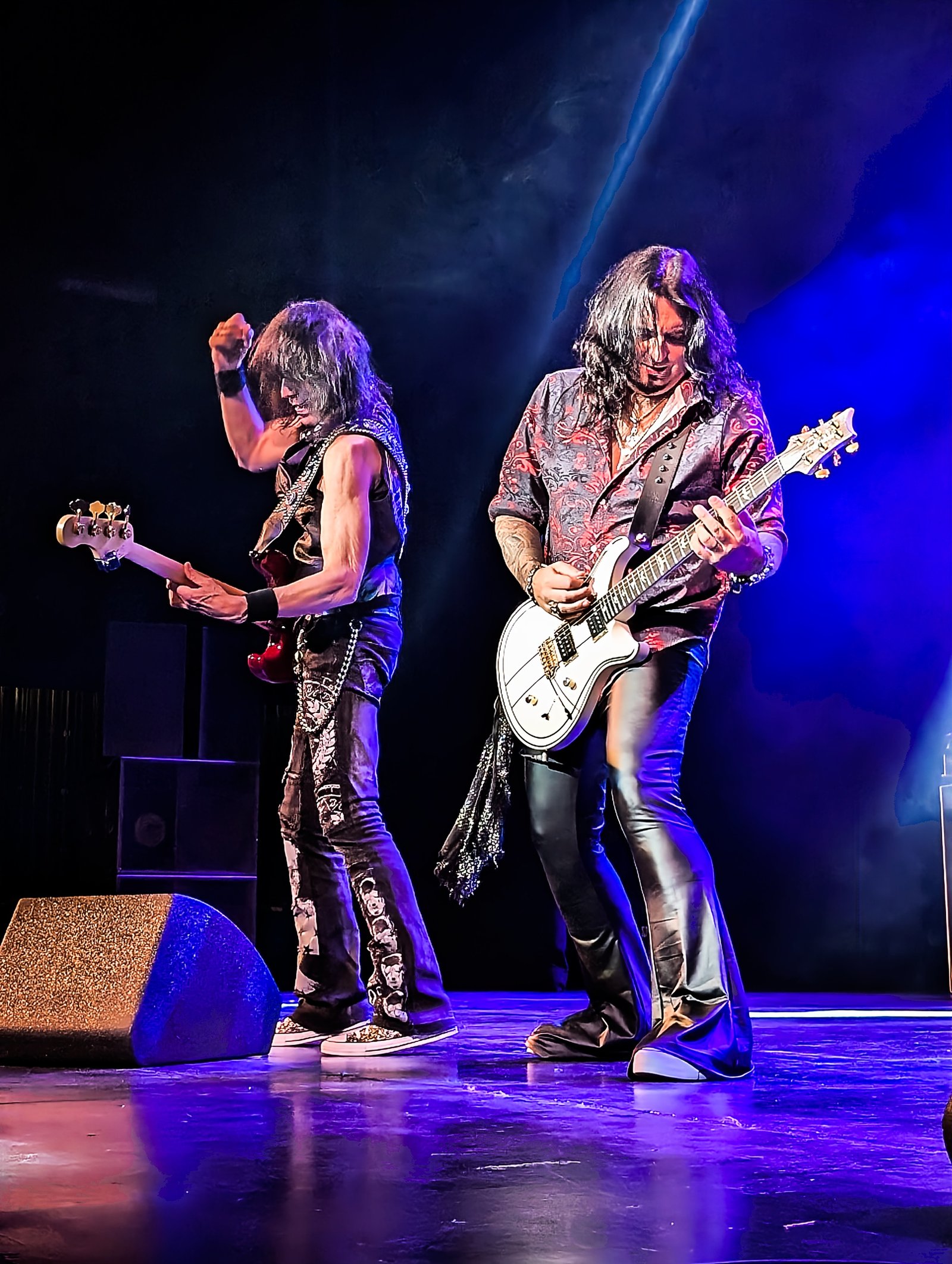
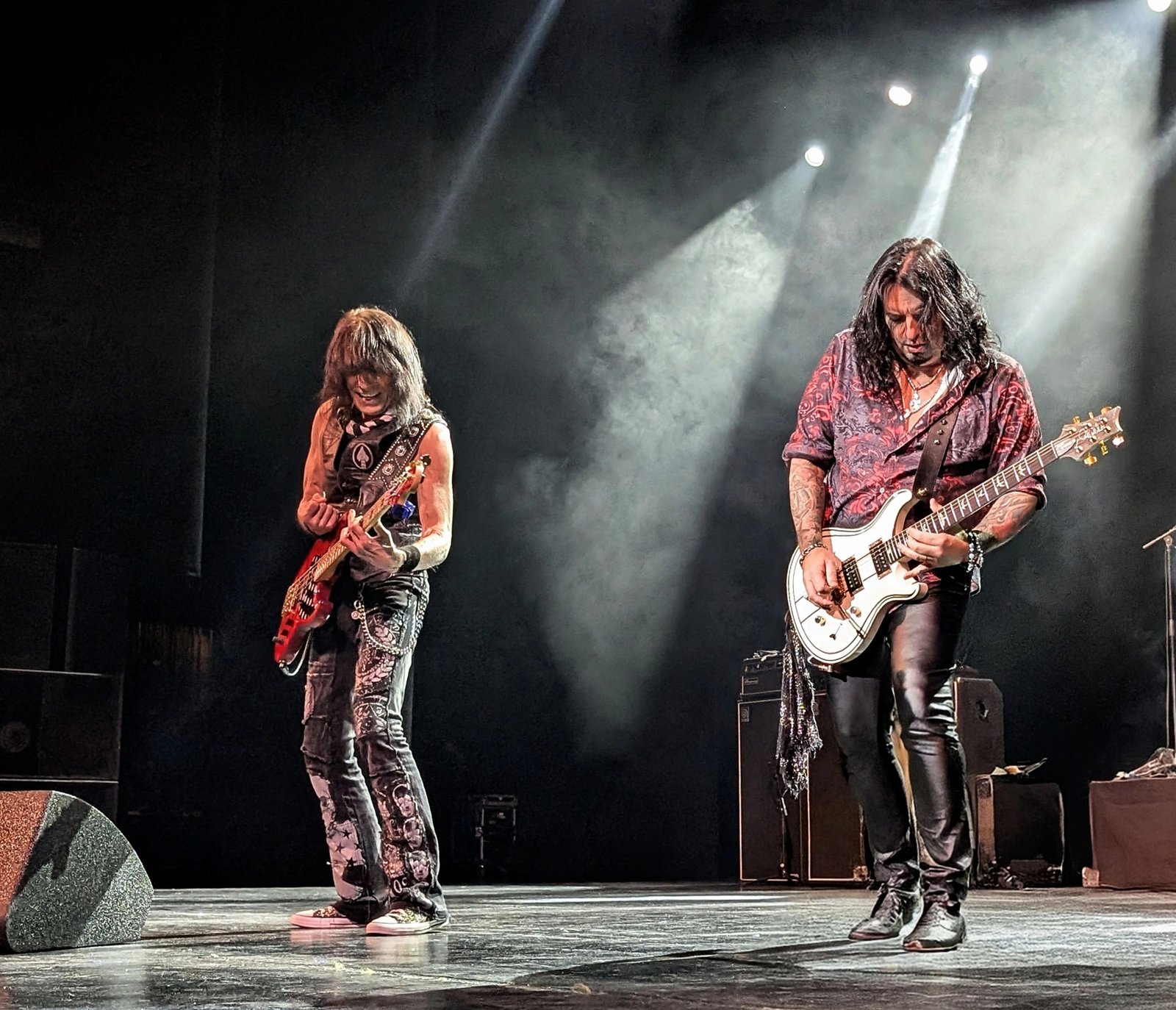
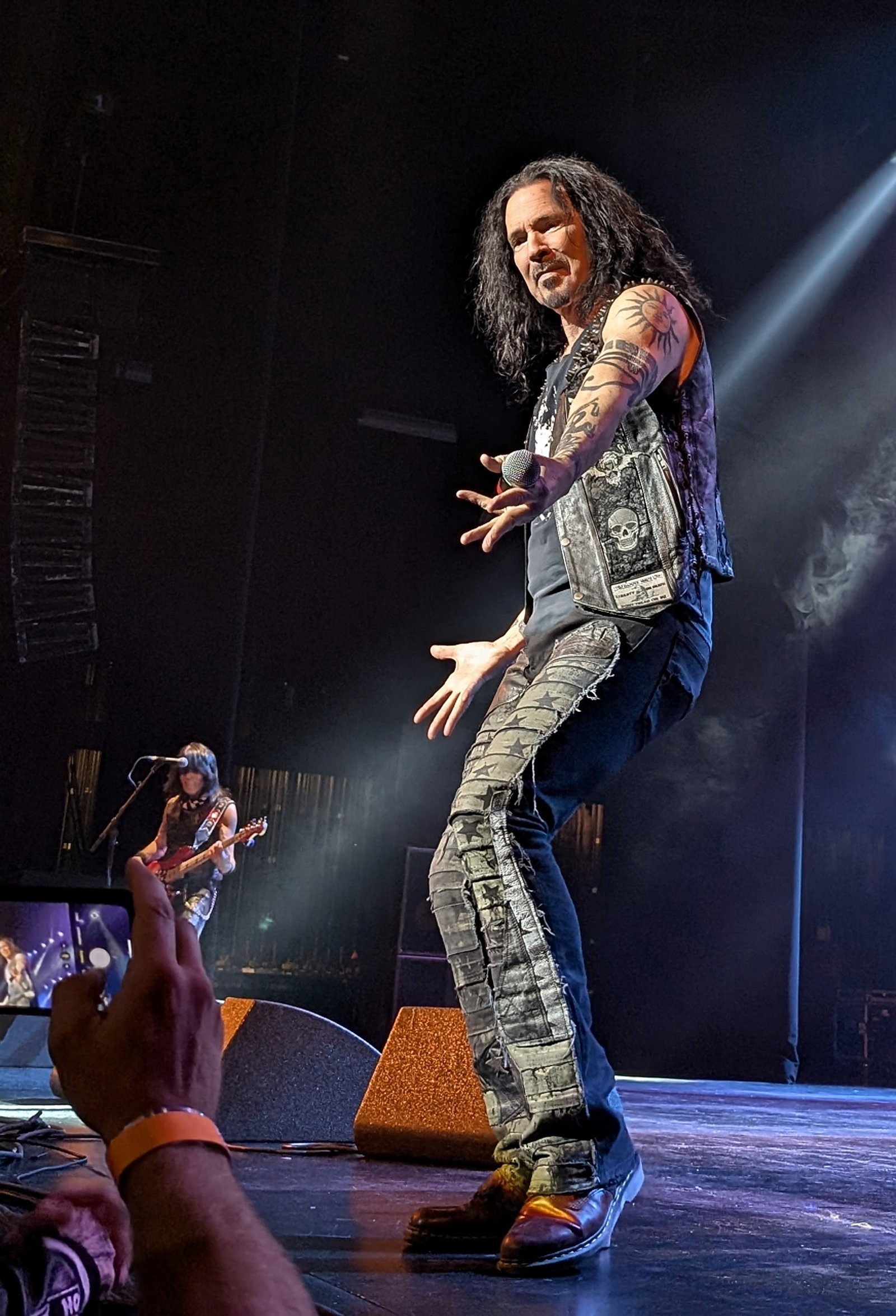
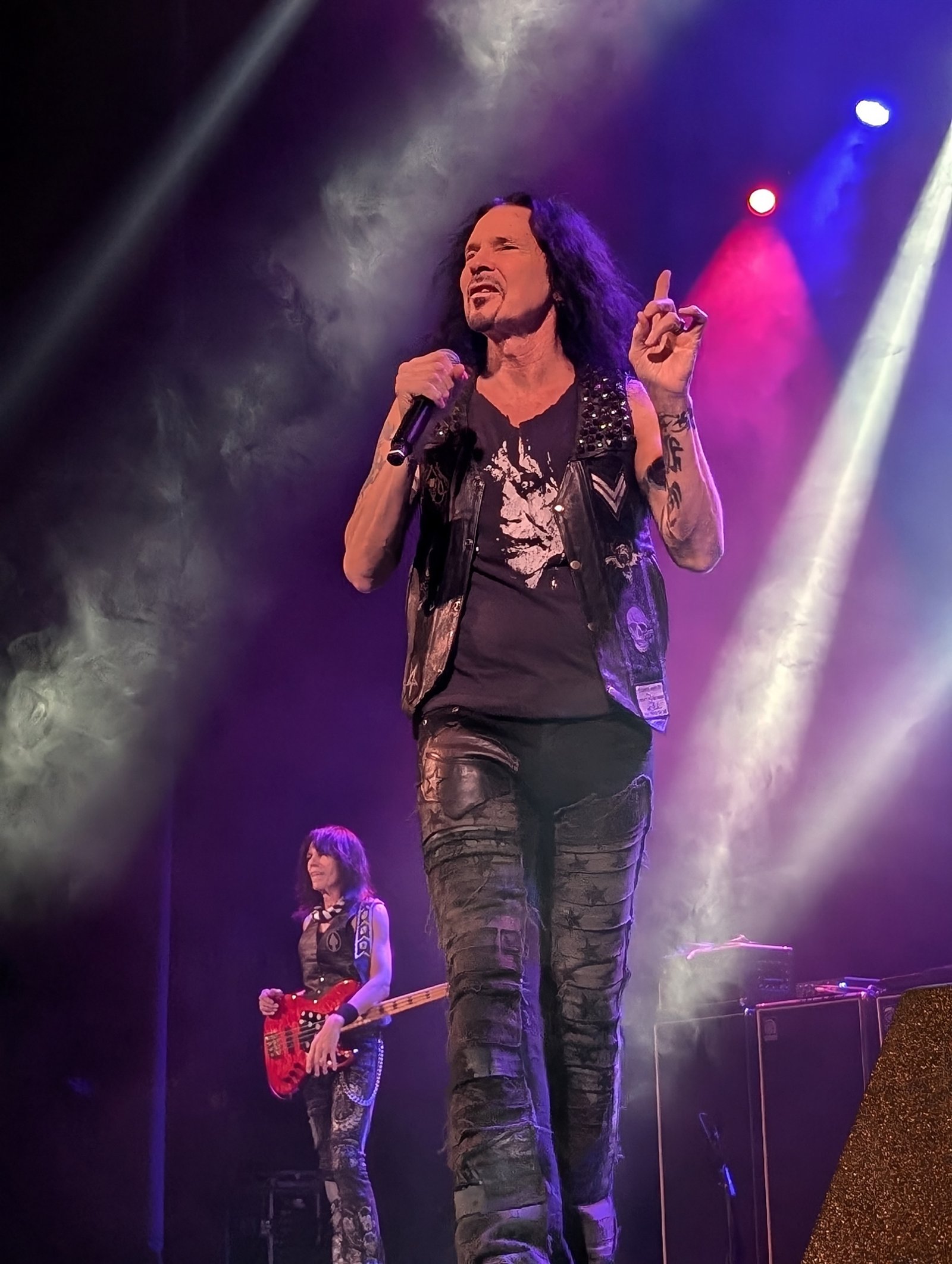
Quiet Riot rolled through Utica on a Friday night.

Photography by Lori Anne McKone.

More from Lori Anne McKone …

Tania Susi @ Ukrainian-American Citizens Club, 12/21/2024

0

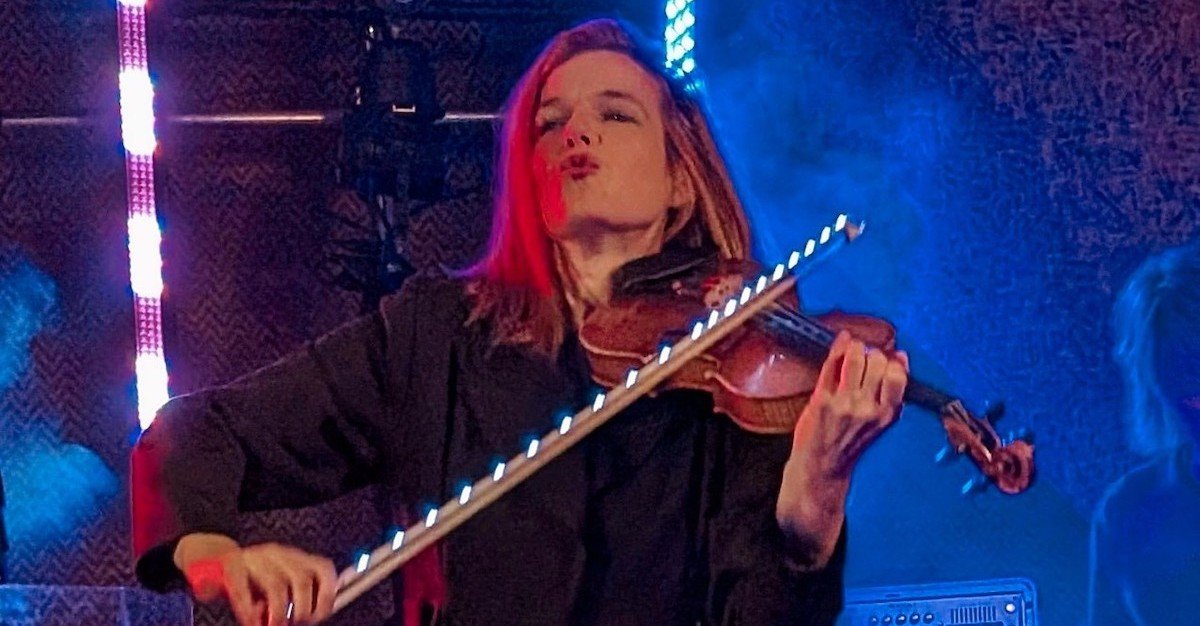
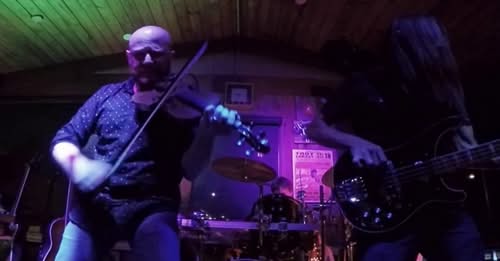
Cryin’ Out Loud! hosted a party at the Ukrainian-American Citizens Club on Saturday night, and among the entertainment featured Tania Susi, a talented violinist from Saratoga who has performed with Trans-Siberian Orchestra amongst many other talents.

Photography by Lori Anne McKone.

More from Lori Anne McKone …

Caffe Lena – A Fun and Busy Week

0
Caffe Lena

Greetings – It’s a fun and busy week for all of us! I hope the change of schedule gives you time to enjoy family, play outdoors and take in some live music at night. Lots of fun shows coming up between Christmas and New Year’s. A heads up on New Year’s Eve: we will be streaming our very popular annual concert highlights show. This will run as a free YouTube Premiere at 8 PM. At the same time at Caffe Lena, we’ll be joining the Saratoga New Year’s Fest with two shows featuring Los Sugar Kings. Entrance for those shows comes with your Saratoga NYE badge, available HERE.

See you at the show,

Sarah

P.S. Quick reminder that we’re down to the final week of Caffe Lena’s Annual Fund Drive. If you wonder whether or not your donation makes a difference, it really does. Here are some numbers that show how important your support is. Thank you!

– WEEK AT A GLANCE –

Monday

7 PM Open Mic Night

Tuesday

Closed for Christmas Eve Holiday

8 PM “Live From Caffe Lena” on WEXT 97.7 or 106.1 FM

Wednesday

Closed for Christmas Holiday

7 PM & 12 AM “Live From Caffè Lena” on Folk Music Notebook

Thursday

7 PM RACQUETTE RIVER ROUNDERS ANNUAL BOXING DAY REUNION SHOW

Friday

5 & 8 PM STEPHEN KELLOGG

Saturday

4 & 7 PM NEW AMERICAN CUISINE

Sunday

9 AM Dharma Meditation with Pierre Zimmerman

7 PM  LOST LEADERS

– HIGHLIGHTS –

Guitarist Danny Gotham and singer-songwriter John Kribs formed the Rounders in 1978 along with the late bassist Michael Hadfield. They play everything from traditional reels and jigs to Fats Waller, Elvis Presley and their own originals. They officially disbanded in 1982, but their annual Boxing Day Reunion Show at Lena’s has become a cherished annual event for die-hard fans and newcomers, alike.

Songwriter, author, inspirational speaker and comedian Stephen Kellogg offers “a note of solidarity to anyone looking for hope in hopeless situations.” Planet Bluegrass calls him “a first class songwriter with a poet’s gift for fresh imagery,” and Counting Crows frontman Adam Duritz says, “there are few people in rock n’ roll who are just so great.” He has received the Armed Forces Entertainer of the Year award and has been nominated for a Grammy.

Saratoga’s own indie pop rockers draw musical inspiration from The Beatles and John Mayer to Dispatch and the Lumineers. Filled with hooks and driven by melody, they spice up their songs with catchy vocal harmonies and decisive percussion and bass. These Saratoga High School grads have continued to work hard, get incredibly good, and put out really strong new songs.

“Byron, you & Peter got some Everly Brothers shit going on…” -Larry Campbell

NYC singer and irresistible personality Peter Cole, along with two-time Grammy-winner Byron Isaacs (current member of The Lumineers) have branched out from their early commitment to Americana and entered a retro pop/rock universe. Born out of Levon Helm’s legendary Midnight Ramble and quickly celebrated in the pages of RELIX, No Depression and The Huffington Post, their journey continues in their newest collection, Hungry Ghosts, an exploration of desire and acceptance.

Let the sounds of the Caribbean provide a hot start to your New Year! Catch Ben Folds up at the City Center, then head down to Phila Street for the roots-rock-reggae repertoire of Los Sugar Kings! Their dynamic live shows pull the audience into a space that’s passionate, thoughtful, and joyful.

We’re still adding a couple more shows to this year’s New Year’s Eve recap so we don’t have a YouTube Premiere link for you yet, but mark your calendar and join us for 24 diverse concert highlights from all of 2024!  What a great year of music!

– JUST ANNOUNCED –

JAZZ at Caffè Lena: The Chuck Lamb Duo with Special Guest Joe Locke

Tuesday, January 14, 7 PM

“A Joyful Noise!” Gospel Dinner led by Soulist Garland Nelson

Sunday, January 26, 5 PM

Bright Series: Liam Purcell & Cane Mill Road

Saturday, March 15, 8 PM

Driftwood

Friday, June 13 & 14, 8 PM

Sue Foley

Sunday, June 22, 7 PM

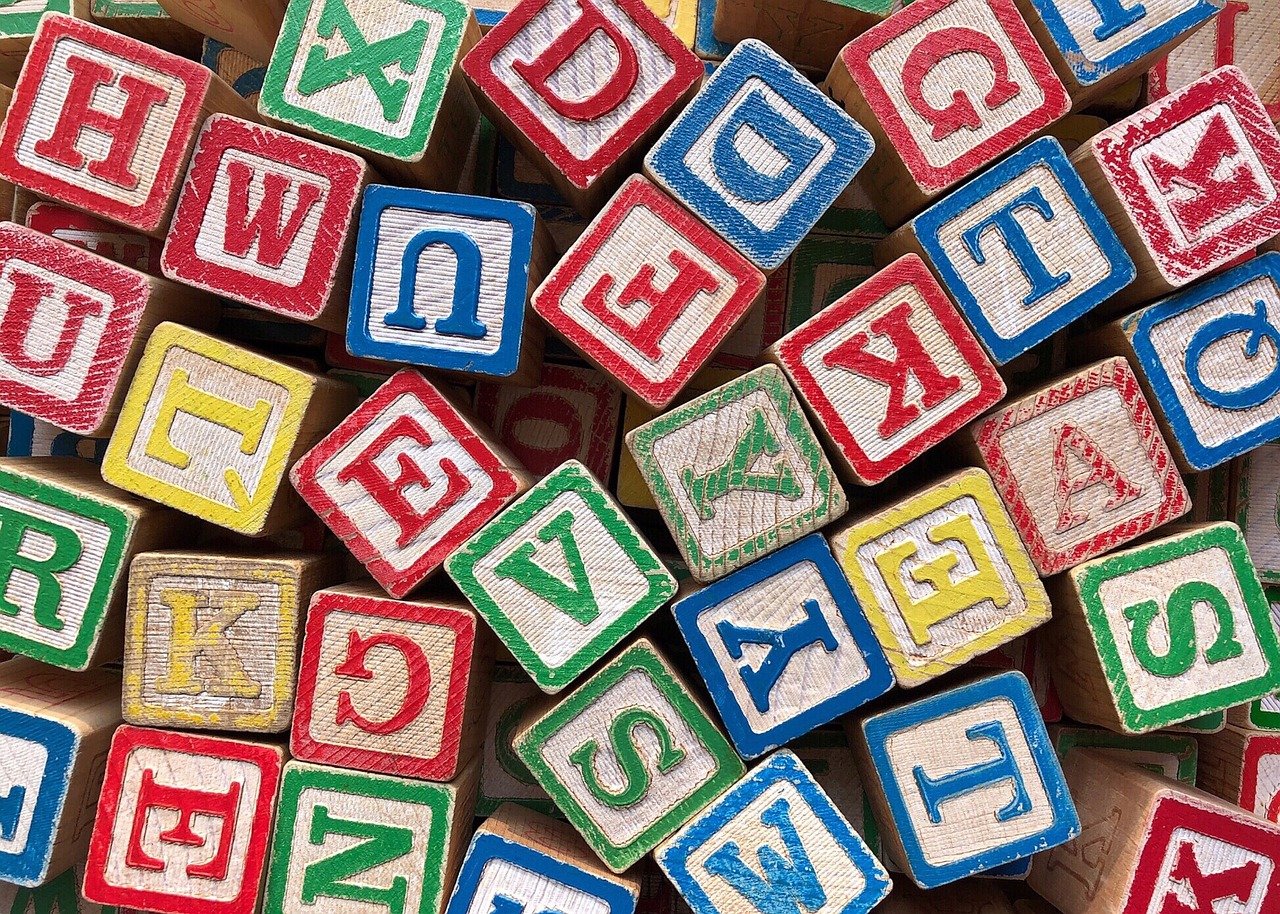
The Alphabet Test – The Weird Side of the Internet

0
The Alphabet Test

The Alphabet Test – The Weird Side of the Internet – by Liam Sweeny.

Interviews are tough. I’m not talking about interviewing a band or an actor; I’m talking about interviewing a prospective employee. Or maybe I should say being interviewed.

It ain’t like it used to be. I won’t go into the fact that “entry level” now requires a Master’s degree and pays minimum wage; that’s a topic for another news hour. But being interviewed, sitting there across the desk from someone with a criteria and a stack of resumes of possibly qualified applicants and a million ways in their head they can pass you by and only a handful of ways you get the golden ticket.

It’s amazing that anyone actually gets to the interview. They use AI to weed out resumes, and building a successful resume is now all about coding your life history for the AI. You could have spent your life selling cigarettes in pool halls, and if you use the right sentence structure and keyphrases, you’ll wind up sitting down on the big day with your hopes and your dreams and your likely padded CV and you will be greeted with…

The alphabet test.

This one came from a Redditor who asked HR interviewers if they had any tests they give applicants, and the one that came up with the “alphabet test.” The interviewer, at some point in the interview, asks the interviewee to write out the alphabet. They do this for a couple of reasons. One sounds crazy, but it’s to see how well you know the alphabet. A lot of the world is alphabetized. Second reason is to see a.) will you just do something without needing to know why, and b.) will you just do something without wanting to know why.

I remember at a dollar-type store they had a bunch of honesty tests on the application. Would you steal? Have you ever? Would you tell on somebody? So a whole bunch of people lied about being honest and ended up working at the Dollar Store.


More from Liam Sweeny…

Acoustic Trauma – Xperience History

0
Acoustic Trauma

Acoustic Trauma – Xperience History – by Liam Sweeny.

Originally published in May of 2019.

When I was jamming out, my sound stage wishes and wah pedal dreams in tow, I’d heard of Acoustic Trauma. I’d never seen them, but I’d heard a bootleg tape, so I knew what they were laying down. That was in the late 90s, and Acoustic Trauma has been laying it long since I laid my guitar to rest.

With Patrick McNulty on bass, Jason Ellenbogen on drums, and Paul Nunzio Maceli on… well, a little bit of everything else, Acoustic Trauma has been blowing minds from the cradle to the cap and gown.

I sit with Paul to mull over the finer points of interstellar traffic law.

RRX: You really push the envelope when it comes to an acoustic sound. In fact, I don’t think many people hearing you for the first time would have the word ‘acoustic’ as first choice – there’s so much more in the sound. When you started jamming out, maybe pre- ’97, did you see yourself as an acoustic set, or was that a crown given?

Paul: It’s actually an interesting story. To give you some background, my early influences included classic rock, mostly progressive rock and heavy metal.  In my teen years, I quit playing music to go to college for business, knowing that the only way I would ever get back into music was if I was to do something original that no one else was doing.  Fast-forward to my twenties, in the midst of trying to find a hobby better than my unhealthy barhopping, I was hanging out at my apartment with my Uncle Peter (bassist at the time of the funk rap band Shootyz Groove) showing off a 12-string acoustic guitar that I just purchased. I started banging away on it as if it was an electric guitar and he said to me “hey, you’re playing that thing like it’s an electric guitar! You’re not supposed to do that!” I asked “does it sound good?” and he said, “Yeah! It’s different!” So, that started the wheels moving in my head because in the 1990s, the only thing you heard from anyone with an acoustic guitar in their hand was an “unplugged” version of a rockin’ song or a sweet little folk tune that everyone already loved. No one was plugging an acoustic guitar into an amplifier and putting it through effect pedals and turning it up, let alone having the nerve to jump in front of a kick ass bass/drum rhythm section to blow people away. That sound was right up my alley!

That also happened to be around the same time that Eric Clapton had released the unplugged version of his energetic 70’s hit “Layla.” The electric version of “Layla” was one my favorite songs of all time and when I heard it all toned down and quiet, I wanted to puke into my shirt!  Especially after what I felt I had just discovered about the energy of the acoustic guitar. “No! You can’t do that! You don’t have to sit down and ruin that song!” I thought to myself. Of course, I didn’t worry about it because I thought it would be a stinker, but lo and behold: it was a hit! In addition, it had become a trend and EVERYONE began unplugging their songs! Now I was on a mission to defy the masses and alas, in 1996, I was back playing music again.  By 1998, I had incorporated the violin into the mix and then the mandolin. As of lately, I also whip out the MOOG Theremini (modeled after the MOOG Theremin) because it’s just so much fun! Plus it’s different. I mean, how many people do you see jamming on a Theremin on a rock and roll stage?

RRX: When I heard the instruments you all play, I would’ve expected an atmospheric kind of music, but that’s really not what you guys are laying down. Less a misty morning, more a tempest. Is that why you guys named yourselves Acoustic Trauma? Is it a cool name or a warning label?

Paul: Ha! It’s both! The name serves as a definitive pun because even though the lead instruments are acoustic, they are plugged into a powerful amplifier to keep up with the drums and electric bass guitar. It can get pretty loud and the term “acoustic trauma” describes damage done to the ear as a result of loud sounds.  I thought it was pretty smart.

RRX: I have a good sense of what you’re playing in your songs, instrument-wise, but it’s a sense – I could be way off. I think anyone just hearing you on the radio or on their laptop or phone might want to know, so would you mind giving us a sneak peak of your ingredients list? What instruments go into an ‘Acoustic Trauma’ jambalaya?

Paul: The Acoustic Trauma Jambalaya consists of a drum kit (always played by a rockin’ drummer), a driving but funky bass guitar, and depending on the song, I am proud to be the chef that decides whether a violin, acoustic guitar, mandolin, and/or MOOG Theremini is the lead meat of the song.  Sprinkle a little vocal expression over that and voila: the delicious power trio known as Acoustic Trauma!

RRX: AT has been on scene since ’97, so twenty-two years. So you’ve had a chance to see the local music scene evolve, and yourselves along with it. Have you all ever had to take a year or two off in all that time? Have you ever had a chance to be surprised by something happing to the 518 scene?

Paul: There is so much talent in the area, as well as people who are warriors of promoting the arts. Like the X, for example. What you guys are doing to support the independent arts is what keeps a scene like this going. It’s humbling and I know that we appreciate it! That’s the surprise: there are always people who care about and cherish artistic creativity.  From venues to bars to special events to charities, there is a support for the local arts.

It has been an interesting journey throughout the years in the 518. When AT started, the big deal was making a CD and getting your songs played on the radio, even if it was just on the local half-hour show.  We had radio stations supporting local bands and that was really cool. They made us feel like rock stars. Then there was the regional television show Sounding Board, which showcased a different local band each week. That was before YouTube, so it came with the excitement of performing in a television studio, as well as seeing yourself on TV. That was a wonderful support vehicle. Plus, I watched it all the time just to check out the other bands. Of course, there was Metroland Magazine, Times Union, and other publications that would write bands up, their CDs and live shows. It was like having our own local Rolling Stone and Village Voice and everyone wanted to be written up in there. But then the internet came along and changed everything.  There are websites to show off music, photos and where we play out. We could get more exposure on YouTube and you can share whose videos on your social media, which is where most people are on these days. There is easy access to get music and information on a band now.

RRX: A long time ago, I heard about the Trauma House. Whispers, really, maybe legends when we kicked the bottom shelf stuff. You also have a live album from the Trauma House. So, the fire’s going, and the legend is yours to tell; what was, or is, the Trauma House?

Paul: The Trauma House is pretty much my house and Acoustic Trauma headquarters for practicing, writing, hanging and house parties, thus the name “The Trauma House.” At first I didn’t like the way the name rang but everyone seemed pretty comfortable calling it that after the first private party, so the name just stuck. We pretty much had our own live venue with full lights, fog, sound and people! Our friends and fans always came to those. It was wonderful! It became such an event, that we decided to record our live CD/DVD there.  As for the “legendary” stuff…I’m saving that for the book. As of current, we had a party in 2018 and I am happy to say that if things line up they way we want, there will more of them.

RRX: I love music, but my day job is storyteller, and I just realized that I rarely ask people about their lyrics. I just get wrapped up in their sound when I’m writing out these questions. But I’m digging your lyrics. What would you say influences the direction of your lyrics, or the theme of them?

Paul: I mostly write about things that piss me off. I try to disguise the lyrics with sarcasm, cryptic poetry and sometimes the macabre to have some real fun with everyone. The songs are sort of like little bible stories where there may be a lesson to be learned or a joke to be told. The topics and themes are all over the place, while my main artistic focus in Acoustic Trauma is with the music.

RRX: This is where you get to answer any question I didn’t ask. Who do you love out there? What do you have coming up? Do you have a recipe for actual jambalaya? The floor is yours.

Paul: Currently we have a many fun creative projects in the mid-works.  First, there’s the “new album.”  We have some new songs recorded from the Trauma House basement studio. Those simply need some production decisions on what to keep and what to not to keep, while we’re still coming up with new ideas all the time.  Second, we have several multi-track live recordings where we could easily release a live album consisting of extended-jam versions of our songs. We’ve turned our musical energies more into seeing what we can do “on the fly” live as opposed to just playing the songs as they are on the disc. Those have been a lot of fun and we are lucky to be able to pull it off. Lastly, we have incorporated a few cover tunes in the live set, mainly using the violin as the lead instrument as opposed to guitar. These include “Fire” (Jimi Hendrix), “YYZ” (Rush), “Jerry Was A Racecar Driver” (Primus) and “Ace of Spades” from Motorhead. Like seriously, who is playing Motorhead on the violin? Acoustic Trauma is, that’s who!


More from Liam Sweeny…

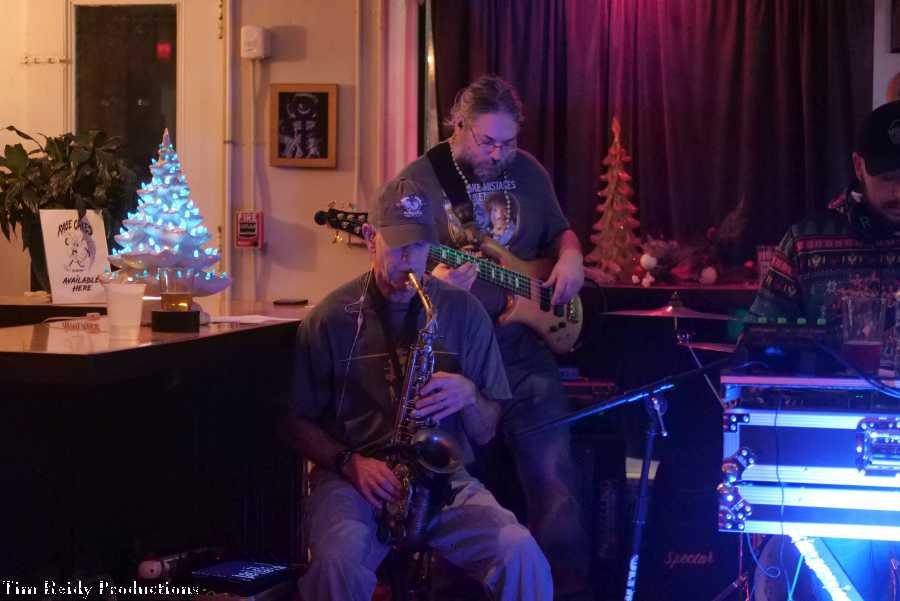
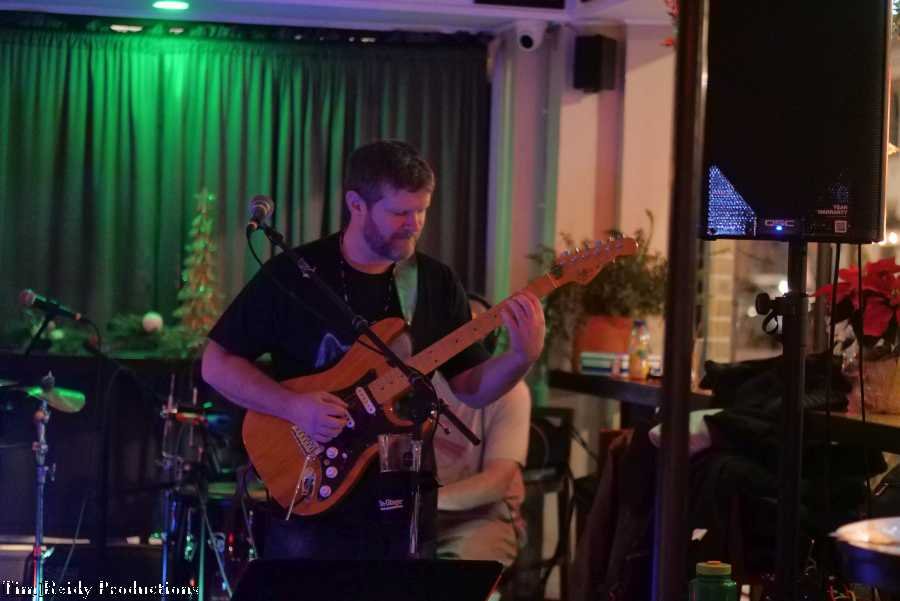
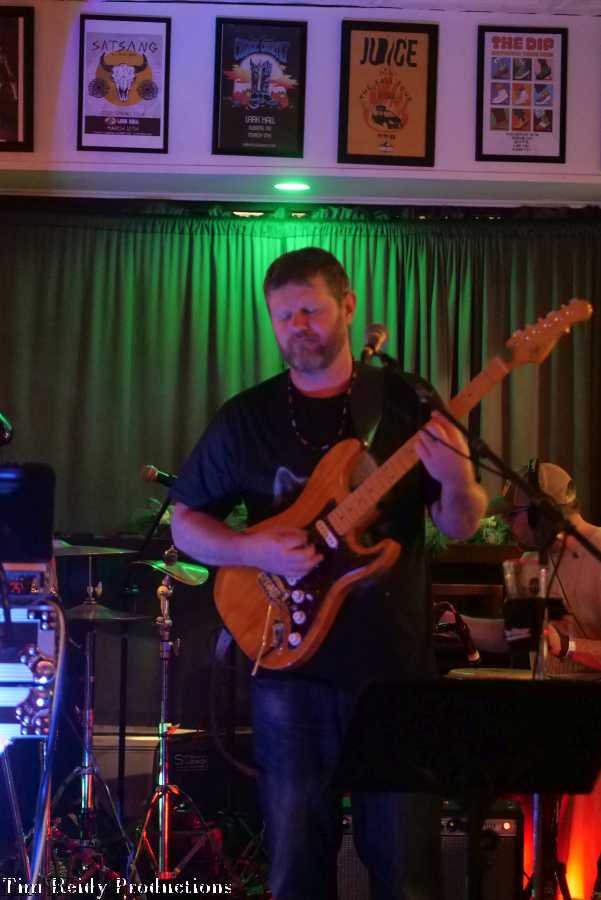
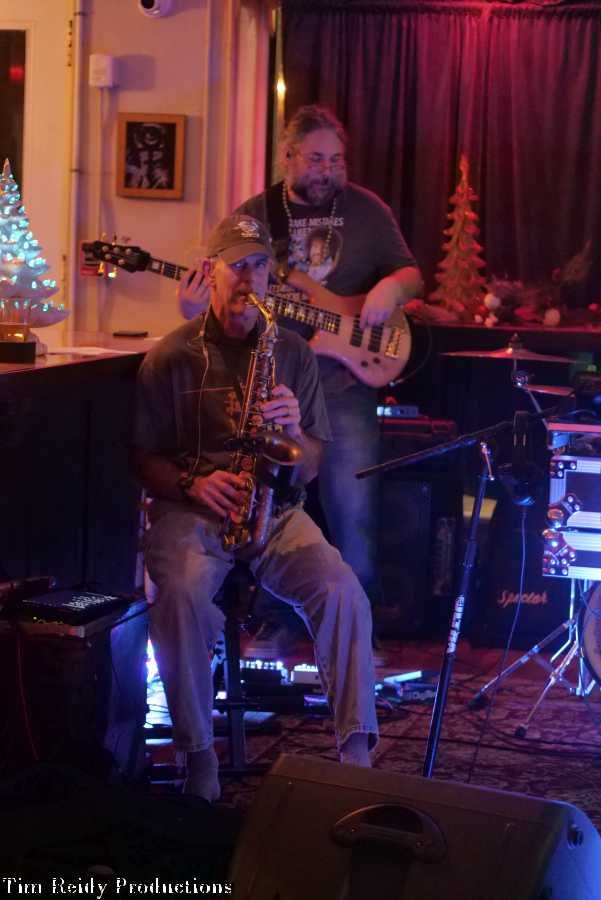
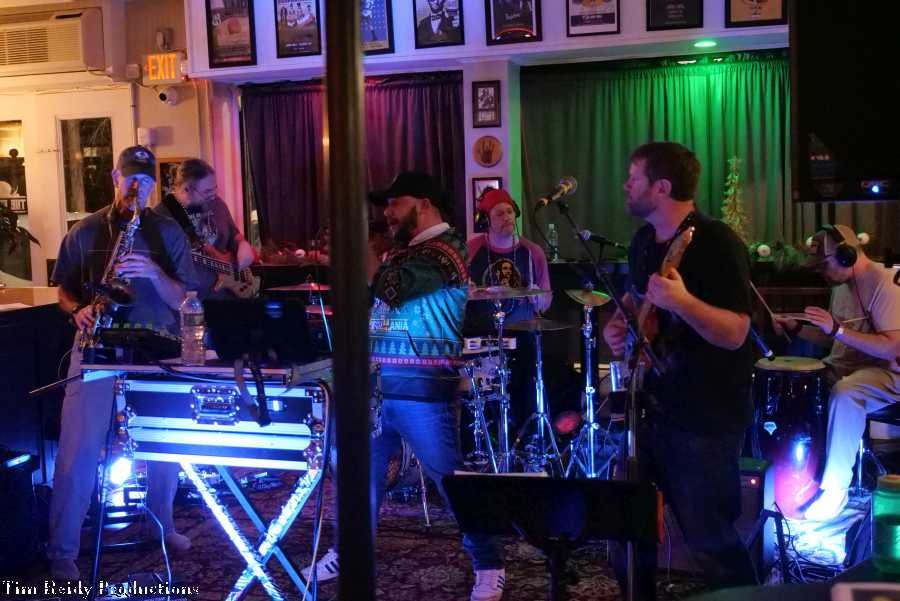
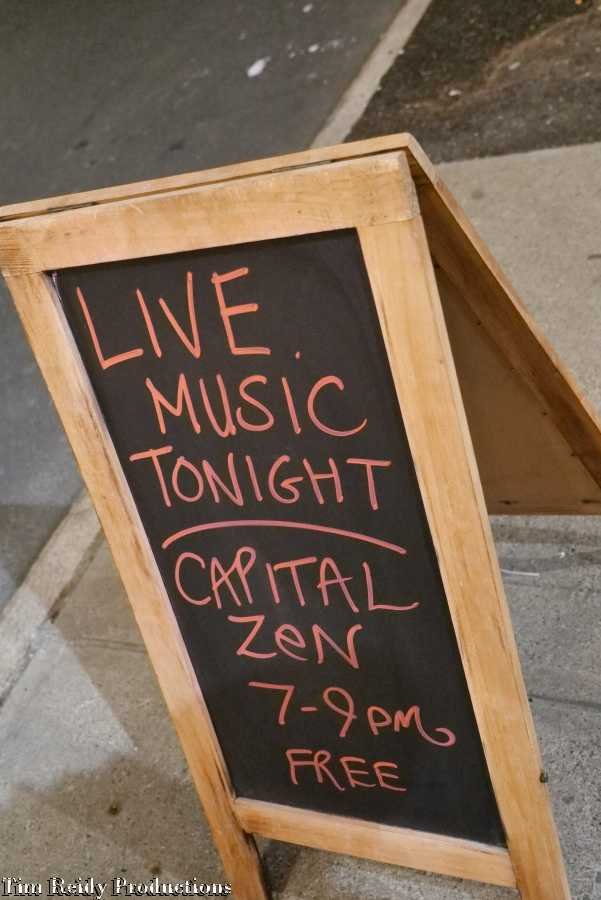
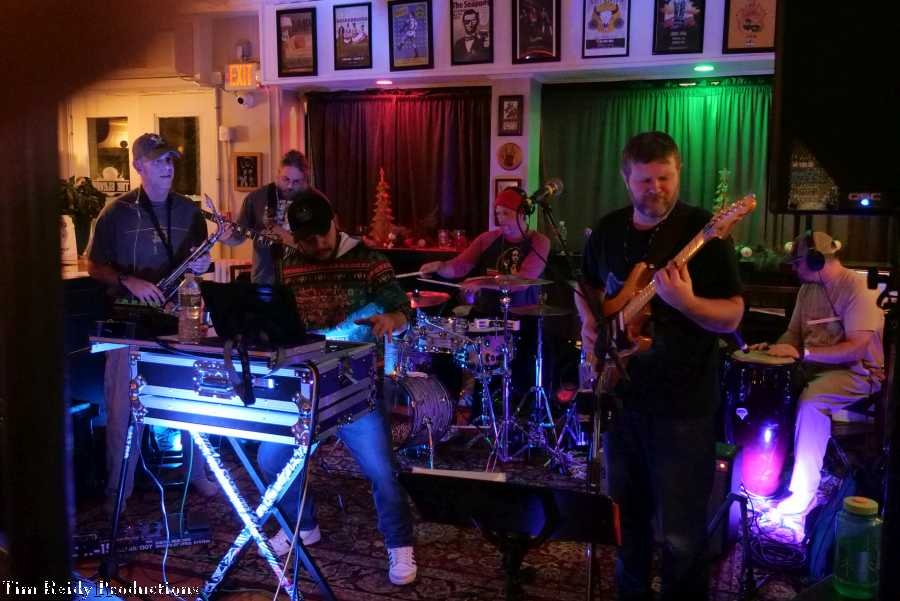
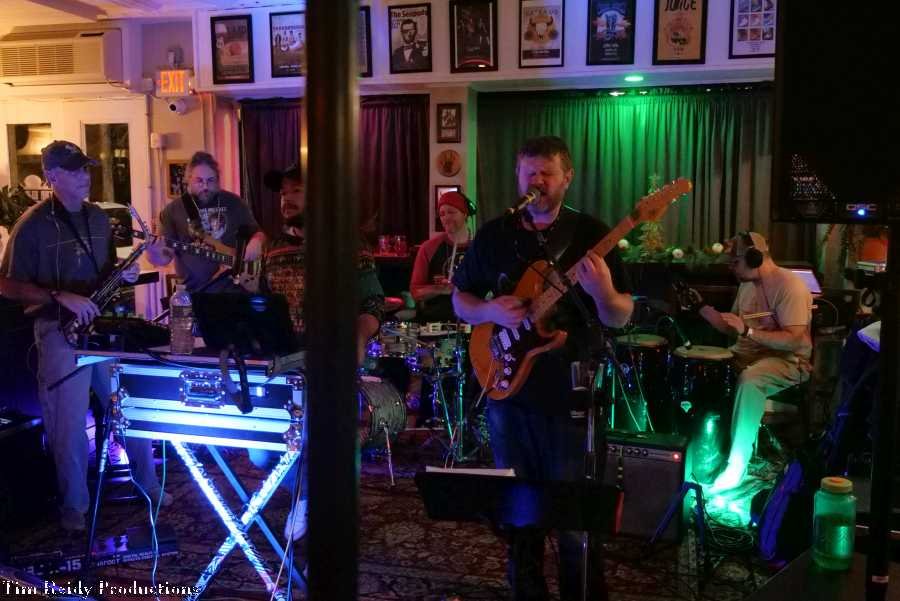
Capital Zen @ Lark Hall, 12/13/2024

0

Friday the 13th with Capital Zen.

Photography by Timothy Reidy.

More from Timothy Reidy …

John Sparrow – Violent Femmes – Interview

0
John Sparrow

John Sparrow – Violent Femmes – Interview and photograph by Rachael Skinner.

John Sparrow is the incredibly talented percussionist for Violent Femmes. Sparrow’s eccentric and jazzy flair adds an extra touch to the incredible music of Violent Femmes. Sparrow had earlier been integral to the Femmes backing band, “Horns of Dilemma,” prior to becoming their percussionist. This past summer, I experienced Violent Femmes at Beak & Skiff Apple Orchards in LaFayette, NY, and had the honor of capturing their entire live performance. Recently, I caught up with John, and he answered some questions I have been curious about. I am excited to share with you what we discussed.

RRX: How old were you when you first discovered your passion for music, and what was the first song you learned to play?

JS: My passion for music preceded me starting learning drums, first of all. I was 14 when I started to learn drums. However, I have been passionate about music since I was a young child. The first song I learned to play was “Zivili Brace, Zivili Sestra” by Frank Yankovic. That is on his “70 Years of Hits” album.

RRX: What is your most fond memory of learning how to play the drums with your father?

JS: My fondest memory of learning to play from my father was the six weeks it took me to learn how to play a double stroke roll properly. I practiced on books and magazines before he let me start on the snare drum. He told me that the double stroke roll is applicable in so many rudiments and drum patterns on the kit. Once I learned how to play on ONE drum, he set up the whole kit.

RRX: What do you do to get into your creative zone to write and compose your music?

JS: I prefer to act on creative ideas as they come to me and strike while the inspiration hits. When I’m in a situation to create with others that is planned, and/or not my concept, that’s different. In that case, I will pick the other people’s brains to find what they have as a goal or where their inspiration came from.

RRX: Can you share your initial experience as a musician that made you recognize this as your life’s calling? What was the most profound inspiration that compelled you to embark on this musical life path?

JS: My father was not a handy guy. My brother-in-law did a lot of the repairs around our house. When my dad pulled his drums out of storage when I was 14 to clean them up, I was intrigued. I then thought that if there was anything my dad could pass on to me, it would be the drums. I asked him if he could show me a few things on the drums and that’s when it started. My life calling came from a gig I was hired to do with a country band. They asked me to do a weekend of gigs in Milwaukee. I packed up all my drums for the first time and loaded up my parents’ car to go to the gig. Right when we were about to leave they called and said they actually had another drummer and I didn’t need to come. I went to my bedroom and was devastated. I cried all night, but the next day I was so pissed that I set up my kit and told myself that nothing will stand in my way of playing drums in a band again. I knew at that moment that this was what I wanted in life.

RRX: What musicians helped influence your unique drum techniques and styles of music?

JS: Obviously, my dad was my first influence on the drums. Through his guidance, I got into Gene Krupa, Buddy Rich,

Louie Bellson, Joe Morello, etc. Then through my self-discovery … I found Tim “Herb” Alexander, Dave Abbruzzese, Carl Palmer, Neil Peart, Bill Bruford, Steven Adler, Steve Smith, Ginger Baker, Mitch Mitchell, John Bonham, Jimmy Chamberlin, Jeff Hamilton, Mick Fleetwood … I could keep going for a while.

RRX: What were your favorite bands / musicians growing up?

JS: Growing up and the start of my drumming path are two different things, as I mentioned. Prior to playing drums, I loved the music my parents and sister listened to. My dad was an “older” dad, so he listened to a lot of big band jazz and polka. My mom was a ‘50s and ‘60s fan. My mother also loved Blondie and would sing “One Way or Another” and chase me around the house. Years later, when Violent Femmes played with Blondie, I watched her leave the stage, and she winked at me. I immediately called my mother to tell her that story. My sister is 10 years older than me, so aside from beating me up, she had a huge influence on me listening to what the kids call Yacht Rock now. My sister also liked early ‘80s pop, and I credit her for being just as much of an influence as my parents. As I grew up, through my friend group, I was exposed to Metallica, Guns N’ Roses (Steven Adler), etc. Then I discovered

Hip-hop artists such as Public Enemy, Run-DMC, Big Daddy Kane, Kwame, Special Ed, Mellow Man Ace, NWA, Ice-T, Eric B and Rakim, etc.

RRX:  What was the experience like, transitioning from playing cajon with the Horns of Dilemma, to becoming a long-term member of the Violent Femmes?

JS: My friend David Gelting, who played bass with me in our own rock band, had started playing with Brian Ritchie from Violent Femmes. For reference, Brian plays shakuhachi (Japanese flute) and just moved back to Milwaukee. David and Brian had been trying out other drummers but didn’t settle on one. I snuck my way into jamming with them, and we all clicked. Through that group, Brian and I became friends and hung out a bunch. He eventually wanted to add a little more low-end, or punch, to the rhythm section for VF and invited me to do a weekend run with the band playing cajon. One thing led to another: I played well and started touring full-time with Violent Femmes in 2005 as a result. In addition to cajon, I was the drum tech and crew guy as well. As time went on, Victor would eventually leave the band, and we had a replacement drummer for a short time. After that transitional period, I would take over all the drum roles in 2016.

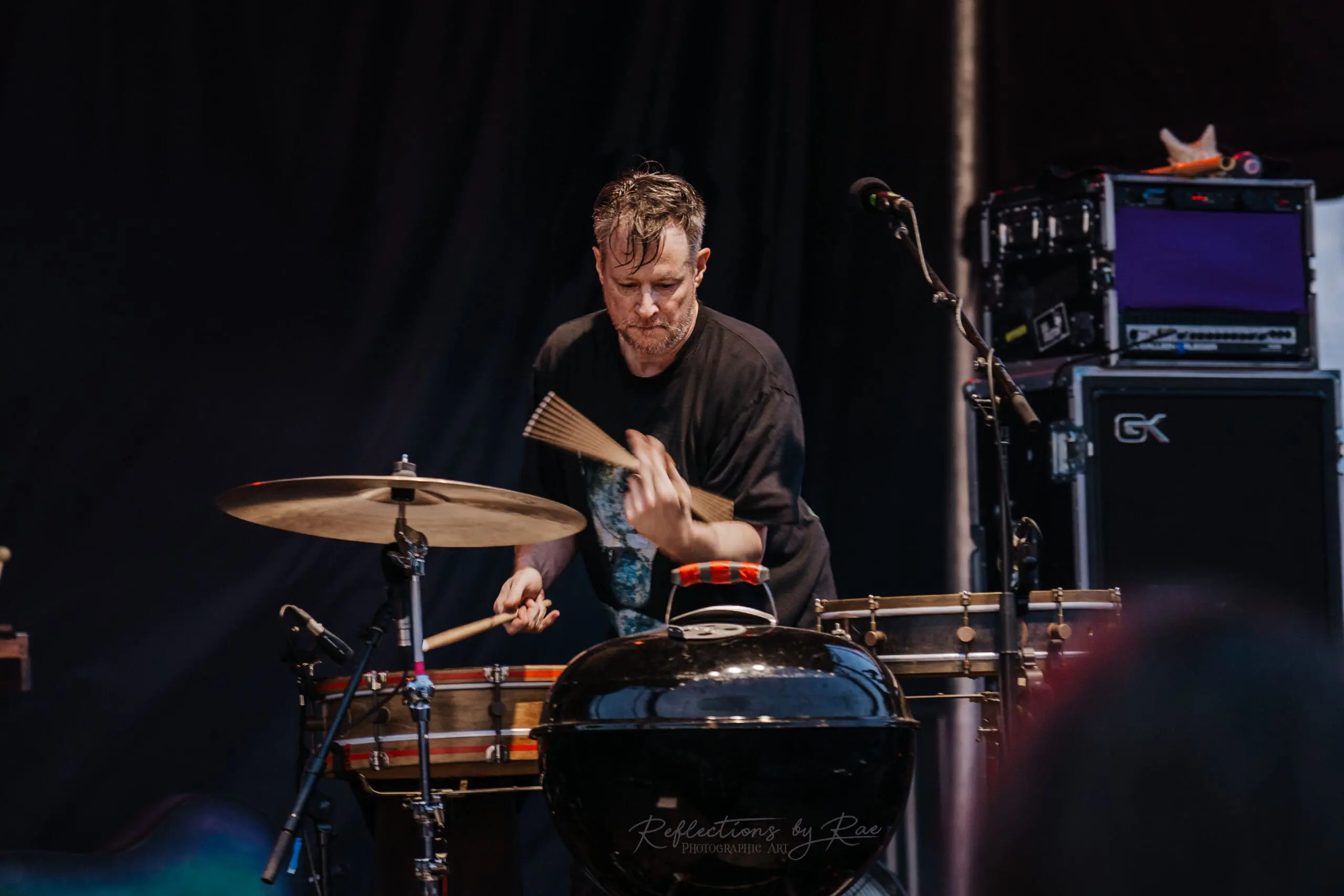
RRX: Can you explain to me how you decided to commit to adding the Weber Grill to a part of your drum kit? What is the story of the PBR bucket that was underneath the grill?

JS: During the time that we had a fill-in drummer after Victor, we had a show at the Montreal Jazz Festival. That afternoon, we had a TV spot to do, but the drummer missed his flight, and I needed to play drums. The band was sitting backstage, running over the songs, and Brian spotted a Weber grill in the corner. I assume the grill was part of a cooking segment the TV station had run previously. Brian looked at the grill and said, “You should play that thing.” If anyone knows the musical genius of Brian Ritchie, you don’t question his ideas. In my case, I started playing drums on one drum, or on a book/magazine, so this was not a big deal to play on a grill. The TV spot went over very well and sounded great. Fast forward to the departure of the fill-in drummer for Victor, and I chatted with Brian about the plans moving forward. When he decided that I would take over the drum spot, he said bring your drums, and you MUST bring the Weber grill. That was exactly what we did. But my first actual performance as the new drummer was on The Late Show with Steven Colbert prior to our Australian tour. I just played the Weber that night on national TV. That night, Brian and I watched the show in my hotel room and watched social media blow up in confusion. It is truly the spirit of Violent Femmes. Not contrived, it’s the working of Brian Ritchie’s musical genius. The PBR can was originally a cooking bowl to hold my stage water. We eventually picked up the PBR bucket along the way as a replacement.

RRX: Tell me about your drum setup. What are you drumming with mainly, and why did you choose these particular pieces to be a part of your kit? How do you feel that your unique style has added to the magic of Violent Femmes?

JS: I went through a number of drums before settling on my current kit. My setup for the past consists of drums made by A&F drum company from Austin, TX. Violent Femmes are known for brushes on a snare so I discovered the shotgun 18” snare drum that A&F makes, and that became my go-to. I use the Weber grill, obviously, and a small pancake-style floor tom. For many years, I haven’t used cymbals, but now we are playing “Hallowed Ground” in its entirety, so we decided to bring a cymbal back into the picture. The brushes I use are by Innovative Percussion (Jeff Hamilton model). I grew up listening to Jeff’s drumming; my dad and I loved his brushes and sticks. Aside from being a sweet person and player, Jeff has a design that works the best for my playing with Violent Femmes. My style is jazz-based, ultimately, and that is where my swing comes from. Violent Femmes has so much swing in the music that gives it a special swagger and attitude … I tap into my Gene Krupa influence to help support that Femmes swing. To support the punk rock and rock side of Violent Femmes music, I play a bit more snappy and driving, using my Buddy Rich influence. All the experiences playing other styles of music in my career leading up to playing with the Femmes come into play, obviously.

RRX: Do you have any other creative/artistic outlets that are a part of your life aside from music?

JS: That is a great question … I take an artistic approach to everything I do outside of playing music. I was asked during the pandemic to build a Zen garden with a couple friends. Much like a band, there was a lot of collaboration and design that went into that project. The physical aspect of digging and moving heavy stone was not much different than the physical and cardio that goes into playing drums. I love to grill all year and the creativity that goes into flavoring and how you grill is, again, like playing a song and locking into a good groove. Almost everything in life has an element of improv and creativity, I think.

RRX: How frequently do you rehearse with the Violent Femmes crew before hitting the road for a tour?

JS: We don’t rehearse, per se. We might go over a section of a song before a show or run through a song we haven’t played in a long time. That usually is in the dressing room before the show.

RRX: What’s the wildest thing you’ve witnessed at a show while touring?

JS: I’m going with the first thing that comes to mind. I believe we were playing an outdoor stage at a horse racing track. The “stage” was a raised area above the crowd, about 30 ft. There was a glass wall in front of us on stage. During our set, a fan made their way onto the stage area and was dancing. Security quickly tried to remove the fan from the stage. However, the fan noticed security and decided to climb over the glass wall and jump down into the crowd. This was not a typical rock show where fans could just jump back into the house. I can’t recall what happened to the fan, but I am very certain they injured themselves, unfortunately. That incident sticks in my mind as “wild.”

RRX:  What are some key pieces of advice you would give any musician starting their journey early on to help encourage them on their path?

JS: My advice to any musician starting their journey?

F*cking work! Work hard at your craft, number one. Marketing can be a drag, but remember, we chose this path, it’s part of the gig. If you wake up at 2 a.m. and have an idea, go with it (within reason). Successful people don’t have typical office hours. Lastly, don’t get too big for your britches.

RRX:  What does the definition of success mean to you?

JS: My (personal) definition of success was and is … making a living, seeing the world, learning other cultures, living a happy life, and providing for my family by playing and creating music. I would also view personal success as inspiring other musicians and/or artists.

However, I also want to inspire people to get up every morning and go to a factory job, coffee shop job, or deliver auto parts (which I did). I want to inspire non-artists to be the best they can be, even if it’s not a creative profession, or to just let loose on the weekend and have fun. It’s amazing how the arts are needed to inspire people regardless of their life path.


More from Rachael Skinner…

“Finding Christmas” @ Palace Theatre, 12/15/2024

0

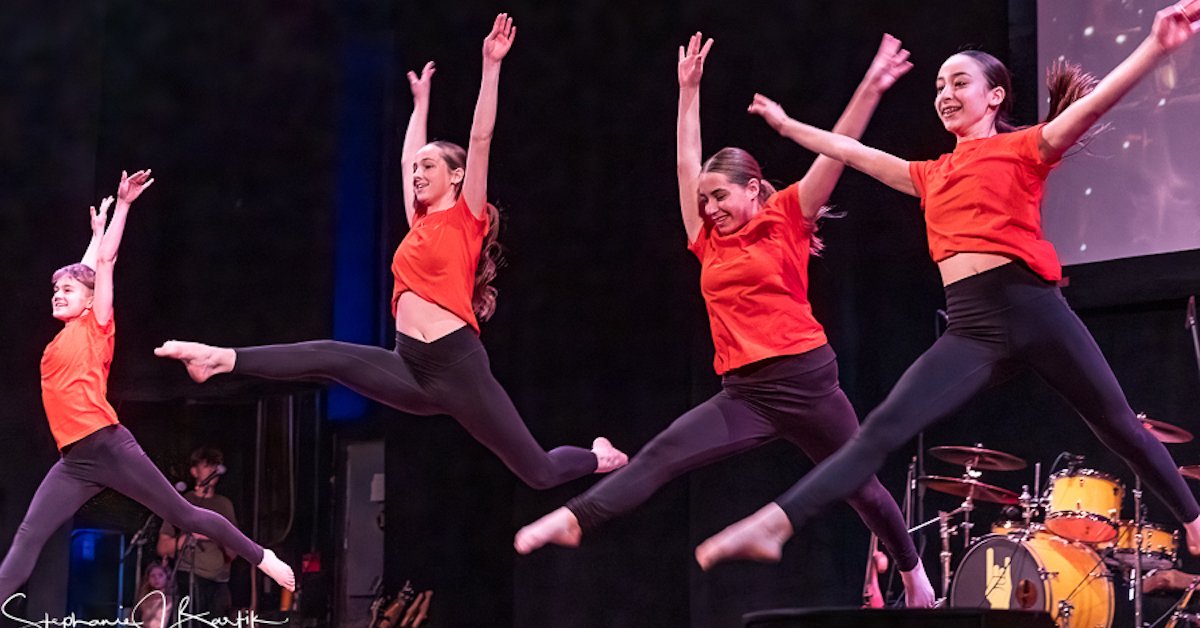
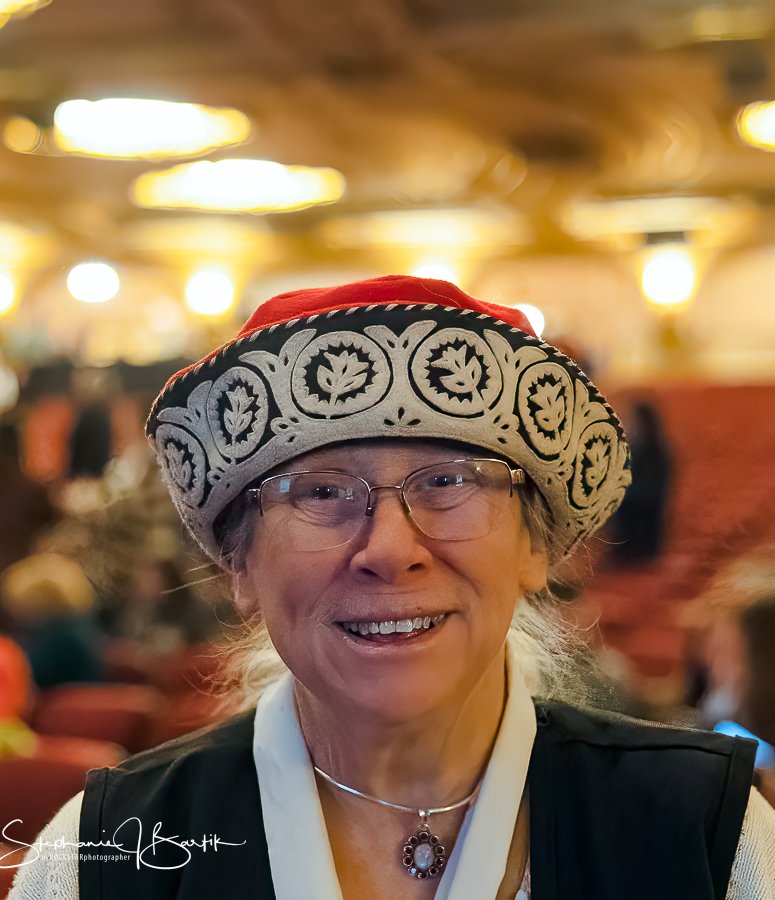
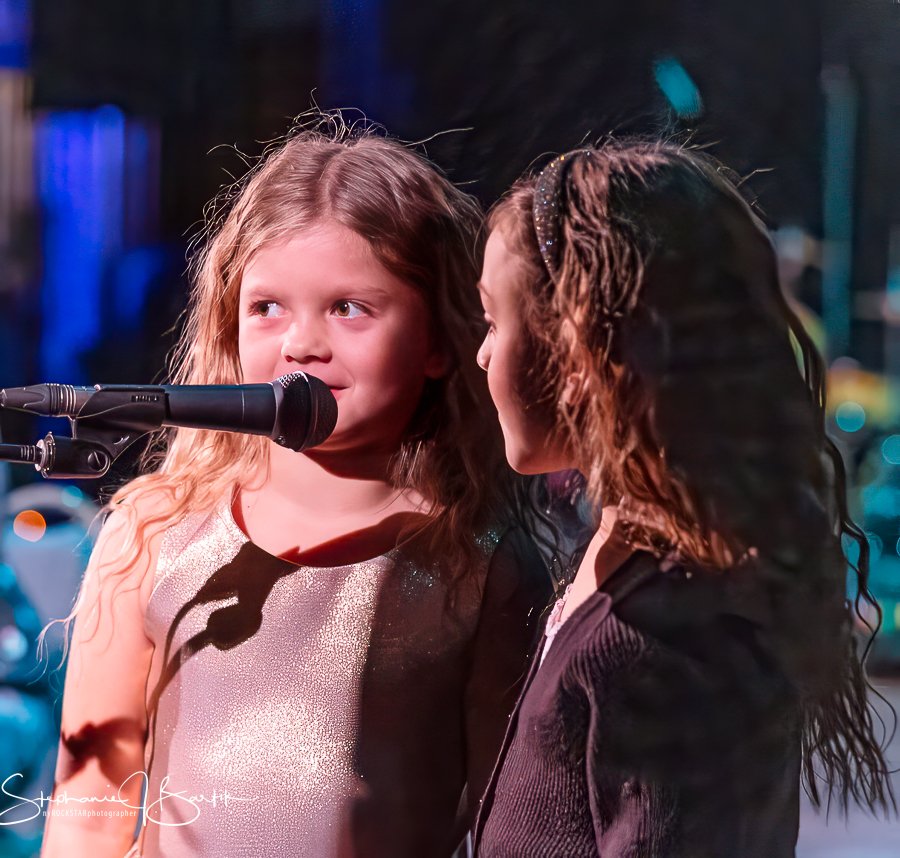
More photos from “Finding Christmas,” a terrific community event presented by Peak Music Studios. It benefits Building on Love, a charity that financially helps families facing life-altering medical illnesses. It also showcases a lot of local talent.

Photography by Stephanie J Bartik.

More from Stephanie J Bartik …