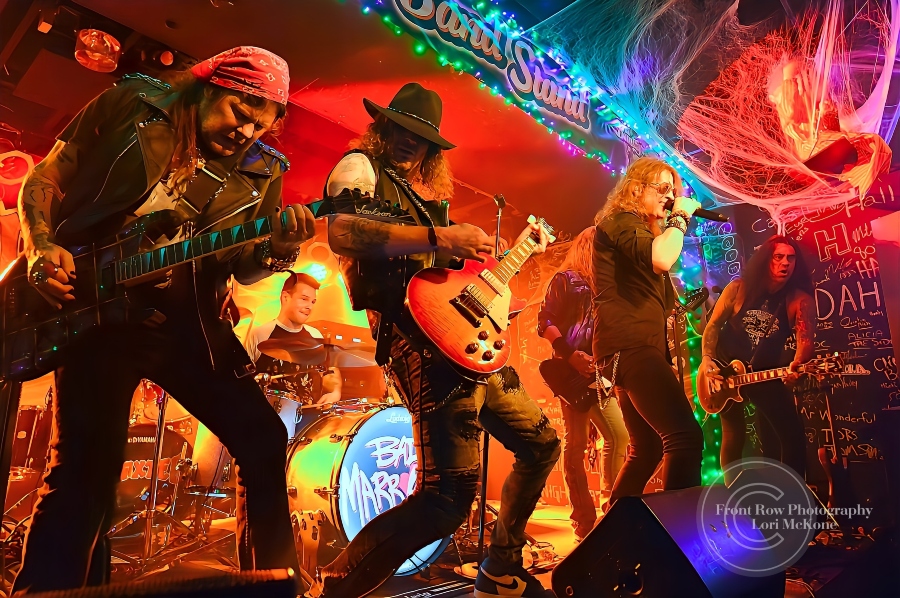
Photography By: Lori McKone
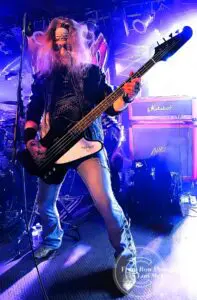
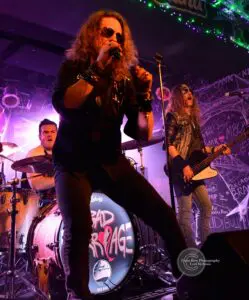
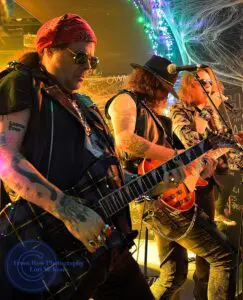
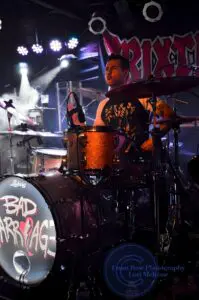
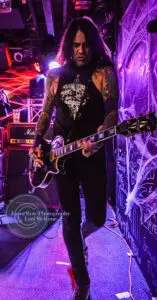
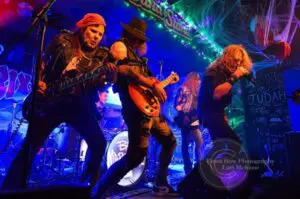
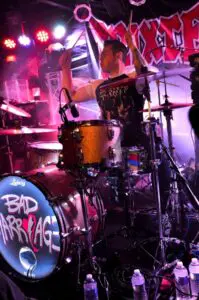
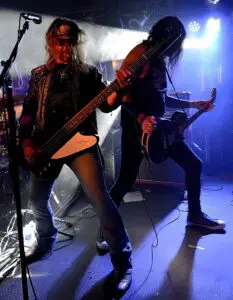
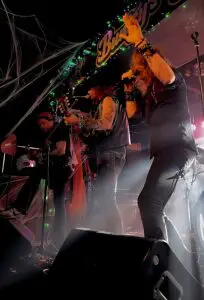
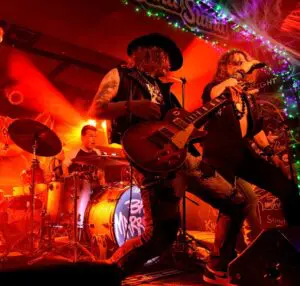
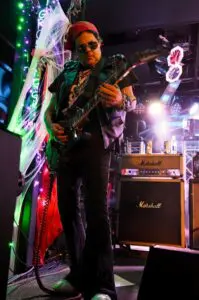
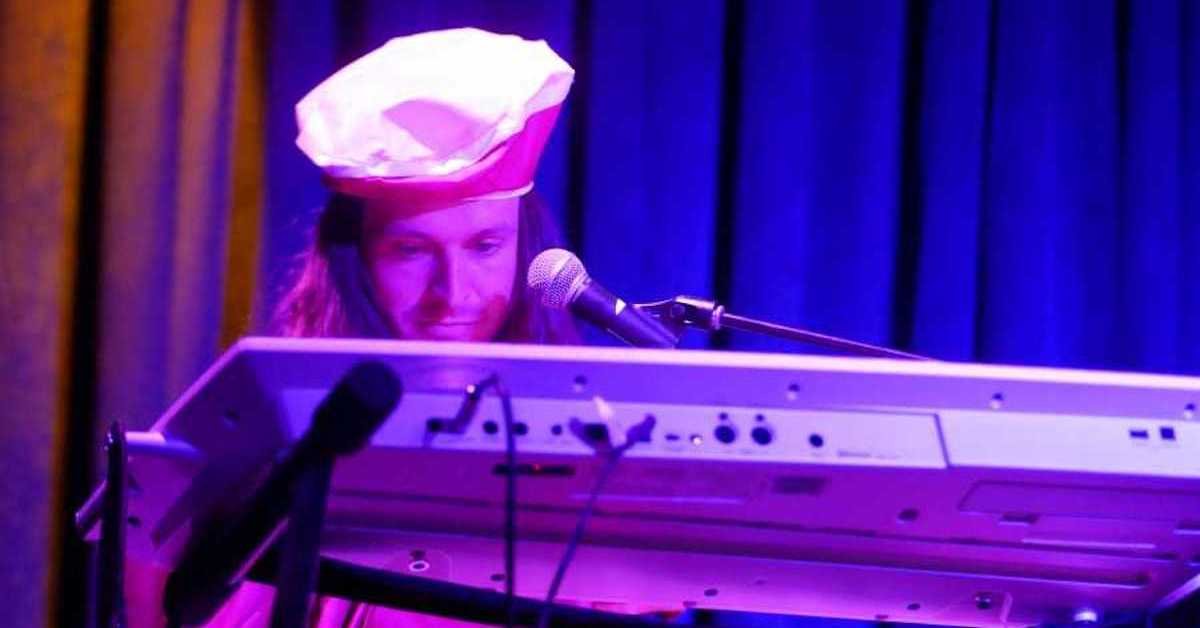
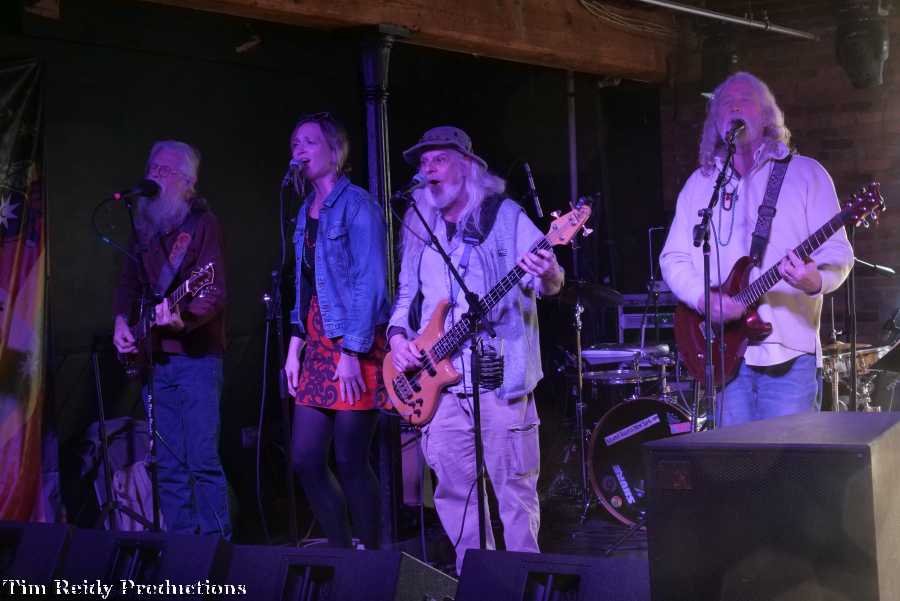
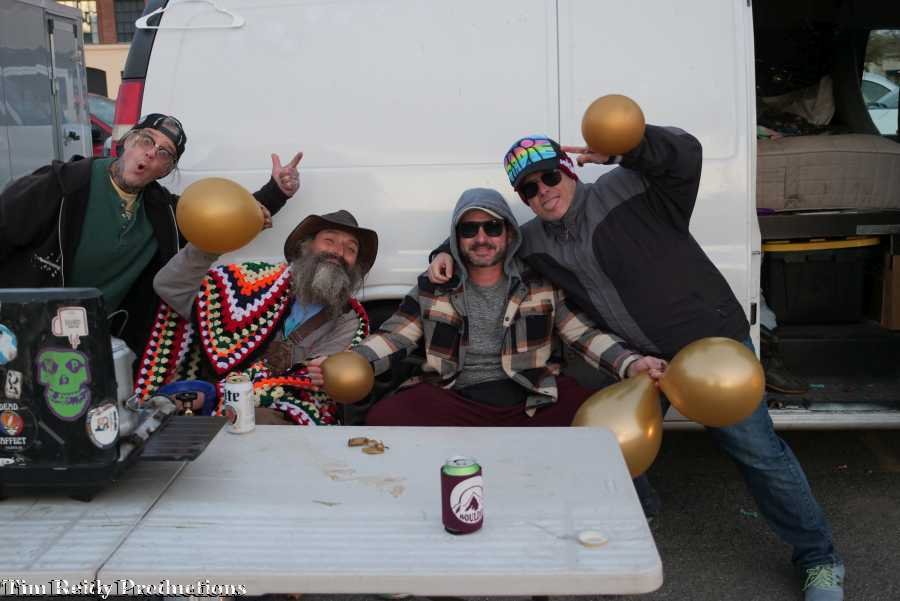
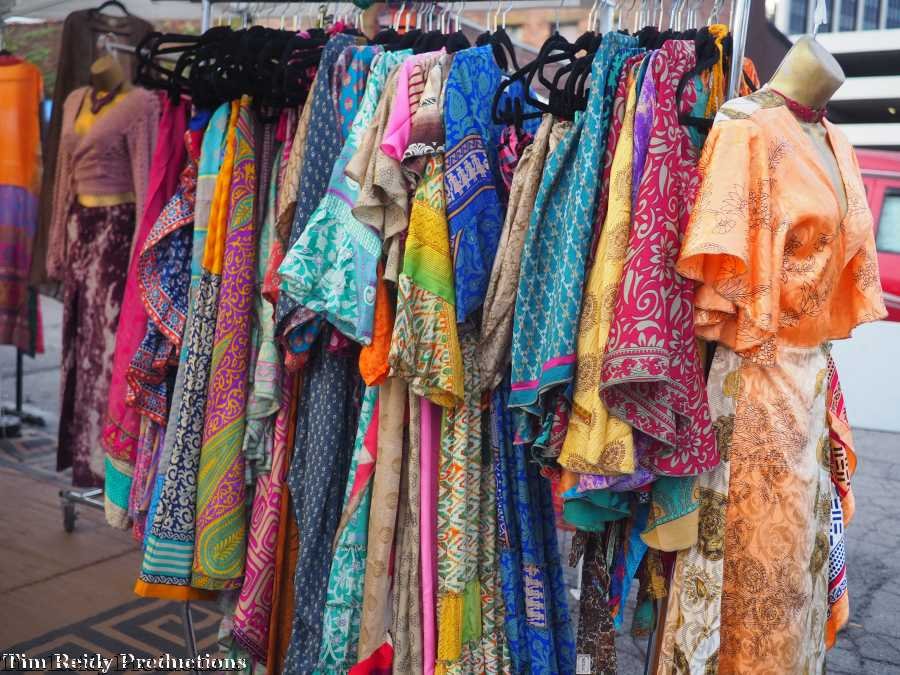
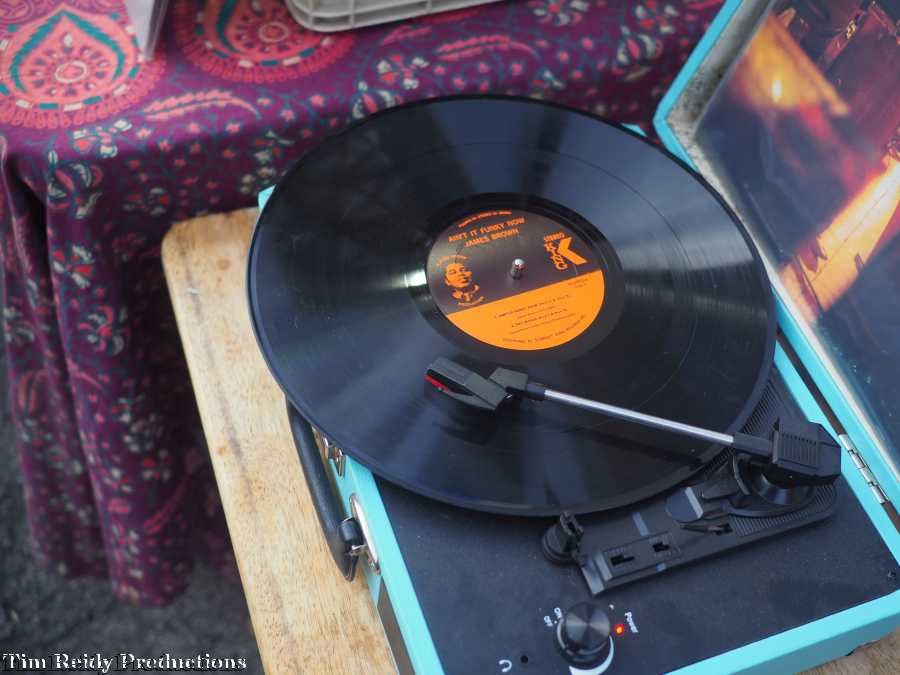
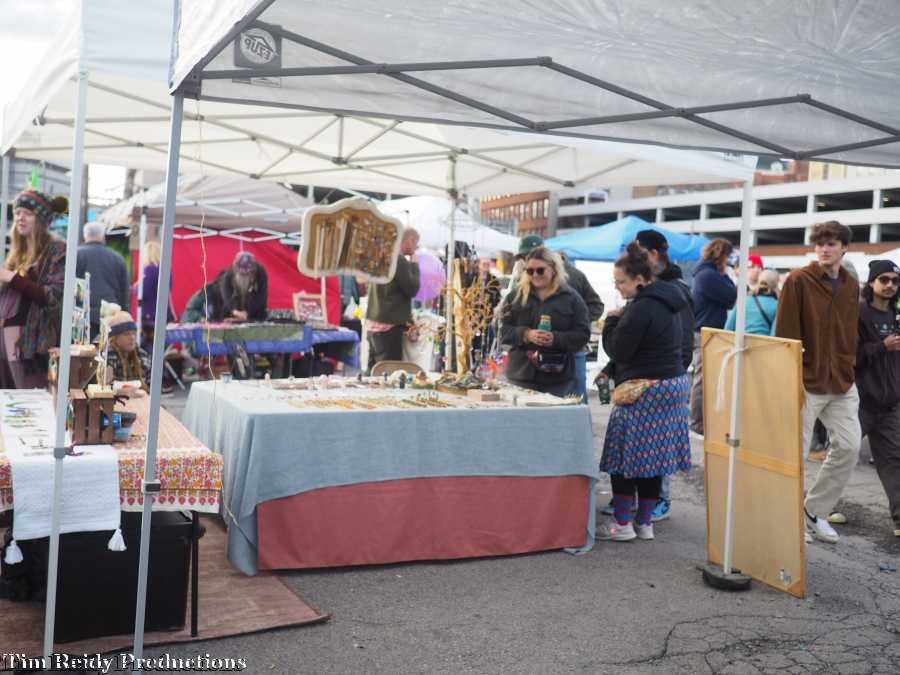
Photography by Timothy Reidy.

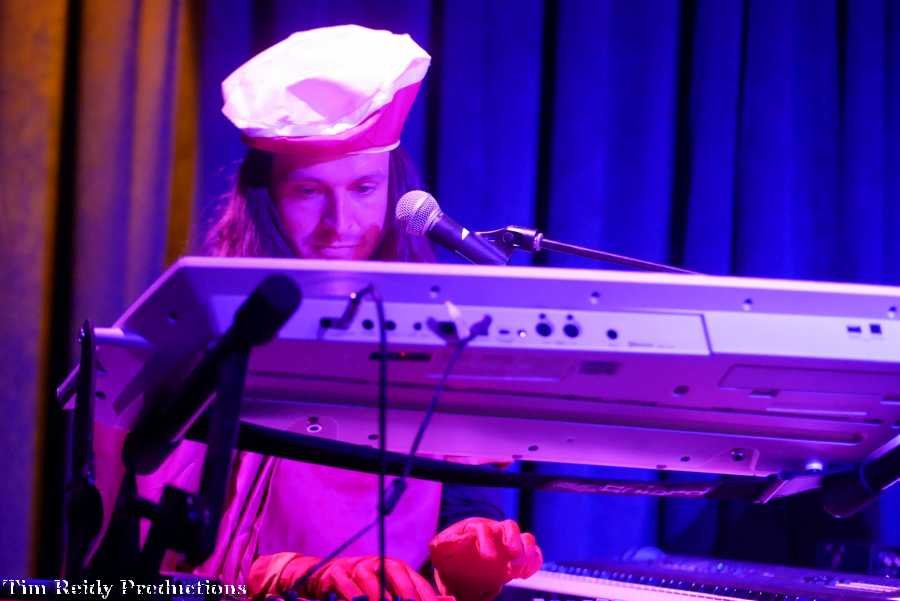
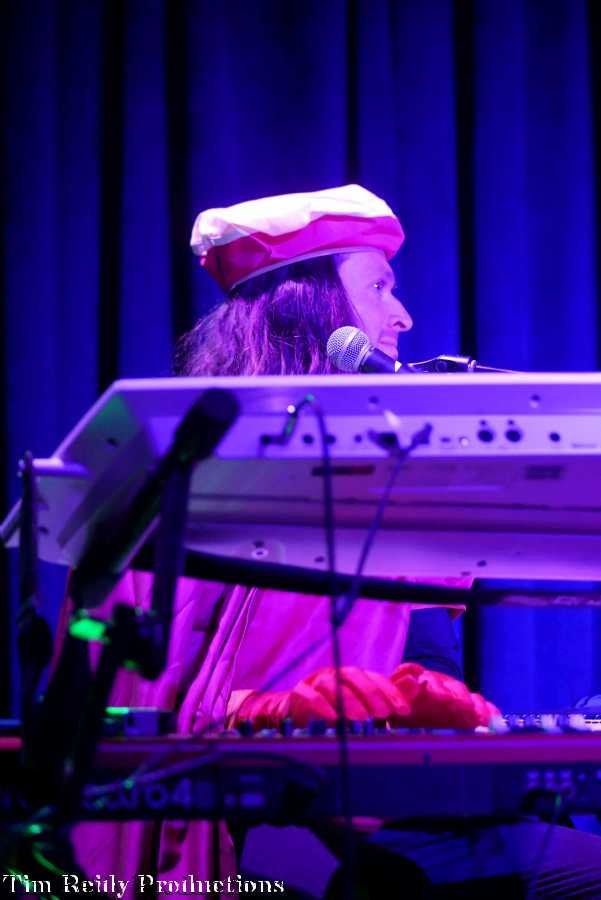
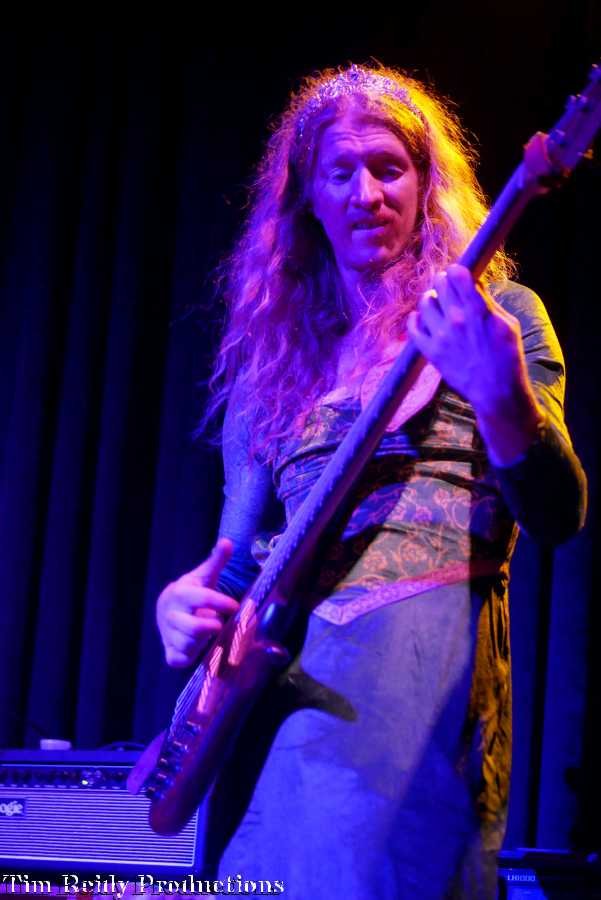
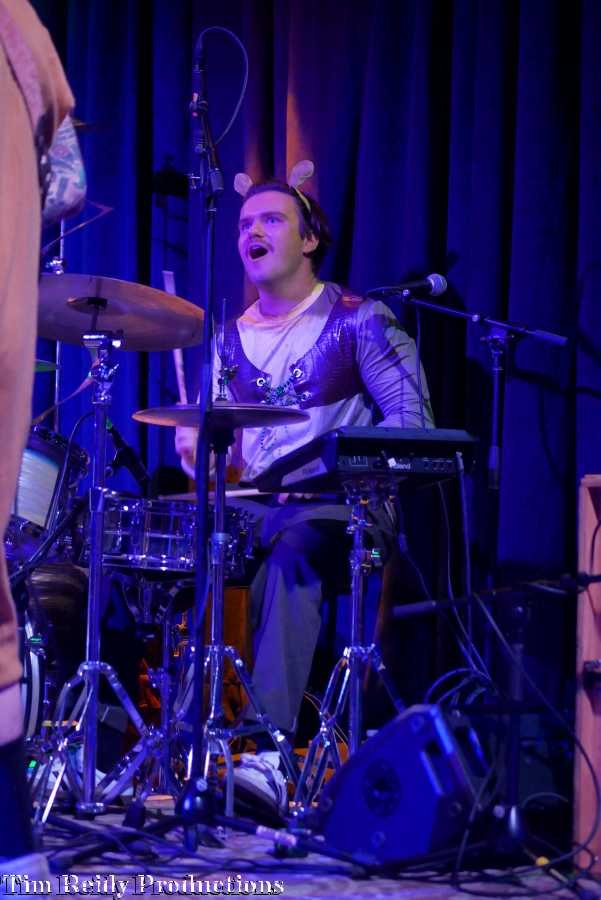
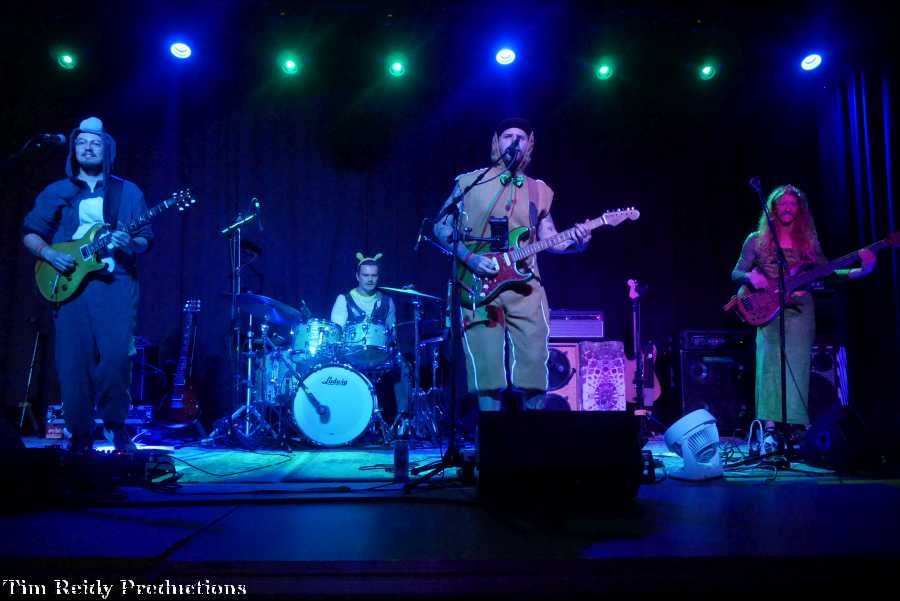
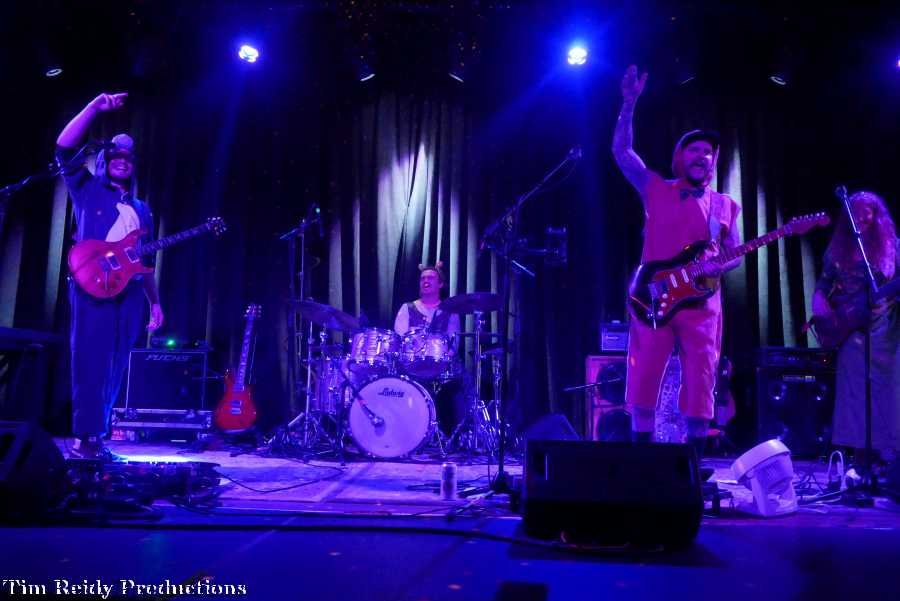
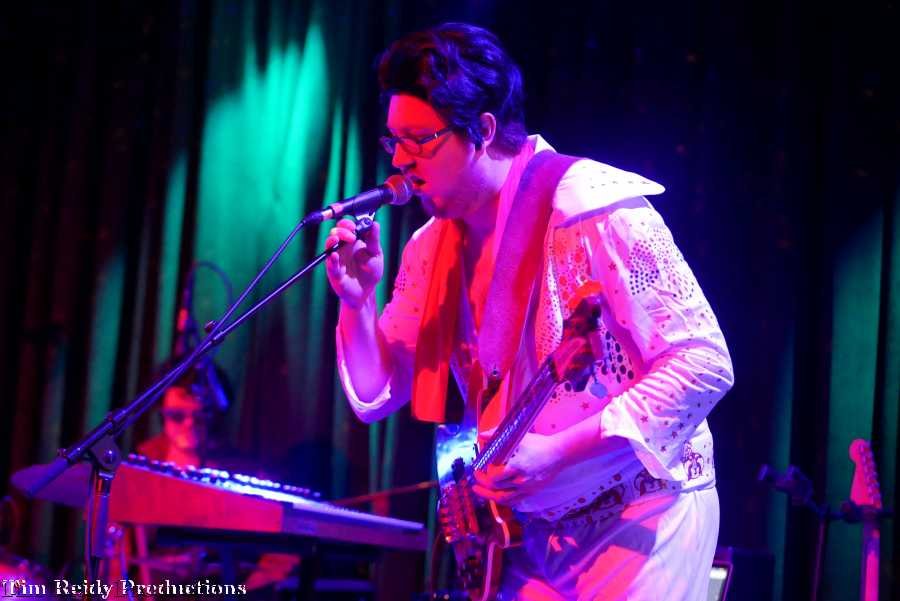
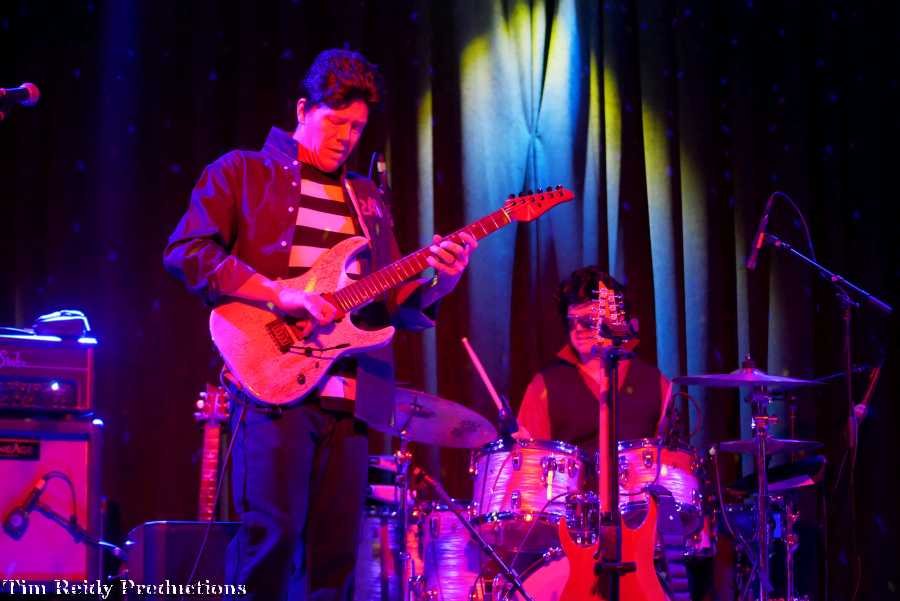
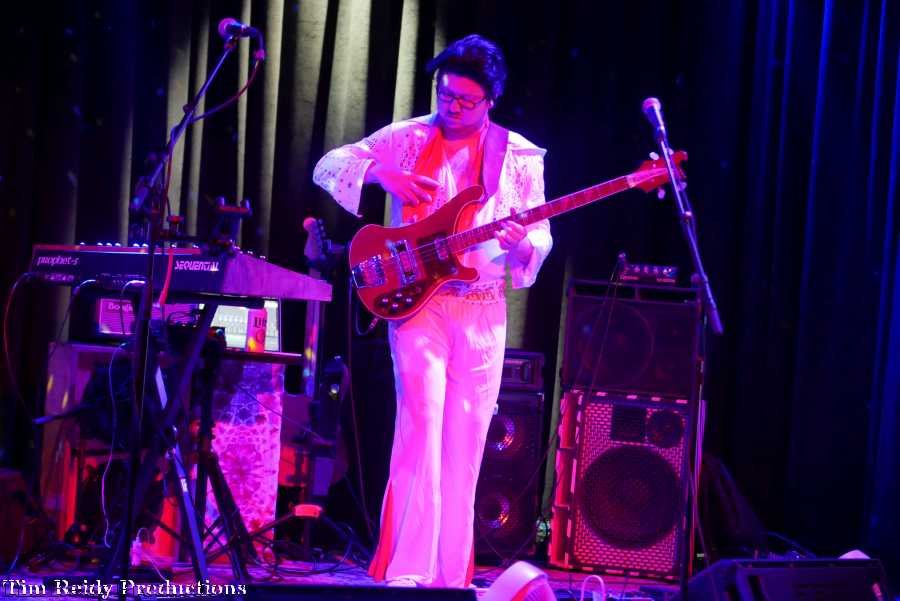
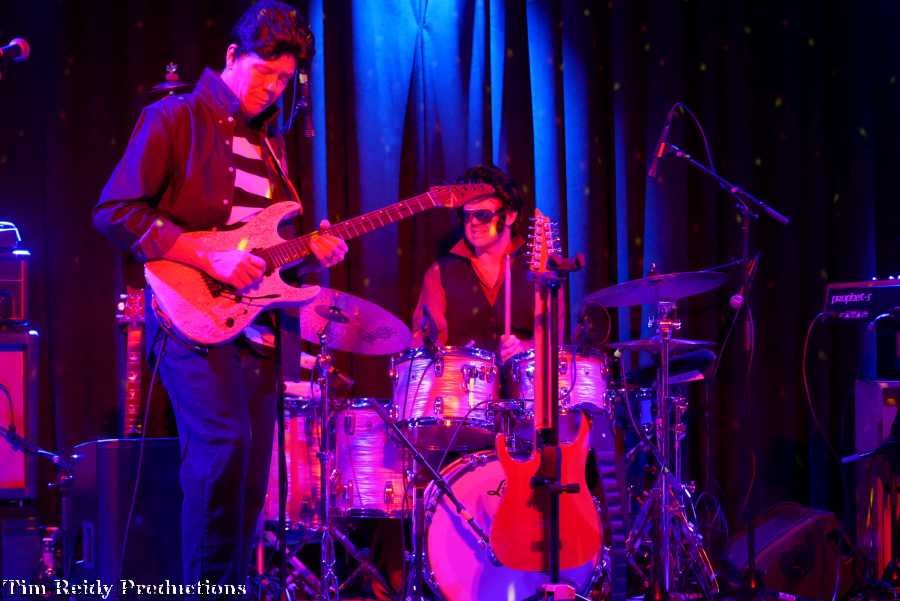
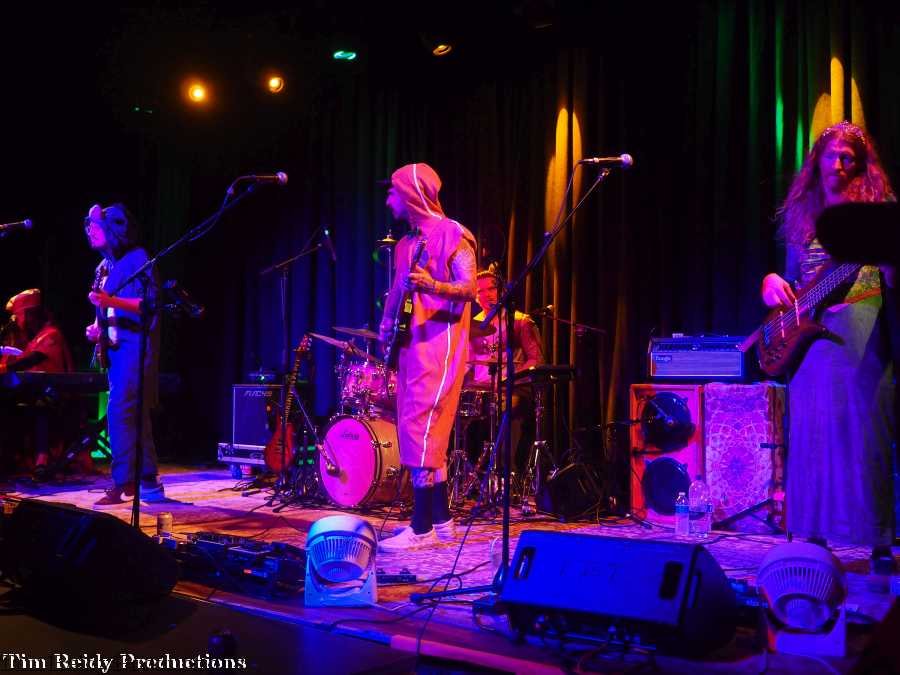
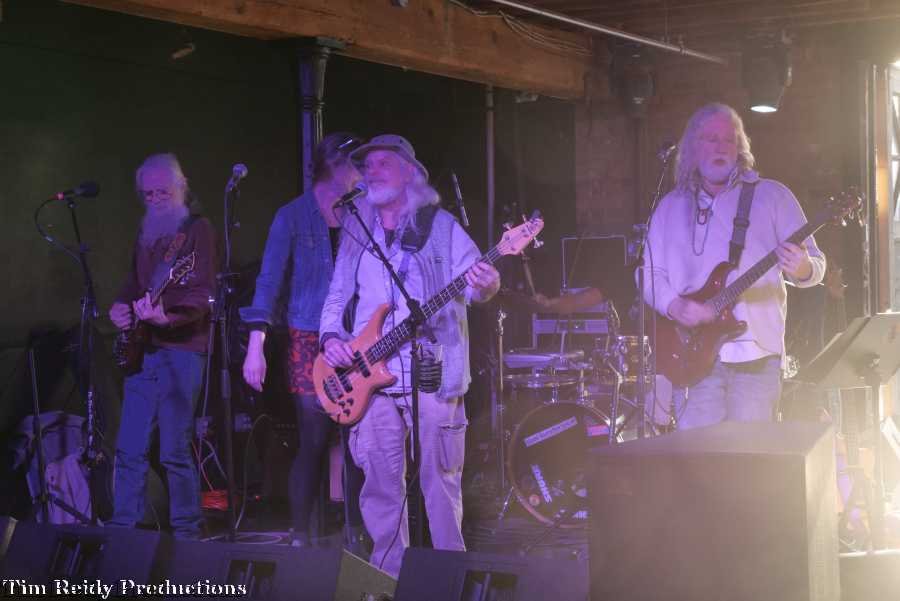
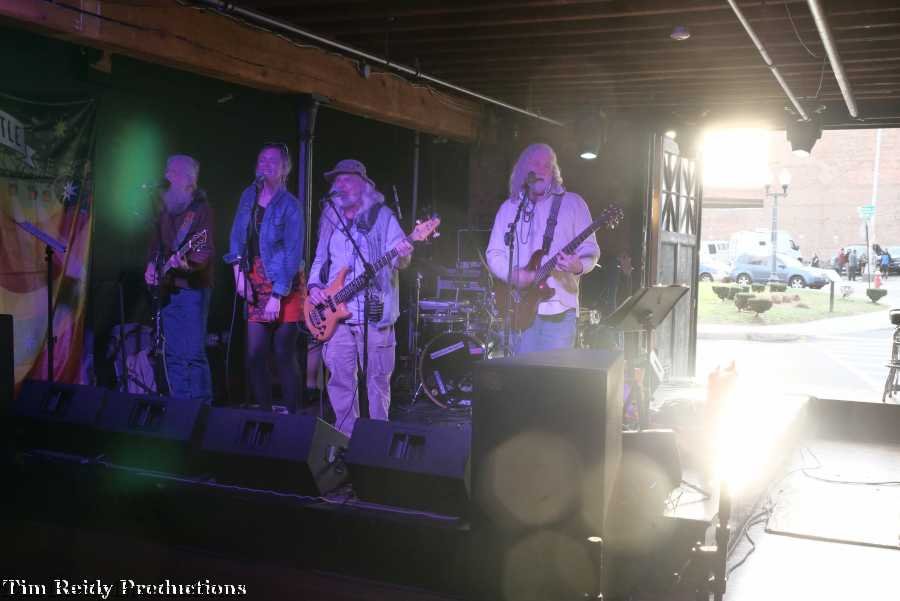
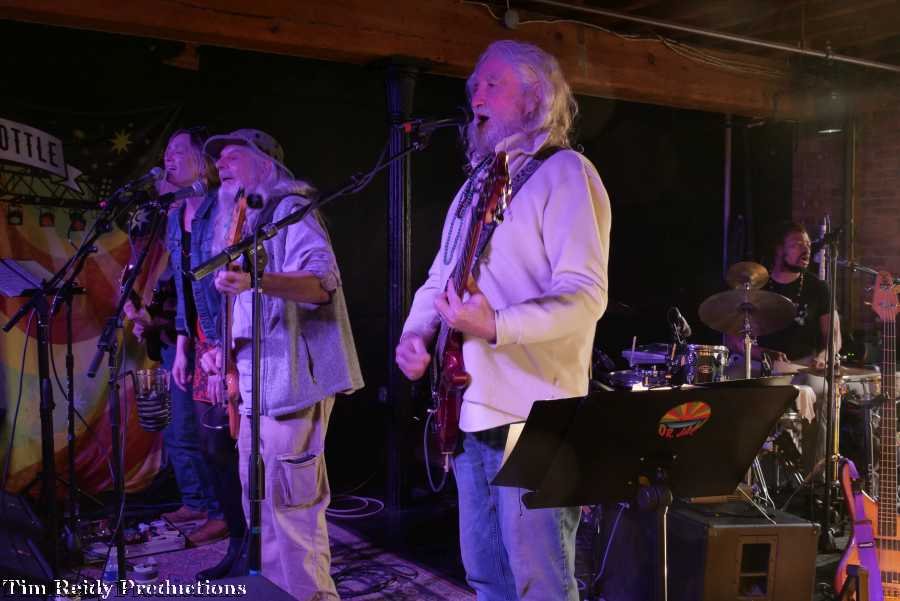
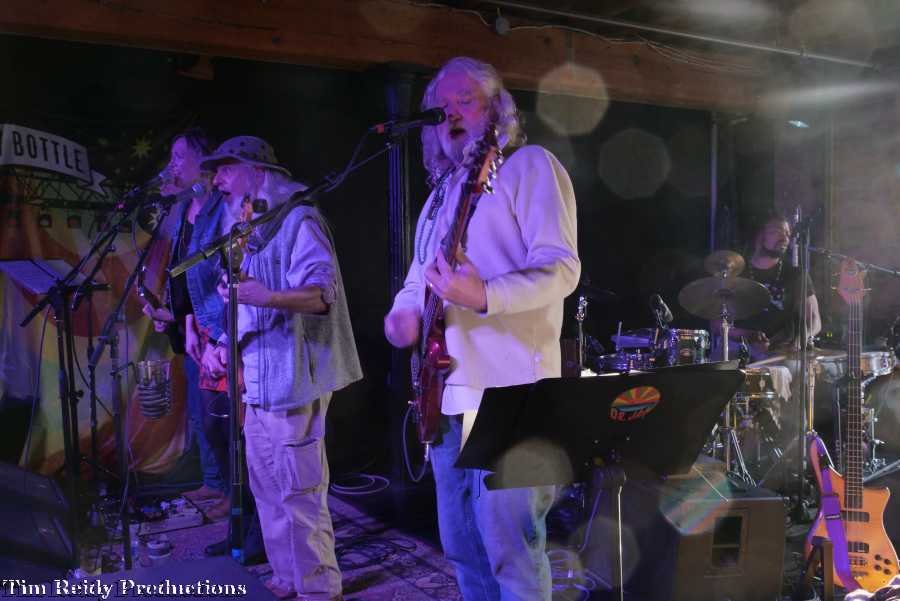
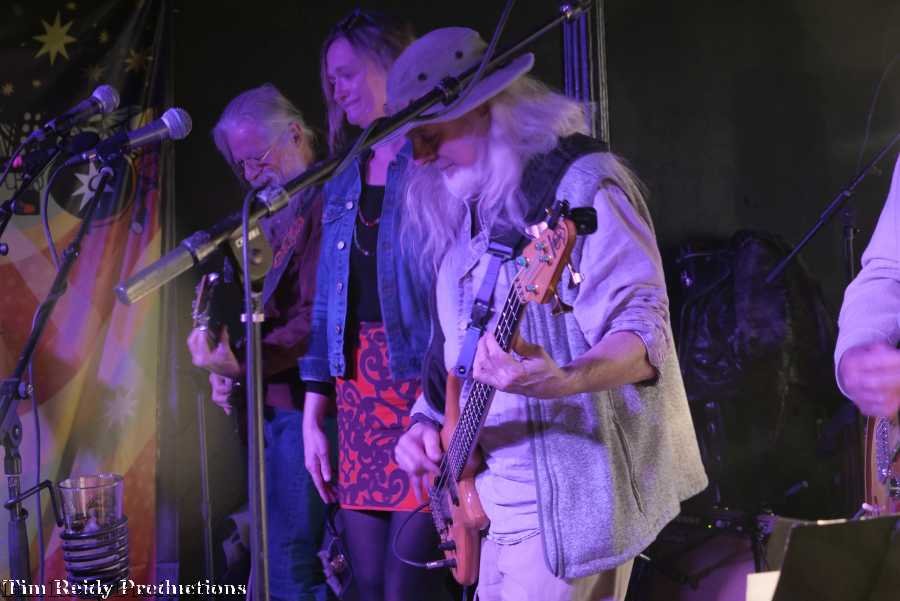
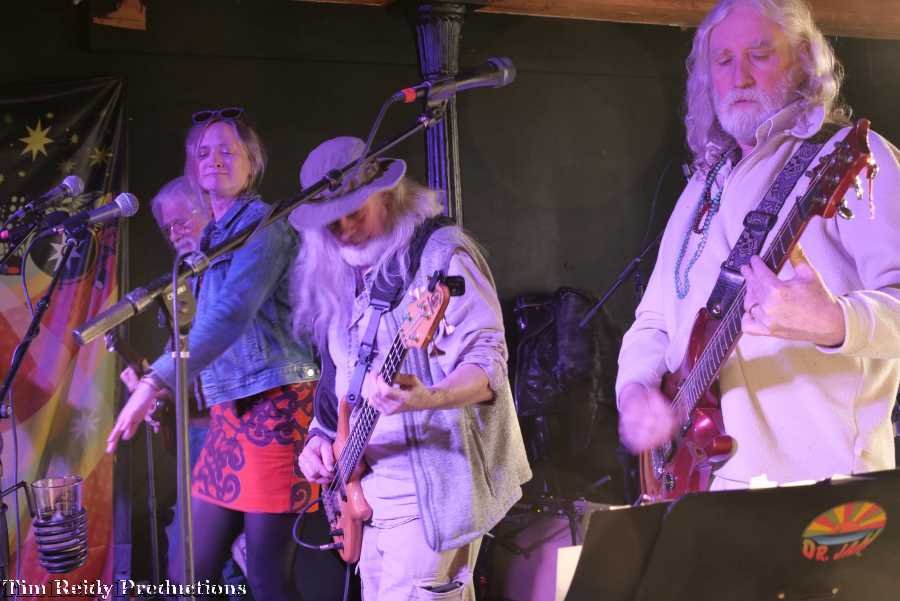
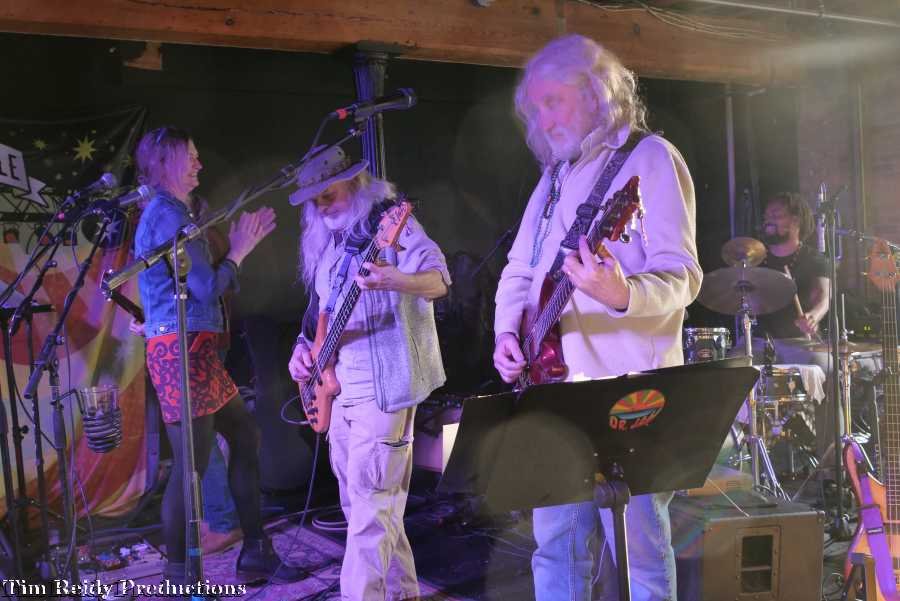
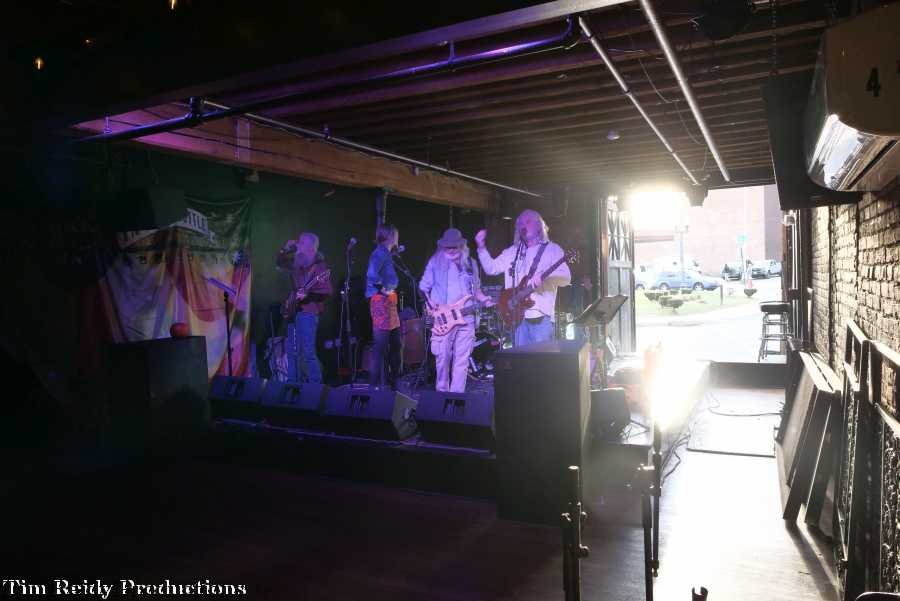
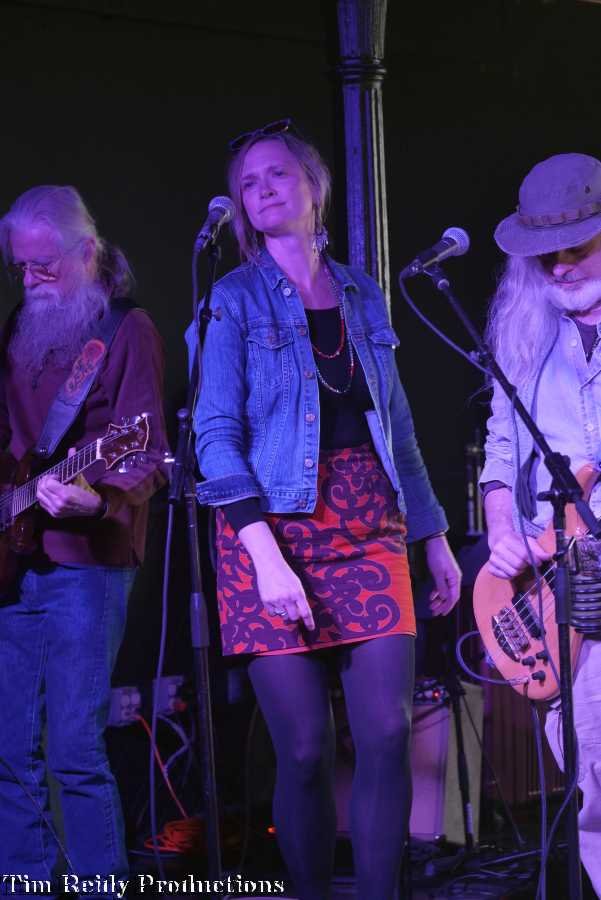
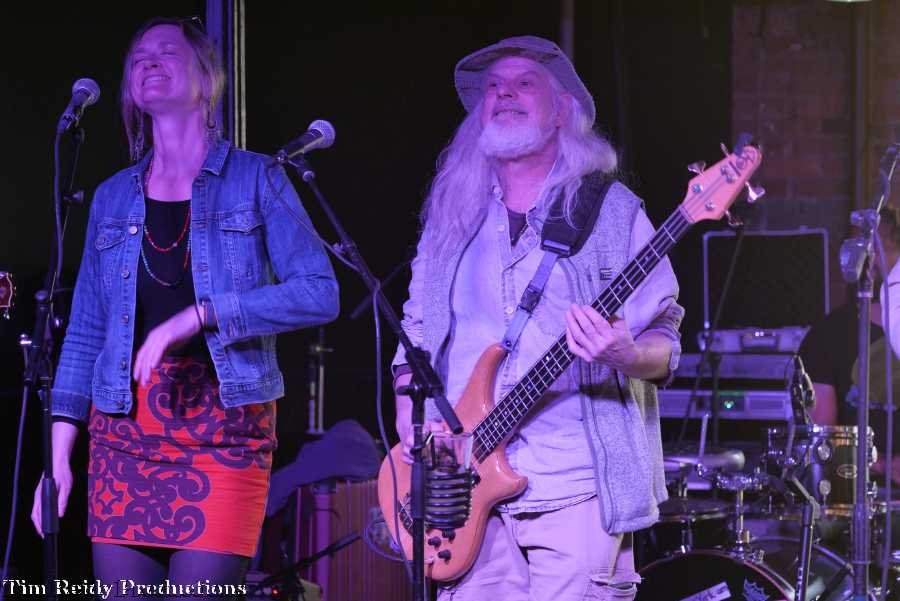
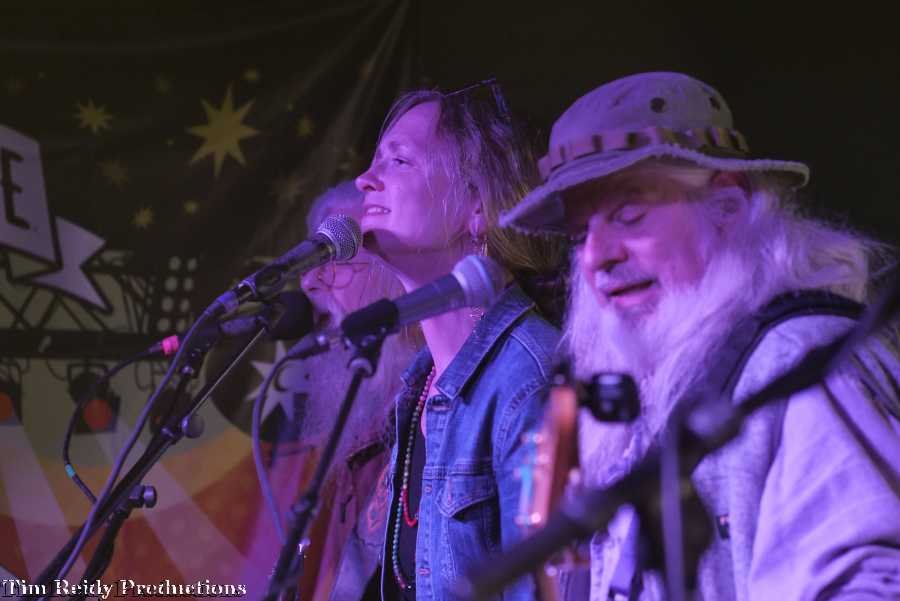
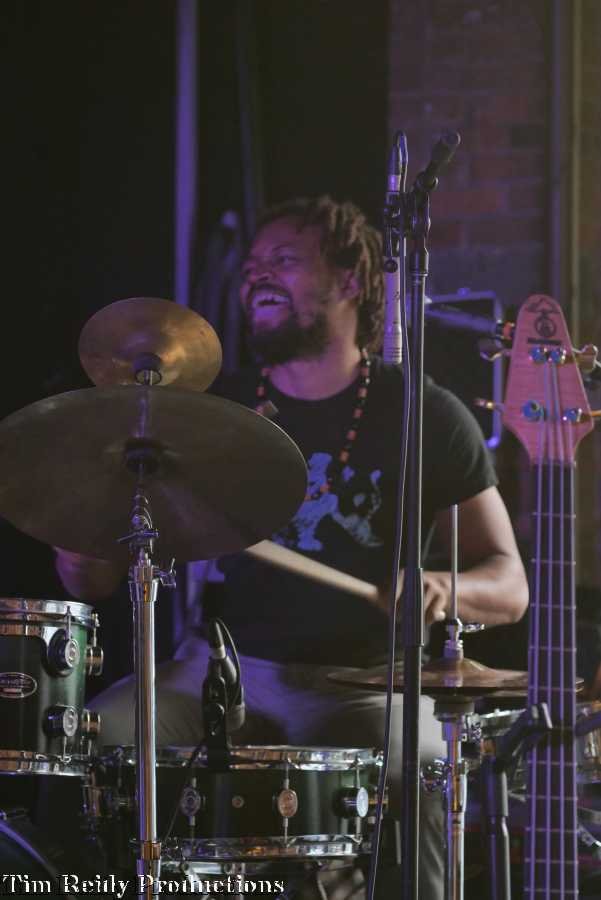
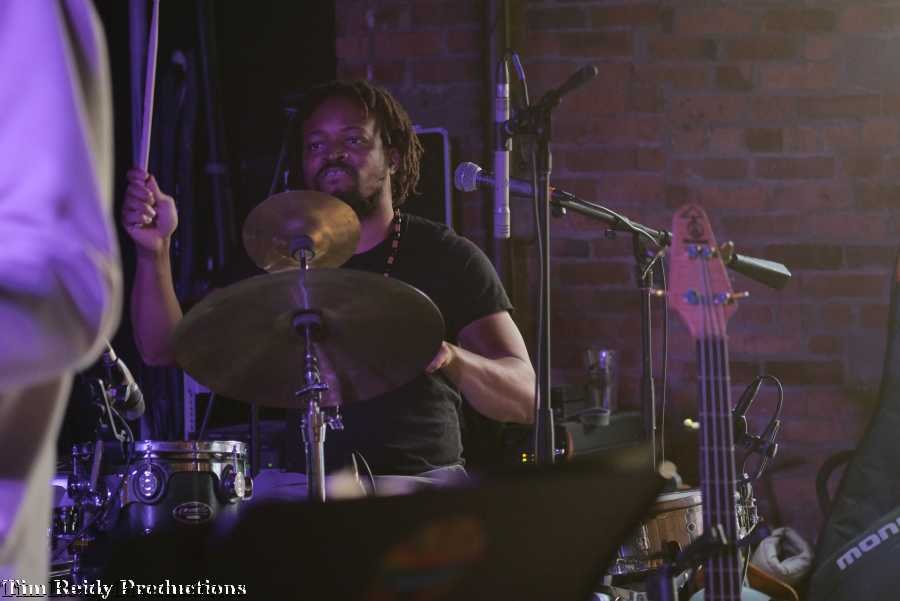
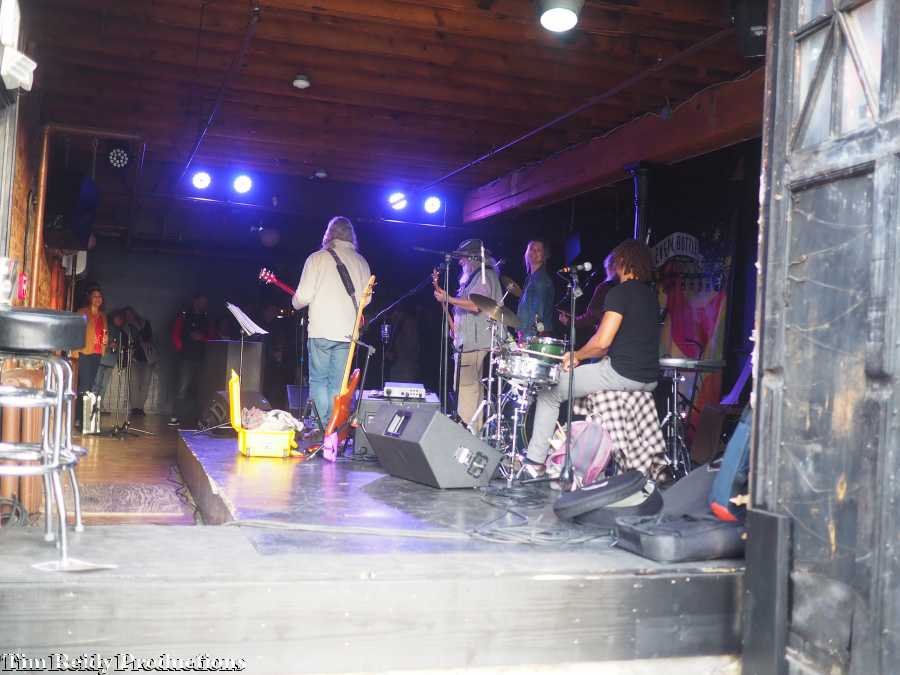
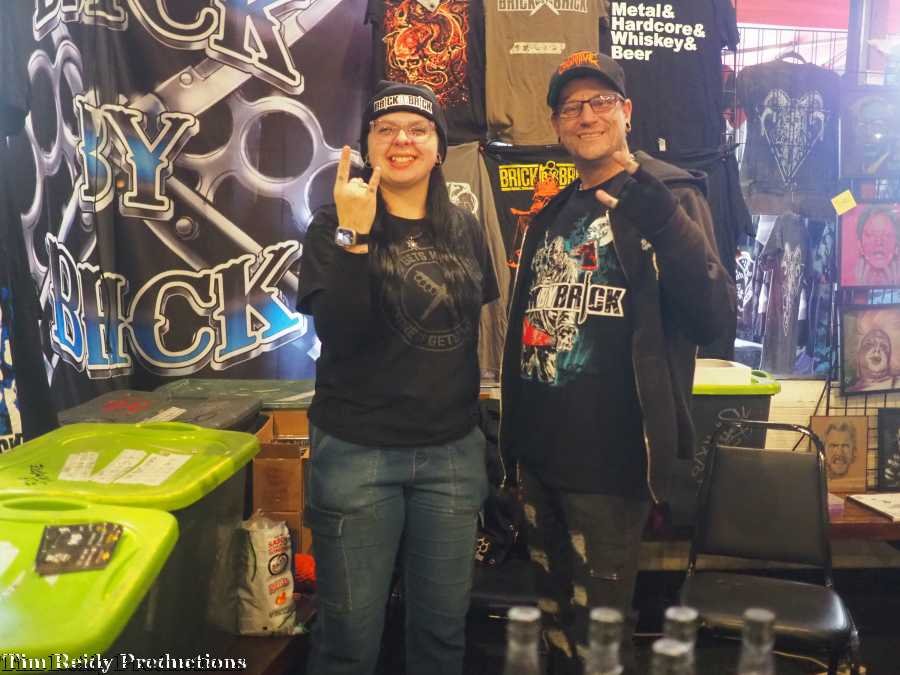
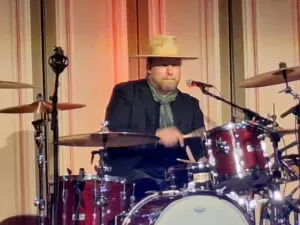
Mike from Annie in the Water showed up for the second set, and there were lots of jams.
Photography by Timothy Reidy.

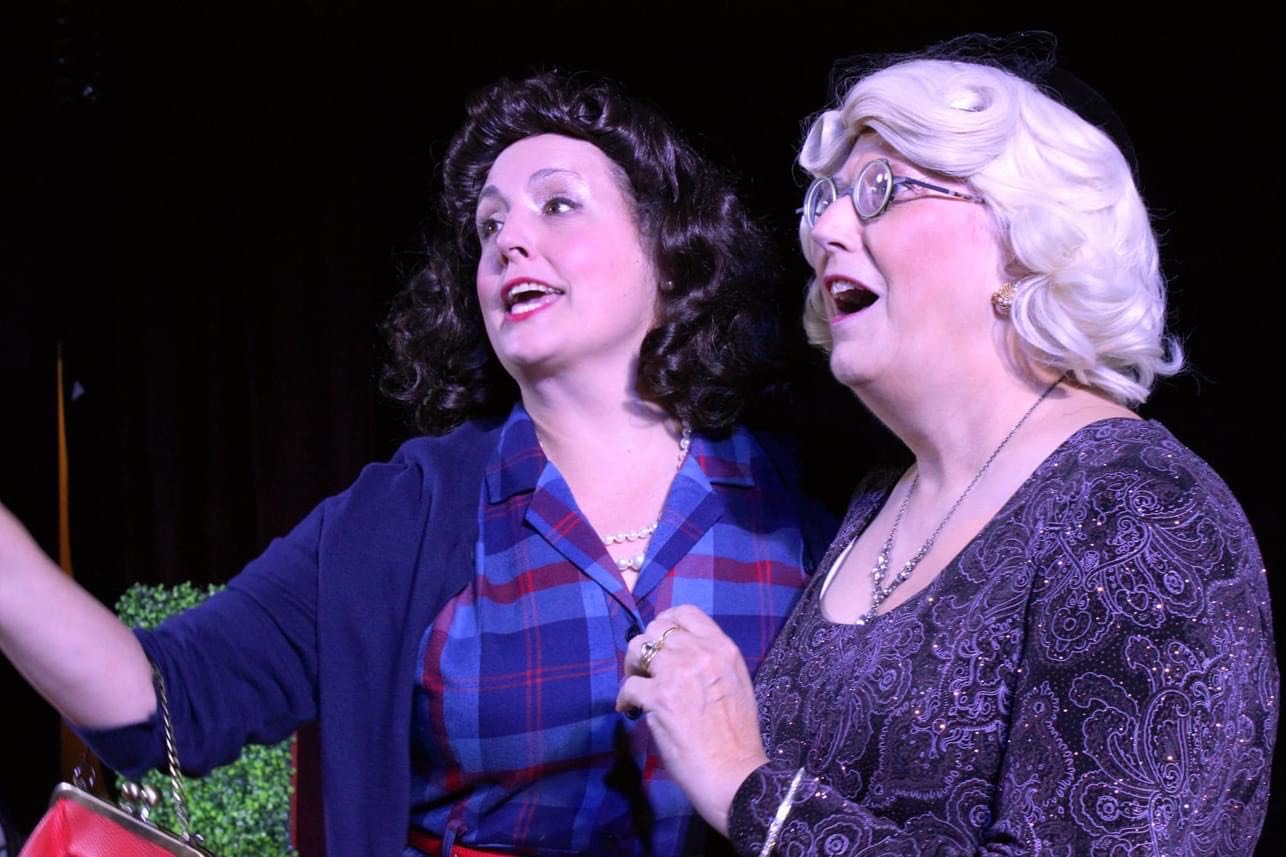
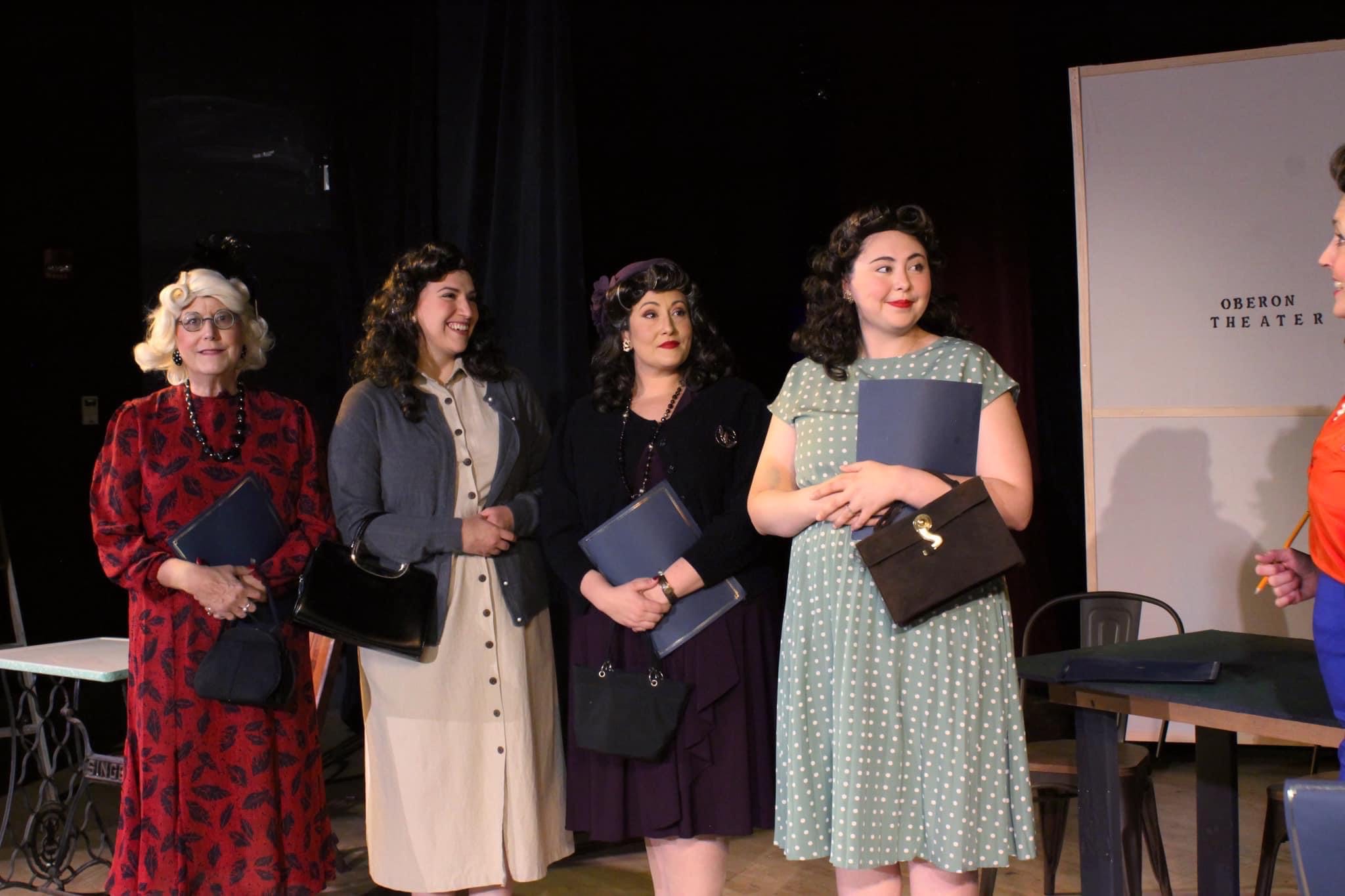
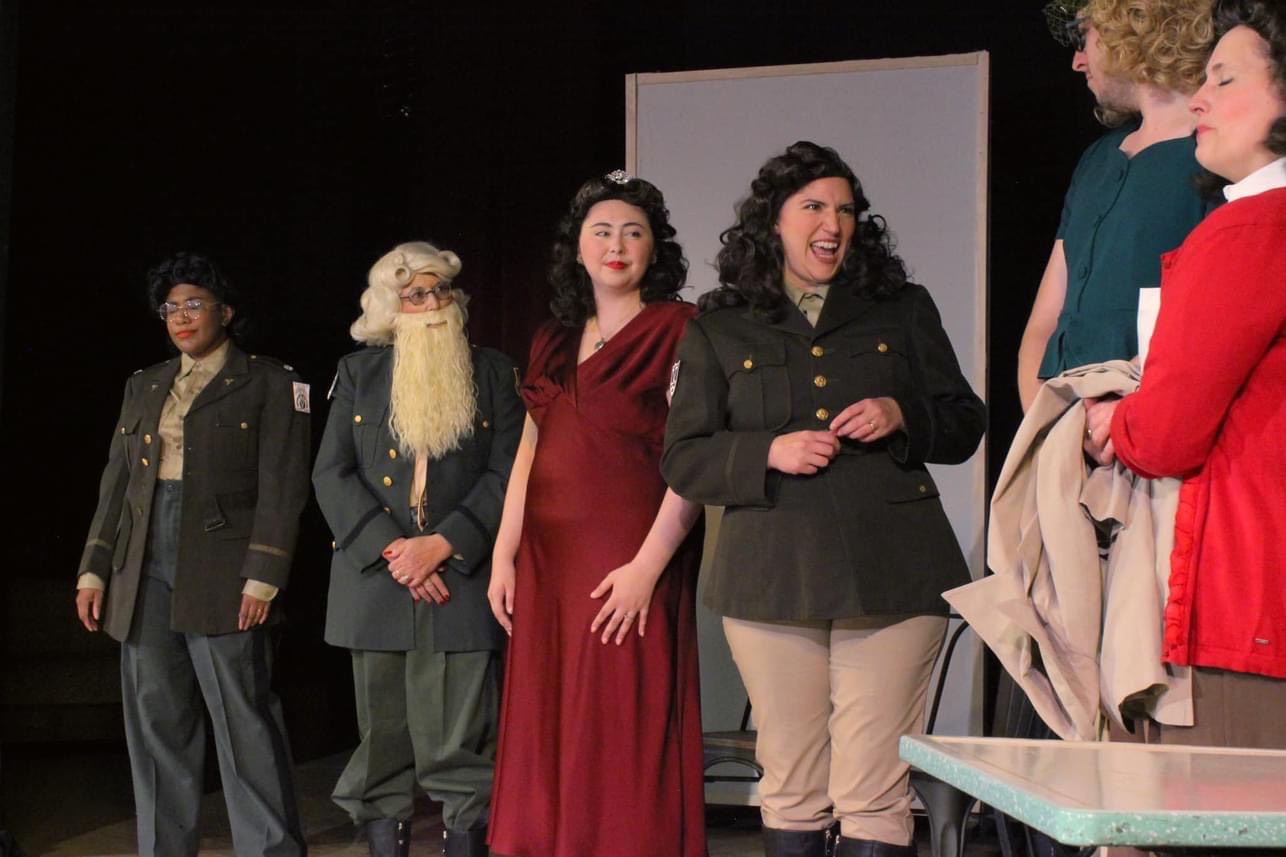
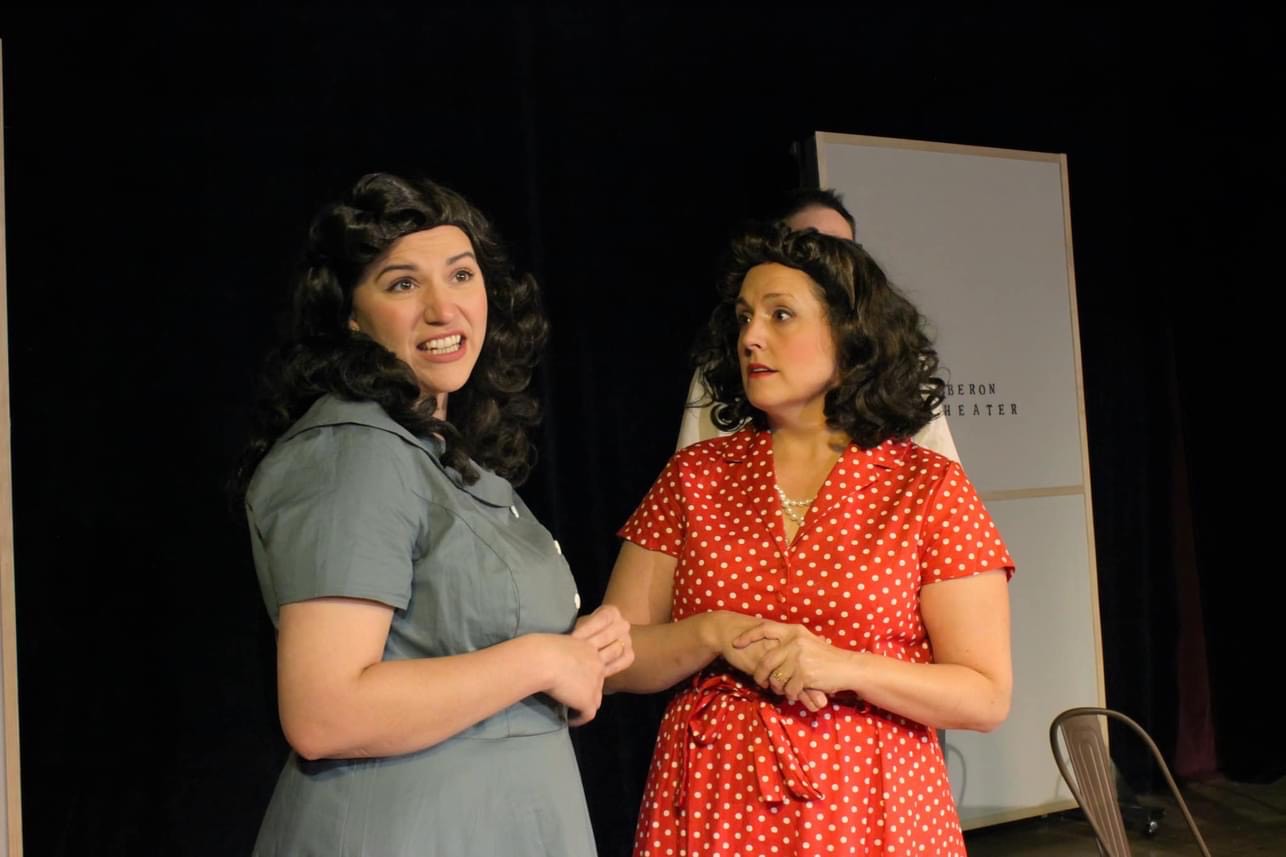
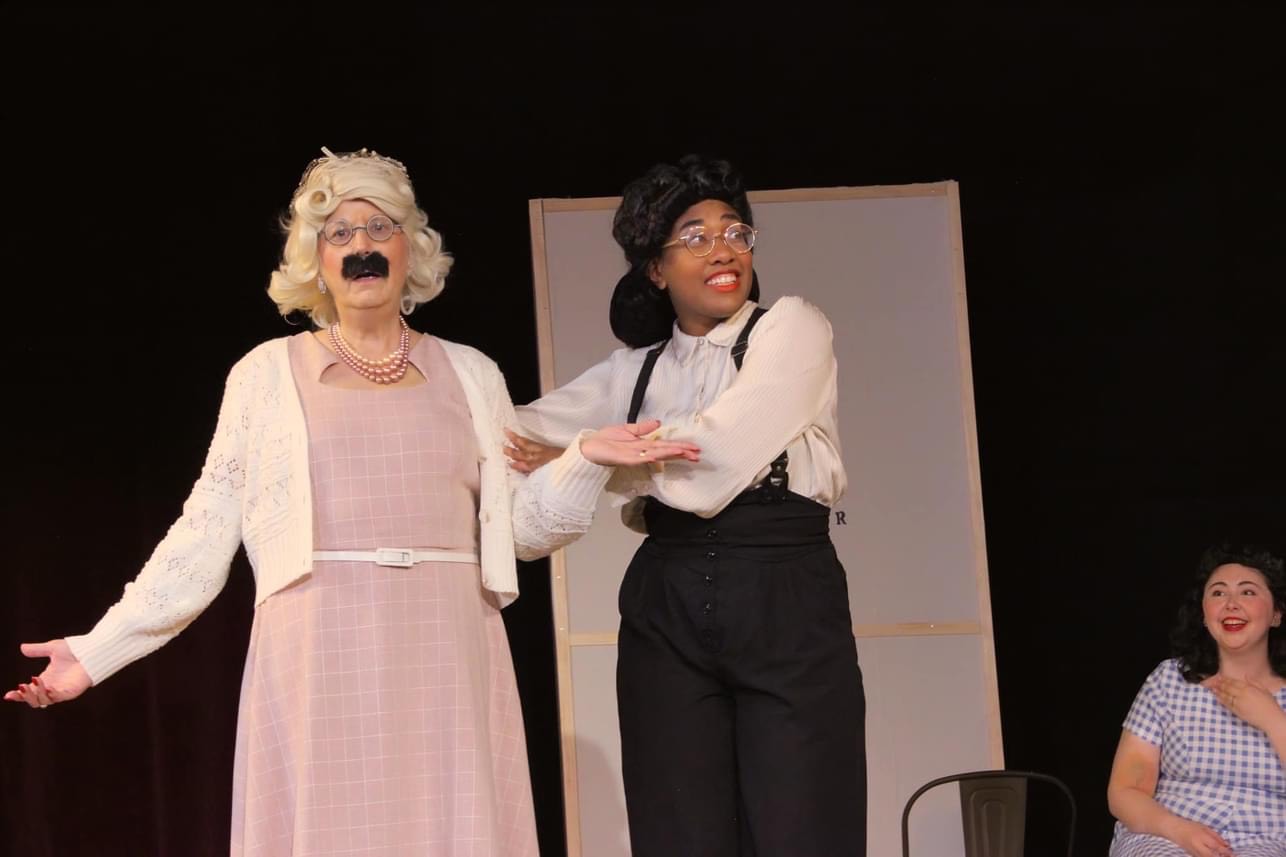
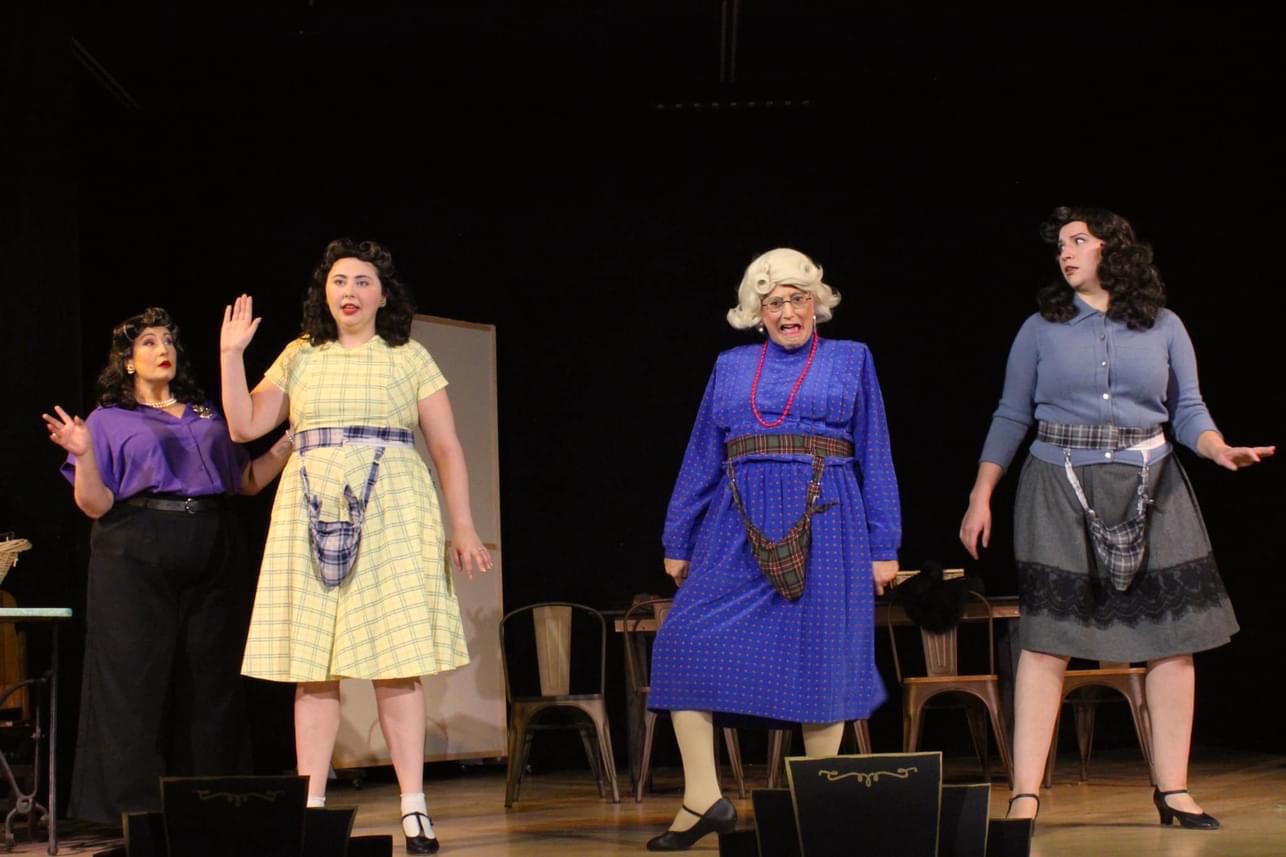
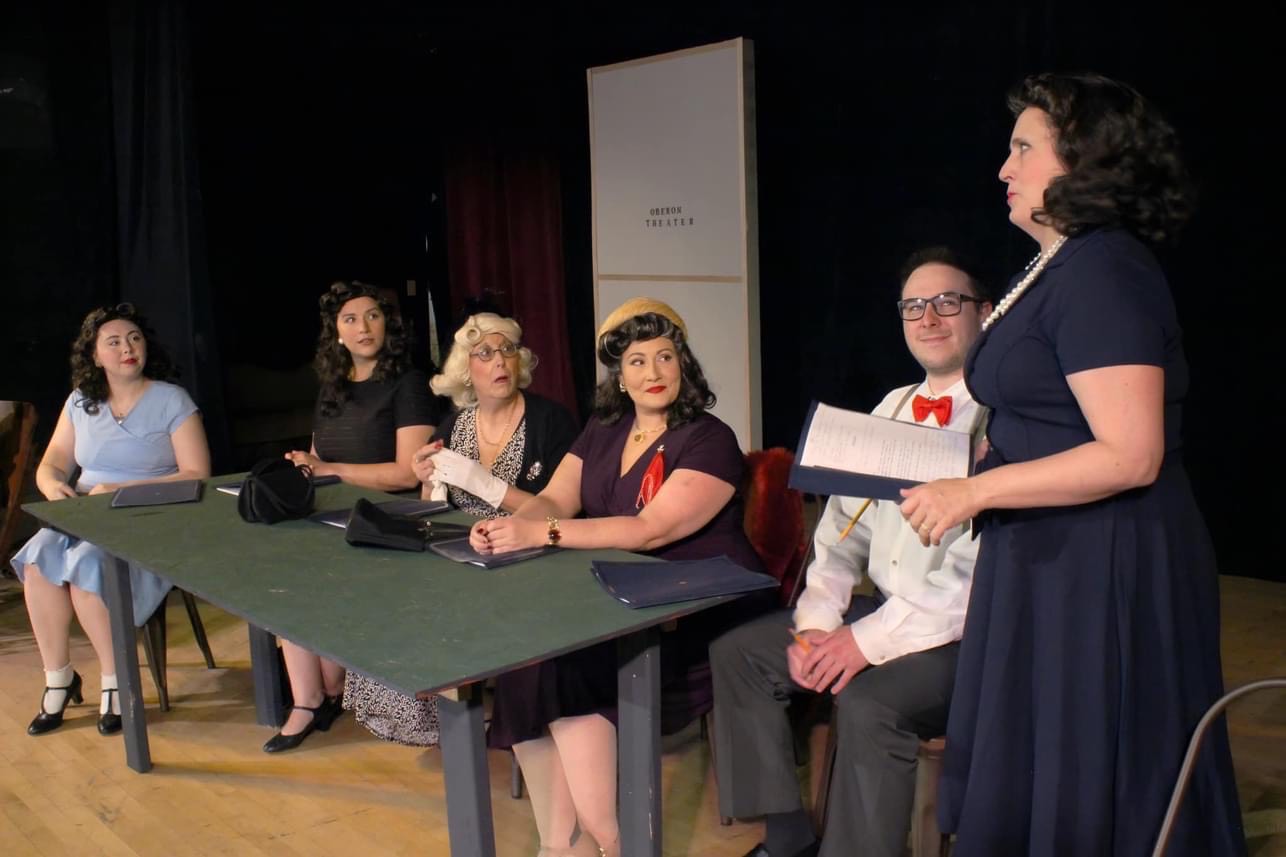
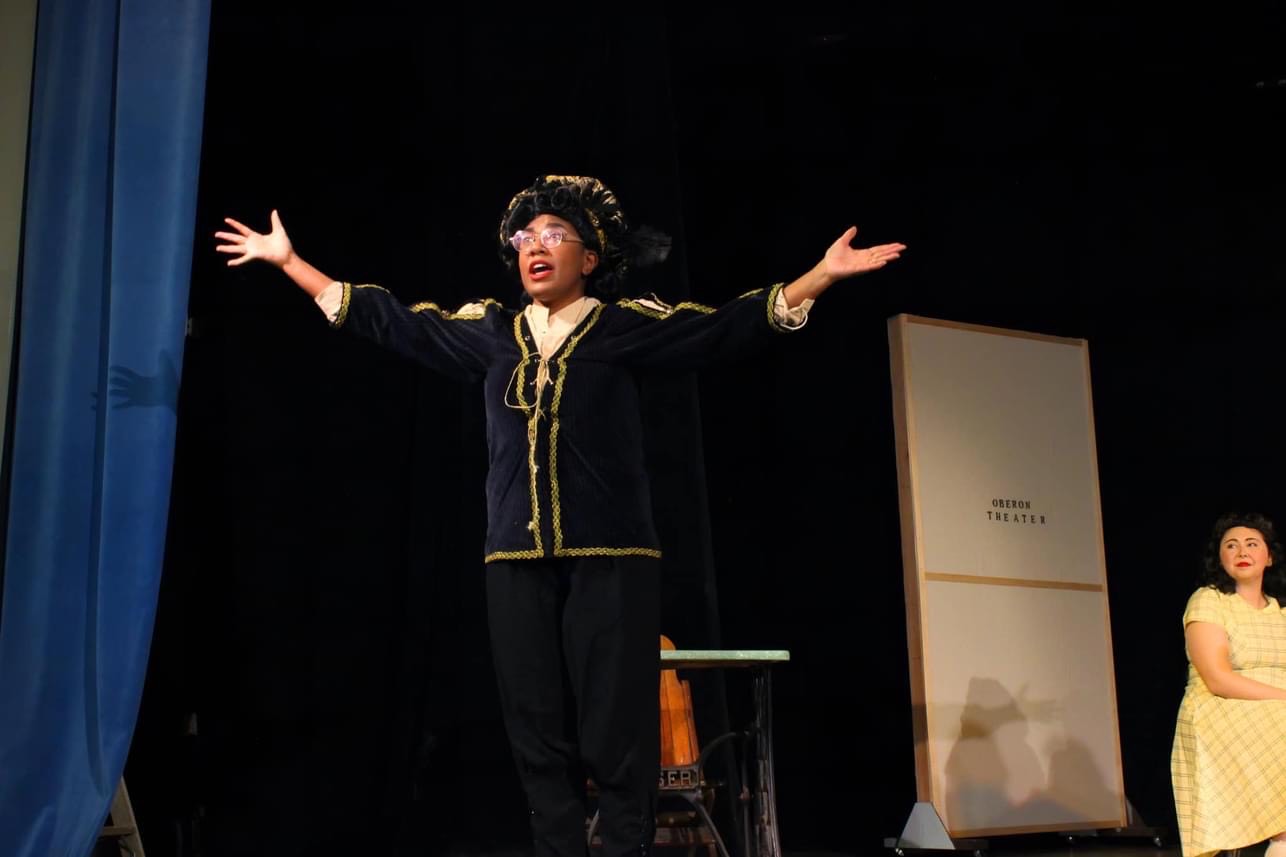
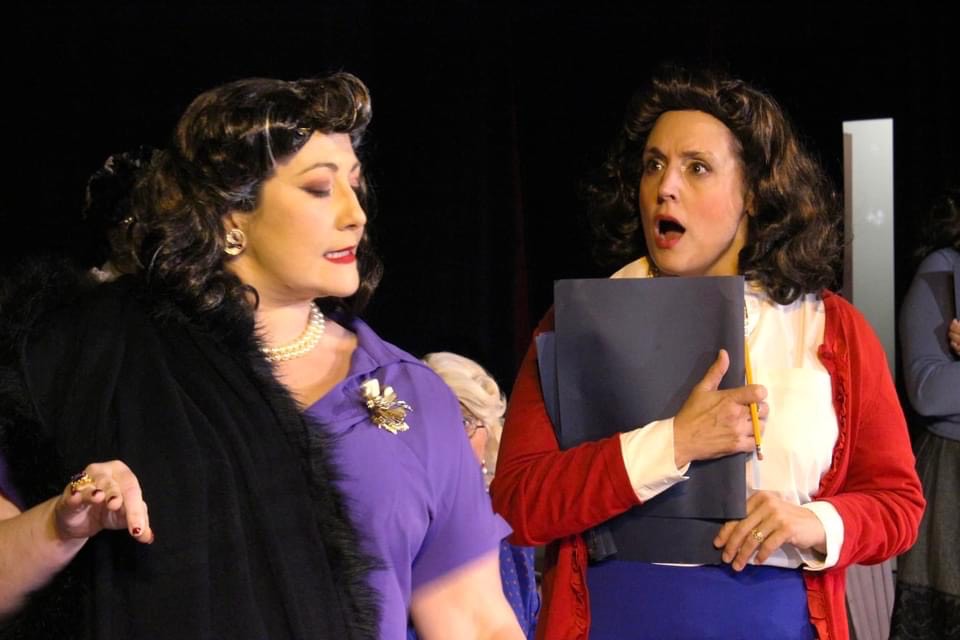
The play Into the Breeches! by George Brant is appropriately named. The play, based on a true story, takes place in 1942 and the majority of the men in town are overseas fighting in World War II.
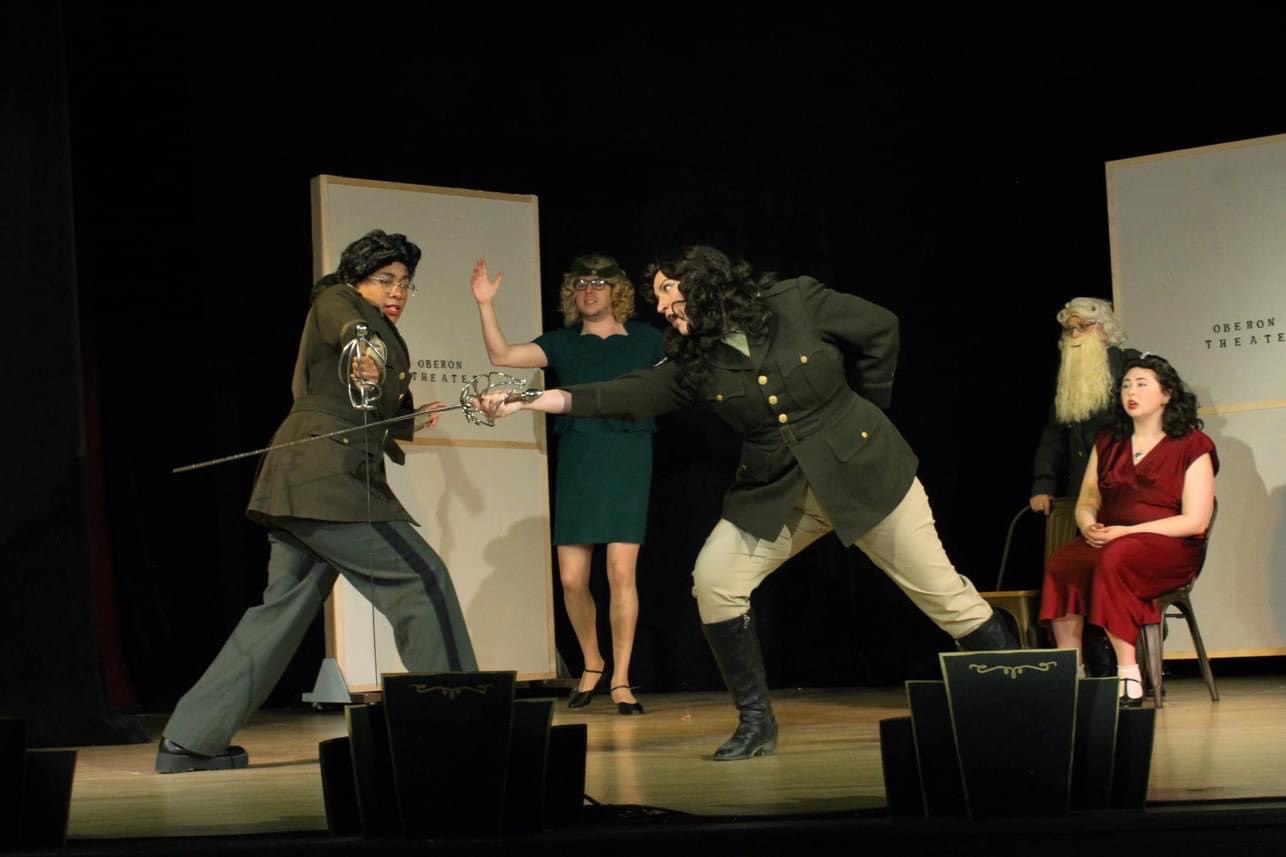
Yearning to keep the arts alive as a way to help support the troops, Maggie Dalton, wife of the long-time director of the Oberon Play House, is determined to produce an all-women Henriad (Shakespeare’s Henry IV and Henry V) and keeping the theatre open despite the lack of men. What results is an unlikely group of women, donning those breeches and masterfully stepping into the breach left by the absent men.
Maggie skillfully recruits the theatre’s diva, Celeste Fielding, and convinces Mr. Ellsworth Snow, the theatre’s board president, to proceed with the idea and to even allow his wife, Winifred, to play a role. Maggie now has the board backing she needs and assembles an unexpected team united in their commitment to undertake the unimaginable. The women (and one man!) make their way through rehearsals, embracing the artistic challenges that arise along the way. The play reminds the audience of the women’s contributions to the war effort, and includes somber moments where the women reveal their concern for their husbands. Their resolve doesn’t falter, and Maggie and the cast push forward—finding strength in each other and their common purpose. While the play unfolds, Maggie and her cast tackle something even greater – societal inequities. Through reason and empathy, the production helps the theatre, and the board president, address societal inequality that has even found itself on the Oberon Play House Stage – and is reflected in the lives of so many.
The eight person cast should be congratulated! Josephine E. Tracey (Maggie) and Laura Darling (Celeste) anchor this show. Tracey’s Maggie is sincere, genuine, and a joy. Her transformation from doting and supportive wife to fully realized woman is splendid. And her singing of Amapola during the play is divine. Darling’s Celeste has perfect comedic timing coupled with real depth. Her revolutionary moment of requesting equal pay for equal work was magnificent! Monet Thompson-Young (Ida) delivers a poignant reminder of the sacrifice, strength, and bravery of black women in our history and their role in our present and future. Patrick “Crue Steele” Fiaschetti (Stuart) supports the all-female cast, and is both funny and heartwarming. Richard Cross (Ellsworth Snow) and Jackie DeGiorgis (Winifred Snow) deliver some of the funniest scenes in the show. They are a treat to watch! Molly Waters (Grace) and Medline Brogan (June) are simply remarkable. Their women are strong, involved, self-actualized, and are a harbinger of what is to come when the men return home.
Director Lauren D’Annibale did a wonderful job finding the right balance between levity and seriousness, crafting a production with the right balance of props and set while addressing the challenges of a production at The Barn, and making sure that all of the actors were heard!
The crew should also be acknowledged for their great contributions:
Shaya Reyes (Stage Manager), Barbara Neu Berti (Costume Designer), Laura Darling and Shaya Reyes (Lighting Design and Light Board and Sound Board Operator), Set Design (T.J. Collins-Gutierrez), Marjorie Geiger (House Manager), Marc Christopher (Poser Artwork), Maureen Aumand (Media Outreach), Kayla DeMicco (PR Coordinator), and Chris Foster (Producer).
Of special note is Joshua Horowitz’s nostalgic sound design. Horowitz borrowed heavily from the songbook of Vera Lynn – transporting the audience into the arms of WWII America.
For those who don’t know, Vera Lynn’s career spanned seven decades, but it was her World War II–era songs like “We’ll Meet Again” and “(There’ll Be Bluebirds Over) The White Cliffs of Dover” that made her a cultural icon by providing comfort to soldiers during WWII. “My songs reminded the boys what they were really fighting for” she once said. “Precious personal things rather than ideologies.” In 1978, when Pink Floyd’s Roger Waters was writing The Wall, which was partially inspired by his father’s death in the war, his thoughts turned to Vera Lynn and how she embodied a very different time in England’s history. The ballad “Vera,” is midway in the album, when disillusioned rock star Pink, comes across the World War II movie The Battle of Britain on the television.
“Does anybody here remember Vera Lynn?” he sings. “Remember how she said that/We would meet again/Some sunny day?/Vera, Vera/What has become of you?” (Source: https://www.rollingstone.com/music/music-news/vera-lynn-pink-floyd-the-wall-roger-waters-1019306/)
Check out Horowitz’s entire playlist for the production. Preshow and intermission music highlighted the following Vera Lynn recordings:
Horowitz used the following songs for his scene transition pieces:
The cast came out for their bows to We’ll Meet Again – Vera Lynn, Sailors, Soldiers & Airmen of Her Majesty’s Forces, Roland Shaw and his Orchestra
Vera Lynn says it best: “We can’t change the past but we can learn from history and remember the important things – the sacrifices our loved ones made, and the price of our freedom today.” Into the Breeches! reminds the audience to do just that – while spreading smiles across their faces. Go see this show to remind you how a community can lift each other up and how a community can make small but significant societal changes – one pair of breaches at a time. One theater production at a time.
Into the Breeches! by George Brant is at the Albany Barn from November 8, 9, 14,15, and 16 at 7:30 pm. A talkback with the director and cast will be held after each of the Friday night performances.
The Albany Barn is located at 56 2nd Street, Albany, New York. Tickets are $15 and can be purchased at Harbinger’s Eventbrite here: https://www.eventbrite.com/e/into-the-breeches-by-george-brant-tickets-1013661547977
Photos by David Quinones Jr.
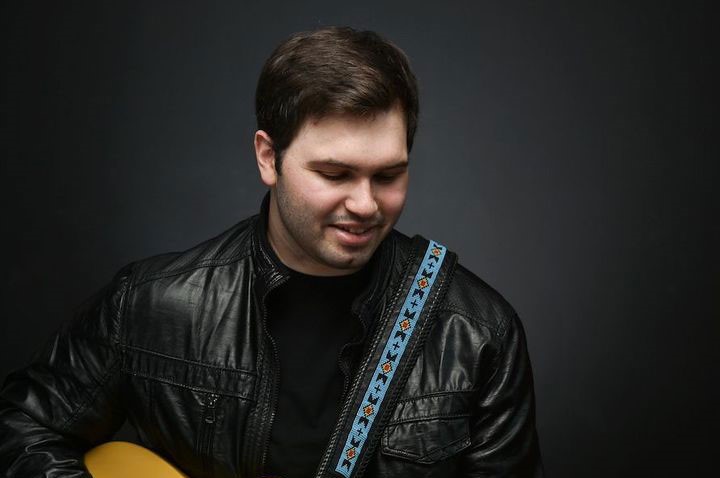
Seth Rosenbloom – An Xperience Interview – by Liam Sweeny.
RRX: Let’s start with the moment in your life that you really started playing. Did you start playing the blues on guitar to learn the guitar, or did you play something else on the guitar but then discover the blues later?
SR: It was kind of a little of both. Starting off, I played the violin growing up. My dad was concertmaster of the Boston Ballet, and played with the Boston Pops and Symphony. And my mom played violin, too. So I started on violin at like three or four. And then picked up guitar around 11, right when the movie “School of Rock” came out – saw that in theaters and was like, “I wanna do that.” As a kid, my mom exposed me to the Beatles and Motown stuff; Elvis through my mom and grandmother. I had that blues-adjacent stuff, and the first I really got into was Elvis and then the British Invasion – a little dose of Zeppelin, a little dose of Cream. All that, I usually call it blues-adjacent, where it’s kind of blues, but it’s not. And from there, I pretty quickly got into a lot of rock and metal stuff. So if you would ask 12 to 13-year-old me my favorite band, it was Metallica. It was Dream Theater. It was all that stuff, and it was shred guitar, and Guitar Hero stuff. And I think the the turn towards the blues was really when I was 13, and I really wanted to go to a Dream Theater show in Boston at the Orpheum, and my parents said, “Well, no way you’re going alone.” And my mom said, “Tell you what, I’ll take you, I’ll buy you tickets if you go to any show that I pick.” And they were trying to get me a little less interested in the hard rock and metal stuff and push me in another direction. She saw – I think it was an article in the Boston Globe arts section of an up-and-coming blues guitar player, Sculler’s Jazz Club, the old Upstairs Scholars – and it was Joe Bonamassa circa 2006, probably when he was still playing clubs. And that was the moment where it’s like, “Hey, I like that and that’s cool.” Like I just didn’t have a sense of what blues was or could be at that point. And that really sparked it for me. It was still a few years before I totally went that direction. But that was definitely the moment that catapulted it.
RRX: One thing that everybody can agree on with the blues, is that it has a history. If you listen to any kind of other music, you talk about history, you’re talking about a band; this band before that band, all the way to the first band that ever did that. With the blues, you’re talking about a crossroads deal with the Devil. You’re talking about something that is very biblical. How do you, when you’re playing, try to pay homage to that? Like is there a way, through playing, to pay homage to the old Delta, the old Chicago blues, and that tradition?
SR: I think everything comes back to that because as I went down rabbit hole after rabbit hole, I very much feel like I discovered a lot of blues backward, in the sense that I was into Stevie before I was into Albert King. And then listening to Albert King was like, “Oh, that’s where all, that stuff comes from.” I’ve often been asked, “Who do you consider the most influential guitar players of the last 50-75 years?” And to me, there are three that changed the world, totally. The most recent is probably Eddie Van Halen. Nothing was the same after that first Van Halen record. Obviously, Hendrix. But then the one that I always point to, that I think some people push back on, is T-Bone Walker. You can look to others, but without T-Bone Walker, you don’t have Clapton, you don’t have Stevie, you don’t have early BB King. And the way that I look at that kind of lineage, and trying to bring it forward is, I think as any individual artist, you are a sum of your influences. I’m always trying to have my own voice. But when I’m playing, I hear the nods to T-Bone Walker, or the nods to BB King, or the nods to whoever it is. Albert King too, for me. But I I hear all those in my playing, and it’s the music I love listening to. That stuff I always, you know, wanna try to channel.
RRX: The blues are an evolution. We’re evolving from all the people you just said, up to the current day, where we’re adapting their sound and making it new. So let’s say that the blues is a continuum. Take any other style of music, whether it was spawned from the blues or not, and if the blues was going a certain way, evolving, what style of music do you think would be the most interesting one that becomes the hybrid of blues and that, like, blues slash it?
SR: That’s a really good question. I feel like the one that, at this point, is done plenty is the blues rock thing where it’s the mixture with rock. I think if I had to pick my kind of favorites, it’s a lot of the R&B and soul blues stuff for sure. And that has obviously been around for a long time, but it really came back into the forefront with some newer artists. I think there’s been this interesting thing in maybe the last five years or so, where it’s felt like a lot of recorded music – even in country and blues – a lot of genres that were very raw, very real, went the route of being overproduced and really shiny and everything. And I think the thing that I’ve seen in both of those in recent years, is this return to not trying for perfection but trying to go for the attitude and the energy behind it. I think there’s a lot of crossover there with blues and country that just happens naturally with how they evolved.
RRX: Last question is, uh, what’s your sweetest gear combination?
SR: Oh, sweetest gear combination. The number one guitar I’ve had for almost seven years now is a 1956 Strat. There are a lot of pedals I love and those come in and out. But that Strat, that’s been doing it for me for the last, probably almost a year now, and I have it here in California with me right now. I like the old stuff. I like tube amps. And that’s the guitar I kinda have bonded with the most, but I’m not the pickiest. I feel like at the end of the day, I can kinda get my sound out of whatever I’m playing through.
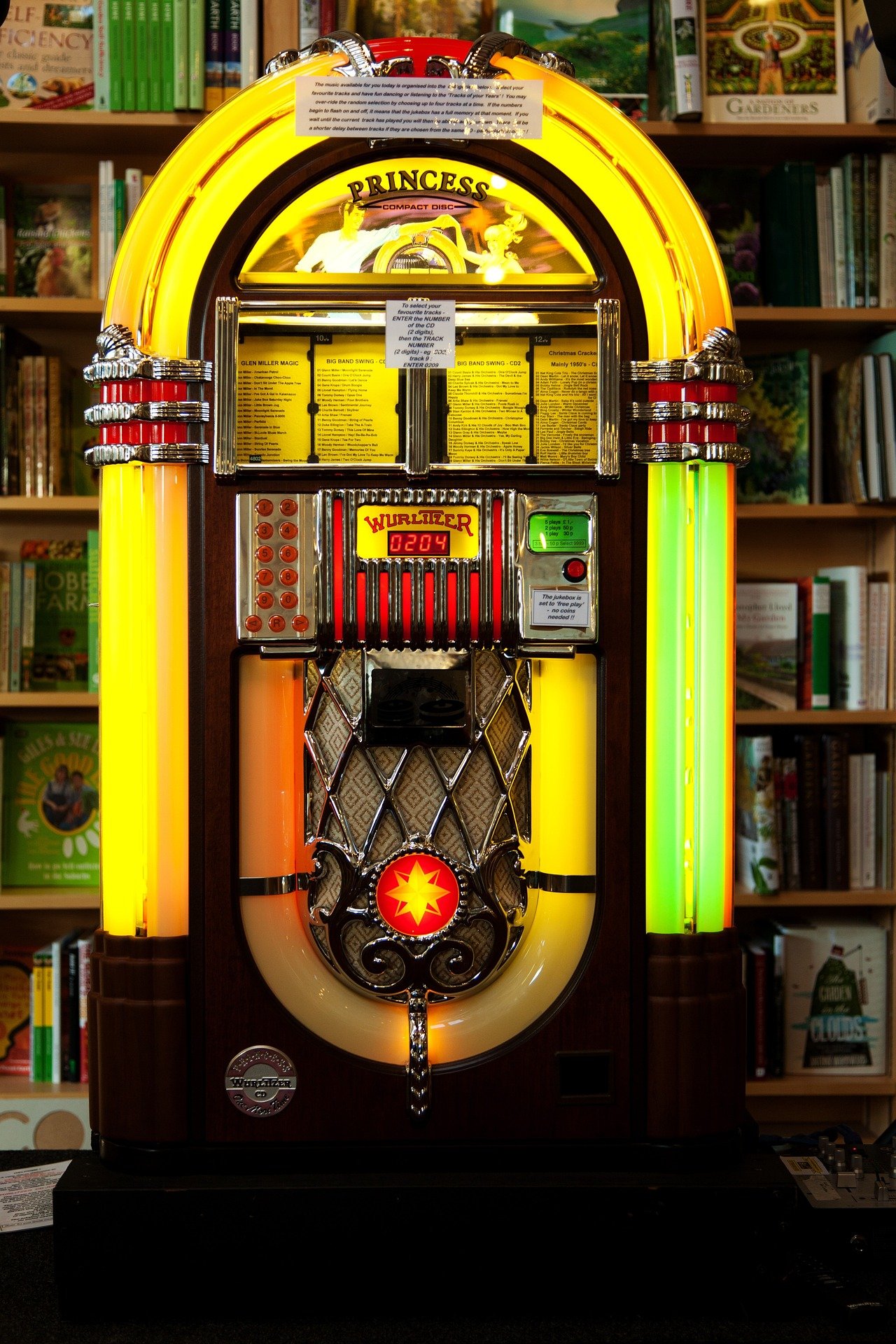
Jukebox.
Alex Van Halen has a new memoir out called “Brothers,” and Van Halen roadie John Watkins has taken issue with how Van Halen characterized his treatment of his guitar tech, Gregg Emerson.
While the two grew up together in Pasadena and were, at the time great friends, Watkins noted that over the years, Van Halen becan treating Emerson more and more abusively, eventually making him his whipping boy. Despite the treatment, Emerson remained a consummate professional, and attended to Van Halen’s drum set up, even going so far as to emptying out the piss jar Van Halen kept onstage so we could “go” without having to go.
Van Halen, in his memoir, praised Emerson, and in one way of putting it, white-washed their relationship. This made people like Watkins even more convinced that Alex Van Halen wasn’t someone to admire.
Limp Bizkit will apparently be putting together another album, and are in the studio now. Singer Fred Durst was on Instagram, verifying the news by saying, “Oh sh*t, in the studio with John Otto … we ’bout to lay it down with those drumsticks dawg,”
Another Instagram story has John Otto playing the drums, and the captain is “HUMAN DRUM MACHINE”
This is in its early stages, and as yet there is no release date or track list. In fact, if Instagram is to be believed, there isn’t yet an album.
Bobcat Goldthwait is a veteran actor known principally for his role as Zed in Police Academy. He’s about to release a new comedy album called “Soldier for Christ,” and he was asked by Consequence to come up with his ten favorite comedy albums for a new installment of “Crate Digging. Included in the list were the early Bill Cosby albums. Also Woody Allen. Goldthwait says, however, that he really doesn’t like them as people anymore.
You can read Goldthwait’s thoughts on the albums here.

Dirtier Than a Toilet Seat – The Weird Side of the Internet – by Liam Sweeny.
Have you ever heard of things dirtier than your toilet seat? I have two, but is a toilet seat the standard of disgustingness? I mean, we know toilets are gross, so we clean hem frequently. Hopefully. So it stands to reason that there are dirtier things than a toilet seat.
How’s this one for you; your remote. They did a study in the UK that revealed the people, on average, click their remote 150 times a day, and they rarely clean it. And a quarter of Brits had never cleaned the clicker. This isn’t a dash on the Brits; I’m sure Americans are worse. I can’t remember the last time I cleaned my remote.
So remotes are fifteen times dirtier than the toilet seat. It’s chock full of Enterobacter, a bacteria found in feces.
I always thought the remote just infected my mind. Turns out Enterobacter can cause anything from urinary tract infections to endocarditis. And endocarditis is bad because it was mentioned at lease once in every episode of House.
But here’s one even grosser: your phone. It’s not grosser because it’s dirtier; it’s about as dirty, but because it’s up at face level when you’re making a call. Of course, that’s dating me; no one makes calls anymore. And to be fair, a smart phone is only ten times dirtier than a toilet seat.
But you know what else is gross? A sponge. And you all know I’m telling the truth. According to my sources, after two weeks a sponge will pick up 8 million bacteria. And I’m guessing more if you let the dishes sit every day.
Now, of course, you can make all of these items less dirty than your toilet seat if you just stop cleaning your toilet seat. Think smarter, not harder.
Or go clean all your stuff and don’t end up with Cholera.

Recap By: Rob Smittix
Photos By: Laurie O’Donnell and Rob Smittix
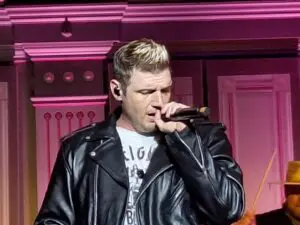
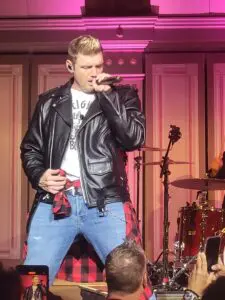
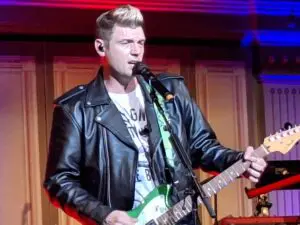
Okay, where to start? I (Rob Smittix) tend to be a music snob of sorts, not like I’m into snooty classically trained listening room music but more like I mainly listen to underground music and I never really supported the pop music that would appear on TRL. I bring this to your attention because I am sure my readers are perplexed as to why I would be reviewing Nick Carter (Backstreet Boys) on this platform. I have a couple of reasons.
My number one reason for covering this show is that my wife Laurie has been a Backstreet Boys fan since the beginning and Nick Carter was always her favorite. For years I heard about the time that her ex waited with her camped out in a long line outside of the arena for Backstreet Boys tickets. She shared that experience with him long before I came into the picture but I have never attended a concert with her that was her choice of music before. Here is my opportunity. As soon as I heard the announcement that Nick Cater was playing at Troy Savings Bank Music Hall, I knew we had to go. My second reason for covering this concert is that I support Troy Savings Bank Music Hall 110% and even though this particular show wasn’t what I’d normally cover… I also understand how great of a get this is for the hall and that there is a huge audience for boy bands.
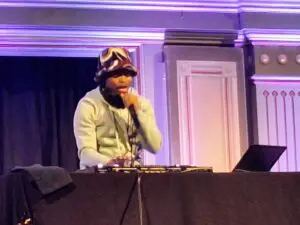
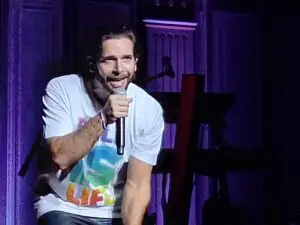
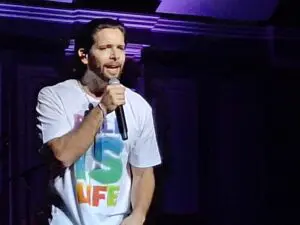
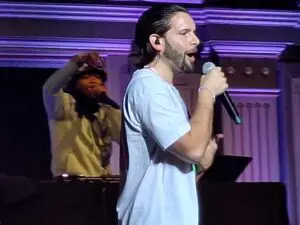
I will say that I was way outnumbered by woman in the crowd but I did spot a few other supportive husbands lol. Jordan Bolch opened up the show and I was totally thinking while he was playing that his music is what I would enjoy dancing to at a dance club. A few of his songs to the ladies reminded me that while making love I don’t always have to ask Alexa to play Ginuwine, maybe next time I can ask Alexa to play Jordan Bolch. I’d give it a try. I especially enjoyed Jordan’s rendition of “Drive” by Incubus. Although Jordan sung to all of the ladies in the crowd he spoke very highly of his wife Jessica from stage. At one point Jessica came on stage and threw out T-Shirts to the crowd and Laurie actually caught one as if she was Jerry Rice or something, I was impressed. Jordan ended his set hyping up the audience a cover of “This Is How We Do It” by Montell Jordan.
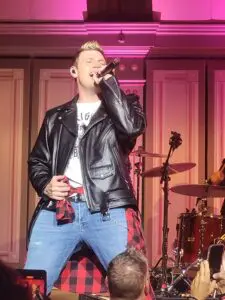
Nick Carter came out “Larger Than Life” and the girls went nuts. But then to my surprise the 2nd song was a Tears For Fears cover “Everybody Wants To Rule The World,” and I totally didn’t expect to be singing along so soon. Then Nick sung Corey Hart ‘s “Sunglasses At Night,” so now I’m singing along with 2 songs in a row, right off the rip. Nick explained that his “Who I Am” Tour is not only about his music but it’s about music that he grew up with that helped mold him into the artist that he is today. Well this made me happy because I’m thoroughly enjoying myself now. He sang several other covers that I knew but I’ not trying to give away his entire set-list.
Nick has been a Backstreet Boy for 31 years now and he seemed genuinely appreciative that the fans have stuck by this long. He asked the audience “who here was born in the 2000’s?” There were a good amount of cheers. He asked “who here was born in the 90’s?” And the cheers got louder, “the 80?” The loudest! “The 70’s?” I let out a faint whoo. “The 60’s?” There were a few. So it goes to show that Carter reaches a core era of fans that are now in their thirties and forties but I saw children and seniors in the crowd as well. That’s what you call mass appeal.
I had a great night with Laurie. I looked at her a few times during the performance and I could see her undressing Nick with her eyes. Hey that’s cool because I also saw her happy and dancing and that for me is a big win! Happy wife, happy life!
For More Information or Events at Troy Savings Bank Music Hall CLICK HERE!















RadioRadioX & The Xperience Monthly
© 2018 - 2026 Imperial Broadcasting. Most Rights Reserved.