Home Blog Page 322

Meatball Theft – The Weird Side of the Internet

0

Meatball Theft – The Weird Side of the Internet – by Liam Sweeny.

Stealing is wrong. But sometimes it’s funny. Especially in Hazel Township, Pennsylvania, when a thief in the night (well, actually in the day) spirits off with the treasure of another. The betrayal, the breaking of the social contract, and let’s add to that a dash of oregano.

48 year-old Leahman Glenn Robert Potter committed theft, and was brought to justice, caught red-handed. No; wait – caught red-faced. And red-shirted. Which is what happens when you eat a pot of stolen meatballs really fast.

And this was no classic crime. These were not prized meatballs from a four-star Italian restaurant. These meatballs were in a guy’s garage. To be fair, the garage was pretty exclusive; the guy, his wife and kids, Earl next door… the WD-40 ambiance ruined by the dastardly deeds of a meatball marauder.

Okay, let’s unpack this. First, who keeps meatballs in their garage? Not blaming the victim, but these weren’t frozen meatballs in a big freezer. Hot meatballs in a pot. Were they barbeque meatballs? I think the original reporter missed some key details.

Second, his name is Leahman Glenn Robert Potter. I think we just learned that while three names are given to serial killers, four names are reserved for dinner despoilers.

Third, and absolutely most important, I’m 48. I now realize that for all of my many faults, I am not doing so bad.

I’d really like to know if drugs were involved, if they knew each other or if it was a random pilfering, what the meatballs were for. And how did they taste? Were they freaking delicious and they became an “attractive nuisance”?

I’ll leave you with the fact that authorities were unclear whether or not Potter washed his face and clothes before being arrested. Why do I think they should have known that?


More from Liam Sweeny…

Scott Burke – An Xperience Interview

0

Scott Burke – An Xperience Interview – by Liam Sweeny.

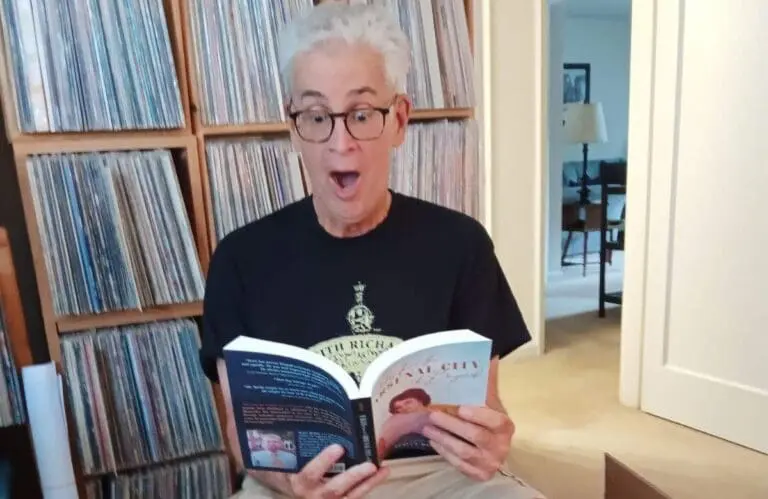
Scott Burke is a retired social studies teacher from Watervliet Junior-Senior High School. He‘s written a new book, Tales from the Arsenal City and Beyond, which is out now.

RRX: You’ve just released a new book, called “Tales from the Arsenal City and Beyond.” Can you give me an elevator pitch about the book? Take us into the pages and help us understand it.

SB: The book is about growing up, living and working in Watervliet, my struggles as an adolescent with drugs, with alcohol, with crime and just, you know, really being a ne’er-do-well as a teenager and then pulling myself together and getting my life into a straight path to figure out what I was going to do. I graduated second from last in my high school class, and I was probably the most unlikely person who would ever come back to be a teacher. When I left there, they asked me what I was going to do with my life, and I told them I wanted to be a disc jockey on the radio. That’s what I was gonna do. And then years later I returned as a teacher, which was really weird. The fact that they even gave me a chance to teach was really nice. You know?

RRX: So let’s talk about where things started to enter into the, I guess, the character arc of this story. Can you tell us about your decision to go to Watervliet High as a student?

SB: What got me to go to Watervliet was when we went for a tour in 8th grade. They used to take you for tours of the high schools. So we went to Saint, we went to Watervliet, and we went to Catholic Central. And when I went to Watervliet, I saw kids walking around with cigarette packs in their pockets and a Coca-Cola machine or Pepsi machine in the hallway. And I said to myself, wow – that to me symbolized freedom. But in Saint Brigid’s, I went to a Catholic school for eight years. You had a uniform; it was very regimented. And I was like, wow, man, this is so cool. This is where I wanna go to school. And I saw kids with long hair and girls with halter tops all that stuff. And I was like, man. So I went home and told my parents. My mother said it was ok because my Aunt Ruth was a teacher there and my mother’s sister went to Watervliet. So she goes, “That’s fine. That’s fine if you wanna go.” My father was not happy. And he said, “If you mess up there, I’m gonna pull you out. We’ll see how you do in your freshman year.” I think he knew I needed some discipline.

RRX: That’s cool. So now you’re a teacher. Maybe it’s not your first day, but it’s like your first year, and you’re teaching and you’re seeing the students that you know exactly what they’re gonna do with their lives. They’re sleeping in class, probably hung over, like that kind of stuff, you know? That student is the one that you were when you were in high school. So how did that feel? There must have been a cognizance of that.

SB: There was, and helping them was what I deliberately wanted to do when I started teaching, I had a vision, you know, I had a very clear vision of what I wanted to do in the classroom. And one of the things I wanted to do was throw out everything that was taught to me; the way I was taught, the methodology that was used by the teachers. Because it was textbook learning – rote learning and questions at the end of the chapter, and there wasn’t really much critical thinking going on or serious discussion of the events. For example, the Department Chair in social studies when I first got hired warned me not to talk about abortion because it was controversial and blah, blah, blah. And I just totally ignored everything that she said to me. I said yes to her, but she was retiring. So I played the game a bit, but I knew what I was gonna do and I wanted to get kids involved. I wanted to get them involved in their school and the decision-making process, and also get them involved in local government. So my kids were required to go to school board meetings. They had to go to city council meetings, and once a year we’d go down to the New York State legislature to lobby, and we’d write bills. Sometimes we would join another environmental advocacy group or something like that. Anything I could do hands-on and getting them out of the classroom. And the other side of it was more critical thinking; having them read different various articles and write their opinions on it, and more class discussion on it. I never used a textbook in the classes at all. That was kind of my approach to it. And, yeah, there were those kids there and I understood that, and I think I kinda let them know at different points that I certainly wasn’t a serious student. High school is really only four years of your life. It’s a very short time and it certainly doesn’t define what you’re going to become, I don’t think.

RRX: Let me ask this one hopefully good question. I wanted to save the harder road you were on for people to read in the book. But in your experiences, how do you turn your life around when you reach a certain point, and what do you think is the number one thing that you need to think about, or have in your head, when it comes to not caring about anything versus maybe “evolving” to care?

SB: Well, I think it has to do with finding something that you’re passionate about. First of all, I never considered myself very bright. And the fact that I could go to college and get a bachelor’s and a master’s degree and be on the President’s List and the Dean’s List and all that stuff, and get scholarships and awards; I mean, that blew my mind. That gave me a sense of self-confidence that I’ve never had as far as school went. That kind of started the ball rolling for me. And then I had a couple of professors … at Hudson Valley … they said to me, “Did you ever think about going into teaching?” And I said, “No, I didn’t.” And they asked me, one of them was an economics teacher. And he said to me, “I need a tutor for my students. Could you do it?” because I had an A in his class. And I said yeah, so he paid me and I used to sit outside his office. He had a desk for me and kids who were having trouble would come over and I would help them. And then Maureen Hood was another one who was very inspirational and encouraging to me. … I knew right then and there I wanted to teach; I wanted to do nothing else. I just knew. And that was when I was in my early 20s and that’s it. I didn’t wanna be an administrator. I didn’t wanna do any other job. I loved teaching and I still do.


More from Liam Sweeny…

The Rhythm Pilots – Interview – Thanks for Asking!

0

The Rhythm Pilots – Interview – Thanks for Asking! – by Liam Sweeny.

We connected with Patrick DiMascio, band leader of The Rhythm Pilots. This is what he had to say.

RRX: Music genres are difficult for some artists. Some strictly adhere; others not so much. What is your perspective on the genre you play, or the genres you hover around?

PD: The Rhythm Pilots are thrilled to specialize in dance music, with a particular focus on disco. Over the past four years, we have been at the forefront of setting new trends in the local music scene by being one of the first bands to dedicate ourselves solely to disco. We have truly unlocked the treasure trove of the late 1970s to early 1980s dance and disco era. In addition to our classic repertoire, the band also performs newer dance tunes from the 90s to today. The Rhythm Pilots bring the infectious energy and groovy beats of disco to the dance floor at every show!

RRX: It’s a lot of fun living in the present, but we all collect memories and give birth to dreams. We’re talking dreams here. Where you see yourself next year? In the next five years?

PD: The Rhythm Pilots are excited and fully prepared to tackle bigger events across the Northeast! As a multi-regional dance band, we are raising the bar and aiming to perform in major metropolitan areas like Atlantic City, Boston, and Philly. In the next 5 years, we envision our growth continuing and expanding our reach to top casinos and clubs throughout the entire Northeast Corridor. Get ready for an electrifying journey with The Rhythm Pilots!

RRX: Stereotypes are a bitch. I mean, aside from the really bad ones, you have cultural stereotypes about everything, including music.  Would do you think is the stereotype for the music you play, and how far are you away from it?

PD: We embrace the StereoType and strive to make it our own. Performing disco correctly is actually quite challenging, but when done authentically and with precision, the feeling of joy and satisfaction is unparalleled. Let’s conquer the disco scene and revel in the accomplishment!

RRX: Our style comes from the extension of our influences. It’s like an evolution. We’re influenced, and it inspires us to influence. What can you say about your influences, and what you feel you’ve done with their influence as a musician or band? Have you extended their work?

PD: We are thrilled to ensure that we nail down the parts, sounds, and performance with utmost authenticity. Some have even claimed that we outshine the original artists in our renditions, and we consider it a great honor to do justice to their work.

RRX: In the musical world, there are many supporting players. Recording engineers, sound techs, cover art designers. Who are three people that support the craft that you would like to shine a spotlight on?

PD: This topic is absolutely massive for us! The dedication and hard work put in by our band members to learn their parts and bring their A-game has truly propelled us to where we are today in just 4 short years. Our band manager and performer, Patrick, not only handles the sound for our performances at local shows, but also takes care of recording, filming, and managing all of our promotions and advertisements. Kevin, Dennis, John, and Antoinette in the band also play a crucial role in assisting with promotional work and managing our social media presence.

A massive shoutout is in order for all the incredible engineers and mixers who have helped us along the way, such as Frank from Willis Digital Sound and the talented engineers at Turning Stone. These individuals are the true professionals who make us shine even brighter on stage!

RRX: Sometimes you gotta go on the road. Miles can build up, and it can stretch the comfort level of any travelling act. What do you bring on a road trip, or tour? What will you forget to bring?

PD: During our exciting tour across New York State, spanning over 500 miles from the capital region, we encountered some unexpected challenges. We forgot essential items such as stools to sit on, power cords for instruments, stands, poles for signs, and even once arrived at a show expecting a drum set that wasn’t there. But fear not, we are resourceful and managed to borrow the drum from the engineer just in time for the show! Despite these minor setbacks, our passion for music and dedication to our craft shines through in every performance. The thrill of being on tour and sharing our music with audiences across the state keeps us motivated and energized. We are grateful for the opportunity to connect with fans and showcase our talent, no matter what obstacles come our way.


More from Liam Sweey…

Art for Humans – Finding Reference

0

Art for Humans – Finding Reference – by Alexander Cardinal.

Find reference and find it everywhere! You need reference images if you want to make an image worth looking at. Obvious hyperbole aside, it’s true the vast majority of the time you need something to reference to make what you’re trying to draw or paint look correct. I’ve met and heard of some artists who feel that they don’t need any reference images and you know what maybe they don’t. Maybe they are simply gifted with artistic skills beyond my comprehension but I’m begging you from one artist to another do not try and use these artists as examples especially if you’re a beginner artist. Your work will always look better when you have something to base it off of, whether that’s a pose, a backdrop, an item, or especially an angel. Sure you can try to muster something from sheer memory but you’ll be better off trying to draw that complex anatomy of a person swinging an ax from a top-down angle with images of people swinging axes and images of people with cameras pointed down on them than you are trying to do all that without.

But where to find reference images? Find them everywhere and I mean that as literally as possible. Buy art books, look for images on Google, look for examples in real life, take your own reference photos, buy poseable art dolls, and take reference from OTHER ARTIST’s work. As long as you don’t directly trace someone else’s work it is fine, trust me artists would be flattered to learn you thought their poses and perspective were done well enough to use a reference for your work. Don’t choose one of these things I’ve listed you should do them all, I know I do! I have a literal hoard of images from other artists for all things, nature, anatomy, lighting, posing, and anything else in between. On top of that I do take my own references and own art books and poseable dolls, I use all of them all the time. More often than not I use more than one source of references for a single work of art.

There’s often a weird resistance to using reference but the only crowd it often comes from in the art world is new artists. There’s an air of insecurity about it from them, they’re often so worried about being a real artist and proving themselves that they end up thinking reference is some kinda cheating akin to theft or just plain laziness when it couldn’t be farther from the truth. Any artist worth their salt uses reference especially those in something like the comic industry, an artistic job with such stringent deadlines requires all the help it can get. The entire Still Life genre of art is entirely based on reference. That’s the whole point of that type of art and I don’t think anyone would call that lazy, trust me I had to make two black and white still lifes in college it’s anything but lazy.

At the end of the day, you’re going to draw a tree. Maybe just maybe, you should look at a tree while you do it.


More from Alexander Cardinal…

Paisley Underground – An Xperience Article

0

Paisley Underground – An Xperience Article – by Tara Dee.

I had the privilege of being a guest on Kaleidoscope recently, joining Jimmy and Artie for a show highlighting the Paisley Underground. And while on some level it’s great to simply let the music speak for itself, there’s so much more that could be said about this brief but particularly fruitful period in music history. Let’s take a deeper dive, shall we?

What we now refer to as the “Paisley Underground” originated in LA in the early ‘80s, and musically was a mix of psychedelic, pop, garage rock, and punk music. The musicians themselves were united by, to quote Vicki Peterson of the Bangles, “an anachronistic fascination for the music and culture of the 1960s.” I became familiar with this “genre” (I feel I should note that Danny Benair of the Three O’ Clock insists it was a scene and NOT a genre) because of my love of and for The Dream Syndicate. The main bands that (upon discovering they shared certain sensibilities) created this short-lived scene were: the Dream Syndicate, the Bangles (originally called The Bangs until they discovered another band had the same name and changed theirs to avoid legal issues), Rain Parade, the Three O’ Clock (originally Salvation Army – legal issues again forcing a name change), the Long Ryders, and Green on Red.

I haven’t been able to stop listening to an album that Jimmy from the Beat Shop turned me on to called “3 x 4.” The album is a collaboration between four of the original Paisley Underground bands (the Bangles, the Dream Syndicate, the Three O’Clock, and Rain Parade), key members of whom found themselves doing shows together long after they had gone their separate ways, and had an idea for a project that would revisit the music they had created 30 years previously. Each band covers a song from each of the three other bands from back in their Paisley Underground days. The fact that four bands pulled off this collaboration so many years later, and with most of them living separate, busy lives is really astonishing; the project was clearly a labor of love. This is one of those albums that never strays too far from the stereo, where your favorite song changes constantly since they are all wonderful, and on repeated listens continues to feel like there’s ever more to discover. My favorite tracks du jour are the Bangles covering “That’s What You Always Say” (Dream Syndicate), the Three O’ Clock covering “What She’s Done to Your Mind” (Rain Parade), and the Dream Syndicate covering “Hero Takes a Fall” by the Bangles. Steve Wynn shares the back story of “Hero Takes a Fall” in the liner notes, recalling how he discovered that this less-than-flattering song was actually written about him. Surprise! Love that not only did he choose to cover this one but also featured his wife Linda Pitmon and Vicki Peterson on backing vocals. No hard feelings apparently, not to mention delightfully cheeky! Oh, and by the way, it rocks. Susanna Hoffs’ contribution to the booklet is fairly succinct but does mention something about sharing a sleeping bag with a fellow member of the Paisley Underground on a trip to Catalina Island without naming names. Who could it be? Curiosity led me to conduct some quick internet research, and I will just share with you all that apparently it was not any of the members of the Dream Syndicate. Steve Wynn penned an answer song to “Hero,” in case anyone wants to give that a listen, “Baby We All Gotta Go Down.” Anyway, they’re all a little older and wiser at this point, right? Which was surely a factor in them being able to work together to create this fantastic album. One thing that stands out when listening to “3 x 4” is not only the strength of the original songs but how accomplished each of these bands has become. They have all long since graduated “Paisley High, Class of ’83” (Vicki Peterson again) and gone on to have successful careers with their original/reunited bands, related bands, and solo acts, and have continued to grow as musicians. I, for one, am grateful they chose to hold their high school reunion by recording this gem of an album.

Steve is not alone in expressing his admiration for the Bangles in the liner notes of this album, describing them as “…the most musically accomplished, searing as well as unrelenting garage practitioners of all the Paisley bands.” If your knowledge of Bangles’ songs is limited to “Walk Like an Egyptian,” check out their first album, “All Over the Place.” Not that I don’t like their hits – I do- but the band has more substance and bite than may have been obvious to some at the time.

If you’re a fan of the Paisley Underground, you likely are already familiar with Rain Parade’s “Emergency Third Rail Power Trip.” A classic of the genre (my apologies to Danny) from start to finish, this is well worth a listen whether you’re pulling out your well-worn original copy or streaming it for the first time. I’m surely not the only person who feels this way, as evidenced by a double LP reissue this past Record Store Day. And yes, I did manage to pick myself up a copy.

Any fan of this time period and/or Dream Syndicate will be familiar with the band’s first album, “Days of Wine and Roses.” If you’re not for some reason, you should probably rectify this significant void in your music collection immediately. When most of the band reunited many years later, they discovered they still loved the music and liked each other. Add Jason Victor to the mix (who confessed to Steve Wynn from behind the record store counter that he was a fan and asked him if he wanted to jam – thankfully Steve said yes) and you have a band that wouldn’t even think about resting on their laurels. Rather, they continue to push boundaries, write great songs, and wow audiences with jaw-dropping live performances. The band has released four albums of new material since 2017, in addition to several reissues and a live album/DVD, and (to their fans’ great delight) shows no sign of slowing down. If you were a Dream Syndicate fan back in the day but let them fall off your radar, check out what they’ve been up to lately. Heads up that Steve Wynn also has a solo album and a book coming out in the next couple of months. I will surely have more to share about that soon.

Thanks to Jimmy Barrett for turning me on to “3 x 4.” Probably many of you music fiends out there are regulars at the store, but if you haven’t been in a while, go visit Jimmy at the Beat Shop. You’ll never know what you might find there and where it could lead you.


More from Tara Dee…

Trauma School Dropouts and friends @ Fuze Box, 8/3/2024

0

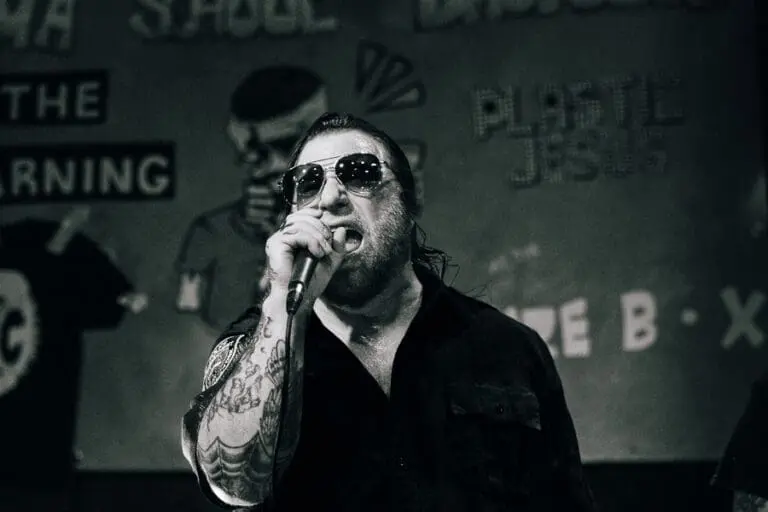
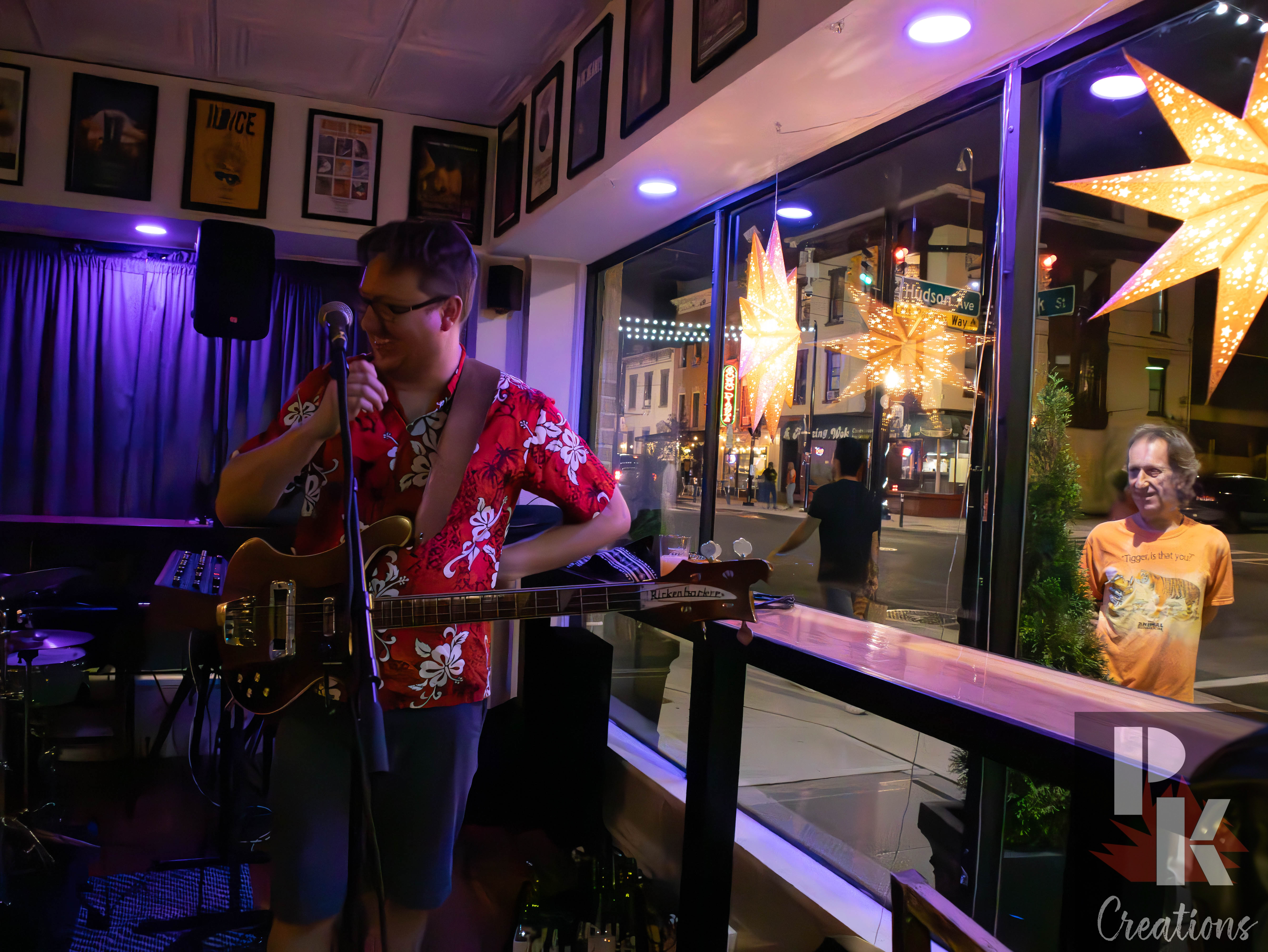
Yeah, you read that right.  It was a record release party for Trauma School Dropouts on Saturday! Plastic Jesus, late add Blast-Craze, and B4 the Warning added to the party.

Photography by Nate Black.


More by Nate Black …

TV Doctors @ The Eleven, 8/3/2024

0

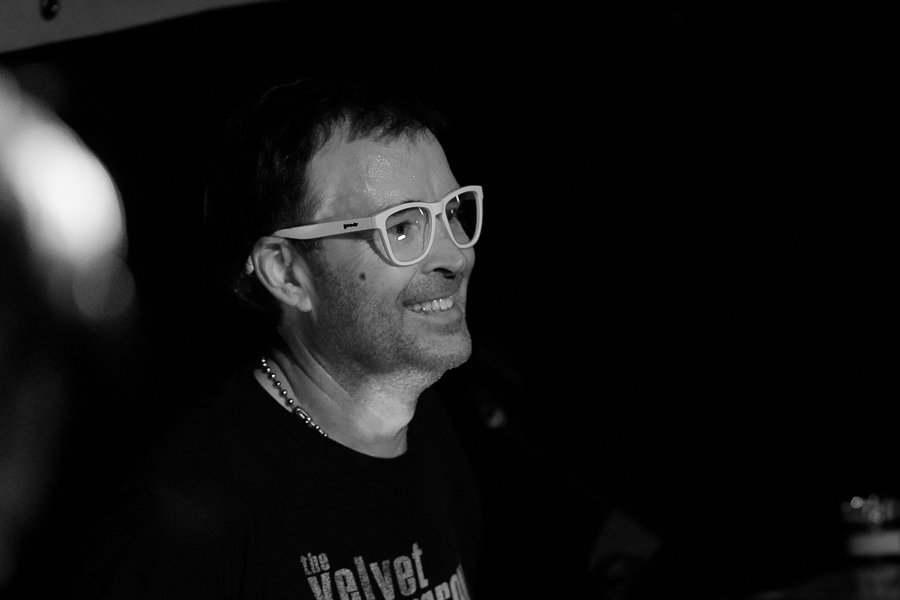
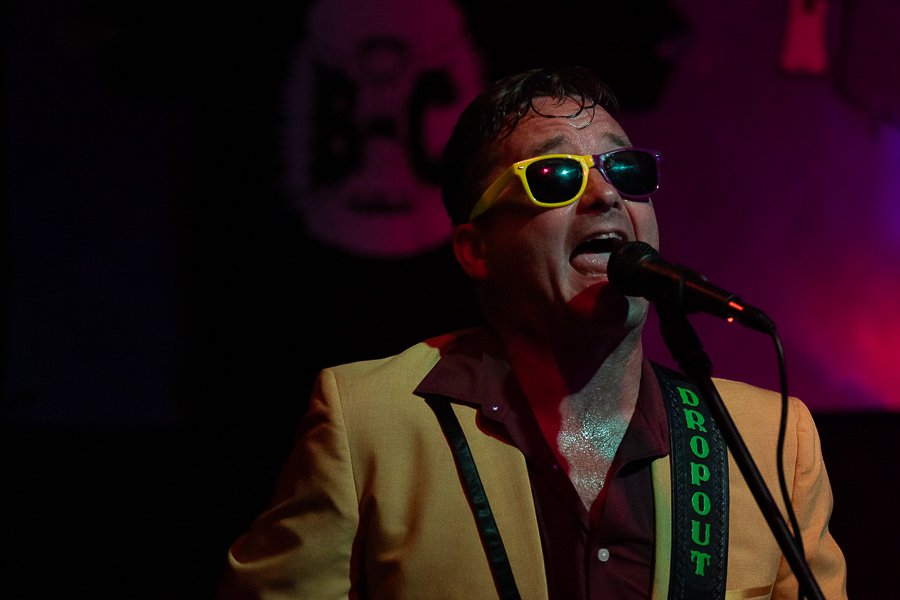
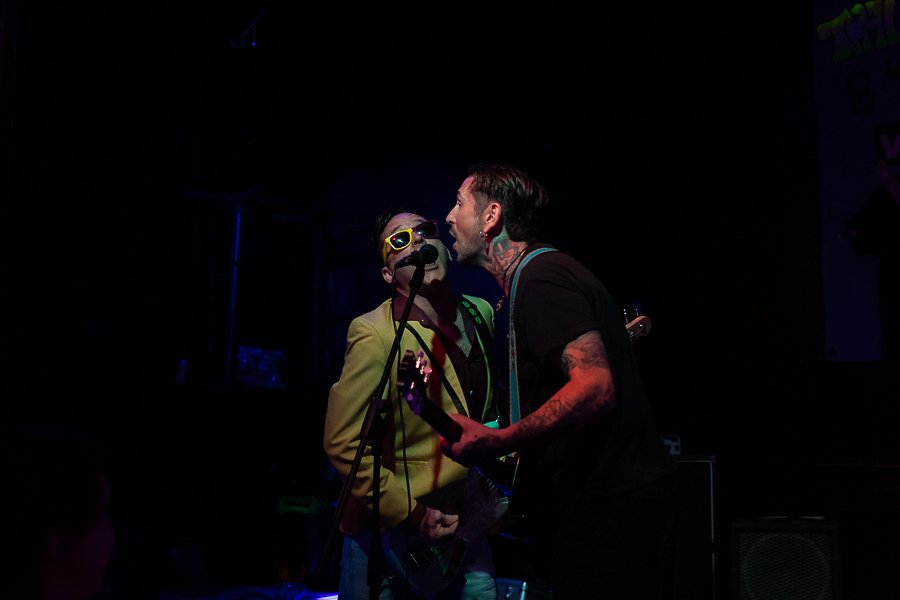
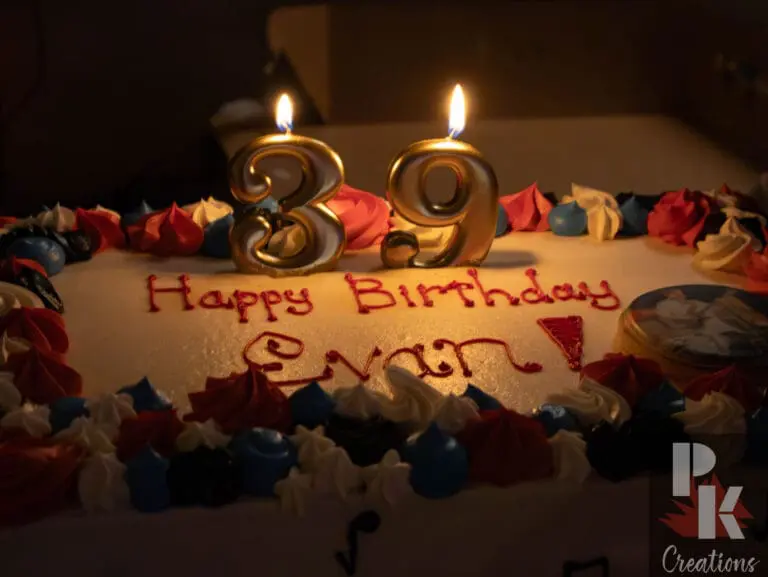
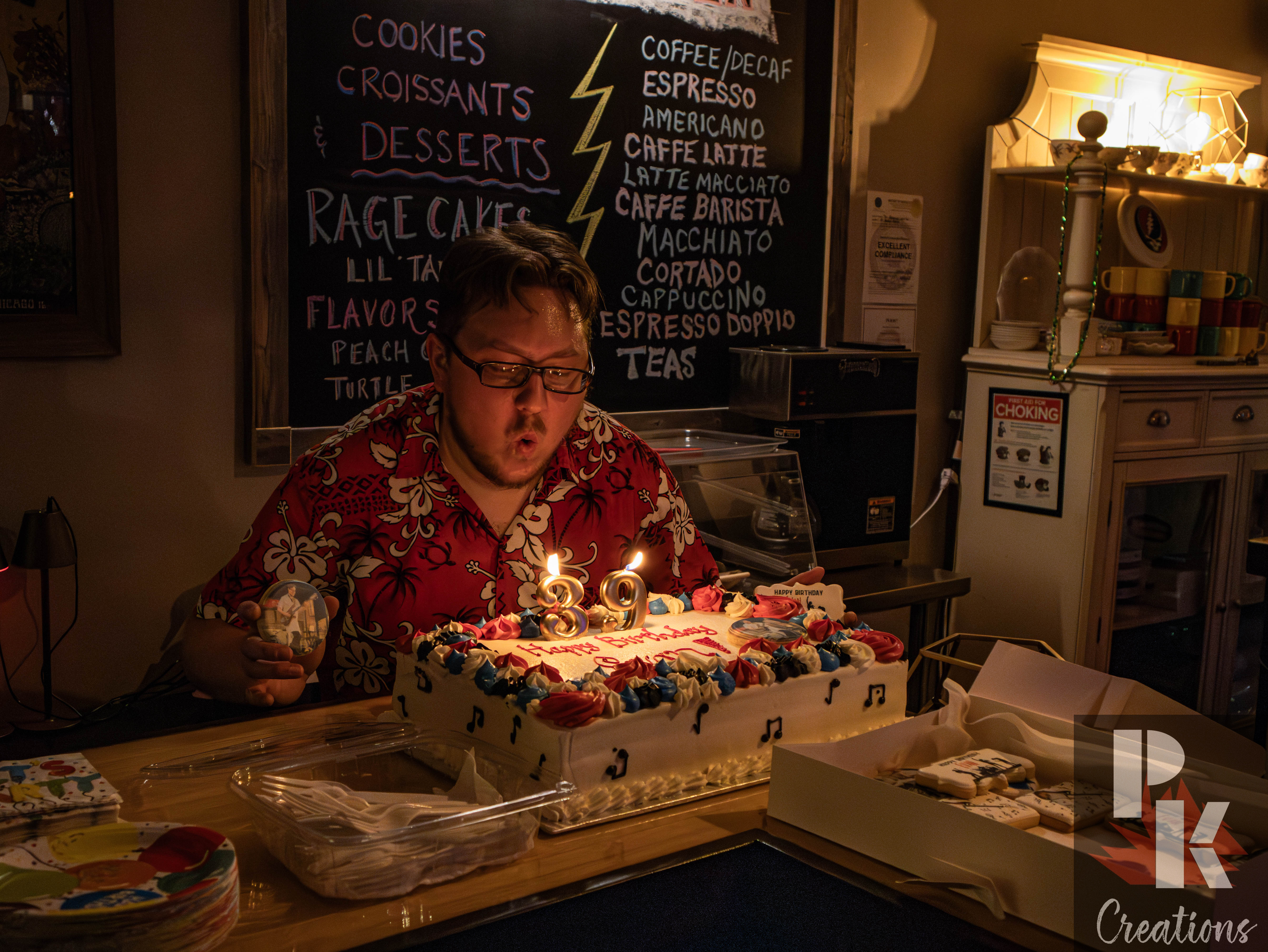
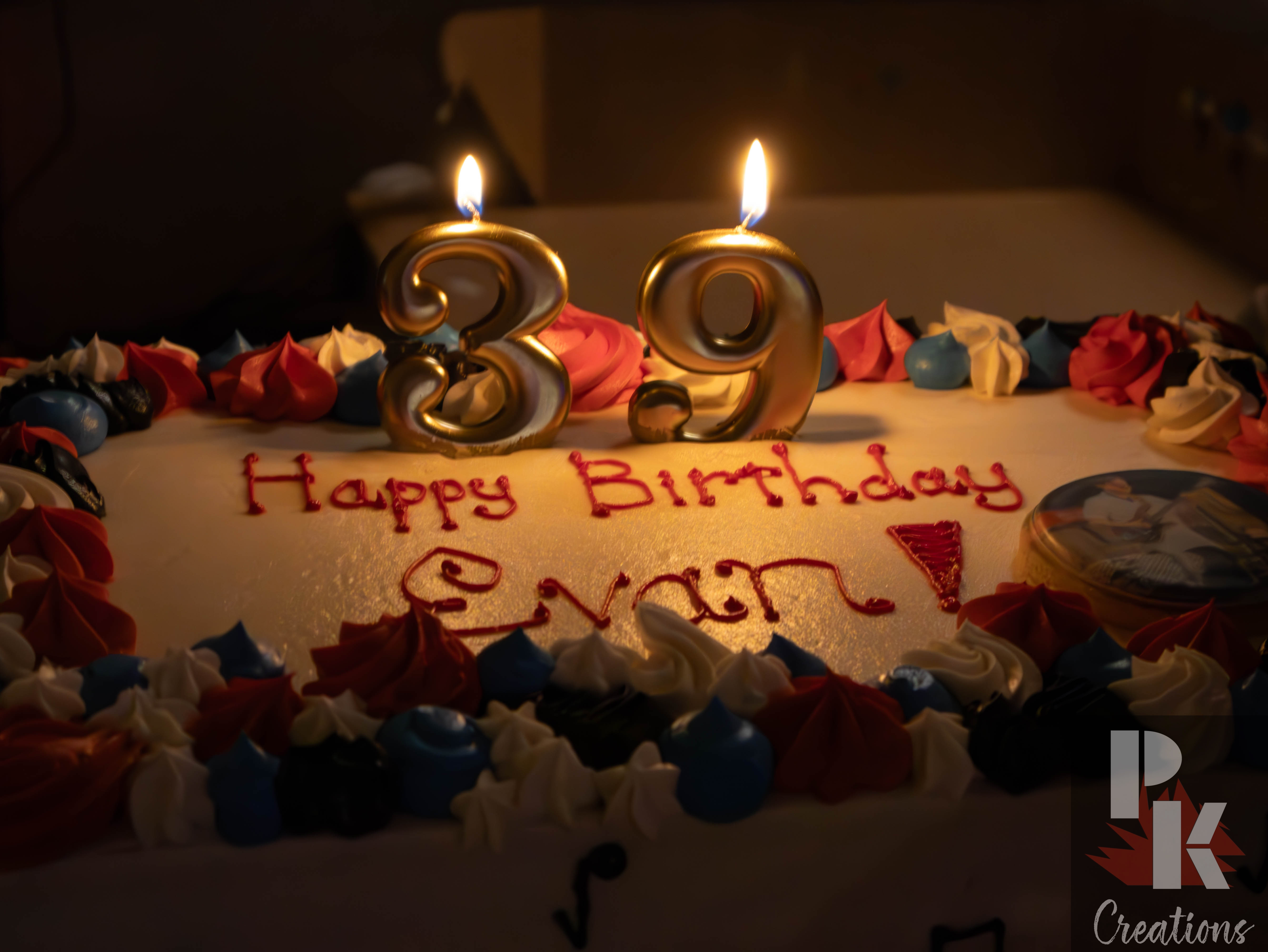
TV Doctors celebrated Evan’s birthday with a show at the Eleven.

Photography by Joshua Scarselli.


More from Joshua Scarselli …

Art Along the Aether – Chapter Two – Xperience Fiction

0

Art Along the Aether – Chapter Two – Xperience Fiction – by Liam Sweeny.

The three-story chunk of degraded concrete and jagged lead window husks drew in its first breath the bitter nip of the nascent Cold War, its purpose military, its designation classified, its payload, from a few chatty elders whose sense of secrecy had succumbed to loneliness and void of purpose, the iron and steel the nearby arsenal used to make cannons for warships. The road in was wide enough for vehicles built for big work. It had a security station with a bar that raised and lowered to grant passage to all deemed worthy of presiding over piles of raw metal. The gate was superseded by a chain-link fence, which was superseded by a battalion of miscreants with a complement of wire cutters.

They parked on a side street, barren as the row houses that lined it, houses that to a one bore the fluorescent X’s of condemnation. Were not the warehouse such an attractive nuisance, it’s likely they all would have found out why those buildings were condemned. They walked over to a rip in the fence so well hidden by debris that the city would scarcely think a person stupid or clever enough to attempt entry there.

Sarah and Ollie, Deke and Harry were at least stupid enough.

If they could call it anything but a pilgrimage, they would’ve called it a bad idea. They planted boot prints in fresh snow and slid their feet as an attempt to conceal their tracks. People slept in the warehouse, escape artists in residency. The windows were dark but they all knew it was the deft arrangement of wooden pallets and pilfered homeless shelter blankets that made them so. The concrete and the ventilation and the height of the ceilings made fire the least of the warehouse’s worries, and its squatters made good use of that fact and a few fifty-five gallon steel drums. But Ollie could see a dim flicker when he squinted his eyes, when they were near enough to smell the gasoline siphoned out of pick-up trucks in nearby yards filled with them.

If Sarah had a spray can, if it wasn’t so cold, if inspiration landed on her shoulder like crystal flakes, if, if, and for extra fine and good measure if… she would’ve tagged the front of the building. In fact, if she had one can, she would’ve had five more in her olive drab army duffel bag. That was a Sarah she was thirty days in front of. It was a Sarah she was running from. It was a Sarah that Ollie missed, sacrificed to a Sarah 2.0, with more features and a steeper learning curve.

They trudged the perimeter, on ground muddy from the traffic before them. The warehouse was never empty except just after the monthly clockwork cop stops, but when it was full, it was a circus stuffed in clown shoes. The back door, the one facing the interstate, was wide open, and a scrawny man in a Miami Dolphins windbreaker and black sweatpants with white lines zipping down sat on a milk crate pulling smoke from a soda can sideways, center crushed in, contents atop poked holes glowing white hot, brilliant red, coal-fired lungs coughing puffs of sweet release. Ollie shielded Sarah’s eyes thinking he should but she swatted his hand away and aimed a glare at him. The man turned his head.

“Ain’t no tourists,” he said. “Get.”

Deke scoffed. “Fuckin’ tourists,” he said. “You’re in outer space right now. You’re a tourist.”

The man grunted and hit the can again. “What’s the password?” Deke pulled a dimebag and tossed it at him, hitting him in the face. The man grabbed for it in the snow as he coughed out a hit. When he found it, he scoped it like it was a piece of the True Cross. Ollie couldn’t tell if he’d never seen weed before, or if he was just that high. Either way, he pointed to the door.

“Elections are tonight,” he said. “Vote early, and often. And vote for Shitheels, if you know what’s good for your ribs.”

They slid in, one by one to a diminutive room, dark, musty, its only light through the crisscross hatches of safety glass, smeared with grease, or something akin. A fire extinguisher on the ground extinguished, steel canister torn apart in sharp shards like the dull spikes behind a comic ‘kapow!’ Ollie didn’t know fire extinguishers could explode, but he was no expert. It took them a second or two to adjust their eyes, but a quick, chirping cry from Sarah alerted the gang to the fact that a monster was sitting in a folding chair, ink-dot eyes long adjusted, watching them, pounding an extinguished Mag-Lite into his palm.

“Halt,” he said in a rhythm of the swing of the business end of his flashlight toward the four of them. “What do you got on you?”

“Nothing,” Ollie said. “I don’t have any shit on me.”

The light came on and a beam bounced off Ollie straightaway.

“I asked you what you had on you. You don’t have shit. You got a wallet? Cash? Business cards you picked up off the ground? What about a strip club matchbook?”

Ollie could hear Deke’s hands in his pockets and the rustle of plastic on plastic that was unmistakable to the ear of a stoner or a cop, bringing equal excitement to both. But a cop wouldn’t sit in the dark behind a door guarded by Methhead Number One.

“I got a wallet and some bills, maybe twenty. I got two sodas in my coat and my house keys.”

The man stood, the body of a pig farmer with the tattoos, visible in the pale illumination of the Mag-Lite, of a biker christened filthy few. His black short sleeves strained to contain deceptive flesh hiding sledgehammers and the bottoms of his jeaned bunched around tan steel-toe work boots. The flashlight bounced from faces to floor to faces to floor like a signaler on a runway, guiding them to their coming flight.

“Everybody put your shit – and everything you don’t consider your shit – on the floor. Hey Eddie!” He called out to the methhead, “Come in here and search our new campers.” Ollie heard the creak of the folding chair as Eddie came in, sans soda can, with his thumbs hooking the loops of his jeans, yanking them up.

“Eddie’s thorough,” the man said. “Best not hide anything.”

Deke sighed as he pulled out his baggie, about an ounce, give or take a few mailboxes. “Everybody in here is high as fuck and we can’t bring any shit in?”

The man was silent. His flashlight hit Ollie’s face more than anyone’s, Sarah’s a close second.

“You’re in that band, right? Perma-something?”

“Permasoul,” Ollie said. “It’s called Permasoul.”

He shined on Sarah, “You too, You’re the bass-player.”

“Yeah, bass,” she said. “I sing too.”

“I’ve been to a few of your shows. Not bad. I got friends in Concussion.”

The man presided over the dumping of everyone’s effects and stood solid as Eddie crawled in and out of everyone’s ass looking for contraband or peanuts. Ollie could’ve sworn that by the time Eddie had finished with him, his dandruff was on the floor along with everything else.

“That’s everything, Shitheels.” He looked at the small pile on the ground. “You got something for me?”

“Hasn’t been an hour yet.”

Eddie’s face took on some glum. “Feels like an hour.” He turned his head and walked back out the door. The man, Shitheels, traced through all of the group’s belongings with his foot.

“Okay, get your shit. And don’t ask questions. This was for your own good. Can’t have people coming in here with guns and knives, books and markers and aspirins – there’s a list of contraband taped to the first pillar once you go in for future reference. And tape is on the list too.”

Shitheels leaned his back into one of the double doors to the main area of the warehouse’s first floor, motioning them in and making it clear he’d be their companion, like it or not.

They entered the main area, a space haunted by the apparitions of barrel fires that moved from section to section, planting soot-stain kisses on the ceiling. Music filled the space inside frenetic bubbles of acoustic guitar and transistor radio and human vocal be-bop, each carving out their space between campsites with tents constructed in standard color and pained to double-triptych murals, unique to a one, homesteads arranged in circles, the carbonation drawing smaller bubbles to ring the larger ones, audiences, nobodies that became somebodies, whatever could to take their mind off their proximity to the void that lie just off the edge of the bottle cap.

As they walked through and Ollie skidded his feet along the rough concrete floors, he tried to picture it the last time he was there, when he was slow-dancing with archangels in his circulatory system. It was a palace then. Everything gleamed and it smelled clean and free, not like burnt plastic, musty, mildewed paper, piss, and the brick-weed ammonia that they didn’t sell in vapes. When he was high, it was the only place he felt safe. Now, Shitheels may well have been Abaddon dangling the keys to the abyss in his calloused hand.

“This place is a fucking zoo,” Shitheels said. “They hate me, but they each should be planting their lips on my asscheeks for keeping order.” He pointed to the far corner, where a drum fire illuminated what looked like a small junk pile.

“They bring that shit in, VCRs, old TVs, fat backs even. Nobody wants it. Thrift store won’t take it, and they take cum-socks. Bring the shit here and auction it off to each other so they can act like proper businessmen. I throw it all in the back, and if I see them out there, I crack them on the shoulder with my trusty here.” He wiggled the Mag-Lite. “There’s a goddamn mountain back there.”

“Do you have to hit them?” Ollie felt Sarah rub his side while she stood by him, invisible to Shitheels’s view.

“Only thing these people understand is force. It’s fear. Know why anybody hasn’t beat the two of you? Raped such a pretty girl? Fear. They know I’ll kill them. They crack out their fists on each other? Mine are bigger. They steal? I steal one of their fingernails with a pair of pliers. They bring books in for that thing up there? I rip out the pages and stuff them down their throats.”

They hugged the wall as they walked, and Ollie felt caught in the flow of the burning barrels bringing people to circles surrounding, breaking off to cover the spaces in between with purpose, to the traffic patterns and the current of people far more numerous than he would’ve guessed for a three-story building devoid of electrical service and plumbing. A hum echoed from the stairwell that made him thing they were riding a dirt bike up on the above floors, but if Shitheels had any sway over those floors, he’d have had none of it.

“Why books?” Ollie said. “Why punish people for books?”

“Books are dangerous,” Shitheels said. “Hey, I like a good detective story just like the next guy, I ain’t illiterate. If that was what people were bringing in, I’d bring them a bookcase. But they’re not. They’re bringing in philosophy books and political books and, you know” he lowered his voice, “banned books. And they if they don’t give them to that freak up there, they read ‘em, and suddenly they want rights.”

“What’s wrong with rights?” Sarah asked the question that Ollie wanted to, but feared another boot-shaped bruise.

“Rights in a flophouse? Are you kidding me?”

“They’re still people.”

“Half of these ‘people’ would kill you for your pendant if left them alone in a room with you. They wouldn’t know anything good to do with rights. This place is hell. It’s a self-imposed prison, and I’m the warden.”

They walked over to a row of coolers. Shitheels opened one to reveal that it was full of snow.

“Put your cans in there,” he told Ollie. “If they’re still here when you come back from wherever, they’ll be cold.”

“I could just hold on to them.”

“Those could be weapons. I think not.”

Ollie regretted stealing them only to have them stolen from him. He shoved the cans into the half-melted snow and zipped up his jacket. Shitheels reached in and pulled out a beer and popped the top in fluid muscle memory.

“My brother was in here once,” he pulled a folding chair out from behind the coolers after a christening chug, waved his hand at two other chairs for Ollie and Sarah, the only two of the group he seemed to acknowledge. “He died. Overdose, so I thought, but I heard he was black and blue like that Van Gogh painting. People in charge of this place buried him out back in the swamp grass.” He took a sip and a swipe across his mouth. “Cops found him, did their tests and nothing,” he said. “A dead junkie. So I’m here watching out, making sure these cocksuckers don’t kill anyone else. And you know what the fucked up thing is?” Ollie shook his head knowing it wasn’t a question. “I’ve had to pull three bodies into that swamp grass myself. Real ODs. And each time the cops find them. And they come in here and steal sleeping bags and pillows and they look tough when they’re asking questions that they don’t care what the answers are and then they tag the toe and go back to getting blowjobs in their squad cars.

“I am the law here,” he said.

They sat in the chairs as so directed and Deke and Harry stood, arms straight, rubbing their forearms like the awkward, antisocial kids at the school dance. As many times as they’d had to come to the warehouse as drug dealers, they were little more than tourists with a side gig.

Shitheels finished his beer and got up, prompting Ollie and Sarah to do the same. He gathered the four of them, squeezed them together with his iron, outstretched arms, and aimed them at a tall, shapely woman in a sleek gray dress that would look completely out of place there if it, or her, were anywhere near clean.

“This is our guru,” Shitheels said. “People are getting rowdy. I have to go give my right boot a workout.”

“The elections are today. Vote me for sheriff if they let you. And don’t do anything fucking stupid, okay?” He waved them from the back of his hand and lumbered off.


More from Liam Sweeny…

Get Up Jack @ Ganser-Smith Memorial Park, 7/30/2024

0

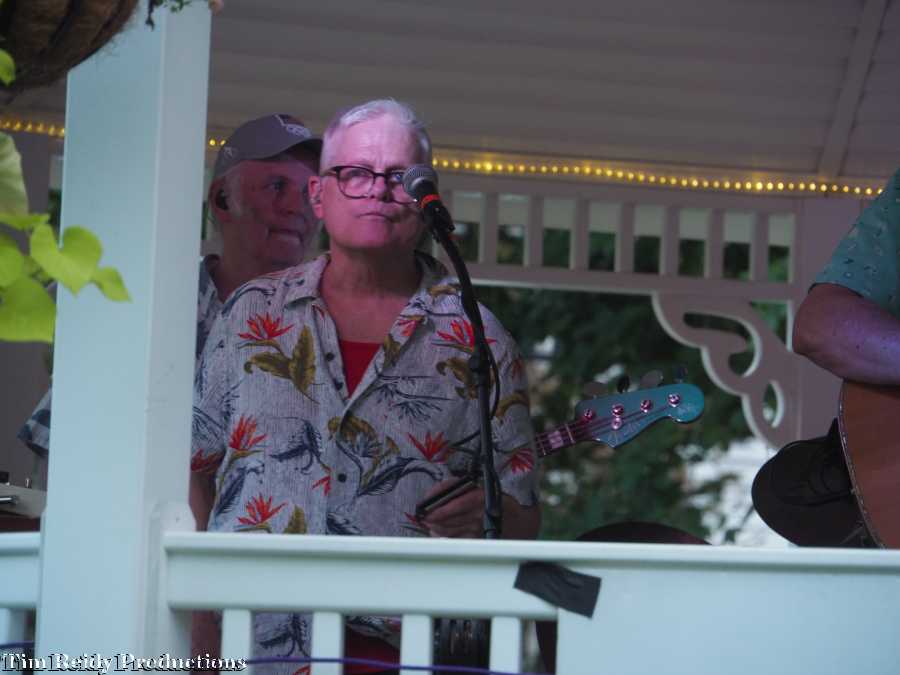
Get Up Jack played a mix of American and Celtic favorites.

Photography by Timothy Reidy.


More from Timothy Reidy …

Branford Marsalis to Appear at Troy Savings Bank Music Hall on Jan 16th

0

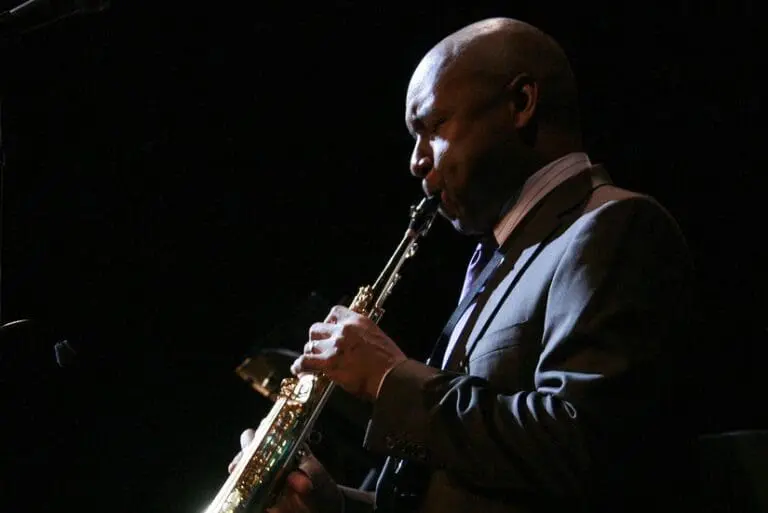
BRANFORD MARSALIS

Thursday, January 16th, 2025, 7:30 PM Tickets: $69.50, $59.50, $49.50 Student: $15

Tickets: (518) 273-0038   For venue information:  www.troymusichall.org

TROY, NEW YORK:     The Troy Savings Bank Music Hall is thrilled to welcome back jazz legend Branford Marsalis this January! Tickets for Troy Savings Bank Music Hall Members are on-sale Tuesday, August 6th at 10am.  Single tickets will go on-sale to the public Thursday, August 8th!  Learn more below about Branford Marsalis!

New Orleans-born Branford Marsalis is an award-winning saxophonist, band leader, featured classical soloist, and a film and Broadway composer. In the process, he has become a multi award-winning artist with three Grammys, a citation by the National Endowment for the Arts as a Jazz Master and an avatar of contemporary artistic excellence.

The Branford Marsalis Quartet, formed in 1986, remains his primary means of expression. In its virtually uninterrupted three-plus decades of existence, the Quartet has established a rare breadth of stylistic range as demonstrated on the band’s latest release: The Secret Between the Shadow and the Soul. But Branford has not confined his music to the jazz quartet context. A frequent soloist with classical ensembles, Branford has become increasingly sought after as a featured soloist with acclaimed orchestras around the world, performing works by composers such as Copeland, Debussy, Glazunov, Ibert, Mahler, Milhaud, Rorem, Vaughan Williams and Villa-Lobos. And his legendary guest performances with the Grateful Dead and collaborations with Sting have made him a fan favorite in the pop arena.

His work on Broadway has garnered a Drama Desk Award and Tony nominations for the acclaimed revivals of Children of a Lesser God, Fences, and A Raisin in the Sun. He received an EMMY nomination for composing the music for the History Channel’s documentary, Tulsa Burning: The 1921 Race Massacre. His screen credits further include original music composed for: Spike Lee’s Mo’ Better Blues, The Immortal Life of Henrietta Lacks starring Oprah Winfrey, Ma Rainey’s Black Bottom starring Viola Davis and Chadwick Boseman, and Rustin starring Chadwick Boseman.

Tickets are on sale at 10am Tuesday to Troy Savings Bank Music Hall members.  Anyone can become a member and gain access to the pre-sale.  Single tickets go on sale to the general public Thursday, August 8th, at 10am via phone, (518) 273-0038, in person, or online at www.troymusichall.org.   More information on the Troy Savings Bank Music Hall and upcoming programs is available on the website at TroyMusicHall.org.