Home Blog Page 36

Week Nineteen: Jesse Sample’s Freak of the Week “Let it Pass”

0

Jesse Sample’s Freak of the Week airs EVERY WEDNESDAY at 6pm Eastern only on RadioRadioX.com

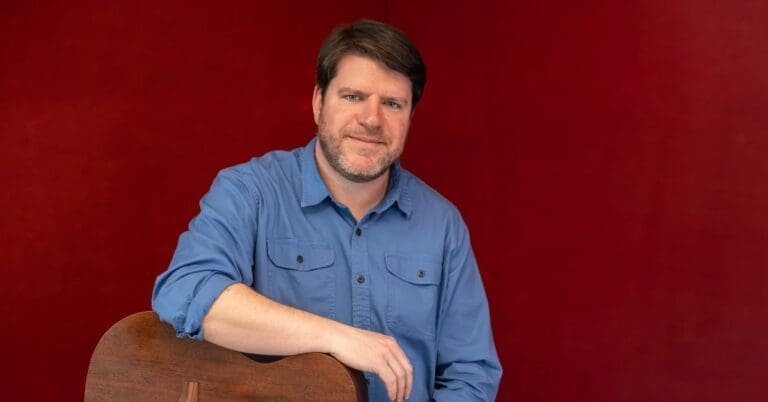
This is Jesse Sample and I’m here with keyboardist, Bear Campo. Say Hi Bear.——–Today I sought adventure. I was out in the sun and I wanted something a little more surprising for this week’s project. Sometimes, the best way to go somewhere else musically is to bring in another person. And perhaps it not just music where this process applies. All Relationships run deep. People come with melodies and when we get together, a strange harmony develops.

I called Bear up around 4:00 pm and asked him what he was doing tonight. He said he was down. I wanted company and I also wanted to go somewhere new. I took my mobile studio over to his place and we set our levels and started trying things. Soon the process took hold and we were off. The process sucked us in.

Thanks to all of you tuned into RadioRadioX. This is the Freak of the Week, “Let it Pass.”


Albany Tulip Festival – Day Two (cont’d)

0

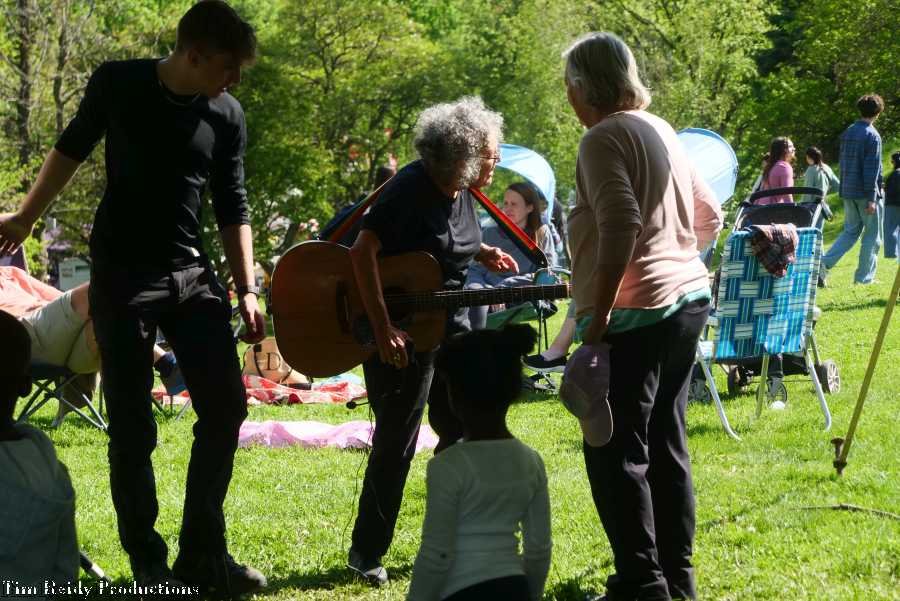
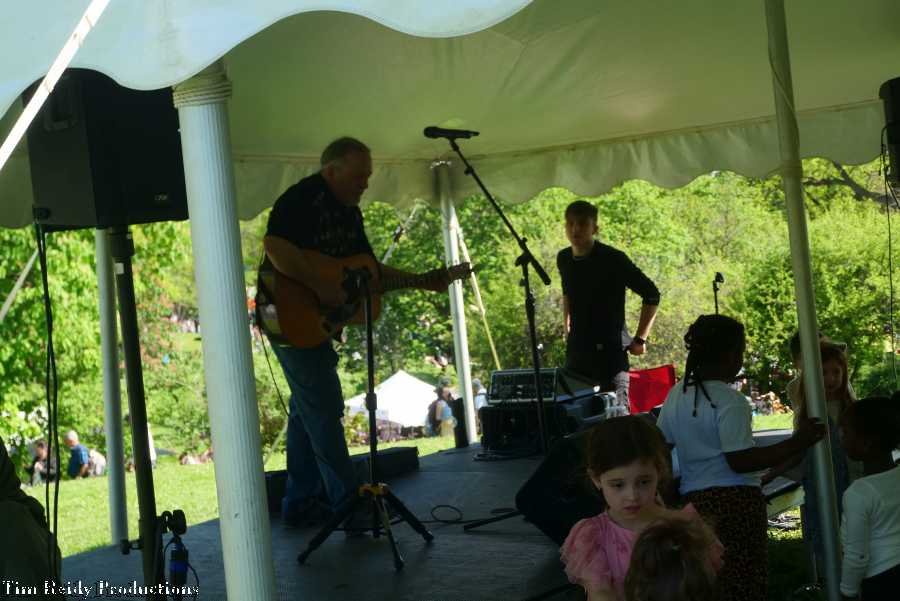
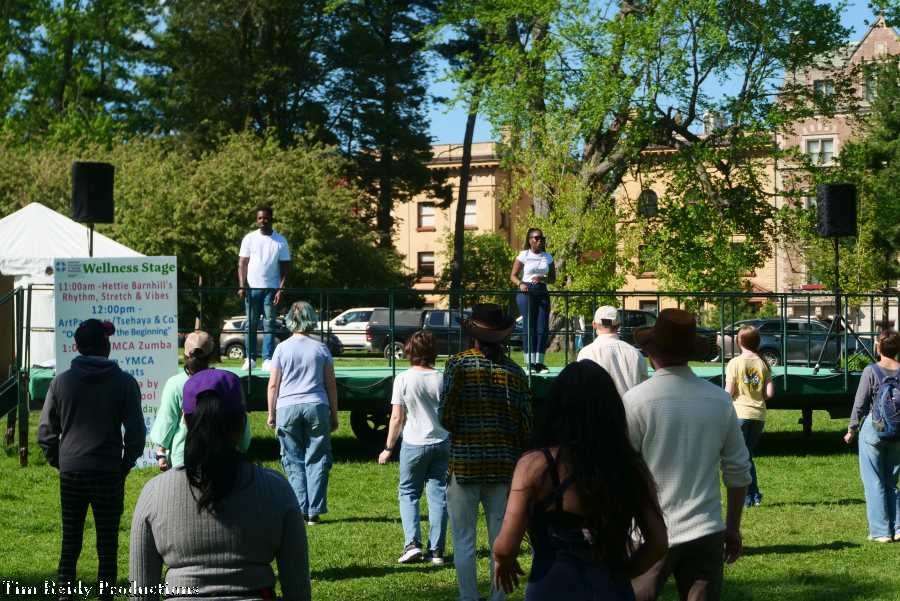
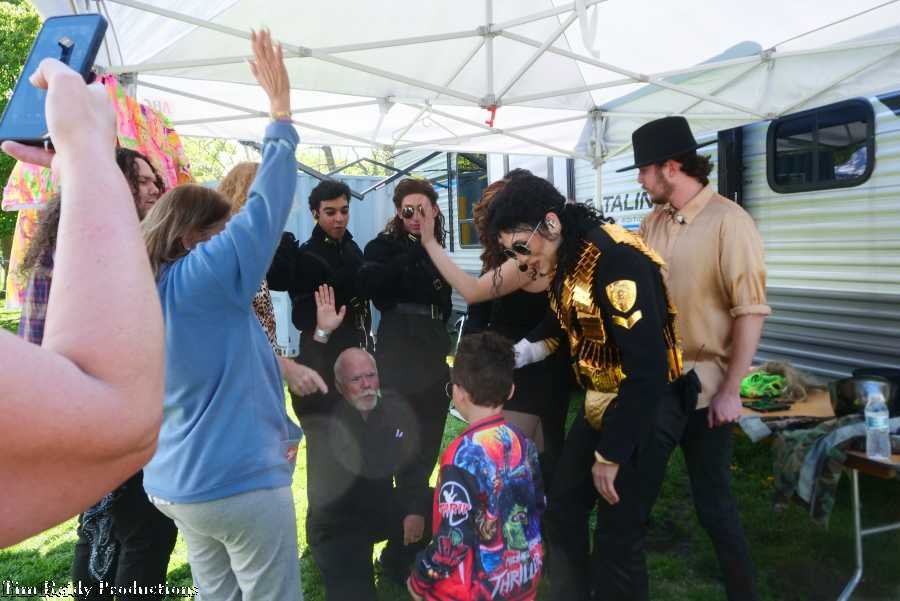
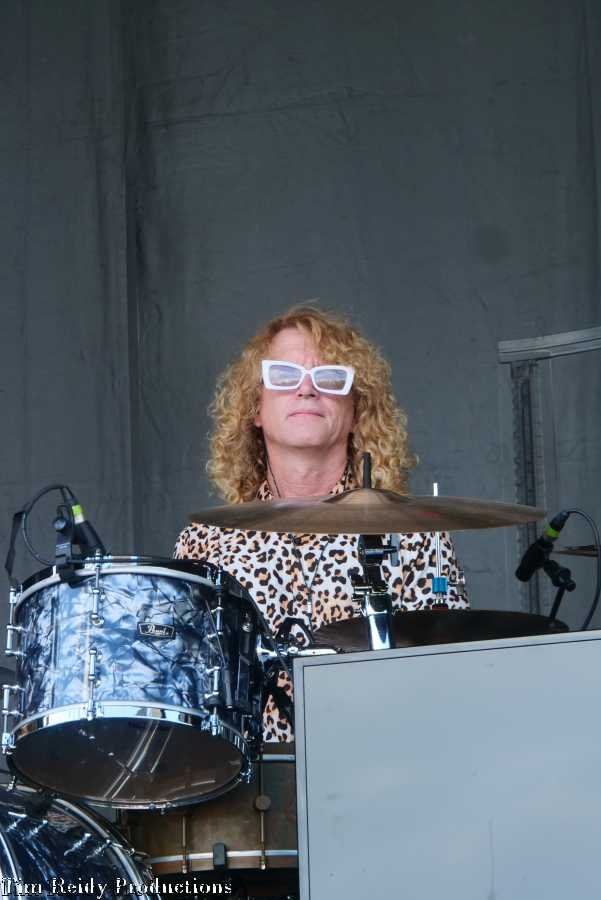
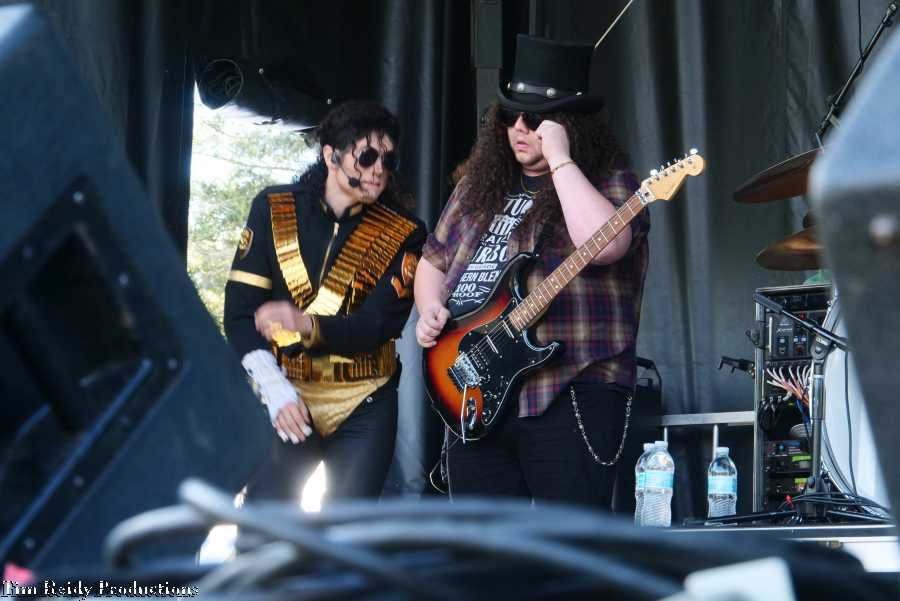
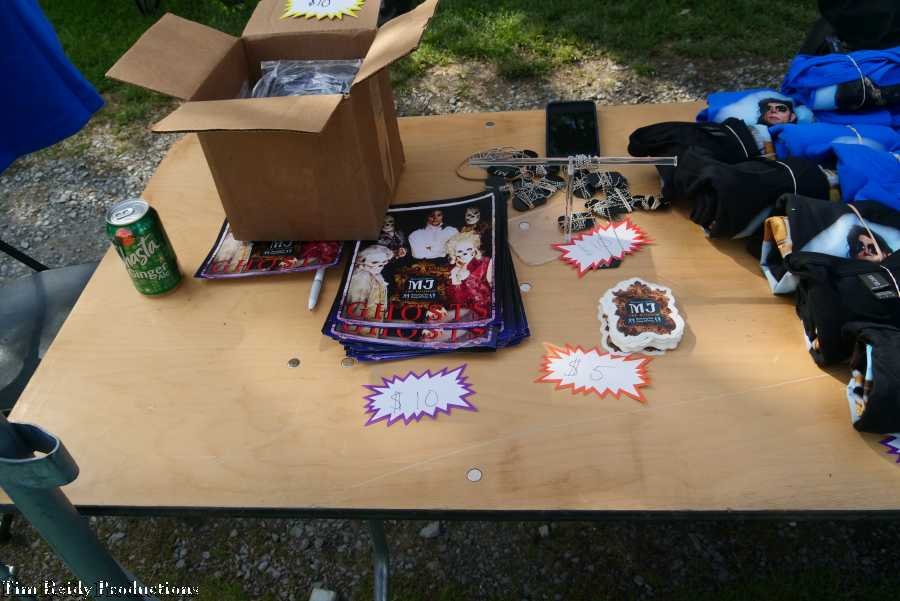
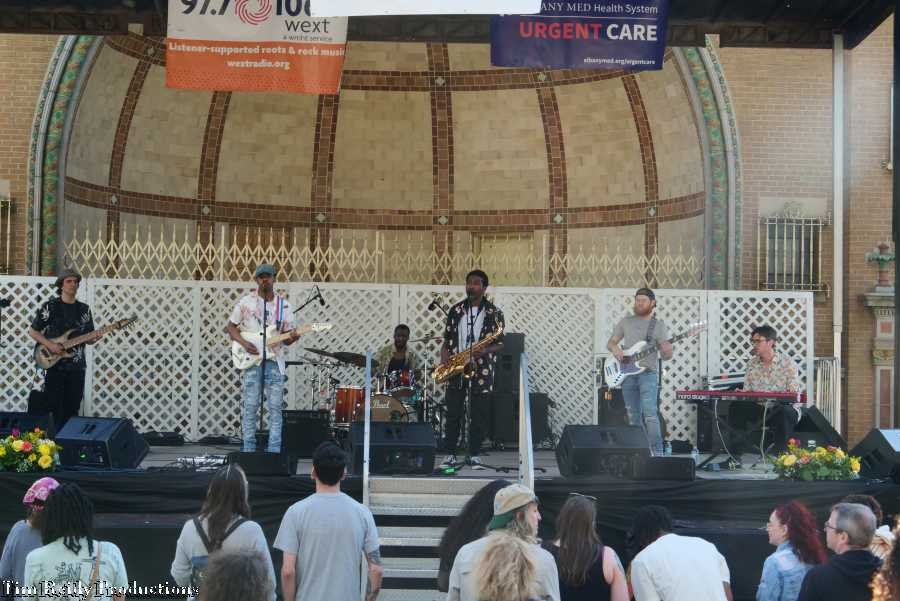
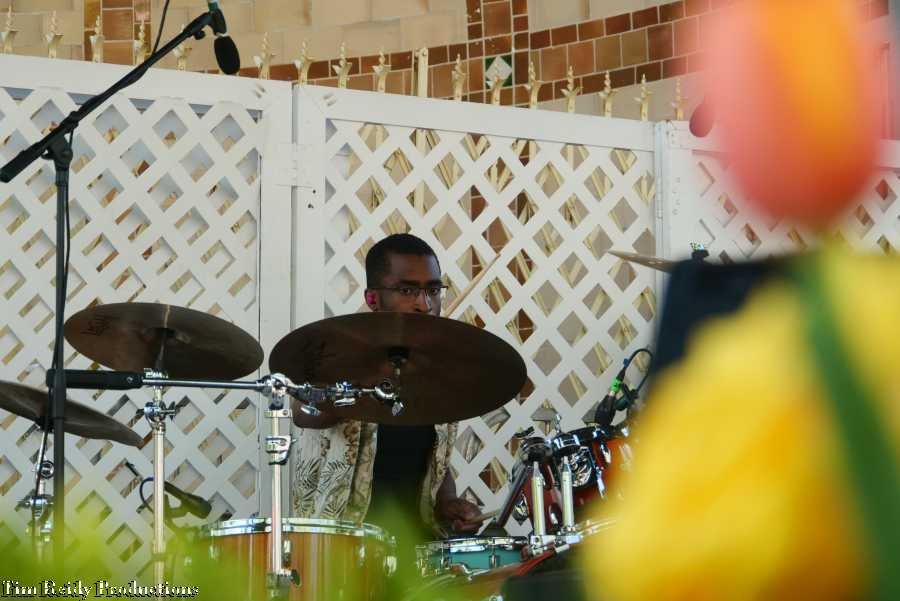
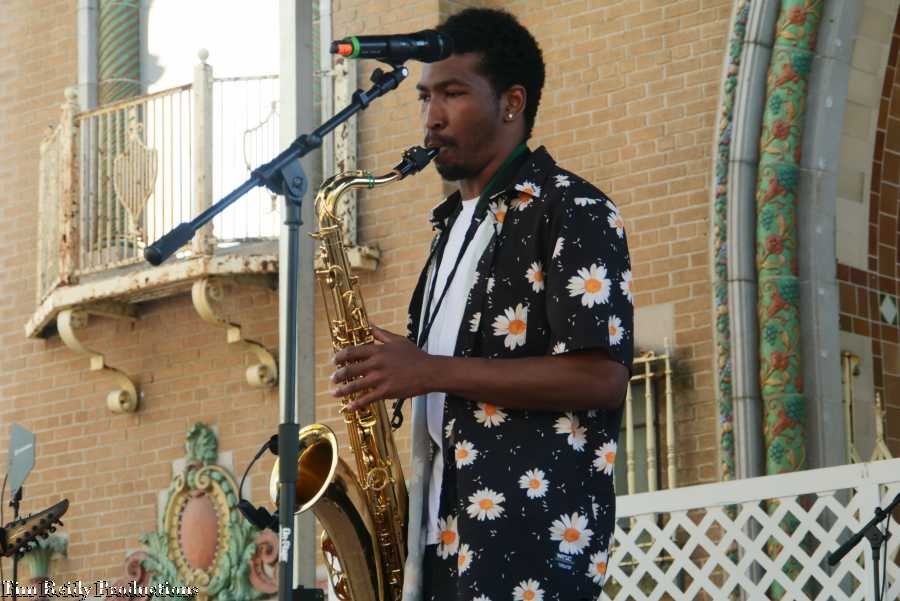
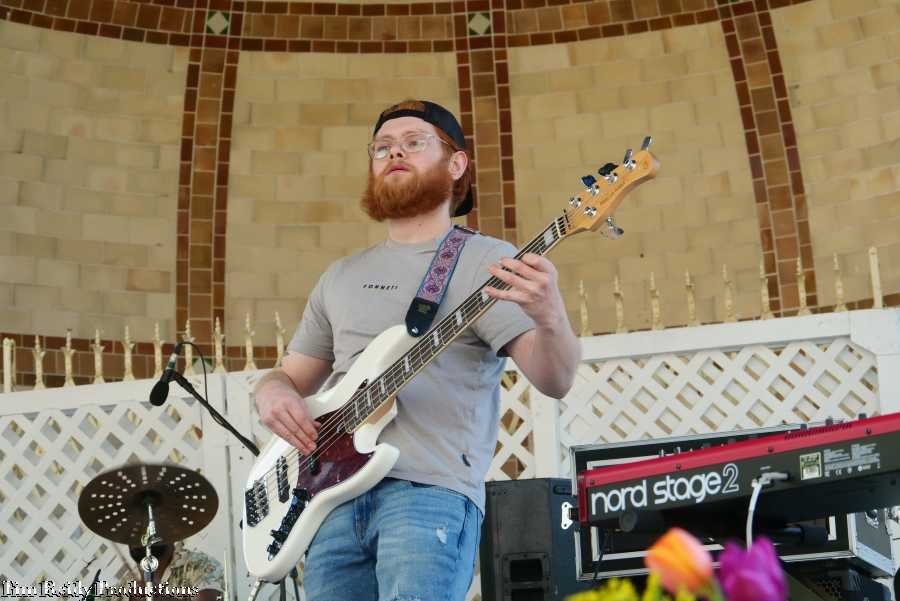
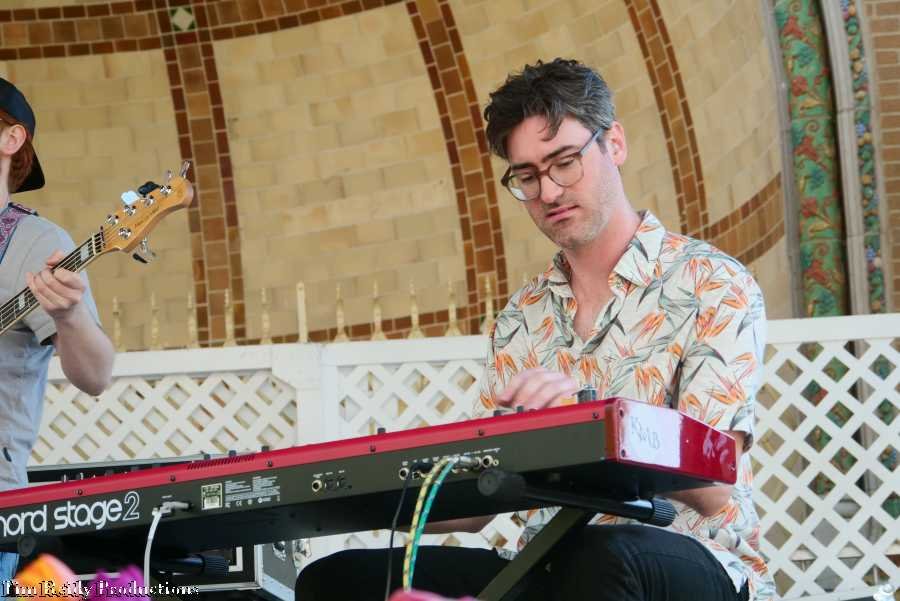
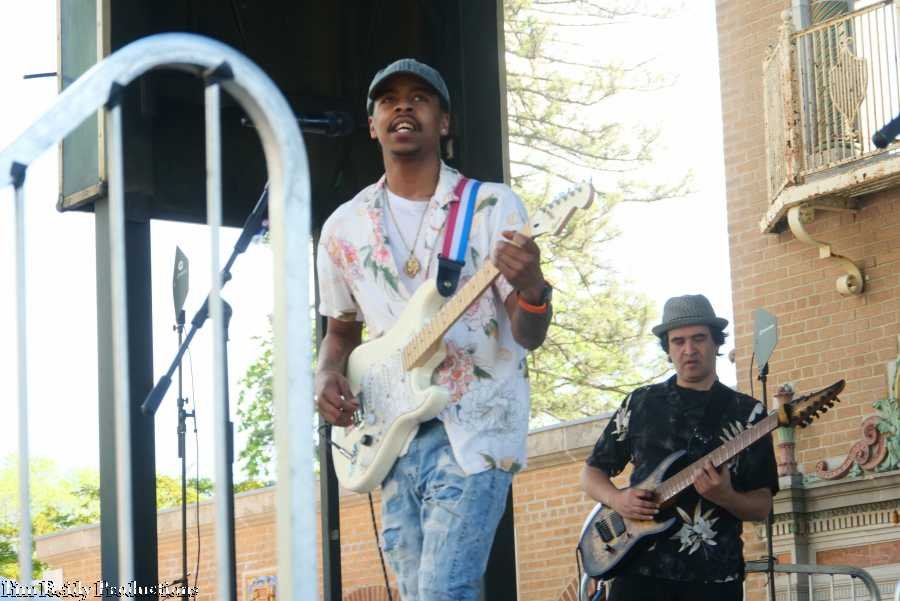
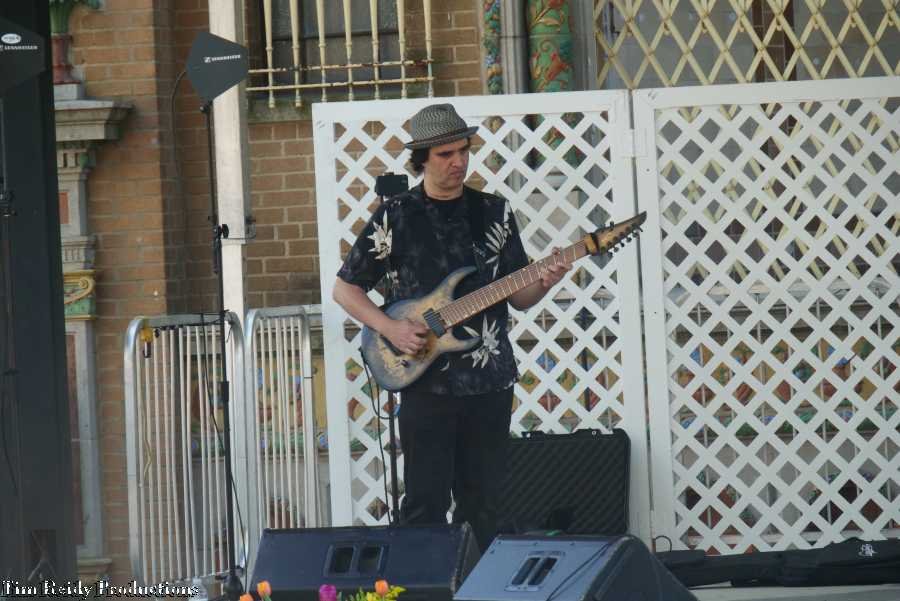
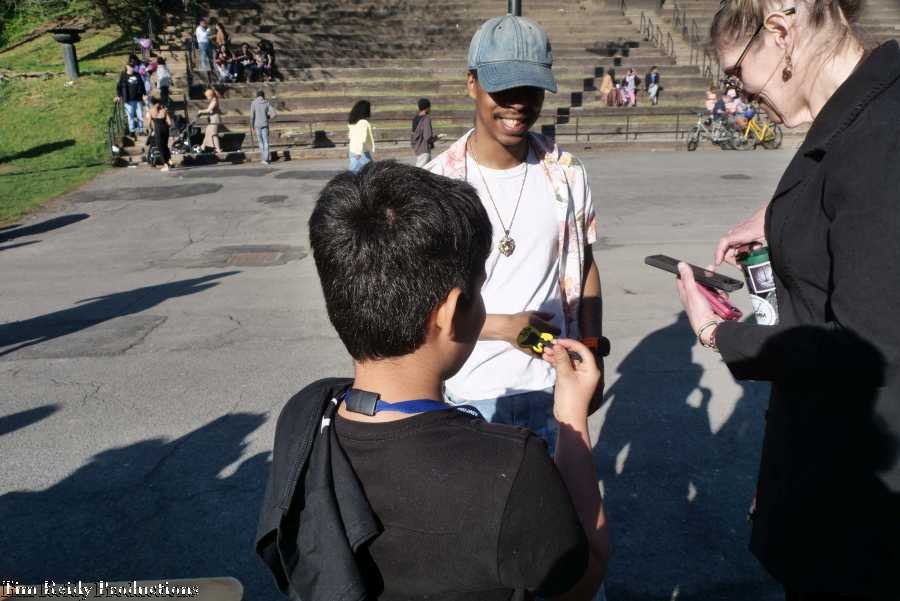
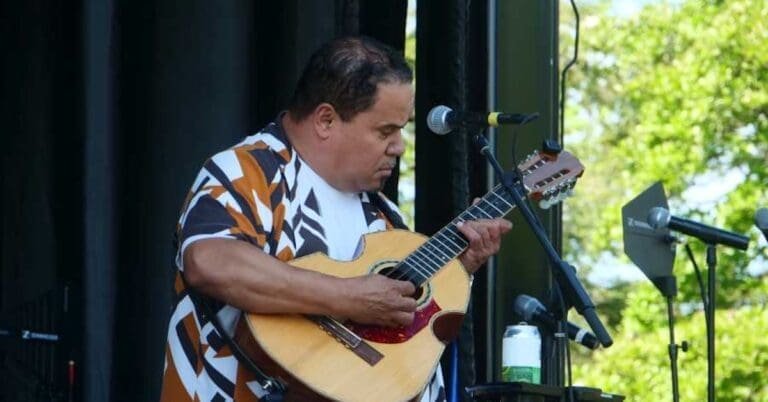
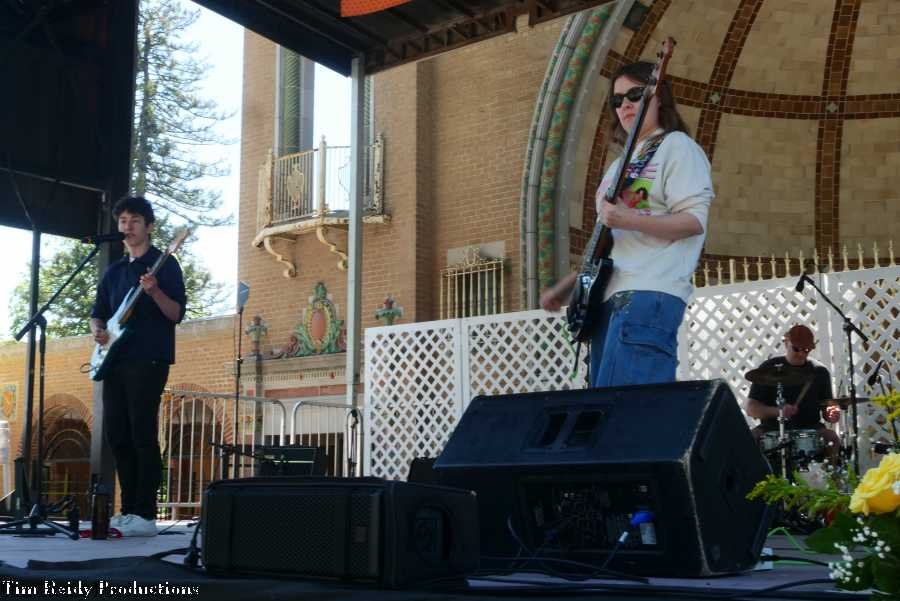
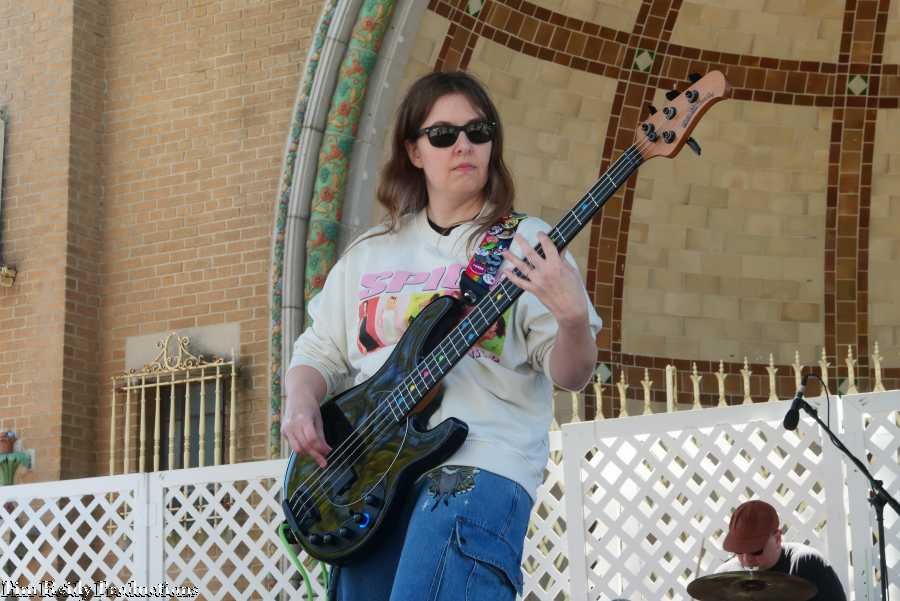
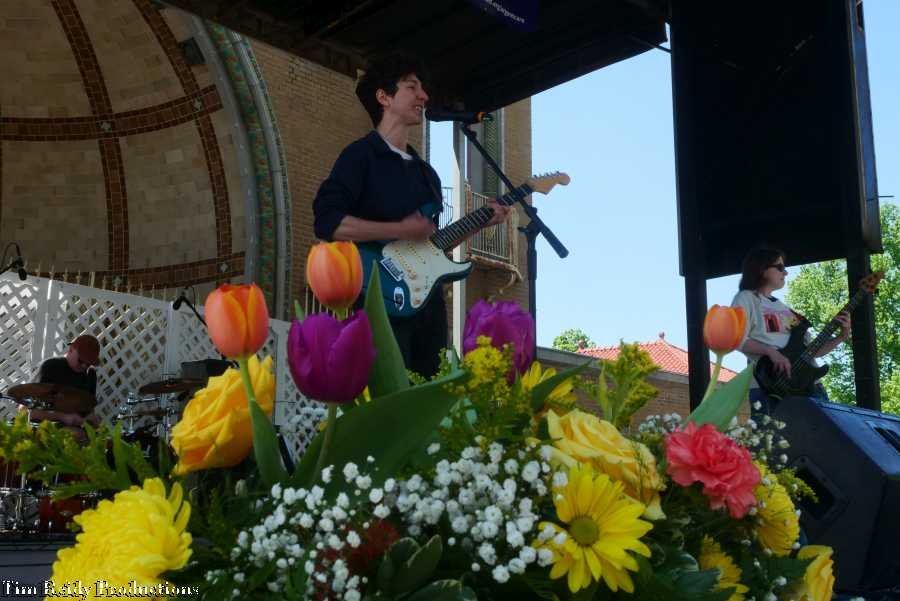
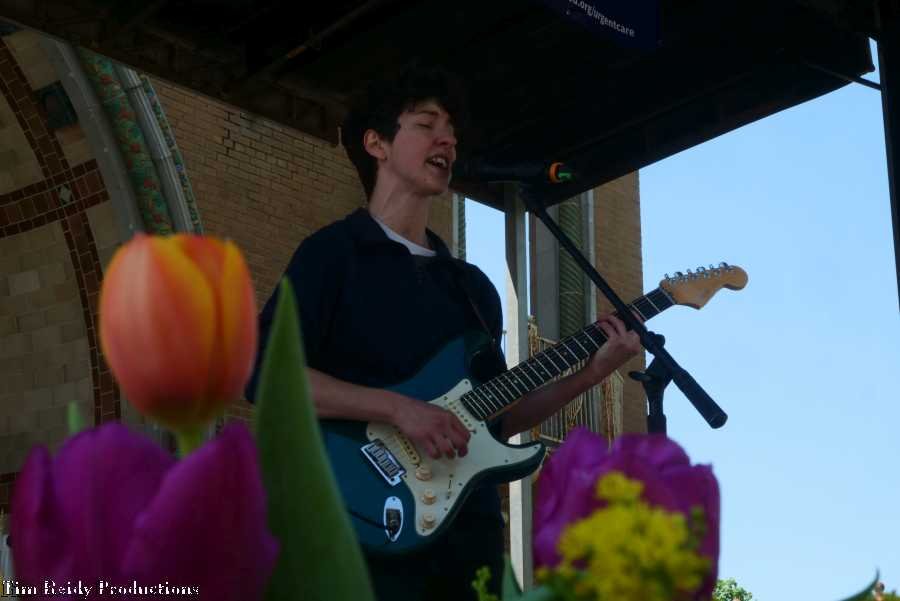
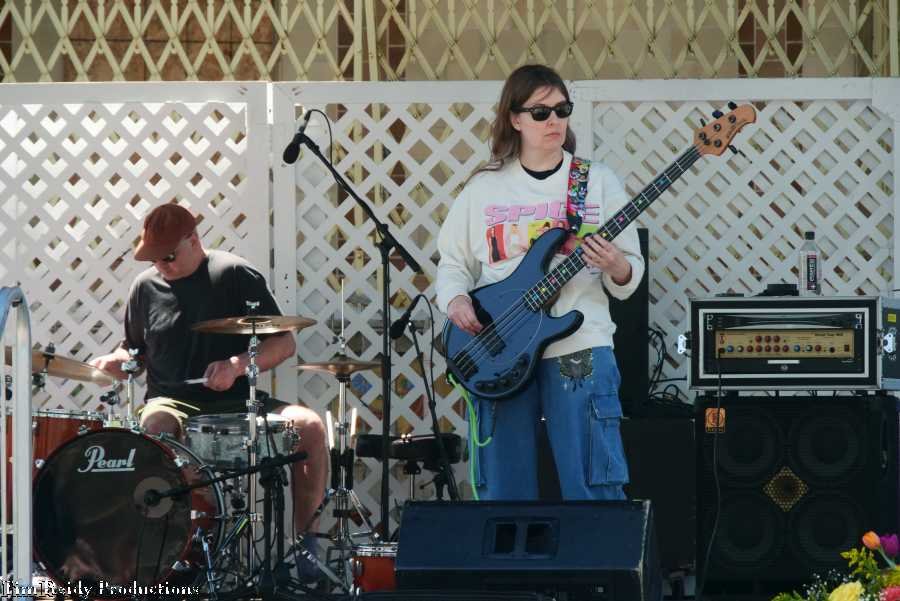
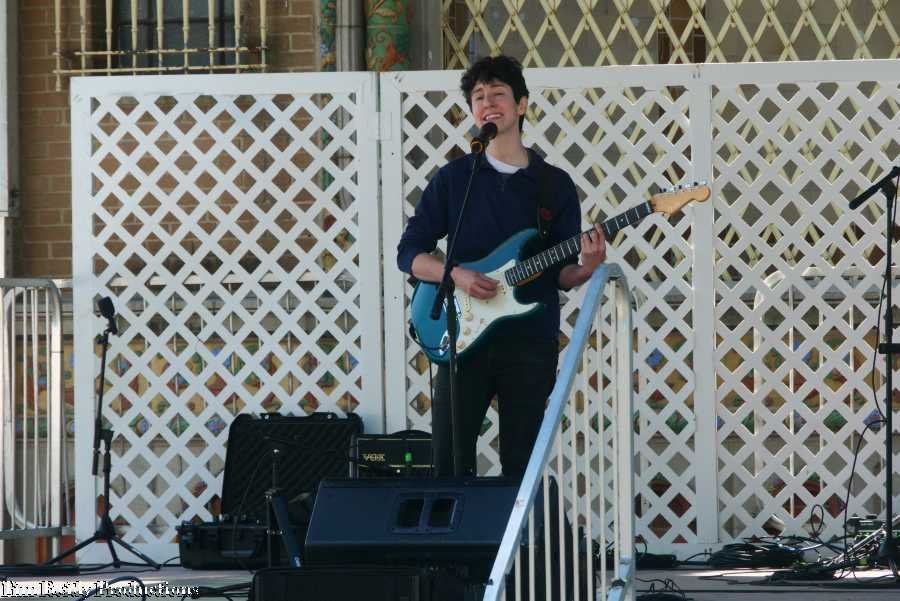
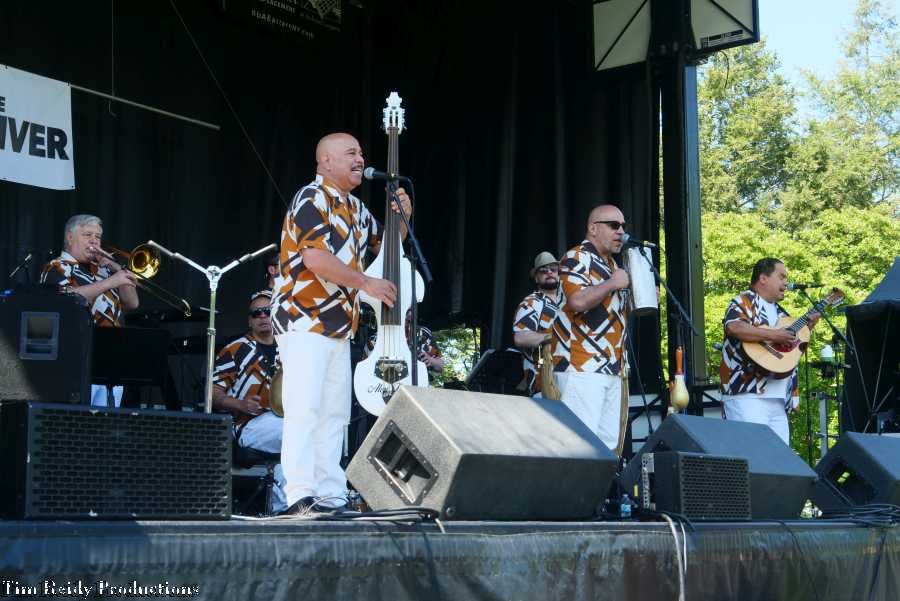
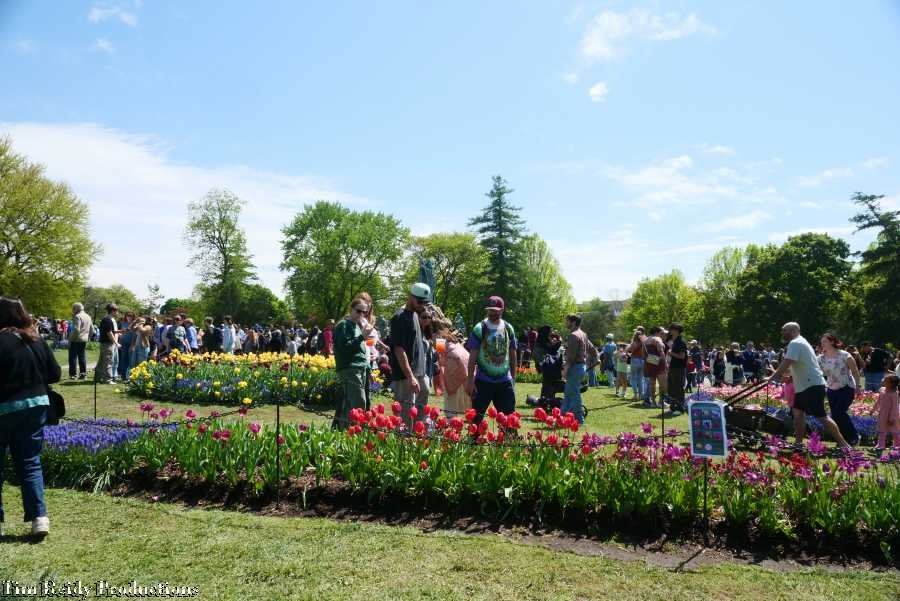
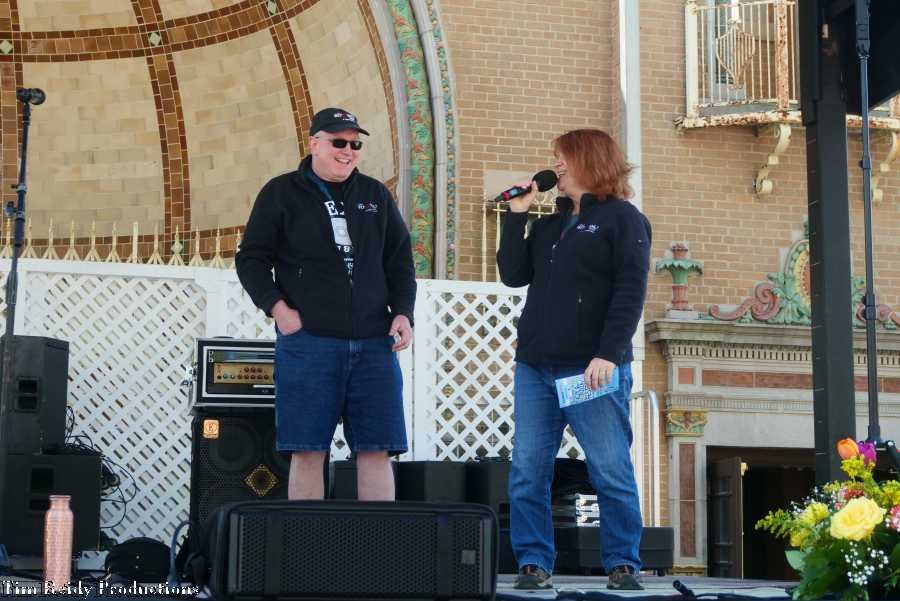
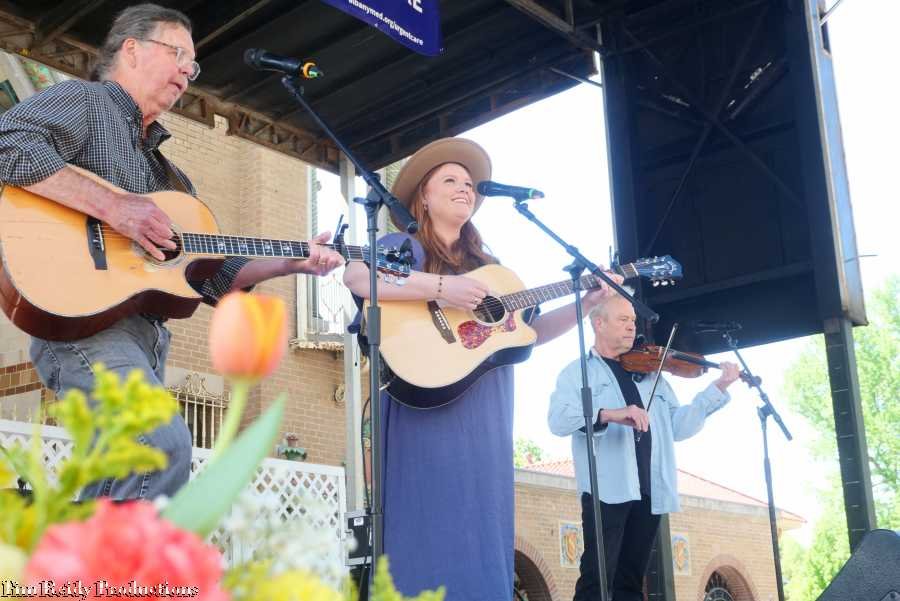
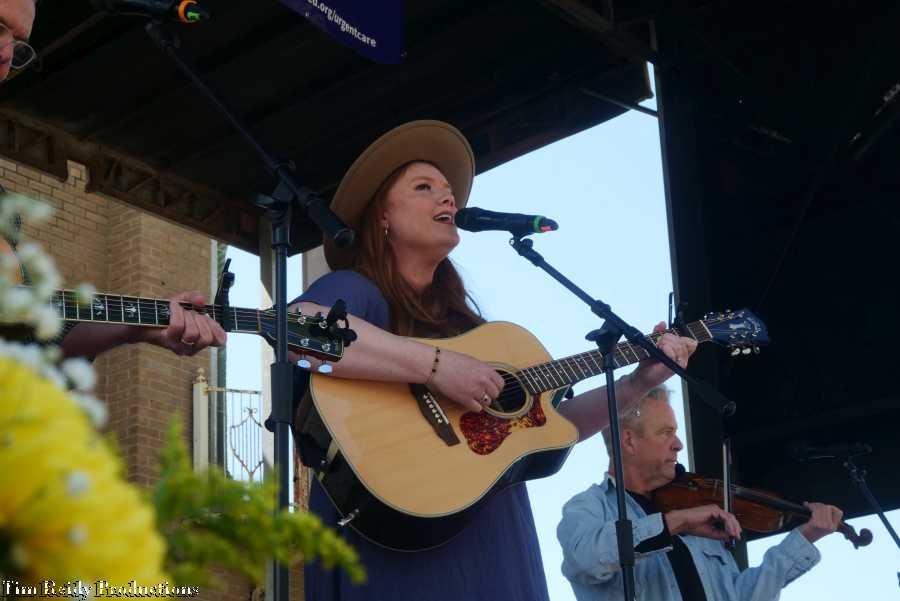
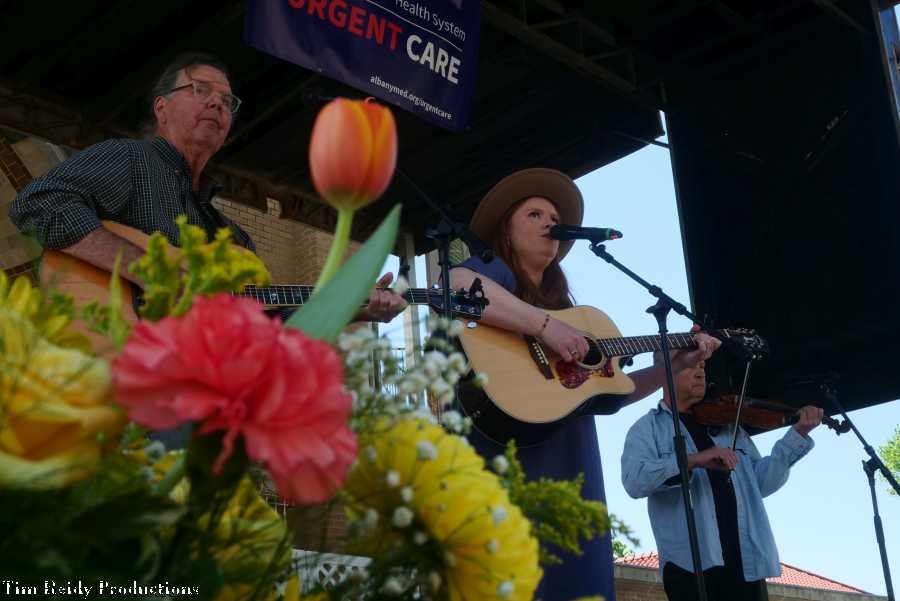
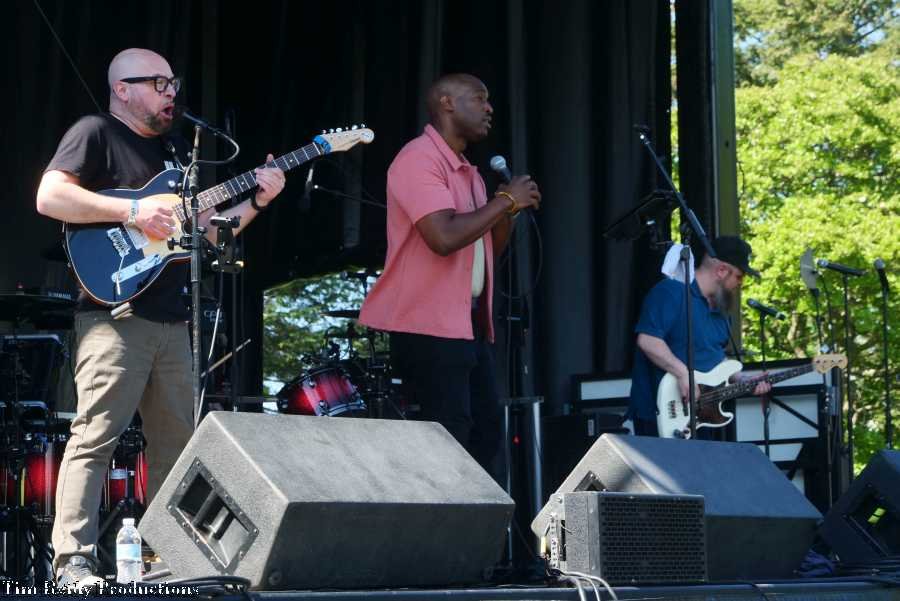
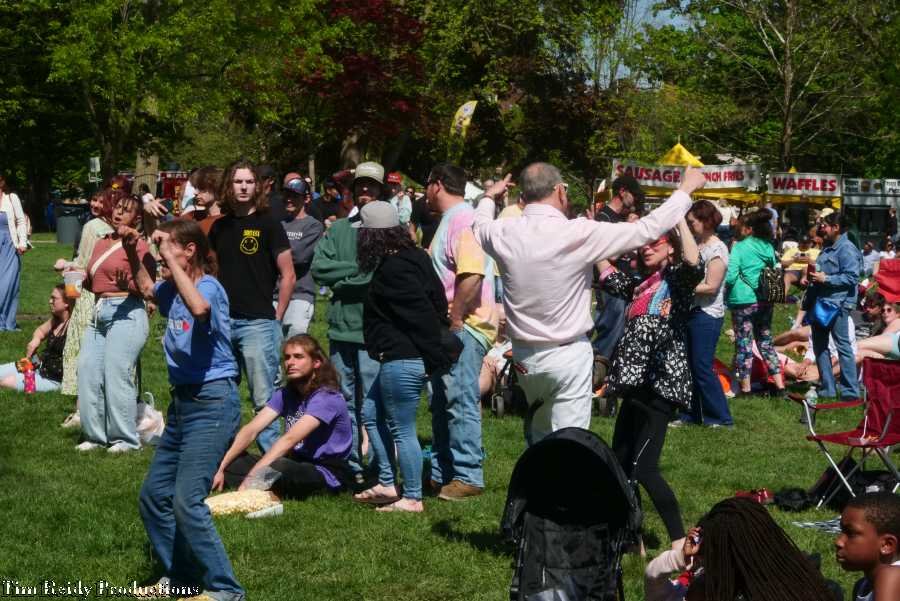
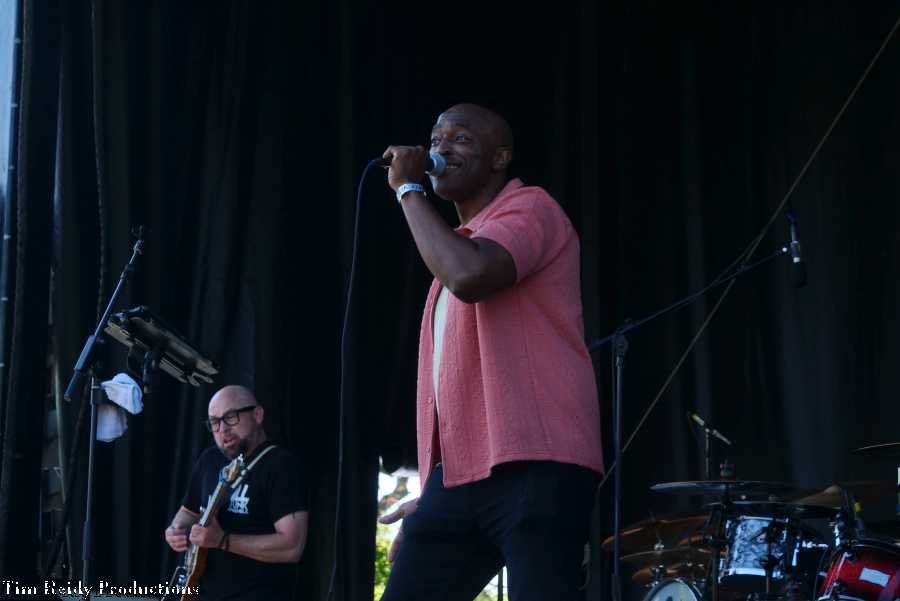
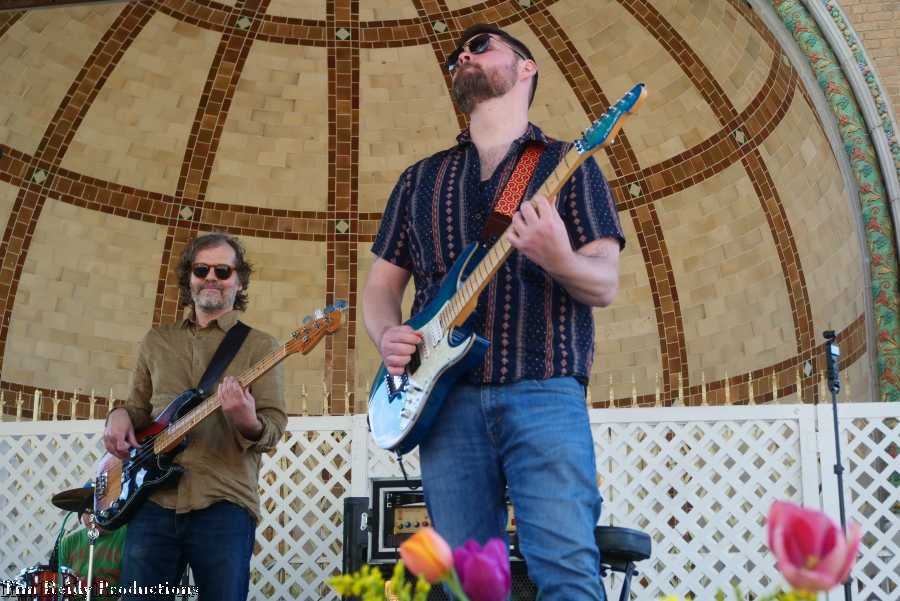
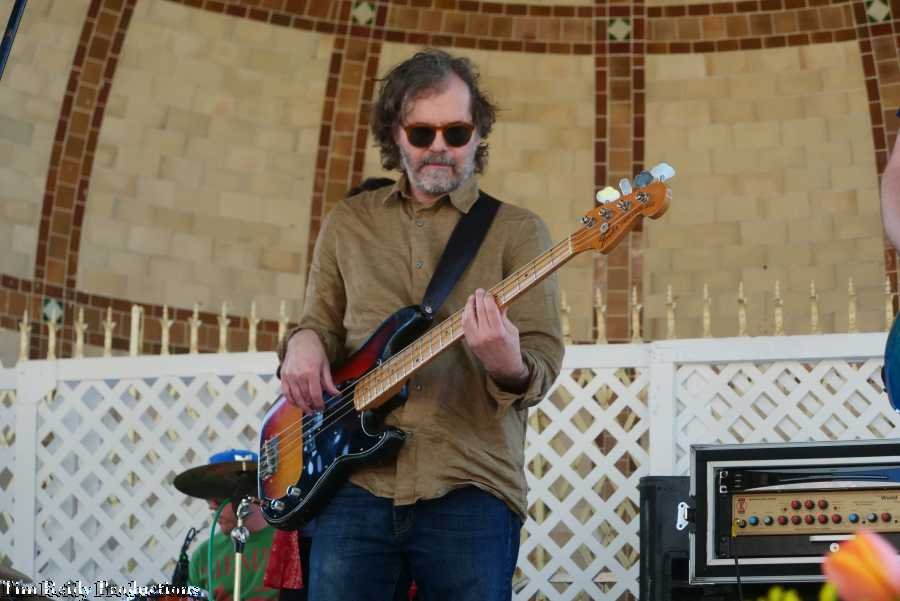
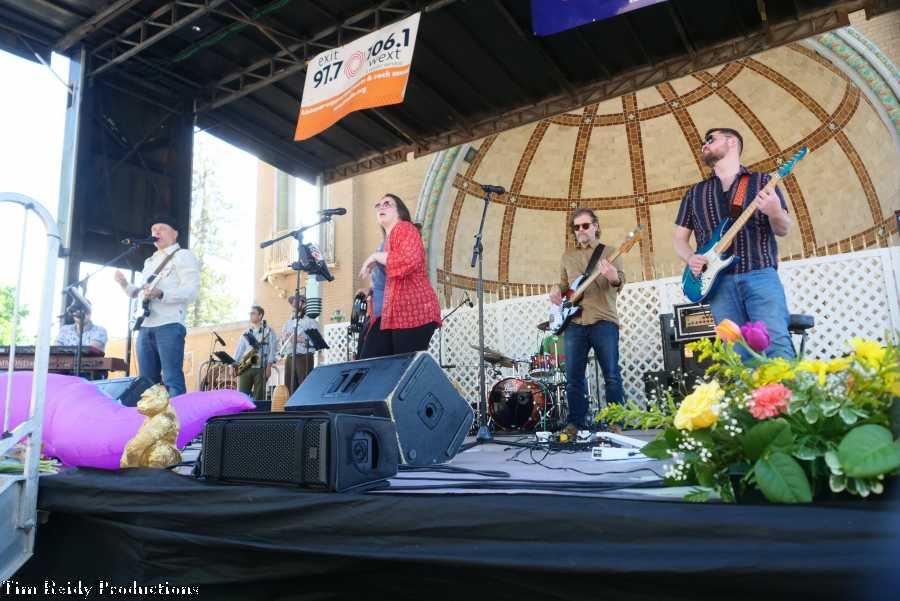
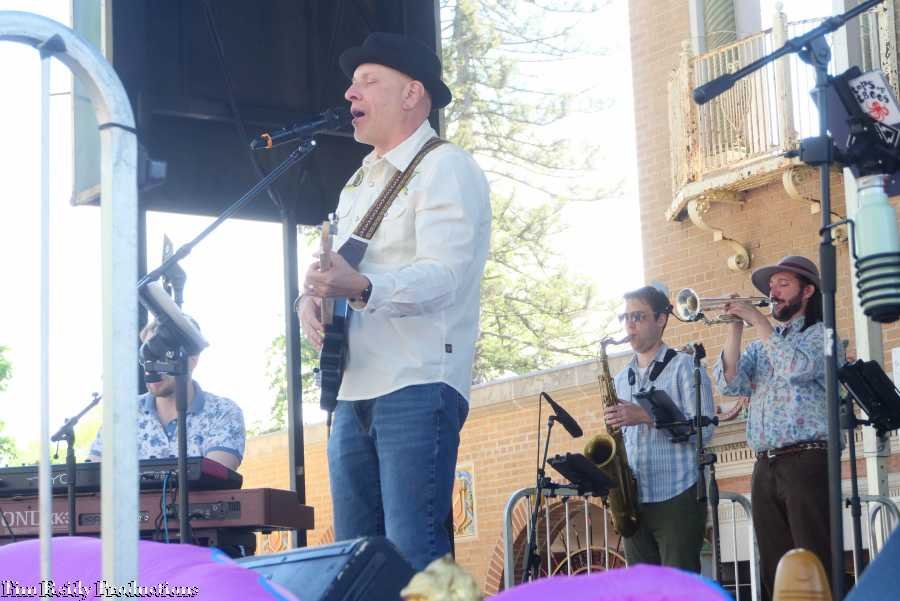
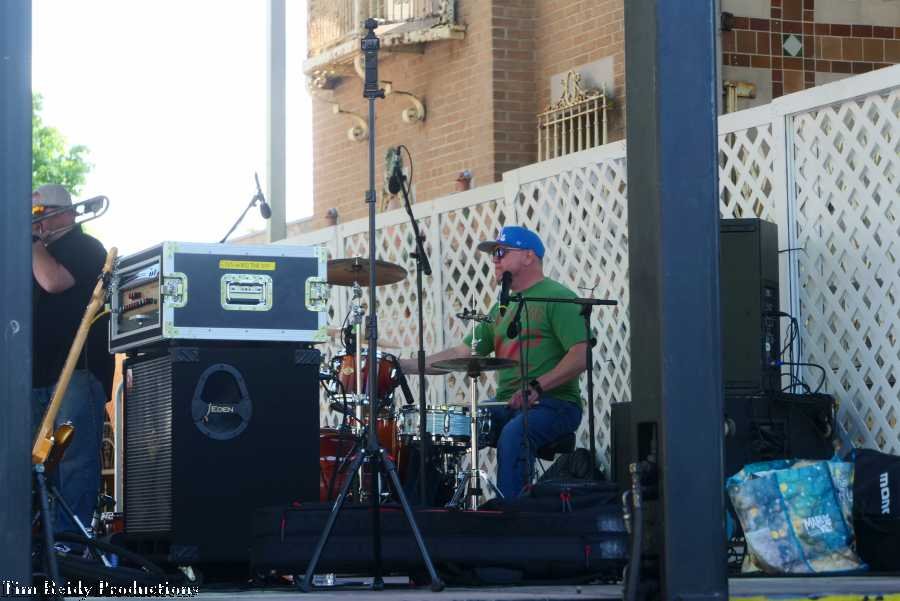
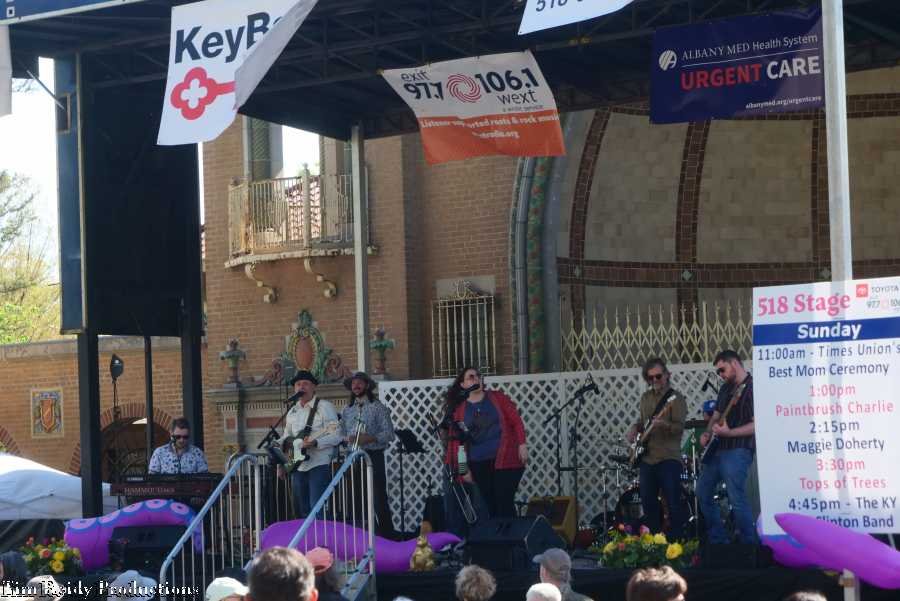
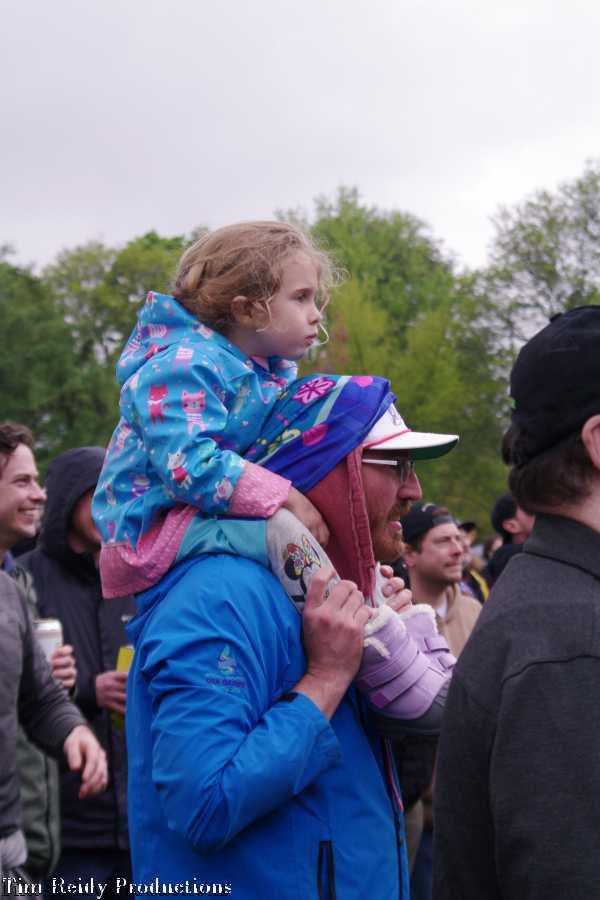
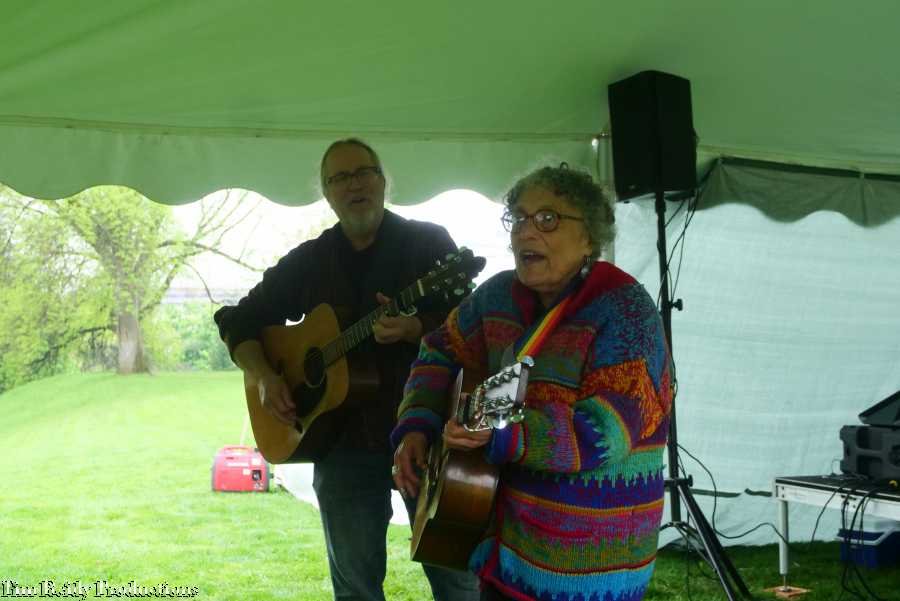
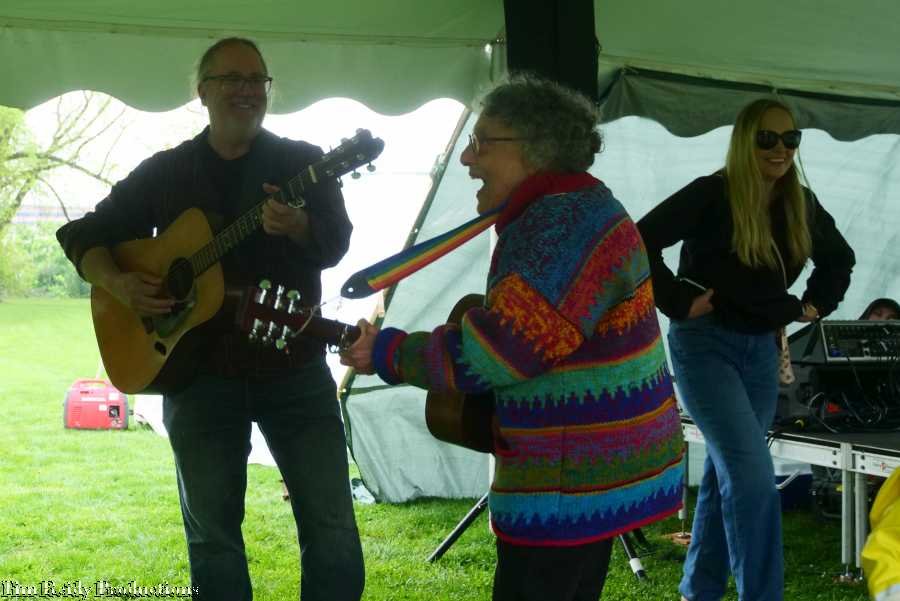
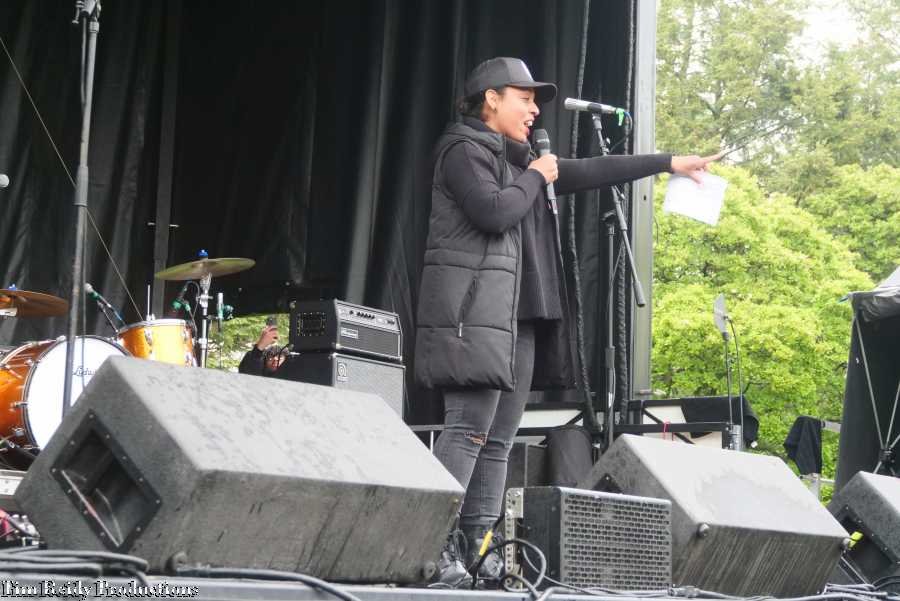
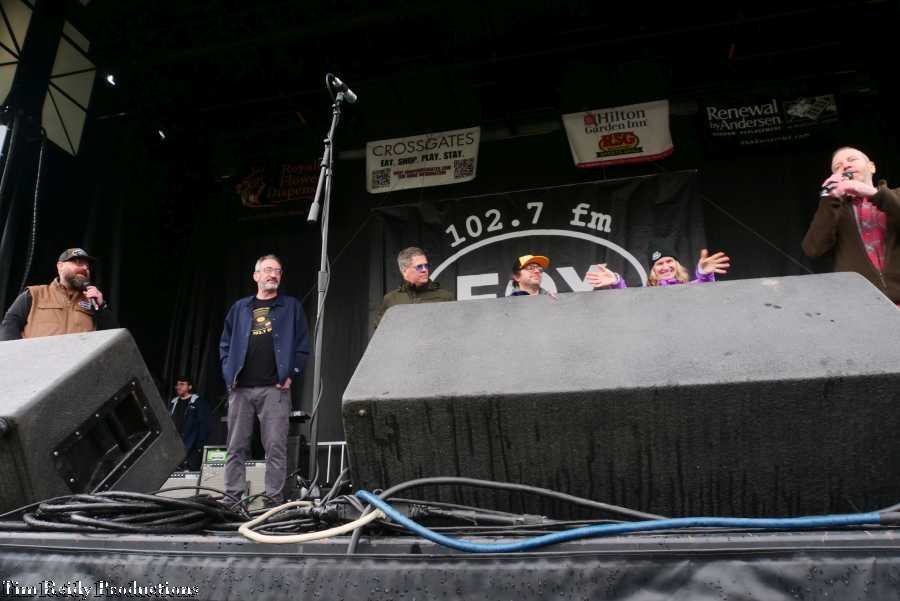
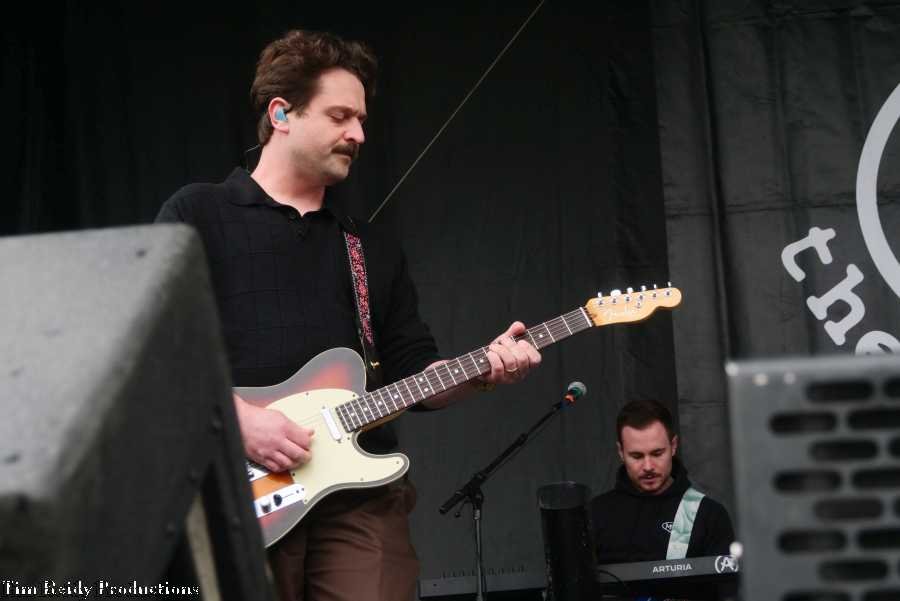
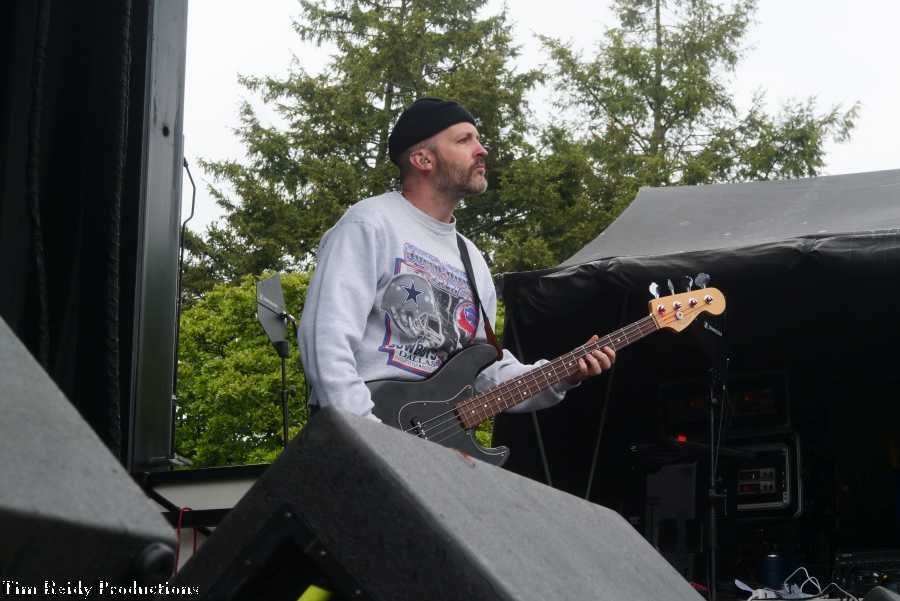
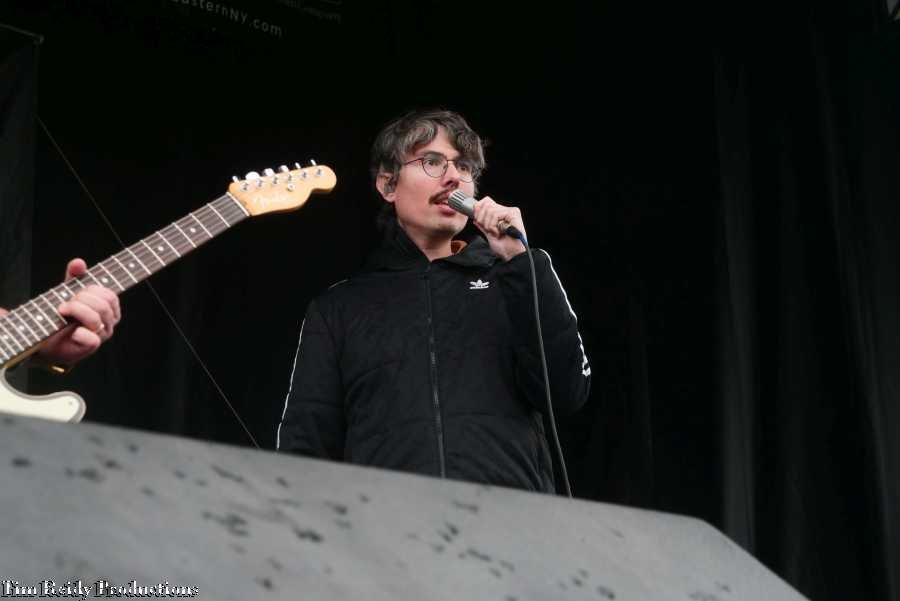
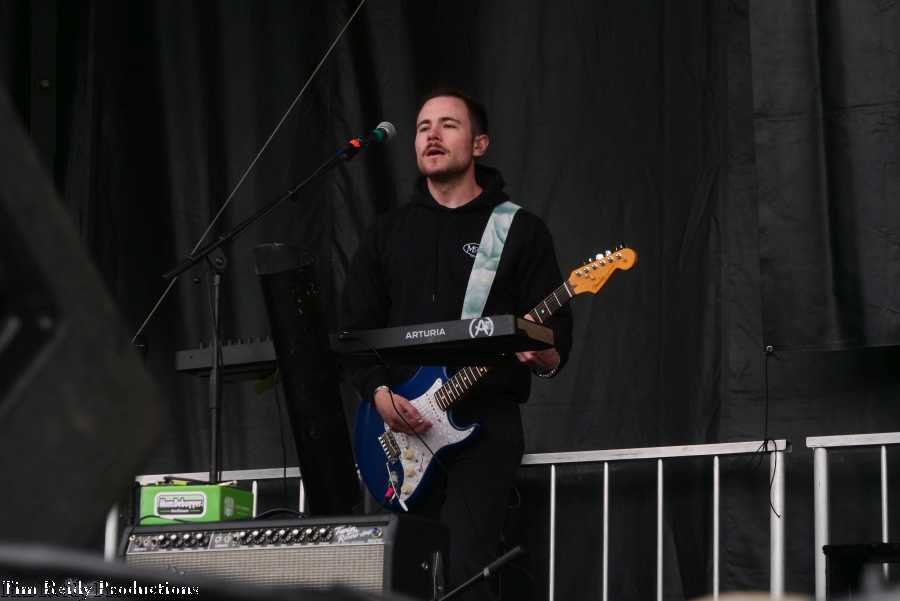
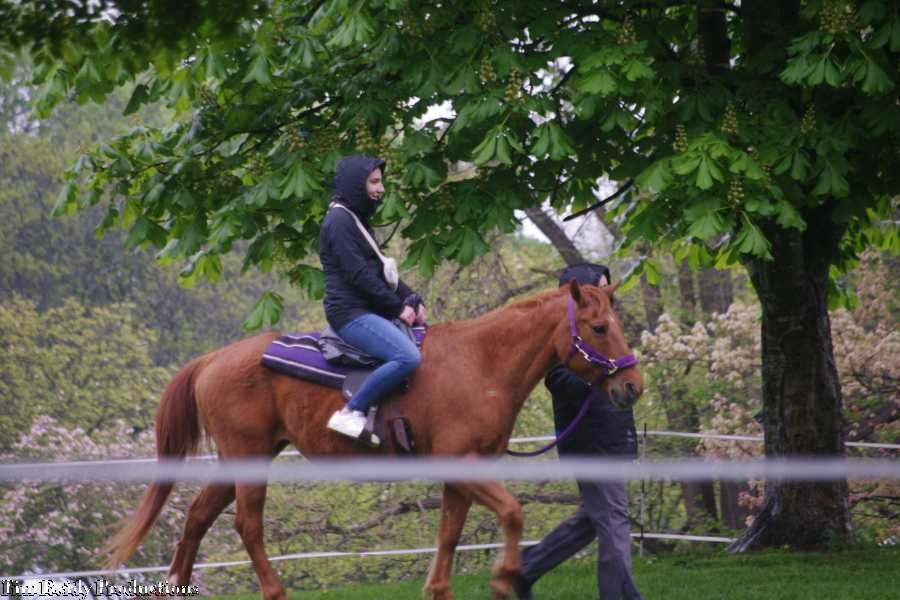
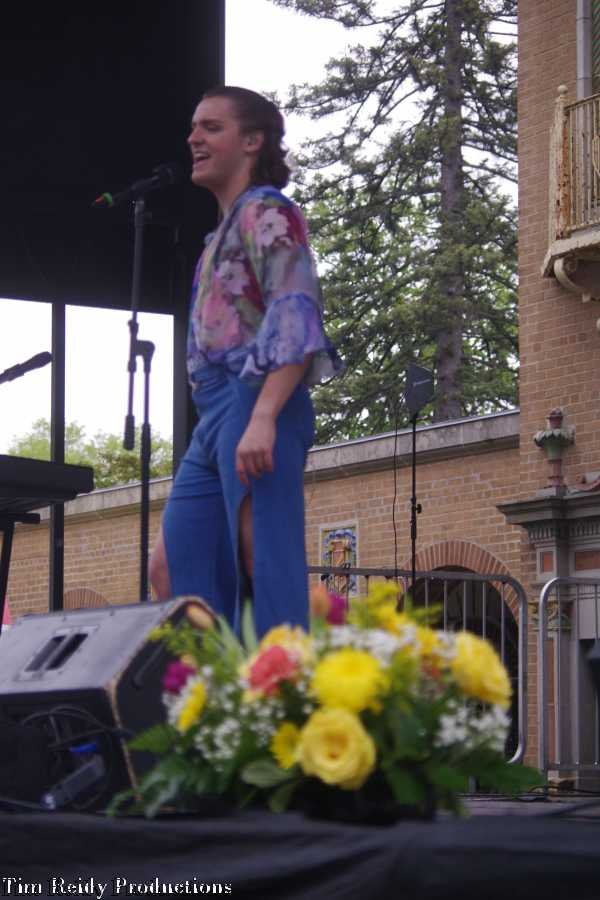
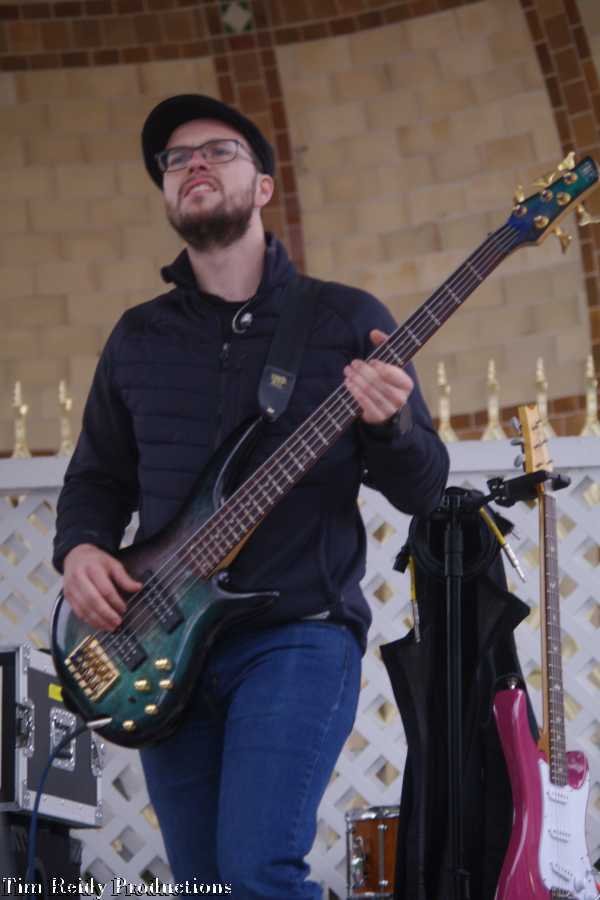
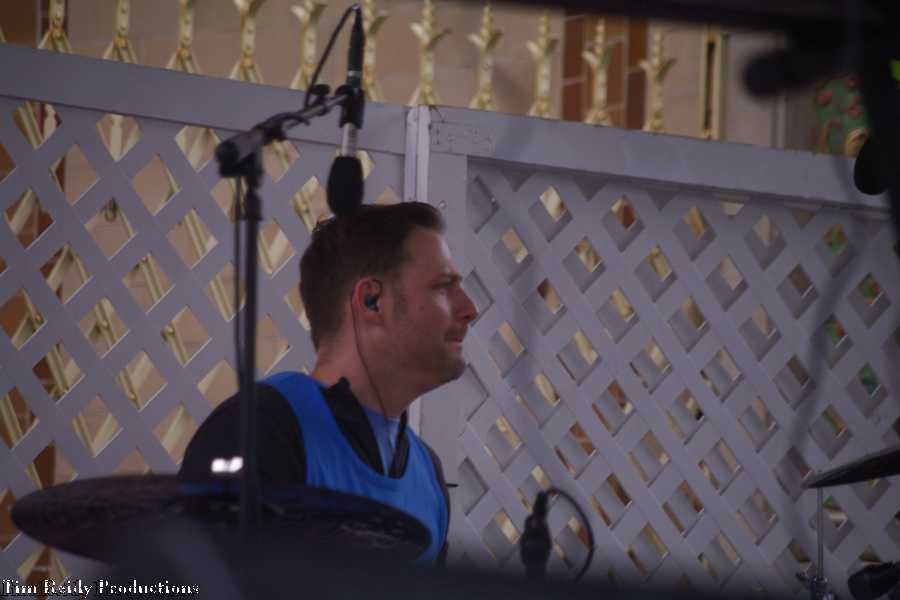
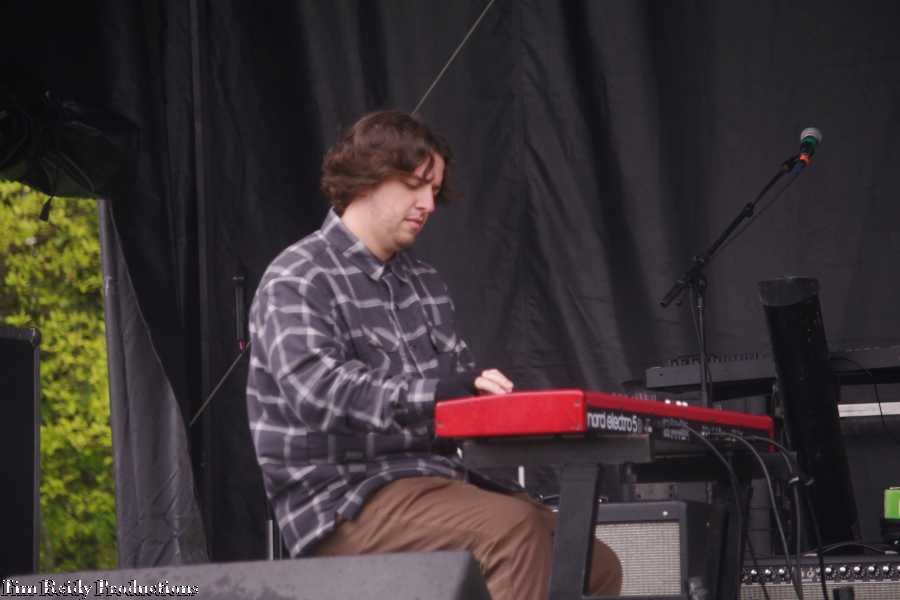
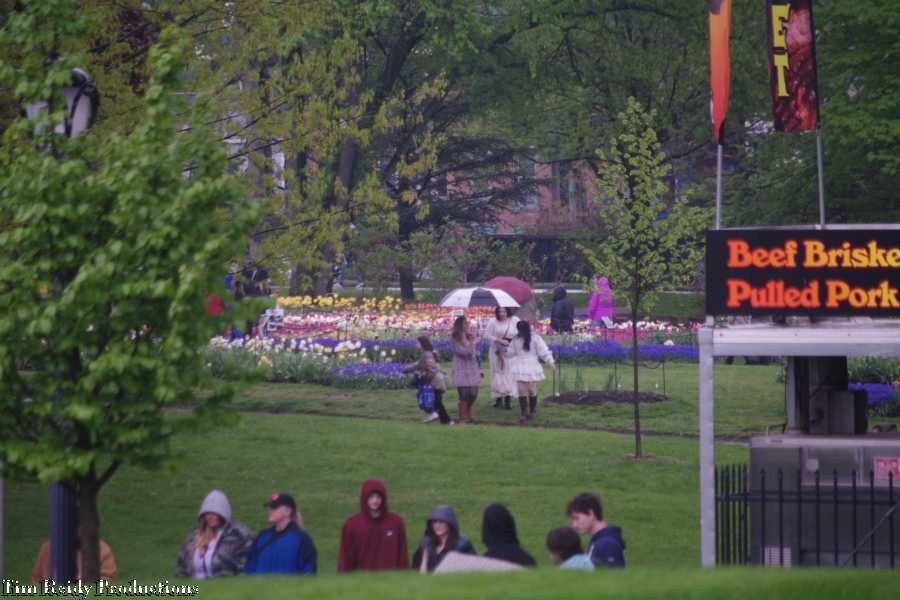
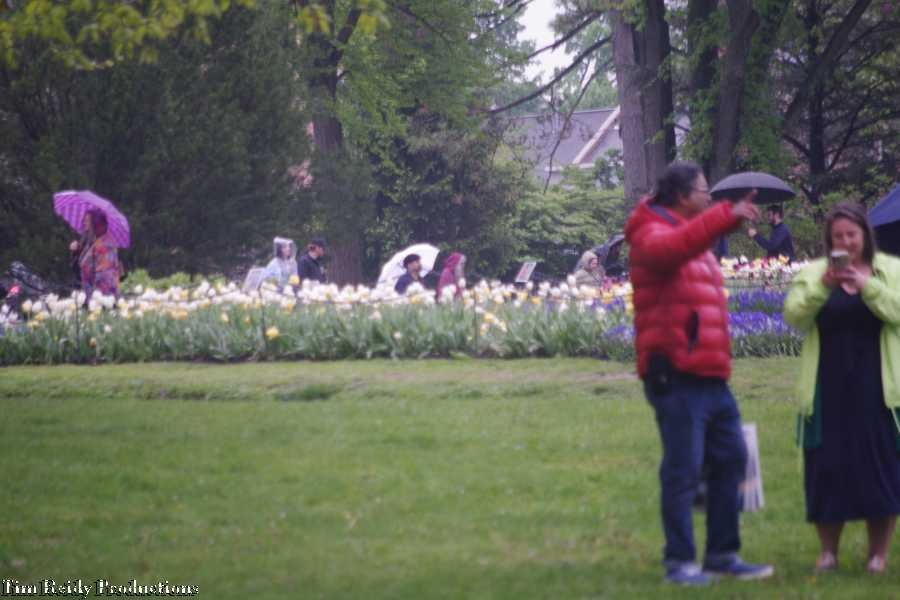
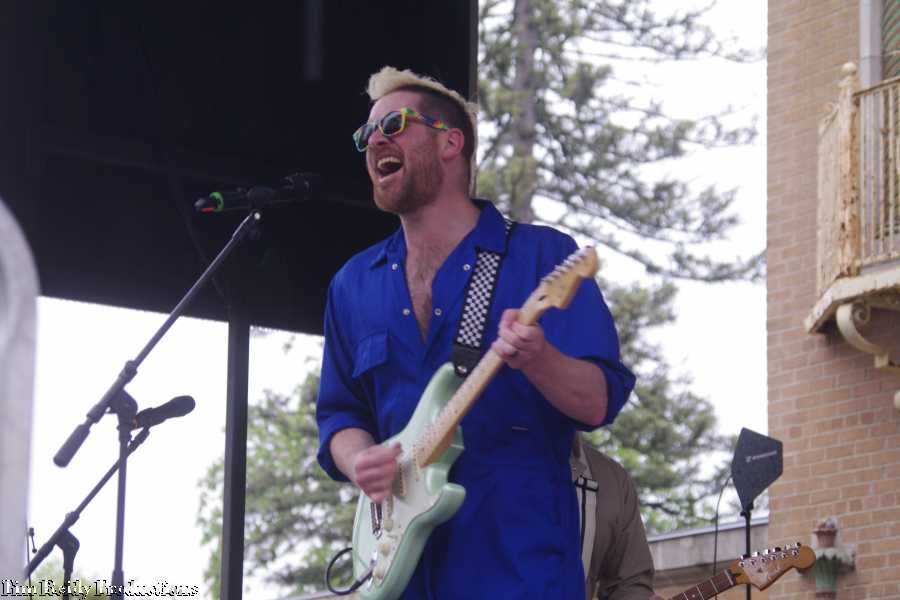
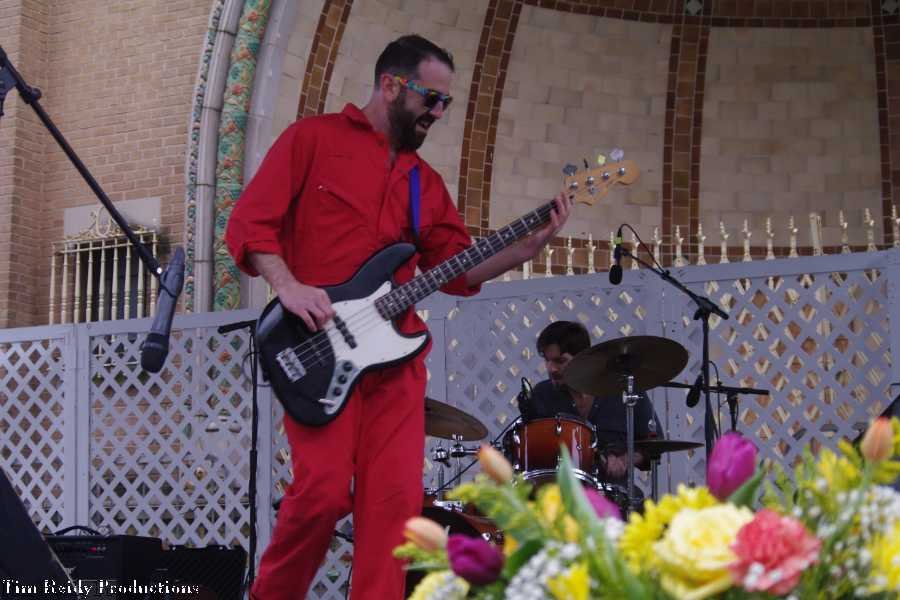
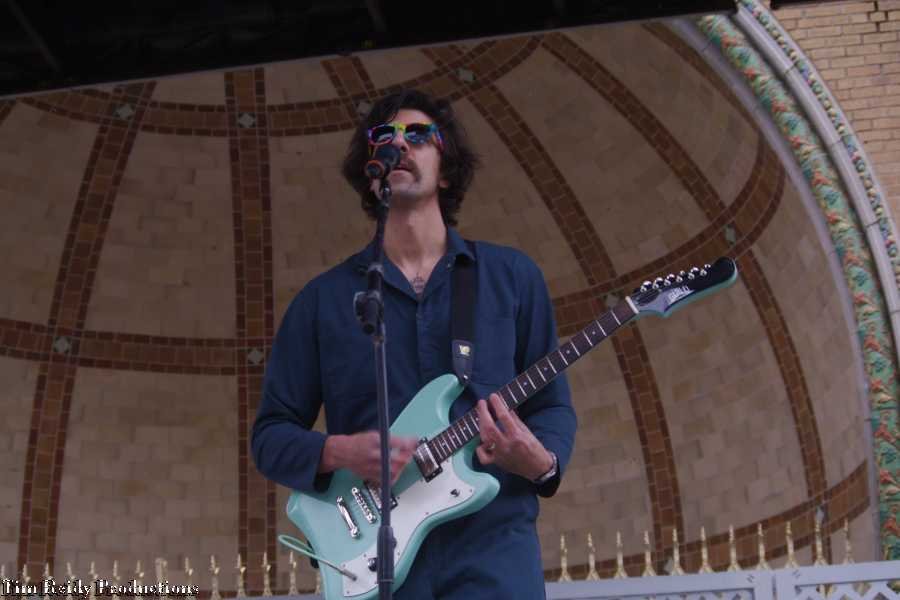
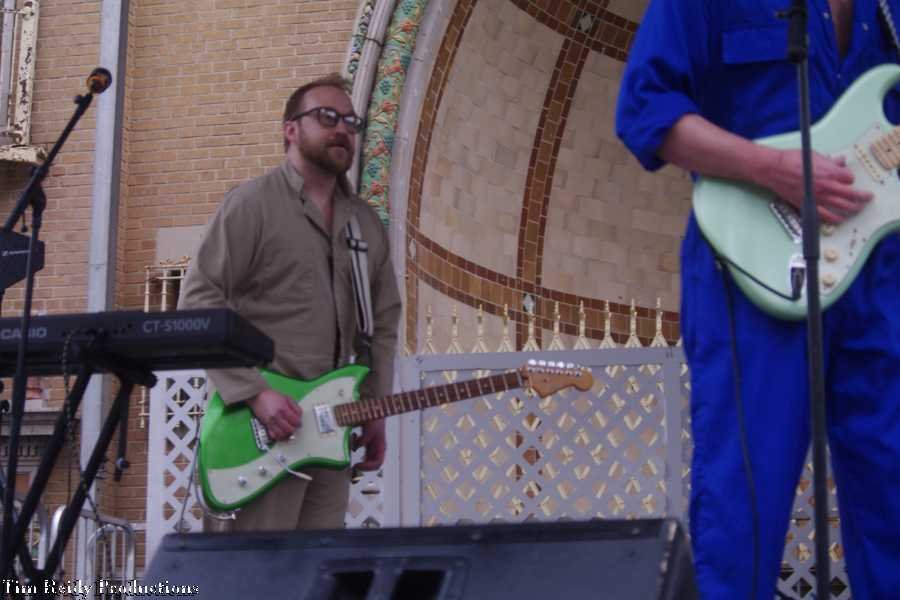
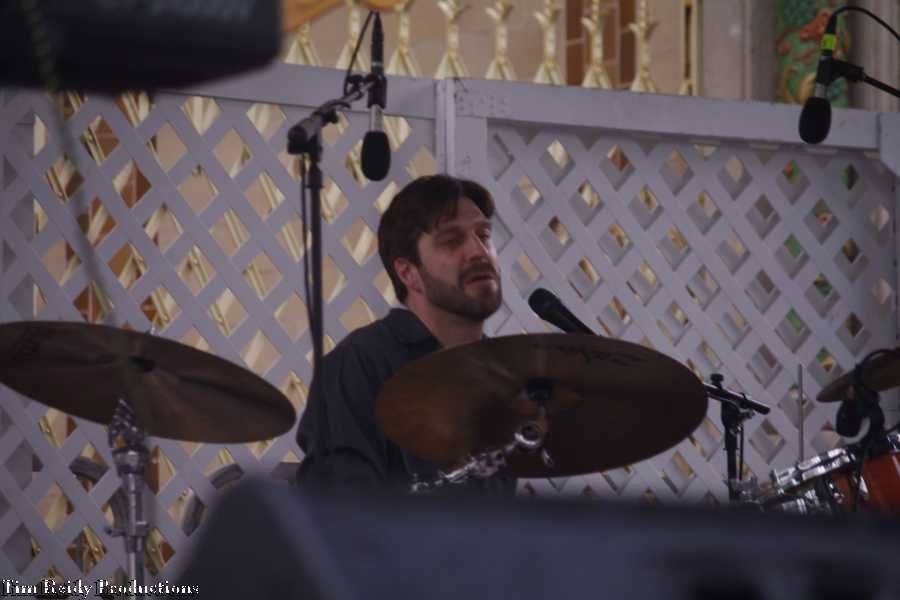
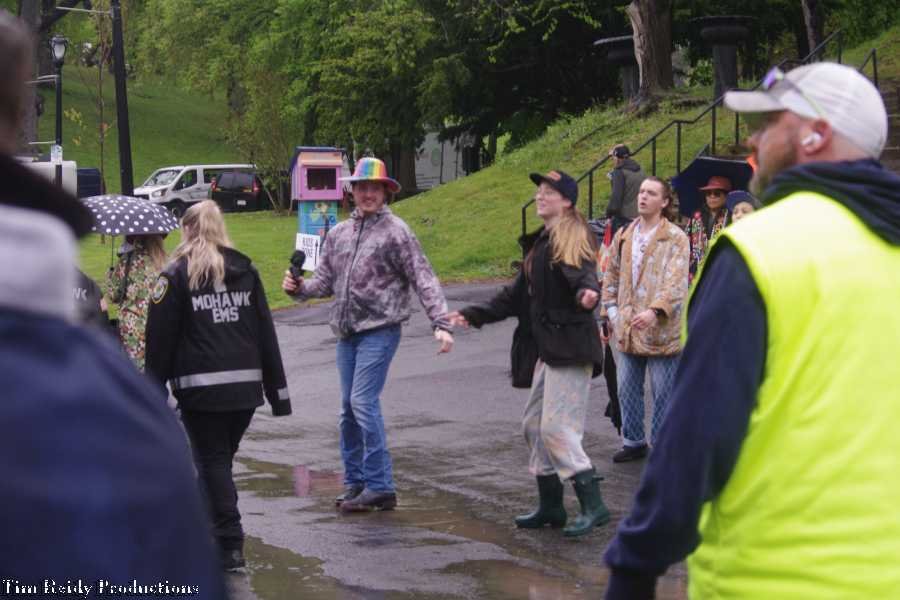
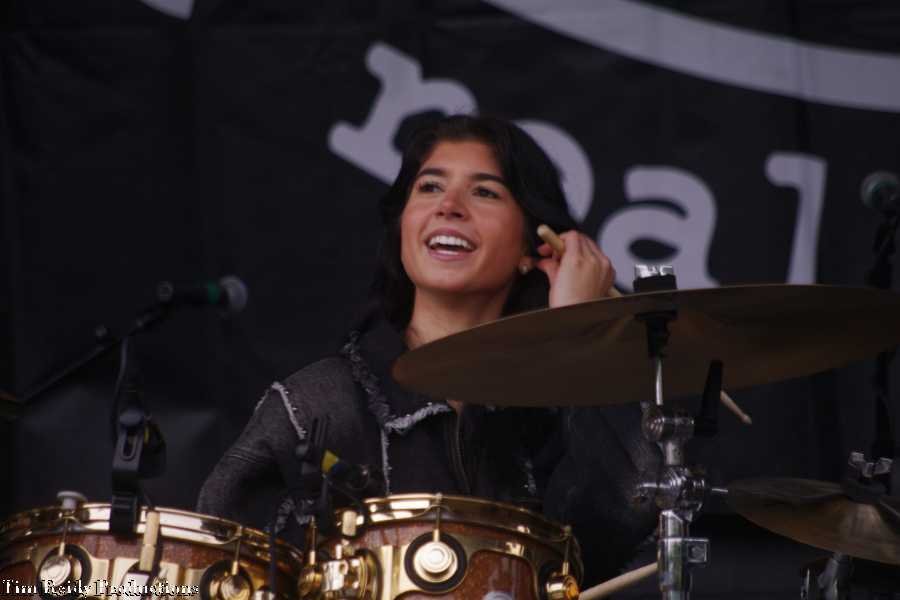
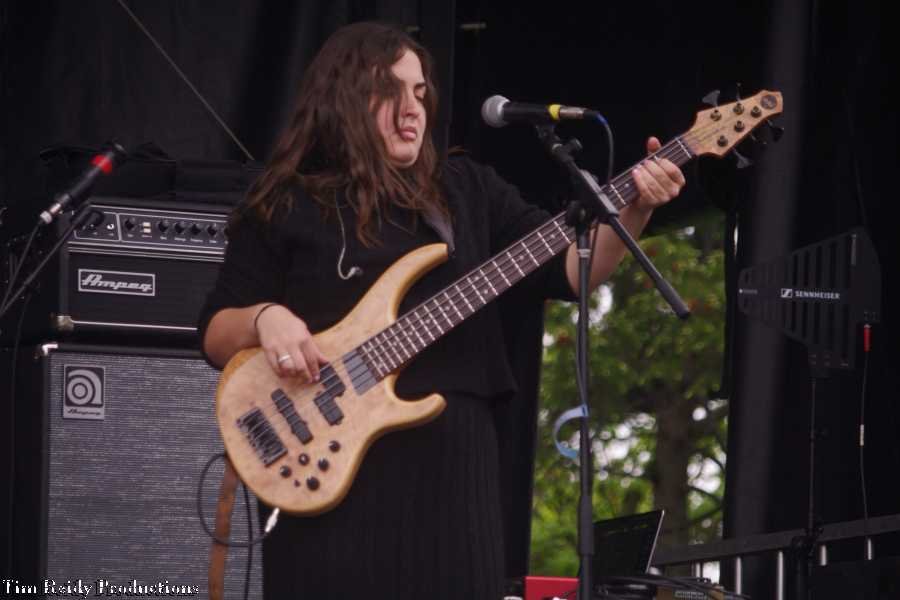
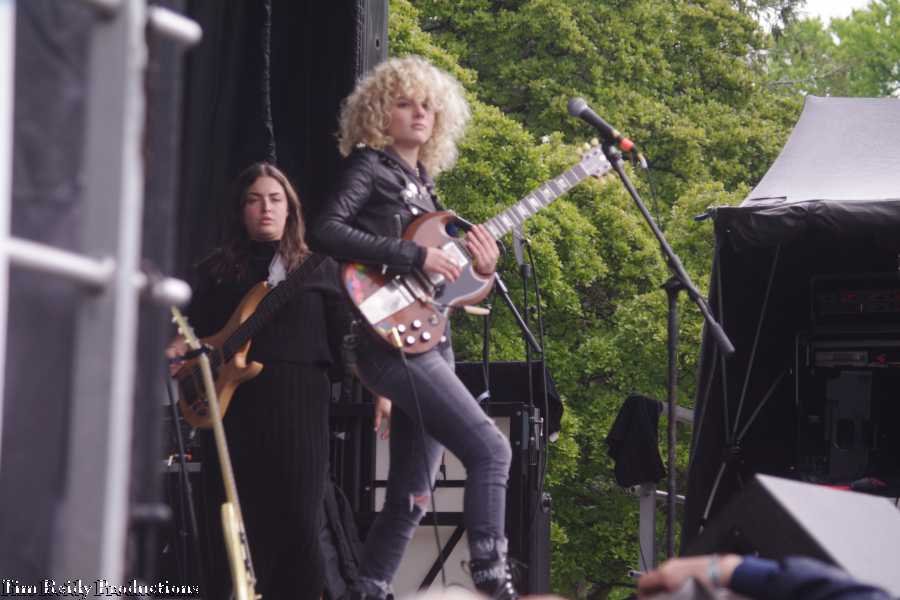
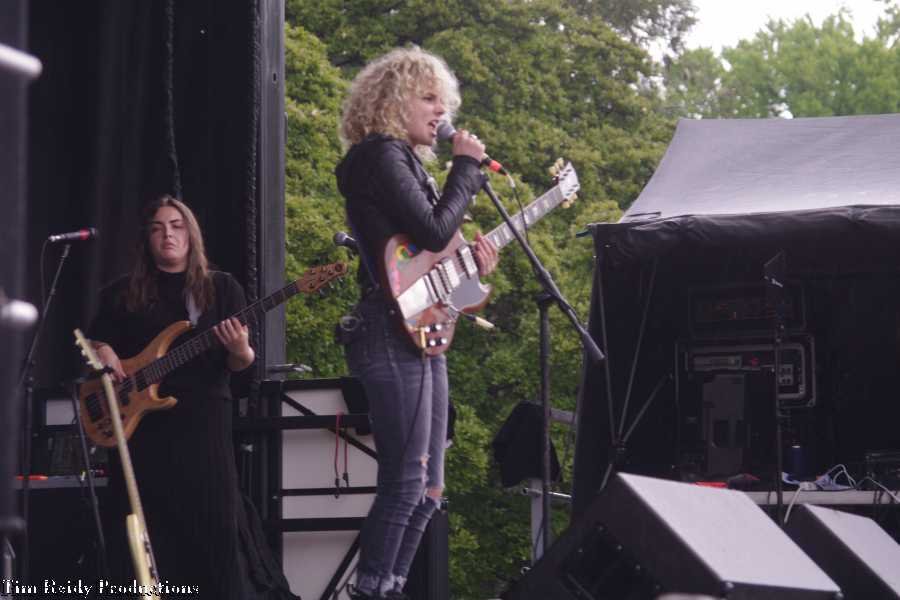
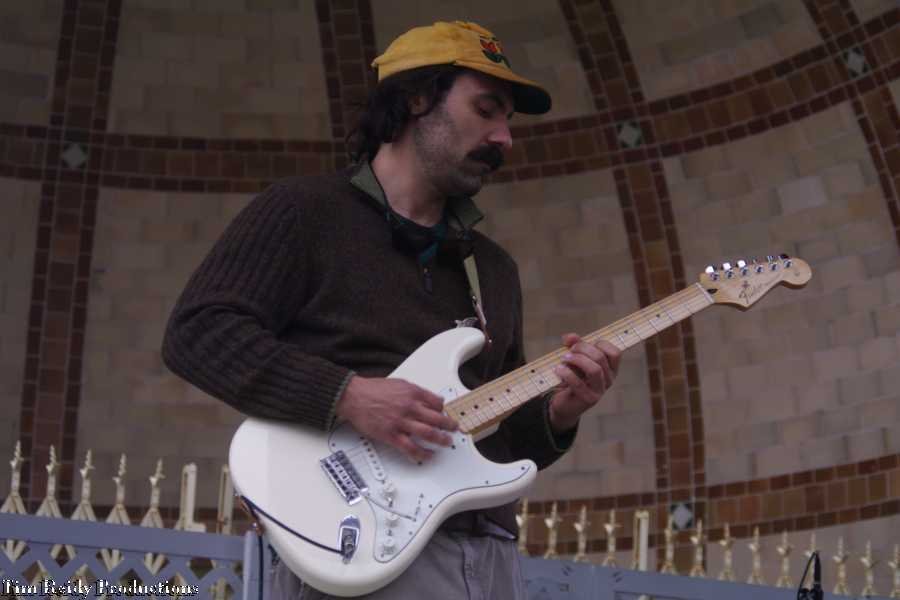
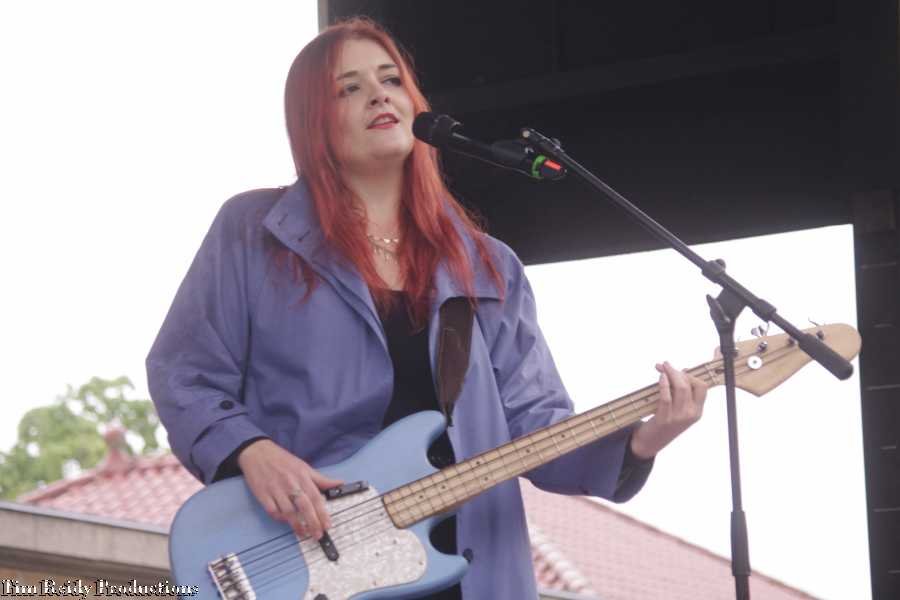
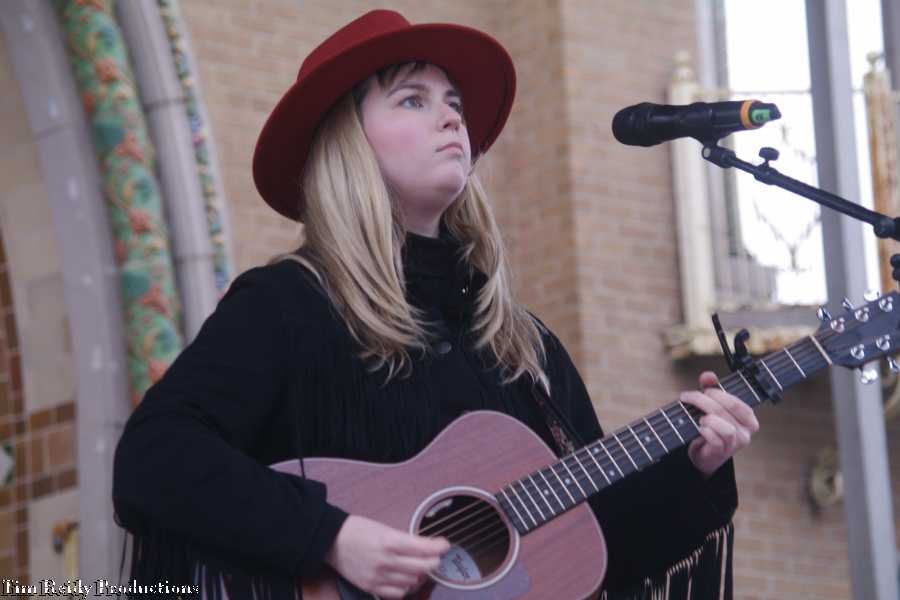
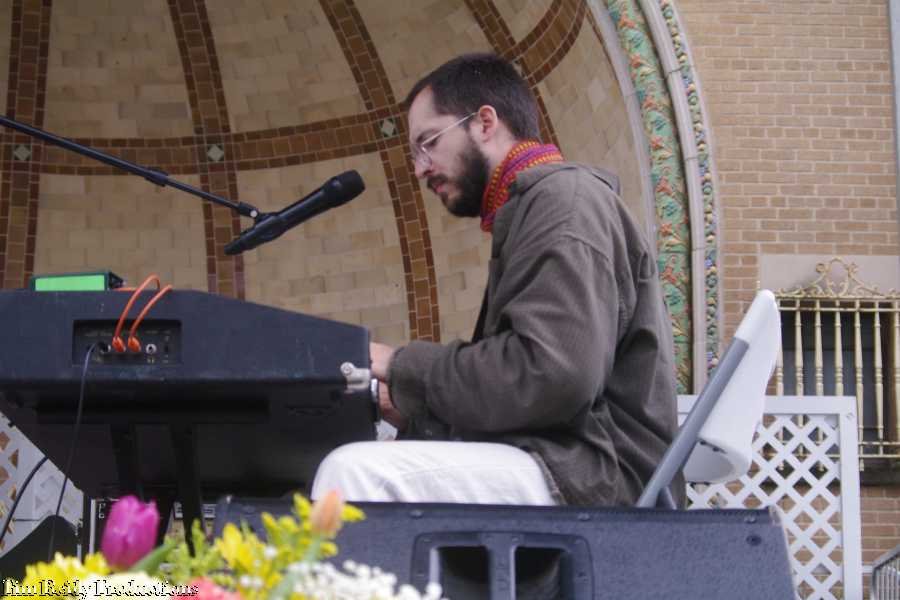
Day Two (May 10, 2026) of the Tulip Festival in Washington Park saw festival goers enjoying more sun than was forecast for Sunday. Entertainment included Paintbrush Charlie, Maggie Doherty, Tops of Trees, the Ky McClinton Band, the Alex Torres Group, Ill Funk Ensemble, and MJ the Illusion. Plus Andy “The Music Man,” Ruth Pelham, the Wellness Stage, and a cast of flowers.

Photography by Timothy Reidy.

More coverage of the Tulip Festival here …

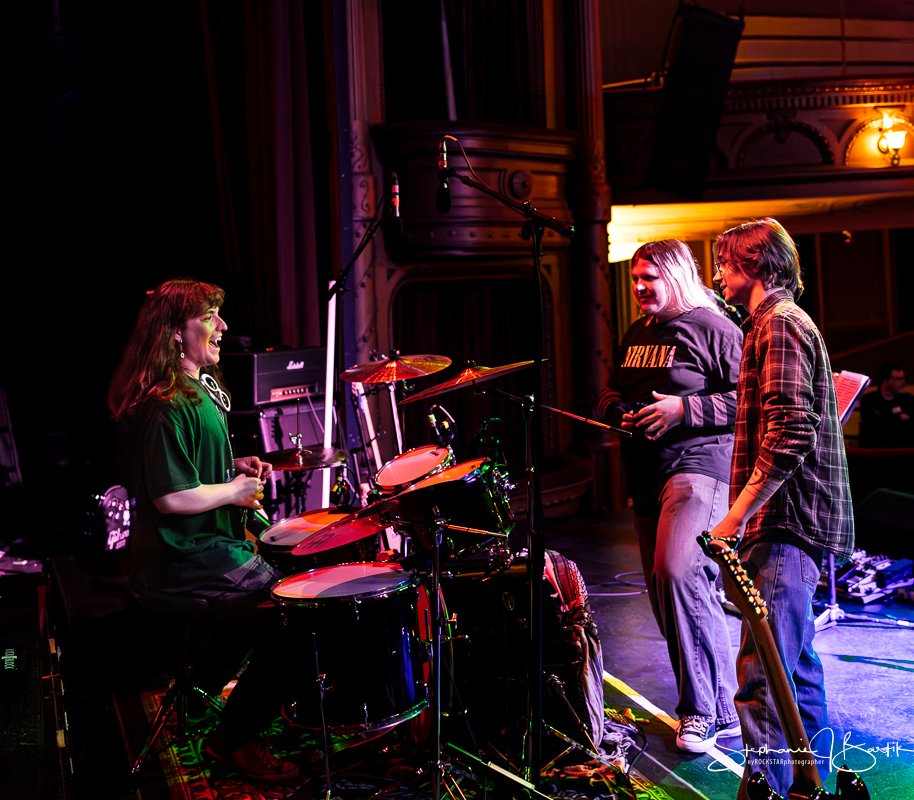
Lounge Act @ Cohoes Music Hall, 5/8/2026

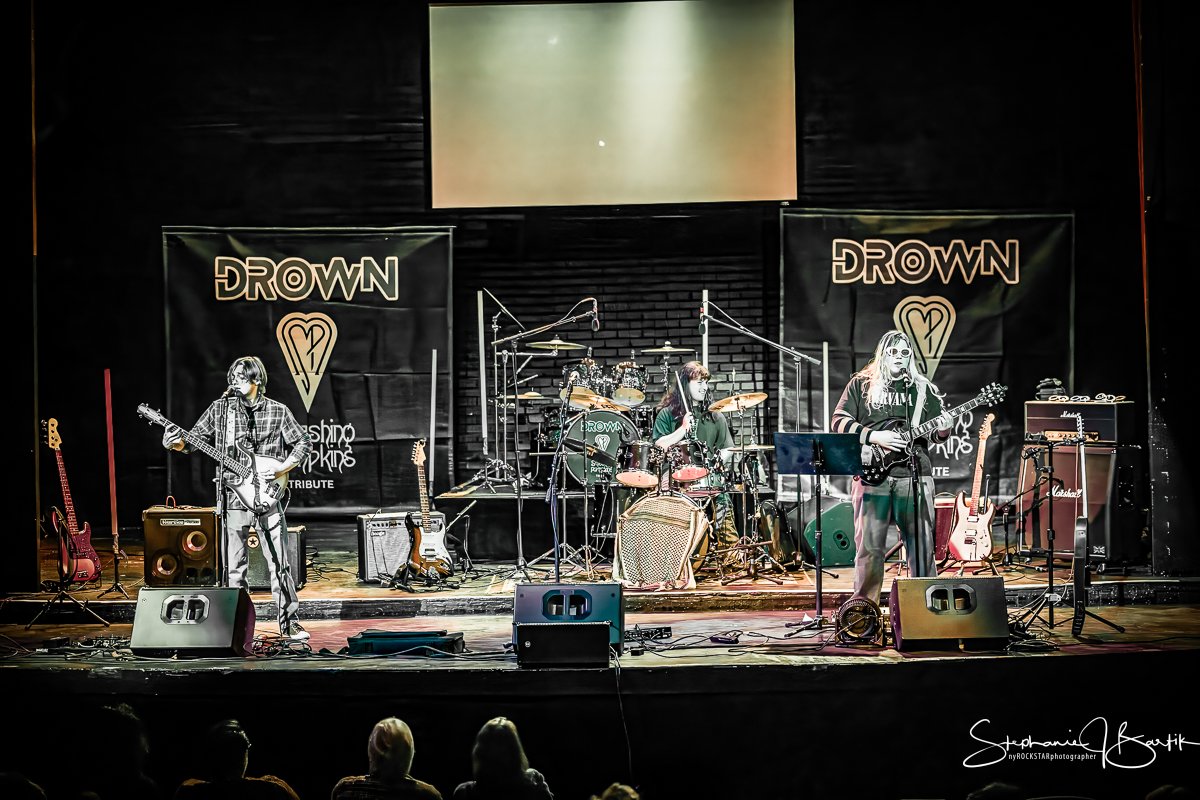
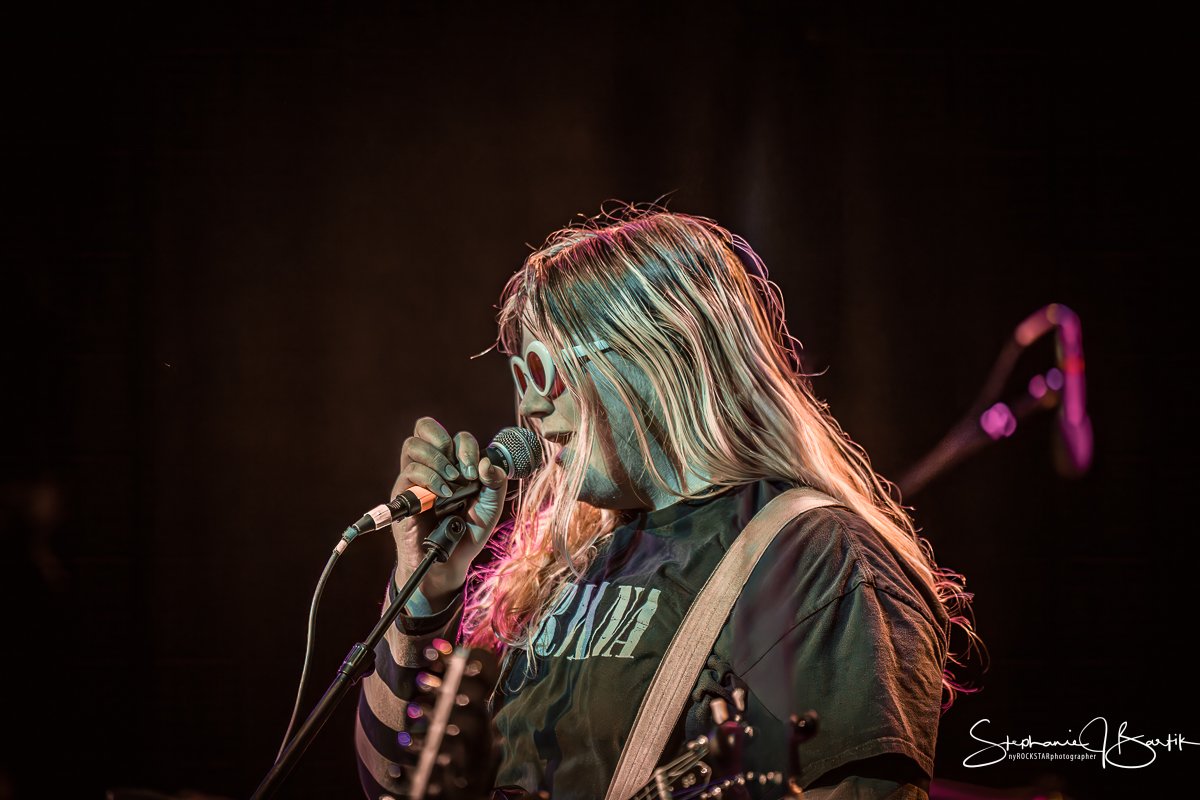
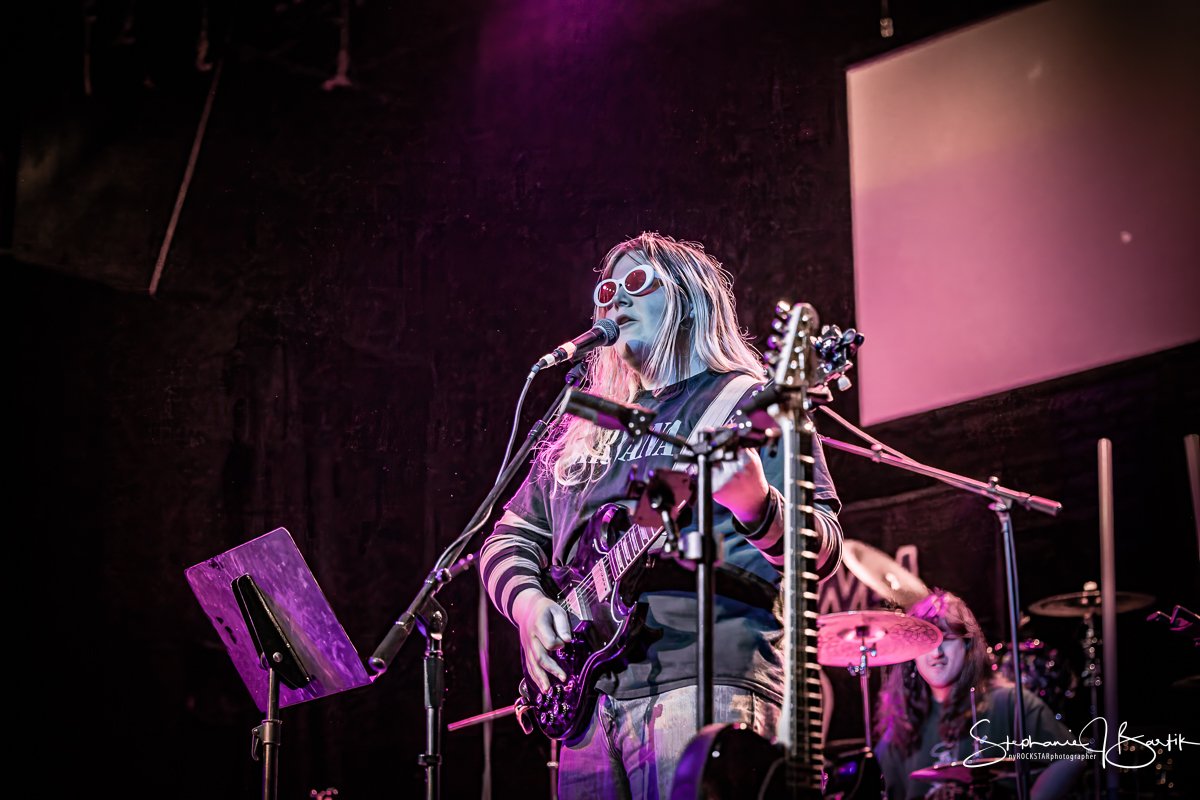
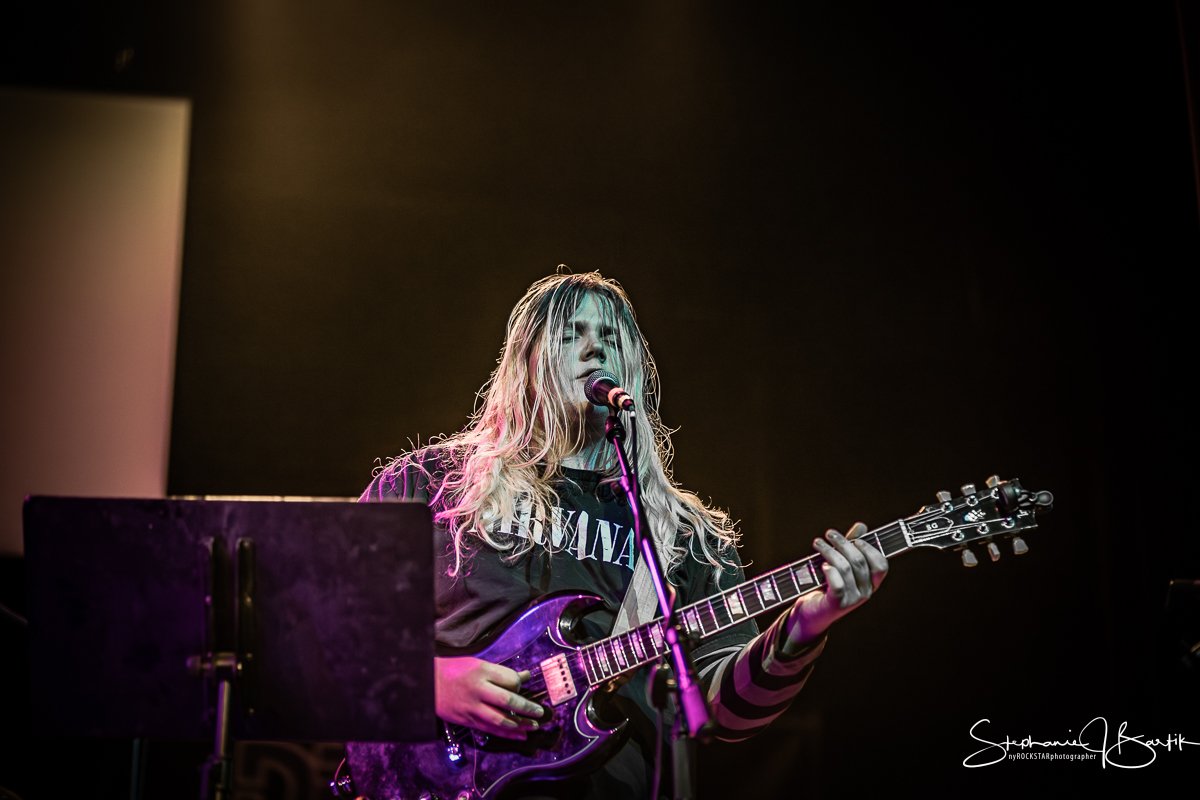
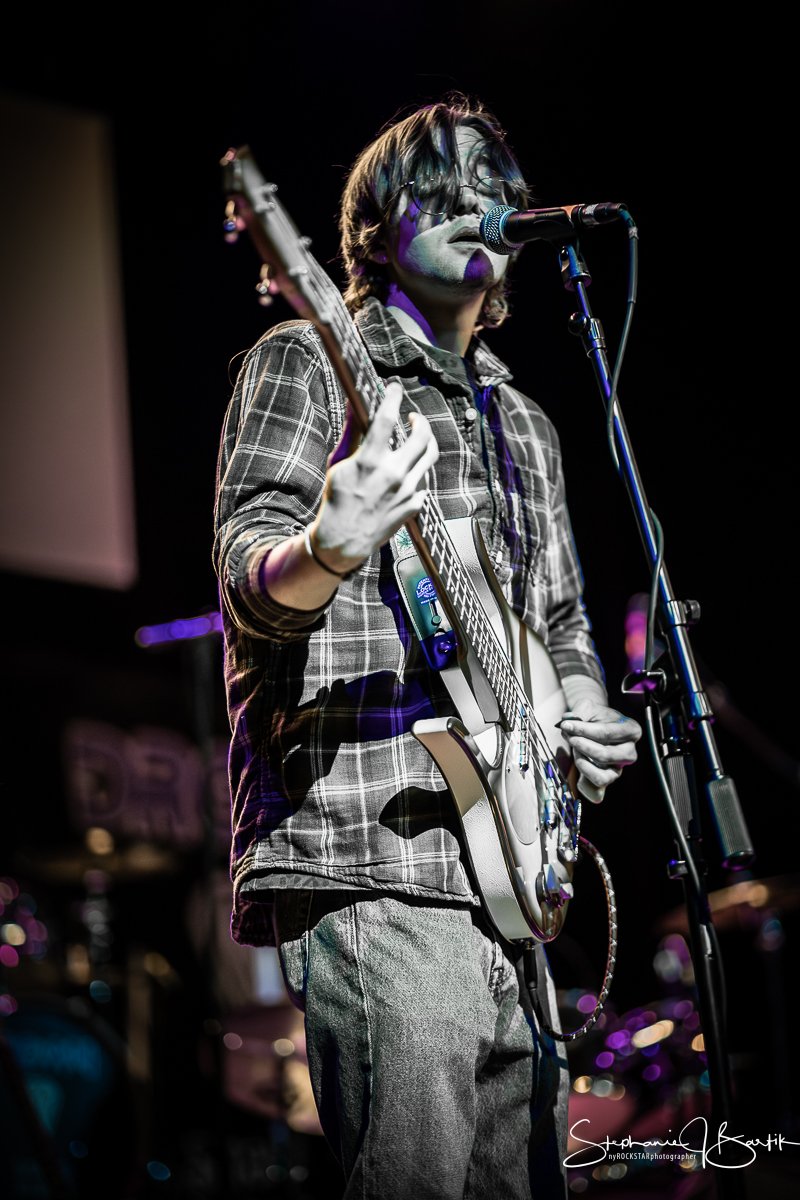
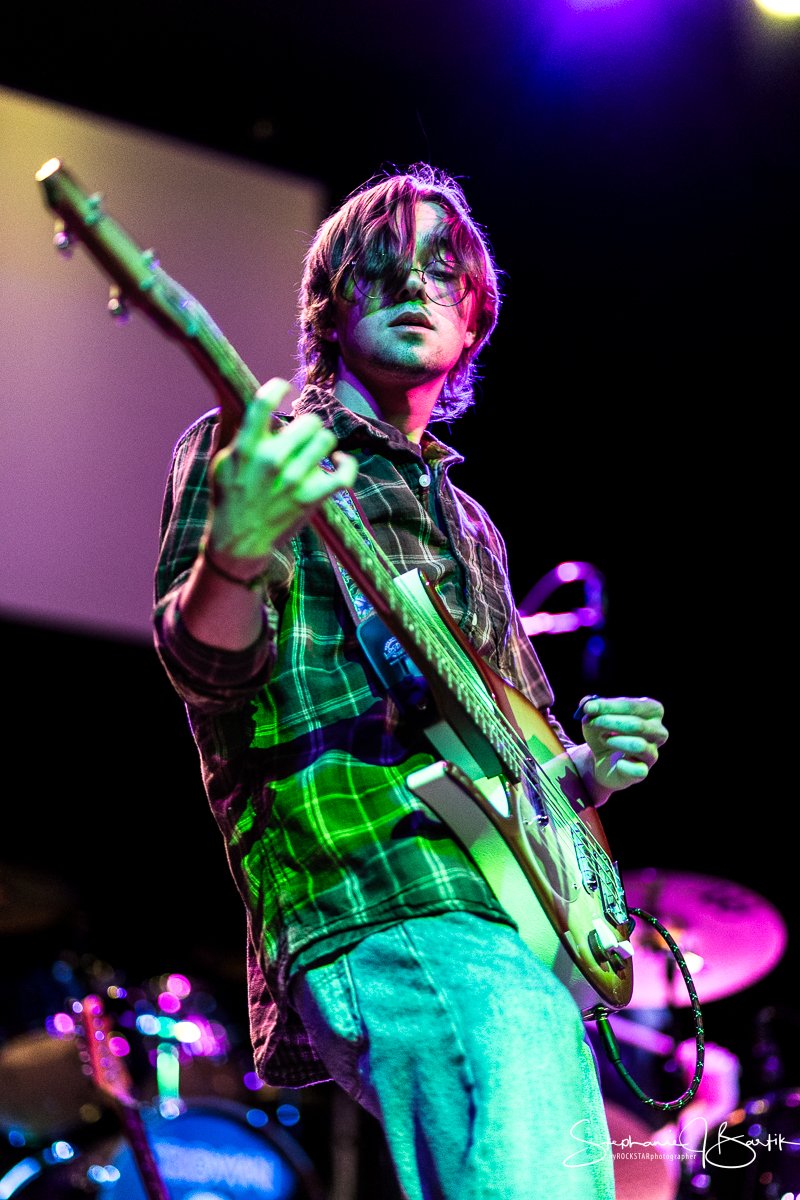
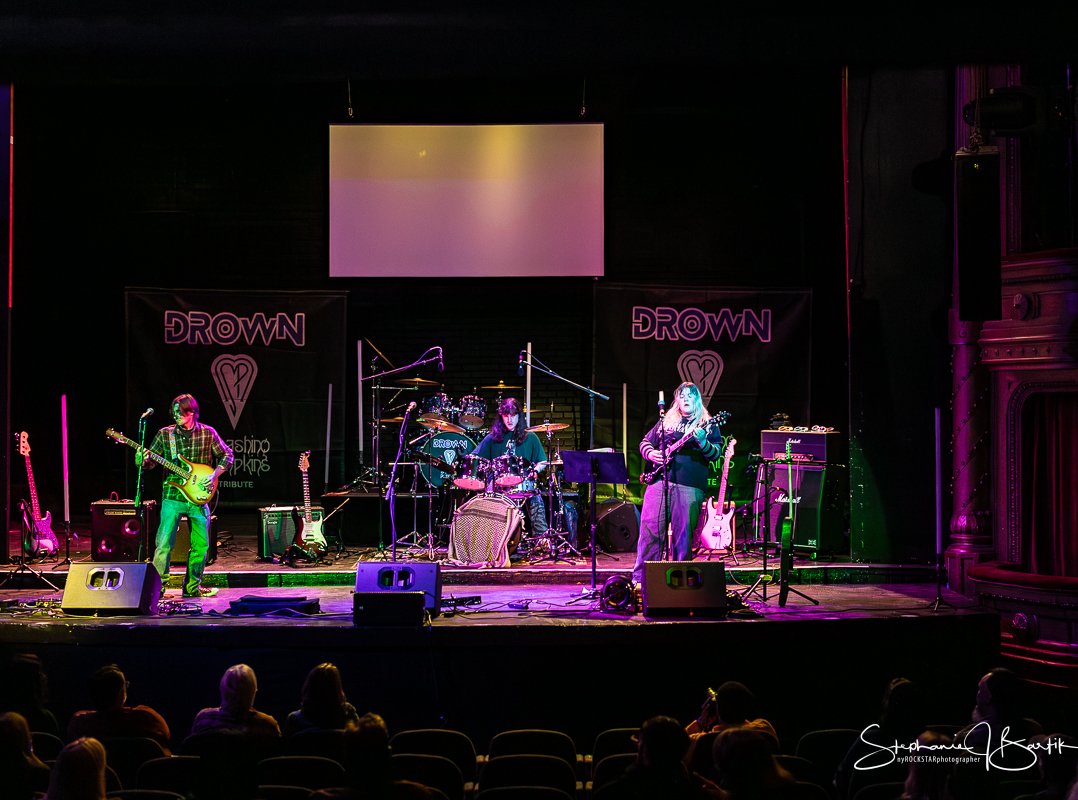
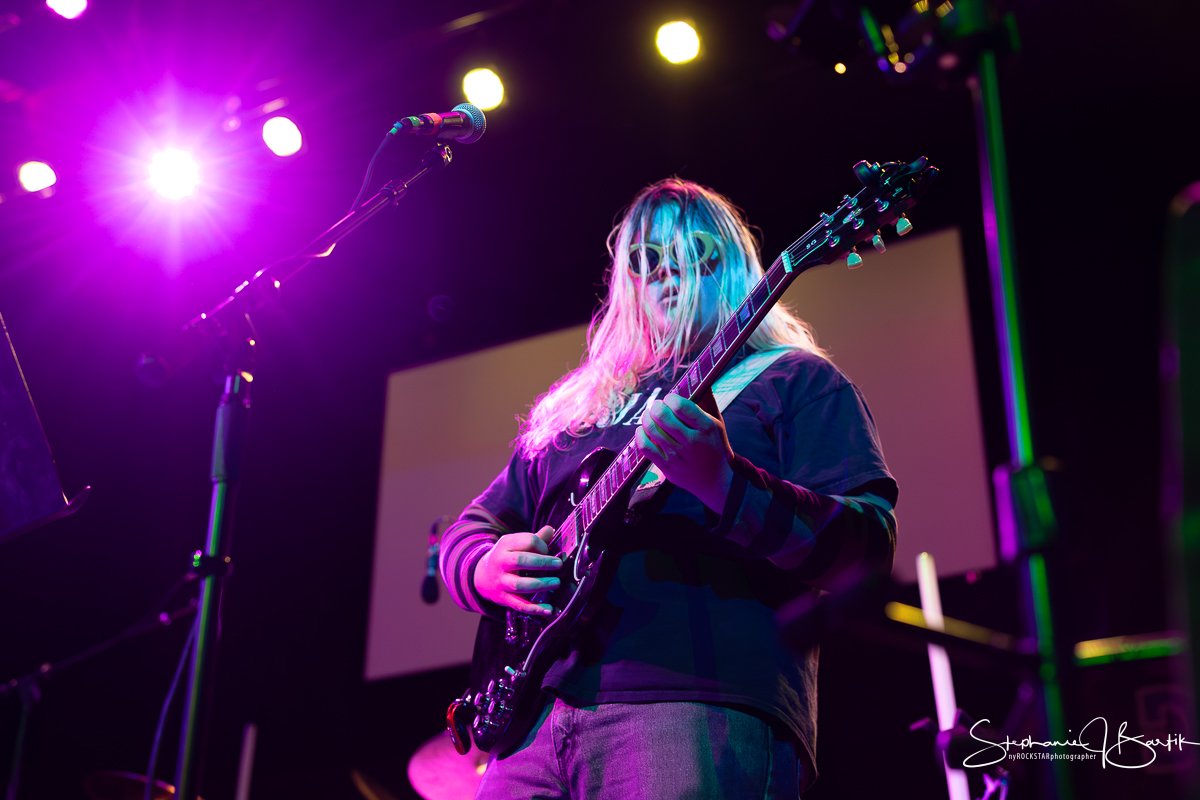
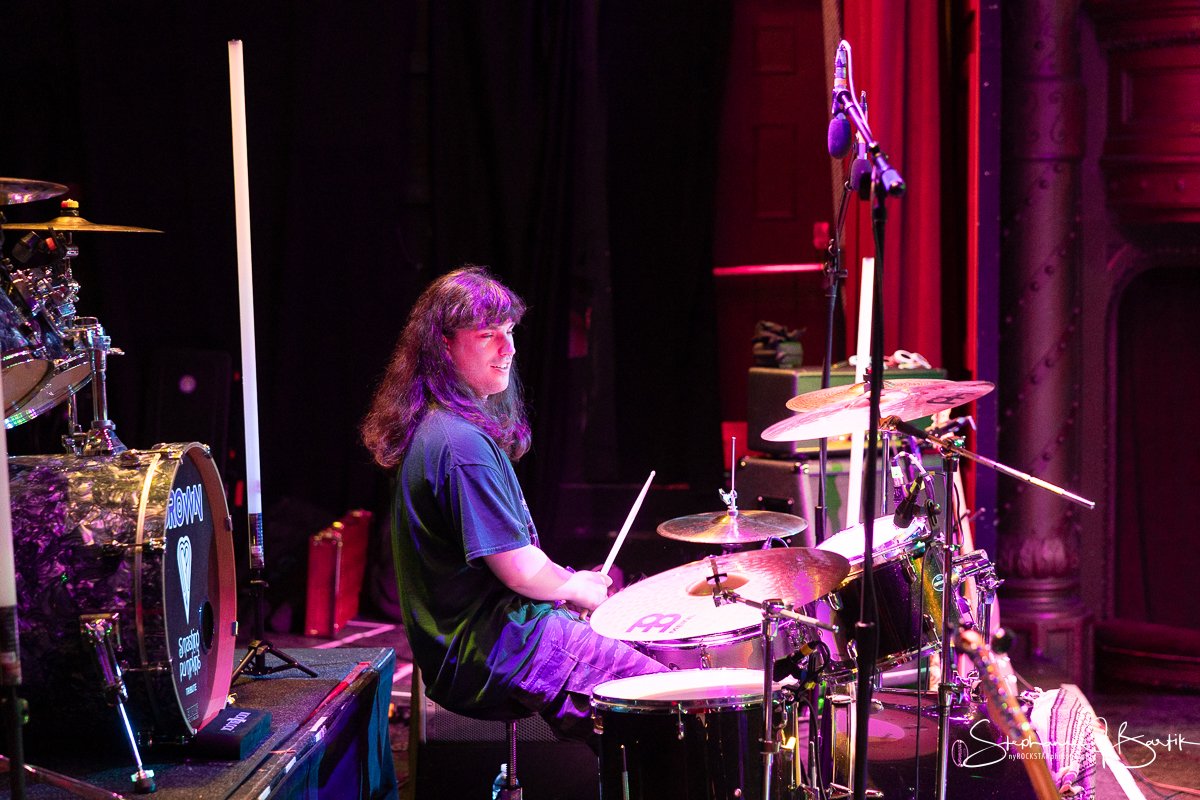
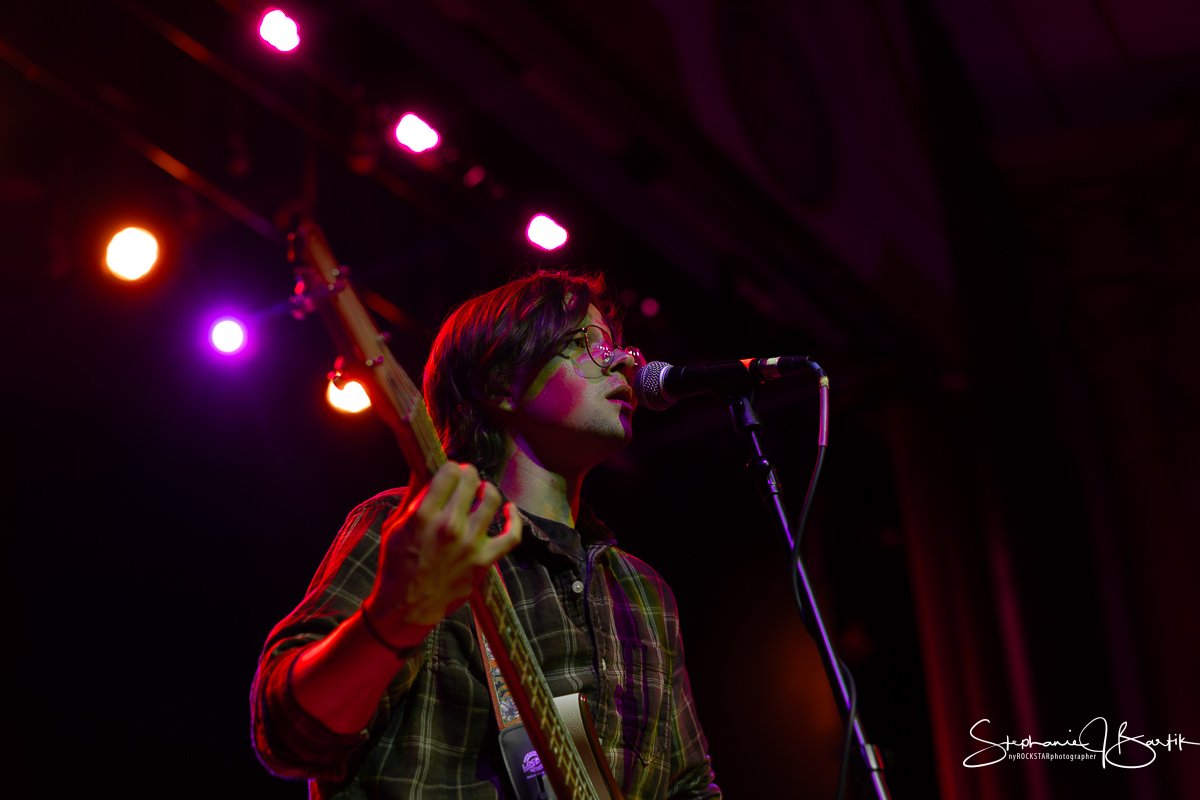
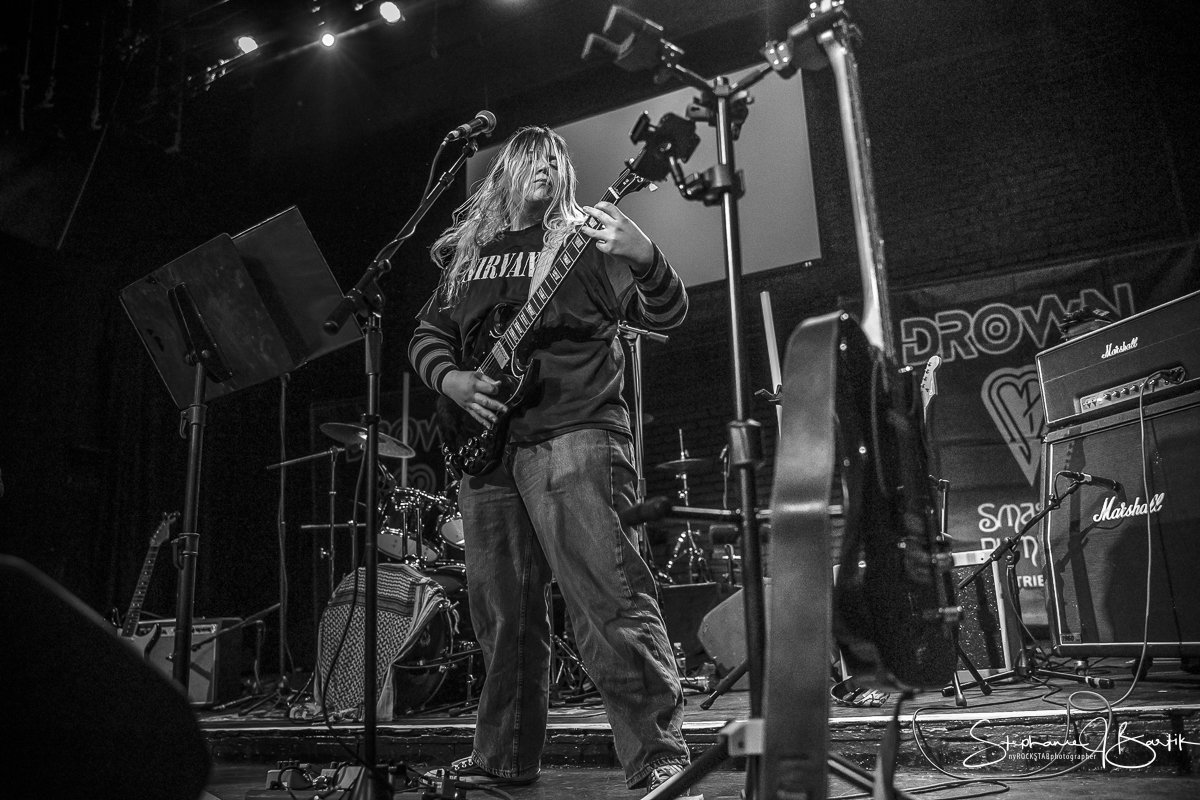
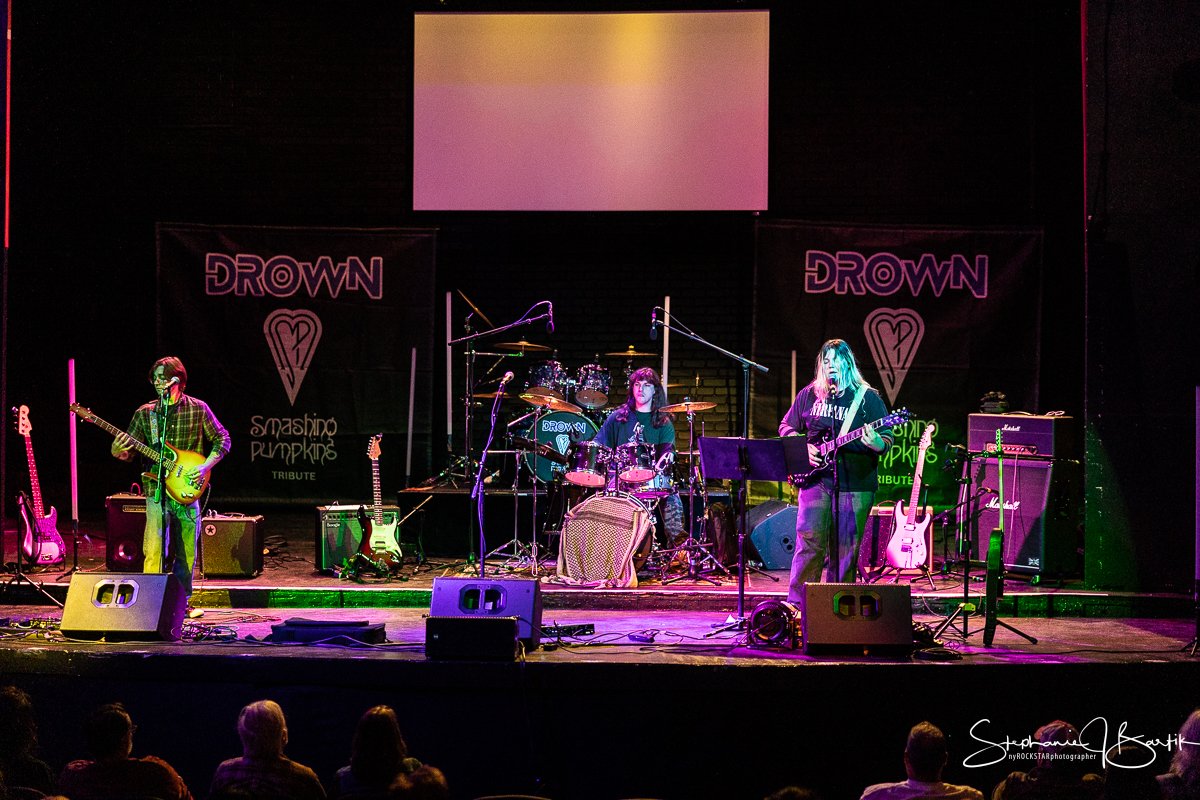
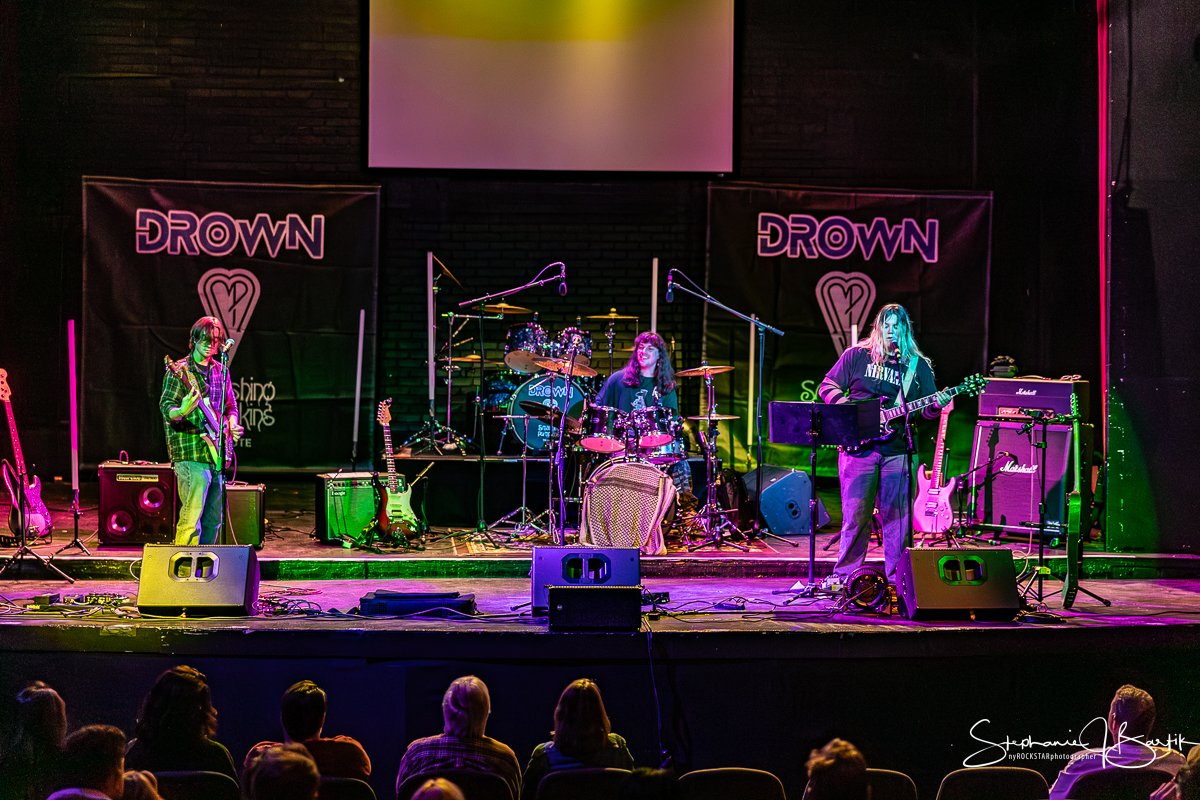
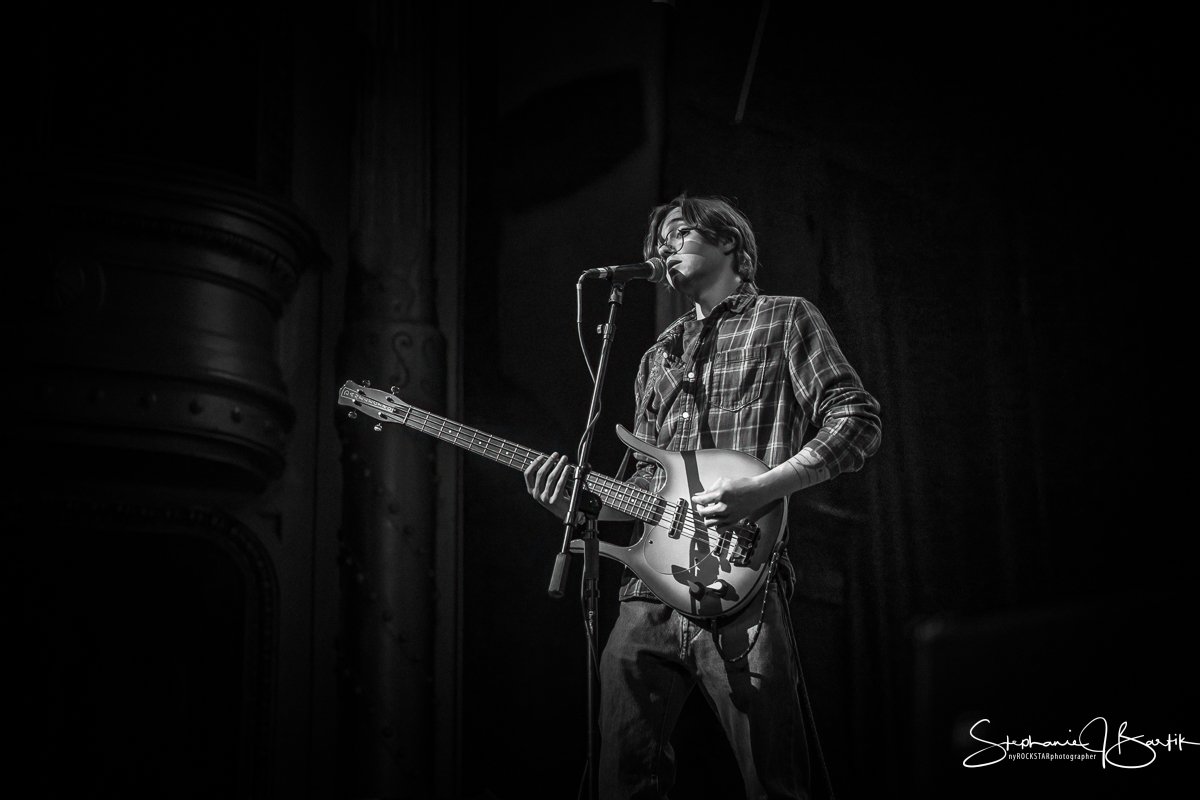
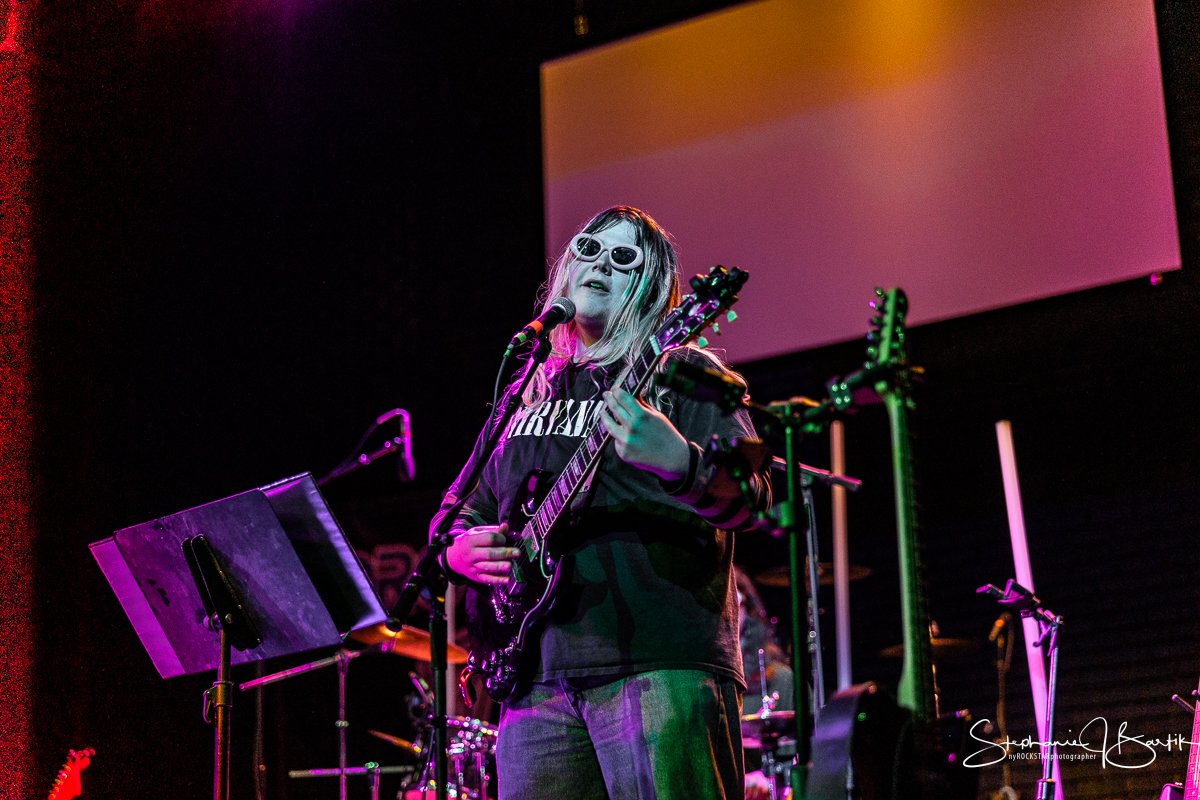
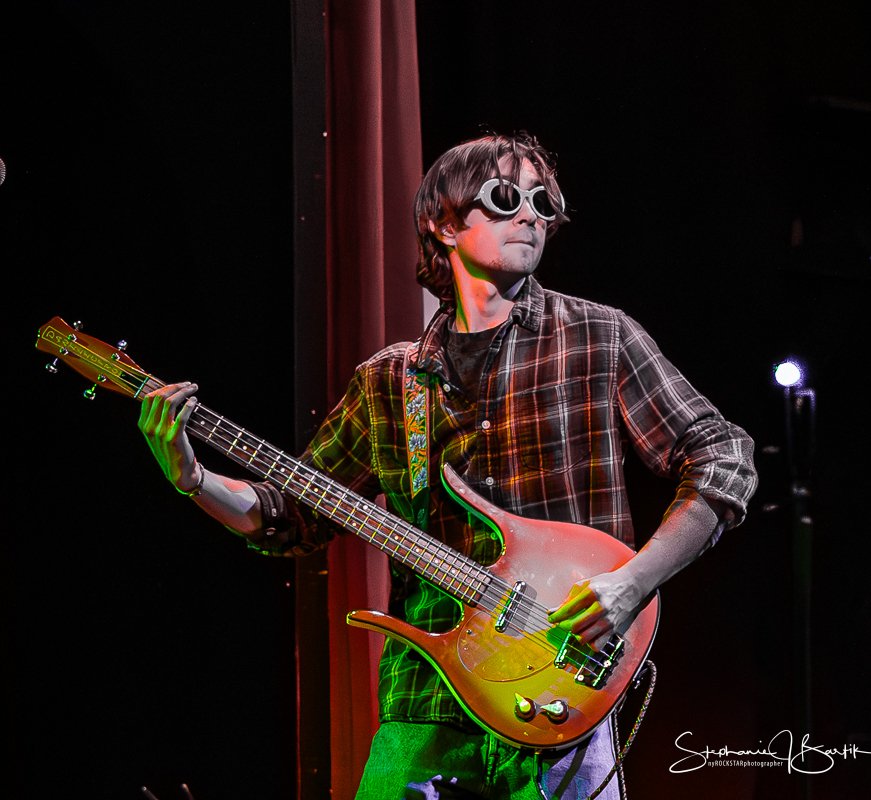
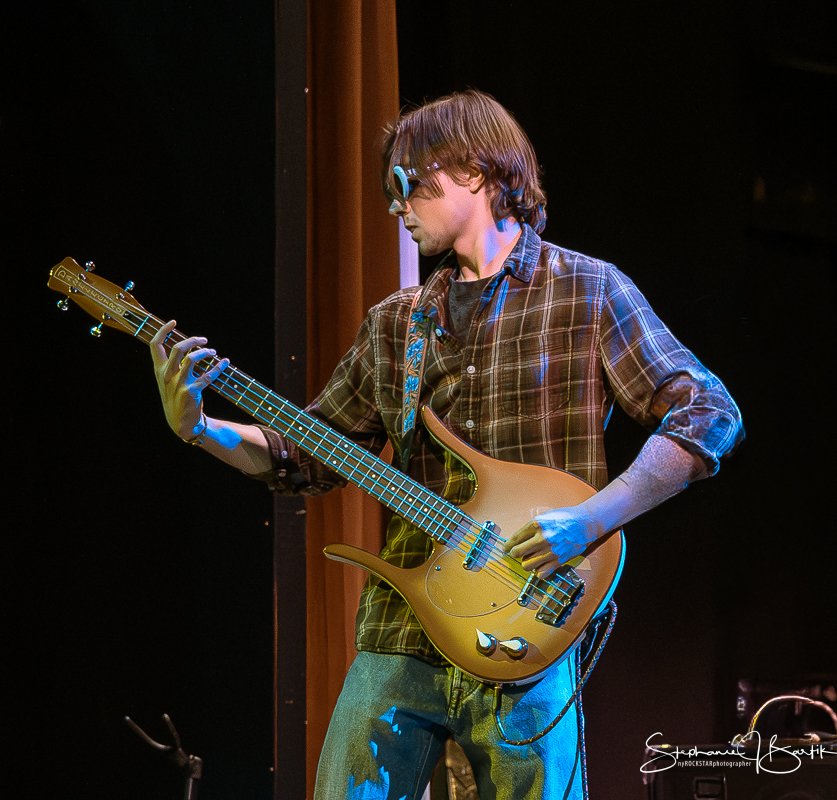
Lounge Act, a Nirvana tribute band, made up one half of Grunge Night at the Cohoes Music Hall on May 8.

Lounge Act comprises brothers Evan (guitar) and Brandon (bass) Newell, along with drummer Isaac Nokes.

Photography by Stephanie J Bartik.

More from Cohoes Music Hall here …


Albany Tulip Festival – Day Two

0

Day Two (May 10, 2026) of the Tulip Festival in Washington Park saw festival goers enjoying more sun than was forecast for Sunday. Entertainment included Paintbrush Charlie, Maggie Doherty, Tops of Trees, the Ky McClinton Band, the Alex Torres Group, Ill Funk Ensemble, and MJ the Illusion. Plus Andy “The Music Man,” Ruth Pelham, the Wellness Stage, and a cast of flowers.

Photography by Timothy Reidy.

More coverage of the Tulip Festival here …


Arch Stanton Quartet – An Xperience Interview

0

By Larry Felton.

Four Musicians, No Leader, and the Jazz Suite Born in a Basement

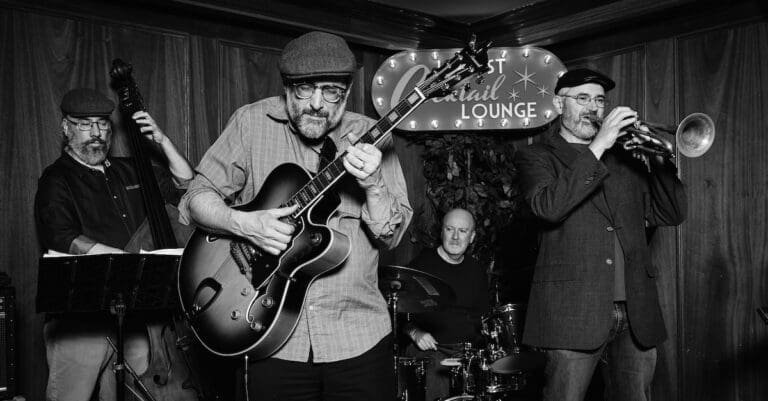
There is no Arch Stanton in the Arch Stanton Quartet. The band is Terry Gordon on horns, Jim Ketterer on drums, Chris Macchia on bass, and Roger Noyes on guitar — four musicians who deliberately chose a fictional name because they wanted the group to function as a democracy rather than revolve around a single leader.

Since last fall, the quartet has been performing “Exploring the Sheltering Sky,” a program of jazz adaptations and spoken word drawn from the Paul Bowles novel “The Sheltering Sky” and his lesser-known classical compositions. Bowles is remembered as a writer, but he was also a protégé of Aaron Copland and Virgil Thomson. He composed chamber music, piano pieces, and orchestral works before leaving New York for Tangier after World War II. His novel follows three Americans drifting through North Africa, and the band’s reworkings of his piano pieces provide the musical spine of the hour-long performance.

The Albany County Arts and Culture Program supported the creation of “Exploring the Sheltering Sky” and performances of it at public libraries across the county. I caught the program at the Bach Branch of the Albany Public Library in late April and sat down with all four members at the Lark Tavern before a gig. 

The Arch Stanton Quartet – photo by Larry Felton Photo

RRX: For readers unfamiliar with the reference, where does the name Arch Stanton come from?

Jim Ketterer: From the beginning, the idea was that this should really be a band — not a pickup gig situation — and that it should be a democracy. Nobody’s name is out front. But when you’re booking jazz gigs, if your name is too creative, places think you’re not really a jazz group.

Roger Noyes: So we brought some creativity in through the back door. On the surface, Arch Stanton sounds like a standard jazz name. But it’s a reference to “The Good, the Bad and the Ugly.”

(For the uninitiated, in the film’s climax, the characters race to a cemetery searching for Arch Stanton’s grave, believing the gold is buried there. It isn’t — it’s in an unmarked grave right next to it.)

RN: He’s an absent character in the movie and an absent character in our band.

RRX: Jim, you’ve lived in Morocco, Tunisia, and Egypt. What did Bowles’ work unlock for you?

JK: I grew up outside of Saratoga, on a two-mile road with two houses on it. I used to see planes high up on their transatlantic flight. I was always thinking, who’s on that flight? Where are they going? What are they doing? I want to do that too.

While in college, I started studying Arabic. And I think it was in college when I first encountered some Paul Bowles. I dug more into it, and then just really got into the book a lot. And as I was figuring out a way to finally go live in North Africa, it was definitely in my imagination.

But what I didn’t know at the time was that Paul Bowles had been a composer before he left New York and moved to Tangier right after World War II. I listened to a ton of the music that he composed, and also did a lot of reading about that part of his life. And I think if he can, I can.

RRX: How did you adapt his classical piano music for a jazz group?

Terry Gordon: It was a five-hour rehearsal in Jim’s basement. Jim had picked the tunes for us to take apart. I call it “putting it through the Arch prism.” We’d pick out the main melodic theme, then go to a slightly different spot in the piece, grab another melodic snippet for a bridge, and turn it into something we could use.

Chris Macchia: What was fun is that Bowles had very sparse left-hand bass parts — maybe two notes — and we’d voice those together in a way that became our stamp on it. The fidelity to the melody is still very true. But the impression of the harmony is what we were able to really adapt.

JK: If you went back and listened to the originals, which are two piano four-hand pieces, you’d recognize the melodies. But the selection and ordering of the tunes is meant to fit the trajectory of the whole performance — from the forward momentum of “Cross Country,” to “April Fool Baby,” a fractured love song with lyrics by Gertrude Stein, to “Nocturne,” which captures the stillness of the desert and the sky.

RRX: Jim assigned each of you a solo to develop on your own. What did that process look like?

JK: I selected texts from the novel and sent one to each of these guys — compose something to go with my recitation. I gave each a musical idea and said, run with it. A lot of the work was done on their own, but then the way the text and their playing interact has evolved. It makes more programmatic sense now.

RRX: You booked the first gig before the material existed?

JK: About two weeks after that session in the basement. That’s one of the reasons that session was so intense — we knew we had a first performance coming. We booked the gig before we had the material.

RRX: How has the program been received?

JK: Every time, I worry no one will show up, and every time we’re surprised. A woman at one performance told us her father had lived in Morocco. When I read the passage about how if you’ve been to the Sahara, you will go back — she said it finally made sense why her father, even after a terminal diagnosis, returned. People have opened up to us after these shows in ways none of us expected.

CM: There’s an emotional impulse to this music that brings people in, and we try to seize that by not being distant. We do sophisticated things musically, but there’s always a desire to connect with the audience.

The final performance of “Exploring the Sheltering Sky” will be on June 19 at the Albany Institute of History and Art. The performance runs from 12:30 to 2:00 p.m. and is free. For more information, visit archstantonjazz.com.

Albany Tulip Festival – Day One (cont’d)

0

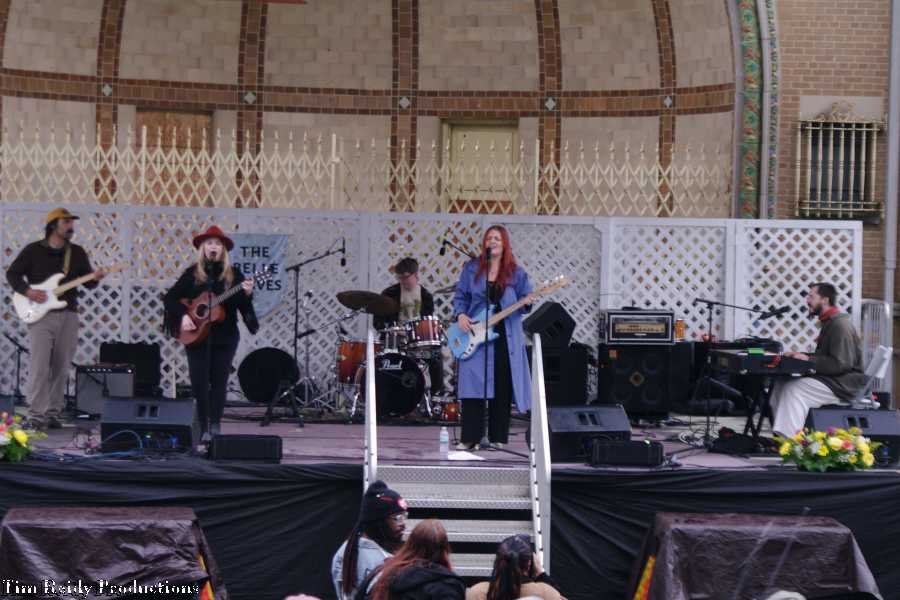
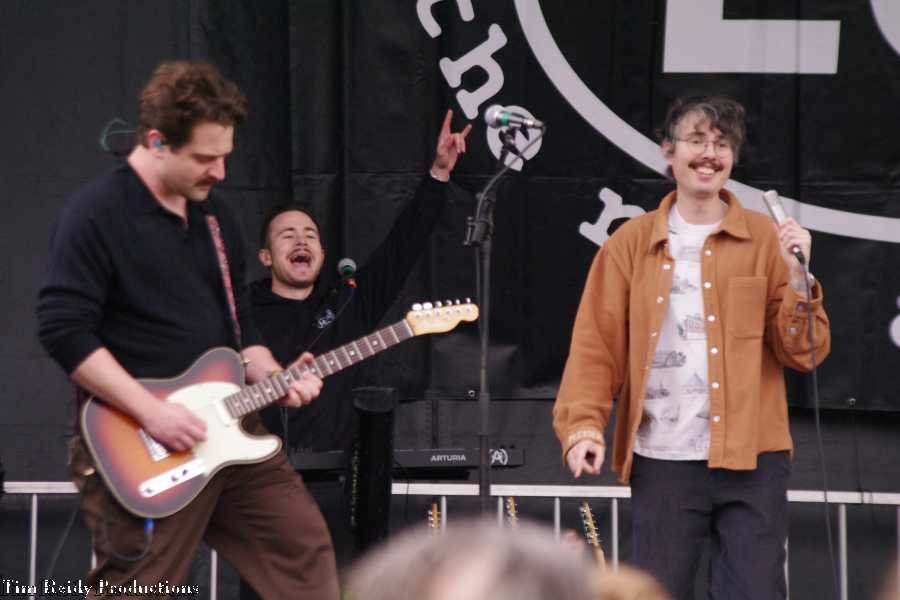
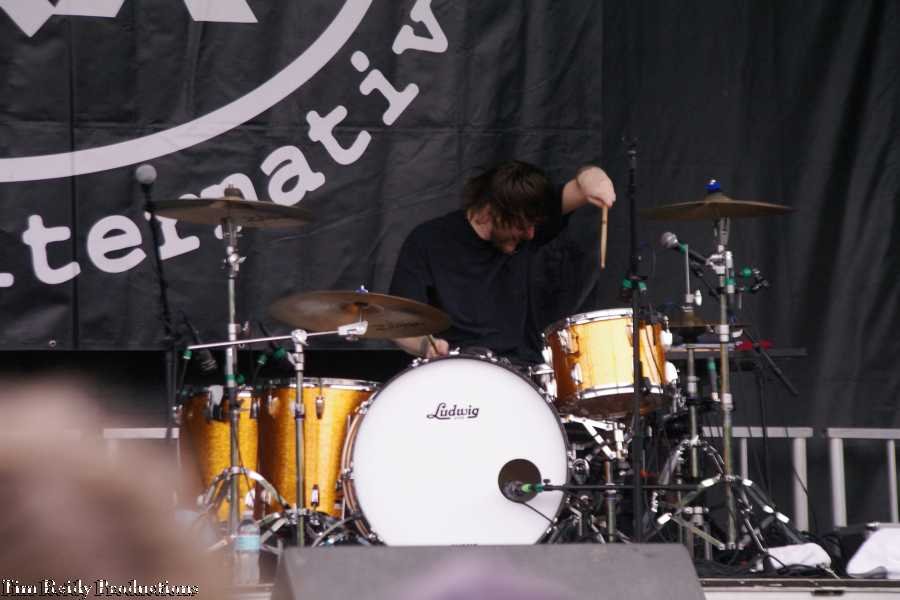
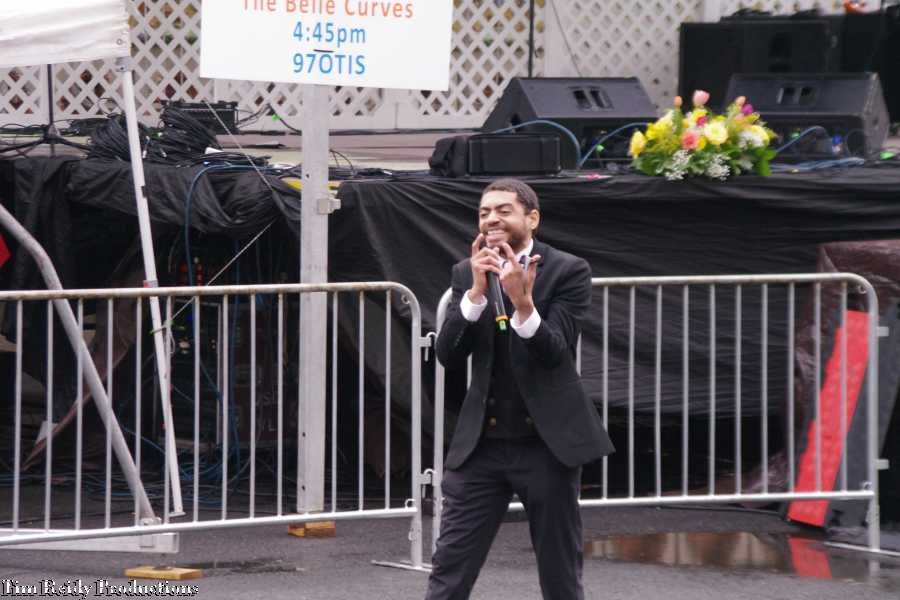
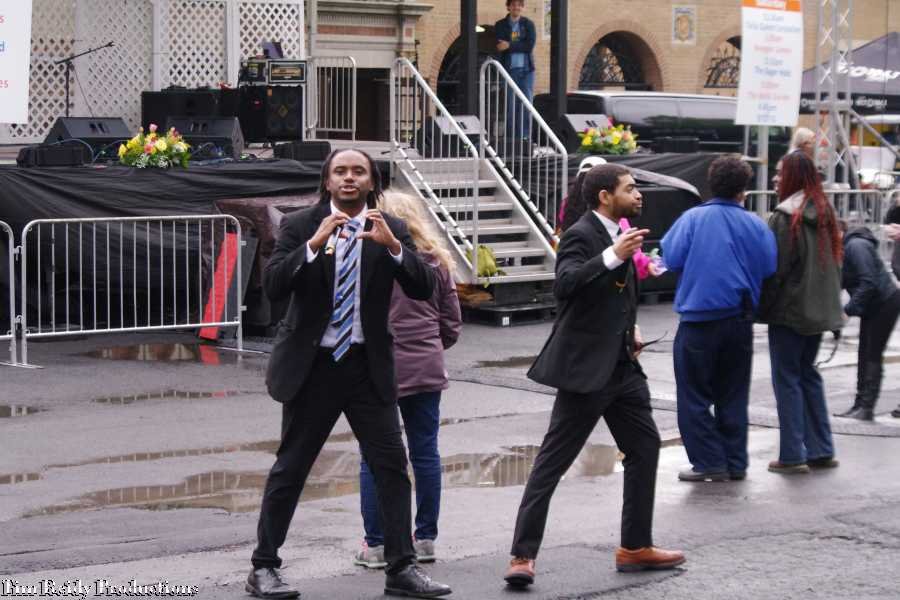
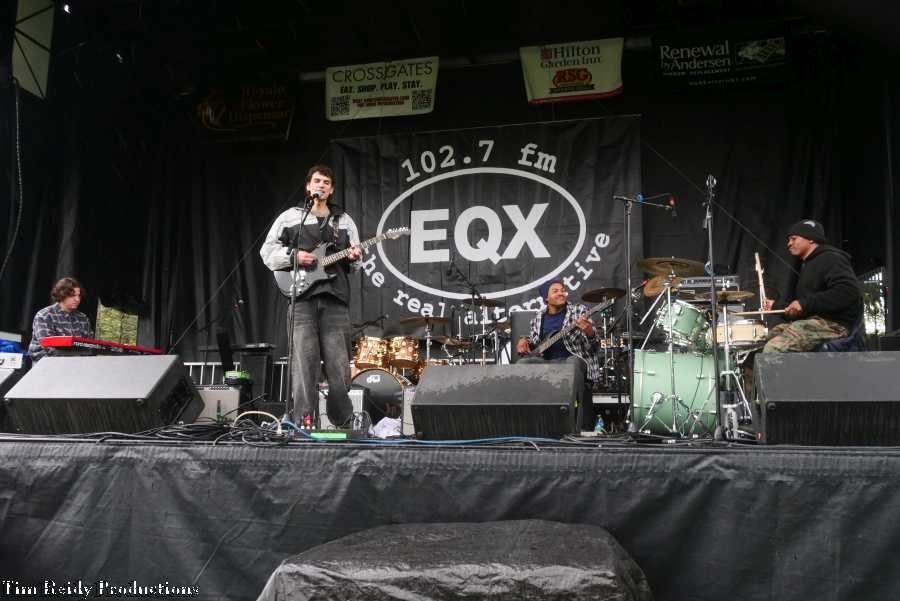
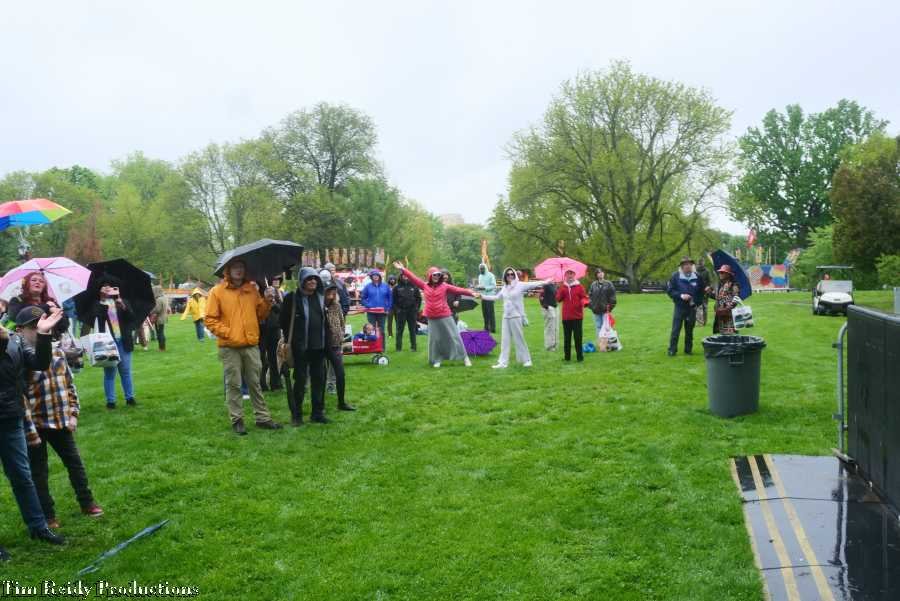
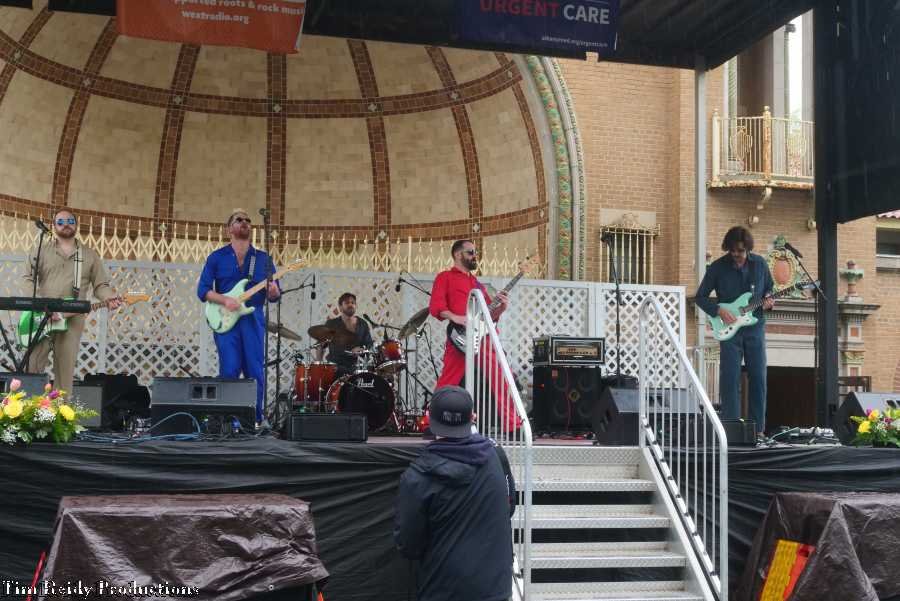
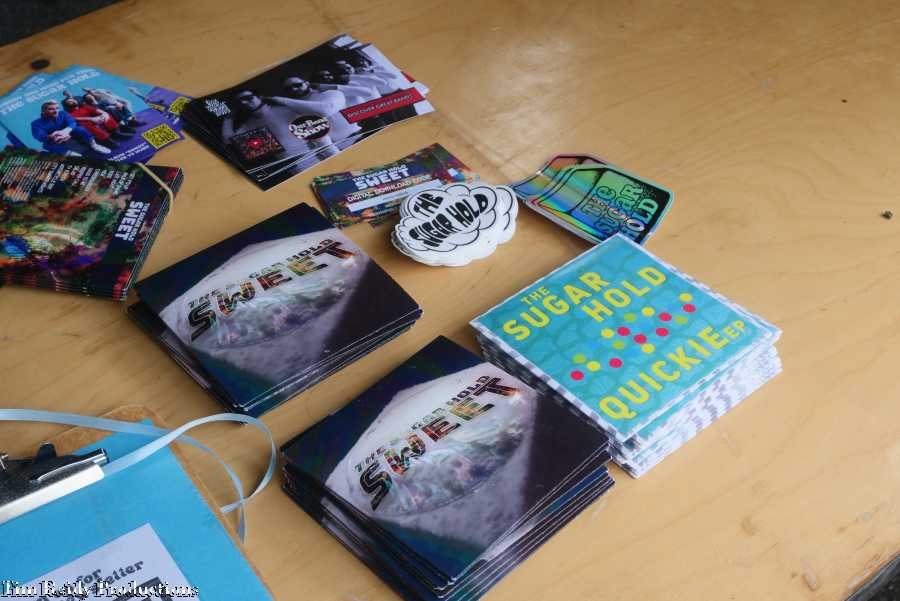
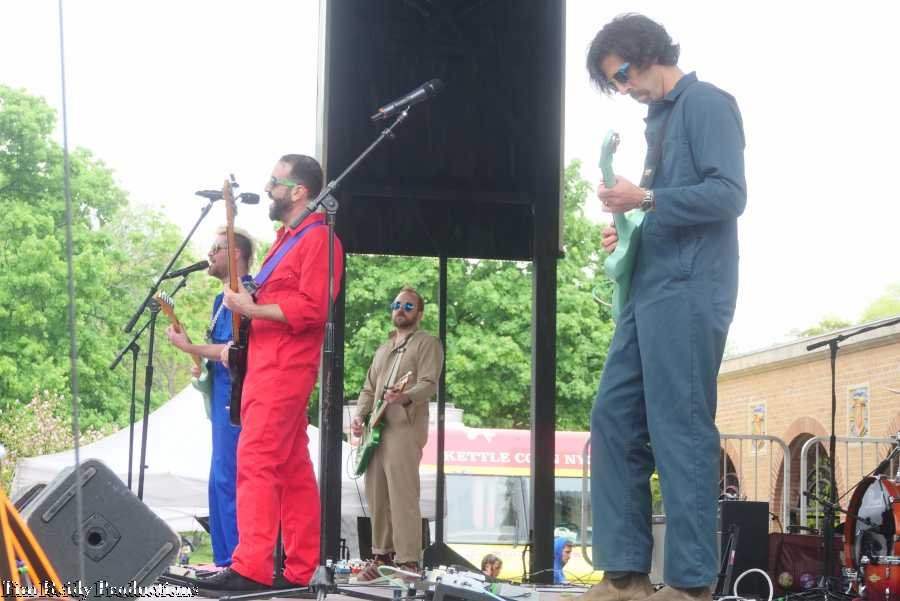
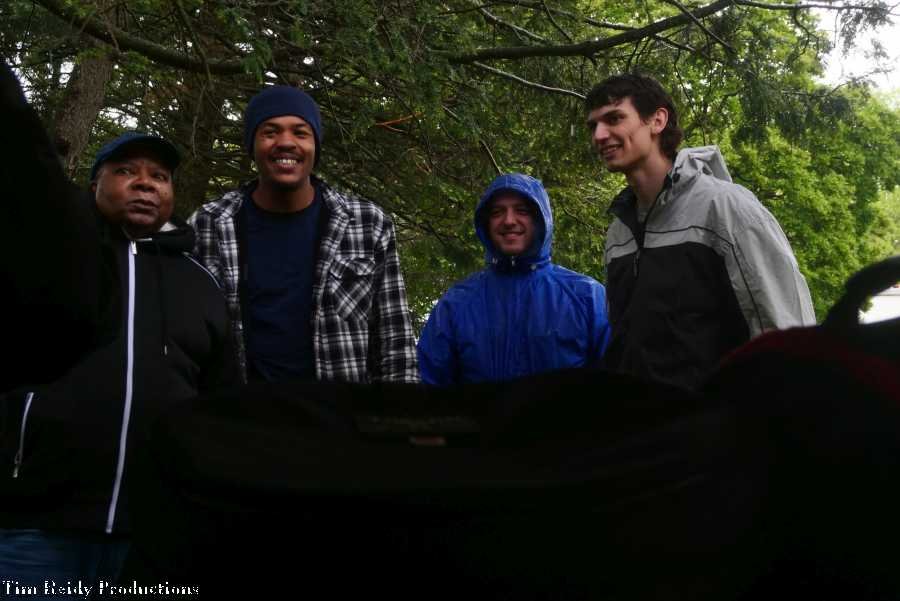
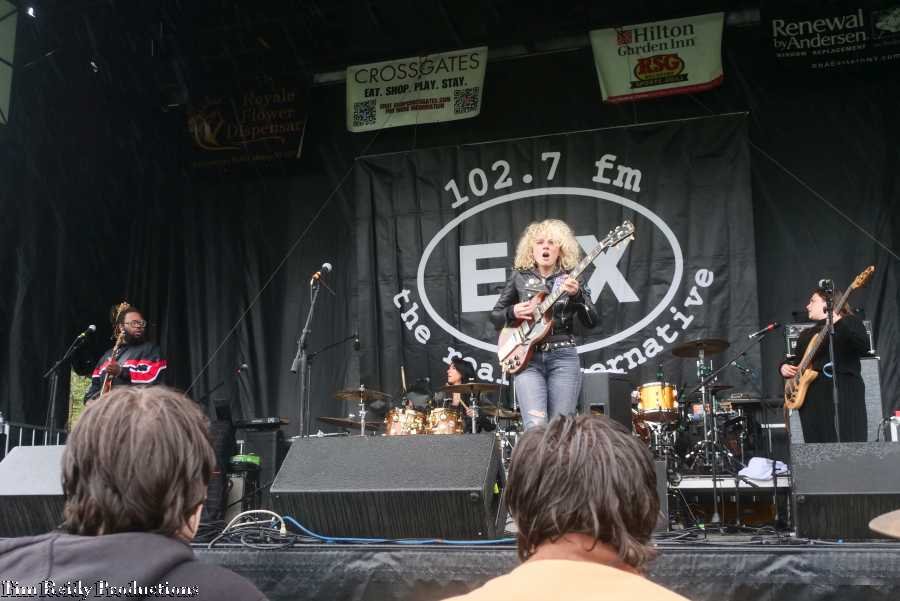
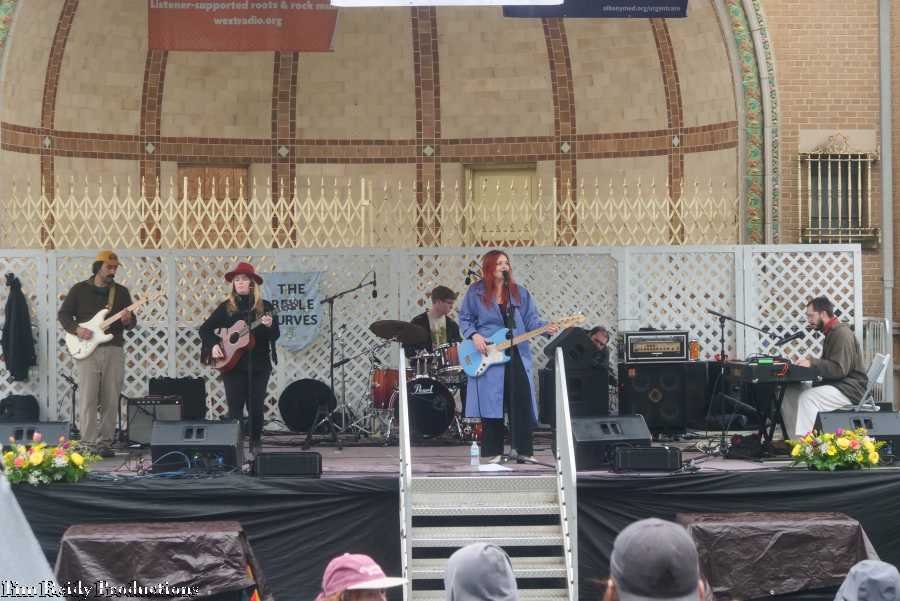
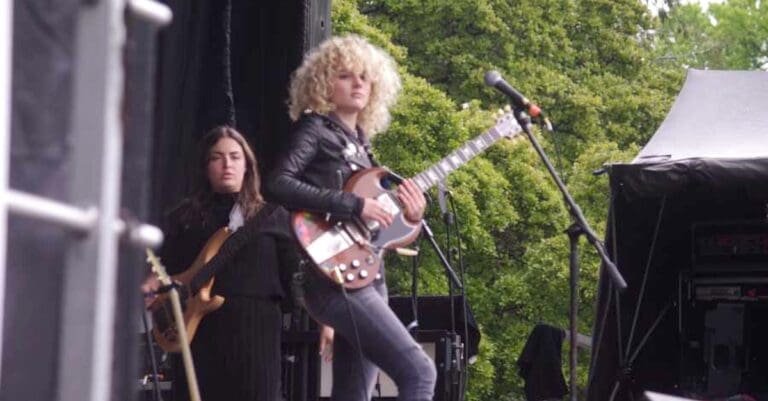
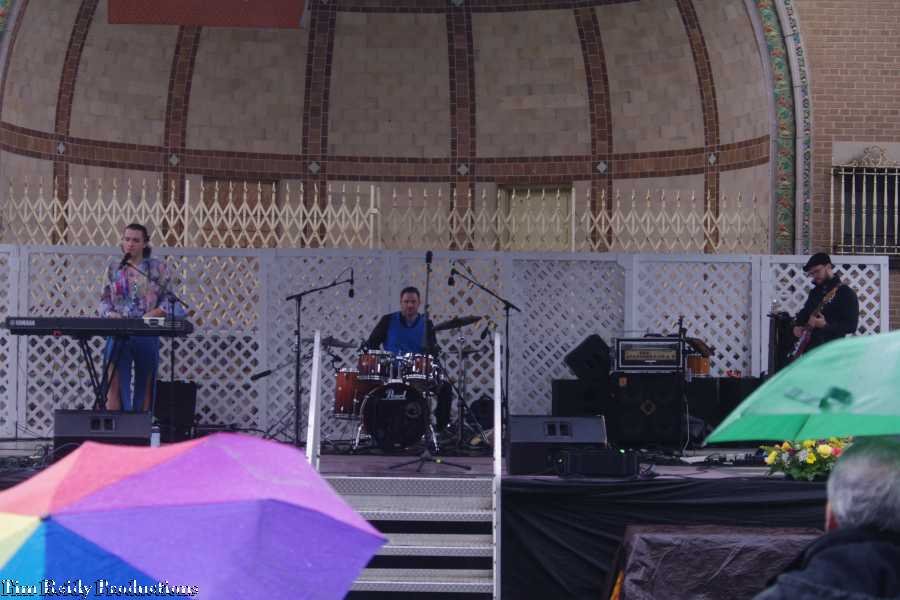
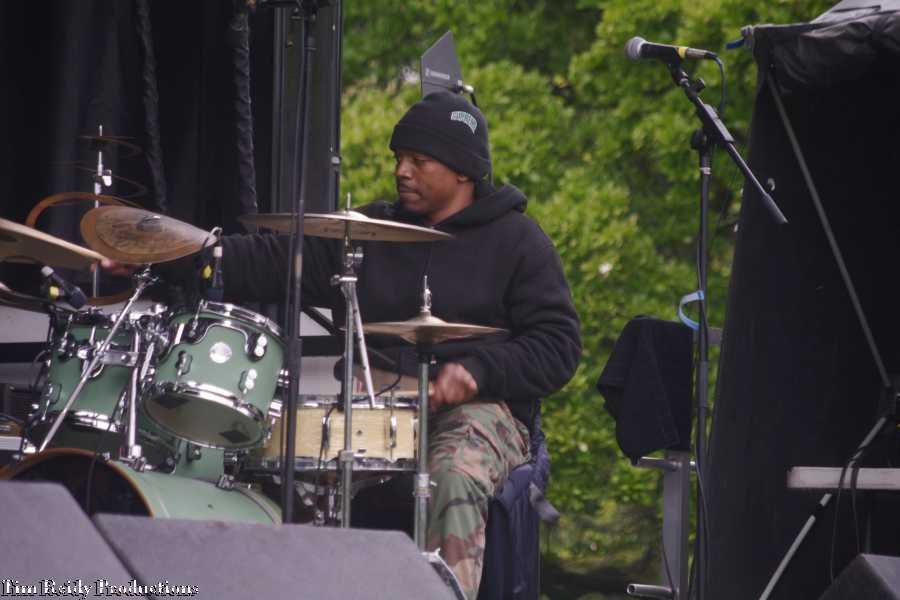
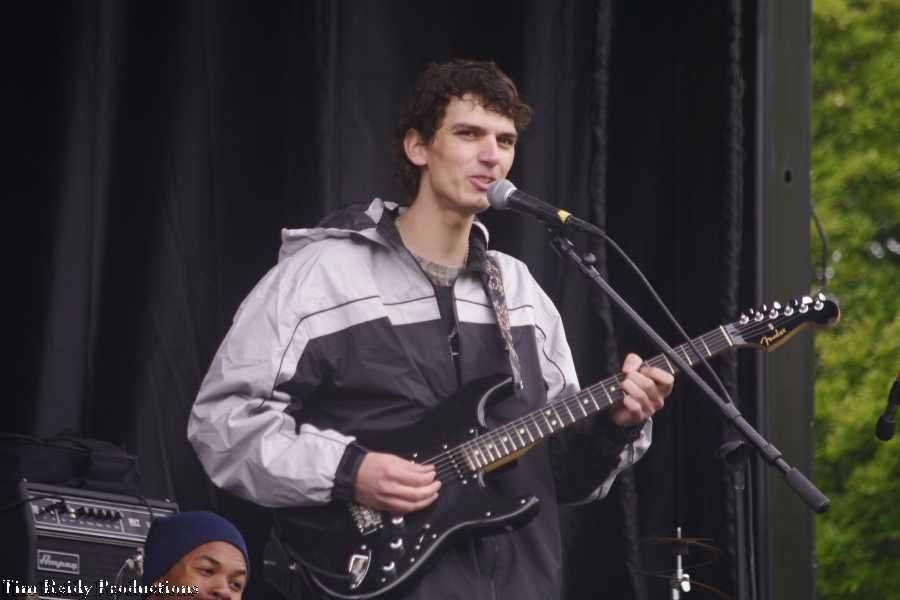
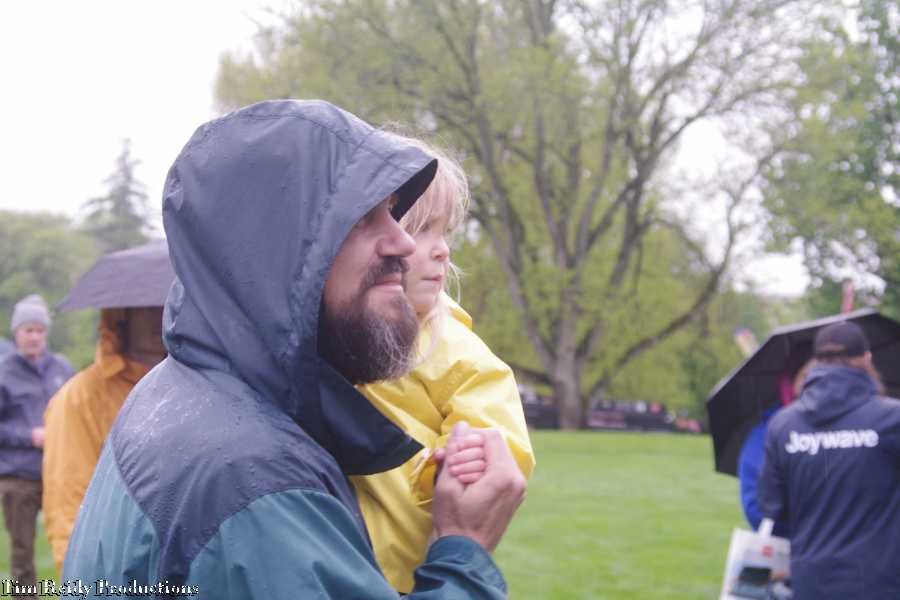
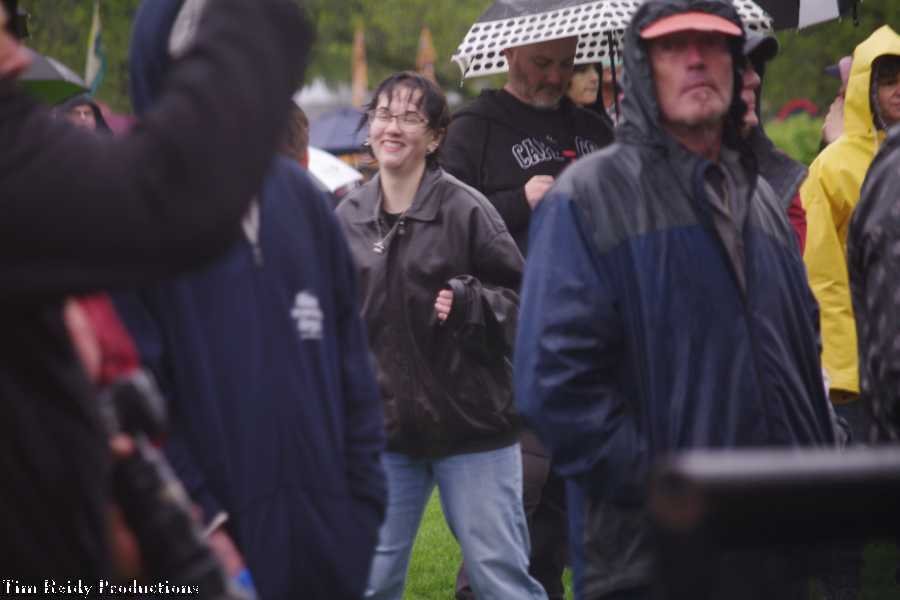
A rainy Saturday (May 9, 2026) at the Tulip Festival featured performances by Keegan James, The Sugar Hold, The Belle Curves, 97OTIS, Ruth Pelham, Andy “The Music Man,” The E-Block, Grace Bowers, and Joywave.

Photography by Timothy Reidy.

More coverage of the Tulip Festival here …

Just Announced: Albany’s Alive at 5 Line-Up!

0

Capital Region! We are so excited to announce the 2026 Alive at Five Summer Concert Series at various locations throughout Albany, starting on June 4th! Enjoy music from Jon B, We The Kings, B.o.B, You+Me & Afrobeats with DJ TGIF, Soular Sounds & Afrellie, FJ – A Tribute to Foreigner & Journey and Pigeons Playing Ping Pong! These shows are FREE and family friendly thanks to our sponsors! Music starts at 5pm

New performance announcement Angélique Kidjo at Troy Savings Bank Music Hall

0

New Performance Announcement! 

Angélique Kidjo

Saturday, September 12th, 2026 8:00PM

   Tickets: (518) 273-0038       For venue information:  www.troymusichall.org

  TROY, NEW YORK:     Grammy award winner Angélique Kidjo returns to the Troy Savings Bank Music Hall on Saturday, September 12th at 8pm. Pre-sale for the show starts Wednesday, May 13th at 10am and tickets will go on-sale to the public on Thursday, May 14th at 10am.  Learn more below about the show:

Since Angélique Kidjo first burst onto the global scene over four decades ago, her music has provided a powerful transmission of pure unfettered joy. In the last few years alone, the Africa-born artist has amassed a host of accolades proving her immense cultural impact, including winning the 2023 Polar Music Prize, landing on Time’s illustrious 100 Most Influential People list, and taking home a Grammy for Best Global Music Album for 2021’s Mother Nature (a feat that earned her Guinness World Record for most Global Music Album awards won at the Grammys, with five prizes to date).

On her new album HOPE!!, Kidjo offers up a revelatory body of work affirming her as a truly essential artist—one whose unbridled joy serves as a unifying force, a conduit for healing, and a much-needed antidote to despair in troubled times. “I started singing when I was six years old, and I’m grateful every day that I still get to live my passion and do what I love with my life,” says Kidjo, who hails from the West African nation of Benin. “At the same time I know that many people struggle to find joy, especially when there’s so much to worry about in our world today. With this album I wanted to put some fire back in people’s hearts, and show how much we need that joy and hope to keep our humanity going.”

Tickets are on sale at 10am, May 13th to Troy Savings Bank Music Hall Members.  Anyone can become a member and gain access to the pre-sale.  Single tickets go on sale the general public Thursday. May 14th at 10am  via phone, (518) 273-0038, in person, or online at  TroyMusicHall.org.  More information on the Troy Savings Bank Music Hall and upcoming programs is also available on the website at www.troymusichall.org.

Trevor Collins – An Xperience Interview

0

By Charla Earney.

A Journey of Self-Belief

Troy’s Monument Square sits at the center of the city like a small cultural heartbeat. Preparing for an interview invokes within me a certain kind of curiosity that requires my attention and presence. From a corner of the triangular plaza, you can look up at the statue perched atop the monument: a woman raising a trumpet toward the sky. I had passed through the square countless times over the years, but on that morning, I was moving at a different pace and thought New York strikes me as a little irrational. Late winter will offer warmth and sunshine, a hint that spring is finally on its way, then a few days later, it reminds us that we misunderstood the arrangement entirely. The cold simply waits patiently behind the curtain, apparently with a very good memory. As the warm weather shone through, a single sentence had been circling in my head: When one’s own self-belief becomes mandatory, one’s own truth becomes a liability. It’s a complicated thought, maybe more complicated than it needs to be at 11 a.m. in Monument Square. But the idea and phrase lingered. We move through life with a set of well-maintained self-beliefs, adjusting them as we go without even realizing it. And sometimes we quiet the voice that asks the simplest questions: Why? Who? What? When? It is the voice of curiosity.

A teacher once pointed out that people often move through life without really noticing what is in front of them. Some individuals, however, tend to notice things. They slow down. They listen. They pay attention. They get curious. That ability to hear, listen, and learn is part of what defines local artist Trevor Collins. For Trevor Collins, music did not begin with a dramatic moment. There was no grand stage, no sudden revelation. It began quietly and curiously. There was simply a guitar in the house. “My dad had a guitar in the basement,” Collins told me. “He didn’t really play much. Maybe a couple chords. But that’s how I first got my hands on one.” That guitar, a Silvertone electric, became Trevor’s introduction to music. His parents were not active musicians, but they recognized curiosity when they saw it. The instrument opened a door.

Later, when Trevor bought his first guitar for himself, he chose an acoustic Takamine, known for its rich tones and reliability. It’s the kind of guitar that doesn’t try to impress you at first glance, but wins you over the longer you listen to the warmth it is known for. Like most musicians, Trevor did not learn through a single path. His playing developed through a mixture of influences, experimentation, and a staggering number of hours spent practicing. “It’s a combination of listening to music my whole life and picking things up from people I idolize,” he said. “And then there’s just sitting at home practicing, trying to figure parts out.” No shortcut there. No secret formula, just time and repetition, which is less glamorous but significantly more effective. From a writer’s perspective, it is simply impressive. But practice alone only gets you so far. “What really rounds it out,” he added, “is playing with other people.” Collaboration changes everything. Add a drummer, another guitarist, maybe a keyboard player, and suddenly the music becomes a conversation rather than a monologue. “That influences where you go,” Collins explained. “What the other players are doing shapes your sound.”

In his early years, Trevor played mostly with a pick. Fingerstyle guitar came later, during his twenties, inspired in part by players like Mark Knopfler and Tommy Emmanuel.

“Fingerstyle lets you tell a story,” Collins said. “You can play the bass line and the melody at the same time. It’s almost like playing piano.” He eventually developed a hybrid technique, part pick playing, part fingerstyle, that allows him to shift seamlessly between the two. Sometimes, mid-song, he literally folds the pick into his palm so he can transition to his fingers. (So cool to watch!) He admitted with a laugh that it took a long time to learn, which felt like a polite understatement. Unlike some fingerstyle players who rely on long fingernails or thumb picks, Collins prefers direct contact. “I like the feel of skin on the strings,” he said. “I use my fingertips.” Years of playing have left their mark: calluses that make contact effortless and allow him to play with both precision and control.

When the conversation turned to gear, a topic that can easily consume guitarists for hours, Collins offered a refreshingly honest perspective. “People obsess over equipment,” he said. “But honestly, it’s eighty to ninety percent your hands.” That realization tends to arrive right after someone buys something expensive. “You need decent gear, so nothing falls apart on stage,” he added. “But your technique drives your tone.” In other words, the guitar matters. But the player matters more.

If guitar playing is the craft, songwriting is the puzzle. For Collins, music almost always comes first. “The guitar part comes pretty quickly,” he explained. “The lyrics can take ten times as long.” Rather than writing about a single moment or relationship, Trevor tends to build songs from several pieces of real life. “A lot of times a song is a composite,” he said. “One line might come from one experience, another from somewhere else.” Listeners, of course, hear something different. A song that feels intensely personal may be built from fragments. That ambiguity is part of what makes music powerful. It leaves room for interpretation, for someone else to step in and make it their own.

Trevor’s life eventually expanded beyond music. Adulthood has a way of rearranging priorities, usually without much warning. Creative pursuits often get pushed aside—not because they lack value, but because life demands stability. Bills tend to be very persuasive. Trevor stepped back from performing regularly during those years, but he never truly stopped playing. “It’s always been my stress release,” he said. “I’ve never stopped playing at home.” Music remained part of his life, even when it wasn’t part of his public identity. During one of our conversations, Trevor described himself as shy. That may surprise people who have seen him perform, because the confidence he displays on stage suggests something different. But confidence and belief are not always the same thing.

For years, Trevor supported other musicians. He played in bands. He contributed his skills to other projects. Standing in the spotlight himself was not something he felt ready to do. “I just didn’t think I was good enough,” he admitted. That belief can saturate a person and is more common than they’d like to admit. Eventually, the right beliefs began to surface and ask the right question:

Why not me?

That question led Trevor to a stage much farther from home. After winning the Capital Region Blues Network competition, he earned the opportunity to travel south to compete in the International Blues Challenge in Memphis, Tennessee. The event draws musicians from around the world. Trevor performed in the quarterfinals at Pig on Beale, a lively barbecue restaurant along the famous Beale Street strip, and later at King Jerry Lawler’s Hall of Fame Bar and Grill, a venue that manages to celebrate both wrestling and music, which feels uniquely appropriate for Memphis.

 “It was an incredible experience,” Collins said.

The experience was less about trophies and more about standing among fellow musicians who share the same devotion to the craft. Collins often references guitarists like Tommy Emmanuel, who reminds audiences that dedication matters more than raw talent. “If you practiced as much as I did, you’d be just as good,” Collins said, paraphrasing. It’s an encouraging idea, right up until you consider how many hours that involves. After years of supporting other musicians, Collins is now focusing on building his own project as a solo artist while gradually expanding toward a full band. “I’m doing a lot of solo acoustic shows right now,” he said. “But my goal is to build a consistent band and start doing more studio work.” He already has new music on the way. His acoustic single “Carry On” was released on March 31, a fitting title for an artist who never truly stopped playing, even during the quieter years.

For Trevor Collins, music never vanished. It was simply waiting. If you happen to be around town, looking for the blues, make a point to hear Trevor Collins. You might recognize something familiar in the sound. You will hear the work of thousands of hours, certainly. I heard something else. I heard tell of the moment a person stepped out of their own self-limiting belief into curiosity. Then he listened and responded to a simple question: Why not me? 

When you hear Trevor Collins play, you no longer wonder why. You simply know.

Albany Tulip Festival – Day One

0

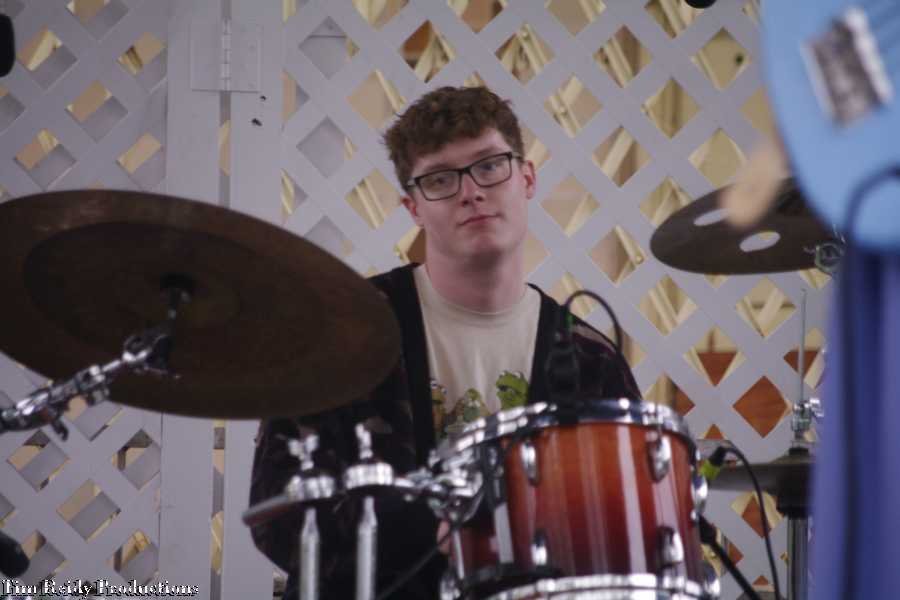
A rainy Saturday (May 9, 2026) at the Tulip Festival featured performances by Keegan James, The Sugar Hold, The Belle Curves, 97OTIS, Ruth Pelham, Andy “The Music Man,” The E-Block, Grace Bowers, and Joywave.

Photography by Timothy Reidy.
More coverage of the Tulip Festival here …