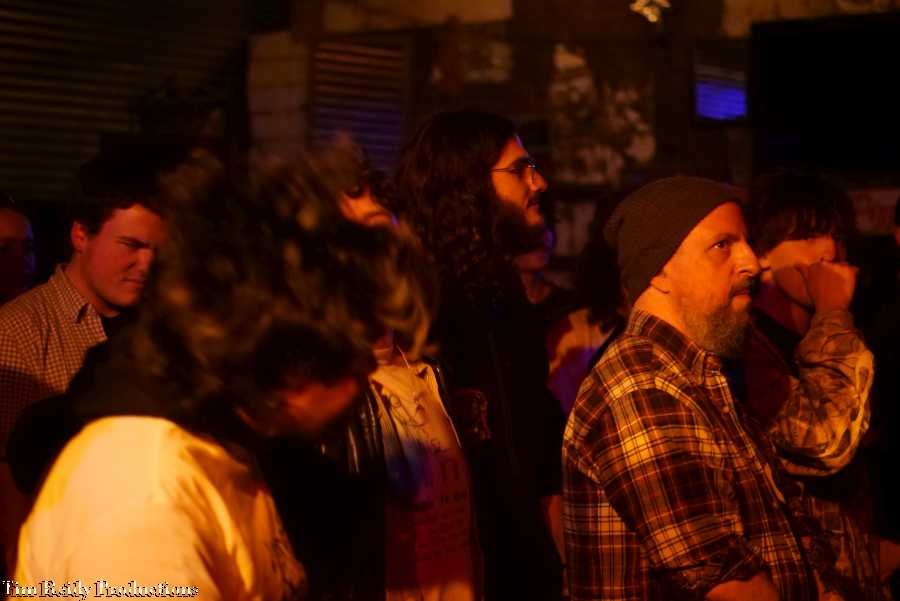
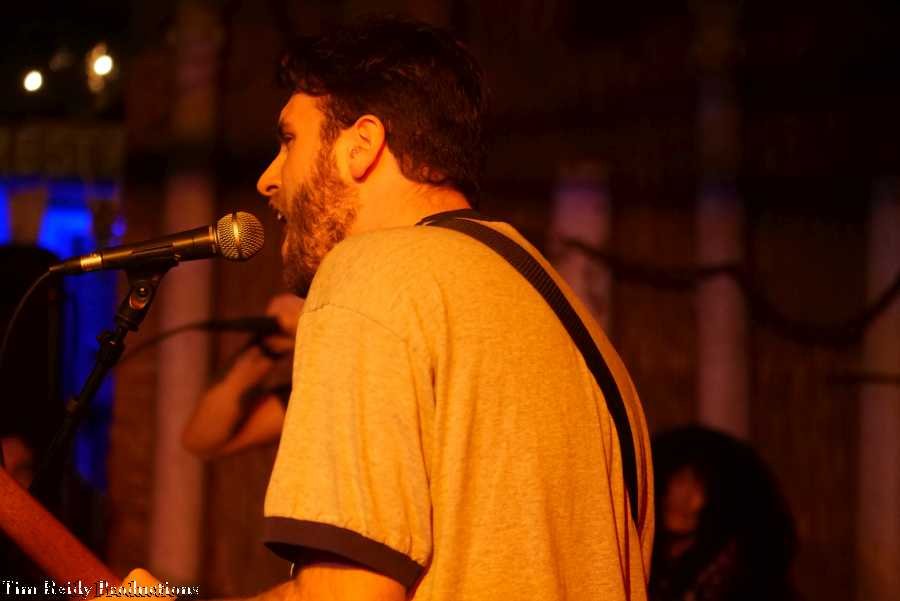
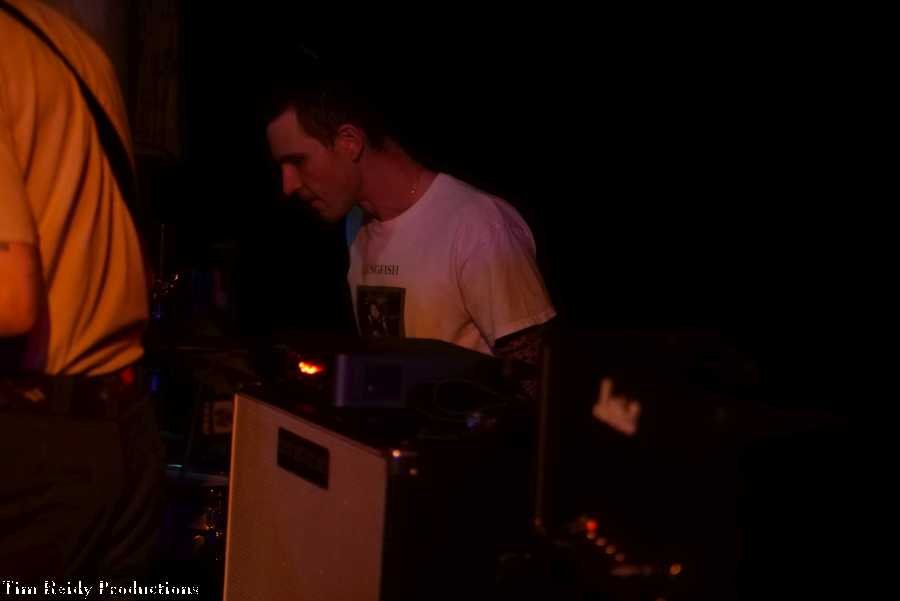
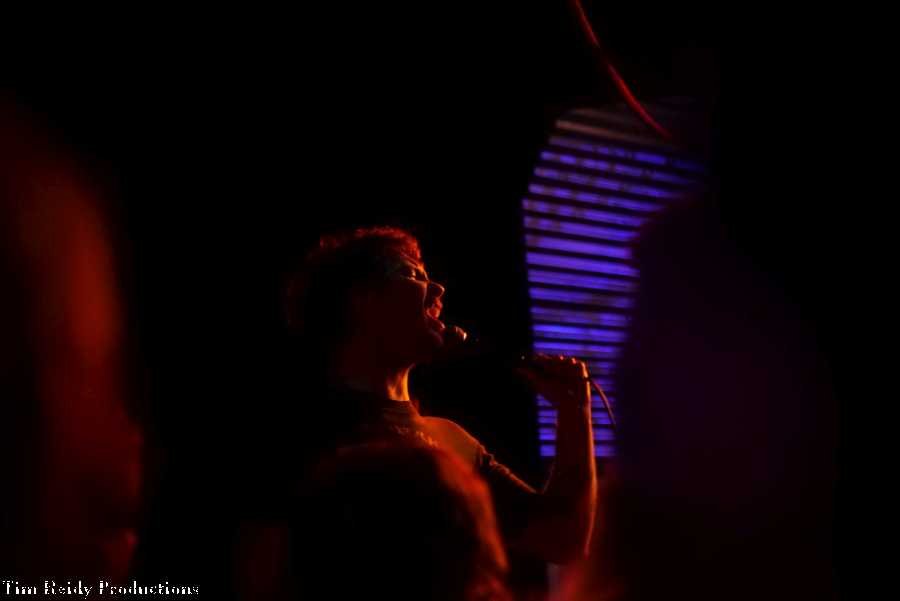
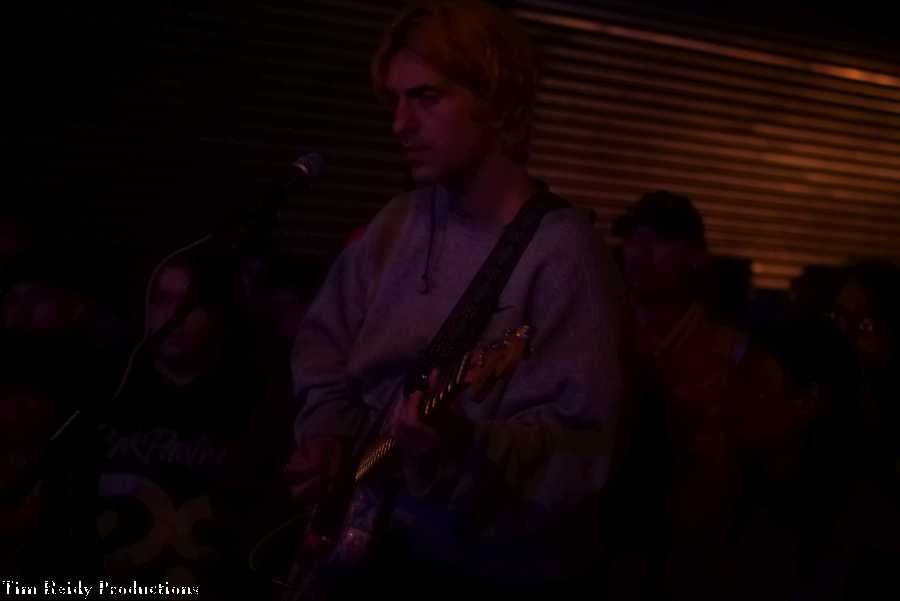
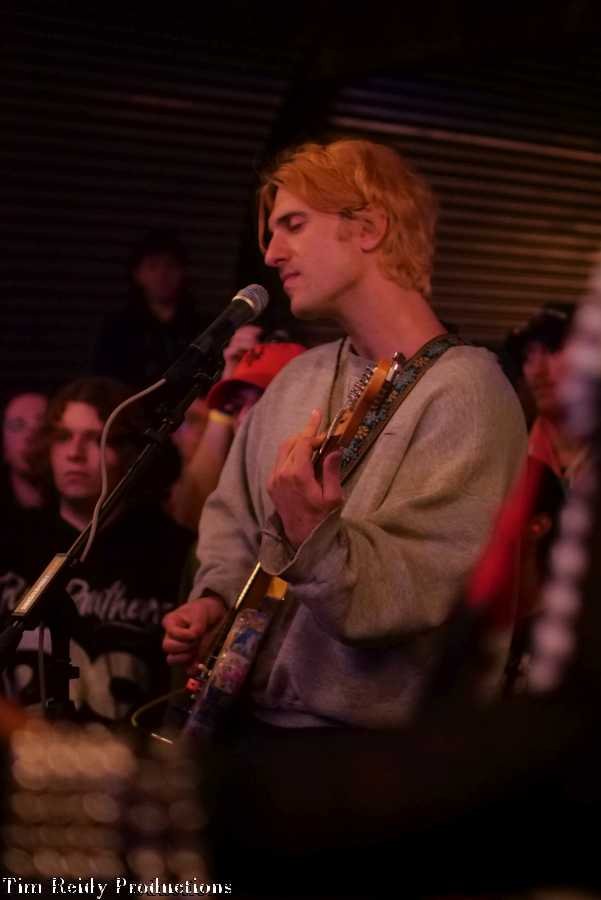
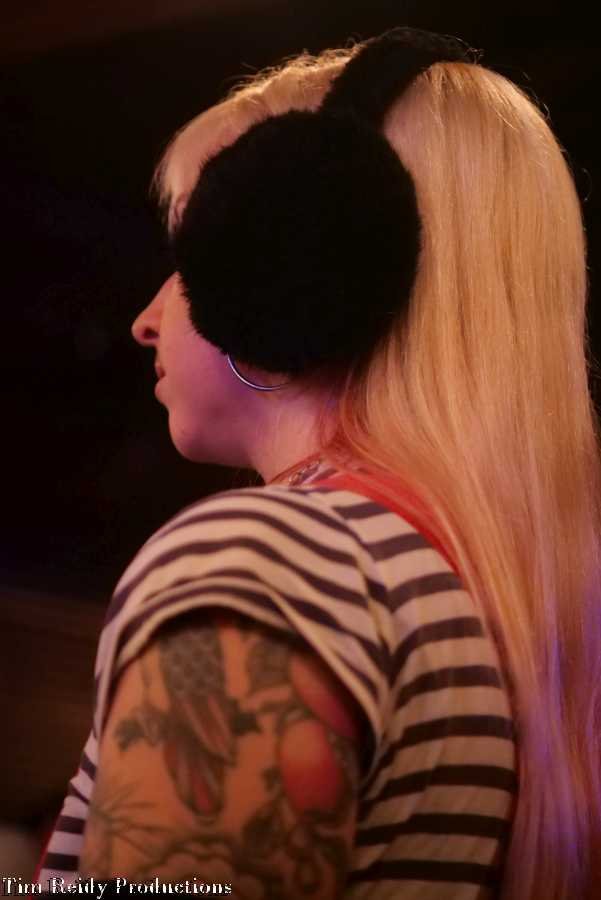
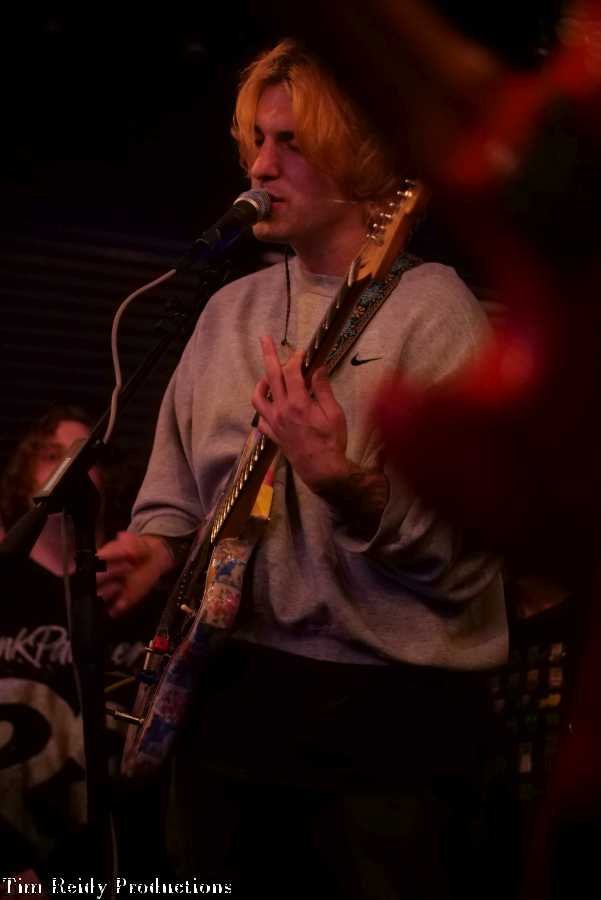
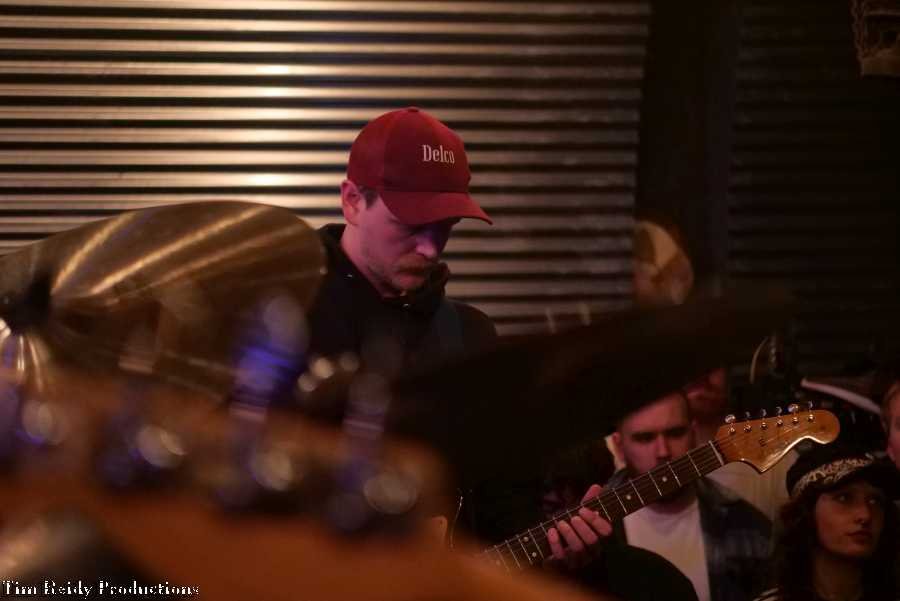
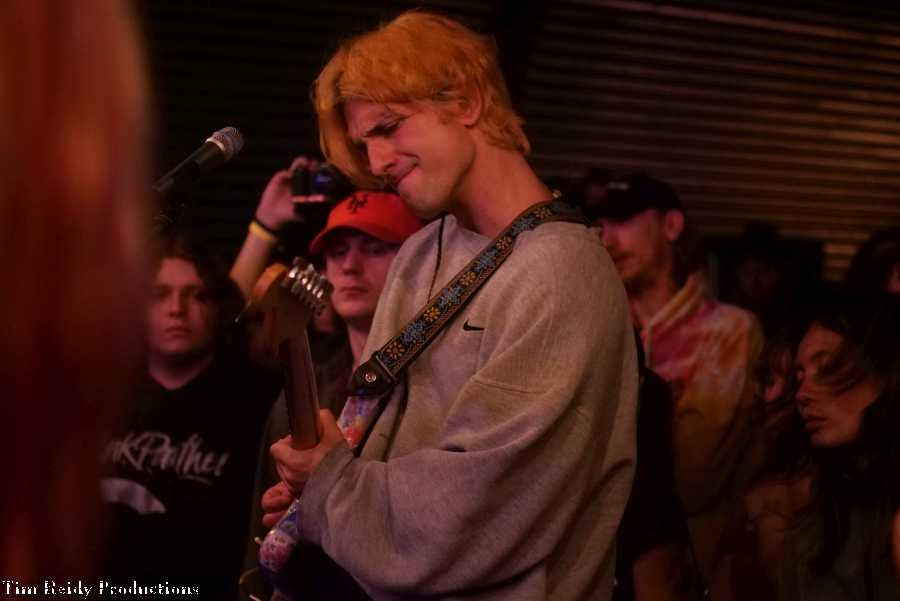
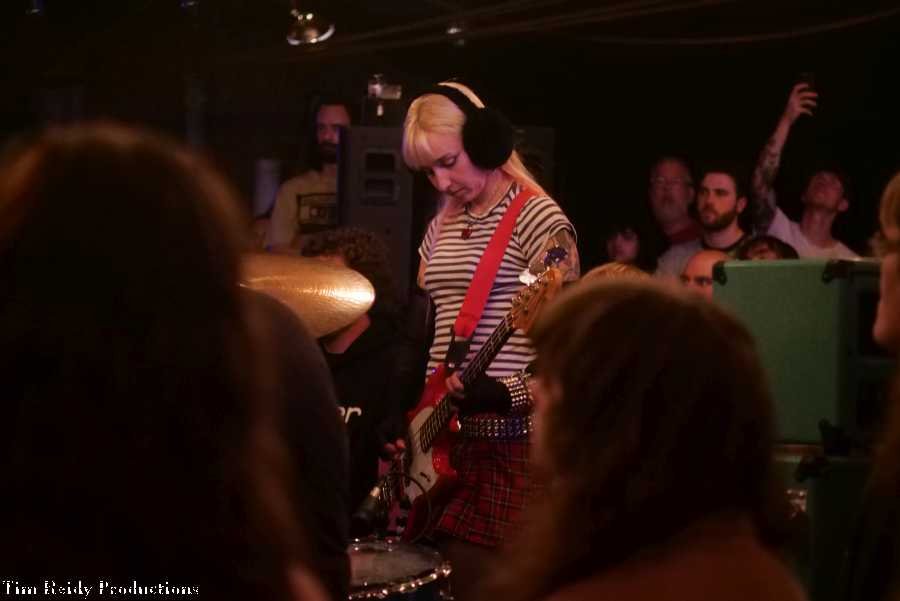
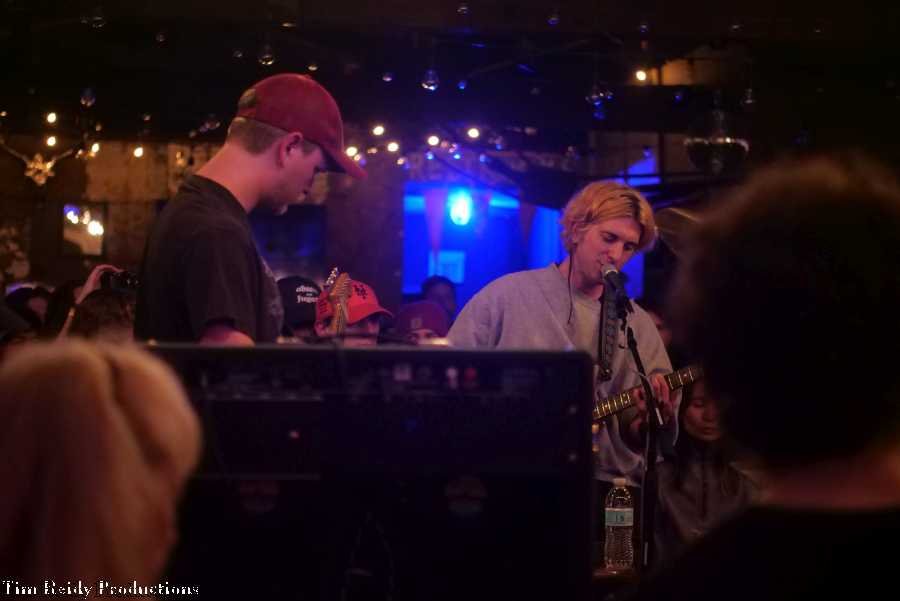
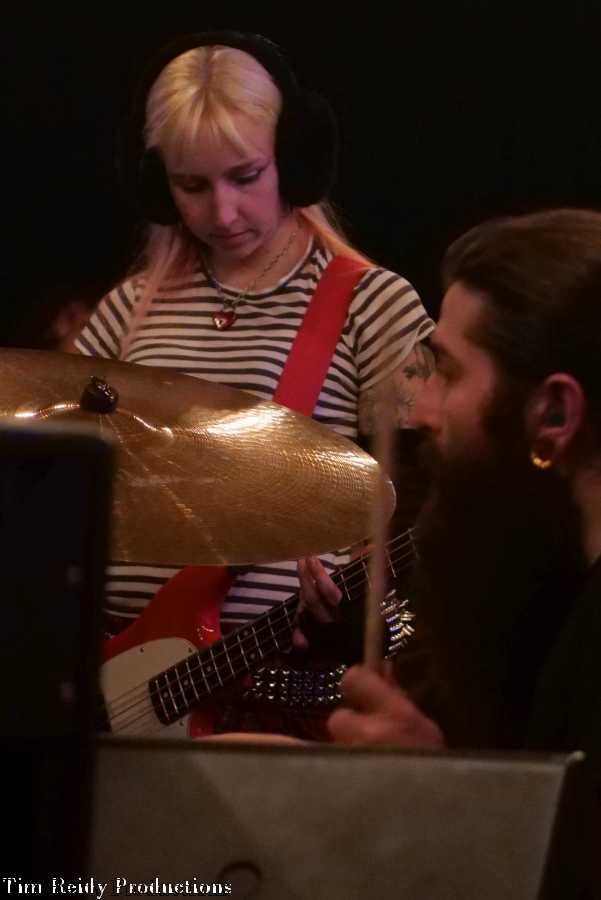
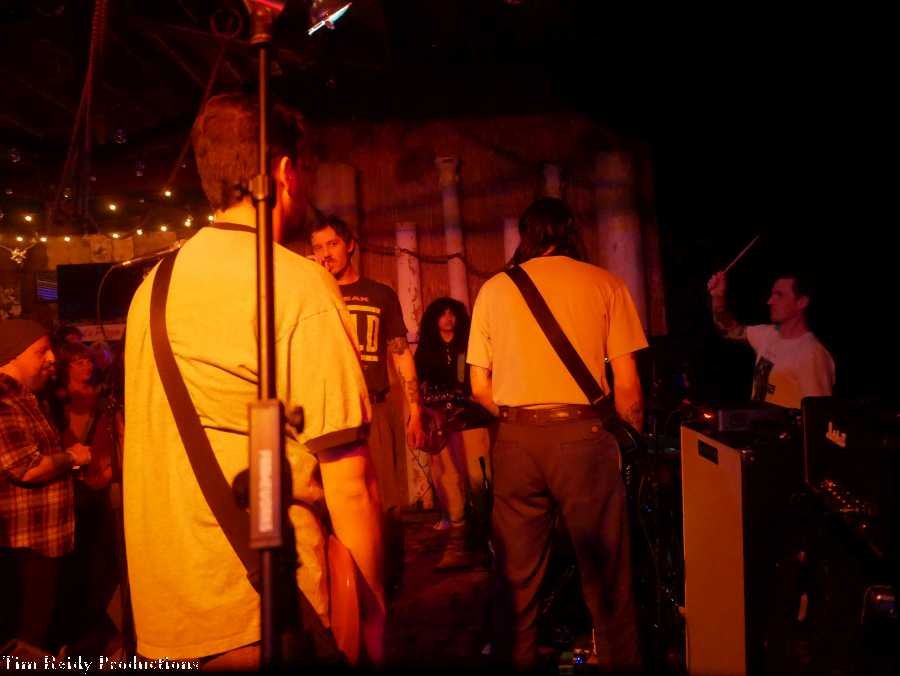
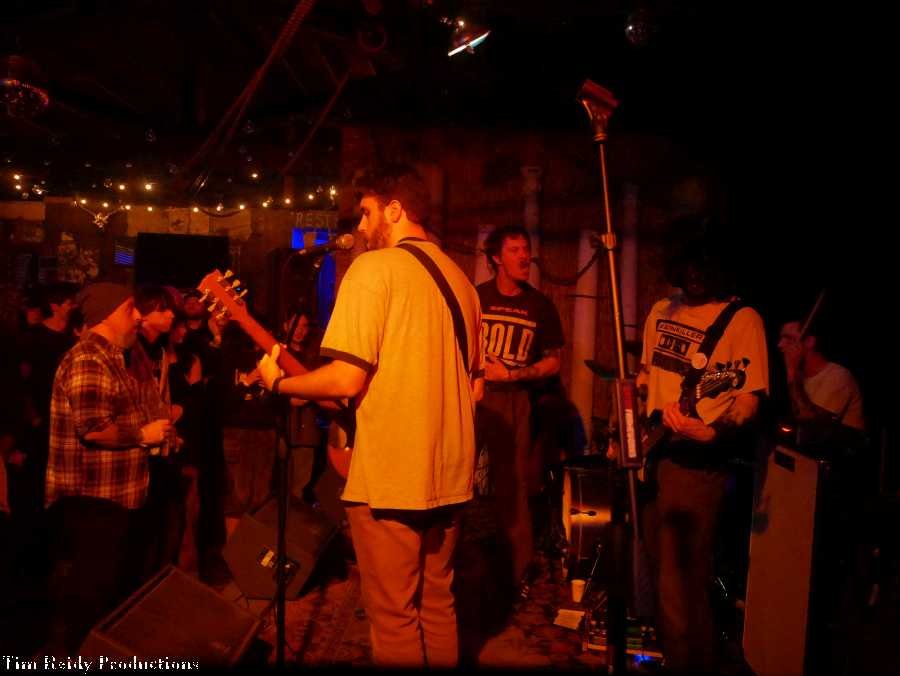
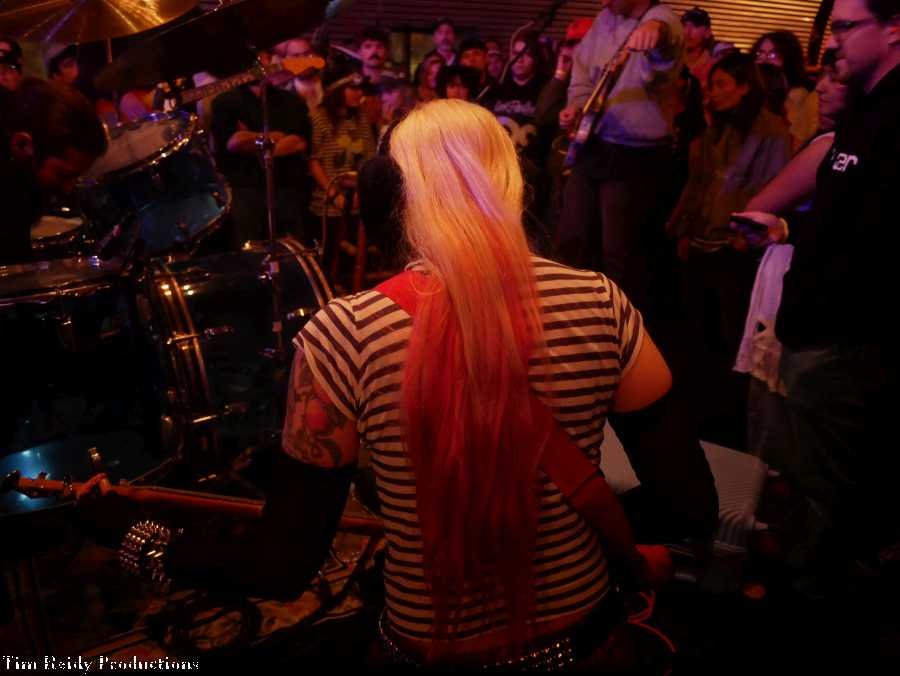
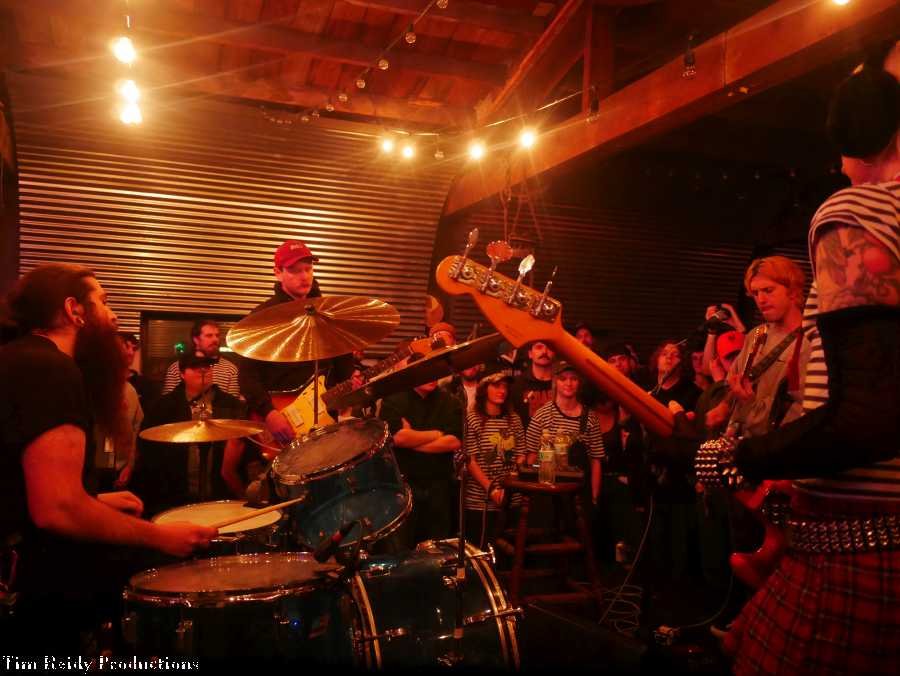
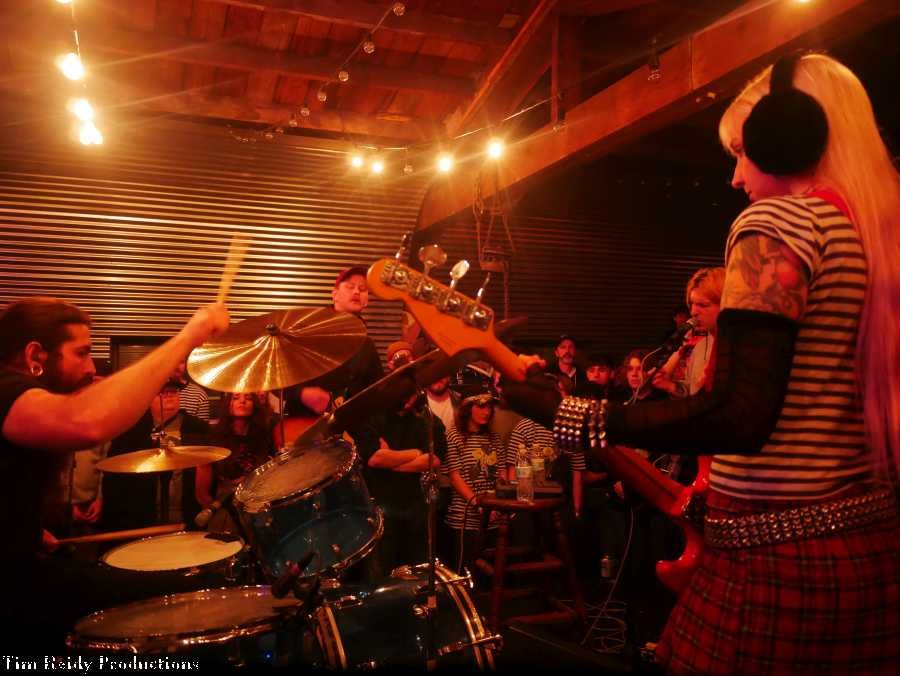
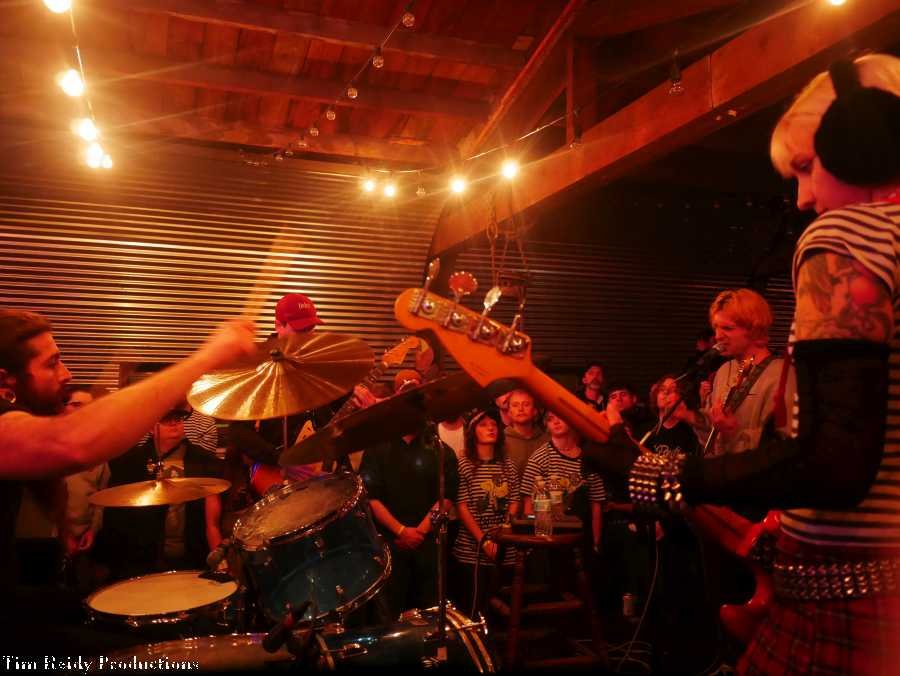
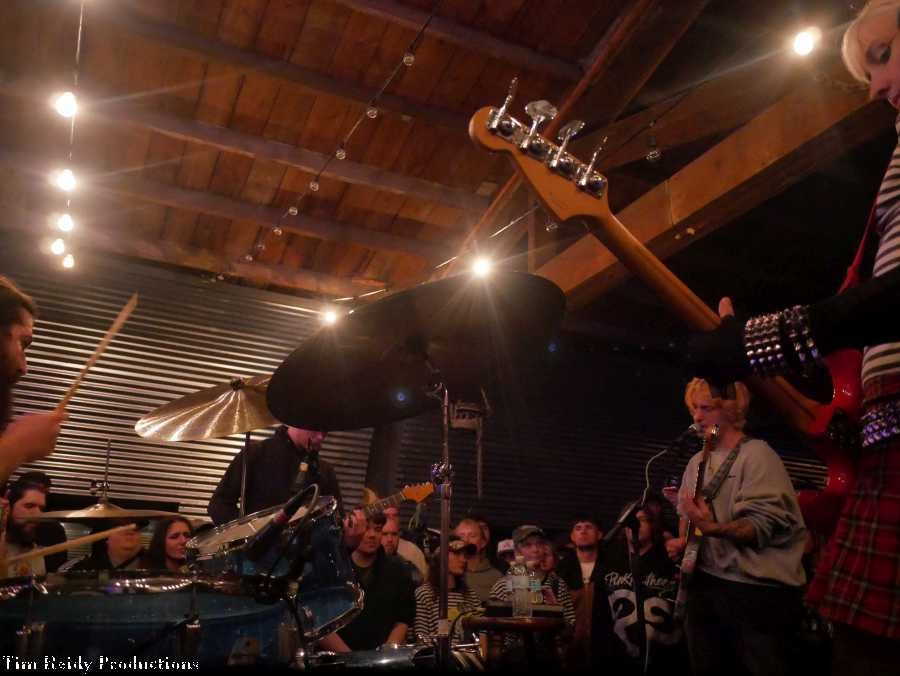
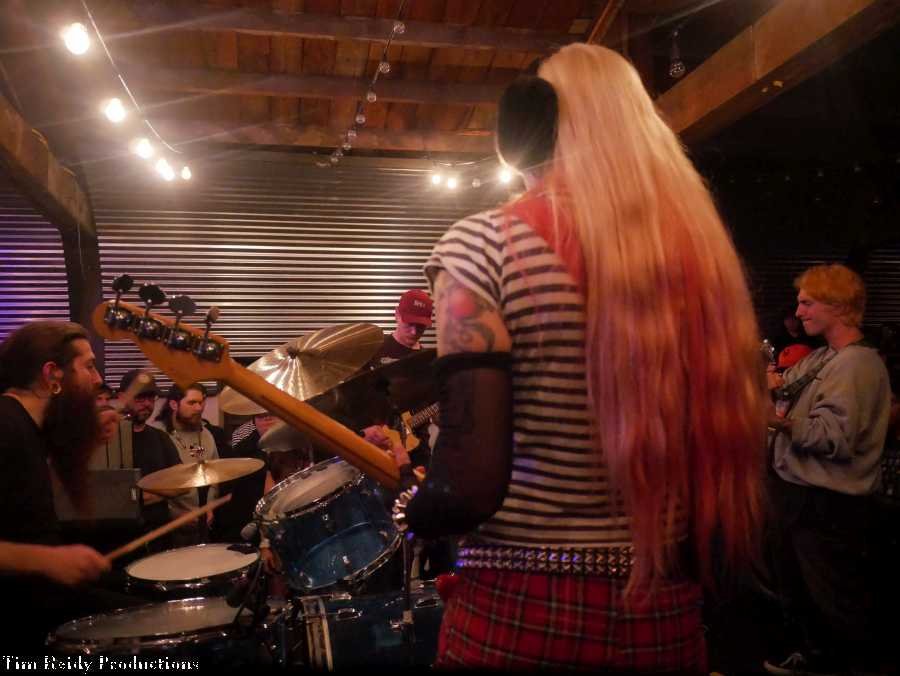
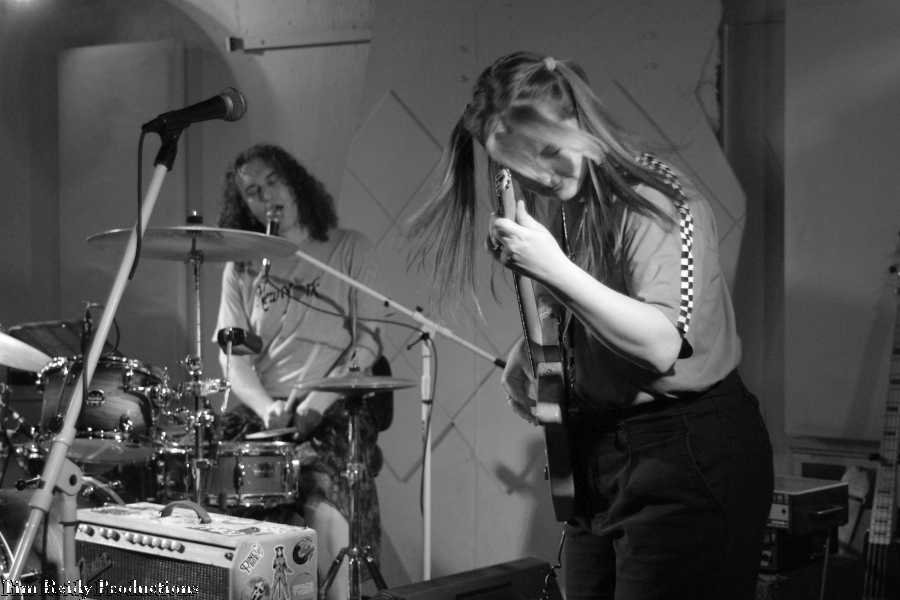
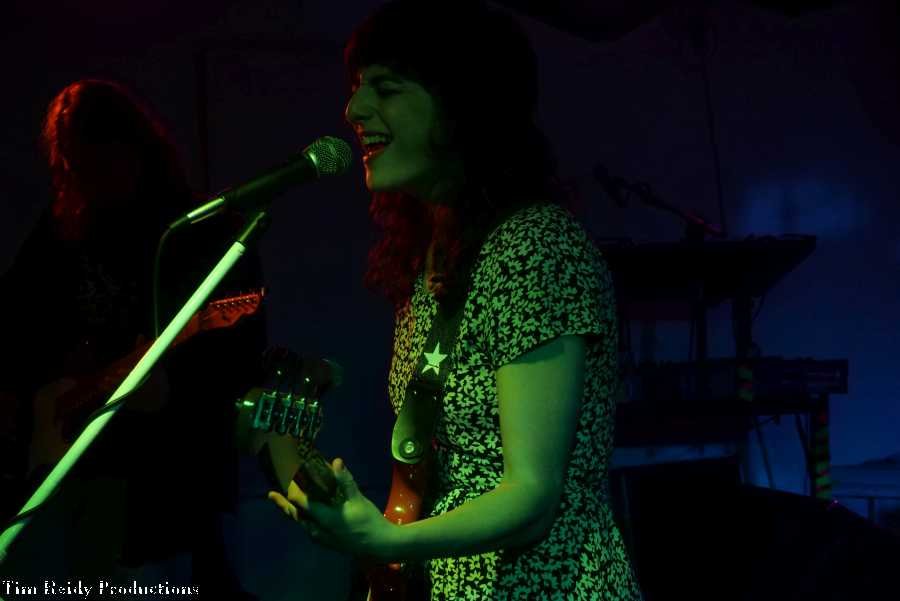
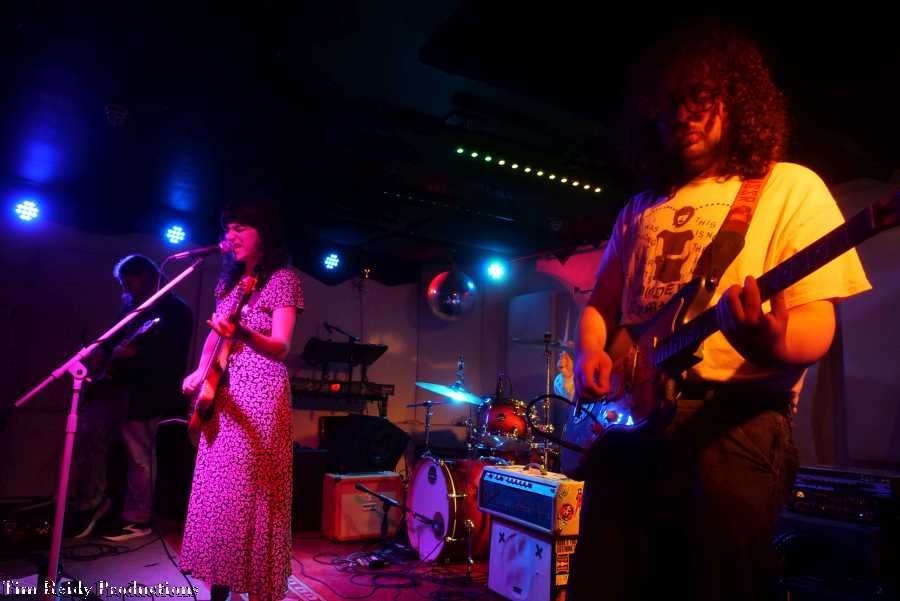
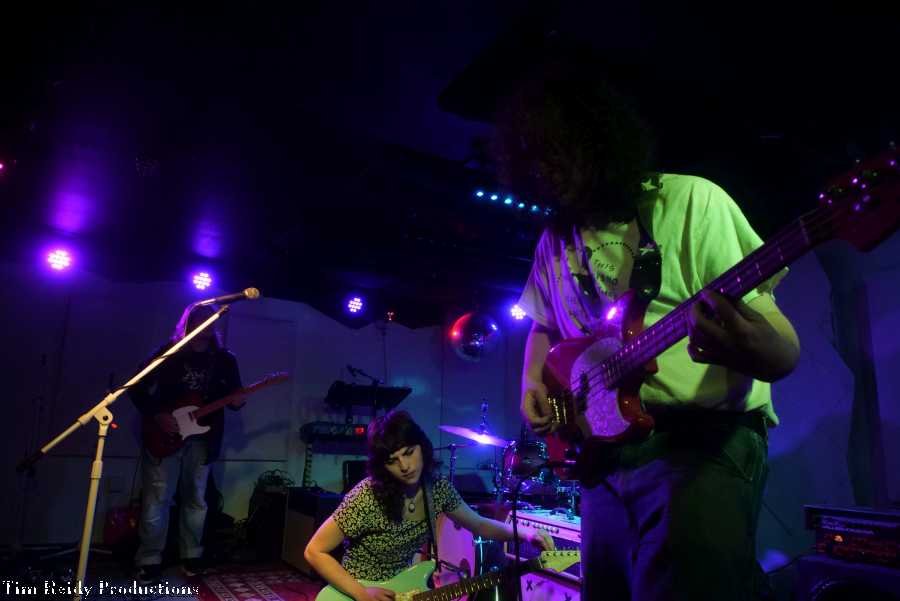
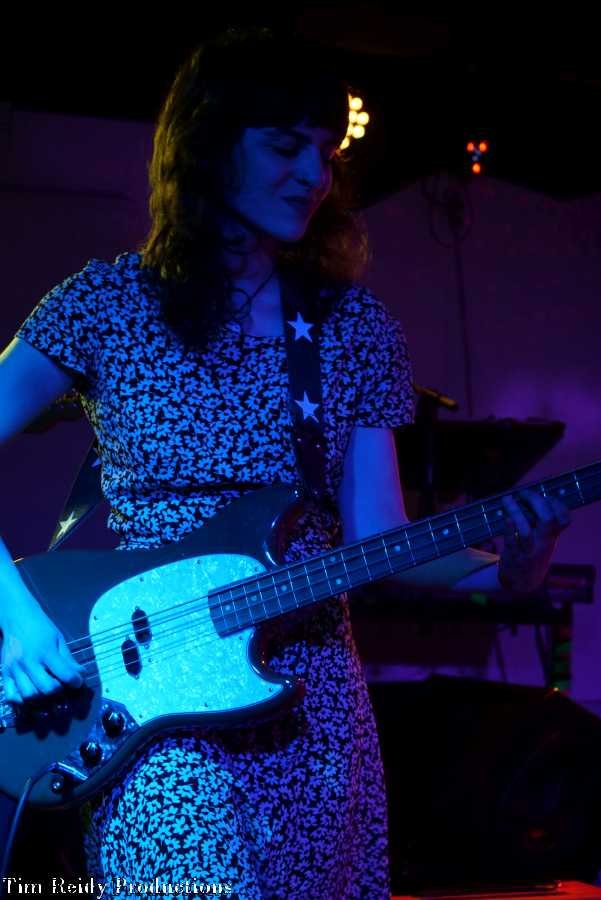
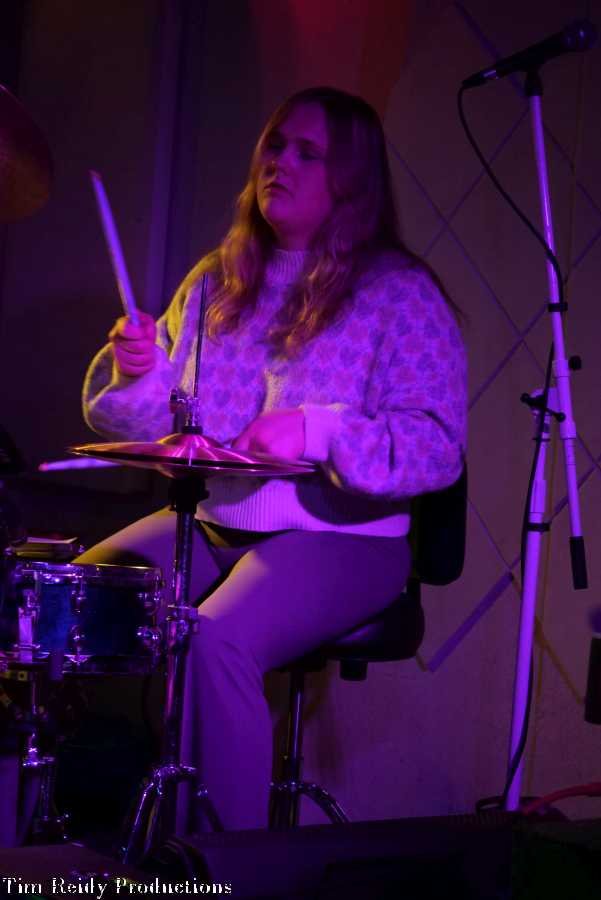
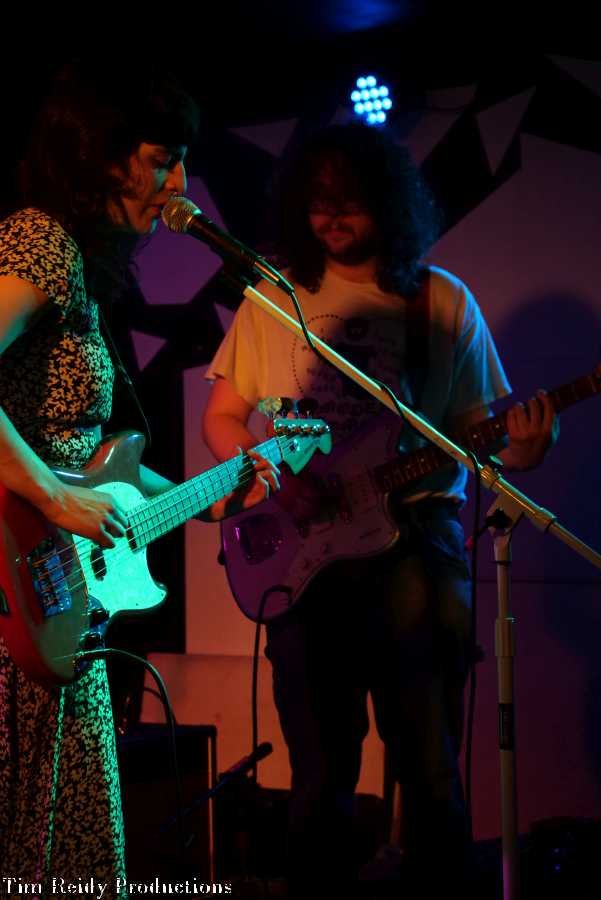
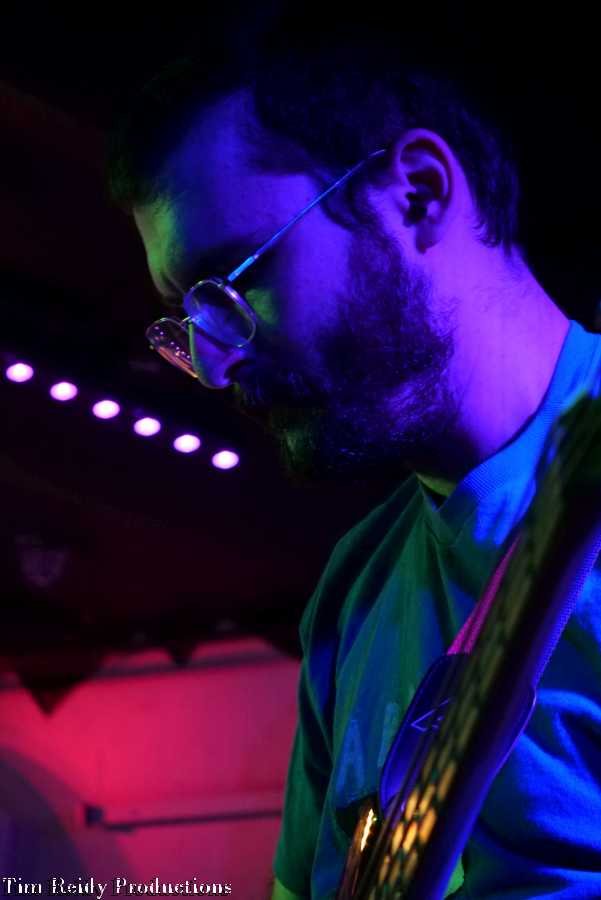
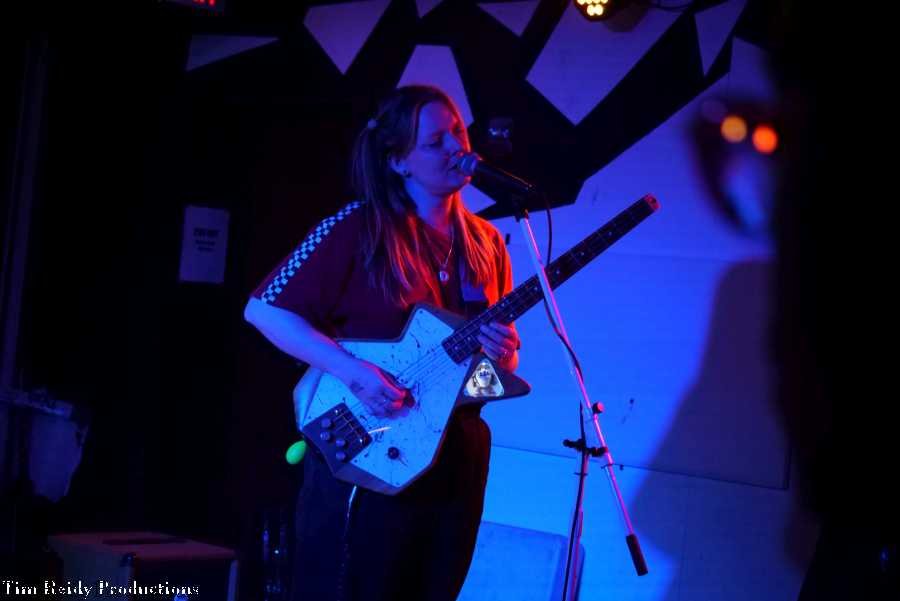
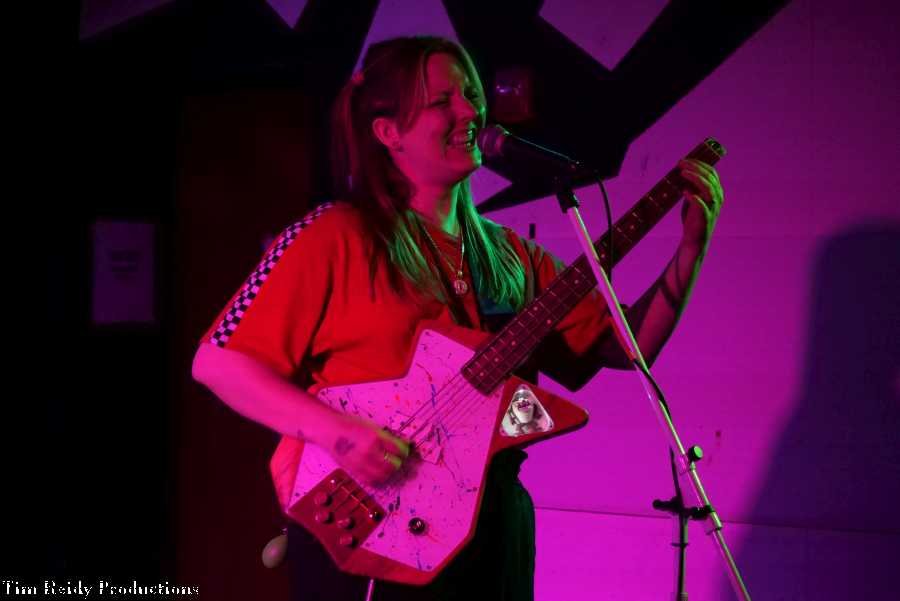
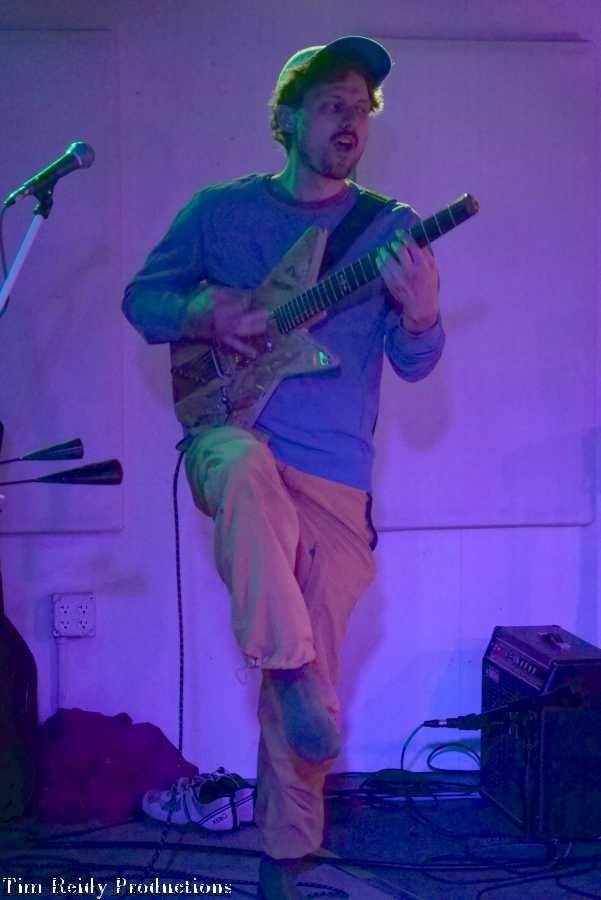
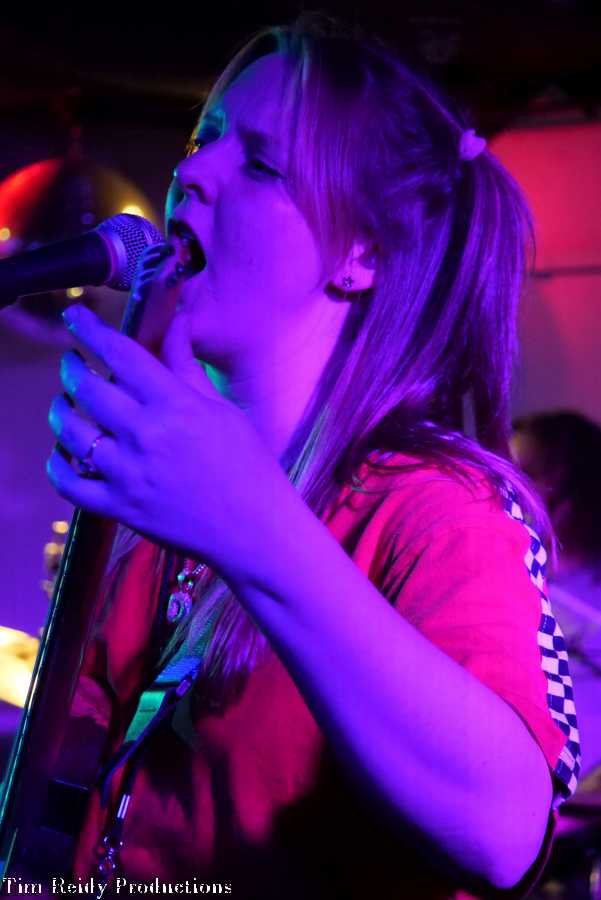
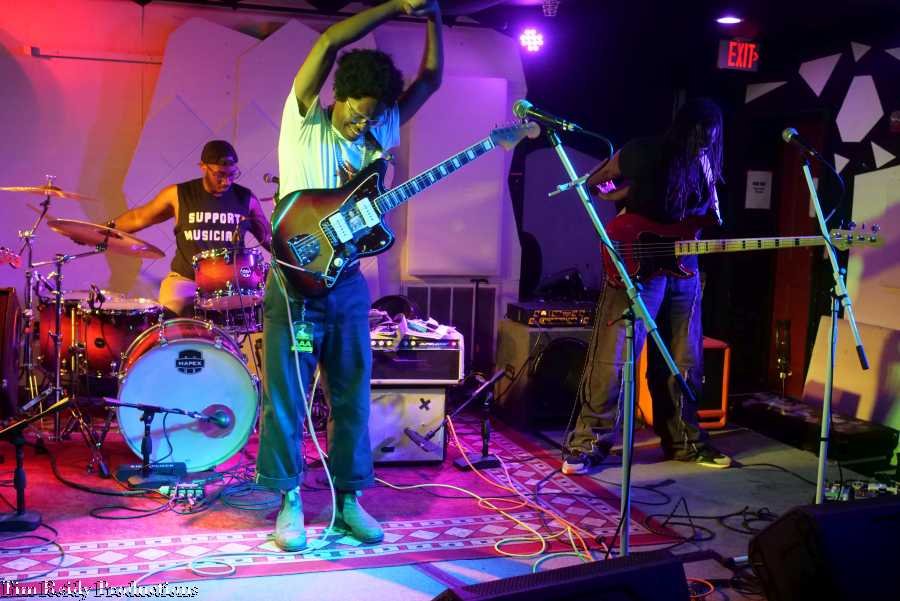
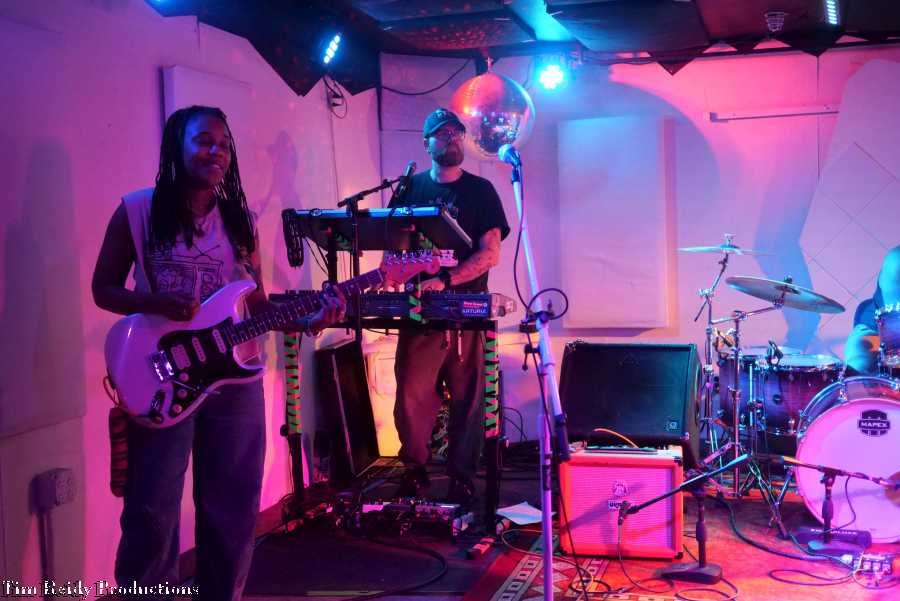
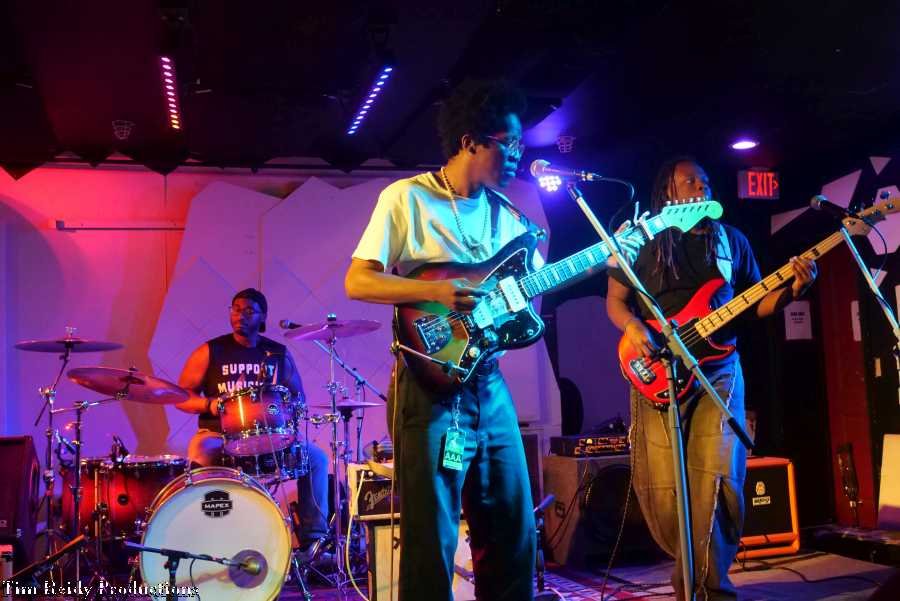
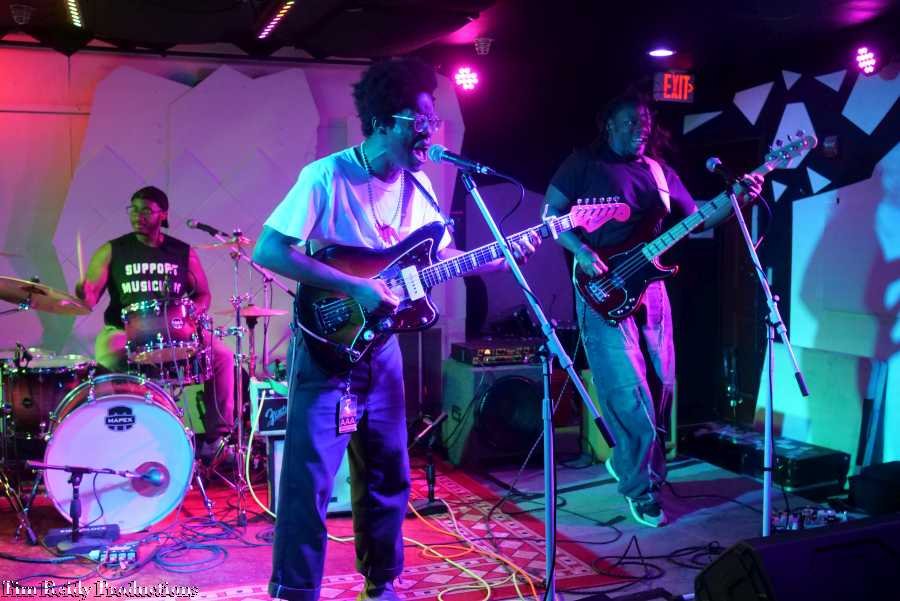
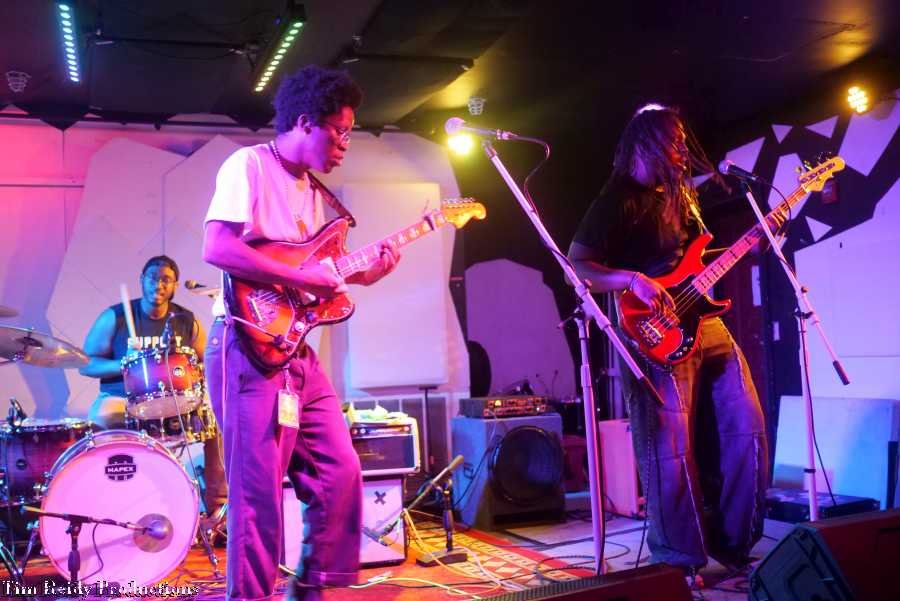
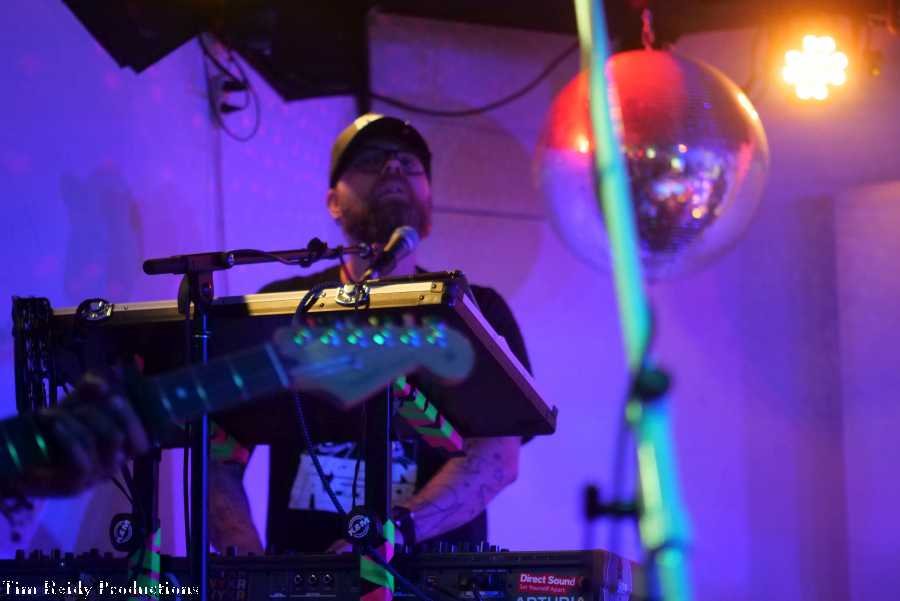
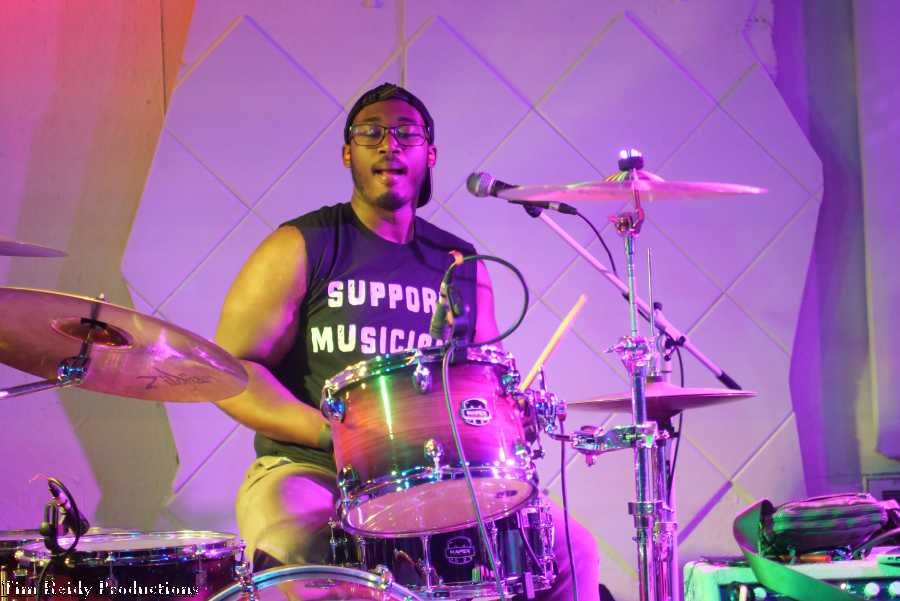
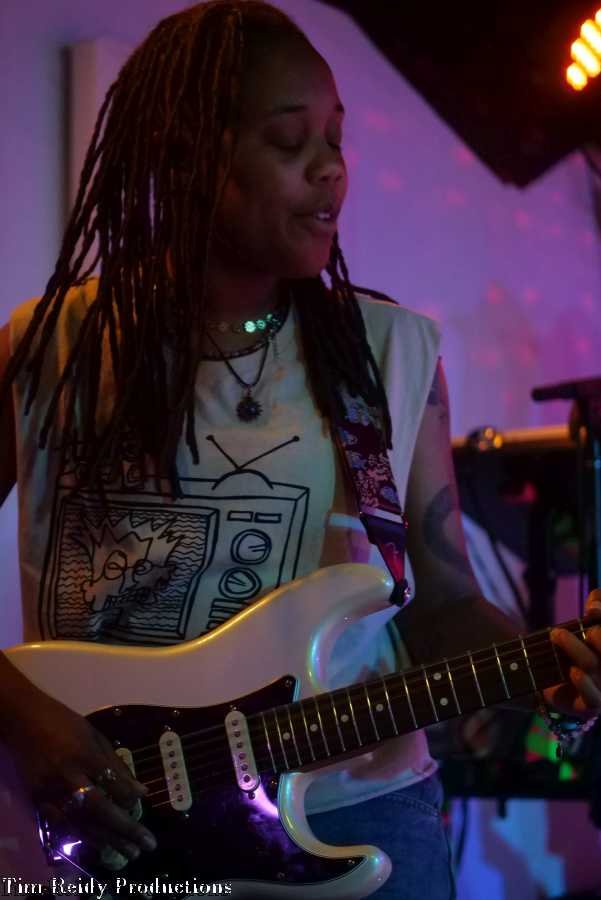
Friday night at No Fun featured locals Mental Weather, Rabid Children, and Huntress Wizard.
Photography by Timothy Reidy.
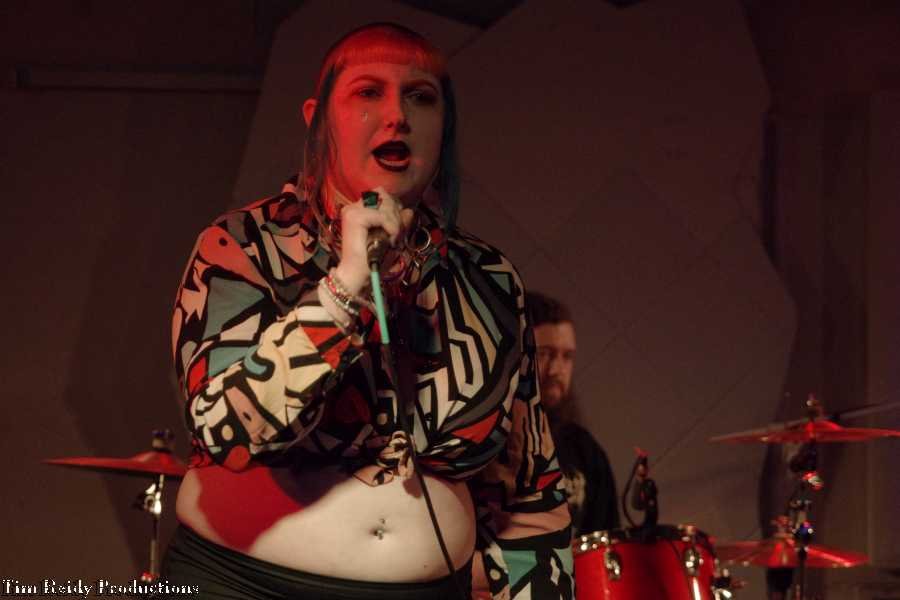
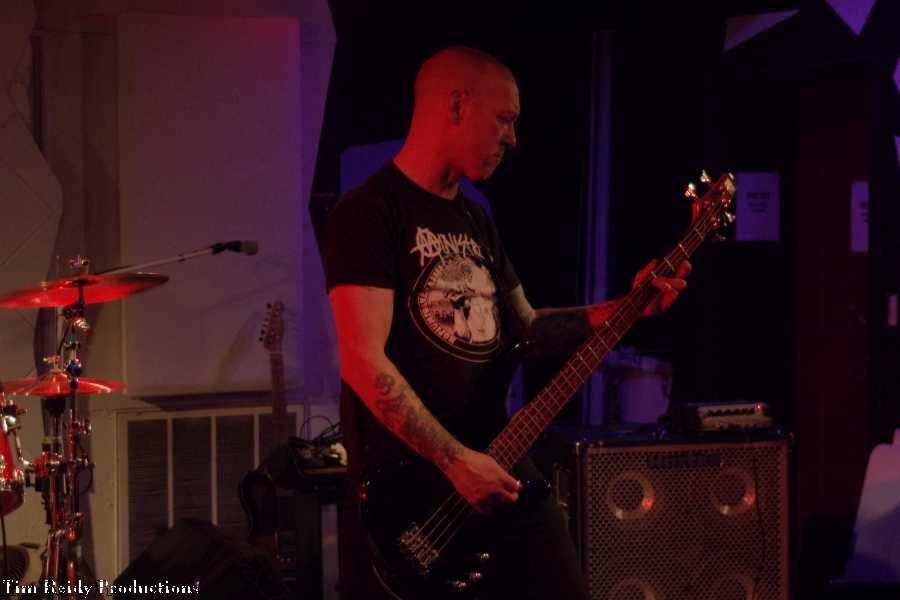
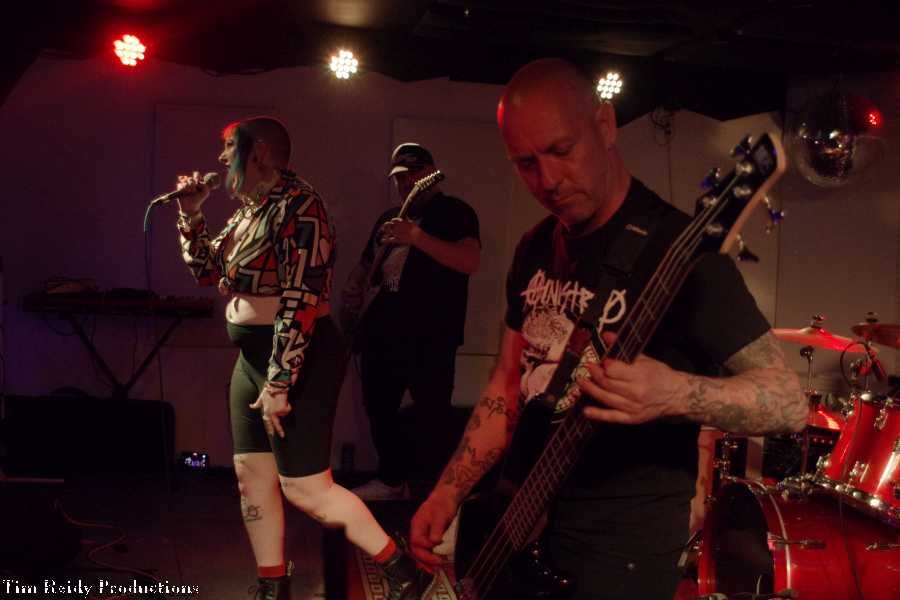
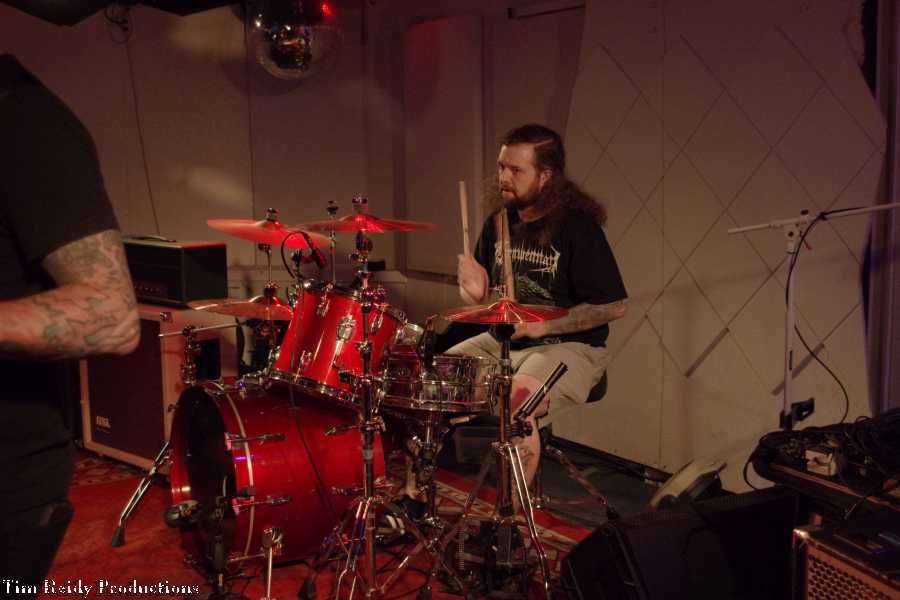
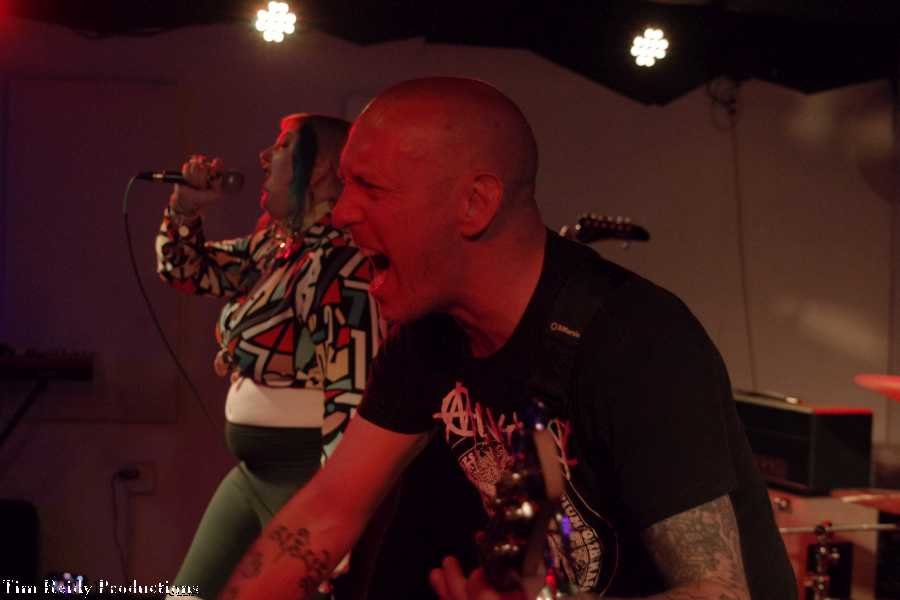
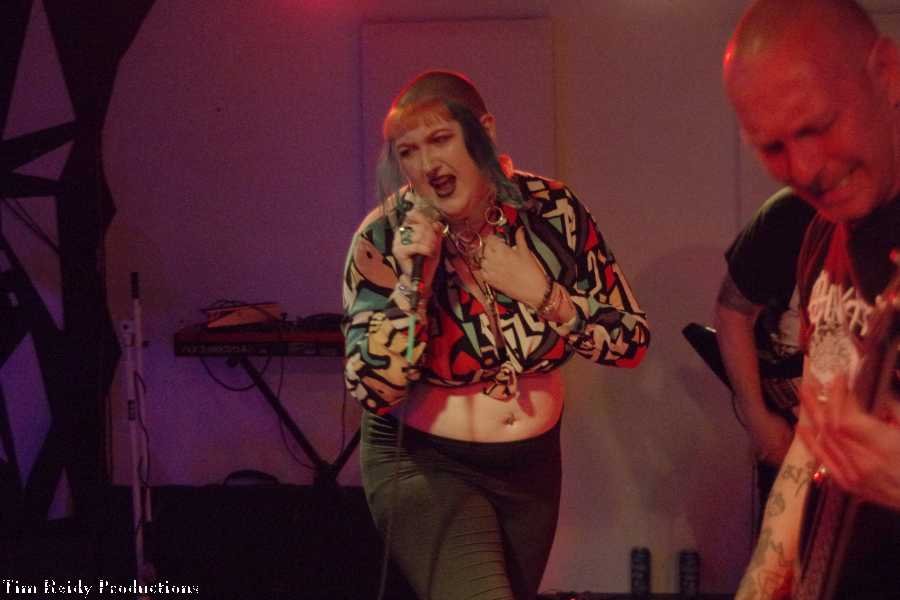
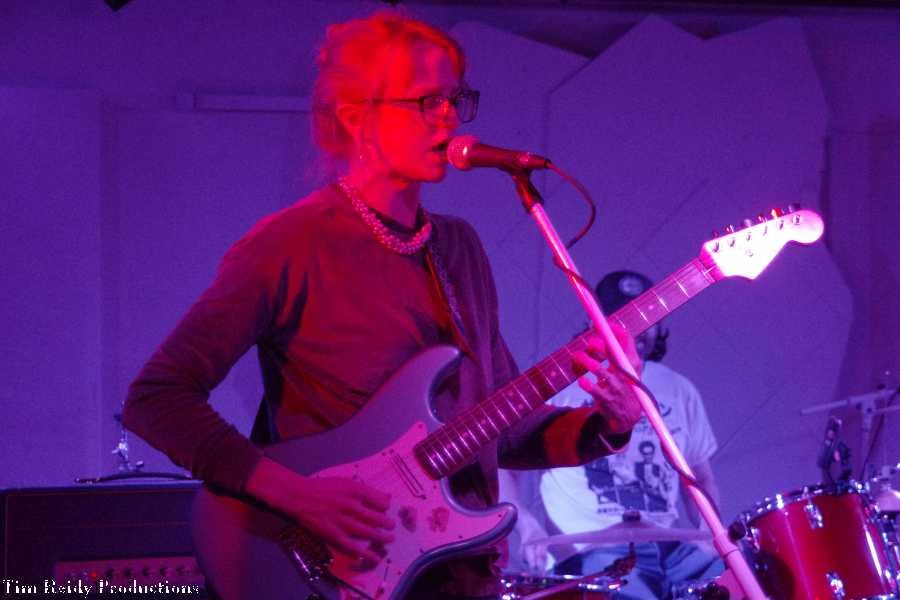
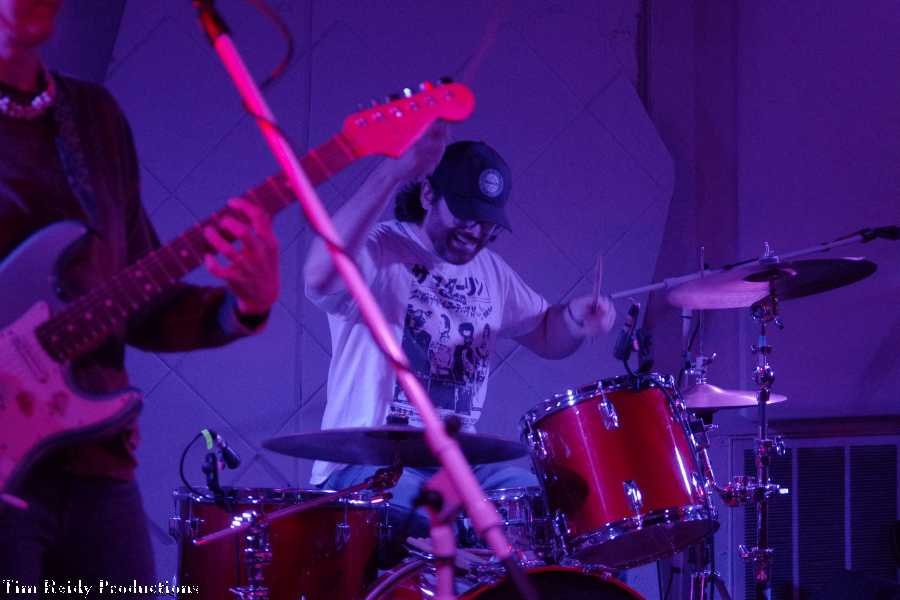
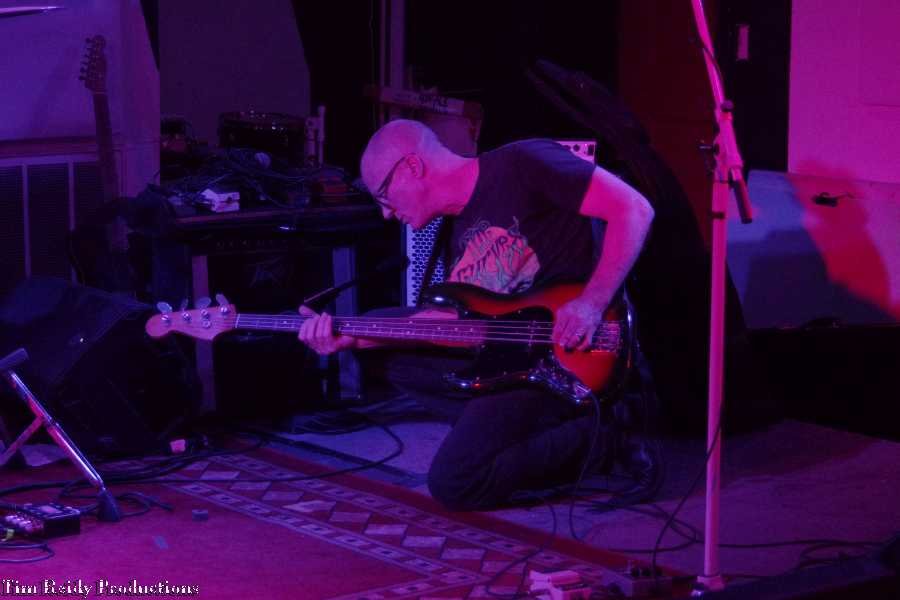
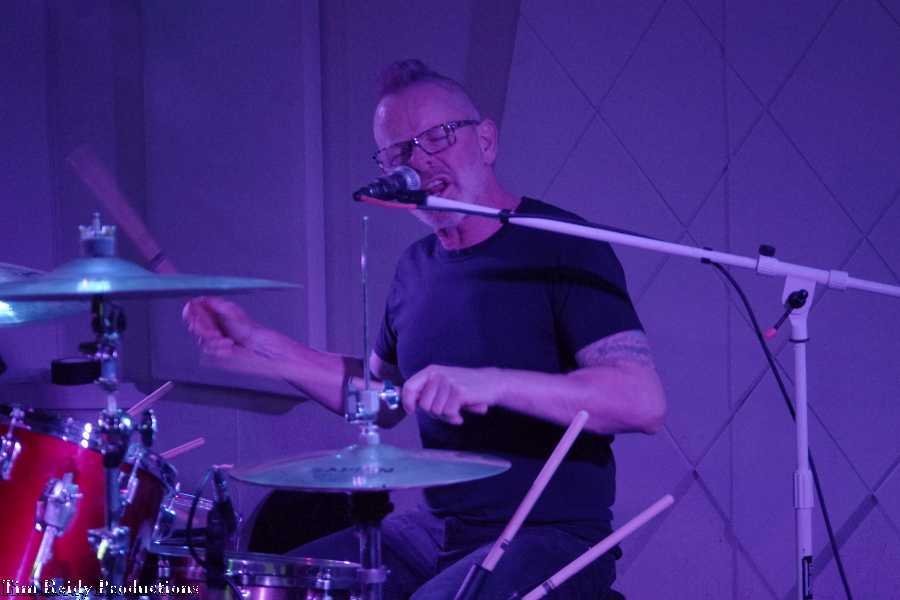
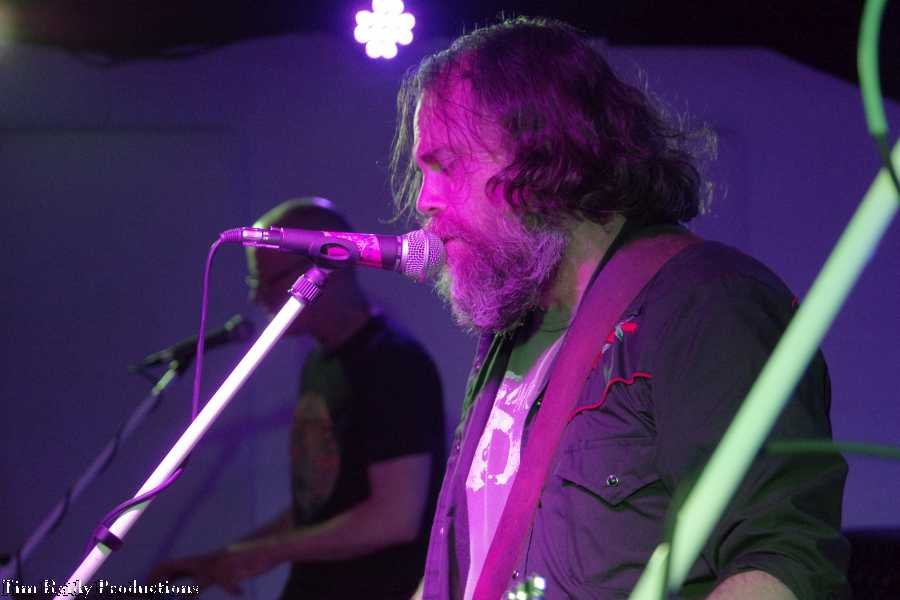
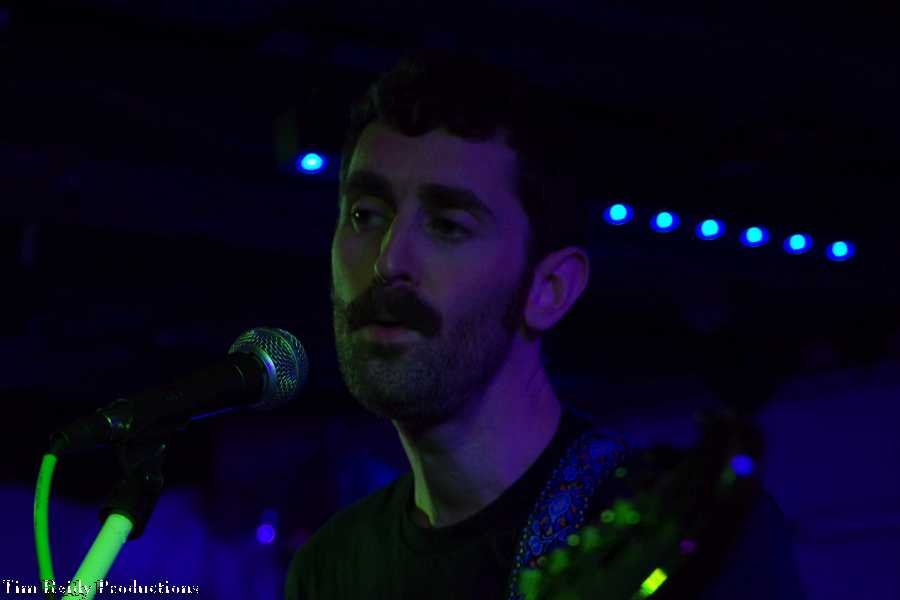
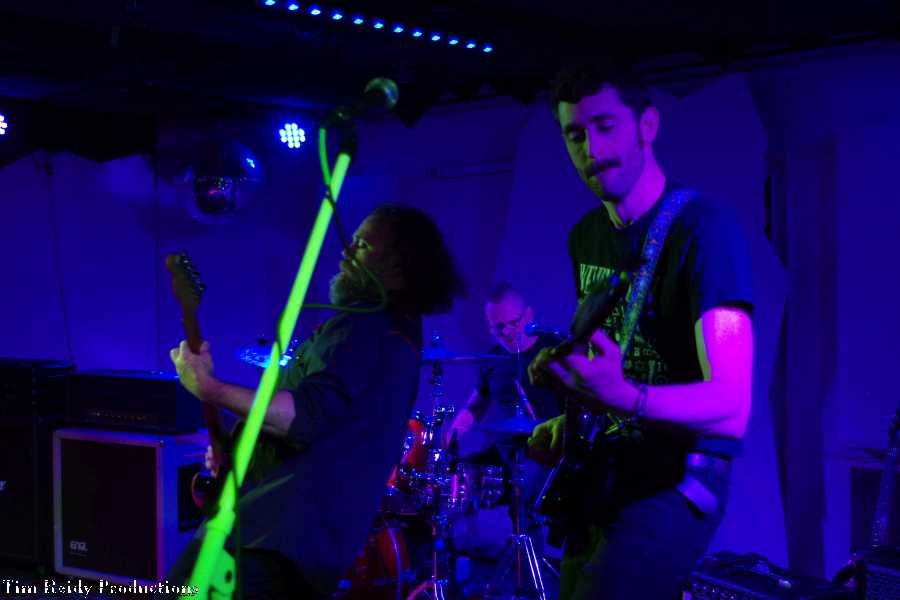
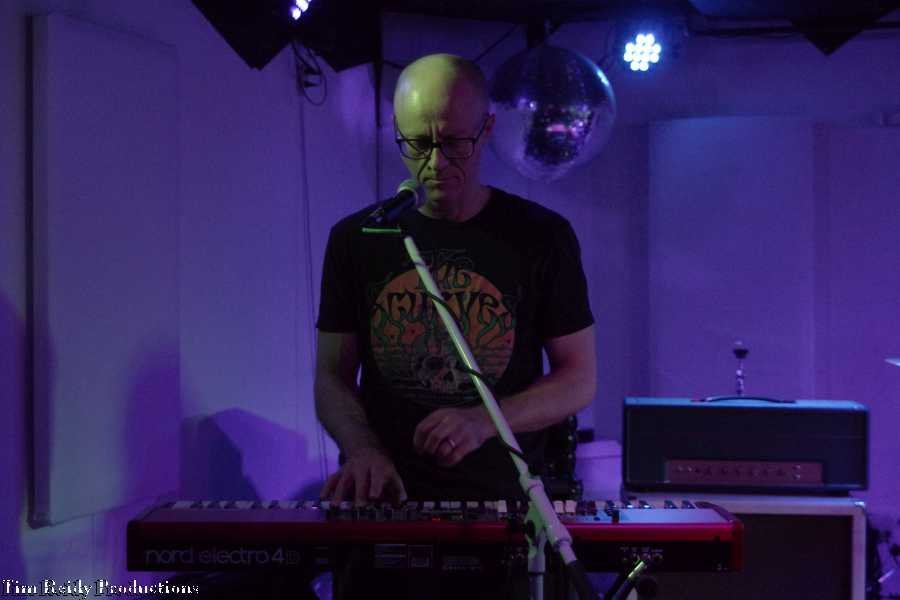
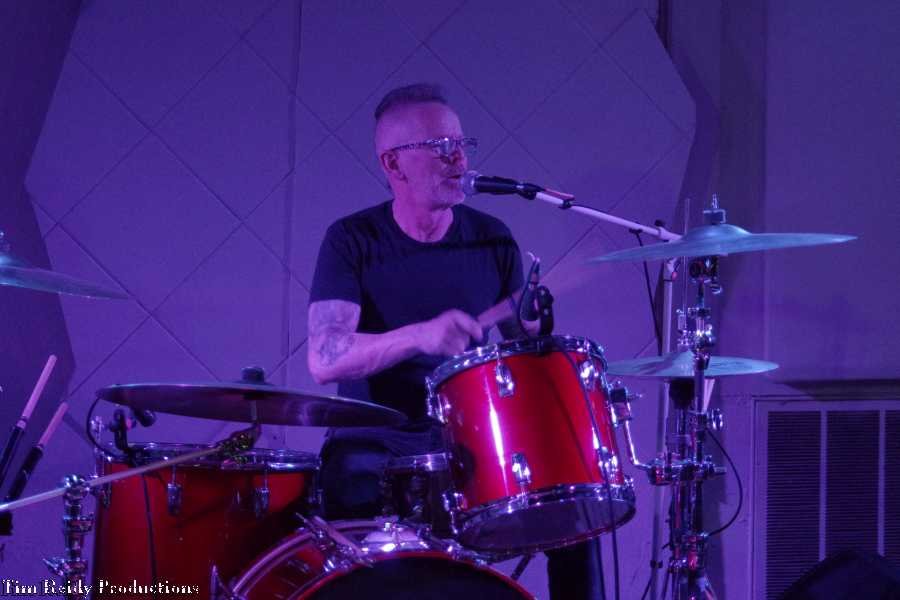
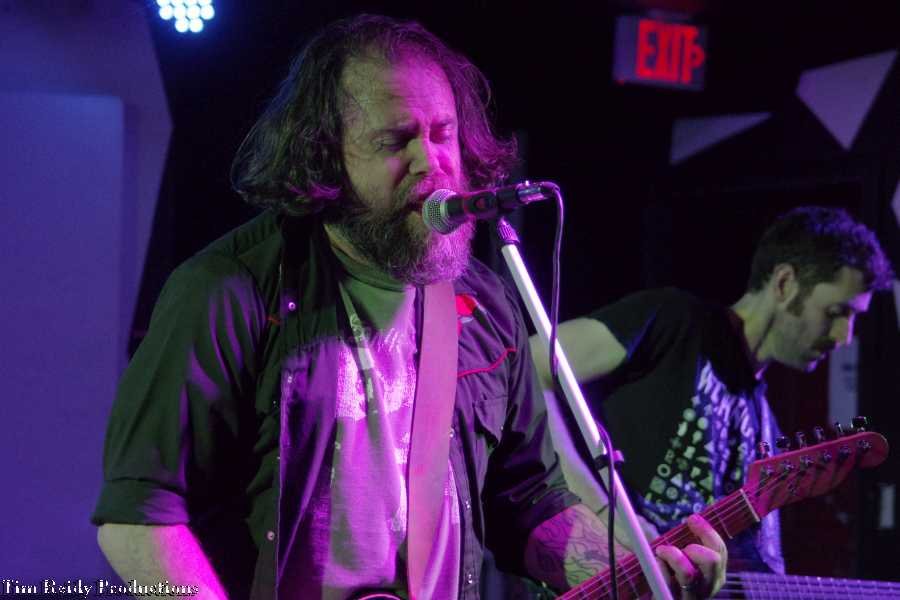
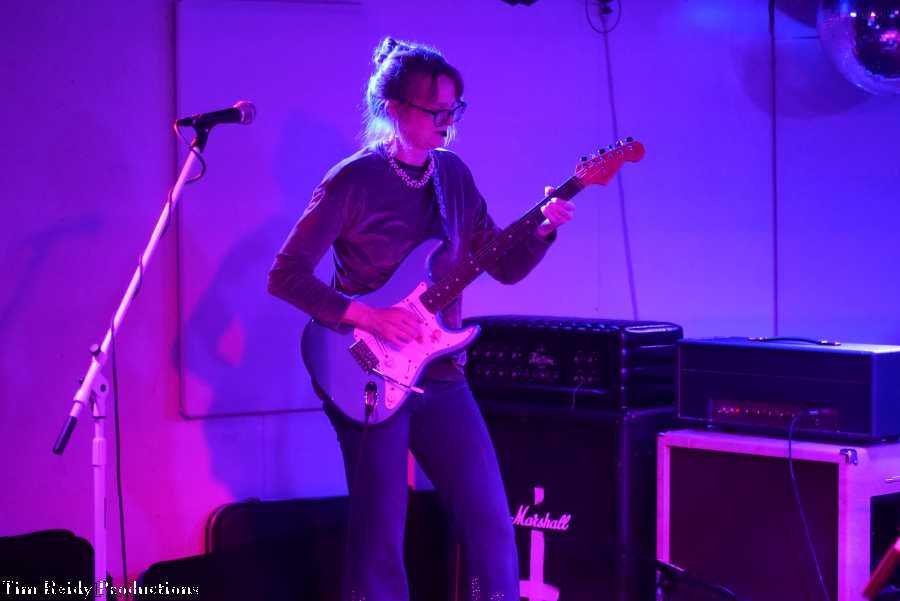
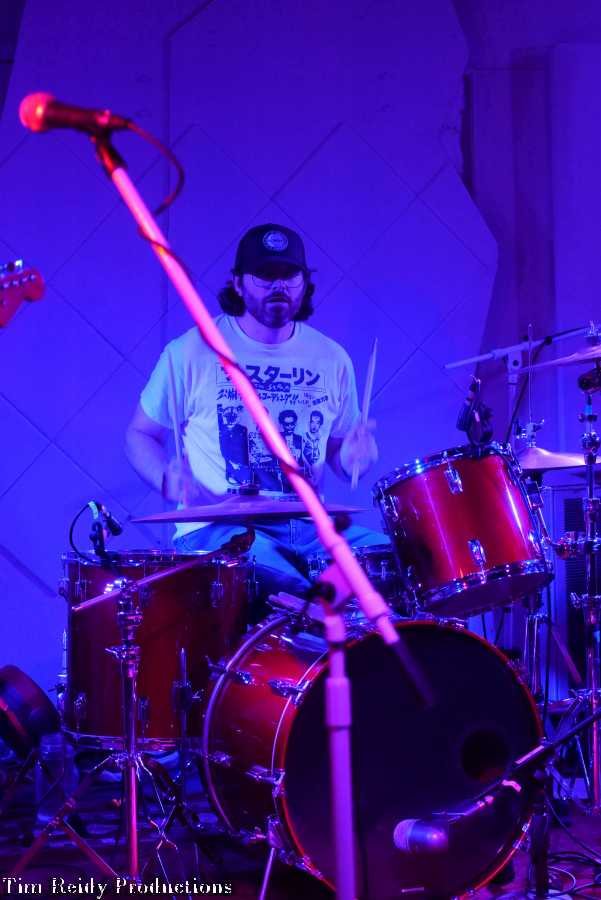
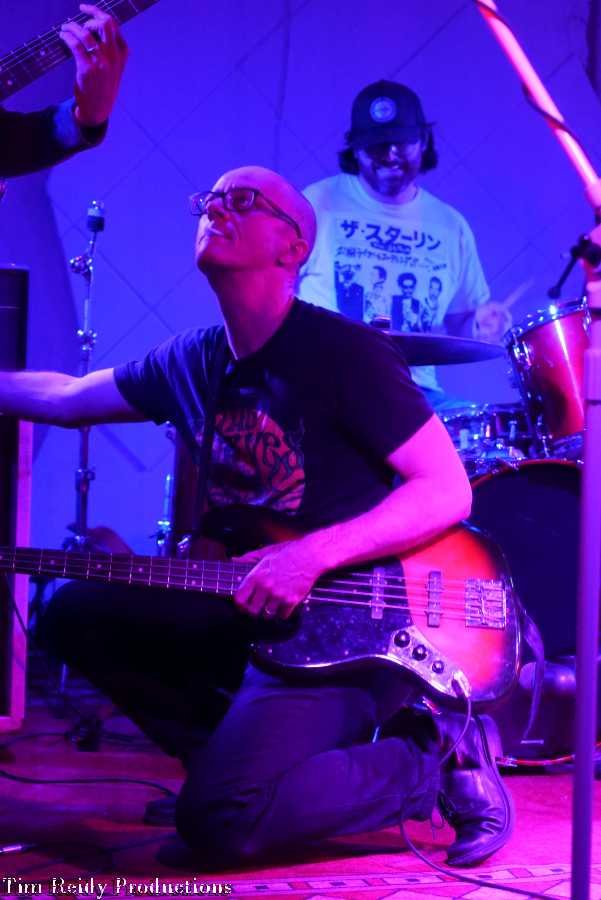
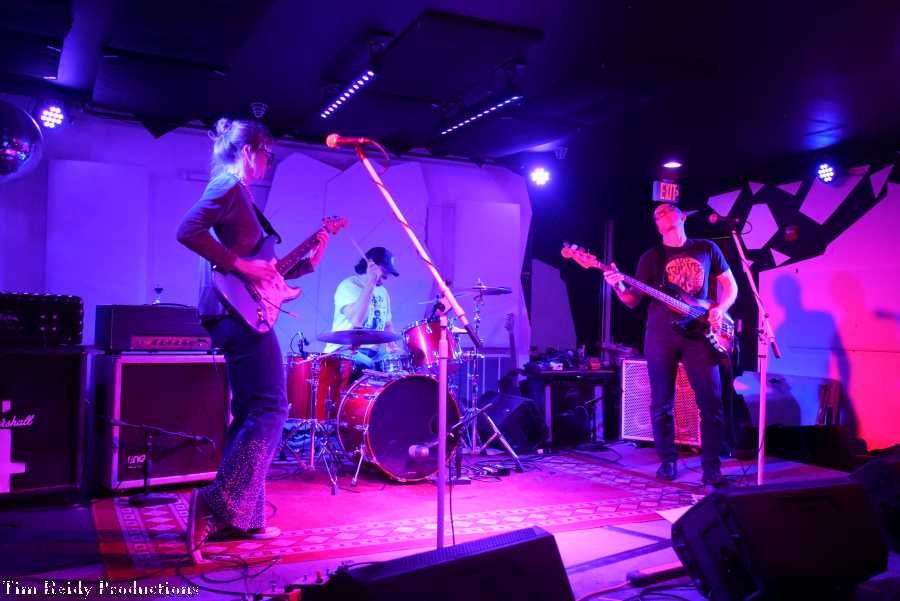
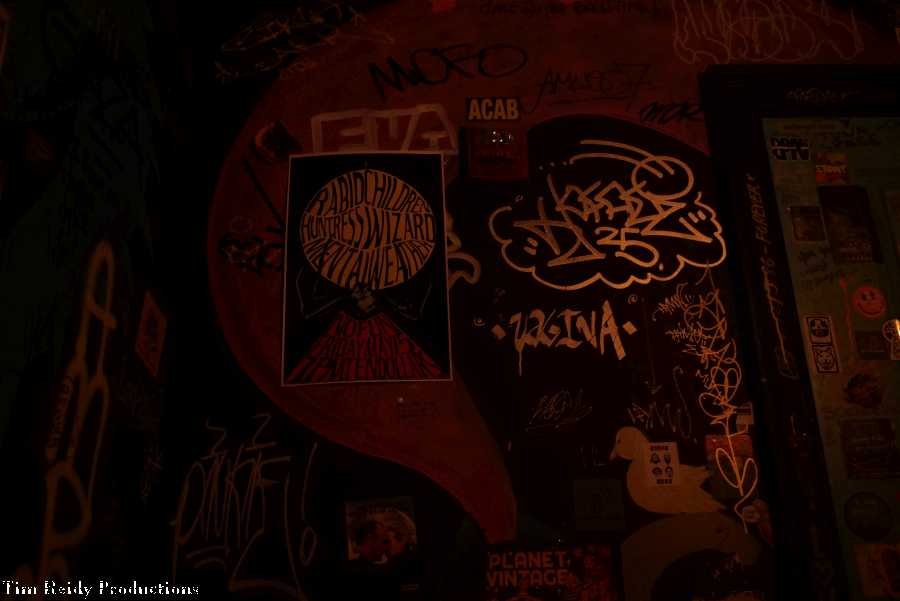
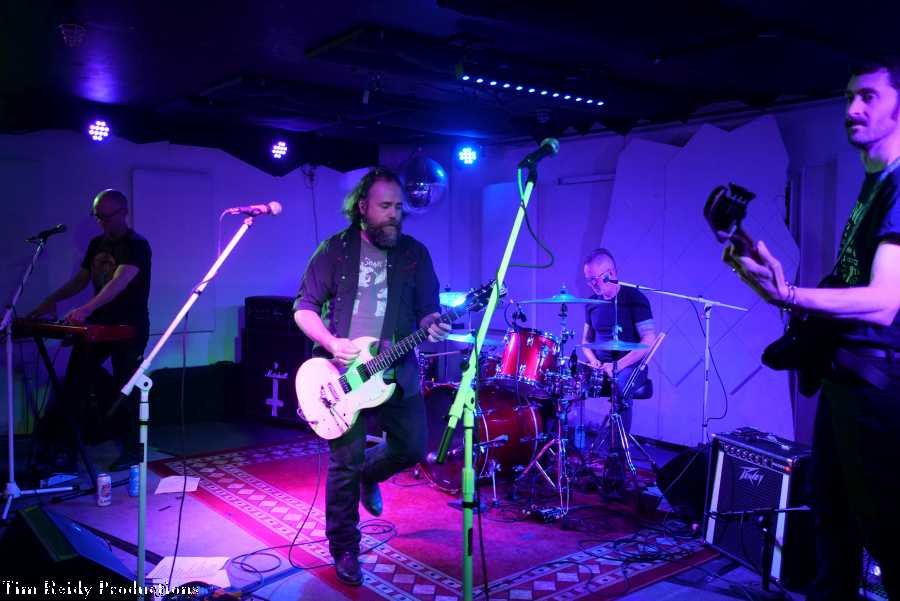
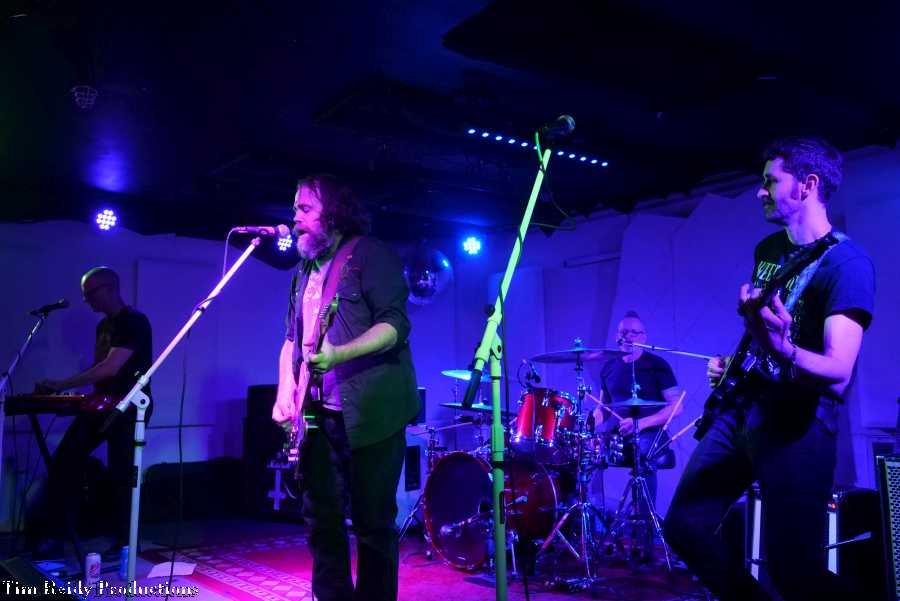
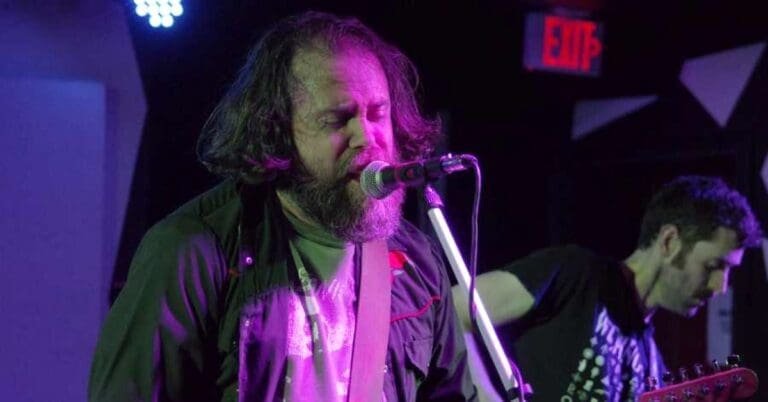
Friday night at No Fun featured locals Mental Weather, Rabid Children, and Huntress Wizard.
Photography by Timothy Reidy.
By Chad Koenig.
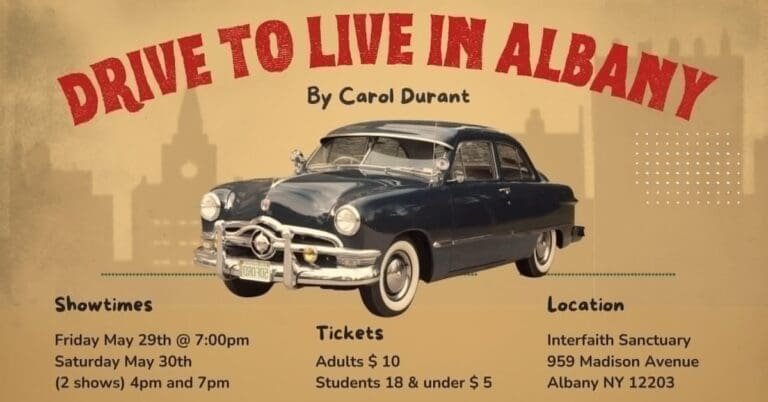
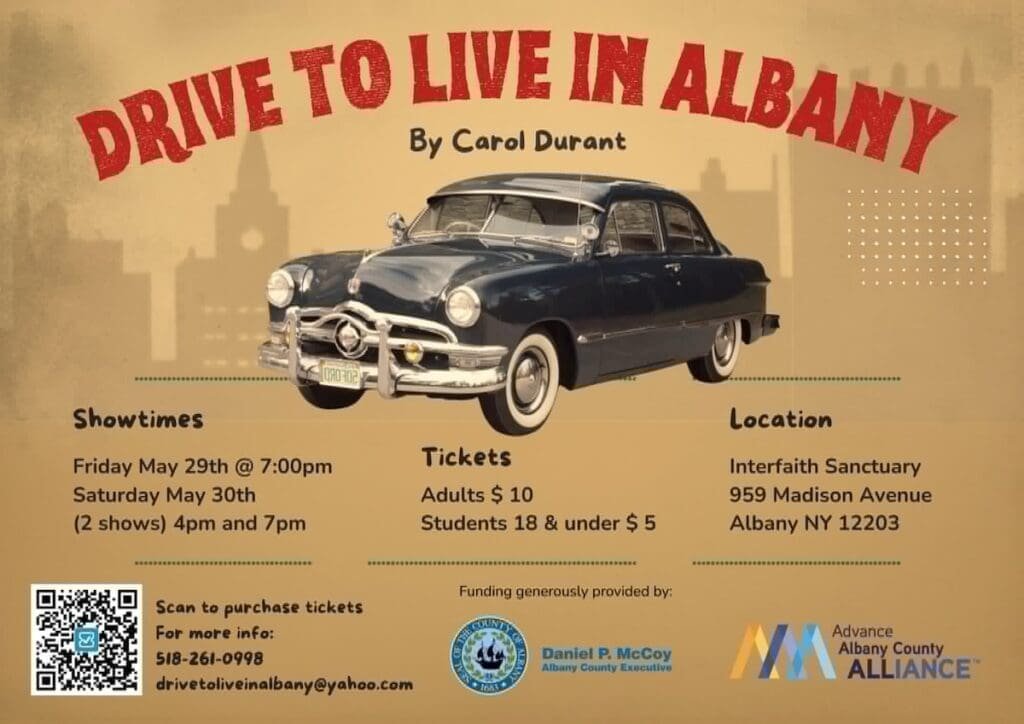
I am talking with Albany native, poet, and playwright Carol Durant, who is promoting her debut play, “Drive To Live in Albany,” which will be performed on Friday, May 29th at 7 pm, and Saturday, May 30th, at 4 pm and 7 pm at the Interfaith Sanctuary, located at 959 Madison Ave. in Albany on the former College of Saint Rose campus.
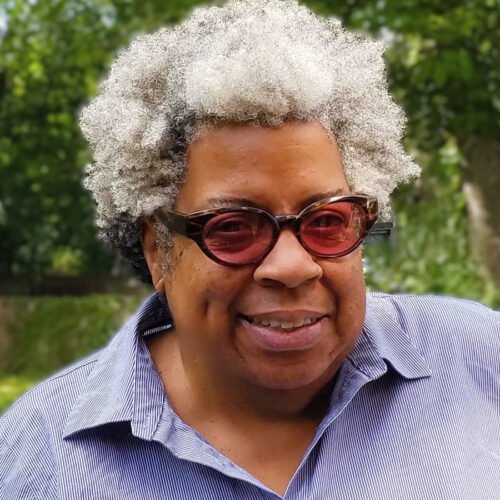
RRX: Ms. Durant, you are an accomplished member of our community. Tell everyone about yourself and the work you have done.
Carol Durant: I appreciate that kind sentiment. It’s great to be a part of our community and to give back. I have written a pair of poetry books. They are on your favorite platform to buy books on. Just type in Carol Durant, and they should pop right up. I like to attend community theater, support my friends, and go to as many concerts as my pocketbook will allow. I love history, local and beyond, and supporting our wonderful local art scene.
I also enjoy hosting events, and appreciate being able to talk to people, and more importantly, listen to them
RRX: You have been tirelessly working on your debut play, “Drive To Live In Albany.” Tell us about it.
CD: It’s a play about a black family, set in 1952. Two of the family members are entrepreneurs who live in Albany, while the other four members live in Harlem. The Albany members are very, very, very insistent on having their Harlem family members visit and eventually want to move to Albany.
I was honored to receive a grant from Advance Albany County Alliance as one of two individual artists. I value the opportunity to present my work and further the economy, hospitality, and tourism that the arts provide to the community.
RRX: How many cast members do you have involved with this play?
CD: Six very talented individuals who are a pleasure to work with.
RRX: Are your cast members playing double duty as crew, or do you have a separate team of them?
CD: A couple of people are doing double duty. I wanted our director and stage manager to provide a learning environment for anyone to participate as they choose.
The co-directors are Sheilah London- Miller, who, along with Amelia Paul, I have known from the Black Theater Troupe of Upstate NY, and Hasson Harris Wilcher, who has become a new friend. Susan Preiss will be doing the lights for the show, and Jacqui Anscombe-Waring is in control of our sound. Jacob Bell is our set designer. Jeffery Torres is our photographer.
RRX: Who are the actors and how do you know them?
CD: Leo D’Juan, Regina Wright-Thompson, Q-ubilah Sales, Xavier Lake, Alvin Kerr, and Dawn Harris. They are the talented cast. Some I have known forever, and some I did not know at all. But they took the leap of faith with me, and I did with them. We are all enjoying this wonderful journey together.
RRX: Are there biographical qualities to this play?
CD: Yes. From conversations with my own family, as well as friends and mavens of the Capital District.
RRX: That’s fantastic to hear that you are using the space available at the old Saint Rose campus.
CD: It’s great to have the opportunity to be on the former Saint Rose Campus to provide economically priced entertainment for the community.
(Tickets are $10 for adults and $5 for children or students 18 and under, and can be found at https://www.simpletix.com/e/
RRX: Wonderful. I wish you the best of luck with this. Do you have any last words for the readers?
CD: I would like to thank everyone, starting with the cast and crew who provided their time and talents, and who worked tirelessly to make this effort real. And special thanks to everyone who supported this project by sharing the links, purchasing tickets, creating, promoting, providing a service, or just giving their positive energy. It made a difference, and I am forever grateful to all.
Even beneath the blaze of the summer sun, he dwells within the chill of grog, locked within the ruins of rumination, feeling as though a fraught string has been threaded through his temples, looped around his skull, and constricted with the hunger of a feral serpent.
His disdain for humanity’s inanity warps the glass through which he views. The sounds of commonality rake his ears with discordance, while the beauty of nature regards him with silent contempt. In the absence of sense, what value does life possess? Meaning can only be found beneath perception and within what we dare not ask.
If everywhere one goes, problems arise, is it wrong to believe that within them is where the answers lie?
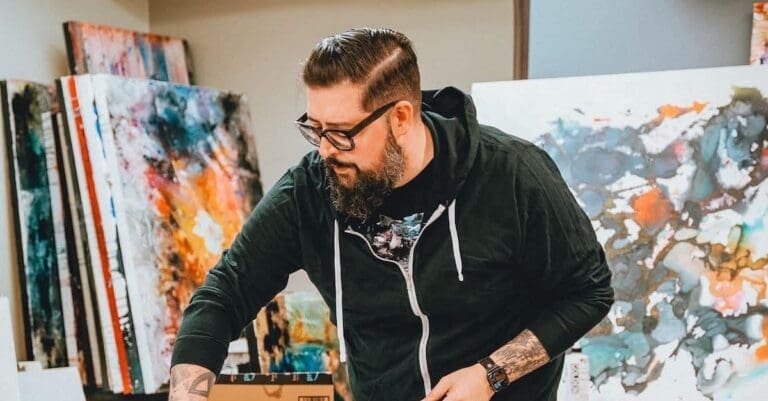
Within this existential climate, I found myself revisiting the creative terrain of local artist Alex Waters, whose work makes me feel as though I can move through reality before interpretation fully takes hold. And I feel like that’s precisely the unspoken beauty of his work: it operates through the understanding that imagination possesses a freedom reality rarely permits.
The paintings behave almost like psychological thermal scans, exposing emotional temperatures that strain against inherited structures of order and identity. In that sense, the work carries a quiet anarchy, resisting normality while searching for balance between chaos and order.
In one of his paintings, identity appears lodged amid dissolution. Combustions of black, charcoal, violet, and deep crimson merge into the suggestion of a fractured, near-human face. Nearly conjuring itself in full, the image teases the senses before dissolving back into the elusiveness of abstraction, slipping away before perception can fully contain it.
Legibility doesn’t interest Alex, whose abstract expressionism exists comfortably within liminality, where spill, gesture, and erosion bleed into one another.
Through further conversation, I was brought into the inner workings of his mental architecture, illuminating what makes his approach to his craft so unique.
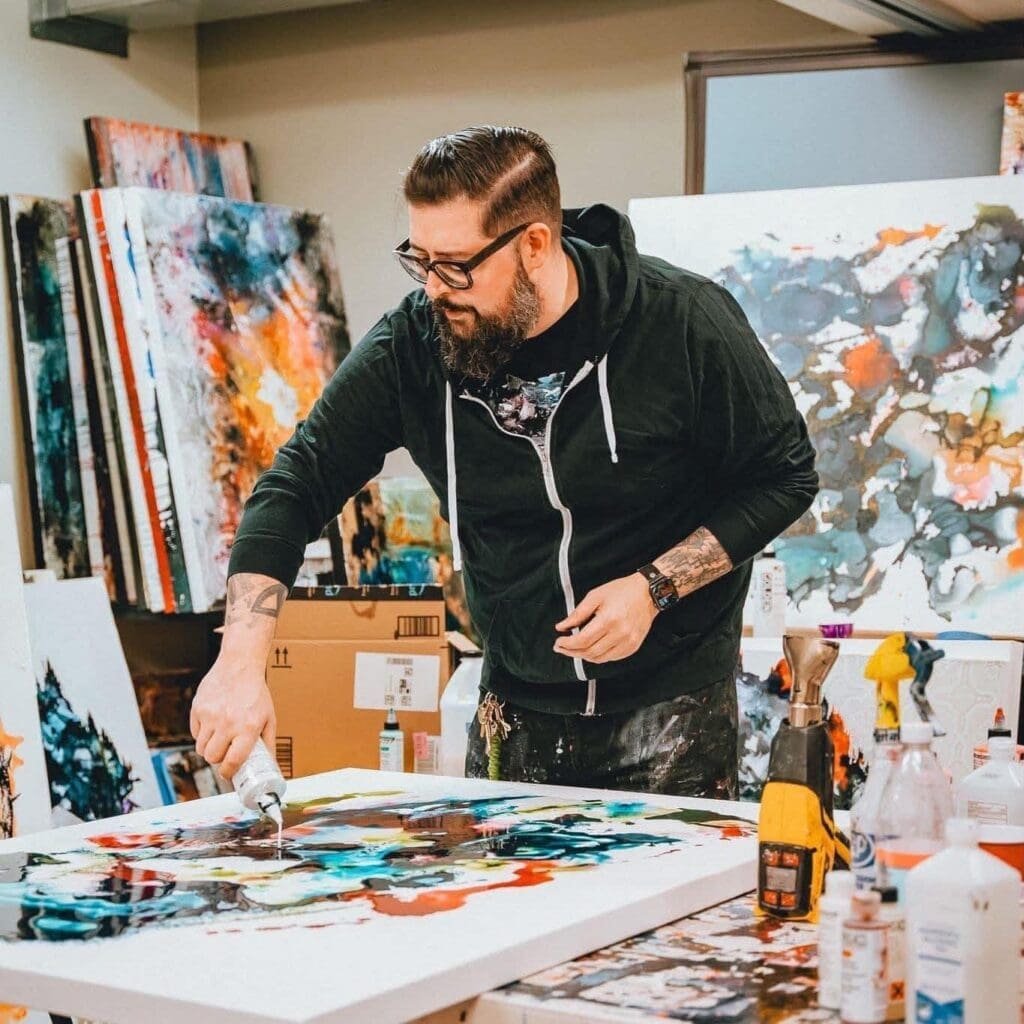
Interview with Alex Waters
RRX: When you begin a piece without an image in mind, what part of you is making the first decision—the mind, the body, or something quieter that resists naming?
Alex Waters: “It’s, I would think it’s the mind, because a lot of my stuff is more just about the feeling, rather than the physical nature of things. Because I’m not- yeah, I’m not the most skilled painter in the world, and I know I’m not the greatest artist as far as capturing real life- but like, I try to capture the emotion I’m feeling at that time on the canvas, and that’s usually what I try to express.
And like, right now, I’m trying to, like, get into this whole process that happened where I’m, like, I had this weird, crazy medical thing, and I’m trying to deal with that, you know what I mean? So that it’s crazy. I’m not dead.”
RRX: What emotional state do you generally operate from when you create?
AW: “I would probably say anxiety. Like, I try to not be anxious in my outward persona, like, have that kind of bartender vibe. But really, I’m an anxious mess. Like, I’m trying to always think around things, yeah? Like you have that feeling in your chest, and it just kind of flutters, and it sucks. It just doesn’t f***ing turn off. It’s like an endless flicker.”
RRX: What emotional state do you trust the least while creating, and why does that state still insist on entering the work?
AW: “The feeling of a deadline. The feeling of, like, I have to get this done sucks. I’m not a fan. I don’t work well under it as far as, like, oh, I need to get this done now. It’s not as good as the natural process of creating. The natural process of creating is a happy accident. And like, I think the happy accident is much better than like, oh, I have a show I have to do this for. I’ve been creating on my own schedule, my own time. I have a job. You know what I mean? Like, I don’t depend on this for income.”
RRX: What do you believe actually happens in the moment a piece becomes finished?
AW: “When I look at it, and I’m like, ‘Oh, I feel that.’ Because when I paint, whatever period of time that may be, that’s the pain, that’s the story, because that’s the emotion that I’m going through right there. And it’s hard to get back to that emotion. I think every emotion that you might have about a certain thing is documented on a painting. I try to make that thing there, and that’s its world. That little canvas is the emotion’s world.”
RRX: What truth about yourself first became undeniable through your work, even if you weren’t ready to accept it at the time?
AW: “I went to college, like an art school, and I went for graphic design at first, and I can’t work for clients like that. I kind of do that in my job, like doing graphic-design-type things, but it doesn’t fulfill me. So I knew that I needed to do something that was like painting or making something and having my own rules and not abiding by somebody else’s rules.”
RRX: How do you understand control in your process, not as a technique, but as a psychological negotiation between intention and surrender?
AW: “So sometimes, as far as the paint itself, I use Golden High Flow, which is an airbrush paint, but I use that flat. Sometimes, like in this painting, this mixed with the black, and I couldn’t control that. So that’s the surrendering part of what happened, and then it looked great, so then I tried to do that. How I discovered how to paint the way I do is I was drinking a sh** ton of Scotch one night, and I spilled my Scotch on a painting. Alcohol f***s with paint something fierce. Then I was like, ‘Oh, that’s interesting.’ So using that little alcoholism that I had, that was kind of a surrounding point, like, ‘Oh sh**. That’s something really cool.’ And I still continue that to this day. I just don’t use Scotch. I use rubbing alcohol.”
RRX: When viewers project their own narratives onto your abstractions, what does that teach you about the distance between who you are and how you are perceived?
AW: “I paint a lot of things black for a reason because I put bar epoxy on top of that, and when you put bar epoxy on black, it acts as a mirror, so the viewer acts as a part of the piece when they look at it. So every interaction you have with the painting is yours and yours alone. I kind of encourage finding your own way through what I painted. It’s your own path.”
RRX: Is there a recurring internal conflict that your paintings return to, even when you believe you’ve moved beyond it?
AW: “Oh yeah, absolutely. My lovely mother named me Alexander Aaron Waters. Alexander Hamilton, Aaron Burr. Aaron Burr shot Alexander Hamilton. That’s literally what I was named after. She always knew there would be an internal conflict with me. I knew that growing up.”
RRX: What does beauty mean to you when stripped of harmony, and why does disorder feel necessary for it to exist?
AW: “I think there is order in a lot of things that I paint because I create these weird rules and such. But I think that disorder is the natural state of being, so therefore the human condition is what I’m trying to get to. I think disorder is important to make beauty happen. Because without disorder, there is no order. It’s just like that thing of suffering. I want to get to the opposite of this. How do I get there? Disorder, order, and finding a balance in between.”
RRX: In moments when the world feels physically or emotionally exhausting, what compels you to continue rather than step away?
AW: “I feel like this is the way to process. It’s the healthiest way, I think. When the world is exhausting, create something, and then the world feels a little bit brighter, right?”
One might say that’s what makes Alex’s work resonate with such psychological intensity. Buried within the abstraction, spill, and erosion exists a man attempting to negotiate with disorder in real time. Not to overcome it, nor even fully comprehend it, but to shape it long enough to coexist beside it.
And perhaps that’s the uncomfortable truth pulsing at the core of his work: that meaning isn’t discovered through the absence of chaos, but through our willingness to compose within it.
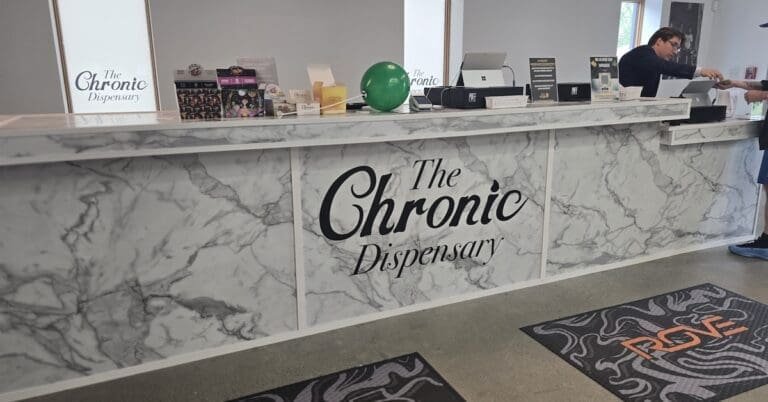
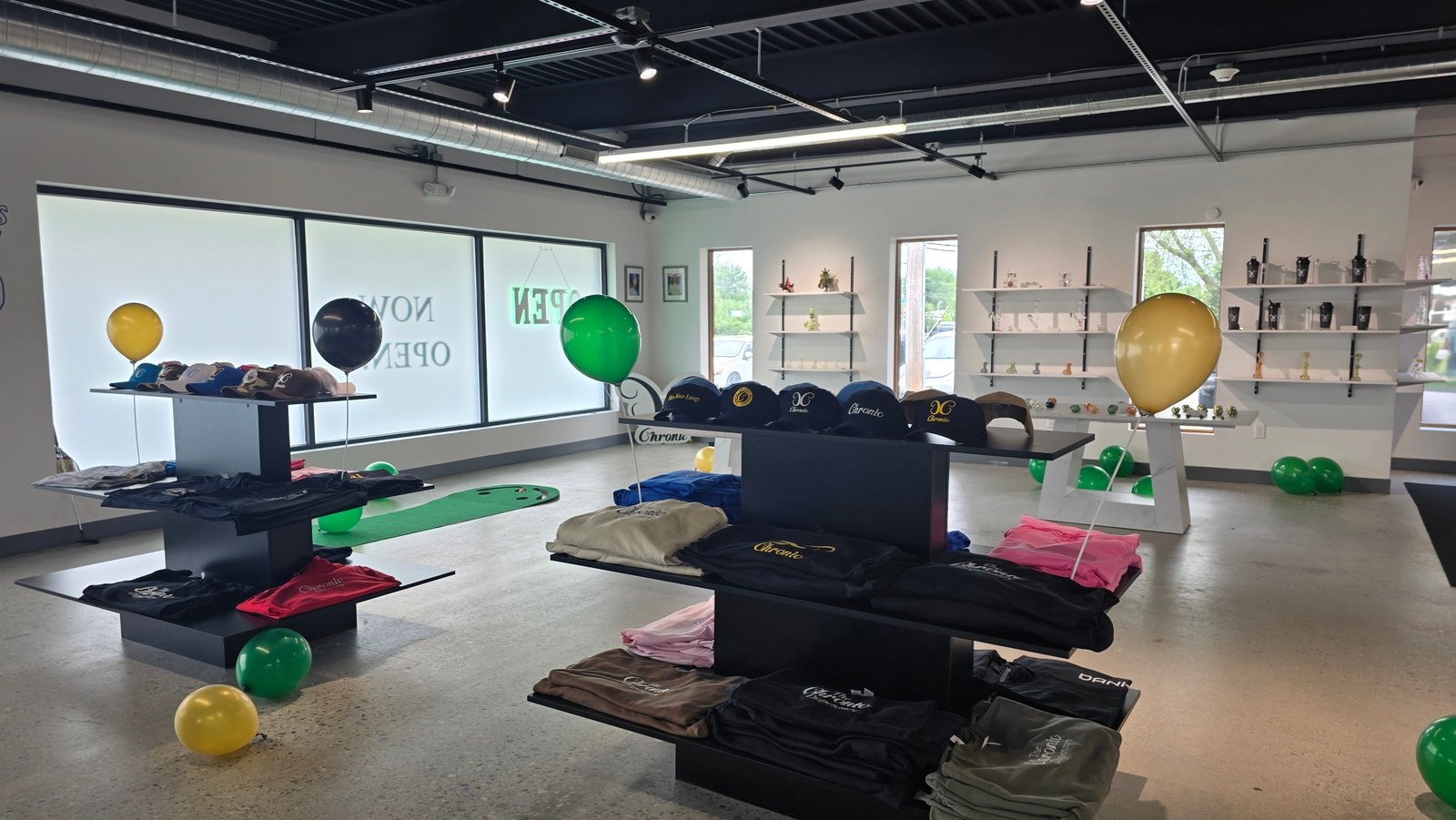
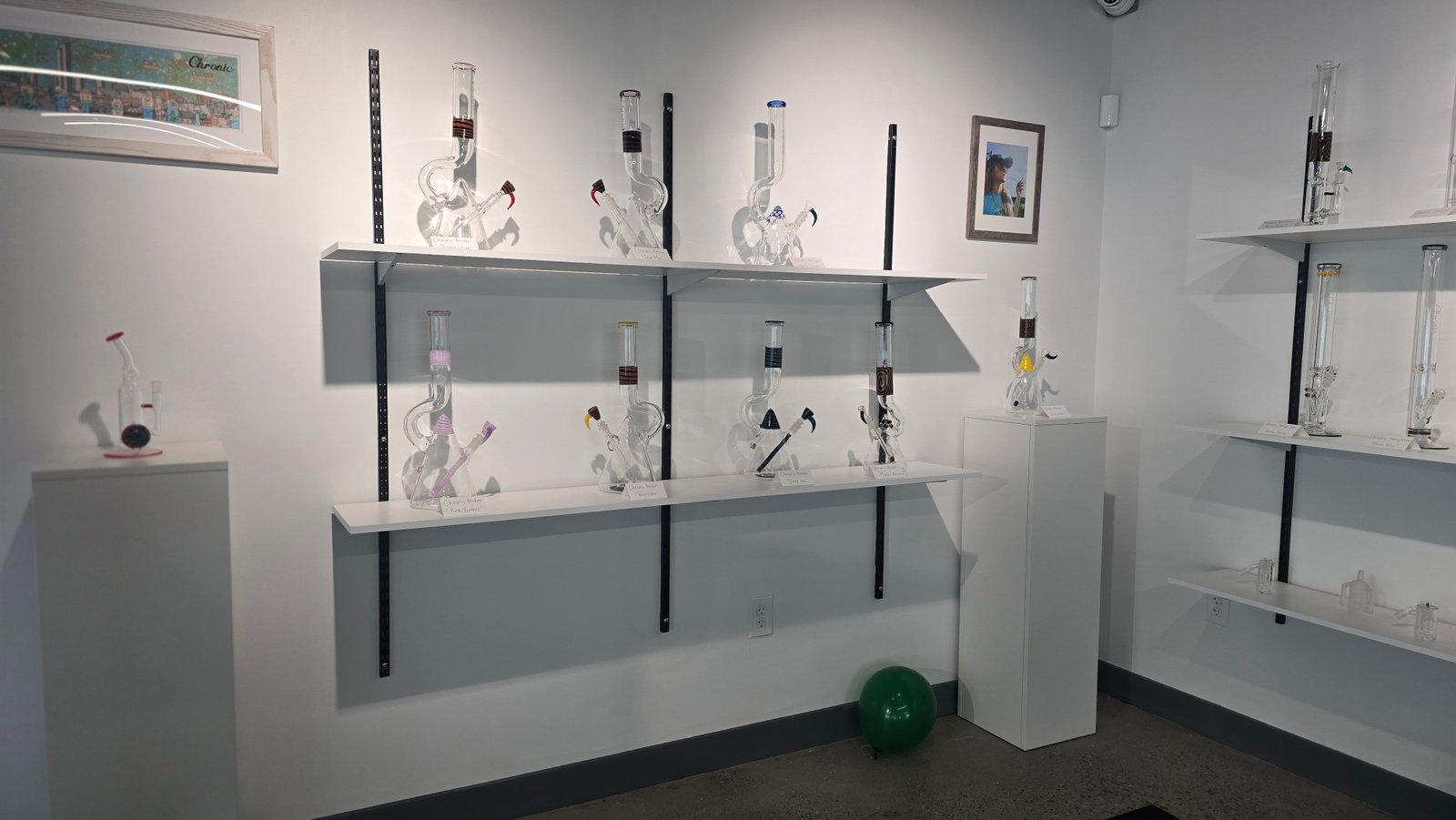
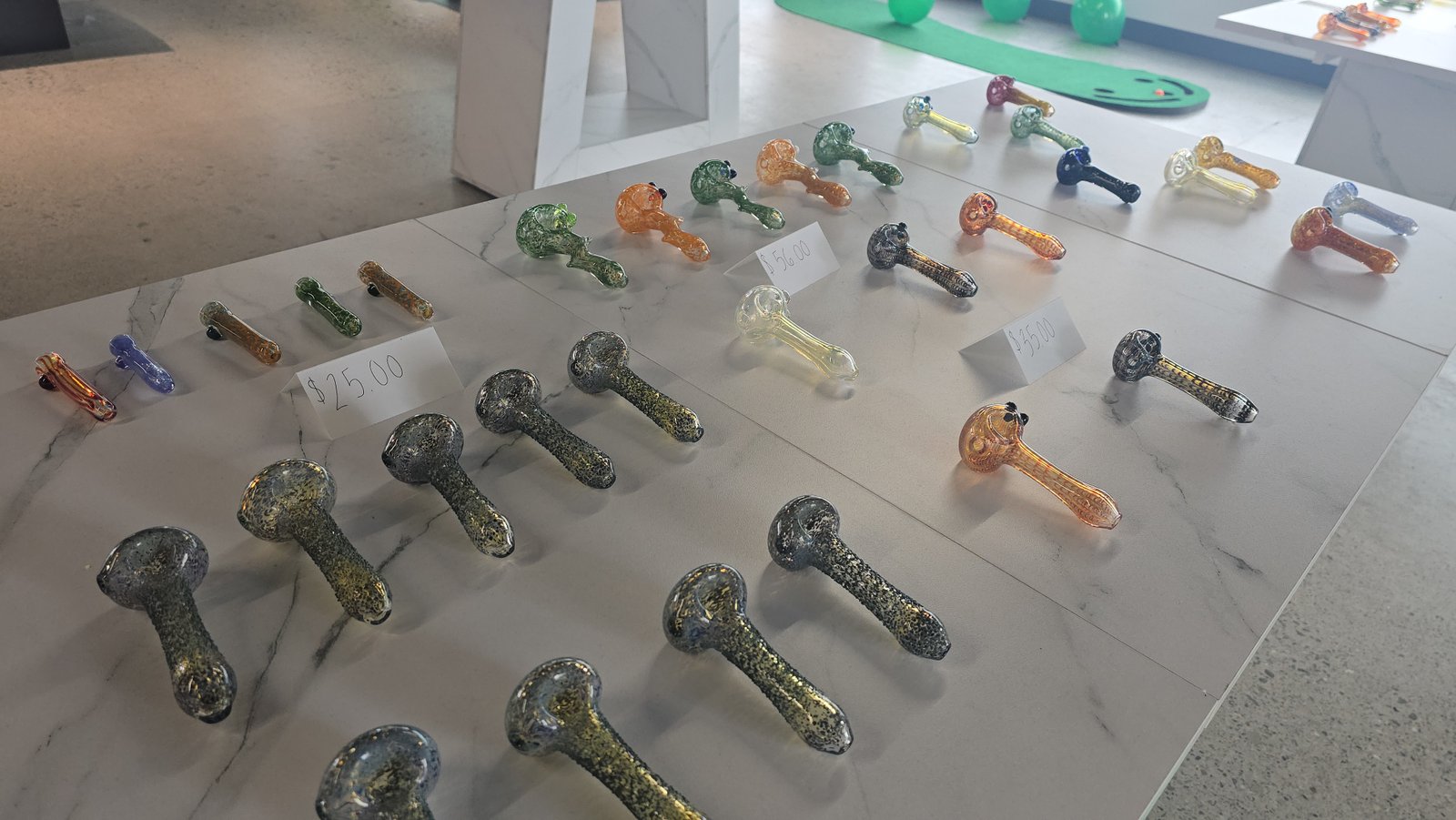
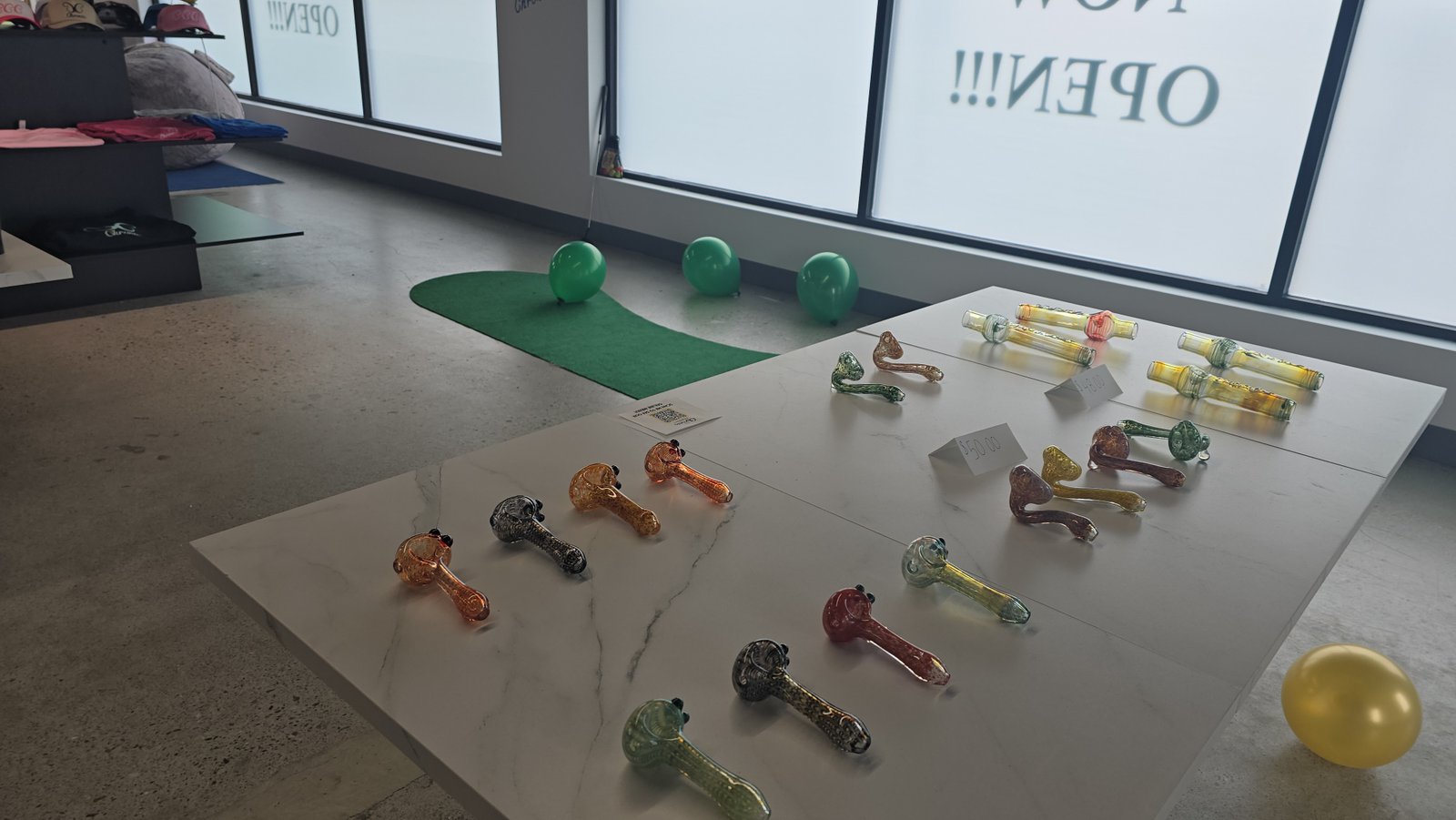
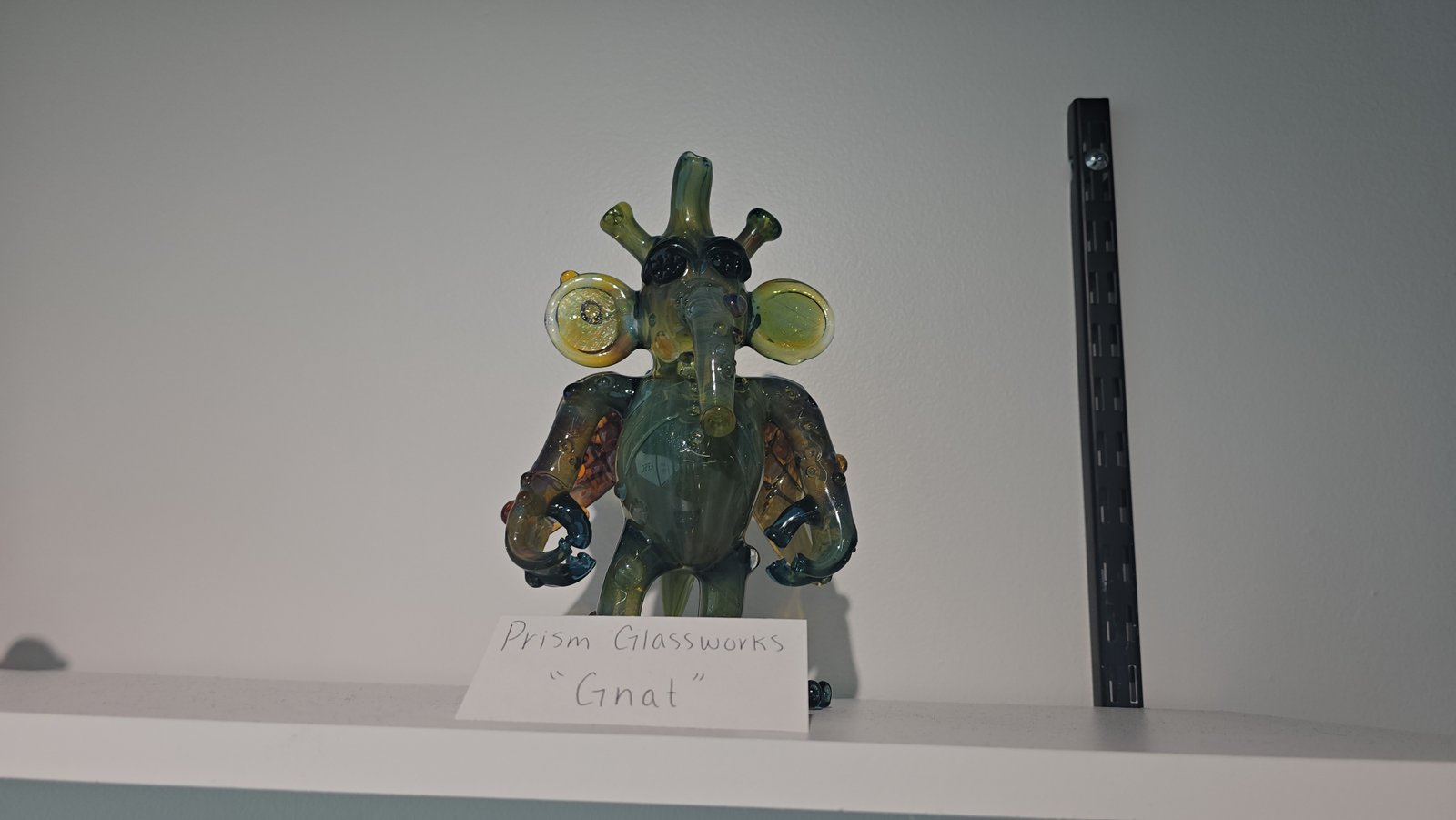
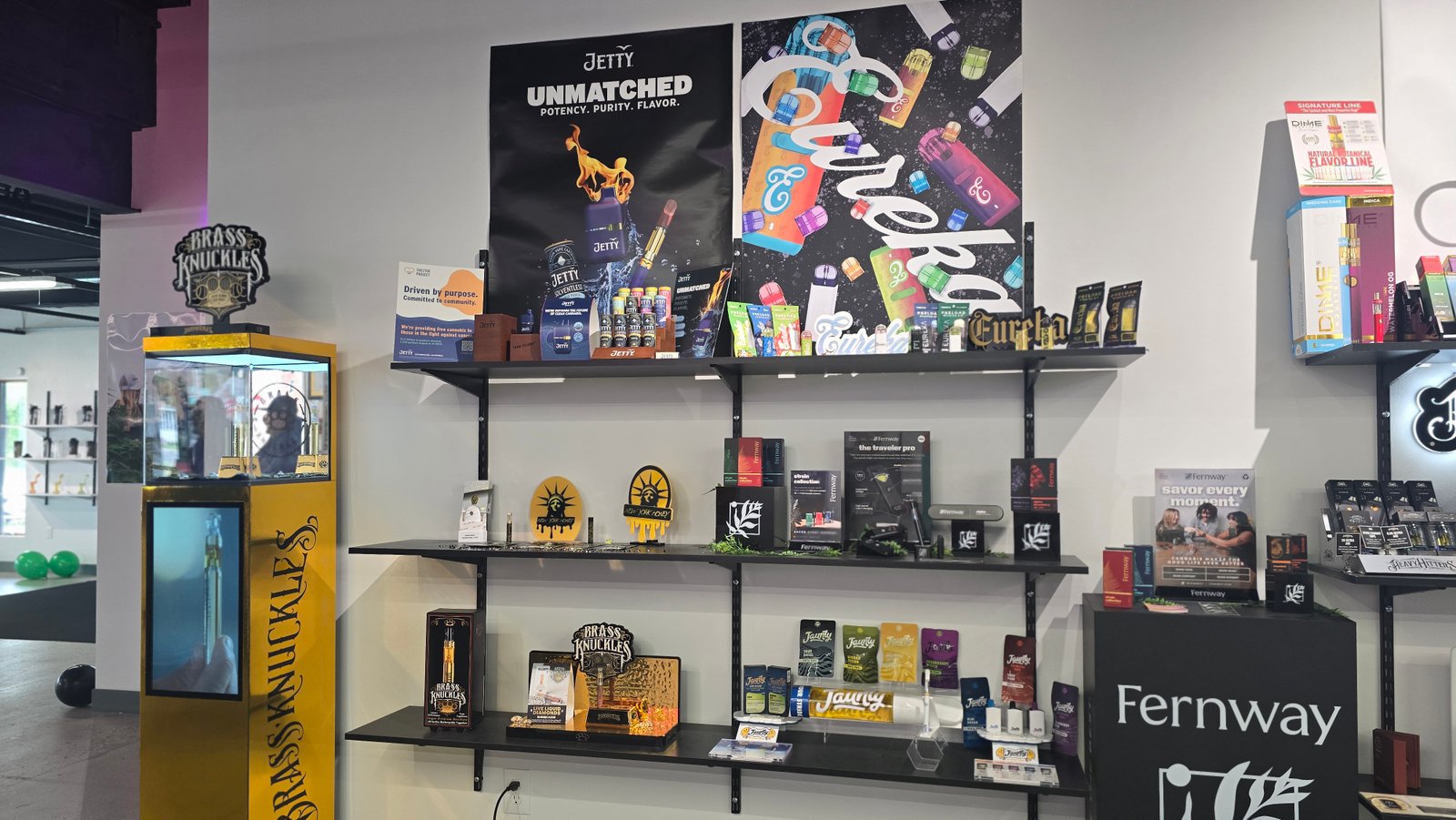
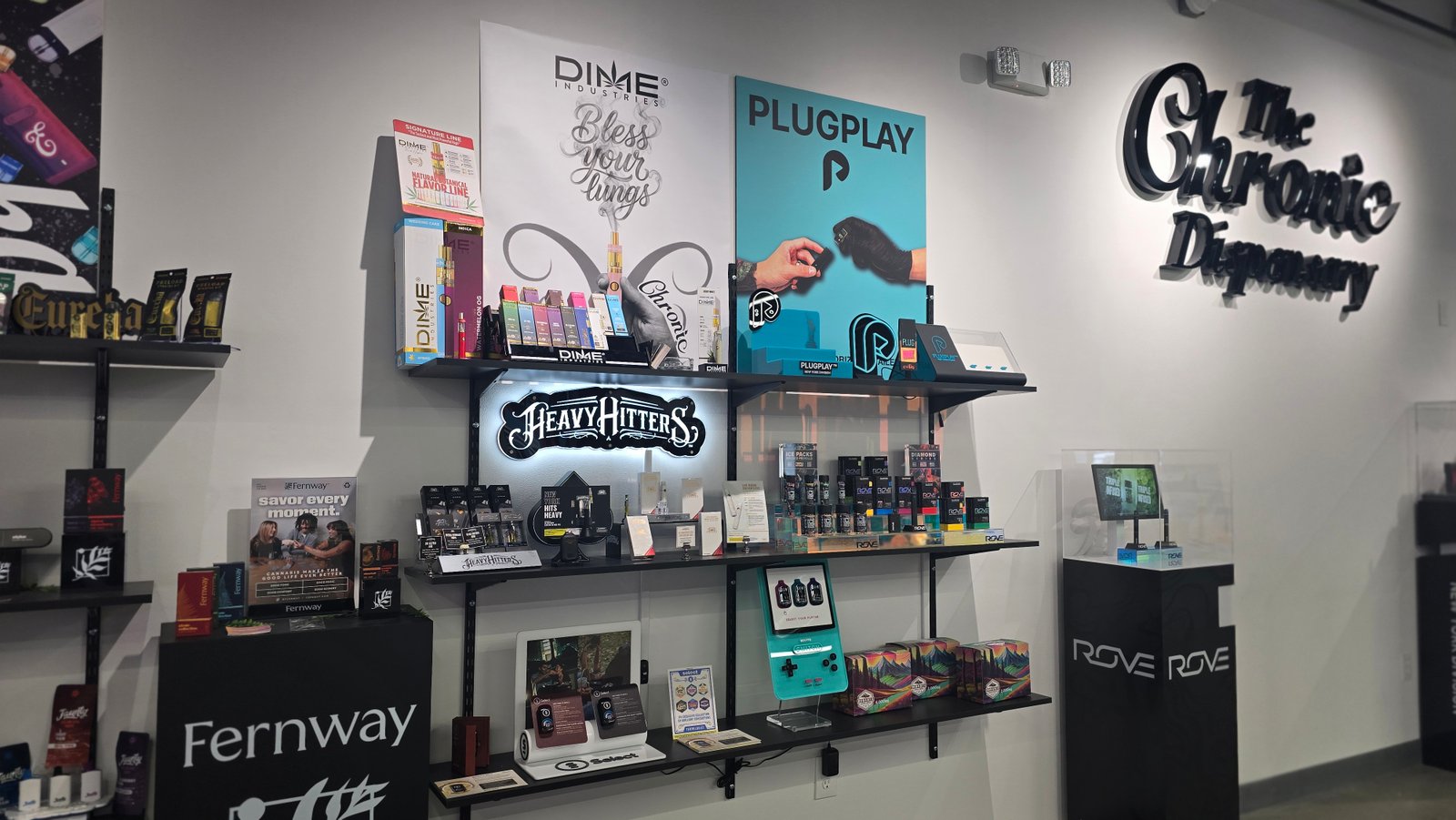
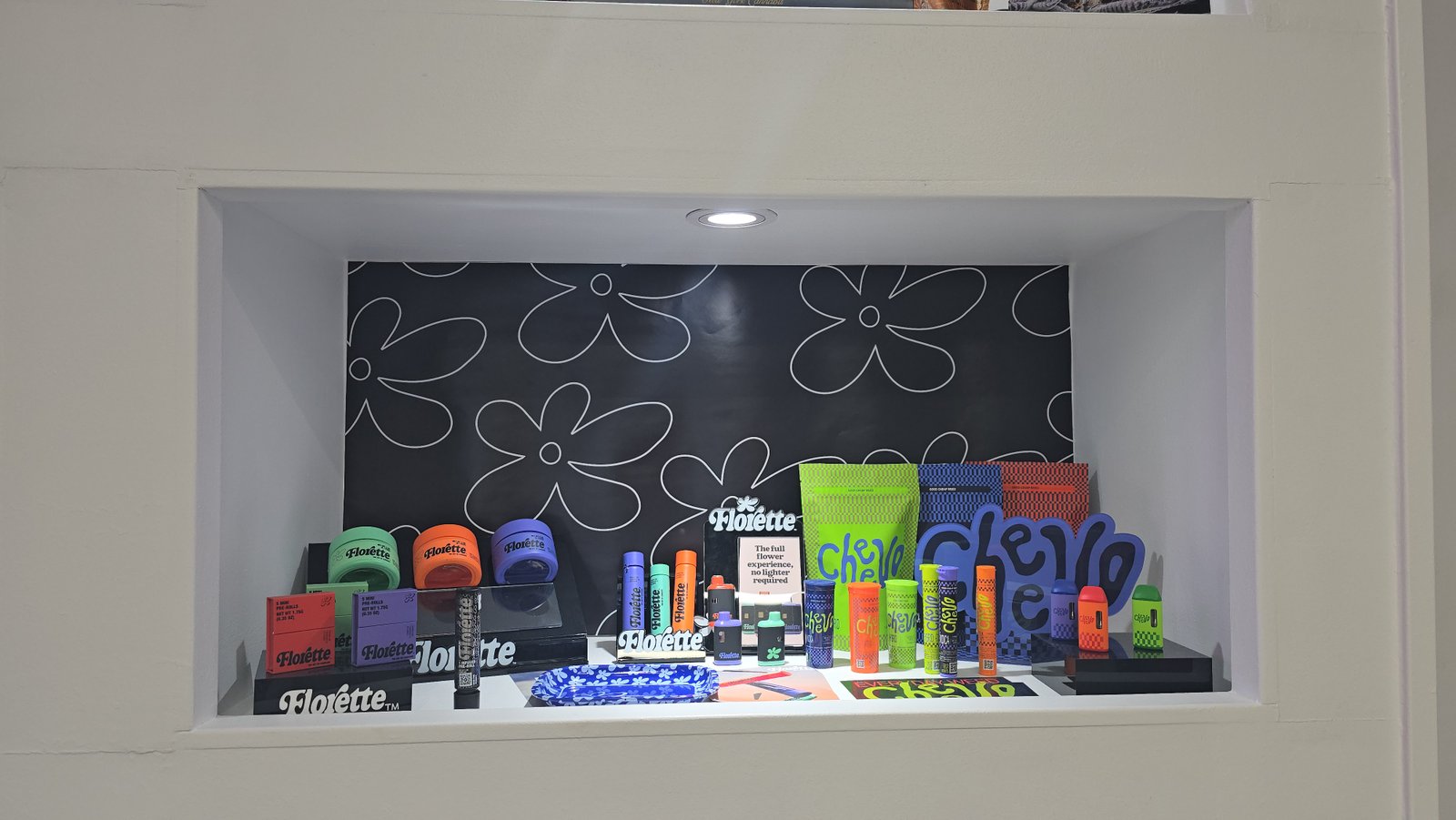
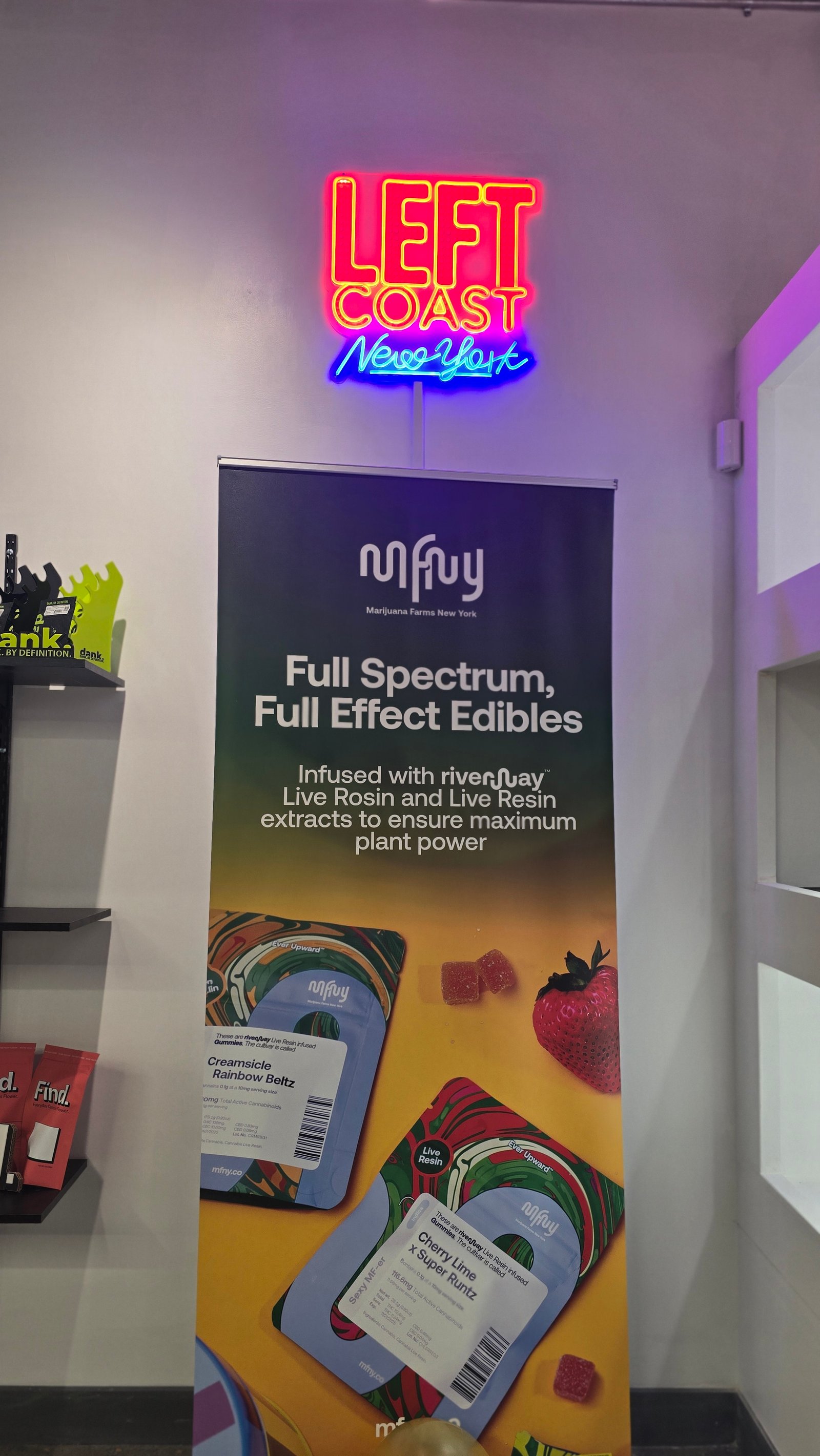
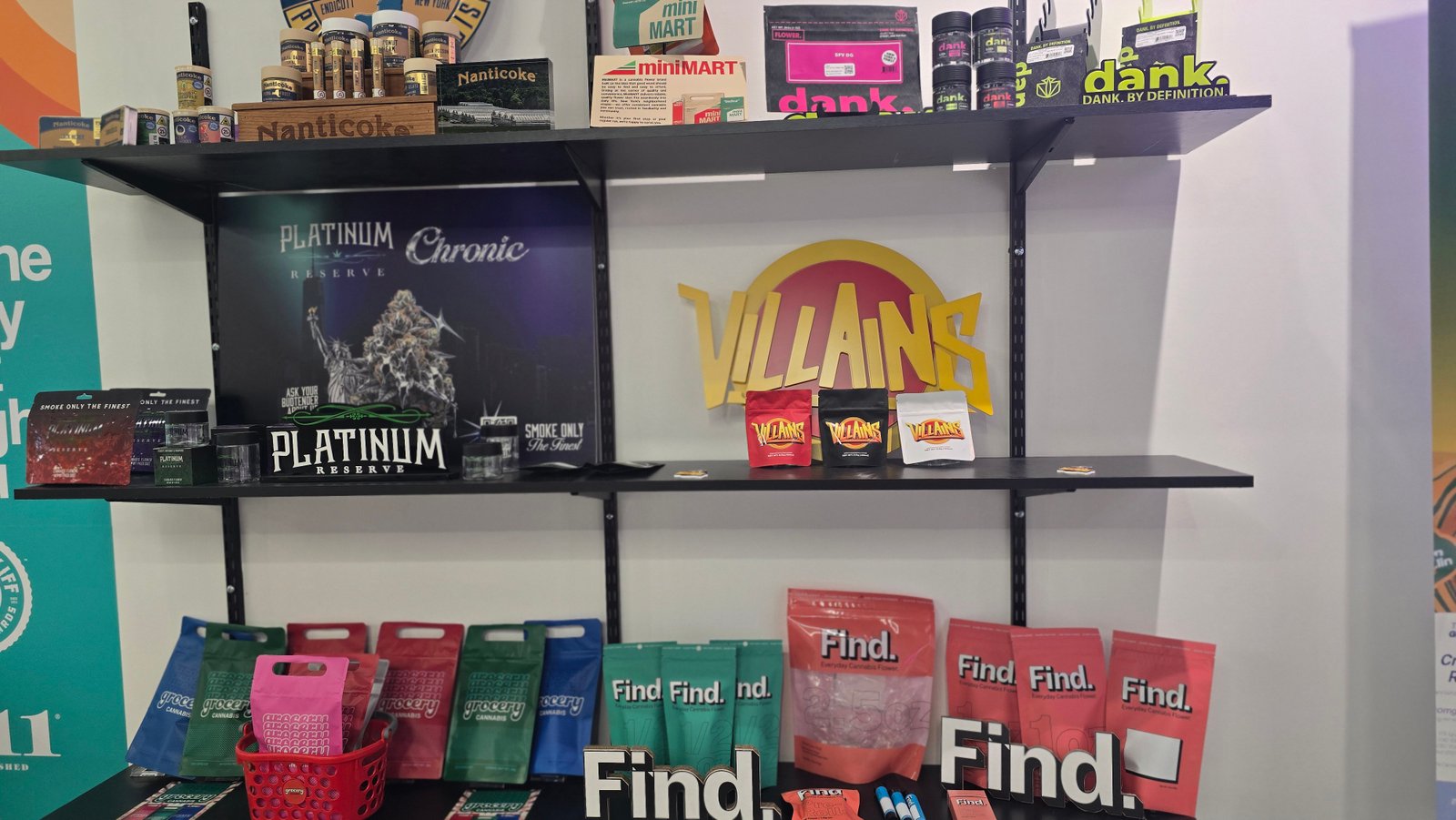
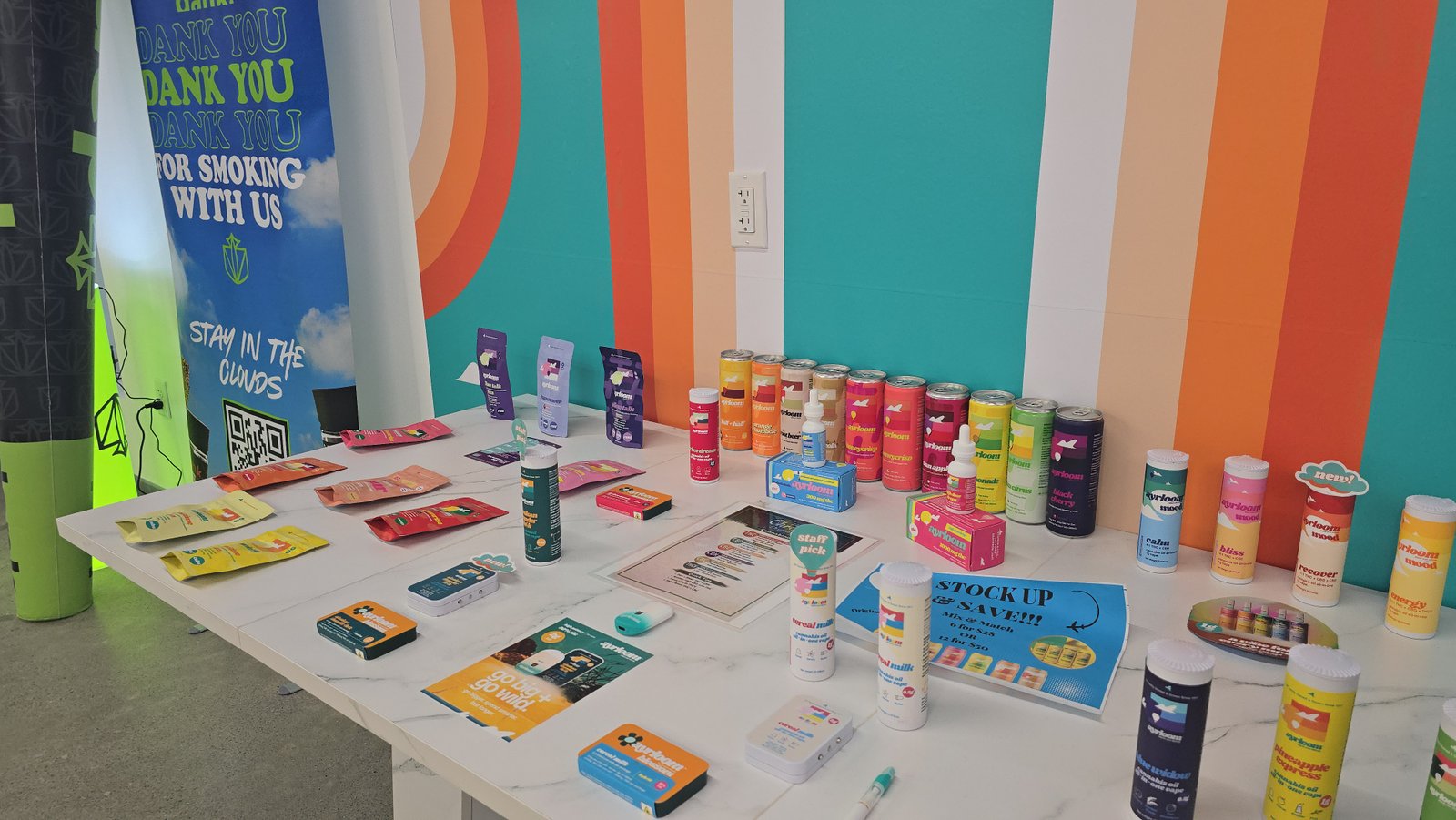
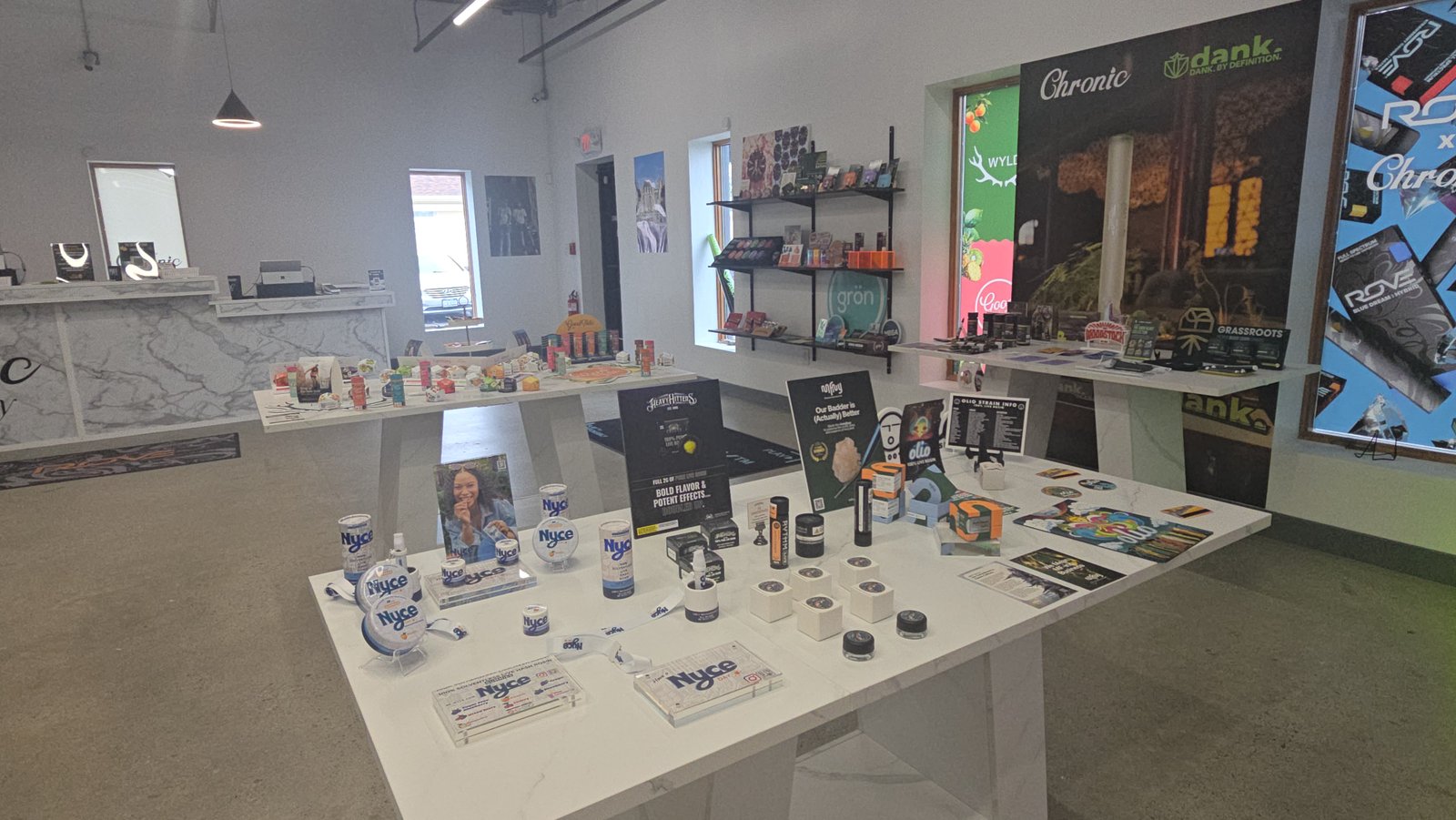
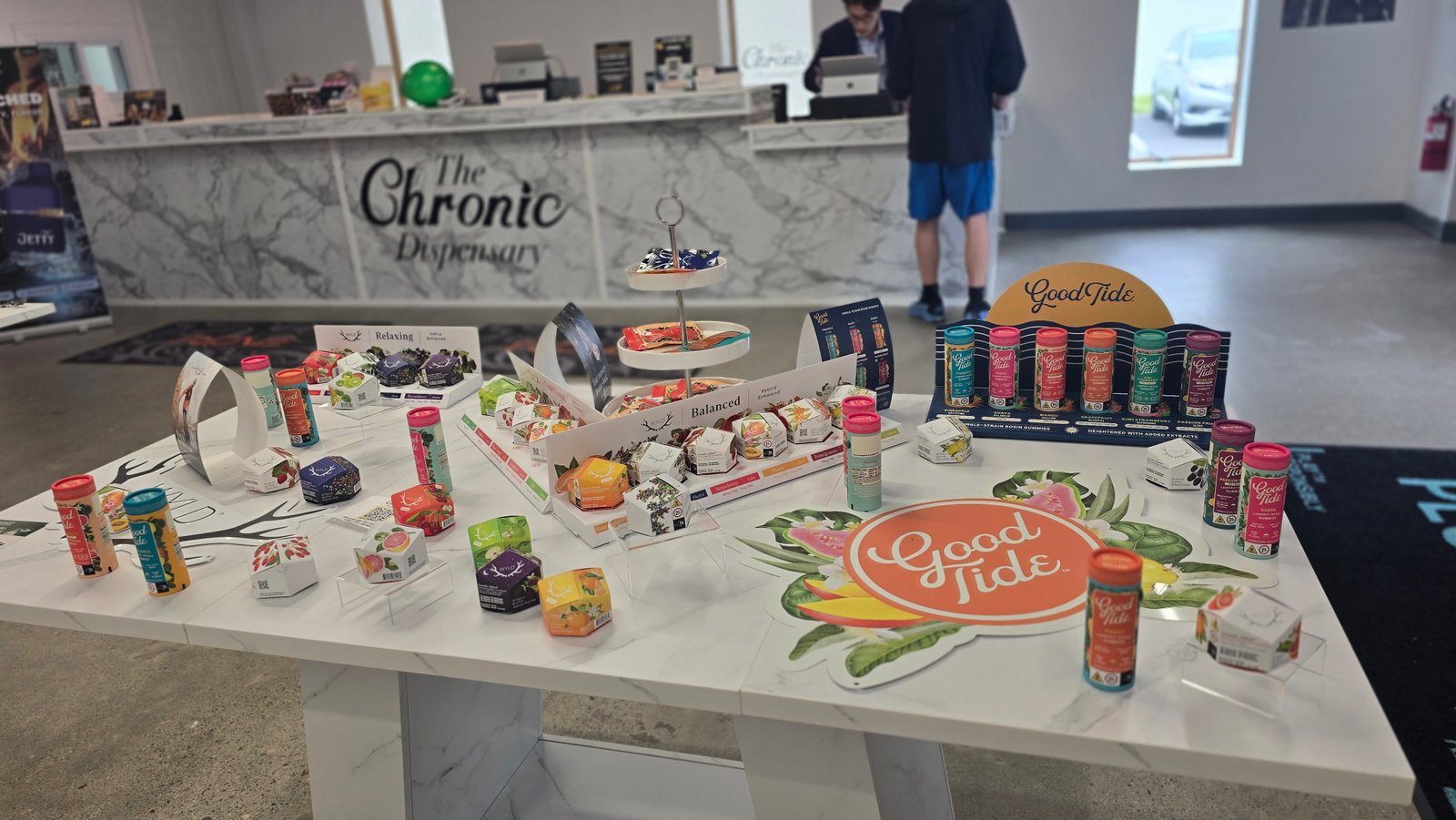
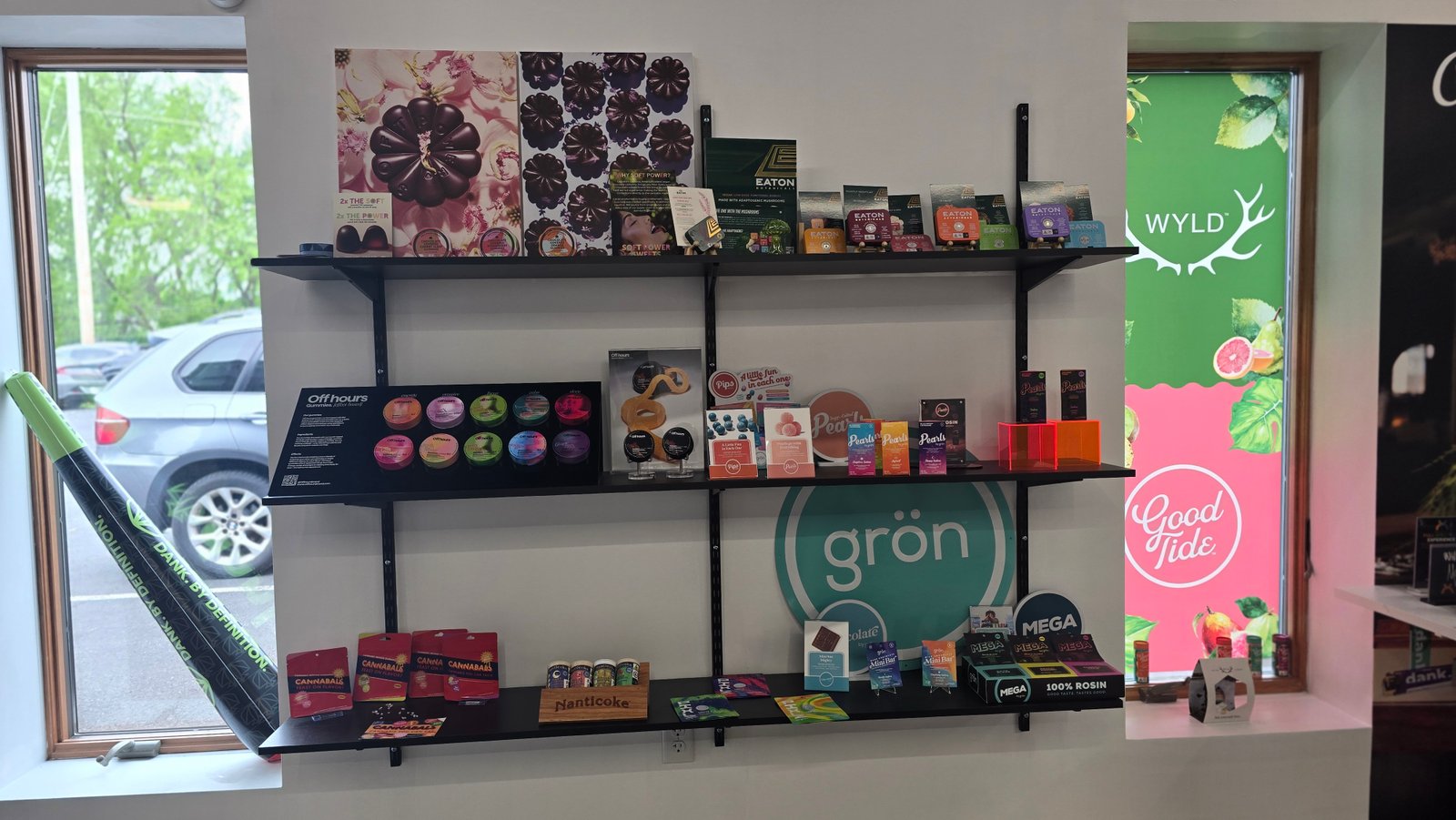
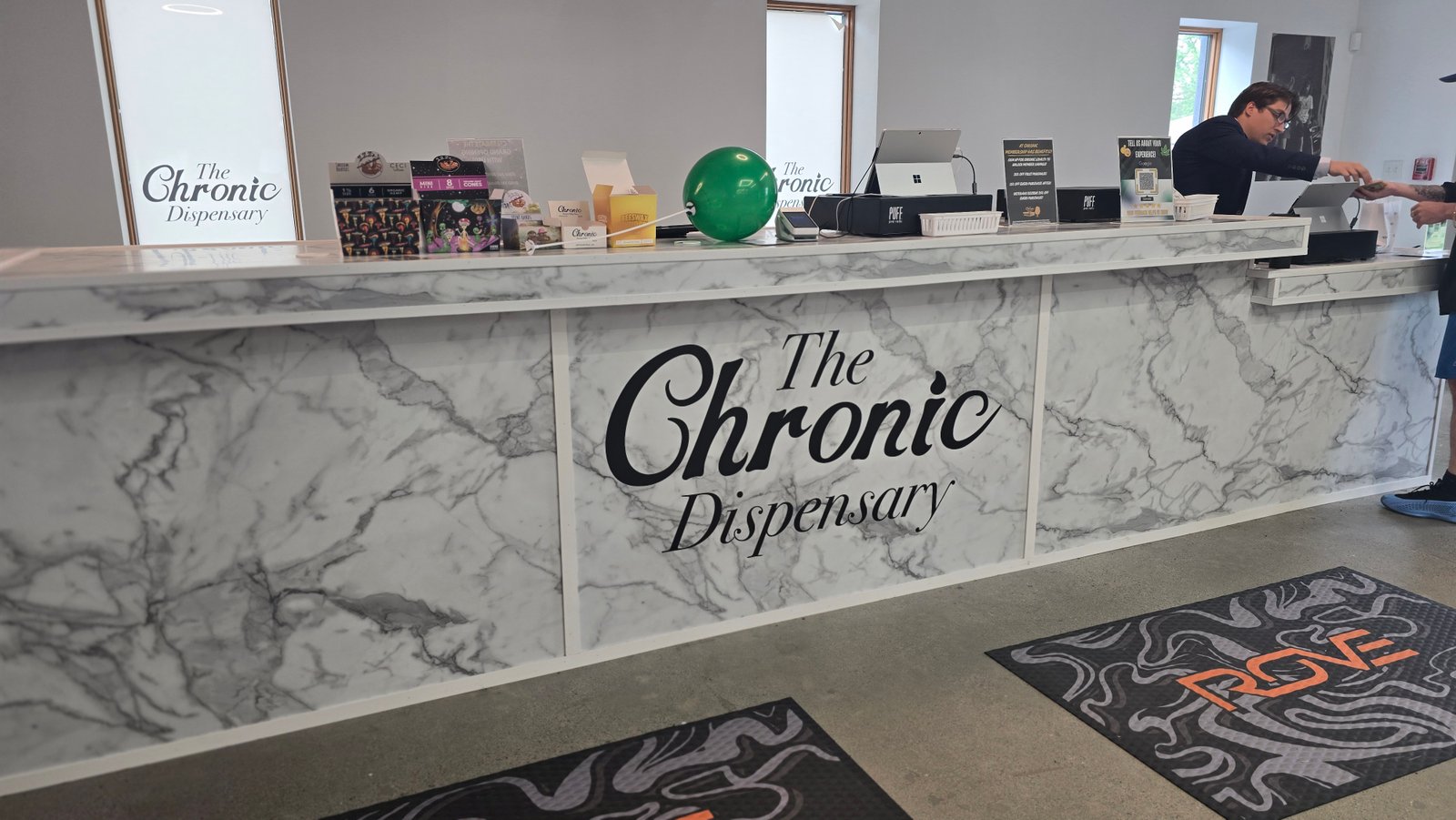
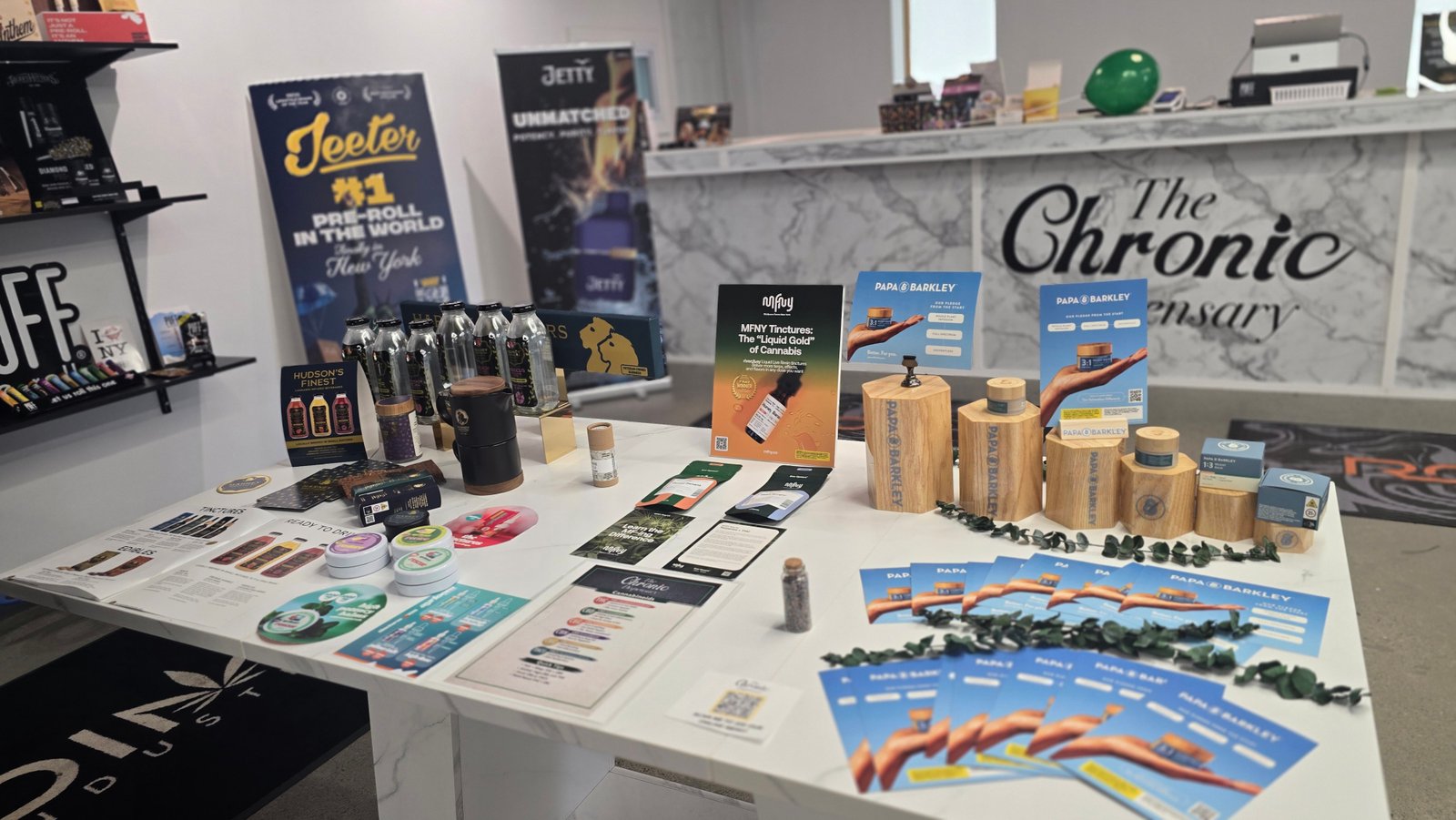
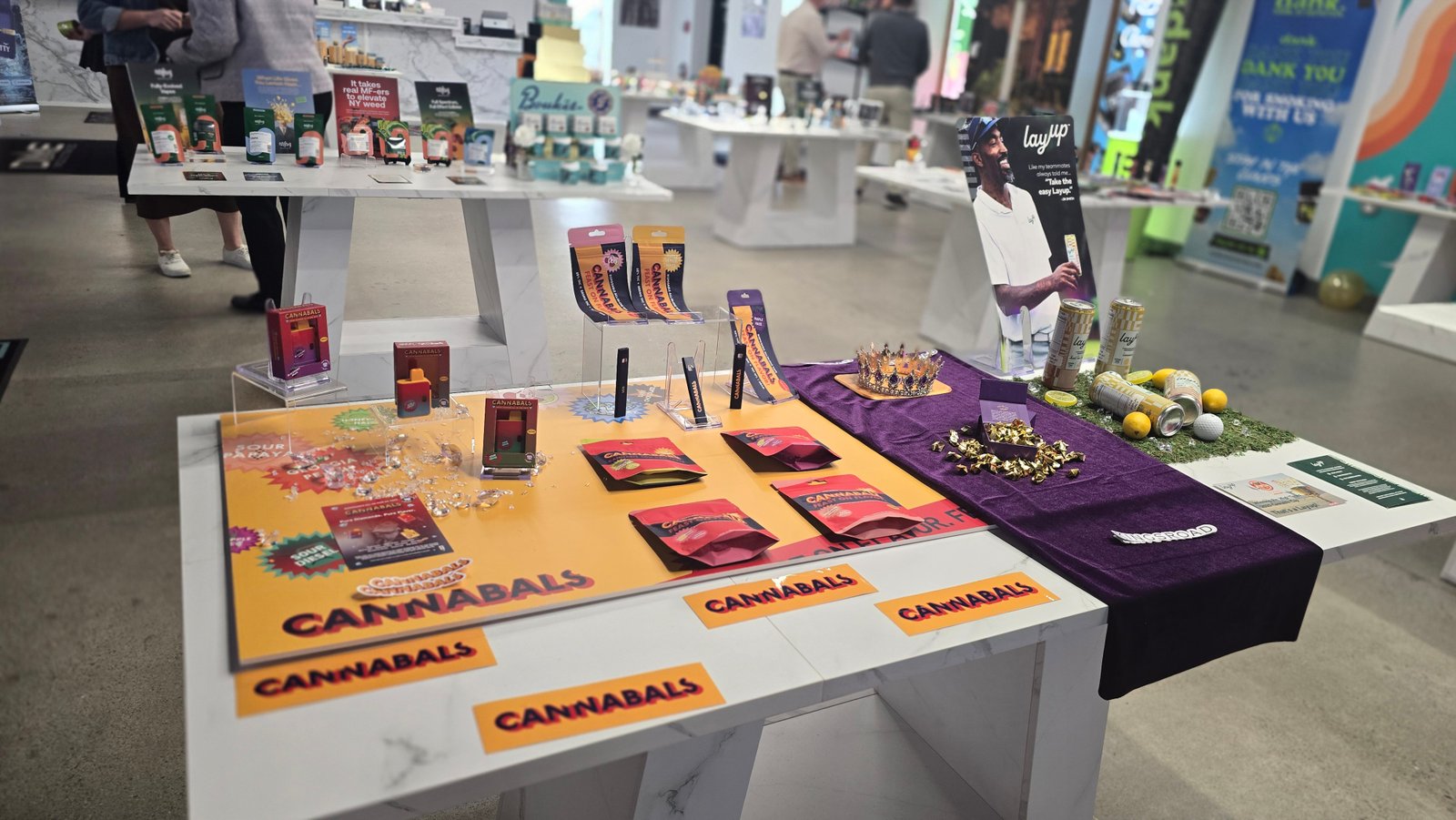
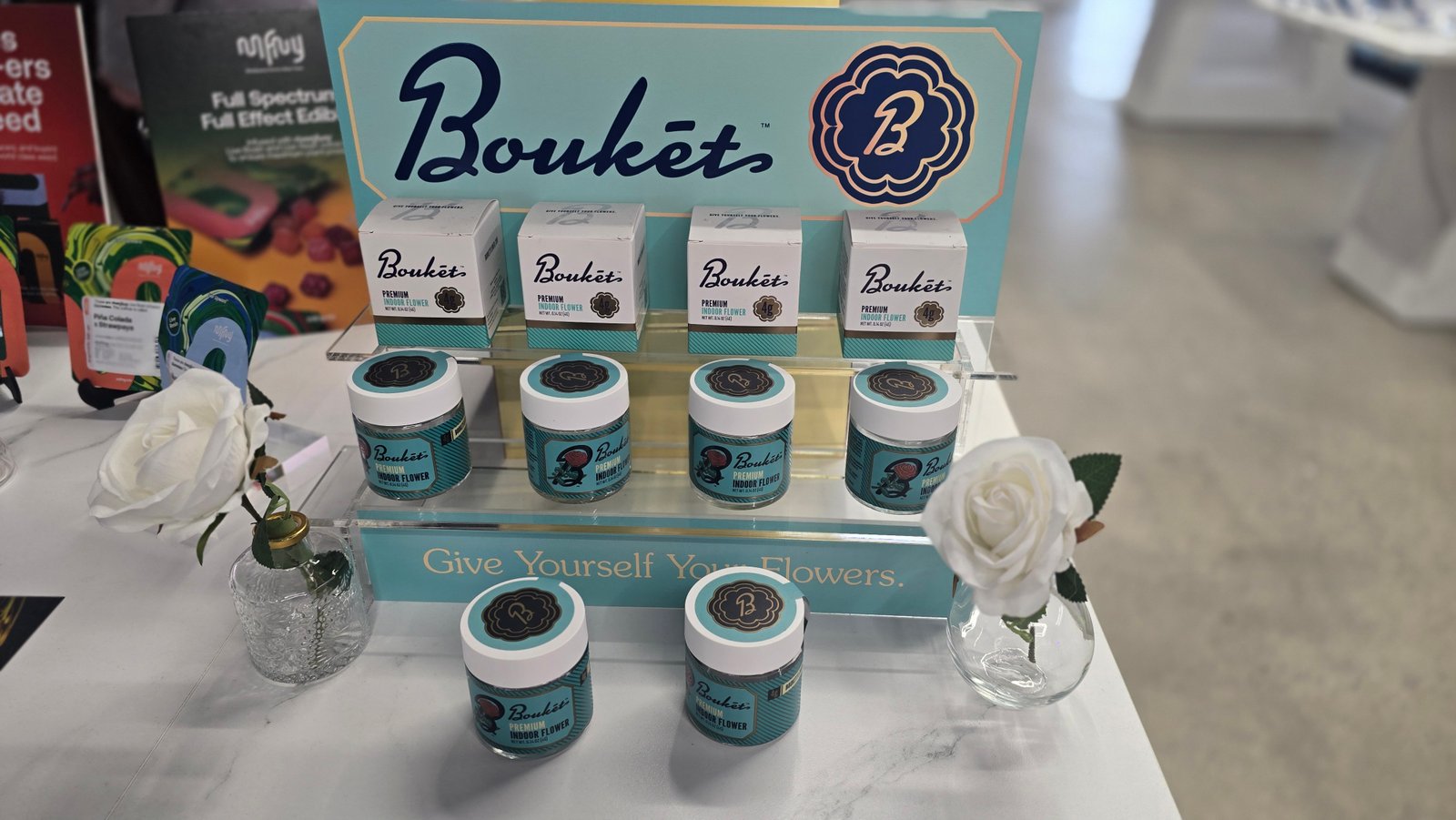
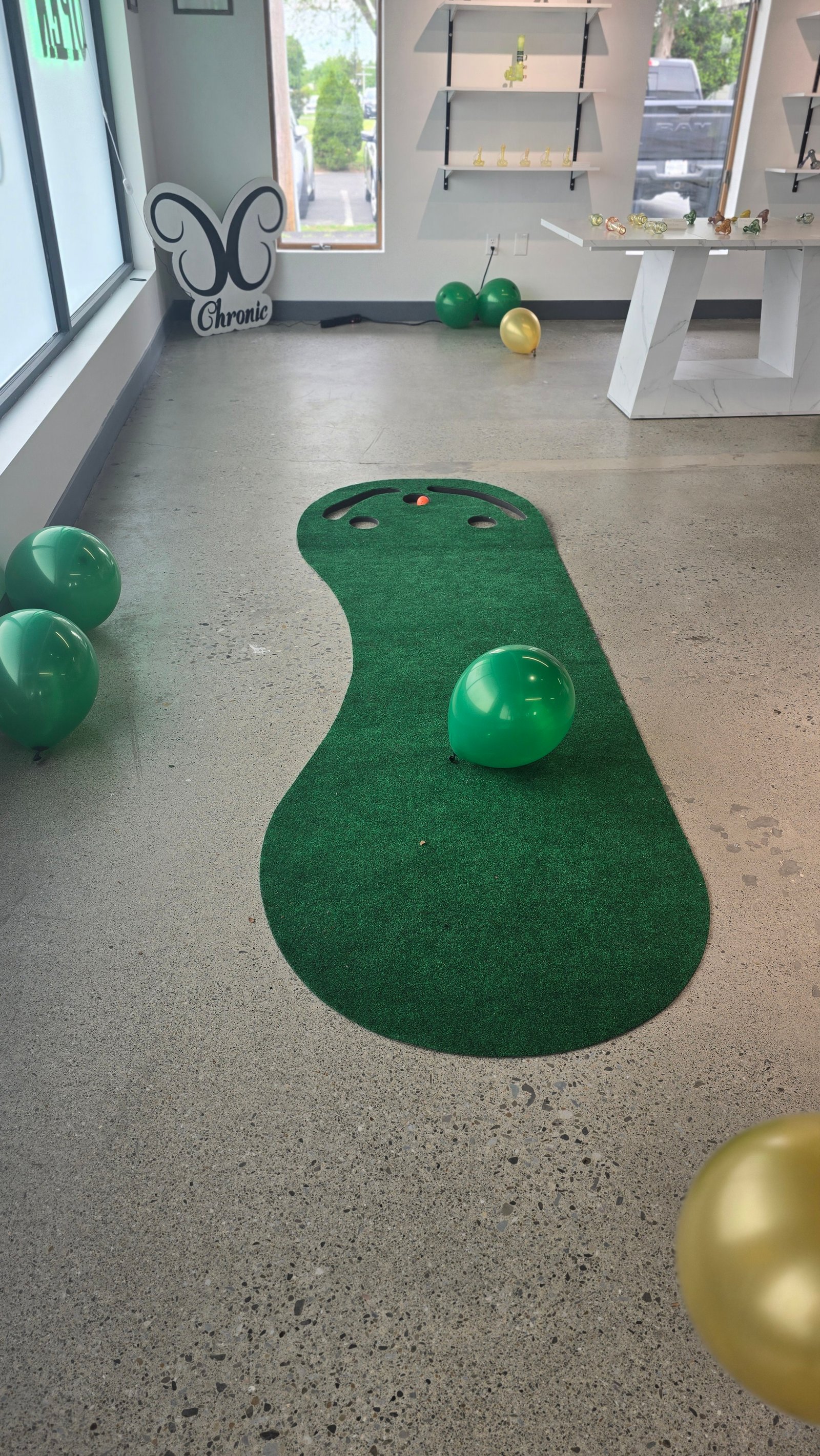
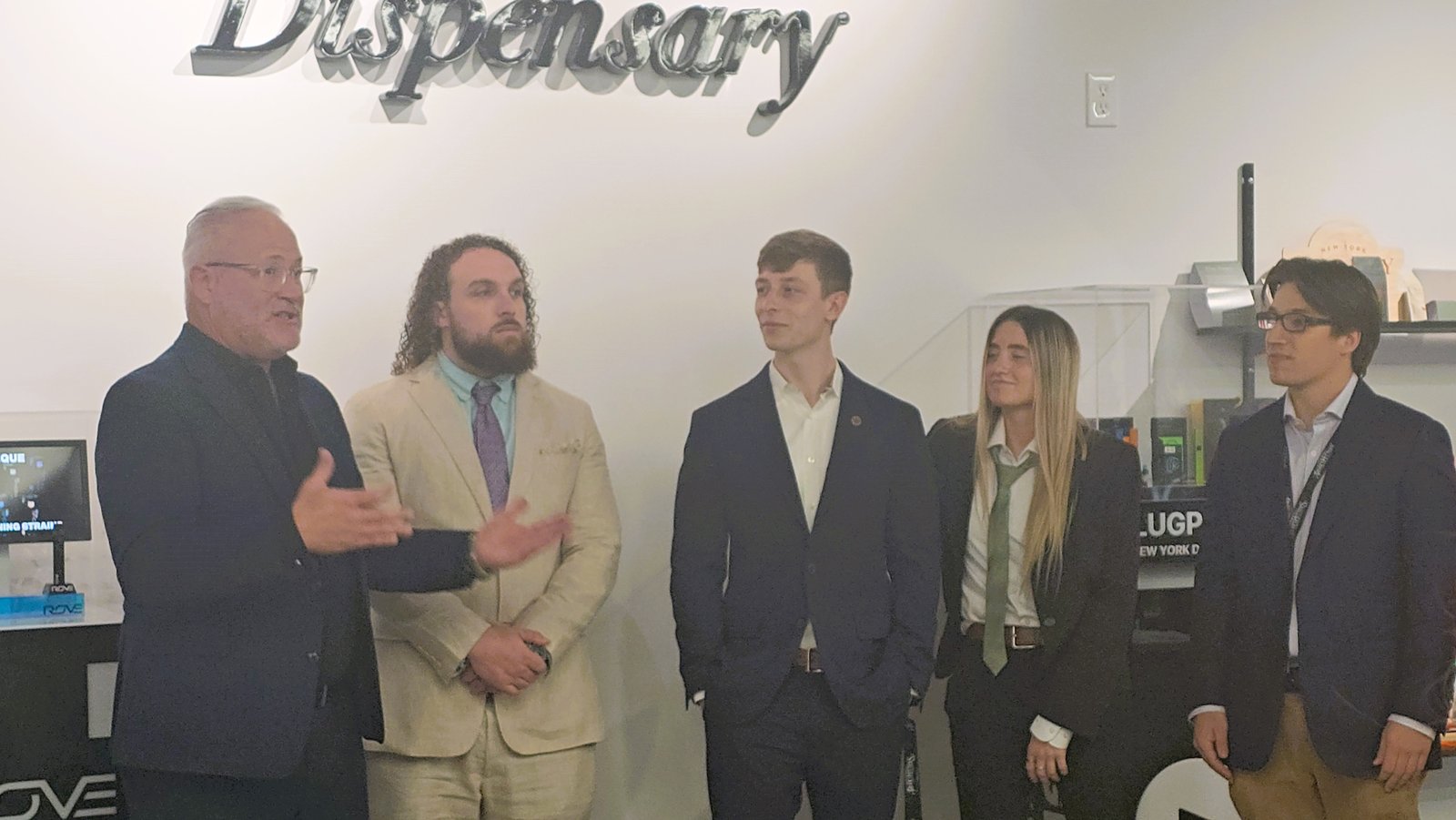
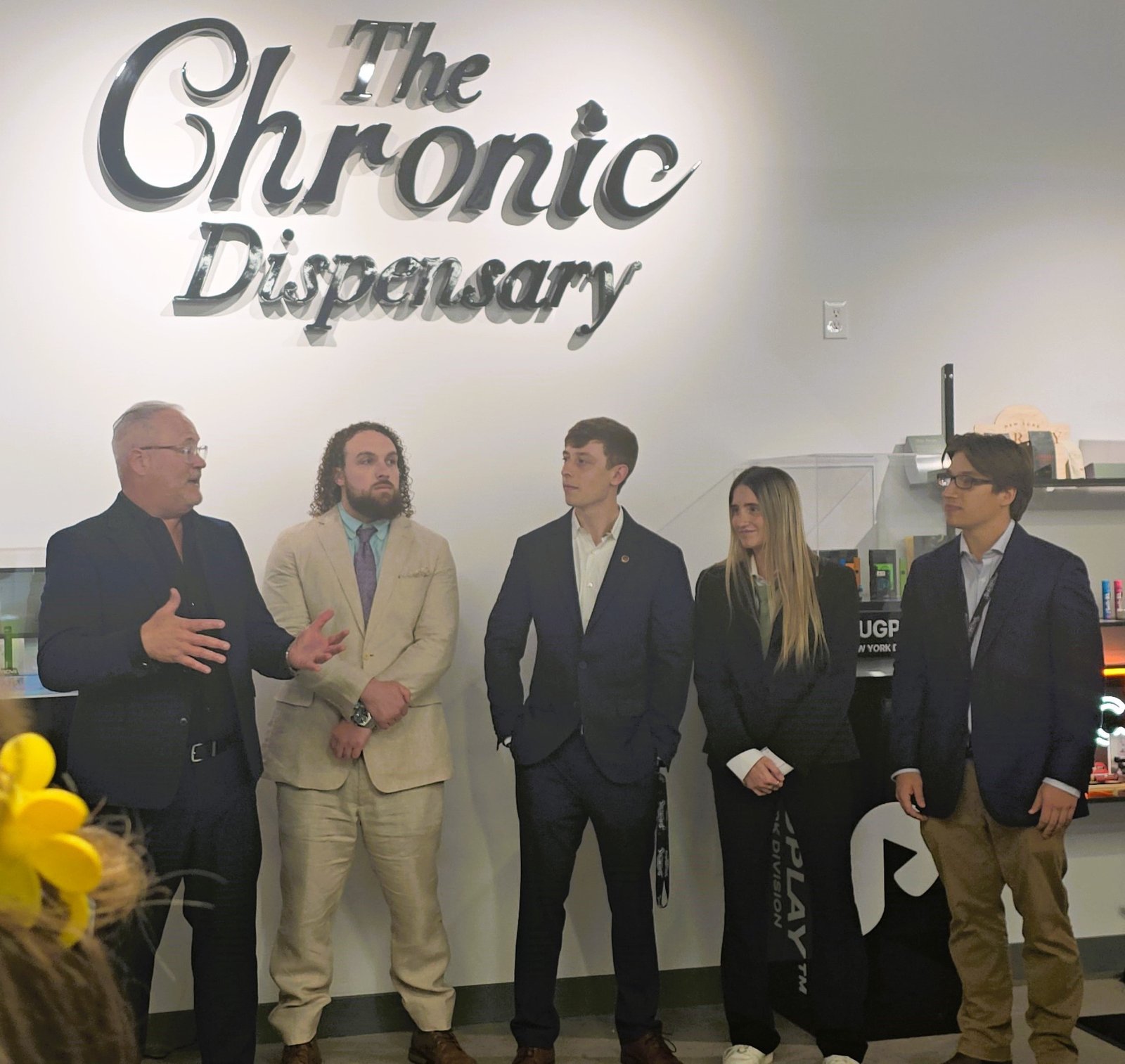
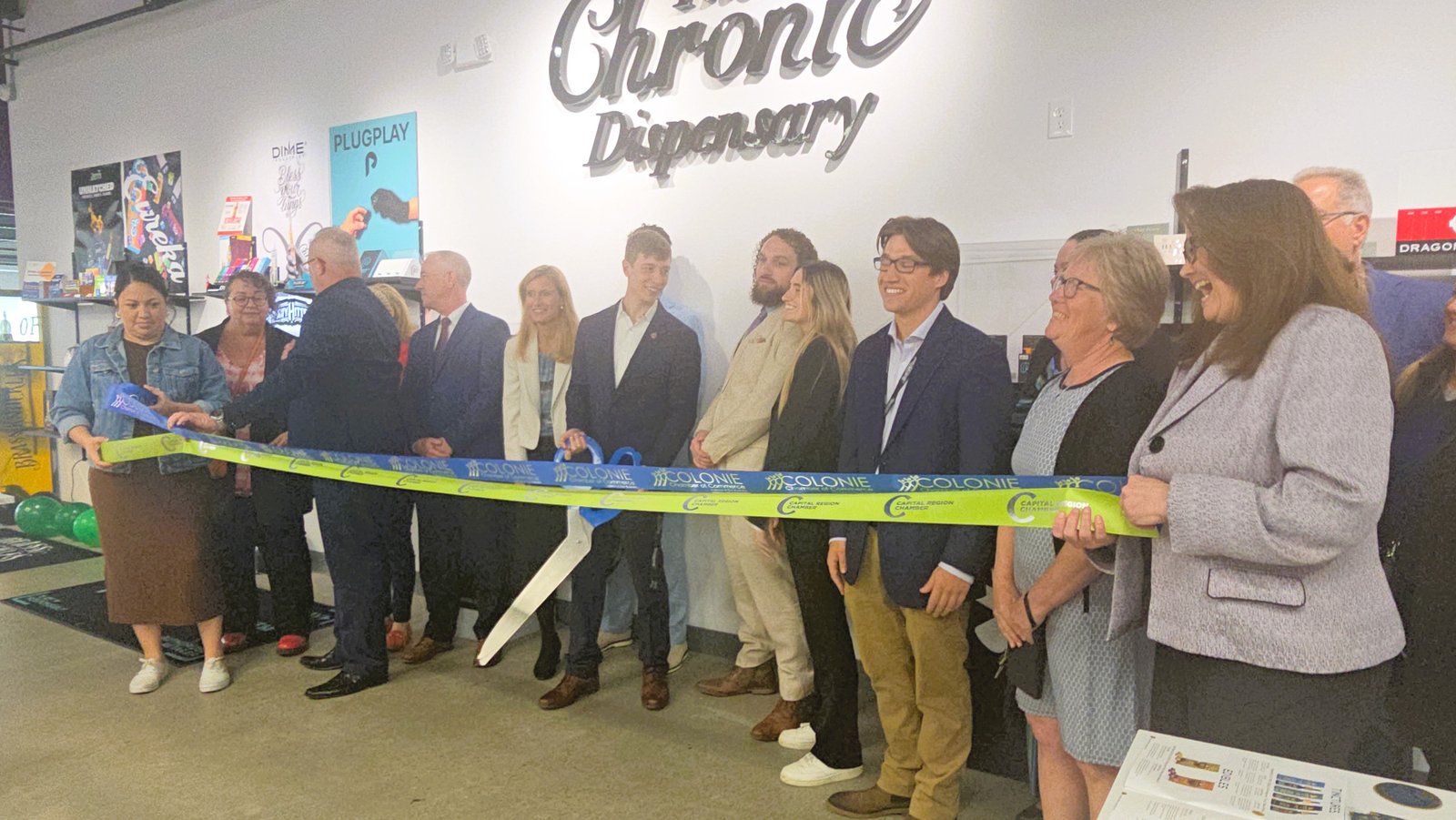
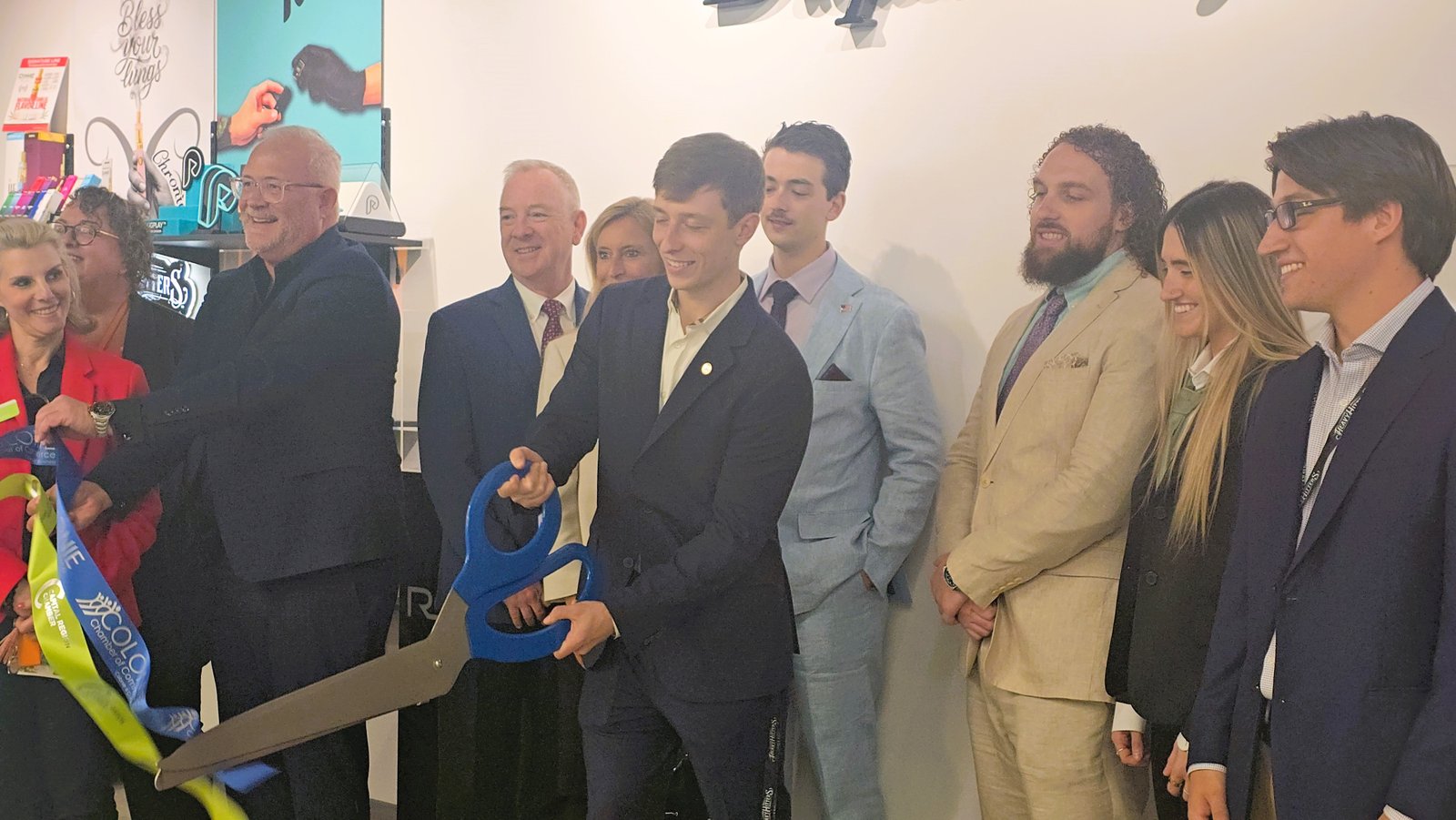
Thursday, May 21, was the ribbon-cutting ceremony for The Chronic Dispensary in Albany. The spacious dispensary offers a varied selection of adult-use cannabis products and glass pieces as well. While the storefront has already soft-opened for daily business, the formal celebration is reserved for this weekend.
Photography by Sara Busone.

Go to the above show and besides that enjoy your yard! It’s Memorial Day Weekend!
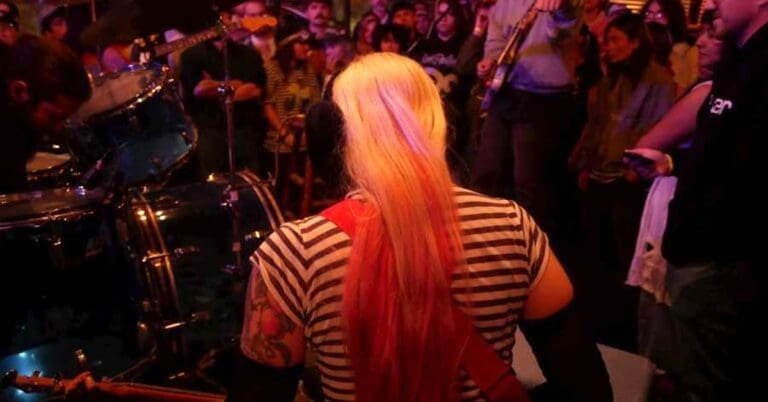
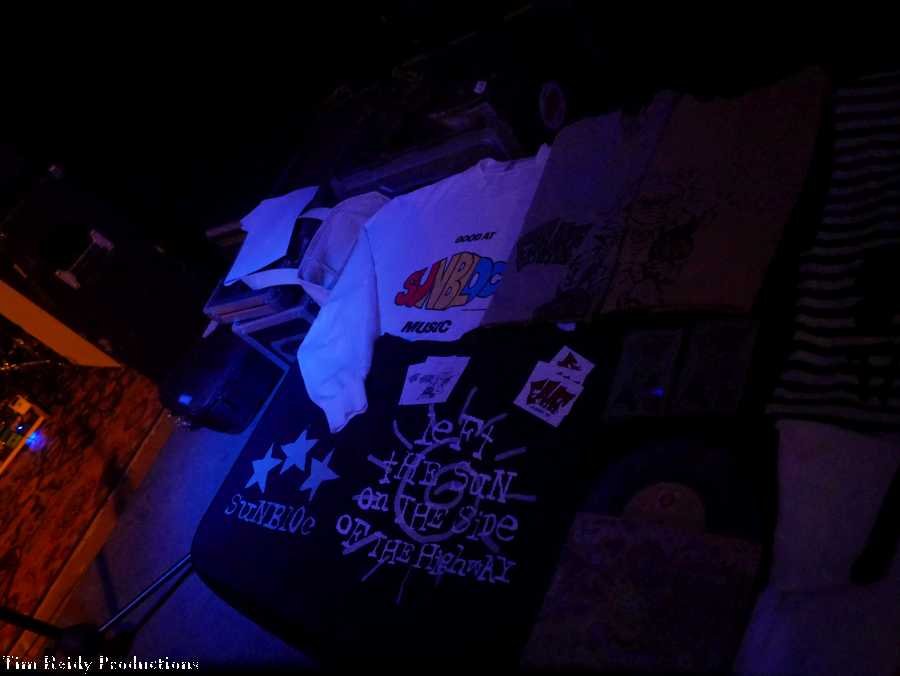
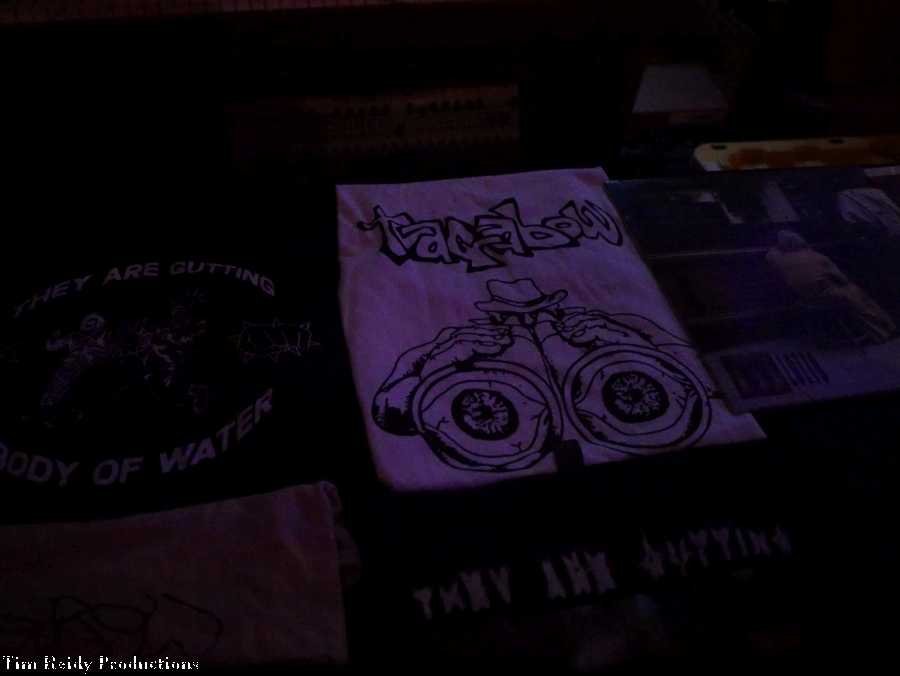
Philadelphia’s TAGABOW (They Are Gutting a Body of Water) played in front of a packed Hangar on the Hudson on May 14. Albany’s Sunbloc provided support.
Photography by Timothy Reidy.
More from Hangar on the Hudson here …
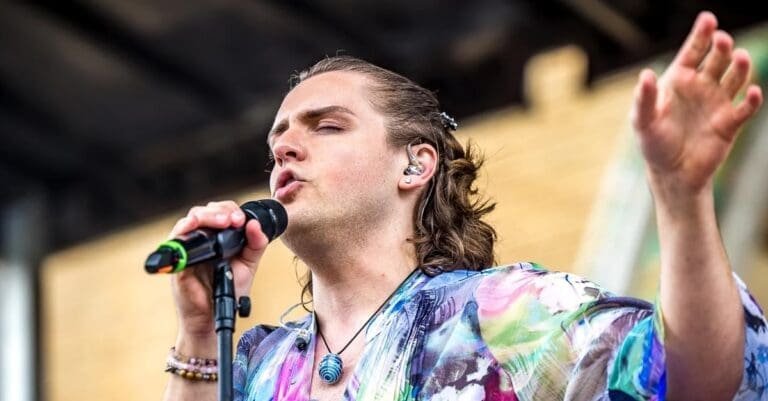
Image: Keegan James at the Albany Tulip Festival, May 9, 2026 – photo by Stephanie J Bartik
By Sara Busone.
RRX: Do you feel better when you sing about better times or worse times? Is there a difference you can describe?
Keegan James: I find that music has become the place where my frustrations get laid to rest. I think that’s a common thing in music, especially music made by United States citizens. My generation has been taught that it is our best effort to communicate kindly with others. This requires a lot of “filtering.” We all have heavy feelings and frustrations, but not all of them need to be said. Music is a place where I can put these feelings. It creates an opportunity for me to process them deeply and to eventually take them less seriously.
RRX: What instrument would you add to the band if you could? Is there anything you are trying to do musically that would be helped with one or more additional players?
KJ: Currently, I am looking to form a Keegan James “band”! Recently I’ve had the pleasure of performing at Albany’s Tulip fest, the Jive Hive, and Indie Whims with the very talented Hunter Frost on guitar and bass and also Peter Rodrick on drums! I’d love to consistently perform with a drummer and bassist/guitarist who’s passionate about funky pop grooves, who believes in me and has a keen sense of audio tech!
RRX: Is there a song you wrote that really died on the vine? Something you like but somehow just couldn’t make work? You swear never to play it live, that sort of thing?
KJ: HAH! I did write a song a few years ago that has been sitting in my archives. It remains untitled, but it very much has a club vibe to it. I wanted to test out writing music that would vibe at a place like Waterworks Pub. I sometimes listen to it on my own, but I have come to accept that it just isn’t a song that is meant to be released on my catalog. Maybe one day I’ll sell it as an exclusive on my website or pass it along to other artists, but for now it rests untouched!
RRX: Is there a favorite time of year? What time of year do you/does the band have the most shows? Is there a recurring thing in the year that’s particularly memorable?
KJ: I tend to have the most shows around this time of year, May-June! It’s an exciting time! Pride month is here, and everyone is hosting their summer events! I really love getting to be outside and seeing the community come together for things like Tulip Fest, NOYK presents Live! Loud and Proud, and Indie Whims! I also tend to do a lot during the holiday season! My background in musical theater jazz makes holiday music a specialty of mine!
RRX: What was your worst show like?
KJ: I feel as though I have become an expert at pivoting in this line of work! I tend to run into a lot of sound problems, whether it’s due to track malfunctions or microphone mishaps; I’ve learned the hard way how important a good sound check is. My bumpiest show was a ’90s-themed show at Lost & Found a couple years ago. It was my turn to perform and for some reason the tracks I was using lost the entire low end of the sound. It was painfully awkward, and I did my best to turn it into a comedy show. That’s when a miracle happened. Shannon Tehya and her band of five jumped up to the stage, took a look at my set list, and without a thought sight read all of my songs to back me up and keep the show going. It was one of the most magical moments I’ve experienced performing in the Capital Region!
RRX: What are some of your harmless vices?
KJ: Caffeine and Concerta. I have had ADHD my whole life, and on top of my (legally prescribed stimulants, you will often see me with a cold brew in my hand at 11 pm to keep me going for these late-night shows. Heck, I’m literally holding a latte right now.
RRX: With services like Spotify, streaming revenue can be pretty dismal. Without spilling secrets, do you have a promotional mindset or philosophy?
KJ: I’m painfully aware that when it comes to being a music artist, you must also be a walking brand/business if you want to survive. While I have side gigs like teaching yoga and music to students with special needs and dog sitting, I’m an artist full time and often struggle to make ends meet. I continue to explore many different avenues to generate as much revenue as possible. I’ll let you in on a little secret, the money doesn’t come from the streams and interviews. The money comes from things like merch sales, brand deals, and monetizing your skills through songwriting/producing. My friends and I often spend time together hand making our clothing merchandise; we design stickers and posters WITHOUT AI. We invest in materials that we know will bring us a return and do our best to provide what we believe will make our audience happiest! When you’re at a local show, the best way to show your support and keep an artist going is by taking a good look at their merch table and buying their music directly!
By Mike Stampalia.
Last fall, former Talking Heads frontman David Byrne performed at Proctors as part of his “Who Is the Sky?” tour, and it commanded the highest-ticketed prices in that storied venue’s history. In March 2023, Heads keyboardist/guitarist Jerry Harrison played Empire Live alongside essential TH contributor and touring musician Adrian Belew, making for one of the most talked-about area shows of the year. Byrne returns to the area this September, this time at SPAC, where the top ticket price is $509, and that’s before the joy that is Live Nation/Ticketmaster’s “surge pricing” and “aftermarket offerings” kick in.
This all happens because Talking Heads are correctly lauded as a legendary, groundbreaking band, one of the best of all time. A band that was post-punk before punk had gotten out of the Bowery.
But it wasn’t always that way.
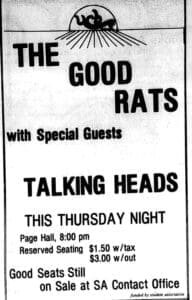
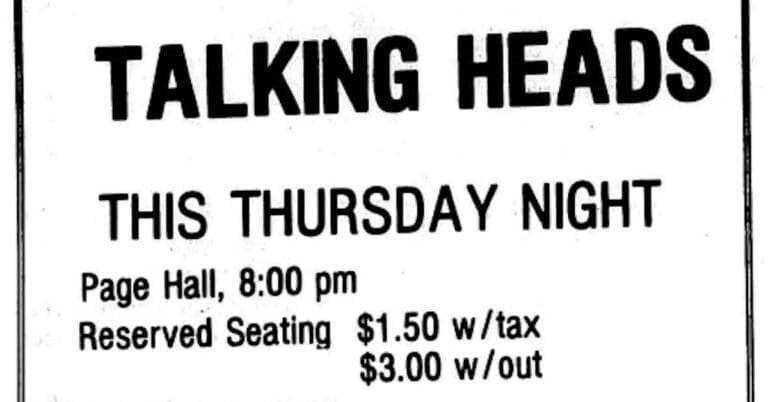
Talking Heads released their first album, “Talking Heads: 77” on September 16, 1977, and two months later visited our area for the very first time at SUNY Albany’s Page Hall, on November 17, 1977. They opened for the Good Rats, a band from Long Island that had been around for 13 years at that point. The review was not what you would expect, with 20/20 hindsight:
No Rats, but still good Rats were at Page Hall last night, where loud Rock and Roll abounded in the form of the Good Rats, the kings of Long Island Party Rock. More than 700 fans were greated with tumultous volumes of sound and energy not normally found in the Albany Area.
The Good Rats took the audience on an obsene, fun filled adventure through the land of the buzzing eardrum, while the warm up band, the Talking Heads, took us to the limit of migrane headaches and queasy stomachs, with their own form of punk Rock (or as Good Rats’ rythm guitarist Mickey Marchella called it, “skunk rock”), complete with pounding rythms and aching heads.
They looked harmless enough on the outside, but on the inside they were every bit the punks they proffessed to be. Incredibly drone, generating enough noise to cut through a jet blast, caressing our ears with tear jerkers such as “Hot Love” and “Psycho Killer”, and screaming sweet nothings into our ears, the Talking Heads transformed into the “Screaming Lips”, “causing the Rat fans to shout in disgust.
But the Heads took it as a compliment, for they returned to torment us again with an encore. If this is new wave, send me back out to see. I’ll drown in “Black Sabbath” before I listen to this.
Robert Gardner for the Albany Student Press, November 18, 1977
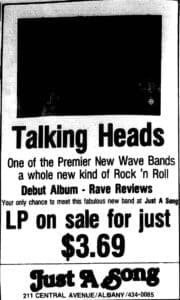
The band was interviewed at Just a Song (record store) before the show:
The Talking Heads who wore the opening act for the Good Rats last night made an appearance at Just a Song Records yesterday afternoon to promote their new album, “Talking Heads 77.”
The group consists of songwriter, lead singer and guitarist David Byrne, drummer Chris Frantz, Martina Weymouth on bass, and Jerry Harrison on keyboards and guitar.
ASP: Could you tell me some of the history of the band?
Martina Weymouth: The band had been together nearlythree years with the exception of Jerry. We played at CBGB’s, the famed place. The next week there was a big thing in the Village Voice about the new rock and roll. After a lot of looking around we signed with Sire Records last November and Jerry joined us in time to record the album. Following that we toured Europe and were well enough received to be invited back.
ASP: You say you are not a “new wave” or punk rock band, how would you describe the Talking Heads?
Weymouth: The Ramones are our favorite new American band. We think it is very important to communicate to an audience in a sincere manner and we don’t like huge stadiums and things. But all the audience has to do is listen to our sound and they can tell that we are not punk rock. People basically like to have a good time, and we like to think of ourselves as new, the newest thing.
ASP: I have read that you think a hit single is important, do you still feel that way?
Jerry Harrison: We’ll just keep making records we like and if the programmers think one could be a hit we won’t discourage them.
ASP: How did you get the name Talking Heads?
Harrison: A friend of ours who lives in Chicago now picked it out of T.V. Guide.
ASP: What are your musical influences?
Chris Frantz: When I was younger I didnt have a record collection, I listened to whatever was being played on the radio. In the car my parents didn’t listen to the rock and roll stations but sometimes they did it just to shut me up! I heard stuff like “Flying Purple People Eater” and” Big Bad John,”” Duke of Earl” and Elvis. I liked *Trailer for Sale or Rent” and” Hit the Road Jack.” “Blue Velvet” by Bobby Vinton. Until the Beatles came out and thats when I thought about being in Rock and Roll. At that time it was impossible, but now it is and it’s fun.
ASP: What are your future plans?
Harrison: We will be playing in the U.S. until about Christmas and then we’ll go to Europe and then we may start on another album and tour some more.
Interview by Dennis Scheyer for the Albany Student Press, November 18, 1977
See pictures of the Jerry Harrison/Adrian Belew show at Empire Live here …
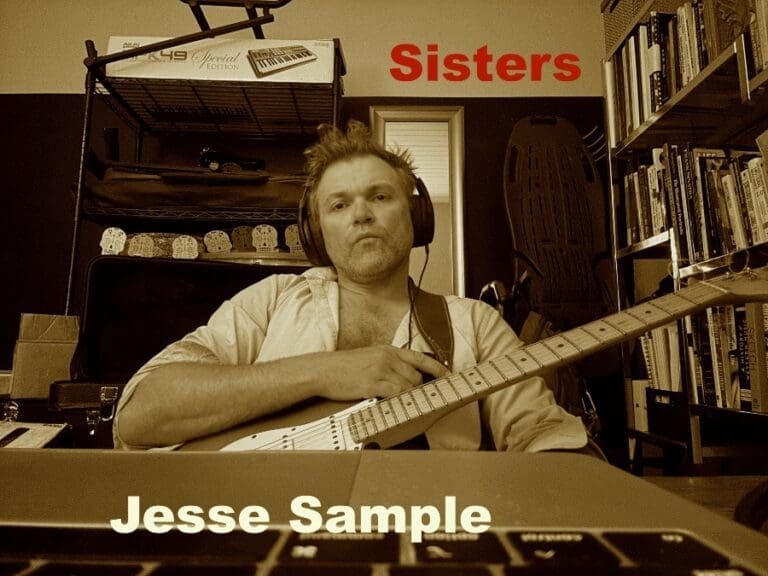
Jesse Sample’s Feak of The Week airs EVERY WEDNESDAY at 6pm EASTERN only on RadioRadioX.com
This is Jesse Sample. I’m listening to audiobook about the great movie director, Brian De Palma. He is known for great films like Carrie and Dressed to kill. Coming from a musical background, one can’t help but notice the similarities between great movie directors and great album producers. Both of these jobs require leading a team and creating and maintaining a clear and true vision of a story.
De Palma has often been pegged as the heir apparent to the great Alfred Hitchcock, but he brings his own essence to the vast underworld of the macabre. I took a little time to rewatch De Palma’s 1972 psychological thriller, Sisters. I settled into its dark and ominous aura and started writing this week’s project. There is a profound feeling of being tied to someone lost and being haunted by them so it sometimes seems like they are still there.
I would also be remiss if I didn’t wish my good friend and local horror aficionado, Anthony Vincent “Bear” Campo III Happy Birthday. I’m sure he will have a lot to say about this week’s write up.
Thanks to all of you tuned into RadioRadioX. This is the Freak of the Week, “Sisters.”
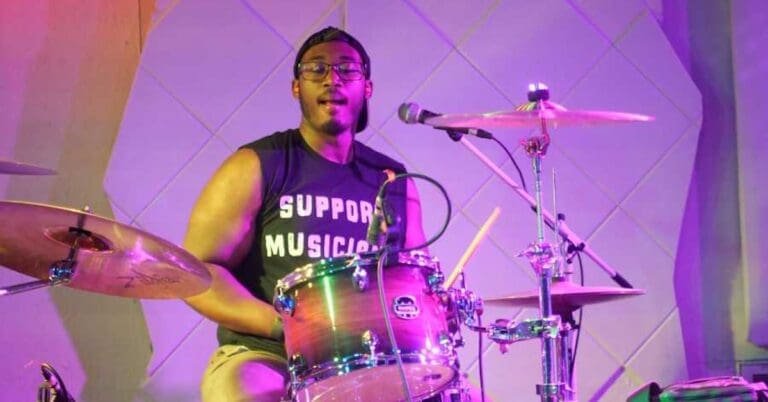
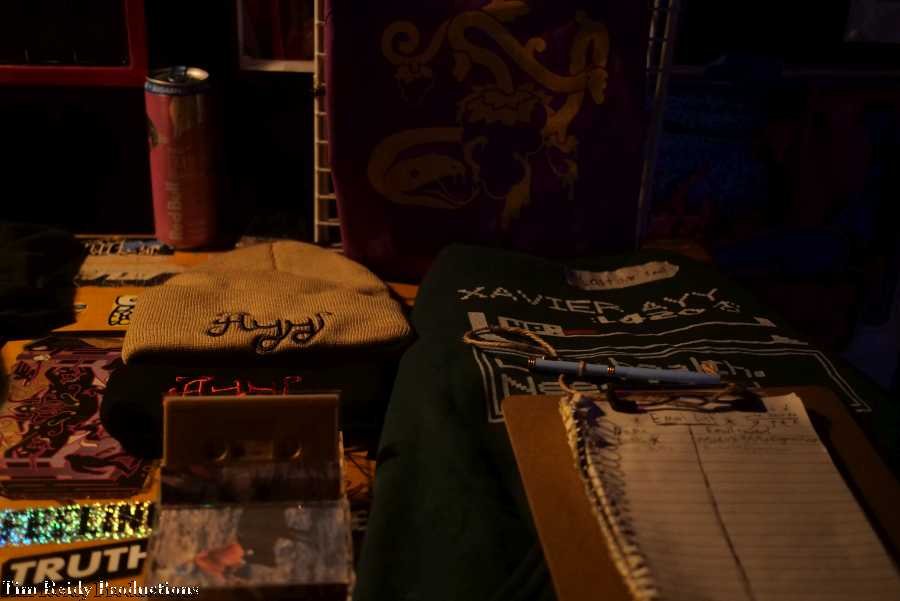
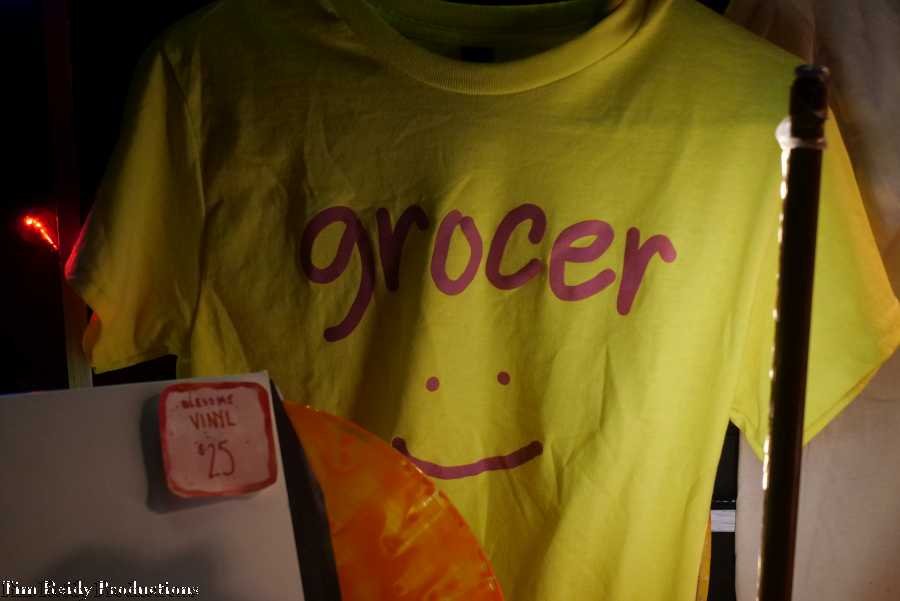
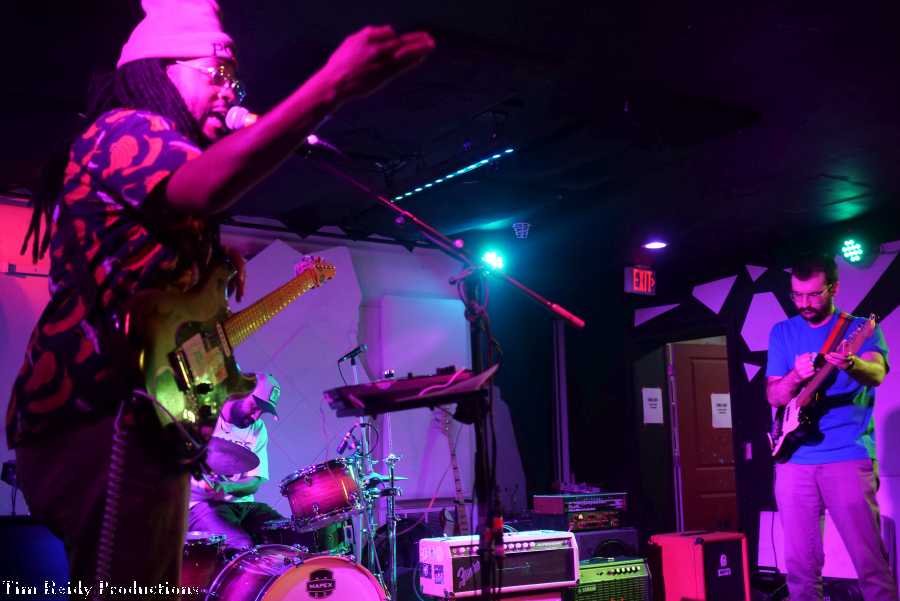
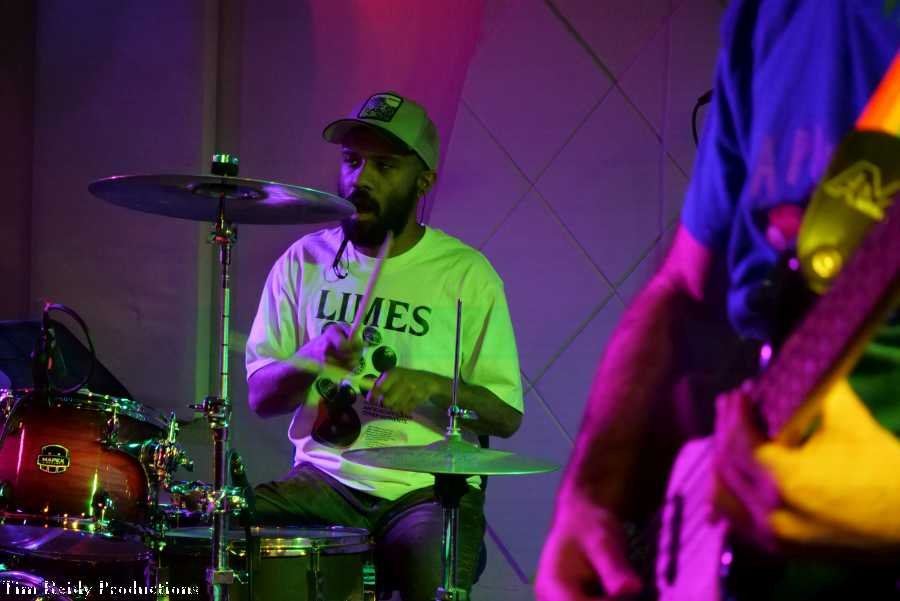
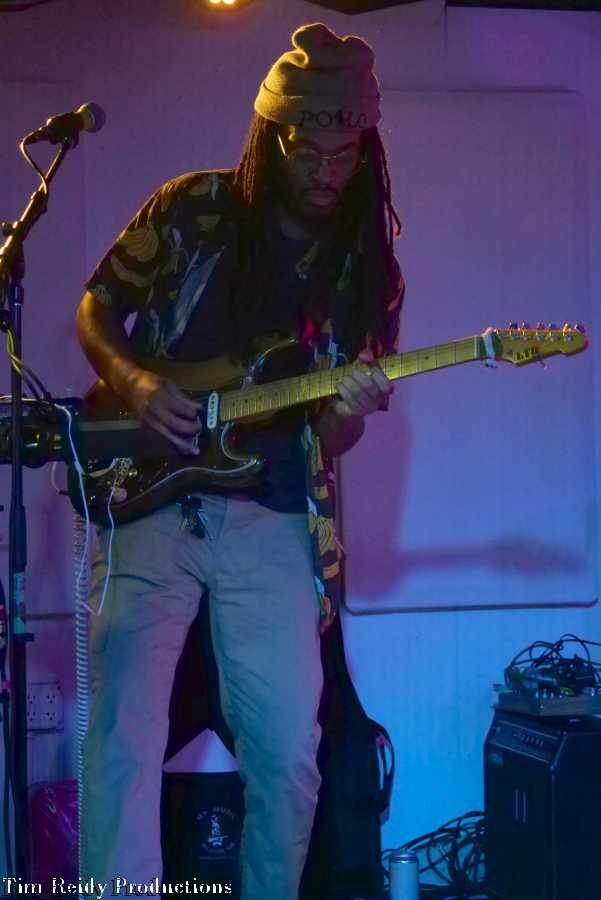
Wednesday at No Fun featured Memphis indie rockers Blvck Hippie, along with Grocer, Xavier Ayy, and Mall Goth.
Photography by Timothy Reidy.

RadioRadioX & The Xperience Monthly
© 2018 - 2026 Imperial Broadcasting. Most Rights Reserved.