
Home Blog Page 573

The Kintners Interview -By: Niki Kaos

0

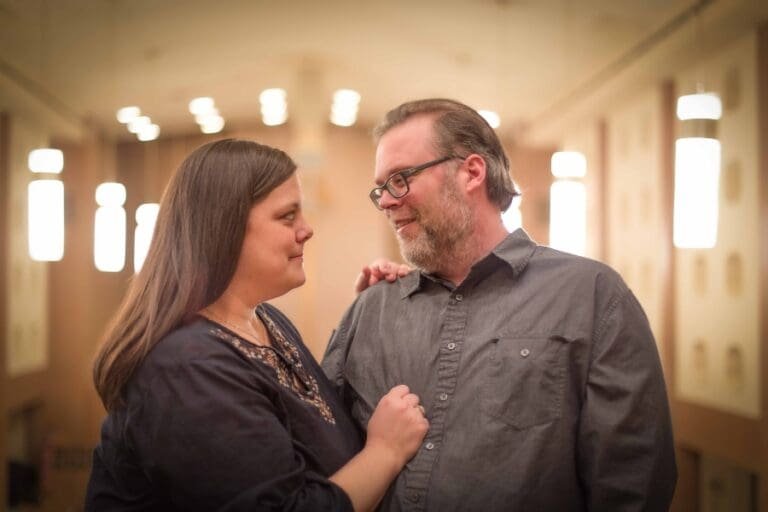
It’s been several years since I met Kelly and Keri Kintner in Mechanicville, NY. I was immediately impressed by their love of music. Especially their love of records, and what goes into producing a great recording. As a fan of original music from up-and-comers 

I knew I had to reach out to find out what was happening with their latest release, “Collaborations”, due out June 7th on Bandcamp.

“Collaborations” together a stellar line-up of independent musicians from countries as diverse as South Africa, Poland, Germany and Croatia. Musicians from Georgia, New York, California, Wisconsin, New Jersey, Pennsylvania, Washington and Arizona also play and sing on the album. What a roster! I’m blown away by the idea that the Kintners created this album with so much of the work remotely! I speak with Kelly Kintner and I dig in to find out more. 

RRX: Your upcoming album, “Collaborations”, is such a listenable album. The sound blends Americiana, old school country, roots and even a bit of pop with the arrangements and harmonies. I got the vibe of it right away, and I’m singing along very quickly. I’m so excited for people to hear it. The nuance of the tracks, and the heartfelt lyrics, right off the bat, I feel like this album is a winner. I listened to the whole thing from start to finish. How the heck did you get all those people on your album, and how did you coordinate that amazing sound while collaborating with 23 people across the globe?

KK: I’ve been on Twitter since 2016 and building relationships with musicians. And I’ve contributed to their albums. So, whenever I wanted to do a song, I found a plethora of support where musicians I met on Twitter were eager to contribute and make something kind of bigger than ourselves. And I was really touched by the outpouring of support. People were like, yeah… I’ll do that.

RRX: So, working around Covid, your network evolved from the connections you naturally had because you love music and musicians? And you’re not afraid to show some love on social media to your favorite artists? Once you were reaching out and inspired, it seemed like people were really into it?

KK: They liked the demos…

RRX: Well produced demos are not to be missed in that equation! But a well-produced demo only goes so far if the songwriting isn’t good. So that’s something beautiful I noticed about the album. You are very strong songwriters. Are you mainly the lyricist and writing the music, and then Keri is coming in on the vocals and the harmonies? And then working with your producers on the final product? And Keri is working on the business stuff too? I remember she’s brilliant with graphic design – so is that kind of how it is laid out?

KK: She did the graphic for the album. With the music, Keri started by helping me complete the songs, but now we start songs together and finish them. Whenever I’m writing a set of lyrics, she’ll be like…’that doesn’t make any sense! Tell me who, what, when, where’! So, she puts the song through the ringer, and I feel like that helps get me out of my head. And make the song more appealing to a broad spectrum of situations, as opposed to whatever it is I’m just focused on. 

RRX: That’s cool! It sounds like the collaborative process helps pull out the emotional inspiration you started with, and express a more universal theme, which translates well to the lyrics. I’m a big lyrics person, and I was super happy to see your lyrics on your Bandcamp site so I could read them as I listened to the music. Let’s talk about the song “Fear” on the album. You said that it was inspired by your appreciation of Roger Bernard’s music. What caused the song to be inspired by him?

KK: Oh! He has a song called “Death Came by To See Me Yesterday” and I just wanted to write a song like that. I thought it was cool.

RRX: So, you were in that vibe?

KK: And I asked him if he would sing it. And he said, ‘yeah, it sounds like my kinda song’, so…he did it. And when he sent back the tracks, Roger sent back flawless, perfect tracks. But the hardest part was editing. We had so much great material to work with, and having so many collaborators, sometimes things had to get cut. That’s kind of where I come in. 

RRX: And I think seasoned musicians get that process. And one of the biggest mistakes in an album is that there is no editing ear, because it can be too much to listen to. I think you struck a very good balance with that. You had a collaborative effort with the mixing and mastering for the album to get the sound you were going for?

KK: Yeah, and to make sure the parts weren’t playing too crazy on top of each other. Because sometimes the musicians wouldn’t hear what the other musicians were doing. 

RRX: That’s an interesting point. In essence, it’s a very different kind of way to create and record music, to have all these different parts imported from around the globe, right?

KK: Right. Everyone wants to be last so they can hear everything!

RRX: That’s true! I would want to be last! Going back to your roots. When I first met you, I didn’t see you out performing as much because I think you were just starting out. The growth you’ve made together as a duo is really impressive. Tell me a bit about what that journey has been like for you?

KK: Keri and I got together towards the tail end of my trucking career. And I had all these songs from trucking that weren’t finished. That Keri helped me finish. And kind of put a bow on them. And then she believed in me enough to quit trucking to pursue trying to get these songs out full time. While she worked full time, so it’s just been kind of… it’s been a humbling experience.

RRX: So, despite the financial challenges many musical artists make starting out, it was your mutual belief in the songs that brought the Kintners’ music through the initial phase of developing to where it is now. Based on what I’ve heard, it seems you are on the right path – and these songs will be getting lots of airplay! What is next for the Kintners?

KK: June 18th we start playing live and start passing out CDs and T-shirts. It will be on all the streaming sites. And right now you can subscribe to Bandcamp https://thekintners.bandcamp.com/ for $10 a year and get every song we’ve ever done!

RRX: I saw that! Great news for people new to your music – I encourage them to subscribe. I enjoyed learning more about your creative process. I encourage everyone to go to Bandcamp and subscribe to your page, and to look out for your album that just dropped on June 7th!

Capital Region Timekeepers with Joe Barna -By: OP Callaghan

0

Hello Capital Land, and welcome to the second installment of “Capital Region Timekeepers”.  As a drummer from the area, it’s my pleasure to spotlight some of the exceptional drummers in the area.  This week, we’re shifting gears and will talk about jazz. Although the Capital Region has always had a vibrant jazz scene, I feel that I personally have not spent nearly enough time enjoying what the area offers.  But after interviewing Joe Barna, I will make up for some lost time in the jazz world.

Joe Barna is Jazz.

Originally from Troy NY, Joe Barna is a drummer, composer, and bandleader whose passion has taken him around the world.  After completing his Bachelor of Fine Arts in Jazz Studies from SUNY Purchase, Barna has been on the move ever since.  He has performed all over the US, as well as Canada, Dubai, New Zealand, Mexico, Italy, France, and Spain.  Barna has recorded over 10 Albums, including six as a bandleader,   His most recent effort entitled “The Grind And The Purpose” has been hailed by critics as a “must have”  recording for fans of modern hard bop, and he just won an Eddie Award for Jazz Artist of The Year.  Ladies and gentlemen, I present to you, Joe Barna.

RRX:  Welcome Joe, thanks for being here with us.  Let’s lighten things up a bit.  Do you know any good drummer jokes?

JB:  What do you call a drummer without a girlfriend? Homeless.

RRX:  True story. How did you get started with the drums?

JB:  I started playing in February of 1990 while suspended from school.  I was hanging with my two closest friends at the time, (who were also suspended) at one of their houses, while their parents were at work.  We were playing Duck Hunt on the original Nintendo gaming system, when one friend said to the other; “let’s go up to your room and play your drums.”  Now, until that point, I had never really seen a drum set in person outside of a music store, so I was really excited. I had never played the drums before. My friends (Todd and Wayne) were going back and forth playing, and I said, “Do you mind if I play?”  Wayne said, “No you can’t play them.”  I was shocked, so I asked again, and he said “Ok, but only for 30 seconds.”  When I sat down it was like finding the right life partner. I was immediately hooked.  That evening I convinced my mother to buy me an inexpensive set of drums from Hilton Music in the Latham Circle Mall.  The rest is history!

RRX: Do you play any other instruments?

JB:  I wouldn’t necessarily say that I play any other instruments.  My main talent is really composing.  I have spent 1000’s of hours at a piano writing and arranging for the last 20 years.  If I had to answer that question, I would honestly say that I play composer’s piano, but I’m really more of a jazz harmony and composition minded drummer.

RRX:  Is there a drummer that you love to hate?

JB:  I really don’t have room in my heart for hate, as it’s a waste of energy to bring those vibes into the world.

RRX:  Ok, so what lured you to jazz?

JB: The freedom to create without the limitations that other music bestows upon you.  It’s the excitement of the unknown during any given improvisation.  That really lights a fire under my ass. I don’t like rules, restrictions, or too much structure.  I feel claustrophobic when I have to adhere to a format that restricts my ability to breath freely and float creatively through a sonic exploration.  To me, jazz offers a level of consciousness I have rarely found in most other genres of music.  I enjoy listening to many styles of music; in fact, I’m taking lessons now with Mike Gilet, where we focus on modern funk/fusion playing. I’m open to other genres, but within my own private reality, my true passion is jazz.  

RRX:  What would be your dream kit?  

JB:  I have my dream kit! I’m currently endorsing and performing on Precision Drum Company instruments. They are a small family owned and operated boutique custom brand based in Pleasant Valley, NY.  My philosophy is to support local and be proud of who you are and where you are.  Having these drums made to my exact specs by Gary and George Folchi right here in New York State is a dream come true.  They have elevated my playing and inspired me to new heights.

RRX: If you weren’t a drummer, what would you be doing for work?

JB:  My other passion is the hospitality industry. If I wasn’t pursuing music, I would probably open a pizza venue that featured live music. I’m kind of a snob about pizza and have spent many a weekend traveling to try the best pizza in the world.

RRX:  Ok, so where is the best pizza?

JB: There are categories!  Thin Crust: Donna’s or Bacchus. Neapolitan: DeFazios. Football Slice: I Love Pizza of Troy.  My favorite of all time is Di Fara in Midwood Brooklyn, and best pizza in Williamsburg Brooklyn.  Honorable mentions include Johns of Bleeker, Patsy’s of Harlem, and Slice Of Manhattan.

RRX:  Who is your alter ego?

JB:  My personality is strong enough without having an alter ego, but how about Sherlock Holmes and former Utah Jazz all-star point guard John Stockton.

RRX:  Tell us about your best gig.

JB: My best gig hasn’t happened yet. I’m not sure if it ever will.  I look at this as a journey of consciousness and of the moment.  I’ll leave judging what is best up to those who are consuming the fruits of my labor.

RRX:  Great.  Any advice for up-and-coming jazz drummers?

JB:  Here’s a bit of wisdom for those just starting out on their own personal journey.  Don’t get sucked into the politics of music. Stay focused on your personal goals and always know that you will never be the best. Music is not a competition, it’s a process by which we learn about relationships, our own shortcomings, our strengths, how to vibe and play with others, and what in the deepest part of our soul is most important while existing in this realm.  

RRX:  Heavy stuff! Let’s switch gears, favorite comedy?

JB: Anchorman, 48 Hours, Ace Ventura.

RRX:  That was a dumb question. I’m embarrassed, and I apologize. Now, I love the famous drum battle between Gene Krupa and Buddy Rich. If you could perform that solo, who would you want to play with?  Who’s your guy?

JB: Gene Krupa.  His pocket and sense of humor would make the event fun.  Buddy is an amazing technician; however his approach can be a little too serious for me at times. In this situation, I’d like things to be loose.

RRX:  I couldn’t agree more. 

Joe Barna, is a talented, humble, loose, and easy going cat.  Check him out yourself.  

Bob Mould (Husker DU) -Interview By: Liam Sweeny

0

Some people in music have a curriculum vitae. A body of accomplishments that, in my case, makes it difficult for me to focus on just one thing. Also, for them as well, I imagine. And it’s difficult, when a performer has had multiple successful projects, to just hone in on one. And add to that the fact that they may have some underground cred, some notoriety, and it might be daunting to give it all to you.

Bob Mould is such a person. A founding member of punk band Husker Du, founding member of Sugar, solo artist, DJ, wrestling writer, television and commercial theme song contributor, and, and, and… 

RRX: In researching you for this interview, I knew I was going to find a lot, and it was beyond a lot. A founding member of the punk band Husker Du, a founding member of Sugar, a solo artist, a wrestling script writer; even the writer of the theme for “Daily Show”. And that’s shorting it. You could only have done one thing. What was it, and why?

BM: That’s an amazing question. What would I have done if I could only have done one thing? Probably the first one, because without that, none of them would’ve even been in the picture. So, I would say that, logistically, Husker Du was my introduction into stage performance and recording. So, I guess everything starts there. Everything you just mentioned are, yeah, part of my CV and through the generosity of friends when those opportunities happened, through sheer determination some of things happened. I don’t know how many of them happened because my craft is better than anyone else’s. I think a lot of it is hard work, and just trying to move forward, trying to do the best work I can and it all starts with my first band, Husker Du, which started performing in 1979.  

RRX: Husker Du was an iconic band. You were known for a very balls-to-the-wall kind of sound, that ‘wall of sound.’ And a wall of sound was a feature of rock, but also of other styles of music, say, Motown and the Wrecking Crew, or classical. How did you make that full sound distinct from other bands that had that going on?

BM: My history with music goes way back to the mid-60s. My late father used to buy used jukebox singles, and those were my toys when I was a small child. All of the things that you mentioned, whether it was Motown, or British Invasion, or Phil Spector’s productions – all of those things caught my ear and fascinated me as a small child. It taught me how to play music and write music, and over the years of recording, starting with Husker Du, and I think especially with the Sugar album, that wall of sound that you talk about, you know, it comes from learning studio techniques, calling back to those records from my early days. A pivotal record for me was the first Ramones record. Just the sheer power and simplicity of it. And I always mention to people that it was such a great record to learn how to play guitar with, because if you go back and listen, the guitar’s completely on one side of the mix, bass guitars on the other side, so it’s a great learning tool. That’s how I learned that stuff. 

RRX: You are a big fan of wrestling. My mother threw her purse in the ring one night when she was pregnant with me, so I get it. You had been a scriptwriter, and had associated with Kevin Nash and Kevin Sullivan. Some people criticize wrestling for being scripted, but there’s a lot more to it. What should people know that they don’t?

BM: Everything you see is real; obviously there is predetermination. There’s a lot of cooperation. There’s a lot of politicking. There’s a lot of physicality, a lot of pain, and injuries, and you know, these days, the product is a little bit cleaner, you know, a little bit more sanitized and a little friendlier to the performers. That used to be a tough life. The twentieth century wrestling that came out of the carnival era in the late 1800s… it’s an interesting American art form that became popular in Japan and Australia, Korea. The UK had versions of fighting that were similar to pro wrestling that sort of melded. People look at it as a sort of working-class entertainment. Nowadays with WWE, it’s more a sports entertainment presentation, where it’s very family friendly, very sponsor friendly. It comes and goes as an art form, as a sport or entertainment however anyone wants to define it. I was a life-long fan of the wrestling business, I was a student of the business, and I was very lucky to get called to be part of the creative team at World Championship Wrestling in the fall of 1999 through the spring of 2000. It was sort of like a dream come true. It was really hard work, I was learning as I went, and I tried to help and did the best I could with WCW, and it was great times. You mentioned Kevin Nash and Kevin Sullivan; we became good friends and good colleagues. 

RRX: Your band Sugar had an album that sold 300,000 copies, not at all an easy feat. Considering how much music is out there, and considering a lot of fans copy other friends’ music, and Limewire and Napster were huge then, you probably got out to 6-750,000 people. It goes beyond simple logistics; how did the word get out?

BM: Sugar was, I guess, the third iteration of my career. The first part was Husker Du, from 79 through the end of 87. Then I had two solo records in 89 and 90. And then 1992 was the formation of Sugar, which originally was meant to be my third solo album, but once I started working with David Barbie, the bass player, and Malcolm Travis, the drummer, it became clear that we were more like a band than a solo project with a rhythm section. So, we gave it a band name, and yeah, we had a lot of success, I suppose, from my continuation of my prior work, but also, we were a very solid touring band. We were constantly on the road for three years and we had recorded three albums. Had a pretty fast rise to the top of the UK charts, more than the US. In the US, MTV helped a lot. K-Rock, which is an FM station in Los Angeles; they helped a lot. There were a lot of people who contributed to Sugar’s quick ascent. It was a really exciting time. A really stressful time, a lot of hard work. As far as reaching people, we had a lot of momentum. We were doing a lot of press, a lot of radio stuff, a lot of touring, and that’s what musicians needed to do then. Still have to do that. And I think in terms of what you’re talking about, with sales figures and streaming and stuff like that, now in 2022, 30 years after that first Sugar record, it’s a very different game. Artists have to work so much harder for so much less. The music business back in the old days – some people would say it wasn’t terribly fair, but at least back then people paid for music, albums or CDs, or whatever format they bought physical objects and now thirty years later, recorded music is essentially a promotional tool for creating a brand, selling tickets, selling merchandise. That’s always been part of the business, but I think now because of streaming – the casual music fan sees it as sort of an all-you-can-eat situation. And then there’s the real passionate music fans who want physical objects. So, artists need to build themselves up so they can go out and sell tickets. That’s the general answer for any of us to make a living as a musician.  

RRX: Talk about Husker Du, story.

BM: I remember playing a show with Husker Du in the mid-80s in Syracuse, I believe it was sort of a cellar or basement-type nightclub. I think it might have been on campus, Syracuse University. My parents came down; they drove down three hours to see the show. And I guess the feature of the story is that somewhere in the middle of Husker Du’s set, I think either someone started to have a seizure, or a heart attack in the mosh pit. They had to bring in paramedics and an ambulance to get the person out, and we stopped, for a moment… so this was my parents coming to see me perform, and you know, they’re rolling an old person out of the crowd. That’s just what you want your parents to see when they come to your workplace.

Jay Collins (Jay Collins and the Northern Resistance/Little Feat) Acquiring A Taste For RYE BREAD -Interview By: Rob Smittix

0

RRX: How’s everything going?

JC: Everything’s good. My kids are in Rock Academy. Ever heard of that?

RRX: I assume I’ve heard of similar programs.

JC: Yeah, it’s like School of Rock. They’ve got a show tonight, so I was helping them with the load in. I actually teach one night a week over there. Every Thursday I teach keyboards and horns and stuff for them. It’s pretty cool.

RRX: I wish we had that when we were kids! Well, I hear you’re playing the Rye Bread Festival. Did you know this music festival has been going on for 46 years!

JC: Really? 

RRX: Yes, it’s a real staple in the area. 

JC: Man, I had no idea it was that old. Amazing! 

RRX: It just keeps getting bigger and better each year. You’re playing Rye Bread with your band Jay Collins and the Northern Resistance. Tell us a little bit about your group.

JC: My group mainly exists to do a good portion of my original songs and we also throw in a few choice cover songs, here and there. It’s got some elements of funk, classic rock, some jazz and blues as well, it’s a potpourri of American styles. I guess you would have to stick it in the Americana category, but the songs go through a pretty large range of things but most of them you can dance to or just listen to the lyrics and groove on the solos. We add a fair amount of jamming in it. 

RRX: You’re definitely going to get people out there dancing.

JC: Yeah, that’s going to happen, we have a lot of rhythm in the band. I would say we are compared to somewhat more of a jam band but we’re probably a little more song oriented than that. There’s a lot of songs where we go for it pretty hard. I have pretty good jazz credentials, so I definitely stretch out a bit on the horns and stuff, here and there.

RRX: Speaking of credentials, currently you’re still playing sax for Little Feat right?

JC: Yeah, I’m playing with Little Feat, I was just on the road with them, in fact this entire year we’re doing the “Waiting For Columbus” album in its entirety. I did a lot of the horn arrangements, where I pulled off the tower of power arrangements and wrote them out for the group. We’re doing that and it’s been really awesome. I’m going back out with them in a couple of weeks and then a couple of large tours coming up in the late summer and early fall. 

RRX: Well hopefully you make it to Upstate New York.

JC: Yeah. We played in Rochester a little while ago, but we are going to play in Kingston in the Fall and we’re also going to do a couple of other spots. And we’re doing Burlington and Buffalo too. 

RRX: And you’ve played with Gregg Allman as well?

JC: I was in Gregg Allman’s Band from 2001 until his death in 2017. It was a real formative experience for me. It was amazing! In fact, that’s right about when I started singing. Before that I had just been a saxophone player, flute and a little piano and when I started playing with Gregg, I had just recently started trying to front a band singing a little bit. That was really cool because my singing got a lot better from just being around him and watching him sing every night and being near him. I got a lot from it. 

RRX: That’s legendary but you don’t just snag a gig like that, I imagine you had to build up your resume quite a bit to even get there?

JC: I was doing a lot of jazz stuff before that, it was kind of just a lucky thing where another jazz sax player, a guy that I ran into… and it turned out they had asked him to do it, but he couldn’t do it; so then he recommended me. I had to make another call or two to some people I knew that knew Gregg’s people. That put me in the mix but there were still a few people that they were lookin at. So, I made a call or two and asked if they could put in a word for me and they did. I guess enough people told him that I was the right person. I actually walked onto Gregg’s gig without playing a note. He hired me without ever hearing me play.

RRX: You must’ve had people really talking you up, that’s unheard of!

JC: (Laughs) I know man! I guess the other thing to mention if you’re interested in any historical background with me is I also played with the Levon Helm Band. Which I was in for about six years, and I played on a few of those Grammy winning albums that he did as sort-of his comeback phase. That band actually continues to gig here and there, usually with his daughter Amy. 

Yo! So the week before I play the Rye Bread Festival I’m actually going up and playing the Rochester Jazz Festival with the same band, my band (Jay Collins and the Northern Resistance). We do two nights at the Rochester Jazz Fest and then Rye Bread, so we should be really warmed up for Rye Bread!

Let’s Talk Growth -By: Wilson

0

While some gardeners are happy to purchase the vegetables and herbs they like to grow every year as seedlings, others prefer to start with seeds. Seeds are your only option if you want to grow things the local garden store or big box retailer isn’t likely to carry. I’ve never found pickling cucumber, green bean, or Carolina reaper seedlings for sale anywhere. My friends that grow them bought the seeds and started from scratch. 
Same with marijuana.

Getting your Great White Shark, Birthday Cake, or Pineapple Express seedlings may soon be no more difficult than picking up a basil or a tomato plant at the market, but for now, it’s not.

Before we get any further it’s important to note that it’s still illegal to grow your own here in New York:

New Yorkers 21 years and older can grow up to six plants in their home for personal use (three mature plants and three immature plants) and a maximum of 12 plants per household (six mature plants and six immature plants), even if there are three or more adults over the age of 21 in the residence.

Please be aware that home cultivation of cannabis plants is not allowed immediately. Pursuant to the MRTA, the home cultivation of cannabis plants may only be permitted after the Office of Cannabis Management issues regulations governing home cultivation of cannabis, which must be no later than 18 months after the first adult-use retail sale.

– https://cannabis.ny.gov/adult-use

Retail sales are somewhere out on the horizon, so we are lucky to share a close border with Massachusetts if you want to go shopping. But what if you want to grow? Seeds it is.

A buddy of mine recently decided to get back into an old hobby and offered to share some of his wisdom and experience with me.

Seeds are all over the web and easy to get hold of. Between the web and your garden store everything else is too. It starts with the soil mix for the seed tray.

The mix for the tray is a one-to-one ratio of Sunshine Advanced Mix #4 and Grow It Coco Coir Mix Brick. Once the seeds are in the tray they get their first taste of local tap water after it has been run through a reverse osmosis filter. Using unfiltered tap water would kill the natural bacteria needed to keep the plants healthy as they grow.

“Everything is organic. Quality in, quality out,” my buddy says. “OMRI listed is what you want you to look for on the products that you use.”

The tray goes on a seed mat that regulates the soil temperature to accelerate germination. This is done inside a four foot by four foot by seven foot grow tent where these soon to be plants will spend their entire lives. This is an indoor grow from start to finish. He controls the sun, the wind, the humidity, and the rain.

Once the seeds have germinated each new little seedling gets moved into its own pot with the same soil mix it started in, but in a different ratio – a two to one mix of Sunshine Advanced Mix # 4 with the Grow It Coco Coir Mix Brick.

Now the light show begins. The little seedlings will enjoy 24 hours of light every day for at least a couple of weeks.  The ones I saw had been under 24 light for 16 days and were just about ready for their final transplanting.

“For seedlings and plants in early veg I use fluorescent four-foot T5’s with a mixed spectrum and a full spectrum with violate or blue to mimic the spring sun.” He started his tomato plans from seed in the same soil mix, under the same lights, and in the same tent a few weeks prior.

On the day I visited, those 16 day old seedlings were just about ready to be transplanted for the second and last time into one gallon pots.

“I think they are ready to move. If I don’t move them into the bigger pots today it will definitely happen by Saturday. I want the plants to be as stress free as possible, so I only do one major thing with them every two weeks, except for transplanting, when I only wait a week.” he says.

The soil mix changes again at this point. The seedlings are about to meet what he calls “super soil.” It’s a custom blend, and just like the secret sauce on a Big Mac or the Cornel’s blend of 11 herbs and spices, the recipe is a secret.

“It takes three to four weeks from the time I mix it until it’s ready. It’s too hot at first for the young roots on the seedlings and young plants. I check the temperature and keep it moist until it settles down and is ready. It’s full of all the bacteria and nutrients these plants will need from the day they are transplanted until the day they are harvested.”

Upcoming changes to state law encouraged him to get back into his old hobby. His interest started when he was in middle school. He tried to germinate his first seed under his bed.

“I didn’t know shit about anything back then. I had seen a High Times magazine that someone’s dad had. It was very taboo. I got a seed to sprout and it had two leaves, but it died right away.”

A bit later he made a connection that would change everything. “I had known a guy for a while, but I didn’t know he grew. I just had an interest in it and once I found out he grew, that’s when it started.”

He met more growers and learned more tricks at the Cannabis Cup.

“I met guys that have been doing this for 50, 60 years; guys that were going to Thailand and getting the Thai, going to Oaxaca and getting the natural Oaxacan, going to the Middle East on what was called the hippie trail getting the hash.”

“I met the guy who made the original blueberry, DJ Short, who said, ‘no matter what just grow your own f***g weed’ and I took his advice.”

He used all that knowledge for years, growing mostly outside after starting the plants inside.

“By growing it, I got to learn about it. Sharing what I grew was the biggest part. I wanted people to have the best stuff. I liked knowing where it came from because I grew it.”

Once the plants are in their new one-gallon homes the light show will change again.

“I prefer two hoods and lower wattage instead of one with higher wattage. You get better UV spectrum penetration that way and they thrive on it.  It creates the process that gives you better terpenes, cannabinoids, and THC.”

The bulbs are 400-watt metal heylide until he switches them to high pressure sodium bulbs for flowering.

“You can just use the metal heylide for the whole process from veg to flower if you want to save money. I’ve done it and it turns out great, but I thought the buds weren’t as dense as they could have been.”

To move air through the tent there is an intake fan with an in-line filter. The air goes out through a much larger carbon filter. There is also a fan inside the tent to keep the air moving.

“An active carbon filter was really important when things were completely illegal. I could put a dead body in there and seal it up and you wouldn’t smell anything coming out of there.”

These lights will be on a 12 hour on, 12 hour off cycle to induce flowering just so sex can be determined. The males will be culled because he isn’t breeding these to create additional seeds and the females will go back under 24 hour light to grow until they are the size he wants before he changes the lights again to start the flowering stage.

That’s where we’ll pick up next time.


Brian Delaney (BRKN BLVD) Talks New Label/Music -Interview By: Rob Smittix 

0

RRX: Brian we first got acquainted when you worked for Tommy Boy Records. At the time you were my main contact at the record label for press inquiries. Tell us a little bit about your experience working for what was once “the” hip hop label to be affiliated with. If it’s not too personal what made you pursue other endeavors?

BD: I will forever be grateful for my time at Tommy Boy and for my team/family over there. Tommy Boy was the first to take a shot on me and helped me get a foot in the door and gave me the opportunity to prove myself as a viable asset. The experience and knowledge I gained over my eight years there is totally invaluable to me and it is what gave me the confidence to take the next step and launch an indie label of my own.  

To be honest, I was never really aiming to be on that side of the industry. Originally, I started as an artist/producer, but eventually, I ended up landing an internship at Tommy Boy because one of their employees (hey Anthony) came to check out one of my shows when I was performing as Monty Rock.  

I kind of started there as a video editing intern, doing lyric videos and some other menial tasks, but as time progressed, I was able to spread my wings and grow into my position as one of the main members on the team. During my time there I learned the ins and outs and did many things including but not limited to A&R, marketing, content creation, artist development and graphic design. It’s honestly still wild to me that I was able to take a short-time internship offer and turn it from a long-term career. I can’t thank the team there enough for teaching me, guiding me and allowing me to develop into the music businessman that I am today.  I really loved my time there and I am very proud of the work I was able to do with Tommy Boy. The fact of the matter is, I LOVE music – so it was incredible for me to have been working at such a legendary label and to have been in a position where I could learn from some real bad asses and help support independent artists.  

Regarding moving on, unfortunately it wasn’t by choice, but as they say, “that’s show biz baby”. The catalog ended up being sold last June and I was terminated.  While it was a bit sudden and unexpected, I tend not to dwell, and I feel that I was due for a change. I welcomed it with open arms and a smile on my face and while I miss my team and a steady paycheck, without that happening I may have never made the decision to take a shot on myself for once and launch my very own RockDafuqOut Records.  

RRX: I read somewhere that you wrote hundreds of songs for other recording artists. How was that experience?

BD: So, I haven’t really written for other artists, but you are correct that I have written hundreds of songs. Writing has been a passion and outlet for me for about the last 20 years and over that time I have written (if I had to guess) over 300 songs. While almost none of them were released commercially and they were all written for my various solo projects, I do have a pretty massive catalog of songs written. I always looked at writing more as a hobby than a business, but I think through the years I have proven to myself (and anyone else I’ve shared my songs with) that writing lyrics and melodies is probably one of my best abilities. To be honest, I still find this kind of odd, seeing as I don’t play any instruments, have a voice that is decent at best and have very little training/experience in music theory, but I love writing and I do feel that I have a way with words.

With that being said, I am finally ready to take songwriting a bit more seriously. I have recently officially launched my first-ever solo project BRKN BLVD, which I am super excited about. I feel the songs I have in the pipeline for this project are solid and without a doubt feel like the best songs I’ve ever written. I used the BRKN BLVD project to launch RockDafuqOut Records, as a way to test my partners, fine-tune my marketing strategies and get things rolling, but the feedback has been great so far and I’m planning on keeping this project going for a long time. I will be dropping a new song every six weeks while I continue to onboard other artists and build the catalog at RDFO. While I have never written for other artists, it is something that I plan on getting into and I am confident that as I grow this solo project and release these songs, that those opportunities will start presenting themselves.  

RRX: Oh okay, so my intel was incorrect. Now that we have some back story to who you are and what you’ve done in the music industry, tell us more about what’s going on with your own record label RockDafuqOut Records.

BD: I launched my indie music blog RockDafuqOut in 2015 as a passion project while I was at Tommy and I have spent tons of time and energy keeping it running and developing the brand ever since. Two days after my termination from Tommy Boy, after weighing my options, the crazy idea to start my own label popped into my head and I couldn’t shake it. I have never taken a big shot on myself and things kind of lined up for me to do just that.  With the RDFO brand already established, I decided to go all in. I gave myself six months to get the label up and running – launched the new website, secured my partners, set up the infrastructure and picked hundreds of brains. While I’ve invested quite a bit of time and money getting things off the ground, I am incredibly excited about the future and have total confidence that my team and I will (eventually) grow RockDafuqOut Records into a respected and trusted partner for artists around the world. 

RRX: I also feel honored to be one of the first to see your music video BRKN BLVD – “Over the Rainbow” (feat. CHYLD). This is your newest single if I’m not mistaken. This is a feel-good song, almost like a pick yourself up and get back in the swing of things type message. Maybe I’m off track but that’s my take. Tell us about this song and the video.

BD: “Over the Rainbow ” is the first BRKN BLVD single and was released 0001 on the label, but we have a lot more coming! You’ve kind of nailed the vibe for sure. For whatever reason, nearly every song I write tends to be confusingly uplifting and completely kind of depressing. I guess it’s my soul, but it is what it is. I’ve been through a lot (as we all have) and recognize that a lot of our time on earth tends to be stressful/sad/painful, but I feel it’s important to always keep your head up, push ahead and smile as much as possible.  We only have so much energy, so even on our darkest days I think it’s important to keep the light shining. Keep the glass half full and things will be alright.

RRX: So, what’s next?

BD: Having just launched the label the plan is to spend the next decade or so grinding and making sure I don’t have to work for anyone else ever again. I will be focused on building the brand and catalog and doing whatever I can to continue to support the indie music community and indie artists. If you’re looking for me, I will either be with my amazing son doing dad things or locked in front of my computer, chasing my dreams, blasting music and smiling for no good reason. 

RRX: Thank you so much for speaking with me today. Let our audience know how they can find you online. 

BD: Check out the website rockdafuqout.com so you can subscribe, submit, and support. Otherwise, you can catch me on IG on the blog/label page @rockdafuqout, my artist page @brknblvdofficial or my personal page @iamgetset. 

Farewell Johnny Morse- A Legacy Left For The Next Generations -By: Rob Smittix

0

Johnny Morse has been a staple in the 518 local music scene for decades. Here’s a guy with more guitars than God and a wardrobe closet fit for a king but Johnny has decided to call it quits as far as we can tell after this weekend’s concert.

The event is being held at the historic Cohoes Music Hall this Saturday June 4th from 6:30-11:30pm. It’s being called the Low Dough Rock n’ Roll Spring Fling and you’ll be able to enjoy music from The Johnny Morse Allstars, Mike and The Monsters, and Harmony Rocks! Tickets can be purchased HERE.

I had a chance to asl Johnny his thoughts and he said “I Would just Like to Thanks my many bandmates over the years and all my friends and family for the support.”

We are hoping that Johnny’s retirement will be some-what like the half dozen KISS Farewell Tours, where they just can’t find it within themselves to hang it up. Morse leaves behind so many fun and danceable memories here in the Capital Region and he has shared the stage with many notable performers over the years. Johnny has helped pave the way for our future musicians that will one day stand in the spotlight just like he once did and who knows maybe retired Johnny will be in the crowd cheering them on.


We wish you nothing but the best Johnny and we hope you find happiness in your future adventures!