Home Blog Page 60

Gaelic Storm – An Xperience Interview

0

Gaelic Storm – An Xperience Interview – by Liam Sweeny.

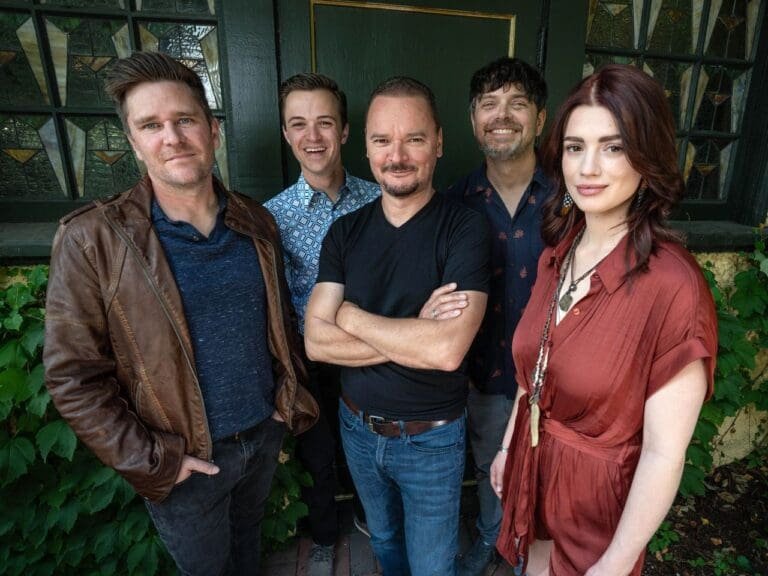
If you saw Titanic, (and let’s face it, you did. We all did,) you’ll remember the Irish band playing in third class in a rowdy party scene. Well, it got noticed, and the band, Gaelic Storm, plays an incredible number of shows every year, and over the course of their lives. We catch up with Gaelic Storm’s Patrick Murphy.

RRX: I read that the band had come into your own after 20 years. Is this about success, or are we talking about something more personal or more musical, or is it both in the sense that one causes the other?

PM: It started in ’93, so you’re looking at 33 years. And then we went full time in ’98. So what’s that? 26 years. Yeah, over 20 years. It started off just as a bit of fun. That was the whole concept. It was just something to do on a Friday and a Saturday. And then you got the whole Titanic thing. And I’m sure you asked me about that later on, but when we went full time in ’98 and my dad said to me, ‘look, give it a shot.’ I don’t know if you get six months out of it, you’ve done well, and if you get a year out of it, you’ve beaten all the odds. And I was like ‘alright, I’ll give it a shot and we’ll see what happens.’ It’s a big leap to say it, I guess. It’s strategy is not only a career. But even based on last name sure. We’re a bunch of people singing your songs back to you. It’s fumbling, I guess. I never expected this. It’s not something I ever actually wanted to do. It just happened. I think that’s one of the reasons why it is a bit of a success. It’s because we actually do enjoy playing music and being on stage and the audience. She’s just having fun and it’s kind of infectious for want of a better word, and I just think people enjoy themselves at our shows. I think they get a reprieve from daily life, you get a reprieve from what’s going on in the world, and it’s just two hours of enjoyment and it does bring a lot of people together. I wouldn’t say success; I’d just say that the band actually has fun on stage. We’re not just putting it in. And I think one of the reasons why the band is successful in quotation marks is because people see us having fun if that makes any sense at all.

RRX: That kind of dovetails into another question I had. Gaelic Storm has a diverse fan base, and I’ve noticed this in local Irish music. I always thought that everybody is an Irish music fan on Saint Patrick’s Day. Do you think that’s what leads to you having a generally diverse audience when it’s not Saint Patrick’s Day?

PM: When I first moved to America, I couldn’t believe how America was embraced Saint Patrick’s Day. I couldn’t believe it, because when we were growing up, it was just, you know, you went to mass and you came home and you had your leg of lamb or a turkey or something. A couple of chickens, and you sit nicely. Small parades; it wasn’t a big deal. You just went to mass and you had your dinner. There’s no shamrocks and shenanigans that came to America and they’re like, what the hell is going on over here?’ I know millions of Irish people moved to America, but it’s amazing how America has embraced that culture and that day. And we’re usually in Chicago for when they make the river green. And it’s insane. Chicago goes absolutely bonkers. I’ve never seen anything like that. I mean, it goes crazy. Does it bring people together? Yeah, it does. And the ironic thing, Liam, is that Saint Patrick wasn’t even Irish, he was from Wales. Maybe that’s the reason why we don’t celebrate it in Ireland as much,

If you think about like, Mexicans don’t celebrate Cinco de Mayo, though they might have a little party. It’s nothing to do with their independence. It’s just being completely misconstrued, you know what I mean? And you see people dressed up as leprechauns and drinking green beer. I mean, what an abomination. Who the hell drinks green beer?

RRX: Right.

PM: Cinco de Mayo is great and whatever else you have. It’s just taking a national identity and going ‘you know what, let’s party.’

RRX: Yeah, we do that a lot. Now you guys have played a lot of shows, like thousands of shows, and it makes you pretty much experts at playing shows because they always say if you do anything for 10,000 hours you have mastery. If you have five hours on a show and thousands of shows like that that’s mastery at some point. How does the schedule that you guys have to kee; how does it compare to the schedule you kept when you really started having a schedule aside from just it being big or smaller.

PM: I think the most we ever did was like 200 shows in a year. You’re just trying to get your foot in the door. But with the travelling and the driving, we cut it down to about. 80 or 90 a year. I think we’re doing 84 shows this year, which is still a lot. But yeah, I think we’re coming in close on 4000 shows now. And the shows are at least two hours, and that’s just the show. That’s not the rehearsals, So the studios, the songwriting and stuff. Like my daughter, she was playing the fiddle, and she quit. She said it’s too hard. But there are the people in the band, there’s 10,000 hours already just in lessons. Do you know what I mean? And there’s the dedication of the parents, like my son plays the piano. And he plays the bassoon. He’s in the local orchestra and my daughter picked up the flute and we’d bring them over to the local youth orchestra. Twenty-three times a week and he’s in the school band and if my son did want to get into music, he already has 10,000 hours before he turns 18. Do you know what I’m trying to say?

RRX: He’s already there, yeah.

PM: If you become a professional musician, you already have those 10,000 hours under your belt. And you have all the money behind it and the parents dropping you off and picking you up, and then you have the practicing at home and you practice the fiddle, practice the flute. Then you have the guys in the band here. There’s, you know, ‘practice the bagpipes.’Where the hell do you practice the bagpipes, in the basement? No, he was in his parents’ back garden. Cause it was so noisy, it was decades of experience, and that’s before you even get on the stage. And then you have 26 years full time travelling so you  do become an expert. It’s like, ‘look, I’m just so stupid.’ You’re either a good plumber or you’re a bad plumber. There’s nothing worse than a bad plumber. And when you find a good plumber, you hang on to the good plumber. Because that plumber knows what he’s doing. I got on the phone and they fix it in 5 10 minutes because they know what they’re doing, And to compare two rules together, I think we know what we’re doing. And then we just said, ‘You know, we’re a mid-scale size band and when we went on tour with Zach Broan last year, that’s a whole different level altogether.’ There’s just different levels. Like Zach Broome; we were playing arenas and football stadiums and like ‘what the hell’s going on here?’ and the sheer magnitude of what they were doing and that’s Zach Brom, and then you see Taylor Swift, you’re like ‘what in the worm is going on here?’ Decades of experience and decades of practice and it put it all together and you just do it. We are literally road warriors.

RRX: So for people who’ve seen the Titanic, Gaelic Storm was the Irish band that kept playing as the ship went down. So how did that come about for you?

PM: Somebody recommended us and we were doing a show in the Los Angeles Irish Festival. And some guy saw us, I guess it was his secretary that said, ‘you got to check out this band Gaelic Storm. They might do it for you’ because he was looking for an Irish band. He had been to Boston and Philly and New York and Chicago. And then his secretary said, ‘there’s an Irish band down the street, Gaelic Storm. You should check them out. They’re pretty good. So he saw us and that was the guy that brought the camera. And then he brought that back to James Cameron and James Cameron’s like, ‘that’s it, that’s what we’re looking for.’ So he had auditioned all the bands. But I don’t know, it was just the carefree attitude of us like. Like James Cameron, who was so nice. So is Kate Winslett. So is DiCaprio. The supervising. You know, you treat them with a bit of respect and they were just so easy to work with. Oh, we didn’t care. We had no idea what the hell we were getting into,


More from Liam Sweeny…

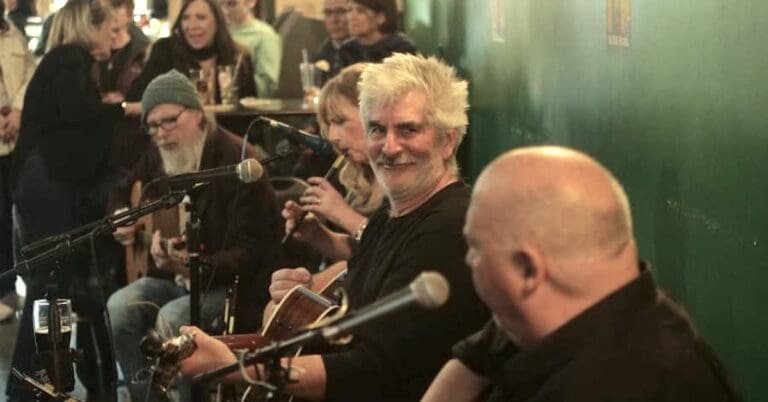
Kilashandra @ Patrick’s Pub, 3/8/2026

0

Kilashandra packed Patrick’s Pub in Watervliet on a Sunday.

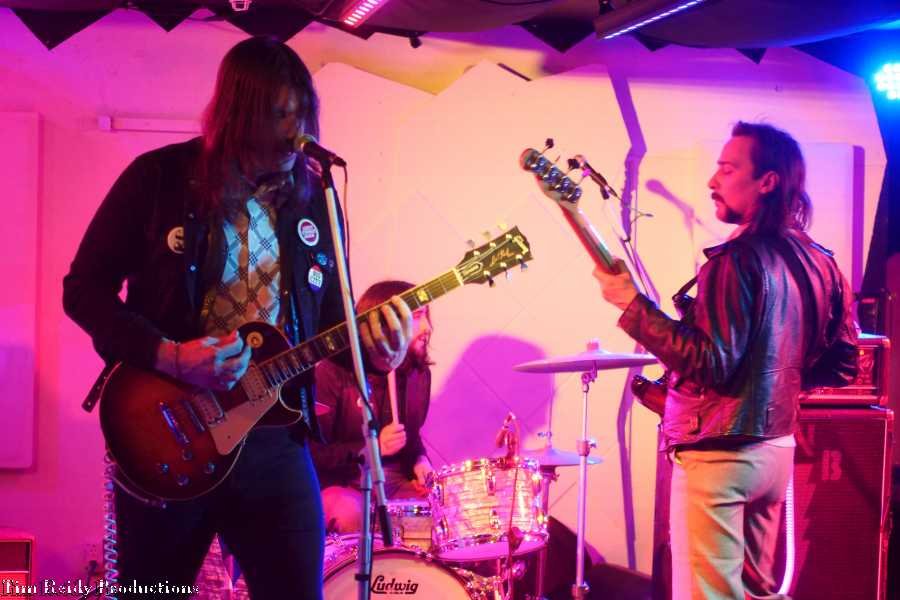
Photography by Timothy Reidy.

More from Patrick’s Pub here …


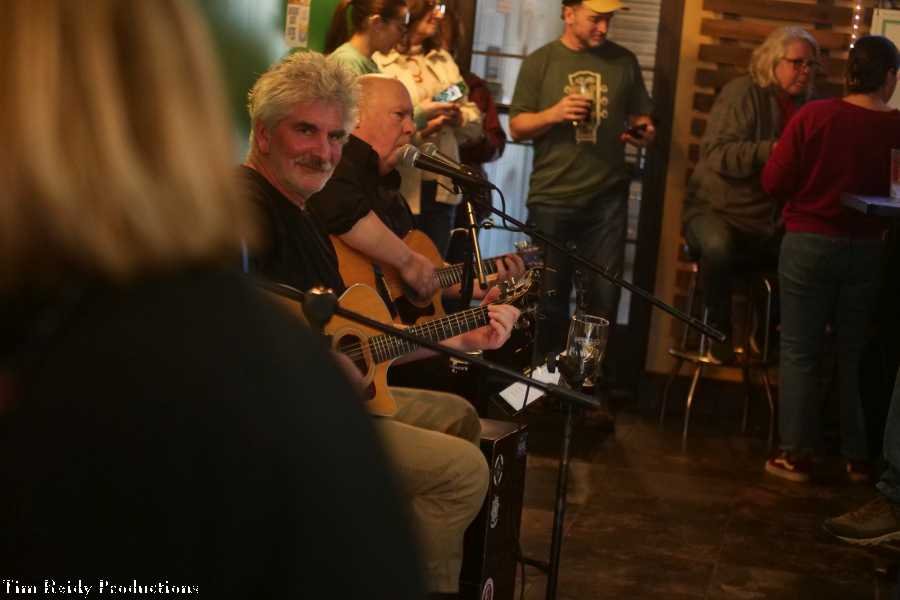
Off the Record @ Lark St. Tavern, 3/8/2026

0

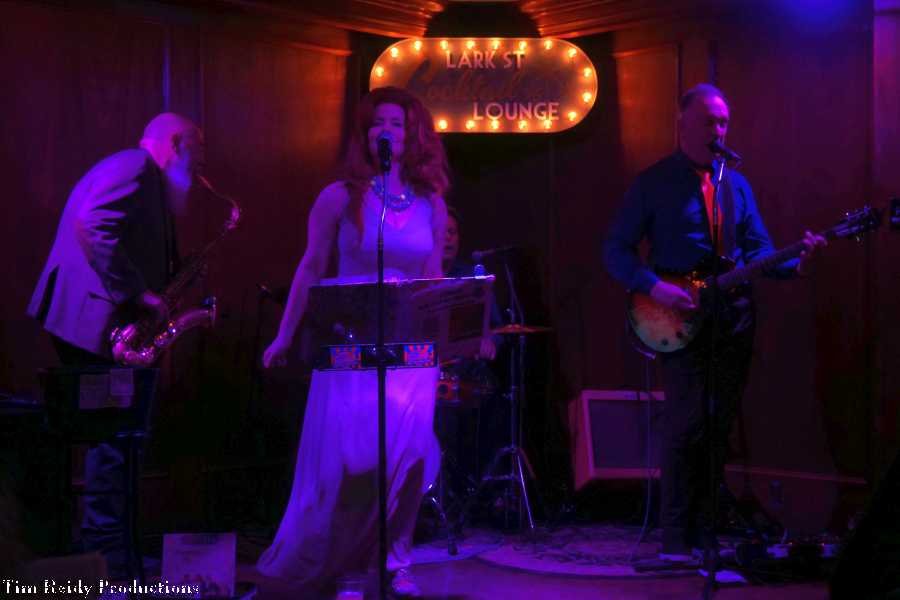
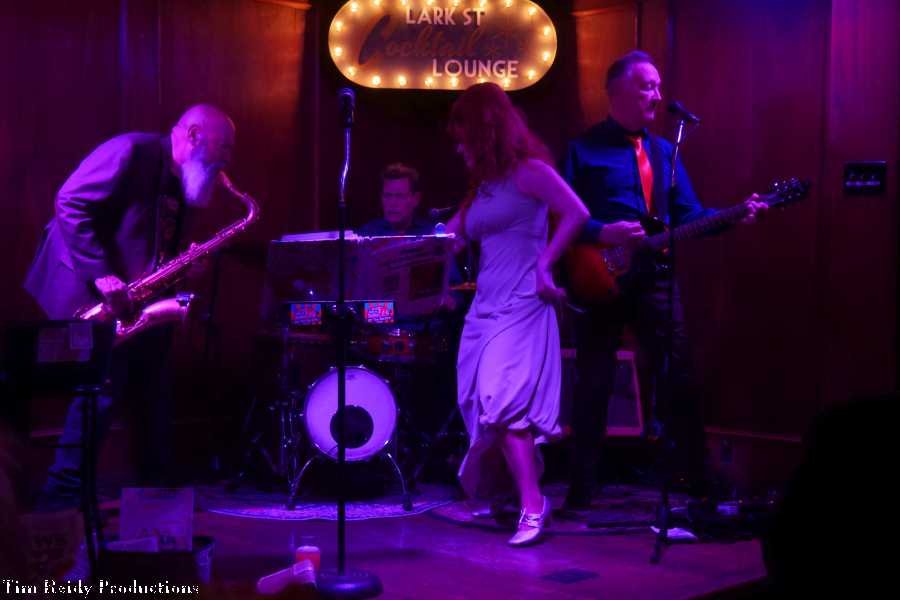
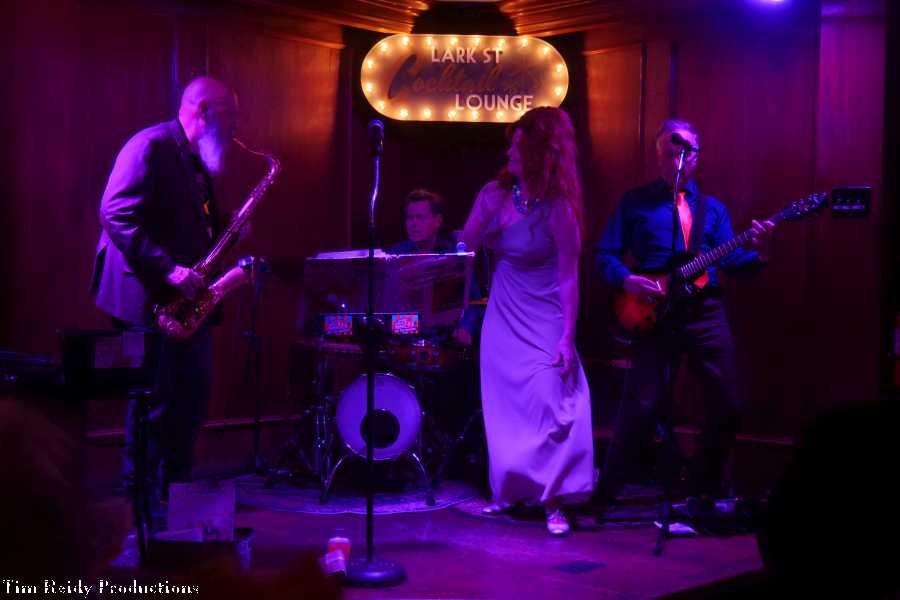
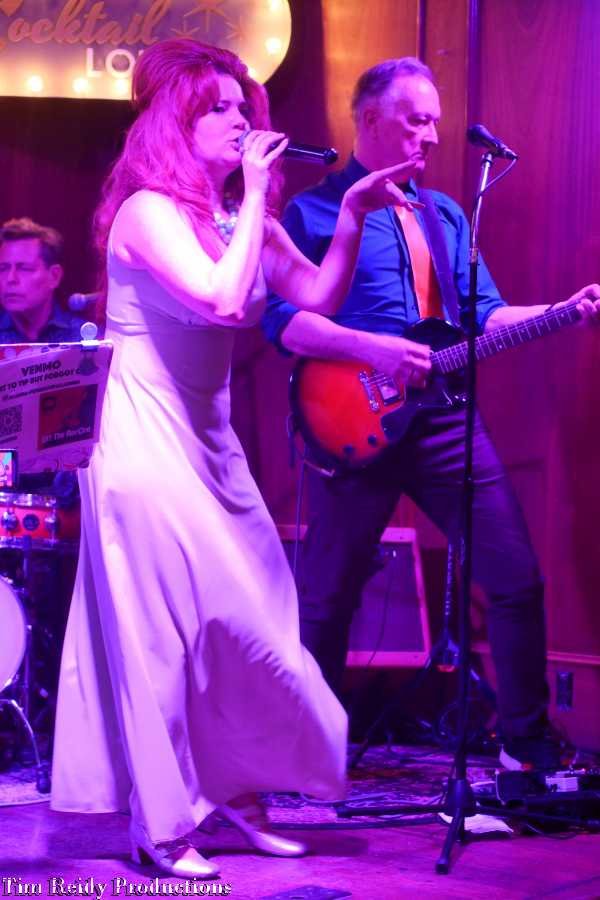
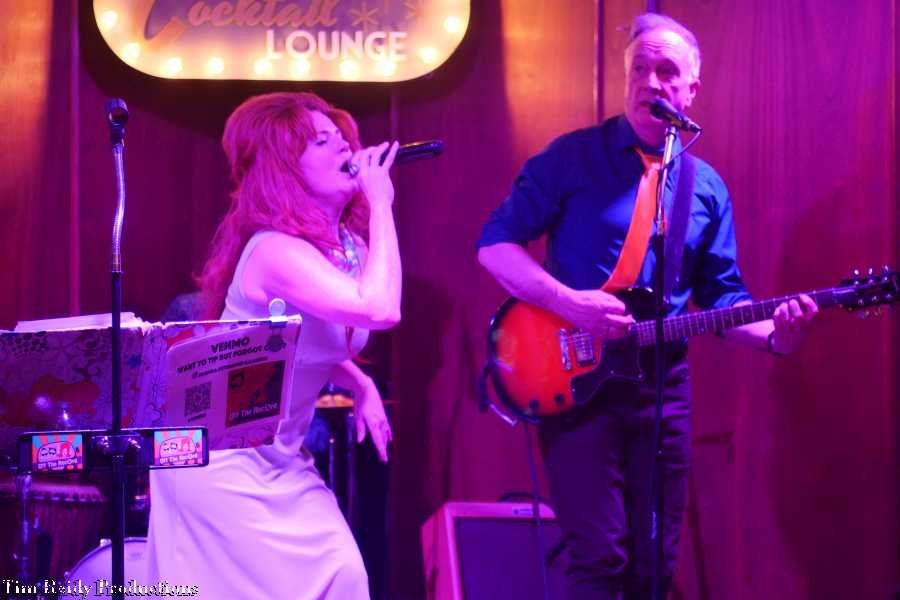
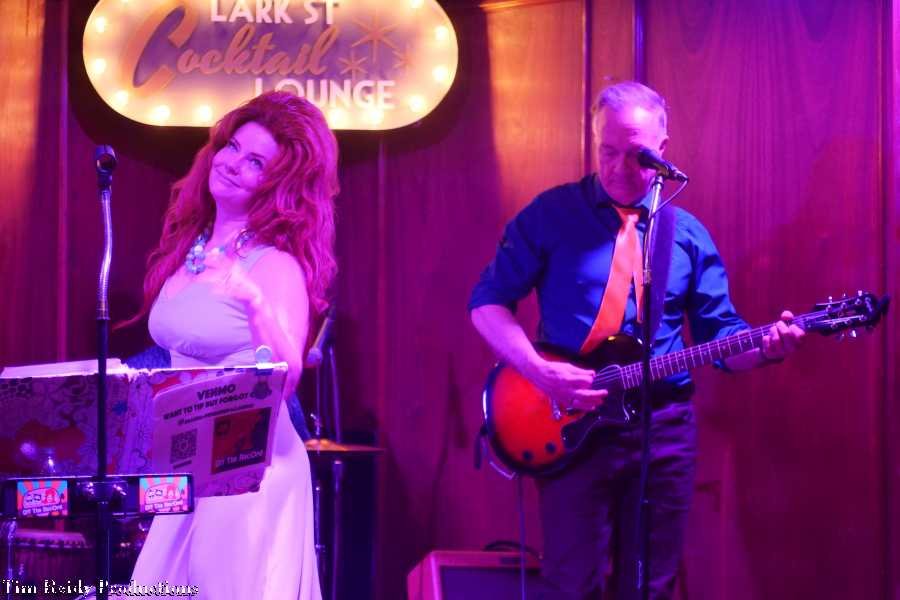
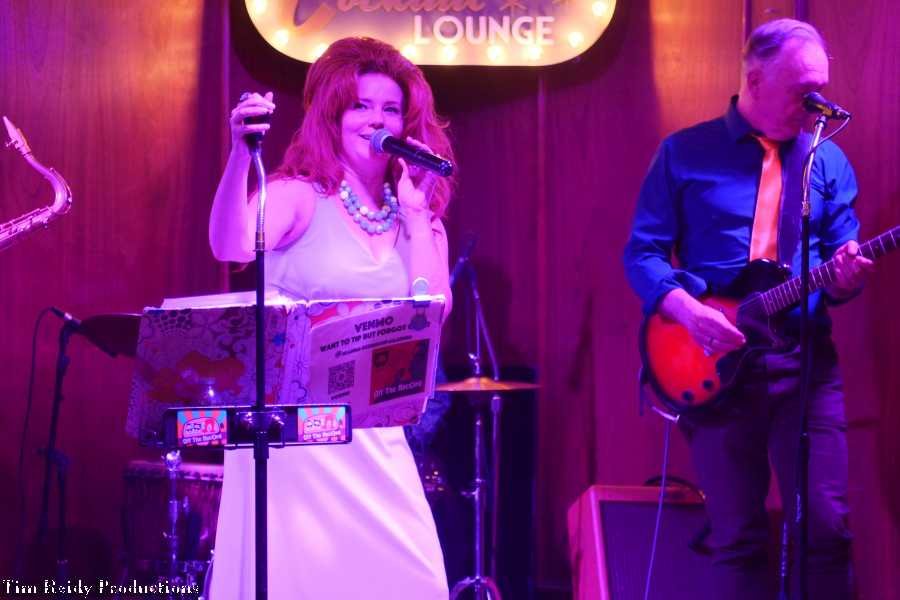
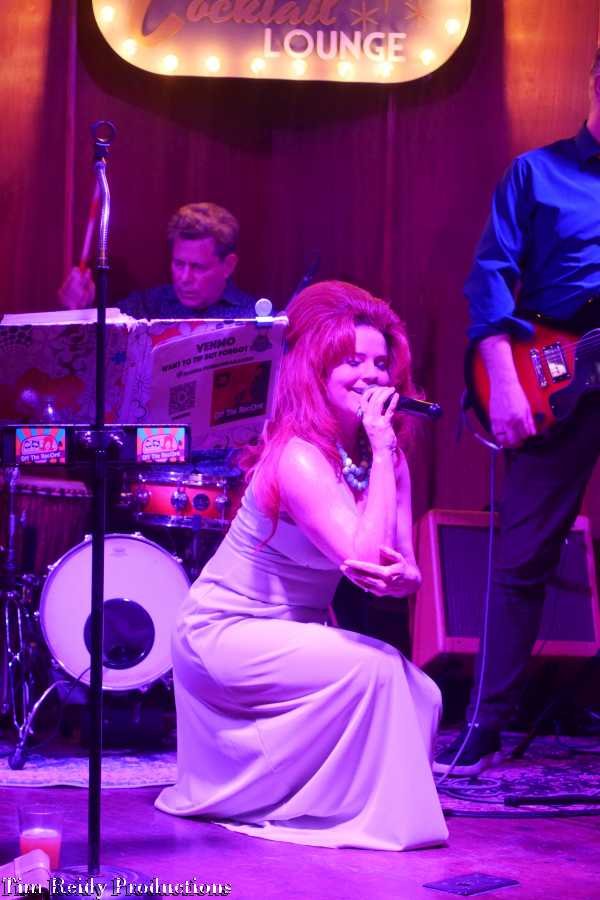
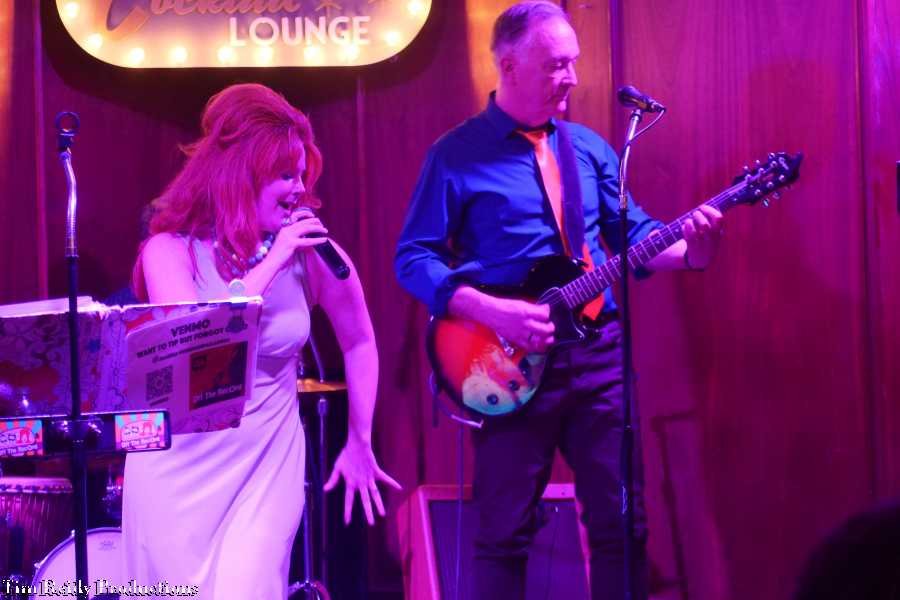
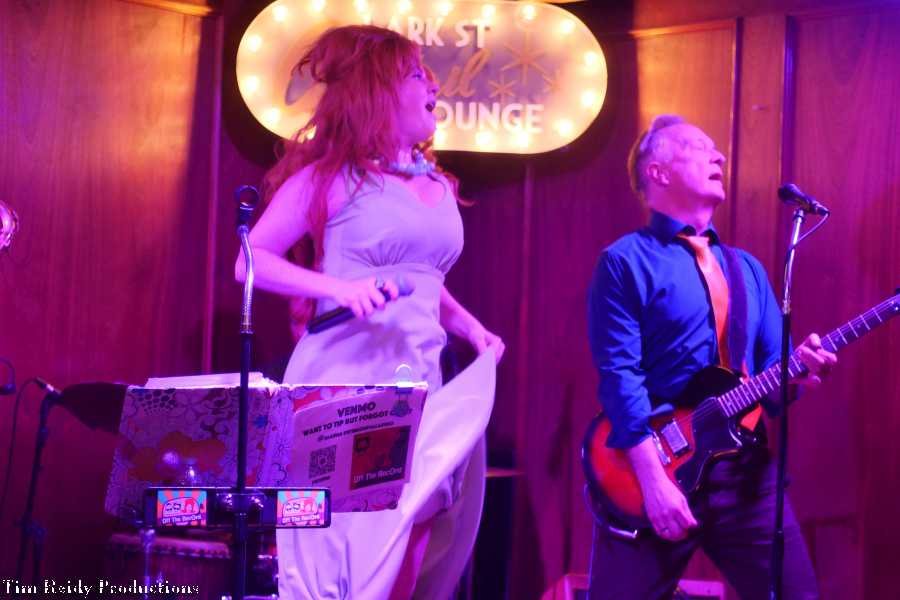
It was Sunday Funday with Off the Record at Lark St. Tavern. They were joined by special guest Luke McNamee.

Photography by Timothy Reidy.

More from Lark Street Tavern here …


Nikkol Jelenic – The Weird Side of the Internet

0

Nikkol Jelenic – The Weird Side of the Internet – by Liam Sweeny.

We once had gods, and they were fierce, and they were mighty, and they were like us, and then we organized, and the old gods gave way, but never the need in our lives for something that could represent the potential of our imaginations. And so, one day an artist drew lines and a writer wrote words and it was like peanut butter and chocolate – comics, and superheroes, were born.
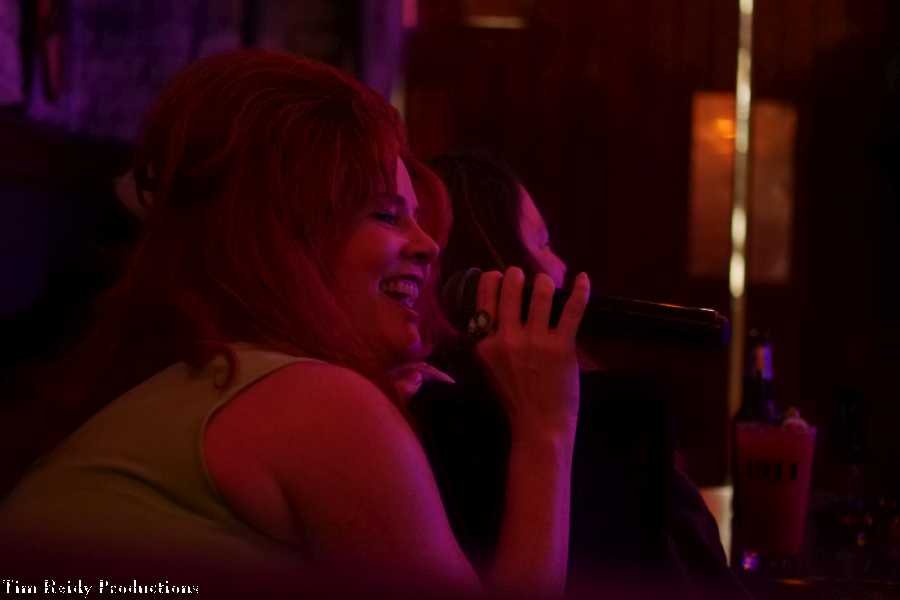
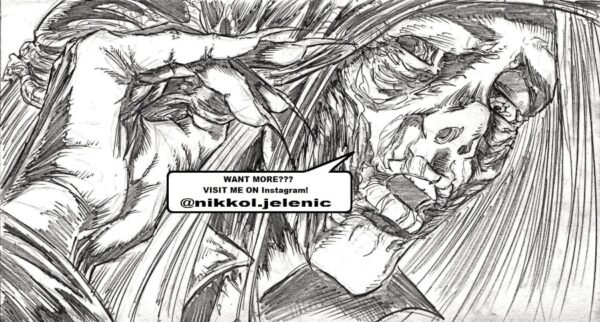
Nikkol Jelenic creates heroes. To be more accurate, she also creates villains. Heroes and villains, and once in a while, through sleepless eyes, she creates nightmares.

I sit with Nikkol as she draws my portrait, and we talk.

RRX: Comic art is different than abstract art or still life; it tells and advances a story, and it does this in a very physical way. It’s a capture of the kinetic energy of a moment of an event. When you’re capturing this event for that story, do you step back to think of things in terms of abstracts and concepts, or is it like seeing lines in your head?

NJ: I agree that those art forms are very different in the aspect of comic art being more about visualizing the action of a story. Comics can be compared to a detailed version of a storyboard for a movie. When designing the layouts, I like to imagine what the coolest camera angle would be to depict those moments in the panels.

RRX: Comics are an arranged marriage of artwork and writing. When you’re creating a scene, you need to make room for the thought bubbles or the dialogue bubbles, and this must affect how you draw it out. Have there ever been any personal heartbreaks where you had to block some really great artwork because of the needs of dialogue?

NJ: It certainly does! I learned that the hard way, having an editor inform me how difficult it was for the letterer to find placement sans much negative space. I’m quite mindful of that now. As far as heartbreak, I do feel it when I’ve chosen to lay areas for dialogue, I thought obvious and the letterer thought to go elsewhere.

RRX: You’re an amazing artist, and you’re versatile. It must make comic book writers want to write to your style. But that brings up a (hopefully) interesting inquiry: how does a writer write to your style? It’s like asking how you pair a Robert Frost with a Picasso, I guess, but how does a writer present work that your art would be best for?

NJ: Appreciate your kind words! I have had most writers that I’ve worked with create the works for us to cater to my style, but more so to the content I enjoy drawing. I feel it’s all about inspiration. What the storyteller creates has a vision initially and that can come from being inspired by imagery seen beforehand. A writer may see something I’ve drawn and that could plant the seed of a really cool concept for a tale that we can grow together.

RRX: You’re really into horror comics. And what I’ve noticed about your work in that genre is that there might be a color convention, maybe a ‘horror palette,’ very black and white and red, muted earth tone colors, very indicative of human blood and gore and the night. But you add a lot of color ‘splash’ to it. What started you with that?

NJ: It is rare that I do interiors for anything other than horror, as it is my favorite subject matter, but I do enjoy drawing and reading other genres. I love to paint, and the allowance of color variety is quite fun. The color portion of any art form is just as important as every other working part of the project. I love color and especially vibrant tones. Darker tones, shadows and tints are great, too. Color can really have the viewer feel the moments they’re taking in as well as explain scenes visually, so the writer doesn’t need the letterer to explain scenes excessively. Like, the time of day, locations, character emotions, etc. I do enjoy a good ‘horror palette’, but vibrant colors that are used successfully can be such eye candy. The colorist loaded up the coloration to a recent book I did that has heavy floral and botanical imagery. I think this brought more life to the story and art than using a more traditional color scheme found in horror. It just depends on the content of the story for which direction the coloring should go.

RRX: You’re involved in a lot of independent stuff, independent comics. Some of your work is in Aftershock Comics. As a writer, I’m acutely aware of the difference between indie publishing and a more corporate publishing. But I don’t know jack about the indie comic world. What would you say are the pros and cons vs. say Marvel or DC?

NJ: I personally have yet to have an experience to present a con for either. I do love that indie stuff allows creators to feel limitless with their works. I’m just happy to be illustrating fun stories for whoever will have me along. Collaborating with writers is most enjoyable because I like the communicating and building with other creative types. I also make my own comics, which gives me full free range. And that’s a very proud feeling to hold your own little baby, printed in hand, that you poured your soul into.

RRX: One thing that everybody knows, and has an opinion about, is the human form as portrayed in comics. I’m talking the generally svelte basic form of a superhero. I think we’re starting to see more everyday kind of heroes, but with a more diverse range of body styles being represented, is it harder to capture that kind of motion in pen and ink?

NJ: That’s what I enjoy about indie comics the most. Great to see regular people existing in the world. I love me some super jacked up supes and bodies in armor of the gods, but people you pass in the streets have the potential to do big things and be part of intriguing stories also. I like to draw all body types, but I’ll take monsters over any of them. I don’t think one body type is more difficult than the other, rather equally as difficult to master without practice. I learn new techniques and find new angles, when drawing bodies, every day that I am working on something.

RRX: This is where you answer the question I didn’t ask. Favorite place to catch an ink stain? Pen erasers that actually work?  Educate, enlighten, emote – the floor is yours.

NJ: Ink stains suck! Hahaha! Actually, I rarely ink as I’m usually hired as a penciler. My sketch paintings are where you’ll find most of my inks and there is where I catch ‘stains’. So, for a fav, I like when the ink stays on the paper instead of staining my fingers. I don’t usually use ink erasers because I like wherever it decides to land. I keep the sketches pretty chaotic and throw the ink around on them with a paintbrush. We live in a super digital world so any cleanup can be addressed in photoshop. Electric erasers are pretty cool to try out. My advice is to try it all!


More from Liam Sweeny…

Prog Digest – An Xperience Column

0

Prog Digest – An Xperience Column – by Klyde Kadiddlehumper.

How can there be any sin in sincere?

Where is the good in goodbye?

If you’re a fan of musicals, you know this line.  If not, it’s in “The Music Man” performed by the Buffalo Bills.  Not the guys who didn’t make it to the Super Bowl, the Barbershop Quartet. Klyde’s actually been in a few of those and performed to some acclaim (mostly for the schtick, not the music) and does love them dearly.

But that’s not why I bring it up – there’s a whole other thing going on here.

This little ditty popped to the fore of the Kadiddlehumper mind while musing about interesting and odd, even groundbreaking, musical instruments.  A topic seldom thought about, I imagine, but an interesting one nonetheless

In 1986, the final Frank Zappa studio album, “Jazz from Hell,” was released.

It is still a treasured part of Klyde’s collection and a masterpiece.

Always ahead of some game or another, it was completely composed and produced (well, almost – the exception was “St. Etienne”) on the Synclavier Digital Music System.  Certainly not the first synth – Bob Moog had introduced some around about 1964.  The Synclavier was the high-end real deal with its own 16-bit computer.  At up to half a million dollars – well, it took commitment.

Add to it some MIDI interfaces and programming for the complex rhythms, and – there you have it – “Jazz from Hell.”

That’s not where it stops, not by any means.  There are some unique and custom instruments you will see from time to time.

Take the Chapman Stick.  A 10 or 12-string polyphonic tapping instrument – it’s most famously played by Tony Levin.  You hear it on King Crimson music.  You hear it on Peter Gabriel music (hey, have I mentioned yet that there is new Peter Gabriel music coming – individual songs being released with the new “o/i” album by end of year?). When he first got one, Levin had to ask inventor Emmett Chapman how to play and string the damned thing.  Amazing stuff.

Pat Metheny has a 42-string Linda Manzer four-neck Pikasso.  To hear that is wonderful. (Hey, did I mention he’s coming to the area again in September? Although CC and I may head to the Beacon, ‘cause we like NYC.)

All this kinda makes that 2-neck bass/guitar look normal – Fender or Gibson for you?

Kazoos – funny sounding, but not that funny.  Unless you mean The Great Gazoo – one of cartoons’ great characters.

Then, in a category all his own – P. D. Q. Bach.  Professor Pete found some amazing and seriously overlooked music and musical instruments.

There was the “Toot Suite for Calliope Four Hands (S. 212°)”.

The “Concerto for Horn and Hardart S. 27” – I think that was the luncheon special …

“The Short-Tempered Clavier, Preludes and Fugues in All the Major and Minor Keys Except for the Really Hard Ones, S. easy as 3.14159265”

“Royal Firewater Musick, for bottles and orchestra, S. ⅕”

“The Only Piece Ever Written for Violin and Tuba, S. 9, 10, Big Fat Hen”

“Eine Kleine Kiddiemusik for Three Toyists and Orchestra, S. One-Potato-Two-Potato-Three-Potato-Four”

“Gross Concerto No. 1 for divers flutes, two trumpets, and strings, S. −2” – featuring the ever-popular left-handed sewer flute.

You are now saying to yourself, “Oh, come on, Klyde, these cannot be real.”

How wrong you are.  These and other wonderful finds are part of the Schickele catalog of lost works of the least known Bach son, P.D.Q.  Hence, those catalog references S. whatever it might be.

Professor Pete always had a closing statement on his long-running radio program.  A statement so monumentally simple and straightforward that it fit its author brilliantly.

Duke Ellington is quoted as coining the phrase “If it sounds good, it is good.”  To which Leonard Bernstein simply said, “Amen.”

Until next time.

Klyde


More from Klyde Kadiddlehumper…

Duo Envol @ Albany Public Library (Bach Branch), 3/8/2026

0

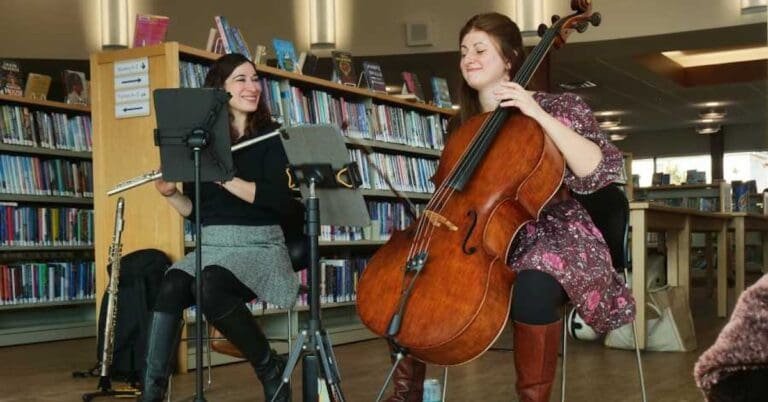
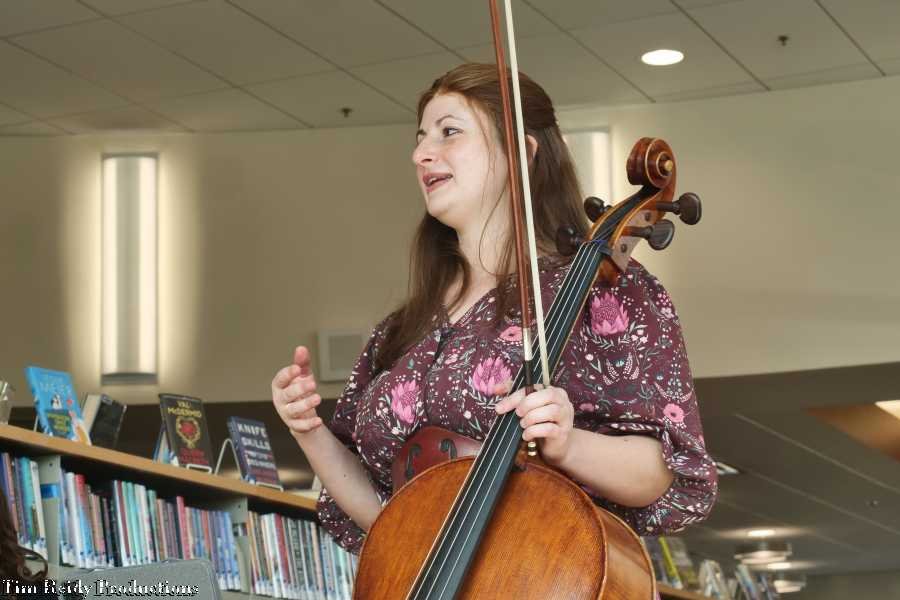
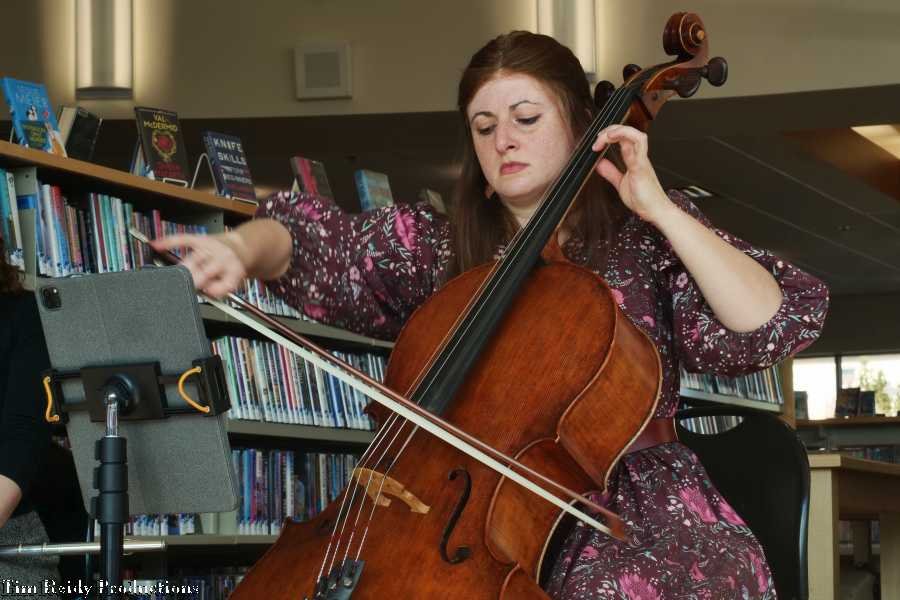
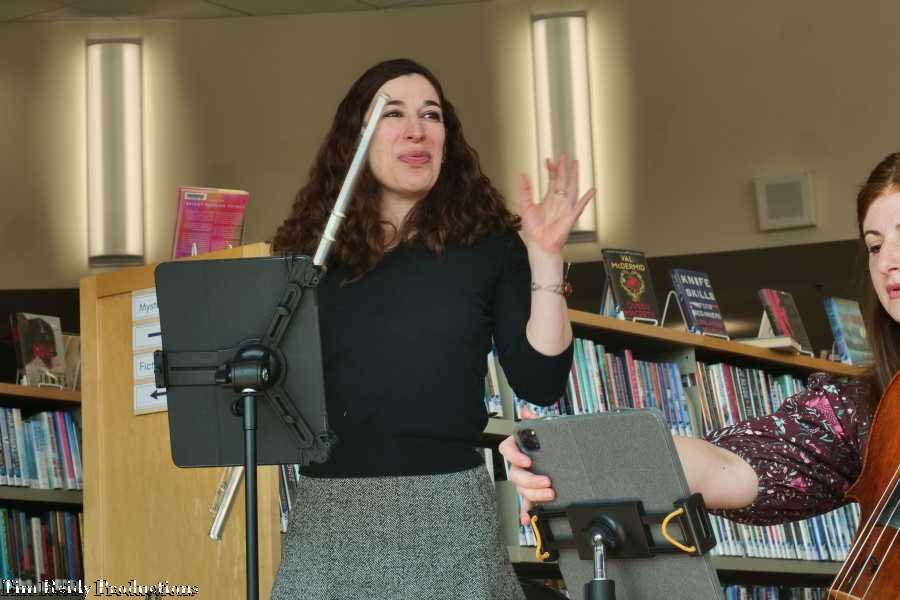
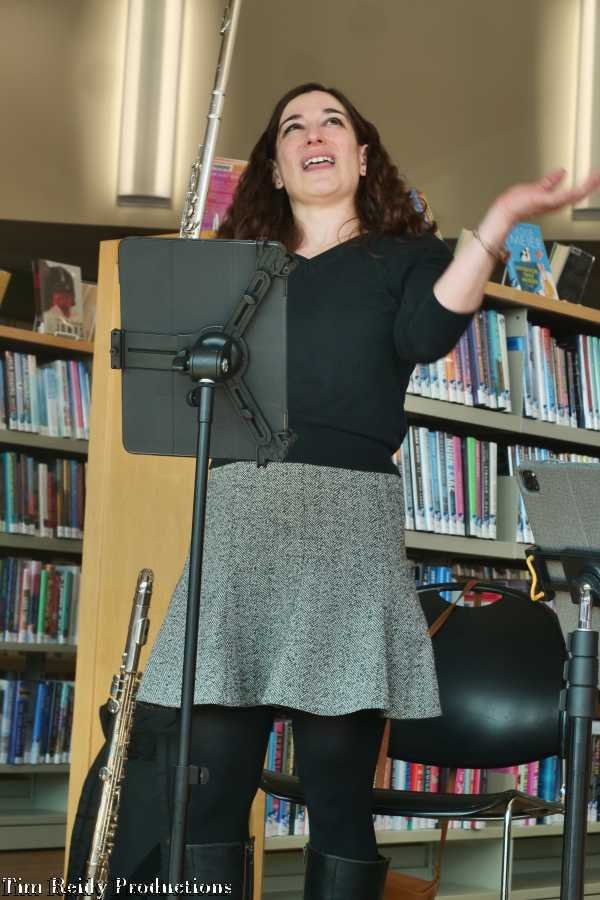
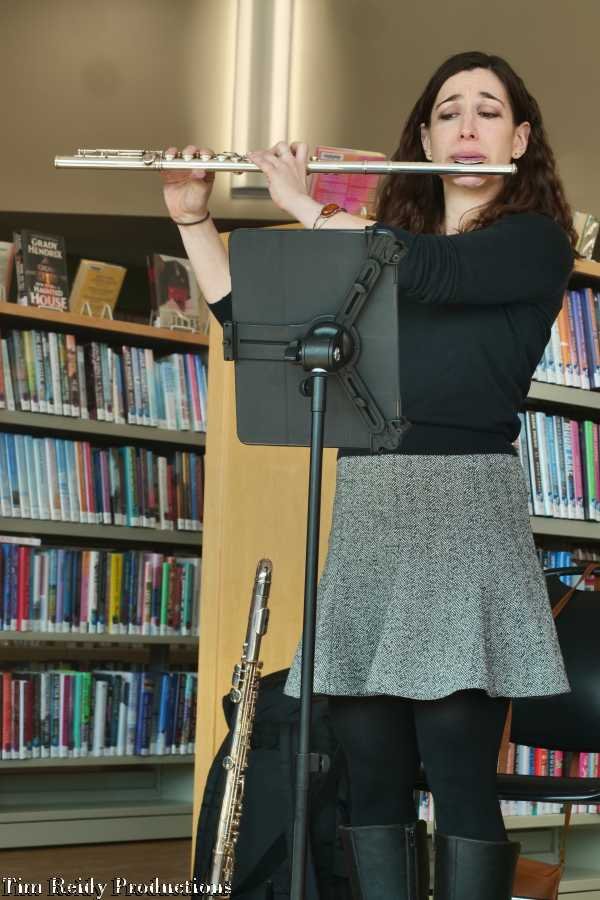
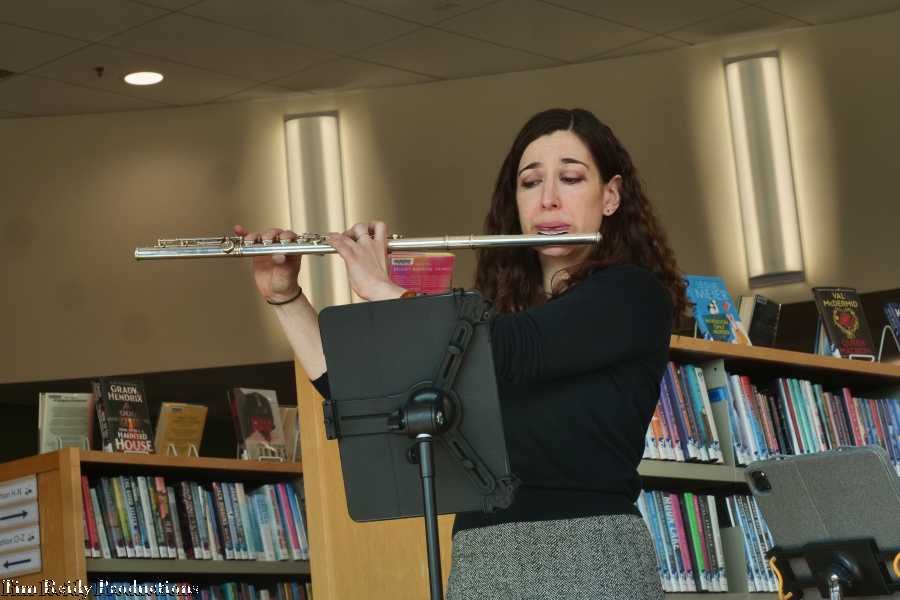
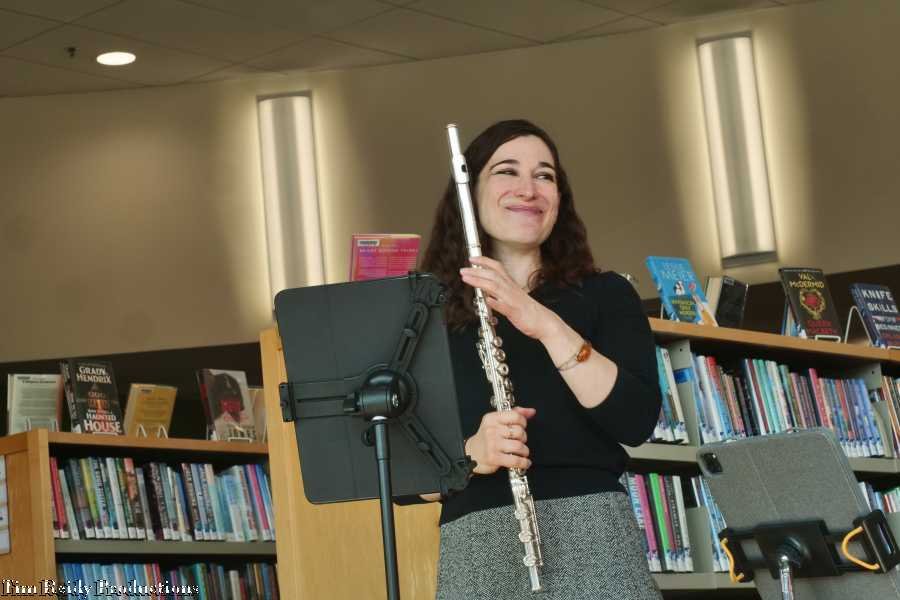
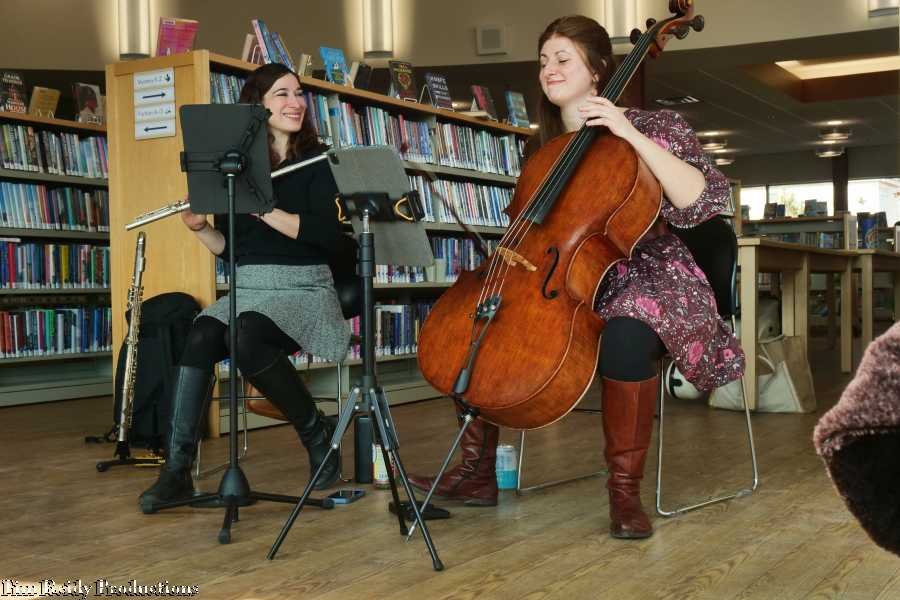
Duo Envol showcased flute and cello at the Bach Branch of the Albany Public Library on March 8.

Photography by Timothy Reidy.

More from the Albany Public Library series here …


Jerry Rig / Flavour / Cheap Heat @ No Fun, 3/7/2026

0

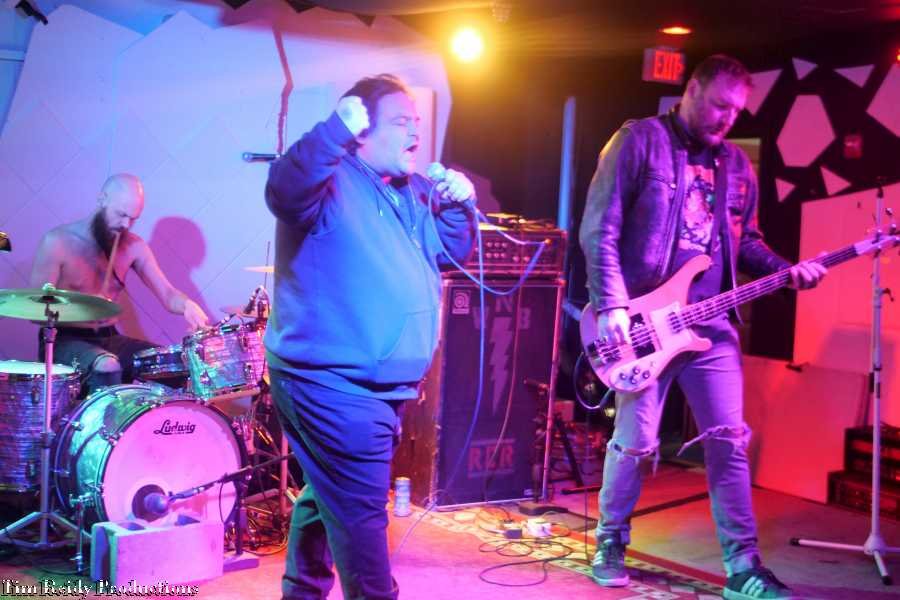
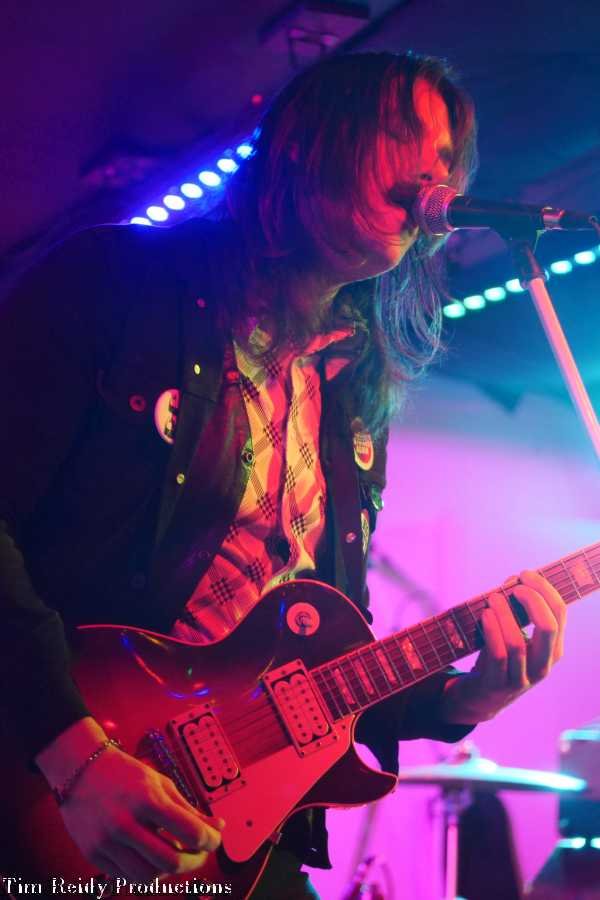
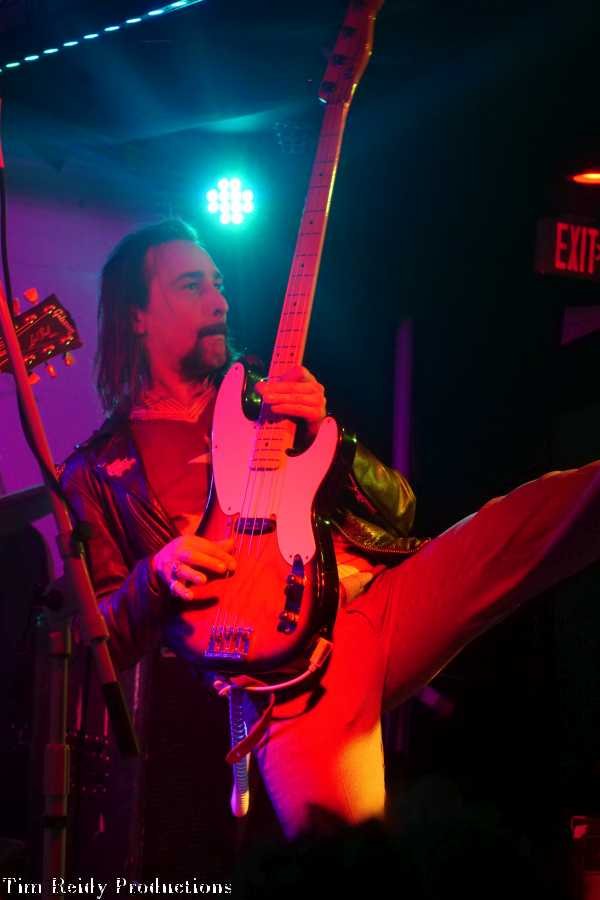
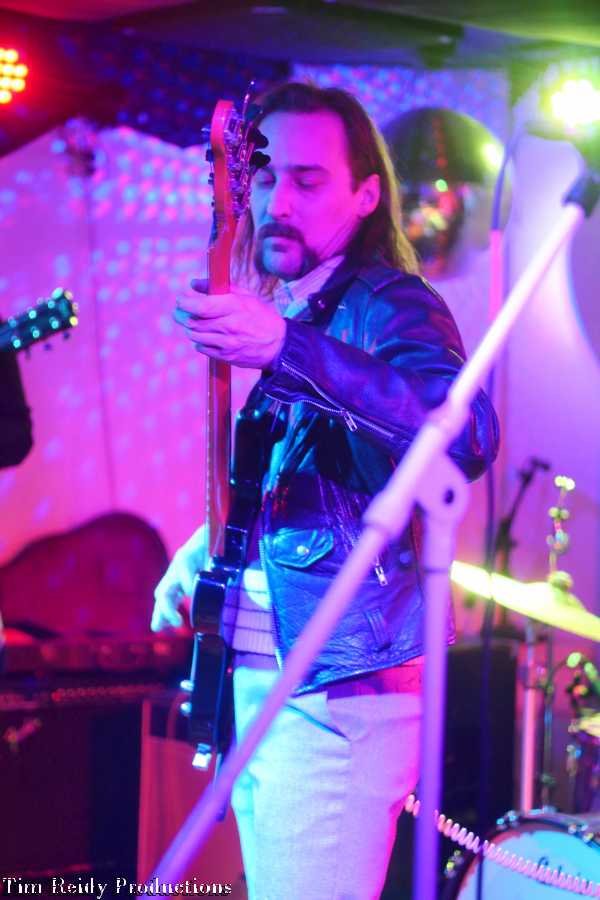
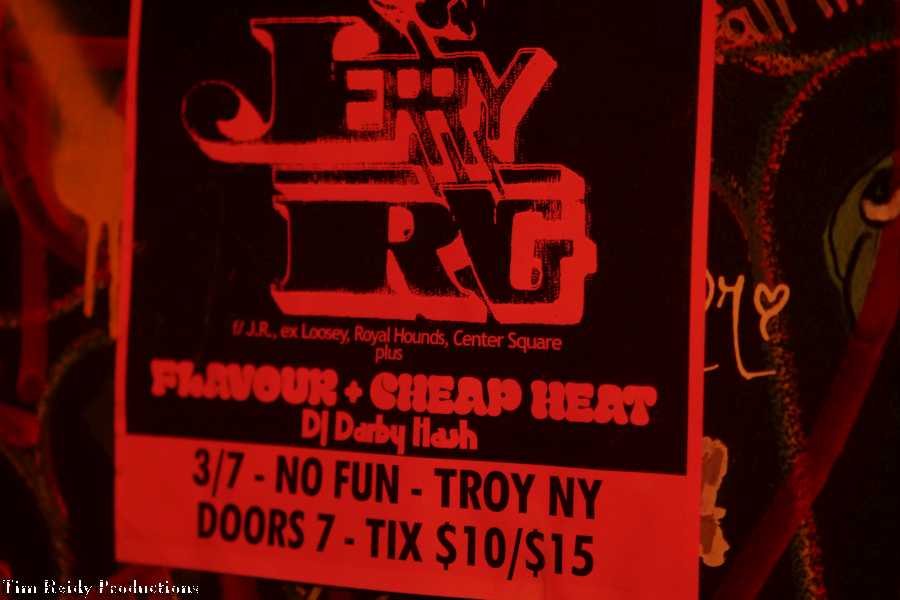
On March 7, Hey Greasy hosted a show at No Fun in downtown Troy. Flavour closed after Cheap Heat and Jerry Rig brought the punk rock spirits.

Photography by Timothy Reidy.

More from No Fun here …

“Song City” @ The Waiting Room, 3/10/2026

0

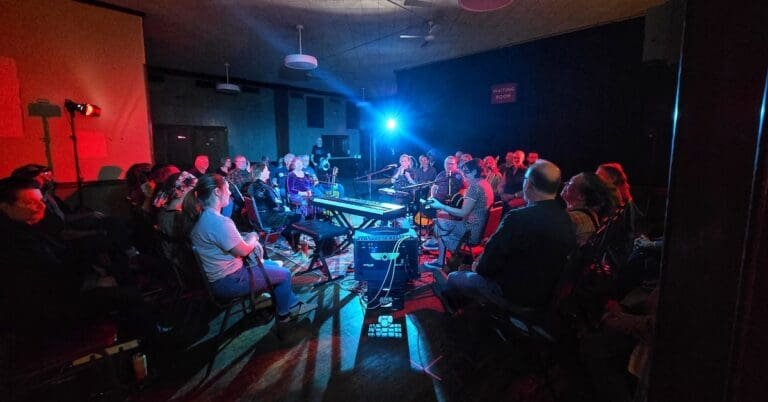
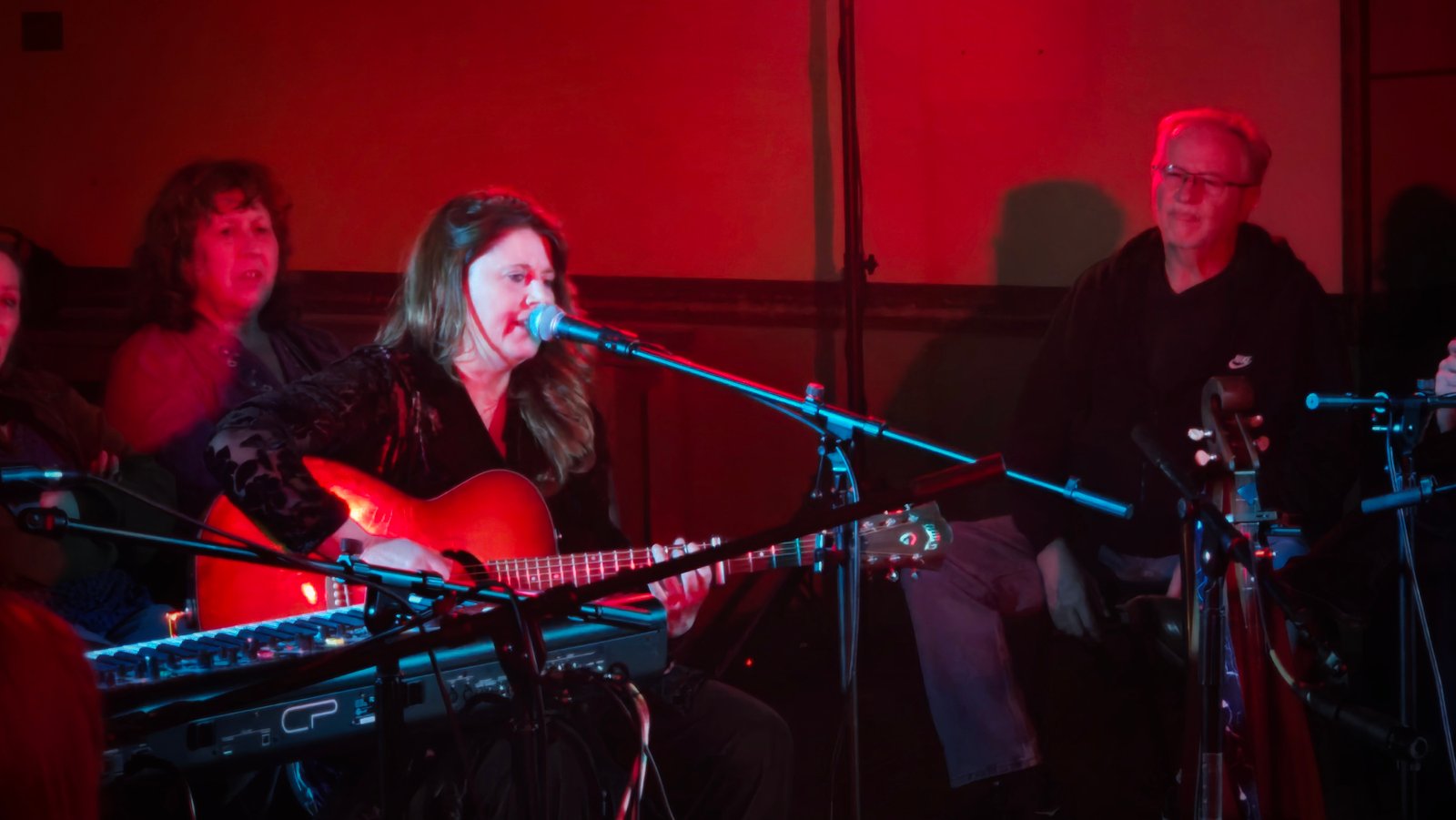
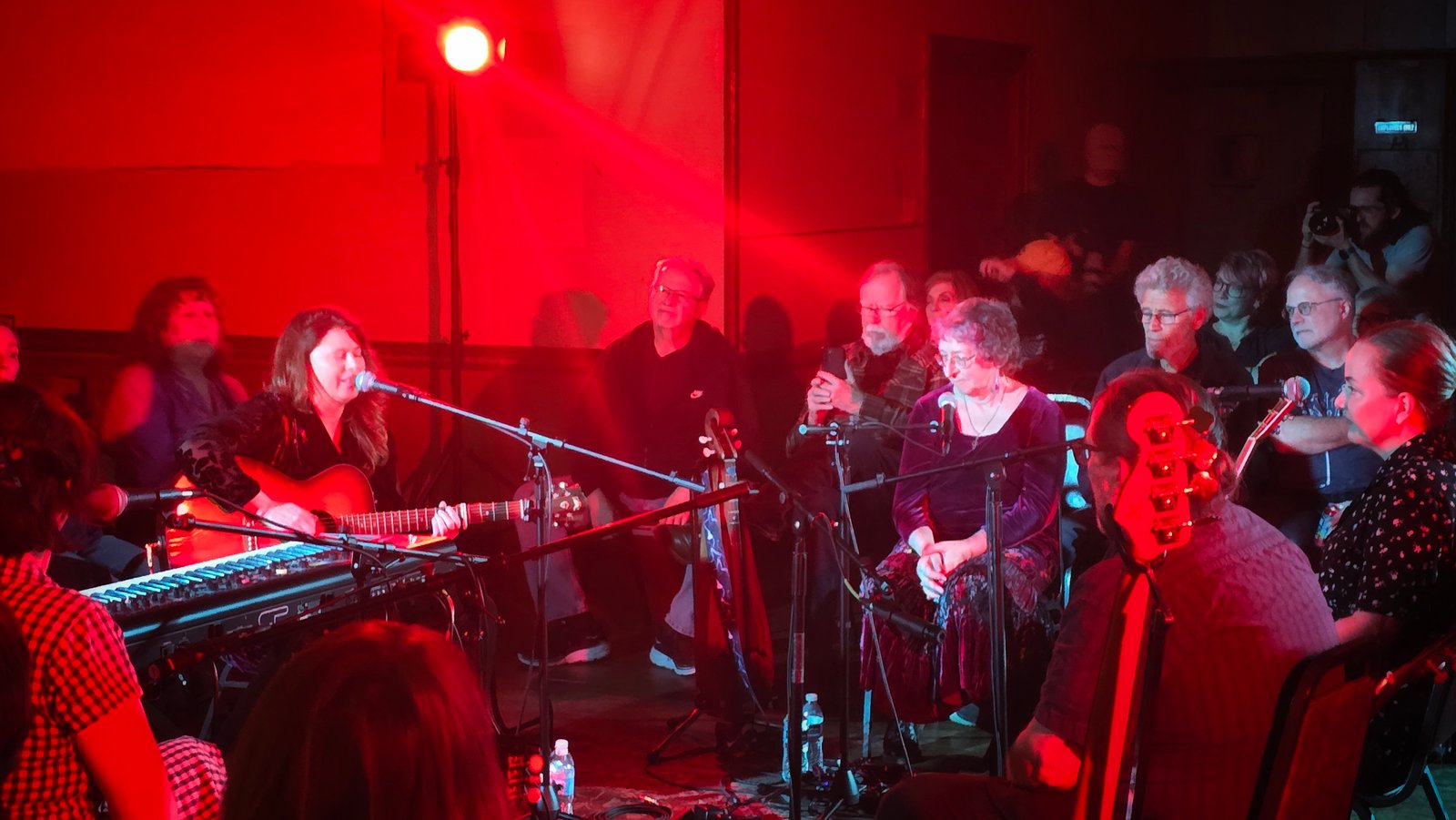
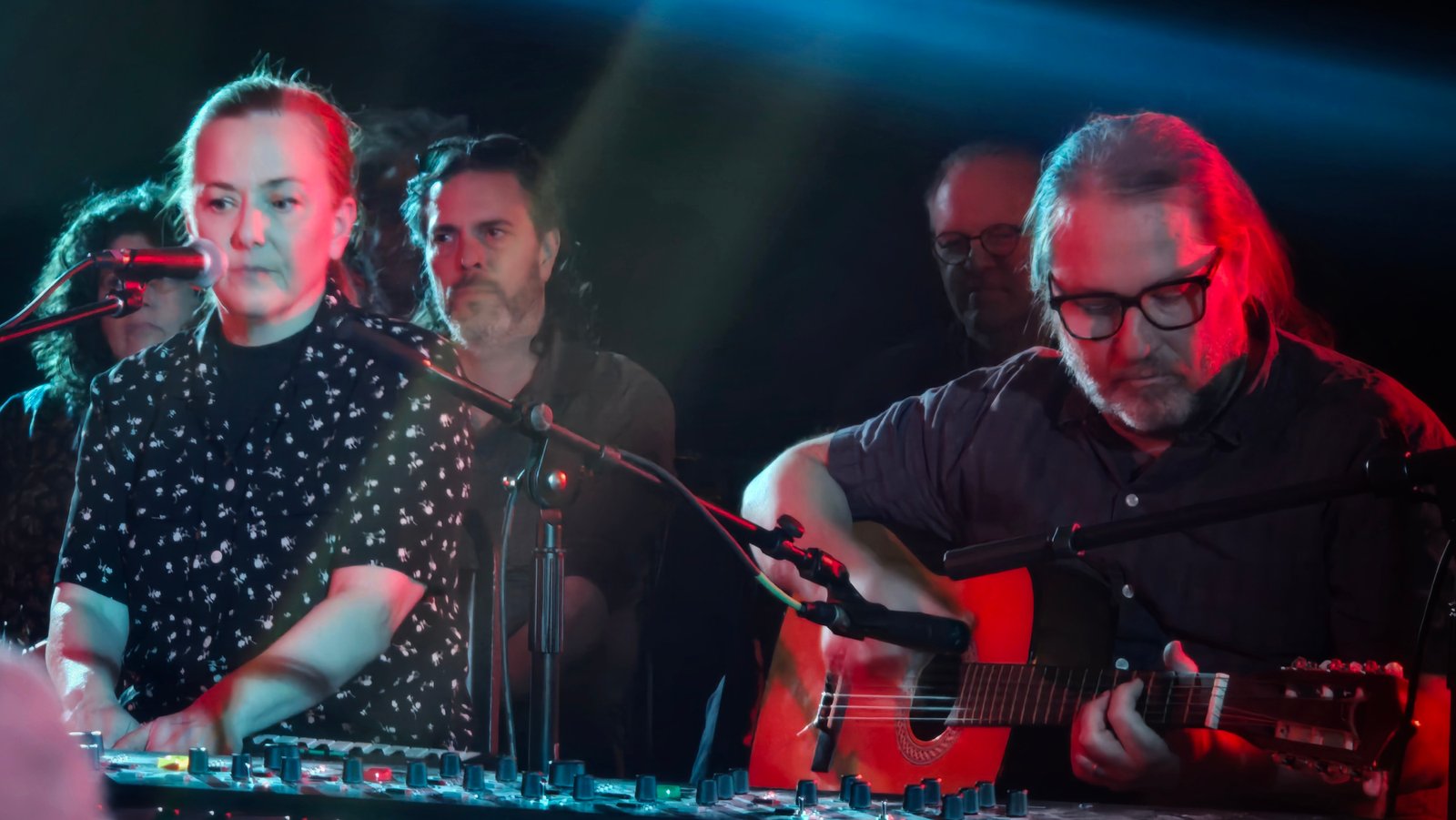
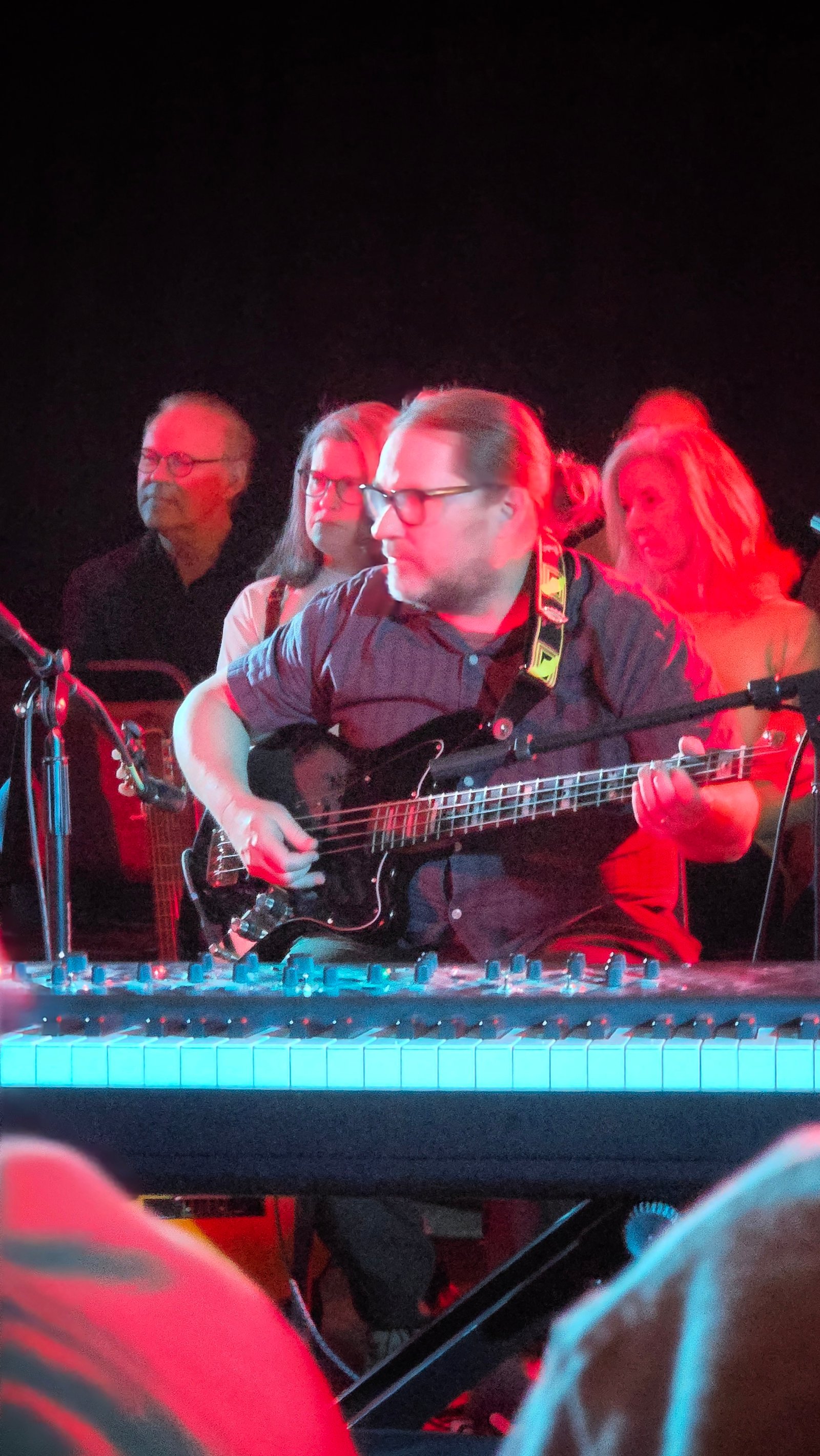
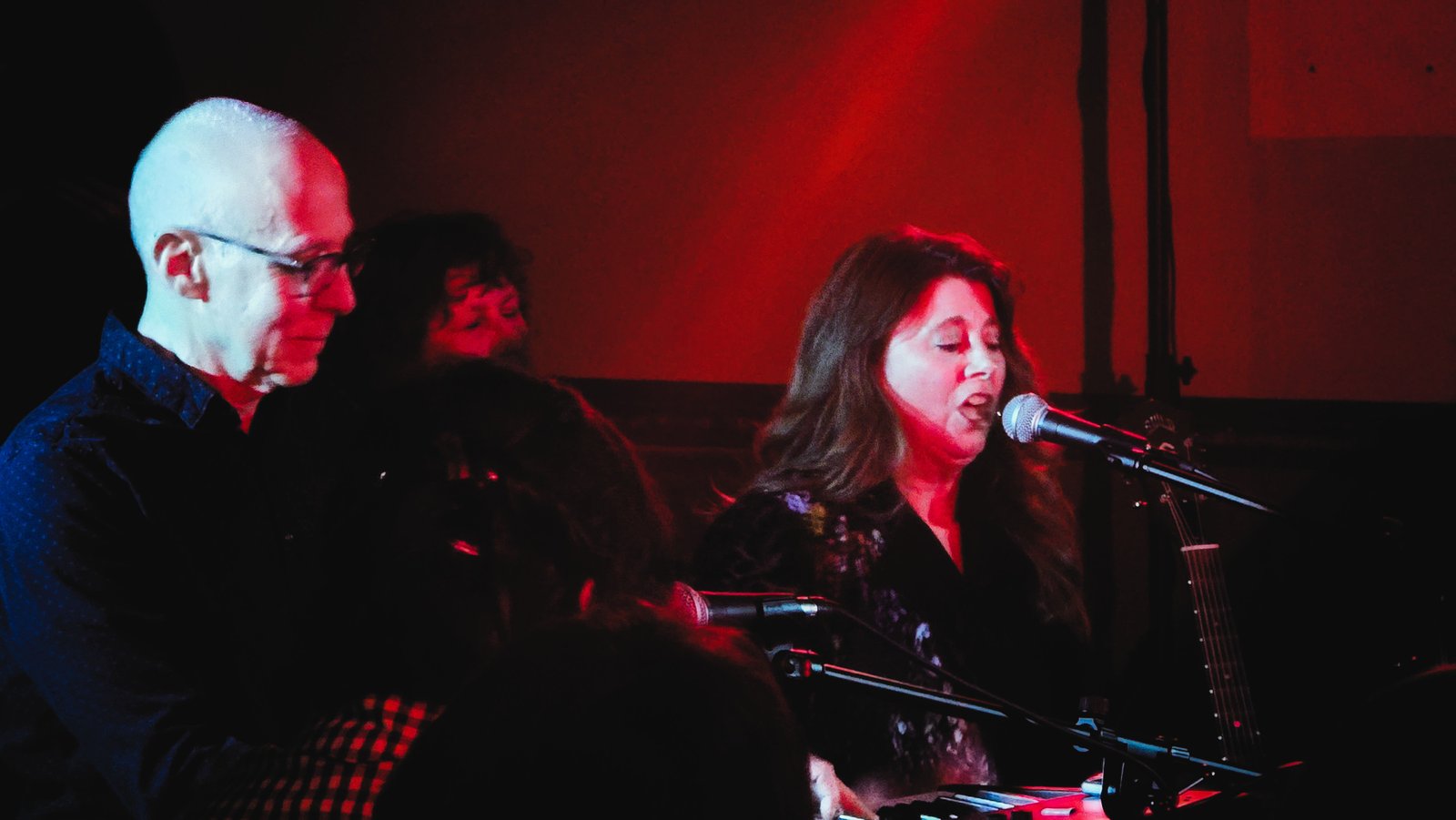
Song City saw a packed house last night for their International Women’s Day lineup, which included Jenna Nicholls, Amy Ryan, Jennifer Maher Coleman (of Architrave), and Deb Cavanaugh.  The show ended with an emotionally stirring rendition of “Imagine”.  O’Malley’s Oven and Mean Max Brewery provided refreshments.

Photography by Sara Busone.

More from Song City here …

The Record File: Bren Holmes, Morrisey, and More…   

0

by Tony Mastrianni.

BREN HOLMES: Ex “YOUNG DUBLINER” CONTINUES STRONG SOLO CAREER

For 30-plus years, Bren Holes has been plying his craft as a musician, songwriter, and bandmate. As an original member of the Irish rock band, The Young Dubliners, he has gigged all over the world–and lived to talk about it. In the fall of 2019, Bren decided to part ways with the band in pursuit of a solo career. After several months, he put together a list of songs he had written and got together with co-producer Bryan Dobbs to record his very first solo album, ”Everything You Never Wanted.”

His debut album was very well received throughout the record industry, and not too long after its release, Bren got right back to work to start on his sophomore album entitled, ”A RuSH To THe STaRT LiNE.” With 10 new songs under his belt, he again enlisted his co-producer Bryan Dobbs to complement his previous endeavor. It comprises a mixture of themes and emotions, with no two songs sounding alike yet somehow strung together gracefully. It deals with several themes, from a runaway child (“Gloria”), to the topsy-turvy life of Sinéad O’ Connor (“Ordinary World”), to Mother Earth speaking to humanity as a whole (“Need Some Time”), to a couple of breakup songs, which Bren never seems to shy away from (“Satisfied”, “Don’t Say You Will”). Bren and Bryan played most of the instruments but brought in some great talent, including bassist Paul Bushnell (Tim McGraw) and Ben Thomas (Dweezil Zappa), to name a couple. Bren is hoping to take his new album around the country throughout 2026 and beyond. Hopefully, it will bring you some enjoyment and solace while listening to it.

MORRISSEY UNLEASHING FIRST NEW ALBUM IN SIX YEARS  

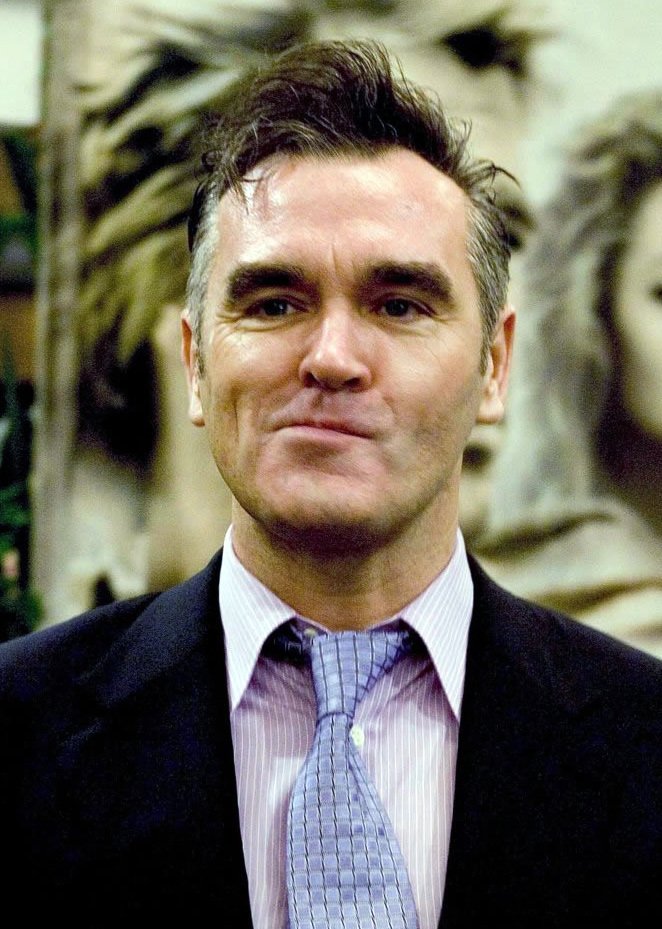
Morrissey returns to Sire/Warner Records with ”Make-Up Is a Lie,” his first new studio album since 2020. With poetic and provocative lyrics, sonically dynamic production by Joe Chiccarelli (The Strokes, My Morning Jacket, Alanis Morissette), and a renewed commitment and connection with his loyal global fanbase, the album was recorded last year in France. The new album will be in stores on March 6. The album promises evocatively unpredictable instrumentation and has a title that can be read as an explicit call for unvarnished truth and expression. The 12-song set is poised to further solidify his status as one of the most acclaimed and potent voices of the last four decades.

The album’s first single (out now in digital format) is an intoxicating introduction. Co-written by Morrissey keyboardist Camila Grey, “Make-Up Is a Lie” surges forth on a trip-hop-like groove — echoing drums, propulsive bass riff, mysterious atmosphere — that bursts into swirling dream-pop for the chorus. Morrissey vocally floats across the track, weaving a curious tale of a woman who keeps desperately trying to deliver him a message, even in death.

He is joined on the new album by a familiar cast of characters and bandmates, including Jesse Tobias, Camila Grey, Carmen Vandenberg, Juan Galeano, Alain Whyte, Gustavo Manzur, and Brendan Buckley. The track list includes some song titles previously referenced by Morrissey and others that have never been revealed, as well as a faithful cover of Roxy Music’s 1973 deep cut “Amazona.” It will also feature a song called “Lester Bangs,” a tribute to the late, famous rock critic. May I humbly add that I had the honor of writing for him while he was Editor of CREEM.

“Make-Up Is a Lie” will be available on vinyl, CD, and digitally. Vinyl album variants include Blue vinyl and a unique Zoetrope picture disc.  A Red vinyl pressing will be available exclusively through all Indie retail stores. You may want to place an order in advance

On a side note, Mr. Morrissey played the Palace Theatre in Albanyin 2012.  It was different seeing him without his former guitarist, Johnny Marr; however, the show went on, and it all sounded splendid. Long live the Smiths – that great primal band that featured Morrissey and Johnny upon their inception in England in early 1982.

FANNY: “MOTHERS PRIDE” RESURFACES ON VINYL!

After releasing all four of Fanny’s 1970s Reprise albums on CD, REAL GONE MUSIC is now doing the same on LP! The band’s 1973 album “Mothers Pride” is the first of the vinyl reissues. All four Reprise albums rank up there with the Runaways (Joan Jett’s fabulous band before going solo) and those of Suzi Quatro (whose sister, Patti, ironically joined Fanny, replacing June on guitar, briefly before they disbanded in 1975). They had a couple of reformations in later years, but did not quite sustain momentum. The original Reprise albums were testimonies that they were indeed precursors for all women’s rock bands from that post-60s era. “Mothers Pride” is probably the best offering from the band. It may well have also been its most controversial, as Todd Rundgren agreed to produce the album on the condition that he and he alone would oversee the album mix. The result was a record that cemented Fanny’s popularity in the U.K. but failed to make an impact in the charts here in the States despite their European charted hit classic “Summer Song.” The two-page insert that comes with the reissue includes not just the lyric sheet, but the rare promo flyer that accompanied some copies, and the album was remastered for its baby pink vinyl! Look for the other three LPs to be available in the not-too-distant future. Though the band had some personnel changes along the way, the mainstay players of this giddy-up hard rock ensemble consisted of Philippines-born sisters Jean Millington and  June Millington, along with  Alice de Buhr and Nickey Barclay. The group attracted critical acclaim for rejecting typical girl group formats and expectations of women in the rock music industry. They were very proficient in emphasizing their musical skills. Later groups, such as the Go-Go’s, the Bangles, and the aforementioned Runaways, all stated that Fanny was a major influence. The Reprise Fanny LPs truly reflect that they were the precursors to women’s rock and roll stardom.

ALSO RECOMMENDED:  LIGHTNING STILLS, KULA SHAKER!

“Lightning Stills” (Max Trax Records). There is something special about this group. Cannot help but like them! The band is a venerated cast of Omaha musicians – a who’s who collection of local artists of varying genres, all unified in a love for pure and unadulterated Outlaw Country. Originating in 2020, Craig Fort (a hardcore, metal, and garage mainstay), who leads the post-rock outfit, first formulated the band with Omaha music icon and multi-instrumentalist Mike Friedman (who had been playing country for decades). Pulling into their magnetic orbit a good-timing odd bunch that features guitarist Tom May, bassist Dan Maxwell, and drummer Javid Thunders, the band Lightning Stills was born. Synergistically speaking, they mesh well as a unit. Deciding it was time to record a full record after releasing a handful of tracks in 2020 and 2021, the self-titled debut started taking shape, and a caboodle of punk-infused Outlaw Country was born. One thing is sure: Lightning Stills are still making good old music; they just are not playing it loud anymore!.

Have you not heard of Kula Shaker?  If so, you have been missing some great psych-rock magic from a band that has already taken Europe by storm. Call it hallucinatory hard-driving glam rock. Their new record, “Wormslayer,” is a merit-worthy, enigmatic bit of swirling sonic magic.  Worth it alone for the single “Lucky Number,” it is filled to the brim and ventures into gothic crooning and expansive mantra-metal. Their best effort since their initial release, “K,” in 1996. Absolutely exhilarating stuff, chock full of UK hit singles; Rick Rubin is the co-producer. Magnificent!  You may want to order this great import album from your local independent record store now. The band is touring Europe now to rave reviews. Just a matter of time before they conquer U.S. soil!  Highly recommended!

Till next time …


More from Tony Mastrianni…

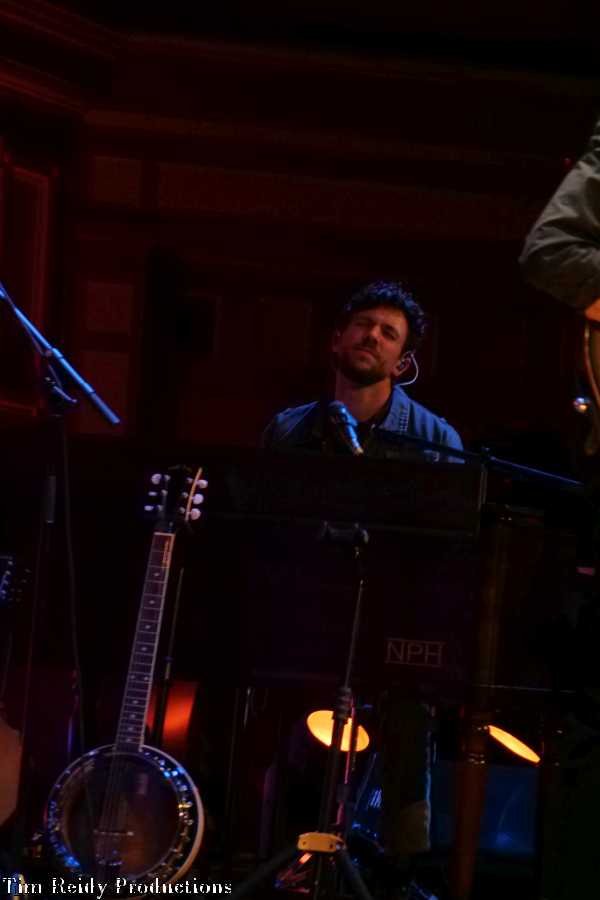
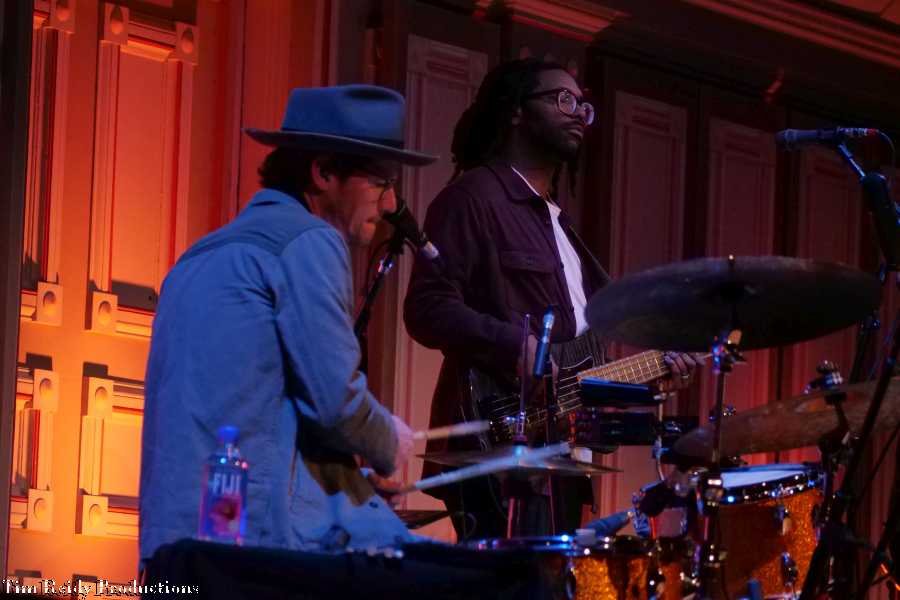
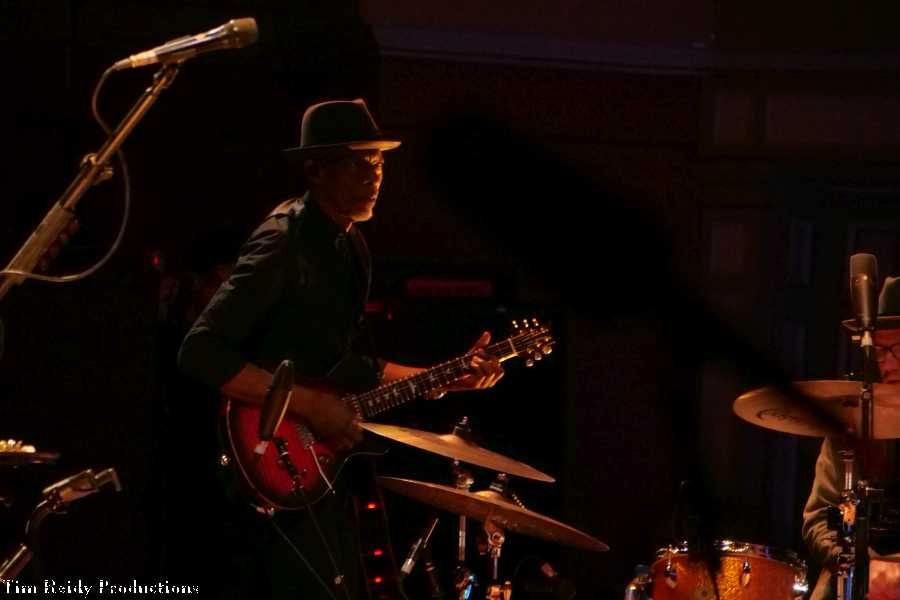
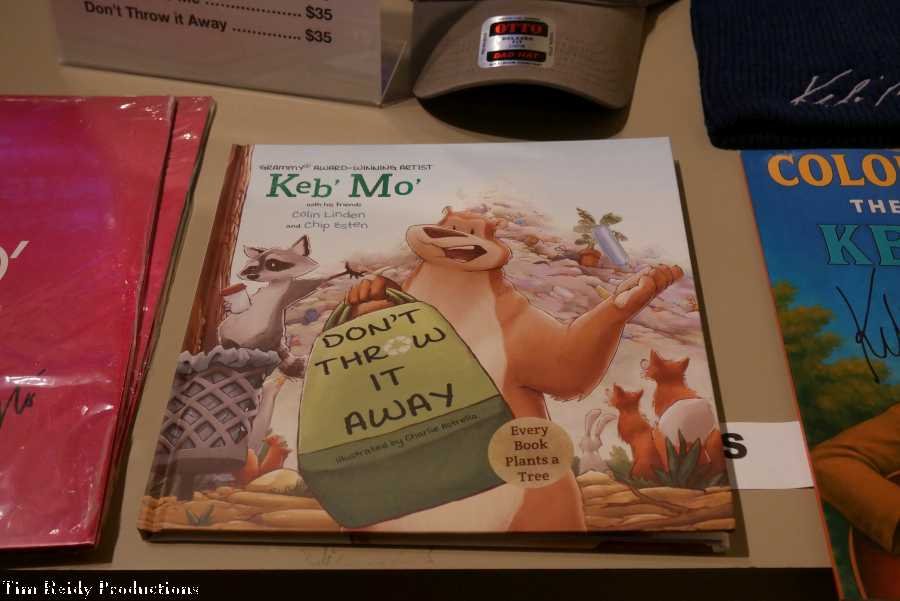
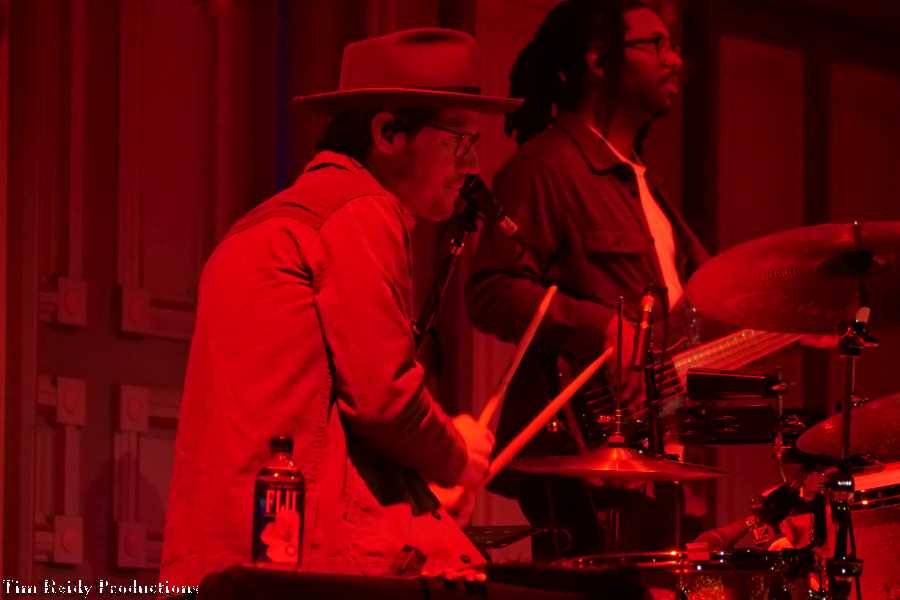
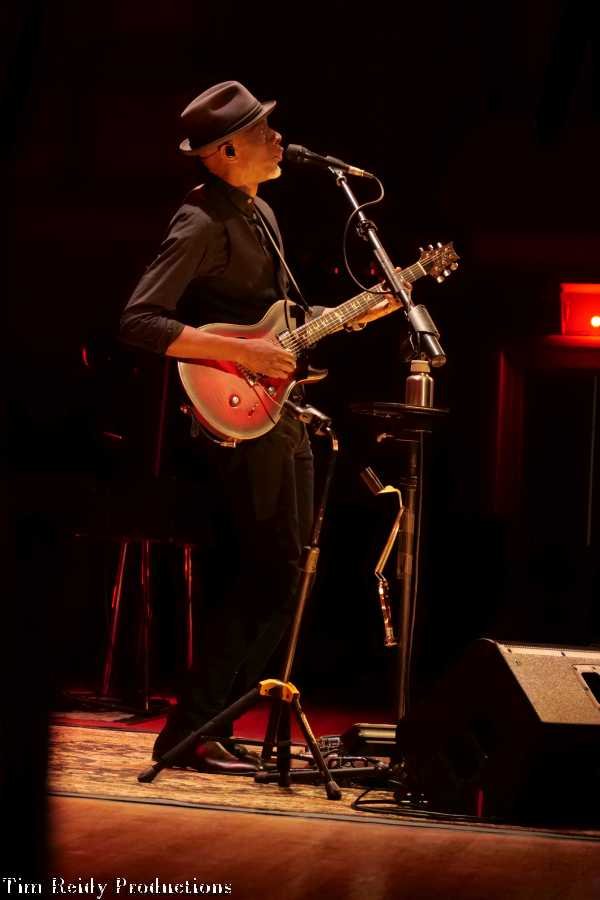
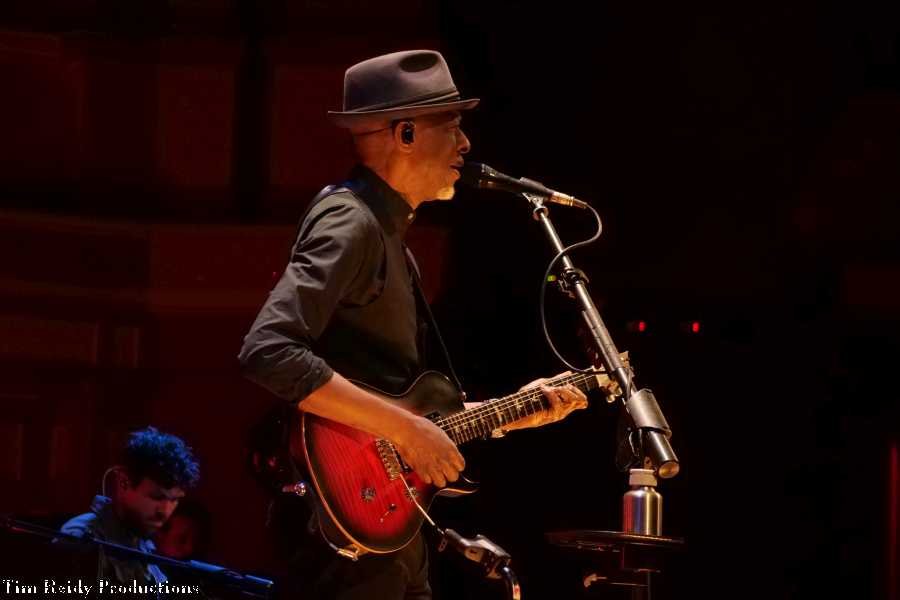
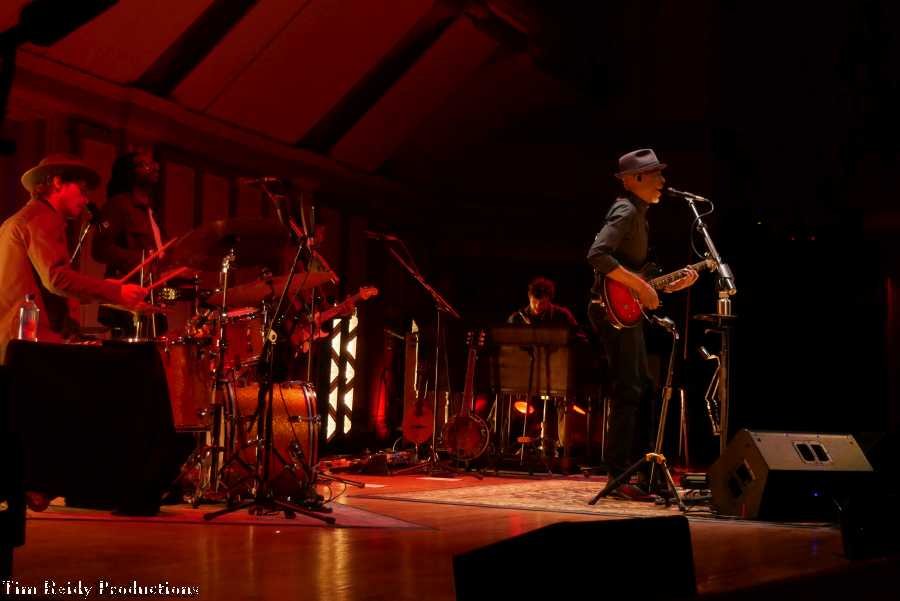
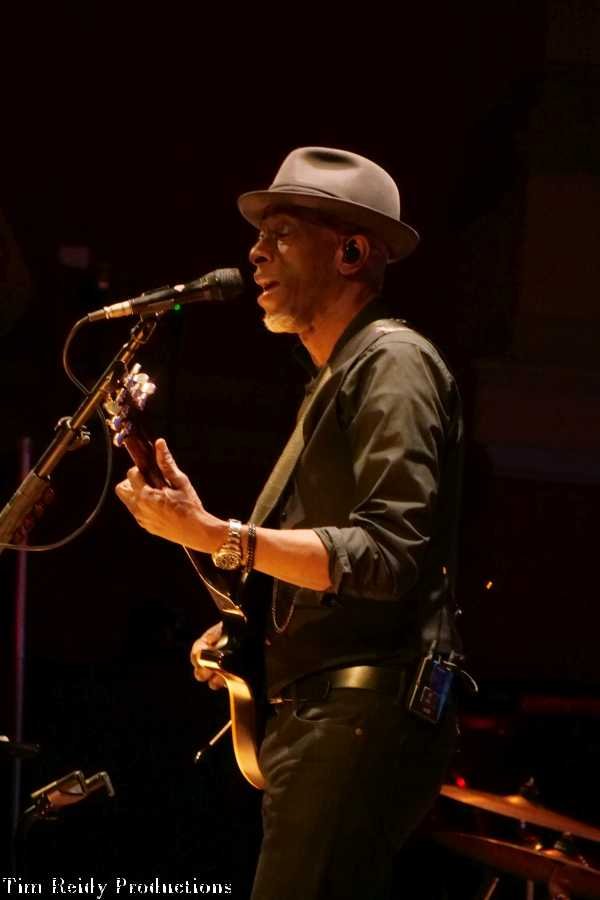
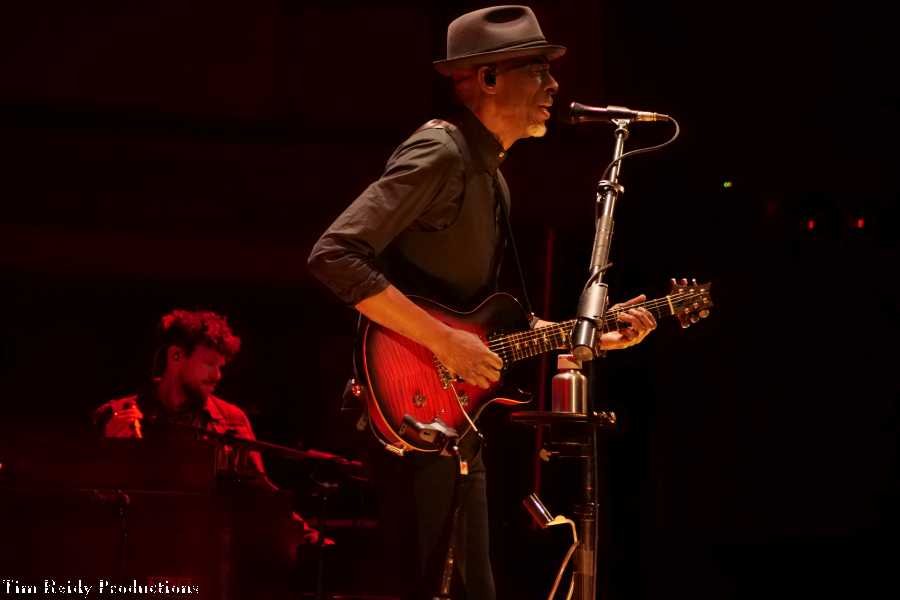
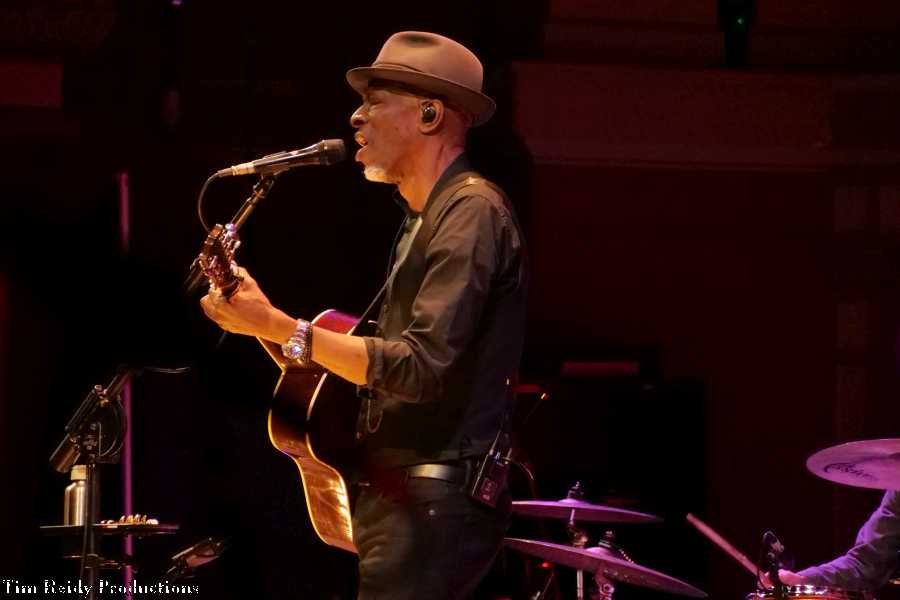
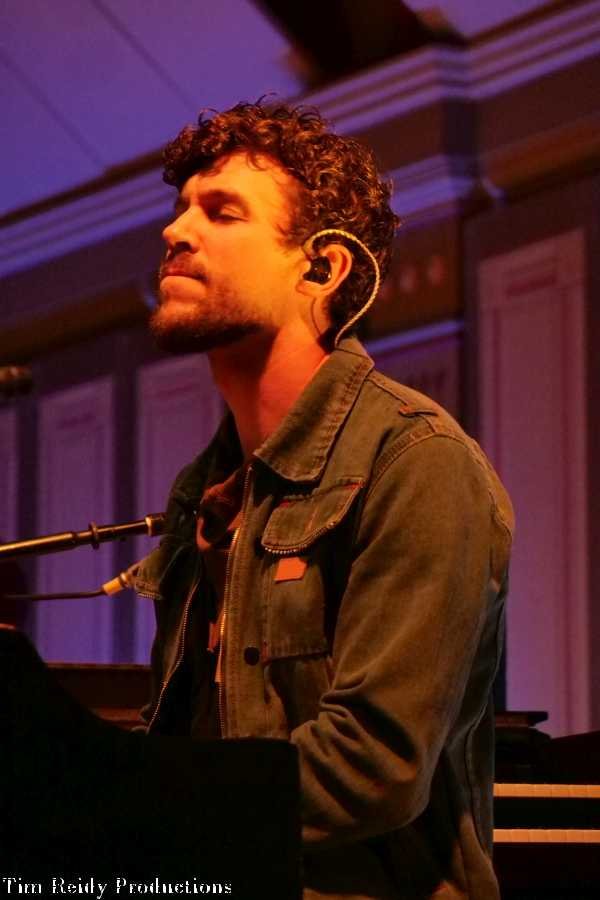
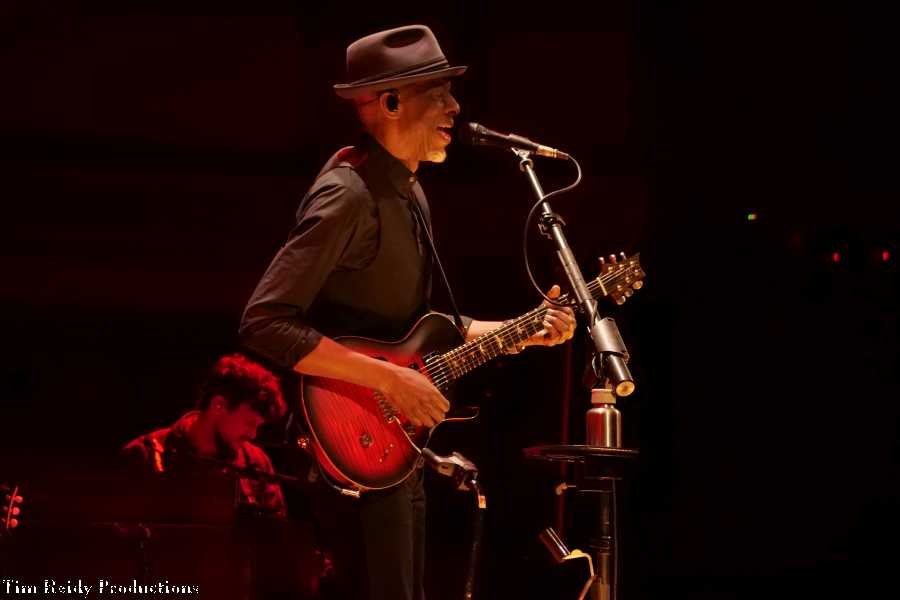
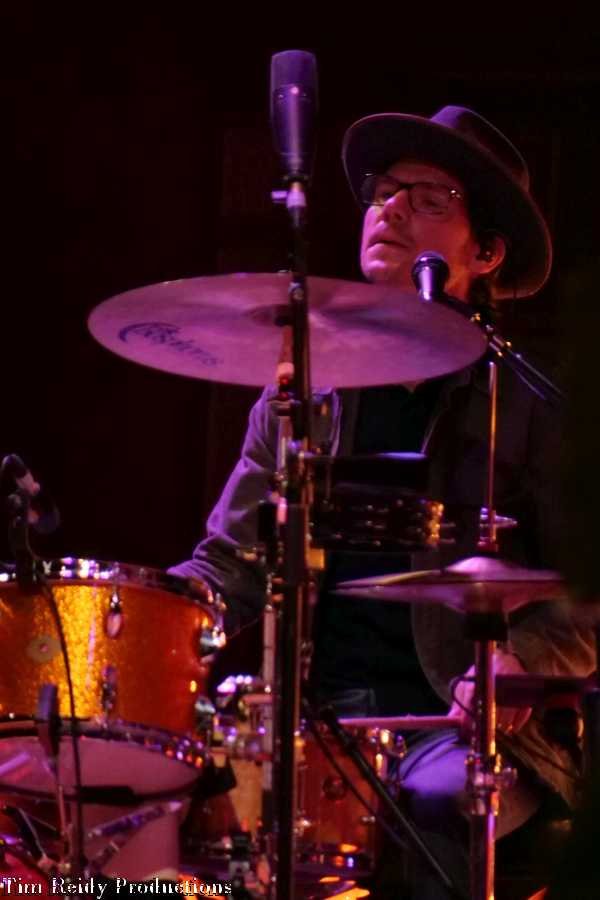
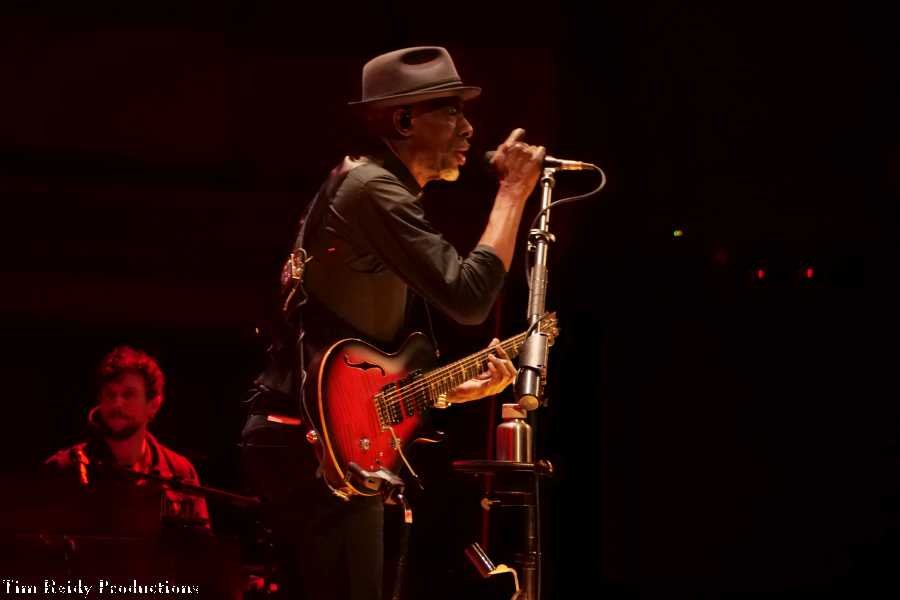
Keb Mo @ Troy Savings Bank Music Hall, March 4th – Tim Reidy

0

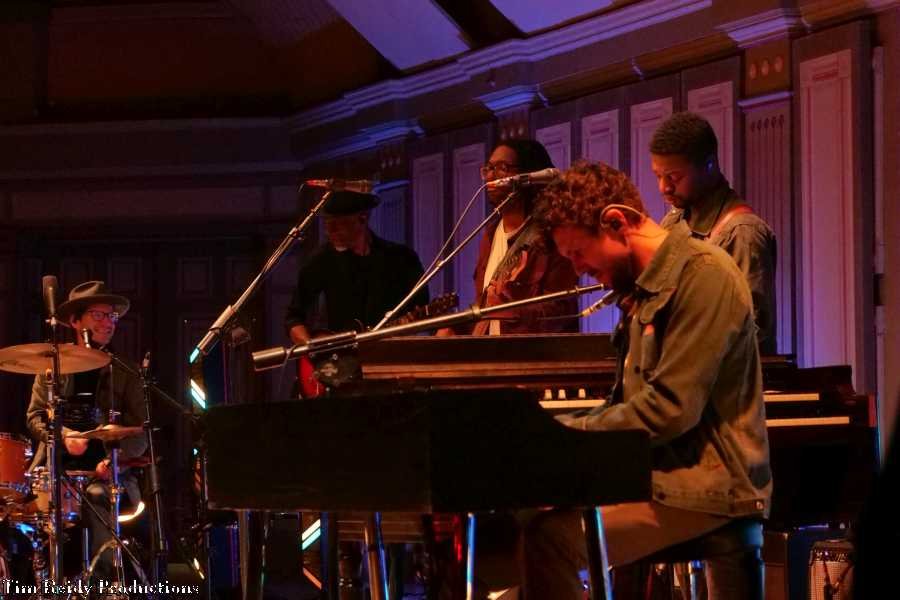
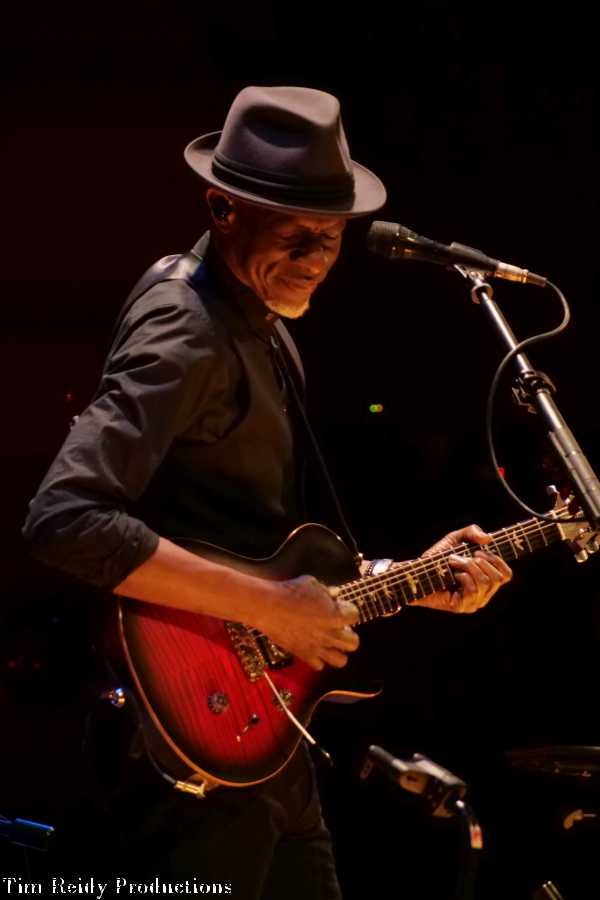
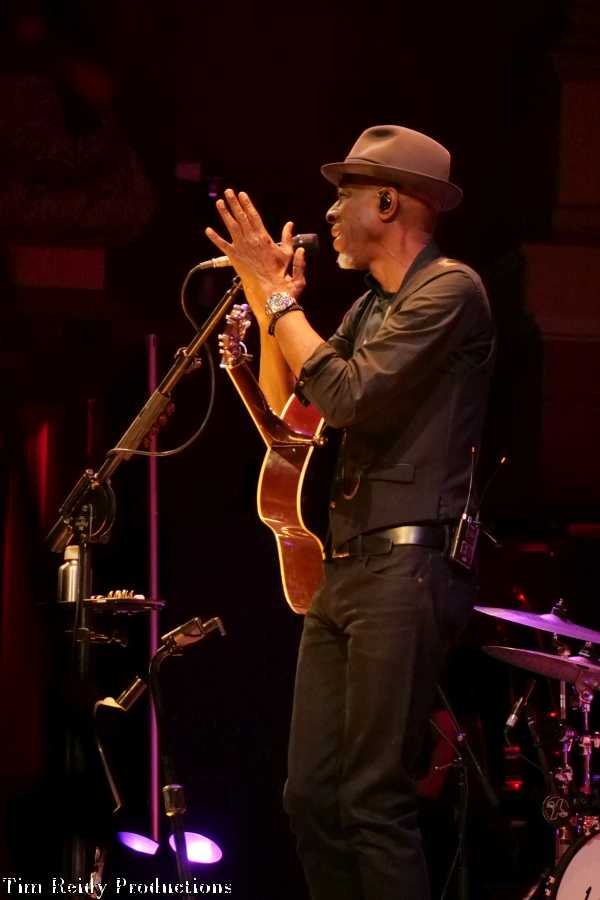
Keb Mo @ Troy Savings Bank Music Hall, March 4th – Tim Reidy – by Timothy Reidy


More from Tim Reidy…