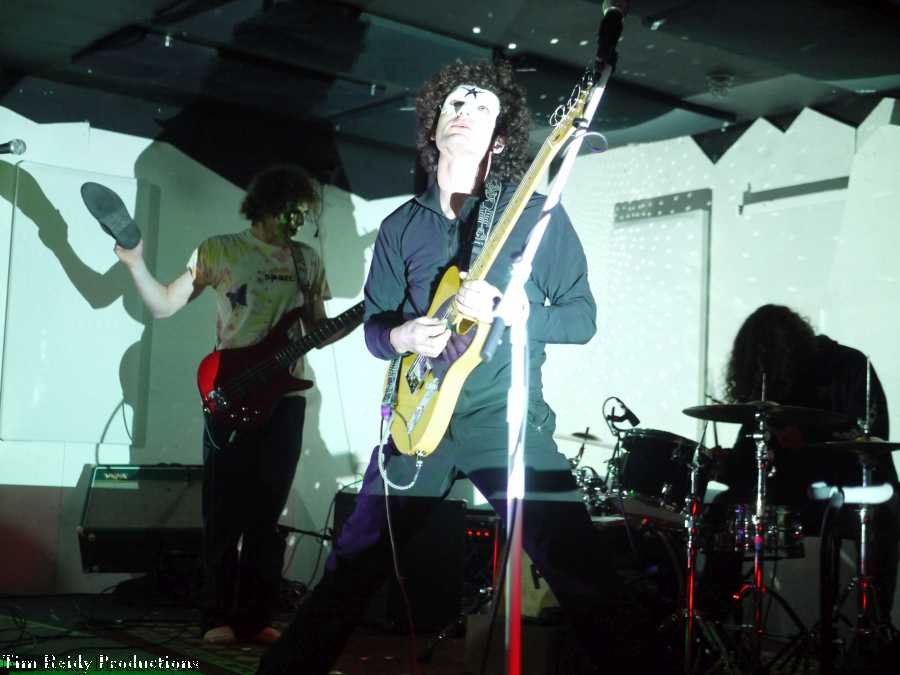
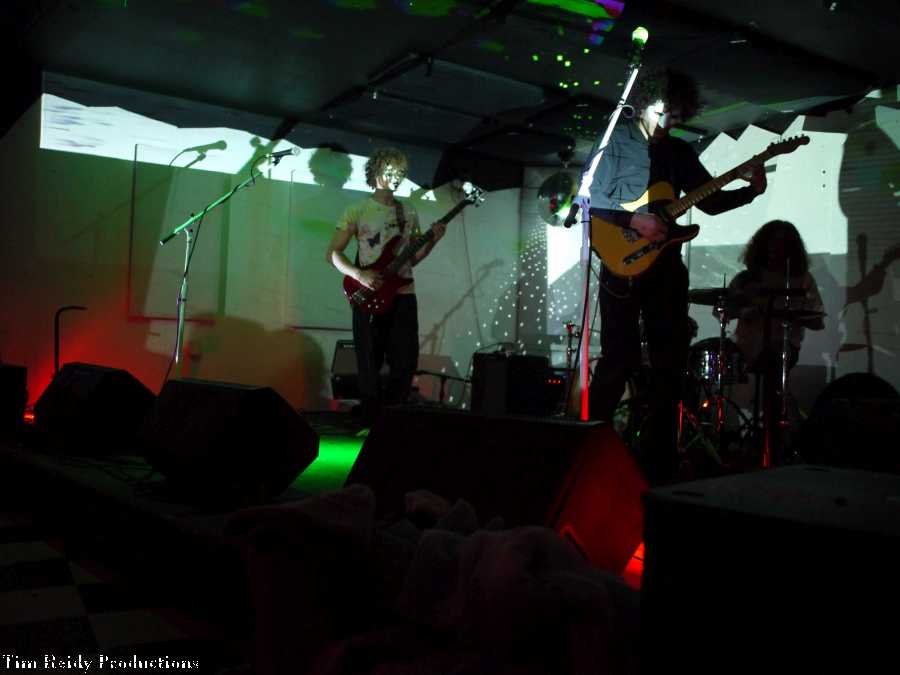
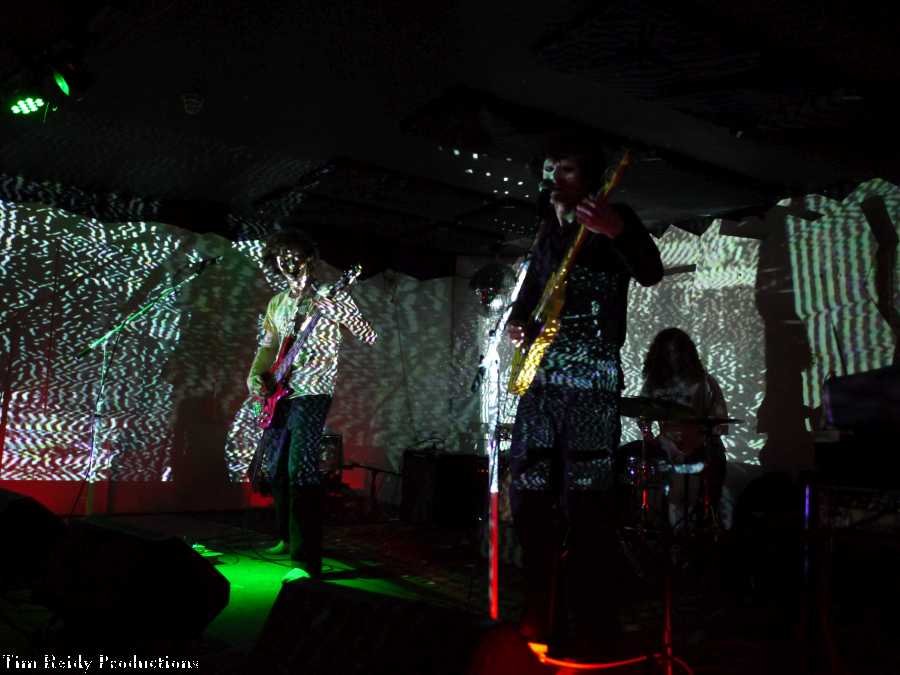
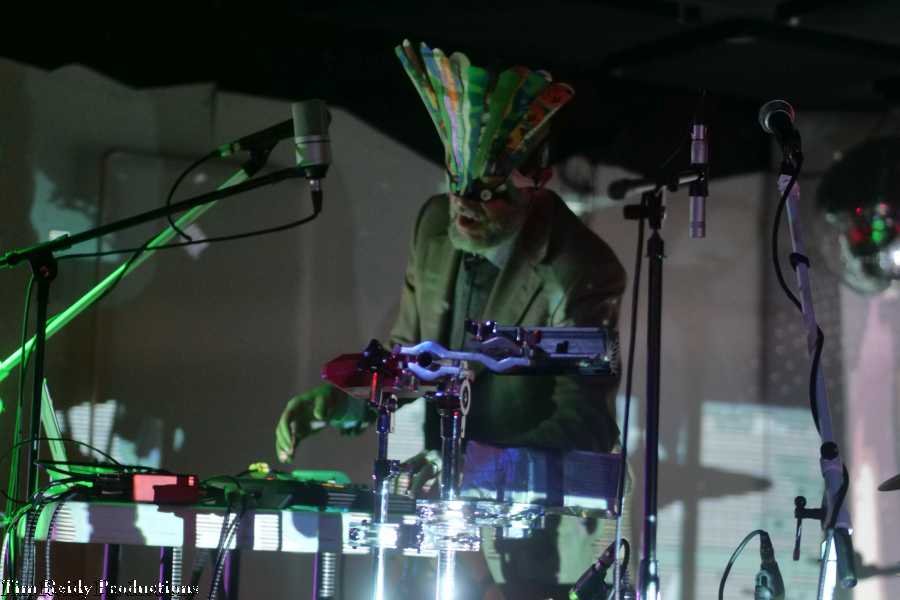
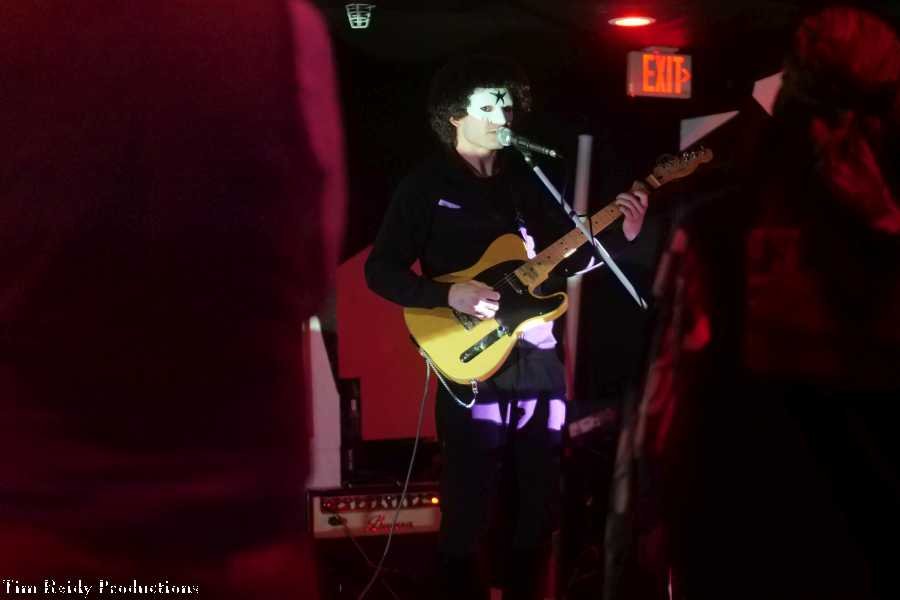
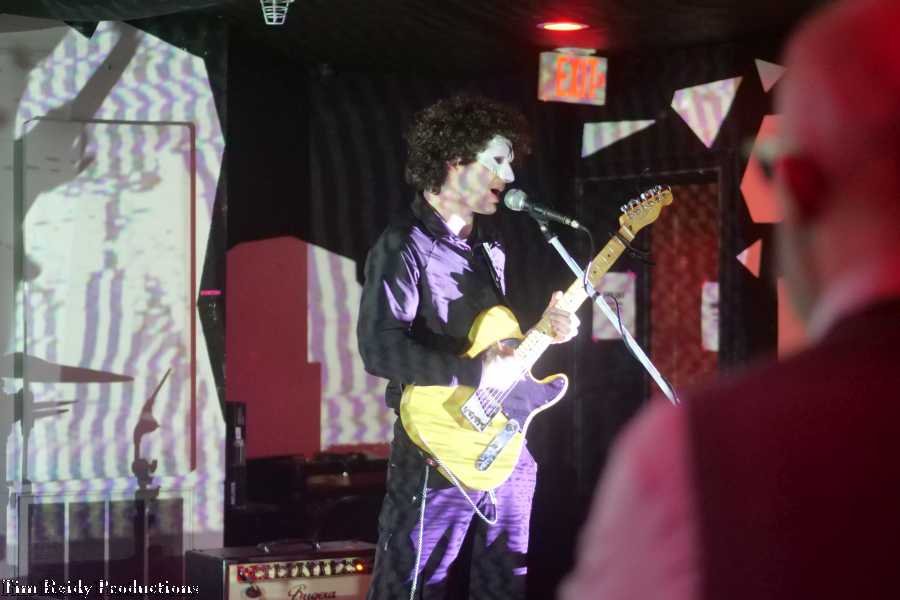
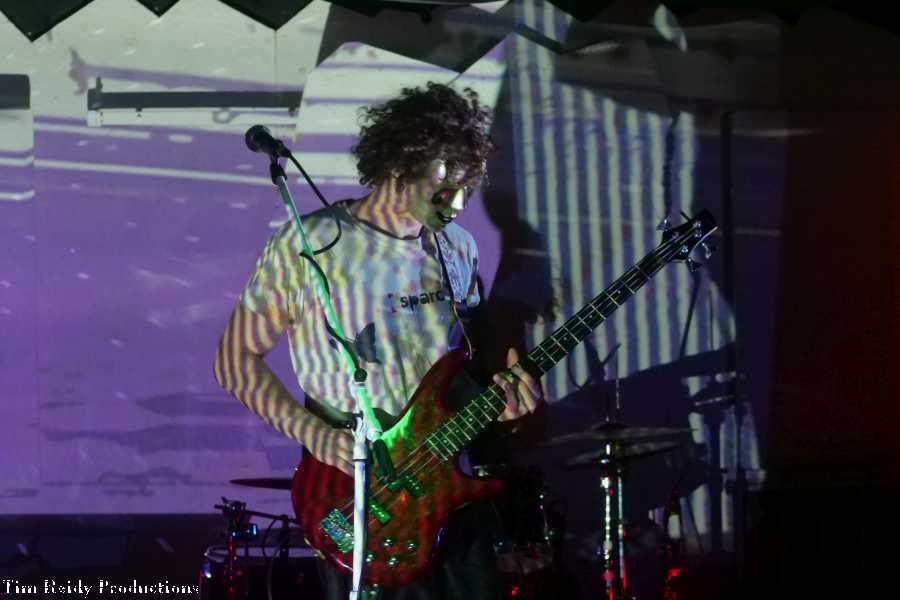
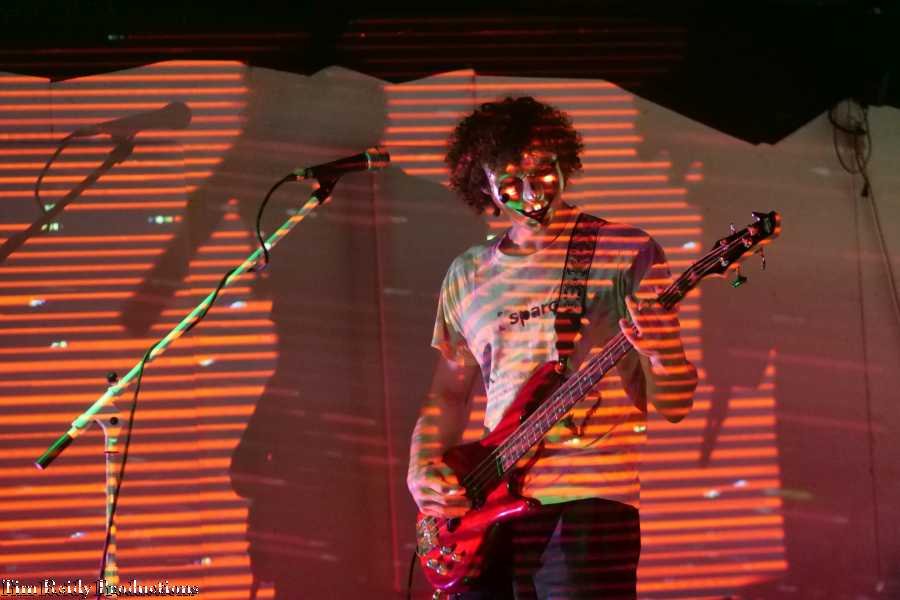
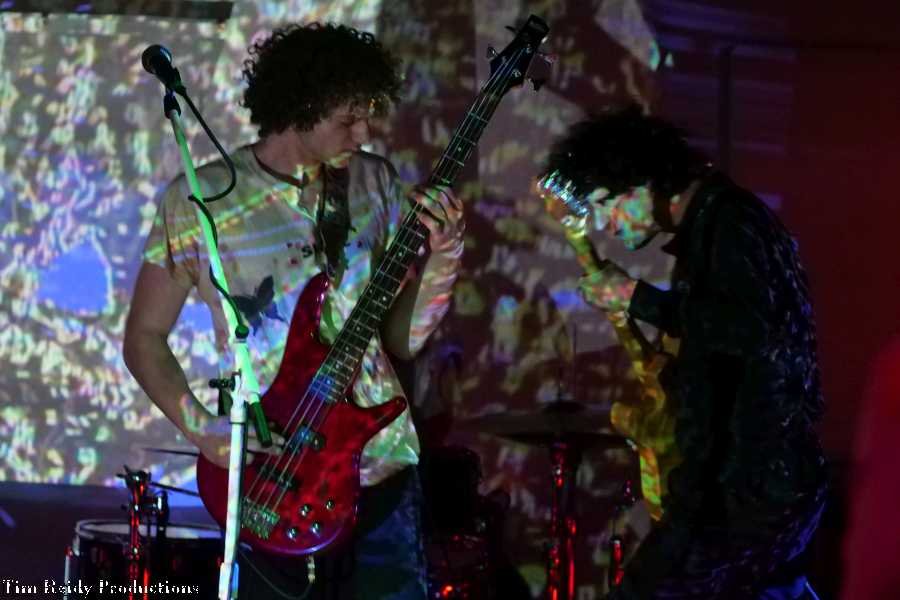
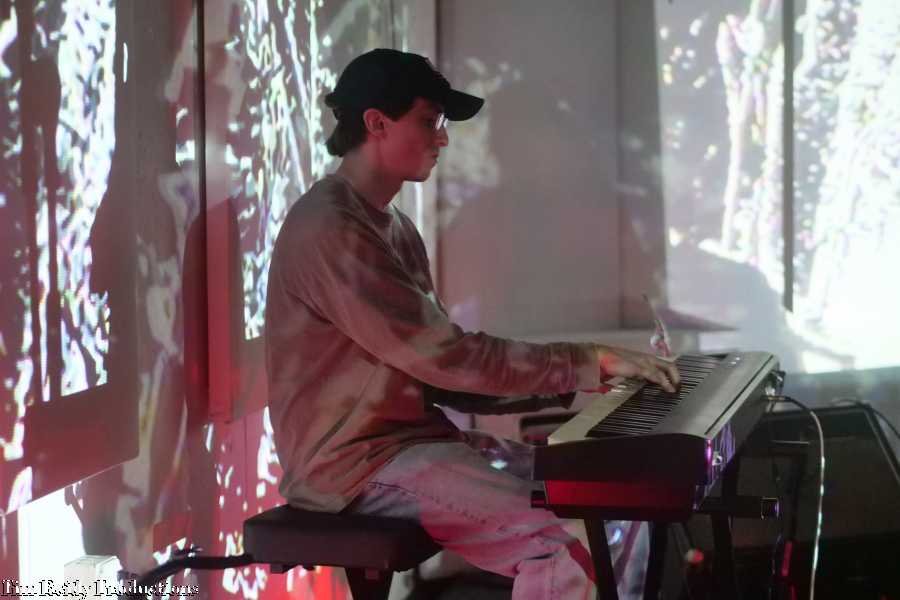
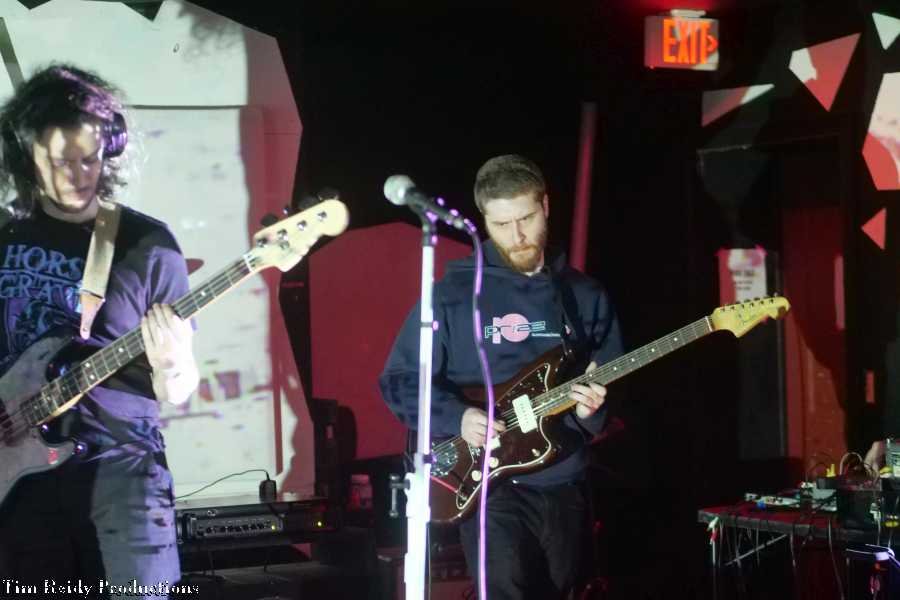
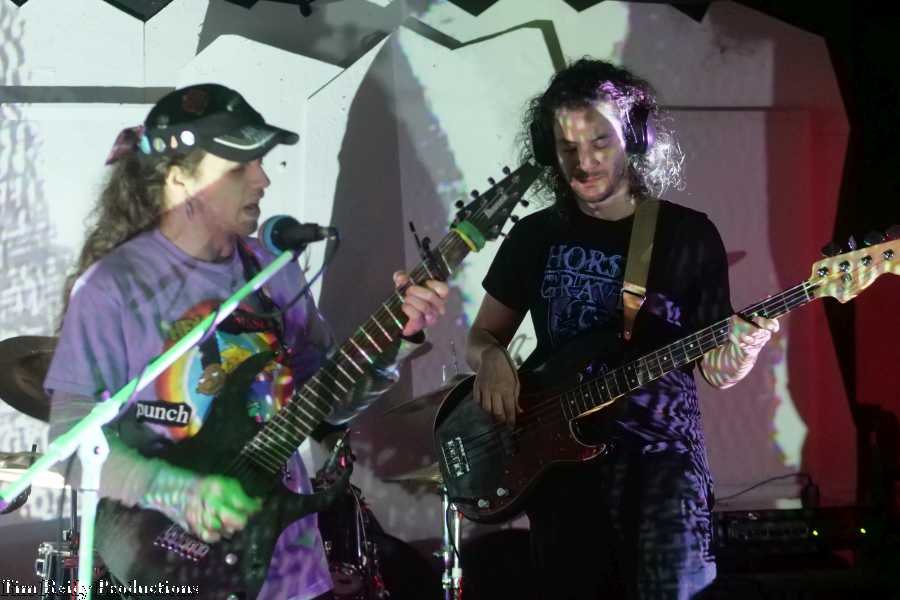
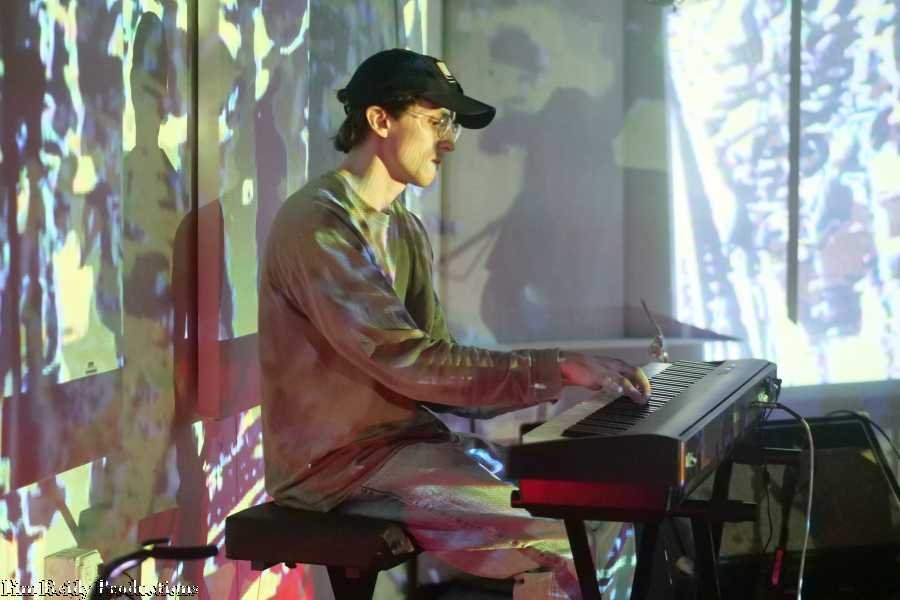
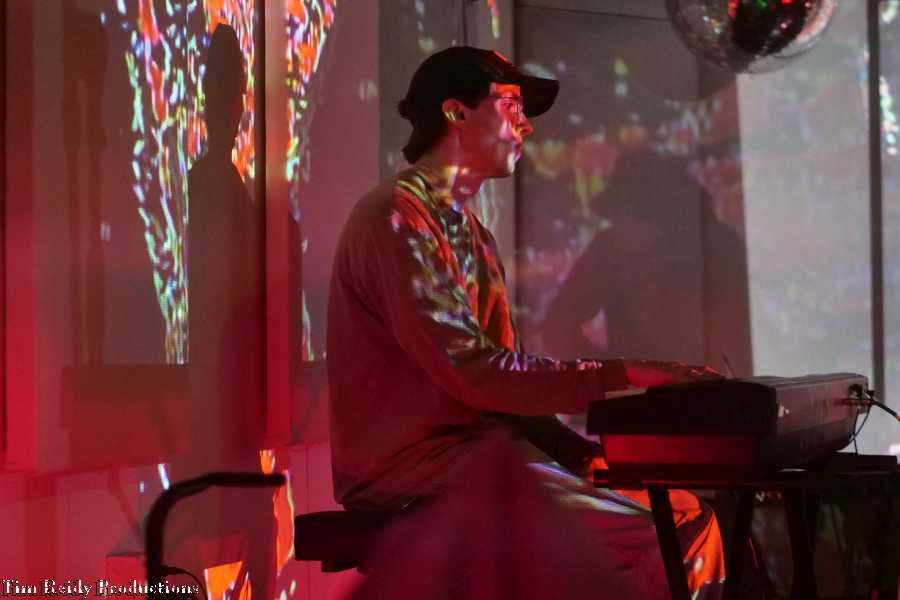
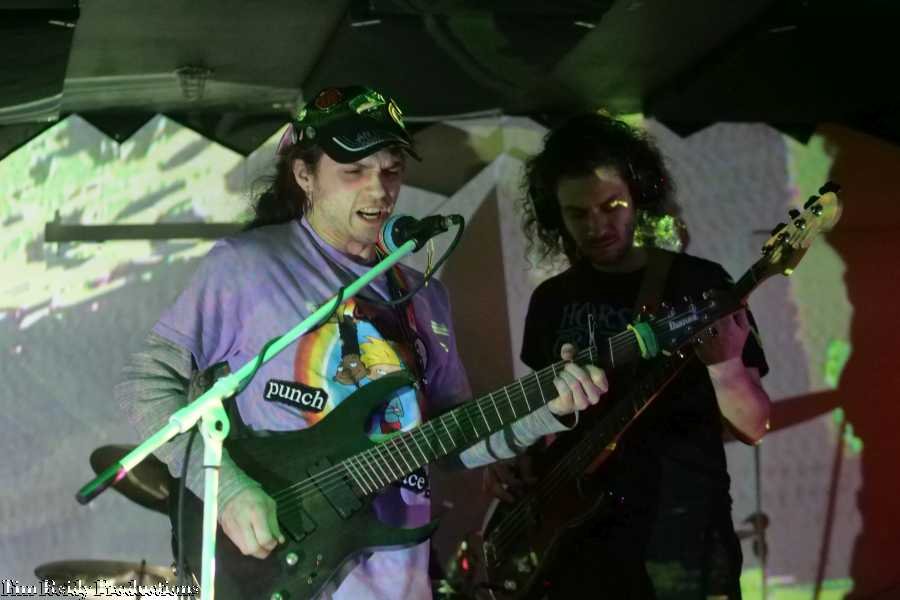
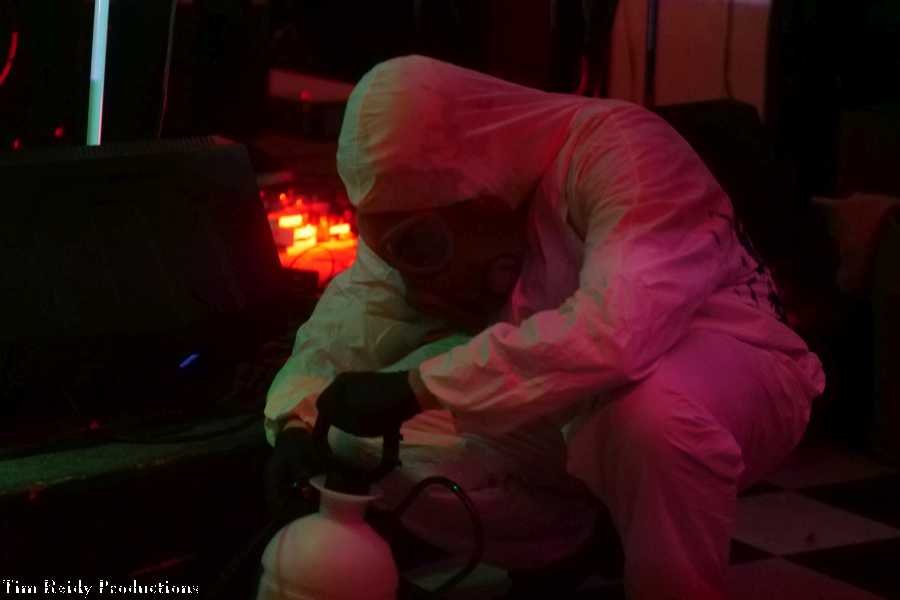
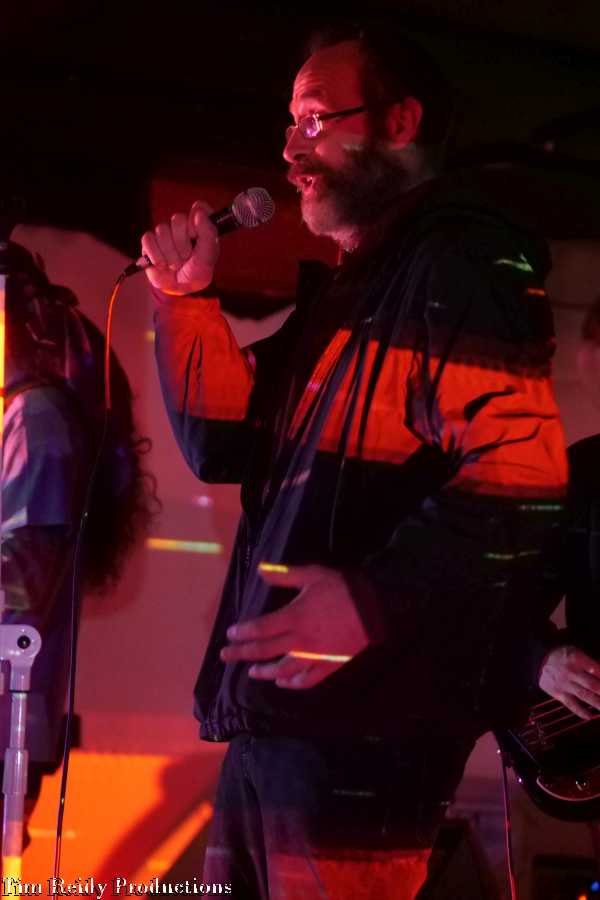
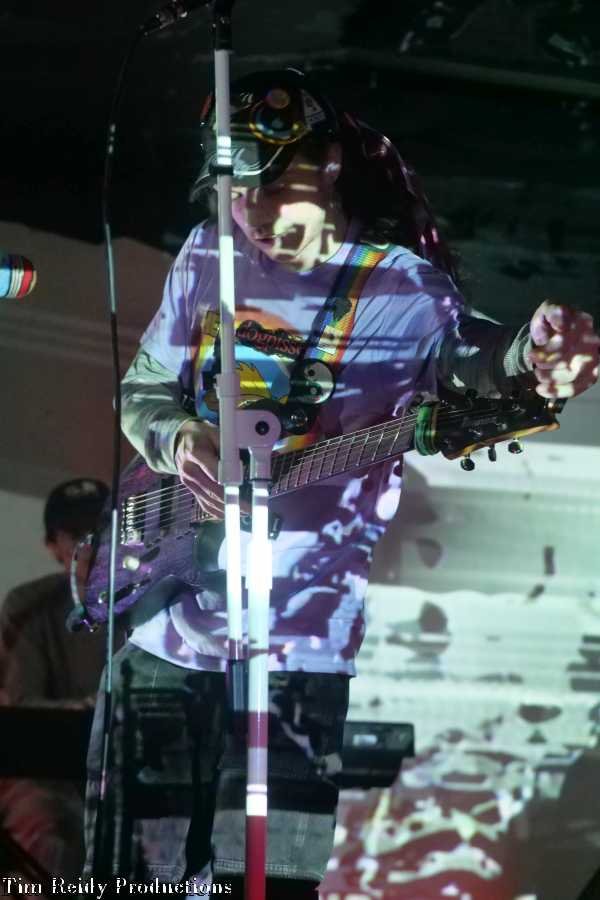
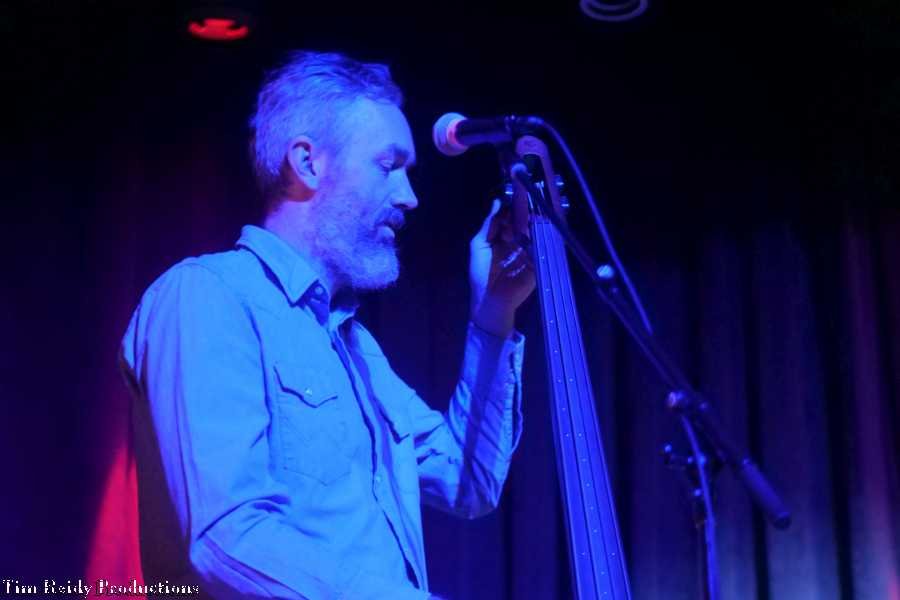
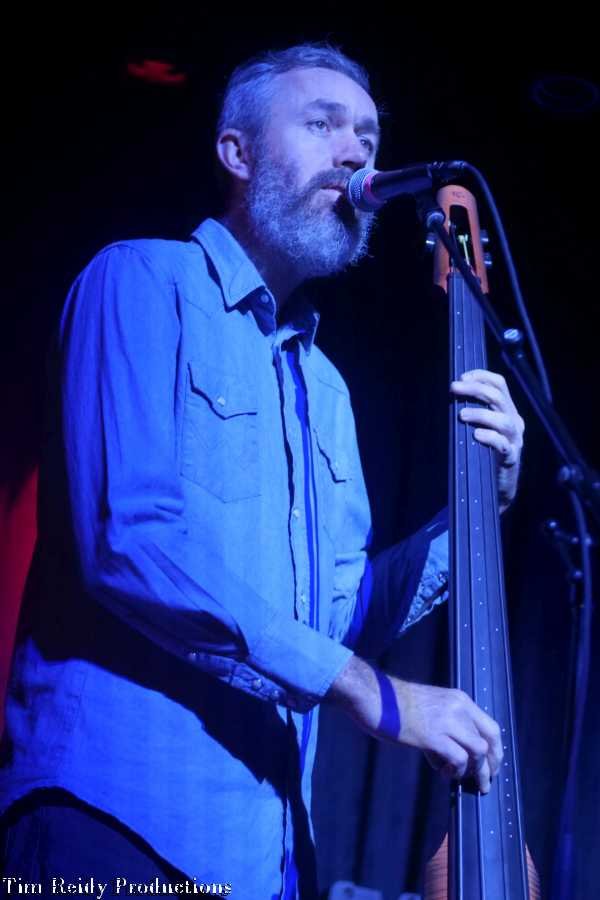
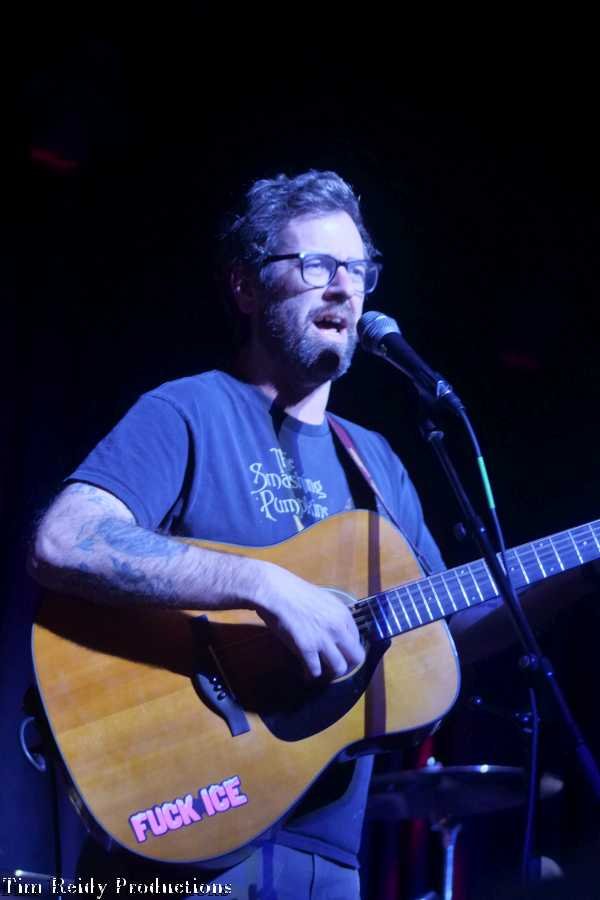
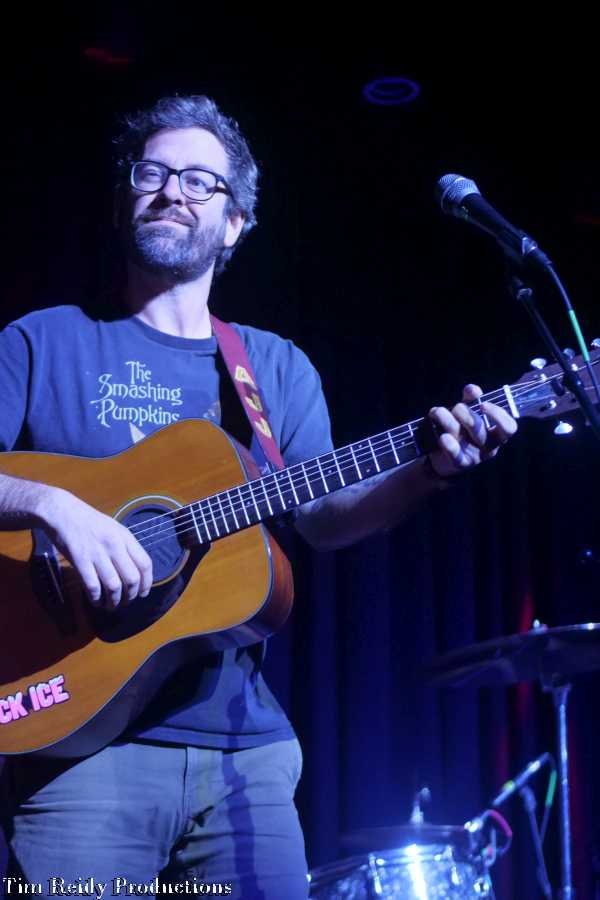
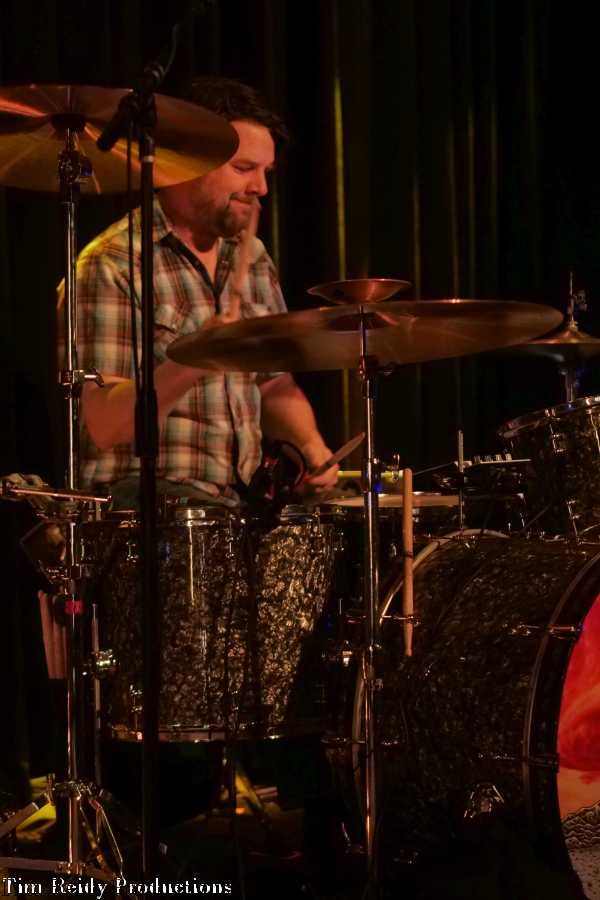
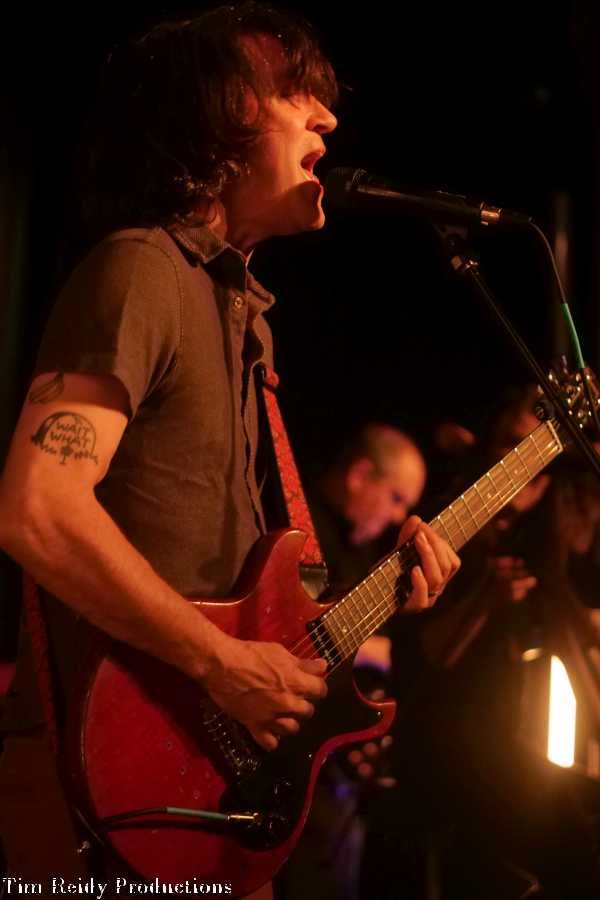
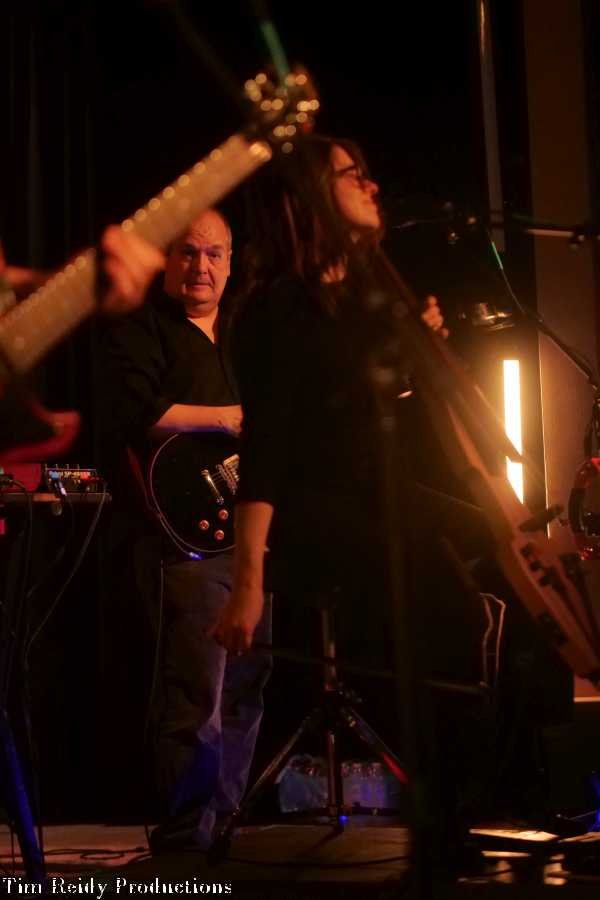
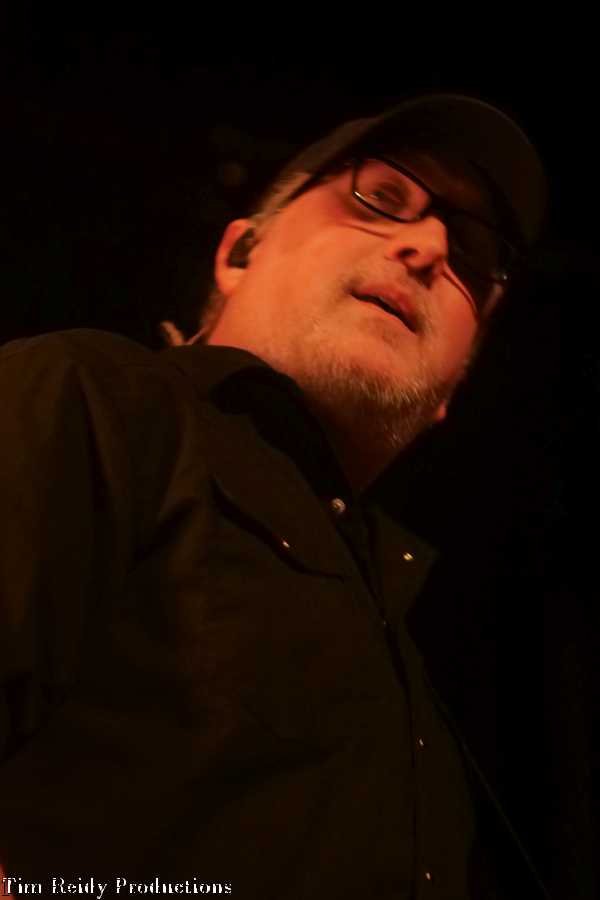
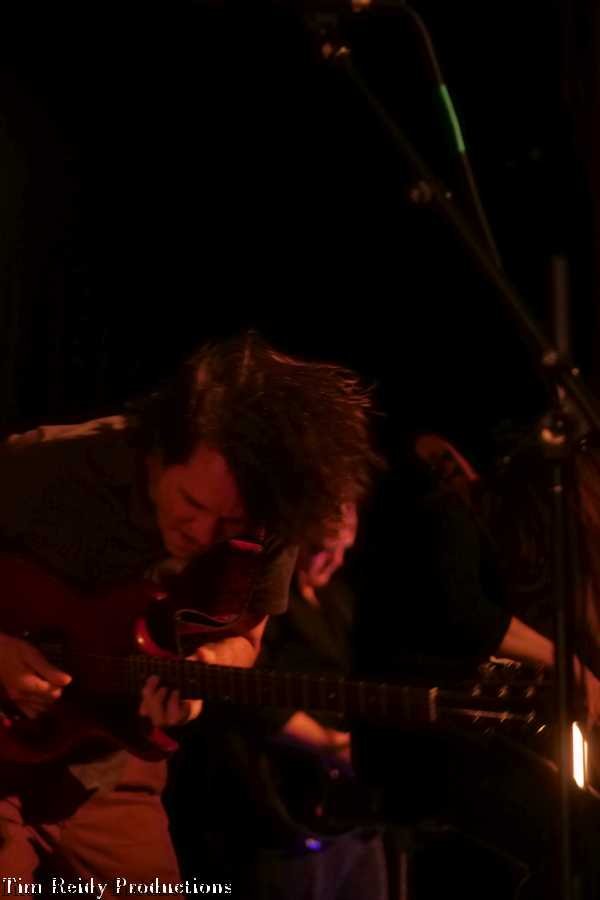
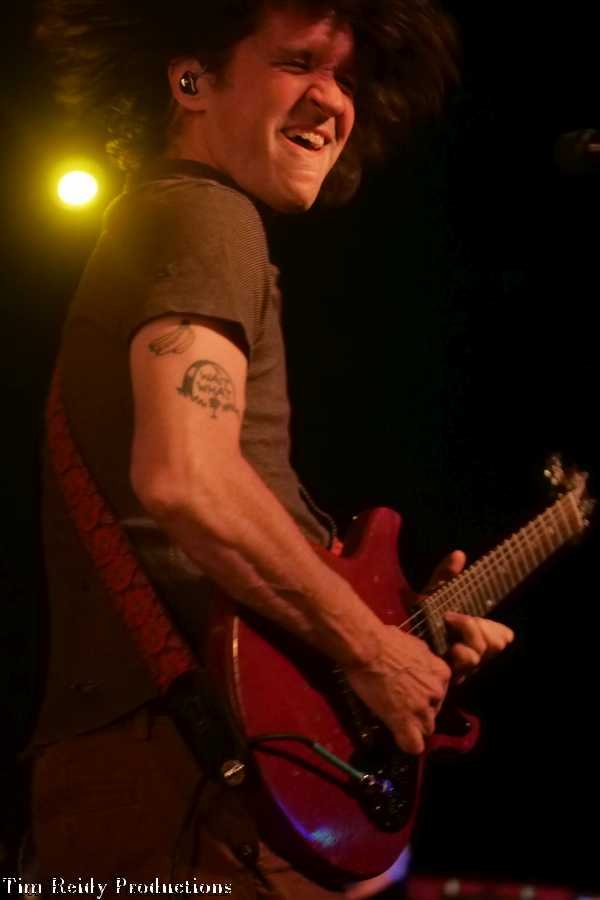
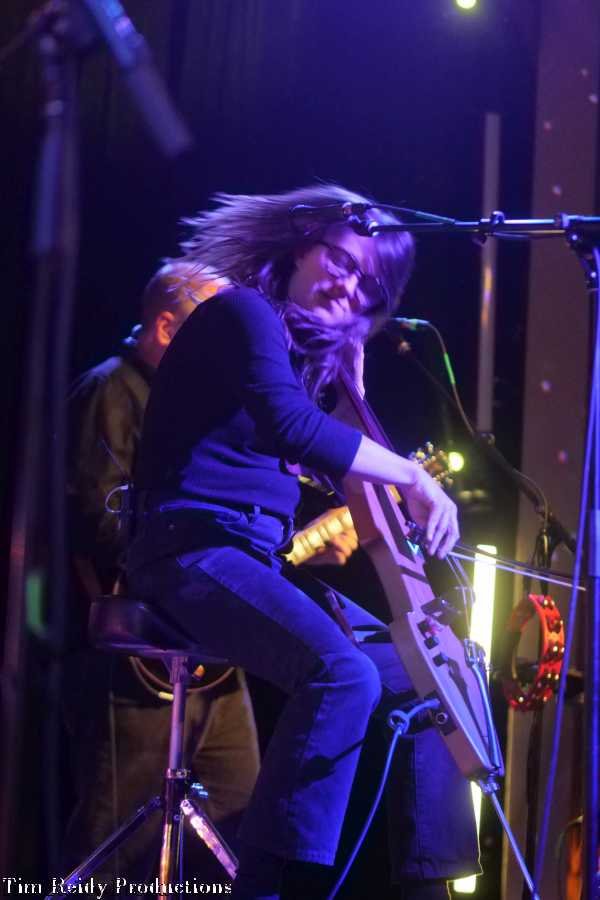
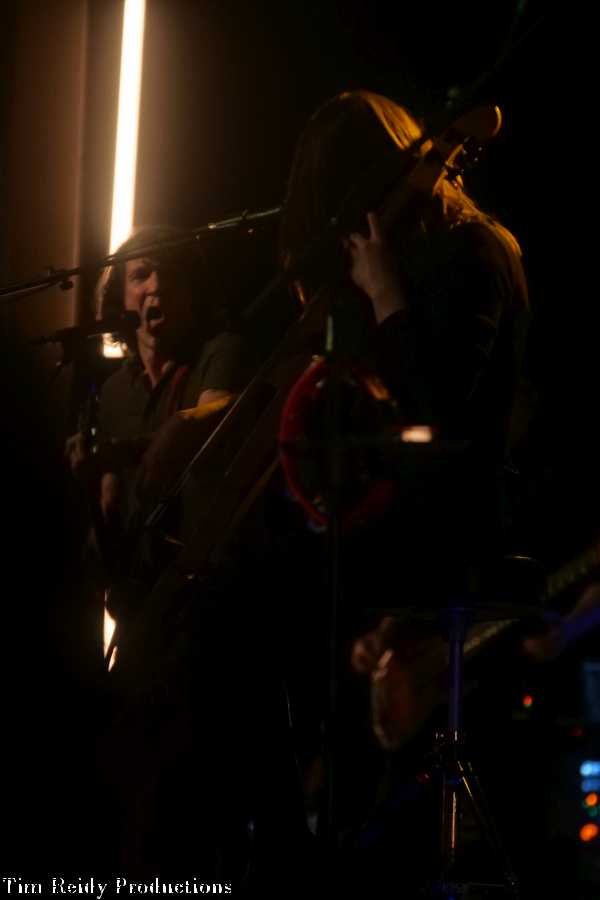
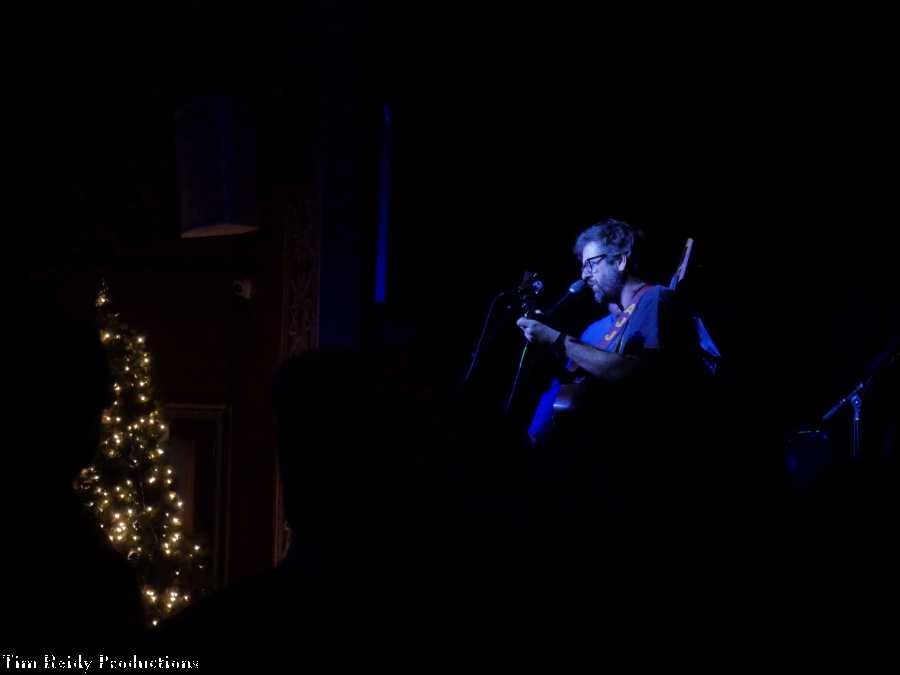
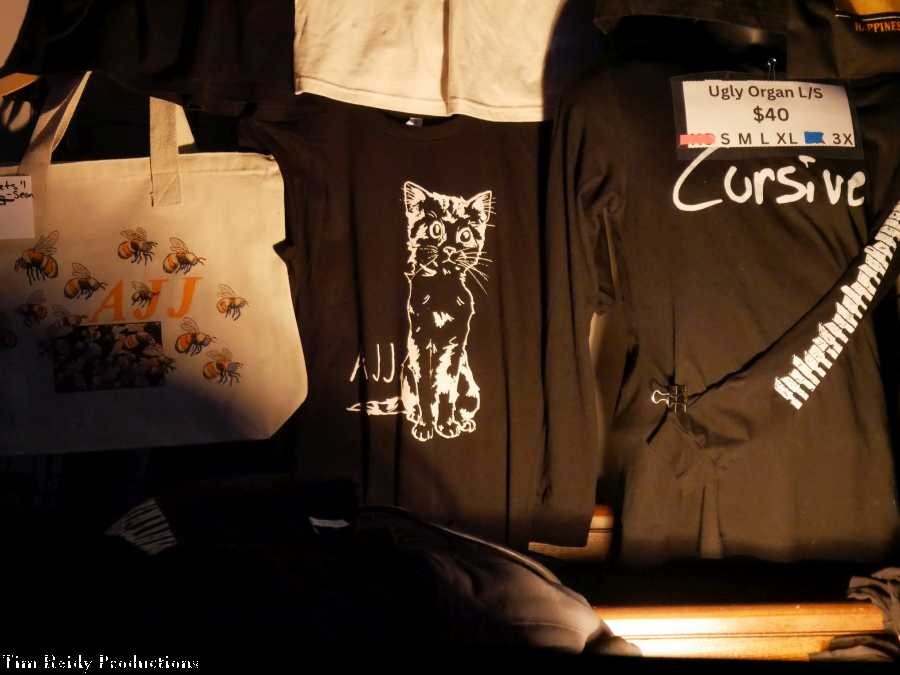
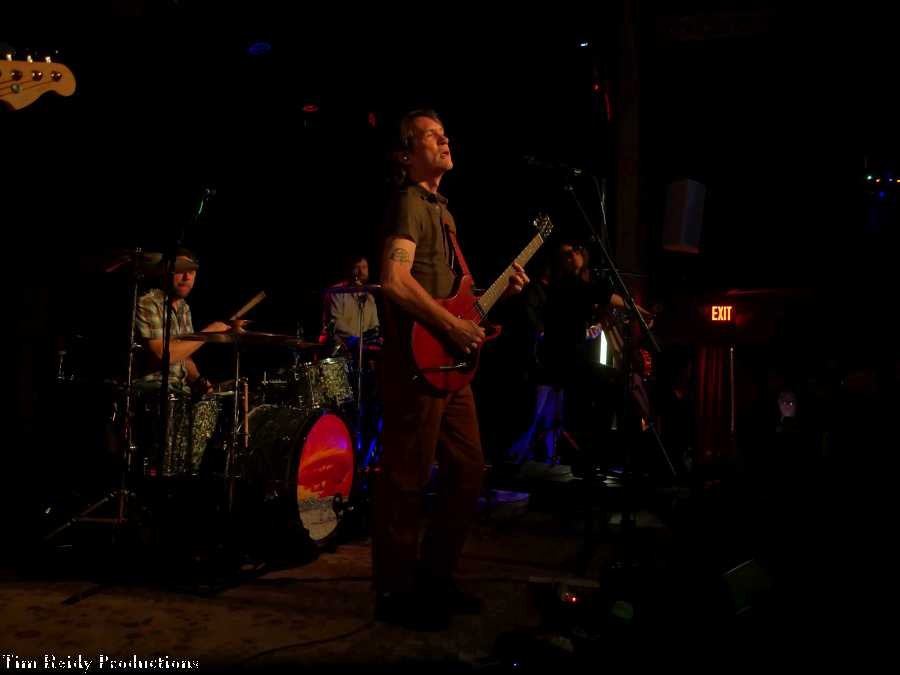
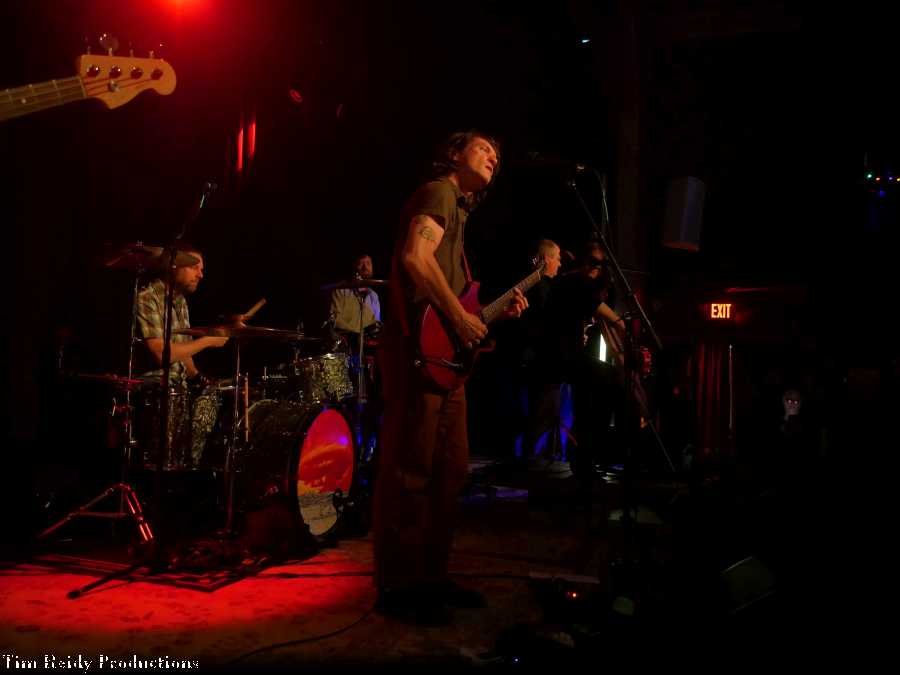
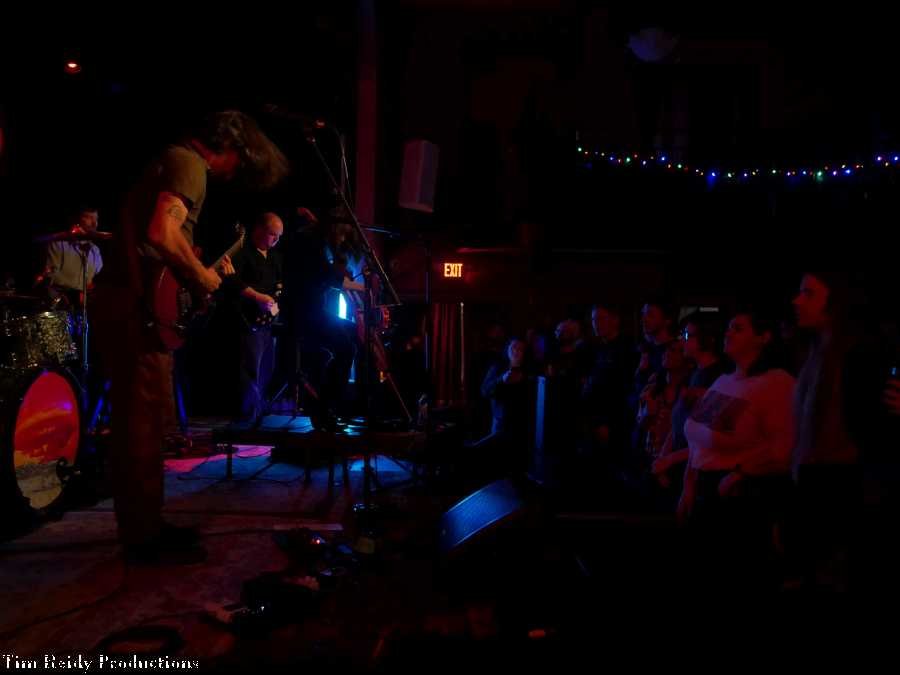
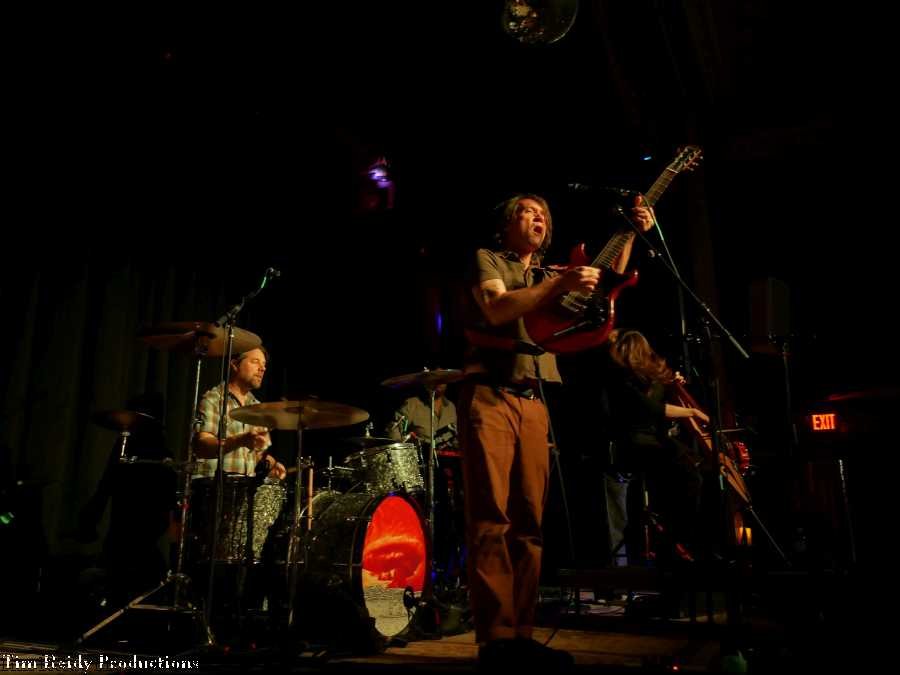
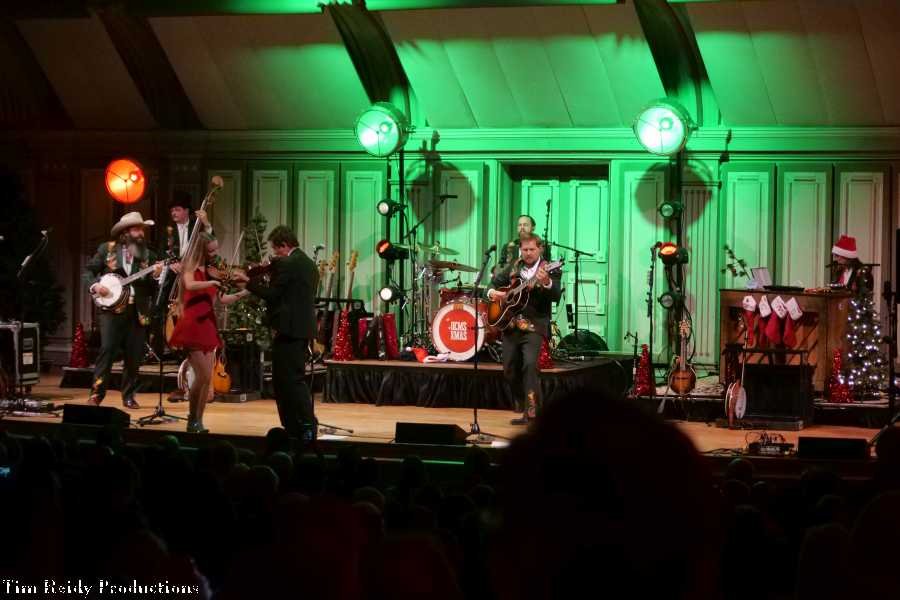
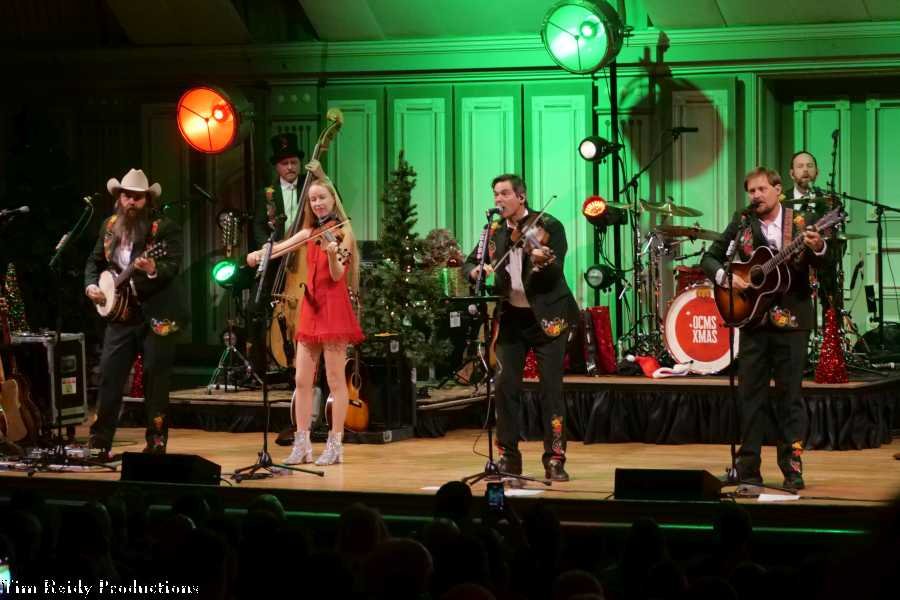
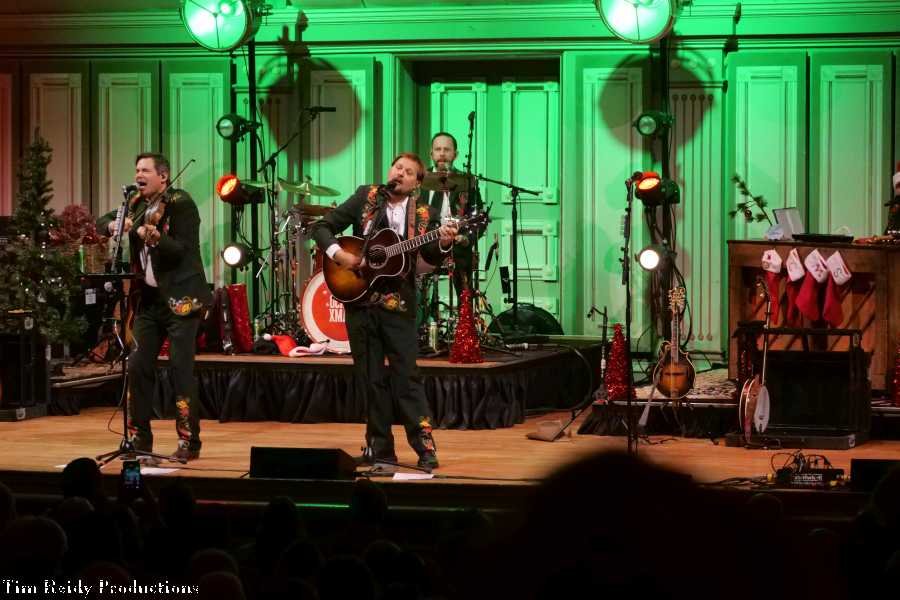
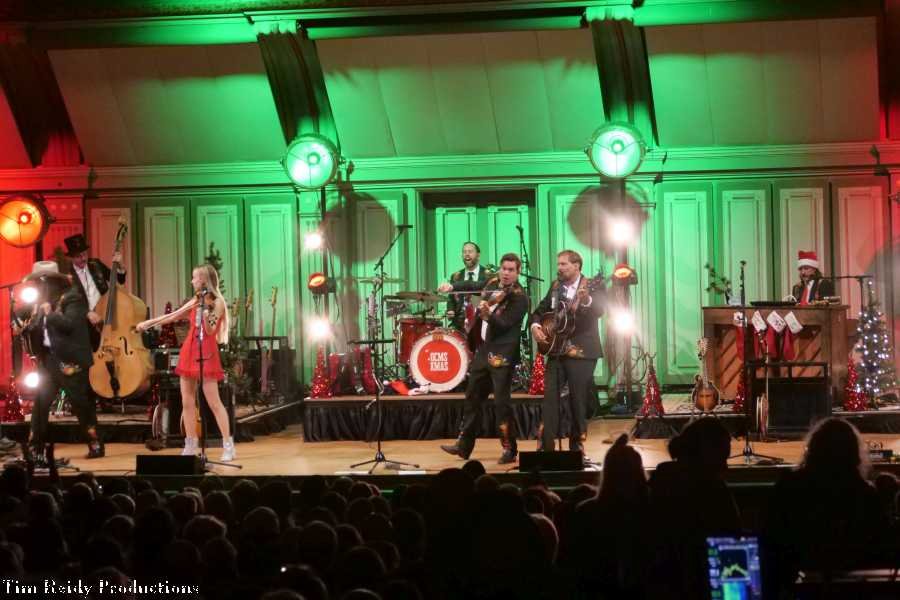
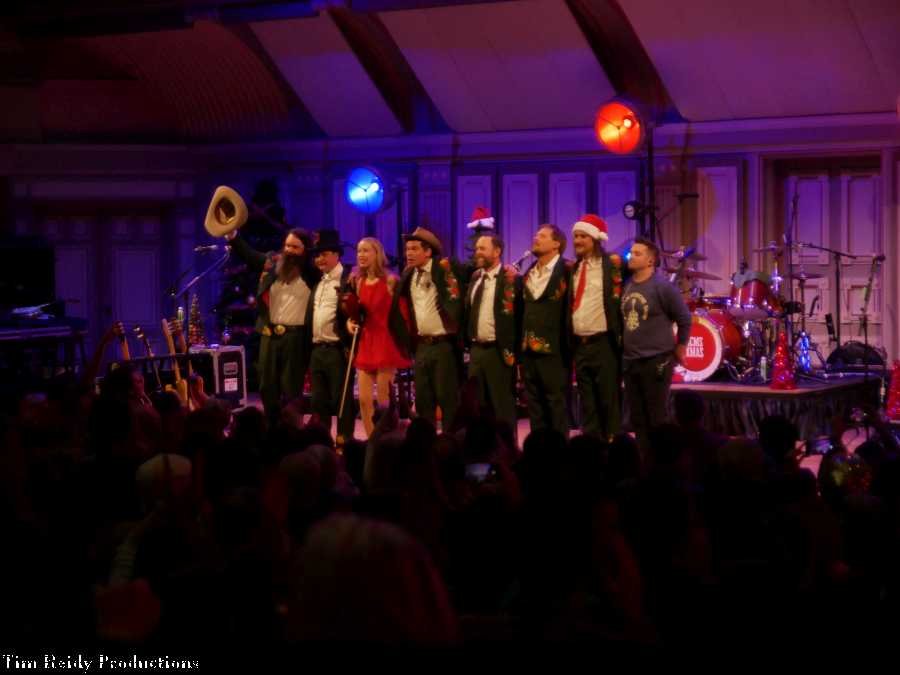
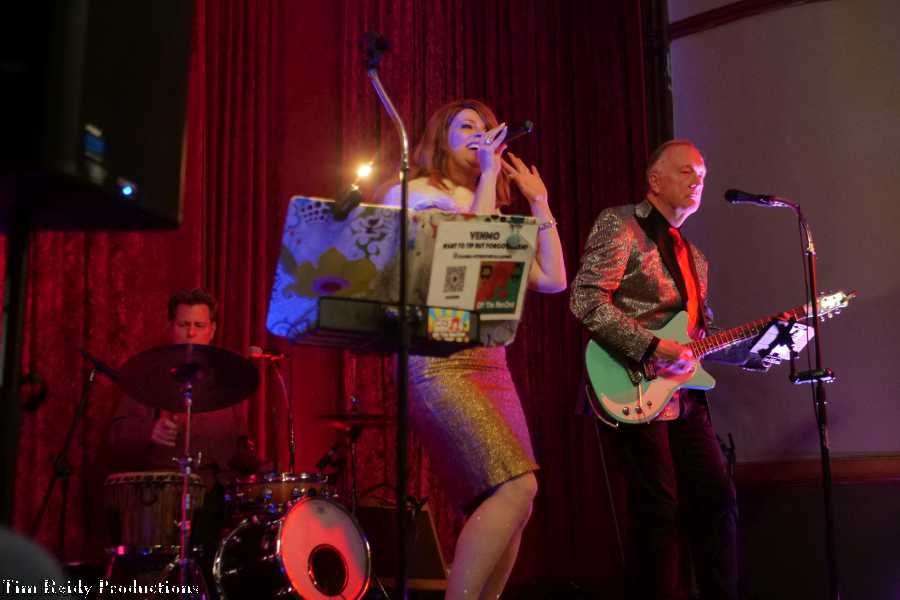
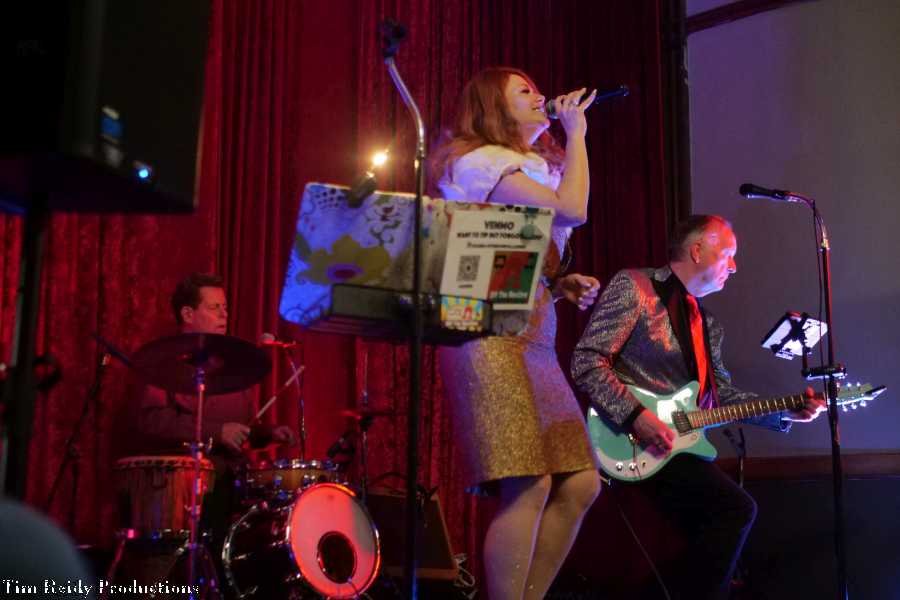
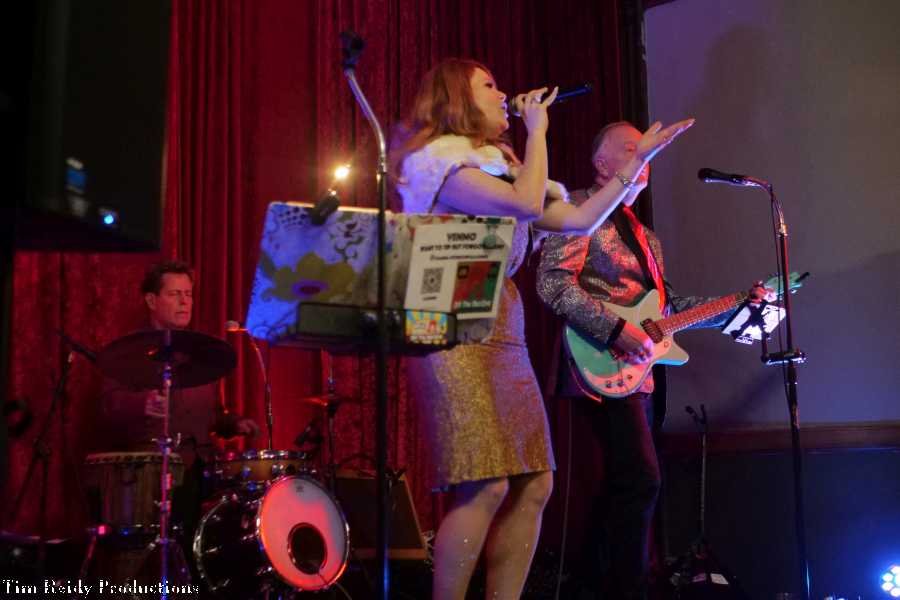
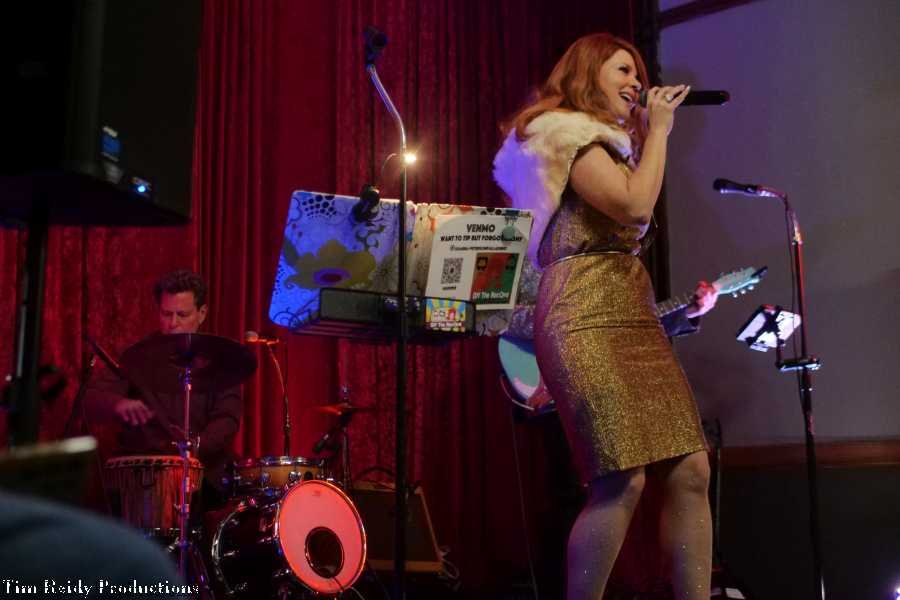
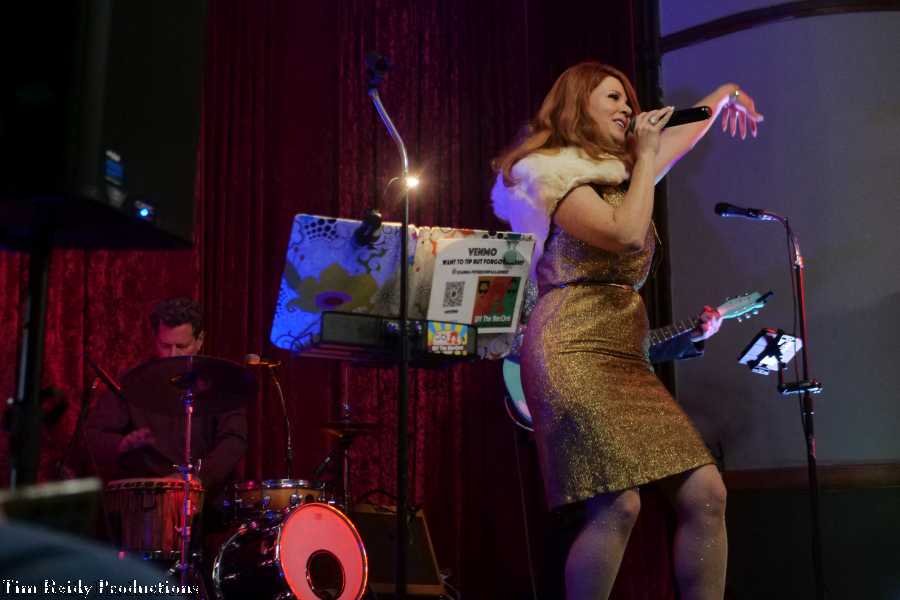
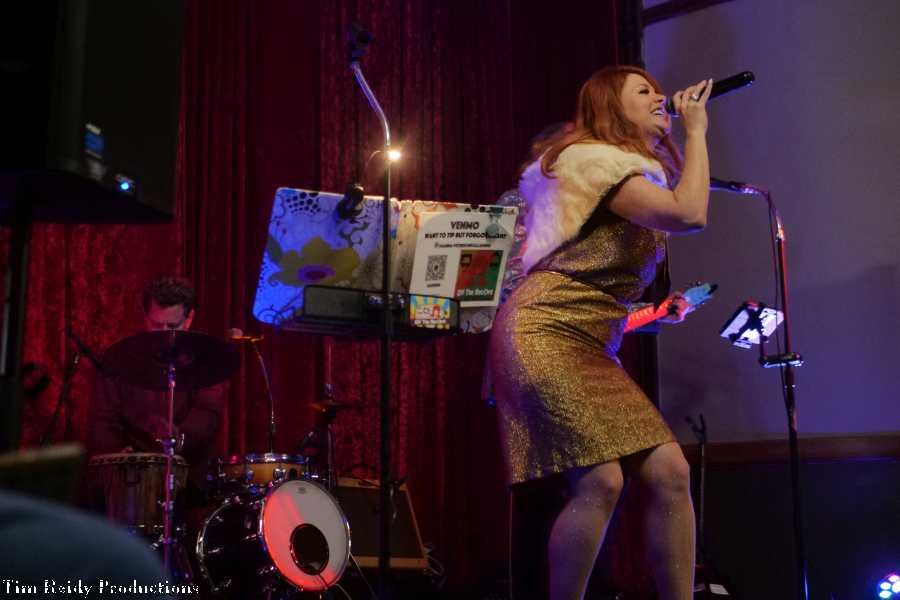
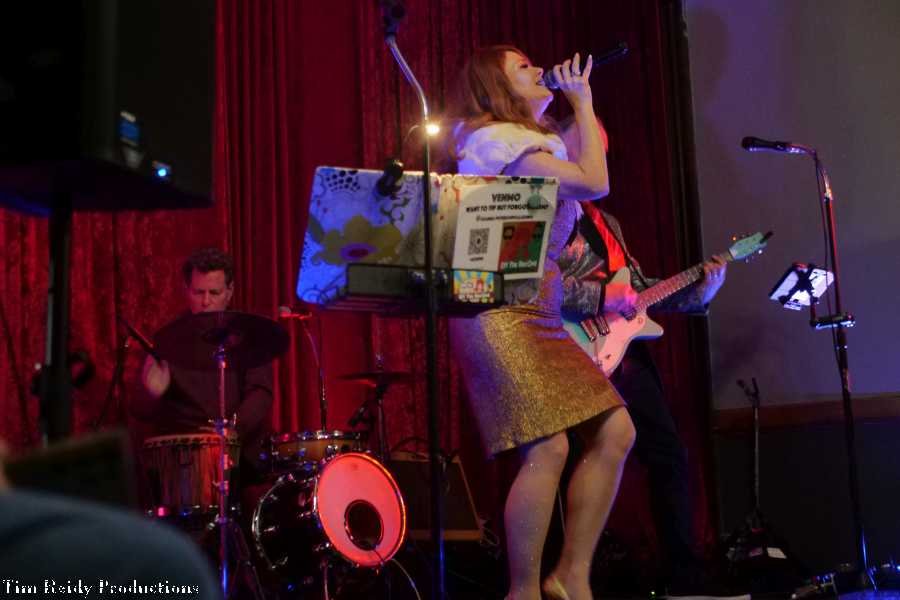
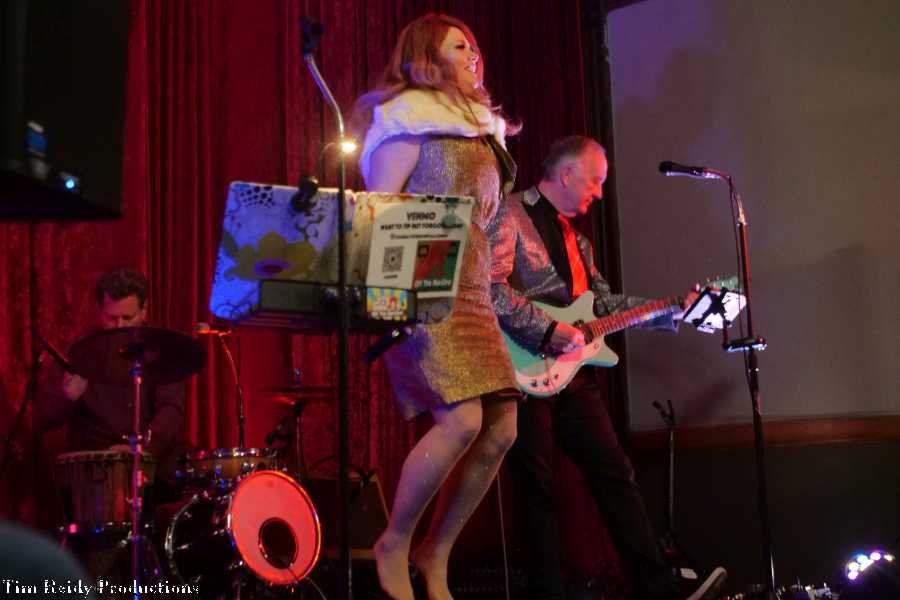
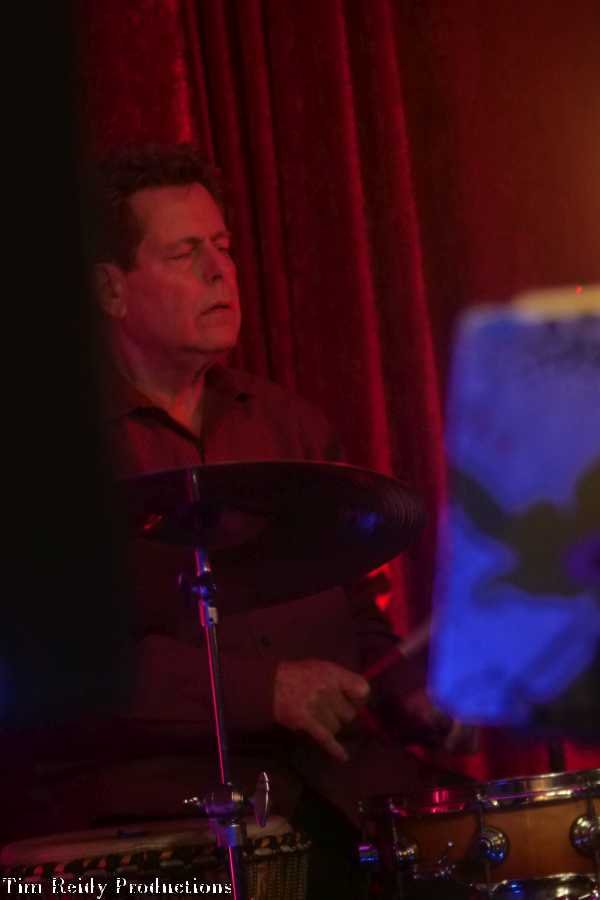
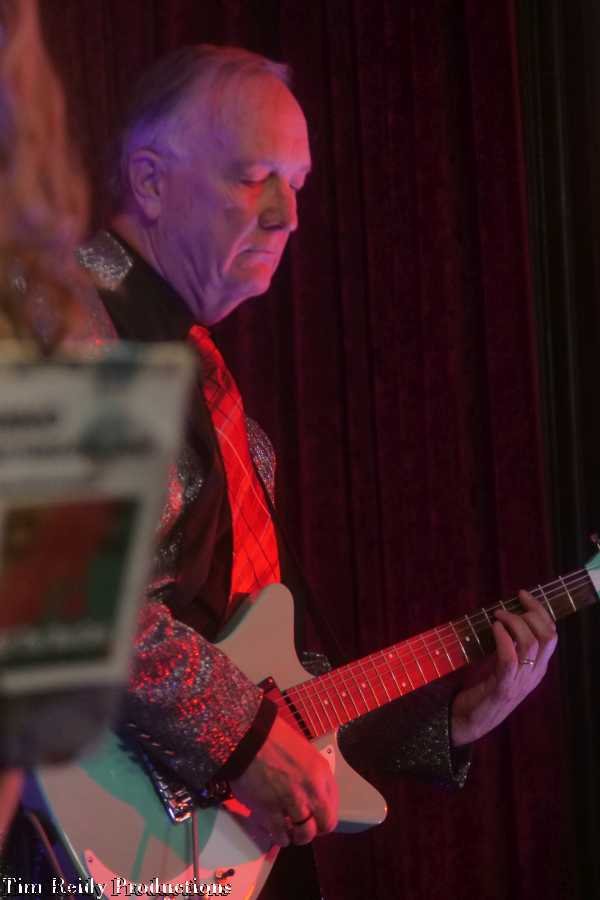
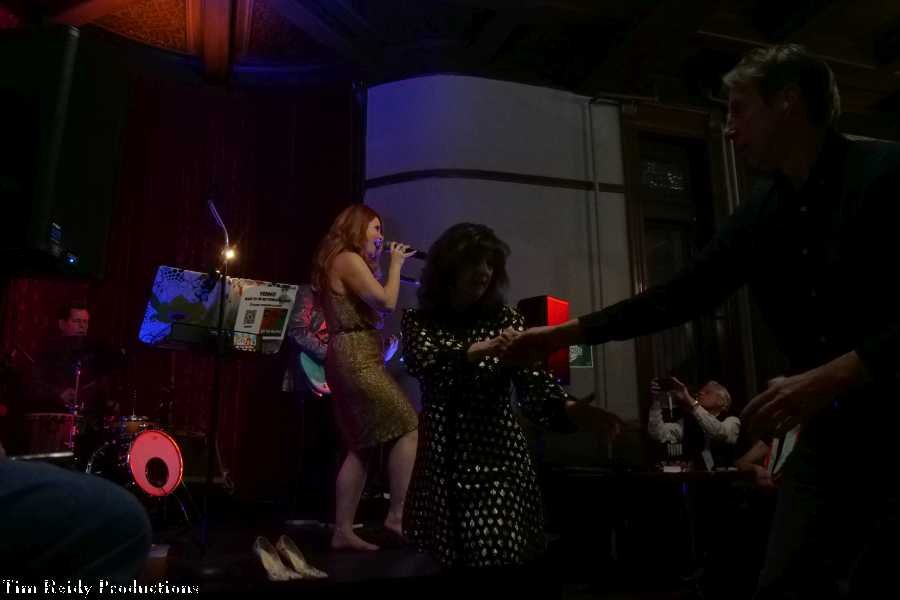
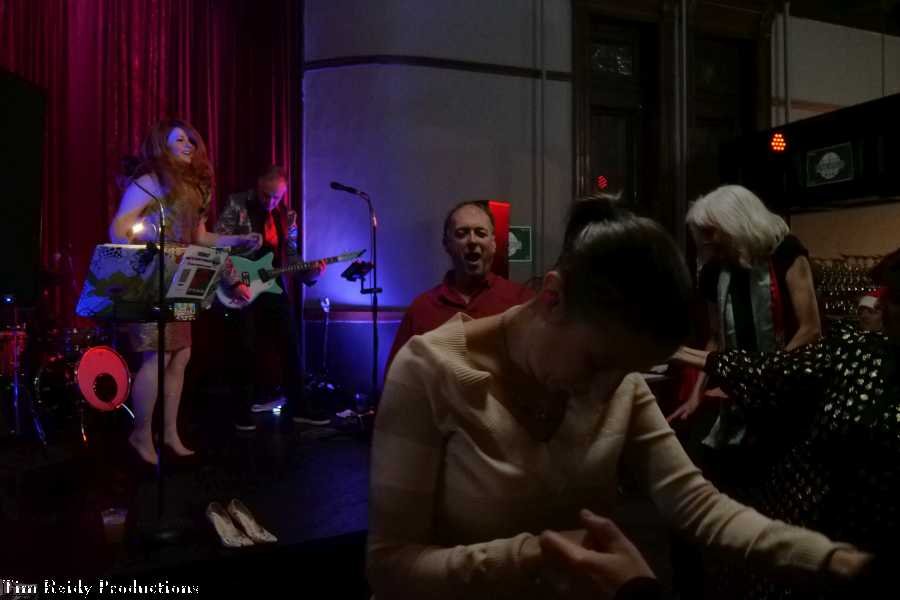
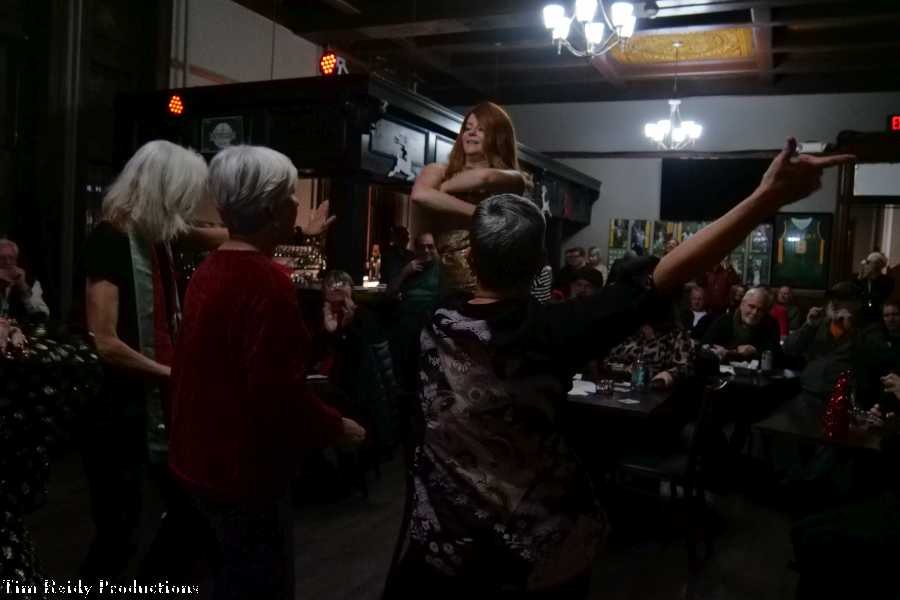
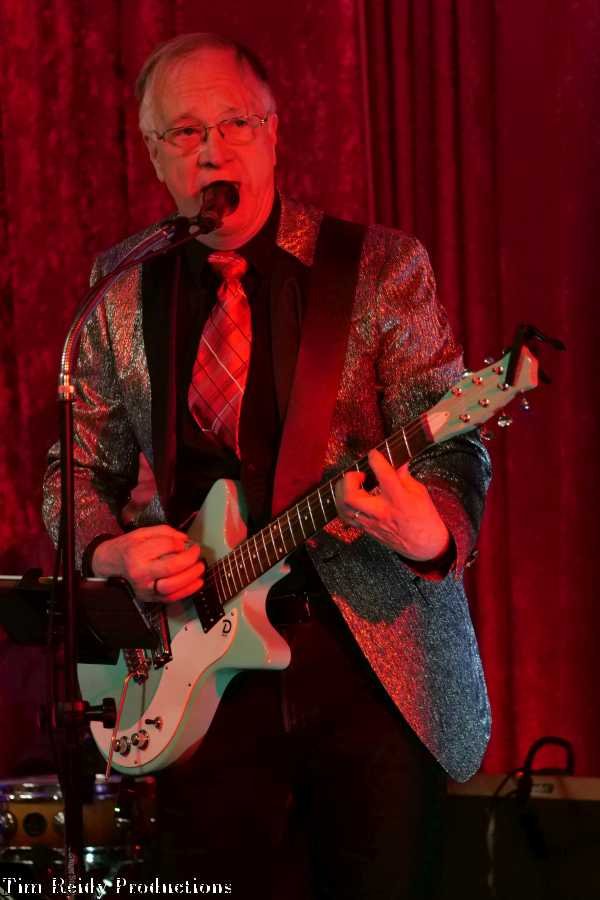
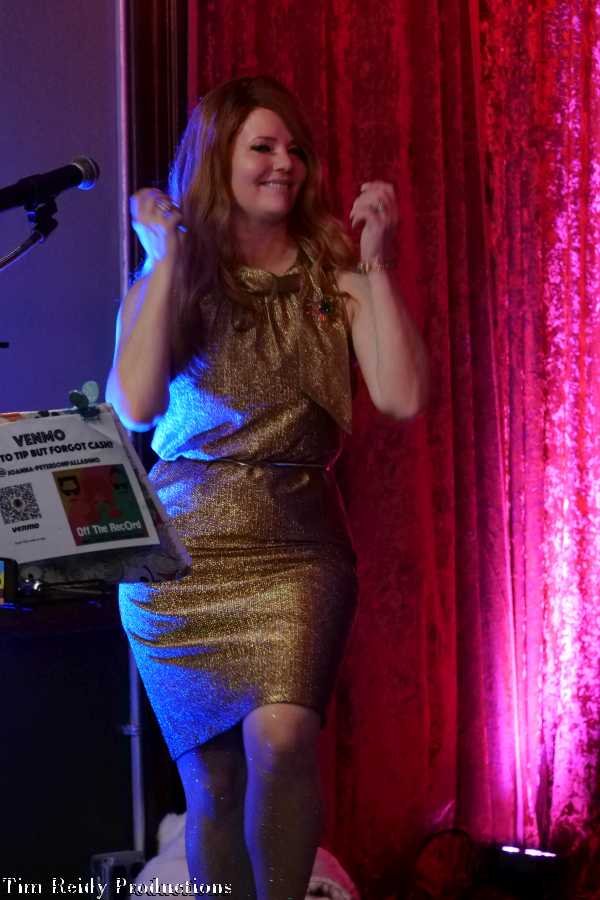
Off the Record held their annual Christmas Concert at the Lounge at the Albany Armory on December 19, and a dance party broke out.
Photography by Timothy Reidy.






See last year’s Christmas Concert here …
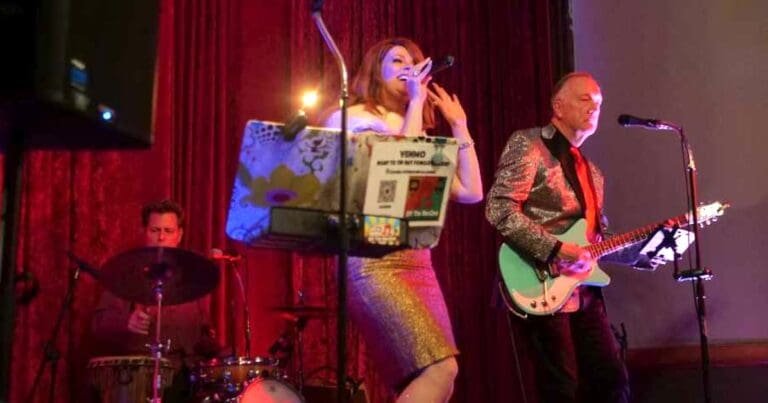
Off the Record held their annual Christmas Concert at the Lounge at the Albany Armory on December 19, and a dance party broke out.
Photography by Timothy Reidy.
See last year’s Christmas Concert here …
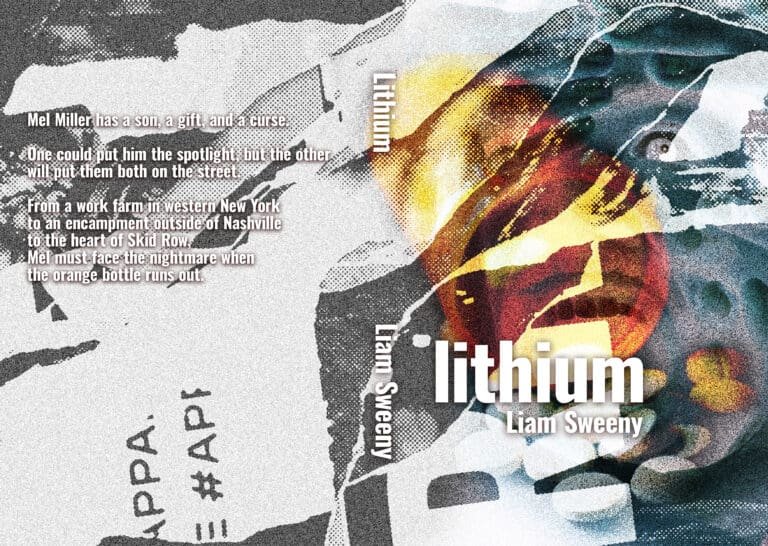
Lithium, Chptr. 21 – Xperience Fiction – by Liam Sweeny.
Mel was limp as the cop walked him out of the holding cell and down a long hallway, absent of doors except for on at the very end, with a square window intermeshed with wire. Safety glass, though to Mel, it didn’t look safe at all. He visualized himself putting his hand through it like it was liquid and pulling it back out. He was cuffed, and talking to the officer, who merely grunted and nodded and said “Okay” as though what Mel was saying was a script memorized.
The cop walked him through the door into the lobby. Andy and Hope were sitting on a row of bolted-down benches. Their features softened; they looked relieved to see him. He couldn’t understand their faces; the features were two prominent, eyebrows and noses bulging, cheeks puffed out, like they were full-sized homunculi in dirty clothes.
“Miller,” the officer shouted out as he uncuffed Mel, who rubbed his wrists by force of habit. Not that he could feel pain right then. Hope and Andy walked over to him, caressing his shoulders on either side. Their touch didn’t register.
“We were so worried about you, dad.” Andy said. “We need to get you somewhere. It’s your meds; you need them.”
“I’m okay, just a misunderstanding,” Mel said. “I just need to keep painting. That’s how you get to Carnegie Hall – practice.”
The cop went behind the Plexiglas-shielded counter. “Miller.”
Hope and Andy walked Mel over to the embedded speaker. The officer slid a strip of paper into the opening in the Plexiglas.
“You’re getting an appearance ticket. You are to appear in L.A. County Court on April 2nd. Failure to appear will result in a bench warrant for your arrest. Do you understand what I’m telling you?”
Mel nodded yes; Andy and Hope shake their heads ‘no’.
“Will the museum people be there?”
“I don’t know,” the officer said.
“I’ll invite them,” Mel said.
“I wouldn’t do that,” the officer said. “You harass them, and you’ll end up spending your free time in the County Jail.”
“Officer, he needs help.” Hope said. “You see that, right?”
“Look, ma’am, it doesn’t really matter what I think. He was asked if he felt like hurting himself, or hurting others, and if he said yes to either of those, we could hold him on a seventy-two-hour psych. But there’s just too many looneys to hold everybody that’s off their nut.”
“So where do we bring him?” Hope said. “He’s a danger to himself whether he thinks so or not.”
“Bring him to the ER,” the officer said. “But they’re going to ask him the same two questions. You want to help your friend, get him to agree to go. Get him to lie if he has to.”
They walked out of the police station into the warm California night. Mel was watching the clouds in the sky turn in on each other, overlapping and underlapping in geometrical patterns that he knew were happening for his eyes only. Hope and Andy were distraught. He didn’t know why. The three of them were a good clip ahead of the void. Or were they? Andy was crying, and Hope had a tremble rippling across the flesh of her arm.
“Don’t worry, guys, I put the painting in the gallery. Now the void is trapped. It can’t get us anymore.”
“Mel, there is no void, honey,” Hope said. “You’ve been through a lot and you need medicine. We’re going to get you help.”
“You don’t want to go to the ER,” Mel said. “It’s Extreme Retribution. If we go there, they’re get revenge on us for all our wrongs.”
“Dad, what are you even saying?” Andy was holding in sobs. Mel wondered why. They were on a good path; they needed to see that.
“I’m going to take us to a portal that will take us back to Albany, Andy,” he said. “Hope, you can come too. You can come, and you can destroy Debra with the touch of your hand. You can suck her up into you and make her bad energies good. You can be you, and her, and you again, and we can get married and you’ll be Andy’s real mom.” He turned to Andy. “Wouldn’t that be cool, kiddo?”
Andy sat down cross-legged, put his head in his hands and let out a torrent of tears. Hope knelt beside him and hugged him.
A bus came. Mel perked up. A bus could get him to anywhere in Los Angeles, and if he talked to the bus driver long enough, the bus driver would tell him all the secrets of the city. He would tell Mel where all the portals were. He looked back at Hope and Andy and they were looking at him, then the bus. The bus started to curve in toward the curb. It opened its door with a hydraulic hiss. Two people who’d been at the stop lined up to get in and Mel stood in line behind them. Hope ran over to grab his arm.
“No you don’t,” she said. “You do not get on this bus right now. You don’t leave us, you hear me?”
I have to go. I have a destiny,” Mel said. “I have to save you two.”
“My God, Mel, you can’t even save yourself,” she said. “You need help.”
Mel pulled himself away from her grip and got on the bus. He fumbled in his pockets and found the two dollars he’d spirited away in case they needed to buy something, which they hadn’t had to for their whole journey. He slid the two dollars in the bull collector. He felt another tug at his sleeve. It was Andy.
“Dad, please, get off the bus.” Andy’s voice was weak, his cheeks shiny in the paths of his tears. He was falling into the void; they both were, and he didn’t yet have the tools to pull them out of it. He’d have to keep them from pulling him in himself.
“Let me fucking go,” Mel said “Just let me go.”
Andy’s face covered itself in shock as he let Mel go, as the bus door closed and the pistons raised as it continued its route.
***
The windows were windows to the mortal eye, but Mel saw into their depths. He could see the stories of the shards, at the subtle direction of the words in the signs plastered over the walls, hiding the fundamental truth of those walls. It was a code. Words weren’t words, but abbreviations and anagrams for other words. For messages from the void he was seeking. Because Andy and Hope were in that void, and he would save his son.
He made it to the art store in the embodiment of his ancestors, the explorers and the timekeepers who felt the dry, holy air from inside his skin. They moved his feet and translated the wind through the palms and the sound of characters making catcalls out of their cars, cars like the one Mel couldn’t have because cars were for corporeal beings and he had ascended.
He was given the art store by the cops, who had driven him by it as they took him to the station. And that was the reason he had to go there, to rest after being witness to this building of sacred artifacts.
A loud noise brought Mel’s attention to the car in front of him, hoking, challenging him to move. And he did, but not to shrink from the challenge. The driver didn’t know it, but Mel was protecting him from the abyss that his anger could open up. He was power, and power was danger. He had to go to the bathroom, but if he didn’t do it just right, he’d pollute the rivers with his waste. Therefore, the pain in his stomach made him double over, grabbing the art store wall. He needed to get inside. He could shield his body in there and hunt for the artifacts that would unlock the void. The tool that he could wield against the Dark Provost that to help Andy in his clutches.
He pulled at the door, but it was locked. It must’ve been warded because locked doors opened for him. He walked around the corner and into the back of the building, intent on smearing a blood sigil that would melt the back wall and tilt the store and all it held into the maw of Mel’s cloak, but instead, he found a basement window cracked open. It was a message from the dimensional guardians that he was meant to breach the art-store arsenal.
The alarm sounds shook Mel. This wasn’t supposed to happen. He belonged there; why did someone boobytrap his natural home? Art stores were for artists, just as churches were for angels and strip clubs were for demons. Who set the alarm? Who was the intruder of the natural order?
Mel was undeterred. He pulled a canvas off the shelves and he ran around, searching for the paint kit that Betty had. It must be there. Betty’s tent was a portal to wherever he was, and the paint kit should’ve fallen through. But it didn’t. Or did it change its form, as the wooden box with gold trim he saw on the shelf before him?
He grabbed it and ran for the back door. The alarm was loud and glaring, designed to keep him from opening portals and performing sorcery. He decided to leave through the back door, hoping beyond hope that it would take him to the bus stop. To where the void held those he loved.
Mel hunched over behind a dumpster that would’ve made a fine home for he and Andy and Hope. They could use cardboard and build off it, stitching pieces of tent into it to add color, and maybe finding a wire spool for a table like they had at the camp, only smaller. Andy would grow up and move to a dumpster down the street, and they would get together for holidays and birthdays and marriages, and Mel would paint a portal in the dumpster wall going directly to Andy’s dumpster, in case of emergencies.
The void’s groomsmen were after him, their sirens even louder than the siren the void put in the art store. They were corporeal; they had white and black cars, because the void robbed the universe of color.
Mel spent a time behind the dumpster that couldn’t be measured with clocks, not even the atomic clocks that they used to keep the time of the atom bombs they launched when they didn’t think people could see it. Mel could see it. He could see everything; so many things he needed a bigger mind to hold it all. He needed to paint a portal to deeper folds in his mind… maybe he needed to have it tattooed on the side of his head? He wondered who would do that. It would be an honor for them. He envisioned a tattoo artist creating the portal and marveling, as it would be the most important moment in their lives. In fact, it would be the most important moment in the history of the universe.
Mel got up and grabbed his canvas and his toolkit and started walking down the road. The void’s groomsmen hadn’t cried from their black-and-white cars for enough moments to give Mel passage. Only he didn’t know where to go. He walked until he saw a street sign.
“Butler”
“But-l-ER.” But-, butane, a flame? ER, a med? Must be a hospital. L? Is that the direction? Did he need to illuminate the hospital to heal the sick against the void? And if the void is there, aren’t Andy and Hope there? He had to go to the hospital. He had to follow the blue ‘H’ signs. But he had something to do first.
Mel walked until he found an abandoned building. It looked like a garage, which would work because he didn’t need garages, because he was incorporeal. He could use the garage, or whatever he would transform it into. He found it much easier to get into than the art store; no sirens, no warding, no void. It was dark and filled with soot and grime, which gave it earth and earth gave it standing in the universe. It would work for any and every purpose Mel could dream into being.
He would use what destiny had endowed him with to create the ultimate portal; one that would save his own son.
***
The hot air was a malevolent presence, guarding the tomb in which Mel had sealed himself. He was starving but he couldn’t eat, thirsty in a desert and alone in exile. His greatest work was propped up on a shelf that survived whatever conflagration had rendered the garage uninhabitable. It wasn’t an easel, but had he a need for one, one would’ve crossed his path in the armory he raided.
He stared at the canvas in between swipes of his face. His son, imprisoned in jagged strokes and globules of oil that wouldn’t mix or spread the way it did when he was up hour after hour, on the ready to walk in to he and Debra’s makeshift nursery to attend to his son’s malaise. Now his son was trapped in hell with the woman providence set in Mel’s path, and his hands were bound by incompetence when only they could free the iron locks of his love’s damnation.
He walked over to the canvas and held it in both hands. Andy’s face, his innocence, his joy and merriment were trapped in colors and textures that Mel knew intimately yet couldn’t call up to stand against the turbulence of thought that came with his terrifying new omniscience. It couldn’t be Andy, and the dove surrounding the monster that formed in Andy’s place couldn’t be Hope. It couldn’t even be a dove, just a vulture waiting to jump out of the portal when Mel slept, to pick at the ghost trying to escape.
Mel cried out and threw the unfinished painting across the room, quaking in syncopation to the frequency it made as it bounced off the wall. He sunk down to his knees and buried his head in his hands, buried his tears in his skin, that he might soak them up and cry them fresh.
He abandoned Andy to the wild. He failed as a father. He didn’t deserve to have this power, and the power knew it. It was leaking out through his every creative motion and formed clumps and strokes unrecognizable to all but the damned. And he was now damned, so why didn’t it make sense to him? He started to cry again, a lone speck in a dark, vast, indifferent, and uncaring universe, in a structure of reality that was even more vast and indifferent. He felt the weight of this infinitesimal doom and it pushed him to the ground. He was hungry. He was thirsty. His eyes had not tasted rest in three days, and he saw teal and purple waves of aura in the shadows.
He managed to crawl over to the painting, no small feat in an oily concrete floor spackled in nails, screws, and twisted shards of shaved metal. But he made it and maybe he was bleeding, and maybe that was the price he needed to pay the void to let his son see the sun again. To let Hope ascend to the sky to be her namesake and shower down on the city of Angels. For her to be an angel and come to lift him out of a burnt-out building and make his divine work whole again.
Mel wasn’t coherent when a figure climbed in through the window he had smashed to get in. He was numb to the touch of a palm on his shoulder, and cold to the feel of a pulse in a hand that clasped his.
“Melville, Jesus, are you okay?” She said.
“You’re dead, you can’t be here. The void has you.” Mel said. “You’re here to trick me.”
“I am as real as you are,” Hope said. “We’ve been looking for you for three whole days. You just ran off after you got arrested.” Hope lifted Mel up into her arms and cradled his, rubbing the hair from across his forehead.
“Andy’s outside, muffin. I figured one of us shouldn’t be guilty of B&E.”
Muffin. Only Hope called him that, and only out of love, and the void could imitate her but not her love and was this her?
“Hope? Where are you?”
Hope was choked as she spoke. “I’m here, muffin. I’m here with you. You ran off. We’re in a garage and you ran off and there’s something wrong with you, Melville. You need help.”
So there it was. She was there to get him help ascending to the dimension that she existed in, to where she had rescued his son and he was now in a seat of immortality. She was of heaven and Andy was of heaven, and he would be there as soon as he got help. But for one thing.
“Was dying hard?” Mel asked.
“Melville, nobody died,” She rubbed his head. “You’re not going to die. Your mind is sick. We’re going to get you to the hospital, and they’re going to get you back to normal and on your meds. I’ll visit you every day, I promise. I’ll make sure Andy’s okay too.”
“Andy’s okay,” Mel said. “He’s ascended into heaven. He is the Son, and someday I will be the Father and you will be the Holy Spirit, because you’re Hope, and your name is who you really are.”
Mel could hear Hope sob.
“Please don’t be gone,” she said through her sobs. “I need you, please don’t be too far away to come back.” She rocked Mel back and forth, as he let words flow that spoke of deep origins and profound secrets and Hope sat there and listened to his madness and tried repeatedly to bring him back to the sooty garage on Butler Avenue. She had begun to voice her worry about Andy outside when the crunch of glass announced to her that Andy was inside.
“Dad!”
“Andy, he’s gonna’ be okay. He’s just sick. But we found him and he’s going to be okay.”
Andy ran over to Mel. Mel looked him in the eye and started to proclaim him to be divine. Andy started to cry, and Hope got up and walked him toward the window.
“What do I do?” Andy said, and ultimately there wasn’t anything he could do to fix his dad, because she didn’t know if he could be fixed.
“Help me bring your father outside,” she said. “We can’t have him trespassing when the ambulance gets here.”
Perhaps, I thought, this was the way of the world. It would hunt you and kill you just for being who you are.
– The Creature, Guillermo del Toro’s “Frankenstein”
There’s a rather uncanny paradox inhabiting the world at a subconscious level. No one asks to be here, yet we’re spat into existence and blanketed with the false notion that we can be whomever we want, only to be sh** on for embodying the very essence of who we are.
Glares spiked with judgment, paired with abrasive whispers, intoxicate the once-innocent palate of the neurodivergent being, forming a lens through which reality is perceived in a state of perpetual skew.
When nature fails to nurture, it gives way to the colossal invasiveness of rejection, misrecognition, and abandonment. These forces swarm the sky in an incessant, low, rasping roar, eclipsing all light as they dismantle fields, trees, and strip vegetation bare. Where famine reigns, love dies. Only rage remains, fueled by a gnawing gut that longs to cut through nerves, tendons, and vessels, desperate to finally reach the light promised by the pursuit of happiness.
Such cataclysm defies the very notion of meaning. Yet this remains a lived reality for many who possess the capacity for greatness but cannot see past the hovering clouds of their own interior forecast, a monsoon of acid rain seeping into wounds left raw, unhealed, and unwilling to seal.
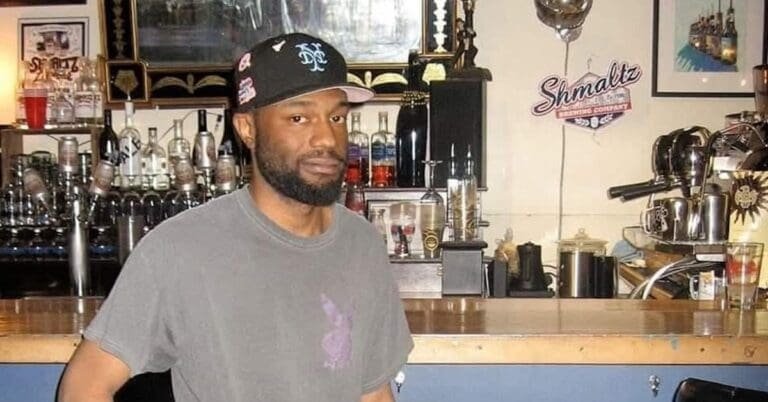
This is the risk of wearing one’s heart on their sleeve without the means to shield it from the ruin of a ruminating past or the uncertainty of an ominous future. Pain is only beautiful when it can be tamed, honed, and channeled into something universally felt. There is no singular pathway to that transformation, but for local artist Ian Macks, it exists through the brilliance of his raw literature, most notably his poetry collection, “Identity Crisis.”
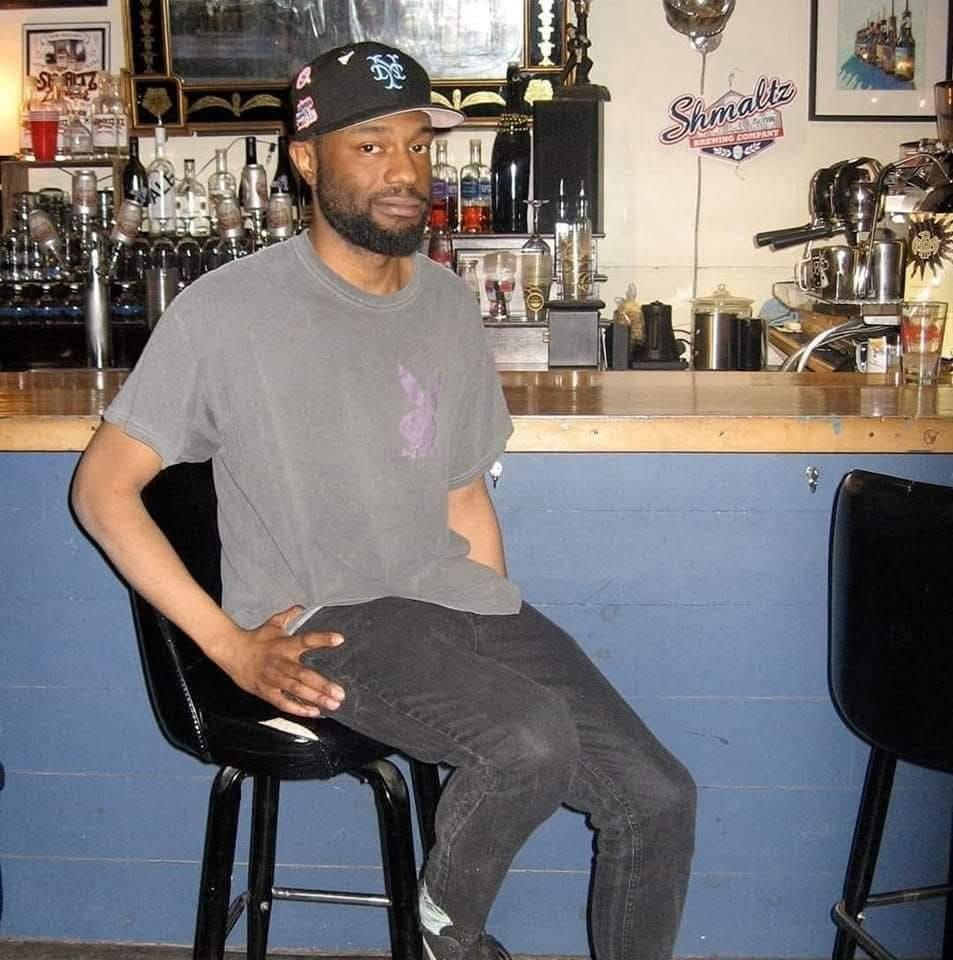
I was honored when he reached out to me via Facebook, asking if I’d be willing to write a piece on his work. While I was genuinely interested, my plate was loaded with other projects at the time, and the publication I frequently contribute to doesn’t delve much into poetry. So, after a few weeks, once my creative space had cleared, I made sure to circle back. Where it ultimately landed was of no consequence to me. The only thing that mattered was getting it done.
He was kind enough to supply me with the manuscript via email. It was a quarter to eight on a Tuesday evening, and my mind was profoundly suspended in verdant vapor. I got no further than the preface before I was cornered by the heaving presence of his unapologetic truth. The warm, gamey, iron-rich metallic musk on its breath reeked of a tortured life fed up with self-cannibalizing. It unleashed a bestial bellow that demanded to be heard by any means necessary. The sheer density of its force bristled the hairs on the back of my neck, my heart swinging wildly, a pendulum battering the brass of my chest.
This was a mirror pressed against me, stirring my anxiety into a buzzing violence that only my final dose of Buspar could settle. “What the f***?” I asked myself in disbelief as long-buried demons were resurrected and marched thunderously to the forefront of my mind. The effect was almost cacophonous, a ruckus of voices shouting over one another, rattling my brain until it forced me into retreat and made it obvious that this was something I needed to return to with a clearer head.
Two days later, I returned unsullied, fully immersing myself in the literary turbulence of what it means to be Black, autistic, and hypersensitive in a society that demands silence, compliance, and gratitude, especially of a man.
Decked in a pilled Philadelphia Eagles beanie, a lived-in black Columbia Pictures hoodie, sweats, and gray Yeezys weathered through atonement, I was granted the opportunity to sit across from Ian in the tranquil setting of Stacks Espresso Bar on Lark Street. There, we dove into a deep dialogue, and one of the first things I asked was when emotional awareness stopped feeling protective and began to suffocate. His answer was immediate and candid.
“Probably when I got addicted to coke,” Ian said, describing the precise moment when tenderness transitioned from survival response to hindrance.
Raised by a dual-employed single mother in the Bronx until the age of ten, he moved through the unease of adolescence before the belated presence of an emotionally absent father entered his life. He described ancestral emotional inheritance as something he internalized long before he could verbalize it. “The emotional burdens my parents went through are part of the story,” he said, “but they’re not what defines you.” This is a reality many of us learn later in life, as the hurt inner child grows alongside our imperfect selves, craving more attention and crying louder until unmet needs are satisfied, often through self-destruction.
What I admire most about this project is that it paints a muddied picture of a man carrying humble defiance. At its heart is the right to exist fully without surrendering to hollow boundaries that dampen the will to oppose injustice and resist tyranny. “You become numb to what makes you you,” Ian said of seeing himself through others’ expectations. “It takes away your fire.”
Drifting carefully from outrage and depersonalization toward accountability and self-authorship, this book serves as a forensic self-analysis of a fractured core. It excavates the frustrations of a socially conscious being worn down by liberal hypocrisy, racism, and the weight of societal expectations imposed by a supposed home he can scarcely call his own. A great deal of that fracture, he explained, wasn’t mindfully chosen.
“Identity Crisis” showcases not only Ian’s natural disdain for disparity, but also a well-mannered humanity that moves with respect for others despite it. That level of emotional maturity has been earned through inherited trauma and battles with drug and alcohol addiction, hardships that have kept his head intact while sharpening an intellectual fervor refined through adversity.
“Only the strong go crazy; the weak just go along,” is one of my favorite quotes from Assata Shakur’s 1987 autobiography, and one that Ian embodies fully. The vigor of his literature merely sets the stage for an individual who, even if he himself doesn’t change the world, may provide the spark for someone who can. That sentiment echoes the words of yet another Shakur, who once carried the weight of the world’s gaze before his untimely demise.
Written in a journal-esque poetry–prose hybrid, dense with energy yet accessible in presentation, Ian’s artistic cocktail ignites the chest. It blends traces of James Baldwin, Charles Bukowski, and Langston Hughes into a contemporary setting that trudges through the inefficacies of the Capital Region. His voice took shape first within the working-class grit of Troy, then later in Albany, where, in adulthood, he worked steadily to shed the congested shell of only-child syndrome and step into the relative comfort of the art scene, networking with like-minded creatives.
That same sincerity and guileless relationship to the arts extends into the book’s treatment of sobriety. In “Identity Crisis,” sobriety isn’t framed as clarity so much as confrontation. Ian described it to me as “a pain in the ass,” a stripping away of crutches that forced him to sit with consequence rather than outrun it. Responsibility, he said, offered something rage never could: the ability to look at himself without flinching. “One of my biggest strengths as a writer is putting myself in the moment,” Macks told me. “Being there to witness and feel in order to get a full objective view.” It’s that sustained presence, I believe, that keeps him grounded in a hard-fought sense of peace, shaping an ever-shifting pilgrimage toward sobriety.
In that sense, “Identity Crisis” becomes a silent contradiction to the Creature’s conclusion, not a deflection of the hunt, but a refusal to conform to it. Ian doesn’t ask society for permission to exist, nor does he contort himself to fit within the rigid constraints of approval. Instead, he documents the cost of being seen as monstrous for simply existing as a neurodivergent Black man in America, yet chooses to live in full form despite it: scarred but unbroken, fiercely accountable, and unwilling to relinquish his humanity for comfort. Where the world coerces the marginalized to vanish or assimilate, this book insists on something far more vital: owning one’s truth in its entirety, no matter how unsightly, so the sting of judgment loses its potency, and the wounded are spared from becoming the very hate that hunts what is.
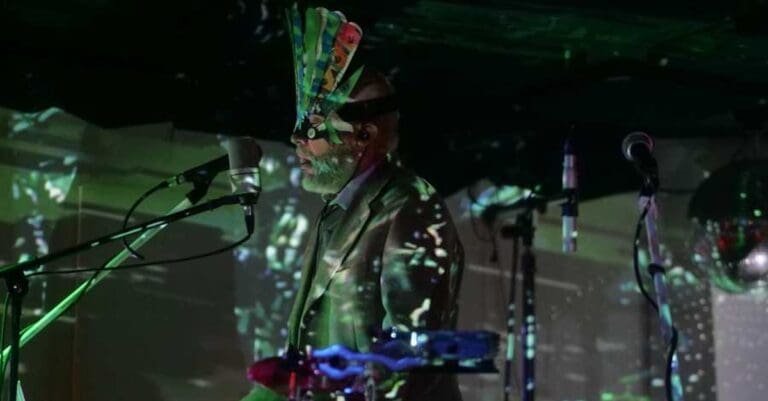
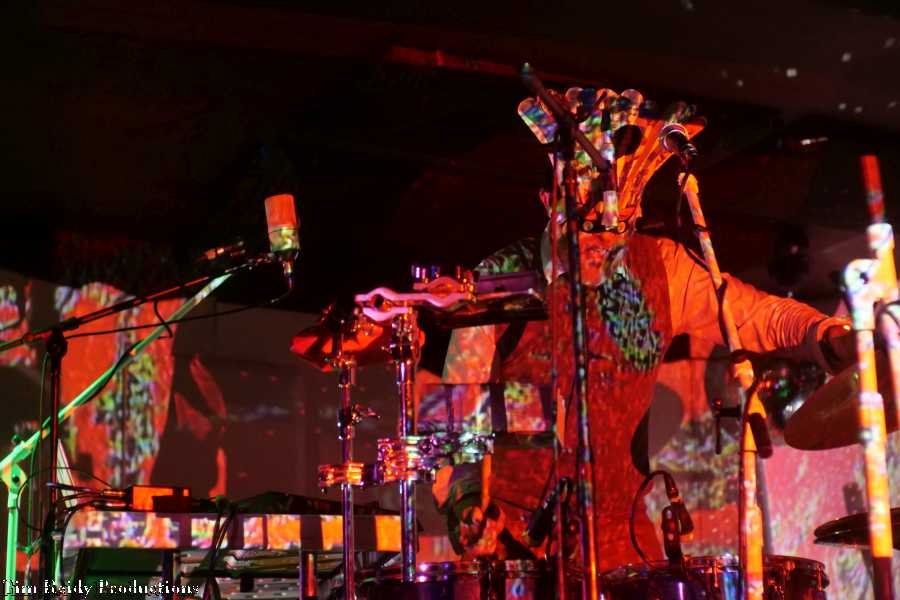
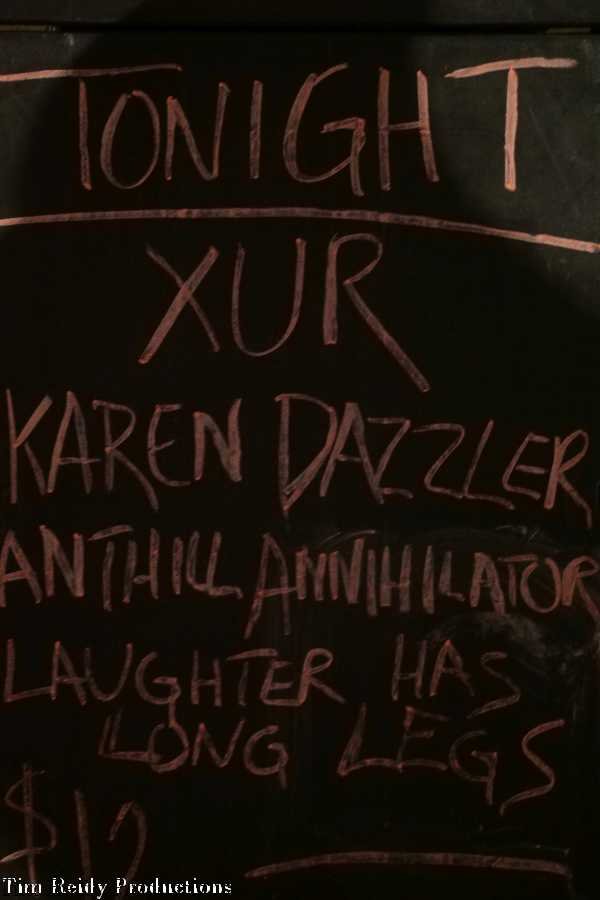
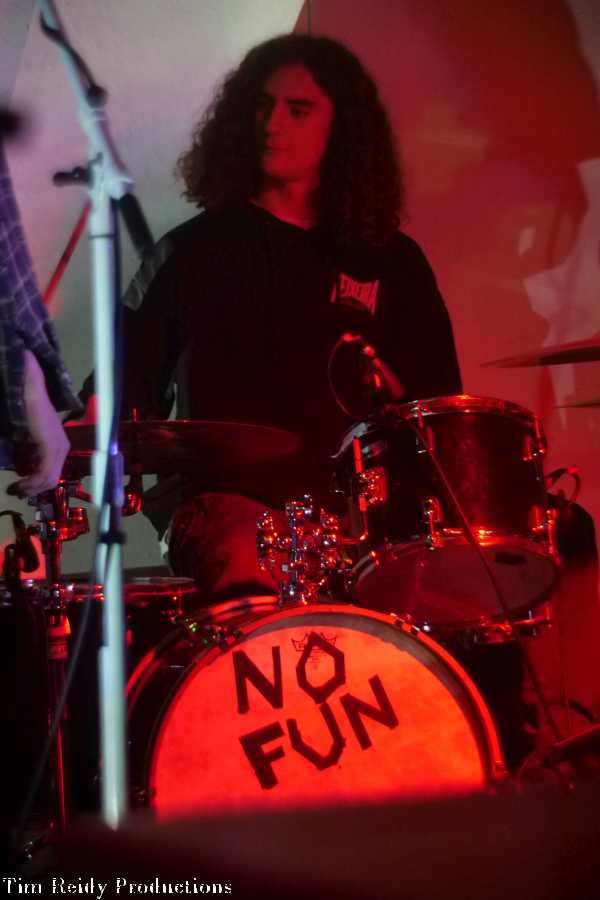
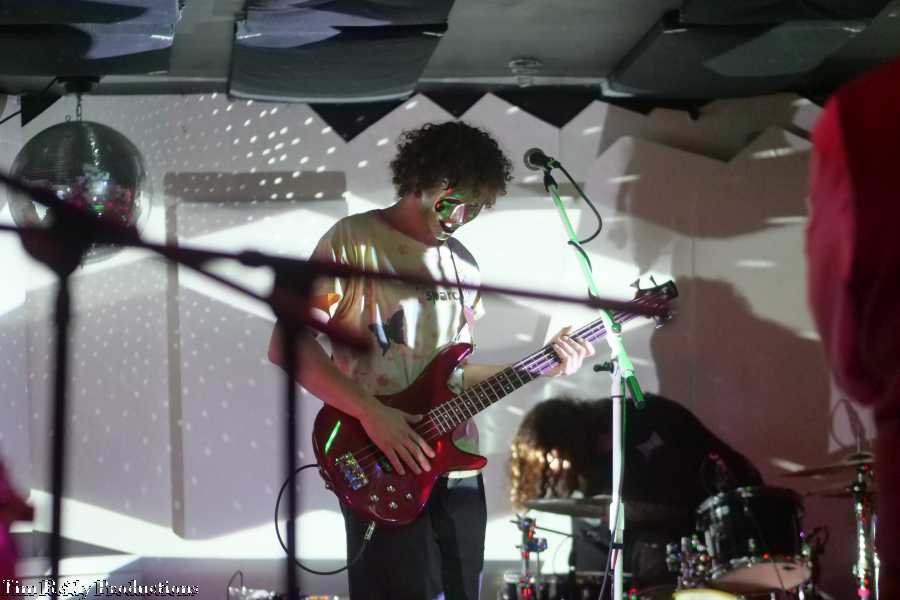
On December 18, No Fun hosted a “night of strange and beautiful noises” headlined by Connecticut’s XUR, with support from Anthill Annihilator and Laughter Has Long Legs. Karen Dazzler was also on the bill.
Photography by Timothy Reidy.

MIT Creates Gel that Regrows Nerves
https://pmc.ncbi.nlm.nih.gov/articles/PMC11352148/
Quantum Batterys Can Charge Instantaneously
A Plastic that Absorbs Carbon and Turns to Stone.
https://www.science.org/content/article/scienceadviser-capturing-carbon-plastic-waste
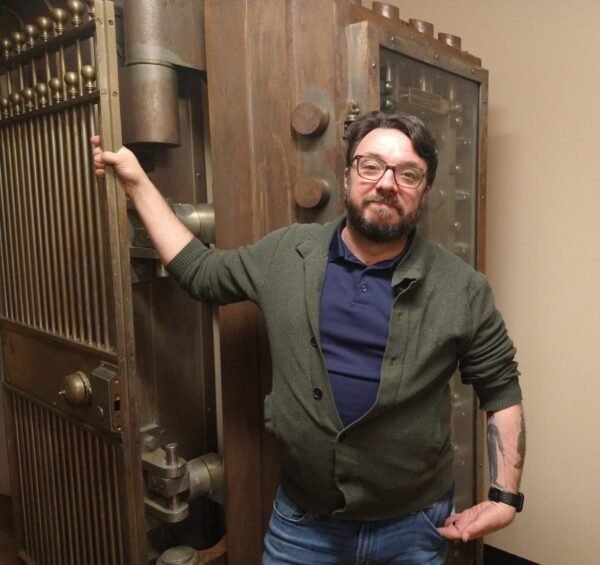
Peter Hughes – Xperience History – by Rob Smittix.
Originally published in June 2022.
RRX: I’m actually here at The Linda in the green room, which is behind a bank vault.
PH: It’s in the bank vault, it is actually the bank vault.
RRX: In the bank vault, sitting with Peter Hughes. Peter, what is your official title?
PH: I am the… it’s not that exciting, I am the General Manager and Programmer of The Linda which is WAMC’s performing arts studio here on beautiful Central Avenue in Albany, New York.
RRX: This really is really prime Albany, this is right in the center of everything.
PH: This is the heart of Albany. This is the Central Avenue business district, there are at least 17 different languages spoken just within two blocks of this building. It is a cultural milieu and it’s got the absolute best restaurants, most authentic and wonderful places to eat from all around the world just within walking distance. Lunch is a gorgeous buffet of options, it’s pretty remarkable.
RRX: Yeah, there is a… I forget the name of the place, there’s a Jamaican spot a few blocks down on Quail and on Wednesday’s they have mannish water soup.
PH: We’re addicted here to Afghan kabob, the number 12 beef and lamb over rice is the staple of my diet at this point.
RRX: That’s why I came here really to talk about food because we all love food!
PH: Let’s talk about food!
(Both laugh)
RRX: Well, The Linda. I love this place. I played a show here myself; it was one of my absolute favorite shows my band has ever played and we’ve played hundreds of shows.
PH: Thank you.
RRX: This room right here in the vault, this is where all the magic happens.
PH: Just to describe in case people that are reading this don’t know what The Linda is. The Linda is short for The Linda Norris Auditorium, and it is WAMC Northeast Public Radio 90.3FM, I think 17 other stations and 28 other broadcasters that is available in seven states. WAMC’s performing arts studio, with emphasis on the word studio. It is a live recording studio for the performing arts for Northeast public radio. This is not something that’s been happening recently strictly because of the shutdowns of Covid, we were closed for a year and a half to live audiences, so that filters out everything that we do. But traditionally and we will again…this is a place where live interviews happen, the roundtable will happen occasionally from here with a live audience and fund drives and occasionally Live at The Linda which is my radio show eight o’clock on Wednesdays and Sundays. For four hours every week on local radio you can hear concerts either recorded or sometimes live done right here and broadcasted from this building. So, when you are here for a music concert (which is not everything we do) you’re not just here for the music, like a club or a bar or other venues, the uniqueness of The Linda is that you are part of the show. There are microphones recording you as part of the broadcast audience and that is completely unique in the Capital Region. Completely unique for an NPR station and that is a one of a kind, one in the world type situation we have here.
And if we keep saying things about the vault. This building is 100 years old (which was converted 20 years ago), it was originally one of the gorgeous giant, huge, hard lock, concrete, art deco banks. The vault which is (bangs on wall) 30 inches of American steel and concrete is where the green room is. There’s no safer guest/green room in the State of New York with the sketchiest Wi-Fi signal ever.
So, if you come here and you can get backstage (there’s some public access here), you can spy the incredible, heavy, meticulous bank door which is something straight out of an old time gangster film. You expect to see someone with a tommy gun and a bag with a dollar sign on it. It’s very cool and that’s one of the unique things about this place.
RRX: Now how long have you been with The Linda?
PH: I’ve been here just over a year. My personal history, you know straight out of the womb (laughs) out of college. I worked for Proctors in Schenectady, and I was there for almost 23 years. I started out making five bucks an hour at the box office and eventually made my way up to heading the marketing team. I was in programming and producing events. Producing a film series, Broadway marketing, entertainment marketing, producing, all of that. You do everything over that amount of time. That was a long time, so I moved on to other ventures, bounced around a little bit and then Covid hit. I was working for a wonderful organization in Massachusetts, The Talmis who produce the great Nutcracker around the country. We were working on that, and everyone was just devastated, everyone was laid off, everyone was unemployed. Every job I ever had was gone. You know this as a musician, we’re all just on the sidelines. The sitting on the bench part was too difficult.
One day last April, a year ago, I got an email from a really good friend of mine who said “Hey, WAMC is looking for a new guy to run The Linda and you should go for that.” I’m so depressed at that point, I’m thinking I’m never going to get it because I’ve been let down so many times. So, I apply on a Friday, I get a call on Monday, I get interviewed, hired on Wednesday and start on Thursday. Boom I was back in the game!
They told me my first day that I had a radio show. I thought great! Immediately started working on virtual concerts at that point which was what everyone was doing at that moment. We made a transition into winding those down because we had to look towards re-opening for live humans. There were a mountain of restrictions and social distancing rules, so we needed a very detailed plan in order to do that. We did that last June.
RRX: I am so glad you did.
PH: So back to music, cinema events, speakers, authors, scientists and political debates (again we are an NPR affiliate). All of that is part of what The Linda is. It was built to be a community asset and a room dedicated to the concept of free speech.
RRX: I don’t remember exactly when The Linda became The Linda.
PH: I think 20 years ago. From what I hear, and this may not be the total story so don’t quote me as this being fact, it’s just the story that I’ve heard. Dr. Alan Chartock, who is our Executive Director, would walk by this bank building on his way to get lunch (likely Ichiban) and would say one day we’re going to turn that into a performing arts center.
RRX: Well, I hope that is the story because I can just envision Alan Chartock and his dream coming into fruition. That’s pretty neat.
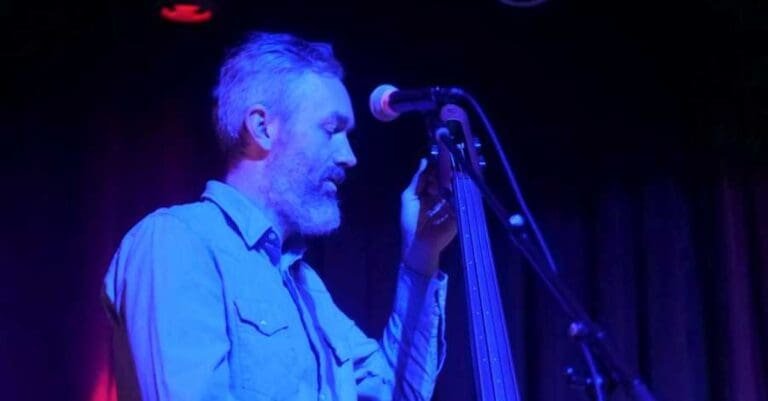
Omaha’s Cursive headlined a sold-out show at Lark Hall on December 16, while opener AJJ played as a duo.
Photography by Timothy Reidy.
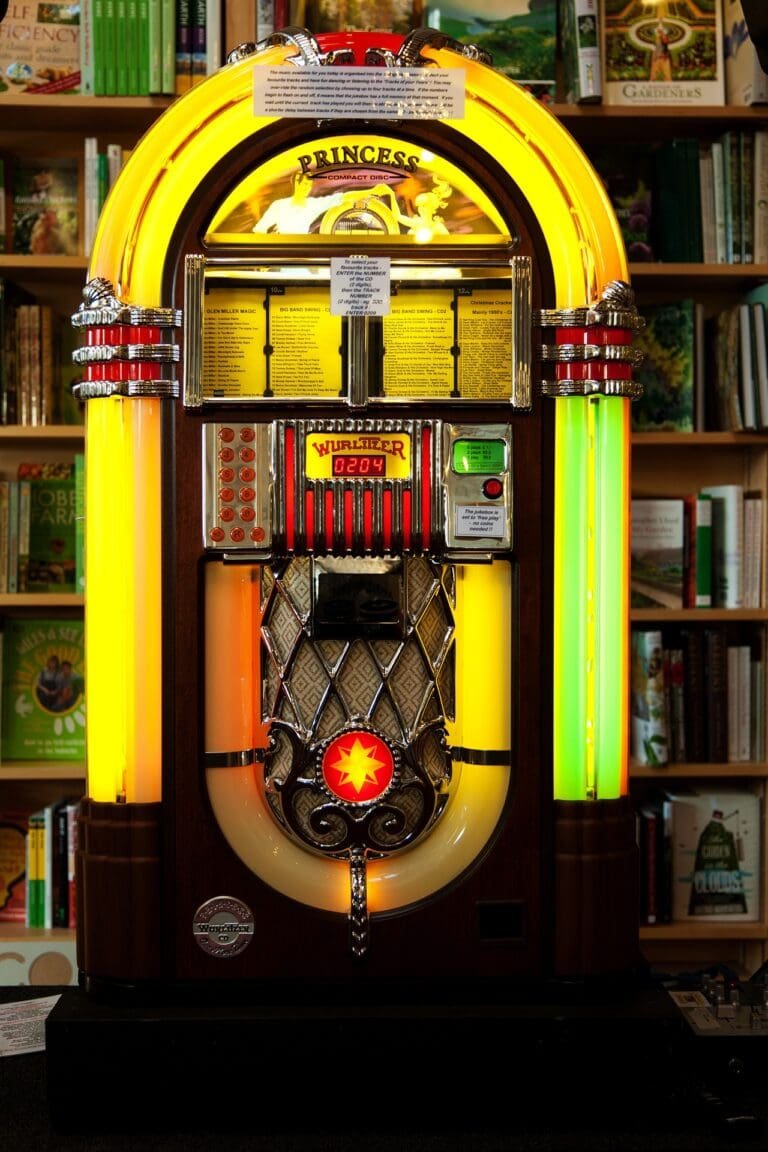
Jukebox.
Cure guitarist-keyboardist Perry Bamonte passed away after a short illness over Christmas. He was 65. Bamonte’s tenure with the band was fifteen years, from 1990 to 2005.
This was posted on The Cure’s website: It is with enormous sadness that we confirm the death of our great friend and bandmate Perry Bamonte who passed away after a short illness at home over Christmas. Quiet, intense, intuitive, constant and hugely creative, ‘Teddy’ was a warmhearted and vital part of The Cure story.
‘Looking after the band’ from 1984 through 1989, he became a full time member of the Cure in 1990, playing guitar, six string bass and keyboard on the Wish, Wild Mood Swings, Bloodflowers, Acoustic Hits and The Cure albums, as well as performing more than 400 shows over 14 years.
He rejoined the cure in 2022, playing another 90 shows, some of the best in the band’s history, culminating with the show of a lost world concert in London 1st November 2024.
Our thoughts and condolences are with all his family. He will be very greatly missed.”
Imani Smith, actress in Broadway’s Lion King, was stabbed to death at 26. Her boyfriend has been charged in the crime. In a fundraiser set up by family and friends, this is written: “Imani had her whole life ahead of her. She was a vivacious, loving and fiercely talented person,” reads the GoFundMe page. “A true triple-threat performer, she most notably played the role of Young Nala on Broadway in Disney’s Lion King — an experience that reflected the joy, creativity, and light she put into the world.”
The GoFundMe now has around sixty-six thousand dollars in it.
David Bowie’s Black American three man backing rhythm section, the remainders, were seen at the famed Metropol, in Berlin. On November, they kicked off a sixteen-city European tour, showcasing the music of Bowie’s Berlin Trilogy.
The Tie that Binds – The Weird Side of the Internet – by Liam Sweeny.
Personal space. We all have it to some degree, not just physical proximity, but a need to be alone. It’s different for everybody, from the J.D. Salingers to families with kids where personal space is catch as catch can.
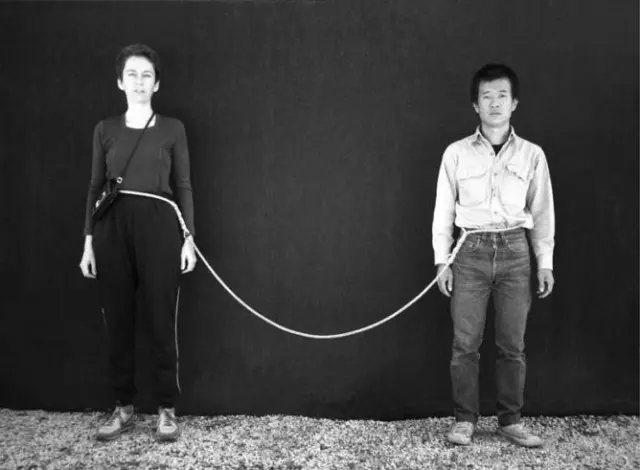
People who are married will probably freak out about the following event more than people living solo, just because the closer you are to this, the more it resonates. Performance artists Linda Montano and Tehching Hsieh spent a year tied together by their waists with an eight-foot rope. They couldn’t touch each other either. Celibate.
They started out fine, but over the months, their relationship deteriorated. The reduced communications to grunts and groans, and they stopped going places just because it would keep the other from going anywhere.
There should really not be a thing, in my humble reckoning. A mother and her baby could be eight feet from each other for a year. Prisoners live with a cellmate. But the cool part is that they got to pick each other. It’s not like they weren’t compatible. I mean, they both had every chance to find the right person, and over time, they still grew to dislike each other. This says something about humans.
Can you imagine, though? I get up at like two with a loaded firehose, I gotta wake her all of the way up to walk with me to the can? There must be commodes involved here. And if you’re gassy? Tough luck. And no flatulence will go undetected, for after all, it’s not the dog you’re tied up to. You know, most of it is just the same as living with someone anyway. Fighting over the TV, stuff like that.
Either way, props to Linda Montano and Tehching Hsieh for sticking it out. You know, maybe the hardest part of being tied together is telling interested people walking down the street that no, it’s not a kink.
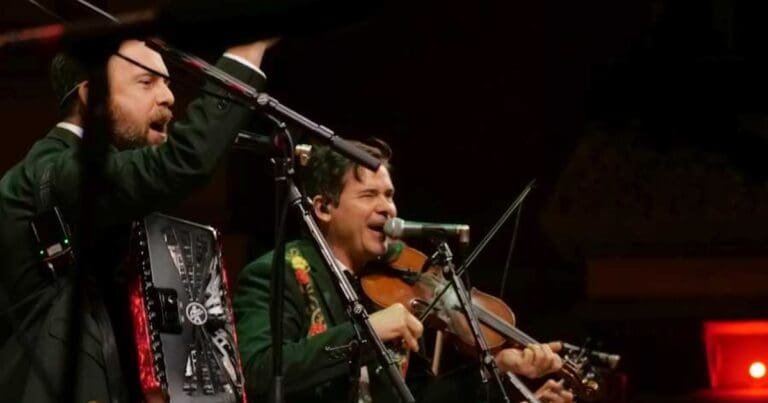
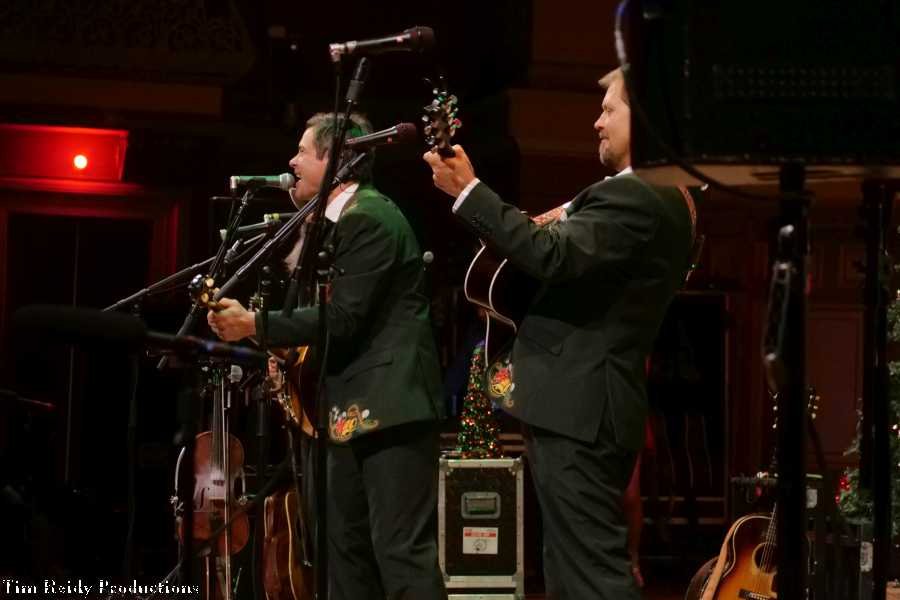
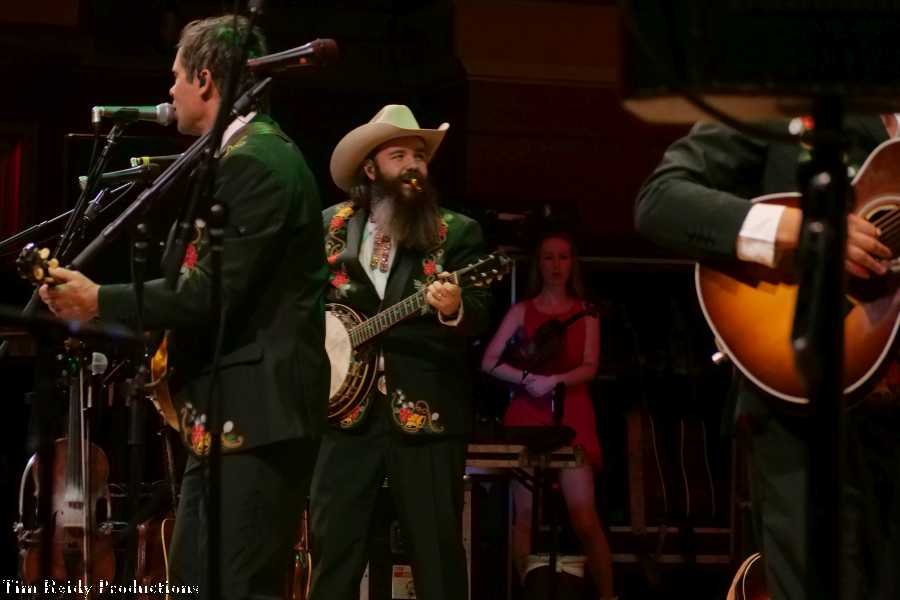
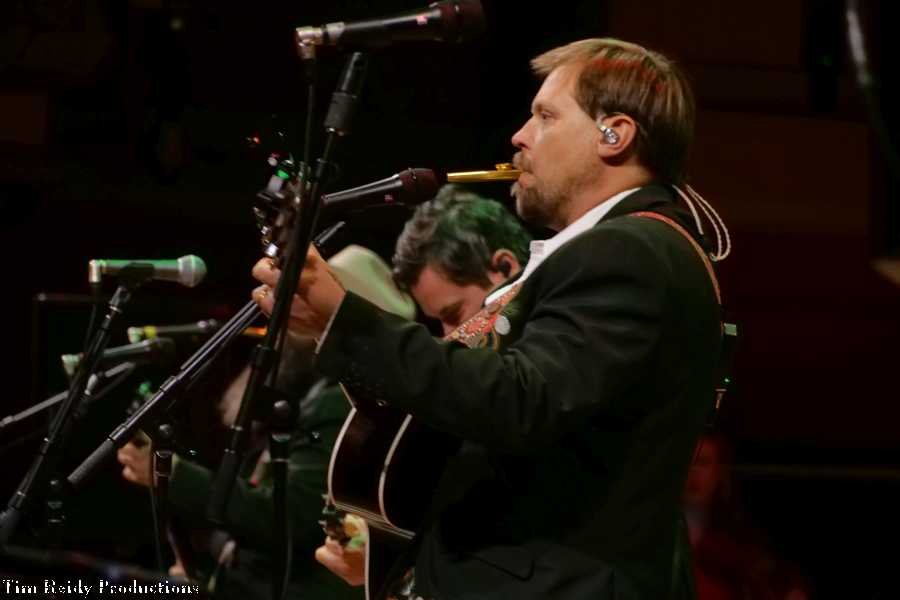
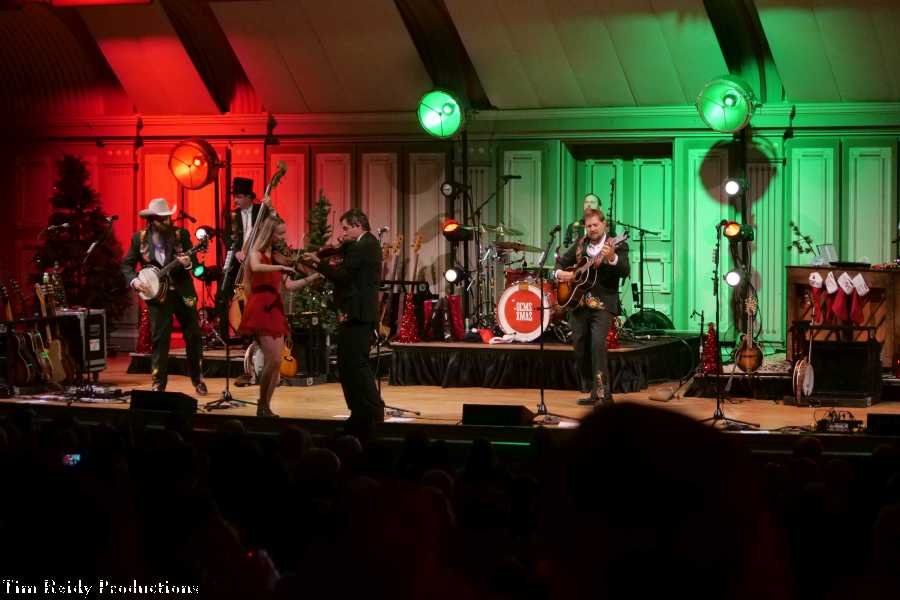
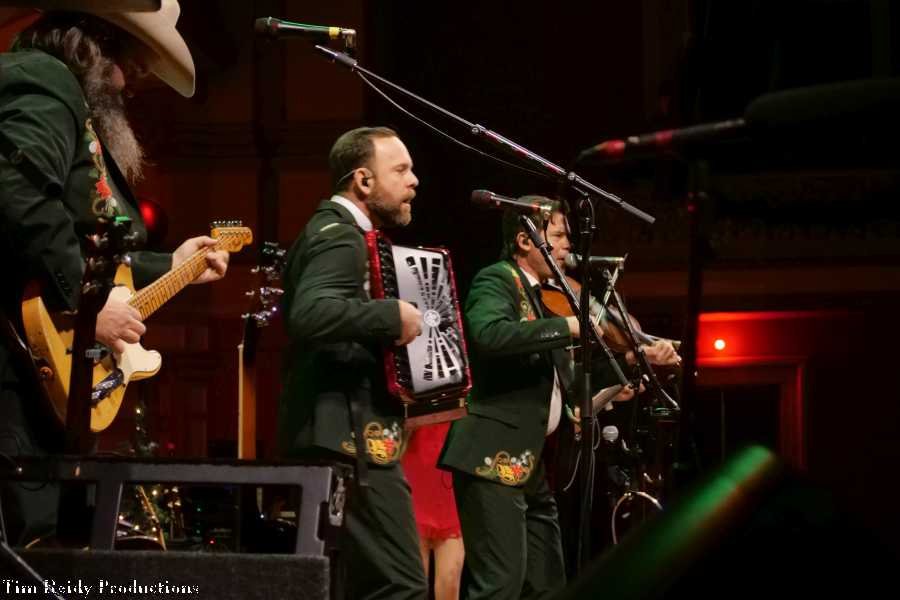
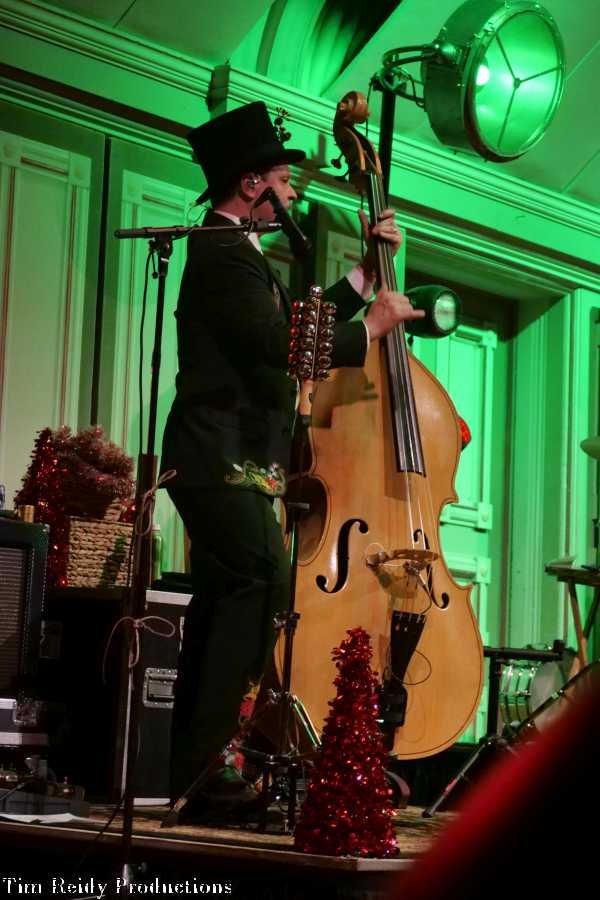
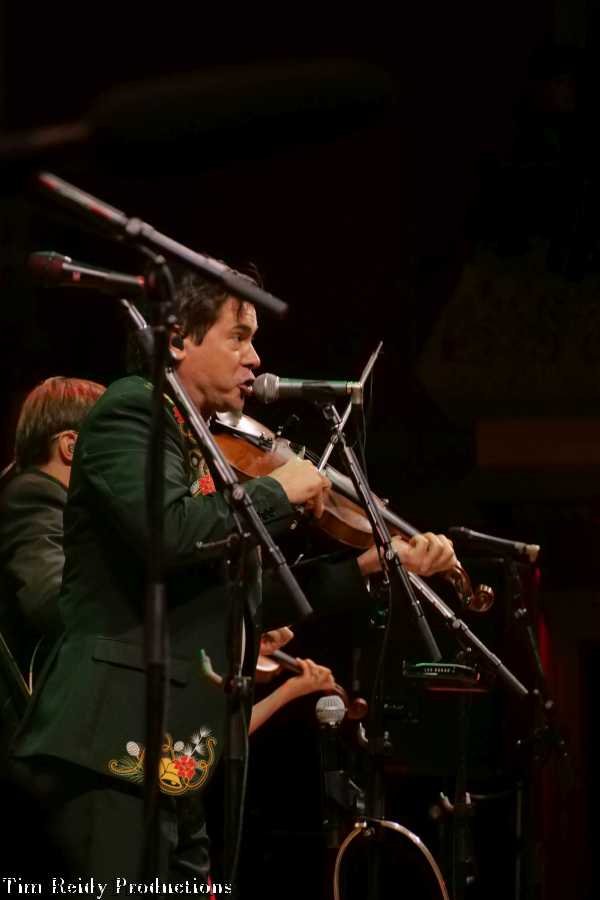
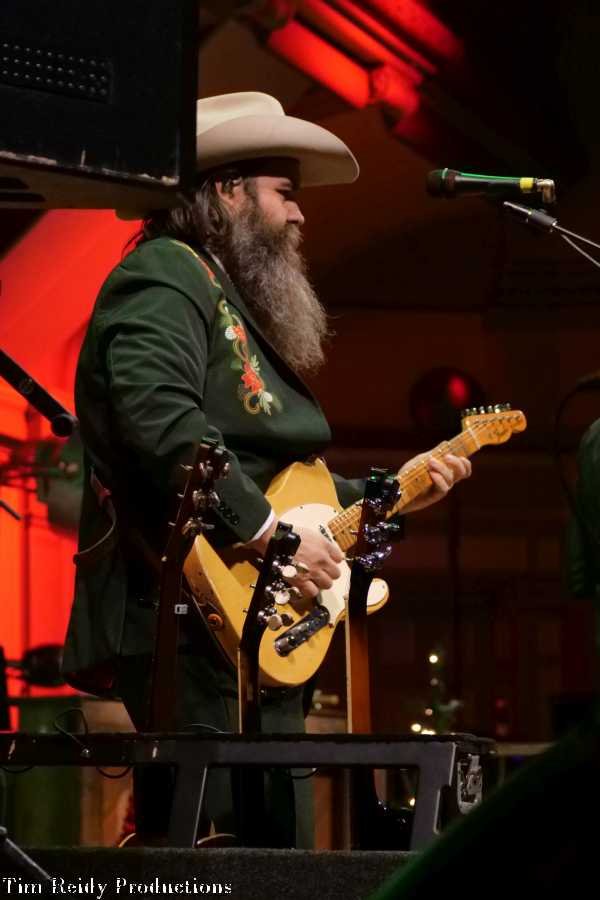
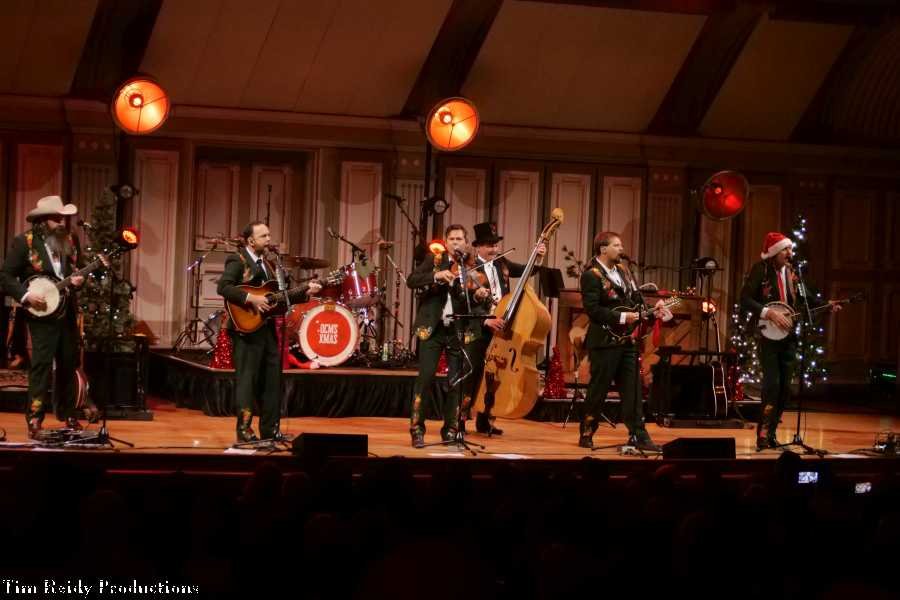
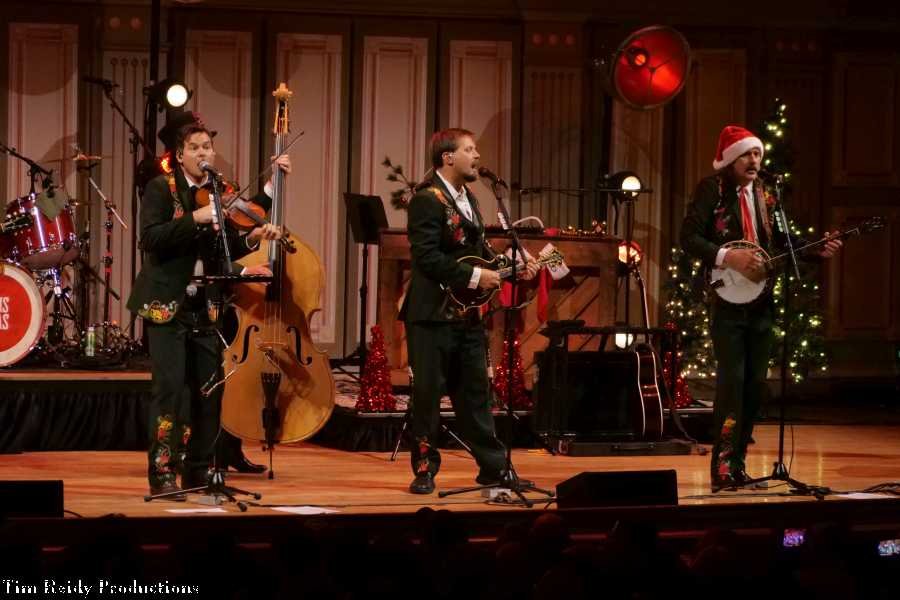
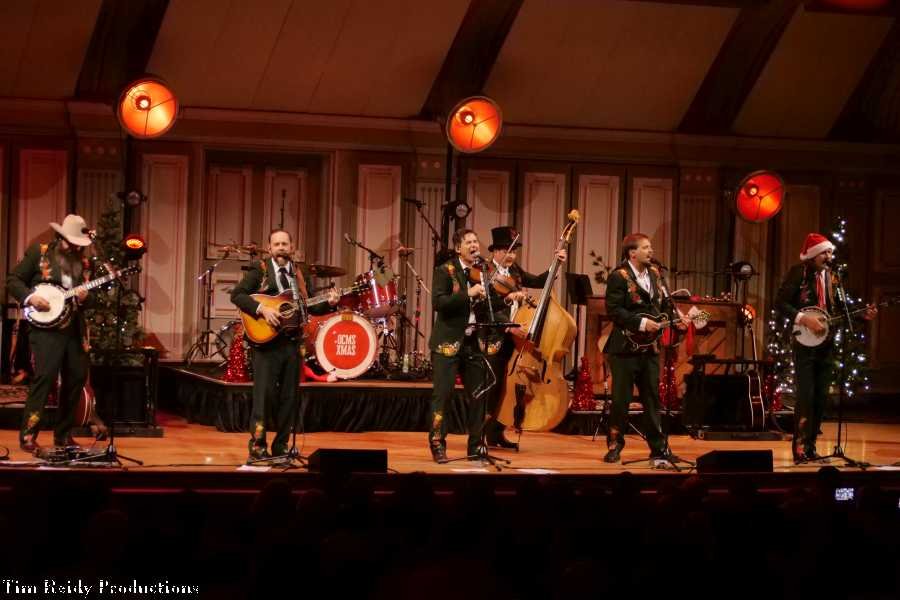
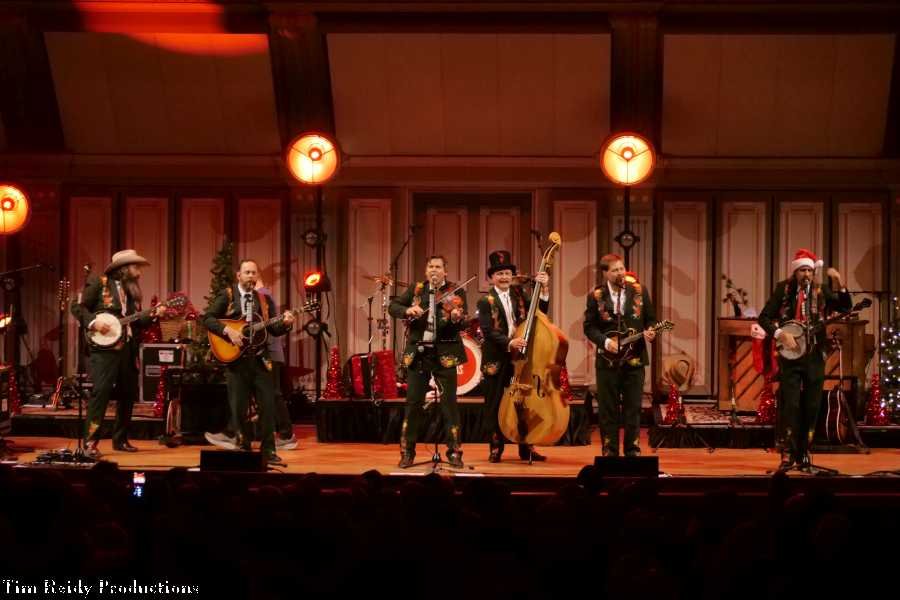
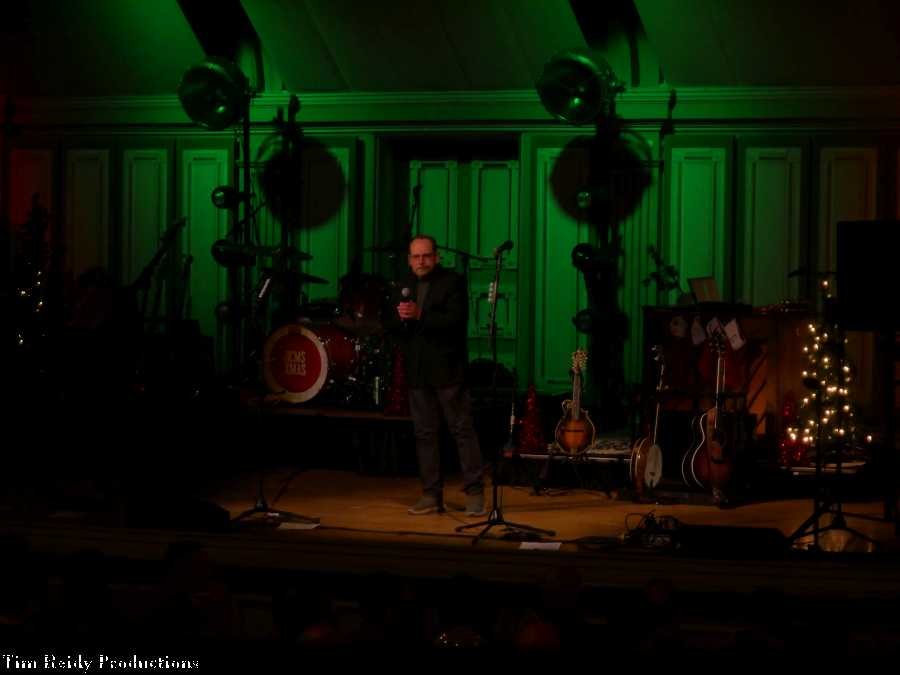
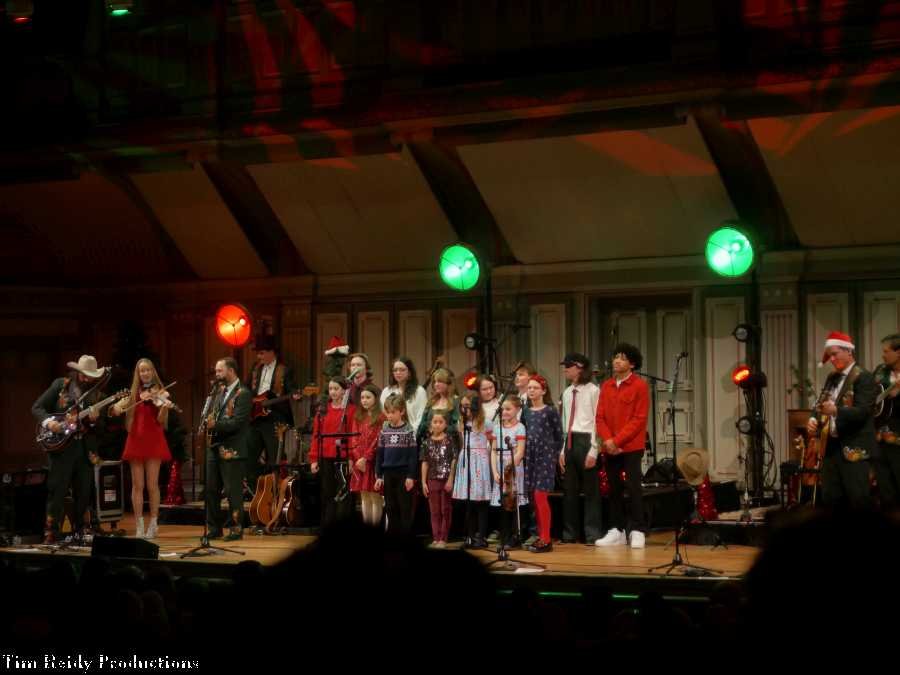
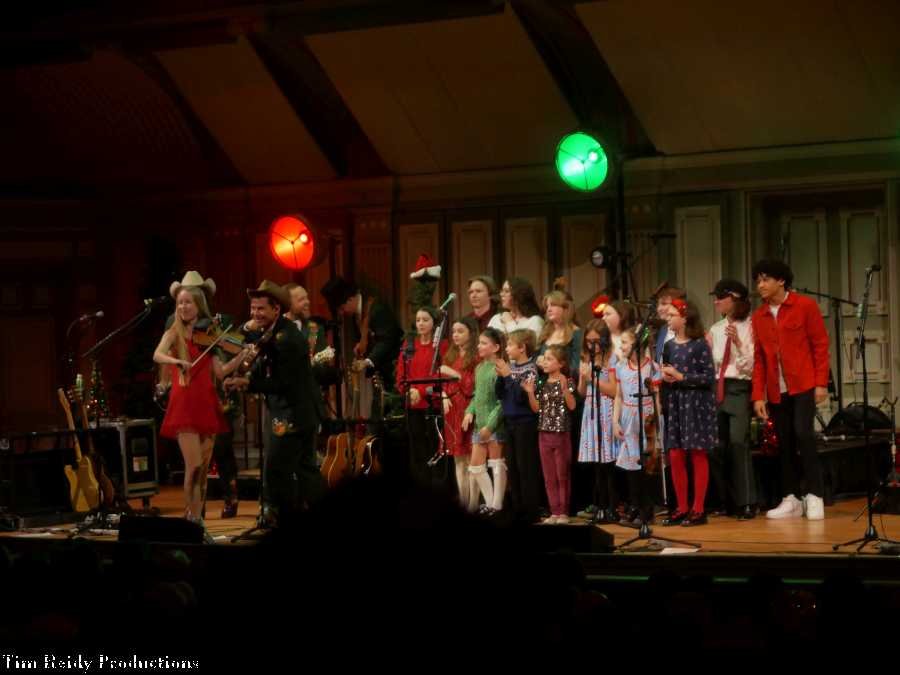
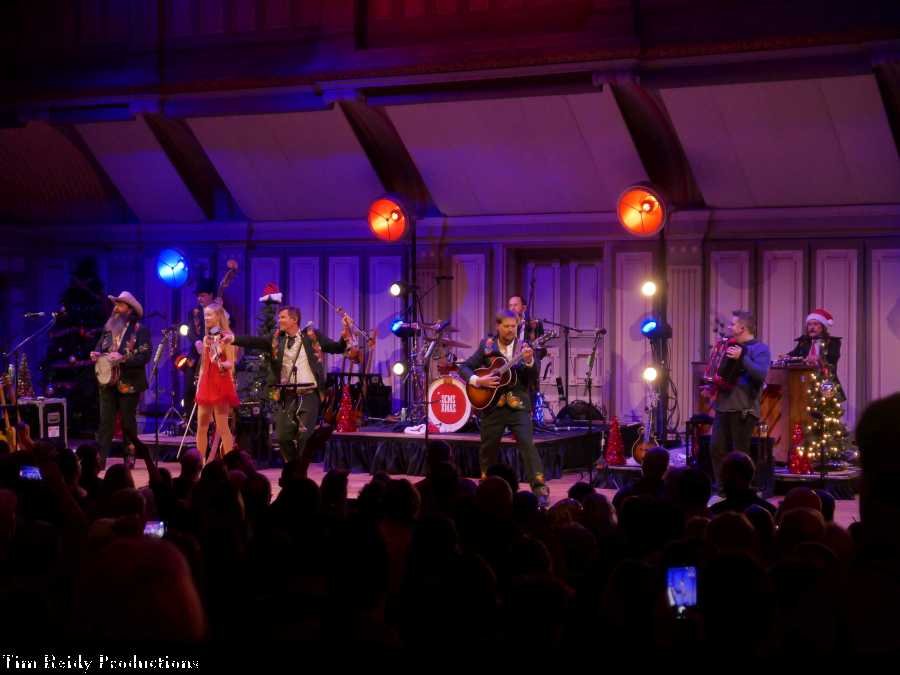
On December 17, 2025, Old Crow Medicine Show brought their Holiday Hootenanny to the Troy Savings Bank Music Hall.
Photography by Timothy Reidy.

RadioRadioX & The Xperience Monthly
© 2018 - 2026 Imperial Broadcasting. Most Rights Reserved.