

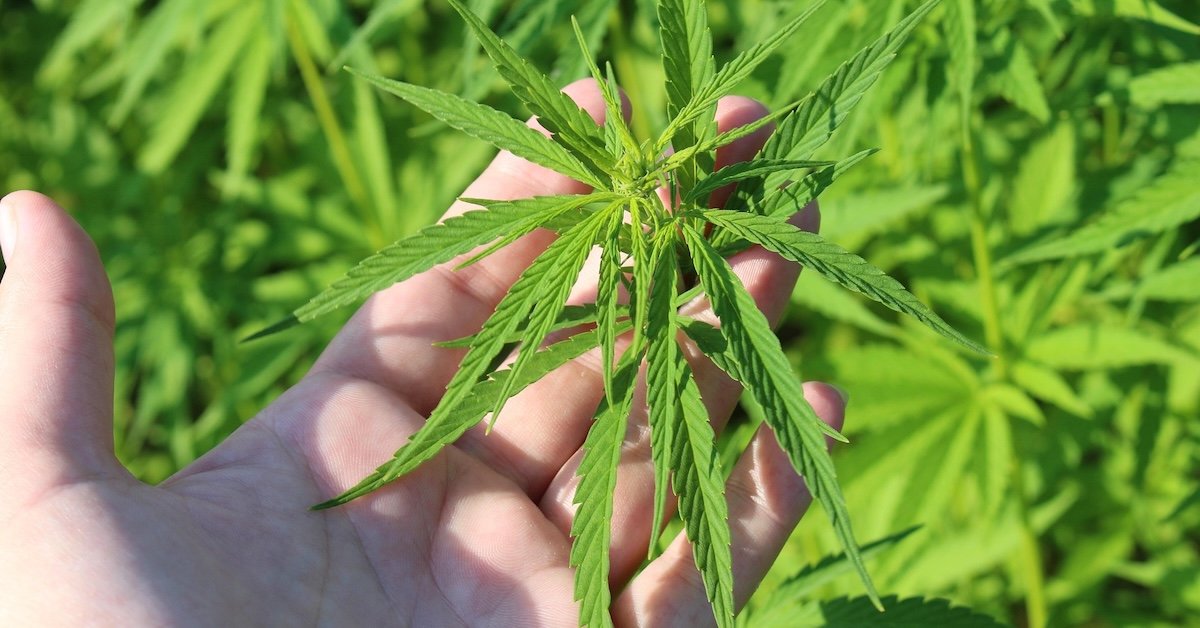
Last issue, we talked a little bit about how to consume cannabis. Let’s delve into that more in-depth today. There are so many more ways to get high than just smoking flower – the NY market is providing in a big way. We have a ton of exciting products out there, so let’s get rolling!
Cannabis Flower
Cannabis flower is the most natural way to consume, since the product has undergone minimal processing to get to you. A harvested plant needs to be dried, cured, trimmed, and tested before it hits dispensary shelves. Most product is found in 8ths (3.5 grams), but dime bags (1 gram) are a great budget option, and lots of dispensaries offer half and full ounces of cannabis too. Whatever quantity you choose, you can grind it and let the fun begin. You can roll it in a joint or blunt (if you can even roll a joint!), pack it in a bong or pipe, or vaporize it for a smooth hit. Smoking from joints, pipes, and bongs is definitely a standard way of consuming, convenient, and with a low barrier to entry. Prerolls offer another great way to smoke flower. There’s no mess and no joint rolling skills needed. Dry herb vaporizers use a lower temperature than actually smoking, so a strain’s flavor won’t be impacted by combustion. It can potentially reduce the amount of harmful byproducts inhaled compared to smoking. Don’t forget that you can also use flower to make super easy alcohol-based tinctures and crazy strong edibles.
In 2025, New Yorkers made flower the top category of cannabis products sold in the state. Over 35% of all products sold were cannabis flower. Plus, a further 20% of all cannabis sales in 2025 consisted of prerolls. While this is technically a separate category per the Office of Cannabis Management, the primary input is minimally processed cannabis flower.
Edibles and Drinks
In NY, 14 percent of all cannabis products sold are in the form of edibles. Easy to dose, consistent, and tasty, edibles are great for cannabis novices. At the moment, the majority of edibles are gummies or chocolate-based products. However, there are new and creative things just hitting the market, like infused popcorn, crispy cereal treats, and even maple sugar candy. THC drinks comprise a small percentage of the market (less than 1%), but a fast-growing one. Drinks are definitely becoming a cornerstone of the industry and a fan favorite.
Edibles can use a variety of different THC-based inputs. Cannabis distillate is a high-potency THC concentrate that doesn’t retain any terpenes. It can take 45 minutes or more for distillate to “kick in,” where you start to feel effects. Less commonly found are hash and live resin-infused gummies. Unlike distillate, hash and live resin-infused edibles still contain a lot of terpenes and minor cannabinoids for a full-spectrum experience similar to smoking. Lots of gummies now are marketed as “fast-acting,” and those use nanoemulsification. Nanoemulsification breaks down the oil to be water-soluble so it can be assimilated within 10-15 minutes of consumption. Some gummies combine various types of cannabis inputs, so they act both quickly and then hit later for a longer high.
THC drinks are quickly becoming a huge market and a very interesting one. As alcohol consumption is waning, THC drinks are there to take their place. Most dispensaries have 5mg and 10mg drinks that are a fun replacement for booze and great to offer alongside alcohol at parties. THC drinks really gained in popularity under the Farm Bill, so you will notice that even supermarkets and some bars have THC-infused drinks. In fact, NY may allow liquor stores to start selling THC drinks, so we will see if and how that pans out.
One huge difference between legal edibles and black or grey-market gummies is the dosage. While working at the dispensary, it was super common for customers to come in and ask for a high-dose gummy, like 300mg or 500mg THC. Friends, those are gas station numbers, black market numbers. In NY, we can only include 100mg of THC in our packages of edibles; anything more wouldn’t be compliant in the legal market.
Concentrates and Vapes
Concentrates are one of the most high-test options available on the market. Distillate is a concentrate derived from dry flower that doesn’t contain any terpenes or minor cannabinoids. Most of the time, this is used in edibles or mixed with terpenes for vapes. Live resin is a type of concentrate that is made from flash-frozen cannabis. The cannabis is extracted using solvents, but lots of terpenes and minor cannabinoids are preserved. Live rosin, on the other hand, uses a solventless approach to extracting flash-frozen weed. Heat and pressure from a rosin press are used to create a nice end product that’s very representative of the strain used. Hash comes in many varieties and isn’t super popular here in the US. Hop across the pond, and lots of Europeans use hash as their primary method of cannabis consumption (frequently mixed with tobacco!). Serious consumers of concentrates will have a dab rig, which looks kind of similar to a bong. They can also be used to make edibles or added to weed to give your smoke that extra oomph.
Vapes take these concentrates and put them in a handy, portable format. 510 carts will need a battery attachment, but all-in-one vapes are sold ready to be used the moment you exit the dispensary. On the lower end of price points, you’ll find distillate vapes; rosin and resin will cost more. Vape pens are the second most common way New Yorkers enjoy cannabis, making up 27% of the legal market.
Tinctures and Topicals
Though tinctures and topicals only make up a super small segment of the market, they are totally underrated. Not one to smoke? On a low/no sugar diet? Look into tinctures! A tincture is simply cannabis extract in a carrier liquid, frequently MCT oil.
Topicals with THC are an interesting option available for us. Our body’s endocannabinoid system includes receptors in the skin, so topicals can be super effective for aches and pains. One of my favorite ways to use topicals is to make sure the product also contains CBD. There’s something in the mix of THC and CBD that really helps relieve pain

