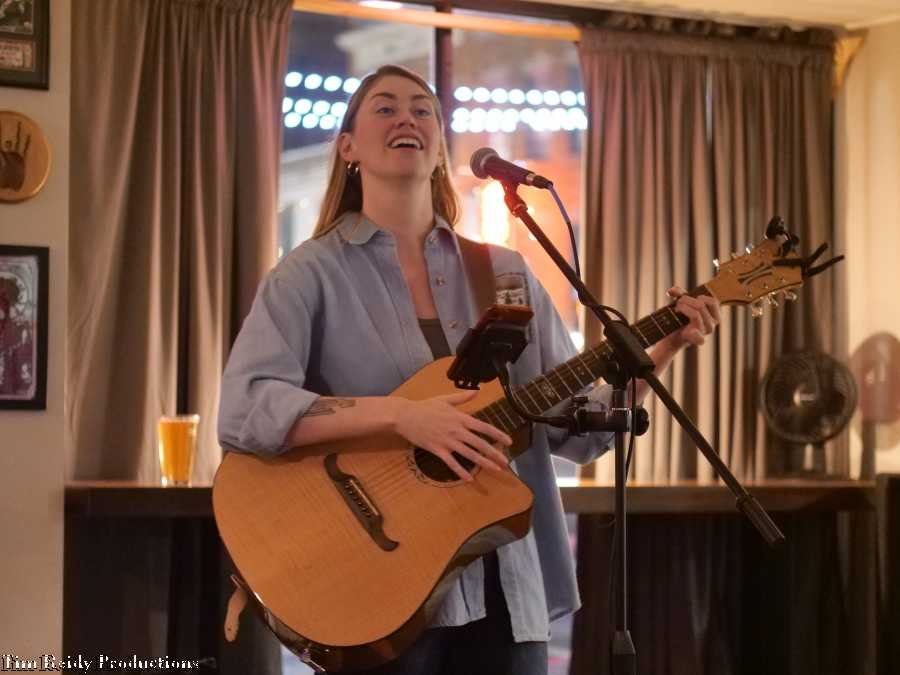
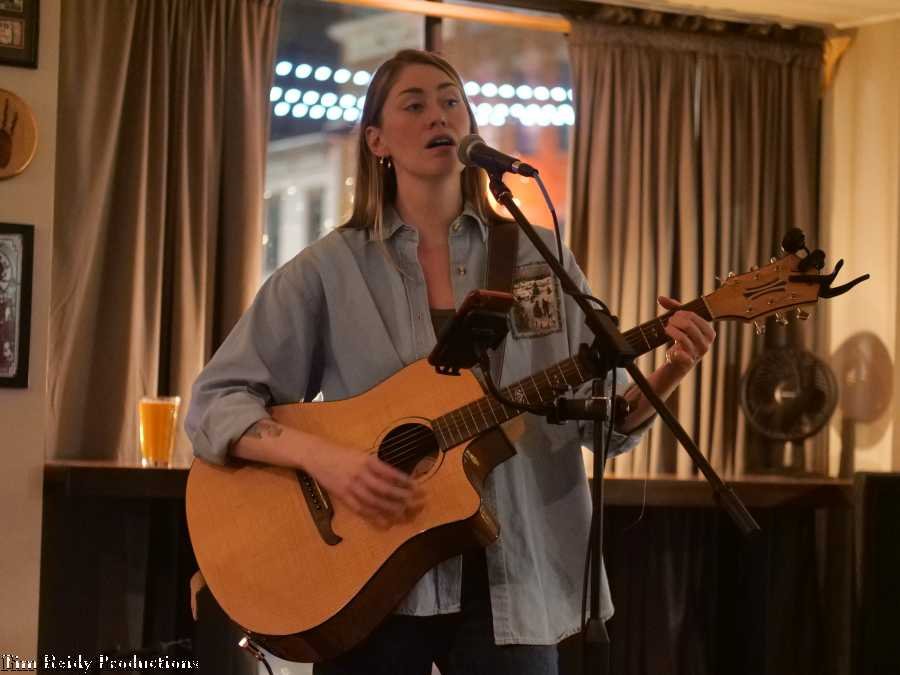
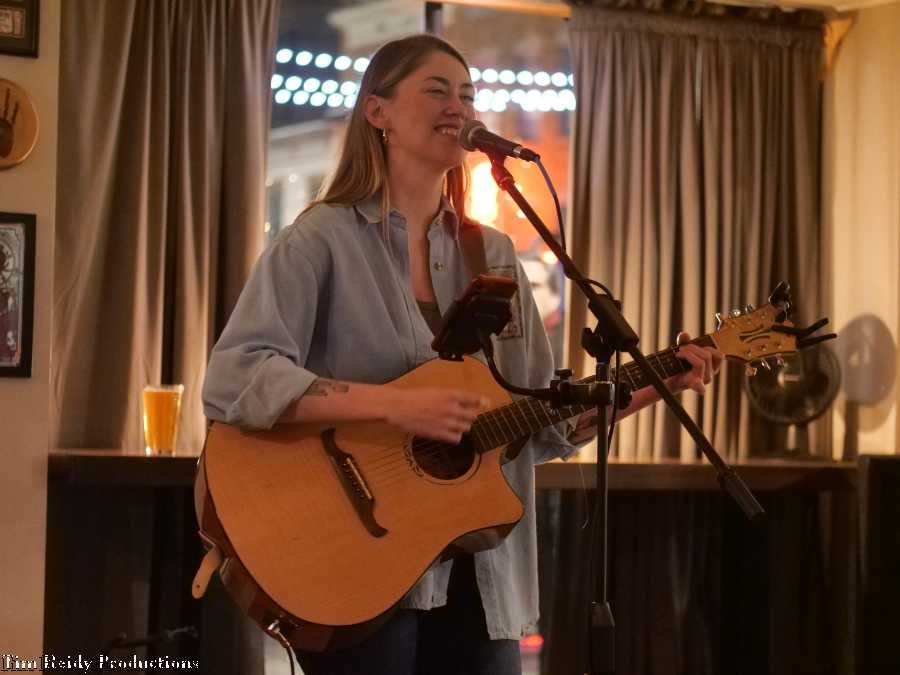
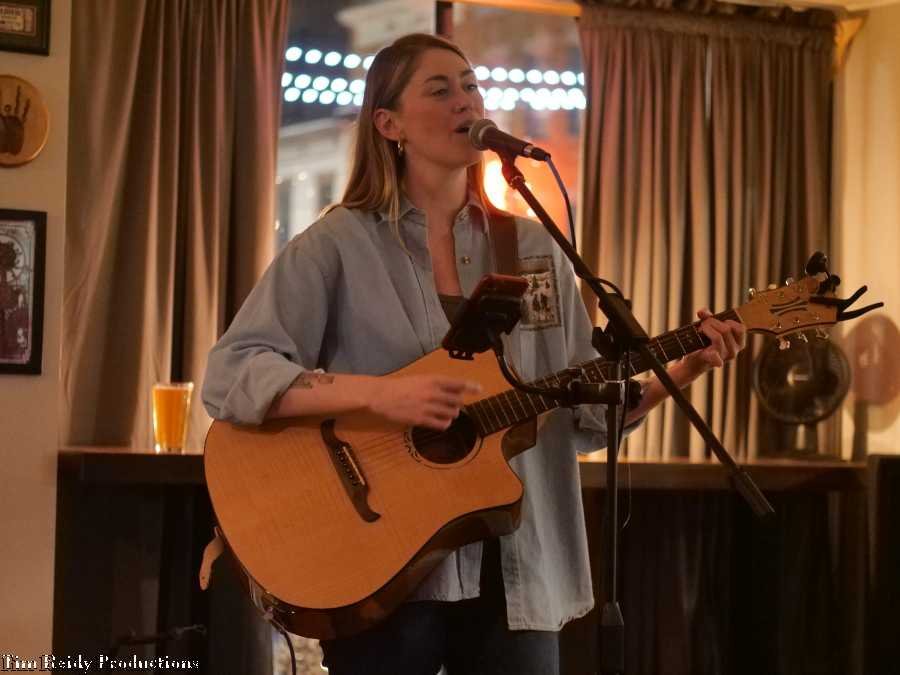
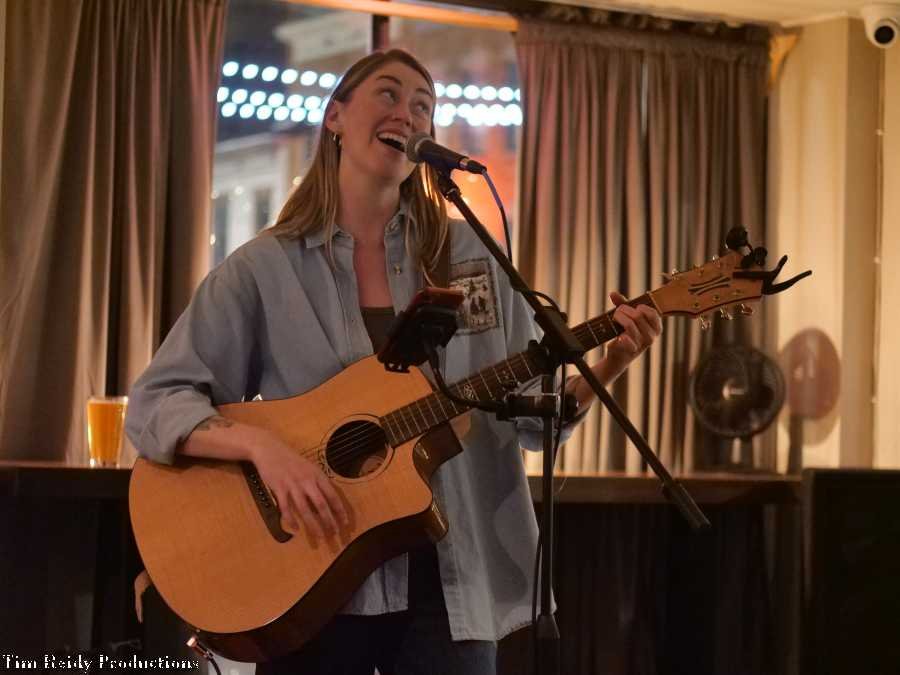
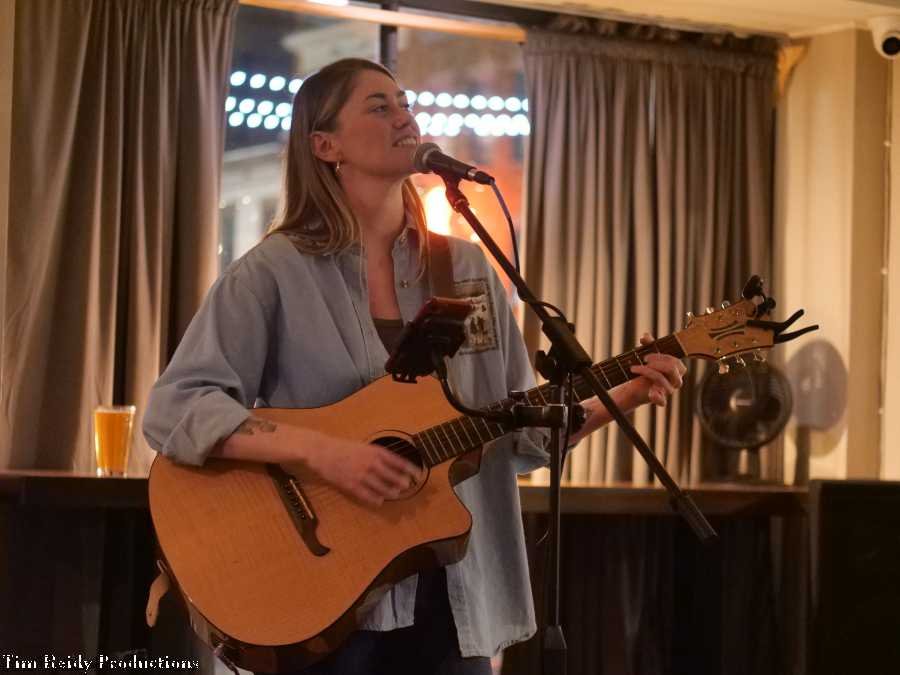
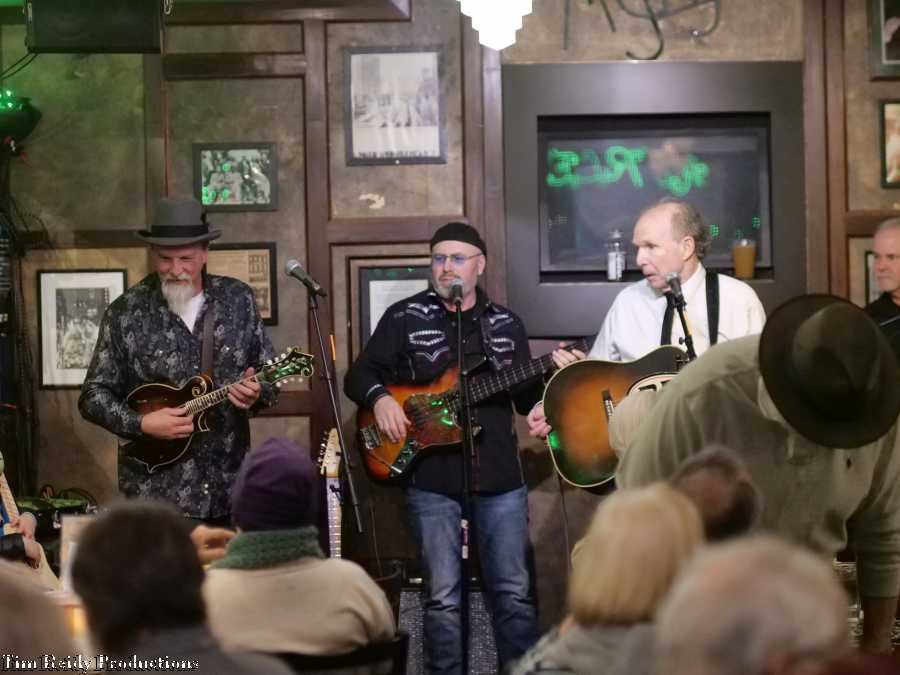
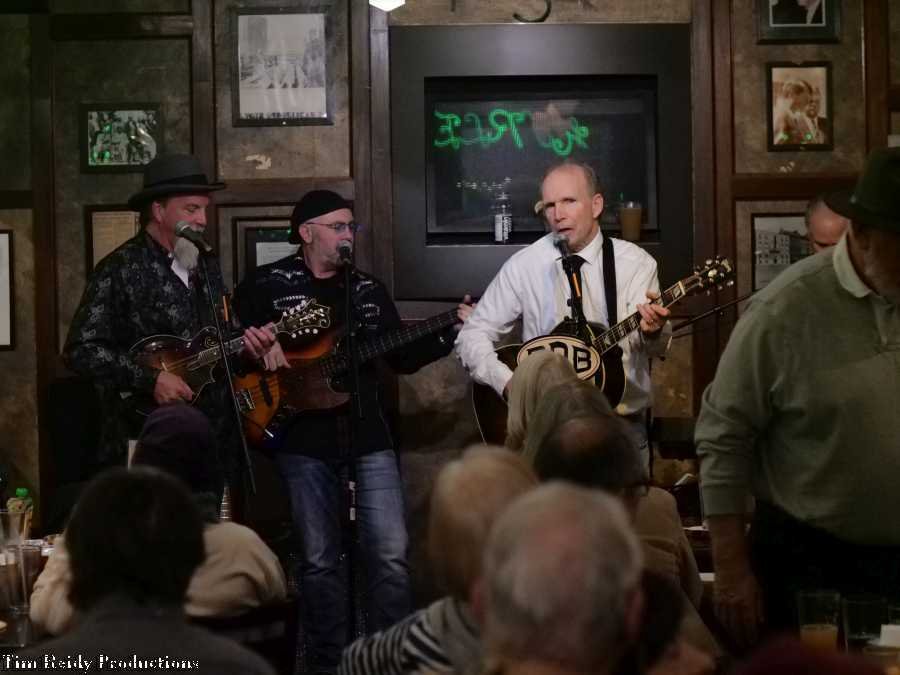
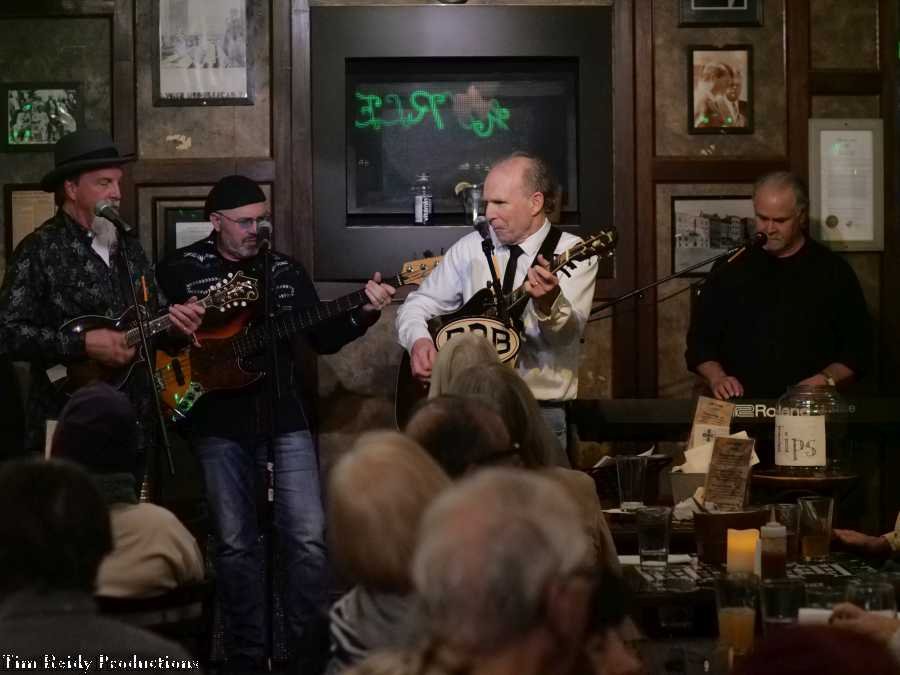
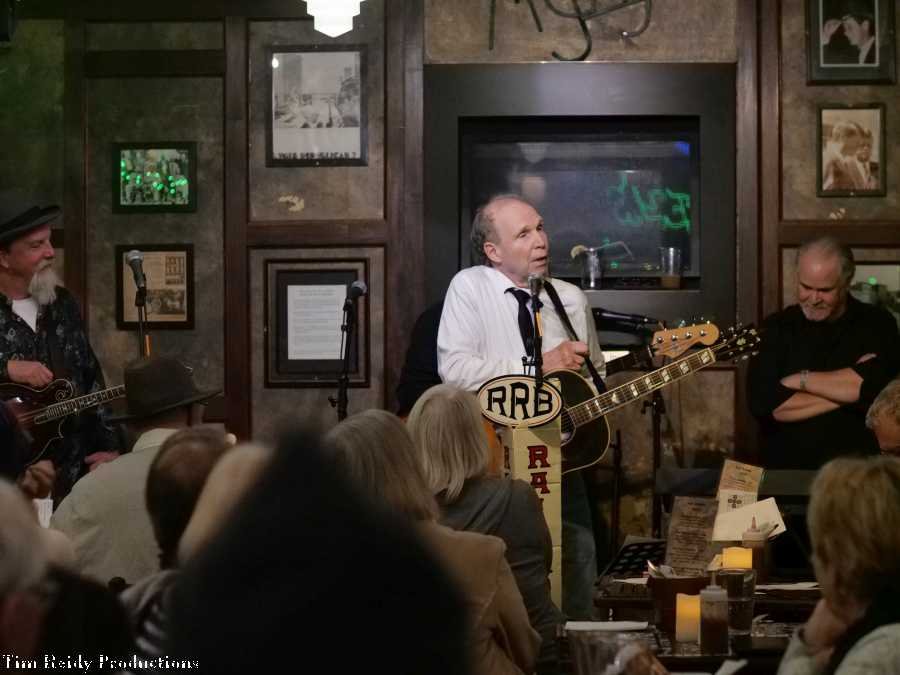
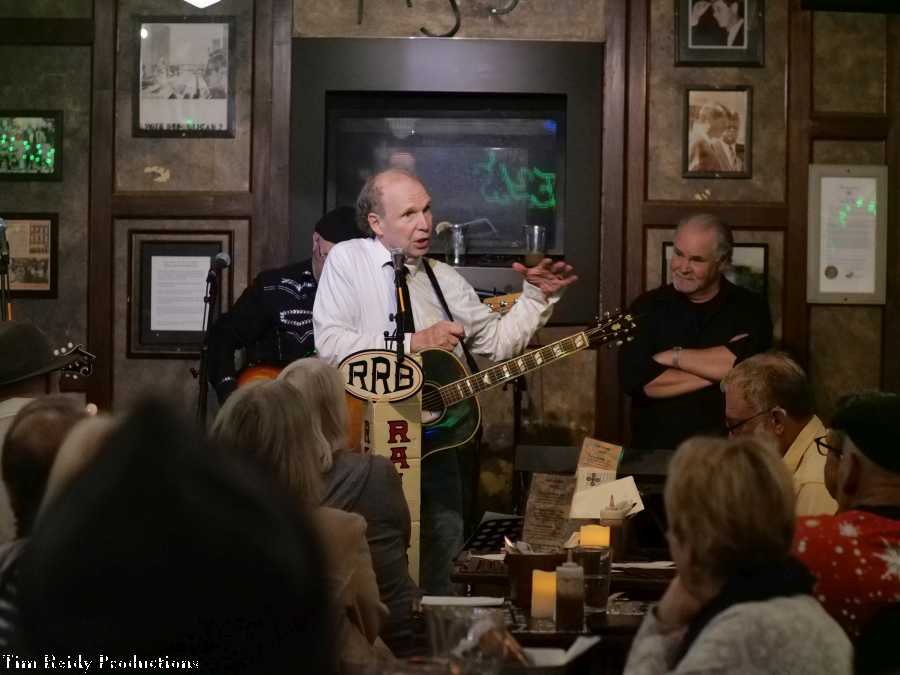
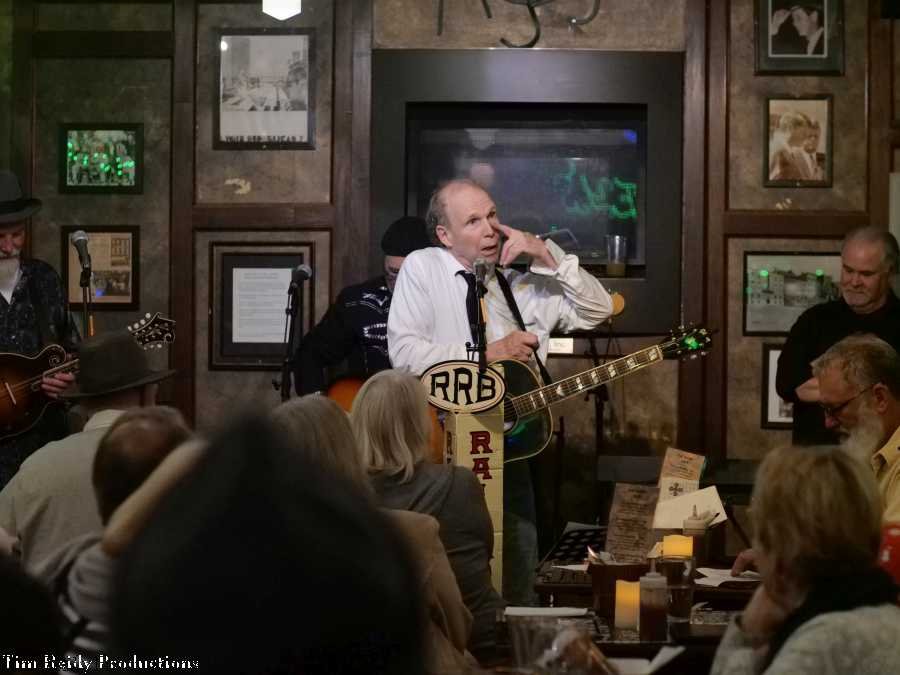
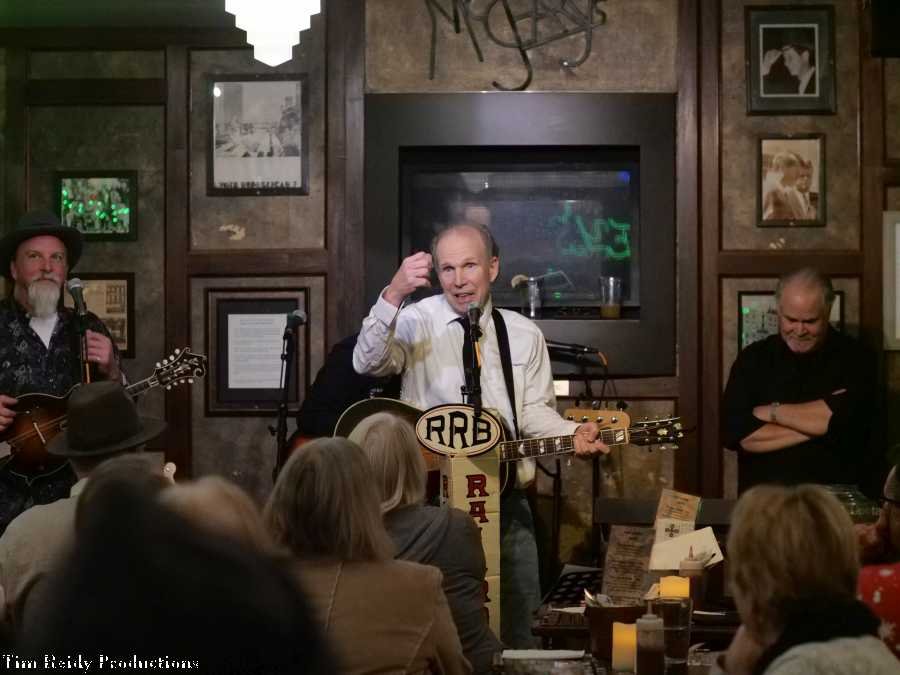
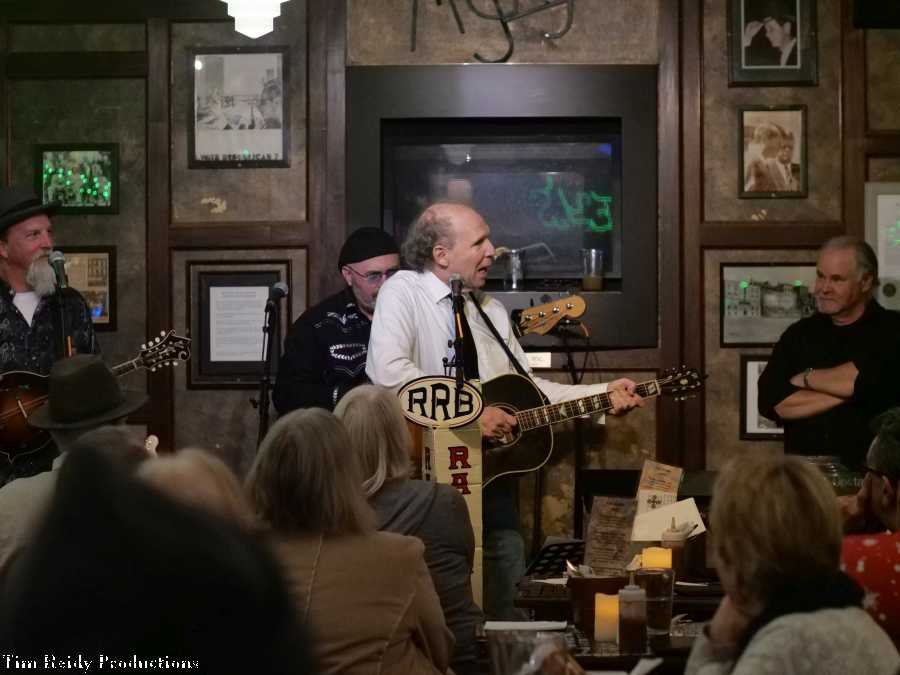
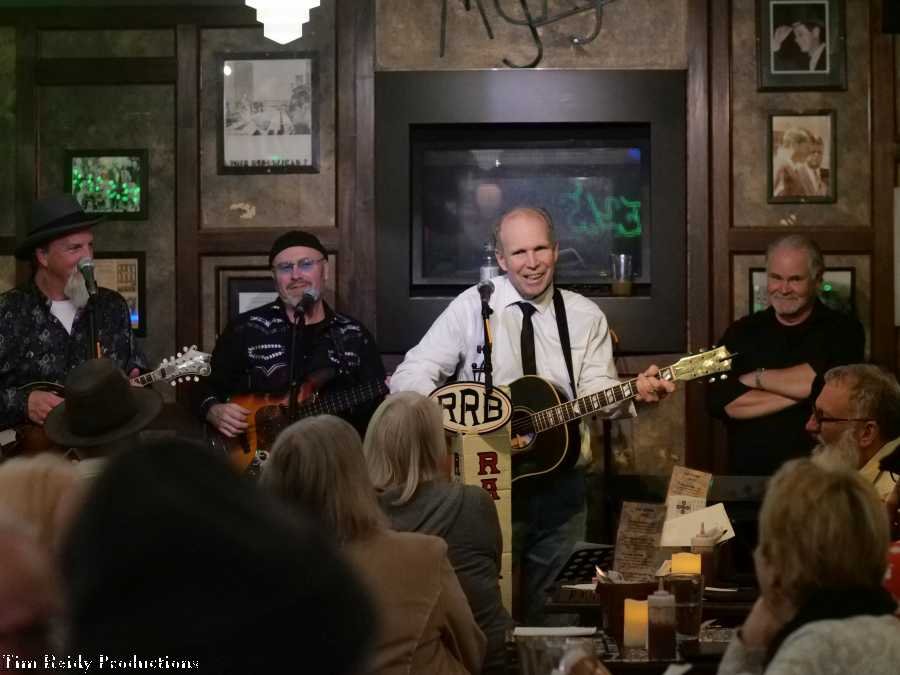
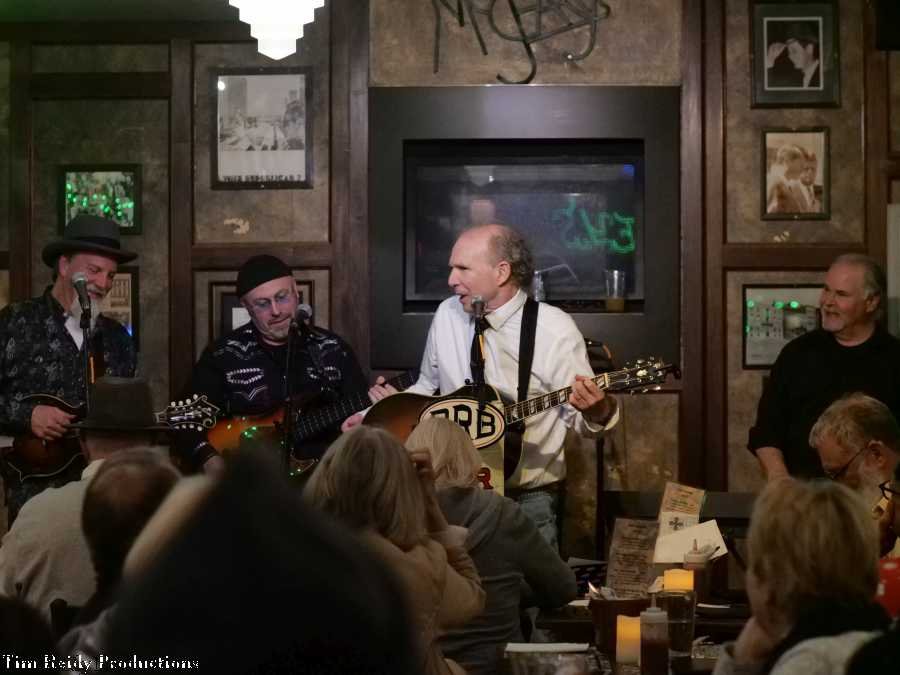
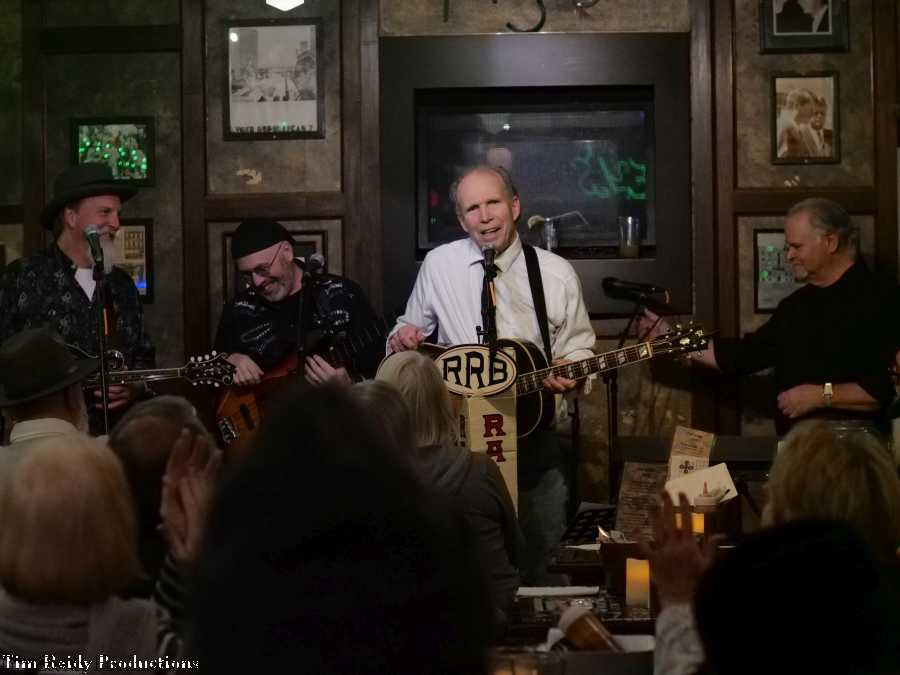
On December 3, Jonathan Greene and the Grand Boubousse played the Wednesday Night Swing and Blues Dance at Lark Hall, with special guest Kimberly Hawkey.
Photography by Timothy Reidy.

On December 3, Jonathan Greene and the Grand Boubousse played the Wednesday Night Swing and Blues Dance at Lark Hall, with special guest Kimberly Hawkey.
Photography by Timothy Reidy.
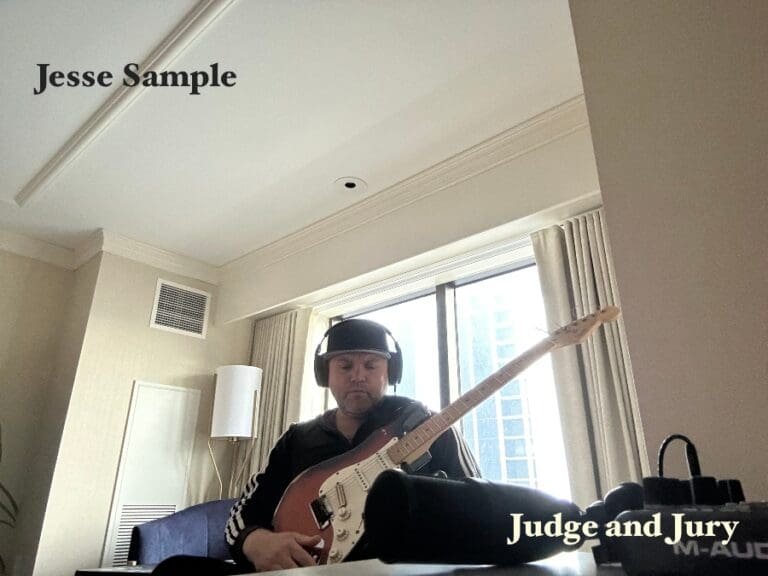
Jesse Sample’s Freak of the Week airs EVERY WEDNESDAY at 6pm Eastern ONLY on RadioRadioX.com
This is Jesse Sample. What do you hate? No need to go too deep for this one. A pet peeve. Is it the way your spouse mumbles something, under her breath, knowing it’s completely audible, just to have the last word? Is it the way the person behind you honks their horn the literal millisecond the light turns green? Is it the way a crooked celebrity dodges the question and smiles into the camera and calls you a fool with their eyes?
Why does it get under our skin? What specifically about that thing tickles the end of the world in us? Plenty of unjust, stupid and senseless things enter our conscious lives and we don’t assign them all the same emotional charge. We see some of them and we say, “Huh. That’s silly… Ladee dadee da.” We go right back to business and are no worse for the wear.
But sometimes we see something and we spark the cold charge of hate! We clench our jaws and commit! Why? What’s our dog in that fight? What’s the real conflict? What does that other person mean to you? Why do they mean that? Who hands out meanings in our heads?
Thanks to all of you tuned into RadioRadioX. This. Is the Freak of the Week, “Judge and Jury.”


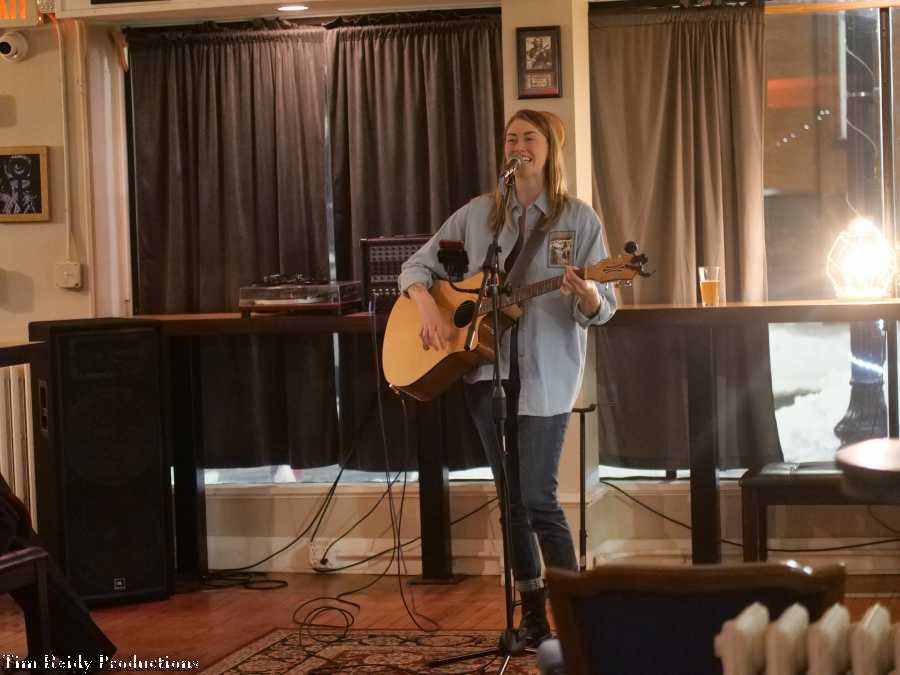
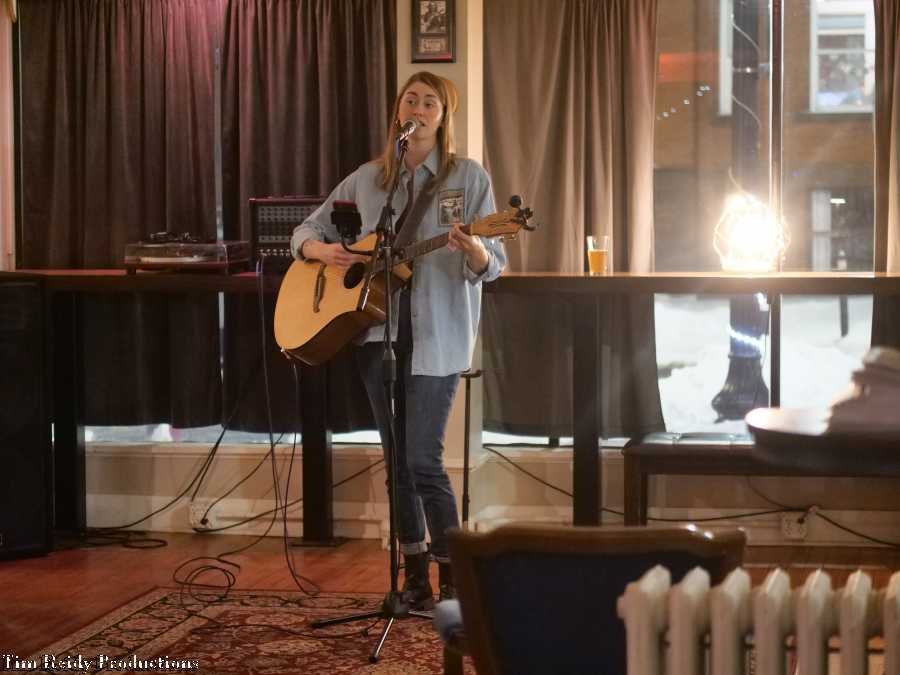
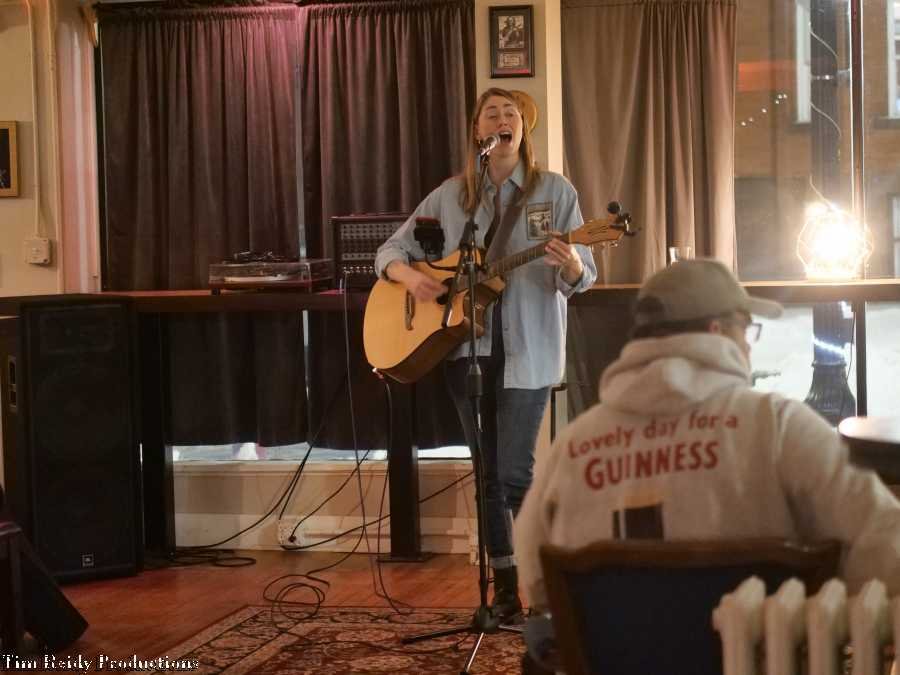
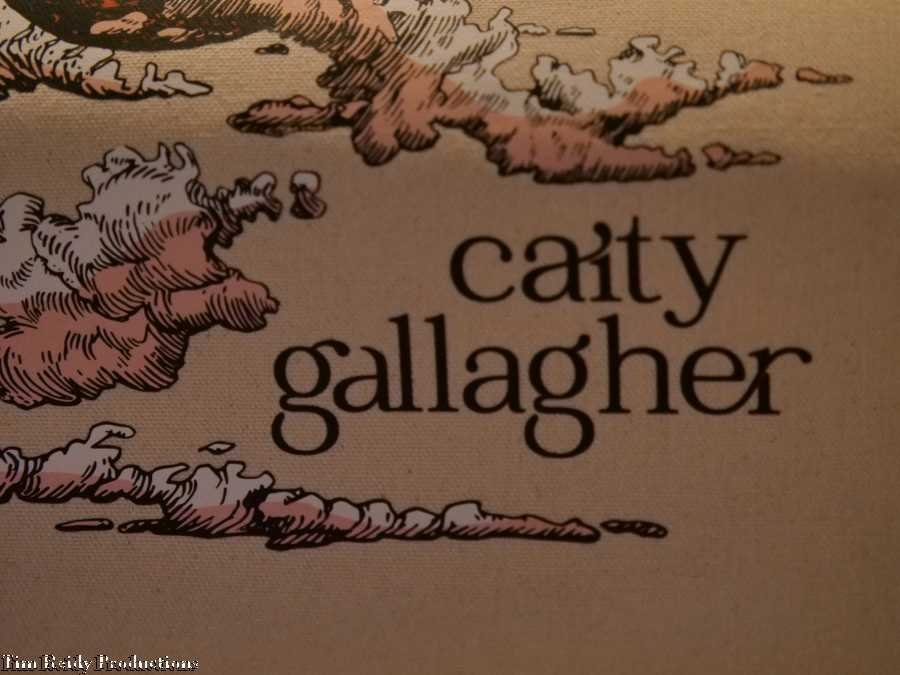
Caity Gallagher concluded her 2025 residency at The Eleven on December 3.
Photography by Timothy Reidy.
Music Notes – An Xperience Column – by Peak Music Studios.
Peak Music Studios – December Edition
Ho Ho Ho! ’Tis the season of cookies, chaos, and if we’re honest, questionable office-party caroling. Every December, I’m asked: “Jeff, why does every group version of Jingle Bells sound like a trio of confused cats?” Or, “Why does Happy Birthday instantly transform into a tonal crime scene unless Pentatonix is present?” The answer?
It’s human nature.
Why We Go Off Key (The Science)
Humans are wired to match other humans. Daniel Levitin (author of ”This Is Your Brain on Music”) notes that pitch-matching is both empathic and socially cohesive. It signals that we’re safe with one another. Johan Sundberg’s research on acoustics shows that when a group sings without an agreed-upon pitch, the brain attempts to lock in with *any* dominant frequency. This creates what I lovingly call “frequency drift.” Everyone tries to move to everyone else’s frequency, and then you just give up and either quit singing or try to drown everyone else out.
In plain language: Everybody chooses a key that feels comfortable for *them*, not for everyone else. Thus, the holiday warbling begins.
The Practical Fix (Technique Meets Neuroscience)
If you want your crowd, classroom, or family to sound like they intended to sing together:
Pick a note on a piano app—start with middle C (C4).
Tell the lower-voice folks (altos and bassy uncles) to simply octave down.
Have everyone *hum* the pitch first. Humming locks in the frequency better than singing.
If middle C feels low or dull, try A3—a golden pitch most kids, teens, and adults can match.
Then sing away, proud and unified.
This little “pitch ceremony” will instantly eliminate 90% of the chaos. As I’ve said in past classes: Humans sing better when the brain knows where home base is.
Technique: The Christmas Survival Guide
Technique is half the battle, but it’s also the part most people get tangled up in. So, here’s the reminder straight from Peak’s teaching hierarchy:
THE SINGING HIERARCHY
Pitch – Hit the note
Rhythm – Place the note
Vowel – Shape the note
Tension – Don’t kill the note
Tension, especially tongue tension, creates harsh, icy frequencies that crackle like a broken ornament. A lowered, relaxed tongue frees the resonating chamber and smooths tone production. (Titze’s research points directly to this.)
Holiday Tip: If your tongue is stuck to the roof of your mouth like a candy cane in January, the sound will reflect that.
Sing Within Your Technical Range
Here’s where the art meets the honesty:
If you can’t nail the opening riff of “All I Want for Christmas is You,” don’t force it. Choose a song that serves you, not one that showcases your limitations.
As I remind students all year, technical capability in voice is earned, not wished for. There’s a reason Whitney Houston, Michael Jackson, Beyonce, Ariana Grande, and many others bring their voice coaches on tour–the myth of “I was born with talent” is just that, mostly a myth.
Performance Is the Other Half
Every month, I say some version of this: Technique is the engine. Performance is the soul.
And look, if Joe Cocker, Lemmy Kilmister, and Bob Dylan can deliver iconic, world-moving performances without “perfect voices,” then so can you.
The heart matters more than the flawless scale. The story matters more than the shine.
As Bruce Lee said (and a mantra we often call back to at Peak): “Absorb what is useful. Discard what is not. Add what is uniquely your own.” That is the essence of holiday singing.
The Holiday Singing Mindset
Smile.
Get your hands out of your pockets.
Take a breath that actually reaches your ribs.
And remember: The holidays belong to joy, not judgment.
When you choose the right pitch, honor the hierarchy, keep tension low, and embrace the imperfect humanity of your voice, holiday music becomes what it was always meant to be, a shared, communal ritual of warmth.
Now get out there and sing a few carols. Loud, proud, and in tune—mostly. And if all else fails, bring cookies or a pocket flask of cheer.
This Month in Music History
December 4, 1956 — The “Million Dollar Quartet” (Elvis, Cash, Jerry Lee Lewis, Carl Perkins) recorded gospel & Christmas tunes during their legendary Sun Studios session.
December 5, 1791 — Mozart dies while working on the ”Requiem.”
December 7, 1964 — ”A Charlie Brown Christmas” soundtrack by Vince Guaraldi is released.
December 10, 1942 — Nat King Cole Trio records ”The Christmas Song” for the first time.
December 15, 1965 — ”A Charlie Brown Christmas” TV special premieres, cementing Guaraldi’s music as seasonal canon.
December 18, 1892 — Tchaikovsky’s ”The Nutcracker” premieres in St. Petersburg.
December 22, 1808 — Beethoven’s mega-concert premieres his Symphony No. 5, Symphony No. 6 (Pastoral), Piano Concerto No. 4, and Choral Fantasy, all in one winter night.
December 24, 1818 — ”Silent Night” is performed for the first time in Oberndorf, Austria.
December 26, 1960 — Elvis Presley releases ”It’s Now or Never”—not a Christmas song, but its December release marks the rise of winter pop singles as a marketing strategy.
December 30, 1944 — Frank Sinatra records “Have Yourself a Merry Little Christmas.”
Weird But True
“Silent Night” was first performed because the church organ broke.
On Christmas Eve 1818, mice disabled the church organ in Oberndorf, Austria.
With no instrument available, Franz Gruber grabbed a guitar, rewrote the accompaniment on the spot, and ”Silent Night” was born as an emergency guitar carol. Thank God for guitars!!!

Card That Soup – The Weird Side of the Internet – by Liam Sweeny.
I think we all know what the “5 Minute Rule” is. If it hits the ground, you got a timer on you. But that’s just drops on floors. What’s the rule on a pastrami on rye who happen along in your travels, there in the open air. Do you chance it?
I chance a lot of stuff. I eat most salmon raw, which I thought was cool, but someone popped that bubble. Never got sick off it, but maybe my parasites are the stealthy kind, who knows. Needless to say, I’m not really particular. But what you say to having some 49 year old soup?
In the Asakusa district in Tokyo, there is a restaurant called Otafuku, and they have a cauldron of soup that’s been gently simmering since 1945.
The soup is stored at night, heated up during the day, dispensed and replenished. It’s kept hot enough to kill bacteria. So kill the germs and keep the cauldron full, and you could have the same soup going for decades.
People say the core flavor is unique and hard to explain, but great. And that’s one restaurant. In Japan, one soup lasted from the 1500s to World War Two. A four-hundred year old soup. Our city of Albany was Dutch chicken coops when that soup was already decades old. George Washington could have slurp there. I mean they probably had some fort of Valley ForgeDash.
Just think of who you would be sharing a meal with. All of the politics of that community over the years. Because it’s definitely the power broker in that area. They must have the dirt, or “the soup” on like half of Japan.
I’ll leave you with the fact that some little part of the original ingredients could or could not be there, so you may or may not catch a Victory carrot.
More from Liam Sweeny.

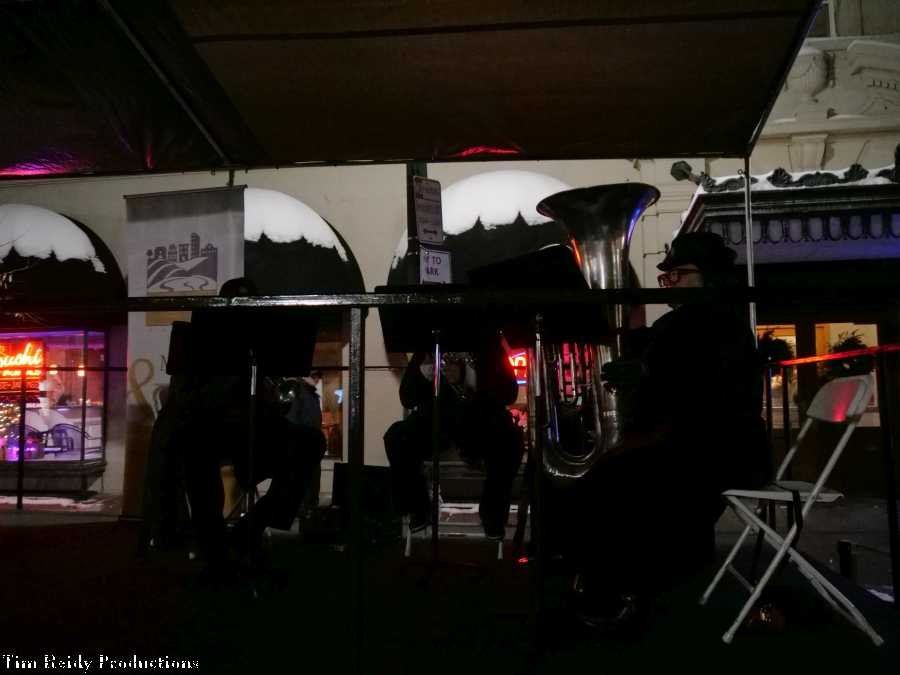
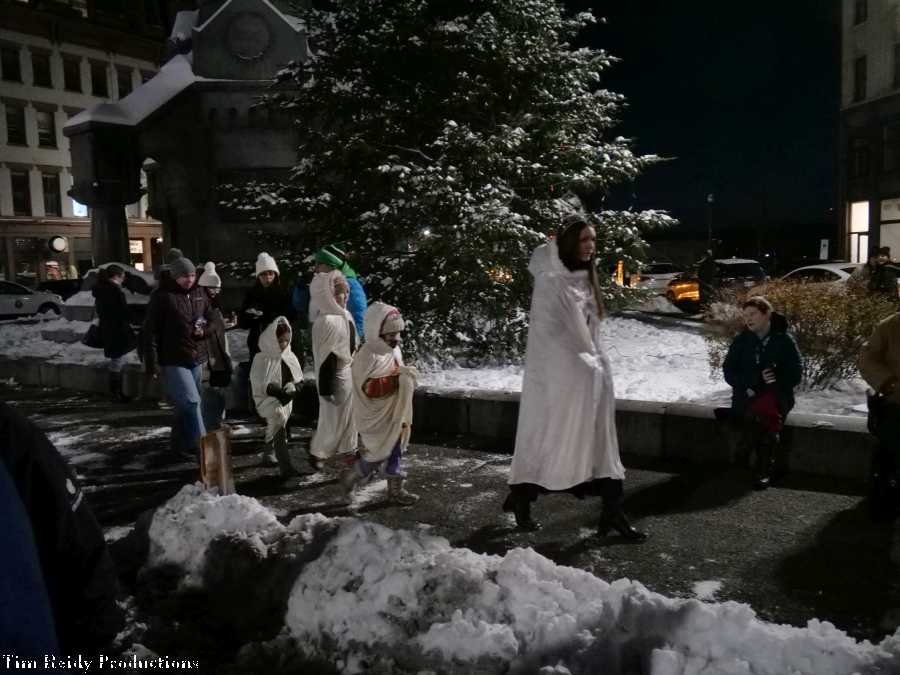
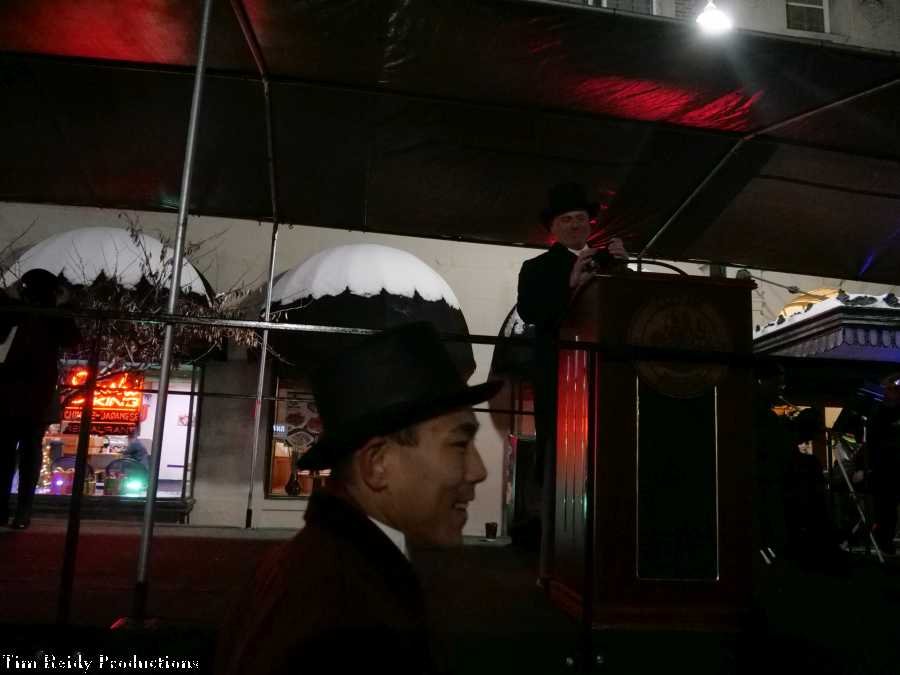
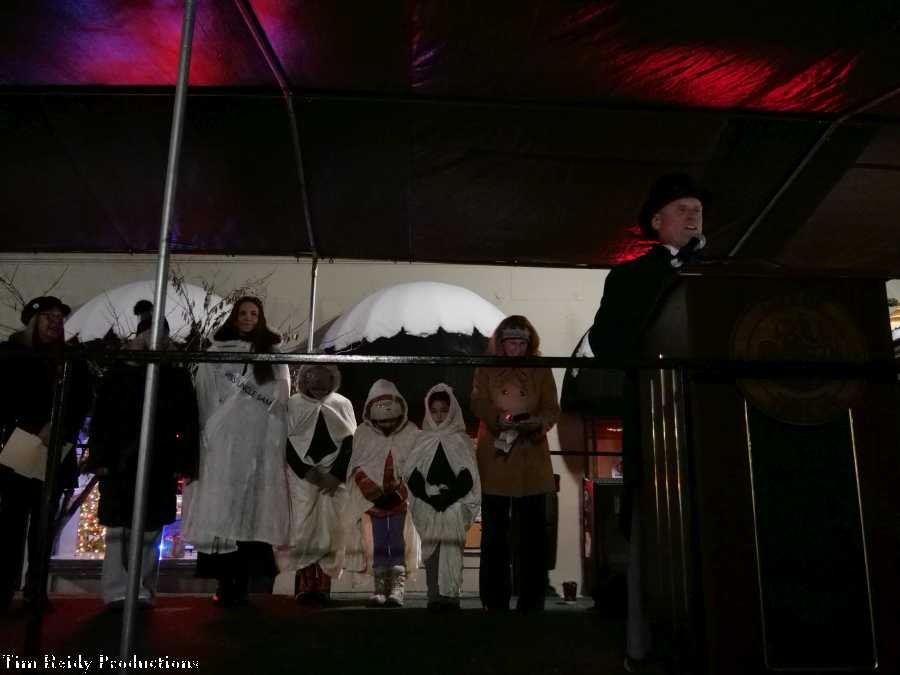
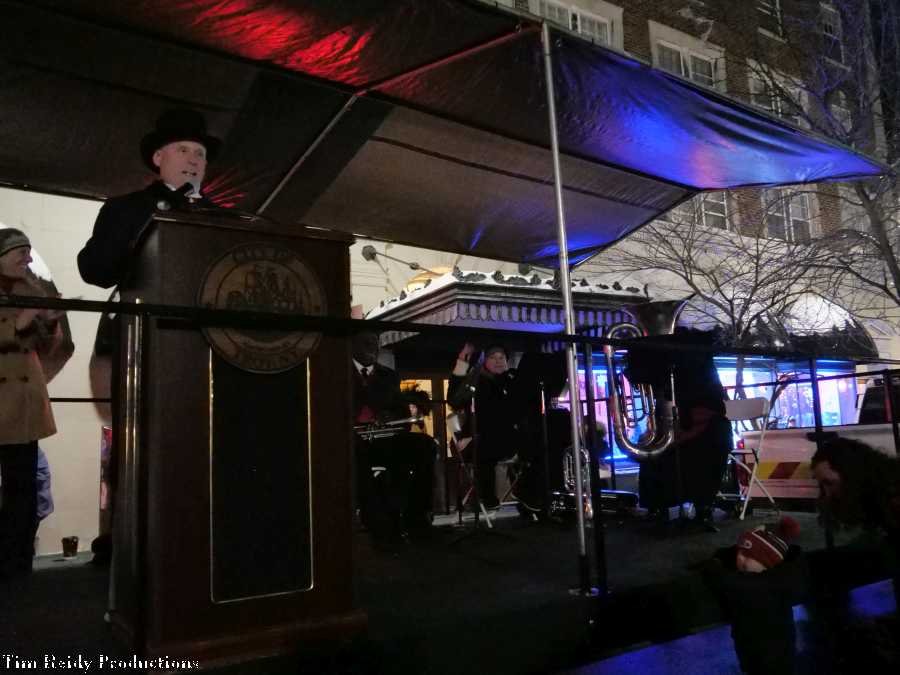
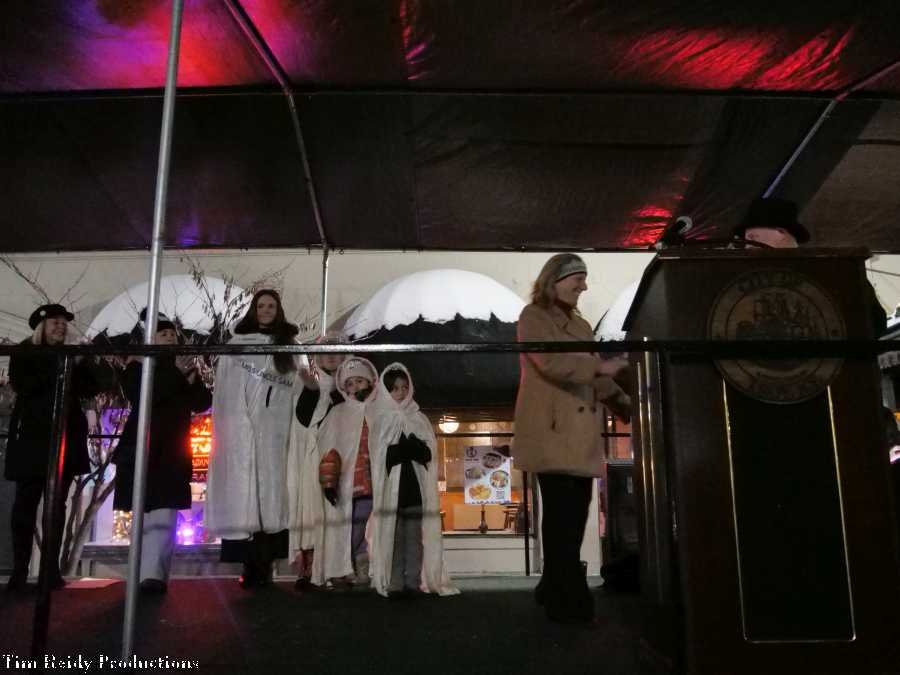
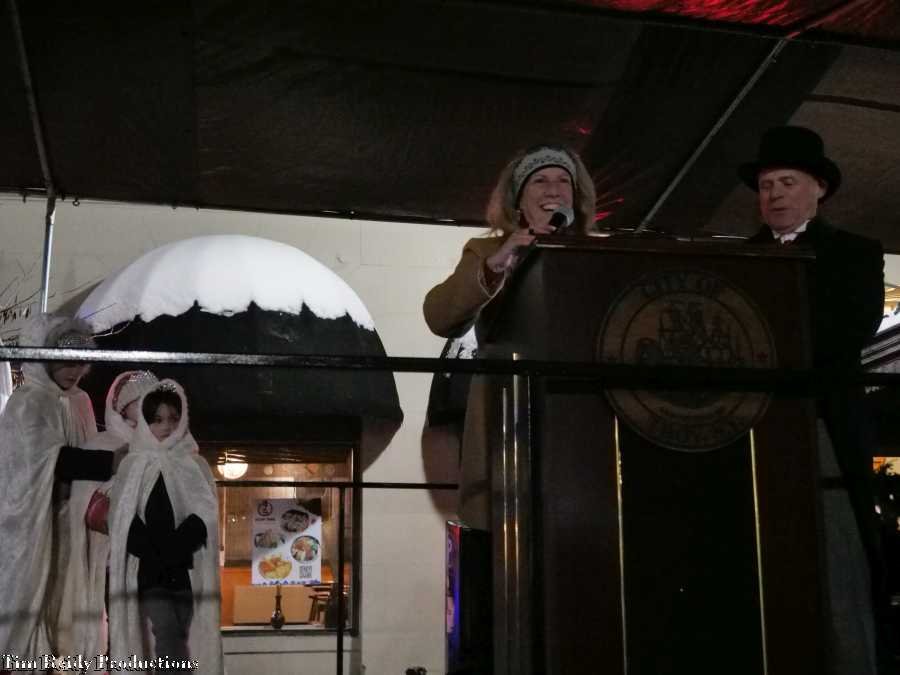
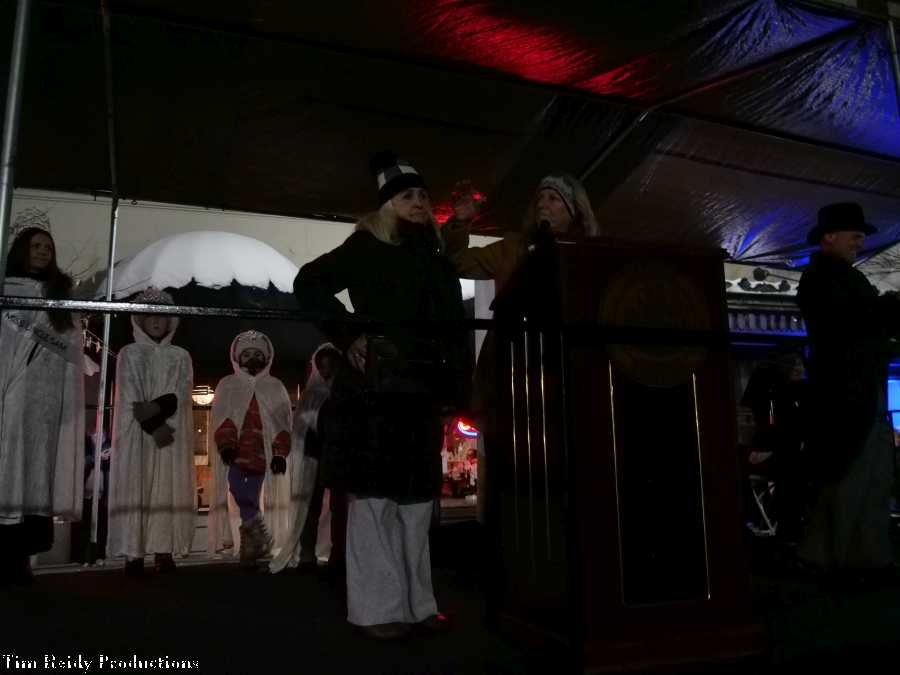
Troy’s annual Christmas Tree Lighting Ceremony took place on December 5 in Monument Square.
Photography by Timothy Reidy.
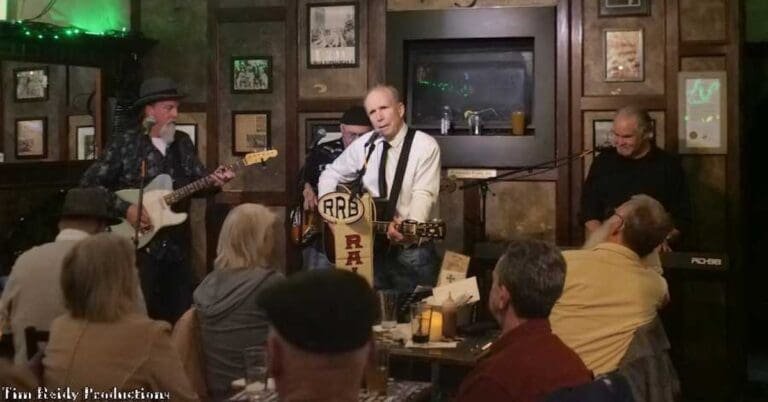
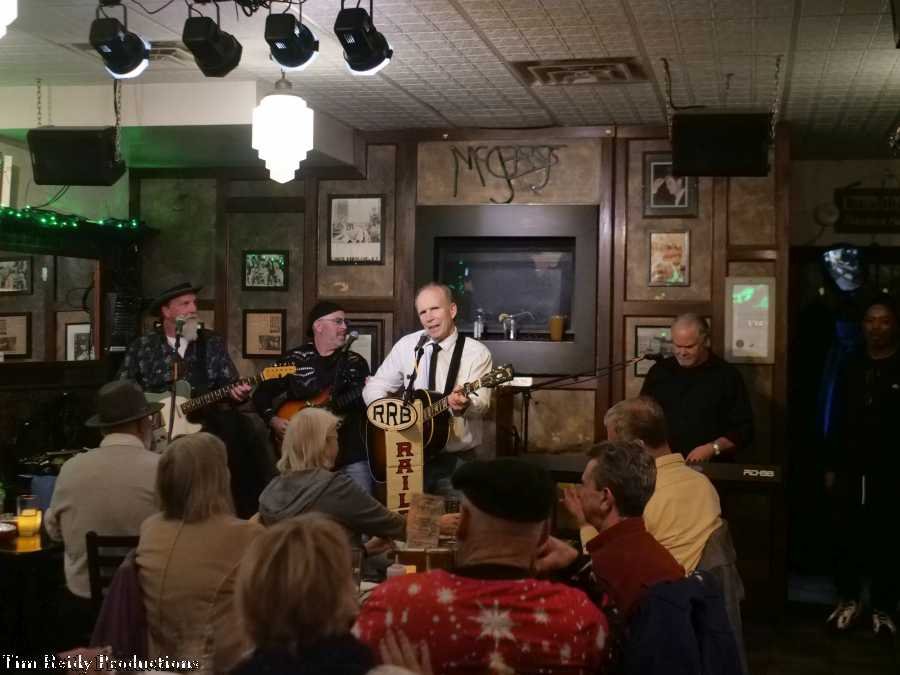
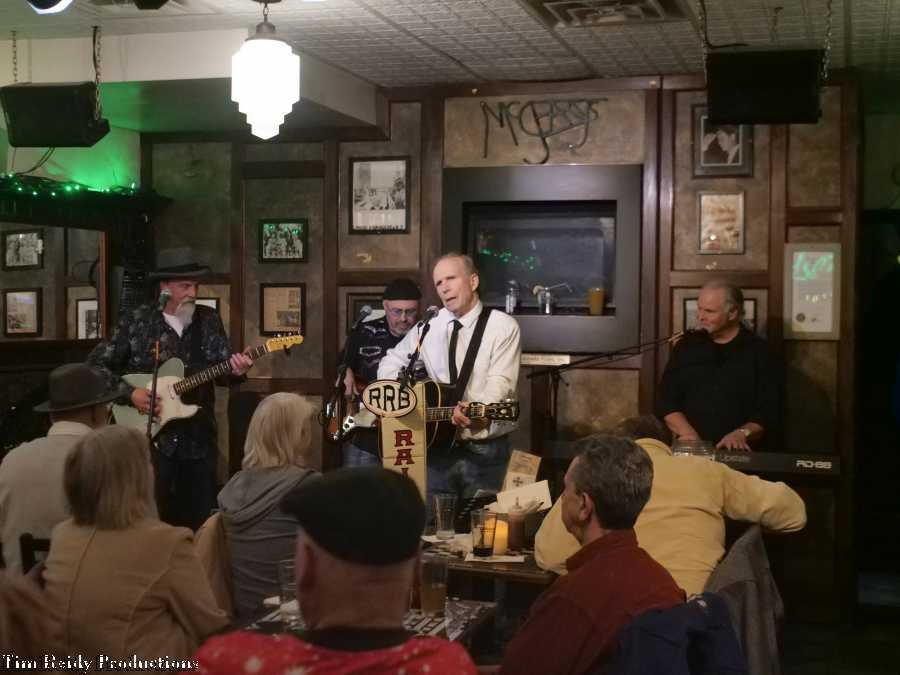
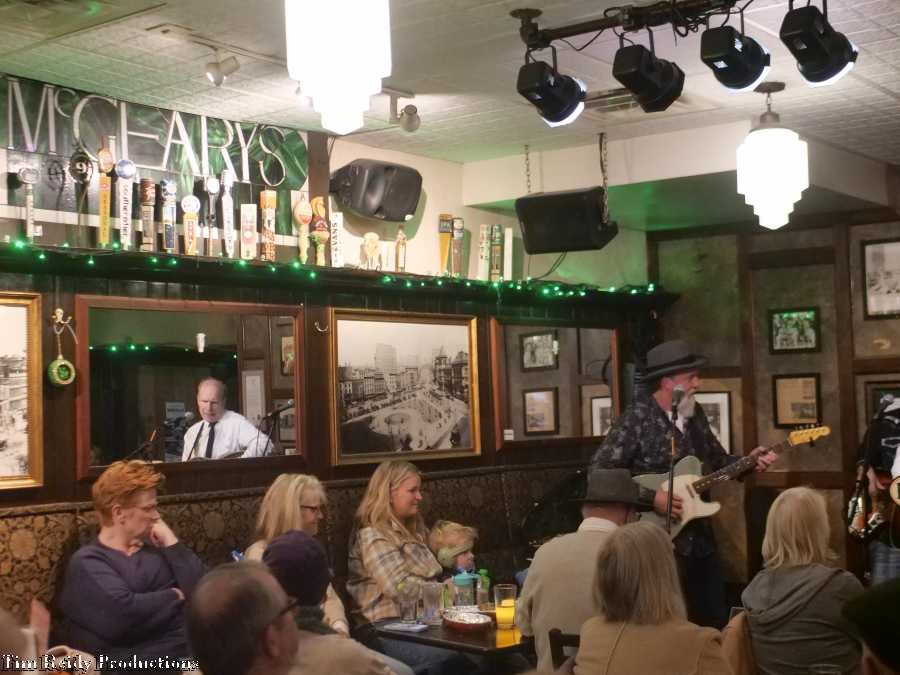
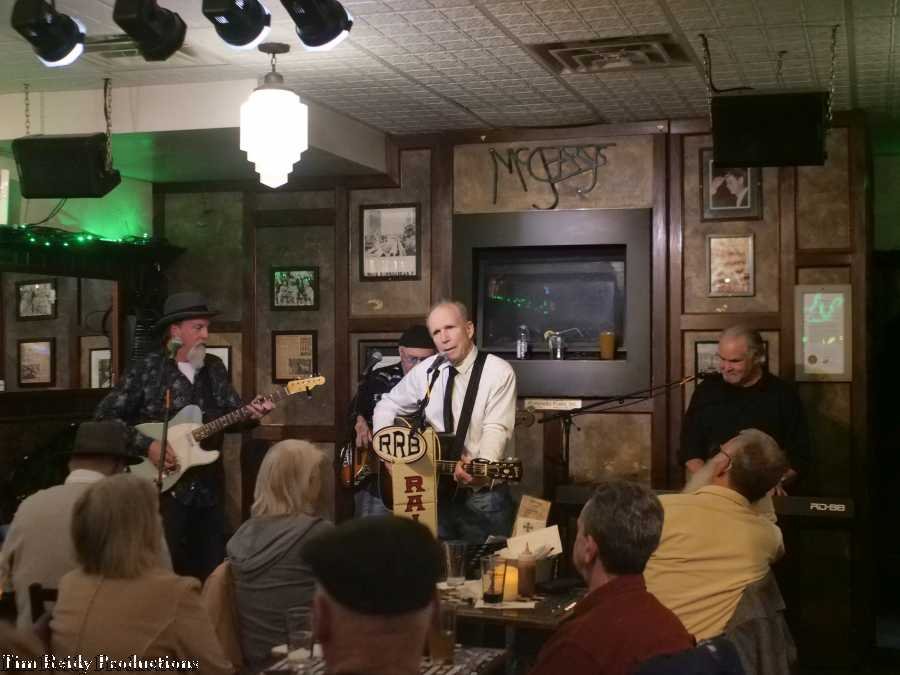
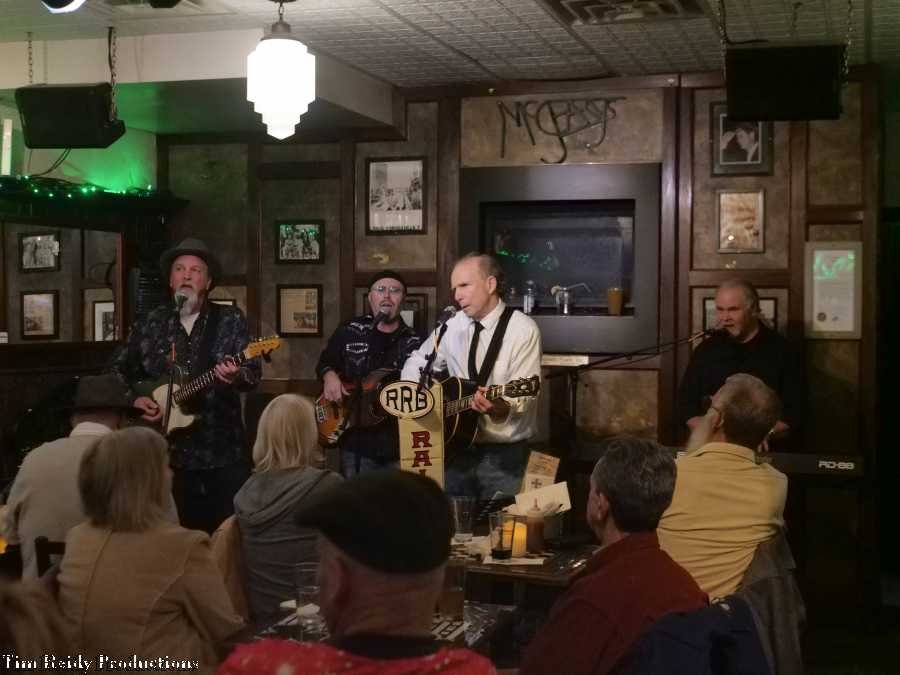
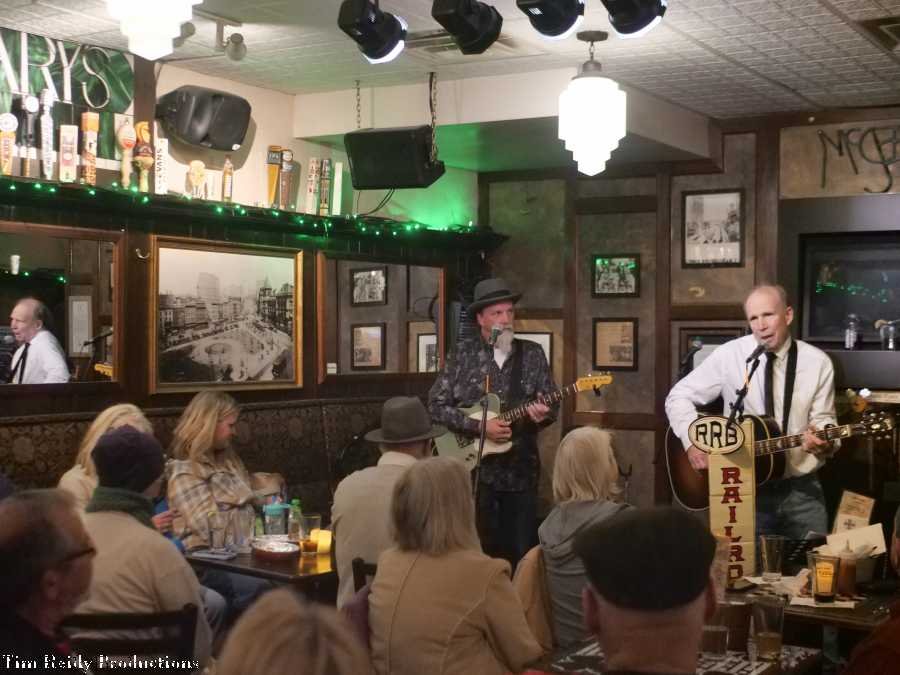
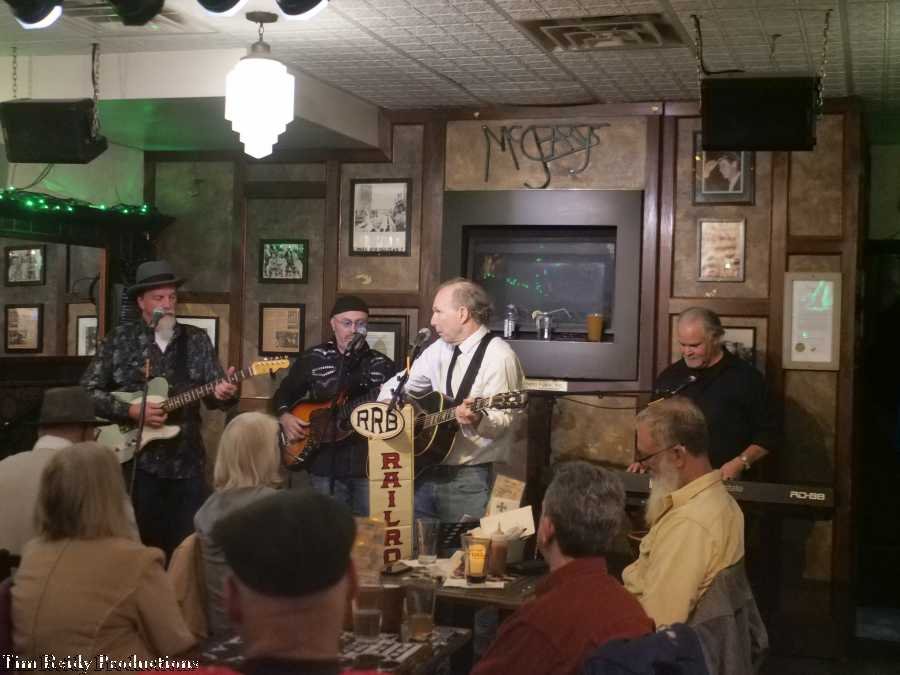
The first Monday in December saw the return of Jim Gaudet and the Railroad Boys to McGeary’s.
Photography by Timothy Reidy.
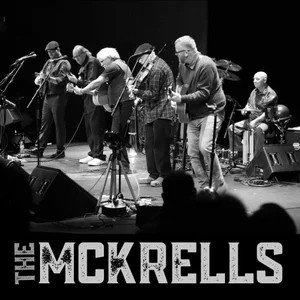
On Saturday Dec. 20, 2025 @ 7:30pm, join us at the Strand Theatre for The McKrells’ Christmas Show!
“The McKrell-Melick interpretation of “Twas the Night Before Christmas” is an absolute classic. It’s the best Marx Brothers routine that the Marx Brothers never did, with Kevin McKrell playing a mix of wisecracking Groucho and straight-man Zeppo, while the bug-eyed, puppy-dog-eager Brian Melick channels Harpo with amazing accuracy.” Greg Haymes.
Perhaps it’s the culture-spanning comfort of their tunes or the world class instrumentation of this 6-piece band. Whatever the source, the McKrells deliver a unique musical vocabulary.
Bluegrass lent them the tools: guitar, banjo, fiddle, bass, folk music and the original songs of Kevin McKrell are the heart and soul that wields those tools. Add to that mix world music percussion giving the McKrells “a sound as brisk as wild ponies in a roundup and as tight as thread on a spool.” writes Bluegrass Unlimited.
With their unearthly combination of emotive vocals, razor sharp harmonies and fiery pickin’…hot acoustic music was invented for bands like The McKrells.
$25 general admission, $20 seniors, students, veterans. Tickets are available at the Strand Box Office; cash or check only or online at Brown Paper Tickets.
Doors into the lobby, coffee shop and box office open at 6:00pm. For more information and the ticketing link, please visit our website at www.mystrandtheatre.org. The Strand Theatre is located at 210 Main St, Hudson Falls, NY.
Please visit our website, Facebook or Instagram accounts for a list of upcoming events at the Strand.
Ace Frehley: That 70s Sound – by Rob Skane.
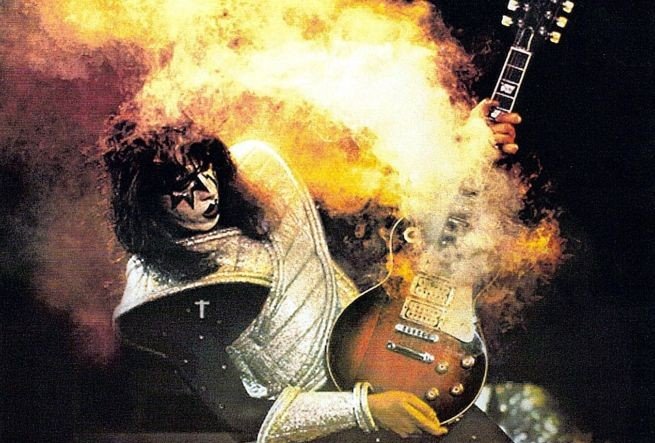
Ace Frehley was my first guitar hero. When I heard him play the guitar, I was transported to places that I didn’t even know existed. Maybe you can relate? I can’t quite describe the feeling, but his guitar solos resonated with my entire being. The phrasing, the note choices, the vibrato … it all just floored me – especially the flashy minor thirds. It was ballsy, Jimmy Page-y, and a whole lotta loud. It freaked me out then, and it still does now.
From 1975 until 1979 or so, KISS was blowing up just about every hockey rink in the world. This is when Ace was at his peak, I’d say. Check out bootlegs from back then, especially the 1977 tours – he was absolutely blazing. There was something magical about the sloppy, rocknroll swagger in his playing that blew minds. And speakers. He left it all out there every damn night. KISS never mailed it in back then – they couldn’t afford to. I think they knew that a lot of us were relying on them to offer us an escape. In many ways, they really were the Kings of our Night Time World.
Ace’s playing inspired countless guitar players. It had attitude, lots of DiMarzio PAF treble pickup bite, and the solos were so memorable, you could sing along with them. Gene Simmons sometimes referred to Ace making “dinosaur noises,” and that’s evident in “God of Thunder” and also in “Dr. Love.” But most of all, the music was FUN – with a capital FU. Big Rock, Arena Rock … call it whatever you want. KISS made people happy at a time when music actually brought people together to have a good time, all the time. They polarized people too, but good rocknroll will do that, lads. Never forget that part of the equation. The equation being E=MC5, but I digress.
The first fan letter I ever sent was to Ace, at his house in Connecticut. Creem Magazine had a thing called Stars Cars, and they featured Ace. So, I wrote down the license plate number, and when your dad’s a cop – things can happen, if you catch my drift. And while I cannot comment on rumor and speculation, let’s just say – where there’s a will, there’s always a way, kids. My letter went unanswered, but man … I would check the mail every day for months and months. I am not kidding. Not to get all Tom Petty on you, but the waiting really is the hardest part. And years later, when I saw KISS from the fifth row, on Ace’s side of the stage, I might have screamed “You never wrote me back!!!” a few times … Don’t judge.
KISS was a true American Band in their heyday. The songs were very “knees/please and fire/desire,” but so what? Ace’s guitar smoked, Gene breathed fire, drooled blood, and probably did the books after each gig – who knows, right? The sound of Ace Frehley’s guitar meant everything to me at one point in my life, and that will never happen again. It seems those inspirational figures only come around once in a lifetime. Like I said before, there were a lot of people whose minds were blown when they heard Ace play the electric guitar, and I was one of them.

The nomination process for the 2026 Raven Events Listen Up Awards will end on December 20th 2025.

RadioRadioX & The Xperience Monthly
© 2018 - 2026 Imperial Broadcasting. Most Rights Reserved.