Home Blog Page 109

Driverless Deliveries – The Weird Side of the Internet

0

Driverless Deliveries – The Weird Side of the Internet – by Liam Sweeny.

Driverless cars. I was talking about this with a cabbie, the strong, silent type. So silent, it was almost like he wasn’t even there.

Oh yeah…

I have a cabbie in my family. Driverless cars aren’t one of the topics that got bandied about on Thanksgiving to float atop the canned cranberry sauce. It’s his job, but more than that, it’s a lifestyle. It’s a dice rolled on the box of chocolates that is your cabbie when the cab rolls up. Is he friendly? Does he say a word?

I get that cabbies are competing with ride-sharing like Uber and Lyft, but at least they have people too. My car was in the shop, and I had to grab a couple of Ubers and I got the mix. I got one driver, quiet, but for the soft Indian music. Another guy told he his life story with his yellow ‘check engine’ light on.

Where the hell is the fun in a self-driving car? I guess if you’re one woman, it’s as good a place as any to give birth.

In San Francisco, an unidentified woman gave birth in a Waymo, the driverless “taxi” company under Alphabet, Google’s parent company. It detected “unusual activity,” and turned the microphones and cameras on and called 911. It got her to the hospital safely, and get this: the other passengers got home safely too.

The other passengers? Can you imagine being in a driverless car, sitting next to a pregnant woman who’s giving birth right there?

Did they charge her more for the extra passenger she ended the ride with? Was there a cleaning fee? I mean, people probably puke in those things, surely Waymo isn’t taking the cleaning cost on the chin.

Funny side story: one of those things made an illegal U-turn right in front of a cop, who, upon pulling it over, can’t give it a ticket. Bummer, right?


More from Liam Sweeny…

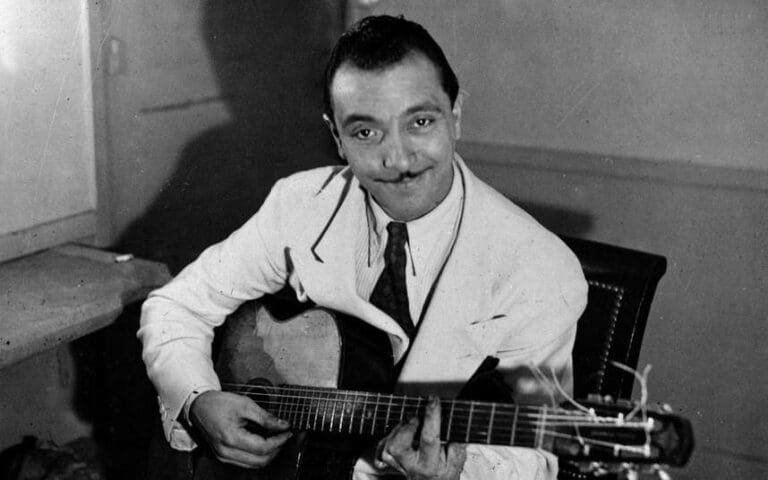
Django Reinhardt Birthday Celebration Feat. Olli Siokkel

0

A Tribute to Django Reinhardt ~ Hot Club of Saratoga and The Van Dyck Music Club  present The 3rd Annual  Django’s Birthday Celebration Featuring Olli Soikkeli Trio

[Saratoga Springs, NY – December 15. 2025] – The Hot Club of Saratoga and The Van Dyck Music Club proudly announce The 3rd Annual Django Birthday Celebration taking place on Friday, January 23, 2026. This event, commemorating the 115th anniversary of Reinhardt’s birth, promises another extraordinary evening with a concert, workshops, an open jam session, featuring the sensational performances by Hot Club of Saratoga and headlining this year, top Gypsy Jazz guitarist, Olli Soikkeli with his trio.

Django Reinhardt, arguably the Father of Gypsy Jazz, continues to inspire generations with his revolutionary contributions to jazz and guitar. In honor of his enduring legacy, Hot Club of Saratoga is producing the third annual celebration designed to captivate audiences and pay homage to the unparalleled artistry of Reinhardt.

The highlight of the evening will be a concert featuring Hot Club of Saratoga opening for the remarkable Olli Soikkeli Trio. Olli, originally from Finland, spends much of his time when not touring worldwide, in NYC. With a unique technique he captures the fire and soulfulness renowned in Gypsy Jazz. The trio will be filled out by Brad Brose on guitar and Wallace Stelzer, both in high demand from top players everywhere.

Complementing the concert, will be workshops led by these accomplished musicians, providing attendees with an opportunity to explore Gypsy Jazz techniques and delve into the essence of this groundbreaking style on guitar, violin and string bass. These workshops aim to inspire and educate, fostering a deeper appreciation for Reinhardt’s enduring musical legacy and help build a thriving Gypsy Jazz community in upstate NY.

The celebration will close with an open jam session, inviting musicians of all levels to join in and pay tribute to Reinhardt’s innovation through collaborative improvisation and musical camaraderie. Food and drink will be available throughout the evening from Stella Pasta Bar (and club menu) and Seven Points Brewery.

Event Details:

This event is produced by Hot Club of Saratoga, The Van Dyck Music Club, and Collar City Guitars

About the Hot Club of Saratoga

Hot Club of Saratoga is an ensemble committed to preserving and celebrating the rich heritage of Gypsy Jazz and to building a vibrant upstate Gypsy Jazz Community.

Press and Media Contact: Chuck Kish, hotclubofsaratoga@gmail.com, 518-928-9414


Note to Editors: High-resolution images and promotional material are available upon request.

Please ensure that specific event details, such as time, location, and ticketing information, are accurately provided based on the particulars of the celebration.

Memphis Bound!

0

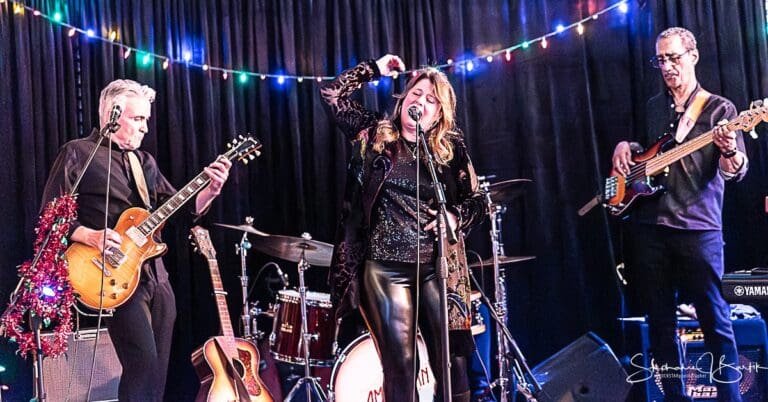
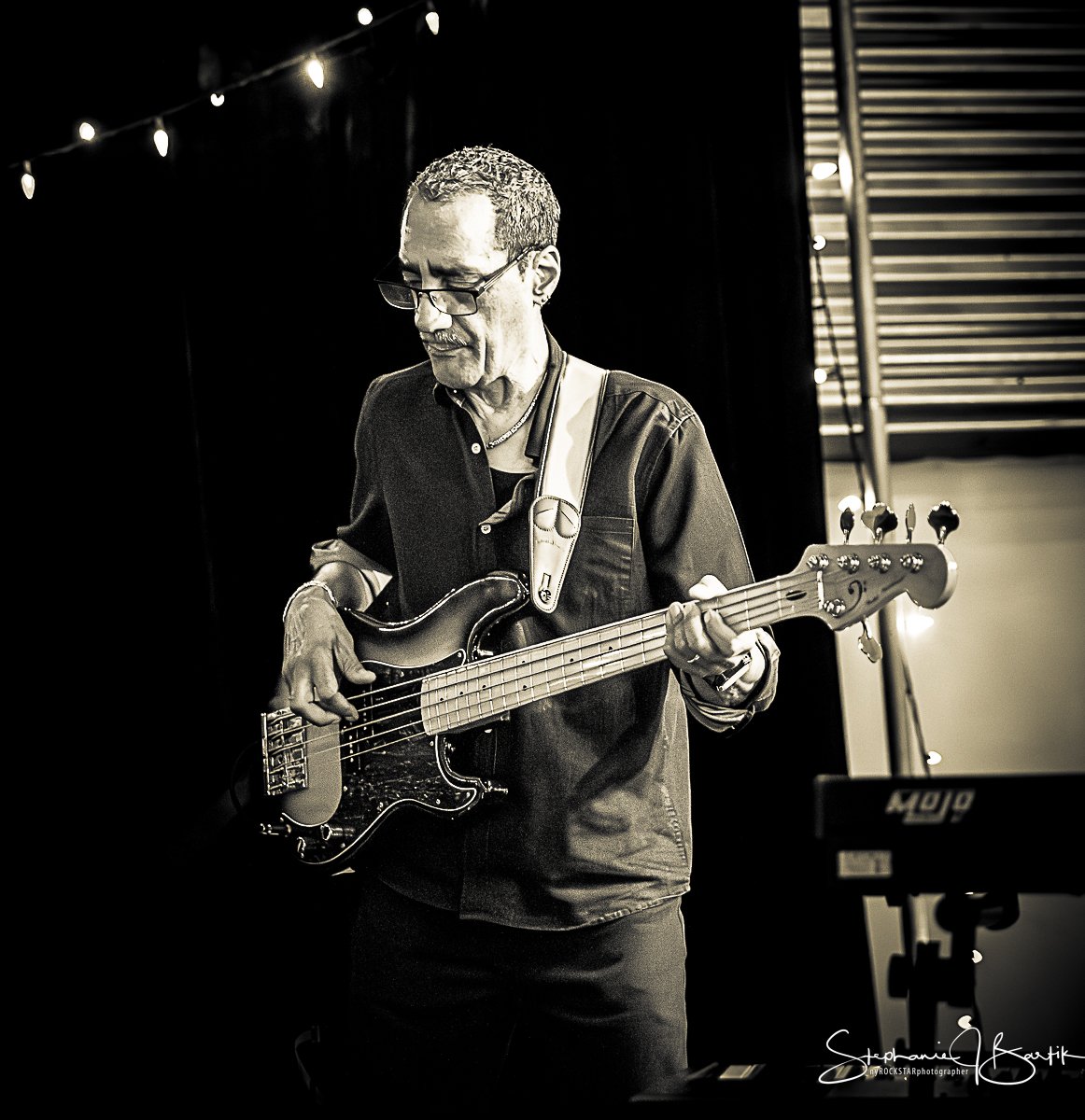
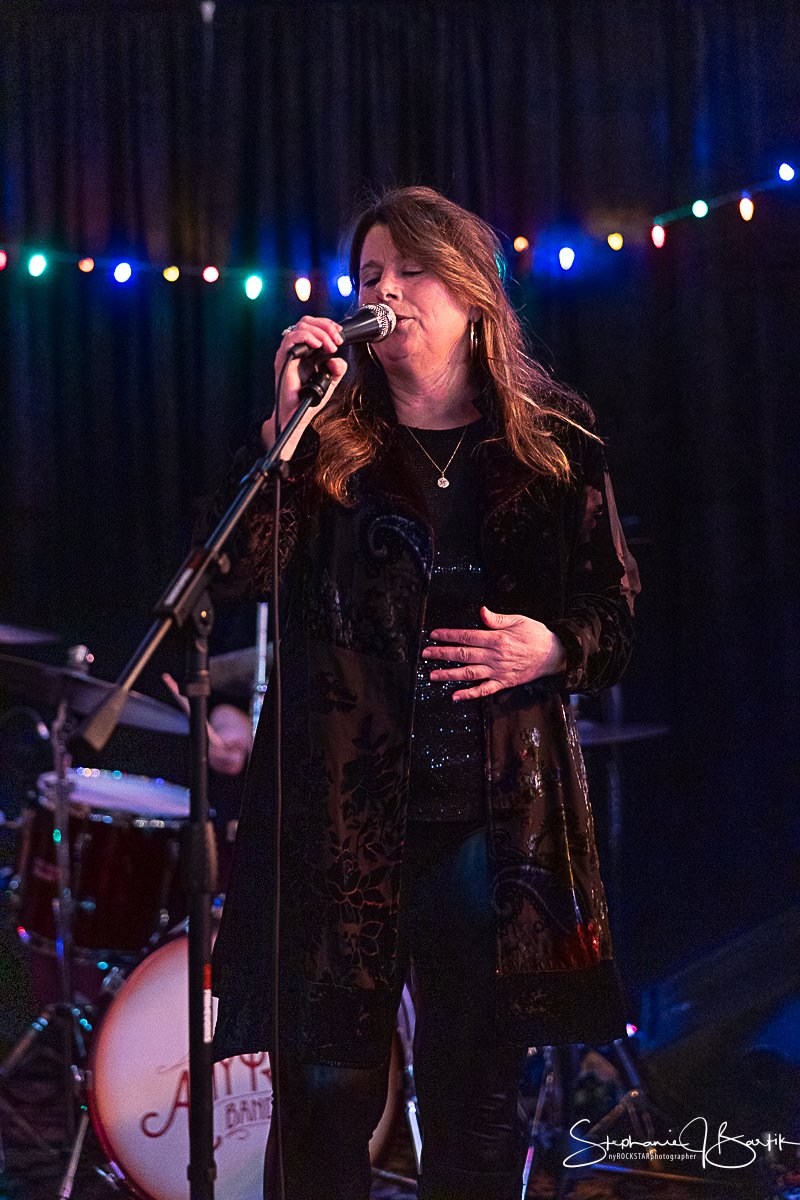
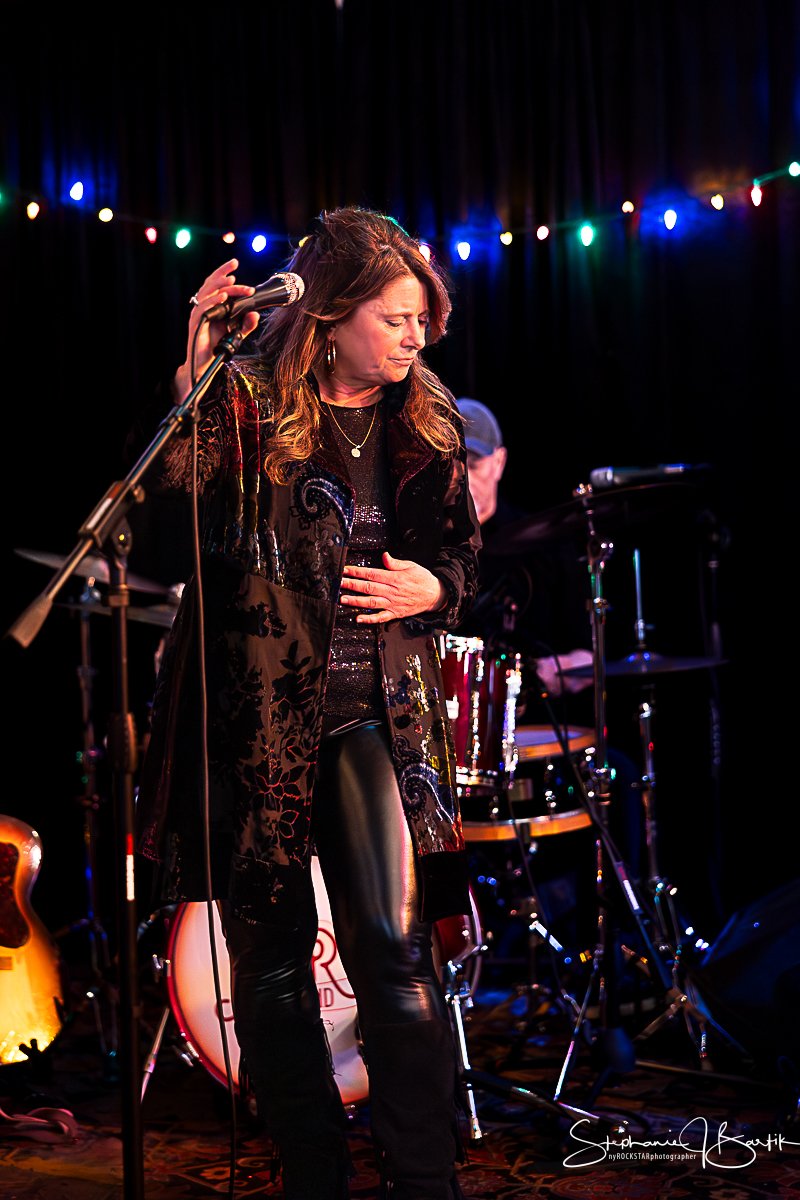
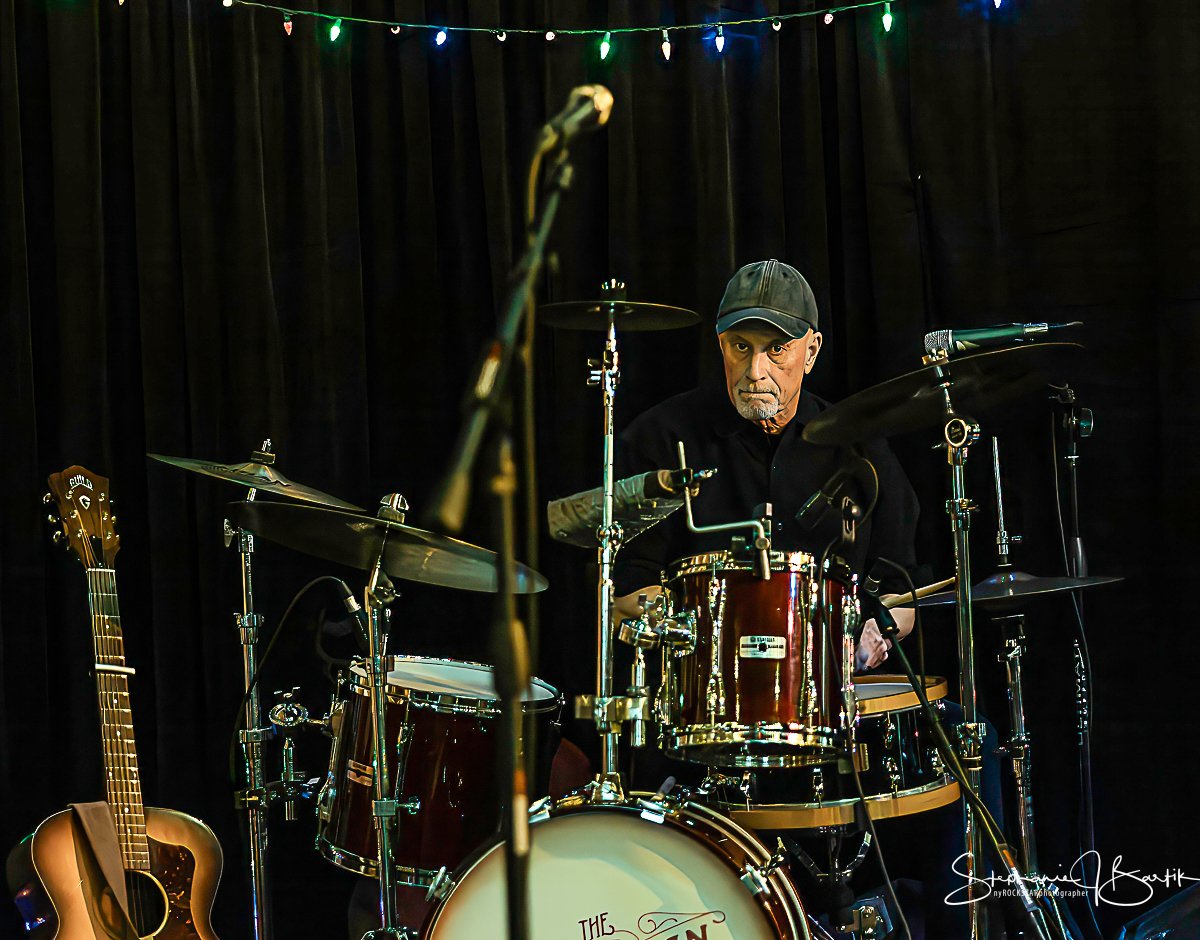
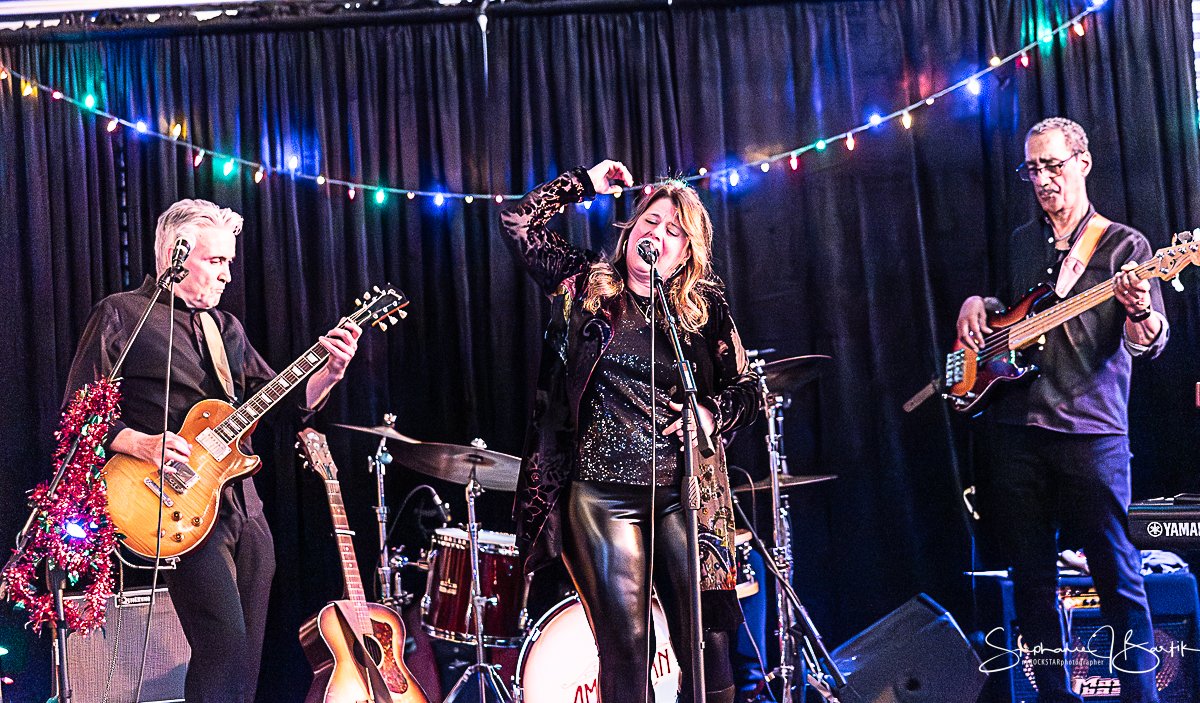
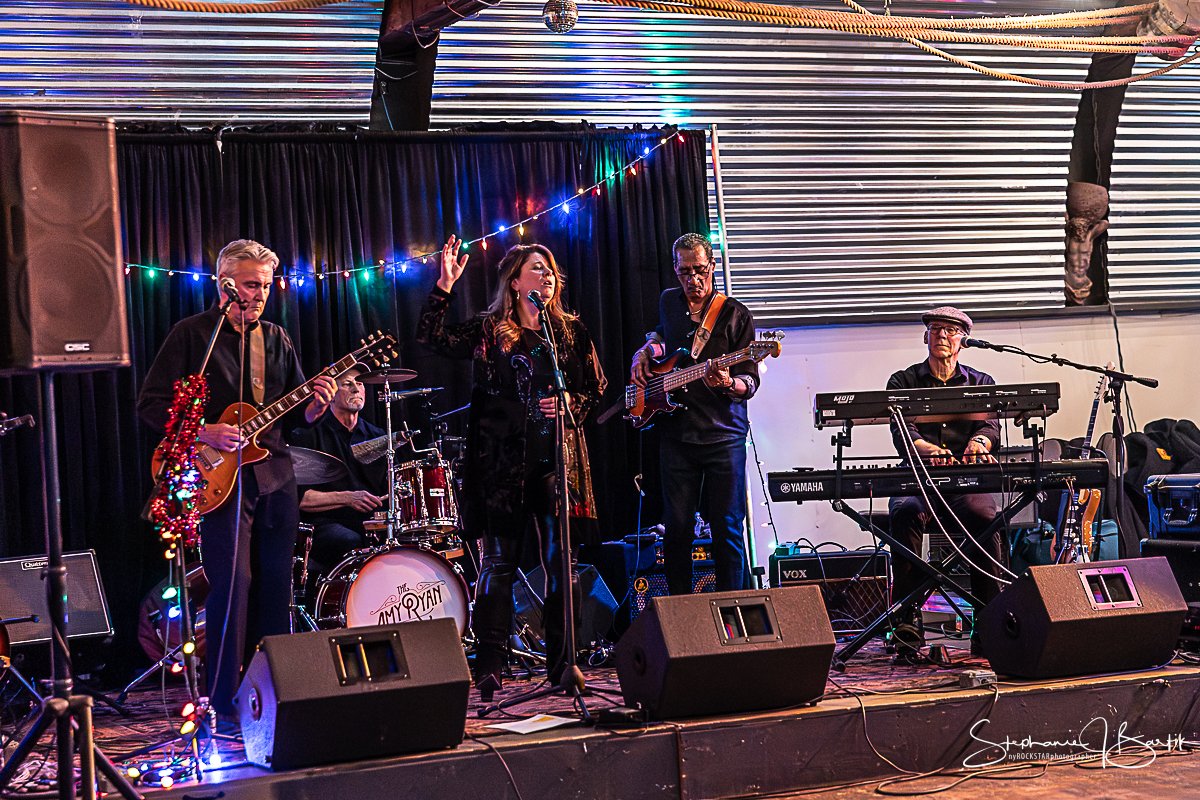
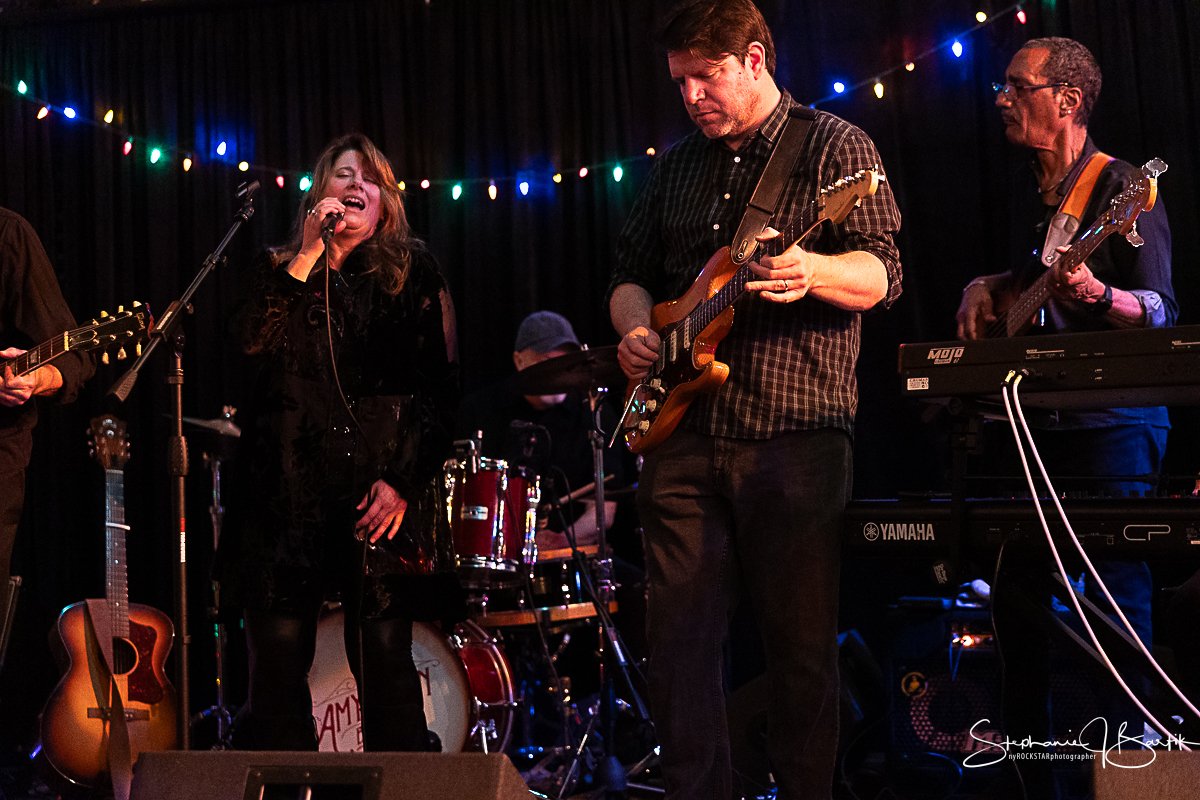
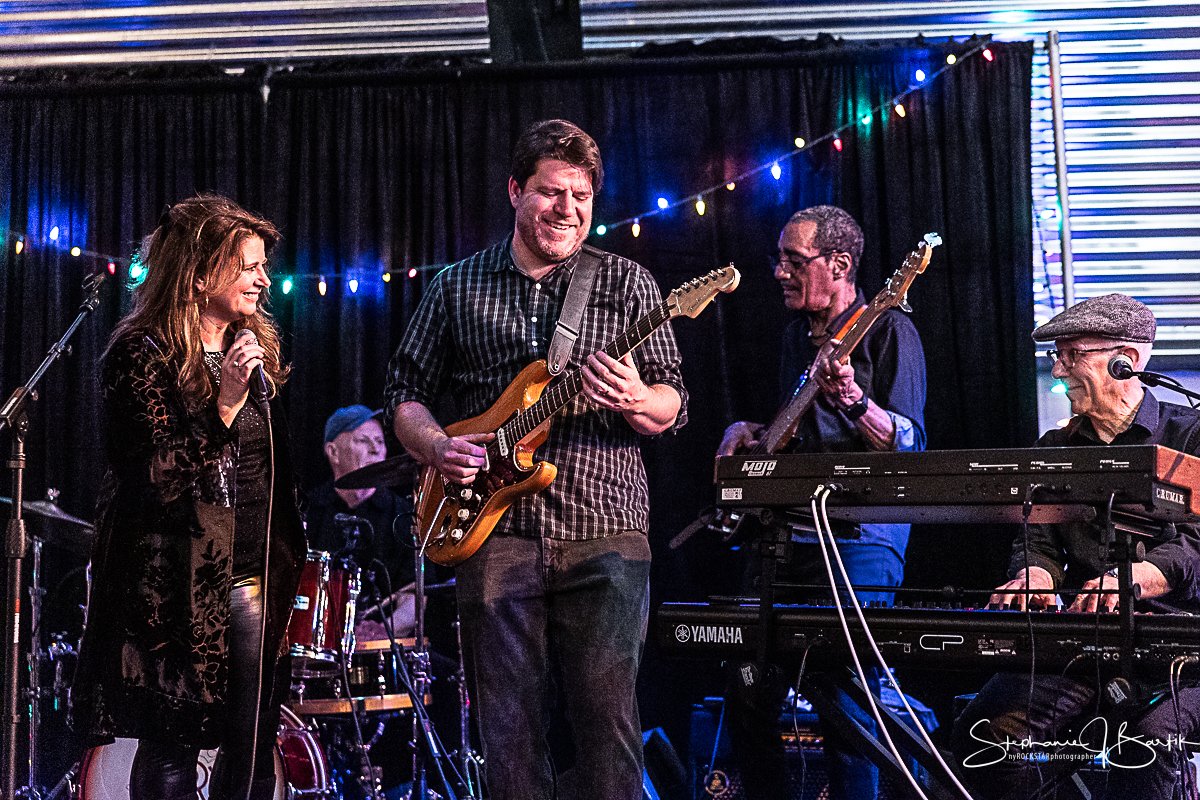
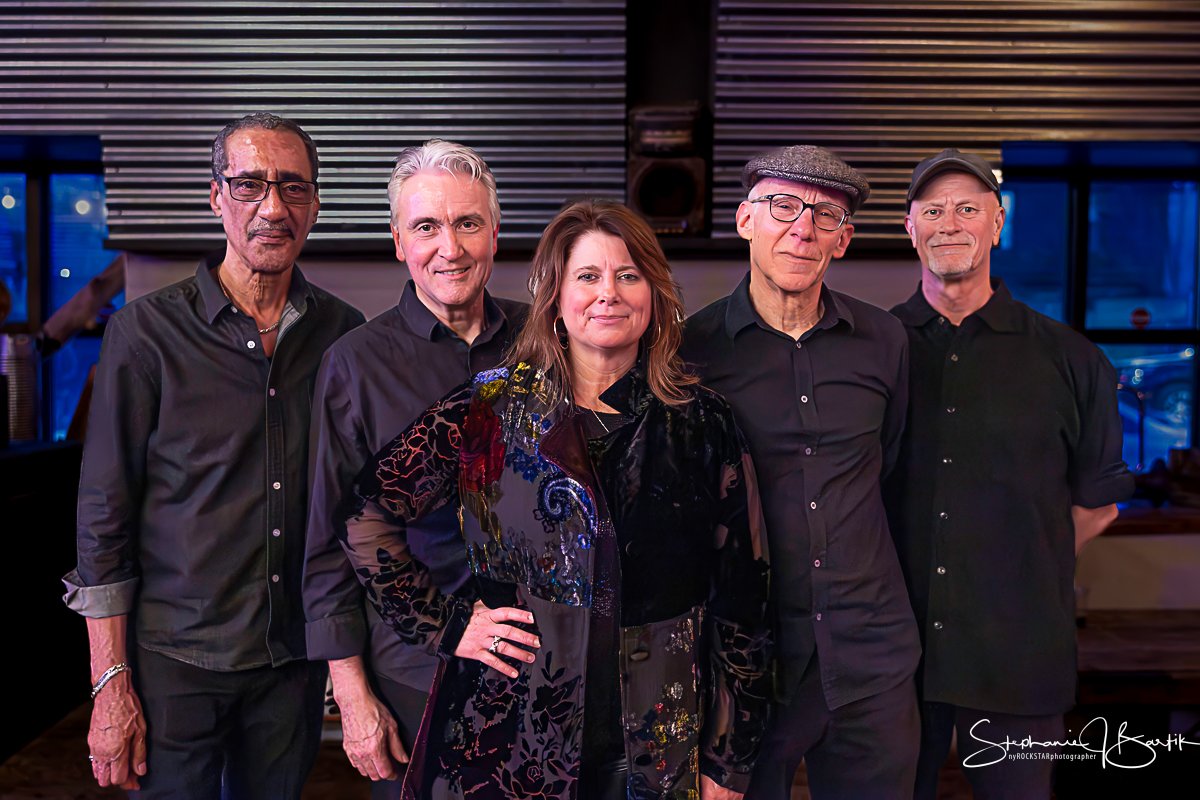
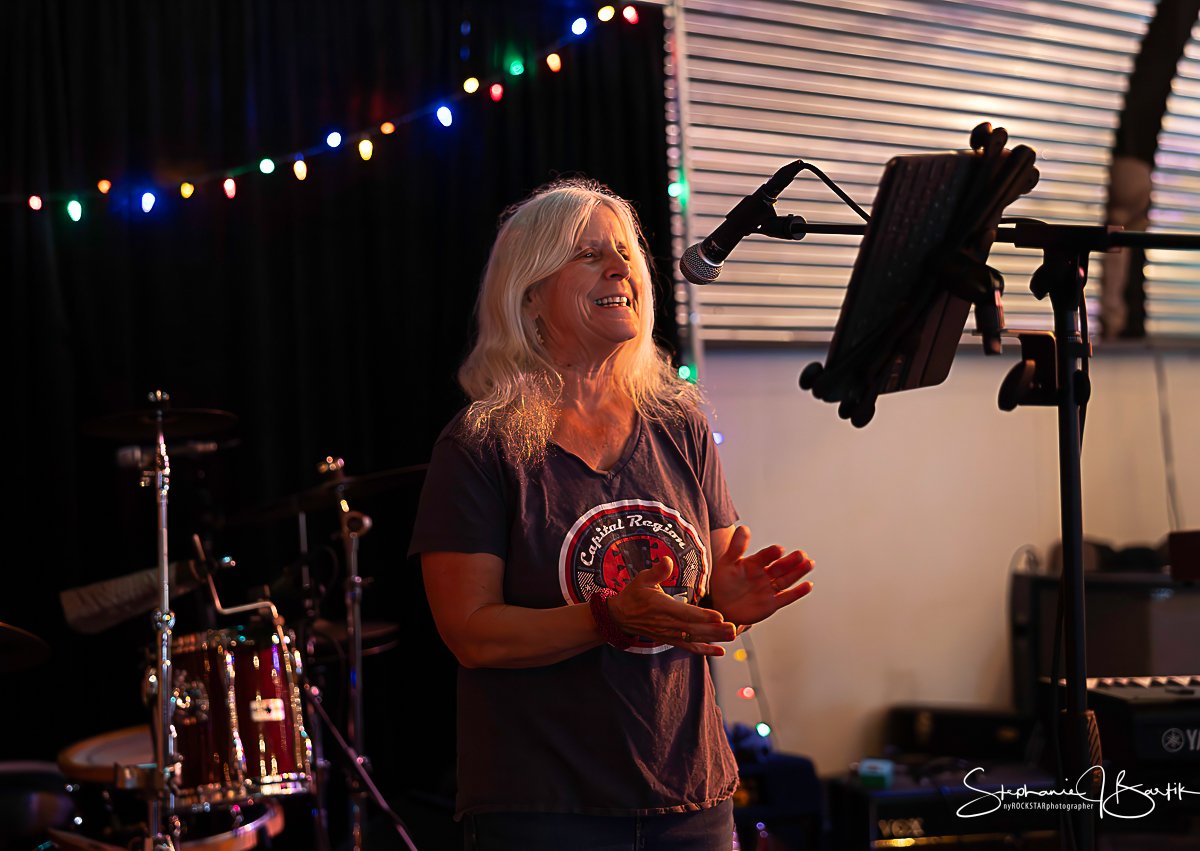
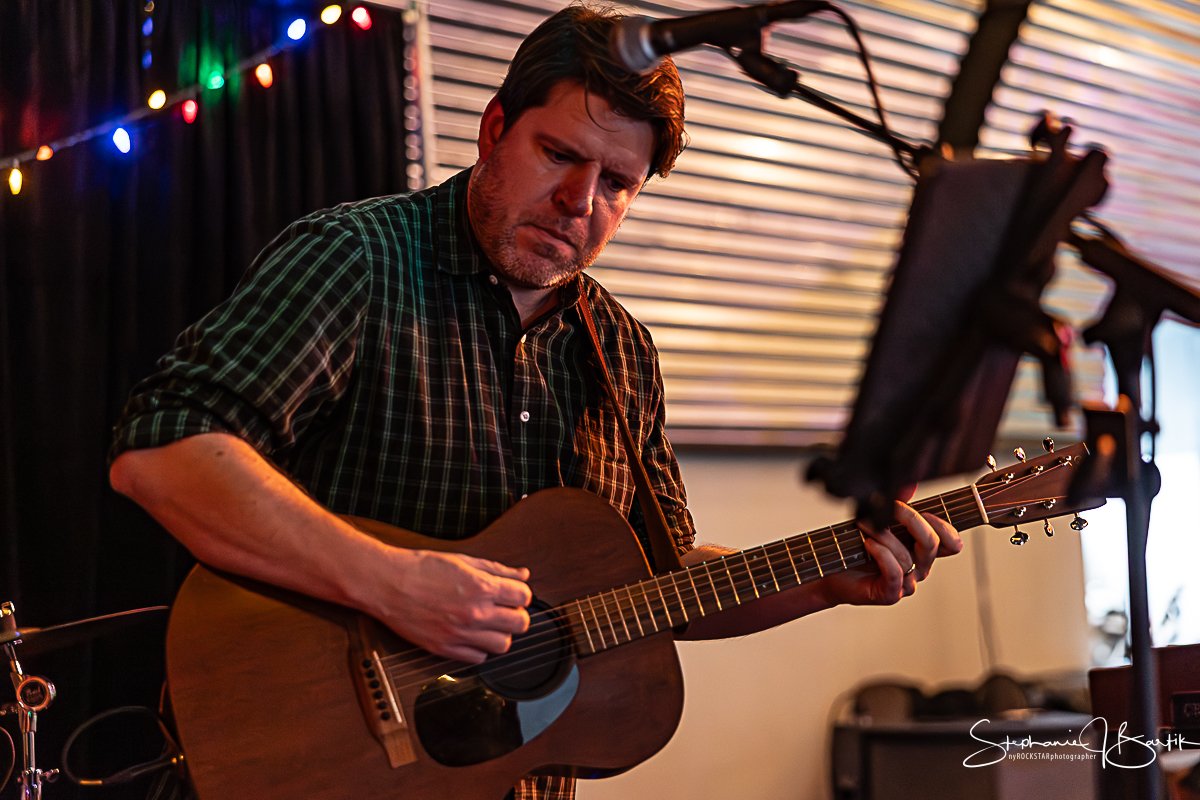
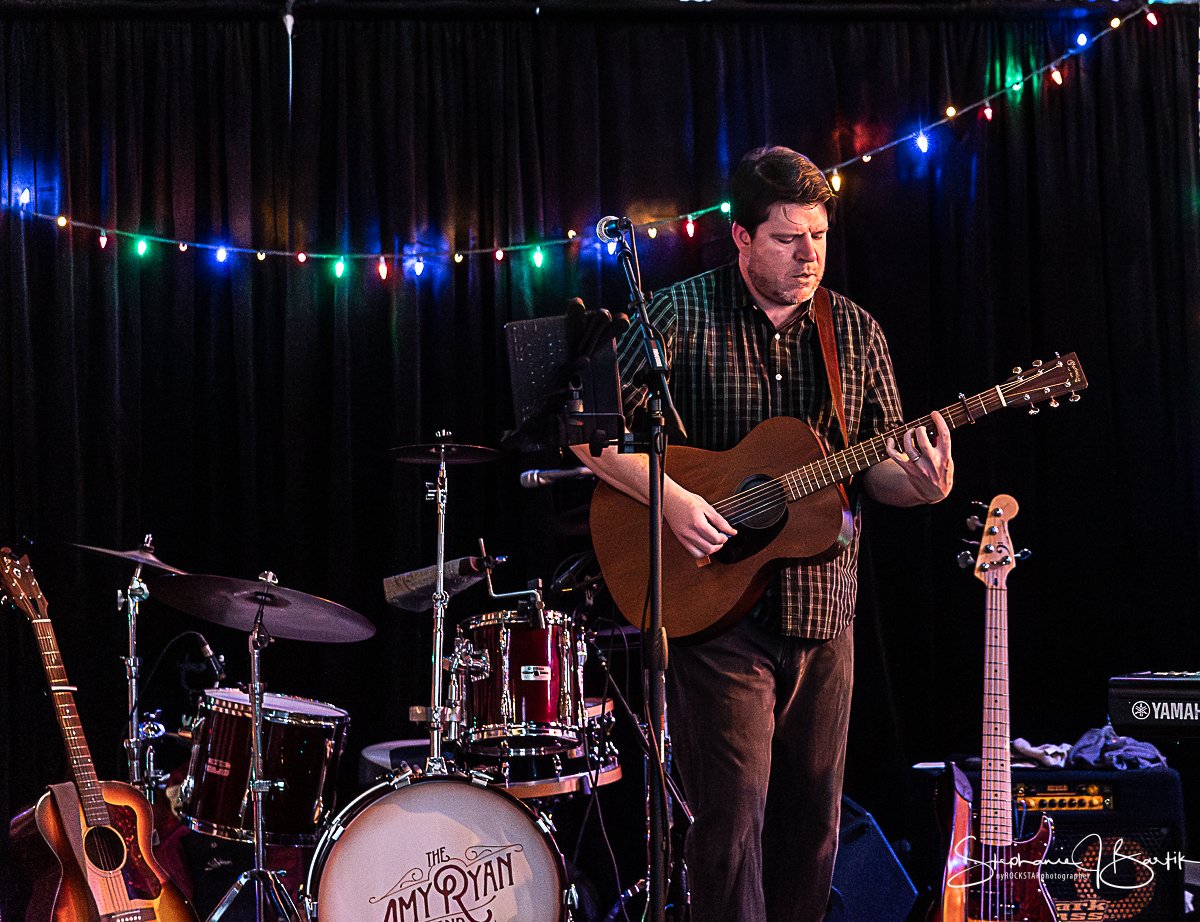
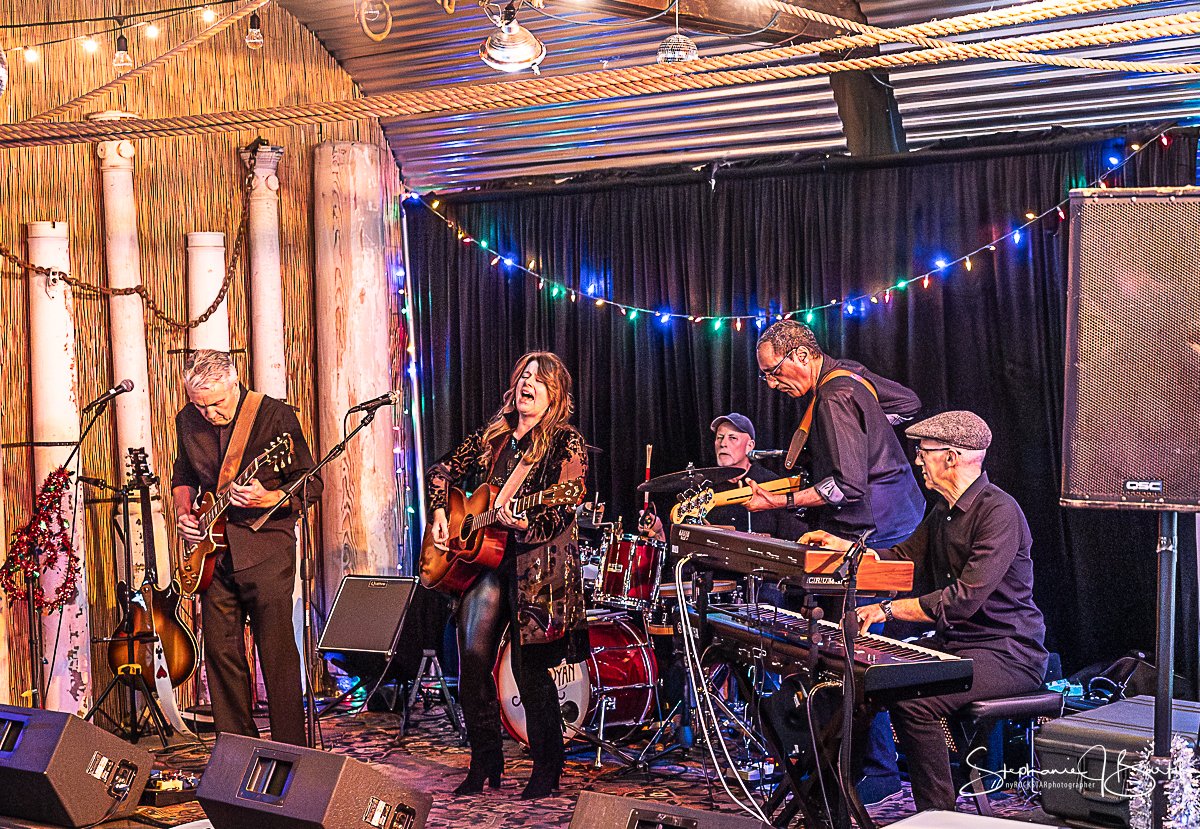
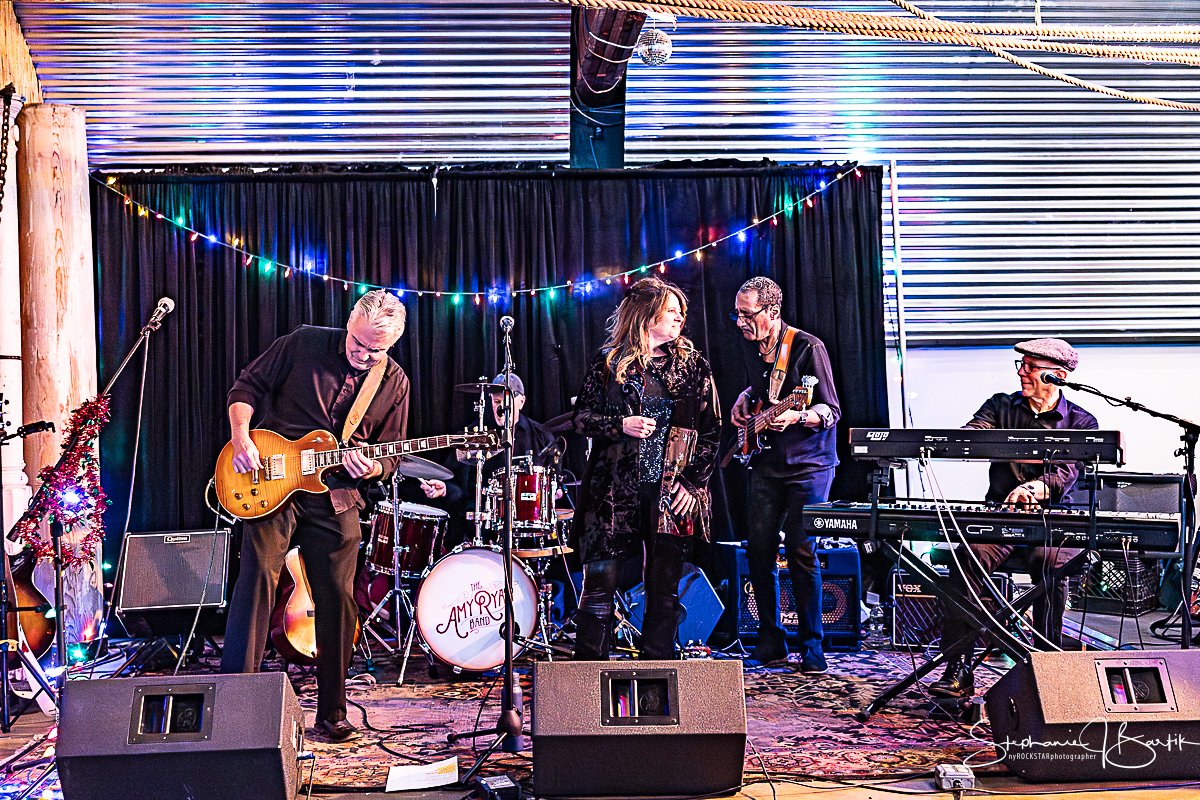
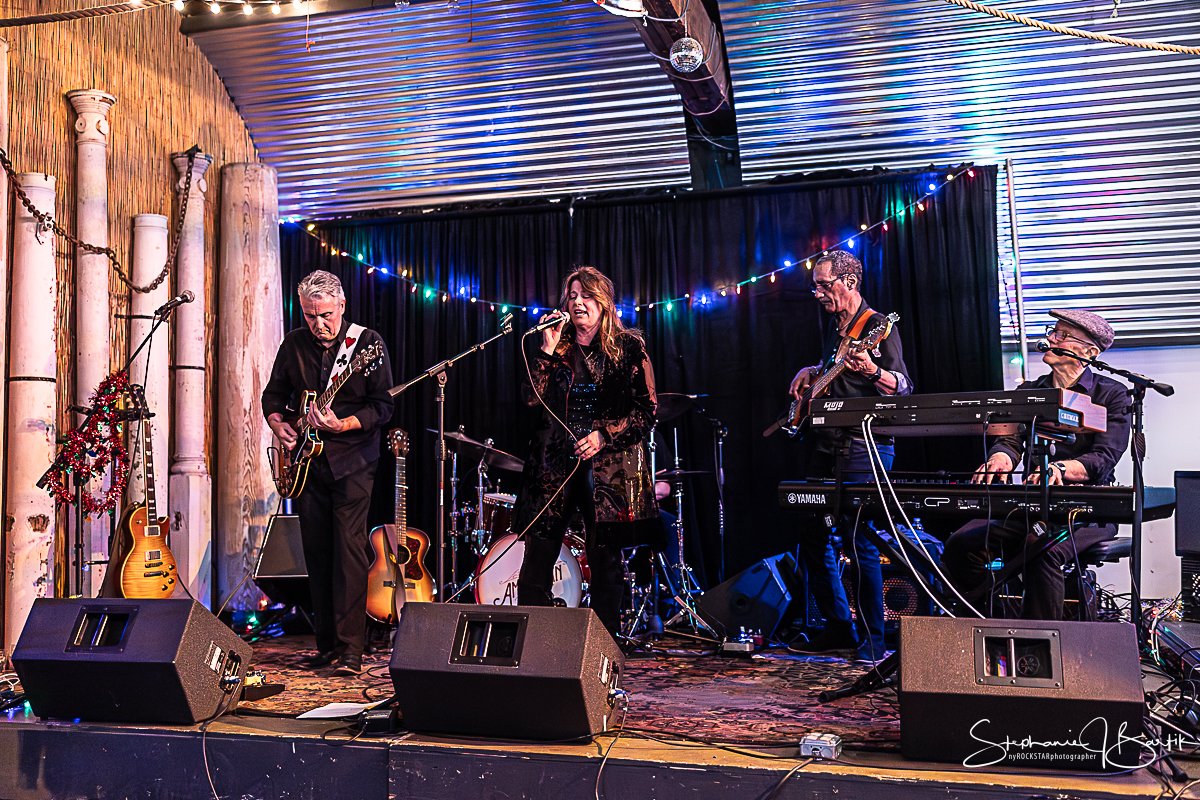
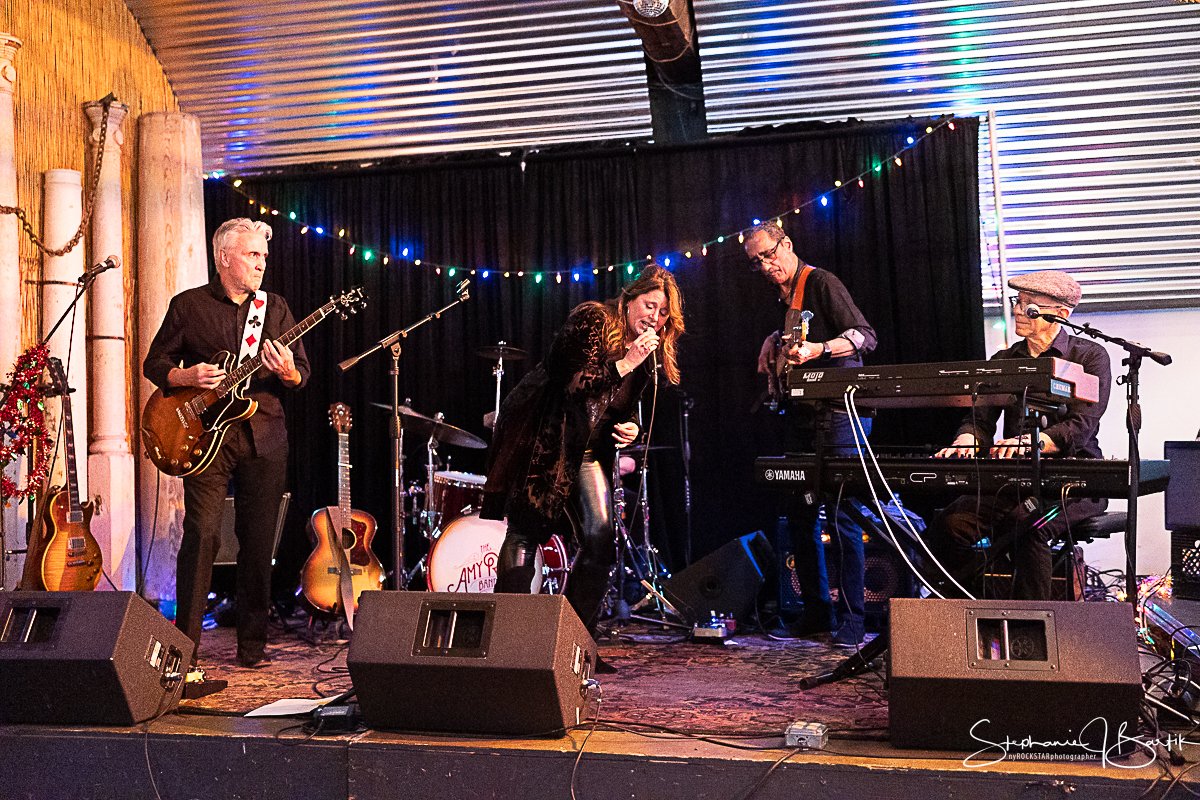
The Amy Ryan Band and Trevor Collins were this year’s winners of the Capital Region Blues Network‘s International Blues Challenge qualifier, and will represent the Capital District in the big showcase/competition to be held in Memphis next month. This event at Hangar on the Hudson, held on December 14, helped support the artists on their journeys.


Photography by Stephanie J Bartik.

Coverage of the qualifying event for the “bands” division here …

Lithium, Chptr. 19 – Xperience Fiction

0

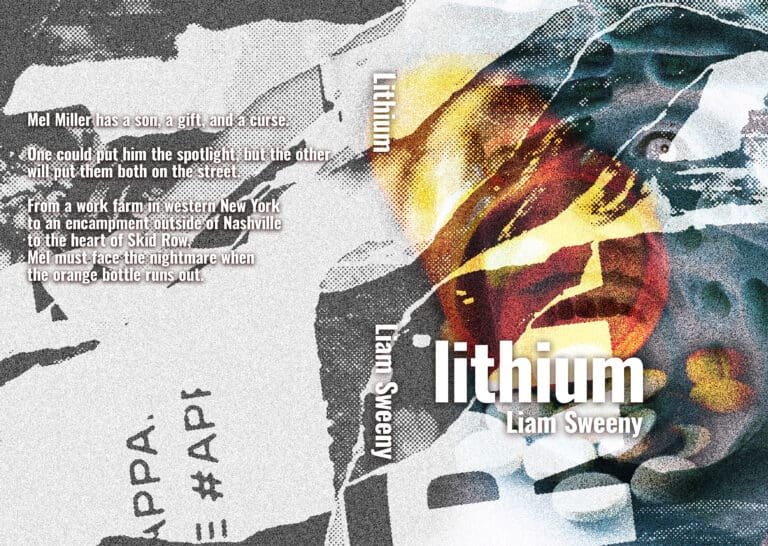
Lithium, Chptr. 19 – Xperience Fictioin – by Liam Sweeny.

If Mel was the Mel of a month ago, and he’d seen a sparse row of tents on a city street, he’d have thought that they were waiting for the latest game console to come out in a chain store down the block. He never would’ve seen it as a parallel housing complex.

It certainly wasn’t Skid Row. The tents were a little nicer and a little more orderly, and he didn’t see garbage anywhere. When they were on the Greyhound, Mel pictured them pitching a tent alone in a public park, not being one of many. He couldn’t believe how bad the homelessness problem was in L.A., or anywhere else he’d been. That disbelief helped him avoid having to count himself and his son among them.

They pitched the tent carefully, knowing that they didn’t have scrap to support it if they tore anything. Once they finished throwing the sleeping bags in, the four-person tent felt stuffed with only three people. Mel wished they had lawn chairs, but lawn chairs didn’t travel well.

Hope wandered around the block on reconnaissance, looking for anything useful. Mel realized he hadn’t had much alone time with his son since they left the farm. He felt guilty because he knew that it wasn’t entirely unavoidable.

“You okay, kiddo?”

Andy shrugged and set his eyes to his lap. “I guess so,” he said.

“You guess so. I know it’s tough right now, but we’ll-,”

“Get through it? You say that, and every time it just gets worse.”

“I know, I know, I’m really trying. You have to believe me.”

“I had a hot dog today, and a cup of yoghurt for breakfast. How are we even eating tomorrow?”

“I don’t know, but Hope knows places to go around here. She’ll help us out.”

“So Hope to the rescue, yet again?”

Mel took a breath. “Okay, what’s wrong with Hope?”

“Nothing,” Andy said. “There’s nothing wrong with Hope. It’s you.” Andy picked up his box of cards, one of the things Mel was able to fish from the minivan.

“That’s fair,” Mel said. “I’ve let you down a lot lately.”

“It’s not fair. You don’t even know my problem with you right now, Dad.”

“Well, tell me,” Mel said. “I’m listening.”

“For starters, this is the first time you said ‘I’m listening’ since we ended up in Nashville. It only started with Hope. Once she was around, you fell all into her. The only thing you loved more than her was your painting. It was her, the painting, me.”

“That’s not true,” Mel said. “And that really isn’t fair.”

“You got off the meds and I brought you stuff to eat every day, and as soon as you were better you went off with Hope. You never spent a whole day with me after that. And that has nothing to do with Hope. That was you.”

Andy was striking a nerve. Mel felt an anxiety building up, a primal fear that he couldn’t take care of his son, and it was beginning to unravel right then and there. He pressed his temple to try to push it in, push it down, but he knew there was only one way that might work to deal with it. Honesty.

“You’re right, Andy. I passed you by when I met Hope. I have no excuse,” he said.

“That’s not it,” Andy said, his voice subdued. “You keep choosing that painting over things that can help us. You pulled it out of the minivan instead of other stuff. You brought it on the bus, instead of other stuff. Hell, you just spent how much on a storage space?”

“Yeah, I know…”

“How much?”

“Forty-nine ninety-five.”

“We could’ve used that for food, supplies,” Andy said. “How much do you have left, and be honest with me?”

“I have about fifty left,” Mel said. “Maybe a little less.”

“So you spent half of our money on a painting that you can repaint some other time, because you have a photographic memory and you can do that kind of thing. You’re not being responsible at all, and you leaning on Hope scares me, Dad.”

Mel rubbed the back of his head, combing through rough hair that would likely never get cut in a barbershop.

“There’s a story to the painting,” Mel said.

“You’ve told me,” Mel said. “I had colic, and you stayed up at night, painting it.”

“You didn’t have colic,” Mel said. “You had…issues… when you were born. In fact, you have a condition named after you in some medical journal somewhere. They treated you in the NICU for a month before we could take you home.

“I had to watch you every night, because if you started showing certain symptoms, it was trouble. And bipolar affects sleep, even when you’re on meds. So I was terrified that I’d fall asleep and wake up, and you’d be…” Mel paused. “You’d be in trouble.”

“So I painted, and painted, and painted. There are so many paintings on that actual canvas. But I used it to prove I could be good at something, and if I could paint the perfect thing, then I could be a good dad. I know that might not make sense, but it did to me at the time.”

Andy was quiet for a moment too long for Mel’s comfort.

“I’m scared, Dad.”

“I know, Andy,” he said. “I am too. Do you want me to find a way to send you back home? Do you want to take your chances with your mom? There’s food and walls there anyway.”

Andy waited a minute before speaking. “No,” he said. “Not yet.”

“Just give me a chance,” Mel said. “I have that painting for a reason. I don’t love it more than you, believe me. I love it because I love you. I want to use it to get us somewhere where we won’t need tents and sleeping bags. I haven’t given up hope, and as far as Hope, the person, give her a chance. We do need her in our lives. Even you.”

***

Mel’s sleep was scattered, and when he did get to sleep, he dreamt of a usual haunt for his dreaming landscape. He was in a house, on the outside simple and plain, but once inside there were rooms where he wouldn’t think there’d be rooms, whole levels and garages that couldn’t possibly fit in such a small house. He never could remember what he would do in the house, though there was furniture down to the doilies. He could’ve drawn the blueprints were he able to remember it when he woke up.

But in this dream, he was in a tent. He was naked, and he knew that Andy and Hope were missing, but he didn’t know how to get out of the tent. And to top it off, his father was tapping on one of the tent poles. And before he knew it, Andy and Hope were outside of the tent, tapping on the tent poles, calling him out. Then somehow, they were shaking him.

“Get up, c’mon,” a voice said. Not his father. Not Andy, not Hope. But his hand was on Mel’s arm, and he was leaning into the tent, trying in earnest to pull Mel out. And he was in uniform.

Mel tried to wipe reality back into his mind so that he could understand what was going on. As soon as he tried to sit upright in the tent, the cop started pulling him out.

“Hold on, I’ll get out!” Mel shouted. “Just give me a second.”

The officer didn’t have, nor care to have, a second to spare. Odd fact was that it would’ve taken less time to get Mel out had the cop just let him come out on his own. But maybe cruelty was the point.

Mel wound up on the sidewalk, his arm throbbing, and a nasty scrape on his ankle. The cop was joined by another, and they broke the tent down unceremoniously. And they weren’t alone. The whole sidewalk full of tents were slowly being dumped into a garbage truck double-parked.

Mel got up and looked for Andy and Hope, who were on the corner, Hope holding Andy and stroking his hair.

“Officer,” Mel said. “Can I at least get the sleeping bags out? We have nowhere to sleep.”

“Shouldn’t have set up here,” the cop said without looking at him. “Go camp out in Skid Row, where you belong.”

“I got a kid; I can’t risk putting him somewhere like that.”

“If you had any sense, you’d give him over to foster care,” he said. “At least he’ll have a chance.”

“If you were homeless, would you give your kid away?”

“It’s not my problem.” The cop lifted the tent.

“It wasn’t my problem three weeks ago,” Mel said. “Never imagined it would happen, but I showed mercy to homeless people because I knew fate was a bitch that kept score. I hope your family never sees this side of fate.”

The cop motioned to his partner. They flipped the tent and shook it, and the three sleeping bags fell out.

“Don’t sleep here. We’ll toss them, and we’ll toss you in jail for vagrancy. Think about foster care for your kid.”

They started walking as soon as Mel gathered up the sleeping bags. Unfortunately, the packs they came in didn’t shake out of the tent with the bags. Mel was feeling ill, and his head was distant. He wasn’t as depressed as he could’ve been. In fact, he wasn’t as depressed as he shouldn’t been. Oddly, he felt euphoric.

“He listened to me,” Mel said. “The cop. I told them a thing about fate and they listened.”

“They usually don’t.” Hope said. “You did good for a newbie.”

“This might not be so bad,” Mel said. “I can handle myself in the streets.”

“You got mercy from a cop,” Hope said. “Rare, and you won’t have that same luck from most people around here.”

“I don’t know, I just have a good feeling,” Mel said.

“That’s good. Just keep aware. Now we don’t have a tent. Getting robbed will be easier. So when we find a spot, I’ll show you a few tricks.”

They walked the perimeter of Skid Row; at least Hope told them it was the perimeter. Skid Row had a perimeter, but homelessness spilled out of it. Cops were at the edges like gangbusters trying to contain the city’s dirty secret, a cog in the effort to contain America’s dirty secret.

“There are a ton of missions in Skid Row, but they can be just as dangerous to sleep in as sleeping outside. There are soup kitchens, but they’re crowded, and you might wait in line for a couple hours just to get a meal. We’re going to have to go in there to the soup kitchens, no matter what. But I think I know a good spot to sleep. Good as any.”

They made their way to a parking garage covered in graffiti.

“We go up.” Hope started in, Mel and Andy followed behind. There were tents, but they were interspersed throughout. It wasn’t mobbed like what Mel saw when they drove through the thick of it.

“Cops clear this out too, but not as much,” Hope said. “It’s an abandoned garage. Nobody would trust their cars here.”

They went up to the top, to the open air.

“Less people mess with you when you’re up top,” she said. “They figure there’s no point going in a garage and not taking advantage of a roof over your head.”

They got up top and picked a corner, where they laid down their sleeping bags. Hope handed Mel one of the folding knives.

“Around here we do sentry,” she said. “You stay up for six hours, then wake me up for the next six. Andy sleeps full.”

“I can do sentry,” Andy said. “I want to be a part of what’s going on. And I’ll probably have trouble sleeping.”

“Nope, Hope’s right,” Mel said. “You sleep. Someone needs to be fresh.”

Turned out, both Mel and Andy could’ve been sentry all night, because neither could sleep a wink. Mel just held onto the folding knife, wondering if he had the guts, or the survival instinct, to use it.

***

Hungry people. Raw, unshowered and unshaven and desperate to count luxuries like showering and shaving again. Mothers with children with faces that rivaled those in nineteenth-century child labor photographs, coal mines. Men in wheelchairs and crutches taped up because they likely came from someone else’s trash, else they’d been ordered by a doctor who. by then, was retired. Hungry and desperate, lost even as they stood in a line for a guarantee of nourishment. Maybe a guarantee, depending upon their place in line. Make that Mel, Andy, and Hope’s place in line.

They were stretched around the front of the Fifth Street Mission and down San Julian Street, a small street, an alley, lined with tents, but not as congested as some of the worst places Mel had seen. It was weird to him that the more obscure places wouldn’t have more tents.

But the more he thought about it, the more his mood lifted. It was pride. People wanted to set up a tent on a busier street because they wanted to be seen by the cars that came through. They wanted to matter; they did matter, in the way the average workaday, clockwork, stock-standard person could ever matter. They were the proof that the commercials and the propaganda couldn’t counter, and the kind of life that held fast to the maxims of glory and determination and struggle couldn’t fathom any of them not rinsing a body of the filth.

Mel looked around and he saw people who worked harder than everyone, with not a second’s peace, and at the end of the day, however hard, they were back where they started. The American dream was out there, but it took a good night’s sleep to have it.

“A penny for your thoughts?” Hope said.

“I was always ashamed,” Mel said. “When I saw people on the street. And I didn’t know why. And I felt pity, but that’s what you’re taught to feel.”

“Different on this side of the trash can, isn’t it?”

“I feel… almost pride in the people here. Like an admiration.”

“Any one of them will steal your shoes,” Hope said. “Or worse.”

“But not all of them, and they’d only do it because they’re desperate.”

“You’re desperate right now. And shoeless if you let your guard down to the wrong person.”

The line moved slowly. Mel wondered if they’d have any soup for them by the time they got in. He figured he’d strike up a conversation with the man behind him in line. He had a shirt with a leprechaun and a pot of gold on it. He was probably easygoing.

“How long you been on the street?” Mel asked.

“Stop that,” Hope said. The man spit on the ground.

“I’m Mel. Mel Miller.” He held out his hand, and it hung.

“Clyde.”

“So how long you been out here, Clyde?” Mel said. “I’m new myself. Only been homeless for maybe a month. I’m a painter.”

“Is that right?” Clyde said.

“Yeah. I can paint anything I can see. I have a photographic memory.”

“Oh yeah?”

“He doesn’t care, Mel,” Hope said. “C’mon, we need to move, the line is going.”

“Best get on that line,” Clyde said. Mel waved, and he noticed he was still tapping his fingertips. Weird; he hadn’t done it in a while.

They moved up in line. Hope was looking everywhere but at Mel. Andy was looking only at Mel.

“You’re acting weird, dad,”

“How’s that?”

“You’re cheery and you’ve been talking more than usual.”

“There’s nothing wrong with being cheery,” Mel said. “And I have a lot to say. If you talk right, and say the right things, you can really get somewhere. Politicians start wars with words, and writers, hell, they’re full of words. Why am I weird for using words?”

“You’re not a writer or a politician,” Andy said. “And you’ve gone up to three strangers today, just talking to them. One of them in the garage looked like he wanted to punch you in the face.”

Andy let it go, and the line kept moving. Mel tried to keep a lid on it, but every so often he’d tell Andy or Hope something. They were ignoring him and quiet. So he’d have to be the sociable one.

There was a straight shot to the dining room from the entrance. They walked into the diluted smell of food and the undiluted smell of antiseptic cleanser. Mel knew the smell, as they used something very similar at ArTechnic. There was a long counter with a sneezeguard that was tall enough to shield the servers’ faces. As they moved through, there was good cheer coming from some of the diners who apparently knew the servers. It was warming Mel’s heart.

They got soup and bologna sandwiches and pints of whole milk, on plastic trays that weren’t alike. Even the soup kitchens there were thrift. They took a seat near the back, where an older black man with a Vietnam hat on was sipping soup with his head near the bowl. Mel smiled and waved.

“That your boy?”

“Yeah, he is,” Mel said. “I’m Mel.”

“Bet you are,” the man said. “Damn shame you here with a little boy. He got a mother?”

“She’s pretty bad.” Mel said. “He does, though.”

“You got someplace to go?”

“Sure, we’re at-,” A jab to his ribs made him take a breath. He looked for the source, and it was Hope. Her eyes were lava. He figured he should shut up.

“It’s no matter,” the man said. “I stay at Bethlehem Mission on South Los Angeles, Between East Third and East Fourth. It’s okay, so it’s tough to get in, but I’m a veteran; they let me in. They probably let you in for a couple nights, you being a family and all.”

“Thank you, sir,” Hope said. “We’ll look into it.”

Hope handed Mel his spoon. Signal given. Mel managed to eat his whole meal in silence, shelving the urge to talk. He noticed that he wasn’t hungry, though by all accounts, he should’ve been famished. They finished and got up. As they passed by the edge of the serving counter, Mel caught the last server’s ear.

“I’ve found that bone broth gives the soup a fuller flavor, and if you sauté the mirepoix ahead, instead of just dumping them in the broth, you’ll get a really satisfying chew, and the broth will be-,”

“Thank you, it was very good,” Hope said as she grabbed his arms and pulled him toward the door.


More from Liam Sweeny…

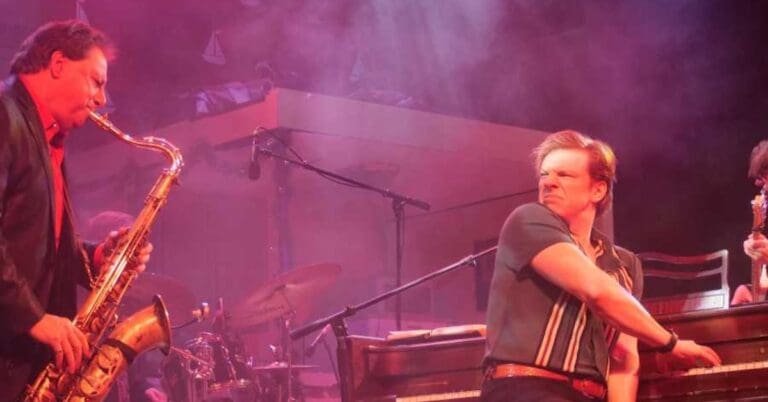
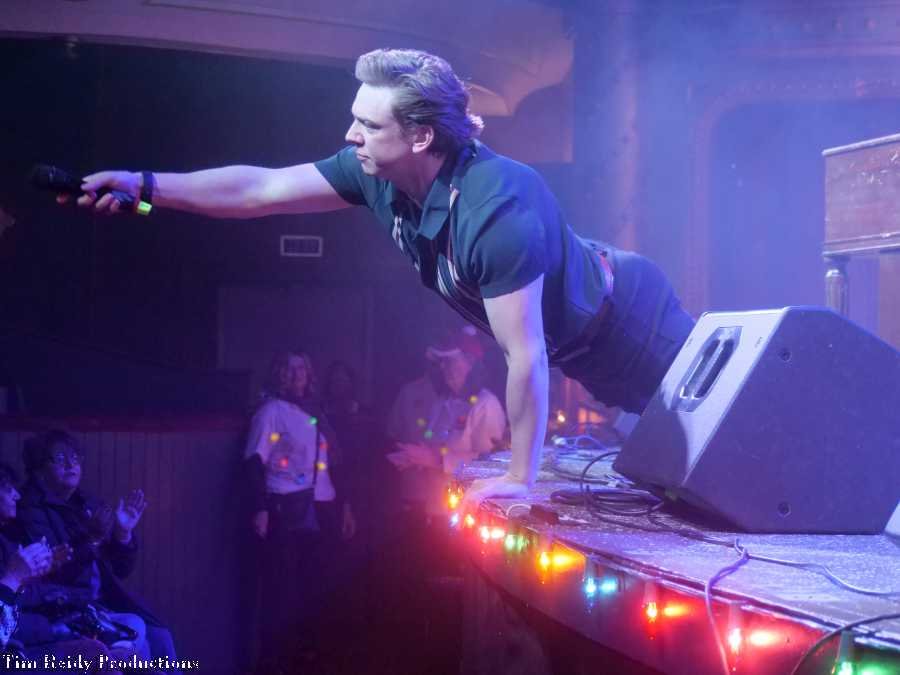
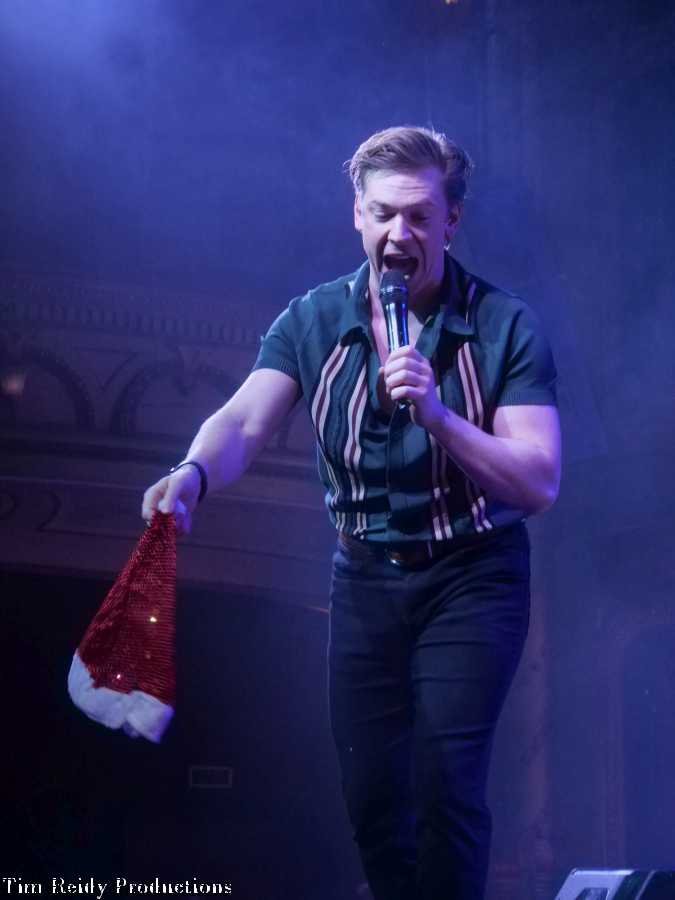
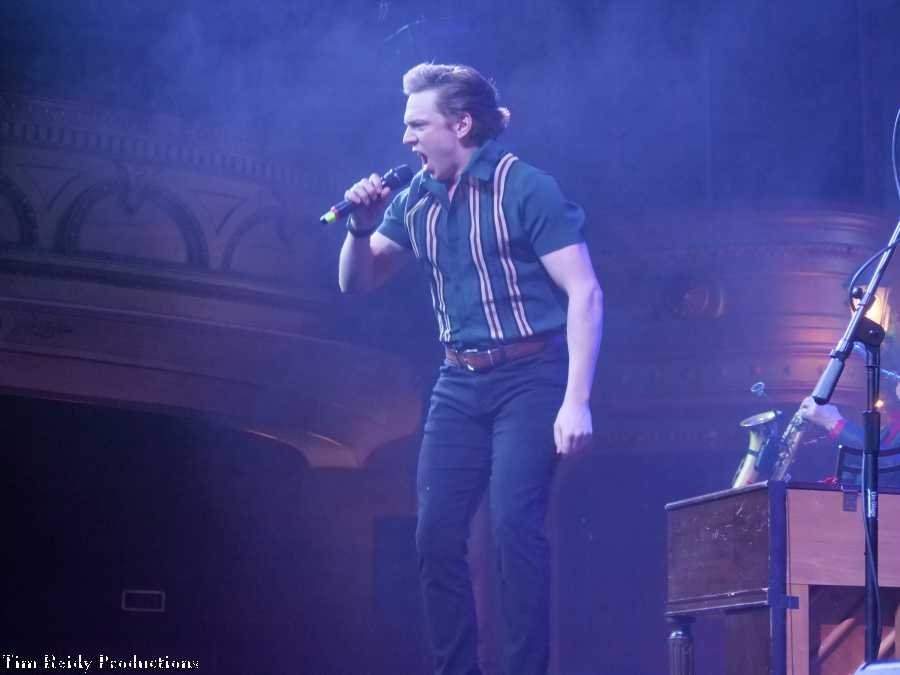
Jefferson McDonald @ Cohoes Music Hall, 12/9/2025

0

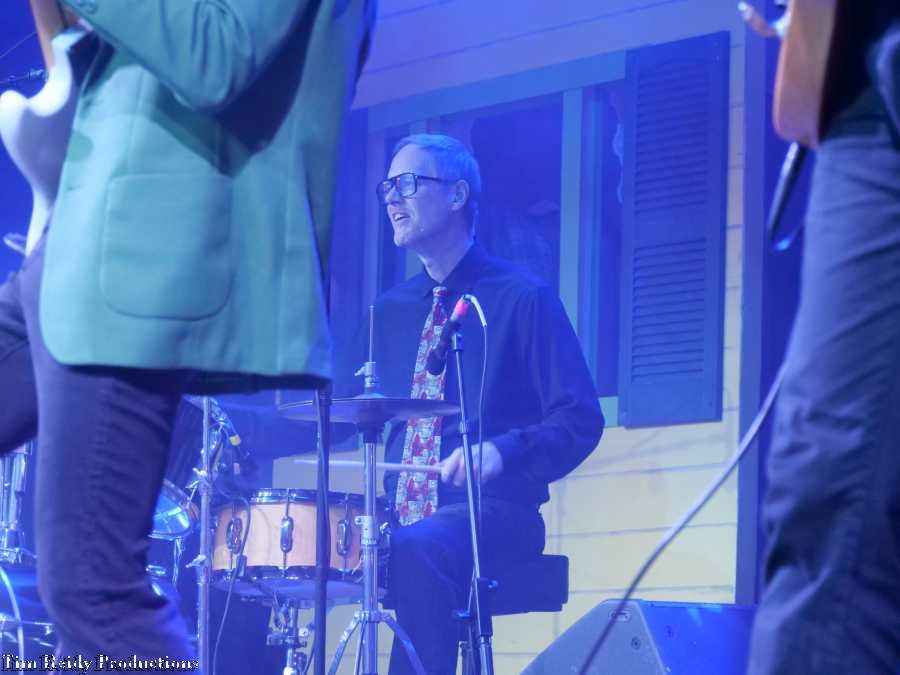
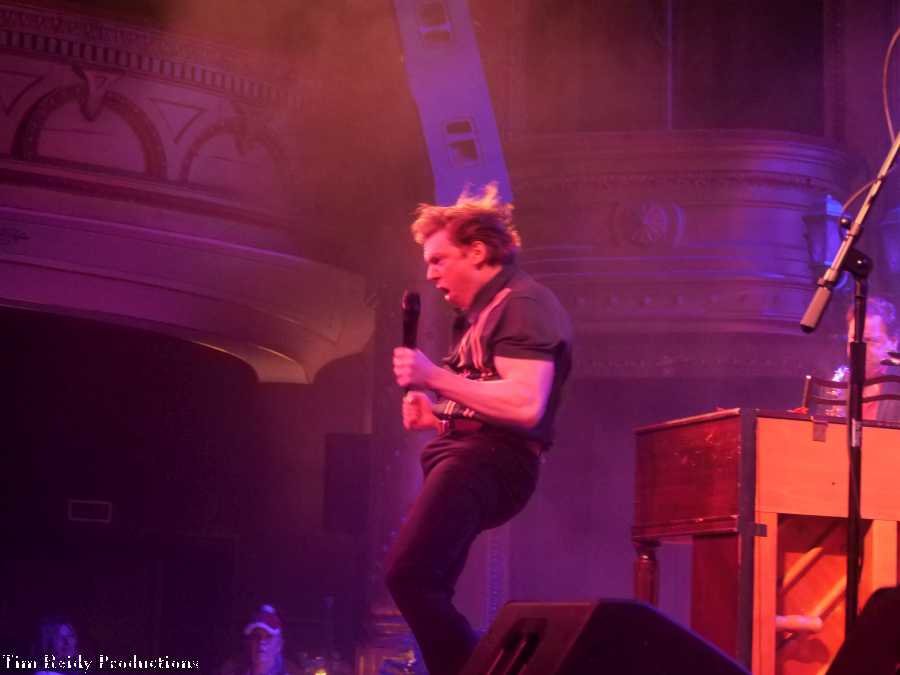
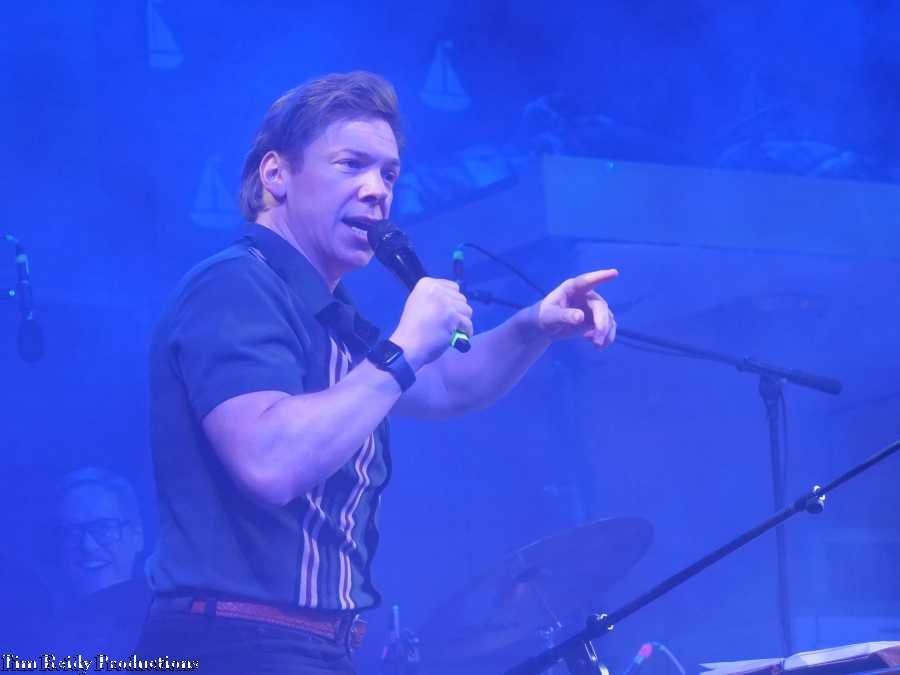
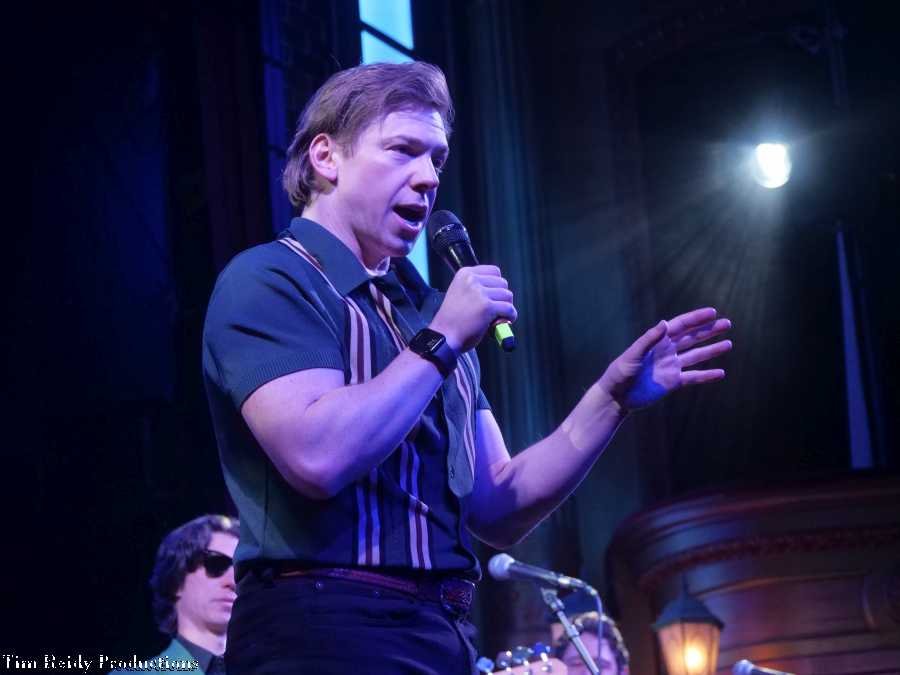
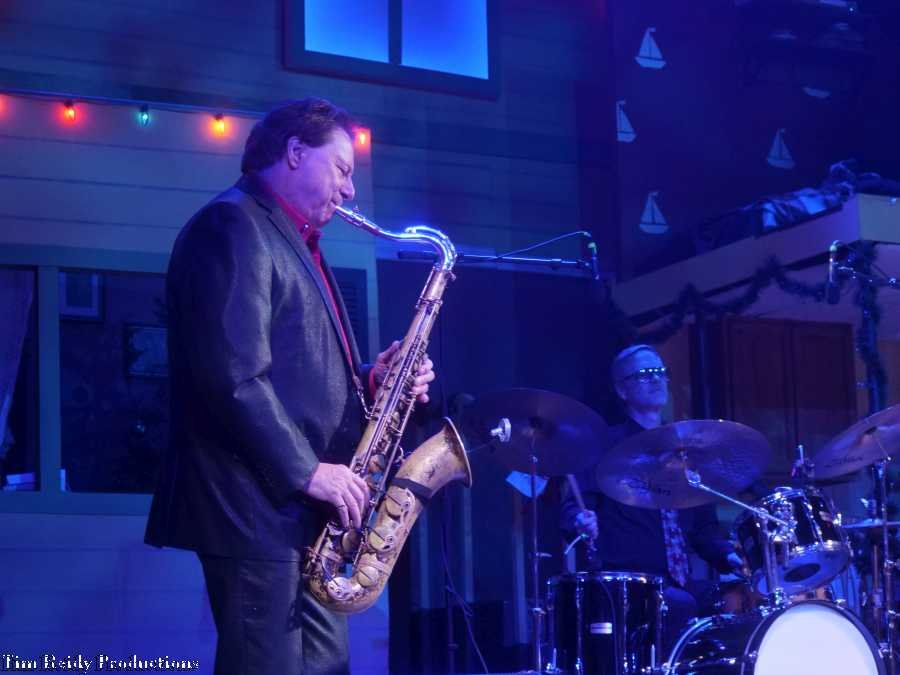
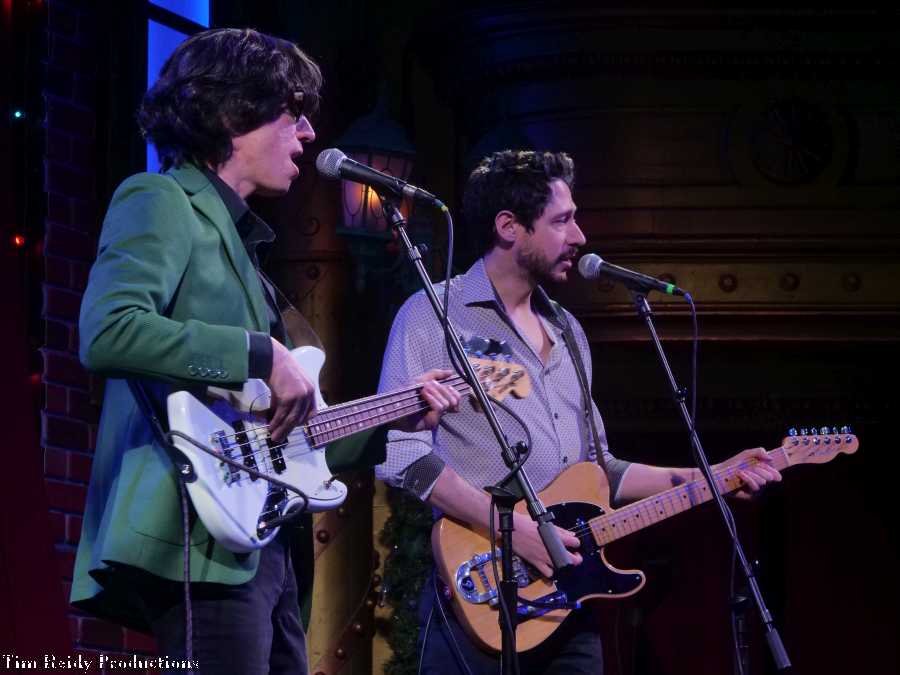
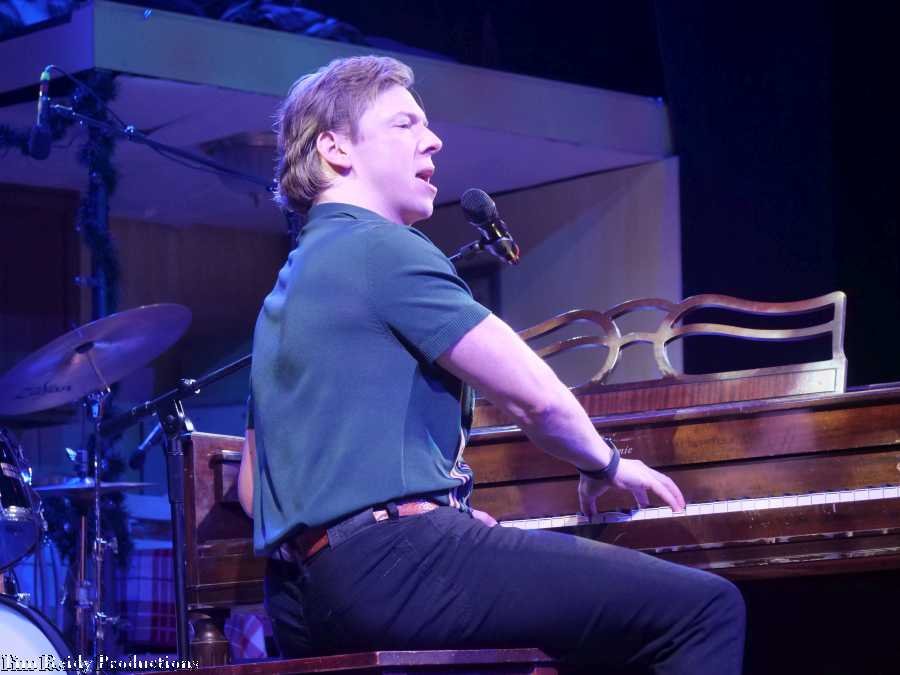
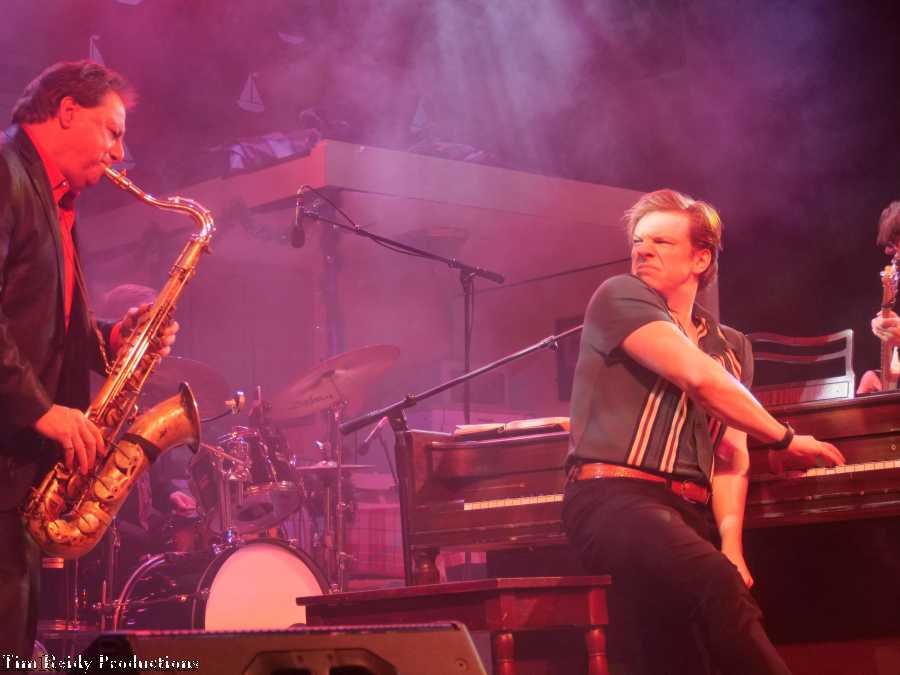
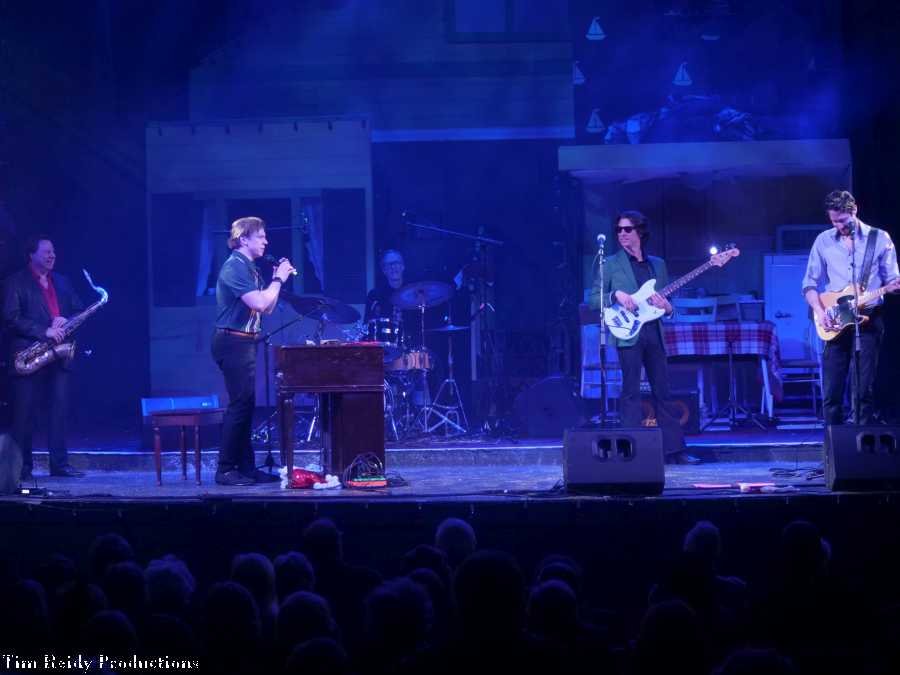
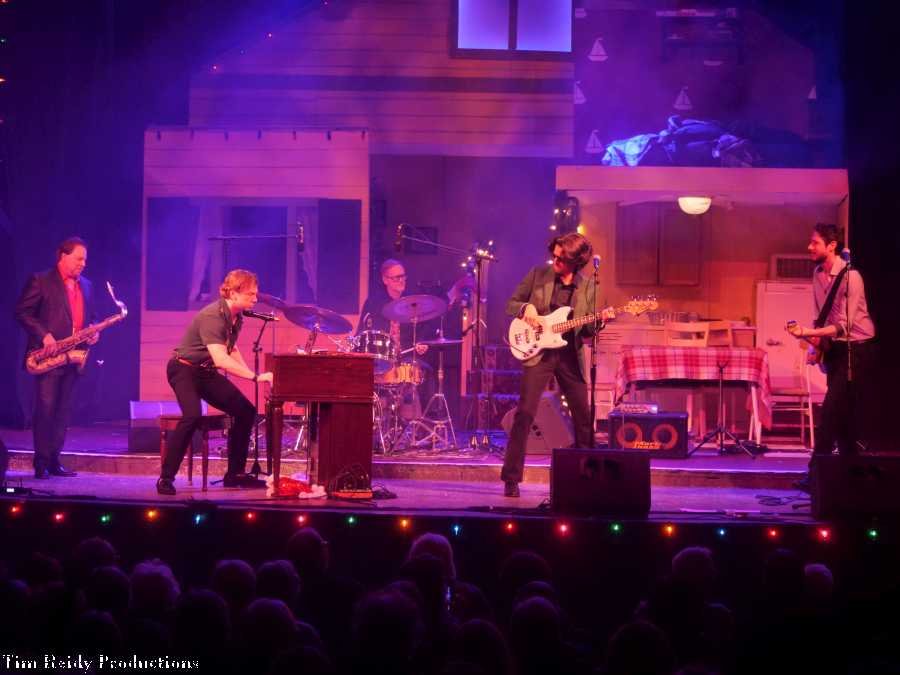
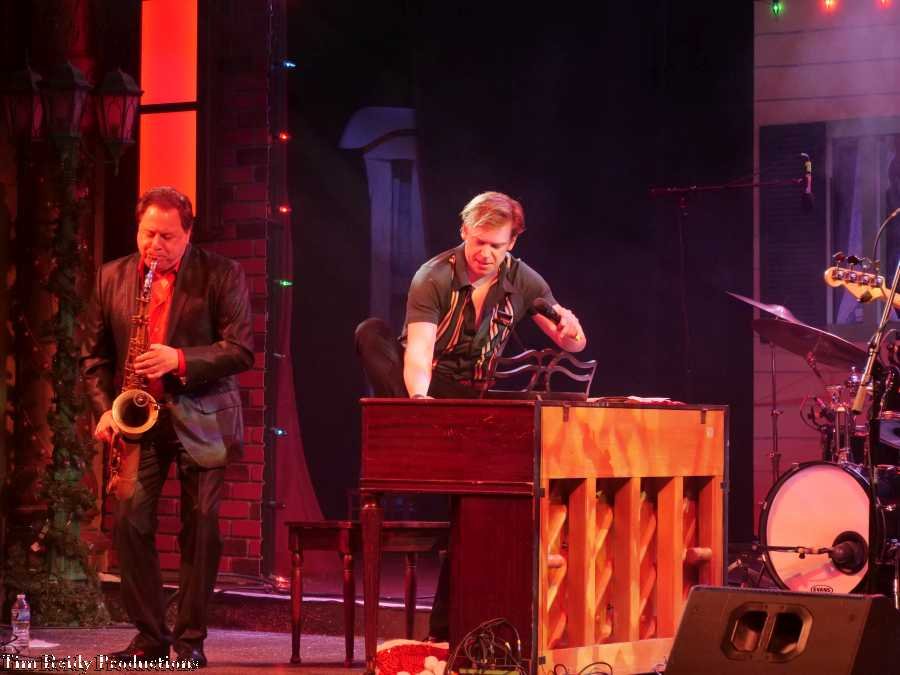
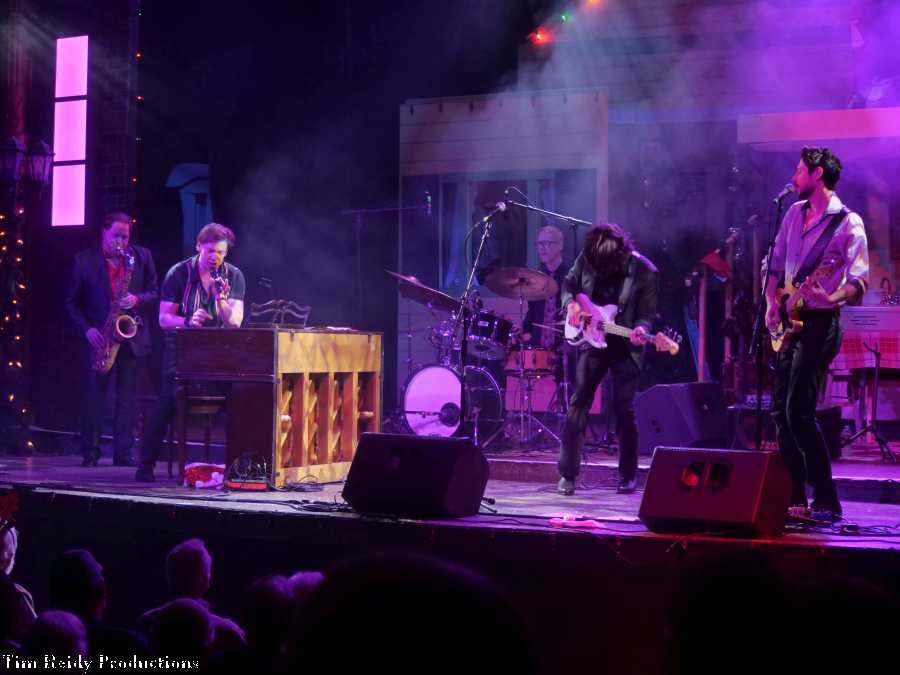
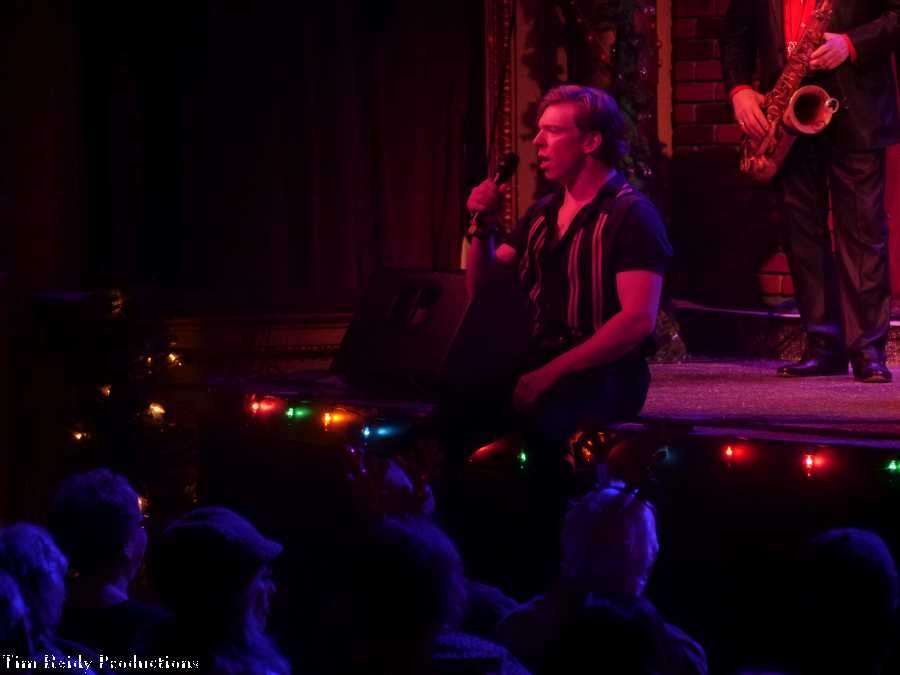
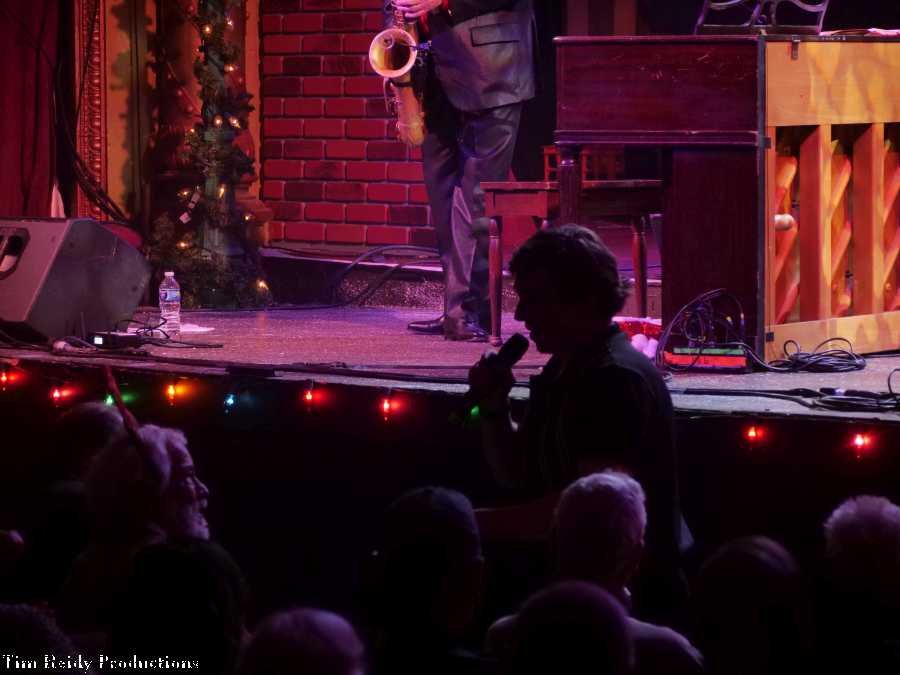
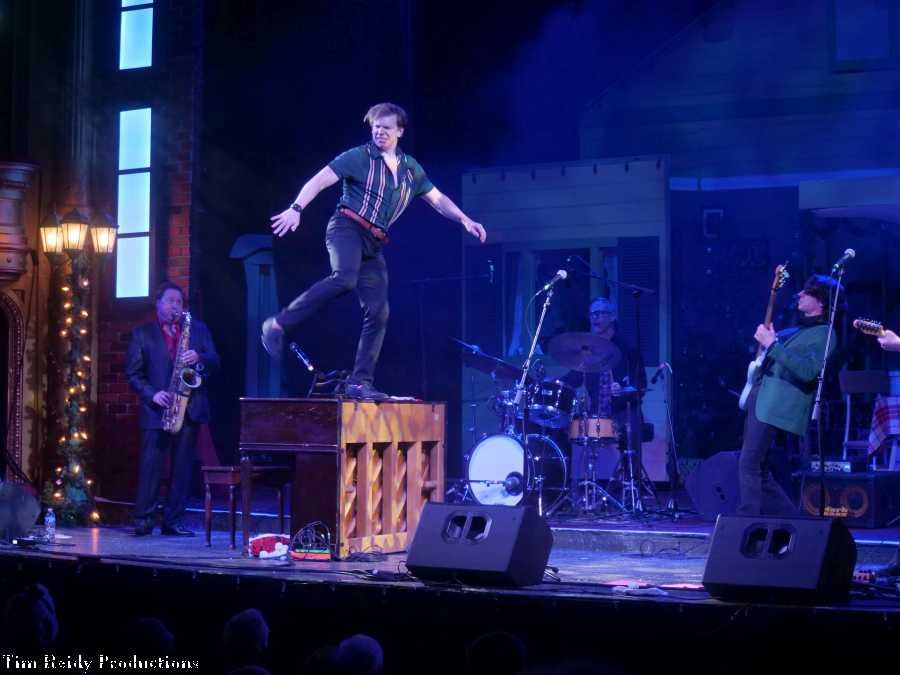
For his “Great Jingle Balls of Fire” Christmas-themed show at Cohoes Music Hall, Jefferson McDonald channeled the music of Jerry Lee Lewis, Elvis Presley, Chuck Berry, and more.


Photography by Timothy Reidy.

More from Cohoes Music Hall here …
Mike Hollow – An Xperience Interview

0

By Joshua Scarselli.

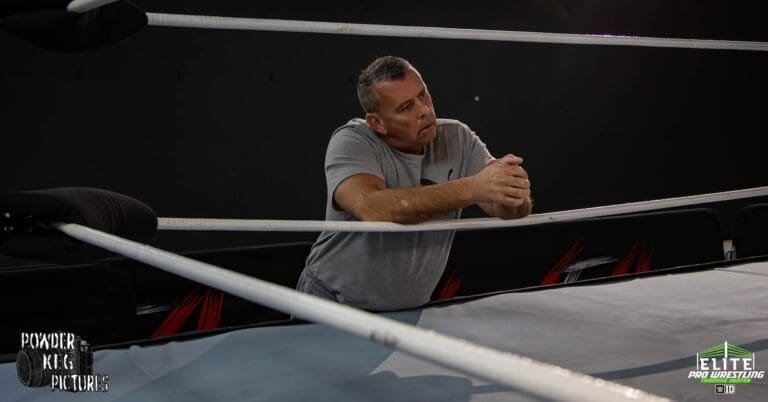
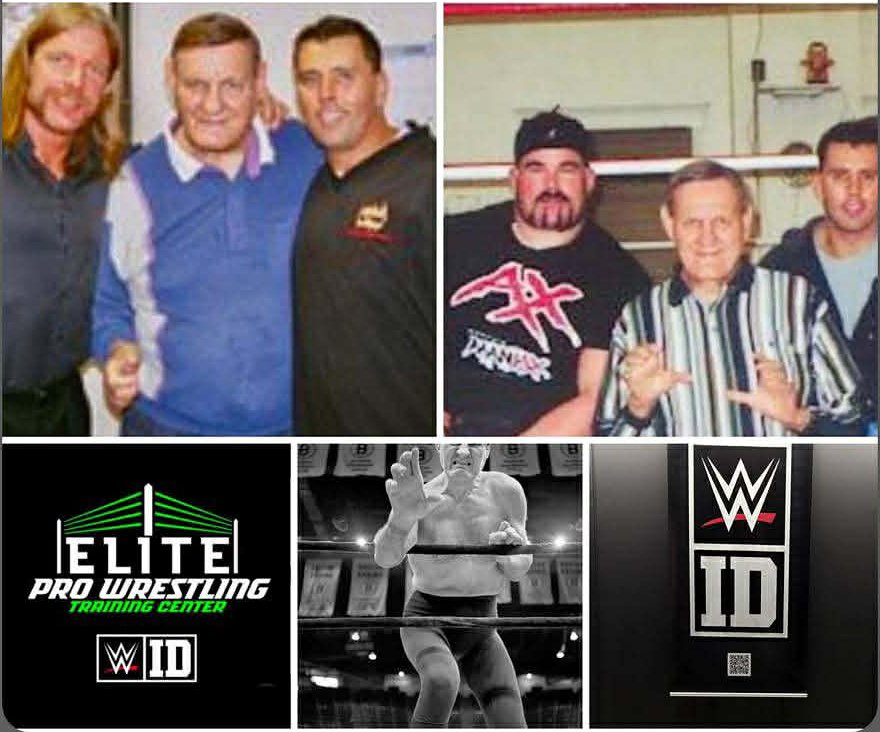
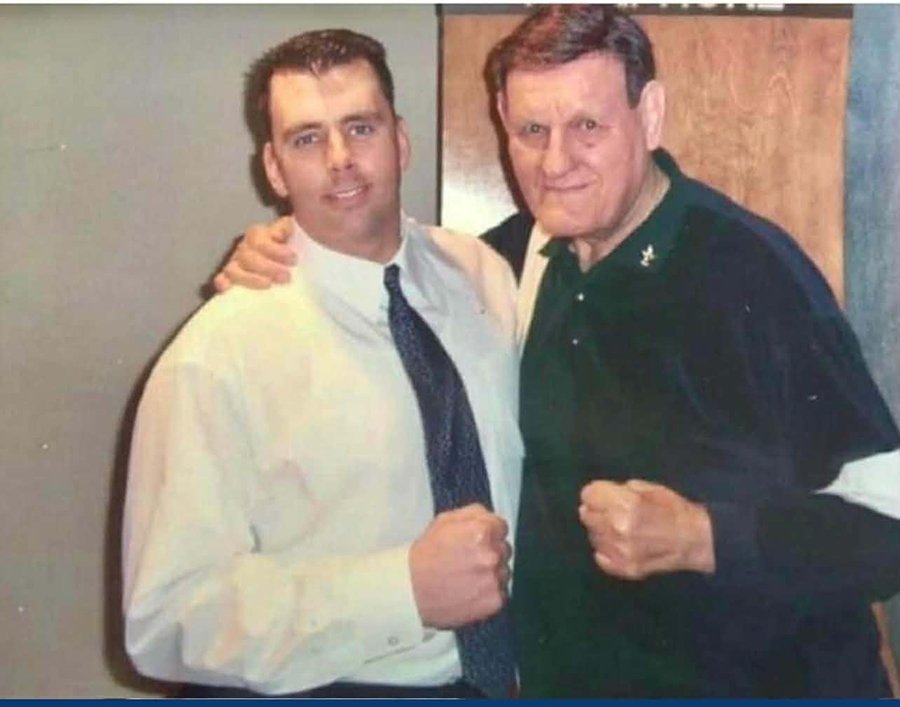
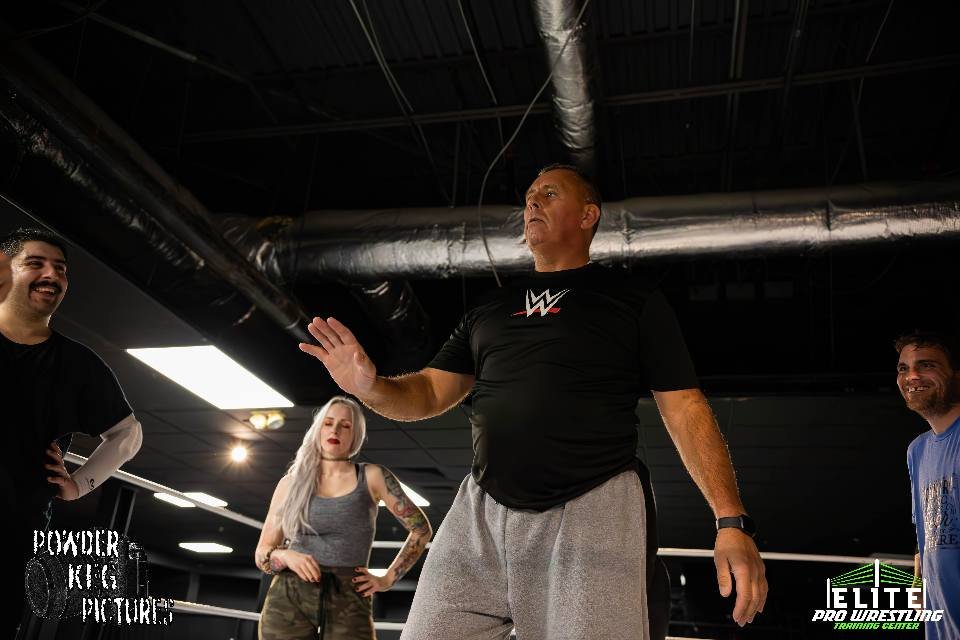
Today, we are talking with Mike Hollow. Mike is the head trainer at the WWE Independent Development school, the Elite Pro Wrestling Training Center. Mike Hollow’s path in professional wrestling goes straight back to Killer Kowalski, one of the most respected trainers the business has ever seen. He began training under Kowalski in the early 1990s, where the focus was on fundamentals, conditioning, ring psychology, and an old-school level of discipline that shaped how wrestlers were expected to carry themselves. After finishing the program and spending time in the ring himself, Hollow returned to help train the next wave of talent. As Kowalski’s health declined, Hollow took on a larger role, eventually running the day-to-day classes while staying true to the system Kowalski built. After Kowalski passed in 2008, Hollow became one of the main people carrying that philosophy forward, continuing to emphasize strong basics, respect for the craft, and storytelling—while adapting those lessons to modern wrestling.

Photo provided by Mike Hollow

RRX: You have an extensive career in Professional Wrestling. Can you tell me a little about the journey that brought you here?

MH: Before I enrolled in Killer Kowalski’s School, I worked for the WWF on production and the ring crew. Ever since I was a little kid, I was hooked and always said to myself that I would be involved one way or another. Here it is, 30 years later, and I love the wrestling business that allowed me to help so many people.

RRX: You are extremely knowledgeable and talented in the ring yourself. What drew you to the teaching aspect of Professional Wrestling?

MH: I was fortunate enough to have a relationship with Walter (Kowalski) over the years. But I was also a good friend of Pat Patterson, who was so insightful about the wrestling business. He would share that it’s imperative to give back and help others reach their potential dreams.

RRX: Let’s talk about your journey through your career.

Photo provided by Mike Hollow

MH: So Walter and I started together in 1992. I ended up becoming his head trainer at the school as he was getting up in age. I was taking care of more of the day-to-day responsibilities and really implementing some of the things that I was taking from the WWF at the time. I was able to spend some time in Connecticut and work with Dr. Tom (Prichard), doing TV and all that good stuff. I just really was trying to take away the WWE, or WWF, ways of training and development going forward.

So I came to a point in 2000 where I had just built my house and had my first son, Michael. Walter and I always did business on a handshake. One of the things that I had sat down with him and Teresa and tried to talk about or negotiate with them, was to take the Killer Kowalski School of Professional Wrestling into an LLC. So (God forbid if someone was ever to get hurt), Walter, he didn’t have much until Teresa came into the picture, but I had just built a brand new home, and I didn’t want to not have protection, from a liability standpoint. I didn’t want to not have any type of protection, God forbid if something was to happen.

So he and I probably met with three or four attorneys at the time who handled that type of stuff. My ex-wife (she worked for a law office) was trying to move that along for both of us. Unfortunately, Walter was stubborn, and he had been burned on a couple business deals that kind of put him in a bad position financially. So I understood where he was coming from, but then again, I had to look at it from where I sat or stood for the well-being of my family, with where I was doing the majority of the work.

So it came to a point where I said to Walter, “If we can’t come to some type of deal putting it on paper, I’m gonna have to  find another place to go.” Unfortunately, that day had come, and I went. I had to have a conversation with them. Basically said, “We’re gonna be parting ways with you.” That was really difficult because here’s a guy who gave me a wonderful opportunity and gave me a starting point. Stopping my teaching career and working with aspiring wrestlers, having to leave him – that was really tough for me. I wasn’t looked at in a very popular light with where I was the guy who burned Killer Kowalski, but only a very few people understood what was going on behind the scenes. So that was another story for the situation.

So anyways, I ended up leaving. Chaotic Wrestling was just starting to come about. Not only do they want to run a promotion, but they also wanted to run a school. They happened to find a building in North Andover. I sat down and talked to them after they had gotten up and running. They said to me, “Would you be interested in teaching at our school?” And I said, “Sure, why not?” I mean, the school was in North Andover. I had just built my house in Plaston, New Hampshire. So it was an eight-mile drive. It was an easy commute. From 2000 to 2010, you know, I was the guy at CTC. My wife and I at the time owned 50% of the school, and Jamie Jamitkowski owned the other 50%. It was a good working relationship from that perspective.

The really interesting thing that I’ll share with you is that about six months after I had left Walter, I was home at the time, and my doorbell rang. I saw a car coming down my driveway, and I wasn’t sure who it was. I didn’t recognize the car. So I opened the door, and there were Walter and Teresa at the front steps of my house. I was kind of shocked, taken aback, you know, because I hadn’t talked to Walter in a bit. He said, “Can I come in?”  I said, “Walter, absolutely.” He’d been involved with my weddings and my kid’s stuff. He was really an integral part of my family and being around. We really had that special relationship. So he came in. We sat down and talked back and forth. Walter is a very proud man. Basically said to me, “You know, I made a mistake.” I said, “Well, Walter, what do you mean?”  “I should have come with you, or I should have listened to you,” he responded. I said, “Well, it’s never too late.” So from that point on, Walter ended up closing his school, and he became part of the CTC cloth and fabric. He would come to the school on weekends, on Saturdays. So that is the story of how Walter and I had a little bit of a breakup. We got back together again, and the rest was history.

Photo by Joshua Scarselli

RRX: How did that develop into your current position at the Elite Pro Wrestling Training Center?

MH: So, after, when I was at CTC around 2010-2011, I was going through a divorce. The good old wrestling business kind of got in the middle of a marriage. I was just promoted to an asphalt plant superintendent, where I was responsible for two of our larger facilities. So my time being able to teach was limited. I was always told that you’re either in halfway or you’re in all the way. So I just couldn’t dedicate enough time, and I was raising my kids and being newly divorced.

So I stepped away, probably for about two or three years of actually teaching. Then my career kind of changed a little bit, with where I kind of had some more free time. Then at the time, Jamie Jamitkowski, the former owner of Chaotic and CTC, said, “Mike, why don’t we create Hollow Stables for you?” and I said, “Well, what do you mean?” He said, ”Well, why don’t we do it on a small time basis. Where you’re like a golf pro, and you teach small groups, two to four students. We’ll go about it that way and kind of keep you involved.” So I did that for a couple of years.

Then I found out Bud Browning was opening a school in Manchester. I wanted to go back and teach at a regular location. So I spent some time with Bud in Manchester. There was an opportunity for him to join me up in Concord with Scott Reed at Elite. But he opted to stay where he was. That’s basically how I ended up with Scott.

But one of the things I had shared with Bud, and I shared with Scott, is that I just didn’t want to own a wrestling school. I’d already done that. My primary focus is I want to go back and reestablish or develop a relationship with the office (WWE), to make it where it was worthwhile and be under their umbrella. Having a healthy, good working relationship that we have with them now, with the WWE ID program. So that was the reason why I decided to get back with Scott, because when you look at the facility with what we were trying to create, I definitely knew it was gonna grab some attention from the office and from Gabe (Sapolsky). Then with Hunter (Triple H) in charge, and him understanding what I’ve been able to do over the years, and keeping the Walter lineage alive, which is very close and dear to him.

Let’s face it, it was kind of interesting that Scott and I ended up becoming an ID school out of the four that are left. The other three are run by Hall of Famers, and I’m not a WWE Hall of Famer. I’m just a guy who teaches wrestling and has been able to create some stars along the way. So I’m fortunate in that respect.

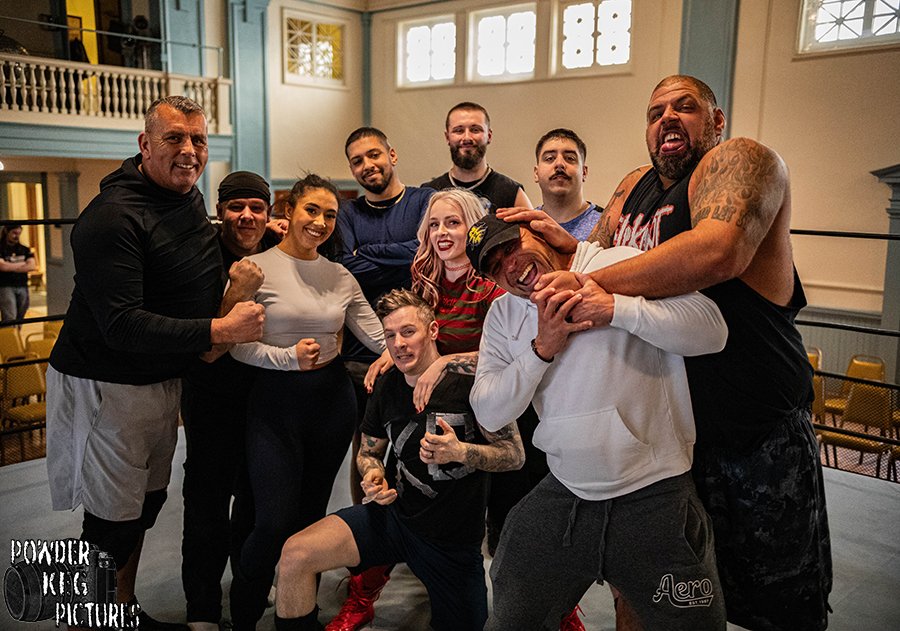
One of the things that I had shared with Gabe and I said, “I just don’t want to be one of the schools, I want us to be the number one school.” It’s really been good for us with where we’ve got people coming from all over the country. I’ve got Canadians coming to visit us on a regular basis. I’ve got people from Maryland, New Jersey, Philadelphia, New York, and Connecticut. I got guys and girls coming from other schools to come visit us to kind of see what it’s really like.

One of the compelling things that I’m hearing consistently across the board from both male and female talents is that the school really gets to the weeds and the basic fundamentals and creates a lot of positive takeaways, you know, both in and out of the ring for future development. And that says a lot, and I really appreciate that piece.

RRX: Walter was an amazing wrestler and teacher. A few greats have come from his school. What was it like being his hand-picked successor and having a hand in their training?

MH: I am beyond grateful for what Walter has passed on to me. It is my responsibility to continue his legacy for years to come.

RRX: What is the biggest thing that Walter instilled in you that you instill in your students?

MH: I would have to say that self-confidence is the biggest one. And it’s what I want to instill in all of the Elite students. It takes a unique person to do what we do. As Walter used to share with me, not only did he want all of his students to have confidence in the ring, but more importantly, in life.

Photo by Joshua Scarselli

RRX: How did the Elite School end up being part of the ID program, and how did it affect what you do at the school?

MH: I don’t know this for a fact, but I am assuming that Hunter has kept close tabs on what I have been doing over the years and appreciated the talent that I had a hand in developing the right way, which went on to work for WWE, and keeping Walter’s legacy alive to this day. As for Elite Pro Wrestling Training Center, it’s simple to keep teaching fundamentals both in and out of the ring so that talent can thrive at the next level.

RRX: What are some of the things that you teach the students that normal wrestling fans don’t think about?

MH: How many moving pieces actually go into a match, and how the small details are essential to being able to tell a compelling story.

RRX: What’s your personal Mount Rushmore of wrestling?

MH: Rock, Steve Austin, Pat Patterson, Curt Hennig.

RRX: Any final takeaways?

MH: I’m very privileged to do what I do. It’s not my right. If I were to leave the wrestling business tomorrow, from a teaching standpoint, hopefully I could say that I left the business in a better place for the future. I still have relationships today with reaching out or just being able to “How are you doing?” Then just really being able to work with, you know, the future stars of tomorrow has been really something that I thoroughly enjoy.

Storm Front to Appear at the Strand Theatre on December 27th

0
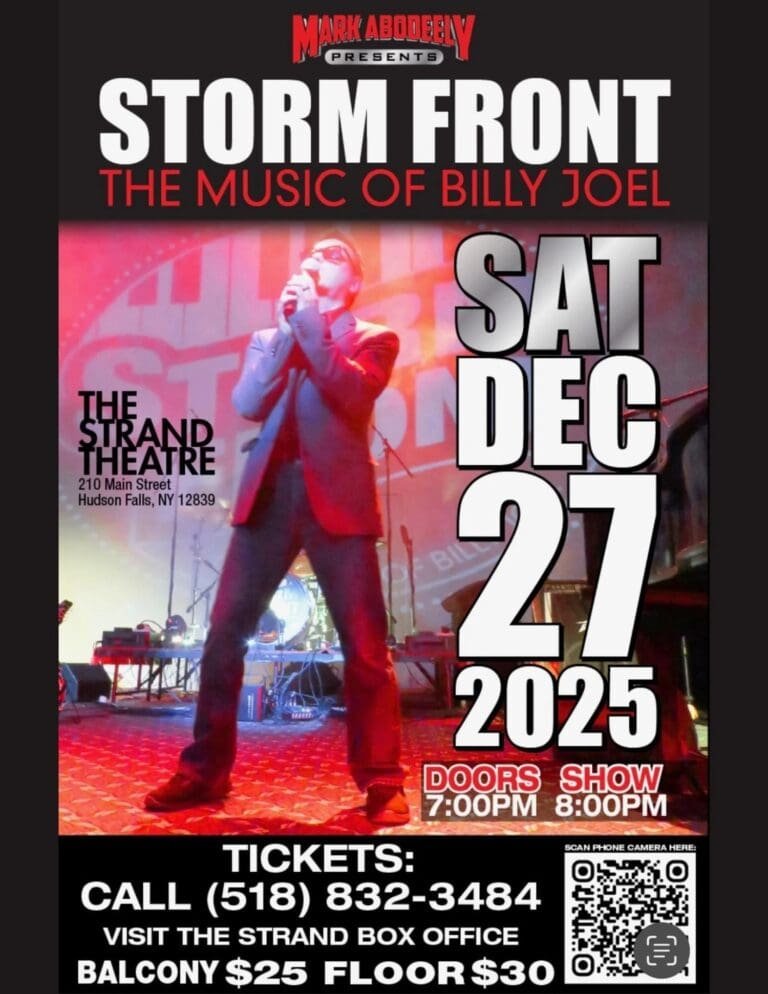
On Saturday Dec. 27, 2025 @ 8:00pm, the band Storm Front takes the stage at the Strand Theatre for an unforgettable evening celebrating the music of Billy Joel!

Led by singer and pianist Mike O’Brien, Storm Front delivers a powerful tribute to the legendary artistry of Billy Joel.

Their show consists of playing hit after hit of Joel’s musical catalogue with acute accuracy. And a few album nuggets for the die-hard fan! Hits like “Movin’ Out’,” My Life”, “It’s Still Rock n Roll to Me” and of course, “Piano Man” will keep the audience singing all night long! Brought to you by Mark Abodeely.

$25 balcony, $30 floor seats. Tickets are available at the Strand Box Office; cash or check only or online at Brown Paper Tickets. 

For details and the ticketing link, please go to www.mystrandtheatre.org. Doors open @ 7pm. The Strand Theatre is located at 210 Main St, Hudson Falls, NY.

Please visit our website, Facebook and Instagram for a list of upcoming events at the Strand!

McKinley James @ Hangar on the Hudson, 12/6/2025

0

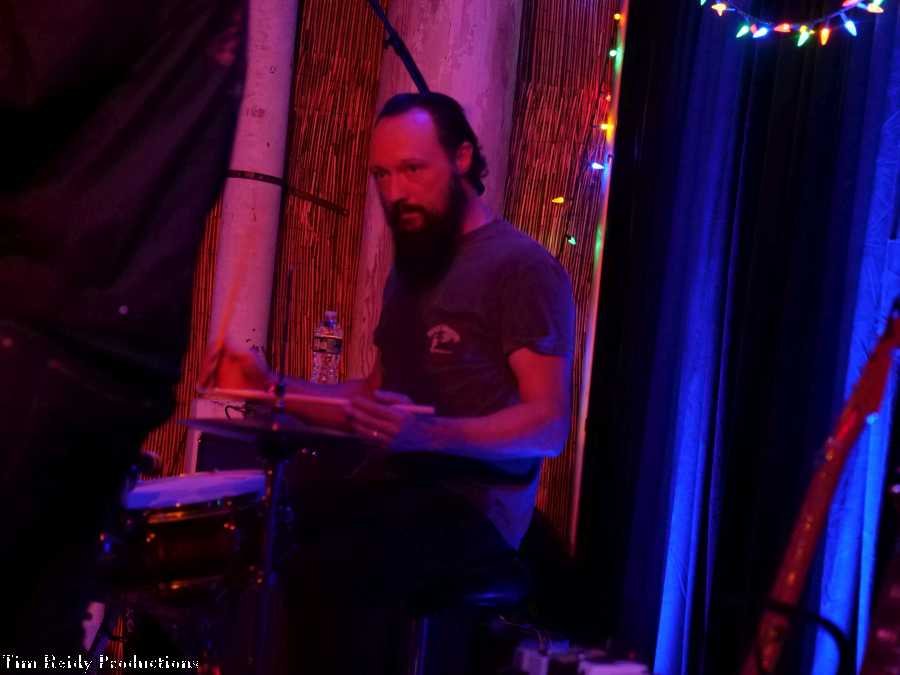
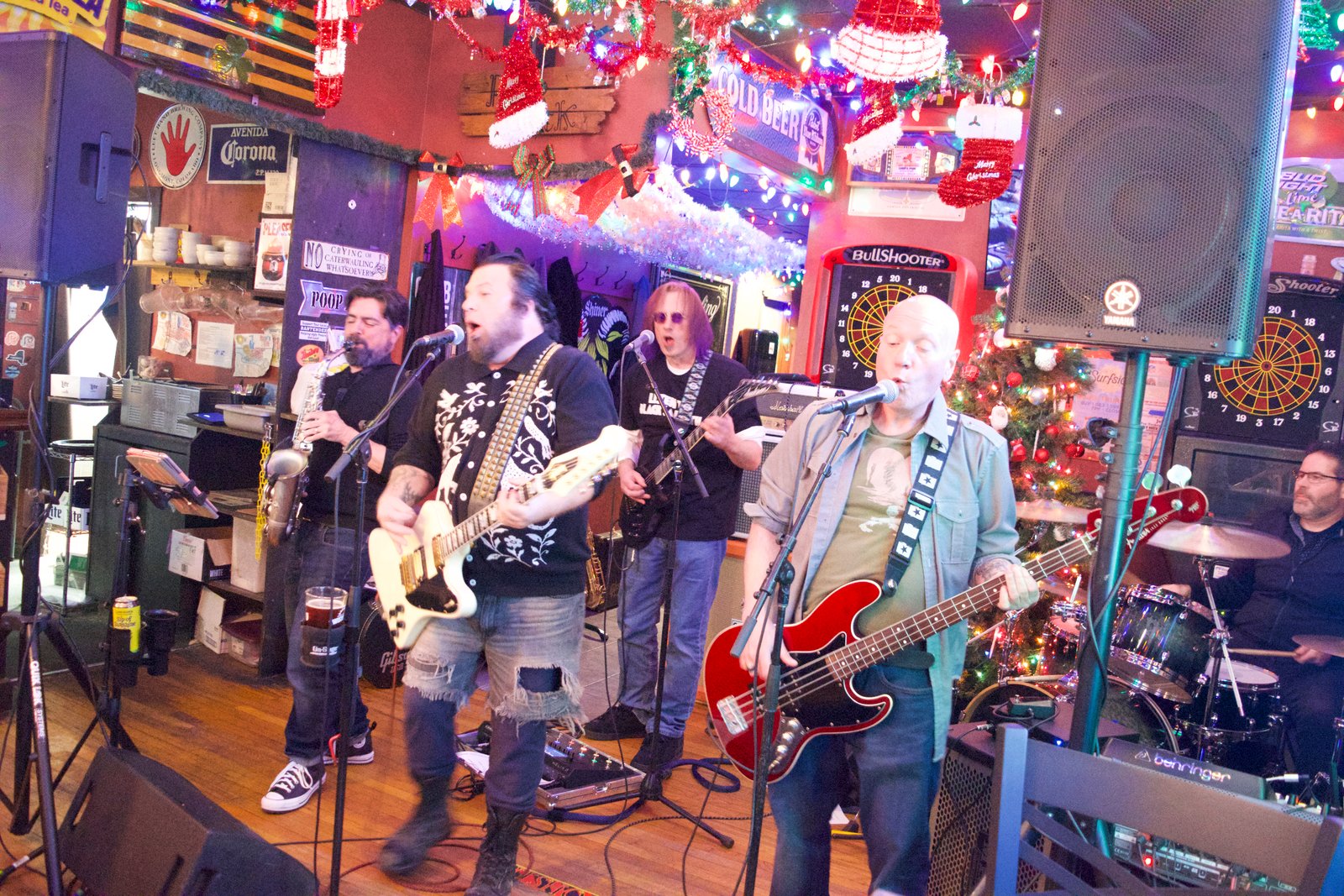
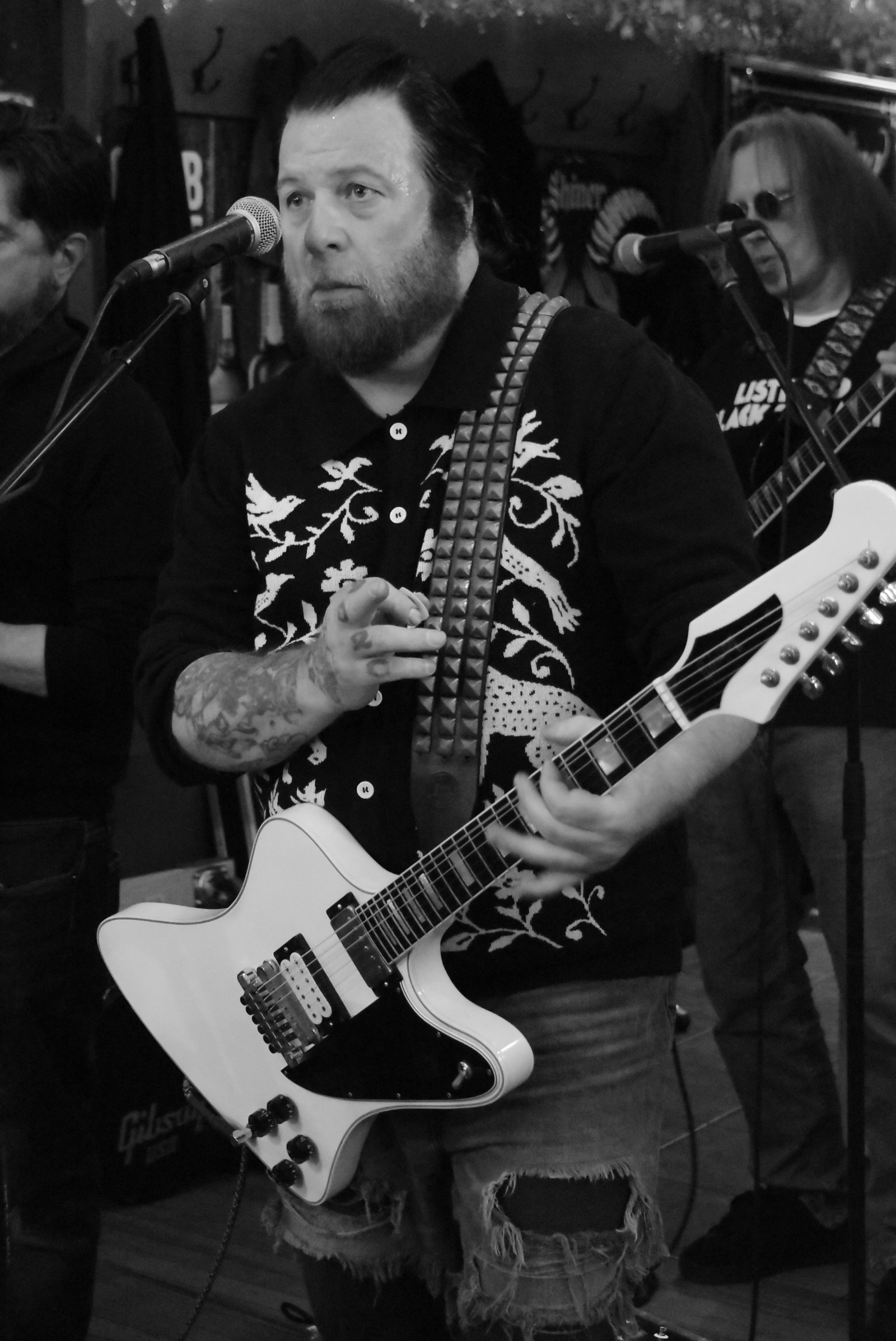
McKinley James showed up at the Hangar on a Saturday night. Rock ‘n’ roll ensued.


Photography by Timothy Reidy.

More from the Hangar on the Hudson here …

Blase DeBris @ Ship’s Pub, 12/13/2025

0

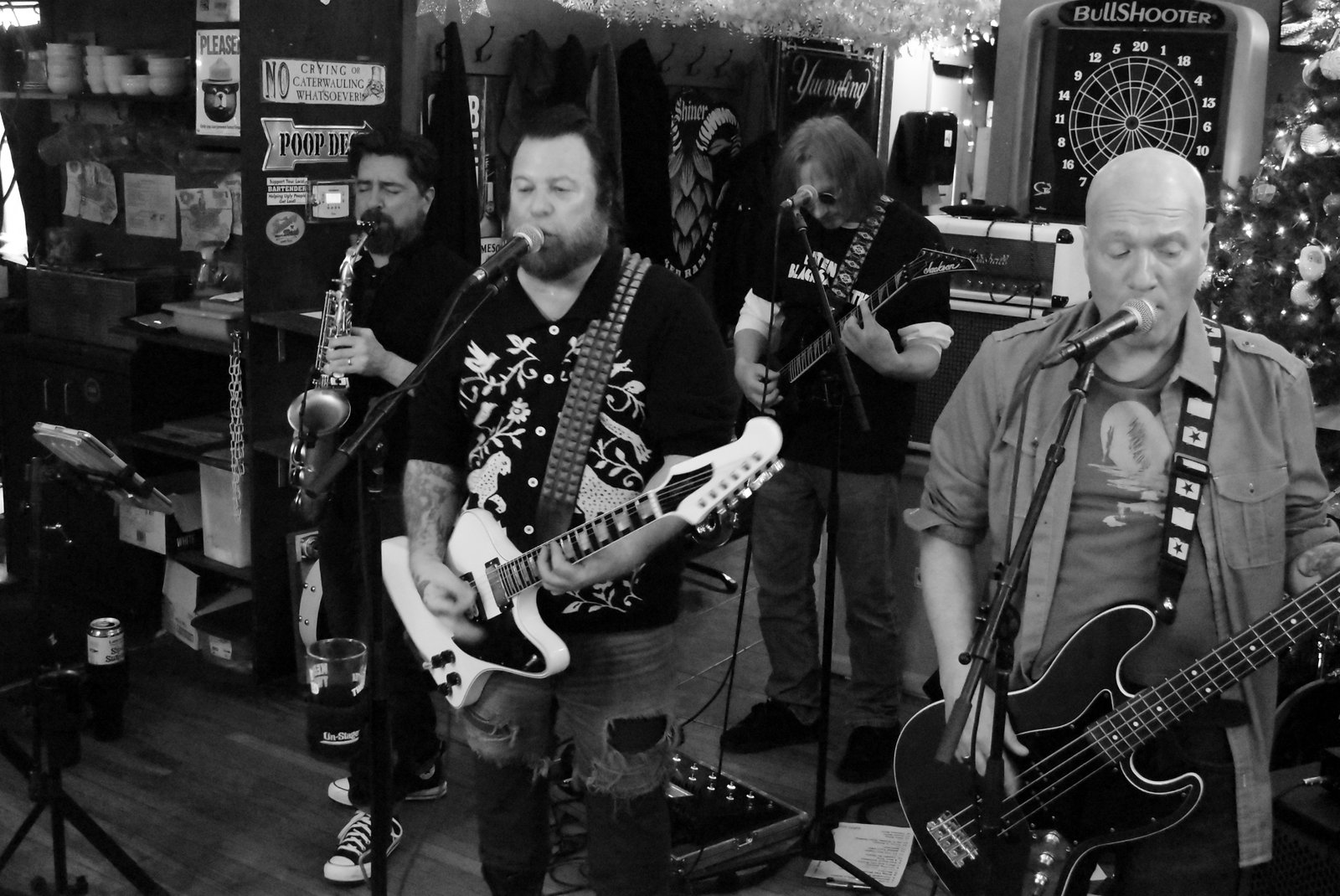
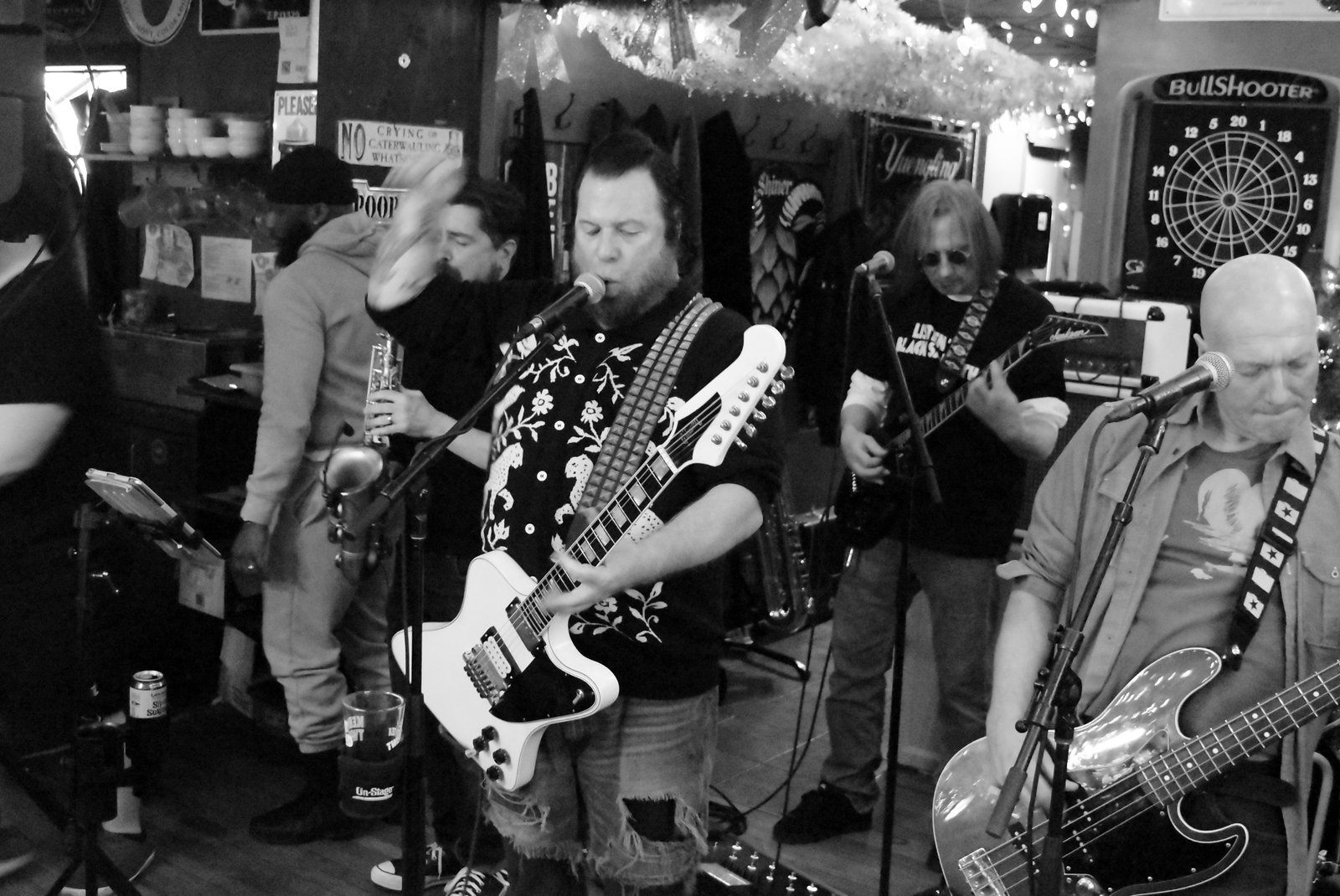
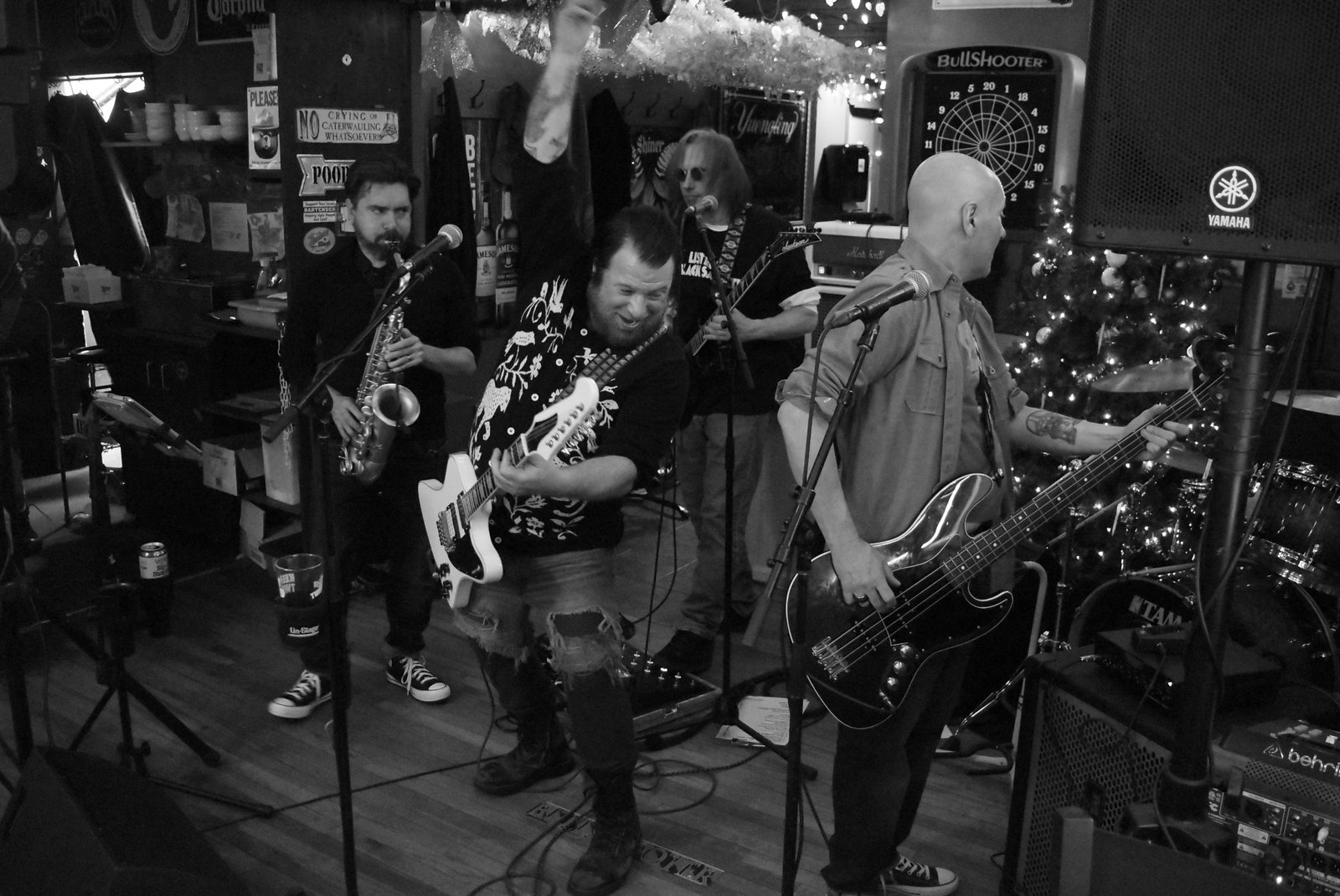
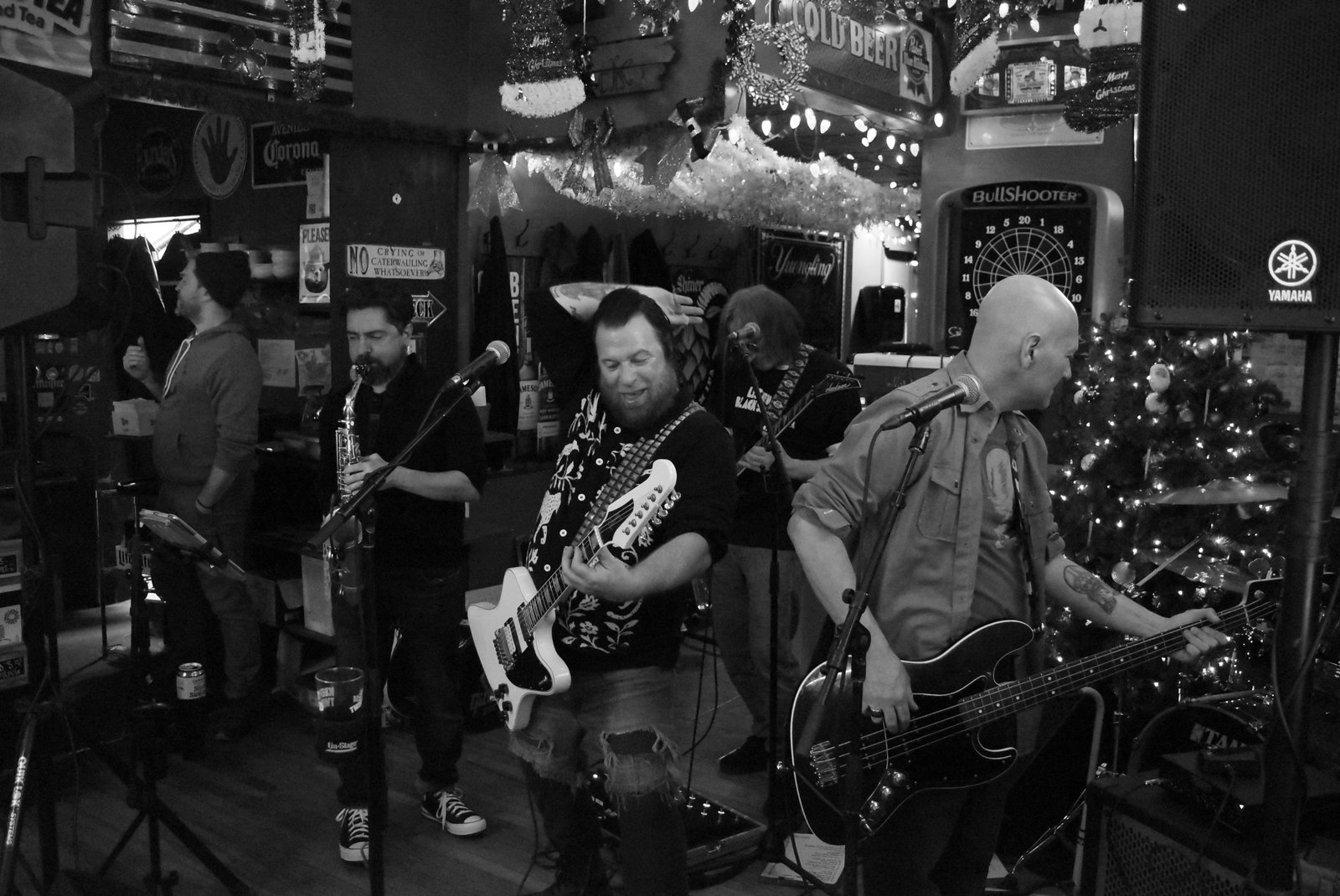
Since 2002, Blase DeBris has been rocking arenas and venues alike, tonight performing at Albany’s famous Ship’s Pub. The band performed for a packed out audience.


Photography by Christopher Ebbs.

Read an interview with Duane Beer here …


Troy Savings Bank Music Hall Brings Music at Noon Lineup!

0

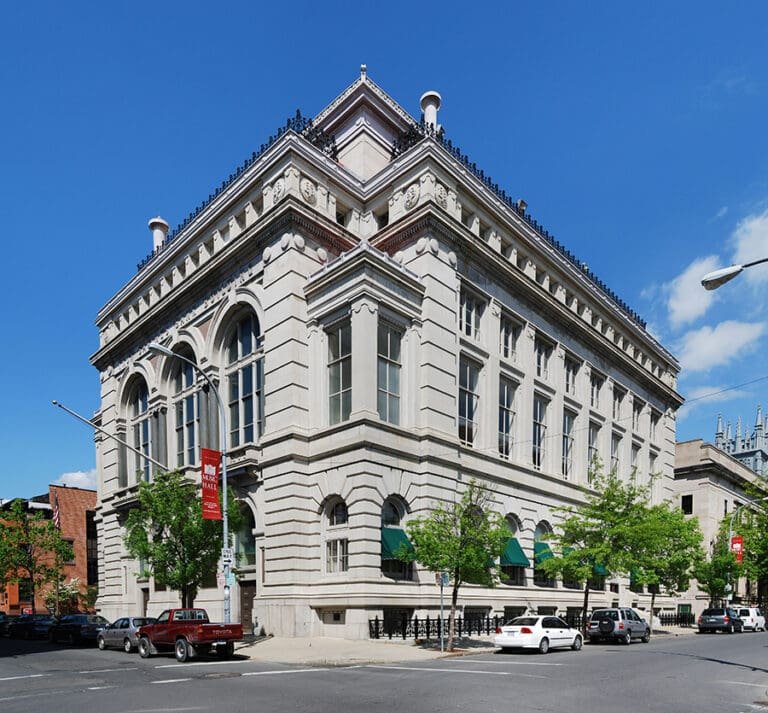
TROY, NEW YORK:     The Troy Savings Bank Music Hall is excited to announce that the popular lunchtime series Music at Noon is back for the 2026 season. Since 1988, on the second Tuesday of each month through June, the free Music at Noon concert series has presented exceptional musicians with a diverse mix of musical styles.  Shows are free to attend and be sure to bring your lunch!  Full Music at Noon series lineup listed below!

January 13th – Lost Radio Rounders

Acoustic Americana

February 10th – Michael Century

Piano

March 10th – Oxalis Trio

flute, oboe, and piano

April 14th – Veena & Devesh Chandra

Sitar and Tabla

May 12th – Findlay Cockrell

Piano

June 9th – Hammerhead Horns

Roots, Ragtime, Barrelhouse Blues


Music at Noon free to attend thanks to the support of our generous sponsors:

Program Sponsors:

Architecture+

CDTA

Fenimore Asset Management / FAM Funds

Arrow Bank

Berkshire Bank

M & T Bank

Price Chopper/Market 32

Stewart’s Shops / Dake Family

Lucille A. Herold Charitable Trust


Full Season / Additional Sponsors:

Supported by New York State through Alive Downtowns

Troy Redevelopment Foundation

New York State Council on the Arts

Fagan Associates

The McCarthy Charities

Access Plus

Troy Savings Bank Charitable Foundation

Emry’s Garden

The Moore Insurance Agency

Review Foundation

Robison Family Foundation

Hatchet Hardware

The Ruck

Bacchus Wood-Fired

Teachers with buses and large groups should call ahead to reserve seats. Limited number of ADA accessible seats available.  Patrons and groups with special seating requests please contact the Box Office at 518-273-0038.  For more information about Music at Noon or the Troy Savings Bank Music Hall’s upcoming programs visit our website at www.troymusichall.org.