Home Blog Page 127

Suzanne Reisman – Rat Tours NYC – An Xperience Interview

0

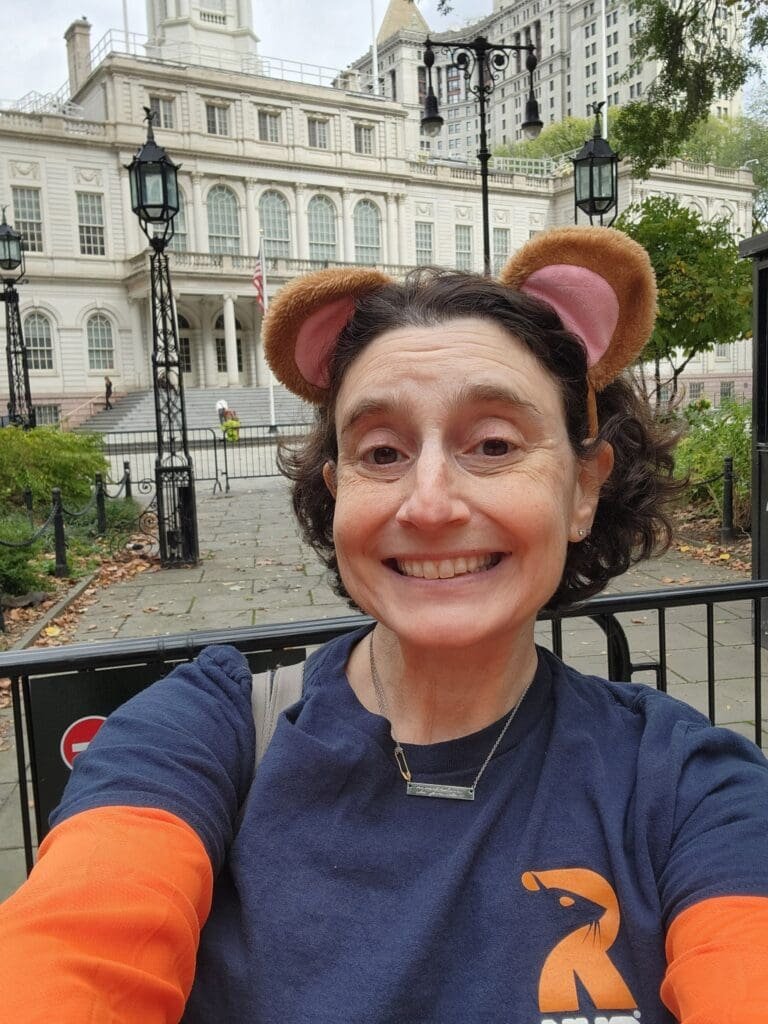
Suzanne Reisman – Rat Tours NYC – An Xperience Interview – by Liam Sweeny.

RRX: You hold garbage and rat tours in New York City. What got you started in this endeavor?

SR: I’d been working in nonprofit social services administration for a long time – over two decades – and, given the horrendous political environment, I decided to do something that brought more joy to my life. I love walking tours, and I’ve had my NYC tour guide license since 2009 or 2010. It seemed like a good time to put it to use talking about things I care about, but in an entertaining way.

RRX: Have you ever been attacked by a rat?

SR: LMAO! NO! Rats are far more scared of us than we are of them. Although I was looking in a trash can last night during a tour, when one jumped out. It scared the s*&t out of me! I screamed so loud, I also seemed to scare the shit out of it and its friends, because that rat and a few others bolted away.

RRX: Have the police or the city ever tried to dissuade you from showing people this side of New York?

SR: Actually, the City has been really supportive. There are a few initiatives underway to teach the community about rats and rat mitigation. I used their free trainings to develop material for my tour. I also encourage NYC residents to sign up for the trainings to learn more! It’s important that we understand why we have a rat problem, and it’s not the rats – it’s us. If people would change their behavior around trash – and this is true from Dutch times on – then we’d have many fewer rats.

RRX: What area would non-New Yorkers be surprised has a lot of rats? What area would native New Yorkers be surprised has a lot of rats?

SR: It seems both New Yorkers and visitors are surprised by how much rats really love living in parks. They don’t want to be in our buildings – they love burrowing into green areas!

RRX: What is the craziest thing you’ve come across in tours, rat-related or non-rat-related?

SR: Twice, the same very inebriated older woman has stopped the tour while we are in DeLury Square to tell us how she went into Ryders Alley at night in the 1990s to talk to some guys who had baseball bats and bags to find out what they were doing. They were beating rats to feed to their pet snakes.

RRX: Has anyone wanted to feed the rats on the tour, or do something weird like that?

SR: People joke about petting the rats, but no one has. Also, no one – thank god – has tried to feed them. I’m very serious that people understand that having so many rats and garbage around is bad. Once, a rat jumped out of a trash can and landed on one of my guests’ feet. He was pretty excited by that, which … OK. I admit that I screamed. LMAO.


More from Liam Sweeny…

Gaelic Storm Coming to Troy Savings Bank Music Hall March 21st

0

GAELIC STORM

Saturday, March 21st, 2026, 7:30 PM

Tickets: (518) 273-0038       For venue information:  www.troymusichall.org

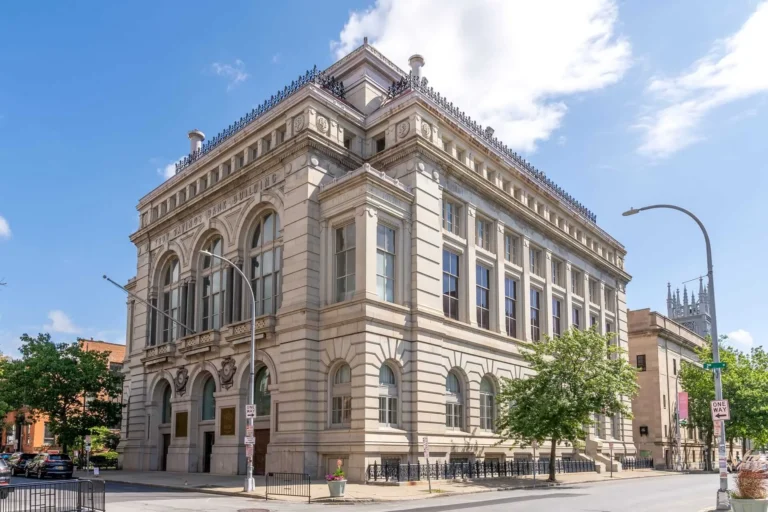
TROY, NEW YORK:     The Troy Savings Bank Music Hall announces Gaelic Storm will return on Saturday, March 21st!  Pre-sale for the show starts Wednesday, November 5th at 10am and tickets will go on-sale to the public on Friday November 7th at 10am.  Learn more below about this show!

It’s hard to imagine a band just coming into their own after 20 years of success, but that’s exactly what makes a true anomaly. Gaelic Storm, a multi-national, Celtic juggernaut grows stronger with each live performance, and after two decades and over 2000 shows, they are a true force to be reckoned with.

The band attributes their continued success to their fanatic audience, and it’s a well-diversified crowd for sure – attracting fans of every genre with their rich storytelling, energetic instrumentals, devotion to Celtic traditions and passion for their stagecraft. They are as loyal to their fans as the fans are to them, as front-man Patrick Murphy states, “The fans are the ones that have given us this life. We’re here for them.”

Gaelic Storm takes a true blue-collar, hard-nose approach to touring, consistently traveling the US and internationally forging a unique path in the Celtic music world. “You have to see us live. We are the true working-man’s’ band,” says longtime member Ryan Lacey. “We still, and most likely always will, tour most of the year, and that’s how we constantly hone our craft.”

This dedication to their live show dates all the way back to the mid-1990s, when Gaelic Storm kicked off its’ career as a pub band in Santa Monica, California. One which performance led to their discovery that ultimately found the band appearing in the blockbuster film, Titanic (where they performed “Irish Party in Third Class”). This laid the groundwork for a career that would eventually find them topping the Billboard World Chart six times, making appearances at mainstream music festivals, and regularly headlining the largest Irish Festivals across the country, all while gaining a reputation as a genre-bending Irish rock band whose songs mix Celtic traditions with something uniquely creative.

Recent years have seen the addition of Natalya Kay on fiddle and Parker Hastings on guitar, who both bring their own energy, musicianship and spirit to Gaelic Storm.

Tickets are on sale at 10am, November 5th to Troy Savings Bank Music Hall Members.  Anyone can become a member and gain access to the pre-sale.  Single tickets go on sale the general public Friday November 7th at 10am via phone, (518) 273-0038, in person, or online at  TroyMusicHall.org.  More information on the Troy Savings Bank Music Hall and upcoming programs is also available on the website at www.troymusichall.org.

Healing Harmonies: An Afternoon of Music

0

By Joshua Scarselli.

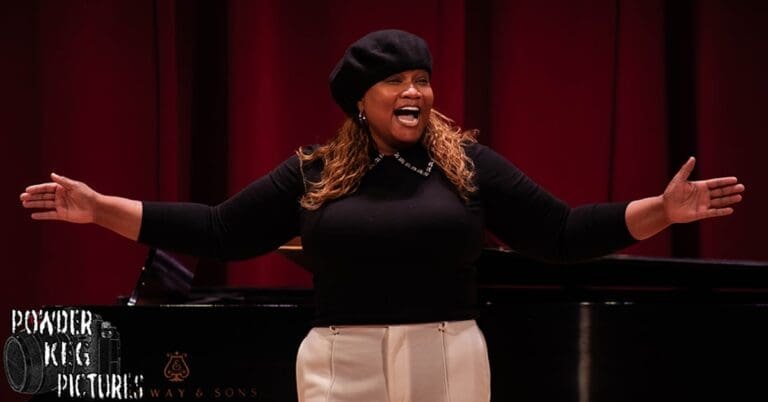
The Community Hospice and St. Peter’s Palliative Care Partners held Healing Harmonies: An Afternoon of Music at the UAlbany Performing Arts Center. This concert was a benefit held to support the important work they do, helping seriously ill people and their families. Not only does this concert help raise money, but it also spreads information to the community. A lot of people think you can only benefit from hospice or palliative care in your final days. In fact, you can access these services with a prognosis of six months or less. If someone is blessed to live beyond those six months, they aren’t kicked out of the program. They support some people for years. 

We were treated to a wide range of music. From classical to the eclectic, there was truly something for everyone. All of these talented individuals are present or former colleagues from St. Peter’s Health Partners. The acoustics of the center were absolutely amazing. This only served to enhance the performance. Every last piece was filled with emotional energy that represents the work these medical professionals bring to the community. 

The work Hospice and Palliative Care do is unique. They help people die with dignity. I worked for Hospice for five years. It is still one of the highlights of my medical career. Many patients will tell you that Hospice and Palliative Care allowed them to truly live once they found out they were going to die. 

If you want to make a donation or see how you can help, visit givetocommunityhospice.org.


Photo Gallery by Joshua Scarselli

Week Forty-Five: Jesse Sample’s Freak of the Week “Rock n Roll Gangster”

0

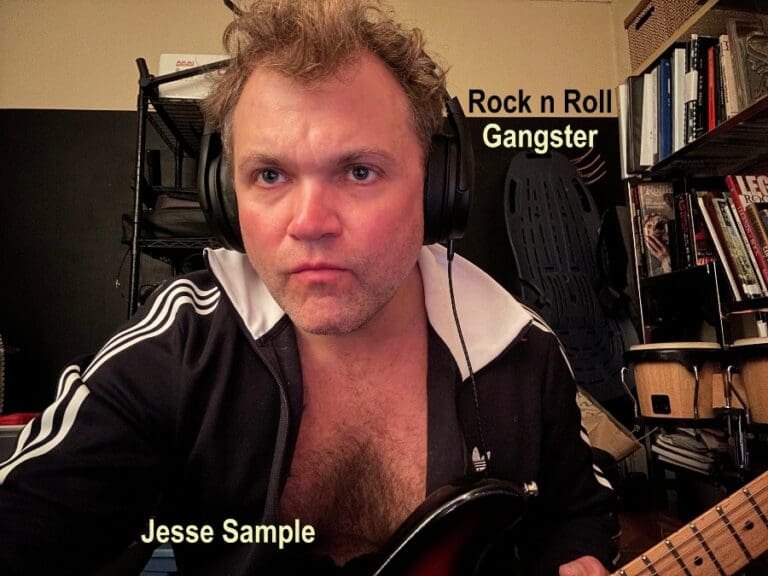
Jesse Sample’s Freak of the Week airs EVERY WEDNESDAY at 6pm Eastern ONLY on RadioRadioX.com

This is Jesse Sample. If you could do whatever you want, independent of financial concerns or personal commitments, what would that picture look like? What personal choices would you make within this new blank canvas? Everyone’s different and we all change and grow in our tastes so that picture will also develop and get more nuanced.

Personally, I prefer the tracksuit. And if it’s cold, perhaps a nice peacoat that goes down to the knees over the top. I’d like to just jump on a plane whenever I feel like it and when I land, wherever it is that I want, I’d like cruise around town and just see what jumps out. I’d frequent low lit bars and stay at the nicest hotels.

I’d naturally be so free and relaxed that I could just sit in with any random jazz band and boogie through any standard. I would get up late and take my time getting started. I’d naturally want to eat interesting food and reflect on my life while relaxing in the city’s finest day spa.

Thanks to all of you tuned into RadioRadioX. This is the Freak of the Week, “Rock n Roll Gangster.”

Bruiser and Bicycle / Emerald Ground Water / Stella Emmett @ Hangar on the Hudson, 10/26/2025

0

Bruiser and Bicycle had one of the best shows of the year at their “Deep Country” release party at the Hangar, while Emerald Ground Water returned to Troy and were hard to follow, and Stella Emmett came out of hibernation.


Photography by Timothy Reidy.

More from Hangar on the Hudson here …

Roman Find in New Orleans – The Weird Side of the Internet

0

Roman Find in New Orleans – The Weird Side of the Internet – by Liam Sweeny.

I spent a lot of time as a kid looking for buried treasure. I was a weird kid, what can I say? And I say ‘weird’ because I would dig in places that no one would ever believe held treasure, like the side of a highway. I was also a brave and impulsive kid. So I’d dig against hard-packed dirt with whatever instrument I could find, usually a stick. I wasn’t looking for gold or silver, just for something historical.

Tulane University anthropologist Daniella Santoro went digging in her back yard to clear a garden overgrown since she’d bought the house in 2018. And she found what I would’ve killed to have found: a one-foot square tablet with Latin engraved into it. A grave marker for a lifelong sailor in the Roman Navy named Sextus Congenius Verus.

Now I know that some of you are going to have the little tickle in your nose that you get when you come across a juicy conspiracy. I mean, dig up a two-thousand year old Roman grave marker in a New Orleans backyard and you might think that he was buried there, and our “first Europeans to settle” thing goes right out the window.

But alas, such a mystery is not meant to be. A man was stationed in World War Two and stole the marker from a bombed out museum in Italy. So the tablet’s been in NOLA for about seventy years.
Did you really think there’s anything in a three-hundred plus year old city that hasn’t been bulldozed over at some point? Surely someone would have found it by now. And way to go, kicking the tires of that property purchase. There just as easily been a body dump in that garden. And this is New Orleans. There might have been a body dump at some point.


More from Liam Sweeny…

Music Notes: The Art, Science, and Technique of Music – November Edition

0

Peak Music Studios – November Edition – by Peak Music Studios.

“Why does my mix sound like a wet blanket even when everything’s plugged in right?” It’s a question every musician, sound tech, and weekend rocker has asked at some point. You’ve got the gear, the grit, and the groove, but somehow, it still sounds like everyone’s playing from inside a cardboard box.

Welcome to the mysterious world of EQ, where four little knobs hold the power to make your band sound like a show or a train wreck. Most midrange mixers give you four EQ controls per channel: Low, Low-Mid, High-Mid, and High. They look innocent enough, but twist them wrong and you’ll unleash the sonic equivalent of a chili cook-off gone wrong.

Let’s decode them.

The Low Knob: The Mud Monster

This one usually lives around 80–120 Hz—the land of bass guitars, kick drums, and other things that rattle windows. Too much low-end, and everything turns to soup. Too little, and your mix feels weak.

  • Vocals: Roll it off a bit. Nobody came to hear your lungs.

  • Guitar: Cut it. Guitars don’t belong in the sub-basement.

  • Bass: Boost slightly for warmth and weight.

  • Backing track with drums: Keep it flat or add a touch if the kick’s shy.

If your sound system is fighting the room (hello, boomy bar stages), cut lows everywhere except the bass. Instantly, clarity returns, and you’ll look like you actually meant to do that.

The Low-Mid Knob: The Muddle Zone

Ah, 250–500 Hz, the no-person’s-land where everything fights for attention. This is the “why does it sound like there’s a blanket over the speakers?” frequency range.

  • Vocals: Cut gently to clear up boxiness.

  • Guitar: Flat or a small trim if it feels cloudy.

  • Bass: A tiny boost here gives punch, but too much makes mud.

  • Backing track: Small cut; let the live instruments breathe.

Most new engineers boost here because it sounds “full.” But fullness is often just … muddiness wearing nice shoes.

The High-Mid Knob: The Truth Teller

Now we’re in the 2–4 kHz range, the land of clarity and presence, the part of the mix that says, “Hey, listen to me!” It’s also where mistakes shout the loudest.

  • Vocals: Boost a little to bring words forward.

  • Guitar: Small boost for bite and pick definition.

  • Bass: Add a touch if you want it to “speak.”

  • Backing track: Gentle lift for snare snap and energy.

Go easy. Too much, and you’ll have that vintage “AM radio at full blast” vibe. Your audience will start looking for earplugs instead of encore buttons.

The High Knob: The Fairy Dust

This one sparkles around 8–12 kHz, the realm of air, shimmer, and the magic that makes things sound expensive. Use it wisely.

  • Vocals: Light lift for openness.

  • Guitar: Slight boost if it’s dull; leave it flat if it’s already bright.

  • Bass: Leave it alone. Bass doesn’t need glitter.

  • Backing track: Boost for cymbals, reverb tails, and that studio-polished feel.

Remember: “more treble” is rarely the fix for a dull mix. It’s usually “less mud.” The Fairy Dust can’t fix a swamp.

Panning and Perspective

Keep your vocals and bass center because that’s the spine of your sound. Guitars can go left and right; that’s your width. Drums and backing tracks? Spread them naturally across the stereo field, leaving your voice front and center. Think of your mix like a photograph: vocals in focus, instruments framing the picture, and effects adding depth.

If everything’s up the middle, your mix will sound like a traffic jam. Spread it out, and suddenly your audience can hear every part.

The Science and the Soul

EQ is part art, part science. A small twist of a knob changes how frequencies interact. Cutting 3 dB at 300 Hz can be the difference between clarity and chaos. Our brains love separation; neuroscientist Daniel Levitin reminds us that music isn’t just sound, it’s organized sound. EQ is how we organize that sonic space.

And like any art, it takes practice. You’ll make mistakes. You’ll over-boost something and wonder why it sounds like angry bees. Then one day, you’ll twist the right knob at the right time, and the mix will bloom. That’s the moment you know you’re not guessing anymore, you’re sculpting.

The Bottom Line

Four knobs. Infinite possibilities. The Low keeps your feet on the ground, the Low-Mid clears the fog, the High-Mid brings the truth, and the High adds the magic.

So next time your mix sounds off, don’t panic. Just remember: every cut you make gives another instrument space to shine. EQ isn’t about volume. It’s about balance. And if you mess it up? Twist it back and call it “creative exploration.” We’ve all done it. See you in the studio.

This Month in Music History  

November 1, 1969: Elvis Presley’s “Suspicious Minds” hit No. 1 on the Billboard Hot 100.

November 5, 1956: Nat King Cole became the first African-American performer to host a national TV variety show. 

November 8, 1971: Led Zeppelin released Led Zeppelin IV, featuring “Stairway to Heaven.” 

November 18, 1993: Nirvana recorded their iconic “MTV Unplugged in New York” performance. 

November 22, 1963: The Beatles released “With the Beatles” in the U.K., which was the same day President John F. Kennedy was assassinated. 

November 24, 1991: Freddie Mercury, lead singer of Queen, died of complications from AIDS, just one day after publicly revealing his diagnosis. 

November 25, 1976: The Band held their farewell concert, The Last Waltz, featuring Bob Dylan, Joni Mitchell, and Eric Clapton. 

November 28, 1992: Whitney Houston’s “I Will Always Love You” began its 14-week run at No. 1 on the Billboard Hot 100. 

November 29, 2001: George Harrison died at age 58. 

November 30, 1982: Michael Jackson released “Thriller,” which became the best-selling album of all time.

 Weird But True

“Jingle Bells” wasn’t originally a Christmas song. It was written for Thanksgiving.
The song was composed by James Lord Pierpont in 1857.  It was titled 
“One Horse Open Sleigh” for a Sunday school performance on Thanksgiving. Over time, it became a Christmas song thanks to its snowy imagery and catchy hook. 

More from Peak Music Studios…

Collar City Mushrooms

0

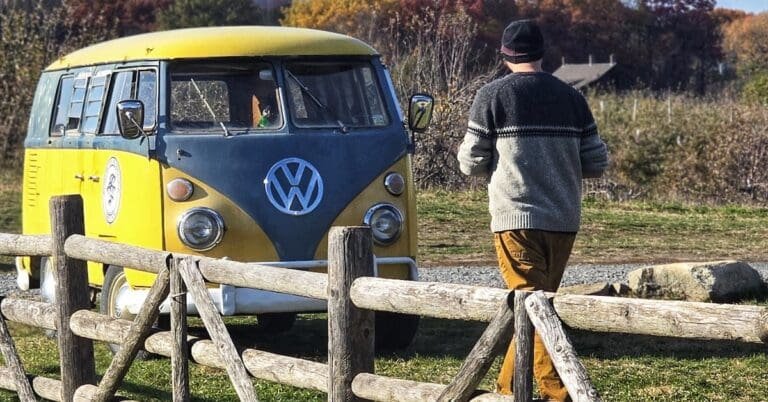
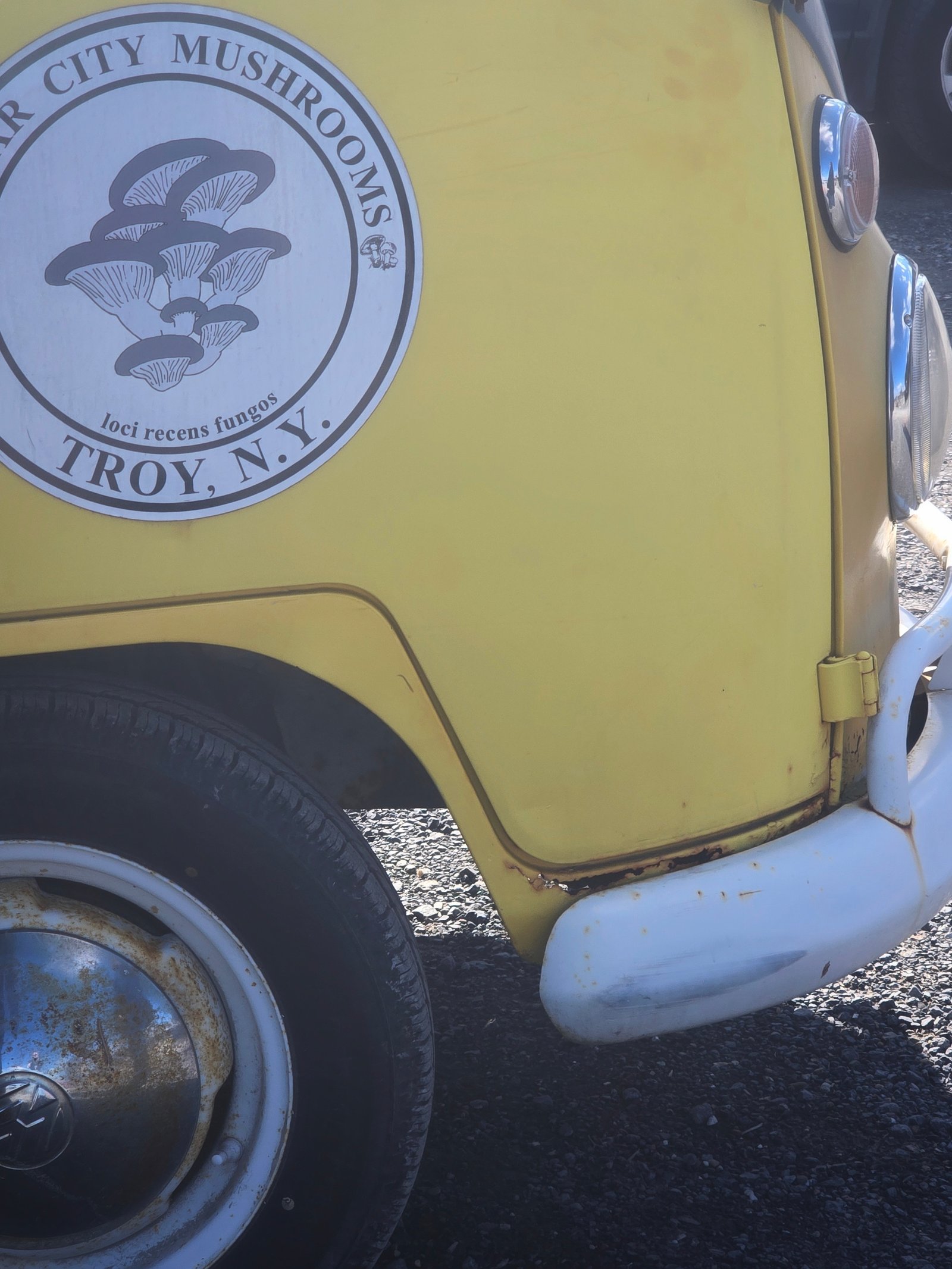
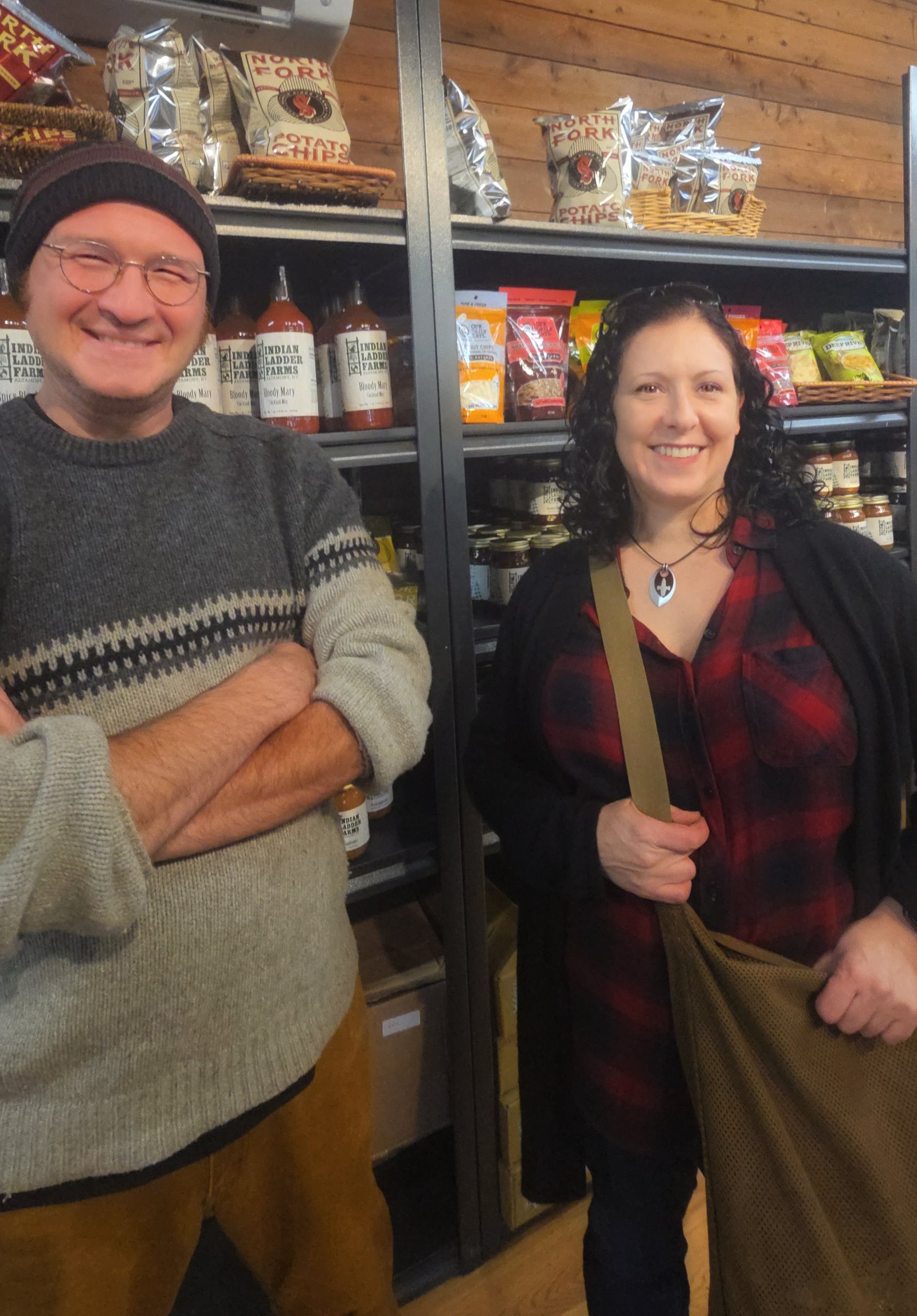
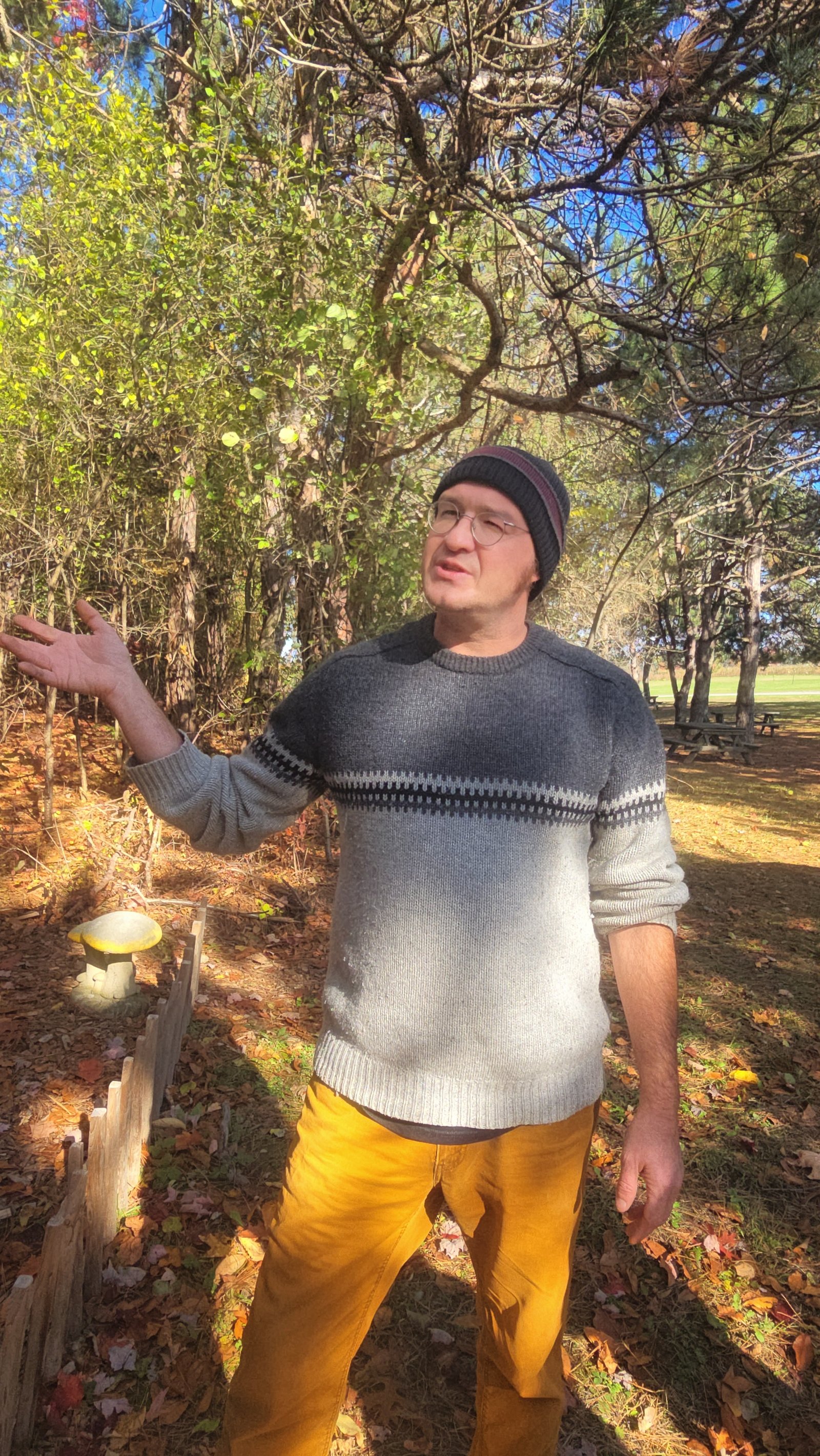
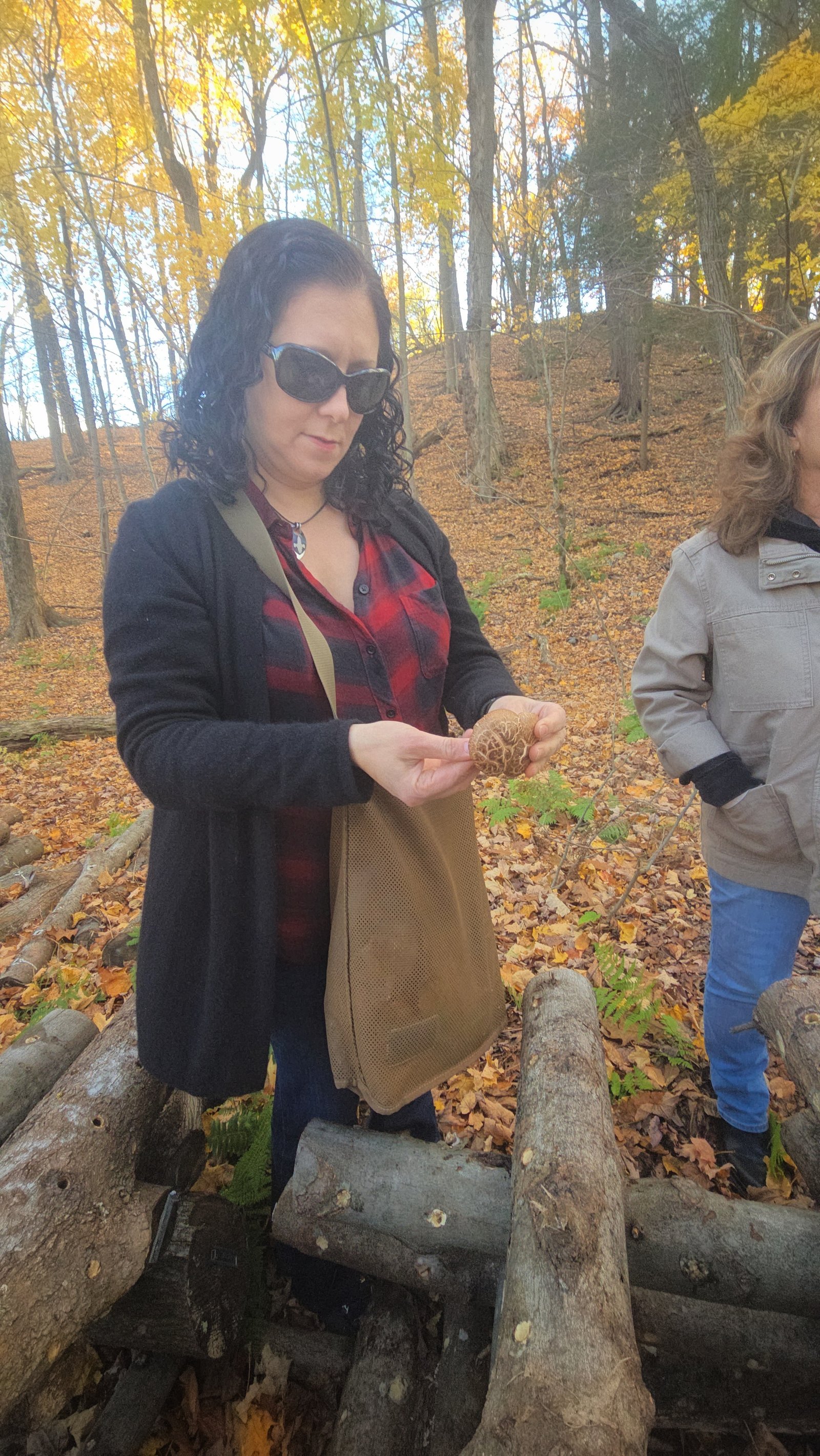
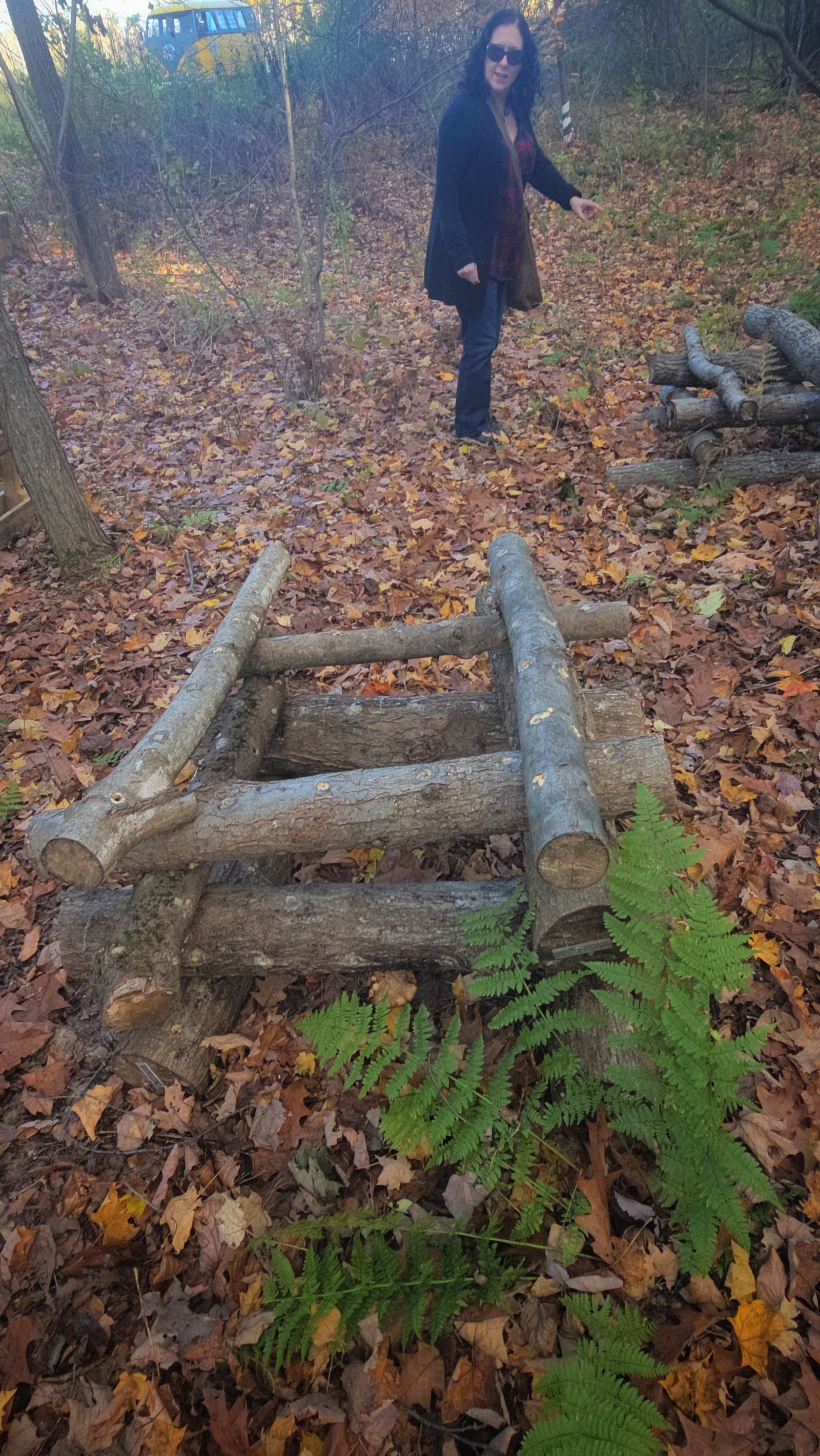
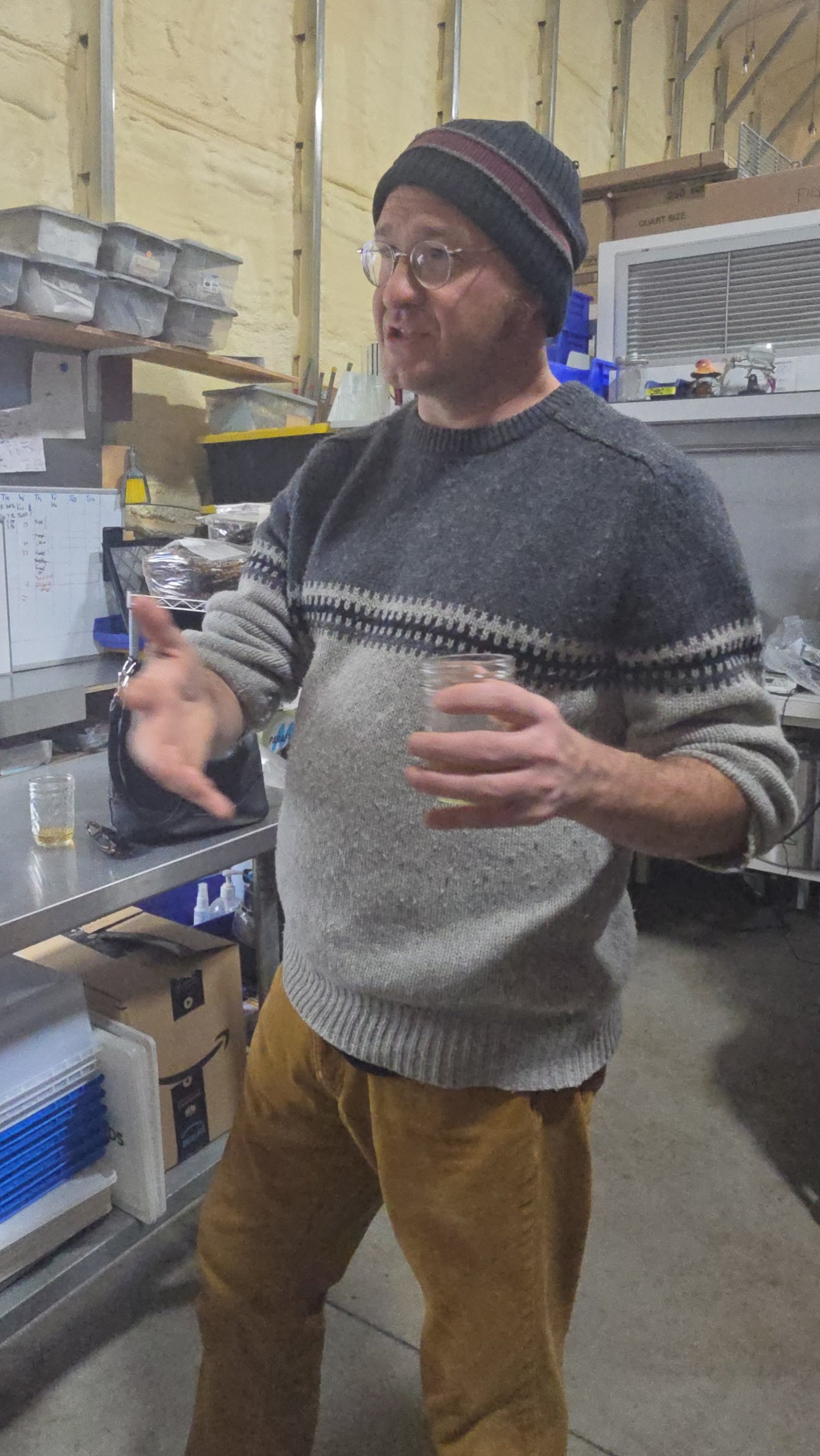
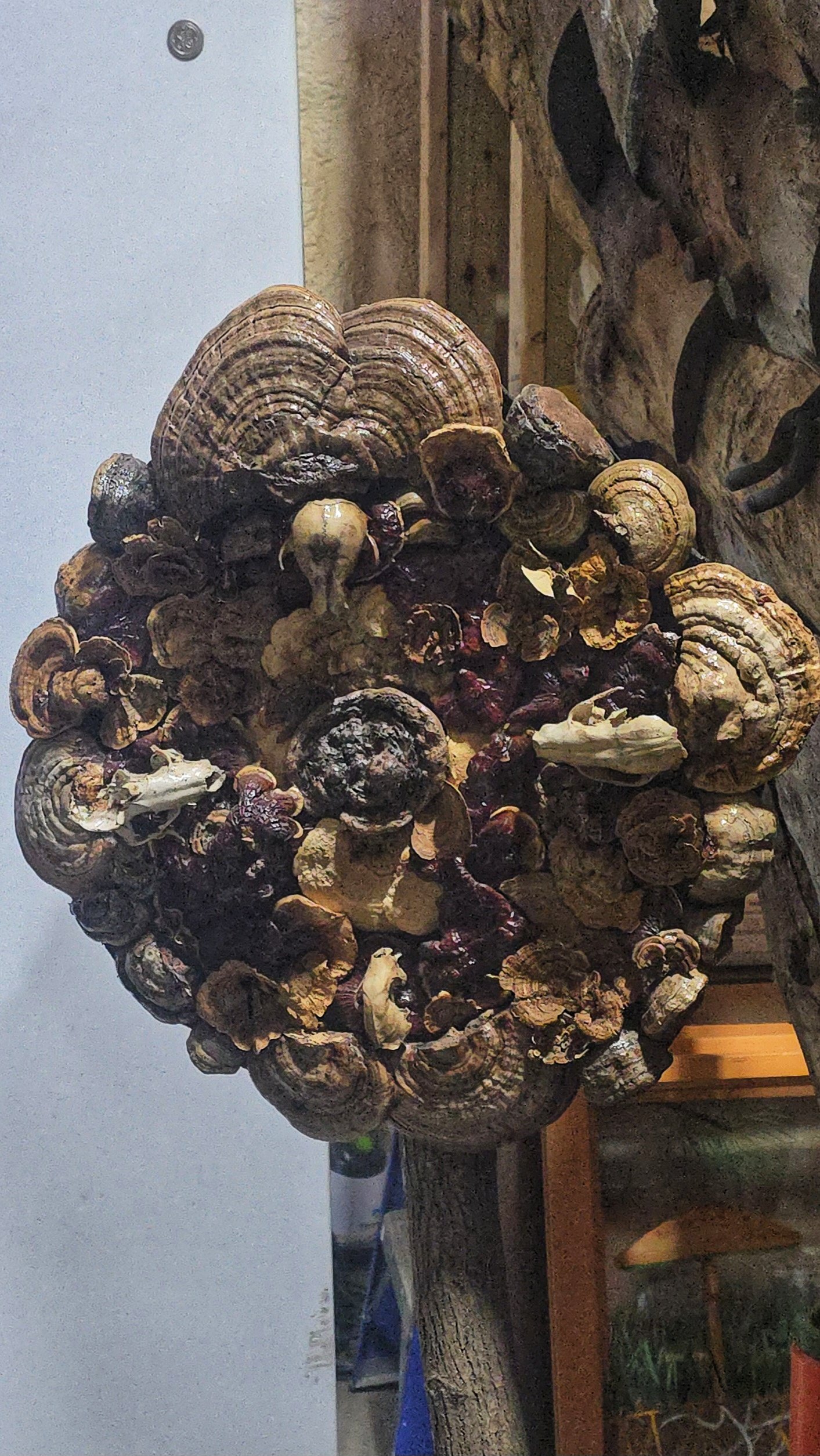
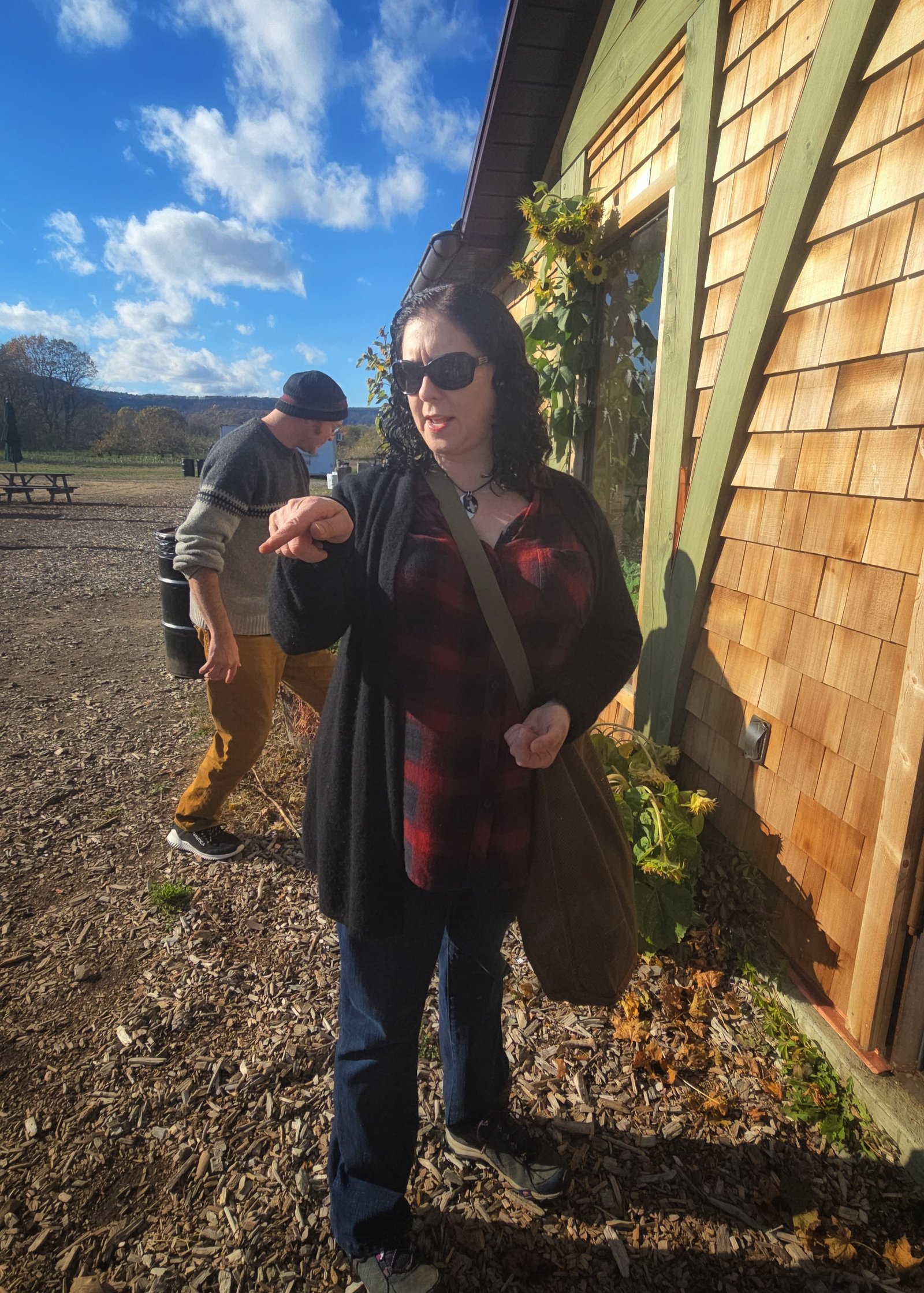
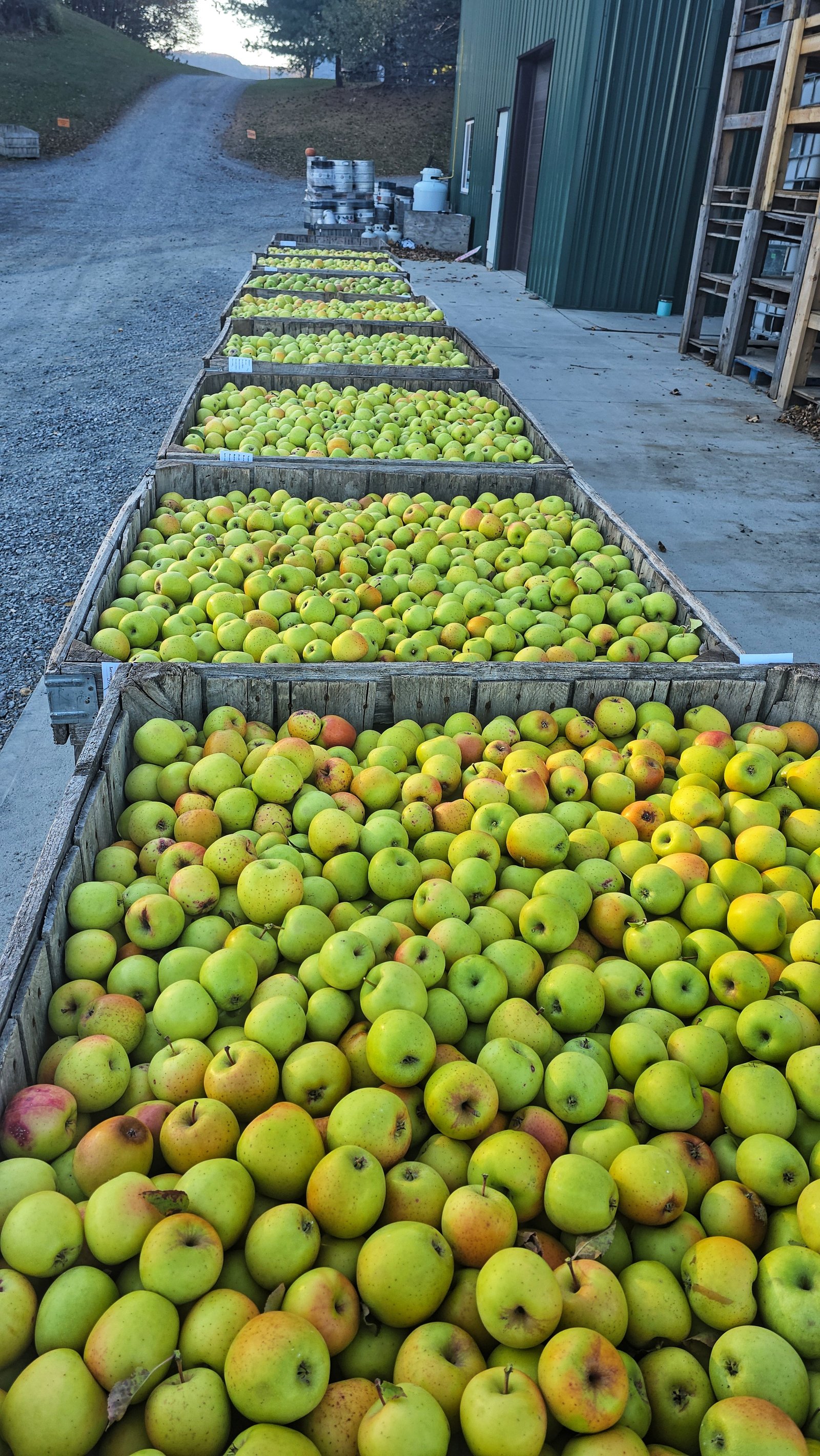
I visited Collar City Mushrooms on Sunday to film for my show, “Sara B Presents – Live From The 518,” and took some behind-the-scenes pics. I was treated to an amazing tour of the grounds at Indian Ladder Farms by Avery and Amy, including their grow rooms and dining areas!


Photography by Sara Busone.

Read an interview with Avery Stempel of Collar City Mushrooms here …


Lithium, Chptr. 13 – Xperience Fiction

0

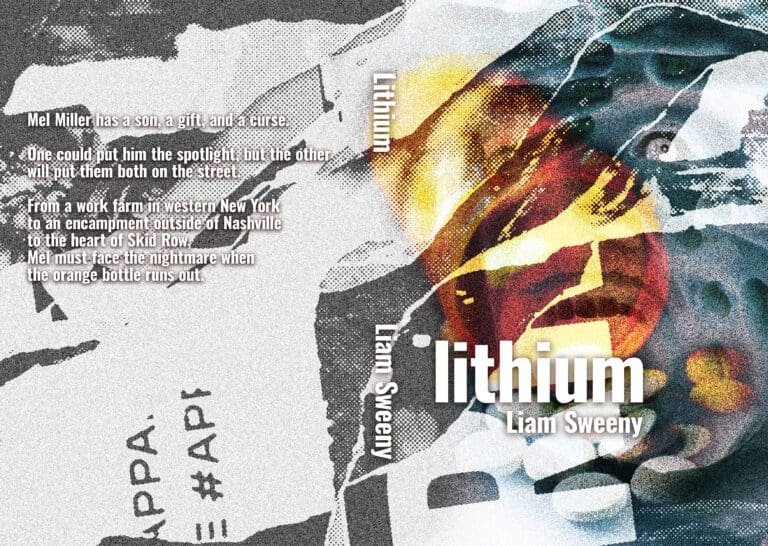
Lithium, Chptr. 13 – Xperience Fiction – by Liam Sweeny.

The road swallowed tread and spit it out, gravel spitting out in all directions. The pings of stone against the undercarriage made Mel feel like it was raining up hail and they were encased in tin roofing. Mel and Andy were quiet when they left the farm, not a word spoken. Mel could still feel the fine tremor of tension from the punch he’d needed to throw but was denied. His ears were also pricked for the sound of sirens, in case Burle did call the police.

Andy had his cards in his hands, rearranging them in an endless cycle of nervous dissipation. He explained once that the cards were a game, and he was building decks for that game, should he be challenged to one. But Mel understood that the cards were Andy’s power; his control, much in the same way Mel’s last painting was. And to think, saving them wasn’t the first thing on his mind when they got evicted.

Andy glanced over. “You okay, dad?”

“Yeah, fine,” Mel said. “Why do you ask?”

Andy leaned over to touch Mel’s cheekbone, and Mel flinched just an inch.

“That,” Andy said.

Mel chuckled. “It’s probably going to be a black eye.”

‘It’s already a black eye. And puffy.”

“Isn’t the first one I’ve ever gotten. Or given, for that matter.”

Andy laughed. “You, punching somebody,” he said. “I can’t believe you went after Burle.”

“He thought he could say anything and get away with it.”

Andy turned his gaze back to the road ahead. “He kinda’ did.”

Mel sighed. “Yeah, he kinda’ did.”

They kept on down the highway. It was only twenty minutes to Jamestown from the farm, but it was a long, barren twenty minutes of pasture and lines of spruce and spring foliage.

“I think I’m going to have to wean myself off of my meds,” he said. “There’s no way I can afford to keep taking the full dose right now, and rationing a small dose is like not taking them anyway. You have to be taking enough to be therapeutic, and we’re not going to have therapeutic money.”

“Are you going to go crazy, end up in the hospital? You told me you did before.”

“No, I’m not,” Mel said. “I went in the hospital the first time not knowing anything about bipolar. I know everything there is to know about it now. I’m not going to drink or do drugs. I’ll get plenty of sleep. It’ll be tough, but it’s only until I can get us back in business. Maybe a month without them.”

“What do I do if you start acting weird?”

Mel hadn’t thought about the fact that if he went off, his son would end up a de facto caretaker. Eleven-year-olds should only be taking care of themselves, and not even that.

“If you see me acting weird, tell me,” Mel said. “And if I start doing something that’s unsafe, I want you to call 911, no matter where we are. But tell them I have bipolar, so they don’t think I’m on drugs.

“And if I ever ask you to do something unsafe, you don’t do it. You call 911.”

Andy nodded after each thing that Mel told him. His cards were in his hands, and he was shuffling them without looking at them. God damn Mel for putting so much on him at that age. Mel thought that if he had any family he trusted, or any good close friends, and if Debra wasn’t on the hunt for him, Mel would find someone to take care of Andy until he could get on his feet.

They started to see signs of civilized life as they neared Jamestown. They were quiet again. Mel wanted to break the quiet, but he couldn’t think of anything that wouldn’t further press into Andy’s shoulders. Andy spoke up.

“Are we going to the tent city? The one Allie was talking about?”

“I was thinking of it,” Mel said. “What do you think?”

“I have a choice?”

“Yeah,” Mel said. “But we have to go somewhere. And unless you want to end up with your mother and Sam, we have to go forward, not backward.”

Andy sat still for a moment.

“Can I get my own tent?” He asked.

“I don’t see why not,” Mel said. “As long as we can find one.”

“I’m scared, a little bit,” Andy said. “What if the kids there don’t like me like it was here?”

‘You made friends with the kids here, didn’t you?” Andy nodded. “So you’ll be able to do it there. You’re a good kid. Nobody can take that from you.

“And we’ll get through this,” he added. “The tunnel will be lit, and we’ll come out of this better.”

They drove down Center Street, stopping for every yellow light, lest they draw attention. To be fair, stopping at yellows drew attention also. Mel had decided to go to the Ark Church Mission, with the thought that they might have a food pantry, and they could load up.

The receptionist at the mission was elderly, with white, curly hair in a hairdo Mel couldn’t name, but he’d seen in every picture of an extended Southern family. Her wrinkled skin was soft around the creases, giving her an adorable look. She directed them to a long room inside the side building of the church, loaded with canned goods, dry goods, fresh fruits and vegetables, even some meats. The man in the pantry gave him three bags, one more than the customary two, due to Andy. He and Andy battled over what to load, Andy going for what tasted good, Mel going for what would pack a bag best.

Mel did make one concession; there was ground beef, a pound of it. The man told him there was a park in the center of town with grills. Mel figured he could afford a small bag of charcoal briquettes. Maybe not buns, cheese, mustard, ketchup, or paper plates, but at least they could get briquettes.

Three bags filled, they came back out to the lobby and nearly knocked over one of the residents, a man with a crutch that looked amazingly like Max.

***

Mel shut the door once he had the groceries in. Andy and Max joked around with each other, slap boxing, with Andy having the advantage.

“What the fuck happened?” Mel asked.

“Fractured my leg,” Max said. “Concussion, lacerations, stitches.”

“So Burle and Casey drove you to the hospital?”

“Oh, hell no,” he said. “They drove me to the park and dropped me off, gave me a hundred bucks for some new clothes.”

“Charitable of them.”

“Yeah, right. So I actually walked to here and just passed out.” He pointed his crutch at the door. “Margaret called the ambulance and checked up on me in the hospital.”

“Jesus,” Mel said. “You could go after Burle for something, reckless endangerment, something…”

“And what good would it do?” Max said. “Everybody knows that fucking guy around here. And not everybody even likes him. A lot of people think he’s a piece of shit, but he’s not on the street. And if Barry’s Burgers wants fresh ground chuck at a good price, they don’t question what goes on at the farm.”

“But you’re okay,” Max said.

“Eh.” Max tapped his leg with his crutch. “Can’t work right now. You never think you’re gonna miss shit work, right?”

“I know. Feeling that a little bit right now.” Mel told him about payday, and the fight.

“Ulysses always breaks up fights. It’s cause he got a warrant on him. It’s too bad he was standing there. Burle could use another good socking. Thanks for standing up for me, though.”

“No problem.”

“And my tent’s really in a tent graveyard?”

“I saw it with my own eyes.”

“I saw it too,” Andy said.

“Unbelievable.”

Mel invited Max to the park to have a burger. To Mel’s surprise, Max had an all-purpose seasoning that he managed to snag from the food pantry. The grills were caked with the carcasses of burgers past. Mel used his ice scraper to get rid of most of it. The fire from the charcoal did the rest.

All in all, the burgers weren’t so bad. They ate and gossiped, gossiped and joked, joked and sat back by the small pond lined with sapling pines and dreamed about a world wide open to them.

“You guys want a third to Nashville?” Max asked. “I’m good company, and I’ve been saving up those shitty paychecks. I can help with food and gas getting down there.”

“What do you think, Andy?” Mel asked.

“Fuck yeah.”

“Watch it.”

“Okay. Hell yeah.”

“Better. Sort of,” Mel said. “We’re going to want to take off tonight. Is that okay with you?”

“There is nothing keeping me here,” Max said. “If we can, I’d like to go back to the mission and thank Margaret.”

“Yeah, we’ll drop you off,” Mel said. “Besides, there’s something I want to do before we go too.”

Mel dropped Max off at the mission, then took off down the road, not really a distance, but a few blocks. He pulled up in front of Horizons.

“Get it out of the trunk. Face it to you. When I open the door back up, come on in.”

Mel opened the door and walked into the gallery. His painting was no longer in the window, but he noticed the corner of it behind the counter. The owner was talking to a well-dressed couple staring at a mock impressionist work by a local artist. He walked around, hoping she would hurry up. Andy was out front with his smoking gun.

Eventually she joined him.

“Hi again.”

“Hi,” Mel said. “I see you took the Roy Miller down.”

“Yes. I’m going to bring it home,” she said. “I’m far too guilty of doing that. You should see my house.”

“I’ll bet,” Mel said. “About that painting. There’s something you should know.”

Mel told her about the painting being his, though he let her keep thinking his father painted it. He explained that Burle sold it to her and kept the money, telling him it was there on commission. Her face sank.

“That’s hard to believe,” she said.

“I have proof.” He walked over to the door and signaled Andy to bring in his smoking gun.

“Turn it around, Andy.” He did to reveal “The Son.” The owner’s mouth dropped.

“Oh my God, you’re telling the truth,” she said.

“Yeah,” Mel said. “Look, I know you paid for it, but you should know what kind of guy he is.”

The owner pressed her hands against her cheeks. She walked over to Andy. To the painting.

“It’s the most amazing thing I’ve ever seen,” she said. “Best Roy Miller, for sure. Are you selling it? I don’t know if I could ever give you what it’s worth.”

“I’m not selling it,” Mel said. “It’s the only thing I’m keeping.”

Mel was ready to leave when the owner stopped him.

“Look, I know you got the raw deal with the last painting,” she said. “But I’ll make you my own deal. If you let me grab my camera and take a picture of you holding that, I’ll give you fifty dollars.”

Mel thought about it for only a second or two, agreeing. She ran, literally ran, in the back and picked up her camera.

Mel walked out of Horizon’s feeling slightly vindicated, fifty dollars richer, and not one painting lighter. They drove over to the mission and picked Max up, fitting his crutch in the back row and he in the center row. He had a large duffel back full of everything that kept Max running, items unknown to Mel except on the occasion that Max would pull something out.

Mel was close to empty, but they waited until they were on fumes to find a gas station to fill up. Mel wanted a full-from-empty tank mostly for symbolic reasons; a clean break from the soul drag of the farm.

Mel had one-hundred and thirty-six dollars in dollar and coin, and he’d be lighter by the end of the trip. He adjusted the rearview and the side views, turned on the radio and tuned to the first channel he could find, country, fitting for a trip to Nashville, and hit the gas.

***

They’d been on the road for three hours, and by the map Mel pulled up on his phone, they had anywhere from six to eight hour left before they hit Nashville. They drove through populations, signs for Cleveland and Akron. He knew the next major city they’d hit would be Columbus, then Cincinnati after that. But most of the trek had been forest and farmland. And somewhere in that forest and farmland, a point was raised.

“So where exactly is the tent city?” Max asked.

“It’s outside of Nashville,” Mel said.

“Yeah, but where outside exactly? Nashville is huge. Do you have an address? Or does it even have an address?”

Mel couldn’t answer because he couldn’t stop mule-kicking his brain for driving all that way on such a vague location.

“Shit.”

Max laughed. “Oh, this will be an adventure,” he said. “Seriously, Nashville is big. Not New York City big, but big. A least a million people.”

“Albany area has almost a million.”

“Yeah, but how many live in Albany, like a fraction of that? I’ve been to Albany and Nashville. No comparison.”

“Okay,” Max said. “So what do we do?”

Max tapped Mel’s phone. “Trust me to make a call?”

“If it helps, go for it.”

Max picked up the phone, tapped, and swiped till he was punching in digits. He held it up to his ear as Mel turned the radio, largely static, down.

“Coop? Fucker, it’s Max Attacks. Buenos Dias, my man. Listen, I’m on a borrowed phone. I need to ask you something real quick. We’re on our way to Nashville, looking to set up. I got this solid gold painter, man, you wouldn’t believe, but he heard about a tent city for artists.”

“No, he’s a painter-painter, like canvases. I mean, he can paint a house too, but… listen, anyways, you heard of a tent city outside of Nashville, artsy thing?”

“Uh huh,” Max said. “Uh huh, oh, okay. So it’s like that. Will they still let you in, though? We’re a long way, ya know? Any port?”

“Yeah? Okay, sweet. So how do we get there?”

Max shoved open the glovebox and pulled out the envelope Mel’s registration sticker came in. He fished around and pulled out a pen and started writing.

“Alright man, we’ll be there,” he said. “Peace, bro.”

He tapped to end the call, folded up the case flaps and set it back down. Then he picked up the envelope and held it up to the light.

“Okay, it’s a good news/bad news kind of thing,” he said. “Good news, there is a tent city outside of Nashville and my buddy knows where it is. He lives in Nashville, you know, stays there. Bad news is it isn’t an artist place. He said it accepts all types, so you might find artists, but it just accepts all types. So it’ll accept us.”

“So that’s the address?” Mel asked.

“Nope, that’s where my buddy will be for the next day. He’ll be there when we show up – it’s a shelter. He said he’ll take us if we give him a ride too. He’s tired of the shelter.”

“Did he tell you about the place?”

“Nah, not really. He just said he knew where it was. He’s the kind of guy you don’t get a lot out of. So you take what little you get like gold and don’t complain.”

When they passed through Columbus, Mel realized the magnitude of what they were doing. He could tell that Columbus was bigger than Albany, and he knew it was small compared to cities like New York and L.A, but there was a grandiosity to it. They were traveling through a known city, and they would travel through other ones before the trip was through.

Andy slept, which was about the best thing he could do, since being awake meant staring out the windshield at uncertainty. Even Mel’s stomach was going north on a south road. Max was reading a magazine that had been in the car for two years.

“My dad used to collect these model airplanes.” Max pointed to a picture of one in the centerfold. “He spent so much time on these fucking things, just, beyond a hobby, you know?”

“My dad had weird shit like that, too.” Mel didn’t know if he wanted to tell Max about his dad collecting his paintings for resale.

“My dad was a prick,” Max said. “I mean a nasty, twisted prick. I never tell people about him ‘cause I’m afraid just saying his name will summon him.”

“So he’s dead?”

“Yup. Shot in the chest by a pimp when he got caught beating up a hooker.” Max turned over with a smile on his face. “I paid the pimp’s bail.”

“You did, really?? Mel said. “Damn.”

“I didn’t really. I was twelve. But he did get off, cause dad beat the shit out of her. He got a charge for being a pimp, but he beat the murder rap.”

“Damn, I thought my dad was bad. He took my paintings and sold them with his name on them.”

“Don’t sell yourself short on bad dads,” Max said. “That’s bad in its own way.”

“I guess. But the hooker thing is wild.” Max nodded.

They drove through a landscape of extremes, through extremely rural turf where tractors were displayed out front of the farms like classic muscle cars, to cityscapes that bustled but all contained the same chain stores and the same traffic lights and the same congestion he knew back home.

They got into Nashville just before eleven o’clock. They had only taken two rest stops and were road tired and hungry. Max pulled out the envelope and started directing them to the shelter. With only one detour due to getting lost, they made it there before midnight. Max went in and came out a half hour later with a tall, thin man with grey straggles of hair and just a little bit of stubble. His jacket was shabby, but his sneakers sparkled, so Mel didn’t know how to parse that.

“This is Coop,” Max said, and he made introductions. Coop hopped in the back and directed them to I-40 West. Mel was worried about getting there that late, but the situation was beyond him. They were on the road another half-hour, entering a city called Bellevue, when Coop told them to hang a left on a highway called 70 S. No sooner had they done this that he told them to keep an eye out for a dirt road headed by a big rainbow flag, which wasn’t hard to spot.

They pulled in.


More from Liam Sweeny…

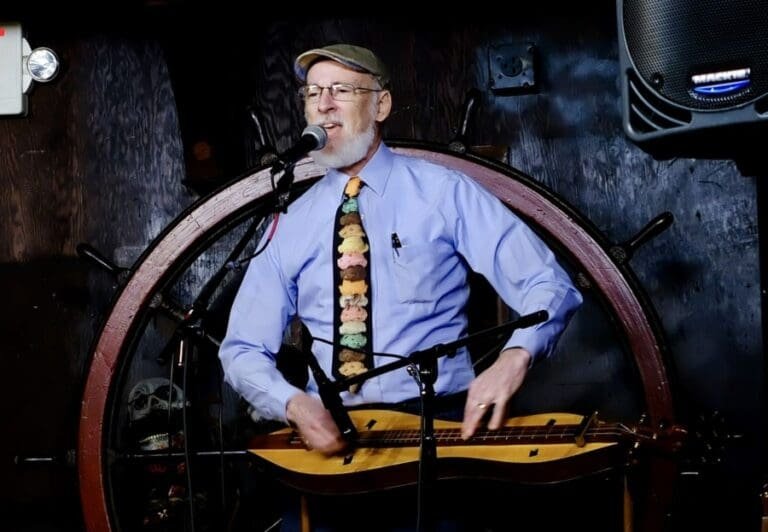
Interview: Sam Edelston Redefining and Popularizing The Dulcimer

0

Interview: Sam Edelston
By: Rob Smittix

Photo Credit: Fischman Swan

RRX: All right, Sam. Looks like we’re in business.

SE: OK, talk to me.

RRX: Well, first I see that you’re coming to town here to the Capital Region of New York. It’s the Northeastern Regional Folk Alliance Conference that’s coming to The Desmond, early November. I’ve never been, I don’t know if you have but what’s that all about?

SE: OK, well, so… just as doctors go to medical conferences and lawyers go to legal conferences, folk music, I’ll call it an industry; has its folk music conferences and this is the one for the Northeast. It’s gonna be several 100 musicians, venues and presenters, there’ll be some agents, recording studios and everything else. I’ll just be one of several 100 performers and others trying to learn to do more and trying to get noticed by the other right people.

RRX: Yeah, well, it sounds like you’re getting noticed because I’m talking to you! (Laughs)

SE: Oh, that’s a great thing. Especially coming in with something that’s just so different from everybody else.

RRX: That it is. The dulcimer is not the common instrument. You don’t see it, you know? Every night of the week when you’re going out and and watching live music, that’s for sure.

SE: Well, I’m working on that.

RRX: Right? We actually do have a dulcimer player from the area. I would imagine she would be at this conference that you have going on. She goes by the name Deb Cavanaugh, I’m not sure if you’re familiar?

SE: As a matter of fact, she’s a friend of mine.

RRX: No way. Well, there you have it.

SE: I run a little showcase at this conference. I call it “Anything But Guitars” because everybody else is playing guitars, and she will be one of 24 people performing in my showcase.

RRX: Well, cool, I guess I don’t have to hook you up then. I’m glad you are friends. Well, that sounds awesome. Tell us a little bit about your history and what got you into doing the music.

SE: Well, I’ve been into music ever since I was about in 8th grade, started out as a songwriter and had to get away from the loud piano that was right next to the kitchen. So I got on to the guitar, finger style guitar, used to playing a complete sound, had no interest whatsoever in the mountain dulcimer for 30 years. I did get hooked on the other instrument called a hammer dulcimer, which is more of a very distant low-tech cousin of the piano. As a result of that, I became the chair of a dulcimer festival down here in Connecticut where I live. And as a result of that, I decided I’d better get acquainted with the other side of the family. Sure enough, I discovered that I could produce music with melody, accompaniment and bass lines all at the same time. It’s a much richer instrument that I had given it credit for. So, it’s an instrument that I could teach you or any other total novice to play an interesting song within 5 minutes.

RRX: Well, sign me up, I’m interested.

SE: Yet at the same time, it’s sort of like chess. You can teach anybody the moves in 5 minutes but the deeper you get into it, the more possibilities there become.

RRX: Absolutely. I’ve always been intrigued by instruments, I’ve been into music pretty much all my life, at the same time, I’m also a firm believer that almost anything can be an instrument. I play a mean soda can, I play a great steering wheel but I can’t get behind a drum set and make it sound great, you know? It’s kind of like a new exploration I think… of music. I’m totally down to try it and see if I can do something within 5 minutes and smile! I picked up a banjo once and that didn’t work out too well.

SE: Well, the banjo is an art form, but I play that too. Once you get the hang of it, that works out really well as well.

RRX: I didn’t give it much of a chance.

SE: But, you know? The fascinating thing to me is that the mountain dulcimer comes from a long beautiful tradition. It’s been around since late 1700s, early 1800s. It’s got ancestors in Northern Europe. And so most of the players come to it through the traditional side of the music, you know? Folk music had sort of a folk revival in the 50s and 60s, and I came to it from the opposite direction. Just as the folk played the music that was around them that the kin and their neighbors played, I with the advantage of radios, tape recorders, stereos and cars to get in to see concerts, I play the music that’s around me.

RRX: I noticed.

SE: I’m playing all sorts of popular music, rock and roll, some classical, a little bit of jazz and bossa nova, all over the place but my special cause is the music of the people, rock and roll.

RRX: I checked out a bunch of your videos and songs that you had online. What you just said is what I noticed. You’re not doing it 100% traditional. We’re exposed to all this other music, so you take your own approach on it. But you keep it as fun, and I like that.

SE: Well, that’s the important thing. Music is fundamentally something that just speaks to people. And so when somebody says, what is that thing you’re playing, I’ll say, what kinds of music do you love? And they’ll say, whatever, a big band or Motown, classical or hymns, and I’ll play them a little bit of something that they already know and love.

RRX: Yeah. Well, I am definitely digging it. What would you say is the the most outlandish cover that you’ve done? Something that no one would expect to hear out of Dulcimer?

SE: Well, I guess Bohemian Rhapsody has to be one good answer to that.

RRX: Wow! Yeah, that’s gotta be a tough one.

SE: That was the one song that really made me understand that I needed to make a CD.

RRX: Mhm.

SE: And then it was just a matter of finding the right person to do the CD with, which took a few years.

RRX: Well you gotta do it the right way, that’s for sure. So you put out this CD, this album recently, right?

SE: It’s actually been out for about a year but it’s still getting the word out. Obviously, without record label type budgets, it takes time for that information to spread.

RRX: Oh, you’re not kidding. But, you know? If you could stay away from the record labels, do it as much as you can. It’s a DIY world that we live in now.

SE: Yep. I called the album ‘Making Waves,’ and it takes time for waves to propagate.

RRX: Yeah, ain’t that the truth. Well, if you had to talk to our audience that’s reading this right now… what would you say to give them a little push to come on out to the convention that’s going on in Albany?

SE: Well, that one is really for members of the industry.

RRX: Oh, I get it now! I’m slow (Laughs).

SE: If you’re part of the folk music world, then go to nerfa.org and there’s complete information about that. If you’re not part of that or if you are just looking for a casual introduction to the dulcimer, there’s actually an organization called the Dulcimer Association of Albany. They actually have a festival in March, that anybody can sign up for.

RRX: No kidding. How did I not know this? Thank you for filling me in.

SE: It’s like any other special interest, it’s invisible to the general public but if you’re in the network, you can find it anywhere. So the place to find out about the Mountain Dulcimer Music Festival that is gonna be in Latham, March 13th to 15th, is dulcimerassociationofalbany.com.

RRX: That’s wild. I never knew it. That’s awesome though.

SE: I’ll be teaching there and I’ll be performing a couple of songs on stage.

RRX: Oh, cool. I’m glad that you’re coming to our area more than once, a couple of times here. I’m glad that you already know Deb Cavanaugh because I was definitely gonna recommend her to you but you’re way ahead of me.

SE: (Laughs) There are quite a few great dulcimer players that have come out of the Albany area.

RRX: Well, she’s the only one I’m aware of but I’m sure there are. See, I gotta do my homework a little bit.

SE: Ah, Don’t worry about it.

RRX: Well, I appreciate your time. Is there anything else that you’d like to say to people? Any notes of positivity, prosperity, or good vibes?

SE: At the Nutmeg Dulcimer Festival a couple of weeks ago in Connecticut the T-Shirts for that said: “If everybody played dulcimers, we all could live in harmony.”

RRX: I dig that. And you know what? I think that’s probably true.
For more on Sam Edelston visit: Samthemusicman.com