By Lori Anne McKone.
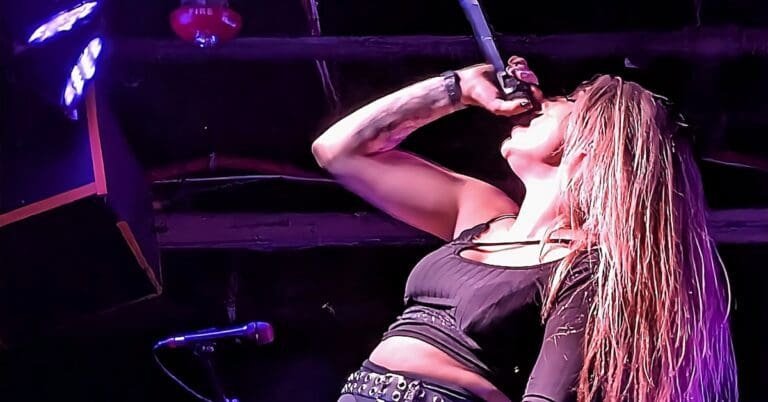
In the world of “SEVEN.,” sound is only half of the story. Each track bleeds into its own visual skin – part religious fever dream, part psychological horror. Kasey Karlsen doesn’t just scream these sins. She wears them. Every scene is a wound. Every image, a reckoning. As the frontwoman and co-manager of Deadlands, her voice doesn’t just cut through distortion – it spirals across guttural lows and highs, threaded with raw emotion and lived experience. There’s a reason her vocals feel like they’re clawing through your chest – because it carries the weight of a thousand silences she’s had to survive.
In “SEVEN.,” an explosive EP channeled through the lens of the seven deadly sins, those silences are transformed into mythic confrontations – with each track embodying a character, a conflict, and ultimately a reflection of the artist herself.
For Kasey, performance is survival. She still sees the fan she once was in every crowd – the one who found salvation in metal when the world felt unbearable. It’s the memory she clings to, even on her hardest days, knowing the stage will eventually lift her. “I know how much concerts saved my life. If I hadn’t discovered metal … I don’t know if I’d be here.” Every performance she gives is tethered to that truth.
Kasey Karlsen’s creative universe is one shaped by textures, dreams, and weird little corners of sound that mess with her head in the best way. When asked about sounds and textures she’s dying to capture, she didn’t hesitate: Will Ramos from Lorna Shore – a deathcore icon known for his “goblin” and “tunnel” screams, guttural lows, and Tuvan throat techniques that mimic jungle cats. “God, yes, any sound that Will Ramos makes for Lorna Shore — I am dying to get it so bad,” she says.
Ramos’s classically trained range lets him glide between filthy growls and shrill, high screams with freakish control, and that’s exactly the kind of range Kasey’s chasing. She’s already experimenting with some of those textures, especially the low, grimy gutturals championed by bands like Infant Annihilator. “I love the pigs feel, the really disgusting, grimy gutturals that are super low,” she says.
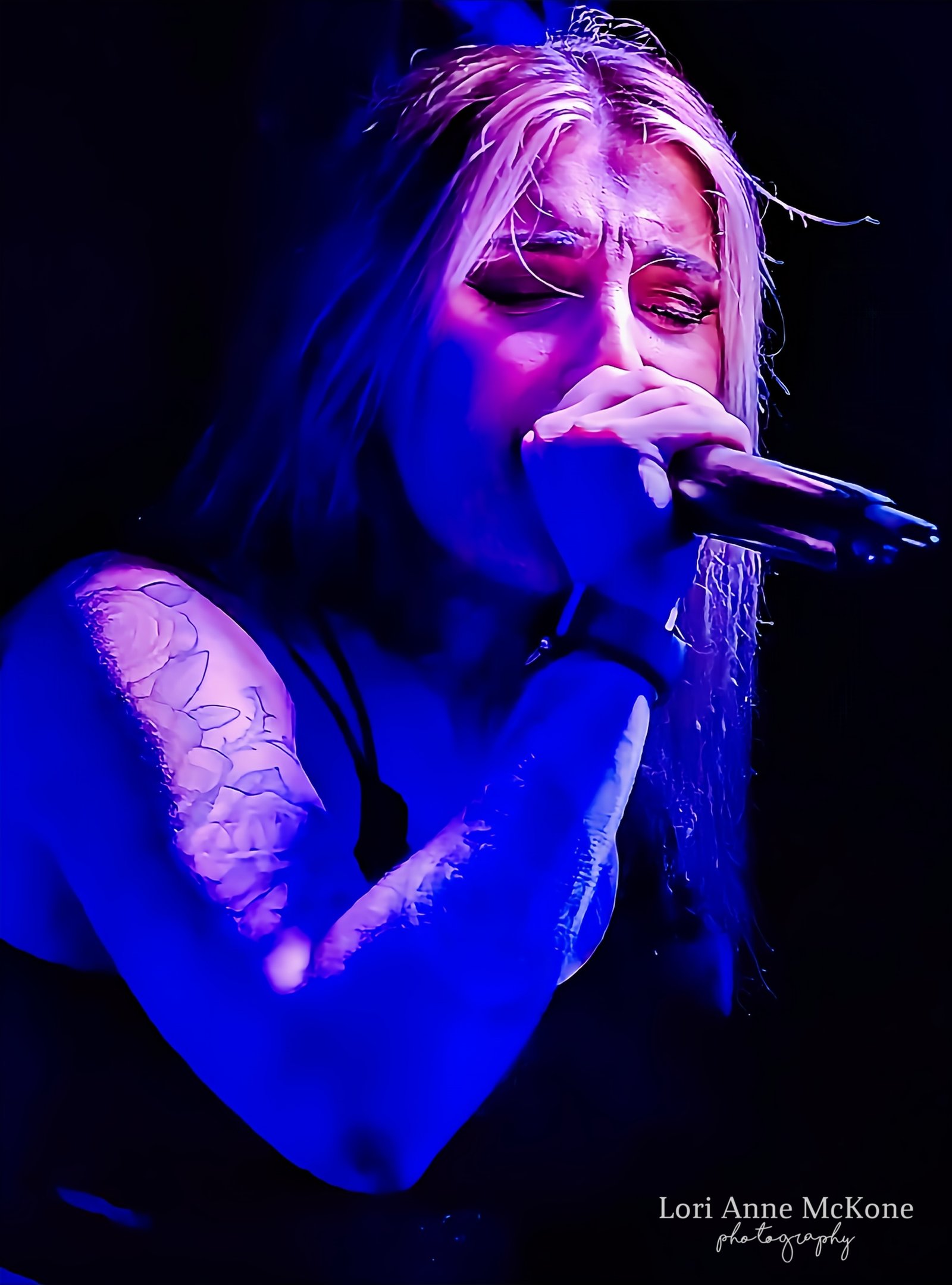
But pulling them off live? That’s another beast. “I can only do so many of these,” she admits. “They’re mostly stuck in the studio for now” — the layering and control needed are tough to sustain live. Her connection to the Deathcore Alliance — a loose crew of artists who are pushing deathcore to its limits — shows she’s not just trying to replicate sound; she’s working toward something even more warped, and completely her own.
“MORE!” is not a song – it’s an excavation. In it, gluttony is reframed through the lens of an eating disorder and the struggle with body image, and addiction – two heavy topics that Kasey Karlsen knows firsthand. It wasn’t about excess; it was about the struggle to face the person beneath it all. The aching question of one lyric: “If you take away the shame, could you face what’s underneath?” That lyric bleeds most vividly into Kasey’s introspection—a haunting meditation about self-worth and identity. The song’s raw imagery reflects her journey toward self-compassion and the uncomfortable truth of confronting what’s been buried.
“It’s the ugly parts of our lives that we don’t want to show,” she explains, “but we’ve realized the more you speak about it, the more empowered you get. It’s okay to be struggling with something—because we all deal with something, right?” Kasey acknowledges that this EP makes her feel a bit exposed. It’s “blowing the ugliest parts out.” Even “Villian,” which is a song about pride, finds Kasey acknowledging hate comments. “I’m a very prideful person and I’ve worked really hard to get up to this point only to have someone try and tear me down with trash talk.”
That lyric doesn’t just resonate thematically – it shapes the emotional architecture of the record. The song’s raw imagery mirrors her own journey toward self-compassion. “If you’re actively just trying to be a better person every day, then that’s the best thing that you can do. And sometimes it’s the only thing you can do, and that’s okay,” she shares, emphasizing healing as a continuous process rather than a final destination.
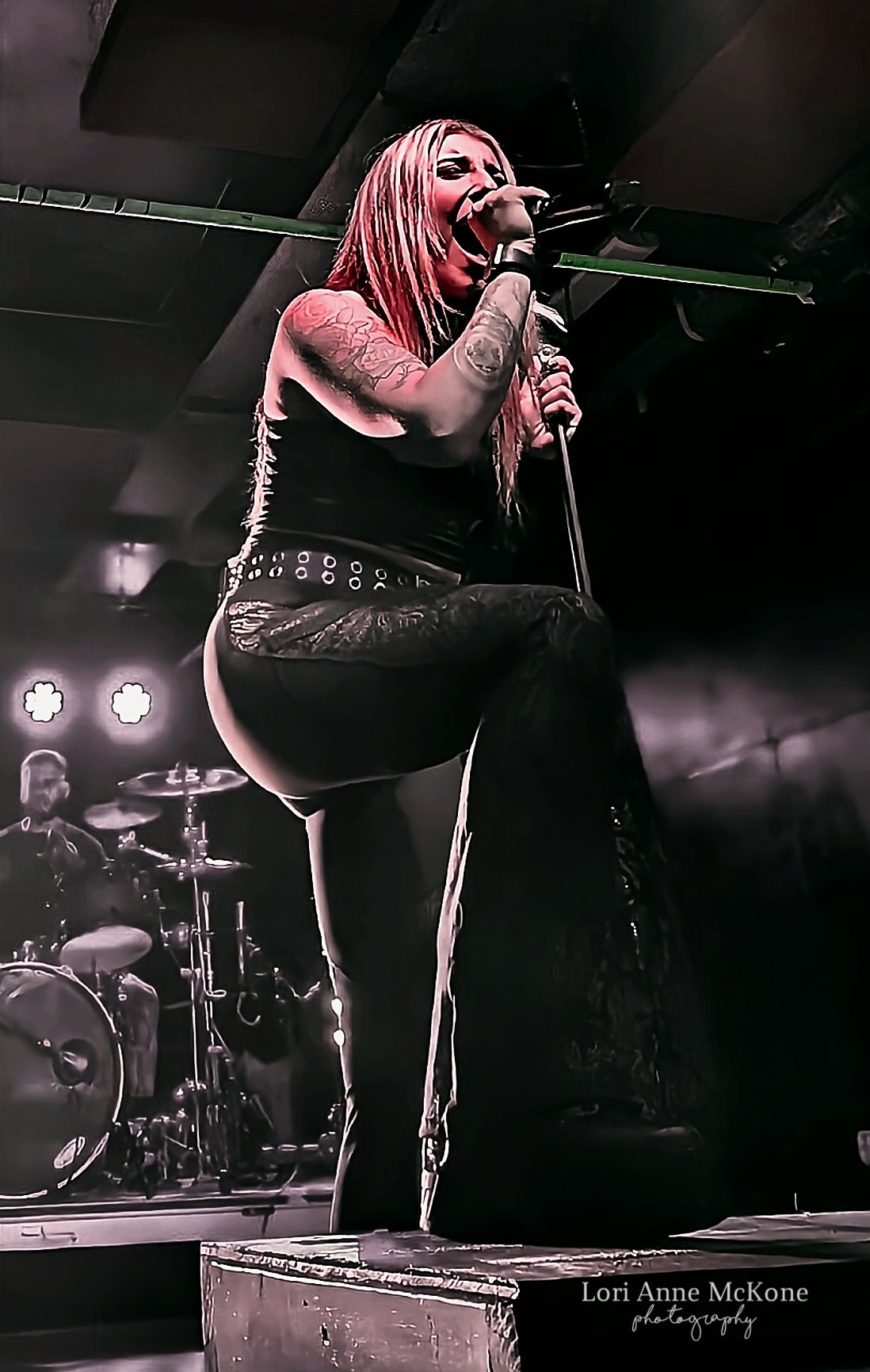
Kasey also opened up about the stigma surrounding mental illness, especially conditions like borderline personality disorder. She expressed empathy for those who feel abandoned when their struggles become visible. “If they’re trying to better themselves, they’re seeking out help, or they’re doing everything and just walking the path as they should, you really have no choice but to stick around,” she said, “because they’re doing everything right,” advocating for patience and understanding in relationships.
Wrath burns brightest in “House of Cards,” the last song Kasey wrote before the sin concept even emerged. It wasn’t wrath she was writing – it was real-life hurt. Not abstracted, but lived. Kasey’s anger didn’t simmer; it detonated. This was lived experience, barely held together by breath. Wrath demanded metamorphosis, not just in sound, but in spirit.
That transformation wasn’t just emotional – it reshaped how “House of Cards” was built. The track marked a shift in Kasey’s creative process, one that asked her to surrender pride and embrace collaboration. “Getting help only makes it better. That was the hardest thing to let go of,” she admits. Taking a back seat was difficult – but it didn’t mean disappearing. Kasey and her longtime creative partner, CJ, professionally known as NO SHADE, still had a heavy hand in the writing process, anchoring the song’s core vision. The collaboration wasn’t about losing control but learning to share it – a reckoning with the uncomfortable truth that pride, even in art, can limit growth.
The track embodying wrath was more than just a sonic explosion; it demanded a personal transformation, forcing her to confront her own anger and the emotional volatility that comes with it. “She struggles with her anchor sometimes,” she admits, “I try to just count to three. Sometimes it doesn’t happen, but you know, make it work.” Originally conceived as part of a poker-themed concept, the song evolved into one of the most intimate pieces on the EP, drawing directly from real-life experiences that shaped her.
One of the most haunting stories Kasey shared involved a near-death experience on tour, dodging a semi-truck on a narrow mountain road. That brush with mortality keeps echoing in her recurring dreams: she’s in a van, not driving, and it plunges into water. Whether it’s a storm or a pier, the imagery is vivid and unsettling. Yet in the dreams, she always survives. “I didn’t die … now what?” she muses. It’s not just a dream – it’s a metaphor for anxiety, survival, and the strange weight of moving through danger without full control – and it’s etched itself into her creative language.
That surreal van dream — helpless but surviving — lingers like a psychological watermark across Kasey Karlsen’s work. It’s not just a story. It’s how she feels emotion at full volume while staying locked in place. That tension between motion and paralysis reveals how she filters chaos through metaphor.
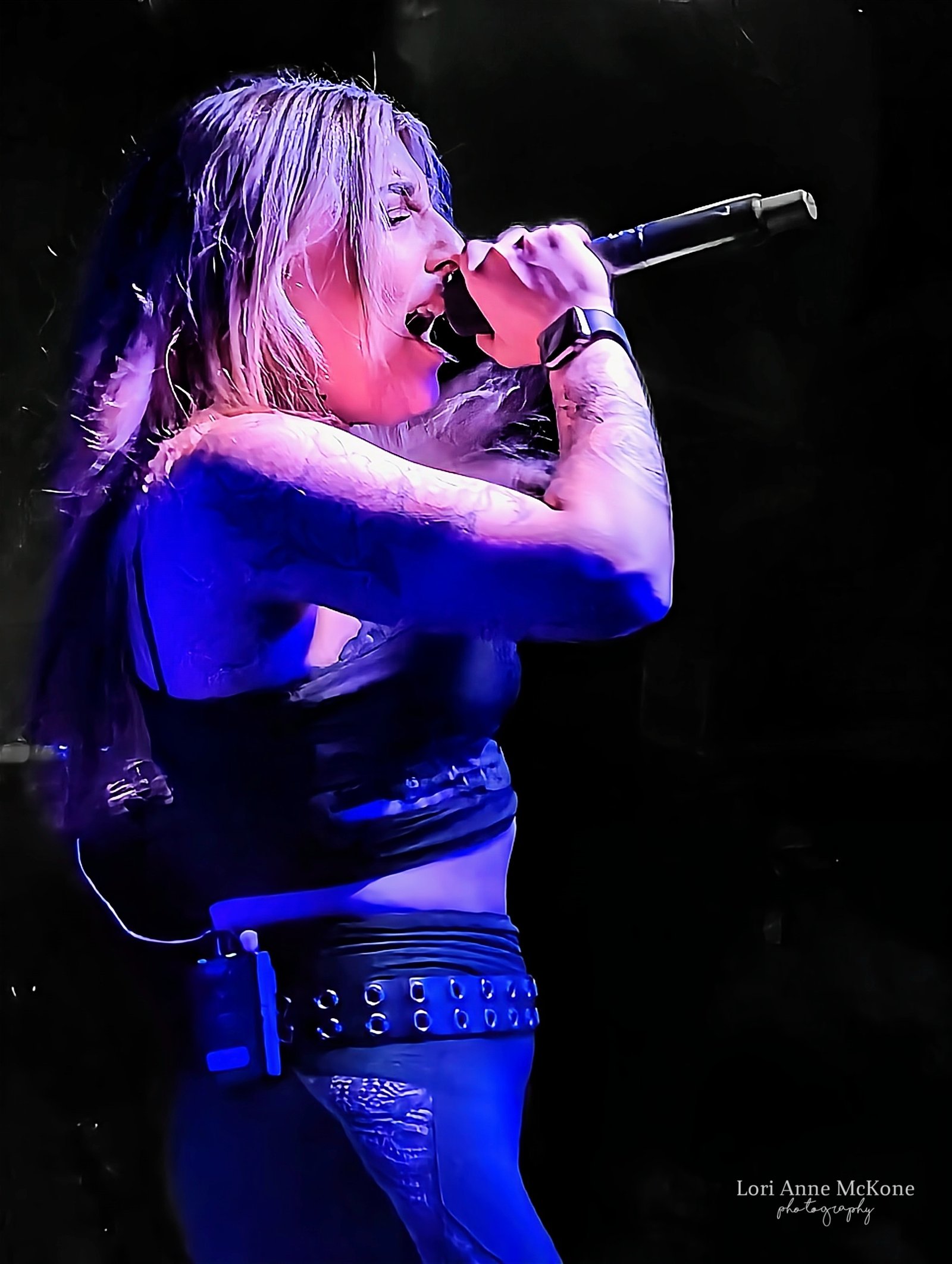
So I asked her something strange: If you wrote a song from the perspective of an inanimate object, what would it be? Without pause, she chose a stage light.
“You’re a fly on the wall,” she said. “But you get to see all the insane music … the whole crowd movement.”
It was poetic, simple, and piercing. A non-human witness fixed above the madness — not controlling the scene, just absorbing it while anchored in place. That lens mirrors Kasey’s own creative identity: part of the noise but also somehow outside it, illuminating others while internalizing their energy. It shows how she thinks, revealing a mind that processes chaos and clarity side by side. It’s the kind of thinking that makes “SEVEN.” feel less like performance and more like lived myth.
When Kasey Karlsen spoke about her recurring dream — a van plunging into water while she sat powerless in the passenger seat — it wasn’t just a memory. It was a metaphor for emotional paralysis. That haunting question, “I didn’t die … now what?” isn’t just something she said. It’s a line that shadows “SEVEN.” itself: quiet echo of survival, fragility, and reckoning. It speaks to that strange in-between state – surviving something that still leaves you breathless and becomes more than a dream. It became the emotional blueprint for one of the hardest tracks on “SEVEN.”
Sloth and greed in “SEVEN.” reveal two vastly different emotional terrains – one deeply familiar, the other alien. Sloth, traditionally seen as laziness, was redefined through this lens of subconscious struggle. For Kasey Karlsen, it became a reflection of depression. “I embodied enough of it to relate … screaming to get up when you physically just can’t,” she explained. It wasn’t about unwillingness. It was about being trapped inside stillness — the same stillness found in that dream, sinking and awake, but unable to move. Writing the song demanded more than empathy. It called for surrender — a creative silence that mirrored the weight of being frozen in place.
In “SEVEN.,” sloth doesn’t drift. It drowns.
But not all sins claw from within. Some lurk outside — harder to feel, easier to judge.
In contrast, greed was harder to grasp. Kasey found it difficult to connect with the sin, describing herself as “very giving.” Its emotional terrain felt less intuitive, less lived-in. Where sloth demanded self-reflection, greed called for distance – requiring Kasey to observe and imagine rather than relive. That separation made it a different kind of challenge, one rooted more in empathy than experience.
If greed required distance, lust demanded dissection — stripping seduction of its mask and revealing the scars beneath.
In “Limbo,” lust isn’t glamorous – it’s draining. Kasey Karlsen strips away the allure, reimagining desire not as thrill or seduction, but as emotional erosion. The video’s distorted religious symbolism and vampire iconography don’t lean into shock for its own sake; they serve rebellion and reclamation. This is lust as a sin wrapped in consequence, where autonomy is everything, and being consumed by someone else’s hunger becomes the real danger.
Kasey’s goal was to challenge the trope of lust as thrilling, reckless, and romanticized. Instead, she exposes its destructive potential – how it can unravel identity, inflict damage, and leave scars. “Promiscuity isn’t the bad part. The bad part is that you’re hurting somebody else.” Her rebellion lies in redefining the narrative, giving voice to those who feel unseen or misunderstood in their own relationships with desire.
Every visual in “SEVEN.” is loaded with intention. Tarot-inspired sin cards, a seven-sided Pandora’s Box on the cover, even the spotlight’s omniscient gaze — these aren’t just props; they’re emotional anchors. Each image deepens the storytelling, hinting at the weight behind the music. When asked how the story would unfold if “SEVEN.” had no sound — only visuals — Kasey lit up.
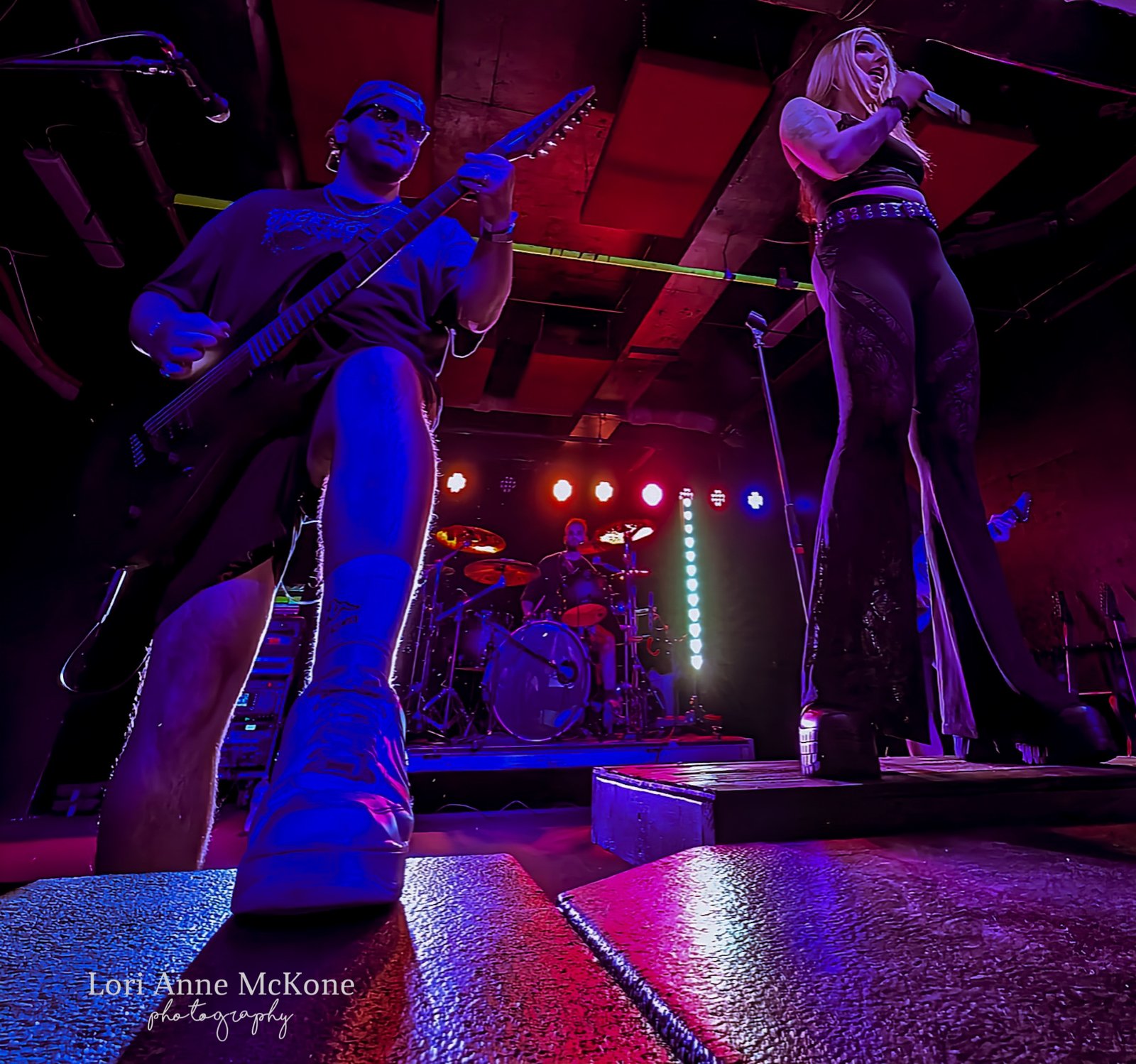
“My God it’s funny you asked that because CJ and I really wanted to do like a short film series when it came to this, but with time and budget, we couldn’t do it, unfortunately. But I feel it would be maybe the swamp witch fighting all the sins and trying to prevail as a good person, and hopefully prevailing, but you know, I don’t know. You never know how the story ends, right? I mean, the sins are out, and all hell is breaking loose. Great!”
Even without music, the imagery tells a myth — messy, mystical, and burning with tension.
Symbolism is her favorite medium. Every visual tied to “SEVEN.” evolved from the music. Snakes, chakras, the ouroboros – all spiraled into existence through the sonic energy Kasey released. Each sin was given a “mascot,” an emblem, a card. Even the EP’s cover evokes Pandora’s Box: seven-sided, wickedly open, letting every secret slip out. “I don’t like being on the nose. I want people to scratch beneath the surface … maybe understand themselves a little more. Or their neighbor.”
For Kasey, the visuals evolved organically alongside the songs. “Kundalini,” with its snakes and chakra symbols, emerged only after the sound was right. “Villian” captured pride through embodied movement. And “Limbo” – conceived in a spontaneous flash before rehearsal – shows how instinct can shape impact.
One of the most striking visuals from this era is the Kundalini tarot card, featuring the cross-legged figure with chakra symbols and an ouroboros snake. Though Deadlands isn’t a religious band, this image pushed their comfort zone and added a spiritual layer to the EP’s concept. “SEVEN.,” released via Spinefarm Records, explores the seven deadly sins, with each track diving into deeply personal and often uncomfortable themes. She believes that sharing these “ugly parts” of life empowers others to feel seen and understood.
The theme of the seven deadly sins—rooted in religion—inevitably brings spiritual undertones. Layering that with The Pretty Wild, who are deeply spiritual and passionate about quantum physics, creates an intriguing contrast. When asked which image most pushed their creative comfort zone yet felt essential to include, Kasey pointed to the Kundalini tarot card. “It was so cool and different—not at all what we were expecting,” she said. The image of a figure sitting cross-legged, chakras aligned, entwined with the ouroboros snake, captured an unexpected spiritual journey for this EP. “At first, we didn’t know how to make all these worlds mesh. But somehow it came together—and we loved it.”
The journey from anger to introspection reaches a peak in “Kundalini” – a spiritual reflection of transformation. It’s proof that Kasey doesn’t scream to be loud. She screams to be understood. “I want people to feel introspective … maybe understand themselves a little more. Or their neighbor.”
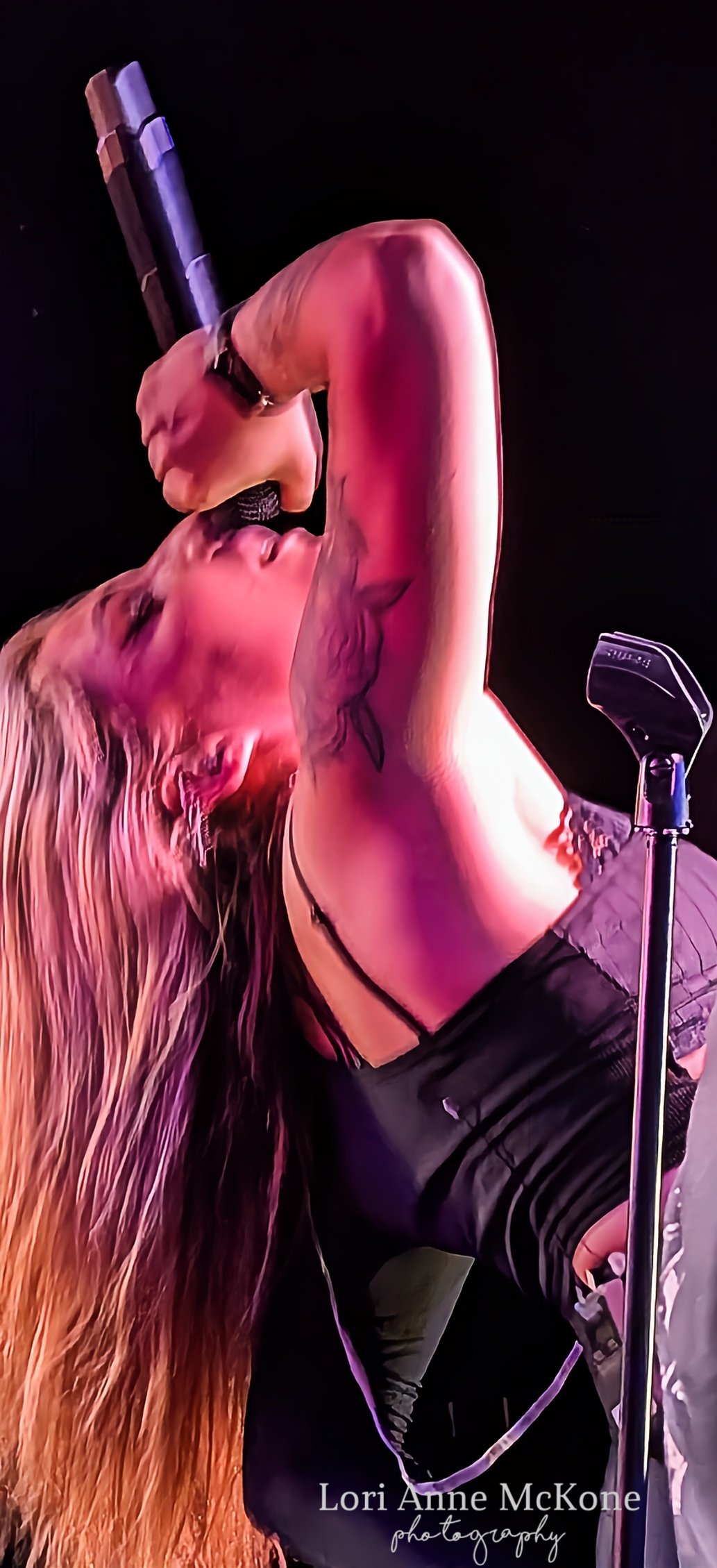
“SEVEN.” isn’t a confession. It’s an invocation. A layered, guttural, melodic prayer that doesn’t beg forgiveness but dares you to confront your own complexity. “I used to be very close-minded … I still don’t consider myself religious,” Kasey shares, “but I’ve just been trying to go on a more spiritual graduary.” Her approach isn’t dogmatic, it’s intuitive. “I pull from a bunch of different information and just go by instinct – like an affair with life.”
What part of the EP scared Kasey most to share about herself? Not being brave. Not only does it help other people, but it also helps her just to get out things that have bubbled over. It’s just that release. “You have to think, so many people are listening to our music, and so many people have messaged us saying this has helped me so much to save my life.”
Before hearing a single note of “SEVEN.,” Kasey Karlsen wants people to feel something visceral. Stirred not by sound but by the imagery that surrounds it. From music videos to cover art, the visuals are deliberately jarring: a warning, a mirror, a confrontation. Each frame hints at the emotional storm waiting underneath. For Kasey, it’s not just about musical catharsis; it’s about sparking self-awareness. “I want people to reflect,” she said, “I want them to absorb the words and realize they’ve lived something similar. Maybe it helps them understand themselves … or someone else.”
This isn’t just storytelling — it’s soul excavation. And it dares us to dig with her. “SEVEN.” was never just music. Kasey Karlsen did not promote this. She endured this. It was confession and confrontation. It bled through fabric, flickered through film, whispered through mirrors. What you’ve seen – the crimson, the ash, the gold – wasn’t aesthetic. It was artifact. A document of something lived and left behind.
Her music doesn’t hand out answers – it hands you a mirror and lets you decide whether to look.