Home Blog Page 179

Life on the Cutting Edge – Discoveries and Advancements

0

Life on the Cutting Edge – Discoveries and Advancements

MIT Student Builds Pocket-Sized 3d Printer that Prints with Light

https://www.yahoo.com/news/mit-student-builds-pocket-sized-132445333.html

Brazil’s Floating Farms Use Sunlight and CO2 to Create Edible Food.

https://www.ecoamericas.com/issues/article/2024/2/60EB0EE1-6BA1-43C2-BCC2-89BB190937A4

Spain Builds Tower to Turn Heat into Electricity

https://www.solarpaces.org/spains-concentrated-solar-thermal-power-performed/

Reese Fulmer @ Troy Savings Bank Music Hall (outside), 6/28/2025

0

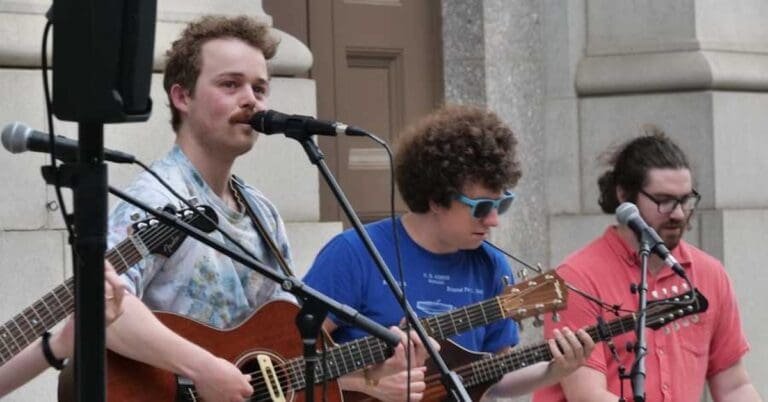
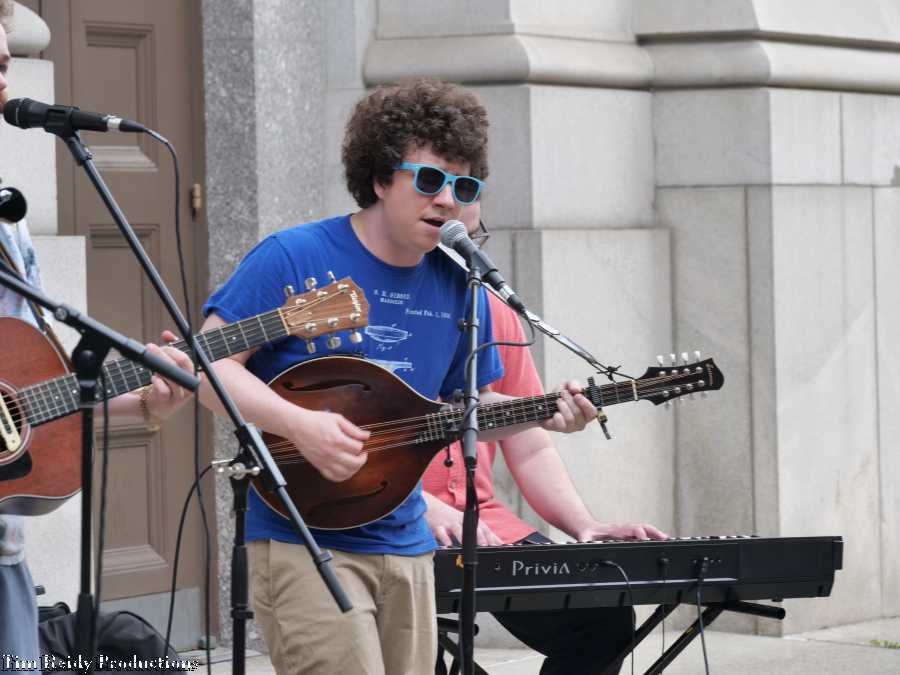
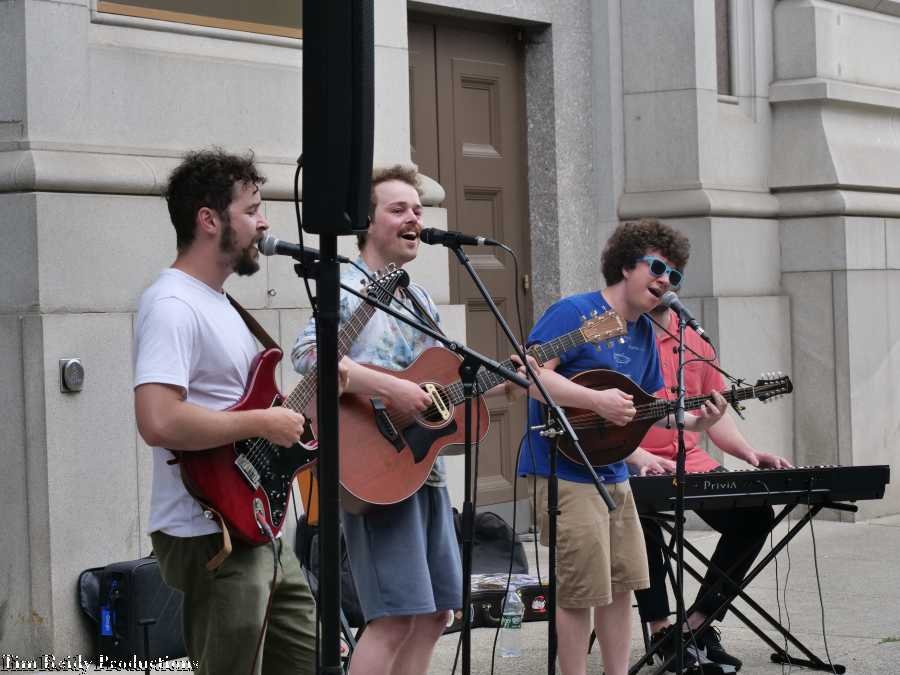
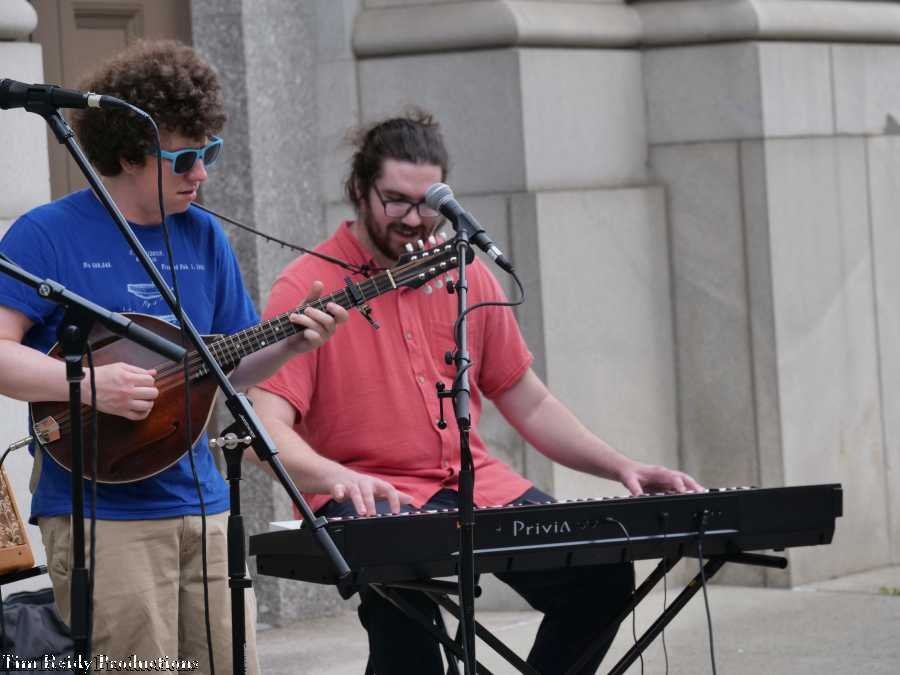
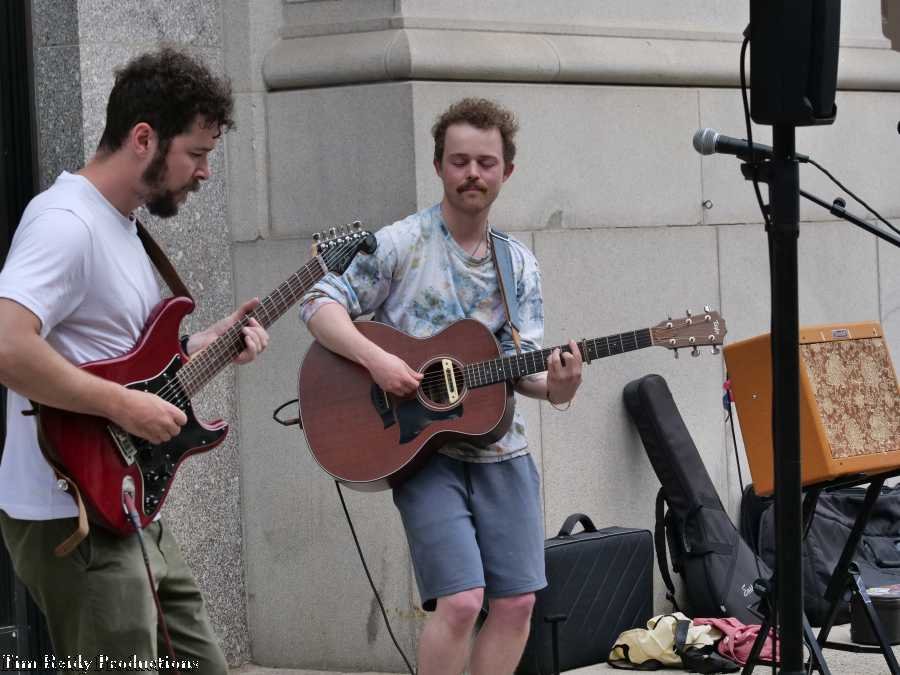
The second show of the Troy Savings Bank Music Hall‘s Summer Square Concert Series was Reese Fulmer and friends on June 28.


Photography by Timothy Reidy.

More from the Summer Square Concert Series here …


Al Kash – Xperience History

0

Al Kash – Xperience History – by Rob Smittix.

Originally published in October 2020.

Al Kash is one of the Capital Region’s iconic musicians but as you may know, he didn’t get his start here. Today Al was kind enough to take time out of his quarantine to chat with us about his career path and what he’s got cooking on the burners.

RRX: So how you been?

AK: Well, starting to lose it a bit

RRX: That was me almost this entire time. Now each day I try to accomplish at last one thing.

AK: I’ve been doing one or two drum practices in my room every day, which has been really great. I’m going back to stuff… You know, you practice music and there’s a lot of stuff you just ignore because you don’t use it. So I’ve been practicing African stuff and working on different techniques I’ve ignored over the last few decades.

RRX: So definitely keeping yourself busy with the music. It’s driving me insane and I’m sure it is you too, that you just can’t jam with anyone.

AK: Oh my god yeah.

RRX: Now I’m familiar with much of what you have done musically but nobody knows it like you do. For the folks that don’t know who you are can you give us a little summary of your music career?

Photo by Janet Kash

AK: Where do you want me to start? (laughs). We left NY when I was 14 by ship to Australia that was in 64′ and I turned 15 on the boat. One of my first friends over there was playing guitar in the apartment next to where we just moved and he said why don’t you play bass? I said, yeah okay, and I went to the music store. I don’t know why but I understood it. We both went to audition for a band; the singer’s girlfriend was the drummer but they had split up. So there was already a drum set sitting around. I sat down and just started playing and I thought, oh I like this better than bass. So I ended up taking over the monthly payments on what this guy bought the drums for. That’s how I started drumming.

RRX: And so glad you did. My brother and drummer Jay received lessons from you many years ago and we even had a couple of chances to share the stage with you, certainly a highlight in Smittix’s career. But besides us (laughs), you have had many amazing years as a professional musician, any wow moments you could share?

AK: In my early career in Australia, you could do three gigs in a 24 hour period. They had these rules, the bars and pubs had sessions.  The clubs would be open at night time, like 10pm-3am or something like that. So you could end up doing an early, early session at a bar, a dinner session at another bar and a nightclub spot all within that day. So I grew up in that sort of climate.

There was a band called Tully, part of the house band in Sydney for Hair and the drummer was from Perth. I had sort of a mini-conversation/lesson with him. He was one of these phenomenal people that I admire. Tully was inspiration plus ya know? Another Australian band I was a part of in 1970 was Black Feather and we had Bon Scott on timbales and recorder.

RRX: That’s nuts just to have a name like Bon Scott work with you.

AK: Bon would come out to some of the gigs and he was a drummer also. I would say “play a few songs if you feel like it”. He would drum. It was original music, it was tough to invite people on stage.

RRX: Right.

AK: Then it was 73′, I was back on the West Coast in Perth and the band I was in, we opened up for The Stones, out in the Cricket Ground, which was great. There’s a live tape of that on YouTube but without sound.

RRX: Awww. So my brother told me a rumor I’ve heard for years. He told me that you broke some kind of record for playing drums for like 3 days straight or something?

AK: Oh, yeah. That 67′ or 68′. The band I was in The Down Home Group. In Perth at the time another band had held the Guinness Book of World Records for non-stop playing  by Guinness rules; which allows you 5 minutes per hour break or you can accumulate your breaks and play 6 hours and have a half hour off. So anyway it was a friend’s band that played at this club we used to play and they just did it as a mark and played for 52 hours. Then I don’t know, it was three to six months later the band that I was in said let’s see if we can break their record. So we set it all up and we started Friday night and ended sometime Sunday but we played for 60 and 1/2 hours.

RRX: I couldn’t even imagine, I like to take a break after three songs at band practice.

AK: At one point when I was up there after God knows how many hours, I looked out and I thought I was looking at glass enclosing my part of the stage. Just my brain hallucinating on me.

RRX: Understandably so.

AK: So that’s been documented, I don’t think anyone was silly enough to try and beat that.

RRX: No way! So when this whole thing is over, what’s the first thing you want to do?

AK: Whelp, I’m involved in one, two, three CD’s we’re trying to wrap up at this moment. Some of the performance stuff needs to be done but mostly mixing and getting together and saying yeah that sounds great let’s do it. All that’s on hold.

RRX: It’s like your hands are tied.

AK: Yeah and this would be an answer to just sitting home on your ass. This would be great if Playing with Fire’s CD came out or… Nite Train’s CD is almost ready to be released. Leopard Society that whole CD is mixed in the art department. All that stuff would be my preference right now but it would be just incredible walk onto a stage with anyone at this point and say what song do you want to play?

RRX: I know. You know, a lot of people are doing these live streams, where they are performing from their houses.

AK: I actually have a different take on that. I’m not really that interested in seeing someone gather around with an acoustic guitar standing in their living room and singing; with all do respect. I wanna hear electric guitar with distortion and see people bouncing around.

RRX: Anything else been on your mind?

AK: I visited Australia this past August, I got to play with a lot of friends. One of them is a book publisher/musician guy. Numerous bands I played in are featured in a new book coming out called Way Out West. It’s Perth’s music scene from the 60’s and 70’s. That should be out any week.

My calendar was booked until September now everything is cancelled. Some places said we’re shifting those dates till 2021. I am hoping in the next few weeks we have some openings and something positive will transpire.


More from Rob Smittix…

Eddie Angel – An Xperience Interview

0

Eddie Angel – An Xperience Interview – by Neoptolemus.

They wear Mexican wrestling masks, a tradition which began with their first gig. Their songs are guitar instrumentals, in the tradition of the Shadows and the Ventures. Their name comes from their fondness for the word for a device used to restrain crazy people. They are all road warriors, with grinding touring schedules for the band.

Who are those masked men? They are Los Straitjackets, a band that has been together for 37 years. And they’re HERE, at various venues, including Tarrytown, NY (July 31st, Tarrytown Music Hall), Norwalk, CT (August 1st, District Music Hall), Woodstock, NY (August 8th and 9th, Levon Helm Studios), various places in October, and in November, Troy, NY (November 2, The Hangar on the Hudson; doors at 8:00 PM).

The Xperience Monthly chatted with co-founder Eddie Angel about life (on the road), the universe (of music), and everything (guitar).

RRX: What was your first instrument? First guitar (and do you still have it)? Are you self-taught, or did you take lessons?

EA: My first instrument was clarinet. I was in fifth grade. The music teacher at Fort Crailo School in Rensselaer gave a music aptitude test to weed out the kids with no musical talent — and I failed! But I wanted to be in the band so badly, I had my mother buy me a clarinet, and I took lessons. So I got into band. I got my first guitar when I was 12. It was marketed as a “Beatles” guitar. It came with an amp and a 45 of the Beatles’ record of “My Bonnie” on MGM Records. It was an Airline from Montgomery Ward. I still have it hanging on my wall.

I’m self-taught. I took a few lessons when I started. My teacher was a teenager; he taught me “Walk Don’t Run,” but then he moved to California, so from then on I learned by listening to records. I’m a primitive musician — I can’t read music, and I could never be a studio musician. I had to find my own way and come up with my own style. I think my strong point was being able to write songs. I don’t consider myself a super picker. I persevered and I got lucky at the 11th hour!

RRX: Your roots are in rockabilly, and one of your bands is the Neanderthals, whose members include local music legend, Johnny Rabb. Was Johnny an influence on you while you were a youth in the area? Do you have any Johnny Rabb stories you can relate (remember: this is a family publication)?

EA: I met Rabb in 1974. He was in college at Brockport and was in a band with a friend of mine. I was at loose ends and decided to visit my friend. It was January and freezing cold. I took a bus to Brockport and then hitchhiked to the band house they all lived in, in Holley, NY. It looked like the tundra. I got to the band house and we all started jamming. I probably did “Blue Suede Shoes,” because I remember Rabb taking me into his room to show me his collection of Elvis records. He had all of them, even the crappy movie soundtracks!

Remember, it wasn’t cool to be an Elvis fan when you were a college student, even in 1974, so it was like we had this secret society. I didn’t play in a band with Rabb until 1981, when we formed the Rockin’ Dakotas.  We just did all the ‘50s and ‘60s songs we knew, and people loved it! We were, overnight, the most popular band in town. The Neanderthals came much later, in 1995, when I wrote a bunch of songs. Rabb, Cheese Blotto, and I went to London to record them at the legendary Toe Rag Studios. I’m very proud of that record. I think it’s one of the best things I’ve been a part of.

RRX: It may amuse you to learn that Graham Tichy, while playing a gig at Ganser-Smith Park in Menands, dubbed that town’s residents as “Menanderthals.”

EA: I’m from Rensselaer … I can’t throw stones.

RRX: The most recent Straitjacket album is “Indoor Safari” (LP/CD) with Nick Lowe, which dropped last September. Your new album, “Somos Los Straitjackets” (LP only; pre-order available from Yep Roc Records) drops this September 19th. It was recently announced that “Polaris” from that album, a song you wrote, has just been released as a single. What inspired “Polaris“?

EA: “Polaris” started as a song I was noodling on guitar for a while. I didn’t know if it would be right for Los Straitjackets. But then I thought, maybe give it a treatment like “Telstar,” one of my all-time favorite instrumentals. Greg Townson, the other LSJ guitarist, came up with a really cool approach to playing it and tweaked the melody. It came out really good, I think.

RRX: Are there any plans for new Neanderthals or Planet Rockers music?

EA: The Neanderthals and the Planet Rockers both have a cult following, especially in Europe, so I think we will continue playing festivals there and in the U.S. We play rockabilly, garage, and tiki festivals, and lately started playing cruises like the Underground Garage Cruise. No immediate plans to record, but it’s always on my mind.

RRX: Los Straitjackets also have a surf-guitar side. Did you ever get to meet or play with surf guitar founder Dick Dale?

EA: Yes, I met Dick Dale. I was friends with his bass player, Sam Bolle. When they played Nashville, Sam asked me if I wanted to come by soundcheck and play Dick Dale’s rig, which of course, I did. It was loud! The next day, my wife Melanie and I went to say goodbye to Sam at their hotel, and Dick and his wife were waiting out front in their RV. We spent about an hour talking with them. They loved Melanie because she has some Native American heritage. They were way into that!

Dick Dale was a fascinating character, and Sam told me some amazing stories that I can’t repeat, but I hope someone writes a book about him!

RRX: You played with Link Wray, the godfather of the power chord, which became the basis for a lot of later rock music. You’ve said elsewhere that you are not a fan of rock music. Is it because of the power chord, or are there other reasons?

EA: Let’s be clear: I love rock ‘n’ roll, but I make a distinction between rock ‘n’ roll and rock music. To me, rock music is humorless and doesn’t swing. Having said that, I like the Ramones because they have a sense of humor. I love Link Wray — I mean, he’s in my pantheon of guitar greats, and I probably relate more to him than any other guitarist.

RRX: Do you have any Link Wray stories you’d like to share?

EA: When I was 19, I moved to LA to be a songwriter with a piano player named Dave Bloom. We were both sharing an apartment in Venice Beach and working at restaurants. One day, he said he had gotten a gig with Link Wray. I had never heard of Link Wray, but I thought, what a cool name, sounds like a futuristic guy with a ray gun in a Lincoln spaceship. I said, “Get me in the band. I’ll play rhythm!” Next thing, I was meeting Link Wray at his apartment and talking about Elvis and music. We got together once and jammed in a garage in North Hollywood. I just remember he was playing a cheap Japanese guitar, and what we played was a noisy racket, maybe you could call it proto-punk. He was putting together a band to promote his new record “Be What You Want To.” I moved back home before a tour materialized, but my friend Dave played a few gigs with him. Fast forward to 1980, and I’m playing with Tex Rubinowitz and the Bad Boys in Washington, DC. Tex’s favorite guitarists were Link Wray and Ivy Rorschach. He used to play a tape of Link Wray for our pre-show, and one day he said, “Eddie, I think we should do some instrumentals in the set.” I thought it was a terrible idea! But I took to it like a duck to water and started writing instrumentals. I wrote “Rampage” and “Lynxtail,” both tributes to Link, and they were on my first 45 record in 1981. I still play them.

In 1997, I was touring with Los Straitjackets, and we did a bunch of dates with Link Wray. It was a real thrill, and I got to know him. He played in Albany and invited my mother on stage with him and dedicated a song to her!

RRX: You’re a true road warrior, having played continuously for three years on the road at one point in your career. You have previously said it was a blast, but was it also a blur? When you finally got off the road that time, was adjusting to domestic life hard?

EA: I’ve been touring with Los Straitjackets since 1995 and spent the first three years in the van. I would be gone three to six weeks at a time. It was a blast, and it is a blur. I used to say if I won the lottery, I would still continue touring. I felt like I was on a mission; I would’ve done it for free, I think. Now it feels like work. The playing is still fun, but the travel can be grueling. As I write this, I’m on an eight-hour flight from Brussels to NYC. Not fun. I was lucky I married someone who wanted me to be a musician and was totally supportive.


More from Neoptolemus….

Hidden in Plain Sight: Walter Wick’s I SPY! Exhibition Shines at the Norman Rockwell Museum

Words by David Decker.
Stockbridge, MA – There’s magic at play in the Berkshires this summer. Tucked inside the Norman Rockwell Museum, best known for its tribute to America’s beloved illustrator, is a new exhibit that transports visitors into worlds both miniature and massive. I SPY! Walter Wick’s Hidden Wonders (on display through October 26) is a dazzling celebration of illusion, imagination, and the art of looking closely. 

Best known as the photographic force behind the “I Spy” and “Can You See What I  See?” book series, Walter Wick has spent decades staging elaborate visual puzzles that have captivated generations of children—and their parents. But what might surprise even long-time fans is just how much artistry, technical precision, and storytelling go into every frame. This exhibition is not only a nostalgic journey through Wick’s most iconic images—it’s a behind-the-scenes exploration of the craftsmanship that brings them to life. 

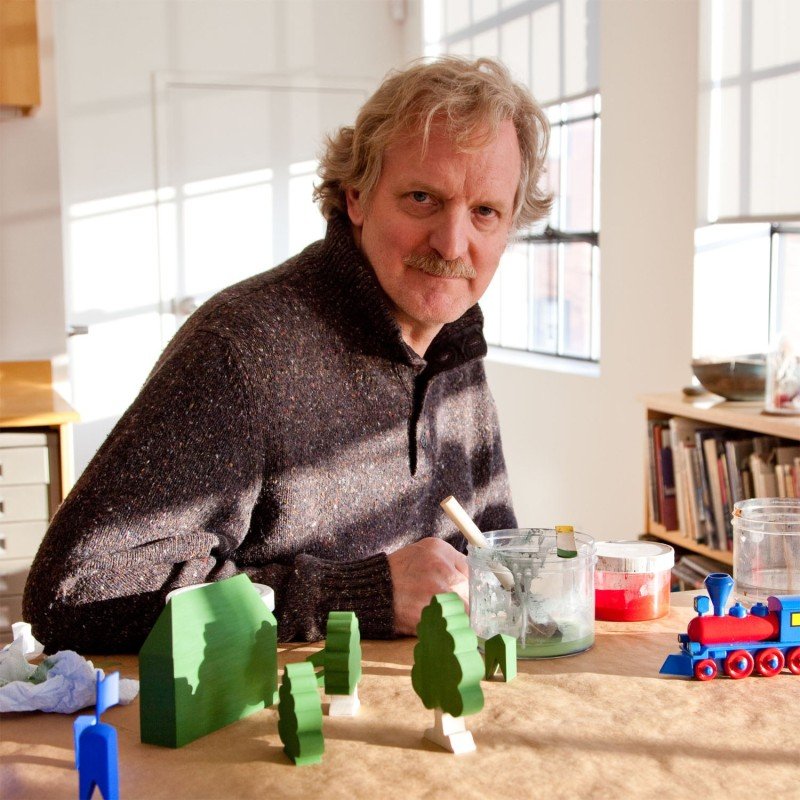
Walter Wick – photo provided by Norman Rockwell Museum

Where Art Meets Illusion 

The exhibition opens with some of Wick’s most recognized works—brilliantly colored still life images composed of toys, tools, game pieces – simply everyday objects. These images are printed large, allowing visitors to step in and scan for hidden items. What develops immediately is an instant sense of play. Children whispering guesses to one another, while adults are often just as eager to take up the challenge. 

However, as visitors progress, what also emerges is not just visual cleverness, but astonishing artistic discipline. Each image began as a carefully constructed diorama,  some of which are on display in their original form. Wick, a trained photo-illustrator,  treats each set like a movie scene—lit meticulously, balanced perfectly, and shot with precision. A single one of Wick’s compositions may take as many as several weeks to simply set up due to the highly time-consuming, labor-intensive process associated with such thorough attention to detail throughout every scene. And while they may evoke childlike wonder, make no mistake – they’re created with the intensity and sophistication of a master visual artist. 

Process and Play 

The central strength of Hidden Wonders lies in its accessibility. It appeals across age groups, thanks to its blend of fun and technical insight. Families will appreciate the scavenger hunt aspect—each photo panel invites the viewer to search for cleverly concealed objects. But even more engaging are the video installations and process notes, which break down Wick’s working method. 

In one video, Wick demonstrates how he sets up shots in his Hartford, Connecticut studio—a converted firehouse filled with bins of materials and shelves of props. Visitors watch as he arranges dozens of tiny objects under studio lights, adjusting angles and shadows, tweaking color and contrast. It’s a revelation: the simple delight of an I Spy book page, it turns out, rests on hours of patient planning. 

The museum has also included an interactive zone where visitors can try their hand at building dioramas or composing digital still lifes. This hands-on area, while clearly aimed at younger guests, draws in adults as well—many of whom find renewed appreciation for the delicate dance between construction and photography. 

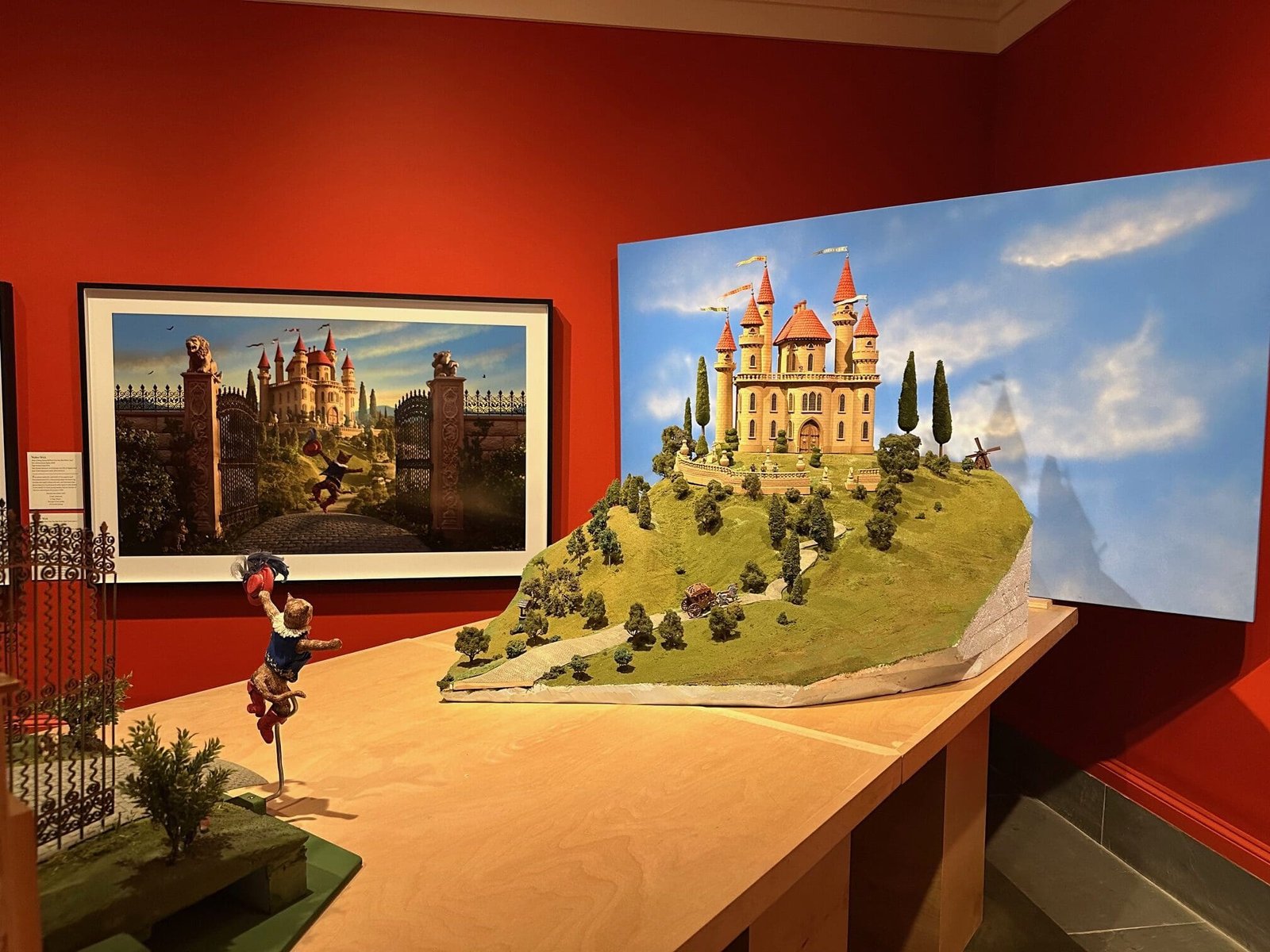
Puss in Boots diorama at the Norman Rockwell Museum (with Walter Wick Image in Background) (July 5, 2025) – photo by David Decker

A Dialogue Between Artists 

One of the most compelling aspects of the exhibition is how it places Wick’s work in conversation with Norman Rockwell’s. While their choice of media may differ, both artists share a fascination with storytelling through their images. Both also staged scenes using real-world references. Rockwell’s famed paintings were often preceded by elaborate photo shoots in his studio, using models and props to capture just the right expression, posture, or gesture. 

One gallery section pairs Rockwell’s preparatory photos for his 1957 painting “Closing a Summer Cottage” with Wick’s own finished photographs, highlighting how both artists used photographic reference to craft richly detailed visual narratives. The result is a thoughtful exploration of image-making in American culture, past and present. 

Highlights and Hidden Gems 

Among the exhibition’s highlights are Wick’s seasonal scenes and fantastical constructions. In one image, a winter village is formed entirely from sugar cubes and flour. In another, a haunted house bursts with eerie surprises. Each piece rewards close looking; even repeat visitors are likely to discover new details on second or third viewings. 

Especially captivating is a pirate ship, made from marbles, matchsticks, and mechanical parts, sailing on a sea of blue cellophane. It’s whimsical, but also a technical triumph of perspective and composition. The exhibit also includes several of Wick’s large-format prints—some more than five feet across—where nearly every square inch contains its own micro-story. 

“Clouds” from I Spy Fantasy 2021 – photo provided by Norman Rockwell Museum

Design and Accessibility

The exhibition design is both family-friendly and respectful of its subject. Galleries are laid out with breathing room between works, allowing visitors to linger. Thoughtful seating areas encourage slow viewing, and the lighting—so essential to appreciating  Wick’s detail-rich imagery—is well-balanced throughout. 

Accessibility is also well considered. The museum is fully ADA-compliant, with ramp access, wide gallery passages, and available seating. Exhibit text is clearly written and welcoming, with no assumptions about prior familiarity with Wick’s books. Guides for children and educators are available on-site and online. 

More Than Nostalgia 

While the exhibit will undoubtedly appeal to visitors who grew up with I Spy books,  Hidden Wonders goes beyond nostalgia. It offers a compelling reminder of how attention to detail, playfulness, and creative ingenuity can come together in work that is joyful, meaningful, and enduring. 

In a digital age where so much visual content is disposable, Wick’s images reward patience and invite curiosity. They ask us to pause, to observe, to search—and ultimately, to see more clearly. This makes the show not just entertaining, but timely. 

The Takeaway 

Once again, the Norman Rockwell Museum has “hit it out of the park” by hosting an experience that is thought-provoking family fun, just in time for summer vacations!  

I SPY! Walter Wick’s Hidden Wonders is a vibrant, multi-generational experience that celebrates the joy of discovery. It’s smart, immersive, and beautifully executed. Whether you come for the nostalgia, the artistry, or the puzzle-solving fun, you’ll leave with a renewed appreciation for the wonder of the small and the power of paying attention. 

If you’re planning a trip to the Berkshires this summer or fall, don’t miss the chance to experience Wick’s magical world up close. It’s a rare exhibition that can make you feel like a kid again—while also inspiring the artist within. 


Exhibition Details: 

Title: I SPY! Walter Wick’s Hidden Wonders

Dates: Through October 26, 2025

Location: Norman Rockwell Museum, 9 Glendale Road, Stockbridge, MA

Admission: Included with general museum entry (special event fees may apply)

Website: www.nrm.org

A Look Back: August 2

By Mike Stampalia.


30 years ago: Santana / Jeff Beck / Keb’ Mo’ @ Saratoga Performing Arts Center

A regular at SPAC in recent years, Santana closed the concert with his usual fine performance, but there was no question that Beck stole the show with a volcanic performance that left most in attendance absolutely slack-jawed in amazement.

Sauntering in from the stage-right wings in mid-riff, Beck appropriately enough blew into a torrential “Hurricane” to start the show, and the winds of invention never slacked in his sails.

– Greg Haymes for the Times Union


70 years ago: Carlos Montoya @ Berkshire Music Barn

His simulation of drums and bugles in a military procession during “Saeta” was a mastery of control and precision. And in the numbers where the rhythms became wild in the gypsy manner, he laid his head square on the instrument and allowed the sheer emotion to carry his hands at breathless speed.

– Milton R. Bass for the Berkshire Eagle


30 years ago: The Jayhawks / Peter Stuart @ Saratoga Winners

What would you have if Gram Parsons fronted Grand Funk? A country band with classic rock muscle? A cosmic American freight train? Just a beautiful, beautiful thing? You’d have all of those and you’d probably call it the Jayhawks.

And you’d probably call the Jayhawks concert at Saratoga Winners on Wednesday night one of the best of the year.

– Greg Haymes for the Times Union


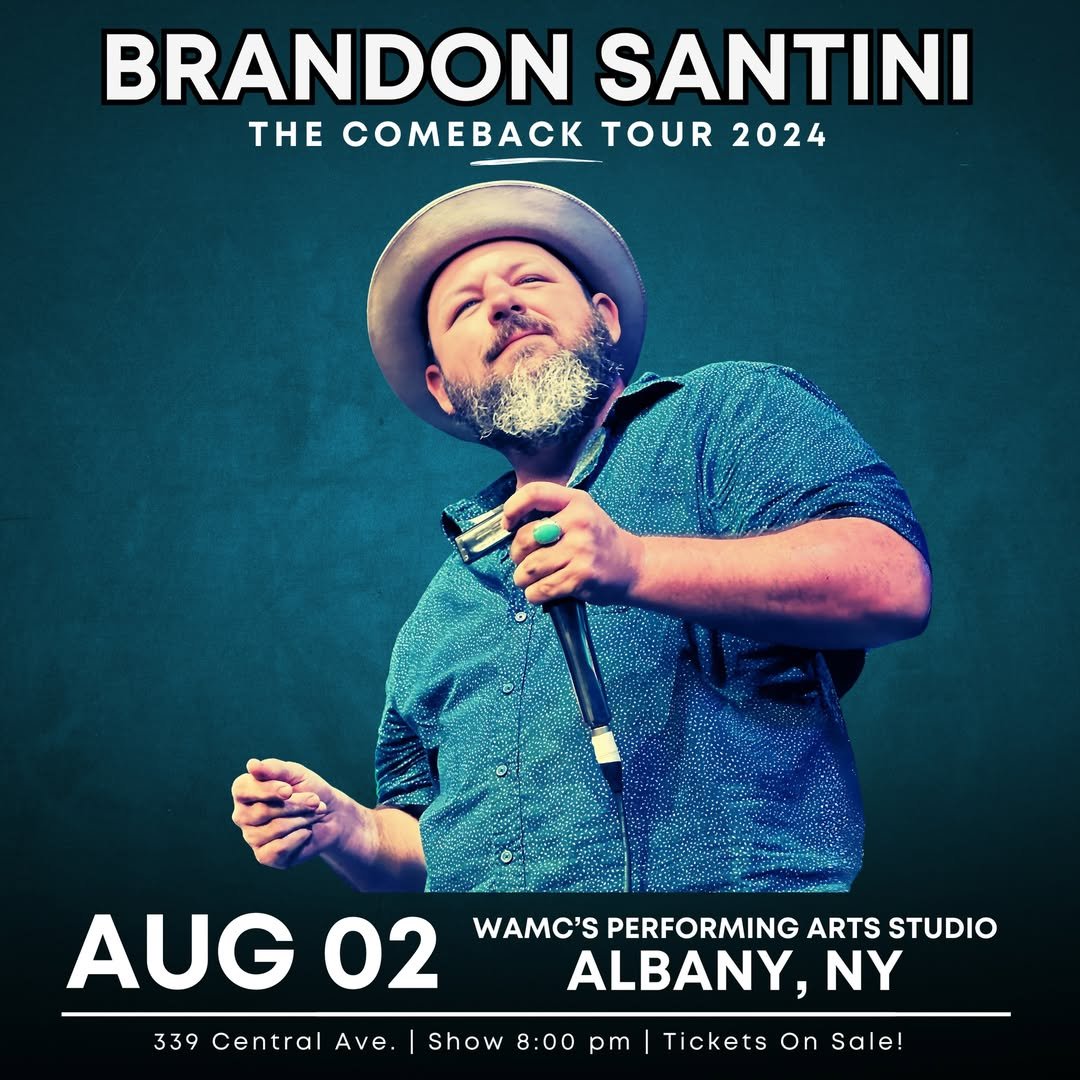
1 year ago: Brandon Santini @ the Linda

Santini had three cases of more than 30 harmonicas and handled most of the vocals. His guitarist Timo Arthur is an alumnus of Berklee College of Music who cut his teeth in the underrated Boston music scene.

– Don Wilcock for the Daily Gazette


1 year ago: King 810 / The Last Ten Seconds of Life / Extortionist / Hope for Now / Everdredd @ Empire Underground


Visit onstagealbany.com to keep up with Capital District concert reviews, both old and new.

Slow Travelers – An Xperience Interview

0

Slow Travelers – An Xperience Interview – by Liam Sweeny.

Have you ever taken a trip to a faraway land? You walked the streets, sampled the local fare, and maybe you stayed for a week, or maybe just a few days. But what if you never went home?

Warren and Julie Knox are slow travelers. Their bags get a workout as they travel the world a few months at a time, never back home in the States, not for long anyway. They are American citizens of the world.

RRX: So, I was gonna write some questions, but this is so interesting, I don’t think I need to. I think there’s enough to talk about. Now you guys are expats, right? Can you tell us what that means?

WK: We’re more or less slow travelers, but yeah, expats. What that is, is a person that is still tied to their home country, and they’re going to eventually go back, and they still have their tax allegiance to their home country. When you look at the difference between an immigrant and an expat …  the difference is one’s paying taxes to one country and the one’s paying taxes to their own country primarily.

RRX: So it’s a person who’s paying taxes to their old country. It’s really like you’re on vacation, except you might be on kind of a permanent vacation.

WK:  Typically, you’re keeping your home, and you may eventually go back to your old country, or you intend to eventually, at some point. You still consider yourself primarily an American. If you have French residency but you’re not a citizen there, you’re not really an immigrant. When you start paying taxes there, then you can consider yourself an immigrant, and when you get right down to it, if you have Mexicans in America that intend to go back to Mexico someday, they could be expats also.

RRX: All right. So that’s a general term that covers that situation. One of the first books I ever really enjoyed as a kid was Ernest Hemingway’s “The Sun Also Rises,” which is the whole story about expats during World War One. Very romanticized; I wanted to do that after reading that book. I don’t know if you’ve ever read that book, but there is a glamour to it all.

WK: We’ve been doing this for almost five years and it was a dream of ours for a long time. We’re slow travelers more than just expats, so we typically go spend one to three months in the country, but our home base is in Montenegro in Europe, so this is where we come back to kind of recharge, change out our wardrobe. So we’ll spend three or four months a year in Montenegro while we travel to different places. We’re living our dream of what we wanted to do; see what it’s like to actually live somewhere instead of coming in as a vacation, spending 48 hours and thinking you’ve seen the country. Or getting off a cruise ship for eight hours and saying, OK, I’ve checked that country off my box. I spend a month somewhere and, you know, learn how to shop, cook at home, go to restaurants, and see what life is actually like to live in a place. Every day is an education as we travel, learning something new, learning, going somewhere different. We’ve done a lot of stuff on our YouTube channel, which also keeps us occupied. Sometimes it feels like a job when it was supposed to be a hobby, but I think it’s met a lot of our expectations. What do you think, honey?

JK: Definitely. I mean, we do it with our dogs also, so we drive across Europe currently. We’ll be hopping continents for a couple of years to South America here shortly, but it’s just been a fantastic experience of living life on our own terms. And you know, we’ve met so many great people. We actually met so many expats or slow travelers and nomads that it feels like the whole world is travelling to us because we blur those lines a bit much. Our bubble is full of travelers, and if we meet people that don’t have a passport, it just kind of blows our minds.

RRX: Is there any core thing to understand, because I know the one thing that would stop me from doing what you’re doing is that I’d be so afraid of being horribly out-languaged. Like, being in a place where the language is so off that I would just basically freak out because I couldn’t talk to anybody. Is that something that you got into? Did you have to learn new languages before you started, or is this something where you kind of grew to know it?

WK: It can be challenging, and we do not know another language, but English is well spoken in most of these countries, at least in some of the more tourist spots. I mean, it’s tougher if you go too much into the farmland. And it’s problematic, but generally Google Translate works for us, and I know a little tiny bit of French. I know a little bit of Spanish, and I’ve picked up a few keywords for Bosnian Croatian, which helps us over here. We know probably like about 30 or 40 words in a whole lot of languages, because we’ve learned that as we’ve gone along. But with Google Translate, you can use a camera app and you aim it at something that’s spelled out, and it translates it to your language. And you can have conversations with Google Translate. It’s actually a game changer. However, English is the most spoken language in the world. It’s got more speakers than, when you count second language speakers, than Chinese, and most of the Chinese speakers are in China, where people all over the world are speaking English. So if you’re gonna know one language, English is the best.

So when you go to expat communities in a lot of countries, they’re very international. You’ll have your Germans, your Japanese, your Philippines, your people from the Middle East, you’ll have your people from Spain, Italy, and English is used as the bridge language. Almost all the expat groups, English is the language that they all communicate in because it’s the most common language. If you only spoke German, you’d be in trouble. If you only spoke Italian, you’d be in trouble. You’d have to use your Google Translate. We have French friends like that. They speak some broken English, but they could not possibly interact as well as we do with so many people in the expat world because their English is much more limited. But English is the language that, if you’re gonna travel and you’re from any other nation, it’s the language you’re gonna learn. Because if you go somewhere and you have a multi-language menu, it’s oftentimes you’re gonna have English and the native language that they have there. I wanna say it’s probably about eight or nine times more dominant in the world as far as the amount of speakers than Spanish. Spanish only has Central America, part of South America, and Spain.

RRX: I imagine with people that are slow-traveling expat nomads, there is a world to that, like a network of like-minded people that do it. Can you tell me a little bit about that?

WK: I don’t know if you’ve seen our Facebook group or not, but basically it’s the Expat Slow Travel Nomad Network by Warren and Julie. It’s the offshoot from our YouTube channel. But there’s a lot of people that are trying to learn how to become nomads or expats, and there’s a lot of people there that are expats and nomads. We’ve developed so many friendships, and a lot of times we’re connecting through these different Facebook expat or nomad groups because when you go somewhere new, you find out where the get-togethers are, where the foreigners are. And it’s not that we just want to hang out with the foreigners, but … let’s say we go to Serbia. If we go to Serbia, these people have their friends that they’ve had their whole lives, they have their jobs. And if you go there and you expect, “I’m gonna just learn Serbian and meet Serbians,” it’s not gonna happen. But if you go to the expat groups, you’ll find the Serbians that want to meet the other expats, and you have the expats that can show you around, teach you the ropes, and help you get acclimated to the country. I will tell you, we just had a viewer of ours that was in Albania. He showed up, planned for a couple of years to go to Albania, didn’t do any research about where the expats are, the foreigners. He showed up in Albania, planning to be there for one year, was there for three weeks, got lonely, couldn’t handle it, and went back to the States. You have to do your homework and know where to find people, and if you’re gonna travel alone, you definitely need to know how to find other people to show you around and try to lay the groundwork before you arrive.


More from Liam Sweeny…

Extra! Extra! The August 2025 Xperience Digital Edition is Out! Get it Here!

0

It is awfully hot out there. But independent experts have concluded that this month’s Xperience is cool as hell. Featuring Walter “Monsta” Ryan, Slow Traveler Network and Eddie Angel.

A Look Back: August 1

By Mike Stampalia.


60 years ago: Thelonious Monk @ Berkshire Music Barn


Monk’s piano sounded as if it were being played only by his right hand, a tired right hand that relied on many varying repetitions of simple, odd phrases rather than the invention of new ones and whose fingers fumbled with astonishing frequency.

– R.C.H. for the Morning Union


40 years ago: Liza Minnelli @ Saratoga Performing Arts Center

Instead of giving the people what they have come to hear, Liza spends far too much time singing obscure songs and sharing the stage with a trio of Los Angeles breakdancers, the Footlockers.

– Don A. Metivier for the Post-Star


Bon Jovi / Southside Johnny and the Asbury Jukes @ Saratoga Performing Arts Center

But the most touching tribute of the night was when Jon Bon Jovi introduced opening act Southside Johnny by saying, “Without him, there’d be no me.”

Then Bon Jovi invited Southside Johnny Lyon out for a barrelhouse boogie through “Working Too Hard,” each singer playing off of the other with perfect give and take.

– Greg Haymes for the Time Union


1 year ago: Galactic / Hilltop @ Alive at Five

Anjelika “Jelly” Joseph of Galactic at Albany’s Alive at Five (August 1, 2024) – photo by Timothy Reidy for RadioRadioX

Between singer Anjelika “Jelly” Joseph’s undeniable stage presence and the band’s exceptional musicianship, the show was a masterclass in funk.  Highlights of the night included Jelly’s powerful rendition of “Right On,” Glen D. Andrews’ soulful “You Don’t Know,” and the crowd-pleasing “Crazyhorse Mongoose.”

– Chris Bobillo for NYS Music


Visit onstagealbany.com to keep up with Capital District concert reviews, both old and new.

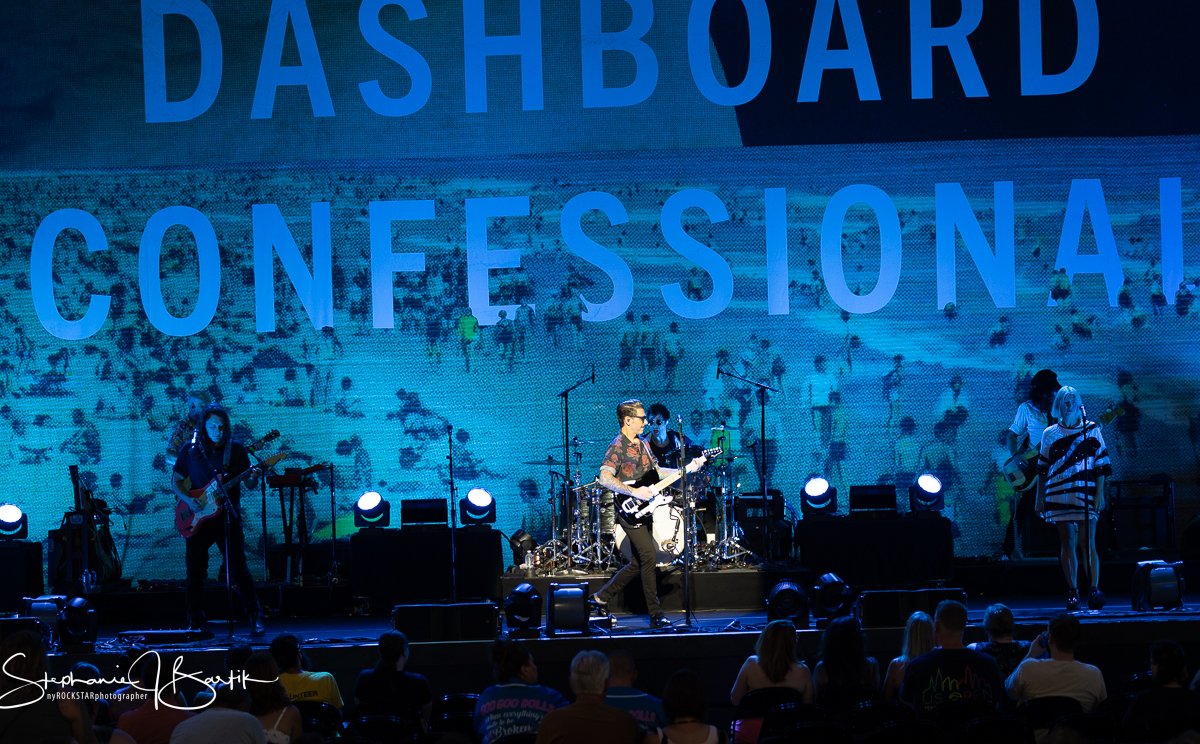
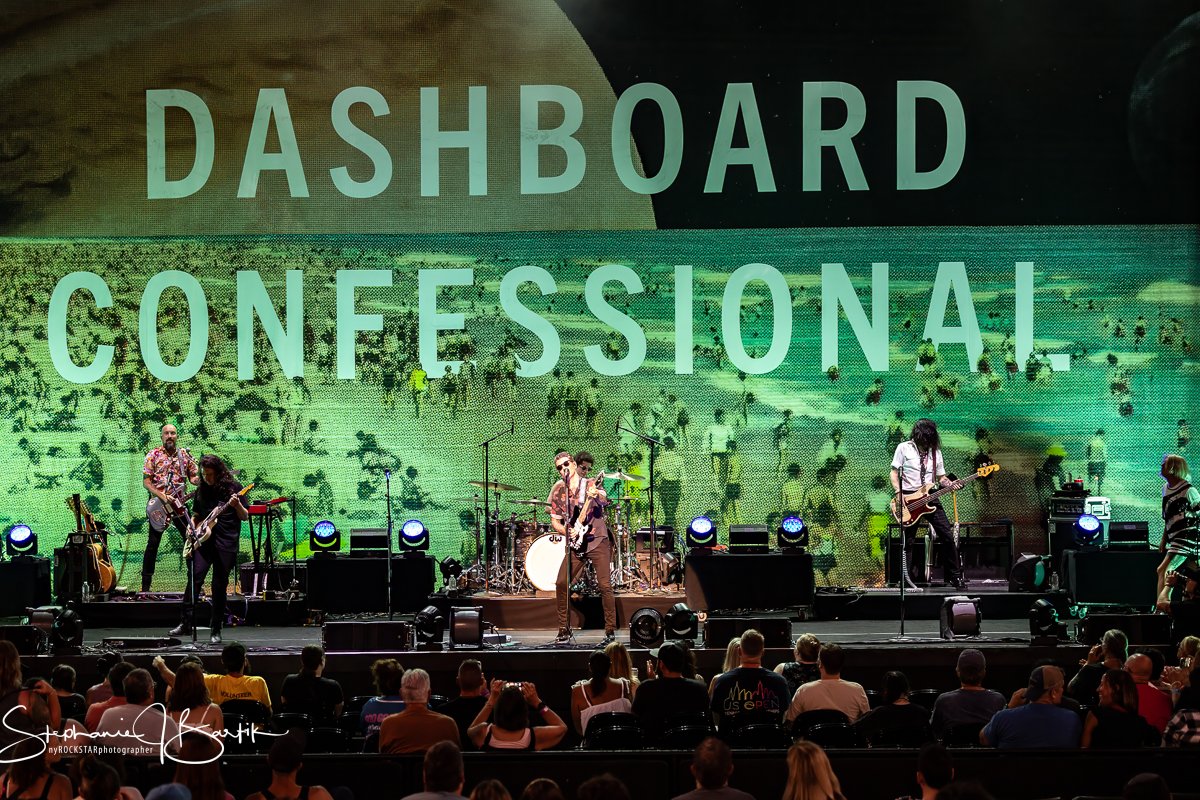
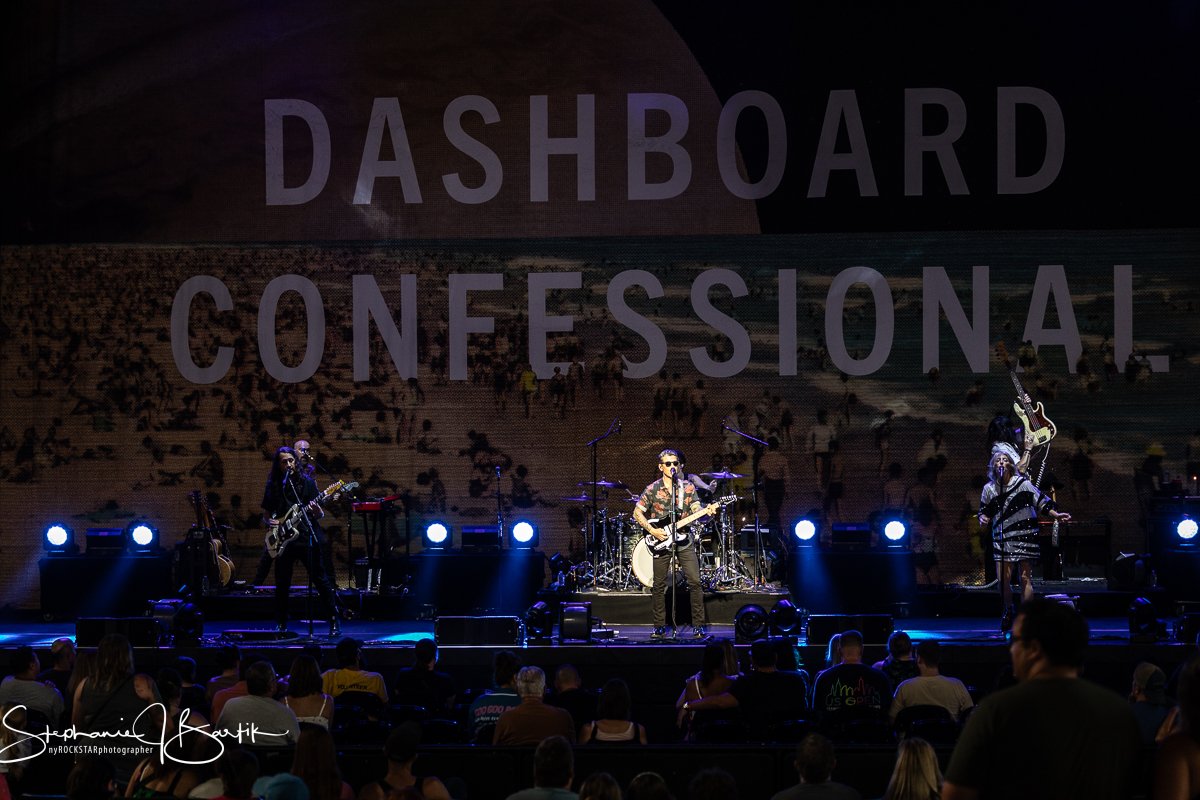
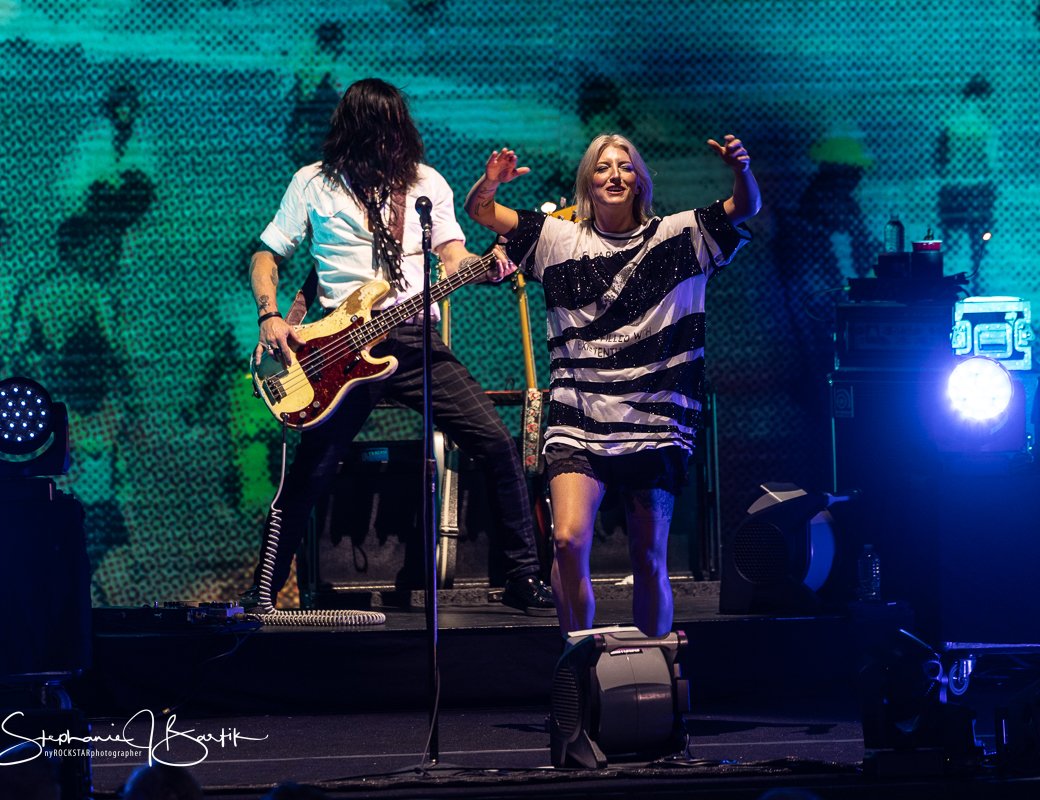
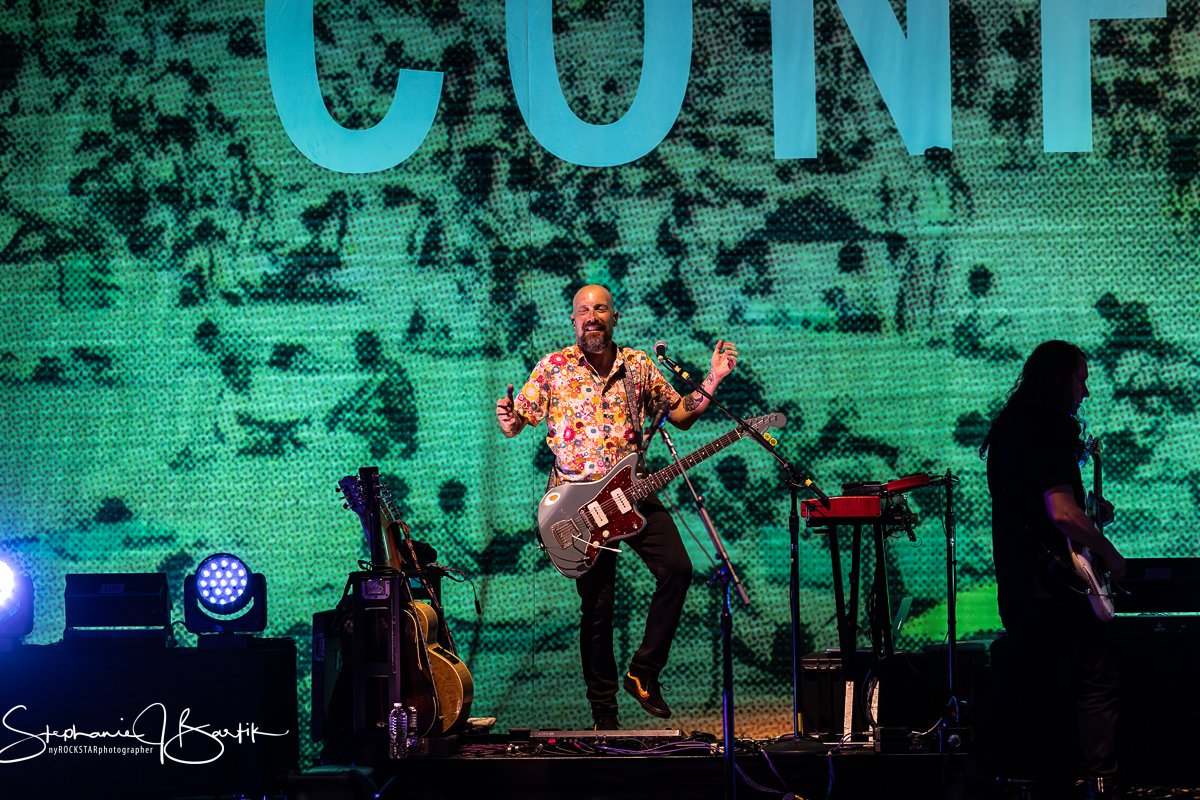
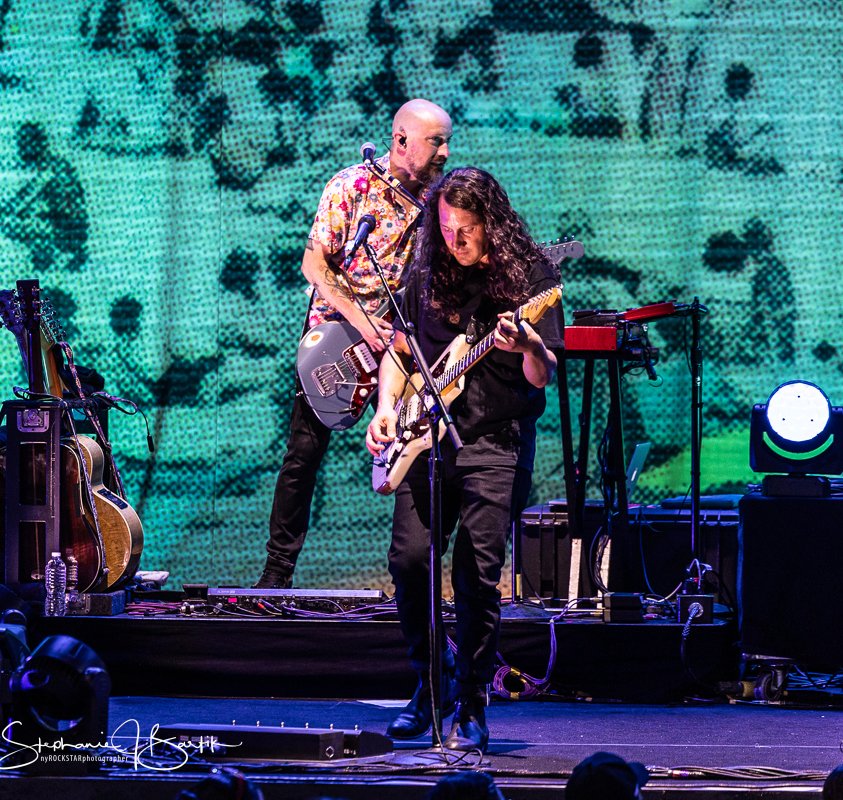
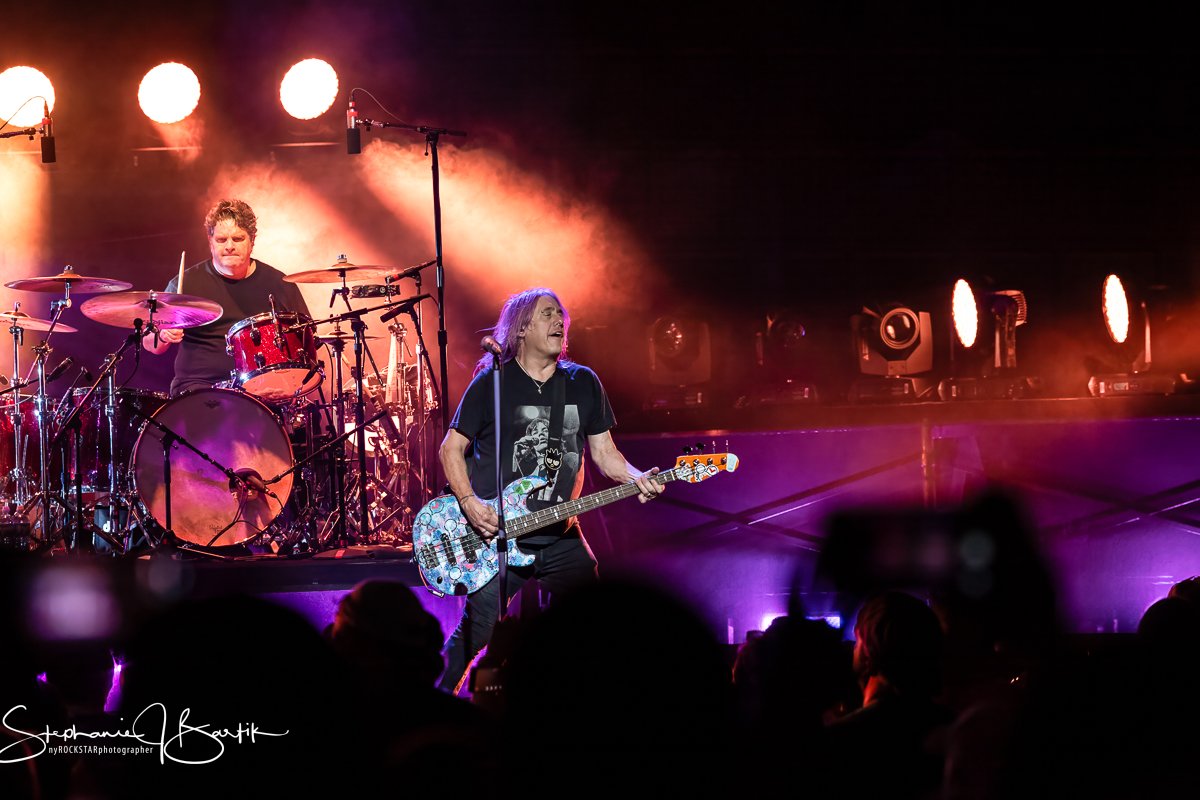
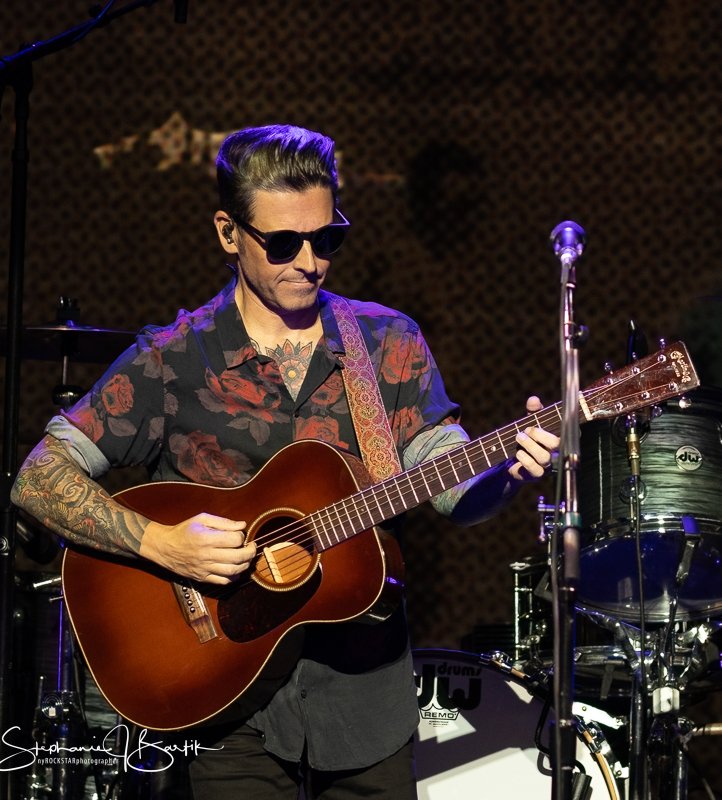
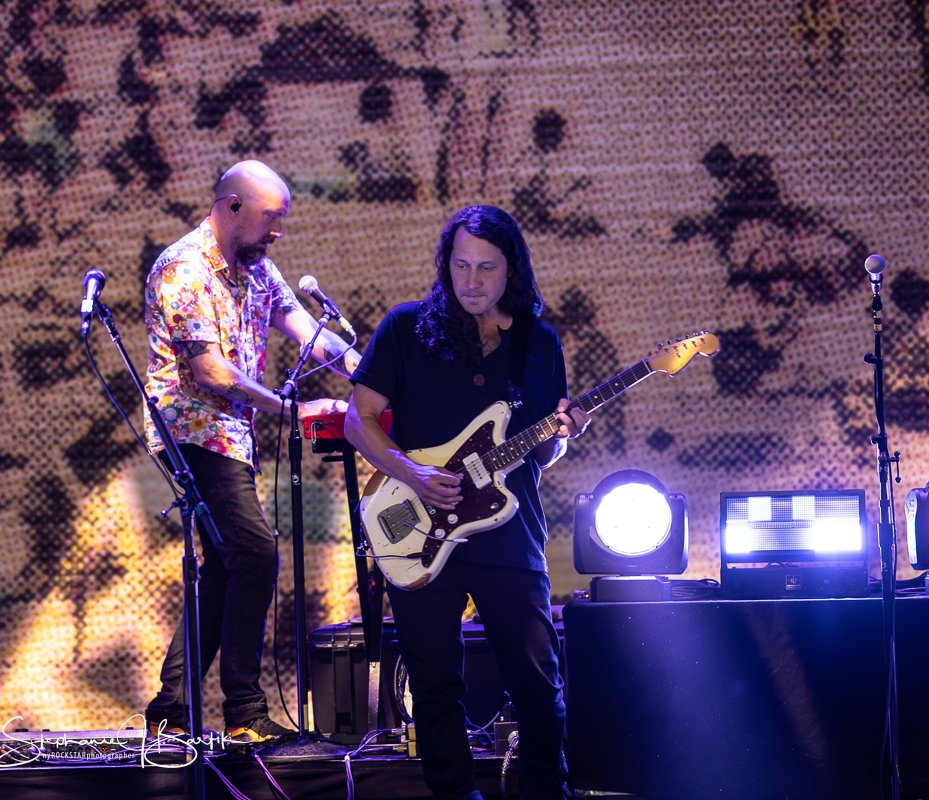
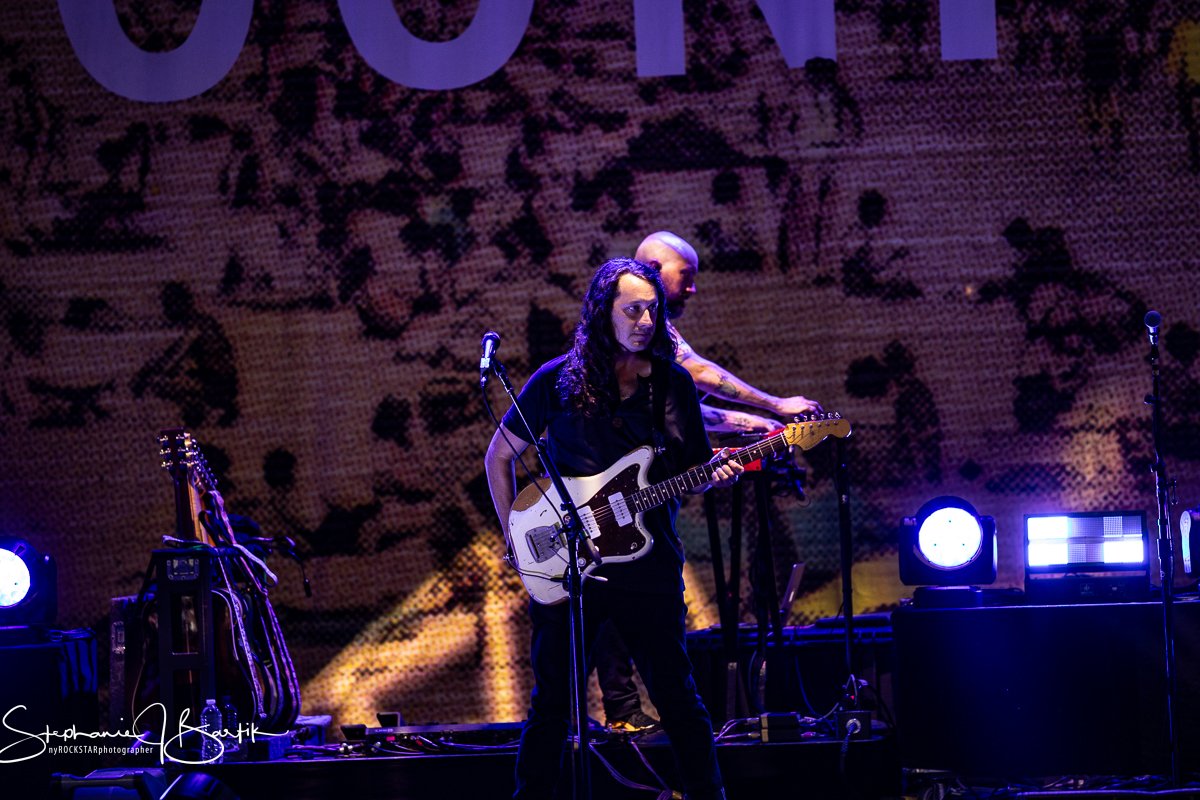
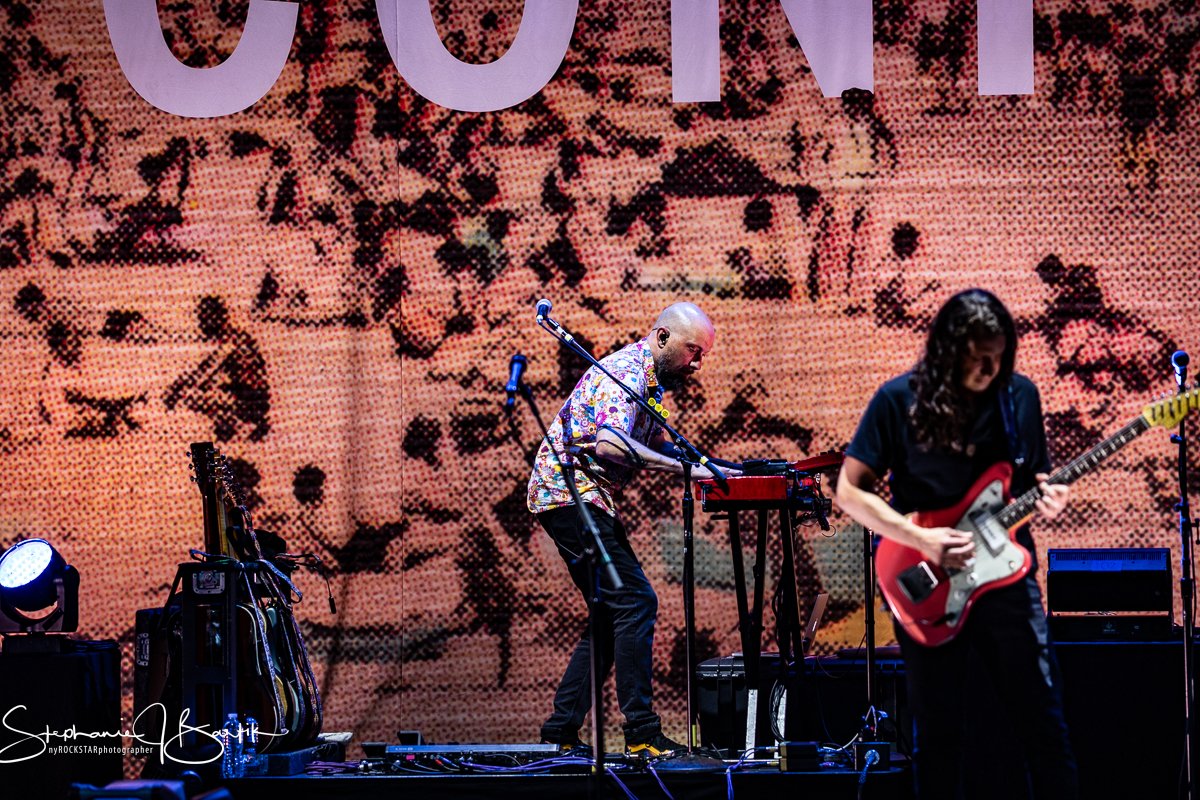
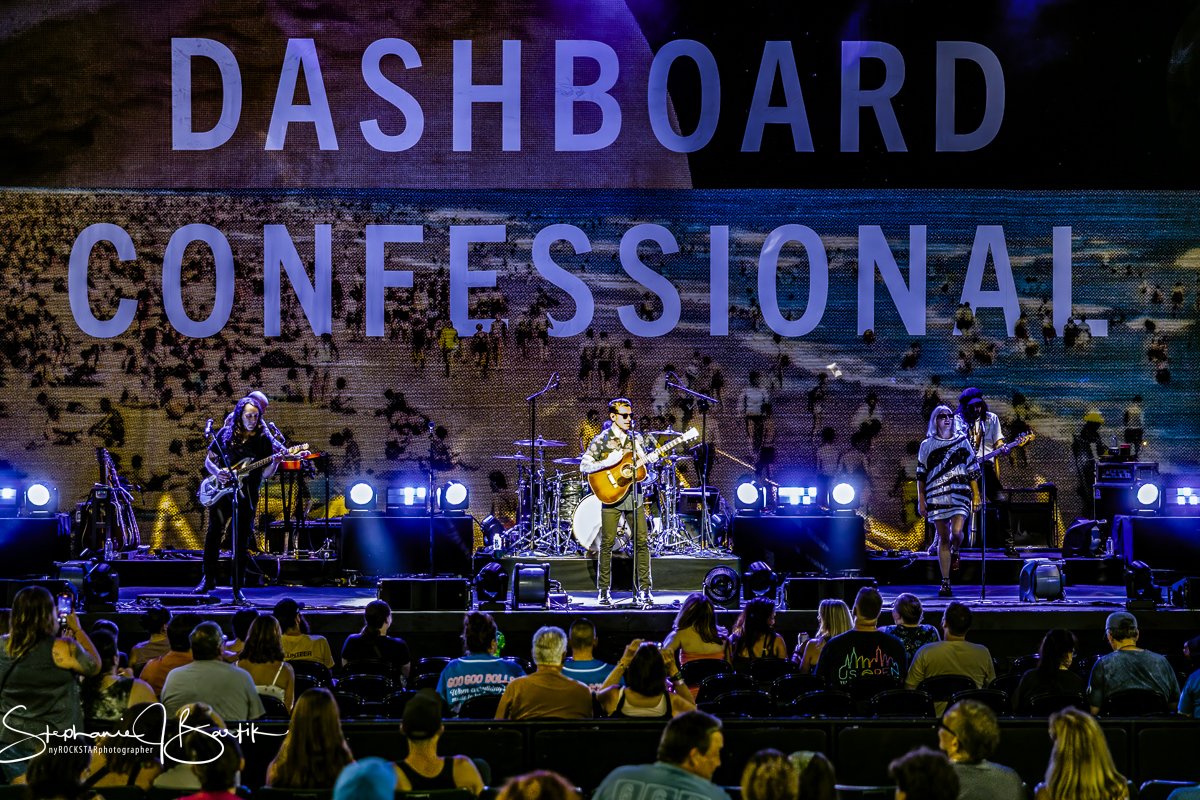
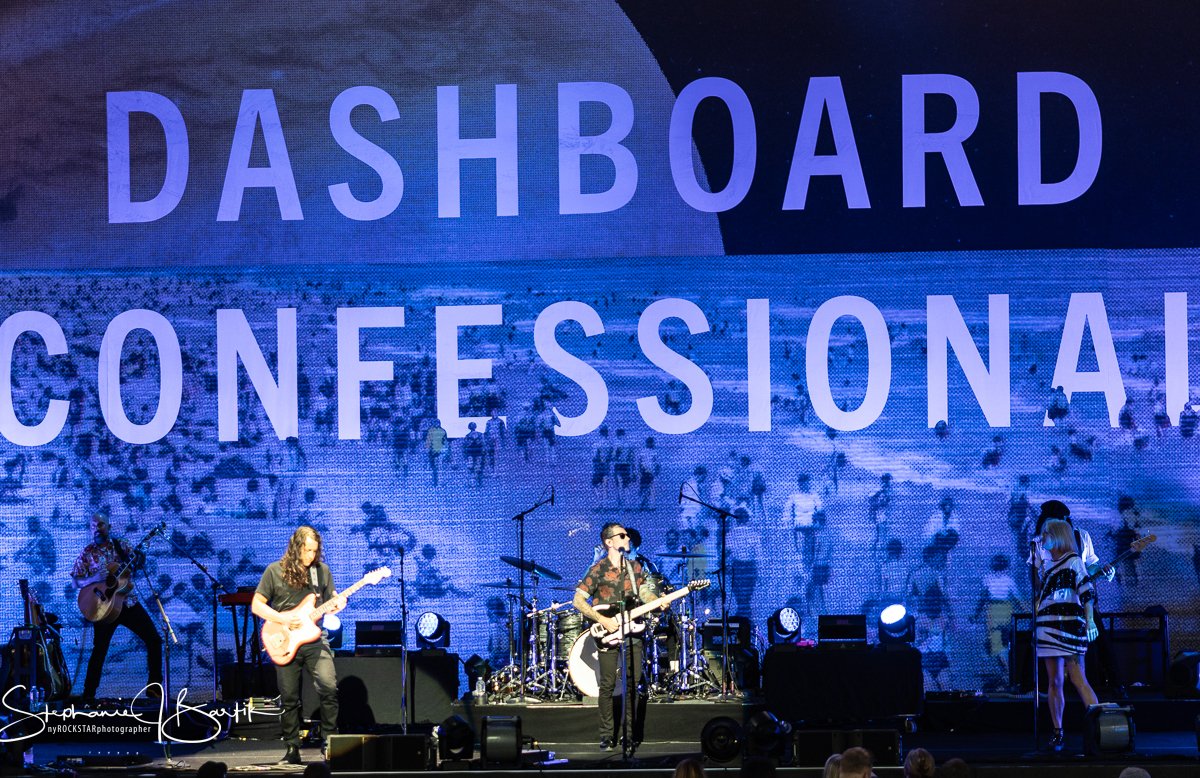
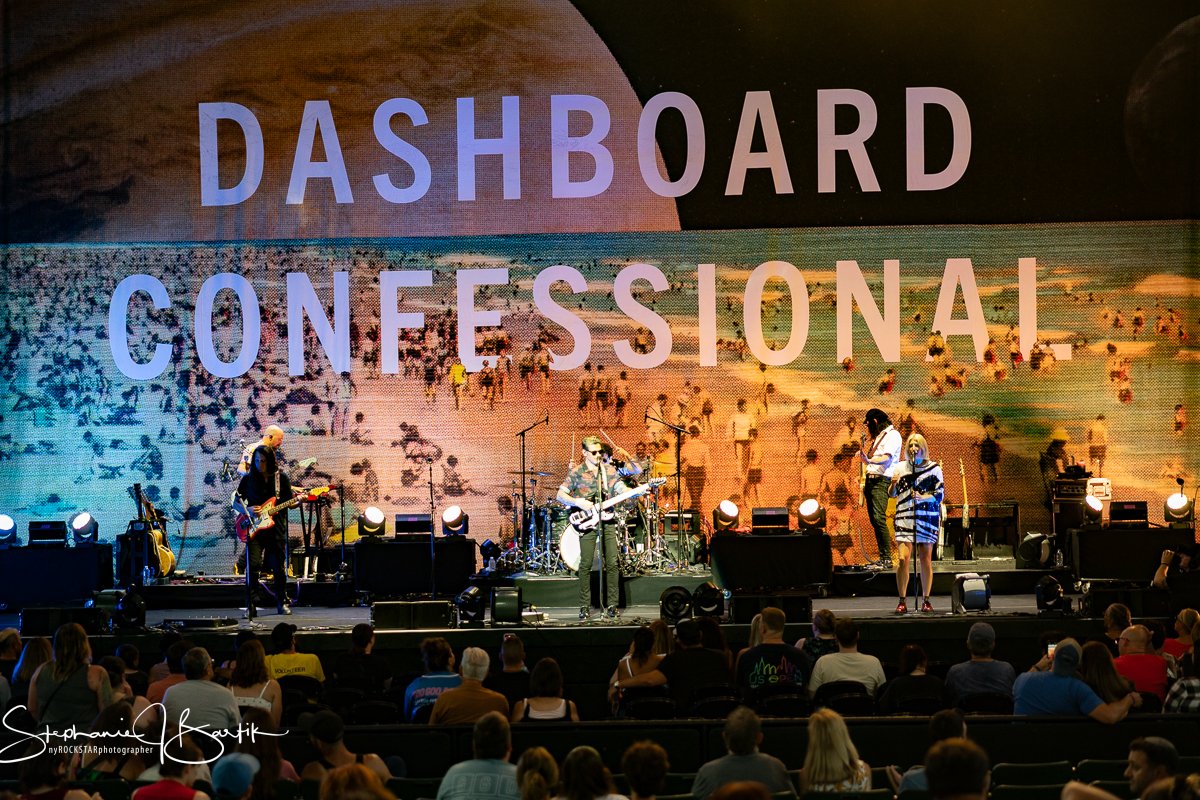
Dashboard Confessional @ Saratoga Performing Arts Center, 7/30/2025

0

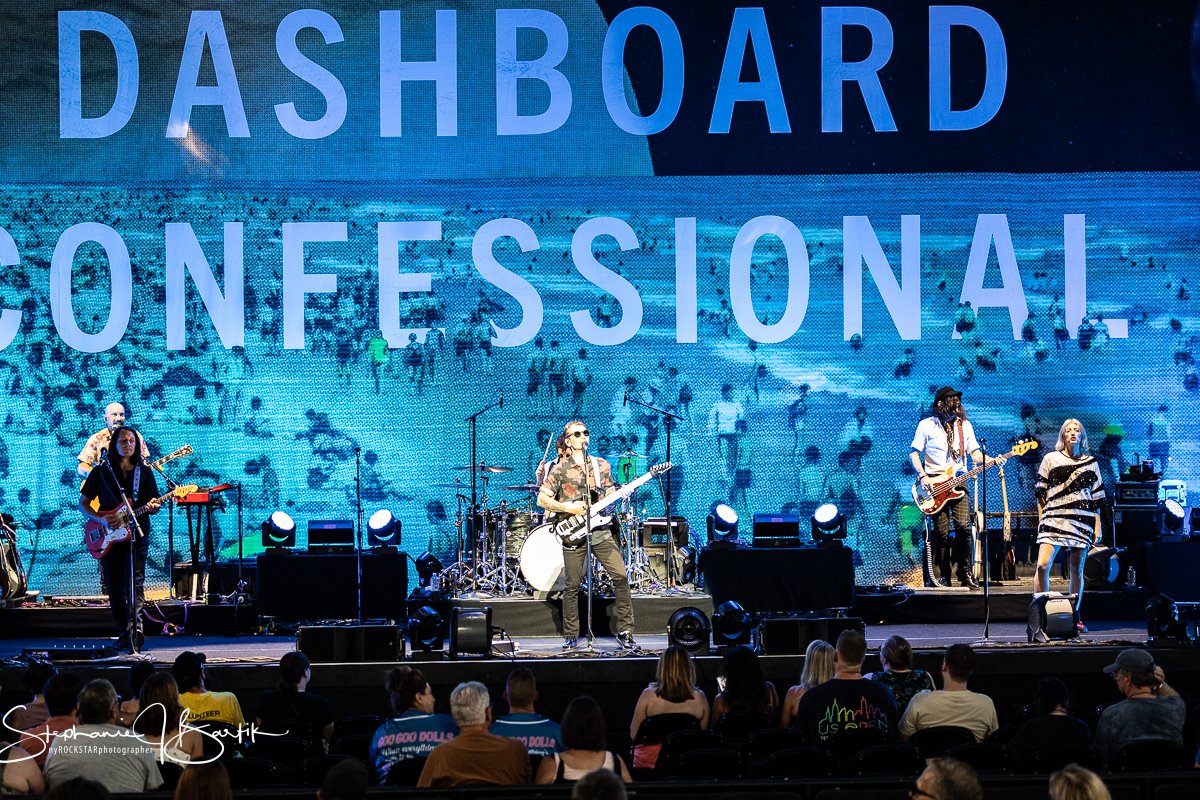
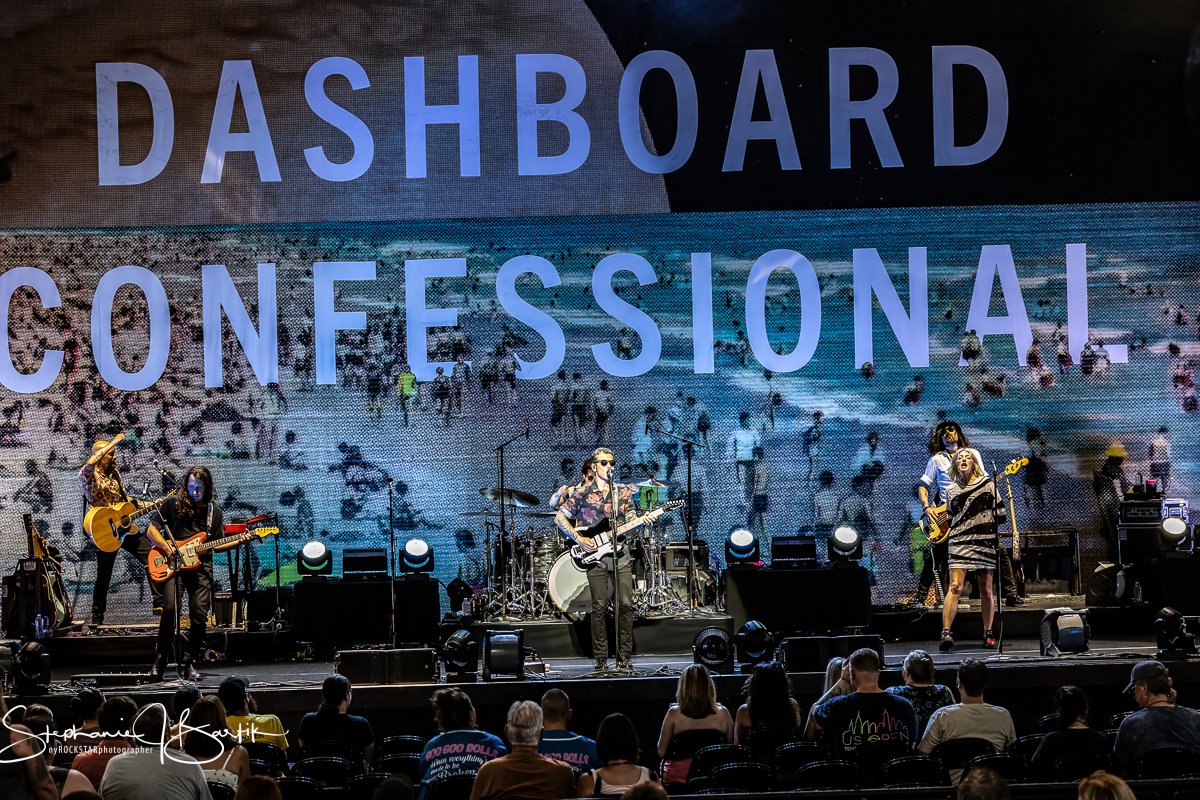
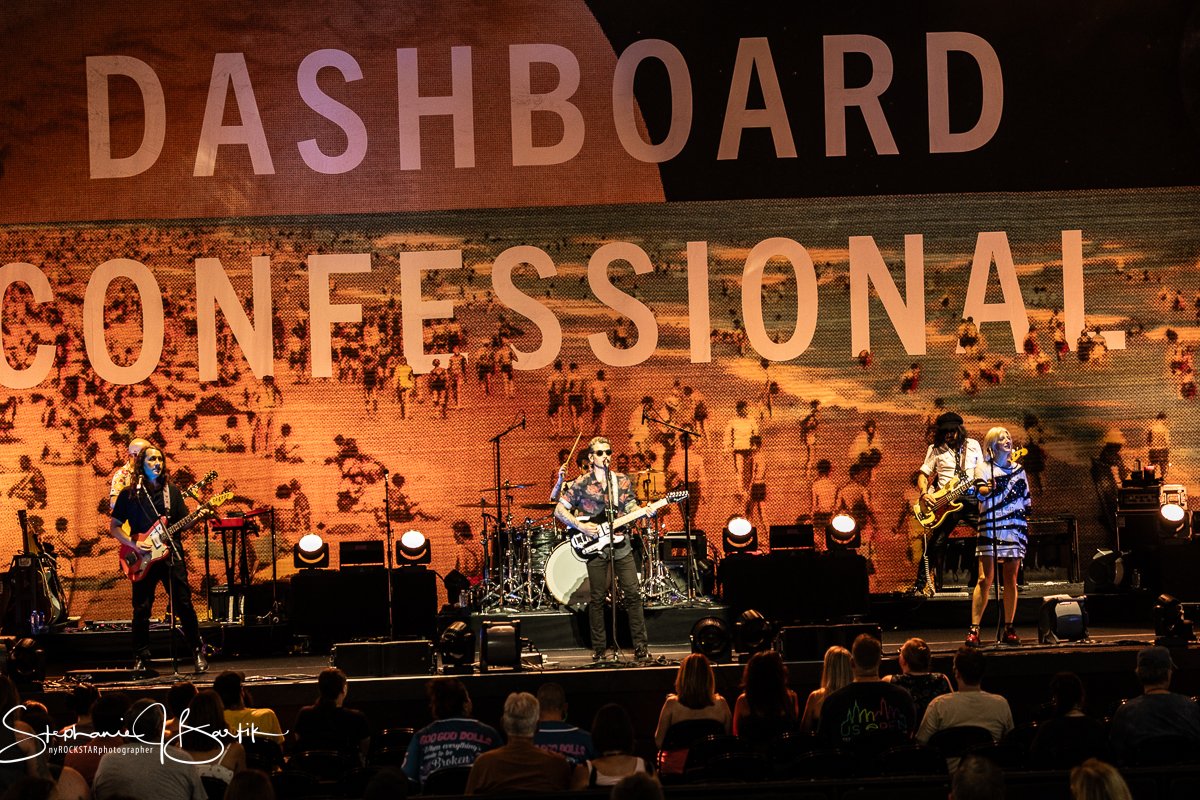
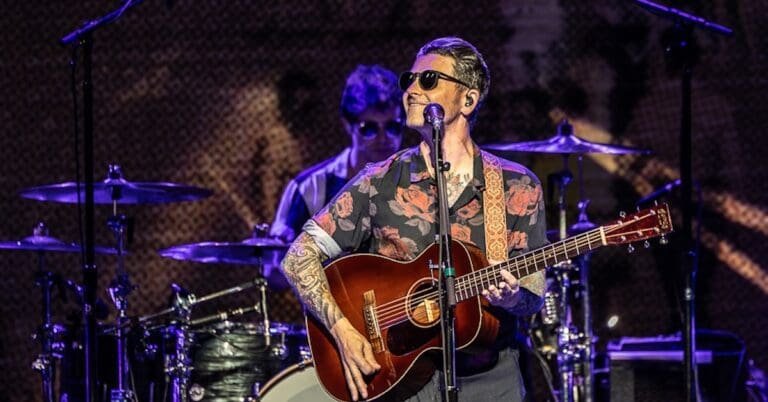
Hard to believe Dashboard Confessional has been around a quarter century now. The Florida sextet opened up for Goo Goo Dolls on their Summer Anthem tour at the Broadview Stage at SPAC Wednesday night.


Photography by Stephanie J Bartik.

More coverage of the show here …