Home Blog Page 197

A Look Back: June 28

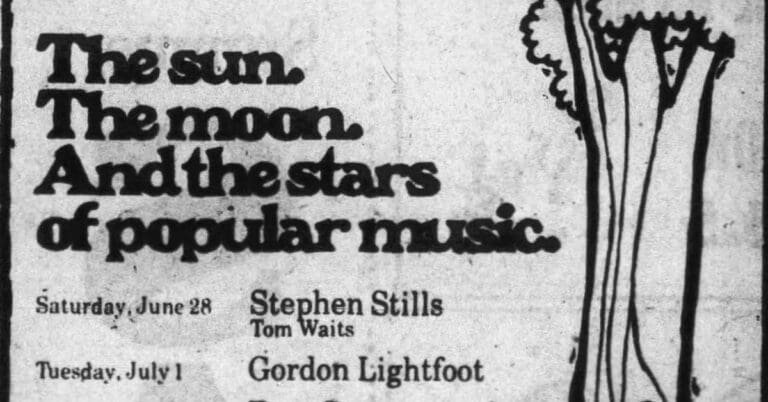
(Image: 1975 ad for Tanglewood Popular Artist Series)

By Mike Stampalia.


50 years ago: Stephen Stills / Tom Waits @ Tanglewood

The opening act of the evening was singer Tom Waits. Waits looks and sounds like a Bowery wino who’s coming off a long binge. In a hoarse, guttural voice, he sang and growled his “inebriational travelogues,” alternately playing guitar and piano, or just snapping his fingers.

– Jay McInerney for the Berkshire Eagle


50 years ago: Olivia Newton-John / Jerry Reed @ Saratoga County Fair

The petite, willowy blonde was popular with the crowd, which showed its appreciation by showering her with stuffed animals which she cradled affectionately as she made her exit.

– Irv Dean for the Saratogian


30 years ago: Richard Thompson & Danny Thompson / Michael Jerling @ The Egg

“Ghosts In The Wind” fell at the other pole of the set, and drew the same cheers as when Albany first heard it. It’s an old Thompson chestnut now, but one that RT rarely offers solo. With DT on the shimmering, spooky bowed bass, “Ghosts” became not only an even more haunting ride, but a tour de force in tone and emotion. Wednesday the pair wracked all the darkness they could out of the tune before letting it fall away in its own echoes.

– Michael Eck for the Times Union


10 years ago: Sheila E. / Erykah Badu / Snarky Puppy / Ronnie Earl and the Broadcasters / Head of State / Django Festival All-Stars / Etienne Charles / Sonny Knight & the Lakers / Benny Green Trio / Kellylee Evans / Yosvany Terry Quartet @ Saratoga Performing Arts Center

Ronnie Earl & the Broadcasters put some serious blues on the main stage as Earl was invited back to the fest for the second consecutive year after a sterling instrumental performance in 2014. And he didn’t disappoint, leading his organ trio bolstered by a female vocalist on a couple of numbers, including a strong take on “I’d Rather Go Blind.” Earl is a master on the guitar, and I came close to crying… but with a smile.

– Steve Nover for Nippertown


10 years ago: Huey Lewis and the News @ Tanglewood

“This is our first time ever at Tanglewood,” said Lewis. “This place is older than I am. It is older than rock and roll.”

– Donnie Moorehouse for the Republican


Visit onstagealbany.com to keep up with Capital District concert reviews, both old and new.

Martin Benjamin: Rock Shots – 50 Years of Photographing Rock and Roll

0

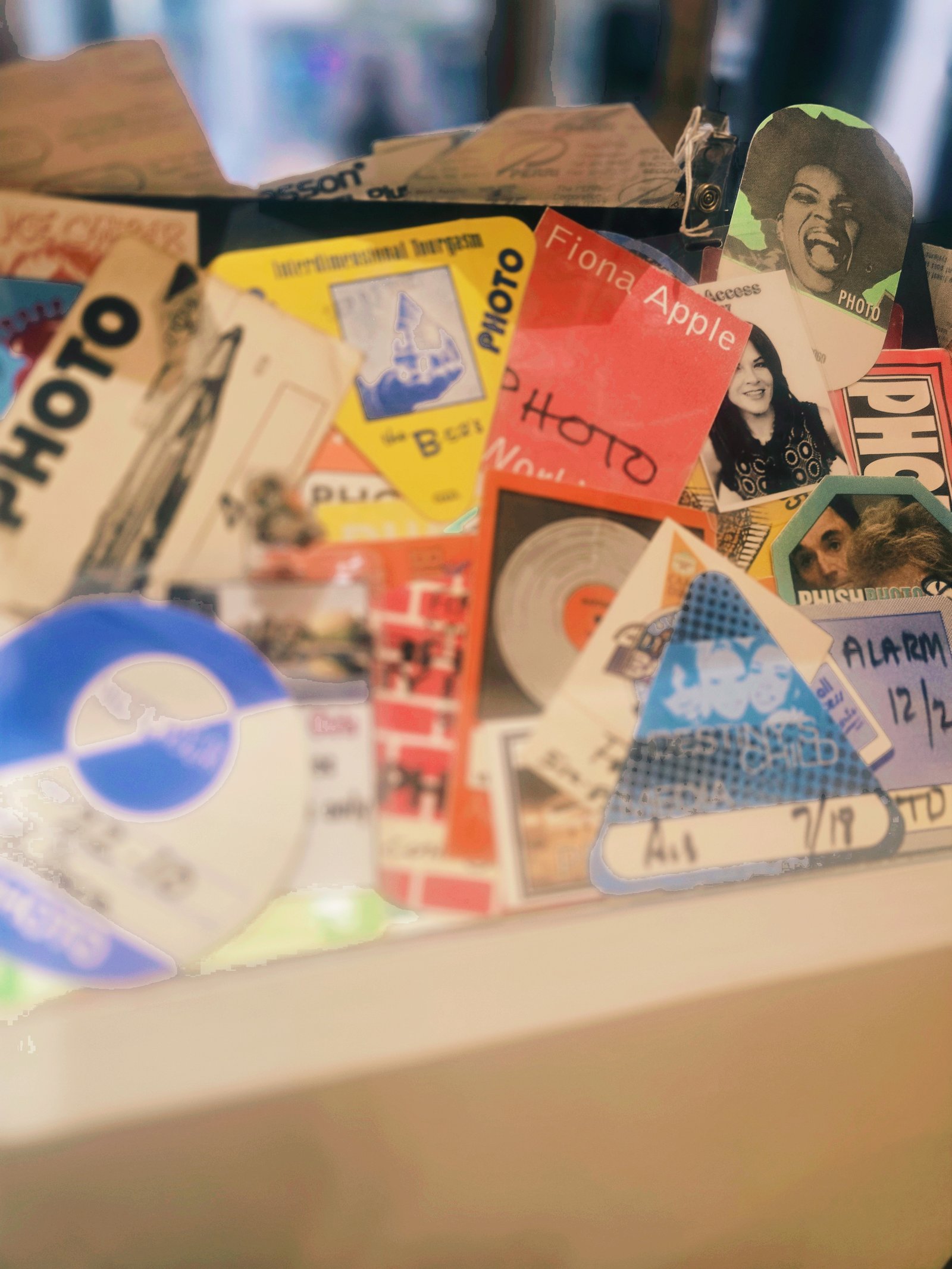
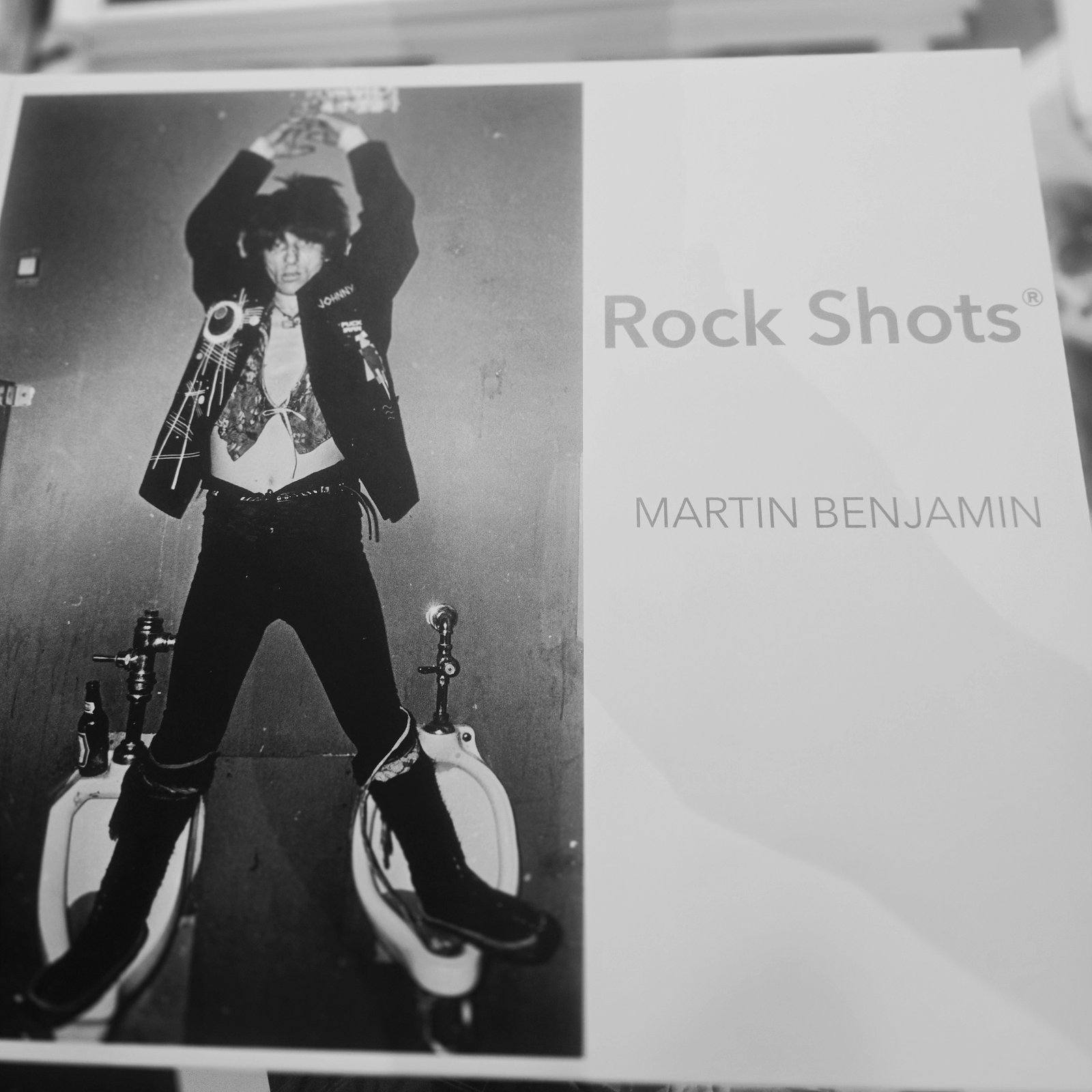
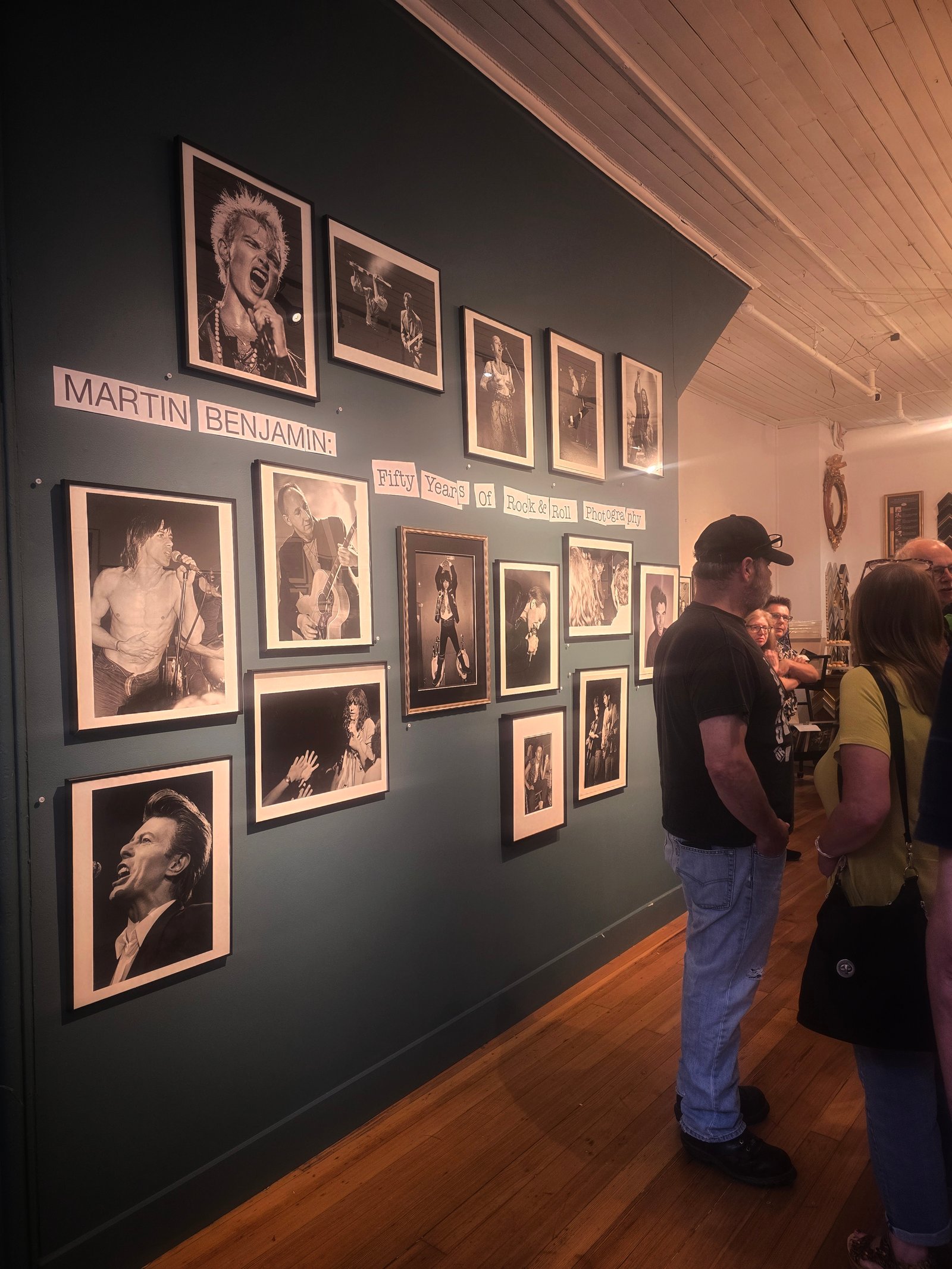
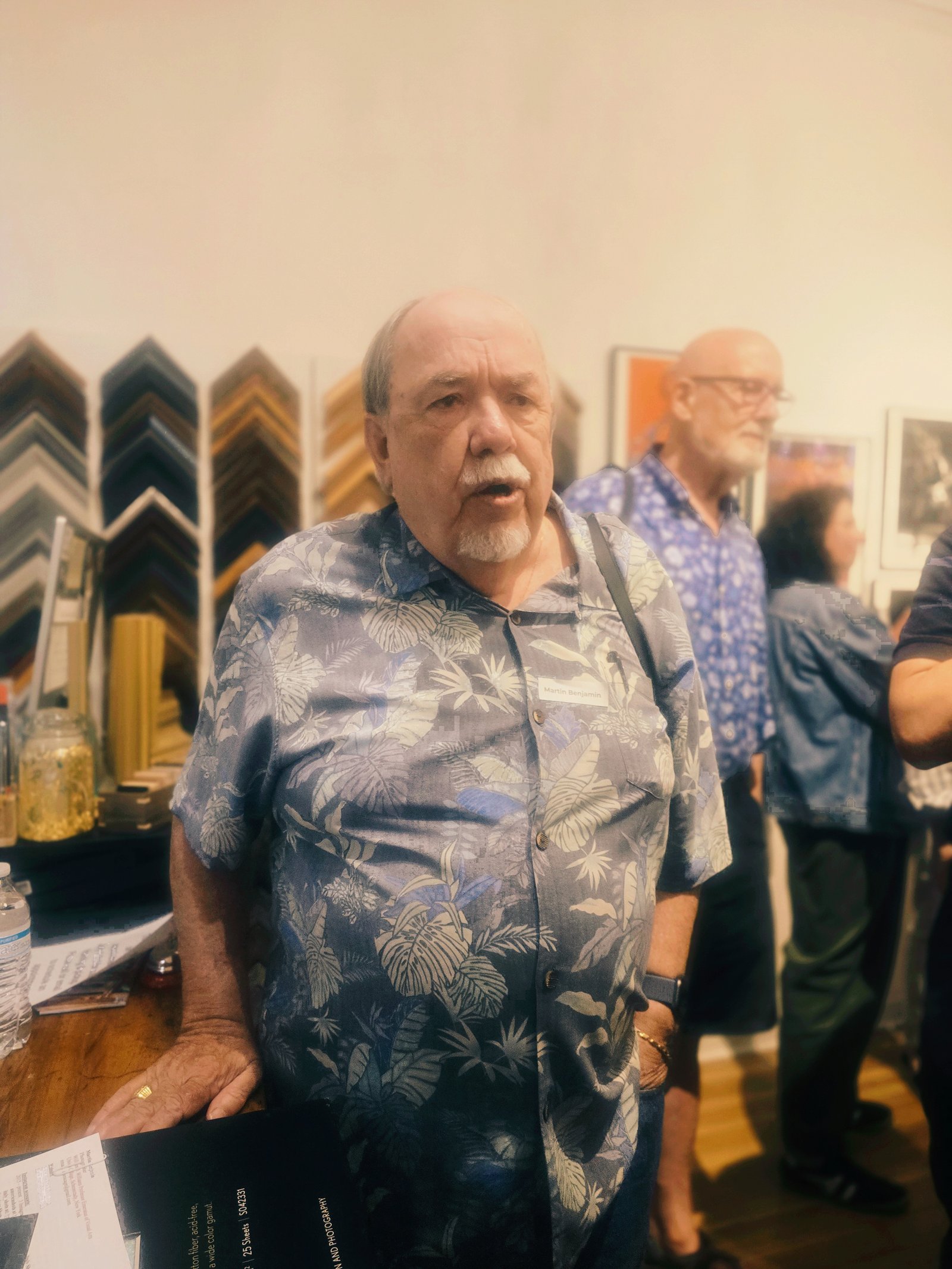
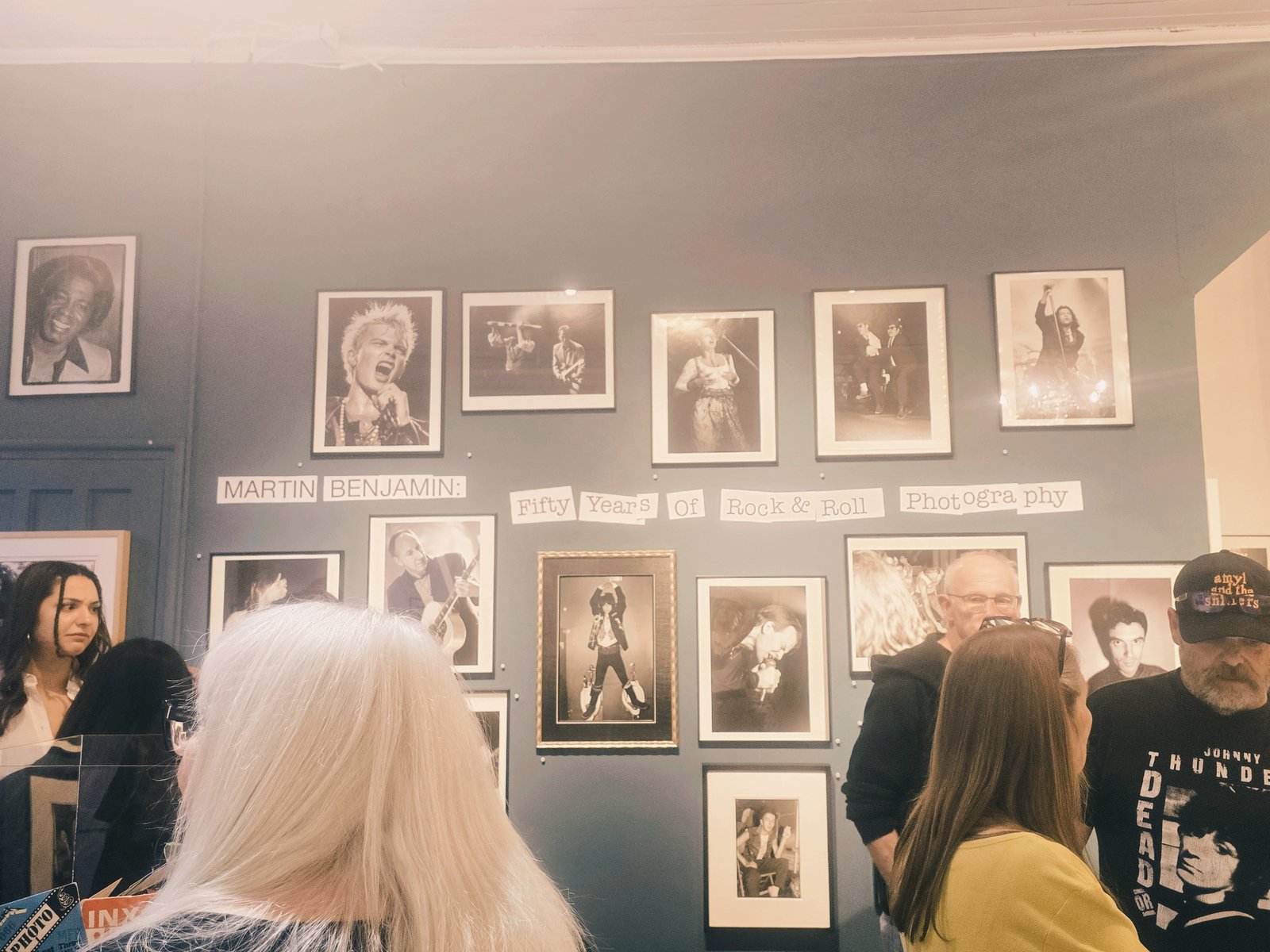
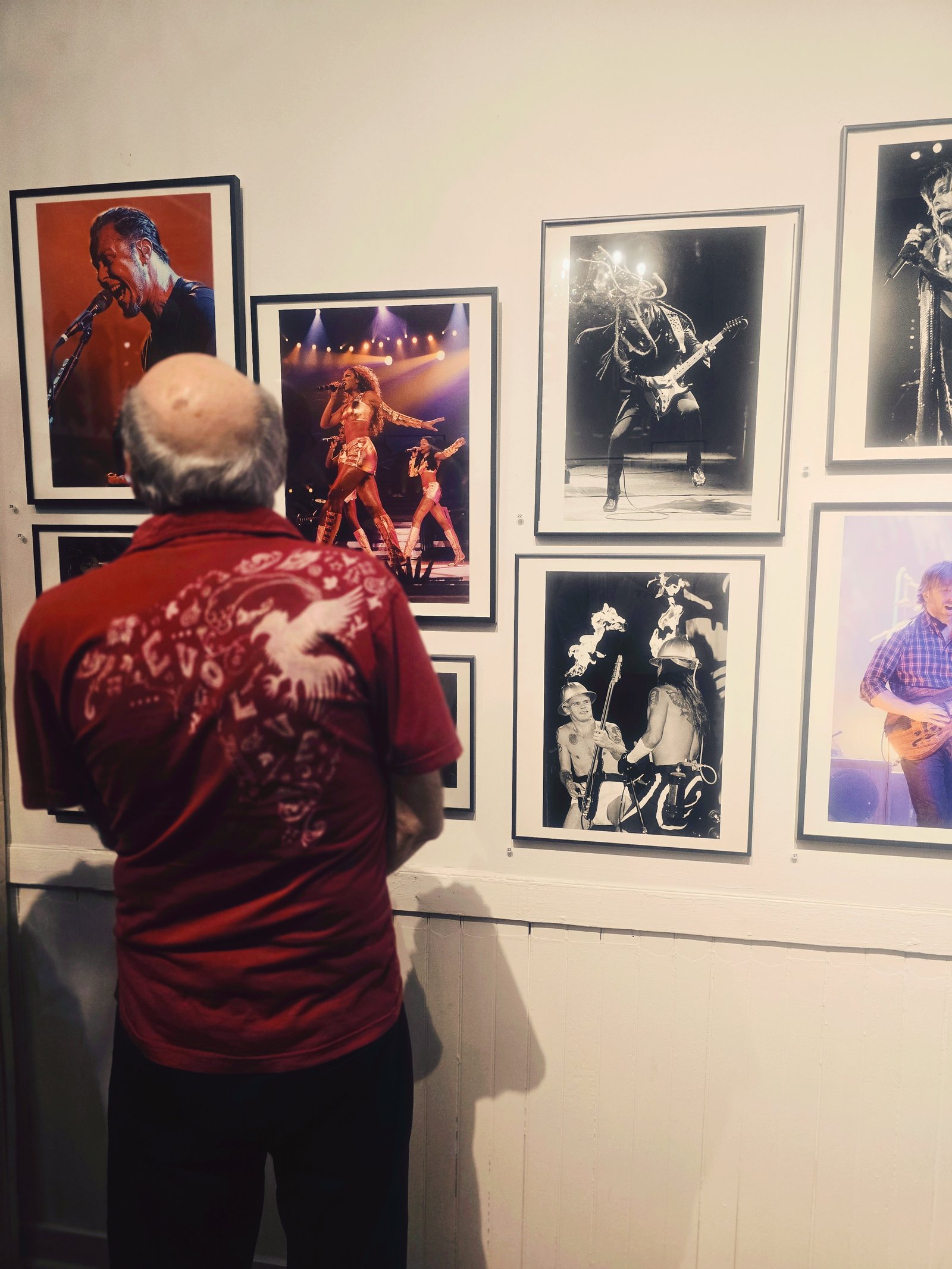
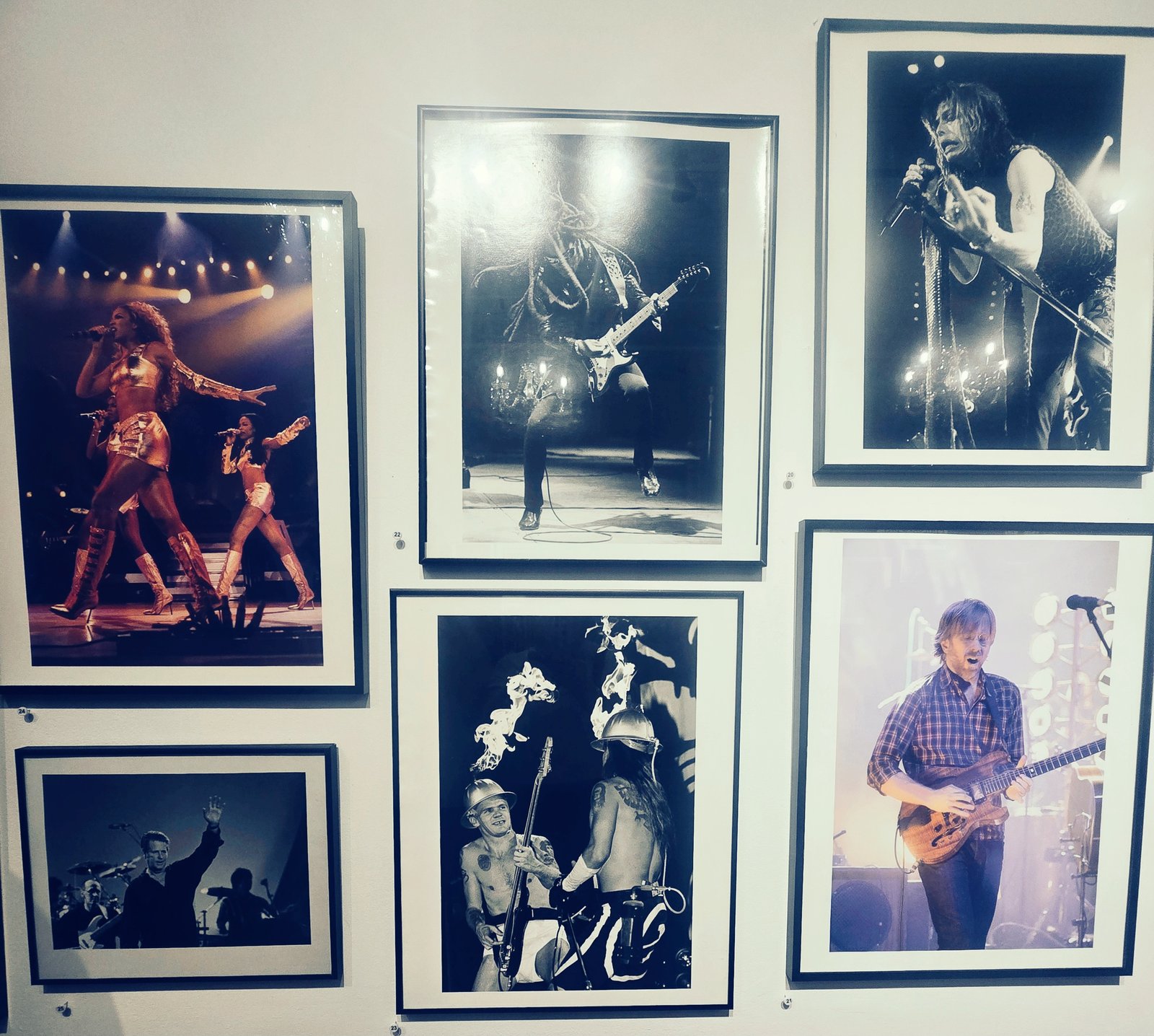
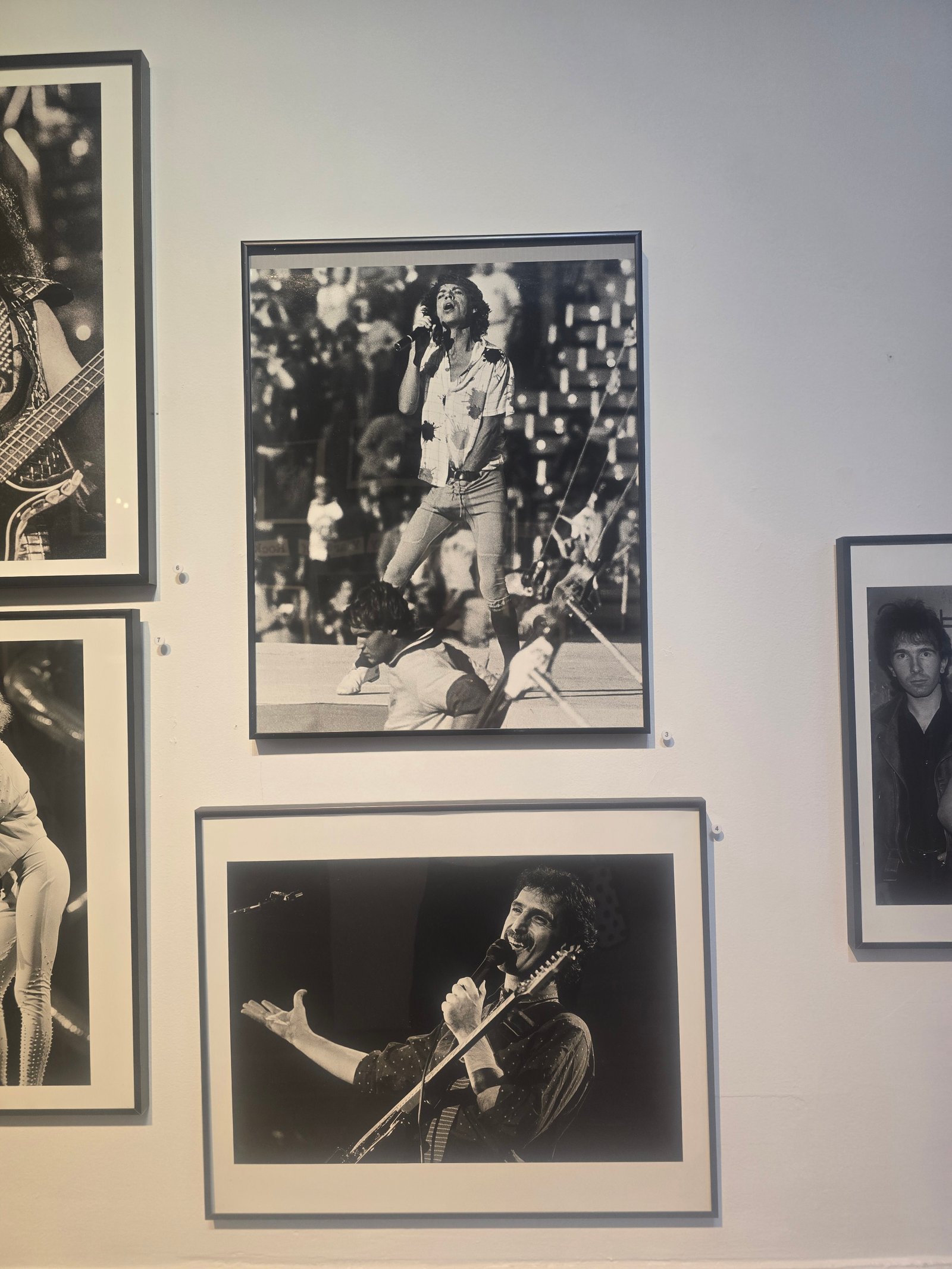
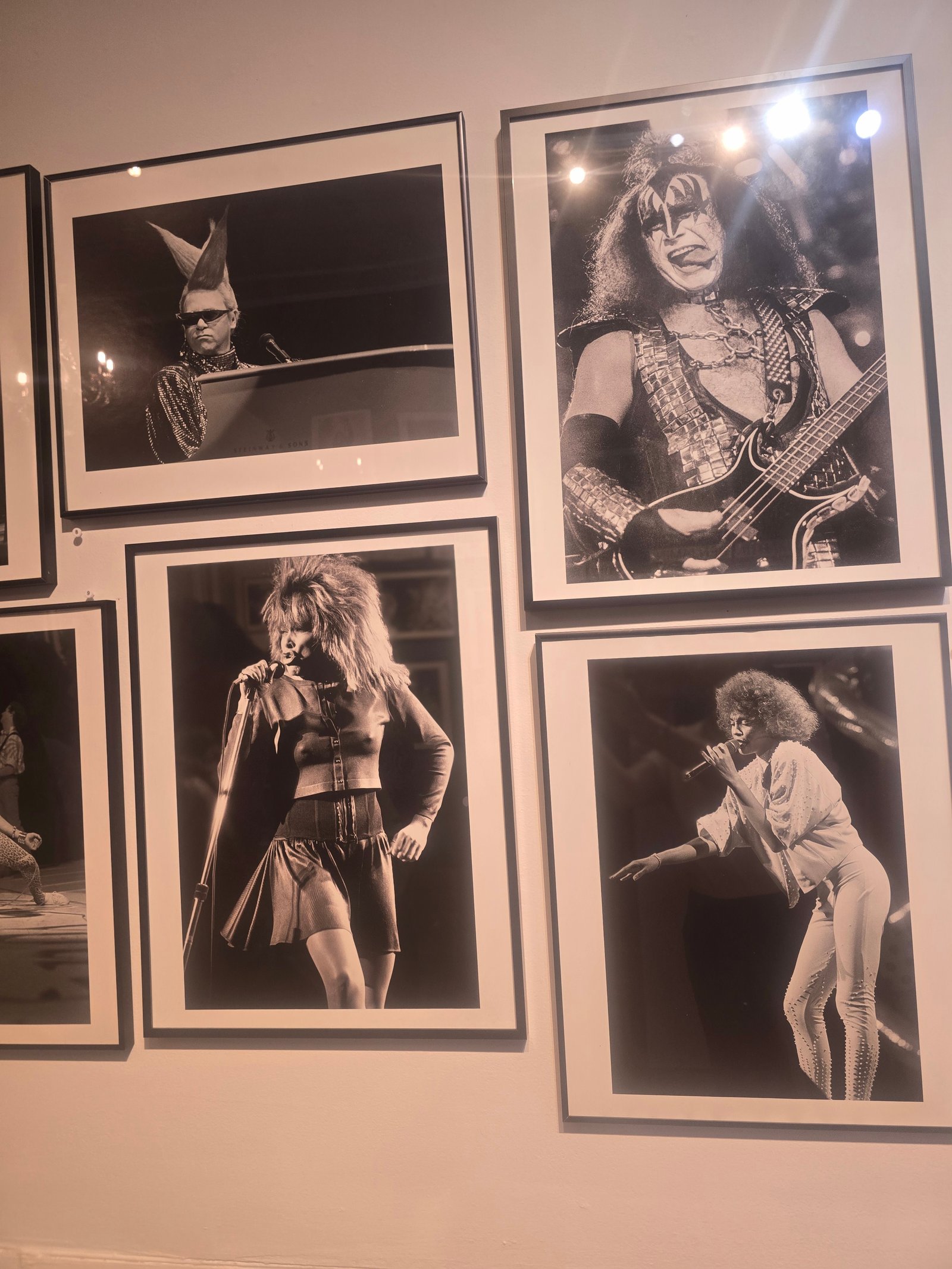
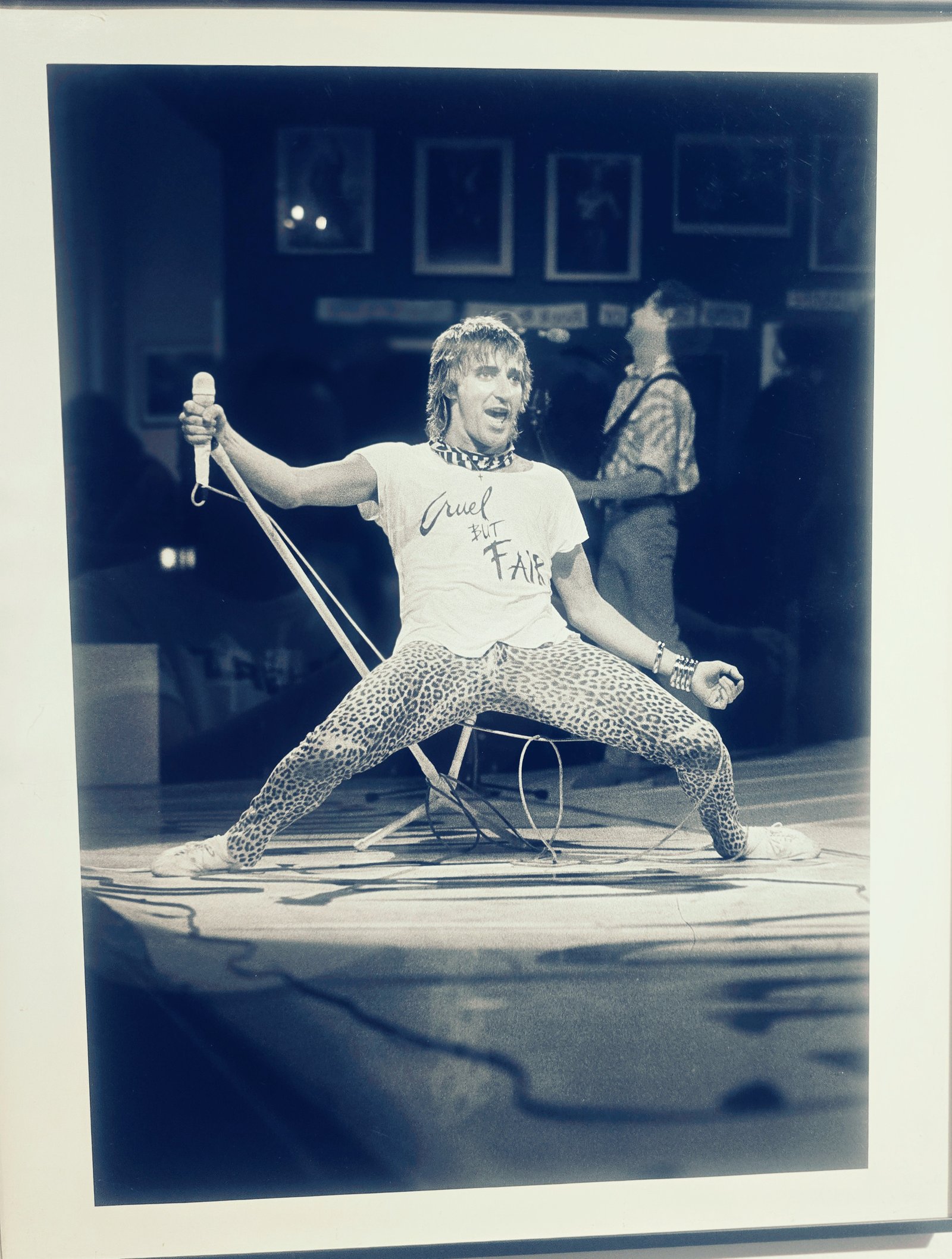
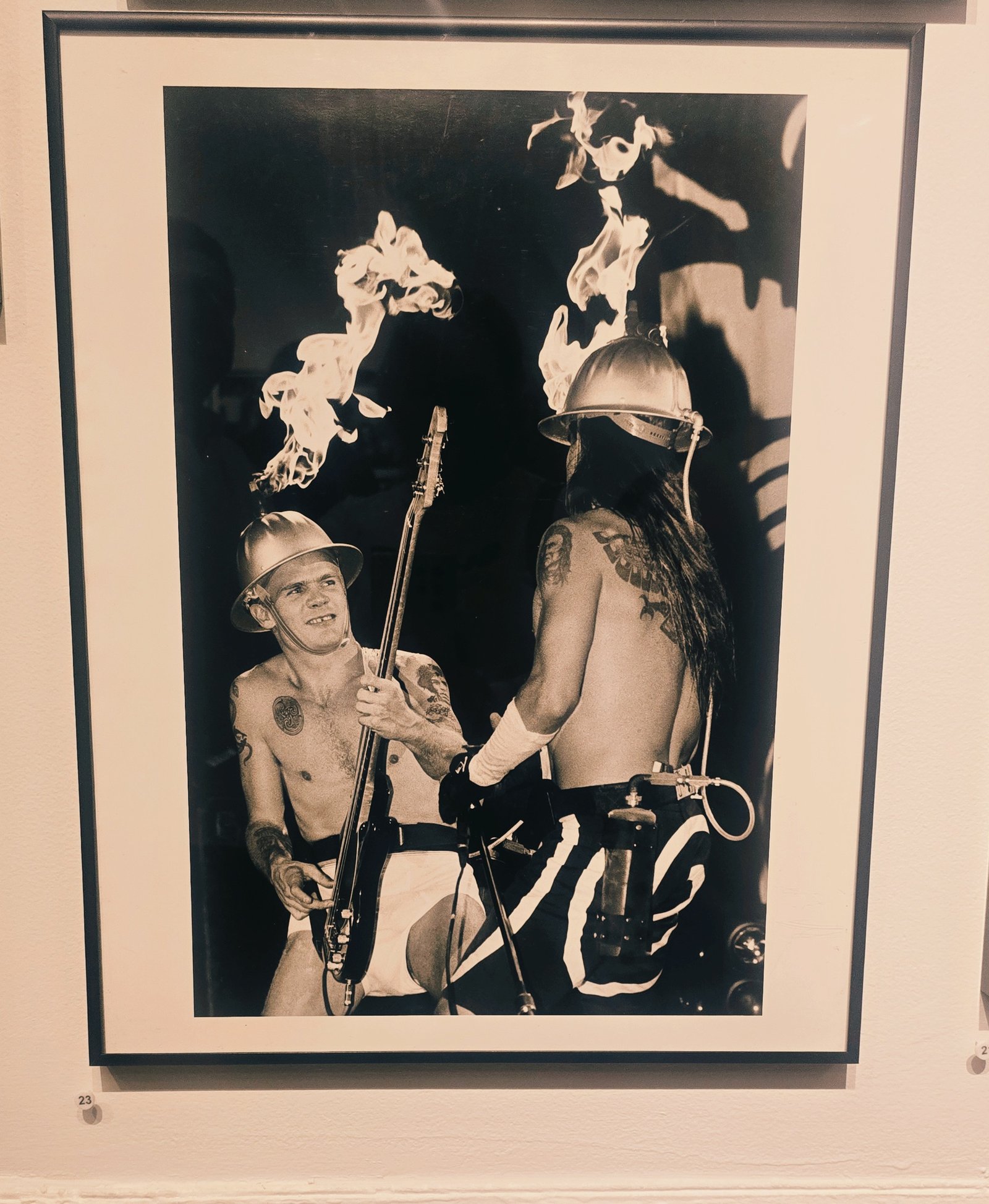
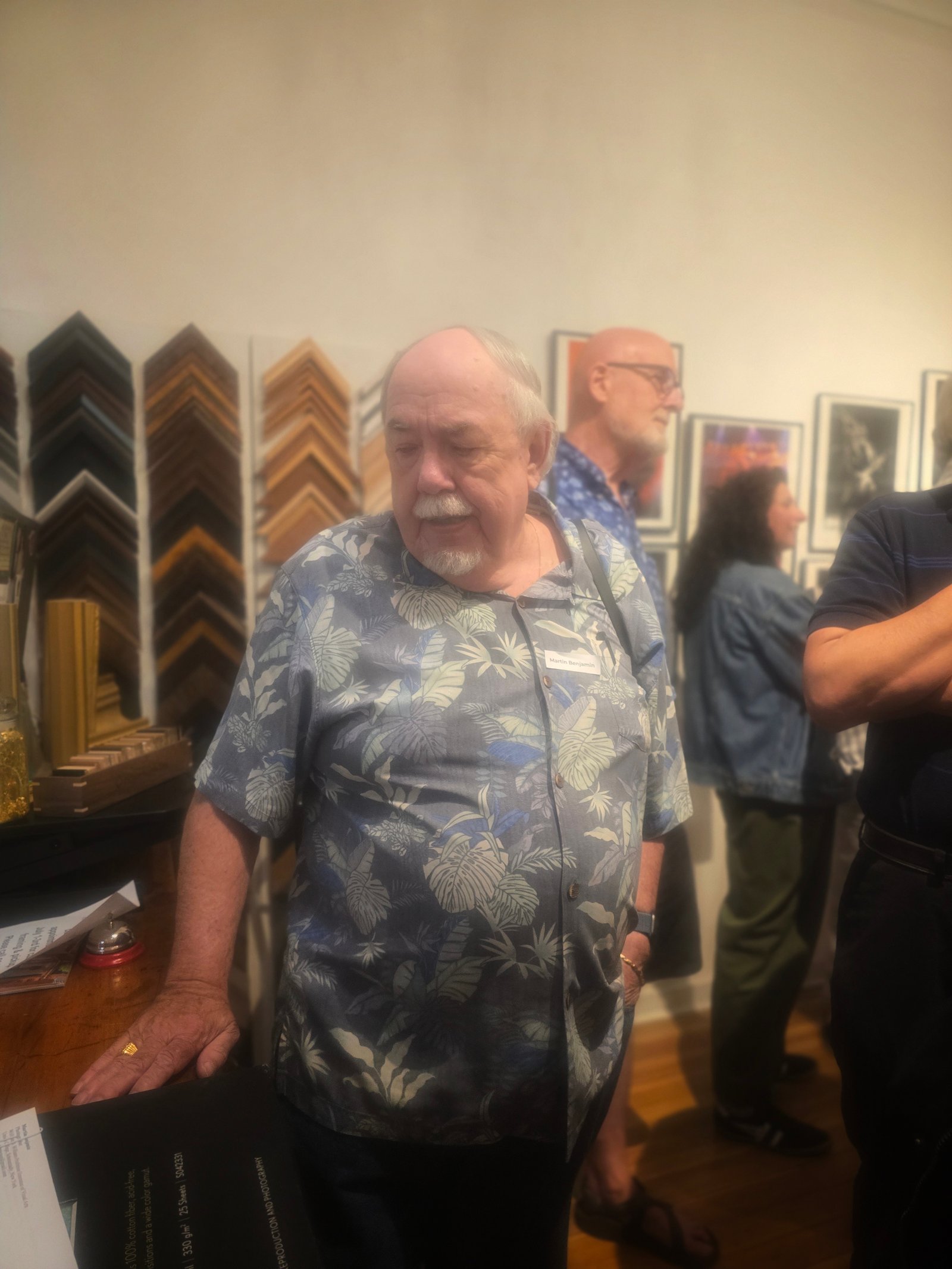
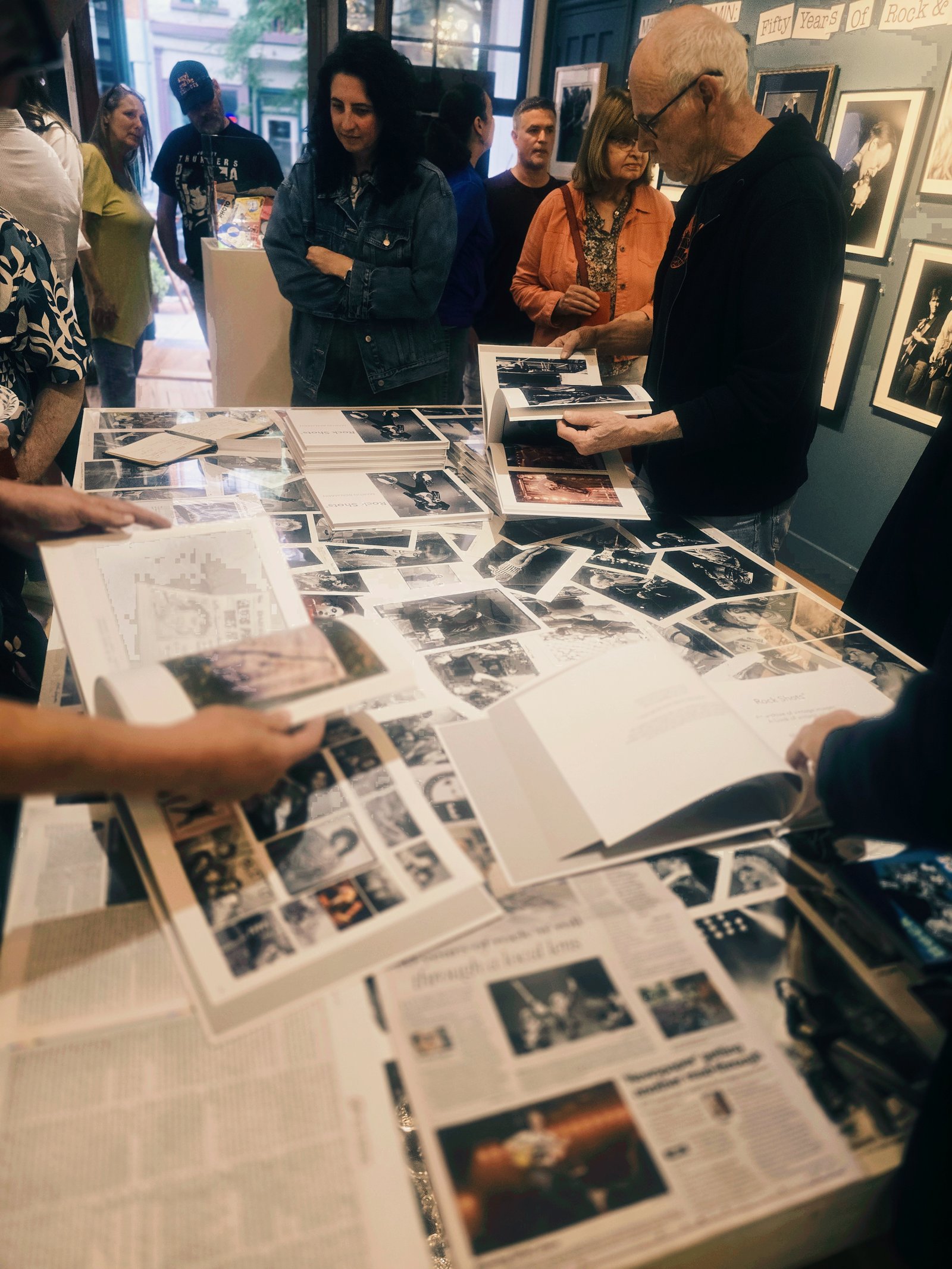
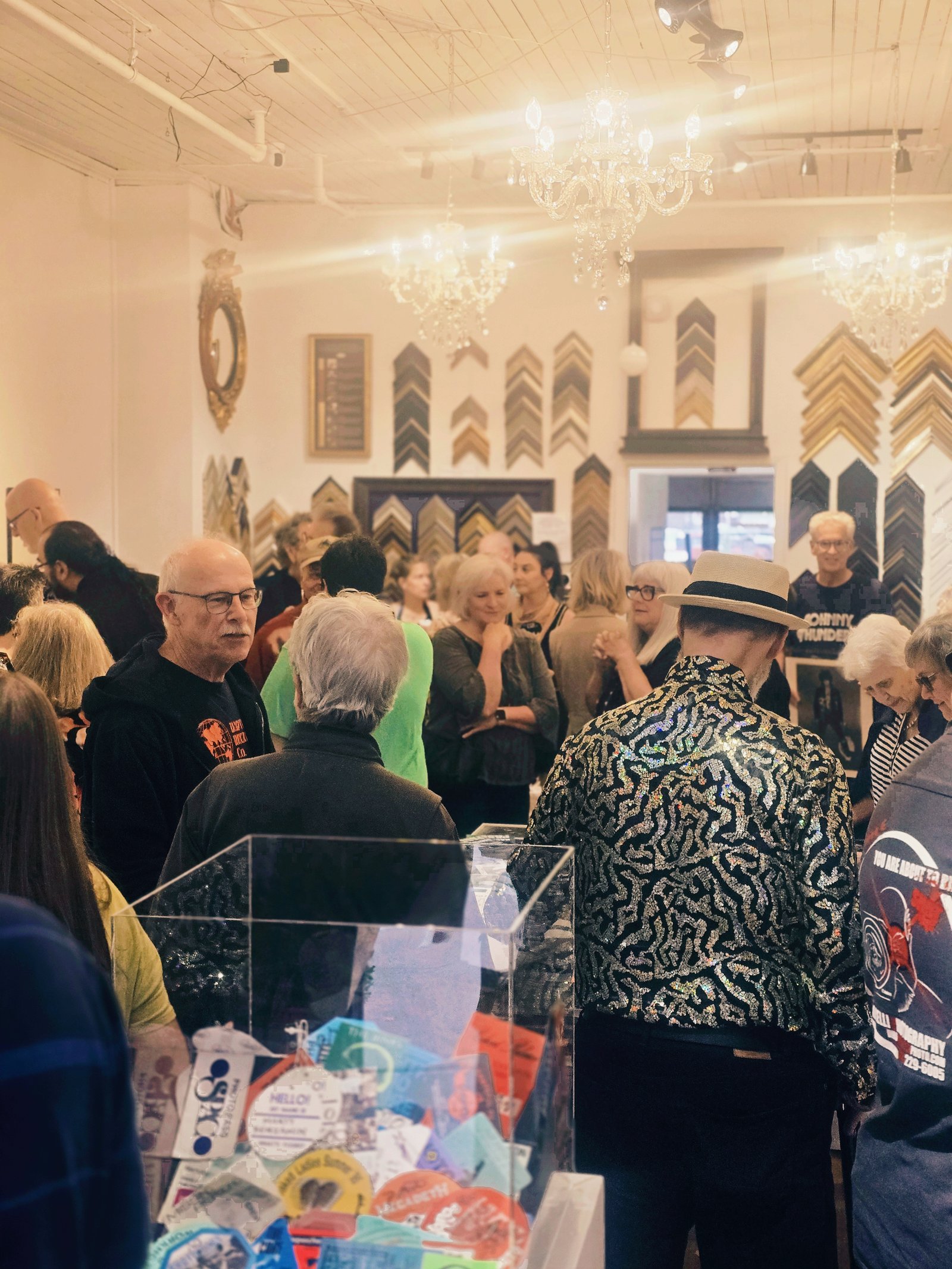
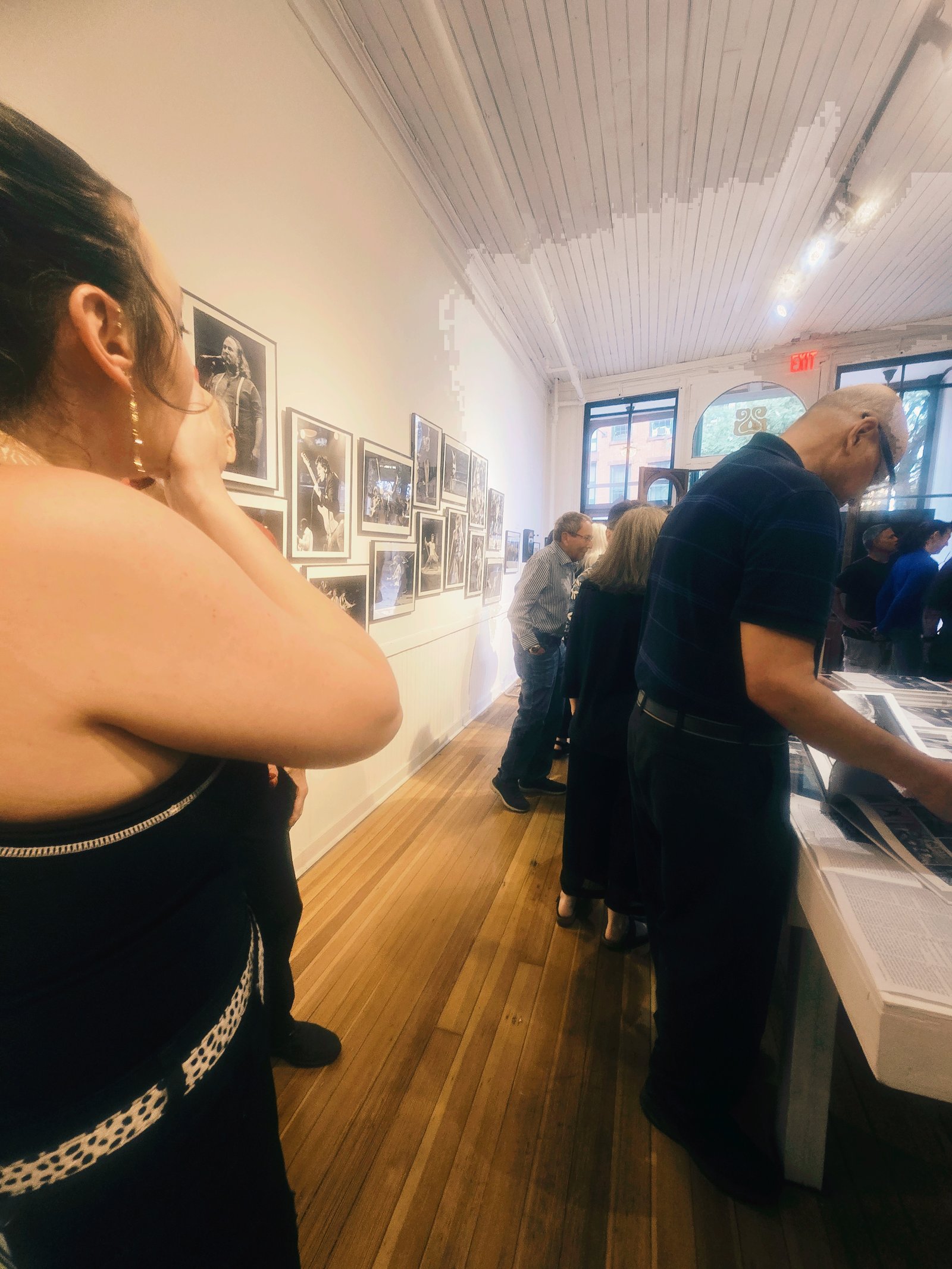
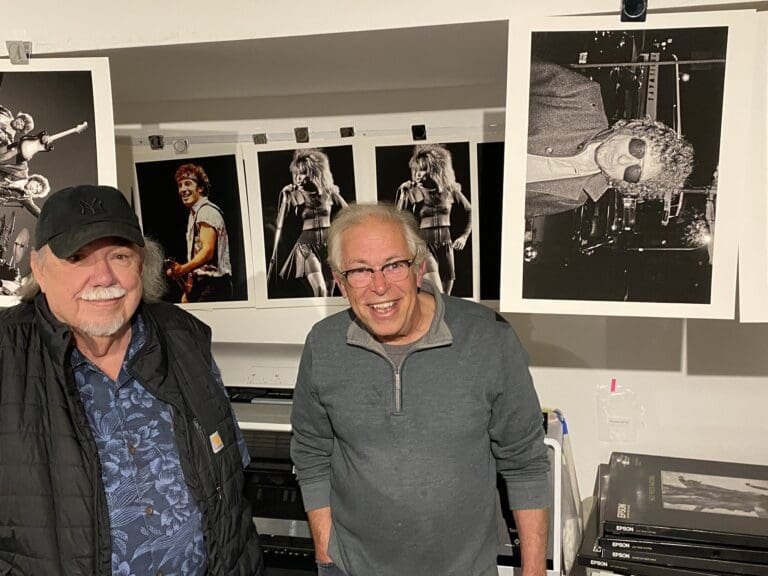
Last night (June 27) was the opening reception for legendary local photographer Martin Benjamin‘s exhibit at J. Gernon Picture Frame and Fine Art. His book is Rock Shots – 50 Years of Photographing Rock and Roll, and the exhibit runs through July 19.

Photography by Sara Busone.

Read an interview with Martin Benjamin here …


Another Michael / Keep for Cheap / Birthday Dan @ No Fun, 6/19/2025

0

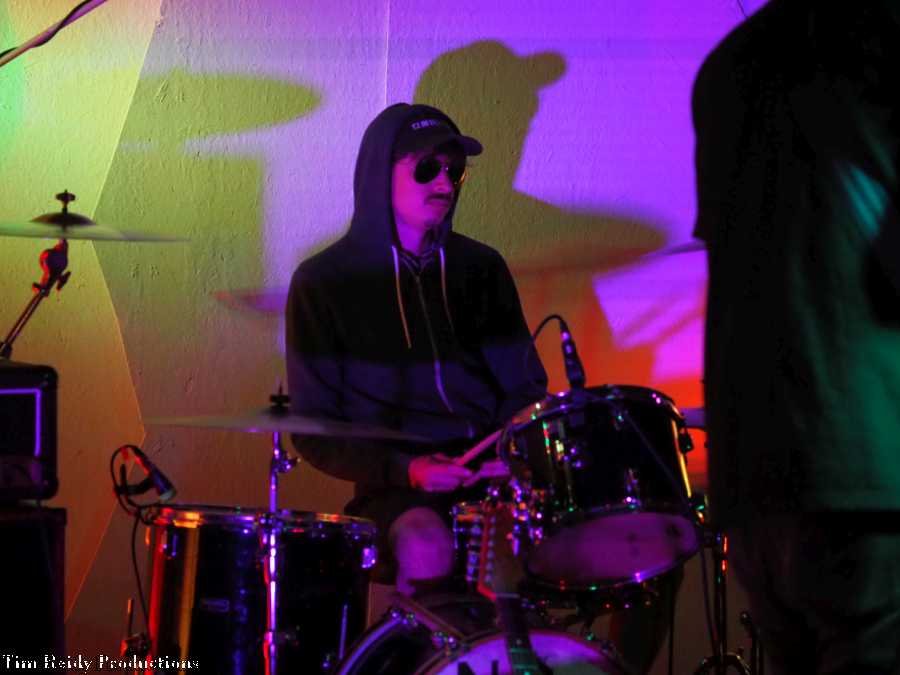
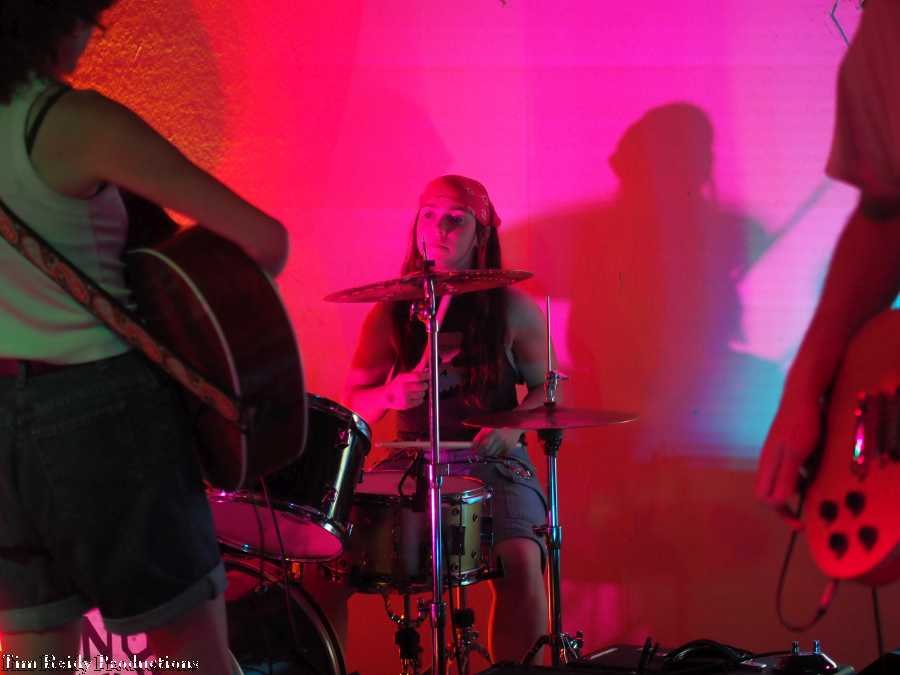
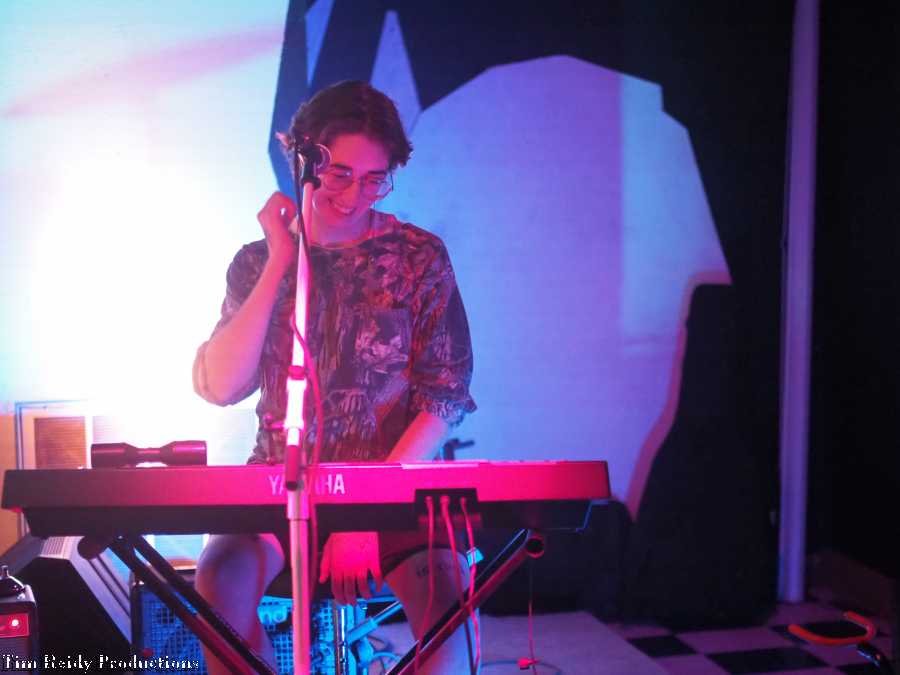
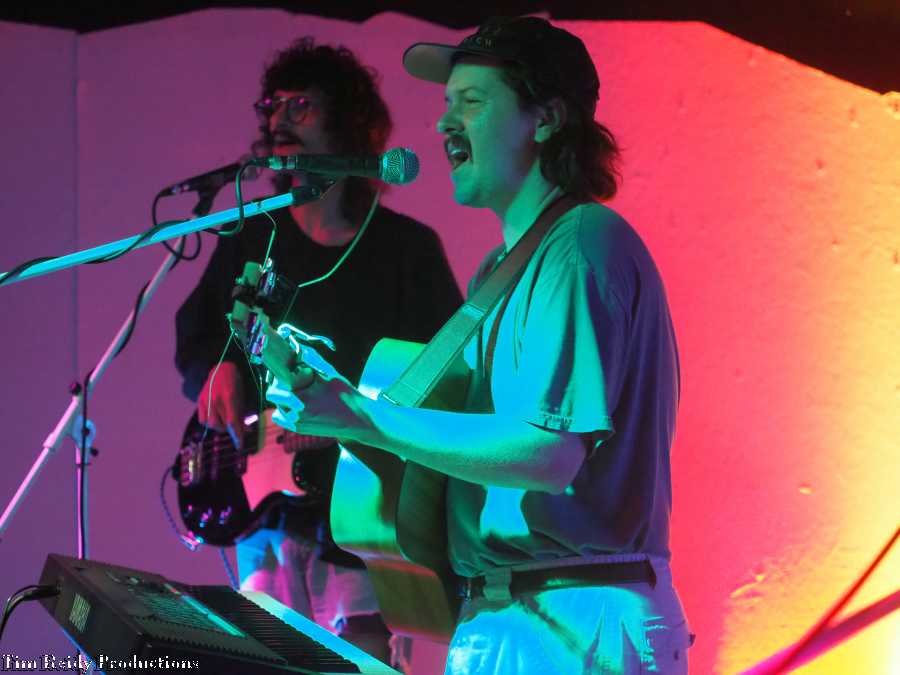
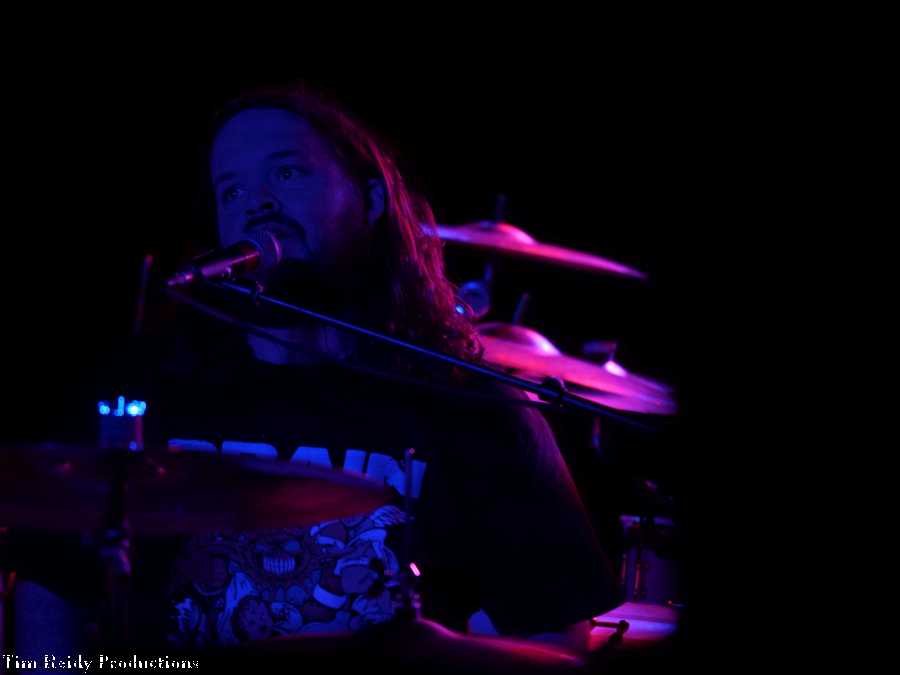
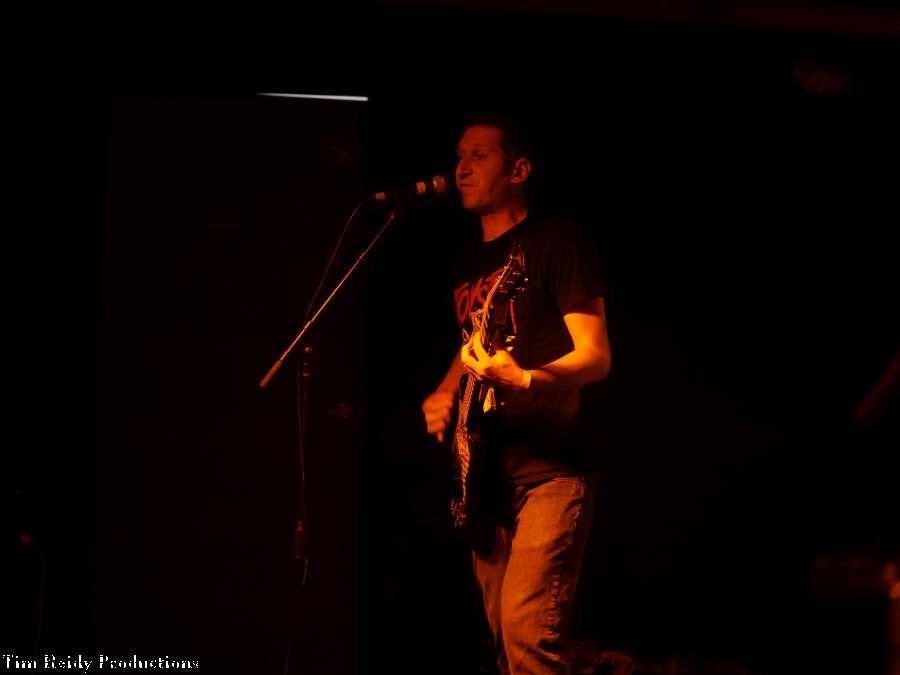
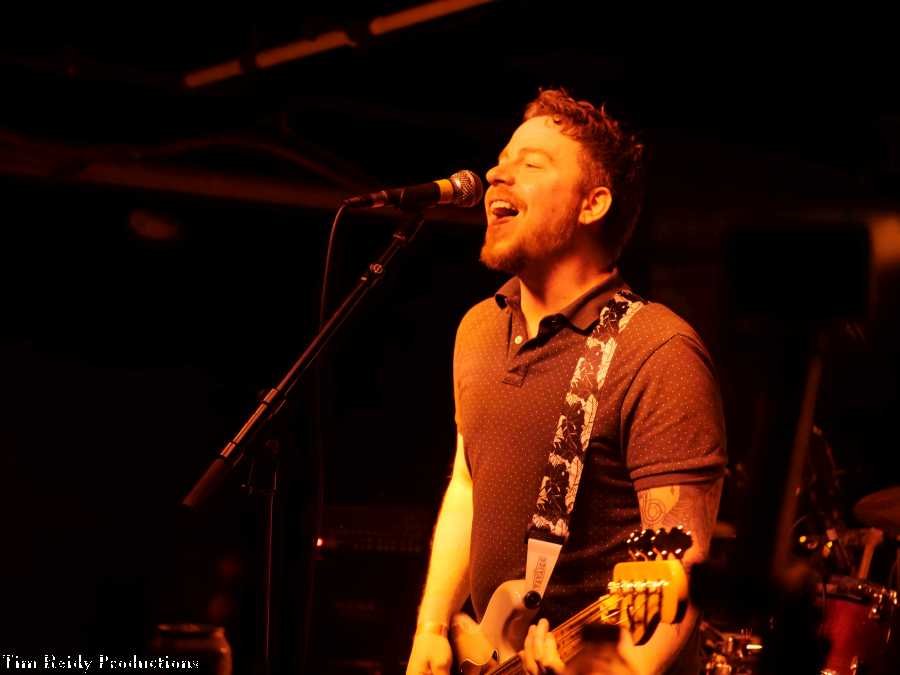
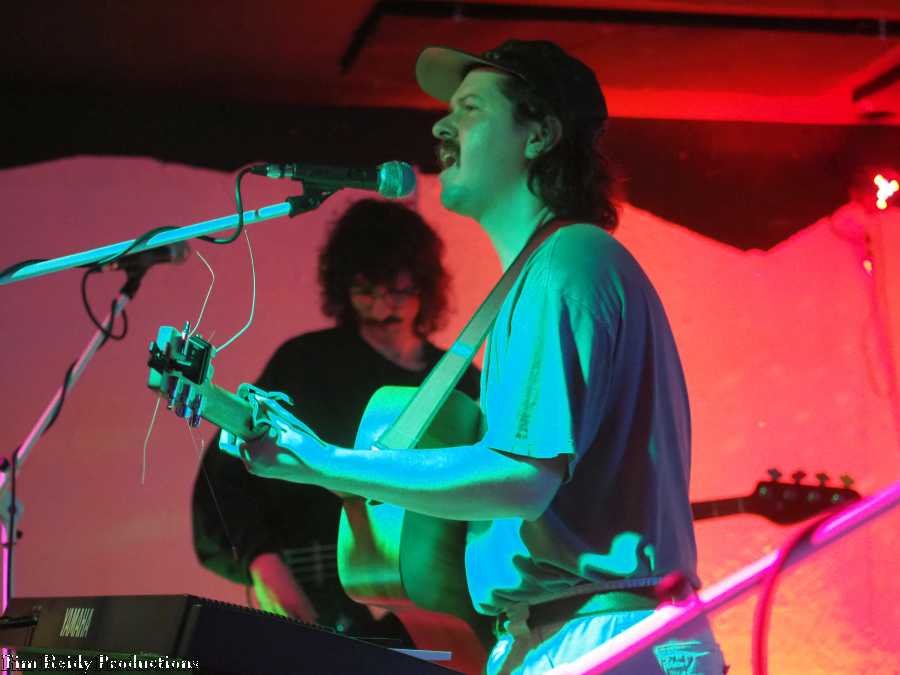
On June 19, No Fun featured a triple bill with Minneapolis’ Keep for Cheap,  along with Another Michael, and Birthday Dan.

Photography by Timothy Reidy.

More from No Fun here …

Lost in Space: Carmine Gontz and the Icons Behind the Anthem

0

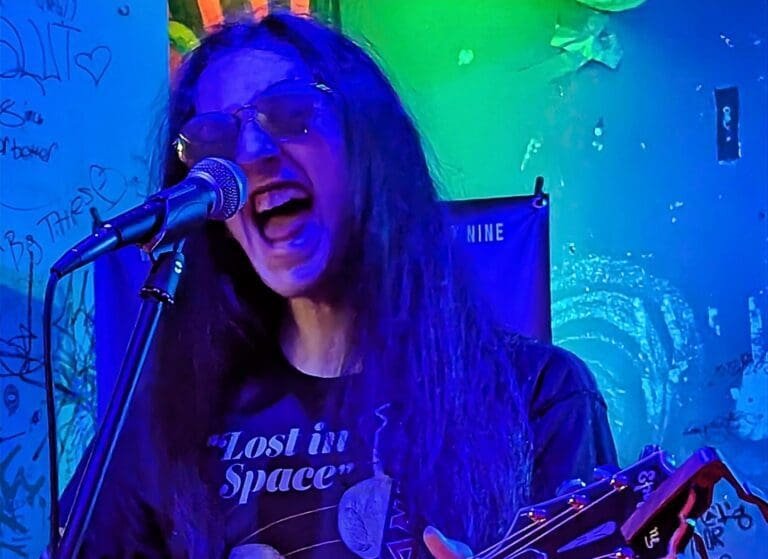
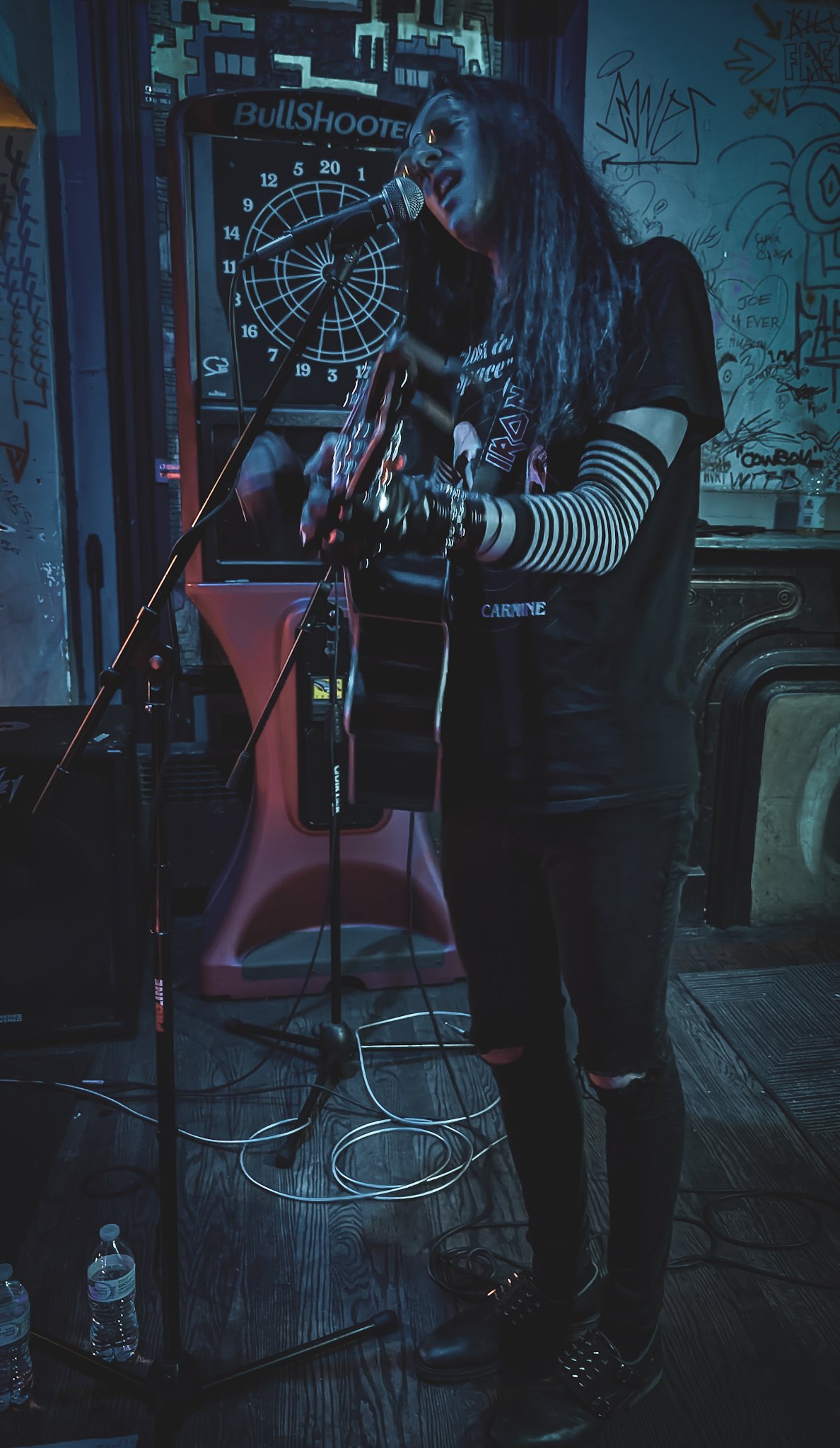
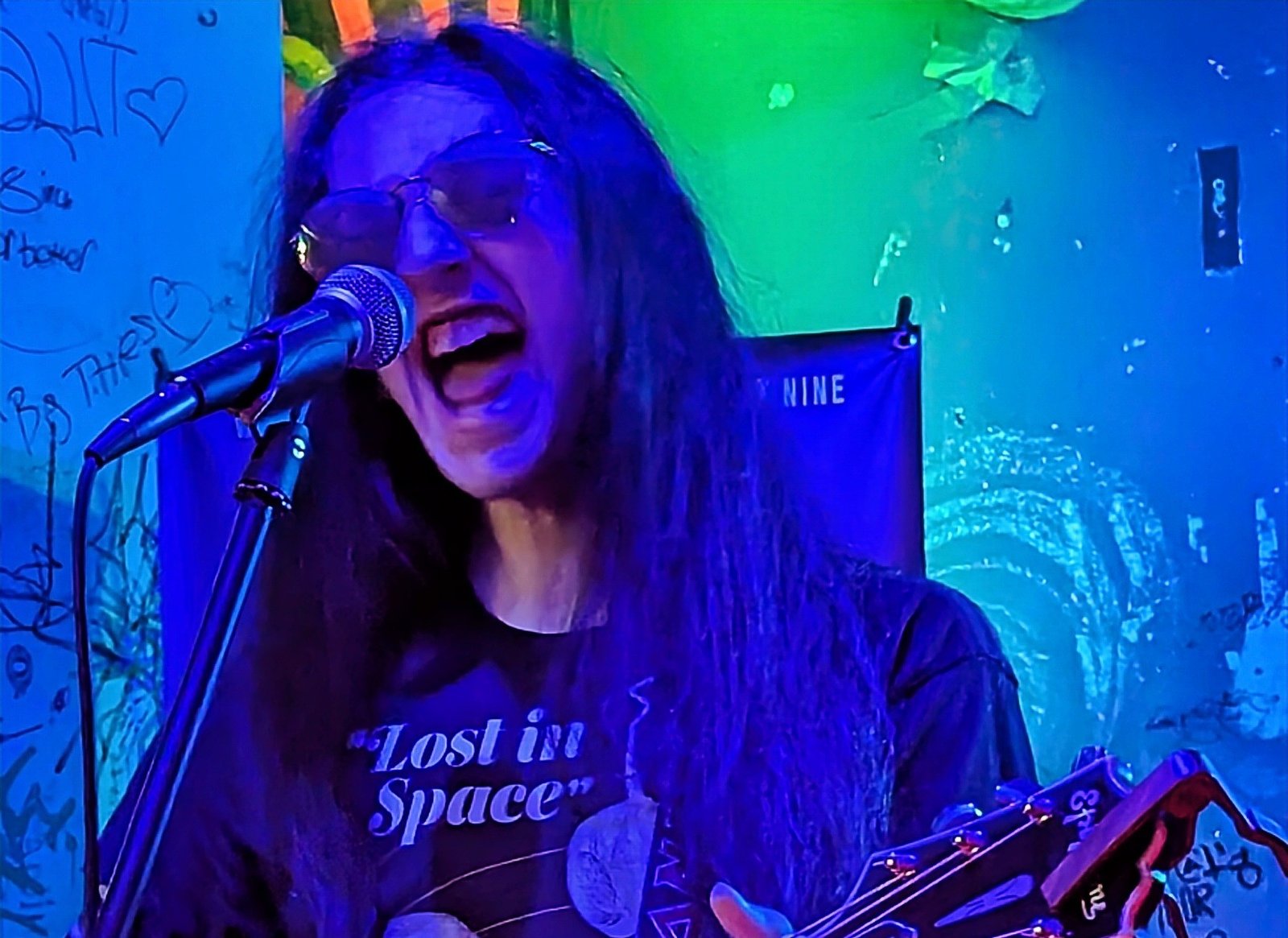
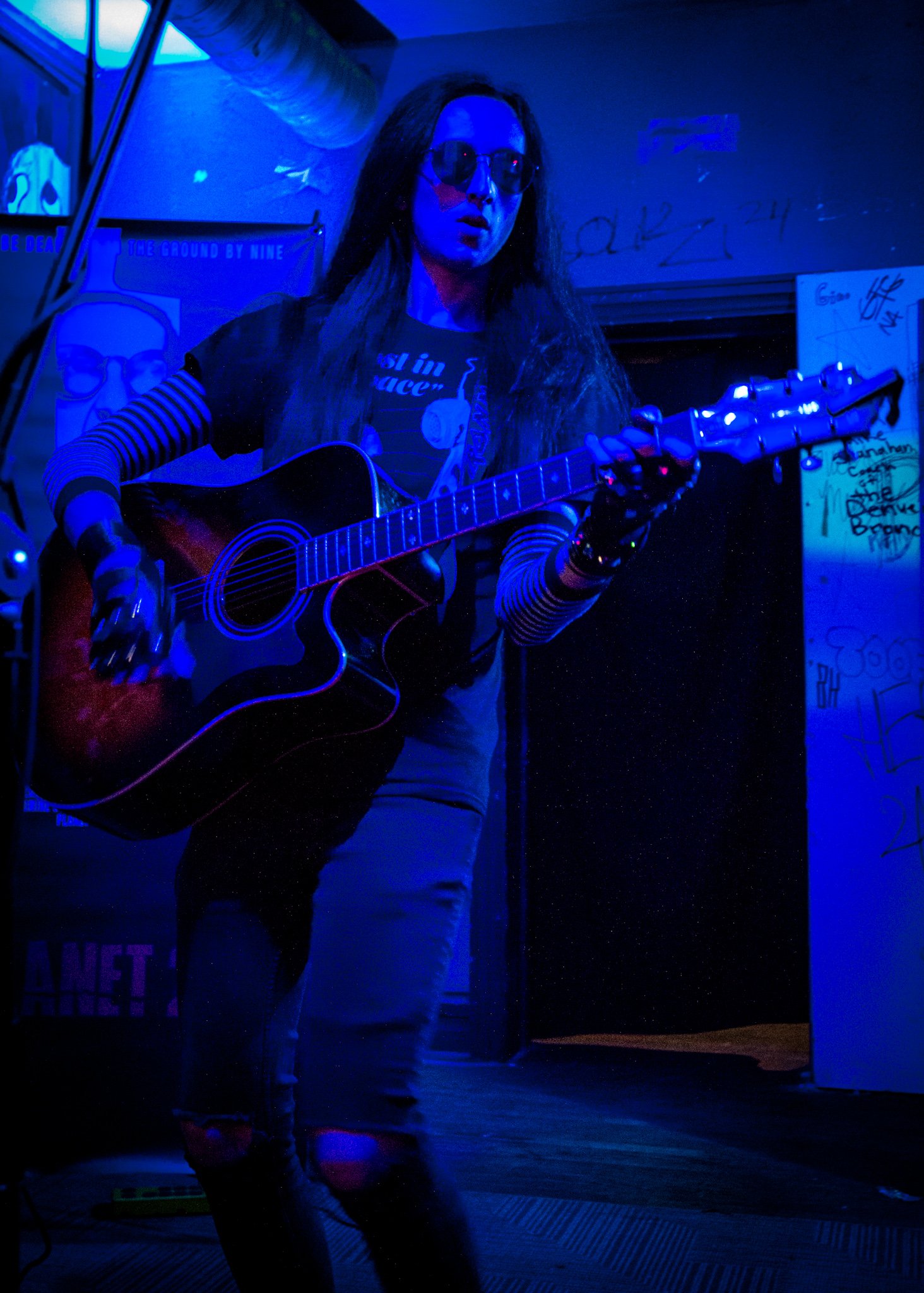
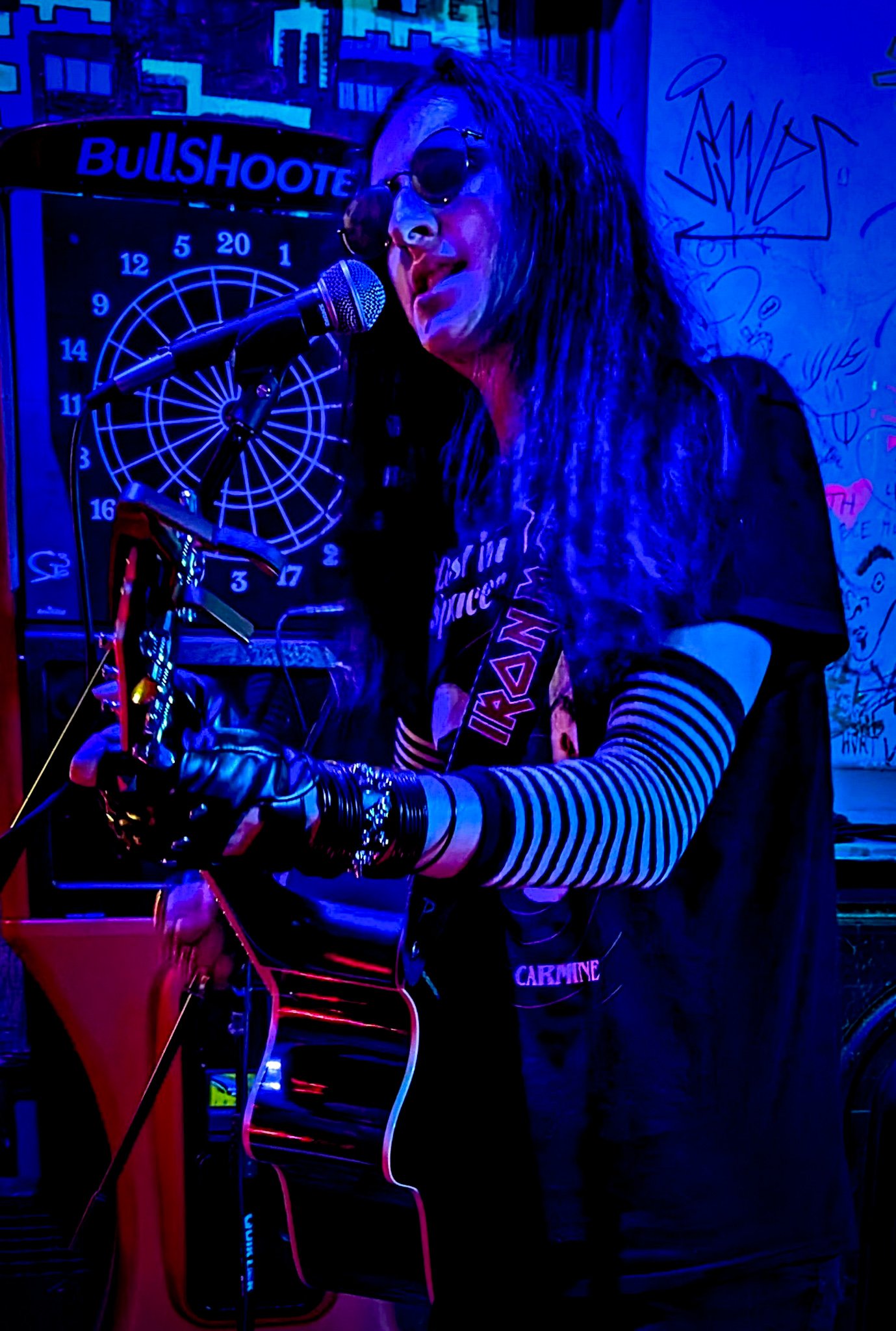
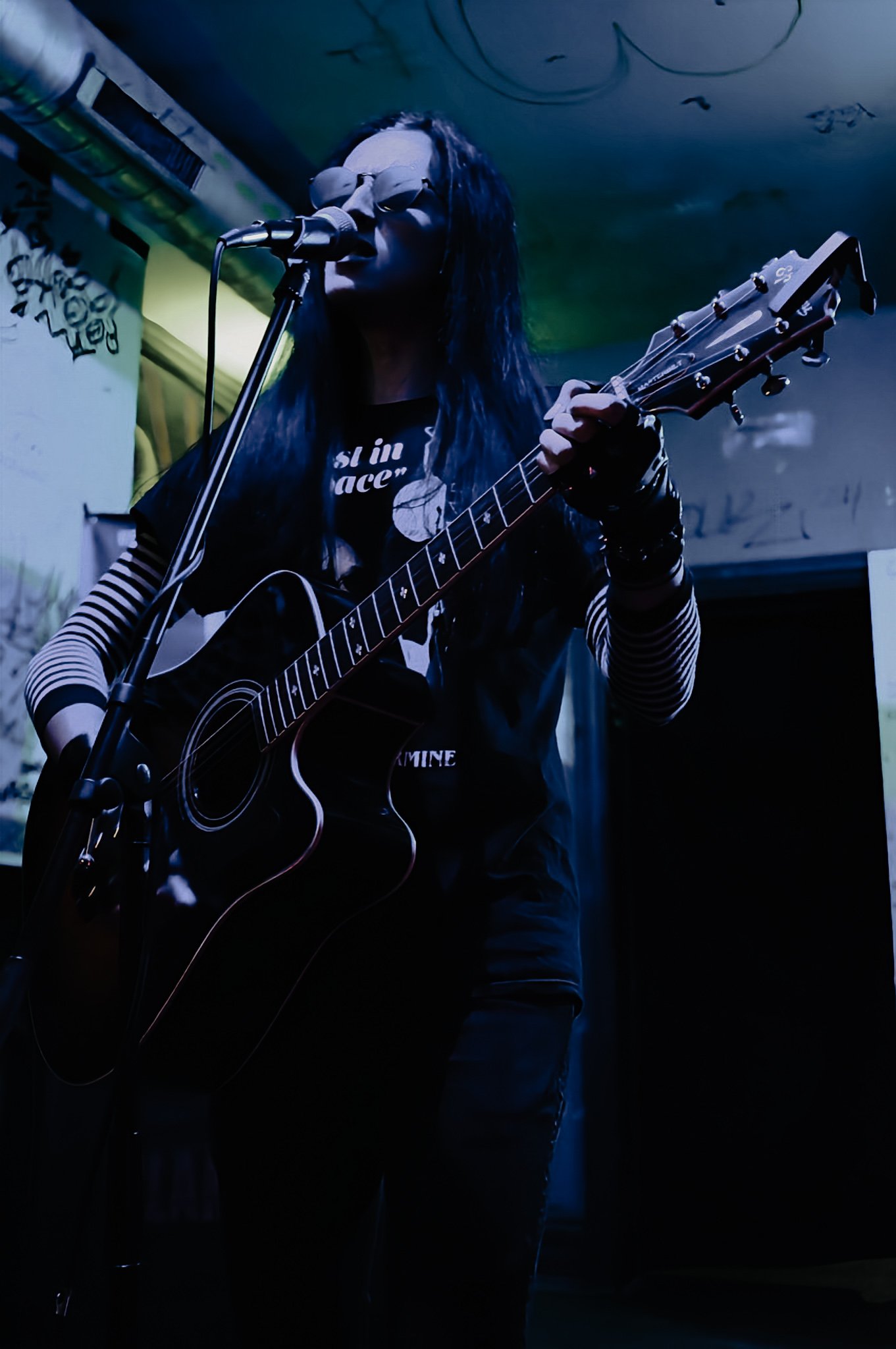
Lost in Space: Carmine Gontz and the Icons Behind the Anthem – by Lori McKone.

How a rising rock visionary joined forces with legends like Rudy Sarzo and Matt Starr to create a sound that’s truly out of this world.

Carmine Gontz isn’t just a rising star; he’s an artist who knows who he is. At 18, he’s carved a sound that feels like a beautiful collision between cinematic rock and gothic storytelling. At its core, it’s emotionally raw and atmospherically rich. Think dark theatrical rock – with a pulse.

Seeing Carmine live in an intimate acoustic setting was revelatory. His remarkable musicianship, intuitive songwriting, and quiet confidence bridged the gap between artist and audience. Every note felt like a personal invitation into his world.

Opening for Wild Street at Remedy in Pittsburgh, Carmine didn’t need big lights or bold gestures. It was all about connection. He didn’t just perform Lost In Space – he made it our destination.

At first glance, Carmine might seem like your classic rock dreamer – goth aesthetics, gritty vocals –but his world is far more textured. His songs play like short films – layered, vivid, and lyrically raw. He’s built what many only imagine: a sonic landscape powered by persistence and stitched together with rock royalty.

Carmine’s earliest soundscapes were built around campfires. Echoes of the Grateful Dead and Bob Dylan dancing with the smoke that drifted through the trees; an earthy, nostalgic foundation that shaped his songwriting. Those roots evolved into something brooding, shaped by theatrical artists like Ghost and Wednesday 13. The result is a sound like a sonic short film – textured, vivid, and open to interpretation.

From early open mic nights to his first paying gig at 12 – a three-hour acoustic set at Big Bottom Brewery in Dillsburg, PA – his family was all in: filming, promoting, and fueling his early confidence. Launching his singing page at just 10 years old, he was unphased by negativity. Where others saw a platform, he saw a stage, and he owned it. That kind of spotlight confidence is rare, especially at such a young age. “I sometimes get negative comments, but I don’t really care. I just keep putting things out there and hopefully one day the right person sees it.”

That persistence paid off. He’s had support from artists who saw his potential long before the spotlight found him. Eric Jayk of Wild Street became an early champion, commenting on Carmine’s videos, sharing his music, and cheering him on when it mattered most. “Eric really believed in what I was doing from the beginning,” Carmine recalls. “He’s been a huge inspiration.”

Musically, the first wave of his work leaned into horror – the slasher-inspired Planet 25 was a fever dream steeped in cult-classic vibes and metaphors for emotional entrapment. “It’s my mini horror story, he says,” “but also a metaphor for feeling stuck in a nightmare you can’t wake up from.” Produced by Dan Malsch, the track felt like it had clawed its way out of a thriller. Cinematic, eerie, and razor-sharp.

But Lost In Space…that changed everything.

Lyrically and emotionally, Lost In Space echoes the themes of Planet 25—dark, obsessive, isolating—but it doesn’t stay locked to one genre. “To me, it’s a hard rock song,” he says, “but I also wanted it to be something anyone could connect with, no matter what kind of music they’re usually into.”

Carmine and Matt Starr first connected on Facebook, where a mutual appreciation quickly turned into something more. “He reached out and said, ‘I want to work with you,’” Carmine recalls. At the time, Carmine had been sitting on Lost In Space for about a year. “It’s my favorite song I’ve written,” he says. “I was eager to get into the studio with it.” He sent Starr a rough demo and another, more aggressive track, but Starr was drawn to the haunting atmosphere of Lost In Space. That choice would set the tone for one of Carmine’s most cinematic and emotionally resonant releases to date.

“Matt brought so many ideas and layers to the table,” Carmine says. “He helped me find the version of the song I didn’t know was there.” That trust became the catalyst, showing Carmine what his music could become with the right collaborators. Starr pushed him toward the edges of his emotional range.

That sonic vision expanded even further with the addition of two rock legends: bassist Rudy Sarzo (Quiet Riot, Ozzy Osbourne, Whitesnake) and drummer Mike Dupke (W.A.S.P., Dee Snider, John Mellencamp). Both recorded their parts remotely, but their presence is anything but distant. “When I heard Rudy’s bassline come in just over the piano intro, I was moved,” Carmine says. “It brought the song to life.” Dupke’s drumming added a pulse that grounded the track’s ethereal textures, giving Lost In Space both weight and lift.

So how does an 18-year-old rock artist from northeastern Pennsylvania pull off what most emerging musicians only dream of—collaborating with legends like Sarzo and Dupke? It didn’t happen by accident. His cinematic songwriting and bold aesthetic caught the attention of producer Matt Starr, who had worked with some of his favorite bands, including Ghost. After discovering Carmine’s music online, Starr reached out, and the two developed a friendship that eventually led to the production of Lost In Space.

Though their parts were recorded virtually, the connection was real. “I actually got Mike’s drum tracks before I went into the studio, so I heard them right away,” Carmine says. “It gave me a chance to use them as a reference—and honestly, he crushed it. He added all these little foil elements—tight, upbeat fills and fast accents—that gave the song a whole new energy. There’s this double chorus at the end where he throws in this rapid-fire drum pattern, and it totally inspired me to write a hidden riff that’s tucked into the mix. It’s subtle, but it’s got this little metal bite to it. That was all sparked by Mike.”

Carmine didn’t hear Rudy’s bass until he got in the studio – and the moment left a mark. “I had my headphones on, and it was just piano in the intro,” he says. “Then I hear this beautiful, sliding melodic bass line – it totally set the mood. It brought the whole thing to life.” That unexpected addition gave Lost In Space even more emotional depth and a bolder rock edge. “I wanted to add depth, something with real weight,” Carmine says. “Even if we weren’t deliberately on the same page, somehow… we were.”

Mike Dupke brought a thunderous presence to the track. From the moment his drums kick in, the background becomes alive, layered with dynamic fills Carmine never expected. “Some of those drum parts were so upbeat, so unexpected, but they totally rocked the song out,” he says. “He really gave it that extra push.” Working with legendary artists is one thing, Carmine adds, “but having them crush it on the track? That’s a whole different level. Just… awesome.”

“I talked to Rudy a few times on social media – he really loves the song,” Carmine says. “He told me he liked my writing style. I’ve been listening to Rudy since I was a kid, and Mike’s one of my favorite drummers. Having them on my song? Yeah, it was awesome.” “I never would have predicted that Rudy Sarzo and Mike Dupke would be playing on my track five years ago,” Carmine says.

Lost In Space was completed virtually over the course of a month. “Guitar riffs would be sent back and forth between Matt and me as he found ones he liked. It was cool having access to him all the time.” Carmine admits that while Matt preferred his low singing voice, he preferred the higher range, so they recorded both for the final single.

That same cinematic intensity carried into Lost In Space, a brooding rock track that dives even deeper into themes of love, obsession, and isolation. Written and demoed entirely by Carmine, the track began as a solitary vision—but in-studio, it transformed into something far bigger. Producer Matt Starr offered a simple but arresting note: “Sing like you’re coming out of a cave after a thousand years.” That suggestion cracked something open, unlocking layers of whispered vocals, spectral flourishes, and emotional gravity that became the song’s otherworldly hallmark tone.

Lost In Space didn’t just sound like a song, it felt like a transmission from the edge of loneliness. “Learning little production elements from Matt has been really educational,” Carmine says. “Even subtle things can change the energy of the track.” What emerged wasn’t just another single, it was a turning point, a crystallization of Carmine’s voice in its most atmospheric and honest form.

“I wrote all the chords for Lost In Space—that whole structure came from me,” Carmine explains. “It started out slower and stripped-back, but once I got in the studio with Matt, we began shaping it—tweaking the tempo, adding guitar riffs, layering vocals. A lot of it was about finding the right guitar tones and letting the track evolve.” Carmine didn’t have high-end gear, so he relied on what the studio had in-house. “They had some wicked cool tones,” he says. When his guitar’s electronics gave out on recording day, engineer Jack Daley fixed it on the spot. “Literally rewired it.” While Carmine laid the foundation—lyrics, structure, vision—he’s quick to credit the team: “These legends really brought depth to the song.”

Jack Daley isn’t just a producer; he’s a bass legend. “He put the perfect mix in my ears—just the right balance of bass, drums, everything—which let me focus and give my best performance.” Jack kept sessions sharp and grounded. “If I was even a little off tempo—especially when I’d start trying new riffs—he’d reel it back in,” he says. “Jack’s a master of rhythm, so having him help me stay on board with the guitar was huge.”

Matt Starr’s fingerprints are all over the subtle details of Lost In Space. “At the start, he helped me slow the tempo down and gave me this wild direction—‘sing like you’re coming out of a cave,’” Carmine recalls. That cue led to the whispered vocal textures woven throughout the track. In the studio, Matt offered up constant sparks: “What if you slide your pick down the guitar before this chorus?” Whether it was tweaking tone or experimenting with guitar phrasing, he was always pushing Carmine to explore new territory. “Besides wanting me to sing the whole song in my lower register,” he says with a laugh, “we were pretty much always on the same page.”

As the spotlight widens and the buzz surrounding Lost In Space grows, Carmine remains rooted in the authenticity behind the music. “I just want to make music that resonates – that people can feel they connect with when they struggle.”

The original demo was super stripped-down—just guitar, bass, some piano, and drums Carmine programmed himself. “I’ve always loved that ’80s synth vibe from Planet 25, and I knew I wanted to carry some of that into this track. The synth really gives it that spacey feel. Even just the key the song is in sets that mood.”

After eight years of playing, Carmine surprised even himself with the solo. “I wasn’t expecting to create a story like that, but I really enjoyed playing it – it  starts with a slow, melodic feeling and builds into something faster and more expressive. “I’m still finding my voice as a lead guitarist,” he says. “But I want to land on something that feels like mine—and stick with it.” He adds, “I’ve always been more of a rhythm player. Lead guitar is still something I’m exploring.”

But ask him what he’s most proud of, and it’s not the big names or the growing numbers. It’s the messages from listeners. “When someone tells me a song helped them through something—that’s what makes it worth it,” he says. “I’ve never been too concerned about a label. I just continue to put myself out there.”

That grounding never left him. Over time, the nostalgic acoustic tones of his youth gave way to the theatrical grit of gothic rock and artists like Ghost and Wednesday 13. The fusion was natural: campfire stories turned cinematic—emotionally textured, visually vivid, lyrically open to interpretation. His songs feel like short films with distortion pedals.

While he’s dabbled in theater and explored genres from country to Post Malone covers, Carmine’s focus is set. His dream? Collaborate with Alice Cooper and one day open for TX2, another rising artist with an emotionally honest edge. “If my music were a person,” he says, “it’d be a little angry, a little misunderstood.”

He promotes tirelessly, reaches out to music publications himself, and smiles when talking about the $6 royalty from thousands of streams. “It’s not about the money,” he says. “I just want people to hear it. To connect. To feel seen.”

And when it comes to success, his view is clear. He doesn’t fixate on fame or image, but he’s candid about what matters. Success, he believes, should never eclipse community. Humility and connection aren’t just part of his ethos—they’re the foundation, and they’re non-negotiable.

You can find that world online: YouTube, Instagram, Facebook, and TicTok @carmine.musicofficial for original content, and @carminegontzmusic for a mix of originals and cover tracks.


More from Lori McKone…

A Look Back: June 27

(Featured image: WAITING FOR THE DEAD – Grateful Dead fans wait to get into the SPAC grounds Thursday. The concert broke the attendance record as 40,231 “Deadheads” converged on SPAC. Photo by Bruce Squiers for the Saratogian.)

By Mike Stampalia.

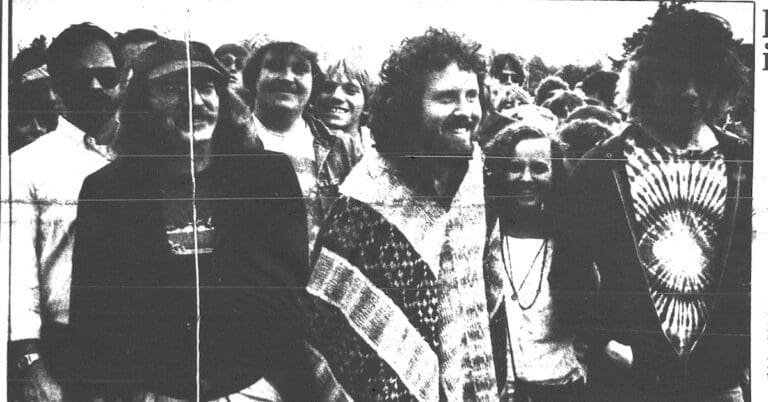
40 years ago: The Grateful Dead brought – still, to this day – the biggest crowd in history to Saratoga Performing Arts Center (40,231)

The only surprise of the evening came after the Dead’s third song, “Little Red Rooster,” when Weir and bassist Lesh paused to ask people in the balcony to please not hang their feet over the edge. They literally stopped the show until their fans obliged.

– Jeremy Schiffres for the Saratogian


50 years ago: Olivia Newton-John and Jerry Reed played the Saratoga County Fair


10 years ago: Maze featuring Frankie Beverly / Cassandra Wilson celebrates Billie Holiday / Al DiMeola Electric Band / Christian McBride Big Band / The Pedrito Martinez Group / Monty Alexander’s Harlem-Kingston Express / Theo Croker / Mike LeDonne Groover Quartet / Duchess / Steve Wilson and Wilsonian’s Grain / Omer Avital Quartet @ Saratoga Performing Arts Center

The incomparable Cassandra Wilson filled the main stage with the grace and solemnity of her stage presence. Wilson’s wonderful arrangements and unique phrasing make her my favorite living jazz vocalist. (I still consider Joni Mitchell a pop vocalist…not that there’s anything wrong with that.) Her new CD “Coming Forth By Day” features the songs of Billie Holiday, and Wilson opened with “The Way You Look Tonight.” Other highlights included “Crazy He Calls Me,” “You Go to My Head,” “All of Me” and “Good Morning Heartache.” Like Karen O from the Yeah Yeah Yeahs, Wilson is someone hard to take your eyes off even when she’s not singing, and she delivered the goods and more during her time on stage.

– Steve Nover for Nippertown


1 year ago: Vanessa Carlton / Canella @ Alive at Five.

Canella at Alive at Five, 6/27/24 – photo by Timothy Reidy

Carlton brought a large crowd to Jennings Landing on Thursday night to share songs from her first to her most recent album. Along with her songs “White Houses” and “Ordinary Day” she sang a few covers such as “Dreams” by Stevie Nicks. Carlton’s music had the whole crowd old and young dancing and singing along. The Alive at 5 stage created a beautiful back drop of the Hudson River and the golden hour light lit up the stage.

– Keira Mulder for NYS Music


1 year ago: Mikaela Davis / Rich Ruth @ the Colony

After spending the last few years playing with legends like Bob Weir and Phil Lesh, it’s no surprise that Davis chooses to cover a Grateful Dead song at most of her shows. Characteristically, she ended the show with the Jerry Garcia tune “Bird Song.” This was an extremely successful way of uniting the room even more, by playing a song loved by everyone with such positive energy.

– Abby Littman for NYS Music


1 year ago: Matty Stecks @ Jazz on Jay

An hour and a half set of original compositions were performed. Matty showed his versatility playing the tenor sax, alto sax, soprano sax and flute. The pieces had Latin, funk and even exotic influences wih a ballad thrown in.

– Rudy Lu for Mirth Films


1 year ago: The E-Block / The Alec Lewis Group / Toriendofstory @ No Fun

Luke Pascarella of the E-Block @ No Fun, 6/27/24 – photo by Timothy Reidy


Visit onstagealbany.com to keep up with Capital District concert reviews, both old and new.


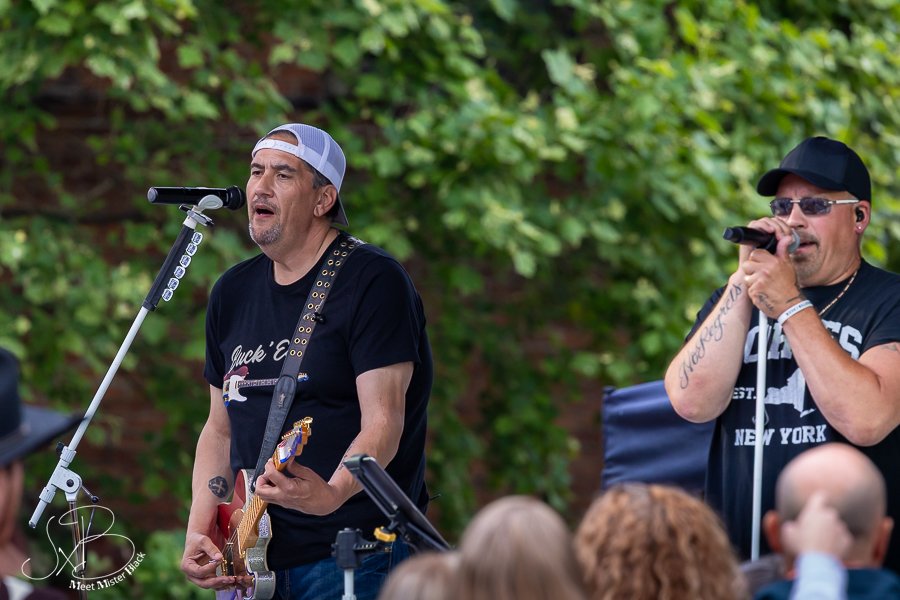
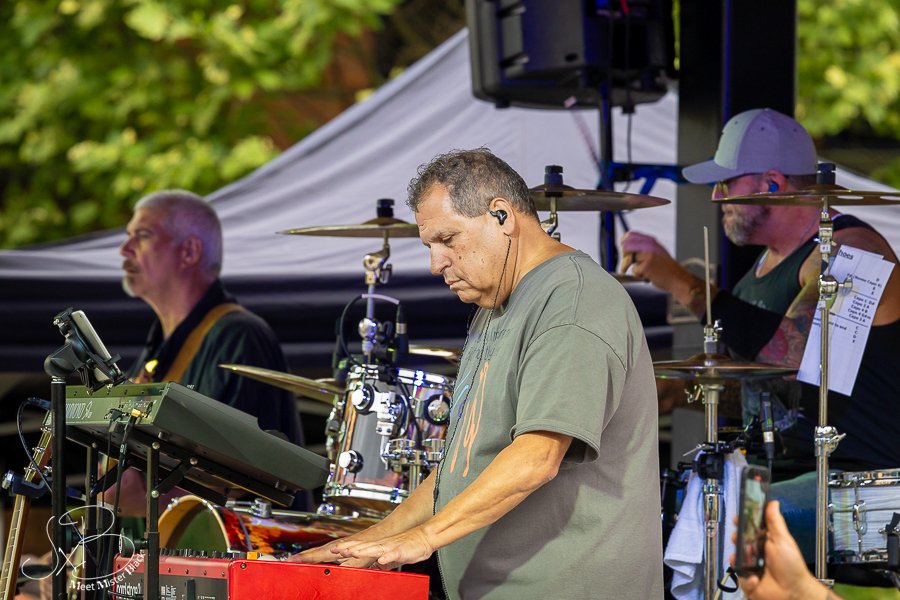
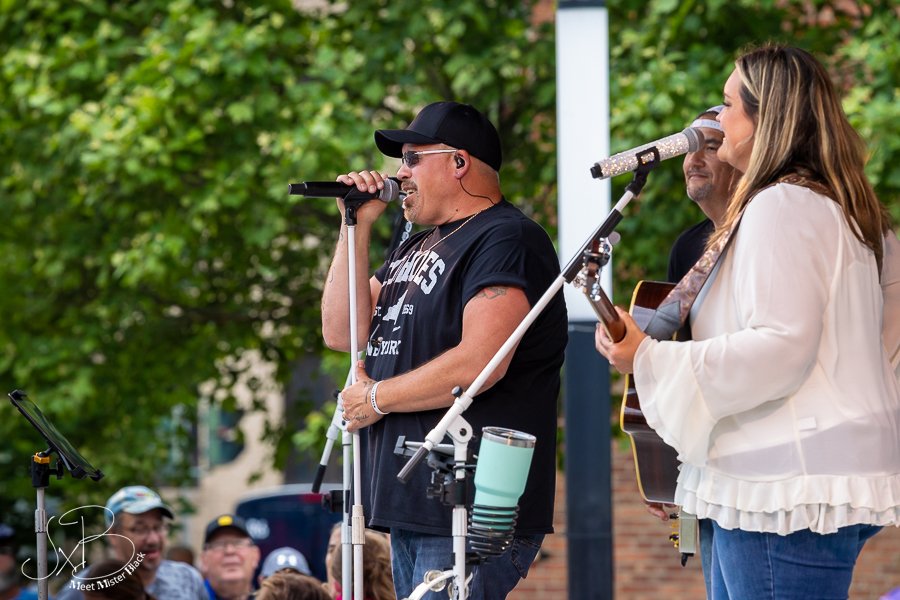
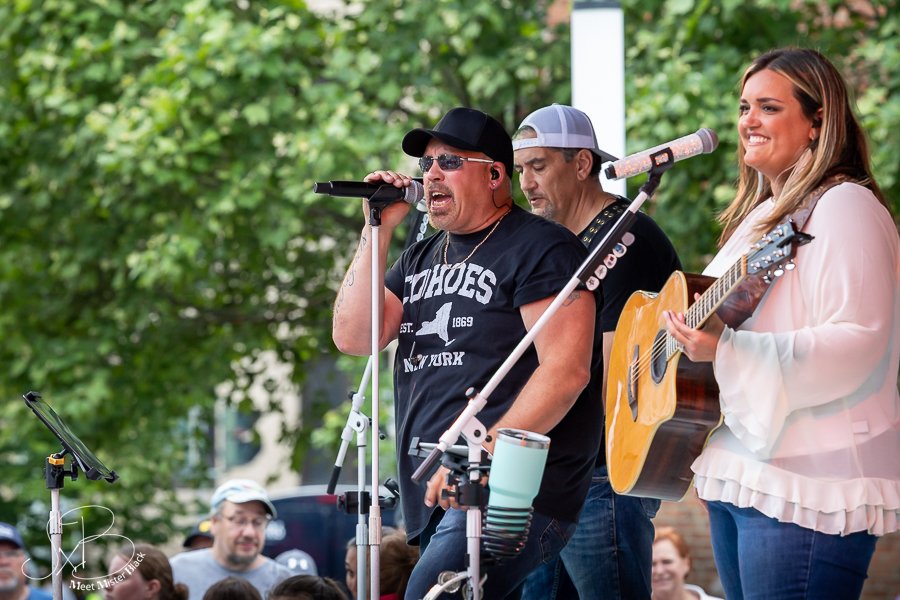
Skeeter Creek @ Cohoes Rock the Block, 6/26/2025

0

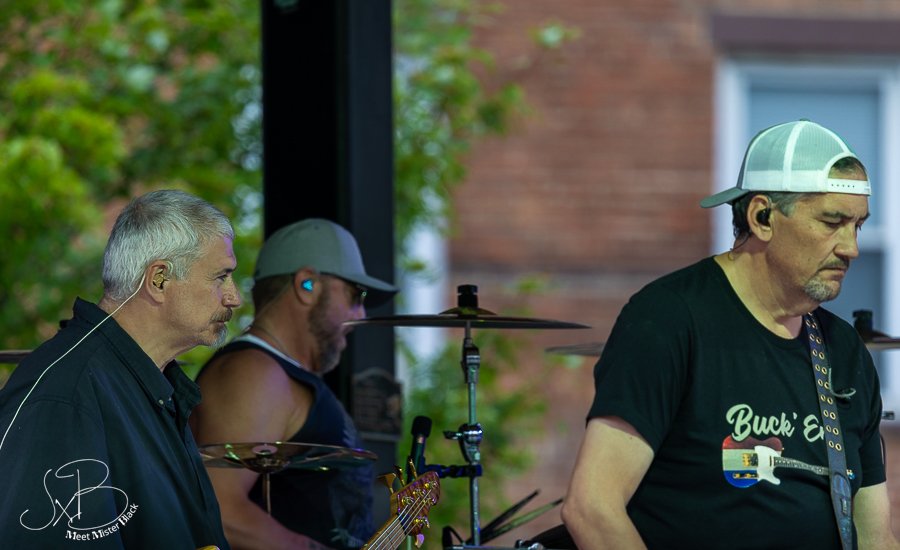
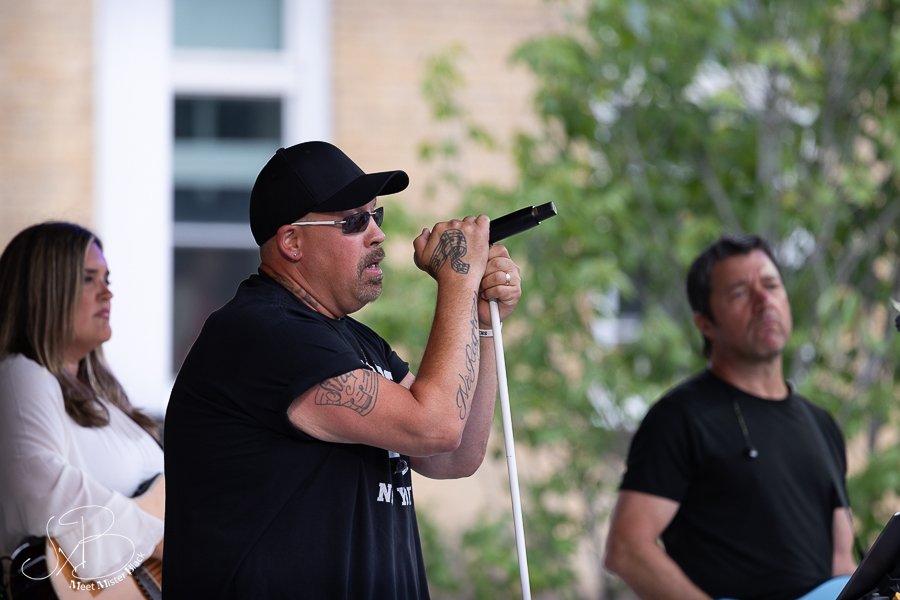
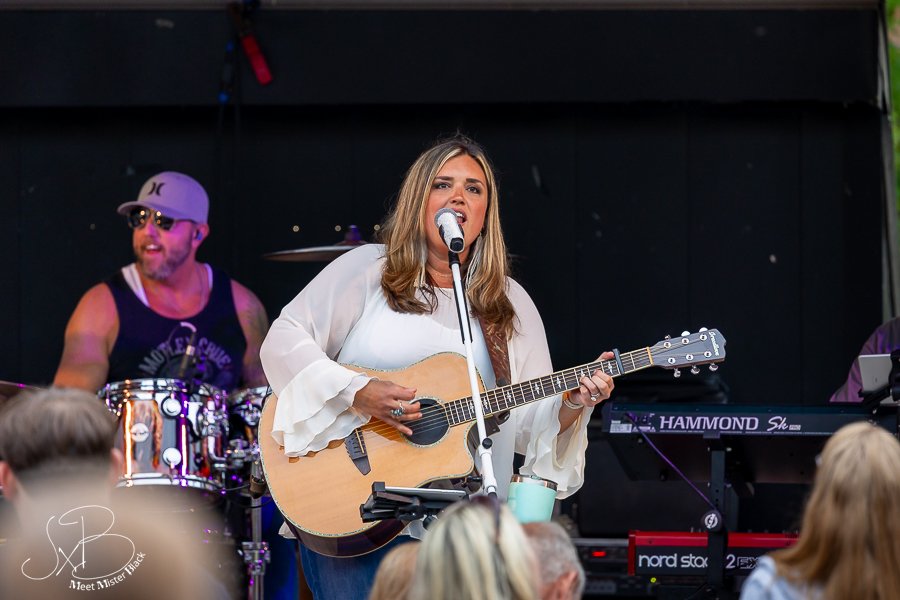
Words and Photography by Nate Black.

Skeeter Creek Brings Big Country Energy to Rock the Block in Cohoes

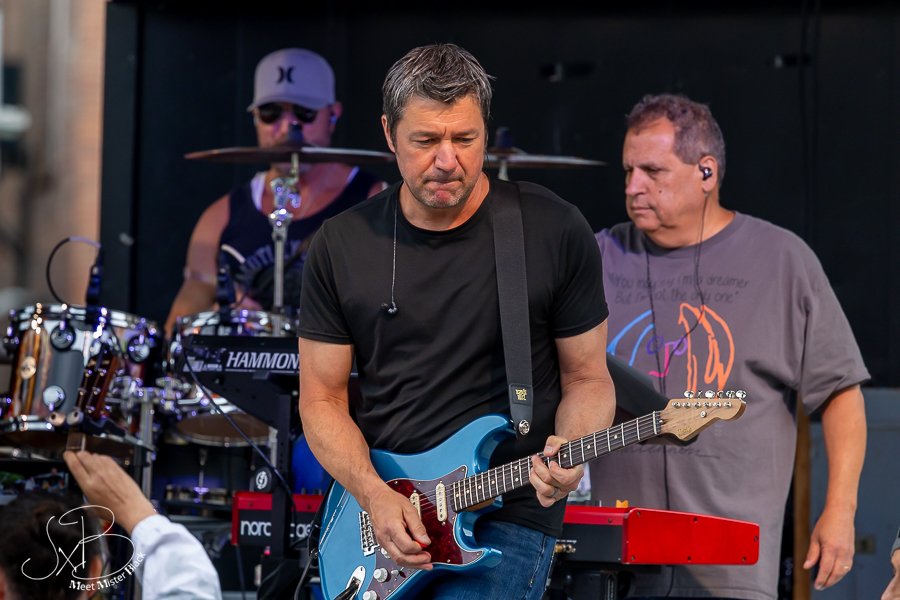
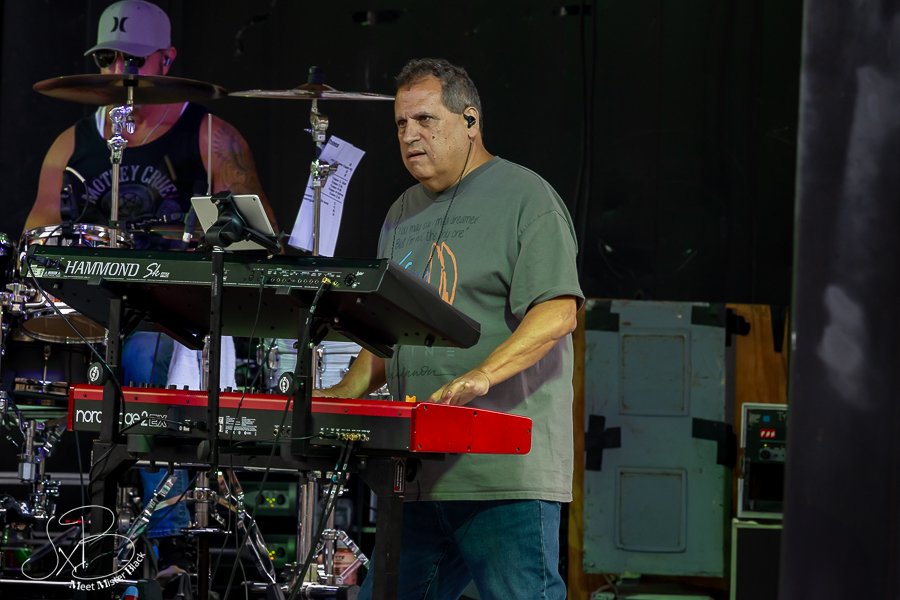
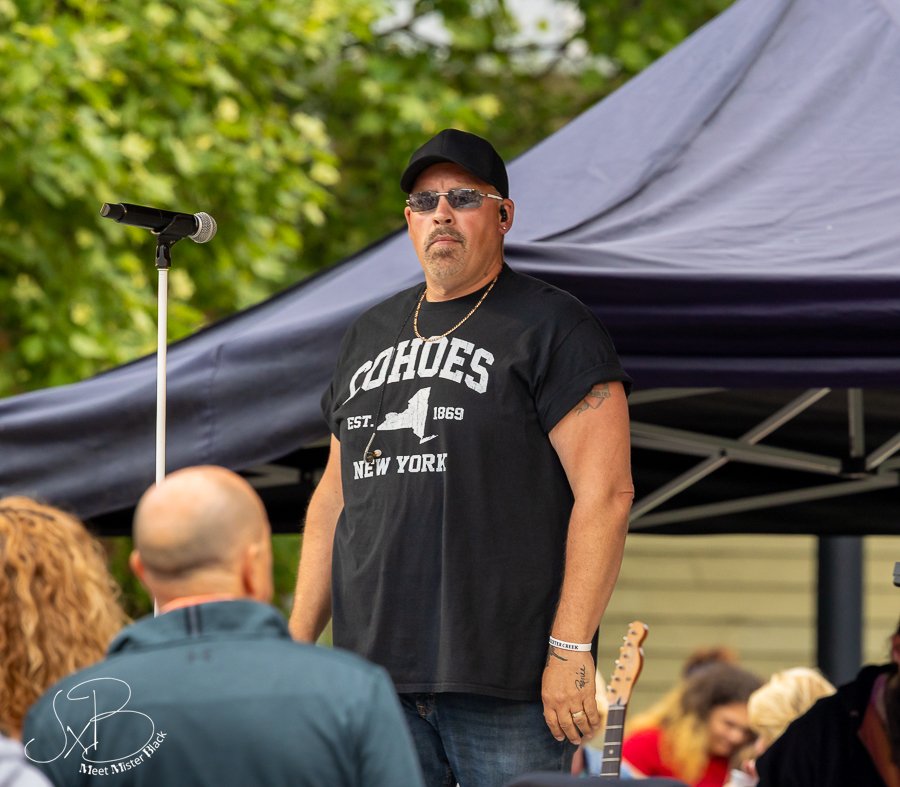
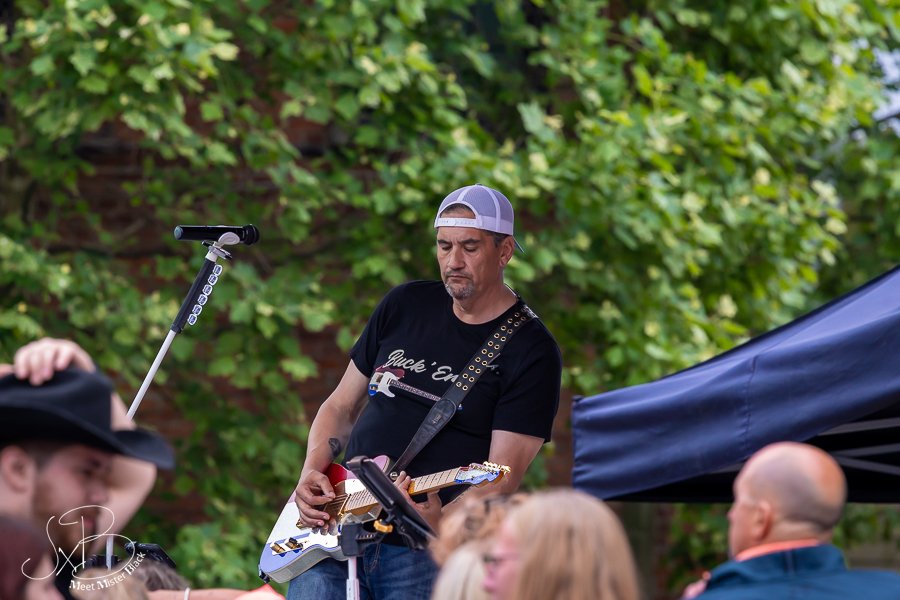
From rocking on the river to rocking the block, Skeeter Creek doesn’t miss a beat. The high-energy country-rock band lit up Canal Plaza in Cohoes on June 26th as part of the city’s Rock the Block concert series, just a day after electrifying Troy’s Rockin’ on the River crowd.

Known for their crowd-pleasing mix of modern country with a rock edge, Skeeter Creek brought both soul and swagger to the stage. From heartfelt ballads to boot-stompin’ anthems, they had the crowd singing, swaying, and probably ignoring a few texts from their exes.

Lead vocals soared while the band flexed serious musical chops across guitars, drums, and keys, including a keytar that could probably file for its own tax ID. The chemistry was tight, the harmonies smoother than a Tennessee whiskey pour, and the vibe? Pure summer celebration.

The crowd at Canal Plaza sang, danced, and raised their drinks to the summer soundtrack they didn’t know they needed. If you missed Skeeter Creek this time, do yourself a favor and catch them at their next stop. Your boots and your soul will thank you.


Read an interview with Skeeter Creek here …

Martin Benjamin – An Xperience Interview

0

Martin Benjamin – An Xperience Interview – by Sketchy Hubris.

Ansel Adams, in 1930, had been training to become a concert pianist while considering a career as a photographer. He decided, after seeing the photographs by Paul Strand, that “the camera, not the piano, would shape [his] destiny.” His mother and aunt both pleaded, “Do not give up the piano! The camera cannot express the human soul!” To which Adams replied, “The camera cannot, but the photographer can.”

Photographer Martin Benjamin will have a show and book release at J.Gernon Picture Framing & Fine Art, LLC

182 River Street, Troy, NY.

SH: I’m here with Marty Benjamin. You’ve had this career as a Union College photography professor, exhibiting artist, and a photographer for many international, national, and local publications. How did this all start?

MB: I was always interested in live music. But when I was in college at Albany State, I started working for the Albany Student Press. I took my first faculty course in summer, 1968 because I needed to make up two credits from my abysmal freshman year start. So somebody said, take photography, it’s easy, and the guy’s an easy grader. So, not knowing, I just took photography. And that class was amazing, because Gary Gold was in it, as well as five other people that went on and had careers in photography. So, it was a special sort of moment, but I took the courses at SUNY and signed up to work for the student newspaper. When Gary Gold became editor of the yearbook, I worked for him. Then I became editor my senior year. I had pretty good access. I started with a show by Pete Seeger at Albany State in a classroom. I just got there early, sat in the front row, had a camera, took pictures, and they ran them, and I thought that was pretty cool. I then started working for the student newspaper all the time, and the yearbook.

Then, when I graduated, I didn’t keep on with the music so much because I had no access or affiliation. I won a photo contest sponsored by Nikon, and three of the judges were distinguished: Fred McDarrah, Village Voice photo editor, and Howard Chapnick, legendary in stock photography and his nurturing of young photographers. I don’t remember who the third person was, but after I won the prize ($2,500 from Nikon), I called up the Village Voice cold and made an appointment with McDarrah and also with Chapnick at Black Star. Both of them basically told me they loved my work, and they would hire me in an instant if I lived in New York. But … Albany, we’re never going to have any use for you up there … but love seeing your work. Thanks.

I started just doing it on my own: buying tickets and going to concerts, taking my camera in, or sneaking my camera in. I did that for Bruce Springsteen at the Palace in 1978; I tried to get a photo pass, but there were no PHOTOS ALLOWED on the tour, so I snuck a camera in, got a really good shot, and then I noticed he’s playing in New York the next night. I called up McDarrah at the Voice and reintroduced myself, and I said, “You know, I did this great picture of Springsteen live last night, and I know he’s playing in New York tomorrow; you’re not going to be able to get a photographer in.” He said, “Oh, we will get a photographer, we always get a photographer in.” I said, “Okay, well, I have a picture. I’ll just send it down anyway.” And we sent pictures back then on Greyhound, next bus out.  So, you had to, like, make the prints, get to the bus station, have it addressed there. They had to have someone on the other end picking them up.

So, Greyhound it down to New York, and he had the picture, and they didn’t get a photographer the next night, and they ran my picture. That was my first internationally published picture, because Village Voice went around the world back then. Because of that, I made an appointment at Rolling Stone and went in and showed them my work. I’m standing there with photo editor, Laurie Kratochvil, and she’s looking through, and she’s going, “Oh, these are great. We want to hire you. We want to do some stuff, this is great.” Rolling Stone Editor Jann Wenner walks into her office, and she turns around, and she goes, “God, this photographer is great. We got to hire him.” And he just, like, looked at me. He said, “Well, hire him.” And walked out.

I got a couple of assignments over the years from them, but it never really, you know, got moving. But because of that photo contest, I went to New York and started showing my work around. And then I started shooting rock and roll.

SH: How did your long relationship with the original Metroland begin?

MB: There was a photographer that Metroland wasn’t paying who went in and, on deadline, he had pictures of some show and said, here’s my pictures,but I got to get paid first for everything you owe me. And they just like, laughed at him or something, and he ripped up his pictures in the office, I’m told, and walked out. I took my pictures over of the same band and they ran them. About that time, JB Scott’s opened, and they had house photographers. They were, like, not into having outside photographers, necessarily, but somehow, I got to the first or second show with Tim Curry, got some great shots, and went over to Metroland with them, and they put it on the cover. And after that, I was always welcome at JB Scott’s.

SH: So, there are so many amazing photos and stories in your book. I want to ask about a few. First, the double exposure of the Kinks, Ray and Dave Davies. I still don’t know why the brothers had a falling out.

MB: Yeah, I don’t know why either. The double exposure, I did it because I wanted them together in the picture, and they were like on opposite sides of the stage. So years later, when they played at the Starlite, or whatever the place was called at the time, I went to the show, and I had a big printed Ray on stage, which is really a cool print. He’s got his arms out. I was hanging out afterwards because I had some prints. I wanted to have him sign them or give him some. And he came out the backstage door. He’s like … looking at me and hiding behind the door, looking at me, and then finally, he sent somebody over to get me. He loved “My Father’s Hand,” a non-band photo of mine. He was doing a new album with Dave, the Kinks album called “To the Bone,” and … he asked me to come to Cape Cod two days later, and photograph the band and do backstage group shots and live shots and then try to do something with their hands on the guitar. And I didn’t do a very good job with it. The hands were actually the opposite way or something, I don’t know. But they were hard to work with because they were bickering the whole time. But I did those pictures. They paid me backstage at the Starlite in advance. He had a paper bag under their table while they were eating, and pulled it out, paid me in $100 bills to come and photograph them in Cape Cod in advance.

We met in Cape Cod, and I did that shot with the guitar back near the motel where they were staying. Then I shot the live show, and I sent him a whole bunch of stuff, and then never heard back from him. He had the shot redone … by another photographer with him, and it’s better, it’s in the studio, and it’s totally different. So, they used “My Father’s Hands” as the idea for their cover, and I got paid, so wow.

You know, it was great. And then I struck up a relationship after that with Dave. Dave was the friendlier of the two. Dave was whacked out. I think he’s probably less whacked out now, but he would call me at midnight often enough, and it was always like the phone would ring. And I think I got to the point where, like, the third or fourth time he called me, I said to Donna (we’re in bed, she was reading, and I said), “Oh, it’s probably Dave Davies. Pick up the phone.” “Hi, Martin. This is Dave, Dave Davies.” … Because he was using my pictures for his solo album covers and stuff like that. And I never charged him. So, he loved me. And Donna was reading his autobiography one night, I think, when he called, and she was right at the point where: “Oh, my God, you’re not going to believe this.” And I said, “What?” “I’m on the chapter where he’s picked up by aliens and beamed into space, onto their spaceship.” And it was, on his part, factual, but obviously not. So Dave – I got to know him, and then he came and played the Van Dyck a couple of times, and I always hooked up with him and just said hi and did some more pictures.

Ray, he’s pretty standoffish, pretty weird guy. But I like them.

SH: To me, they were like, as some people attribute Neil Young as the father of grunge, I consider the Kinks the fathers of punk. They don’t, in general, get the respect that the Beatles, Stones, or the Who get.

MB: They’re great. When Dave played the Van Dyck once in the 90s, Lee Harvey (Paul Rapp), he was there, and I remember walking out and Paul going, “Oh my god, that was like the Clash.” That’s how he played that night with whatever band he brought along to play the Van Dyck. So, yeah, they’re a pretty intense group that don’t quite get the credit in the history of all their influence.

SH: Is there any photo experience or photo that you really want to talk about?

MB: Stalking Bob Dylan and meeting him.

SH: That’s what people want to hear, that one. So let’s go.

MB: It’s intense.

He was playing the Palace Theatre in 1980. He was on the Gospel Tour. No cameras allowed, and they played for two nights. Dylan’s show was not selling at all, so they went around and gave them out to all different religious organizations to come, and they ran these obnoxious ads for the Palace Theatre that said, “Don’t come to see Bob Dylan. If you want to hear his old stuff, he’s not going to play it. Don’t come.” … You know, kind of dissuading people from coming, because everybody was booing him at all his shows. And they gave tickets to Kite, front rows, second or third row seats for both nights. So first night, I went with a nun who was a guest artist at Union, very hip. I said, “Hey, Carlotta, you want to go see Bob Dylan tonight in Albany?”  So, she went with me, and she smuggled the 135mm lens in her clothing, and I put the camera body in the back of my pocket. I took that picture of where he’s pointing to Jesus that night, first night. I went home the next day … developed the pictures, made some 11 by 14.

I had tickets for the second night, so I went with Carla the second night. Afterwards, I thought, I’m going to track the guy down in Albany, why not? And I found out … that the band was staying at the Best Western … So I went down there, pouring rain, went into the bar. Nobody was there. Now, all of a sudden, I saw Spooner Oldham, the keyboard player, walk in and sit at the bar. I went, okay, I’m in the right place. I went over and bought him a beer. I started asking about Dylan, and then he clammed up. He wouldn’t talk to me. Then the band came down. They sat at a booth in the bar, and I went over to them … I think I identified myself as a photographer, but I said I saw the shows the last two nights, and I know Bob’s not staying here. Do you know where he’s staying? They wouldn’t say a word, and they wouldn’t even talk to me. I was like, okay, and then they came to get the band to get on the bus …

Tim Drummond, great guy; he was Neil Young’s bass player, also. They started walking out, and then Tim came over to me and said, “You didn’t hear from me, but he’s staying at the Wellington Hotel.” I said, “Oh, okay, thanks.” Drove up, parked in front of the Wellington, pouring rain. Three in the morning, nothing; he led me on a wild goose chase. But I just sat there for like an hour, and then a Trailways bus pulls up, parks out front. So, then I go, well, this is not to pick up. Passengers. I got out with my Leica and my 35 millimeter, flash on the top, put it on me, went and stood in the doorway. The bodyguard came down, checked me out, went back up. Singers came out, got on the bus, I just stood there. And then it was so great. I see Bob coming down from the lobby to the front door, and he’s coming towards me. I read the week before, Dylan punched a photographer in LA for taking his picture. I thought, how cool would that be? And I just stood there.

Then he approached; the bodyguard was next to him. I said, “Hi Bob. Do you mind if I take a picture? Do you?” And I picked up the camera and just took the picture. And he turned his head, so I had just the side of his head, and as he walked by me, he said, “What do you want a picture of me for anyway?” I said, as I walked behind him, “I saw the shows the last two nights, and they were so great.” And he stopped and right at the door, and he said, “You liked them?” And I said, “Yeah, f***ing great musicians. Great songs.” We talked about the show, but then I said, “Oh, you know, Bob, I grew up in West Saugerties.” He went, “Oh, how’s everybody doing in West Saugerties?” I said, “Everybody’s good and I live up here now.” We chatted a bit more and then he said, “I got to go now.” I said, “Okay, well, thank you. Oh, can I take your picture? Can I do a portrait, one portrait?” And he goes, “Sure.” … And we’re like, under the awning outside, and I pick up my camera, and he goes, “Let me turn around so we can get the bus in the background.” I said, “Great.” I took one snapshot. Stupid, straight on snapshot. And thanked him, and watched him go get on the bus and drive away. It was like a close encounter with Bob, Bob Dylan.

Oh, that picture where he’s pointing to Jesus. I always thought that’s like the perfect picture of him. It’s never been picked up by anybody except the cover of Kite Magazine, and I would have it maybe in a show or something. I got a call because people from Eric Clapton’s archive tracked me down because there was a picture of Eric Clapton from 1970 I did when I was a student in the Alumni Gym. He toured with Derek and Domino’s, and I had, you know, like, 15 frames or something. They called me up and they said, “Are you Benjamin from Albany?” And I said, “Yeah.” He goes, “Well, we have this little clip from Albany Student Press.” This is, like, 30 years later, and it’s got Eric’s picture, and it’s got under “- benjamin”. I said, “Yeah, I did that.” So, they wanted those pictures because they didn’t have any. They were making a book of comprehensive pictures of the life of Eric Clapton, never seen before. And this guy from London tracked me down and said, “Well, we want to see those pictures. So, I sent them to them, and they loved them, and they ran in the book. Then months later, I get a call from somebody, they say “Hi, this is so-and-so from the Bob Dylan Archive,” and I said, “Yeah.” “We got your name from Eric Clapton’s people, and we’d like to acquire the rights to that picture of Bob Dylan.” They used it for the promotion of the box set for the email that went out about the release of the album. Sony Music bought it, and it was in a movie that was included in the box set, and then they needed it for something else, too. They bought rights for like, four or five different uses from me, 40 years later. It was great.

SH: Are you actively photographing now?

MB: Not too much.

SH: What current music are you listening to?

MB: I love the Felice Brothers. I went down and saw the Hold Steady at Levon Helm’s place. I really like the Hold Steady – one of the last bands I photographed, probably before the pandemic at Valentine’s, and I really got into them. Craig Finn, the lead singer, who we’re going to see down in Bearsville in August. He’s playing the Bearsville Theater. I went to see him up in Maine, in a little theater out in the woods, an old barn they converted; really cool place. So I like those guys.

SH: There’s no best or favorite. There’s a current rotation of a lot of quality things in the world. But could you name a couple of albums or artists that are a go-to for you?

MB: Oh, anything by Neil Young, Tom Petty, Bob Dylan. I play the Hold Steady a lot. I love the Felice Brothers. I play them a lot, and I’ve seen them five or six times. Seen the Hold Steady four or five times, and Craig Finn two or three times, those guys. But you know, I stacked the front of the book with my favorites: the one where Dylan is pointing to Jesus. The little hazy spot is my friend Carlo, the writer, because I had to kneel and hide, and that’s his elbow. That’s great. I just missed clipping his hand. Thank God.

SH: So if you could, I’m going to keep going with this stuff. You could have a Super Show. You get five bands. They play in their prime, but it’s today. We’re all going to go to this festival. Would they be those bands you were talking about?

MB: Oh, at that show: The Band, Bob Dylan, Neil Young, Tom Petty, and Bruce Springsteen.


More from Sketchy Hubris…

What’s Behind the Mirror – The Weird Side of the Internet

0

What’s Behind the Mirror – The Weird Side of the Internet – by Liam Sweeny.

I remember my parents and I going halves on a two family house. I remember that when I first was shown the house, what I wanted to see was the basement. This is, of course, practical, because if you want to know what it looks like behind the walls, you can get a good idea by looking at what’s beneath the floorboards. But another reason, one that I have to admit is a bit silly, is that I want to see how creepy it is. I have to admit that I doo look for lumpy earth in dirt floor basements, in case there’s a body down there. Because there’s no way I’m affording a house that doesn’t have a hundred and twenty years of history in the basement.

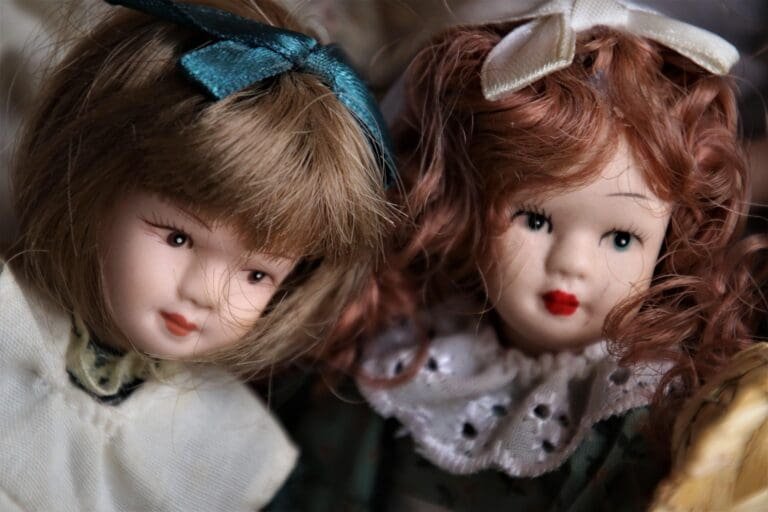
But I read about this guy who bought a house, first time buyer, and he decided to reno the bathroom. Upon pulling the mirror off the wall, he found a cavity filled with five dolls. Doolls. Now I’m picturing those Victorian dolls that have the kids’ real hair, but even crappy dollar store dolls would be creepy as hell in a wall cavity. The mind races as to what reason someone would have for “burying” dolls like that.

First thing is, it was probably a joke. I would definitely do this if my bathroom had a cavity. Hell, I’d throw a plastic skeleton in a crawlspace too, maybe like ten of them, do a John Wayne Gacy thing. I mean it’s not going to affect the closing. Hell, you could charge extra for the story you’re giving them to tell.

Of course, there could be a genuinely creepy reason for them being there. Voodoo, for example. Or maybe they represent all the children who died of cholera and held court in the parlor, back when it was used for the viewings.


More from Liam Sweeny…
Troy Savings Bank Music Hall Welcomes the Return of the Summer Square Series

0

Saturdays June -September! 

SUMMER SQUARE 

FREE! Saturday’s 32 Second Street, Troy 

For more information visit:  www.troymusichall.org 


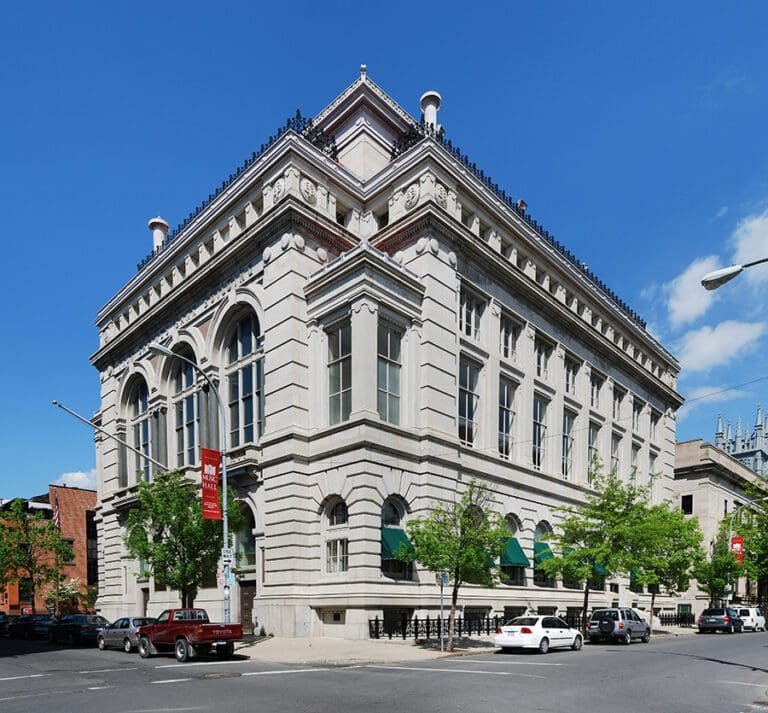
TROY, NEW YORK:     The Troy Savings Bank Music Hall’s free Summer Square series returns with an expanded season!  The series continues this Saturday, June 28th with Reese Fulmer!  A summer favorite, the free outdoor concert series will be held Saturday evenings at 6pm.  Located in front of the Troy Savings Bank Music Hall on 2nd Street, the series will be showcasing some of the area’s top talents. Bring your lawn chairs and enjoy some summer fun! 

Saturday, June 28th: Reese Fulmer

Reese Fulmer has emerged “with a poet’s sensibility rich with great storytelling and a healthy dose of irony.” (Viv Nesbitt, Art of the Song)


 Upcoming season lineup:


Saturday, July 5th: Aiva and Hayley

Singer songwriters from Latham, NY now attending Berklee College of Music in Boston. Performing covers from different genres and original music as well.


Saturday, July 12th: OM Q

Harnessing over 15 years of performing – OM builds a sonic bridge between Earth and its inhabitants. We can all tap into our own inner alchemy. Sound heals. 


Saturday, July 19th: Mark & Jill

“Mark & Jill Sing the Blues will pep you up and soothe your soul! With Mark providing robust male vocals and crisp guitar and Jill in heartfelt harmony, they give one’s spirits a boost. Whether country, blues, or in between”


Saturday, July 26th: Dust Bowl Faeries

Faerie-tale fusion of dark cabaret and gothic polka music, infused with a dose of witchcraft and a dusting of woodland magic. 


Saturday, August 2nd: Ryan Leddick

“Soulful, Rhythmic, Folk-Rock” Ryan weaves his soulful and haunting voice alongside rhythmic guitar lines to create an enticing folk-rock fusion. 


Saturday, August 9th: Carol Daggs

Pianist and vocalist, composer and arranger applying musical jazz sounds to the auditory apparatus and soul via vocal and instrumental flow.


Saturday, August 16th: As Iz

One-man band, songwriter, and multi-instrumentalist. Izzy has performed and recorded his music since the late 1980s.


Saturday, August 23rd: Rhynhart-Hellwitz Duo

Collaboration of Albany old-timer Charlie Rhynhart on Dobro guitar; harp (harmonica, that is); and vocals,  and classically-trained Fred Hellwitz, electrically-powered guitar. 


Saturday, August 30th: Shiri Zorn

Innovative jazz vocalist whose fresh and intercultural sound reinvents the standard jazz repertoire as we know it.


Saturday, September 6th: Triskele

Capital Region’s premier all female Irish band! Stunning harmonies that touch your soul. 


Saturday, September 13th: Sabrina Trueheart

Dreamy folk rock instrumentation through ethereal guitar layers using a singular delay pedal and nylon string guitar, all while running a rod of twang throughout.


Saturday, September 20th: Christine Spero Group

Rich jazz/Latin/world fusion that dances blithely between pop and jazz.

*Check our website and social media for updates in case of inclement weather.  If the event is canceled due to weather, it will not be rescheduled. 

Summer Square is sponsored by: 

Supported by New York State through Alive Downtowns

Bacchus Wood-Fired

Troy Savings Bank Charitable Foundation

Troy Redevelopment Foundation

New York State Council on the Arts

Price Chopper / Market 32

The Arts Center of the Capital Region: ARTS THRIVE GROW

Stewart’s Shops/Dake Family

John Keal Music

Arts Thrive & Grow is funded by New York State & the New York State Council on the Arts, with support from Governor Kathy Hochul, Senate Majority Leader Andrea Stewart Cousins, and local elected officials, including Senators Jake Ashby and Patricia Fahy and Assemblymembers Scott H. Bendett, John T. McDonald III, Angelo Santabarbara, Phil Steck, and Mary Beth Walsh.

More information on the Troy Savings Bank Music Hall and upcoming programs are available on the website at www.troymusichall.org or on our social media Facebook / Instagram

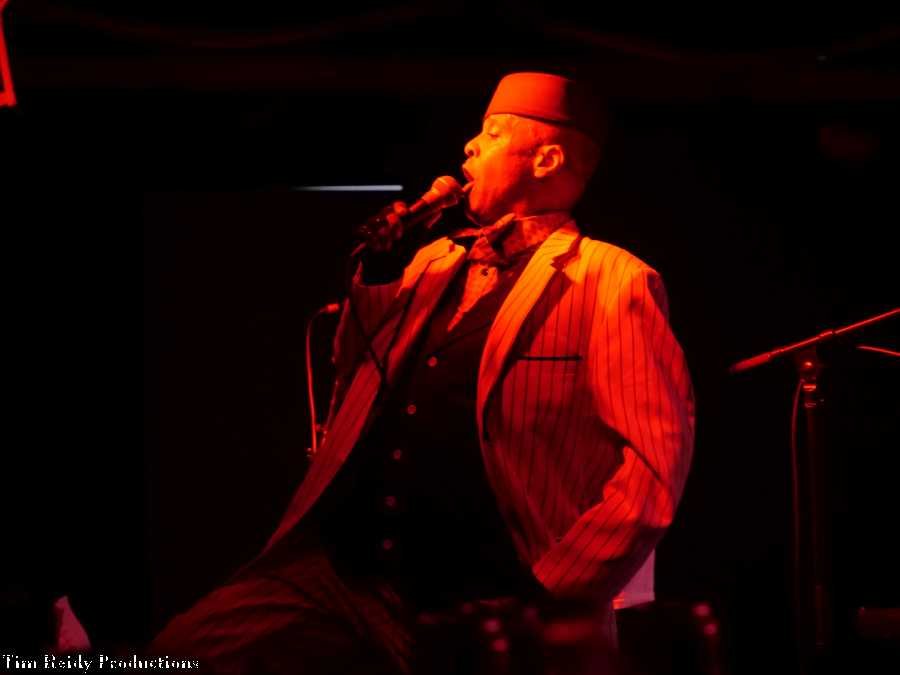
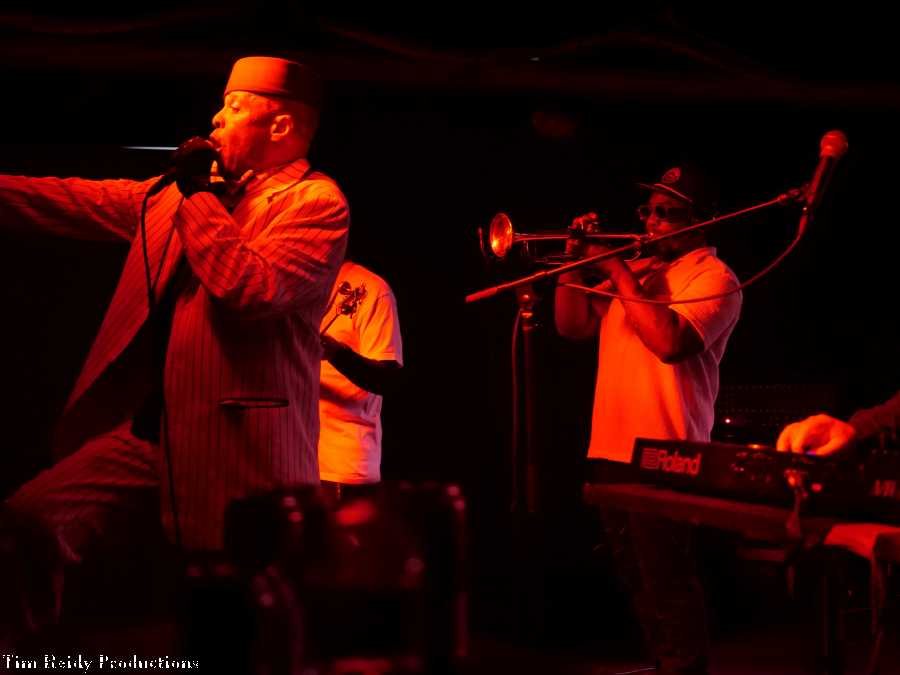
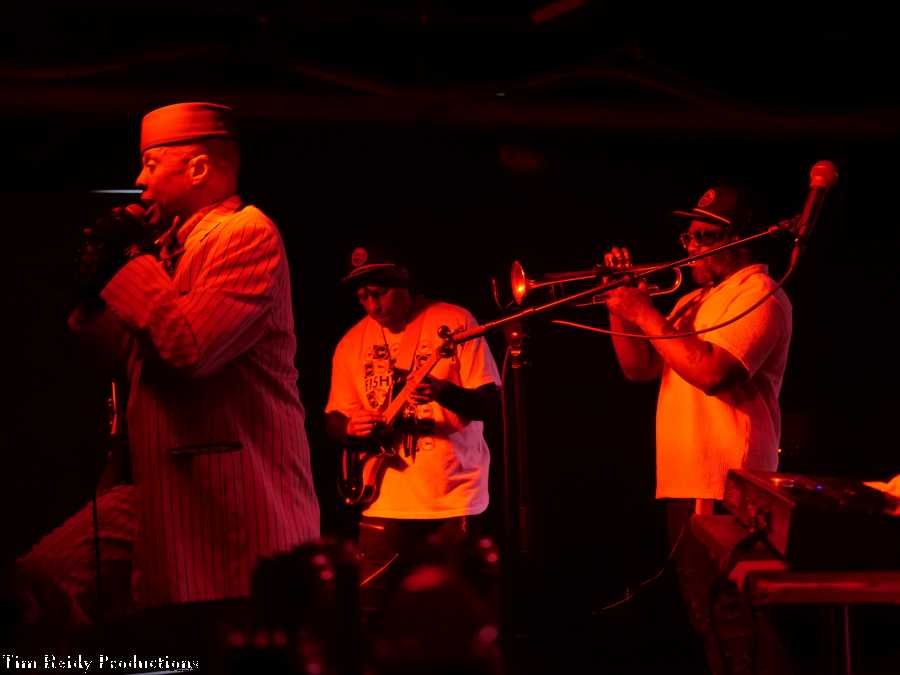
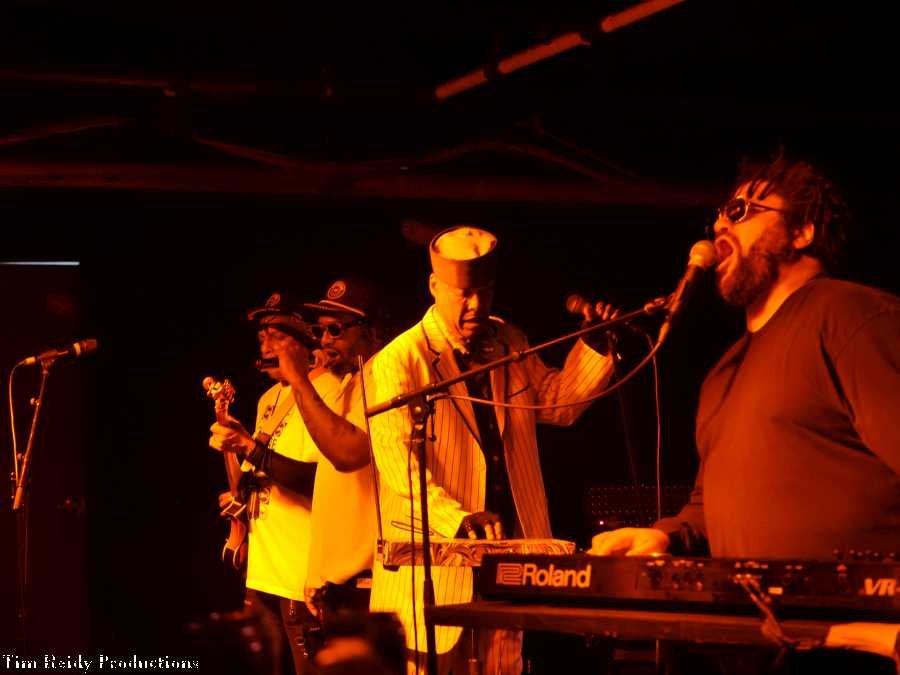
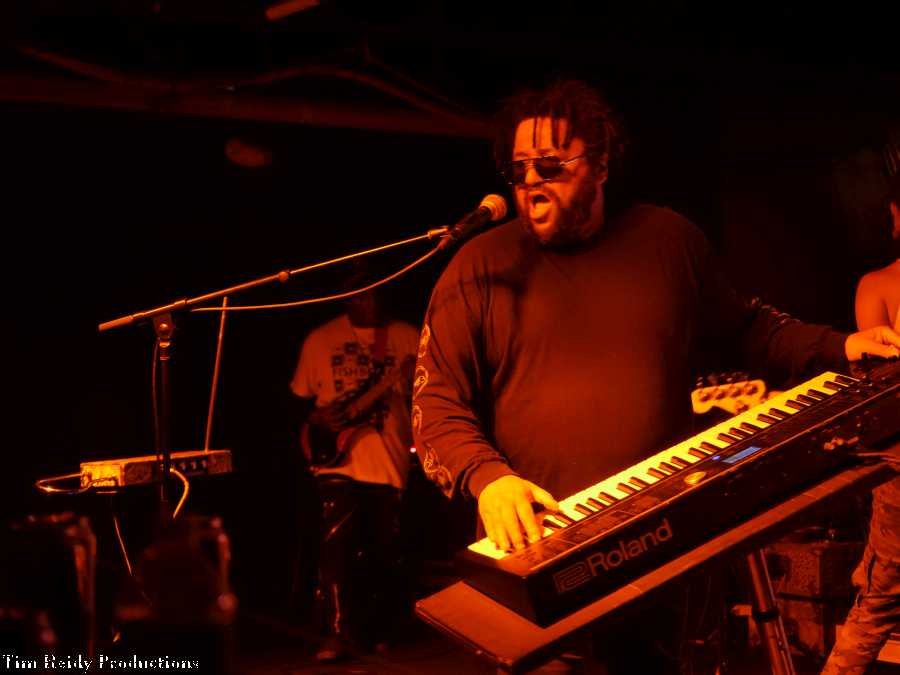
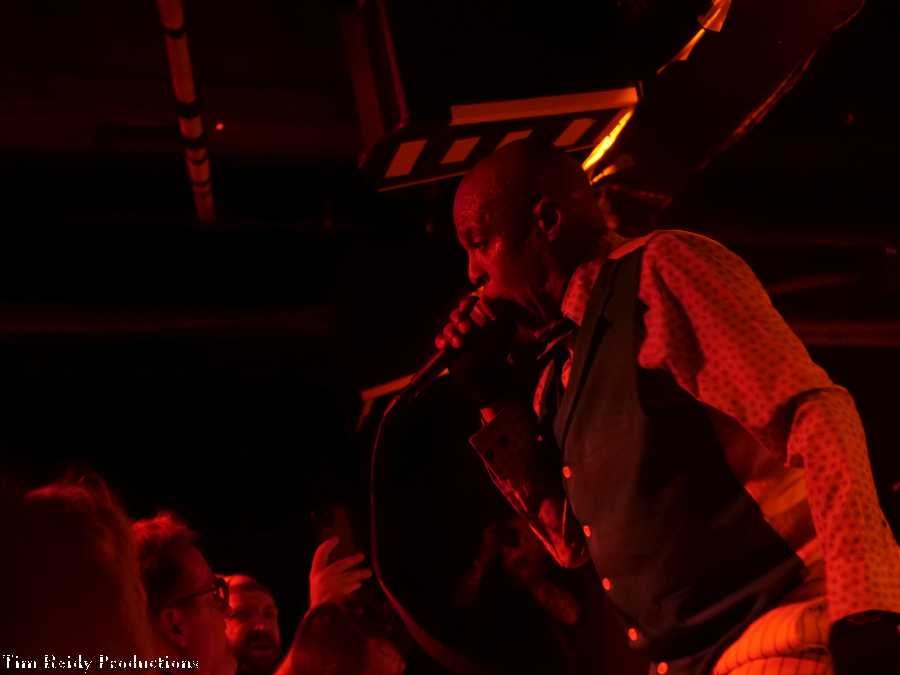
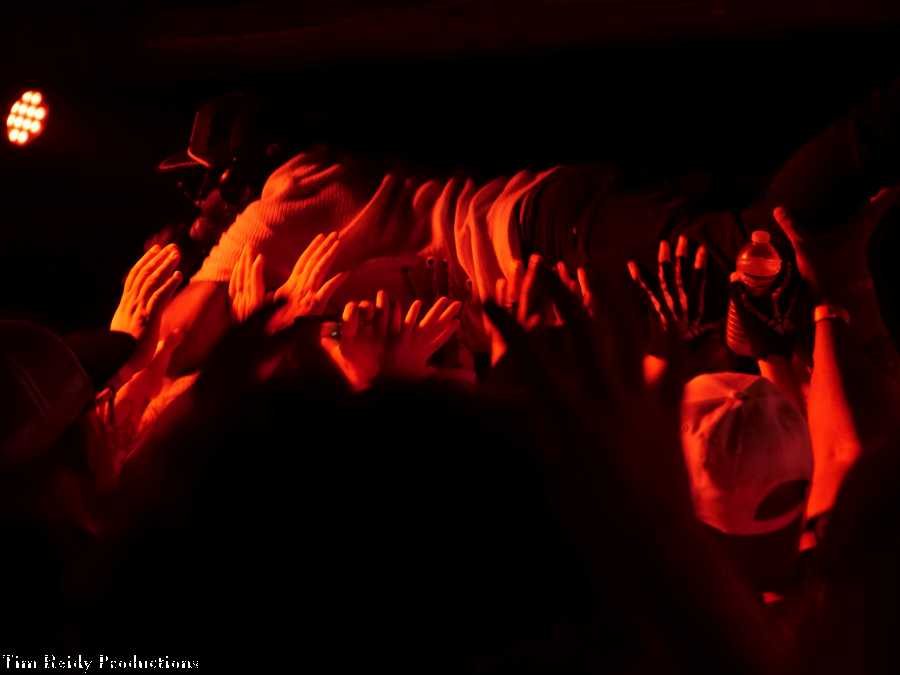
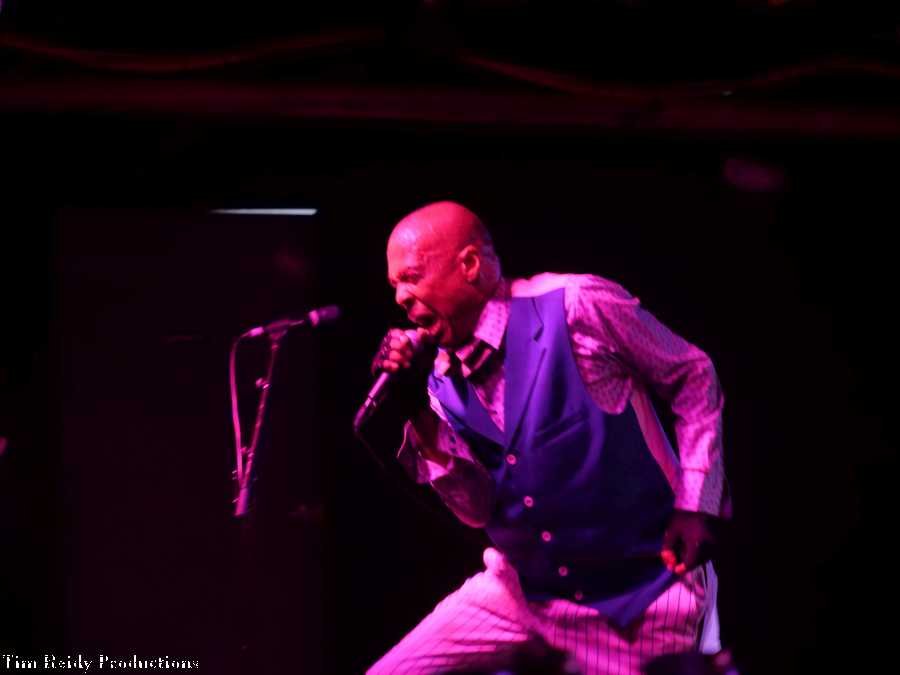
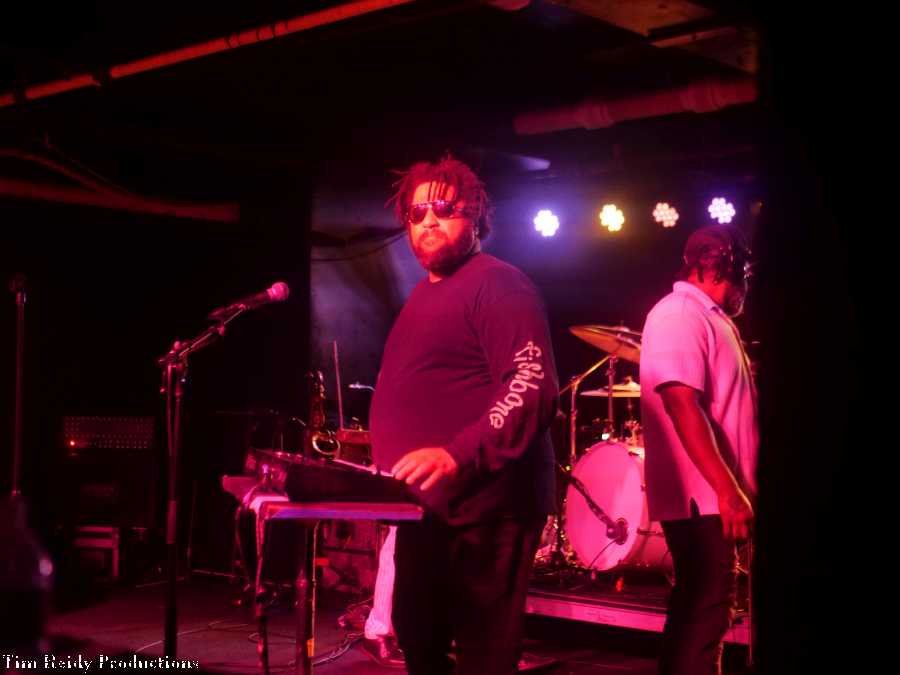
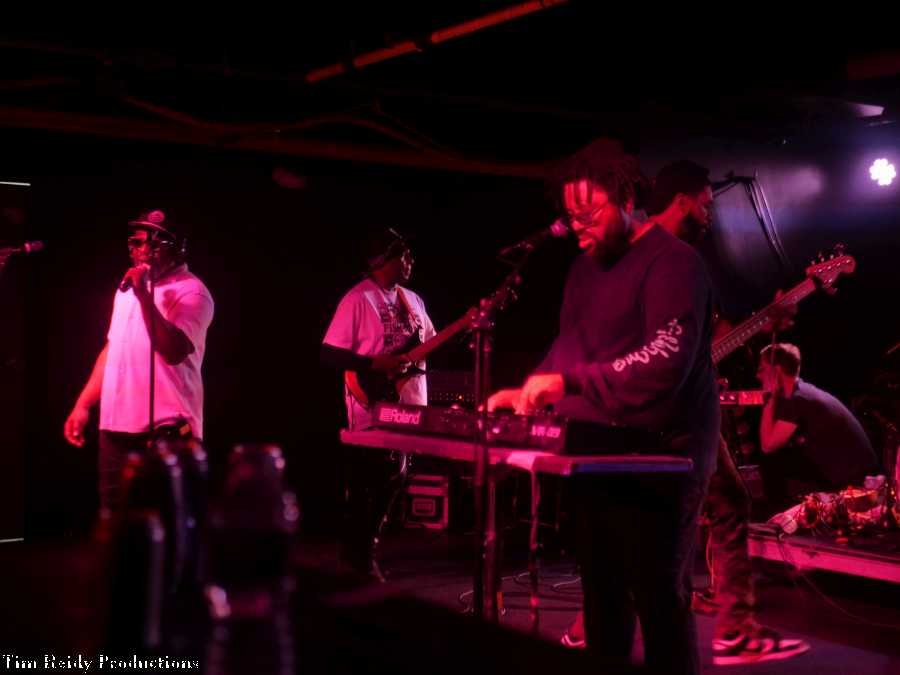
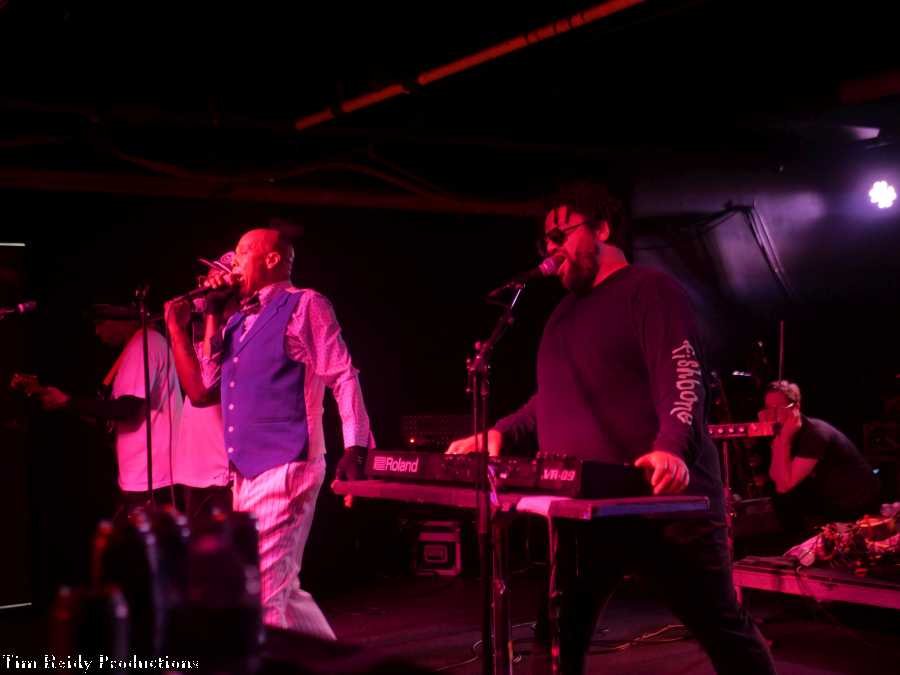
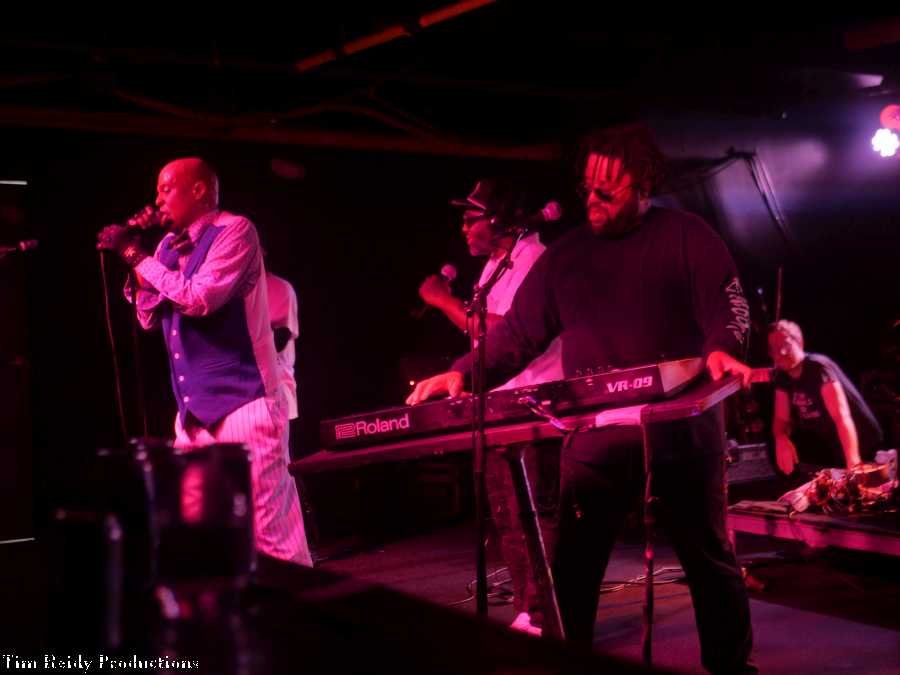
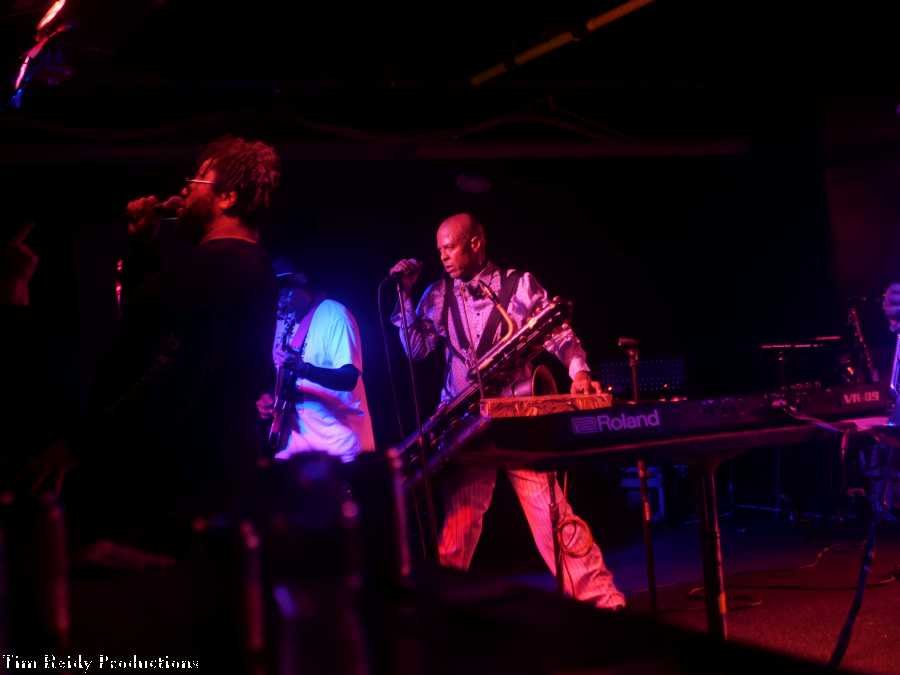
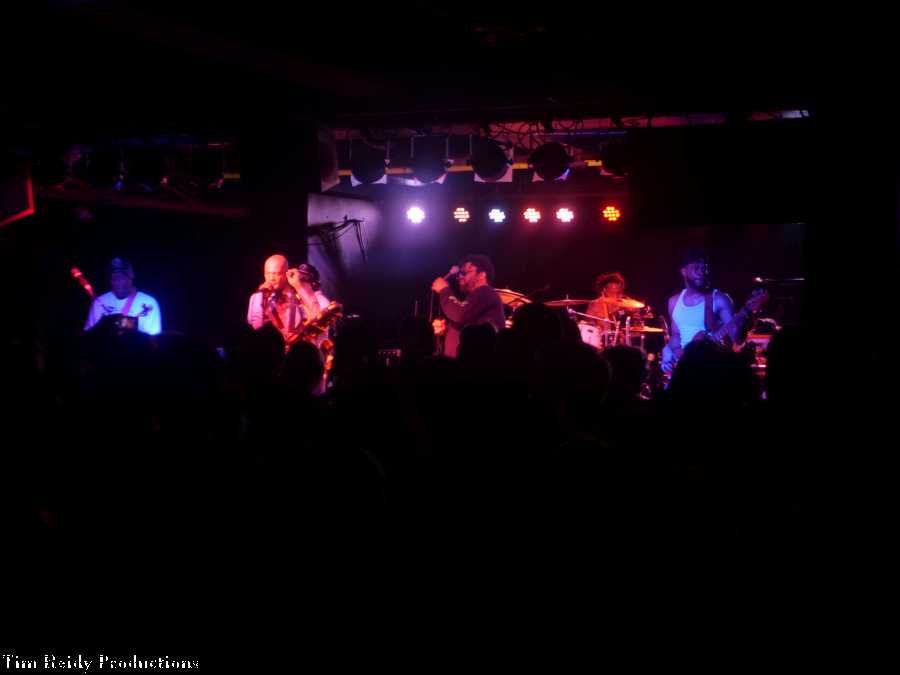
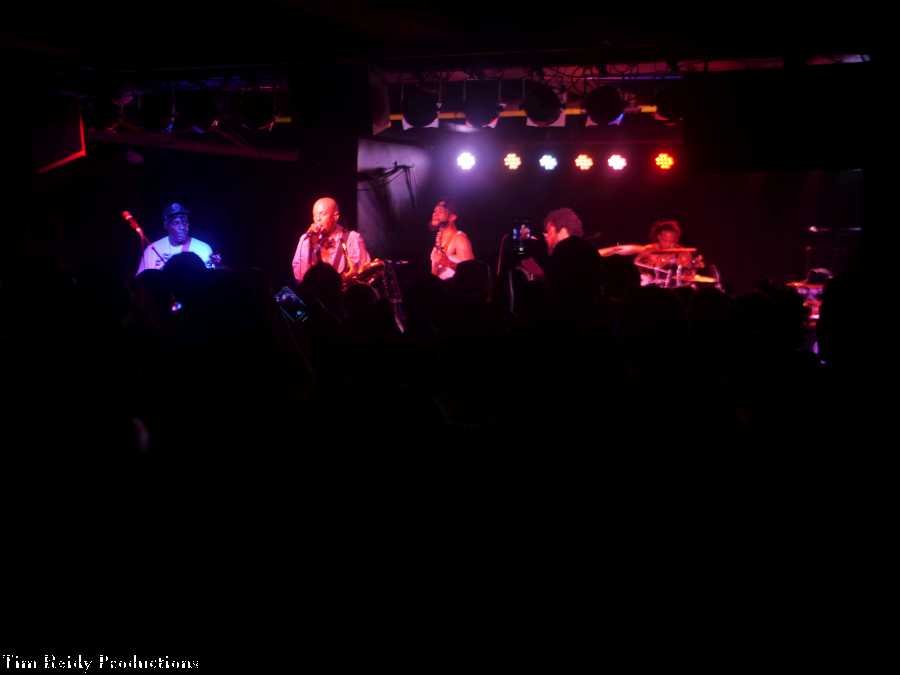
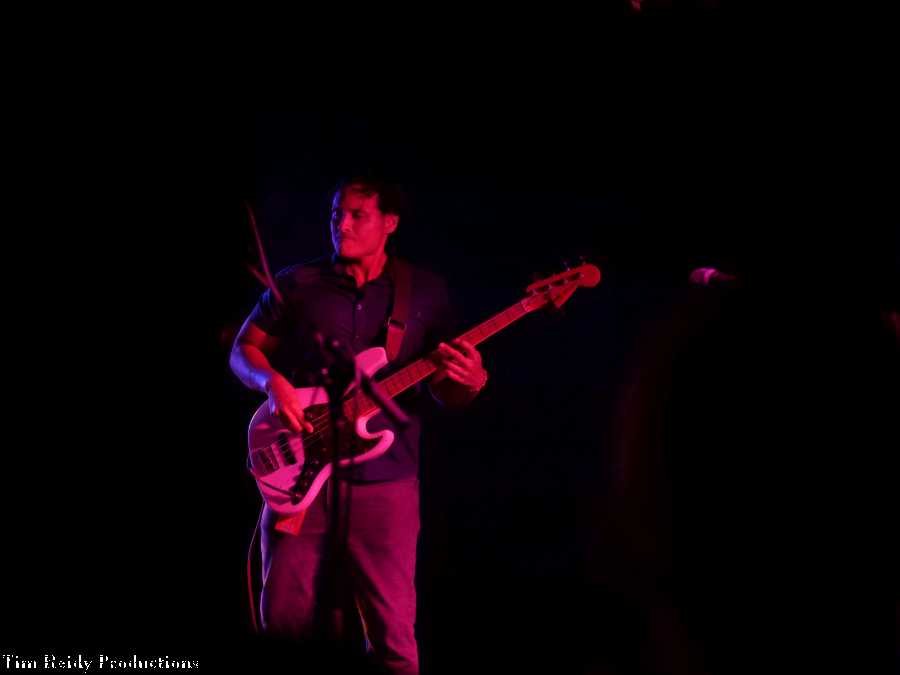
Fishbone / Bite Me Bambi / Girth Control @ Empire Underground, 6/18/2025

0

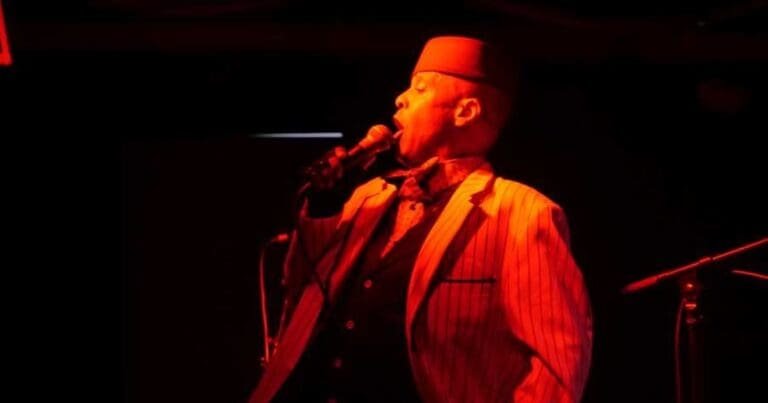
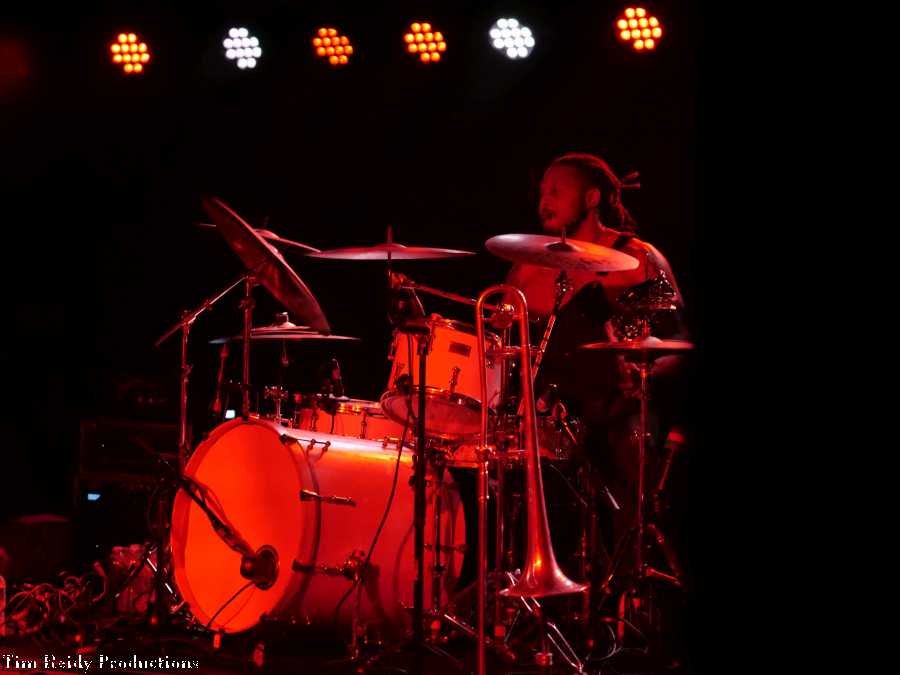
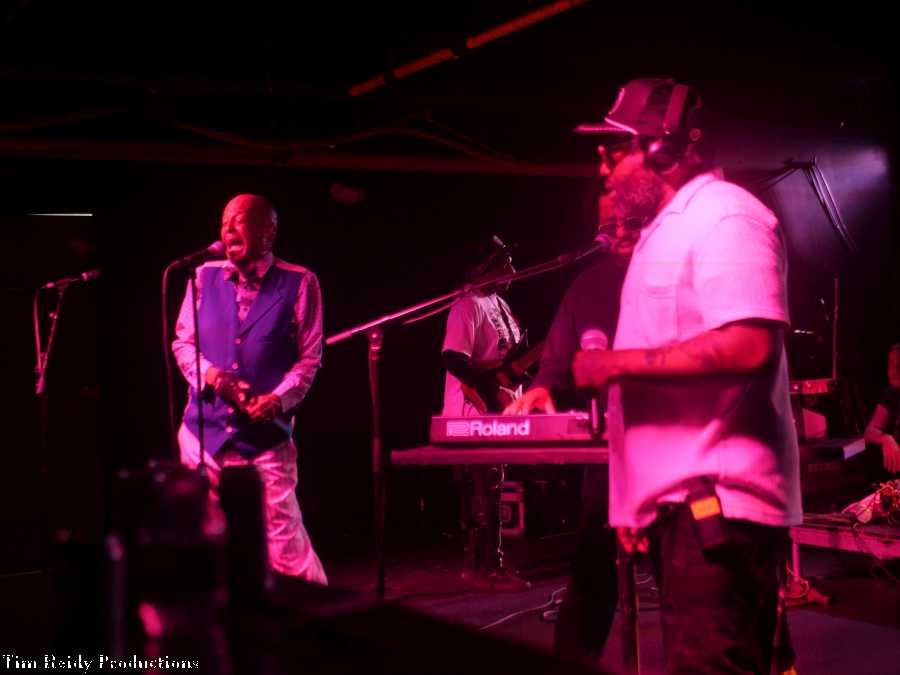
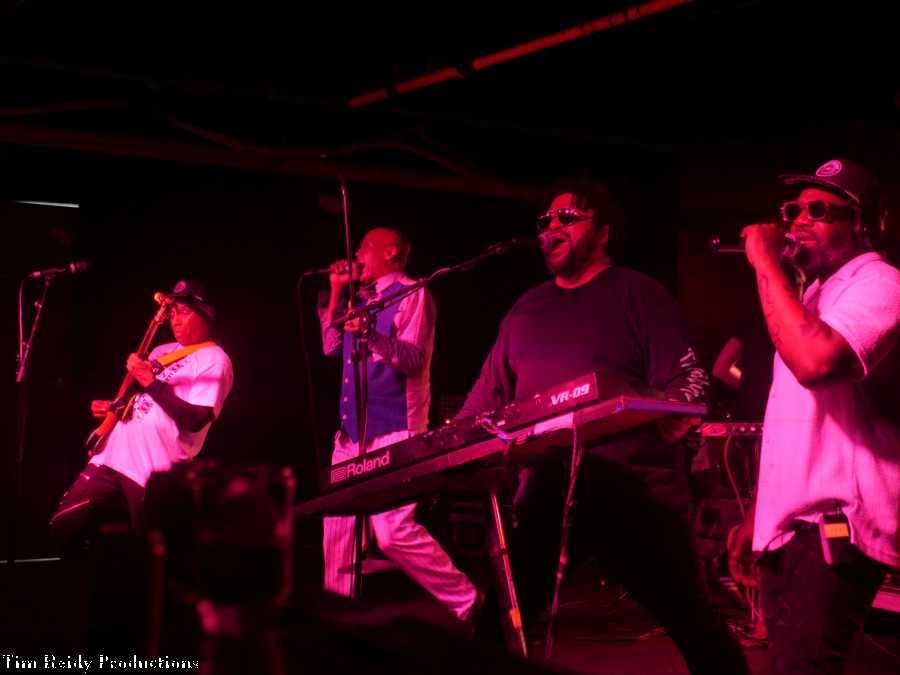
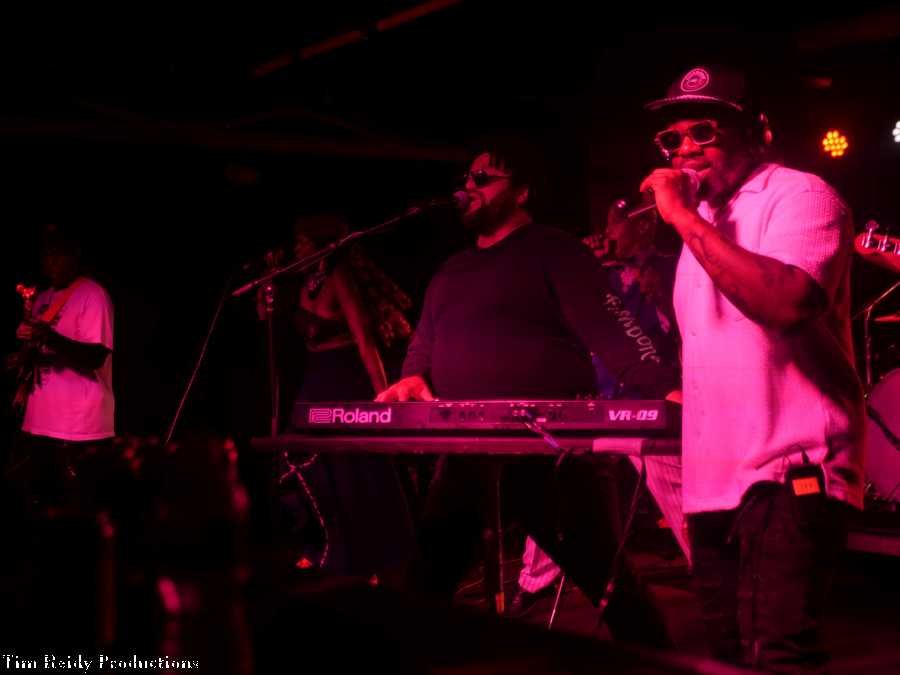
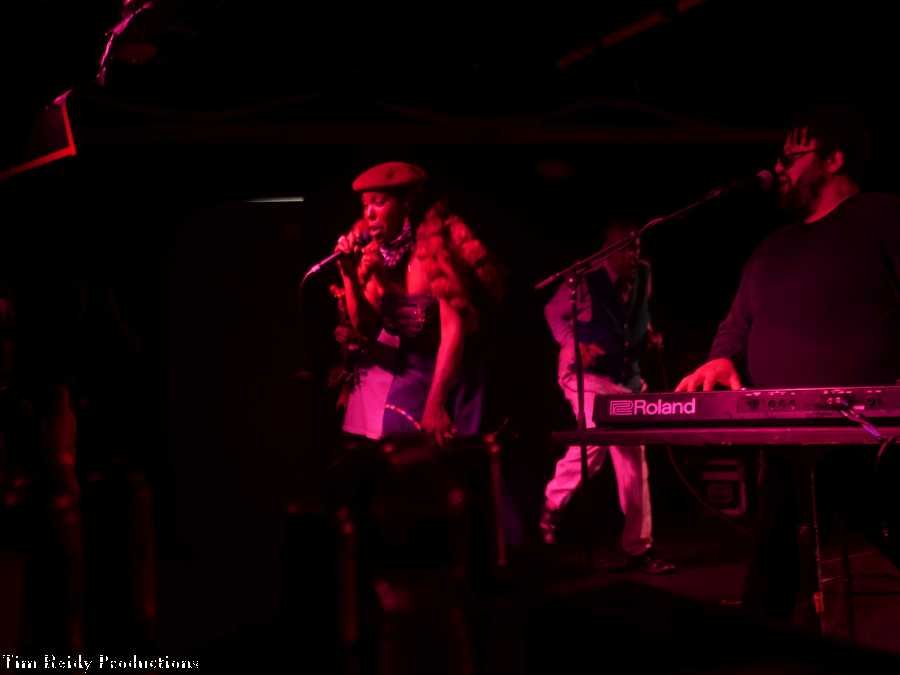
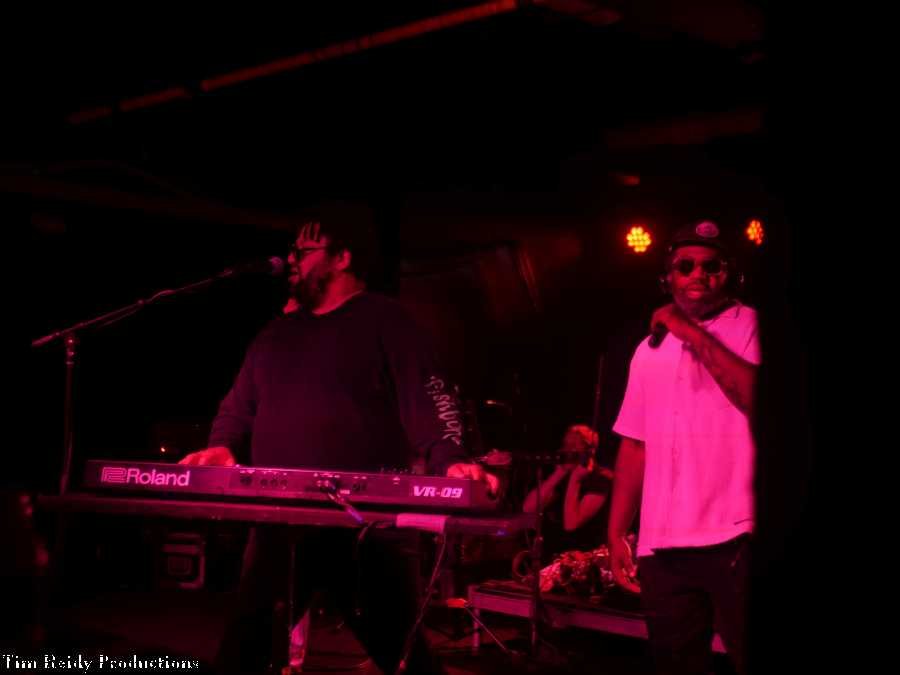
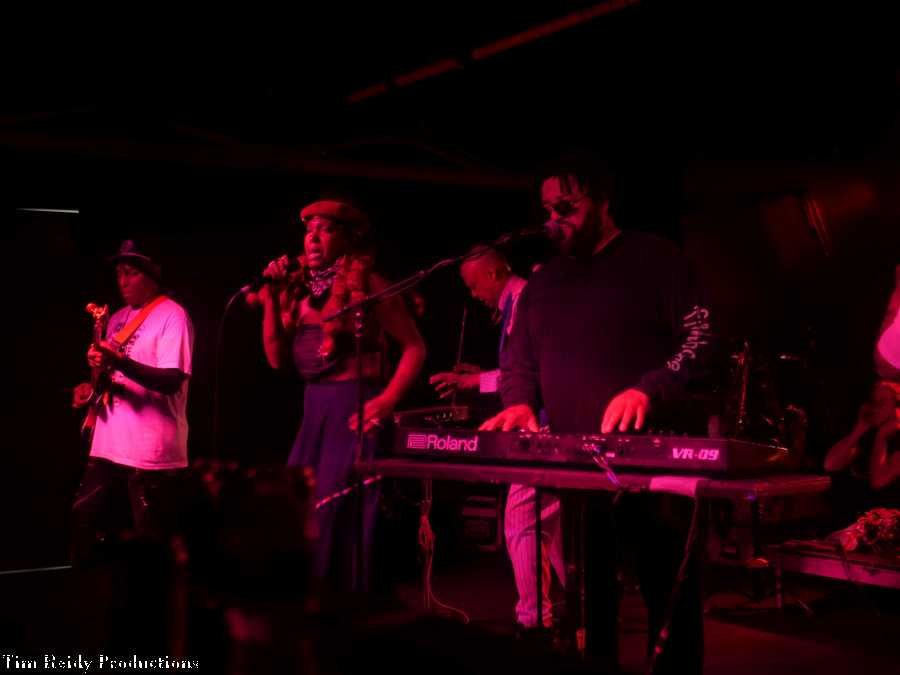
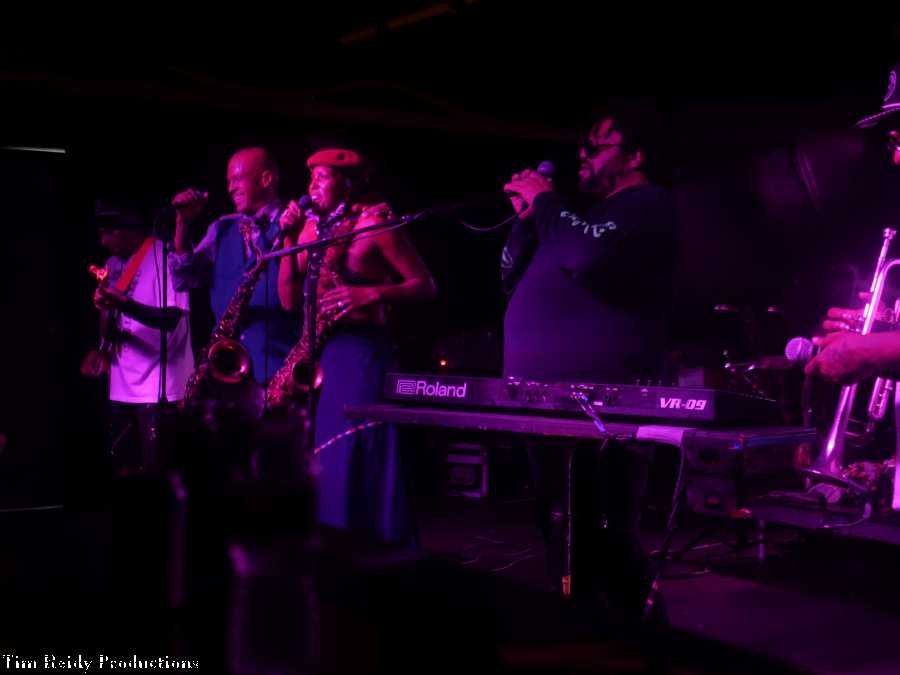
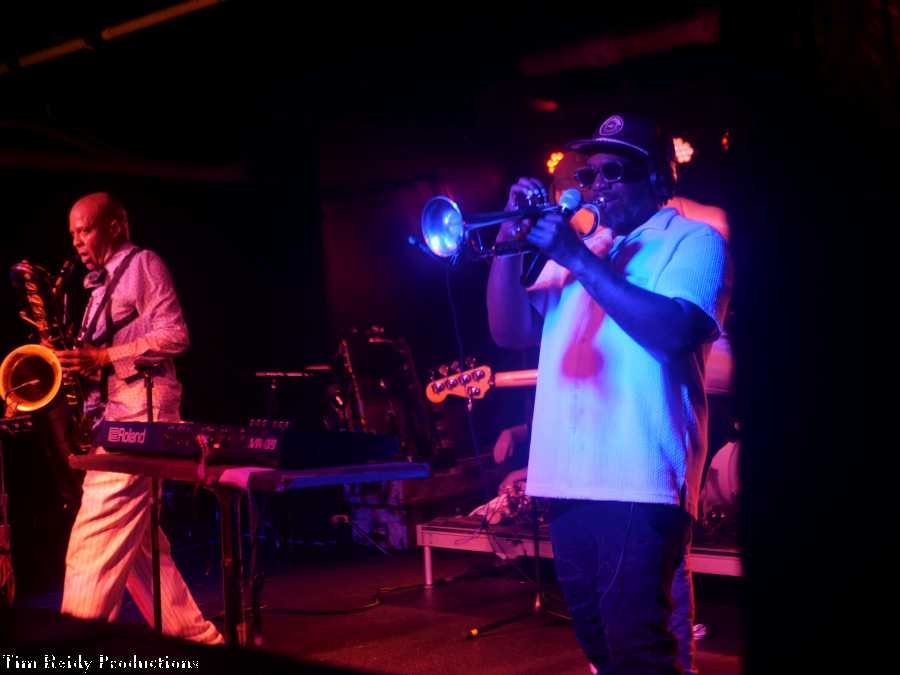
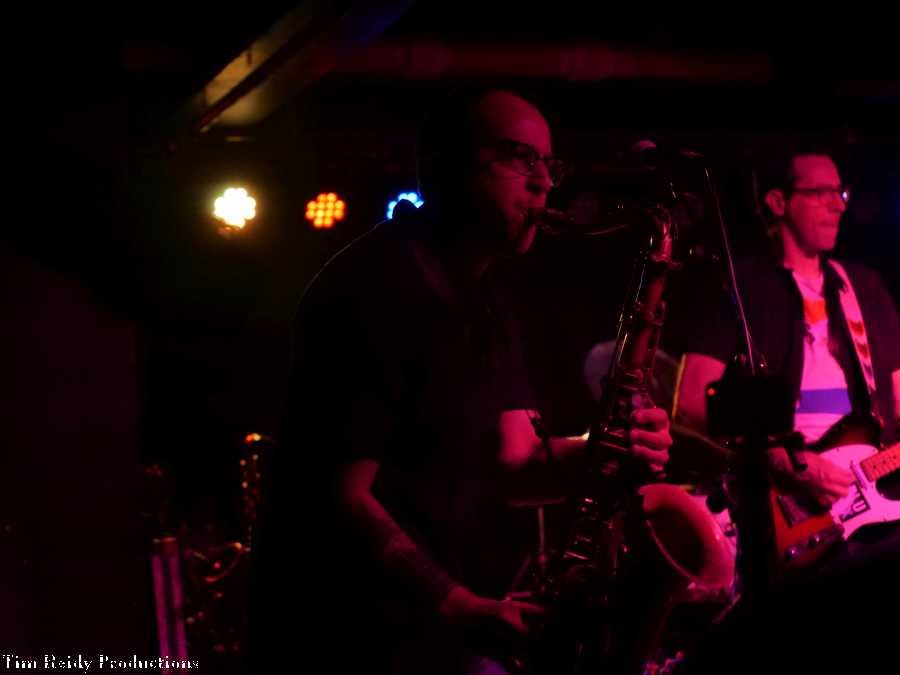
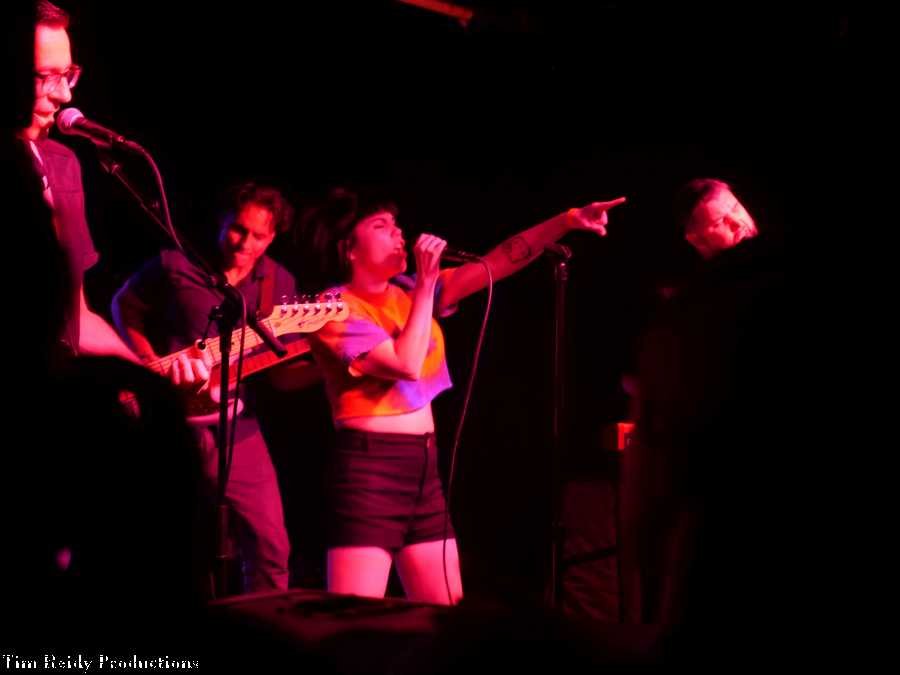
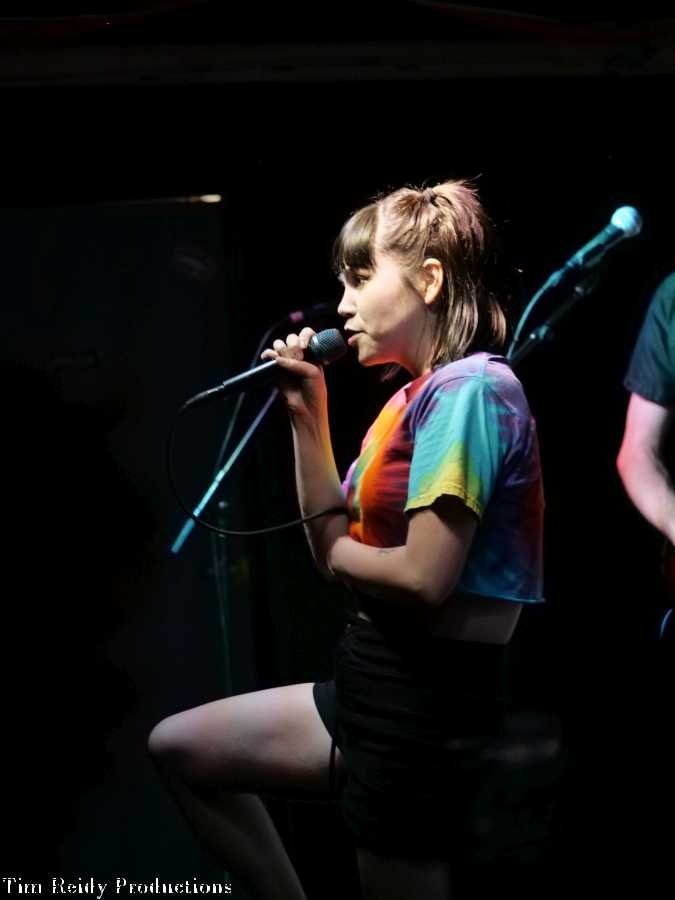
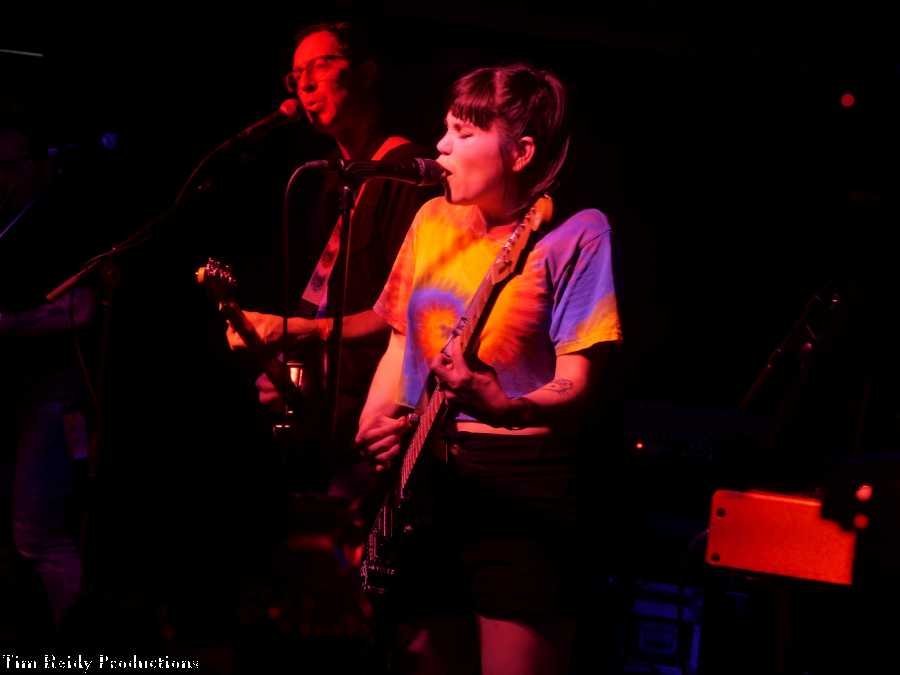
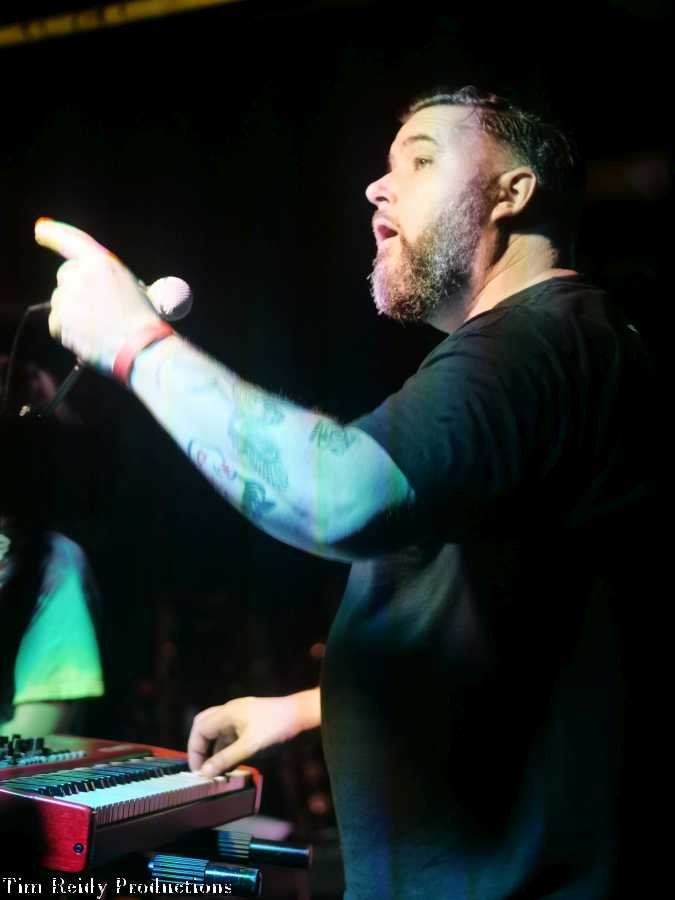
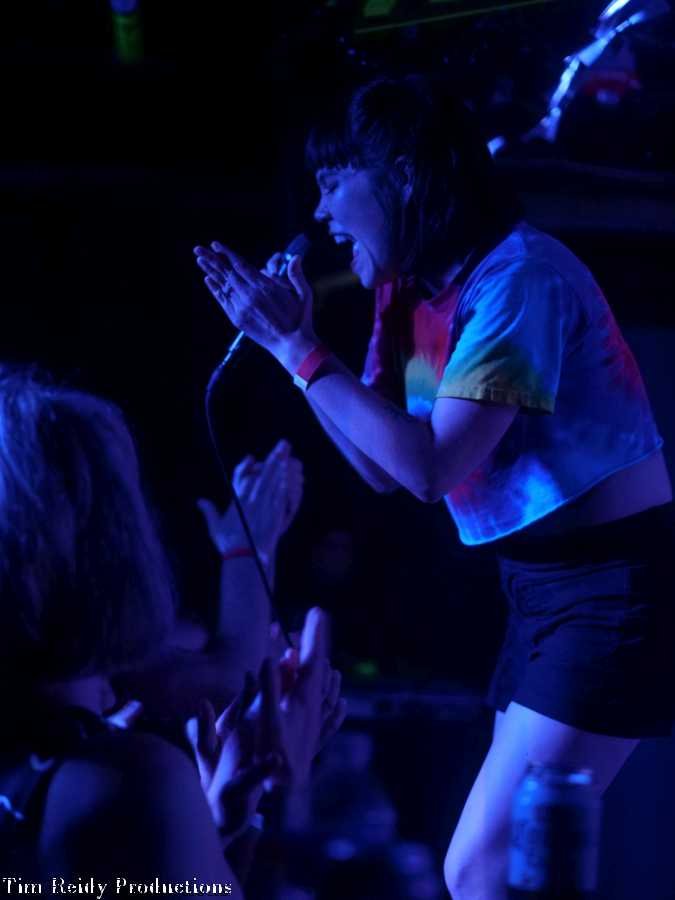
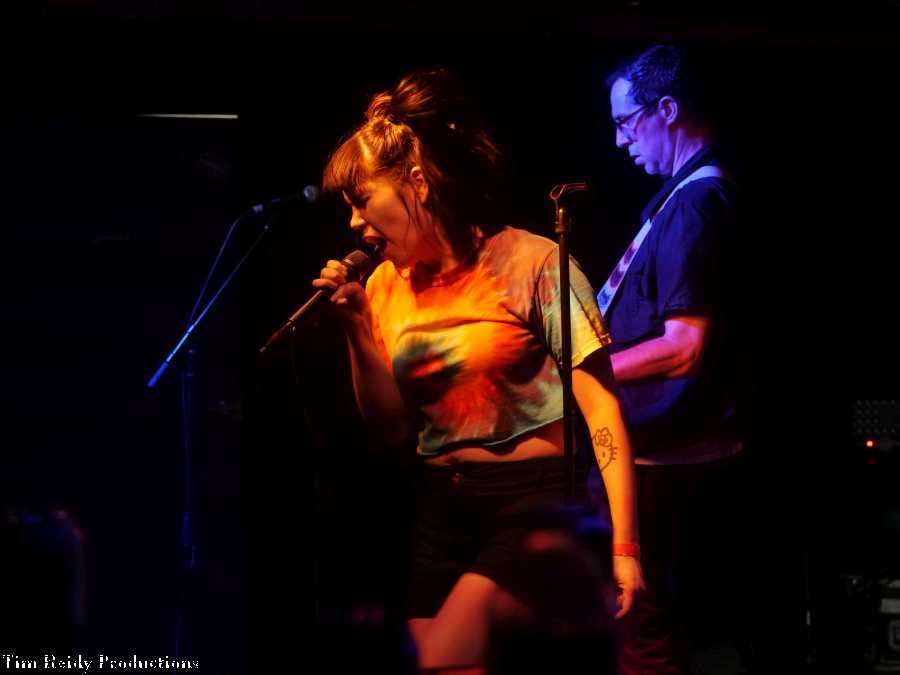
A ska spectacular at Empire Underground, with Fishbone. California’s Bite Me Bambi and our own Girth Control provided support.

Photography by Timothy Reidy.


Fishbone


Bite Me Bambi


Girth Control


Read an interview with Angelo Moore of Fishbone here …