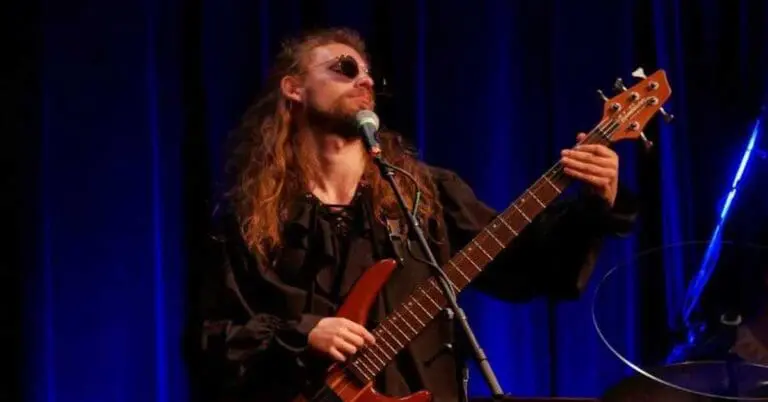
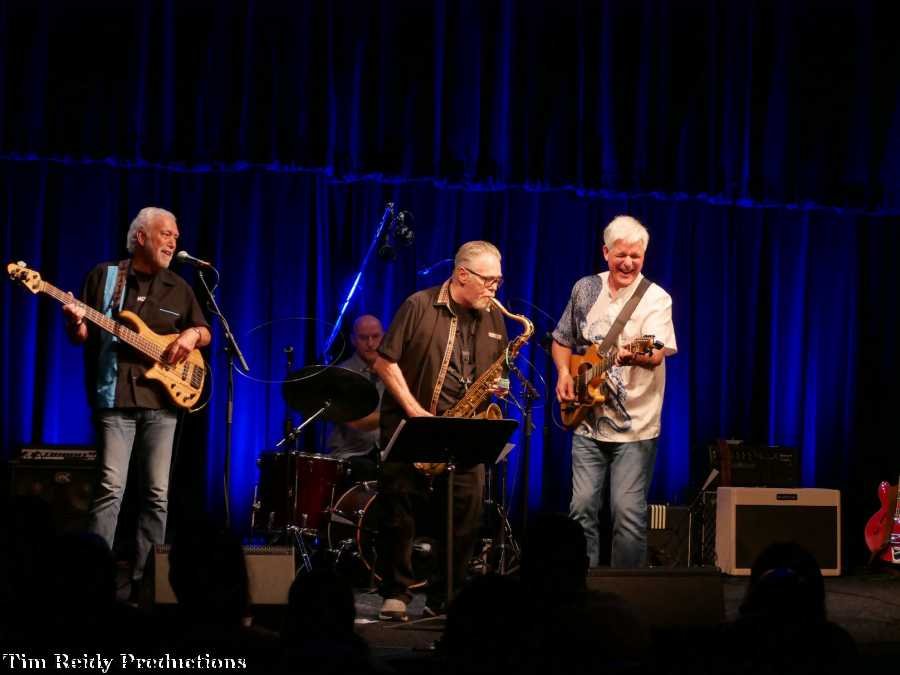
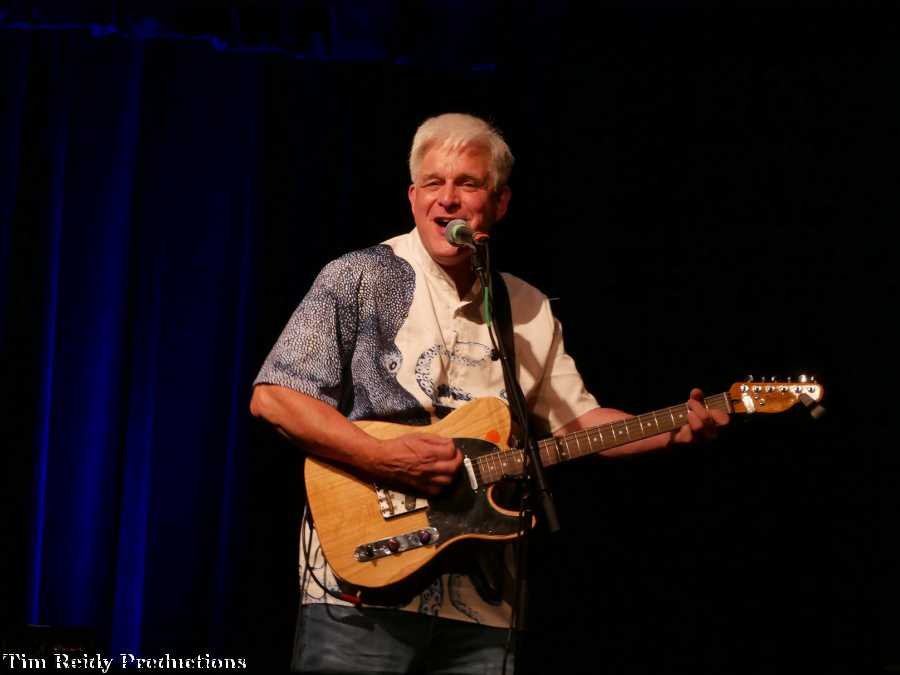
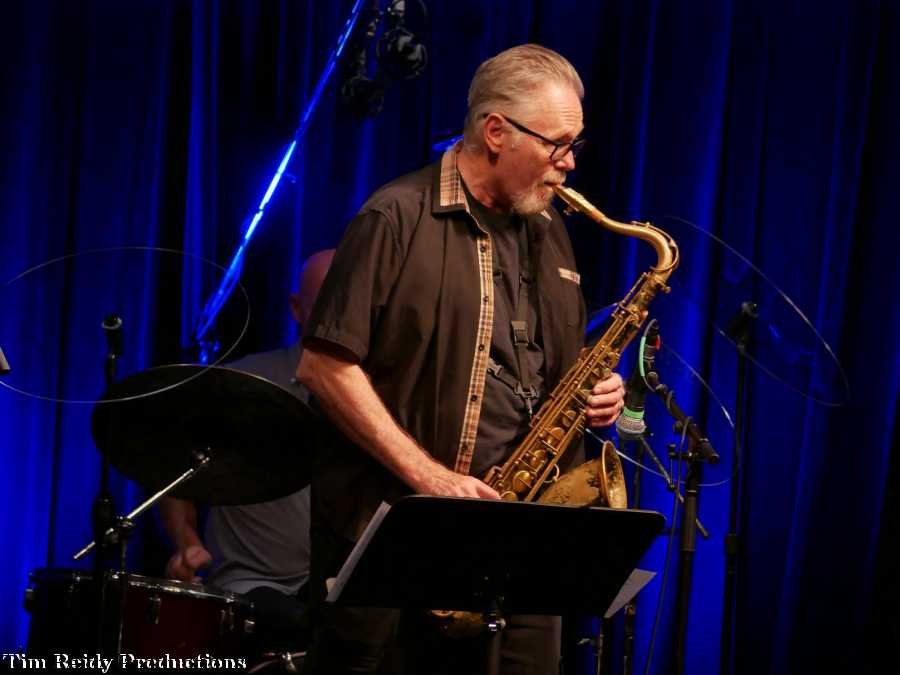
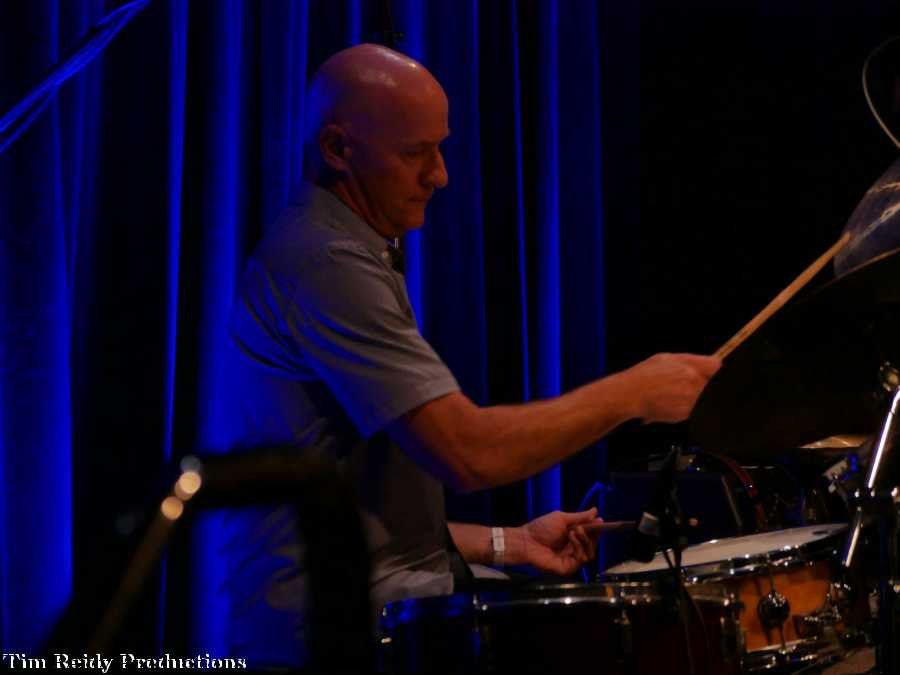
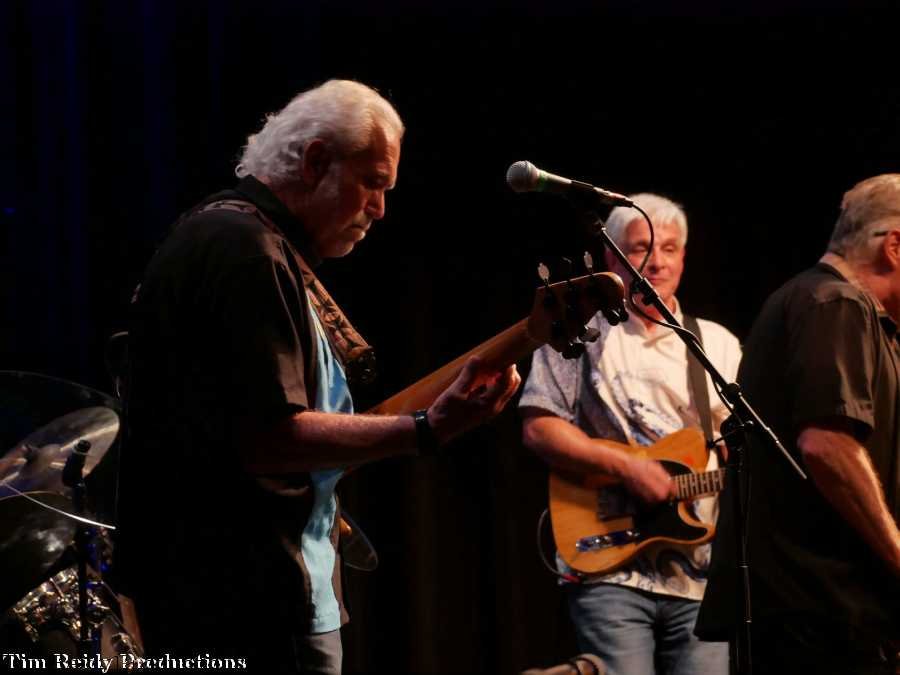
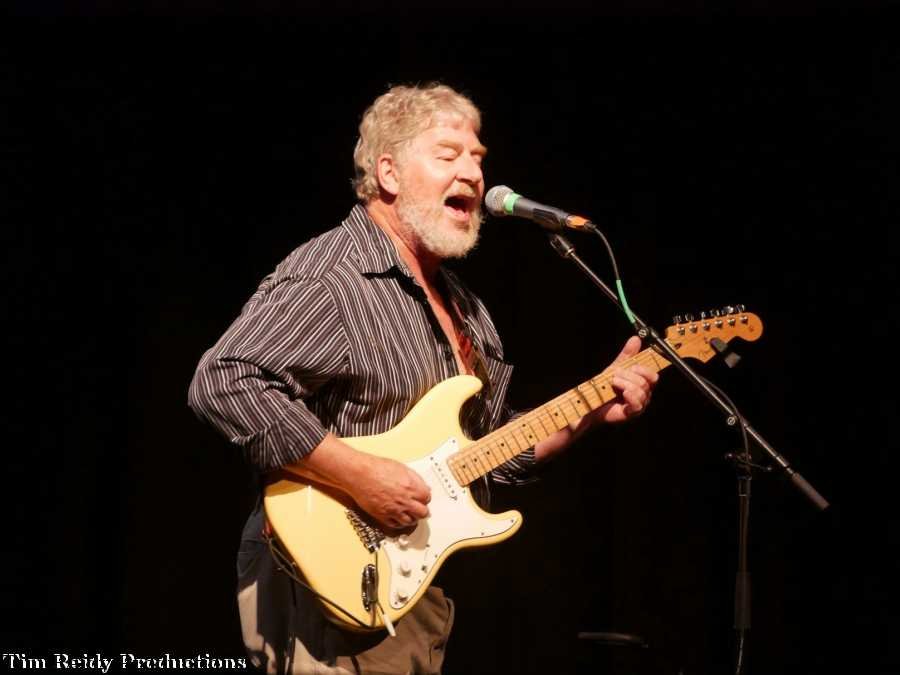
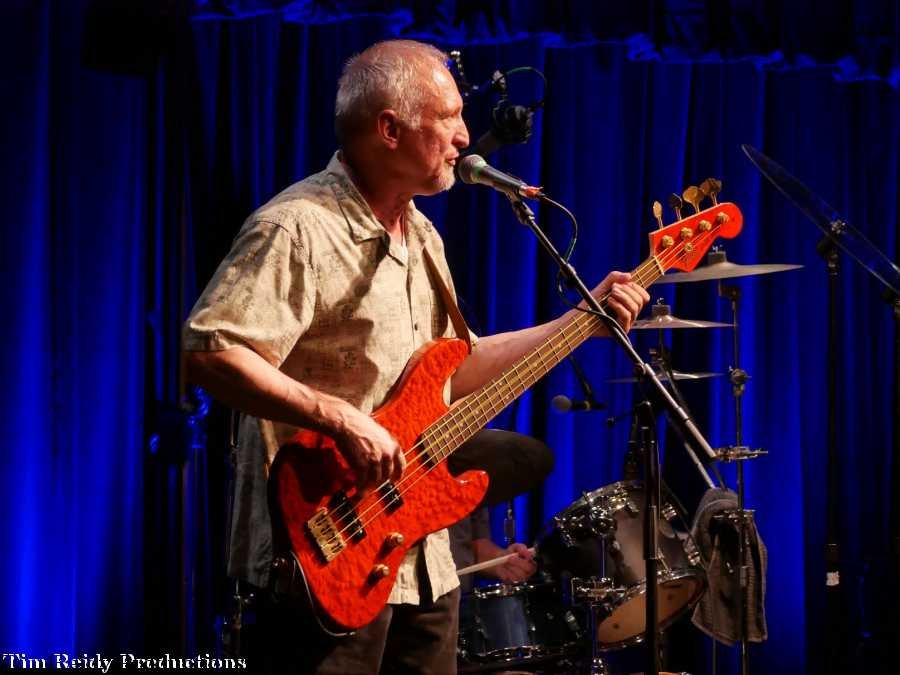
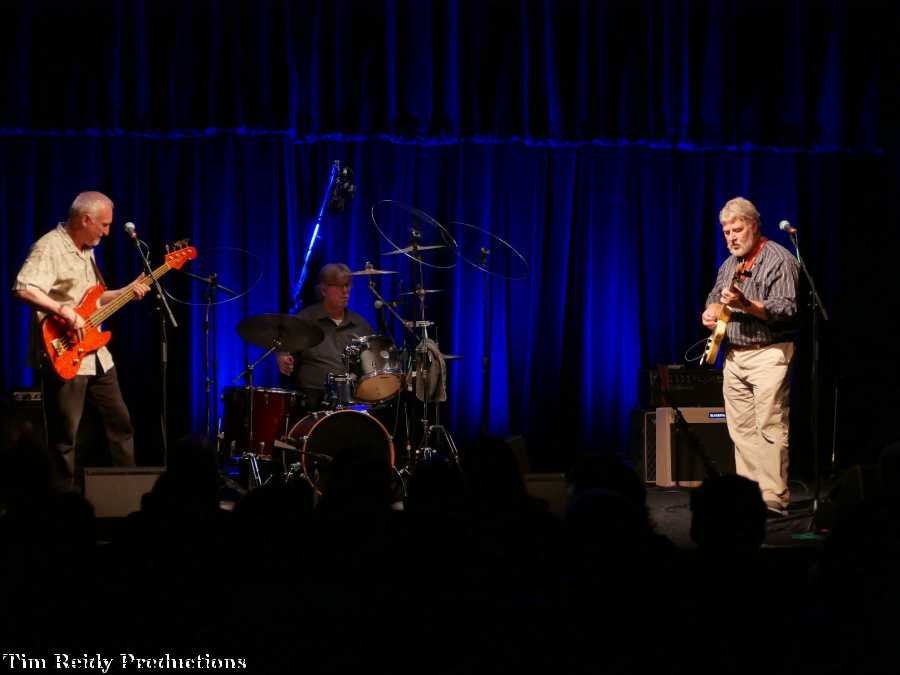
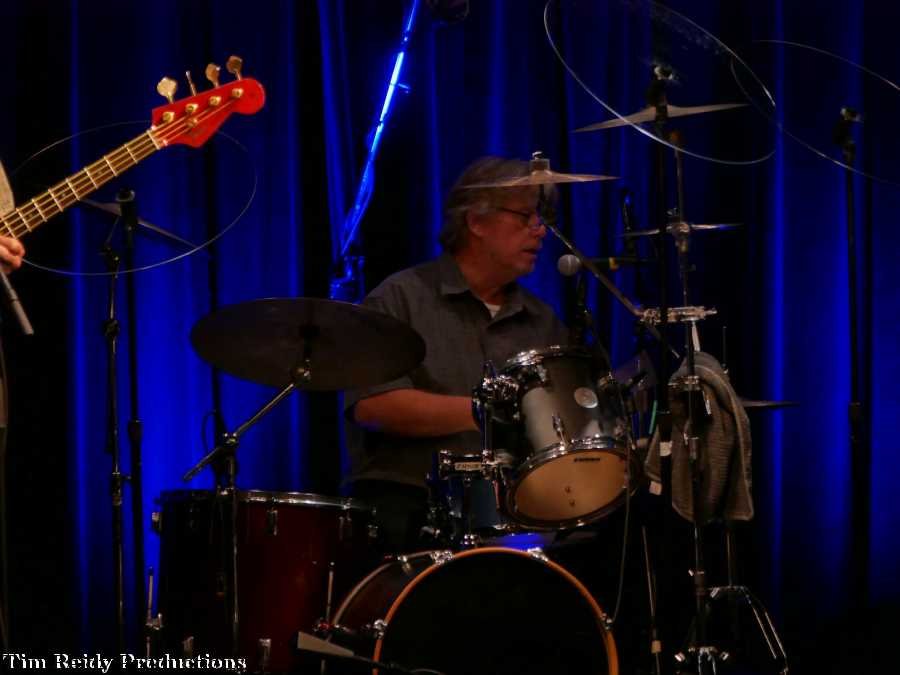
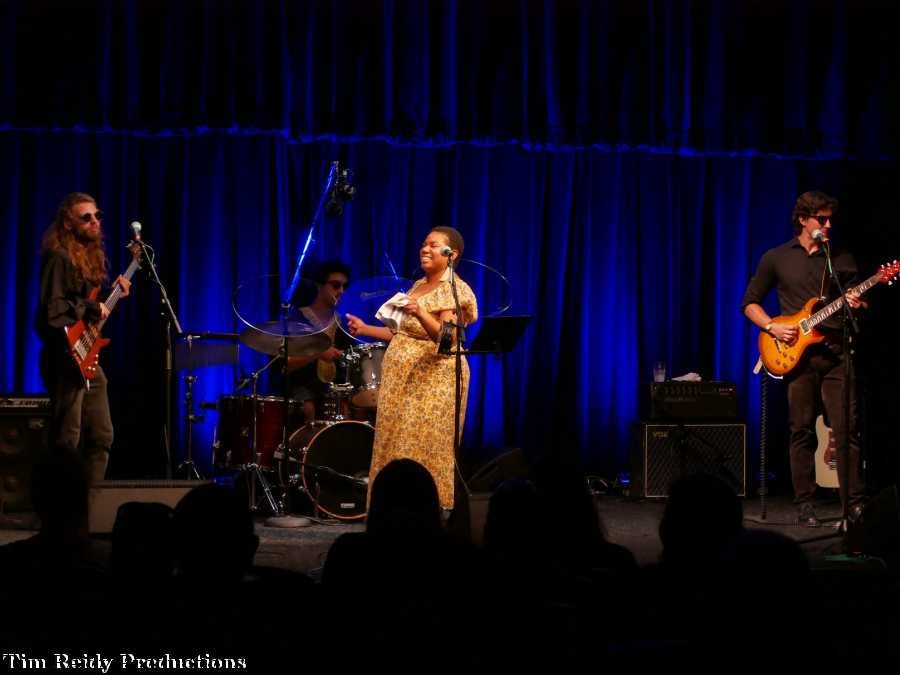
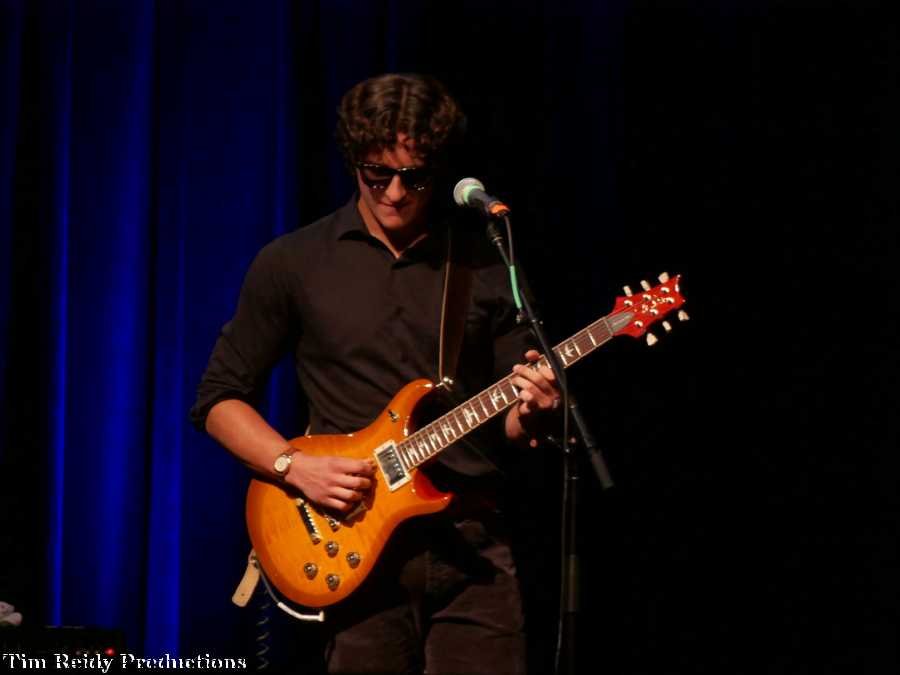
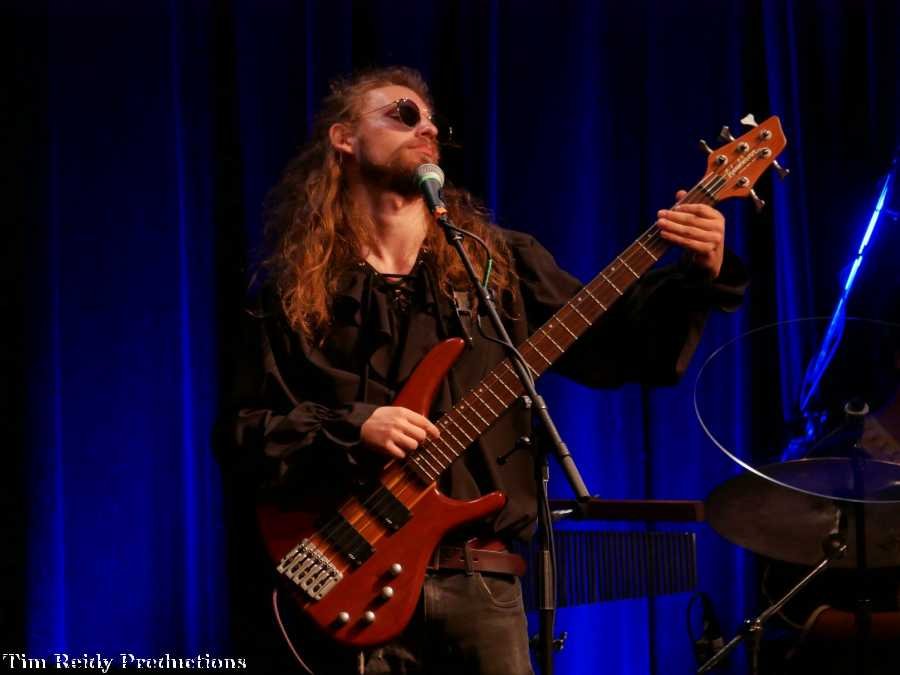
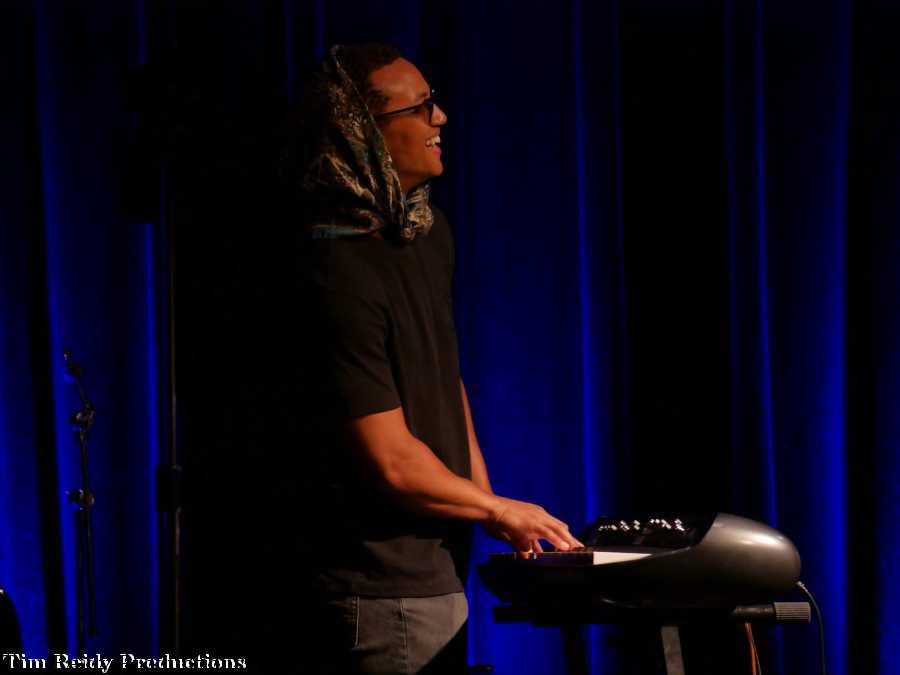
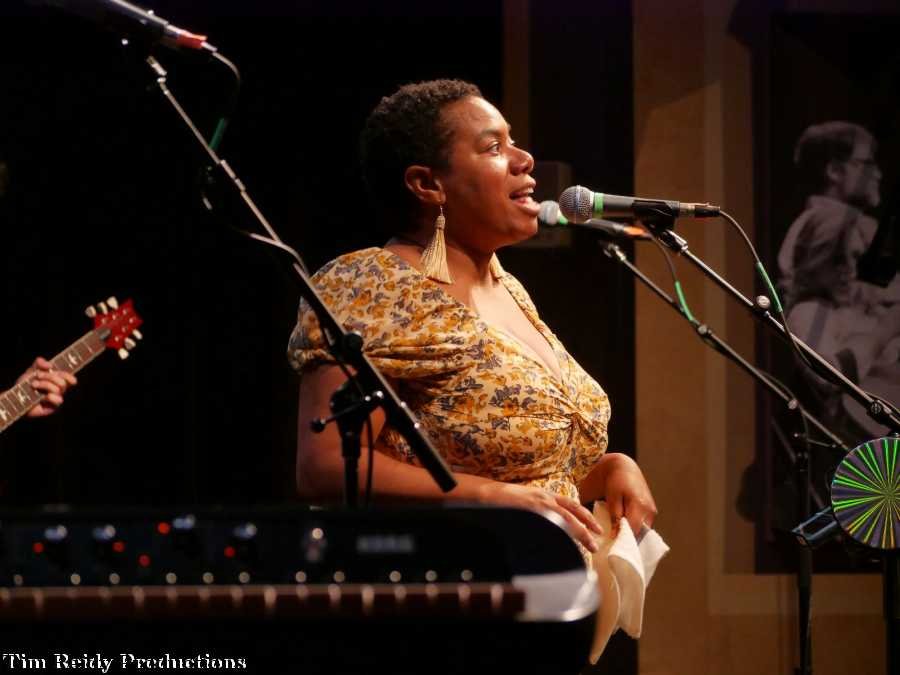
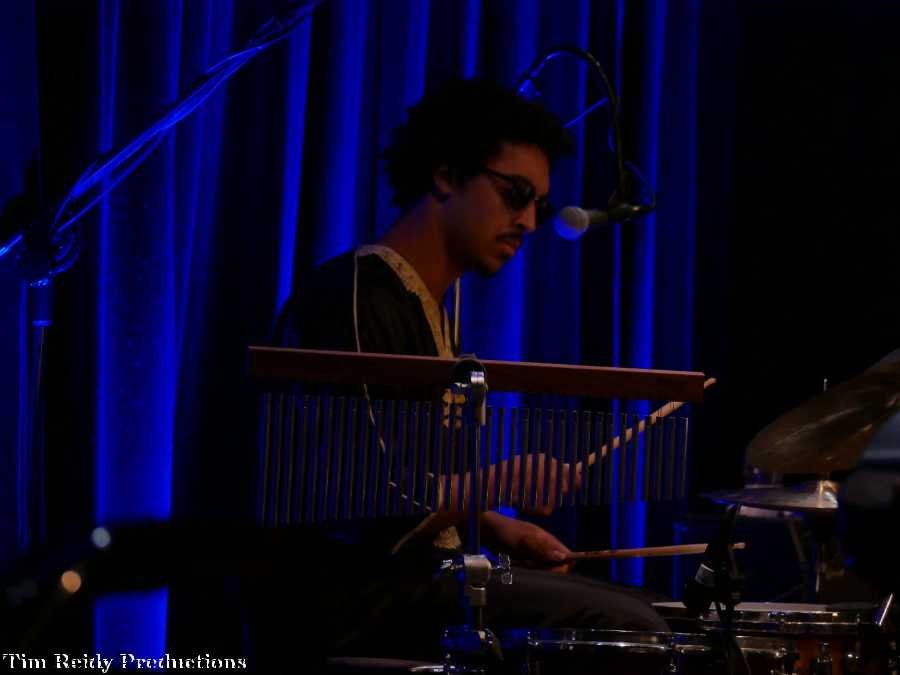
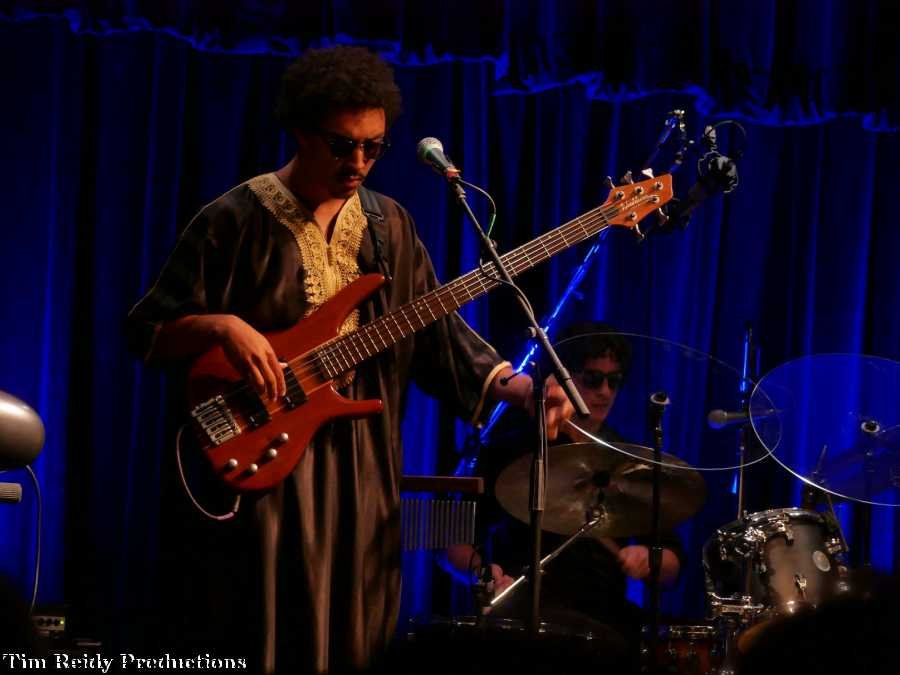
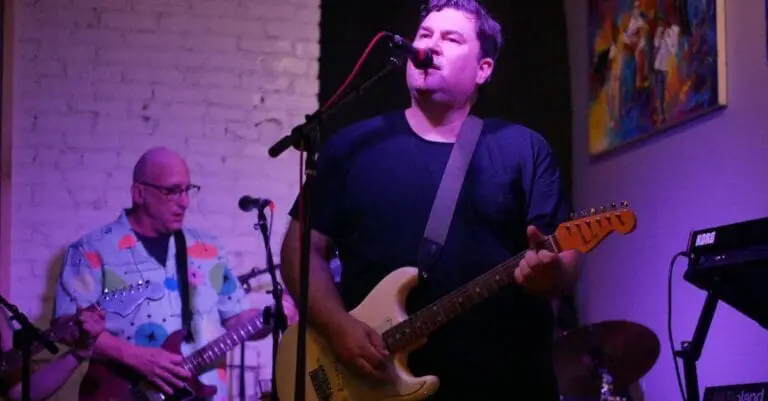
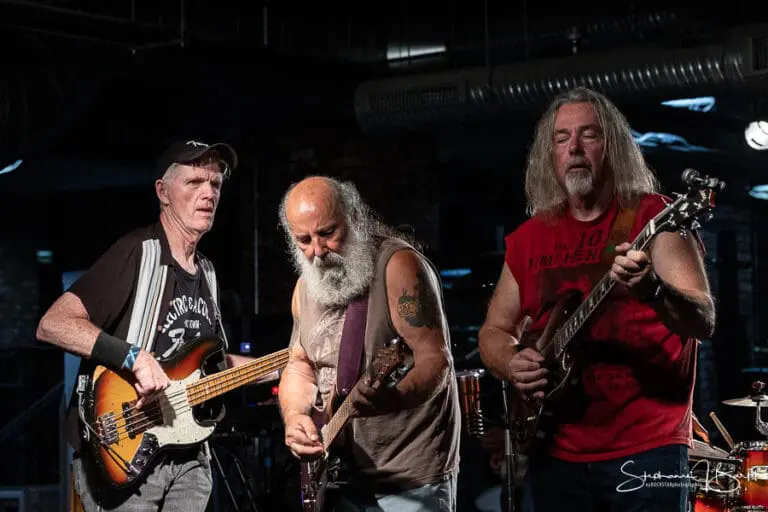
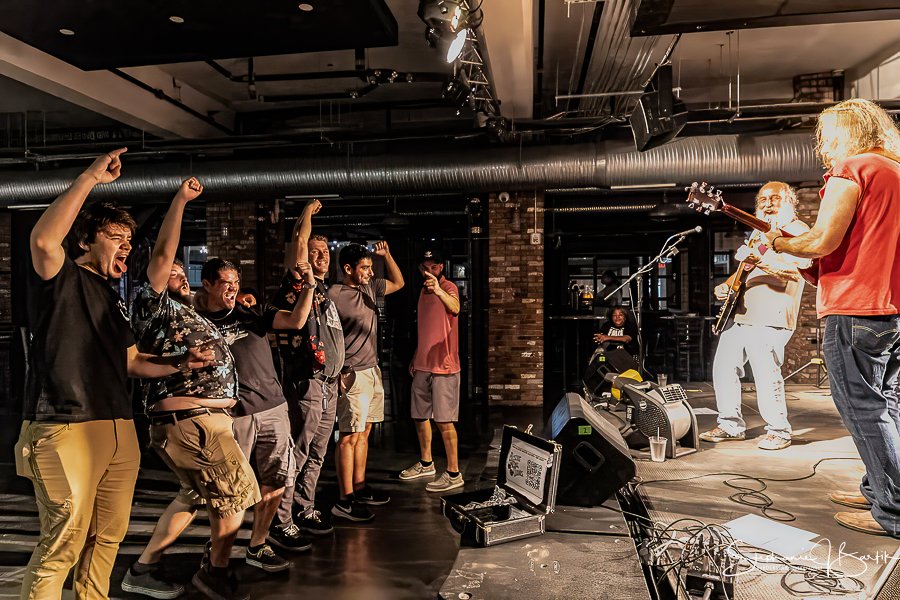
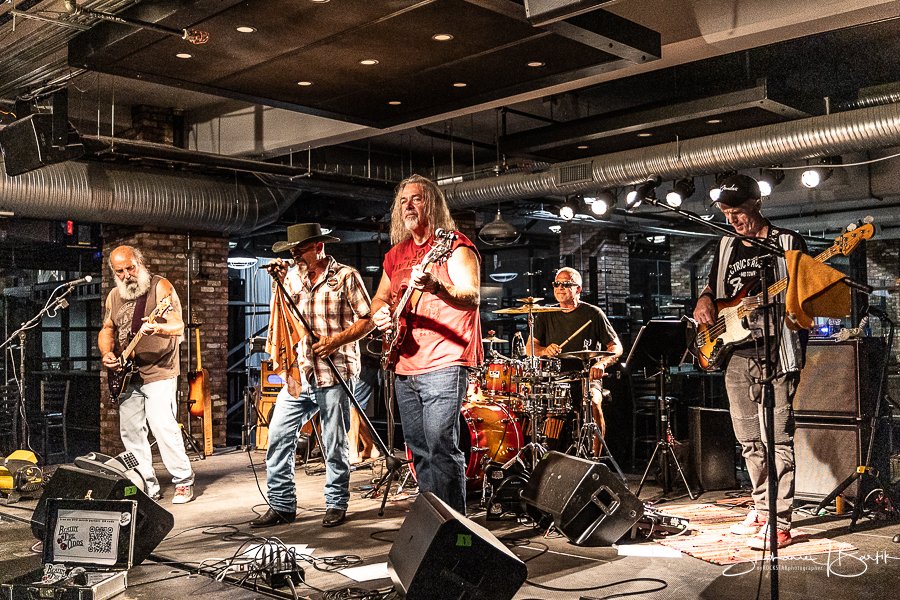
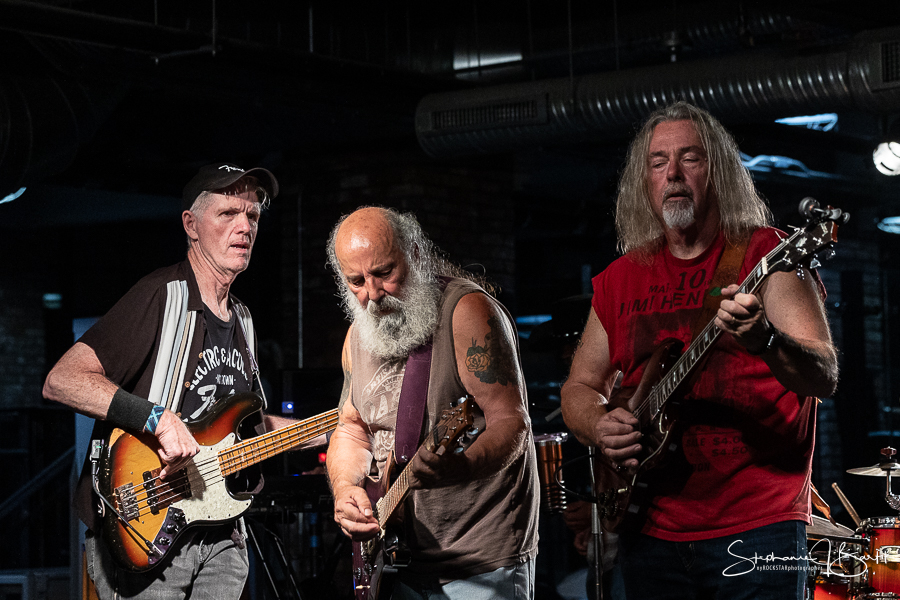
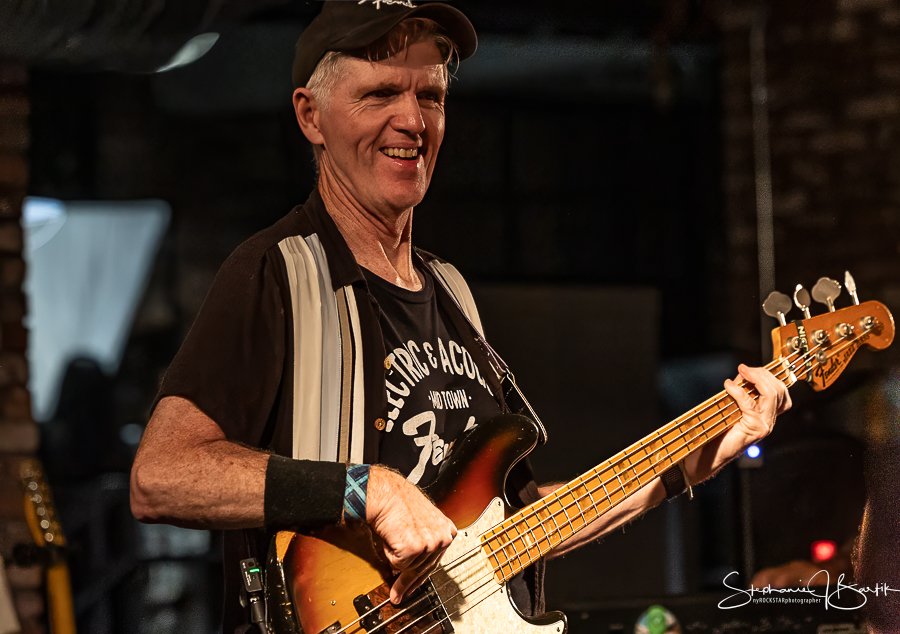
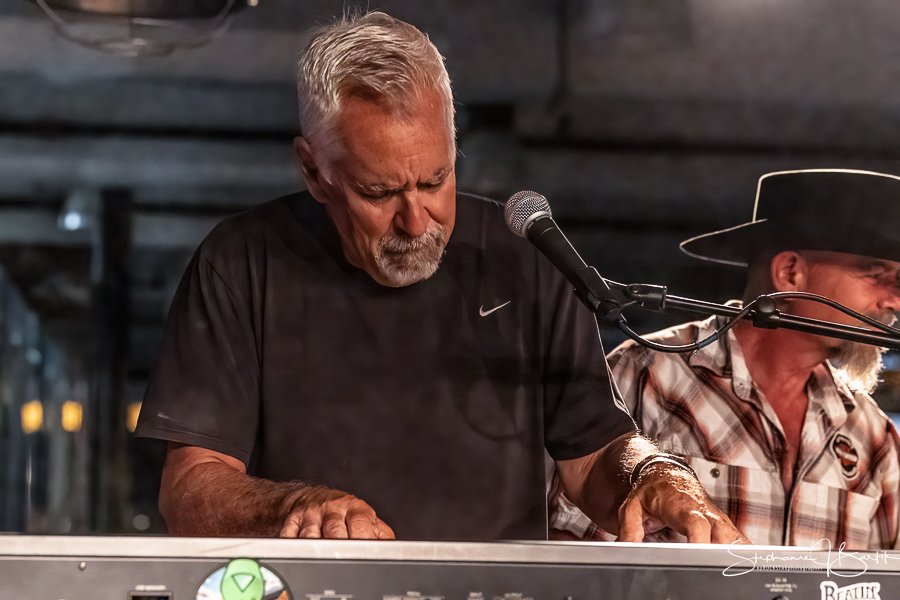
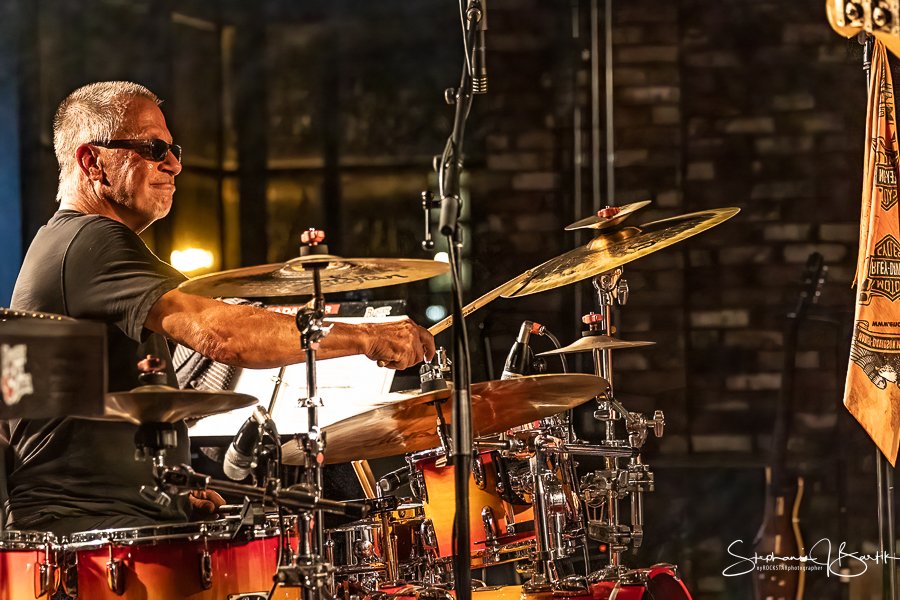
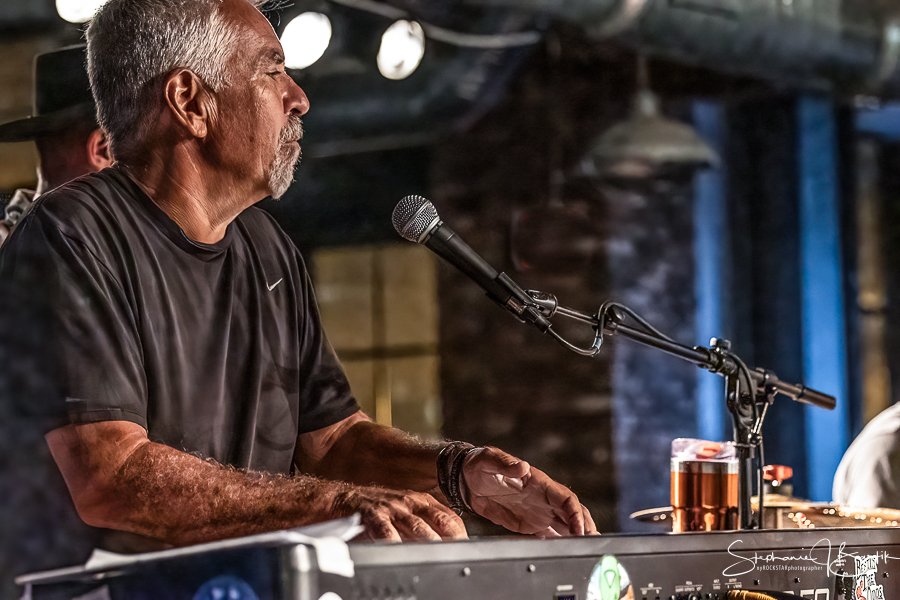
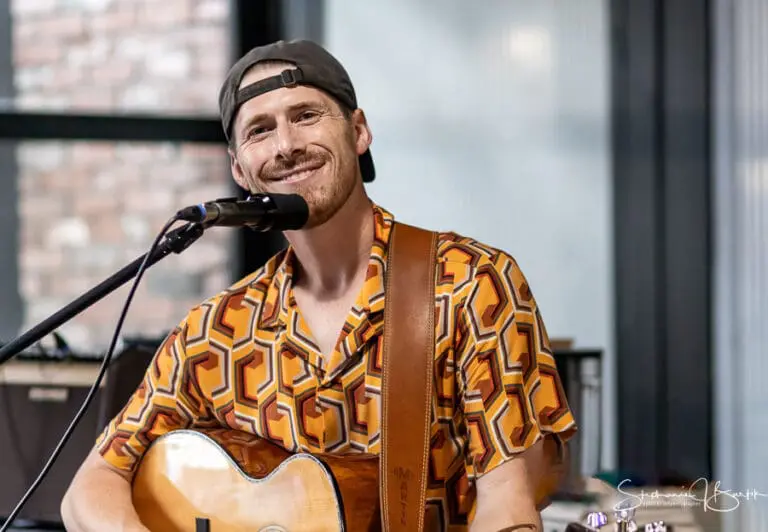
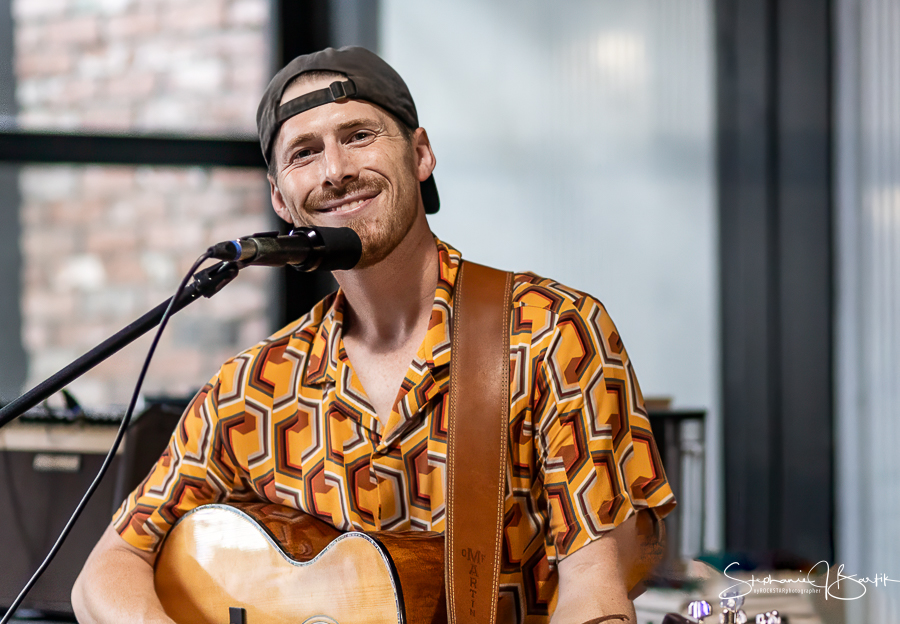
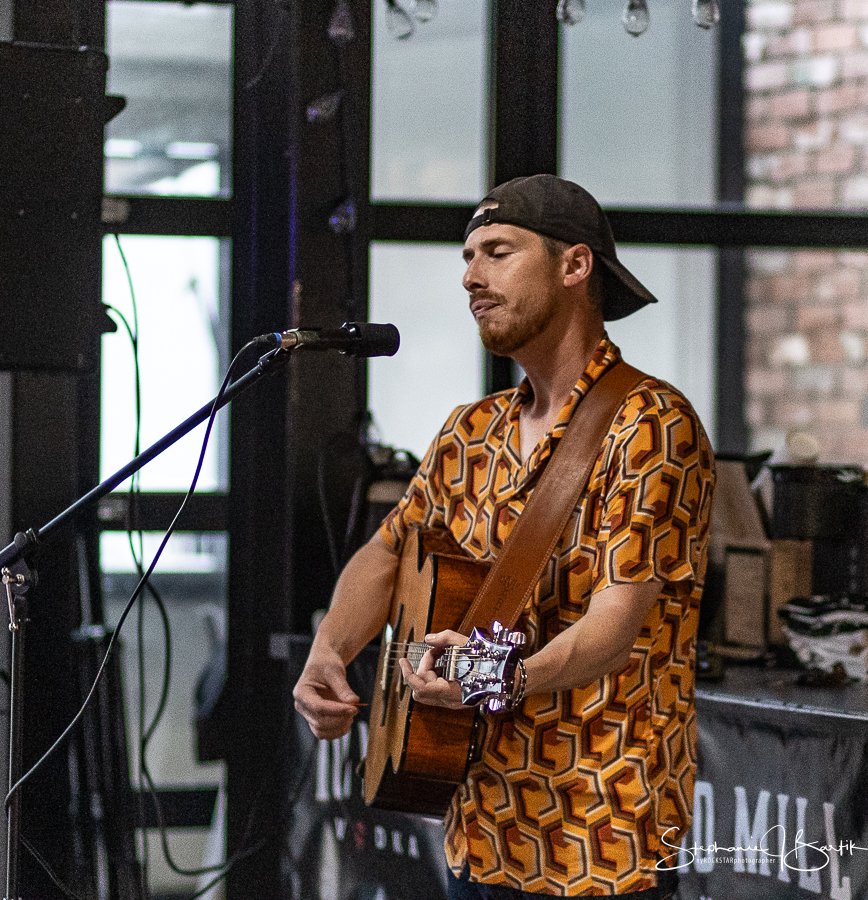
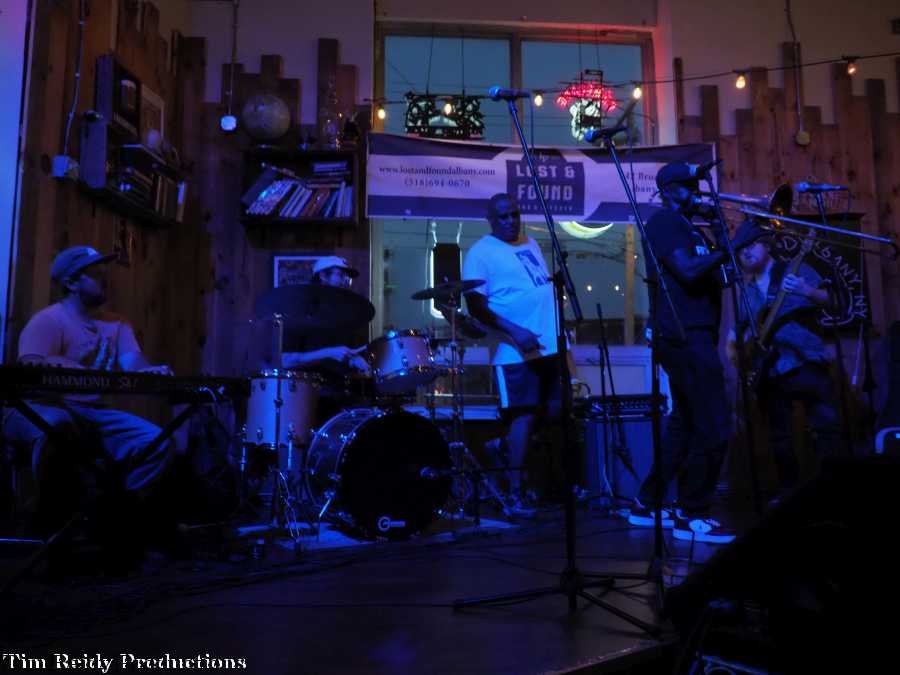
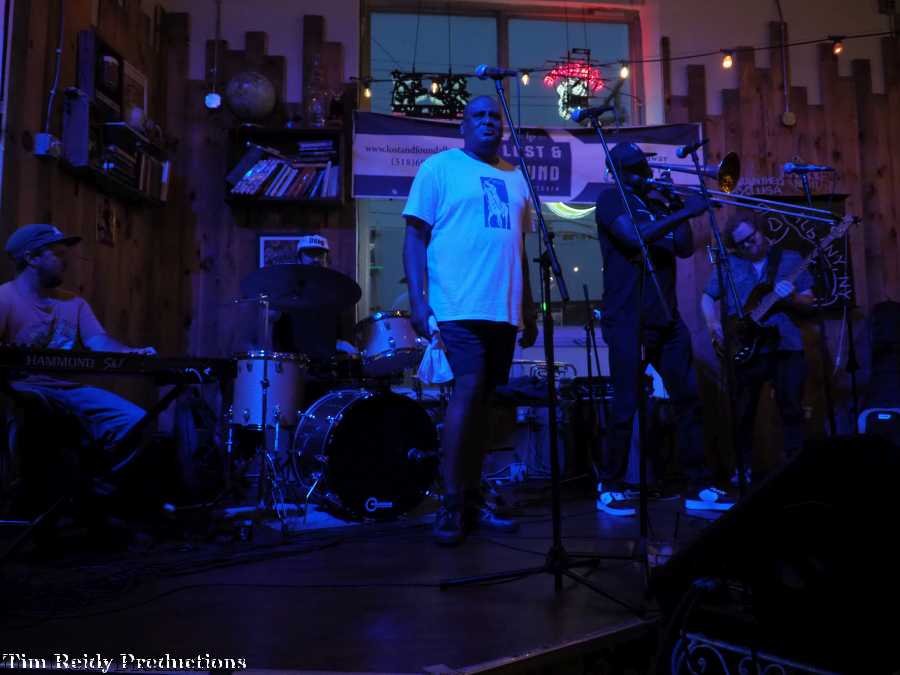
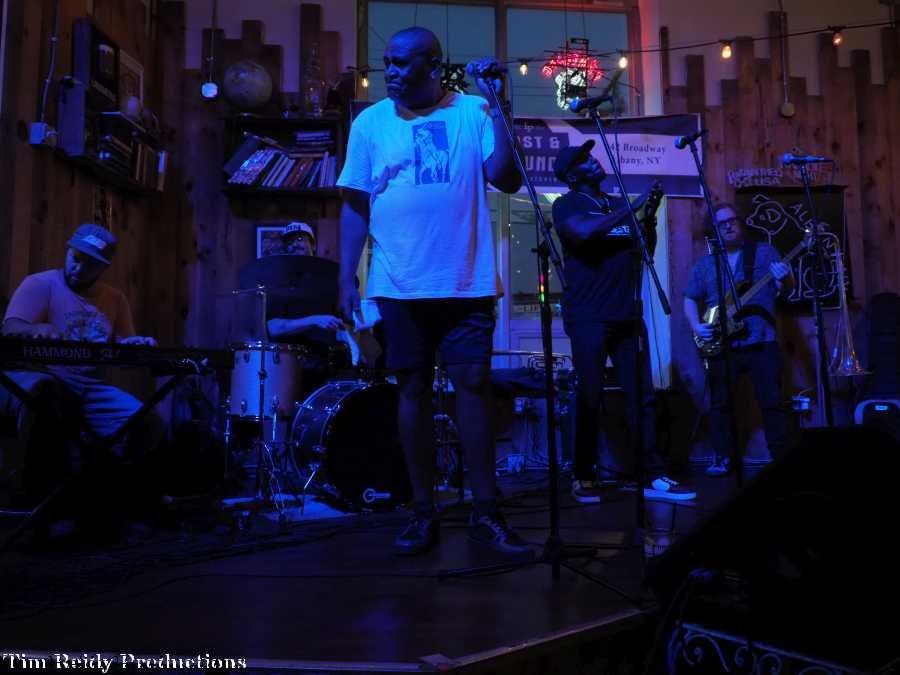
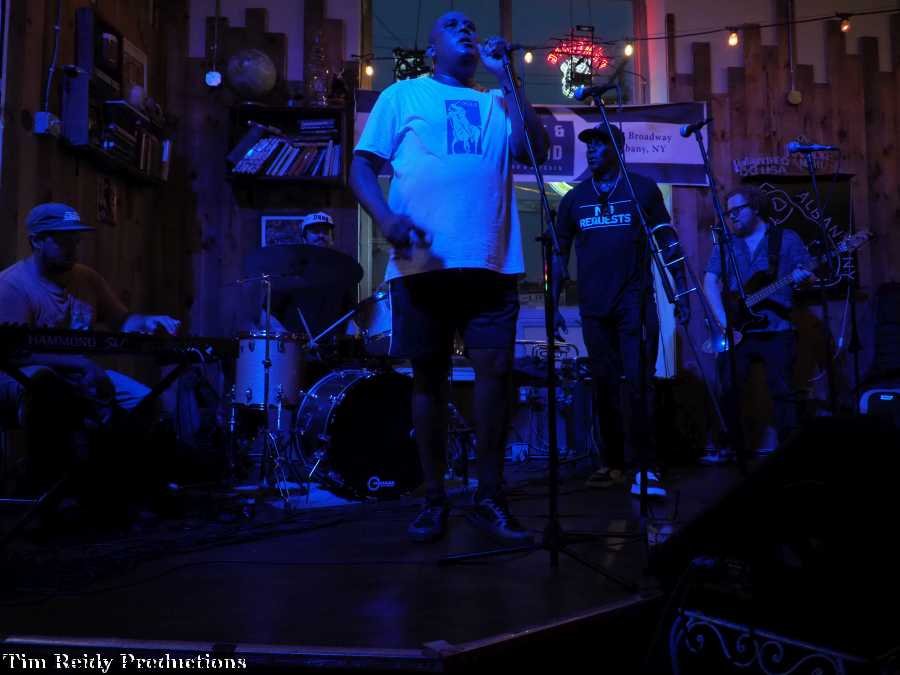
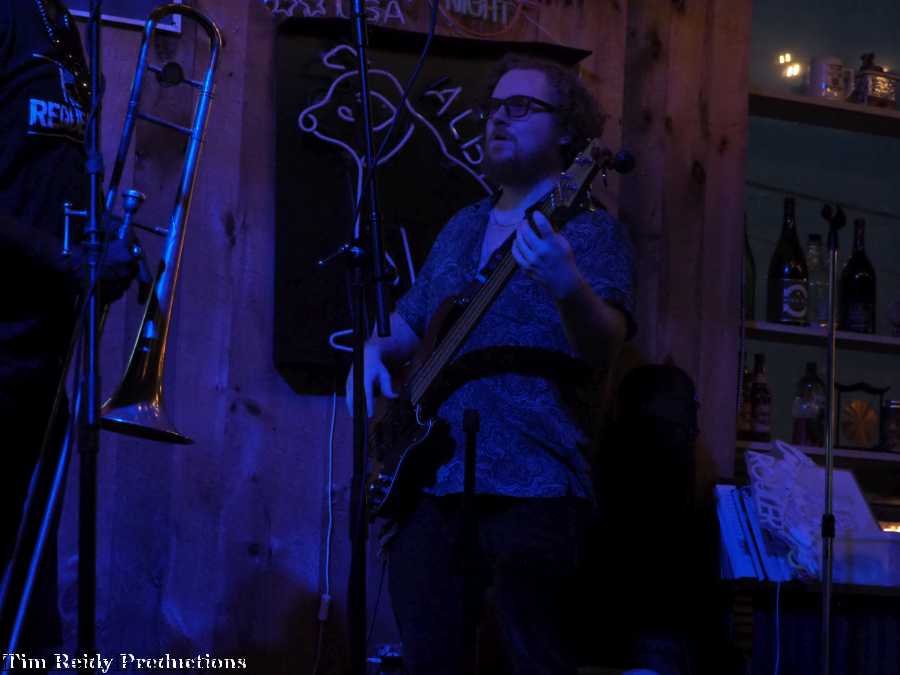
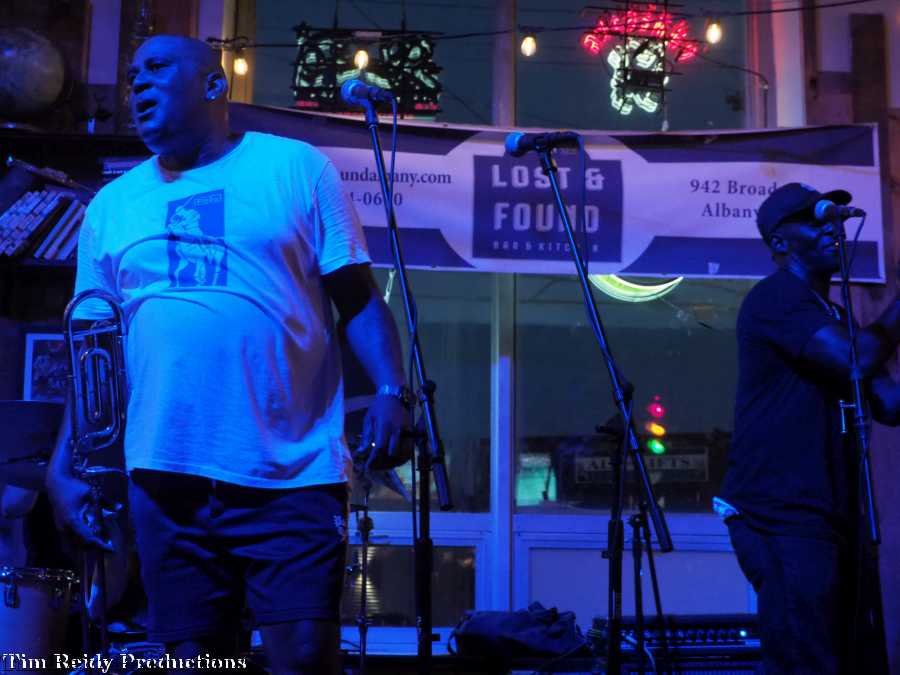
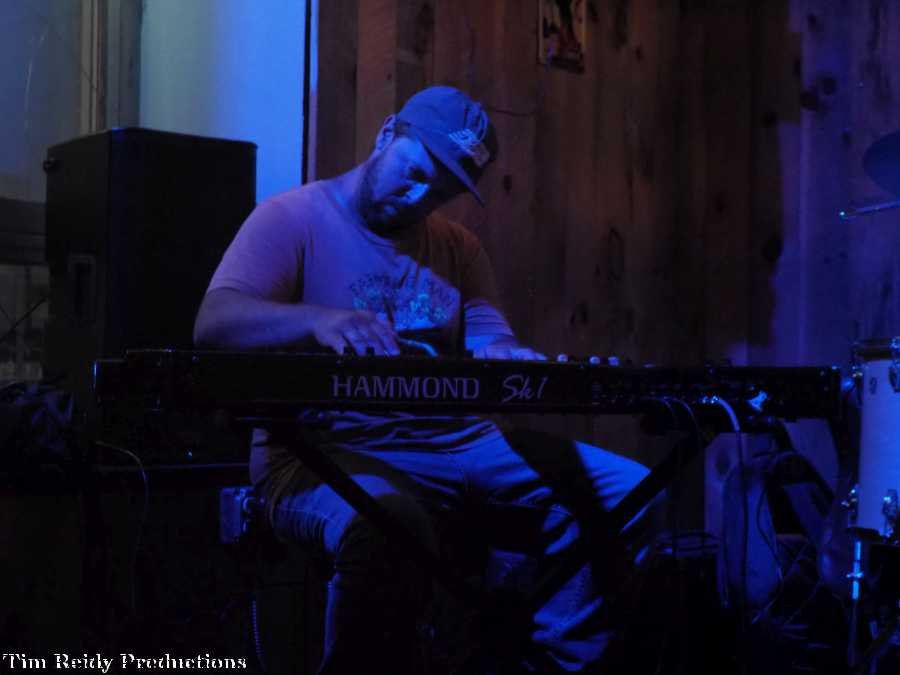
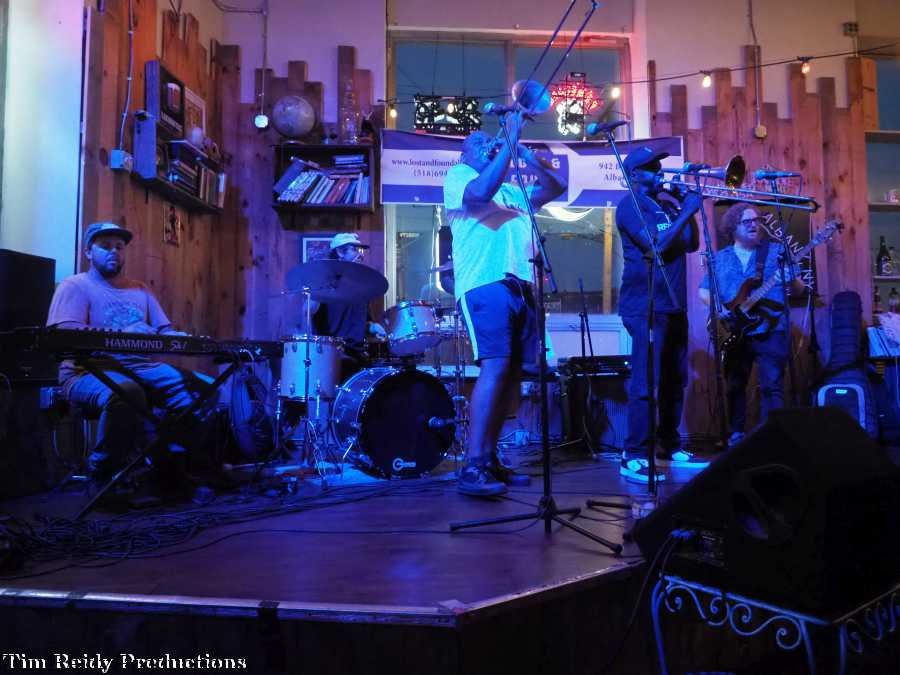
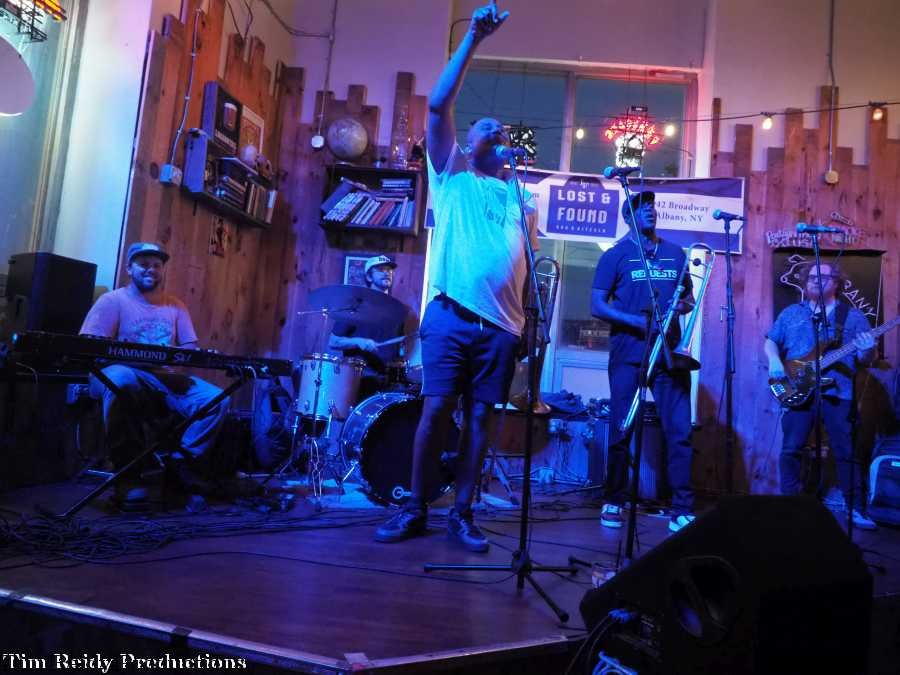
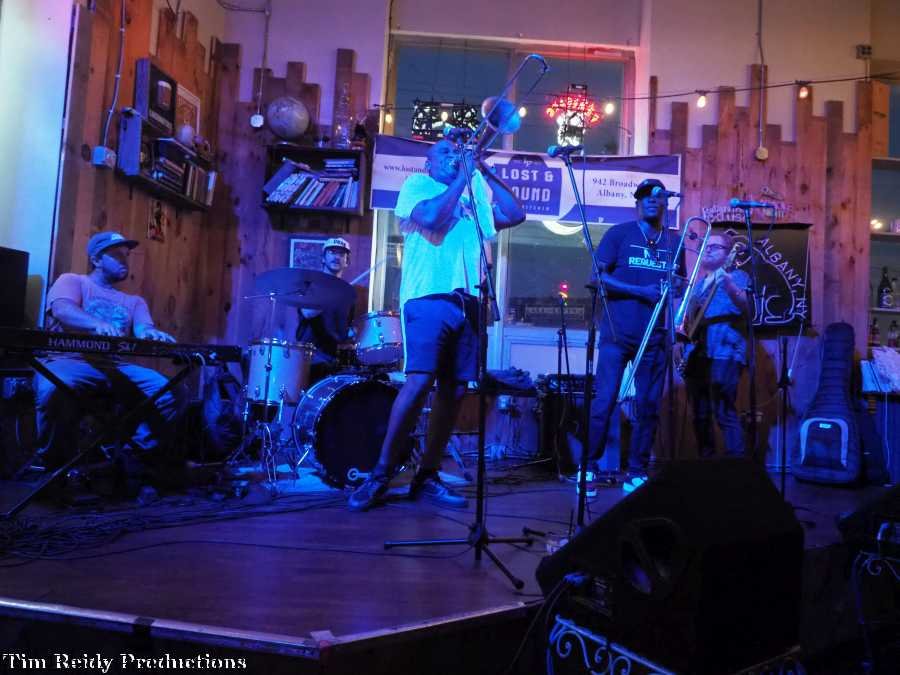
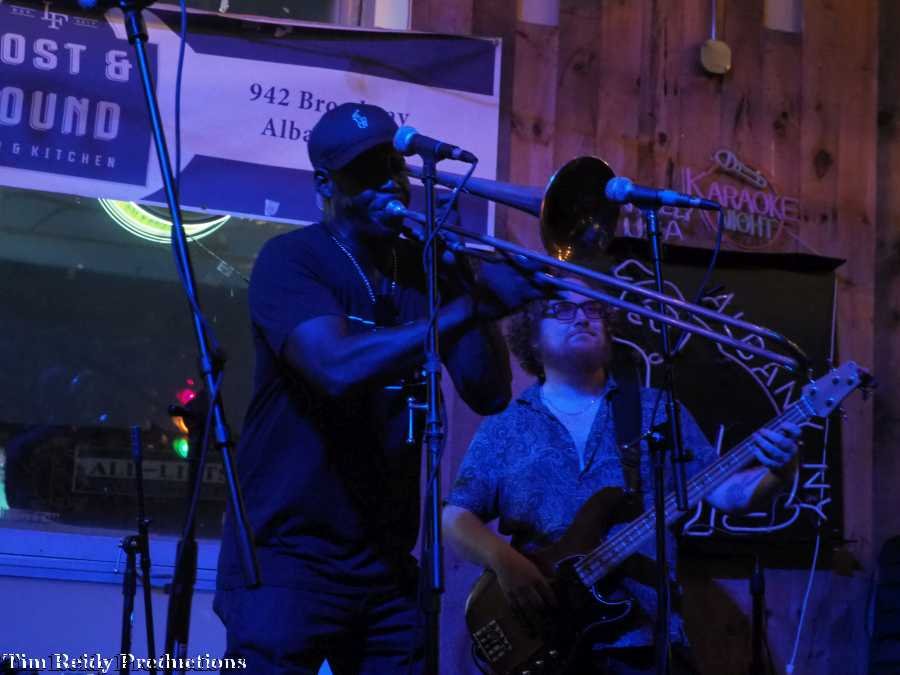
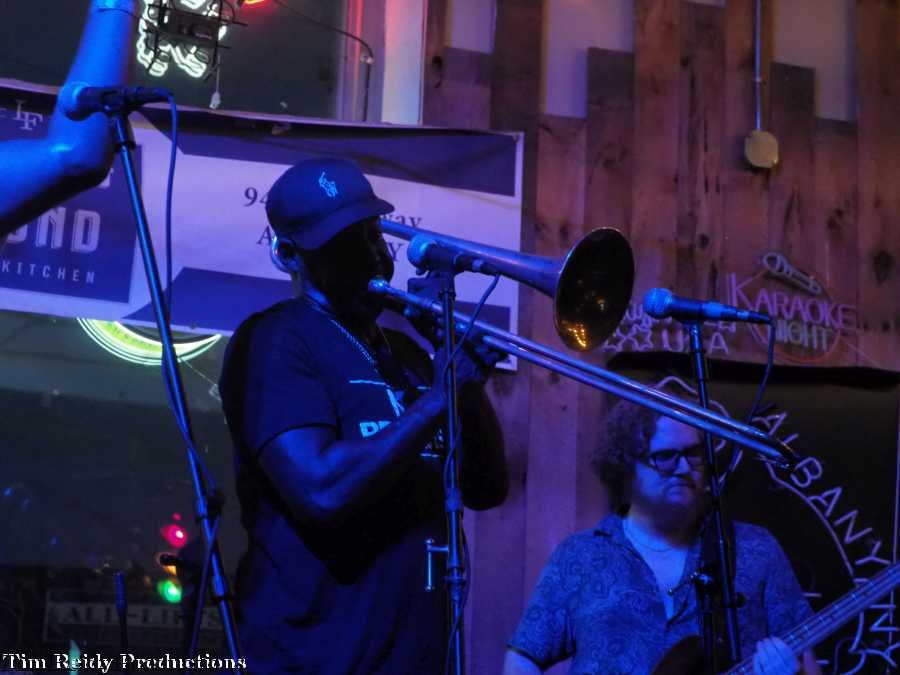
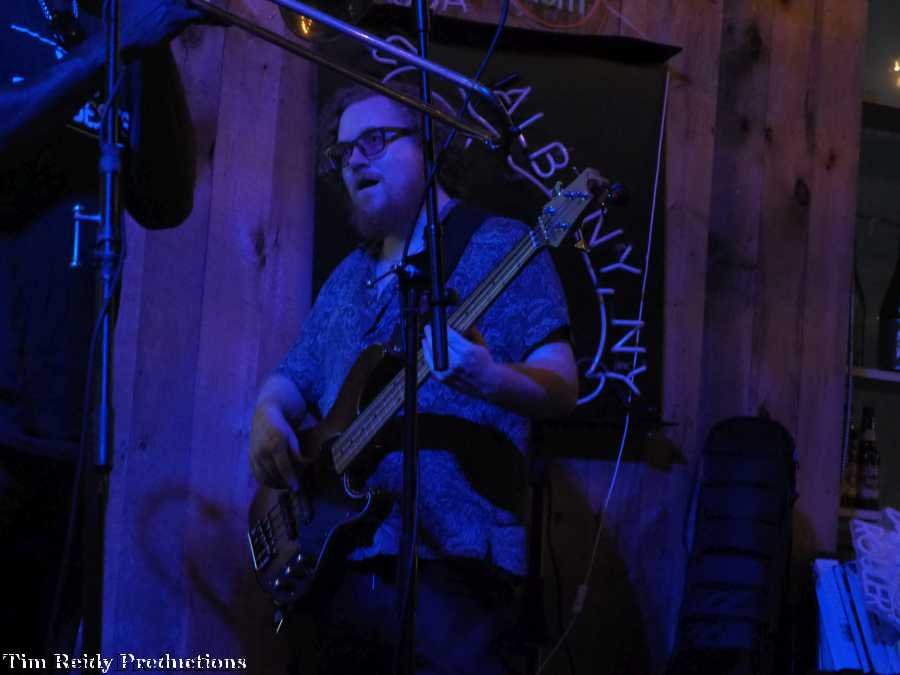
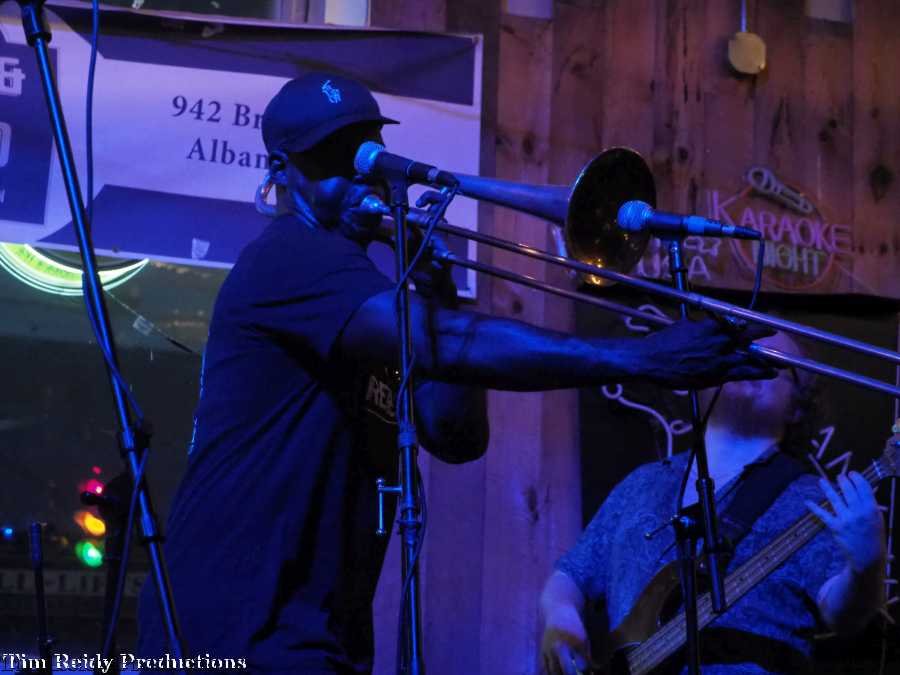
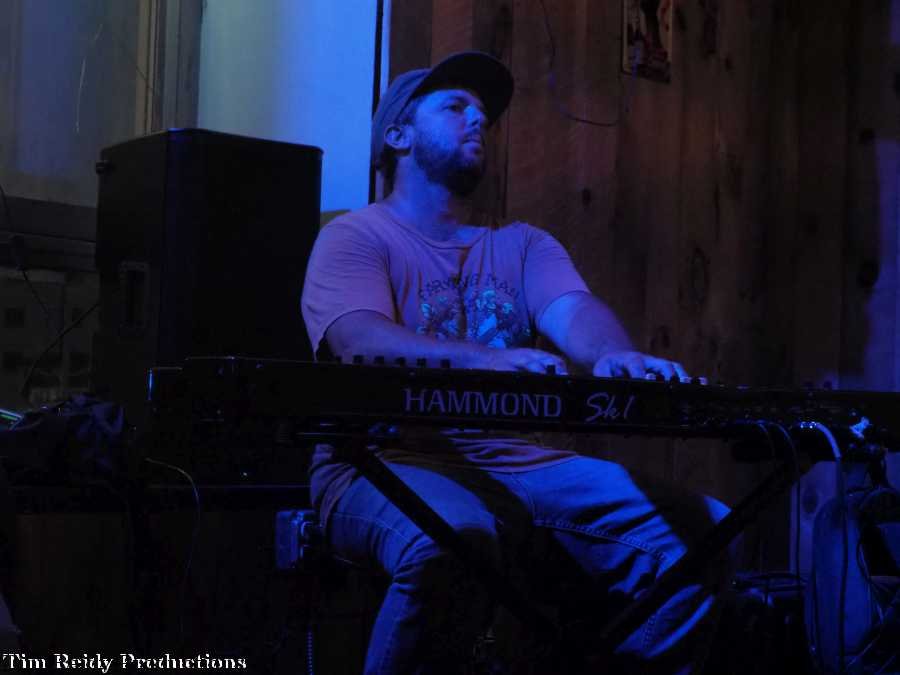
“CRBN Northeast Blues Challenge” @ The Linda, 8/4/2024
Review: “What, Me Worry? The Art and Humor of MAD Magazine” Exhibit at the Norman Rockwell Museum
Review: “What, Me Worry? The Art and Humor of MAD Magazine” Exhibit at
the Norman Rockwell Museum (9 Glendale Rd, Stockbridge, MA 01262)
By David Decker (Free-Lance)
As a youngster growing up in the Port Schuyler section of Watervliet during the 1960’s,
few things brought me such intense, unbridled joy as perusing the multitude of treasures
filling every nook and cranny of Diamond’s Newsroom. Comic books, baseball cards,
model car and airplane kits – this place was a literal dream come true, especially for this
kid. However, the crown-jewel of this remarkable fantasyland was this – they were also
the only place on my side of the city that carried MAD Magazine! It took tremendous
effort and craftiness to ensure you were able to get your hands on one of the few copies
they stocked. The mere thought of getting shut out produced a high level of panicked
motivation – knowing if you failed, your world would quickly dissolve into a mind-
numbing month-and-a-half-long dreary disaster!
But, oh the exhilaration that ensued upon successfully securing that newest copy of
MAD; ecstatic with the knowledge you were about to embark on a uniquely delirious and
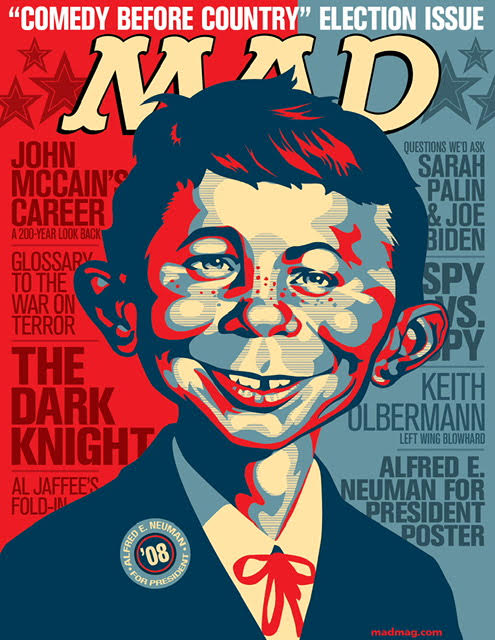
euphoric adventure! With iconic MAD mascot, Alfred E. Neuman on the cover, they
poked fun at anything and everything going on around the world. Absolutely nothing
escaped the laser-like focus of MAD! Once inside that cover – where to go first? Spy vs.
Spy? The Lighter Side of…? Drawn Out Dramas? MAD About the Movies / TV? The
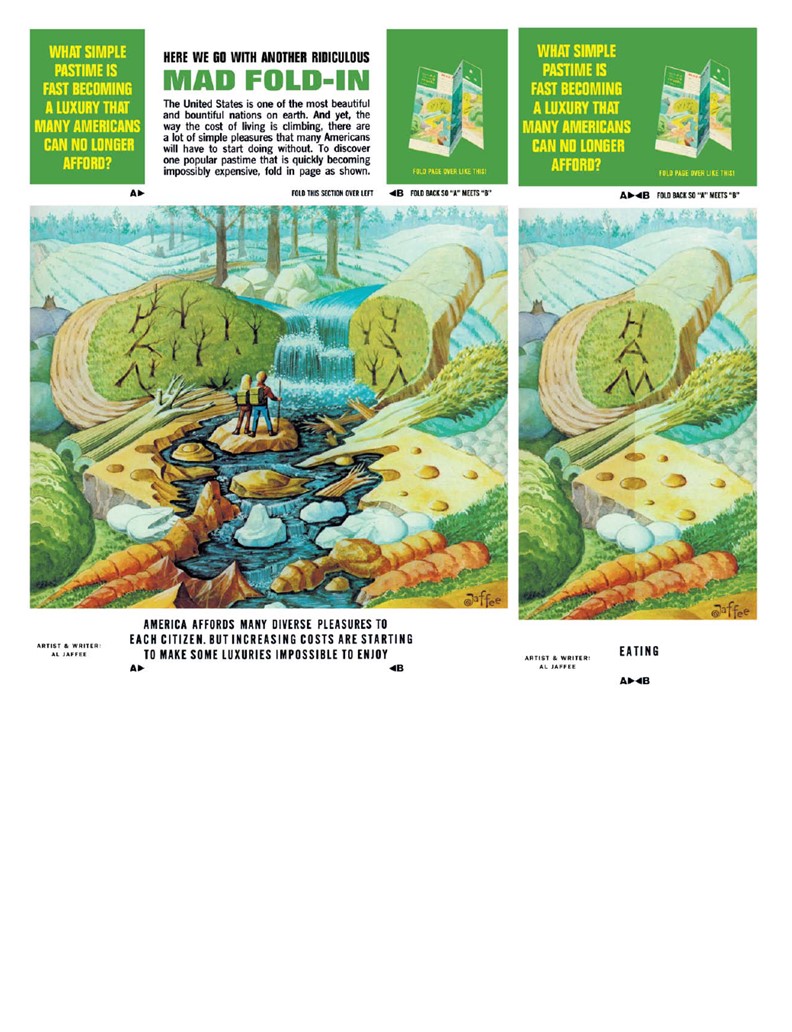
Shadow Knows? Or should I just make a beeline to nearly every MAD fan’s favorite –
the MAD Fold-In on the inside back cover?
Beyond its comedic value, MAD Magazine also tackled serious themes with a nuanced
approach. From the anxieties of the Cold War, consumerism, and media manipulation,
their wit often carried a profound social commentary, as well.
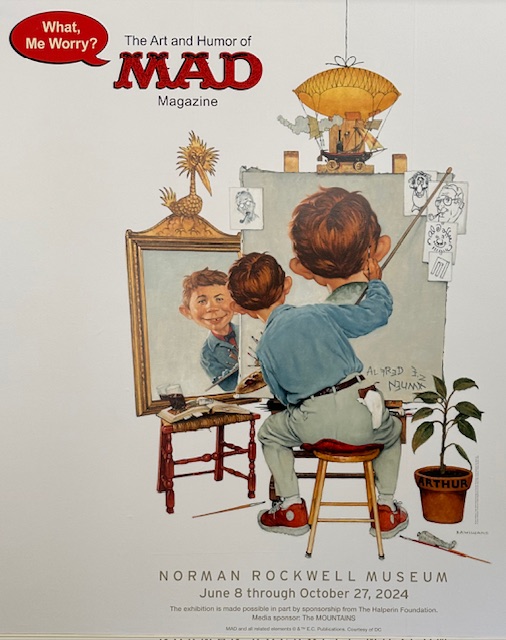
Upon first hearing The Norman Rockwell Museum would be playing host to a 4 ½ month
long exhibition titled, “What, Me Worry? The Art & Humor of MAD Magazine”, I
admittedly wasn’t quite sure what to think.
A Mad Magazine exhibit at The Norman Rockwell Museum? Really??
On one side, Norman Rockwell’s art focused on storytelling through images that often
celebrated American ideals and everyday life, presenting an aspirational vision of
community and family values.
While on the other, MAD Magazine famously used parody to undermine societal norms
while lampooning globally-famous personalities – deliberately subverting the
conventional through its irreverent humor, challenging their audience to reconsider
prevailing attitudes and beliefs.
I could hardly wait to experience this unique juxtaposition for myself!
As a cultural sensation that has shaped comedic perception for generations, utilizing
satire and biting commentary, MAD Magazine remains to this day a beloved icon of
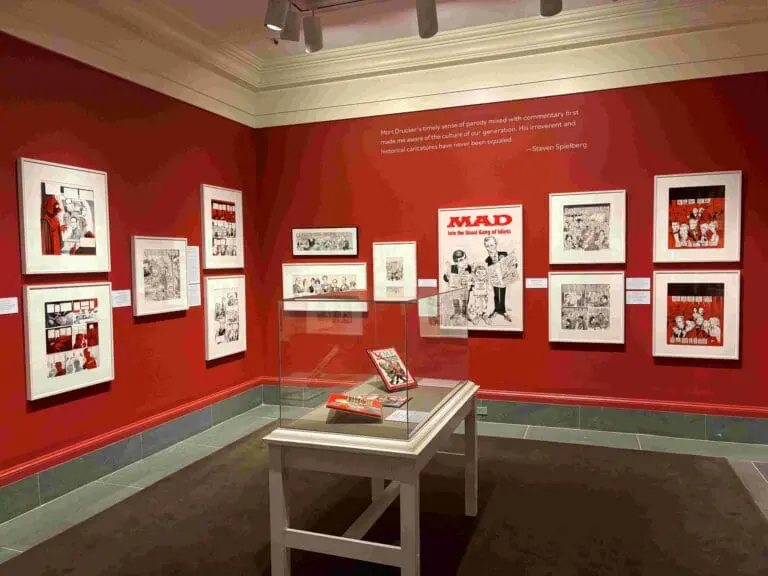
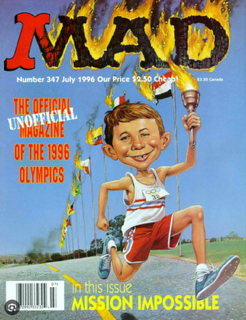
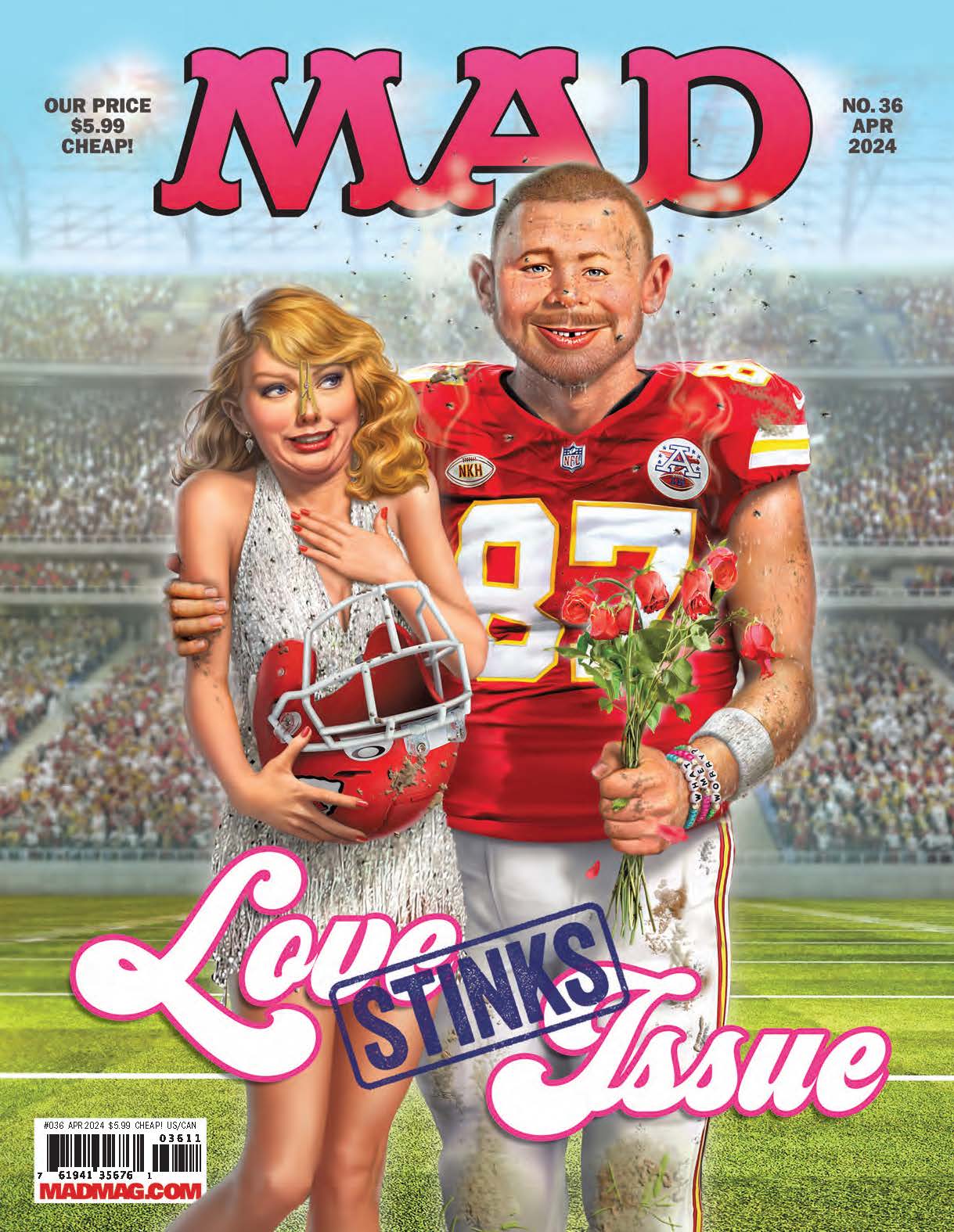
American humor. Upon entering the exhibit, visitors are greeted with a playful display of
MAD Magazine covers, spanning their decades of publication. Each cover, a testament
to their ability to mock social convention, political figures and popular trends with their
razor-sharp wit. The exhibit effectively captures the essence of MAD Magazine, as a
mirror reflecting the absurdities of contemporary life, while also serving as a time
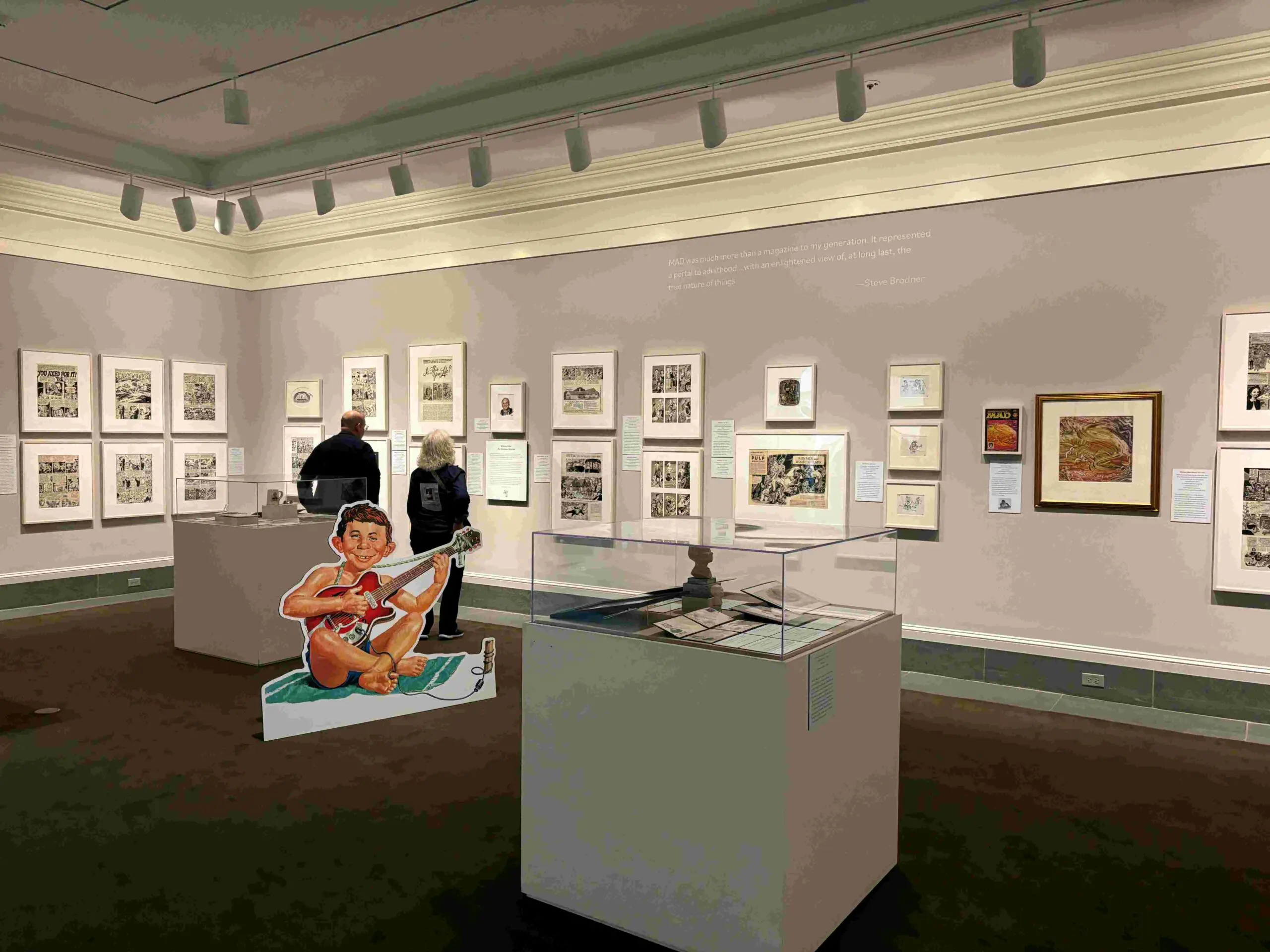
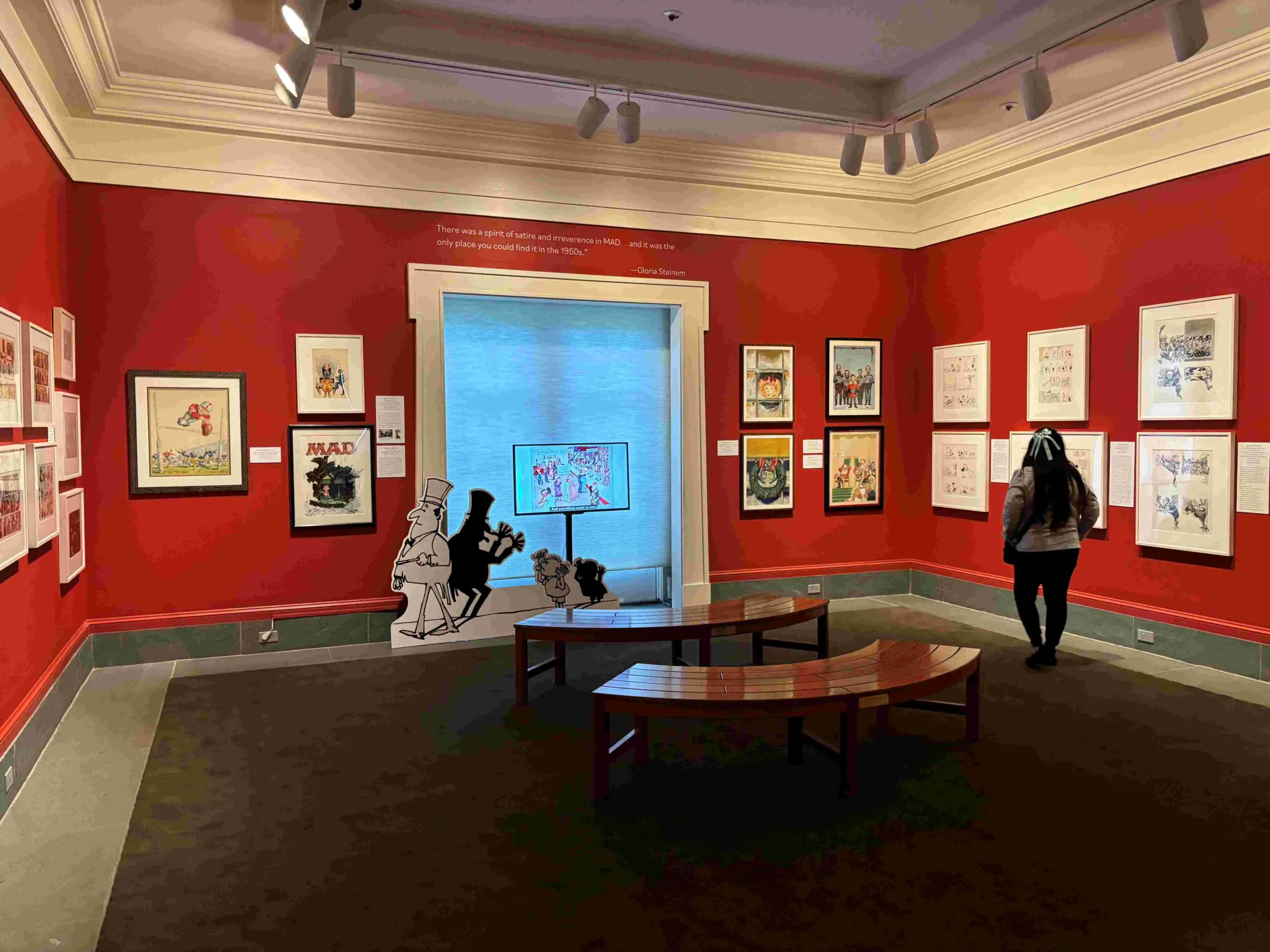
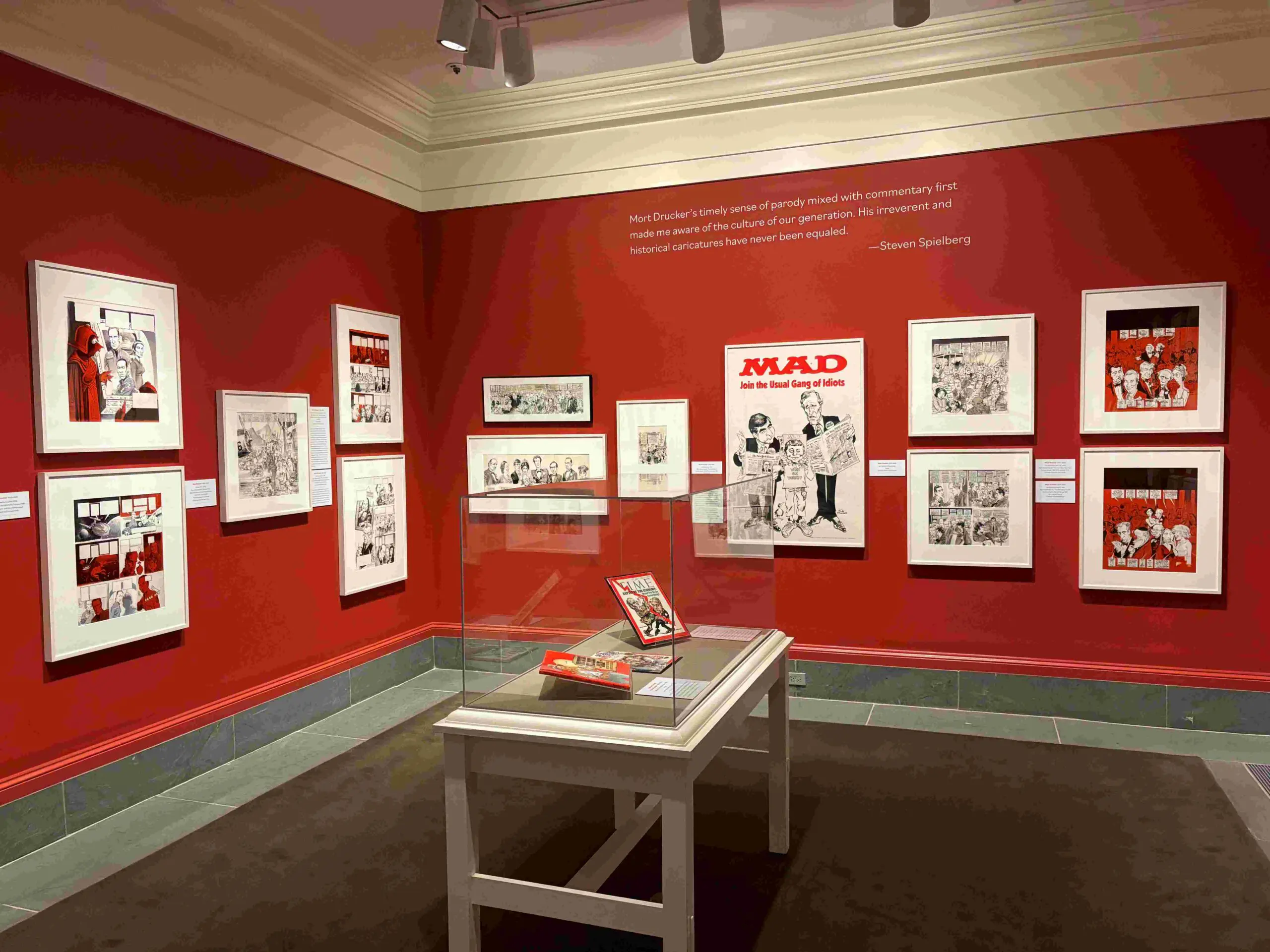
capsule of humor from the 1950’s to the present day. Overall, there is a selection of
more than 250 original illustrations, artwork and cartoons gathered from artists and
collectors that are on display in this show.
As you explore the museum, you are taken on a chronological journey through the
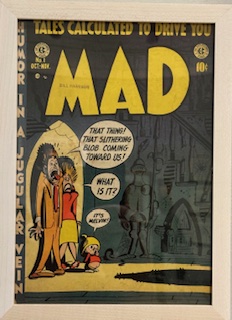
magazine’s evolution from its humble origins in 1952 as a comic book (Tales Calculated
to Drive You MAD! – Humor in a Jugular Vein), to its transformation to the more
commonly known full-fledged magazine format which began with issue # 24, in 1955.
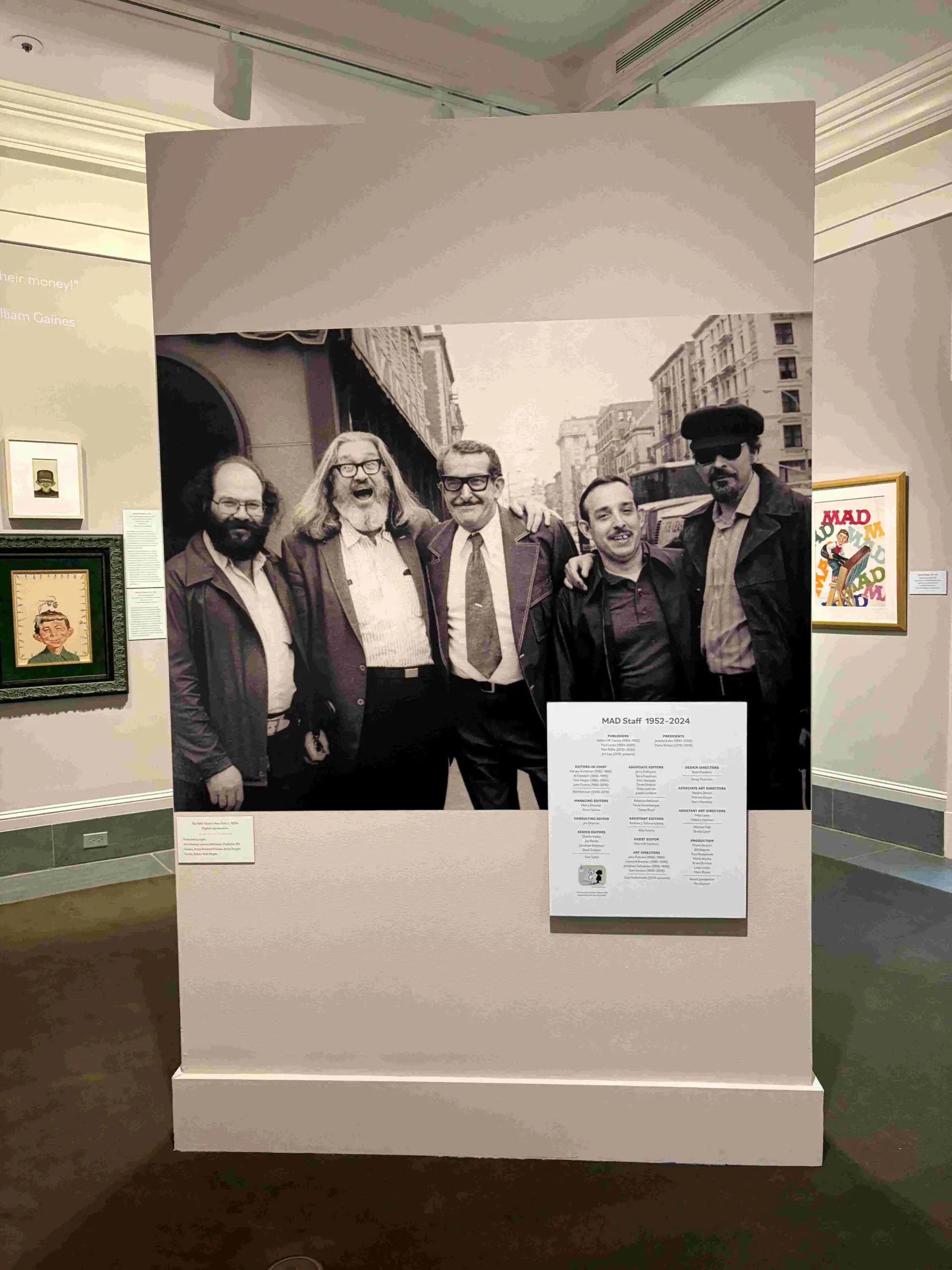
This ultimately led to a major behind-the-scenes change with the departure of one of its
founders and editor, Harvey Kurtzman in 1956; culminated by the arrival of new editor
Al Feldstein. This move was monumental as Feldstein swiftly brought on board major
contributors such as Don Martin, Mort Drucker, Frank Jacobs and Dave Berg.
However, the most impactful difference MAD’s conversion to the larger-sized magazine
brought, was the introduction of Alfred E. Neuman, the “legendary face” of MAD, with
his ever-present, defiantly nonchalant motto, “What, Me Worry?”
During this incarnation of MAD, their circulation quadrupled, while their related-product
marketing exploded. Displayed at the show is everything from Alfred E. Neuman dolls
(modeled after and resembling the once-famous Howdy Doody); hand puppets;
Halloween masks; board games; record albums; plastic model kits; MAD prize punch-
cards; Spy vs. Spy Action Figures; ‘Vote MAD’ bumper stickers, posters and pins,
alongside a diverse selection of other items.
Placed throughout the museum are a few short documentary-style displays engaging
visitors of all ages. Lasting approximately 10-20 minutes each, playing on a continuous
loop, they feature stories and commentary from many of the MAD creative forces (AKA,
“The Usual Gang of Idiots”); the geniuses behind this cultural phenomenon. Make sure
you take time to view them as they are incredibly informative, as well as being quite
humorous.
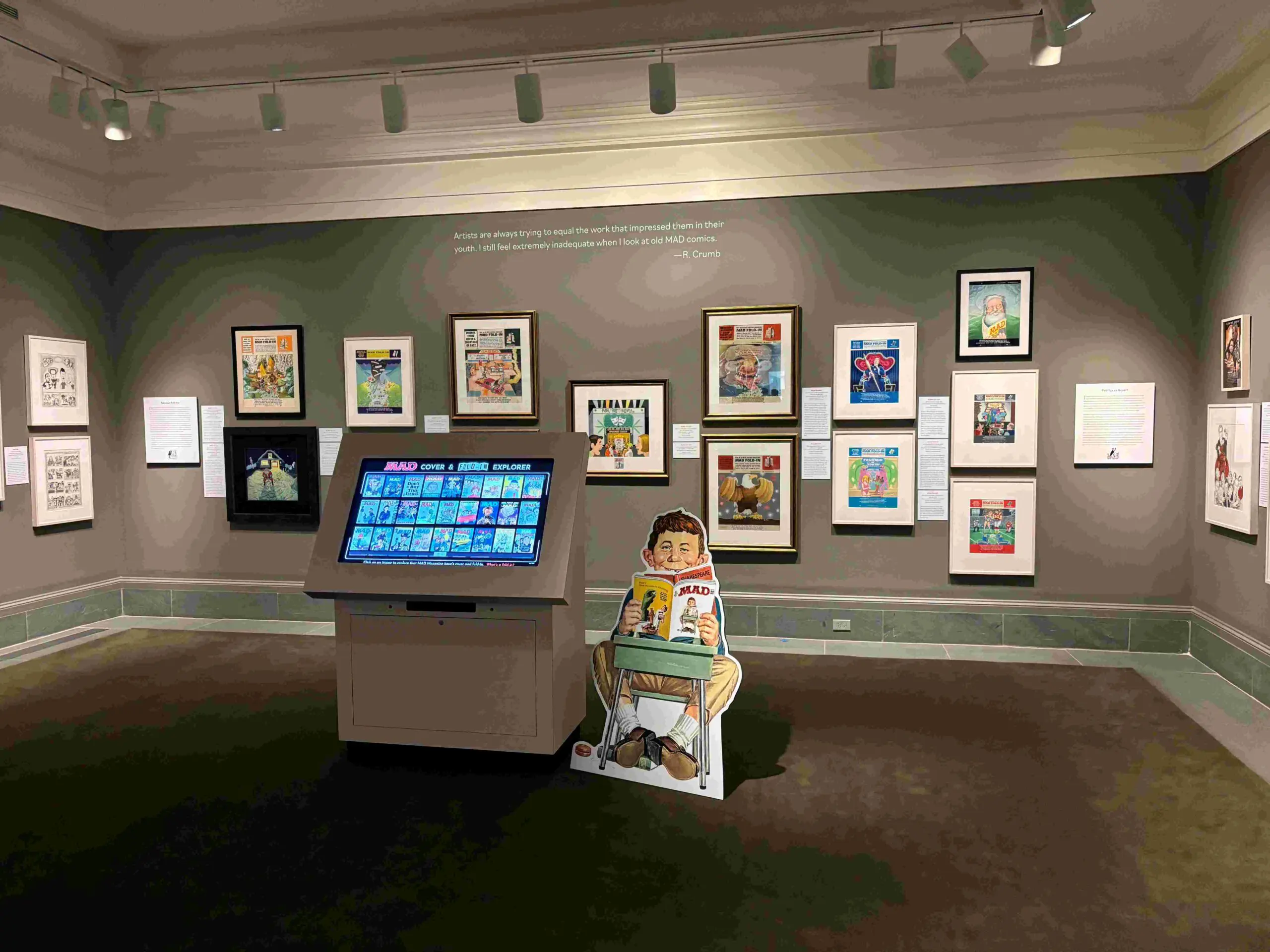
The most popular interactive display was the one featuring MAD Fold-Ins, which were
laid-out on a large interactive touch screen allowing you to peruse an abundance of
options. The screen displays full-sized replications of the unfolded “fold-ins” – then, at
the push of a button, it magically resolves to the fold-in’s solution. I could have stayed
and played with this for hours – but it was one item where there always seemed to be a
line behind me. Honestly, it was as much fun to watch others while they played and
marveled at the outcome of each fold-in.
As a special treat, on Saturdays from 11 am – 4 pm, the museum offers visitors the
opportunity to make their own art with a feature titled, “Totally MAD! Artmaking
Activities”. This once-a-week program encourages participants to “make your own art”,
inspired by the creations and antics of MAD Magazine.
The Norman Rockwell Museum store contains a vast array of MAD-related items for you
to bring home and enjoy (including an excellent MAD Magazine-styled exhibit program).
In hindsight, regarding my initial thoughts on the mash-up on Norman Rockwell and
MAD Magazine, I was incredibly mistaken. The two meld together perfectly!
As the press release from The Norman Rockwell Museum regarding this exhibit aptly
states, “The scope of this contribution is equivalent, if different in tone and emphasis, to
the role of Norman Rockwell and other artists across decades of illustrations for The
Saturday Evening Post and other mainstream publications. If MAD’s subversive shake-
‘em-up values and viewpoints diverged from Rockwell’s warm and gently humorous
illustrations – as they almost always did – the impact of the magazine’s visual comedy
was no less profound. In its sly and seditious art and spirit, MAD was a counter-cultural
magazine that became ironically yet irrevocably, a cultural powerhouse”.
It is my view that this exhibit explores, and clearly displays how the magazine influenced
public discourse by challenging conventional narratives, while encouraging critical
thinking.
“What, Me Worry? The Art and Humor of MAD Magazine” – Exhibit On Display through
October 27, 2024 – For Museum Hours, Please Visit their Website at: NRM.org
DJ Joe Grossman – Xperience History
DJ Joe Grossman – Xperience History- by Liam Sweeny.
There’s a universe that operates on a natural law of rhythm, of galaxies spinning on the turntable of a black hole and the intricate interplay of planets passing by, moons revolving in such a way we could set our watch to them, and in a way, we do. And on this planet, there are trenches. And in those trenches, there are DJs, wielding raw rhythm to move people about in their own orbits.
DJ Joe Grossman is someone you maybe haven’t heard of in the Capital Region, but if you were in Manhattan and you knew the right people, the right bouncer to bribe, you might just know who he was. He’s firmly revolving in the orbit of the New York party scene.
RRX: When I think of DJs, I think of old school record-scratching and loops, which is me tipping my hat and letting my age spill out. And DJs produce a whole sound, but I feel like a DJs must share a kinship with drummers, because rhythm and timing play such an important role. How would you compare what you do with what a drummer does?
JG: They have similarities, but rhythm and timing are the main two that come to mind. That’s basically one kinship I think all musicians share. I’m sure a lot of people would say there are no similarities because as a drummer you’re creating music in real time and as a DJ you play tracks that are already produced, but there are a lot DJ’s like myself that basically produce live during their sets. For example, playing a kick drum or bass line from one track and then layering hi hats or drum samples over it and then adding an acapella. By doing that you can create a live remix that nobody’s ever heard before.
RRX: You are a New Yorker, which is how I got turned on to you. But you’re in the Manhattan scene, and while Albany and New York City definitely share some culture, some of the mindset, we’re worlds apart. What is the Manhattan DJ scene like? I mean socially, how would you describe the daily grind of the dance scene?
JG: To be honest it’s changed so much over the years it’s hard to really describe, it’s ever evolving. When I first got into DJing it was all vinyl. There was no social media. All the promoters used gorilla marketing with flyers and street teams. The scene was a lot more organic then, a lot more personal. But some things in NY always stay the same. The better DJ’s and promoters have weathered every storm and are still here. However, the focus has shifted from Manhattan to Brooklyn over the past few years. But NY is the city that never sleeps. So, nightlife will always be a staple here.
RRX: One thing I’ve always felt is that venue is the “fifth instrument,” or in your case, the “second DJ.” Where you are can either limit you, or give you an insane rush, and make you hit new heights. So, you’ve probably played in some pretty unique places. What kind of place charges you creatively? Can you give me an example of a place like that?
JG: There really are so many unique places. One that comes to mind is in Acapulco, Mexico. There is a venue called Hannah Sun Club which is basically on top of a mountain overlooking the ocean and the entire club is surrounded by an infinite pool. One of the most amazing moments I’ve ever had was playing music there when the sun went down. But each city and venue has its uniqueness. And it’s up to the DJ to understand the venue and the crowd and make the music work in that specific situation. But the crowd’s energy is really what drives me creatively. Even more than the venue, I feed off the crowd’s energy.
RRX: One of the things that interests me about DJs and DJing is that aside from the electronic elements you create yourself, you get to sample the music of others. So, you get to create for people, but while creating, as a part of that, you get to expose people to music that kicks for you. What kind of music do you look for to sample?
JG: I love classics, there’s just something about hearing a classic vocal sample that might have been forgotten for a while just come through the speakers. Michael Jackson, Aretha Franklin, Etta James, Beastie Boys, Biggie. I have a list a mile long with so many artists and different styles of music. There have been so many times that I’ve been driving and a song comes on the radio and it just gives you an idea for a remix or a sample.
RRX: When I say DJing, I’m kind of like a toddler pointing to everything and calling it ‘water.’ I know that there is DJing, but there’s also EDM, or electronic dance music. And for this interview, I hit Google. And Google doesn’t seem to know the difference. So, here’s your chance to school Google; what’s the difference between DJing and EDM?
JG: Well, DJing is the art of playing music and EDM is the style of music that DJs play. EDM breaks down into tons of different genres and styles like techno, tech house, house music, tribal, deep house, progressive, etc… There have been so many new genres that have emerged over the past few years and new ones are created almost monthly. My style is more techno, tech house and tribal.
RRX: There are none of us islands; we all have other people in our orbits. For you, other DJs, other performers, notable rave kids and scene and scene legends. So, in your world, I don’t want to say you might have favorites, but maybe a couple of cool and interesting people you think deserve some recognition. Recognize!
JG: I grew up in the NY music scene so I’m always going to be partial to my NY DJ’s. A lot of my inspiration growing up came from listening to legends like Danny Tenaglia, Victor Calderone, Boris, I’ve always just loved that big powerful NY sound. Then as time went on, I also took a liking to other sounds as well from a lot of other DJs like Carl Cox, Steve Lawler, Solomun, Chus n Ceballos. The list goes on.
RRX: This is where you answer the question I didn’t ask. Comments? Remarks? Educate, enlighten, emote – the floor is yours.
JG: Well first and foremost I’d like to thank you Liam and RadioradioX for taking the time to do this interview. It’s always an amazing feeling for me to see people interested in what I do. And I’d also like to thank all the people that continue to support my music. All the promoters and fans that support my events are what allow me to do what I love and I’m forever grateful for that.
Music and the music scene is changing every day and to keep up with that I’ll always try to keep learning, growing and entertaining crowds. Sometimes DJ’s forget that the people on the dance floor worked all week and dealt with the stress of their lives and that one night is their release, their moment to forget everything and just enjoy the music. As a DJ I’m responsible for giving them an amazing show and I’ll always do my best to do that.
Electric Turtle @ Mojo’s, 8/3/2024
Electric Turtle brought their 60s-inspired sounds to 4th Street Saturday night.
Photography by Timothy Reidy.
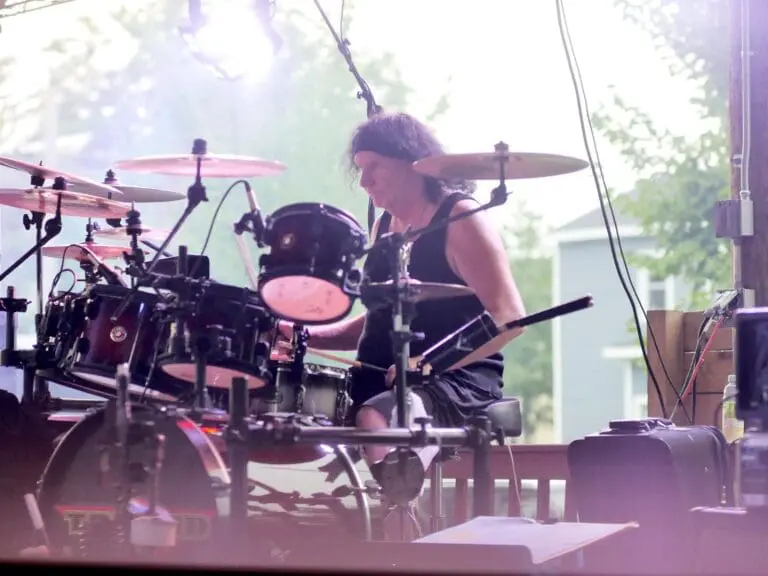
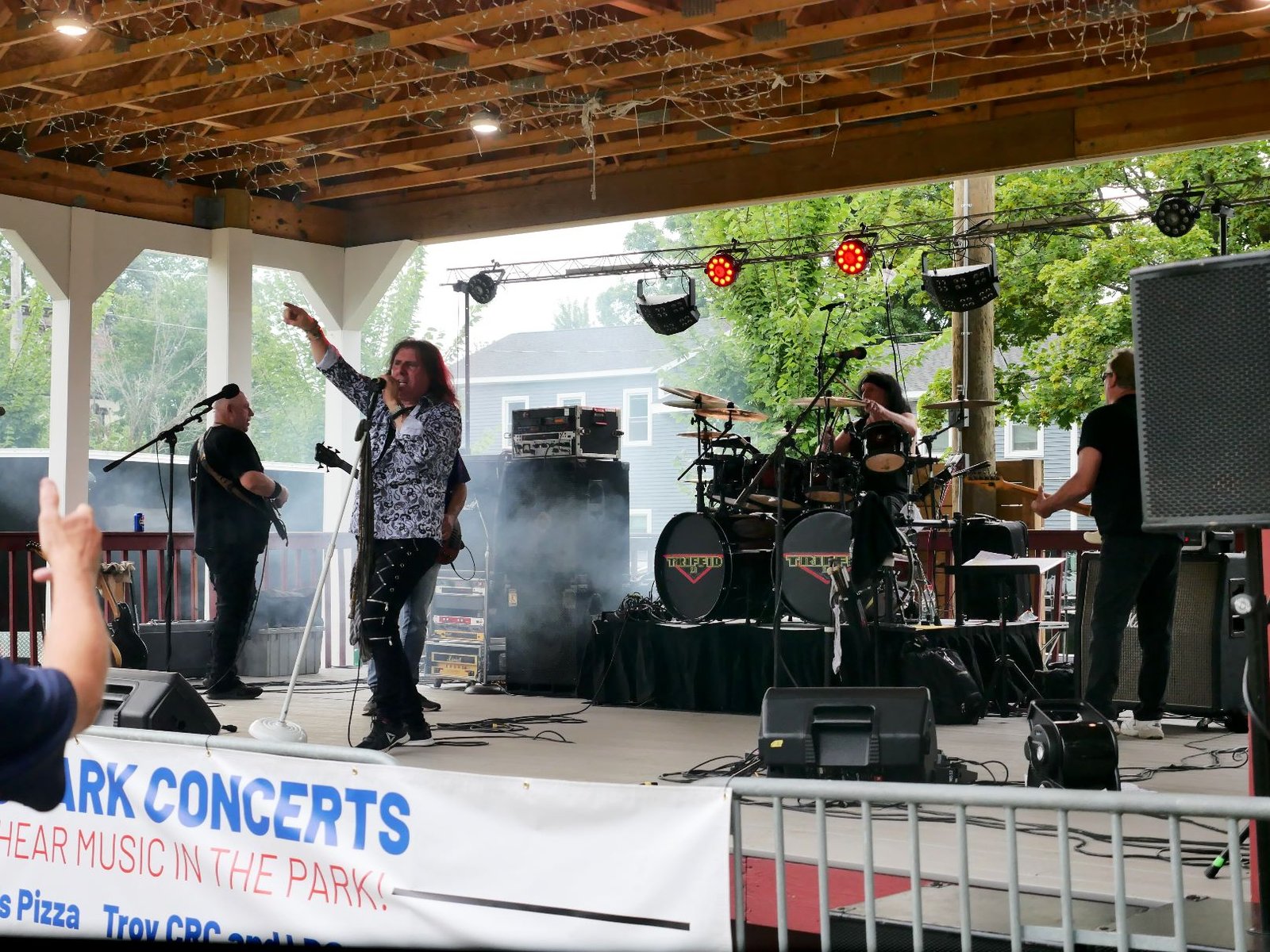
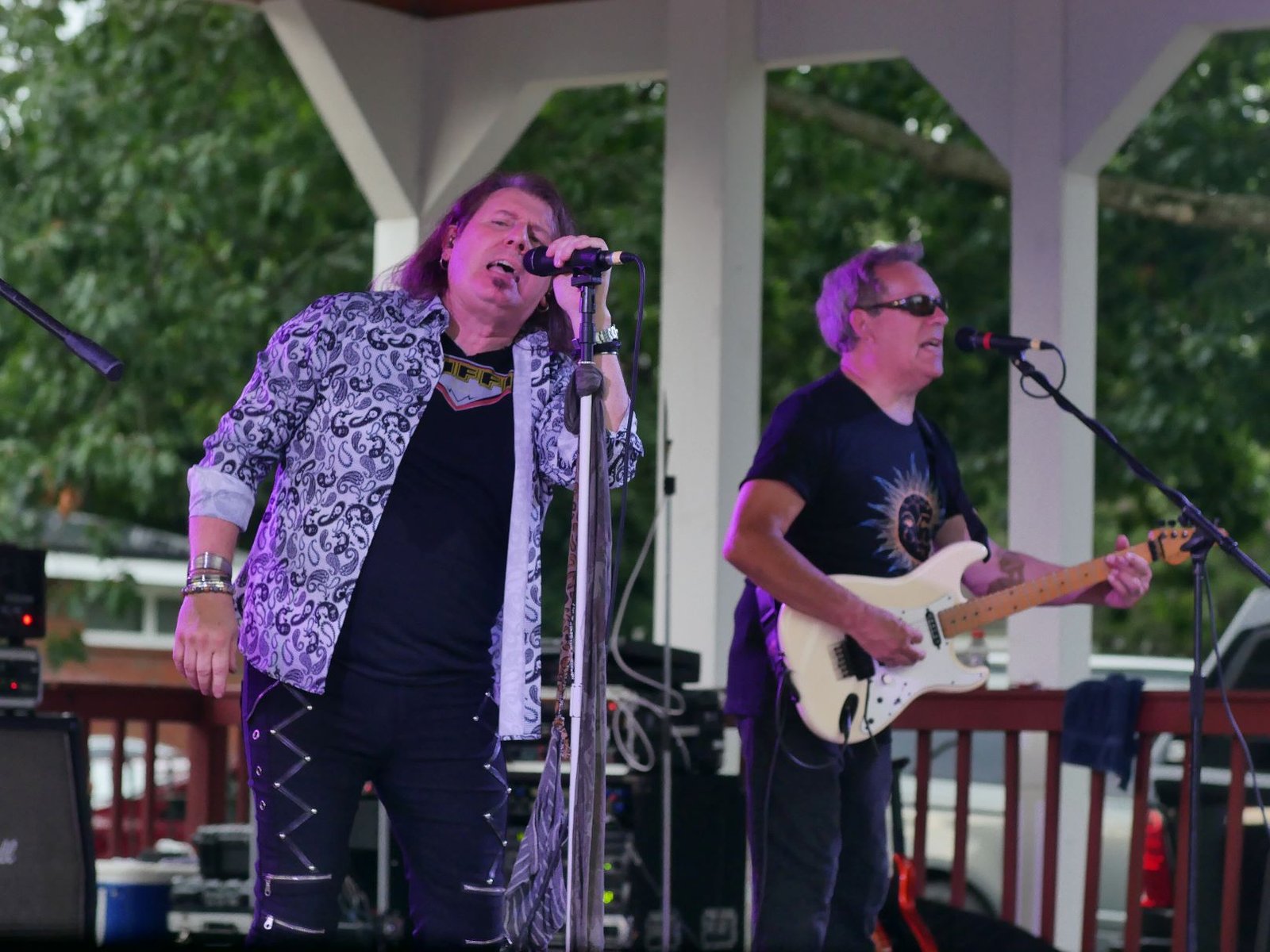
Triffid 2.0 @ Powers Park, 8/3/2024
Powers Park continued its particularly strong season last Saturday with the resurgent Triffid 2.0.
Photography by Timothy Reidy.
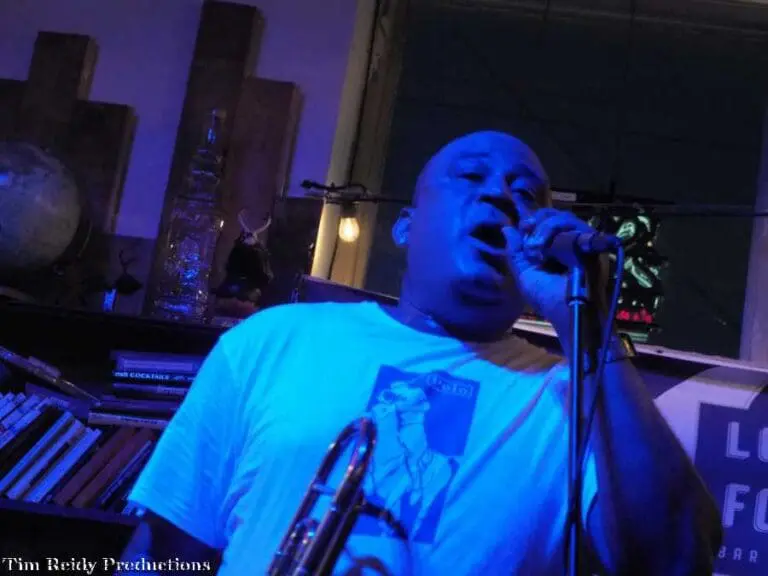
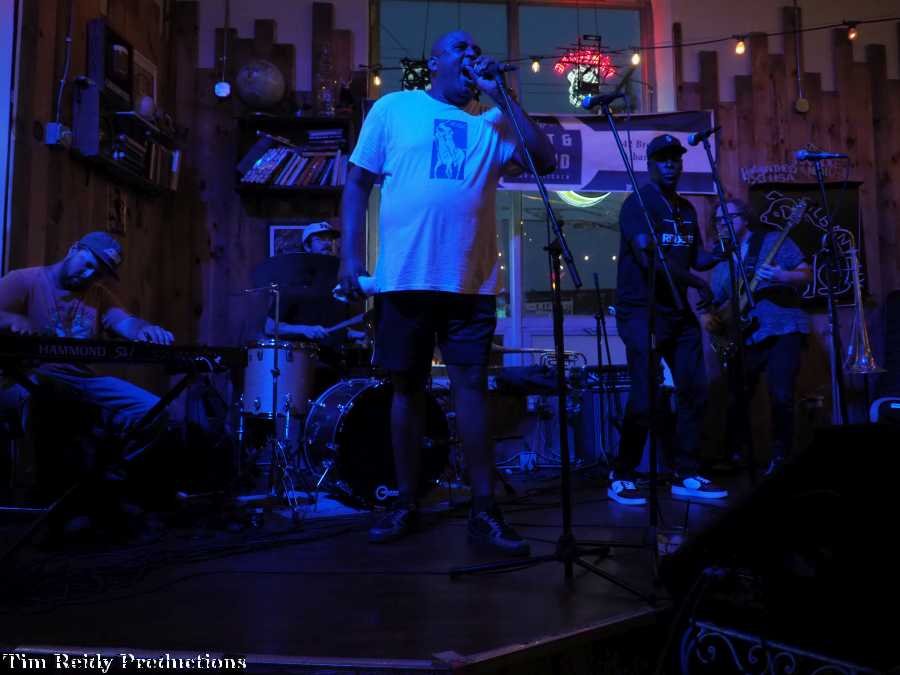
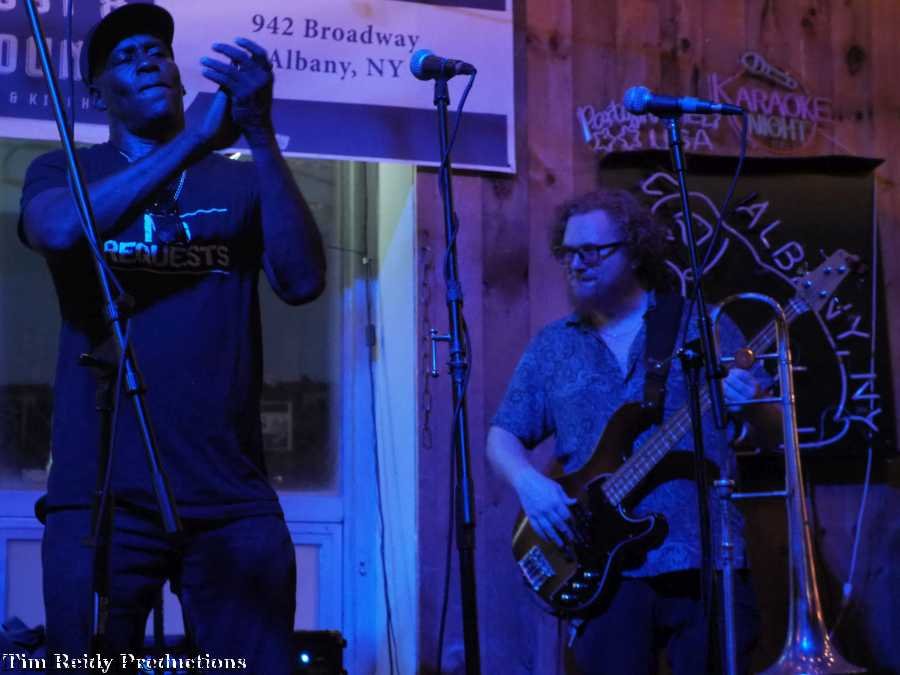
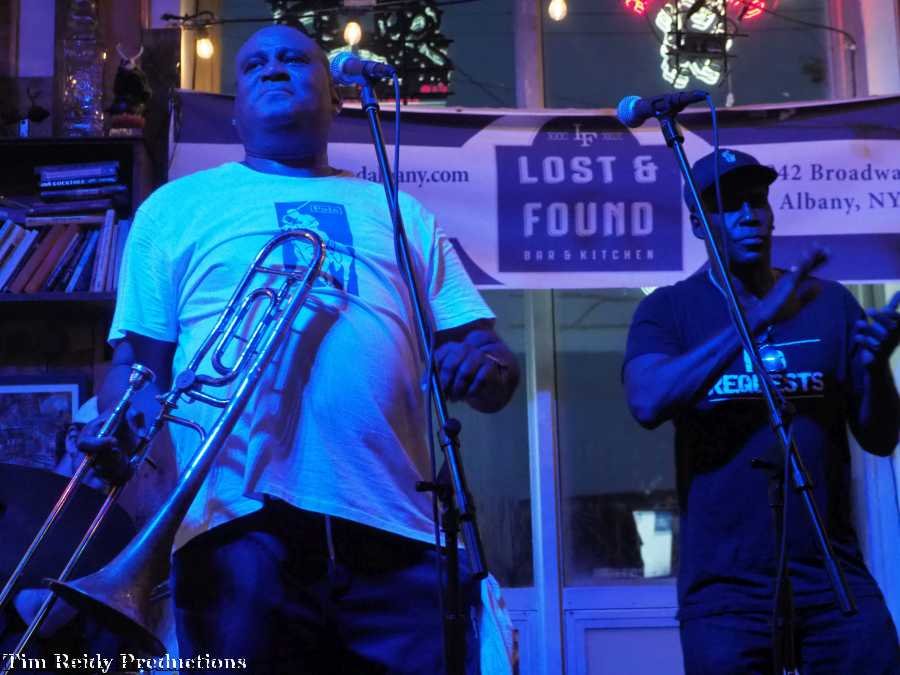
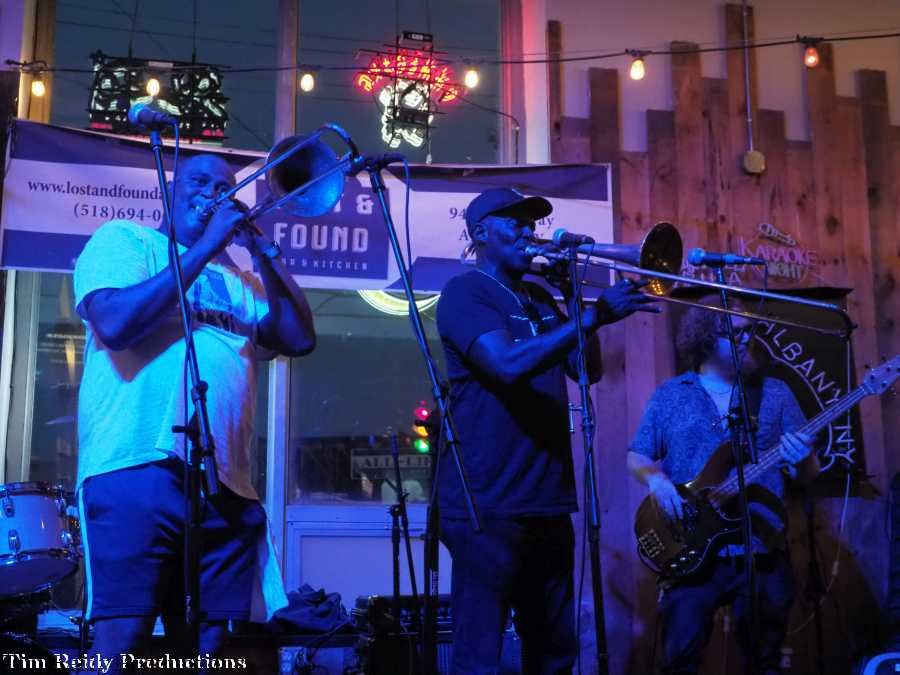
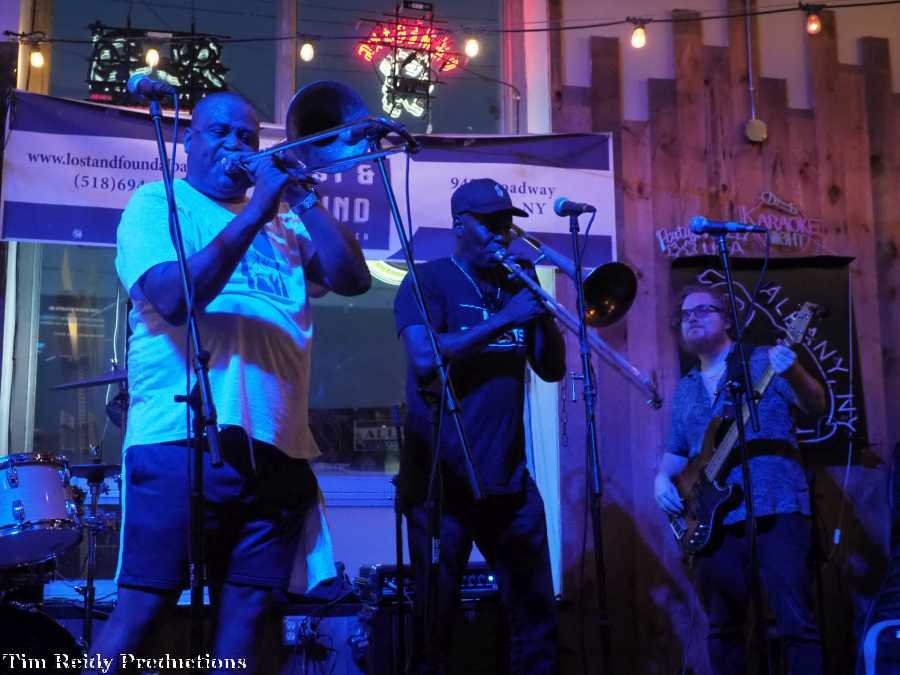
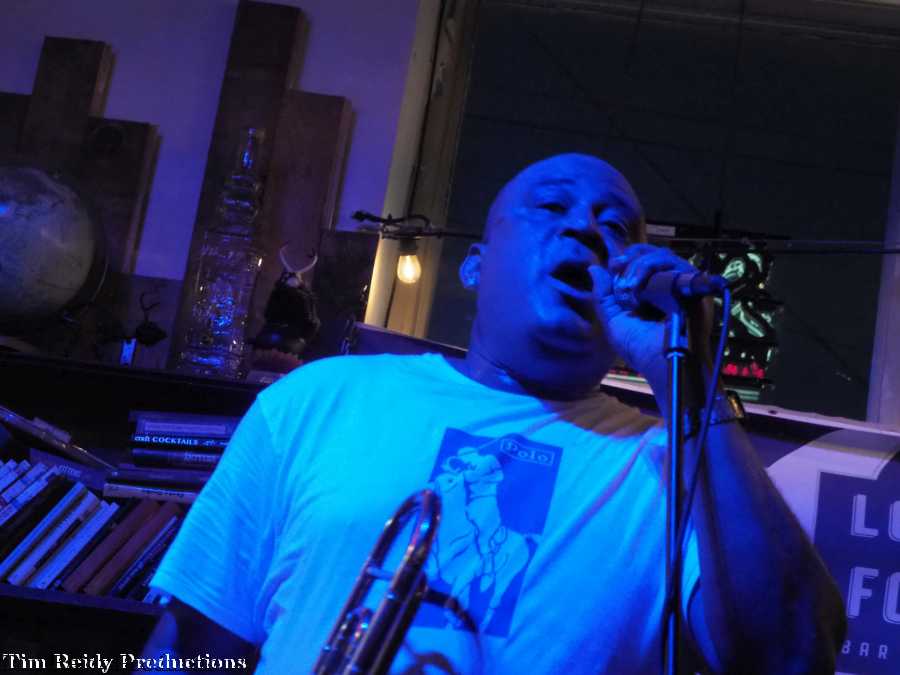
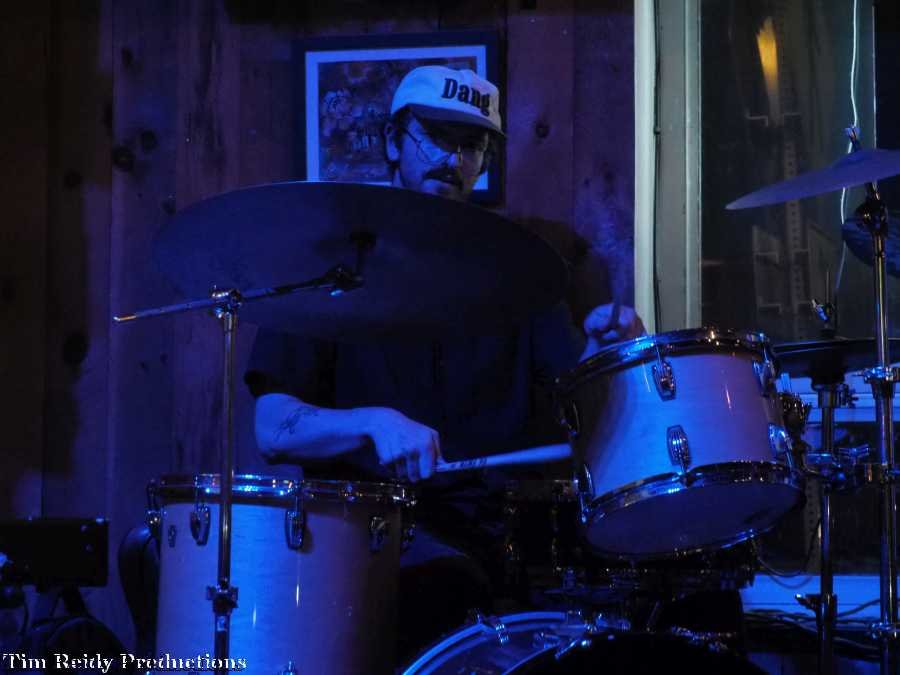
Glen David Andrews @ Lost & Found, 8/1/2024
Photography by Timothy Reidy.
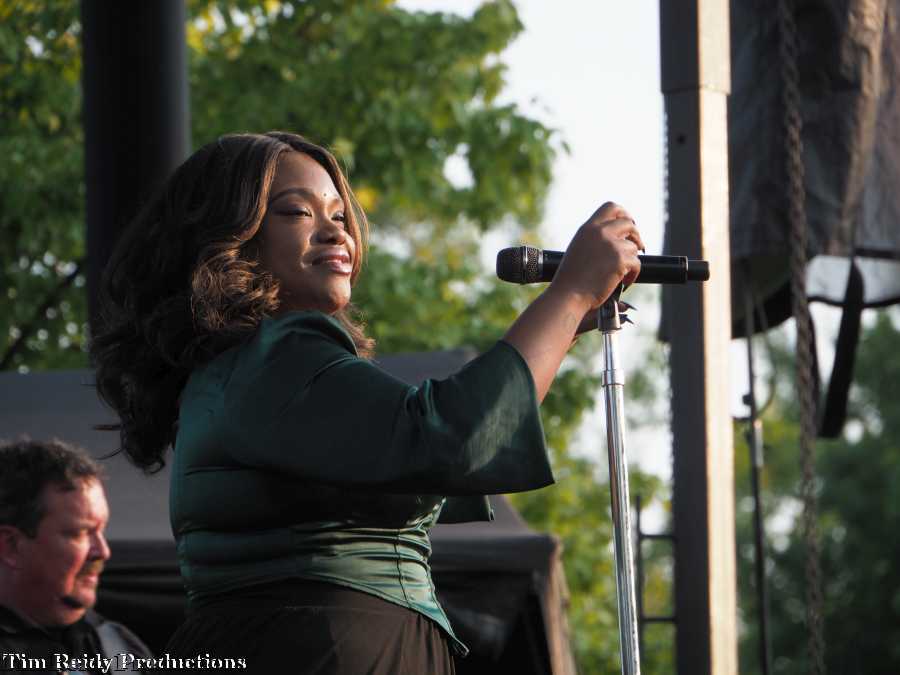
Galactic / Hilltop @ Alive at Five, 8/1/2024
The 2024 season of Alive at Five closed out with New Orleans funksters Galactic. Albany’s own Hilltop opened the show.
Photography by Timothy Reidy.