
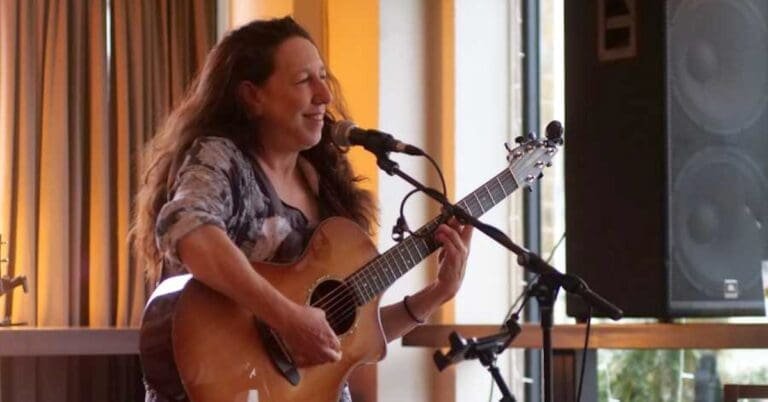
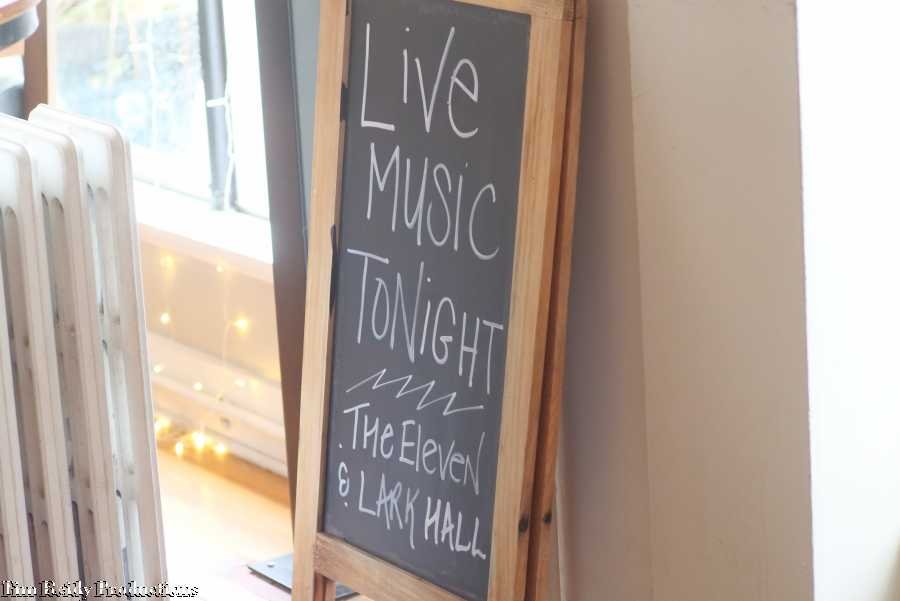
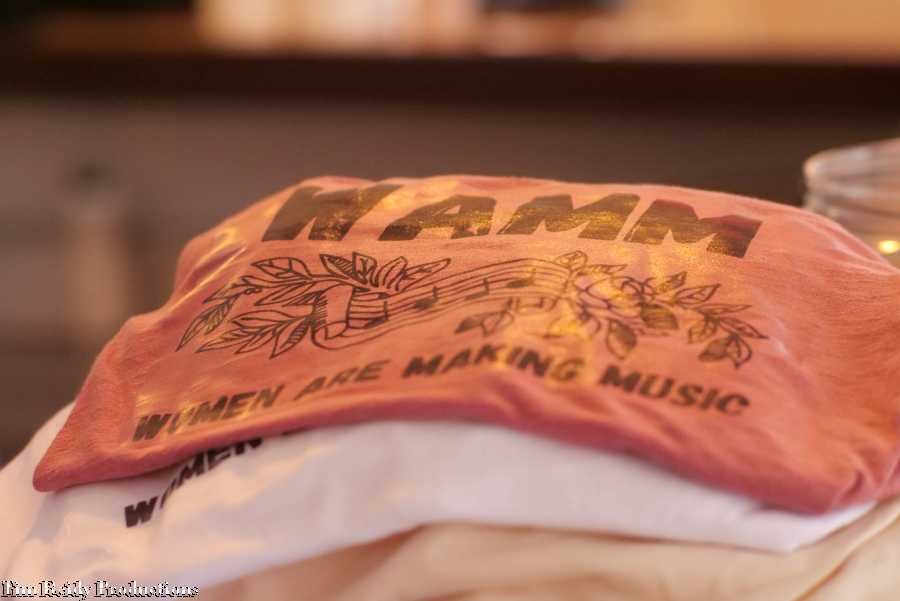
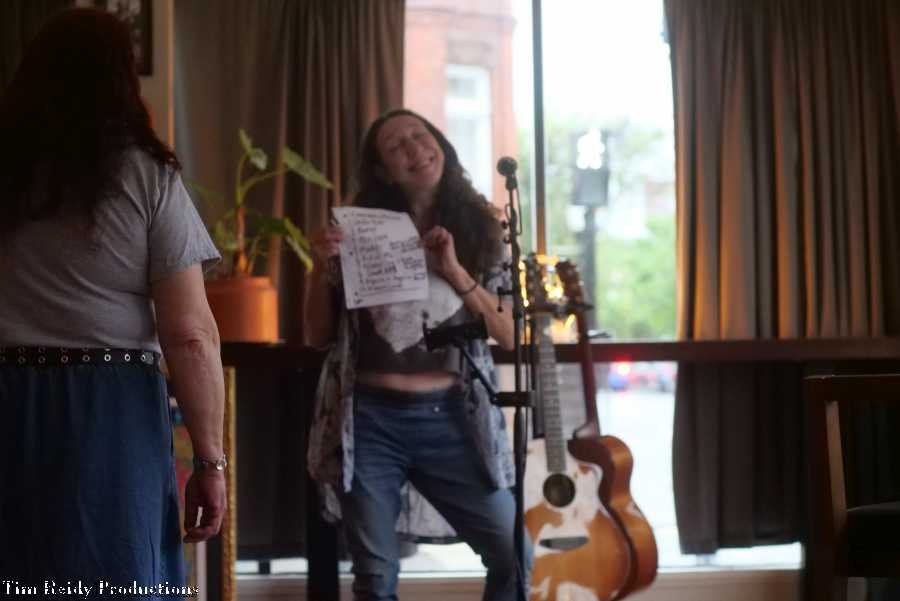
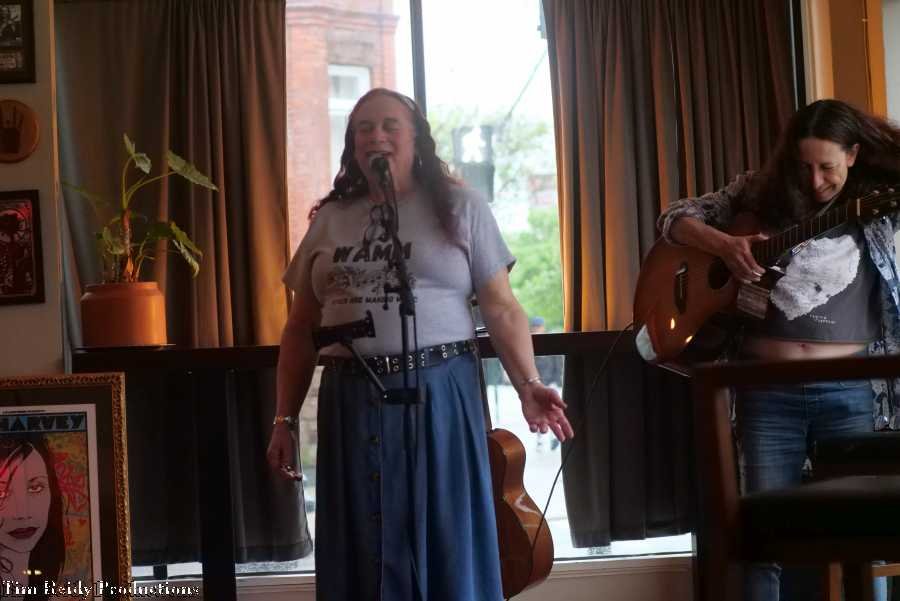
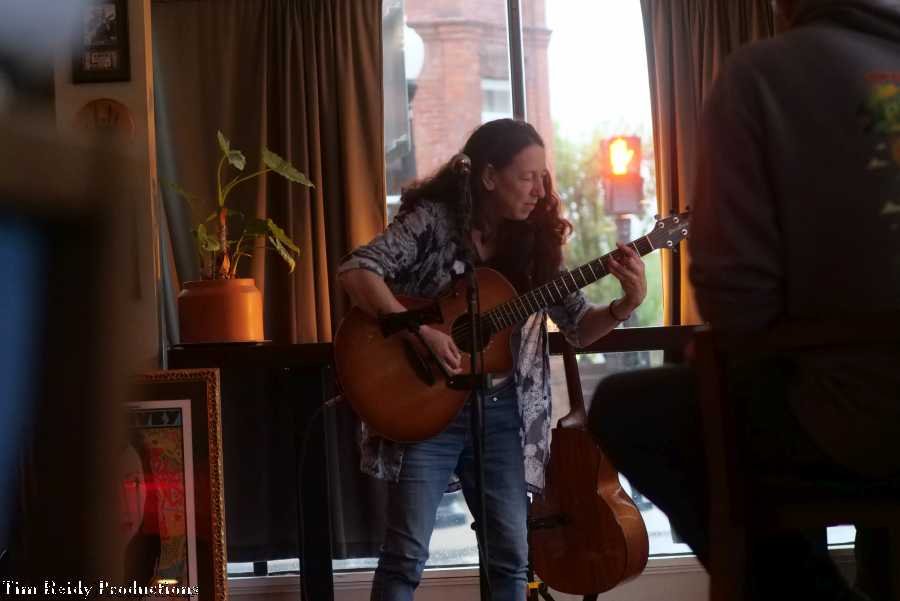
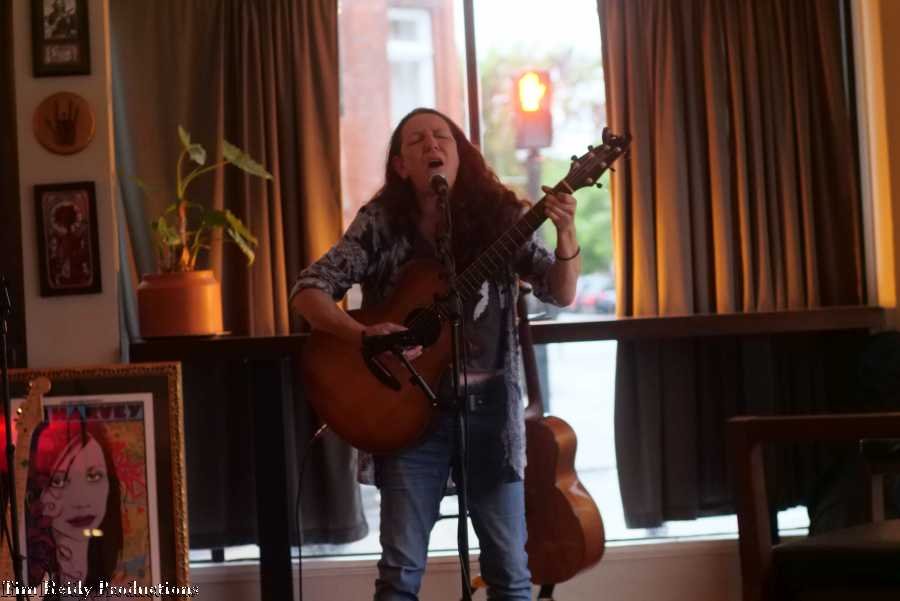
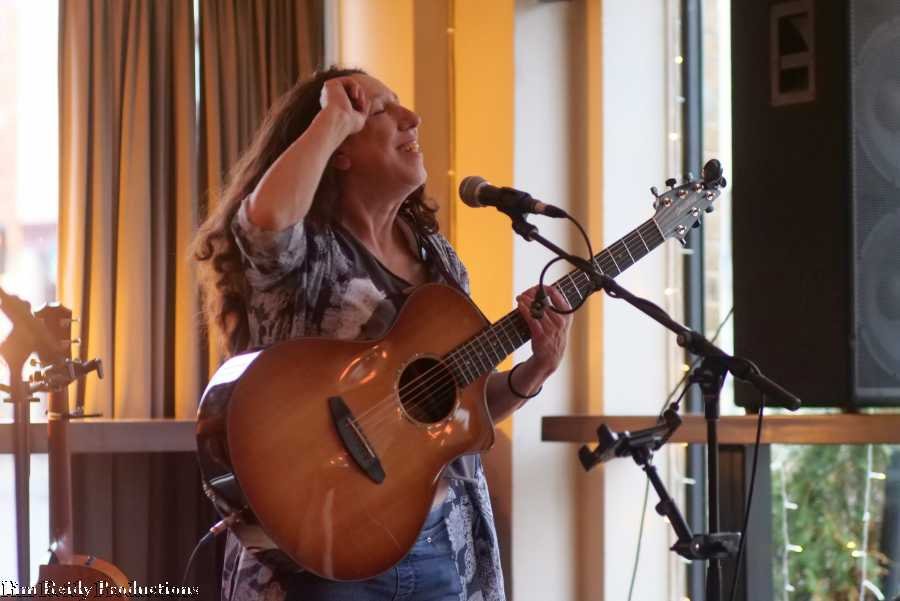
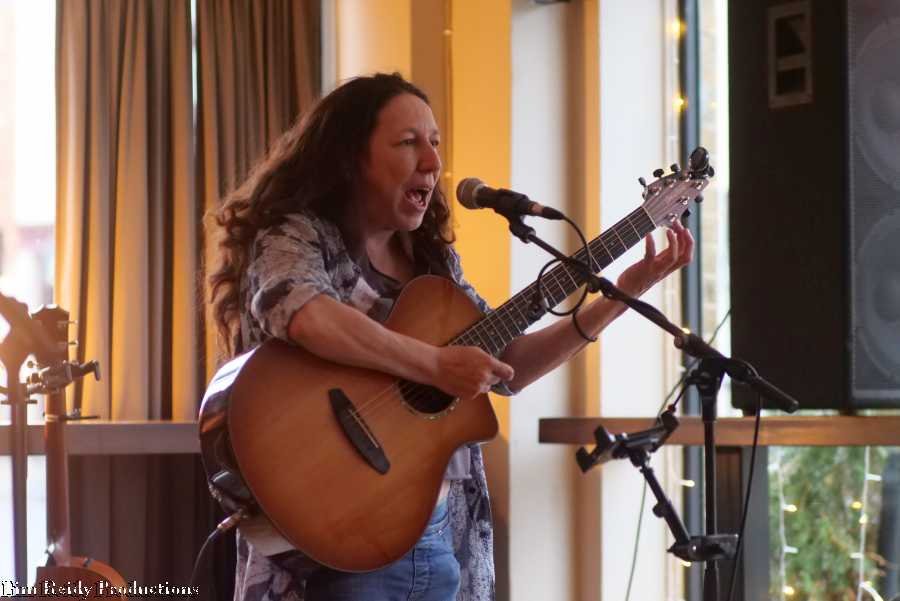
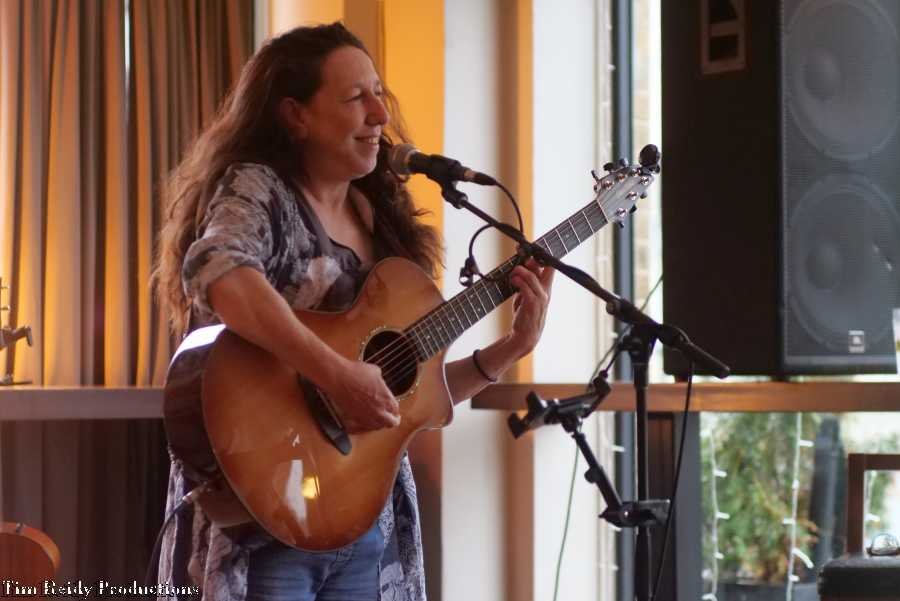
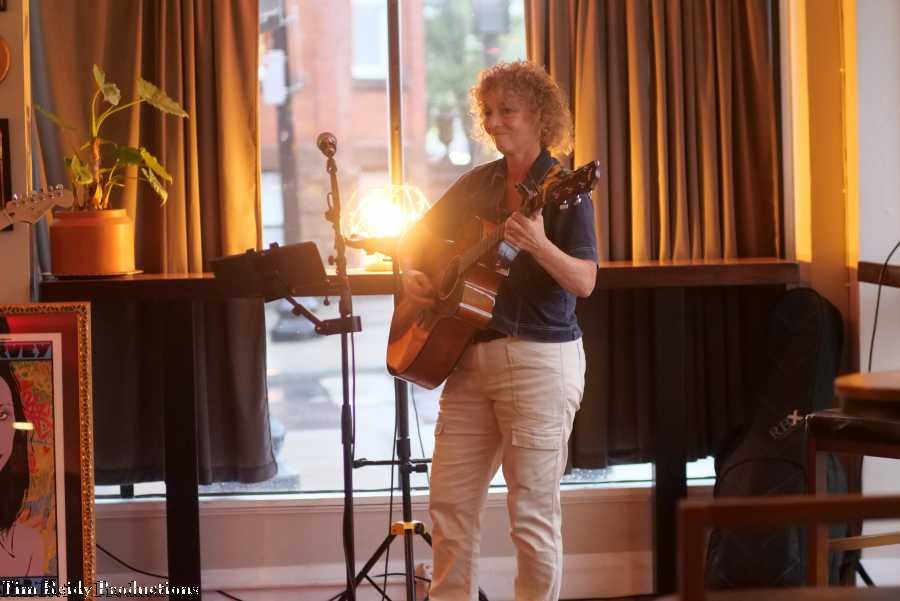
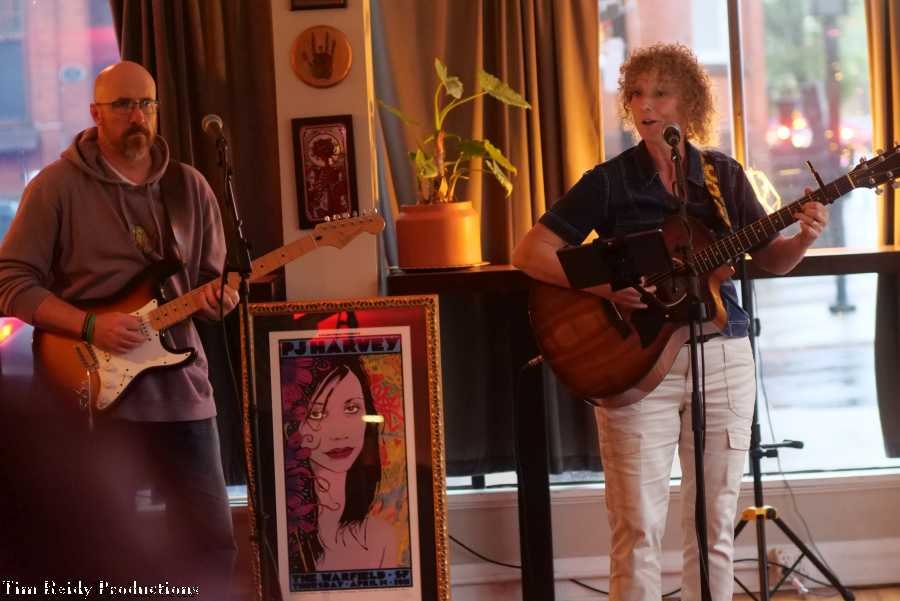
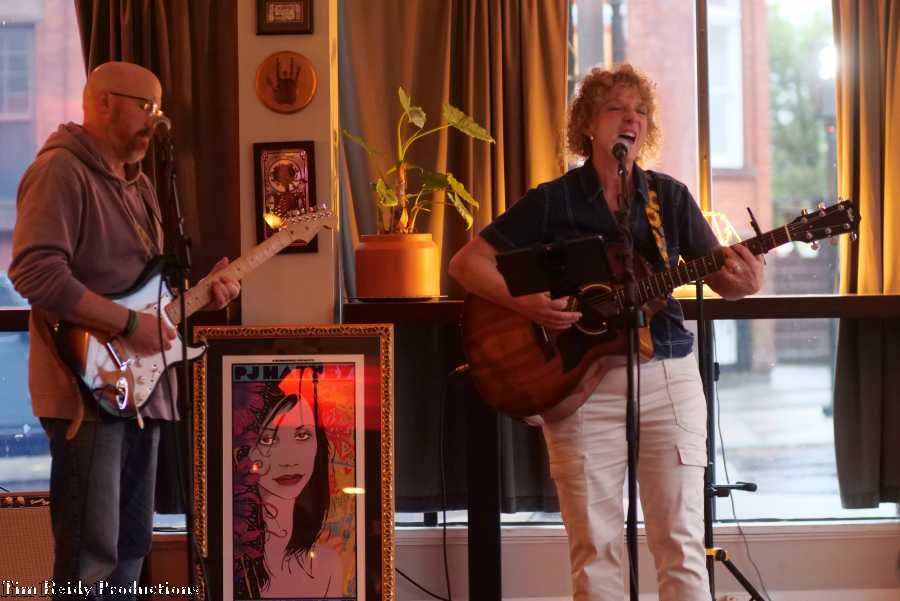
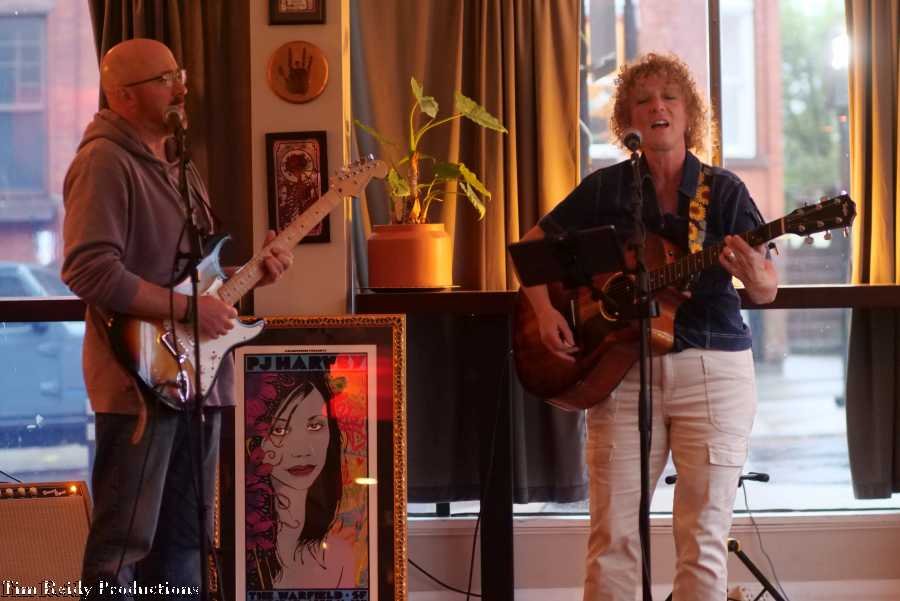
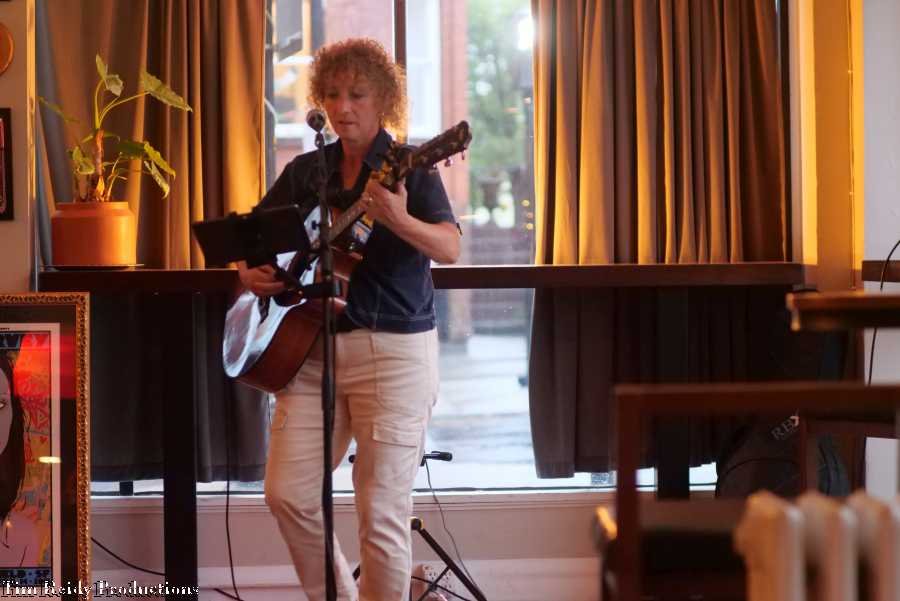
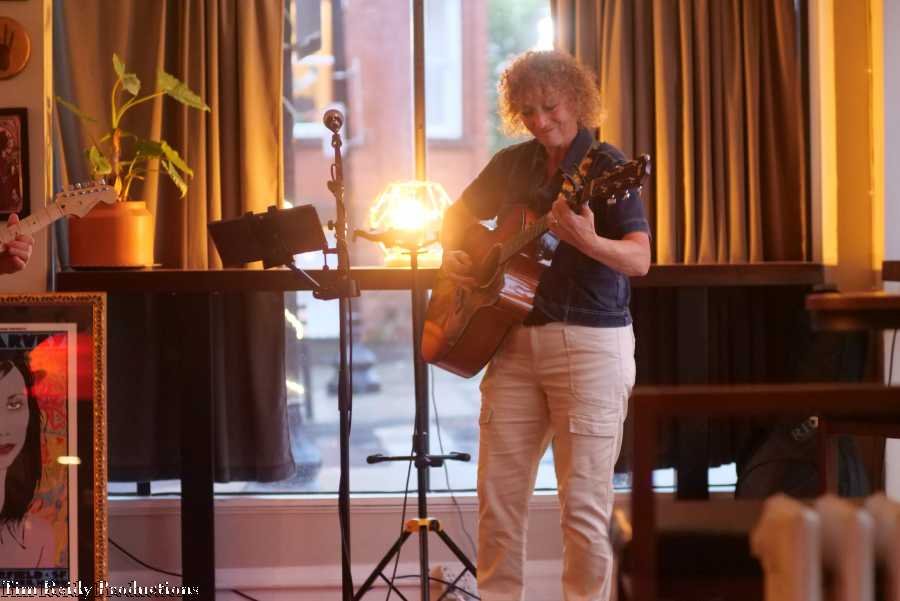
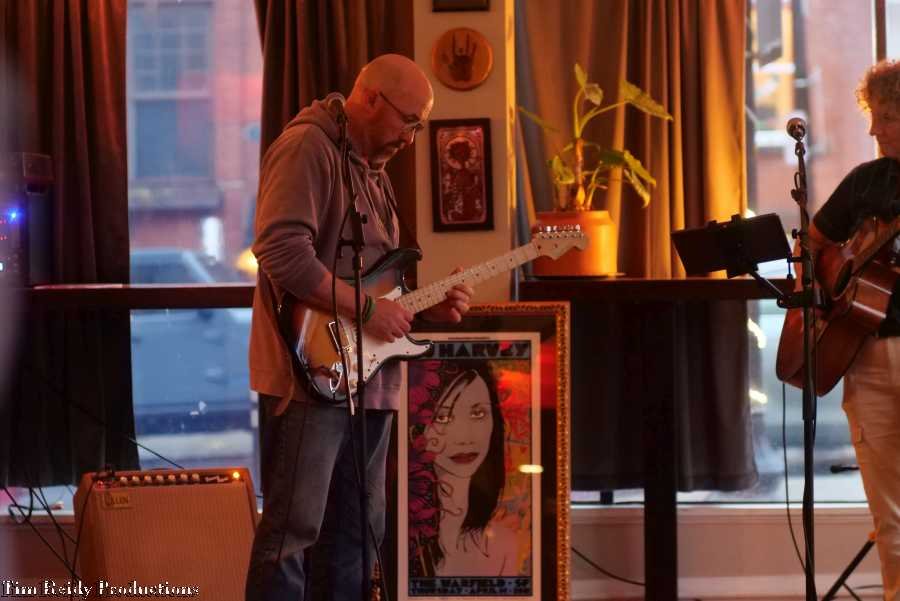
The first-Wednesday-of-the-month WAMM (Women Are Making Music) residency continued at The Eleven, and featured Niki Kaos and Kim Buckley, who played as a duo.
Music Notes – The Art and Science of Music

The Voice Is Not a Mystery
People often say that the voice is an instrument. That is true, but it needs to be understood carefully. The voice is not an instrument in the same way a guitar or piano is; those can sit in a room and wait. The voice does not exist outside of the person. It is a living instrument, built into the body and shaped by breath, posture, tension, fatigue, emotion, health, thought, rhythm, courage, and habit. It is physical, musical, and expressive all at once. Because of that, it is often more misunderstood than any other instrument.
That misunderstanding starts early. People believe the voice is magic, that some are born with it and others are not. They assume great singers simply “have it,” and if singing does not come easily, then the voice must not be there. That is not the truth. The voice is trainable. It can be strengthened, coordinated, stabilized, refined, and made more reliable and expressive. But that only happens when we tell the truth about what the voice actually is.
At the beginning, the voice is not an instrument of performance. It is an instrument of awareness. Before a singer learns style, they must learn permission. Before power, safety. Before trying to impress, they must learn to make sound without fear. For many singers, the first battle is not range or tone. It is trust. Can they make sound freely? Can they allow the voice to exist without panic or self-judgment? Can they stop treating every note like a verdict on their worth? That is where real training begins.
As a singer develops, the voice becomes an instrument of coordination. Breath must work with sound. Sound must align with time. Pitch must align with vowel. The ear begins to guide the body, and the body must learn not to interfere. This is where singing stops feeling random. Many people can hit a note once by accident. That is not control. Control is doing it again on purpose. It is when progress becomes predictable, when the singer understands not just that something worked, but why it worked.
The voice is also an instrument of understanding. A singer must learn what is actually happening. What is the pitch doing? The vowel? The register? The body? What is helping, and what is interfering? Without that awareness, a singer is left to chance, and chance is not a training method. Singers who grow learn to observe, adjust, recover, and repeat. Technique is not cold or mechanical. It is what allows real music to happen consistently.
At a certain point, another truth becomes clear: the voice is an instrument of efficiency. Many singers struggle not because they lack passion, but because they waste energy. They push, squeeze, and force volume instead of organizing the instrument. More effort does not always produce more results. Often it produces fatigue, inconsistency, and frustration. Power is not force. Control is not tension. Intensity is not strain. When the voice is trained properly, it becomes more efficient. The singer uses less wasted motion, less wasted air, and less conflict. That is when the instrument begins to open.
As the singer advances, the voice becomes a performance instrument. Technique must hold under pressure, while moving, while tired, while navigating real musical demands. The singer learns to recover instead of collapse when something goes wrong. At higher levels, the voice becomes artistic. The singer is no longer just getting through the song. They are shaping it, making decisions, developing identity, and working with others.
This is why it is so important not to rush artistry ahead of foundation. Many singers want individuality before control, style before reliability, and artistry before stability. But artistry that cannot repeat itself is not yet mastery. Style without control will not hold under pressure.
So what is the voice?
It is a living instrument. A physical instrument. A coordination instrument. A musical instrument. An efficiency instrument. A performance instrument. Eventually, it becomes an artistic instrument capable of carrying identity, power, and meaning. But above all, it is a trained instrument.
That is what people need to hear. The voice is not a mystery reserved for the lucky. It is a human instrument that responds to courage, understanding, repetition, and time. As I often say, fear and time are the only real obstacles. Will you begin? Will you stay with it? Will you build the instrument you already carry inside you?
This Month in Music History — May
May 1, 1967 – The Beatles complete the recording of “Sgt. Pepper’s Lonely Hearts Club Band.” Great records are built with focus and persistence.
May 5, 1891 – Carnegie Hall officially opens in New York City with Pyotr Ilyich Tchaikovsky conducting. A stage does not create the musician; it reveals the musician.
May 10, 1965 – The Rolling Stones record “(I Can’t Get No) Satisfaction.” Never underestimate the power of one great riff.
May 13, 1950 – Stevie Wonder is born. He is one of the greatest multi-instrumentalists and songwriters in modern music.
May 16, 1966 – The Beach Boys release “Pet Sounds.” Beautiful music often comes from obsession with detail.
May 17, 1956 – Elvis Presley releases “Hound Dog.” If you are going to deliver a line, deliver it like you mean it.
May 24, 1941 – Bob Dylan is born. Lyrics matter. A great song is not just melody and chords, it is a story worth telling.
May 25, 1977 – “Star Wars” premieres, and John Williams made the emotion explode from the screen. Learn from great film composers. Theme, motif, tension, release are for all musicians.
May 26, 1972 – The Allman Brothers Band release “Eat a Peach.” Soul without skill falls apart, and skill without soul says nothing.
May 31, 1967 – Jimi Hendrix’s “Are You Experienced” debuts. Do not be afraid to sound different. The musicians who change history usually do not sound like other artists.
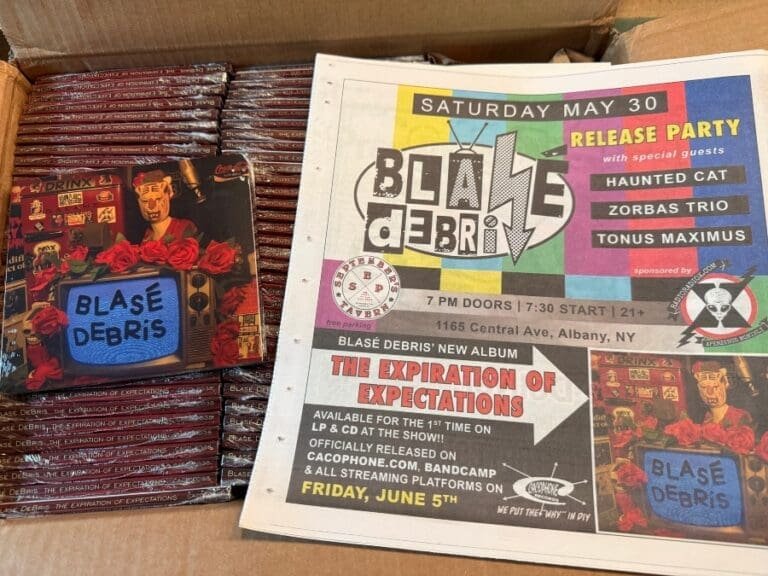
BLASÉ DEBRIS CELEBRATES THE RELEASE OF THE EXPIRATION OF EXPECTATIONS 5/30/2026
FOR IMMEDIATE RELEASE
BLASÉ DEBRIS CELEBRATES THE RELEASE OF THE EXPIRATION
OF EXPECTATIONS — KEEPING THE CAPITAL REGION WEIRD
ALBANY, NY – May 30, 2026 – Get ready for an unforgettable night of origi
nal music and enthralling performances! Blasé DeBris is set to launch their
exciting new album, The Expiration of Expectations, and everyone is invited
to join the celebration! This release party promises a thrilling blend of punk
poetry, melodic mayhem, and edgy riffs, creating a singular musical experi
ence that the Capital Region won’t soon forget.
Having long ago been dubbed by Amp magazine as “The new kings of horror
punk,” Blasé DeBris pushes their creative boundaries even further with this
latest release. Frontman Duane Beer describes the album as, “If Billy Idol
and Black Sabbath were to merge their forces, and then given communion
by the spirit of Mae West, the resulting apparition would be Blasé DeBris. The
Expiration of Expectations is a retro-rock, punk-meets-metal artistic endeav
or for the ages. It’s not louder. It’s not faster. It’s better.”
But the magic doesn’t stop there! The band has assembled a spectacular evening featuring an eclectic lineup of must see acts that will keep the crowd’s energy high and their spirits even higher. This carefully curated showcase promis es to be an unforgettable experience that will leave the audience in awe.
Join us for a night of musical brilliance with:
— Haunted Cat: This dazzling band captivates with their innovative style and live energy, formed around the common experience of being haunted by the dead.
— Zorbas Trio: Three siblings from Saratoga, NY, who bring a unique sound and soul to their music. Join us and see why they’re destined for greatness!
— Tonus Maximus: A true Renaissance artist who blends cabaret, rock, and synth-pop with a twist. Expect a wild ride filled with creativity, even though his dance troupe cannot make this show!
EVENT DETAILS:
— WHAT: Blasé DeBris The Expiration of Expectations Release Party
— WHERE: September’s Too Tavern, 1165 Central Avenue, Albany, NY 12205
— WHEN: Saturday, May 30, 2026, 7 PM
ABOUT BLASÉ DEBRIS:
Blasé DeBris, an electrifying rock band hailing from Schenectady, New York, has been captivating audiences since 2002 with their bold, genre-defying sound—affectionately known as the “rocky horror hypothesis.” Their unique blend of classic metal and poetic punk features catchy melodies, infectious rhythms, and a slay-worthy saxophone for added panache! With high-energy performances at events like Warped Tour, SXSW, the New York State Fair, and the 2025 Eddies Awards, Blasé DeBris is a band you simply need to know.
CURRENT BAND MEMBERS:
— Duane Beer: Guitar & Vocals
— Charlie Monroe: Bass
— Justin Birk: Saxophone
— Tim Wozniuk: Drums
— Joe Defresne: Lead Guitar & Keyboards
For more information about Blasé DeBris & Cacophone Records, visit: https://cacophone.com, or contact: Jeff Smith, Cacophone Records: jeff@cacophone.com
ABOUT CACOPHONE:
Cacophone Records, based in Albany since 1994, has won the Capital Region Thomas Edison Music Award for Record Label of the Year three times over the past six years. Brothers Jeff and Kip Smith bring extensive experience from Sundazed Music and labels such as Sony Legacy, BMG Heritage, and Verve Jazz. They have also worked with local and national artists at the QE2 and Valentine’s Music Hall & Beer Joint. They strive to inspire and bring great music to life!
Kuntry Strong – An Xperience Interview
9 Hours in a Basement, Frozen Fried Chicken, and the Casting Couch Scoop on the BoonDock Kingz
By Jason Irwin.
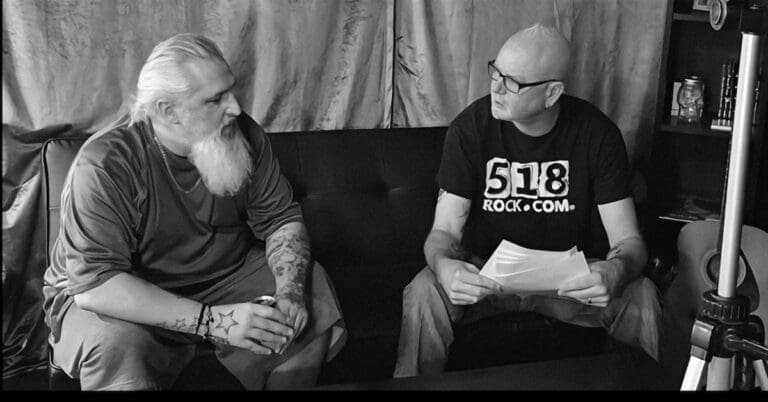
Some artist interviews take place in a studio. Some happen backstage before a show. And sometimes they happen in a basement — with a “conversation” that keeps running far longer than anyone expected. Most of my interviews are about 20 minutes. This one went for several hours — and adult beverages may or may not have contributed to that — but we lived through it. This was a hard one to trim down, so an “extended play video” of the day does exist (although who knows if it will — or should — ever surface). It started and ended with laughs. In fact, when my subject walked into my basement studio, the first thing he noticed wasn’t the camera or audio recorder. It was the black faux-leather sofa. “Is this the casting couch?” he asked, eyeing it as if it might come with a waiver form. That’s pretty much how my recent talk/hangout session with hip-hop artist Kuntry Strong (aka Bryan Delurey) unfolded as we talked about new music, old memories, and the strange path that led from upstate New York to a country rap career built 800 miles from where it started. We both currently live in Schaghticoke and have become friends over the last few years, so this meet-up was ultimately inevitable.
Kuntry Strong is one half of the BoonDock Kingz, alongside his longtime collaborator and Georgia resident Danny McAllen. Together, they’ve built a sound that blends country storytelling with hip-hop energy – along with a tinge of Irish heritage, and shaped as much by lived experience as by geography. That foundation is at the center of their upcoming project, “3 Piece N’ a Biscuit,” which is now a fully recorded EP headed toward a mid-May release. Much of the project has been built in a way that reflects how modern music is made now — not in a single room, but across distance. “At the moment, I’m in my studio at my house; he’s down South,” Kuntry explained. “We’re video chatting, going over songs, writing together. I’m doing a session, recording my parts, and sending the whole session over. He uploads it. It’s all coming from the same place, even though we’re not in the same room.” Kuntry is originally from the Valley Falls area but moved to Atlanta to pursue his music career at age 21. He met his partner through a mutual friend, and within a year, they had formed the group and recorded their first song.
His musical roots include growing up with the sounds of Chuck Berry and Garth Brooks, and later being exposed to Wu-Tang Clan and Snoop Dogg. That could explain the origin of his interest in this particular cross-genre sound. He also cited Bubba Sparxxx, who he described as “a hip-hop guy from the country.”
His favorite rapper of all time? “It’s Jay-Z by a mile.” I also happen to know he’s a huge Guns N’ Roses fan. That’s a pretty broad range of musical taste.
At one point, I asked him the reason for his return to the North Country. Every musician has a legend attached to them. Kuntry’s involves an “accidental discharge,” an apartment ceiling, a very unlucky cat, and the authorities asking him if he thought the situation was funny. “Not funny ‘ha ha’ … funny ‘peculiar,’” was apparently his response. Epic. For the rest of this one — again — the video (if I ever obtain permission to release it). PS … don’t worry, the cat survived.
This conversation was — probably for the best — interrupted when my wife, Lisa, surprised us with a full chicken dinner with biscuits. It was a sneak attack by the Irwins, and Kuntry didn’t see it coming. “That’s wild,” he said, laughing. “That’s actually a 3 Piece N’ a Biscuit. Perfect.” We all enjoyed the dish while listening to the new EP. It just seemed fitting. Between bites, Kuntry described the project as a “country rap mud park party record,” rooted in trucks, whiskey, and storytelling that reflects their world. The tracklist includes “Who I Am,” “Time Is On Our Side,” and “Pull Up,” which is the first single, being released on April 23. A fourth song exists, but Kuntry described it as “top secret” and chose not to share details. I tried bribing him with more chicken, but he wouldn’t budge. He also talked about music production and how collaboration has changed over time. He referenced how songs used to require physical travel just to make small edits, compared to now, where entire sessions move instantly between people. The moment turned into the running theme of the interview — things just happened naturally and somehow fit the project perfectly.
Earlier in the day, Mr. Strong and Mrs. Irwin both took part in what I called the “Eddie Vedder Challenge,” a sort of game show-type contest in which they both tried to interpret lyrics from Pearl Jam. This was staged and “hosted” by yours truly, as it’s well known that Kuntry isn’t a fan of the band or what he calls “‘90s depressing rock.” He immediately reacted. “Man, I can’t understand a word this dude is saying,” he said. “This sounds like somebody singing with a mouth full of peanut butter.” After a few rounds, he emerged the winner — barely. “I’m sticking with hip-hop,” he proclaimed.
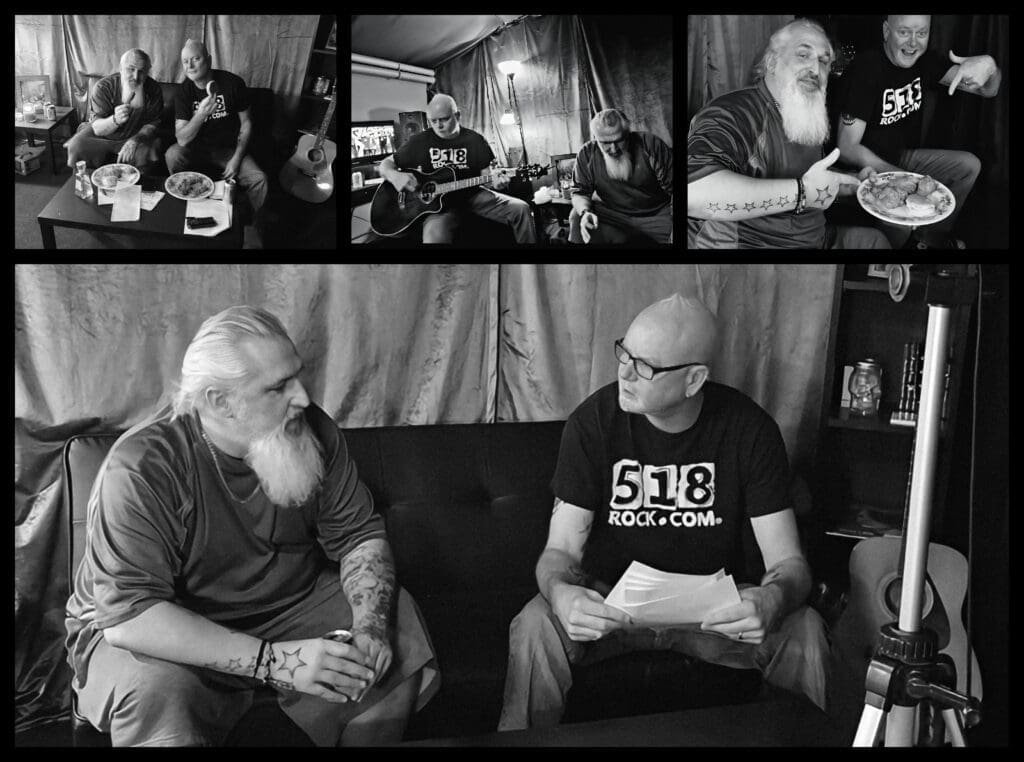
From there, our parley-turned-party drifted into a series of hypothetical scenarios and creative tangents, including what kind of score he would create for a sequel to “Big Trouble in Little China.” He declined, but added that it “would probably sound like Wu-Tang.” “I would contribute a song, though,” he said. “I’d call it ‘The Check is in the Mail.’” Fans of the film will get that one. This is another running joke with us, as we are both big Kurt Russell fans – and self-proclaimed co-founders of the yet-to-be-materialized Schaghticoke Chapter of the Big Trouble in Little China Fan Club. That led to other strange ideas (mostly mine), including a fake collaboration tied to the 2010 film “Country Strong,” and whether he would do a duet with star Gwyneth Paltrow. “I’d let her handle the hooks,” he joked. He also assured me that he “had that name first,” and added, “And if it wasn’t for my rap spelling, I could have collected on that.”
There was also a deeper moment when he discussed his speech patterns and stutter, which shows up from time to time. “When I’m performing or recording, I don’t stutter at all,” he said. “Everything has to have rhythm. If there’s a pause in the rhythm, that’s when I get stuck.” He explained how speech therapy helped, but music ultimately gave him structure and confidence. He also talked about how hearing his own voice recorded was something he had to adjust to over time, like most artists.
The conversation also drifted into family, which I noticed is important in his life. In fact, Kuntry’s own daughter is included in many of his group’s videos. They are fun to watch – and uplifting … packed full of friends just having a good old time sharing positive vibes. I also heard a great story about his grandmother, who is still very socially active in her late 80s. “She’s a socialite,” he said. “She’ll be 88 in June. She still loves going out, talking to people, having a beer.” We stretched far beyond music at points — including discussions about tattoos, late-night creativity, and a question about whether anyone would ever believe half of what was recorded if it was released uncut. I picked up a guitar at one point, and he joined me with some freestyle verse. Kuntry even joked at one point that the entire thing felt like a documentary in real time. And in many ways, it was.
By the end of the afternoon (OK, fine … the very late evening), nothing felt structured anymore. It had moved from music to memory to family to absurd humor to real reflection — often without warning and often while someone was laughing in the middle of it. But that kind of chaos is exactly what made it work. Because sometimes the best interviews aren’t interviews at all. They’re just friends in a basement, shooting the breeze — with chicken on the table, drinks in hand, music in the background, and a story that keeps writing itself. This one is just getting started.
Pre-save “Pull Up” from BoonDock Kingz and D. Thrash of Jawga Boyz now on all streaming services, and visit the group online at facebook.com/BoonDockKingz.
Big Hair, Big Heart, Big Sound: Steel Magnolias Blooms at Schenectady Civic Players

By Joanna Palladino.
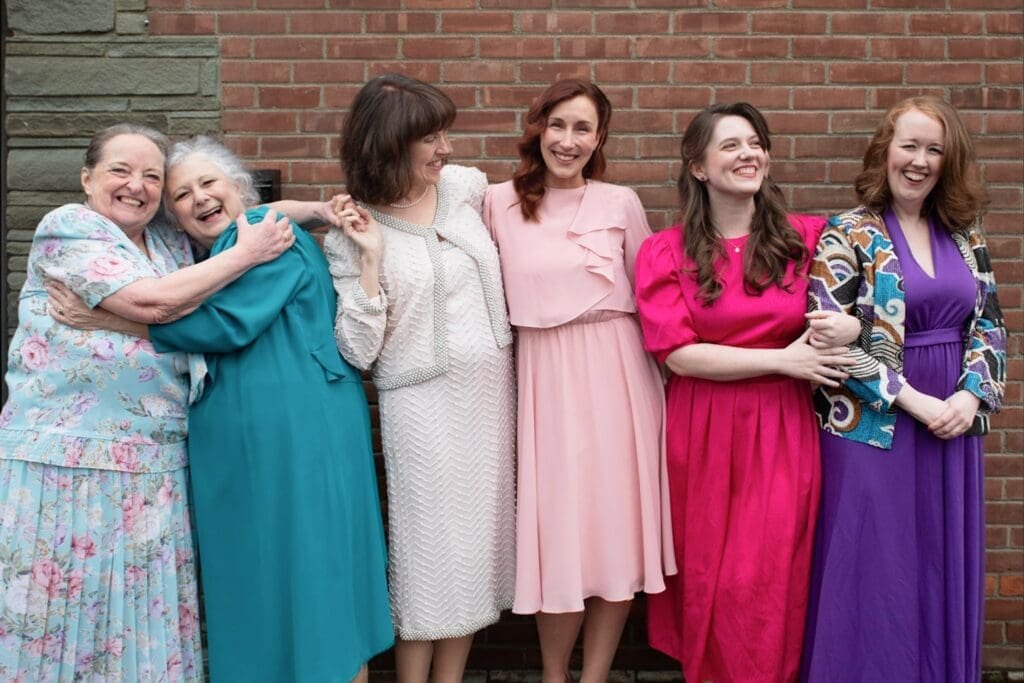
Schenectady Civic Players returns to the salon with a warm, funny, emotionally generous production of “Steel Magnolias” — and under the direction of Kelly Sienkiewicz, the show understands something essential about the play: memory has a soundtrack.
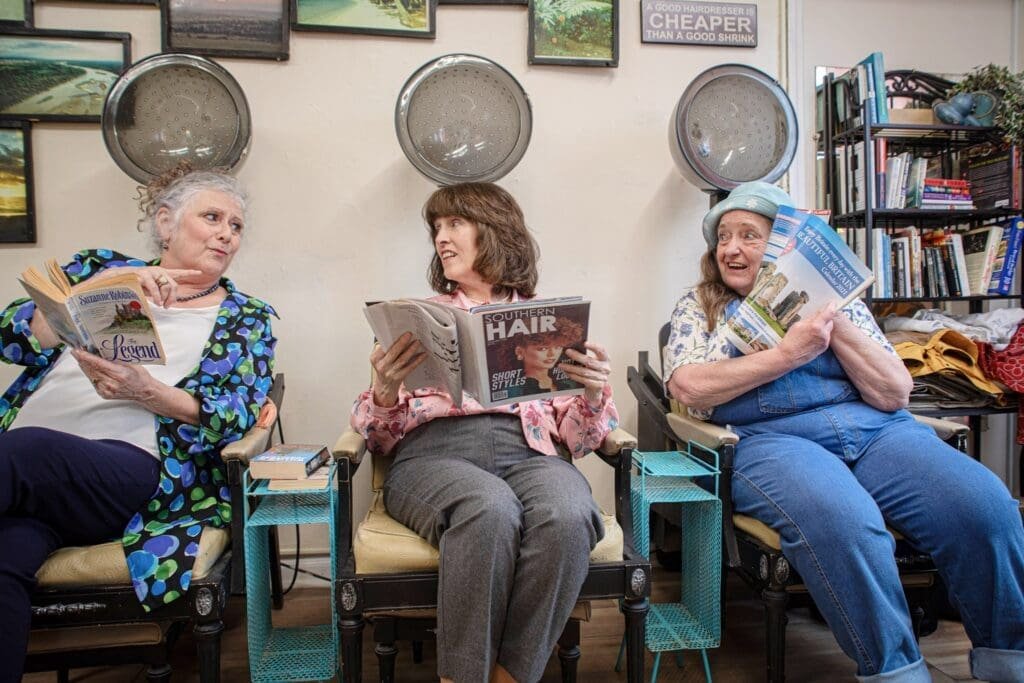
Set inside Truvy’s beauty salon in Chinquapin, Louisiana, Robert Harling’s beloved play lives and dies on rhythm — the rhythm of gossip, grief, teasing, ritual, interruption, and the kind of friendships where people can wound each other and heal each other in the same breath. Sienkiewicz leans into that pulse from the very beginning, creating a production that feels lived-in rather than staged. The women don’t merely recite lines; they overlap, react, needle, console, and laugh like people who have known each other for years.
Amanda Conlon gives Truvy warmth without reducing her to caricature. As the salon owner and emotional center of the play, she keeps the story grounded with charm, timing, and genuine generosity. Brigid Beck charts Annelle’s evolution from a shy and uncertain outsider to self-assured woman with lovely comic timing and sincerity. Melissa Putterman Hoffmann delivers Clairee’s dry wit with impeccable precision, bringing elegance and mischievous sparkle to nearly every scene. Carol Charniga wisely avoids turning the famously cantankerous Ouiser into a one-note punchline. Her sharp barbs land because they come from recognizable loneliness and guarded affection.
Jennifer Schnurr gives Shelby genuine brightness, stubbornness, and vulnerability — making her feel less like a tragic symbol and more like a fully realized young woman determined to live on her own terms. Joan Horgan as M’Lynn anchors the production emotionally with restraint that makes the play’s most devastating moments hit even harder. Her performance understands that grief is often fought quietly until it suddenly can’t be contained anymore. Her shining moment is the heart-wrenching scene made famous by Sally Field in the movie. Horgan doesn’t mimic that scene at all. Instead, she delivers her own beautifully acted interpretation of the tease of grief with authenticity.
What’s most striking, though, is the ensemble chemistry. These women feel connected from the first scene. There’s an ease to the pacing and interaction that suggests deep trust between performers — exactly what this play requires.
Kudos to the Crew
The production also benefits enormously from the work happening beyond the stage lights. Director Kelly Sienkiewicz brings a clear and deeply personal vision to the production, balancing humor, nostalgia, and heartbreak with remarkable confidence. Assistant Director Jean Carney helps maintain the production’s fluid pacing and emotional cohesion, while Producer, Dialect Coach, and Hair Designer Laura Graver wears multiple hats throughout the production with impressive skill.
Stage Manager Amanda Lupe keeps the show moving seamlessly, while Scenic Designer David Zwierankin creates a salon space that feels genuinely lived in — intimate, practical, and believable. Zwierankin’s set construction work further enhances the realism of the environment. Lighting Designer David Caso gives the production warmth and softness without overcomplicating the emotional palette, assisted by Cheryl Hussey and Stephen Wilson. Costume Design by Sienkiewicz and Laura Graver captures the era without parody. Board Operator Jennifer McCumber keeps the technical execution sharp and smooth, and Melissa Peterson fills the salon with props and details that make the space feel authentic down to the smallest touch.
The sound design created by Barry Streifert alongside Sienkiewicz should also be mentioned – transforming familiar 1980s songs into emotional storytelling devices rather than simple nostalgia cues. The complete musical journey of the production becomes a character all its own. And surrounding all of this is a lovingly curated soundscape.
Before the show even begins, the audience is immersed in a late-1980s sonic world full of mall-radio optimism and Aquanet confidence. Then the house lights dim and “Hurts So Good” (John Cougar Mellencamp) kicks in for the opening scene — a perfect choice. The song’s swagger and loose energy immediately announce that this version of Steel Magnolias isn’t embalmed Southern nostalgia. It’s alive.
Throughout the evening, music arrives organically through an onstage radio gifted to Truvy’s salon, one of the production’s cleverest framing devices. Instead of awkward transitions or dead air, scenes bleed into one another through songs that subtly comment on the action. Christmas selections like “Hard Candy Christmas” (a wink and a nod to Dolly Parton, who played the character Truvy in the film) create tonal complexity: funny, melancholy, kitschy, and deeply human all at once.
What’s especially impressive is how the music tracks Shelby’s emotional arc without ever becoming manipulative. Songs like “Live to Tell,” “Father Figure,” and “Can’t Fight This Feeling” quietly underscore the show’s deeper concerns: mortality, caretaking, romantic idealism, and the terrifying fragility beneath everyday life.
And then there’s the ending.
The use of “Theme From Hawaii Five-O” — used by Shelby during a competition complete with flaming batons in high school — lands with surprising emotional force. It’s a memory cue disguised as a novelty tune. By the time the cast reaches bows with “Sisters Are Doin’ It for Themselves” (The Eurythmics & Aretha Franklin) the production has fully revealed what it has really been about all along: female friendship as survival.
That final musical choice is especially poignant. Released in 1985, “Sisters Are Doin’ It for Themselves” was groundbreaking for its time — a full-throated feminist anthem bringing together Annie Lennox and Aretha Franklin in a celebration of women’s independence, resilience, labor, friendship, and survival. In the context of “Steel Magnolias,” the song becomes more than a triumphant curtain-call number. It feels like a final thesis statement for the entire play: women carrying one another through joy, illness, disappointment, grief, beauty, humor, and life itself.
Sound Designer Barry Streifert shared the entire playlist of the show.
Pre-Show Playlist
- I Wanna Have Some Fun — Samantha Fox
- Shake Your Love — Debbie Gibson
- I Think We’re Alone Now — Tiffany
- Girls Just Want to Have Fun — Cyndi Lauper
- Only in My Dreams — Debbie Gibson
- When Doves Cry — Prince
- How Will I Know — Whitney Houston
- Candy Girl — New Edition
- Heaven Is a Place on Earth — Belinda Carlisle
Act One
- Hurts So Good — John Cougar Mellencamp
- White Wedding — Billy Idol
- Christmas in Hollis — Run-D.M.C.
- Peace on Earth/Little Drummer Boy — Bing Crosby & David Bowie
- Last Christmas — Wham!
- Rockin’ Around the Christmas Tree — Brenda Lee
- Do They Know It’s Christmas? — Band Aid
- Hard Candy Christmas — Dolly Parton
- Christmas Wrapping — The Waitresses
- Wonderful Christmastime — Paul McCartney & Wings
- Dominick the Donkey — Lou Monte
- Every Little Step — Bobby Brown
- Material Girl — Madonna
- Girl You Know It’s True — Milli Vanilli
- Lost in Emotion — Lisa Lisa & Cult Jam
- In Your Room — The Bangles
- Pour Some Sugar on Me — Def Leppard
Act Two
- Cruel Summer — Bananarama
- Never Gonna Give You Up — Rick Astley
- Hysteria — Def Leppard
- Burning Down the House — Talking Heads
- Take on Me — a-ha
- When I’m With You — Sheriff
- Father Figure — George Michael
- Every Rose Has Its Thorn — Poison
- Can’t Fight This Feeling — REO Speedwagon
- If I Could Turn Back Time — Cher
- Cold as Ice — Foreigner
- Live to Tell — Madonna
- Theme From Hawaii Five-O — The Ventures
Curtain Call
- Sisters Are Doin’ It for Themselves — Eurythmics & Aretha Franklin
In an era where many productions treat period settings as excuses for aesthetic irony, this “Steel Magnolias” instead treats the late 1980s as emotional geography. The soundtrack matters because these songs mattered to people. They played in salons, kitchens, malls, cars, and living rooms. They marked first loves, bad marriages, grief, reinvention, and ordinary afternoons.
This production remembers that.
The salon doors may close at curtain call, but the voices, music, and memories of these women follow you home.
Show Info
Location:
Schenectady Civic Players
12 South Church Street, Schenectady
Performance Dates:
May 8 – 17, 2026
Fri & Sat: 7:30 PM
Sun: 2:30 PM
Tickets: www.civicplayers.org
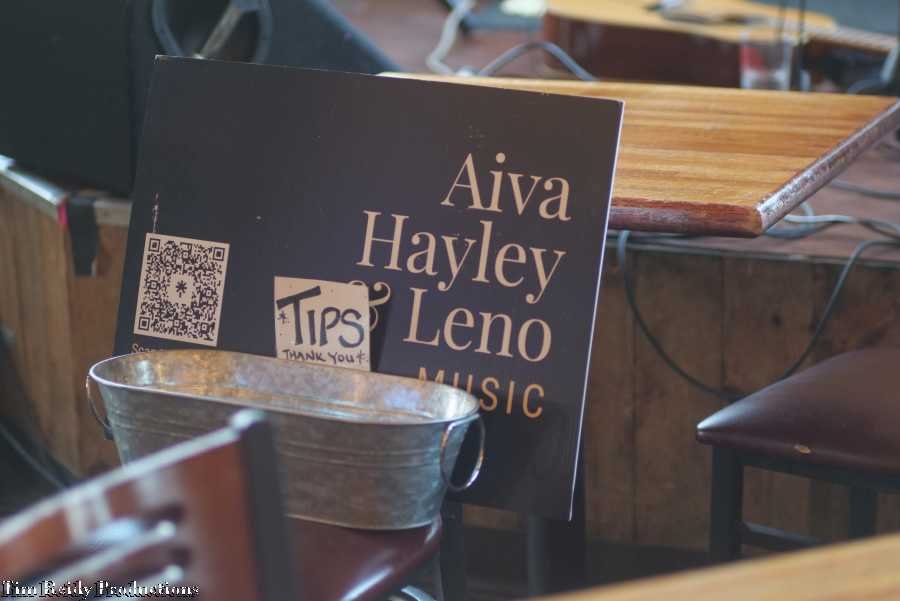
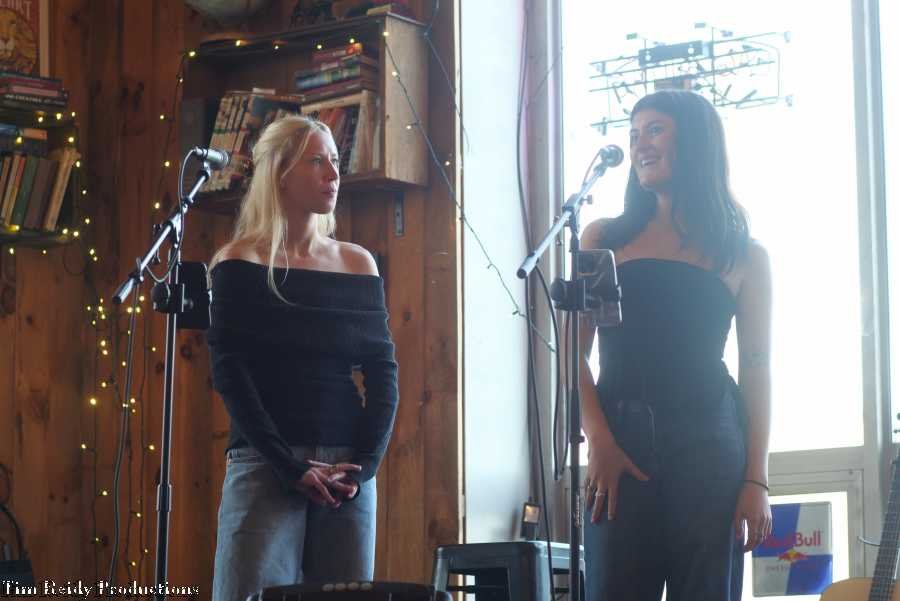
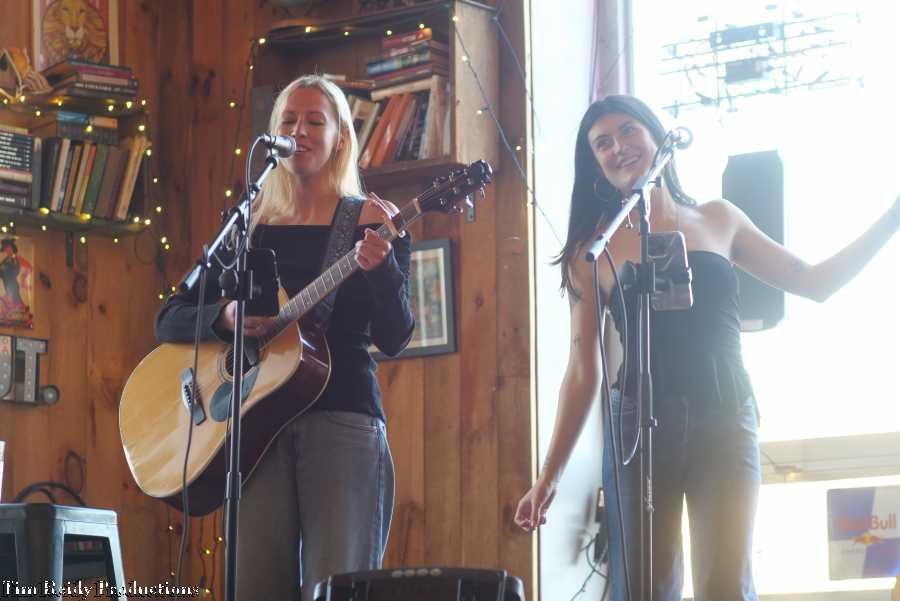
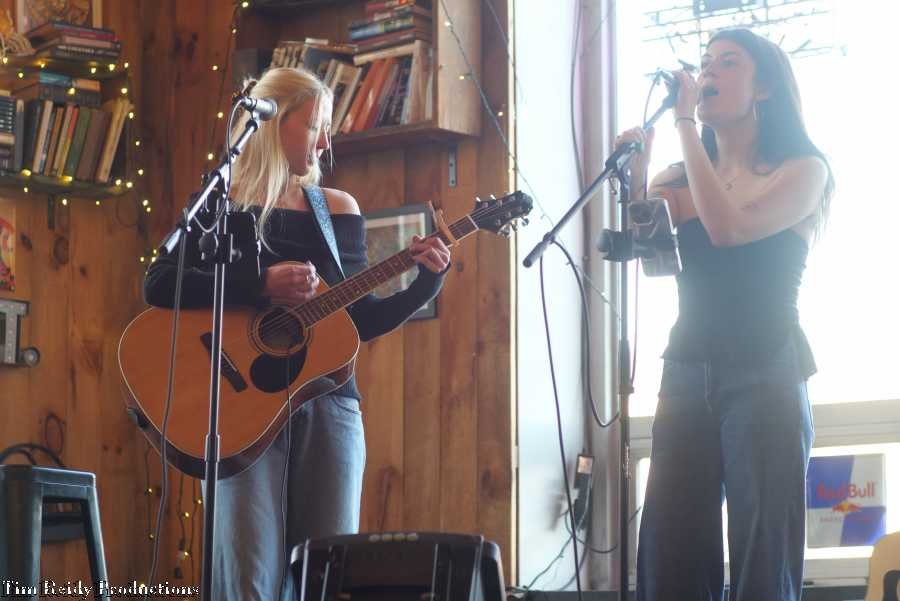
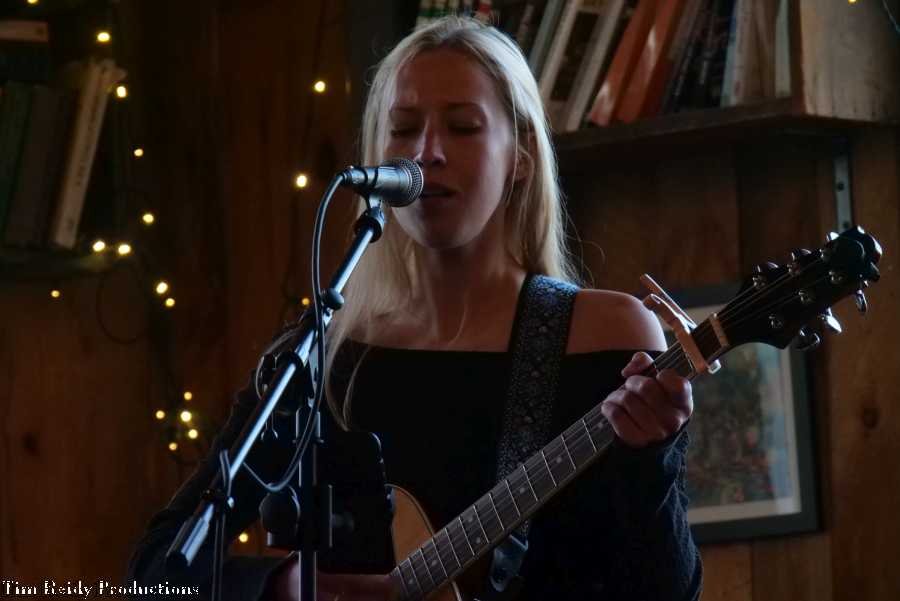
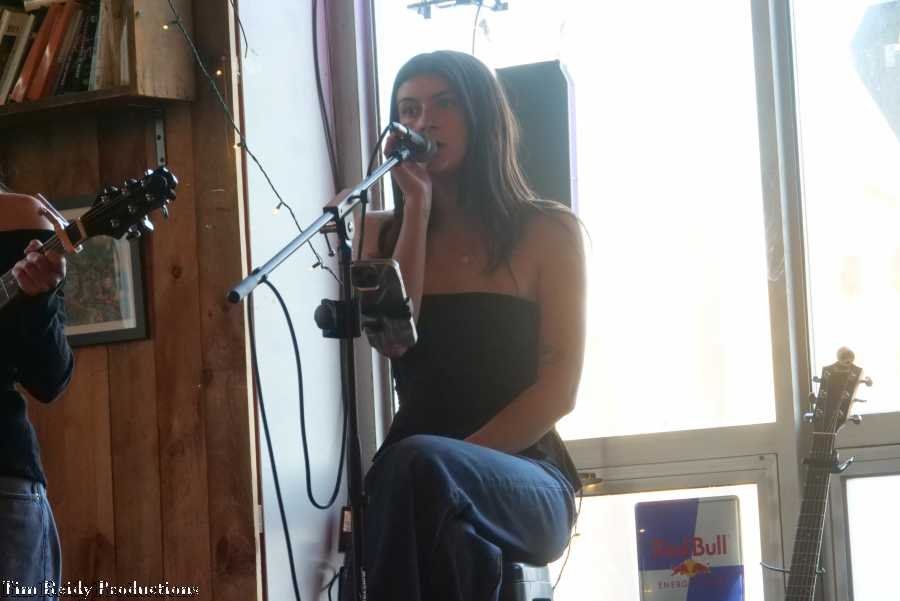
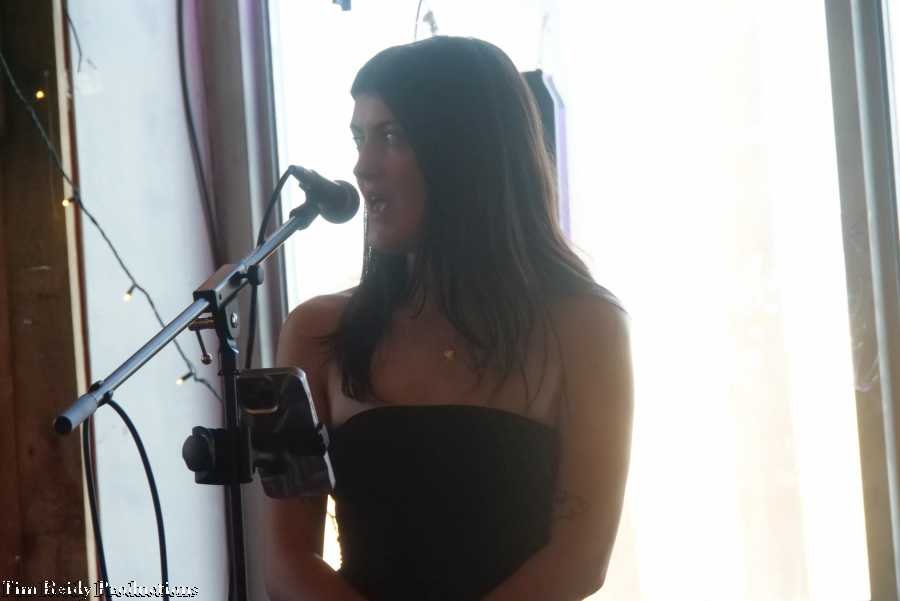
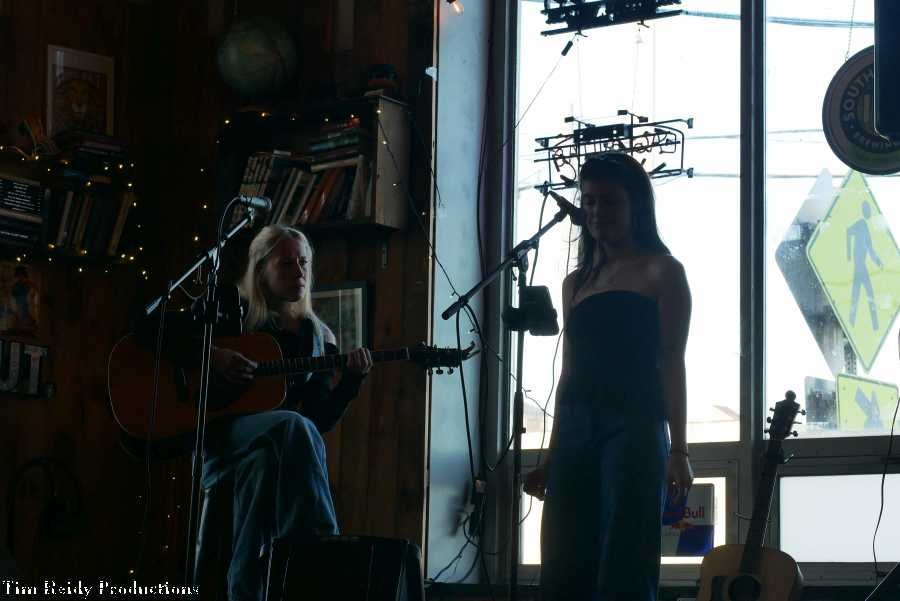
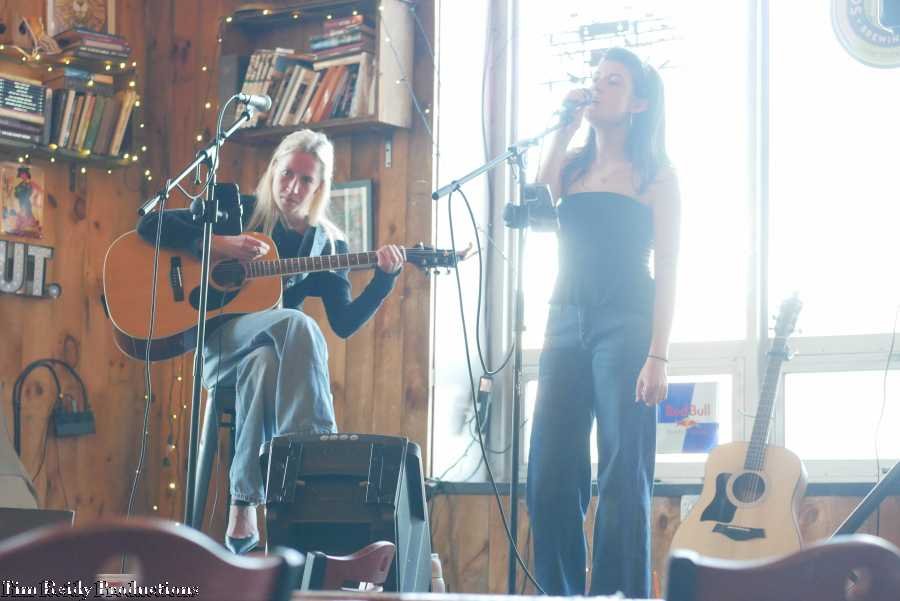
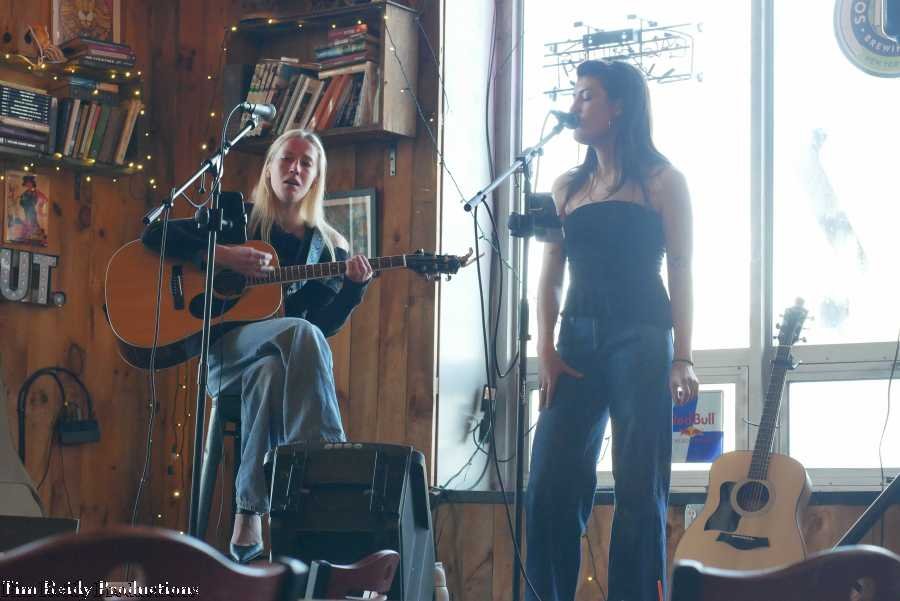
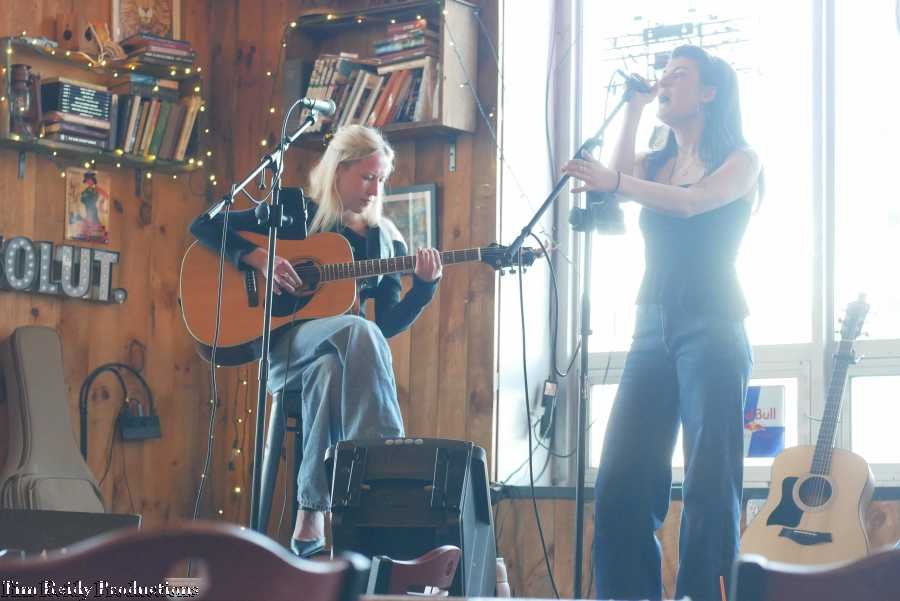
Aiva and Hayley @ Lost & Found, 5/4/2026
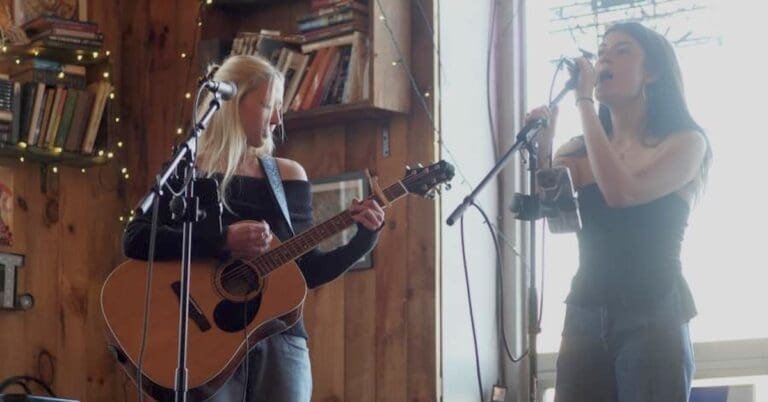
The duo of Aiva and Hayley brought lots of harmony to Lost & Found on a Monday.
Photography by Timothy Reidy.

Three Questions with Gus Unplugged – An Xperience Interview

Image: Gus Hais of Blackcat Elliot at the Fuze Box, August 2, 2025 – photo by Christopher Ebbs
By Rob Skane.
Gus Unplugged always plays from the heart. He has a rocknroll spirit that is unmatched and is always digging deep to create very cool original music. Please visit him at gusunplugged.weebly.com
RRX: What was the moment that made you pick up a guitar and never put it down?
Gus: The back cover of my older brother Nick’s “Let It Be” vinyl has always stayed with me. When I first saw that photo, full of lights, wires, cameras, amps, guitars, Ringo’s percussion scattered everywhere, and, of course, the four of them in the middle of it all, it felt like I was glimpsing the very heartbeat of the music they were creating. I remember wanting to be part of it myself. I must have been about 10 years old. Ironically, my brother Nick gave me my first guitar when I was 12 for my birthday.
RRX: If you could go back and tell your younger self one thing about playing guitar, what would you say?
Gus: Believe in yourself. Don’t follow what’s trendy or popular among your peers. Pursue your passion, do what you feel is right, and keep listening.
RRX: When you’re not onstage or recording, what kind of stuff do you play when no one’s listening?
GUS: With my band, Blackcat Elliot, I’m used to living loud, garage grit, punk edges, the rawness of the CBGB’s era colliding with the ‘90s Seattle sound. But when I step into Gus Unplugged, something else happens with me. The volume changes, the room gets smaller, and I find myself drawn toward the old souls. The slow, lonesome songs and the writers who spoke their truth into simple chords. Johnny Cash, Chris Cornell’s “Songbook” album, Jim Croce, Bob Dylan, Jackson C. Frank, Kris Kristofferson, Gordon Lightfoot, Sean Rowe, and so many others who understood how to let a story breathe. There’s something honest and satisfying about building a song that stands on its own with nothing more than a voice and a guitar.
Jon Anderson and the Band Geeks: Still Reaching for the Top of the World
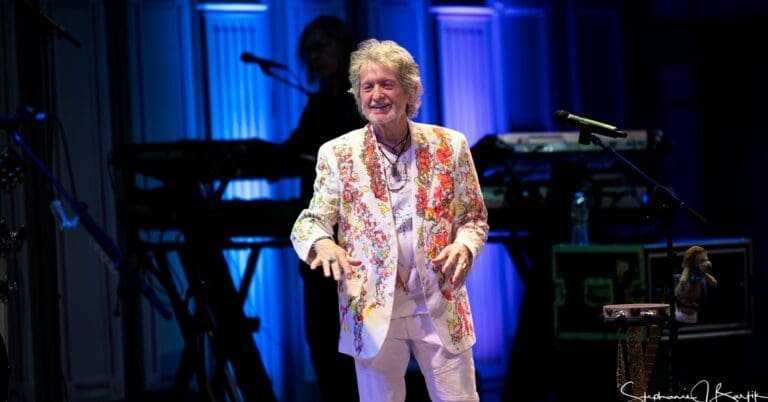
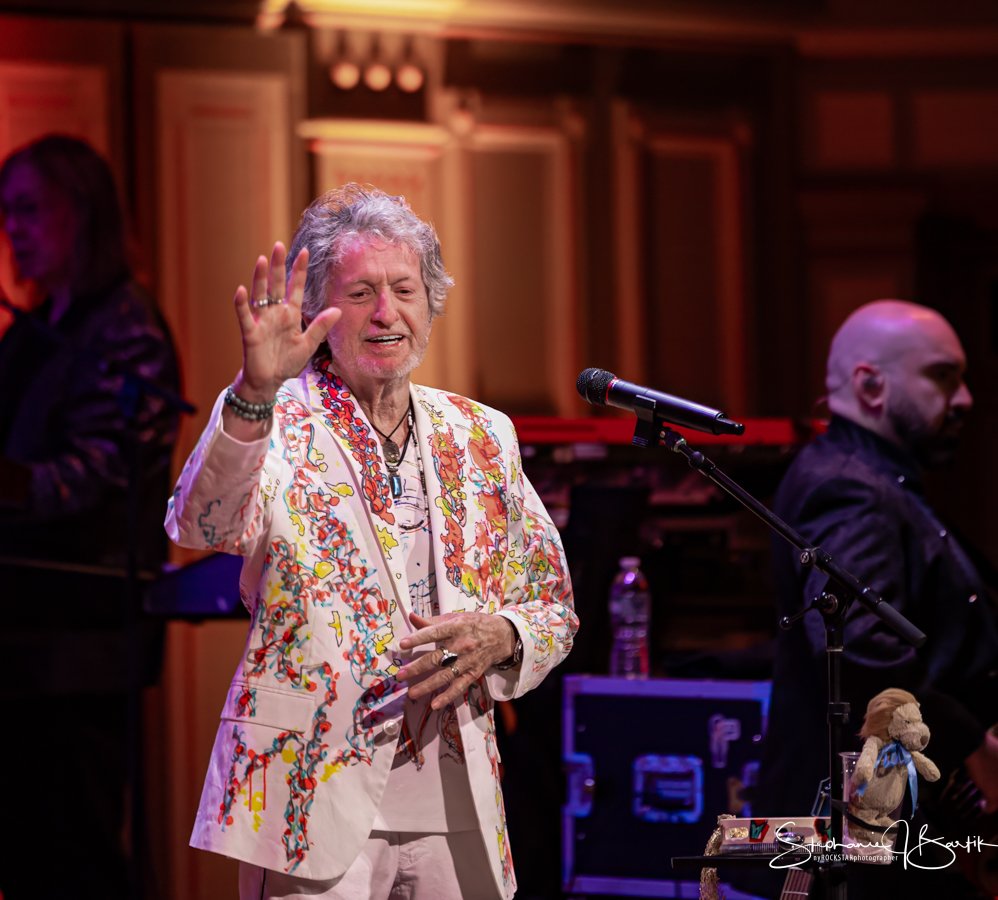
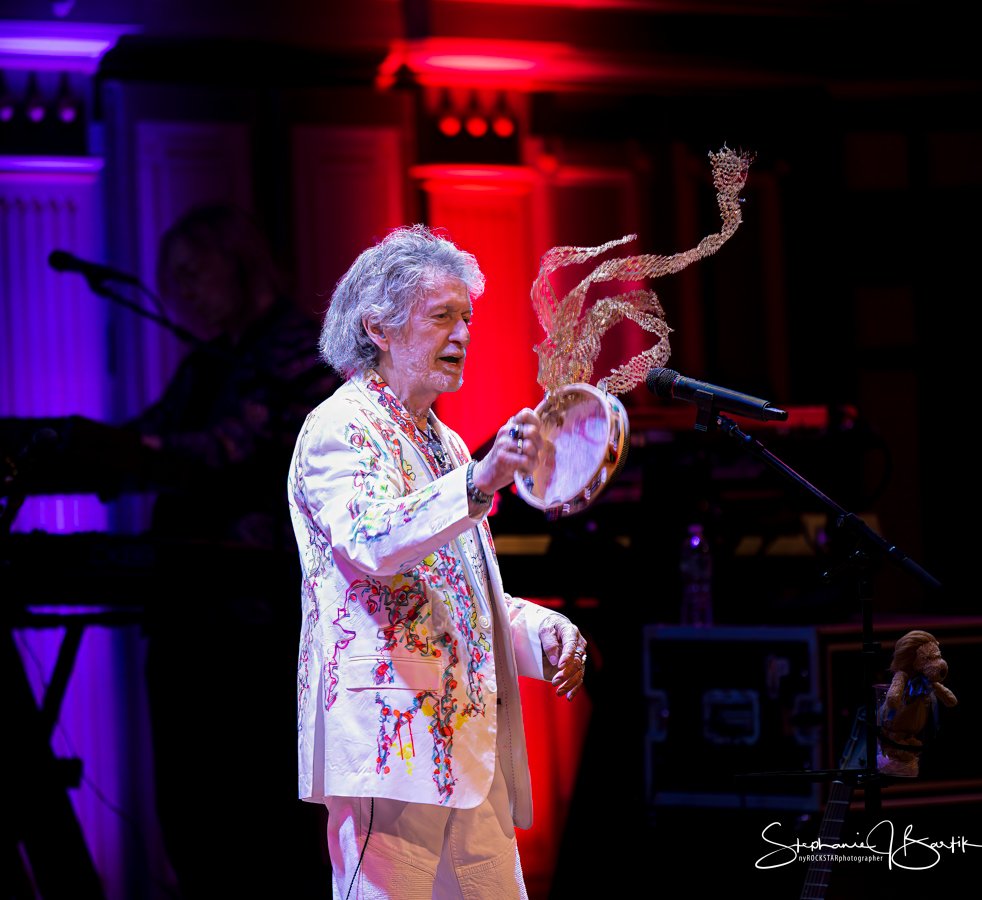
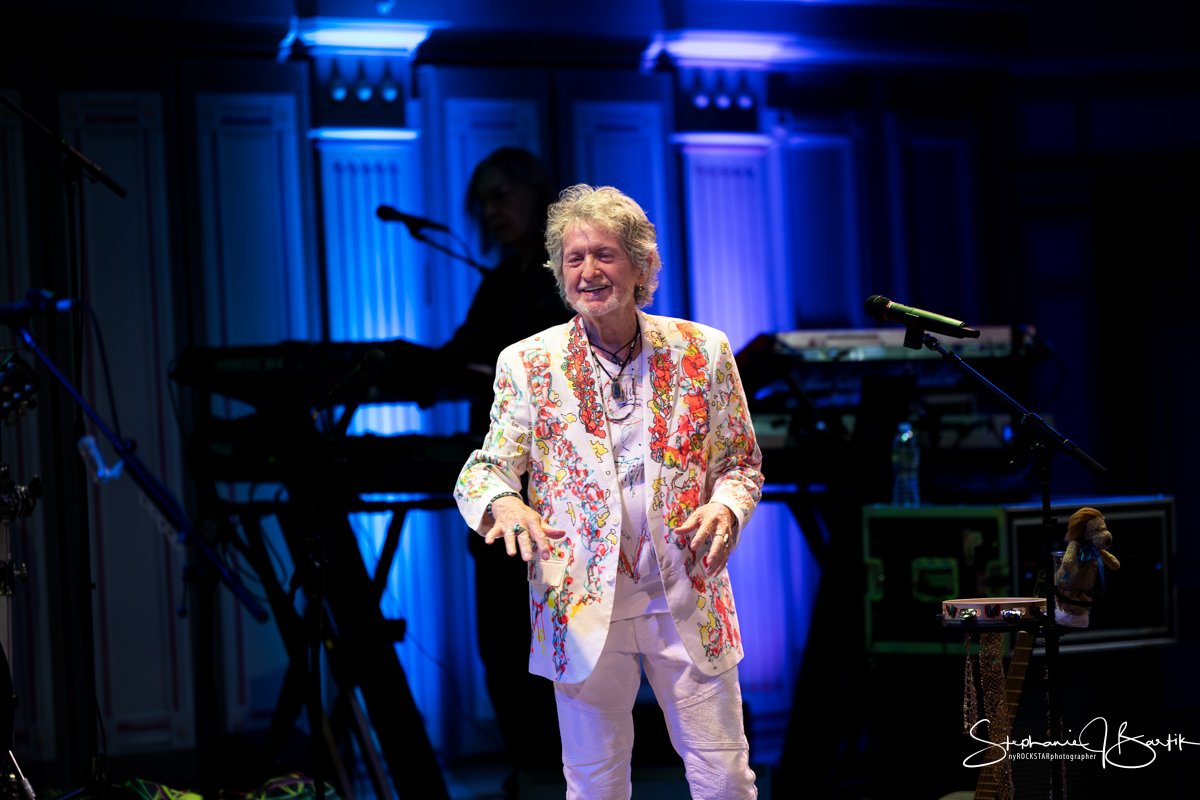
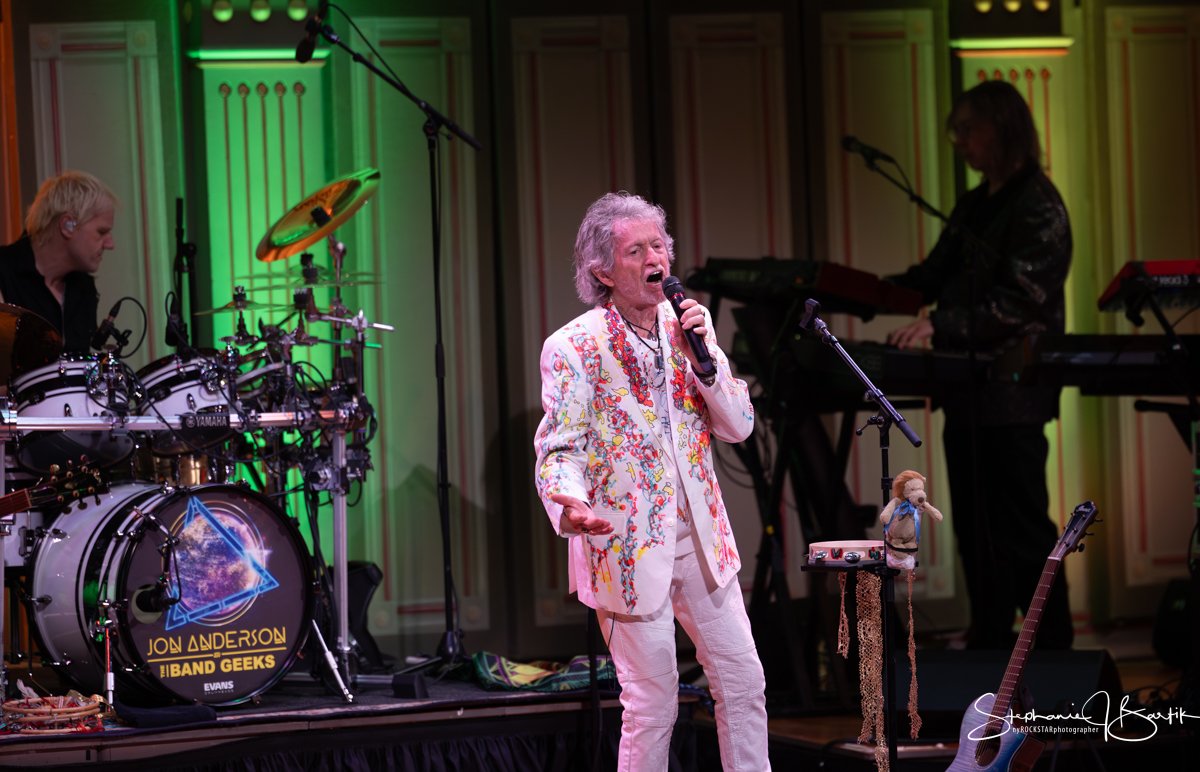
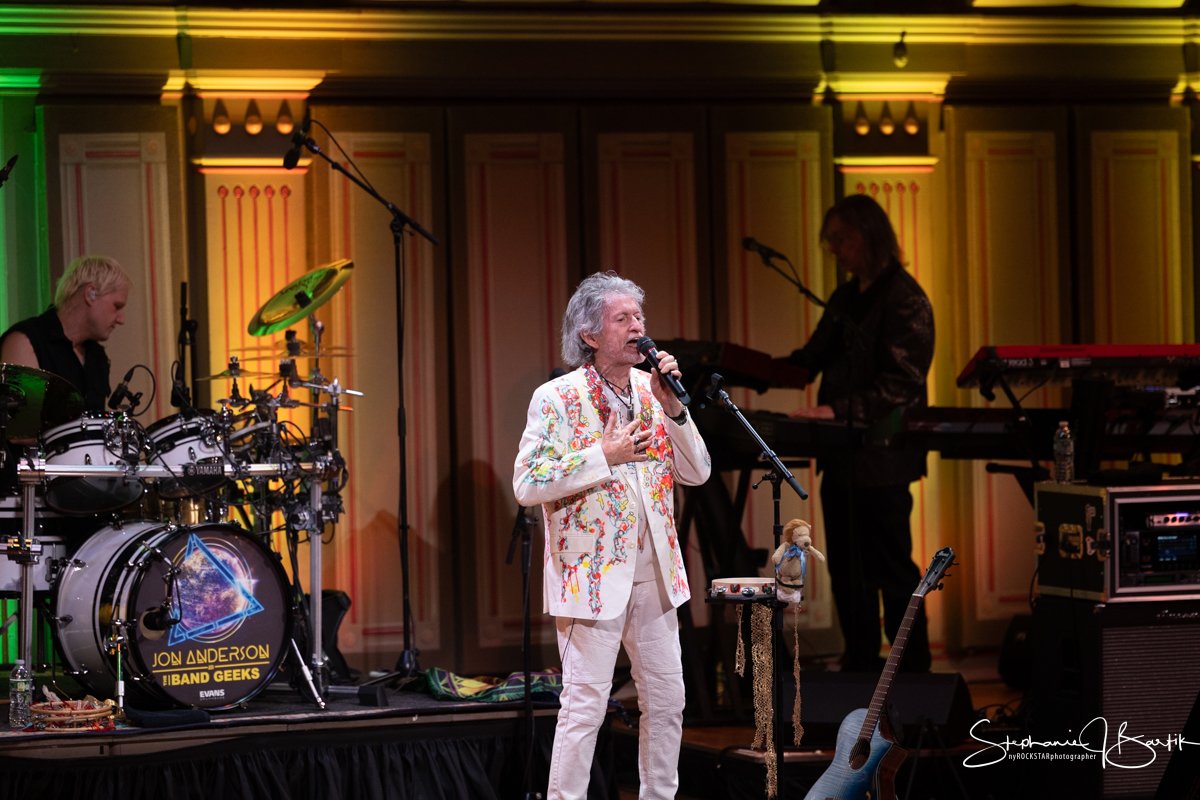
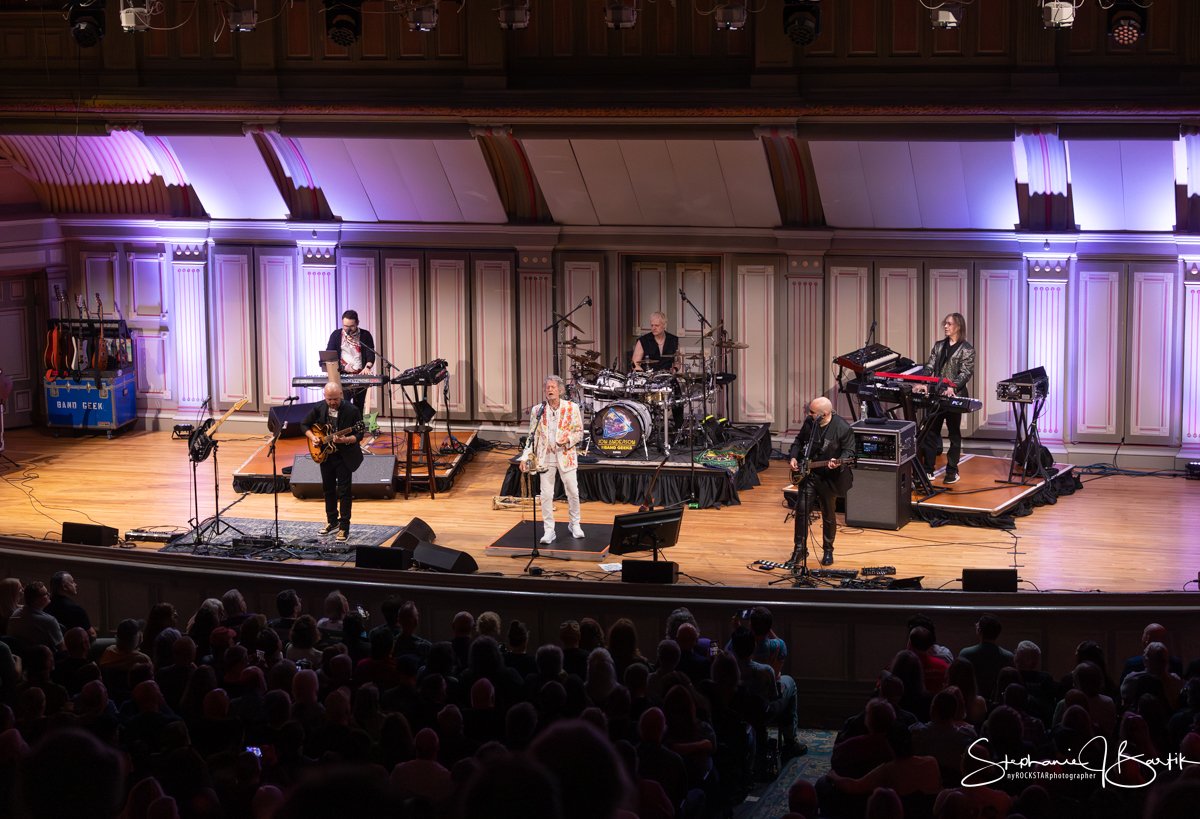
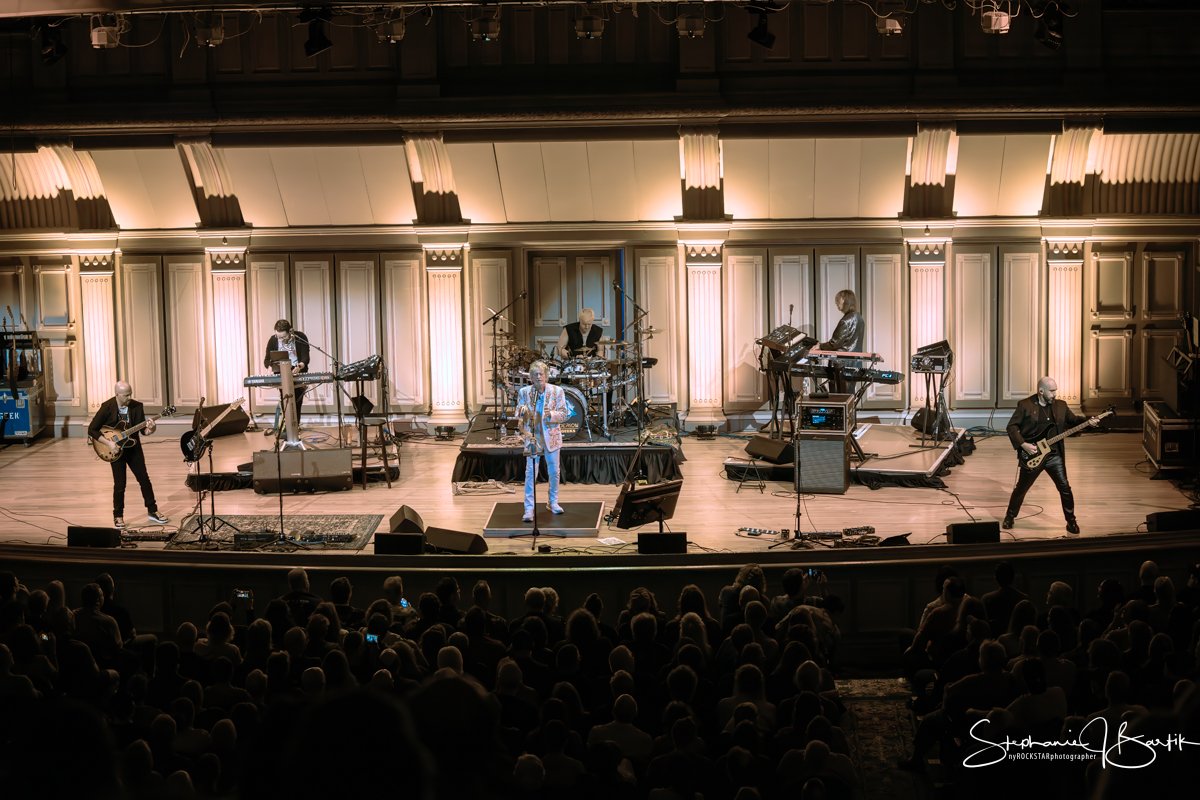
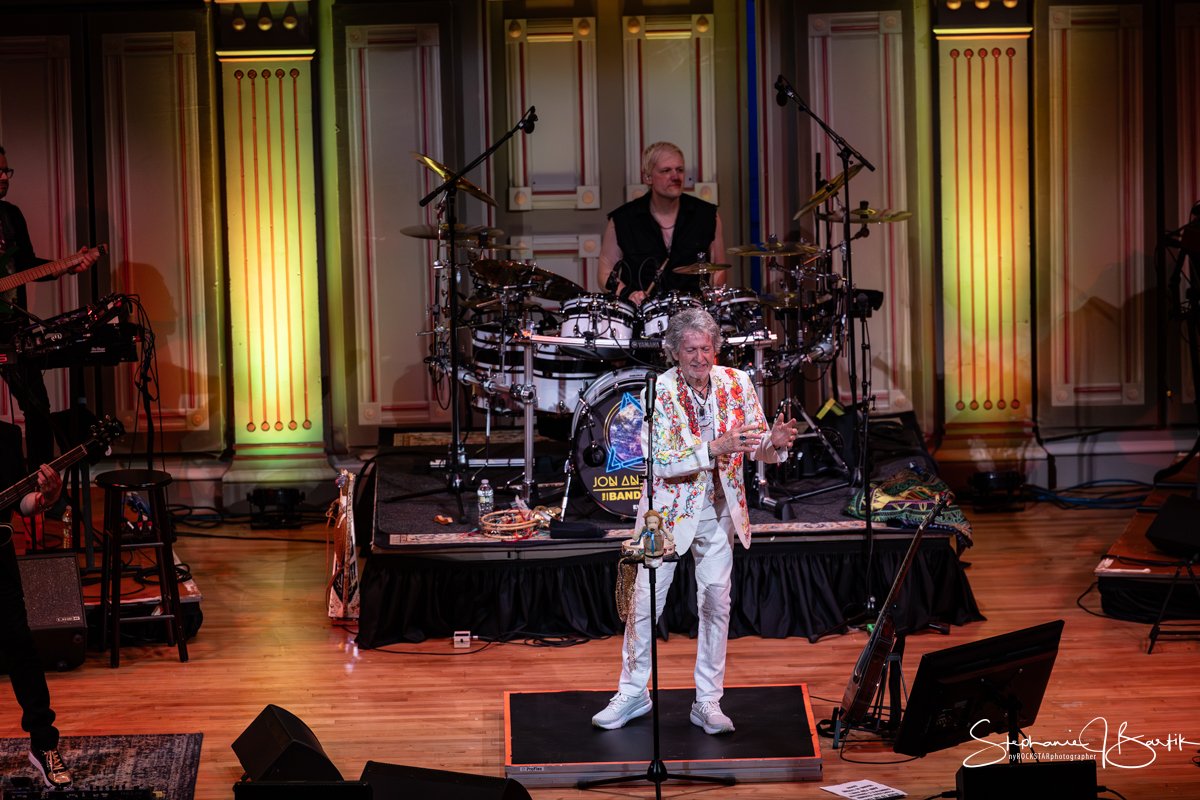
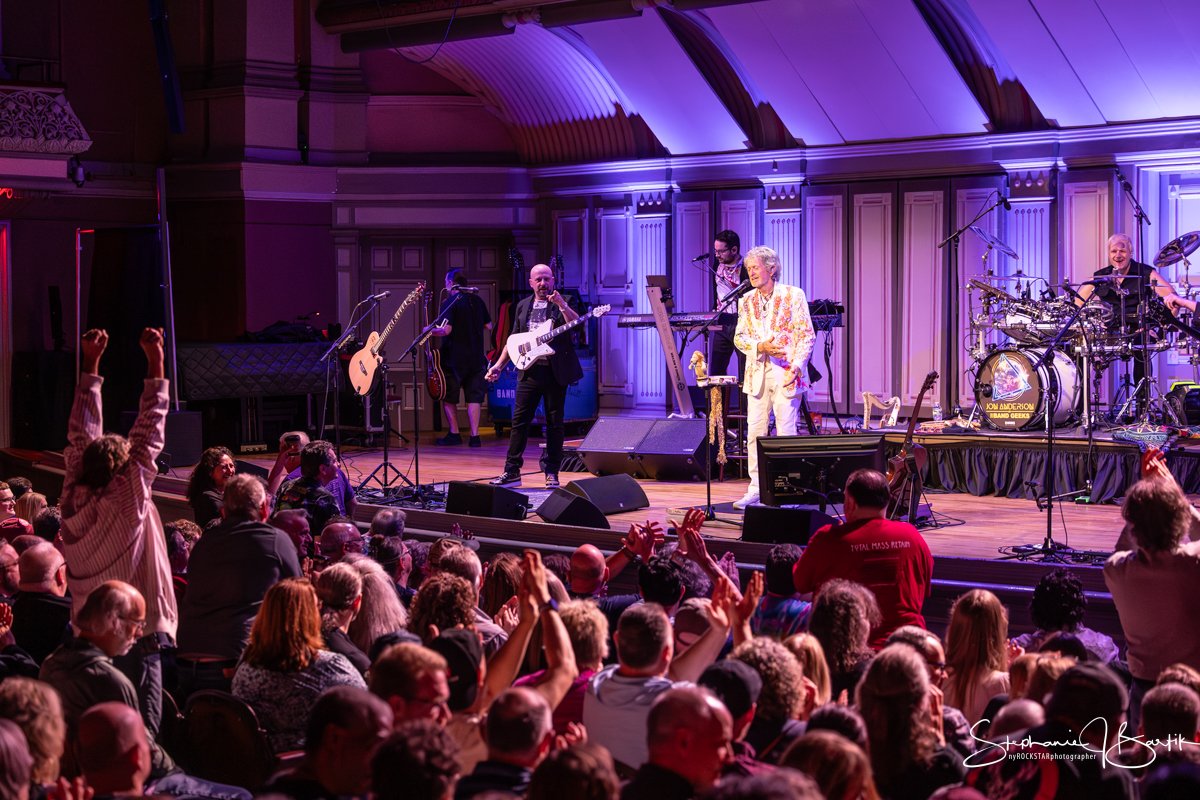
TROY, N.Y. – May 5, 2026 – At 81 years old, Jon Anderson walked onto the stage at Troy Savings Bank Music Hall and immediately erased any doubt about why he was there.
Not as a relic. Not as a nostalgia act. As an artist.
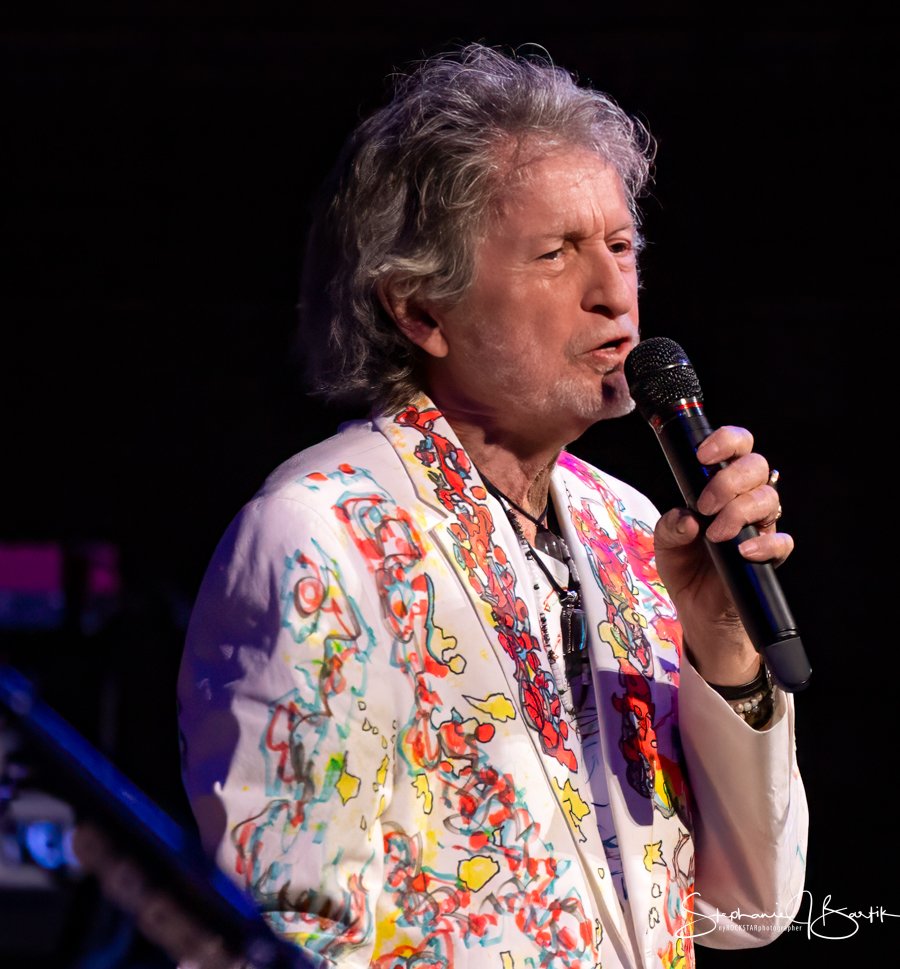
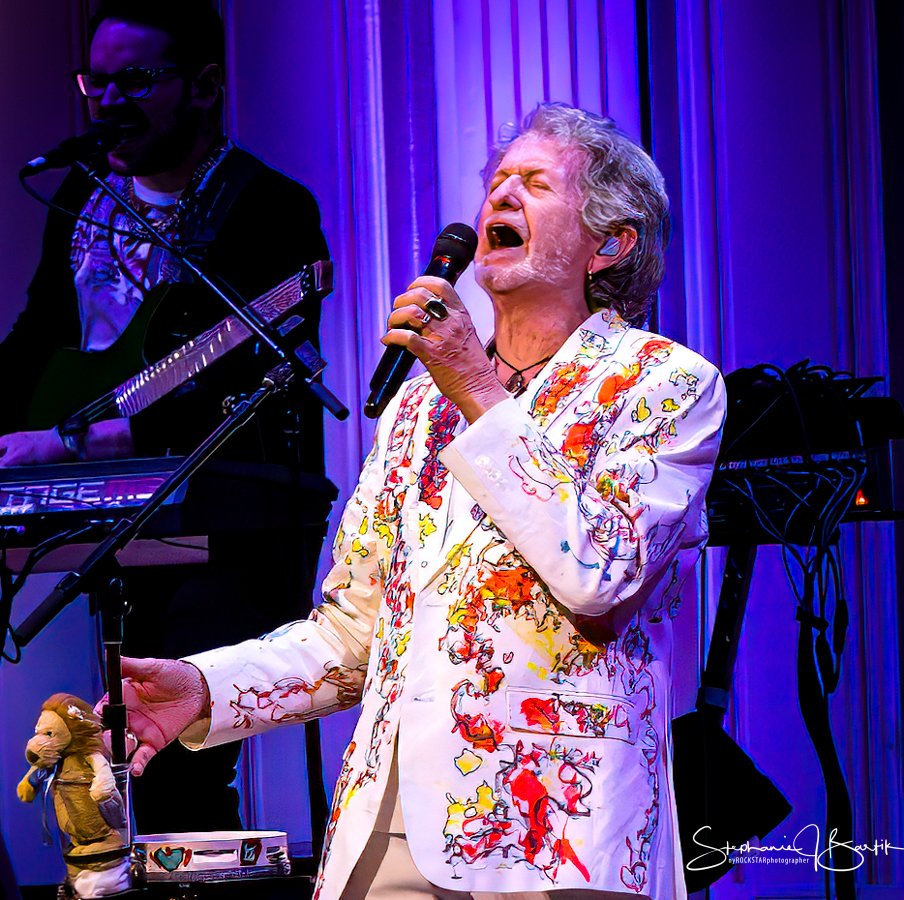
And the voice, let’s address the voice immediately, because that’s what every person in that packed hall was quietly holding their breath about. It’s still there. Not “still good for his age.” Not “surprisingly strong.” Still, unmistakably, Jon Anderson, that angelic, piercing instrument that helped define progressive rock for more than five decades, filling the Music Hall’s magnificent interior with warmth, clarity, and genuine emotion.
It’s a sound that shouldn’t exist, given what Anderson survived.
In 2008, a severe asthma attack triggered acute respiratory failure. Three days in a coma. A near-death experience that left doctors ordering him to step away from performing for six months. Yes, the band he co-founded and fronted, moved on without him.
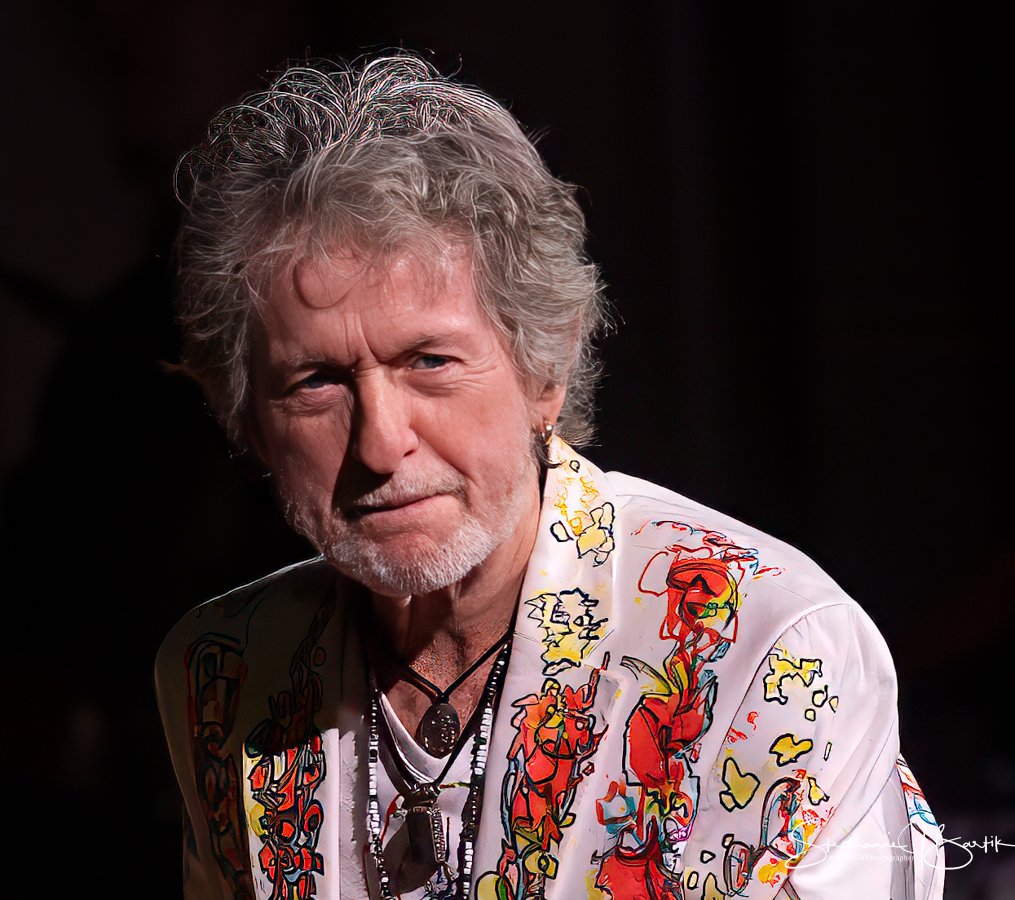
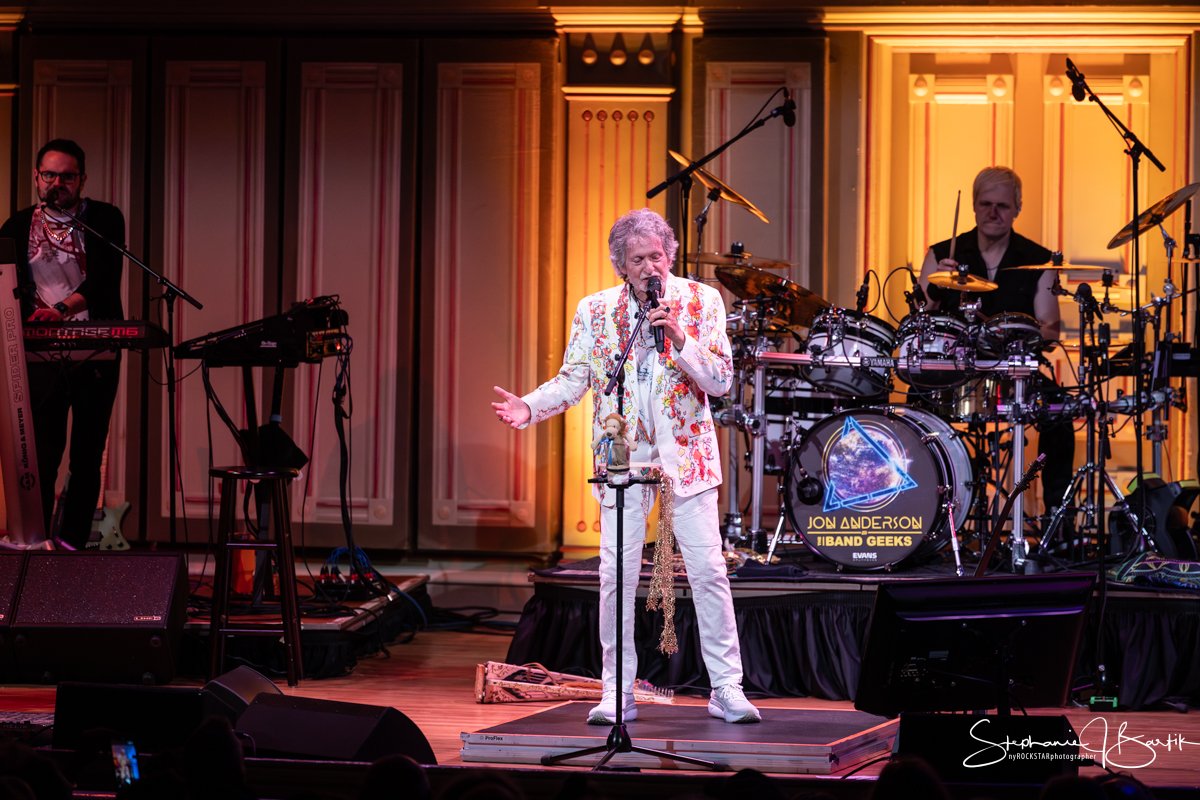
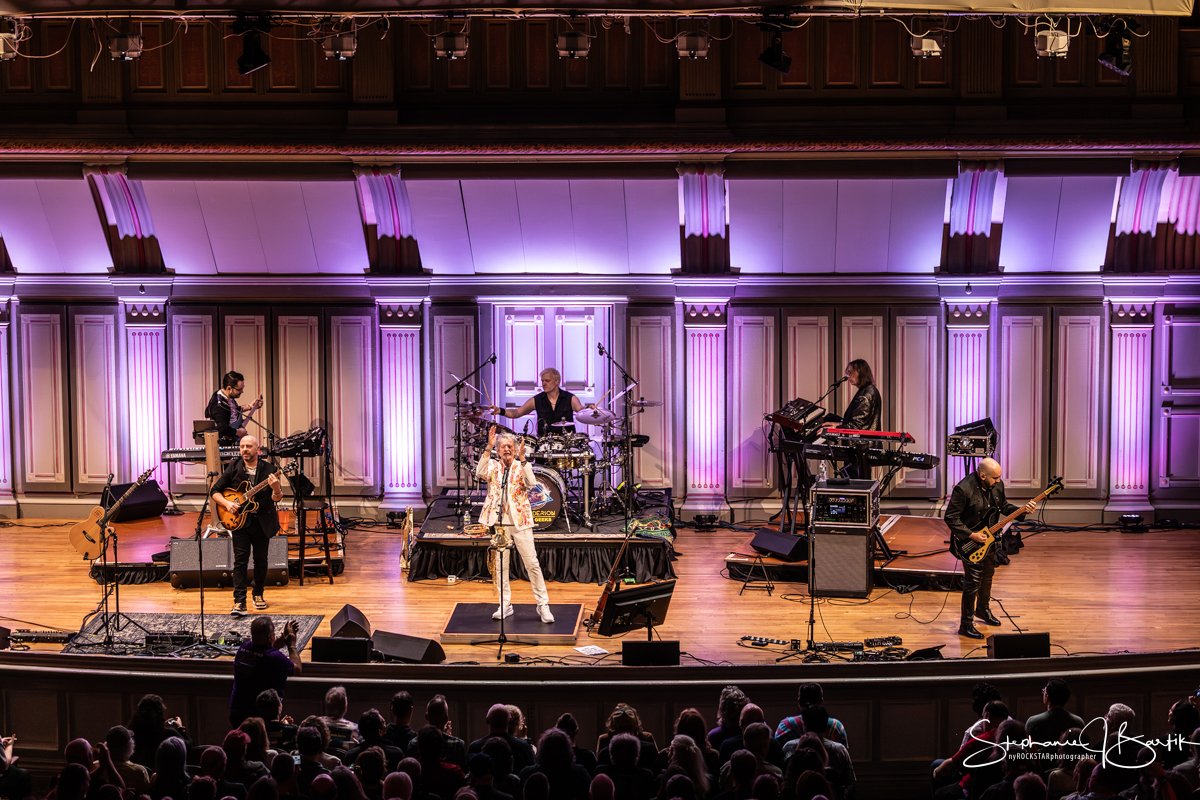
Standing center stage in Troy on Monday night, dressed in a brilliant white jacket splashed with color and radiating joy, Anderson looked less like someone history had left behind and more like someone who simply refused to let it.
“There’ll be no mutant enemy we shall certify …”
The opening strains of “Yours Is No Disgrace” set an immediate tone: there is nothing defeated about this man or this performance. What radiated from the stage throughout the evening wasn’t nostalgia. It was vitality.
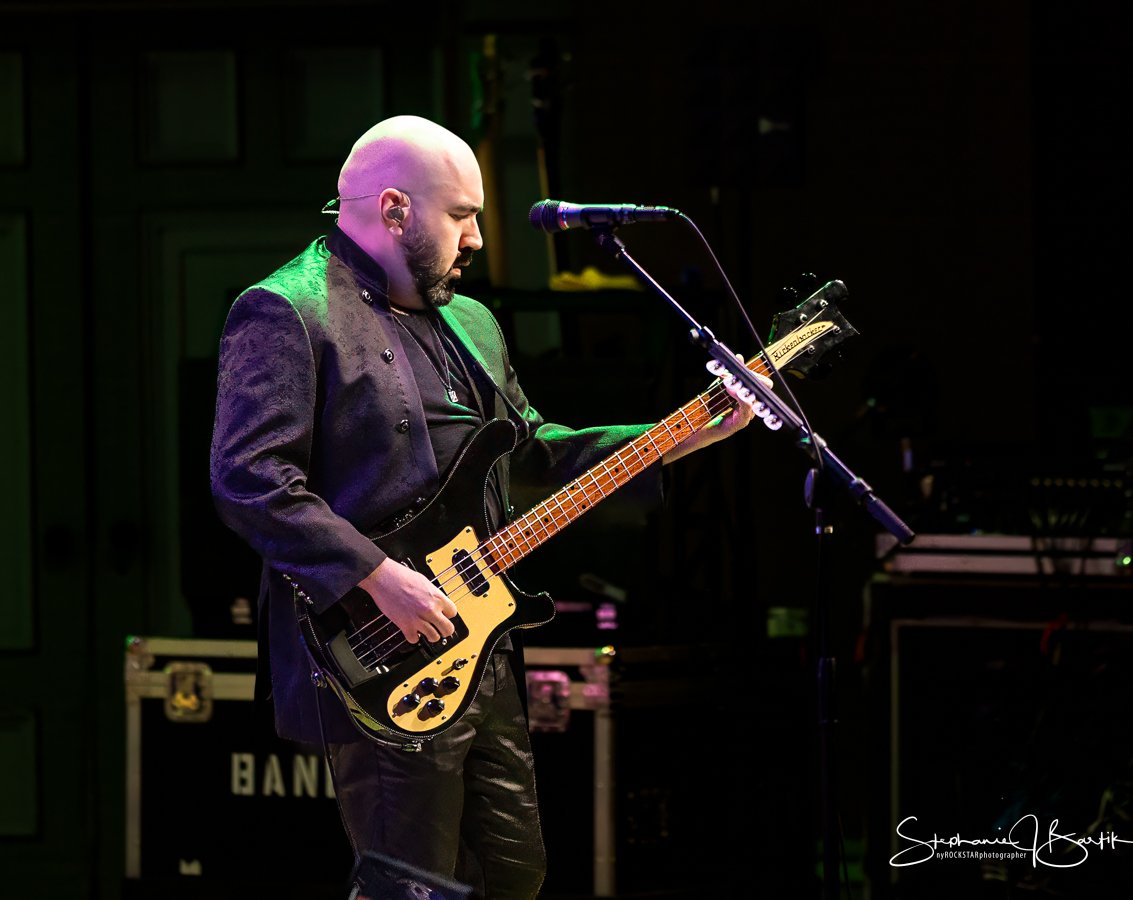
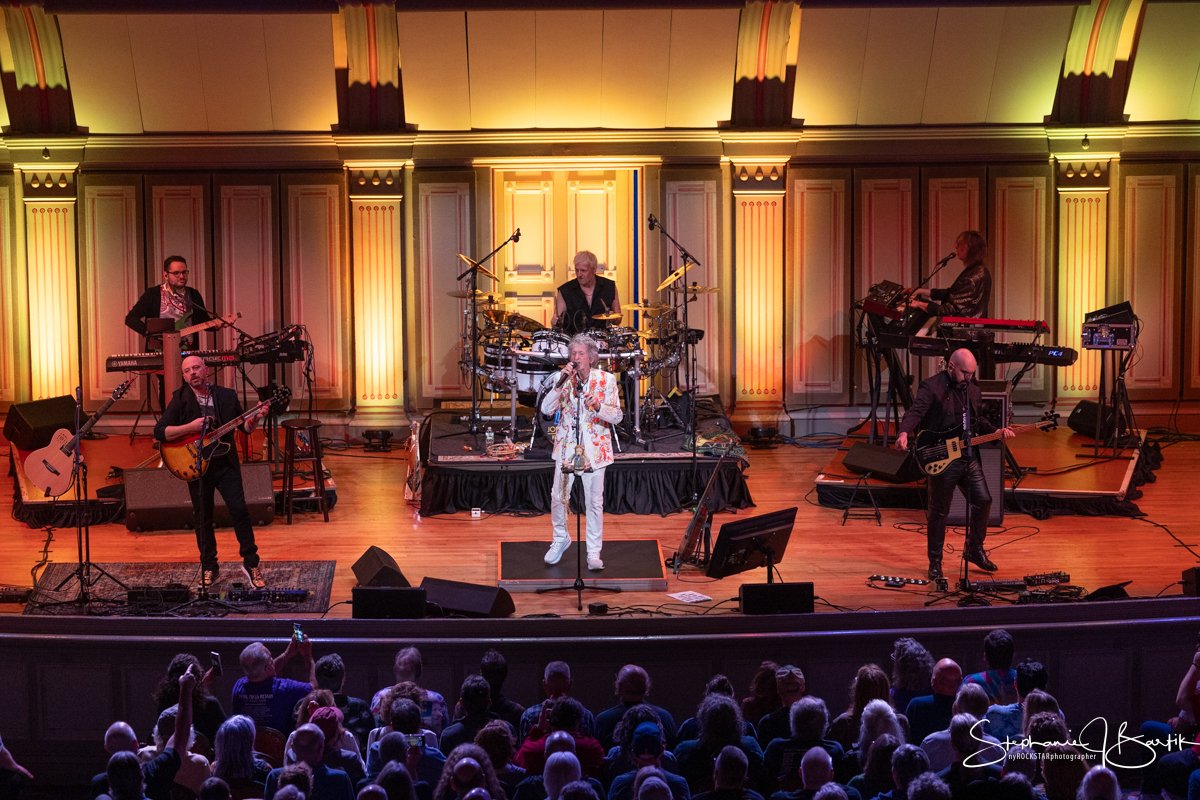
The chemistry between Anderson and Richie Castellano‘s Band Geeks remains one of progressive rock’s most unlikely and perfect collaborations. What began as Castellano’s YouTube-based collective of elite musicians, originally a podcast, later a collective known for celebrating classic rock with remarkable precision, eventually caught Anderson’s attention. Their shared love of Yes material led to a touring partnership that began in 2023 and has since evolved into something far greater than tribute.
These musicians don’t simply recreate Yes songs. They understand them.
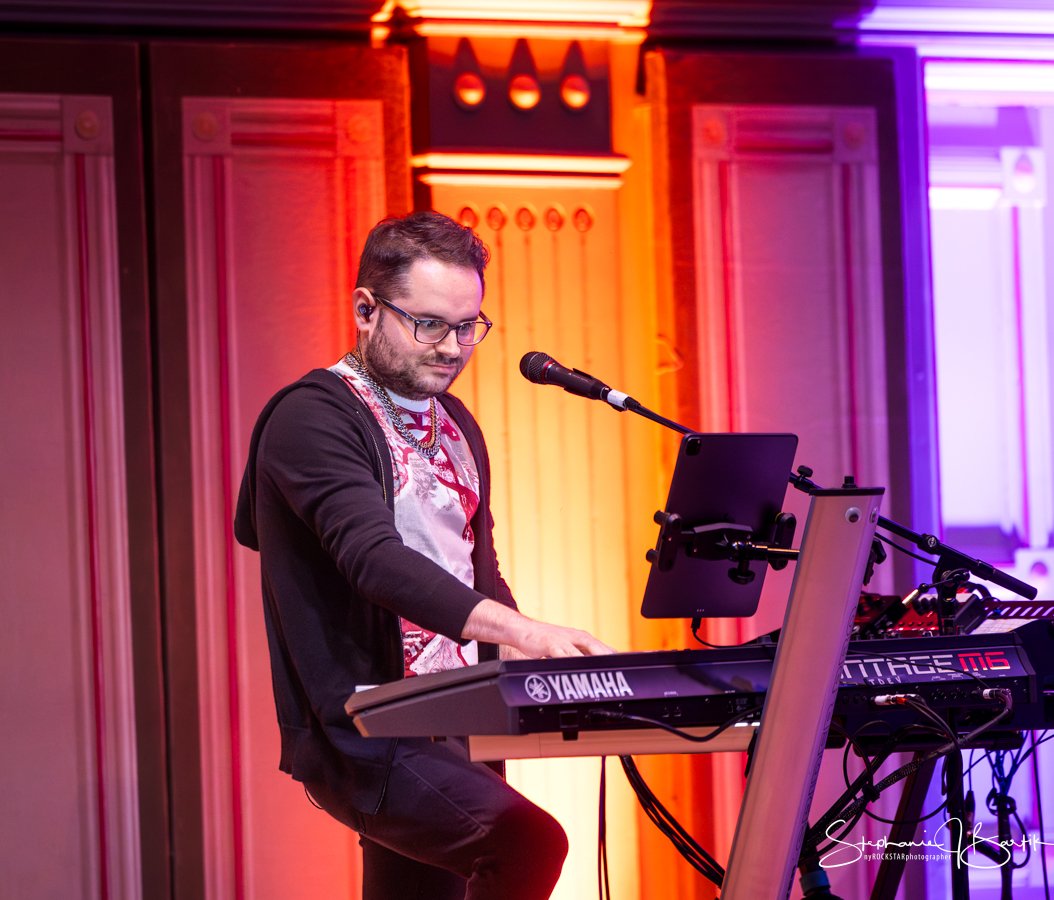
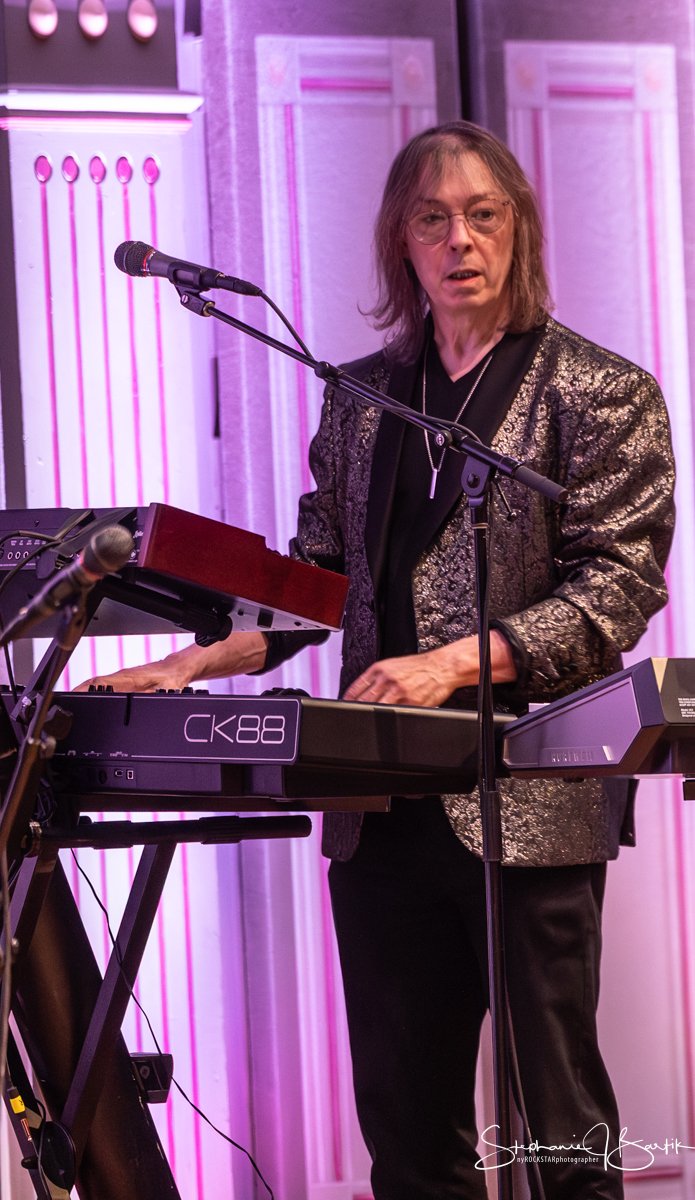
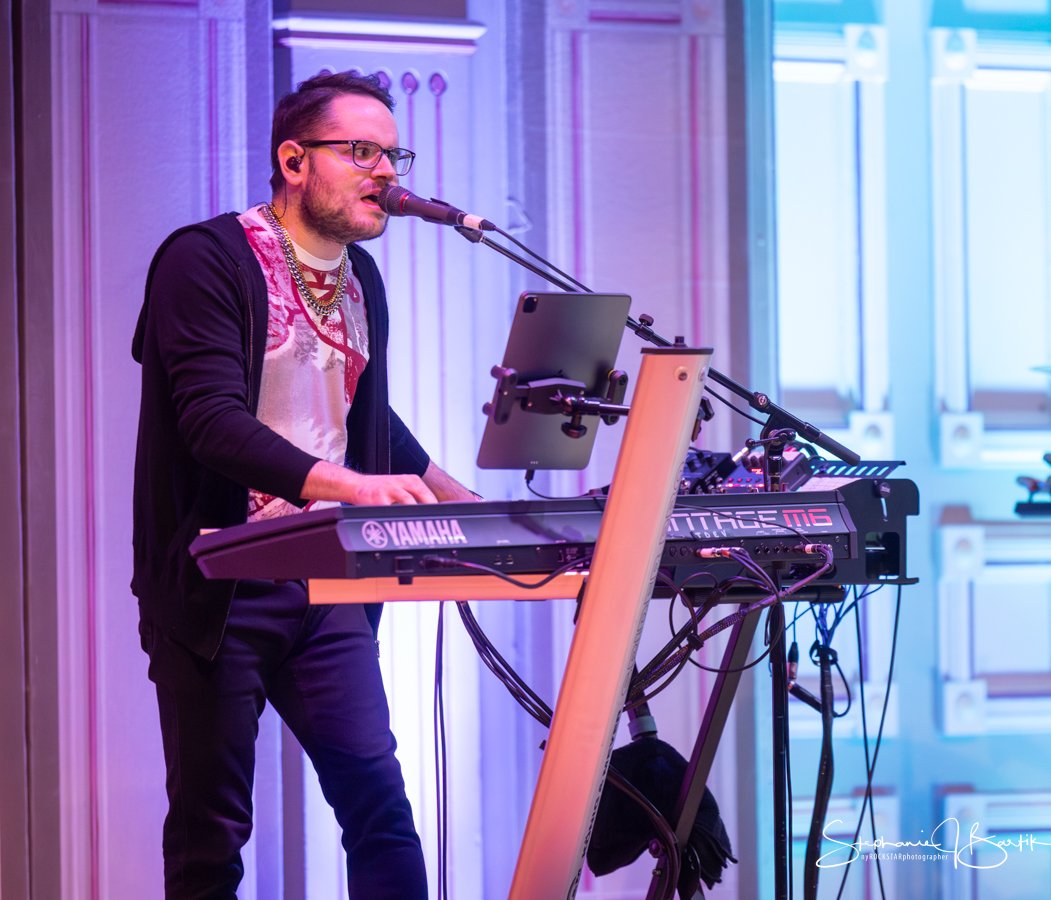
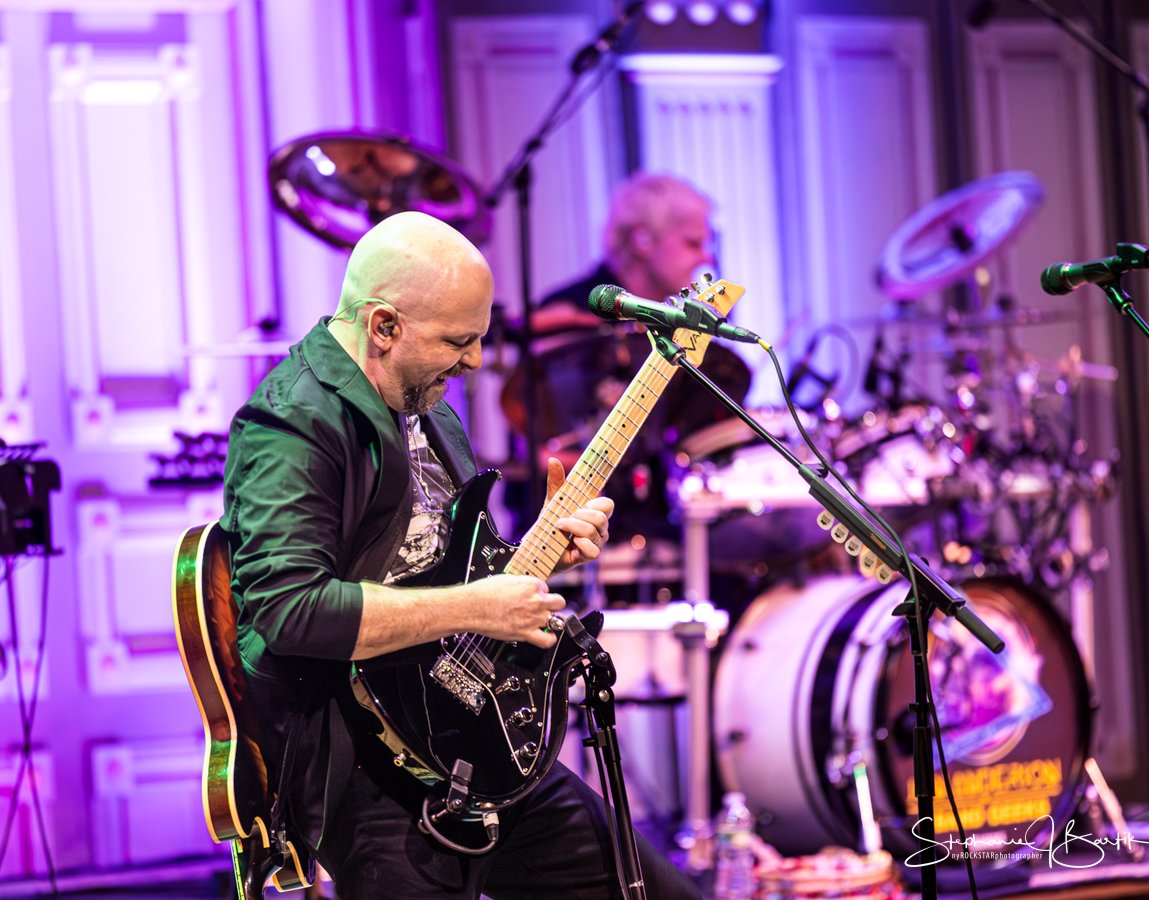
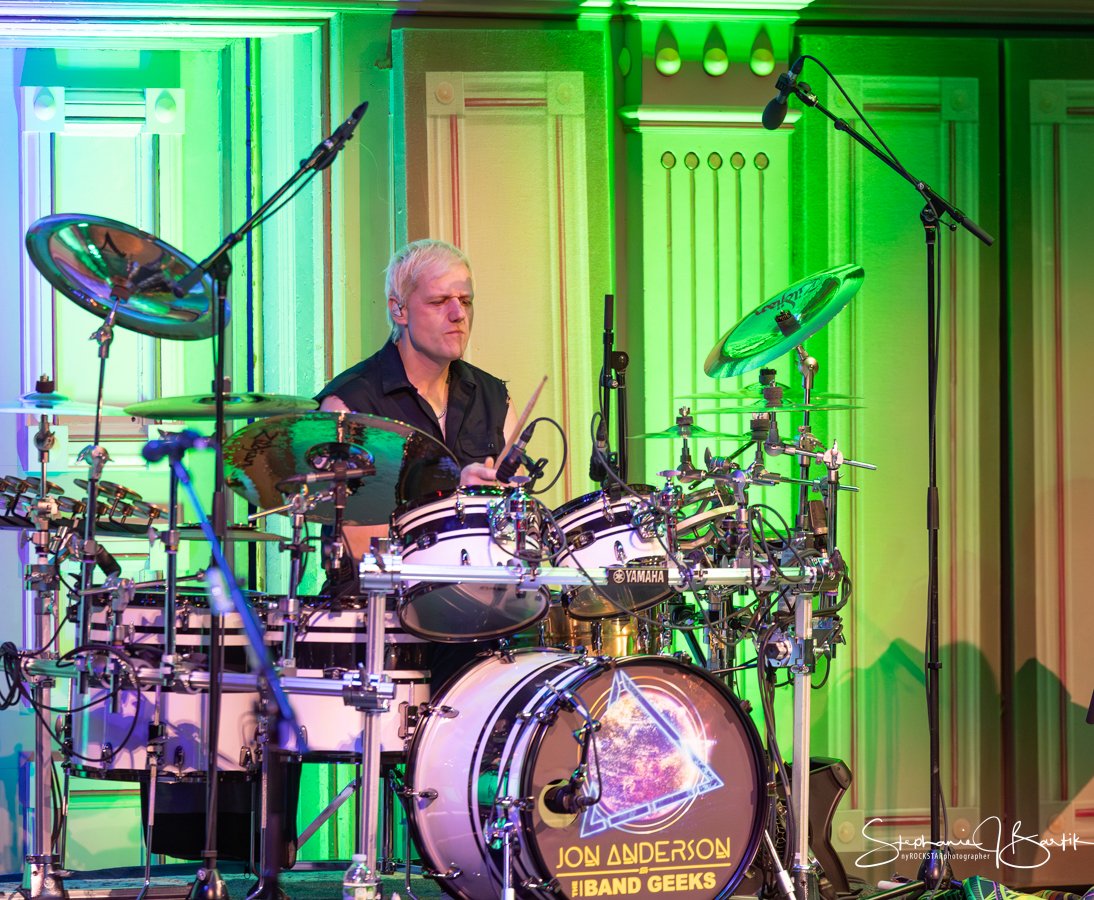
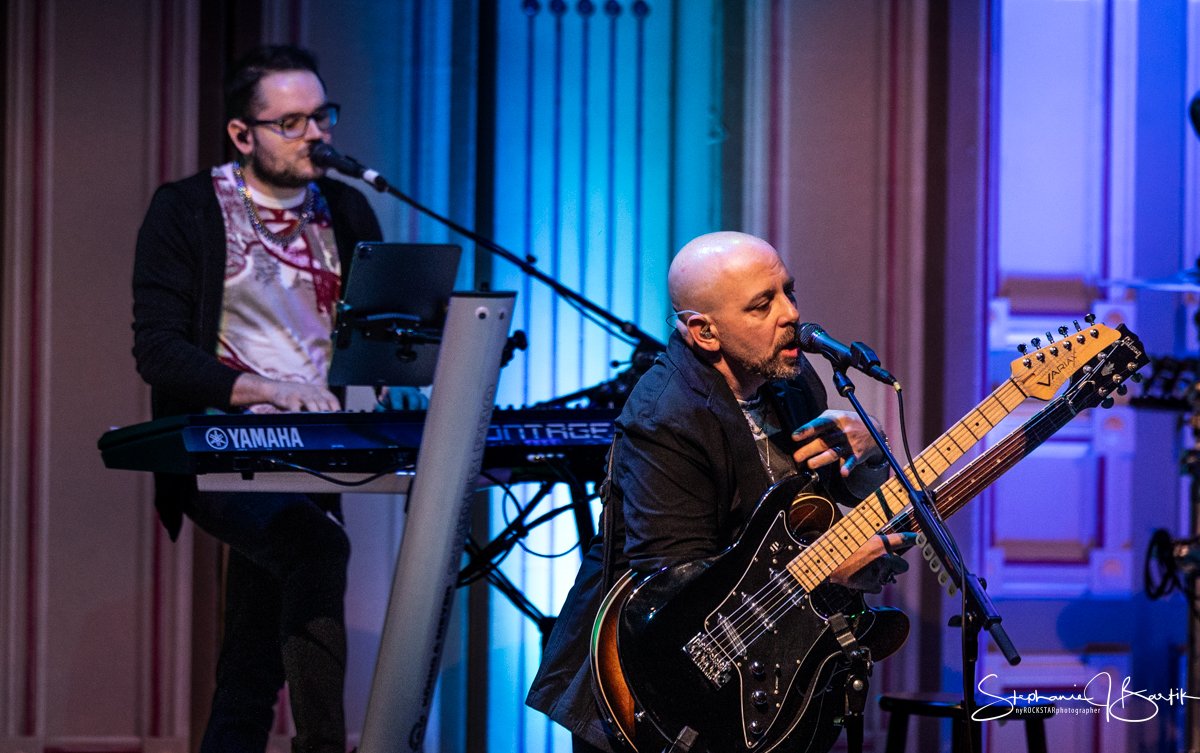
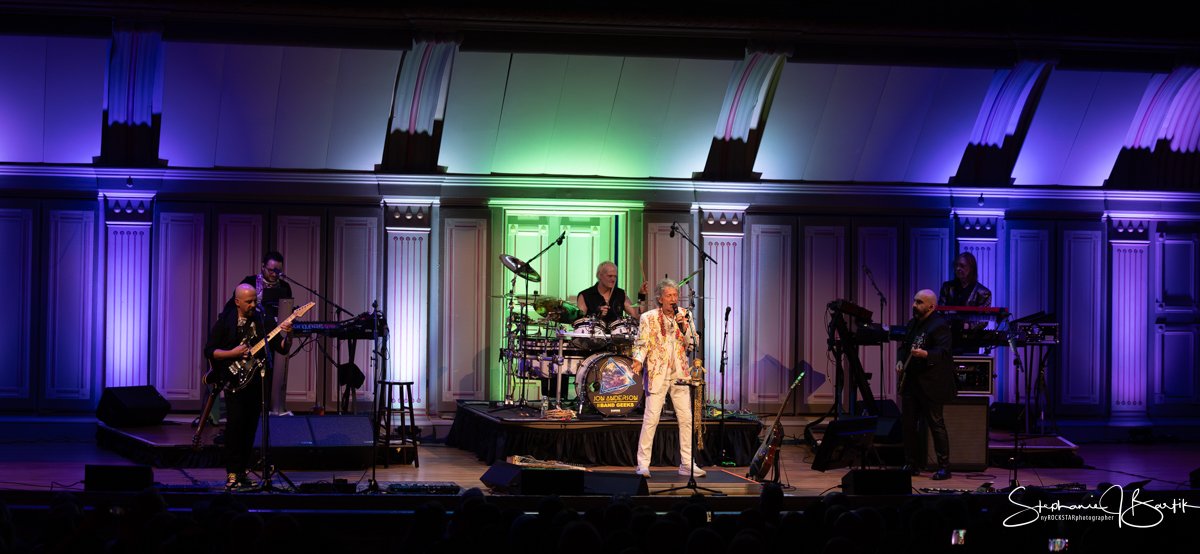
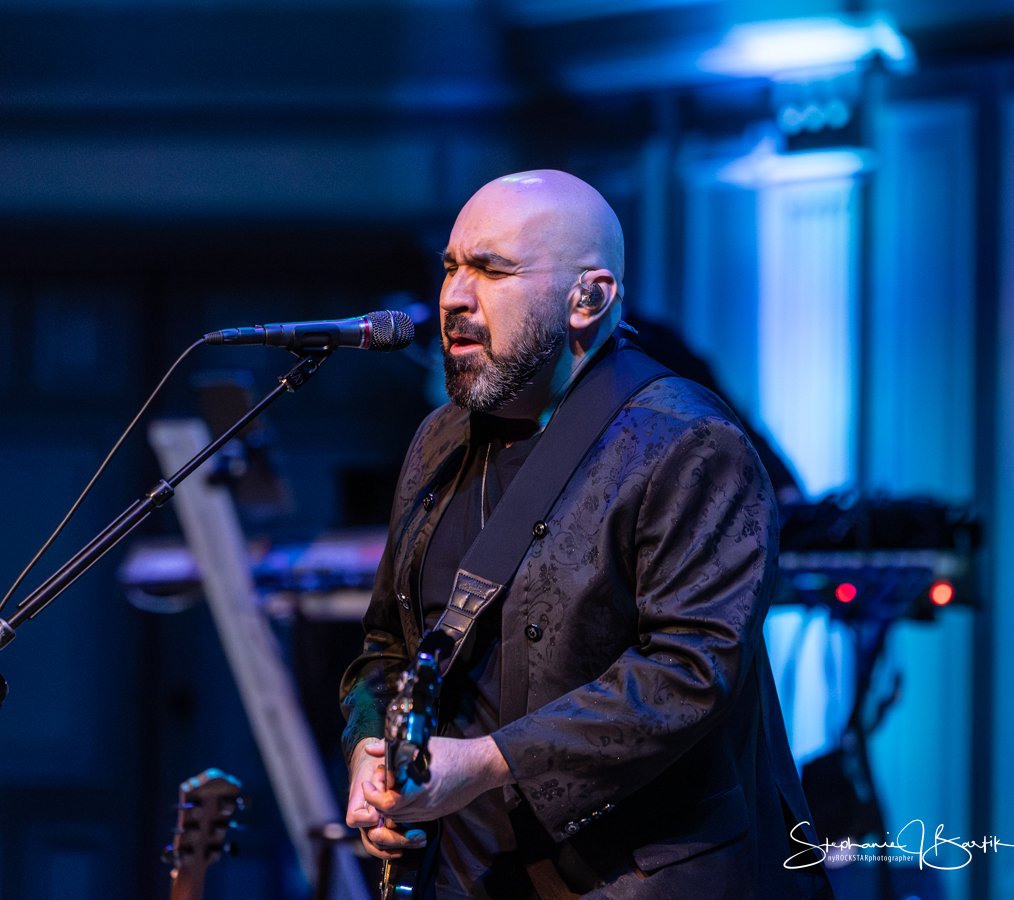
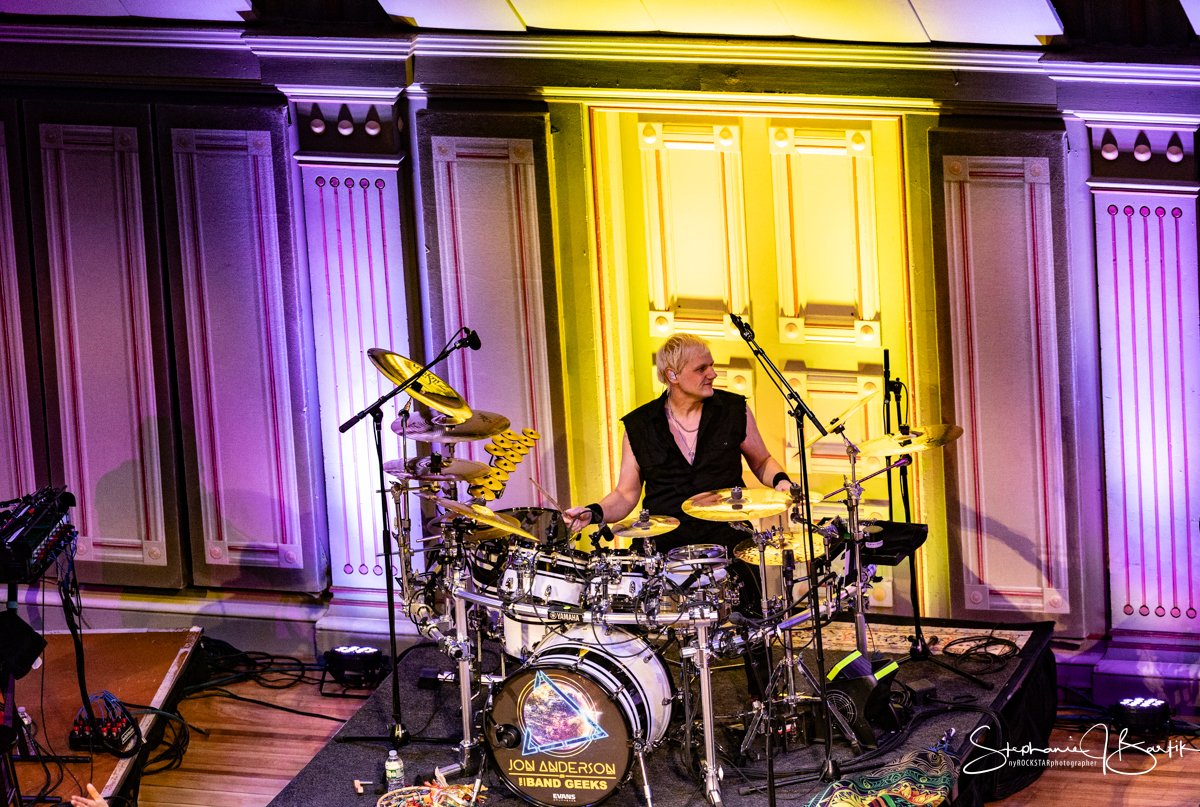
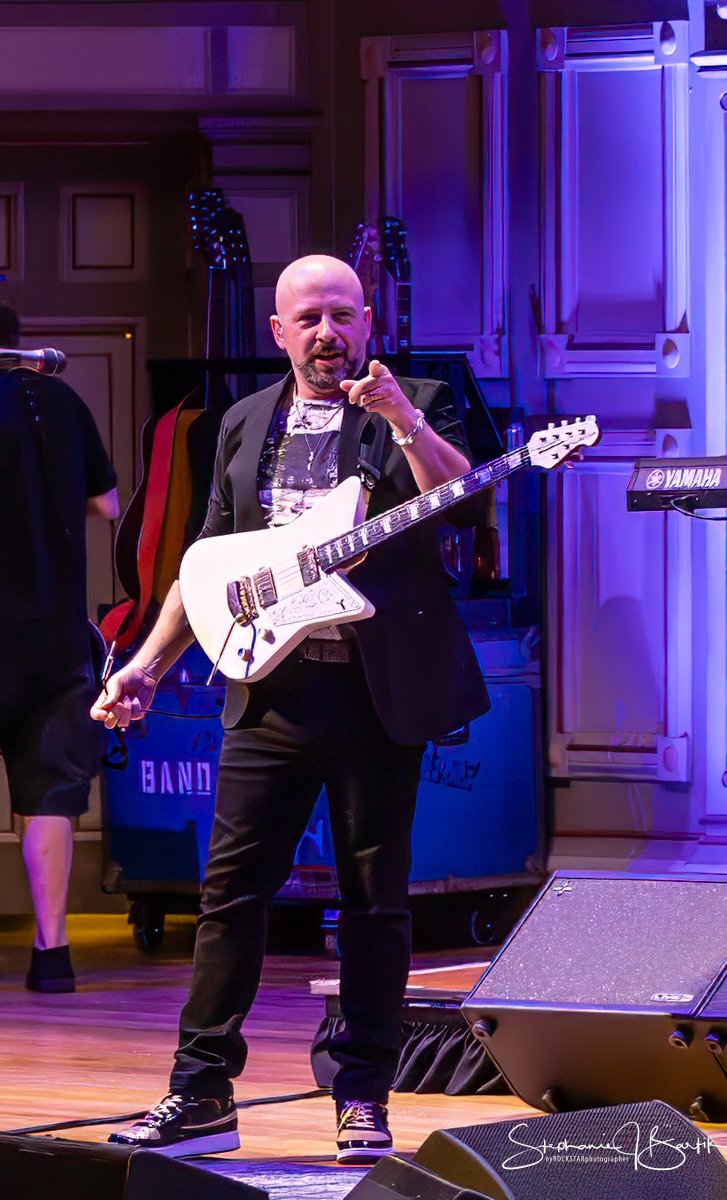
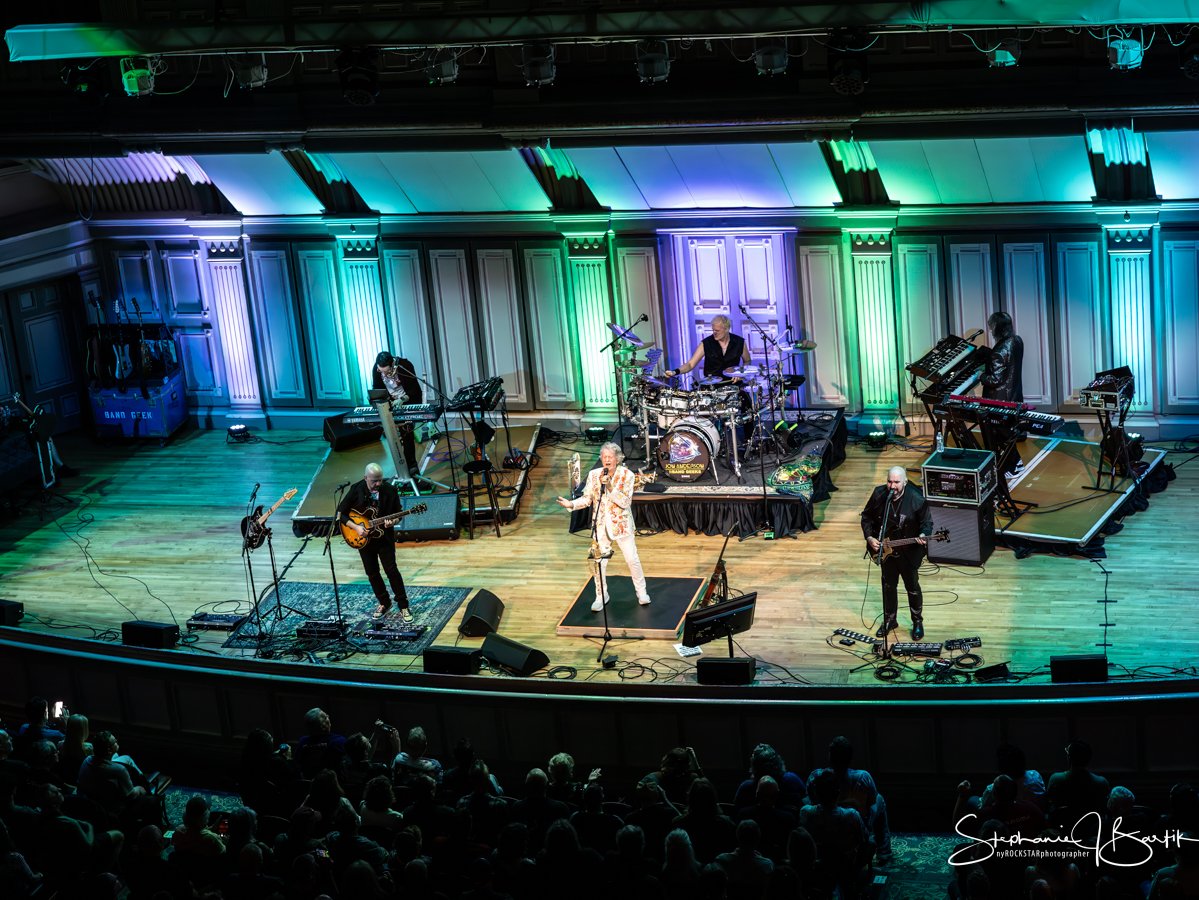
From the intricate polyrhythms to the layered harmonies, the Band Geeks captured the emotional architecture of the catalog with startling fidelity, but never at the expense of life. Castellano, alongside drummer Andy Ascolese, guitarist Rob Schmoll, keyboardists Christopher Clark and Robert Kipp, and the full ensemble, played with the kind of technical command that gave Anderson the freedom to simply soar above it all.
Inside the acoustically magnificent Troy Savings Bank Music Hall, one of the finest rooms in the Northeast, the performance felt almost symphonic. Elegant architecture bathed in shifting waves of purple, blue, amber, and green as the music washed over an audience hanging onto every phrase.
The room rewarded the music. The music rewarded the room.
This Troy stop came late in the first leg of an ambitious international tour spanning the United States, the United Kingdom, Sweden, and France. The 2024 studio album, “True,” produced with the Band Geeks and praised for capturing the essential spirit of classic Yes while sounding vital and forward-looking, made that ambition clear long before the tour began. Anderson himself has said of the collaboration, “I’ve got the Yes that I wanted.”
On Monday night in Troy, that feeling was unmistakable.
There’s a lyric from “Siberian Khatru” that Anderson delivered with a knowing brightness: “silly human race.” Listening to him, the words felt newly pointed. Because it is, somehow, still a strange cultural assumption that artists should simply stop creating once they reach a certain age, as though inspiration carries an expiration date, as though passion belongs exclusively to the young.
Anderson’s performance served as a quiet but powerful rebuttal to all of it.
Fans rose to their feet repeatedly throughout the evening. Arms lifted. Voices sang along. The upper balcony overflowed with longtime listeners who understood they were witnessing something rare, not merely a legend revisiting old glories, but a beloved artist still wholly connected to both the music and the people in the room receiving it.
Among those fans that night was Joe Cass, drummer of New Jersey-based Yes tribute Total Mass Retain. He wasn’t there in any official capacity. He bought a ticket, took his seat, and did exactly what everyone else in that hall did: he gave himself over to the music completely. Spotted in the crowd, arms raised during the ovation, wearing his band’s shirt, he was as moved as anyone in the room. There’s something that says everything about the Yes community in that image. These aren’t casual listeners. These are musicians and fans who love this music deeply enough to dedicate their lives to keeping it alive.
By the time the final notes faded and the standing ovation rolled through Troy Savings Bank Music Hall, it felt less like applause for a concert and more like gratitude, gratitude for the songs, for the survival, and for an artist who continues to remind audiences that passion doesn’t retire.
For Jon Anderson, more than fifty years after helping invent a genre, yours truly is no disgrace.
A postscript for Capital Region prog rock fans: keep August 6th open. Total Mass Retain returns to Rock the Block in Cohoes, NY at 6:00 PM. Joe Cass and his bandmates, including the remarkable Terry Dey on vocals, bassist Randy Dembo, keyboardist John Rittweger, and guitarist Ray Matuza, bring the Yes spirit to the stage with a devotion that was on full display in that Troy audience. They were booked back last year before the final note of their first Rock the Block show faded. But that’s a story for another night.
Photography by Stephanie J Bartik.
Whassup in the 518? – Weekend Shows 5/8-5/10
Tulip Fest: SATURDAY, MAY 9, 2026 1:30p.m. – The E-Block, 3:00p.m. – Grace Bowers, 4:30p.m. – Joywave 11:30a.m. – Tulip Queen Coronation Ceremony 1:00p.m. – Keegan James, 2:15p.m. – The Sugar Hold, 3:30p.m – The Belle Curves, 4:45p.m. – 97otis SUNDAY, MAY 10, 2026 9:00a.m. – The Hot Yoga Spot “Yogafest”, 1:30p.m. – Alex Torres Group, 3:00p.m. – Ill Funk Ensemble, 4:30p.m. – MJ The Illusion 11:00a.m. – 27th Annual Capital Region’s Best Mom,1:00p.m. – Paintbrush Charlie, 2:15p.m. – Maggie Doherty, 3:30p.m. – Tops of Trees, 4:45p.m. – The Ky McClinton Band
The Local 217 Taproom & Kitchen: Saturday May 9th: 5pm Acoustic Classic Rock with John Daloia
Lost and Found: Friday May 8th: 11am-5pm Vintage Round-Up
Outpost 40: Friday 5/8: 7-10pm Whiskey River Saturday 5/9: 7-10pm Joann’s Driving The Bus
Seven: Friday 5/8: 7pm Harmonic Duo Saturday 5/9: 7pm Johnny Angus
Caffe Lena: Friday 5/8: 8pm Folk Heritage Series: Eric Anderson with Steve Addabbo Saturday 5/9: 2pm Skidmore Songwriters 3pm Little Folks Series Joe Jencks 8pm Joe Jencks with Artur Wachala
Other One Brewing: Friday 5/8: 6:30pm JB Guay
Empire Live: Saturday 5/9: 9pm House Party
Empire Underground: Saturday 5/9: 8pm All Your Friends (The Indie Party)
Lark Street Tavern: Friday 5/8: 6:30pm Saturday 5/9: 9:30pm Karaoke Trivia Sunday 5/10: 7pm Industry Night
The Hangar on the Hudson: Friday 5/8: The Silos w/s/g Pine Hills Band Saturday 5/9: 8pm Joe Pernice & Pete Mancini
Troy Savings Bank Music Hall: Sunday 5/10: 3pm Mutts Gone Nuts Unleased!
Rustic Barn: Friday 5/8: 8pm ISH Saturday 5/9: 7pm The Harmonic Duo Sunday: 5/10: 5:30pm Second Sunday(Mother’s Day) Bluegrass Jam
Cohoes Music Hall: Friday 5/8: 7pm Grunge Night with Drown (Smashing Pumpkins Tribute) & Lounge Act (Nirvana Tribute)
The Palace Theatre: Friday 5/8 7pm The STARS Tour with Anne Wilson
No Fun: Friday 5/8: 7pm DROPDEAD / Life Abuse / Cheap Heat / Chaser Bait Saturday 5/9: 7pm WOLF EYES / Roblox Tycoon / Industry Standard
Park Theater Glens Falls: Saturday 5/9: 8pm Knorrwood “Over The Shire & Far Away” (Led Zeppelin and Lord of the Rings Tribute)
Park Theater Hudson: Friday 5/8: 8pm The Upsides w/s/g Will Hanza Saturday 5/9: 8pm Reed Foehl Trio w/s/g Hiroya Tsukamoto
McGeary’s Irish Pub:
Putnam Place: Friday 5/8 8pm Rainbow Full of Sound & Dead Zep Saturday 5/9: 7pm Eastbound Jesus Album Release
The Egg: Sunday 5/10: 8pm Iron & Wine
The Strand Theatre: Saturday 5/9: 8pm Forever Seger
Announcement: 9th Annual Joe Manupella Memorial Run & Family Fun Day Saturday, May 9th
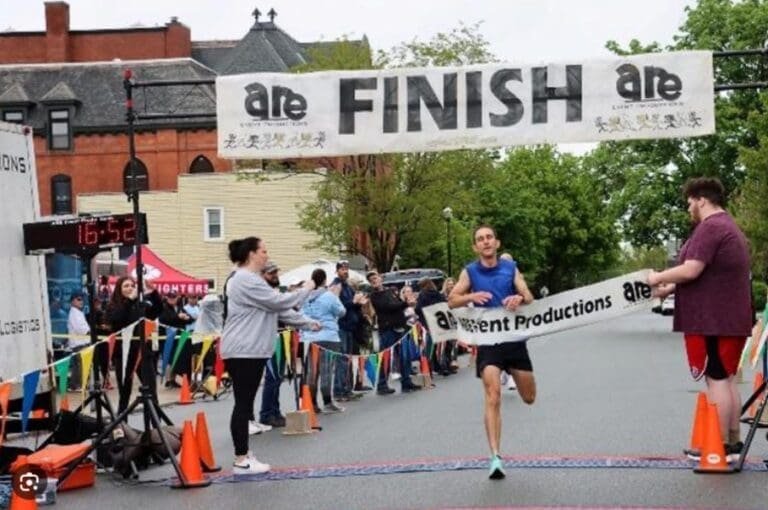
LBGC Hosts 9th Annual Joe Manupella Memorial Run & Family Fun Day
The Lansingburgh Boys & Girls Club is excited to host its 9th Annual Joe Manupella
Memorial Run on Saturday, May 9, inviting runners, walkers, and families to join a day
full of fitness, fun, and community spirit. Registration is now open for both the 1-Mile
Walk at 9:00 a.m. and the USATF-sanctioned 5K Run at 9:30 a.m., with awards for the
top three male and female finishers overall, as well as for the top three runners in the
Under 15 and Over 60 age categories. Online registration is available for convenience,
and participants can also sign up on race morning.
Following the races, the Club will host a lively Family Fun Day, offering something for
everyone. Families can enjoy delicious food with children eating FREE, live
entertainment provided by The Schmooze, and a wide variety of children’s activities
including a bounce house, face painting, and FREE bike raffles. Raffles will continue
throughout the day, with all proceeds supporting the Club’s programs.
The Lansingburgh Boys & Girls Club provides a safe and supportive environment for
youth ages 5 to 18, offering social, educational, and recreational programs, while also
serving as a hub for the local community through events and activities year-round. This
annual event has drawn up to 200 runners and over 500 attendees and continues to
grow as a favorite community tradition. To register or learn more, visit the Lansingburgh
Boys & Girls Club website at www.lansingburghboysandgirlsclub.com/joe-manupella-memorial-run
and join the fun for a day that celebrates running, family, and community.