
Home Blog Page 51

Music Notes – The Art and Science of Music

0

Music Notes – The Art and Science of Music – by Peak Music Studios.

Say No Three Times

People often ask what it takes to become a musician. The question usually circles around talent, natural ability, the right equipment, the right teacher, or the right opportunity. Those things can help, but they tend to distract from what actually moves someone forward. Becoming a musician comes down to something much less exciting and much more consistent than that, and it usually starts with a few clear decisions: not quitting when it gets hard, not staying where it feels comfortable, and not settling for doing just enough to get by.

A musician becomes a musician by doing the work over time. That means playing the instrument, practicing the passage that doesn’t quite work yet, writing the lyric even when it feels forced, and singing the note until it settles into place. It also means coming back the next day and doing it again, whether you feel like it or not. That part is where most people fall off, not because they can’t do it, but because they stop.

This idea has been around for a long time. Aristotle said, “We are what we repeatedly do. Excellence, then, is not an act, but a habit.” You don’t need philosophy to see it, though. Anyone who has stayed with a skill long enough recognizes the shift. What feels awkward at first starts to feel manageable. What once took full concentration becomes something you can control. That change doesn’t come from talent. It comes from repetition, and from sticking with something long enough for it to take hold.

One of the biggest things that gets in people’s way is the belief that successful musicians are simply the ones who were naturally gifted from the start. Early ability can make the beginning easier, but it doesn’t carry someone very far. At some point, everyone runs into the same wall, where progress slows down, and the work becomes less rewarding. The people who move past that point are not necessarily more talented. They are the ones who keep going when it stops being fun.

There is another pattern that shows up just as consistently. The musicians who continue to improve are also the ones who don’t settle into what is comfortable. Comfort in music can be very convincing because it sounds good. You are playing songs you know, running scales that sit easily under your fingers, and staying inside patterns that don’t give you trouble. It feels like progress, but it usually isn’t.

Real growth tends to show up somewhere else. It shows up in the passage that keeps falling apart, the rhythm that won’t quite lock in, the scale that feels uneven, or the note that takes more control than you currently have. Most people avoid those areas because they are frustrating and expose what isn’t working yet. The musicians who improve are the ones who spend time there anyway, not perfectly, but consistently.

Over time, that choice adds up. They build the habit of working on what actually needs attention instead of circling what already works. That is where the shift happens, not in dramatic moments, but in small decisions repeated often enough to matter.

If you want to become a musician, it helps to bring the question down to something immediate. Instead of focusing on where you want to be months from now, ask what the musician you want to become would do today. Then do that, even if it feels small or unimpressive. Play the scale that needs work, write a few lines of the song, slow the rhythm down, and get it right. Those actions do not look impressive on their own, but over time, they build something real.

Eventually, those repeated actions turn into habits, and those habits shape your ability. Along the way, you also have to learn when to say no, and not just once. The musicians who keep moving forward tend to make the same few decisions again and again. They do not quit when the work becomes frustrating, they do not stay in the comfort of what they can already do, and they do not accept a level of effort that keeps them in the same place.

This Month in Music History — April

April 3, 1968 – Otis Redding hits No. 1 with “(Sittin’ On) The Dock of the Bay,” recorded just days before his death. Sometimes the most relaxed vocal ends up being the most powerful, which is a good reminder that pushing harder is not always the answer. Letting the song breathe often carries more weight.

April 4, 1964 – The Beatles hold the top five spots on the Billboard charts at the same time. All five. It’s a useful reminder that great songwriting is usually built on simple elements that are executed well: strong melody, clear rhythm, and chords that support both.

April 7, 1770 – Ludwig van Beethoven is baptized in Germany. His music still challenges musicians today, which says a lot about the level of control and discipline behind it. Even in contemporary styles, that same level of precision shows up in a different form.

April 10, 1927 – Louis Armstrong records with his Hot Seven, helping shape modern jazz improvisation. His playing makes it clear that personality matters as much as technique. You can play all the right notes and still fail to communicate anything meaningful.

April 14, 1986 – Metallica releases “Master of Puppets.” Rhythm guitar at that level is physical and demanding, and it’s built through repetition and control over time.

April 16, 1971 – The Rolling Stones release “Sticky Fingers,” featuring “Brown Sugar” and “Wild Horses.” What stands out is the groove, and that kind of feel is something a band develops together.

April 21, 2016 – Prince passes away, leaving behind a body of work that continues to influence musicians. His career is a strong example of what happens when someone develops multiple skills instead of relying on just one.




More from Peak Music Studios…

Sara B. Presents Live From The 518 “I Built A Store! Go To The Store!”

0

Subscribe to our YouTube Channel HERE! 

Vethaken drops by the studio, Joe Schaefer of Stylo Design Studio chats with Sara B & More!

Karryn Cristi: The Rarity of Being – An Xperience Interview

The Rarity of Being

By BradQuan Copeland.

What’s the rarest material in the universe? Gold? Diamonds? Well, those assumptions aren’t even close. According to astrophysicist Neil deGrasse Tyson, such materials are so ubiquitous throughout the universe that there are entire planets composed of the very elements most of us would sell our souls for here on Earth.

But here’s the real gem he dropped in a lecture I stumbled upon late one night on YouTube. If one could travel the entirety of the universe at the speed of light, it would be a miracle, like glaciers withstanding hellfire, to encounter even an infinitesimal trace of wood. That’s right, wood, the thing we so easily take for granted.

Despite all the advanced technology man has created throughout the sands of time, and the cosmic forces that shape the universe, nowhere else, as far as we know, can produce even a single tree. That’s because trees can only exist where there’s life.

This dense, heaving spectrum of vitality towers in monumental stillness, revealing a growth that never boasts and a beauty that never grovels for gaze. Wood is what’s real. This symbol unravels an essential truth: life itself is a rarity, textured with time, stretching our consciousness like branches reaching with a patience that borders on devotion.

It’s this same rarity that reveals itself in the natural brilliance of the fine art of Karryn Cristi, whose creations, and whose very being, are deeply rooted in an intricate, unwavering web of life and sincerity.

I first came across her name in the mid-fall of 2025 while on leave from work. Looking for ways to stay productive, I decided to make my way to an open mic poetry event at a bar one evening in Cohoes, New York. There, I met the host of the event, as well as a bartender, and fellow poet and musician, Dave.

Following my performance, he handed me his business card. Five One Art was the name of the independent organization he not only belonged to, but created. Based in Troy, New York, it serves to elevate local artists while raising money for schools. On the same card, the name of the art director struck me as unique. Karryn Cristi, it read, leading me to ask him, “Hey dude, who’s this Karryn Cristi?”

He responded exuberantly, praising her work as both a leading figure within the local arts scene and an artist in her own right. Taking my seat as another poet performed, I popped an edible, ordered onion rings, and was offered light conversation, as well as a portion of Lo Mein by another writer seated nearby. Before making my way out, Dave made sure to encourage me to check out Karryn’s work online, which I drifted toward in my own time.

Upon looking up her profile, I caught a glimpse of her observational brilliance. And though I was intrigued, a trailer simply isn’t enough to satisfy the hunger of a curious mind. So, I decided to reach out to her in hopes of seeing more of her work. A day or so passed, and I was then extended an invitation to the Albany Center Gallery, where one of her pieces would be on display within the vibrance of expression meandering throughout the exhibition space.

Arriving one Friday evening with a friend, we pressed our way through the clamorous patrons, where scattered clicks meshed with the swift flare of flashes from photographers, and the thickness of humility and appreciation from creators and spectators alike, saturated the hush-lit showroom.

At last, my buddy and I finally stumbled upon her 12 x 16-inch piece amongst the plethora of work. Five O’Clock Flower was the name of her oil on canvas. At the surface, it’s a morning glory, but with further descent, the engulfing warmth of her personality is felt through it, mirroring the tip-to-toe dissolve of tension from sun-gazed sand yielding beneath the sole on a free-spirited summer beach.

In terms of sensibility, her piece echoed the essence of Claude Monet. The blue of the flower pulsing with tranquility, meshing with the tender ruggedness of the green and brown landscape. What’s truly interesting is how the brilliance of the piece hides in plain sight. It soars beyond the mere simplicity of just a flower and instead transcends into a moment of palpable perception, where human consciousness clicks and settles into the neurobiology of nature.

I messaged her via Facebook soon after, to which she responded the next day, offering to email me a folder composed of all her work. Well, most of it, I’m sure. Of course, I eagerly agreed, and once I received it, I studied her compositions closely, sharing the experience with another friend of mine, to which she responded with astonishment, “These drawings look so real!”

She creates with an almost metaphysical, surgical precision. The lightness of her lines affectionately whispers into one’s spirit, making it known that here, form is suggested rather than imposed. Her mind is able to suspend objects traveling at the speed of illumination, mimicking the tonal control of Renaissance creators long before technology was a flick on the societal radar.

The work of Karryn Cristi is psychologically driven, where the body becomes a philosophical site and each rendering feels like visual linguistics chosen to express differing states. Realism offers intimacy, while abstraction breeds fracture. Together, they reflect the existence of someone not looking to fit within the mold, but, through conscious internal inquiry, forging her own lane and leading from within. This work speaks to a form of individualism that can only take shape when one is willing to mesh the societal image they protect with the repressed shadows cast aside by artificial light.

I was able to sit down with her at Daisy’s Café in Cohoes, NY, a space that reflects the same hushed warmth of the very work that brought us there. She entered with a modest vibrance, emitting a modern bohemian winter energy that says, “I’m cultured,” without pretension. Further decorated with subtle piercings that finely dot the I’s with the smooth finesse of a ballpoint pen, we grabbed food and made our way to the back, where we delved into a dynamic dialogue that felt familiar.

Interview with Karryn Cristi

RRX: What does the body represent to you beyond anatomy?

Karryn Cristi: The body itself doesn’t mean much to me beyond health. What matters is what’s under it, the spirit. That’s what I’m trying to capture. When I’m painting, I feel plugged into that. It’s meditative, like I’m in another realm. I’m trying to express someone’s purest form, the thing inside that moves the body.

RRX: Many of your figures seem caught between vulnerability and power. What internal tension are you exploring through that balance?

KC: The vulnerability comes from emotional wounds, like being hurt in a way that makes you more sensitive to future pain. The power comes from choosing to face that through painting. Every piece is me working through something. By the end, there’s relief. Each piece is a small victory.

RRX: When you distort faces or obscure eyes, what truth are you trying to reveal that realism alone cannot?

KC: Eyes are the most identifiable part of a person. When I remove them, I want the viewer to project themselves into the piece. I want them to ask: Who is this? Is it me? Someone I know? It makes the experience more personal.

RRX: Do you see identity as something stable or something continually rebuilt?

KC: Identity is always changing, but I think having a strong foundation, values, and morals gives you something stable to build from. Without that, it’s harder to navigate everything else.

RRX: How do you understand humanity’s relationship with the natural world?

KC: I see the earth like a body, everything connected. Nature mirrors us, and we mirror nature. Life and death exist in both. The more we recognize that, the more we treat everything with care and respect.

RRX: What role does shadow play in your understanding of the self?

KC: The shadow is always there. You can’t exist without it. Sometimes you’re aware of it, sometimes you’re living in it, sometimes you’re overcoming it. It’s just another part of who we are.

RRX: What philosophical ideas guide your choice to move beyond straightforward representation?

KC: Life isn’t straightforward. Most of our thoughts aren’t either. I use symbolism because I want people to interpret the work in their own way. I feel like I’m always creating for someone, even if I never meet them.

RRX: What determines when clarity is necessary and when ambiguity is more honest?

KC: I don’t really separate the two. I try to be as honest as I can in the moment. If something feels unclear later, it might just mean I didn’t fully understand it yet.

RRX: What does closeness mean to you in a world that often feels fractured?

KC: Closeness is like mending something broken, like stitching pieces back together. It’s healing, whether that’s through relationships or within yourself.

RRX: What recurring question about existence do you find yourself returning to in your work?

KC: My work has always followed a pattern of pain and relief, going through something difficult to reach peace. But now, for the first time, I feel like I’m creating from a place of relief instead of pain. And I’m excited to see where that leads.


I left our interaction rather fascinated with how she carries herself. She’s a millennial who doesn’t own a smartphone, which is an anomaly in today’s society. In fact, she owns the traditional Razr flip phone, whereas I own the modern version, showing the subtle difference within our shared thinking.

Not closed off, but separated from the digital dissonance of the 2020s, she possesses the challenging ability to paint both the inside and outside of something at once. “This is proof you see the world differently,” I stated. “I’ve been thinking about evolution. Neil deGrasse Tyson talks about how humans are only like 2% different from chimps. So you wonder what’s 2% above us. The best thing a human can do is like what a toddler can do in their species. I say that because your lens feels like that, almost evolutionary. To a painter, you just do this. But to me, it’s like an evolved way of seeing.”

It’s this uniqueness of her innate being that grants her the gift of rarity we too often take for granted as we trudge through our day-to-day: raw humanity. That’s the gem that irons the wrinkles of societal chaos, allowing one the freedom of flight. A wise man once told me, “Artists don’t live long, they give long.” Well, similar to the longevity and inevitable demise of a tree, the artistic fortitude of Karryn Cristi exists to remind us of how small we are in comparison to what we are. And when it’s all said and done, like the rings of a tree’s life exhibit all that was given, her work will be a testament to the natural wonder that is life.

John Waters Cry-Baby: The Musical Opens this Friday at Cohoes Music Hall

0

Rockabilly musical adaptation of Water’s comedy cult classic comes to life in a razor-sharp, raucously funny satire that feels more relevant and resonant than ever 
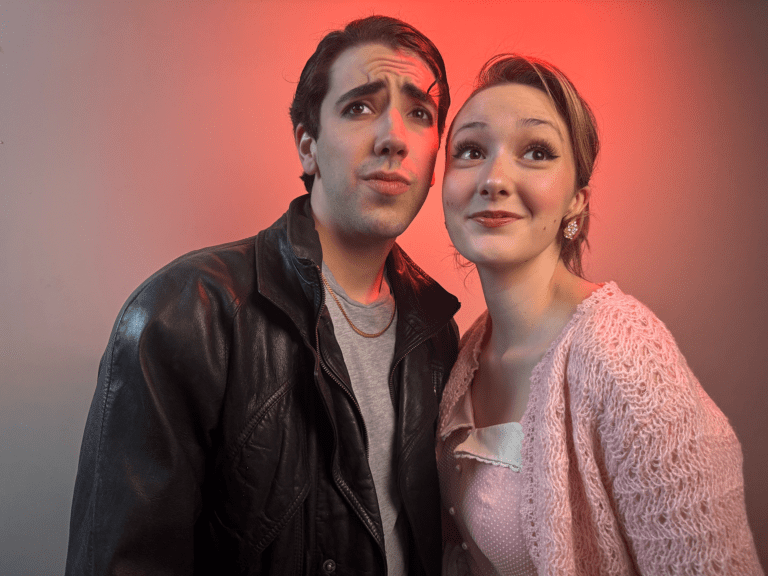
Cohoes, N.Y. (April 6, 2026) – Playhouse Stage Company continues its 38th Season this week as Cry-Baby: The Musical opens on Friday, April 10 at 7:30pm at Cohoes Music Hall. Performances run through April 26, with 7:30pm evening performances Thursday through Saturday, as well as 2pm matinees on Saturdays and Sundays.

Complimentary tickets for Cry-Baby: The Musical are available throughout the run for members of the media and local theatre press who wish to cover or review the production. Local news stations and social media outlets are encouraged to film footage of the performance. To request tickets, please email Owen Smith, Producing Artistic Director, at owen@playhousestage.org. Production photos will be sent to the media on Friday morning, April 10.

Set in 1954 Baltimore, long-time home of its creator John Waters, Cry-Baby: The Musical tells the story of Wade “Cry-Baby” Walker, a tattooed, smoldering orphan who leads a gang of misfit outcasts — the Drapes — in a full-throated rebellion against the era’s squeaky-clean conformity. When good girl Allison Vernon-Williams falls for him, the battle lines between polished propriety and glorious delinquency are drawn. The musical features a book by Mark O’Donnell and Thomas Meehan — the team behind Hairspray — with music by Adam Schlesinger and lyrics by David Javerbaum. It premiered on Broadway in 2008, earning Tony Award nominations for Best Musical, Best Book, and Best Original Score. It has since received a well-received, raunchier and grittier West End revival.

The show is a comedy (a send-up of musicals like Grease or Bye Bye Birdie), unapologetically campy, gleefully trashy, and madly funny. But it is also, in subversive John Waters fashion, a sharply observed satire of the kind of fearful, conformist thinking that insists the world is safest when everyone looks and acts the same. The story is set against a backdrop of polio anxiety, Cold War nuclear paranoia, and the rigid social enforcement of “the right kind of people.” This has become unfortunately familiar sounding in 2026, making the play all the more resonant and biting.

“We chose this show before the world started feeling quite so much like 1954,” said PSC Producing Artistic Director Owen Smith, “but here we are. Cry-Baby is hilarious, but it also has real teeth and something valuable to say. John Waters has always understood that conformity and fear go hand in hand, and that the people most eager to tell you what’s dangerous are often the most dangerous people in the room. Whether it’s ‘polio shots’ or vaccine skepticism, duck-and-cover drills or genuine fears of nuclear war, this show holds up a funhouse mirror to America and asks: have we actually changed in seventy years? We think audiences are going to laugh a lot, and maybe recognize our modern discourse in the action on stage.”

Cry-Baby is directed by PSC Managing Director Chuck Kraus, with choreography and musical staging by AshleySimone Kirchner. Brandon Jones musically directs and leads the on-stage rockabilly band. The trio previously collaborated on PSC’s acclaimed 2024 production of Spring Awakening and last season’s hit Heathers: The Musical, both of which featured Playhouse Stage Academy advanced teen students performing alongside professional performers. This model continues with Cry-Baby featuring Playhouse Stage Academy advanced teen students appearing alongside area professional performers.

The production marks another chapter in PSC’s commitment to programming that is as artistically challenging to Playhouse Stage Academy students, as it is entertaining and resonant for audiences. “John Waters is a satirical genius,” Smith added, “and the writers of this musical understood that the way to honor him was to keep his edge intact. This is not a sanitized version of Cry-Baby. Audiences should come ready to laugh, but also to reflect on what Waters and this play have to say about our society today.”

The 38th Playhouse Stage Company Season continues this summer with produtions of Footloose: The Musical, Charlie and the Chocolate Factory and 13: The Musical.

Tickets and 38th Season Memberships are on sale now. Adult tickets to Cry-Baby are $45.00, with $35.00 tickets available for Seniors (65 and older) and active/retired military, and $25 tickets for those under 18. Tickets may be purchased online at www.playhousestage.org, in person at 58 Remsen Street in Cohoes, or by phone at 518-434-0776.

Caffe Lena – Week at a Glance

0

Greetings – Lots of excitement at “folk HQ” over the past few days. We’ve we had the delight of some amazing concerts (Alash! Ladysmith Black Mambazo!); we just officially announced the fabulous line-up for this year’s Sing In the Streets Festival (mark your calendars for May 17th!); and our own Matt “Griff” Griffin is releasing a new solo record, Effortless Motion, this Sunday. It’s not easy to keep writing and recording new music when you have a full-time job as the Director of the Caffe Lena School of Music and you have a new baby, but Griff is the kind of human who responds to the richness and pressures of life with songs. We expect a full, celebratory house of fans, and we hope you are one of them!

You may be aware that this is Autism Awareness Month. If autism has touched your world, or if you’re interested in how a song can bring us inside another person’s experience, I invite you to watch this two-minute trailer. It comes from TrueSongs, our annual show where a person who has faced a tough life challenge partners with one of our songwriters to tell their story on stage. There’s so much power in music, and it’s on us to keep figuring out new ways to put it to work.

See you at the show,
Sarah

Monday
7:00 PM – Open Mic Night


Tuesday
7:00 PM – STORYTELLING OPEN MIC FEATURING KELVIN KERAGA
8:00 PM – “Live From Caffè Lena” on WEXT 97.7 or 106.1 FM


Wednesday
10:30 AM – Folk Club Kids: Stories, Songs & Sing-Alongs (Infants to Pre-K)
7:00 PM – Music Theory for Jammers with Bruce Thompson
7:00 PM & 12:00 AM – “Live From Caffè Lena” on Folk Music Notebook


Thursday
9:00 AM – Guitar Workshops with Bruce Thompson
1:00 PM – Slow Jam
7:00 PM – MOMENTUM: ELLEN PIERONI & ENCYCLOPEDIA OF SOUL


Friday
9:30 AM – Music with Miss Deb
8:00 PM – NATALIE CRESSMAN & IAN FAQUINI


Saturday
10:00 AM – Songwriting Club
8:00 PM – FOLK HERITAGE SERIES: JAY UNGAR & MOLLY MASON


Sunday
7:00 PM – MATT GRIFFIN ALBUM RELEASE WITH OPENER JIMI WOODL


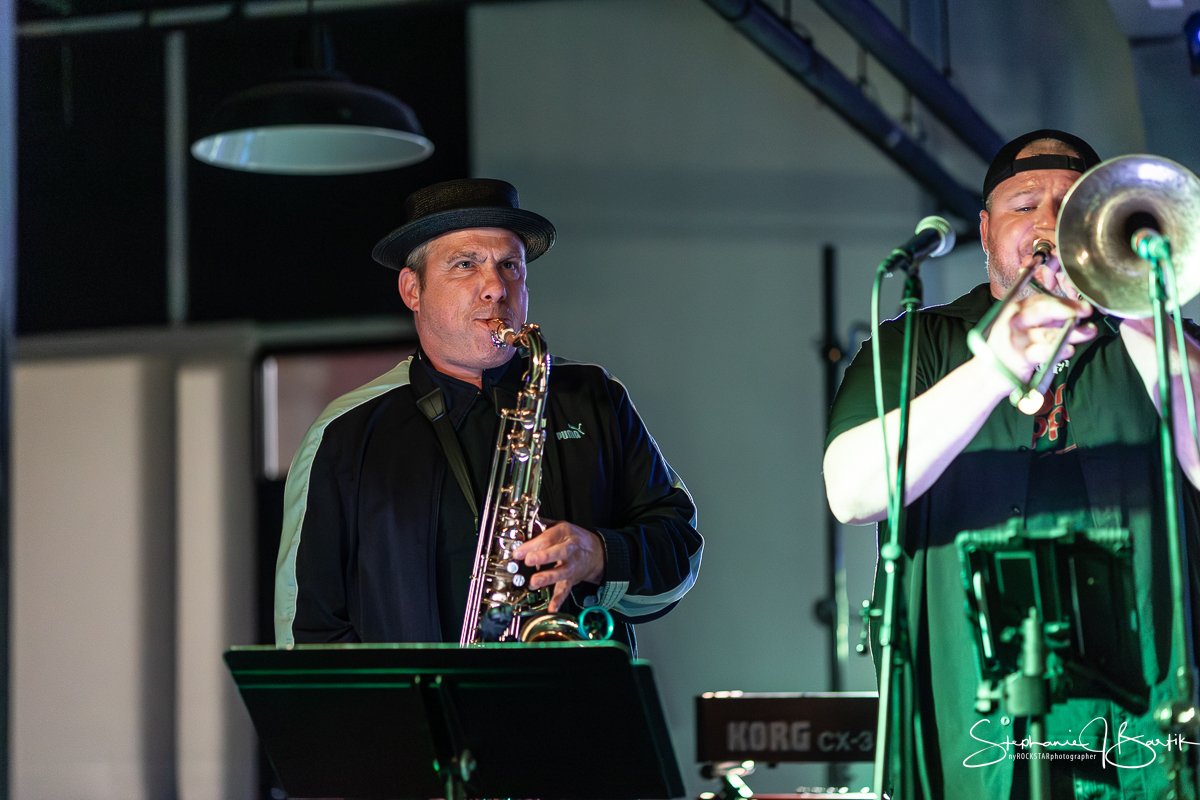
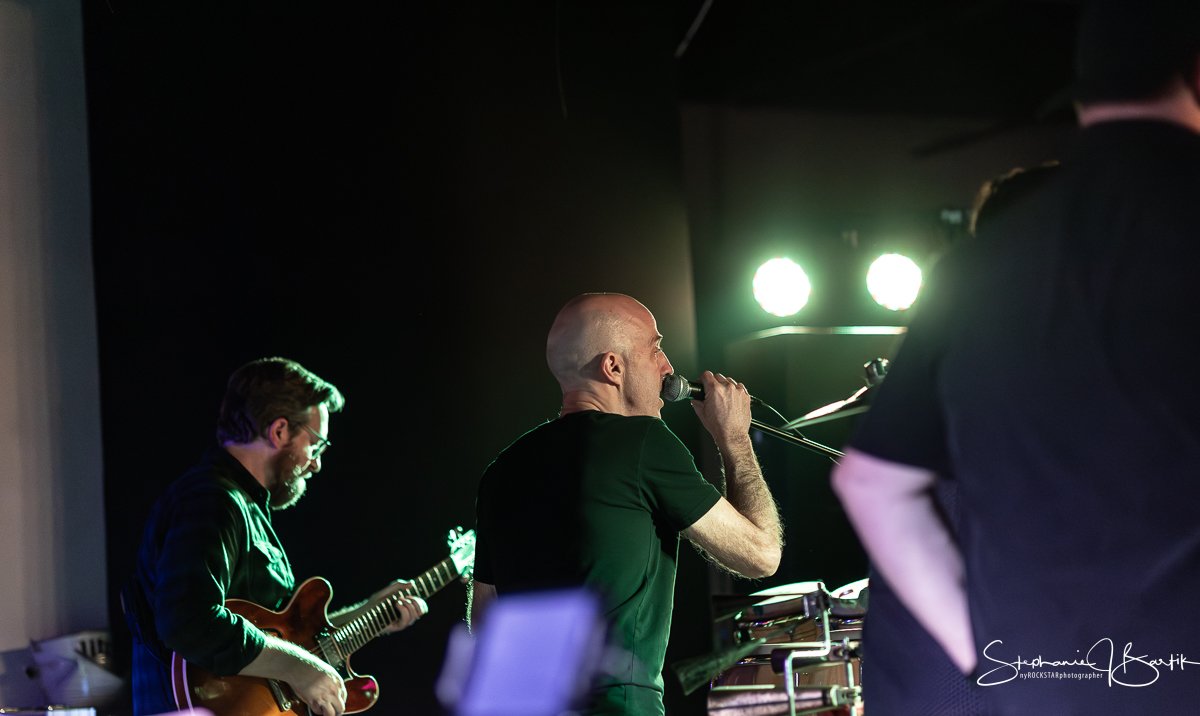
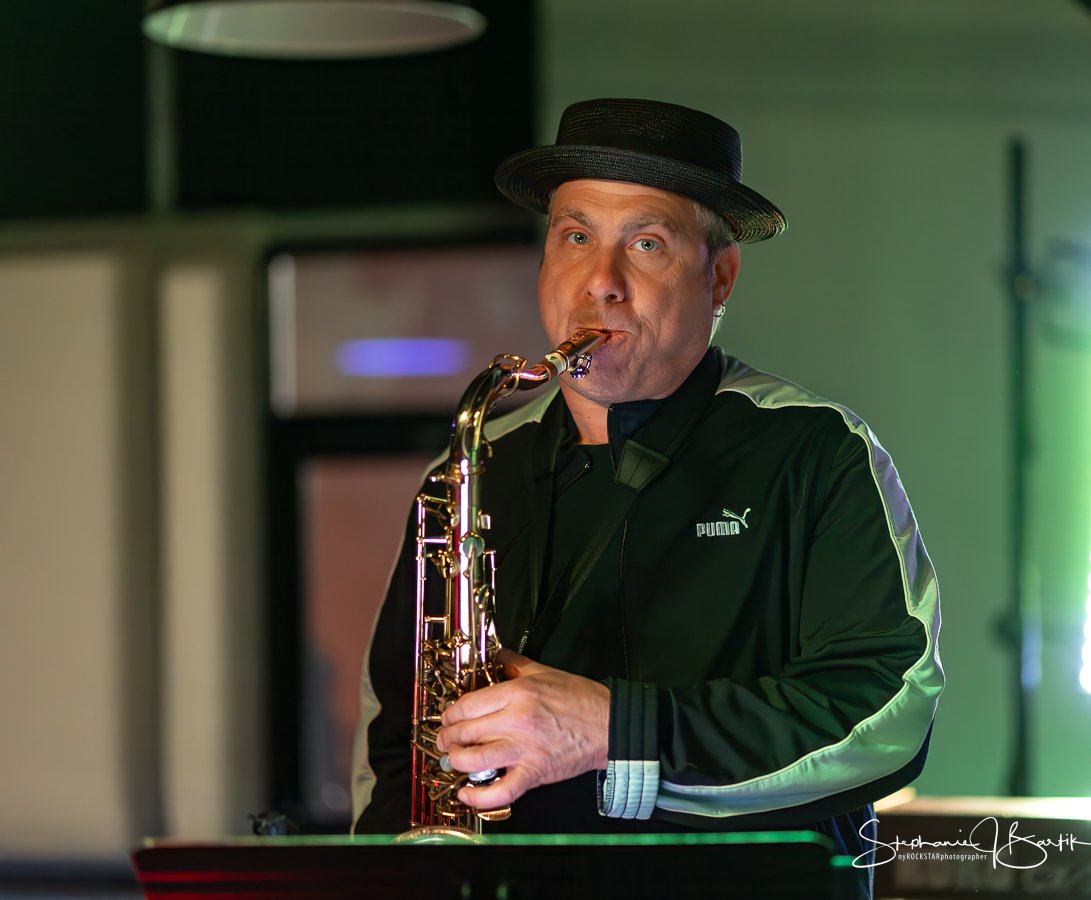
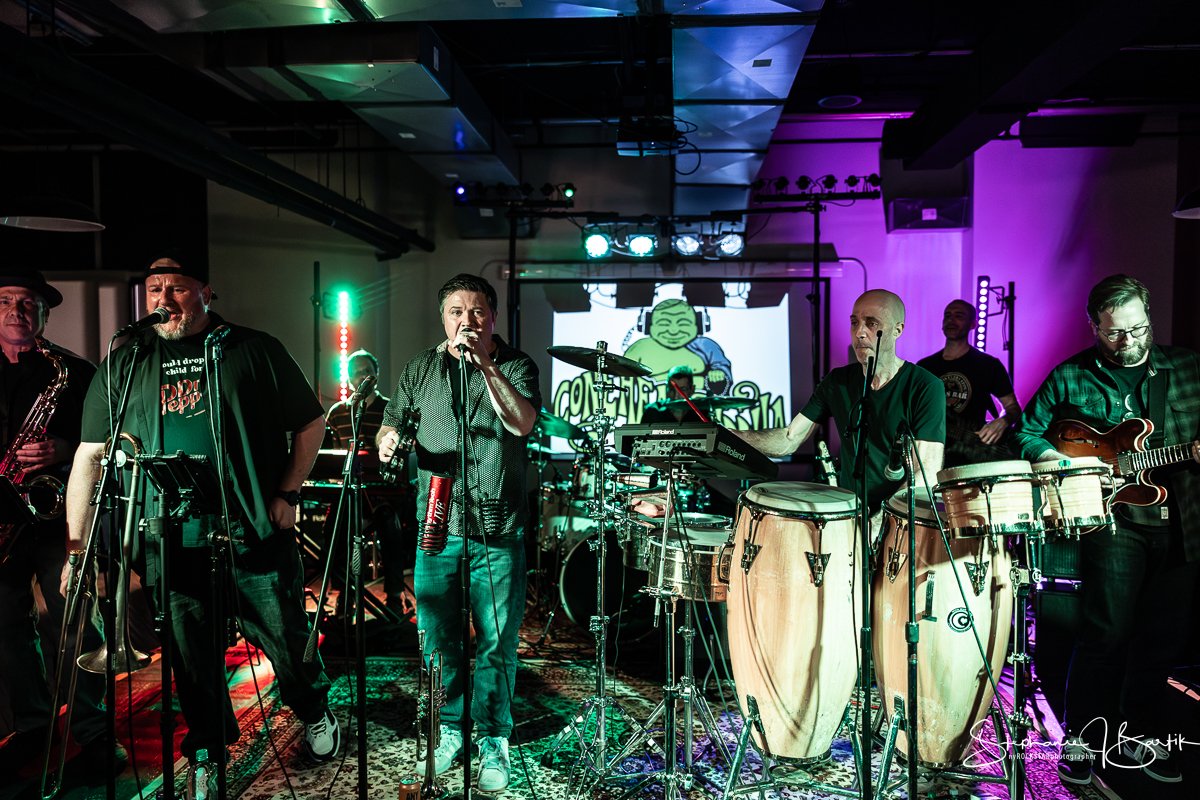
Conehead Buddha @ Slidin’ Dirty, 4/3/2026

0

By Rob Smittix.

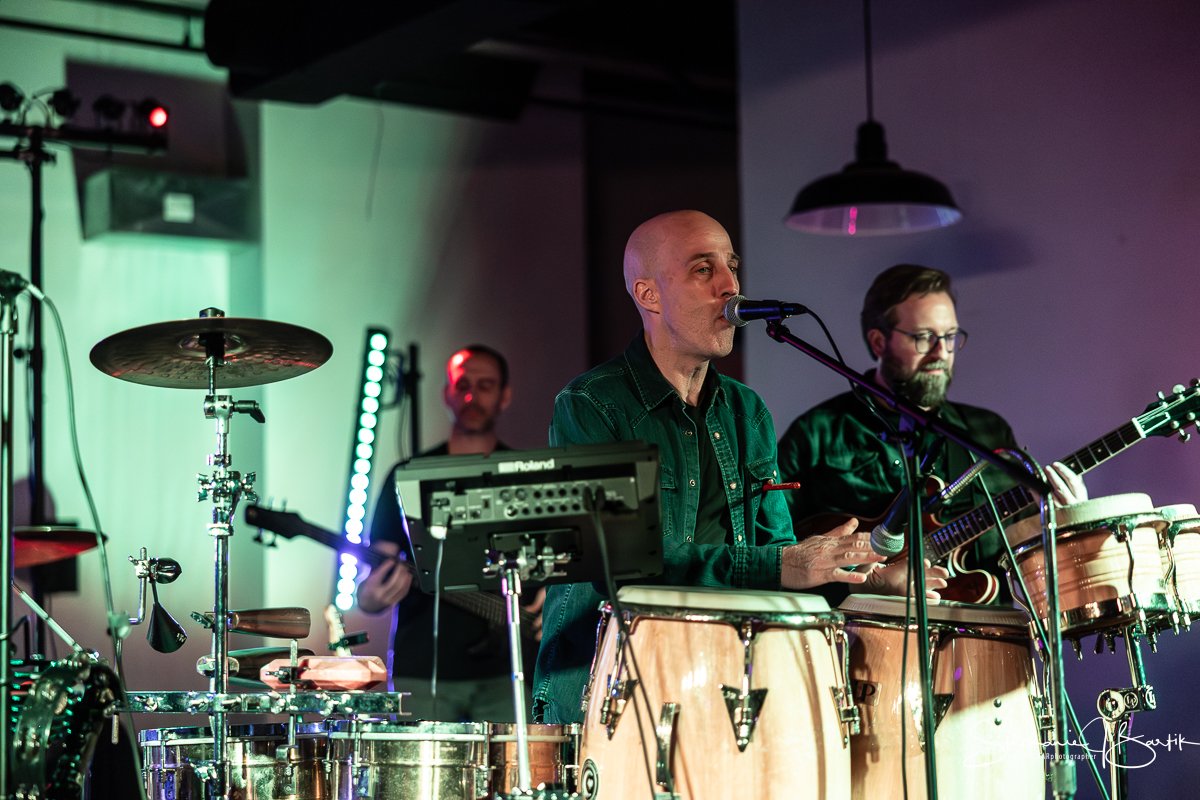
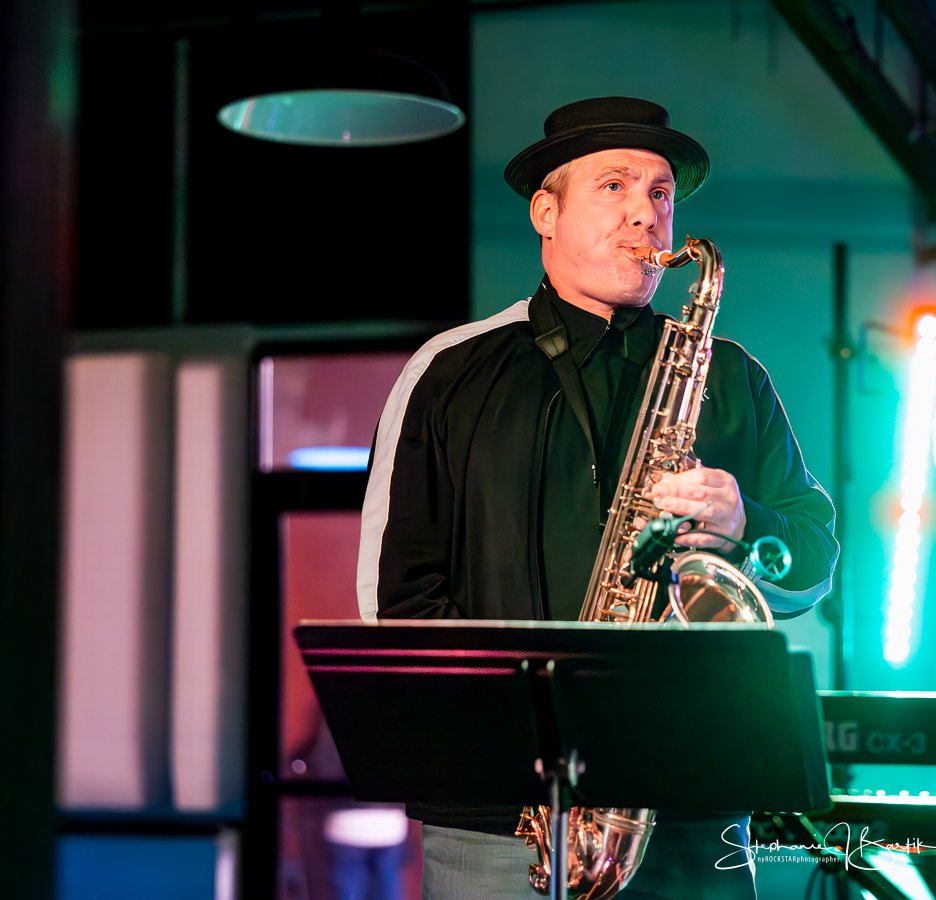
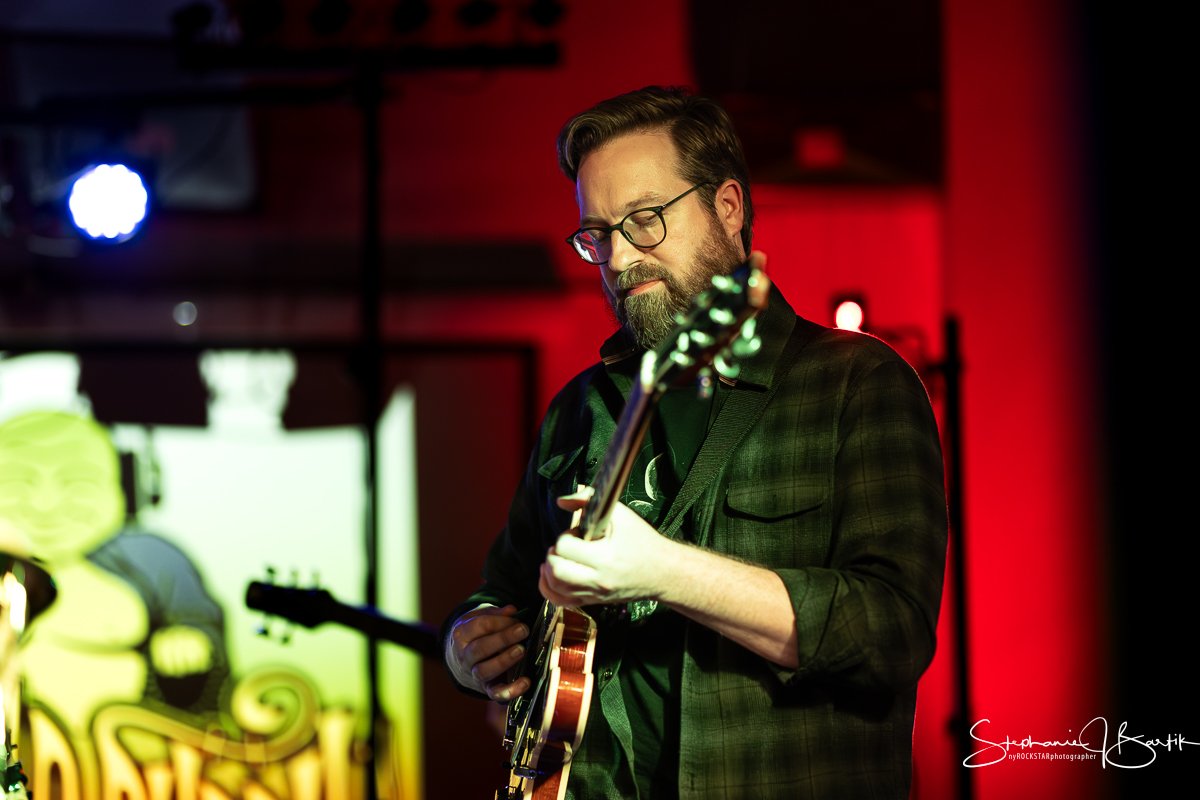
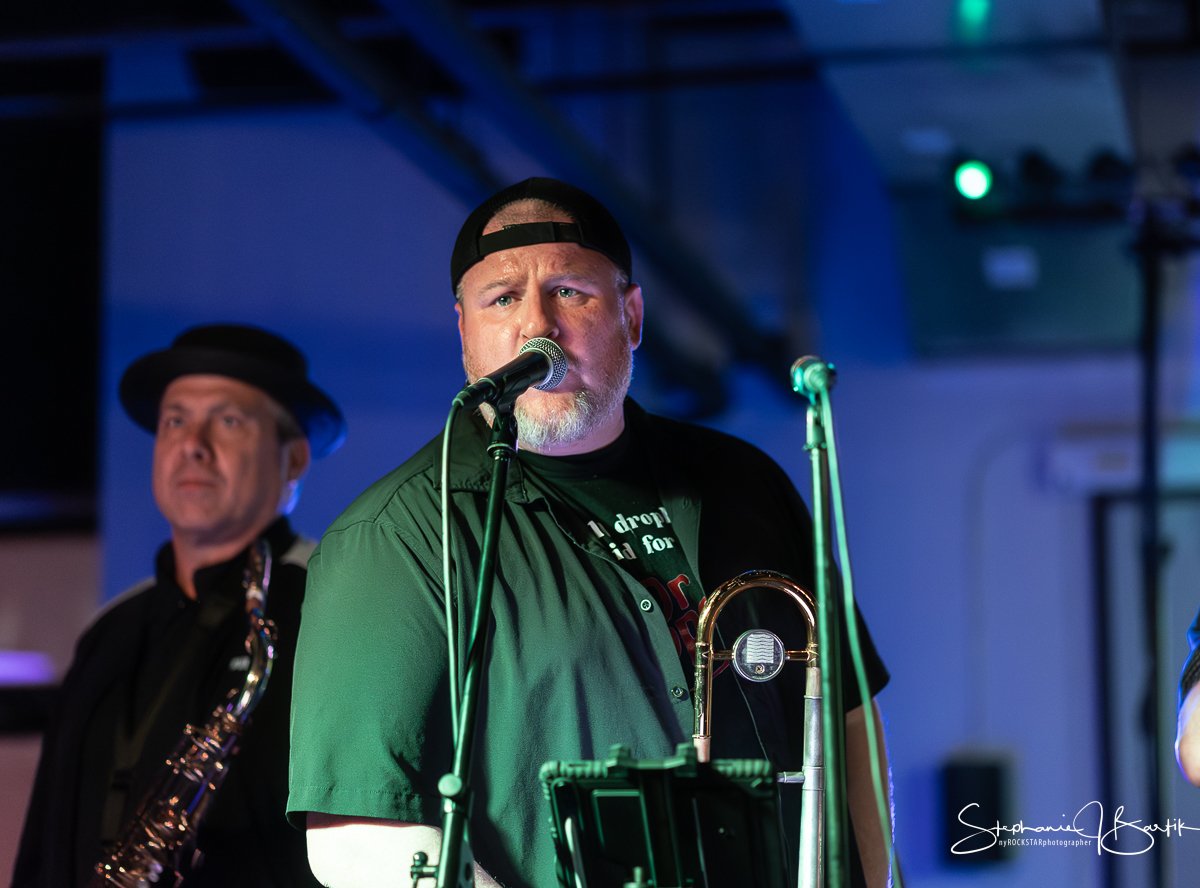
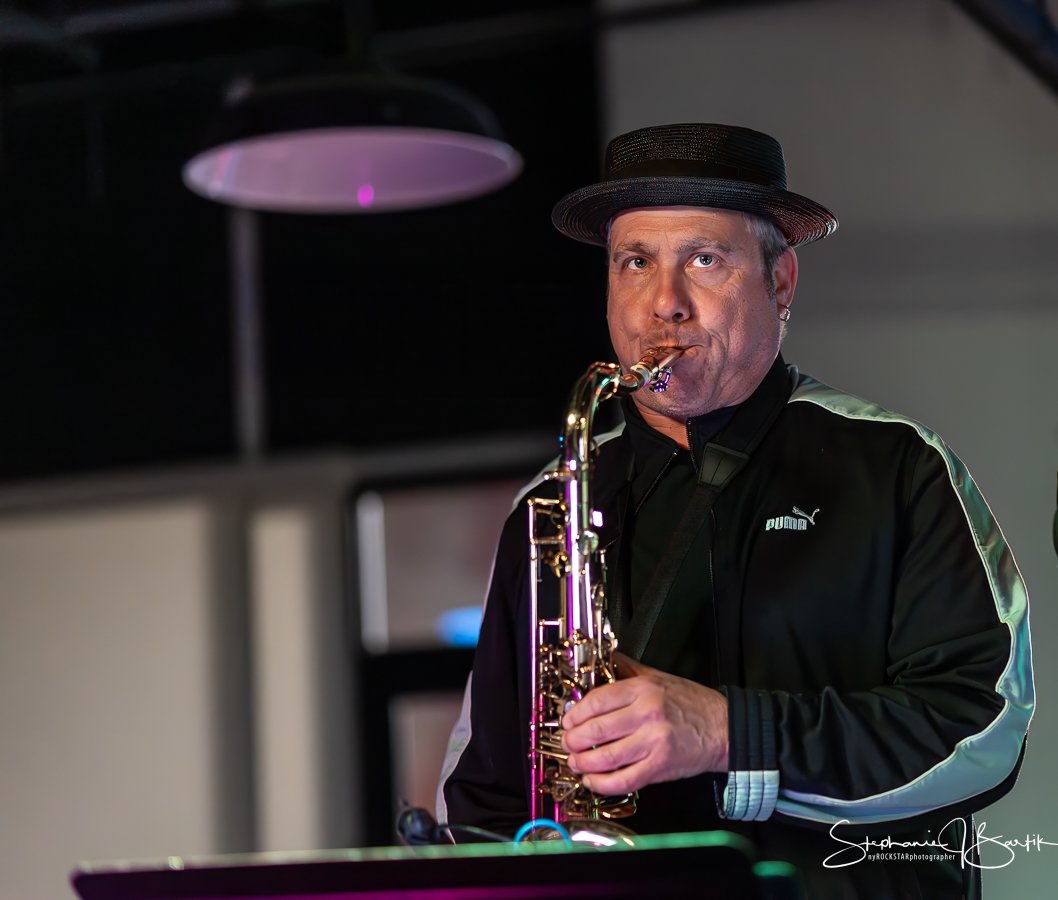
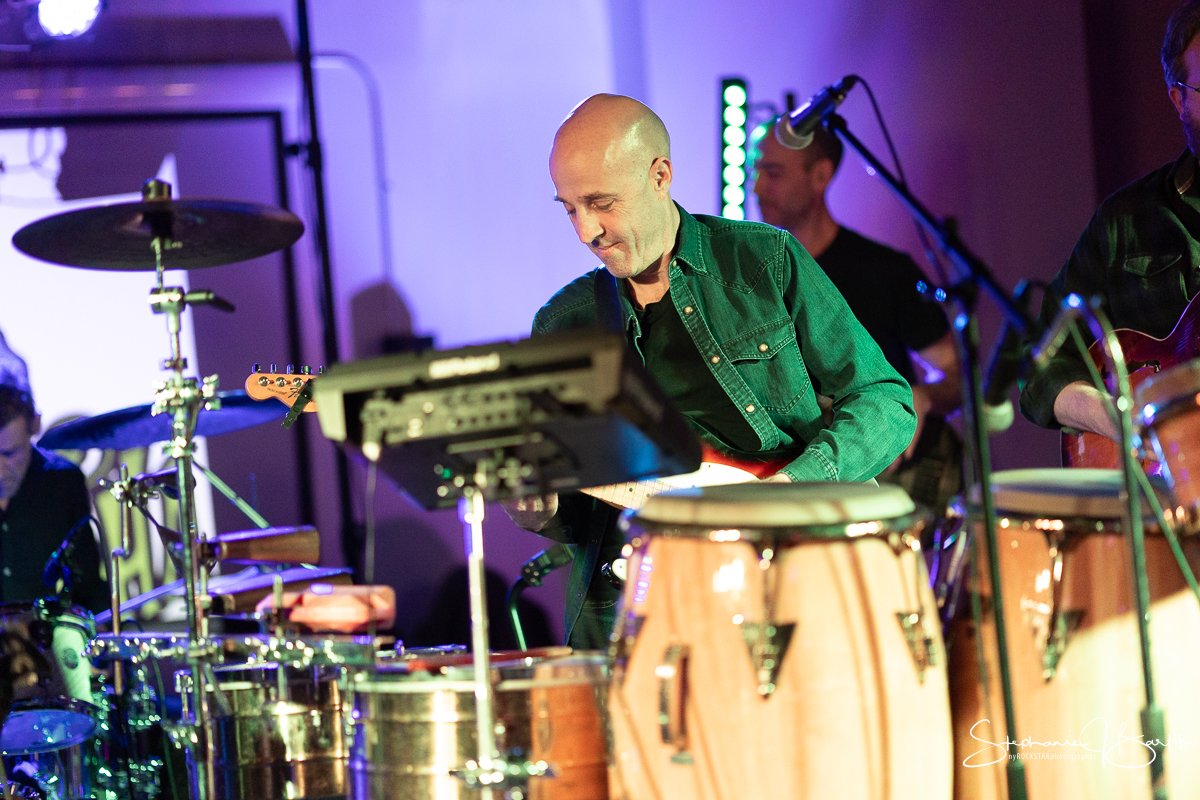
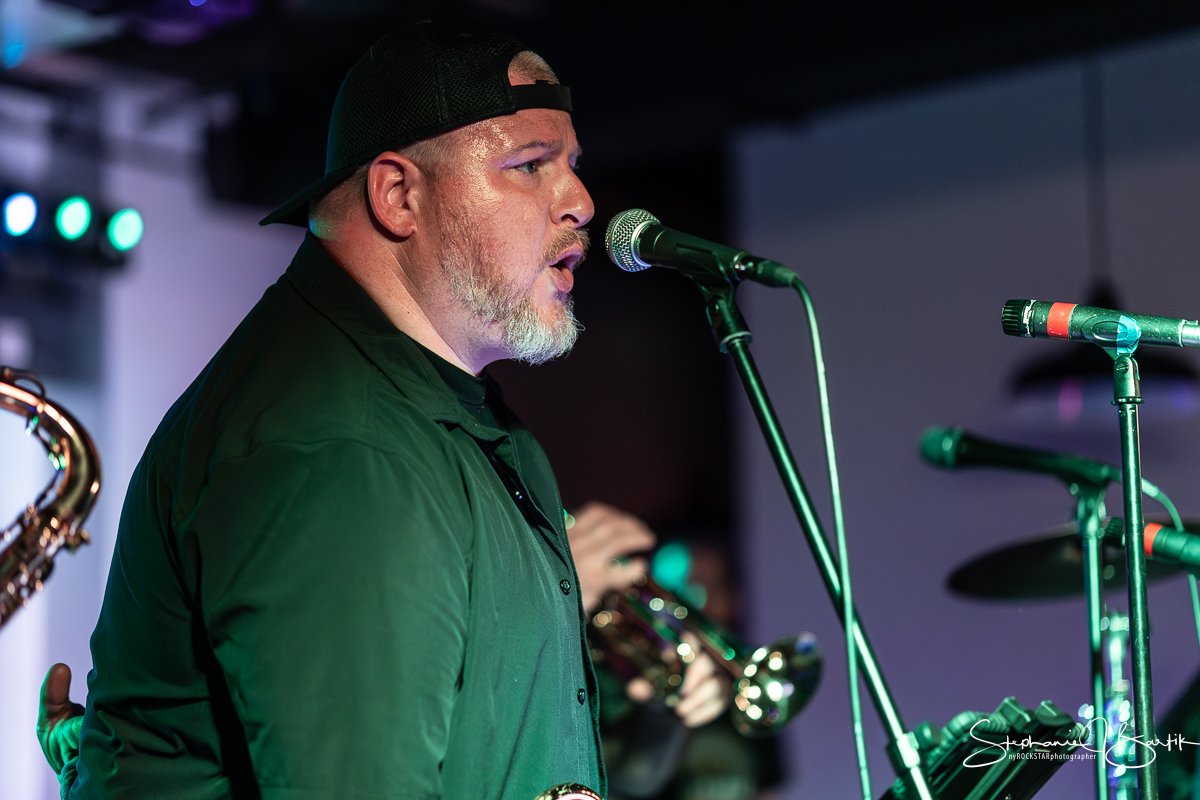
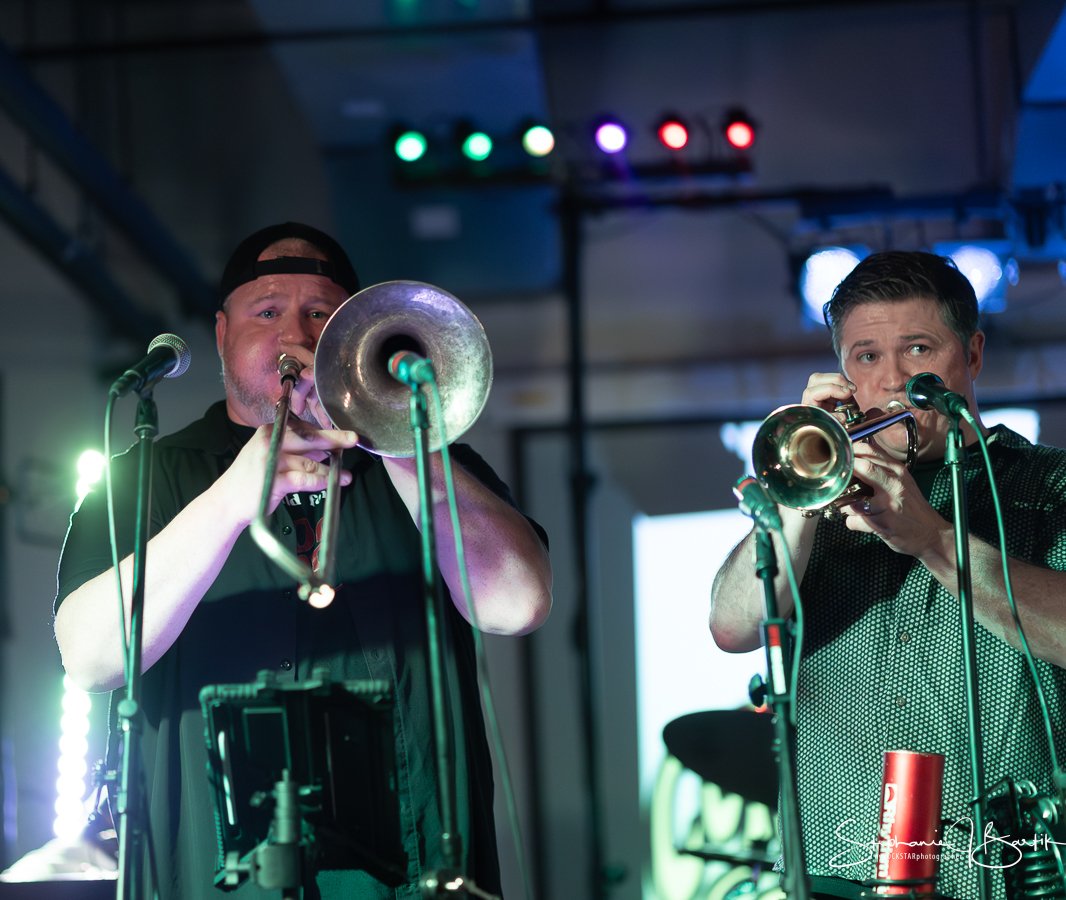
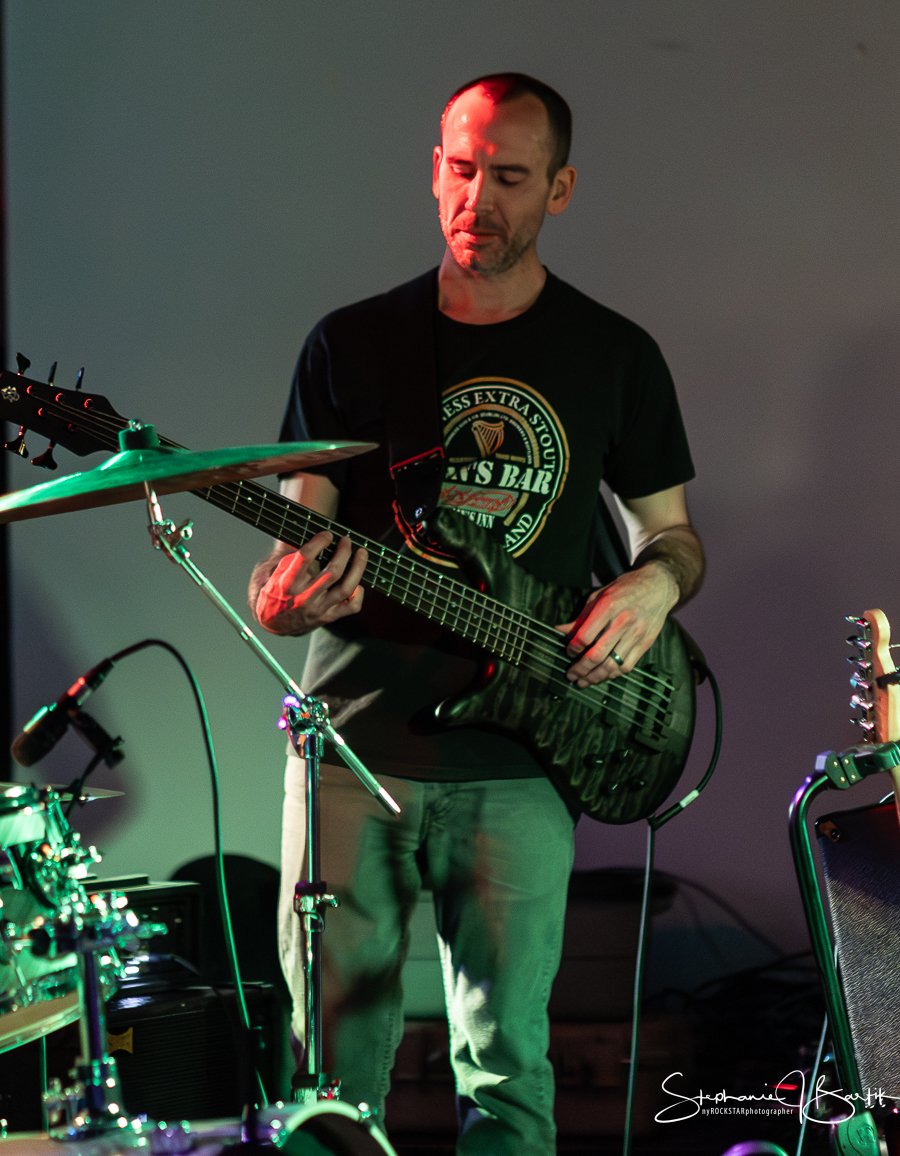
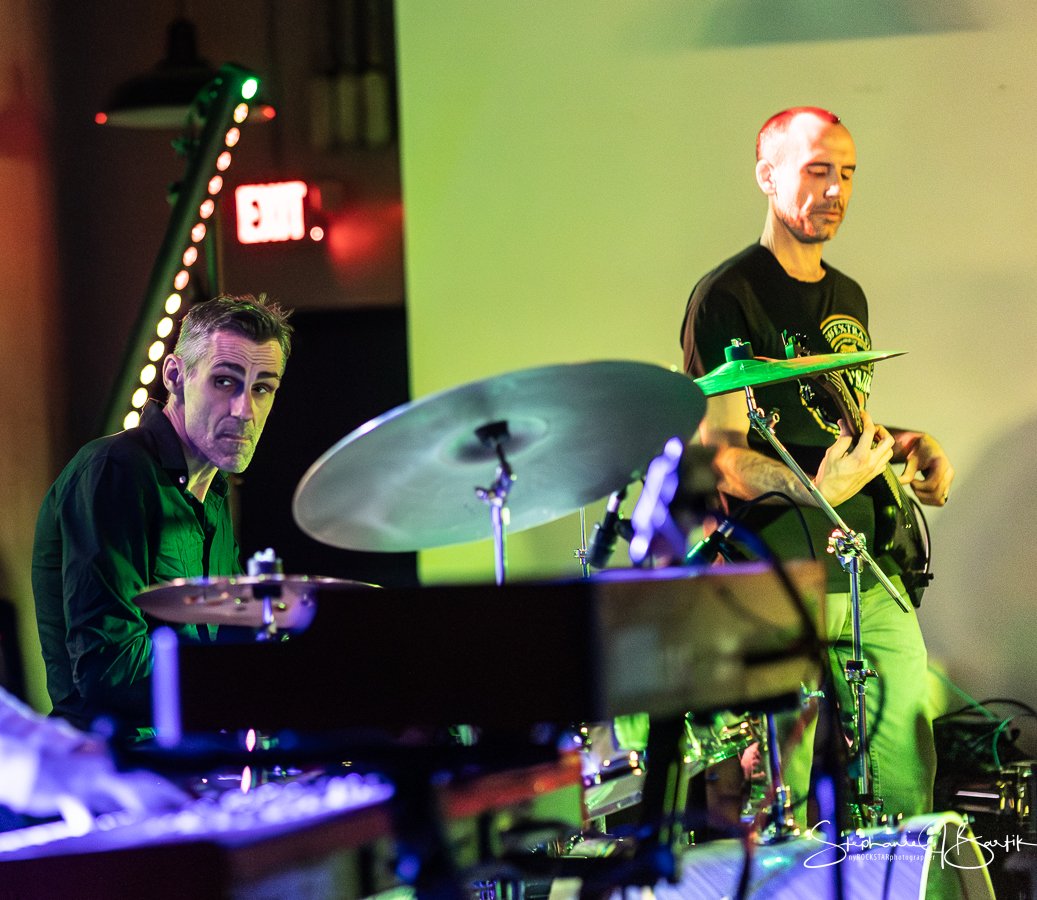
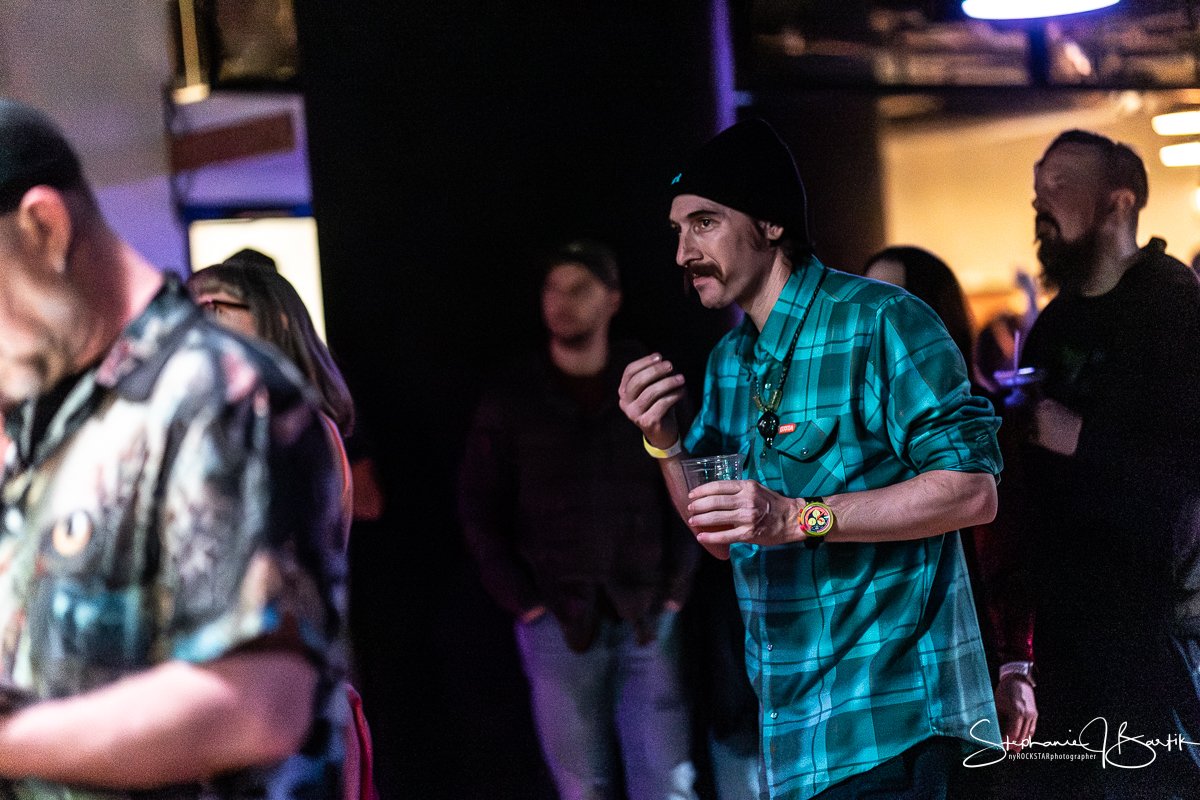
First off… it’s great to see that Conehead Buddha is active again. The time period when they weren’t created a void in my heart. I mean it, CB became such an important part of my life going back to the mid-nineties. Long story short, I was a Hip-Hop kid from the hood and I was the victim of gang violence, (it’s true I had to have reconstructive surgery on my face). I had to get the hell out of Dodge, so I transferred to Ravena Coeymans Selkirk (RCS). It was a safe haven for me but I was miserable because it wasn’t home. There was a student teacher there by the name of Jim McCuen, who just so happened to be the bassist for CB at the time. He asked me if I liked Ska and I had no idea what he meant by that. Jim then gave me the Conehead Buddha CD “I Wanna Be Like… You” and it changed something within me. I was so angry at my situation in being forced to move away from my friends and the gangsta rap I was listening to, wasn’t helping my mental state. But all of a sudden when I popped this CD in, how could I stay angry? This music was upbeat and fun. I started going to every CB show that I could.

Meanwhile, an acquaintance of mine Will Seyfferth, who also attending RCS was highly influenced by CB and Jim McCuen as well. According to stories I’ve heard from Will over the years, Jim is the one that convinced Will to play bass. At the same time Will was also becoming a father at the very young age of 14. Will thought his choices were limited so he planned on quitting school and going straight into the workforce to provide for his daughter. Well… Chris Fisher the front-man of CB told Will that if he graduates that he would in turn produce Will’s high school band. With this carrot dangling in front of Will, he got himself a diploma and a Chris Fisher recording.

Many years later, Will became the bassist to my band Smittix, see it all comes full circle. I shared our stories because without Conehead Buddha we never would’ve created the music that we have. Sometimes people say a band changed their lives but in this case Conehead Buddha really did! These we’re all the thoughts along with many memories that were running through my mind as the band tore the roof off of Slidin’ Dirty this past Friday night. Do you have dear memories of Conehead Buddha yourself?

Check Out Conehead Buddha on social media for upcoming gigs!


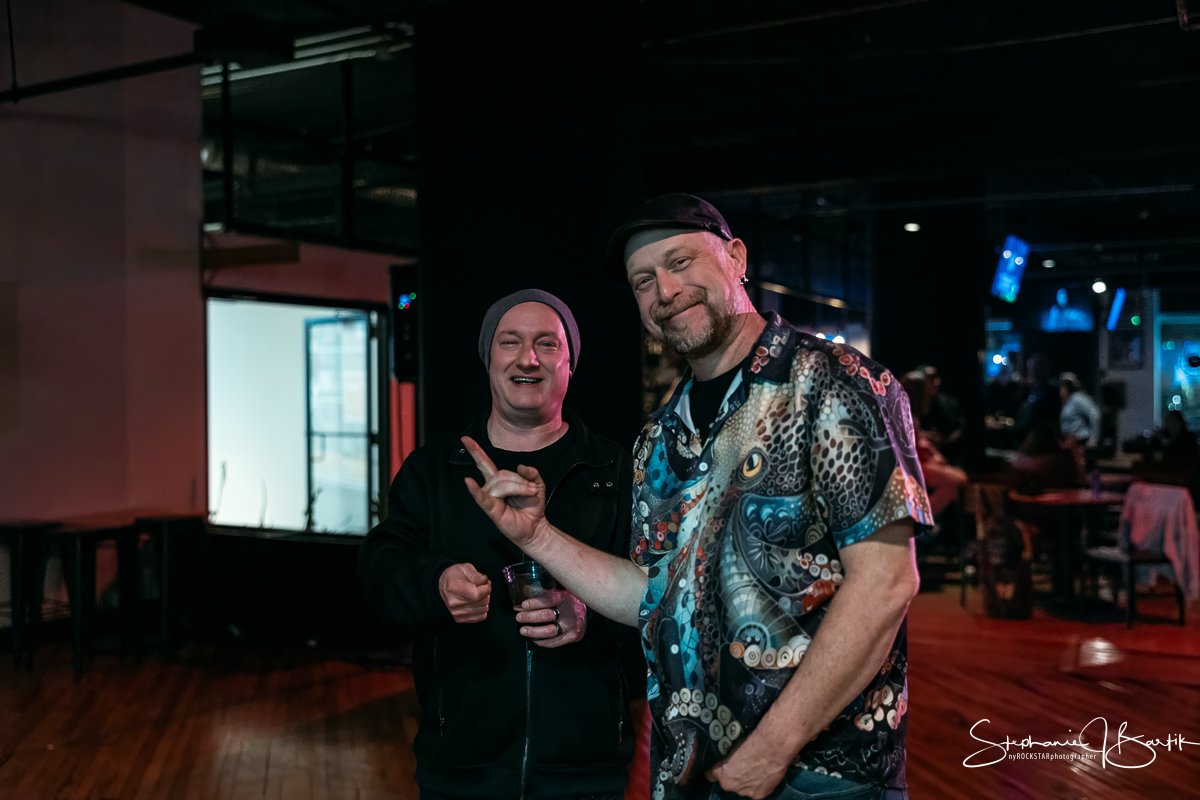
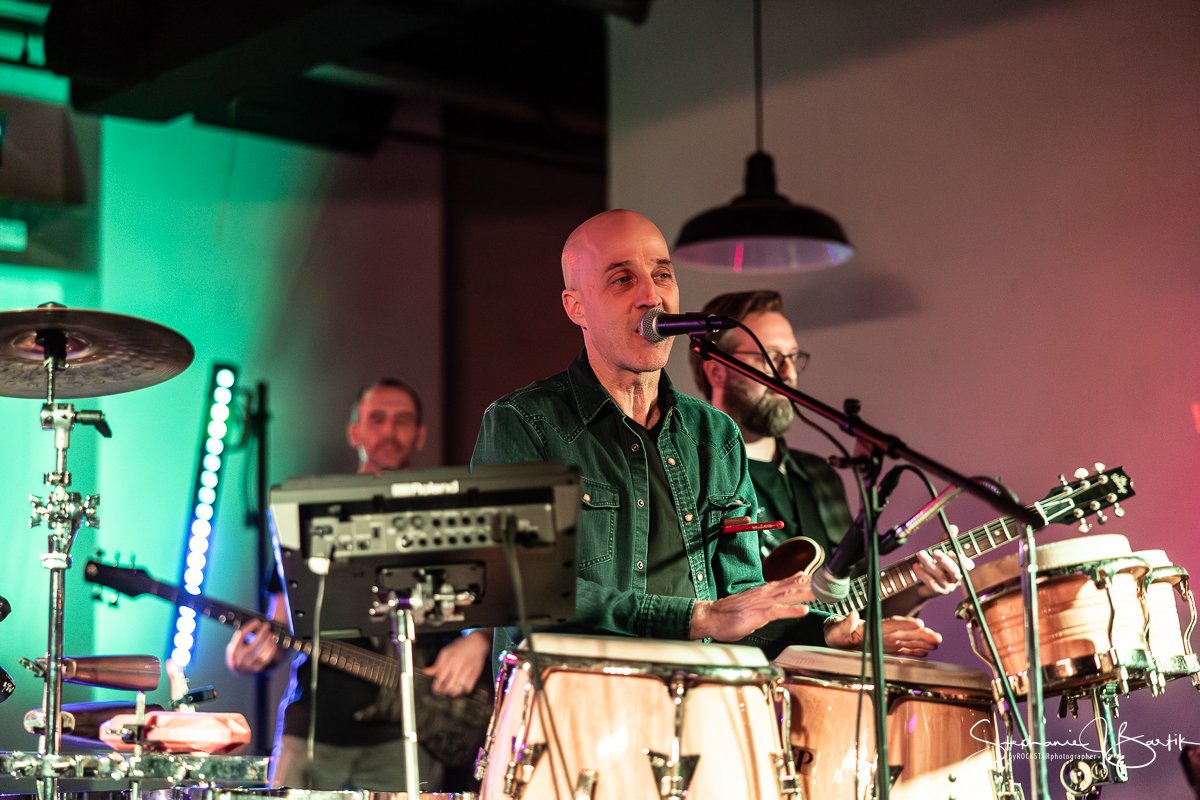
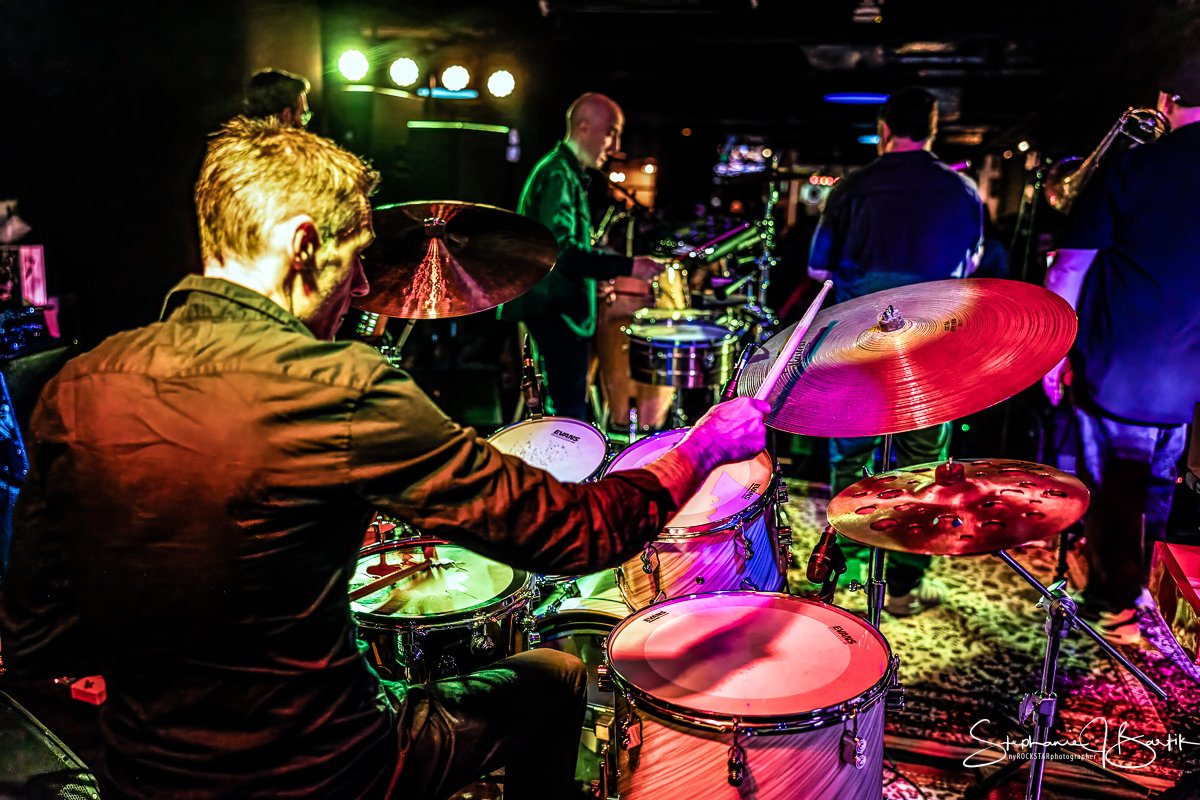
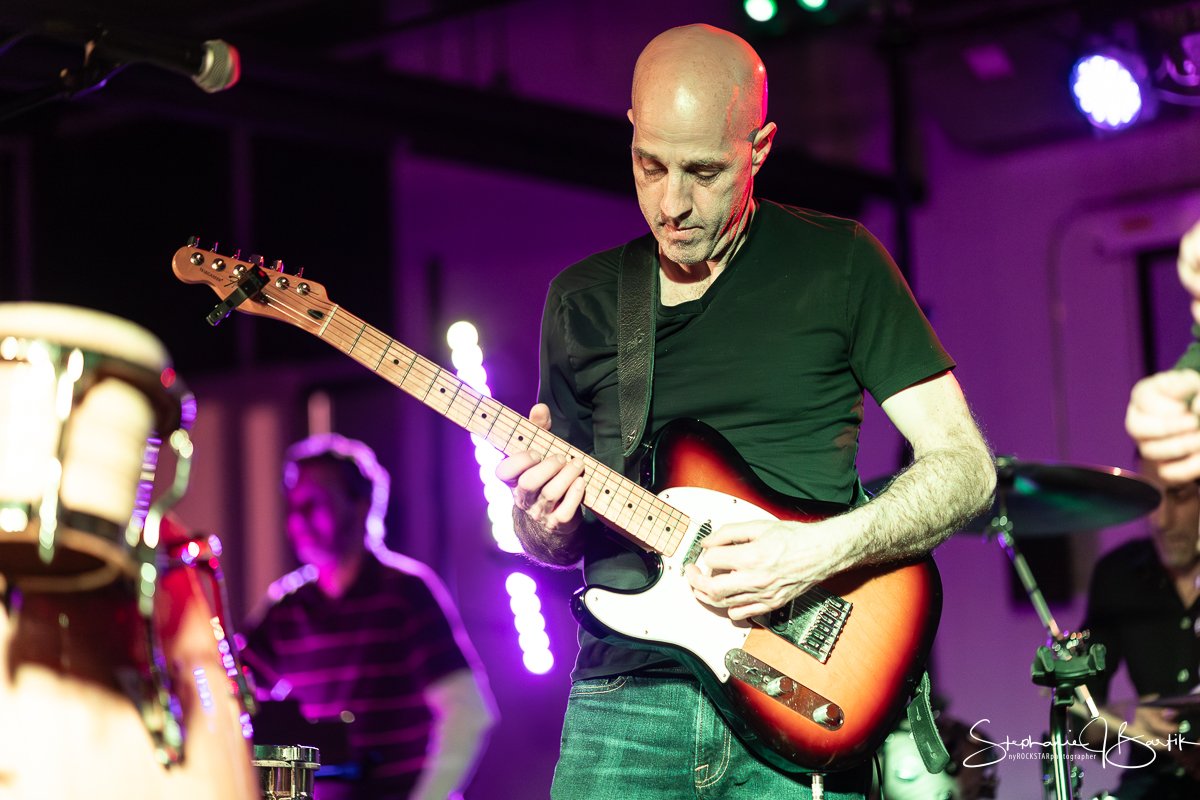
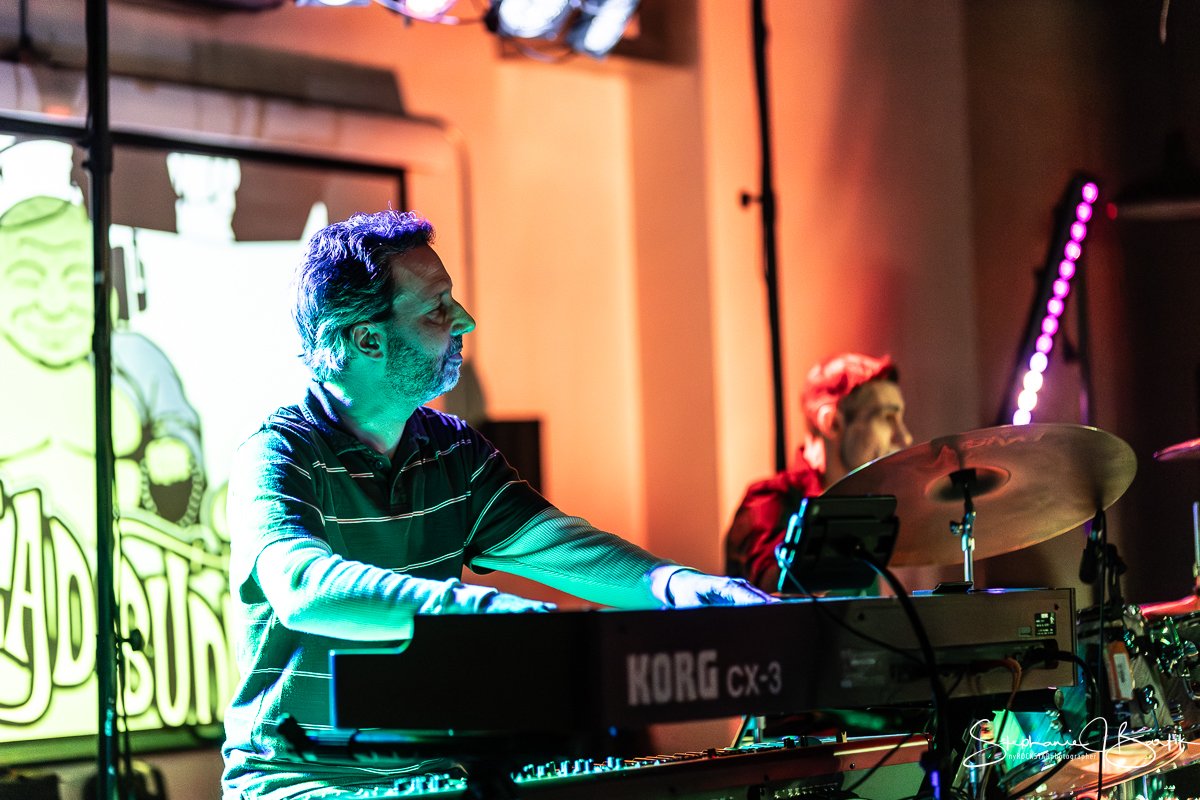
Photography by Stephanie J Bartik.

More from Conehead Buddha here …


…2..3..4 – An Xperience Column

0

…2..3..4 – An Xperience Column – by Chris Busone.

“Not Choosing is Choosing”

“There are two types of people in this world; avoid them both.”

So says renowned German philosopher, and preeminent pessimist, Arthur Schopenhauer. And while I’ll grant him that that’s hilarious, and that there may not have been a whole hell of a lot to be optimistic about in 19th-century Germany, I’m surprised to see that there are some among us today who seem to think that Arthur may have been on to something.

I like to think we can find some sort of middle ground, no matter our differences, be they philosophical, political, or musical. And it is the subject of the latter that leads us to a conversation I had recently with another great philosopher named Arthur, Art Fredette.

I was visiting the RadioRadiox studios for one reason or another and had a back-and-forth, as I often do, with one of my favorite people and my great friend, Art Fredette. As we meandered from subject to subject, Art relayed to me the story of him finding a Beatles album (“Meet the …”) in his father’s record collection as a young lad. When Art the junior showed Art the senior the album, surprised at his father’s affinity for the Liverpudlians, his dad said, “They’re okay. But they’re not Elvis!”

I had been looking for inspiration for my next column, and Art’s tale of a rock & roll changing of the guard of sorts provided it. (Consequently, all proceeds from this column will be donated to the Art Fredette Foundation for Struggling and Uninspired Writers.)

His story made my disjointed mind flash to the age-old (and profoundly boring) question: Elvis or the Beatles? And while that query is something I have absolutely no interest in discussing or writing about, Art’s story led me down a more thought-provoking path. Why in the good Christ do I have to choose in the first place? Why are we made to feel like we have to pick a musical genre or contemporary artists, and live and die with them? Why in the hell can’t I love Elvis and The Beatles, the Stones and Zeppelin, Miles Davis and Chet Baker, and Tiny freaking Tim alike? Why can’t I dig everything from Guy Lombardo to David Bowie?

My playlists are made of a pantheon of musical giants, coupled with artists that I had never even heard of before Amazon Music suggested them. And their respective musical makes and models are from diametrically opposite sides of the musical spectrum. And although that has always been my own personal approach, I am absolutely sure I’m not alone.

I was in fact just playing a list in my car that included Louis Jordan’s “Beans and Corn Bread” directly followed by “Welcome to the Jungle” by Guns N’ Roses. “Beans and Corn Bread” and Guns N’ Roses … dinner and a show.

There are also times, rather than a playlist, when I want to hear an entire album, track for track, the way the artist assembled it. I did two weeks last month listening to Counting Crows’ “August and Everything After” record (still just so incredible), then a week of “Nevermind” by Nirvana. That was closely followed by Mel Torme with Marty Paich’s “Dek-Tette” (“Lulu’s Back in Town”!) and the Paul Butterfield Blues Band’s self-titled debut, which kicks off with “Born in Chicago” right into “Shake Your Money-Maker.” Come on!

Look, my point here isn’t to proclaim what a musically well-rounded and open-minded individual I am, and that you should all stop what you’re doing and build creepy little shrines to me in your foyers. It’s to try to illustrate that those who limit themselves to one musical genre or group of like-minded artists are doing just that: limiting themselves. It’s akin to going to the most sumptuous smorgasbord imaginable and standing in the corner eating the same deviled egg over and over again. Sample the fare! Taste the difference! Live la Vida Loca!! Vive la France!!! WOLVERINES!!

Okay, so I may have gotten a little carried away there … I’m just saying, ya know, maybe try something different sometimes, maybe … ya know?

Or don’t.

If you’re truly content with banging to Megadeth’s “Rust in Peace” or still trippin’ on Floyd’s “The Dark Side of the Moon,” then go ahead and shine on you crazy diamond (yea, I know that song’s on “Wish You Were Here,” but Jesus Christ I’m trying to go somewhere with this). If that’s what makes you feel the burn, then ignore the last eight or nine paragraphs, or however many it ends up being after editing, and keep doing what you’re doing. My point is, you can choose NOT to choose.

Now there are those who will pontificate that “not choosing is choosing,” but those people bother me, so screw them. My choice for a perfect day starts with my wife and Bloody Marys and Miles’ “Birth of the Cool” in the morning, Robbie Robertson’s 1987 self-titled album and poached eggs on crab cakes for brunch, followed by John Doe’s “A Year in the Wilderness” (favorite track “The Golden State”) with a steak at dinnertime, then wrapping it all up with a night out listening to local legends like Trauma School Dropouts with a few Jack-on-the-rocks. That is a well-rounded diet if I ever saw one. All the food groups are represented here.
Now, admittedly, I’m just naturally contrary, so getting a straight answer out of me to any question is a task in and of itself. But when I’m painted into a corner and faced with a “YOU MUST CHOOSE” scenario, I’m always gonna default to a non-committal, sarcastic, expletive-laden answer that frustrates the asker. It’s the poet in me.

So here you go: F-CK “either or,” F-CK “this or that,” and really, really F-CK “Elvis or the Beatles.”

And while I recognize that that is a sentence in a suicidal search for alliteration, all I’m trying to say, my devoted readers, is just try whatever looks good on the menu. That’s my philosophy. It’s my philosophy when I listen, and it’s my philosophy when I play. So you may see me at my next show playing a classic hit of my own (I’m using the word “hit” sardonically here) or one of someone else’s hits, or even “Tiptoe Through the F-CKIN’ Tulips” for all I know. Either way, I’ll be counting them all off with the same amount of grit and gusto, ‘cause it’s all good, and good for you. So belly up to the bar and count it off with me, 2…3…4.

(Also … Beatles. WTF are you thinking? Of course Beatles … or maybe Elvis … sh*t!)


More from Chris Busone…

All That’s Solid Melts Into Wiggling Air

0

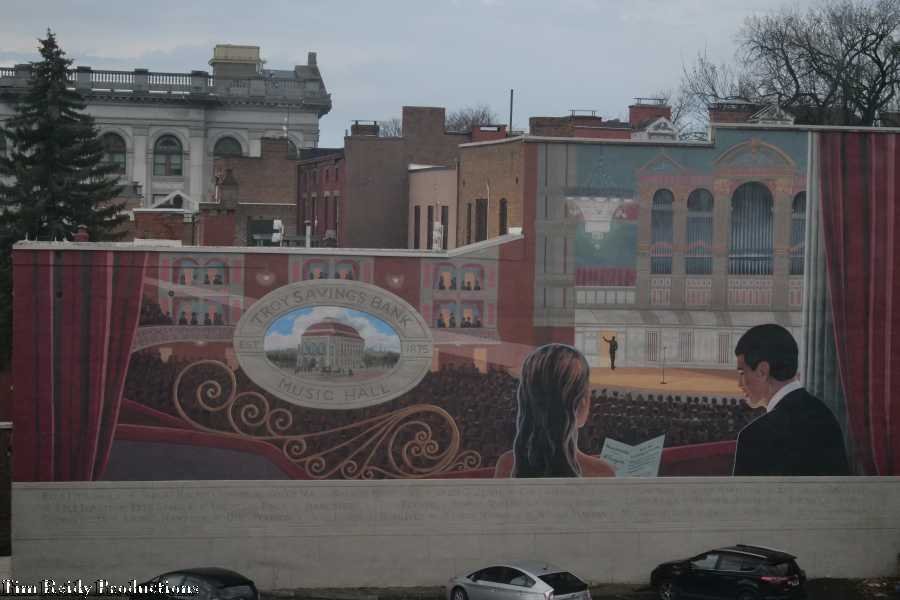
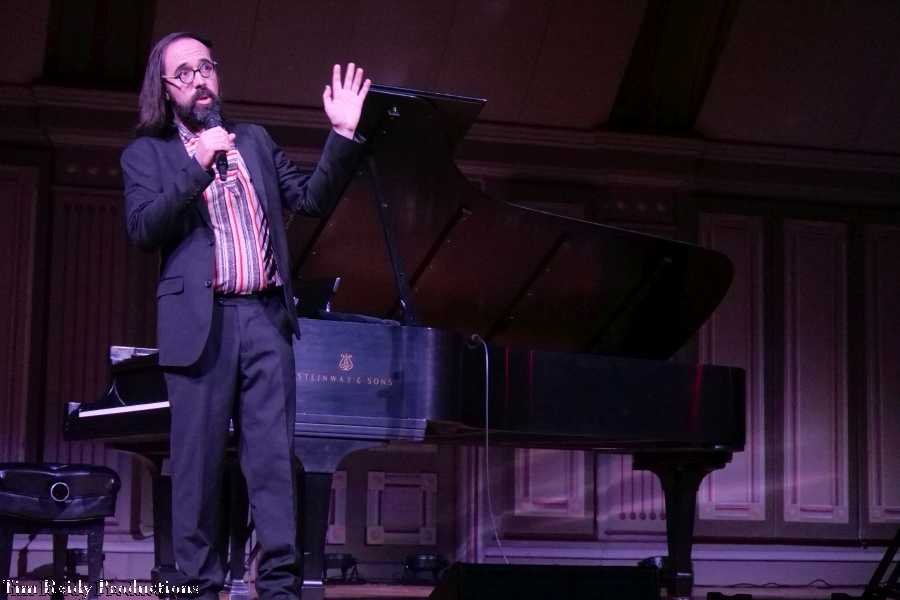
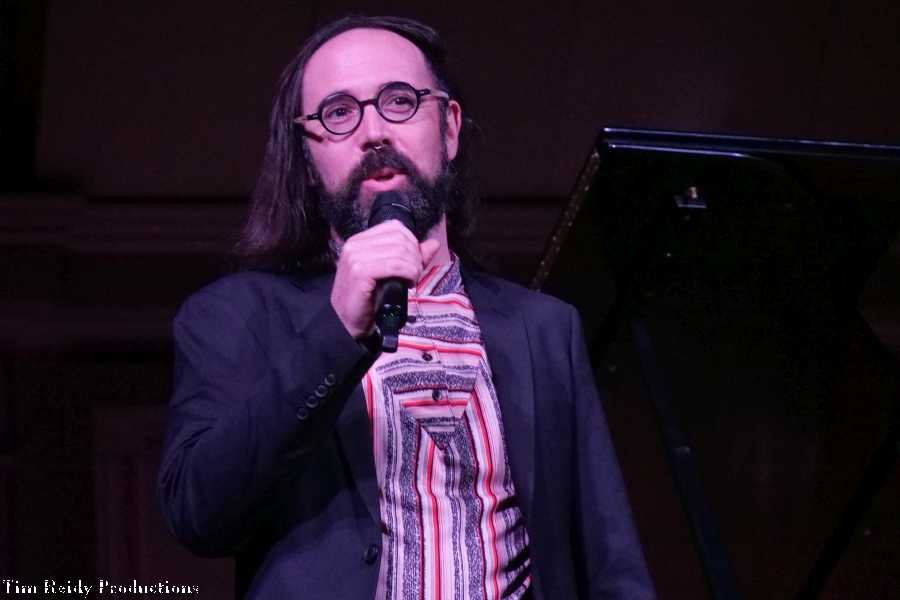
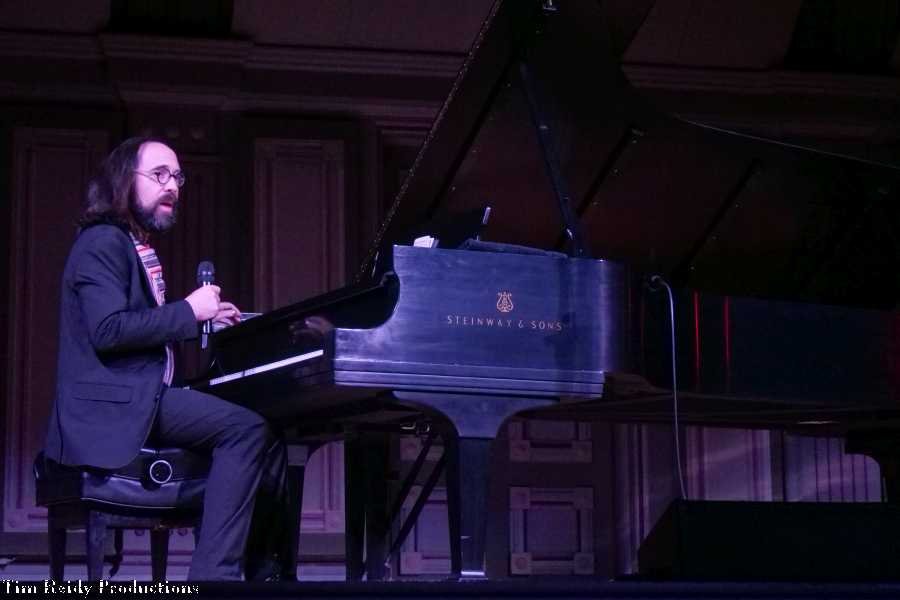
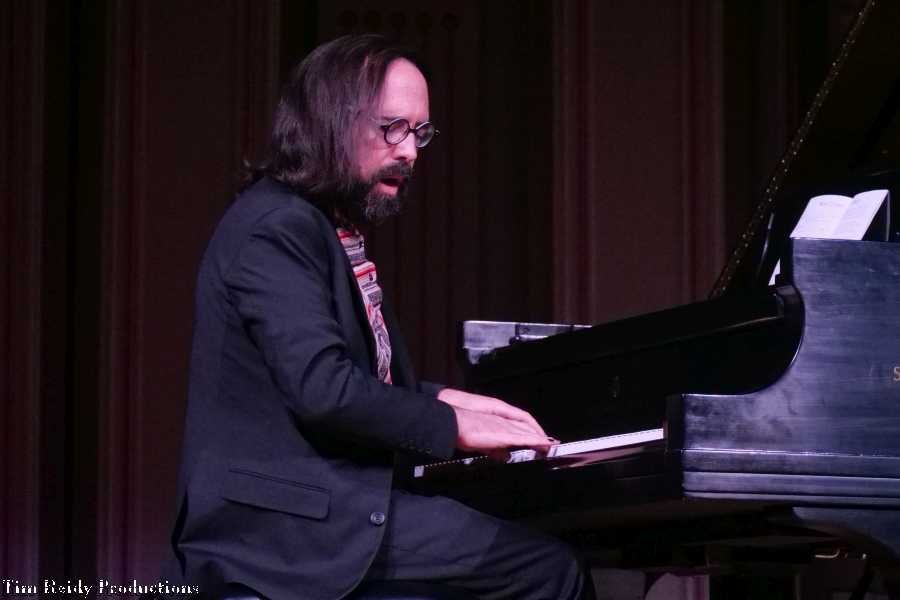
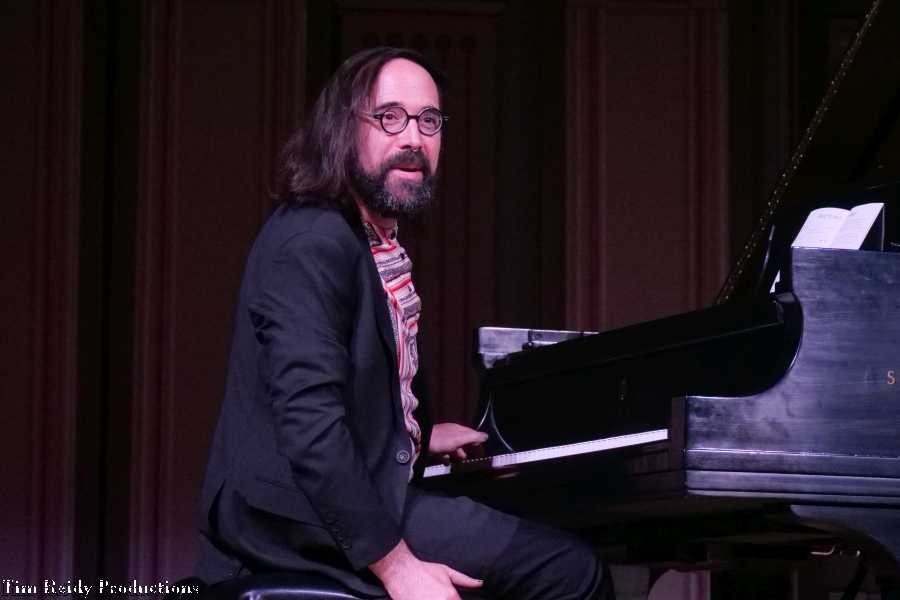
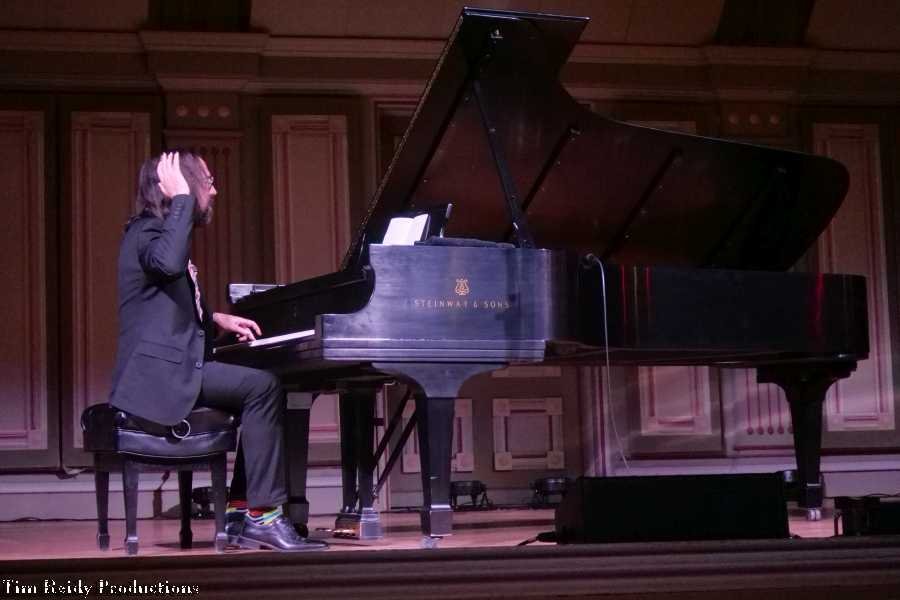
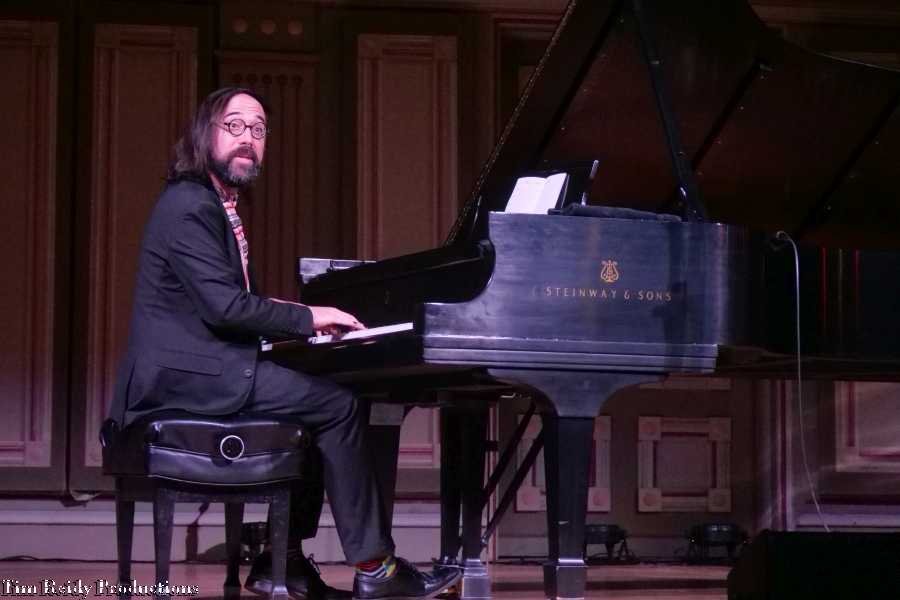
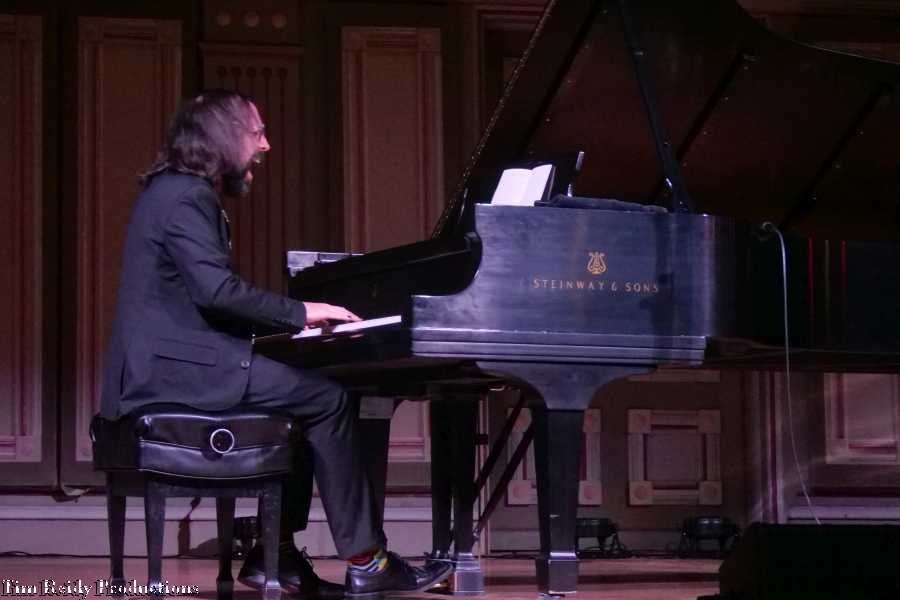
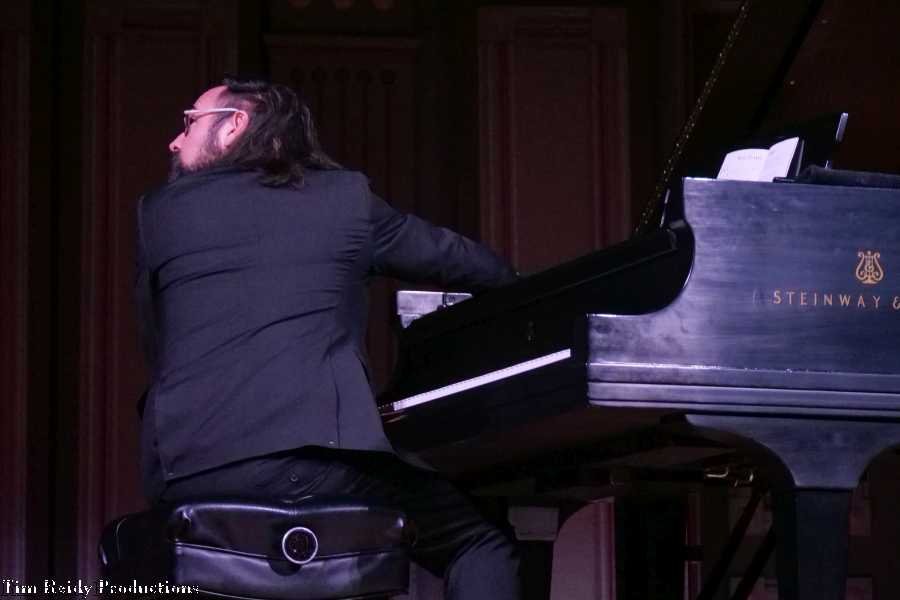
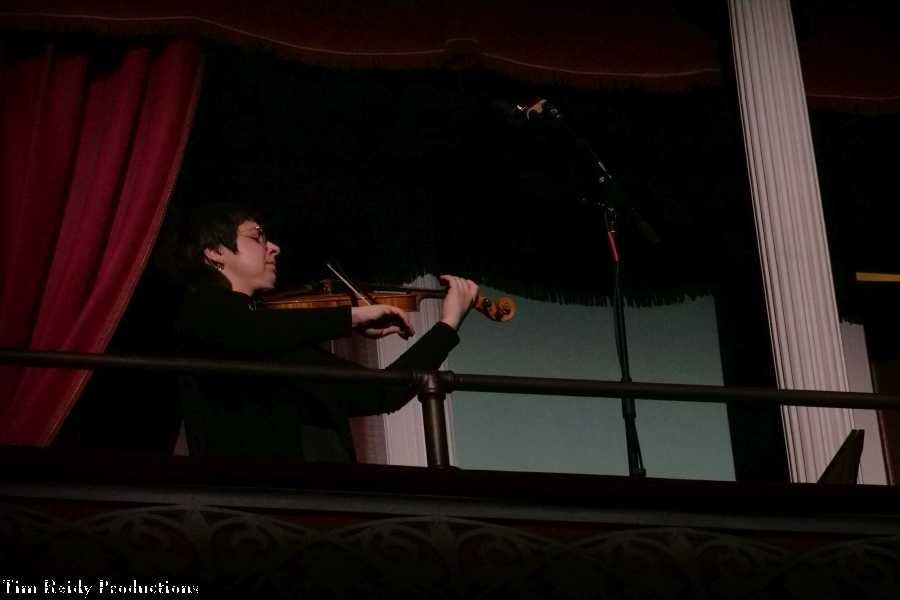
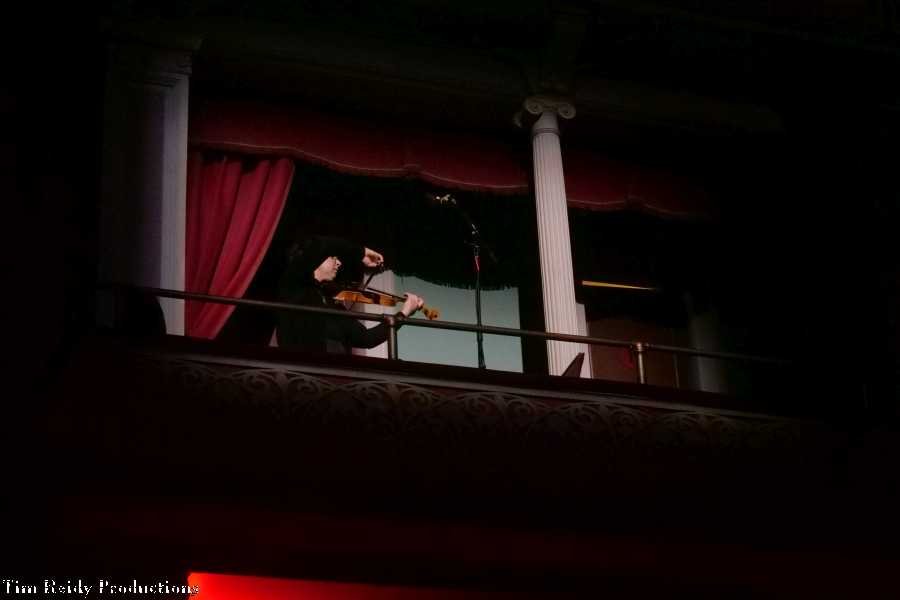
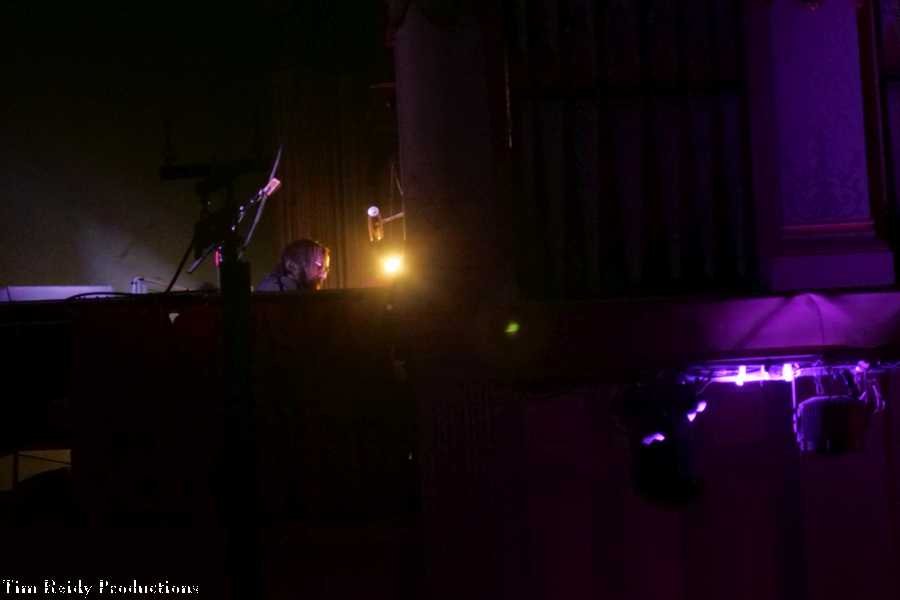
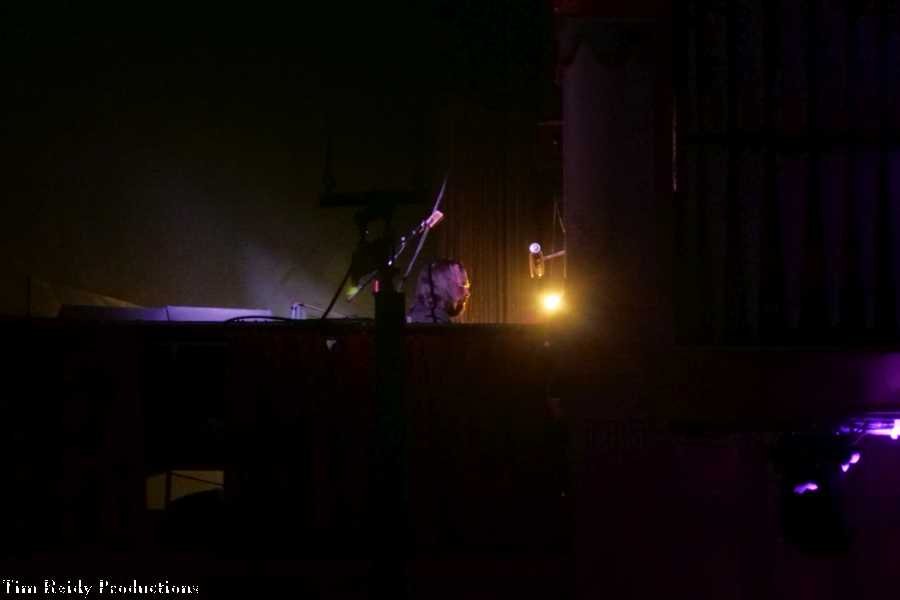
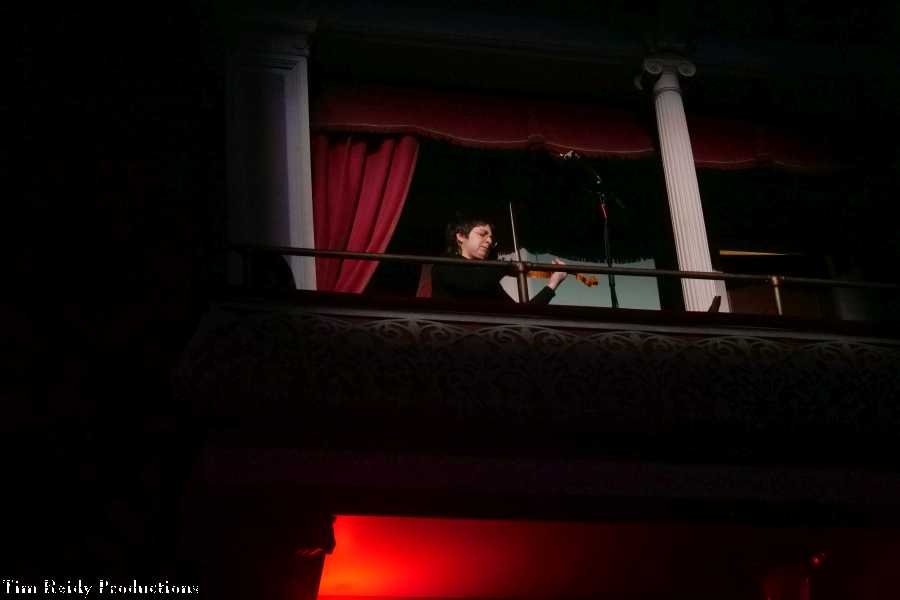
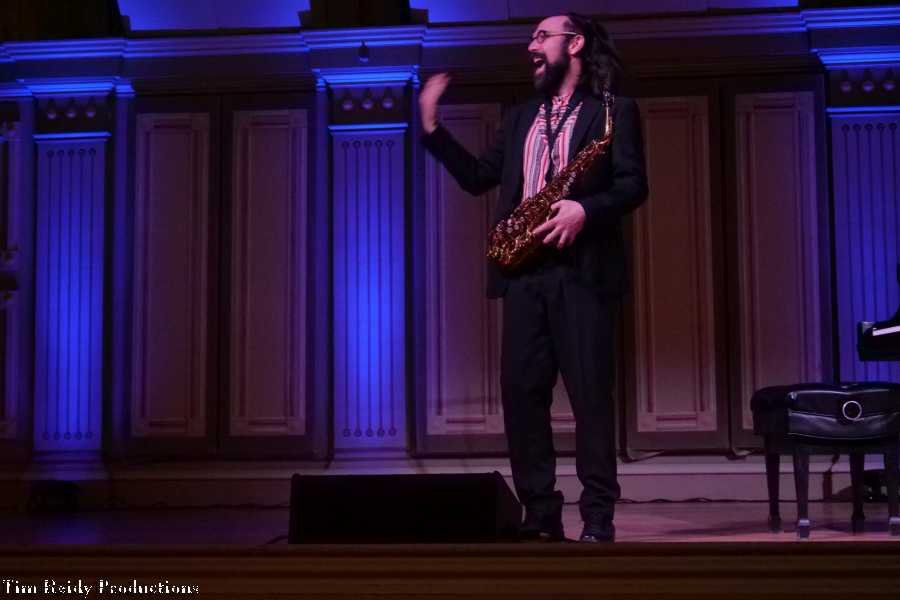
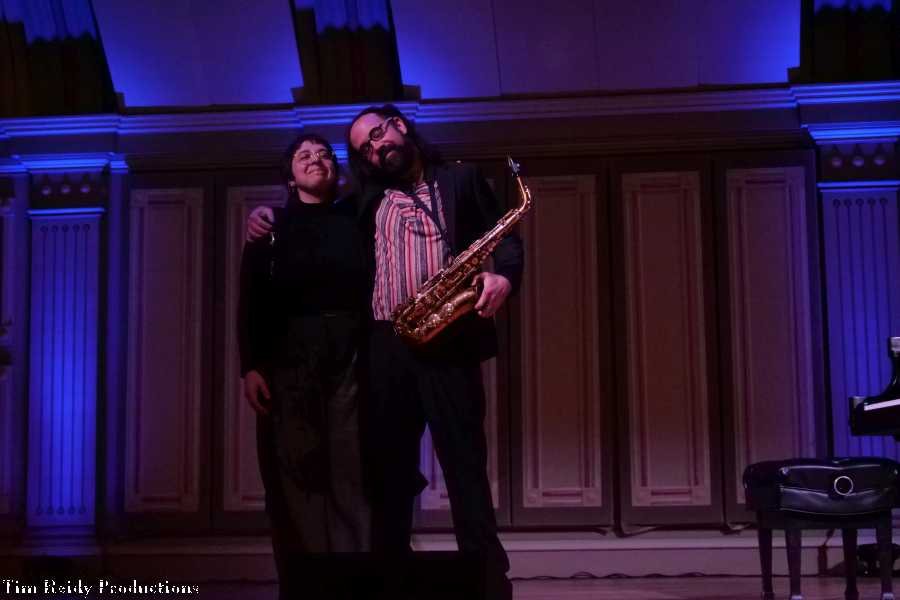
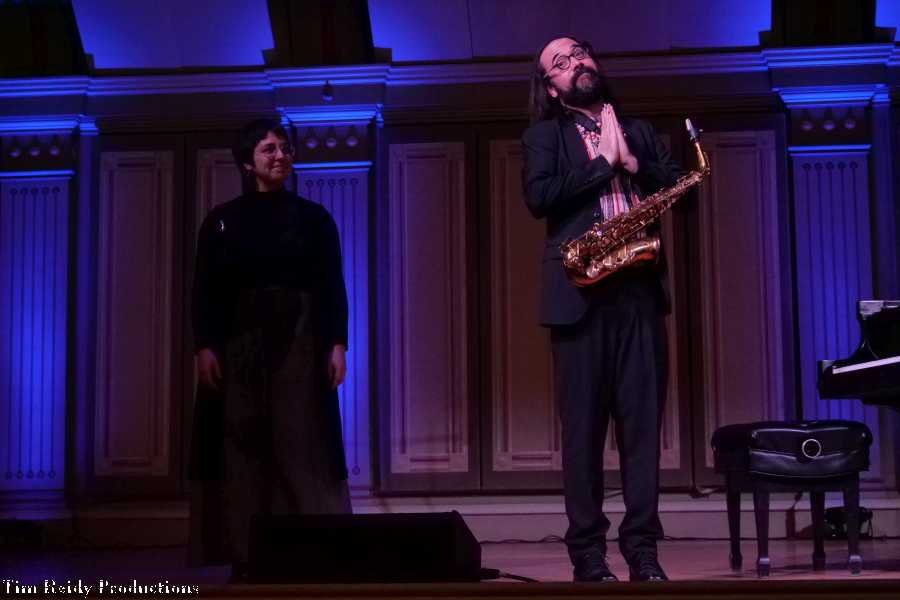
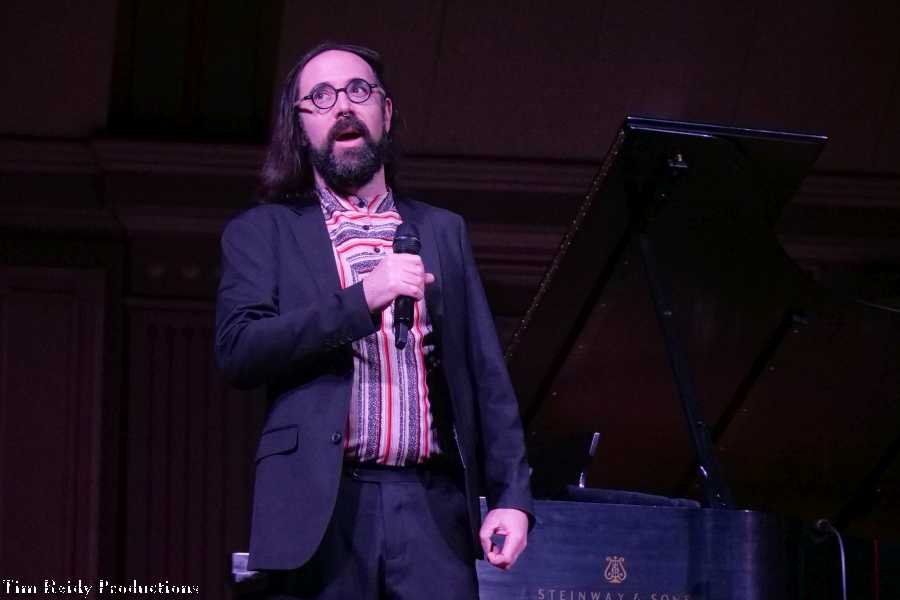
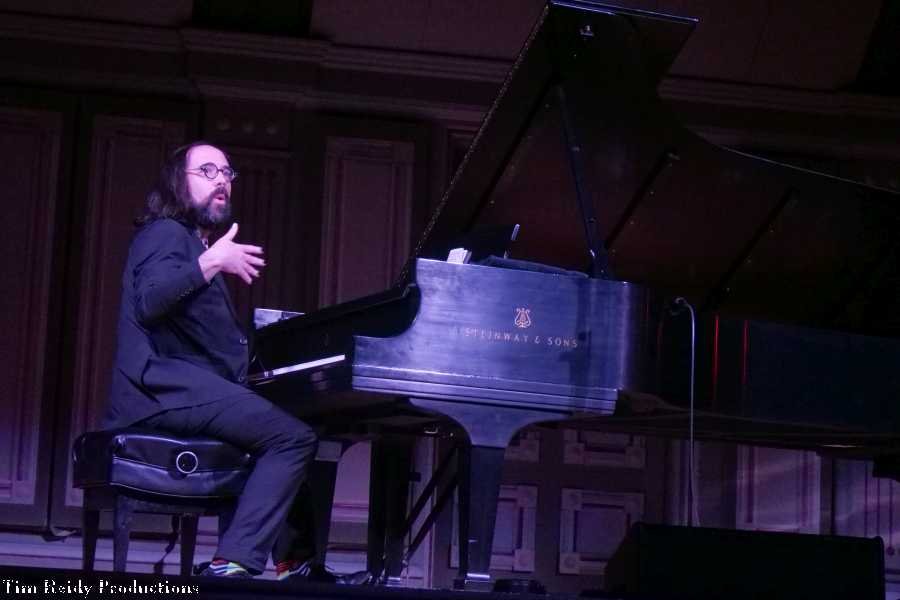
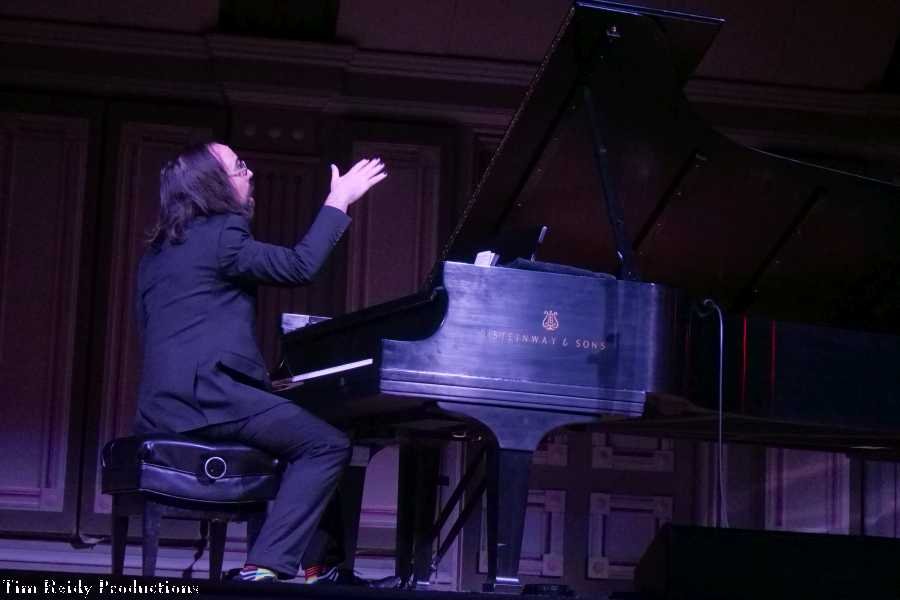
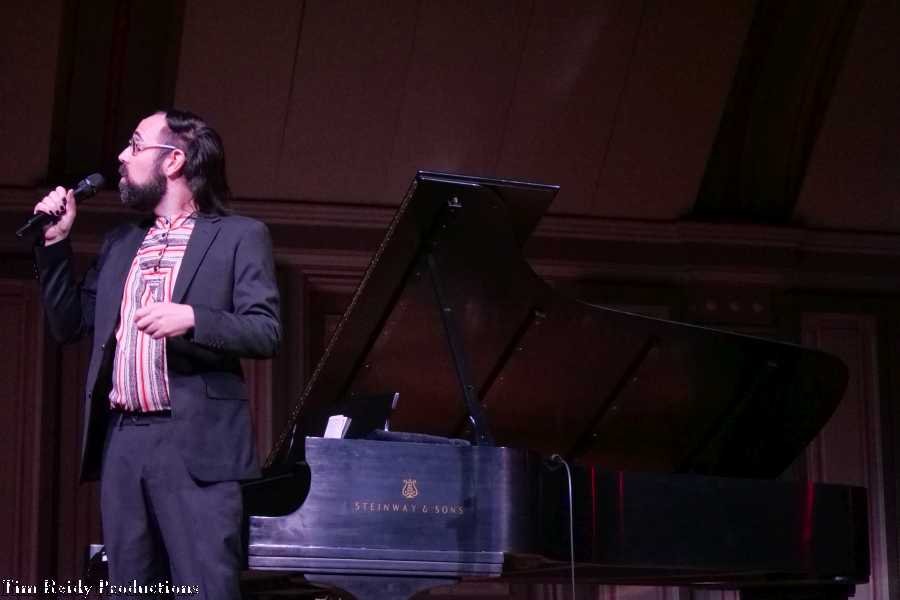
“All That’s Solid Melts Into Wiggling Air” was an Odell Organ Odyssey featuring artist-in-residence Adam Tinkle, with help from Jessica Bowen. Performed at Troy Savings Bank Music Hall on March 31.

Photography by Timothy Reidy.

More from Troy Savings Bank Music Hall here …


Nocturnne – An Xperience Interview

0

Nocturnne – An Xperience Interview – by Liam Sweeny.

Nocturnne wows audiences with a powerful voice to go with her powerful stories, and a spirit of wilderness and wonder. I was delighted to catch her in a free moment.

RRX: Let’s start with your stage name, Nocturnne. Everybody picks a stage name for a reason, even if that reason has to do with something silly. So where does Nocturnne come from?
NCT: Because I am a classical pianist and I have been all my life. And when I was really coming into music and, kind of falling in love with it, I identified a lot with Chopin and particularly with his “Nocturne.” But if I were to go and just make my name Nocturne with one single N as a normal way of spelling it, you would never find me ever because all you would find is Chopin. So I took the initial for my first name, and I stuck it in there. And so now we have Nocturnne with technically 3 N’s.
RRX: OK, so it comes from Chopin.

NCT: Yeah.

RRX: I noticed that when I was looking at your page, there’s a separation between your stage life and your normal life. Is it out of concern for privacy, or do you really feel a separation between your playing and your living? And do you keep some distance between the two? Does it actually help you with your music?

NCT: Yeah, definitely. I need that separation. That’s also part of why I have a stage name. Because when I started making music, I knew that I wanted my music to be famous, but I don’t want me, necessarily, as a human being to be famous. I don’t want all the details of my life to be known. So it’s to keep that separation, to keep my private life private. But also, I don’t assume that everyone, my friends and my family, care about my music, and they don’t need to. I don’t care about everything they do either. I’m multifaceted, and so I guess that’s why I keep it separated.

RRX: The risk when you’re Clark Kent and Superman is that somebody’s gonna put it together. Let’s say you get to the point where you’re really, really taking off, and the public kind of blurs them. Have you thought of how you would handle that?

NCT: Oh, it’s not like a secret. If you look, if you take a second to look it up, you’ll know who I am. It’s just to make one degree of separation. Just a little bit harder. In general, you never know who’s watching. I just don’t want it, I don’t wanna make it so easy for people to get into my personal life.

RRX: Does it help you with your music itself? Like creating a separate character that’s way more into the music, because that’s the whole purpose of that character? Is it something like that?

NCT: I don’t know. I feel like my entire purpose in life at this moment is music. But then the other aspects – all of my personality – come into my music. So I spend a lot of time in nature, hiking outdoors, and that’s pretty obvious if you listen to some of my songs and if you see the pictures. Even the videos are all me in the woods. Definitely, all aspects of my personality come through the music. It’s really not a persona, because I don’t have the energy for that. But … I won’t share what my family is up to on the weekend on my music page.

RRX: You like the woods, you like the forest, and classical music. Whenever you hear classical music played, and there’s some visual to it, like in a video or something, it’s always the forest. It’s always nature and stuff like that. Do you feel that there’s an intrinsic connection between classical music and that kind of environment?

NCT:: Oh, I never thought of that before. For me, it makes sense. When you listen to classical music, you’re slowing down, you’re taking a breath. And I think we associate that with nature too, just being outside and unplugging. So maybe we correlate them now. I don’t know, that’s interesting.

RRX: So you recently went to Germany.

NCT: Yeah.

RRX: Now, were you there as a tourist, or were you playing, or was it something else?

NCT: No, I was there for work. I took a few days at the end to be a tourist a little bit, but I’m an engineer full-time, so my parent company is in Germany, and so I had to go over for this program that I’m in.

RRX: Did you get a chance to check out the music in Germany and that world as it is over there?

NCT: I would love to do that, but honestly, I don’t have the energy to do both. When I’m there for business, it’s like 18-hour days, and then I sleep, and I wake up, and I do it all over again. And then by the time the weekend comes and I have a couple days, it takes everything in me just to drag my carcass out of bed and go explore the town. So I try to, once I finally am not working, I try to just unplug and see the area. I consider music as work too. It’s just not, you know, my full-time job yet. So I try to unplug from all work and experience the place I’m in. But someday I hope to be there on a tour.

RRX: Right. No 18-hour days.

NCT: Oh my God, no.

RRX: I can’t imagine 18-hour days. That’s crazy. OK, I have another question. I couldn’t believe your voice when I first heard it. Clear, perfect pitch, and that didn’t even do it justice. What it is, is really your confidence. You can project and just maintain that clarity in the notes. How did you learn, and what vocally do you work on the most?

NCT: This is gonna be a really unsatisfying answer. I don’t know. In 2018 – I’m 34, by the way – so in 2018, 8 years ago, I picked up a guitar for the first time, and I’m like, “I’m gonna learn this thing, and I’m gonna learn how to sing because I’ve never even tried before.” And so I just started, and I learned six songs, and I went to an open mic, and I played my six songs. I feel like I’m still fumbling my way around and just trying out different vocal techniques. I have friends who are just incredible singers. So literally yesterday, I was asking Shannon Tehya, “What do you do when your voice is scratchy from allergies? How are you belting?” Because I really can’t do it when I have allergies. And so that’s how I’m learning.

RRX: There’s gotta be some natural talent, too, because you really have that. So if you really didn’t do much to learn, you must have had it all along.

NCT:: I think I have a strong background in music from being a classical pianist, so my pitch is really good. I’m sorry, I don’t have a better answer for you.

RRX: Why folk? You sing folk, so why folk? Do you think folk draws a certain temperament, or do you think that the narrative aspect appeals to people? Or is it something else?

NCT: Oh, I don’t write. I don’t sit down and try to write in a specific genre for a specific reason. I just write, and that’s what comes out, and I’m always on this journey to figure out what genre I am. Is it indie folk? Is it alt folk? I think it just comes from what inspires me to write, which is generally the world around me, feeling some sort of frustration, or feeling like I have a message that I need to convey. And I think that lends itself well to folk despite its nature … I grew up listening to ‘60s folk, ‘70s folk, a lot with my dad. But then I’m also a ‘90s child, so I really love ‘90s grunge and 2000s rock, like alternative. I’m just a mutt. It all comes together.


More from Liam Sweeny…

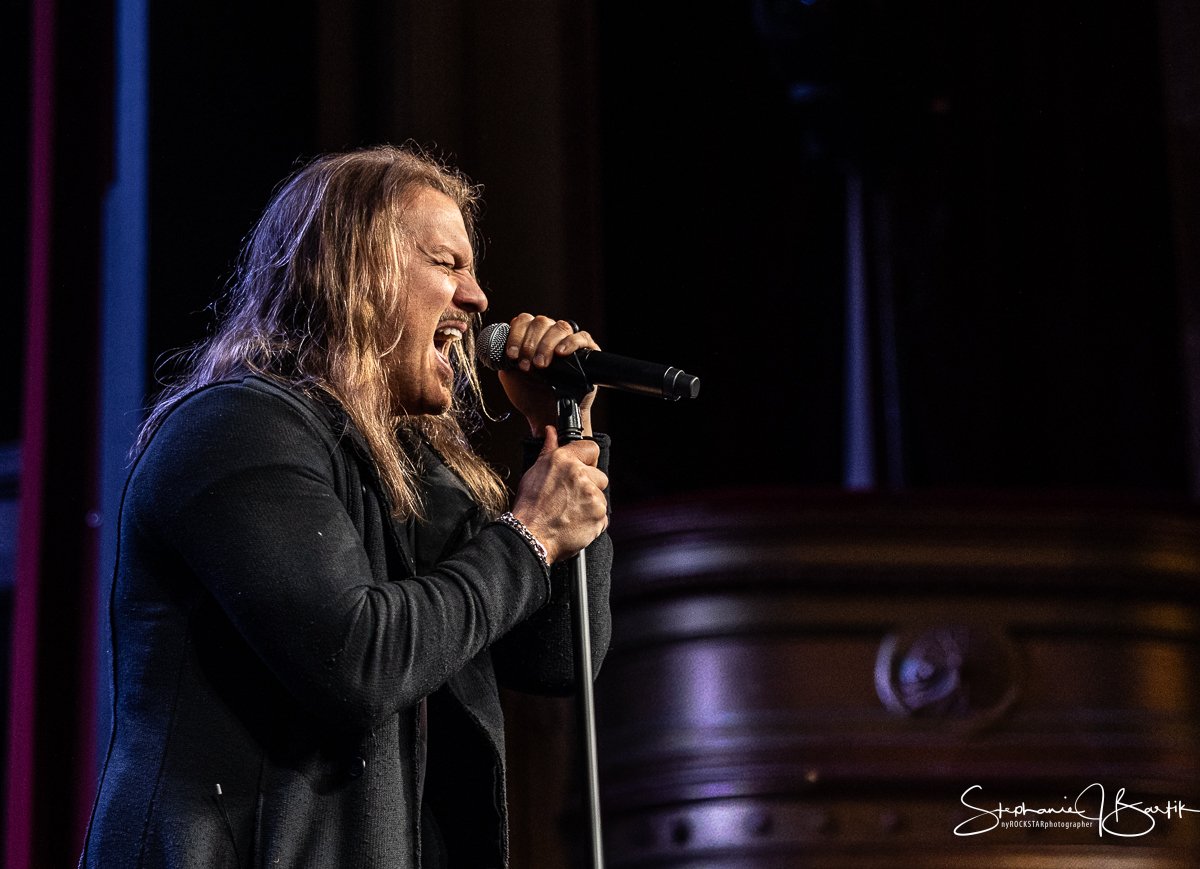
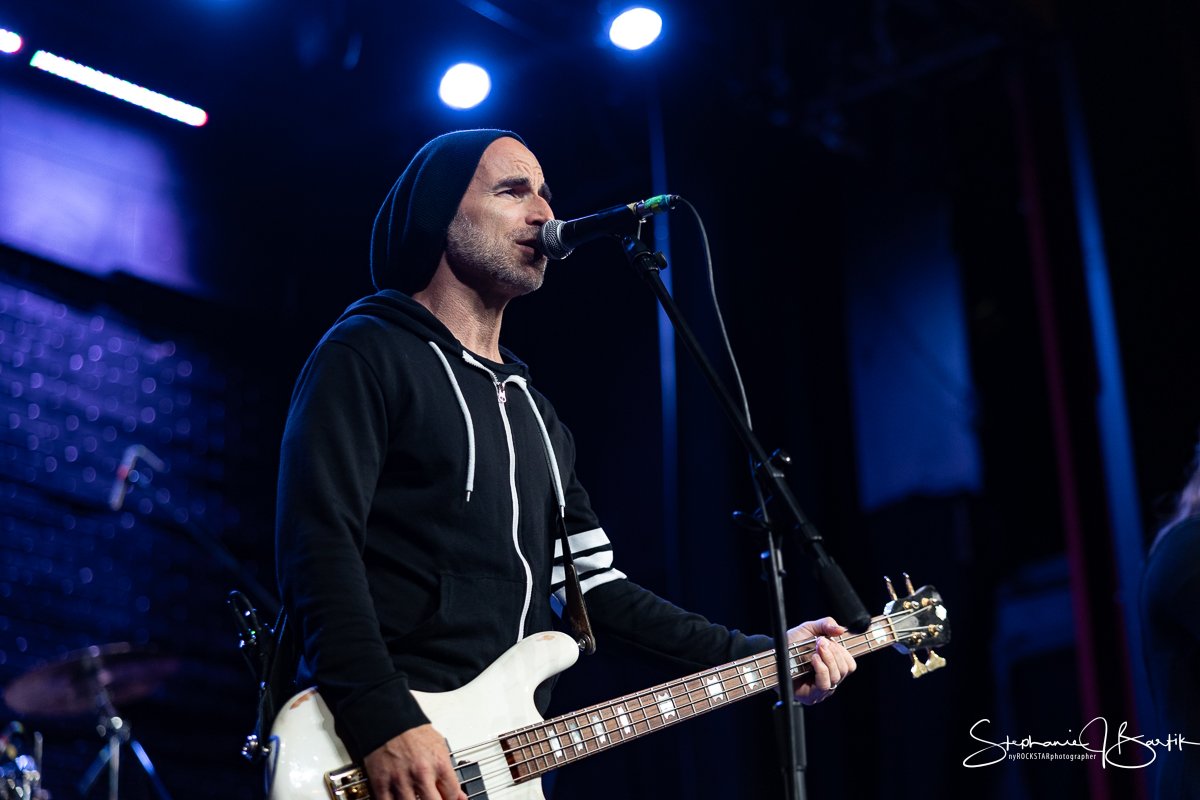
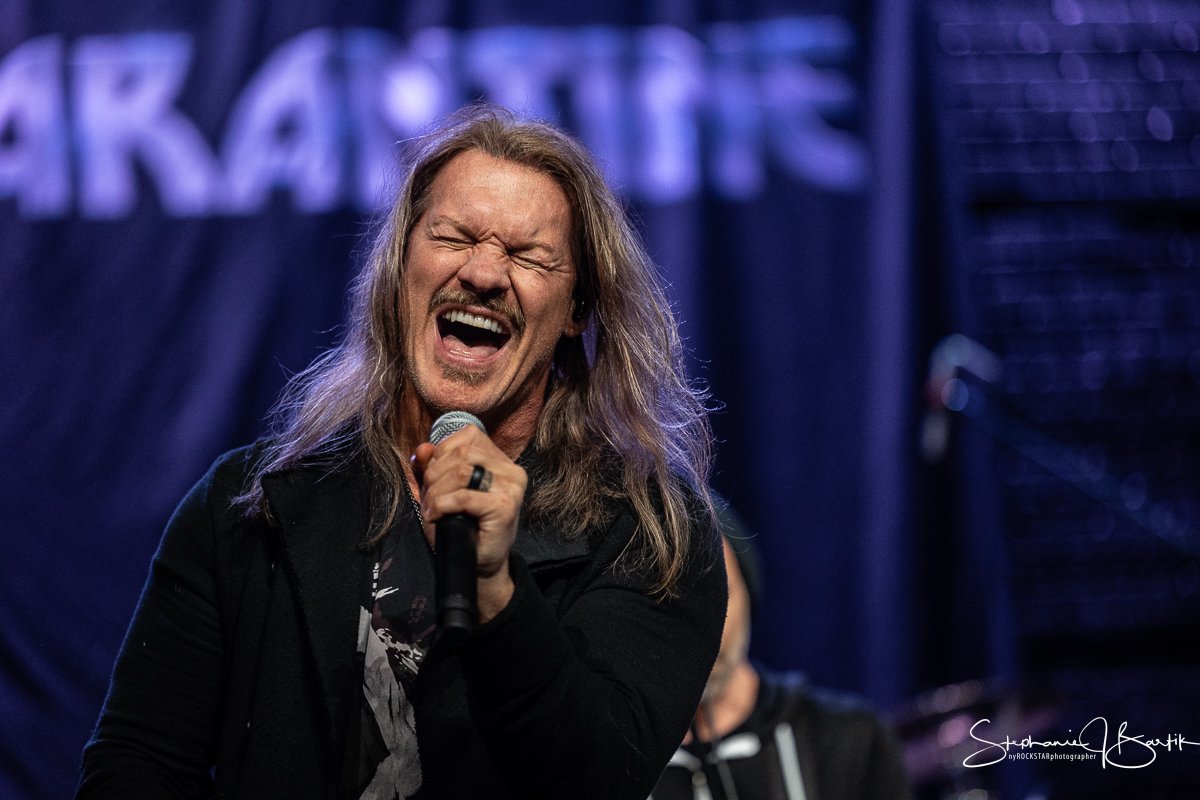
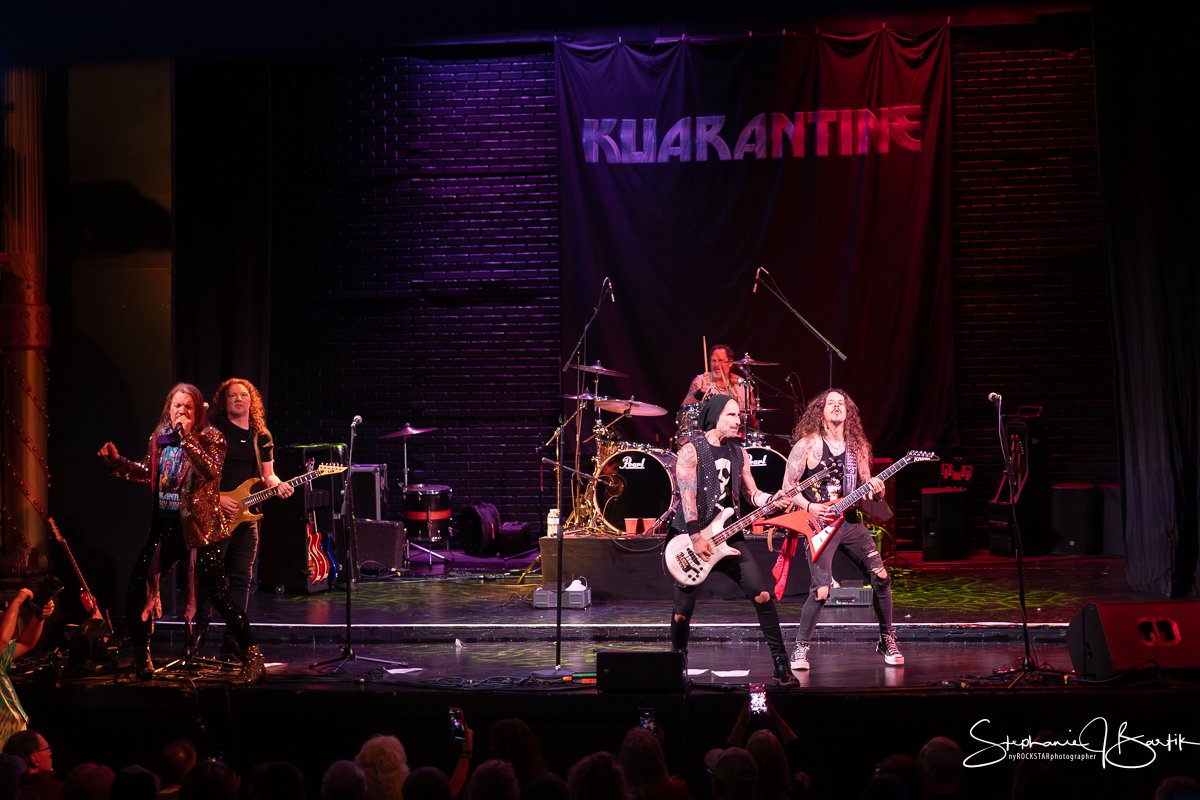
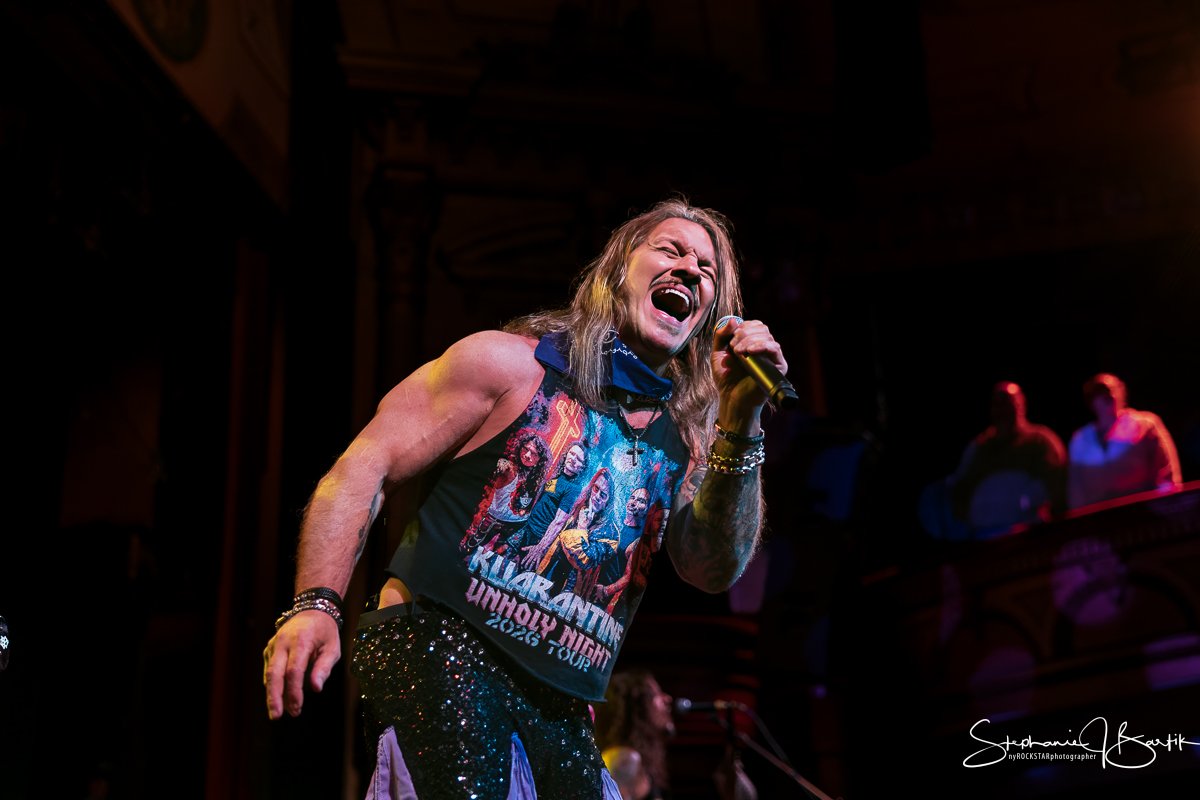
KUARANTINE – A Celebration Of ‘80s Kiss Music – Fits Like A Glove At Cohoes Music Hall

0

Review by Michael Bruce.

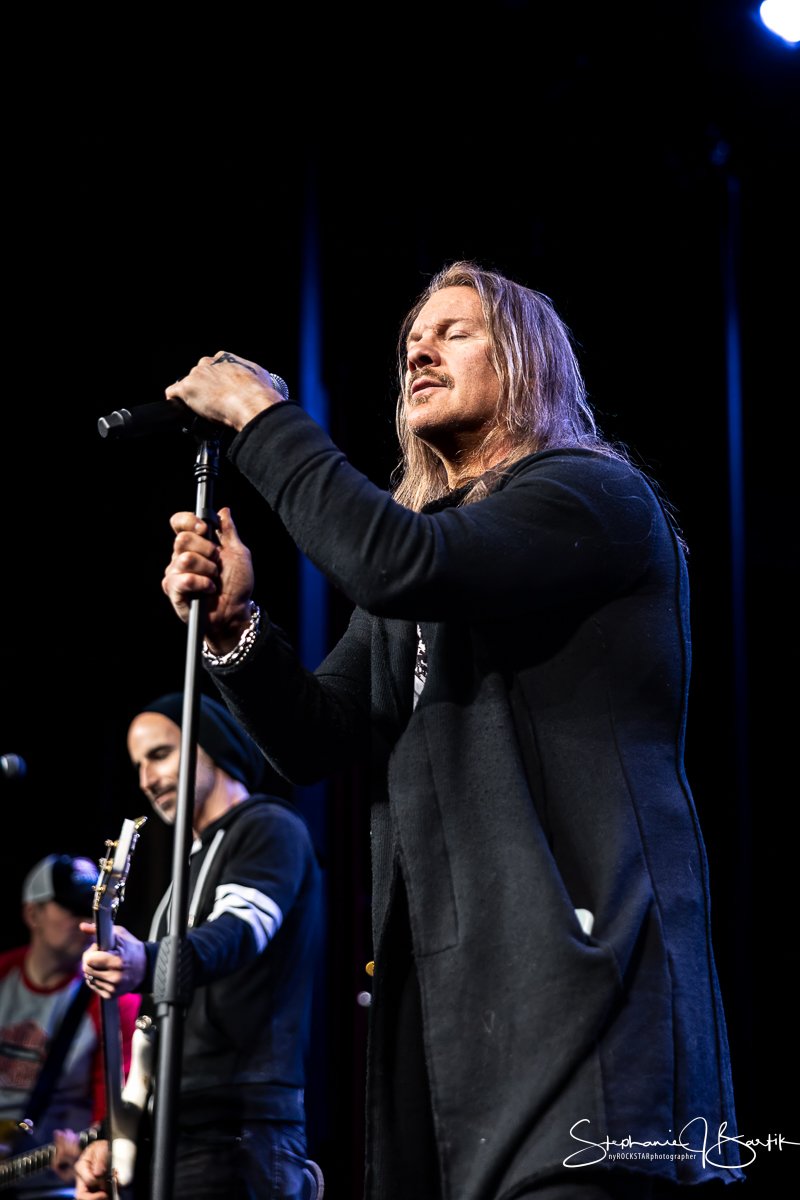
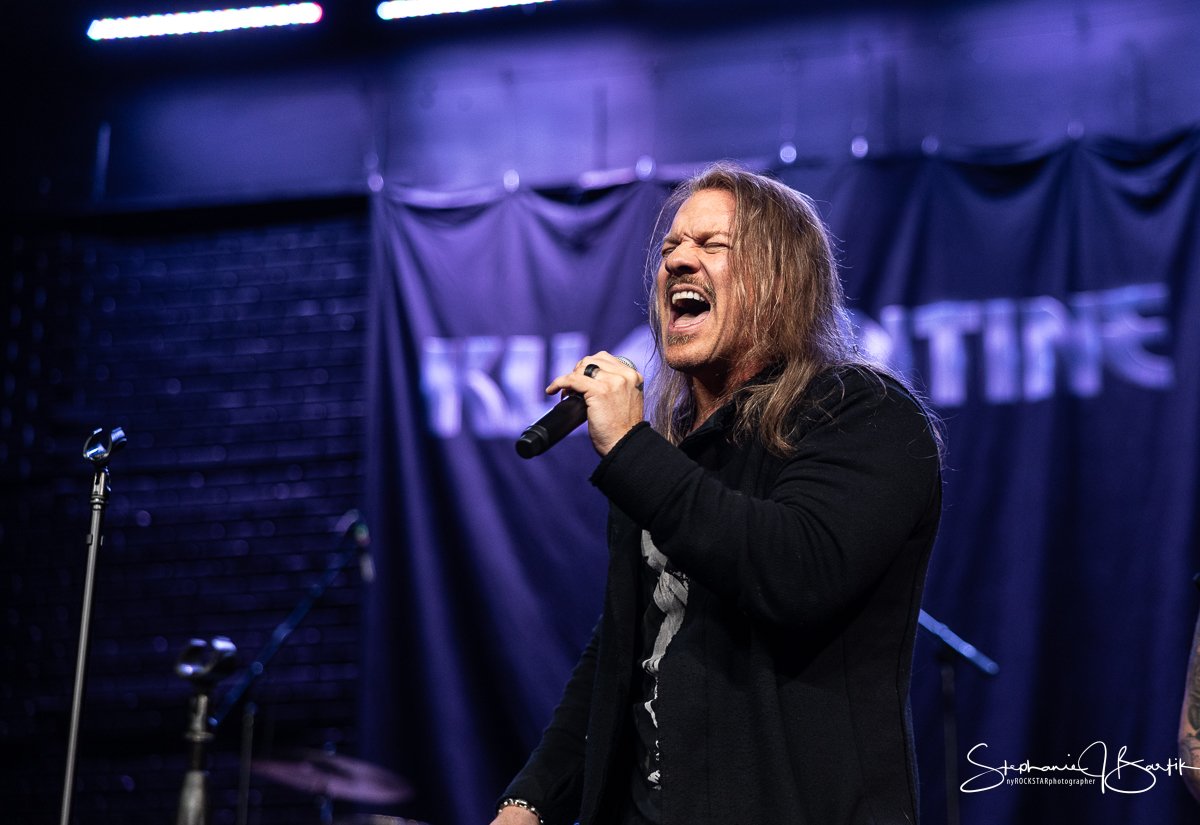
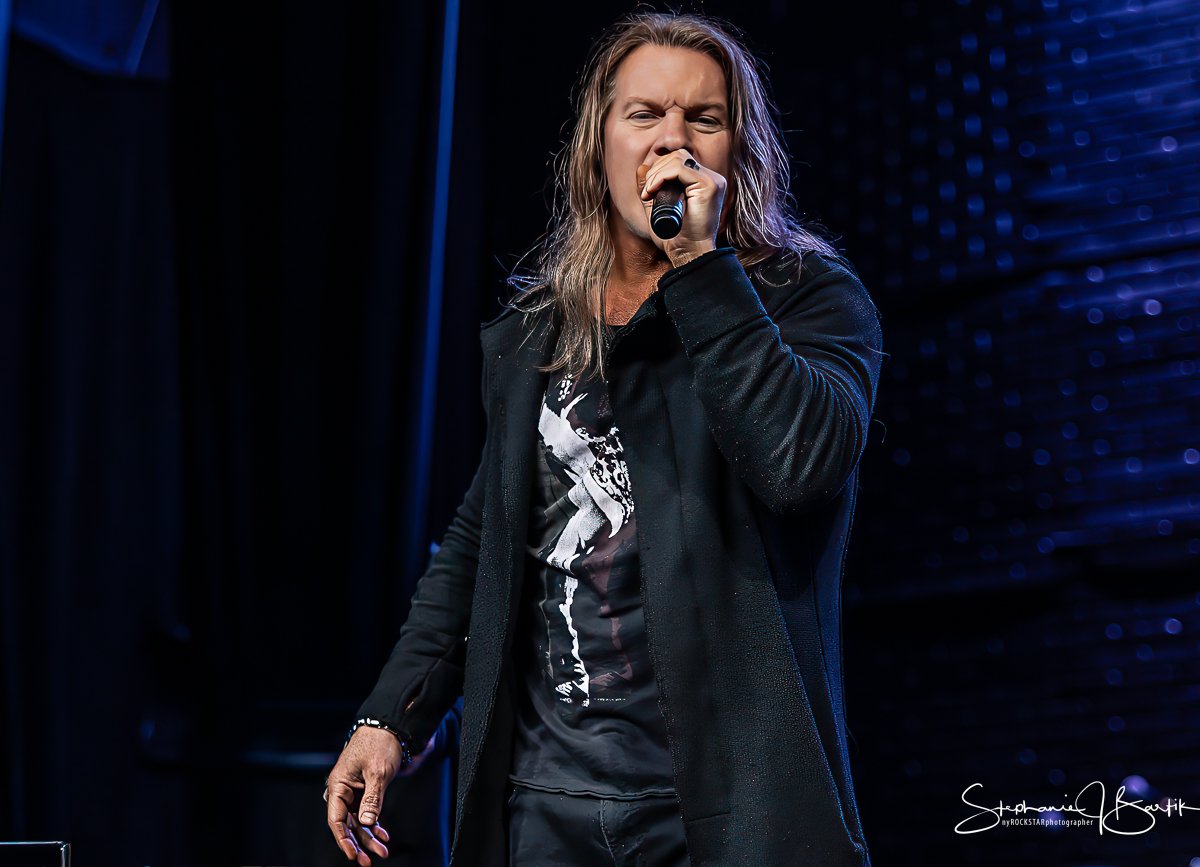
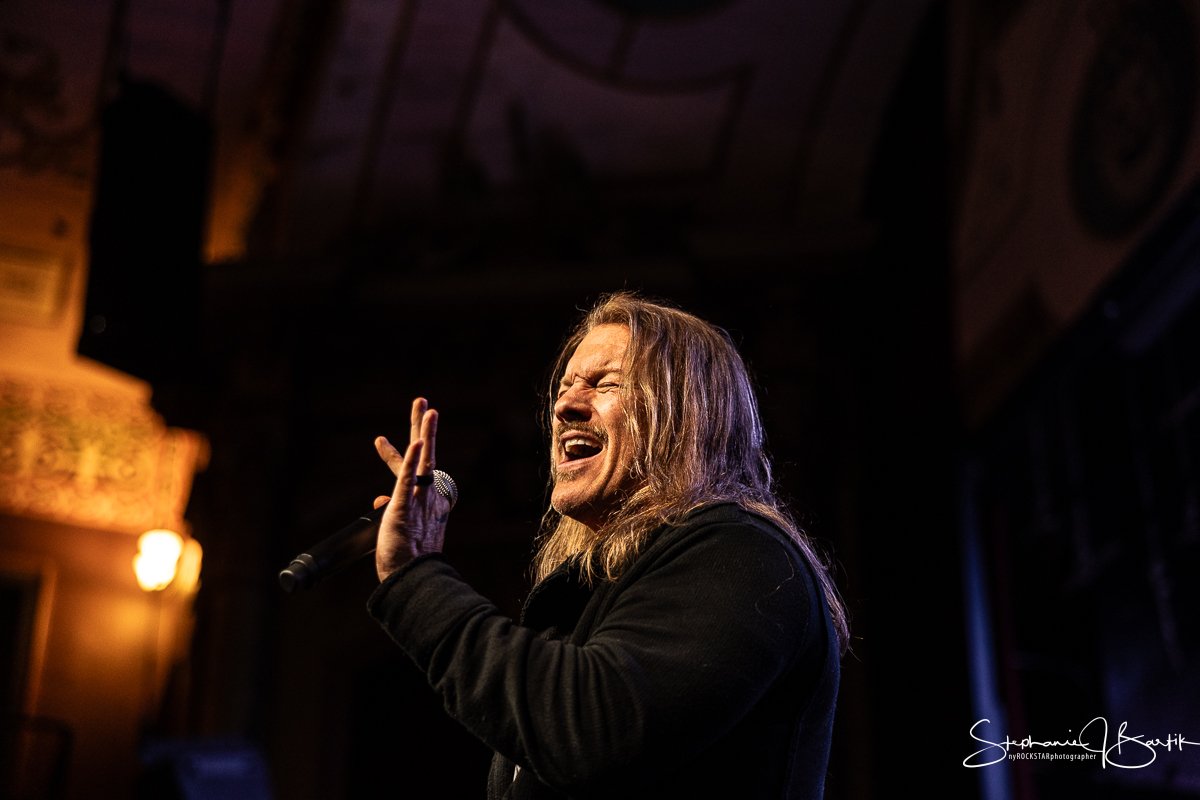
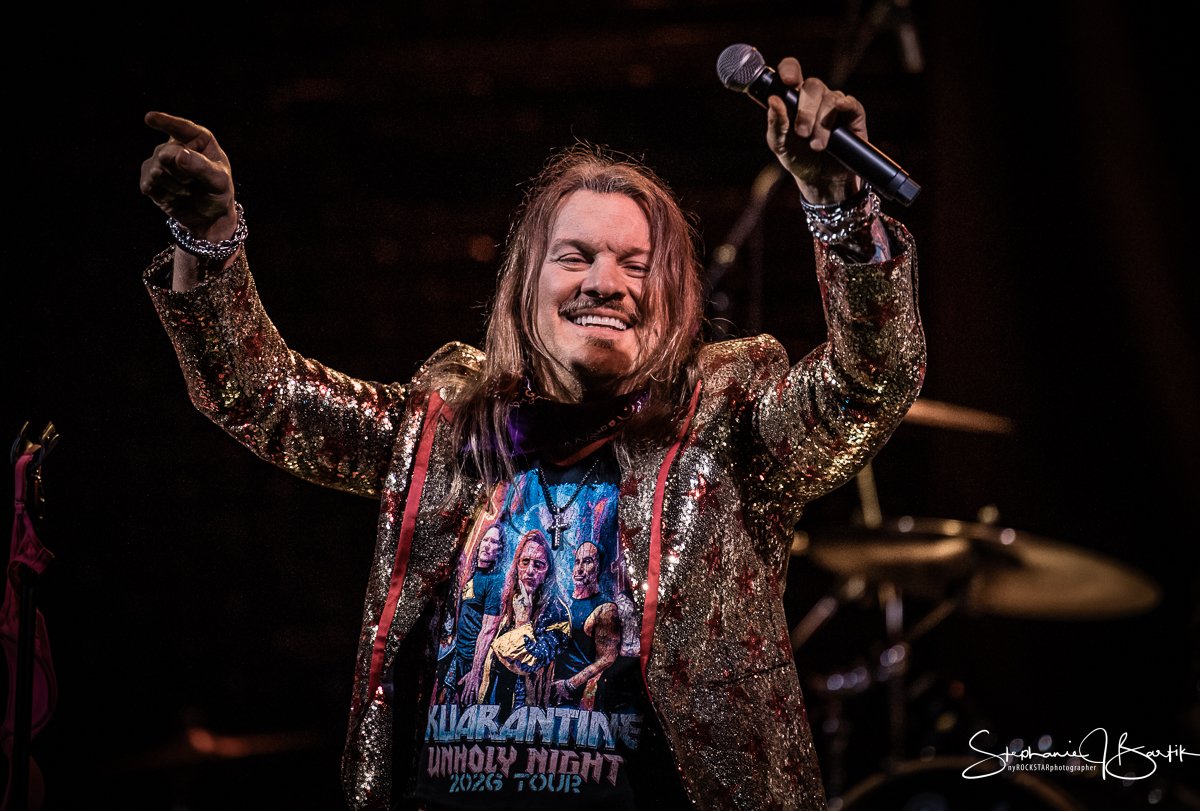
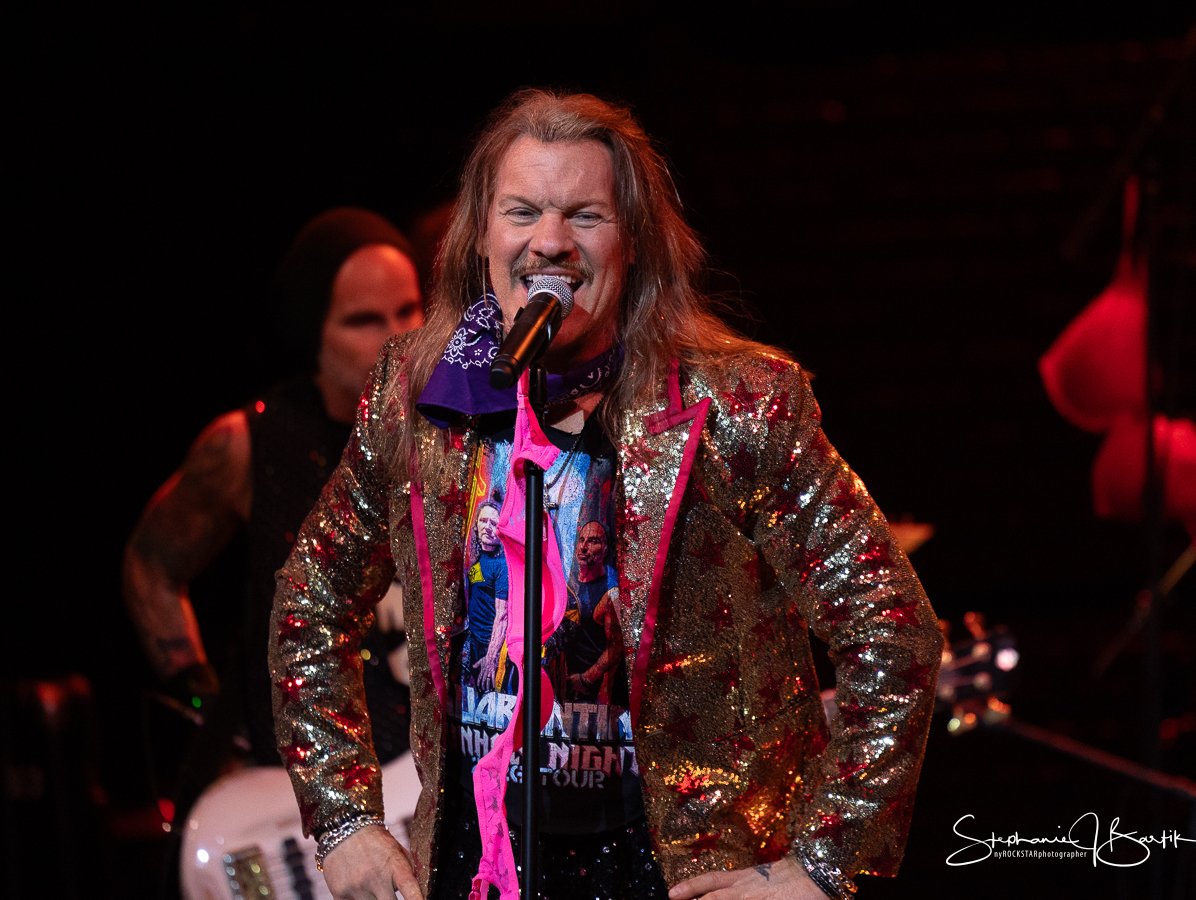
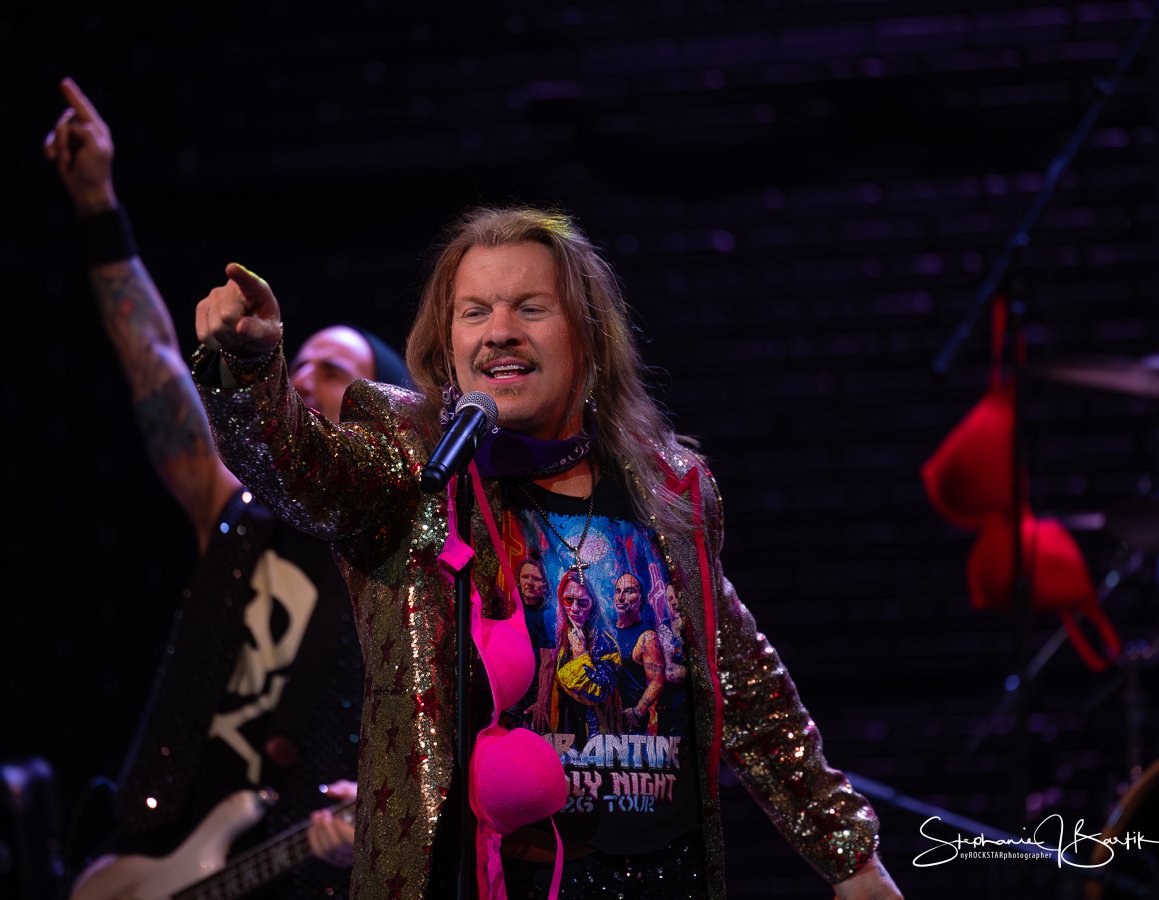
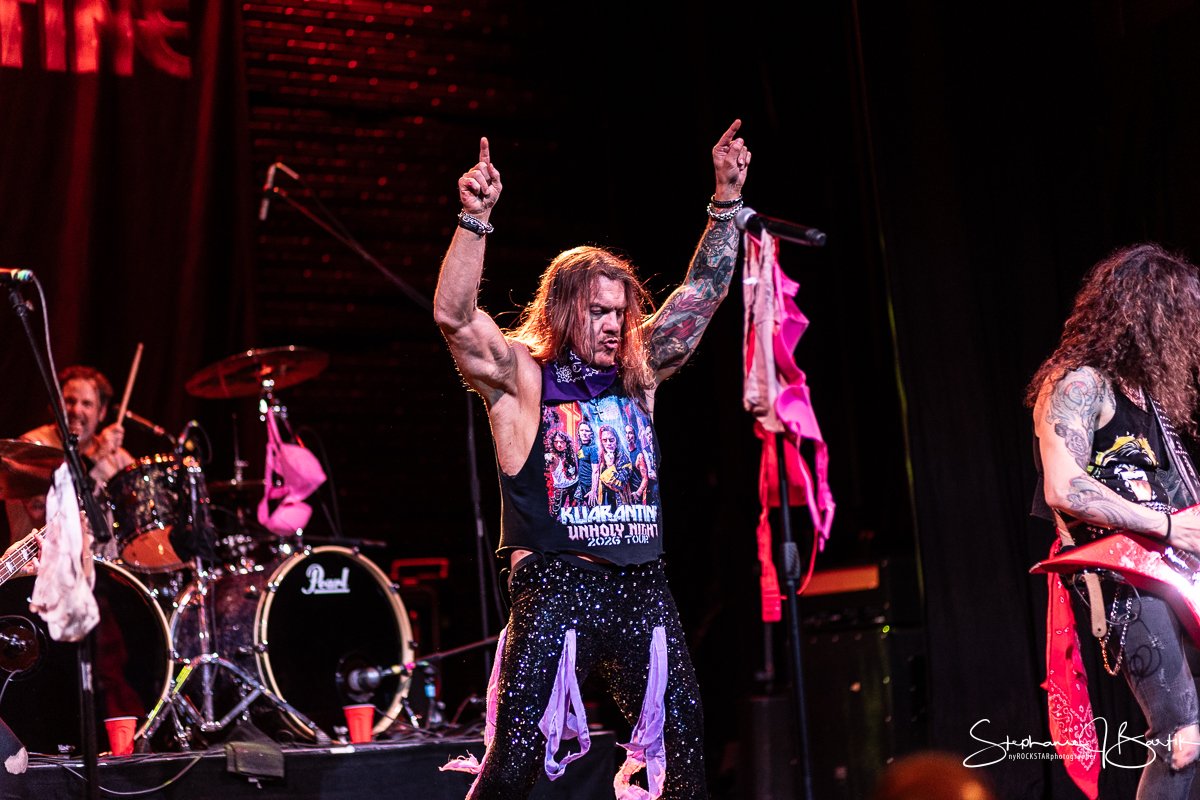
The lead singer of Kuarantine, professional wrestler Chris Jericho, said more than once that it feels like a Kuarantine Friday. Chris was obviously referring to a Thursday night, start-the-weekend-early, party mode. It was a party indeed! Everyone was up on their feet, having a great time, and singing along to a lot of songs that you do not normally get to hear a live band perform.  Which probably leads many people to ask the question of,

“Who is Kuarantine?”

Well, don’t you just love it when a band has a really cool backstory? Kuarantine certainly has a great backstory. In 2020, when the pandemic hit, and everybody was stuck at home trying to figure out what to do, musicians and entertainers were especially lost souls. There were no gatherings, there were no crowds, there were no concerts, and everybody was encouraged to stay inside their homes unless they needed bread and milk. So many musician types began to fill their time by doing things that made them happy. Many musicians used the internet as a tool to connect with each other, talk to each other, and record music with each other. Lots of fun musical projects started popping up because musicians had time to do fun things that they’ve always wanted to do. Very famous professional wrestler Chris Jericho was no exception to that rule. Chris is a huge music fan and is the singer of a band named Fozzy that he started in 1999. They have full-length albums out, and they play shows all over the world. Specifically speaking, Chris is a huge Kiss fan, and he thoroughly enjoys the albums that Kiss created during the 1980s and ‘90s.

Kiss, making their debut in 1974, is very well known for their huge stage shows and their big makeup face personas. Kiss also has a whole batch of songs from that ’70s era of the band that made them world famous. However, there is a large chunk of people who love the Kiss records that were created in the ‘80s/’90s when they did not wear the makeup, but still created really fun anthemic songs. During this time, founding members Gene Simmons and Paul Stanley went through some lineup changes to survive the times and keep the band going. Lead guitar players Vinny Vincent and Mark St John had short stints with the band until Bruce Kulick came along in 1984. He stayed with the band for the next 12 years. Also, throughout the ’80s/’90s time period, there was drummer Eric Carr. Many fans love this lineup of the band, consisting of Eric Carr and mostly Bruce Kulick. A lot of fans love the albums that were put out during the ‘80s and ‘90s.

However, Kiss, the band itself, and countless Kiss cover bands all over the USA perform mostly their ‘70s material. Kiss is best known for their ‘70s material. Songs from that era are celebrated all the time. Bands cover songs from the ‘70s era all the time. The ’80s and ’90s Kiss songs basically take a back seat most of the time.  Knowing that many Kiss fans do love the ’80s and ’90s material, Chris Jericho decided to call upon his buddies to record covers of some of these ’80s Kiss songs during the pandemic. There was nothing else going on, so that was their idea of fun.

When the songs were released, it became a big deal fast. Not just because it was Chris Jericho, the famous wrestler singing, but because Chris and Co. were re-recording songs that people in the rock world did not expect them to do. The icing on the cake was that they did a pretty damn good job of it!  Their Kiss covers actually charted on Billboard mainstream rock charts. For obvious reasons, they decided to call this non-makeup ’80s/’90s Kiss tribute band….Kuarantine.

This all leads me back to Chris Jericho. The lead singer of Kuarantine said to the crowd at Cohoes Music Hall Thursday night, “It might be Thursday, but it feels like a Kuarantine Friday”. There was good attendance to see Kuarantine, who has a good social media presence and is known throughout the entire Kiss nation and beyond. The most fun thing about the show starts even before they come out to perform. As a die-hard Kiss fan, which I am by the way, I wondered, as did others, what ‘80s Kiss songs would they choose to play? We were all hoping to hear ‘80s Kiss MTV hits, but we definitely wanted to hear a few deep tracks as well. Kurantine delivered all of the above, and it made for a terrific ‘80s Kiss party!

Kiss, the ‘70s supergroup and one of the most popular bands in the world, had a time period from ’80 to ’83 that was very difficult to survive. Most bands would have folded. Kiss kept plugging along, making albums that, in my opinion, were really good, but nobody cared anymore. The mighty had fallen, and concert attendance dropped dramatically. Luckily for Kiss, they most likely survived by having really good attendance, and hit songs OUTSIDE of the United States. However, in 1983, Kiss made a drastic move and took off their world-famous face paint. That, in conjunction with a good album, a strong song titled “Lick It Up,” and the ever-growing popularity of a new channel called MTV (Music Television), Kiss started drawing considerable attention to itself once again.

Throughout the ’80s, to a mild degree, Kiss flourished in the spotlight again. Their original fans, and many new fans, were enjoying their albums and concerts once again. The ‘80s Kiss sound was the sound of the times, but with their own original flair on it. Many of the Kiss MTV videos, the Animalize tour MTV-aired concert, home video tapes, and the live concerts themselves gave birth to a whole new buffet of super fun “Kissisms” that fans grew to love.

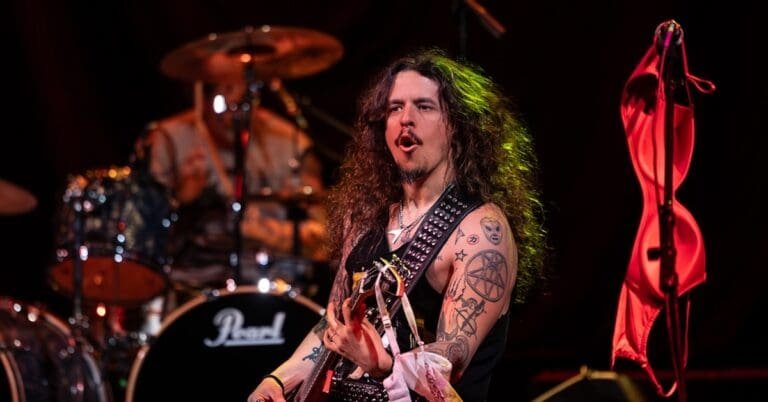
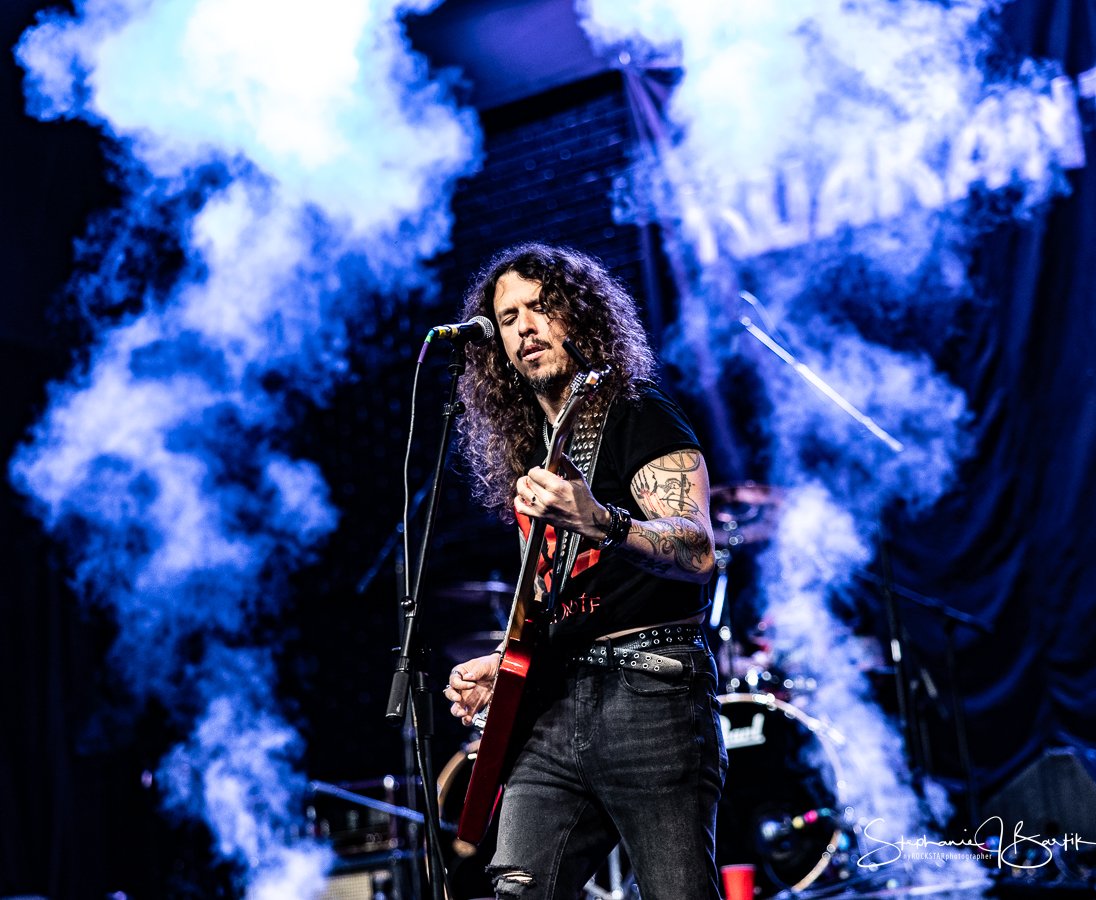
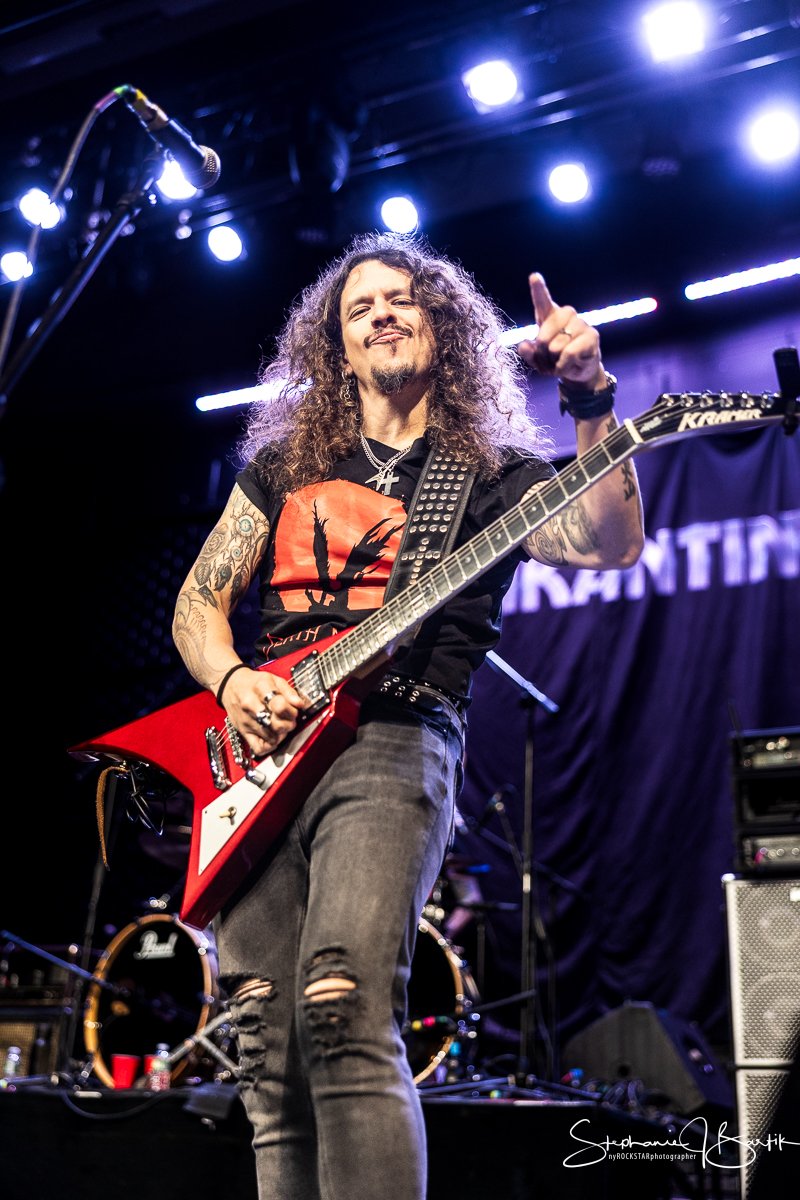
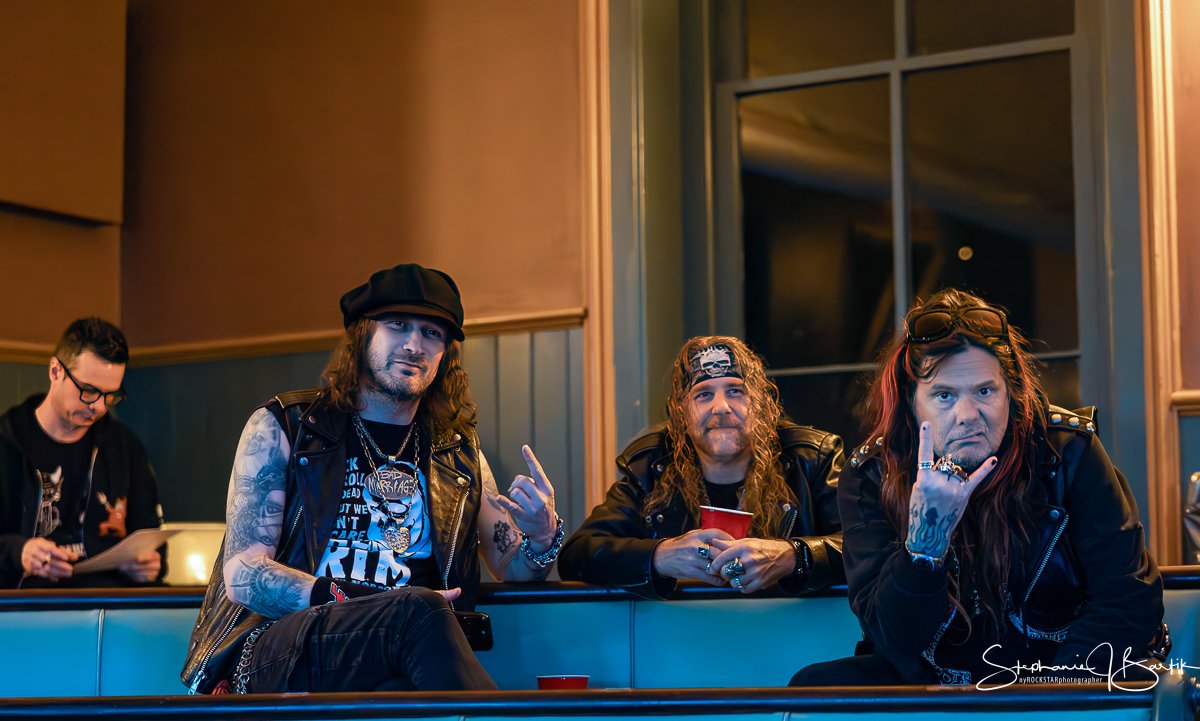
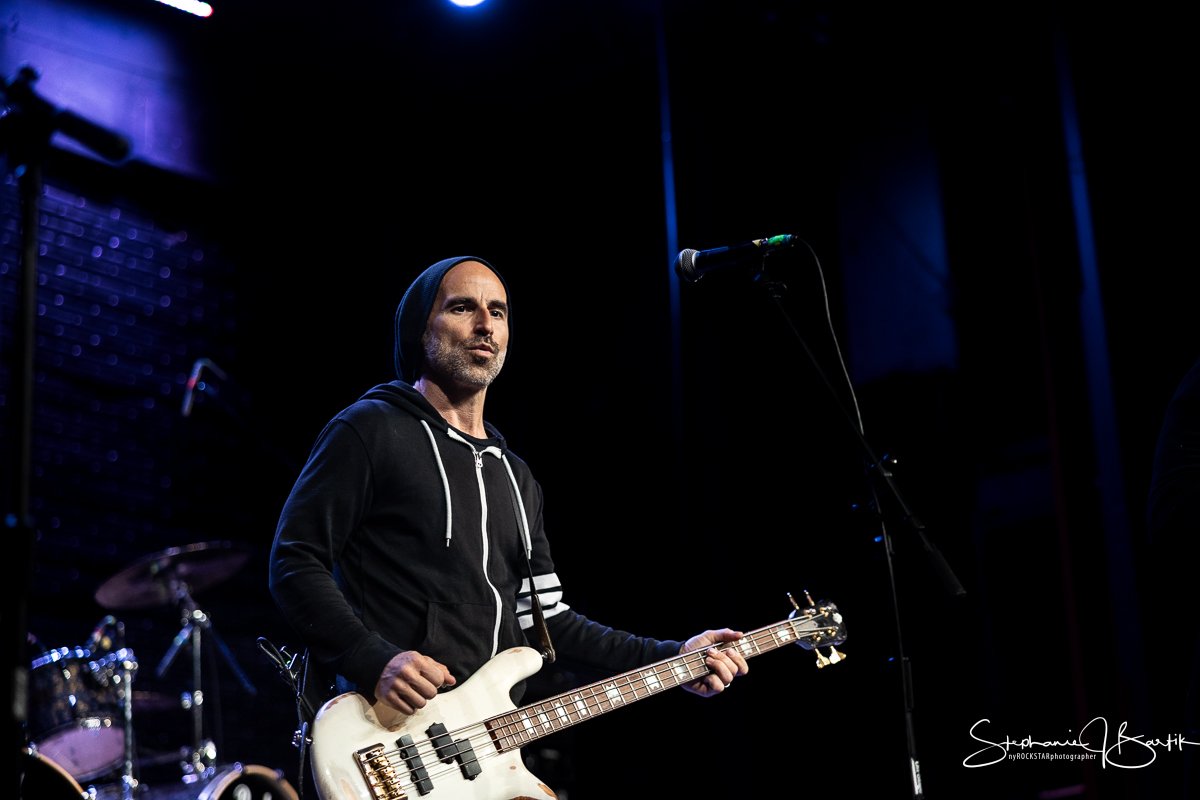
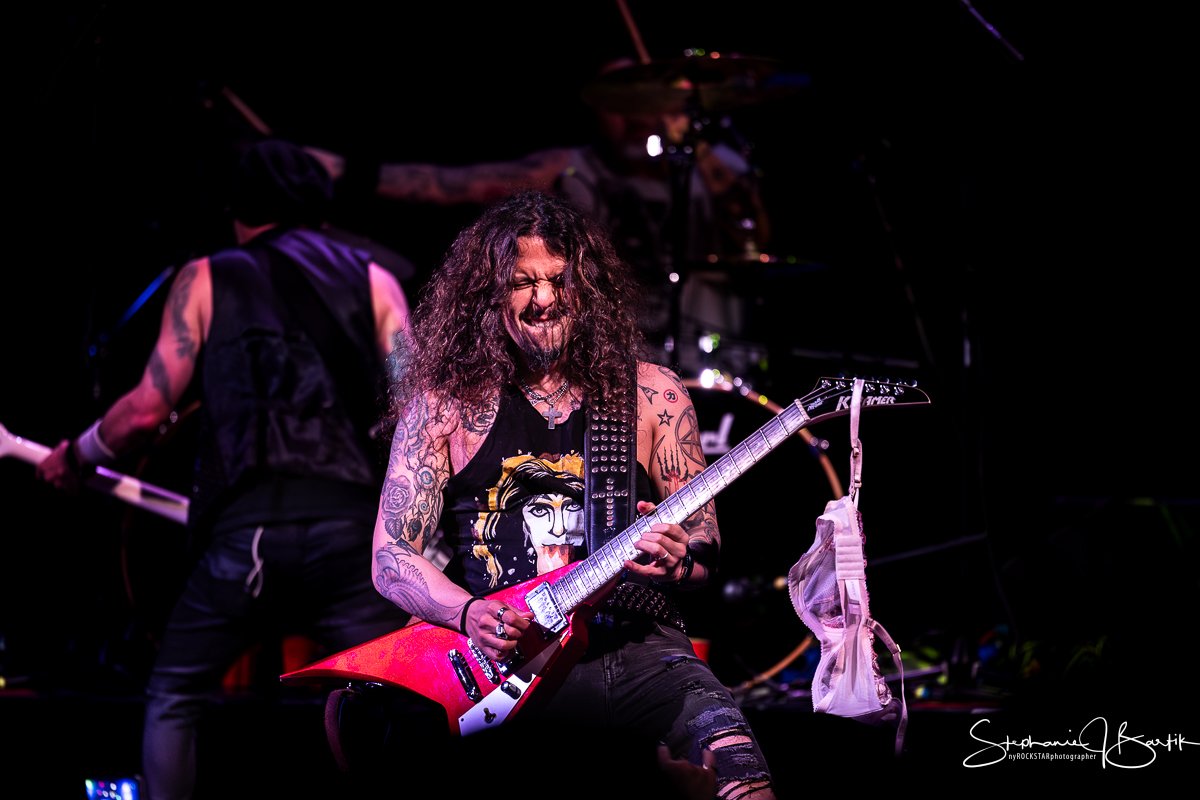
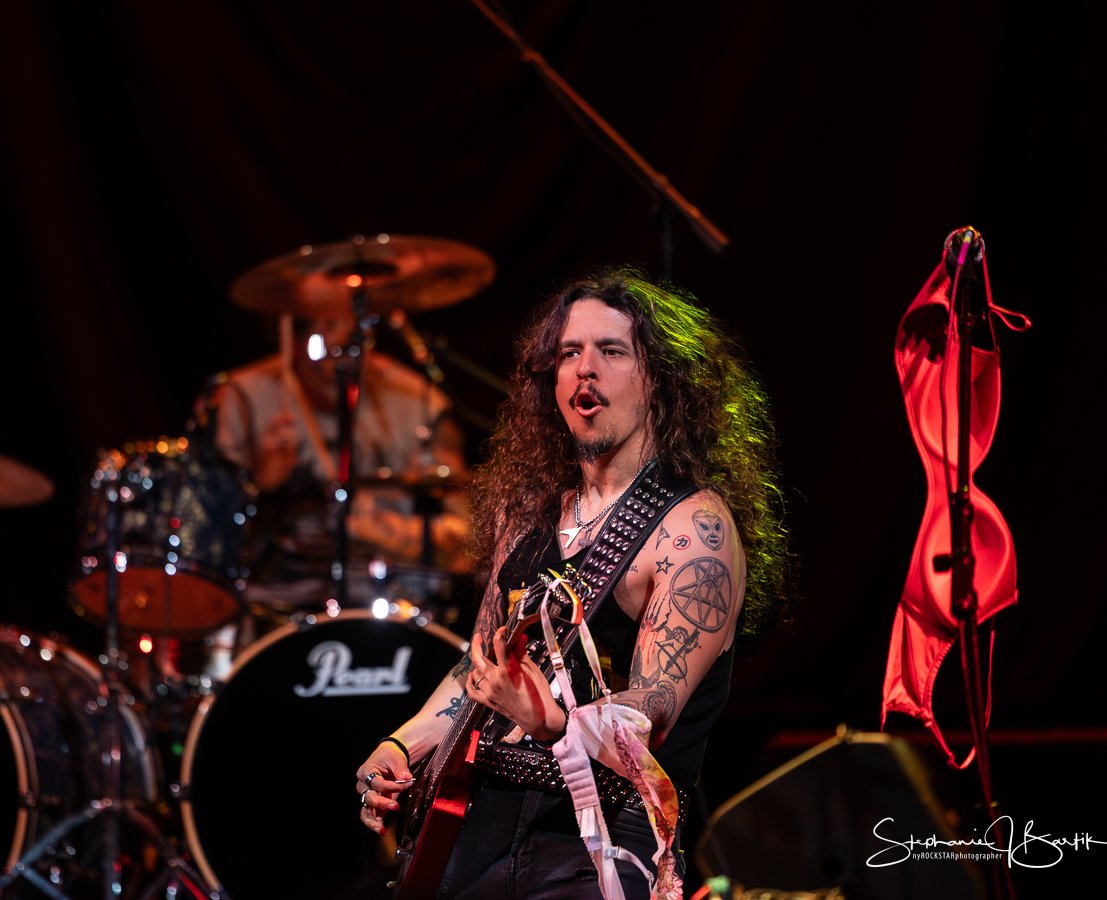
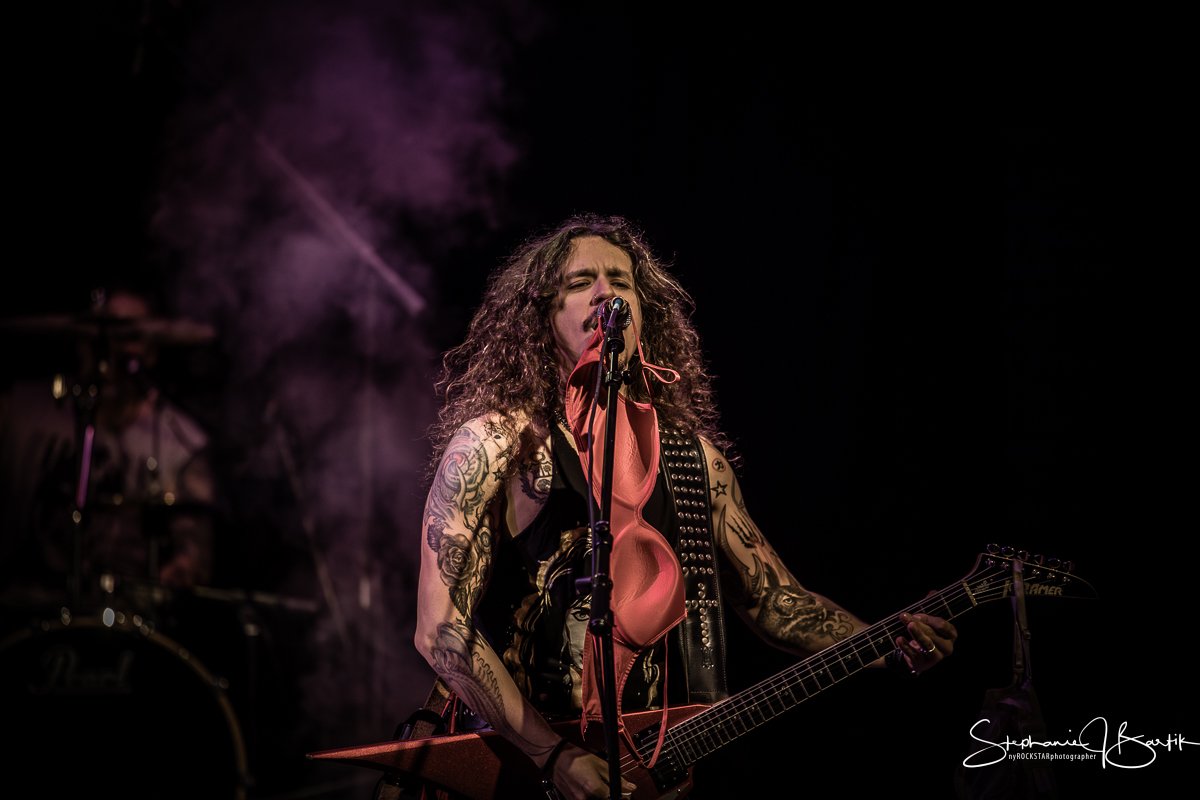
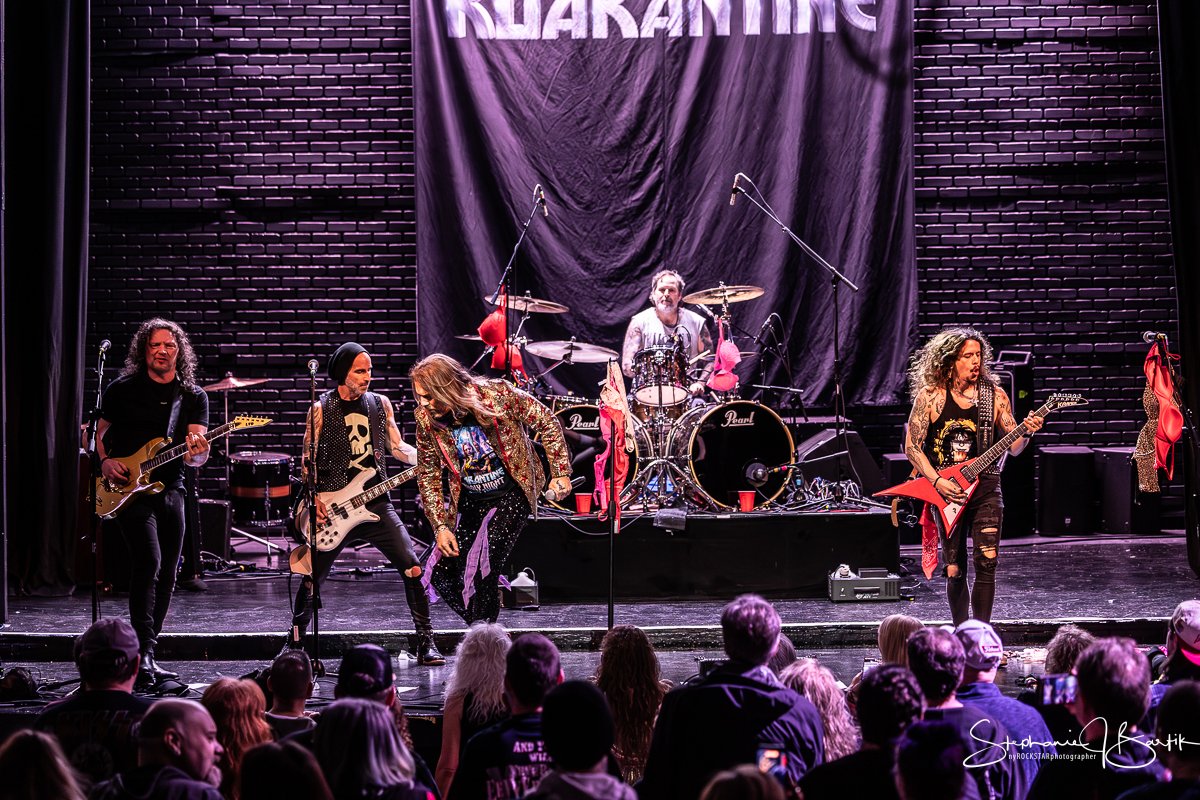
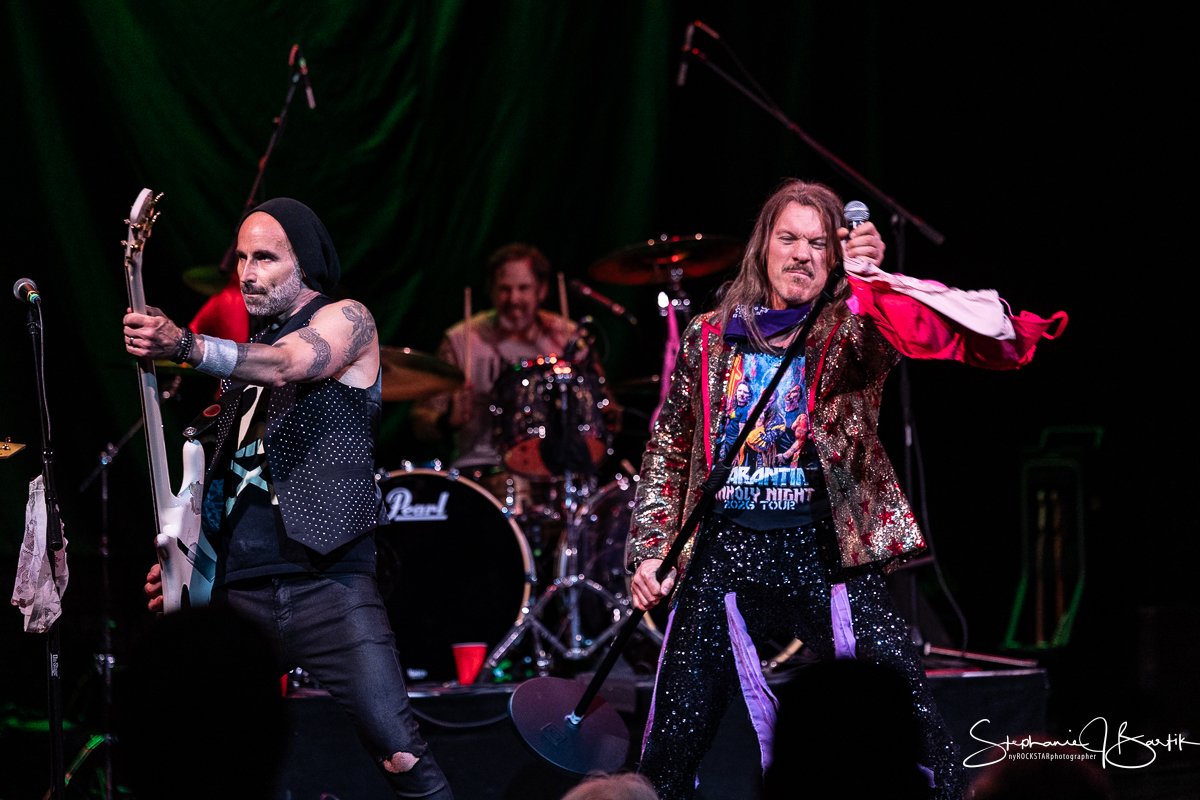
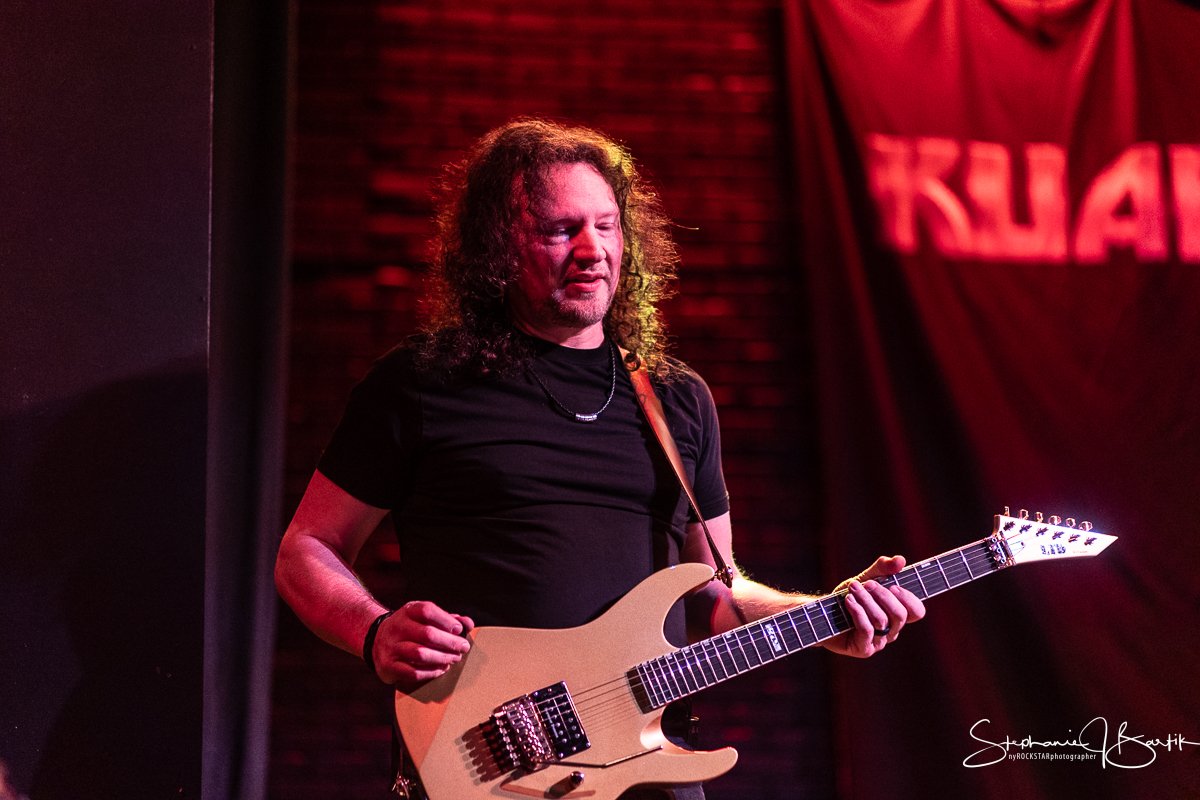
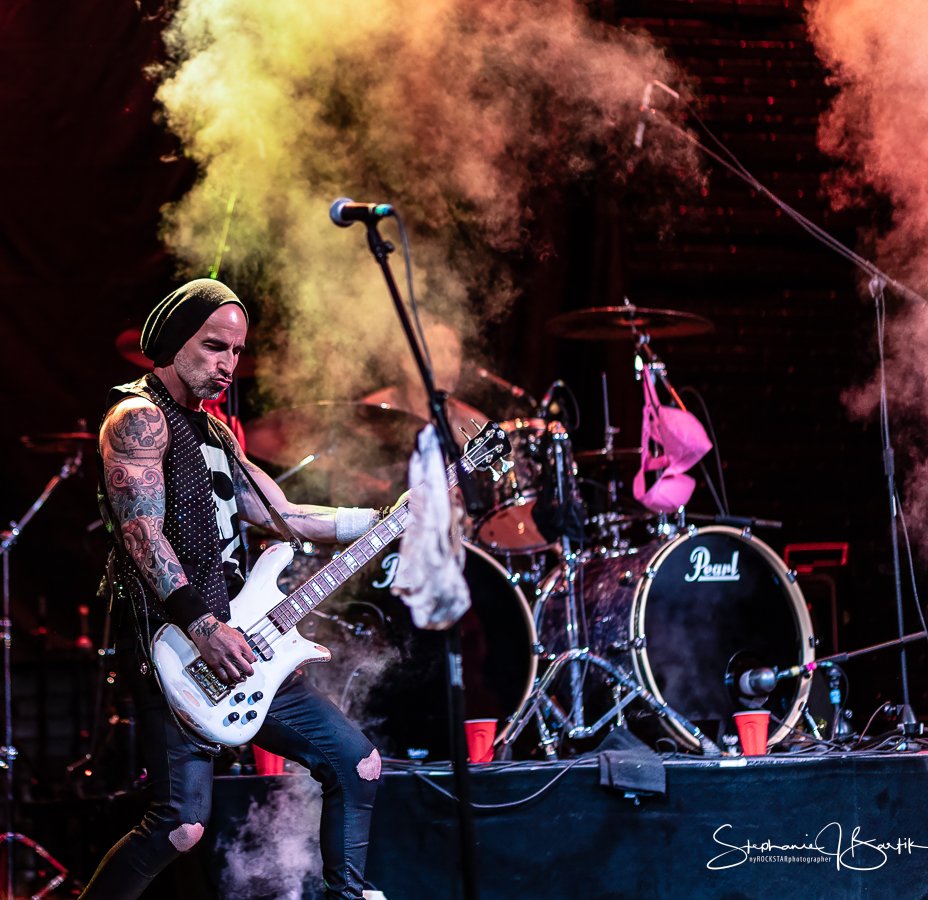
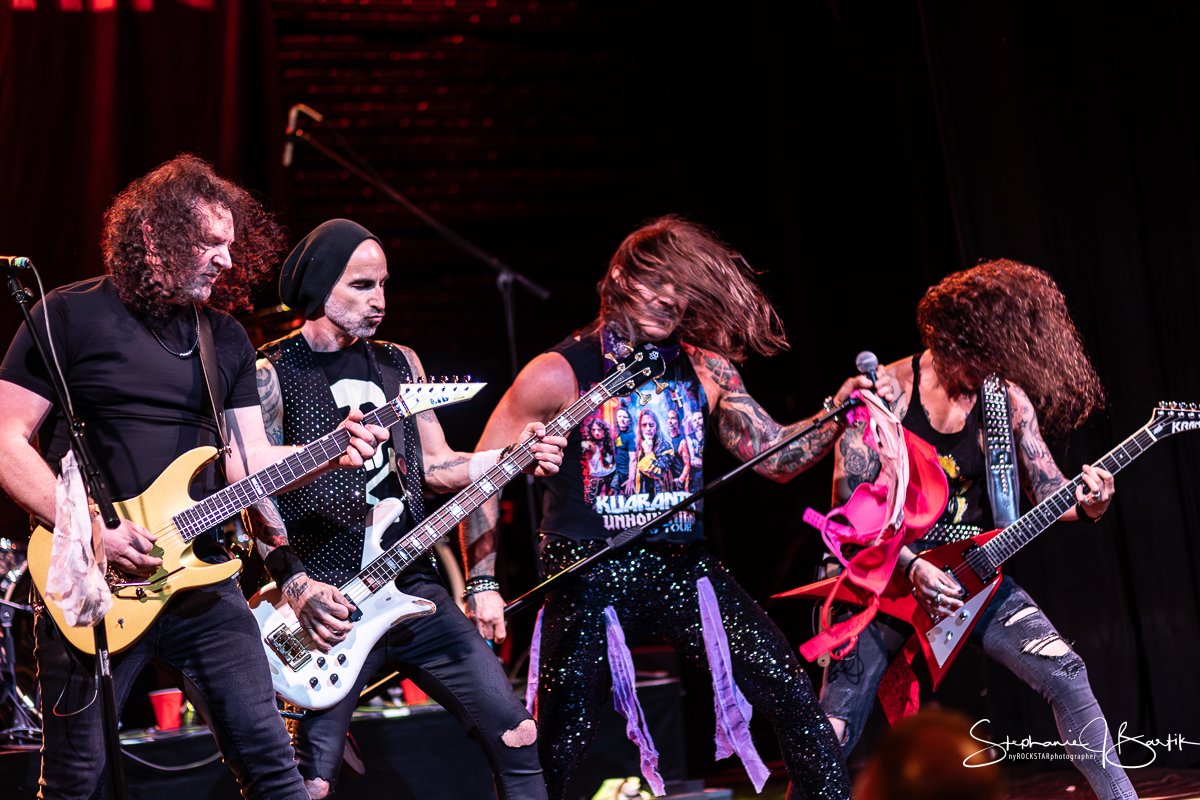
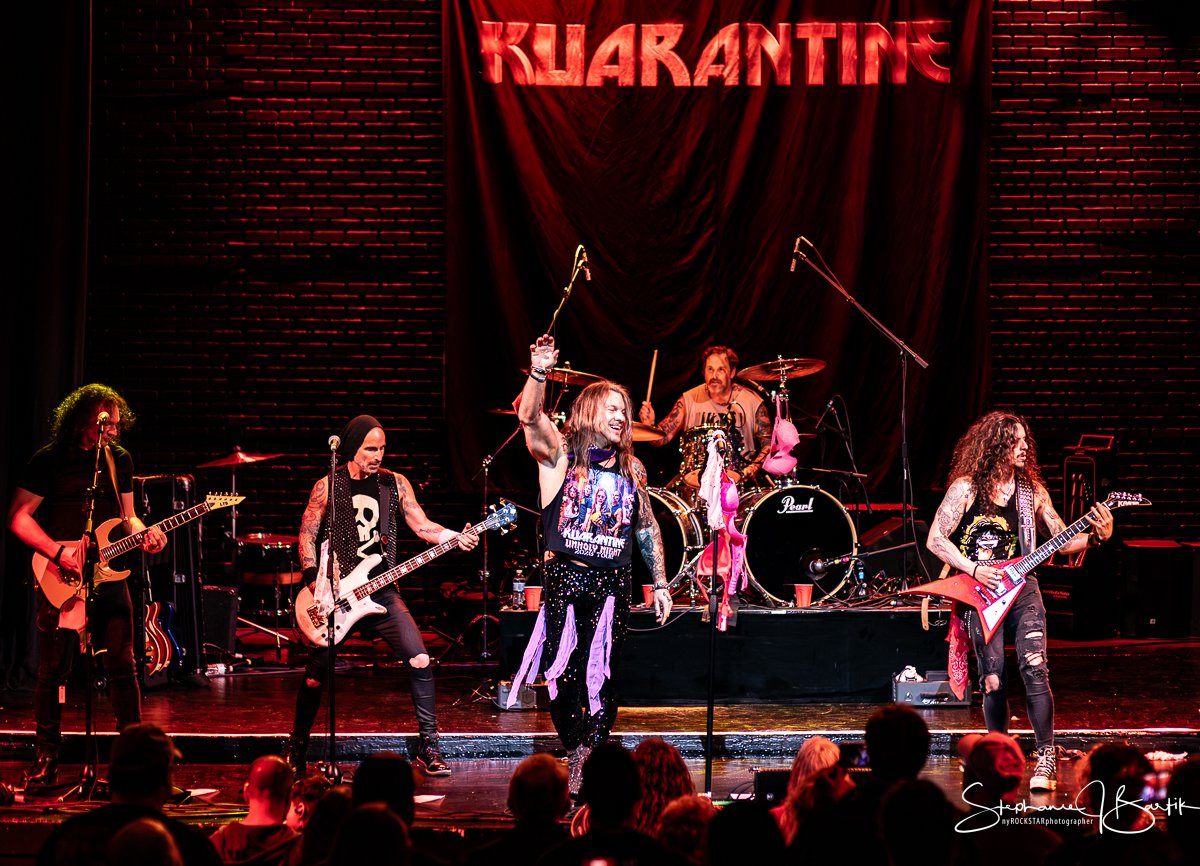
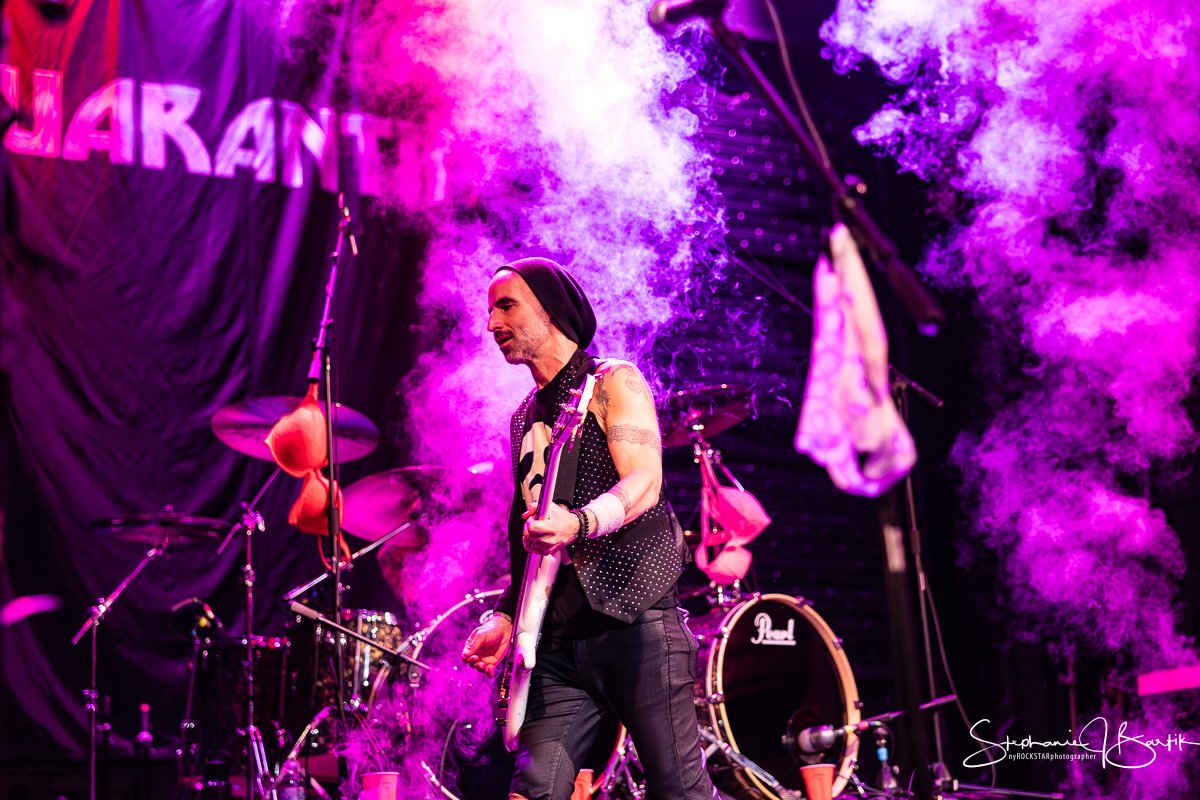
Kuarantine all-star band members Chris Jericho, PJ Farley (also of Trixter), Joe McGinness (various famous country bands), Kent Slucher (Luke Bryan), and Charlie Parra (YouTube sensation) are ALL huge ‘80s/’90s Kiss fans, and it shows. The band not only performs these ‘80s/’90s Kiss songs that hardly anyone else performs, but they also celebrate the quirky ‘80s “Kissisms” that all the die-hard Kiss fans know in attendance at their shows. It truly just adds to the fun. Things like having bras thrown out on stage to hang around their microphone stands. Chris acting out some of the famous song introductions and stage banter of Gene Simmons or Paul Stanley. The synchronized moves Kiss would always do live during certain songs. Arrangement-wise, they played the songs like Kiss did live in the ‘80s, including some of the fast tempos. Also, don’t think I didn’t catch Joe McGinness ending his guitar solo spot in the show, playing note for note the way Bruce Kulick performed the end of his guitar solo on the Crazy Nights tour!

So much of Kiss that is still popular and celebrated to this day comes from the ‘70s heyday. So for some rock fans, and of course die-hard Kiss fans who love the ‘80s/’90s Kiss as well, Kuarantine provides an excellent celebration of that time period. They perform “Unholy,” “Heart of Chrome,” “Turn On the Night,” “Uh! All Night,” “Who Wants To Be Lonely,” “All Hell’s Breakin’ Loose,” “Fits Like a Glove,” and many more. (I don’t want to give away the whole set list in case you want to be surprised if you go see them) It was so much FUN!

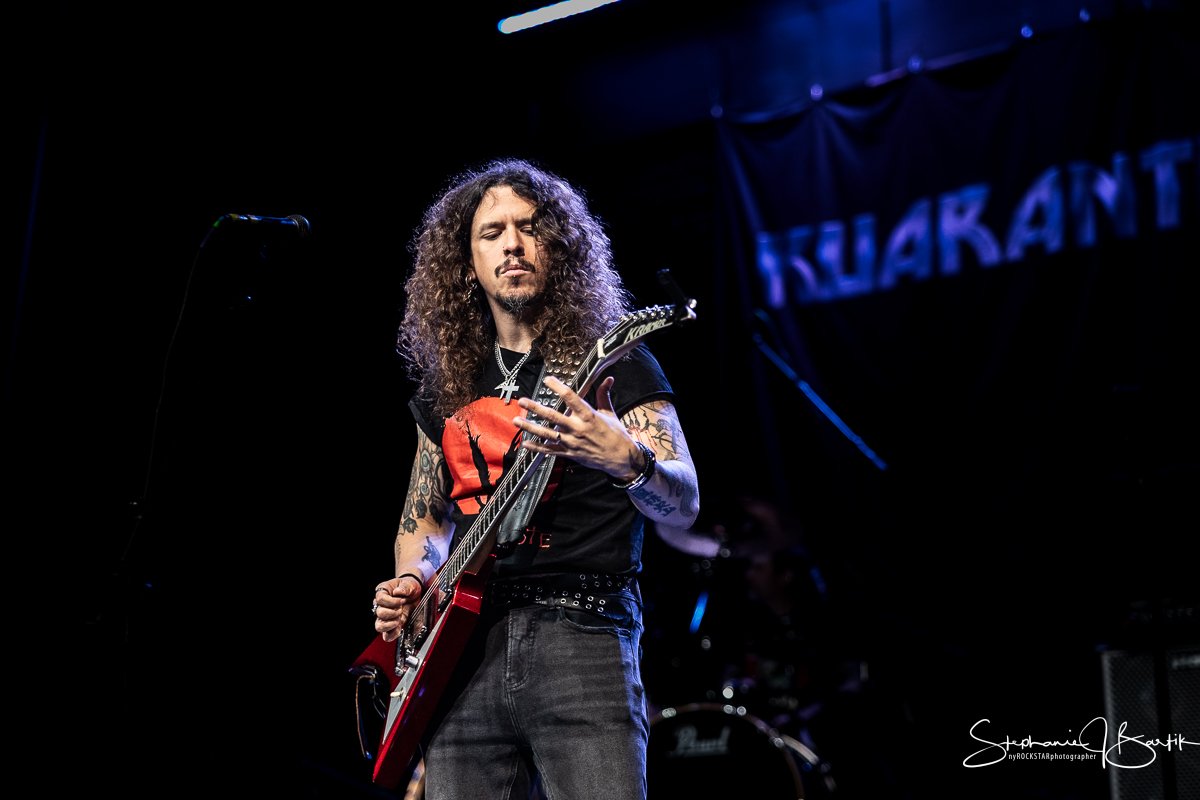
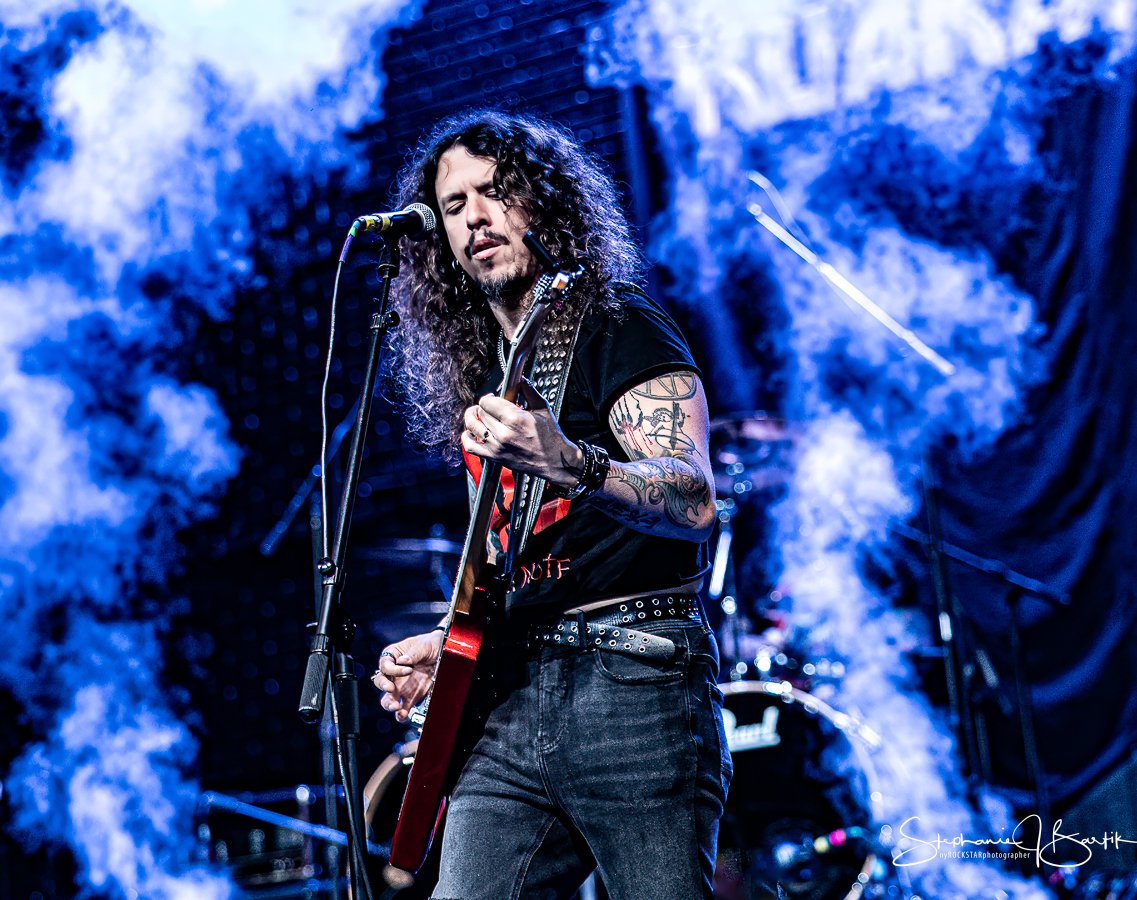
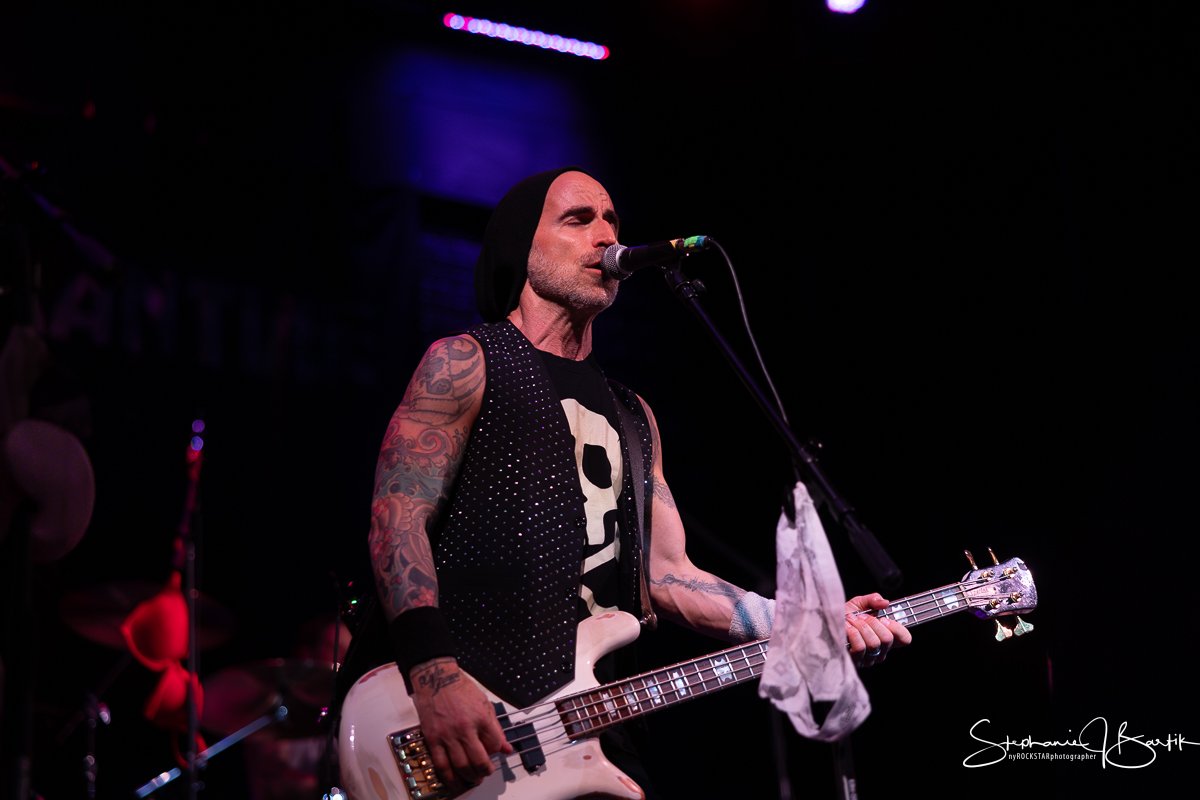
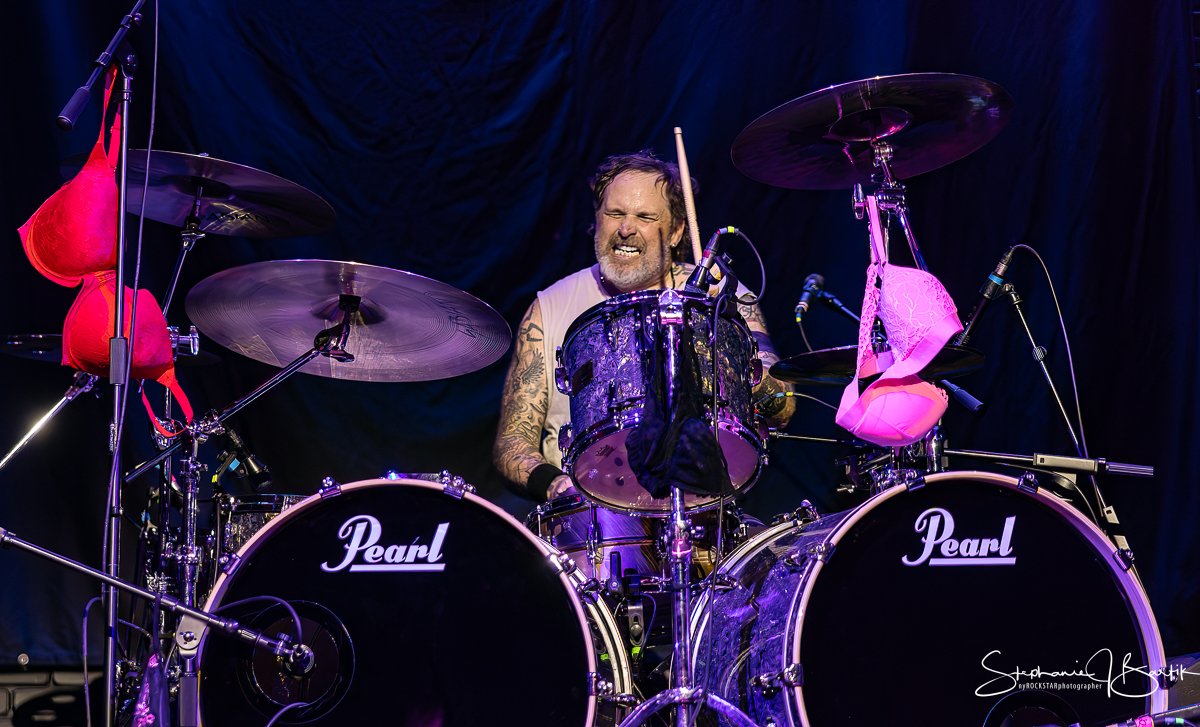
The band is really good. Kent and PJ make for a super solid rhythm section, and PJ, I believe, played a white bass just like Gene played on the Asylum tour. The guitar players were both outstanding at rhythm/lead playing and took turns playing the lead guitar parts. Both players did an excellent job of performing the guitar parts the way they should be honored and performed. I do have to say Joe McGinness TOTALLY captured the art, feel, and even tone of the famous ‘80s/’90s Kiss guitar player Bruce Kulick. Bruce is one hell of a guitar player, and he’s not easy to duplicate. Some of the solos, and “Bruceisms” as I call them, are a good study for any guitar player, and Joe perfectly nailed them! The entire band played the songs great, added quality backing vocals, and played them with their genuine Kiss fan hearts.

So Mike, what about Chris Jericho as the lead singer? I’m being totally honest. Chris did a respectable “good enough” job. Hey Chris, I love ya! I am NOT knocking you at all! ‘80s Paul Stanley is ridiculously hard to capture and sing! I’m actually giving you full credit for the effort you put into it! However, for what Chris may lack a little vocally, trying to sing ‘80s Mount Everest Paul Stanley, he makes up for being the ring leader of the ‘80s Kiss party. Chris is having a blast performing his idol’s songs in this cover band. He has such love for Kiss, love for these songs, love for his band, and love for the audience who he knows all came for the love of this same band, same songs, and same “Kissisms”.

So I say, bravo to Kuarantine for flying the ‘80s Kiss flag! It’s a contagious, happy place, fun feeling that the band gives off, and the audience sends it right back to the band. I guess you could say it’s as contagious as COVID once was during the pandemic, which became the birth of Kuarantine.

Photography by Stephanie J Bartik.

More coverage of the show here …