
Home Blog Page 6

Cheyenne Jackson – An Xperience Interview

0

By Liam Sweeny.

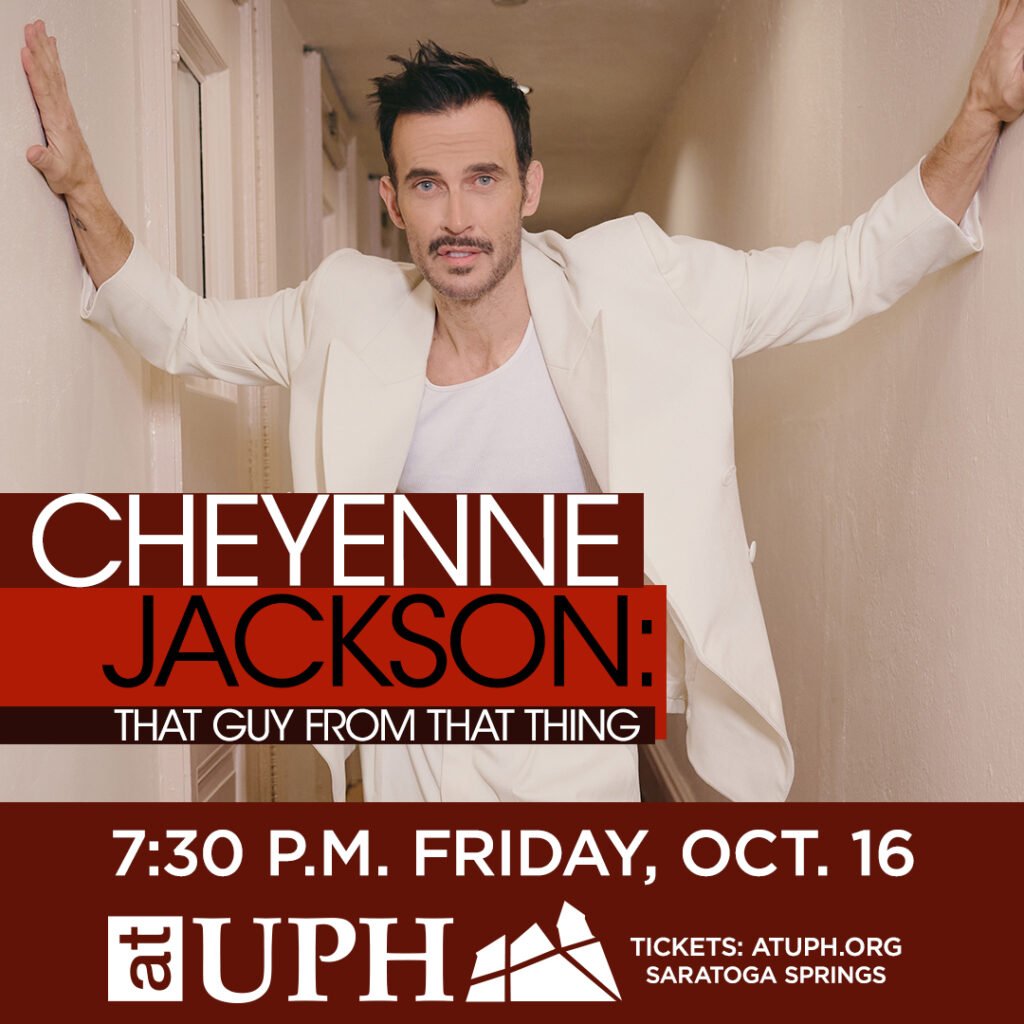
RRX: You’re coming here to Universal Preservation Hall to perform your musical “Cheyenne Jackson: That Guy from That Thing,” the joke being that you’ve been in everything and nobody can place you, in terms of your name. Do you think this happens to actors that are multi-talented, as in they branch out?

CJ: I think so, yeah. If you do one thing for thirty years, people know exactly where to file you. I zigzagged. Broadway, then 30 Rock, then a horror show, then a sitcom, then Carnegie Hall, so nobody has a drawer for me. I get “Did we go to high school together?” I’ve made peace with it. Actually, I’ve made a show out of it, which is cheaper than therapy and the seats are better.
RRX: You played Mark Bingham in the movie United 93. Since we just went through the 25th anniversary of 9/11, was the filming of that movie different in any way from other films you’d done? Was it more serious, maybe? More solemn?

CJ: Completely. There was no “action” and “cut” energy, no one joking at craft services. Paul Greengrass wanted it to feel like it was happening in real time, so nearly all of it was improvised, and we were all very aware these were real people with real families watching. Playing Mark Bingham was the honor of my life. He was a big, gay rugby player who ran toward the cockpit, and I was a young gay actor still figuring out how out to be in this business. He made that decision a lot easier for me. Twenty-five years later, I still think about him.

RRX: You’ve been on Broadway many times, and also regional theatre, so I’m imagining that that encompasses “off Broadway” too. What are some of the key differences that you would notice as a stage performer that a showgoer wouldn’t notice?

CJ: First things that come to mind are the size of the dressing room and the paychecks. On Broadway you might get a closet with a mirror. Off, you might get a corner of a closet. But the real difference is the house. A 1,500-seat Broadway theater breathes differently than a 200-seat black box. In a small room, you can whisper, and they lean in. In a big one, you have to send it to the back row without looking like you’re sending it to the back row. The audience never sees that math, and they shouldn’t. But I could make a case for both, as they both have their specific magic.

RRX: You’ve played leading roles on Broadway. Is the pressure harder on a leading role, or is the whole show sort of holistically pressured?

CJ: Yes, but it’s all hard. Broadway is hard. Period. The hardest job I’ve ever had. When you’re the lead, if you’re sick, the show still goes on, but people ask for refunds. That sits on you. That said, a show is a machine. If someone goes up on a line, if the sound op misses a cue, everyone feels it. But when you’re in the middle of the stage with all eyes on you…that’s a heavy crown, honey.

RRX: You sold out Carnegie Hall twice. Considering that most musicians would kill to just get on Carnegie Hall’s stage, is it extra bragging rights to sell it out twice? And was there a secret to that success?

CJ: Damn right it is.  I’ll brag. I grew up in a town of about 248 people in northern Idaho. We didn’t have a stoplight, let alone a concert hall. So yes, I’ll take the bragging rights and frame them. The secret, honestly, is that I stopped trying to be what I thought people wanted me to be and just did the show I’d want to see. Some songs, some stories, some embarrassing truths. Lots of incredible music, and hopefully lots and lots of heart and relatability.

RRX: On top of Broadway, you have a whole host of film and television credits. Did this just come from theatre, or was theatre a stepping stone to film? When did you decide to work in film?

CJ: I never had a master plan. I was an understudy on Broadway, then a lead, and the TV and film folks were sitting in those audiences. Tina Fey handed me my first real TV break on 30 Rock, and thus began my second career on television. Theatre is home, though. Film and TV are the places I visit and bring back fabulous souvenirs.
No Filter: An Interview with Caity Gallagher

0

by Lisa Irwin.

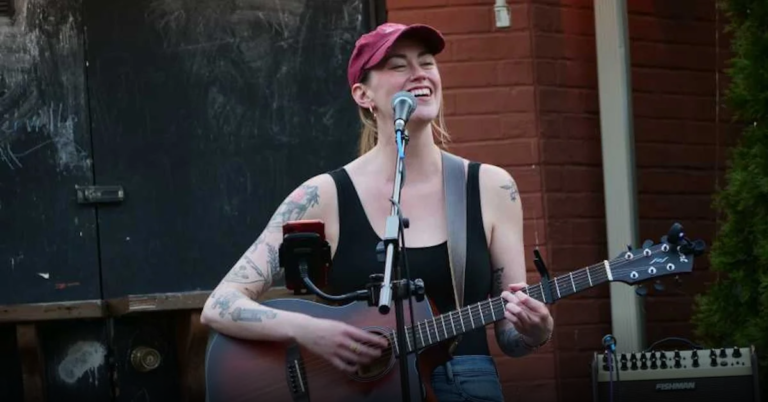
Troy, NY-based musician Caity Gallagher is making her mark with her unique sound, heartfelt songwriting, and passion for performing. Recently, Lisa Irwin had the opportunity to interview Caity to learn about her music, songwriting process, inspirations, and what’s ahead for this talented Capital Region musician.  

RRX: I first heard you play at the Argyle Brewing Company’s Cambridge Depot a few years ago and thought you were amazing! I really appreciate you taking the time to do this interview with me. While preparing, I noticed that you perform as a solo artist, as part of a duo, and with a full band. Your style has been compared to musicians such as The Cranberries and Jackson Browne. What elements of those artists’ music do you feel most connected to, and how have they helped shape your own sound?                                                                                                               

CG: I’ve always found that I prioritize lyrics and melody when writing. I feel like telling a story and weaving something within each song that others can relate to and find comfort in is my main focus, and then I try to combine that with a catchy/memorable melody. I think that songwriting style embodies the ‘70s Laurel Canyon vibe mixed with a more ‘90s pop/rock style.

RRX: I know this varies among musicians, but when creating a song, what usually comes first for you—the lyrics, the melody, or the overall feeling you want to capture?

CG: I’m almost always lyrics first. I’ll have an idea for a hook, or a couple of verse lines, then create a story around the feeling of those words. From there, I usually strum out a few chords in a folk progression, and find a melody that fits. Once I have an outline of the song in that way, I can play around with changing the key, adding other orchestration elements for recording, etc.

RRX: Your songs are praised for turning intimate experiences into stories that many people can relate to. What’s the most unexpected place or moment that has inspired a song?

CG: I always find inspiration while driving. I feel like it must be one of those instances where your mind is focused on something else, so your subconscious can flow freely without overthinking. But it’s happened countless times that I’ve had to pull over on the side of the road and type out a lyric idea before it’s forgotten (which is actually where the chorus of “Hour Drive” came from). I’ve also found that I get song ideas and am not really sure where they come from or who/what they’re about. And then years later I’ll be singing my own song and find the meaning in it that probably shaped its writing originally, but that I didn’t consciously connect to at that time.

RRX: Your music has been described as storytelling. Is there a song you’ve written that feels like a chapter from your own life?

CG: Definitely “My Days.” It details the struggles of finding your own footing and having a sense of self-assurance outside of the opinions and support of others. I wrote that song as more of a journal entry than anything else, not really planning to record or perform it live. It felt more personal and self-focused than any of my previous work, and it was something that initially I wasn’t sure would resonate with anyone else. I did get over the apprehension of that and decided to release it, and it’s become one of my favorite songs to play. It actually resonated so deeply with one friend that he used it in a scene for a movie he was producing!
RRX: Thank you again for taking the time for this interview! Do you have any upcoming projects, performances, or exciting things in the works that you’d like to share?                                                                                                                      

CG: I’ve been working on some new material that I feel very connected to and excited about, but no timelines on when these tunes will be recorded or released yet! I have the opportunity at the end of September to attend a songwriting camp, and I’m really looking forward to solidifying some of these songs there. I do have one very unique and exciting show coming up on Saturday, October 24th, at The Troy Savings Bank Music Hall. Zan Strumfeld Productions is hosting their fourth “Ooky Spooky Musical Showcase.” Nine other acts and I will be performing original music based on Capital Region history. Writing a song based on historical news articles is something completely out of my comfort zone, but it has been extremely enjoyable. I can’t wait for this show.

With new music on the horizon and exciting performances ahead, Caity Gallagher is an artist to keep an eye and an ear on. If you want to discover even more about Caity’s music, check out her official website, https://www.caitygallaghermusic.com,  and follow her on Instagram.

Caffe Lena at SPAC

0

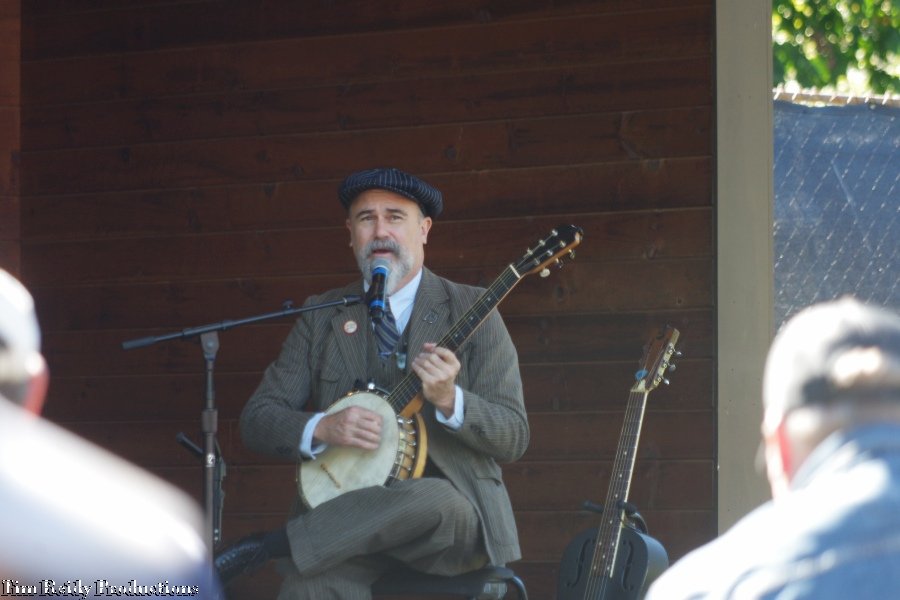
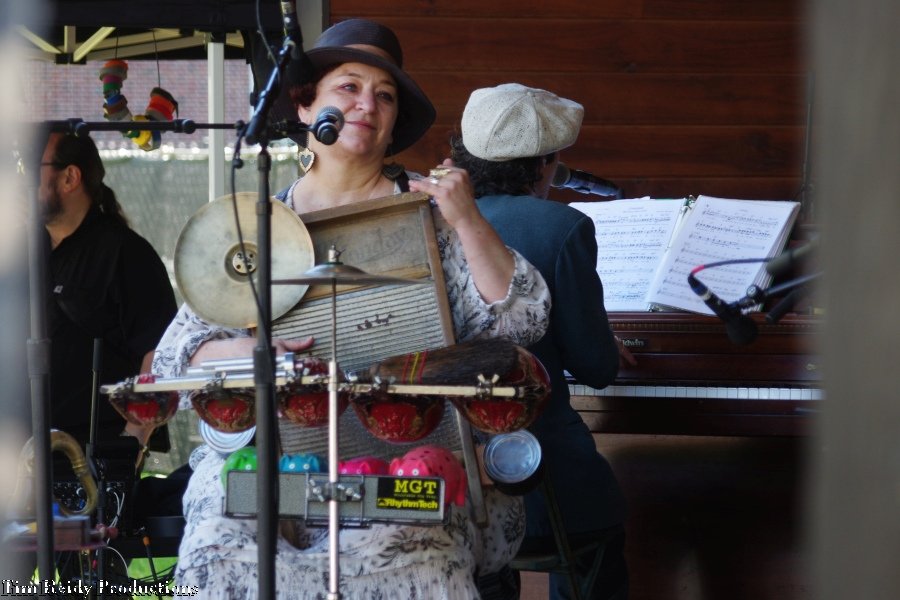
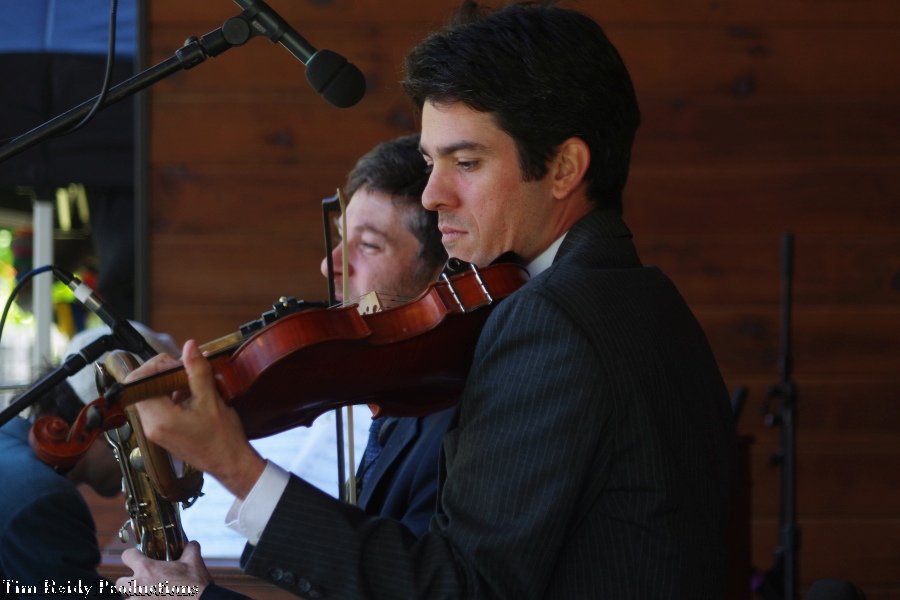
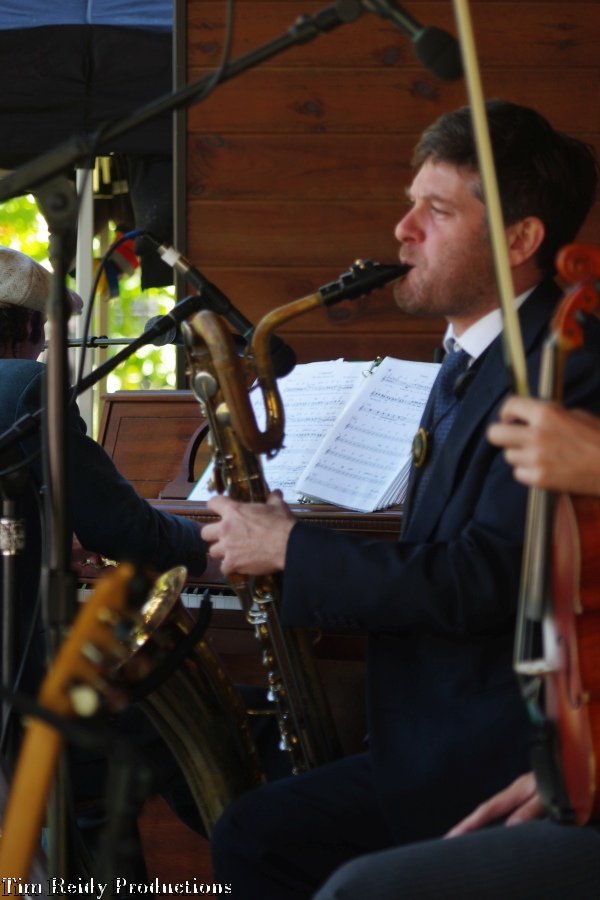
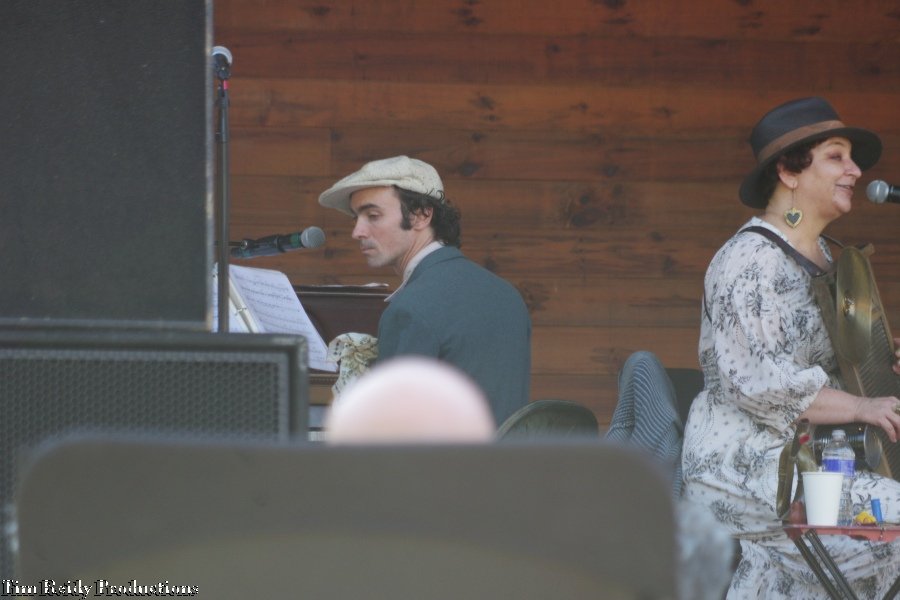
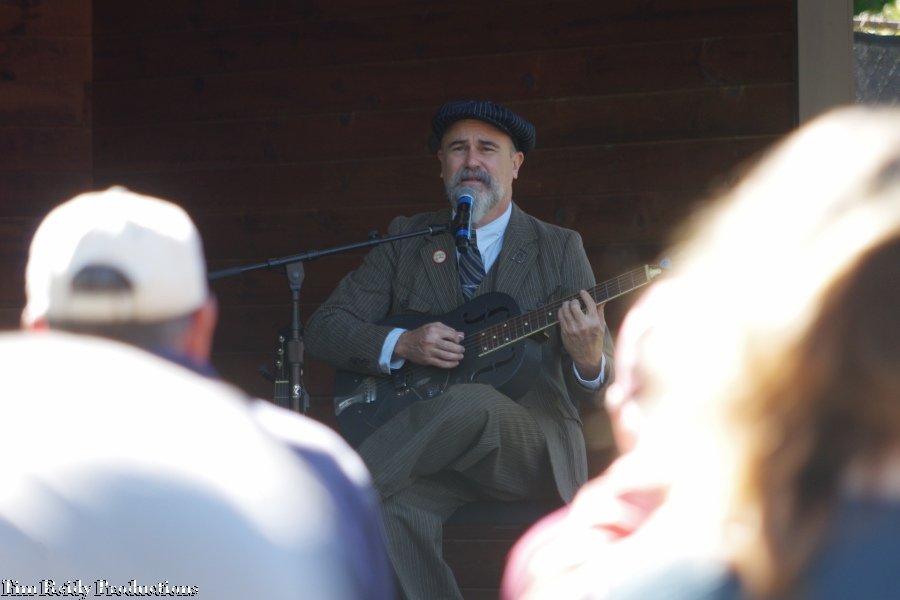
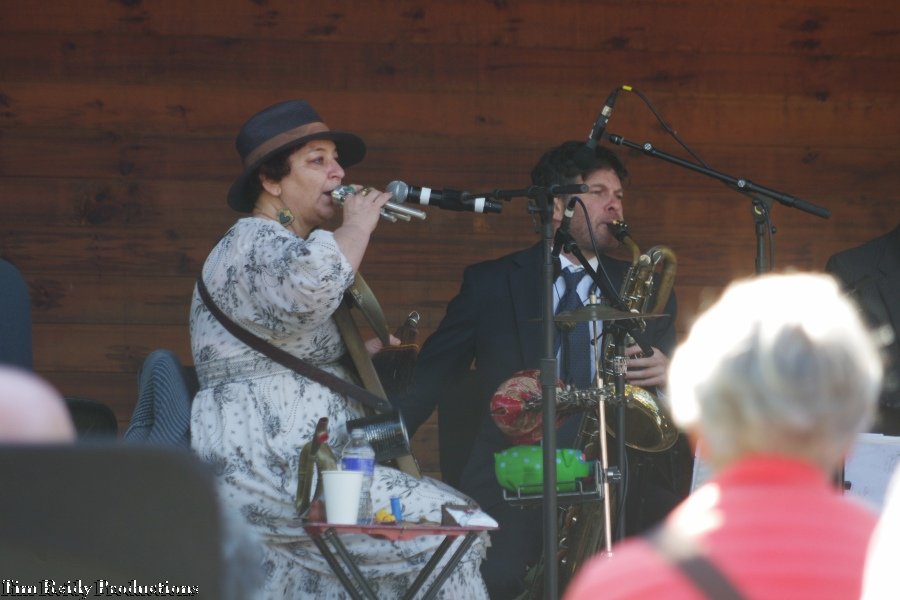
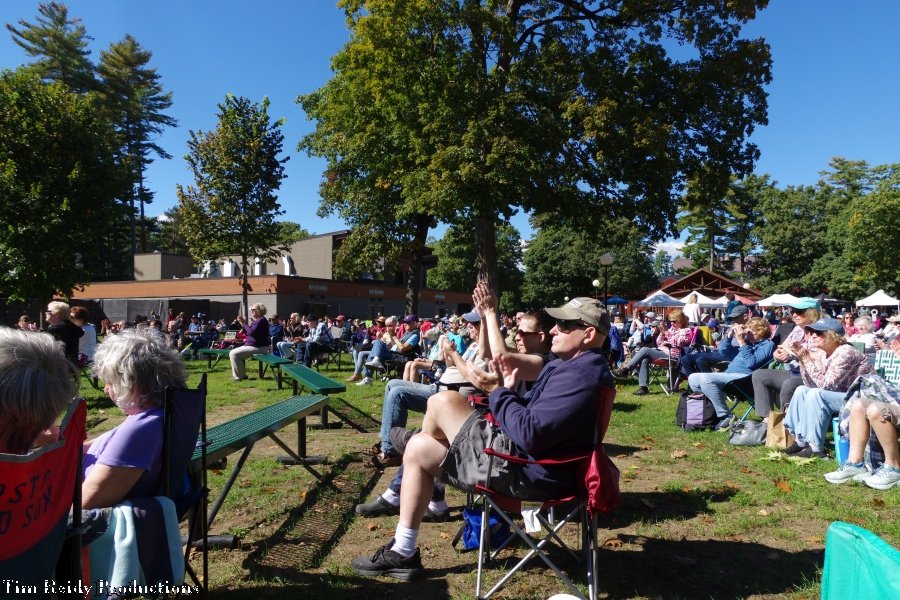
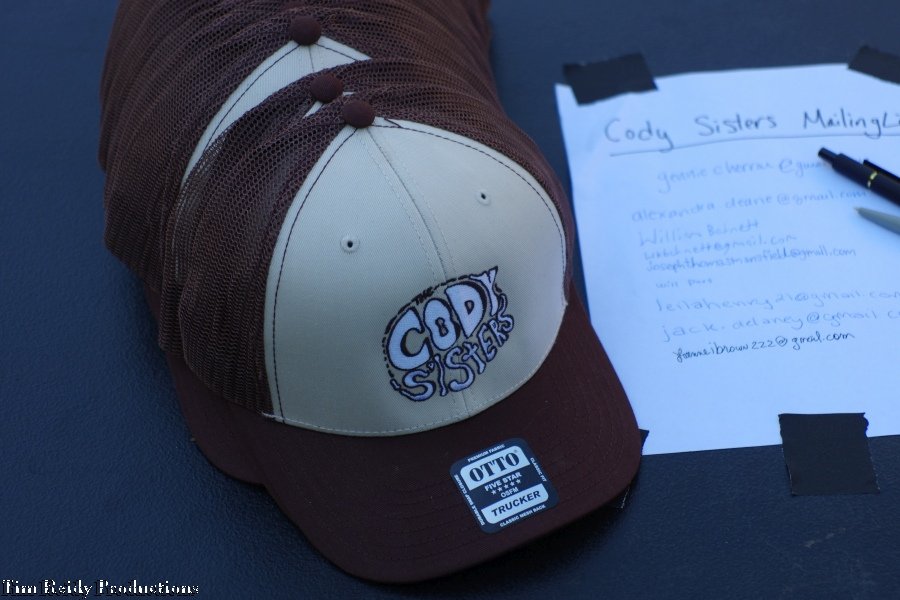
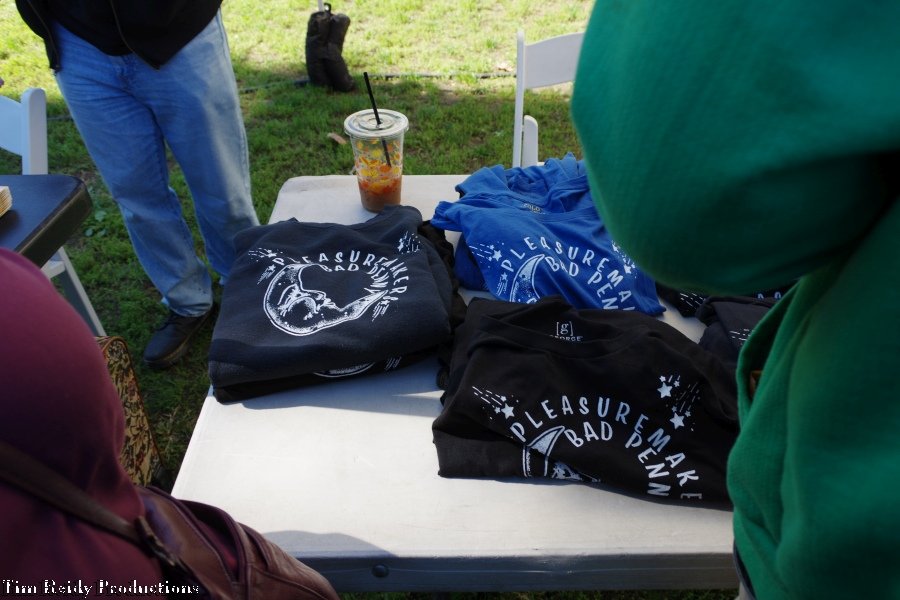
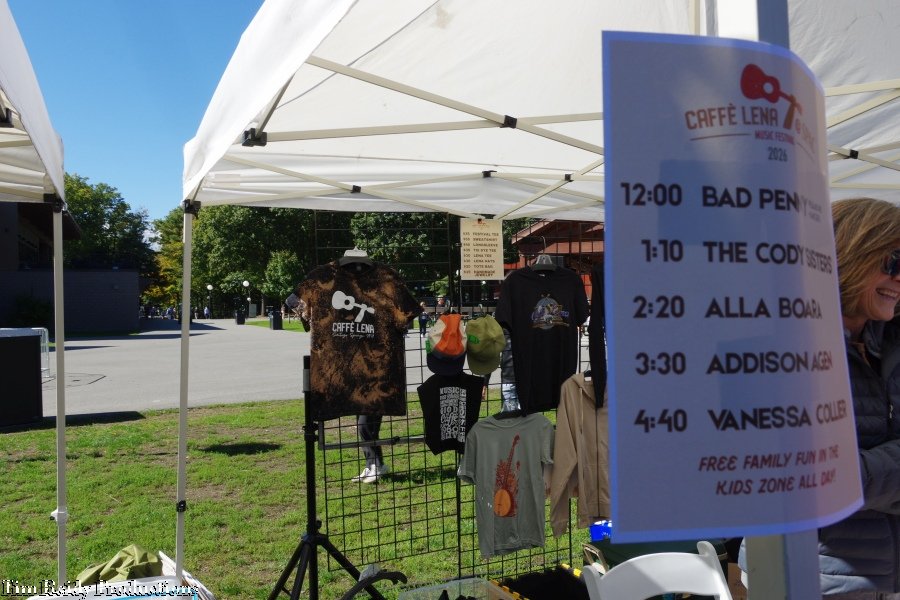
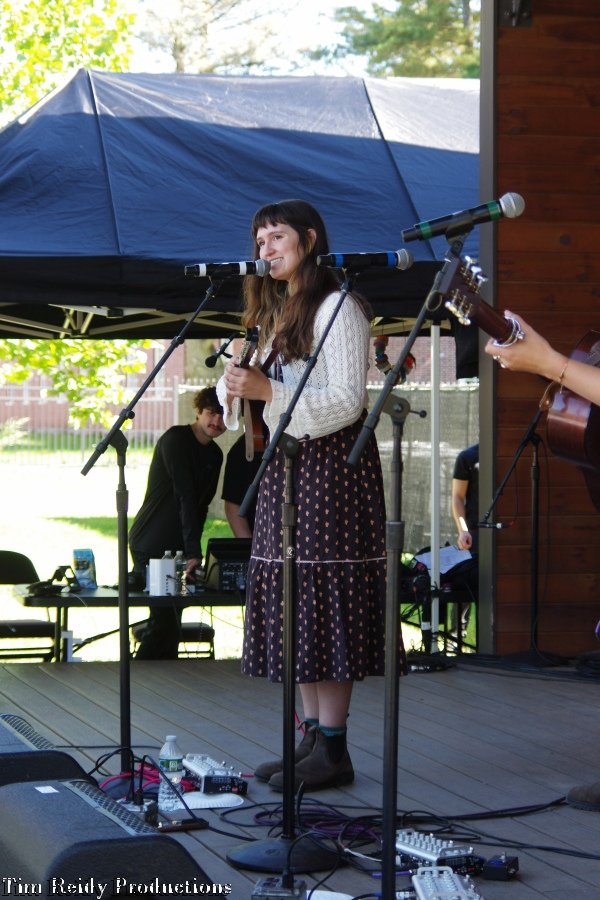
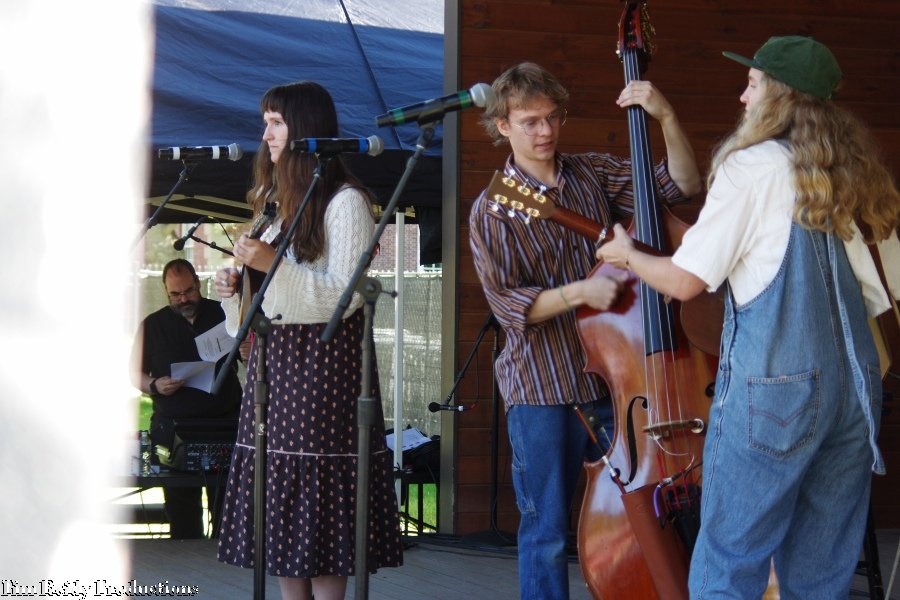
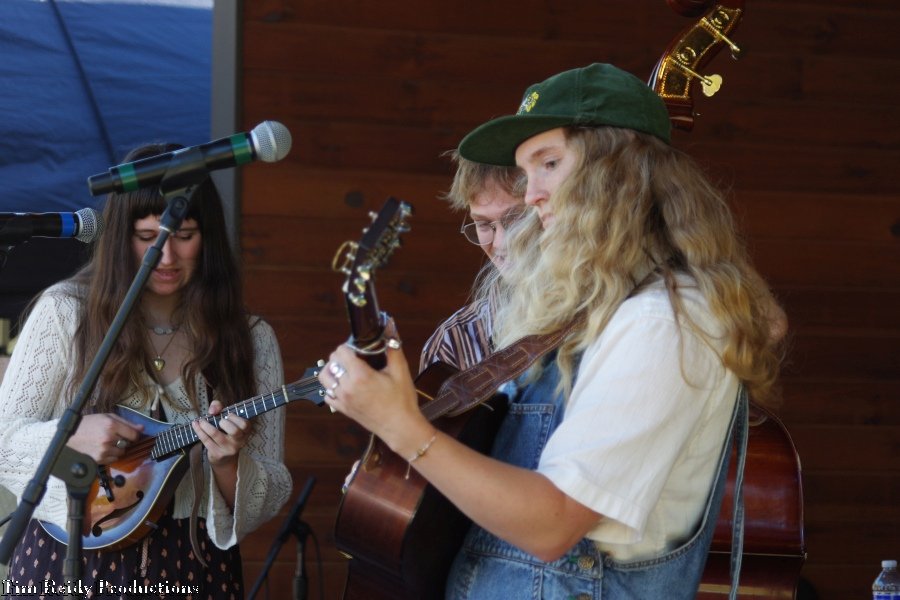
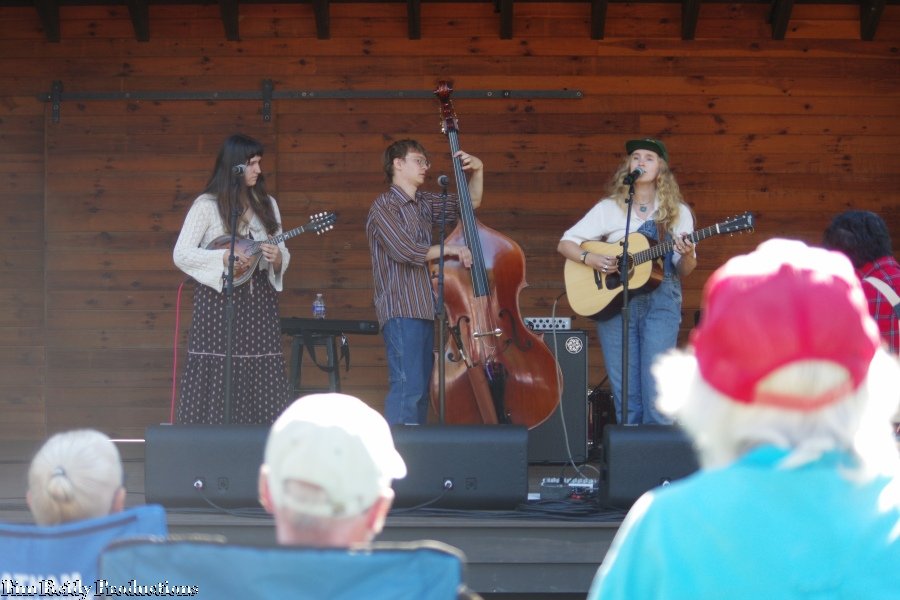
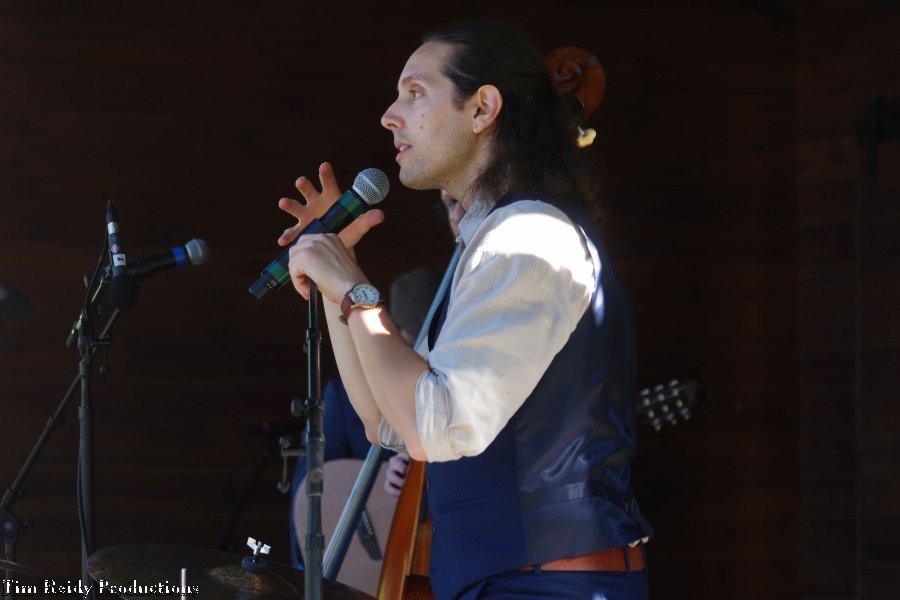
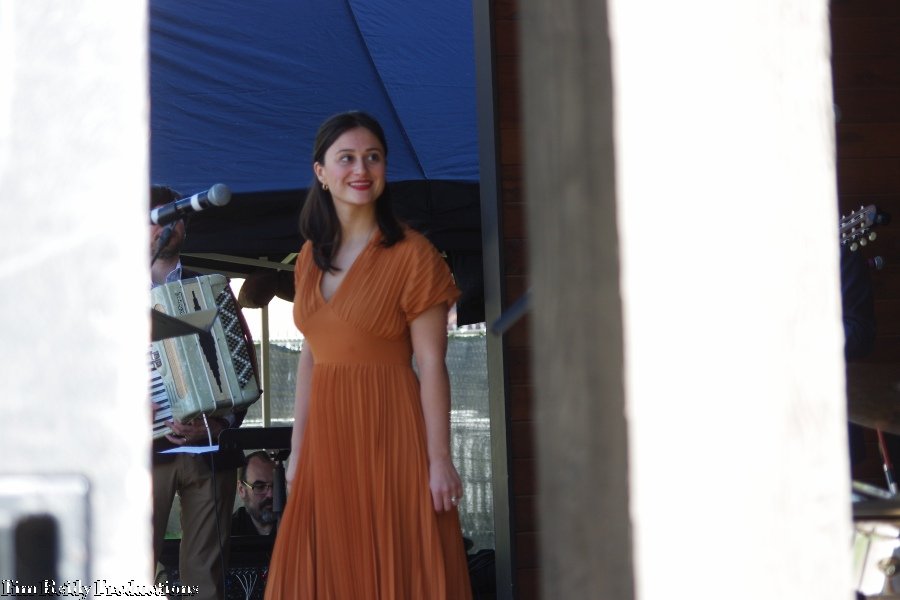
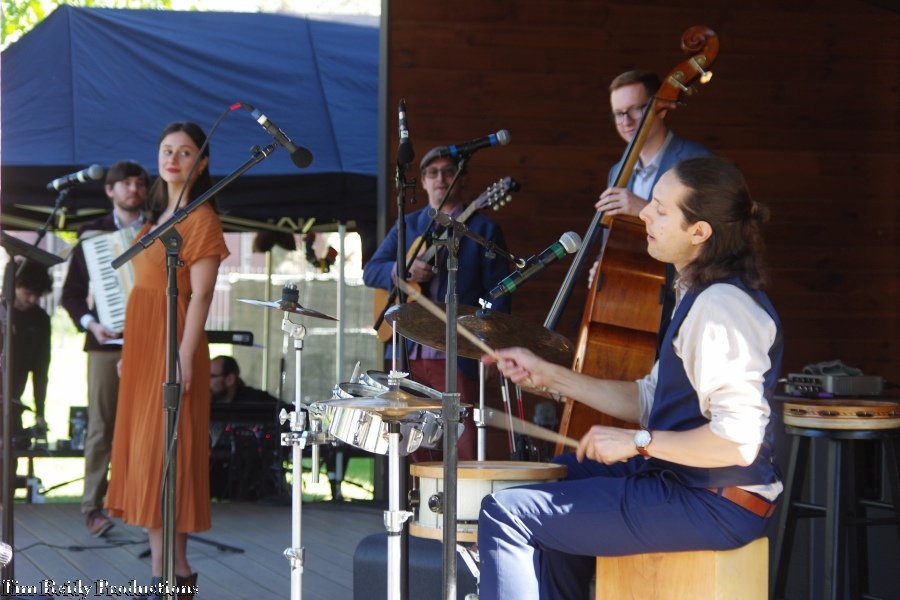
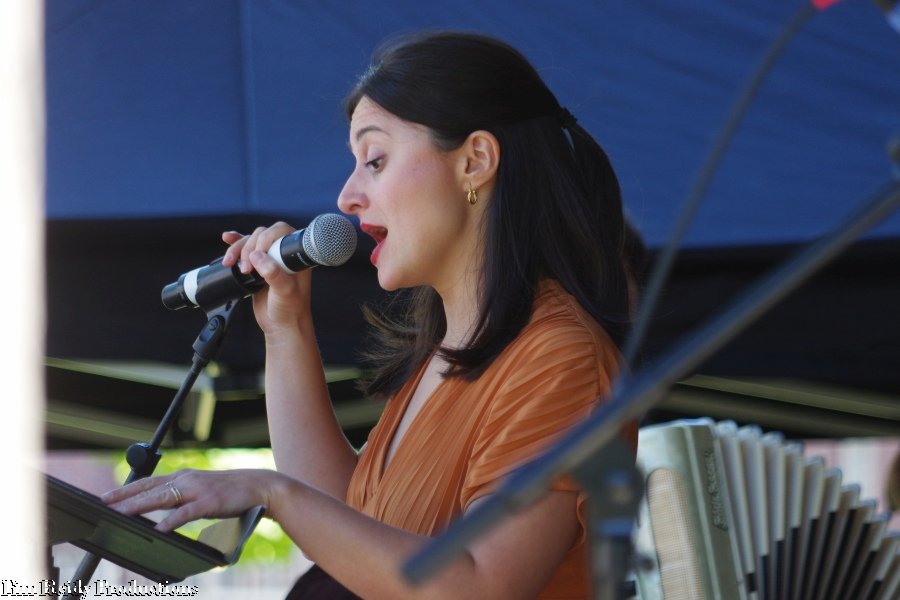
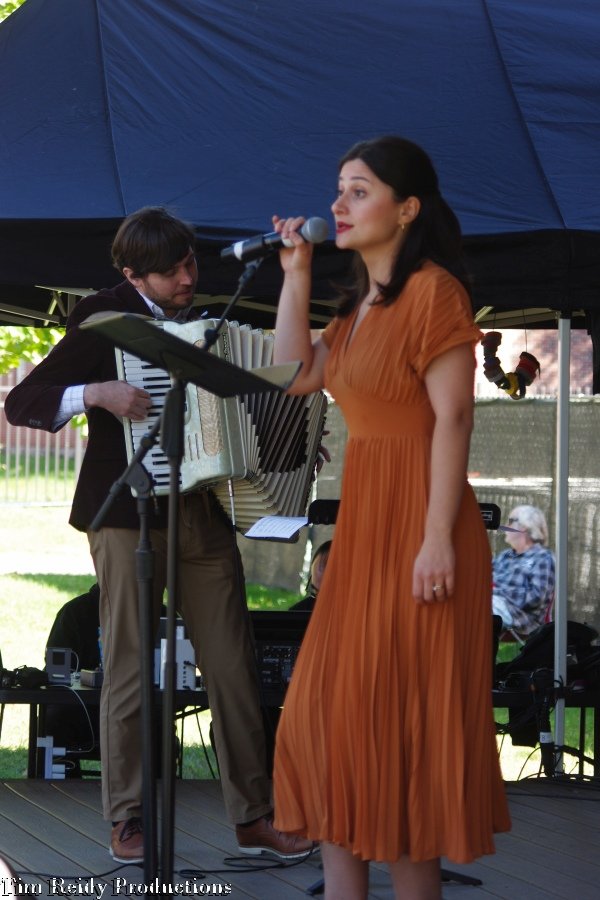
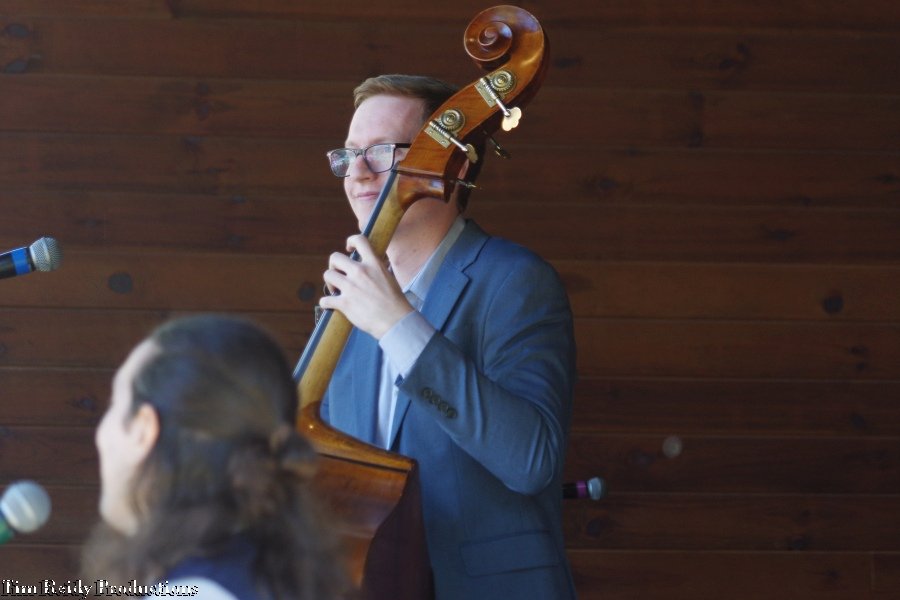
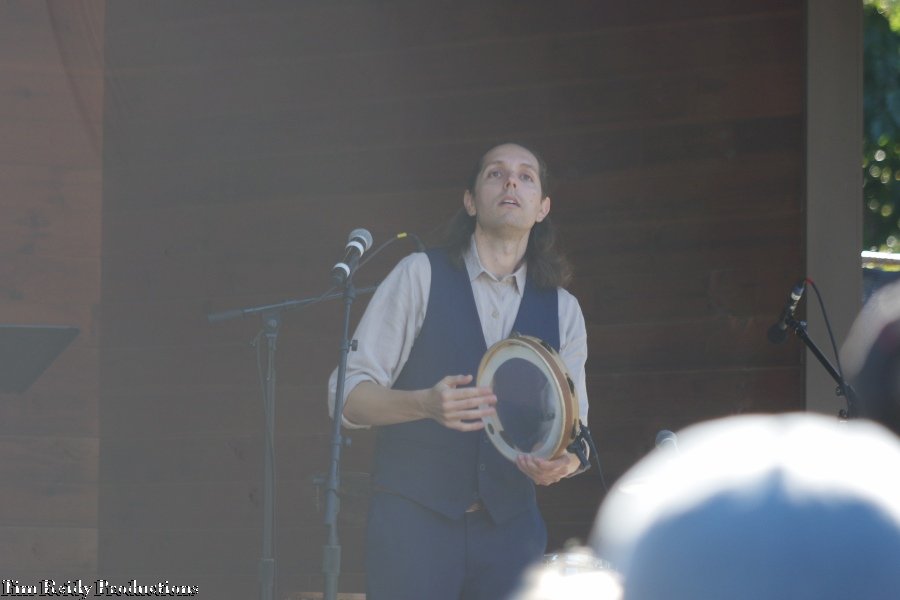
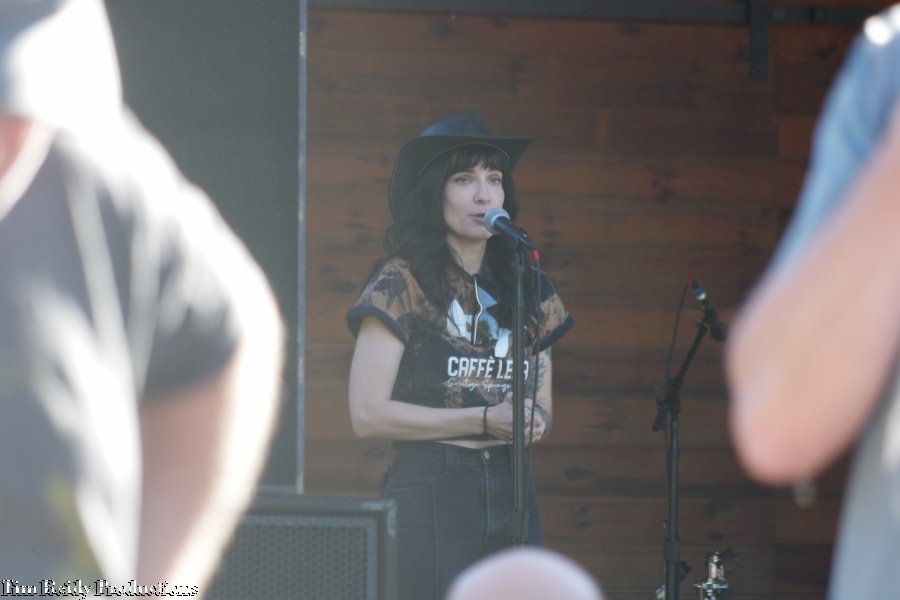
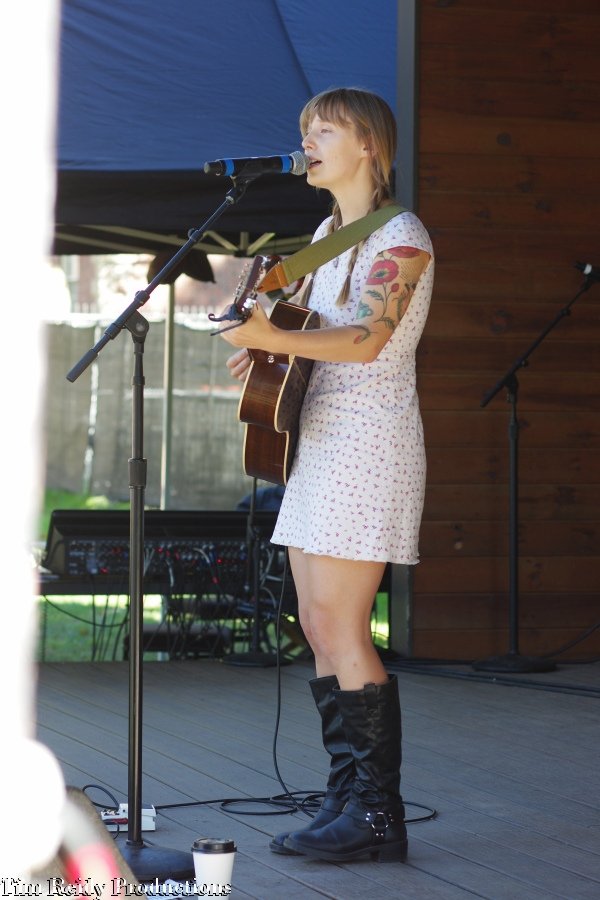
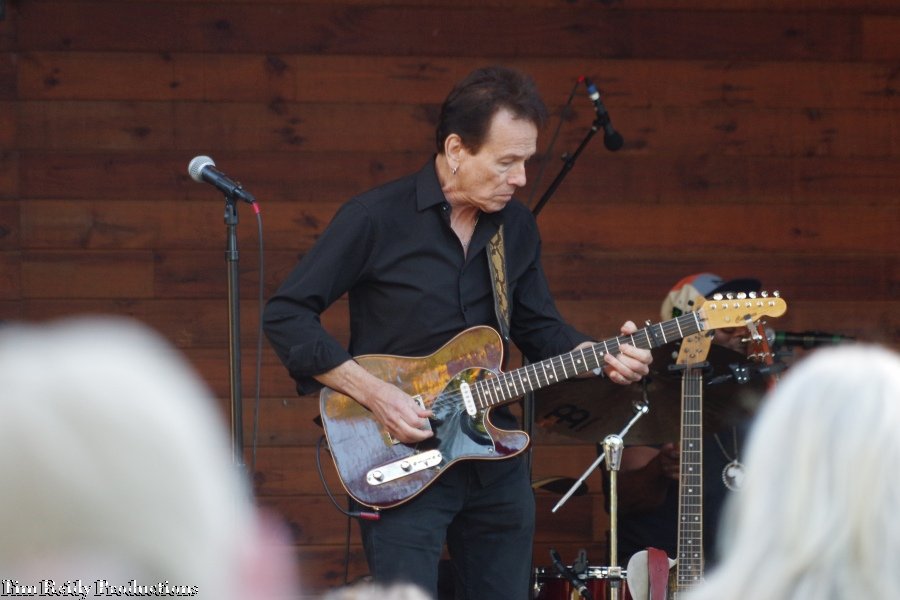
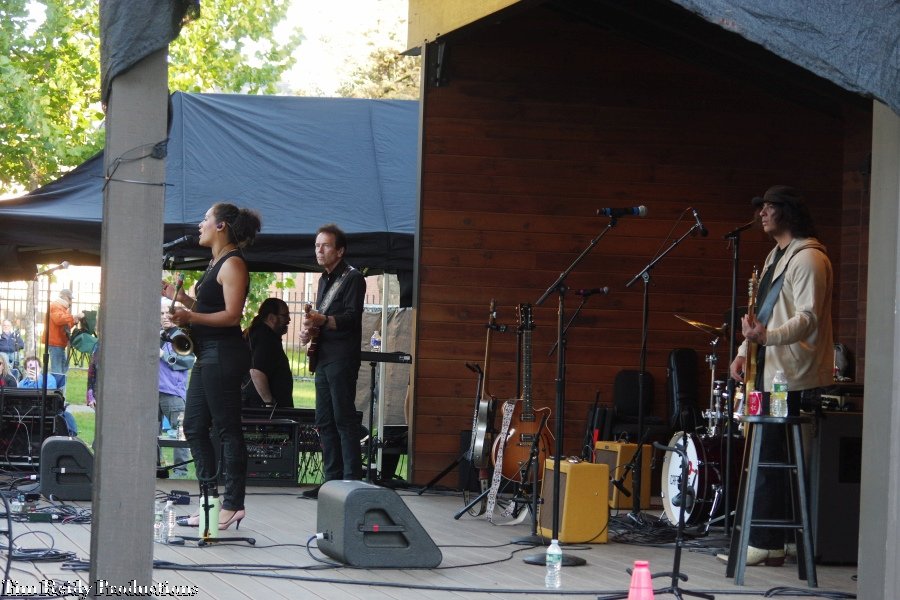
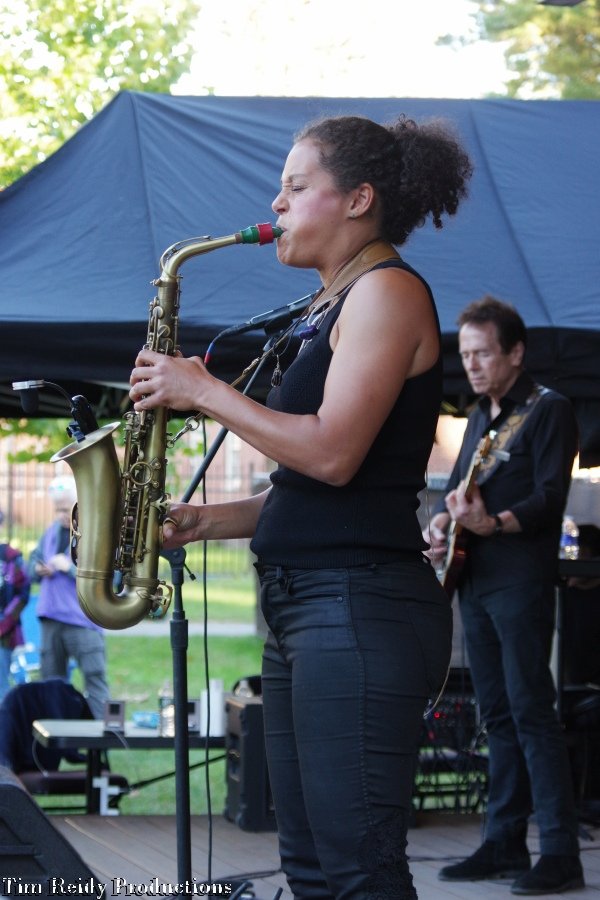
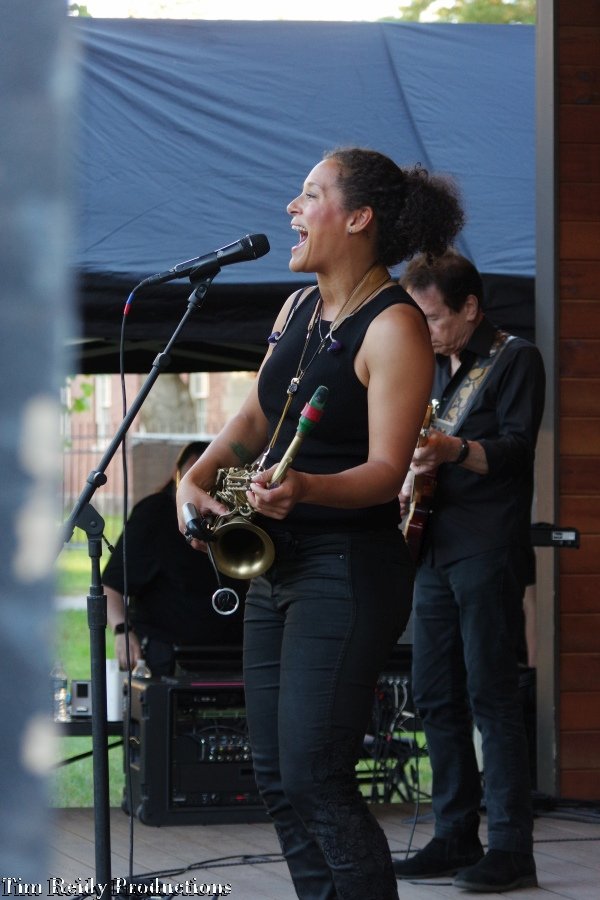
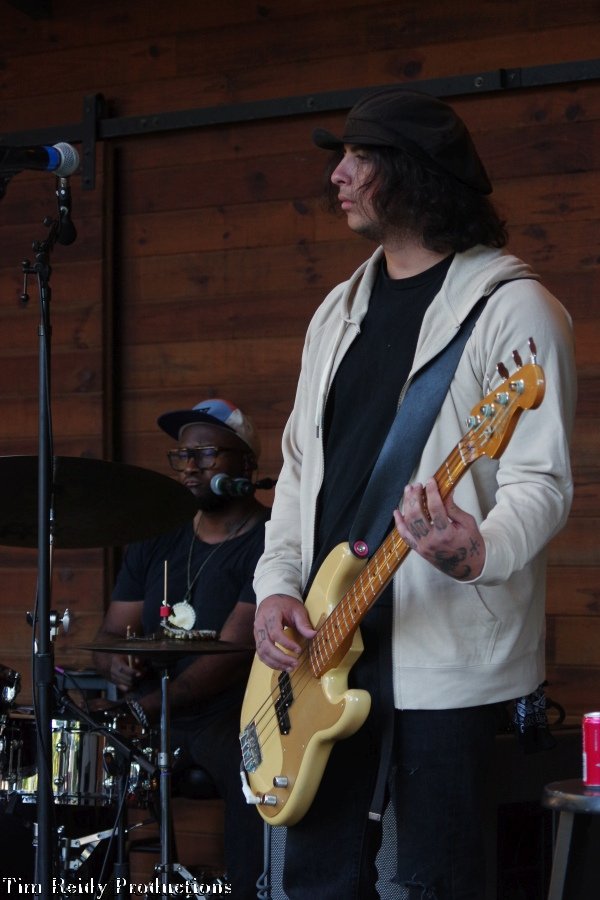
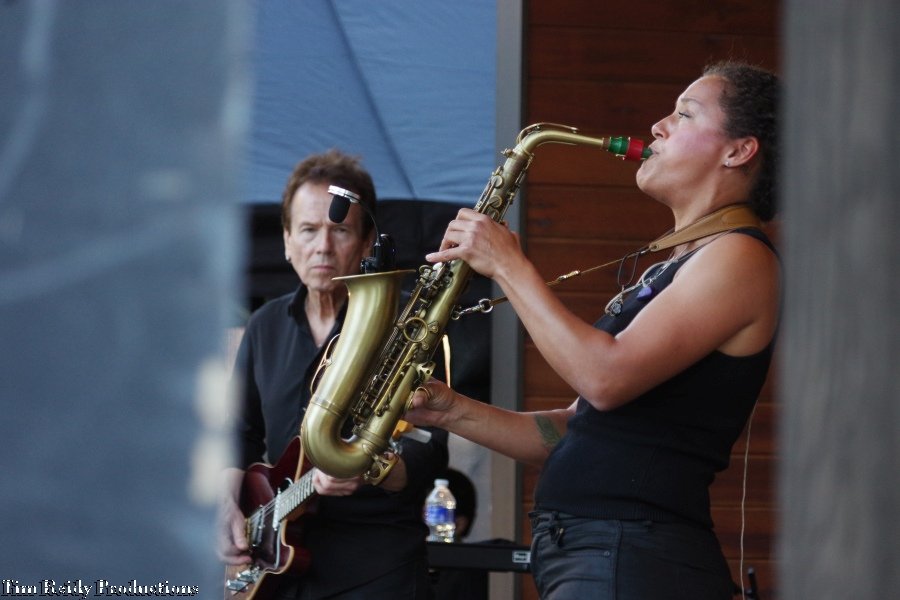
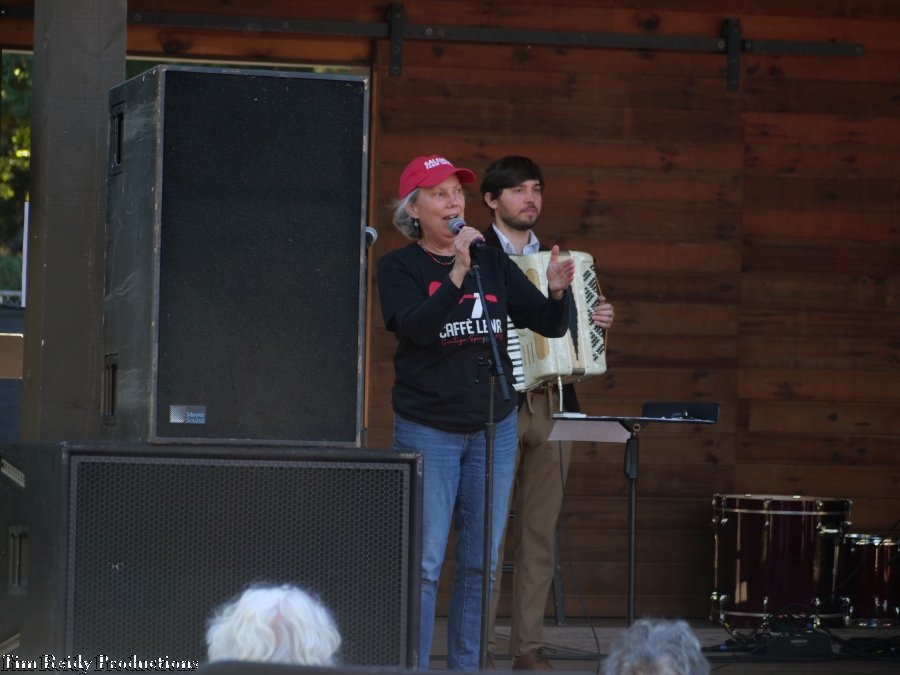
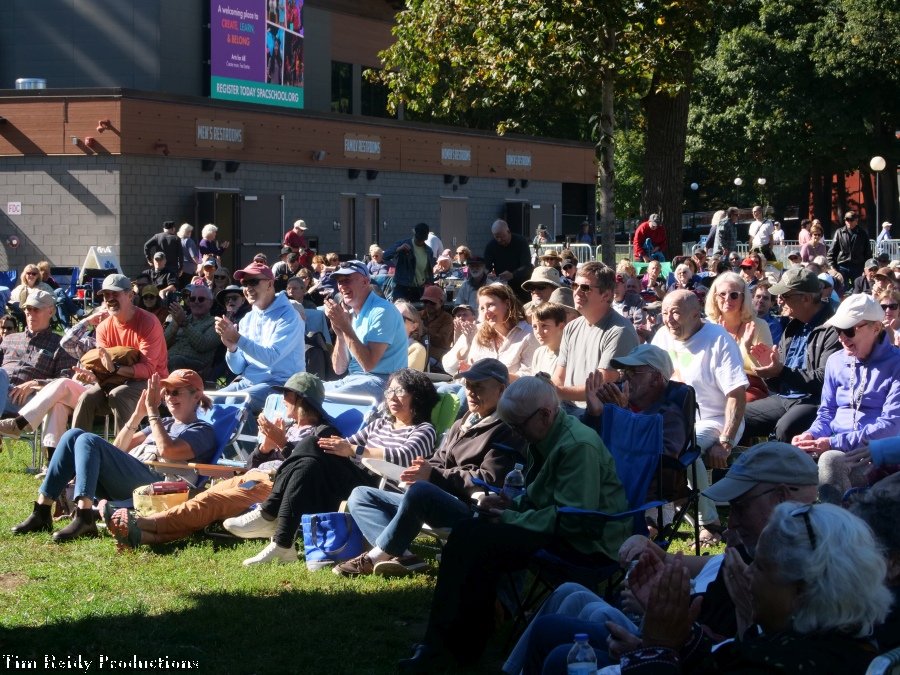
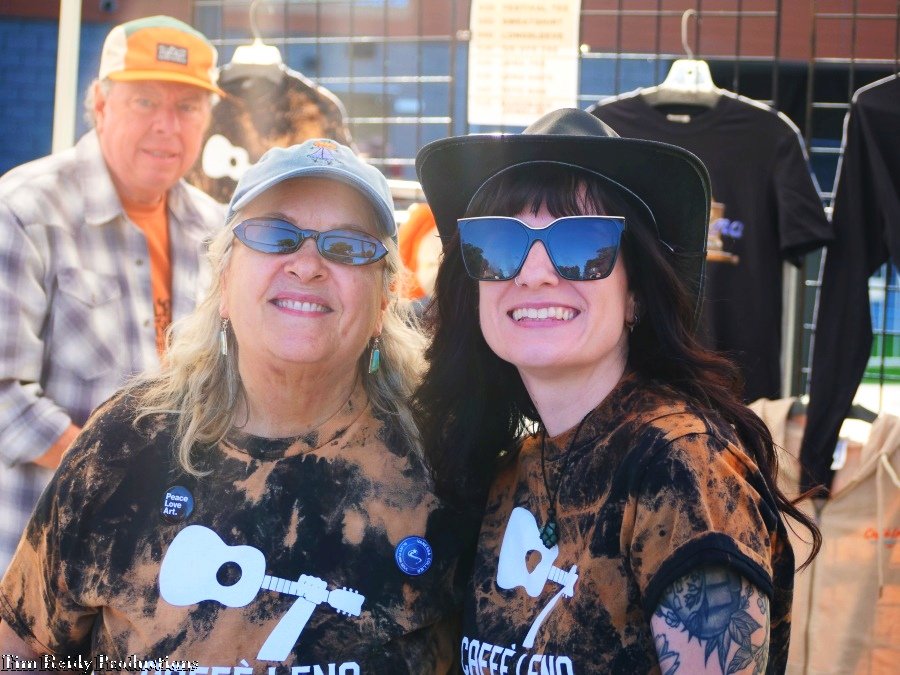
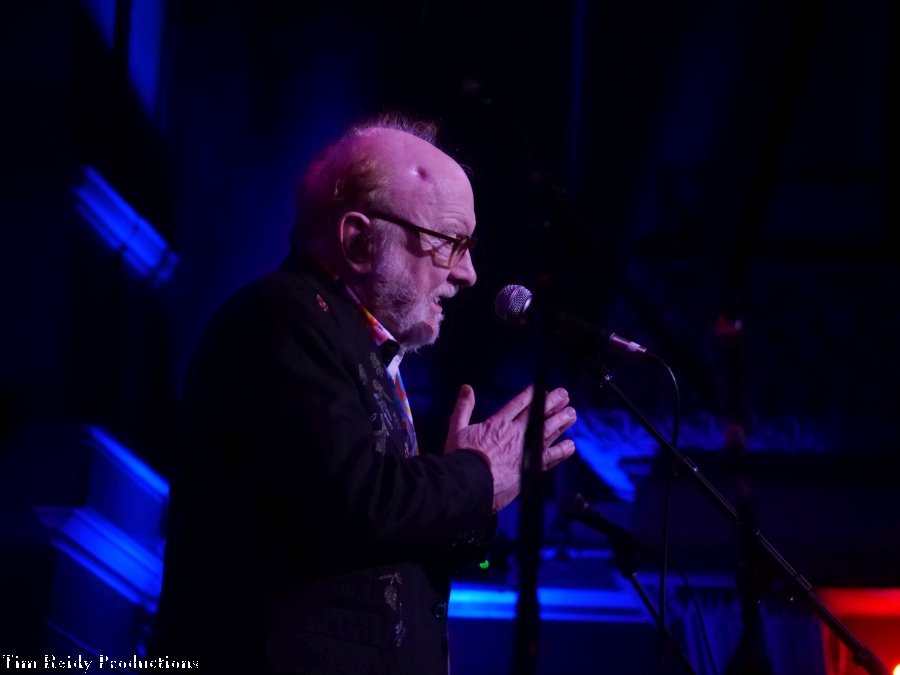
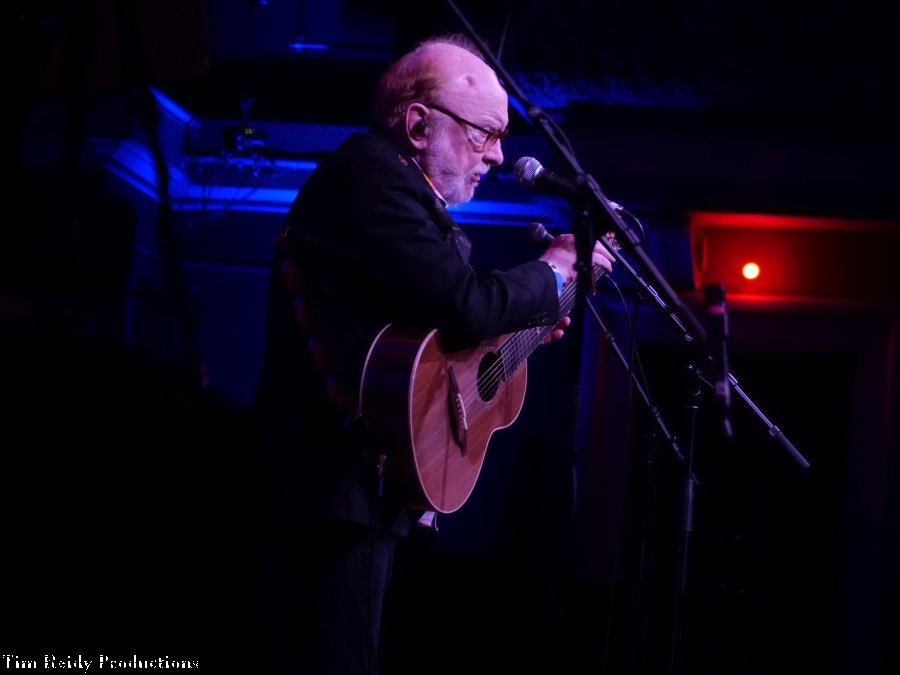
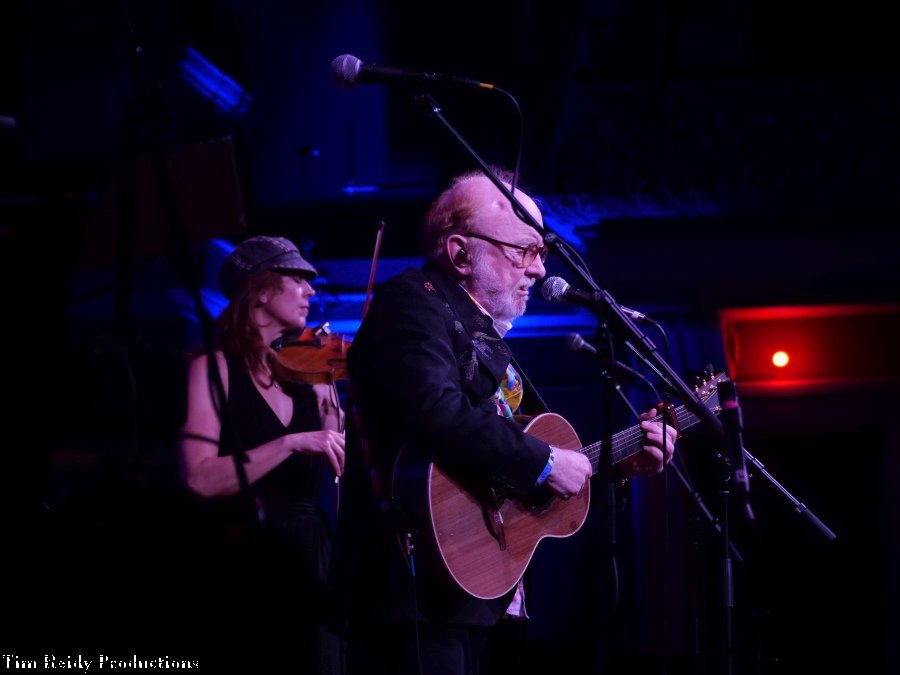
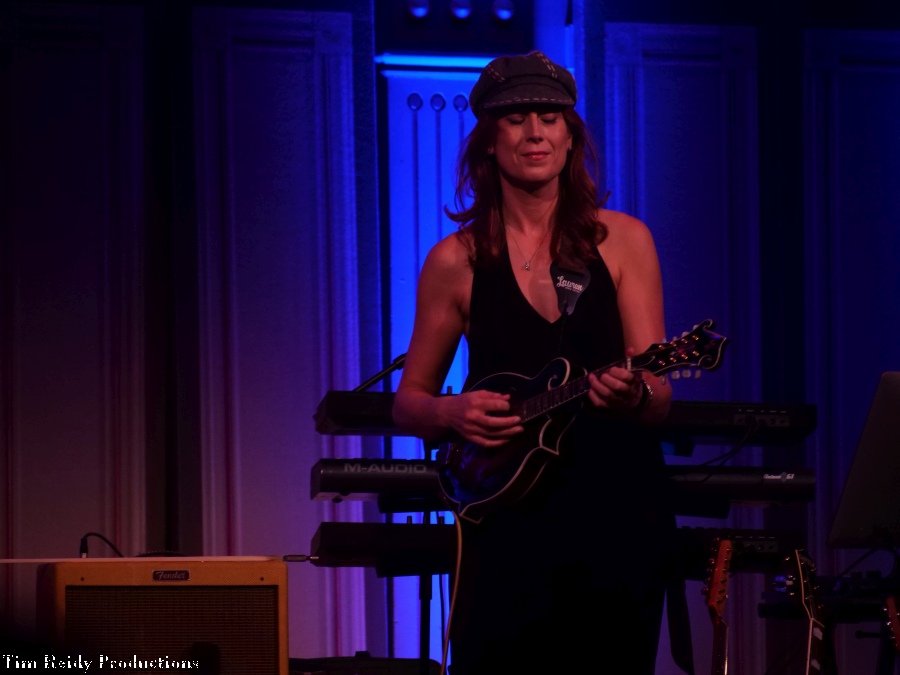
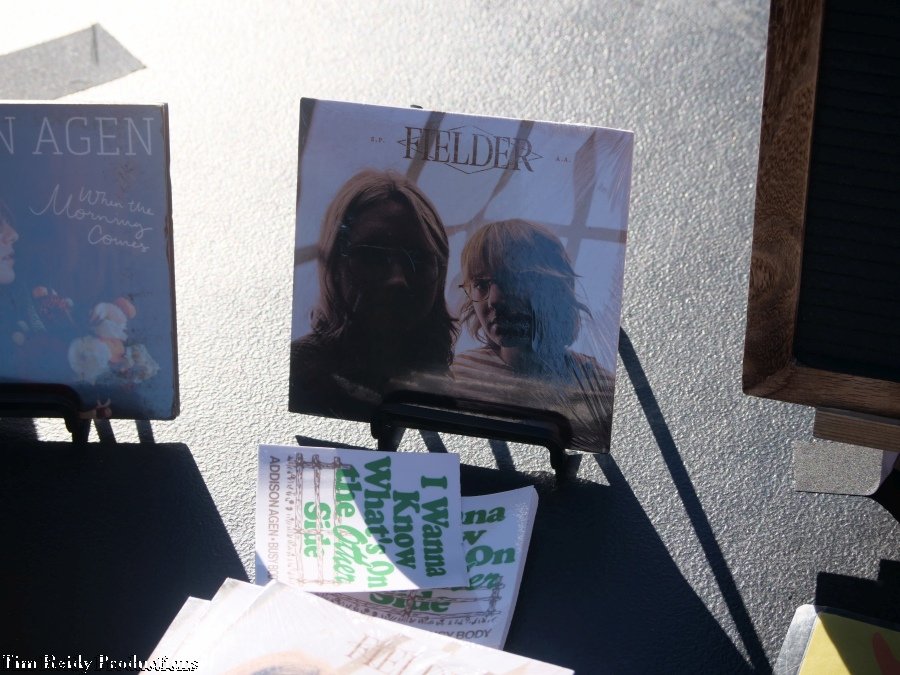
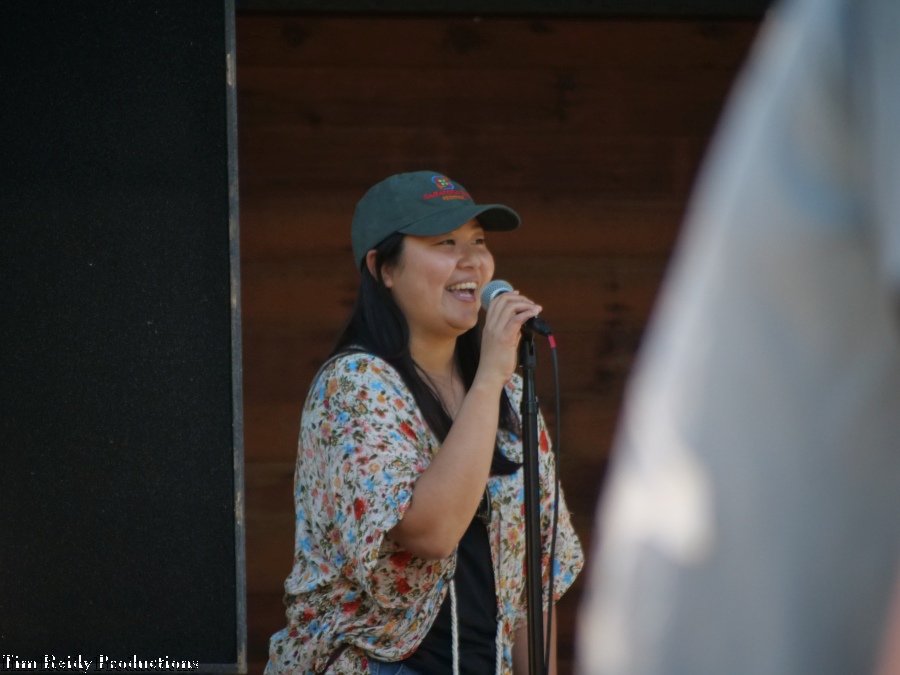
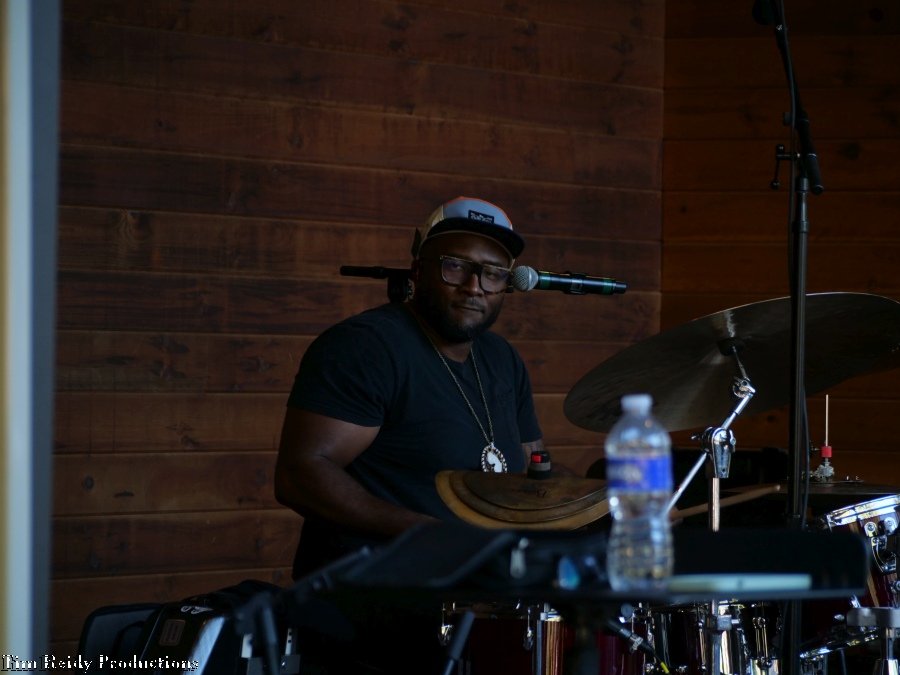
This year’s Caffe Lena at SPAC featured good camaraderie and even better weather on an October afternoon.  The Cody Sisters, Vanessa Collier, Bad Penny Pleasuremakers, Alla Boara, and Addison Agen provided the music.

Photography by Timothy Reidy.

More from Timothy Reidy here …


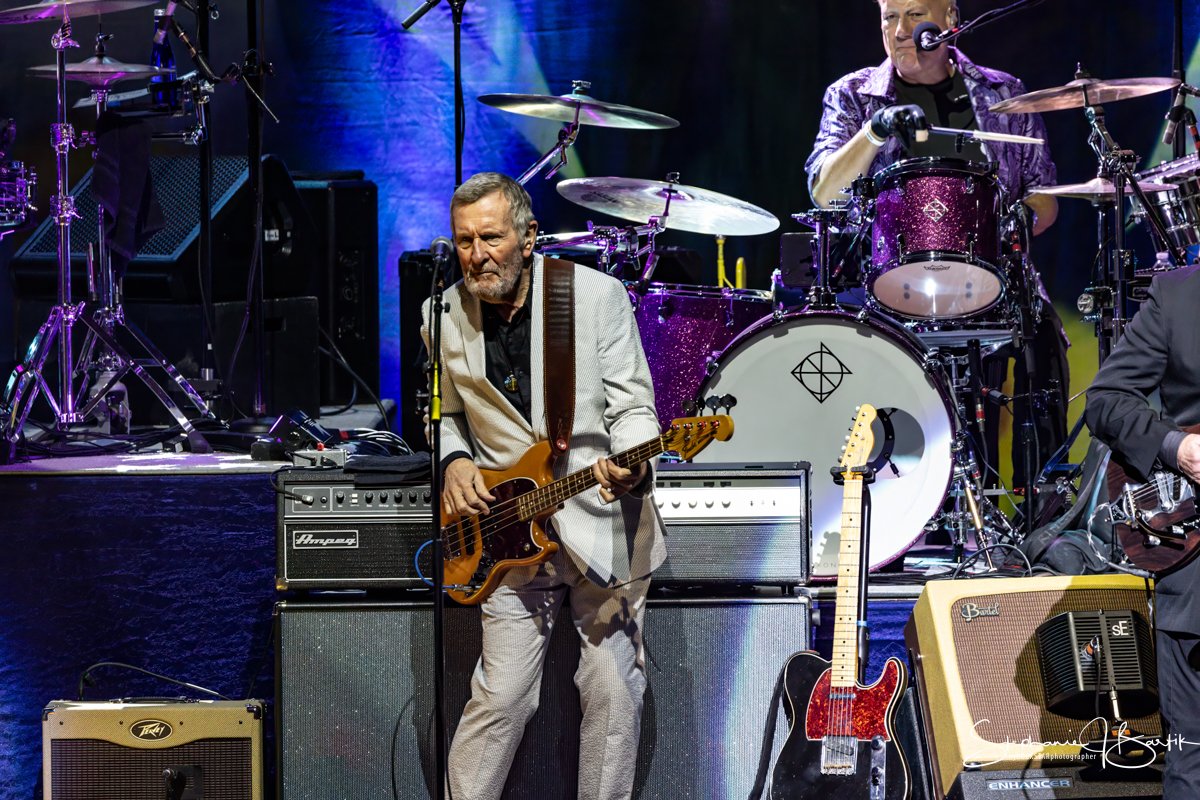
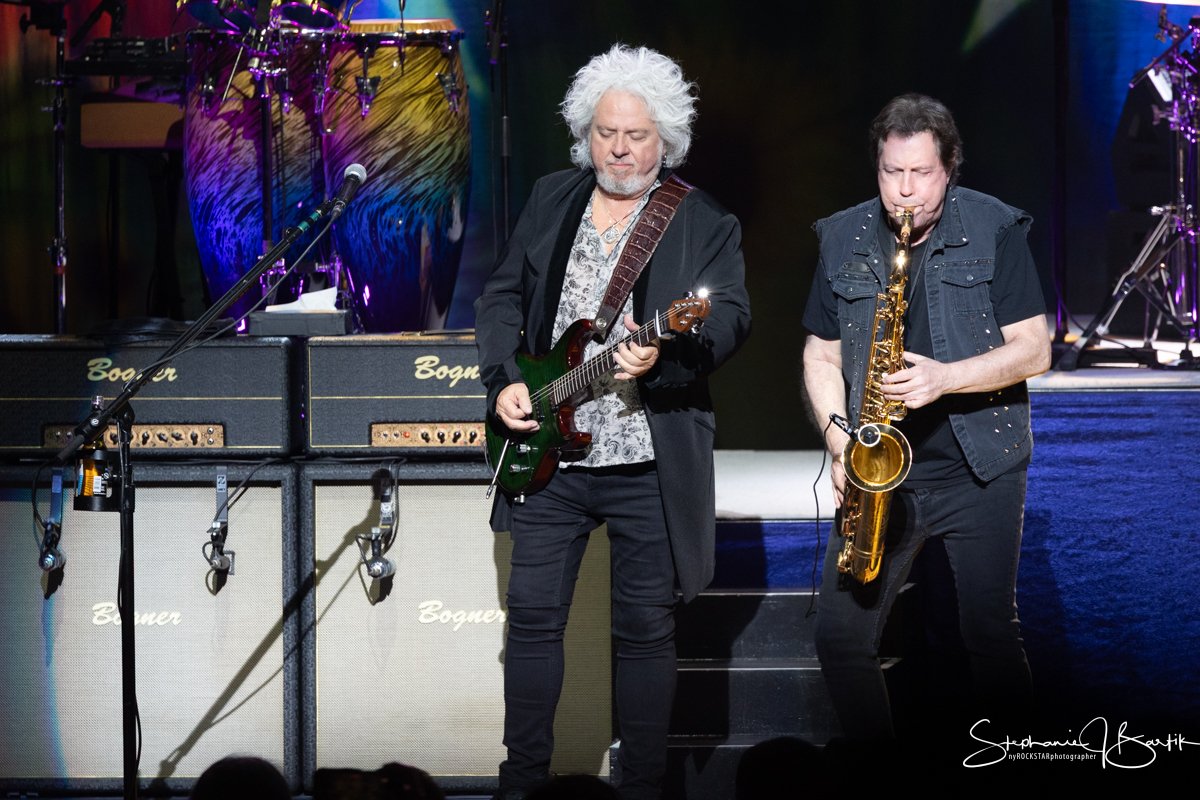
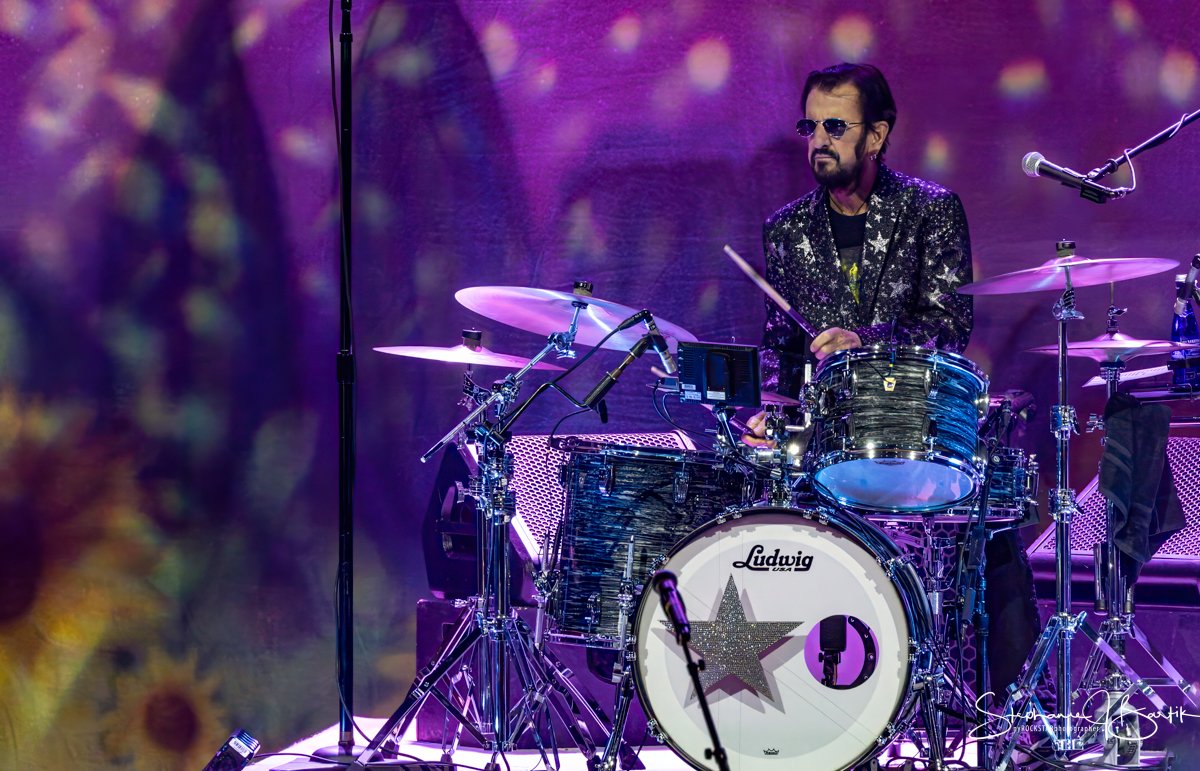
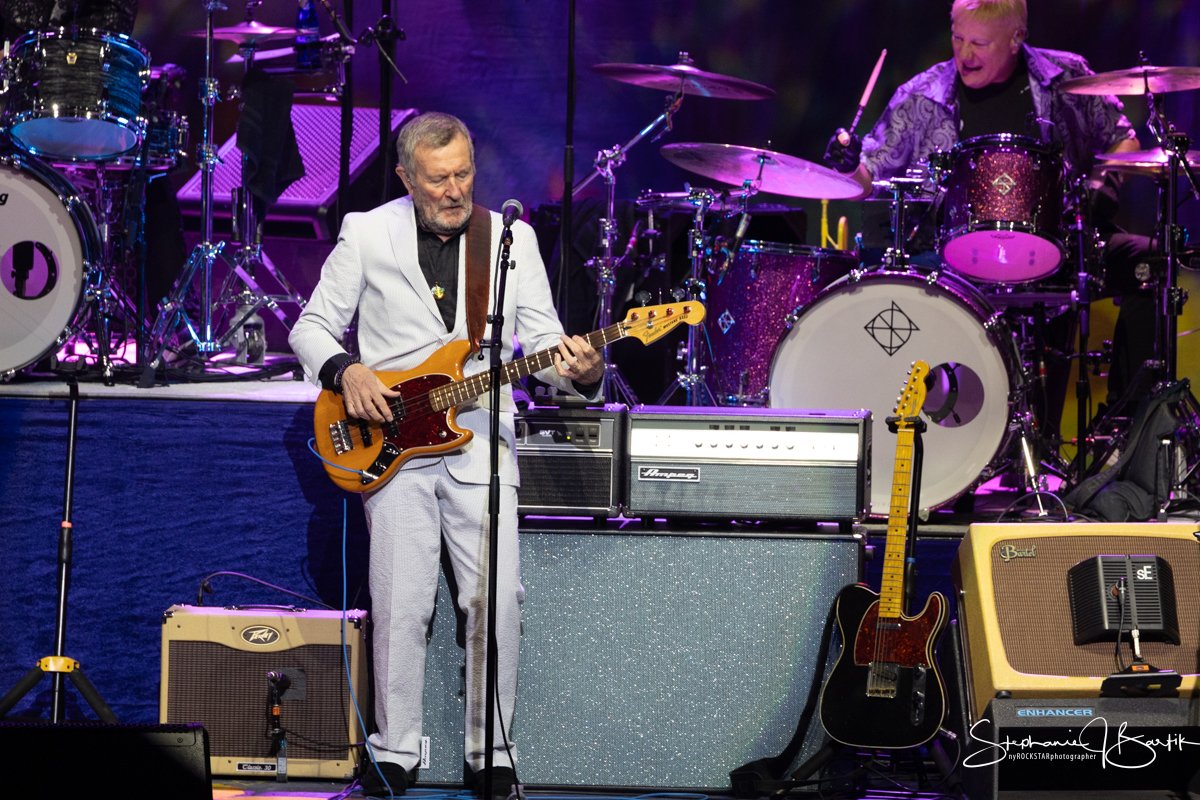
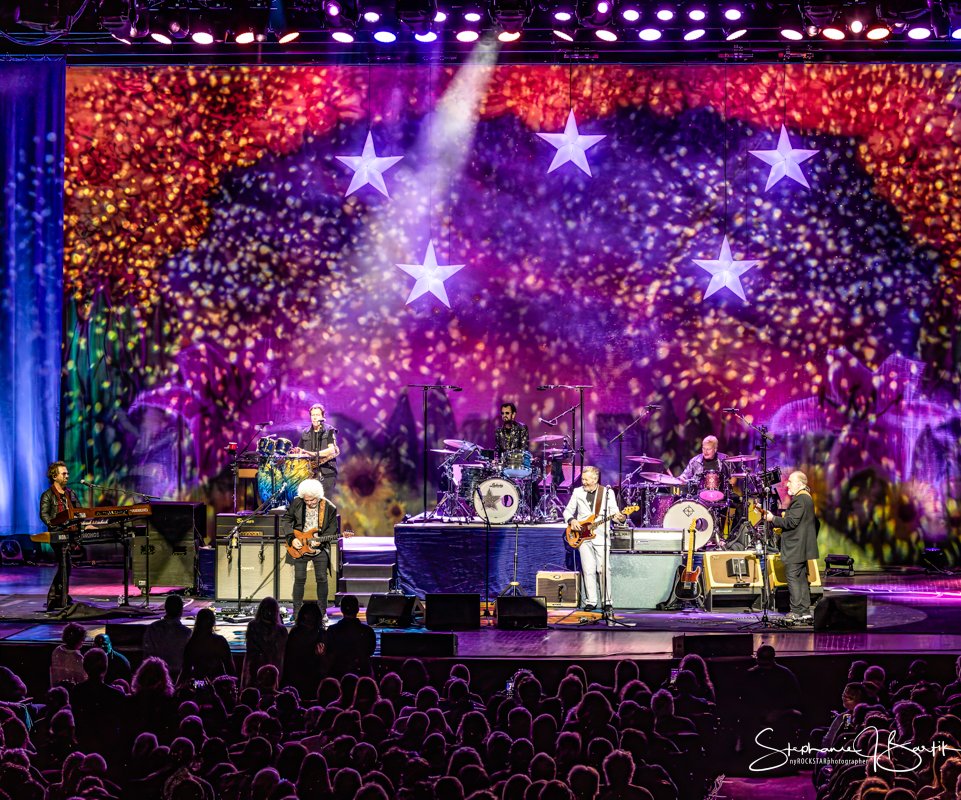
Recap: An All-Starr Night at The Palace Theatre in Albany, NY With Ringo and Friends

0

Recap By: The Vibe Dog and Rob Smittix

Photography: Stephanie J. Bartik

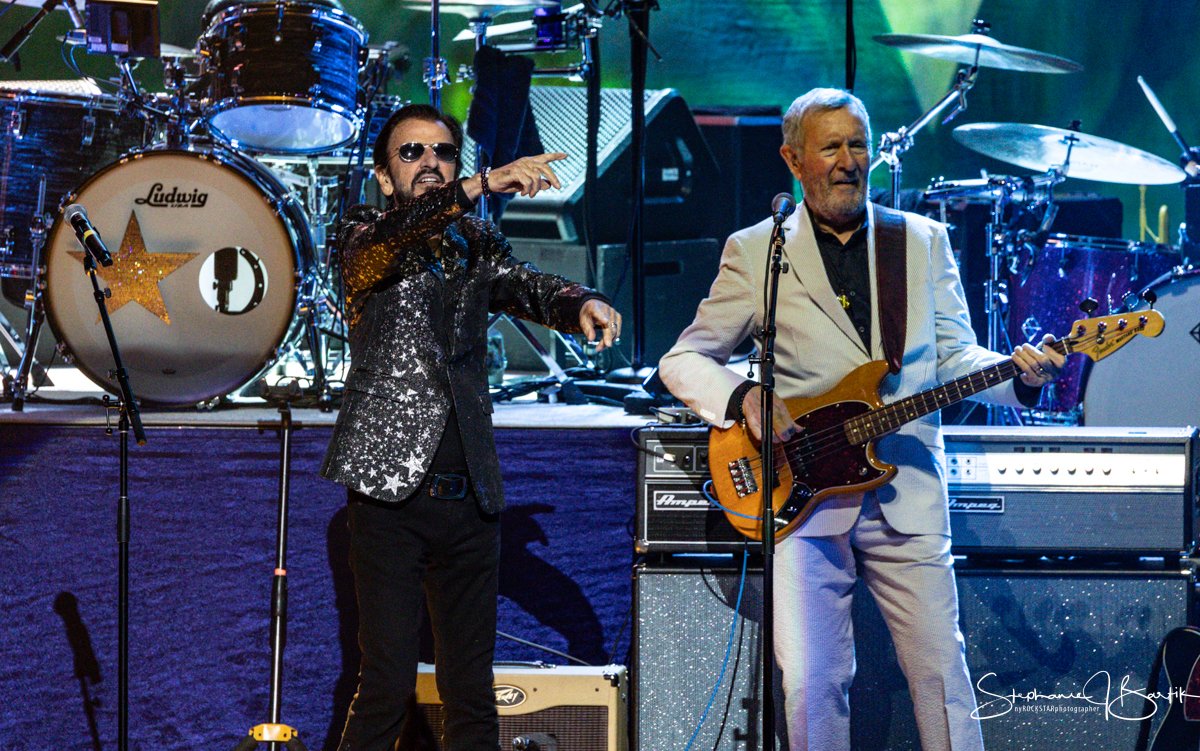
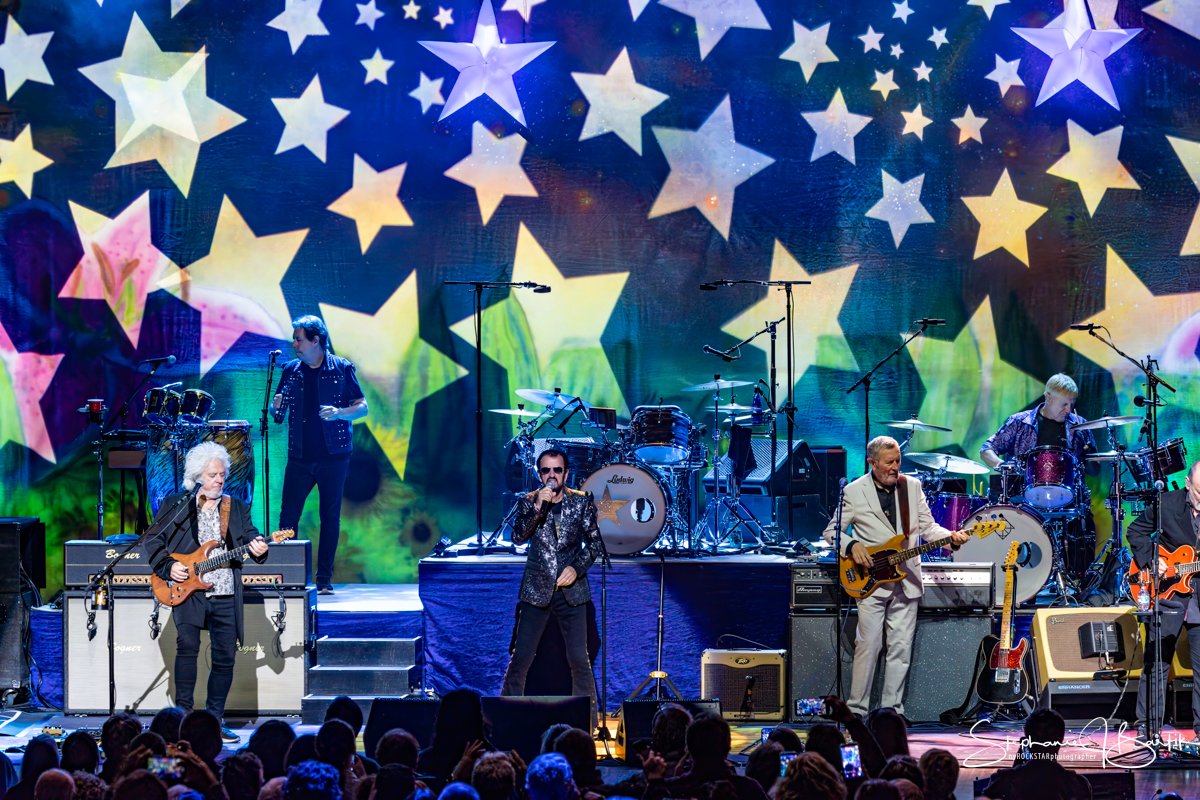
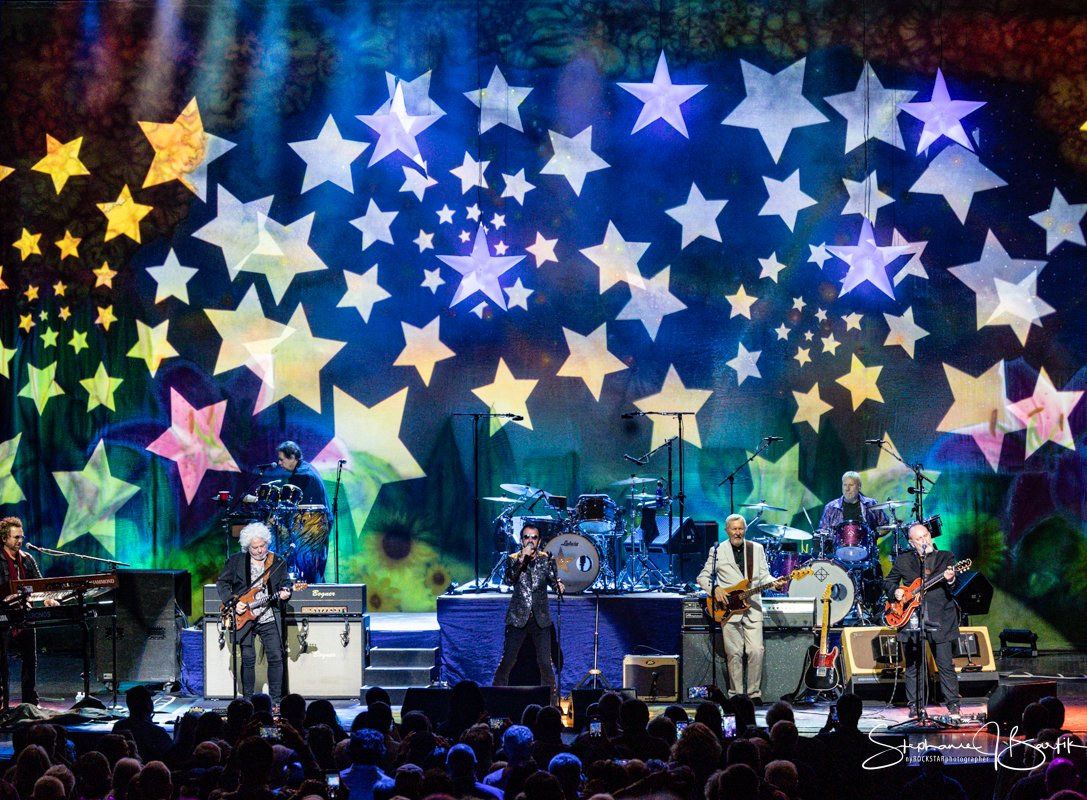
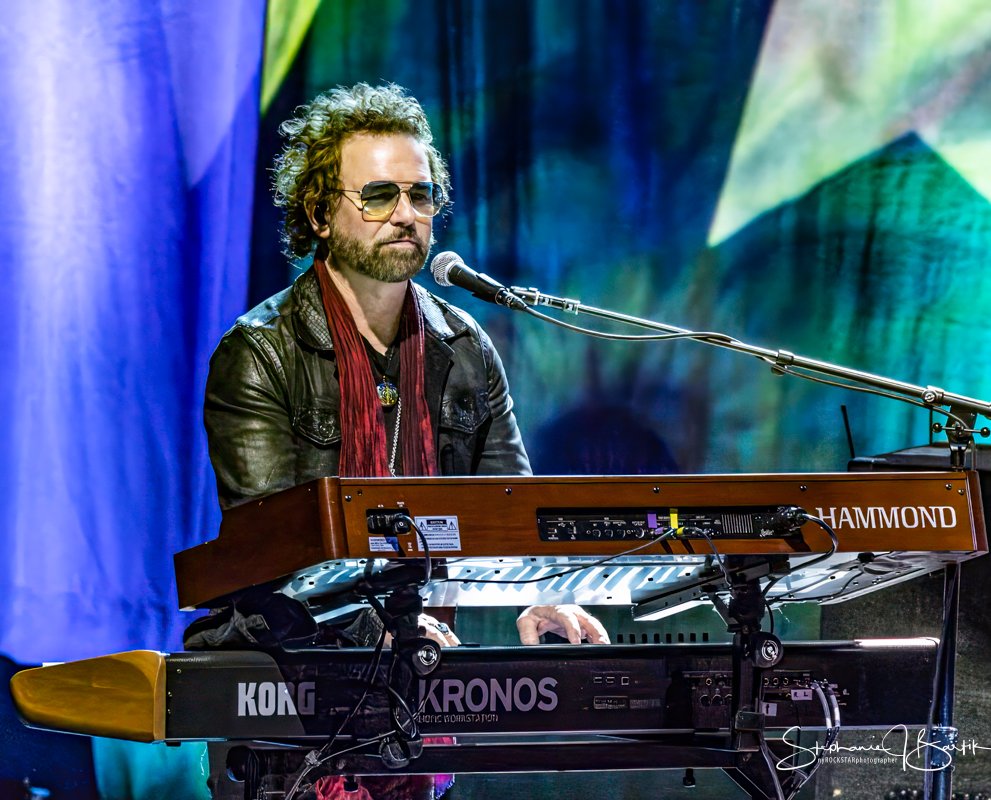
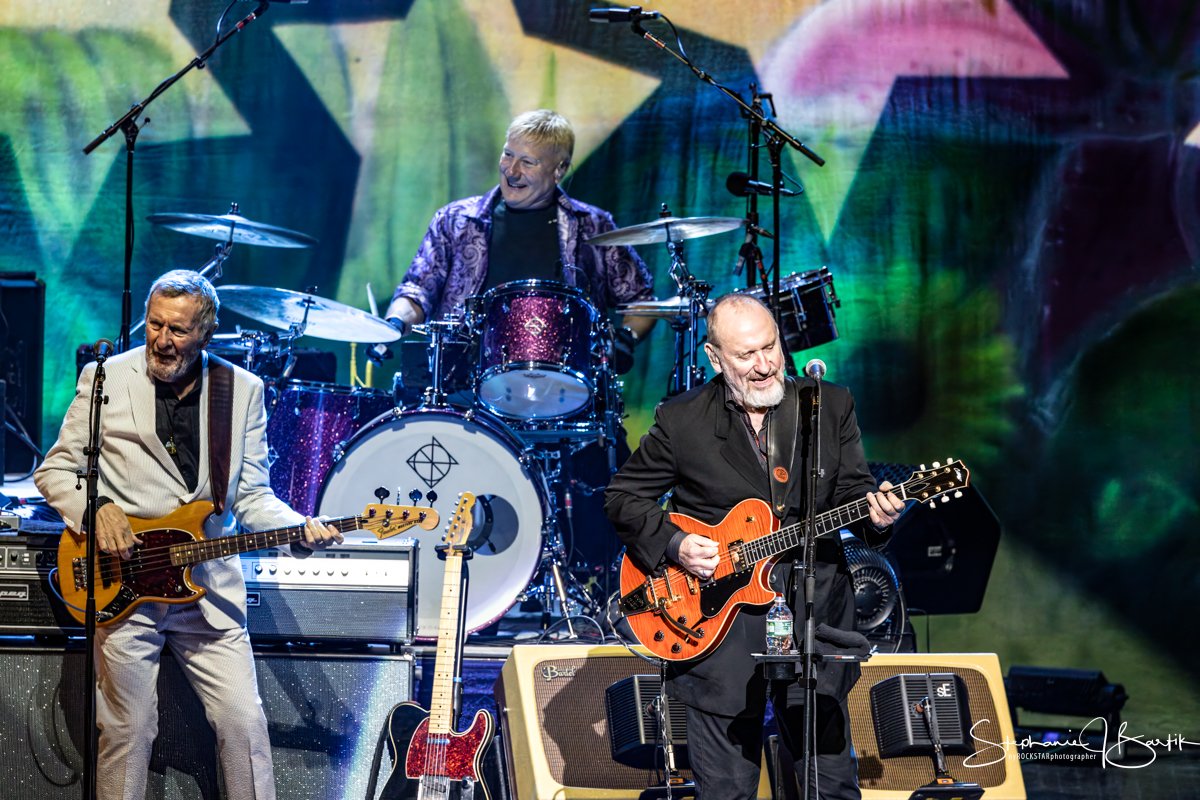
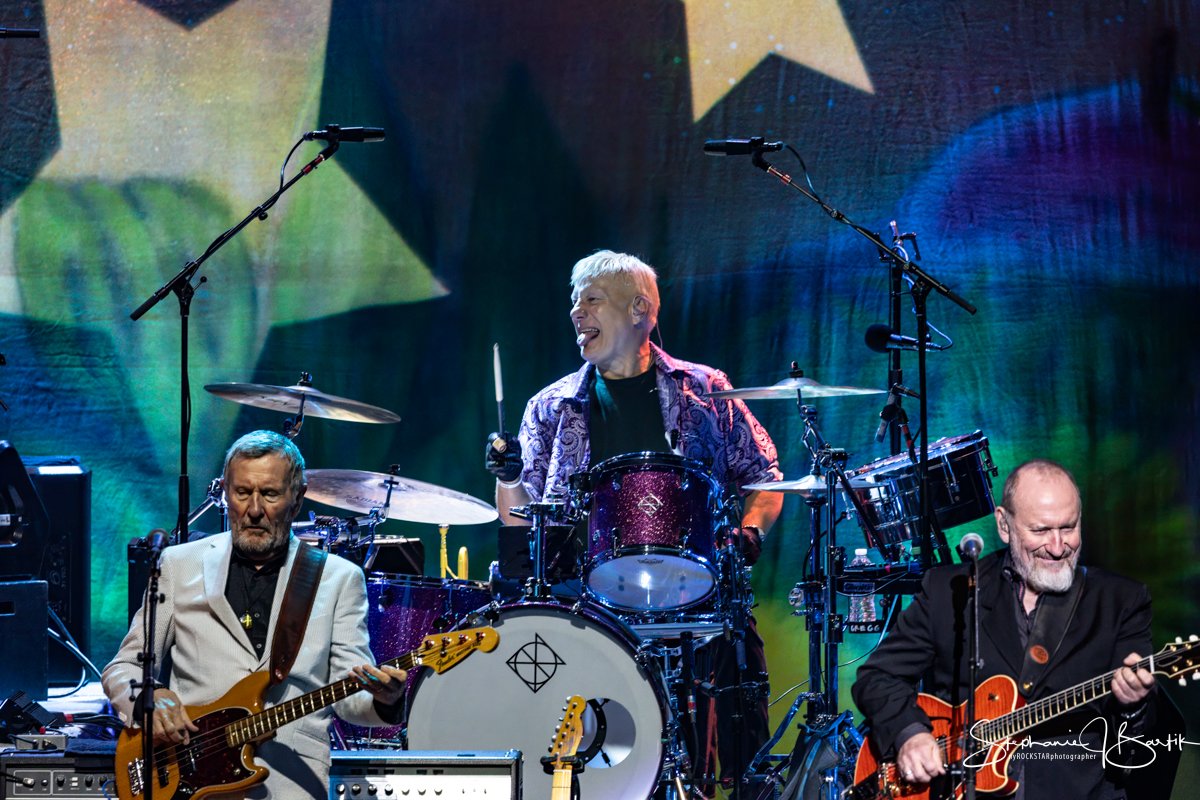
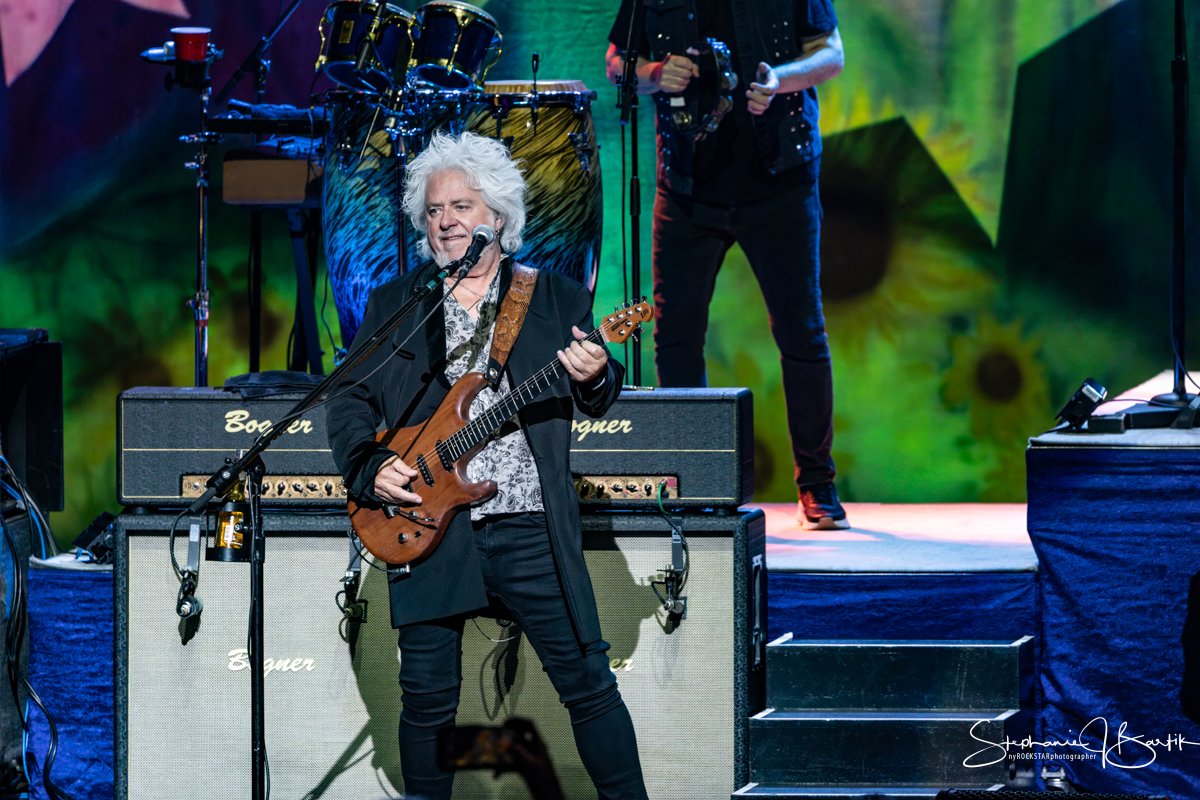
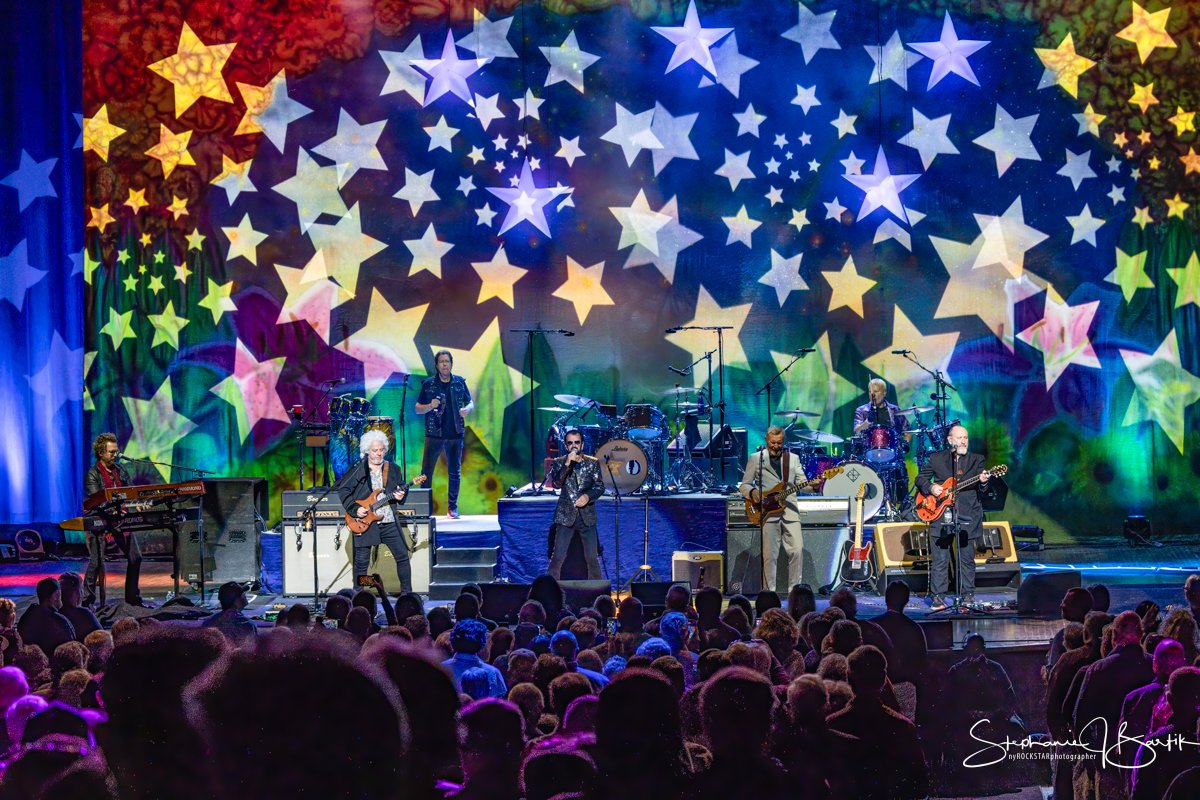
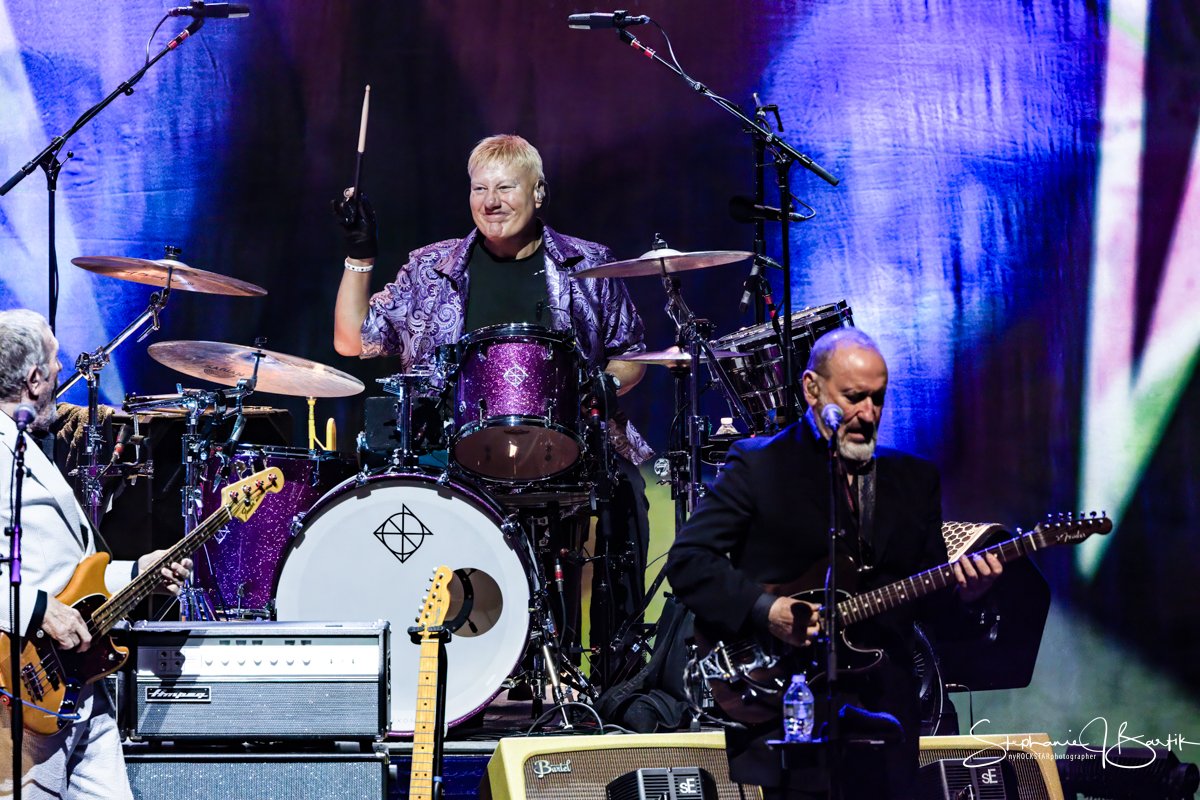
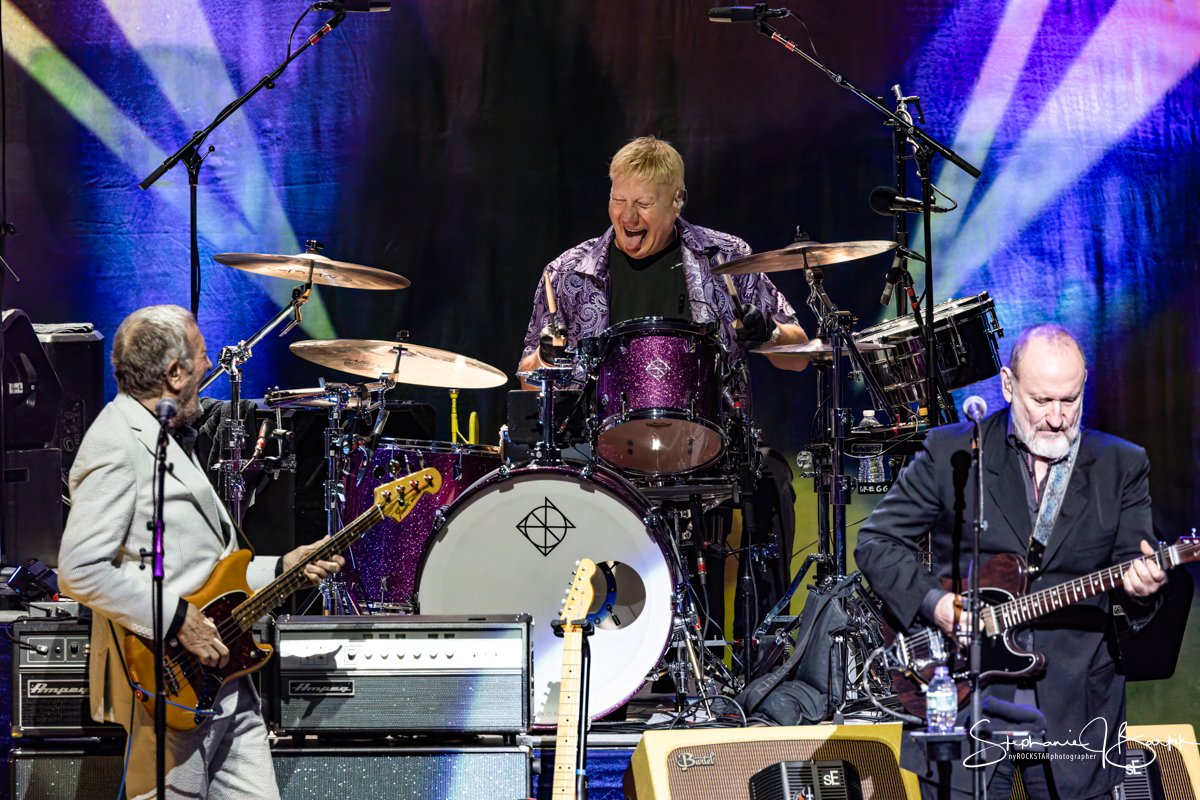
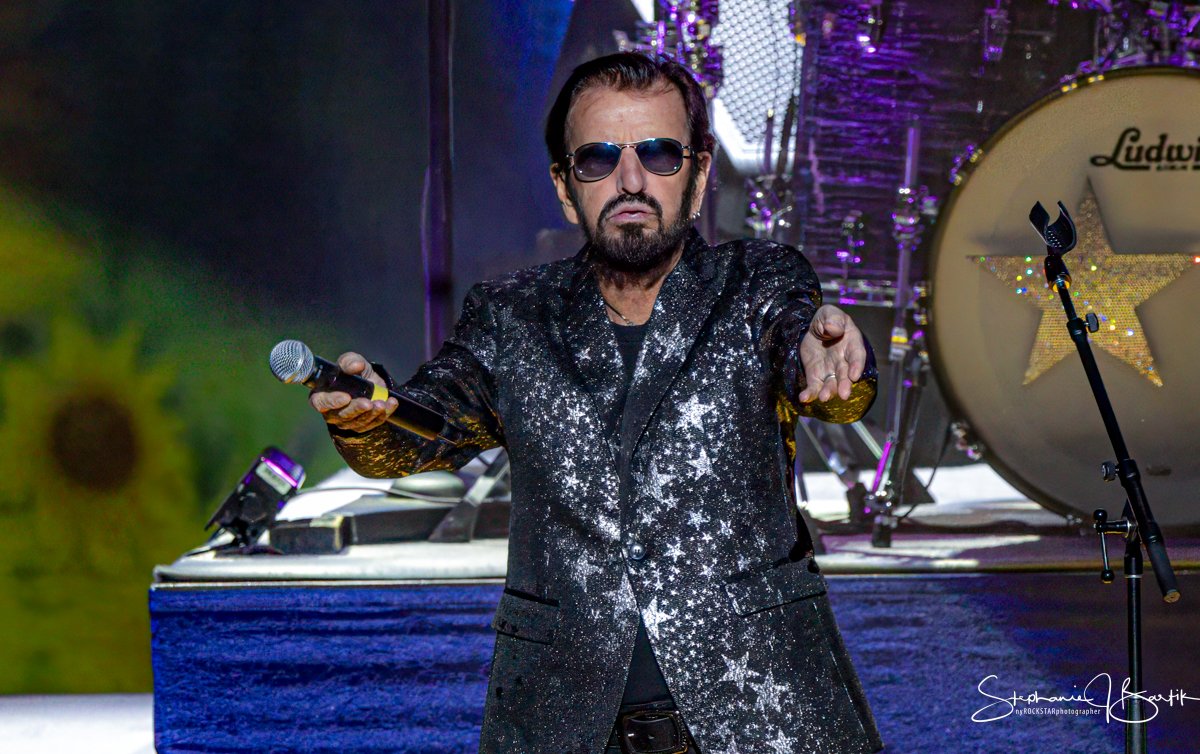
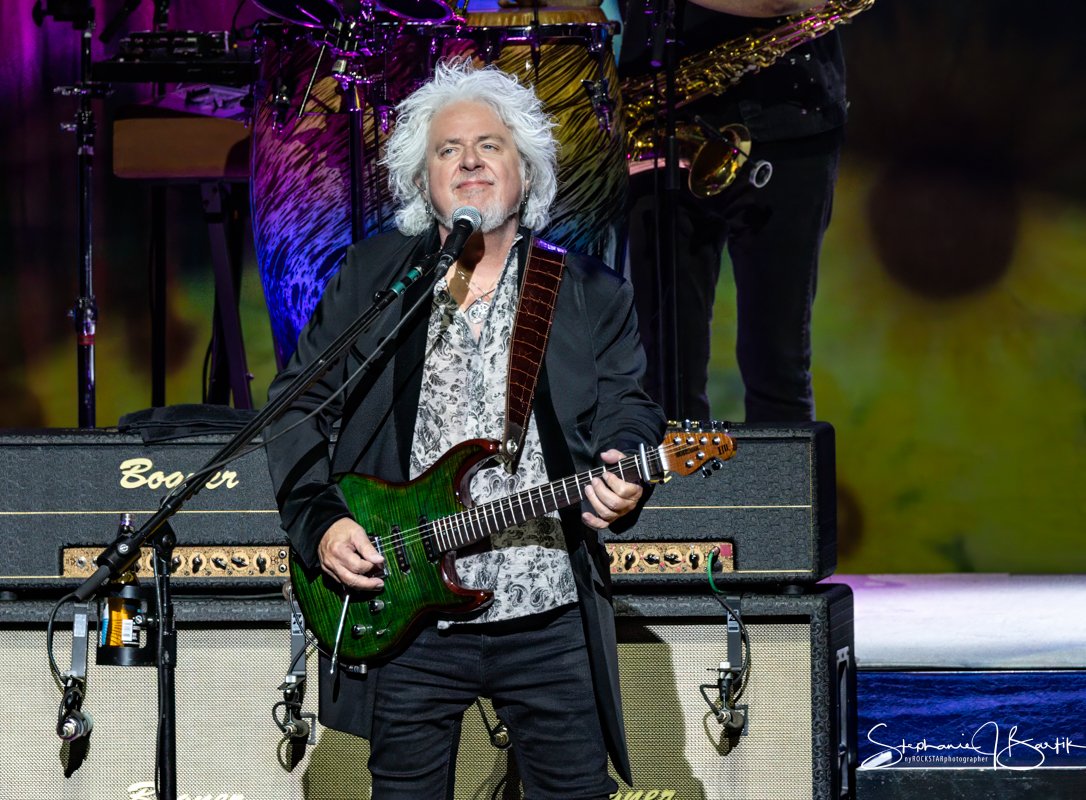
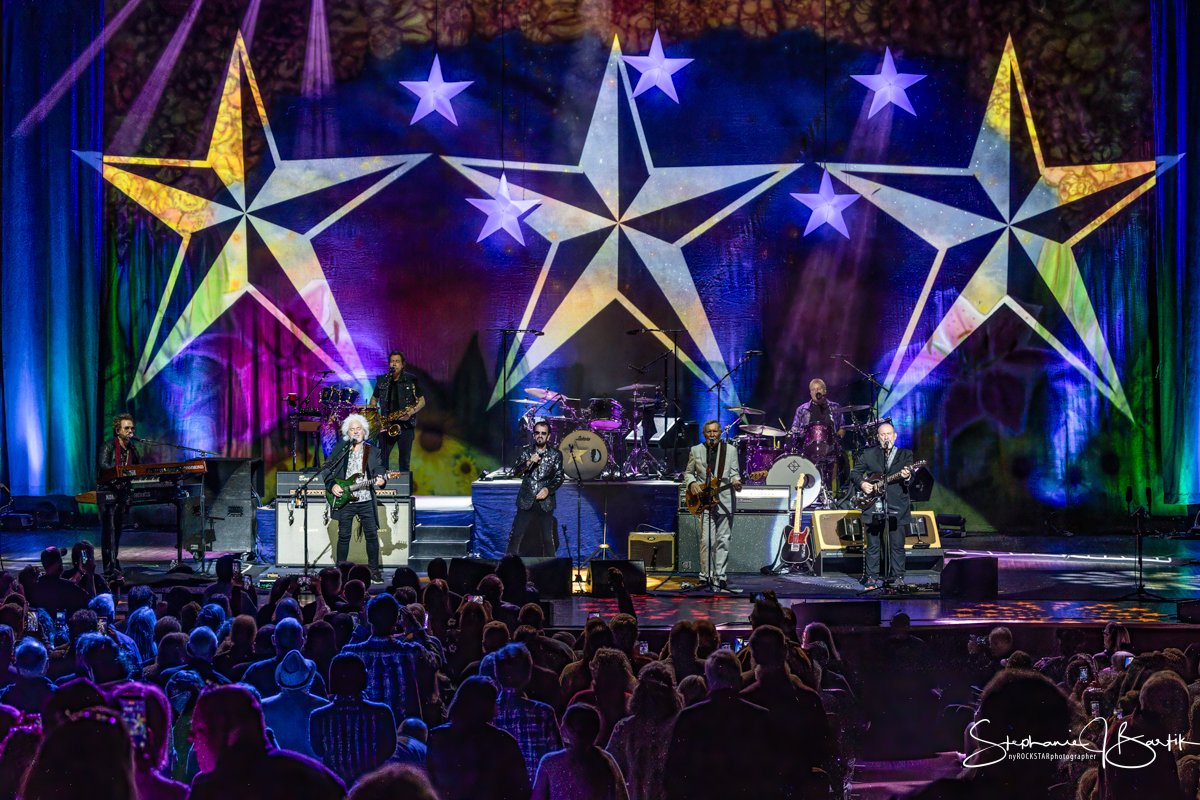
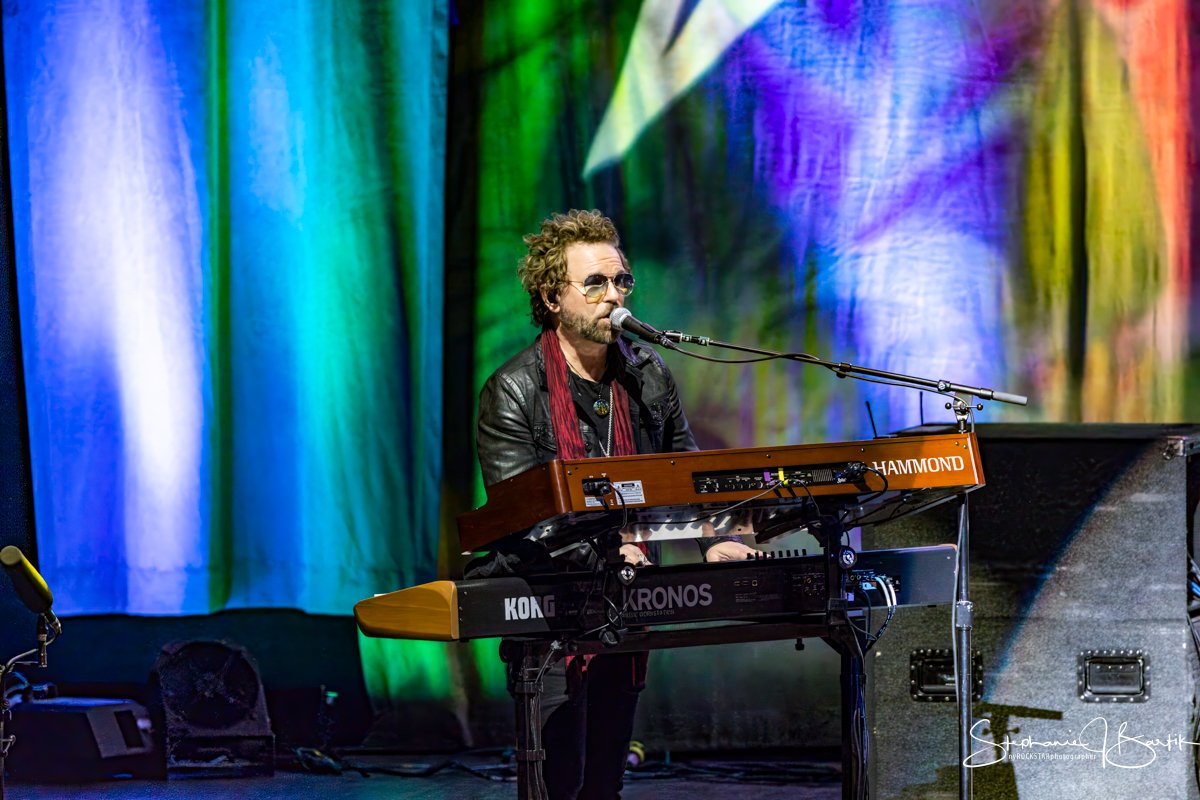
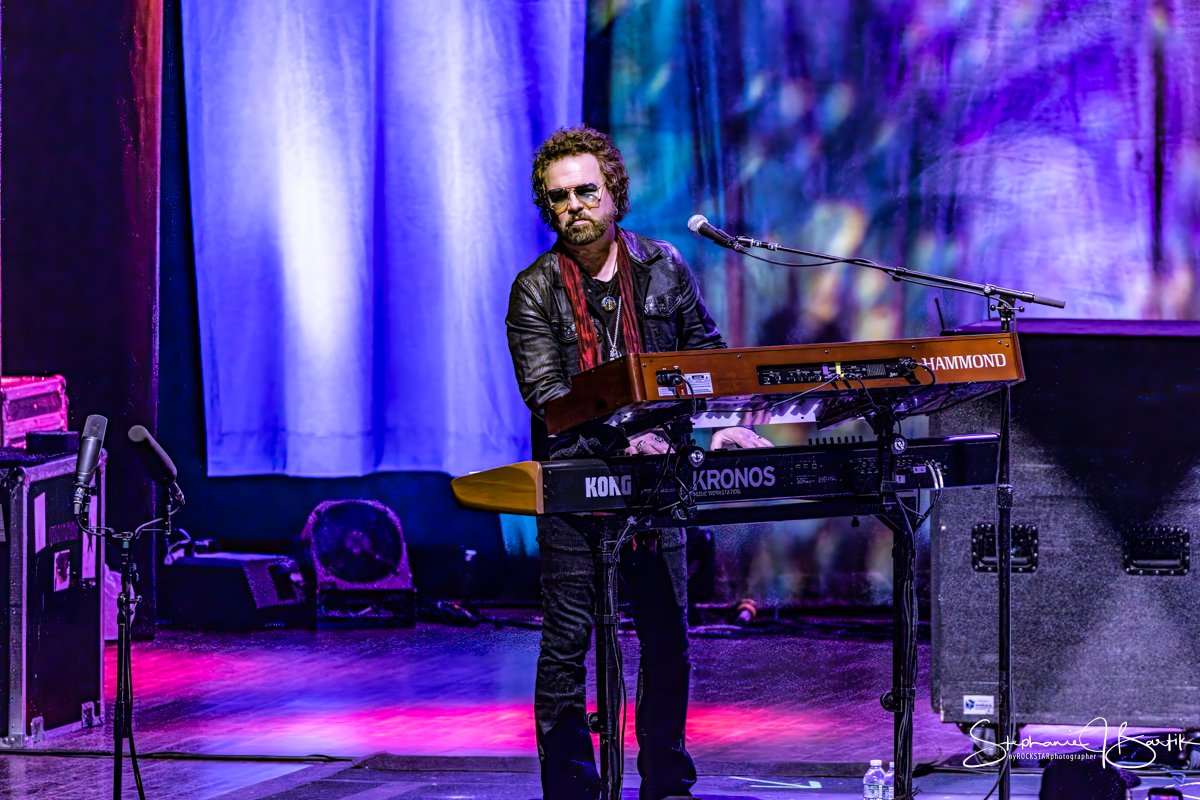
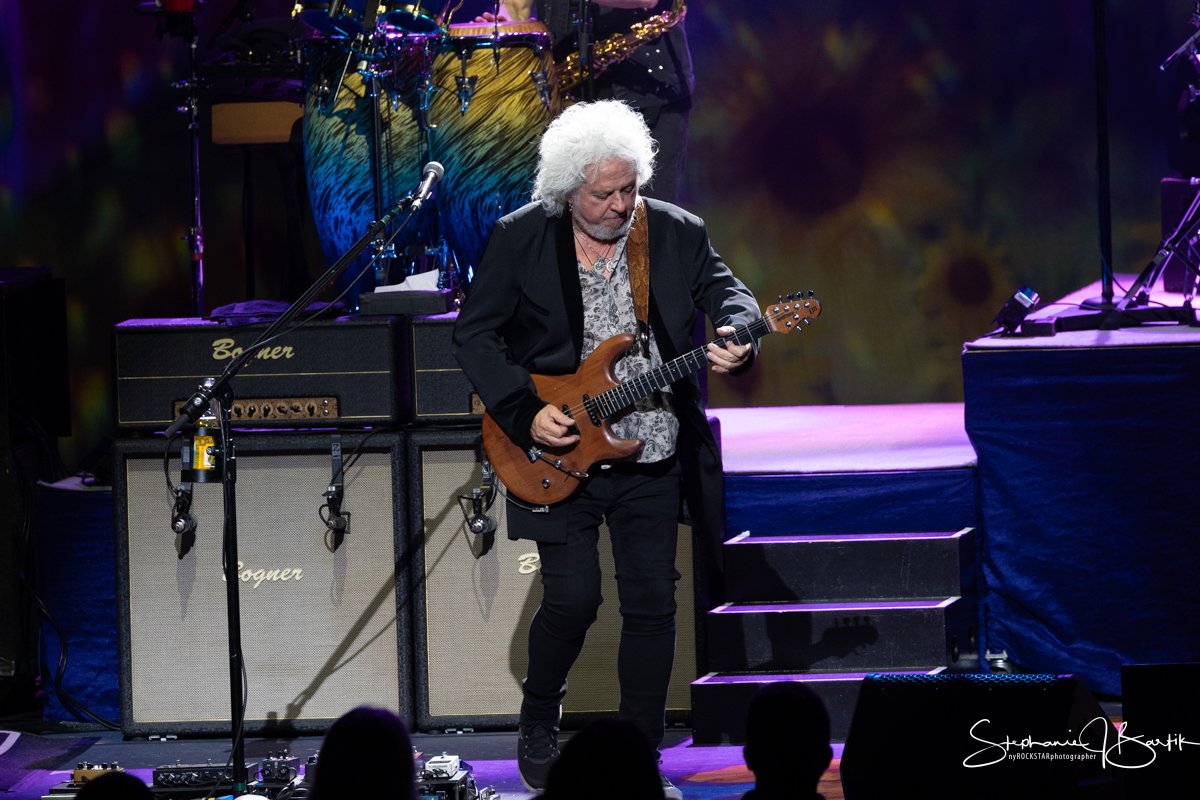
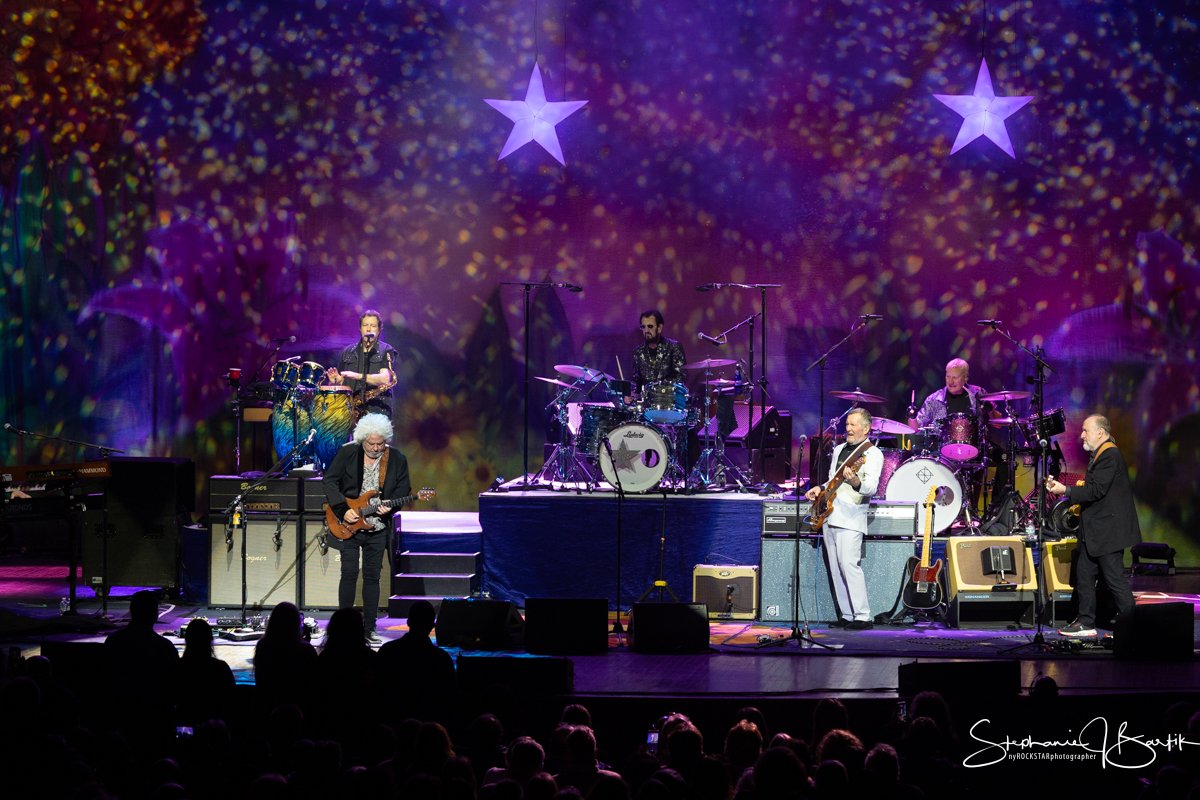
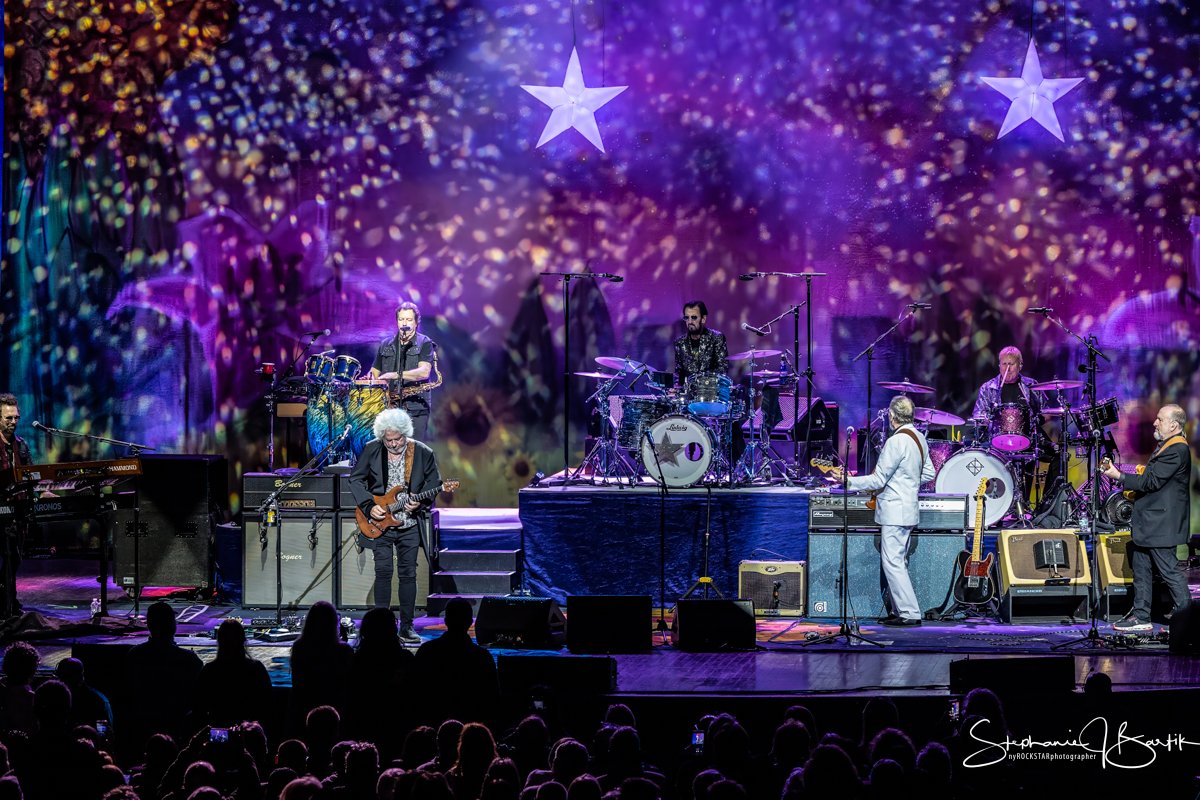
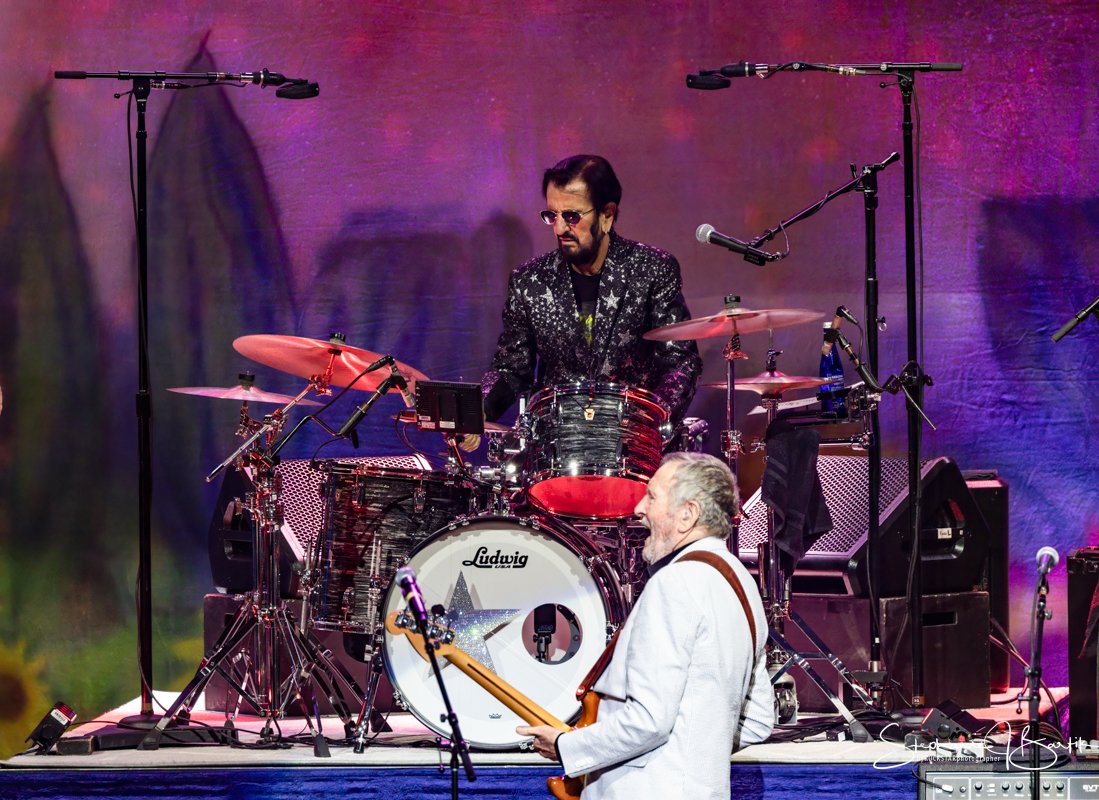
RINGO STARR & HIS ALL-STARR BAND: featuring Steve Lukather (Toto), Colin Hay (Men at Work), Hamish Stuart (Average White Band), Warren Ham (Toto), Gregg Bissonette (David Lee Roth Band) and Buck Johnson (Aerosmith)

Rob Smittix chiming in here. The very day that this concert was announced, I knew there was no way in hell I wasn’t going to be there. Of course we threw a Hail Mary and tried to get an interview with Ringo (I mean “hay” I’ve interviewed Colin Hay before). But we’d probably have to be Barbara Walters status to interview a Beatle, right? But we did try.

The second best option was for us to cover this show to the absolute best of our ability. We brought out the big guns, or should we say, the big lenses with award-winning photographer Stephanie J Bartik. The game plan was for me to write the review, accompanied by Steph’s eye for capturing the moment, but then I ran into the Vibe Dog at the Palace Theatre’s entrance. The Vibe Dog is the biggest Beatles Fan I know that’s living. Shout out to my late friend Gundy who was the biggest Beatles fan that ever lived. At Gundy’s funeral, all the music playing at the funeral parlor was instrumental Beatles tunes. But what I’m getting at is that The Vibe Dog is perfect to recap this show in his almost gonzo style of reporting. So I will say a few of my own takeaways and leave it in the Vibe Dog’s hands after that.
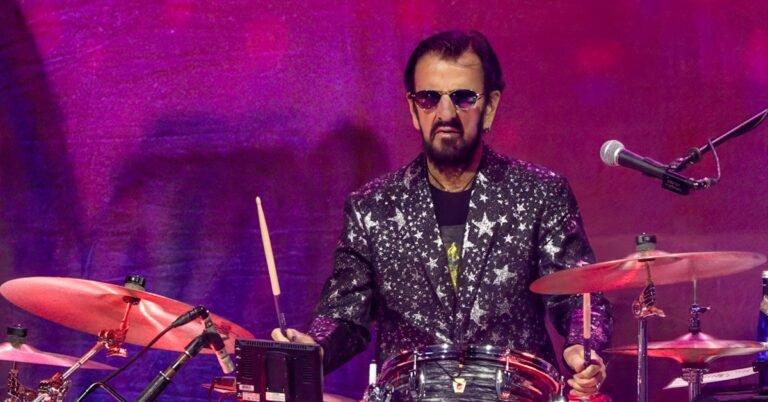
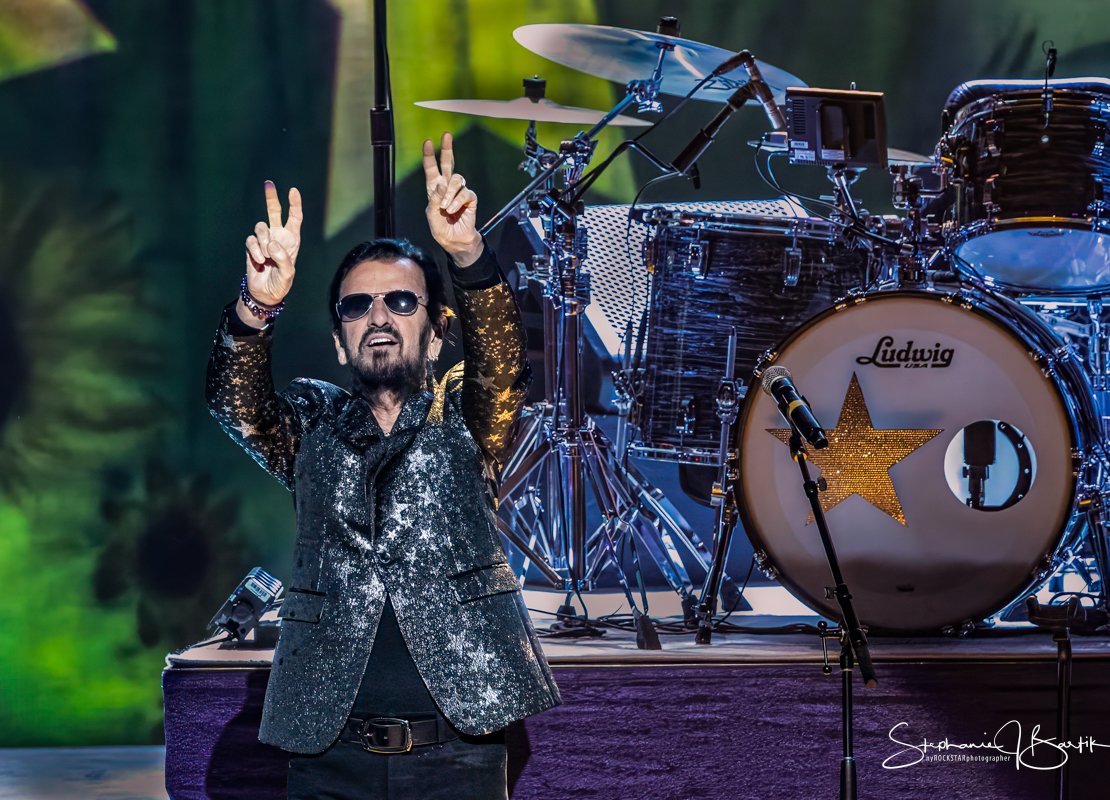
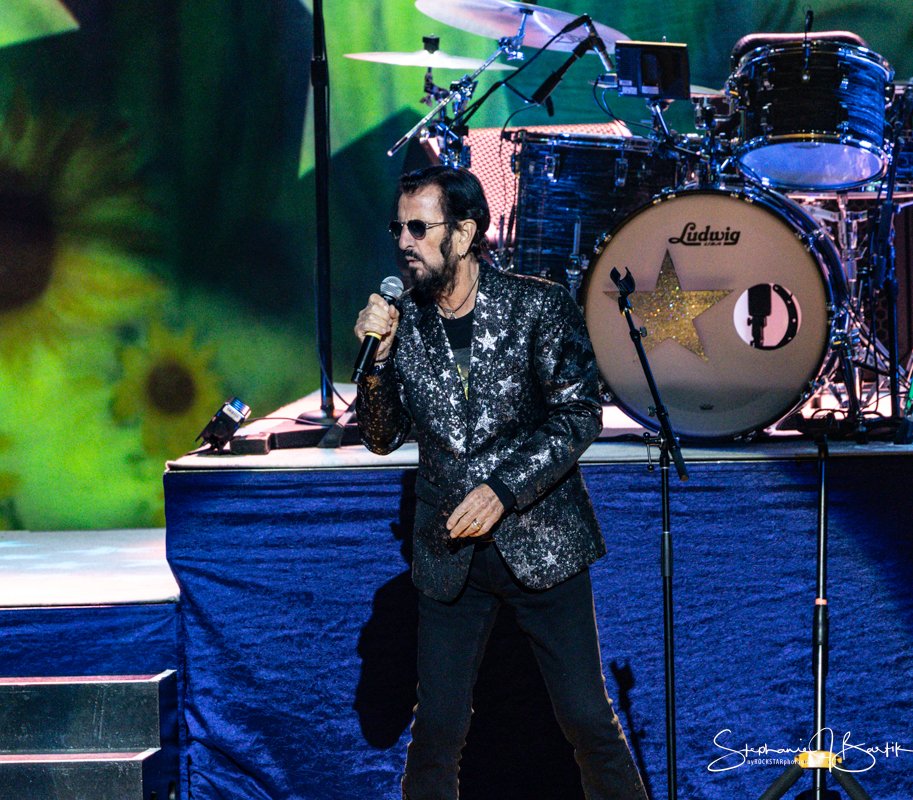
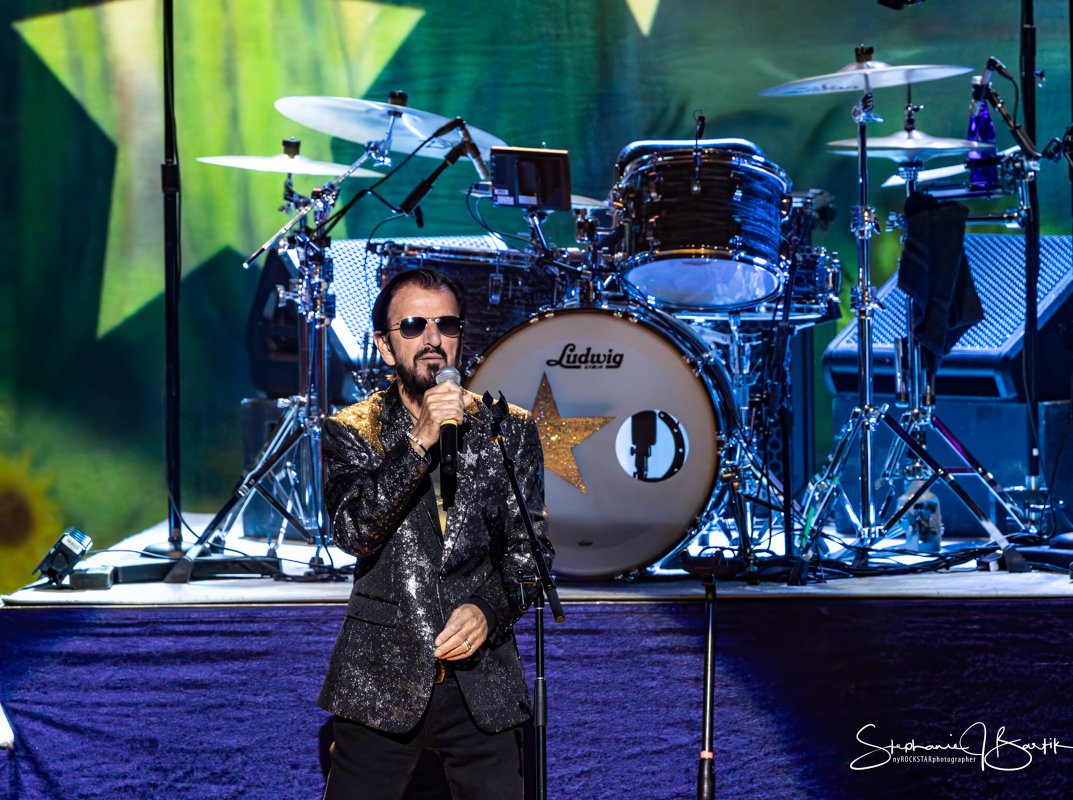
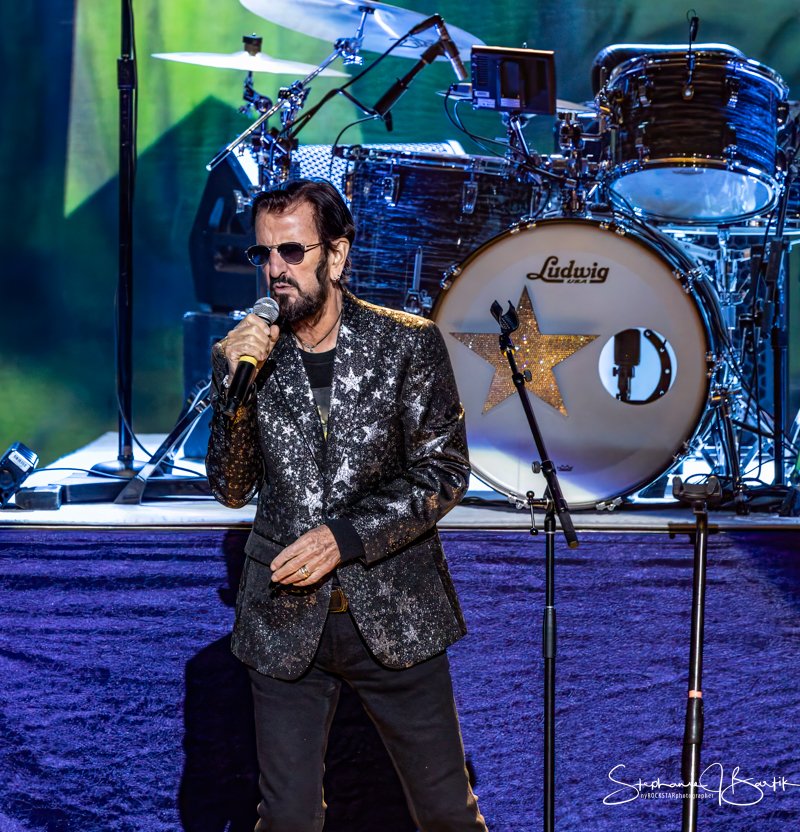
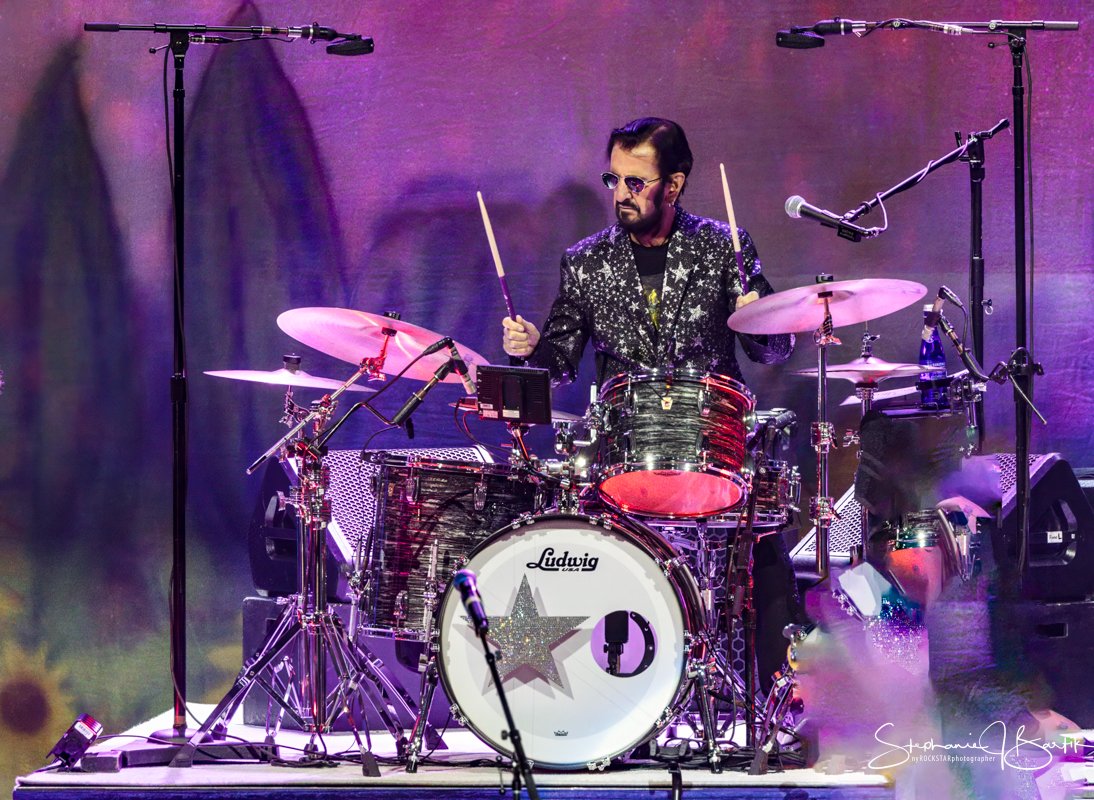
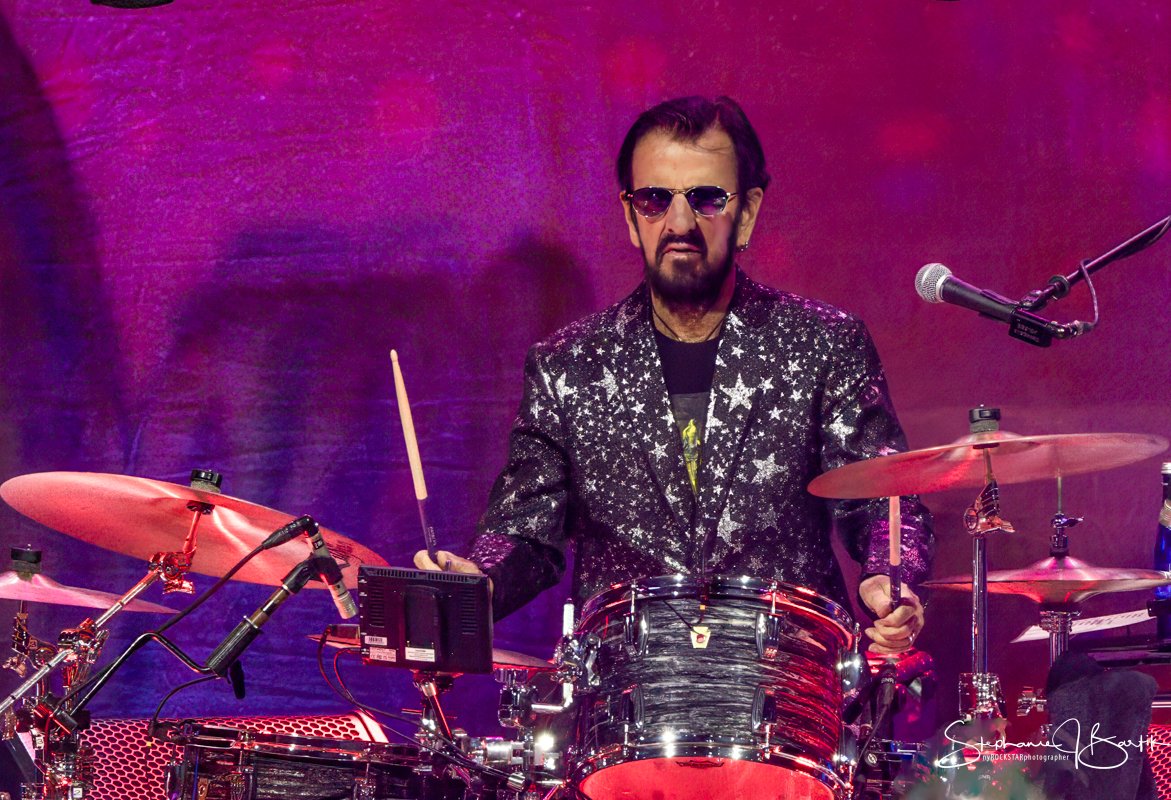
Ringo came out sprinting on the stage when he was introduced. This couldn’t possibly be an 86 year old man. I mean … you see the photos; it doesn’t add up! He said, “I promise you tonight everyone will know at least one song,” or in this case, all the songs. I’m not sure if anyone else noticed, but when they played “With a Little Help from My Friends,” Ringo did an arm gesture (almost conductor-like) when that certain cymbal crash happens in that second of empty space. So even though Ringo was singing on this one, it was intriguing to see him still focusing on the drums. There was even a point at the end of the show when Ringo did Jumping Jacks; this man can not be human. Anyway, I’ll let the Vibe Dog take it away!

THE BEAUTIFUL SOUND OF “NOT GOING QUIETLY INTO THE NIGHT”!

An All-Starr Night at The Palace Theater in Albany, New York (October 7, 2026)
By The Vibe Dog

There are certain evenings when the universe loosens a few screws, the laws of physics take an unauthorized smoke break, and several thousand people suddenly remember they were once young – back before the world became a giant dysfunctional vending machine.

Tonight’s Ringo Starr concert was one of those evenings!

The lights went down…the band slowly filled the stage…the sold-out crowd leaped to their feet in unison…their thunderous roar engulfed the room…why?

Because here comes Ringo!

Richard Starkey… Liverpool’s favorite, and most precise timekeeper! 

The man who commanded the drum kit while the band that made his name a household word rearranged the molecular structure of popular music, and who somehow emerged from the wreckage with his humor intact, his peace sign polished, and a sly grin that suggests he knows where the bodies are buried – while Ringo would much rather talk about “Peace & Love!”

And tonight, he was back onstage with his All-Starr Band, a traveling collection of musicians whose combined resume would give most record store clerks a nervous breakdown.

This was not your grandfather’s nostalgia show… well… technically – it could have been your grandfather’s nostalgia show…your grandmother’s, too, and possibly your great-uncle’s, depending on what he was doing during the Summer of Love! 

But calling it “nostalgia” would somewhat miss the point. 

To me… “Nostalgia” is sitting in your basement listening to old records and wondering where the years went.

THIS was different… this was “the years” coming back like a tidal wave with amplifiers!

The opening notes hit, and suddenly the audience was no longer a collection of adults with mortgages, orthopedic concerns, and deeply suspicious opinions about modern music. They were teenagers again. The calendar had been mugged. Time was face-down in an alley. Somewhere, a younger version of every person in the building was demanding to know why it took so damn long to get back there.

And Ringo? 

He was having the time of his life!

That’s the great surprise – only if you’ve somehow managed to spend the last six decades paying absolutely no attention. The man radiates an almost indecent amount of good humor. He sings, he plays, he waves, he smiles. He doesn’t need to dominate the stage because he had already helped his three mates conquer the musical universe once before. Why start a second war, when you can hop on the flat-bed and hitch a ride inside the parade!

Then, the “All-Starr Band” went to work.

These were not hired hands standing around polishing the silverware. These were musicians with their own histories, their own hits, their own fingerprints all over the radio dial. Colin Hay can send a room hurtling back to the days when Men at Work ruled the airwaves. Steve Lukather can remind you that Toto was never merely background music for somebody’s questionable yacht party. And when the band connected the dots between their respective catalogs and Ringo’s legacy, the whole evening became a serendipitous soundtrack – like a jukebox operated by an eccentric curator!

One minute you were revisiting Liverpool. The next, you were somewhere in the late seventies, early eighties, or another corner of your personal record collection which you possibly hadn’t visited in years.
The songs kept coming. The crowd kept singing. Memory began behaving like an unsupervised animal.

And there was Ringo… sitting behind that drum kit, the “engine room” of one of the most consequential bands in human history, still doing what he does.
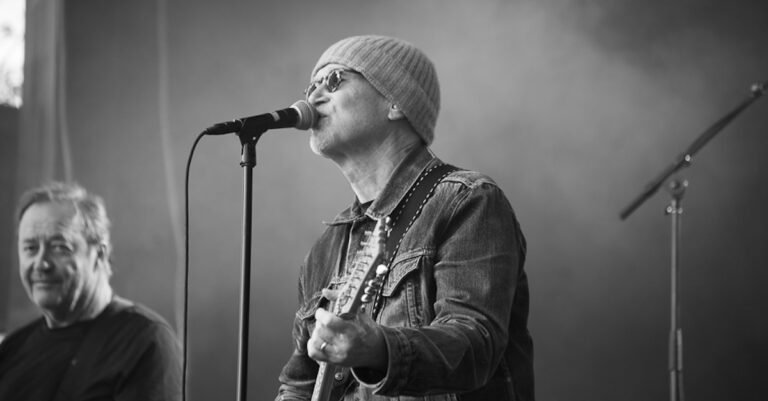
C’mon you sonic vibewranglers… think about THAT for just one minute…

The music business has chewed up legends, spat out prodigies, buried trends, resurrected trends, and sold the resurrected trends back to those same people at twice the price. 
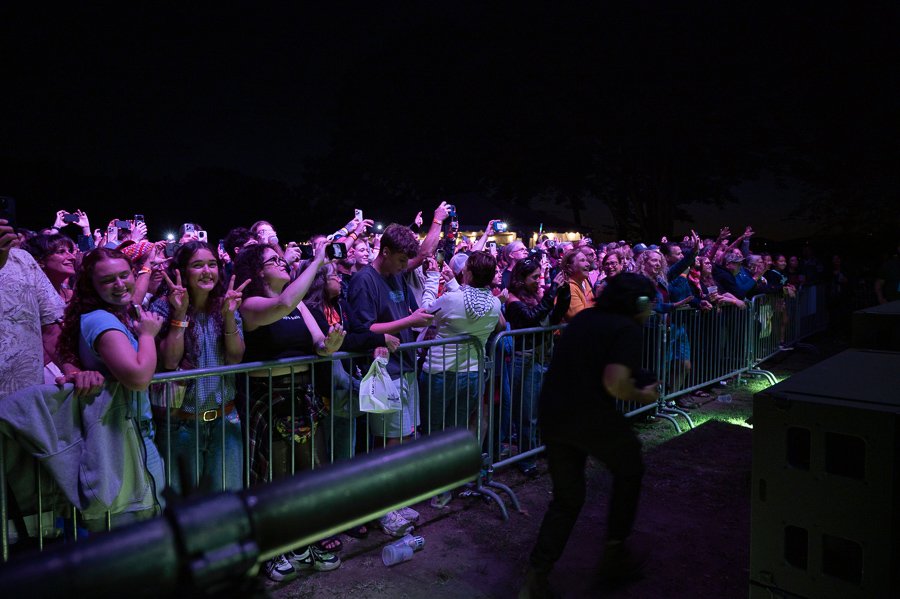
While Ringo? He’s survived the entire circus!

He doesn’t need to prove he’s the greatest drummer who ever lived. He doesn’t need to pretend he’s still twenty-five. He just needs a band, a stage, a room full of people, and a few songs that refuse to die.

Then comes the inevitable realization: we’re not merely watching a Beatle perform. 

We’re watching a living connection to the cultural earthquake that changed the world and watching him immensely enjoying himself while doing it!

There is something beautifully ridiculous about that. 

The world can be a deranged carnival of bad decisions, collapsing attention spans, and people arguing with strangers through “glowing rectangles”. 

But put Ringo Starr in front of a crowd and let the music loose, and for a couple of hours, the machinery changes its tune.

You sing. You smile. You remember!

And when it’s over, you walk back into the night carrying a little more oxygen in your lungs and a little less dust on your soul.

Peace and love, everybody!

Yeah, Yeah, Yeah…The Vibe Dog has left the building… while that beautiful sound is still rumbling through his head!

Photography by Stephanie J Bartik.

More from Stephanie J Bartik here …

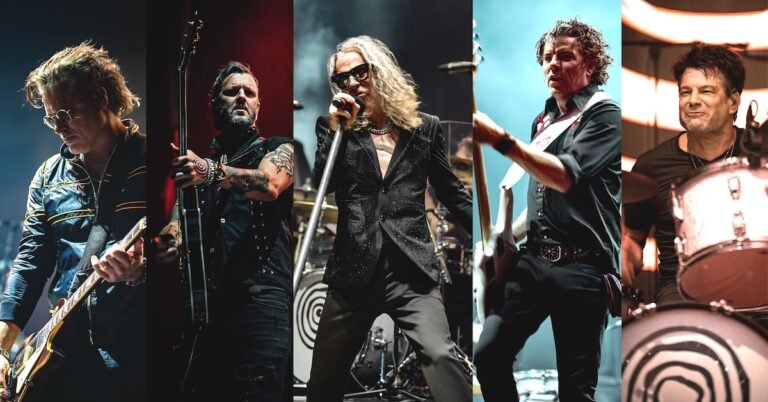
Collective Soul’s Will Turpin: “Follow the sparks.”

1

By Jason Irwin.

Collective Soul has been making music for more than three decades, going from clubs to Woodstock ’94, with radio hits like “Shine,” “December,” and “The World I Know,” and a catalog that has crossed generations. The band brings that catalog and new music to the Palace Theatre Albany on October 20. I caught up with bassist Will Turpin to talk about the early days, staying together for over 30 years, and why it still comes down to one thing: the song.

RadioRadioX: When you look back at the beginning of Collective Soul, when did you first realize, “Holy crap, this is actually going to be something big?” Was there a specific moment?
Will Turpin: Man, we were always just—our heads were down. We were focused on creating music and carving out a career. I just remember thinking, “We need to work more. We need to do more.” Woodstock ’94 was a big deal, but that was just the start. I don’t think I felt like we had made something and established a legacy career until 20-something years later.

RRX: I was at Woodstock ’94. I believe I caught your set, too. I also got covered in mud.
WT: Yeah, you were still clean during our performance. We were on Friday night, and it hadn’t rained yet. What a sea of humanity that was in front of us. Oh my gosh.

RRX: And what a time for music, too.
WT: Yeah. Friday night was a bunch of brand-new bands—Sheryl Crow, Live, Blues Traveler, and Candlebox. King’s X performed, too. They weren’t new, but they probably would have been my most-listened-to band in that era. A muso’s band, so to speak. The Violent Femmes played around midnight, too. That was the first time I met the guys in Live and Blues Traveler. We still hang out together from time to time.

RRX: A lot of those bands from that era suffered from what some people like to call the “one-hit-wonder curse.” You guys didn’t. What do you think was the difference?
WT: Songs, man. I mean, it all boils down to songs. My father had the studio that we all grew up in, and he instilled in us some really strong tenets of being a band. He said the strength lies within the song. I feel like Ed’s lyrics belong amongst the best of our peers. As a band, we sounded different and knew how to follow each other. You have to be a band and learn how to have fun on stage. Sometimes you’ve got to understand that being a band is part of being a team. But yeah, man, it’s the strength of the songs. These songs are more popular than they’ve ever been in our entire career.

RRX: Of the bigger Collective Soul hits, what’s your personal favorite to play or listen to?
WT: I love playing “December” because we turn it into like a seven-or eight-minute thing. Me, Johnny, and Jesse have fun with the middle section. Playing “Shine” is always a special treat. You see people celebrating the memories. Some people are crying, some are smiling. “The World I Know” is a grounding moment. It makes you feel appreciative.

RRX: What’s a Collective Soul song that you absolutely love that you always wished had been a bigger hit and that more people had heard?
WT: There’s a bunch of them. On “Dosage,” “No More, No Less” was one of the songs on the sticker, but somehow it never was a single. I feel like it should have been a big crossover hit. On “Rabbit,” I feel like “Fuzzy” should have been released. But it’s one of those things where no one owns a crystal ball. There were songs I thought were mistakes that ended up being number-one rock tracks. It’s one of those roll-of-the-dice situations. We’re not known for filler. We’re not known for weak songs. And the fans know the deeper cuts.

RRX: You’ve been playing with these guys for decades. What’s the secret to keeping a band together this long when a lot of bands eventually implode?
WT: I think we were friends. They’re doing a book—Marshall Terrill, a biographer, is doing a book on Real 2 Reel Studios, the studio my father opened. There’s a picture of all of us at a volleyball tournament we hosted in my backyard. We had sand delivered and played two-man volleyball. It had nothing to do with music. Me, Ed, Shane, Ross, and Dean, and 20 other people were there just to play volleyball and hang out, two or three years before Collective Soul. So I think when you’re genuine friends first, that makes a difference. For Collective Soul, I think it’s the strength of the songs and family. We’ve just known each other and each other’s families our entire lives.

RRX: You mentioned Real 2 Reel. You guys grew up inside that studio, and now you run it. What does it mean to you to carry that legacy forward?
WT: I’m loving it, man. I’ve got three or four really good releases coming out, and people are coming from all over to work with me. It’s a production house. Almost everything through there is stuff I’m producing. I’m really enjoying working with The Stews. Atticus Roness has a record coming out this week that I think is a masterpiece. Hey Dreamer and Red and the Revelers are also recent projects. I just love creating, and when people trust me with their music, we have a whole lot of fun. Sometimes you’ve got to let go of the steering wheel and trust me. I’ve been doing it my whole life, and I play every instrument, so it’s easy to communicate with almost any instrumentalist. I open my ears and let the universe dictate what’s going to be on the records.

RRX: You were classically trained musically. How did that influence the shape of Collective Soul’s sound compared with being more self-taught, like many rock musicians?
WT: When it comes to rock and roll, you try not to let any of the technical music-theory stuff creep into your mind. I’m really just creating by feel. The piano lessons and orchestration I studied allow me to open up a larger tool chest. But ultimately, the technical training came afterward. We had to come up with words to teach and communicate with each other. Even the monks and Gregorian chants—they weren’t taught music and then created it. They created music because it felt good to the human ear. That’s still what you ultimately have to do, especially in rock and roll, because rock and roll throws those rules out the window. I carry that training with me, especially in production. I see things as a big staff and understand what’s going on to serve the song. But ultimately, it always just serves the song. With rock and roll, you’ve got to create from the heart and with feel.

RRX: When you’re writing new music for Collective Soul, does it still feel like the same process as it did back then?
WT: We’re a little faster than we used to be. We used to jam more and suss it out more as a group. We can skip some of that stuff a little now. But when we’re in the same room, the one thing that’s the same is when we know. Sometimes we have to jam on it for a while before we go, “Boom. That’s how we’re starting the song. That’s the vibe right there.” That still happens by getting together and knowing when it feels right.

RRX: How do you balance the newer songs with the classic hits when you’re putting together a live set?
WT: We try to keep the vibe and emotion moving without breaking it up. Sometimes we’re wrong. We’ll change the set list the next night. We’re gonna hit some of the bangers. We’re not gonna be able to play them all, though. But we’re also gonna hit some of the new stuff that people like. Our fans know the records aren’t filler, so they know the deep cuts. We can take them on any adventure with these songs, but we’re not leaving out the big hits.

RRX: That must be kind of a good feeling knowing you have so many bangers that you can’t play them all.
WT: It is. I remember in the ’90s thinking, “I can’t wait to have at least five hits,” so our set list will be full of hits. And we did that and more.

RRX: You’ve got people who discovered Collective Soul in the ’90s standing next to people who discovered you through their parents. What’s it feel like looking out and seeing multiple generations singing the same songs back at you?
WT: That’s just magical, man. That’s probably the most magical thing we get to do. You’ll literally see three generations out there—a 60-year-old grandpa, a father, and a 15-year-old son enjoying songs together. I think that’s part of what music is—being able to share that with your family and friends and across generations.

RRX: You’ve seen pretty much every version of the music business—CDs, MTV, streaming, social media. What do you think today’s young bands have that you didn’t have when you started, and what do you think they’ve lost?
WT: They made cassettes of our first three records. The major-label game was pretty much the only game in town. We started on an independent label, which was part of our success, but you never stayed independent in those days. Today there are more outlets, for good and bad. I like that you can do more independently and that recording can be easier. But I do feel like sometimes the younger generation misses the true band vibe where they’re really working songs out as a band and then they’re able to go to a studio and play like a band. I’m working with a band called The Stews right now. Young dudes right out of college. They’re a band—they play, sound, and record like a band. No one’s got all the answers. If somebody tells you, “I know the TikTok recipe. I know the viral recipe. I can make your band successful by following these steps,” that person is lying. Every band has a different path. You have to figure it out as you go. Follow the leads, man. Follow the sparks. Again, the strength of your song is going to be, at the end of the day, what dictates success.

RRX: I’m going to end with this. After everything Collective Soul has accomplished, what still makes you excited to get on a bus, fly across the country, plug in an instrument, and do it all over again?

WT: Not much, man. I get paid for all that. I don’t get paid for the time on stage. That’s a time for reflection. Like, “Wow, look what we’ve done.” We enjoy playing songs and playing live music together. I like seeing old friends on tours or cruises. After 32 years, I feel very fortunate to play live music. But no, you don’t wake up going, “Wow, can’t wait to get on this plane and then get on a bus for three hours.” Everything becomes a job at some point. Everything gets monotonous. But the moment I can’t play on stage and create music with my friends, that will be a sad day, and I’ll desperately miss it. The time to get to the stage is kind of laborious.

RRX: Well, we are looking forward to seeing you in Albany on October 20. We’re enjoying the new record, and congratulations on an amazing musical career.
WT: Right on. Thanks, man. Appreciate your time, too.

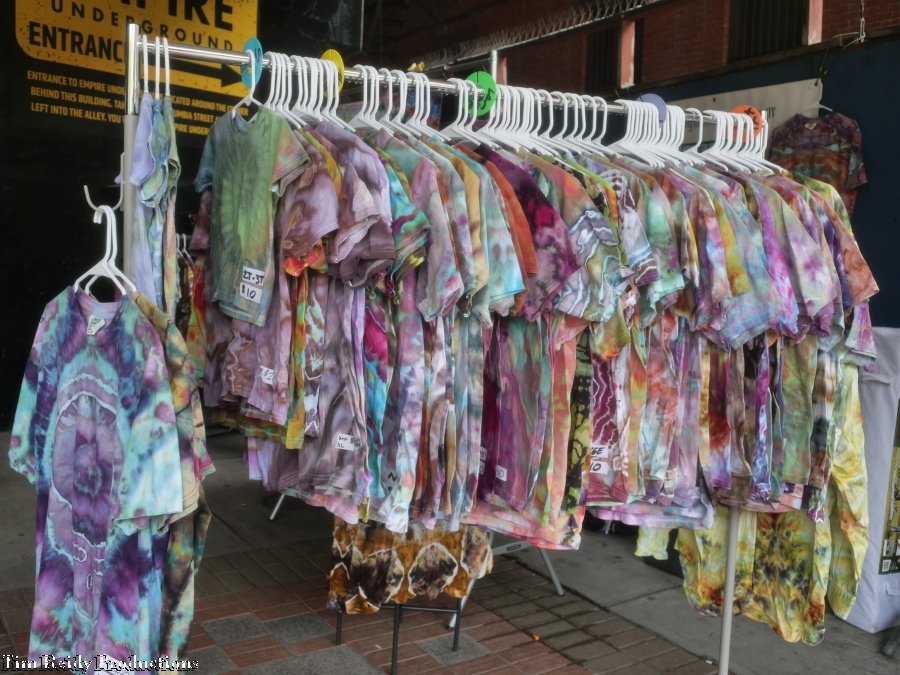
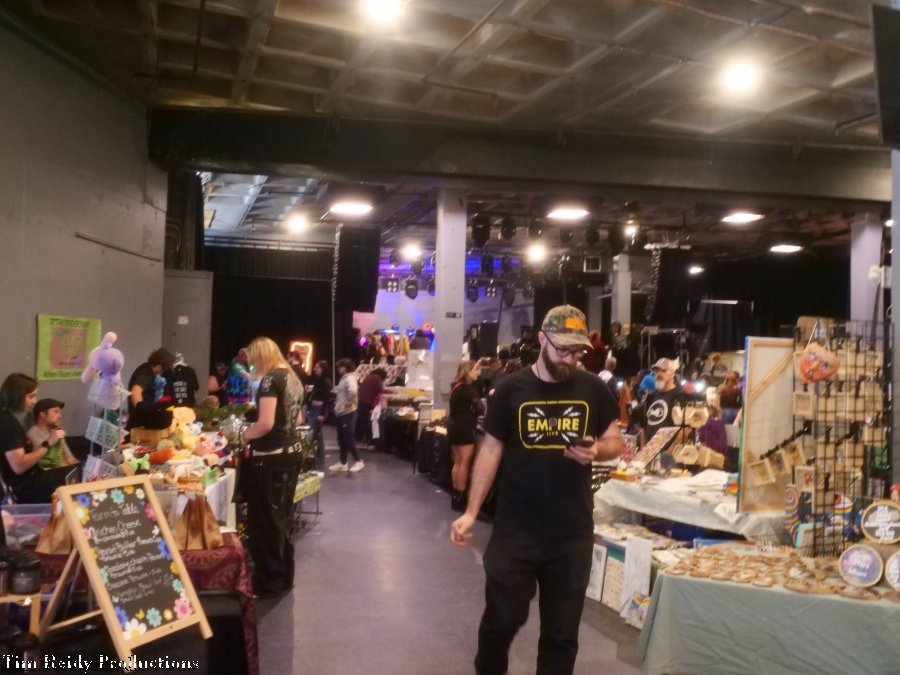
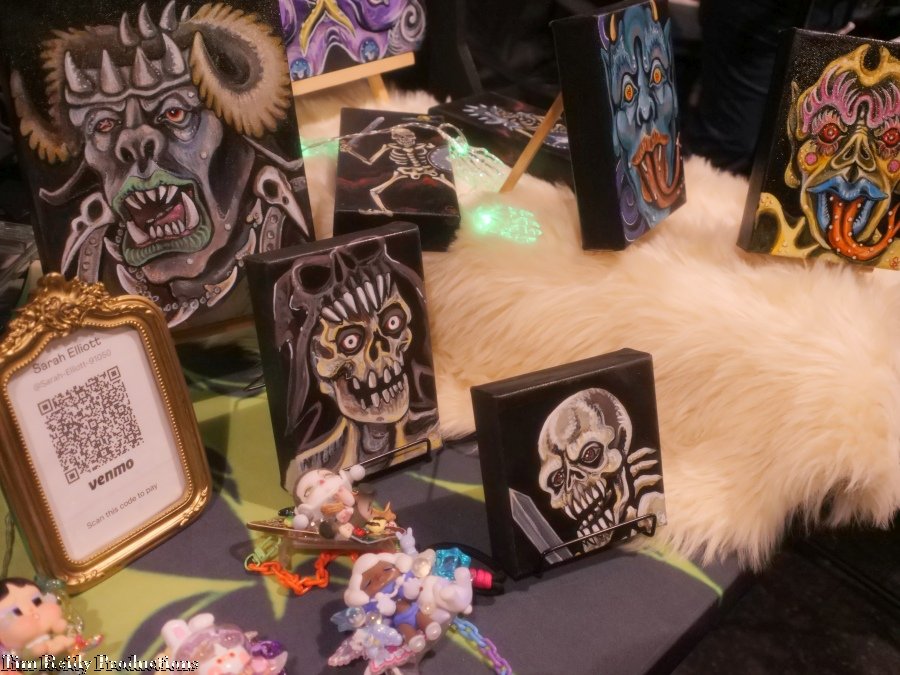
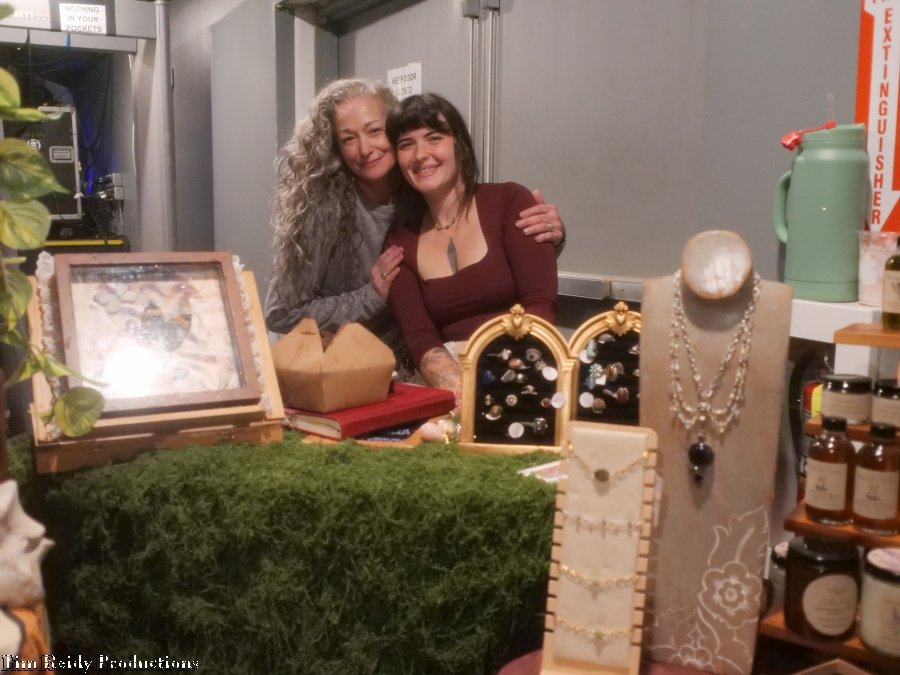
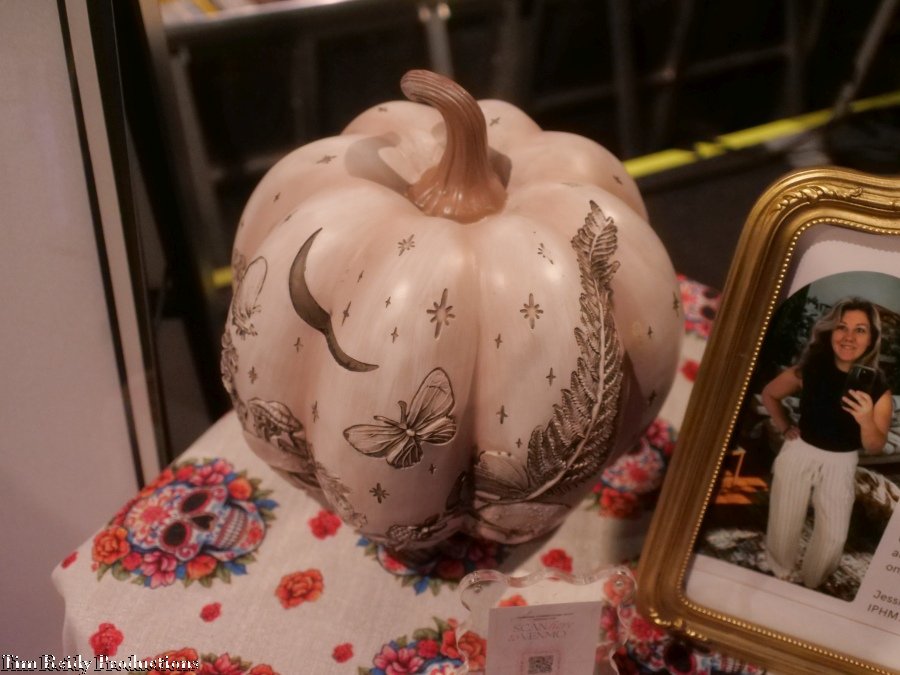
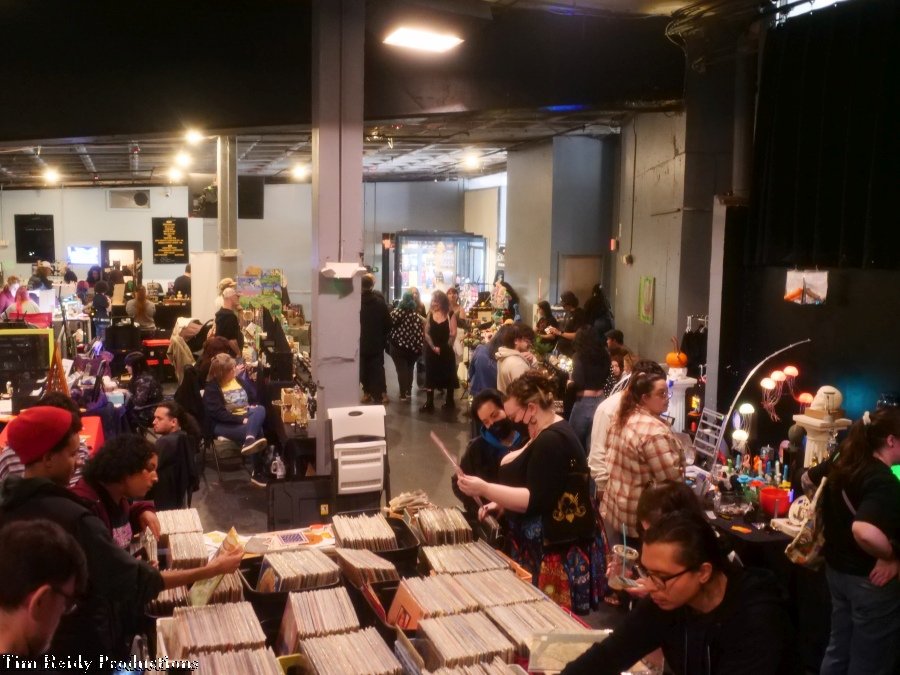
Punk Rock Flea Market @ Empire Live, 10/4/2026

0

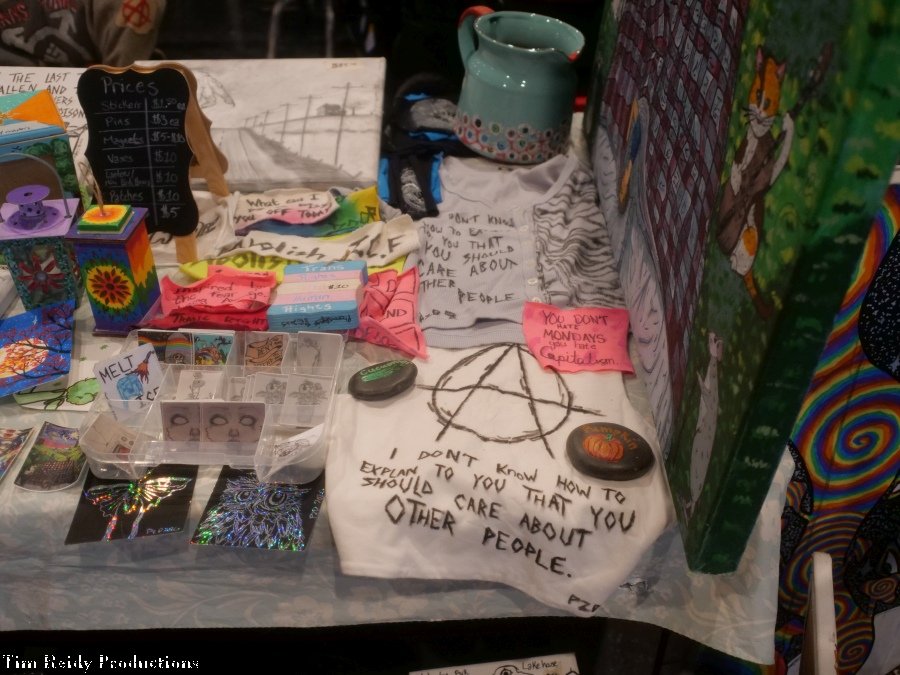
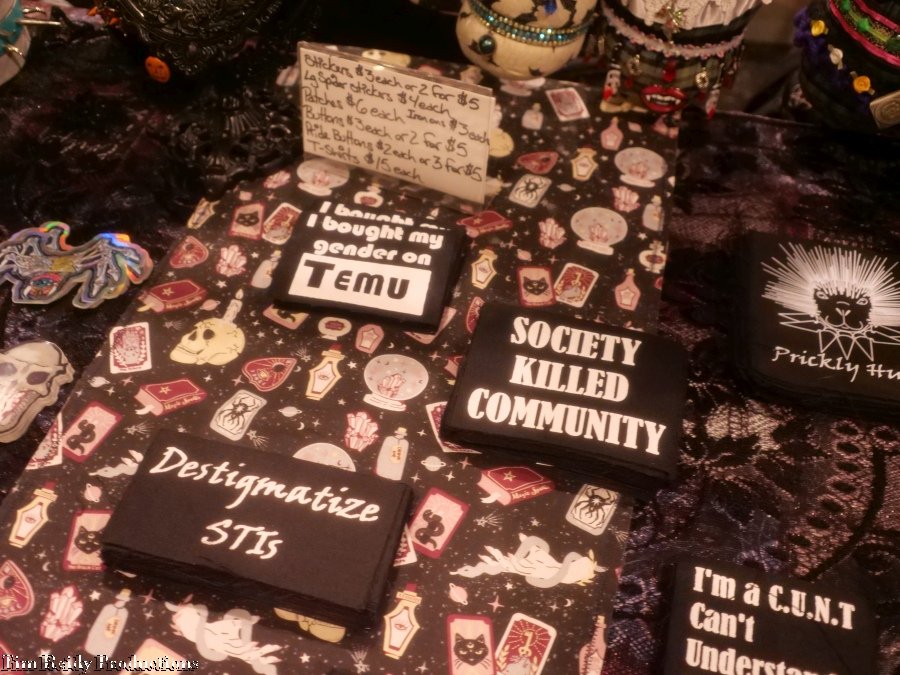
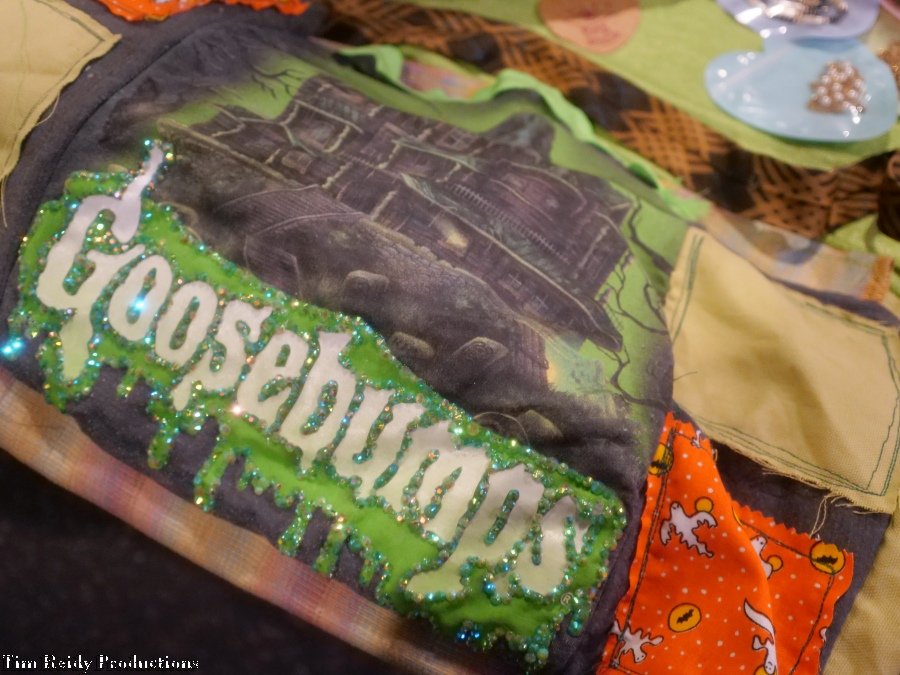
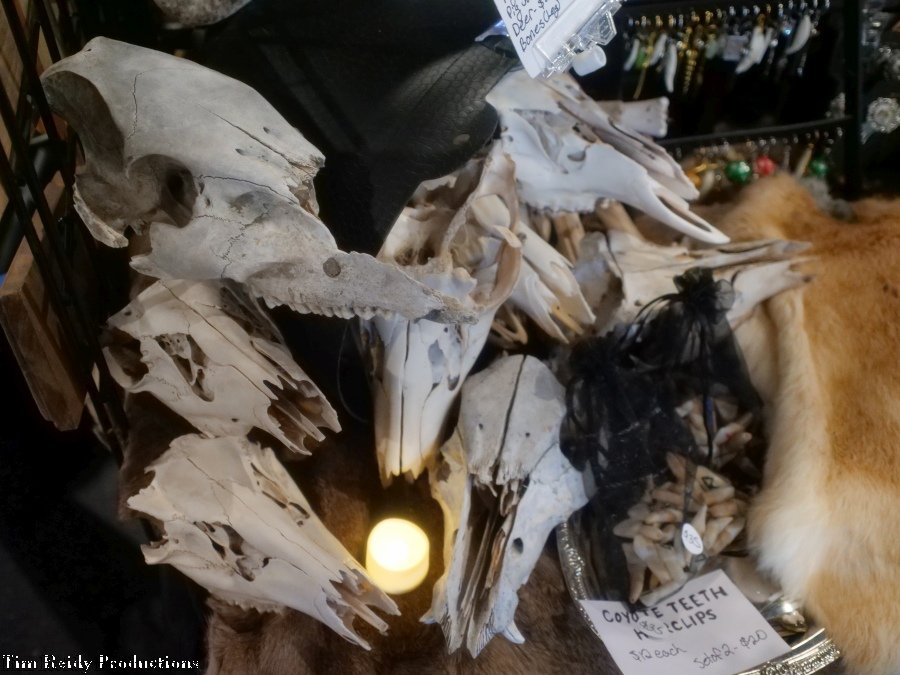
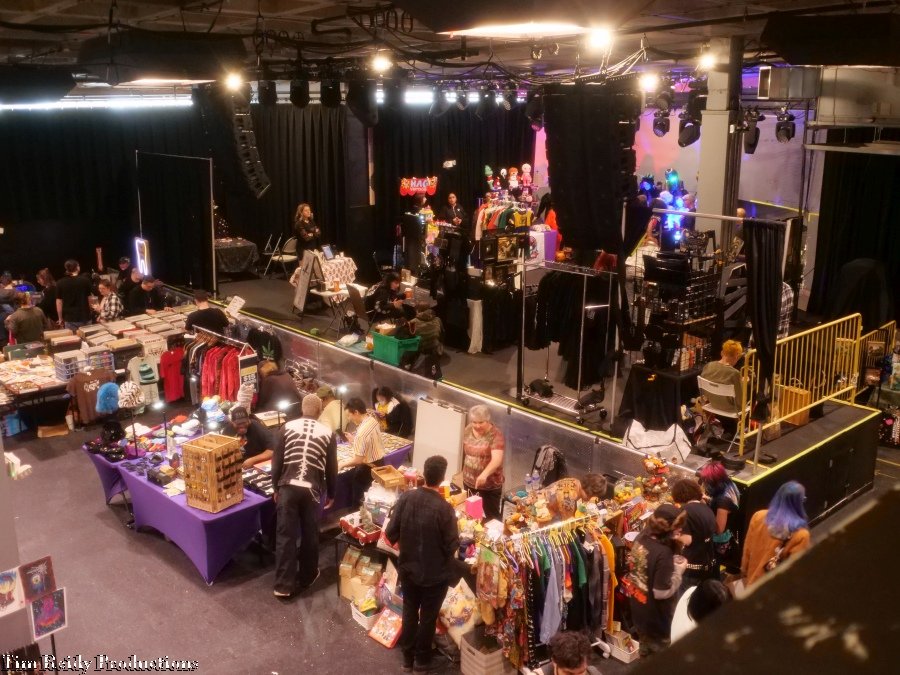
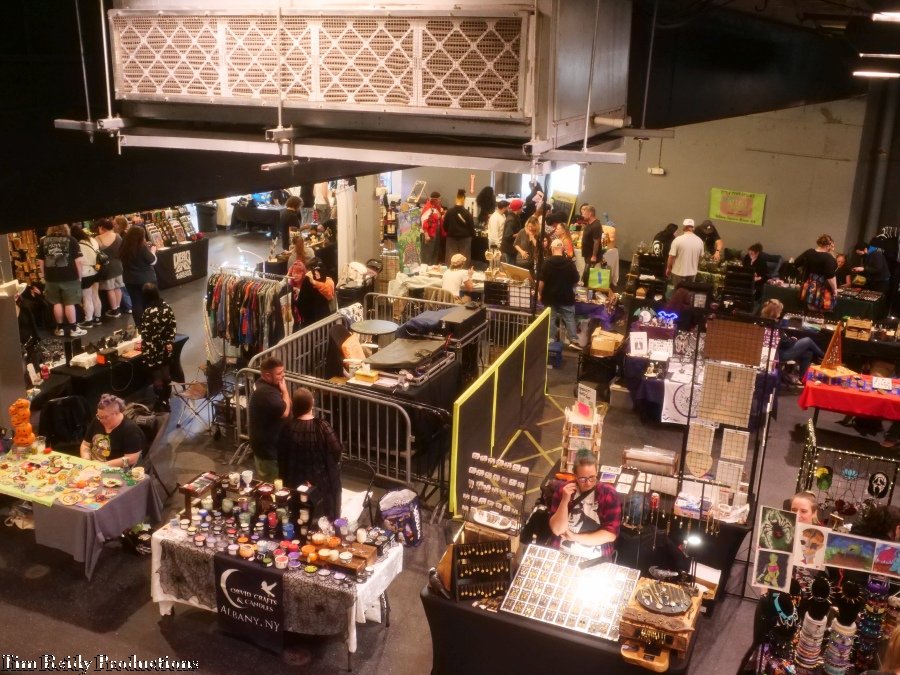
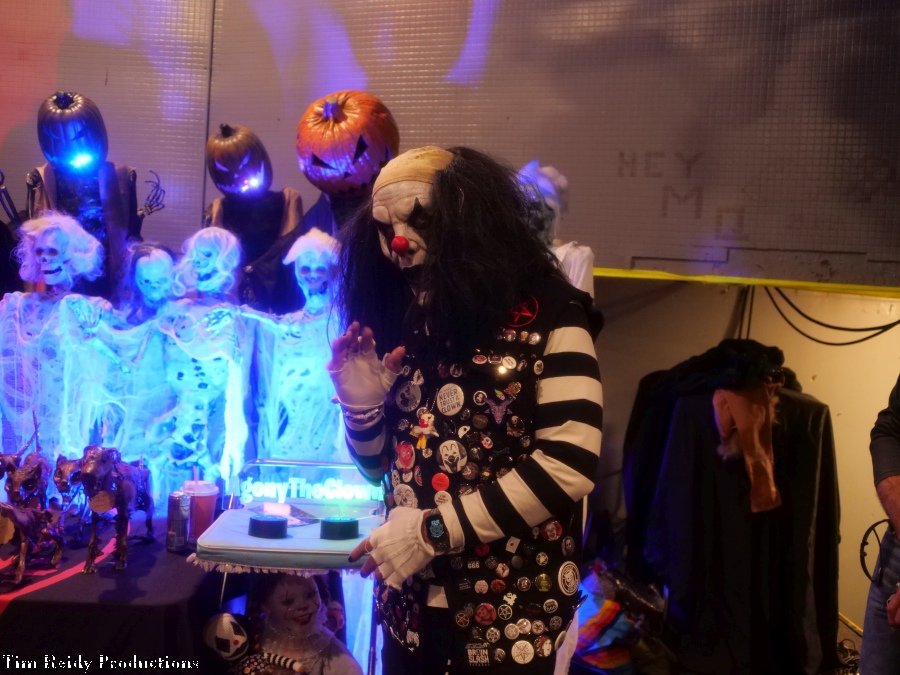
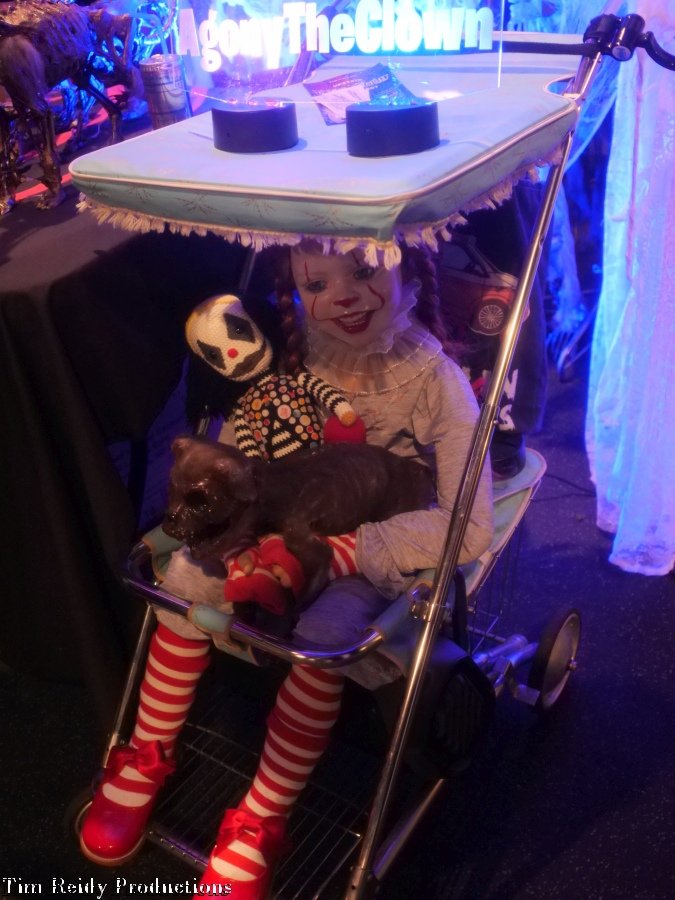
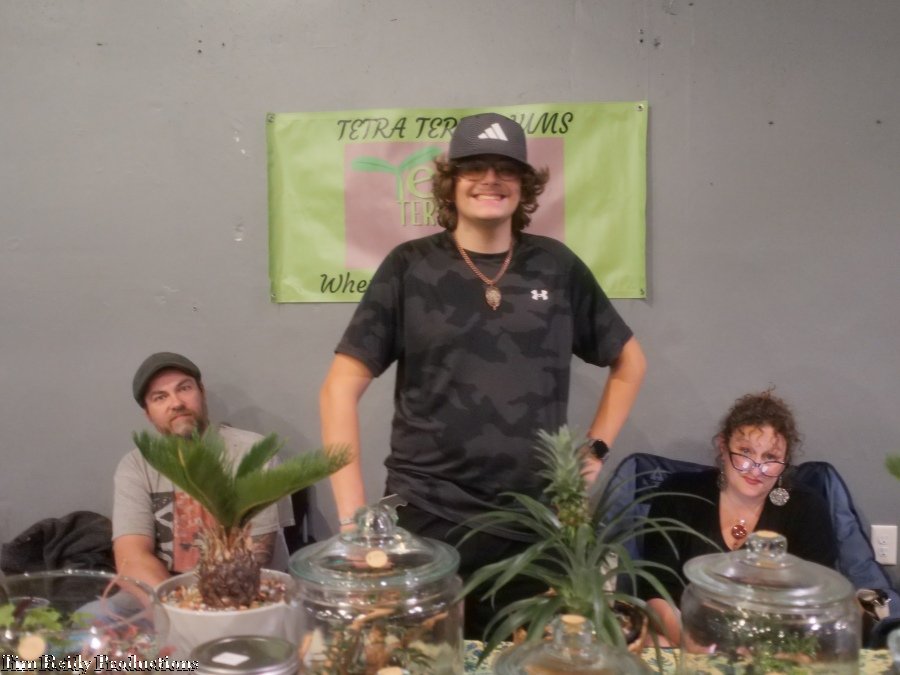
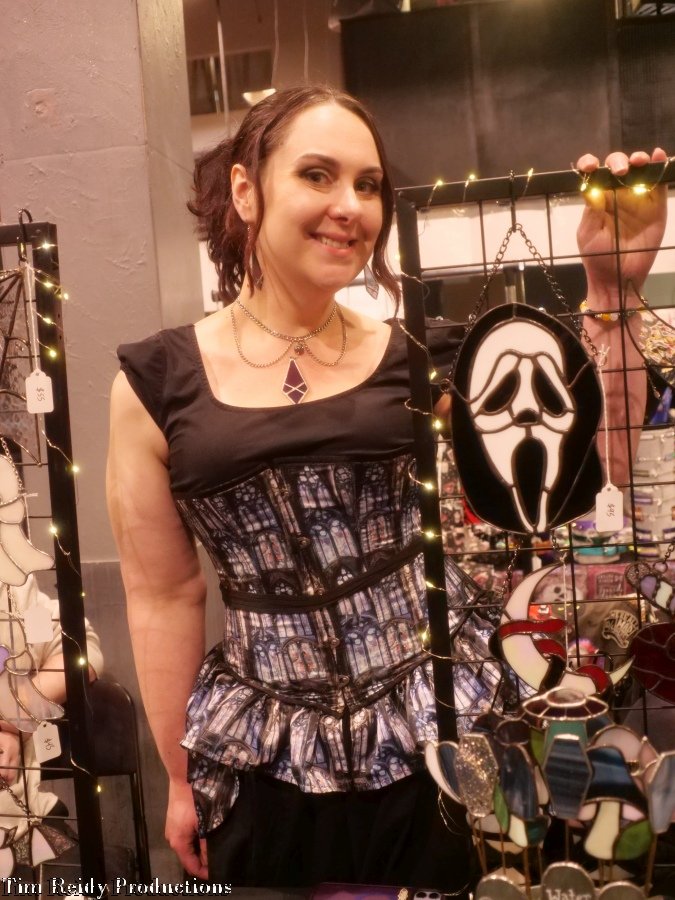
The Punk Rock Flea Market returned to Empire Live on October 4.

Photography by Timothy Reidy.

More scenes from the Flea Market here …


The Sleepy Hollow Music Festival @ Kingsland Point Park, 10/3/2026

0

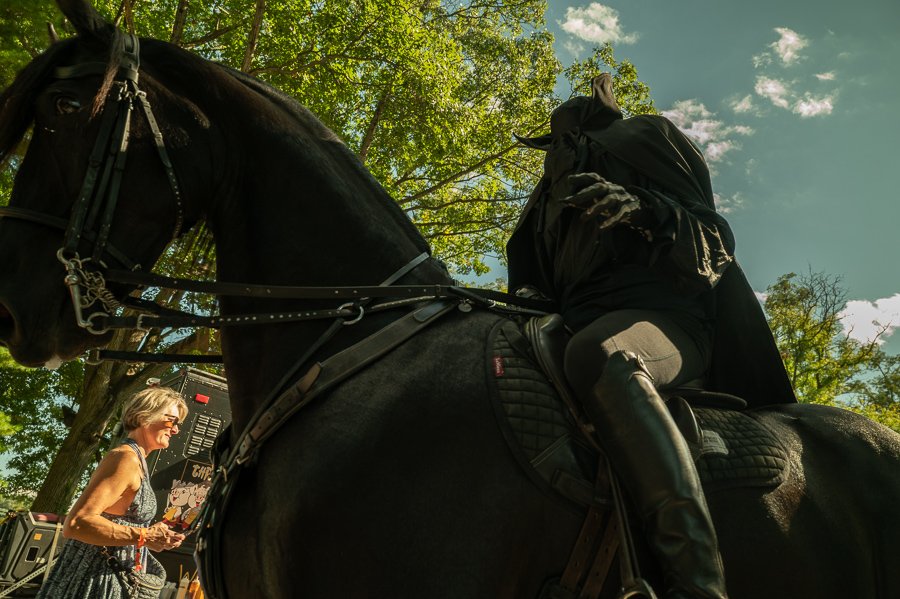
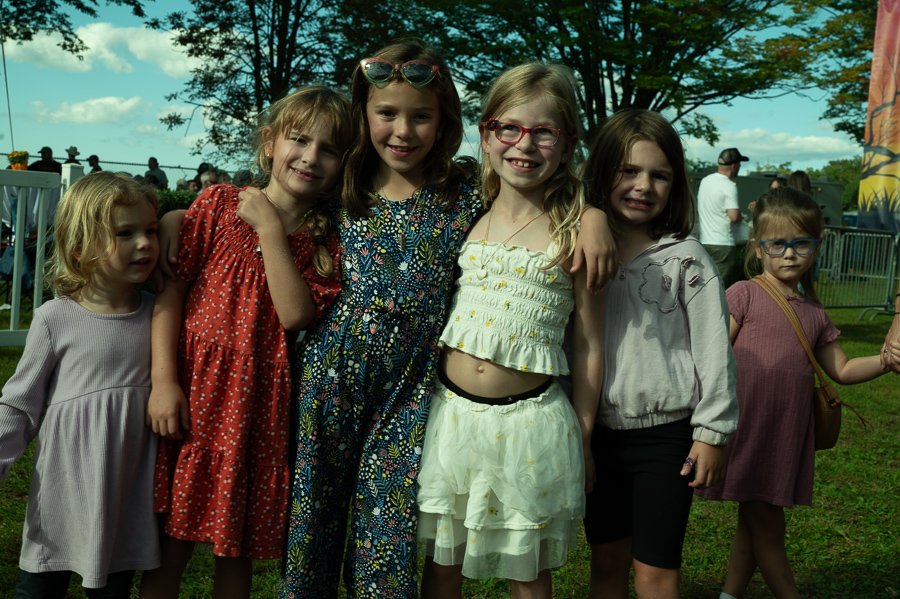
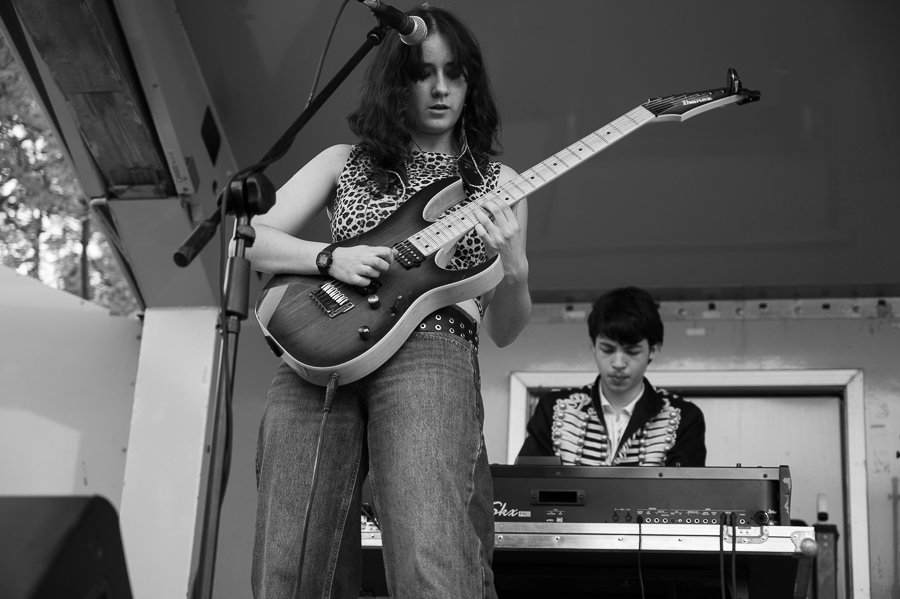
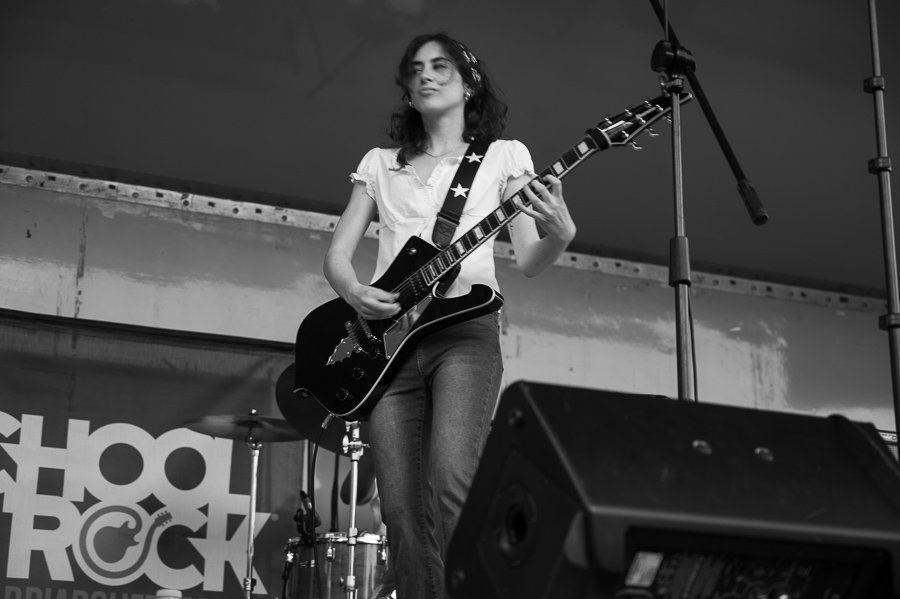
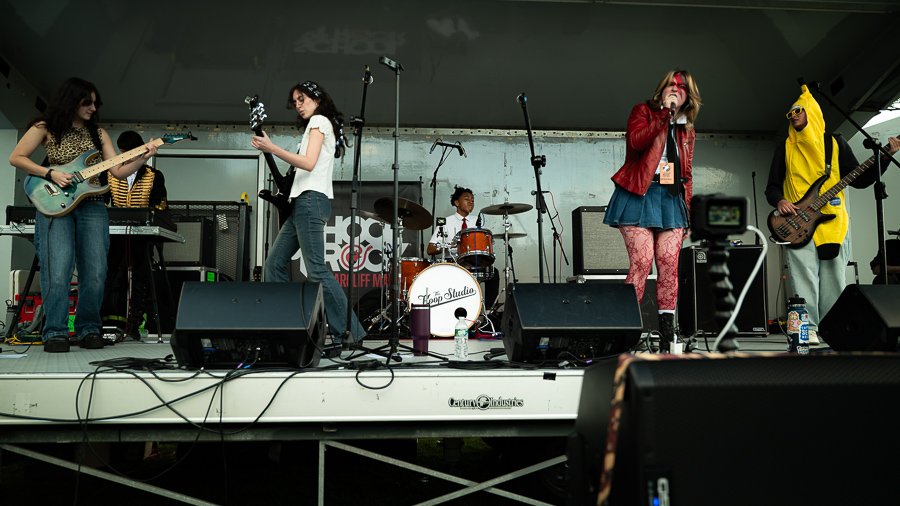
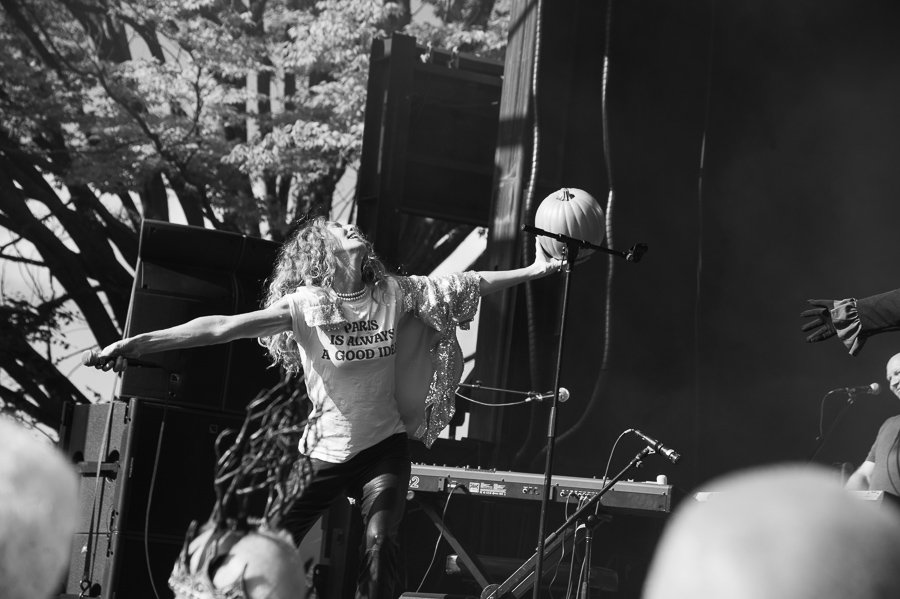
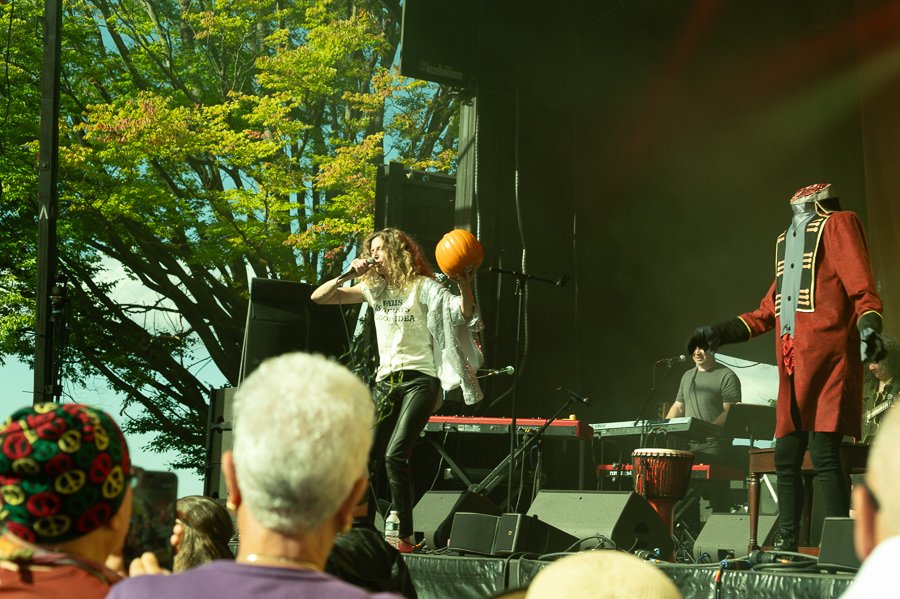
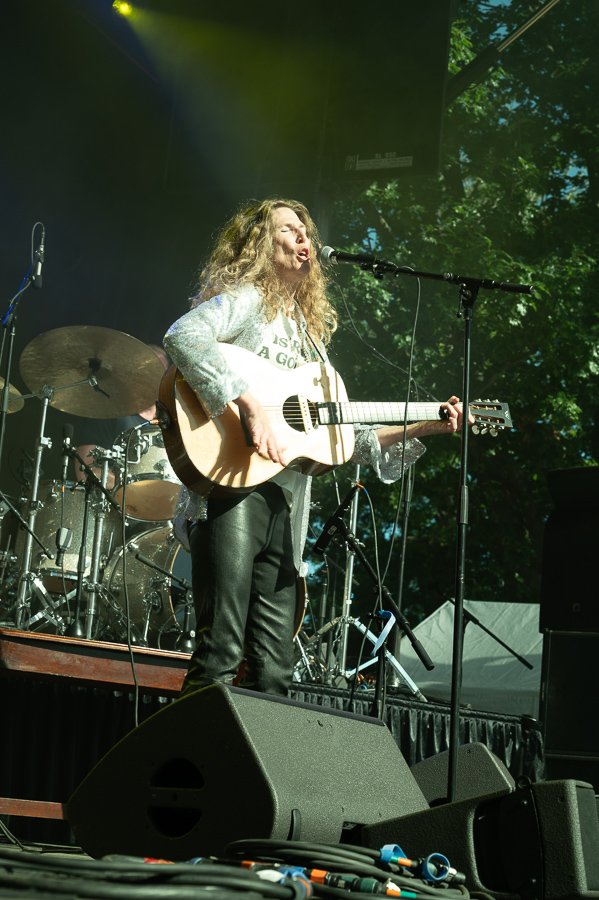
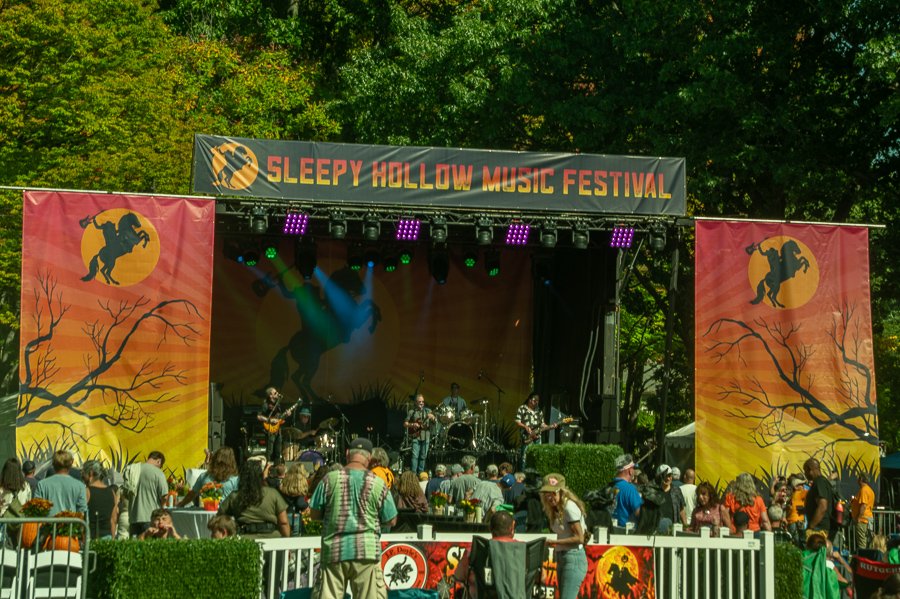
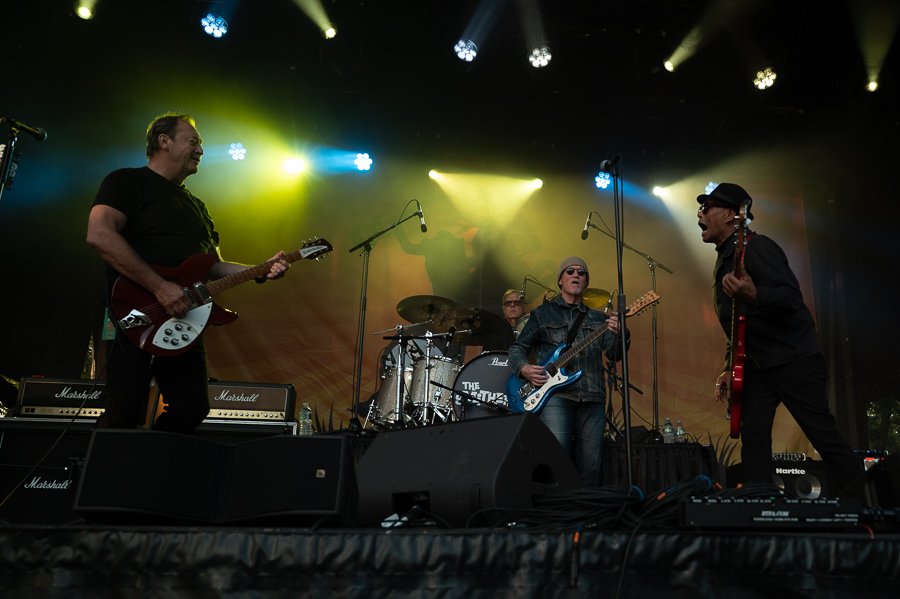
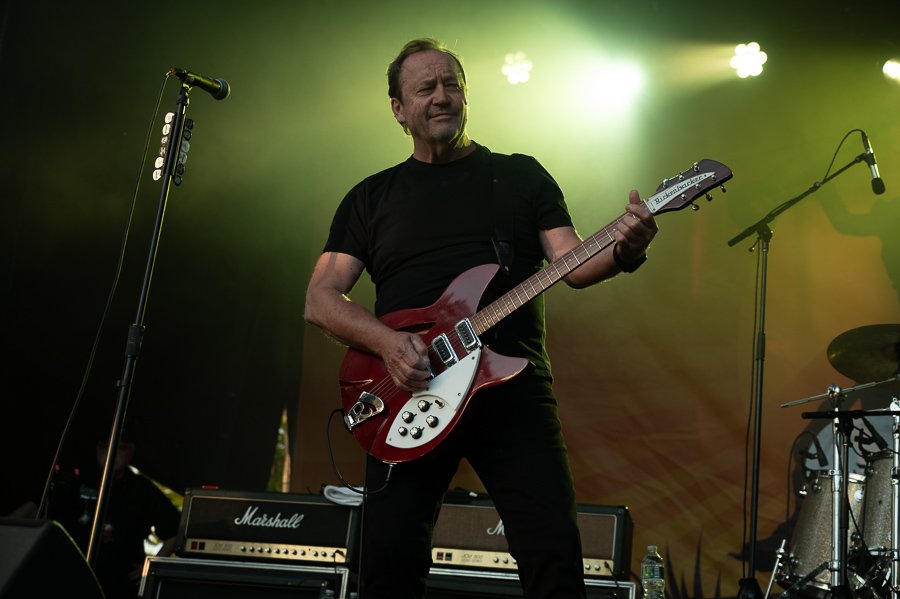
The Sleepy Hollow Music Festival was held down at Kingsland Point Park last Saturday, and featured Everclear, The Smithereens (with Marshall Crenshaw singing), Fastball, Sophie B. Hawkins, Soulshine, and the Briarcliff Manor School of Rock, amongst others.

Photography by Ardeth Bey Productions.

For more photos, visit Ardeth Bey Productions.


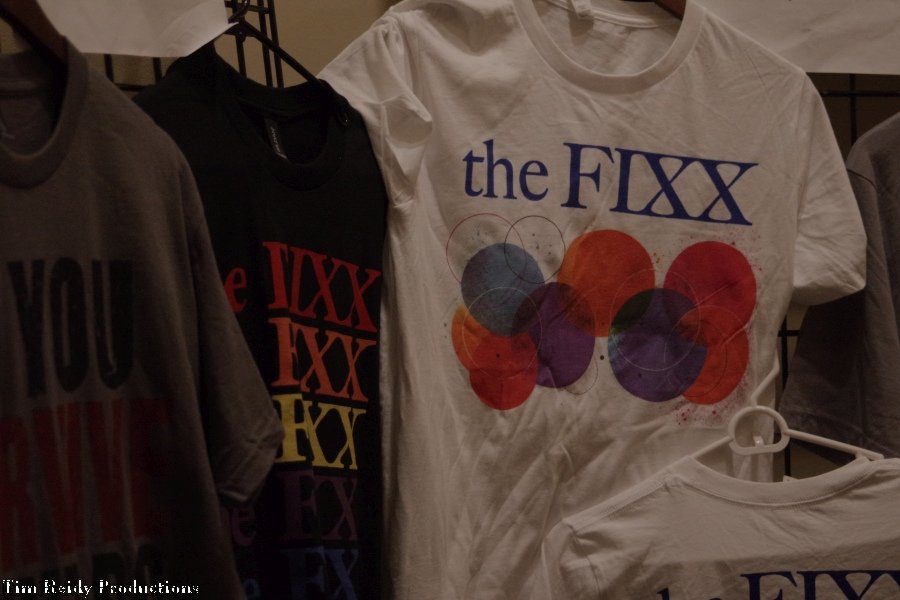
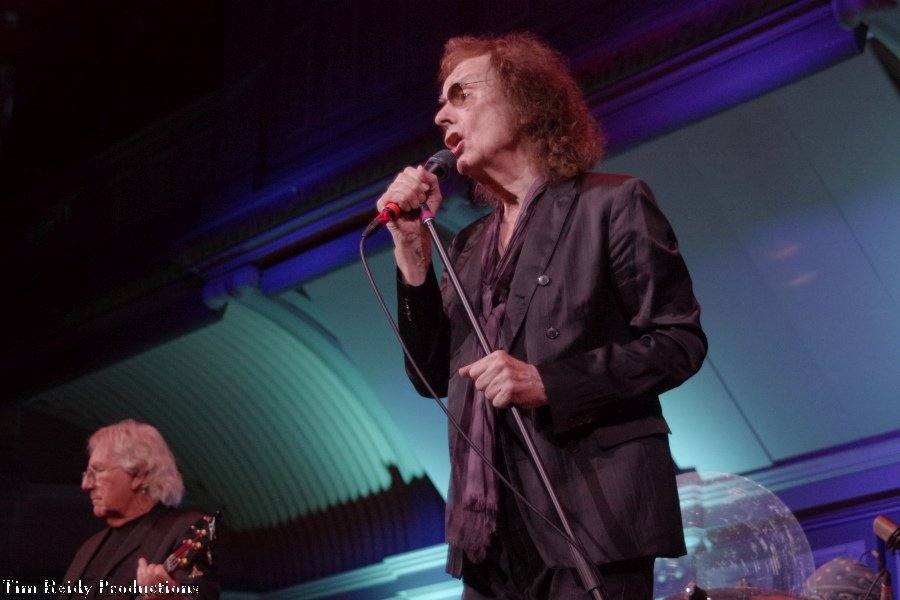
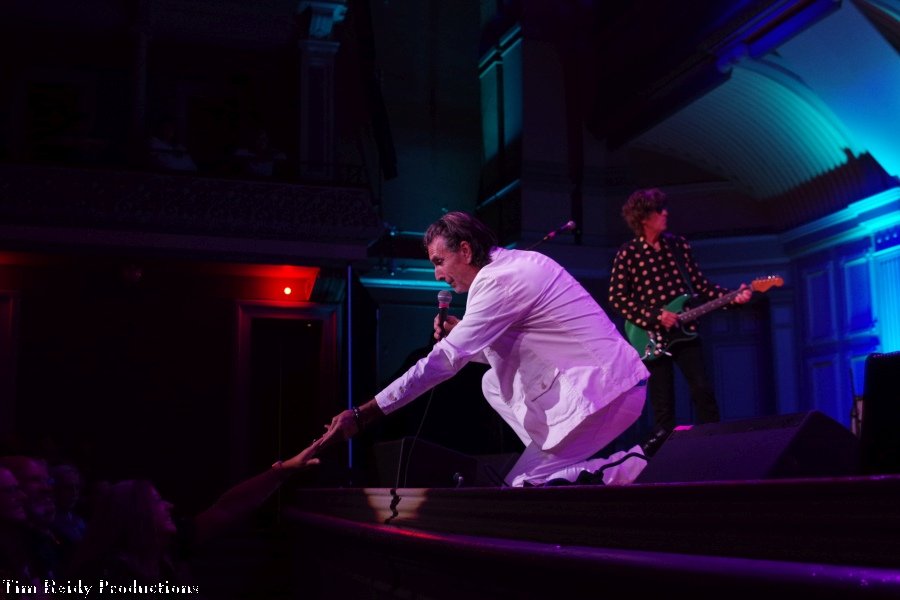
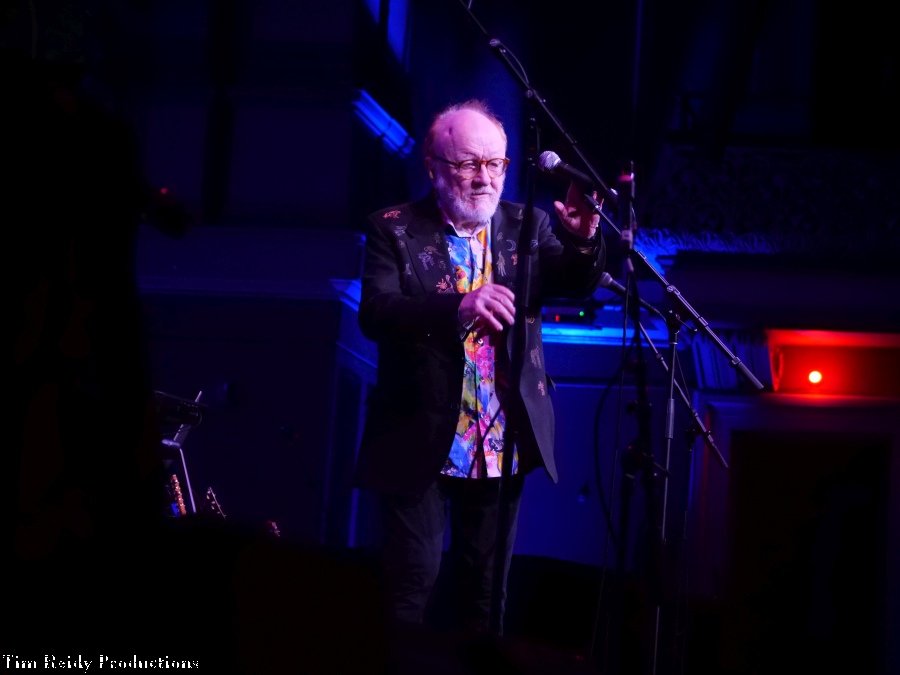
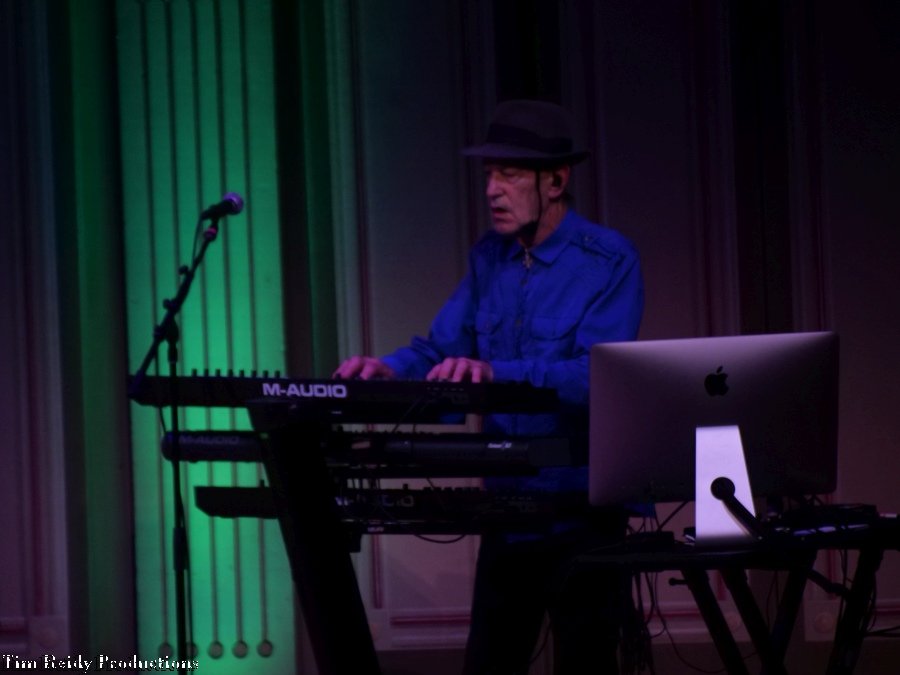
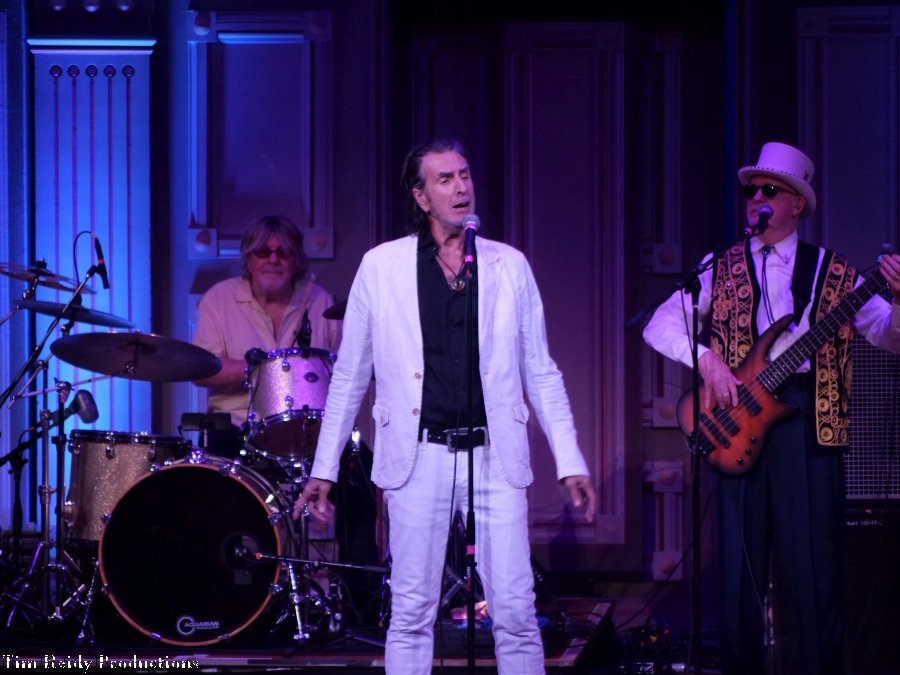
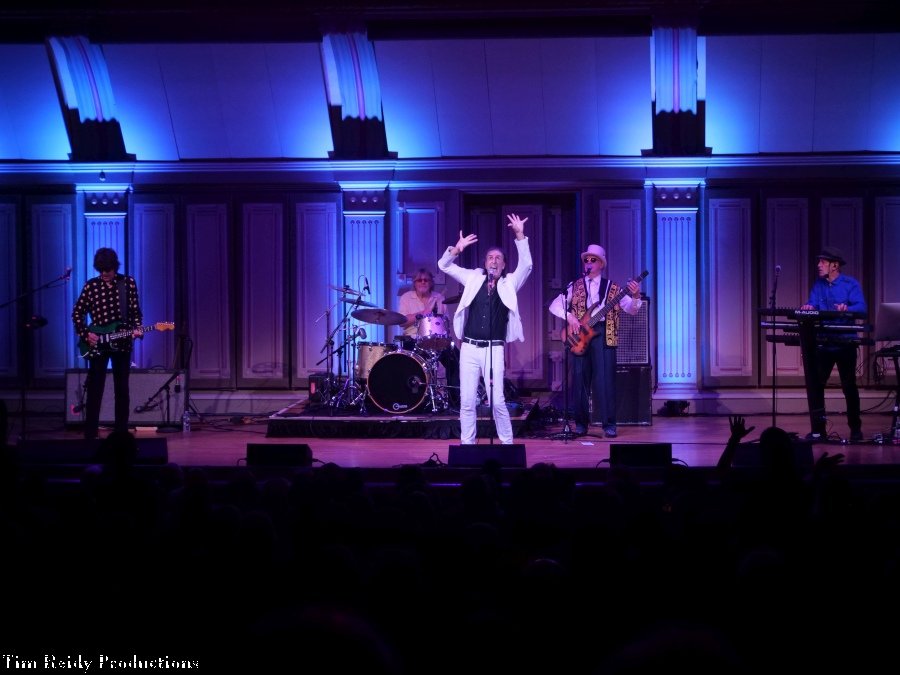
The Fixx / Colin Blunstone / Peter Asher @ Troy Savings Bank Music Hall

0

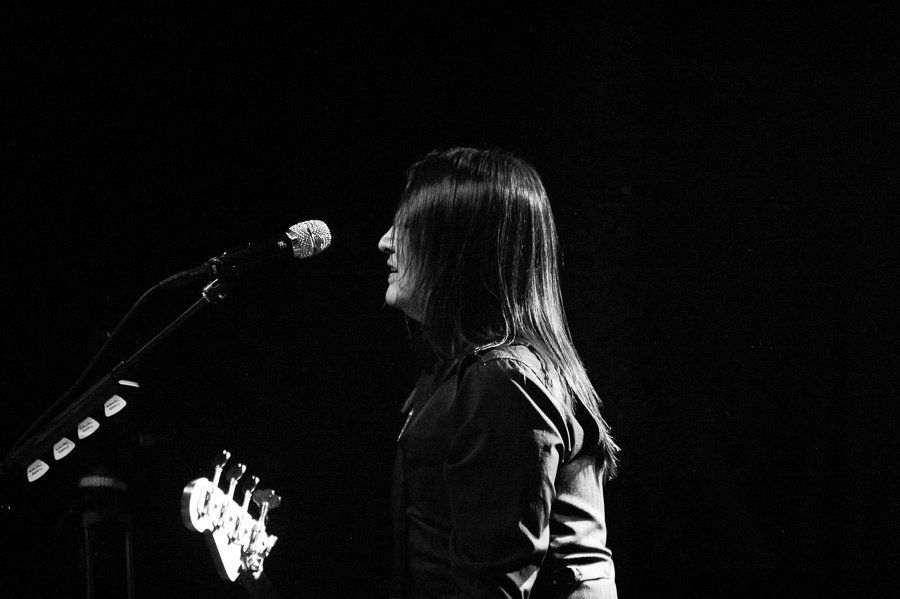
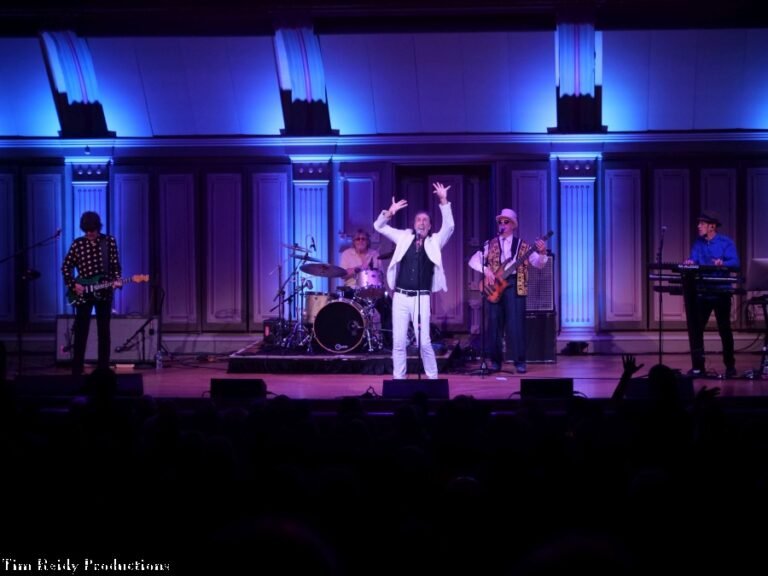
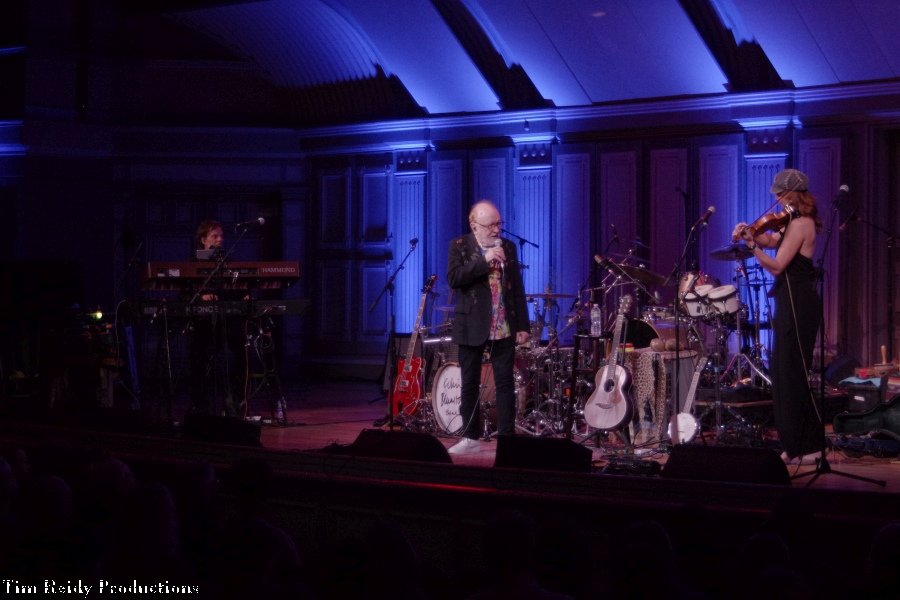
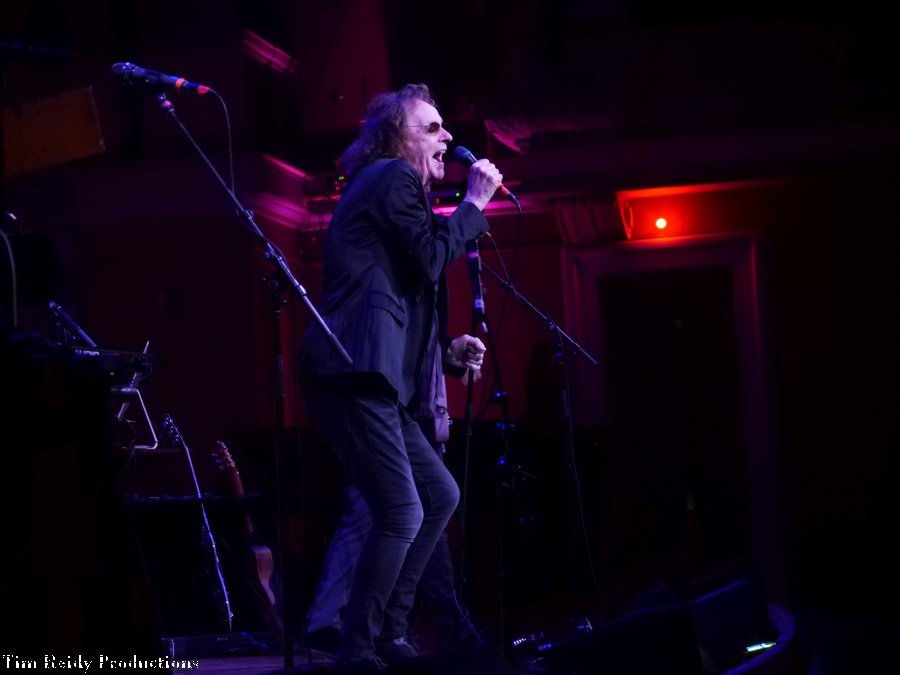
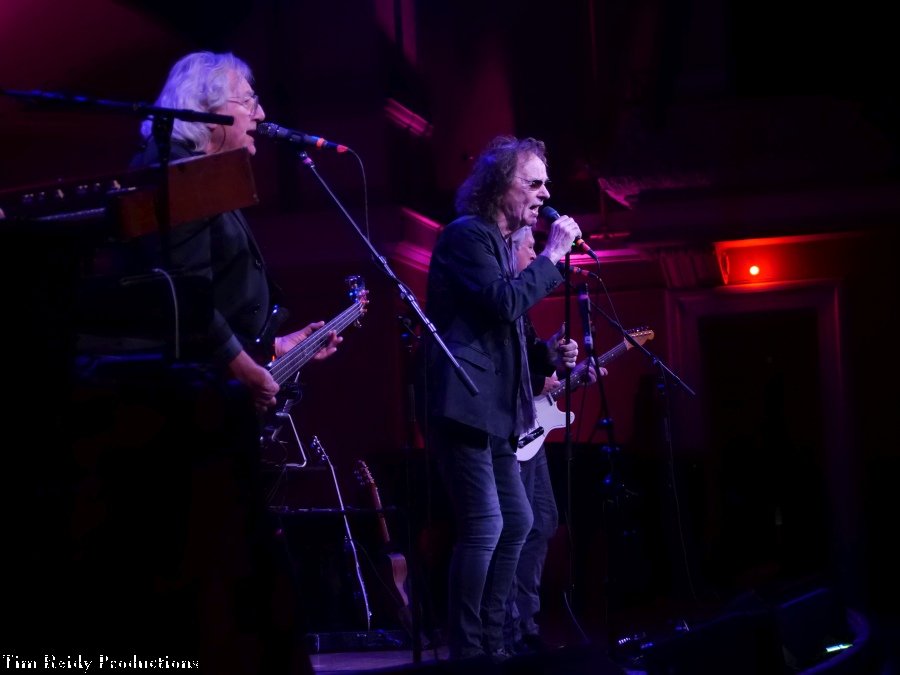
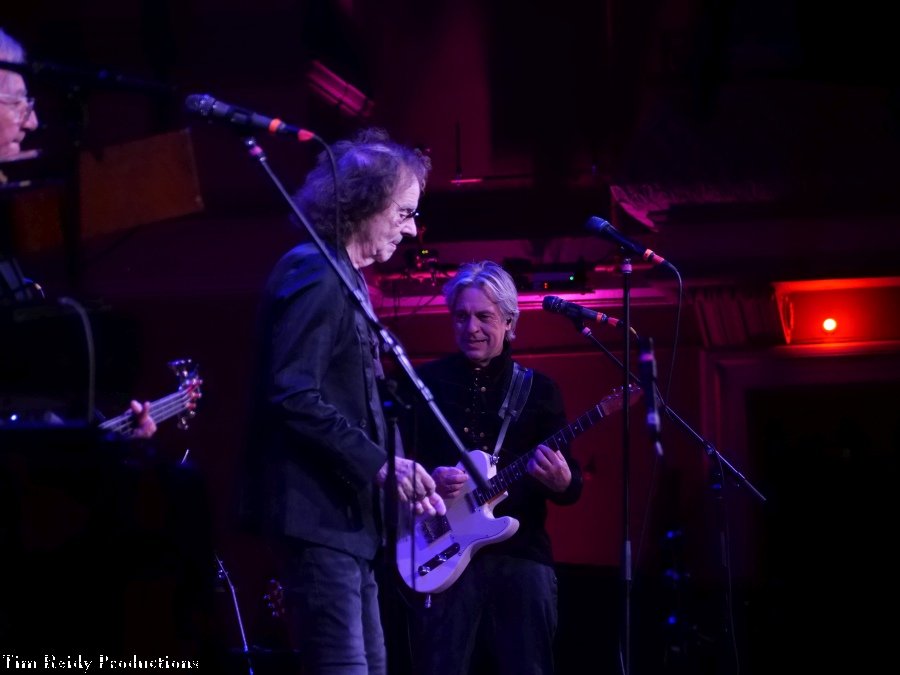
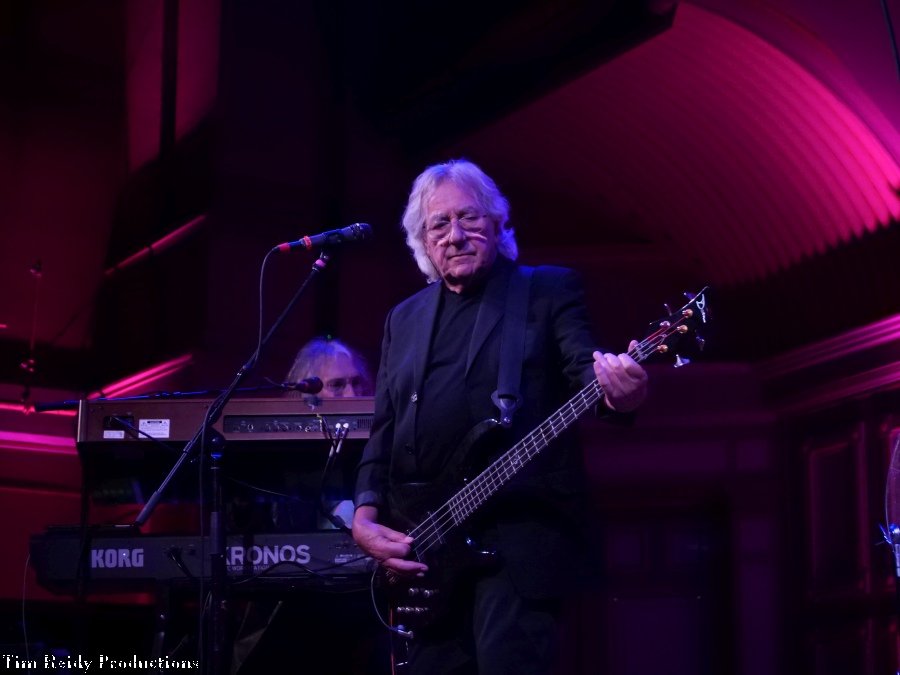
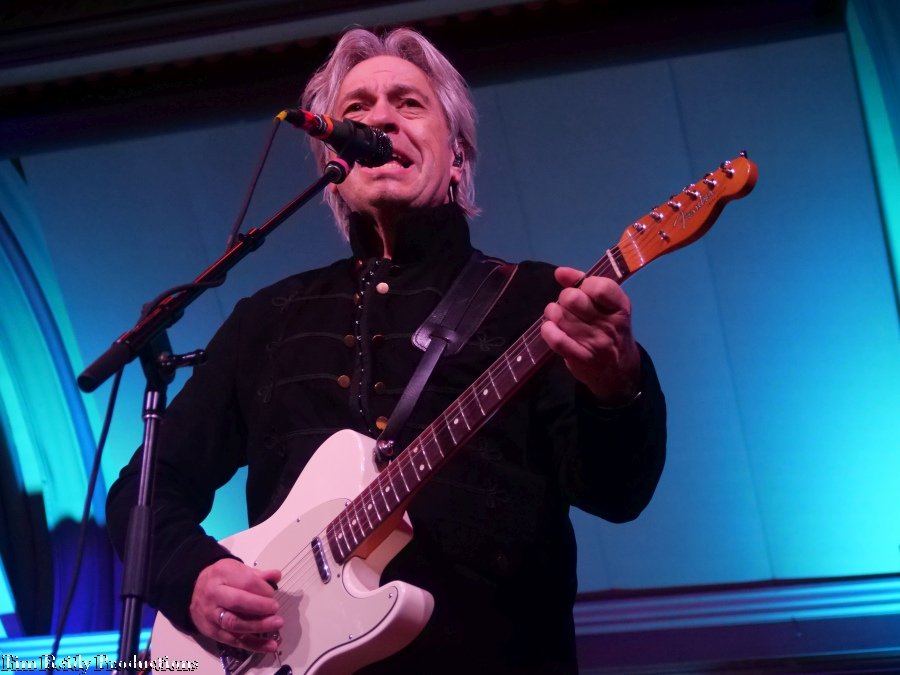
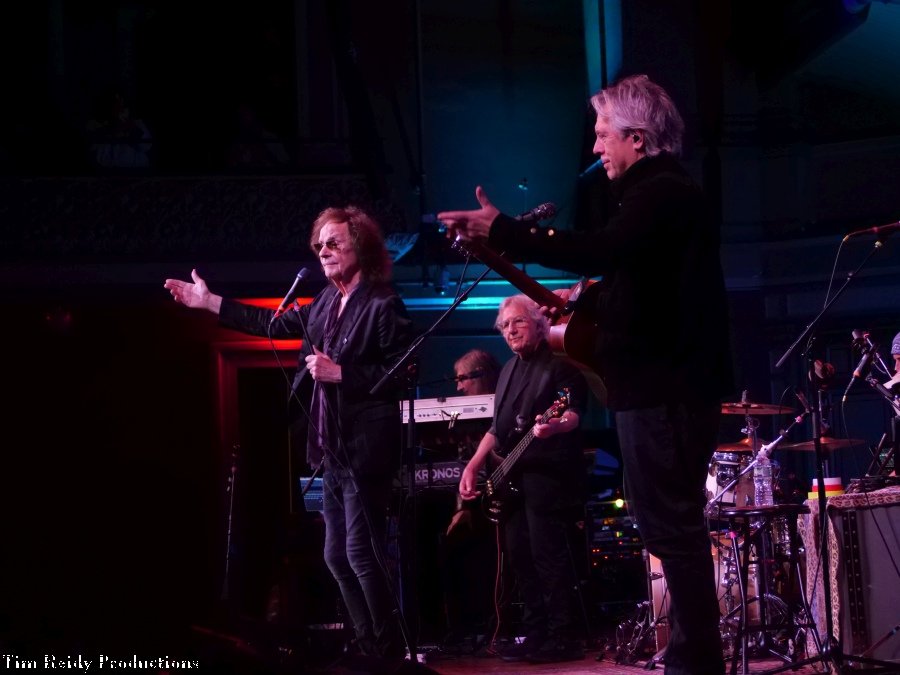
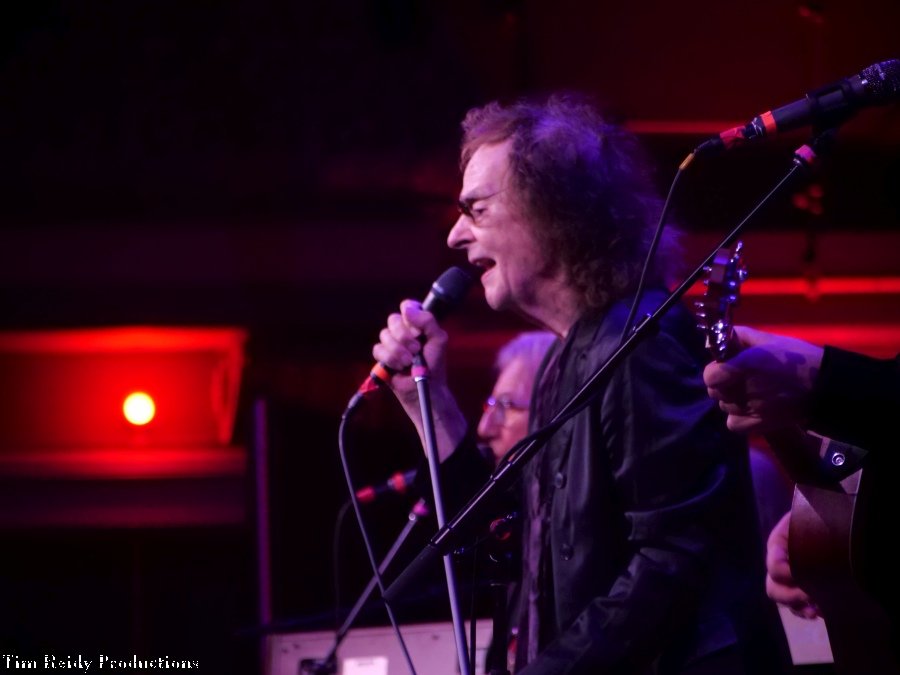
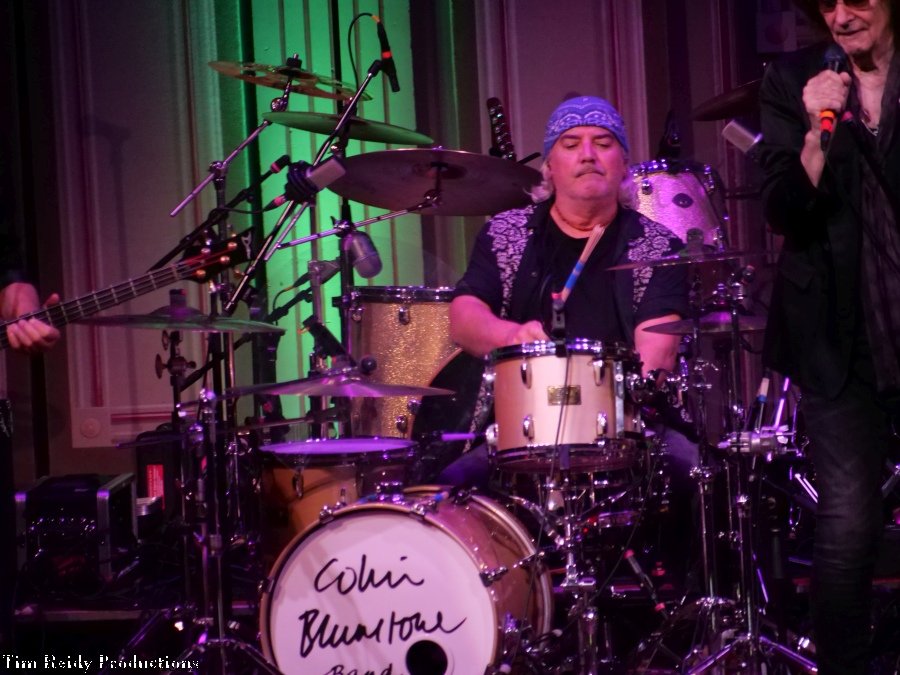
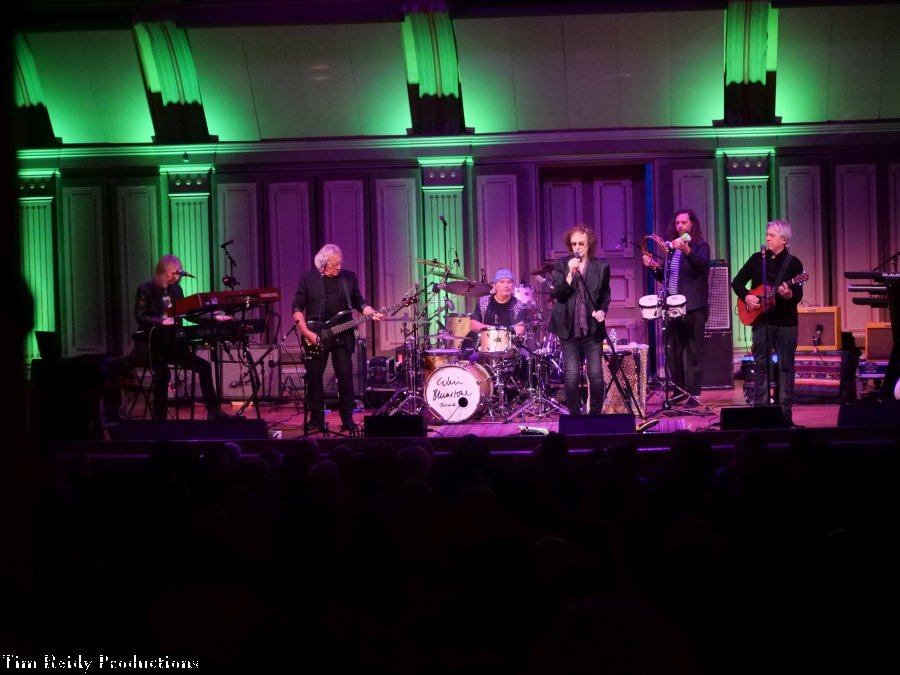
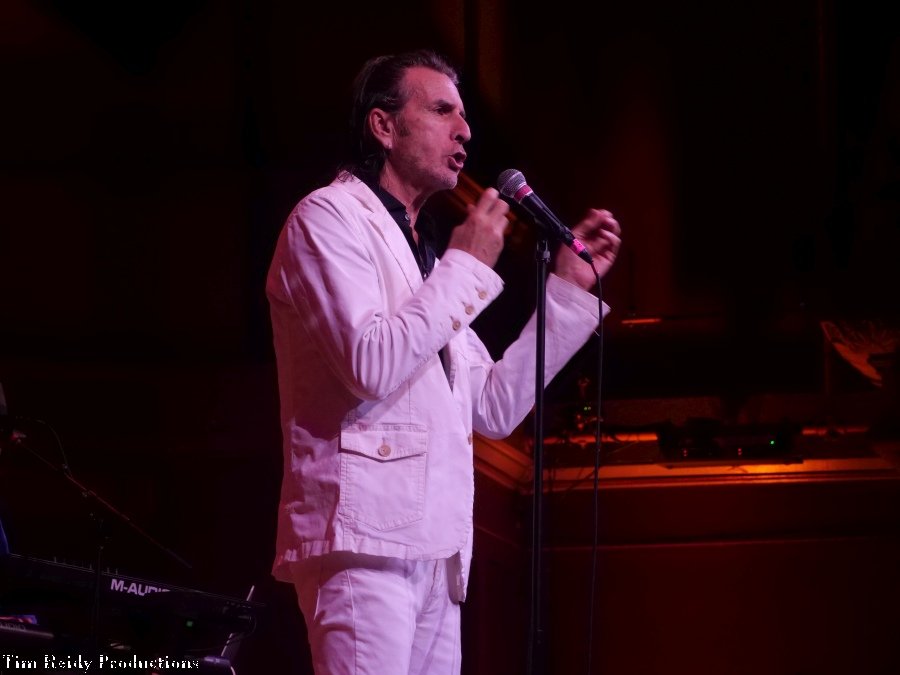
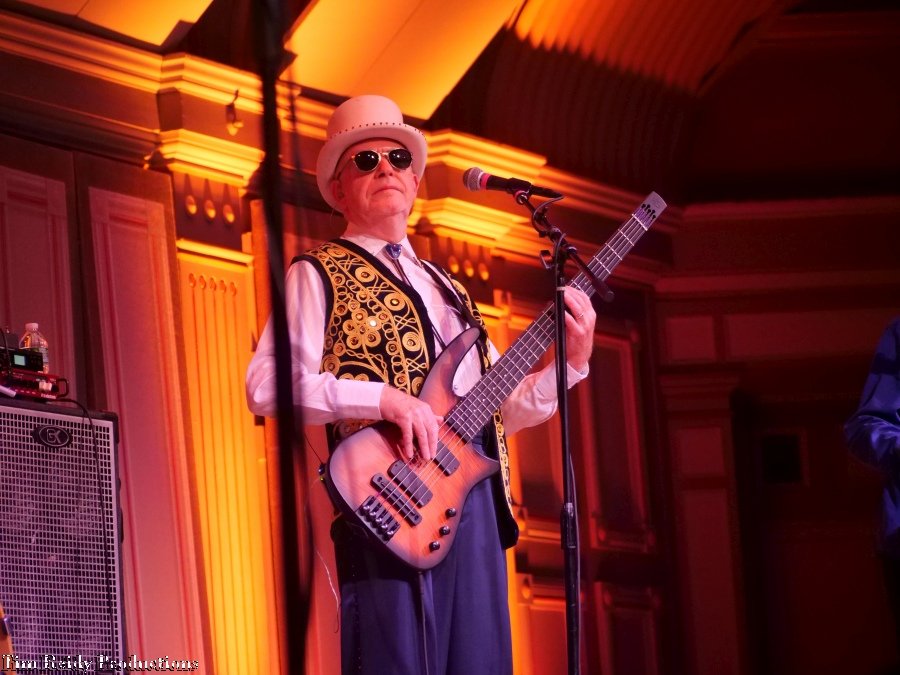
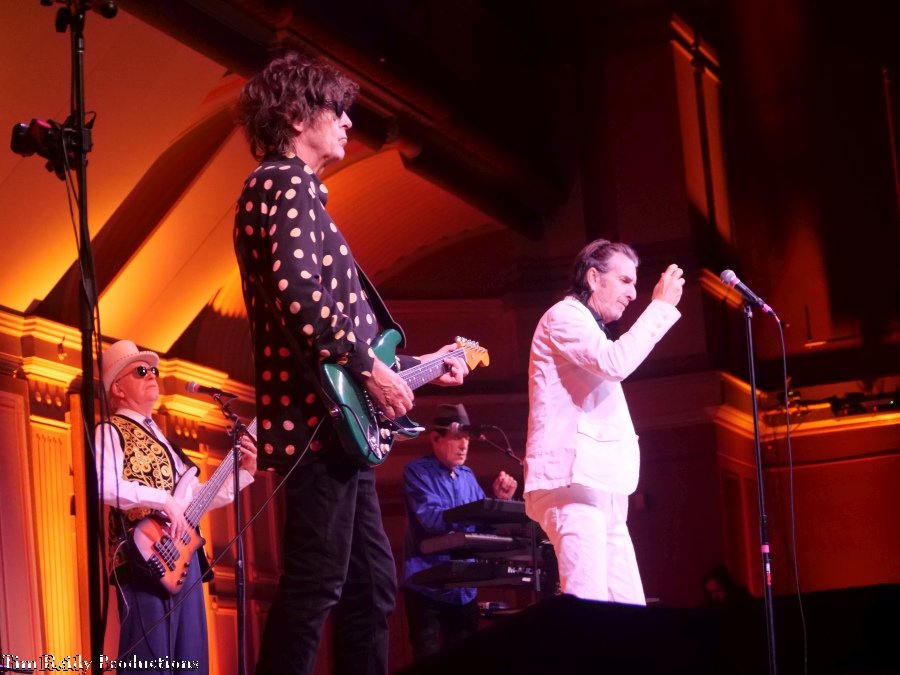
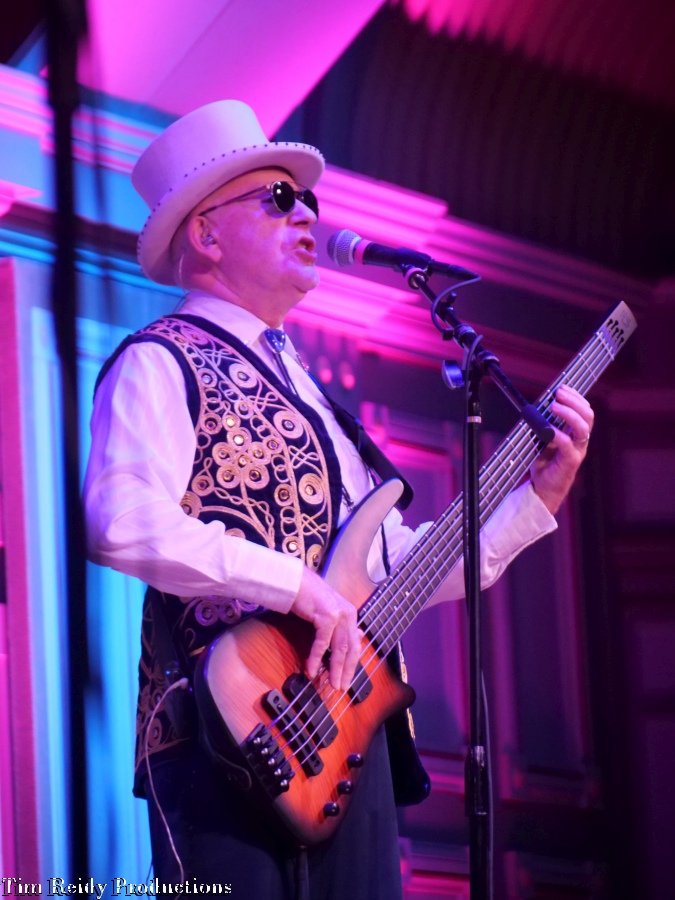
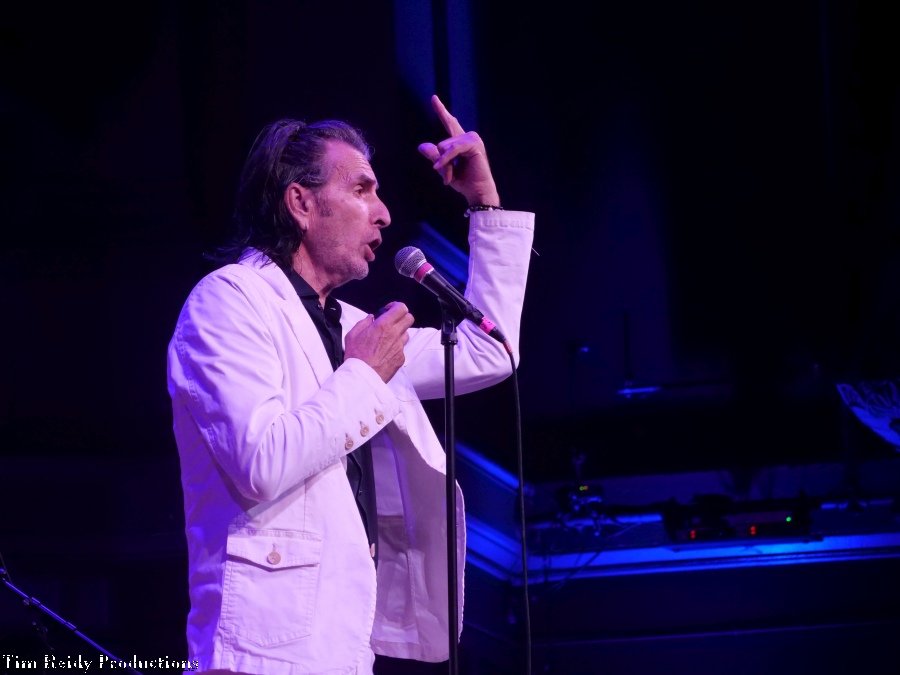
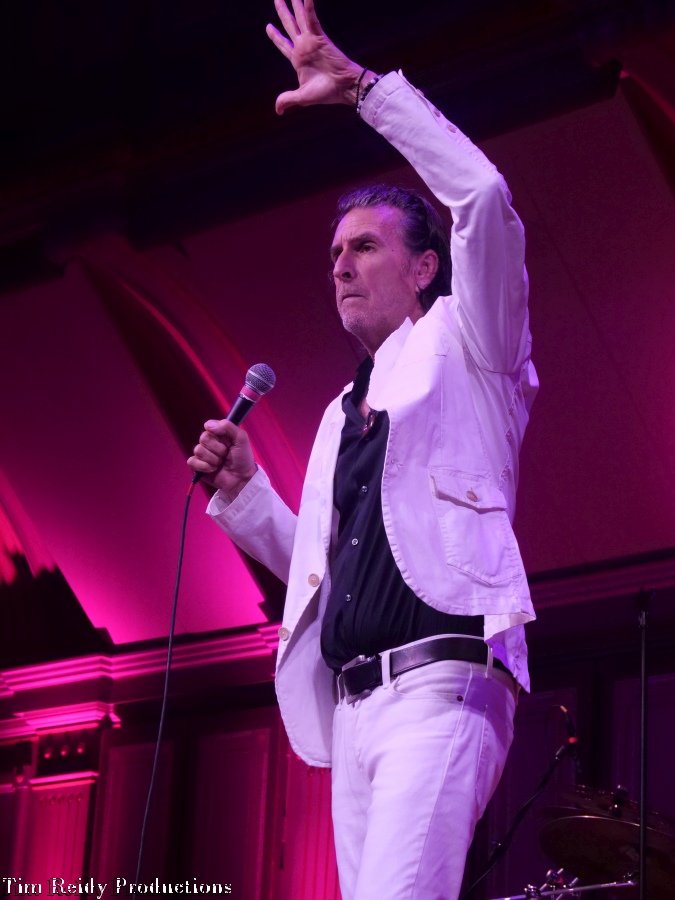
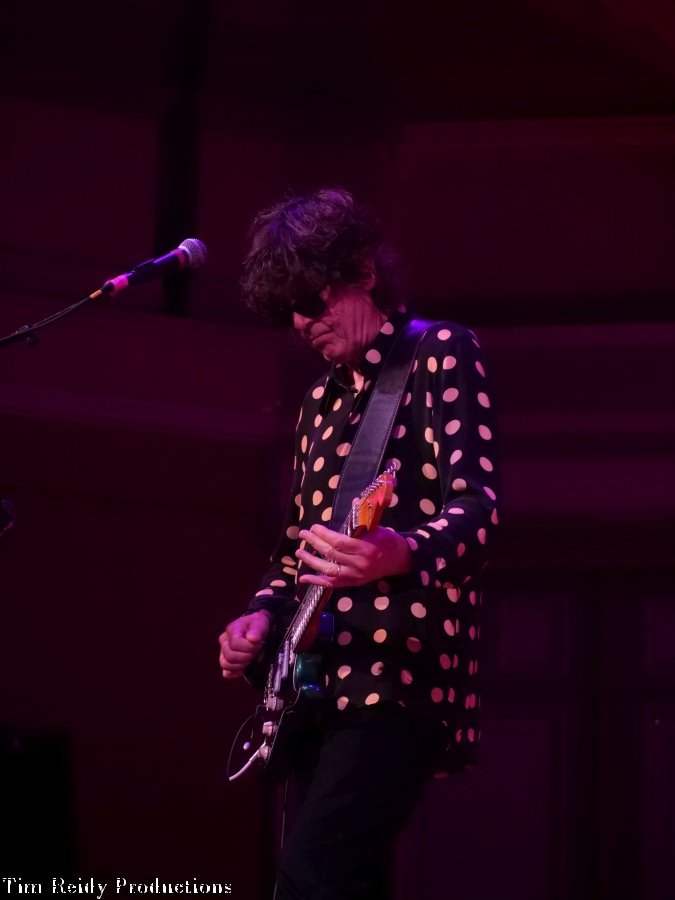
The Fixx was at Troy Savings Bank Music Hall on a Wednesday night, along with (voice of the Zombies) Colin Blunstone and Peter Asher.

Photography by Timothy Reidy.

More from Troy Savings Bank Music Hall here …


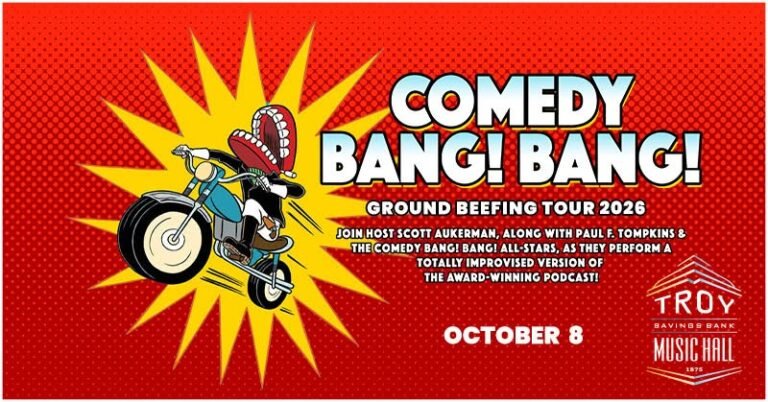
Comedy Bang! Bang! returns to the Troy Savings Bank Music Hall on Thursday, October 8th

0

TROY, NEW YORK:     Comedy Podcast Comedy Bang! Bang! returns to the Troy Savings Bank Music Hall on Thursday, October 8th at 8pm.  Tickets are still available.  Learn more below about the show:

Join host Scott Aukerman, along with Paul F. Tompkins & The Comedy Bang! Bang! All-Stars, as they perform a totally improvised version of the award-winning podcast!

Emmy winner Scott Aukerman is a true multi-hyphenate and a top creator, director, producer, host, and writer in the world of comedy. In spring of 2023, he released COMEDY BANG BANG: THE PODCAST: THE BOOK. The book is based on his long-running podcast COMEDY BANG BANG, which is celebrating its 17th year. The podcast has over 50 million downloads and features comedians and actors in an open conversation about odd topics. Scott also co-hosts several other podcasts including THREEDOM with Paul F. Tompkins and Lauren Lapkus, U SPRINGIN’ SPRINGSTEEN ON MY BEAN alongside Adam Scott and SCOTT HASN’T SEEN which is available on the CBB World Network, which he founded in 2022 and offers an expansion of the CBB universe for its subscribers.

Scott’s directorial debut, BETWEEN TWO FERNS: THE MOVIE is streaming now on Netflix. The film, which is based on the popular Funny or Die web series, stars Zach Galifianakis in a reprisal of his infamous role. The faux talk show, co-created by Aukerman, has featured Emmy- winning interviews with A-list guests including former President Barack Obama, Cardi B and Brad Pitt.

Previously, Aukerman was the creator, host, writer, and producer of the parody talk show COMEDY BANG! BANG!, which aired on IFC for five seasons. The show welcomed guests such as Zoe Saldana, Jon Hamm, Brie Larson, Paul Rudd, Kaley Cuoco, Kevin Bacon and many others.

Aukerman has helped pen everything from the 67th Primetime Emmy Awards and the 76th Golden Globe Awards, to the Academy Award nominated DreamWorks picture SHARK TALE, the comedy RUN RONNIE RUN, and W/ BOB AND DAVID as well as the cult classic original MR. SHOW WITH BOB AND DAVID, for which he garnered an Emmy nomination. Additionally, Aukerman has added comic books to his ever-growing resume having written comics such as DEADPOOL and SECRET WARS JOURNAL #3 for Marvel.

More information on the Troy Savings Bank Music Hall and upcoming programs is also available on the website at www.troymusichall.org.

Week 40: Jesse Sample’s Freak of the Week “Down in the DR”

0

Jesse Sample’s Freak of the Week airs EVERY TUESDAY at 5pm Eastern ONLY on RadioRadioX.com

This is Jesse Sample. How much time do you spend in a state of fear? A quick and loose inventory of just some of the things that can go wrong can render a list that is truly breathtaking. I think this is what some of the people in my life mean when they say they are experiencing “anxiety.” But no, perhaps that’s too limited a description. Our emotional lives don’t exist in static states, but rather in varying environments amid rivers of habit and mountains of belief. When Tony Soprano passes out, it’s not the result of the single appearance of something that displeases him. It’s the reminder of an internal world composed of shifting plates of belief, grinding up against each other resulting in volcanos and earthquakes. It’s not one simple reaction. He lives there all the time.

I don’t have to go to Hollywood or North Jersey to observe this principle. I merely need to have the presence of mind to look inside and honestly consider what I’m feeling. I’ve had plenty of times in my life where I walked around within an aura of fear. I wasn’t even aware that I was feeling that way and perhaps that’s a clue to why I stayed in that space so long. You can’t change what you can’t see.

This week, I’m visiting the Dominican Republic with some friends. And even in this literal paradise, I found a way to scare myself for a couple hours. The contrast between the outside world and my inside world was so blatant, that I stumbled into an awareness of how I do fear and maybe how other folks do it too. We make it up!

Things go sideways in this life and challenge always presents itself. Pining over it is useless and probably counterproductive. We address the world in front of us and there is no downside to going in with an optimistic attitude. It could probably lead to better outcomes but more important, consciously pointing sun into that internal world changes what is normal. If we’re making the whole thing up, might as well enjoy ourselves.

Thanks to all you birds of paradise tuned into Radioradiox.com. This is the Freak of the Week, “Down in the DR.”