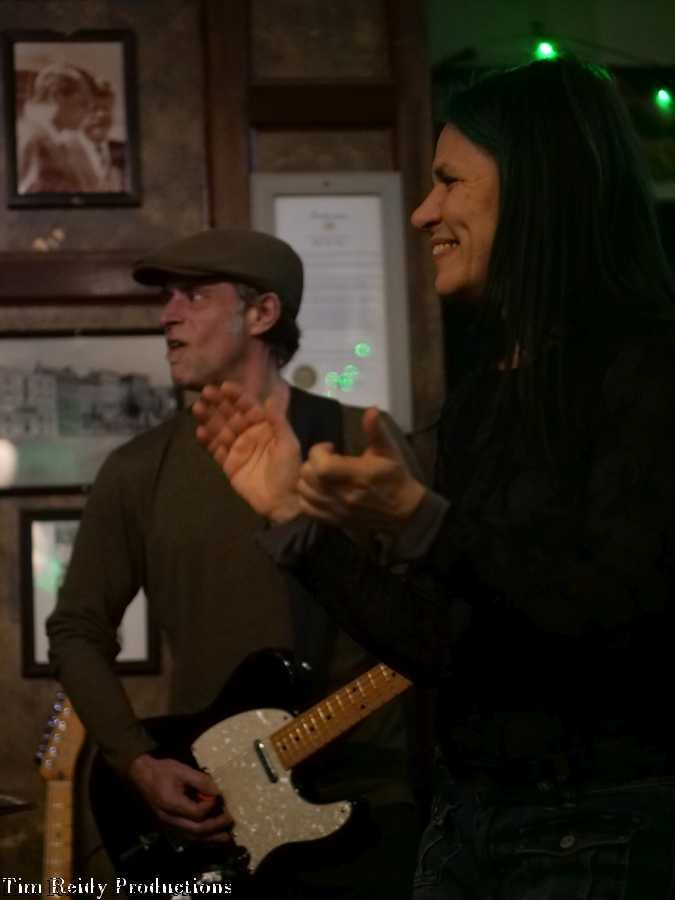
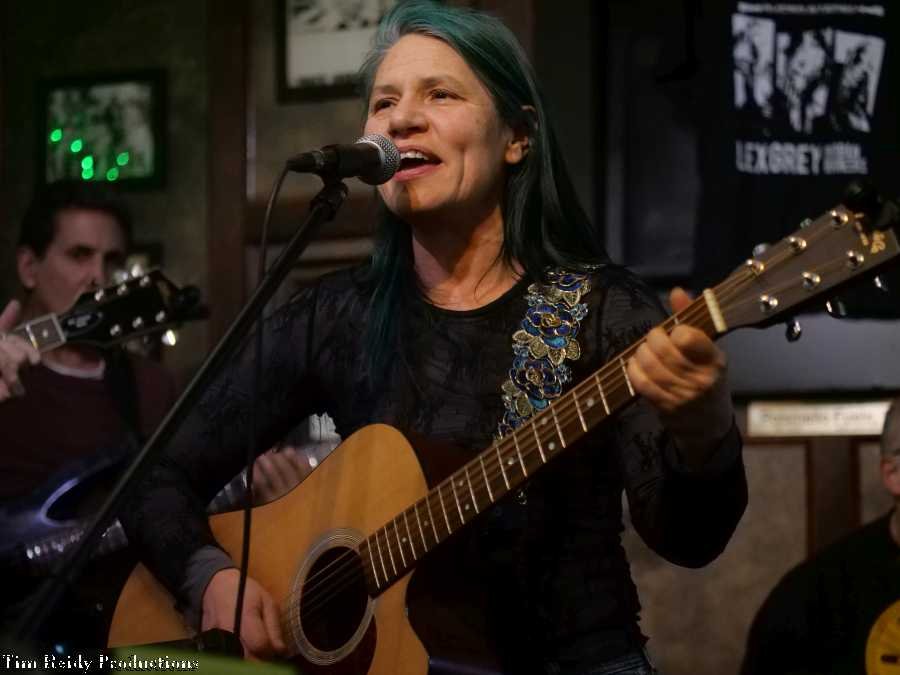
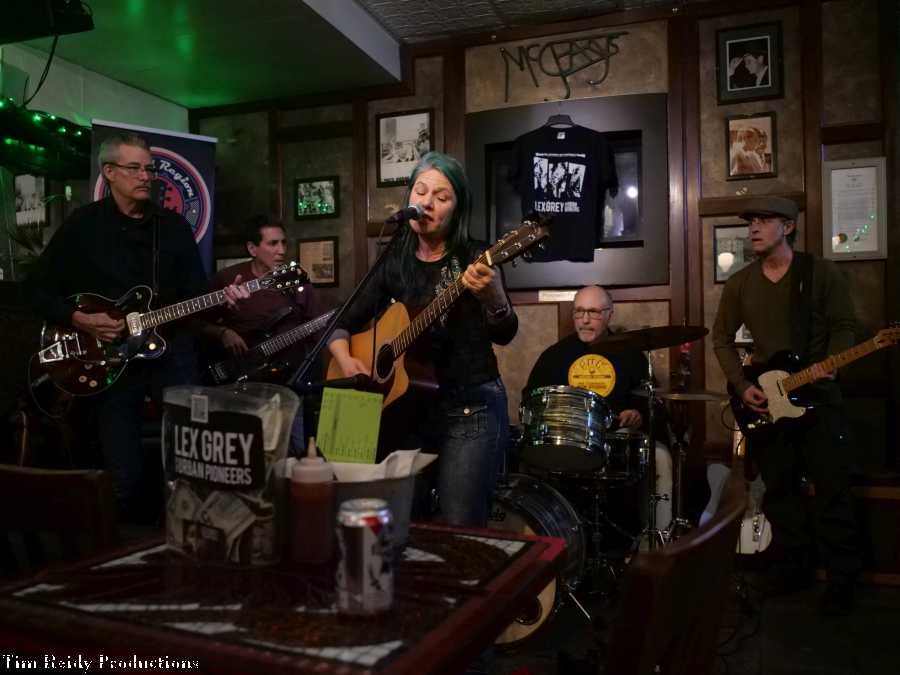
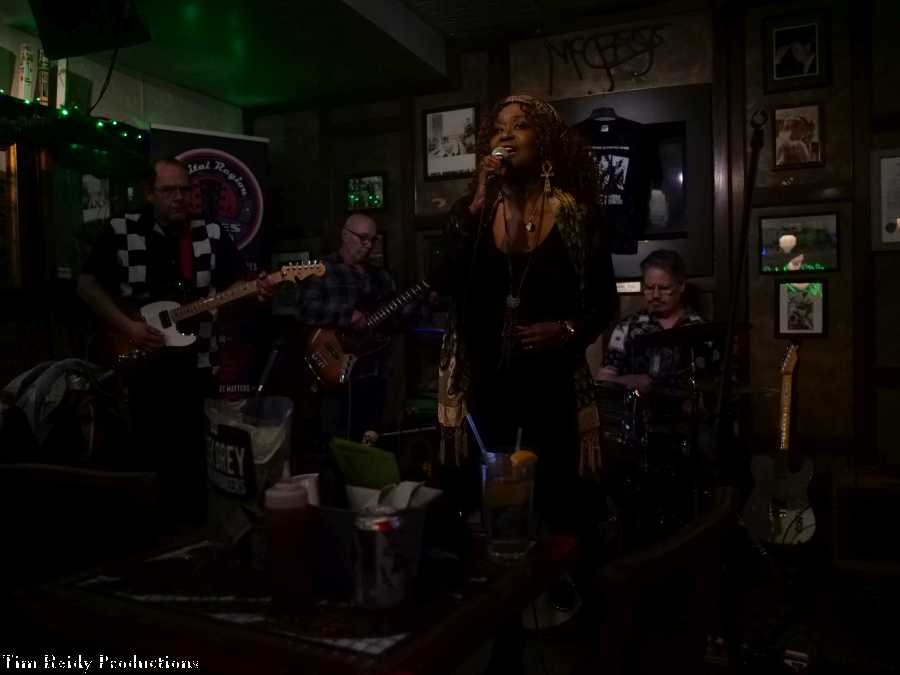
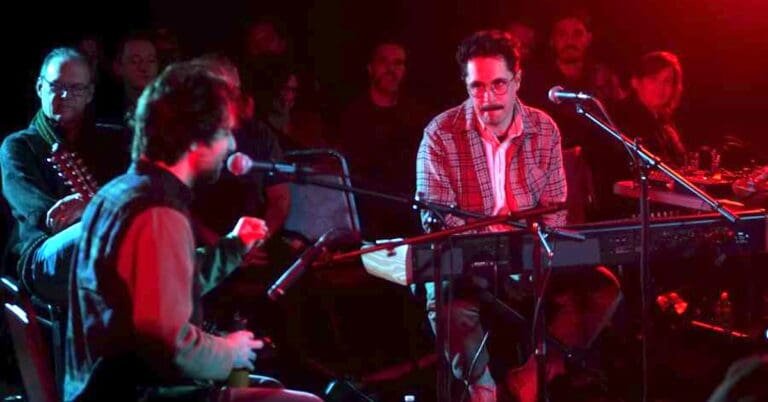
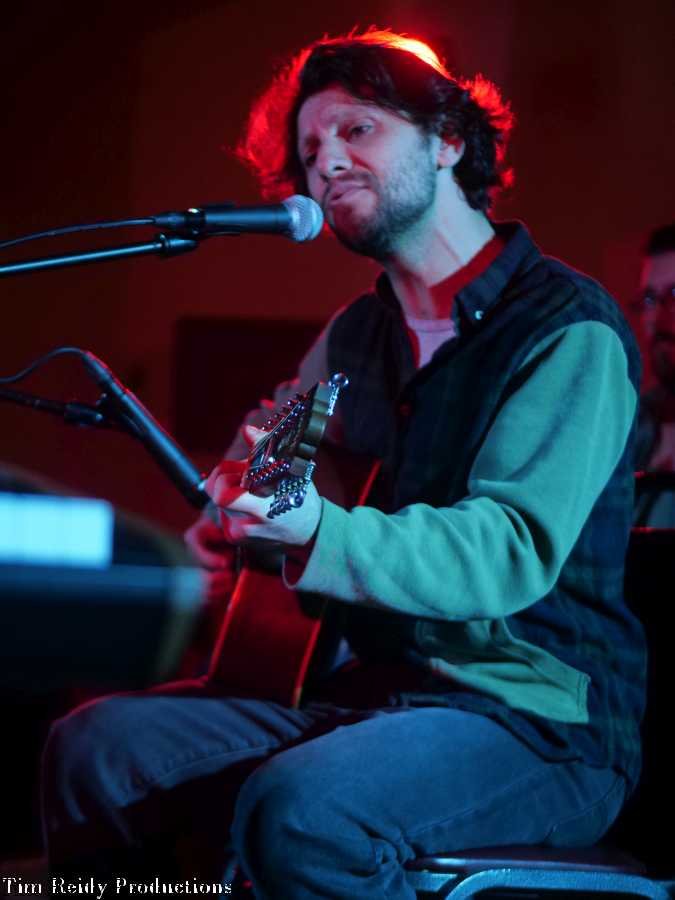
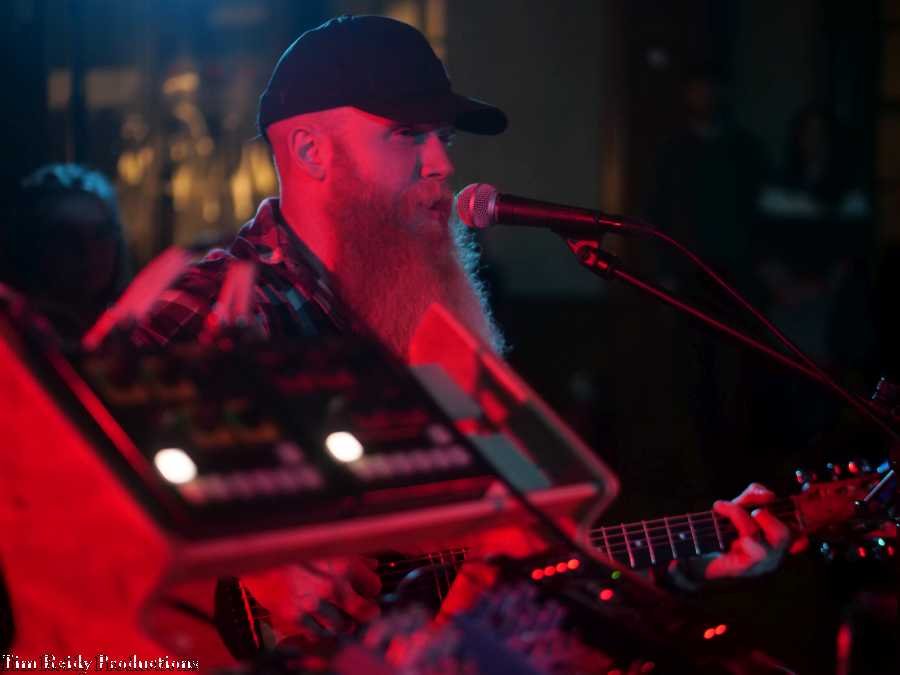
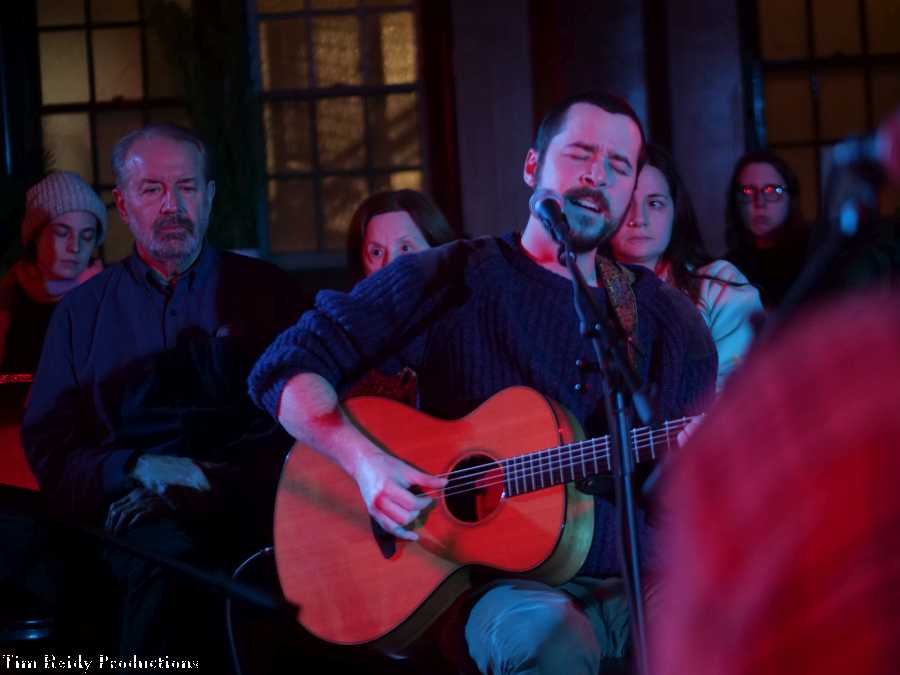
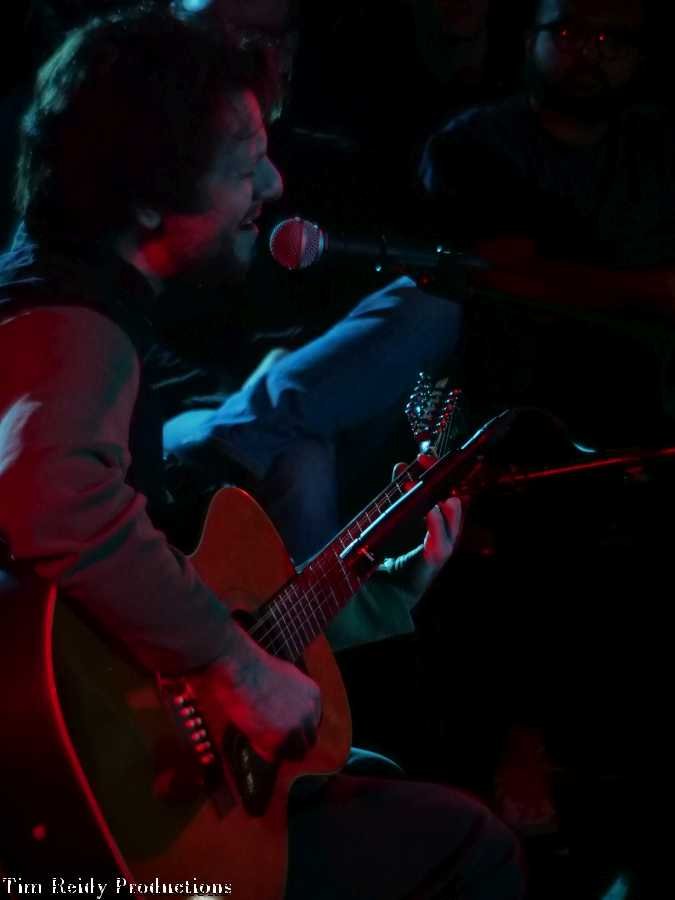
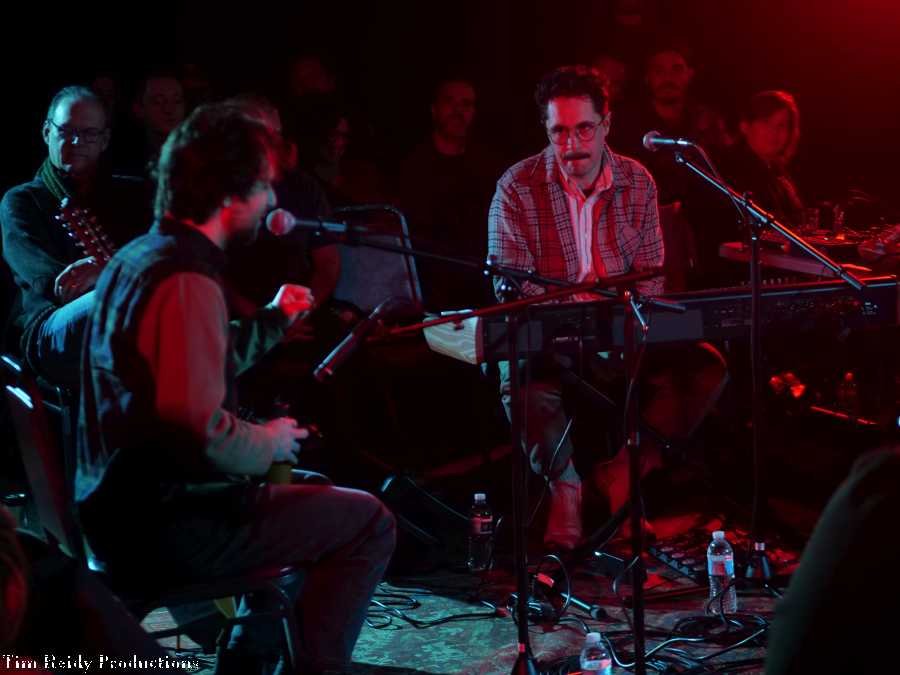
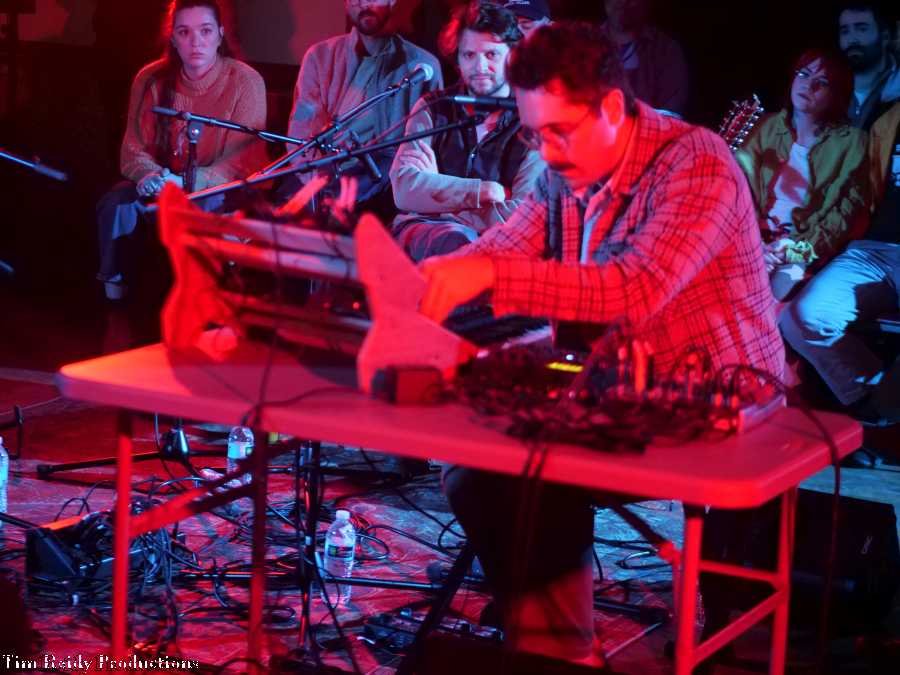
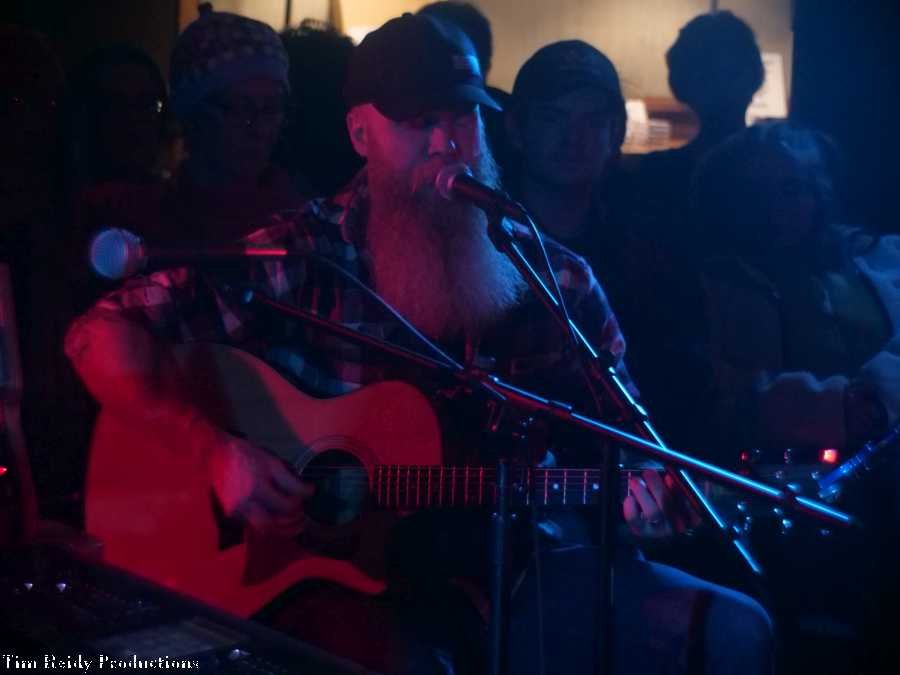
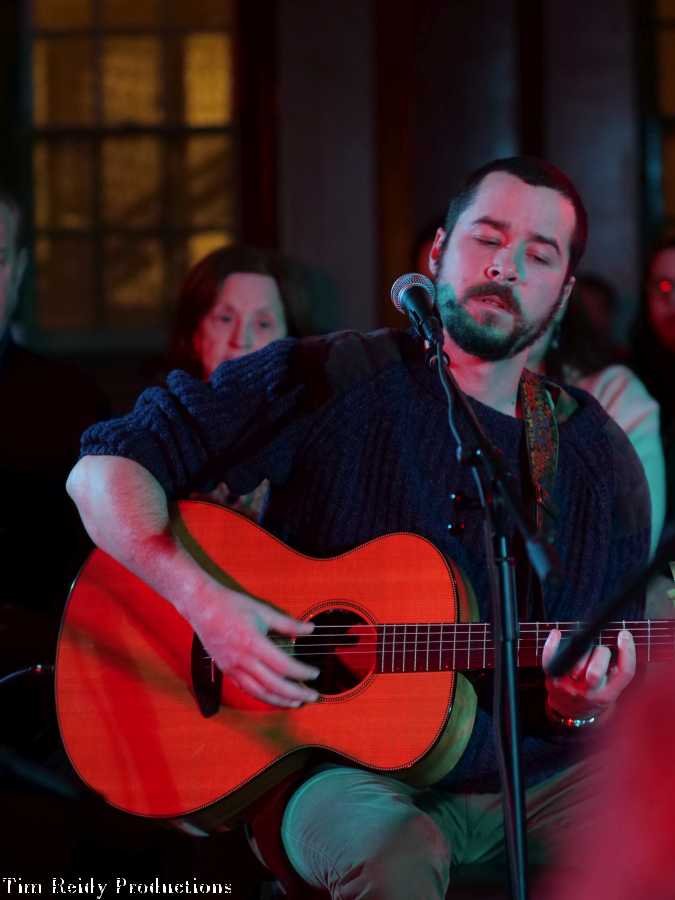
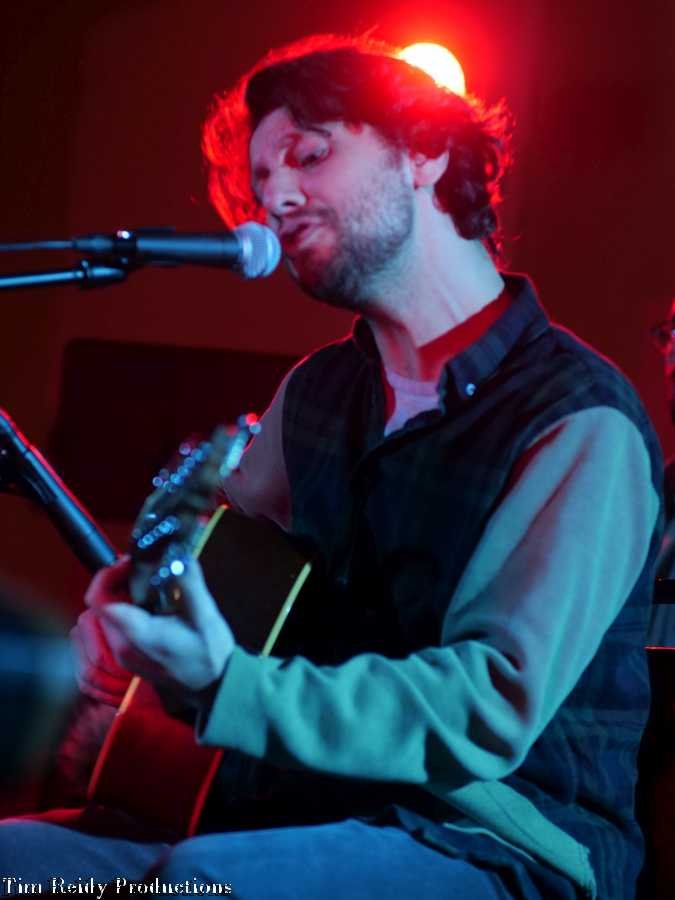
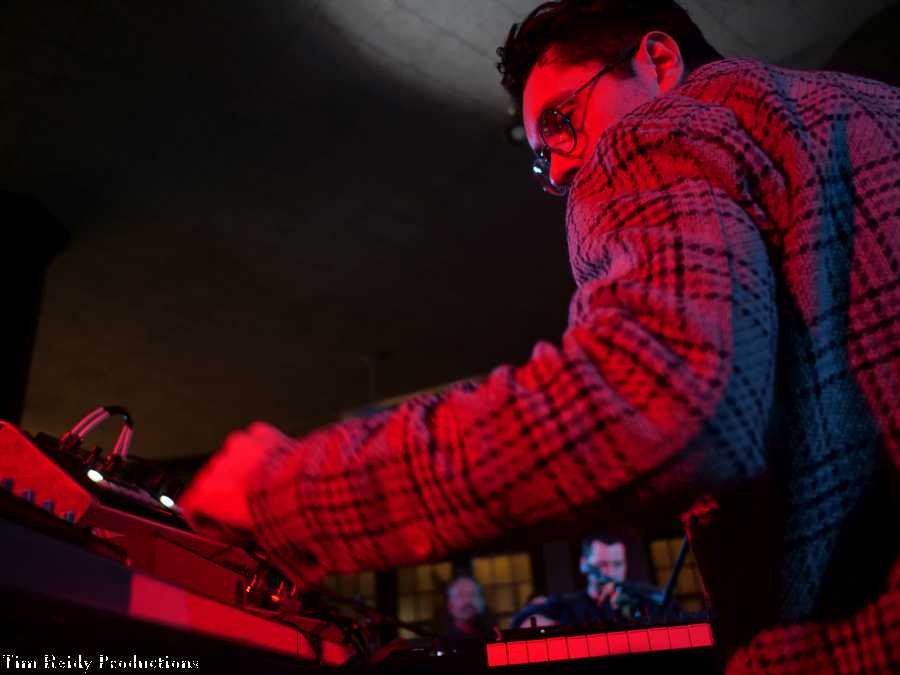
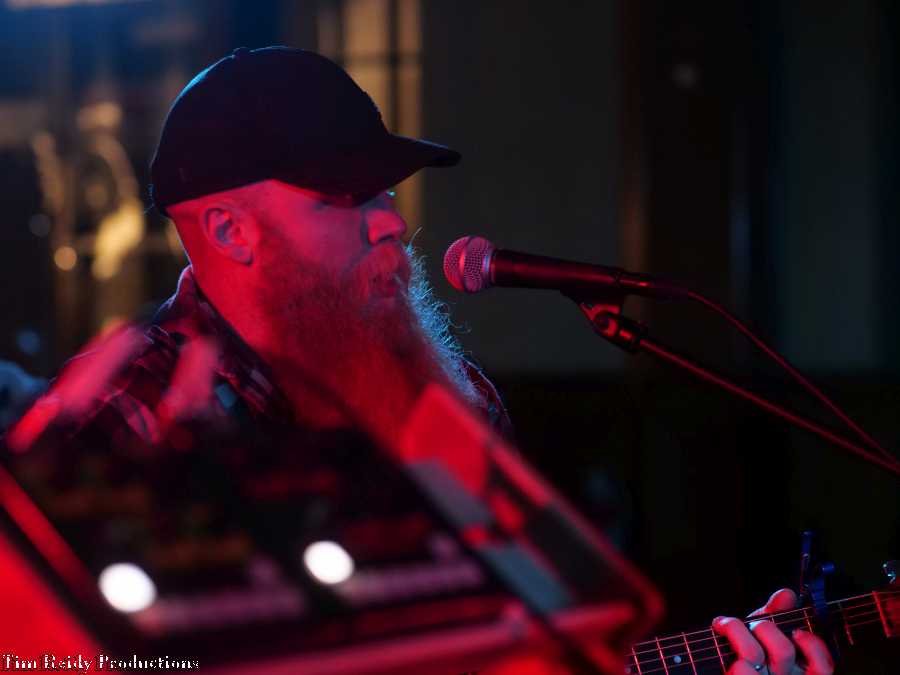
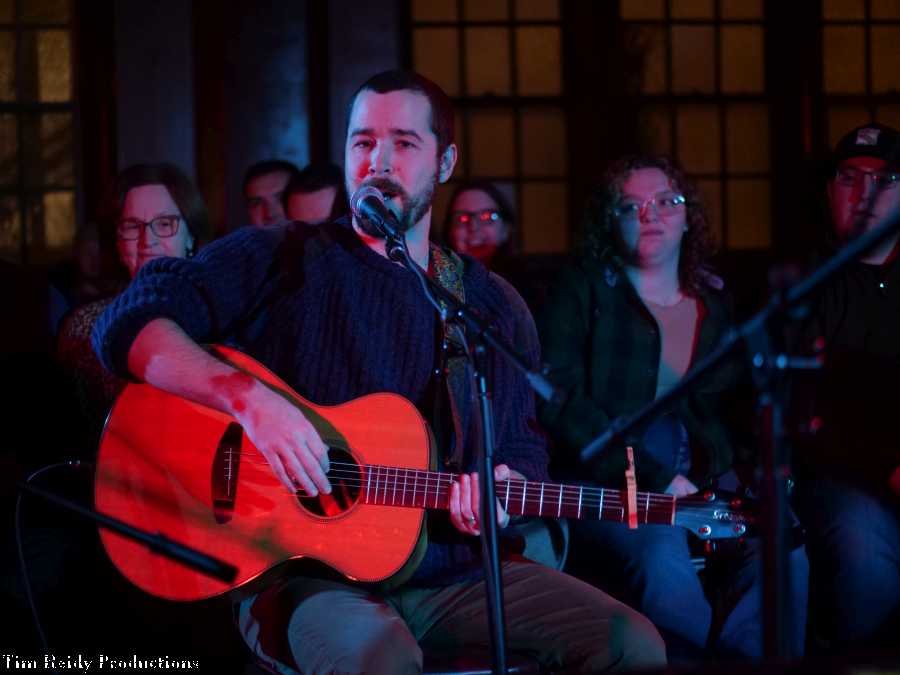
Greetings – We’re approaching the Cabin Fever days of winter. You know what that’s like: restless but tired, a little dreary. Well, Caffe Lena is here for you–and you can be here for the Caffe. We’re always looking for new volunteers to usher, wash dishes, prep food, and wait on tables. You’ll make new friends, feel very useful, and earn credits to see shows for free. Another option: we have classes during the day, both easy and advanced. That’s another way to put some light into your days. Maybe you’ll even get comfortable enough to play open mic or join a jam, which is yet another chance to connect with others. Do you see a theme? Folk music is not about remote superstars. It’s about friendship, connection and purpose–the perfect antidote to cabin fever. As Ari sings in the song above, “Everybody pitching in we’ll help out one another, and before we know it / The garden will be growing, a new breeze will be blowing.”
Daisy Chain – Thanks for Asking! – by Liam Sweeny.
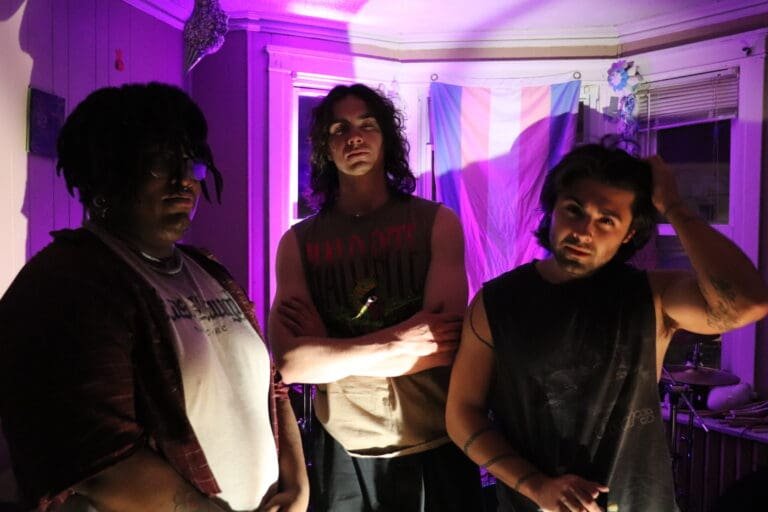
Speaking with Thomas Kita, Daisy Chain.
RRX: What was the very first reaction to your music, from the first person to ever hear so much as a practice jam or the demo of your first song?
TK: Not sure if this is a cop out answer but originally the daisy chain demos were just T on guitar and Chris on drums with no vocals and when I first heard those demos I was genuinely blown away and found myself constantly listening to them, both those guys are super talented and I knew at that moment I wanted to help out in any way possible!
RRX: We all get a little support from those around us. And we also can be impressed by our fellow performers. Who do you admire in your community, and why?
TK: I admire my very talented and supportive friends who also make music in bands like Hidden Drive, Torpedo Lane, and the Glow! Also, all the familiar faces I see at shows and the people who run DIY venues so we can play, the community here is very awesome and I’m happy to be a part of it!
RRX: We have to play somewhere, and sometimes those places have more going for them than a stage and a power outlet. What is a memorable place you played, and bonus points if it’s not a well-known place.
TK: I would have say the Rat Den! It’s a house venue in Albany and we actually had our first there which was so much fun and we played there again recently and somehow it was even crazier?!! I just love how our music sounds in there!
RRX: Music genres are difficult for some artists. Some strictly adhere; others not so
much. What is your perspective on the genre you play, or the genres you hover around?
TK: I’d say the type of music we tend to hover around are skramz and math rock. My perspective on the respective genres is kaleidoscopic, I like to apply different lenses to the stranger parts of these genres that don’t get to shine enough. Whether that be leaning into a stronger dissonant melody or grinding to a halt to introduce a groove that feels so wrong and so right at the same time, we like to stay off the beaten path. That being said we also will pay the genres homage, throwing in distinct panic chords and chugs that hammer in that hardcore screamo sound. My mentality on genres in general is like a coloring book. The lines are optional.
RRX: With the exception of singing, everyone has an instrument, an inanimate
object that has the distinction of being a lifelong friend. Smooth or temperamental, these objects have a character. So pick someone to answer, can you tell us something
special about what you play, your technique, your instrument?
TK: The basis for my technique comes from the southwest. So far southwest actually that you end up in southern California. There are these two emo adjacent bands Vs Self and Gayt that introduced me to the idea of combining a guitar and bass part into one, and so for the latter half of 2025 I spent my time writing unconventional riffs that utilize the best of both worlds. My technique evolved and sprouted into something quite different than most guitarists, initially it was a very risky play making this type of music without a bass player, the thought of not sounding full enough danced around in my mind until our drummer Chris had an ingenious idea. He opted for splitting my signal into both a guitar and bass amp, which really fleshed out our sound and gave way for some very interesting tones and a strong live presence. As of today I am still learning new elements to bring to the table and I am so so excited for the future of our sound to evolve and grow beyond anything we originally thought was once out of reach.
RRX: We do this for the fans. For the blisters also, but mostly for the fans. Who’s one of your best fans? Without necessarily giving their name, what are they like?
TK: Rambunctious, fearless, incredible… all that and a heart of gold sprinkled on top, I could go on and on about them. One of my favorite things about the people who listen to our music is that they reflect our tenacity and love for the community. Playing at the amazing venues in our area and collaborating with the local bands to build unforgettable bills gives way for everybody involved to express themselves in such a phenomenal way. Whether we have an open floor or a cramped room almost immedietly people start thrashing each other around and become involved in the songs, seeing this firsthand really fills my heart with a lot of joy and makes me proud to be a part of the Albany scene. A fan of Daisy Chain is a friend of ours, we love talking to people during the show and meeting new faces.
Ian Macks will read at the Social Justice Center Thursday, February 19, 7:30PM
Poet Ian Macks will read from his work at the Social Justice Center, 33 Central Ave., Albany, NY on Thursday, February 19, 2026 at 7:30PM, with an open mic for community writers.
Ian Macks is a 32-year-old poet and writer based in Albany, New York. His full-length poetry collection, Identity Crisis, was published in 2024 via recto y verso editions, inc.
A reading by a local or regional poet/writer has been held since July 2006 each third Thursday at the Social Justice Center. The event includes an open mic for audience members to read. Sign-up starts at 7:00PM, with the reading beginning at 7:30. The host of the readings is Albany poet and photographer Dan Wilcox. The suggested donation is $5.00, which helps support this and other poetry programs of the Poetry Motel Foundation, and the work of the Social Justice Center.
For more information about this event contact Dan Wilcox, 518-482-0262; e-mail: dwlcx46@gmail.com
The Social Justice Center, founded in 1981, is a non-profit organization working for progressive social change through education, community building and collective action. The center advances the struggles against racism and for peace and justice. For further information about the SJC call 518-434-4037.
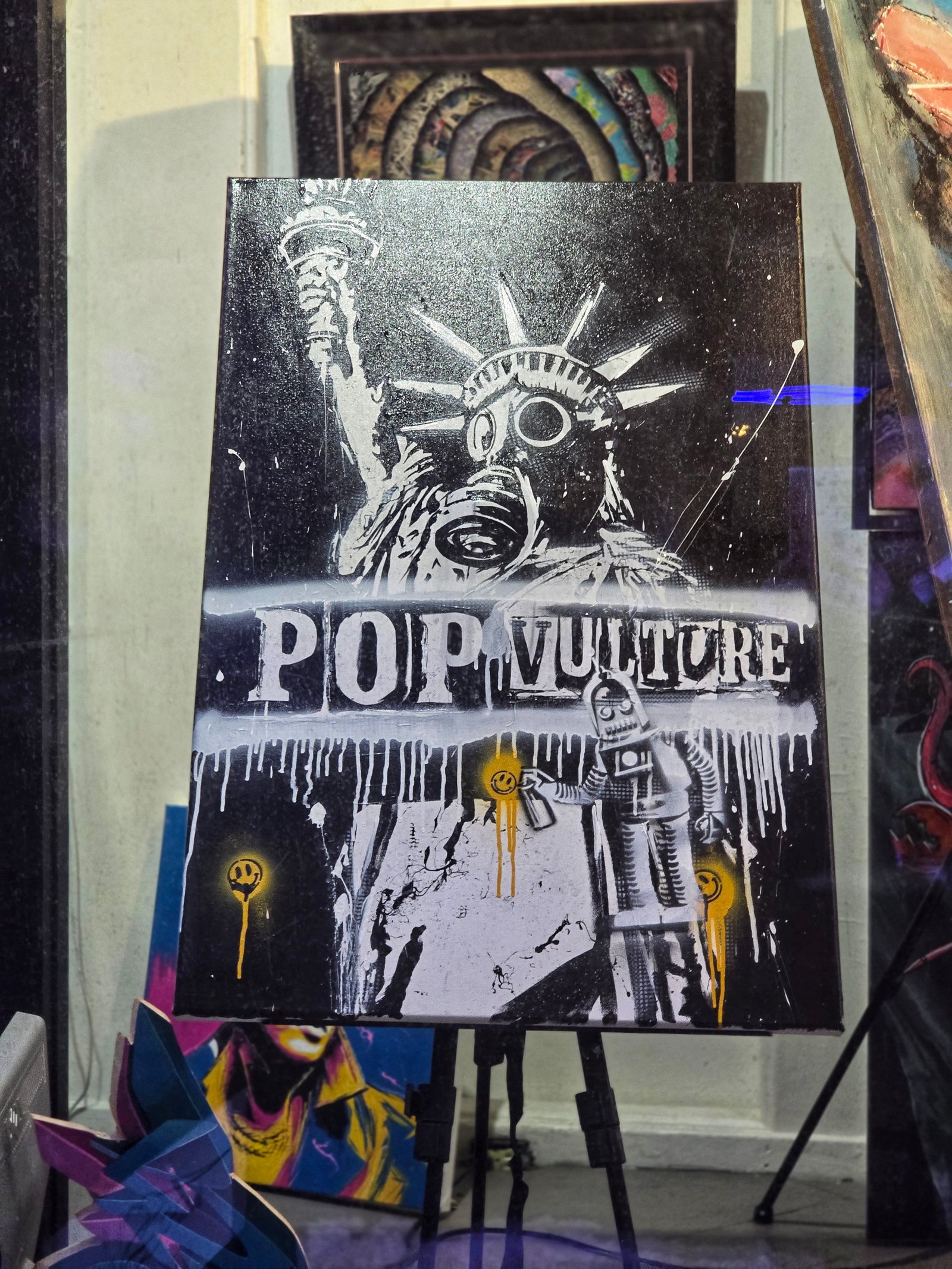
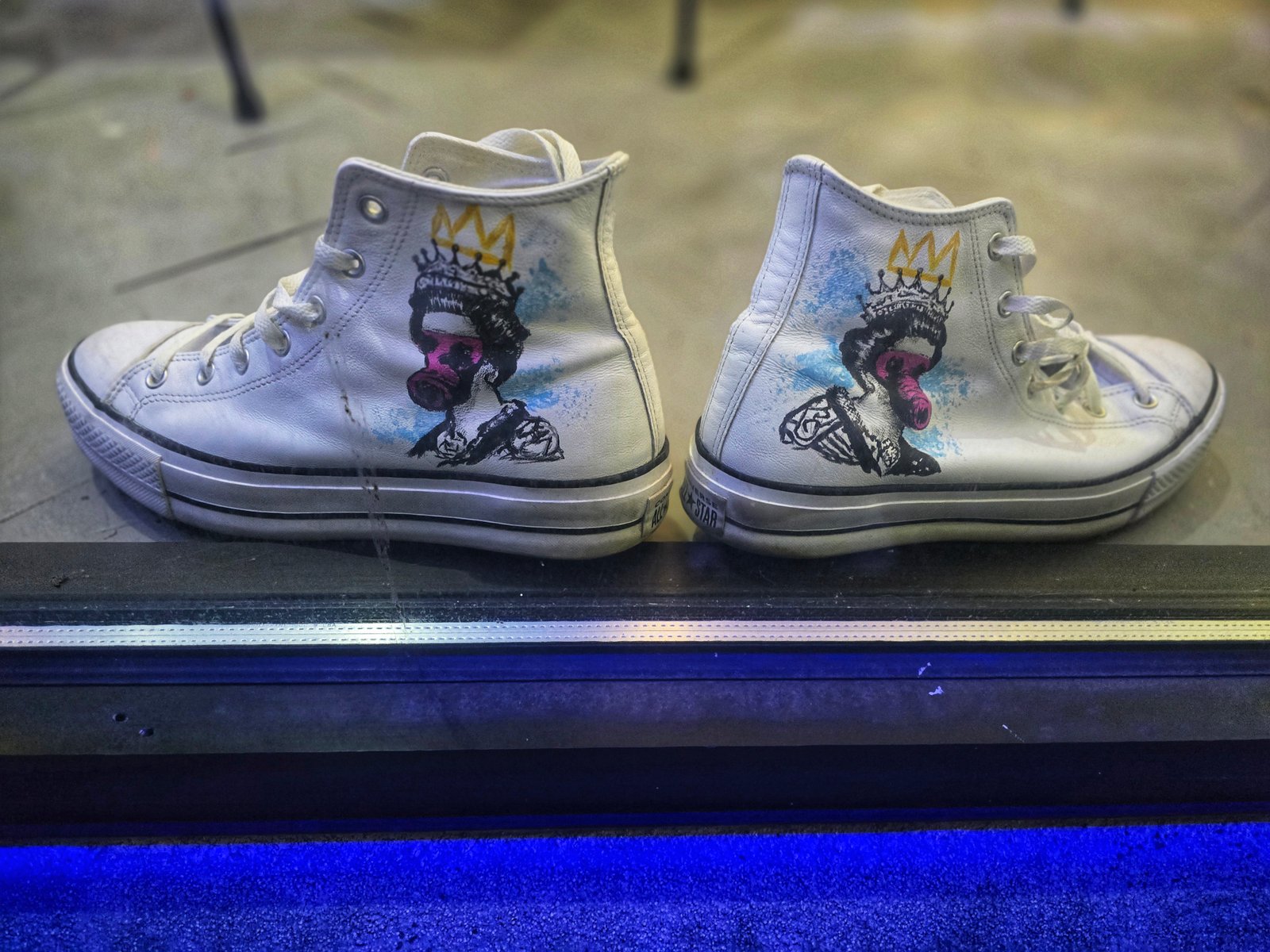
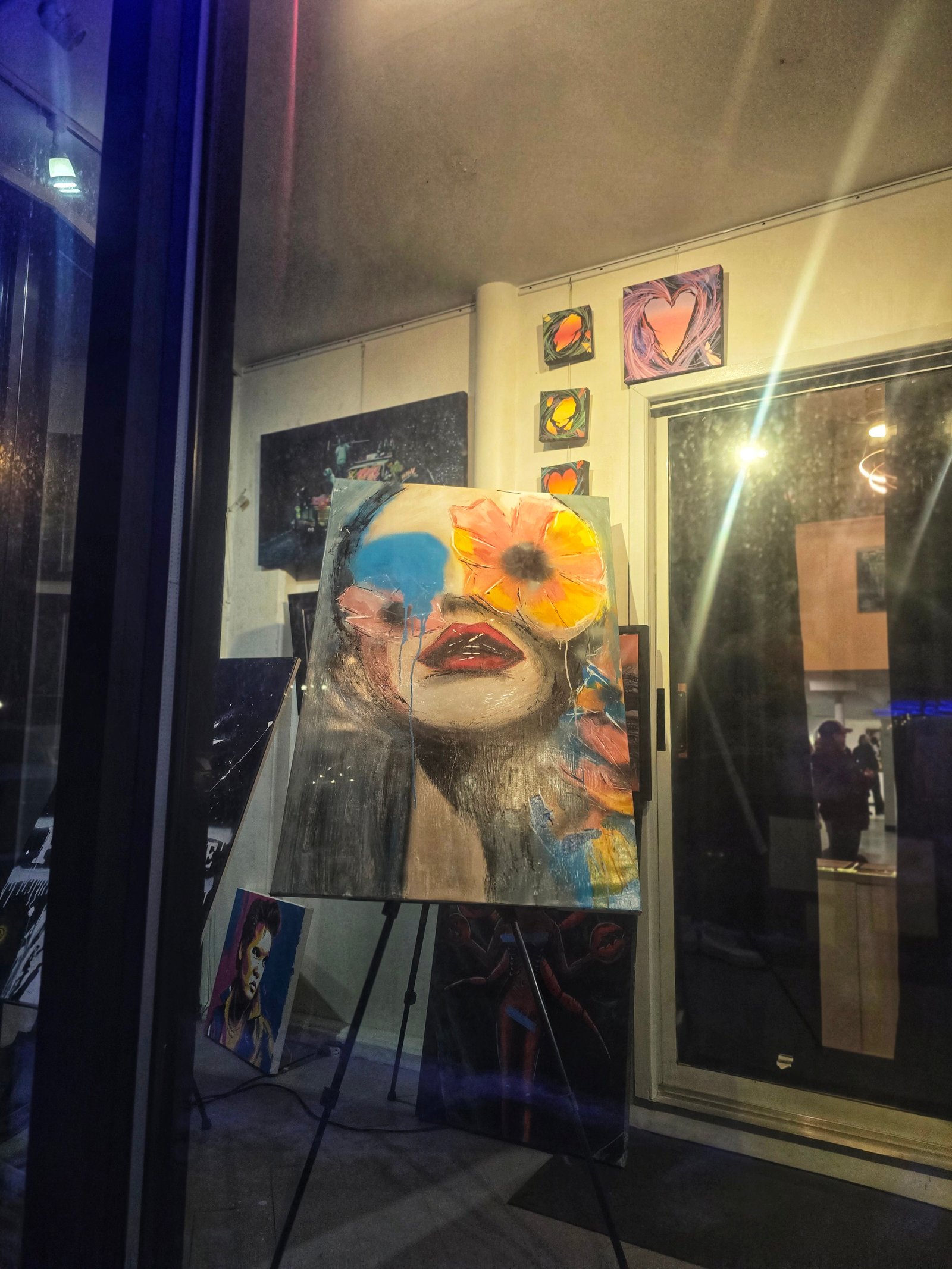
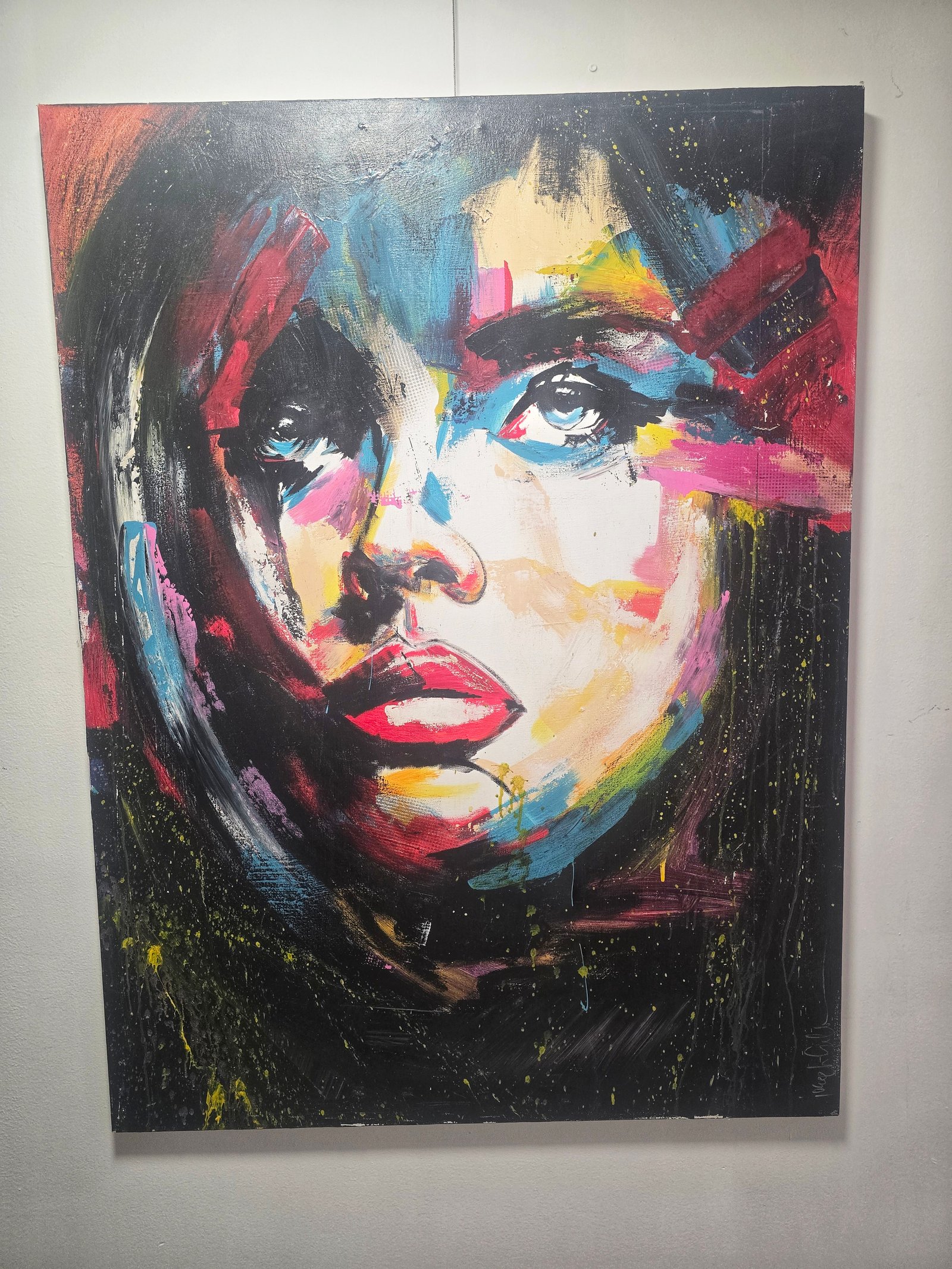
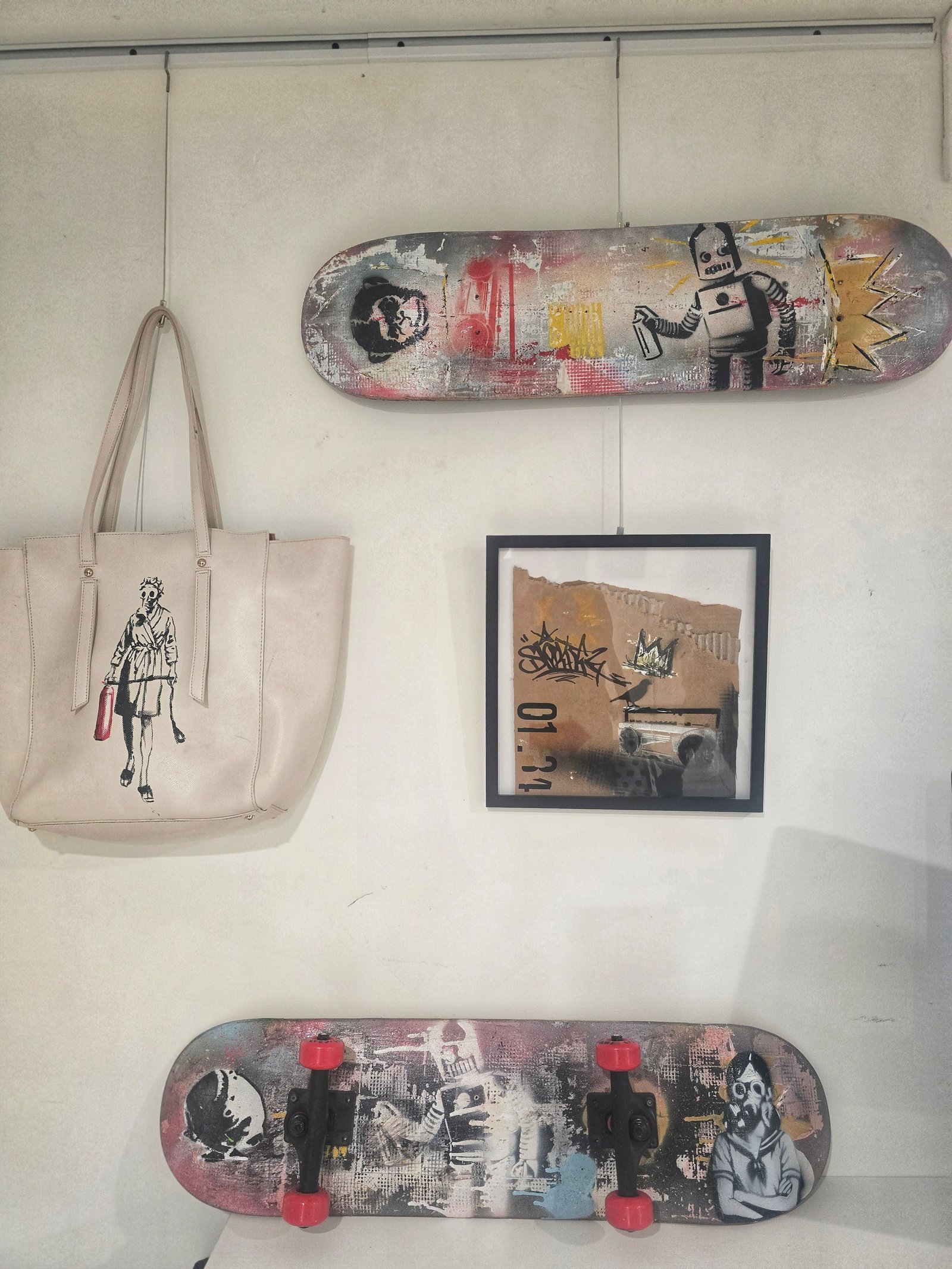
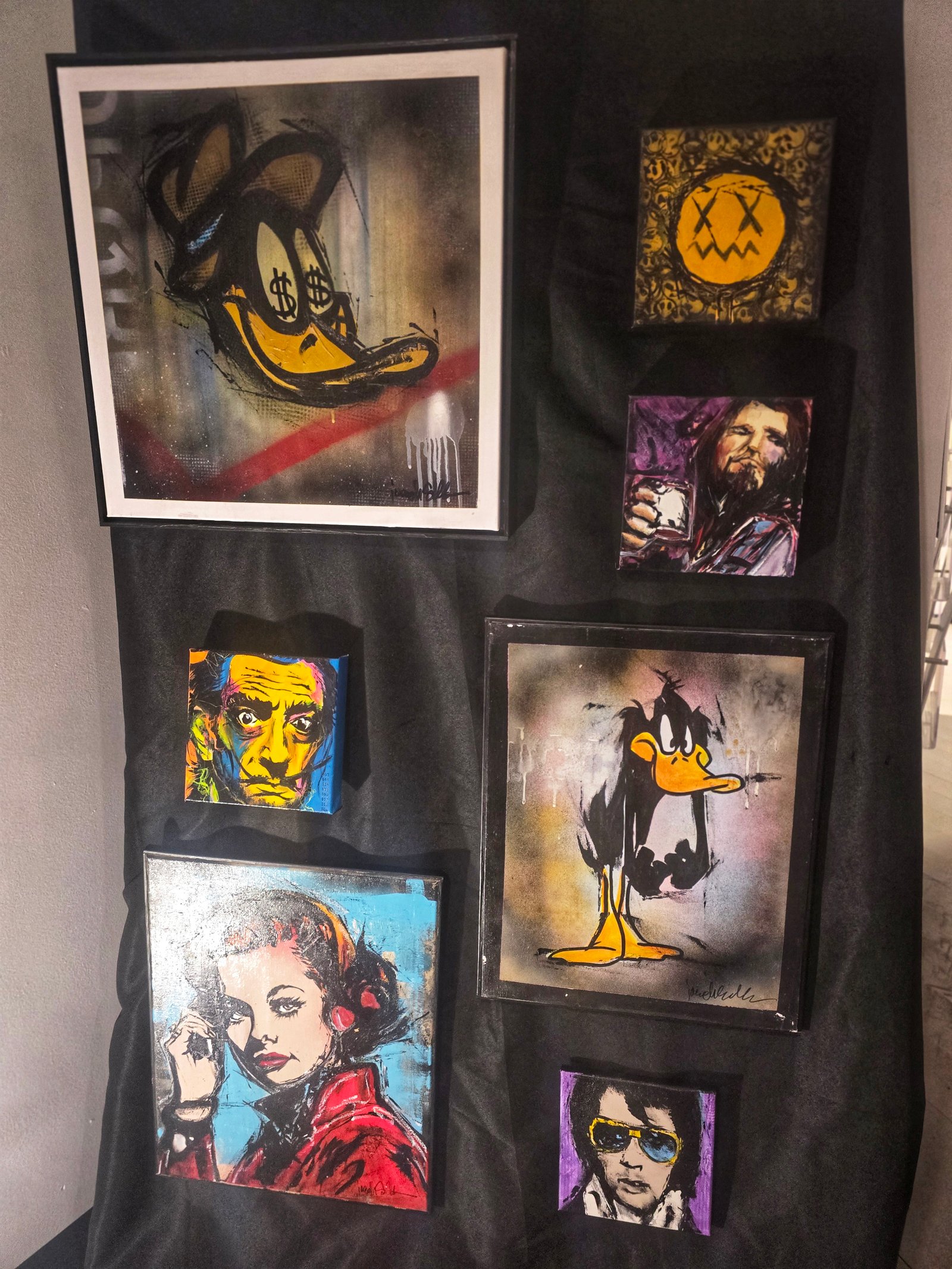
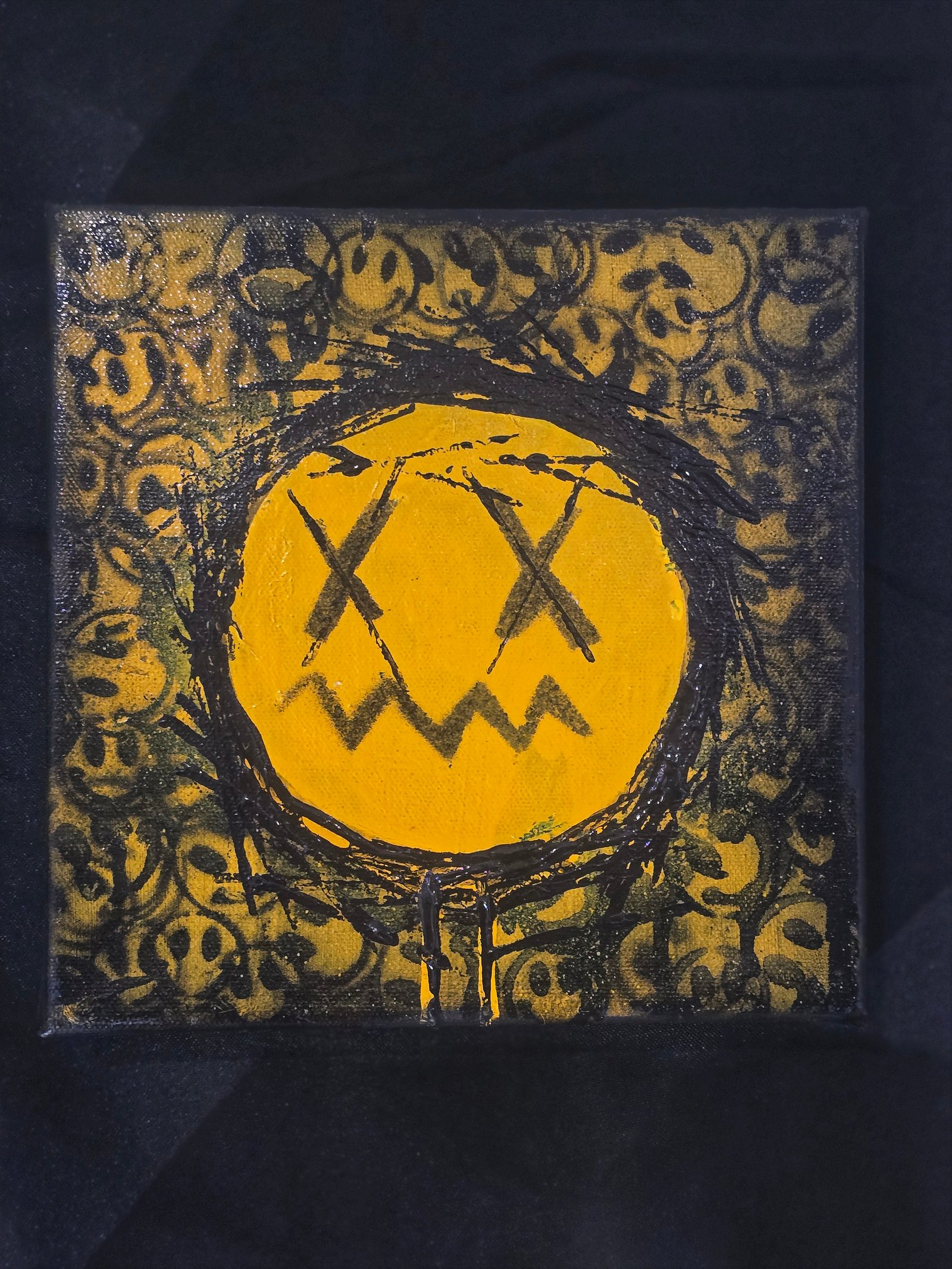
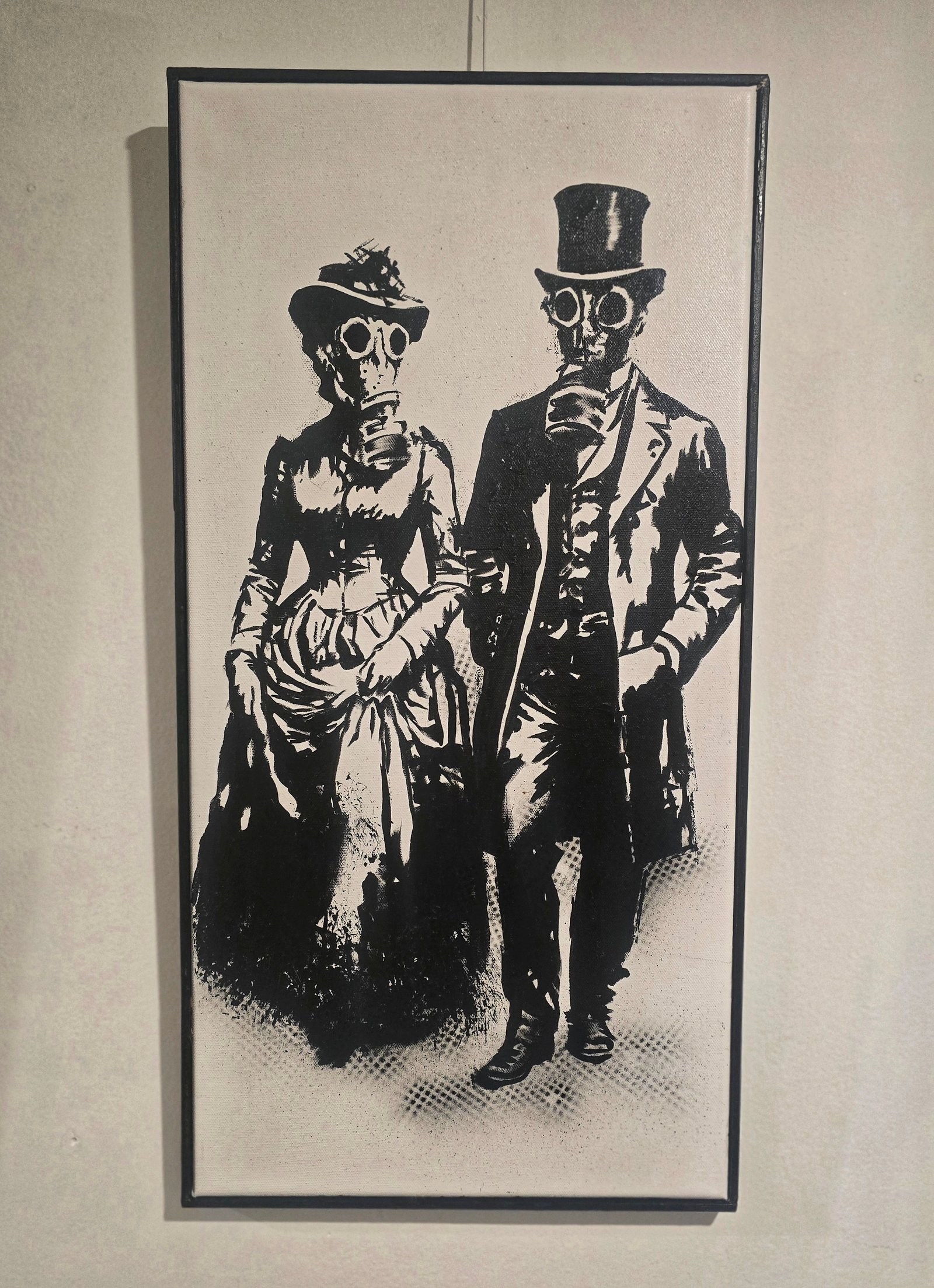
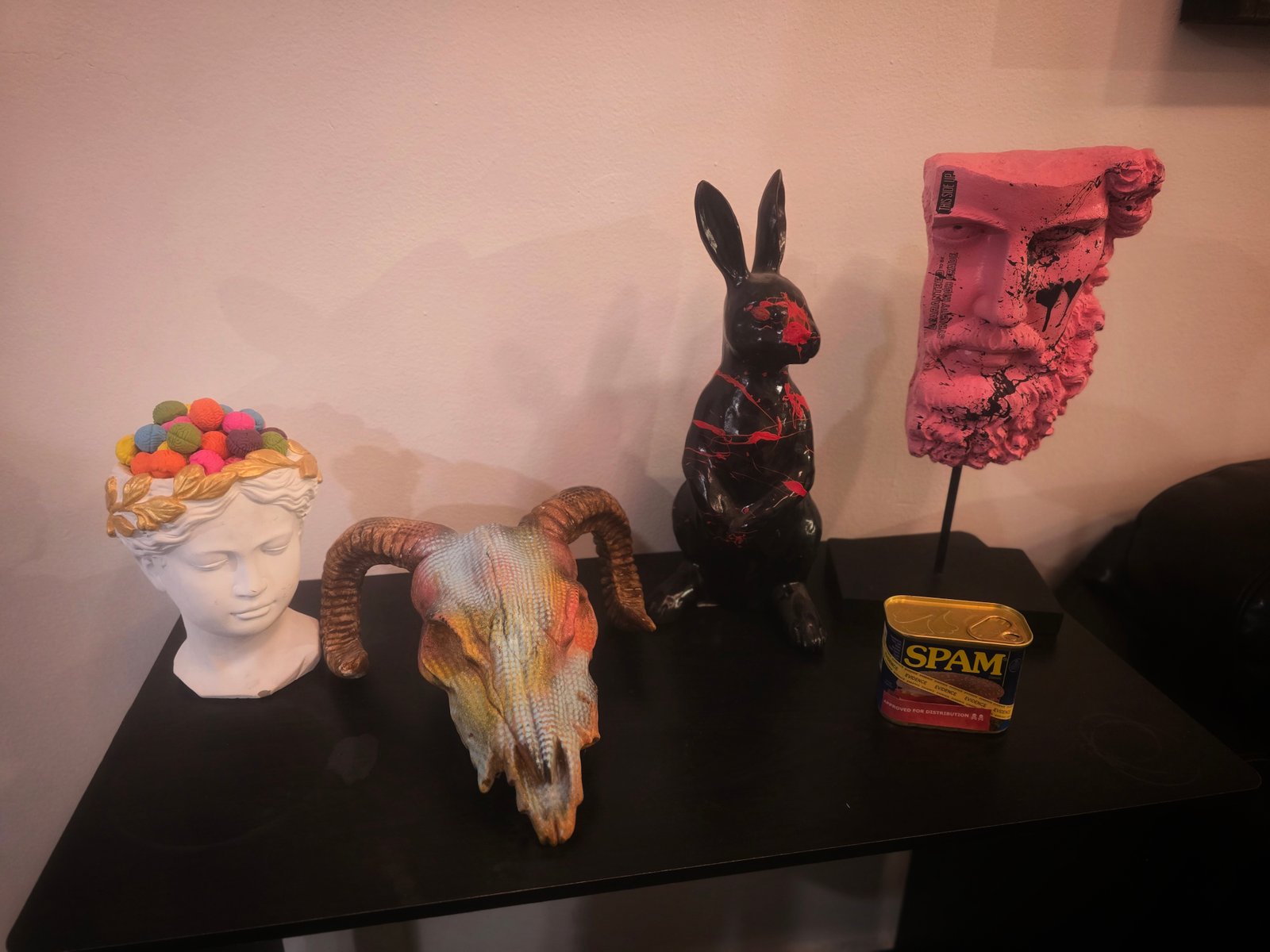
Two Selves Gallery hosted the opening reception for “Pop Vulture: Street-Inspired Icons & Curiosities“, a Visual Vandalism Show by Artist Joe Schaefer. The exhibit will be open until February 21, and offers an inspired collection of work that reimagines pop culture with a visceral, gritty edge. Located in downtown Troy, Two Selves Gallery has been open since August and features artistic works by already established and new artists alike. The gallery also hosts a sketchbook club, various exhibits, and live painting events.
Photo by Raeanne Wright. Originally published November 2022.
Music is entertainment. It is also telepathy. It is the sharing of experience that defies
words, even when words accompany the rhythms and melodies. We share experiences
because we realize that what we go through can be beautiful and ugly and either way it
can inspire more than just us.
I chat with Louis Emory, who is gearing up to release his six-track project EP “Love
Italy” on Friday, October 21. With his small collective of New York musicians, The
Reckless Few, the crew fused their individual sounds to deliver the EP, an ode to a place
that reignited Emory’s creative flame.
Composed of multi-instrumentalists Bob Boyer and Tim Lynch (The Recording
Company) the members of this non-traditional band each played an integral part in
bringing the “Love Italy” songs to life.
RRX: You have two singles out entitled “Florence in The Fall,” and “Roma.” Why
Roma? What about Rome struck you to write a song?
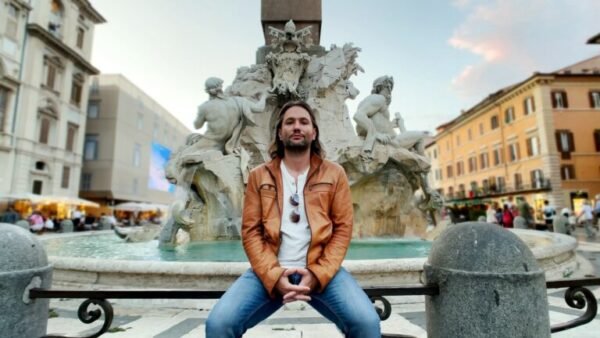
LE: “Florence in the Fall” was the first single released, followed by “Roma”. All
roads lead to Rome, but little did I know that when I first traveled there on a day trip
back in 2017 that my life would continue to lead me back there several times.
Each trip was more gratifying than the previous and I’ve barely scratched the
surface. I wasn’t hearing anything musically in the states inspired by the Eternal City
and I wanted to pay homage to it and hopefully turn people on to visiting and
experiencing it themselves someday. Growing up I always thought I’d make it there
someday. I was also interested in archeology and history from an early age and loved
learning about ancient Rome in school. Plus, I grew up in an Italian American
household, so it’s in the roots.
RRX: Italy is a prevalent theme in your music. Is it a theme that has been long
standing, or is it more recent? People understand Italy by the food, mostly, but what
about it piques your interest musically? Is it a matter of transcribing, almost, other
aspects of Italian culture into song?
LE: I write and have written about many things over the years, but the “Love Italy”
tracks are all recent and a direct result of my first trip in 2017. It was an electric shock
which sparked an intense study of the Renaissance, the masters (DaVinci, Michelangelo,
Raphael, and Titian), the Medici, the histories of Rome, Florence and Venice. I was also
listening to a lot of Dean Martin and Sinatra on Sundays while making my family’s
recipes which were handed down to me by my grandmother. I wanted to hear some new
songs about Italy, so I started writing demos at home and went to The Recording
Company to start work on the EP.
RRX: Let’s talk about the band, Louis Emory and The Reckless Few. Tom Petty and
the Heartbreakers, Huey Lewis and the News, Joan Jett and the Blackhearts – this type
of band name is very familiar, and often very successful. So, since this interview is being
answered by you, can you start by describing The Reckless Few?
LE: The idea of The Reckless Few was inspired by my old stage name Louie
Reckless and the idea and elasticity of The Plastic Ono Band. Georgia Jones provides
some amazing background vocals throughout the EP and I'm sure as we move forward
working on the next two EPs with Shelly Yakus, there will be some more people added to
the lineup.
RRX: The Reckless Few are multi-instrumentalists Bob Boyer and Tim Lynch, both
established players. Being a trio, you would think that it’s a plus to have the versatility of
band members who play multiple instruments. Is there any overlap, instruments that
both Bob and Tim play? If so, do they switch up, or stay in their lanes?
LE: I am very lucky to play with Bob and Tim and I’m extremely grateful that they
are playing on the EP. They play for the song; there’s no ego. I rely on their ears,
experience, and talent as much as my own intuition. Being multi-instrumentalists is
always a plus. We started recording “Love Italy” during the early months of the
pandemic. We didn’t know much about Covid and a lot of musicians, including us, were
worried about being exposed and getting it, so that played a part in keeping it simple
and not bringing in additional musicians. We all have families and we just tried to stay
healthy and be extra careful.
As for overlap, there is some, but we do tend to stay in our own lanes. Tim is the
best keys player I’ve ever played with and reminds me a lot of the legendary Nicky
Hopkins. Bob is a tremendous talent and fills in on drums/percussion, bass and guitar.
He also is a fantastic slide player, one of my favorites, behind George Harrison, Mick
Taylor and Duane Allman. Not bad company to be with. I’ll sing and play rhythm and
mostly acoustic these days. I’m trying to keep my focus on the lyrics and melodies and
write the best songs I can.
RRX: Let’s talk about Cosimo Medici. You wrote a song, “Firenze” inspired by
Medici. And they get a lot of bad press in history, but you see him as a shaping force in
the world. What was it about Cosimo Medici that is worthy of your music? Give us a
quick history lesson.
LE: There are probably some authors or academics who could answer this better
than me, but I will try to summarize. Cosimo was an inspiring man and force that did
shape the world. It is through his patronage that we get the works of Donatello,
Brunelleschi, and many others. Most importantly, the idea of supporting artists
financially and promoting the arts as a vehicle for civic pride.
He took a chance on Brunelleschi and because of it we have the iconic Duomo in
Florence. No dome had been built that wide since Ancient Rome and the Pantheon. The
knowledge was lost to time. Brunelleschi figured it out. It’s still standing today — it was
a marvel then as it is now. Michelangelo had first-hand knowledge of it while building
St. Peter’s Dome and even our Capitol Rotunda in Washington D.C. was inspired by it. It
all goes back to Cosimo – his foresight of what art and architecture could do for a city
and its people.
RRX: You’re very prominent in local music, featured in local programming along
with names big and small, noticed and obscure. Yet your success is breaking down
borders. In larger arenas of music, what do you wish to import to the local scene that
you’ve absorbed from without, and what do you want to export to the world?
LE: We are lucky to have a very talented and diverse local music scene. I don’t get
out much these days and feel more at home in the studio but every now and then I get
the itch to play live. After Covid, my wife Raeanne and I made it down to Levon Helm
Studios and saw Fruit Bats. It was like, oh – that feeling of live music, that connection
– it was a part of us that’s been missing for a few years. I will always be grateful to
Howard Glassman and my family at Valentines for letting me share the stages with some
wild and amazing artists and bands (The Erotics, Blasé Debris, Karl Von Heilman III)
but also be exposed to all that music. I miss it.
RRX: This is where you answer the question I didn’t ask. Remarks? Comments?
Enlighten, educate, emote – the floor is yours.
LE: I’m writing from Casa Verardo in Venice, Italy. “La Serenissima” – the featured
track and third video from the “Love Italy” will be released alongside the entire EP on
October 21st! “La Serenissima” means “the most serene” and it was a name adopted by
the Venetian Republic when that state existed. The Venetian Republic was the longest
republic to exist. It’s one of the most unique cities in the world and one worth visiting
sooner rather than later. In 30 to 40 years there's a good chance with the trajectory
humanity is on that the city will cease to exist. It's an architectural jewel and, if lost to
rising tides due to climate change, would be tragic. There is no other city like it in the
world and the fate of it is the fate of most if not all major cities founded by water.
My hope is that with the song, people will be called to visit Venice and hopefully
awaken to its magic, and that might spark some a-ha moment that we need to save and
preserve these incredible places before it’s too late.
Saratoga Springs, N.Y. – Discover Saratoga, the official Tourism Promotion Agency for Saratoga County, is excited to announce the launch of Season 2 of its podcast, Destination Saratoga: All Access, premiering today, Friday, January 16, 2026. New episodes will drop every Friday through April 24, continuing the show’s mission of spotlighting the people, places, and stories that define Saratoga County as a vibrant, year-round destination.
Hosted by MacKenzie Zarzycki, Vice President of Marketing & Communications for Discover Saratoga, the podcast offers listeners a behind-the-scenes look at local businesses, cultural institutions, community leaders, and seasonal happenings throughout the county.
“Season 1 showed us how much people enjoy hearing authentic, long-form stories about Saratoga County,” said Zarzycki. “With Season 2, we’re building on that momentum by introducing even more voices, experiences, and perspectives that truly capture what makes our region so special.”
Last season featured conversations with notable guests including Julie Bonacio, Alane Ball Chinian, Maddy Zanetti, Tom Durkin and Ramon Dominguez, along with the highly successful After Hours with Saratoga Living segment featuring Saratoga Living editor Natalie Moore. Due to strong viewership and positive audience feedback, Discover Saratoga will continue its partnership with Saratoga Living in 2026.
“Our Saratoga Living After Hours newsletter has become a resource for Saratogians who want to be on top of all the latest and hottest local happenings, and last year, we were so excited to bring our content to new audiences through the Destination Saratoga: All Access podcast,” said Saratoga Living Editor Natalie Moore. “This season, we’ll be broadcasting our After Hours with Saratoga Living episodes straight from two of our favorite after-hours hangouts: Henry Street Taproom and Kindred. And yes, cocktails will be involved!”
Season 1 performance highlights included:
Total Downloads: 8,815
Total YouTube Views: 369,685
Total Social Media Views: 654,206
Total Impressions: 1,037,358
Commenting on the show’s growth, Discover Saratoga President Darryl Leggieri said, “These numbers show that people are hungry for meaningful, locally driven storytelling. The podcast has become an exciting platform for us to highlight our members and community leaders while reinforcing Saratoga County as a dynamic destination in every season.”
Season 2 will feature an exceptional lineup of guests, including:
Amy Bloom, Saratoga Arts
Ryan McMahon, Saratoga Springs City Center
Tracy Passaro, LadyLily’s Place
Allison D’Antonio, Saratoga Regional YMCA
Teddy Foster, Universal Preservation Hall
And more!
Episodes will continue to explore Saratoga County’s arts and culture scene, signature events, nightlife, food and beverage, community stories, and the people behind the places that locals and visitors love.
Episodes of Destination Saratoga: All Access are available on Apple Podcasts, Spotify, and wherever you get your podcasts—or you can watch the video version on YouTube:
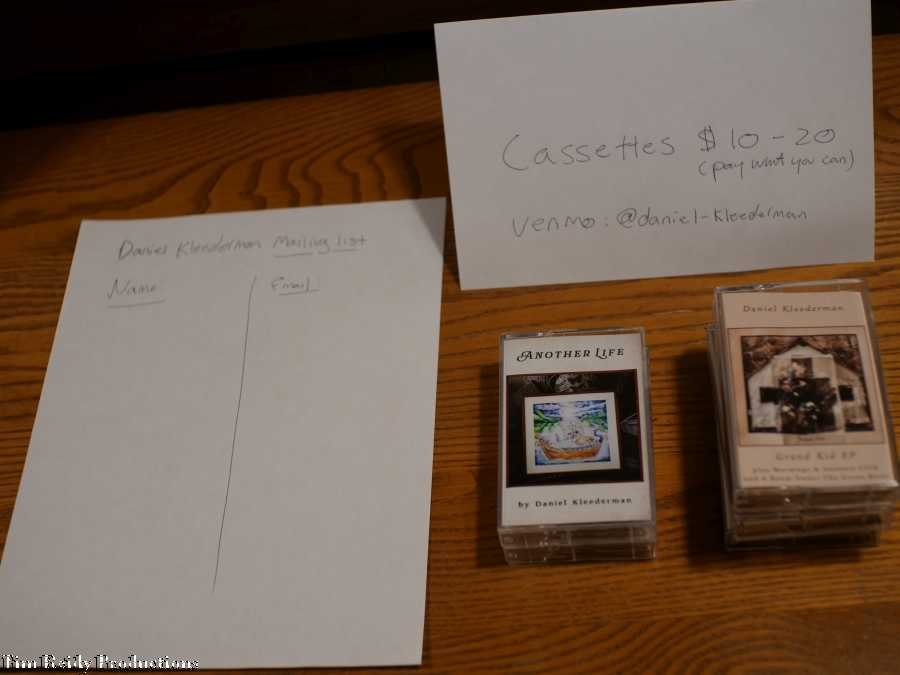
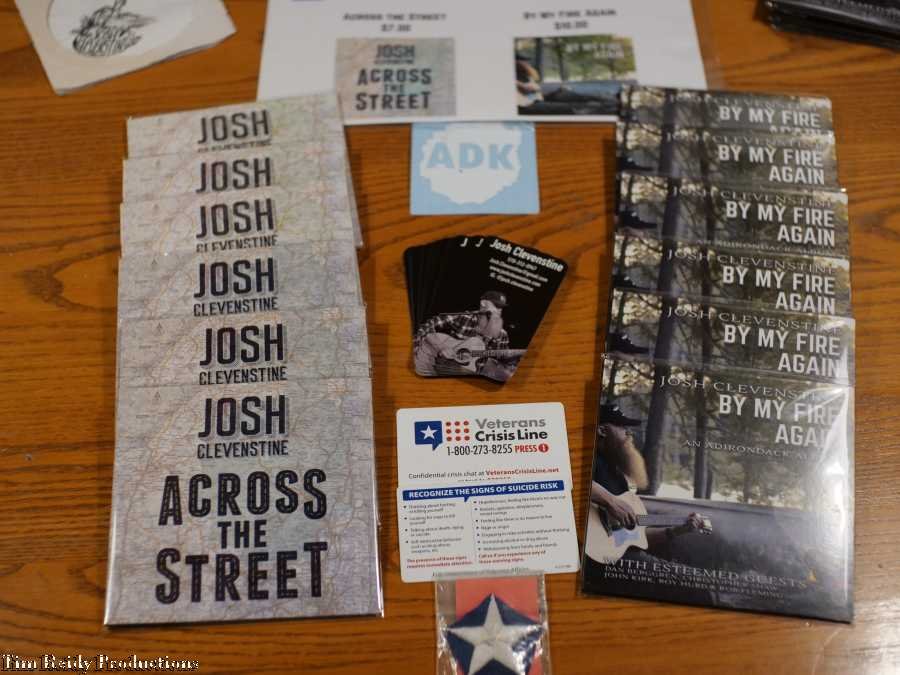
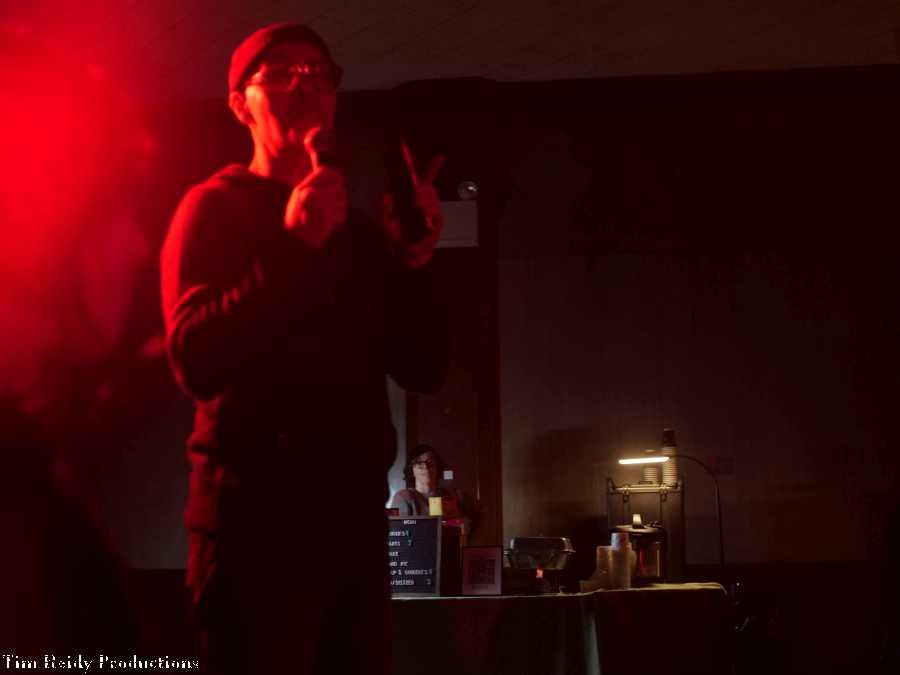
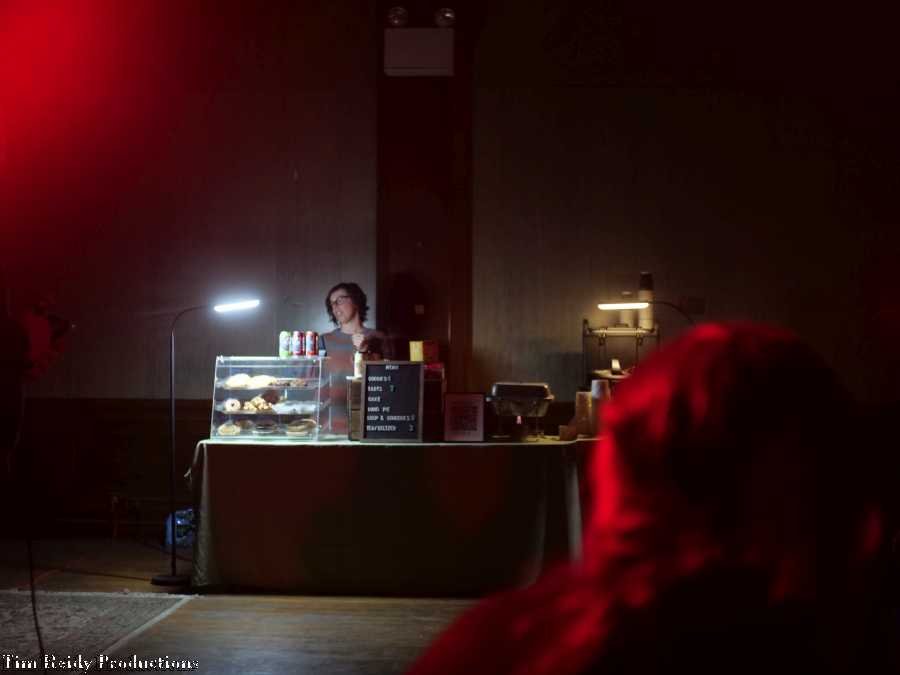
The first Song City of the year was held on Tuesday, January 13, at the Waiting Room, and featured Hayden Beck, Josh Clevenstine, Daniel Kleederman, and Jimi W.
“Art is made in hindsight,” a quote attributed to the late Virgil Abloh, a visionary who understood that the weight of purpose is rarely felt at inception, manifesting itself later once context, seasons, and echoes fall into alignment.
I should make it clear that I don’t consider myself fashionable at all in the traditional sense. By most practical measures, I’m what one might consider a bum. A proud bum, but a bum nonetheless, as my drip consistently consists of hooded long sleeves, sweats, and Crocs year-round, mirroring the apathy I carry while wading through the surreal theatrics of our contemporary landscape. Still, I take pride in weaving together notional fragments erected from society’s perpetual paradox, fragments that not only reflect but actively challenge what is deemed acceptable thought. That, after all, is what fashion, in its truest sense, has always done.
Hanif Cropper
So it’s fair to say that it’s the high fashion of consciousness that led me to the wondrous intellect of Autumn’s founder and CEO, Hanif Cropper, a Harlem-born and Albany-raised fashion designer marked by composure, who works meticulously and patiently to transmute the psychological density of upstate New York into a unified language of design. His work encompasses everything from the region’s muted color palettes to the physical weight of his materials, reflecting upstate’s restive heaviness and quietly grounding his supporters within the maddening cacophony of an industry driven by speed, spectacle, and incessant trend.
“Contemporary fashion largely amplifies absurdity rather than resists it. Much of what we see now is driven by speed and visibility, not intention. People want to arrive faster, and absurdity becomes a shortcut, a way to compress five years of work into six months by doing something outrageous enough to force attention. In many cases, the shock isn’t rooted in meaning. It’s performative. The goal is reaction, not resonance.
“That approach can work, but it isn’t sustainable. Shock grabs attention, but it doesn’t hold it. When disruption exists only to be seen, it creates a cycle that eventually becomes hollow.
“There is a difference between meaningful disruption and disruption for its own sake. Meaningful disruption invites people into something. It gives them a sense of belonging or participation in a moment that feels intentional and rare. That kind of disruption lasts because it creates memory, not just noise.
“My work doesn’t come from chasing that immediacy. I’m interested in building slowly, in creating pieces that feel grounded and intentional. I’m not trying to compete with spectacle. I want the garments to exist beyond trend cycles, to feel wearable across ages, contexts, and time. That requires patience, restraint, and an understanding that people may not immediately get it.
“Fashion right now is split. Some people are chasing the fast lane, and others are committed to the long build. Neither is inherently wrong, but they lead to very different outcomes. I’m choosing the long build. I’m choosing work that accumulates meaning rather than demands attention.”
Hanif opened with this at the outset of our meeting, as we settled deeper into the rustic botanical warmth of The Nest located at 512 State Street in Schenectady, New York. As he bit into the blistering crackle of his eloquently plated Parmesan wings, chasing them with an Old Fashioned, it became clear that what he describes isn’t simply a design preference, but a dismissal of velocity as virtue. In an economy that rewards immediacy over imprint, his work treats endurance as a form of resistance.
Having previously purchased a mustard yellow zip-up hoodie, flexing a wavy, almost hand-drawn autumn logo laid over a pulsing solarburst emanating sinuous rays, I was enamored by its premium heavyweight feel, akin to the accessible luxury of Ralph Lauren.
“A lot of people want the best bang for their buck from starting brands. They want front logos, back logos, extra details, packaging, everything, for a fraction of the price. They don’t question it when it’s Prada or Balenciaga, but when it’s a new brand, suddenly a hundred dollars feels crazy.
“Early on, I was asking myself if I should sell hoodies for 60 or 80 dollars. But I realized I was putting too much time, money, and effort into them to not believe in the price. If I don’t believe it’s worth a hundred dollars, nobody else will. People don’t see the sampling, the cut and sew, the upfront costs. They just see the hoodie. But I care about the craft, and the price reflects that,” he said.
It remains ironic how frequently people dismiss the value of startups, forgetting that the recognizable brands they revere without question once emerged from the same uncertainty. There exists a subconscious tendency to stamp what is accessible or unfamiliar with insignificance, quietly erecting barriers to entry for aspiring creators. One need only look to Apple’s Think Different era to understand the power of deviation when it still demanded patience, conviction, and the willingness to be misunderstood.
That same audacity has since been absorbed into the realm of fashion and technology, its edge dulled and repackaged, to the point where many adults refuse to entertain potential soulmates simply because their message bubbles appear green instead of blue. The logic is inane, yet its potency is undeniable.
Status, once earned through risk or originality, has been reduced to aesthetic alignment and convenience, offering the intoxication of rebellion without the searing cost of effort, action, or consequence, leaving behind only the hollow illusion of arrival. The gradual ascent of defiance rejects that fallacy outright, trading clout for continuity and flash for retention.
Mike Miller, an affiliate of the Autumn brand and a highly savvy local videographer, once posted a deceptively simple yet weighty observation on Facebook: “People don’t want success, they want comfort with praise.” It is one of capitalism’s most efficient sleights of hand. The irony, however, is that Hanif operates within the same system while actively resisting its hollowness, offering not shallow validation but an invitation into something accrued.
Autumn doesn’t honor what spikes, only what stands when everything else falls. The mottos are “Autumn is forever” and “Autumn is more than just a season,” because the brand doesn’t shift to follow the seasons. The seasons pass through the brand. In real terms, it’s a commitment to developing things meant to be aged with, not worn thin.
He doesn’t call it fall because, unlike the brevity of trickling leaves from September through November, the point isn’t the season itself, but the refusal to reduce transformation into something disposable. Autumn claims a permanence inseparable from becoming, as those who are once had to become.
What’s sold exceeds attire. It’s the recognition of people who feel out of sync with speed culture, who are suspicious of pageantry, and who are more at ease with depth rather than display. Earlier that morning, a line from Kanye West’s 2005 single “Drive Slow” lingered in my mind as I lifted from sleep: “You need to pump your brakes and drive slow, homie.” It stayed not as directive, but as residue, the kind culture leaves behind without asking. Autumn stands firmly on a similar principle: move at your own pace, and mean it.
Autumn’s worth will blaze in hindsight because it thrives on humanity’s innate desire to grow, not wane. “I’m not trying to get there fast. I’m trying to build something that lasts. If people don’t understand it right away, that’s fine. I’m okay with the slow build,” he said further into our conversation.
A husband and father of three, Hanif diligently grinds to lay the bricks forged from the trials and afflictions of the very hearts that once pumped blood through the veins of this unsung city, solidifying his foundation without losing sight of a life beyond ego. It’s something that must be mastered before it can be put down, and that happens by carrying the weight of reality without the loss of humanity.
Legacy is often mistaken for something solitary, when in truth, it’s communal. What I’ve seen and continue to see are people spanning the full spectrum of life sporting the brand with a conviction usually afforded only to those cemented in history. The infrastructure exists, and history has shown just how far that kind of groundwork can go.
Who’s to say he can’t someday follow a path similar to that of Daymond John, cultivating patiently within a bloated and cutthroat industry while creating space to invest back into the dreamers still bleeding to become?
Hell, I could keep writing about the brilliance of what this brand is, but the truth is better experienced than explained. Autumn exists in ceaseless becoming.