Home Blog Page 89

The Problem with Saying Support Local Music – An Xperience Column

0

The Problem with Saying Support Local Music – An Xperience Column – by Jason Irwin.

There’s a sign I’ve seen in a lot of rooms over the years. Sometimes it’s taped crookedly behind the bar, or printed on a flyer near the door. You’ve seen the graphic online. It usually says the same thing: “Support local music.” I got reminded of what that really means recently. I was playing a solo acoustic show at Sammy Cohen’s in Schaghticoke — a great restaurant and bar, and a strong supporter of the music scene. The place was busy, not many people I knew, but the crowd was receptive. Then — in came my “people.” Local musician Alex Riddell rolled in despite his packed schedule. A couple of minutes later, my friend Bryan, aka Kuntry Strong from BoonDock Kingz, showed up; he’s been in the studio recording like a madman lately. These guys are working artists, yet they found time to show some love to a fellow musician — totally unexpected, totally awesome. I regretfully missed my stepdaughter’s winter chorus concert to play that show. And although I want to return the favor and attend Alex’s next performance, it conflicts with my other stepdaughter’s basketball game that night. It’s tough. I hope he understands.

The next night, I was at Falcons Brewhouse in Hudson Falls — another great venue. The show was going pretty well, with attendees coming and going. Then my friends Sandy and Mike came in. They come to a lot of my shows, and seeing them lifted my spirits — a morale boost, like “backup” in a way. They sat by the fireplace, had dinner and drinks, and enjoyed the music. Later, with about 20 minutes left, another favorite couple — Laura and Jim — showed up after attending another event. They didn’t have to do that. Even a few minutes, a drink, and some nachos make a huge difference. These moments matter. I can’t thank them enough.

I’ve said the phrase “support local music” countless times. I’ve shared it online, printed it on things, and added it to posts. For a long time, I didn’t ask what I actually meant. Going to shows? Spending money? Posting online? Or just being on the right side of the conversation? The problem isn’t the idea. It’s that the phrase has become a slogan instead of an action — a catch-all that lets us feel like we’ve done our part without being specific about what that part is. Liking music is easy. Support is harder. Real support usually costs something: time, money, comfort. Sometimes all three. It means leaving the house when it would be easier not to. Standing in a half-full room and wondering if more people will show up. Paying a cover even if you only catch part of the set. None of that fits neatly on a sign.

The first thing people say is that they’re busy — and they’re right. Jobs, families, second jobs, early mornings — life fills up fast. Not everyone has the energy to stand in a dark room on a Tuesday night. That’s real. Support doesn’t have to mean being everywhere. No one is keeping score. Sometimes it’s picking one night instead of five. Sometimes it’s showing up early and leaving early. Sometimes it’s just being there long enough for a band (or the venue staff) to see someone in the crowd.

Money is another reason people hesitate. Covers add up. Drinks are expensive. Gas isn’t free. The idea that supporting music means constantly spending money you don’t have is unrealistic — and unfair. But support doesn’t always mean spending more. Paying the cover, enjoying a drink or two to support the venue, and finding small ways to show the band you’re there — buying a shirt, leaving a tip, or just being present — all make a difference. If you’re on a tight budget, be economical. Ten dollars every once in a while can do more than endless encouragement that never leaves the house.

Musicians often have the hardest time showing up. On top of other pressures, they have gigs, rehearsals, studio work, and obligations. On a rare night off, they might need a break, time with family, or have other work to do. The people most invested in the scene are often the least able to participate — ironic, but human. The irony continues here, as some venues tend to book only musicians who frequent their establishment, which isn’t always possible if you’re playing a lot yourself. That should show that you’re in demand, but I get it. Every place and person is different. You do what you can.

A lot of people debate whether to spend time and money on national acts or local ones. Big shows are fun. These are our favorite artists. There’s nothing wrong with that. But every national act was a local act once, playing to small rooms, hoping someone would show up. Scenes don’t magically produce talent — they grow it slowly, with imperfect nights and small crowds. Supporting local music doesn’t mean skipping big shows — it means remembering where artists started. Someday, the guy you yelled “Free Bird” at while he was playing at a local pizza joint could be performing at the Super Bowl halftime show. That would be a fun story to tell your buddies.

Online support is great. Shares, comments, messages — they all help. But bands can’t load gear into a comment section, and venues can’t keep the lights on with likes. At some point, support has to move from the screen into the room. A show doesn’t have to be packed to matter. Five people or fifty — it all matters.

None of this is about guilt. No one owes the local music scene their time or money. I’ve skipped shows or posted instead of participating. I have a full gig schedule, often a bittersweet situation. This isn’t a lecture — it’s me admitting I’m part of the same mess. Hopefully, writing about the scene in newspapers and playing local music on the radio counts as support, even if I miss some shows. And I know that sometimes people just aren’t in a position to go out — money, transportation, health, or countless other reasons. Even if you can’t be there in person, please continue to show any love you can. It’s always appreciated.

Supporting local music isn’t about perfection or proving devotion. It’s about small, human choices, made when you can. Not every night. Not every show. Just often enough to keep things moving. The phrase “support local music” isn’t a bad phrase at all. It’s an awesome one. Maybe what it stands for just needs a little more follow-through.


More from Jason Irwin…

Yacht Lobsters at Ryan’s Wake on January 16th

0
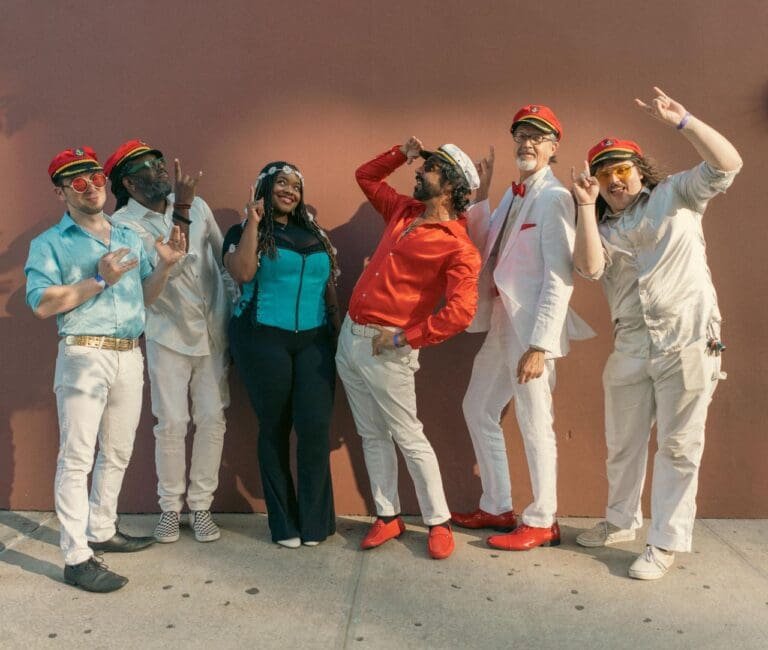
TROY, N.Y. (Jan. 6, 2026) — As snow blankets Troy this winter, the Yacht Lobsters will deliver a dose of summertime warmth when the New York City-based tribute band returns to Ryan’s Wake Public House on Friday, Jan. 16.
Yacht rock, the polished soft rock style that peaked from the mid-1970s to early 1980s, blends jazz, R&B, and soul influences with pristine production, lush harmonies, and catchy, laid-back melodies. Hits like Rupert Holmes’ “Escape (The Piña Colada Song),” Michael McDonald’s “What a Fool Believes,” and Christopher Cross’ “Sailing” capture an easygoing spirit often associated with sunny days on the water.
Formed in 2022 and partly named after the B-52’s song “Rock Lobster,” the Yacht Lobsters deliver faithful yet fresh interpretations of hits from Steely Dan, the Doobie Brothers, Hall & Oates, Toto, and other iconic acts. The group also infuses New Orleans funk, classic rock drive, and jazz improvisation, along with original songs that echo the late-1970s sound.
Keyboardist Michael Moshan, a longtime live performer, explained the music’s lasting appeal:
“These are songs I listened to driving with my father, windows down, singing along to the FM radio,” Moshan said. “This music brings joy and nostalgia to a particular generation, but it’s not just older fans coming to these shows, which is really cool.”
The genre draws audiences across age groups, with younger listeners discovering it through movies, social media, and playlists.

“They come dressed in sailor outfits and captain hats, ready from the first note to dance and sing along,” Moshan added.

The term “yacht rock” first appeared in 2005, coined by J.D. Ryznar, Hunter D. Stair, Lane Farnham, and collaborators for a comedy web series called Yacht Rock. The series debuted at Channel 101, a monthly short-film festival in Los Angeles, and quickly became a cult hit online.

The upcoming show continues a growing yacht rock tradition at Ryan’s Wake, marking the third such event in recent years after strong turnout for the Yacht Lobsters’ outdoor set during last summer’s Wake Up Wednesday series and a prior performance by YachtMastersNY. (The name “Ryan’s Wake” nods to both the Ryan family funeral business and the tradition of celebrating life at an Irish wake, while playfully referencing the wakes created by boats on the Hudson River that flows past the pub.)

Staff at the venue join the fun, often wearing tropical shirts, sunglasses, and sailor caps. One bartender created a persona, “The Captain,” which has become a crowd favorite on social media and was even asked to lead a conga line at a recent wedding.

“After the Yacht Lobsters drew a big crowd outdoors last summer, bringing them inside during winter gives everyone a chance to escape the cold with those warm, breezy sounds,” said Jared Kingsley, general manager of Ryan’s Wake Public House. “It’s a perfect mid-January break.”

The Jan. 16 performance takes place on the Flynn Side (in the spacious Flynn bar), with doors at 5 p.m. and music starting at 7:30 p.m. The band plays two sets, ending around 10:30 p.m. Tickets cost $20 for the concert area. The original Ryan’s Wake pub side remains open with no cover.

Photo by Christina Morrison.

Event Details:

  • Date: Friday, Jan. 16, 2026
  • Venue: Ryan’s Wake Public House, 403 River Street, Troy, N.Y.
  • Location: Flynn Side (ticketed concert)
  • Doors: 5 p.m.
  • Showtime: 7:30 p.m. (two sets, ends approx. 10:30 p.m.)
  • Tickets: $20
  • Note: Original pub side open, no cover required
  • For tickets and info: ryanswake.com, purchase in advance at the bar, or pay at the door.

Space is limited.

Week One: Jesse Sample’s Freak of the Week “Take a Breath”

0

Jesse Sample’s Freak of the Week airs EVERY WEDNESDAY at 6pm EASTERN only on RadioRadioX.com

This is Jesse Sample. There is a thing about this weekly project I do. I move through my year, and I record at least on song a week. Sometimes, I’m thrilled with what I come up with and sometimes it doesn’t blow my mind. I have my initial thoughts about the composition and those thoughts can change. But I don’t often spend a ton of time obsessing over last weeks composition. Yes, there’s been times where I play a song over and over 200 times while I’m out walking in the park. But by the time I’m finished with a composition, it’s usually time to start the next one.

At the end of the year, I take all my recordings and master them into one huge album. I name this last year’s album, “Freak of the Week 2025” the same as last year’s, except the number. When I’m preparing this giant album, I listen to all the songs in order many times, to make sure everything is right.  These are some of the first times that I actually listen to these songs in the context of an album. The project reveals itself to me. I’m left with an impression as though it was another artist who made this.

After the album is complete, I find myself in the first week of January with a head full of ideas and chest full of ambition. I want to come rippin’ out of the gates with a fire breathing masterpiece complete with tripled tracked guitar solos and multi-tiered movements. Last year, I was still running hot on the fumes of a punk show that I saw that changed my playing. I stepped into the new year with a million thing I wanted to do, musically and personally. There came a point where it was overwhelming. I didn’t notice part of me that was thinking I was going to reconfigure my life on January 1st.

But much like this weekly project, life is about process. Every day, not just New Year’s Day, we sit before the blank page or the empty Logic project and we make our move, and then we make another, and we react it and soon something is forming that we couldn’t predict but it’s made of us and we can choose to love it. I’d like this new year to be about considering the process that truly defines my days. Maybe I’ll lay off the candy and the Instagram scrolling and approach my minutes and hours as an artist approaches a question or a problem. I could ditch my pride and enter the abstract like a newly minted kindergartener, in music and in my life in general.

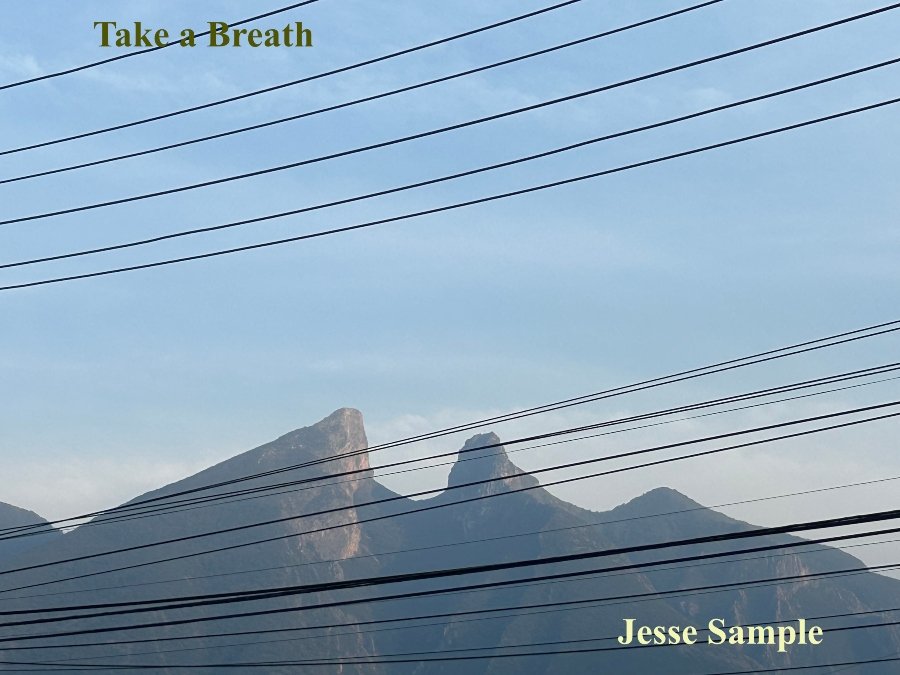
Thanks to all of you tuned into RadioRadioX. This is the Freak of the Week, “Take a Breath.”

E.B. Jeb / Southbound Renegade @ Strand Theatre, 1/3/2026

0

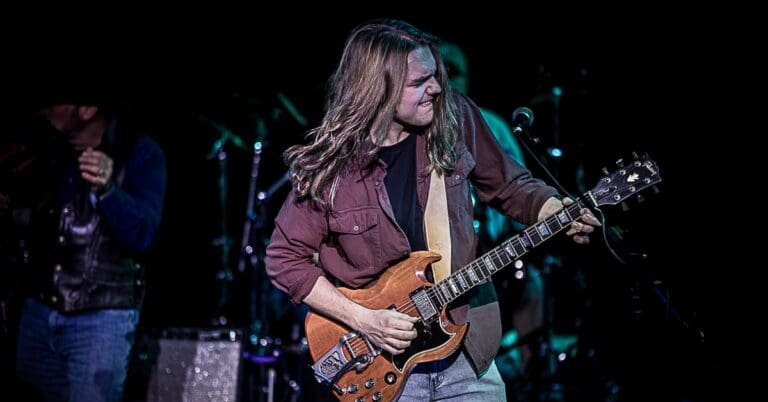
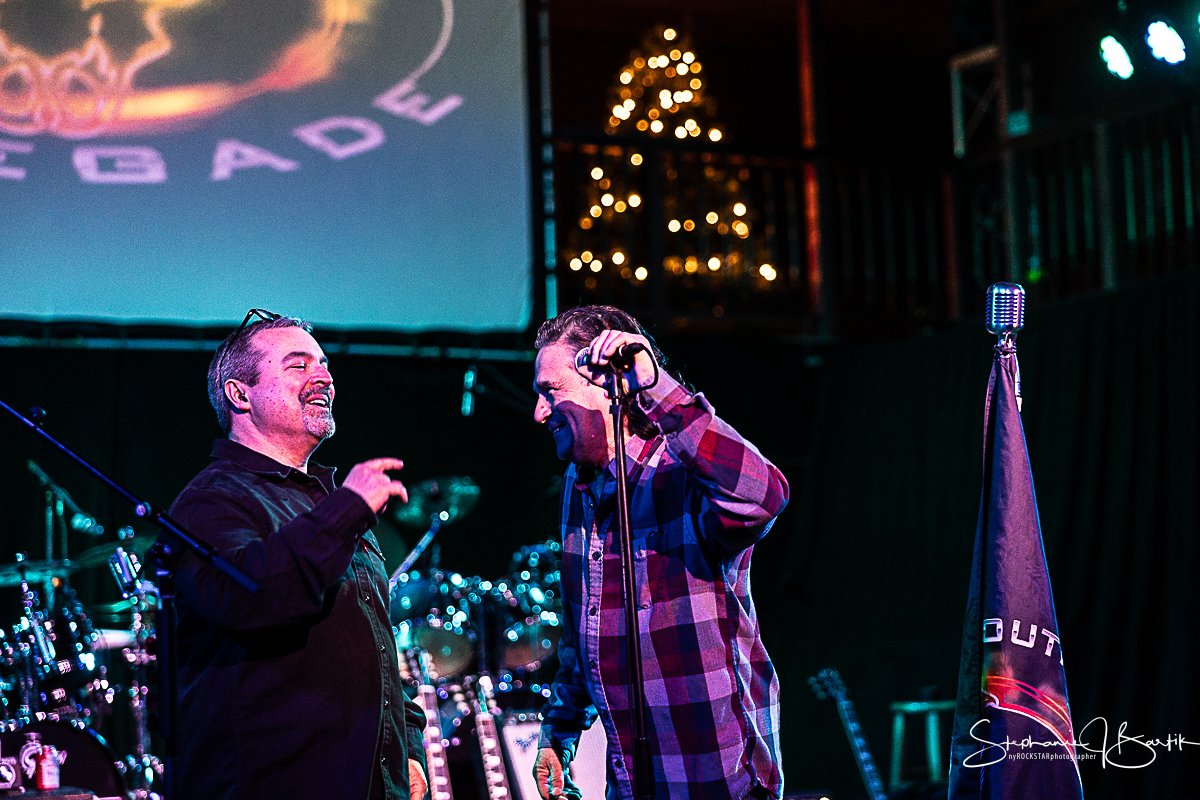
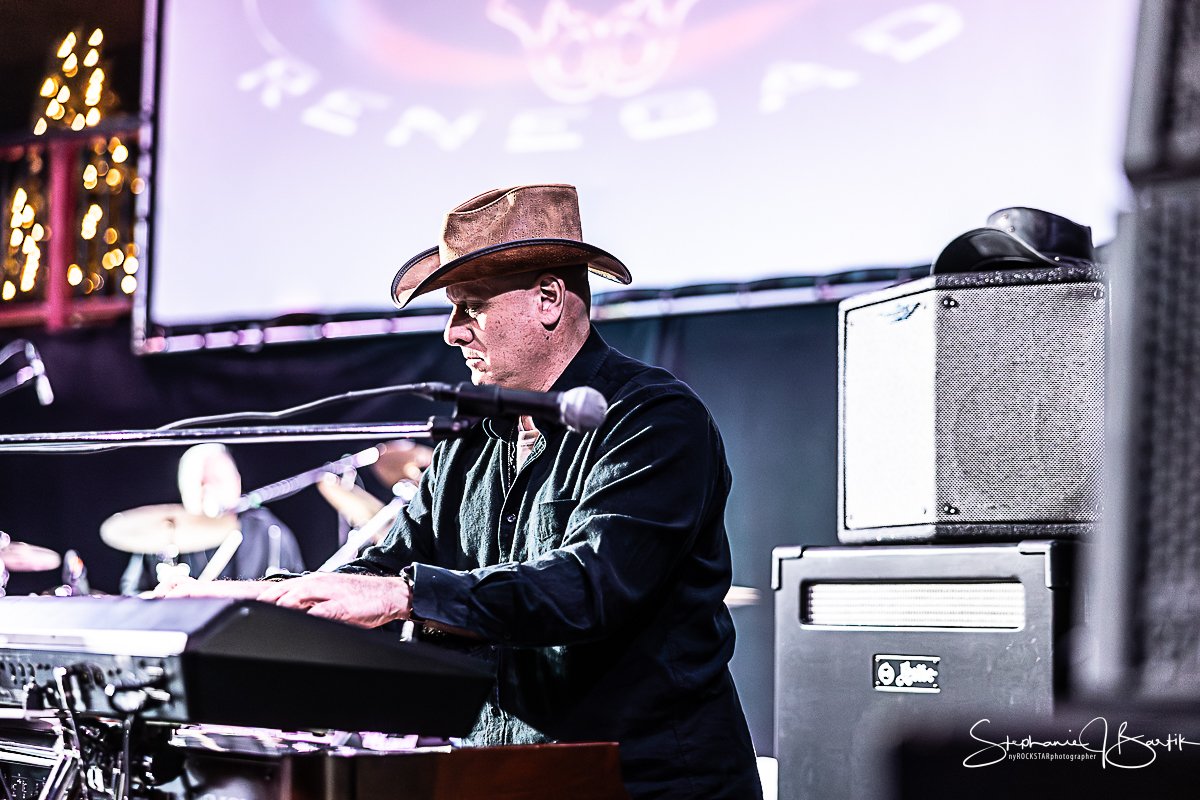
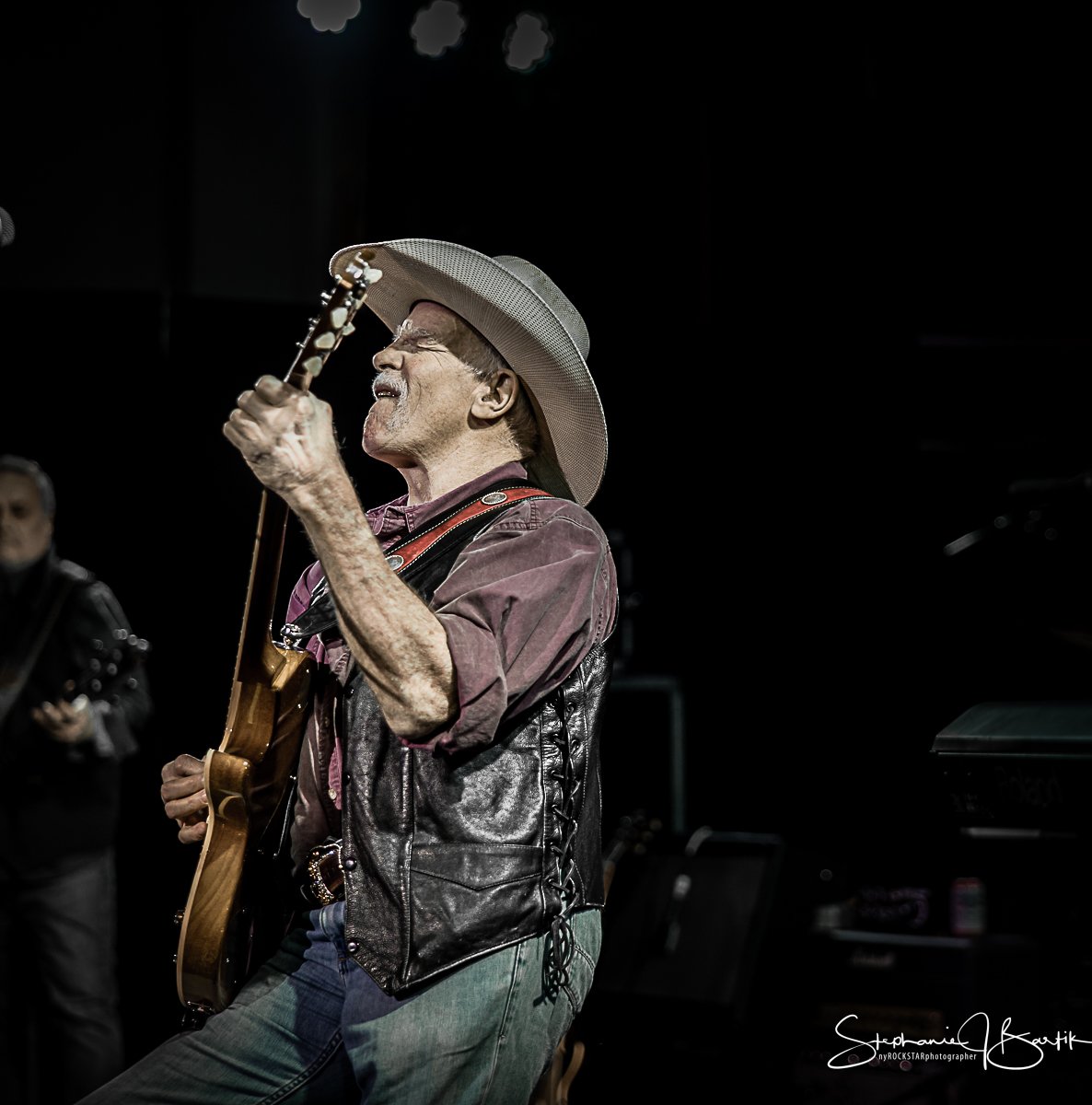
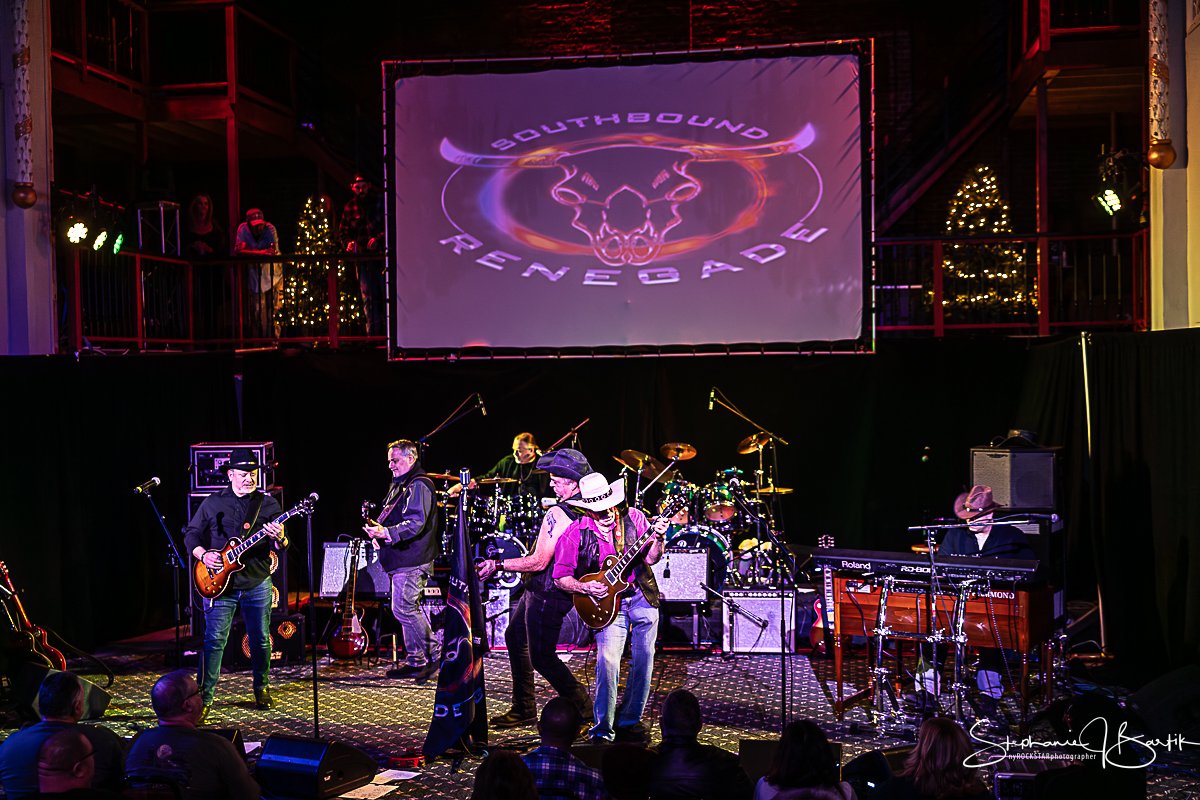
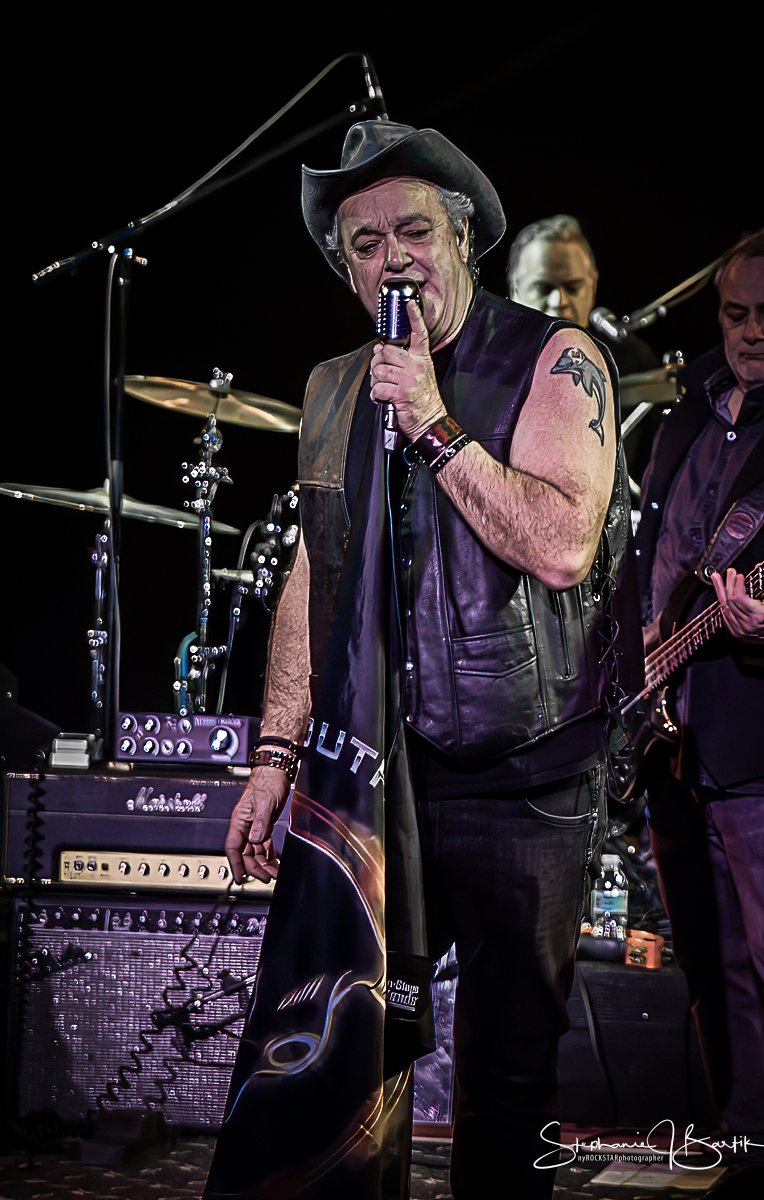
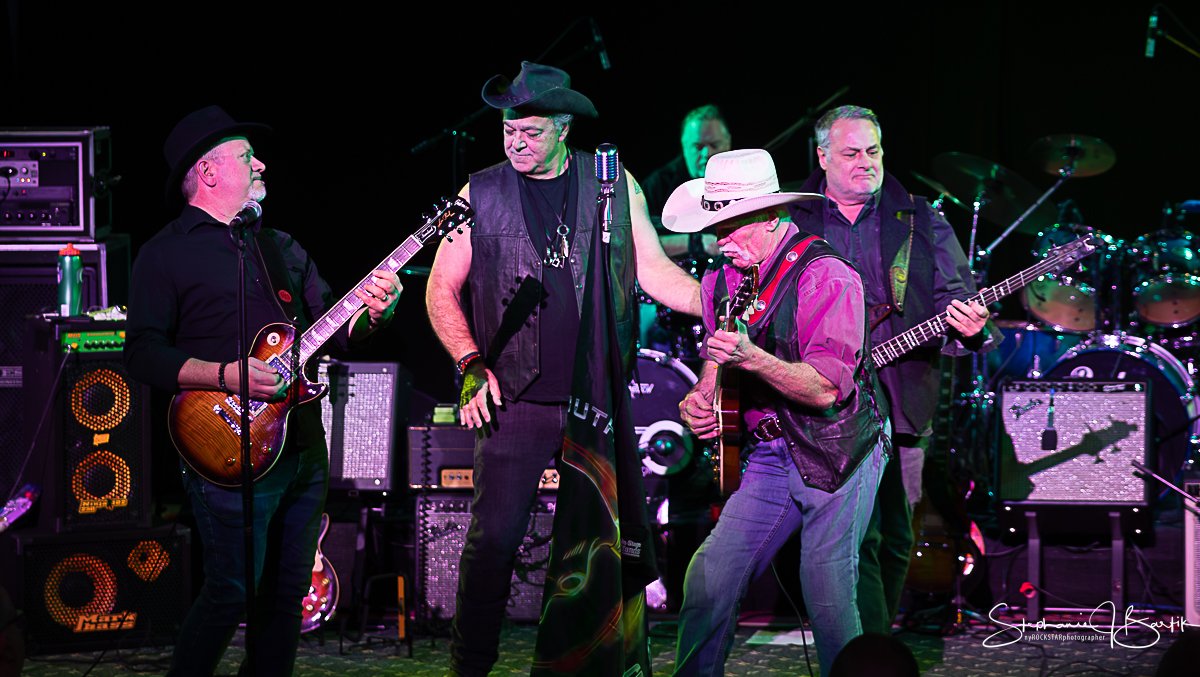
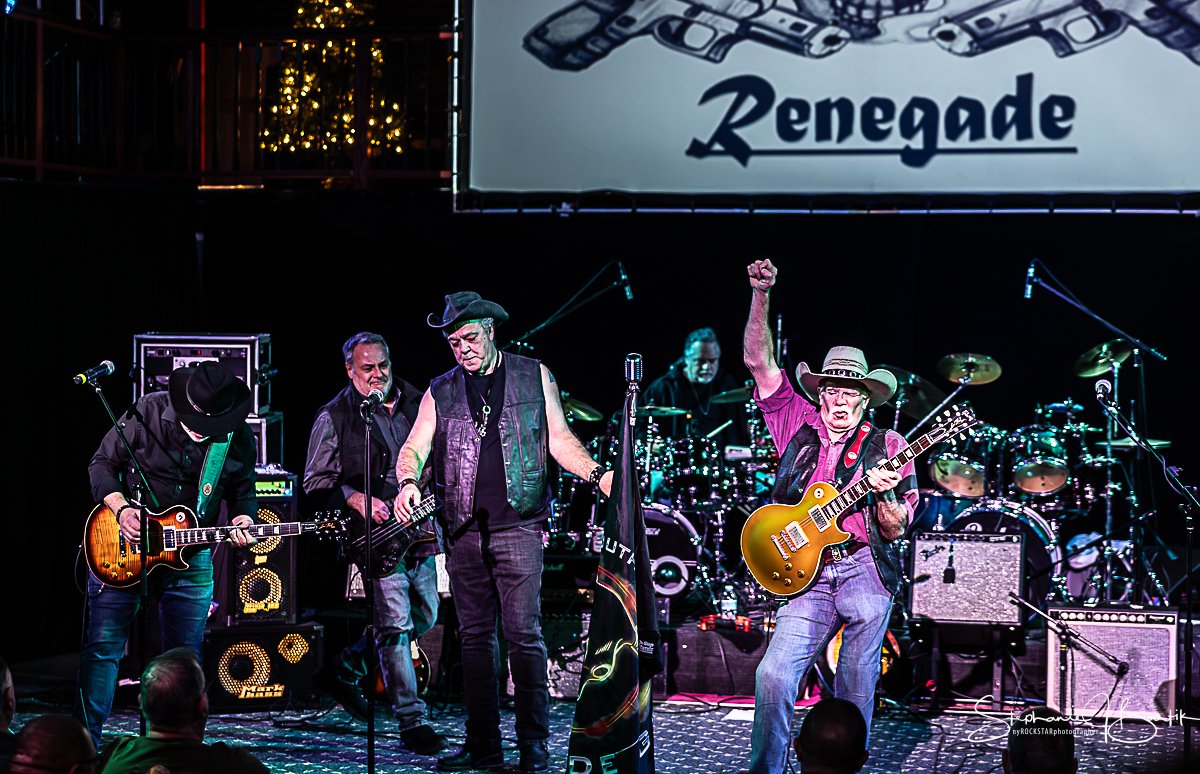
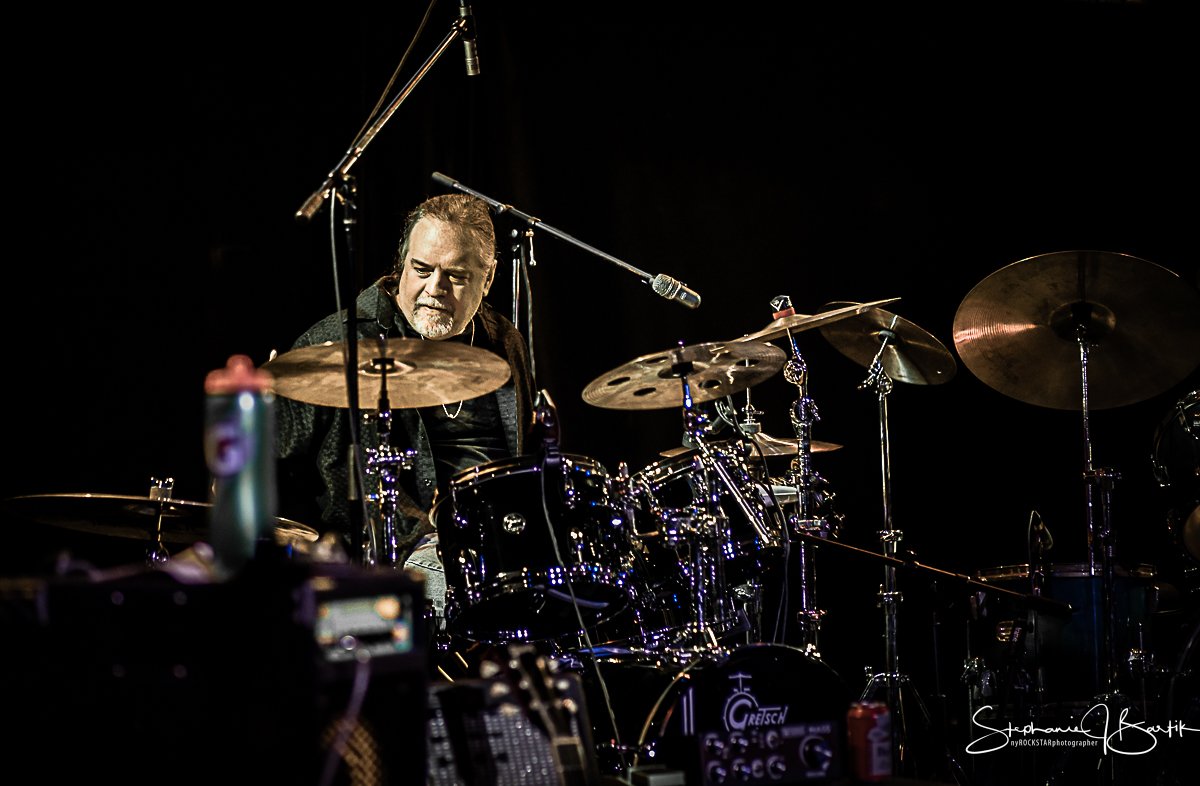
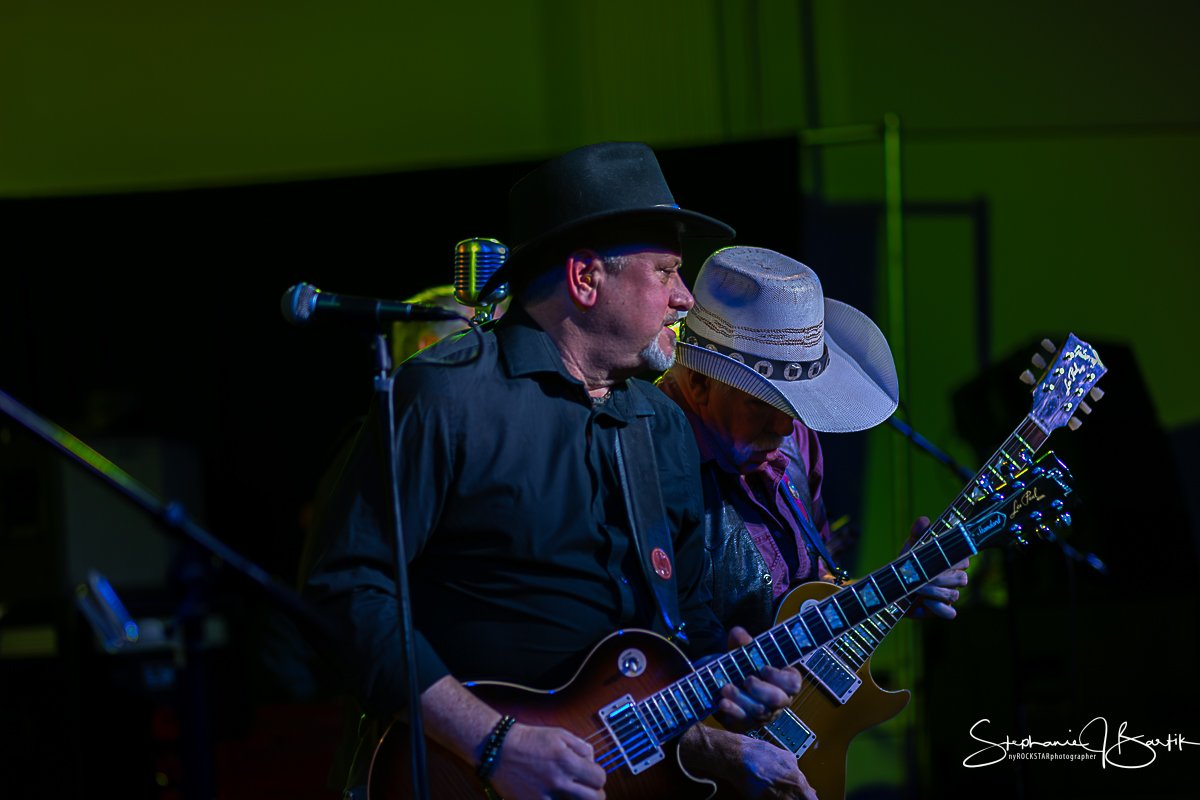
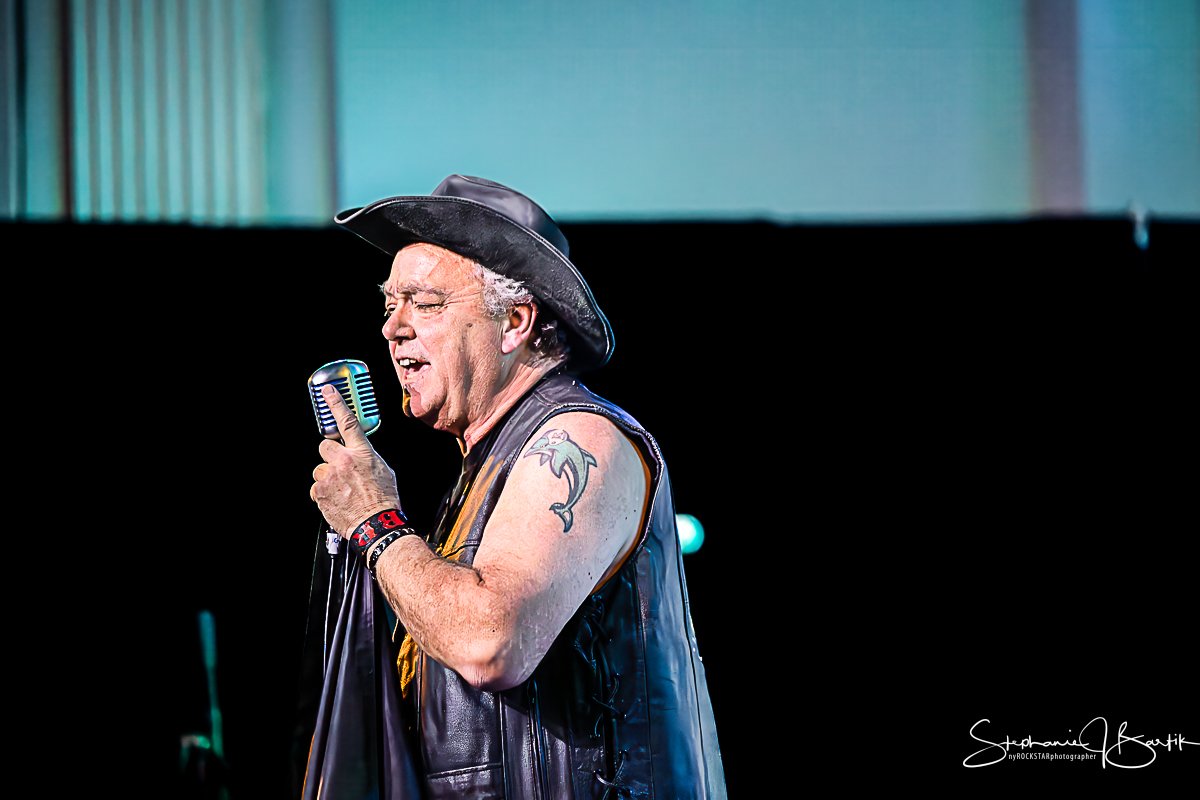
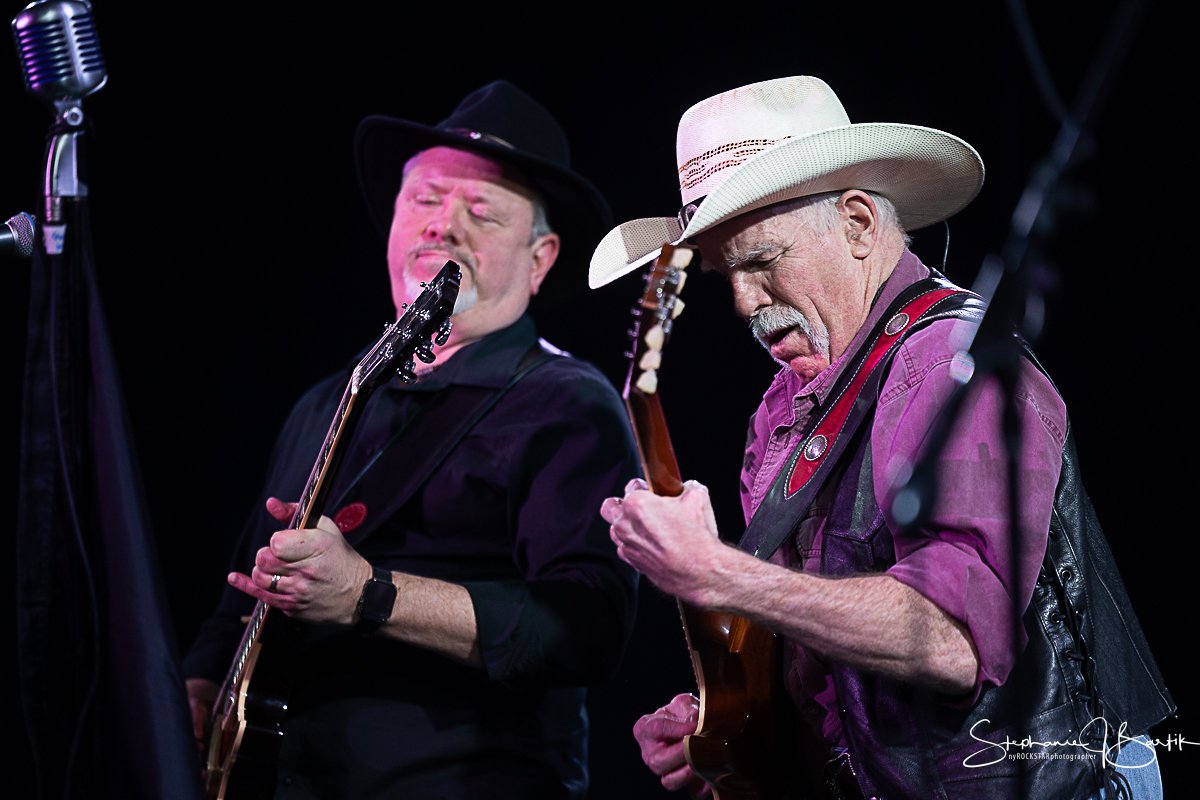
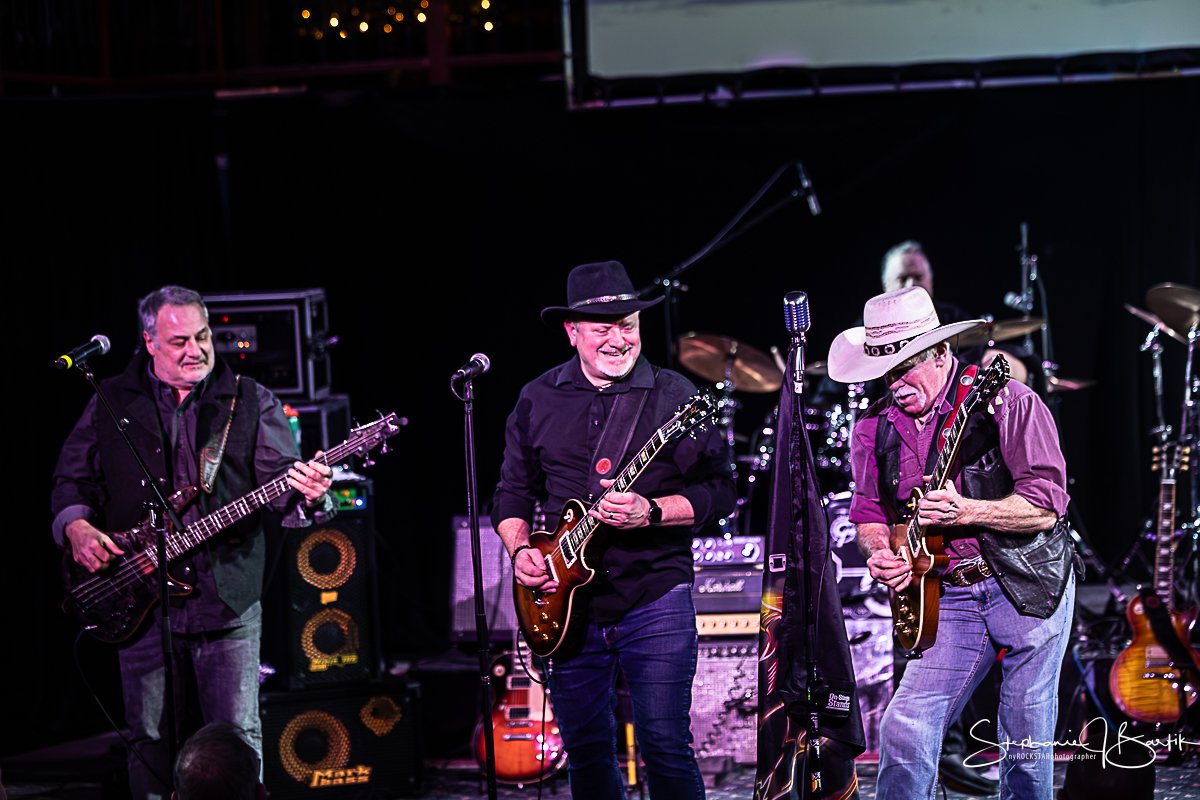
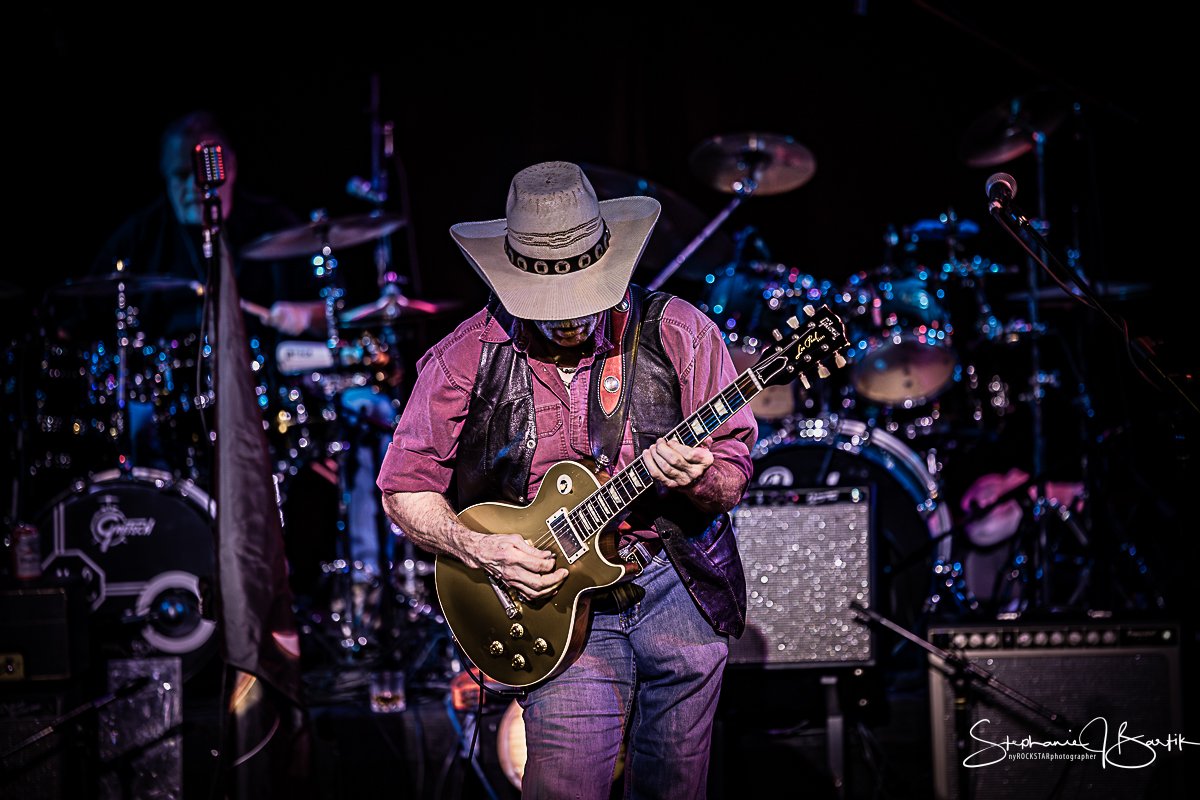
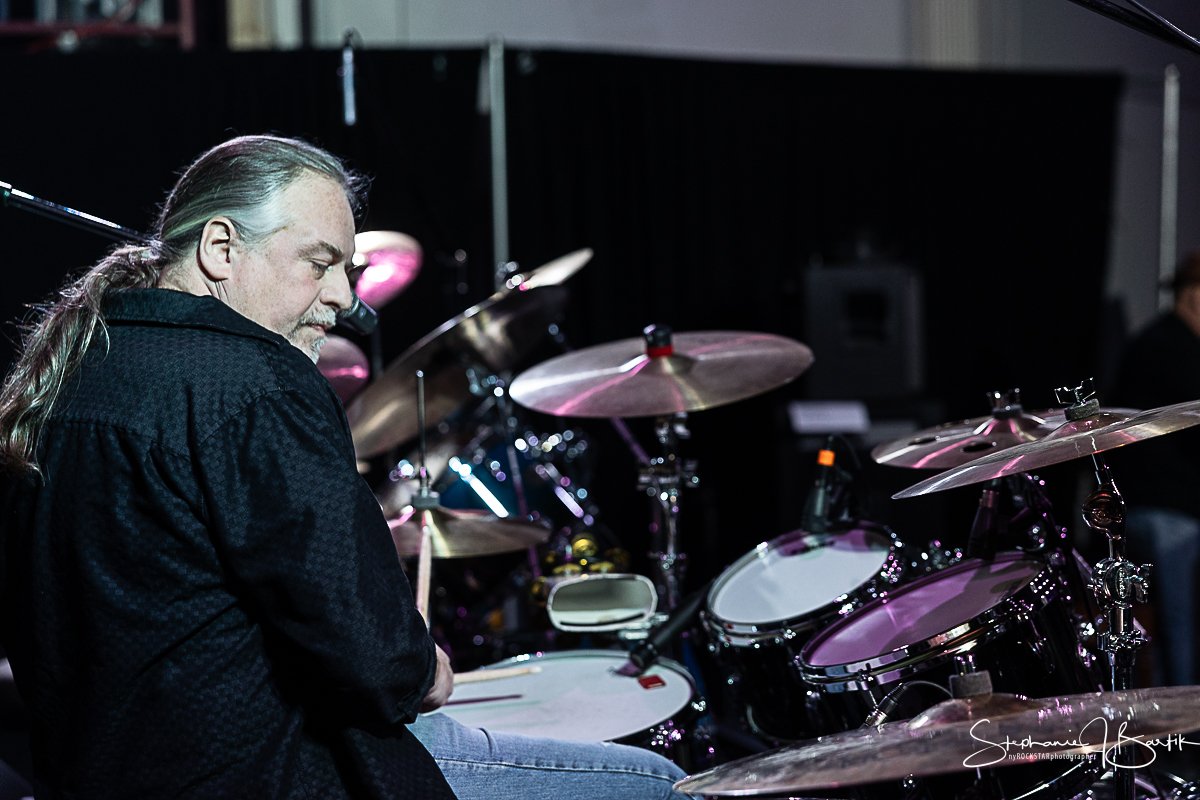
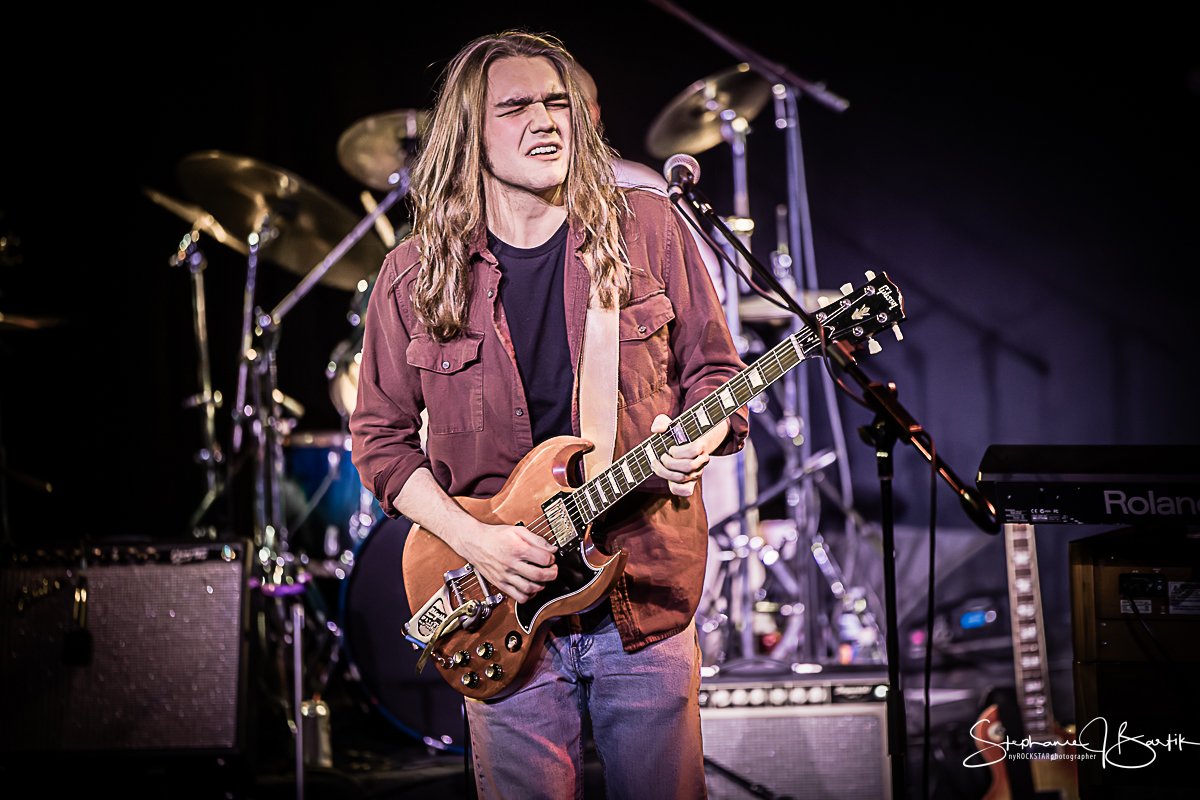
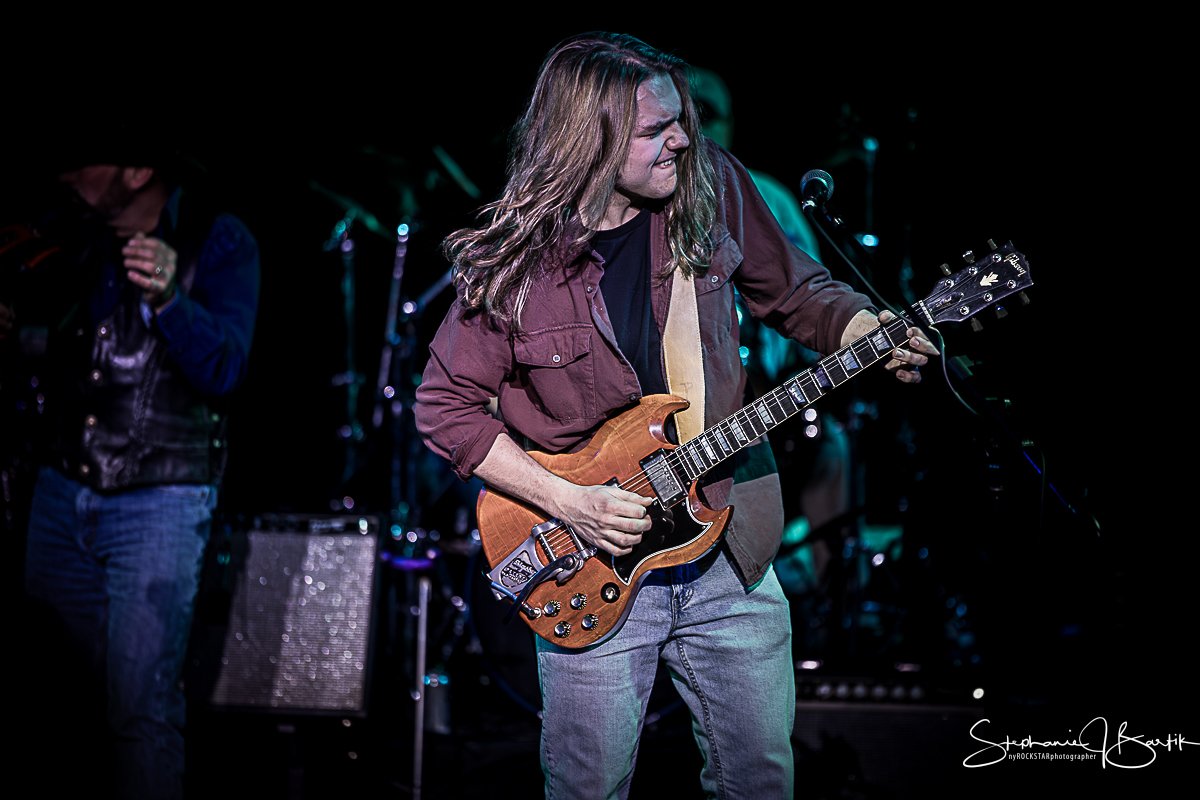
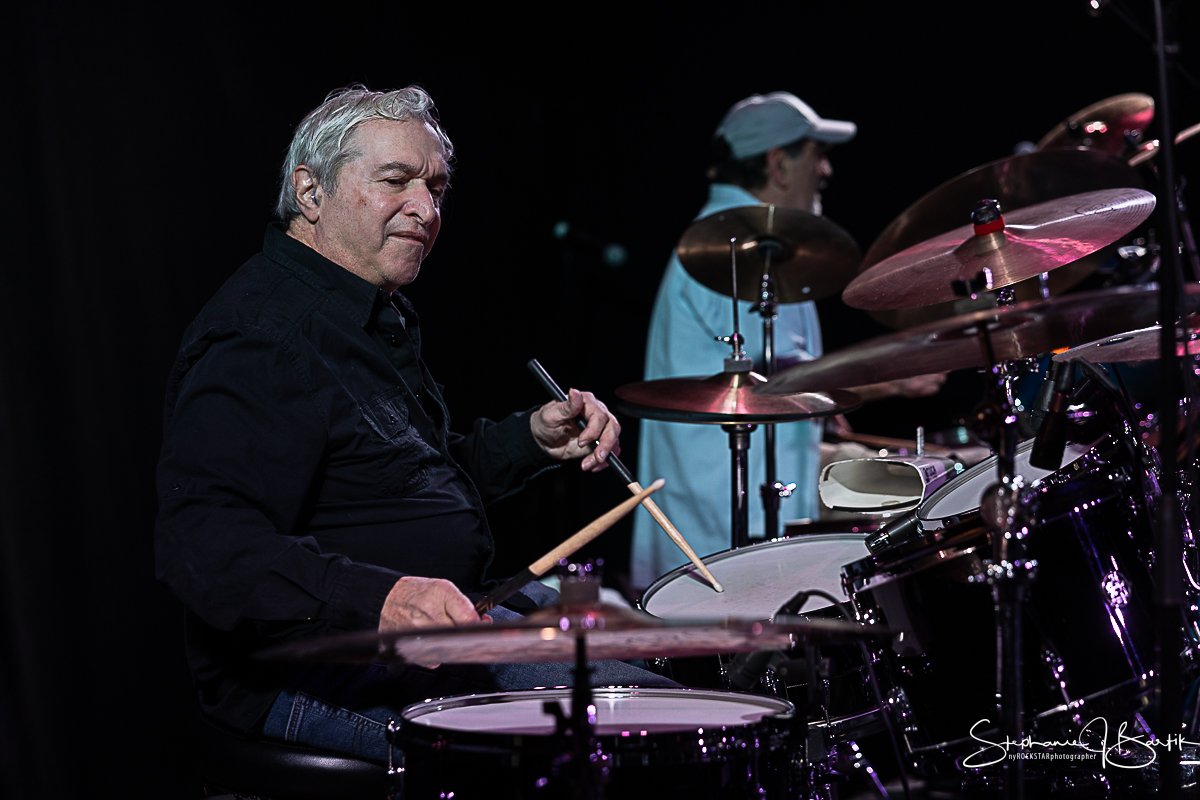
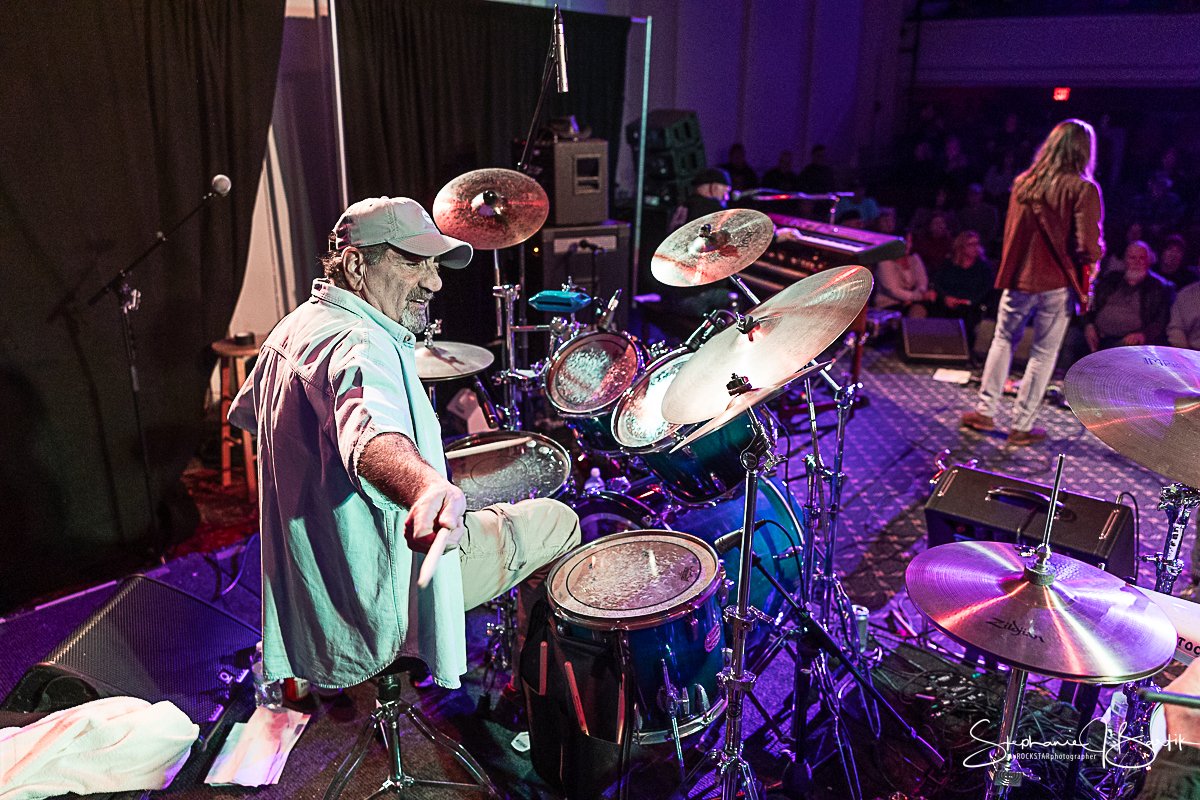
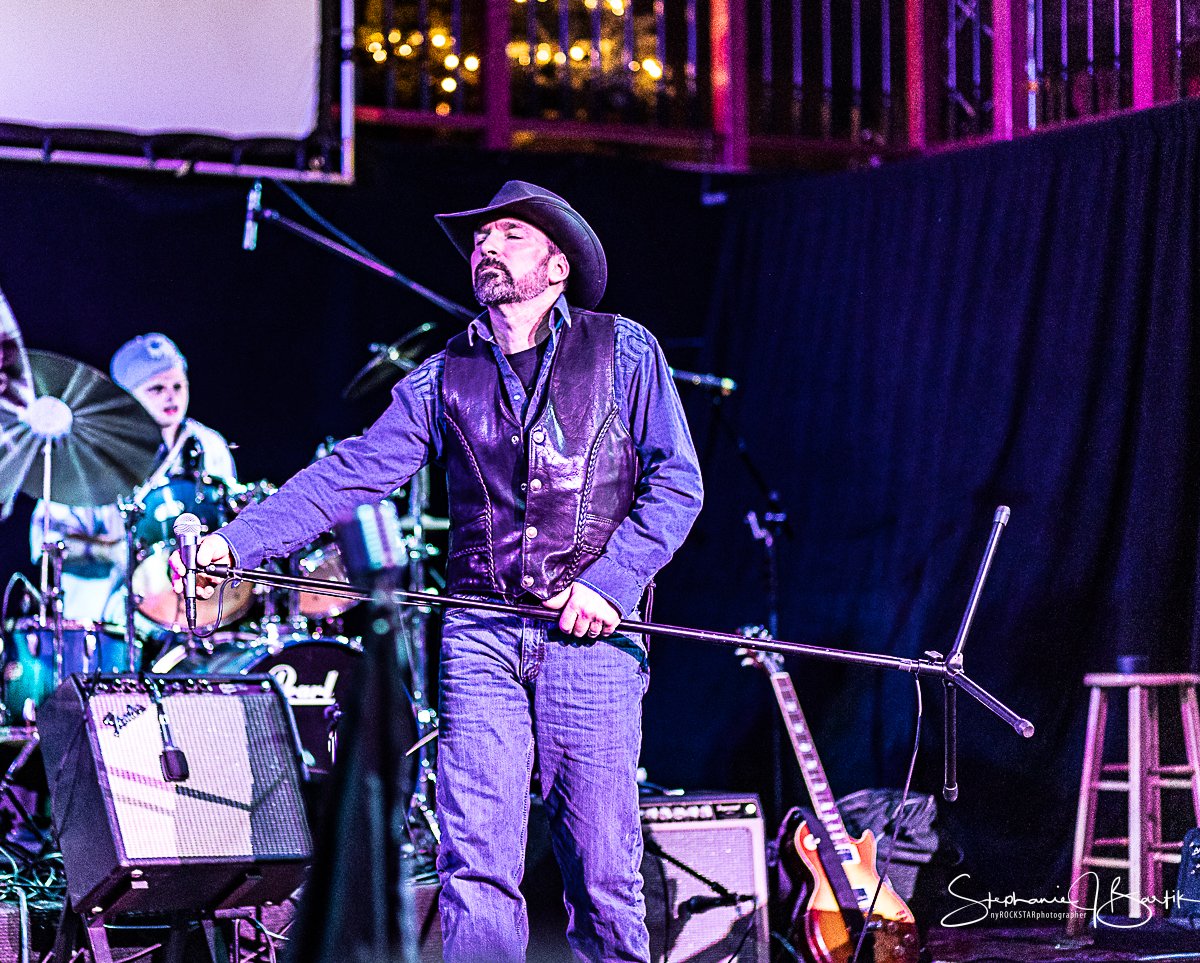
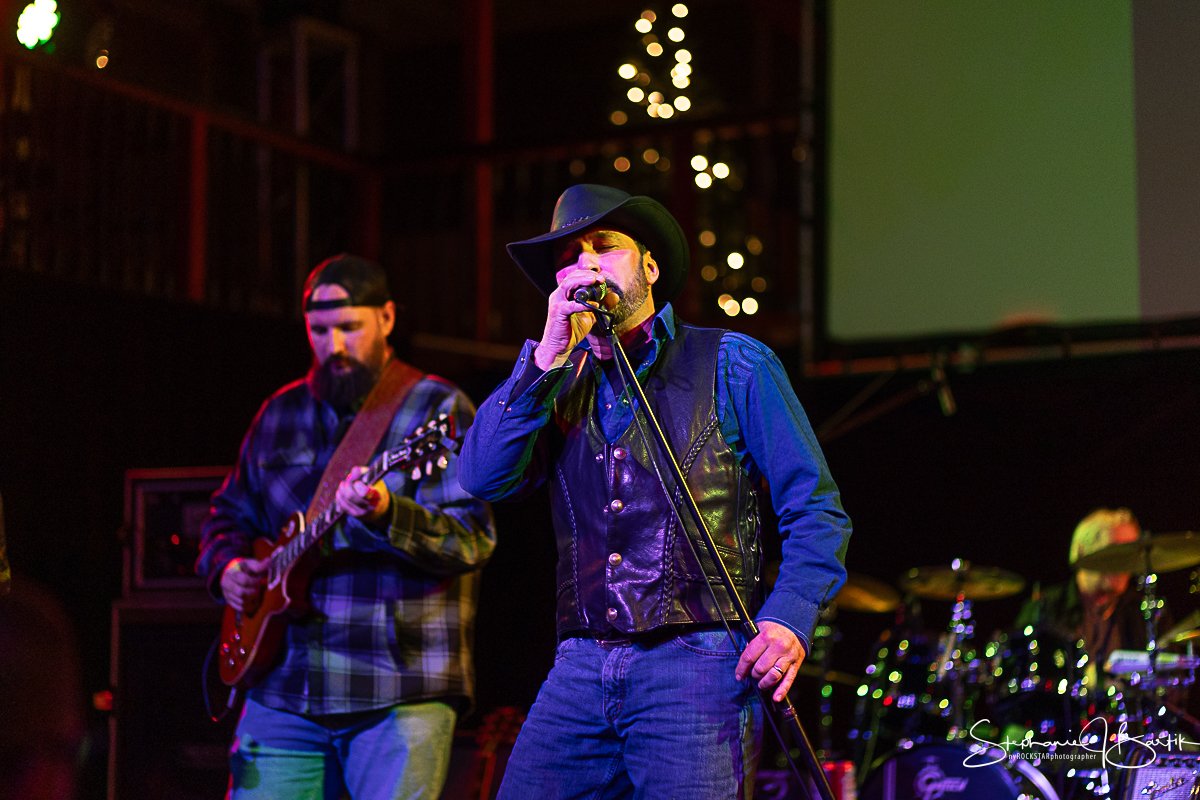
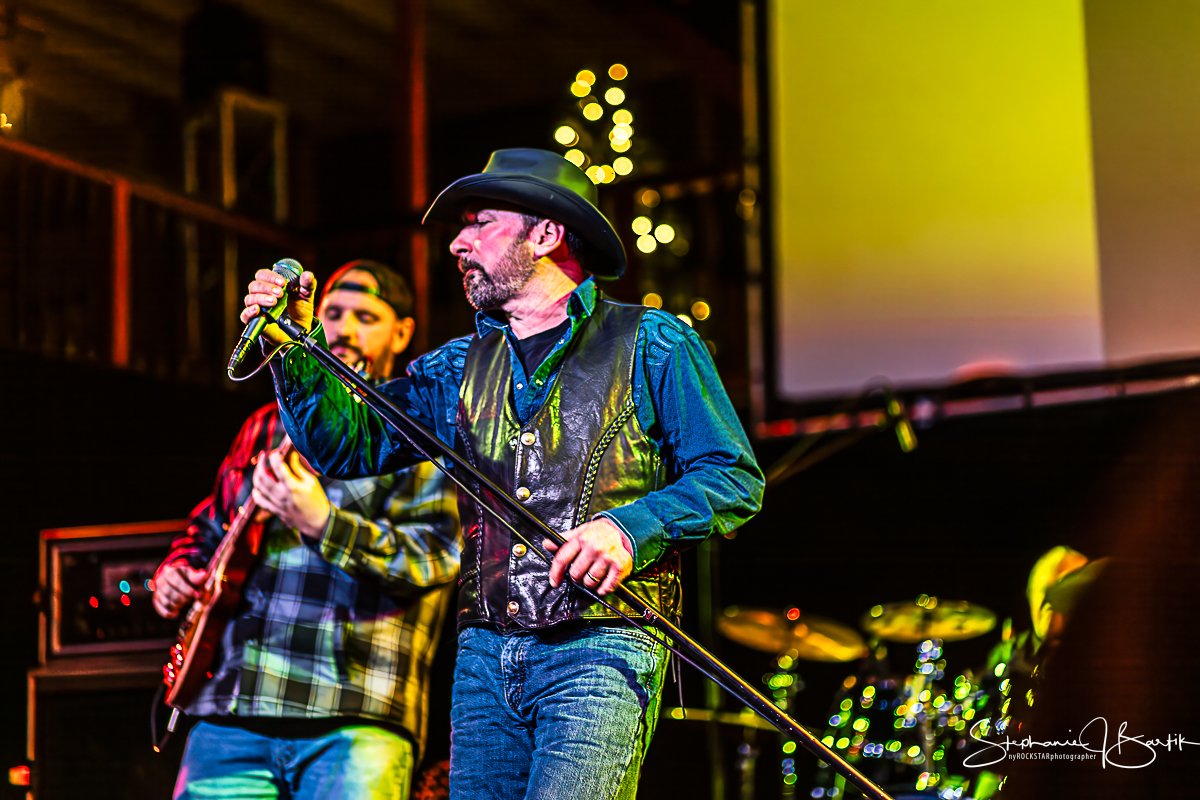
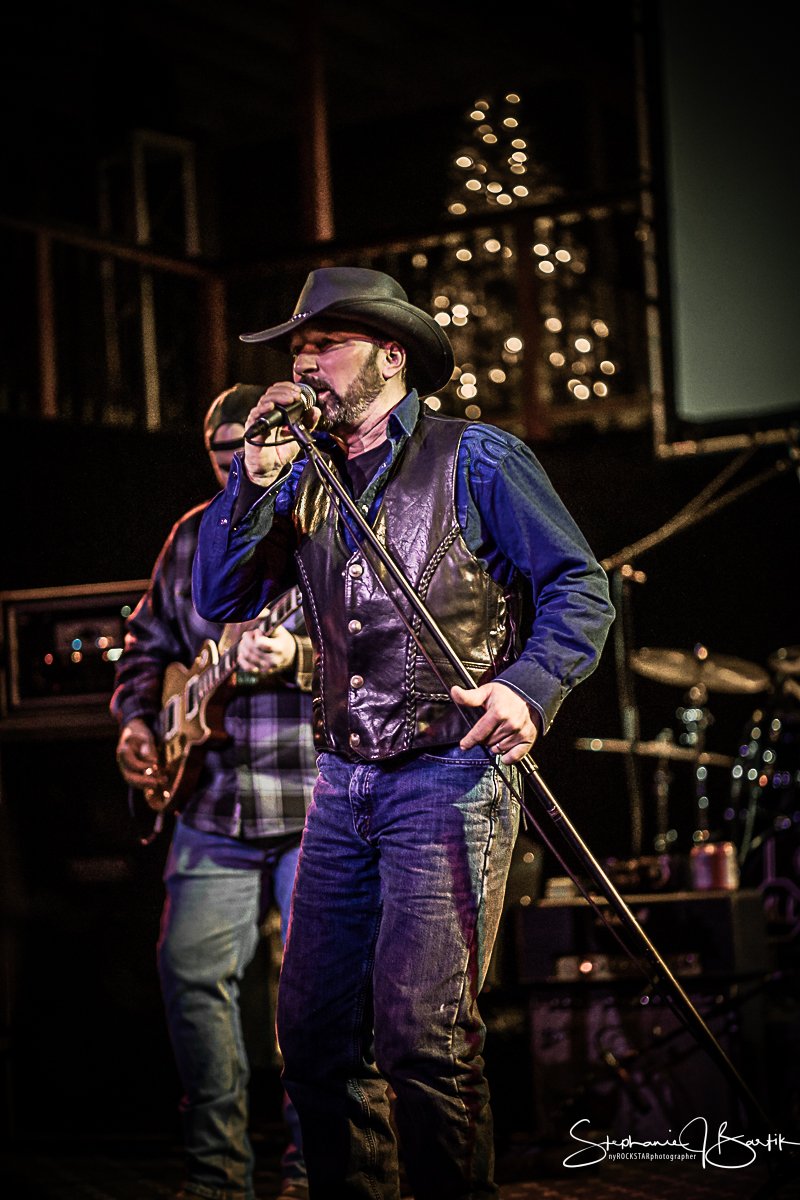
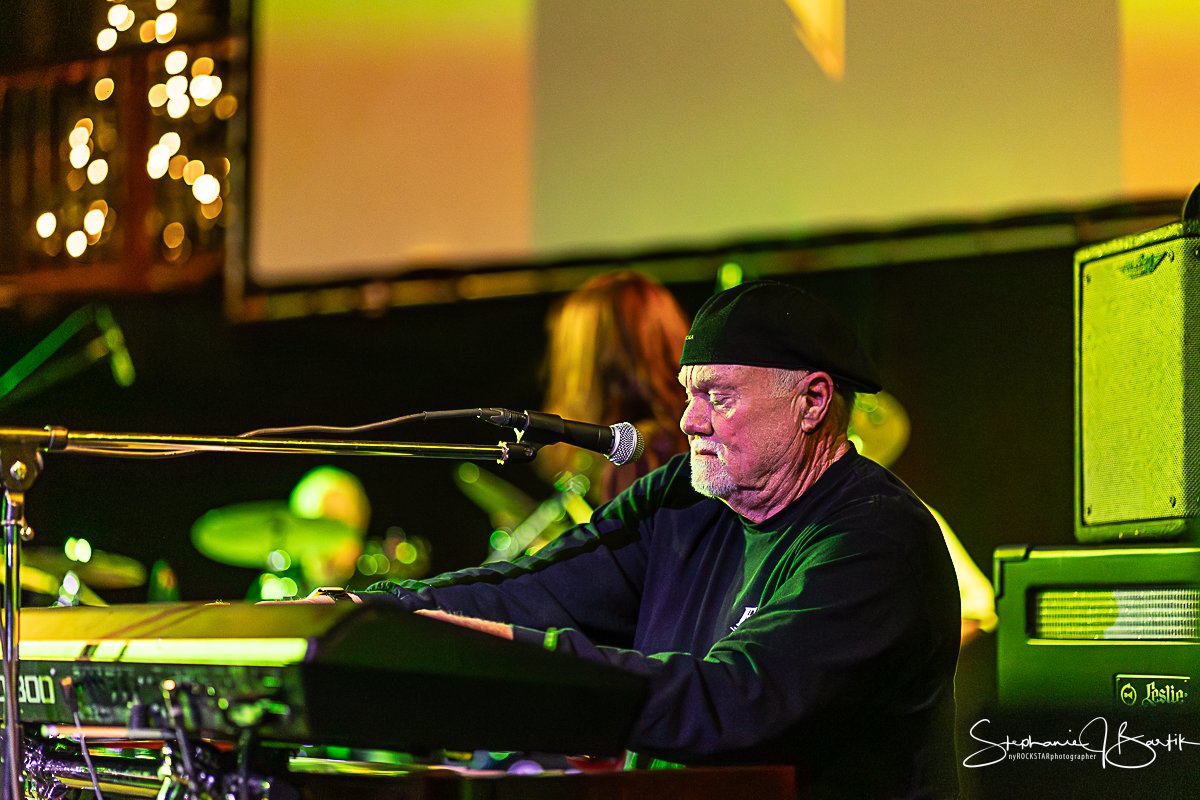
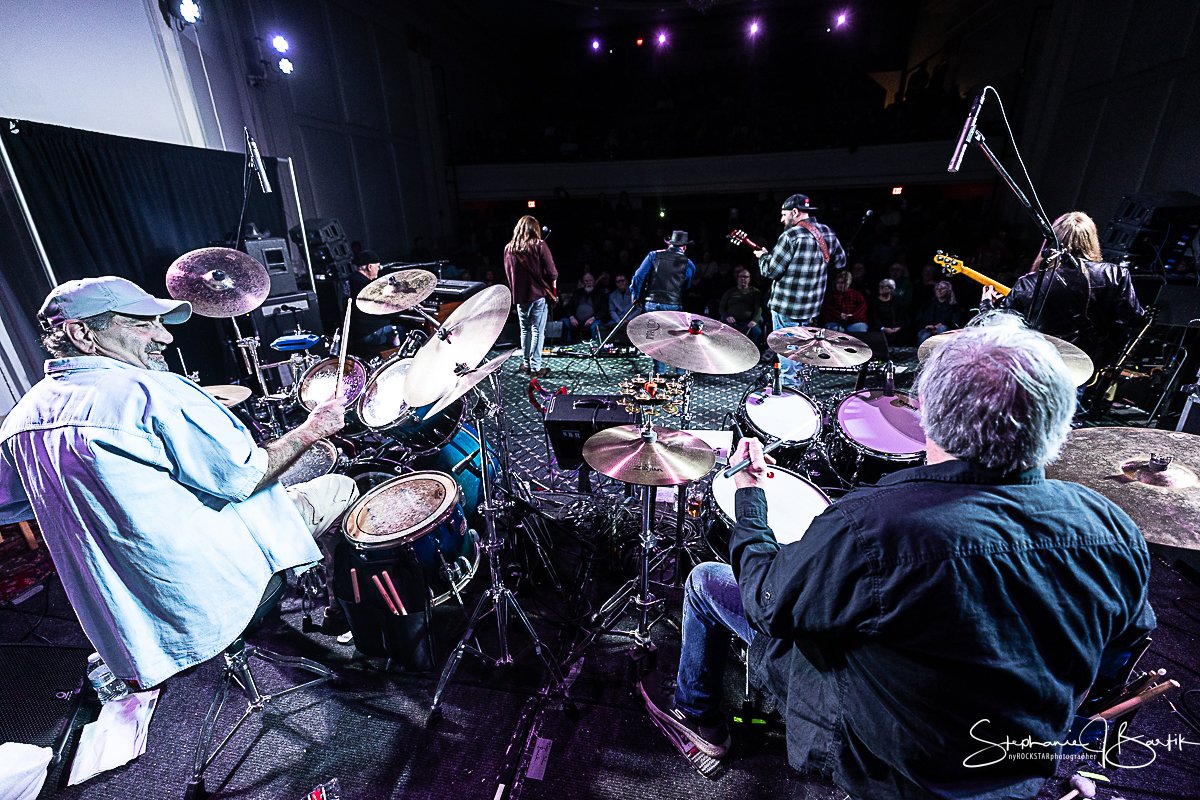
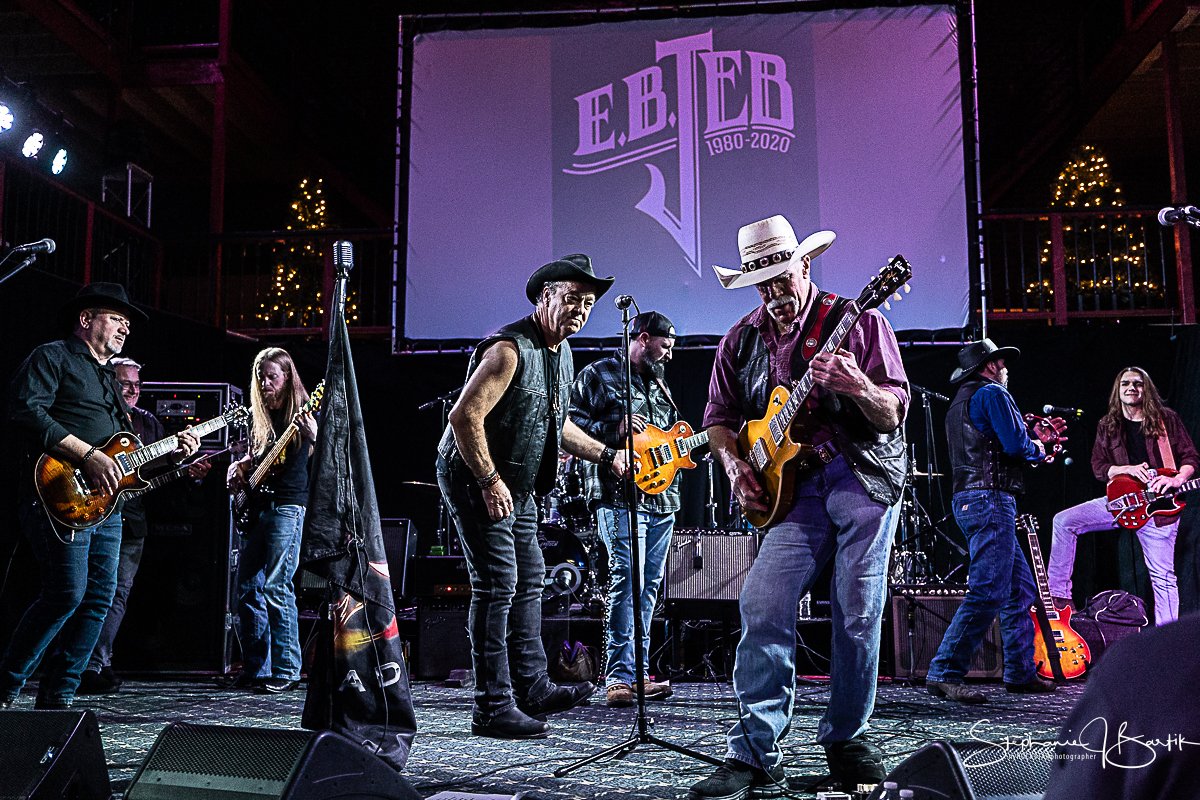
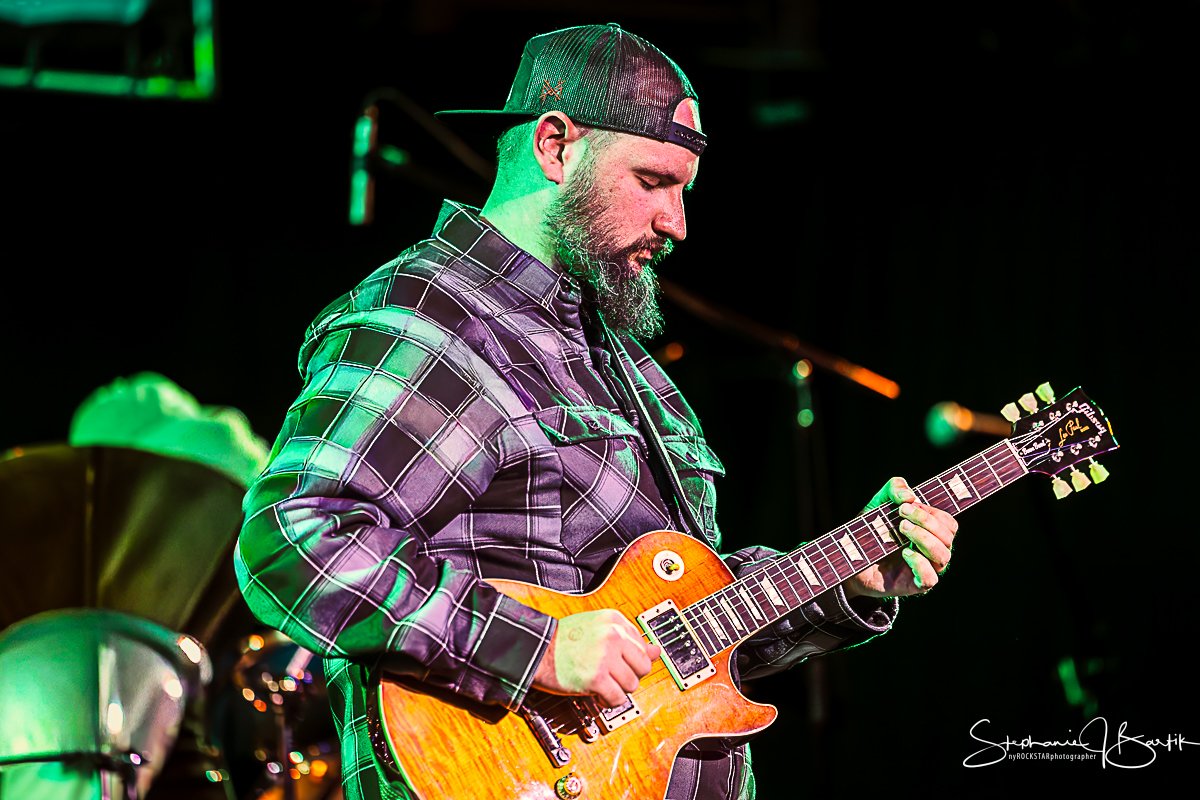
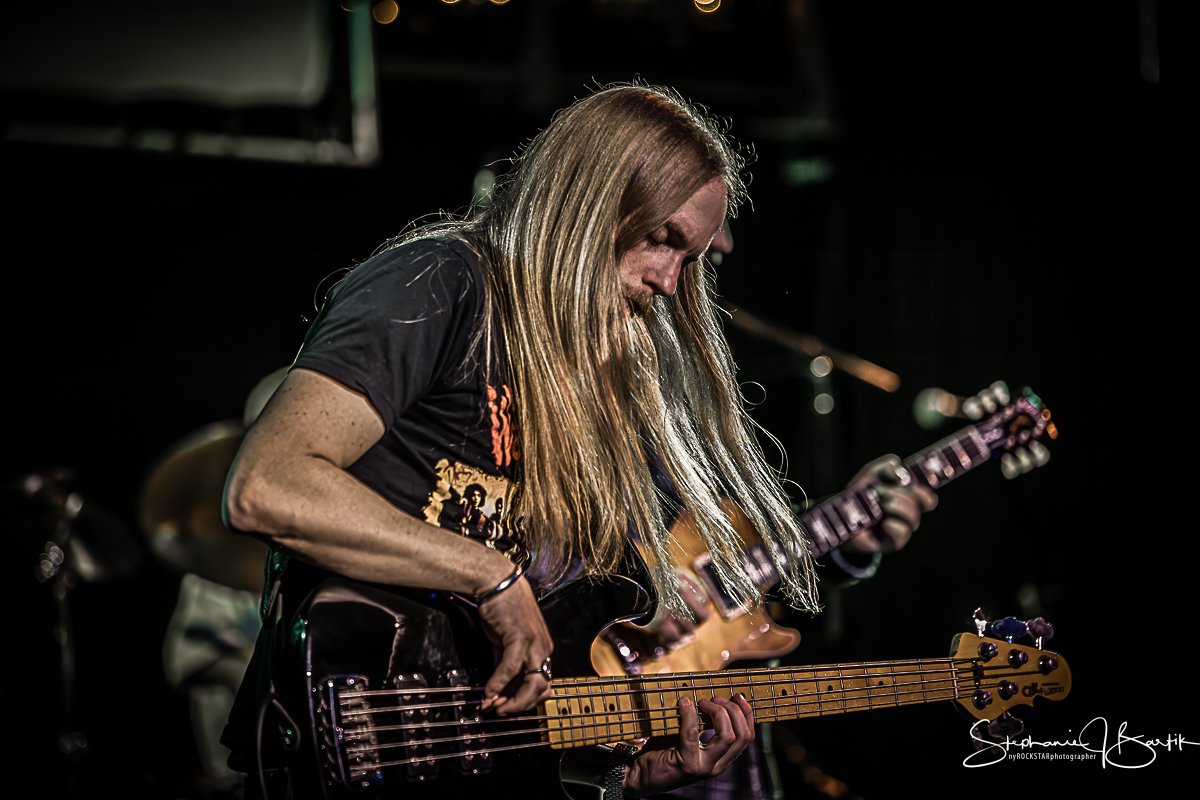
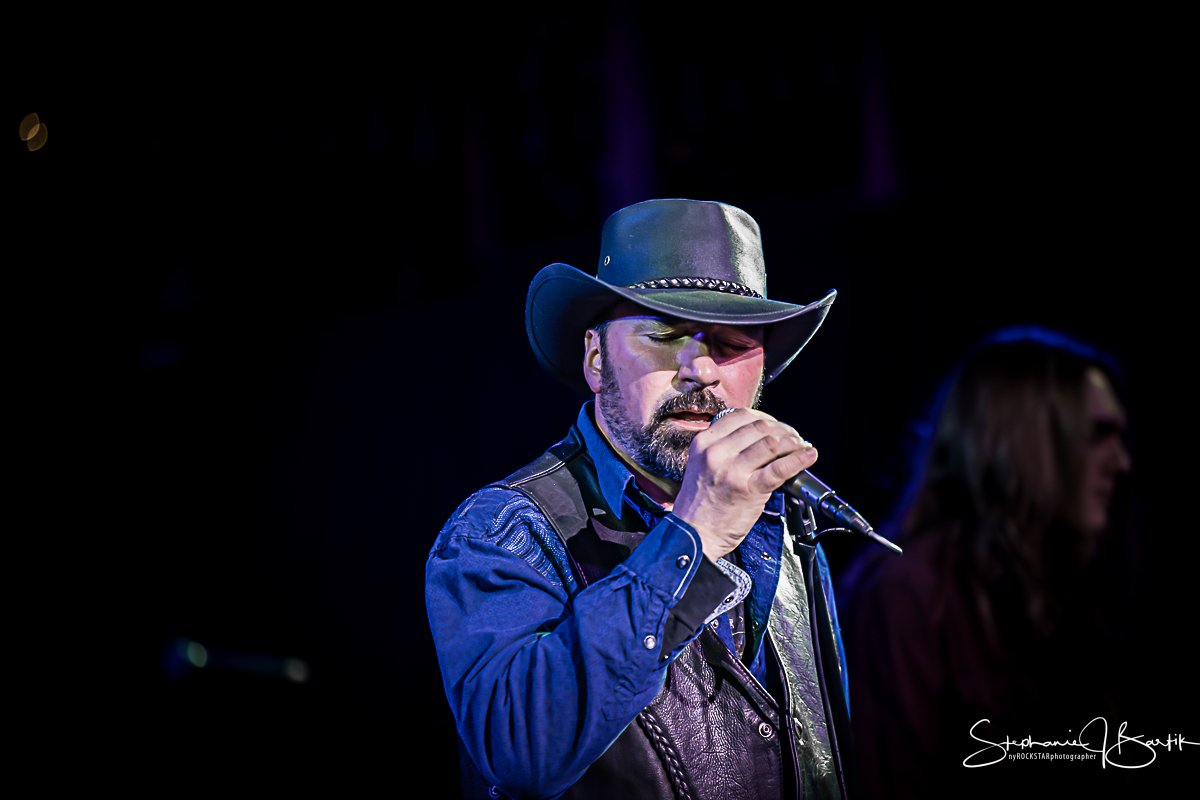
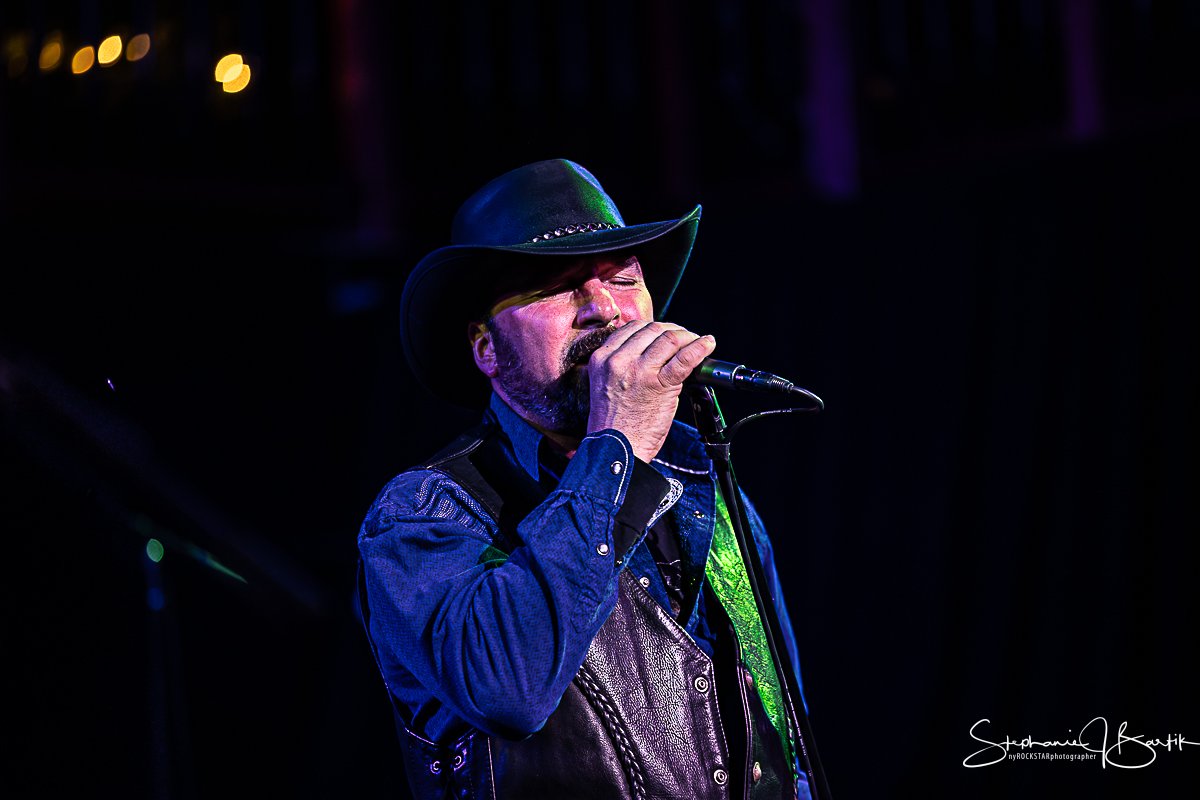
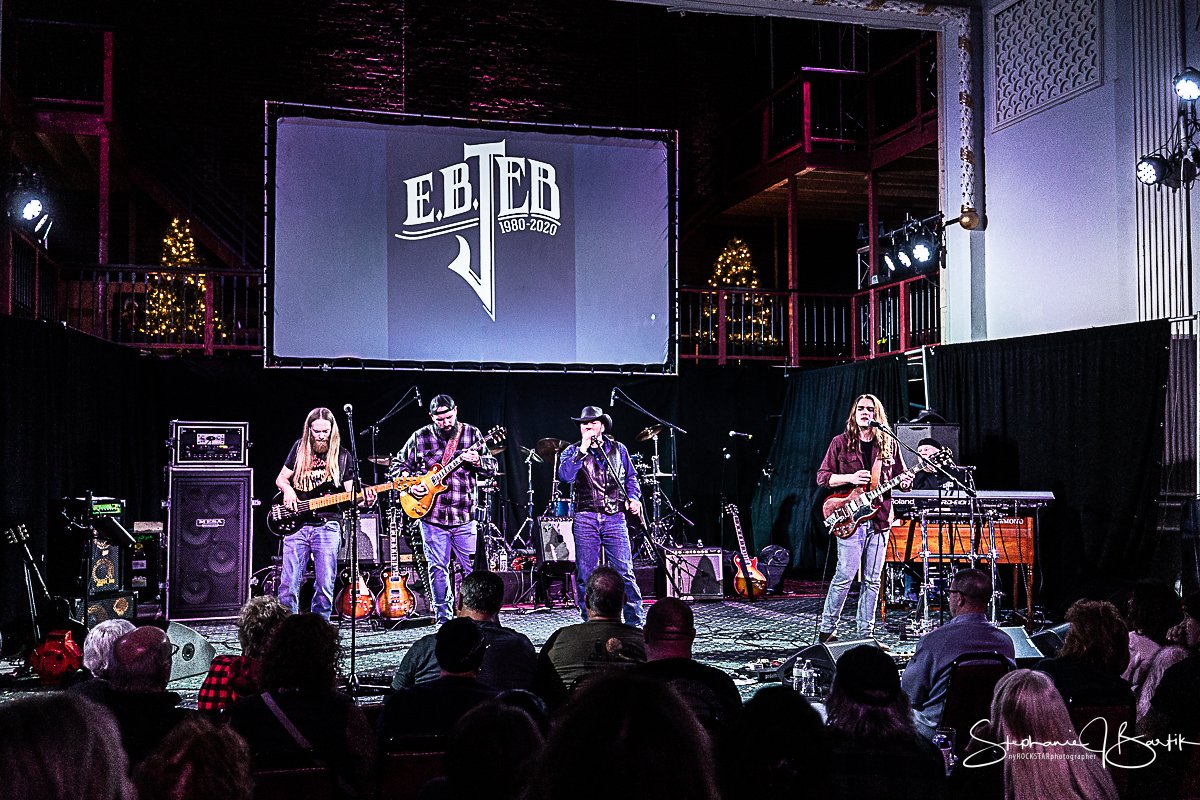
Southern rock filled the halls of the Strand Theatre in Hudson Falls, N.Y. on Saturday night, January 3, 2026.  Southbound Renegade opened for E.B. Jeb. The house was rocking, and the crowd loved it!

The last song featured a blend of both bands on stage together for a powerful finale!


Photography by Stephanie J Bartik.

More from the Strand Theatre here …


The Suitcase Junket @ Caffe Lena, 12/30/2025

0

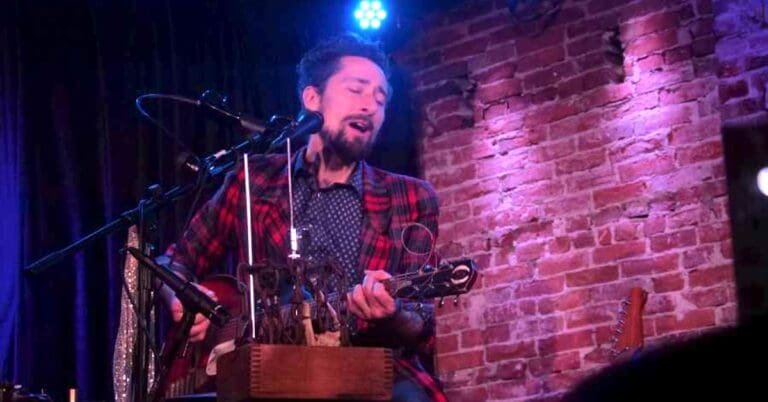
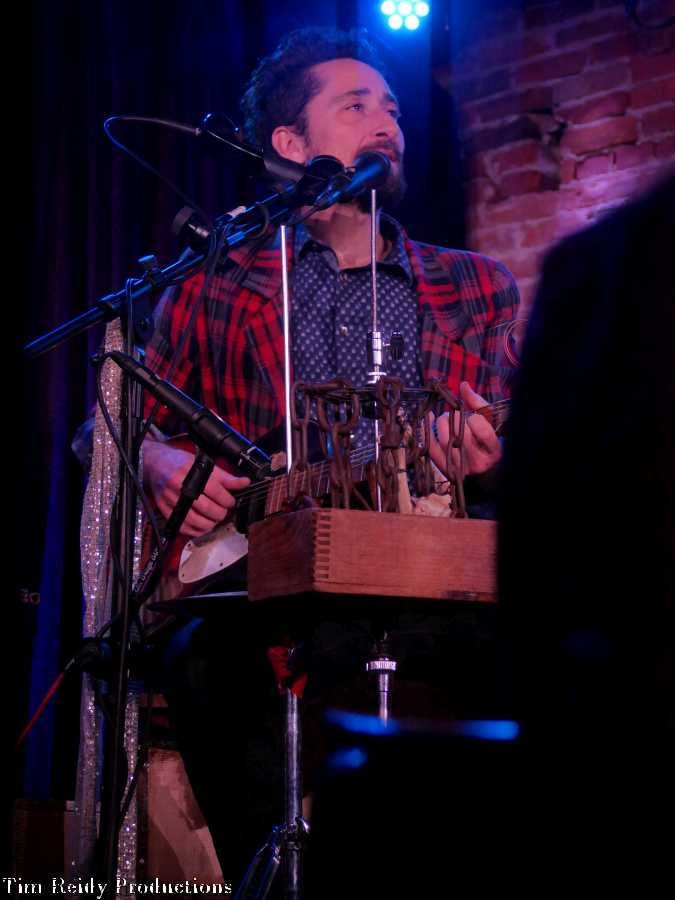
The Suitcase Junket brought his one-man show to the legendary Caffe Lena on December 30.


Photography by Timothy Reidy.

More from Caffe Lena here …

The Barblairian – Thanks for Asking!

0

The Barblairian – Thanks for Asking! – by Liam Sweeny.

RRX: Cover art is cool. It shows listeners what the artist thinks the album is all about. Because music can be felt visually. If you had to give the public a visual image that you think they would see and just “get” your groove right away, what would it be?

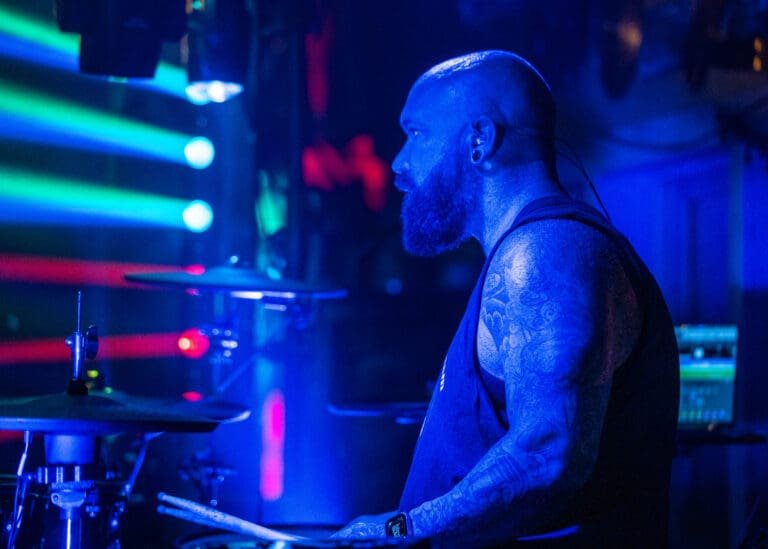
JB: If I had to give the public a single visual that would make them instantly get my groove, it would be a drummer standing at the center of a constantly shifting world.

Picture a dark stage where the lights, screens, and characters are all moving and changing around the kit Colors flipping, visuals glitching, stories unfolding, but the drums are the anchor. The music drives everything, and the environment reacts to it in real time. That image represents what I do: every show is different, every set has its own lights and storyline, and each performance becomes its own piece of art instead of a repeatable product.

That visual says it all. It tells you this isn’t just a concert, it’s a living, evolving experience where sound becomes motion, rhythm becomes imagery, and you don’t just hear the groove… you see it.

RRX: We have to play somewhere, and sometimes those places have more going for them than a stage and a power outlet. What is a memorable place you played, and bonus points if it’s not a well-known place.

JB: One of the most memorable places I’ve ever played was this open room right on a lake Not a well-known venue at all, just a space with a stage, a power outlet, and the elements completely in control.

It was about 95 degrees, no real airflow, and because of the heat only about 20 people showed up. I played four hours straight, which is hard enough under normal conditions, but that night I literally had a CamelBak water tube mounted on my drums filled with Liquid I.V. just to make it through the set.

Then, out of nowhere, thousands of mayflies swarmed the room. They were everywhere, on my drums, in my face — I almost choked at one point. It was chaotic in the most unexpected way, and absolutely unforgettable.

But what made it truly special was the small crowd. Because there were so few people, I was able to take the mic off of my head, step down, and actually have real, close conversations with people while I played. It stopped feeling like a performance and started feeling like a shared experience. I genuinely connected with everyone in that room.

It wasn’t glamorous. It wasn’t famous. But it was raw, human, and memorable and that’s the kind of show that sticks with you.

RRX: Part of learning to be a musician is to fall in love with a song, an album, and hammer away at your instrument until you can play that whole thing. What was that song for you? Was there a hardest part?

JB: Travis Barker has been a huge influence on me. Growing up, there were so many songs at different stages of my playing where I remember thinking, how is a drummer even doing that? Those moments pushed me to lock myself in and hammer away until it finally clicked. That process shaped the way I play today.

More recently, one song that really stands out is “Anthem Part 3” by Blink-182. I had a ton of requests for it during an emo night show. On paper, it is not an incredibly complicated song, but once you actually sit down and try to play it the right way, it is a serious workout. The stamina, the consistency, and getting every part to feel right took real effort.

It took me about a month to get that song down note for note. The hardest part was locking in the energy and endurance without letting anything rush or fall apart. Once it finally clicked, it stopped feeling like a challenge and just became part of my show. Those are my favorite moments as a musician, when something that once felt impossible turns into muscle memory and pure expression.

RRX: Stereotypes are a bitch. I mean, aside from the really bad ones, you have cultural stereotypes about everything, including music.  Would do you think is the stereotype for the music you play, and how far are you away from it?

JB: There is definitely a stereotype around backing tracks, especially in cover bands, and my entire show is built on backing tracks because I am a solo drummer. I get why that can raise eyebrows at first. Once people actually see the show and realize how much is happening beyond just hitting play, that stereotype disappears pretty quickly.

The biggest stereotype I run into from other musicians is around my use of AI. When people hear AI mentioned in the same sentence as my show, they assume the music itself is being created or altered by it. That is not the case at all. The music is still human, physical, and performed live. AI is strictly a production tool for me.

I use AI to create visuals, bring my characters to life on screen, and handle narration in a way that feels cinematic and real. It also allows me to design and program an entire light show before I ever step on stage, without needing to hire a lighting engineer. As a solo artist, that is huge. It lets me deliver a full-scale production that would normally require a team.

So if the stereotype is that backing tracks or AI make a show less authentic, I am pretty far from that. In my case, they are what allow me to do more as a single performer, not less.

RRX: Our style comes from the extension of our influences. It’s like an evolution. We’re influenced, and it inspires us to influence. What can you say about your influences, and what you feel you’ve done with their influence as a musician or band? Have you extended their work?

JB: My style is very much the result of studying drummers who pushed the role of drums beyond just keeping time. Travis Barker was one of the first influences that showed me how a drummer could be the frontman, how energy, feel, and attitude could carry an entire show. Watching him made me realize that drums could drive a crowd the same way a vocalist or guitarist does.

As I got deeper into playing, drummers like Luke Holland showed me what discipline and precision at a high level looks like. His control, consistency, and ability to make technically demanding parts feel musical raised my bar for what live performance should sound and feel like. More recently, II from Sleep Token influenced the way I think about space, atmosphere, and emotional weight. His playing proves that restraint and intention can be just as powerful as speed or complexity.

Where I feel I have extended those influences is in how I present the drums as part of a larger experience. I am not trying to outplay anyone or recreate what they already do. I took the idea of the drummer as a focal point, combined it with precision and atmosphere, and then built an entire visual and narrative world around it. The drums remain fully human and fully live, but the show around them becomes cinematic, almost like a moving piece of art.

I see my work as an evolution of those influences rather than an imitation. They taught me what was possible behind the kit. I took that foundation and expanded it into something that blends performance, storytelling, and production in a way that feels uniquely mine.

RRX: What would you like fans to know before they come to see you play? (No basic stuff; get specific.)

JB: Before you come see me play, I want you to know you’re not walking into a standard “band night” or a drummer doing a few covers behind a kit. You’re walking into a living episode of the Barblairian universe, and you’re part of it the second the lights go down.

The Barblairian is a character, but he’s also a mission. He’s the version of me that decided the world doesn’t get to win with dullness. He’s a reminder that people still deserve to feel something loud, real, and electric. In a world where everything is heavy, where everyone’s carrying stress, bills, bad news, and burnout, the Barblairian exists for one reason: to light up the room and leave it brighter than it was when you walked in.

That’s why I do what I do.

Every show is designed like a piece of art. Not in a “look at me” way, but in a “you’re about to experience something” way. The music is the backbone, the drums are the engine, and the visuals and lighting are the language that turns it into a story. The set list is multi-genre on purpose. I want the night to feel like a ride, not a playlist. You might go from rock to hip-hop to an emo anthem to something that makes you laugh and go, “Wait, what is happening right now?” That surprise is intentional. It keeps you present. It keeps you alive.

And here’s the important part: I’m a solo drummer. That means I’m doing the job of the band, the hype, and the production team all at once. So yes, there are backing tracks. But the point of the show is not to pretend there’s a band behind a curtain. The point is to take one human being and build a full-scale experience around them. It’s athletic. It’s performance. It’s stamina. It’s timing. It’s control. And because it’s live, anything can happen. I’m not hiding behind anything. I’m driving the whole thing with my hands and feet.

Now the storyline.

The Barblairian world is populated with characters that aren’t just “cool visuals.” They’re part of the atmosphere. They’re part of the message. They represent the voices we all have in our heads, the chaos of modern life, and the weirdness of trying to stay inspired in a world that wants you numb.

Channel Zero is the glitchy narrator of the universe. He’s the one hijacking the screen, changing channels, flipping moods, and telling the story like a late-night broadcast from the end of the world. He’s comedy, he’s chaos, he’s commentary. Sometimes he’s the voice in your head. Sometimes he’s the voice trying to keep you moving.

Lux Cortex is the brainpower. The calculated, high-tech pressure. He’s intensity. He’s focus. He’s that part of you that wants to build something bigger than you are, but also wants control over everything. When Lux shows up, the vibe changes. It gets sharper. More cinematic. More “this is bigger than a bar show.”

Cloud Chaser is the escape. The part of you that wants to lift off for a minute. To float above the stress. To breathe. When that energy hits, the show opens up. It becomes lighter, expansive, sometimes even emotional, like you’re looking out over the lake at midnight and you remember you’re still a human being.

The Grizzly is the raw power. The protector. The unfiltered energy. When the Grizzly shows up, it’s primal. It’s big. It’s “turn it up” and don’t overthink it. He’s the reminder that sometimes you don’t need an explanation, you just need to feel the floor shake and let it out.

And the Barblairian sits at the center of all of it. He’s the conductor. He’s the fighter. He’s the one who takes all those voices, all that chaos, all that pressure, and turns it into motion and sound. He doesn’t run from the world, he flips it into something that fuels the crowd.

So what do I want you to know before you come?

Come ready to participate, not just watch.

If you come to judge it like a typical band setup, you’ll miss the point in the first five minutes. But if you come open-minded, you’re going to realize it’s not about what instruments are on stage. It’s about what the room feels like. It’s about the moment when a song hits, the lights snap, the screen speaks, and you look around and see strangers smiling like they’ve known each other for years.

Come ready for it to be loud and physical. This isn’t background music while you sip a drink and scroll your phone. You’re going to feel the kick drum. You’re going to feel the build-ups. You’re going to feel the drops. It’s meant to wake people up.

Come ready for the show to be different than the last time you saw me. The visuals shift. The lighting changes. The characters evolve. The story grows. Sometimes I’ll test something new. Sometimes I’ll bring a moment back because it hit so hard it deserves another chapter. Either way, you’re not getting a carbon copy. You’re getting that night’s version of the art.

And if you’re the kind of person who’s been through it lately, if you’ve been tired, stressed, stuck, or just bored with the routine, this is for you. I built this whole thing as a reminder that fun still matters. Energy still matters. Community still matters. It’s not just drums. It’s a signal flare.

So when you show up, don’t just come to see me play. Come to get pulled into the story. Come to leave feeling lighter. Come to be part of a room that’s brighter for a couple hours than the outside world.

That’s the Barblairian. That’s the mission.

And if you’re there, you’re in it with me.

Photo by Snap Shot Photography.


More from Liam Sweeny…

Three Questions with Emily Wolfe – An Xperience Interview

0

Three Questions with Emily Wolfe – An Xperience Interview – by Rob Skane.

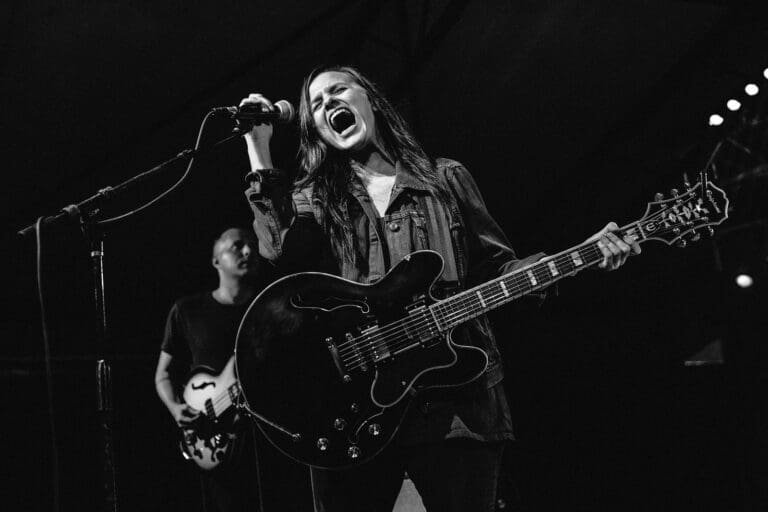
Photo by Brittany Durdin.

Texas-based guitarist Emily Wolfe has been releasing albums since 2012, four of them to be exact. And you would be wise to own them all. Her guitar work is absolutely blazing, and her songs are great. Epiphone guitars has even released an Emily Wolfe signature model Sheraton guitar – the “White Wolfe” Sheraton. Look for Emily at emilywolfemusic.com. Here are three questions with Emily Wolfe:

RRX: What was the moment that made you pick up a guitar and never put it down?

EW: When I first saw a guitar in person, I was five years old. I saw it at a thrift store and begged my mom to get it for me because it was the coolest thing I had ever seen. It was like seeing something I didn’t know I needed yet. After my first guitar teacher told me I wasn’t very good, I put it down and learned drums instead. A few years later, my family moved to Texas, and that guitar was always waiting in the corner of my bedroom. I still remember the day I sat on the floor of my bedroom in a brand new city, feeling lonely and out of place. I thought, maybe this will make me feel better. So I picked it back up, and I haven’t put it down since.

RRX: If you could go back and tell your younger self one thing about playing guitar, what would you say?

EW: Take piano lessons. That’s where music starts. I could have saved myself a lot of time if I had learned more theory on piano first. But, I’m not sure I’d play the same way if I hadn’t just dove right into guitar.

RRX: When you’re not onstage or recording, what kind of stuff do you play when no one’s listening?

EW: I like to listen to music with saxophone in it, and try to transcribe sax licks on guitar. It’s hard, but a really fun challenge.


More from Rob Skane…

Badass Ryu – The Weird Side of the Internet

0

Badass Ryu – The Weird Side of the Internet – by Liam Sweeny.

Pregnancy is scary, and its usually scary for both sides of the zygote. Men worry about being able to take care of a kid financially. Physically, and women have a lot more financial pressures now themselves. But they also have to worry about the medical stuff too. A lot can go wrong before all of the things can go wrong after the butt slap.

Pregnancy is a mine field and its amazing anyone makes it out to the fluorescent lights. One that scares me is called an ectopic pregnancy.  This is when the pregnancy doesn’t take place in the uterus. It’ll usually grow in one of the fallopian tubes, and they’re extremely dangerous for the mother and the baby.

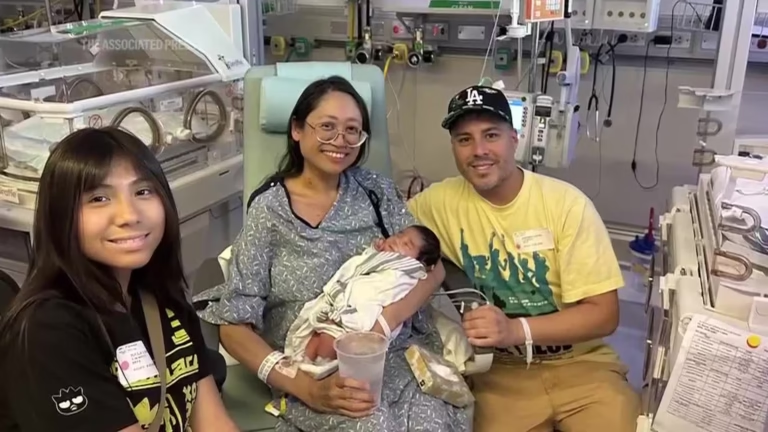
But let’s talk about Suze Lopez from Bakersfield, California. She had an ovarian cyst, and it was causing her problems. The main problem was that it was the size of a basketball, twenty-two pounds. She had to get a CT and an MRI to figure out how to get rid of it. It was then that they noticed eight-pound Ryu growing in her abdomen, almost to term.

So of course they saved little Ryu, and got rid of the now much smaller cyst.

I know someone close to me that came from this exact type of pregnancy. It’s 1 in 30,000 chance that a pregnancy will carry in the abdomen. 1 in a million of those pregnancies carry to term, and of those, 1 in 5 have at least some birth defects. As was the case with the person I know. Back in the day, this person had lots of surgeries growing up, but I imagine these days they could’ve fixed everything at nice, who knows.

I’ve heard stories of women not realizing they were pregnant, but Suze Lopez has an absolute excuse for this.


More from Liam Sweeny…
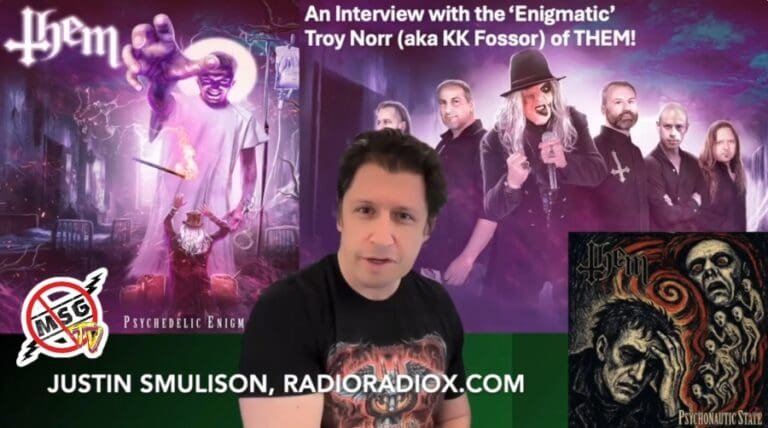
Unraveling the ‘Enigma’: An Interview with Troy Norr, aka KK Fossor of THEM!

0

Unraveling the ‘Enigma’: An Interview
with Troy Norr, aka KK Fossor of
THEM!

By Justin Smulison

Subscribe to our YouTube Channel HERE!

THEM’s KK Fossor is an intimidating and scary figure. The 100-plus-year-old ghoul can
belt out power-thrash melodies in the style of King Diamond in ways that to tap into your
fears and remain in the recesses of your mind. Though I’ve never met Fossor, I’ve had
the pleasure of hanging out with the man behind the prosthetics – Troy Norr – a really
relaxed dude from Long Island resident.
We reconnected at the end of 2025 to discuss Psychedelic Enigma, available from
Steamhammer/SPV. The fifth LP from THEM follows the events of 2022’s Fear City
(which was set in 1981), with Norr and Fossor seemingly merging and trying to establish
one’s reality from the other.

The music is full-on power-thrash, possibly the most aggressive and faster of the band’s
discography. Check out the singles like “ Catanoia ,” and “Remember to Die,” to get a feel
for true classic metal intensity (with a dash of NY-tinged hardcore for good measure).
Norr and I caught up to discuss Fossor’s journey, and the dozens of vocal tracks
featured on each track to convey his rage and anguish. We also relish in the
outstanding musicianship displayed by THEM’s players (who are based in Germany and
South America), and talk about the challenges of keeping an international collective of
performers together.

We also talk about the time he auditioned for Anthrax in the early 1990s and what it was
like to open for Helloween twice – once with THEM and years prior with his earlier Long
Island band, Cold Steel.
Horns Up!

THEM online & social:
https://www.facebook.com/thembandofficial
https://www.instagram.com/thembandofficial/
https://them6.bandcamp.com/

Them
More RadioRadioX Events:

Home


https://radioradiox.com/listenupawards/listen-up-vote/

Paul Winter Consort @ Troy Savings Bank Music Hall, 12/26/2025

0

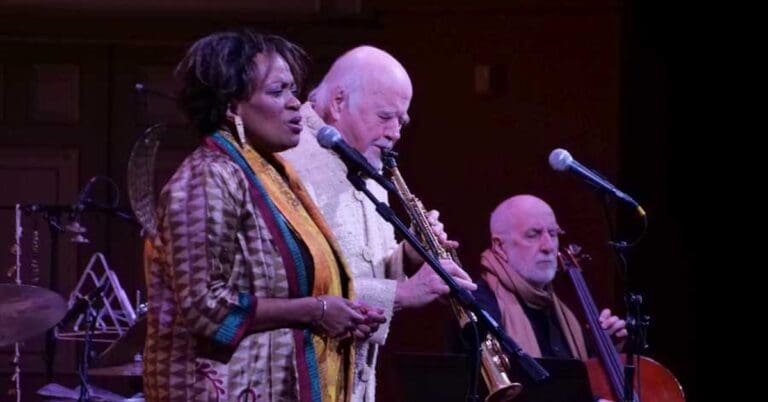
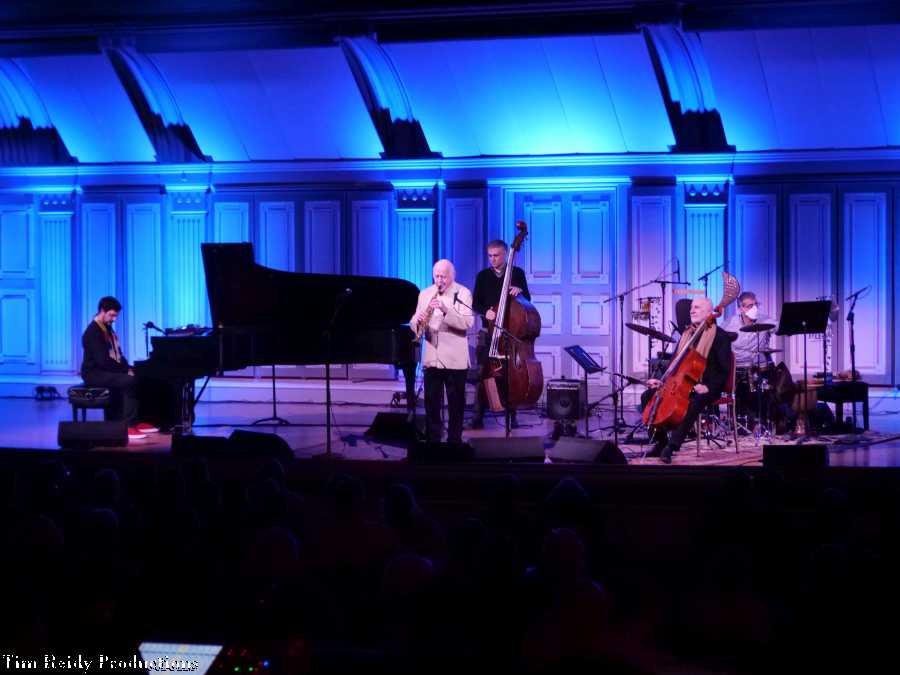
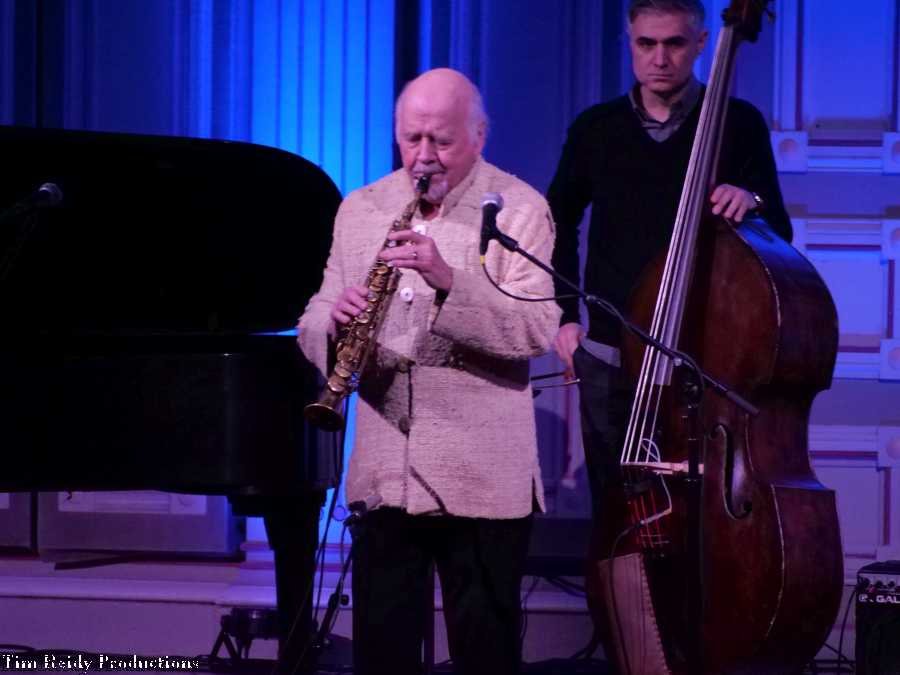
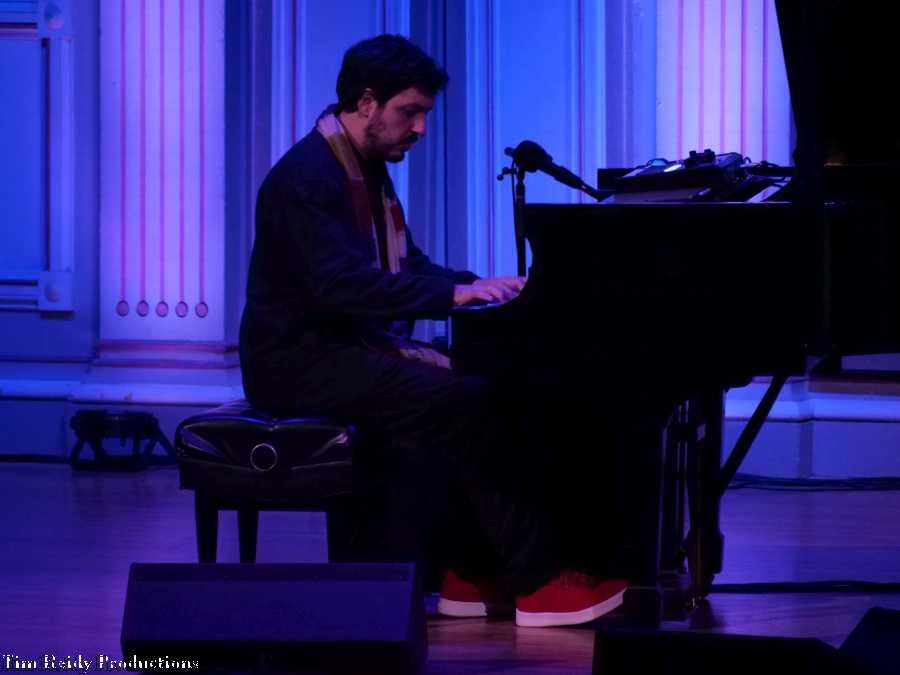
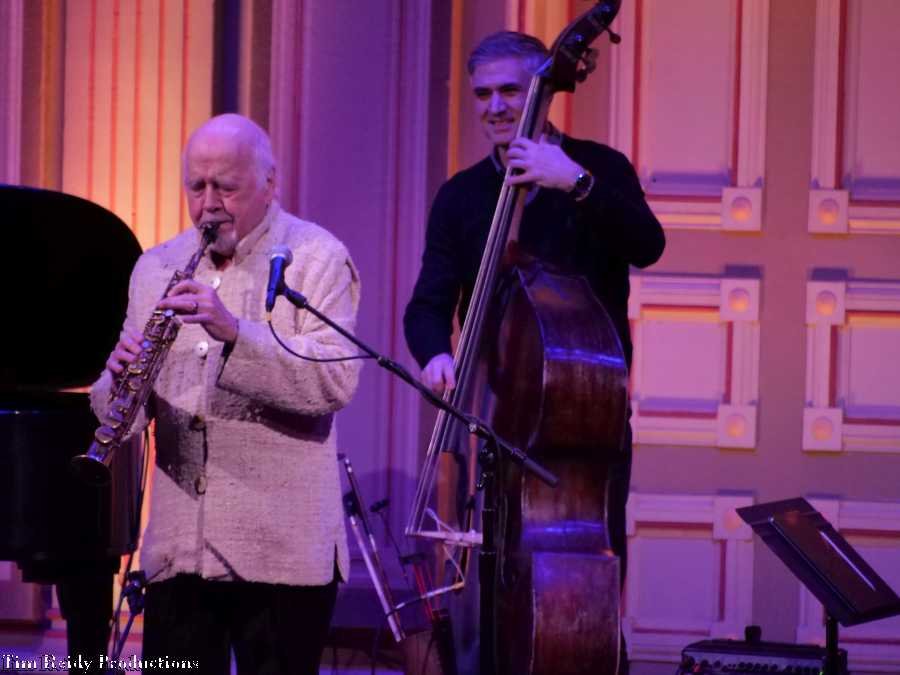
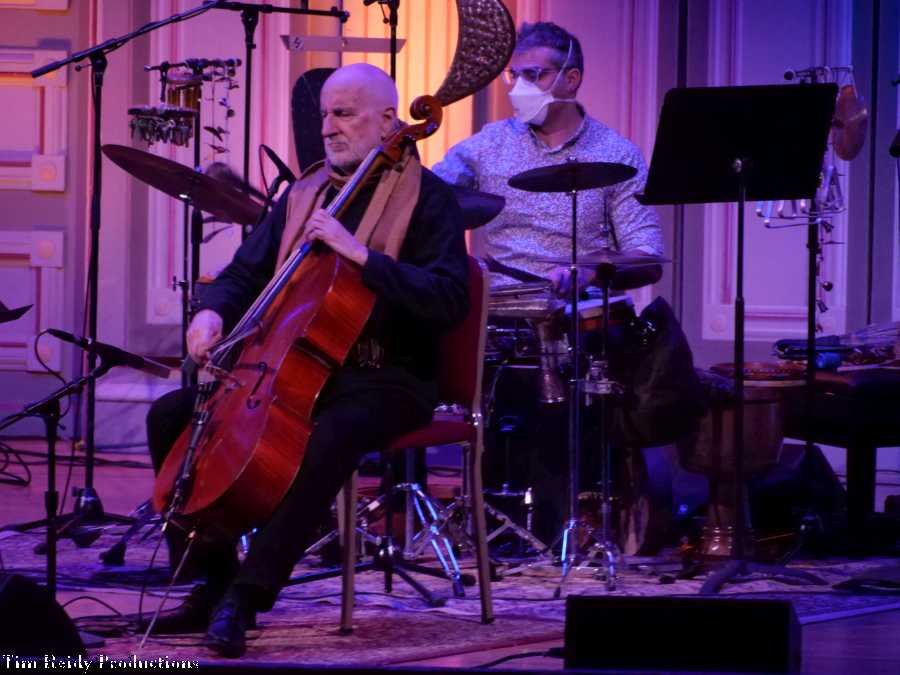
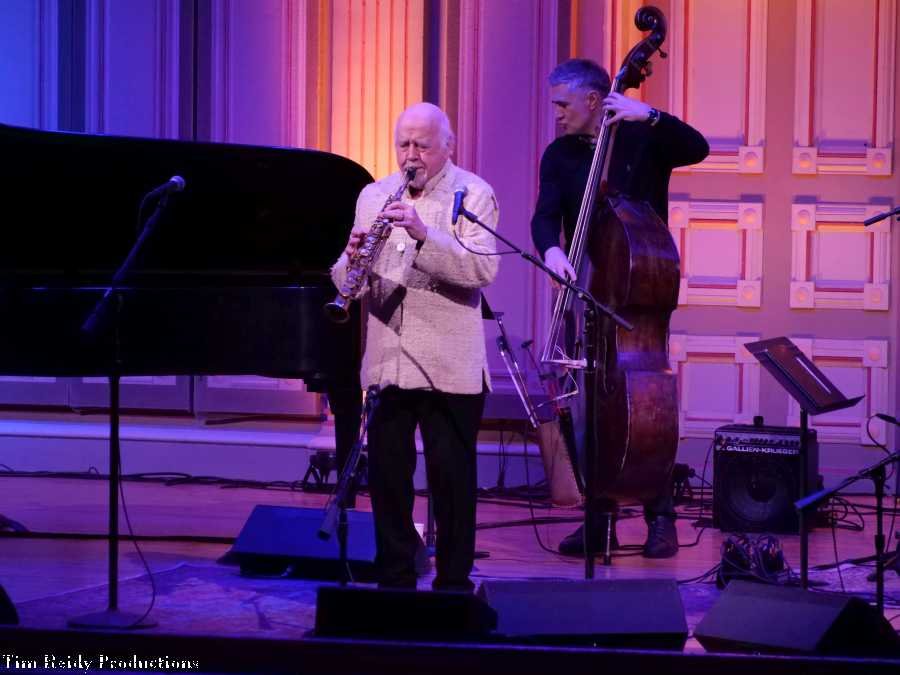
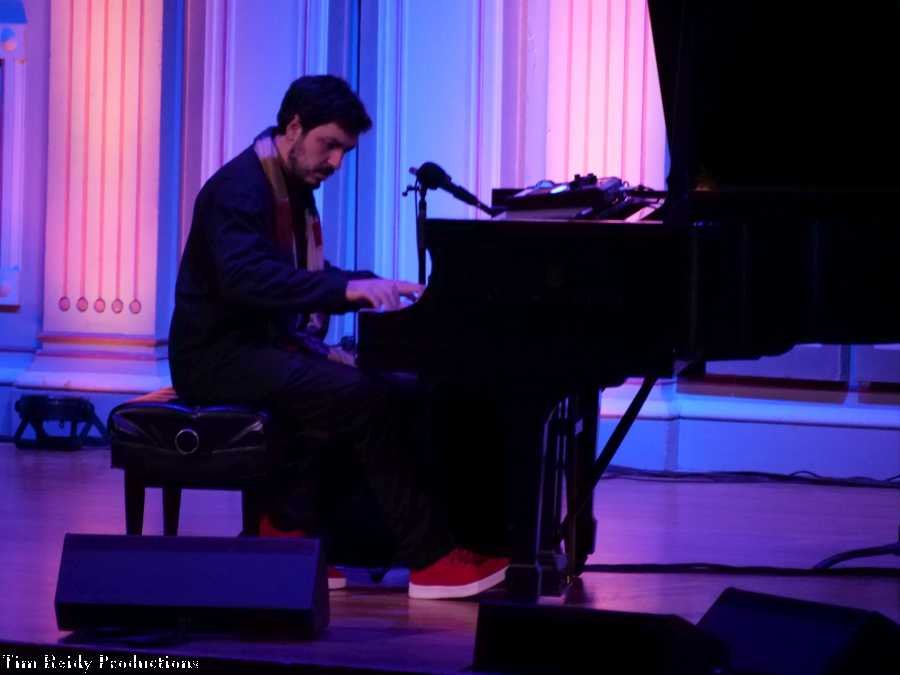
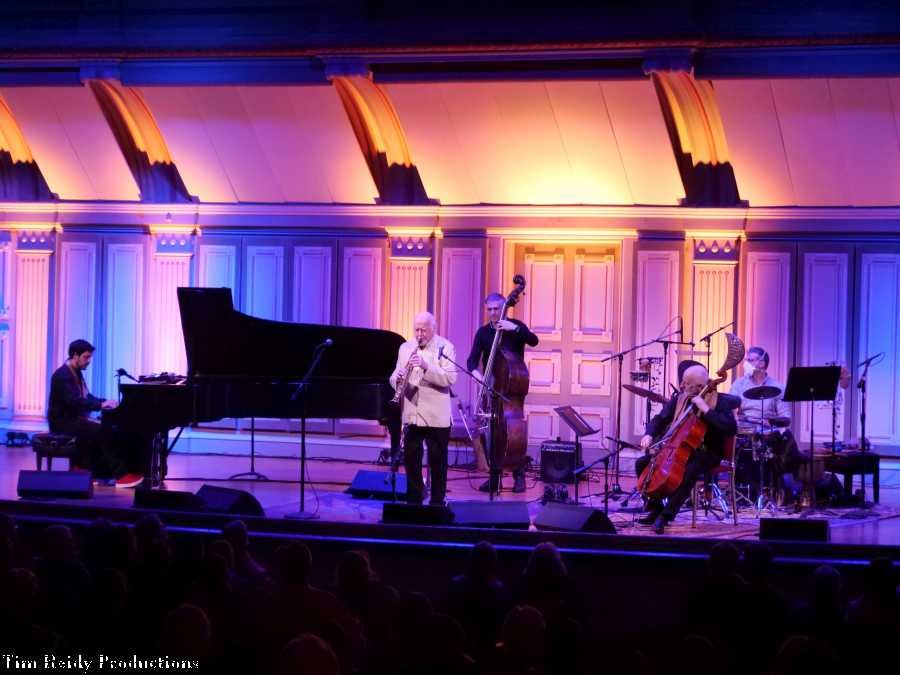
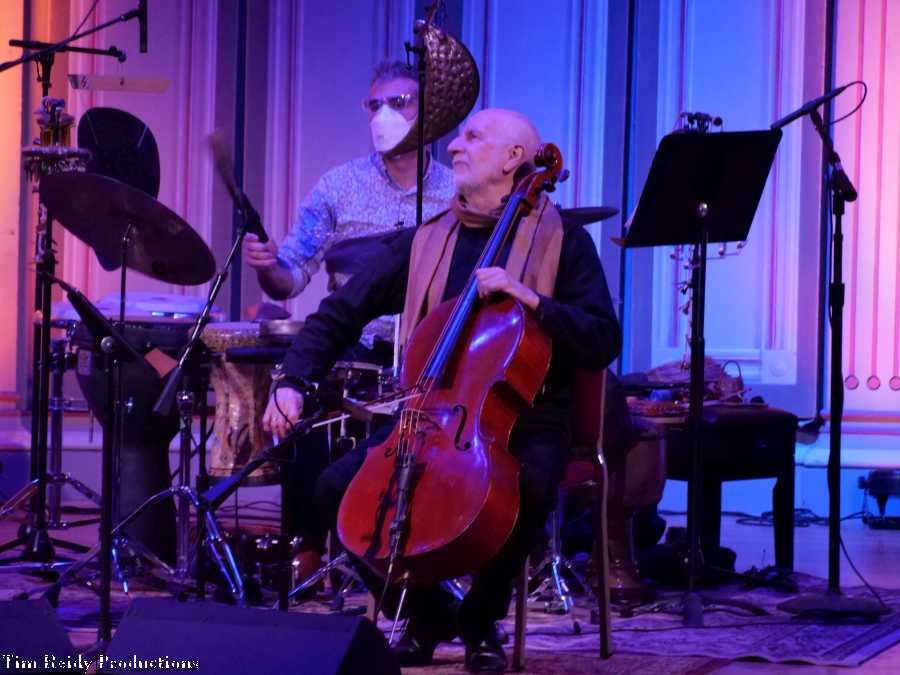
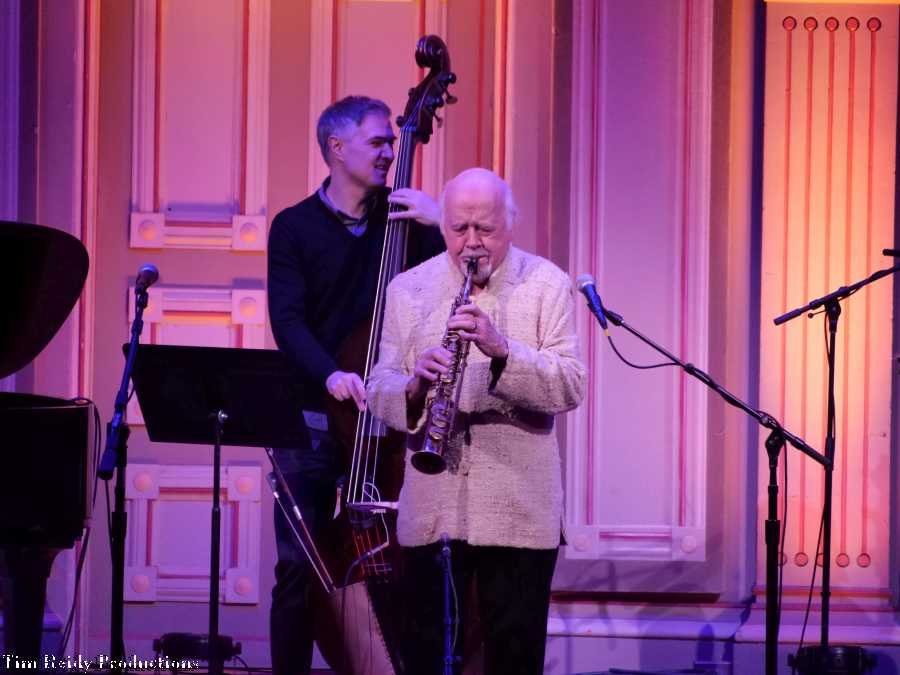
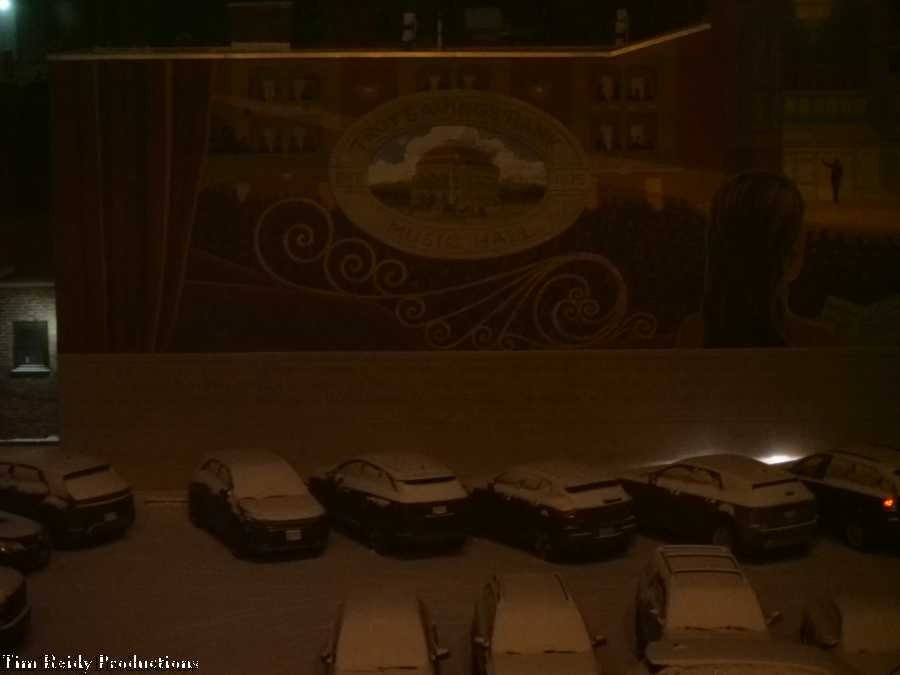
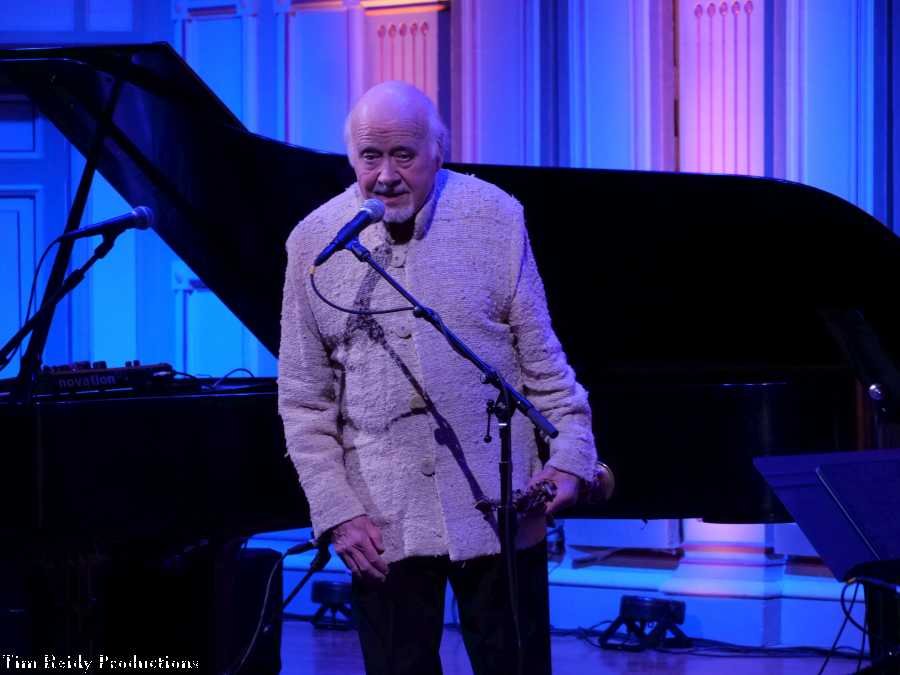
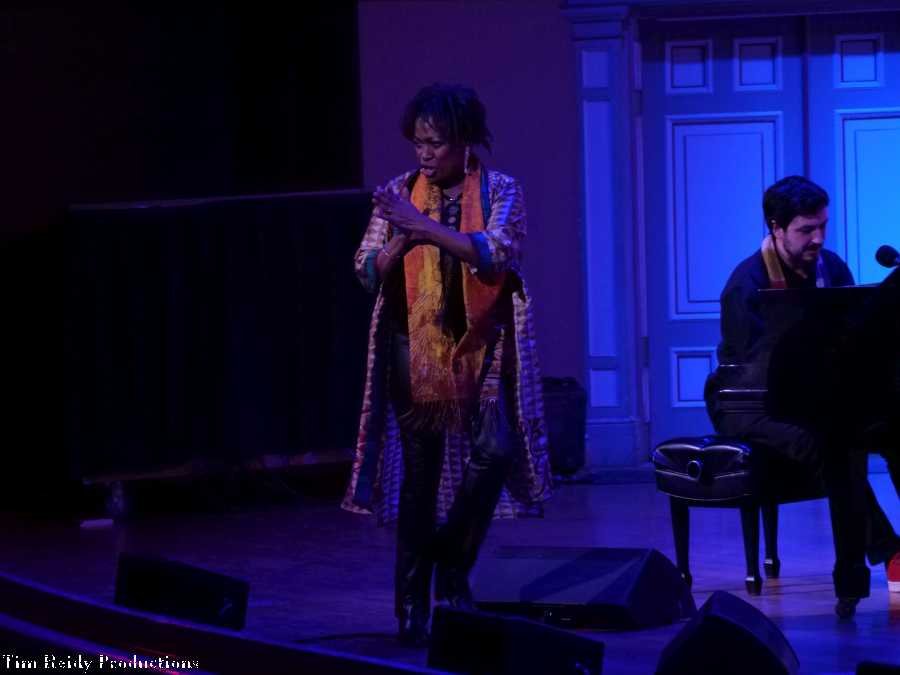
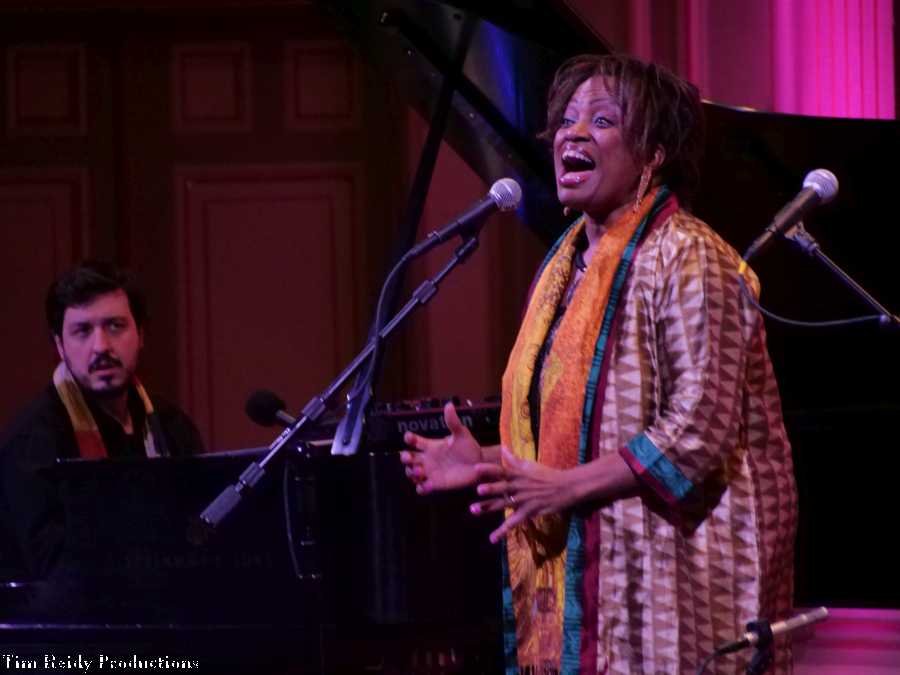
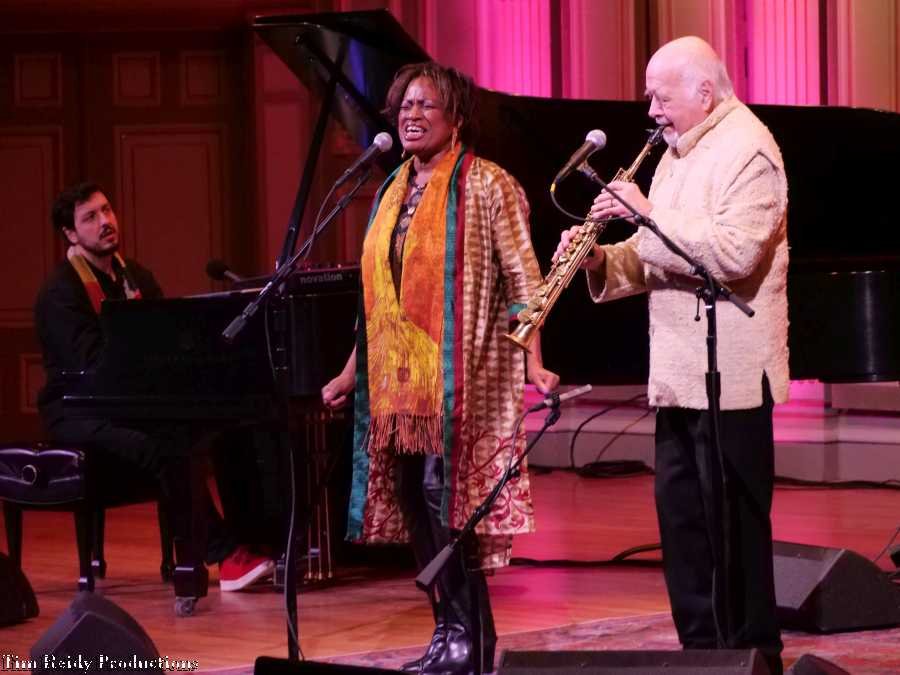
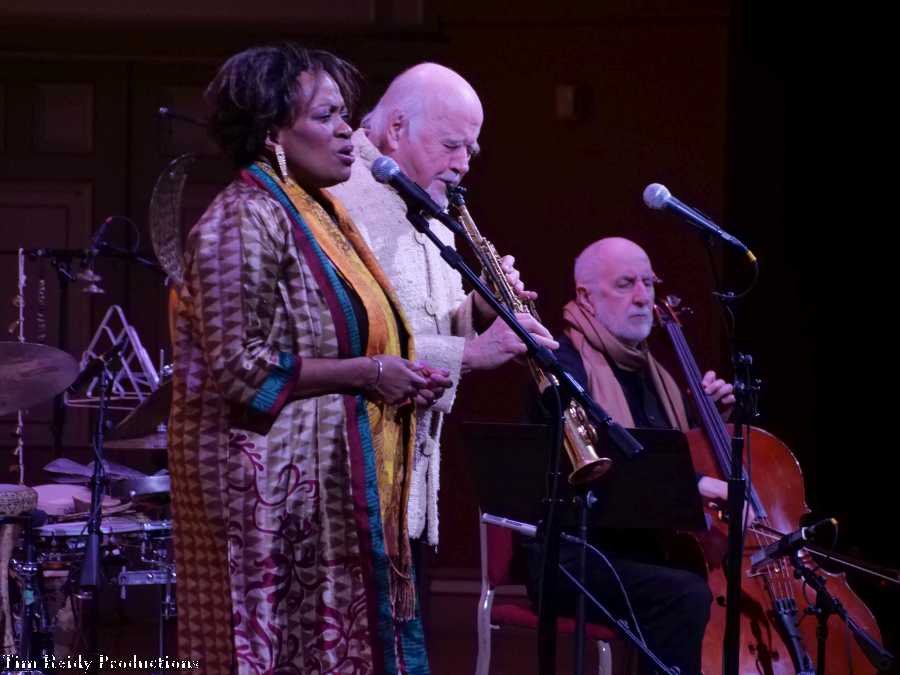
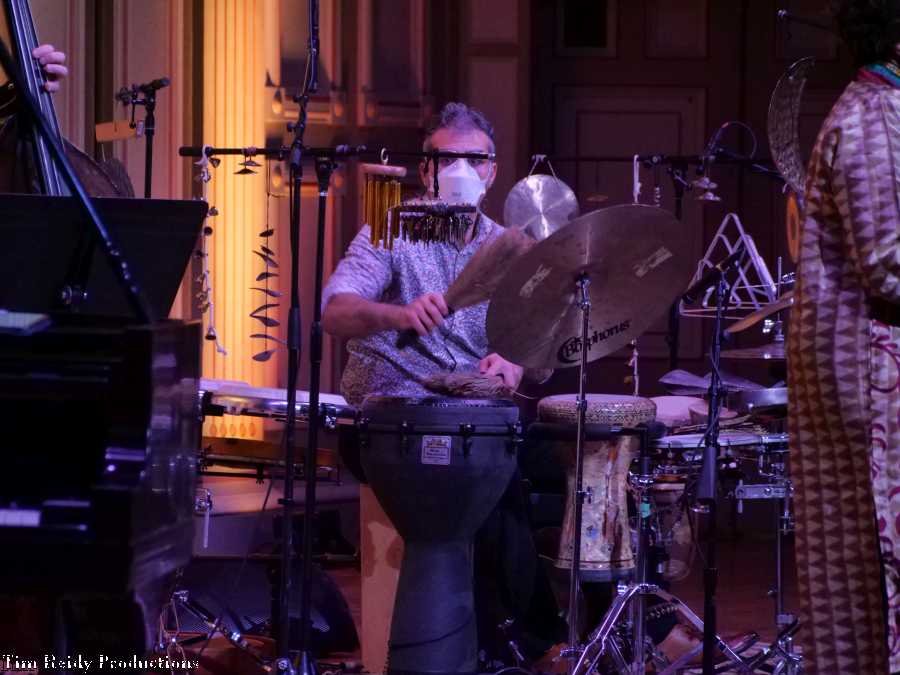
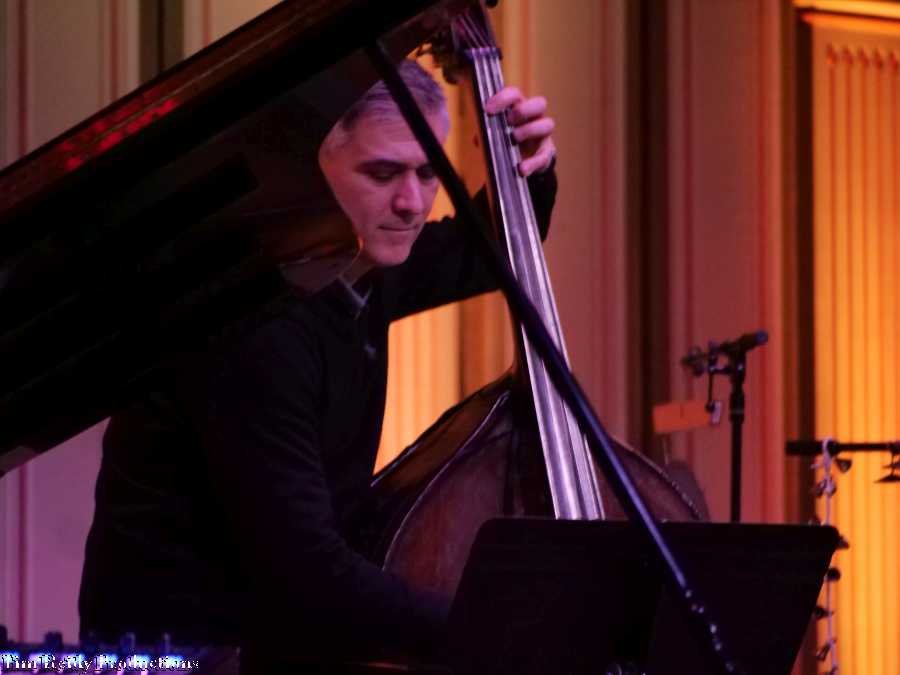
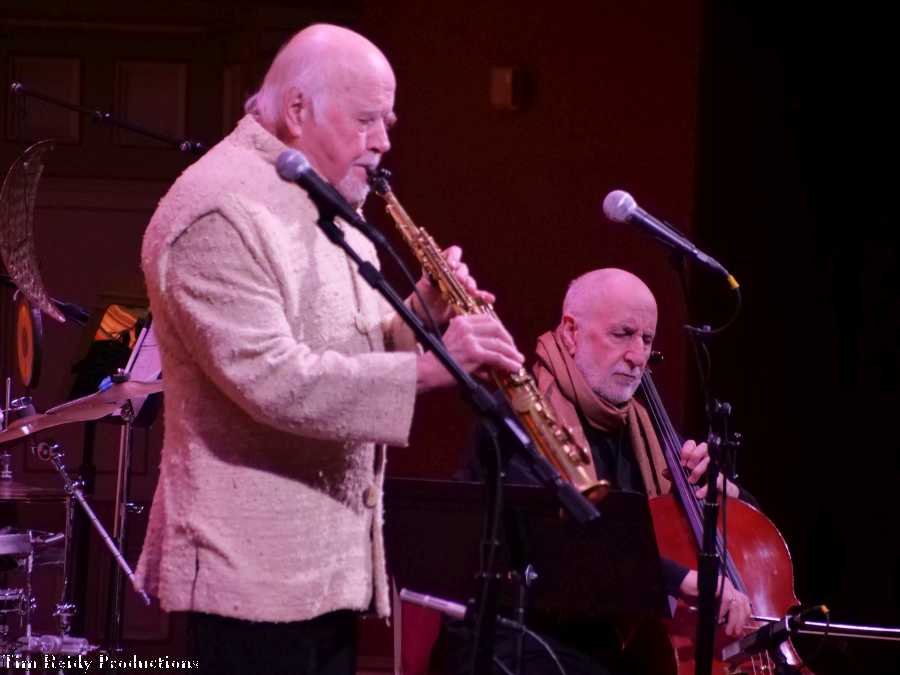
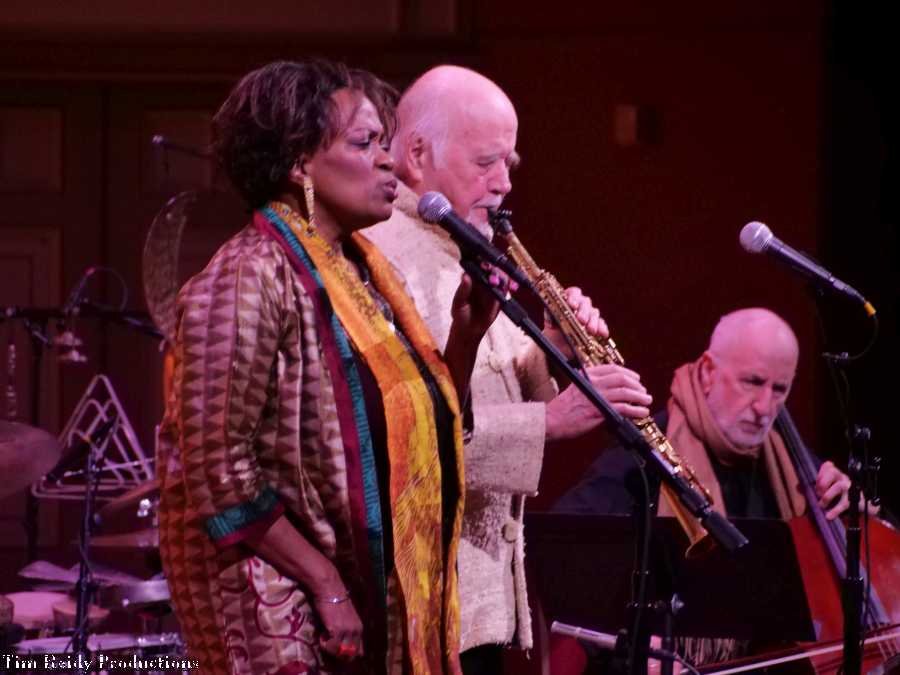
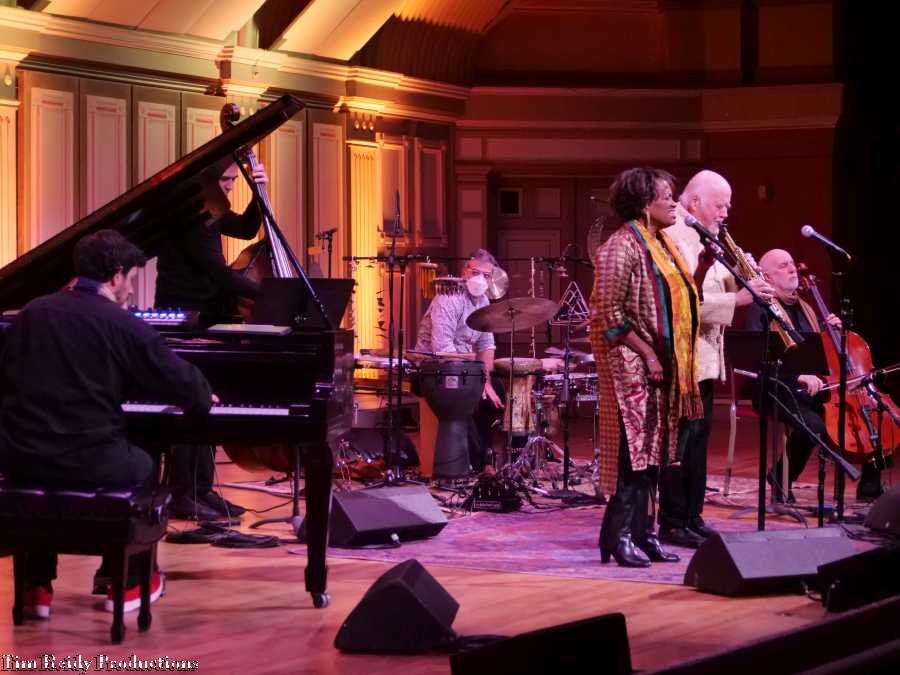
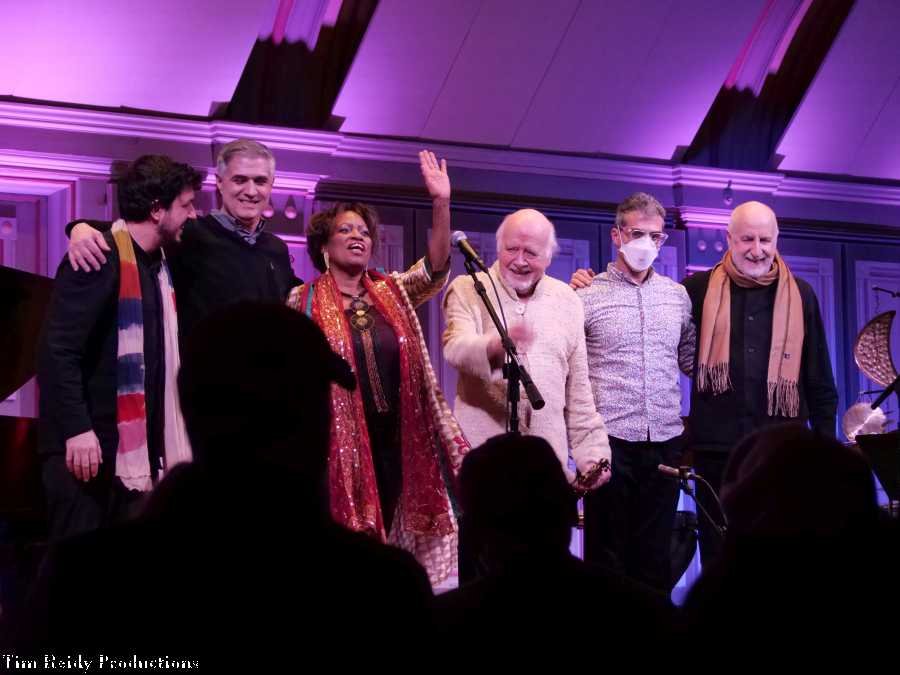
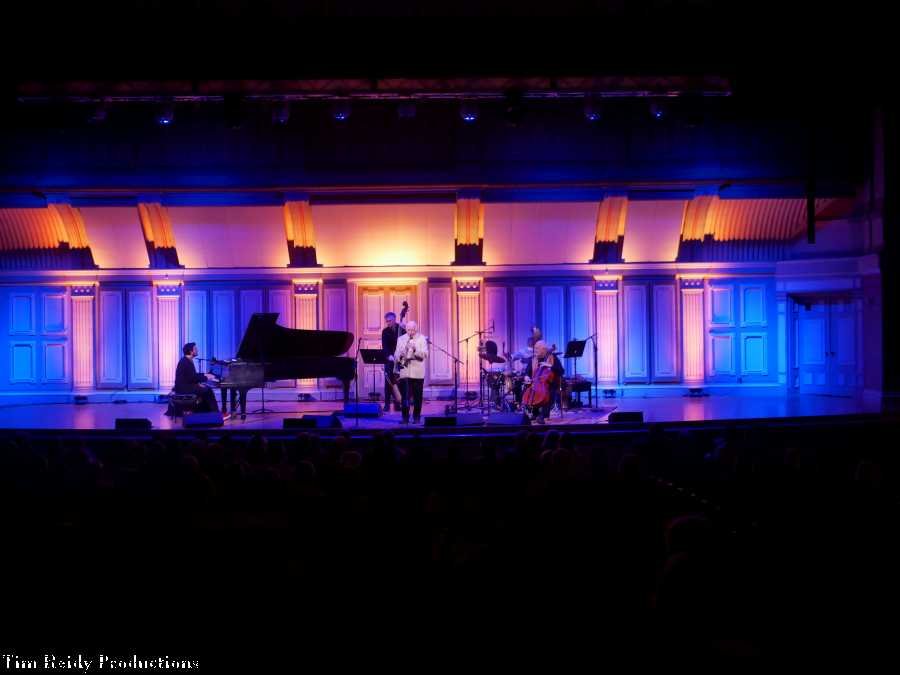
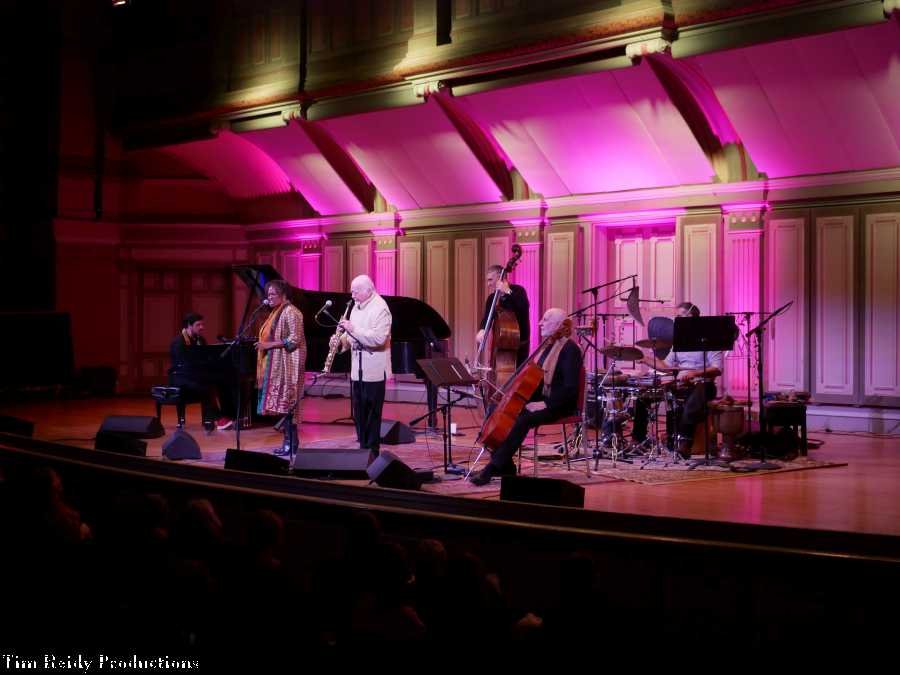
Paul Winter’s Winter Solstice Celebration was held at the Troy Savings Bank Music Hall on December 26, featuring Paul Winter on sax, Theresa Thomason on vocals, Eugene Friesen on cello, Henrique Eisenmann on piano, and Peter Slavov on bass.


Photography by Timothy Reidy.

More from Timothy Reidy here …