
Home Blog Page 9

Canna Talk – An Xperience Column

0

By MBF and 400 River.

There is so much going on in NYS cannabis, so I wanted to really delve into it with key players in the market. This interview will be the first in a probably non-consecutive series featuring folks who have helped grow New York’s legal cannabis industry from the ground up.

This month, I decided to interview the owner and head cultivator at none other than MB Farm, Rich Taylor. We’ve been working together for the past four years, since the start of NY’s legal cannabis program. In those four years, he grew a brand from zero, formed partnerships with tons of local cannabis operators, opened the state’s second microbusiness dispensary, and takes care of our indoor cultivation operation. Let’s hear what Rich has to say.

MBF: Did you come from an agricultural background? How did you originally get into cannabis cultivation?

RT: Yes, I did. I started off in 2013 growing hops for my farm brewery. The state allowed hemp cultivation starting around 2017, I think, and I decided to apply for a license. Creating my own recipes for my beer led to growing hemp with the hope of using hemp in beer, in addition to the traditional hops. I experimented a lot with that and saw how using different strains of hemp could impact the beer’s flavor. In the process of growing hemp, I became fascinated with the plants.

There are so many great benefits that the plant provides. After growing hemp for over four years and familiarizing myself with the plant, the state prioritized hemp cultivators to get cannabis cultivation licenses.

MBF: What draws you to cannabis and keeps you showing up every day?

RT: More than anything, I enjoy the cultivation aspect of the business. It’s so interesting working with cannabis because there really is new information coming out every day. The plant wasn’t studied seriously since it was considered a “drug,” so a lot of information was completely anecdotal. There is something to learn every day. This is a labor-intensive business, so I work to cultivate the highest quality cannabis flower I can and then use that in the products we create.

MBF: Did the hemp business get you prepared for the cannabis business?

RT: I would say generally yes. Our first year growing cannabis, we grew acres of plants. This was really similar to growing hemp, and not too much of a change. The evolution of my cannabis business has led to us growing indoors, which is a huge change. There is more focus put on each individual plant, as opposed to growing in bulk. The volume of products we sell now is significantly higher than with hemp-based products, so that was something to get used to. We also have way more variety, so there are lots more products to manage.

MBF: Give us one snippet of information about the cannabis plant that just blows your mind.

RT: It amazes me how quickly the plant can go from a tiny clone to a beautiful, huge flowering plant in such a short amount of time. Most of the plants that we grow will become fully mature in the span of 120 days. I love to see the differences in how the different strains grow up and mature. There is a lot of variety in the cannabis plants.

MBF: Give our readers a quick overview of what the market was like the first year or two of the program here in NY.

RT: The market the first few years was very slow. The slow rollout of licensing for retail dispensaries meant that the market for cultivators to sell into was very small. Because of this, it was difficult to sell the product we had grown. We spoke to a lot of dispensary owners who had the impression that their stores would be open shortly, but that was not the case. It was a really difficult time for most of the operators in the industry, regardless of whether it was on the cultivation side or the retail side.

MBF: Why did you decide to go with a microbusiness license as opposed to just a cultivation license?

RT: After the second year of operation, when we were allowed by the state to participate in CGS (Cannabis Grower’s Showcase), I was convinced that I wanted to remain a part of the retail side of the industry. While my primary interest is on the cultivation side of things, it has been really interesting to see how the retail side of things works and interact with customers.

MBF: You’ve worked many hours at 400 River as a budtender. Are there any cannabis products that you wish would get more love?

RT: Our Sasquatch is amazing. It actually does get a lot of love, but it’s one of my favorites at the moment. This is a gummy product that we did to honor our local cryptid, and we are on our second iteration of it. Other than that, I know that most cultivators would probably say lower THC flower/products. My goal is to create high-quality products, but that doesn’t always mean high THC products. It seems like the market is really demanding those high THC products, but having moderate THC and high terpenes is something that I would like to see catch on a bit more.

MBF: Any advice for those looking to get into the cannabis industry? What about starting their own cannabis business?

RT: Like most other businesses, the difference between a hobby and a profession is a great divide. It can be a great opportunity, though, because there are so many aspects of the industry. Cultivation is just a small corner of the industry. There is a need for lab techs, retail managers, processors, sales representatives, graphic designers, and more. So, depending on your skill set, there are a lot of varied opportunities within this industry.

As for starting a cannabis business, I would recommend having a job in cannabis or preexisting experience, or just a lot of money. Growing on a commercial level is way different from having a few plants at home. There are also so many layers of bureaucracy and difficulties because of the federal illegality that make it harder to manage this business than any other business I’ve owned. If you can navigate that, though, there are a lot of fun and cool opportunities in NY cannabis.
Prog Digest – An Xperience Column

0

By Klyde Kadiddlehumper.

WARNING!

This column is certainly not Prog-related.  It is completely, 100% rock and roll.  Kinda.  And, perhaps, a small lesson about the past.

I’ve mentioned how long before printing these columns are written. In this case, just a shade over two weeks.

What many of us thought would never happen did last evening.

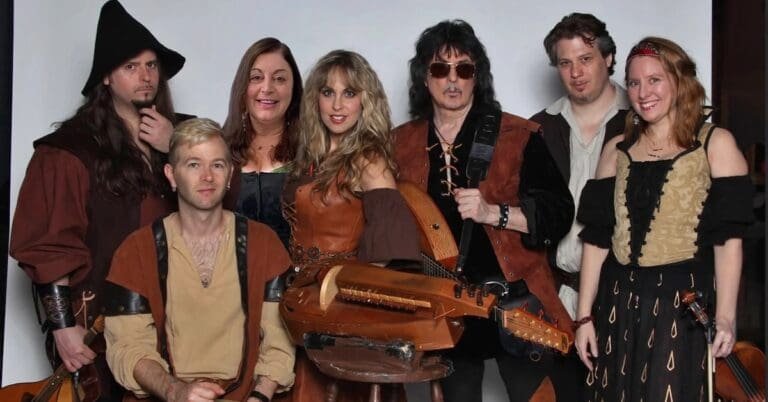
Ritchie Blackmore was onstage and performed with Deep Purple.  After 33 years.

This is either more proof, if you needed it, that we are decidedly headed to an apocalypse or certainly a teaser.

We’ll get to the very simple reason for the 33-year split – and yeah, it’s pretty simple – in a bit.

Blackmore was a founding member of both Deep Purple and Rainbow … both on and off, leaving Purple for good in ’93.

Now, we get to the part where, of course, there is a woman involved.

Ritchie met a Rainbow fan in 1989. Born Candice Lauren Isralow, then called Candice Loren when she began modeling at 12, and later Candice Night.  A Long Island girl (born in Hauppauge), she also worked as a rock and roll radio host at a nearby “unnamed” radio station.

At their initial meeting, she and Blackmore talked ghosts, music, travel, and philosophy, and eventually became good friends and moved in together in 1991.

The two created Blackmore’s Night in 1997. OK, so … Blackmore is known for some killer riffs.  However, Blackmore’s Night is something, um, different.  They are a neo-medieval folk rock band.  If I knew what that meant, I’d tell ya.  

Perhaps the idea came from Tull’s “Songs from the Wood” or “Minstrel in the Gallery.”  Who knows.

In October of 2008, after 19 years (15 engaged), Blackmore and Night married.  They’ve a daughter, Autumn Esmerelda, and a son, Rory Dartanyan.

Aside from the couple, there are five other current members and 28 past members.

Instrumentation is seriously interesting, if not confounding.  Blackmore plays acoustic and electric guitar, mandolin, mandola, domra, hurdy-gurdy, and nyckelharpa, while Night handles vocals, chanter, cornamuse, shawm, rauschpfeife, tambourine, and woodwinds.  Perhaps one day we’ll look at some of the really interesting instruments out there, both old and new.

Describing the feel is not a simple task.  

Blackmore is a serious monster when in with Purple or Rainbow.  Certainly not the case in Blackmore’s Night – at least not how we all think of it.

Far more melodic and ethereal at times, Night’s vocals can soar, and her lyrics might remind some of Stevie Nicks – although Klyde, to be frank (well, not Frank, but frank …), finds them a little lighter than Stevie.  Pleasant, just not as powerful.

Melodically, the music is nice, easy to listen to, and well produced.  Live recordings really show best why they are popular.  Of course, I do find that I end up with a serious appetite for a turkey leg …

As for the rift between Ritchie and Ian Gillan, it’s the same old story we see all the time in the entertainment world.  Massive egos.  Mine’s bigger than yours. My groupies are hotter than your groupies.

So after 33 years, hatchets were buried (in whose back I still can’t decide) and the two reconciled.   Perhaps as time has passed they, as with so many of us, simply can’t remember what the heck they were really arguing about.

What did he play with Purple? “Smoke on the Water,” of course.

At this writing, it was only a couple of days ago.  A friend was there and completely blown away.  Saw the clip and it was seriously cool.

There is, however, still a mystery.  Constant Companion is a Long Island girl; however, if it wasn’t WLIR – who cares, right?  So, we still have no idea where Candice had a show on the radio.  Knowing full well there are plenty of transplants up here, one of you all must know what station that was.

So, if you do, post it to radioradiox on Facebook, and if we can confirm you are right, Klyde will come up with some tix to something cool, and you get to go.  Damned if I know what that will be, but it’s on my dime.  

Now, adjust your codpiece and get to it!

Until next time.

Klyde

Leslie Barkman – An Xperience Interview

0

Photo by Timothy Reidy

Aged in Whiskey, Rhythm & Chords

by Sara Busone.

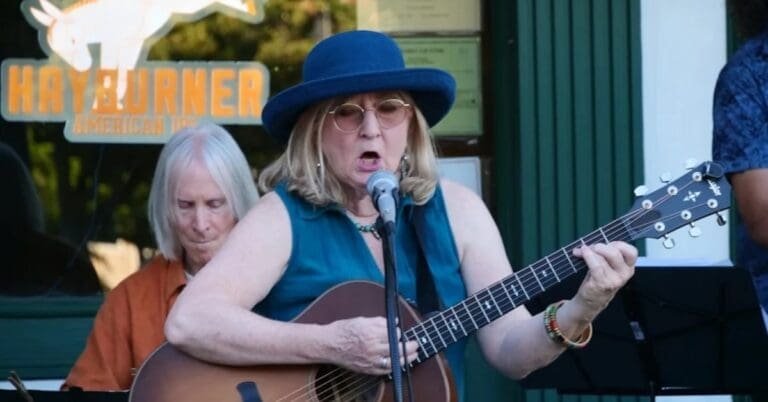
Leslie Barkman of Lou’s Blues and The Hammerhead Horns sits down with Sara Busone to discuss WAMM Fest 2026, her many projects, the art of songwriting, and what she enjoys about current performers in the area today.


RRX: You just did a big show out in Valatie, right?

LB: Yes, we did.

RRX: And that was in the gazebo in the middle of town, correct?  How was that?

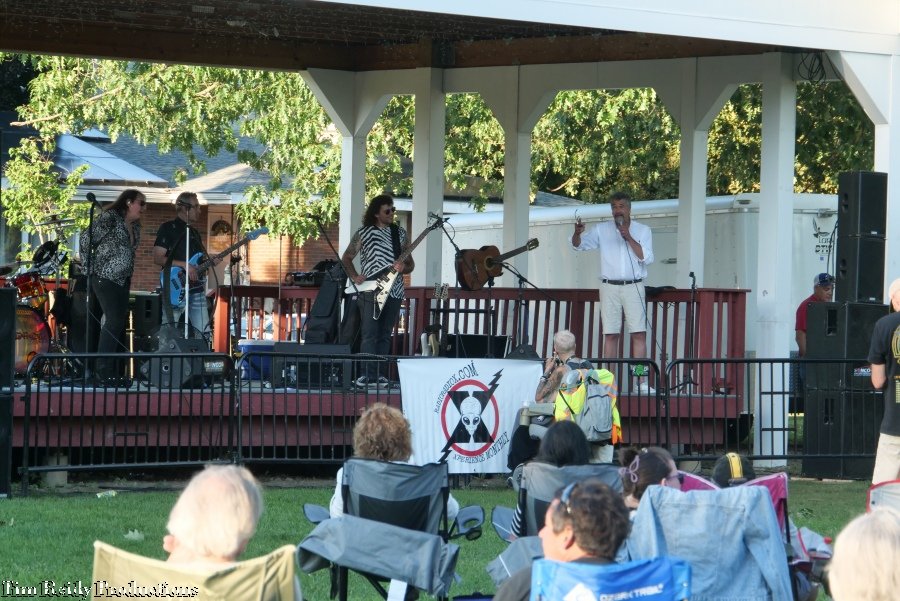
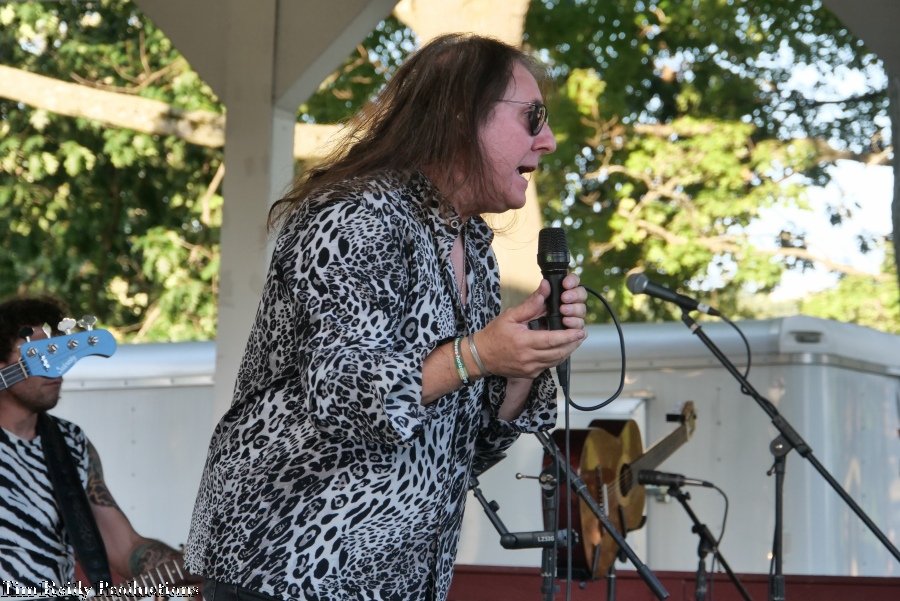
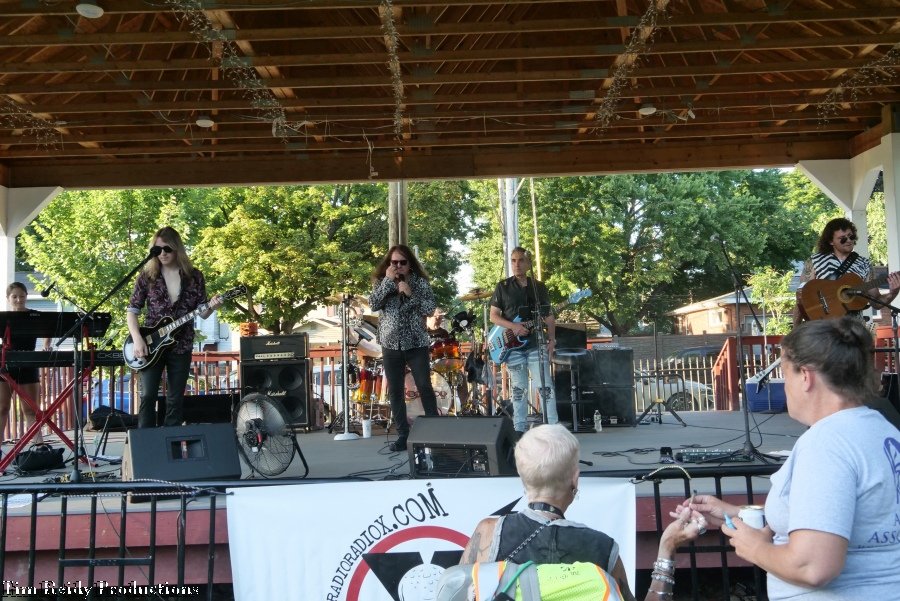
LB: Hot.  It was really hot, but it was lovely.  Because … the thing that I loved most about it was a group of women who got all the dirty little songs that I sang. You know, I love to do metaphor.  (Laughs) 

RRX: I like that. So, you describe your musical styling as Old Lady Blues … can you speak to that a little bit?

LB: Sure … Billie Holiday, Bessie Smith, Wallace … they wrote great songs, and I can identify with them as women writing and the situations that they found themselves in, especially with men.  And they could sell songs.  They knew how to sing a song to sell it, and that’s an art.  And the more you try it, the more fun it becomes.  It’s really fun to sell a song.  You have to absolutely commit to it, which is what those ladies did.

RRX: So you really look at it from a songwriter and performance point of view, almost like the architecture of songwriting.  How would you describe songwriting and performance … what inspires you?

LB: First, a chord pattern … a key … maybe even one note that I – I just sit at a piano and I play with sound.  I’m not that technical.  I don’t know a great deal about music theory.  But I have to have a pattern.  I have to have an idea of where things are going, so if I find something that I think I like … the sound … then I hear a rhythm in it, and I collect thoughts all the time.  So, I have five or six songs I’m working on right now simultaneously, and I’ve got … maybe one verse for each song.  Or maybe I might combine them. But it’s about the rhythm and the chord pattern. Often, I will take a walk after I find a little rhythm in a melody so that I can see how it feels to say those words.  Like poetry, you have to have iteration … it has to be easy to sing.  You have to be able to articulate it.  

RRX: So, the Hammerhead Horns … you joined right after the band formed.  Can you tell me a little bit about that?

LB: During COVID, I had jams in my backyard.  I invited bands to come into my backyard, and invited people in to hear them. And I invited the Hammerhead Horns because one of the first things I did in terms of interviewing people was, I interviewed Mike Kelly.  Then the Man in the Hat, and so he came with Hammerhead Horns into my yard, and they played, and they asked me to sing a song, “God Bless the Baby.”  That was the first song I sang with them in my yard, and then a couple of times they asked me to join them when they were out playing, just for a song or two.  And now they say they can’t do it without me.  

RRX:  Tell me a little bit about the band?

LB: Trombone … Jeff Roberts.  Bob Button on trumpet.  Bob Assini on drums and spoons.  Mike (Kelley) on piano.  I play a little piano, but Mike is a genius on piano, and he plays the bass with his left hand continually while he’s doing all sorts of crazy things with his right.  For me, it’s been an opportunity to focus on selling songs because that’s what my motive in singing a song is: to make sure I identify with that song and make sure I get the message across.  Plus, I love to act sexy … I do.

RRX: That’s very cool. So, you really enjoy the art of performance as well as the writing.  

LB:  I’ve been told I used to perform on the bar when I was three.

RRX: Tell me a little more about that!

LB: Well, I was born in the fifties, so during that time, families went to bars.  Kids played in the parking lot, parents got drunk inside.  Everybody got a pizza.  I have a song about that.  It’s called “Aged in Whiskey,” which I feel like I have been. And then, in school, I was always doing musical things, you know.  When I was raising my children, I was in church being held down by the choir director to not move too much.  

RRX: So there it was!  As a child, you could see it.

LB: Yeah, I just loved it. It’s easier for me to perform for people sometimes than it is to socialize.

RRX: I get that. Do you feel like you have to get in character before and after the show, like you have to shift, or does it just happen naturally?

LB: It happens naturally, and I never feel like I’m in a character.  I feel like I’m just being me.  

RRX: So tell me about your other band, Lou’s Blues.  

LB: Well, I put together a band, Lou’s Blues. Then COVID hit.  It was a real blues band with screaming guitar (laughs) … Joe Lowry (playing) guitar, and I have to tell you there is nothing that makes my heart sing like a guitar.  I just love that sound … makes me feel warm.  And I have a soul, but I’m not a great blues singer in terms of having a rough voice … like Chris (Busone) has a rough voice … he has a really rough voice, and I’d have more like a pure kind of sound.  But I love blues.  

RRX: Tell me a little bit about WAMM. How familiar are you with WAMM Fest?  Have you attended any of the jams?

LB: I went a couple of times.  My schedule didn’t let me do that too much.  Plus, it’s getting hard to carry my piano.  So that’s been my activity lately.  I need a roadie really bad. (Laughs)

RRX: I imagine that’s a lot of gear.

LB: Well, just the piano’s heavy … They don’t usually have a piano set up in places that are having jams.  

RRX: That can be particularly challenging.

LB: Well you know, these guitar players, they forget piano players exist (laughs).

RRX: What do you think about live music in the area right now?  Challenges? Benefits? What would you like to see different?

LB: I’m excited for the young folks because there’s a lot going on for them. Caity Gallagher … Zan … when I was first taking my piano around and going to places, they were there. In fact, Caity came to my house once when she was first starting… I said, “You know, there’s nothing I can teach you, you know.” But she’s wonderful.  And I’m interested in their perspective on things too.  I don’t understand some of the music … I saw a woman dressed in a birdcage singing and, you know, combinations of instruments… I’m very excited about it.   I think that’s wonderful and that people are doing it. I go to these blue jams, and I see young people coming, and they’re wonderful.  

RRX: So you’ve got these great shows coming up, WAMM coming up, you’ve got your different bands … you’re prolific!

LB: I’m trying everything.  My grandmother played piano.  My grandmother recorded me singing when I was a little girl.  She taught me to harmonize.  She let me sit next to her at the piano.  She played for all of our family at parties.  She played anything anyone wanted to sing, and my whole family and friends would just surround her for hours, but lucky me … to sit right next to her.  And I have her dresses from the twenties and thirties!  

RRX: Oh wow! You do?

LB: Yes, I do, and I wore one the other day at Tawasentha Park.

RRX: Oh, you’ve performed there?

LB: Any band would love to perform there.  They have the best sound system.  

RRX: And you’ve got to wear your grandmother’s dress!  They had such great attention to detail and fabrics back then.

LB: Yes, and they knew how to make women’s bodies look good.  I can’t find anything to wear in the store these days.  (People) in fashion need to focus on us old folks, us older people! (Laughs) I just want to thank Hammerhead Horns for giving me the opportunity to focus on these old songs from when I was growing up!


Leslie Barkman will be performing at WAMM Fest 2026 at Slidin’ Dirty in Troy, NY on September 20th

Aaron Holbritter (Creative License Theater Collective) – An Xperience Interview

0

By Rob Smittix.

RRX: You’ve got some stuff going on, and I think it all starts with Creative License Theater Collective. Tell us a little bit about that. 

AH: Creative License was formed by my partner, Casey Polomaine, and me in 2014. We started performing at the Albany Barn, and then in 2021, after the pandemic, we were invited to be the resident non-musical theater company at the Cohoes Music Hall.

RRX: That’s awesome. First of all, starting off at The Barn – I love The Barn. I wish that existed when I was single. I have spent some time there. I’ve chilled out there, and I was like, man … I almost want to tell my wife I want to live here.

AH: Yeah, so Casey, my partner for Creative License, was until last year the Executive Director at The Barn, so you’ve probably run into her.

RRX: Oh yeah, I’m sure. That’s a really cool place, but Cohoes Music Hall, I mean … that’s the big time! That’s Eva Tanguay, that’s the fifth oldest music hall in the country.

AH:  Yeah, I’ve lived in Cohoes for … God, 35 years now, 30 years at least, and I had done some shows with another company years ago at the music hall. It’s such a great venue. It just evokes so much theatre history, right? 

RRX: Sure does.

AH: You just feel all of it when you’re performing there, and it’s a very unique feeling.

RRX: You know how you can go up and give a little token of appreciation to Eva and ask for her blessing?

AH: Yep, we always do it before every opening night. The whole cast and crew make a sojourn up to the altar and leave an offering for Eva.

RRX: I’ve gone ghost hunting, and I’ve been in cemeteries at night, and I don’t usually feel much, but being in Eva’s area, you really feel something. It’s a claustrophobic area, and I’m like … alright, here you go, Eva, thank you, I’m out. 

AH: Yeah, for sure.

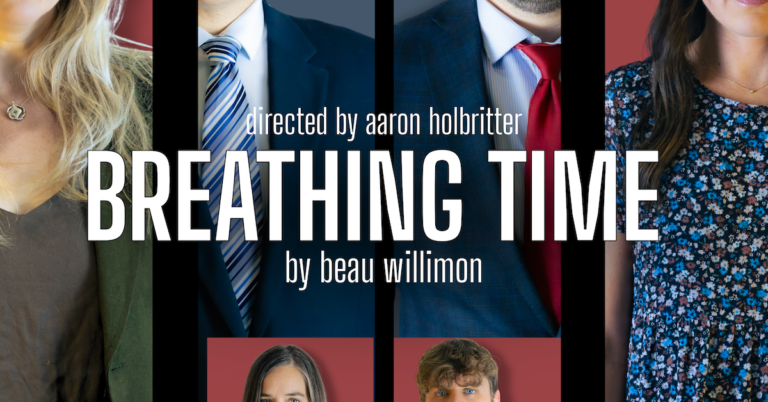
RRX: So, “Breathing Time,” I see that you’re the director on that. What goes into being a director, and what’s “Breathing Time” all about?

AH: Casey and I kind of … we are the sole people behind Creative License. We’re a small company; we don’t have a board of directors, we don’t have any of that. It’s just me and Casey diving in and making stuff happen. We’re constantly balancing the jobs of being the producers as well as the directors and the costume designers and finding people to be the set designers and the lighting designers. There’s a lot of crossover between being a producer and then taking on the role of director, which is more just working with the actors, putting the show together, and building the show itself as an entertaining piece of theater. It’s a lot of work, but the end result is always worth it because we always know that the show that we’re putting on stage is 100% the vision that we’re putting forward. It’s very artistically fulfilling in that way. As opposed to working for another company, which is not to disparage that, but you know? Working for another company and going in and putting on the show that they want (which is also fine), but it’s nice to have that sort of independence and that artistic freedom.

RRX: Oh, absolutely. “Breathing Time” is from the creator of “House of Cards” or something?

AH: Yeah, it was a play written by him (Beau Willimon) not long after “House of Cards” came out. He also wrote a play called “Farragut North,” which was turned into a  George Clooney movie called “The Ides of March.” It was a fairly popular movie. So, he’s pretty well known. It’s a very interesting play. I’ll be honest, it’s a little tricky to talk about, only because of a thing that happens in the play that sort of needs to stay … (Laughs)

RRX: Yeah, you don’t wanna do a spoiler alert.

AH: But primarily, it is about four characters who have shared relationships and the way we’re describing it … the New York Times, when they reviewed it back when it was off Broadway, called it “a simple study in how ordinary relationships can be shaped or put in perspective by much larger events.”

RRX: Hmmm, alright.

AH: So without getting too much into the details of the plot, you’ve got two guys who work together, and their typical morning routine – talking things through and their relationship. Then we jump ahead, in the second act, about three weeks, and we meet two people directly related to the first act. 

RRX: Okay, I love good theater, even the small stuff that you see at the Steamer or whatever it’s called.

AH: Yeah, yeah, Steamer 10 for sure.

RRX: Every time I’m watching a theatrical performance, I’m thinking about how talented these actors are up there, keeping everybody engaged that long. I don’t know if I could do that.

AH: We pride ourselves on working with really the best people that we can find for the roles. We go to great lengths and don’t often rely so much on just straight auditioning. Our goal really is to just reach out to people who we’ve worked with or who we know or who we’ve seen in other stuff. Finding the right people for the role and setting that aside before we even commit to doing the show, which isn’t always the case. You know? Since we are not a not-for-profit, we’re also one of the few theater companies locally that pays everybody involved in the show a stipend; that’s very important to us. That’s another reason why we didn’t go the not-for-profit route.

RRX: I respect the hustle as a small business ourselves.

AH:  I’m just a believer that if my work is good, people are gonna come and see it!

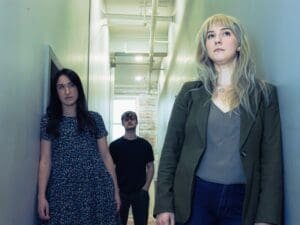
Breathing Time – photo by David Quinones Jr.

Breathing Time

Cast: Nick Martiniano, Chad Reid, Rhiannon Artico, Laura Graver, Emily Bryan, and Jacob Bell.

PERFORMANCE SCHEDULE

Friday, September 18, 2026 — 7:30 p.m.

Saturday, September 19, 2026 — 7:30 p.m.

Sunday, September 20, 2026 — 2:00 p.m. (Matinee)

Friday, September 25, 2026 — 7:30 p.m.

Saturday, September 26, 2026 — 7:30 p.m.

Sunday, September 27, 2026 — 2:00 p.m. (Matinee)

TICKETS & INFORMATION

Tickets are available through the Cohoes Music Hall box office. For tickets and additional information, visit CreativeLicenseOnline.com or contact the Cohoes Music Hall box office.

Travis Stealey – An Xperience Interview

0

By Chad Koenig.

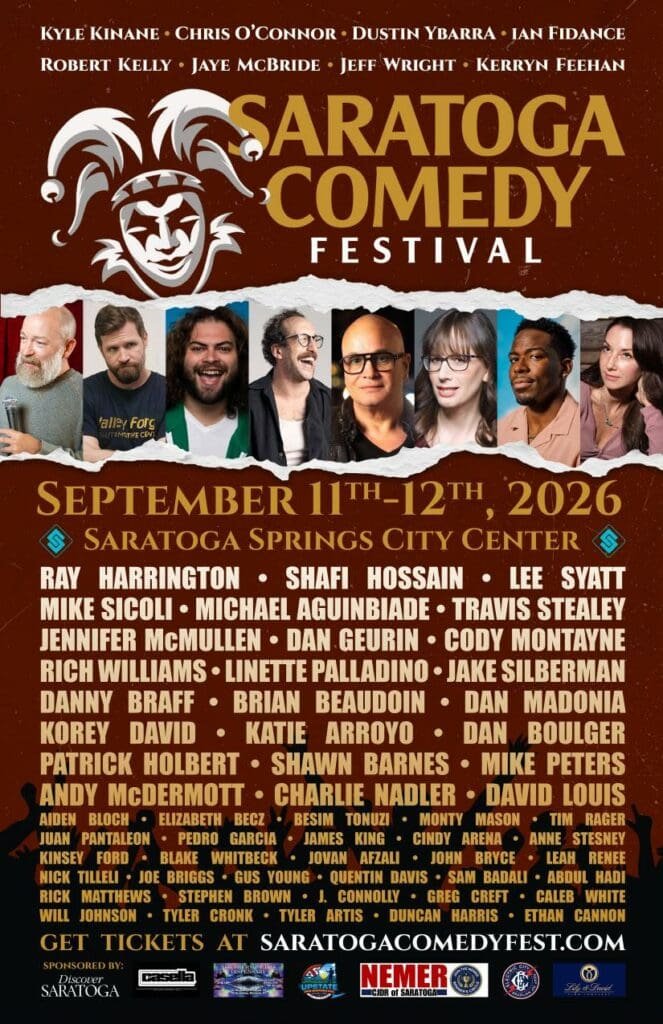
I was excited to hear that the Saratoga Comedy Fest will be debuting this year when I saw it come up online. The lineup looked tremendous with Robert Kelly, Ian Fidance, Jaye McBride and Kyle Kinane amongst the headliners. I was always stoked to see friends in the local comedy scene such as Dan Geurin, Korey David, and Andy McDermott, as well as a brilliant comic that I now call my friend, Danny Braff, who I met recently at the Comedy Dojo in Morris Plains, NJ.

As a lifelong comedy fan and supporter (and, even after nearly 20 years on the mic, I am scared to try it myself, although it’s a bucket list thing for me), I had to see one of my heroes a couple of weeks ago at the Albany Funny Bone – the legendary Adam Carolla.

His opening comic was a young man named Travis Stealey. I had never seen or met him before, but he was fantastic. Afterwards, we just happened to be outside of the club after I met Carolla and complimented his work. I brought up the festival, and it turns out that he is one of the organizers of it. We struck up an immediate friendship, and I told him I needed to interview him about this great event.

The Saratoga Comedy Festival will be held on September 11-12, 2026, at the Saratoga Springs City Center. Apart from the aforementioned acts, this festival boasts world-class talent such as Dustin Ybarra, Shafi Hossain, and Chris O’Connor and Kerryn Feehan, who co-star alongside Shane Gillis on the smash hit (and brilliant) Emmy-nominated series, “Tires,” on Netflix. This festival has a diverse cast of characters performing, and with tickets starting at only $65, you are getting 60 comedians for the price to see one or two of some of these acts.


RRX: You and I met when you opened for Adam Carolla at the Funny Bone. How long have you been doing standup, and how often are you at the Funny Bone in Albany?

TS: I’ve been doing standup for about 12 years now. I’m at the Funny Bone once or twice a month on average, either hosting or featuring, and sometimes headlining.

RRX: Tell me – what influenced you to come up with the idea to create Saratoga Comedy Fest? 

TS: I performed at a bunch of festivals before, and they are always spread throughout various locations and usually in major cities, so you have to travel to the different spots to see each act. I went to a festival in Las Vegas, and it was all in one building; you could walk from room to room, and it was great. I wanted to do that here so you don’t have to travel and can get in as many shows as possible.

RRX: Why did you choose that location? 

TS: Saratoga is always busy. And always has events going on. This location (Saratoga City Center) is perfect because it’s one building with multiple rooms in it. And it can hold plenty of people. 

RRX: Is there food and drink available at this festival?

TS: Yup. There will be a few full bars, and a food vendor there, so everyone can walk out of one room and grab a bite or a drink and go catch the next show!

RRX: That’s convenient. I love it. How long have you been planning to do this? 

TS: This has been an idea for years now, but in spring of 2025, the wheels really started turning to make it happen

RRX: How did you decide who to book?

TS: I wanted to book a variety of comedians. This way, everyone can look at the flyer and schedule and say, “I’d like to see that one.” Plus, with so many other comedians booked, you’ll be leaving with a few new favorites you never knew about. 

RRX: Who else was involved with the creation of this?

TS: Myself and another local promoter, Joseph Revette, who runs Revhouse Promotions. We both thought this was a great idea, and we both have experience running shows and performing on them; it was a no-brainer. We both just haven’t done anything this big yet, haha.

RRX: You have a great lineup of comedians. What brought you to choosing them?

TS: Kyle Kinane was always an influence as a comic. Then we became friends, and I knew he would be perfect for this. Ian Fidance is a madman in the best way possible and another person I can call a friend in the comedy world. The show “Tires” is one of the #1 shows on Netflix, so we booked Chris O’Connor and Kerryn Feehan from the show for the festival. And of course, the legendary Robert Kelly! There is also a bunch of comedians that may not be known yet, but they are just as, if not funnier than, the headliners that I wanted everyone to see.
RRX: I’m looking forward to coming to this. Robert Kelly, Ian Fidance, and Danny Braff are some of my favorites. And locally, Dan Geurin is one of the greats! Do you have a lineup available yet at this time? 
TS: The schedule will be released to the public probably in the last week of the month. This way everyone can map out their schedule and catch every comic they want to see.

RRX: What do you want to see most come from this festival?

TS: I want to see everyone laugh and have a good time. The world is a mess, and we all need an escape from reality for a little while. Hopefully this festival does that.

Get your tickets to this event at www.saratogacomedyfest.com

Scott Womer (Song City, Ink26) – An Xperience Interview

0

By Rob Smittix.

RRX: So tell us about all of these big things you’ve got going on.

SW: Focusing on all the big things, right?

RRX: Song City has been around for quite some time …

SW: Yeah, we are going into our fifth season. So … five years.

RRX: And how long have you been doing Ink?

SW: This is the third year for the Ink Songwriting retreat. We did one in ’23 and ’24, we took ’25 off, and we’re back in ’26 with it. So, this is Ink26. It’s a 4-day, 3-night songwriting retreat. We use Silver bay, the big YMCA camp in northwestern Lake George.

RRX: Okay.

SW: It’s this huge camp; they’ve got huge hotels all the way down to little 4-person family summer cottages they can rent. You know? We have a place called Oak Cottage, which is not at all a cottage; it’s more of a lodge that sleeps 14 or 15. Multiple floors, decks all over the place … really beautiful, just perfect. So, we rent that for the four days. There’s plenty of room for everybody to sleep. Huge living room, big fireplace … that’s our home base when we’re there. That’s where we’re sleeping, eating, and co-writing, that kind of stuff. But the great thing about going up in October, beyond the colors and being right on the lake, is there’s nobody up there. Spring and summer are their big season.

RRX: Of course.

SW: They’ve got so many buildings there, and it’s wonderful for songwriters. One day they can go to this beautiful, huge auditorium and set up on the stage with a baby grand and write. And then the next day they might be in a little stone chapel with pews or one of the old rustic cabins or just go down to the lake docks. There’s so much variety. I really embrace the idea of what it looks like for a room or a scene to be a co-writer. The way we write in a cathedral is different from the way we write in a cabin. You actually begin to take on in your writing the atmosphere of the physical places that you are. 

RRX: I’m a songwriter; I write lyrics and play a lot of instruments poorly.

SW: (Laughs) Me too.

RRX: But … I write a song almost every day, lyric-wise.

SW: Wow, that’s great.

RRX: It’s not like I always complete it that day; maybe I’ll just do a verse or something like that. I only bring this up because a retreat like this for someone like me would be awesome. It would be great to get away from the city that surrounds us, get out to the wilderness, and put your feet on the ground. I think with someone like me, the lyrics would be so much different, and the song would come out exactly like the surroundings.

SW: It’s interesting – Rick Rubin, the famous producer, has kind of become music’s guru right now. He sits and pontificates on different parts of art, and he wrote this great book called “The Creative Act: A Way of Being.” If you haven’t read it, I would read it; it’s brilliant. For the first couple years, we actually gave that book as part of the package for the retreat. This year we’re giving the writer Jeff Tweedy from Wilco’s book “How To Write One Song,” and it’s a really practical book. Where Rick Rubin’s book is very philosophical about art and music, Jeff Tweedy’s is about exercises that you can use to help you in your writing. It’s a very practical handbook. We used to use Rick’s, and he’s very much about taking time to get out and to walk and to discuss things. He talks about picking seeds: you’re just out there not really thinking about it; you’re just grabbing thoughts, ideas, pictures, and melodies. Then go back, sit down, and begin to arrange things. So we do morning walks that are mandatory. After we have breakfast, we take morning walks either by yourself or with others, maybe by the lake. We breathe and pick up the seeds of ideas. Maybe talking to a co-writer about different things to plan to write about or whatever. Then everybody spreads out for the rest of the morning to any of these locations, either by themselves or with somebody else, and works on writing. Then we come back, and there’s lunch. Melanie O’Malley, who runs O’Malley’s Oven in Troy, is up there for the entire four days and does all of the cooking; it’s all homemade and just amazing. She grew up in a musician family; her father’s a luthier, makes guitars … so she knows that whole scene. She loves being up there. We all meet and have a big dinner together at the table and talk. And then some nights, maybe in the evening, we’ll have discussion time about things that they are thinking about or want to talk about as a group. Sometimes they’re playing stuff they’ve written before, and on the final night they play stuff that has come out of the week so far. We even do bonfires, you know? 

RRX: It’s all very inspirational. Just staring at a fire in general will get you thinking. The sky and the stars up there; just stare out, and thoughts can just come. So at the end of the journey, do you showcase what you’ve done for the week? 

SW: Yeah, in a sense. That happens in two different ways. On the final night of the retreat, we sit down, glass of wine or whatever, fire in the fireplace, and we go around, and everyone plays for each other … and it’s usually not necessarily 100% finished work at that point. They maybe got the majority of the song done, and they’ve moved on to another song they’re working on. Maybe they’ve collaborated with somebody else … so you never know, but they’ll go through and play what they’ve had so far. Then two months later, on December 10th, we will do a showcase at The Waiting Room in Troy, where Song City is. At that point, they will have had a chance to go home and finish it all up. Then we’ll do a full production of all 10 writers in completed form of versions of the songs that came out. It’s kind of the final recital. 

RRX: How does one apply to be a songwriter for the next one? 

SW: I think it’s between June and July that the applications are out there. Just go online to songcitytroy.com/ink; there’s a fairly simple one-page application. It talks about your past experience, what you’d like to get out of it, gives a couple links for songs that you’ve written, a place for lyrics, and a description of yourself. It’s a fairly straightforward application. All of the applications come in over a month, and I’ve got a selection team of six people (it changes each year). I send them all of the applications, and they send me back their recommendations, their top 10. Once we compile them, we look at “do we have variety?” Then it’s a matter of not just looking at the individual, but here are 10 people with genre diversity. 

Congratulations to Naava Wilson, Lily Lothrop, Emily Pinkerton, Elizabeth Conant, Arbor Mae, Josh Robin, Dave Womer, Matthew Klane, Mark Shipley, and Lucio Barbarino for being picked for Ink26.

Join us at the next Song City: Thursday, September 10th at The Waiting Room in Troy with performers Madison VanDenburg, Lucio Barbarino, JB!! aka Dirty Moses, and Mama Jean.

“Powers Park 250” Jam 2

0

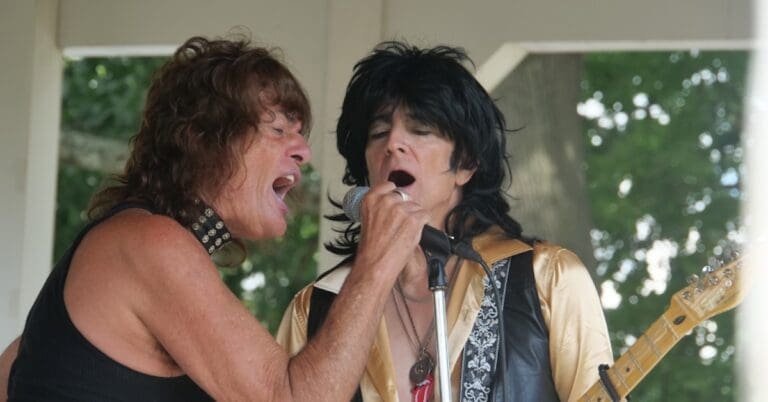
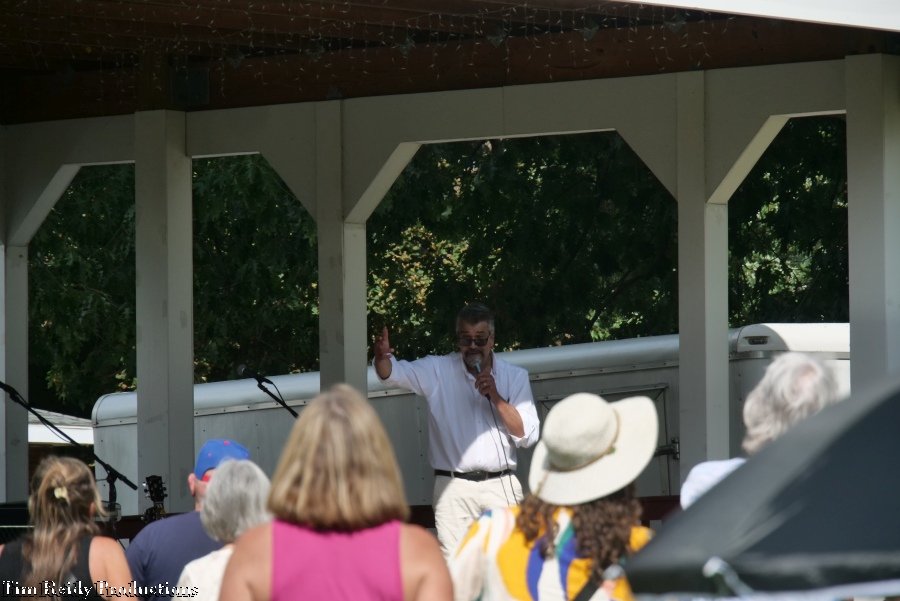
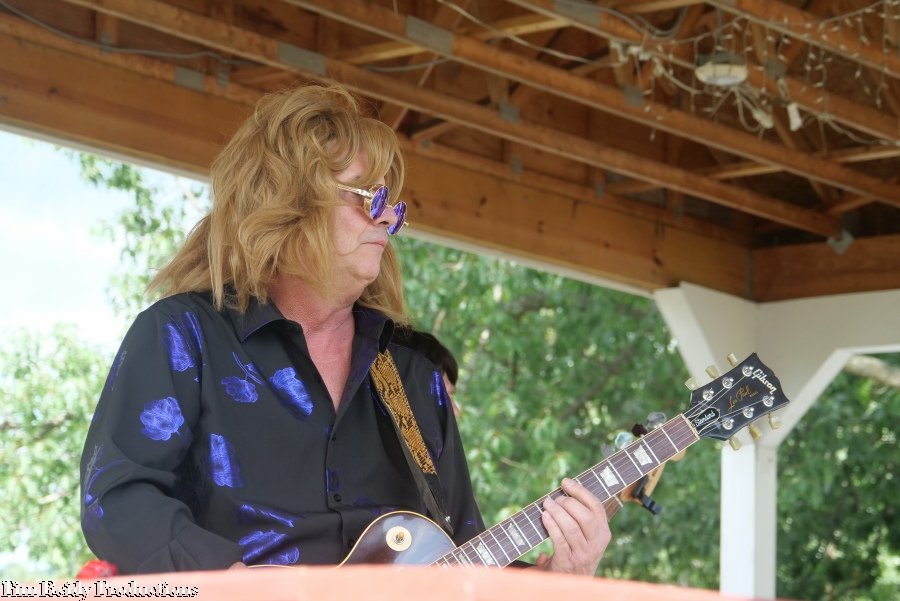
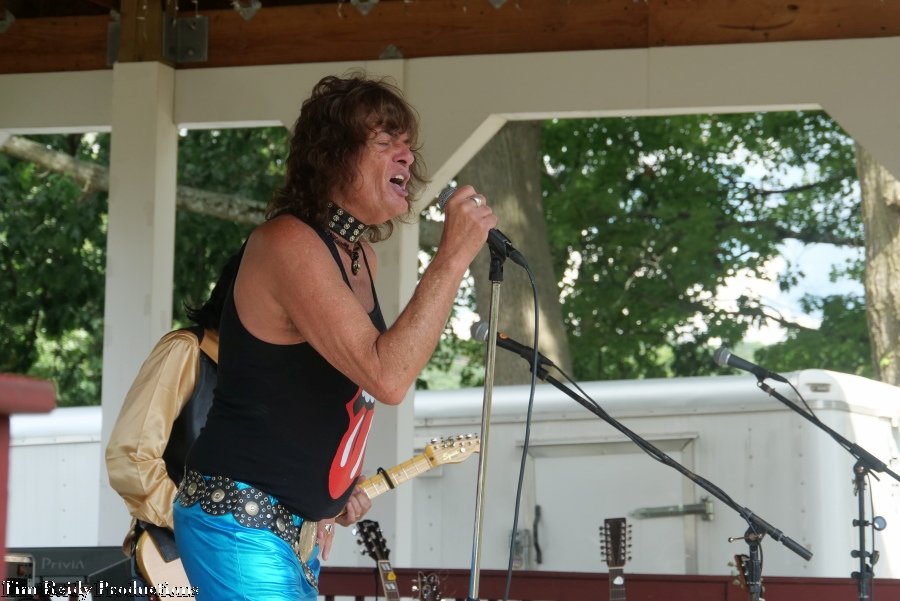
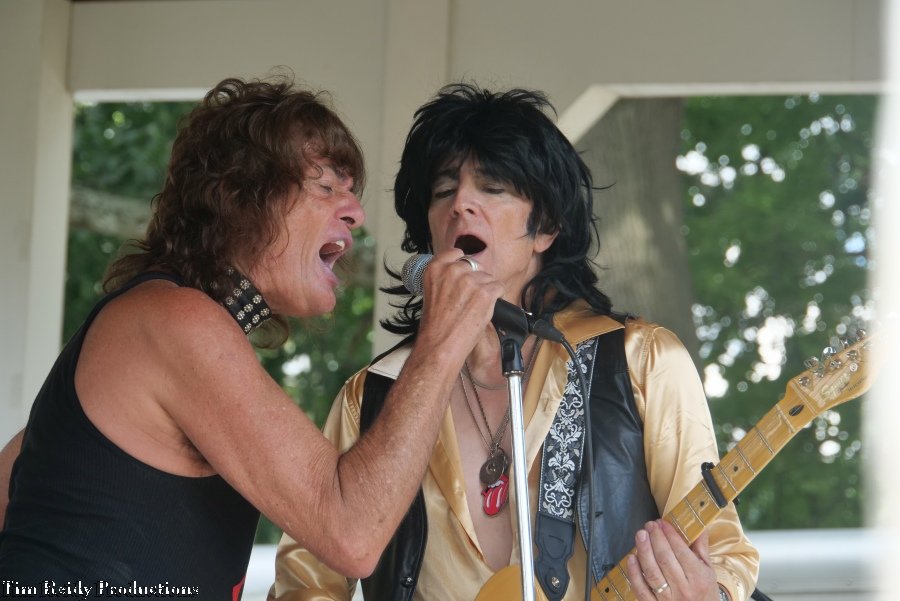
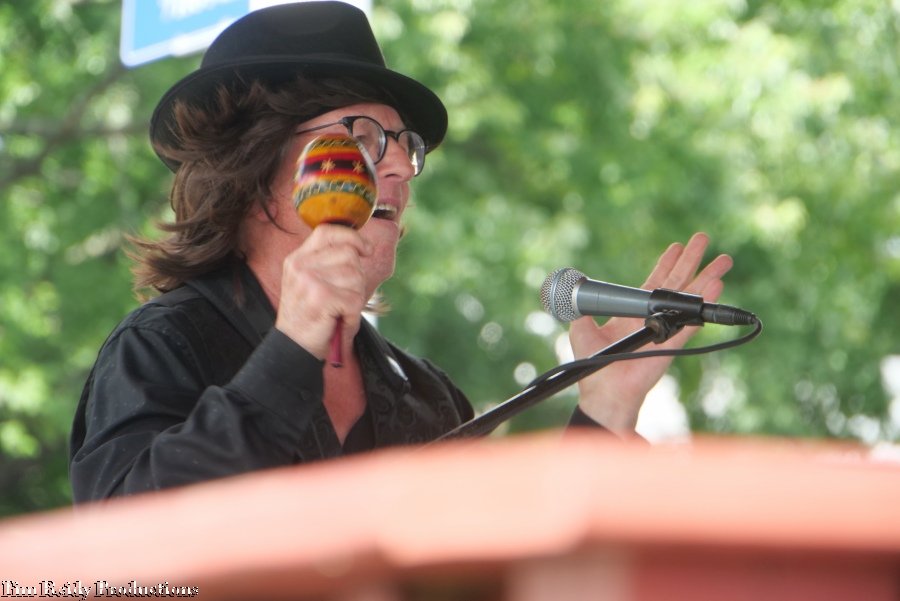
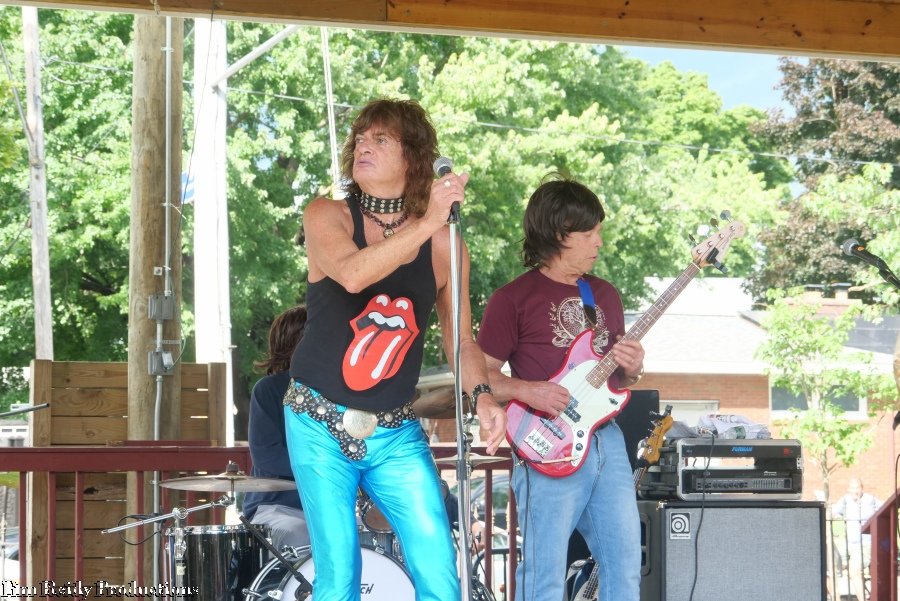
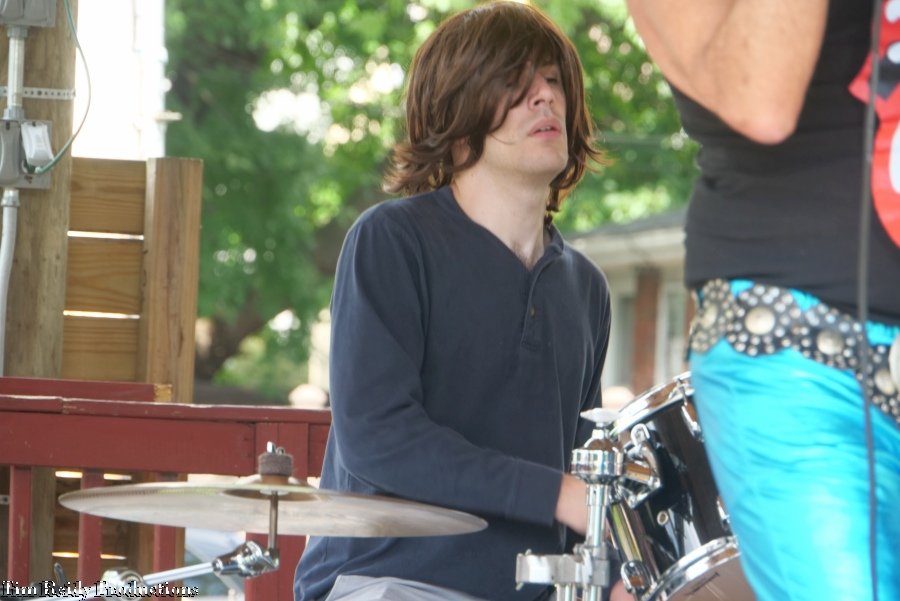
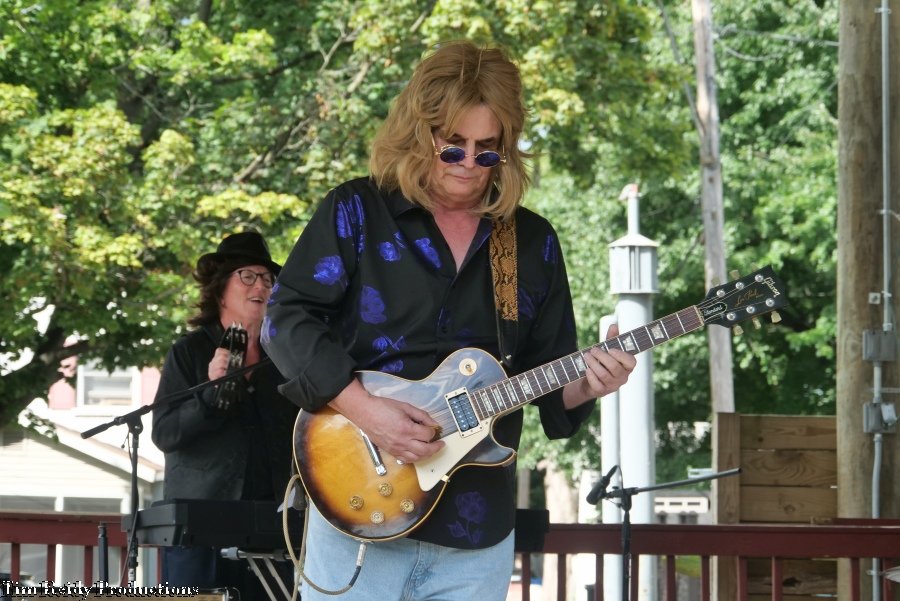
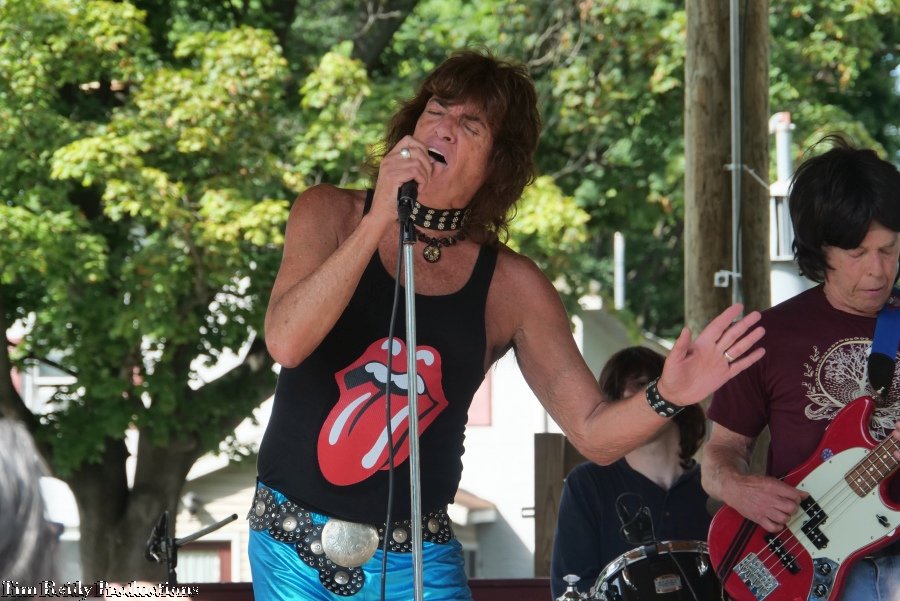
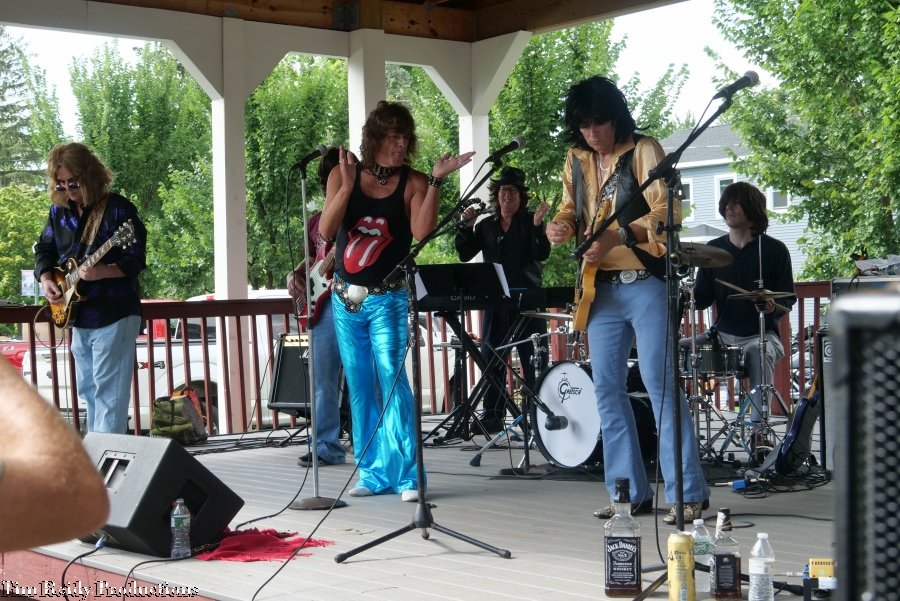
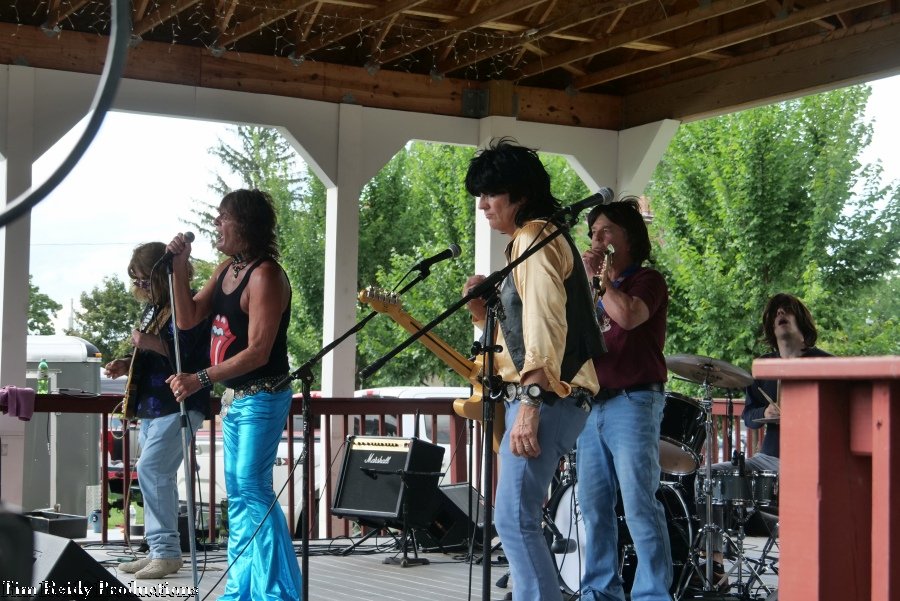
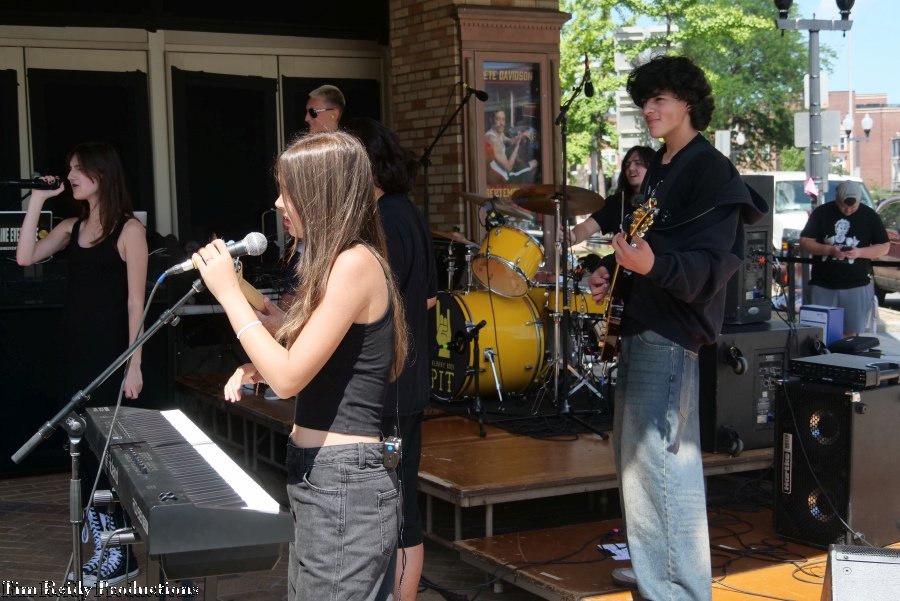
The second jam of the summer, held at Troy’s Powers Park on August 15, featured tributes to Styx (by Legacy), the Rolling Stones (by Stones Alive), and the Allman Brothers (by Ishikawa).

Photography by Timothy Reidy.

More from Powers Park 250 here …

Duane Beer – Thanks for Asking!

0

Thanks for Asking with Duane Beer of Blasé DeBris and the Trauma School Dropouts

By Liam Sweeny.

RRX: What’s your favorite song, today’s and for all time?

DB: Newest favorite song would be “Lou Reed Was My Babysitter” by Jeff Tweedy. All-time favorite tune is “Do You Remember Rock ‘n’ Roll Radio?” by the Ramones. Fav Blasé DeBris tune is “TV, Tea & Thyme.” Fav Trauma School tune is “Late Nite Television.”  Hey, a theme. Television, the retina of the mind’s eye. 

RRX: Songwriters are poets. Maybe. People who consider themselves poets might not see song lyrics as poetry proper. What do you think? Are song lyrics poetry even if they don’t match accepted poetic structures?

DB: “Poetry proper”… an oxymoron of sorts. Songwriting and poetry are easily intertwined. May I present to you the first verse and chorus of the Blasé DeBris song “Up in Smoke.” 

“Of yin and of yang, with the neck of a snake. Don’t get carried away on tombs and on graves. Red hot is the heat, that fans itself with the flames. Don’t get ash in your eye, there is no escape. And so I call on this flesh of mine. If I’m to burn with celestial rays. Let’s go up in smoke. This ain’t no joke. Immortality is worth the wait.” 

That sounds poetic to me. That being said, not all songs contain poetry. Some songwriters are storytellers, some are minimalists. Some may not care at all. 

RRX: Spend an hour in the woods listening to birds and you realize that music is a natural force. Tell us one time when you listened to something you felt was music that didn’t come from a musician or band?

DB: Walking through the antique farm machinery museum area at the Altamont fair. While everything is up and running. To hear the rhythmic sounds of belts turning, and the pops and bangs of engines firing. Accented by random odd noises. The smell of gasoline adds to the experience. I like it. 

RRX: Would you expect your significant other to have listened to all your songs? Are there any you would rather they not listen to, or have it explained to them first? 

DB: Significant Other = Dianne. We have known each other from my early songwriting days with PLAID and prior. I reckon she has heard every song that has been recorded and released. And I will generally play for her everything I’m working on (for the most part), unless I myself think it’s garbage. Sometimes I can’t tell until I hear it back. She gets to see early version lyric sheets that tend to get scribbled on and crossed out. For me, syllables come to mind, forming melodies along with random words. Then those random words get swapped out for words with meaning. I think the only time I will explain a song or lyric is when asked. Unless I was inspired by a particular movie; I love to get lost in movies. Artistic flicks like “Strawberry Mansion” or “Black Moon.” I would then more than likely tell my bandmates, “I saw this really cool movie and was inspired to write this song.” Then, if possible, I will play the movie during rehearsal. There are times when I put a lot of thought into lyrics, but hardly ever does anyone ask about them. I am really just a vehicle for my subconscious mind. 

RRX: Some people are desperately searching for an exact sound, and they’ll go broke trying to find the right equipment. Other people will play on junk and somehow make it sound good. Which one are you? Or are you a little of both?

DB: Certainly, a little of both. I do hear a guitar sound in my head. I have chased that sound. I like simplicity. I want a one-channel tube amp and one guitar to do everything! From a quiet tickle of the eardrum to a raucous roar. And I want headroom to spare. A lot of this depends on right-hand dynamics. I have found happiness in both a Marshall JMP and JCM 800. I tend to prefer 6550 tubes over EL34s. My go-to guitar pickup would be a late ‘70s, early ‘80s DiMarzio Super Distortion (2-wire version) pickup with a 13-14 ohm impedance. Guitars and amps are like Levis; they may appear to be the same, but they all fit a little different. 

RRX: Band names are like babies, except without the endless Pampers budget. Do you think your band’s name choice is more important than your baby’s name choice? Why or why not?

DB: Choice of a band name is certainly more important. A baby’s name says more about the parents than it does the child. Blasé DeBris is a great band name. I love how it sounds, and it doesn’t pigeonhole you into any particular genre of music. Only couple drawbacks is it’s easily mispronounced and misspelled. Trauma School Dropouts is a good name. It sounds like it would be a punk rock group. I am certain I was not thinking we would still be recording and performing three-plus decades later. Well, we are! Drama School Dropouts would have been a better choice. One providing us with all the longevity in the world. Oh well, Rock N Roll is full of regrets. We wear it well.

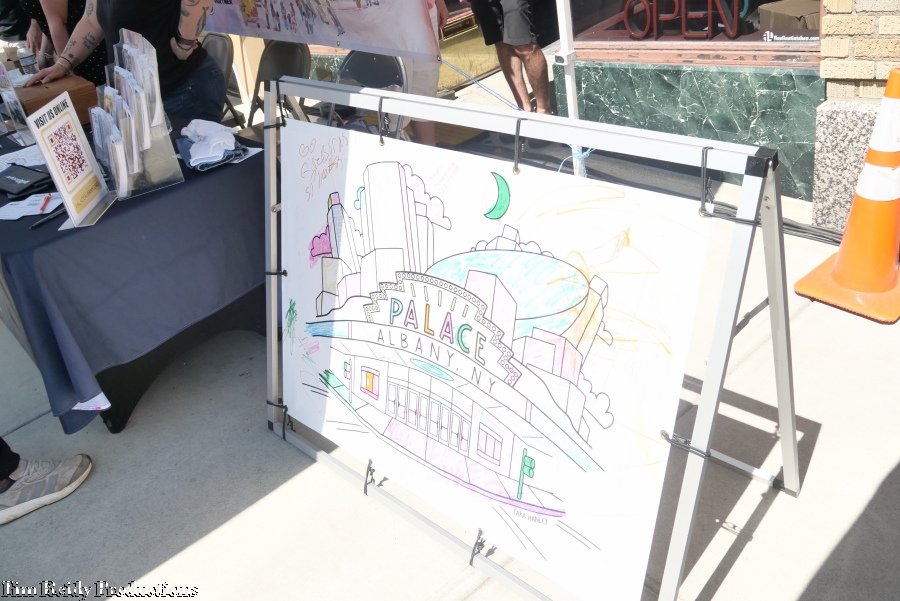
The Palace Theatre Community Block Party

0

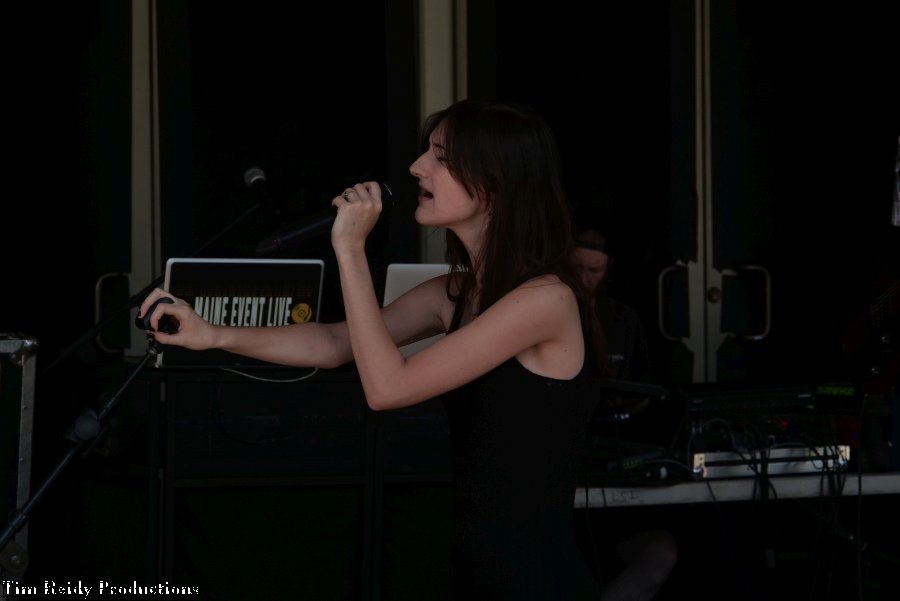
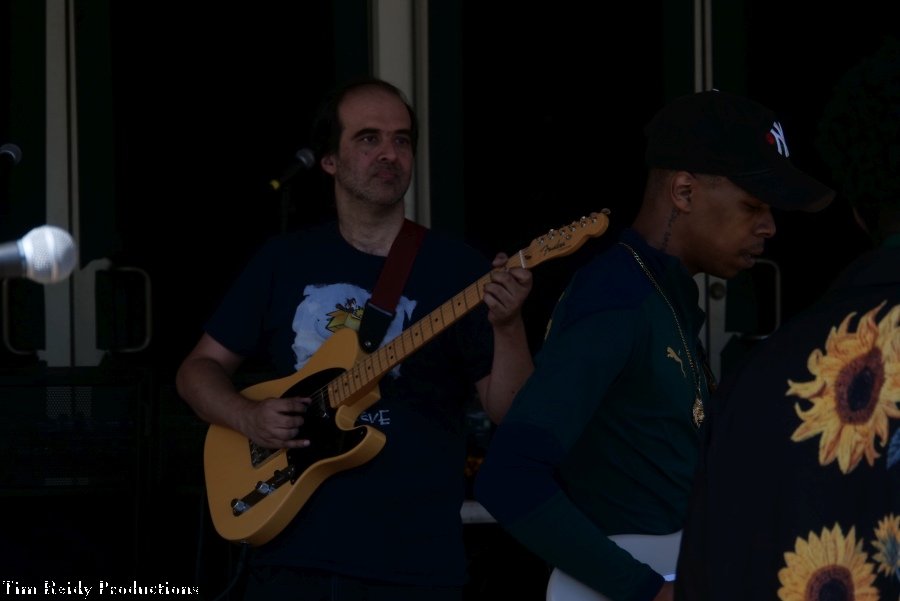
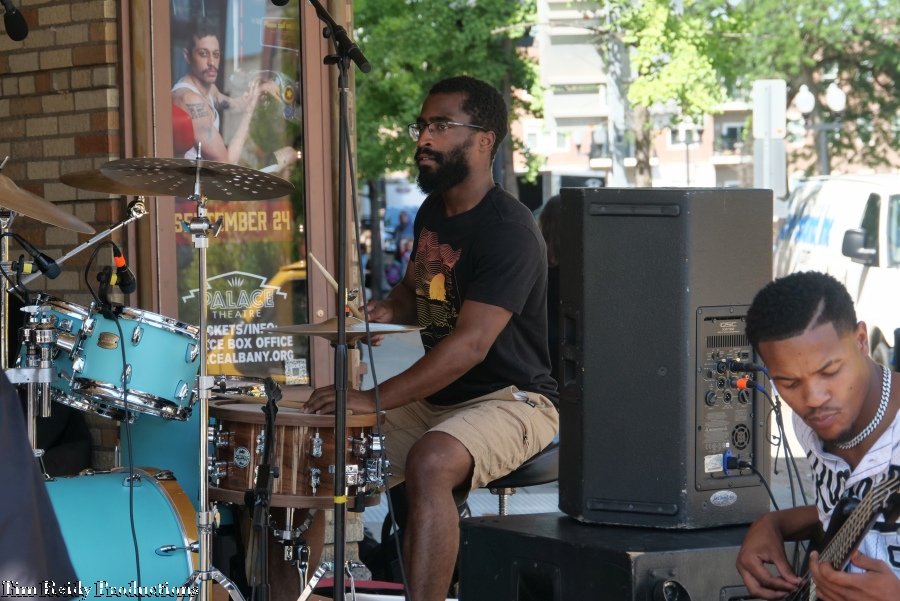
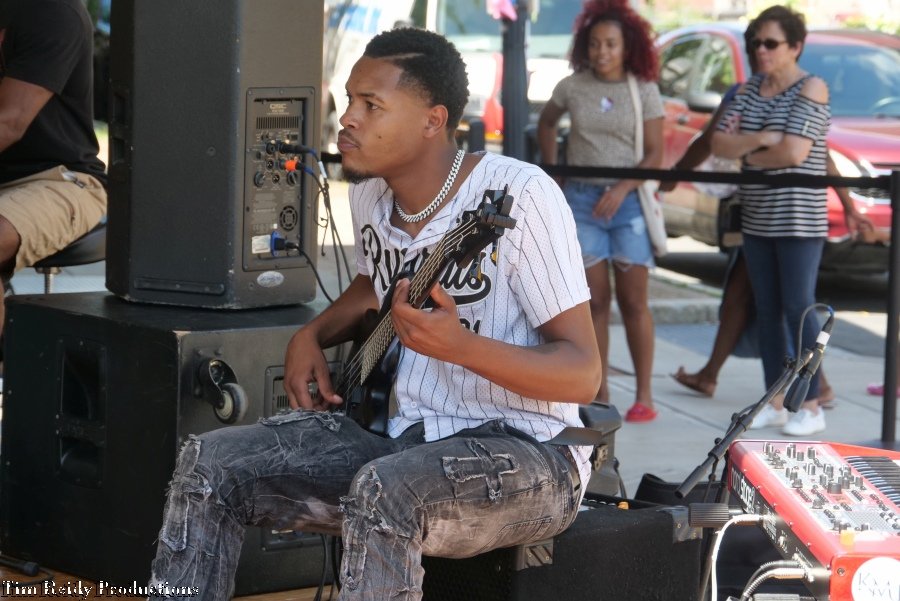
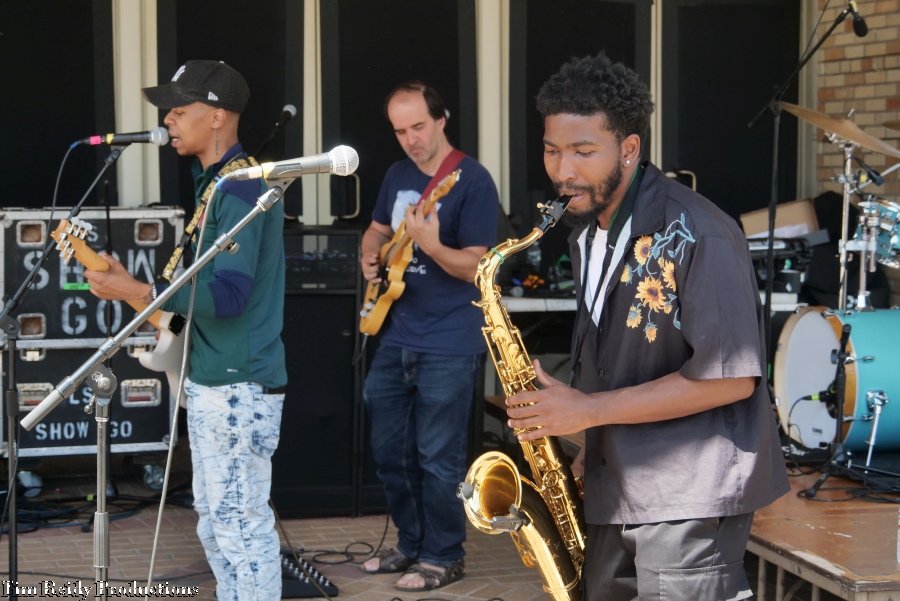
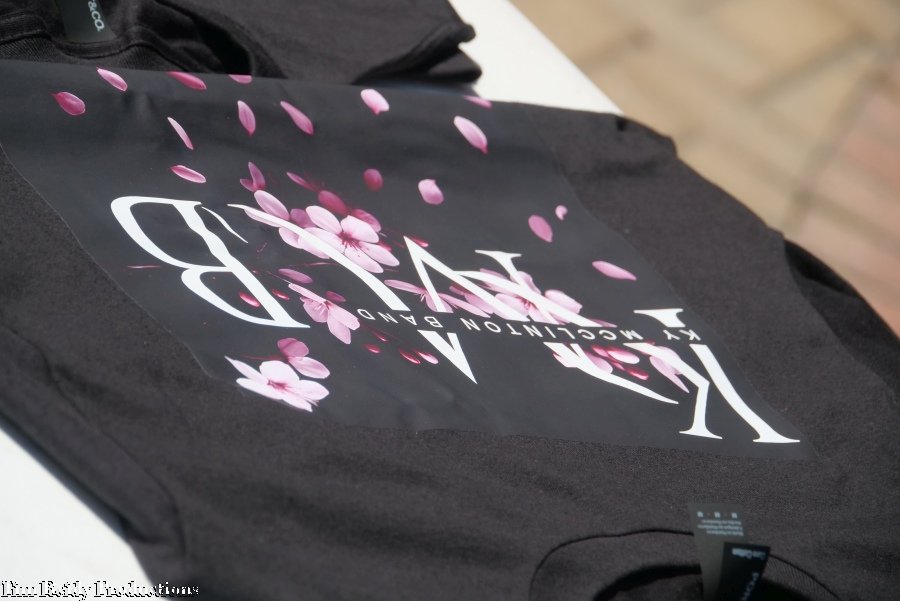
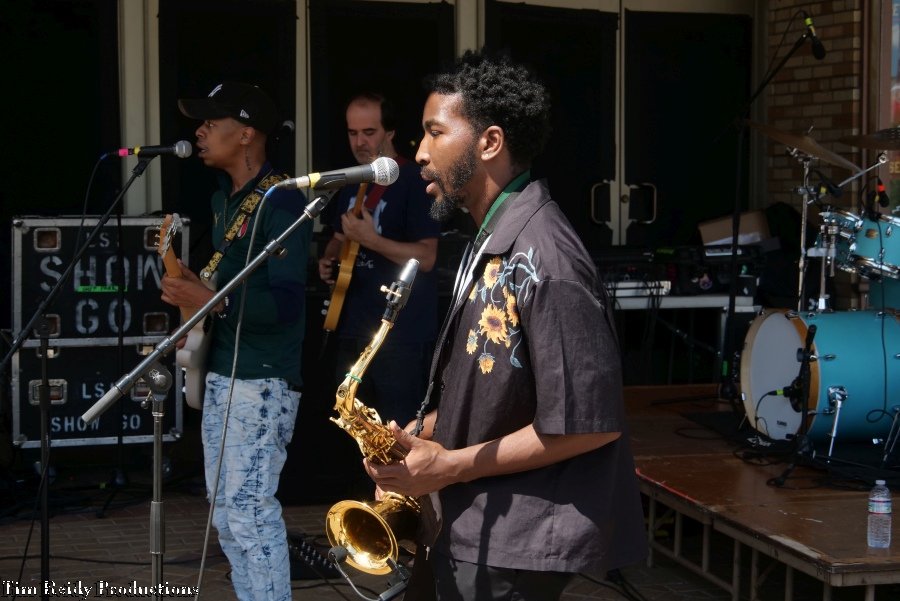
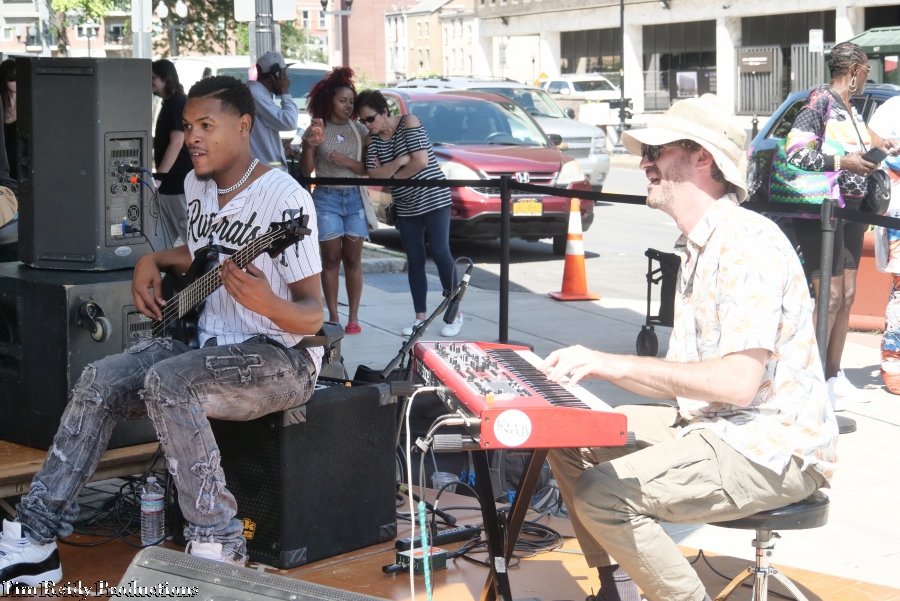
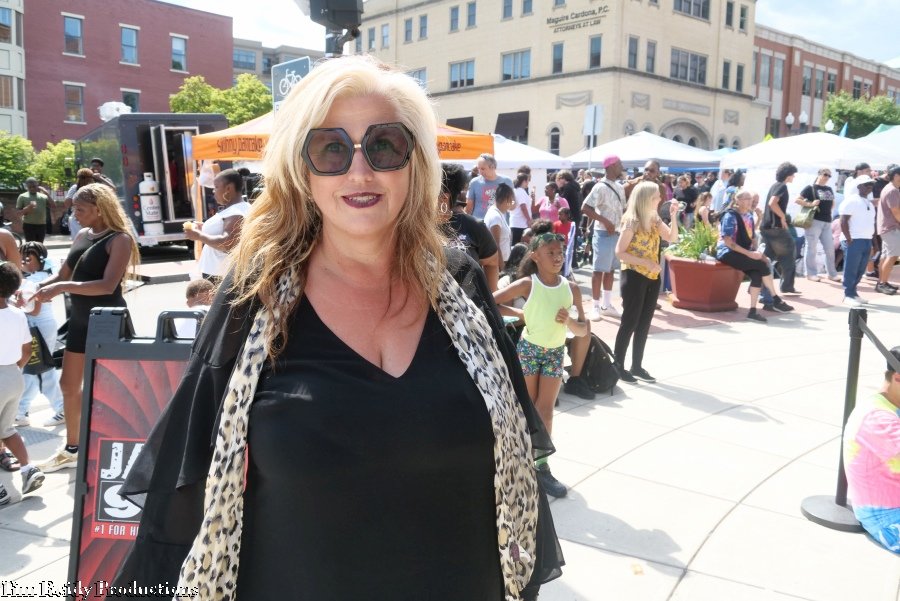
The annual event held by the Palace Theatre was held on August 15, and featured the Ky McClinton Band and the Albany Rock Pit.

Photography by Timothy Reidy.

More from Timothy Reidy here …

Blue Wilder – An Xperience Interview

0

Photo by Timothy Reidy

A Seat at the Banquet Table

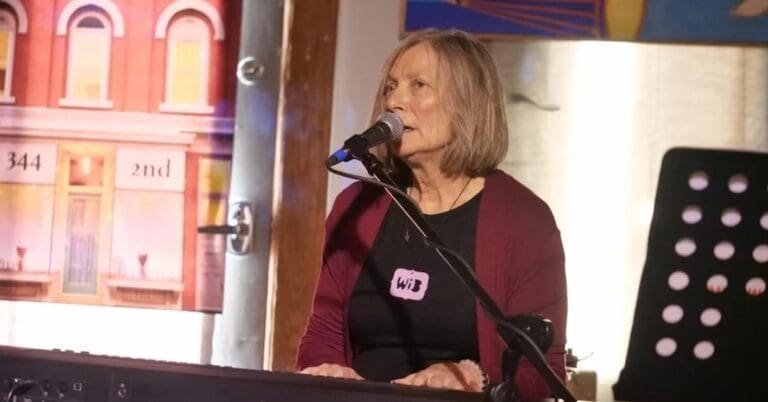
Songwriter Blue Wilder chats with Sara Busone about live performances, her latest album, and WAMM

By Sara Busone.

RRX: Have you played WAMM (Women Are Making Music) before?

BW: So, I’ve been connected with Nikki (Lee) and WAMM, I guess, for about a year now … going to some of her small group camps and going to some of the other performances that have been organized. It’s just, I think, an important thing to support, and Nikki’s just a bundle of energy. She’s great to be around.

RRX: She sure is! That’s great.  Now sometimes you’re a solo performer, but you also collaborate with Swallowtail Vagabonds. Tell me a little more about that band.

BW: So, I put that band together about three years ago. I’ve got a long history in music, but this is actually the first band I’ve put together since, oh my gosh, the early ‘80s! So, I’ve mostly been doing a bit on my own, and then I was 10 years with, kind of doing backup vocals for another local group. So this has been fun to actually, you know, have the time and energy to put together a group and play with them regularly! 

RRX: I was checking you guys out on Facebook. It looks like a great group. I also like your Facebook quote, “a songwriter with a voice that settles comfortably on the bluesy side of folk and Americana.” Can you expand a little on that?

BW: Sure. I’ve always been a huge fan of both folk and blues, and a very, very early follower of people like Bonnie Raitt. I can remember seeing her in basements in Cambridge, and then also very early Nina Simone and others. So they’ve been real important people that I’ve learned from and followed over the years. And, you know, I am really also loving the more recent Americana way of updating and adding new sounds to, you know, folk and country music.  I just feel like a lot of these marketing genre designations are breaking down, and people are just doing music across many genres, and I’m very excited about that.

RRX: It is exciting! You had a CD release party recently at McGeary’s for “Love in the Rearview.” How has the reception been so far for your newest release?

BW: Oh, that’s been great. It’s been really fun. I had a really good turnout that day. We had a big crowd. I’ve sold a bunch of CDs and about half of my order now is gone, which is great.

RRX: Absolutely! So how long have you been performing overall?

BW: Oh my gosh. Well, do you count my first onstage performance with a guitar at about 9 years old at a summer stock theatre all my life?

RRX: Absolutely!  That’s fantastic. So you’re probably very comfortable on stage!  What would you say are some of the advantages and disadvantages of performing live in the area?

BW: Oh wow, well … performances are always the best because you get audience feedback, of course. You know, it’s immediate … and you can tell if people are appreciating the music or not, and what is clicking with them, and it inspires you to up your performance and up your energy. So live performance is terrific, always great. You know, recording is a whole different thing … because then you’re – if you’ve got a good studio and a good engineer and producer – then you’re like, “OK, given access to all this talent, how do I really want this song to sound?” And you can do it as many times as you want until you get that sound that you’re looking for. So, yeah, just totally different experiences. Recently, they’ve both been really good for me. I’m just very excited and had a wonderful experience working with On Deck Studios on my CD. And then, the different performances I’m doing live, I have one that’s a very acoustic-focused band, and then I have other local electric musicians who will back me up when I’m doing a bigger show. So I just feel I’m at this wonderful banquet table and can partake in the different parts that I want.

RRX: I love that analogy – banquet table! That’s great! What is your vision moving forward? What are some things you hope to do, things you have on the horizon?

BW: Yeah, so, I am hoping to spread out a little bit in the places that I’m performing. So at the moment, really trying to reach out to a bit of Vermont and Western Massachusetts and down the Hudson. I’m not looking at this point to get on the road and be on the road constantly touring all over the place, but I would like to widen the area of which I am exposed. There are many, many good local musicians and people; even if they love you, they only want to hear you play the same song so many times.  So, it’s good to have a wider audience that you can move around within … that’s my goal. And also, I love to travel.  So I like to play music wherever I travel, whether that’s open mics or getting gigs or things like that. So, not really organized tours, but, you know, I spend every August in Northern California. I often go to Ireland or Scotland in the spring, and just being able to do more music when I’m in those places. So, I’m looking to do that.

RRX: That sounds wonderful. So, you mentioned how you became involved with WAMM.  What are you most excited about for this year’s WAMM festival? What are some things that you’re really psyched to do or people you’re psyched to meet?

BW: Well, I just want to be a part of promoting women in music because – having spent a lifetime of being not just a singer, but a guitar player and at times a drummer- the music field has not been easy. Women musicians are getting more up front. They’re getting more support, they’re getting stronger, they’re getting more airplay. But there are still a lot of hurdles. Women have travelled all the way to Michigan to be in a music space that’s dominated by men … they shouldn’t have to travel so far, you know?