Home Blog Page 98

Progressive Rock Takes Over Glens Falls

0

By Stephanie J Bartik.

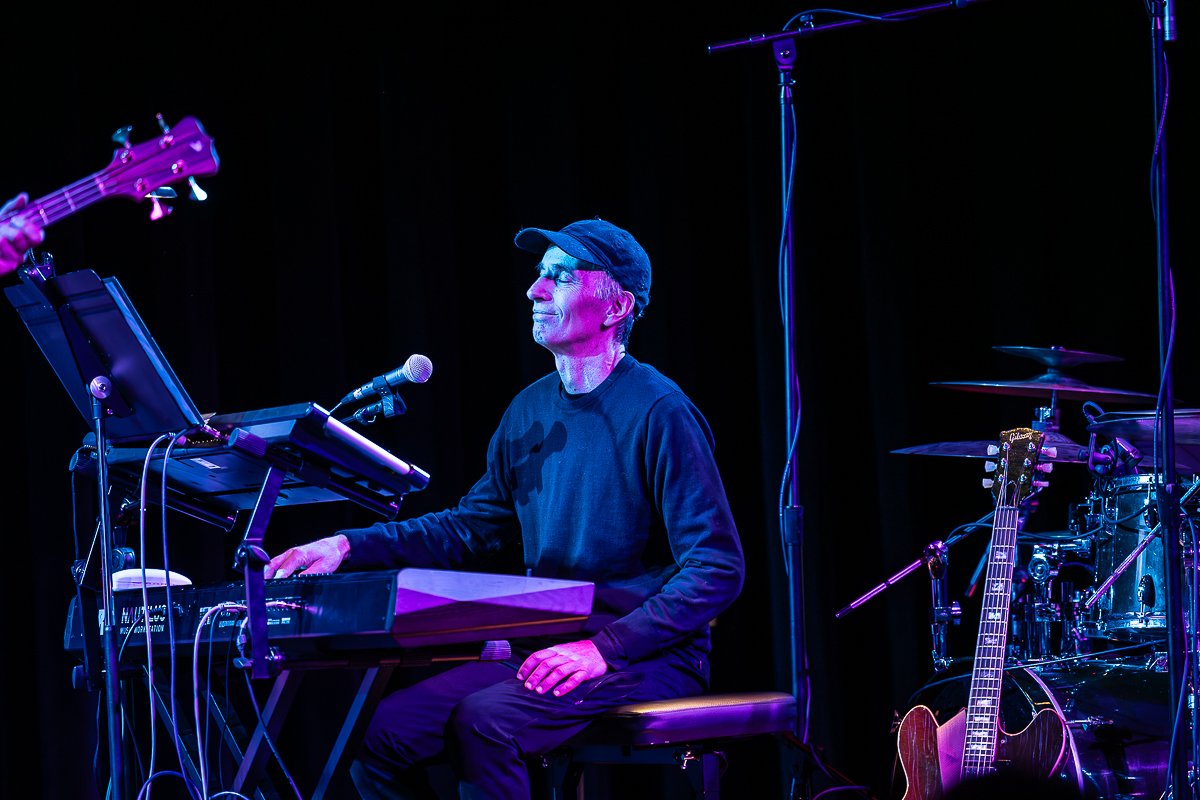
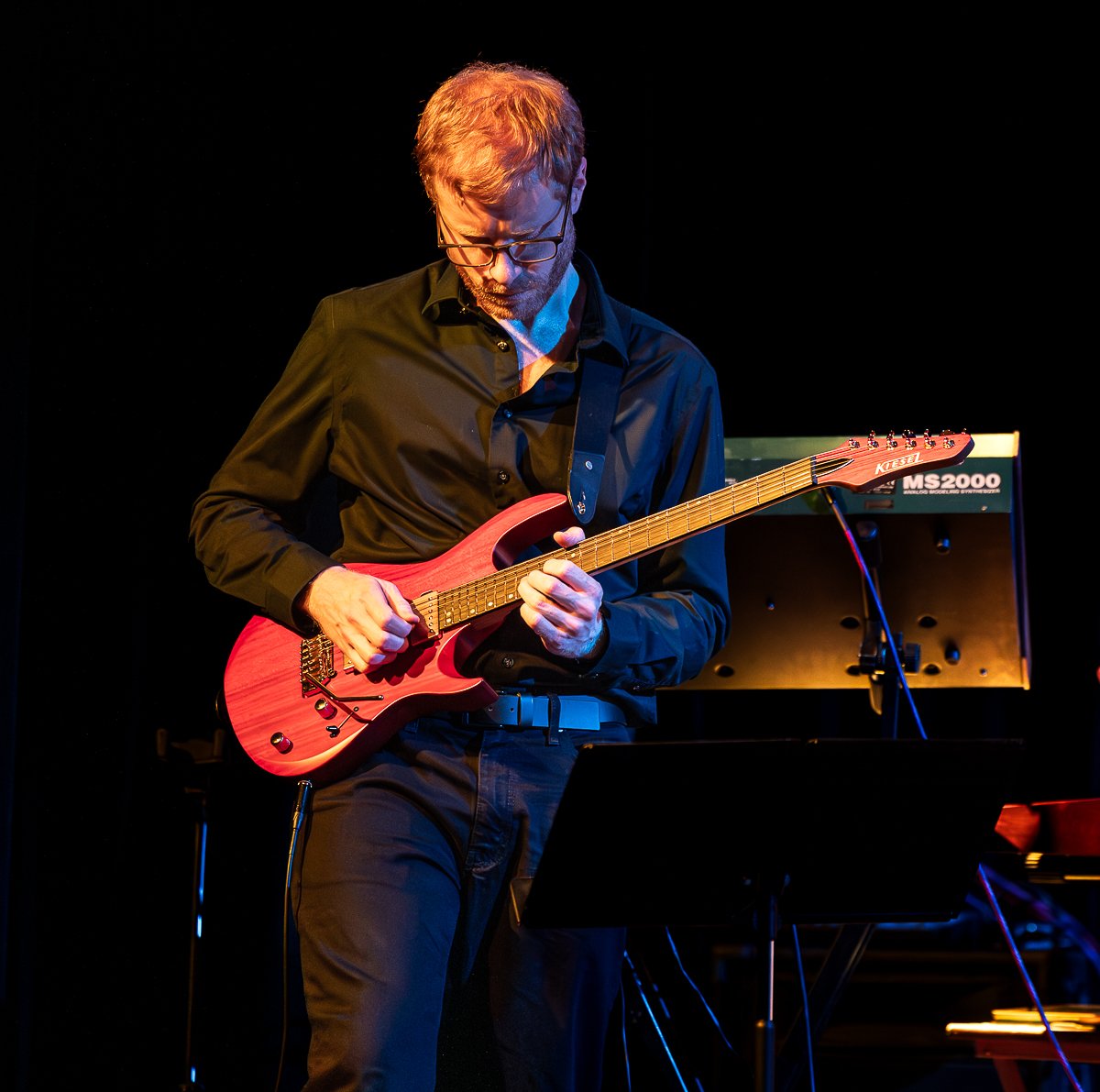
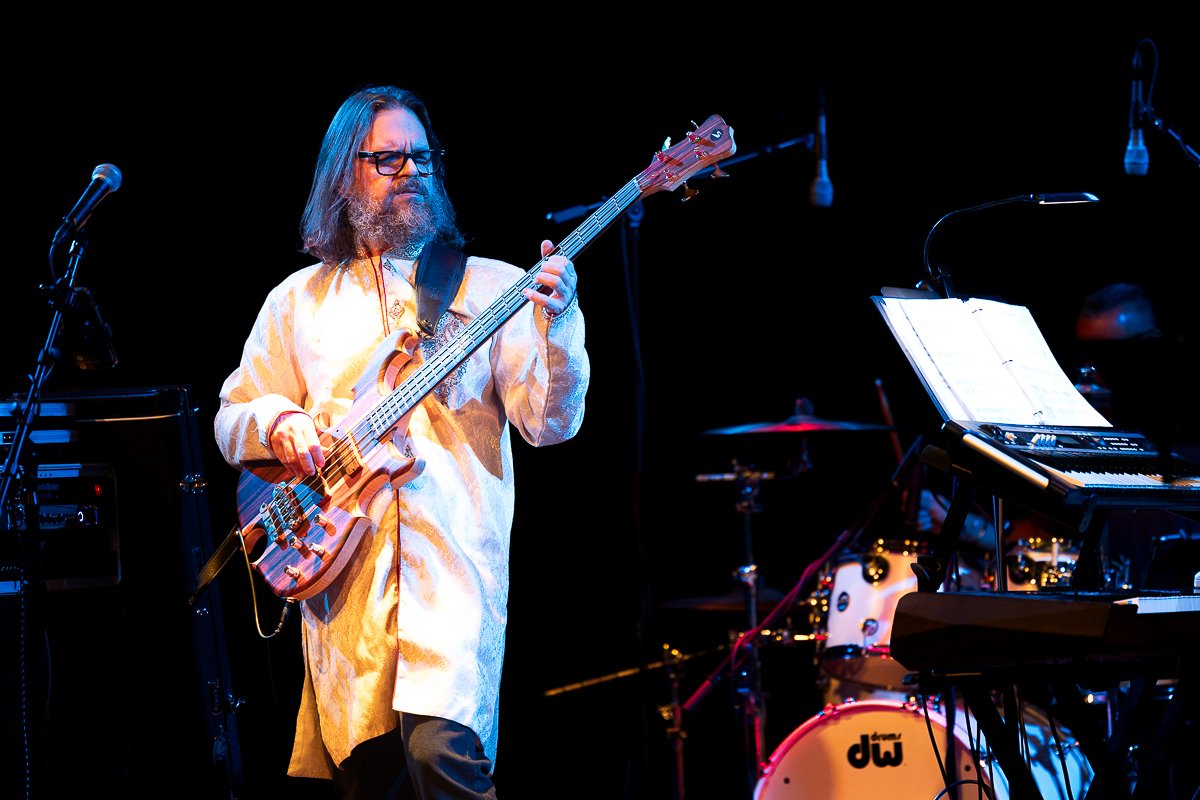
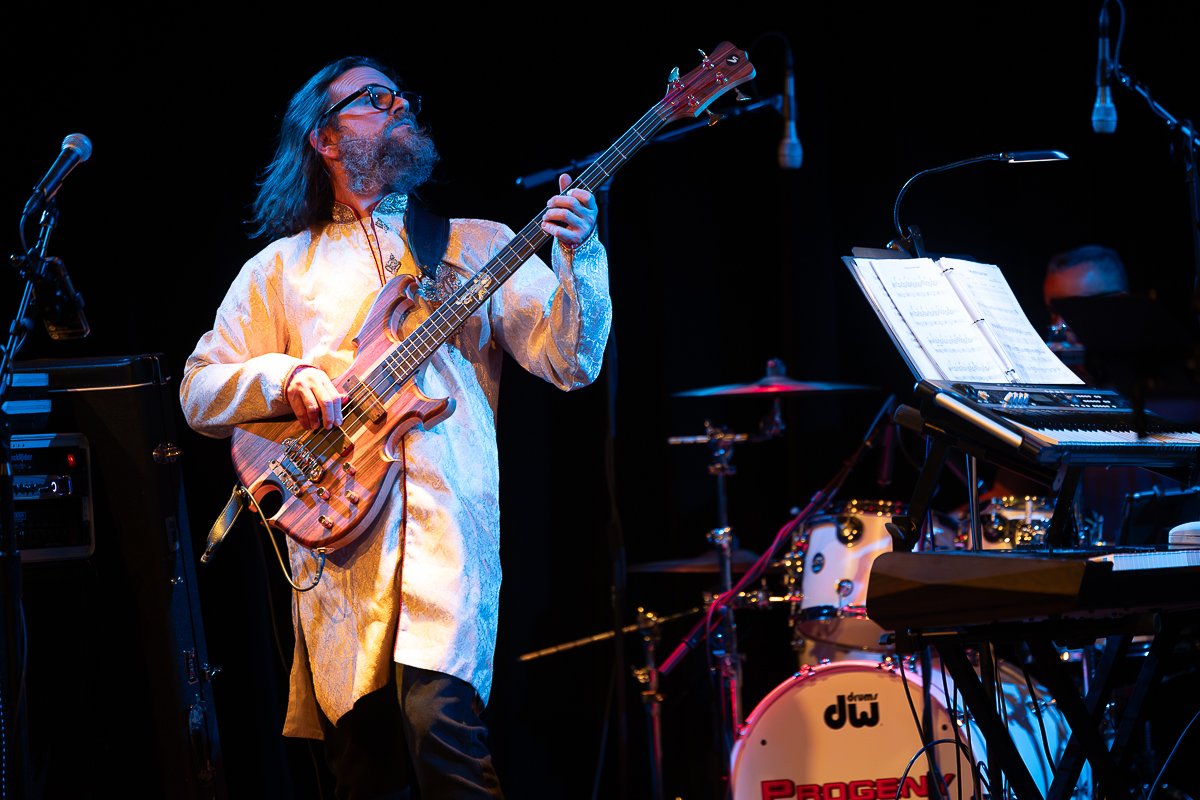
On a busy Saturday night in Glens Falls, New York, finding parking was a competitive sport. With a show at the Wood Theater, hockey at the arena, and a progressive rock concert at the beautiful Park Theater, the city was buzzing from every corner. For fans of adventurous music, however, the destination was clear.

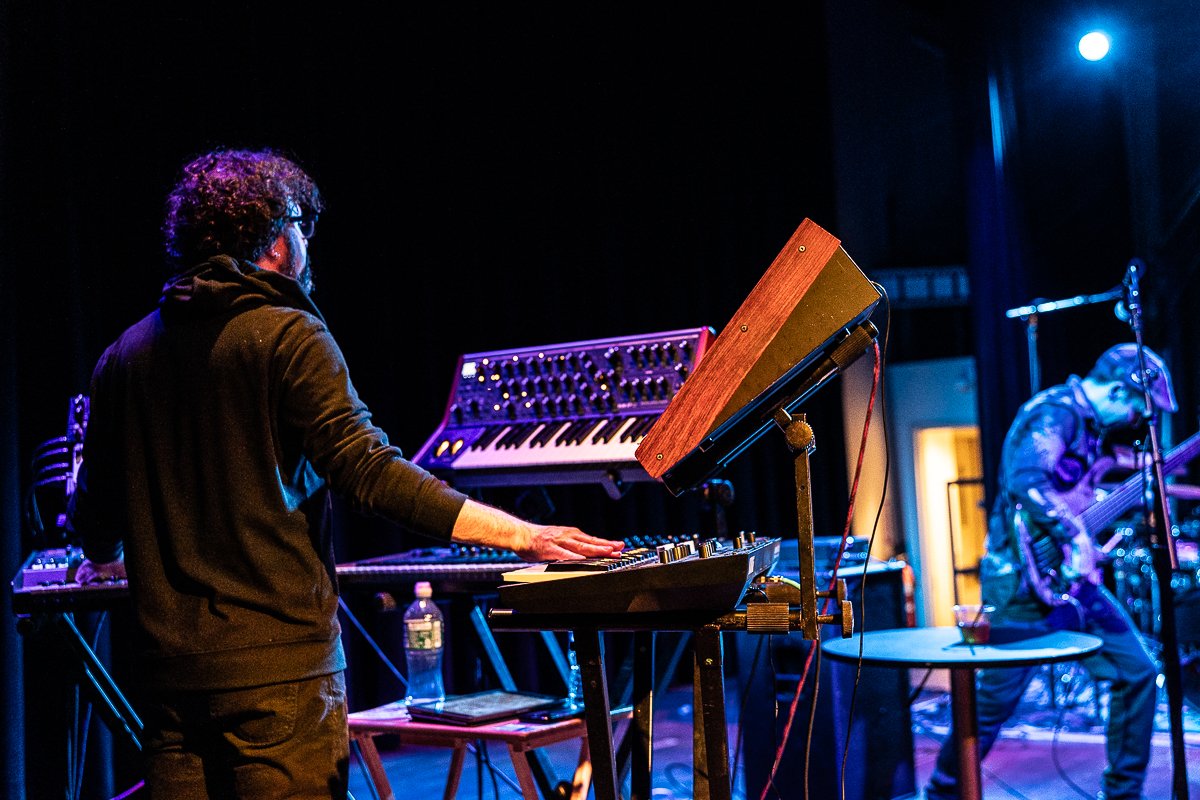
Mono Means One

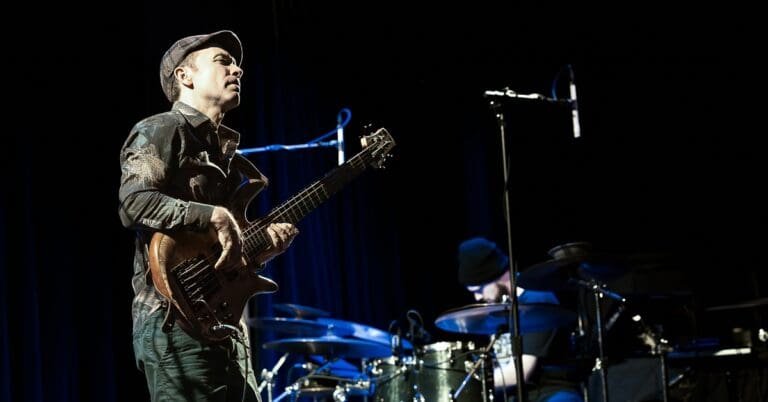
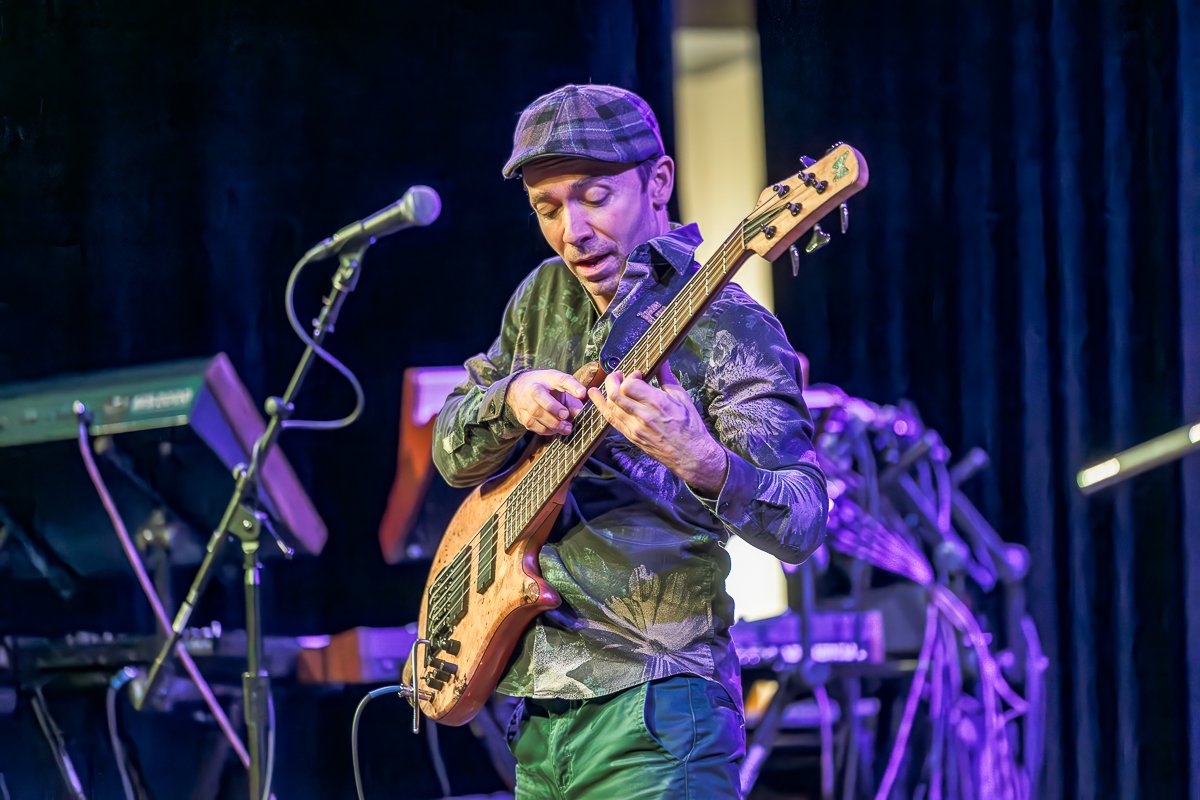
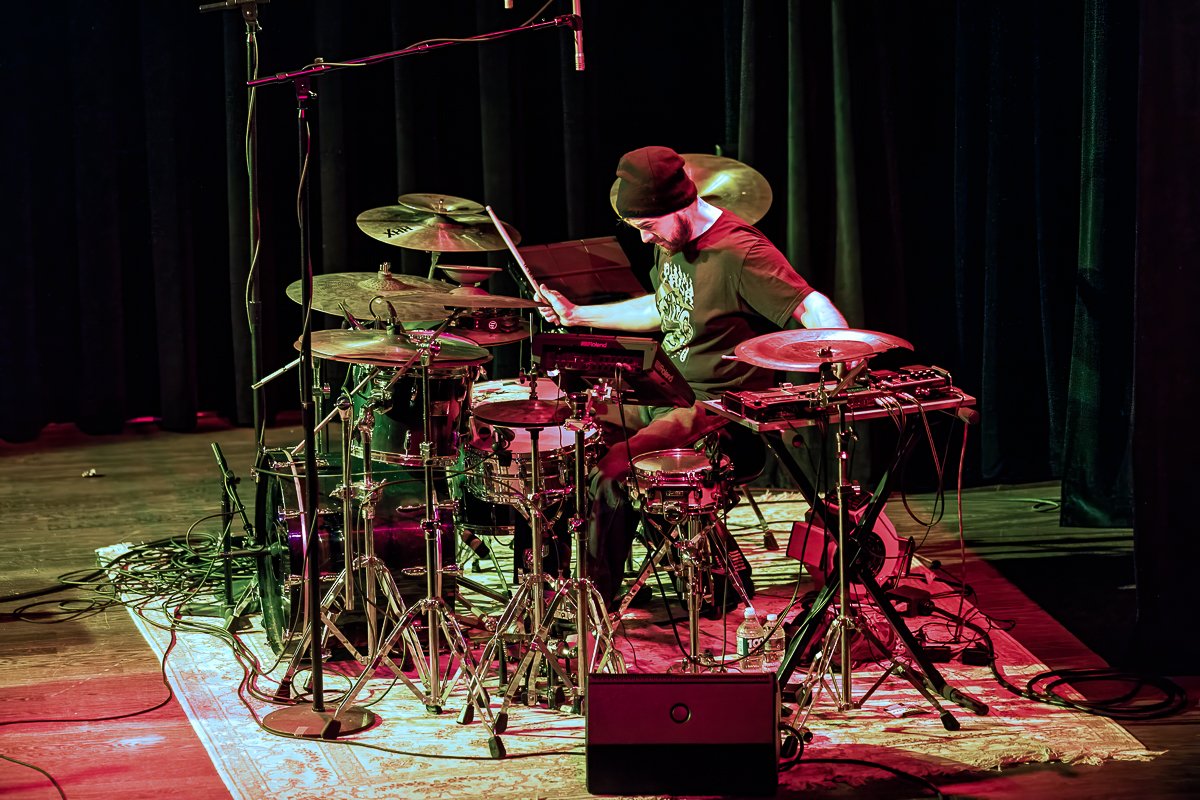
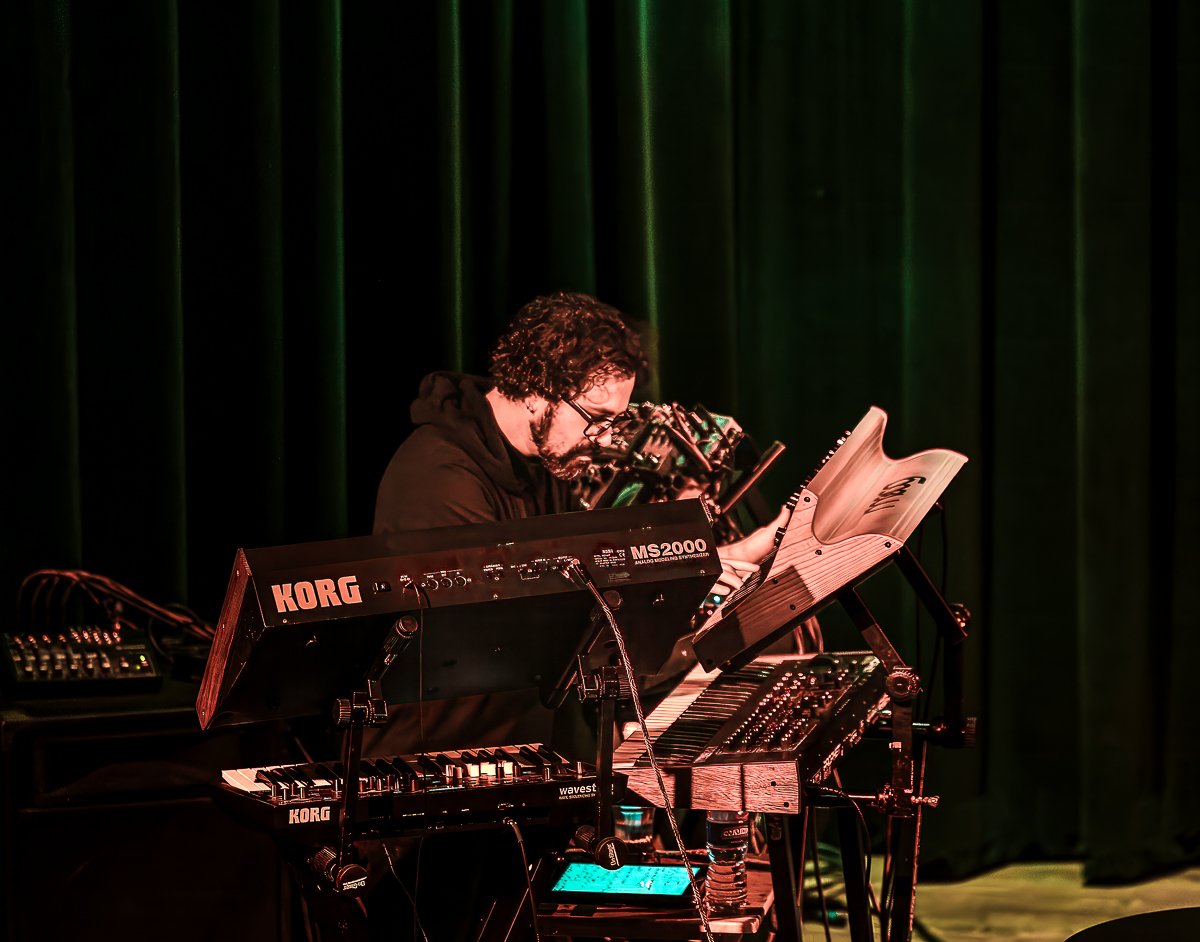
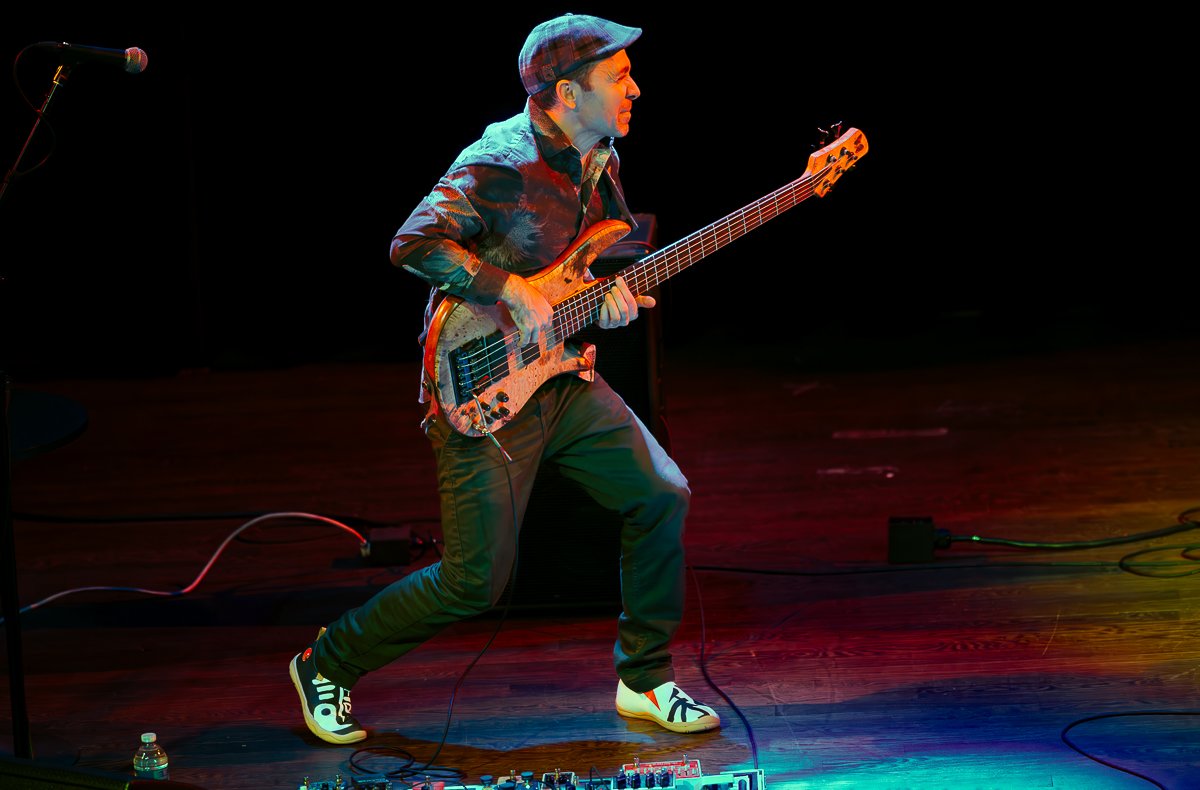
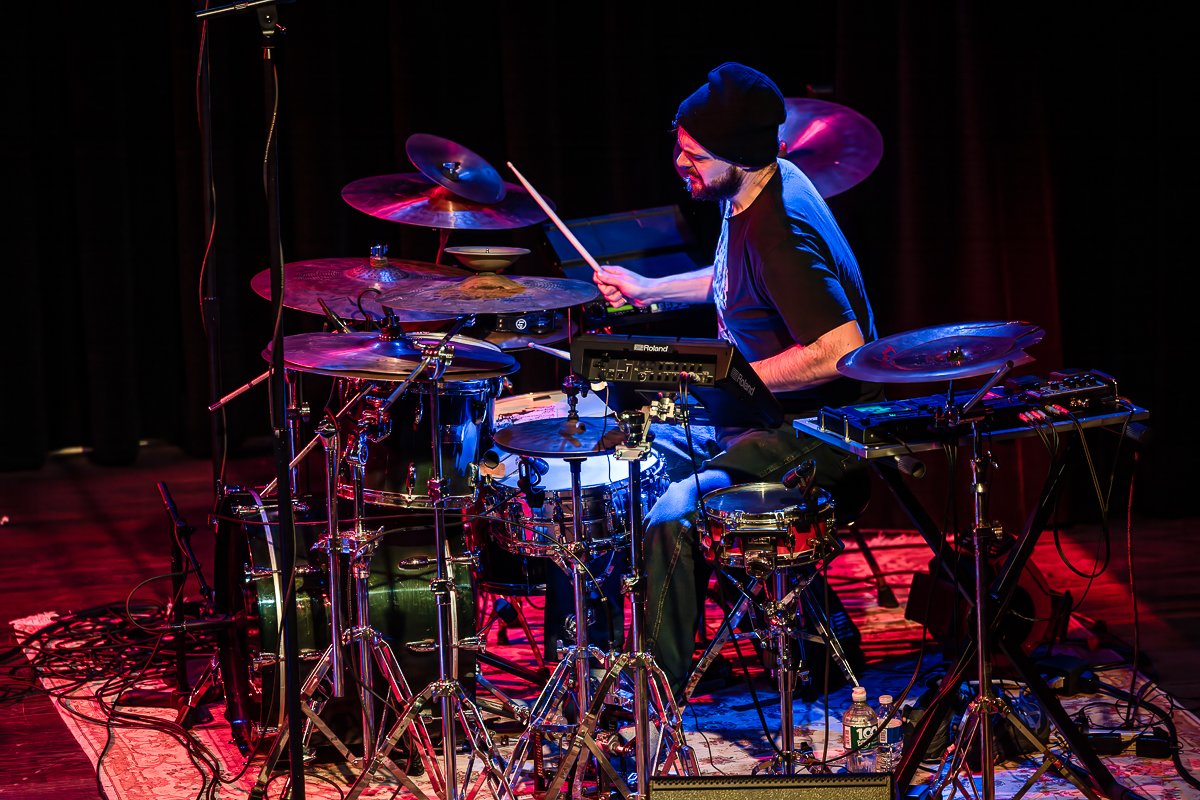
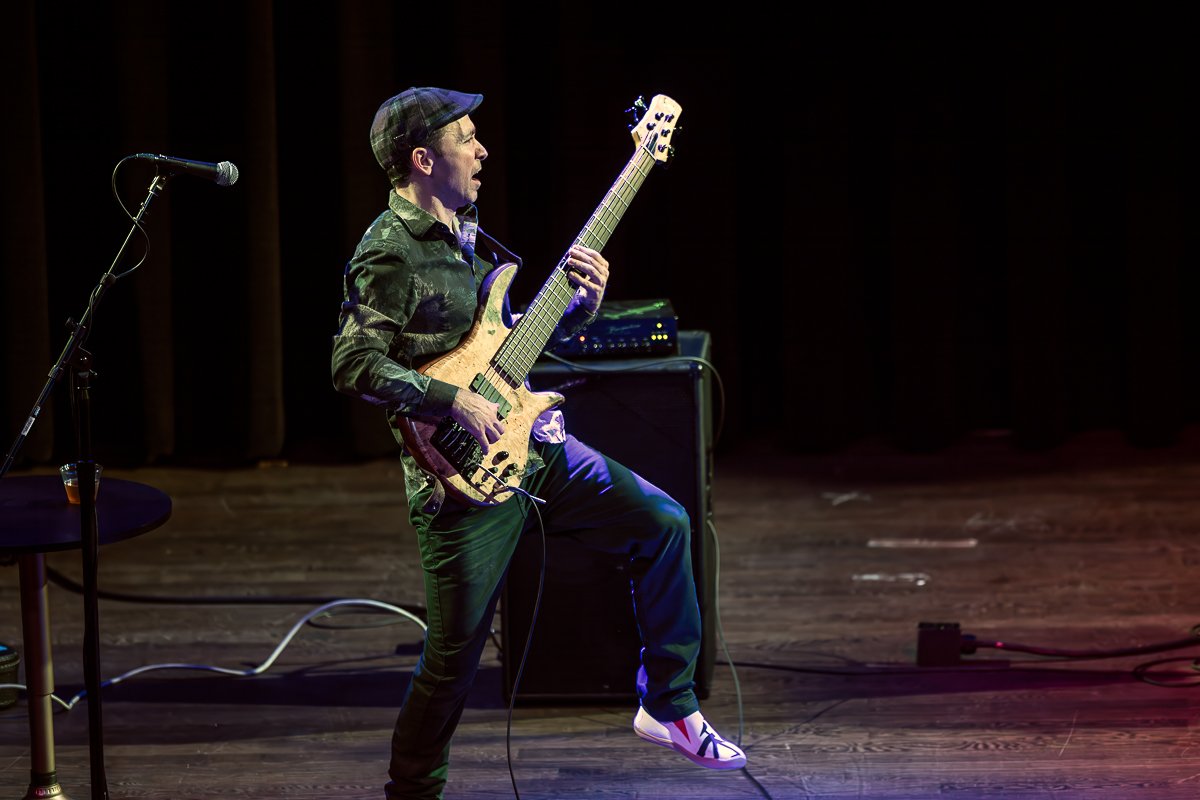
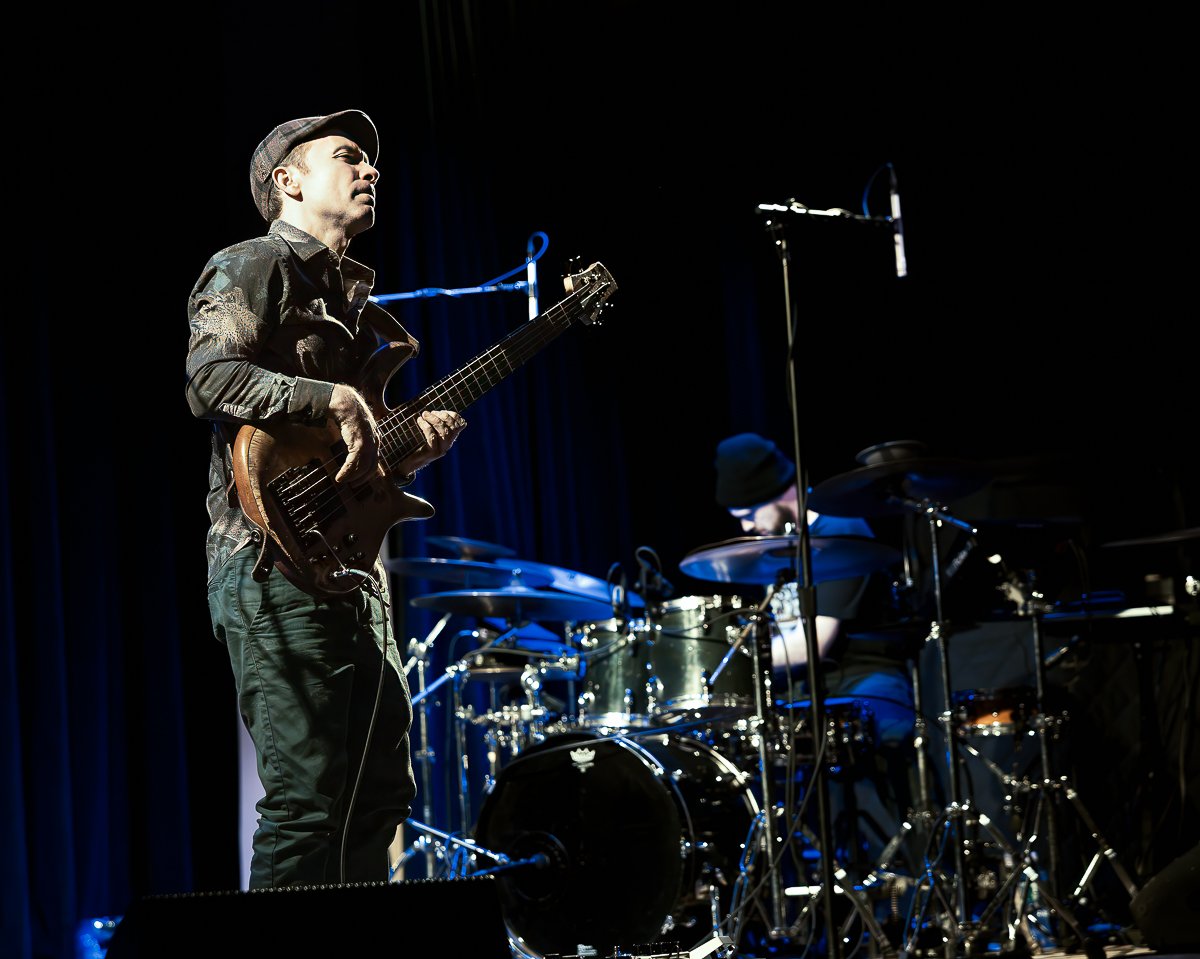
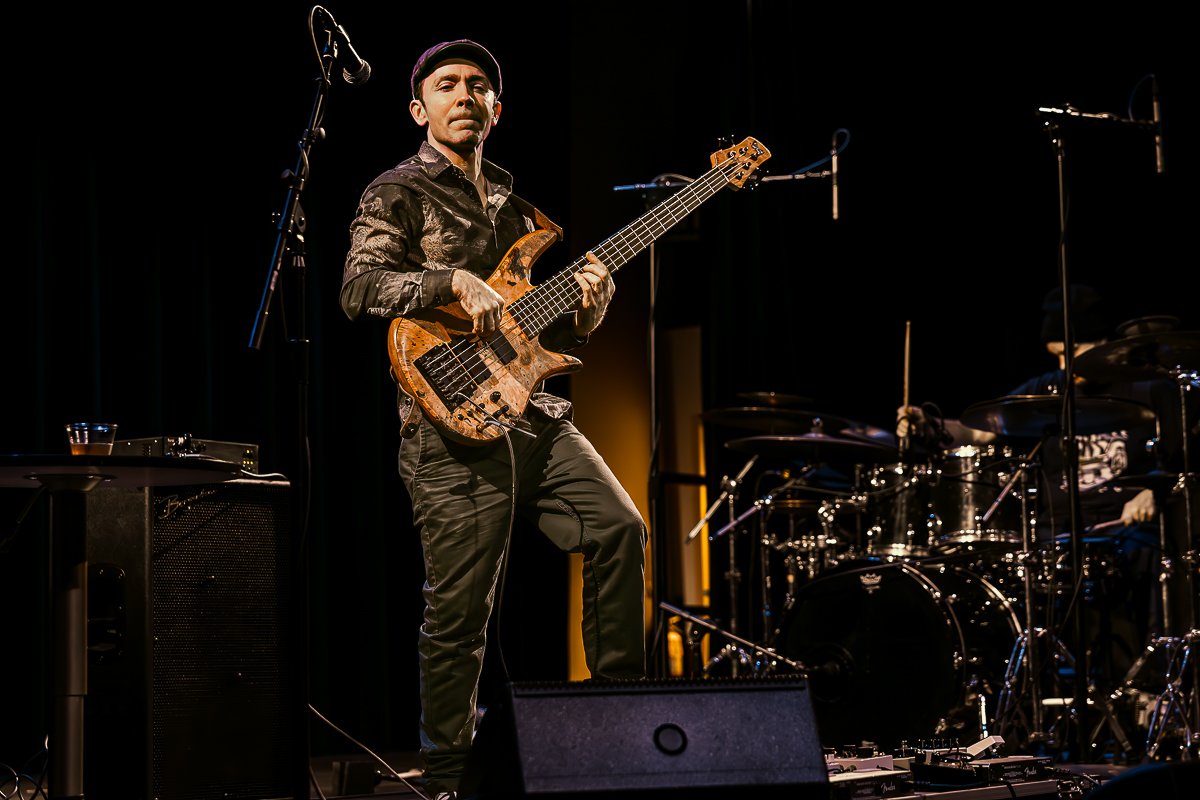
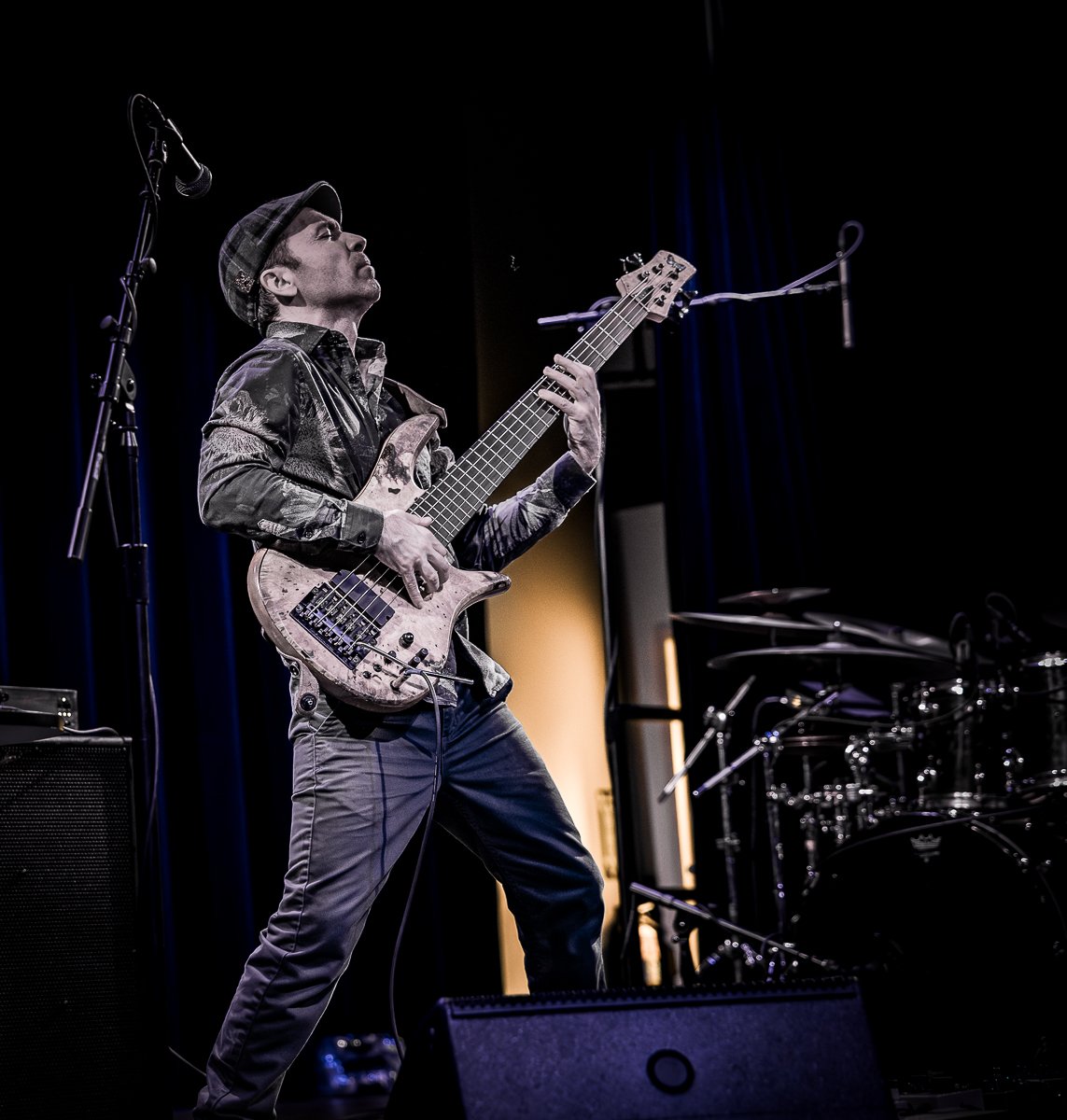
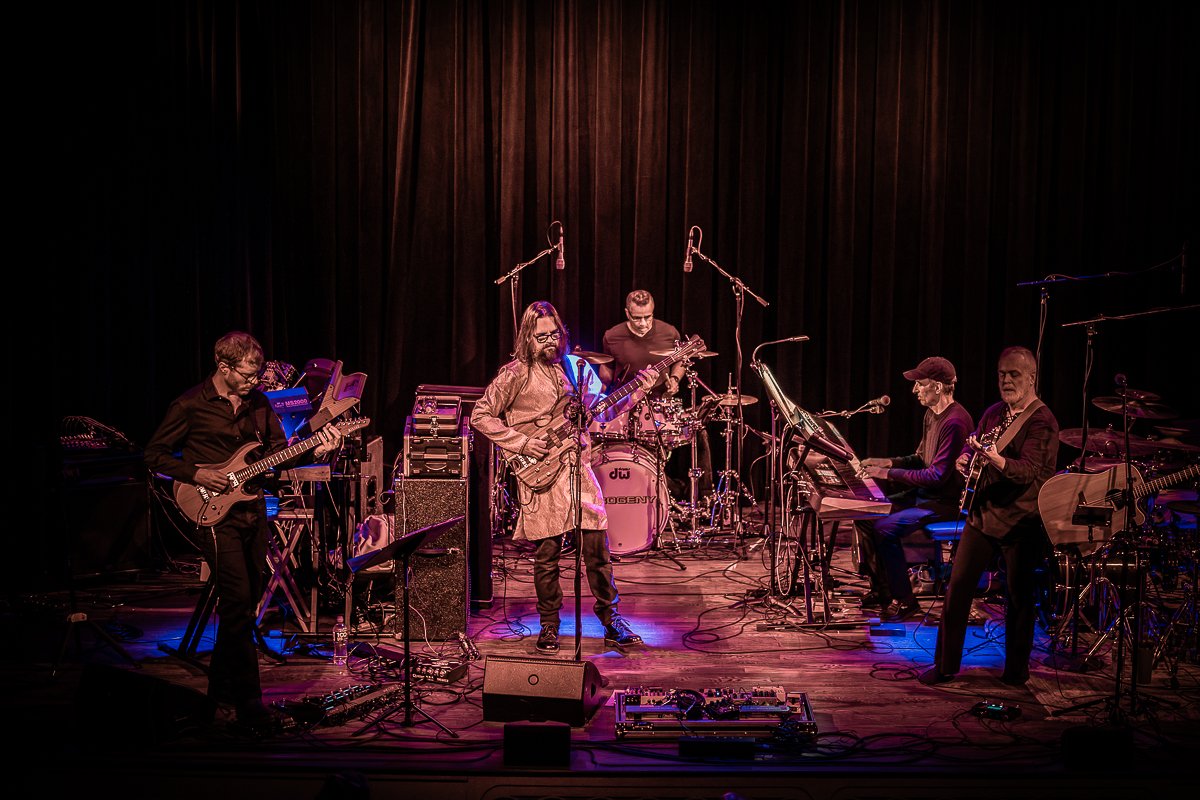
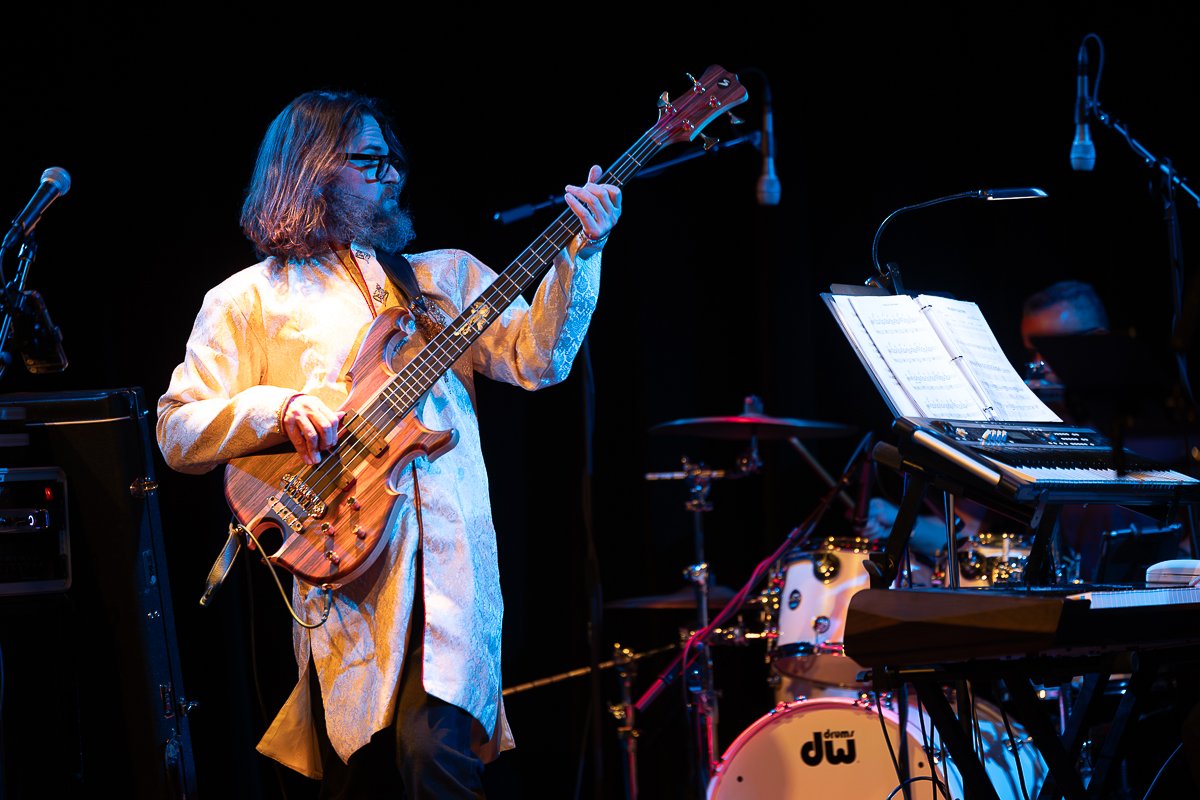
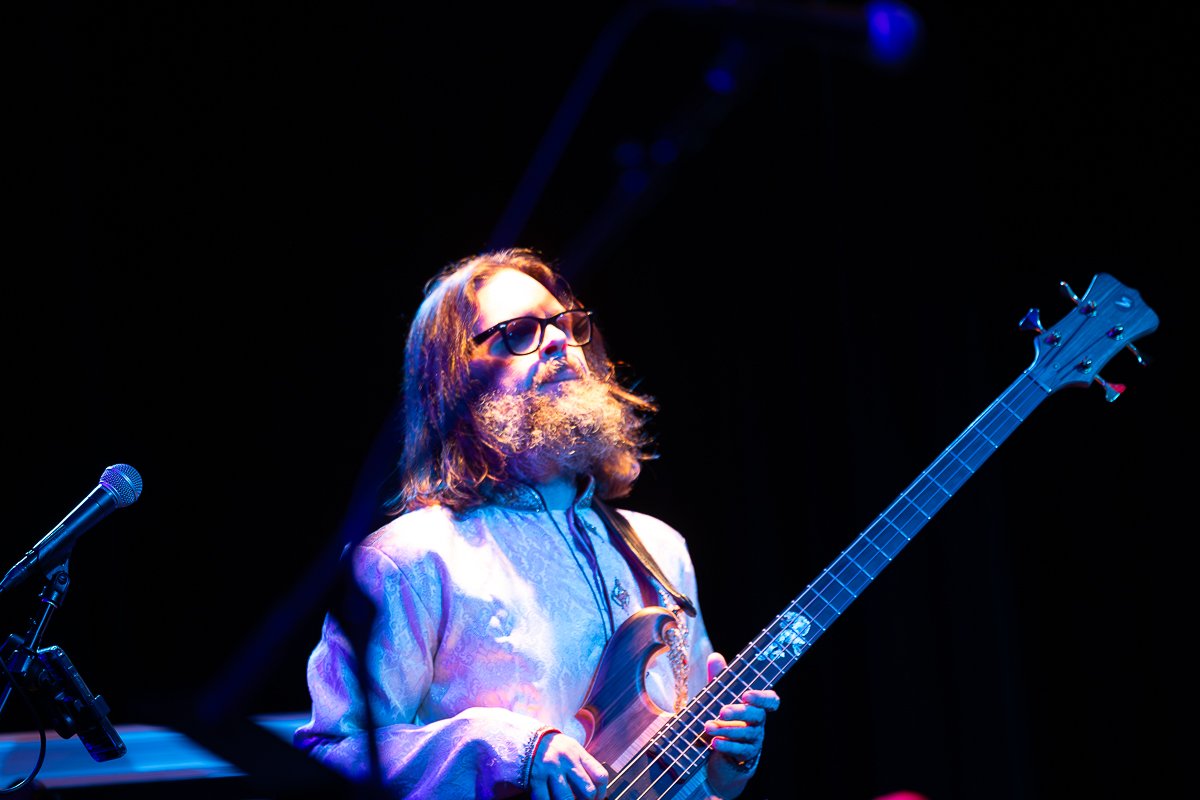
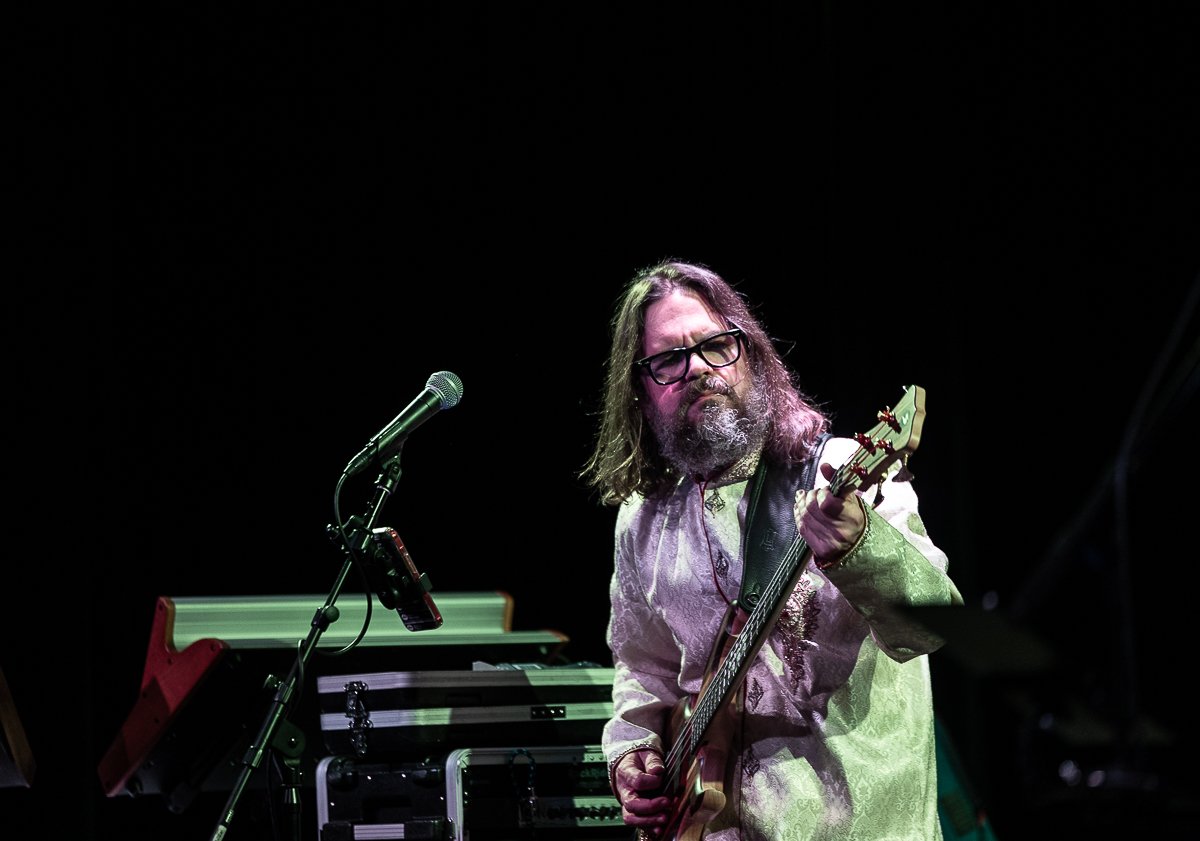
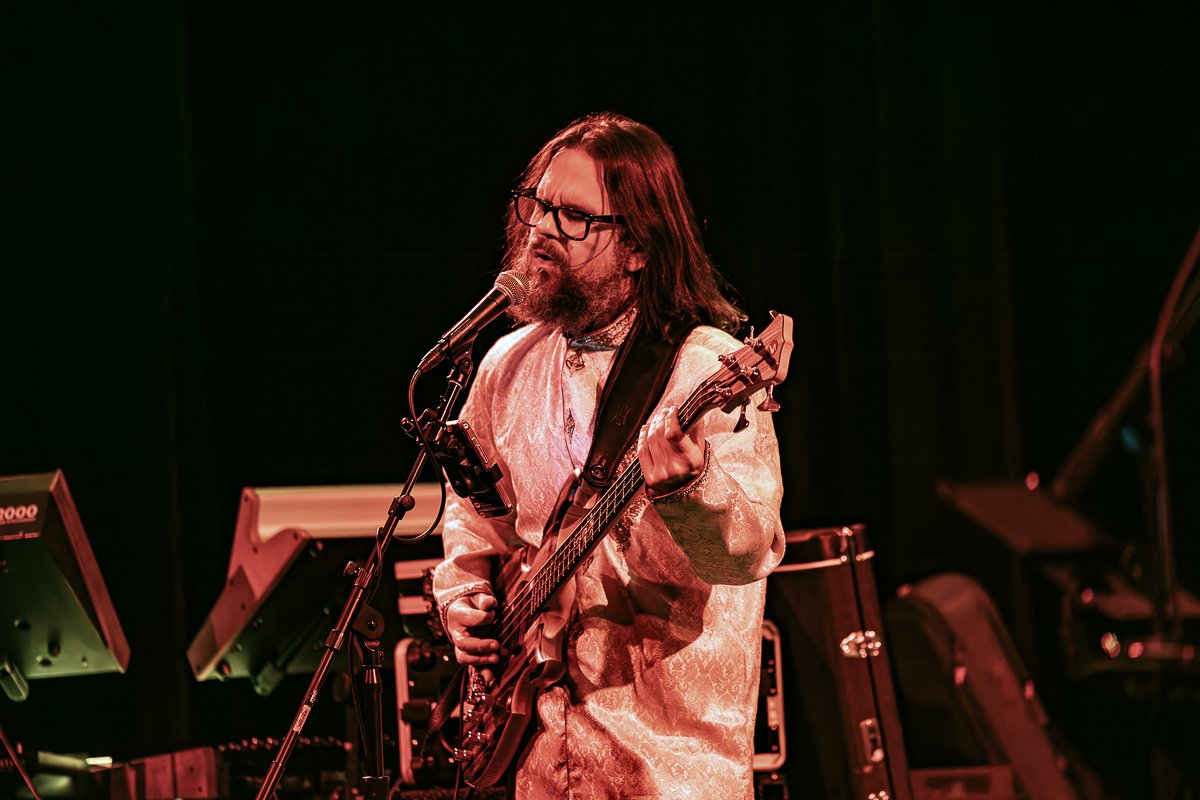
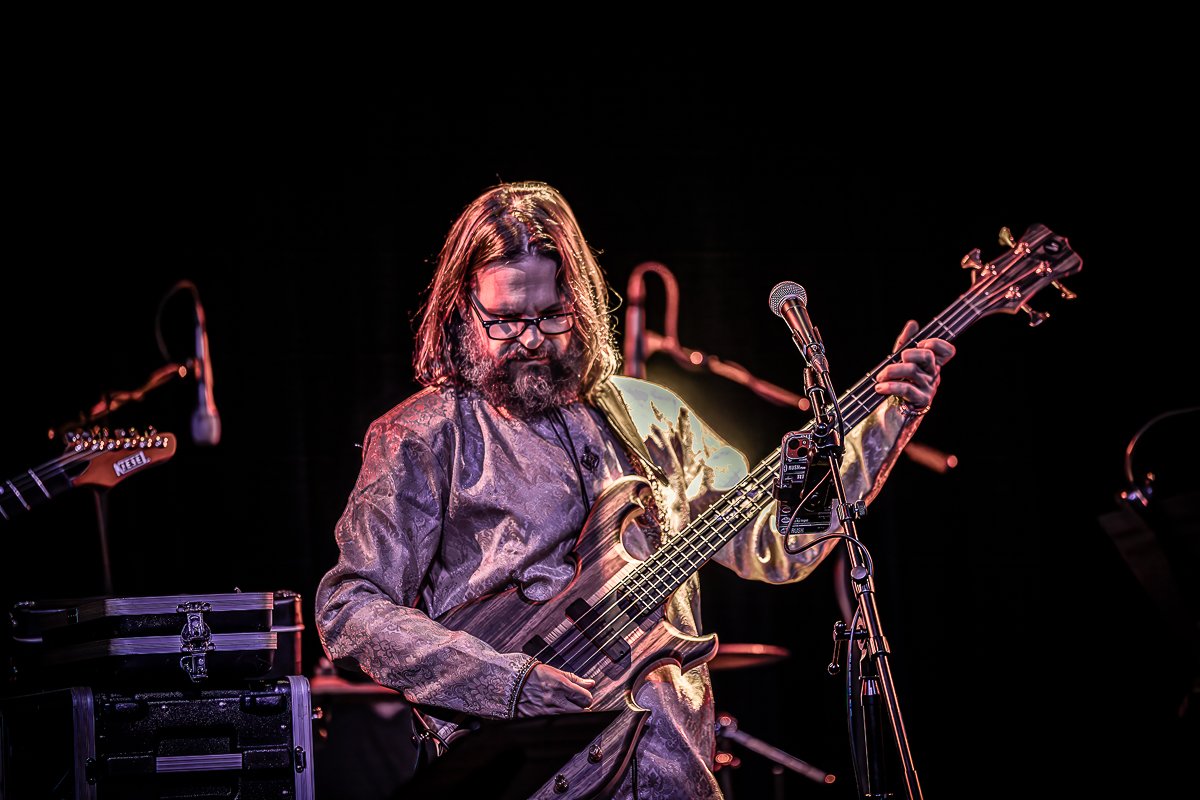
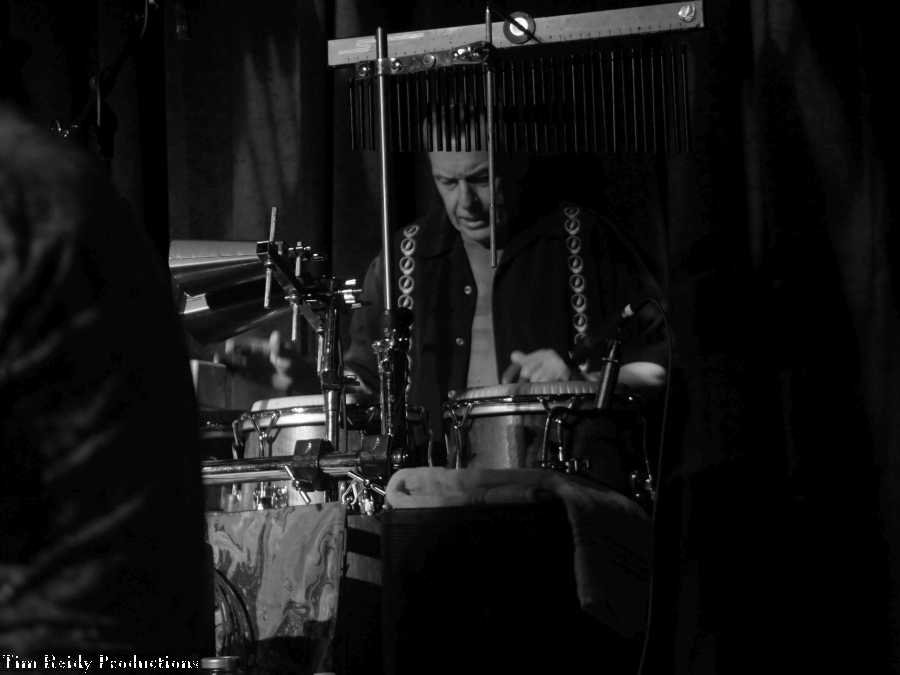
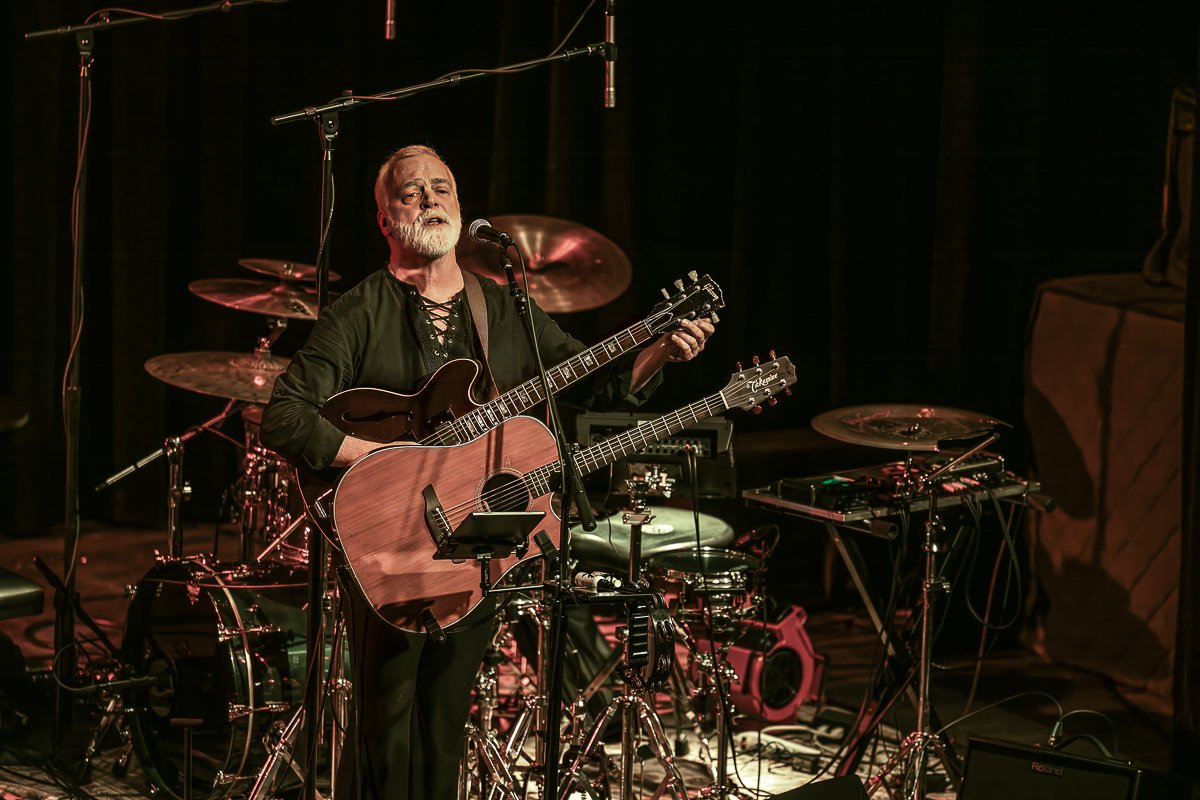
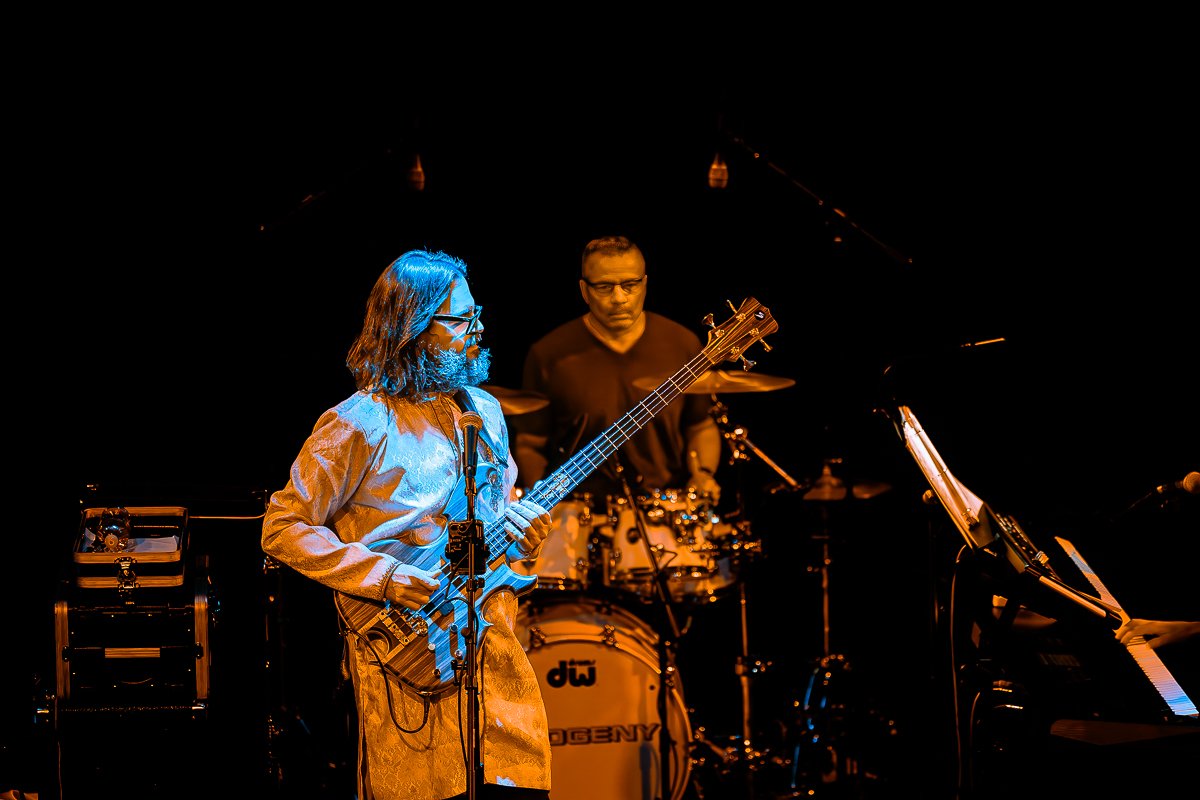
Bassist and composer John Ferrara (Consider the Source, Soloist) is thrilled to share his newest progressive jazz-rock venture, Mono Means One—a powerful instrumental trio that continues to floor audiences up and down the East Coast.

Mono Means One is:

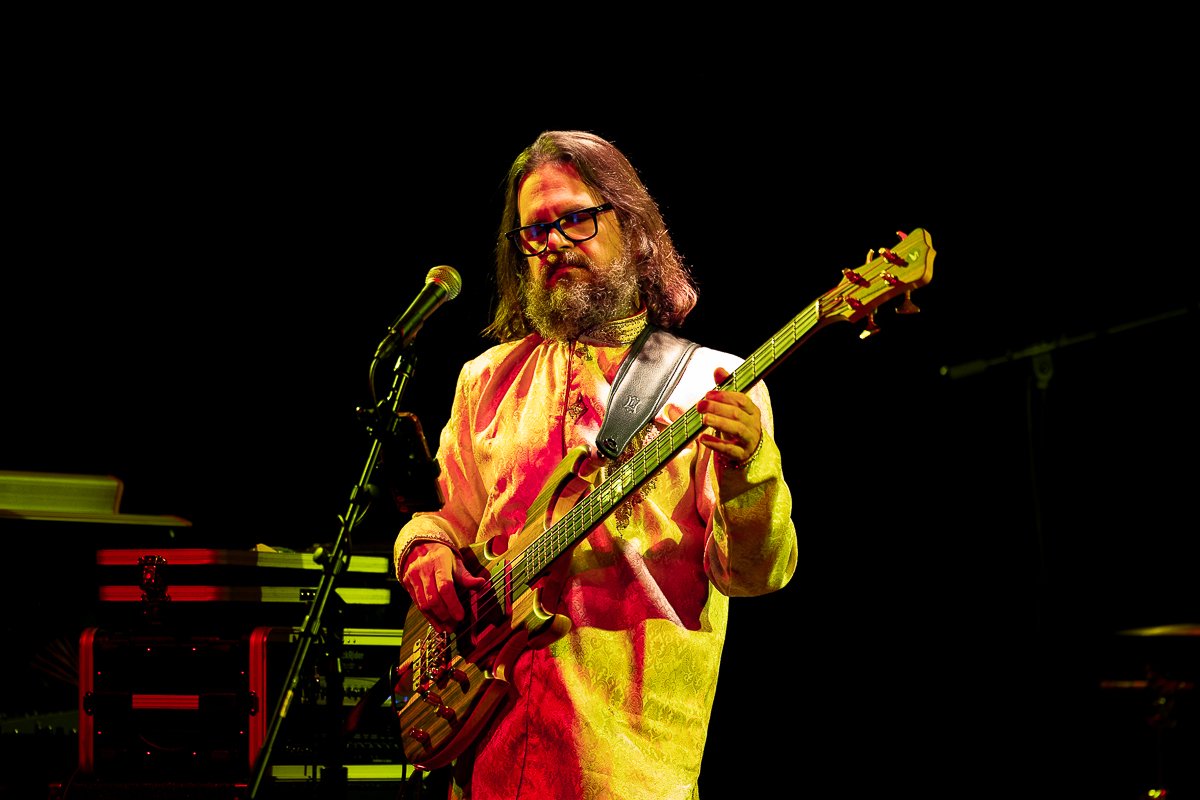
  • John Ferrara – Bass
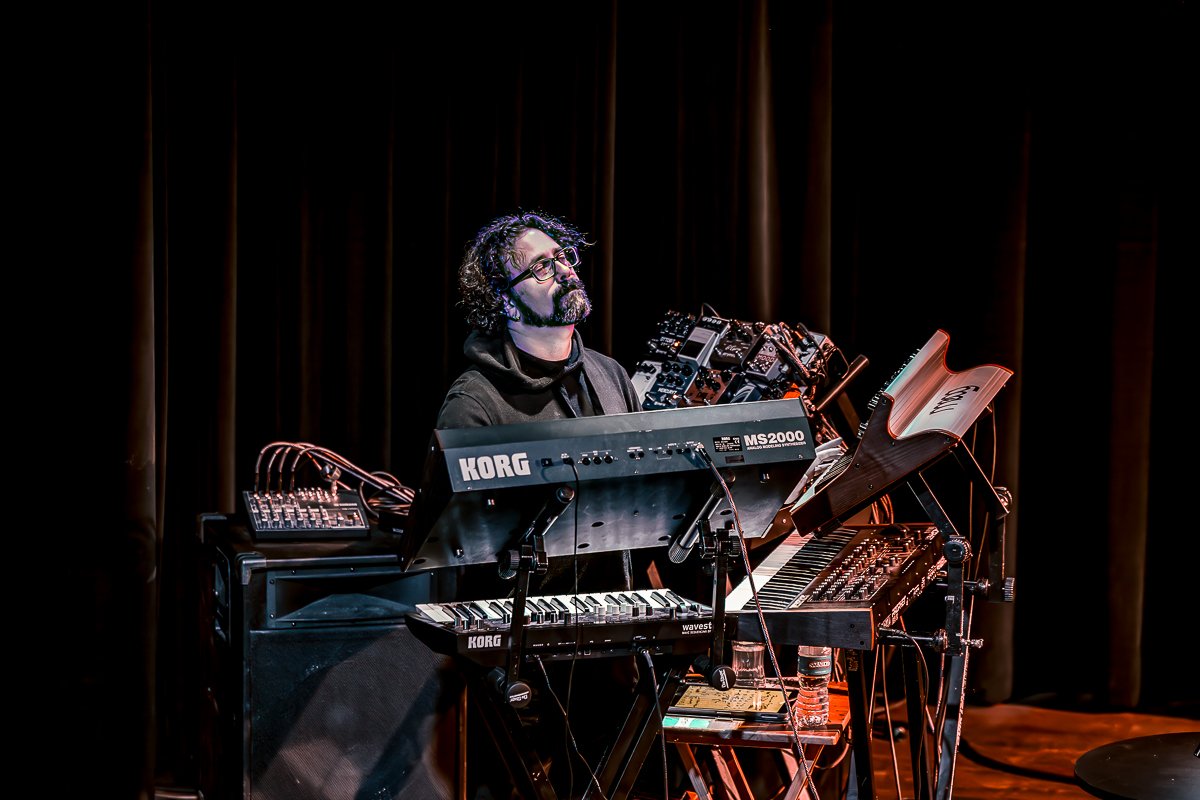
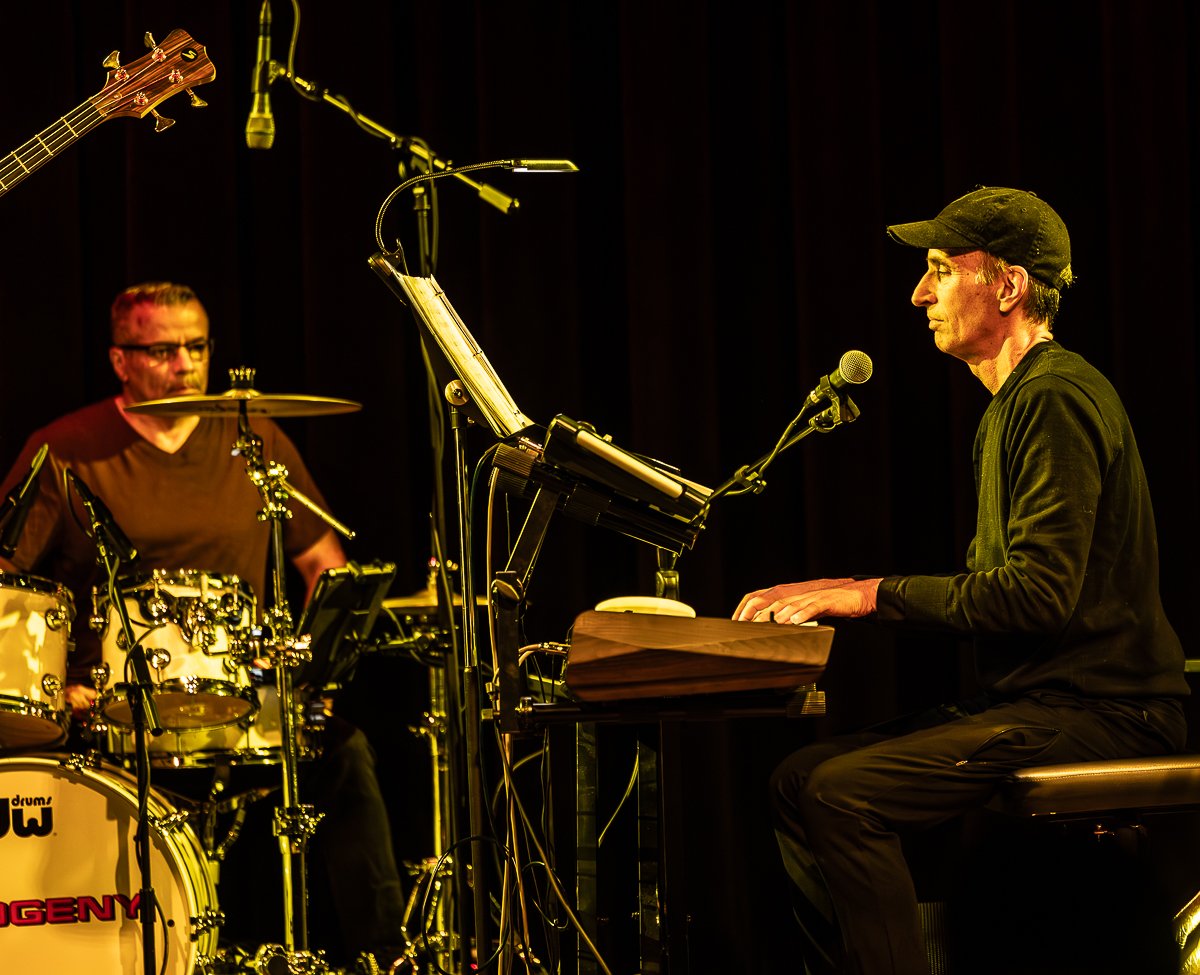
  • Isaac Young – Keyboards
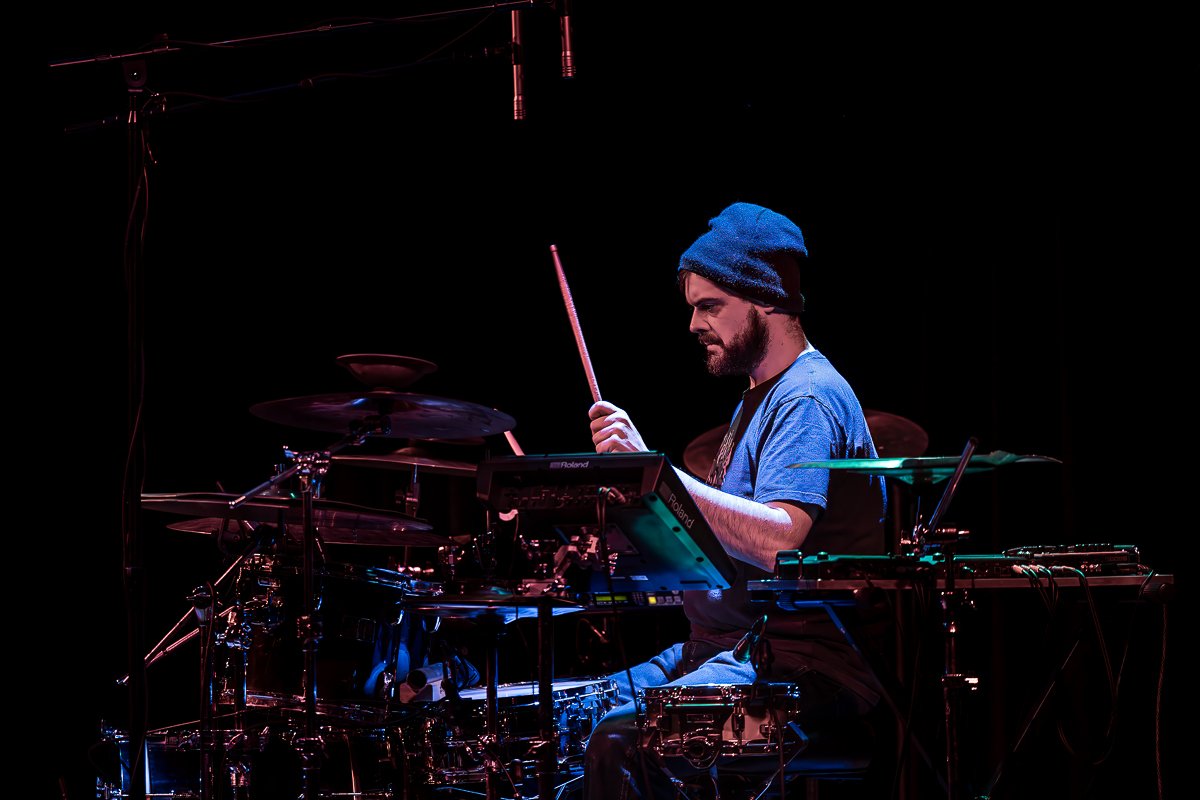
  • Rob Madore – Drums

Mono Means One blends progressive and psychedelic rock with jazz sensibilities, delivering moody textures, poignant melodies, and jaw-dropping musicianship. Their sound lives somewhere between Radiohead, The Mars Volta, and Medeski Martin & Wood, striking a rare balance between composition and improvisation.

Their performances pull listeners to the edge of chaos before gently restoring them to a serene homeostasis—sometimes multiple times in a single set. Audiences often find themselves unsure whether to dance or simply stand in awe, captivated by Ferrara’s seamless integration of Taurus pedals and bass-tapping technique, Madore’s explosive and dynamic drumming, and Young’s mastery of keyboards and sonic manipulation. The result is a richly layered, immersive experience that leaves a lasting impression.

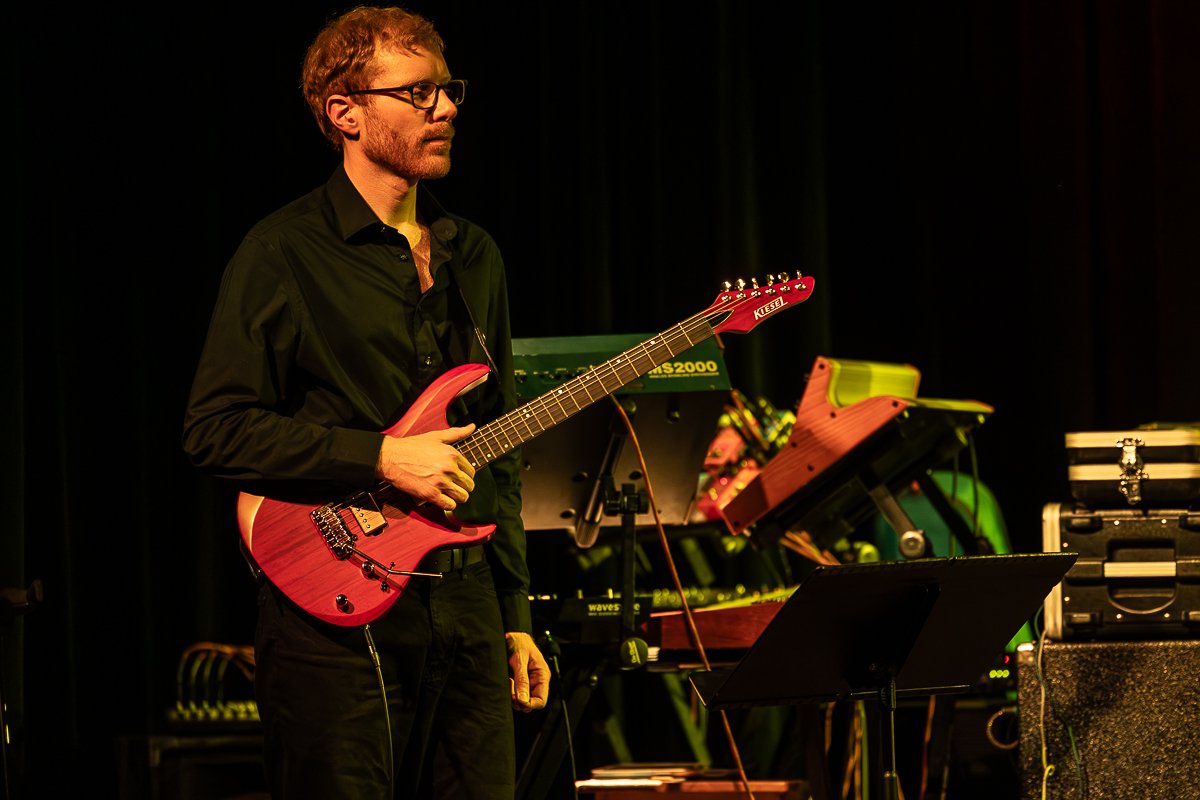
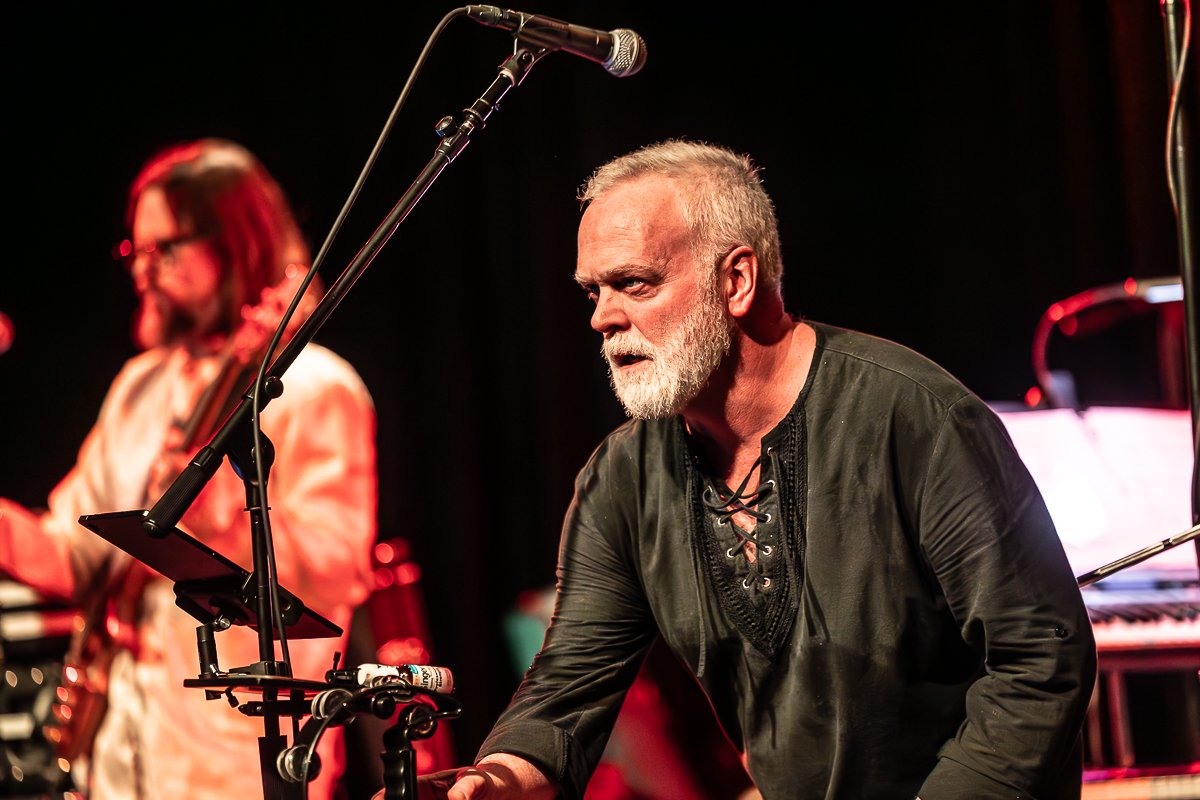
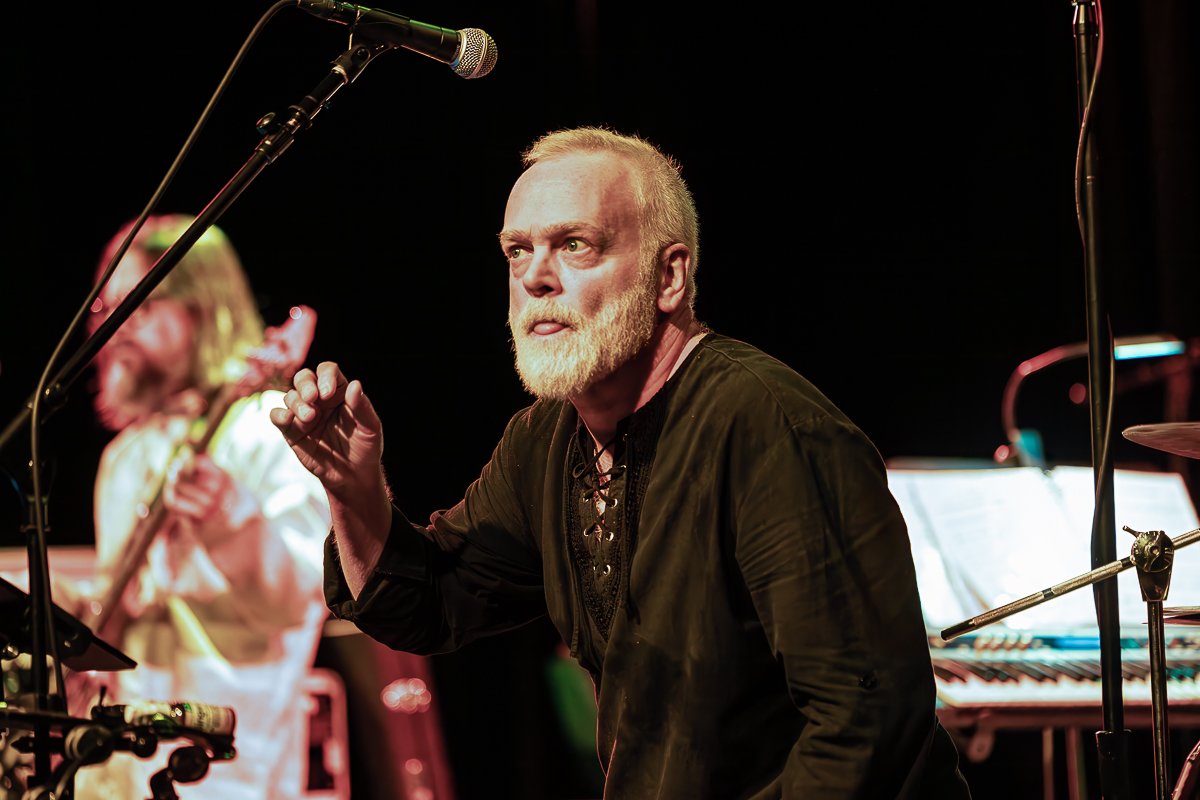
Photos:


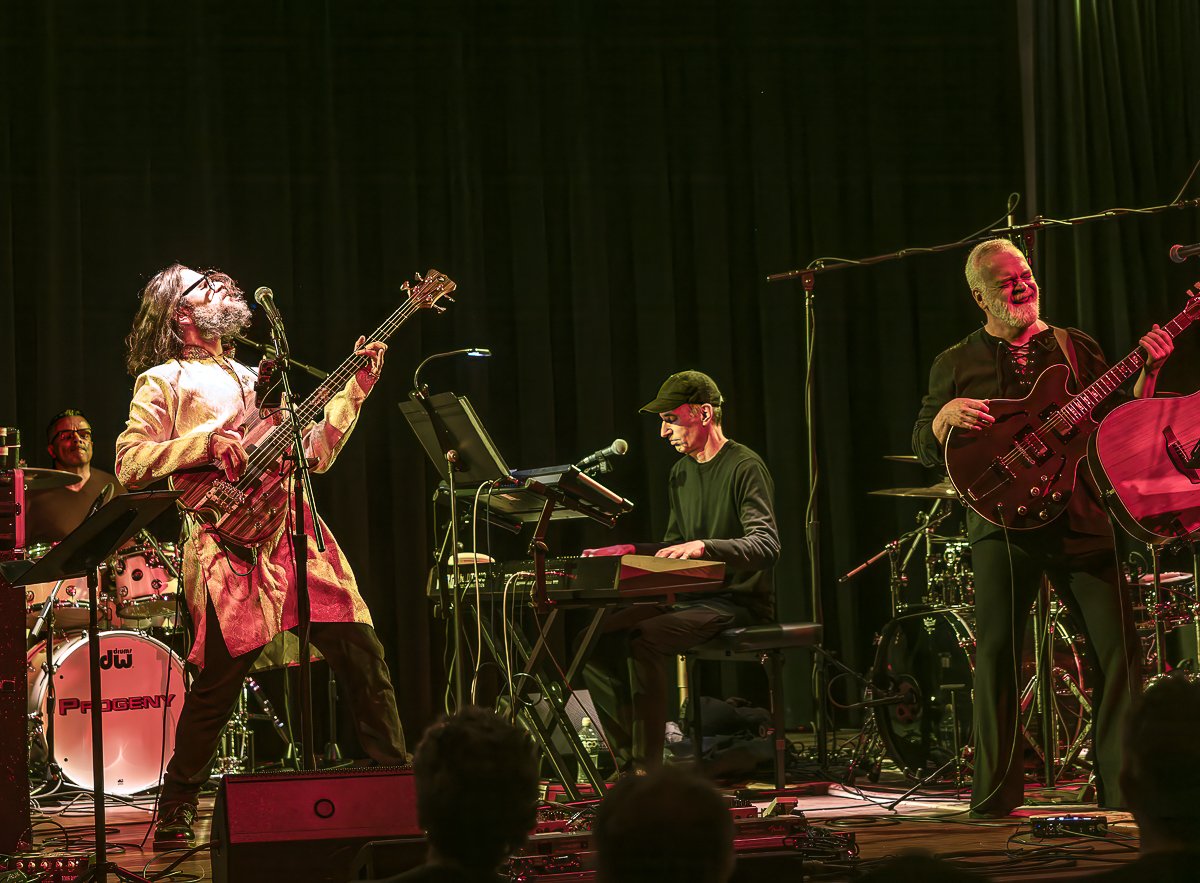
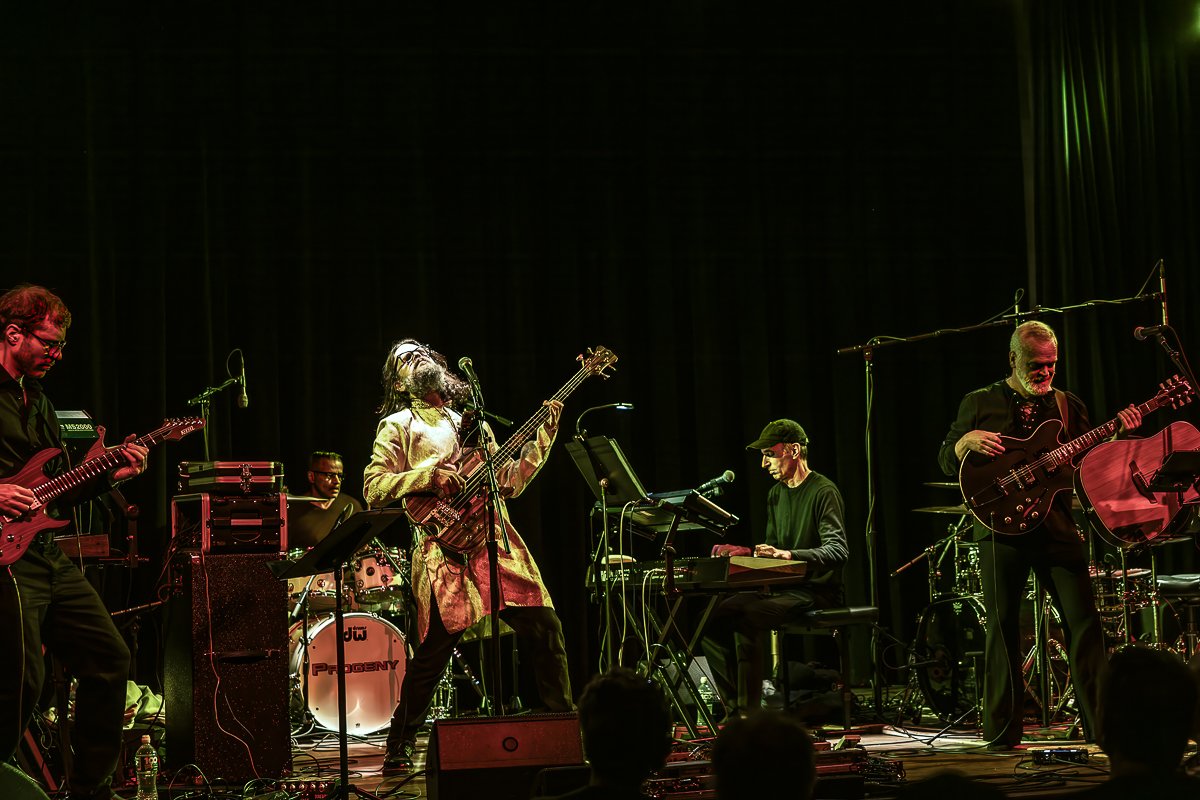
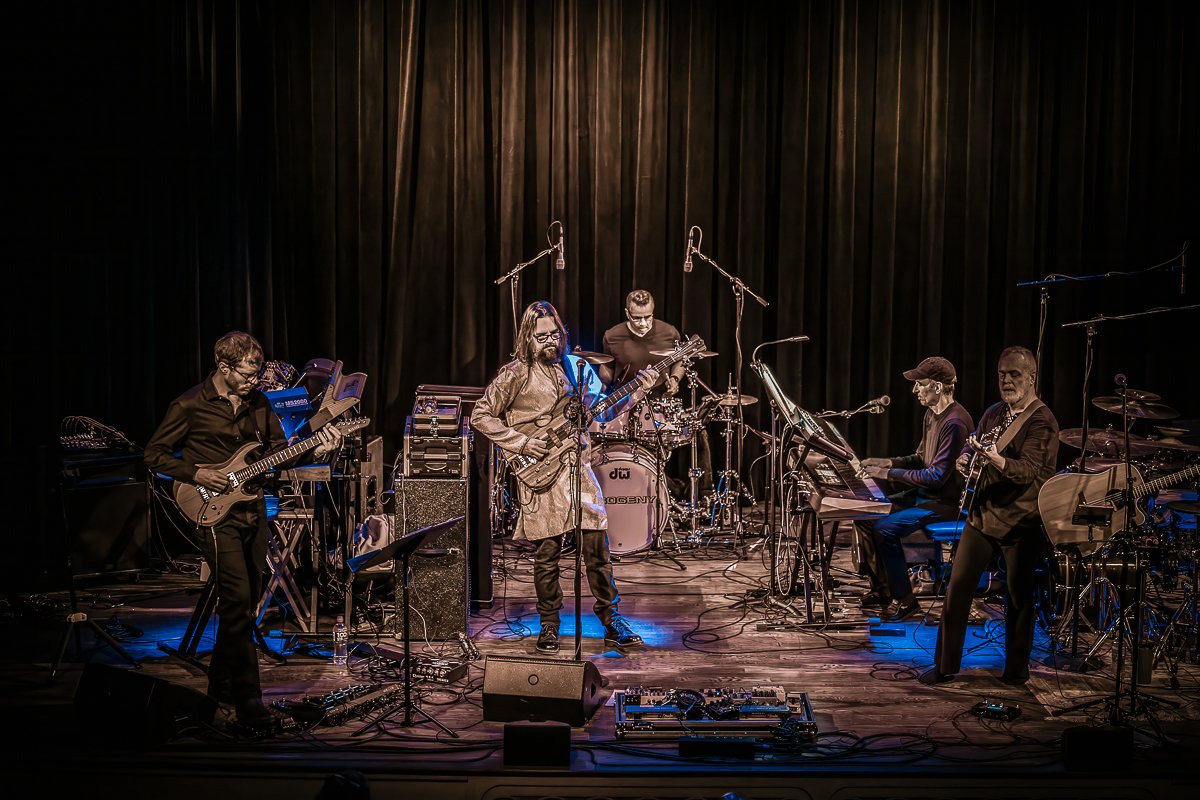
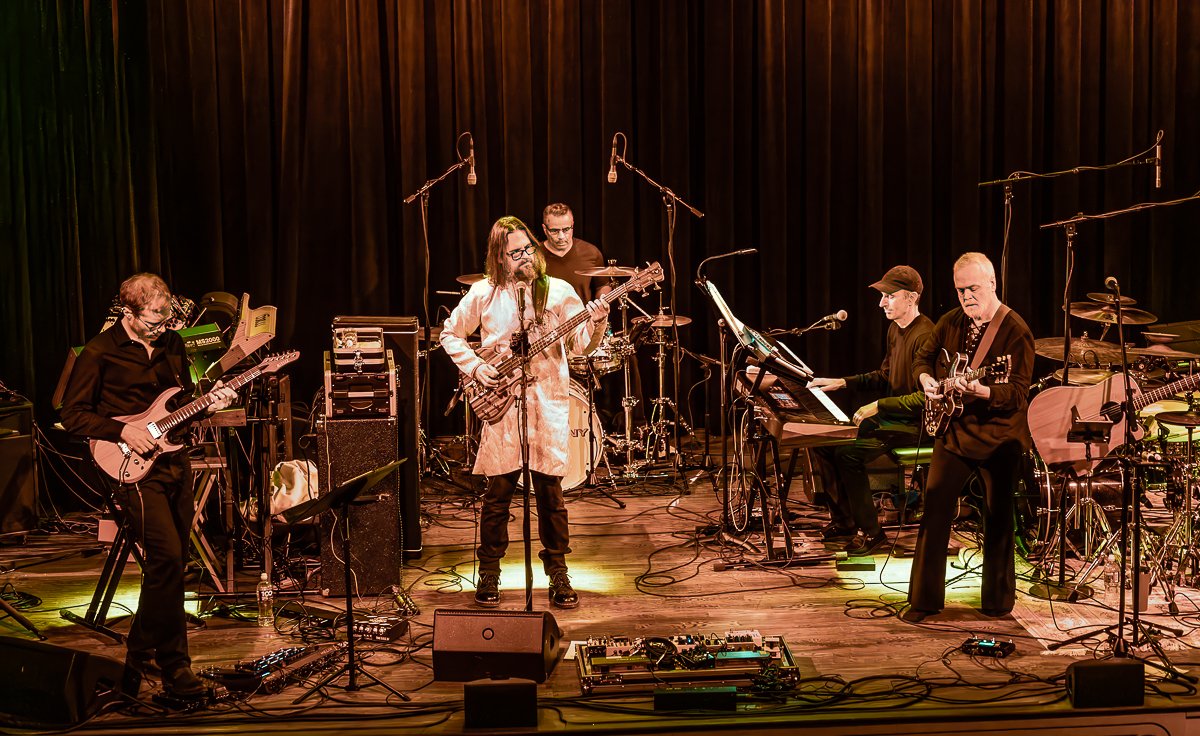
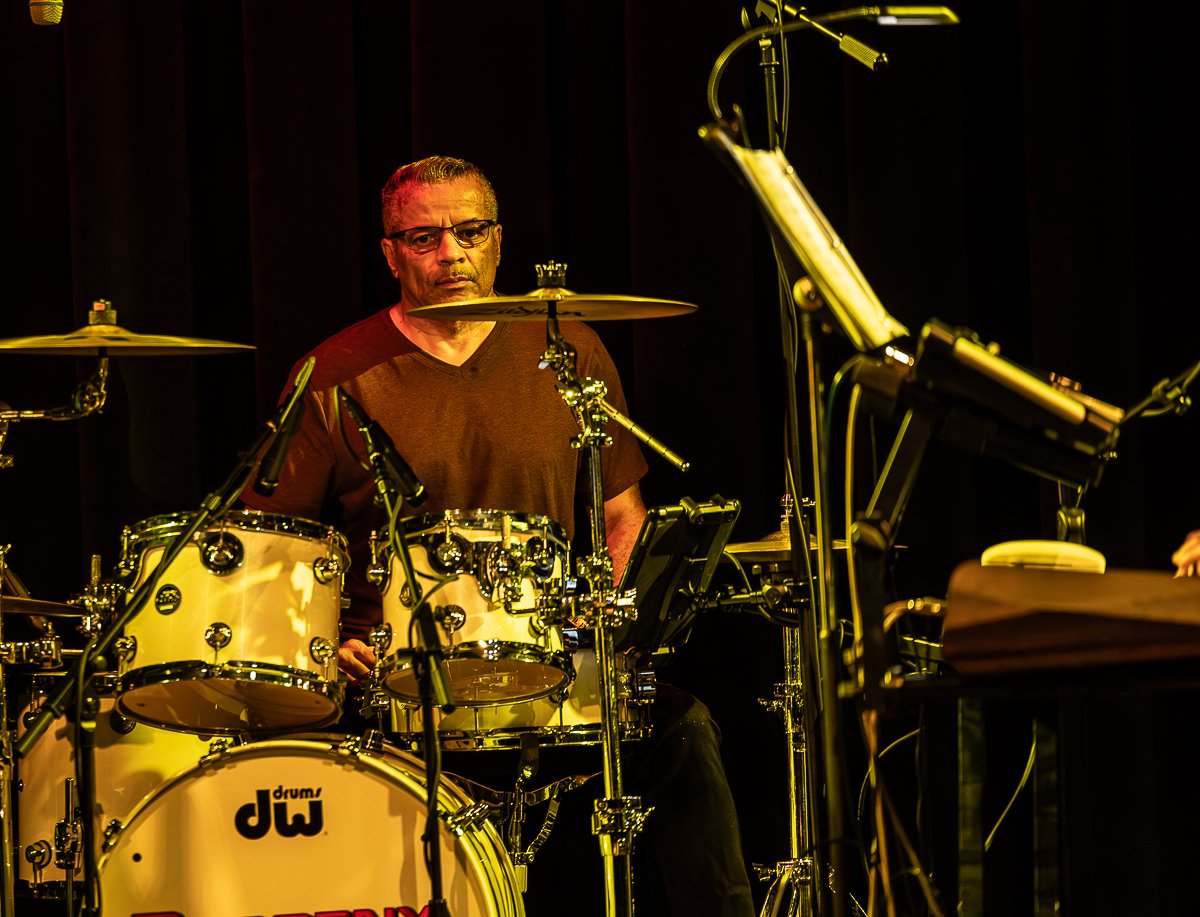
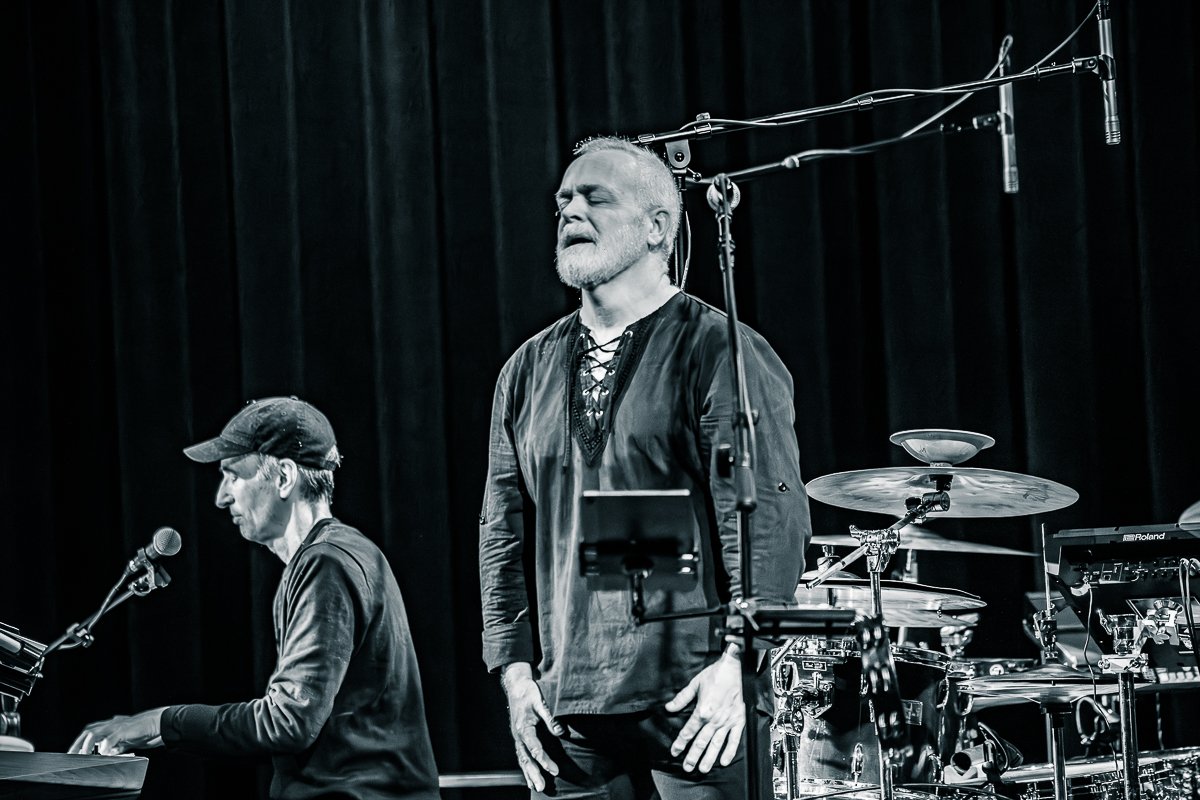
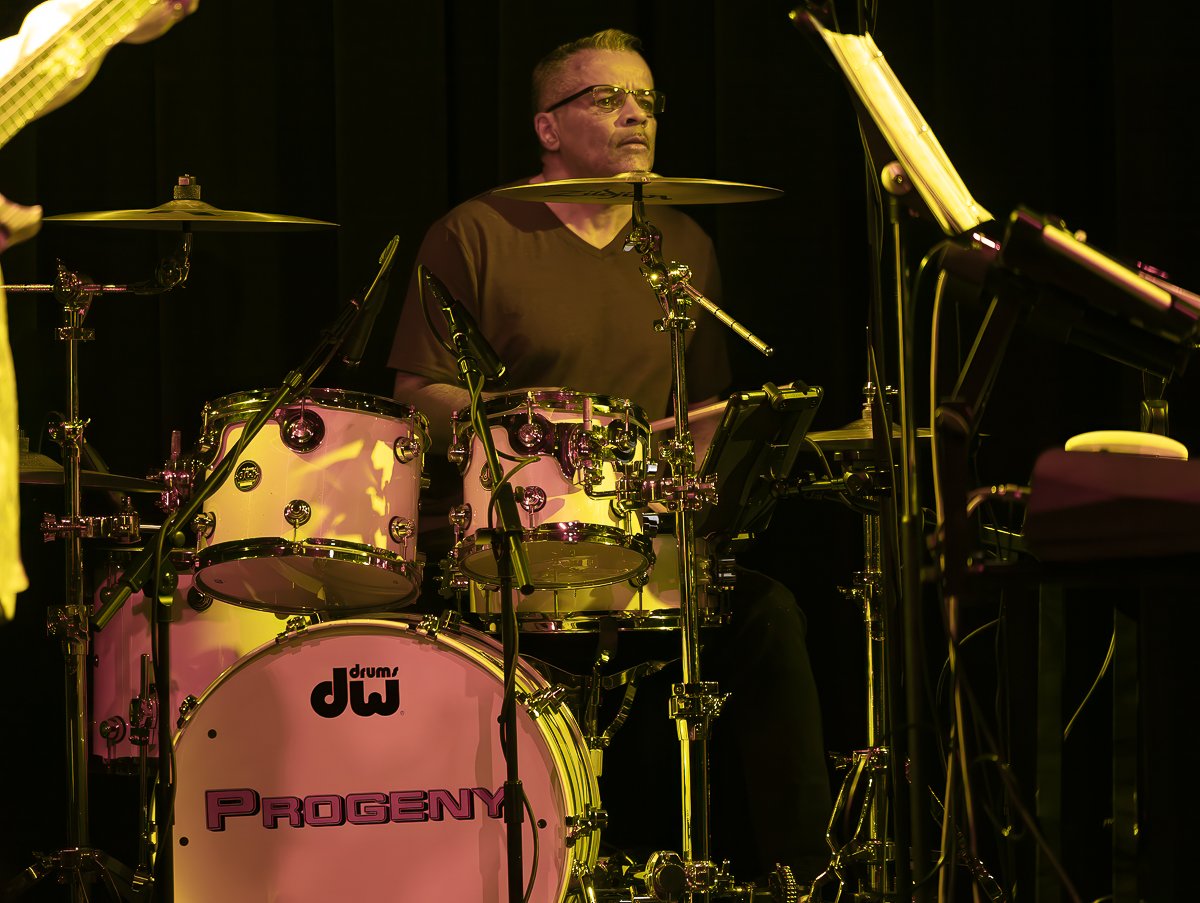
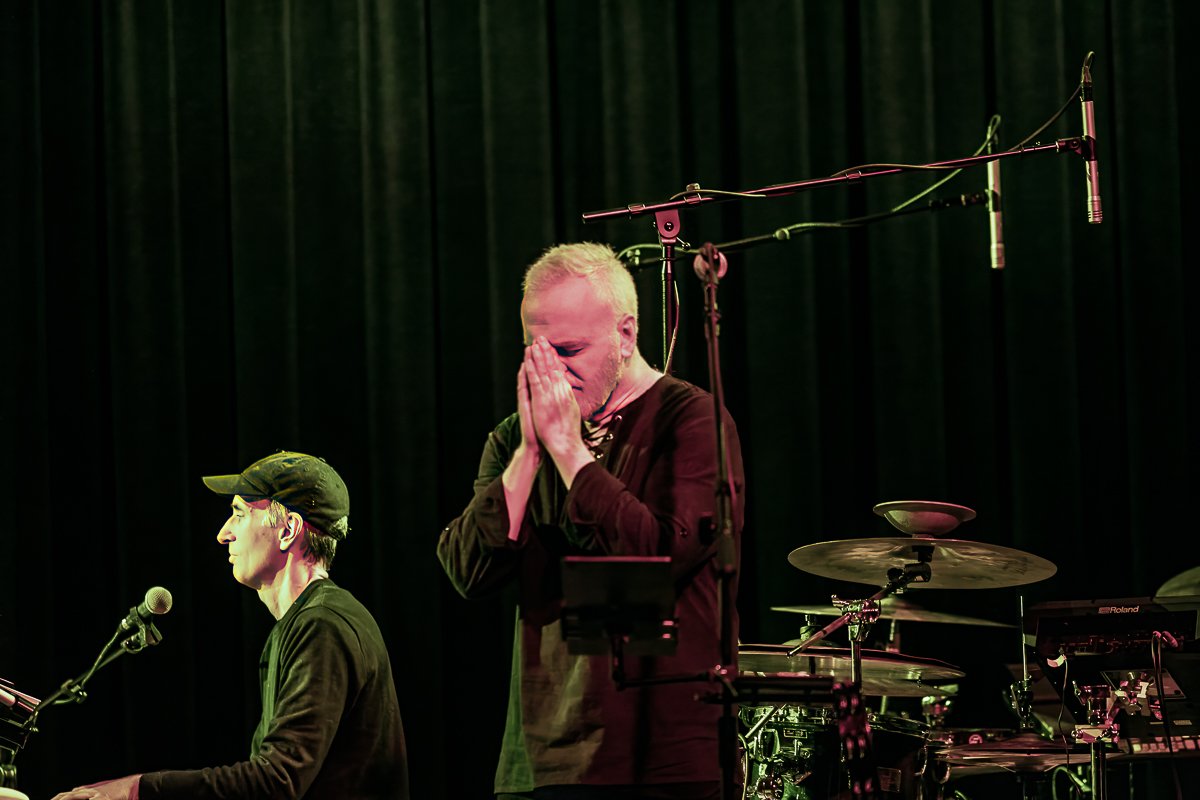
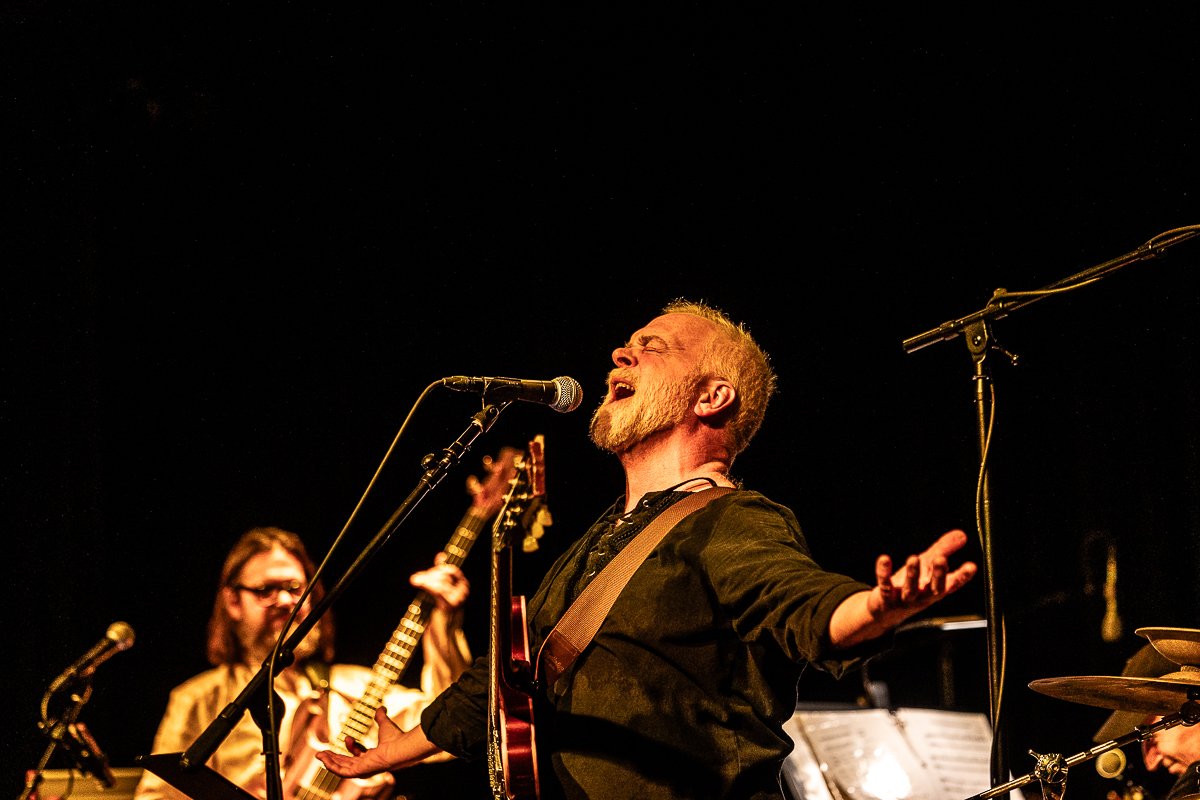
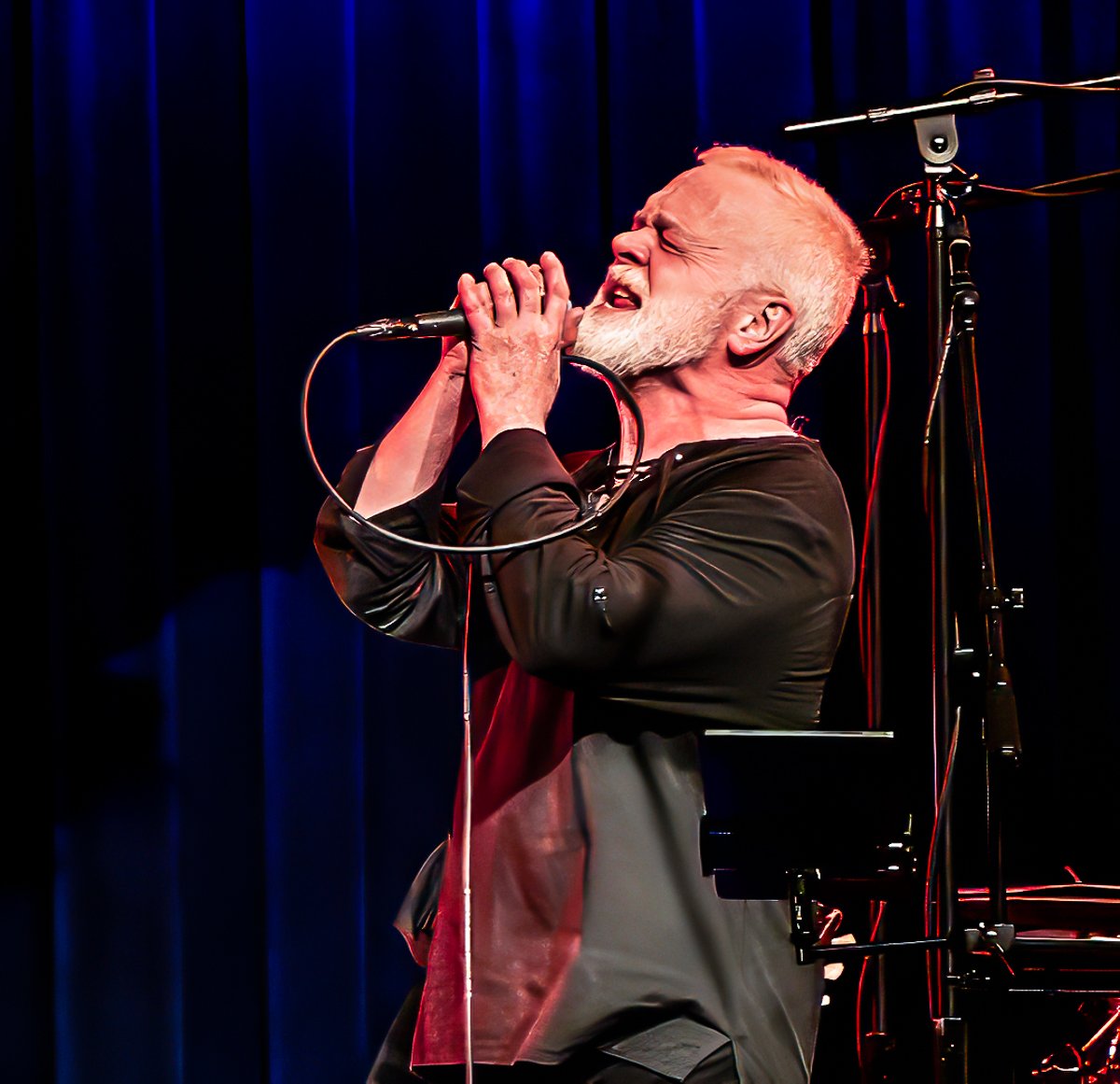
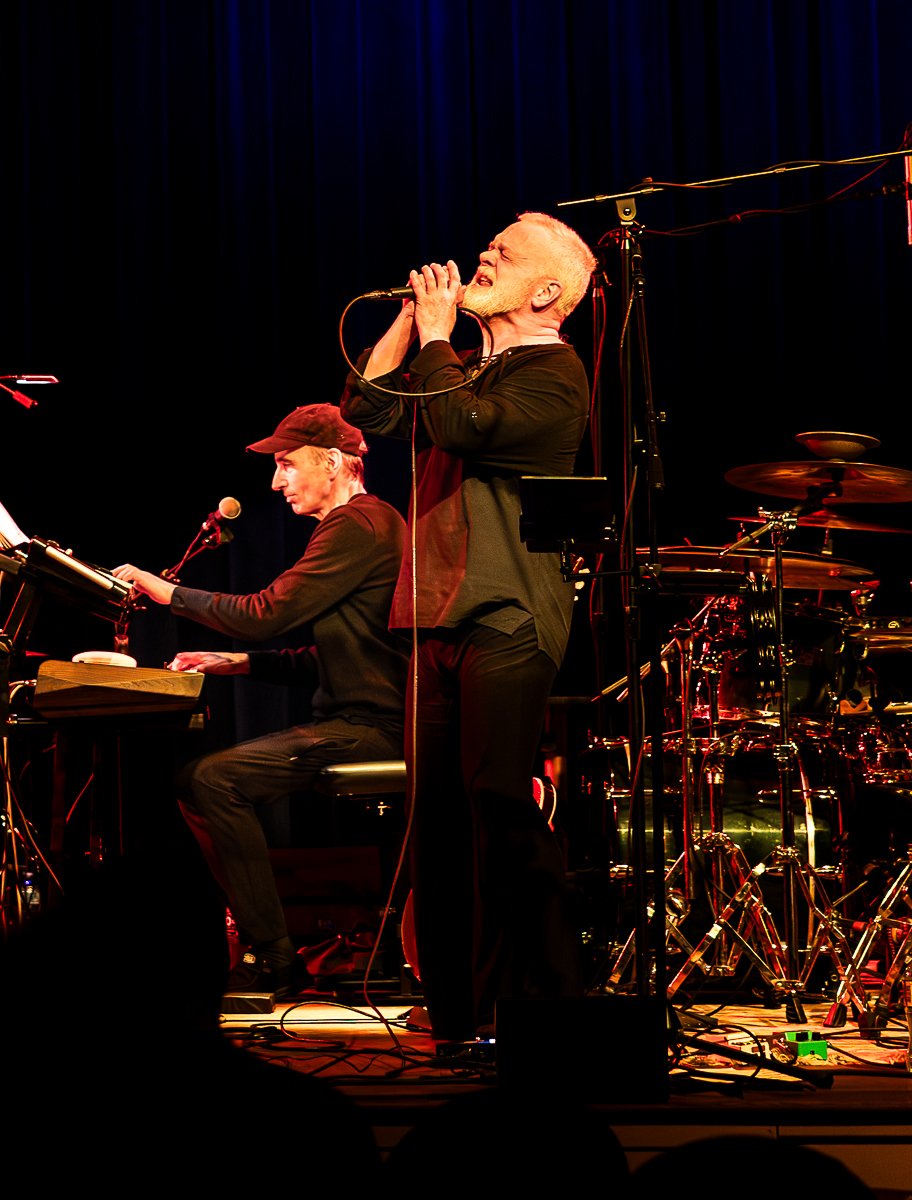
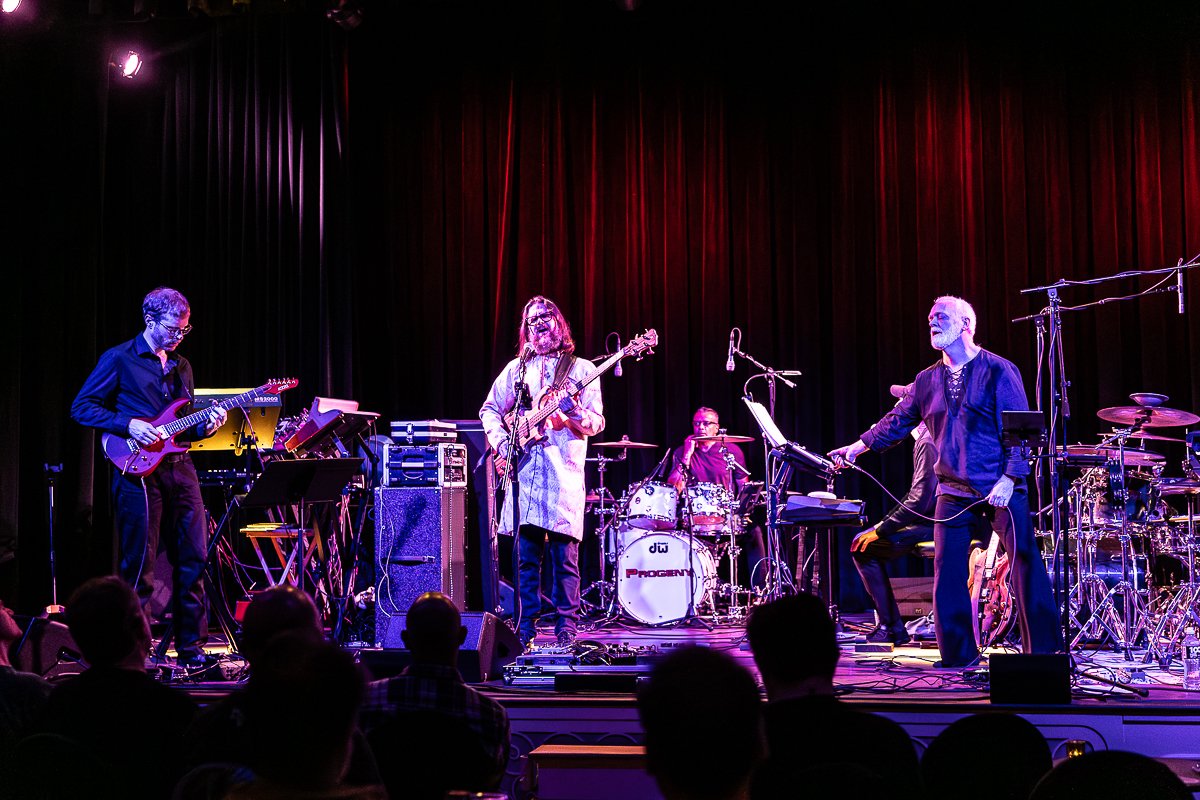
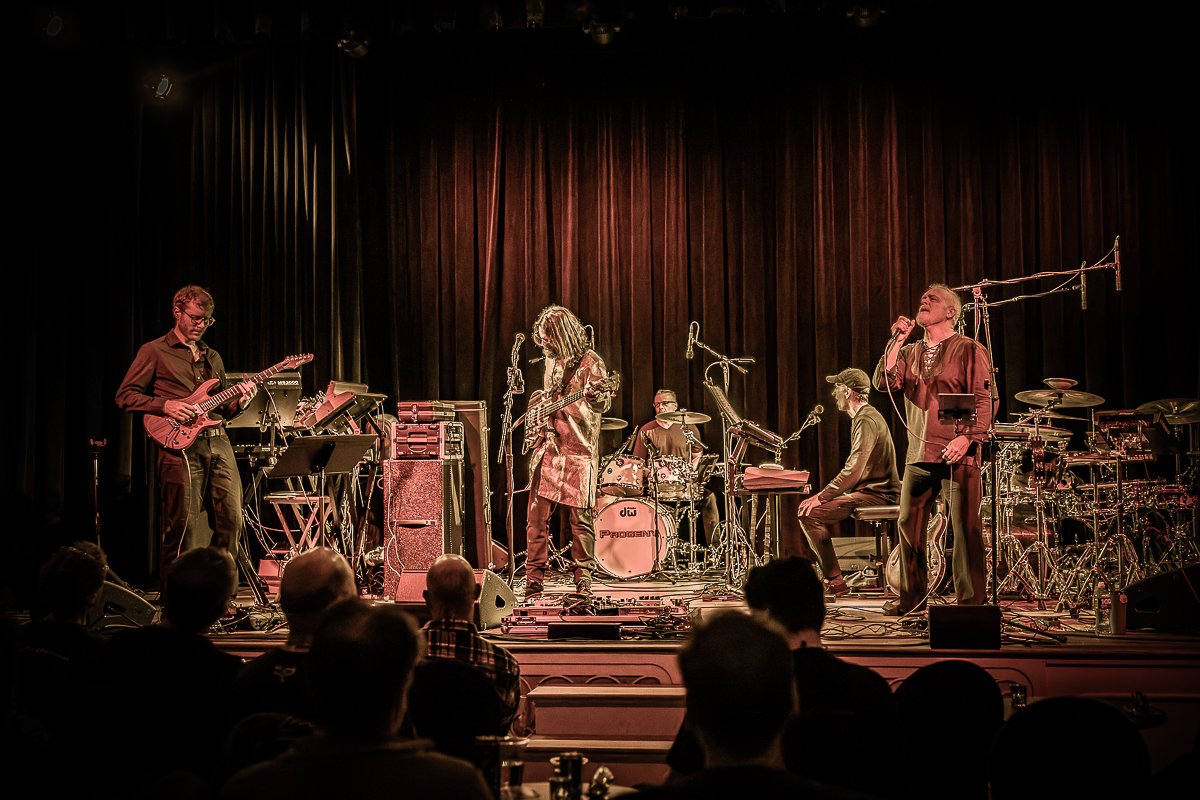
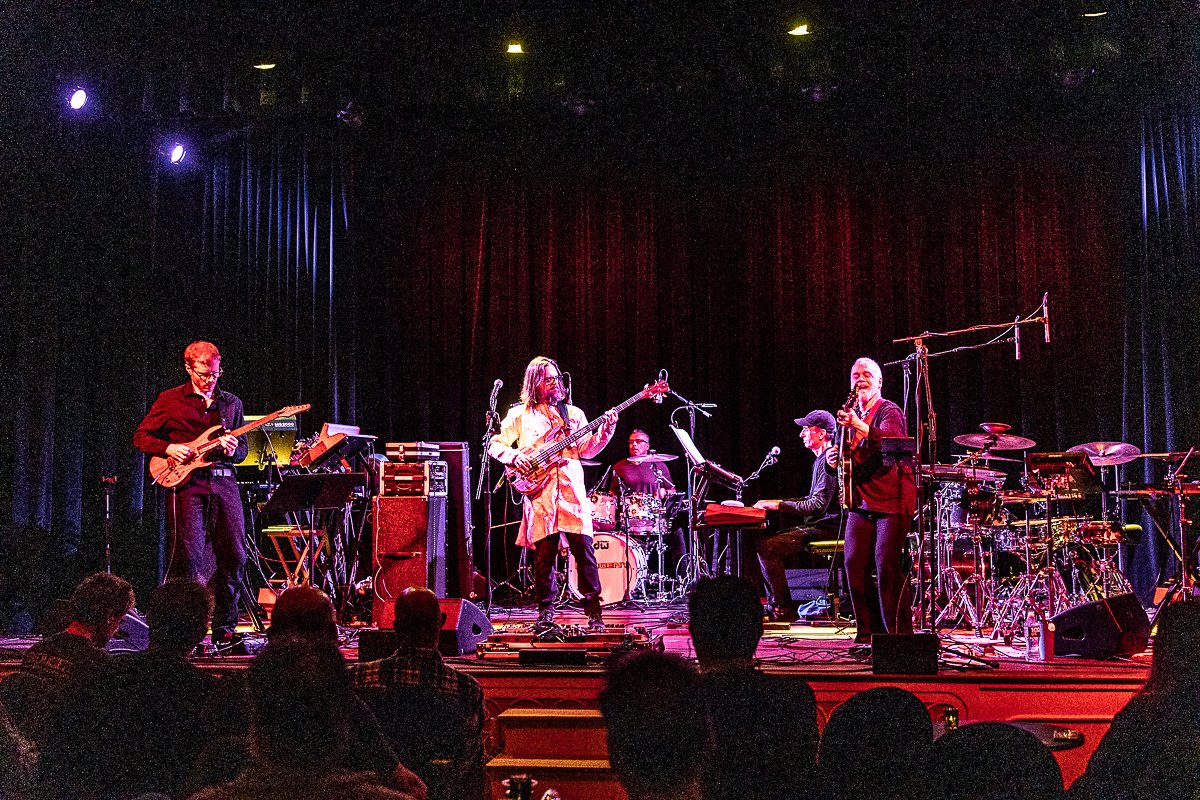
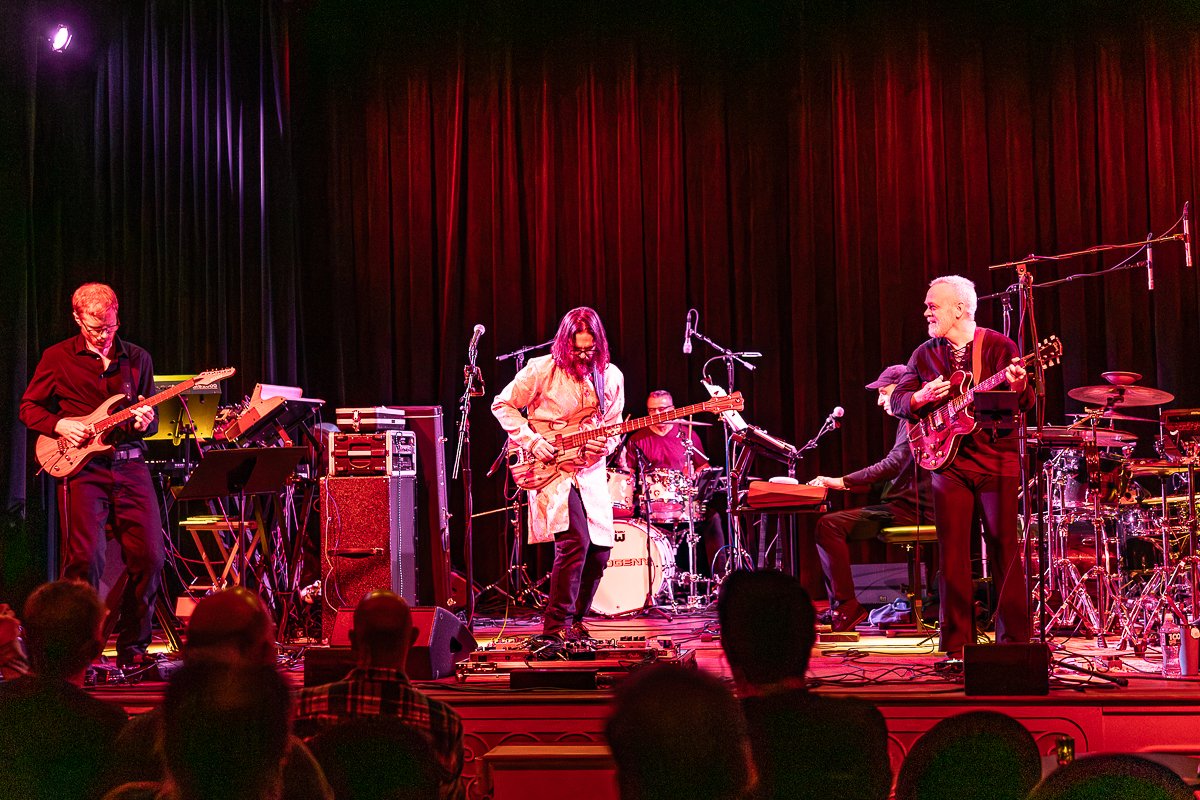
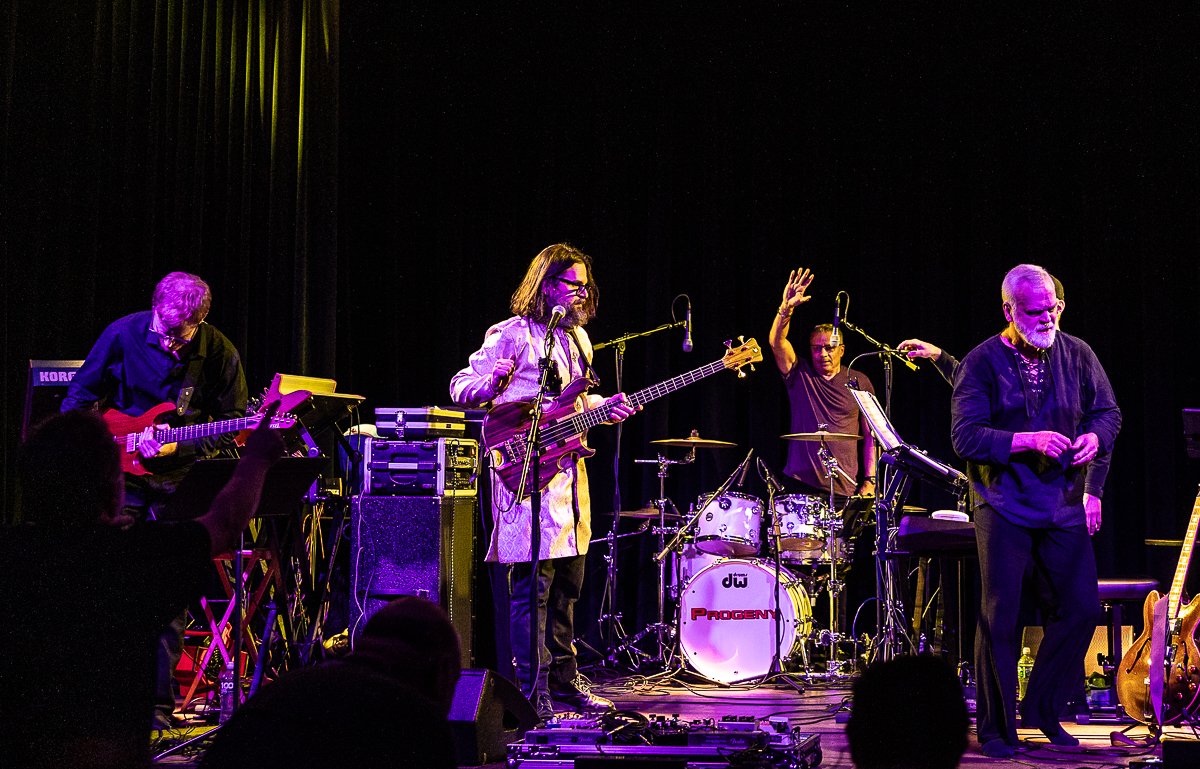
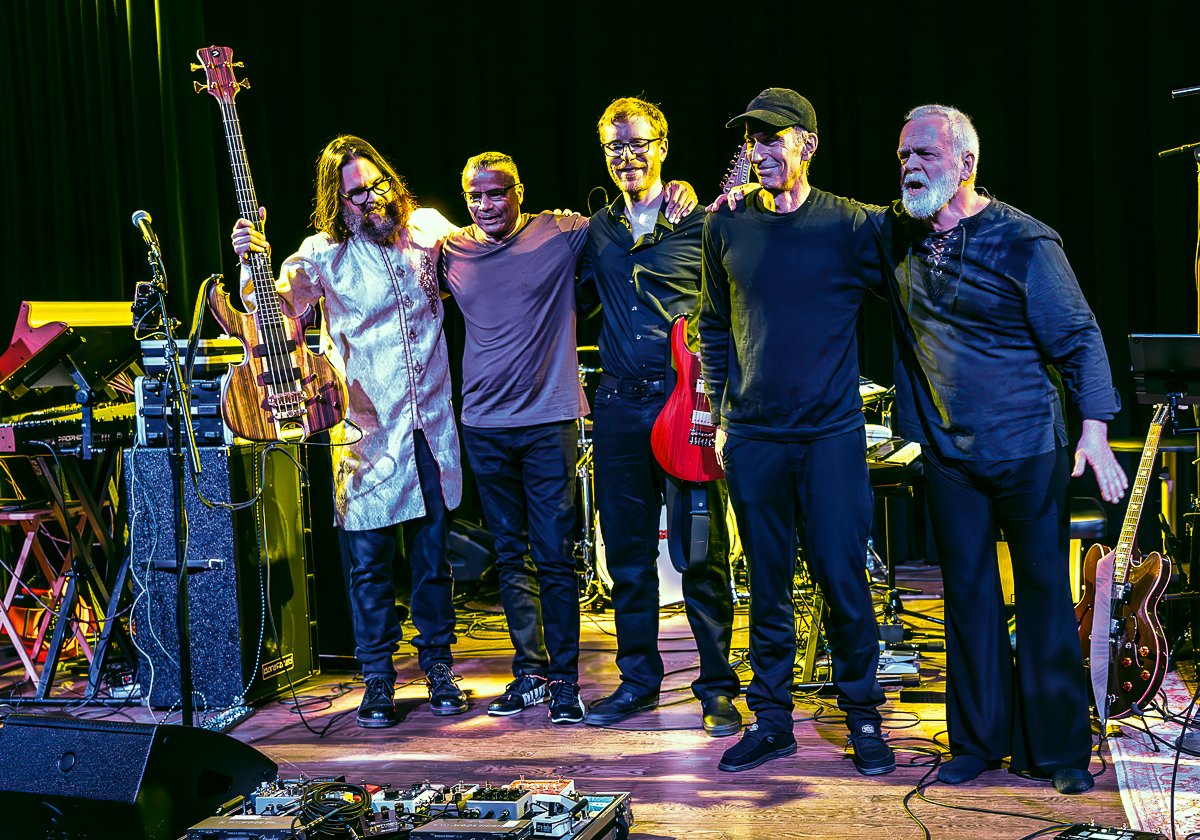
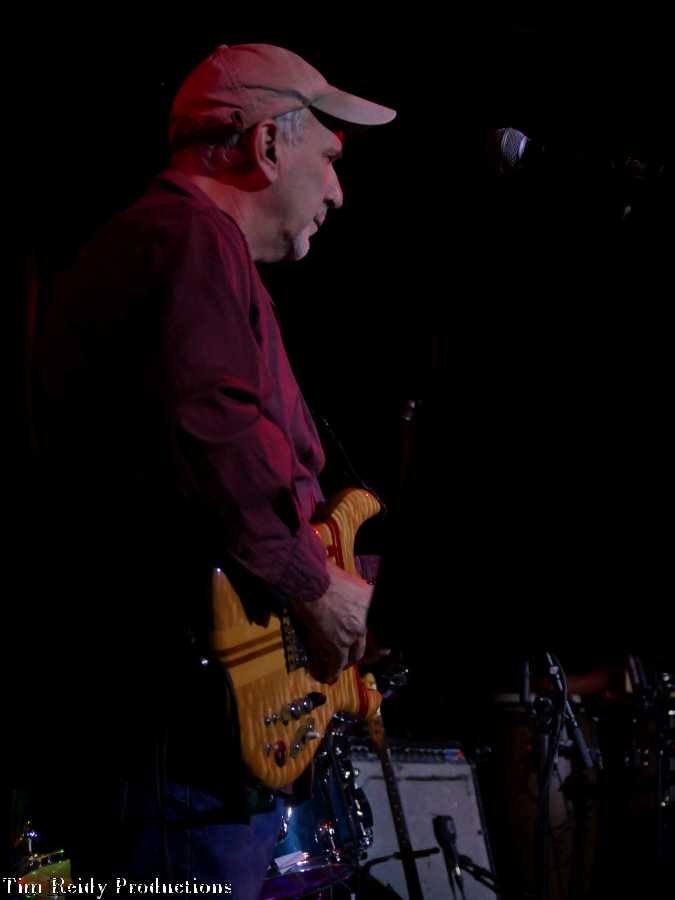
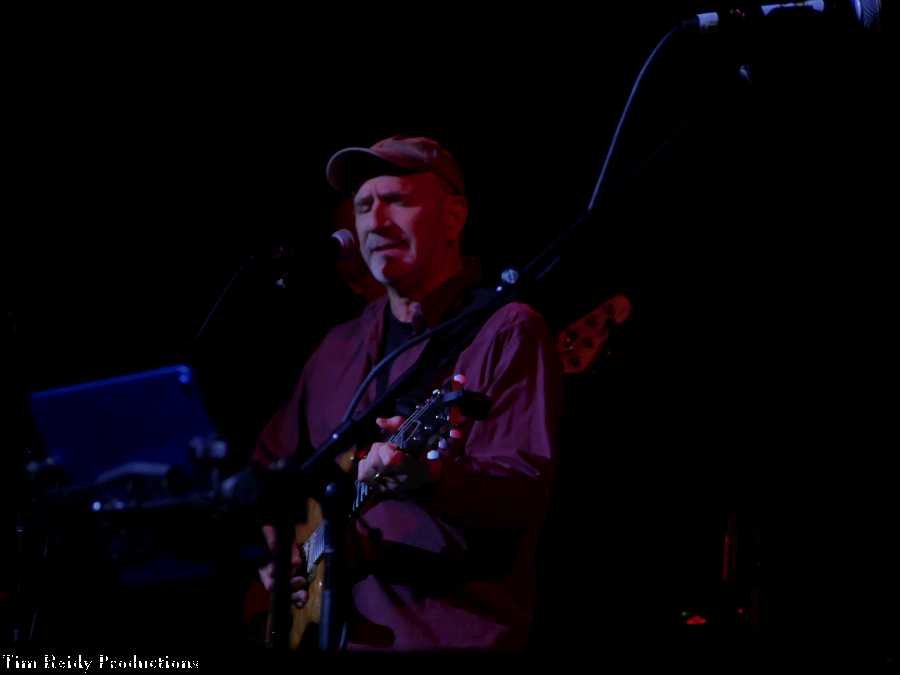
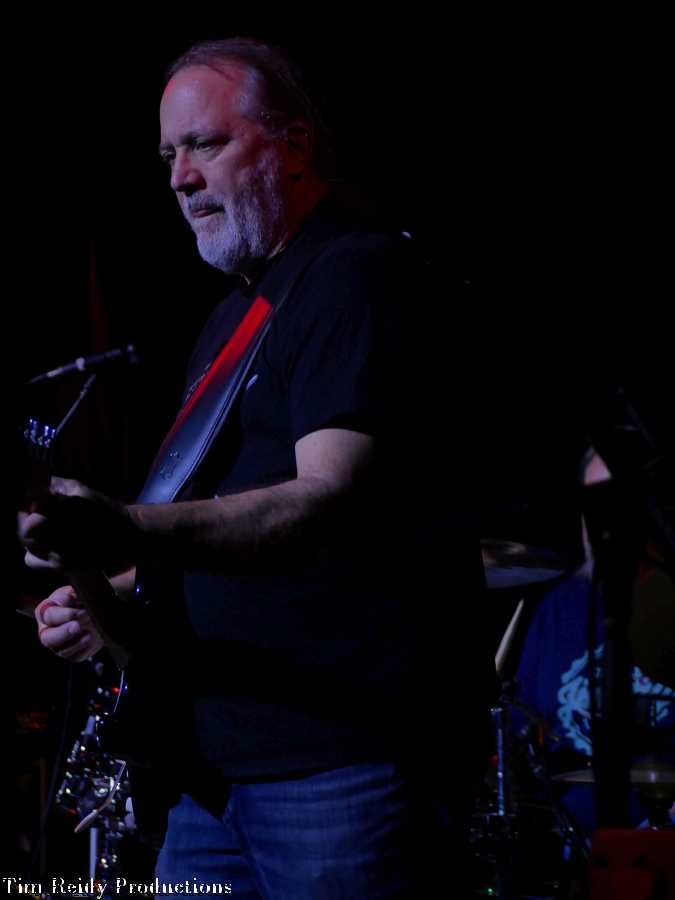
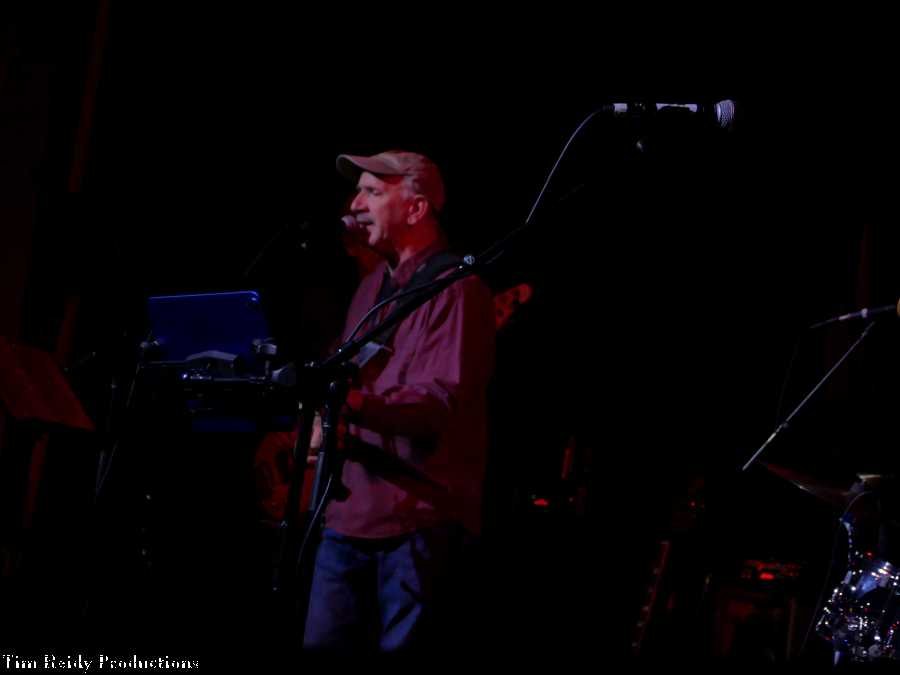
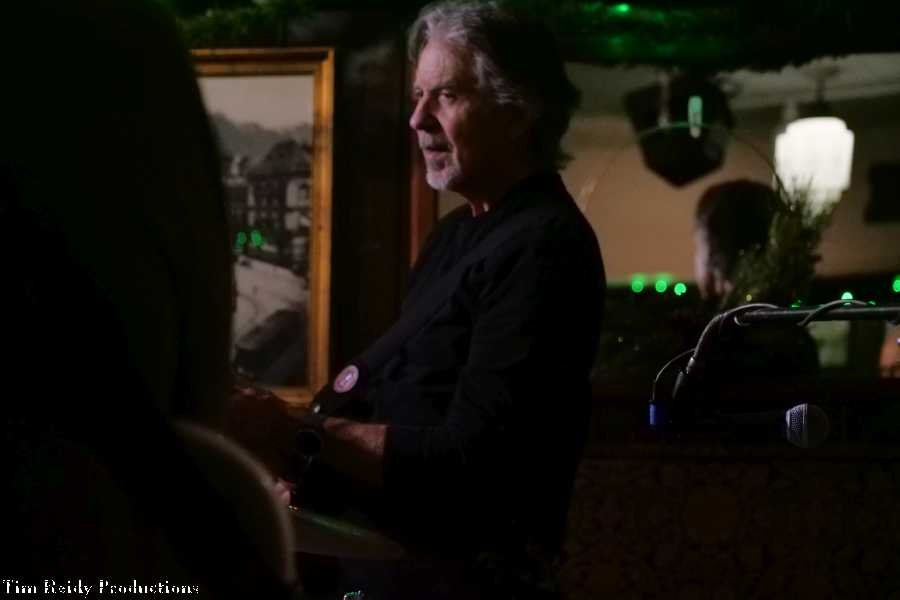
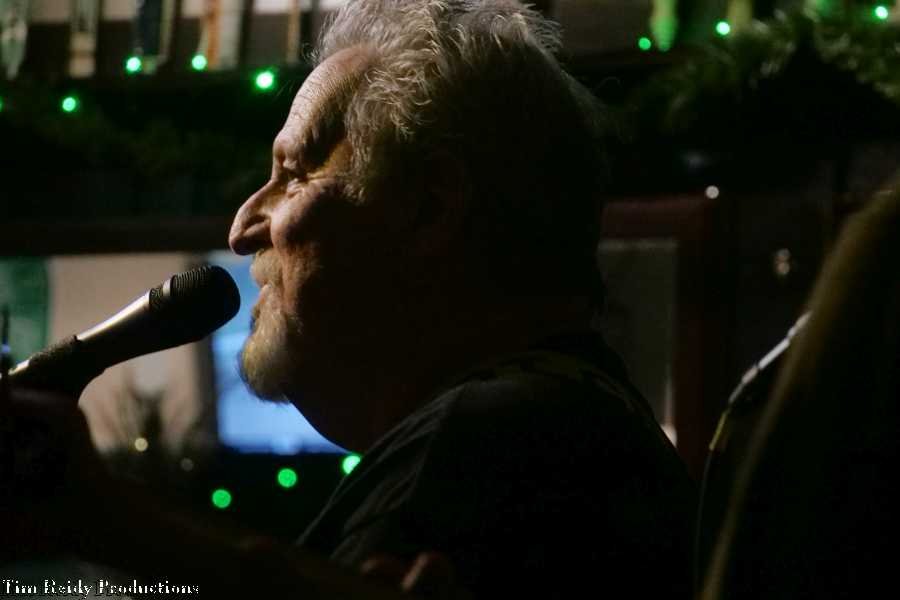
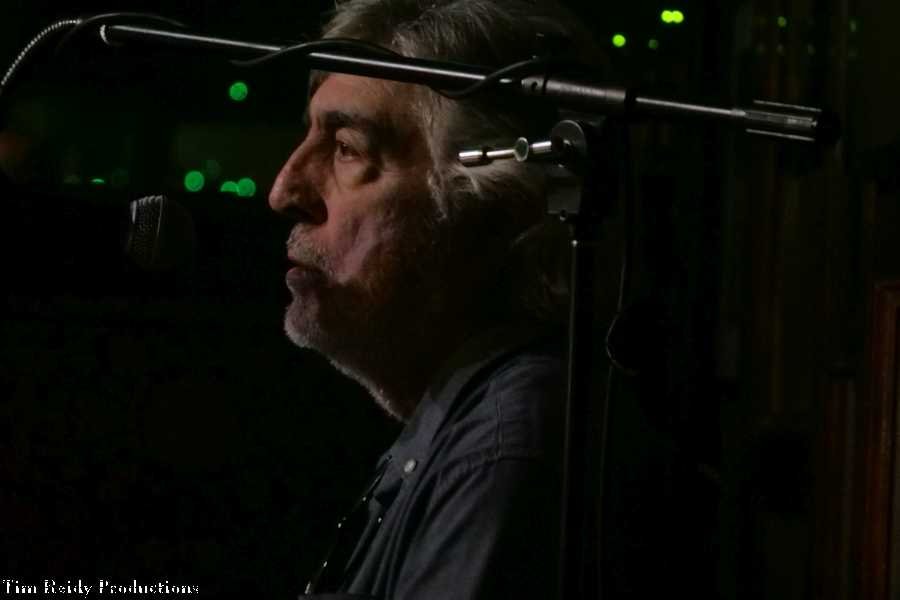
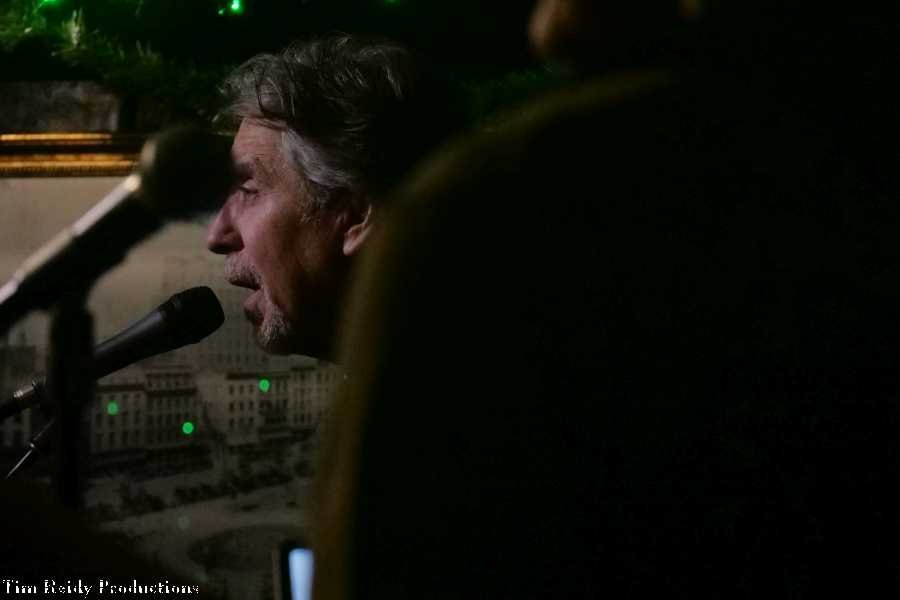
Progeny Opens the Night

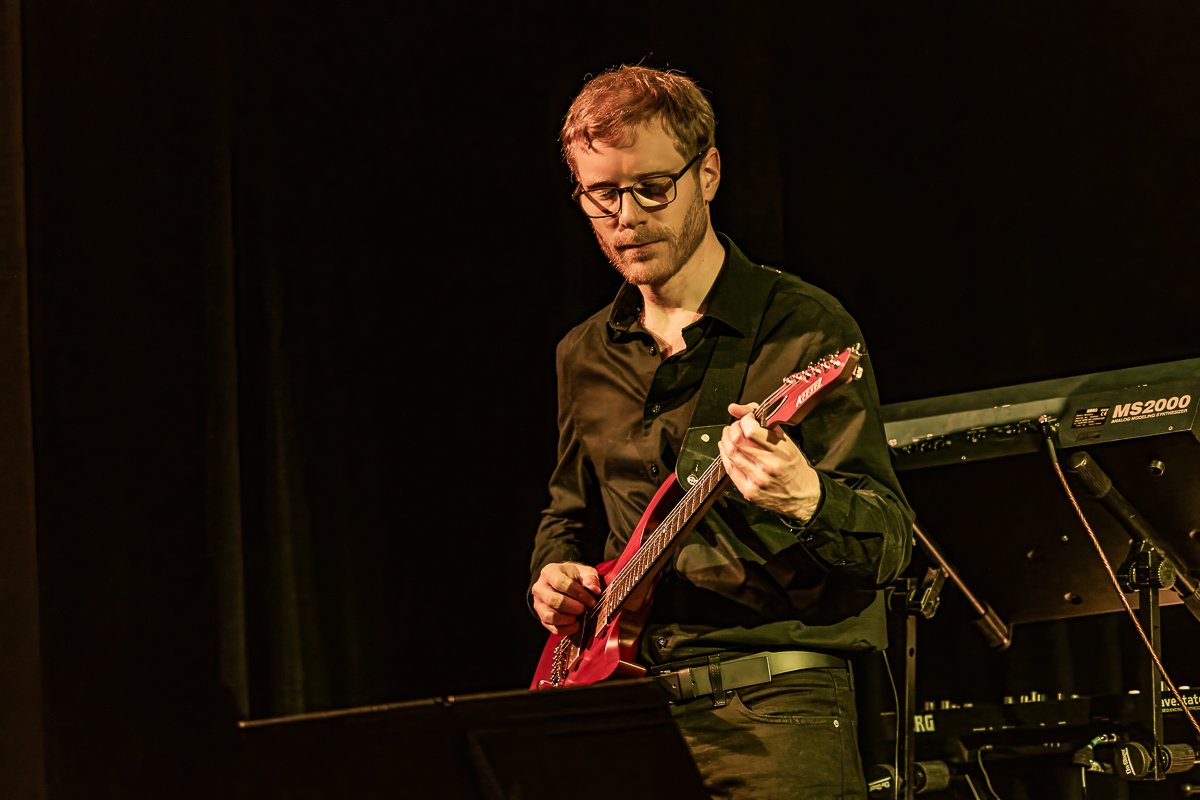
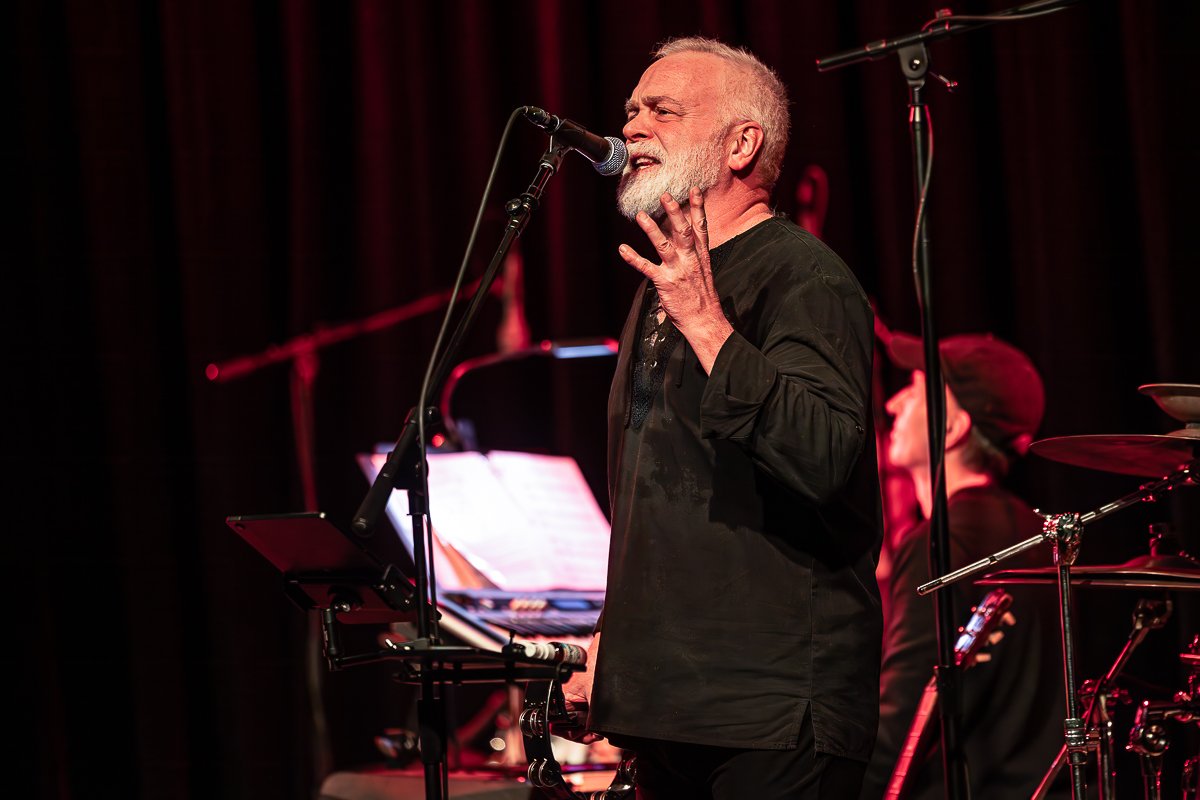
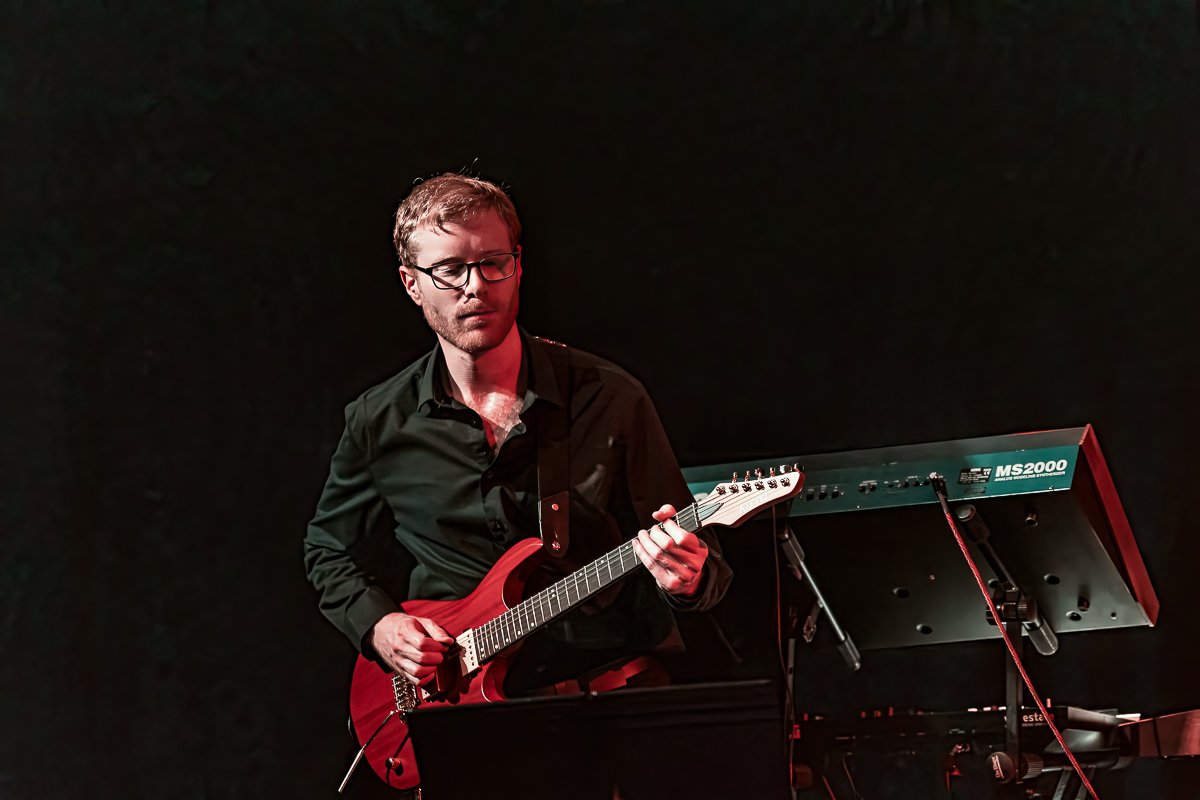
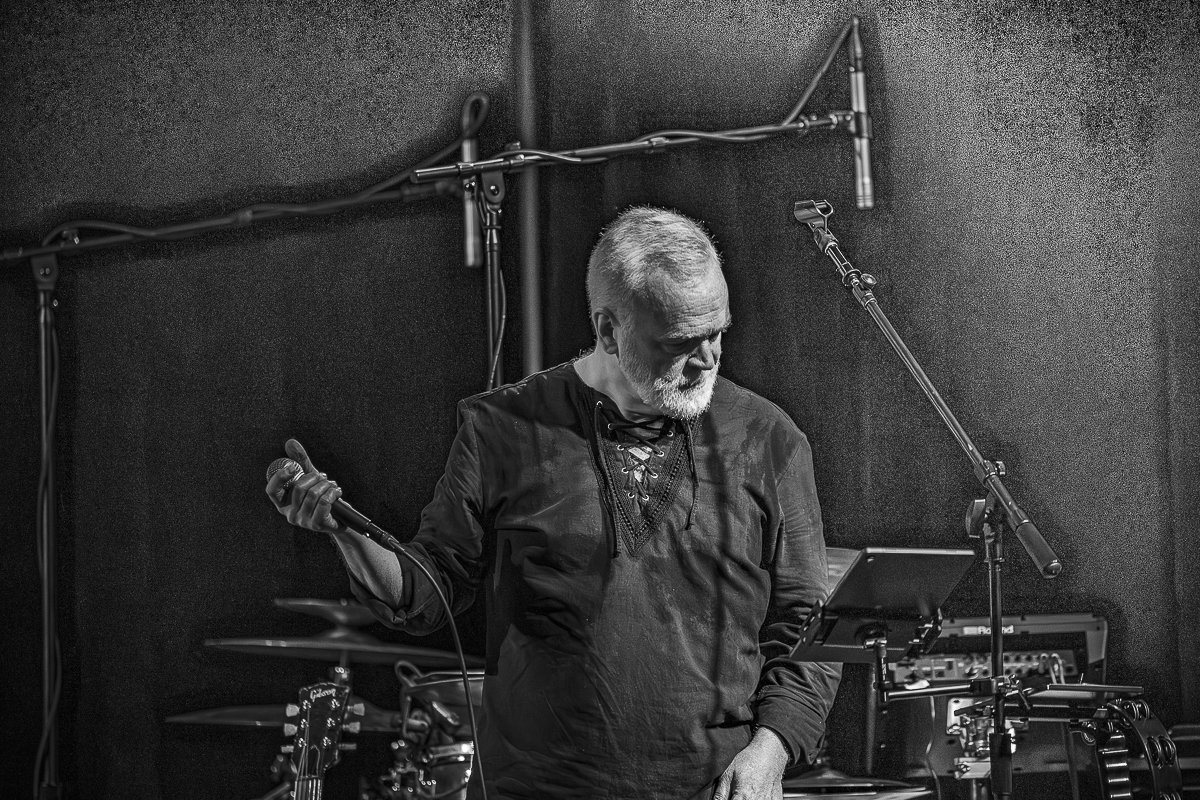
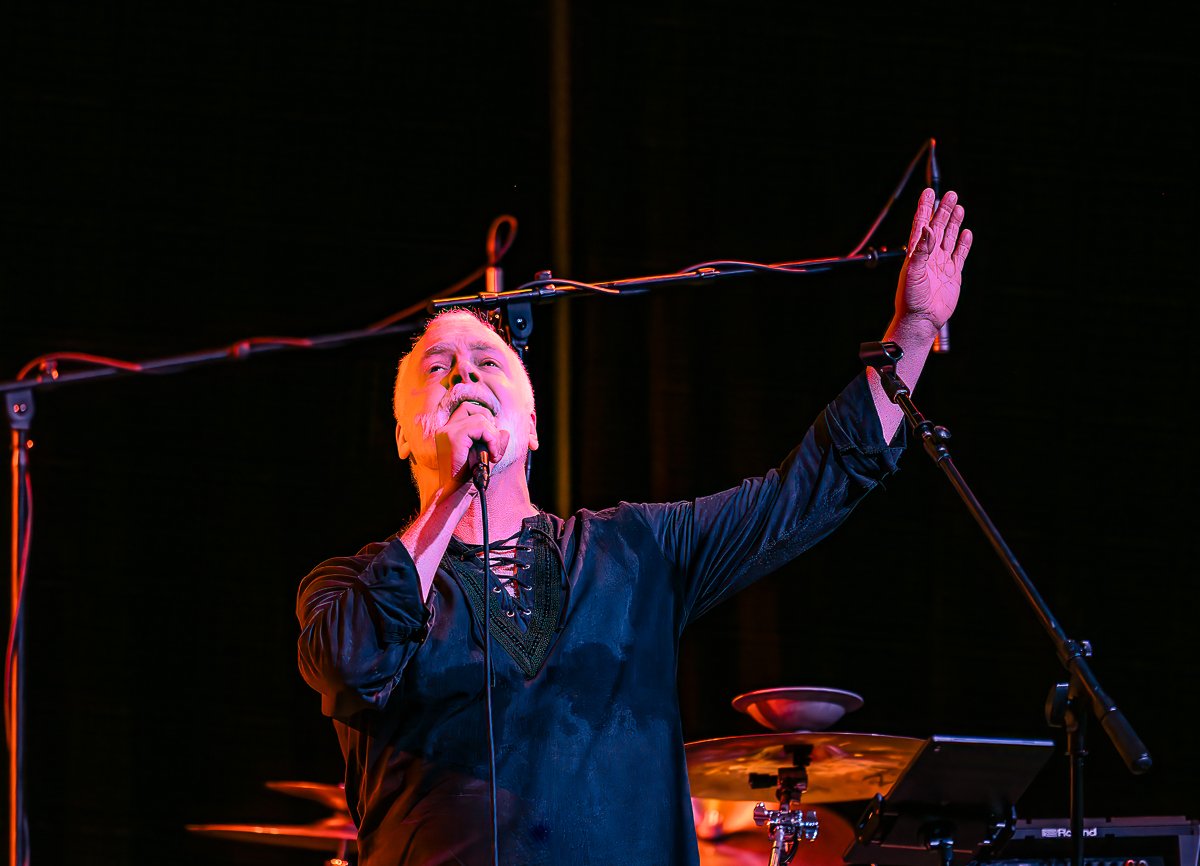
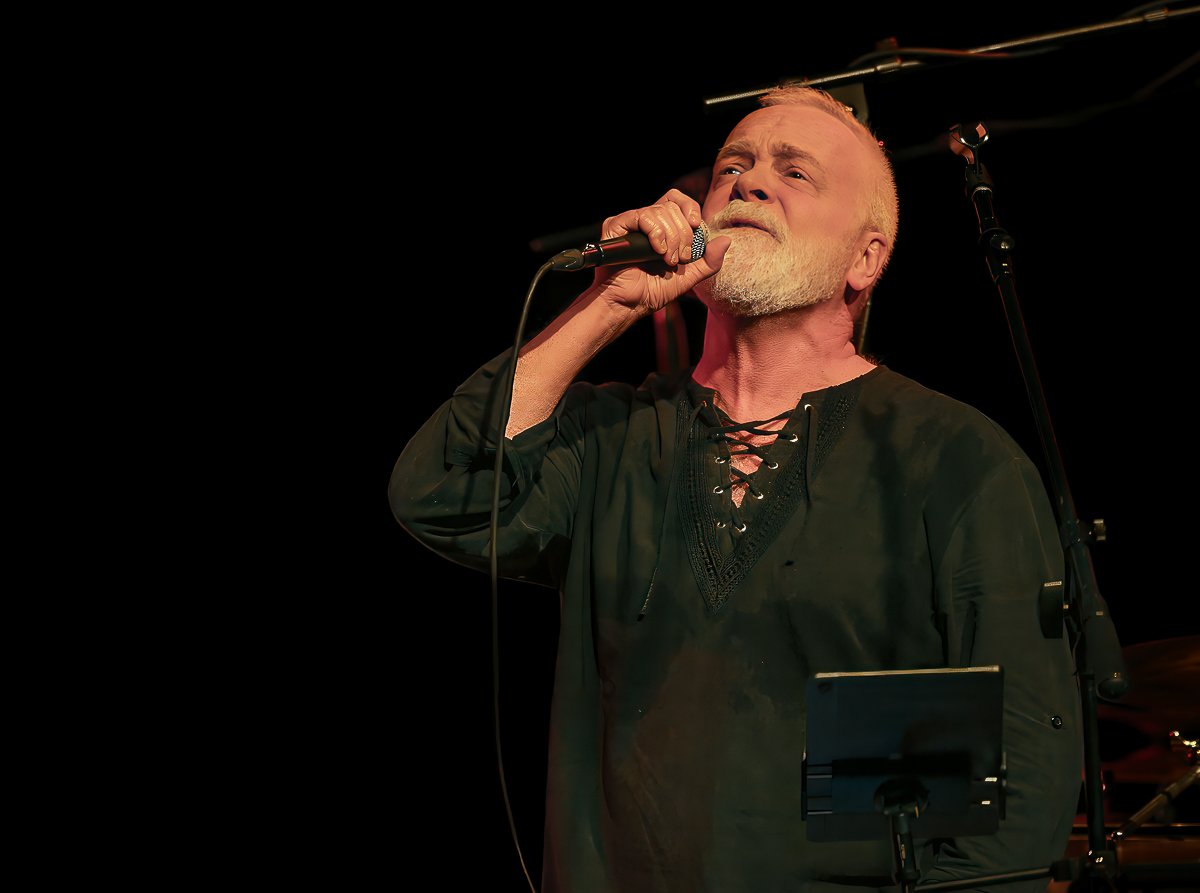
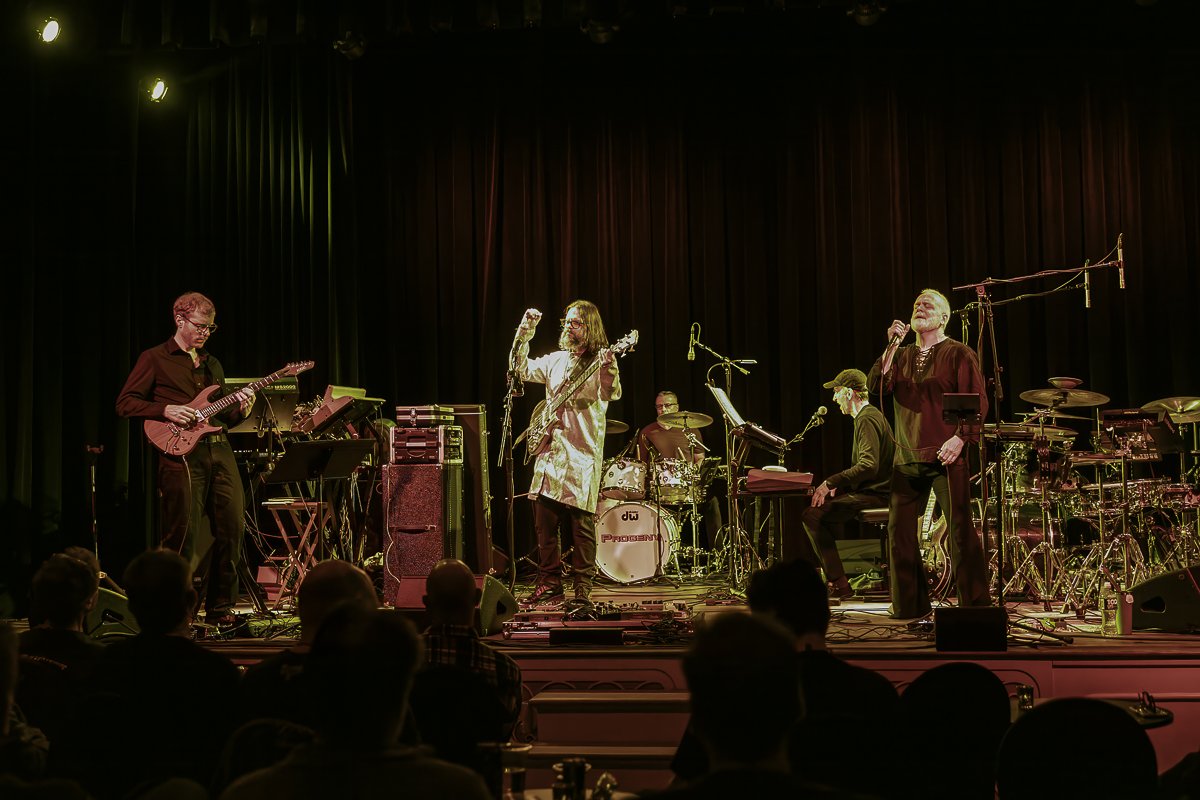
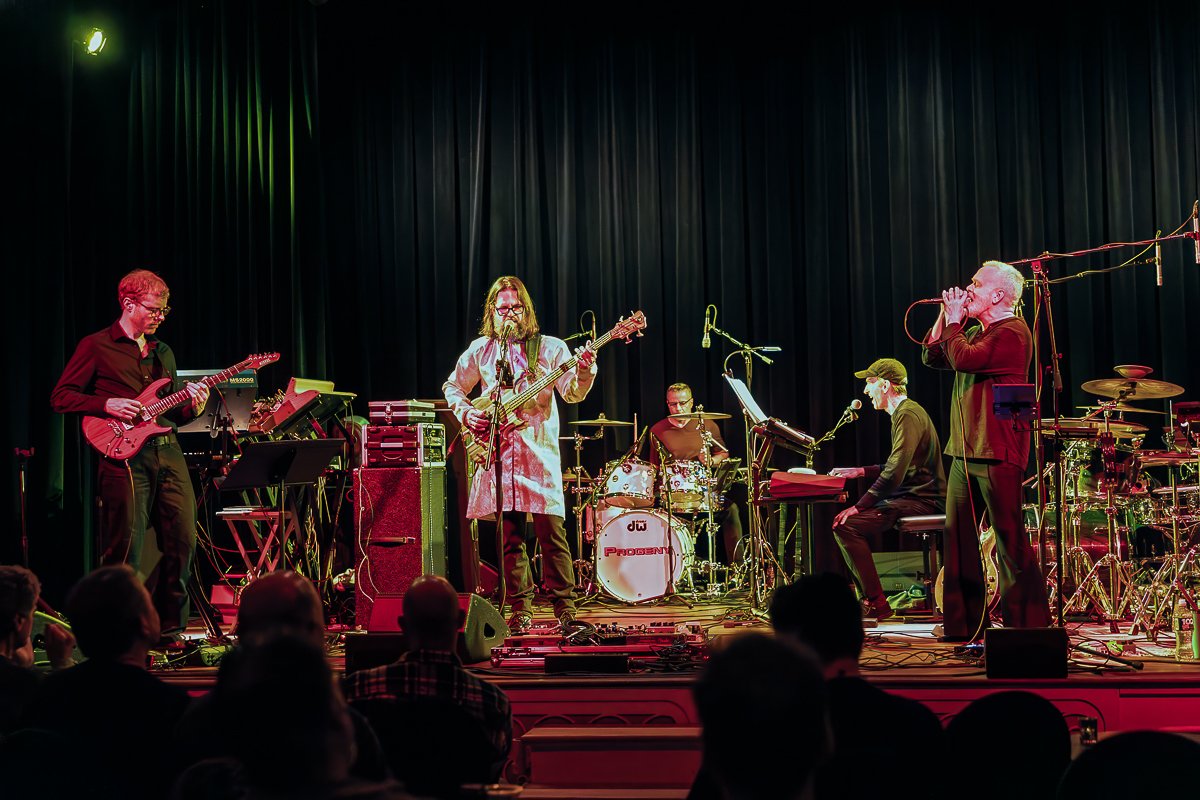
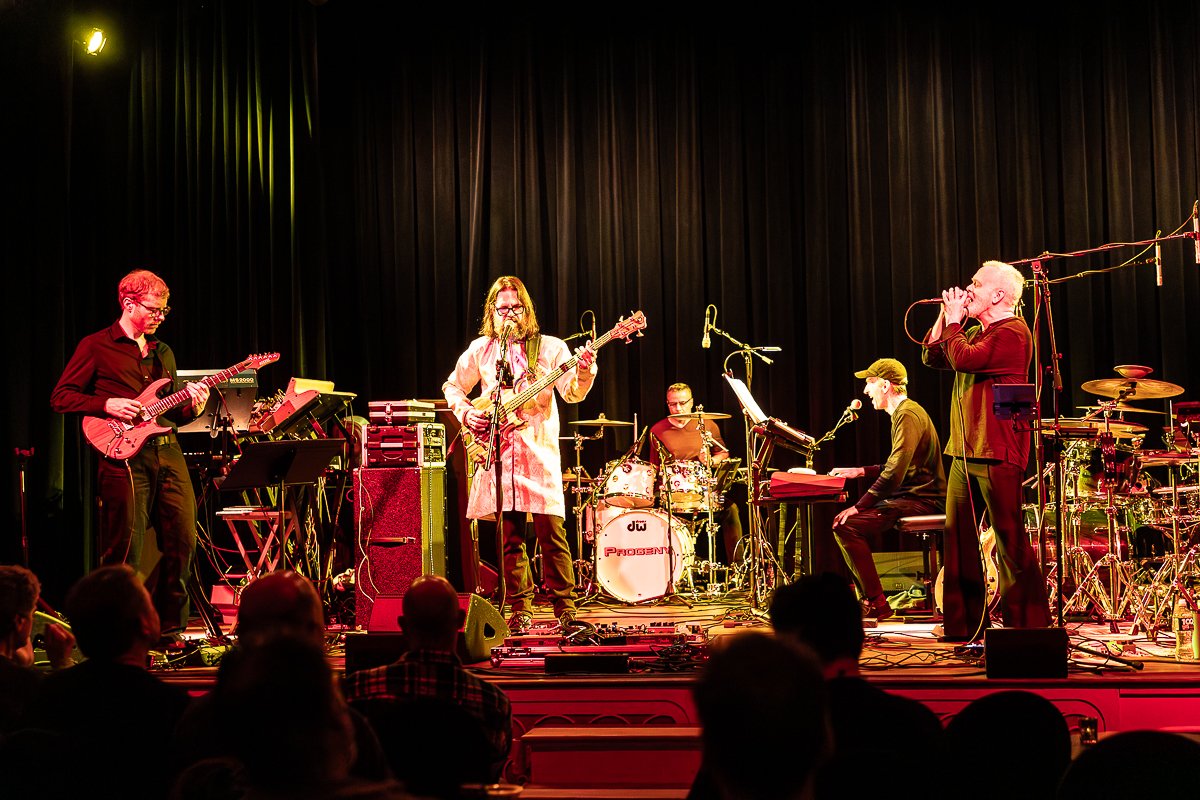
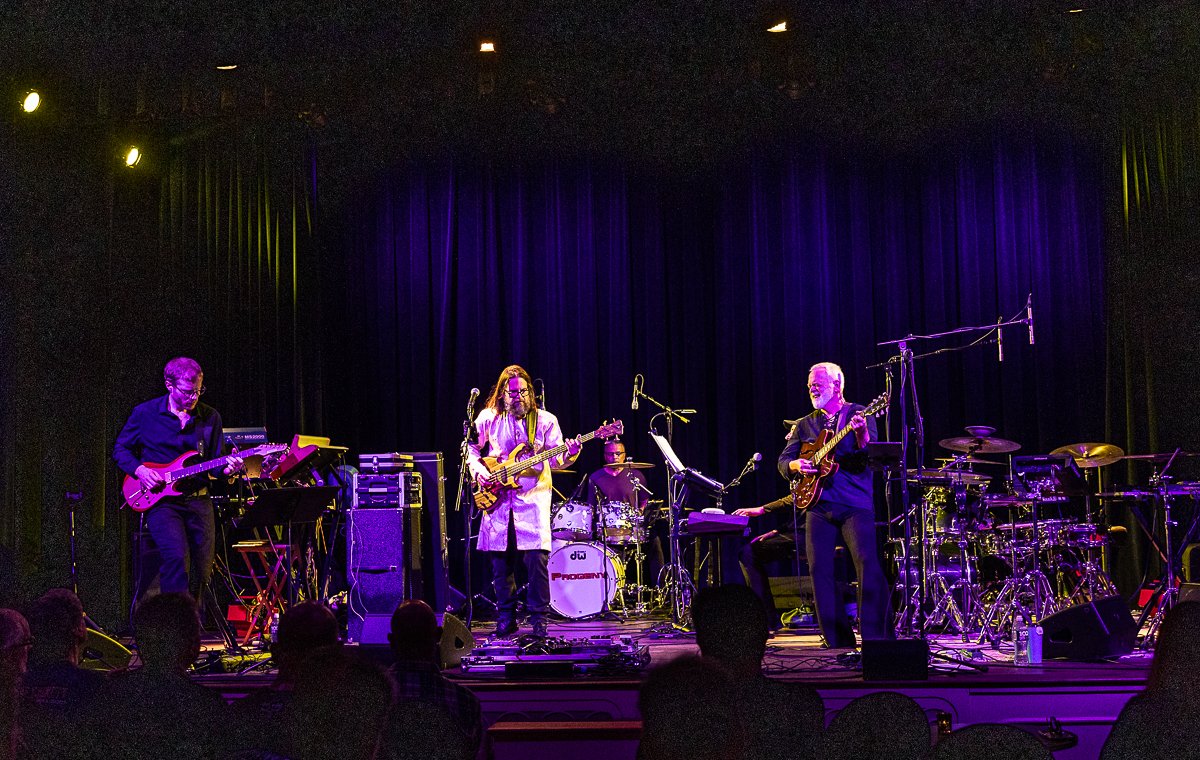
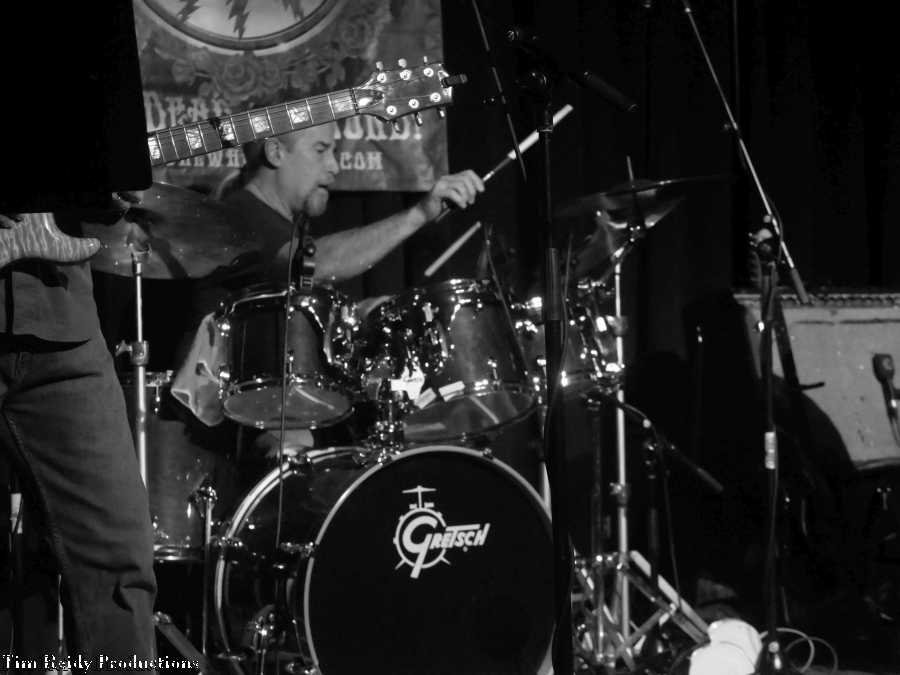
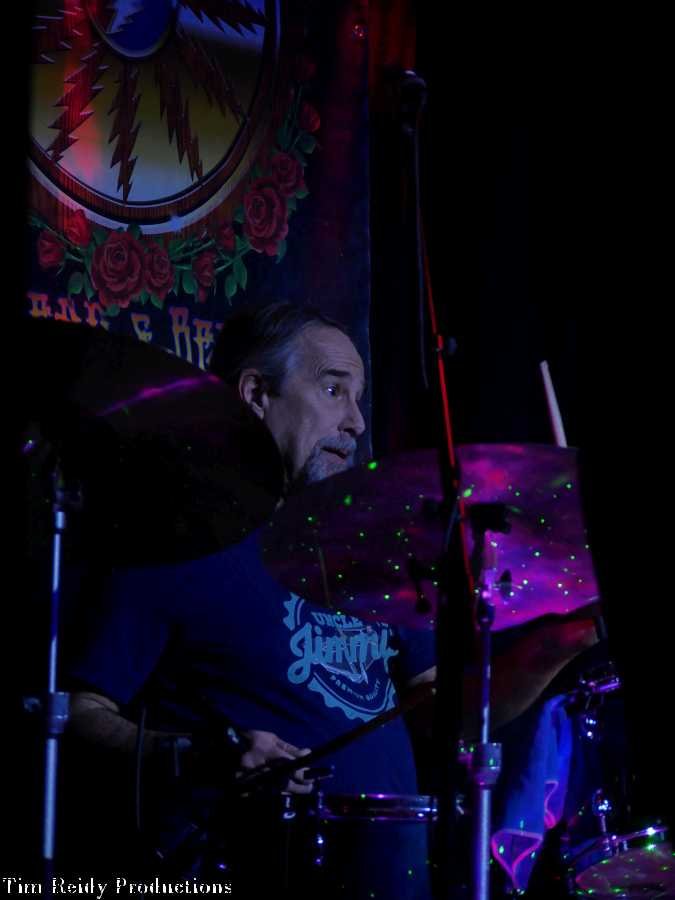
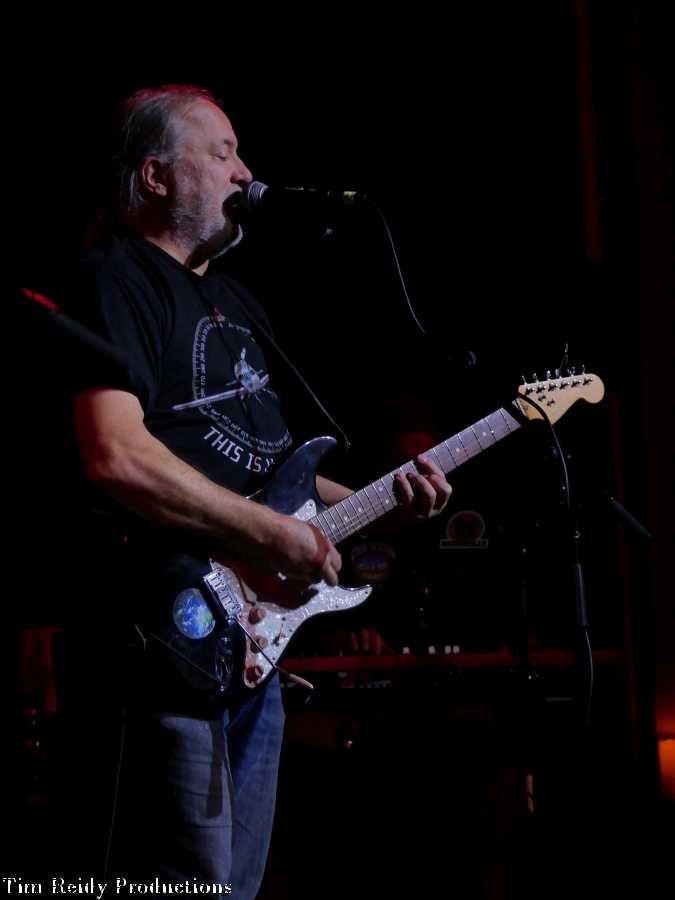
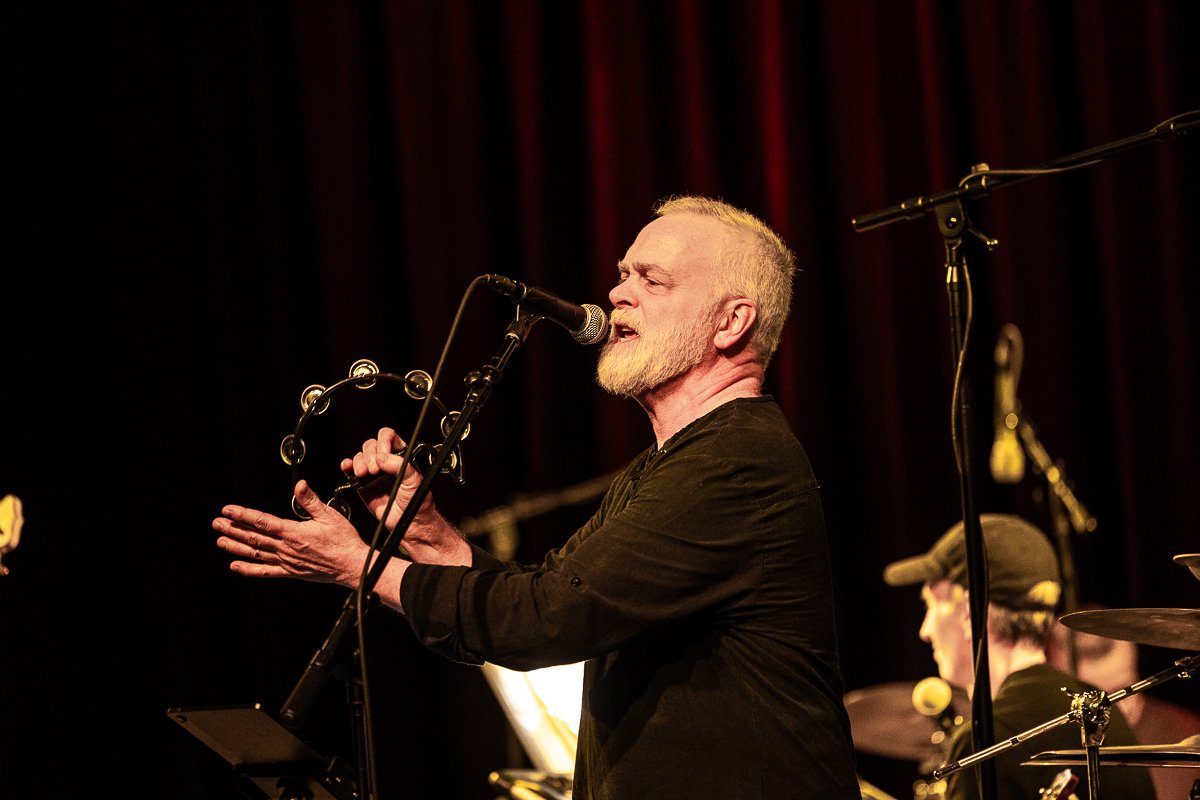
Opening the show was Progeny, a band dedicated to celebrating the artistry and legacy of progressive rock. Their set paid tribute to the timeless music of Emerson, Lake & Palmer, Yes, King Crimson, UK, and more—delivered with respect, precision, and passion.

Progeny lineup:

  • Jay Gold – Bass / Vocals
    Began playing guitar at age nine and bass by fourteen, building a lifelong foundation in progressive music.
  • Wid DeSantis – Keyboards
    A pianist and keyboardist based in Albany with an extensive musical theater background, Wid has performed in over 80 shows across the San Francisco Bay Area and the Capital District. He has also played in bands in Boston and San Francisco and remains an active piano accompanist in the region.
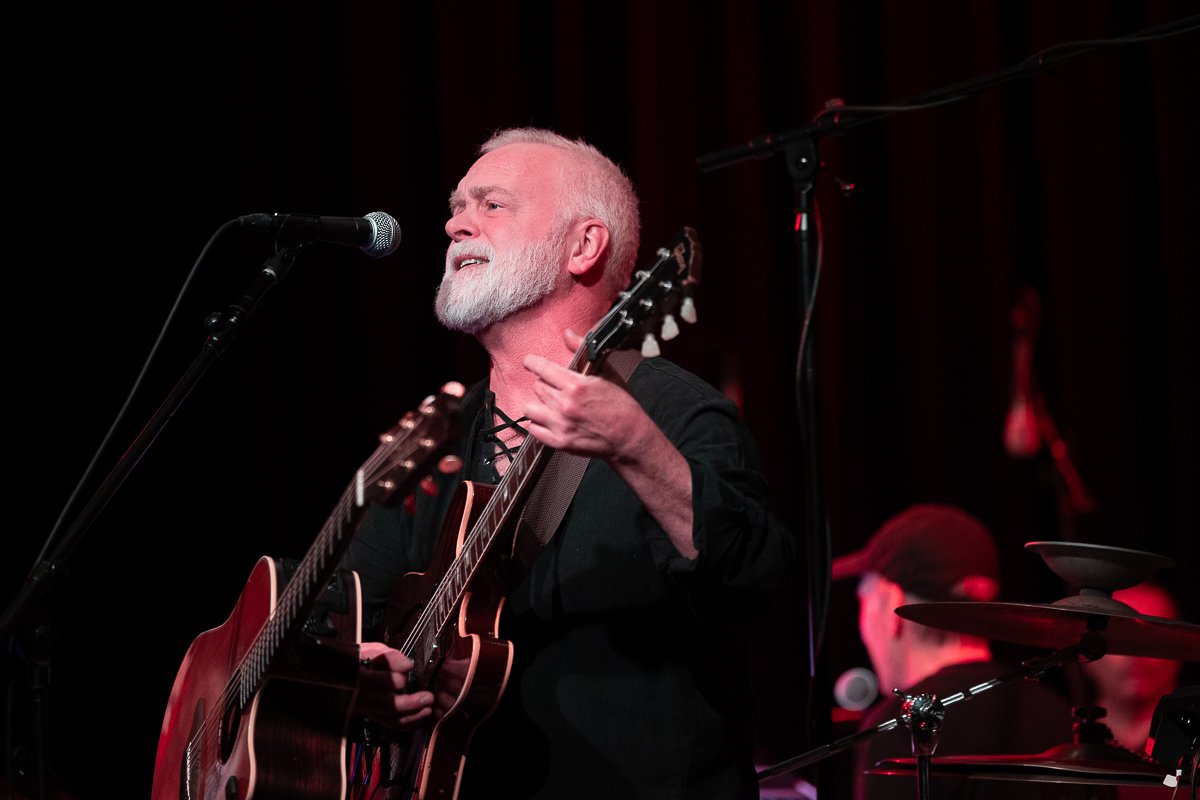
  • Tom Monkell – Guitar
    An Albany-based guitarist and composer known for his versatility across genres. Tom has worked as a substitute guitarist for major Broadway productions, including “Wicked,” “The Book of Mormon,” “Chicago,” “Matilda,” and “Dear Evan Hansen.”
  • William “Billy” Spillane – Vocals
    A multifaceted performer who has worked as an actor, singer, dancer, and musician on local, regional, and European stages, as well as in commercial radio, television, and film.
  • Derrick Whaley – Drums
    Drumming since junior high school, Derrick draws influence from jazz, rock, R&B, funk, and progressive rock. In addition to acoustic and electronic drums, he contributes percussion and both lead and backing vocals.

Photos:


More from Stephanie J Bartik here …


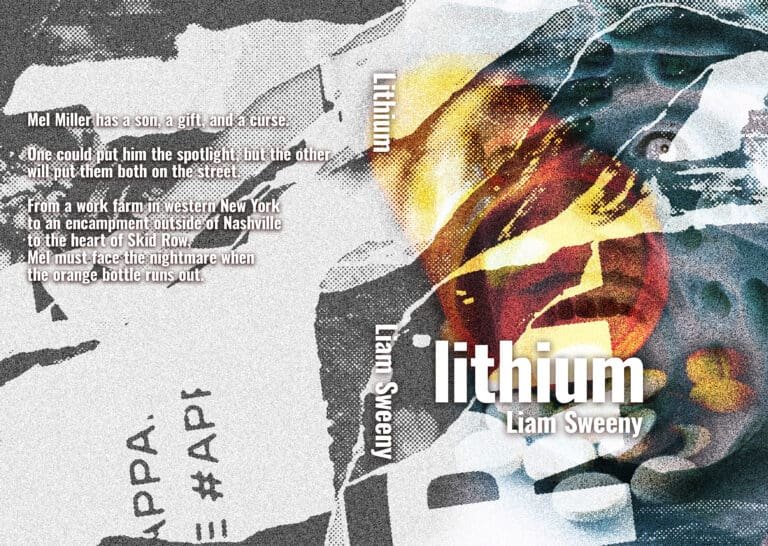
Lithium, Chptr 22 – Xperience Fiction

0

Lithium, Chptr 22 – Xperience Fiction – by Liam Sweeny.

Mel found himself in a small room connected to a corridor, both haunted by the wayward energy of the mad and delusional. The walls glistened with whitewash, but Mel knew what lay beneath that thin coat was the lives and work of prophets and shaman, cloaked in paperwork and diagnoses to hide truths that could bring the happy-go-lucky world to its knees. And now he was one of them. It was his turn to make his mark, to add a layer to the walls that would be so potent, so profound that they would have to call the cleaners to cancel his thought.

A bulbous, heavy woman read a magazine behind Plexiglas, three sets of concentric holes separating her from him, and he knew that nothing of value would get through those holes. Mel stood there in front of the window and felt the surge of flame from his soul glow orange to blue, sparks of white and red kicked up by his tempest. He launched it at her as if but for the briefest moment he could enlighten her heart and align it to his own.

She turned the page and blew a pink bubble without an upward glance. He stilled his mind, putting his focus between his eyes and formed a baby cosmos and watched it grow, galaxies passing between neurons, iron-rich, earth-killing asteroids coursing through arteries and leaving craters in capillaries. He fashioned a black hole in his stomach and swallowed interstellar gas. When it was done and he saw that it was good, he opened his mouth and let out a cry that spoke of all the life in his cosmos, one word.

“Hey.”

The woman behind the Plexiglas tore her eyes from the paper and rolled them. Another bubble. Another pop.

“You need something?”

“I need my son. I need my wife,” he said. “I need my brush.”

“Sir, the people who dropped you off can’t come in here. Only patients can come in here. And I have no idea where your brush is, but if I did, I couldn’t give it to you nohow.”

“With my brush, I could open up the walls. Anywhere you want to go, you can step out of your glass and walk there. A mountain. Paris. Third planet of the seventh sun in the Andromeda galaxy – anywhere.”

“Sir, I know this will be hard for you, but please sit down. The doctor will see you soon enough. Just watch TV or read a magazine.”

Mel grabbed a seat and tried to sit still, but he didn’t have it in him. What he did have was octane that he needed to burn off. He decided to walk the corridor down and back, his eyes on the Plexiglas, his mind on his jailer. Her eyes were back on her magazine. He wondered from what stock she came that she could see the bounty and mind magic that permeated the structure and have it all pass her by, she none the wiser. Who could sleep to a stereo at full crank playing experimental jazz? She could.

Mel’s mouth was dry, but he couldn’t ask for water. Water was control. Water was an admission of frailty. He had barely eaten in days, and had drunk from faucets outside, and then only ravenous gulps. His eyes burned. If he did get water, he might very well splash it in his eyes to extinguish them. It was control that they didn’t put a water fountain in the corridor. The soda machine was a diamond dealer to a pauper.

Mel ended his pacing where it began.

“Can I have water?”

She pointed to the corridor. “There’s a soda machine right there.”

“Is it free?”

“Nope.”

Mel turned his pockets inside out and realized that, in that room, for the first time, he hadn’t a cent to his name.

“Hold on, give me a minute. I’ll get you some water.”

Mel went back to the corridor, wishing he had a watch, or that there was a clock on the wall, the absence of which was even more control. Mel walked and ruminated on the fact that the room he was in was designed to make anyone on his side of the glass helpless. Unless, of course, they had money to grease the soda machine.

Mel guessed a minute and went back to the Plexiglas. She looked up at him.

“It’s been a minute. I gave you one. Will you give me water?”

“It’s going to be a minute.”

“It’s been a minute.”

She got up from her chair and set the magazine down. “If I get you water, will you be quiet?”

“Are there conditions for water?” Mel said. “What are the conditions for bread?”

“I don’t have to get you water, you know.”

“I don’t need a brush to beautify the walls.”

“I don’t respond very well to threats,” she said.

Mel placed his hands on the counter. “You don’t respond very well to anything.”

She sat back down and picked up her magazine. “It’s going to be a minute.”

Mel continued to pace the corridor, trying each of the three doors it contained. They were all locked, but he tried them each time he walked by them. If she wanted to treat him like he didn’t exist, he’d become a poltergeist. He’d try doors and tear apart the magazines and turn the TV to a static channel. And he started to, but as he was halfway through his haunt, a tall, thick man with plastic, clear-frame glasses and a stethoscope around his neck called out, “Melville Miller?”

Mel walked up to him like he was Jesus in a lab coat.

“Come on in, we’ll talk,” he said.

Mel walked into an examination room with a paper-lined clinic bed with four cuffs, top and bottom on each side. Mel knew they were restraints.

“I’m Doctor Weiss,” he said as he shut the door. “Let’s find out what’s going on with you today, get you feeling better.”

“Can I ask you a question?” Mel said.

“Sure.”

Mel hopped on the bed, pressed his palms into the paper.

“Can I get some water?”


***


The man staring back in the bathroom mirror was unrecognizable. Mel knew it was him, knew it on the same level that he knew it was early in the morning and that there was a hallway beyond the bedroom door. But he couldn’t recognize himself. He was above, below and beyond himself. The figure in the mirror was only the center point, an anchor around which his many forms orbited. He struggled to pull those forms together, which needed to happen for him to move.

There was a shit in the toilet that he couldn’t flush. It wasn’t too big, but he knew if he flushed it, it would go down the pipes and into the sewer, and eventually into the nearest river, where it would pollute that body and unleash a plague upon the people of L.A, He couldn’t do that, couldn’t be the bringer of death and pain to the people of Skid Row who always lived among death and pain.

It was five a.m.; Mel knew it in his bones. But he was groggy still from the boop last night. That’s what they called it in Albany the last time he was in the hospital and got one. The shot that makes the energy melt away. Last night they forced him to sit in a chair in front of the nurse’s station when he was first brought upstairs. They dispossessed him of his shoelaces and his belt, cuffed his arm and checked his heart every fifteen minutes. He knew it was fifteen minutes, because this world ran on fifteen minutes. Then the boop.

He woke up groggy, but the fire still burned in him. He had to keep moving. He had to keep dodging the void. And if he walked enough, if he paced enough, he could earn Andy’s freedom. He could earn Hope’s release. The void would give him what he wanted; it was the rules of creation.

Mel held it together enough to leave the bathroom for the bedroom. A lump in the bed next to him told him he had a cellmate. His cellmate came with a tribute; the dresser was piled high with clothes. Red clothes. Brilliant red clothes. Mel thanked him and said a blessing for him on behalf of the dimension he presided over right then. The void wouldn’t get his cellmate, and this would be a start of his prep to get his life back. Then he started trying on the shirts, marveling at each one, admiring the fit. His cellmate had to know he appreciated the gift.

“What the hell are you doing in my clothes, man?” He said with sleep and anger in his voice.

“I’m trying on your gifts,” Mel said. “I love them.”

“They’re my clothes. They’re not your gifts. Get ‘em off before I beat your ass.”

Mel took the shirt he had on off, folding it carefully to appease the gods displeased at his transgression.

“But I made you a blessing,” Mel said. “I’ll have to take it back now, and I haven’t had to do that yet.”

“Just shut the fuck up,” his cellmate said. “It’s too early.”

“Five o’clock is the best time,” Mel said. “Everything starts anew. No matter what you do the night before, once five o’clock rolls around, you get a fresh start, and the wall you painted on the day before gets whitewashed. You really need to try this morning with me. I can teach you so many things.”

His cellmate threw the blankets and got up, letting out a grunt as he opened the door and went for the hall. The light poured in, the light that was never extinguished, the light that had shone on madness and epiphany over the years and brought the tortured to reason. It burned Mel’s eyes that had only hours before felt heavy lids and REM.

A beautiful young woman came in, curly, flowing blond hair and black wireframe glasses. Large eyes, light in color, though he couldn’t make the color out in the shadow of the doorway.

“Mel, Bill said he’s unable to sleep. Are you having trouble sleeping? Do you need something?”

“I need breakfast,” Mel said. “I haven’t eaten in days.” Mel felt odd saying it, but it was mostly true. Soup was drink, not food.

“Breakfast isn’t until seven o’clock. Can you wait until then?”

“Can y’all talk about this outside the room? I’m tired.” Bill said as he found his bed, got in, and threw the blanket over him.

“How about we go out to the nurse’s station and talk.”

Mel followed her out into the hallway. Her nametag said Amanda. Mel tried to figure out the origin of the word Amanda so that he could talk to her spirit, but he couldn’t because he was, despite his inner flame, exhausted. The boop was no joke.

The nurse’s station was a chest-high version of the Pentagon with a side removed. It was that in look and in function, as the nurses were constantly in battle with the void and its sister, the chaos, which Mel had under control with sigils he’d long ago tattooed in his arm. There was no tattoo to subdue the void, for it was too vast. The only thing more plentiful than nurses and sphygmomanometers and stethoscopes was paperwork. Paperwork was the real war, and even at that hour, three nurses were engaged in combat.

Amanda held up his chart. “So you got a shot of haloperidol last night,” she said. “My, that should’ve kept you out till this afternoon.”

“I am tired, but I have things to do.”

“Okay, what things?”

“I have to save my son and my love,” Mel said. “I need to walk to do it.”

“You need to get better before you can do anything,” Amanda said. “Based on what I see, you go back out there now, you’ll just end up back here… if you’re lucky. Worse could happen.”

Amanda let him walk with her as she checked on the other rooms. She told him what the general schedule was and asked him about Andy and Hope. Mel tried to tell her, but he knew he wasn’t saying what he meant. She listened to him, though.

After rounds, she took him to the dining room and gave him a turkey sandwich that the staff had stashed away in a minifridge behind the counter.

“We give these to people who are hungry and really need something,” she said. “There’s pints of milk in the dining room fridge. We can’t give you sandwiches all the time, and you have to promise me that if you have this, you’ll go back in your room until seven, and you won’t talk to Bill or try on his clothes, okay?”

Mel tore into his sandwich. “Not talking is hard.”

“Try,” she said. “And the first step to getting better is admitting you have a problem, even a small one.”


***


There was something in the morning meds. In fact, there were many things in the morning meds, and Mel had no idea what any of them were. Amanda told him most of it was the meds he was taking before he went off, with a few extras. So it was in one of the extras that his wiring seized.

He was fine until lunch when he started to drift as he contemplated his mashed potatoes. He wanted to examine their molecular nature, and no sooner had he thought that than his head was heavy, and he nearly gave himself a gravy baptism. He woke up and turned his attention to the television, on which a meteorologist discussed a return of the spring temperatures. Mel tried to compare the average high in L.A. to what it might be in Albany, and he nearly passed out again.

As he got up and walked around, his attention was drawn to the paintings on the wall, and as his mind began to take off, it was grounded. He was filled with rage. He was scared. He asked the nurse on duty, not Amanda, what was shutting him down.

“You’re starting on so many meds right now,” she said. “It could be any of them.”

“I’ve been on the other meds before.” Mel wanted to say more, but his head felt heavy, and he didn’t want to hit the ground.

“Yes, but you’re starting them again,” she said. “When was the last time you started them?”

Mel thought about it and his mind spun out.

“I don’t know,” he said. “I can’t think.”

“Don’t worry, you’ll get used to it. It’ll just take time.” She checked his chart. “You have a meeting with Doctor Sellers at two o’clock, in a couple hours. He’s the psychiatrist. He can tell you more about your meds.”

“Okay.” Mel walked away, wanting to say more than “Okay,” but not being able to.

He spent his time walking up and down the corridors. They branched at right angles from the nurse’s station and were about a hundred yards long. Mel was guessing that, and it was draining to guess.

He went everywhere he was authorized to go, even taking a shower because he could, and because he hadn’t taken one since he dipped in the pond with Hope in Nashville. It was cold, and the pressure could’ve cleaned graffiti off concrete. When he was done, the clock above the nurse’s station read one forty-six.

There was a man waiting near Dr. Sellers’s door as Mel set upon the spot to wait himself. To call him a man was being generous; he likely had just graduated high school. He had a new growth mustache and jet-black hair, clean cut except for a long, braided tail jutting out from the bottom.

“What’s up, dude?” He said. “I’m Bill, but everyone calls me Critter.”

“My roommate’s name is Bill.”

“Then just call me Critter, Crit, whatever. Both work.”

Mel wanted to talk to him, tried to let him know of the void and the interdimensional portals painted over in every wall of the hospital, but every thought came at the cost of exhaustion.

“You going to see the doctor?” Mel finally spit out.

“Yeah. He’s a prick,” Critter said. “He’s not at all 420 friendly. I mean, I ain’t askin’ for any, but you even mention weed, or that you ever did it, automatically you’re a junkie. He’s even against coffee. Fucker brings a twenty-ounce cup in, says it’s decaf. The fuck it is. No one needs twenty ounces of decaf.”

“No they don’t.” Mel said, taking a deep breath to pass the wave as thoughts bubbled up.

“You came in last night, huh?” Critter said. Mel nodded.

“They gave you the Poke, didn’t they? The shot?”

“Yeah,” Mel said. “The Boop.”

“Never heard of the Boop. I can tell you ain’t from here. Gotta be New York.”

“Albany.”

“I spent time in Brooklyn.” The door opened and a very tidy, almost neurotically tidy man with a combover stepped in the doorway.

“Come on in, Bill,” he said. “And you,” he motioned to Mel. “Just go in the day room. We don’t want people hanging around this door. For safety.”

Mel walked into the day room thinking Critter was right. Fortunately, the room was empty. Mel found out that they were required to go to groups that occurred throughout the day. He didn’t have to because he was new. Or because he was, until that med kicked in, disruptive.

Mel fell asleep at a table and awoke to Dr. Sellers patting him on the shoulder. Mel followed the doc into the office, which was as tidy as he was. It was also bare of any decoration. Sellers started by asking the standard battery of questions. Did Mel feel like harming himself? Did he feel like harming others? Was he hearing voices? Mel could honestly answer no to all. Then he opened with, “So how do you feel today?”

“Can’t talk,” Mel said. “Can’t think.”

“According to the intake notes, you came in manic with delusions. Full psychotic break. We were able to get your records from Albany, and we are starting you on the same meds you were taking. Why did you stop taking them?”

“Couldn’t afford them.”

“Are you on Medicaid?”

“Yes-, but no,” he said. “Had a job before.”

“And you were on their insurance?”

“No, quit. Months ago.” Mel started to drift.

“Mel, I need you to pay attention,” Sellers said.

Mel got angry, frustration like a friction against his gears. “You did this… to me.”

“I’d say you did this to yourself.” Doctor Sellers flipped a page on his clipboard. “You’ve had bipolar for a long time, according to your records. And you had a manic episode in… 2006. And you went so long. So you stopped your meds and it came back.

“What are the odds that you take the steps to keep on your meds once you leave here?”

“I don’t know,” Mel said. “Homeless.”

“Yeah, that’s on here too. Do you have anyone at all that looks after you?”

Mel wanted to tell him that it was he that looked after his son, and Hope needed no one to take care of her. But they weren’t there and the thought of them threatened to drive him to dream right there in the chair.

“No,” he said.

“In that case,” Doctor Sellers said. “All we can do is patch and pray.”


More from Liam Sweeny…

The Wheel @ Lark Hall, 1/9/2026

0

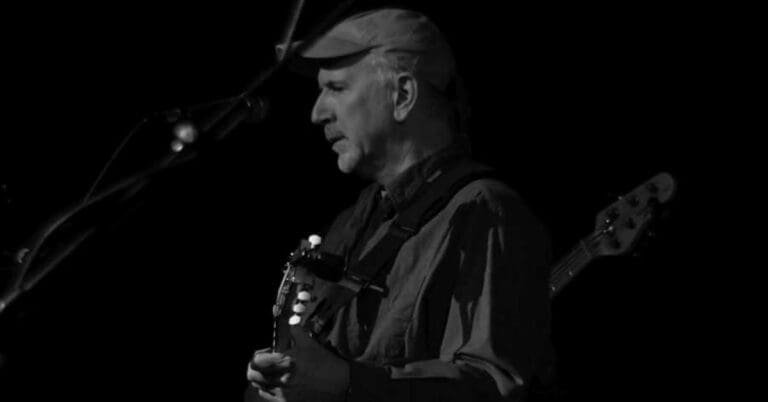
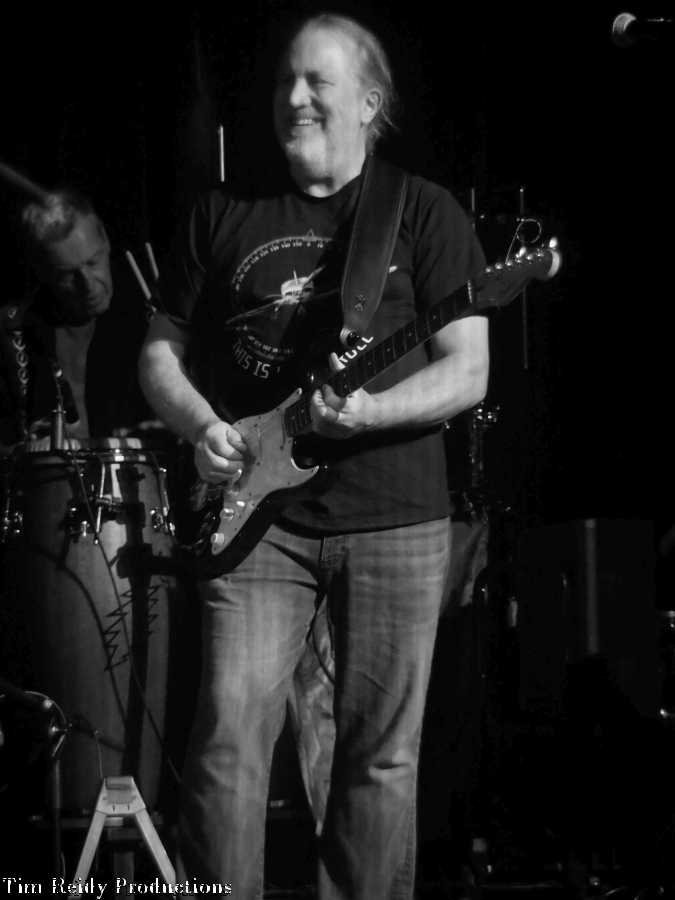
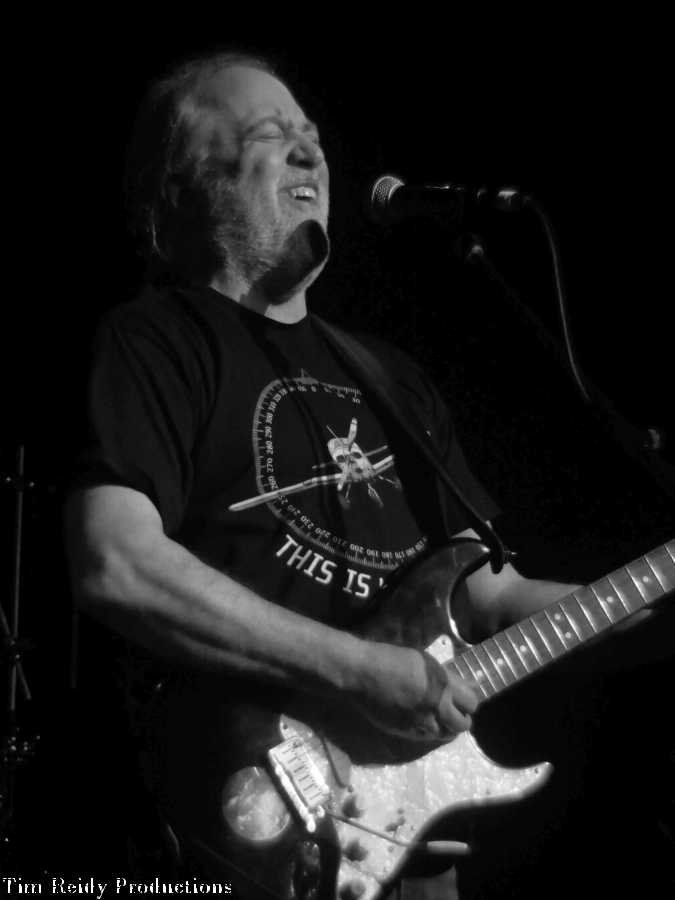
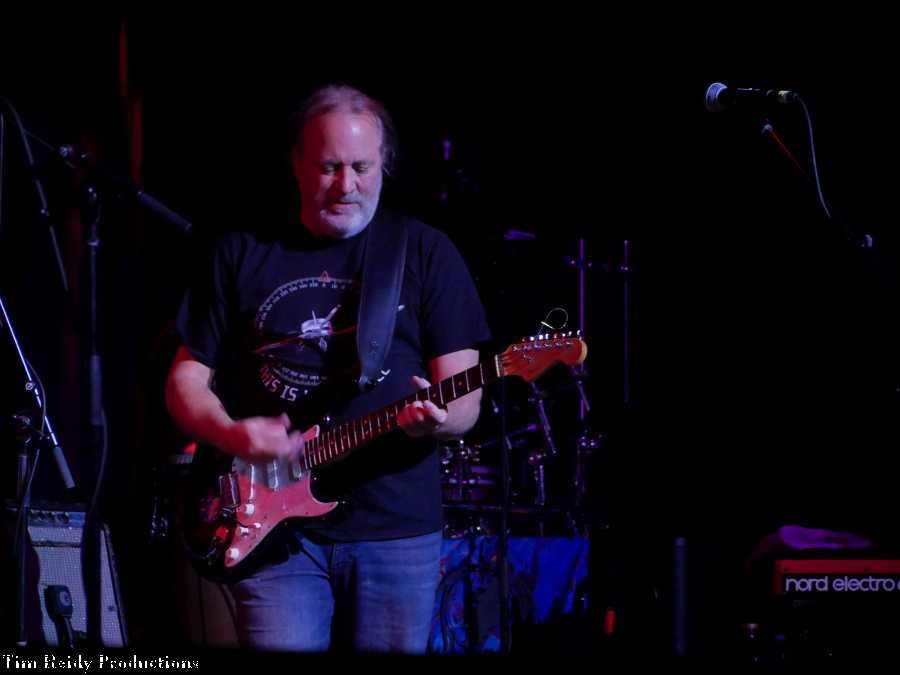
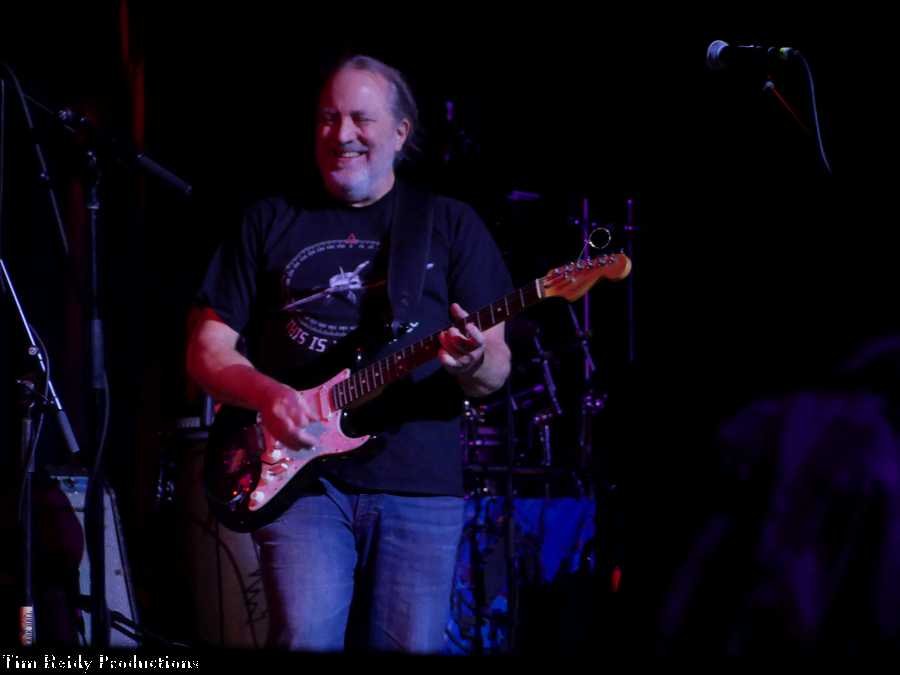
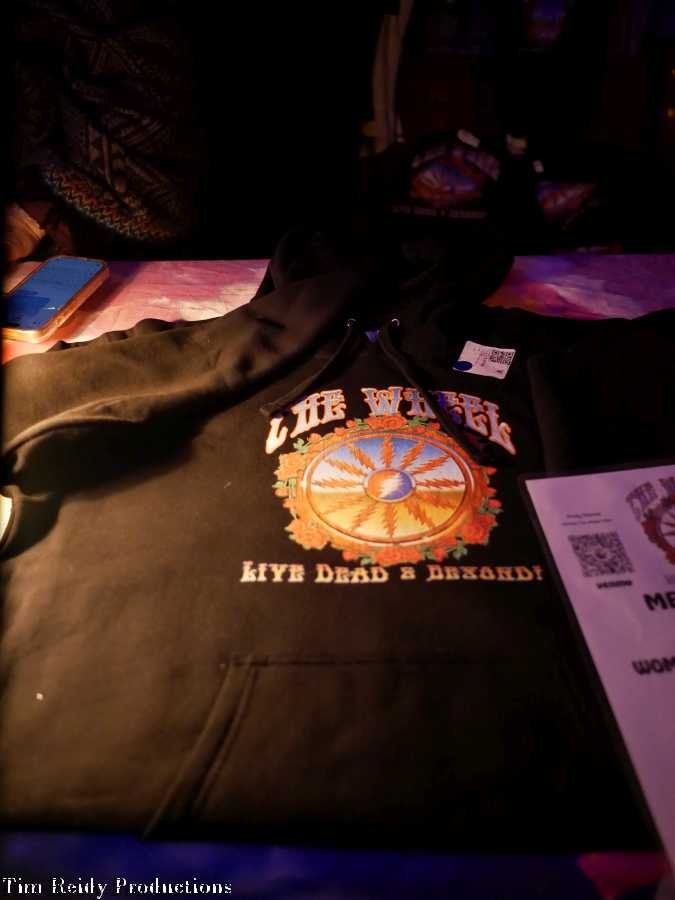
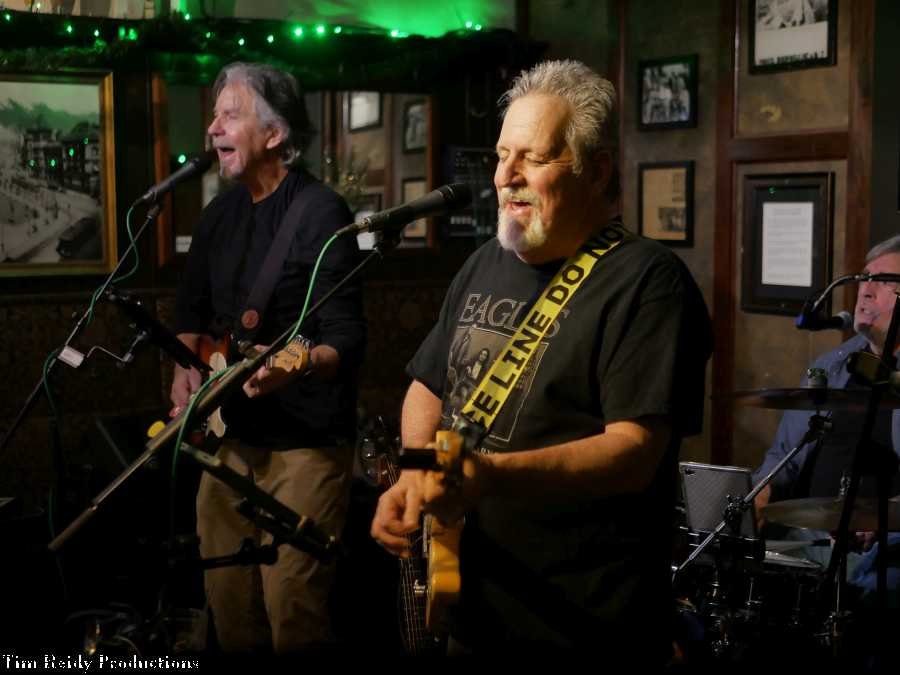
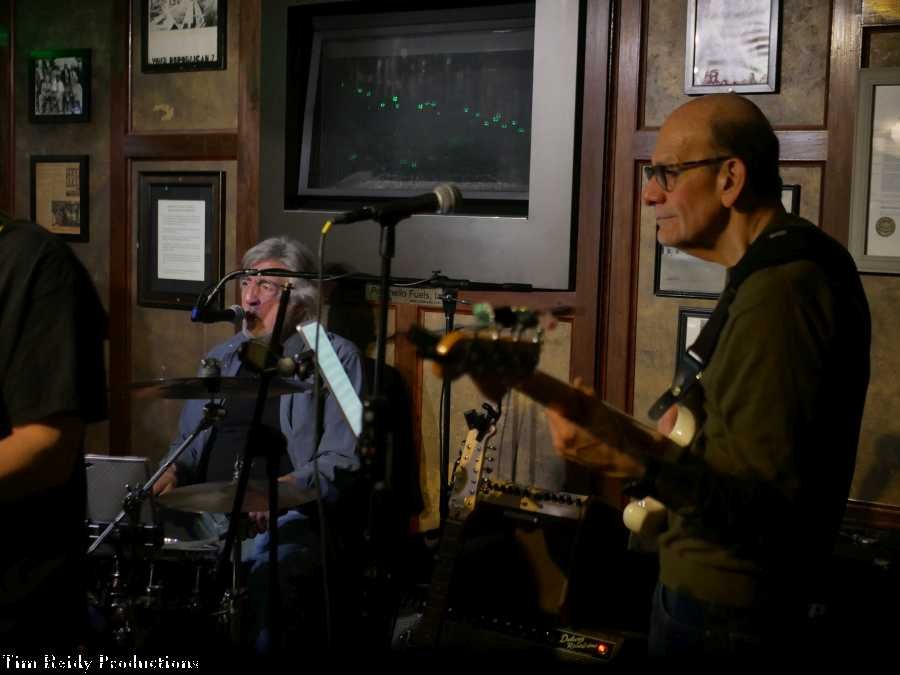
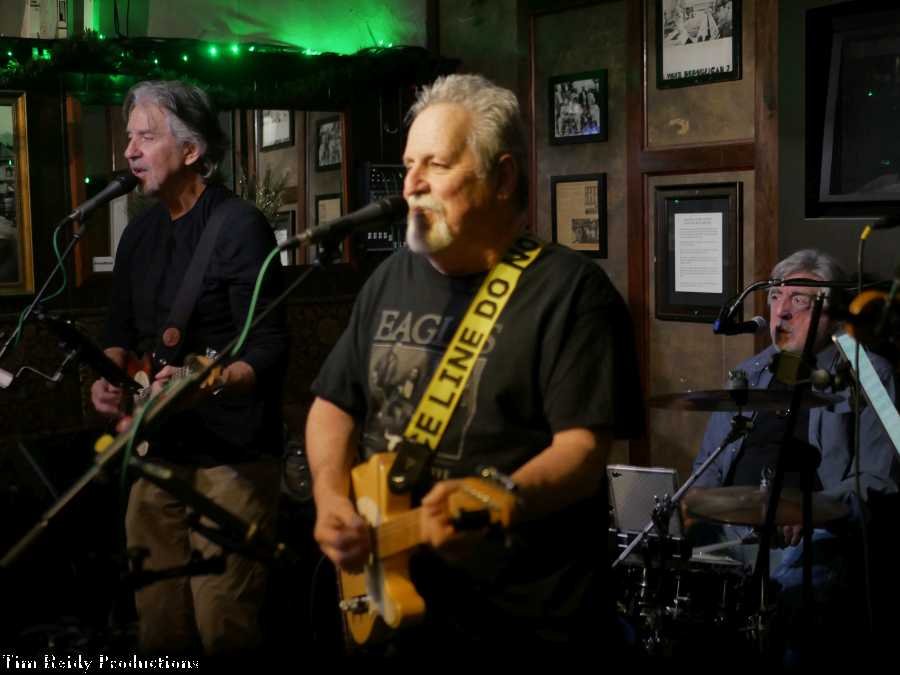
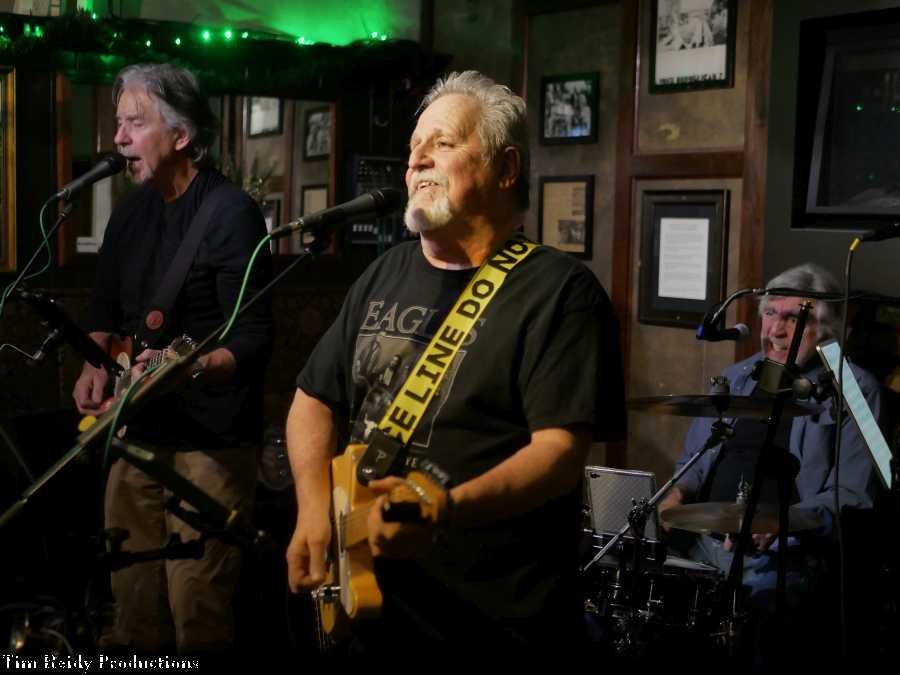
On what would prove to be the day before Bob Weir’s passing, The Wheel played Englishtown ’77 at Lark Hall.


Photography by Timothy Reidy.

More from Lark Hall here …


Uncle Frank Says No @ Norrine’s, 1/10/2026

0
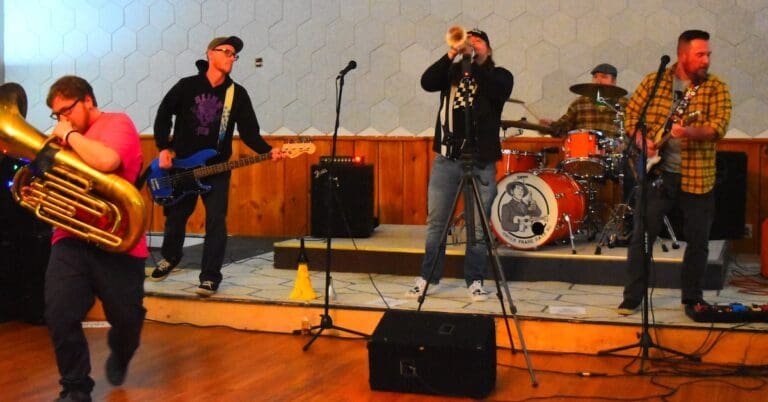
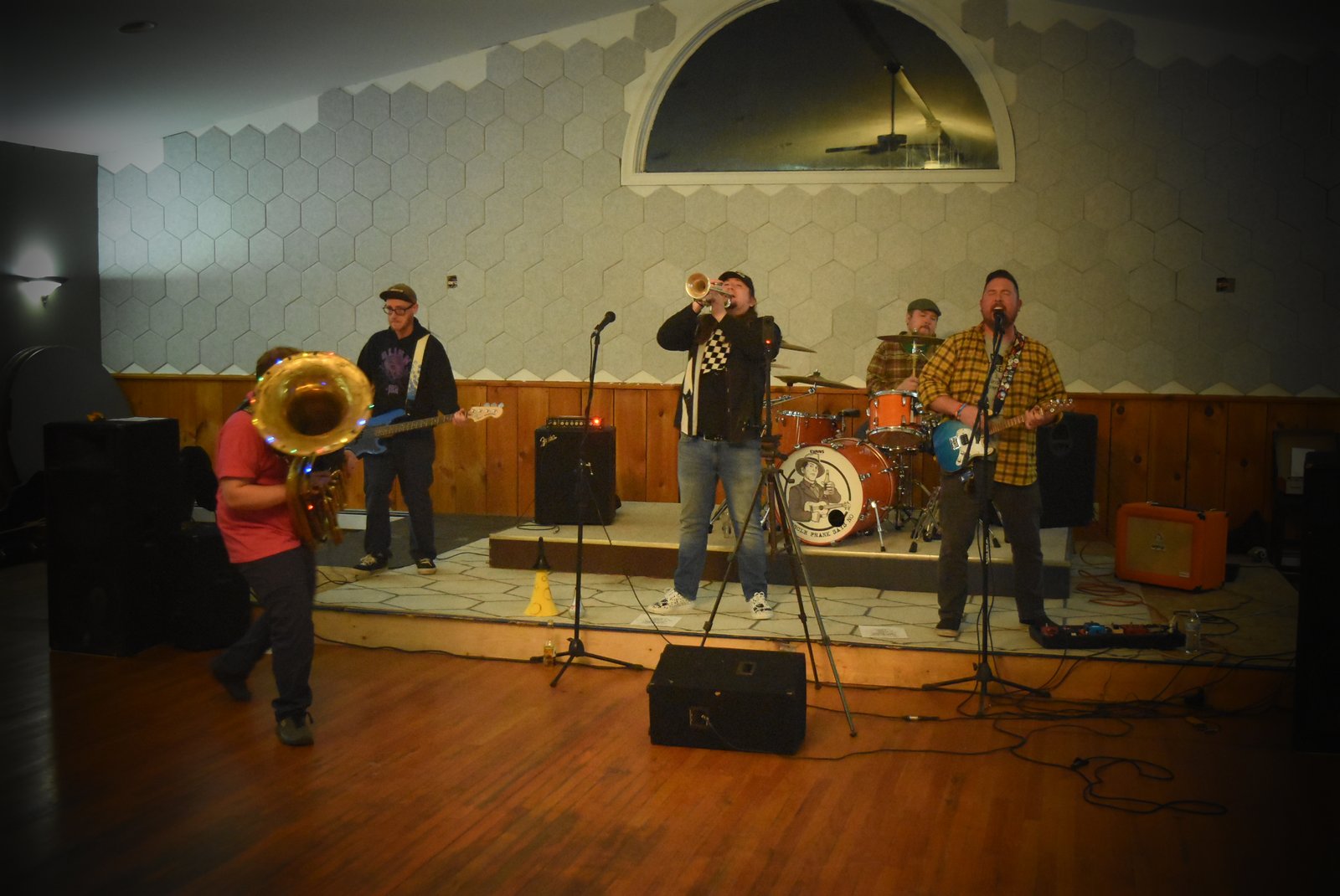
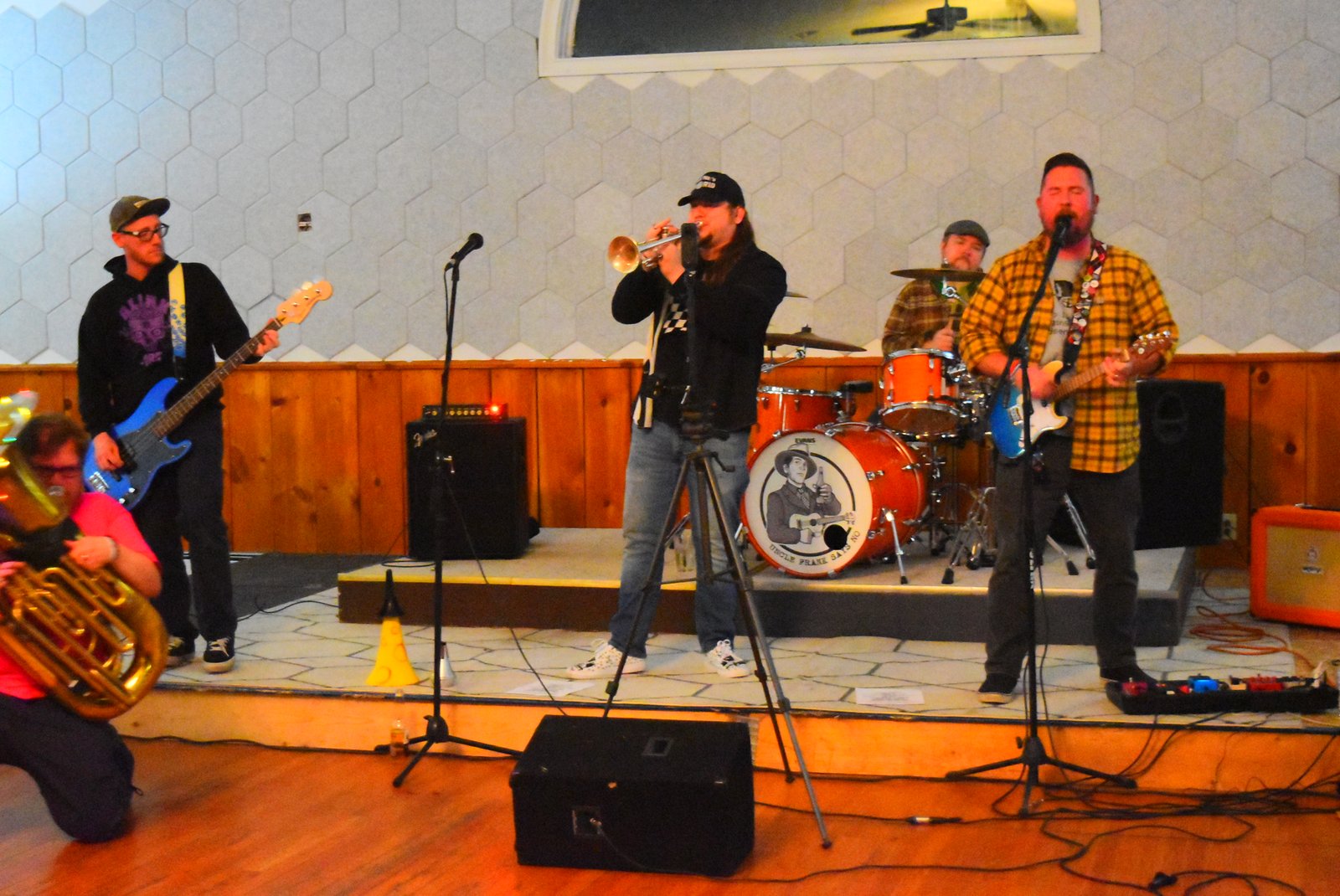
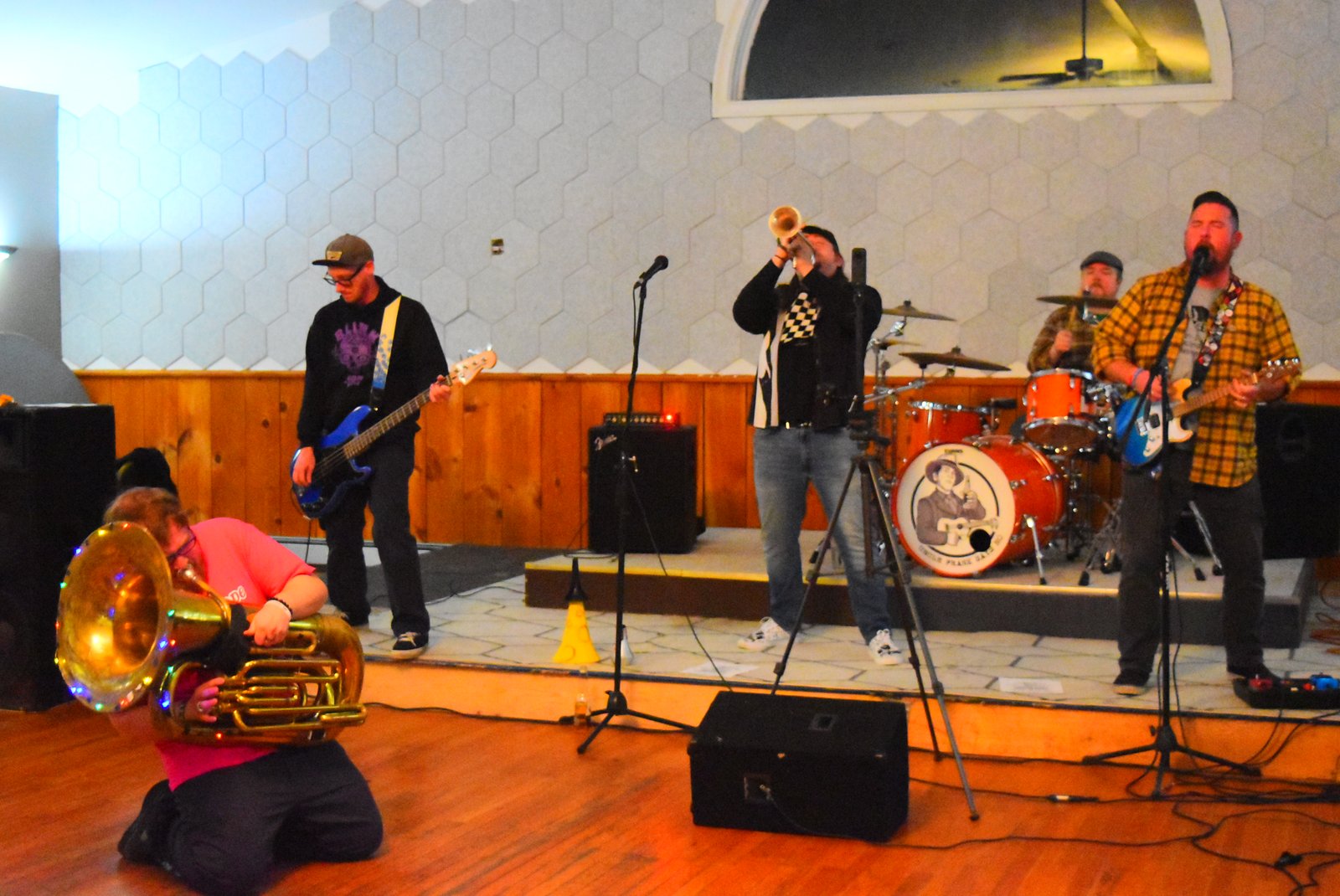
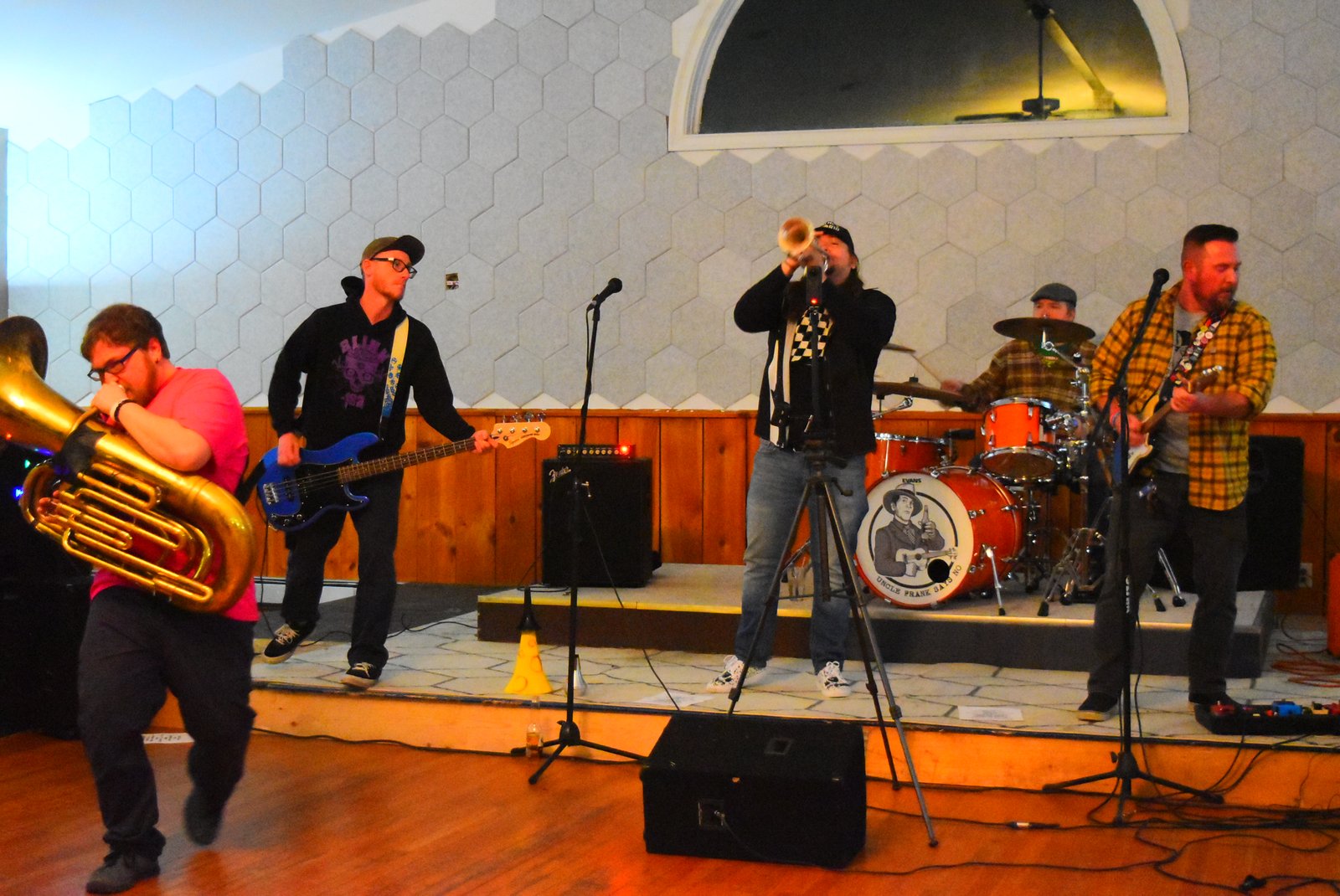
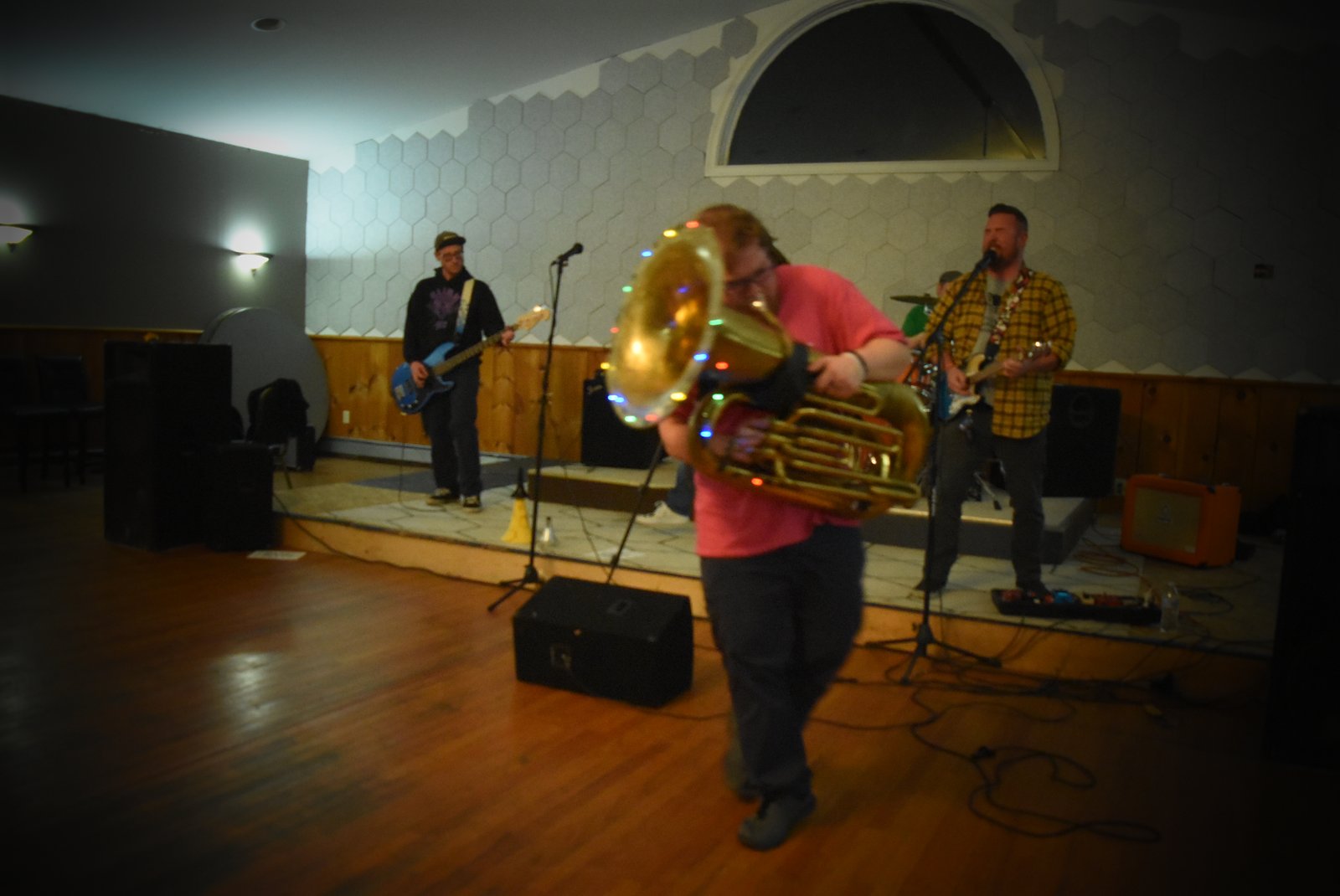
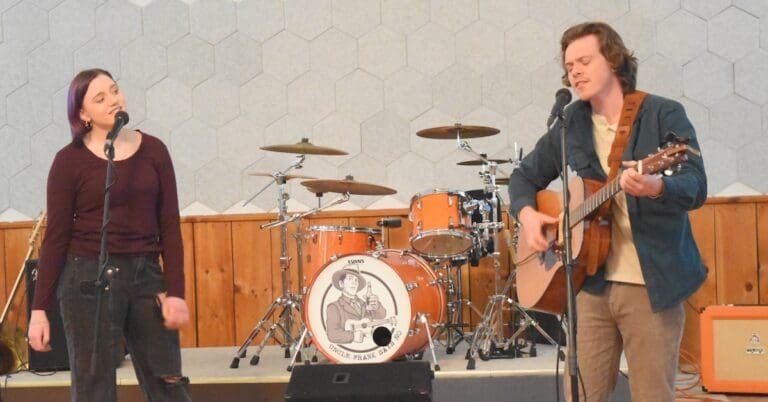
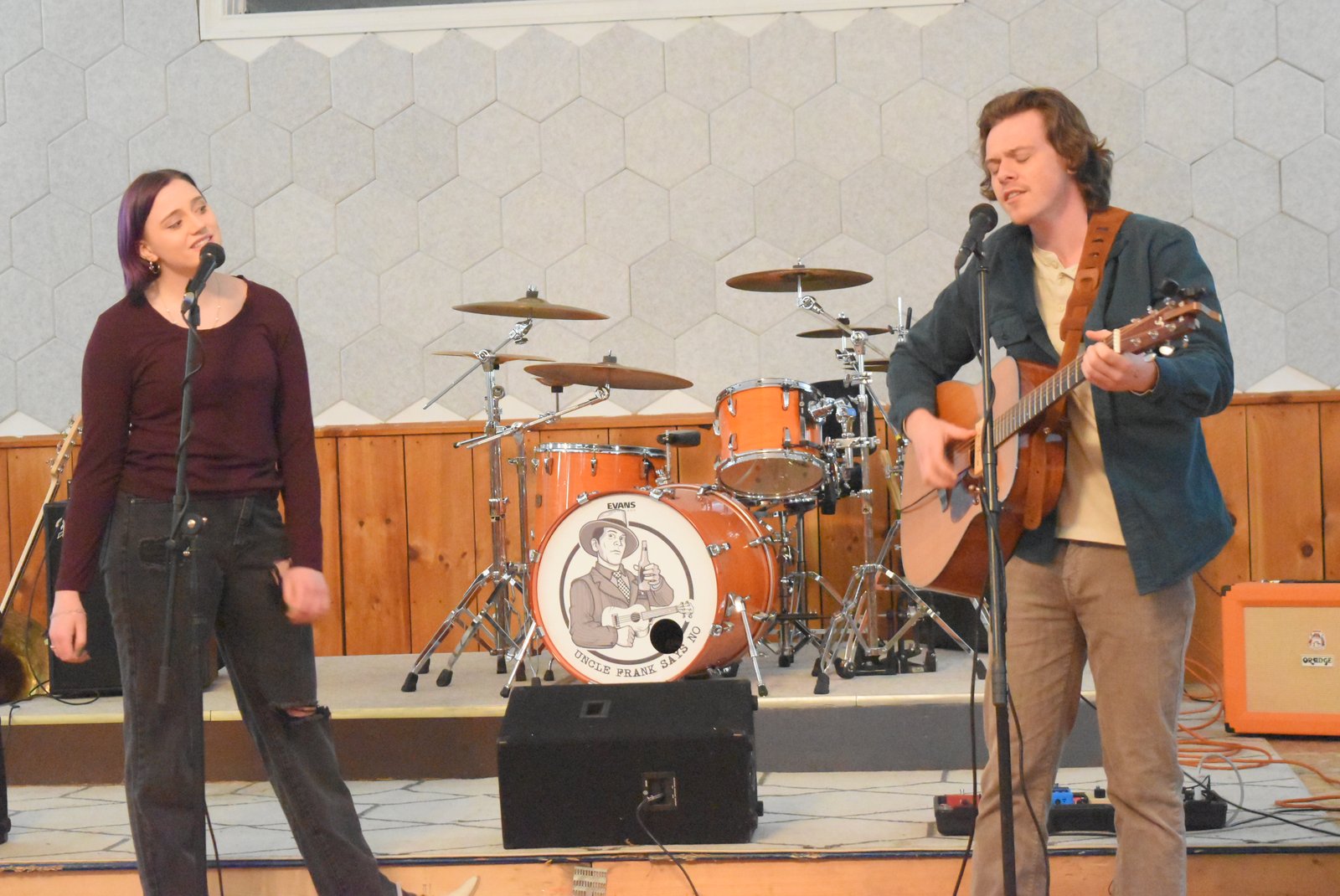
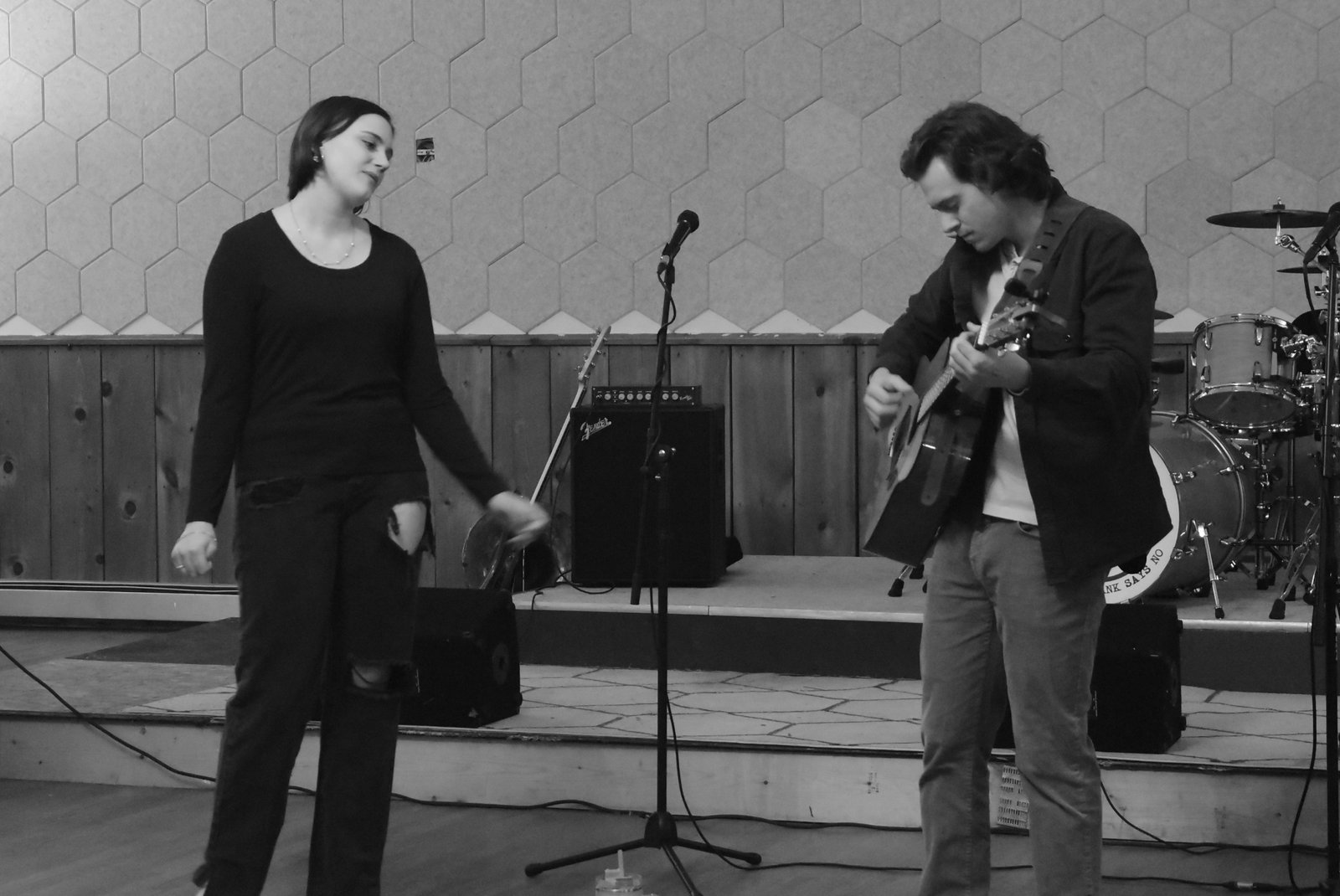
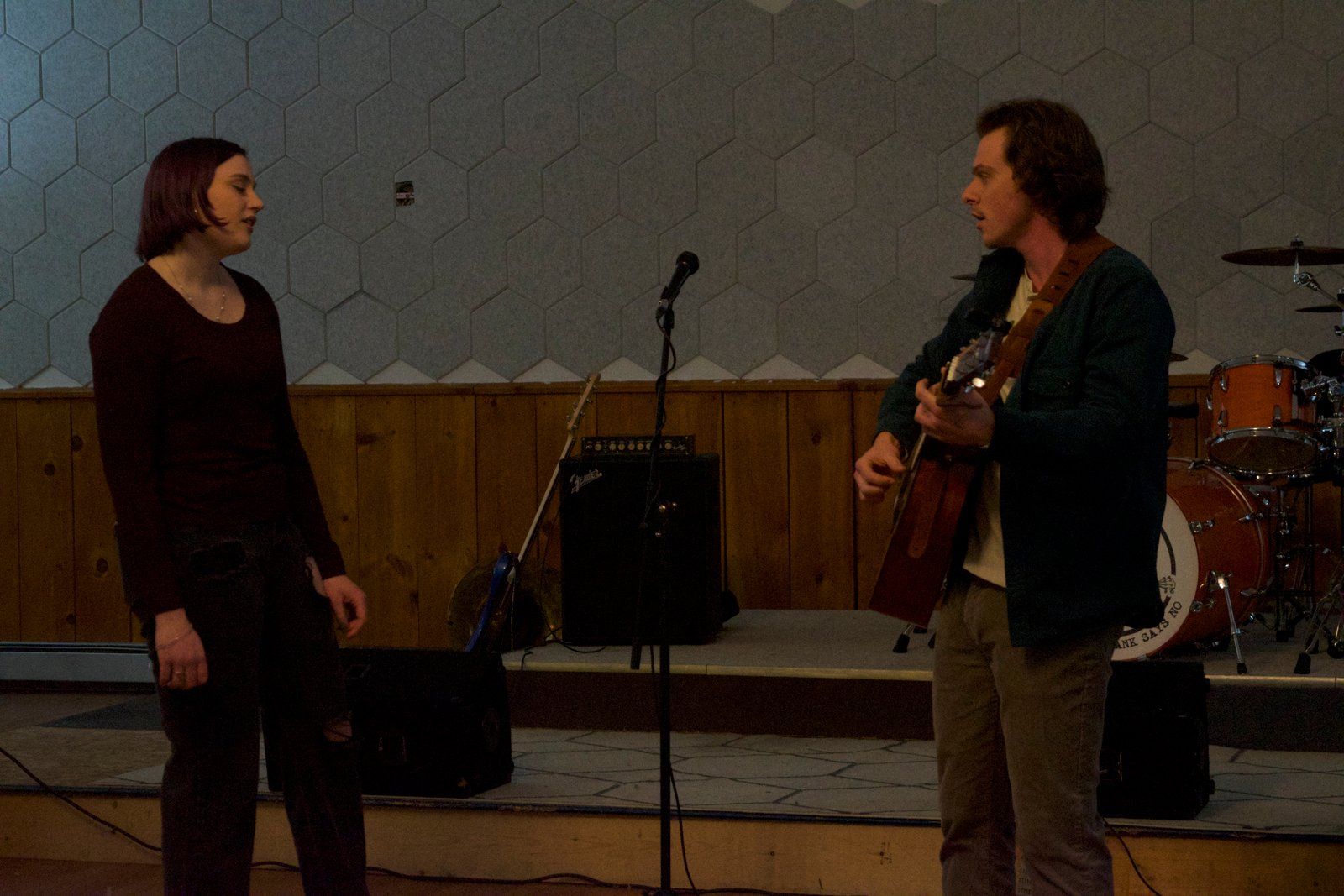
Norrine’s became ska-friendly really quickly on Saturday night, when Uncle Frank Says No started winding up the trumpet and tuba, as five members of a seven-person band played loud enough for the building to move. These guys have left their marks across the Northeast and have the audience skanking to hits like “Cheesemurder” or everyone’s favorite, “Pizza Time.” Looking forward to seeing these guys again!

Photography by Christopher Ebbs.

More coverage of the show here …

Frander – An Xperience Interview

0

Frander – An Xperience Interview – by Liam Sweeny.

Folk isn’t solid. It’s as fluid as the waves that carry tradition across oceans and seas, to take root on the shores of a faraway land and bloom with the colors of the national flag. We spoke with Gabbi Dluzewski of the Swedish heavy folk band “Frandr.”

RRX: So I’m speaking with Gabbi Dluzewski of the Swedish band Frander, singer and Swedish Mandola player.

GD: Yes.

RRX: What does the word mean in Swedish.

GD: It’s an old Viking word, it’s not really used in Swedish common language anymore. And it means kindred and kin and friends and family, but also extended family. So I usually say that in one way, it’s more than family because we are all friends. As long as we are not enemies, we are friends. So it’s a very inclusive word. But still, it’s not only being friends. It’s like we have blood. We are human. We are human beings, and we are related. So that that is what it means. And it was a very used word because back in the days in Sweden, that was the word you used for allies and people you liked in general.

RRX: It’s apt that you use that word for the band because you are siblings, right?

GD: We started out as a as a pure family band. My little sister was in the band, my older brother and my wife. Our little sister, she left, but the rest of us are still in the band. So yes, it’s a family band.

RRX: Have you ever played with a band that wasn’t your family? Have you ever played in another band with other people?

GD: Of course. There are other people in this band as well, but yes, I have, but me and my brother, we have played in the same bands for twenty five years. So he has always been there.

RRX: When you’re growing up as siblings; I’m an only child, so I have no idea what it’s like for siblings. But I can imagine you all endeavor to do something great together. Did that start early, or was that something you guys grew up and you just happened to find that you all liked the same thing?

GD: We all like the same thing, but I think it’s a-, not a misunderstanding, but usually people think that because all siblings are playing music, that’s what we do when we meet each other and we are just happy and we play tunes and we are having fun. That’s not really the case with families playing music all the time. I think it can be very complicated to try to create music together. Speaking about music and doing music separately, that’s fine. And it’s a lot of fun, but it’s not like we are having a big family band and it’s like ‘yeah, that’s not working.’ We have always liked the same things, we have liked music and we have liked the similar type of music. And we have all played with my brother. I think it’s just started because I didn’t have a bass player in my band, so my parents told him to step up his game and play the bass in the band. So he had to. And then he has continued doing it.

RRX: You play folk or do you call it something else? Am I right on that? Is that is that what you guys focus on? Folk music or is it something else?

It depends on who you ask and where you are in the world. I think in reviews we have heard people or seen people calling it heavy folk, which I like. I like that brand heavy folk. And that’s something we have started using because people started calling us that.

GD: Here in Sweden, I think we are more like traditional. We end up in the genre of traditional Swedish music. We call it folk music over here. But folk music for you is Bob Dylan and Joan Baez and those people over here. Folk music is traditional music, and that’s where we end up. But I think nowadays we are a folk rock band and we aren’t very traditional anymore. I think that the genre lines, the borders are moving and we are moving.

RRX: From where you are folk means traditional. Is that like looking at Europe because you’ve toured Europe, you’ve toured the United States, you’ve toured everywhere. So touring Europe. You’re talking about Bob Dylan and Joan Baez and we have a big folk audience, a big folk music scene here. But like thinking about it being different over there. How would you describe the overall scene, aside from just the music, the pure music itself, but the actual crowds of fans, is the scene different for Europe than America or are they very similar?

GD: No, I think every place is different. But I also think that even within a country, every place is different. So it’s hard to say. Of course you have extremes. I mean, Japan, for example, is extremely different. So we did a big tour a couple of years ago. We did a world tour. We flew one circle around the world. We played forty shows in a row during two months. Then we started in Japan and played twelve shows in Japan. And of course, it was super beautiful. People were super kind we were very well treated and we loved it, but it was very, very different from what we were used to.

The even bigger difference was when we continued from Japan, we flew from Japan to Canada, and we had a six hour layover at Hawaii as we went to the beach. Then we continued to Canada. That was the big difference because Canada and North America is so different to Japan. The Japanese people were standing in line before the door opened, they were standing one hour in line to get their best seats. And when they were sitting listening during the show, they were quiet and they were watching. And the first shows,, I was like, ‘Holy shit, they hate us. They hate us. They don’t like what we are doing at all.’ And then after the show, they come up to us and they speak to us with first names. They give us gifts, and they were crying because they were so happy with the show. So it was it was so different. Coming to Canada, people were chatting and they were speaking to us and they were shouting things. So very different. So in that sense, yes. Very different.

But also within a country, places are different. And it depends so much on the vibe in the room. Over here, people are different than in North America. We have a different temper. I spoke with some friends in Poland. We have a project with a Polish band. They’re coming here tomorrow actually flying over from Poland, and they were asking, what’s the weather? And we were like, ‘you know, it’s dark.’ It’s kind of light for two hours during daytime. Uh, but now we have had clouds for a month. We haven’t seen the sun in a month. And it’s raining. It’s raining all the time. And of course, why am I saying this? Yes, because people are different depending on where you go. And it depends on so many other things. Over here we are in a certain way and like we can’t ignore the climate. The climate is definitely one reason why we are different here.

RRX: Do you have, um, something recorded at this point? I thought I had seen something that you guys had recorded. No, you had actually recorded two, Frandr and Frandr II.

GD: We have released two albums and an EP with the Polish project that we are doing. Just a month ago, we finished two new albums, so Frandr three and four.

RRX: What is it like in the studio when you have so many different instruments? I’m a blues dabbler, so, you know, my instruments in any band is going to be a drum set, an amp and a guitar and a bass, super basic. But you guys actually have a bigger spread of instruments. What’s it like in the studio coordinating all that, or is it the same as if you’re going to be up on stage?

GD: In a way it’s the same as being on stage, and in a way it’s not because it’s in the studio. So of course it’s different. I’m raised as a blues and rock guitar player and played rock bands my whole upbringing. I don’t think this is too different, actually. I think it’s the same. It’s the same way of handling a band and handling the music. Of course, it’s a bit different because like in a rock band, you have one melody instrument and that’s the singer. Here we have three melody instruments. We have the fiddle, we have the flute, and we have the singer. That means that you have to find a place for all those instruments. But that’s also what becomes interesting for us in there, because we have been working a lot; the easy way would be to just play the flute. You play the melody, fiddle, you play the second voice, I play the chords, bass. You play the bass notes like that’s the easy way. But it’s predictable.

And I think it becomes interesting when you start playing around with roles like if we want this or we want that this is the feeling we want in this song. We want it to sound like an electric guitar, like the riff should be so heavy. But who is the electric guitar in this band? Like, who is playing the riff? Is it me? Well, not necessarily. Maybe it’s the fiddle. Maybe the fiddle is the one playing really growly, growly fifths on the fiddle, for example. Or okay, we need a keyboard line here because I hear Rock band in my head all the time. So I need a keyboard line here. Okay. Flute. Give me something that sounds like a key so that becomes interesting to start. We’ll experiment with the different roles in the band.

RRX: Okay. Um, now, do you guys have any new songs or tours?

We have plenty of tours this spring. We have the US tour, US and Canada now in January and in March we are doing a Swedish run, and in April we are going to Norway for a show. Then in summer we have a bunch of tours. We are going back to Canada and the US and also festivals over here in Europe. And then in September we start releasing stuff. Also, we have an album coming out and we have singles coming out and we have many exciting things happening.


More from Liam Sweeny…
 

90s Noise – Thanks for Asking!

0

Interview with 90s Noise – Thanks for Asking – by Liam Sweeny.

RRX: Music genres are difficult for some artists. Some strictly adhere; others not so much. What is your perspective on the genre you play, or the genres you hover around?

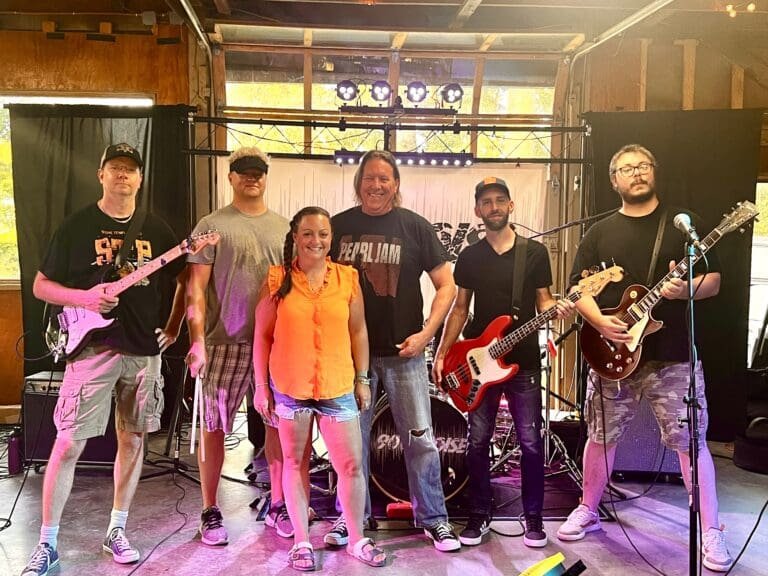
90N: We adhere to only 90’s music, hence the name 90’s NOISE. To go beyond that, we stick to the grunge, rock, alternative bands from that era. It’s super nostalgic to be a part of playing the music we loved listening to growing up and we want to share that feeling with everyone who comes to see us play.

RRX: I know when pitching it helps to tell someone it’s “this meets that.” So let’s try that with you. If you had to give me two bands that meet each other in your sound, what are those bands? More than two bands?

90N: Definitely a mesh of several different bands, but it’s Pearl Jam meets Stone Temple Pilots meets Alice In Chains, with some Blink182, Green Day and The Offspring sprinkled in for the punk rock side.

RRX: My singer punched my drummer out. Memorable moment, though nothing to brag about. But we have these things that, when summing up your endeavor, an incident comes to mind. What do you got?

90N: Brian, one of the lead singers, tends to move around a lot on stage. One time while doing a kick, he knocked out some mic stands and part of the drums. It was a quick recovery and no one was injured. We’ve learned that Brian needs ample room all around him on stage.

RRX: Stereotypes are a bitch. I mean, aside from the really bad ones, you have cultural stereotypes about everything, including music.  Would do you think is the stereotype for the music you play, and how far are you away from it?

90N: I think our stereotype is mainly Gen X and millennials, but we do have some Gen Z in the mix. We had a younger listener tell us he grew up listening to our music because his parents are Gen X.

RRX: We do this for the fans. For the blisters also, but mostly for the fans. Who’s one your best fans? Without necessarily giving their name, what are they like?

90N: A guy that often comes to see us play at Hometown Pub & Grub in Scotia. He gets into the groove as soon as he shows up, usually dancing front & center and singing along. He also sports our 90’s NOISE t-shirt that he won from answering a correct trivia question that we do in between songs. Aside from that, we have lots of support from friends & family, but we have to give a particular shoutout to Scott’s aunt, who rarely misses a show, and even came to see us on her 75th birthday.

RRX: What would you like fans to know before they come to see you play? (No basic stuff; get specific.)

90N: We rock the house wherever we play and we will not leave you disappointed. You’ll likely know the majority, if not all of the songs we play. We love crowd support, singing along, dancing. It will be a fun time, no doubt and our goal is to make you feel like you’re in high school again, singing along in the car to your favorite 90’s CD’s. We have a huge setlist and are constantly adding to it, so we continuously have new material to play.

https://www.facebook.com/share/r/1ASP7nDdXJ/?mibextid=wwXIfr

Photo provided. Video Rocket Studios 518.


More from Liam Sweeny…
Colin Jacobson – An Xperience Interview

0

Colin Jacobson – An Xperience Interview – by Neoptolemus.

“Pictures at an Exhibition” (a 1971 live album from Emerson, Lake, and Palmer). “A Fifth of Beethoven” (a 1976 disco instrumental). “Sabre Dance” (a 1968 Dave Edmunds/Love Sculpture electric guitar arrangement).

These are all 1960s-1970s popular song titles based on classical works.

But there’s more. Modern rock bands have sampled various pieces of classical works in their songs. Probably most notable is the guitar arpeggio in the middle of Deep Purple’s “Highway Star.” That’s directly quoted from Mozart’s “Piano Sonata No. 16 in C Major.” And there’s Metallica’s “Damage, Inc.,” with an intro based on Bach’s “Komm, Susser Tod” (“Come, Sweet Death”).

And there’s lots more.

The genre of heavy metal is founded on a movement from Gustav Mahler’s “The Planets” suite. Geezer Butler reports in his memoir, “Into the Void,” that he became fascinated with Mahler’s “Mars, the Bringer of War.” During band practice, he played the tritone from that movement on his bass. Guitarist Tony Iommi picked up on it and started playing it. That was the basis of “Black Sabbath,” the song that launched heavy metal. Ironically, no one in the band then knew that the tritone was nicknamed “The Devil’s Interval.”

So all of you out there who think you don’t like classical music, think again. You just didn’t KNOW you liked it.

Classical music is a fertile source of inspiration and mining for some of today’s biggest bands and musicians. And that is why everyone — young people, especially — should support classical music.

This is precisely the reason you should experience the Knights, who will be performing at the Troy Savings Bank Music Hall on Saturday, February 7; doors at 7:30 PM. True, the program is classical, but to quote an old Alka Seltzer commercial, “Try it; you’ll like it.”

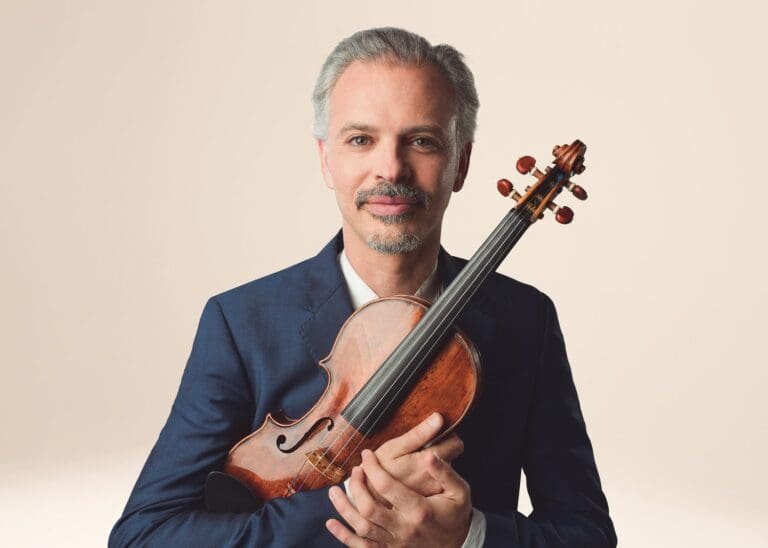
Colin Jacobsen, one of the founders of the Knights, agreed to sit down for an interview with Xperience Monthly.

RRX: Thank you for your willingness to be interviewed. First, can you describe the Knights? What was the origin of The Knights, and how many members are there currently? How does one become a Knight?

CJ: To extend your rock/pop metaphors here, the Knights is perhaps a classical equivalent of a garage band, in that it sprang up organically out of chamber music reading parties (classical jam sessions where you play music extemporaneously, sight-reading it for fun) in our living room in the early aughts. It started out as a string orchestra of about 17 musicians and expanded to include winds, brass, and percussion a few years later. There are around 40 member musicians now, forming a chamber orchestra-sized group that can expand or shrink, accordion-like, according to the repertory on a particular project. Musicians can be eligible for membership after playing at least five projects with us (for which they are recommended by current personnel or our personnel manager). Usually, it’s after several years of playing with us that one can potentially become a member. Our goal is to keep that feeling of intimacy and immediacy we experienced in the living room in small group formations and bring that energy to the concert hall.

RRX: The Knights aren’t your typical chamber orchestra. The group’s performances are highly eclectic; you have even performed a 2009 Kyle Sanna orchestral arrangement of Jimi Hendrix’s song, “Machine Gun” (featuring Jan Vogler on cello). It seems the Knights’ mission is to traverse/amalgamate musical genres in order to connect modern audiences to classical repertoire.

CJ: The Knights’ repertory is reflective of my brother Eric, myself, and other member musicians’ curiosity for and expertise in a number of musical genres. While the majority of us come from classical conservatory backgrounds (Juilliard, Curtis, etc.), some of us specialize in period instrument/early music on one end and in contemporary classical on the other. There are also singer-songwriters in an indie-pop/folk vein, arrangers and composers, jazz musicians, and members who engage in cross-cultural music making. And yes, when we do something like make Paul Simon’s “American Tune” the second movement of Bach’s “Brandenburg Concerto No. 3,” with Knights member Christina Courtin playing violin and singing, it’s based both on a desire to connect to a larger musical world and reflect the back and forth that has always existed between popular or folk music and longer form composition through the centuries. (Simon’s tune is based on a choral from Bach’s “St Matthew’s Passion,” which is itself based on an older hymnal tune …)

RRX: What is the process for the selection of compositions to be performed by the Knights?

CJ: My brother Eric and I are always bandying about ideas. Sometimes they are based around a particular collaboration or guest artist, and that can lead our thoughts in a certain direction. Member musicians often come with ideas which we try to incorporate, and now we have a member musician programming point person (the aforementioned Christina Courtin) who funnels membership ideas as well as coming up with her own. We have a long-term project going around the idea of “Rhapsody,” born out of a desire to celebrate the 100th anniversary of the premiere of Gershwin’s iconic “Rhapsody in Blue.” We commissioned around nine new works that all brought together two or more musical worlds, as Gershwin did.

RRX: You have mentioned elsewhere that you (and the Knights) would be interested in a collaboration with Jon Batiste, who recently released a “Beethoven Blues” album (Verve Records, 2024). Are there any plans for a Knights/Batiste future collaboration?

CJ: Not yet, but sometimes by putting an idea out into the universe, it comes to fruition years later …
RRX: Improvisation, also known as free-soloing, is a mainstay of most rock music, the solos typically performed by a guitarist or keyboardist. Probably the most iconic rock solo is the “Stairway to Heaven” intro by Led Zeppelin’s Jimmy Page. Classical music also had its era of improvisation, when composers like Bach, Beethoven, and Mozart performed their music. But then, for an extended period, classical music became fixed, with only one way to perform a piece. Indeed, during that era, it was blasphemous for soloists to improvise. That seems to be changing, with modern composers like DBR (Daniel Bernard Roumain) not only soloing, but even including improvisational sections in their written music. What are your thoughts about improvisation, and what do you think the future holds regarding its use in modern classical compositions?

CJ: A few thoughts here. I think music that truly touches us is based on a mixture of structure and freedom. I think the parallel for long-form, composed/written-down music is in the theater world. Actors work with scripts, whether for the stage or the screen, and when it’s good, it has a freedom, an organic quality, and something that rings “true” in its delivery. Classical musicians mostly work in a similar way, where timing and a sense of narrative delivery can make a performance feel either alive or stunted. Improvisation or highly structured music both have value, and in the en,d it’s about whether it’s done well.

I will say that classical music, mirroring much of Western society (medicine, law, etc.), became increasingly specialized over the past few centuries, such that composers and performers were increasingly separate people. But when they are the same, there’s an ecosystem of creativity and experimentation that is good, and I feel like the classical world is returning to a more holistic place where there are more performer/composer people who are likely to have improvisation as some part of their creative practice.

RRX: Do you have any guilty pleasures, such as listening to pop/rock/blues/jazz music? Do you have any favorite modern artists or songs?

CJ: There’s no guilt in listening to great music across any genre. Some favorite recent artists: I’m With Her, Kayhan Kalhor, Chris Thile, Martin Hayes, Cecile McLorin Salvant, Toumani Diabate, Magos Herrera.

RRX: Is there any message you would like to leave our readers with?

CJ: In a time when we are distracted by so much in the world, great live music can give us a focused experience in community, unlike anything else. Give the Knights a try on February 7th in the beautiful acoustics of Troy Savings Bank Music Hall.


More from Neoptolemus…
The Space Between @ Norrine’s, 1/10/2025

0

Saturday, January 10th, The Space Between had an absolutely captivating performance down at Norrine’s. Their set list included hits across the folk/country span of old and new. Seeing them live every time is such a great experience!


Photography by Christopher Ebbs.

More from Norrine’s here …

Dave McCarthy and the Very Deep @ McGeary’s, 1/2/2026

0

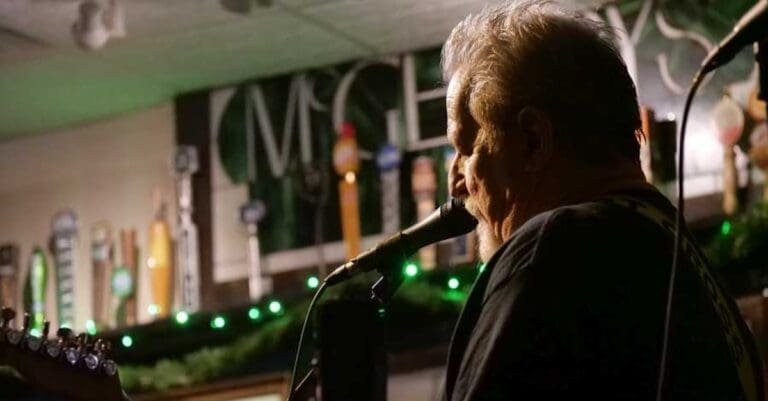
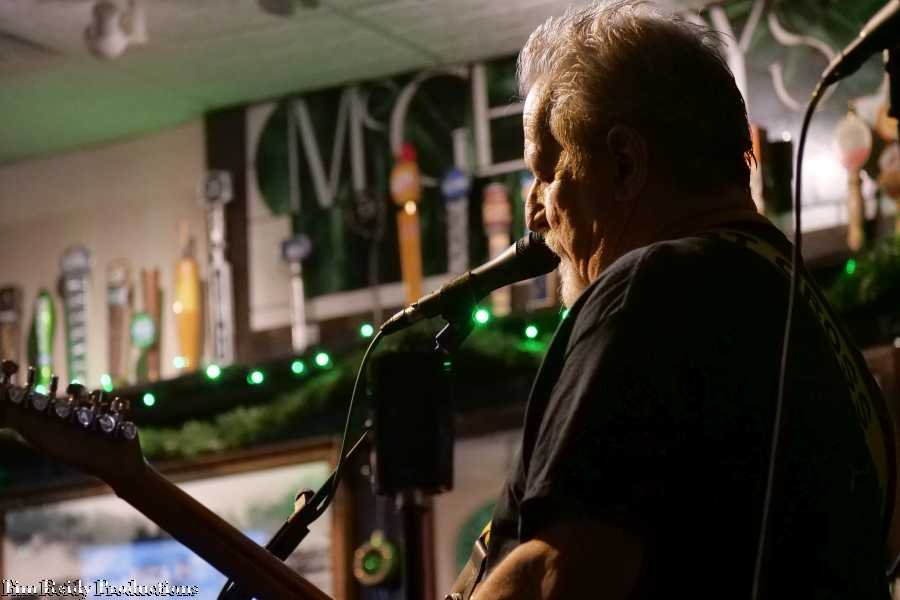
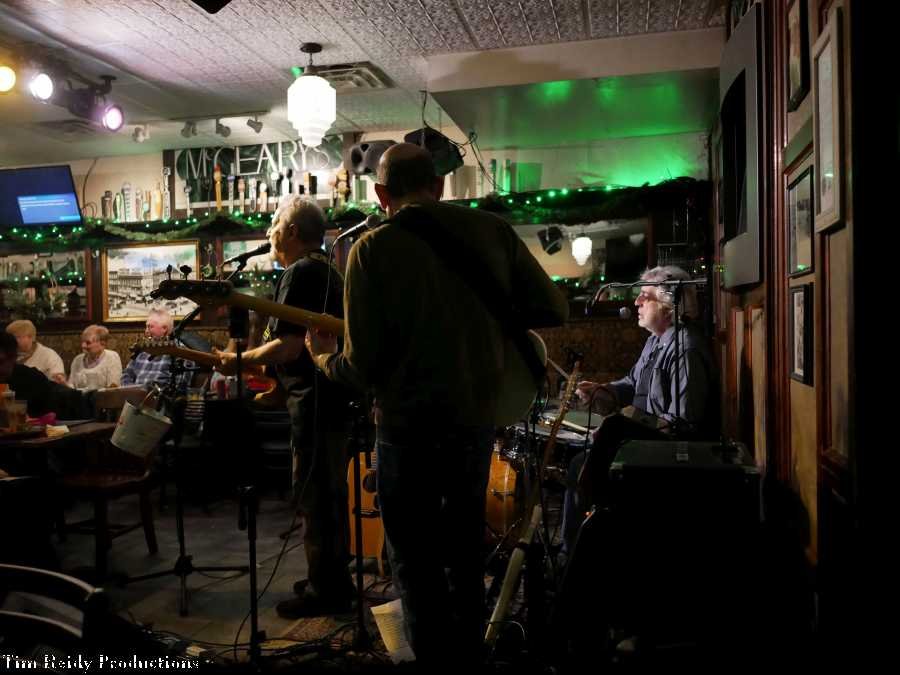
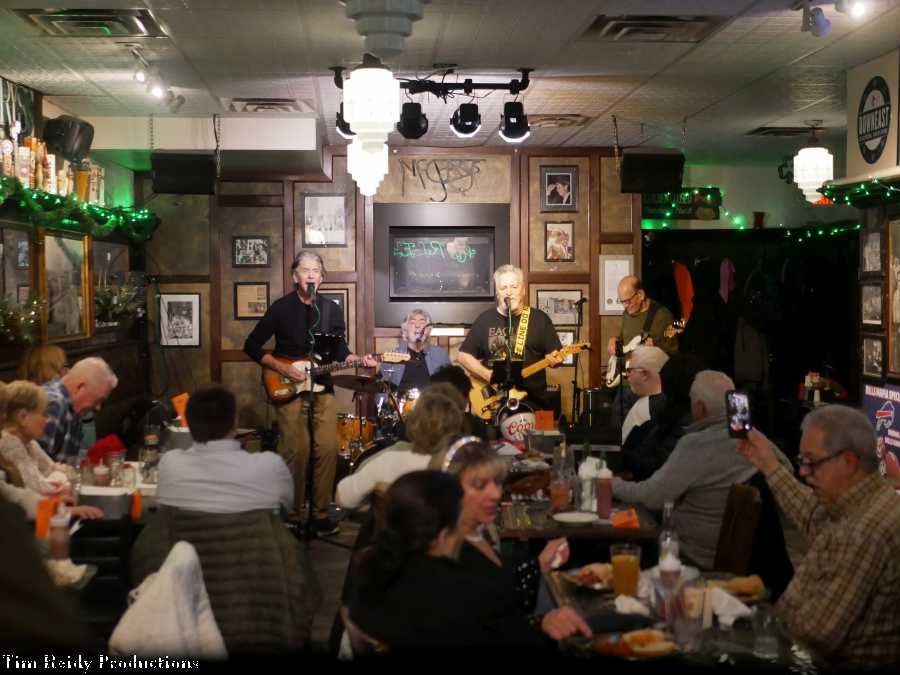
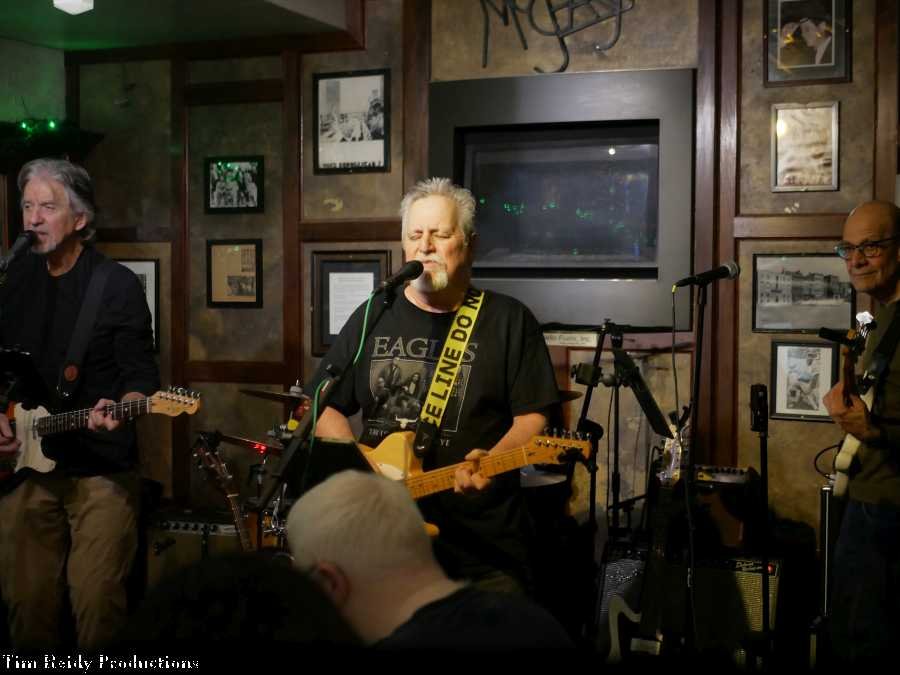
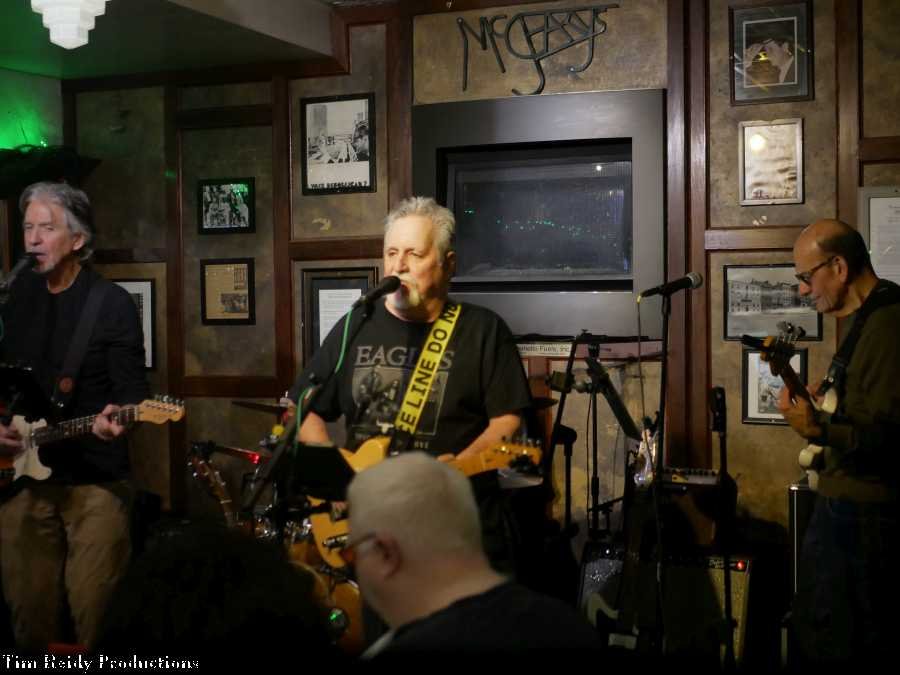
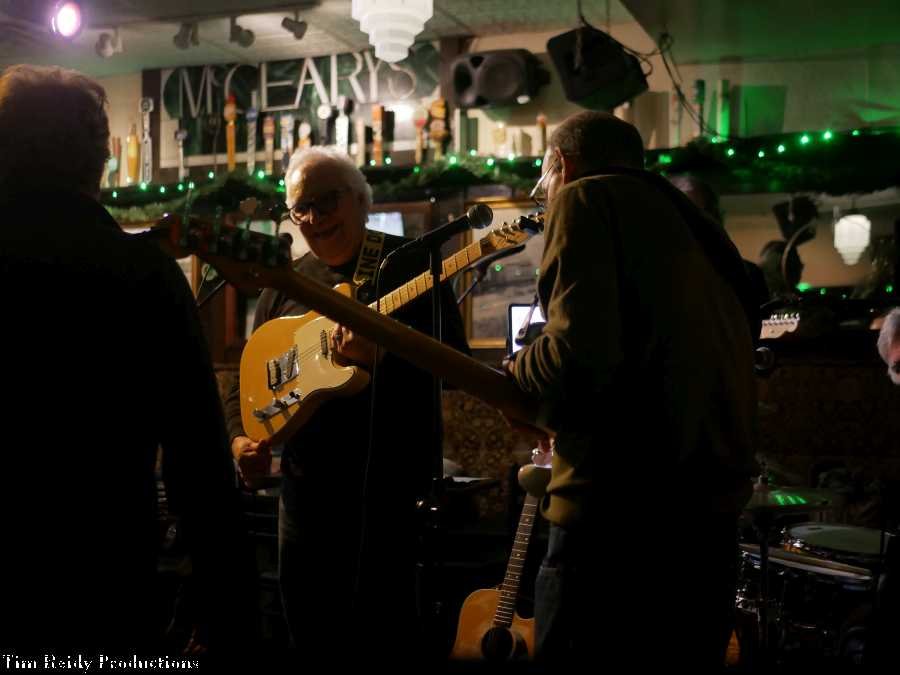
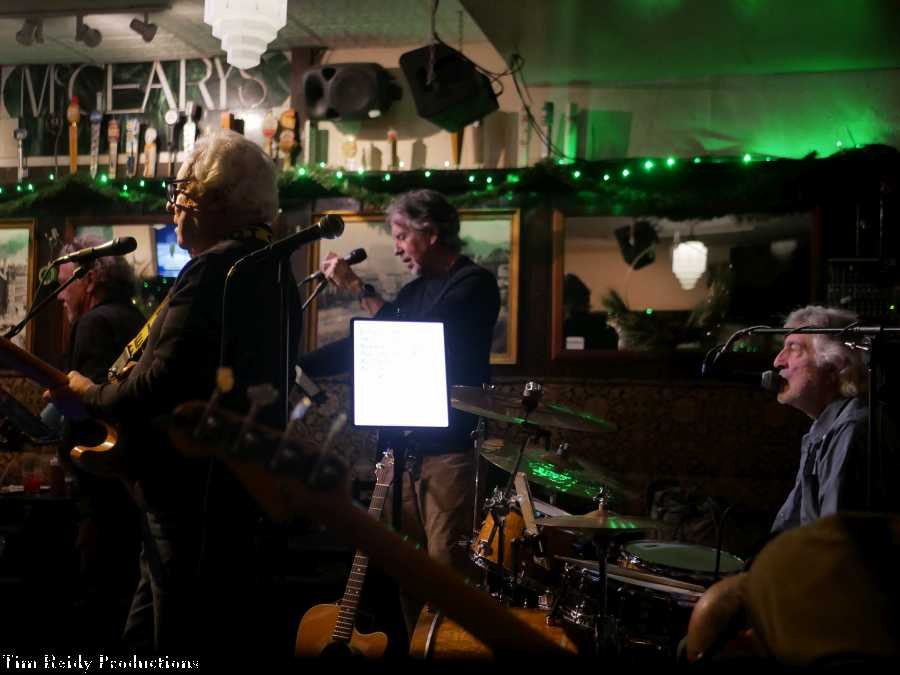
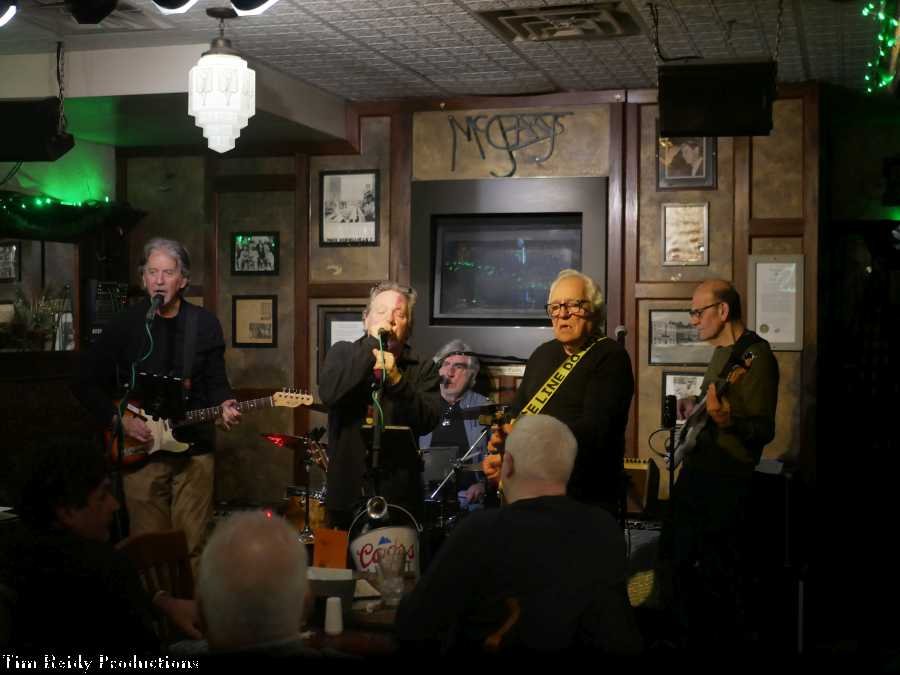
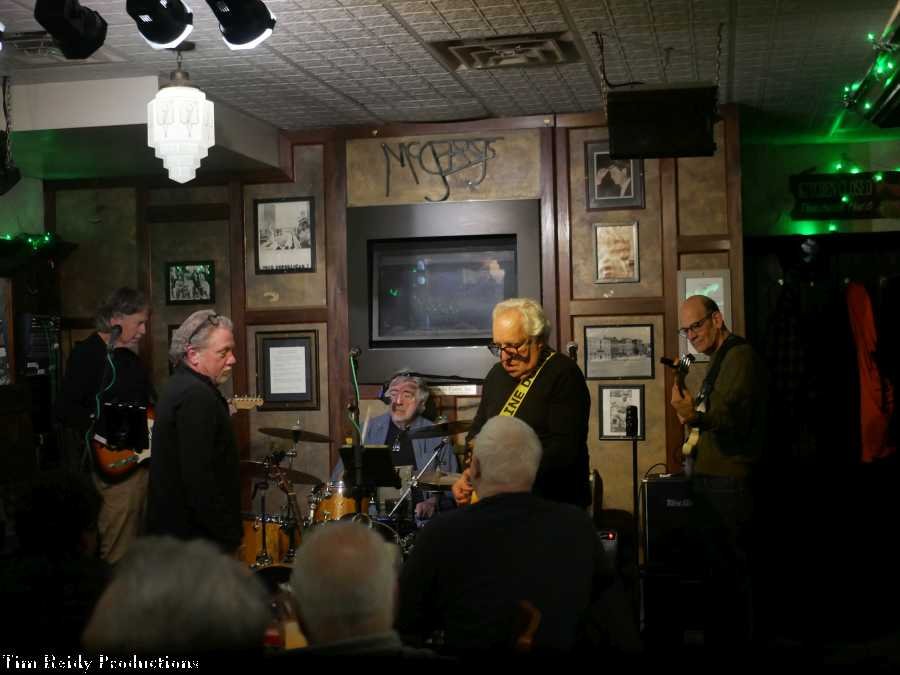
Kicking off 2026 coverage with some rock from Dave McCarthy and the Very Deep at McGeary’s.


Photography by Timothy Reidy.

More from McGeary’s here …


All Bets Are Off: Unmasking the Storyteller Behind Robby Vegas

0

Words and Photography by I Am Lorelei!

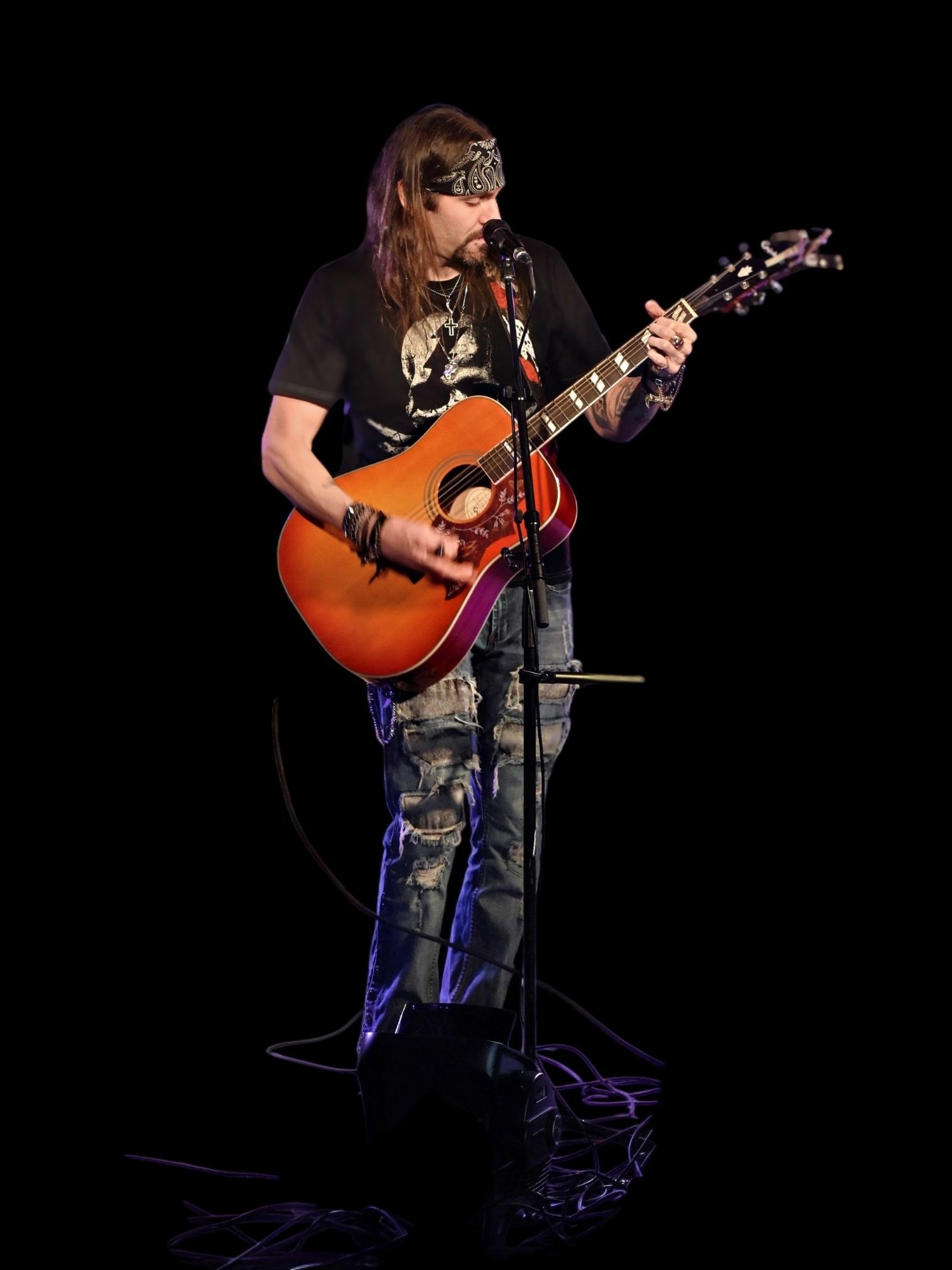
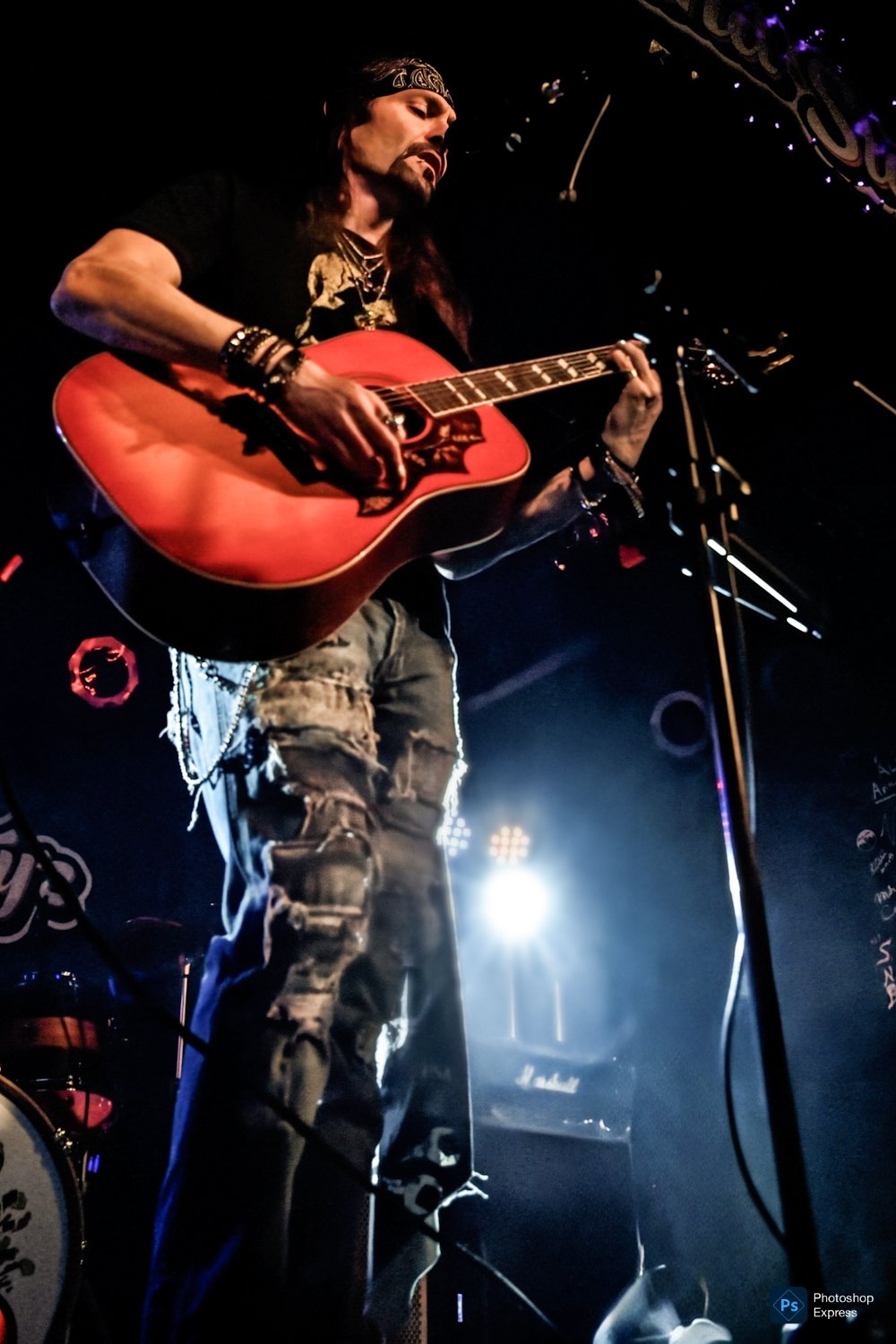
Robby Vegas: Where Wrestling, Rock, and Storytelling Collide

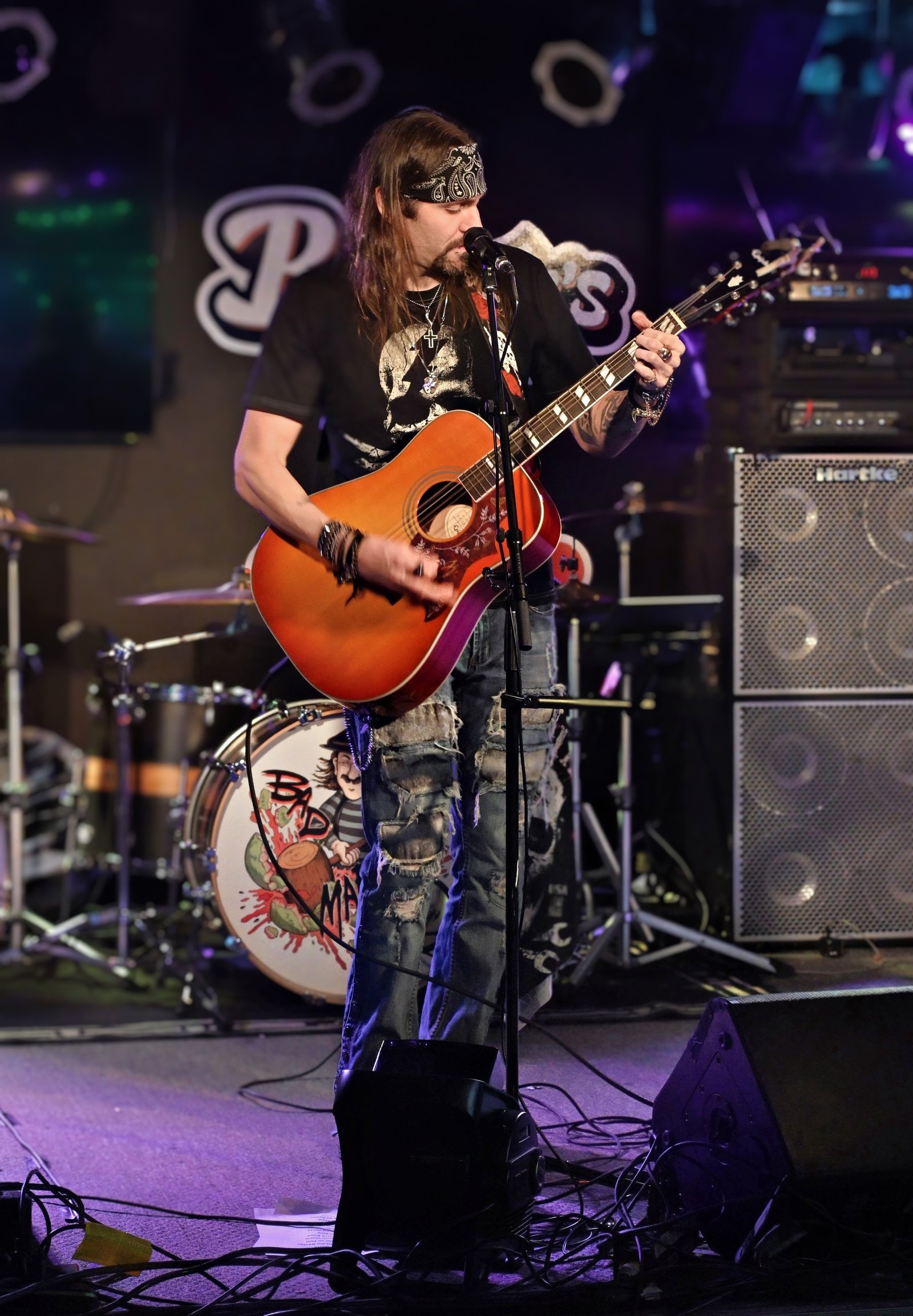
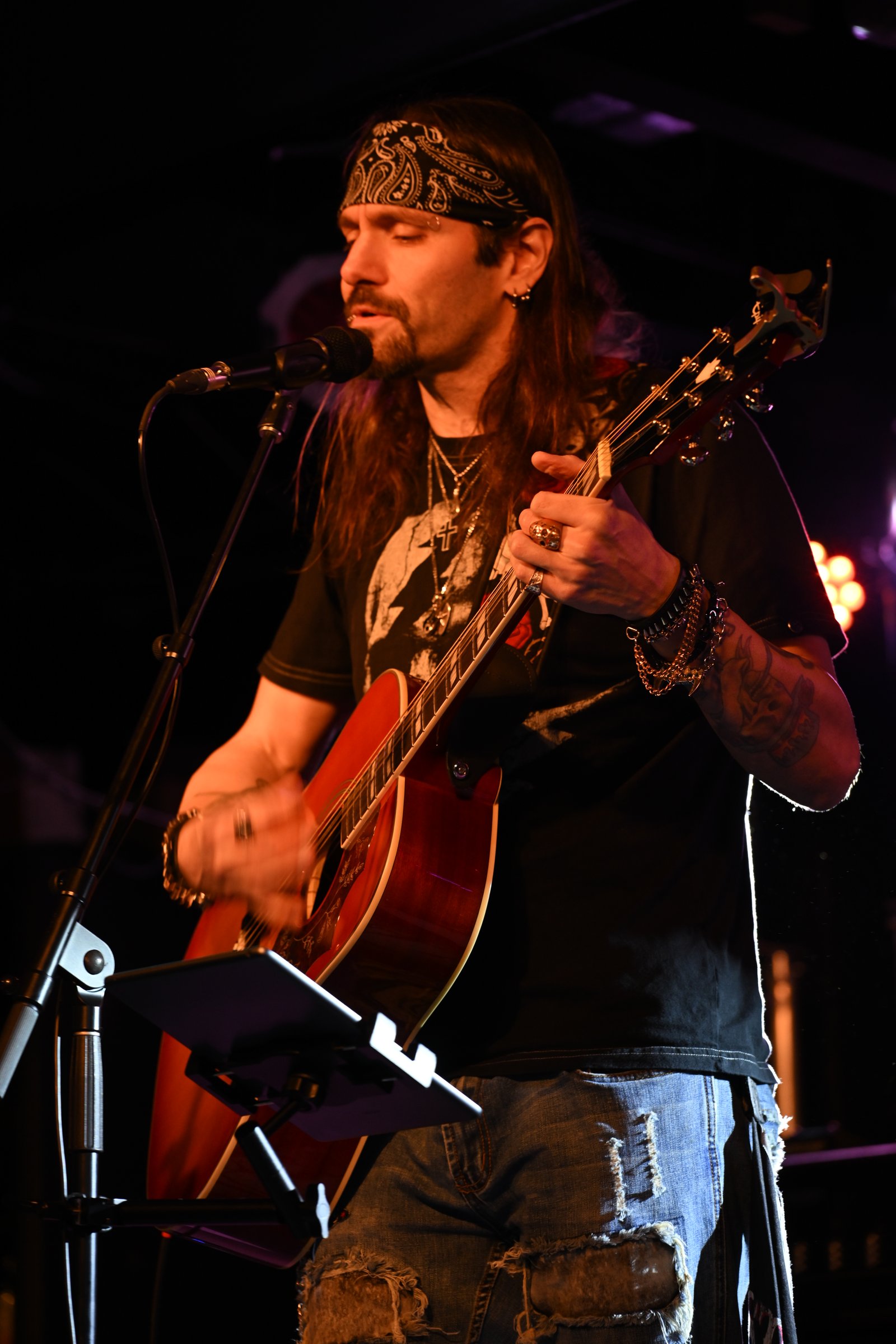
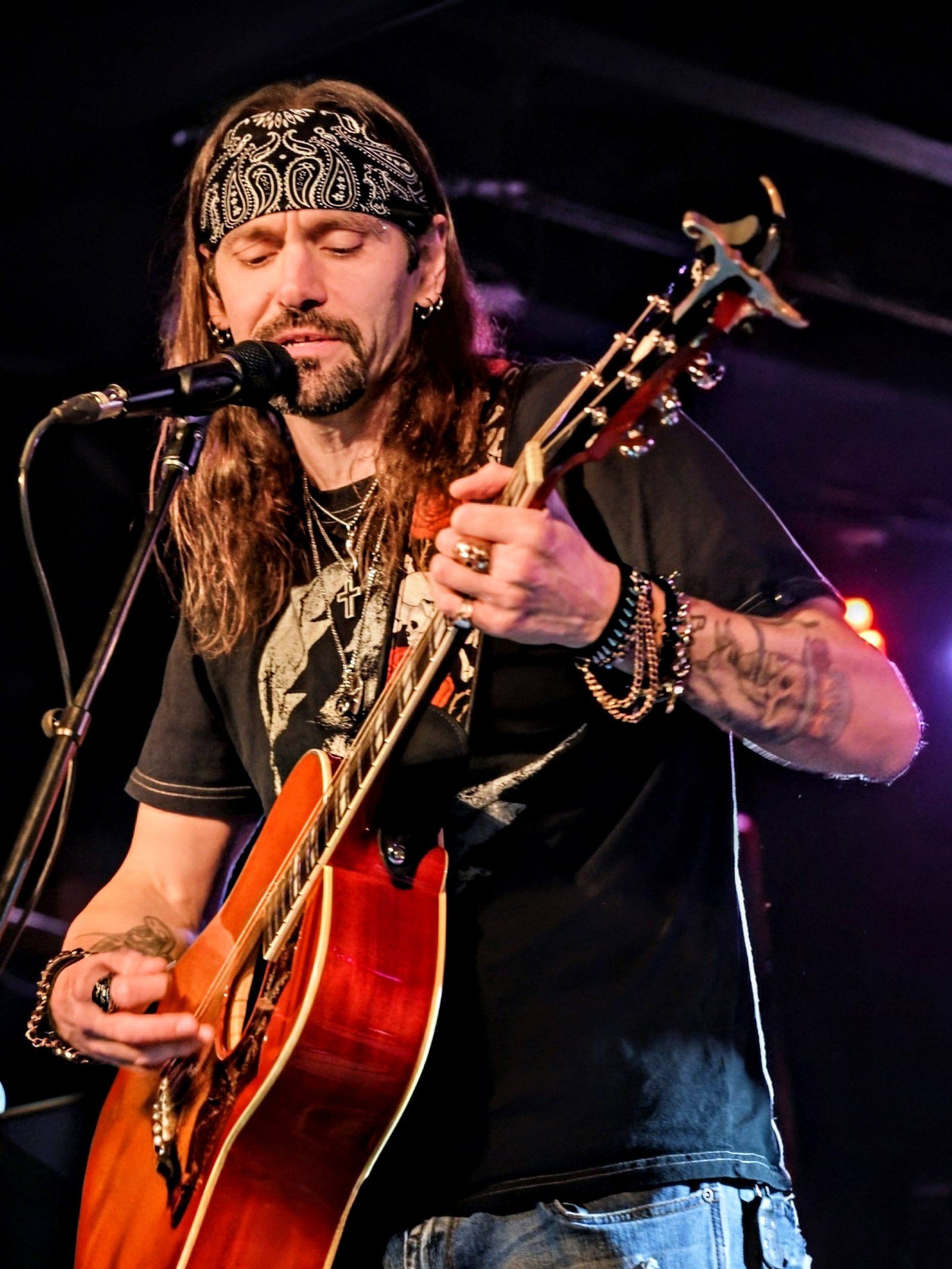
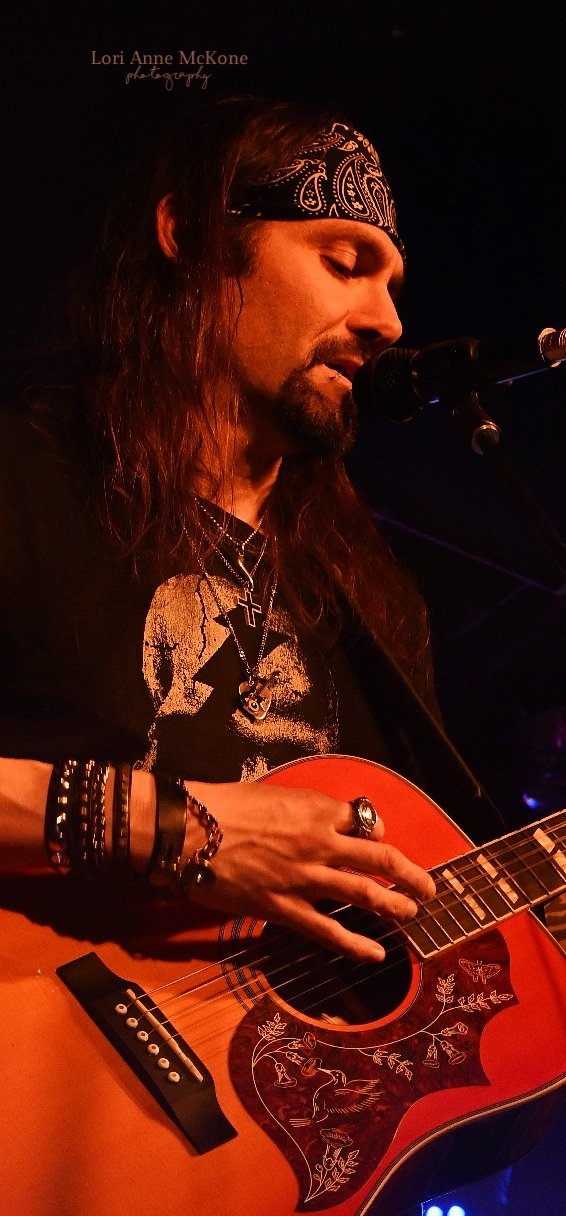
Step into Robby Vegas’s world, where the roar of the crowd and the thunder of an ’80s rock anthem fade into the quiet intensity of midnight creativity. Beyond the spotlight, he is a study in contrasts. Explosive energy in the ring and on stage, balanced by quiet, thoughtful moments alone. When the adrenaline fades, and the crowd disperses, Robby retreats to his sanctuary – a space where you hear only the soft rustle of turning pages or storylines scribbled in a notebook. Here, he loses himself in tales of faraway places and midnight horror films, each sparking the imagination that drives both his music and wrestling. These contrasting sides are not at odds; instead, they inspire his artistry in both his music and wrestling. 

Long before he found himself in front of adoring fans or beneath the bright glare of stage lights, Robby’s path began with music. At just six years old, he picked up a guitar for the first time, and an enduring passion quickly took hold. By 13, Robby was performing live, and only a year later, he earned his first paycheck as a musician—a milestone that fueled his determination to pursue his dreams. Throughout his teenage years, he refined his craft with relentless dedication, seamlessly balancing academic responsibilities with late-night rehearsals and local shows, laying a solid foundation for the performer he would become. 

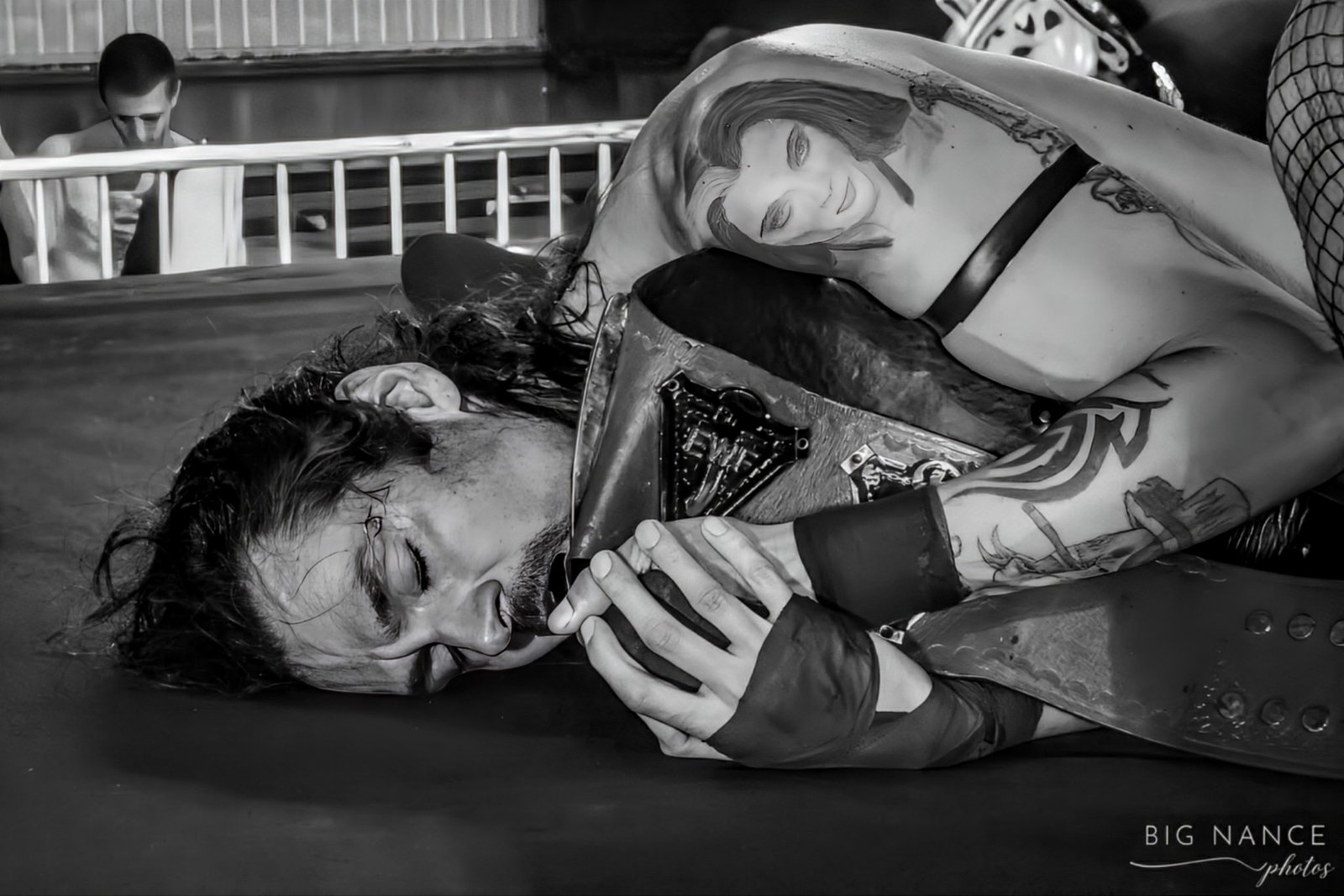
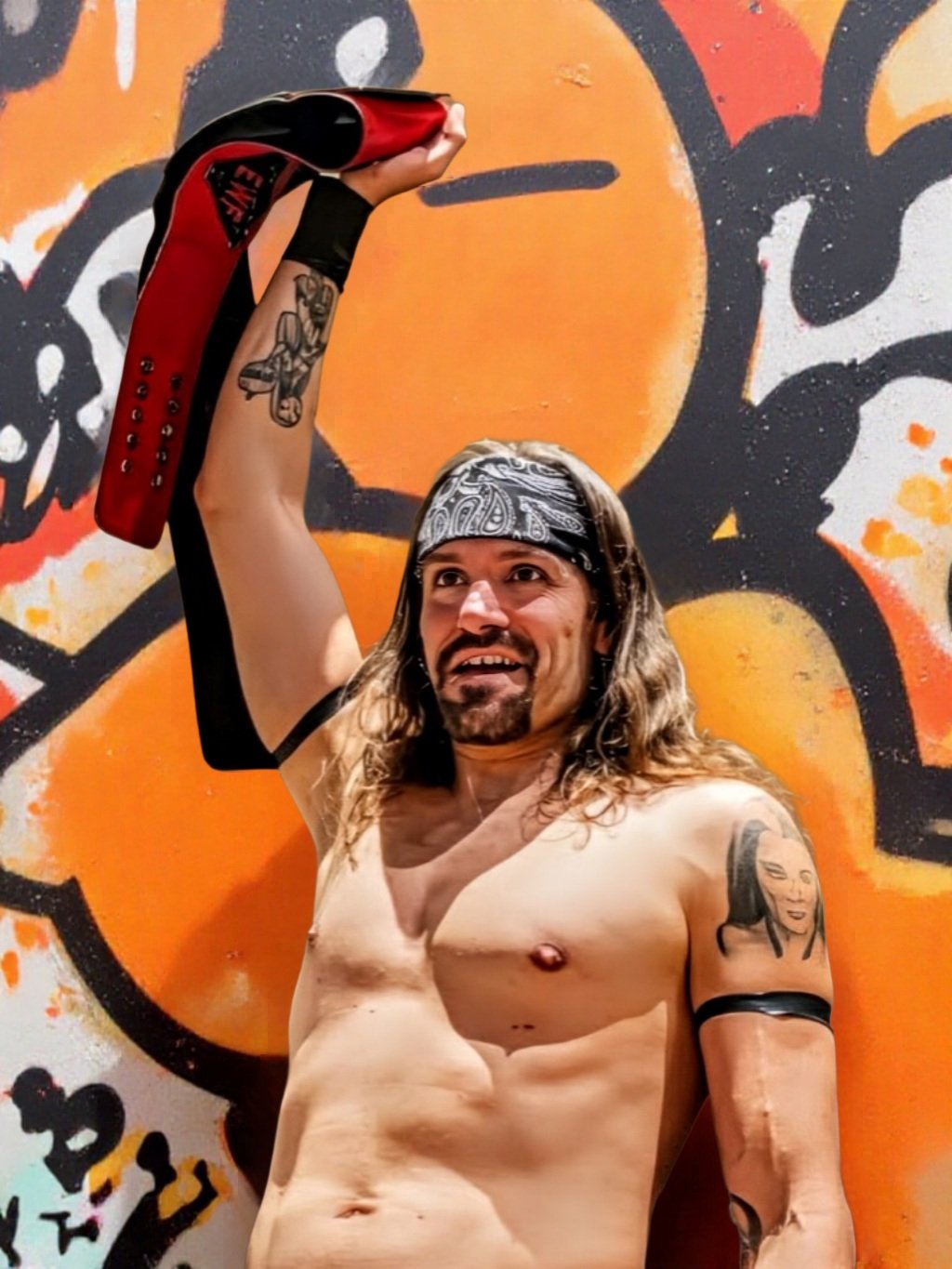
The discipline, creativity, and stage presence Robby developed as a musician naturally paved the way for his next chapter – stepping into the wrestling ring, where those same qualities became essential to his success. It wasn’t until age 23 that Robby stepped into the wrestling ring, bringing with him the discipline, creativity, and stage presence he’d cultivated as a musician. This unique blend of experiences laid the foundation for his multifaceted career, allowing him to merge the worlds of music and wrestling into a singular form of storytelling.  

For Robby, wrestling and music are passions – intertwined outlets for self-expression and complex storytelling. He often draws inspiration from musical rhythms when choreographing wrestling routines that allow him to channel his emotions and connect with audiences on a profound level. The discipline and psychology honed in the ring set the tempo for his songwriting, while the vulnerability and emotion of music enrich his wrestling persona. Both crafts demand relentless commitment, inventiveness, and a flair for narrative – qualities often underestimated by outsiders. 

The creative process behind Robby Vegas’s music is anything but effortless. He invests countless hours refining lyrics and sounds, as well as crafting intricate narratives for wrestling. The solitary nature of studio work makes it difficult to channel the same energy and connection that comes from performing live. “Studio work is a grind,” Robby admits. “One of the biggest challenges is imagining an audience while working alone and staring at a wall.” The same challenge faces him with wrestling, where the art goes beyond physicality to include ring psychology and crafting a narrative that truly resonates with fans.  

They say a lyric or melody scribbled on a napkin in a smoky barroom, five minutes and a shot, is all it takes. The myth grows legs, struts through the minds of listeners, and roots itself in fans’ expectations. These stories cause obvious misconceptions, minimizing the dedication and skill needed for music production. 

Away from the spotlight, Robby Vegas finds inspiration in quiet solitude, surrounded by stacks of well-worn books and the flickering shadows of late-night horror films. These moments of introspection fuel his creativity, whether he’s imagining new wrestling storylines, composing music, or writing chapters for his novel. It’s in this sanctuary that Robby refines his vision, blending the energy of performance with the depth of storytelling and self-discovery. 

Alongside preparing for his upcoming album and guiding students at The Buffalo Wrestling Academy, Robby dedicates time to writing a novel. In the shadows of midnight creativity, Robby Vegas pens a novel whose character is a cross between a rock star and a wrestler—unmistakably a reflection of Robby’s own journey. Now fifty pages deep, the story follows a vampire whose persona channels Robby’s own experiences. As this protagonist grapples with the paradox of immortality, the narrative explores what it means to change and evolve without losing one’s essence. The themes of carrying the weight of eternal consequences, being suspended in the present moment, and fiercely protecting one’s heart mirror the hard-won lessons Robby has acquired through years of personal reinvention and self-discovery. “I’d give up my stubbornness, but I’d fight to keep my heart to become immortal,” Robby muses. “It’s taken me a long time to become the person I am today, and I don’t want it to disappear.” 

Robby envisions his novel one day seeing the story adapted for film, envisioning a lead role that captures both his own charisma and the enigmatic darkness found in Johnny Depp’s most iconic performances. Drawing from his own struggles and triumphs, Robby infuses the novel with authentic emotion and insight. His protagonist’s journey is not just a supernatural adventure, but a reflection of the battles we all face—against time, expectations, and the fear of losing ourselves. Each chapter is shaped by Robby’s unique perspective as both an artist and a mentor, blending the thrill of performance with moments of profound introspection.  

Just as Robby channels his passion for storytelling into his novel, he extends that curiosity and engagement to the world of podcasting, where conversations become another canvas for creative exploration. Podcasting has become another avenue of exploration for Robby Vegas. On his show, All Bets Are Off, he gravitates toward guests who spark genuine curiosity, including personalities from television, paranormal investigators, and musicians. The podcast allows him to stay curious, continue learning, and connect with others beyond his own experiences. When interviewing guest Dan Sturges from Paranormal Caught on Camera, Robby Vegas’s conversation remained authentic and filled with thought-provoking questions. He and Dan discussed investigation techniques and the difficulties in catching paranormal activity, even at sites people swear are hot spots, and getting nothing, so Dan keeps a gigantic database of information – dates, times, time of year, temperature, barometric pressure – to see if there is a pattern. His favorite moments are when they catch something people weren’t expecting, adding a lot of credibility to the investigation. “It’s cool to watch their reactions,” Sturges says.  

Scheduled for release in spring 2026, his upcoming album started as a humble EP but expanded into a full record with 11 tracks—plus a bonus twelfth on the horizon. Robby Vegas draws inspiration from legendary rock icons of the ’80s, such as KISS and Poison, and even incorporates influences from the Beatles. He infuses each song with the energy that first sparked his passion for music, collaborating with co-writer and guitarist David Julien, who also performs on the album. With three songs still in the writing phase, an all-star lineup of accomplished musicians who have already laid down their tracks in the studio, and touring bands coming together, the creative journey is ongoing. This album captures the core spirit of ’80s rock that shaped Robby’s early years; rather than just paying tribute, it offers a modern perspective that blends nostalgic influences with a unique personal style. 

The album features an all-star studio band, including Jimi Bell (House of Lords, Jungle Rot), Roxy Petrucci (VIXEN, Madam X), Maxine Petrucci (Madam X), Todd Boisvert (Bad Marriage), Joey Cassata (ZO2, songwriter), and David Julien (guitar and songwriter), whose expertise shapes every track. Because these musicians have ongoing commitments to their own bands, they will not be joining Robby Vegas on tour. To bring the album’s energy to live audiences, Robby is assembling a dedicated touring band, with details to be announced closer to the album’s release. This approach ensures fans experience both the unique studio sound and dynamic live performances. 

If it were just Robby Vegas and an opponent in the ring—no crowd, no cameras, the final match of his career—he knows exactly who he’d choose: Shawn Michaels. Before the bell rings, Robby would thank Shawn for the opportunity, expressing what an honor it is to share the ring with the very person who inspired him to pursue wrestling in the first place. That match would be more than a farewell; it would be a culmination of everything Robby learned about the sport. 

Afterward, Robby channels all those lessons into his work at the Buffalo Wrestling Academy. As a coach and co-trainer at the academy alongside Vince Valore and Dan Joseph, he’s deeply invested in the growth of his students—not just teaching them the physical techniques of wrestling, but also sharing the discipline, psychology, and storytelling that define the sport. He spends countless hours guiding young wrestlers through the challenges of the ring, helping them understand not just how to execute moves, but why each moment matters. Robby is especially passionate about those breakthrough “aha!” moments, when a student suddenly grasps a concept or connects with the audience for the first time. Witnessing these transformations reminds him of why he fell in love with wrestling, and it fuels his commitment to helping others discover their own passion. For Robby, coaching isn’t just about building athletes—it’s about nurturing storytellers and inspiring the next generation to find their voice, both in and out of the ring. 

Long before the crowd chants his name or the first chord rings out on stage, you will find Robby Vegas alone in a room, surrounded by the silence of his thoughts as he reads tales of haunted midnight worlds, imagines storylines of wrestling legends rising and falling, and sketches out new chapters for his novel. In these quiet moments, Robby draws inspiration from the stories that shaped him—from gritty battles in the ring to the wild, electric pulse of rock music. This creative solitude is where he refines his vision, weaving together the energy of performance, the depth of storytelling, and the vulnerability of self-discovery. It is here, away from the spotlight, that Robby finds the heart of every song and every story, ensuring that when he finally steps into the arena or onto the stage, he brings with him a spirit that is both fiercely personal and universally resonant. With every project—whether music, coaching, or writing—Vegas reminds us that greatness begins not in the roar of the crowd, but in the quiet conviction to create something lasting.  

Official Website:
Robby Vegas Official Site
This site features news, tour dates, merchandise, and updates about Robby Vegas’s music, wrestling, and podcast activities. It’s the best place for fans to check for upcoming shows and new merch. 

Tour Dates:
For a direct link to upcoming events, visit the Shows page.

Merchandise:
Official merch is available at the Shop page and also at Pro Wrestling Tees. 


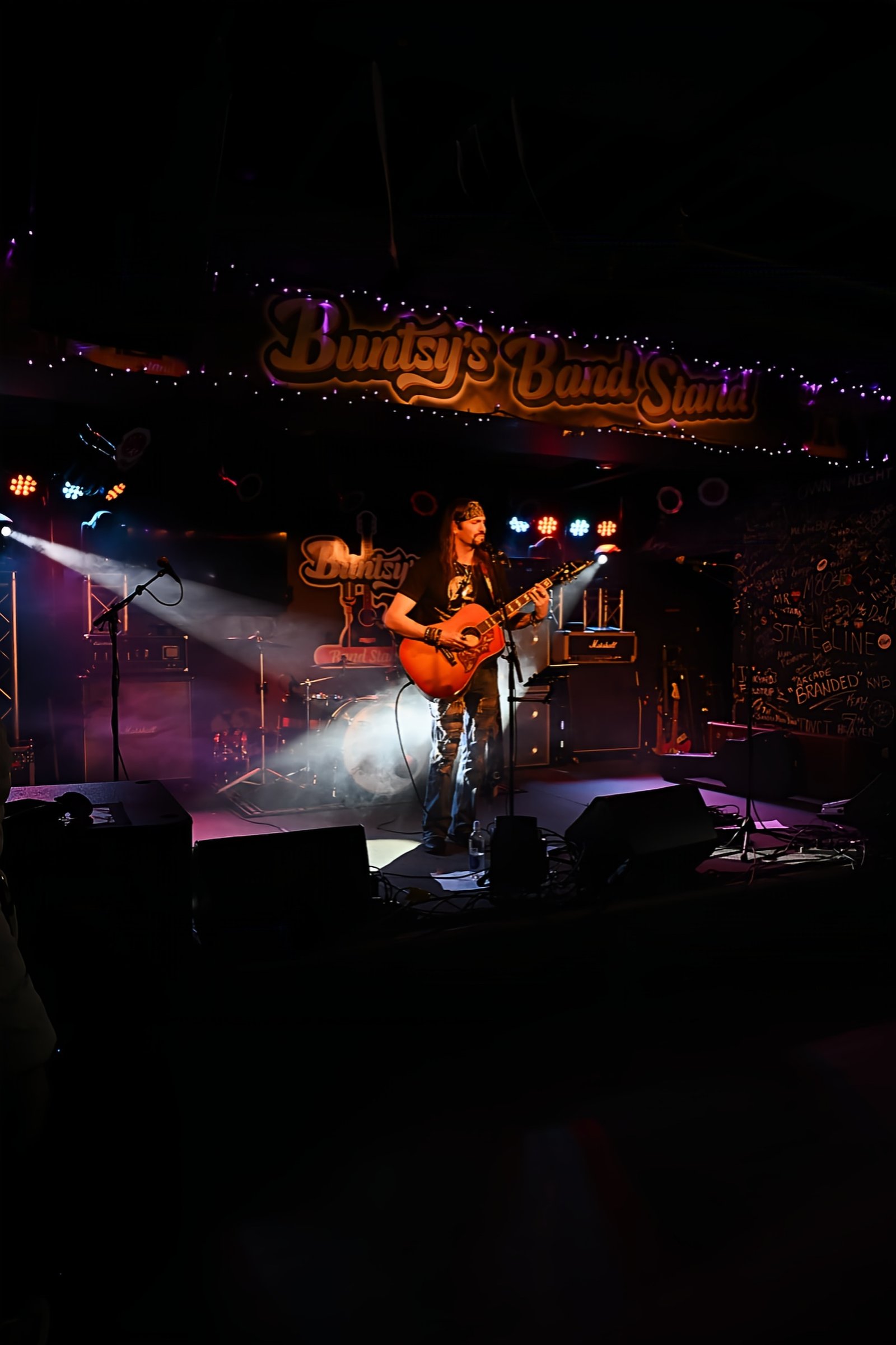
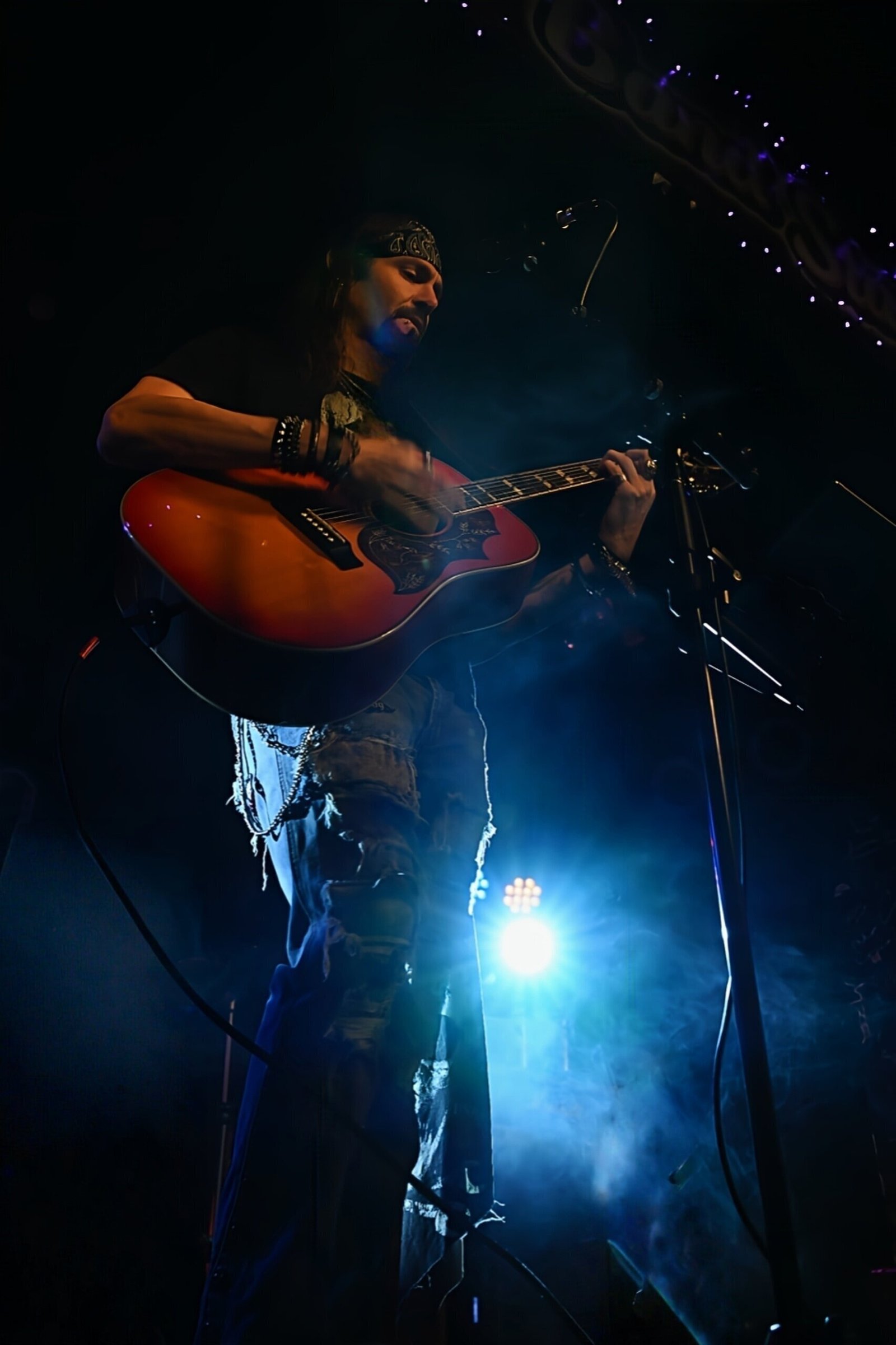
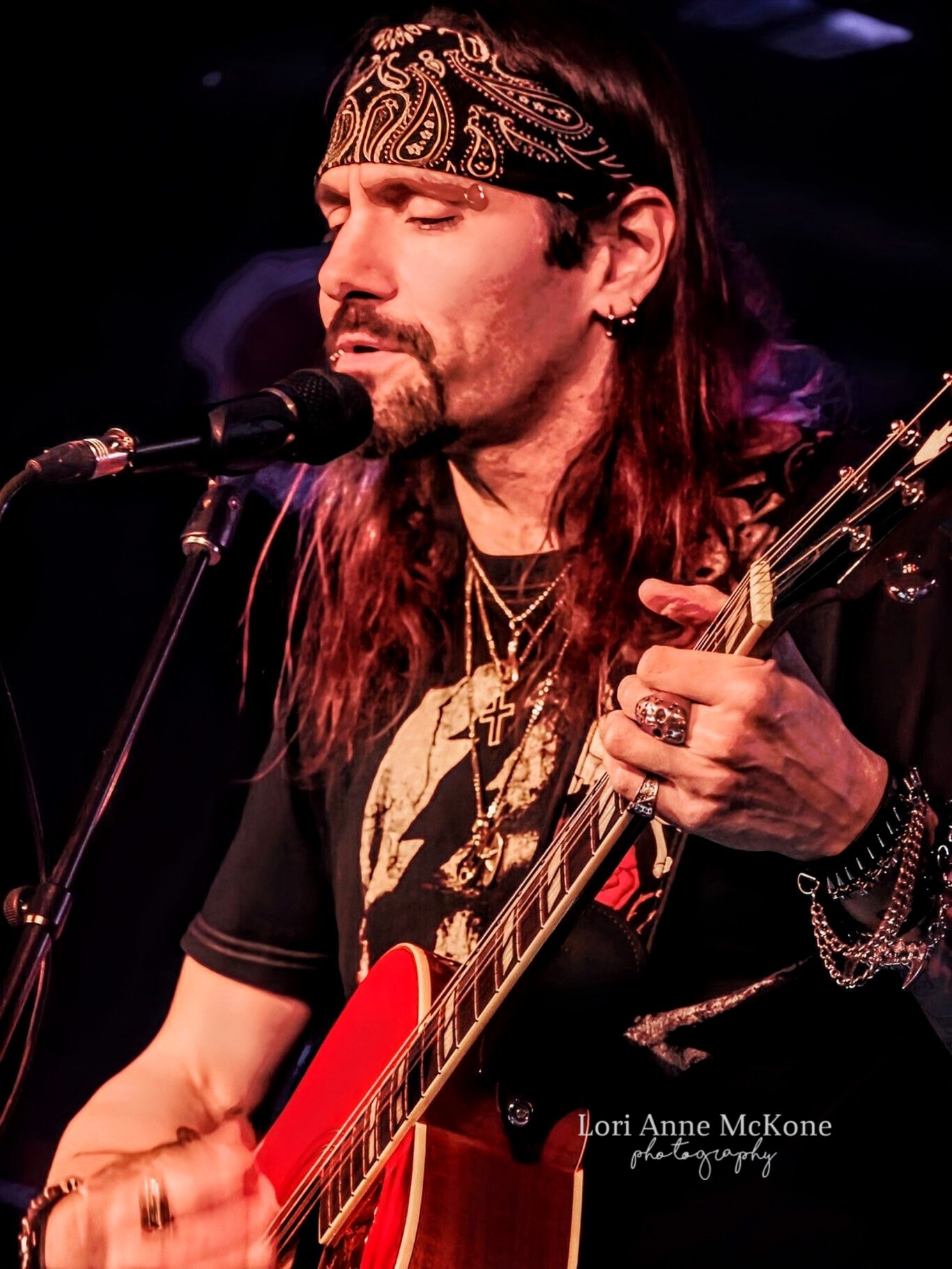
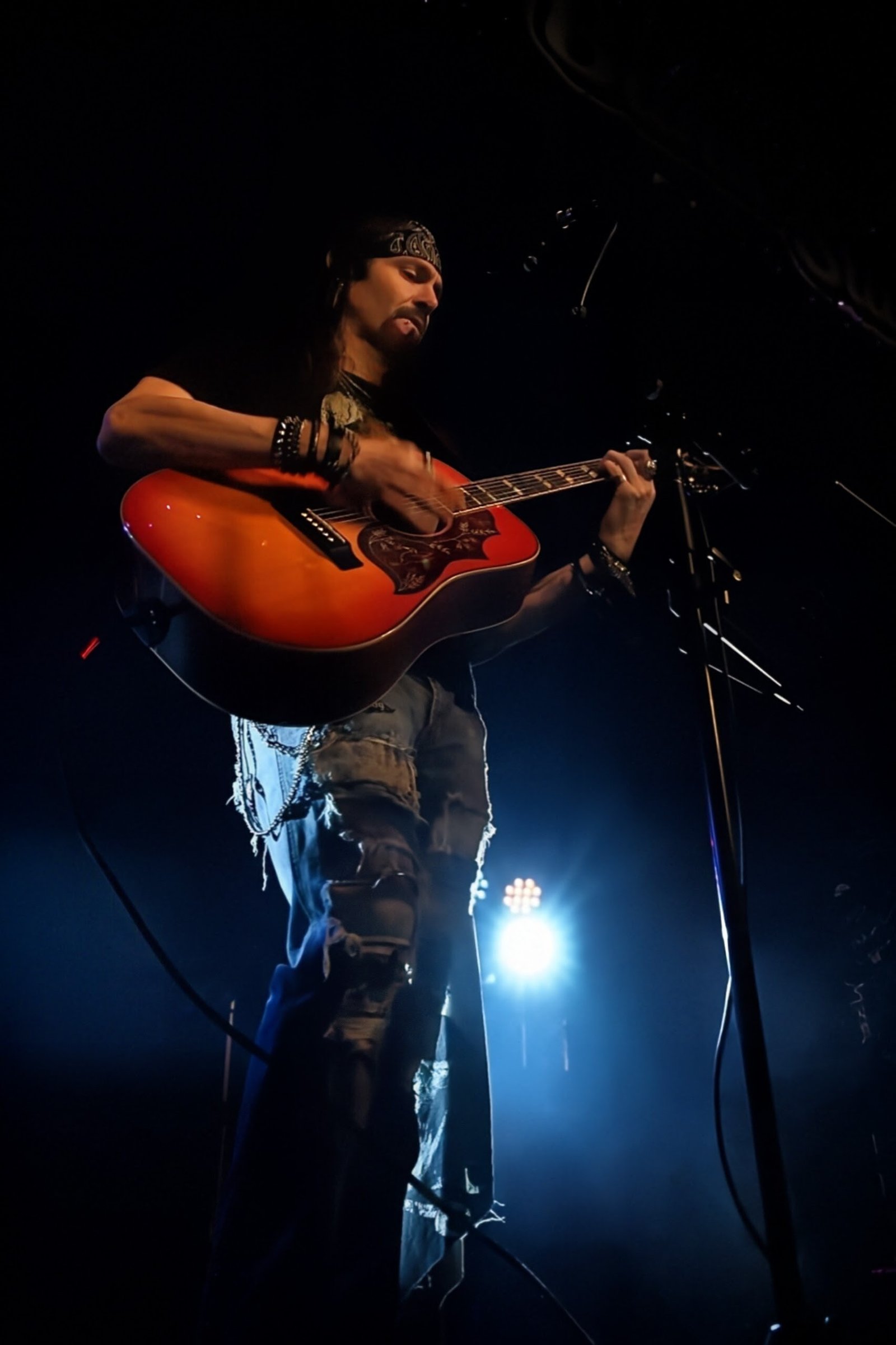
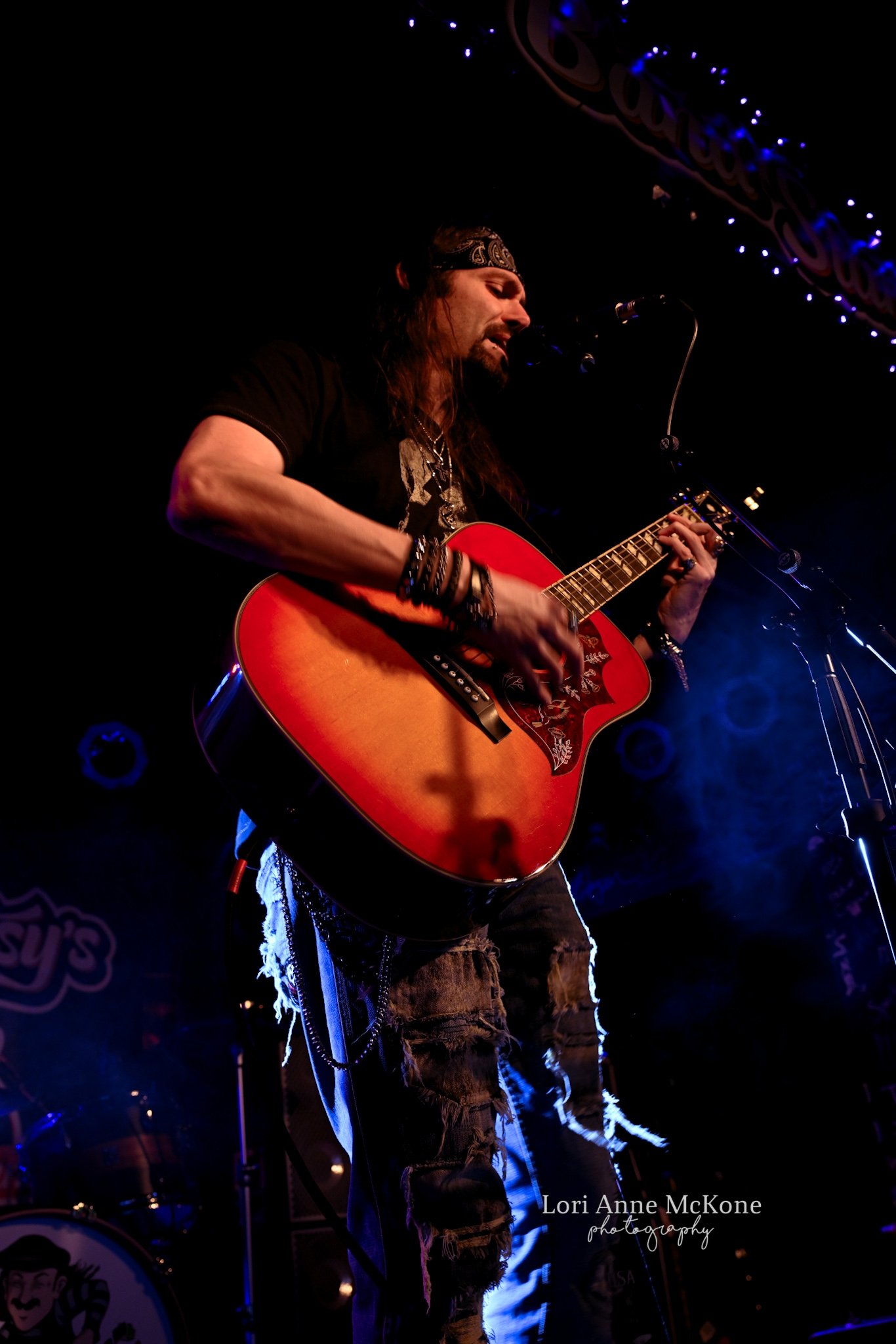
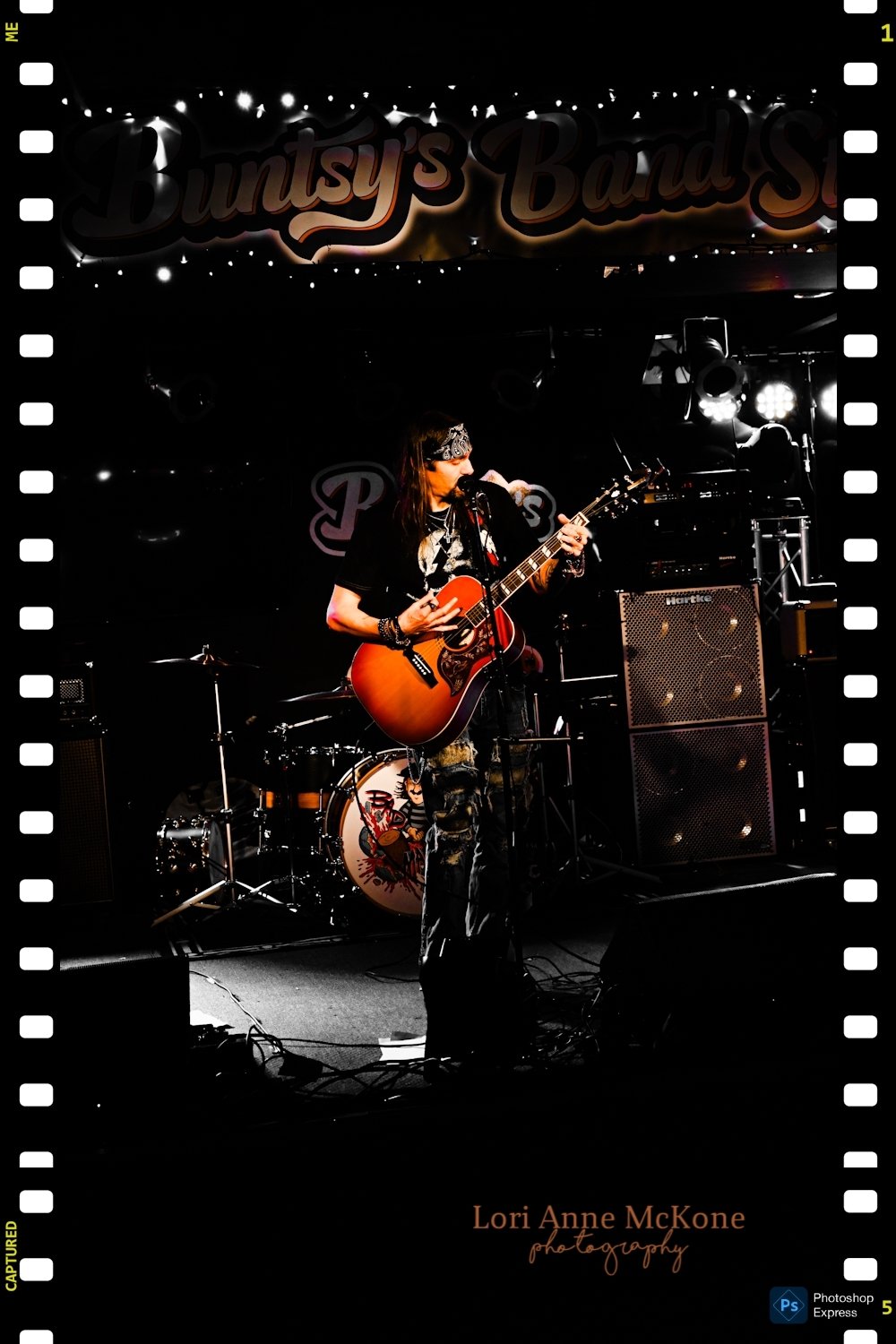
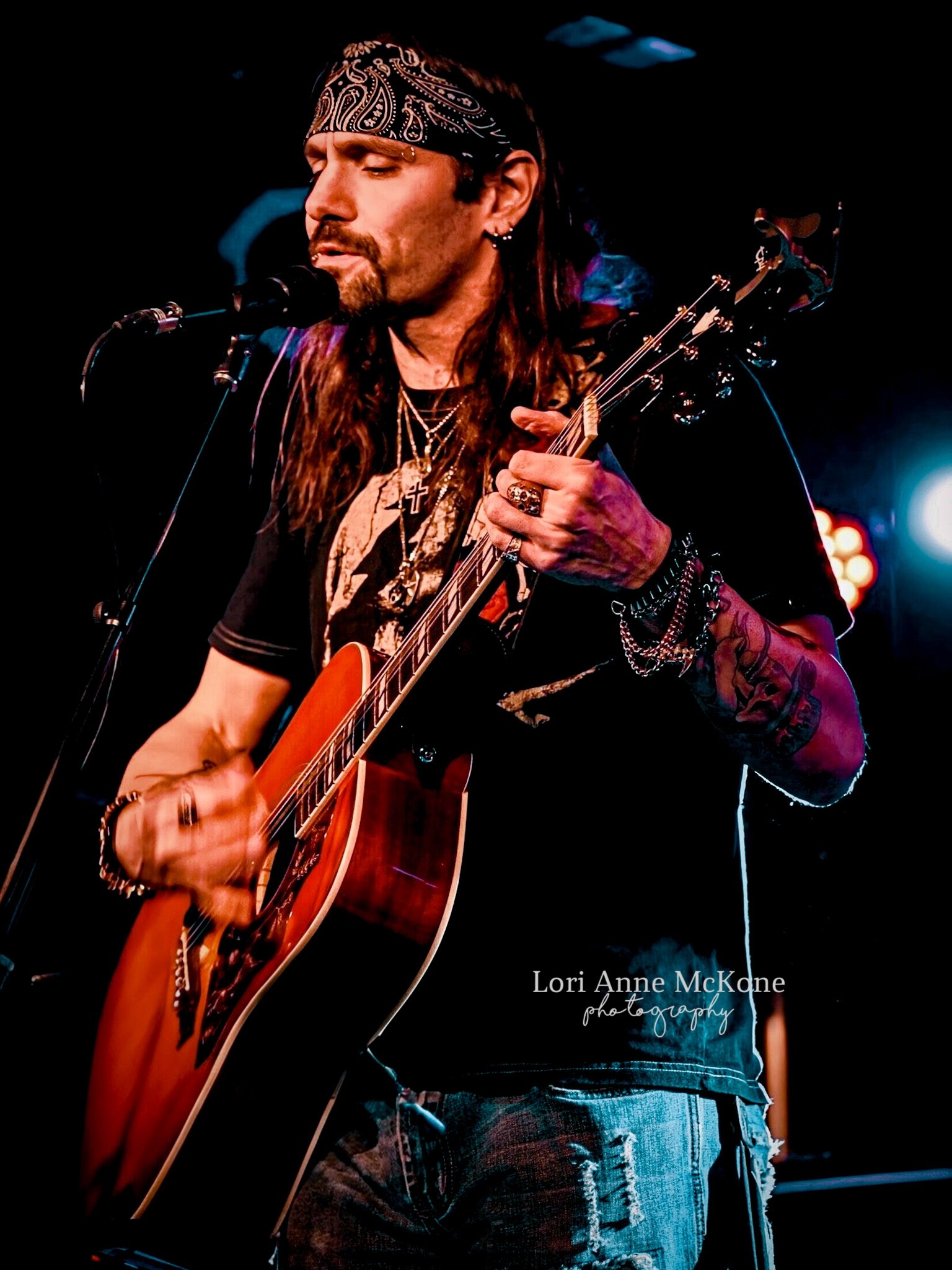
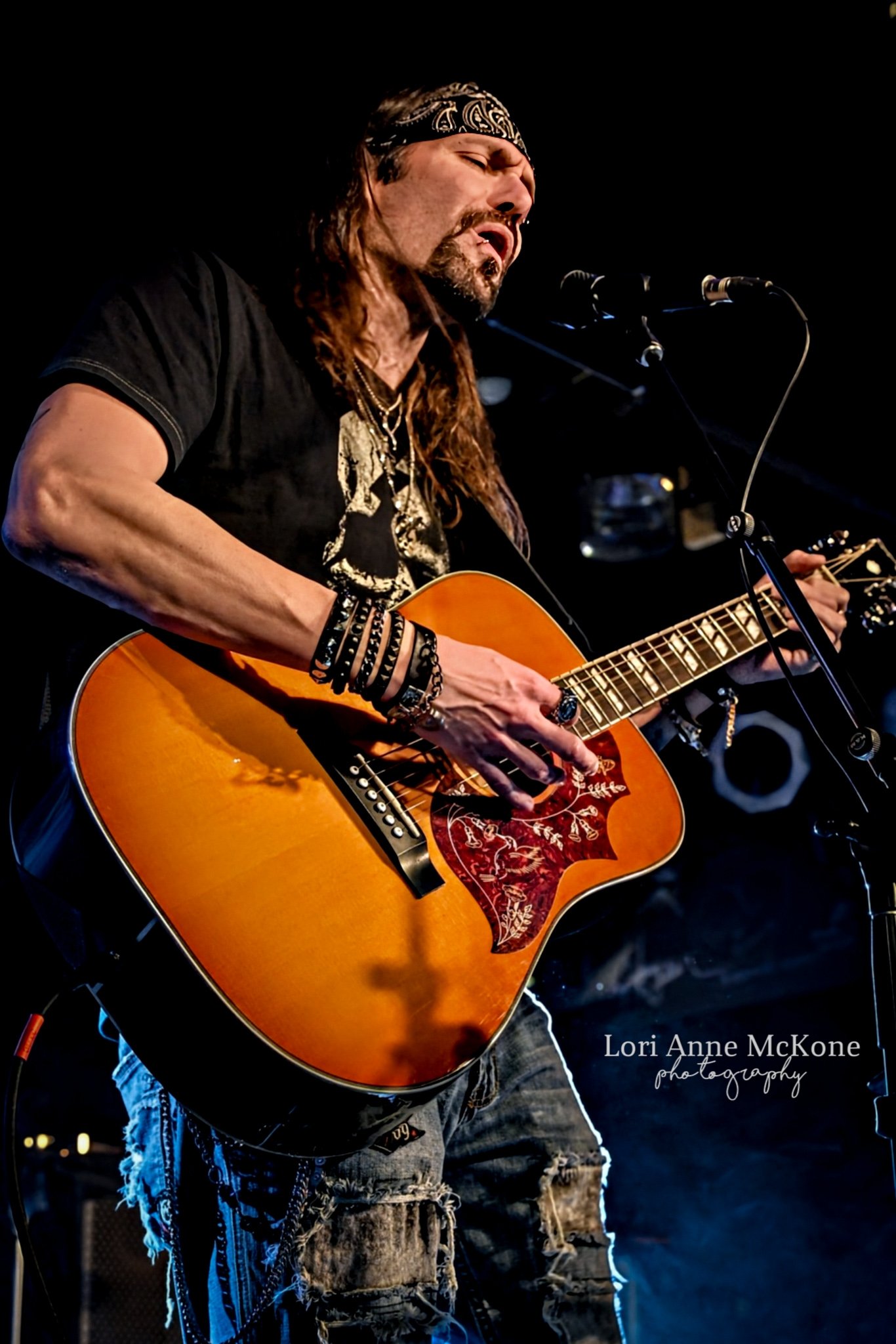
Music photos from his show at Buntsy’s Band Stand (Webster, NY) on December 4, 2025

More from I Am Lorelei! here …