

THEATER REVIEW: Harbinger Theatre’s Swing State – by Joanna Palladino.
Harbinger Theatre’s production of Rebecca Gilman’s Swing State at Sand Lake Center for the Arts is an intimate, emotionally resonant evening of theater — a show built with care, precision, and deep respect for the script’s quiet power. It’s a production that lingers long after the final blackout.
Set in rural Wisconsin, Swing State follows Peg, a grieving widow trying to maintain her prairie land and her sense of purpose after her husband’s death. Her closest ally is Ryan, a young man in recovery whom she has taken under her wing. When Peg’s tools (and a gun!) disappear, a seemingly small disruption snowballs into suspicion and strain within their tight-knit community, drawing Sheriff Kris and Detective Dani into the unfolding tension.
The production examines grief, loyalty, addiction, justice, environmental destruction, and the complicated moral landscape of small-town America. Harbinger Theatre’s production meets the play’s demands with clarity, discipline, humor, and heart.
The cast and crew should be specifically mentioned for their amazing contributions that helped make a production about a small town in Wisconsin resonate so strongly in New York State.
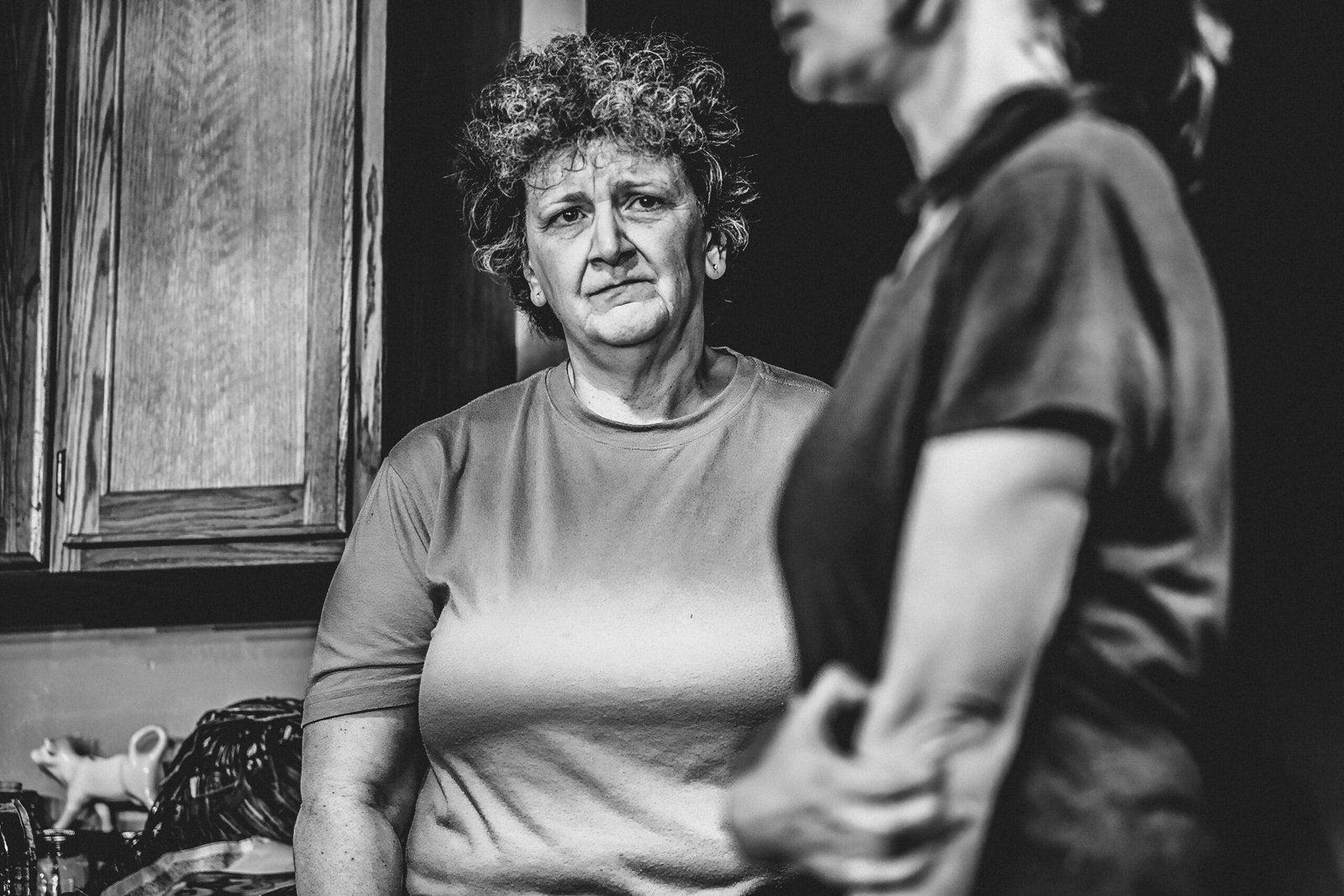
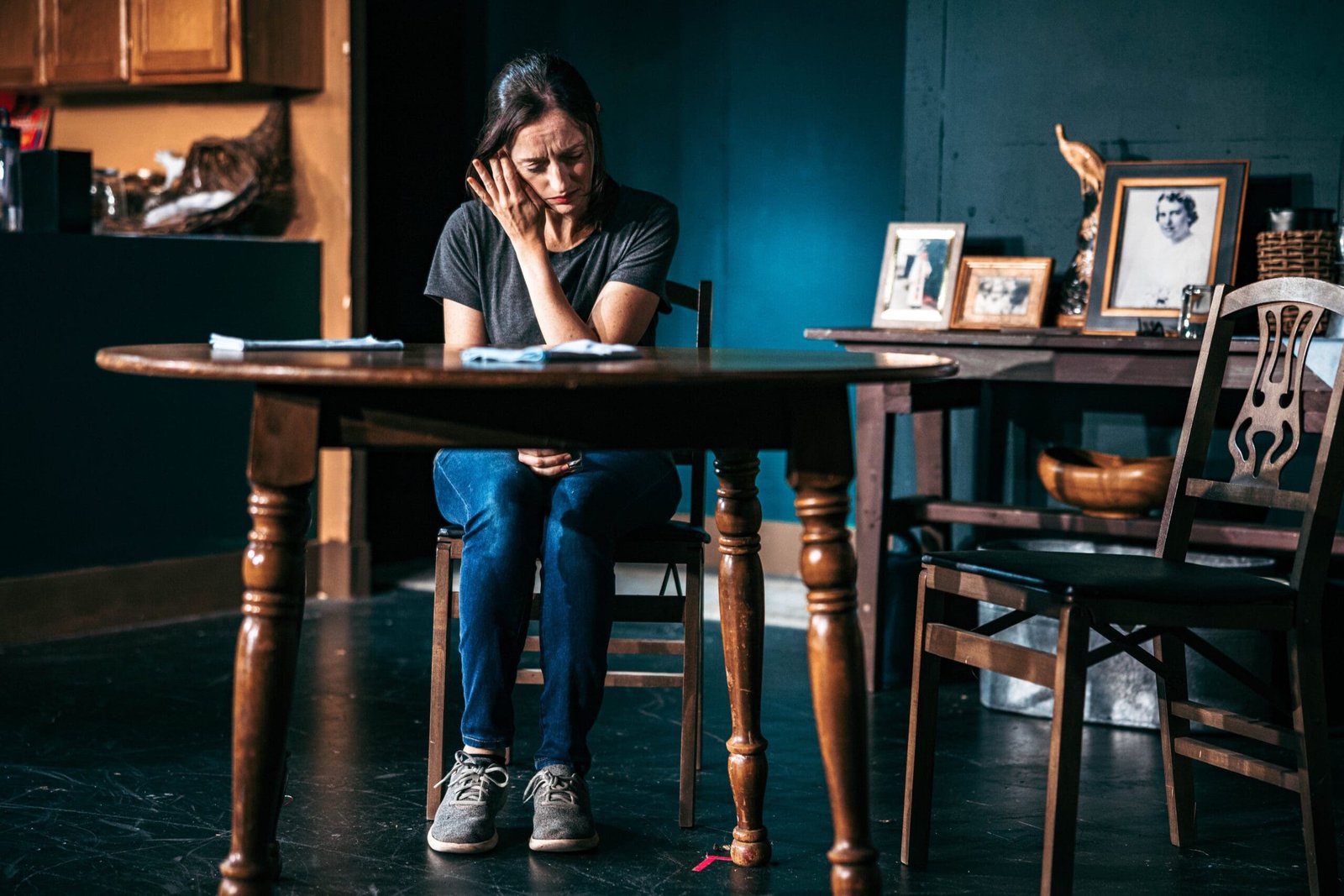
Robin Leary plays Peg, and delivers a quietly powerful and beautifully layered performance — grounded, vulnerable, and steady. Her portrayal carries emotional weight without ever tipping into melodrama.
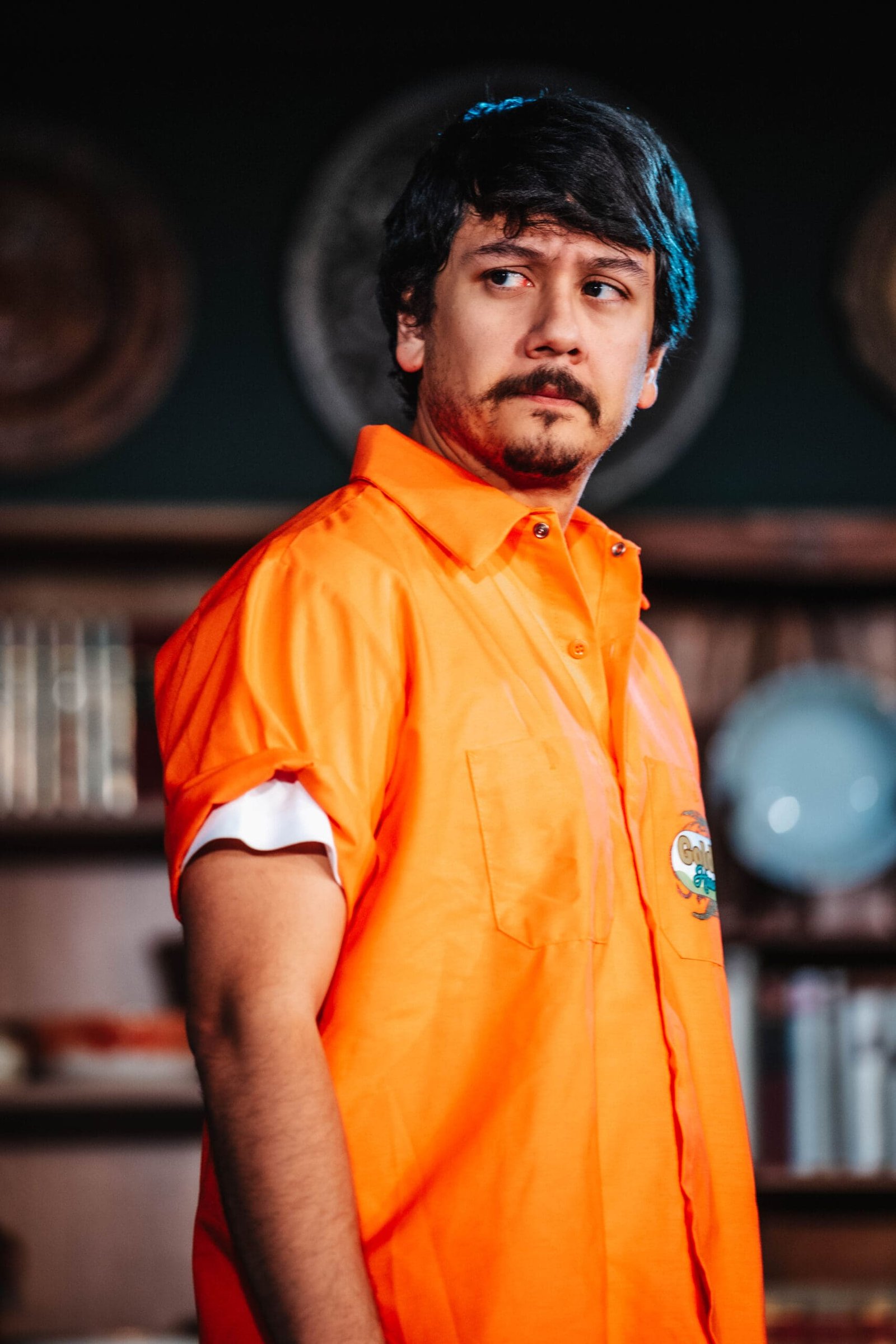
Leo Hernandez, as Ryan, offers a compelling, deeply human portrayal of a young man battling his past while trying to hold onto a fragile future. His work is sincere, grounded, and full of subtle shifts that reveal the character’s inner struggle.
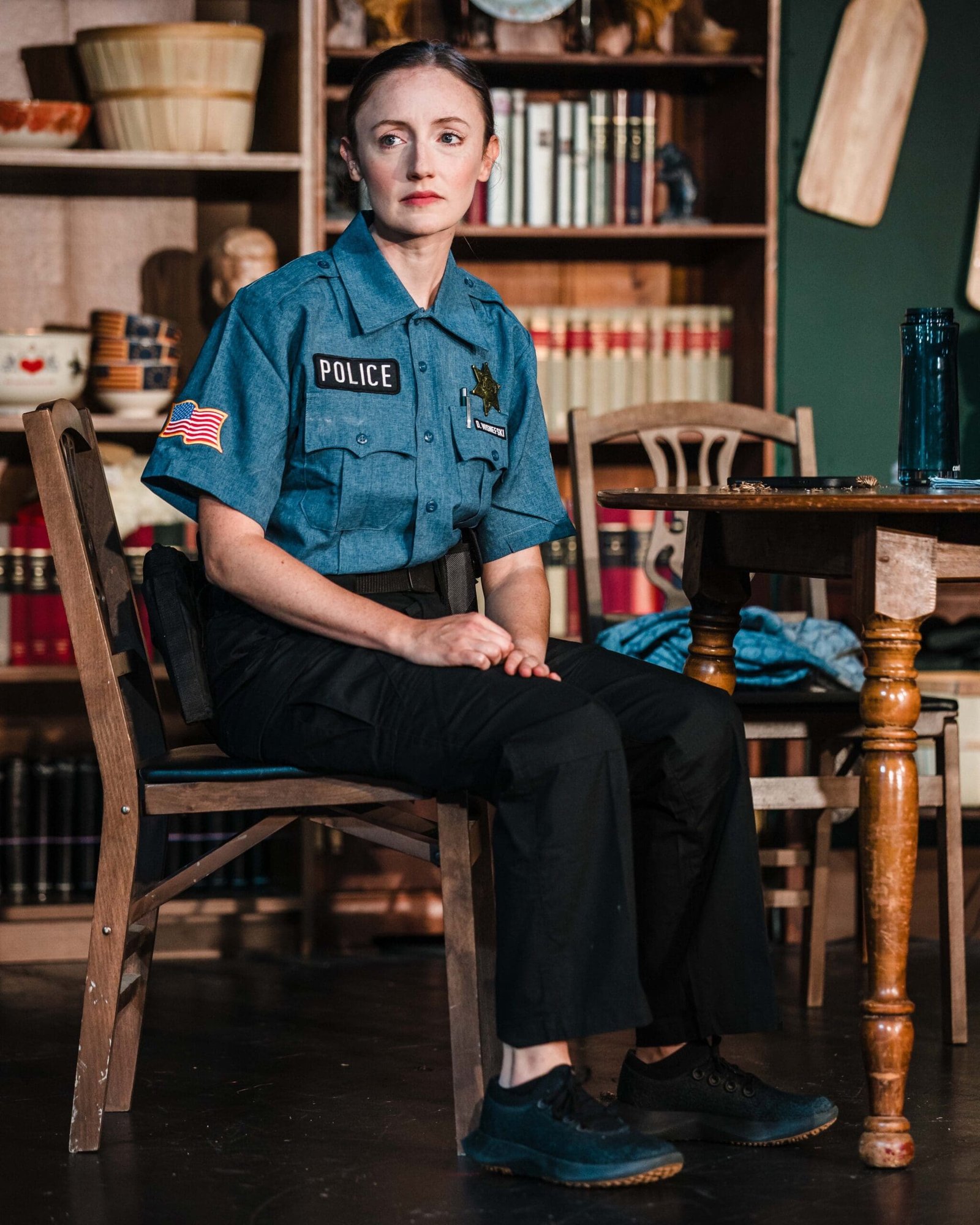
Lisa Bryk, as Sheriff Kris, is a standout — funny, forceful, and utterly transparent in a way that is both entertaining and disarming. Bryk plays Kris as someone who always reveals exactly what she’s thinking, and that forthrightness becomes one of the production’s most compelling dynamics. She moves between humor, authority, and a touch of menace with precision, giving the character sharp edges without losing her humanity. It’s a nuanced performance that energizes every scene she enters.
Brooke Hutchins, as Dani, brings balance, clarity, determination, and emotional texture to the role, adding essential dimension to the community unraveling around Peg and Ryan. Her layered performance delivers something surprising -empathy for law enforcement and a sense of hope that community policing does have an encouraging future in our communities.
The ensemble works in impressive harmony, each performance amplifying the others.
The crew took such care with this production that they should all be recognized as well! Director Brian Sheldon guides the production with calm assurance and grounded sensitivity. He trusts the material and the performers, allowing the emotional tension to rise organically and giving space for the script’s quieter currents to resonate.
Stage Manager Linda Thorburn ensures crisp pacing and seamless transitions, maintaining the show’s rhythm and cohesion. The set was transformative (you felt like you were in a house where someone has lived for twenty years) and the entire set construction and dressing team should be mentioned: Adam Coons, Lisa Bryk, John Myers, Joel and Susan Katz, Robin Leary, Michael McDermott, Chris Foster, and Patrick White. The set creates a space that feels lived-in, rural, and quietly symbolic. It’s a thoughtful environment that supports the play’s emotional landscape. The lighting design by Laura Darling was gentle but allowed for pointed shifts to underline mood and emotional turns without drawing attention to the mechanics of the design. The costume design by Rachel Stewart made story-driven choices that added depth to the characters — most notably the realistic sweat on Peg’s shirts after returning from the work on the prairie and Ryan’s orange shirt, a subtle but unmistakable nod to his justice-involved past. The detail is smart, understated, and meaningful.
Board Operators Michael O’Keefe and Jessica Córdova execute the technical elements with smooth discipline, supporting the production’s pacing and tone.
The noteworthy sound design by Shaya Reyes deserves its own recognition. Shaya Reyes’s sound design is one of the production’s quiet triumphs. Her transition music choices enrich the emotional journey without ever overwhelming it, creating tonal bridges that guide the audience seamlessly from scene to scene. Her playlist include:
- “Traveling Home” – NorthSide (Göran Eriksson): contemplative and gently hopeful.
- “Ghost of the Mountain” – Justin Johnson: raw, resonant, and evocative of rural solitude.
- “Disruptive Storms” – Martin Klem: atmospheric, textured, and subtly tense.
- “Brittle Bones” – Sunfish Grove: haunting and fragile.
- “silence” – slowme: minimalist, spacious, and reflective.
- “Dew” – Da Sein: soft, introspective, and quietly restorative.
I missed Shaya’s last selection in the play since the crowd jumped to its feet and their standing ovation and thunderous applause drowned out the curtain call music. My ear, and Shazaam couldn’t capture it, and I was unable to make contact with Shaya before this review was posted.
Shaya’s choice of “Ghost of the Mountain” by Justin Johnson didn’t feel accidental—it landed with purpose. For anyone who hasn’t heard it, the track is “gothic blues,” Johnson’s calling card: raw bottleneck slide guitar, resonator growl, and atmospheric reverb that feels like it’s echoing off the walls of some forgotten backwoods cabin. Reviewers have called it a masterclass in slide guitar, and they’re not wrong—it’s eerie, muscular, and unforgettable. The song appears on his album The Biscuit House.
Johnson—nicknamed “The Wizard” for his uncanny ability to play everything from homemade instruments to traditional stringed oddities—has built a career on keeping the roots of American music alive. Teaching, preservation, and passing down tradition aren’t side notes for him; they’re the engine. Which makes Shaya’s pick even more striking: whether she realized it or not, she pulled a track from an artist whose entire ethos mirrors the heartbeat of the play—a world where teaching and preservation don’t just matter, they upend lives and reshape every character who crosses their path.
In addition to the music, Reyes weaves natural bird calls into the fabric of the production itself. This choice is not only evocative of Peg’s prairie land but also symbolic: the birds become gentle reminders of the world Peg is fighting to protect — a living ecosystem that mirrors her own vulnerability. Their presence underscores themes of fragility, endurance, and the thin line between preservation and loss. The bird calls subtly anchor the play in the rhythms of the natural world, giving the production a sense of place that is vivid, emotional, and resonant. (Random music note: NorthSide uses bird feathers in the lyrics of the 2025 single “Home.”)
Reyes’s work gives the production an additional emotional layer — grounding it, enriching it, and thoughtfully shaping the audience’s experience.
Harbinger Theatre’s Swing State is beautifully acted, sensitively directed, and supported by a production team working in remarkable harmony. It’s a compelling exploration of community, connection, and the delicate bonds that hold people together. This production is a standout achievement for Harbinger and for the Sand Lake Center for the Arts.
Tickets can be purchased by clicking here
$15
Location:
Harbinger @ Sand Lake Center for the Arts
2880 NY-43, Averill Park, NY

