Home Blog Page 67

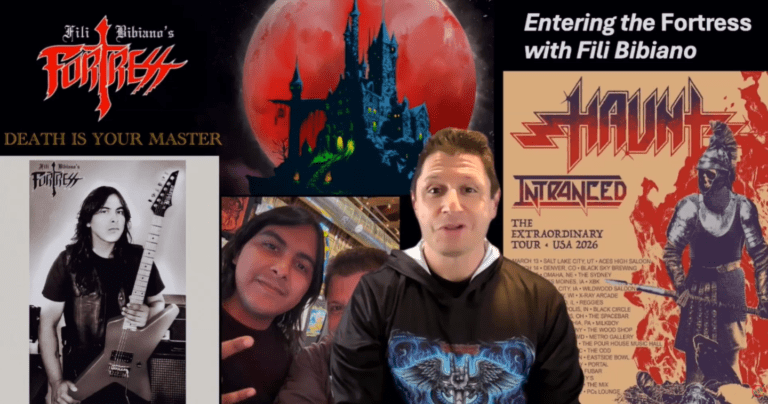
Inside His Metal ‘Fortress’: An Interview with Guitarist Fili Bibiano

0

Inside His Metal ‘Fortress’: An
Interview with Guitarist Fili Bibiano

By Justin Smulison

Subscribe to our YouTube Channel HERE!

Fili Bibiano is a rising star among rock and metal guitarists. The California-based
musician is best known as a co-founder of the popular metal quartet, Intranced, whose
style is a welcome throwback to NWOBHM and classic thrash supplemented by
electrifying live performances.

High Roller Records has the foresight to release music from Intranced and Bibiano who
has also made a name for himself – literally – with his own project, Fili Bibiano’s
Fortress. With his name on the drawbridge, Bibiano handles all musical duties (sans
drums and vocals) on his newest album, Death Is Your Master and delivers another
dose of traditional metal that takes a few more risks – dabbling in blues, symphonic and
hard rock.

I had the pleasure of seeing Fili perform with Intranced in 2025 and he is clearly blazing
a trail as one of the rising stars of metal axemen. We talk all about the differences
between the two ventures, what it takes to deliver a memorable stage show and how he
creates his signature musical voice through his instruments.
We also talk about his excitement for Intranced to hit the road with his buddies in Haunt
for The Extraordinary Tour 2026, which will coincide on one date with recent guests,
Vicious Rumors, for one date.


Fili Bibiano’s Fortress:
Fili Bibiano – guitar/synth/bass
Juan Aguila – vocals
Joey Mancaruso – drums

ONLINE:
https://www.facebook.com/Fortressheavymetal
https://www.instagram.com/fortressheavymetal/
https://fortressofficial.bandcamp.com/

Intranced online:
https://www.facebook.com/IntrancedOfficial
https://www.hrrecords.de/INTRANCED_1
https://intranced.bandcamp.com/album/muerte-y-metal

Intranced with Haunt – The Extraordinary Tour (USA 2026)
The band will hit the road across the United States in March and April 2026 with stops in the
Midwest, East Coast, South, and Southwest.
March 13 – Salt Lake City, UT – Aces High Saloon
March 14 – Denver, CO – Black Sky Brewing
March 15 – Omaha, NE – The Sydney
March 16 – Des Moines, IA – XBK
March 17 – Iowa City, IA – Wildwood Saloon
March 18 – Cudahy, WI – X-Ray Arcade
March 19 – Chicago, IL – Reggies (both supporting Vicious Rumors)
March 20 – Indianapolis, IN – Black Circle
March 21 – Columbus, OH – The Spacebar
March 22 – Philadelphia, PA – Milkboy
March 24 – Brooklyn, NY – The Wood Shop
March 25 – Baltimore, MD – Metro Gallery
March 26 – Raleigh, NC – The Pour House Music Hall
March 27 – Asheville, NC – The Odd
March 28 – Nashville, TN – Eastside Bowl
March 29 – Louisville, KY – Portal
March 30 – St. Louis, MO – Fubar
April 1 – Dallas, TX – Dusty’s
April 2 – San Antonio, TX – The Mix
April 4 – Sierra Vista, AZ – PCs Lounge

Art in the Ice

0

By Joshua Scarselli.

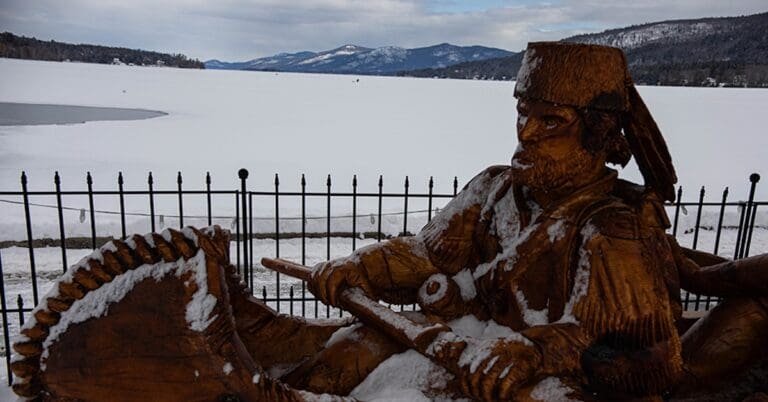
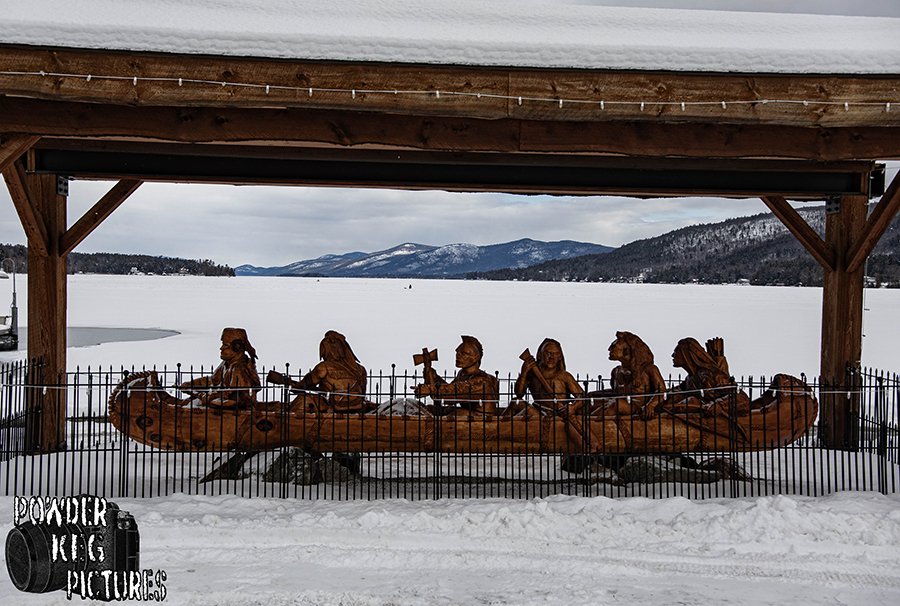
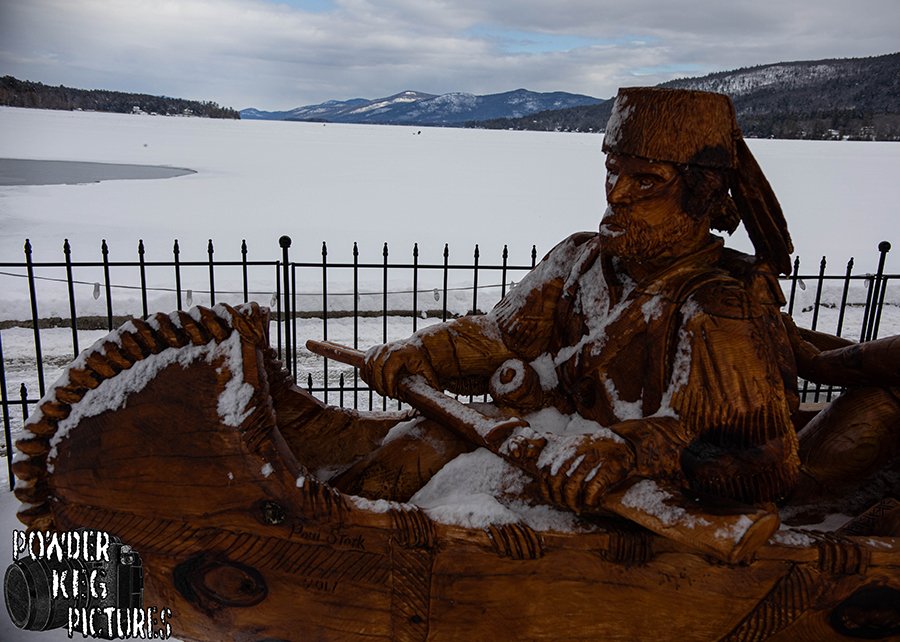
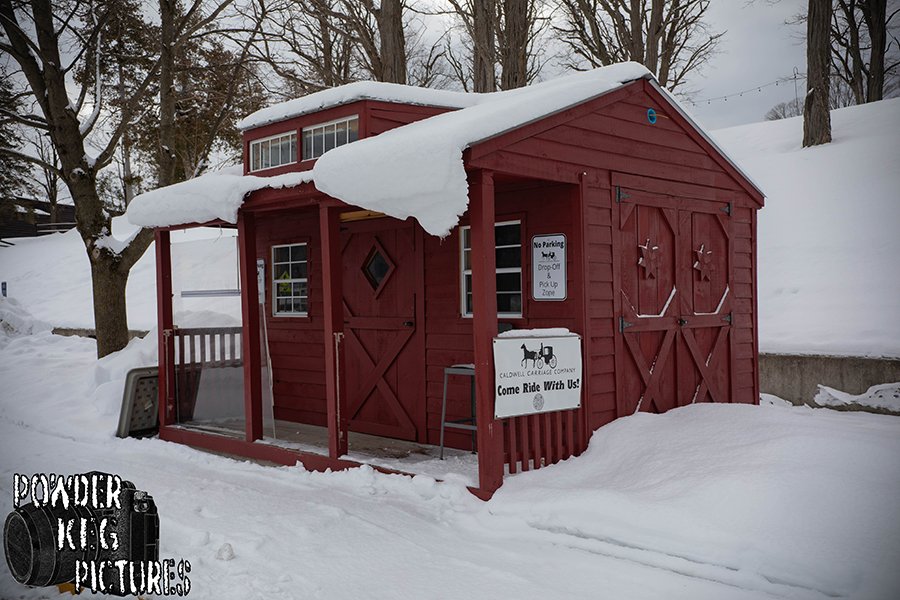
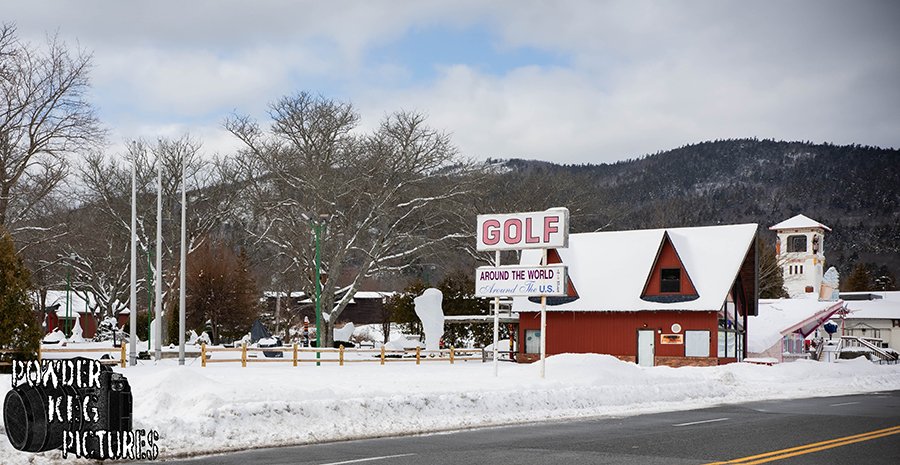
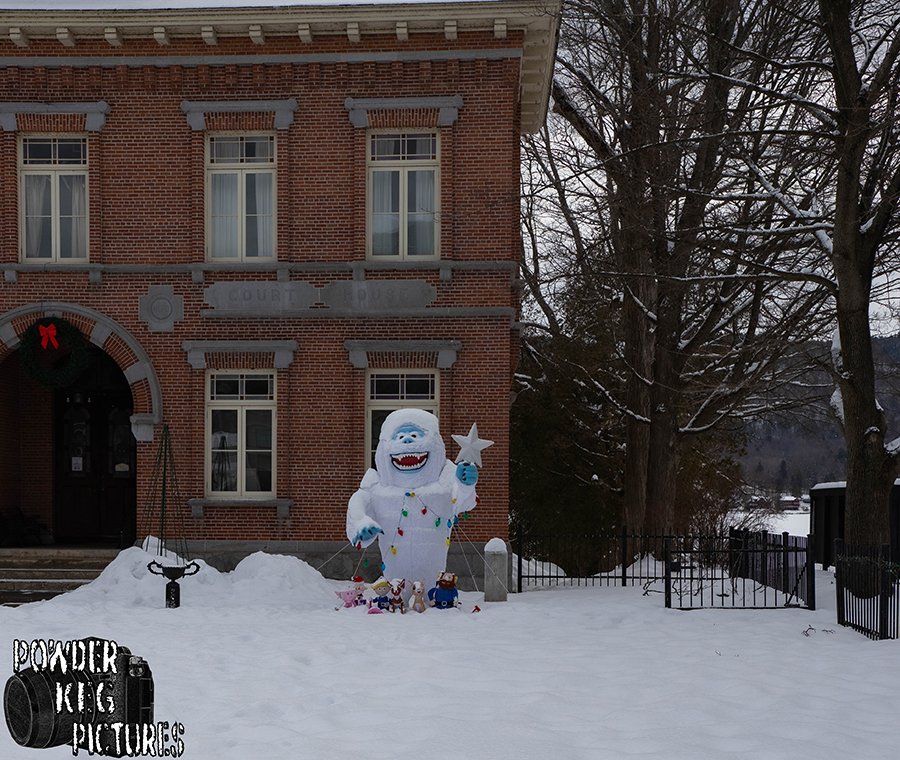
Winter can be a magical time of the year. Besides Christmas and holiday stuff, it really is beautiful. It has been a while since we have had a real, snowy winter. With everything white and frozen, it’s the perfect opportunity to go look for some art in the ice. 

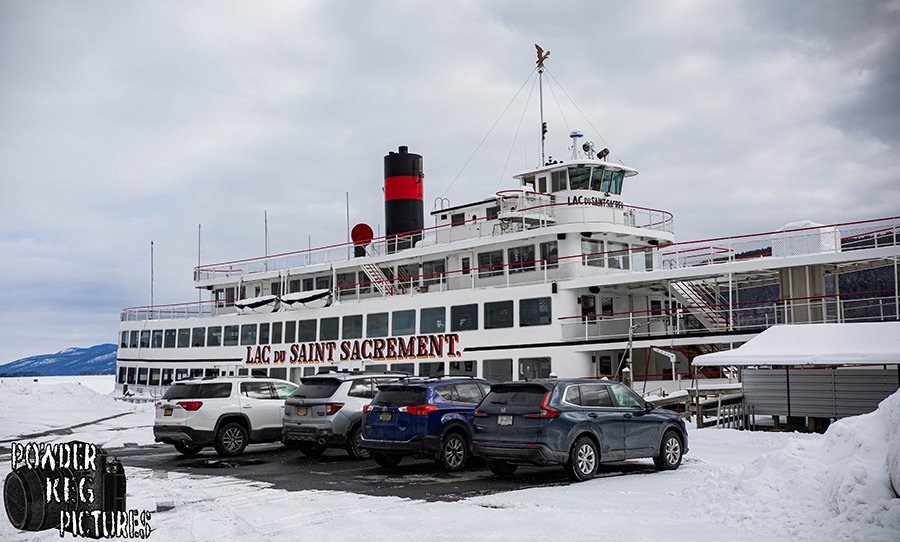
It occurred to me that I have never been to Lake George in the winter. I had to run an errand to Queensbury, so I brought my camera. It was the perfect time as well. A weekday morning. No special events. No reason to be there. It was like practically getting the entire frozen wonderland to myself. 

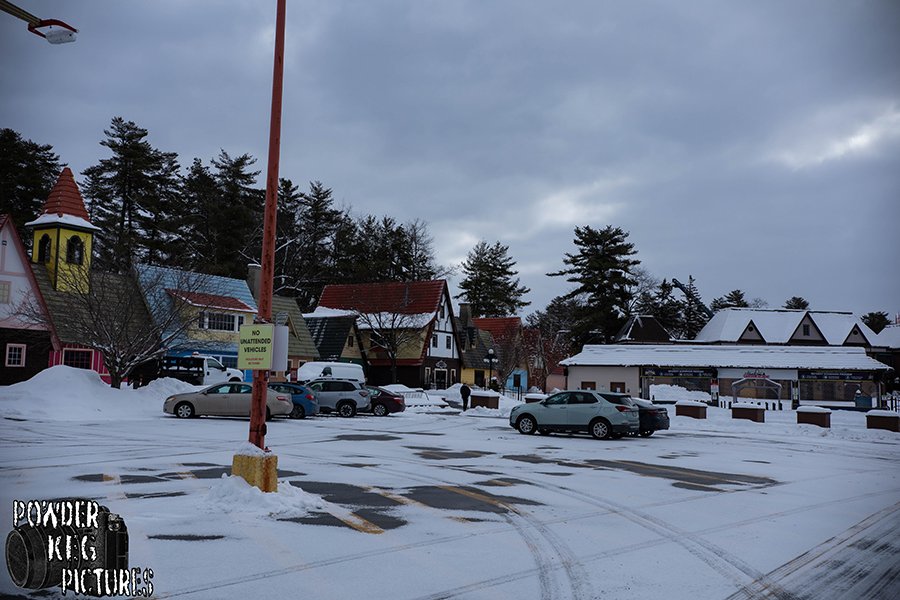
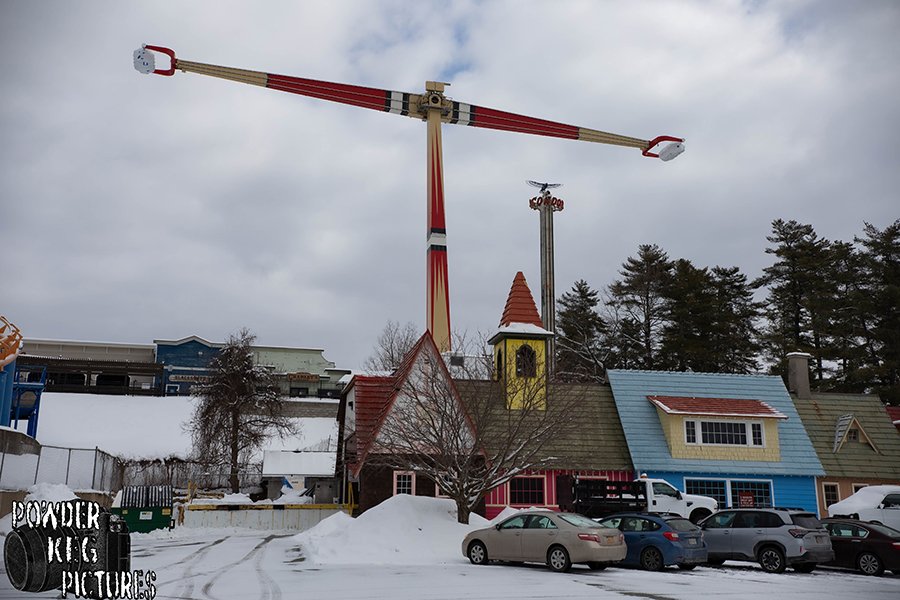
First, I came across the Great Escape. My GPS took me the back way to Lake George Village. I actually didn’t know I was going to come up on it. I always come from the North Way, so I was surprised when I saw the roller coasters. 

I found a place to turn around and went to the parking lot. One really young security guard asked what I was doing and allowed me to stay and take some shots. Seeing the giant structures of the rides standing still only added to the beauty of the snow and ice. The location was as silent as the pictures make it seem.

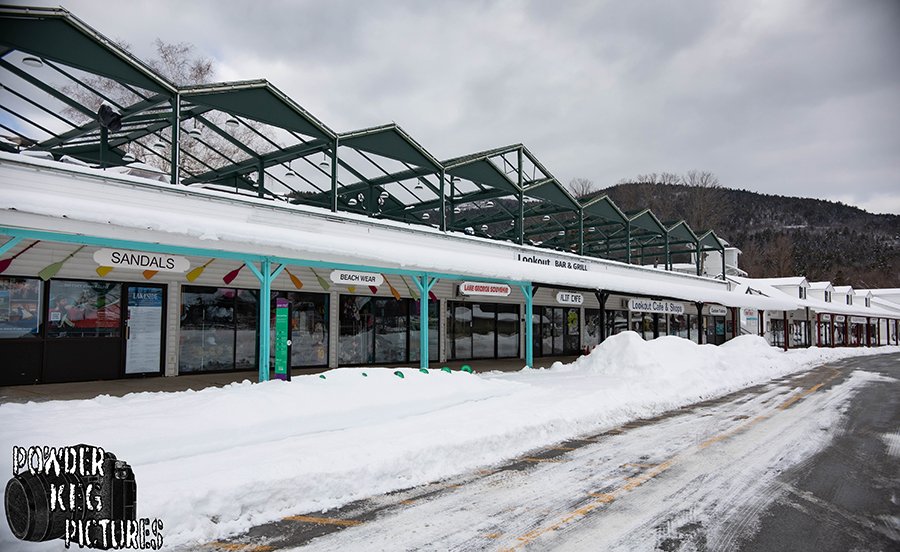
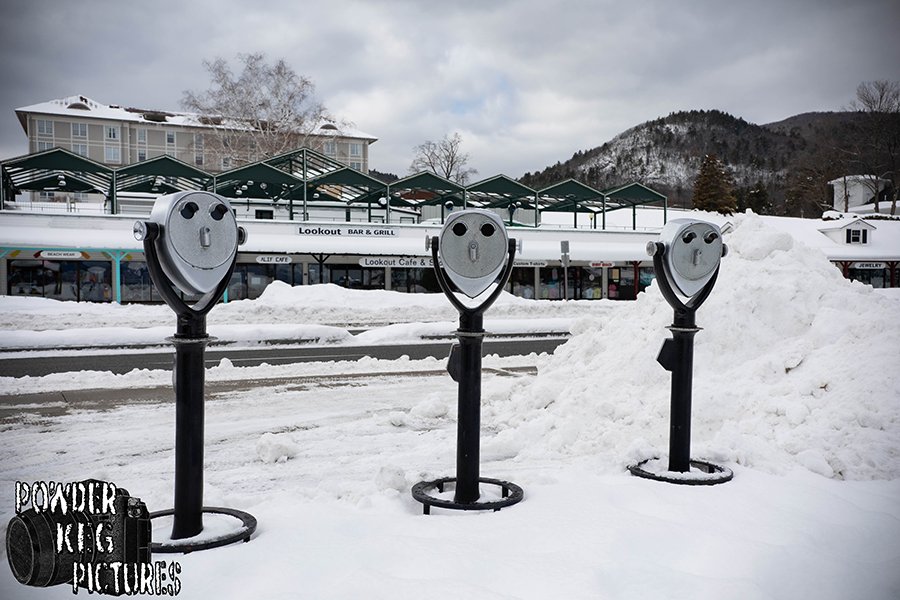
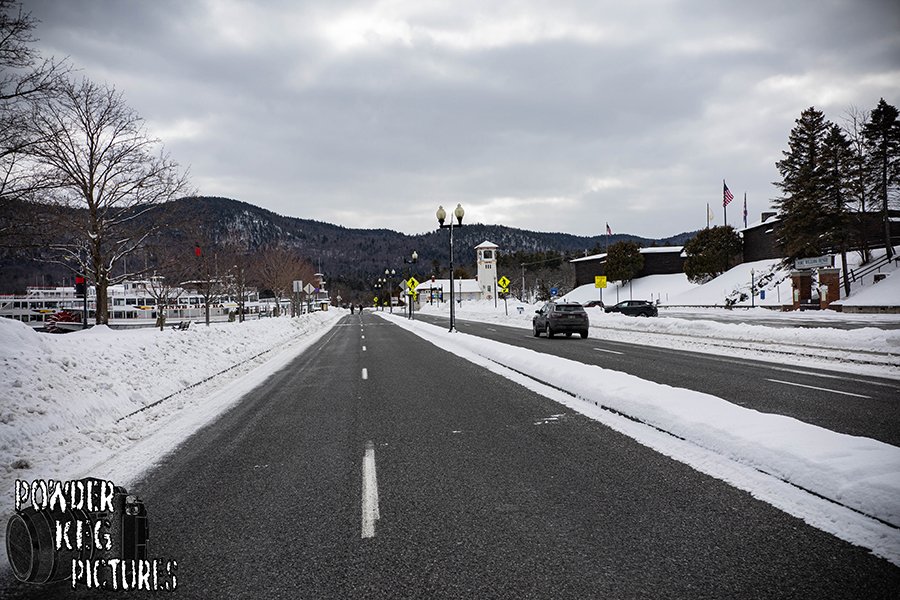
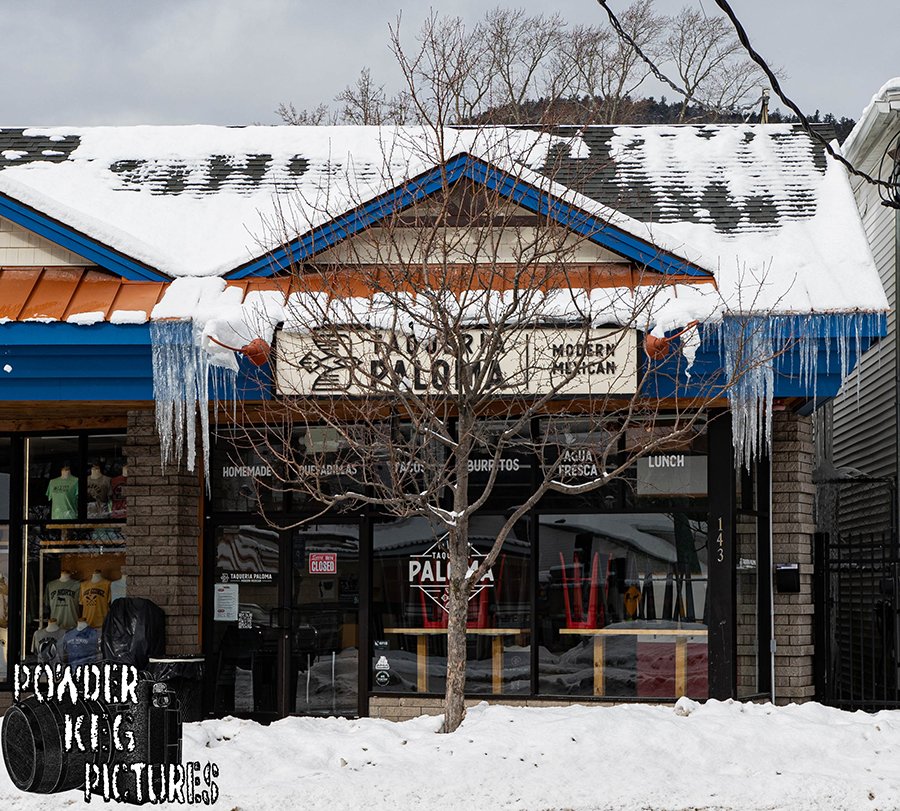
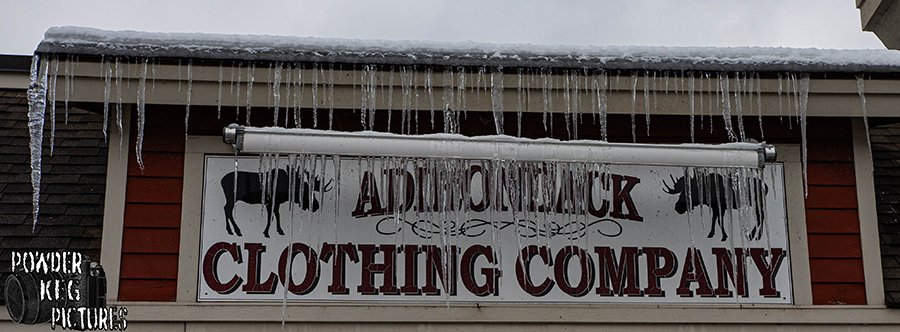
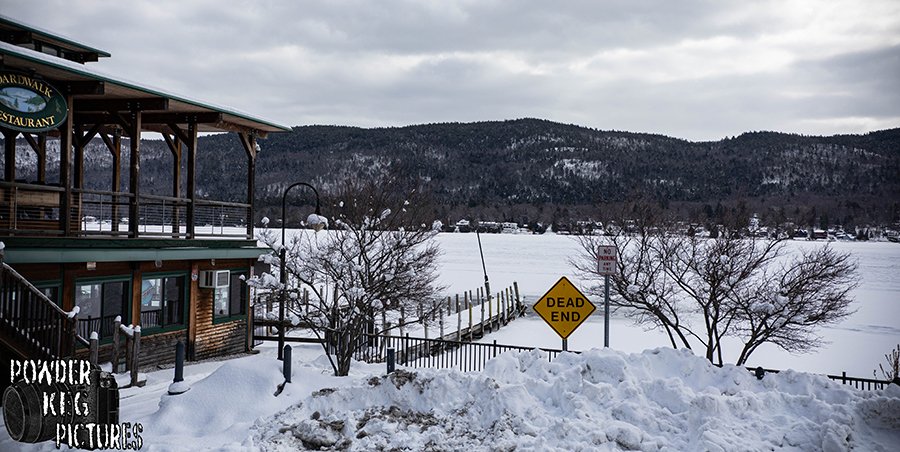
Next, I was off to Lake George Village. Almost everything was closed. There were no tourists walking the streets. Snow and ice covered everything. There is a certain serenity to seeing places you are used to being busy, void of life.

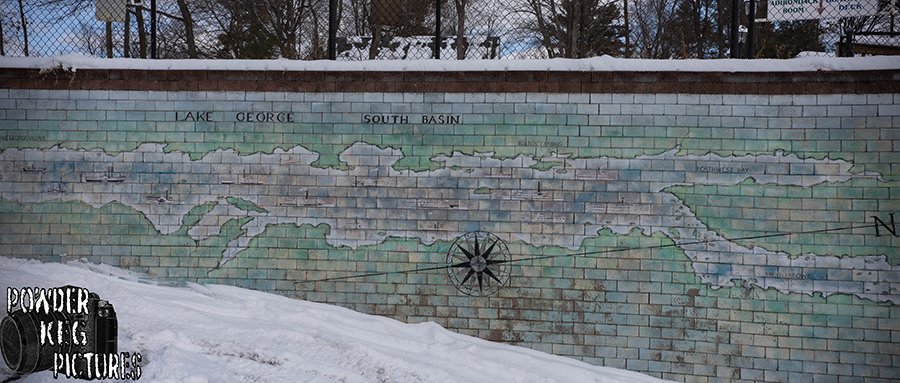
The star of the show, as always, was the lake itself. I was recently told it has been a while since the entire lake has frozen over. I certainly have never seen a lake so large, completely frozen. It creates a vast tundra, a perfect contrast to the boats and activity of the summer. There were some people out on the lake, but not many.

If you have a chance, go see the lake before it thaws out. It’s majestic and serene. It’s a completely different way to enjoy the beauty of the Adirondacks.

Photography by Joshua Scarselli.

More from Joshua Scarselli here …

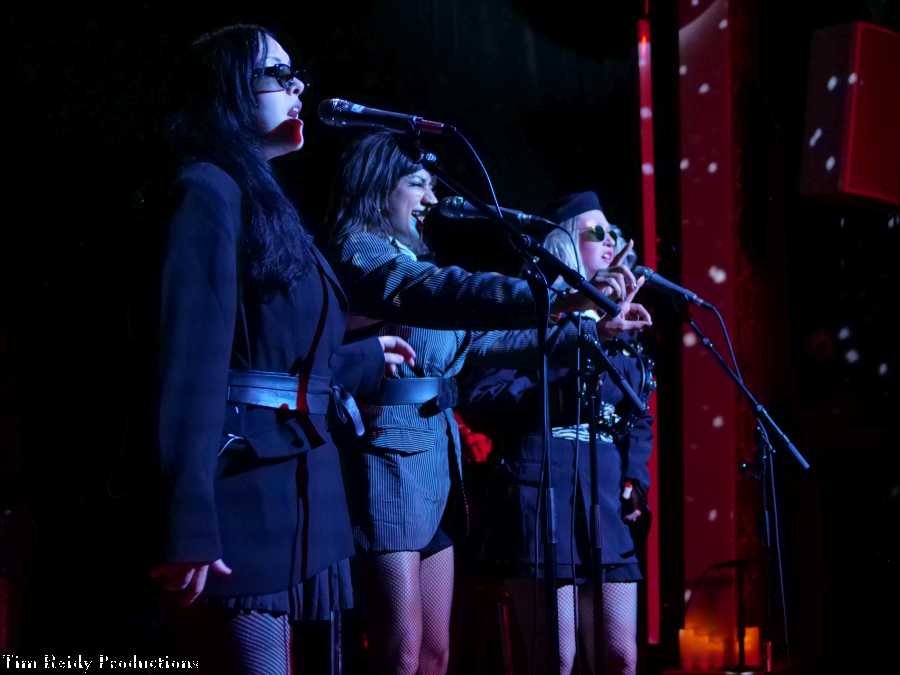
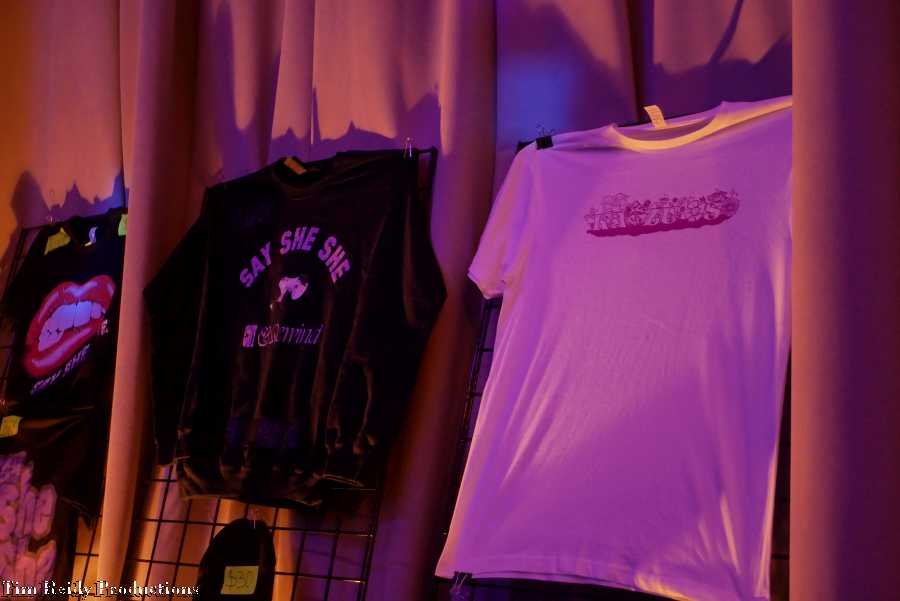
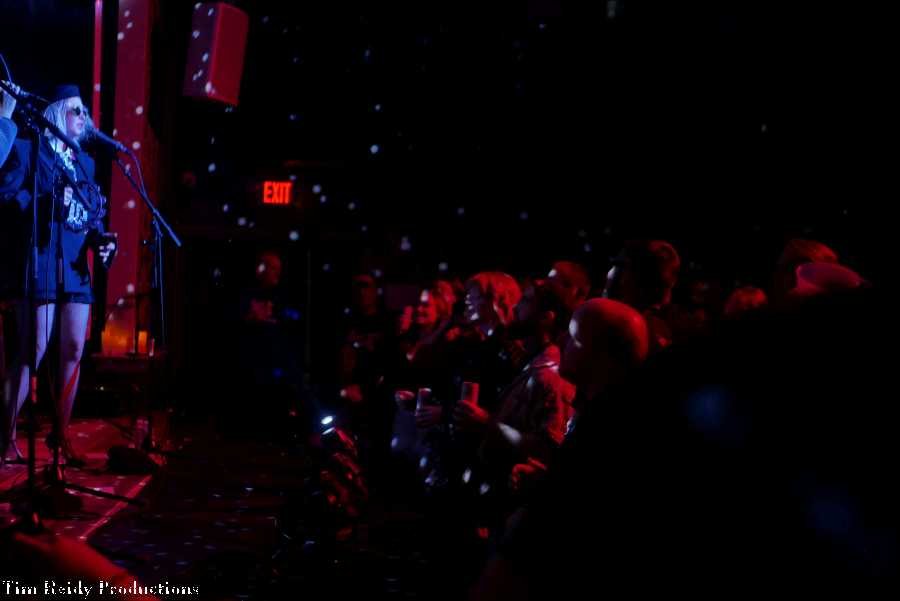
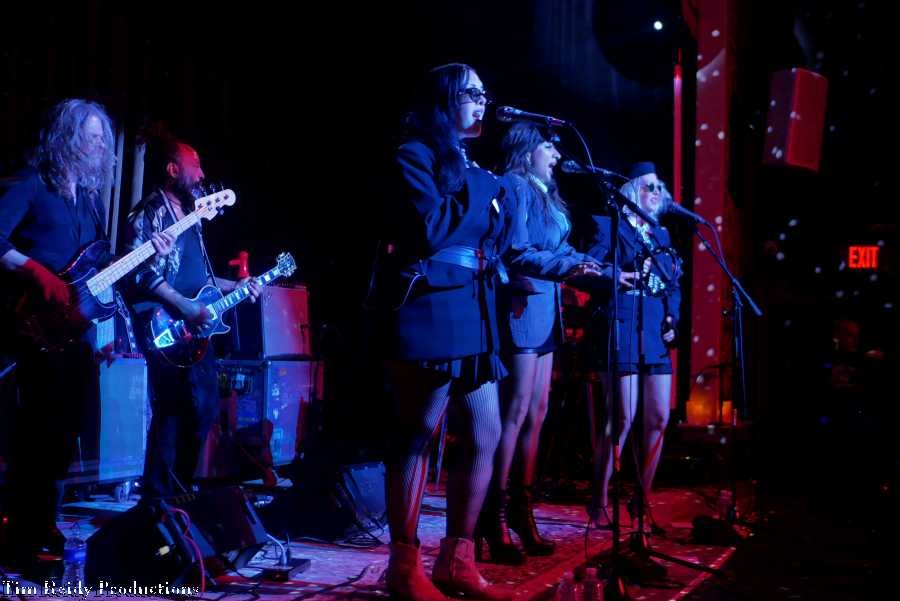
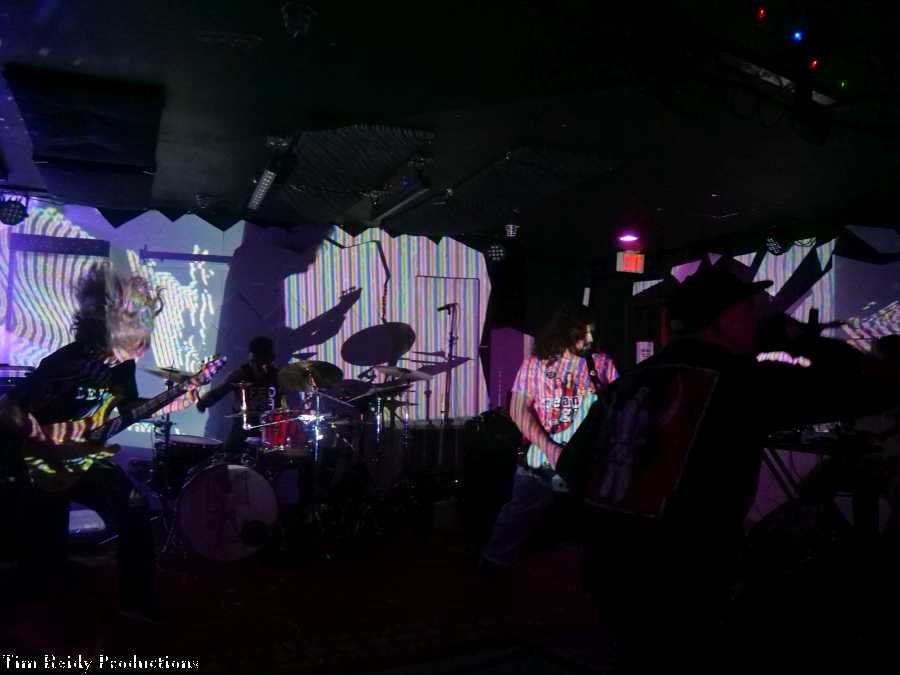
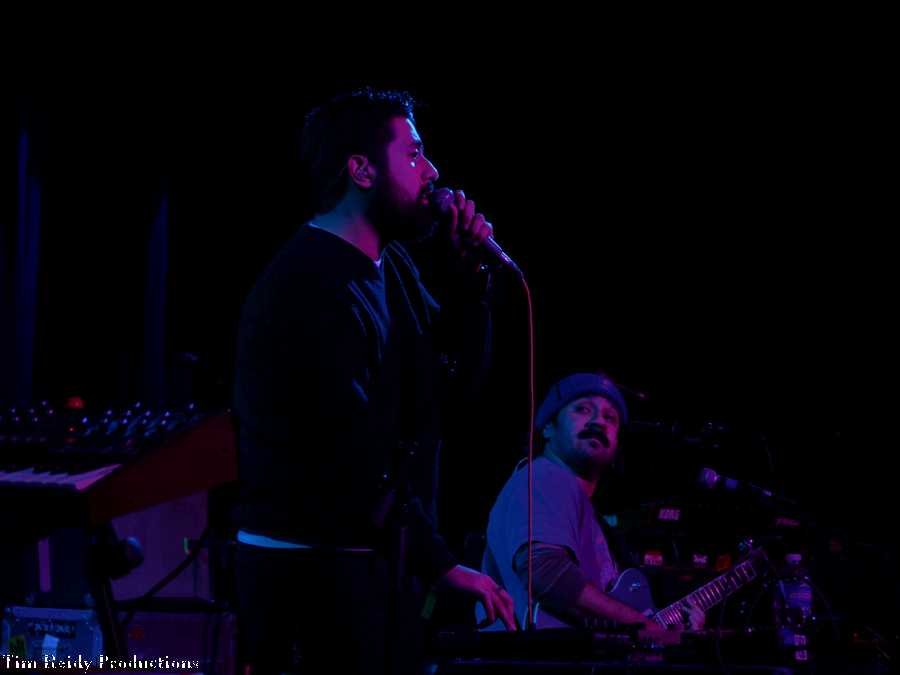
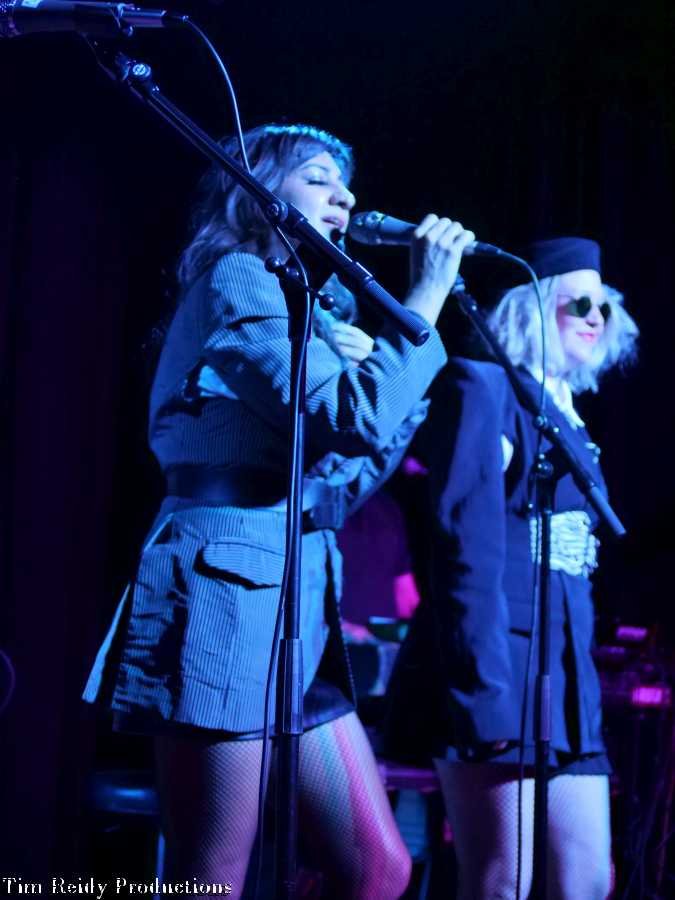
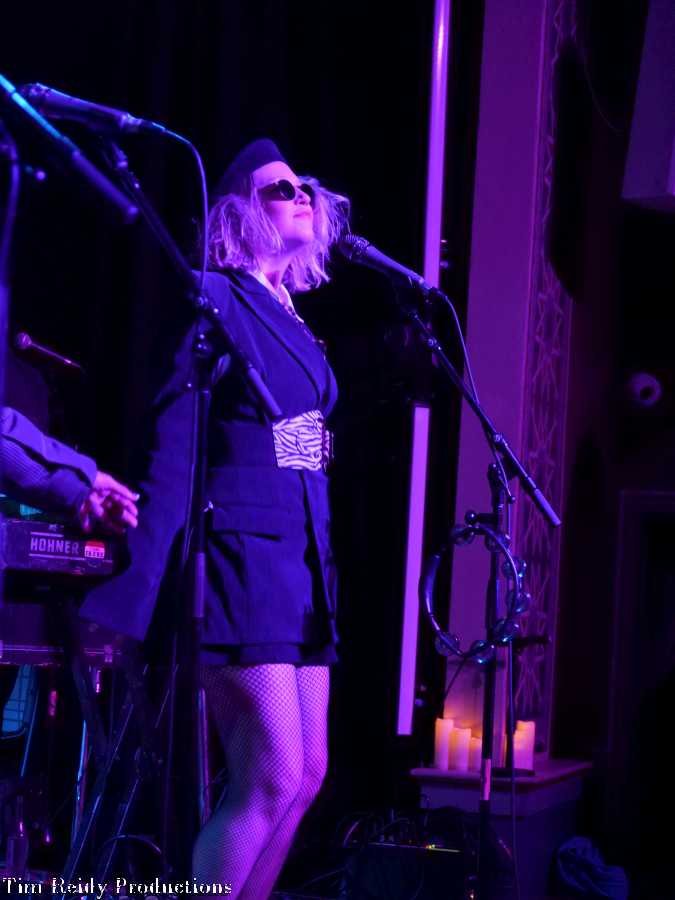
Say She She / Katzu Oso @ Lark Hall, 2/22/2026

0

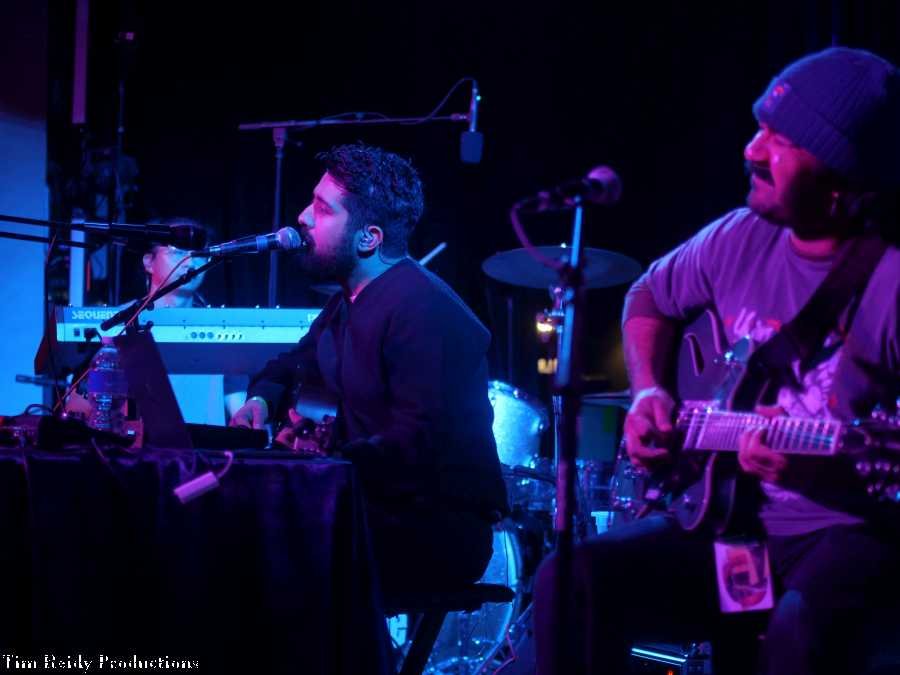
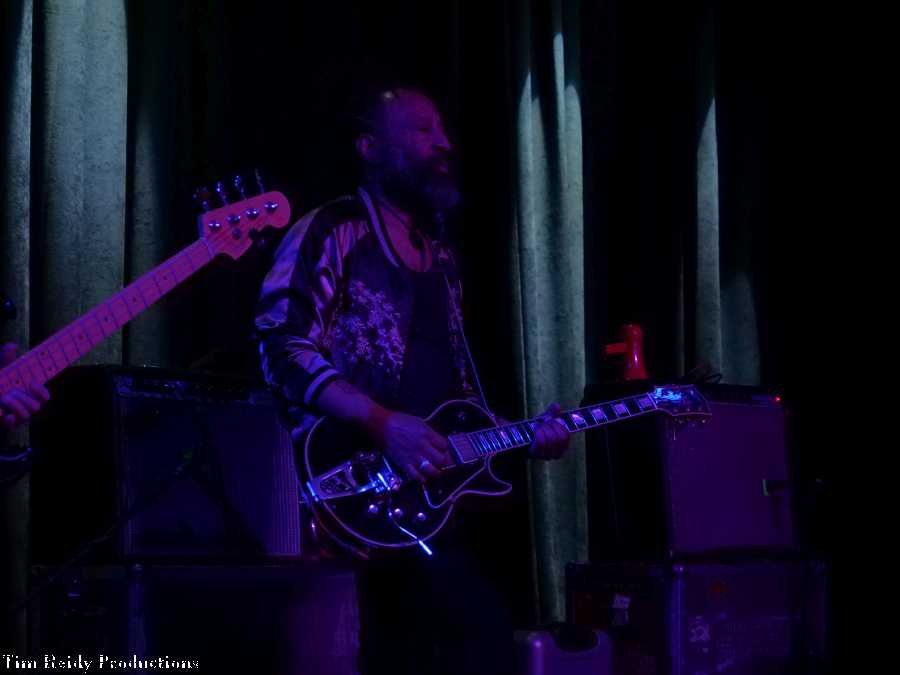
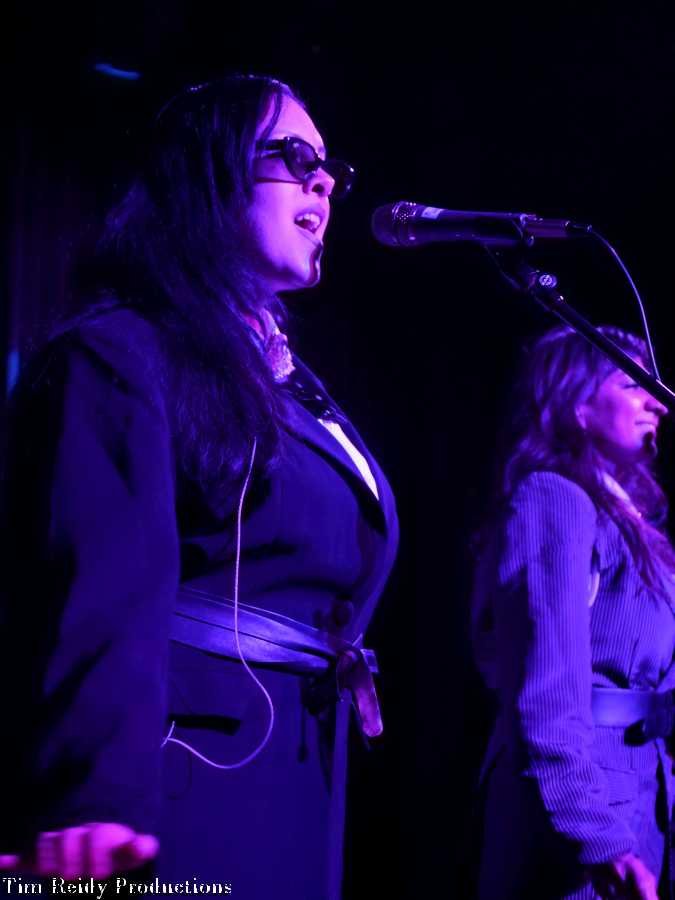
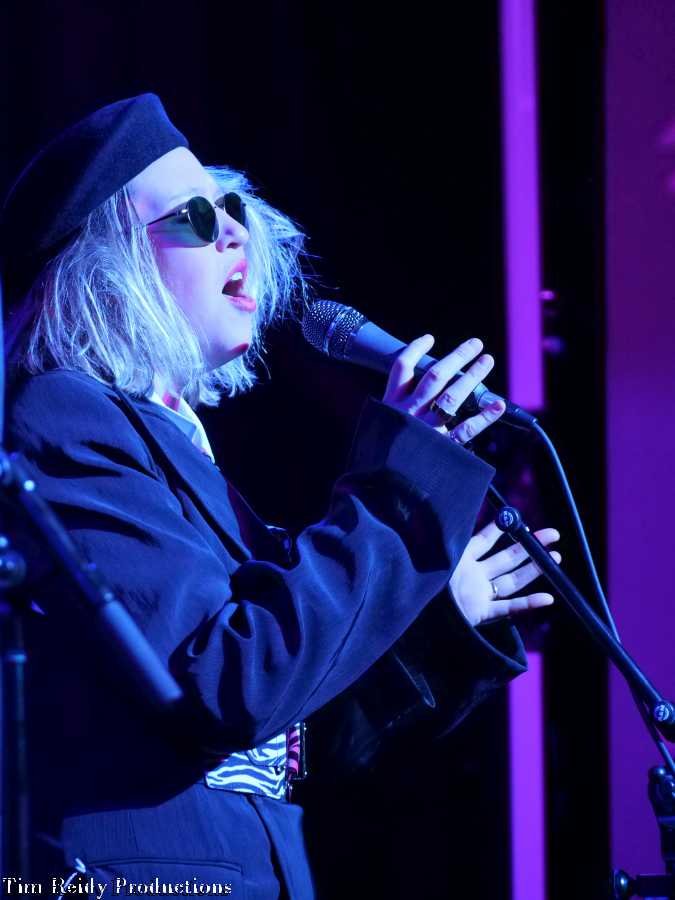
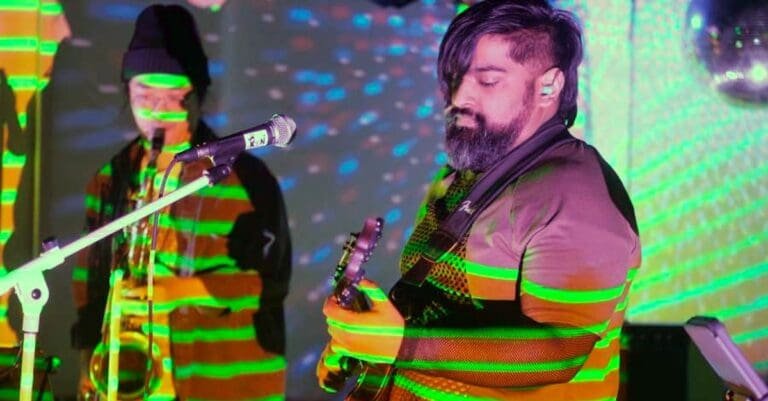
Say She She brought the party back to a packed Lark Hall on February 22. LA’s Katzu Oso opened up the show.

Photography by Timothy Reidy.

More from Lark Hall here …


Danny Schuler (Biohazard) – An Xperience Interview

0

Danny Schuler (Biohazard) – An Xperience Interview – by Liam

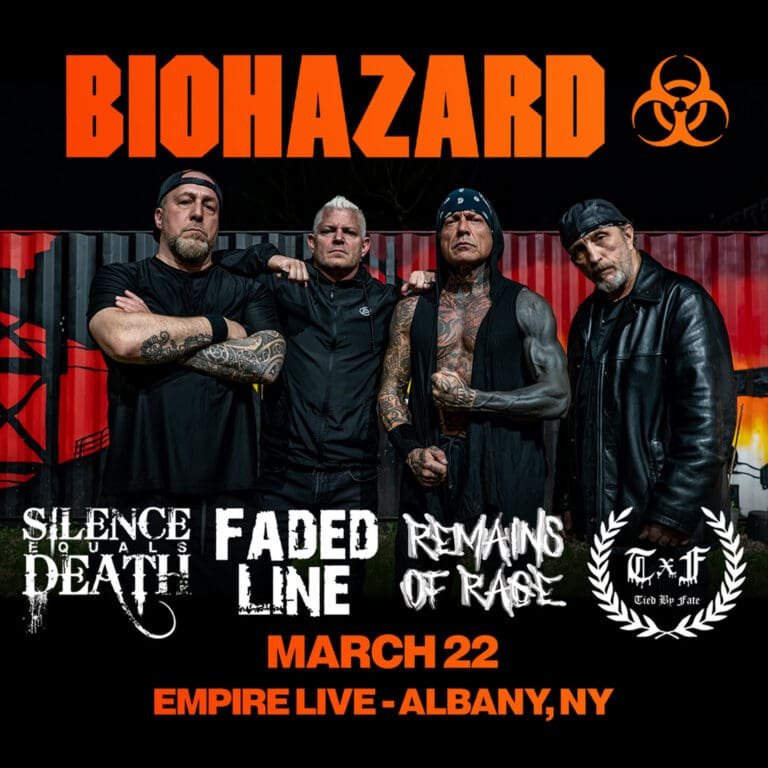
Four guys in a band. That’s what Biohazard’s Danny Schuler said. But these four guys have toured the world, reached a level of success that most bands don’t, and redefined what it means to be metal and hardcore. We welcome Danny and talk about the band’s new album, “Divided We Fall” and their show at Empire Live on March 22nd.

RRX: You’re on tour now and you’ll be at Empire Live in Albany on March 22nd. Now, Biohazard being from Brooklyn, it’s not like coming to Albany, you’re gonna be worried about getting lost. New York City and Albany are kind of locked in with each other. Do you have any cool Albany stories?

DS: We have a lot of friends out there, Albany, Troy, Saratoga, all those areas back in the day. We used to play Saratoga Winners back in the day. There was always a great crew of people up there that we became friendly with and a lot of the bands we became friendly with, so we feel like that’s like a second home for us in a way, the upstate area. I always think back to those Sunday afternoon matinee days that Winners going up there playing and how cool that place was and how great the team was up there. We definitely had some wild days there, wild shows.

RRX: So your latest album is called Divided We Fall. I’m listening to it, and it’s powerful. It’s totally authentic. Biohazard absolutely, but it feels bigger. It feels like there’s more power that kind of hits you in the chest, and I can’t really figure out what it is. Not taking away from the songs themselves, but the recording quality is great, and that’s where some of that power, I think, comes from. Can you tell me anything about what went into the recording?

Danny Schuler: We started recording it last year, and it all came together kind of quick. We didn’t really have the songs; we had a bunch of ideas. Our manager at the time suggested we work with Matt Hyde, who ended up producing the album. That turned out to be a really crucial decision in getting this thing done … because once Matt got involved, we all sent our song ideas to him. He kind of picked through everything and was like, “I think these are your best songs, what do you guys think?” And it was exactly what I was thinking. You know, like he picked through all this stuff, and picked out what he thought was the best song, and that was what I thought was the best song. So for me, I kind of felt like, “Wow, this guy really gets it.” And something Matt said to us early on was, “I know what you guys sound like, and I really think you guys just got to relax and do what you do best,” and that was exactly what I was preaching.

The whole time that we were talking about making a record … everybody always compares everything we do to “Urban Discipline” or the “State of the World Address” albums. Everybody always compares everything we do since then to those moments, and that’s great. It’s flattering that people love those records; so do I. We were at our best.

I think that bands sometimes resent it, like they try to get away from that. They try to do something smarter or try to do something more … trendy, or something like that. When it came time to record “Divided We Fall,” I was adamant. You know, like, “Guys, we gotta make a record where we’re doing what we do best. We do well with what comes natural to us.”

So, in the spirit of that, you know, Matt called me up, and he was like, “Where do you guys wanna record this record?” And I said, “Man, I got a studio right here on the East Coast, cause everybody lives all over the place.” I wanted to do a record close to home, close to New York, close to where we’re from. So my friend has a great studio here. Joe DeMaio’s got a place called Shorefire Studios. Amazing, big room with all kinds of great analog gear and all the new stuff and everything. And for Biohazard, it’s always better to have all of us go in a big room together and just play totally live. And that’s what we did. That’s how we recorded “Divided We Fall,” all of us in the room. Most of the takes are one or two takes on the basic track, and that’s what I think helps to give it that live feel.

RRX: This is interesting. I was watching interviews today, and I saw you guys talking about the 8×8 recording room, this tiny little recording space. Is that something that was a part of “Divided We Fall”?

DS: No, for “Divided We Fall,” we recorded in a big room all together. But what you’re probably alluding to there is about two months before we started recording the album, we met up at a studio in California to work through some of the song ideas. It was literally an 8×8 room, like a tiny little room, all four of us crammed in there playing all our sh** together, pulling together some of the songs for the record, and it was just a cool thing to do. For me, it was a good reminder that we don’t need sh**. All we need to do is just play together. We don’t need fancy kit. We don’t need expensive studio. We don’t need nothing. We just gotta have the spirit of the music. We just got to be inspired. That’s how it all came together, man: inspiration and the right people coming together at the same time.

RRX: I saw a video interview with Billy [Graziadei], and it was Dave Ellison; his show. He said, “The basis of rock and roll is that everything isn’t awesome.” He was talking about the internal stuff, you know? Billy said that if people have strong enough ideas, they shouldn’t compromise just to make people happy. I agree with both of those. Does one lead to the other, do you think?

DS: Well, in a band, there’s always compromise. Always. Compromise can really suck because sometimes …  when it’s clear to me that one guy in the band is very inspired, like has a really big energy … I will gladly take a backseat. And help them realize their vision, their way. Because that inspiration comes from somewhere outside of our brains, outside of our bodies, you know what I’m saying? So sometimes you’re a participant in the inspiration, sometimes you’re an assistant. So there is always compromise in a sense, because when you got four guys in a band, and everybody has a different idea for a song, only one guy’s thing is gonna work … and this is pretty much what I think Billy was actually talking about.

RRX: You’re right, he was talking about “if I have this idea and I feel that strongly about it, then anybody who comes up to me with another idea, they should feel that strongly about their idea.” Whoever’s got the strongest idea, whoever’s most inspired, I think that’s what he was talking about. So I think you and he are on the same page.

DS: Yeah, I mean, for me it’s all about inspiration. Like, where is the energy? When I walk into a room of musicians, and they all have ideas. It’s easy to sense where the best or the strongest energy is. I like to collaborate, and I like being part of a band, so I like to latch on to that energy and try to get inspired by it as well. It’s not all about me just pushing my energy. I’m going to make this happen. I’m going to try to help make this happen for all of us. There is kind of a compromise when you create, so I kind of agree with both points of that. But yeah, if that’s what the question was, I mean, I get it … you got four guys in a band, we argue, we fight, but at the end of the day, the true inspiration should be the energy that pushes the idea through.

A lot of us back in the day saw Biohazard as synonymous with New York hardcore, but it wasn’t totally that way. I heard that Agnostic Front and Cro-Mags had a huge influence on bringing you guys into that fold. How did you meet those bands?

RRX: Well, uh, I grew up in Brooklyn. We grew up mostly in the five boroughs in New York City. That time period of the late 70s, early 80s was kind of like the time when a lot of punk and hardcore bands were kind of establishing the beginnings of their scene. I mean, fans like Agnostic Front, Cro-Mags were huge influences on us. They came before us. They invented this stuff and being where we’re from, we were able to know those guys, to see those guys early on. I mean without the influence of of the bands that came before us we definitely wouldn’t even exist right now but in that sense also.

In all due respect to those bands, they do what they do best, and like nobody can do what Agnostic Front does better than that. Nobody could do what Cro-Mags did on Age of Quarrel better than them. Nobody could do what the Bad Brains did on the raw cassette better than them. So when we came along, you know, we were very inspired by those bands and, and a lot of other bands too. But it was an important part of our mission was to take inspiration, but we also wanted to innovate something new. We didn’t want to just copy what those guys did because those guys, you ain’t gonna do it as good as they do it, you know what I’m saying? They’re the best at what they do, and there’s no disputing that. But we wanted to come up with something that was uniquely our own thing too, that contribute to the culture, you know, because we felt like, We felt like where we were coming from was a little bit different. We were coming from Brooklyn, there was a lot more of a hardcore, hip hop kind of thing going on in the streets back then and like where we were from Brooklyn, the neighborhoods were a little different and life was a little different than lower Manhattan. I think that rubbed off on us and rubbed off on the music in a certain way.

I think it has a different kind of sound, the way those guys innovated funk and hardcore and everything. We wanted to honor them. We were inspired by them, but we didn’t want to just copy them. We wanted to take the inspiration of what they did, and we wanted to put our own kind of signature sound on it too, and I think we kind of did achieve that in a way. Like you said, Biohazard wasn’t purely a New York hardcore band. There was a lot of other things going on within Biohazard, and in the music, and there still is. But without a doubt, the prime inspiration and motivator behind the beginning of the band and, and even now was absolutely hardcore and the New York hardcore bands from that, from that early time of hardcore, punk, you know.

RRX: Growing up, we would automatically have considered Biohazard New York hardcore, like back during Urban Discipline, that’s what we thought. That’s just how we saw it, you know, we didn’t know that there was any kind of question.

DS: To have somebody call you that is an honor. It’s like a badge of honor, and it always was for us. But to us, our heroes were Agnostic, Cro-mags and the Bad Brains. We never felt that we were on the same level as them, you know, we always felt like we were the little stepchild of all those great, great bands, you know what I mean? So to be mentioned in the same breath as Cro-mags and AF and Murphy’s Law and all the great original bands who created this sh*t; that’s like a big honor. We didn’t wanna disrespect that honor by just copying them. We wanted to try to bring something new to the culture too, you know, and keep it growing, keep it moving.

RRX: I’m sure you guys, because you’ve been around so long, I’m sure everybody’s like, ‘hey, you should do this, you should do that, social media, we gotta, we gotta follow the trends, all this, and that’s not internally, that’s all the industry people and fans and like everybody outside of the music. How do you keep from, from going nuts from all that or trying to do too much to make too many people happy?

DS: I don’t do too much of any of that stuff. I can’t speak for the band, but my life is very simple, and I like to keep it simple. I enjoy playing the drums. I enjoy writing music and recording music, and that’s pretty much all I do in my life aside from hang with my family and my friends and play with my band. So, you know, all the other stuff that goes along with being in a band and the social media stuff and everything else, I’ll go up there and post when I have something to share. And I, I pay attention to social media because it’s a great way to link together friends and other bands that I love, so I pay attention, Yeah, I don’t know how this shit works in the music business. I really don’t. I don’t know how it works. I don’t know. I don’t know the function of the music business. I don’t know how, what you gotta do to sell records and make music. I really don’t know. All I know how to do is inspired by music. I love music. I love listening. I love being a part of shows, going to shows, playing shows, and just keeping that energy, and, you know, that energy feels like life to me. So that’s all I’m ever looking for in my own life. And with the band, when it comes to our shows, we all just wanna have like a great time and keep the energy good and strong, and that’s what we’re really focused on. We don’t, We don’t as a band focus on the business side of music too much because like I said, I don’t even know how to do that stuff. I have no idea. I don’t know what works anymore.

RRX: I don’t think anybody does at this point.

DS: I think there’s a lot of people who say they do, and they probably charge a lot of money to teach people how to do it, but I think what comes across is being genuine and having good energy. That’s the thing that draws people in and, and writing really good f**king songs, being good at what you do. These are things that are important to me.

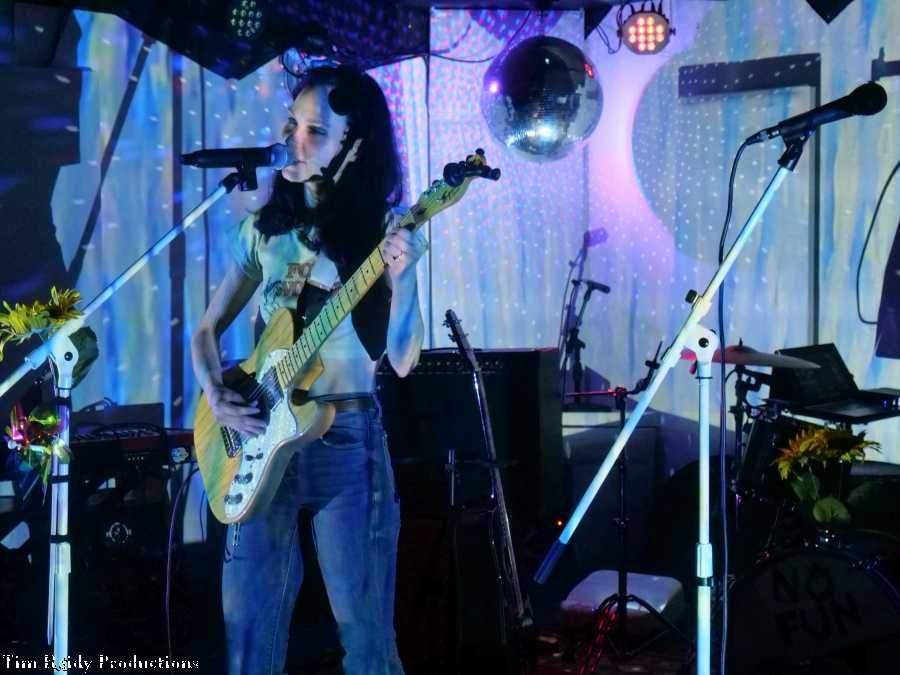
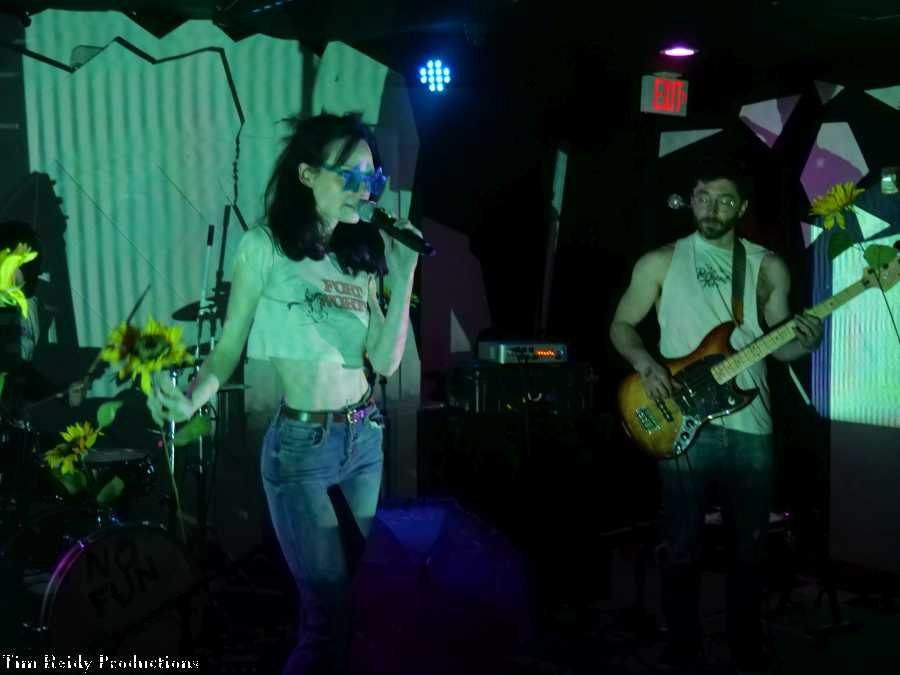
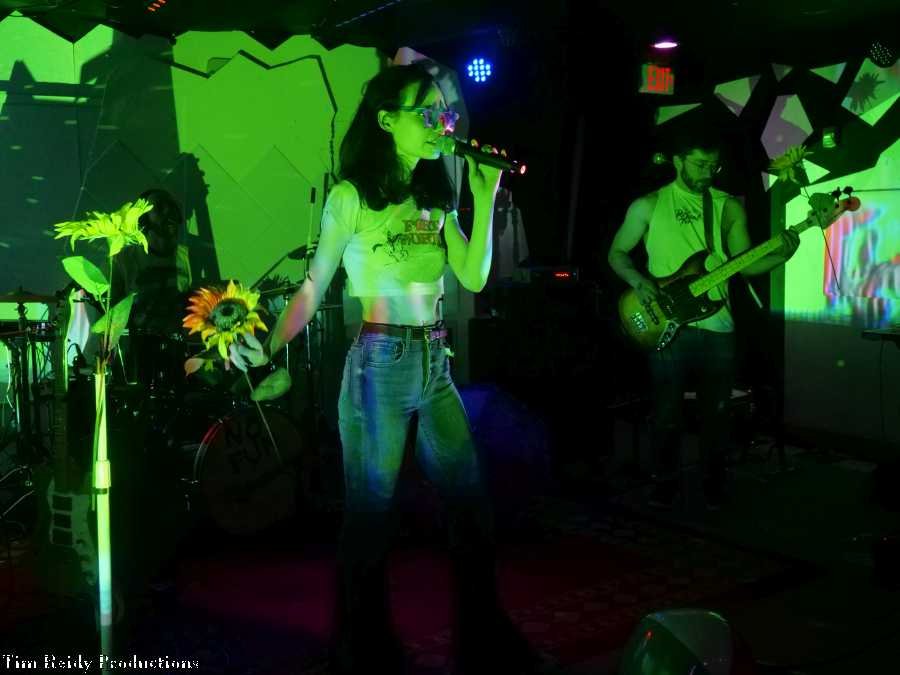
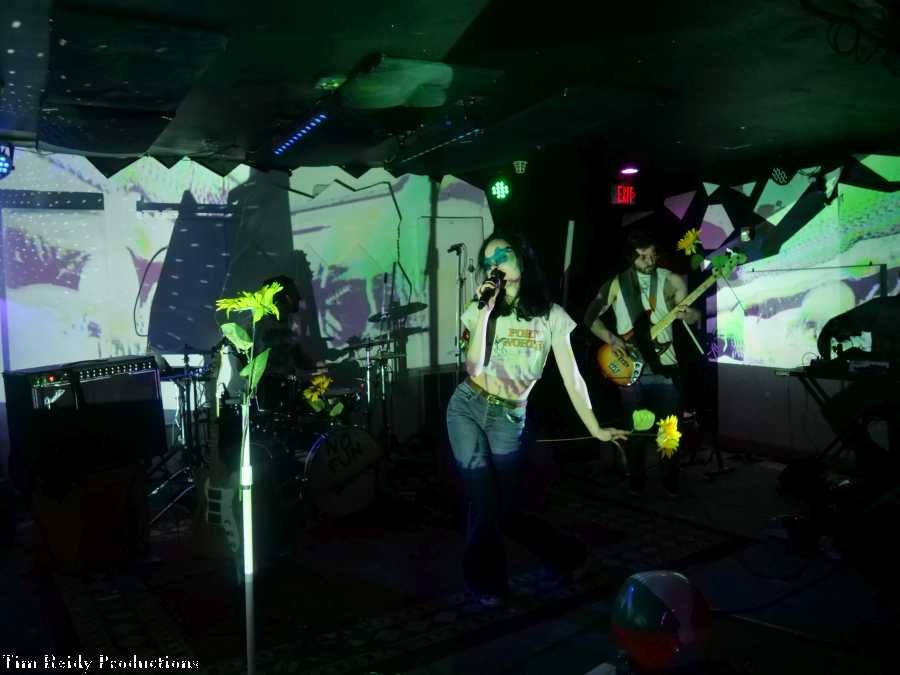
Horse Grave / Vethaken / My So-Called Summer / We Used to Cut the Grass @ No Fun, 2/21/2026

0

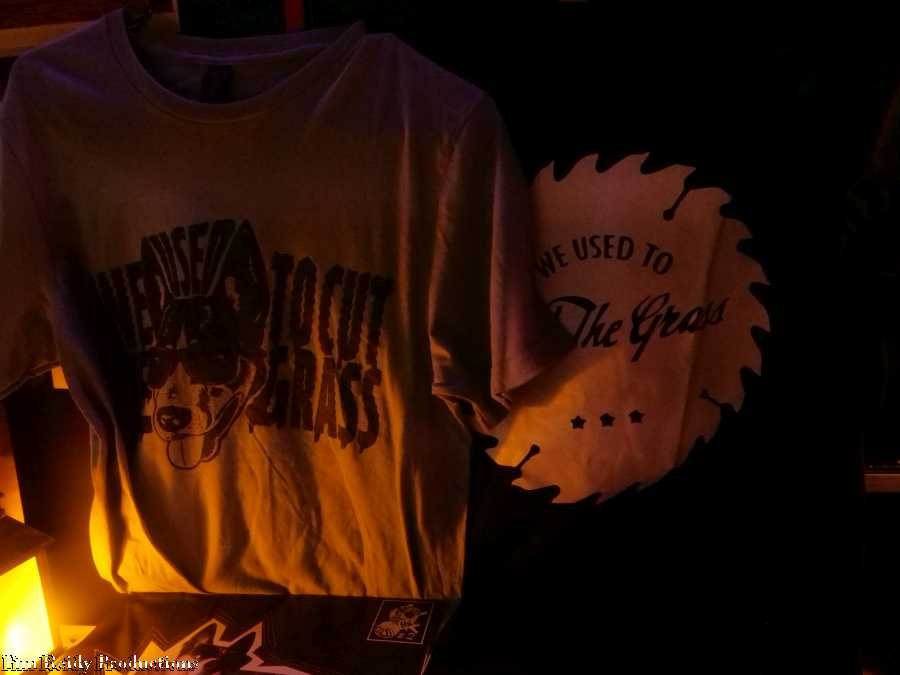
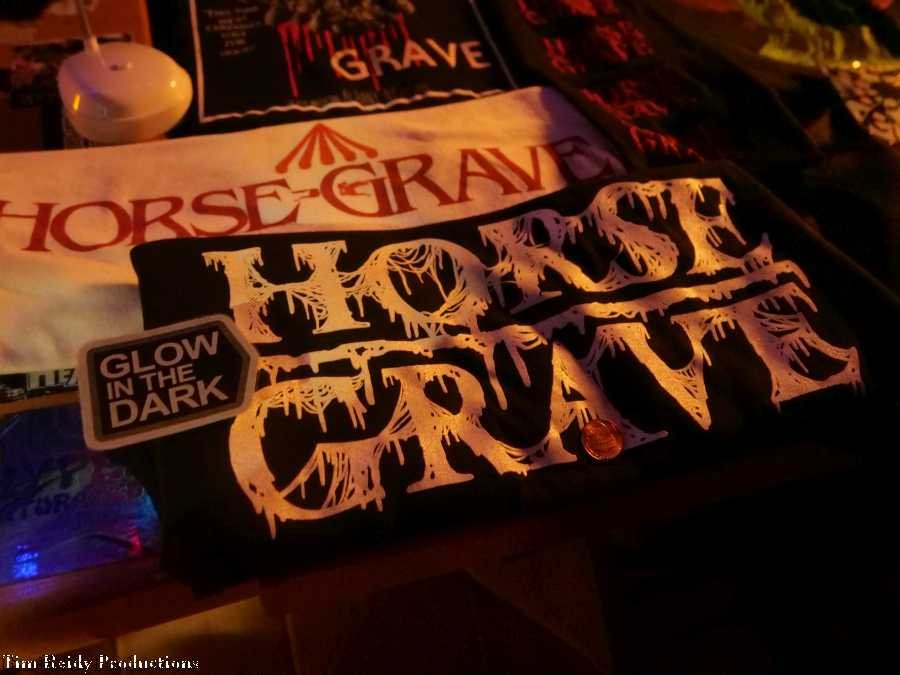
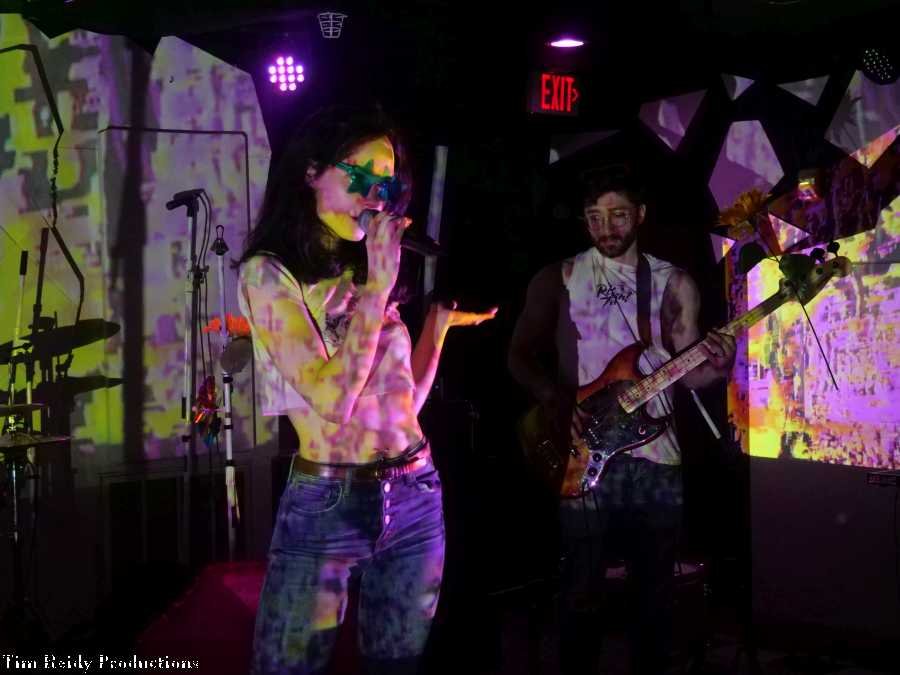
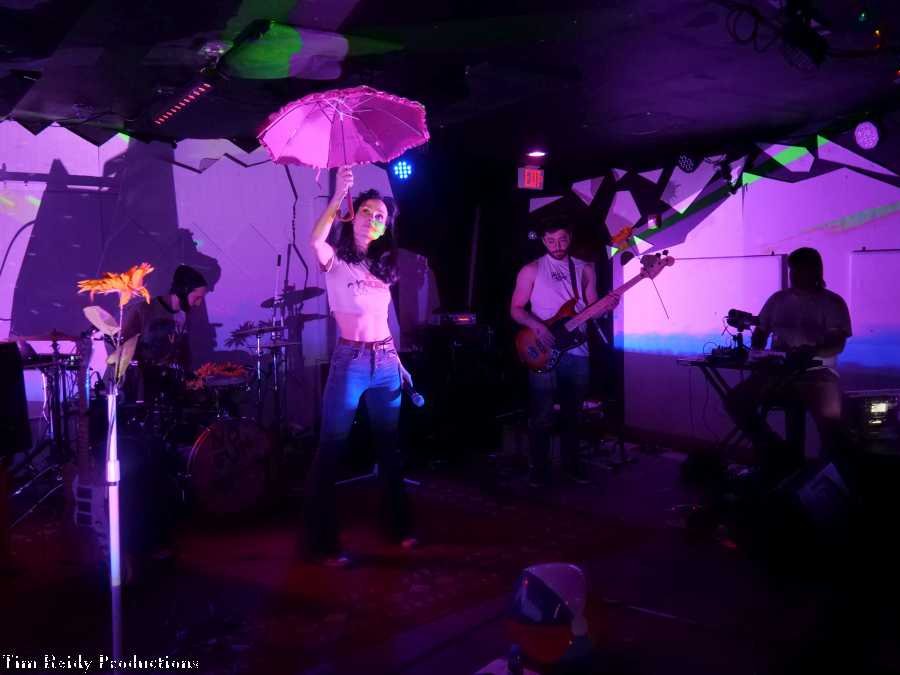
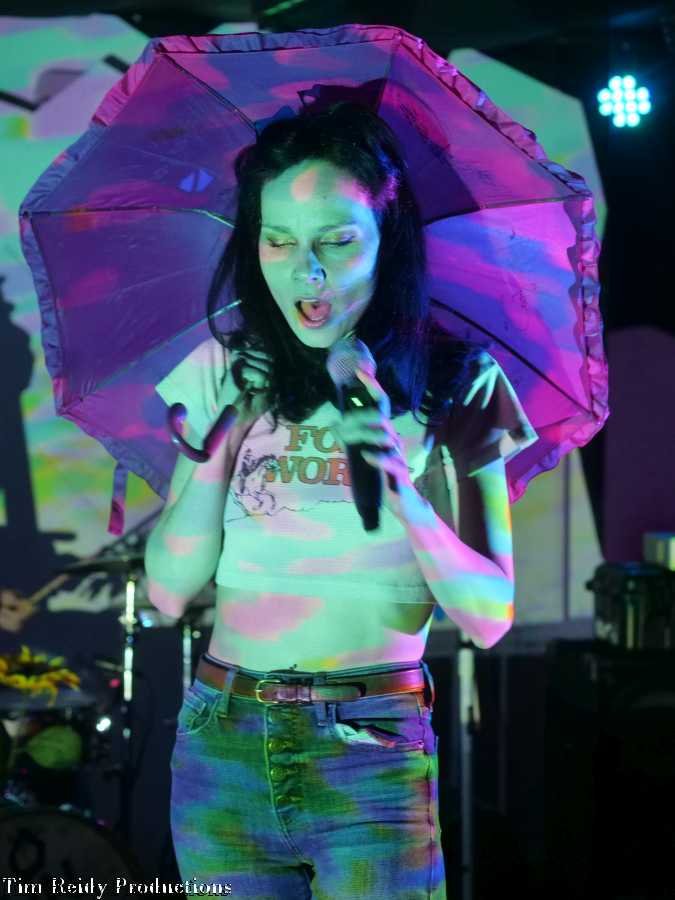
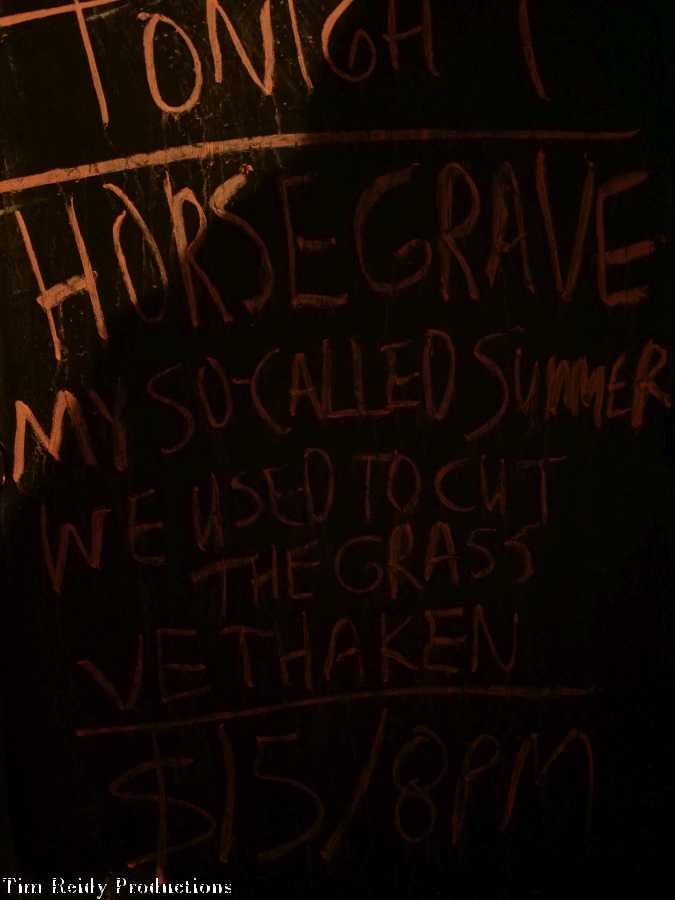
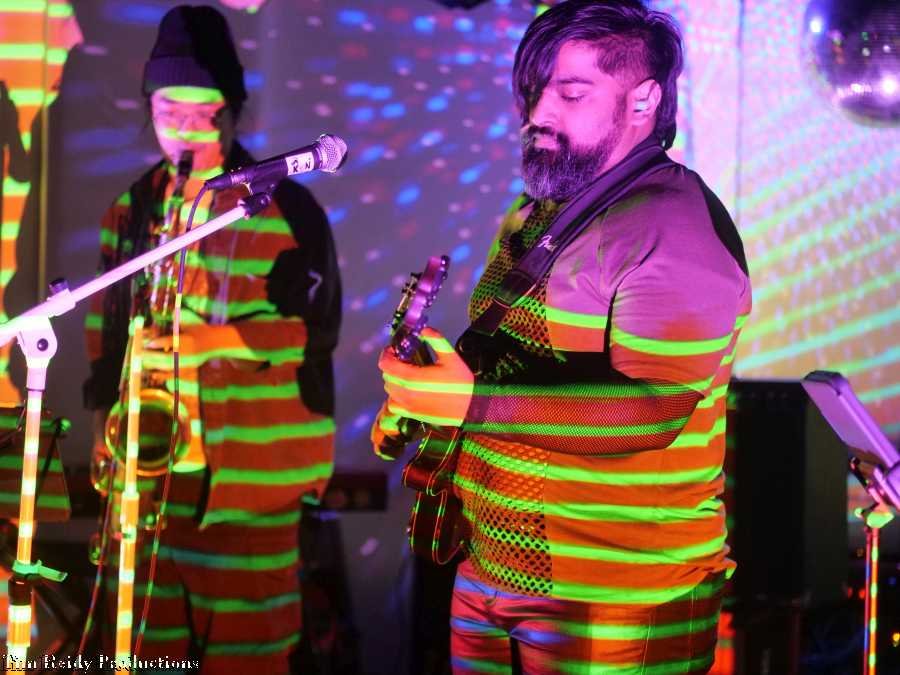
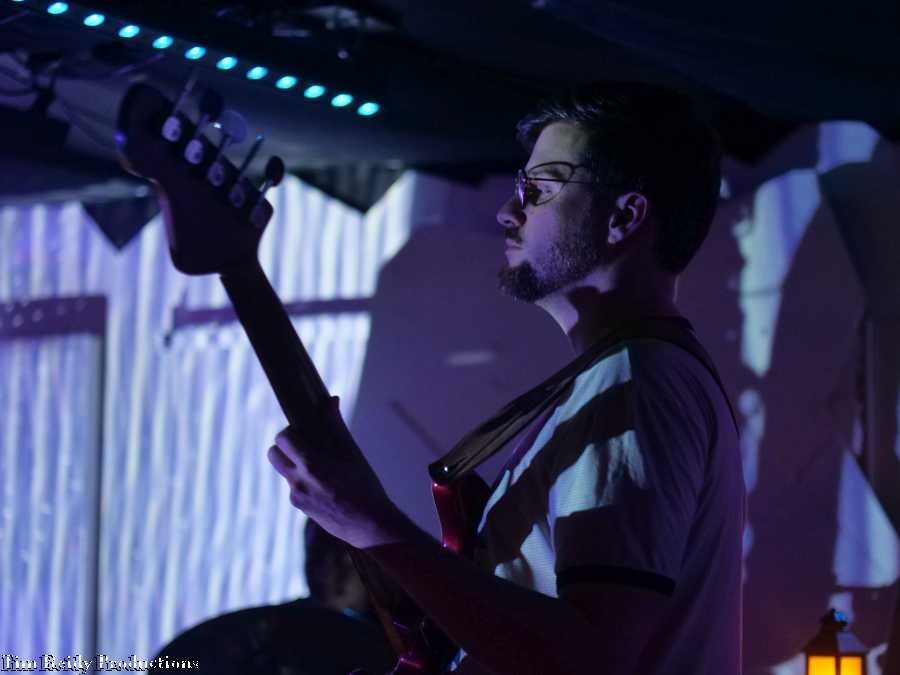
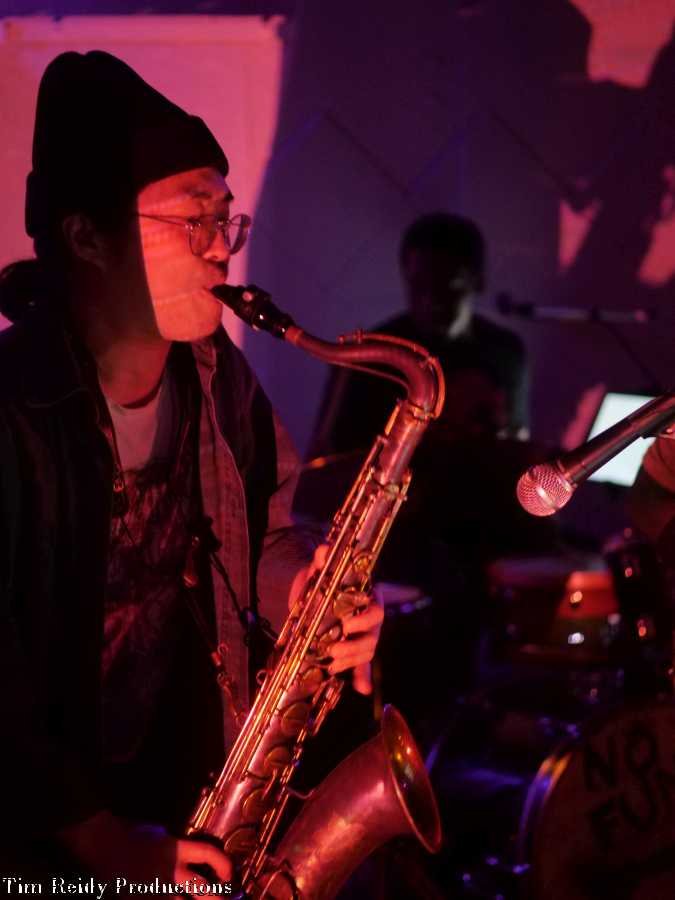
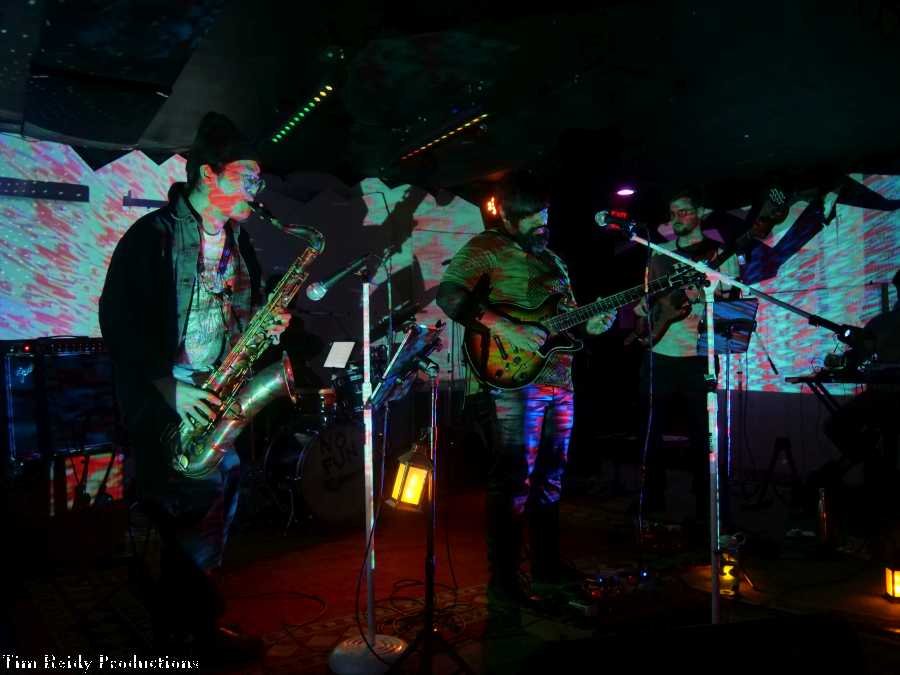
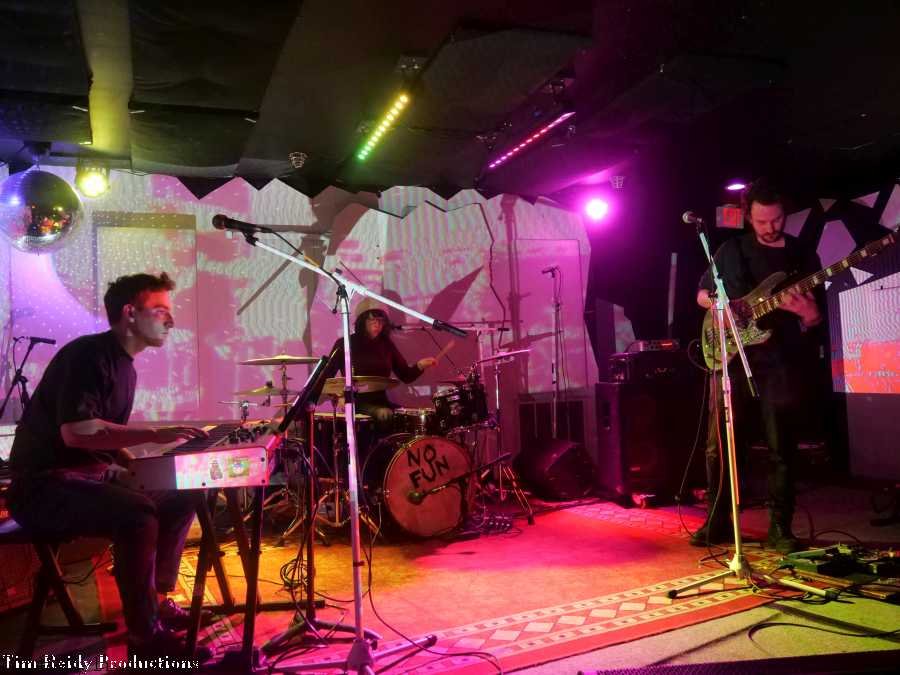
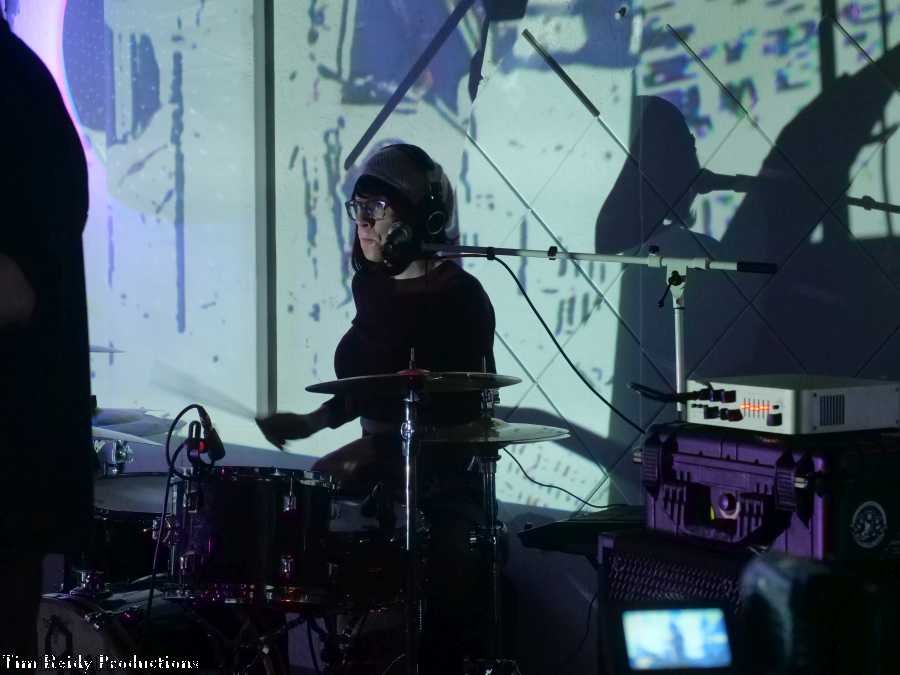
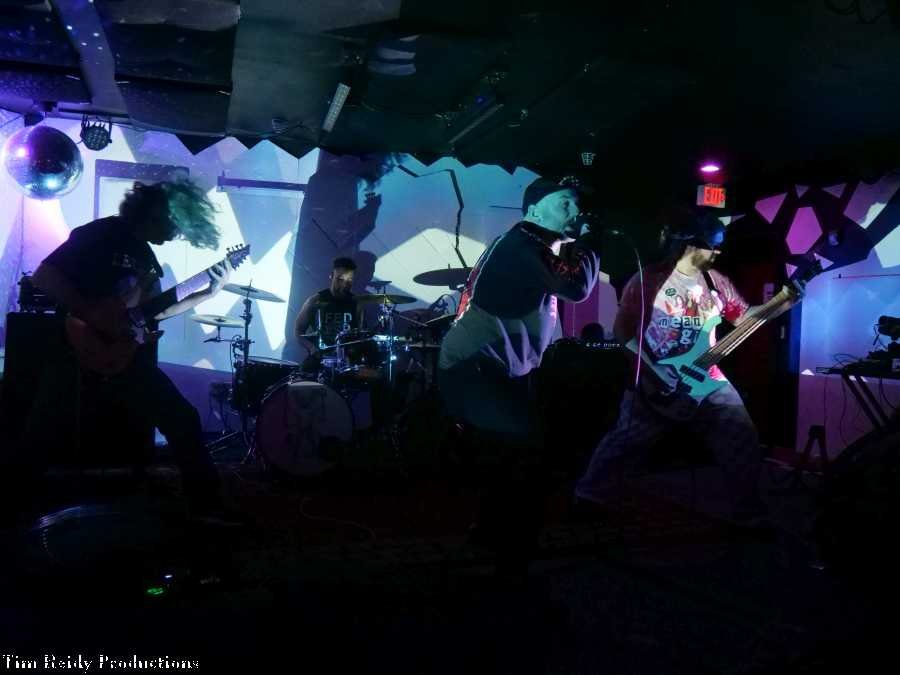
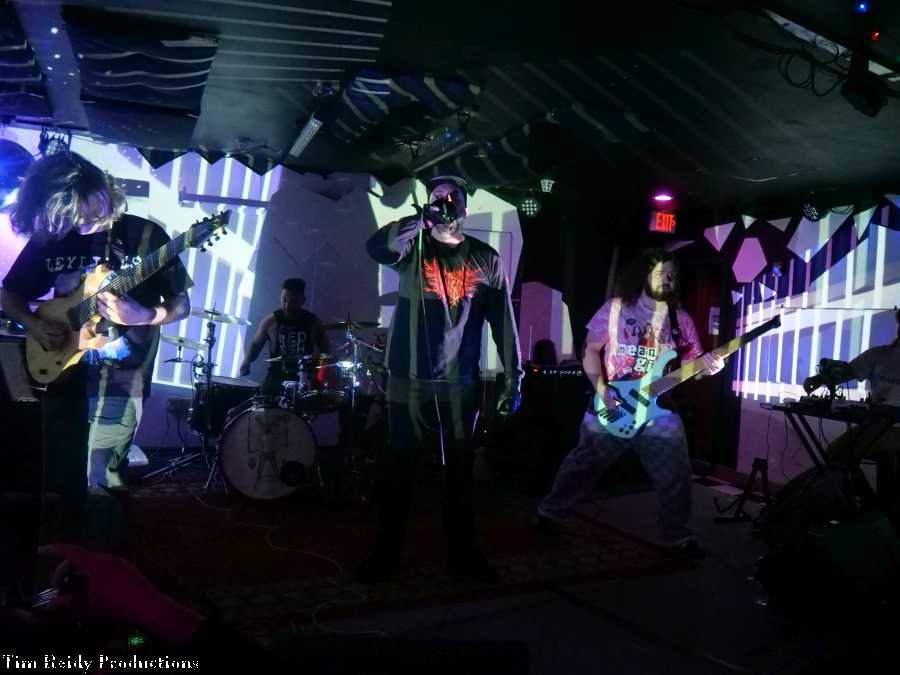
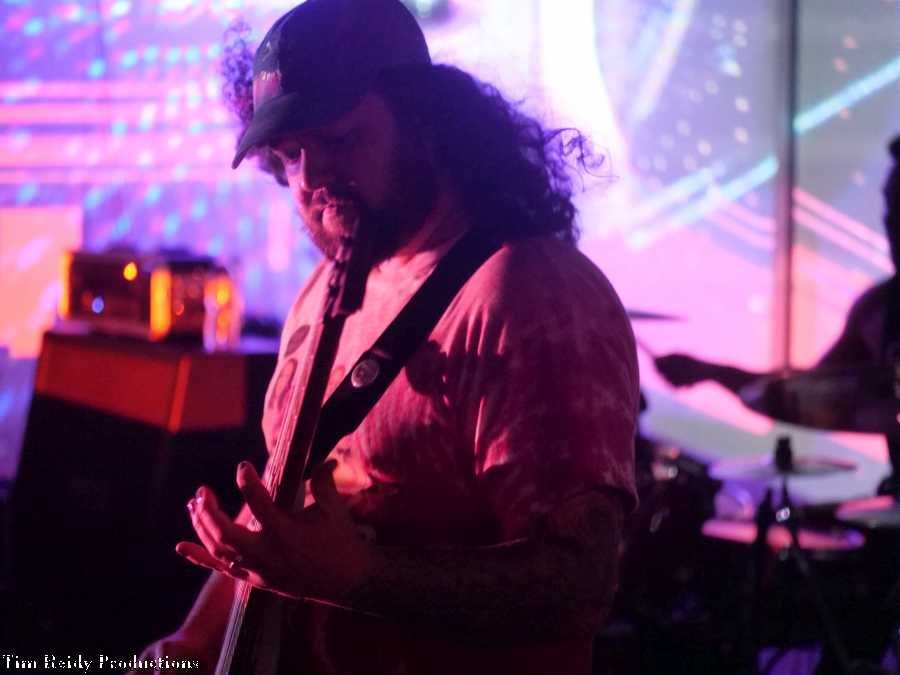
A varied-genre bill at No Fun, with Horse Grave, Vethaken, My So-Called Summer, and We Used to Cut the Grass.

Photography by Timothy Reidy.

More from No Fun here …

Cold Chocolate @ White Lake Studios, 2/26/2026

0

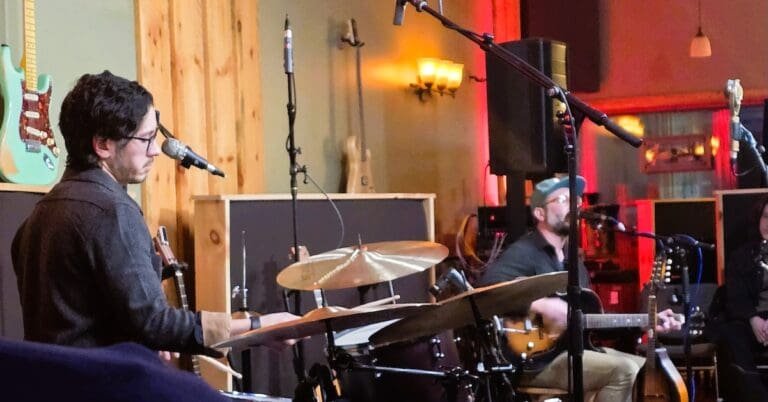
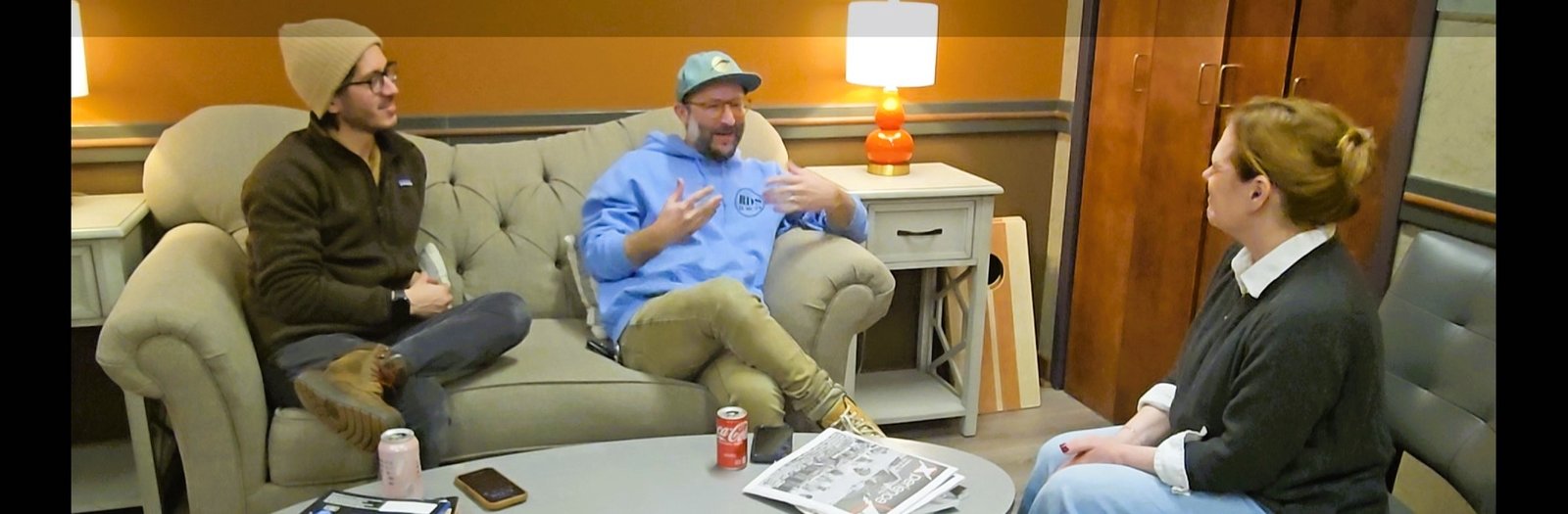
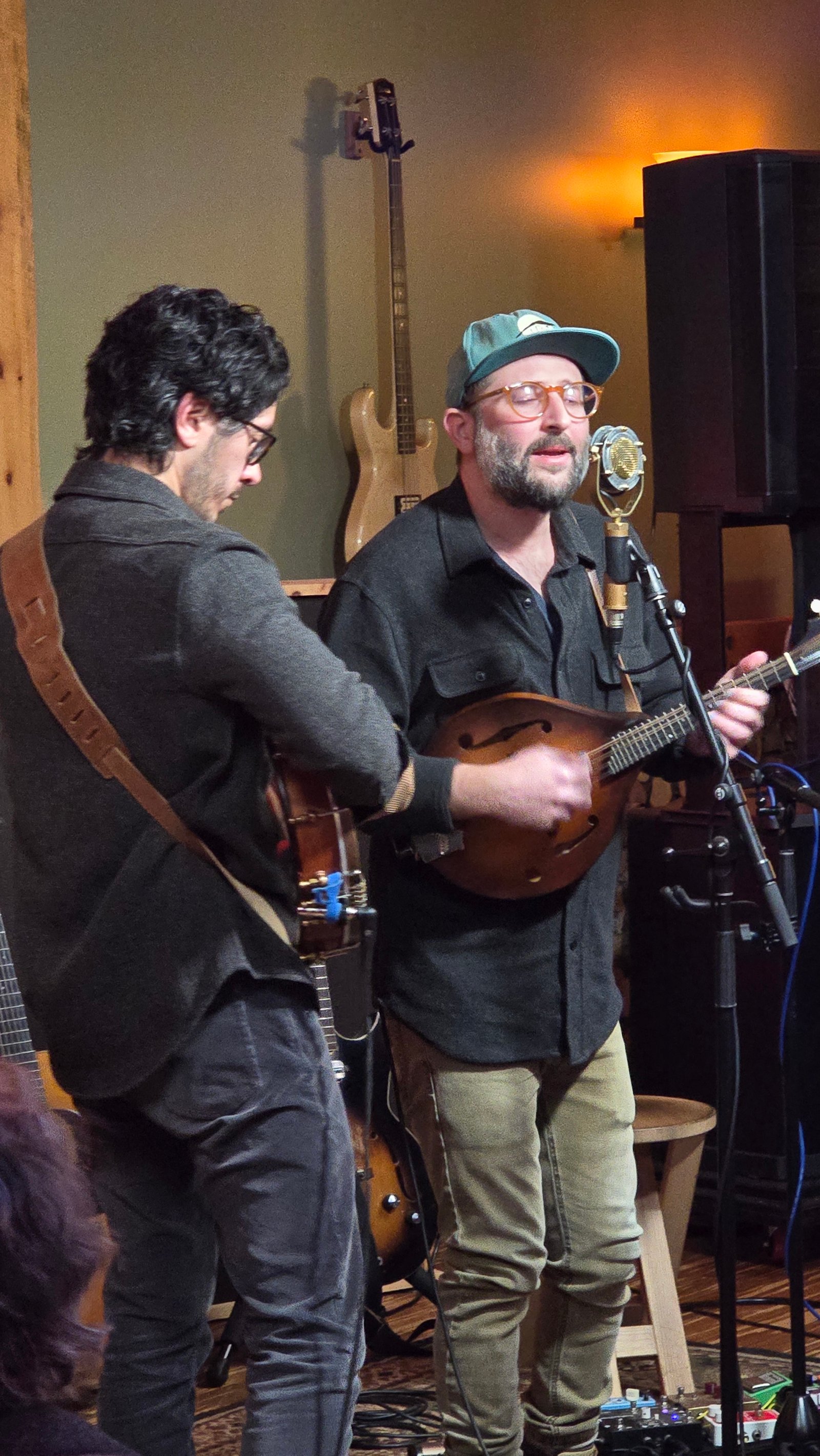
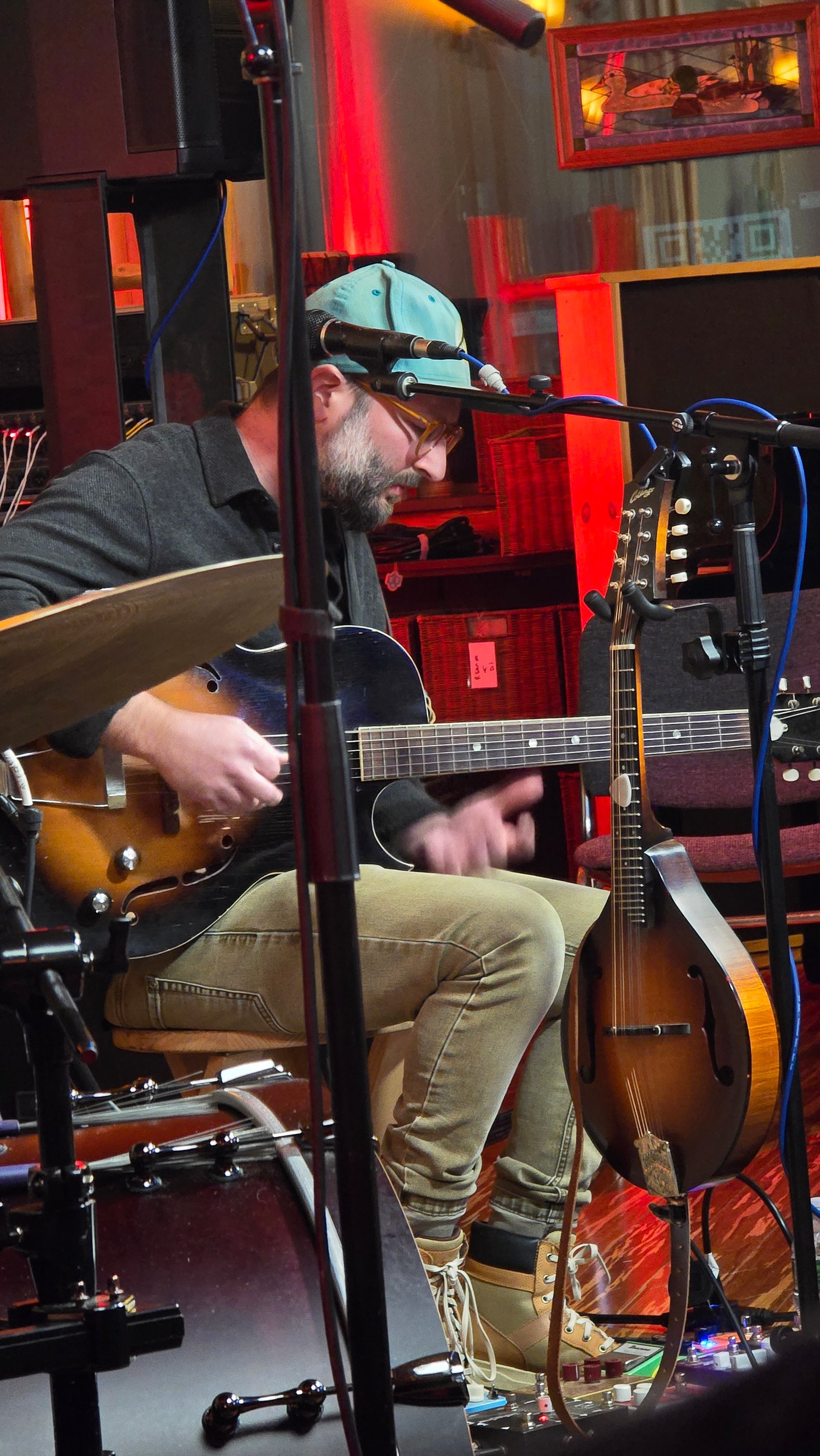
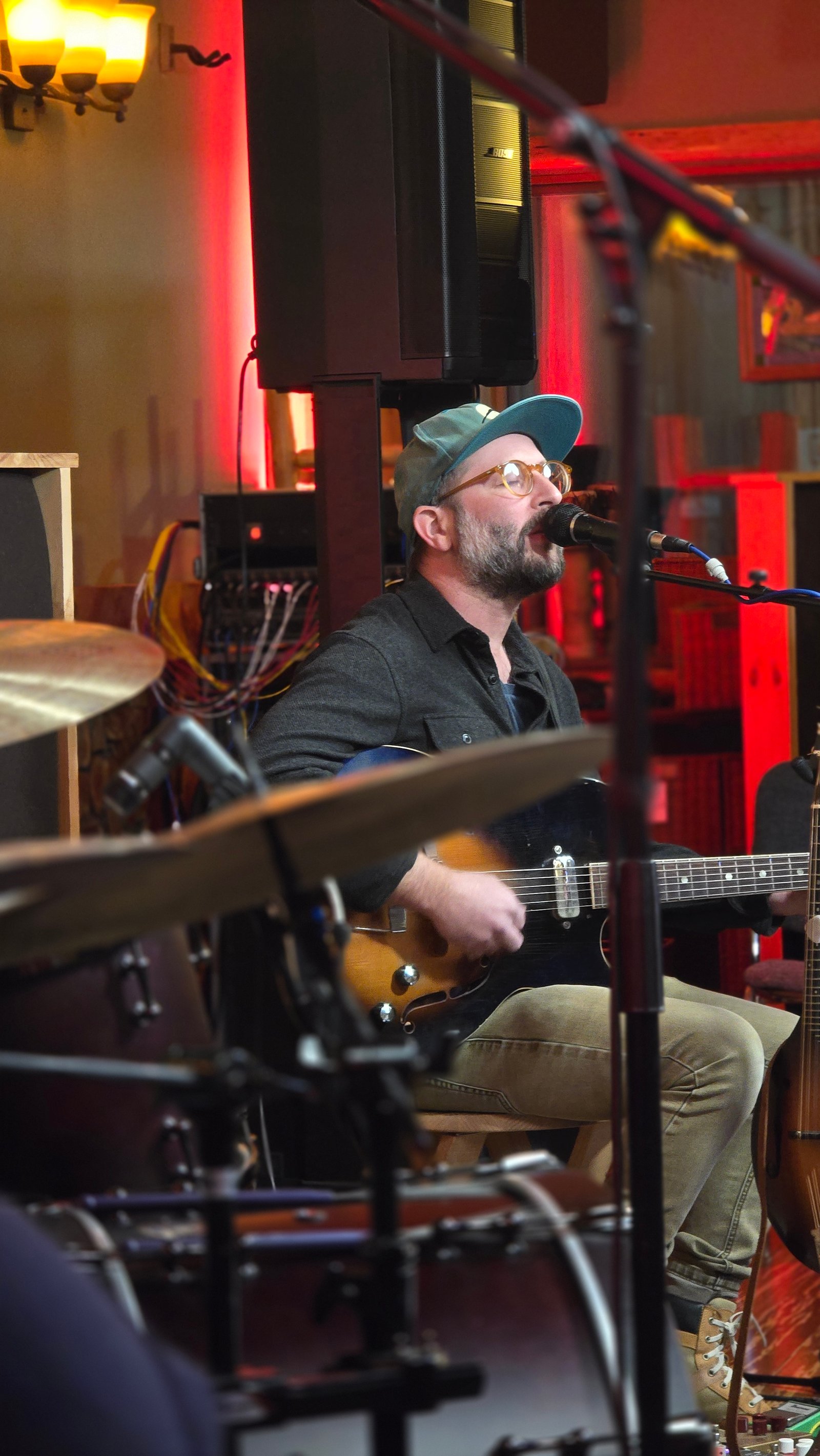
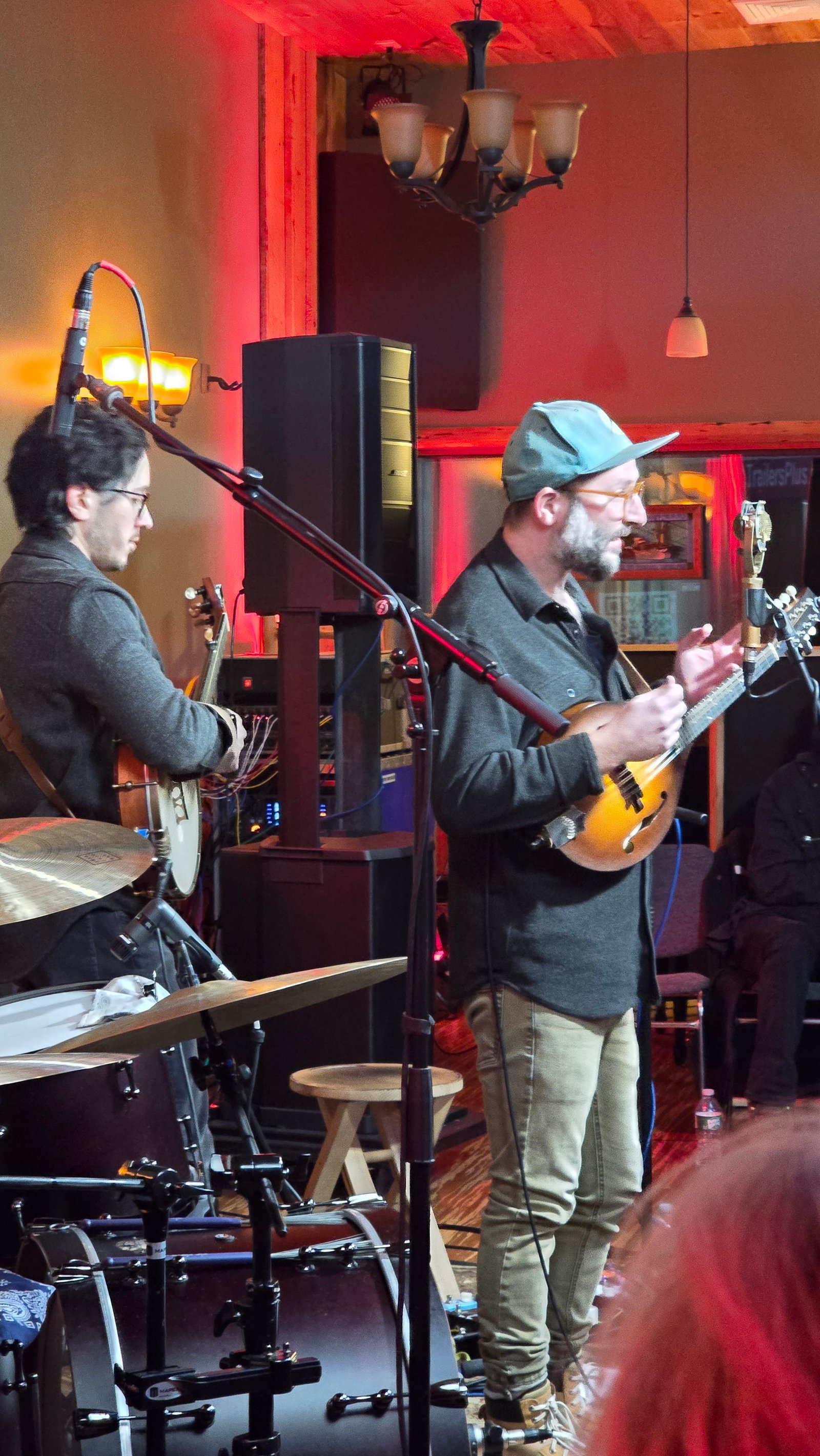
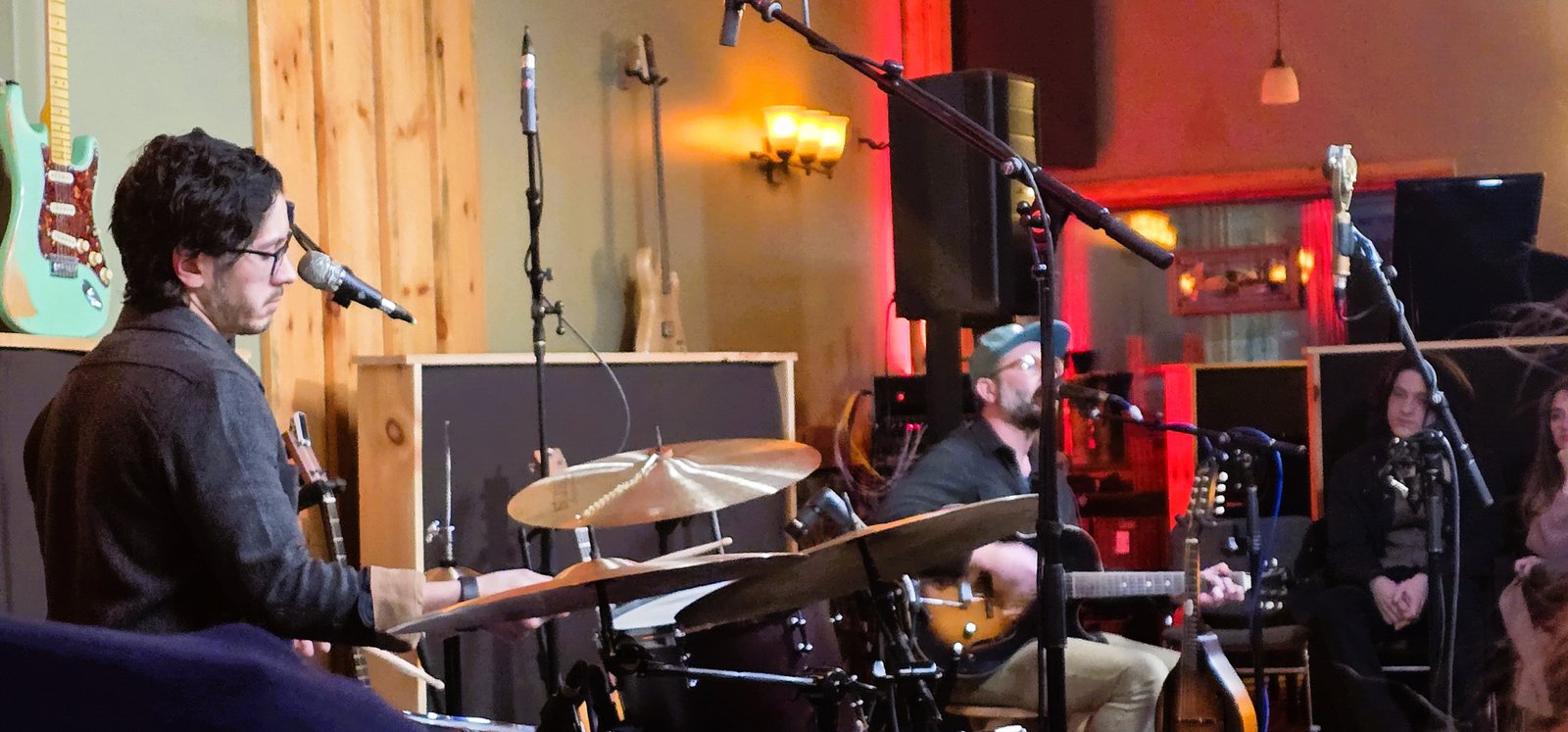
I visited White Lake Studios for the Upstate Unplugged Series, featuring Cold Chocolate.  I interviewed the band and had a WONDERFUL time meeting and chatting with Dave Bourgeois about all things music, the origin of White Lake Studios, etc.

Photography by Sara Busone.

Read more about the Upstate Unplugged series here …

Maxime Taccardi – Xperience History

0

Maxime Taccardi – Xperience History – by Liam Sweeny.

Originally published in October 2021.

We have a strange relationship with darkness. We get a kick out of zombies and mummies on Halloween, but we fear flesh-eating diseases and terminal illnesses. We run from dark things, and turn to face them, and explore them, when they’re trapped in the cellulite of film, or infused in the fibers of paper pulp or canvas.

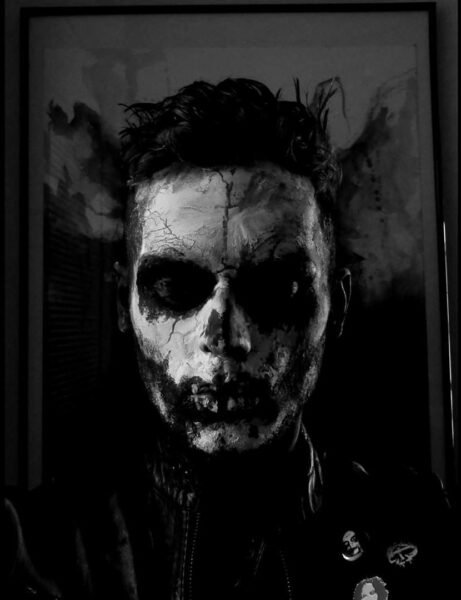
Maxime Taccardi is a French artist and writer that once and again brings fears to the streets of the Capital Region noir. The darkness of his illustrations and paintings are surpassed only by the brilliance of his composition and absolute consistency of his technique. If there isn’t a hell, Maxime might be creating it.

RRX: You’re from France, Paris to be specific, and you spend your time going back and forth between there and the Capital Region. Of course, your calling travels with you. How is the transition between operating in the French art community and operating in the American art community with regard to the cultural aspects of your work?

MT: Yes, that is right, my wife is from the Albany area so I had the pleasure to visit and stay here for a while. I was a teacher near Paris for ten years but quit in 2020 to focus on my art and move here. The art community is basically the same over there in terms of getting art shows and things like that, but I feel the Americans might be a little more open minded compared to the French. As an artist evolving in dark themes, the head of the Paris school was a bit scared and worried about me and my art, it was a relief for them when I told them I was planning on quitting the educational system. They just want puppets to obey and don’t go out of the scheme. That being said, I always had a great relation with my students and I feel my eccentricity brought them something.

RRX: Your work is very fantastical and dark. Someone seeing your work might think you live in a world of darkness yourself, and there may be truth in common guesses, but there’s a separation between artist and art. What’s something about your life that contrasts with the thrust of your work? And what’s something that drives it?

MT: I’ve always been driven by urges to create and translate what I see in my dreams and visions. It took a darker turn when my parents died of cancer when I was in college. I guess the darkness surrounding my work was a way for me to cope with their loss at that time. But like you mentioned, there is indeed a separation between the art and the everyday life even though I consider it to be faces of the same entity. It is a catharsis, an outlet to make something out of my darker feelings.

RRX: You paint and draw with a varied technique, not only bringing your style “out of culture,” like a demonic Mr. Burns from the Simpsons, but in exploring media with paint, pencil, pen, and in some pieces, your own blood. Since every media has its own peculiarities, which one is the wildest ride, and why? Is it blood, or something else?

MT: I enjoy experimenting with all sorts of techniques, I also work sculptures, music, video etc. There is that principle, theorized by Wagner called Gesamktkunstwerk in German which means total art: It has to be seen as the melting of all senses into one which is called synesthesia and this marked me on a deep and spiritual level. To answer your question, the wildest has to be the blood indeed, I’ve been working with it for the last decade. I wanted to simply put some of myself into my work, literally. This is also some sort of a ritual; I could use a syringe but I rather use the pain resulting from the cut as part of the process. Kind of like Jackson Pollock for which the ritual and the dripping was also important but in a macabre way for me. The final result isn’t only the art in itself, the whole process is part of it. There was also a quote by Picasso which always influenced me, he said that if he had been imprisoned and left without anything to paint, he would have used his saliva and fingers. Upon reading about that, I thought to myself, why not use your own blood? I see it as a statement, the art being one with the artist.

RRX: You have your work coming on October 22nd to Etrice Gallery, an Albany gallery owned by Davion Brink, son of Capital Region musician Maria Brink, from In This Moment. Galleries are the stage of the artist, probably one of the places an artist is really putting themselves out there live. What makes a great gallery exhibit for you, all things factored in?

MT: My exhibition is entitled “Beyond Khaos” and will take place at Etrice Gallery indeed. I like when the people working in galleries give artists the chance to control the visual aspect with the configuration and also in terms of sound as I will have my music playing during the opening. Both are deeply linked, my music being the sonic translation of my paintings. It is like a communion of spirits; galleries help artists to be seen and it is also a sign of trust which I’m really grateful for. I also have to mention my wife Kristen who is my business manager and assists me on a lot of aspects, she helps me to promote, find the venues etc. and also provides me an inexhaustible source of inspiration.

RRX: You have hundreds of thousands of followers on Facebook and thousands on Instagram. It seems that social media, Instagram in particular, has become the vehicle to beat for gaining an artistic presence. Do you think social media changes the kind of work you do when you’re looking at a blank canvas? Why or why not?

MT: It is a great help for sure despite the censorship going on lately. I’m not going to lie, social media really increased my reach in the art world but it does not affect my creative process as I never think of what people will think of it, art is very personal and as long as you are true to yourself, the biggest part is achieved. Besides, most of my art is very spontaneous so sometimes I don’t know what will come out of the canvas but the urge is too strong to let go.

RRX: You’ve also written books, namely the Book of Death. From what I’ve seen, it’s like the Necronomicon with a little more class, or Davinci’s evil twin’s notebook. It’s great to see exactly how you incorporated picture and verse, and how the words have a scrawl that complements the demonic imagery. What was its creation story?

MT: The Book of Death has been handwritten in three years and is a compilation of my poems and essays with illustrations matching the texts. I see it also as some sort of a diary, an artistic journal compiling my thoughts etc. The second volume, called The Book of Demons, follows the same formula but with a poem for each demon that appeared in most religions, from Zoroastrianism to the Abrahamic faiths. The third volume will be entitled The Book of Shadows and I’m still working on it. I also published another book called Beyond Khaos which is about my art in general covering 15 years of work. They are all available from my publisher Heavy Music Artwork which is located in London, England.

RRX: This is where you answer the question I didn’t ask. Tricks? Tips? Educate, enlighten, emote – the floor is yours.

MT: First of all, I’d like to thank you Liam for the interview, it really means a lot to me. Art is very important in this world in my opinion, it can take different shapes and forms and it remains a real form of freedom anyone can taste or be part of.


More from Liam Sweeny…

Extra! Extra! The March 2026 Digital Edition is Out! Get it Here!

0

Spring is coming. There’s magic in the air, and as always, there’s magic in Xperience Monthly. Featuring Larry the Cable Guy, Danny Schuler of Biohazard, and Stix Zadinia of Steel Panther.

Larry the Cable Guy – An Xperience Interview

0

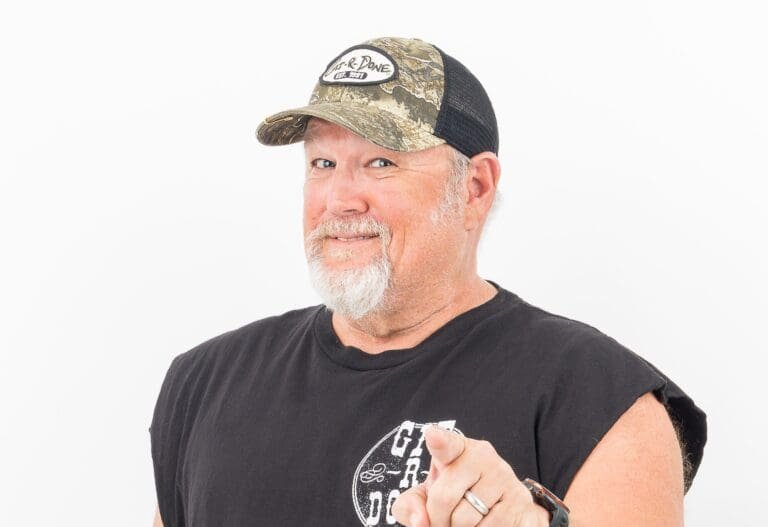
Larry the Cable Guy – An Xperience Interview – by Liam Sweeny.

In comedy, there are few who have reached the global popularity of Dan Whitney. But you might know him as Larry the Cable Guy. A solid member of the Blue Collar Comedy Tour, he’s made a bunch of hilarious movies and has made millions of people laugh. We welcome Dan (Larry), and we talk about the making of a special.

RRX: How much of what’s on stage is preparation, and how much is just you being you?

Dan Whitney: Well, of course, a lot of it’s preparation, because you gotta get the jokes in order, you gotta find the flow, which is what I do once I get on stage. A couple of shows, it takes a couple to get it beat down in my head. I write a lot on stage. It’s fun because I really become the character. It’s so fun to do, and my mind just triggers other things while I’m up there. So man, there’s a lot of really funny jokes that have happened that I’ve written just on stage at that certain moment. But it’s definitely a lot of preparation, you know. I’m a one-liner comedian. I’ll write one-liners, and this will group with this, and that’ll group with that, and I have to find an order to put them in. So yeah, takes a little time, but man, once I got it, once I got it laid out how I want it and I get a couple shows under me, it flows really well.

RRX: When you created the character of Larry, there was you, and there was Larry. How is it now? Like, have you and Larry become one in any way?

DW: Hey, you know what, people always ask me that. When it first started, it was a complete character. The reason it’s close to me is that I grew up on a pig farm. I grew up going to rodeos. I grew up raising pigs, loading cattle trucks, and everybody I hung around with was older people. They were all farmers and ranchers, and then, of course, I went to college. That’s when the southern stuff came about because I moved to Florida, went to college in Georgia, and I just picked up the accent. So when I first started the character, everything was made up.

I started out doing political humor. I’m not political, but it was just for the radio. I was always just doing goofy one-liners. So that’s what I did, but I didn’t do it unless I thought it was really funny. I didn’t do it just to do it. So everything early on was all made up. It was. Completely separated from me. Then I had a wife, and then I had kids, and then you want to incorporate that. There are so many jokes about being married and having kids. I started incorporating a lot of my real life into the character, and so it became a little more of my life … but it was still made up. They were still – you know – I would do something that really happened, and I put a fake twist on the end of it. It didn’t happen. But as far as the character goes, people think I walk around like that every day. Completely normal. I have such a normal life. I’ve got a family. And the people call me Larry because they don’t know me other than Larry the Cable Guy. So I don’t know how to remedy that. The only way I say it is that Larry makes all the money. Dan has fun with it.
Everything is under Larry the Cable Guy. I tell my wife I wish sometimes I had a project that was just my name. Because everything’s Larry the Cable Guy. My movies were Larry the Cable Guy. Larry the Cable Guy was popular, which was me. It’s kind of like Cedric the Entertainer. It’s like Cedric, like Carrot Top. I mean, is he always Carrot Top, or is he Scott Thompson? Is he? So I don’t dig too deep into it because I have a normal life, so I don’t really think about it that much. I mean, I do. I think my management told me early on. I mean, everything that happened to me happened so fast, and it was just a whirlwind, so I just let them manage me, and I’d just show up and do what I do. I said one time, “You know, we should do this under Dan Whitney.” No, no, no, Larry the Cable Guy is a brand. Larry the Cable Guy sells as a brand. Everything has to be done under Larry. OK, well, there we go. So that’s all. I guess that’s what we’ll do then. As far as now, as far as my real life, I am totally different than the character. The only thing that’s it seems like I’m the same is that I incorporate my family life into the character, but it gives the character way more.
Larry was always a partier and going to titty bars, and I don’t drink, I don’t smoke cigarettes, I don’t do anything like that, you know. Never done anything like that, but all my friends did. Everybody I hung out with did, so I know about it. I mean, shoot, I can talk about it with the best of them. I know all about it. I just haven’t done it as much as anybody else.

RRX: One thing that’s cool about comedy is that we find out we’re not alone in our particular weirdnesses. Do you feel that way when you’re on stage? Like everybody laughs, and you know it’s not just you that’s like that, or it’s not just you that did that thing?

DW: Oh, absolutely. I mean, I got a weird sense of humor. I grew up with “Monty Python’s Flying Circus” and “Hee Haw” and “Benny Hill” and Charlie Callas, and I love those guys. I love the “Dean Martin Roasts,” so it’s nice to see that people still love goofy one-liners. There’s not a lot of one-liner comedians. You know, there’s not a lot of us out there, and it’s a hard craft. The one-liner comedy is not easy. It’s about timing and how you tell the joke, and, you know, it’s kind of like Seinfeld … those guys would do those jokes, and you would laugh. If anybody else did, it wouldn’t be as funny. It’s just that they found a way to say it and the timing of it. And it’s kind of like me. Jeff Foxworthy used to say to me all the time, “I have no idea why that joke is funny, but people howl at it, and it makes me laugh because they’re howling at it, and I still don’t know why it’s funny.”

RRX: Your family and your faith are really important to you. You started the Git-R-Done Foundation with your wife, Cara, in 2009. Can you tell us what that’s all about?

DW: My kid had hip dysplasia when he was first born, had a little bit of a harness for his first year. They thought that he was gonna probably have to have surgery in his twenties because it’s such a bad hip. And then we met this doctor who said he wouldn’t need one. He thought he could eliminate hip dysplasia kids. So we donated to him to go down to Mexico and some of these other places and work with people who need the help, and it worked. Our first donation was to the Arnold Palmer Children’s Hospital to start the International Hip Dysplasia Center, which is a place for parents. When it first started, there were all kinds of different ways to work with hip replacement. Nobody really knew a common way to do it. So this was just a way that people could go online. It would take you to one place with doctors from around the world with one way to cure it. So that was the first one, man, it was really nice. Then we got involved with the Child Advocacy Center here in Lincoln, Nebraska, and really fell in love with Madonna, the rehabilitation center that took care of kids and veterans. I’ve always had a strong feeling for veterans, and I’ve always wanted to do stuff for veterans. So we just got a big canvas. Anything that involves kids, vets – anything like that – that’s what my foundation does gitrdonefoundation.org.

RRX: What is the coolest thing you can tell us about REO Speedwagon?

DW: The cool thing about them is they’re down to earth. I’ve been friends with them for a long time. Bruce Hall was a really good friend of mine, the bass player. They’ve come and played at my golf tournament. The coolest thing they ever did? My dad (he passed away) had a rock and roll rhythm and blues band in the ‘70s. And he left me his vintage guitar. And when they saw it, I told them. Kevin Cronin actually took my dad’s guitar to a concert in Omaha. And told the story about it being my dad’s guitar and played “Ridin’ the Storm Out.” Like that. Wow, that thing had been played right.

He loved it, and it was just cool. He came over to the side of the stage so we could get pictures. I mean, I just thought that was the coolest thing ever. But aside from that, you know, they’re one of those bands that should be in the Rock and Roll Hall of Fame. They’re one of the legacy bands. They were together for so many years and still selling out arenas. People love them, and they were party songs. They’re just good. There’s a lot of memories with REO Speedwagon. Every song with REO Speedwagon you hear takes you to a certain time and place in your life.


More from Liam Sweeny…

RallySound to Host Songwriters in the Round – An Evening of Music and Storytelling

0

Saratoga, NY – RallySound, a non-profit organization working to empower community through
music and founded by Adam Ezra & friends, will host Songwriters in the Round – An Evening
of Music and Storytelling in support of The Ramble music festival and its mission to prevent
veteran homelessness in the Northeast on Thursday, April 16th at The Music Hall at City Hall
in Saratoga Springs.
A pay-what-you-can event, the evening will feature Adam Ezra, Melanie Krahmer & Rich
Libutti of Sirsy, and Margo Macero performing some of their favorite songs and sharing the
stories behind them. All are donating their time and talent to the event to raise funds for our
veteran heroes.
Money raised will benefit The Ramble music festival—a pay-what-you-can event held
annually on the last Saturday of August (August 29, 2026). The Ramble, run entirely by our
all-volunteer Ramble Army, is funded through donations from attendees, generous supporters,
and sponsors.
For every $1,000 raised, The Ramble—working in partnership with The New England Center
and Home for Veterans—provides the resources needed for one veteran hero to transition off
the streets and into safe, dignified housing.
RallySound donated $161,000 to the mission last year and more than $750,000 over the past 13
years.The proceeds of Songwriters in the Round – An Evening of Music & Storytelling will add
to the funds raised at The Ramble music festival this summer and will support our donation to
preventing veteran homelessness.
Songwriters in the Round – An Evening of Music & Storytelling will be held in The Music
Hall in Saratoga City Hall (third floor) in Saratoga Springs from 7:00 pm to 9:00 pm (doors at
6:00 pm). For more information, to reserve tickets and to donate, as well as to learn about
sponsorship opportunities visit Rallysound.org/songwriters-in-the-round.

About Adam Ezra Group
The Boston-based Adam Ezra Group is an acclaimed Americana act defined by a 24-year
commitment to community and activism. Recognized with eight awards including “Band of the
Year” by the New England Music Awards, the group has shared stages with ZZ Top, the Steve
Miller Band and the Goo Goo Dolls, among many others, and recently collaborated with John
Oates. Beyond the music, Ezra’s commitment to his audience is legendary, highlighted by 500
consecutive nightly livestreams during the pandemic. However, perhaps the band’s most
significant work happens through RallySound, a nonprofit founded by Ezra in 2011. RallySound
hosts The Ramble, a festival that has raised more than $750,000 for the New England Center
and Home for Veterans to fight veteran homelessness. From performing at both historic venues
and in fans’ living rooms, to their Grassroots Award-winning civic engagement, the band
leverages an incredibly passionate fanbase to create a tangible social impact across the country.
About Sirsy
From meeting in an Albany cover band to building a basement studio, Mel Krahmer’s and
Richard Labutti’s journey as SIRSY is a 25-year love story set to a rock-pop beat. The married
couple has toured every state except Alaska, fueled by coffee, sci-fi and a mutual passion for
soulful songwriting. Krahmer handles lead vocals, drums and piano, while simultaneously
playing synth-bass with her sticks. Rich Libutti masterfully layers vintage effects on his
Rickenbacker and operates a bass pedal board with his feet. Their music, centered on resilience,
has carried them through Melanie’s two cancer battles, earning them multiple music awards and
landed them in the Capital Region Thomas Edison Music Hall of Fame. As the Times Union puts
it: their songs have “more hooks than a tackle box.” They’re genuine, moving and brilliantly
nerdy.
About Margo Macero
Glens Falls native Margo Macero is a fearless new voice in original, blues-leaning rock. Her
fiery guitar work and stunning vocals blend the grit of rock, soul of blues and the storytelling
edge of country to make a lasting connection with every audience. Macero, the niece of
legendary jazz producer Teo Macero, suffered a devastating car accident in 2023 that forced her
offstage for over a year. Instead of slowing down, she immersed herself in writing, most notably
with label mates and five-time Billboard Top 40 artists Jocelyn & Chris. The result is a bold
collection of songs due for release later this year