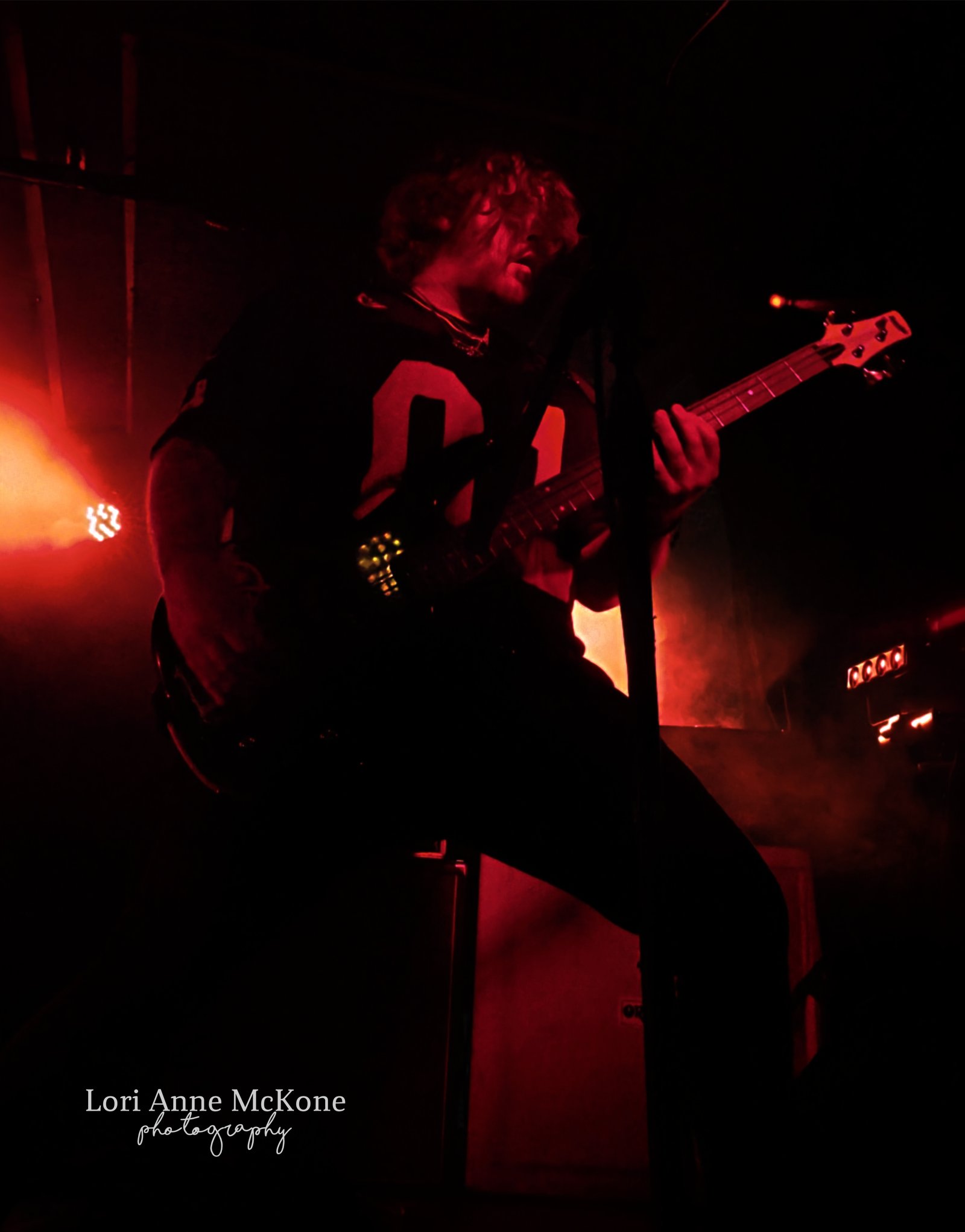
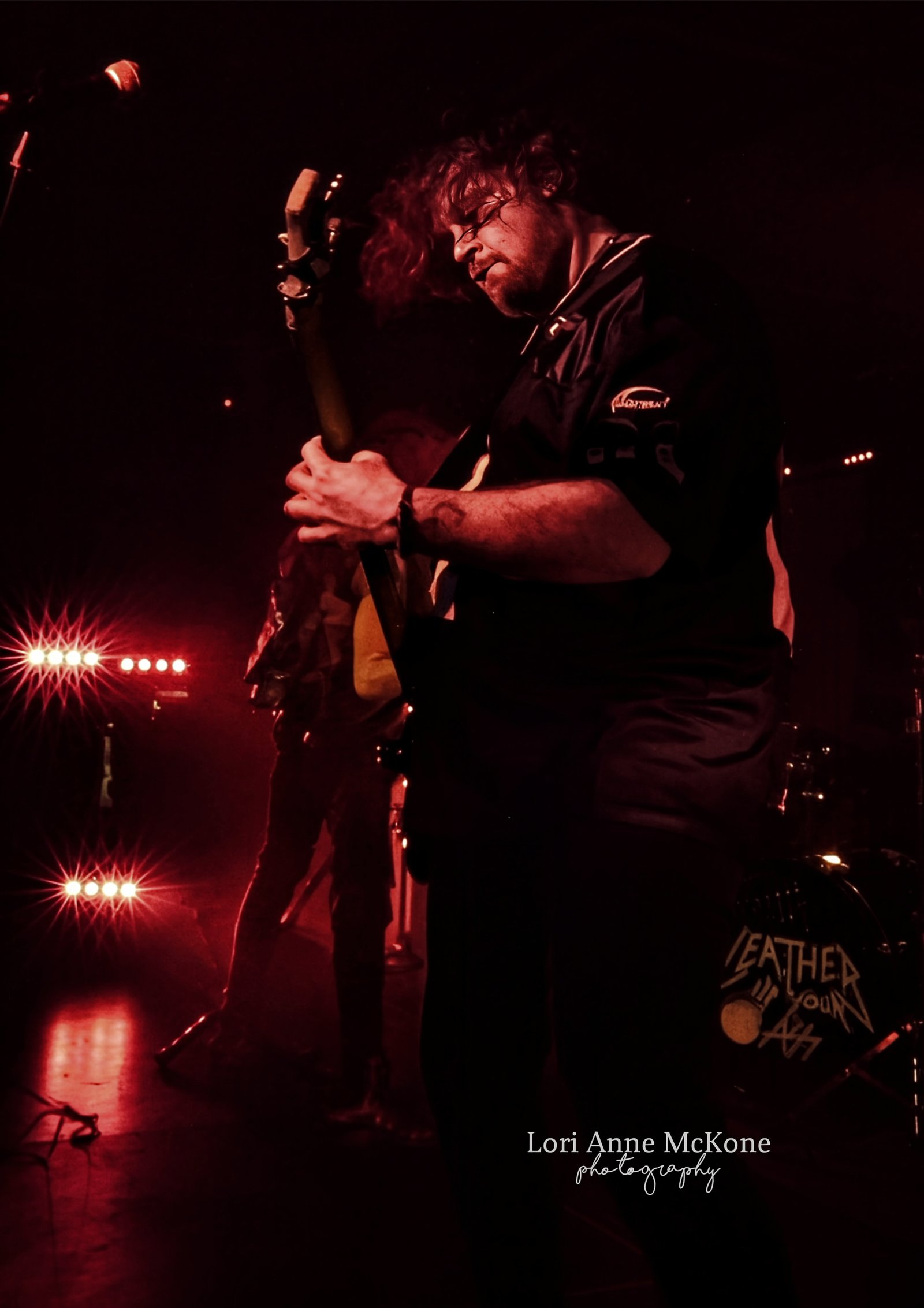
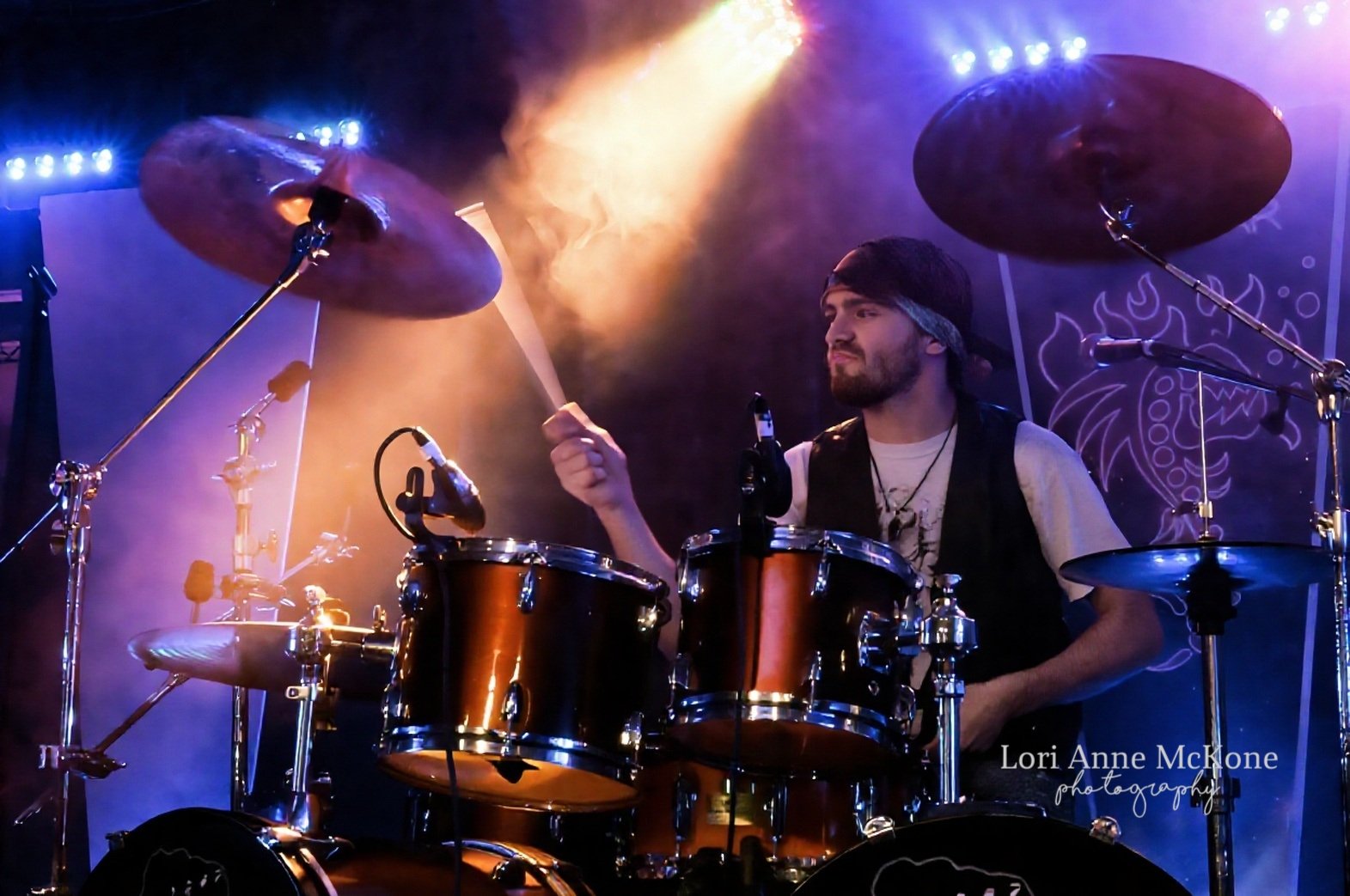
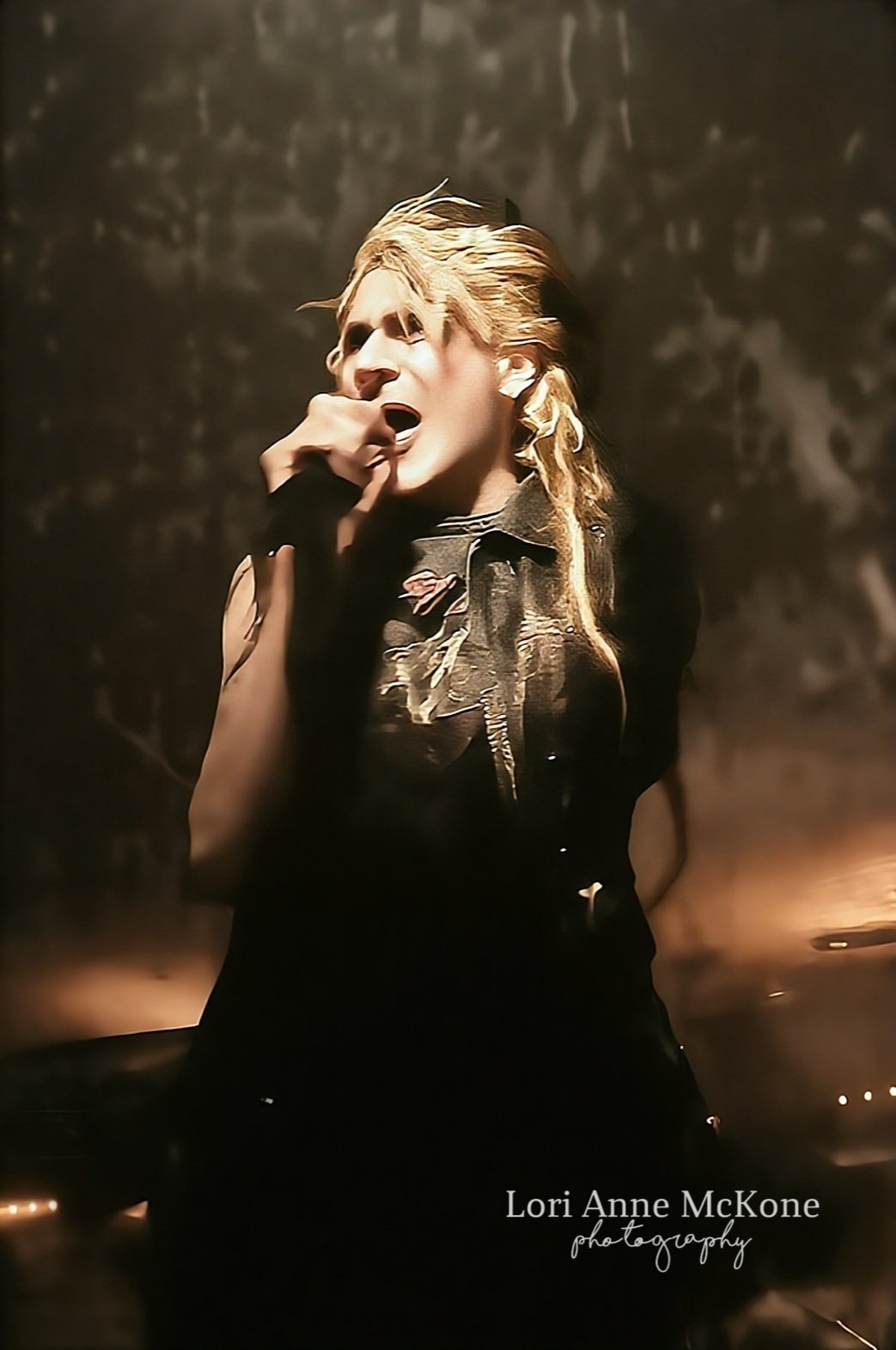
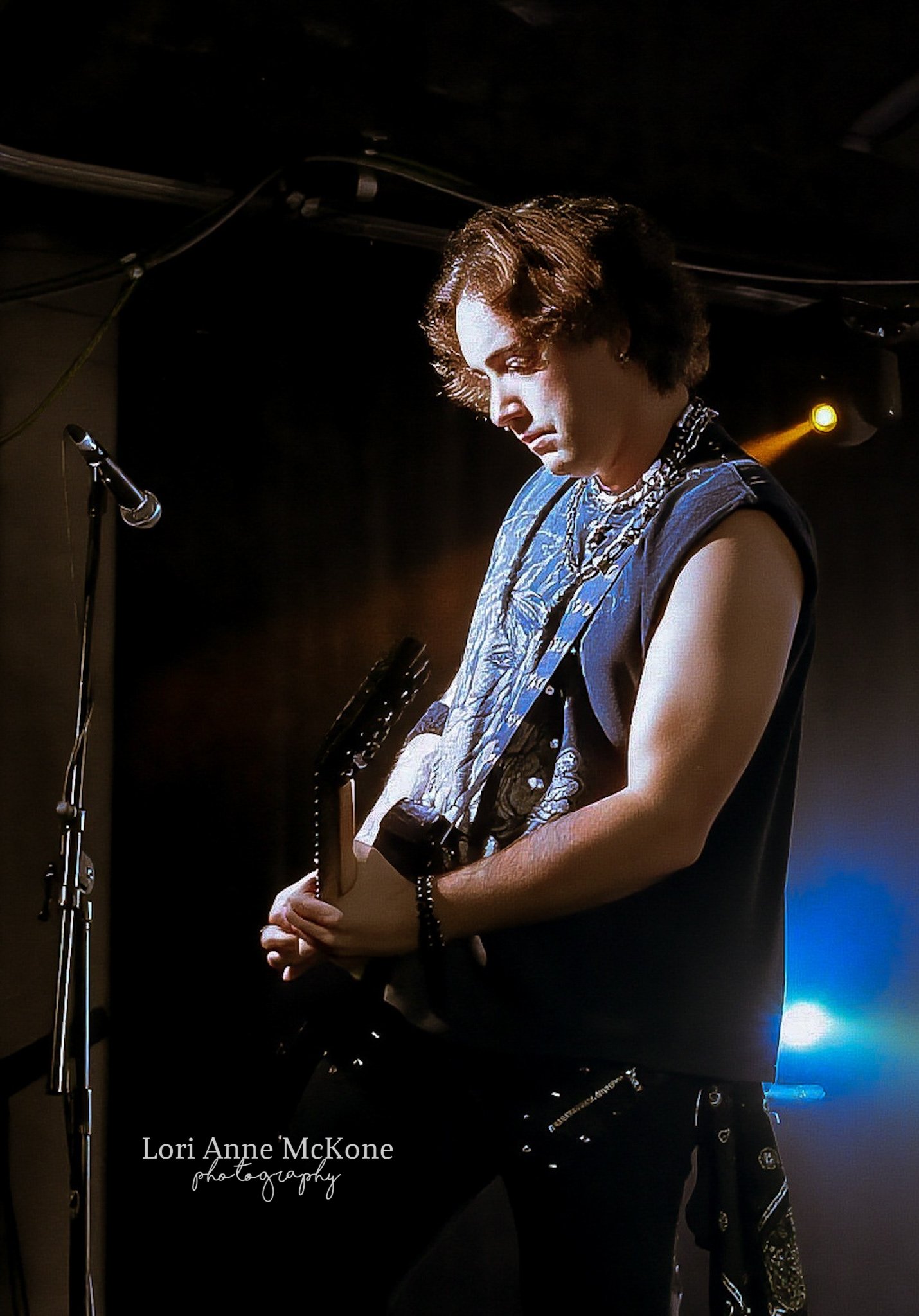
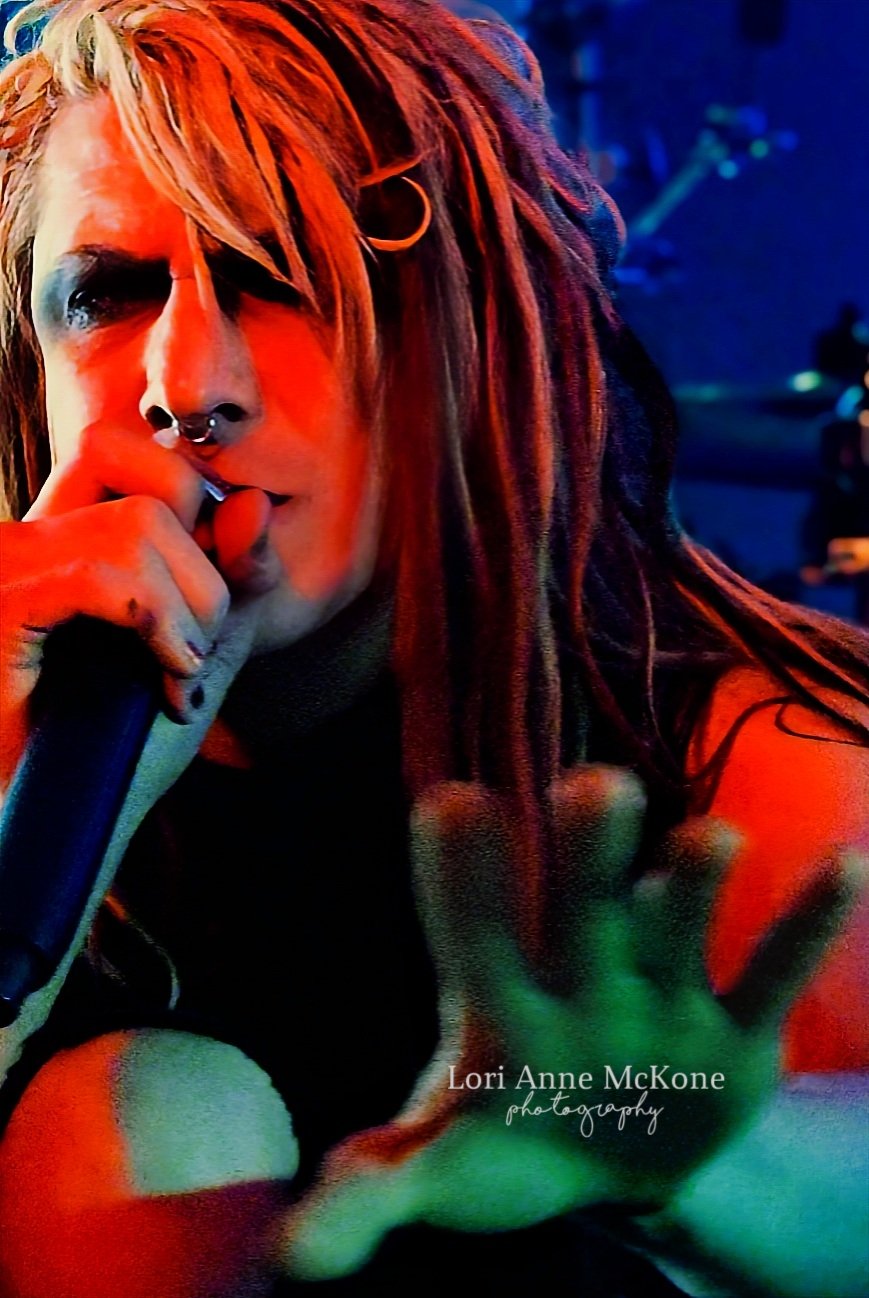
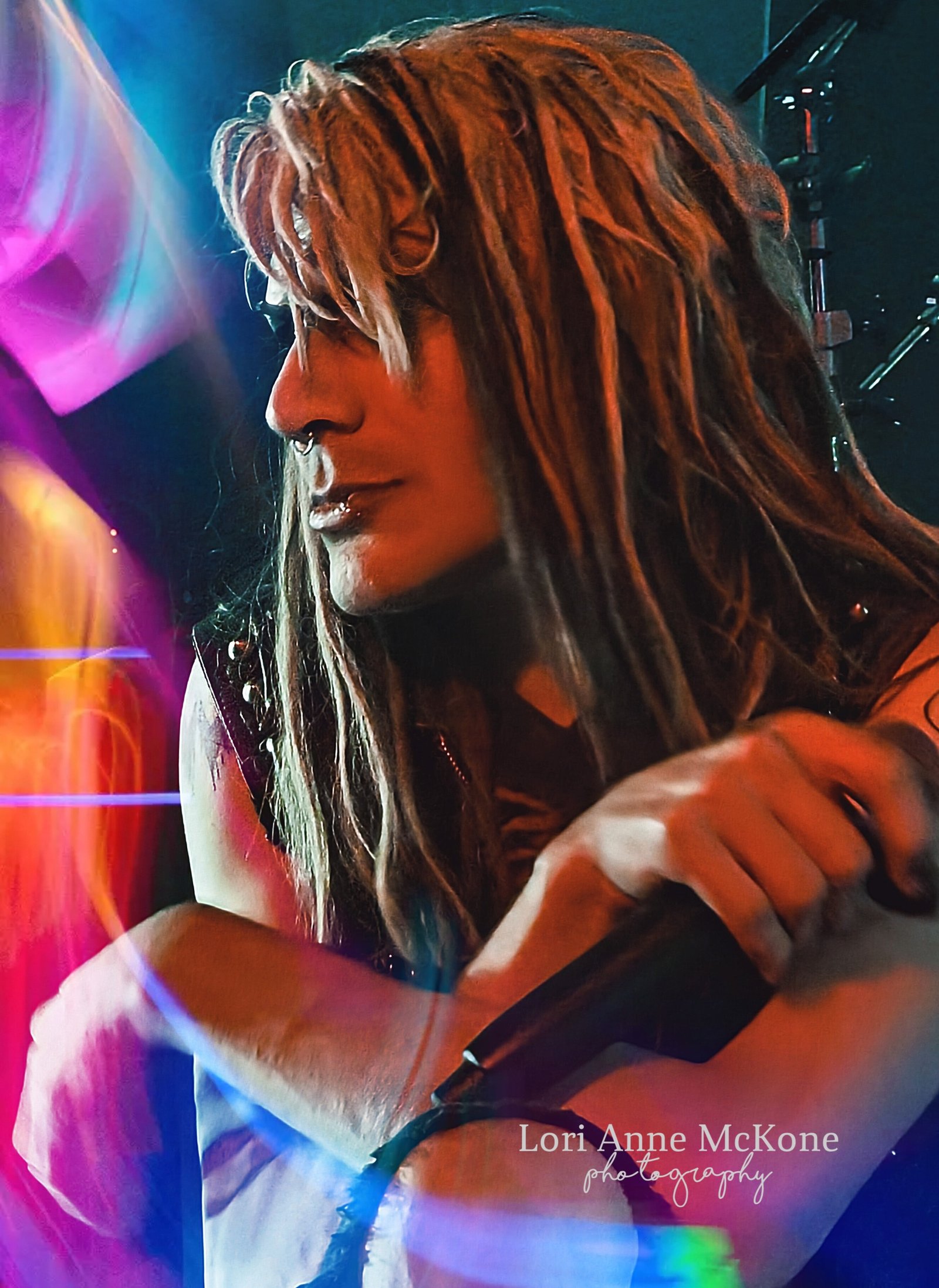
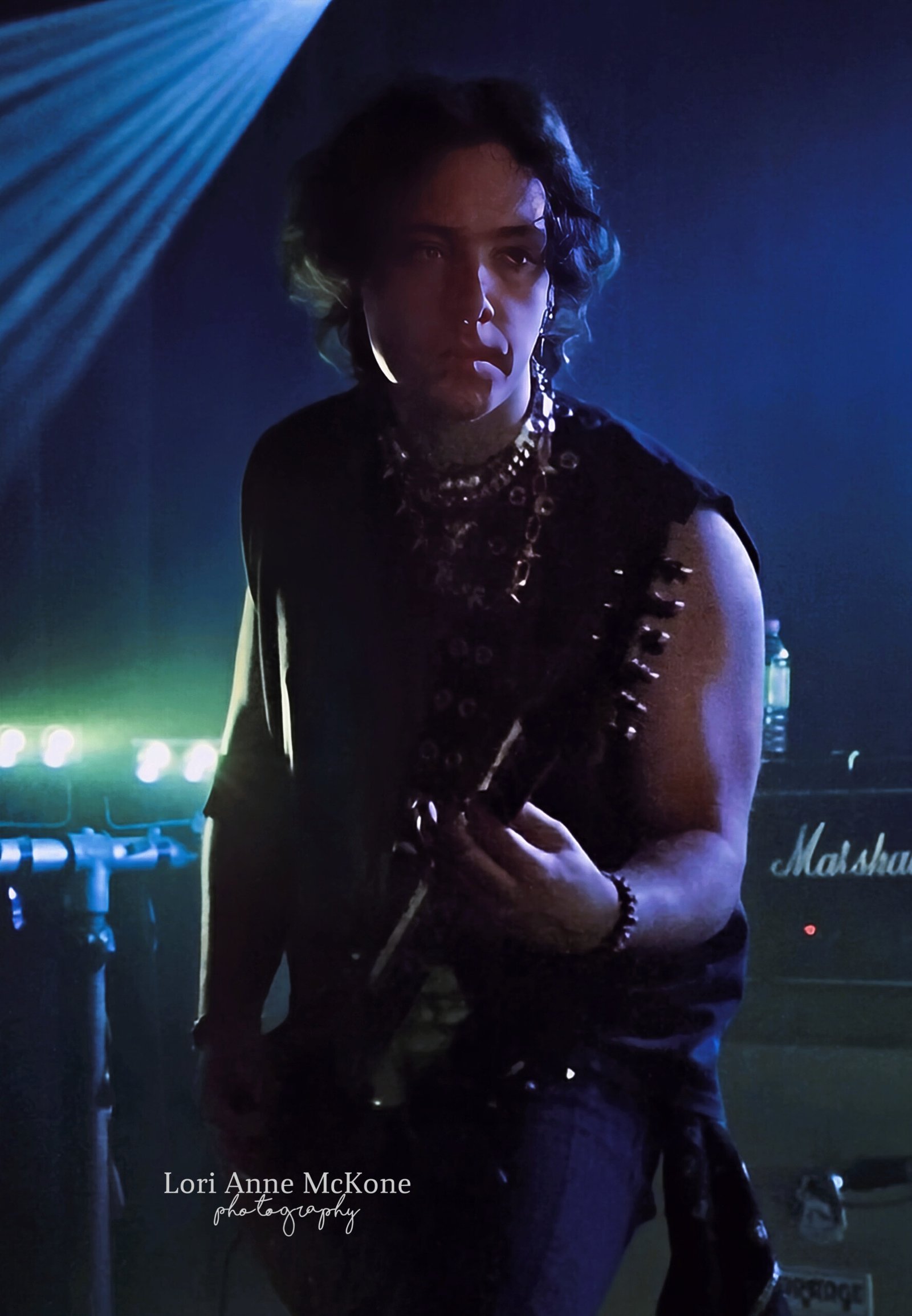
Today is a wonderful day filled with warmth and cheer. What better literary accompaniment to the festivities than the Thanksgiving Issue! Featuring Bill O’Donnell, Kate Taylor, and Lil’ Baby Suplex.

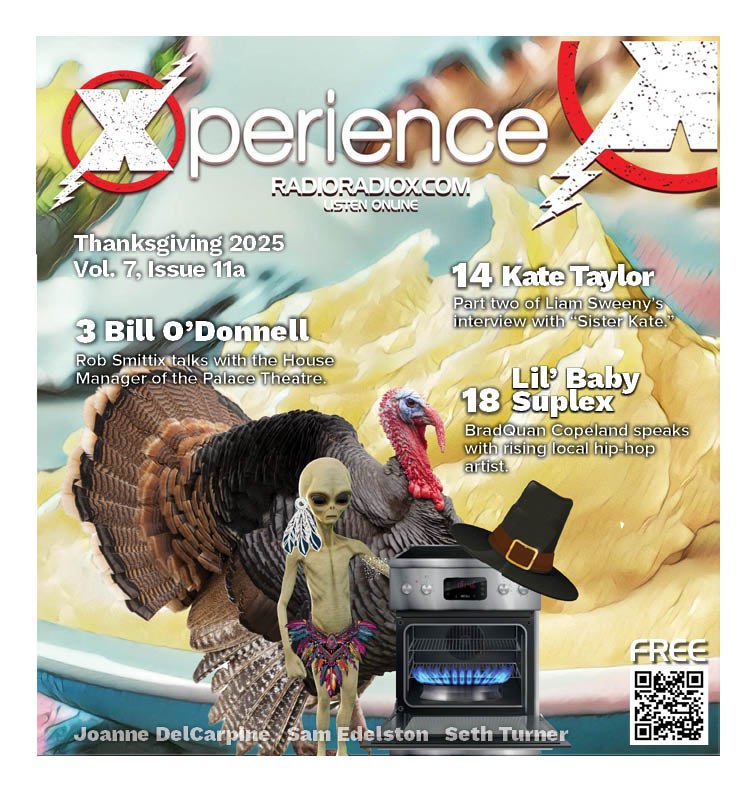
Today is a wonderful day filled with warmth and cheer. What better literary accompaniment to the festivities than the Thanksgiving Issue! Featuring Bill O’Donnell, Kate Taylor, and Lil’ Baby Suplex.
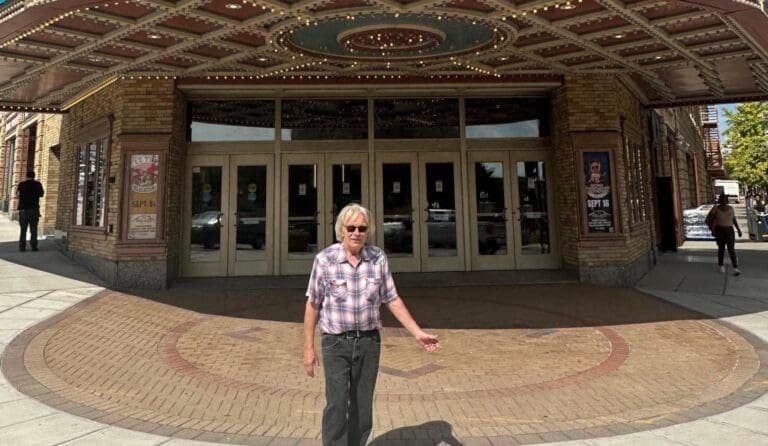
Bill O’Donnell – An Xperience Interview – by Rob Smittix.
RRX: We’ve got my uncle, Bill O’Donnell, House Manager of the Palace Theatre, on the line.
BO: If you hear barking in the background, it’s my dog Doja Cat.
RRX: A dog named Doja Cat. That’s different.
(both laugh)
RRX: I know you’ve got a lot of stories …
BO: Hours and hours, a couple of days.
RRX: You should probably write a book.
BO: I think back, and I thought of how many autographed pictures I could have gotten from all these artists, but that’s not me. It’s not me, you know? I’m very fortunate to meet the artist, you know? To sometimes have casual conversations, which is really awesome for me. I find that there are some idiots out there, but a vast majority are really good people when you start talking to them. As far as my history goes, the Palace, I’ve been there since the mid-’70s.
RRX: Before I was born!
BO: Exactly.
Besides the Palace, there was a long stretch in which I actually worked for a security company, Concert Services, which is no longer around. But we did all sorts of major shows and events up and down the East Coast. So yes, I did Woodstock ’94 and ’99. ’99 I’d like to forget.
RRX: No kidding.
BO: But yeah, we did Phish all over the place. One of my favorites … I was fortunate enough to do the Rolling Stones tours. I was a supervisor, and my crew, we would always end up with the artist. But Keith Richards was my favorite of all. He’s the nicest down-to-earth guy.
RRX: Wow!
BO: People ask me what my absolute favorite was, you know? There are too many favorites. Also, before I started at the Palace, I worked with Jim Barrett. I was a co-manager at Just A Song, a vinyl record store back in the ‘70s.
RRX: I did not know that.
BO: So Jim would remember me. At times, I went over to RPI to do radio things over there with him, too. It was quite an experience. So it’s been my life in that direction.
RRX: I also think it’s cool that we are having this conversation on Uncle Skip’s birthday.
BO: Yes, he was an influence, too, of course. His influence was with Blue Öyster Cult.
RRX: Through Skip, I’ve become friends with Buck Dharma, and just like we are talking about your favorite experiences, hanging with Buck Dharma is certainly one of mine. I wanted to ask, could you share any stories about artists who were hard to deal with?
BO: I’m not gonna go there, but there were a few.
RRX: Okay, how about one of your most cherished memories?
BO: I will tell you one of my most memorable was with Chris Cornell when he did the solo show at the Palace. Quick history of that, and I’ll try to condense this. Chris had a mad psycho female stalker. She was claiming to everybody that his kids were her kids, she tried to break into his condo down in Florida, and it goes on and on. I was talking with his tour, security-wise, for like three weeks prior, to make sure everything was good. I said, send me any information you got on her, we’ll start working on it. I got a federal Wanted poster for her. She had been charged in New York City, both on city charges and also on federal charges. She cut her ankle bracelet off and was on the run. I did everything I could to make sure that the theatre was tight and everybody had her picture, even the Albany Police. I made sure that everything was set.
I was gonna have a police escort for his car out of Albany. During the show, I would go up on stage – the tour manager was up there – I’d say, “keep me posted on the time,” because I had the setlist and the approximate time it’s gonna be over because we have the Albany Police waiting for the end. Every time I went up there, he says, “Bill, I don’t know.” Chris kept saying how relaxed he is and how awesome it is, and he keeps on adding songs. People don’t realize that saw him that night, that they probably got the best show on that tour. And I say that because he played at least a half hour over, with adding all these songs.
So, at the end of the show, I watched Chris come off the stage, and he was like, “I’m so relaxed.” He literally jumped into his tour manager’s arms and was just so happy. Then we get them out to the car and everything’s ready to go. The car moved about three feet, and I’m standing there going, what the hell? I stopped, and the back door opened. Chris came running out to shake my hand to tell me how great it was and to thank me and to thank everyone who put this together because he felt so good that night. And then it was not too many months afterwards, Chris lost his life, you know? So that moment is precious in my mind. And you realize also what these talented people who become stars have to deal with in life.
RRX: Just a sidebar, when I worked at The Edge, I had a stalker, and that’s with very minimal local fame, you know what I mean?
BO: Yeah, it’s scary. But yeah … worked with a lot of memorable people over the years, even in comedy. I had an interaction with Robin Williams. It was funny because when he played the Palace, we talked about things just to get pieces for his routine. And I don’t know why, but somebody brought up Mayor Jennings and his tan or whatever. Robin was guaranteed that Jerry wasn’t coming that night. So Robin got into that part of the routine about Jerry, and all of a sudden the audience kinda got strange, and Robin sensed that. He said, “Wait a minute, turn up the lights.” He goes, “Is the mayor here tonight?” And there was Jerry in the 2nd row.
RRX: Oh my gosh.
BO: After the show, Jerry came up to me and he asked, “What’s the possibility of my wife and I meeting Robin? We’d love to meet him.” I said, “I’ll go ask.” And I went down to talk to him, and Robin Williams was Robin Williams on the stage and off the stage; there’s no difference. I asked him, and he says, “Yeah, you can bring him in here.” And then he goes, “Oh, wait a minute. Is he gonna hit me?” I said no. He says, “Well, I’ll meet him, but you’re gonna stand in between the two of us.” And of course, Jerry was great with him. They had a nice conversation.
RRX: That’s so cool. Well, I know we haven’t even touched the surface of your 50-plus years of stories, so you really need to write that book. Anything you’d like to say before we hang up?
BO: In all my years at the Palace Theatre, I’ve had so much memorable pleasure from the performers on stage and watching the audience experiencing their special performance. But more than that, watching the faces of all those leaving at the end of a performance, with their memorable experience shown in the happiness on their faces. That’s what it’s all about!
RRX: Awesome, thank you so much. I love you, Uncle Bill.
BO: I love you too.
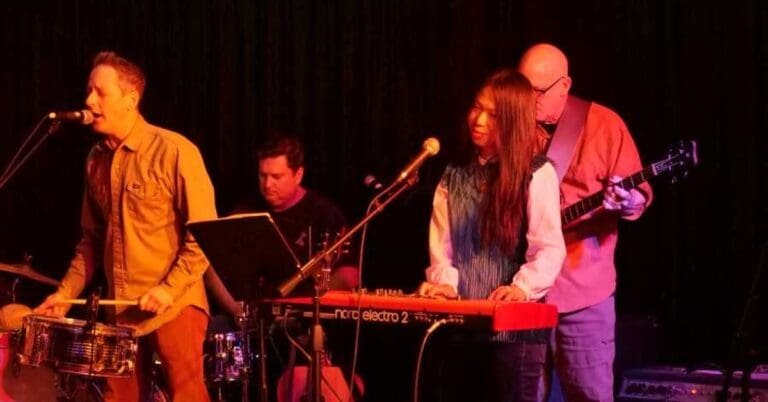
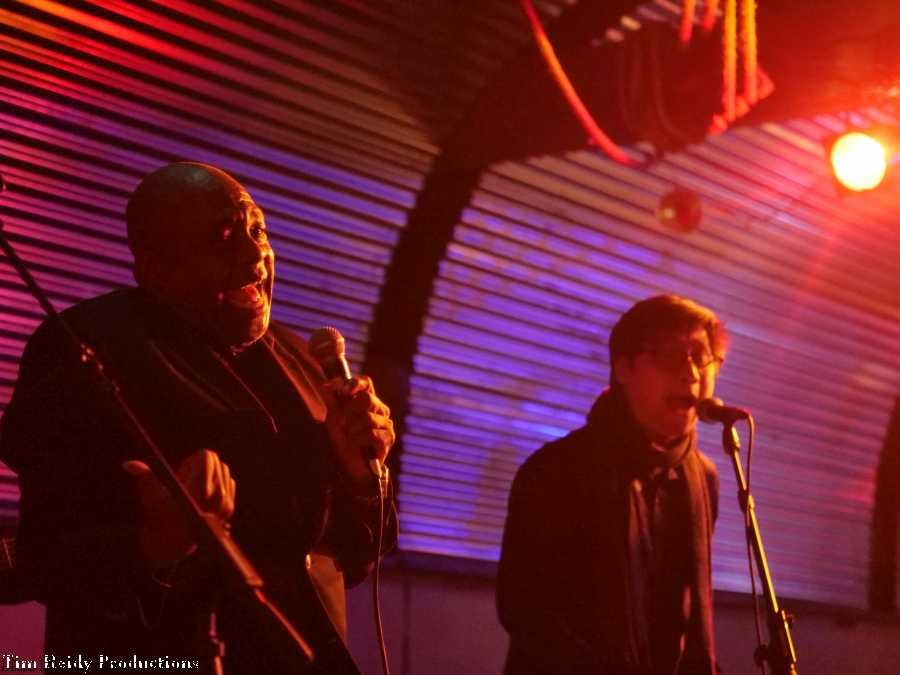
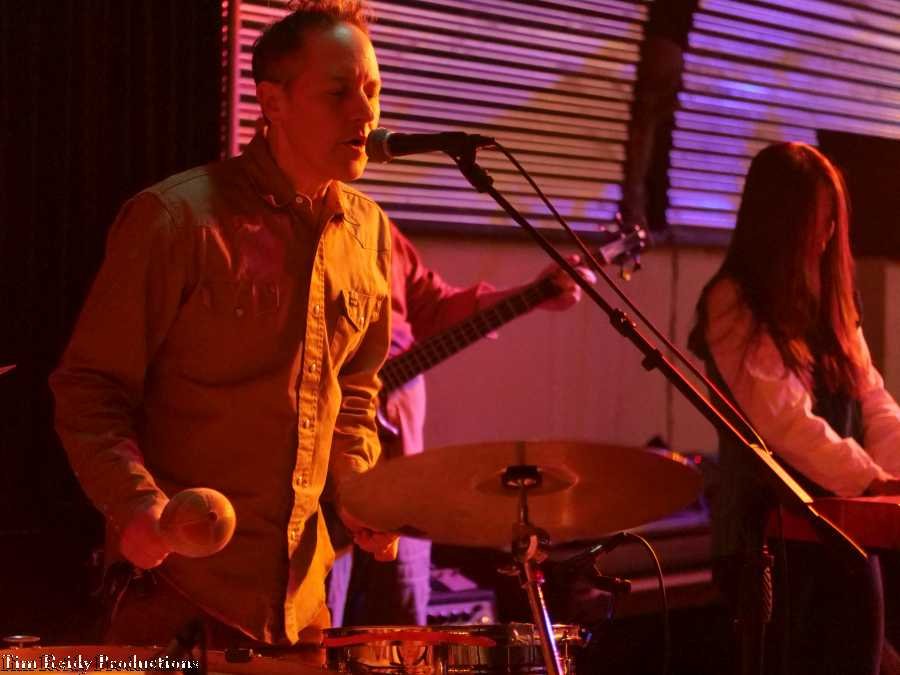
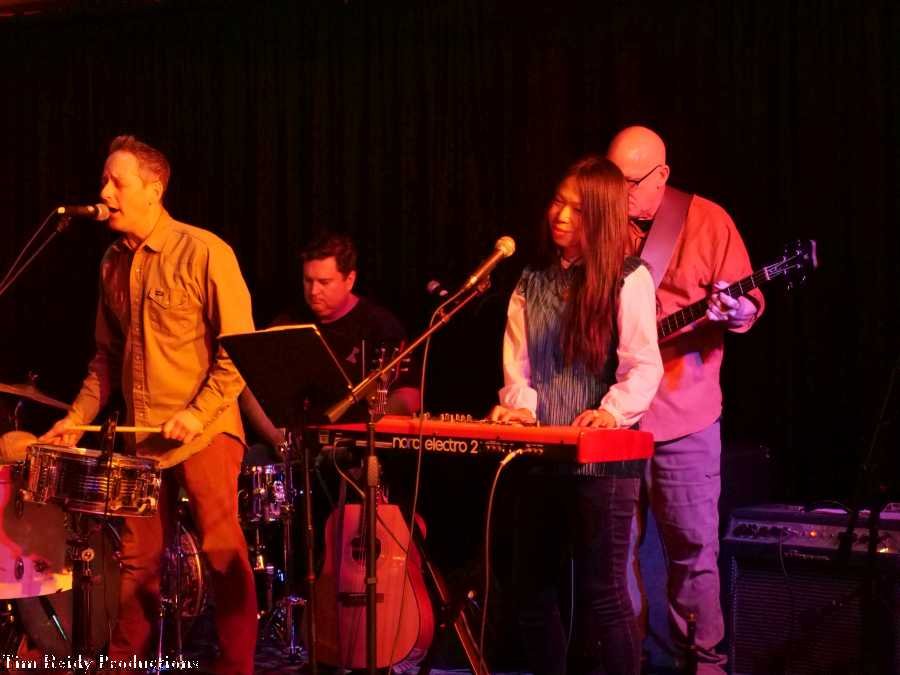
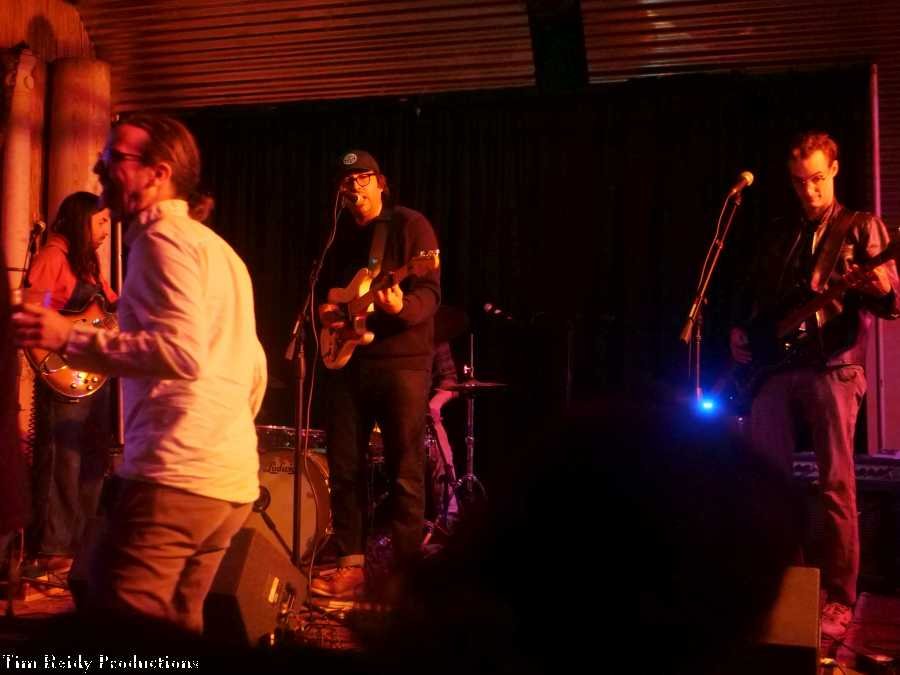
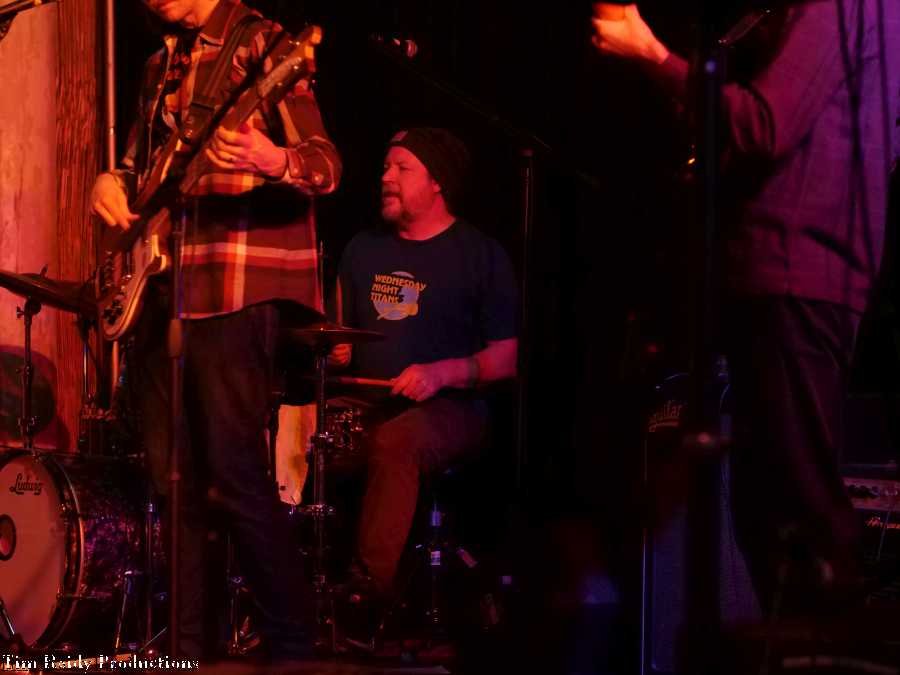
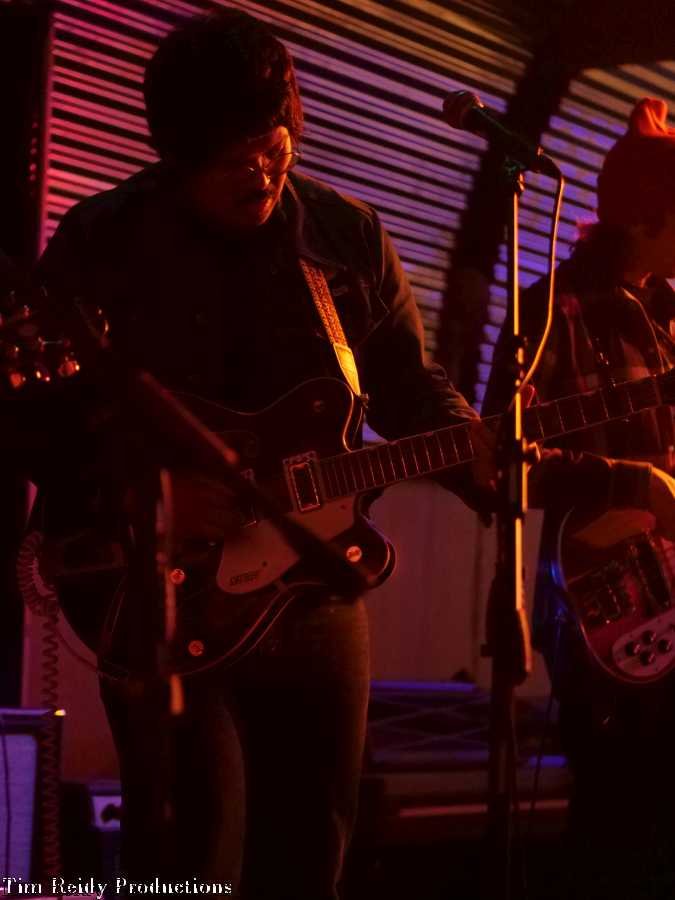
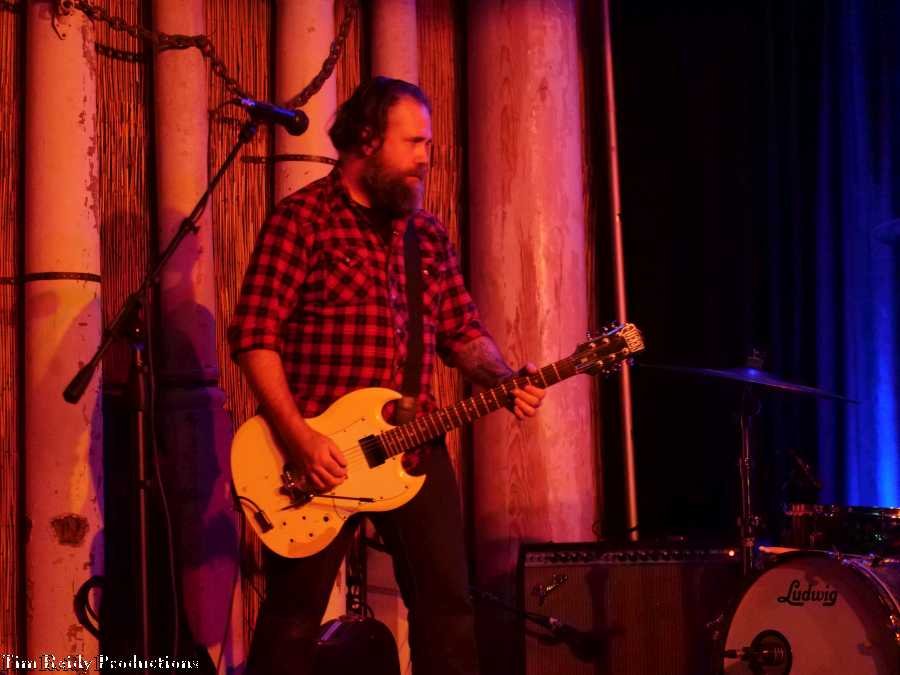
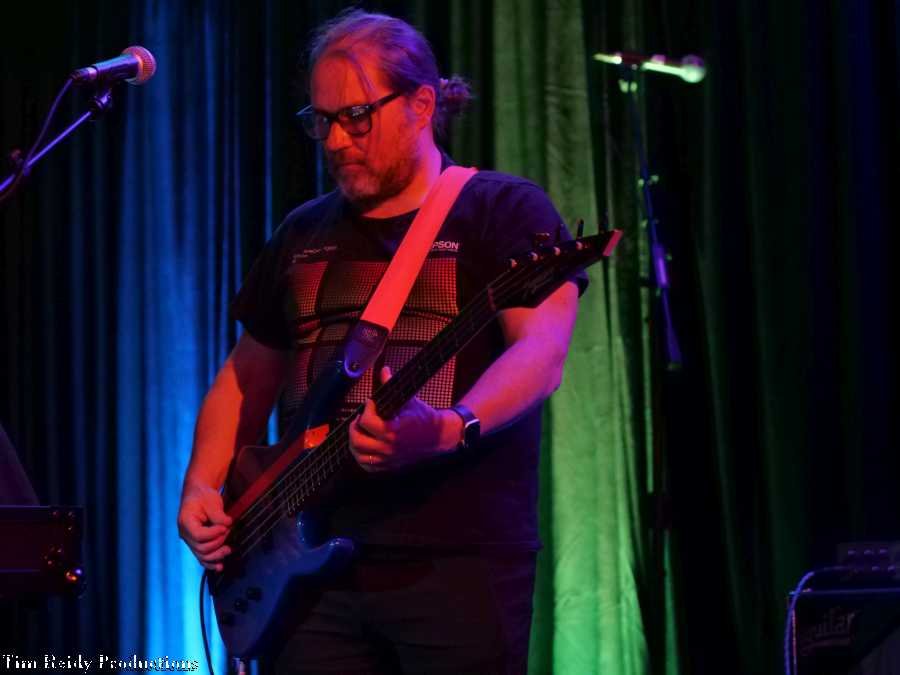
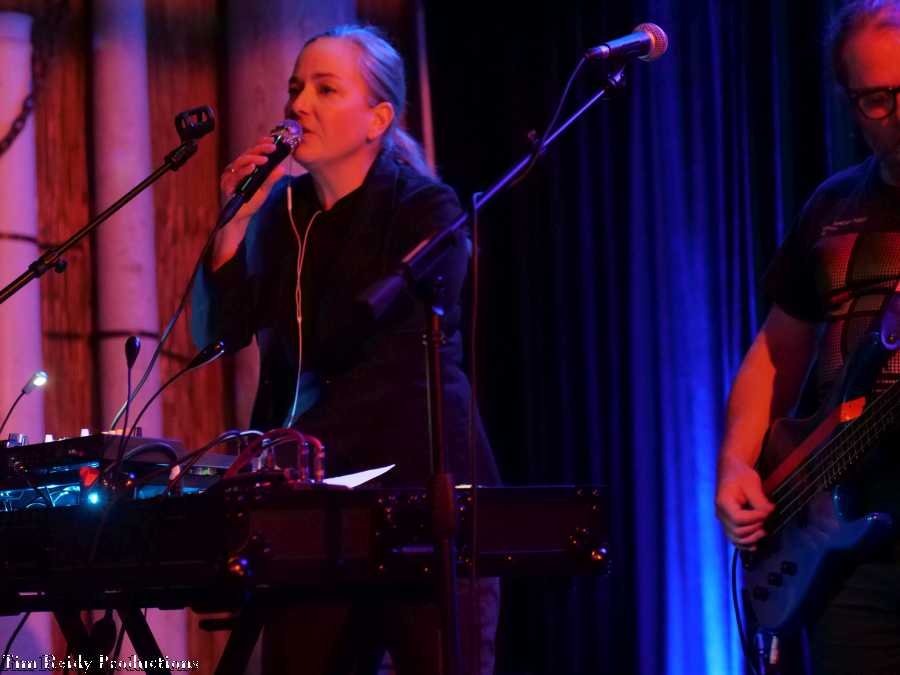
On November 15, Hangar on the Hudson hosted “Rock the Pantry,” which raises funds and supplies for Oakwood Community Center’s weekly food pantry. Music for the good causes was provided by Doc Horton and the Jay Street Band, Nathan Meltz and the House of Tomorrow, Great Mutations, Front Biz, the Abyssmals, Ice Queen, and Architrave.
Photography by Timothy Reidy.

John Bush Revisits ‘Stomp’ing Grounds, Celebrating His Era of Anthrax Live In December
By Justin Smulison
SUBSCRIBE TO OUR YouTube Channel HERE!
John Bush is the singer of metal mainstays Armored Saint, but he received international exposure and acclaim when he joined NY thrashers Anthrax. His time in the 1990s and early 2000s with Anthrax includes Sound of White Noise, a Certified Gold Record in the U.S., which was followed up by Stomp 442, Volume 8: The Threat is Real, We’ve Come For You All and Greater of Two Evils. While Sound has generally remained the most popular among mainstream metal fans, devoted Anthrax and Bush fans have always felt their successors were just as strong and held out hope that they would be revived via a tour (though it’s worth mentioning Metal Allegiance has played select tracks live when Bush sings for them).
He’s always hinted that he could do a set highlighting his time in Anthrax, and that time is December! On Dec. 13, 18 and 20th, he’ll be celebrating his discography with respective shows in Los Angeles, St. Charles, IL and New York City with support from his new group, Category 7 (which is comprised of metal veterans who are current and former members of Exodus, Overkill, Machine Head and Adrenaline Mob). The opening performance will showcase Category 7 songs and then shift over to the Bush-era Anthrax catalogue.
In this interview, Bush speaks with RadioRadioX contributor (and huge fan) Justin Smulison about the excitement of compiling setlist comprised of hits, fan favorites, and deep cuts. We also talk about the songs that take him to the limits of his vocal range and how he has finally joined social media.
We also discuss developments with Armored Saint. They have some upcoming one-offs performances and festival appearances in 2025 and 2026, and we get a teaser of when we’ll expect their new studio LP.
It was a privilege for Smulison to reconnect with his favorite metal singer – someone who has been a huge influence for more than 30 years. Horns Up!!!!
Anthrax song clips: “Only,” “Nothing,” “Big Fat,” “Safe Home.”
Category 7 clips: “In Stitches.”
JOHN BUSH Live:
December 13th – Los Angeles, CA @ Whisky A-Go-Go [Sold Out]
December 18th – St. Charles, IL @ Arcada Theatre
December 20th – New York, NY @ Racket
John Bush (socials)
https://www.facebook.com/OfficialJohnBush
https://www.instagram.com/OfficialJohnBush/#
Armored Saint
Performances:
April 19, 2026 – Rainbow Bar and Grill, West Hollywood, CA
July 31, 2026 – Skogsrojet Festival, Sweden
Aug 5-8 – Brutal Assault Festival, Czechia
Aug 9 – Keep it True: Legions – Geiselwind-Eventhalle, Germany
Aug 29 – StoneDead Festival- UK
Sept 11 – Progresja – Warsaw, Poland
Category 7 online
https://www.category7official.com
https://www.facebook.com/category7band
https://www.instagram.com/category7band
https://www.twitter.com/category7band
https://www.tiktok.com/@category7official
https://www.youtube.com/@Category7Band
ExtremeMusicAwards.com (Jan. 16-17, 2026)

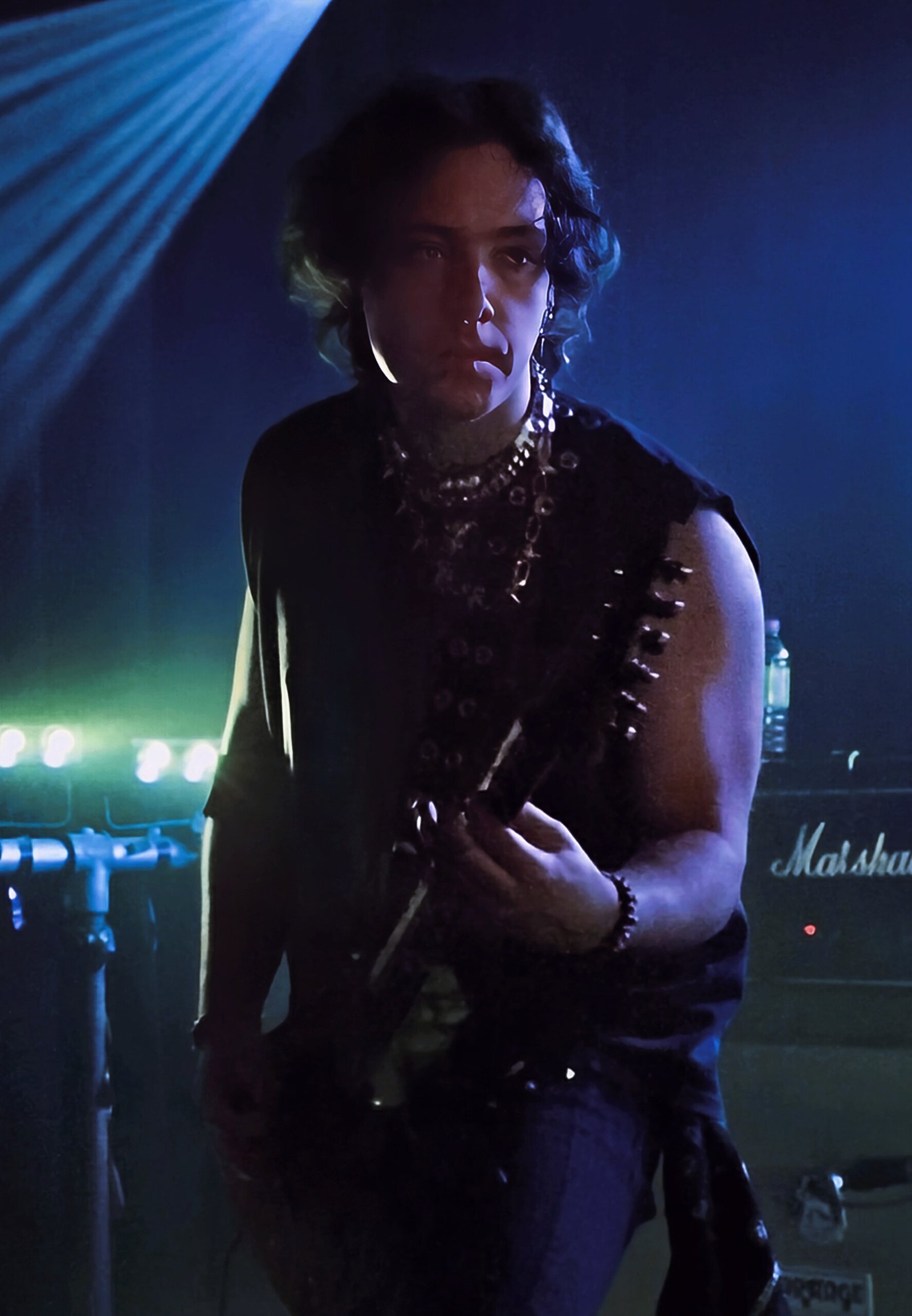
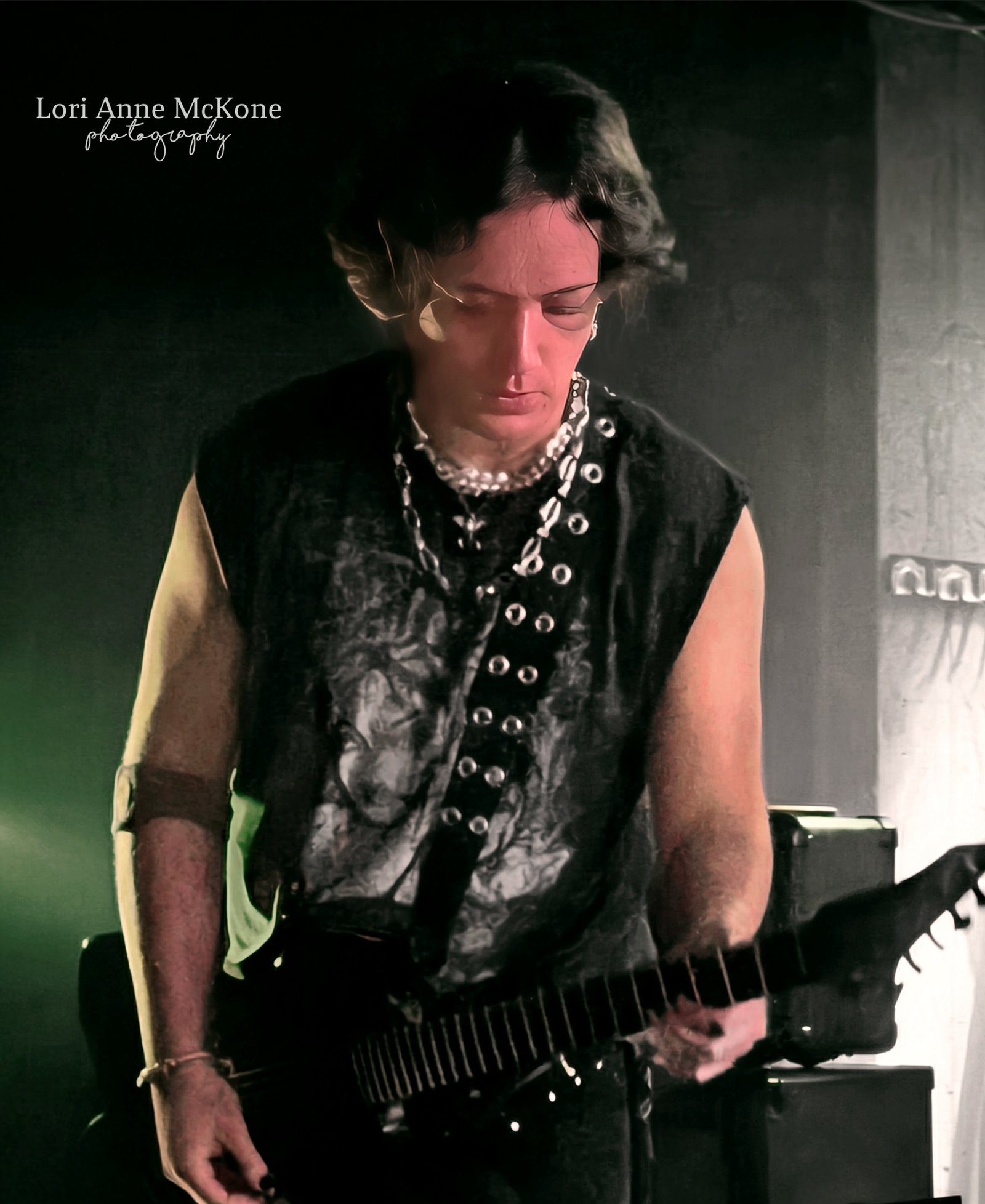
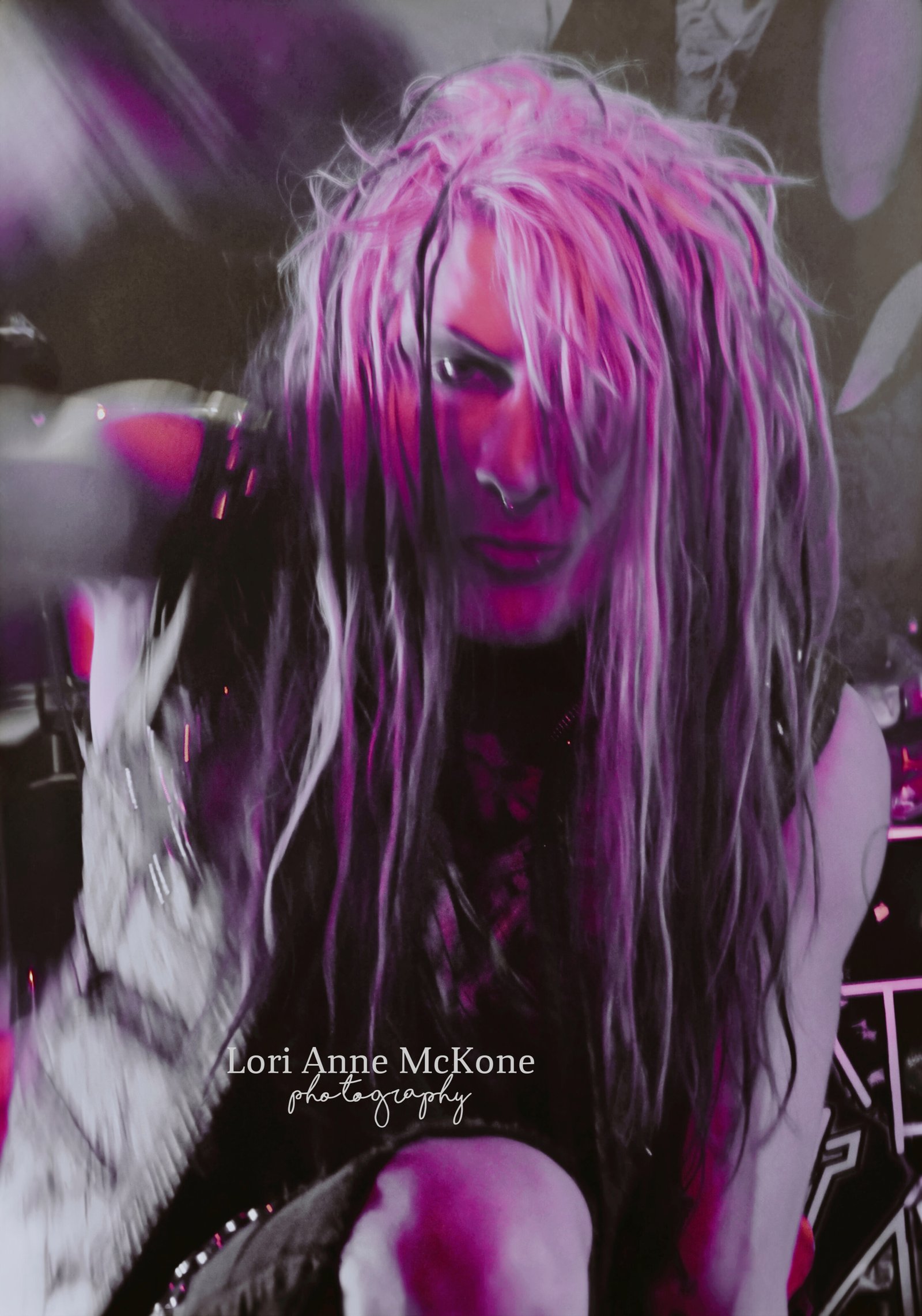
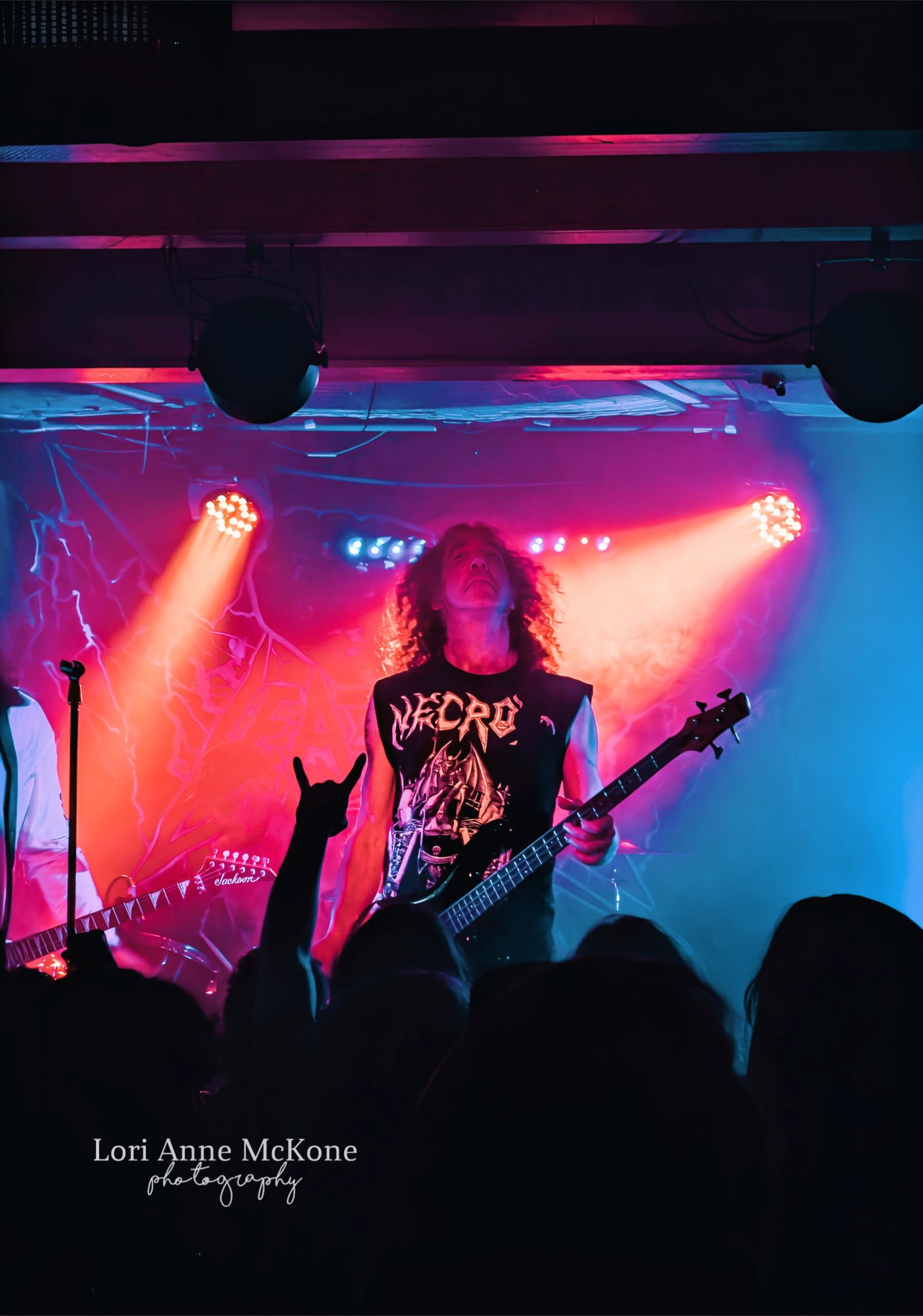
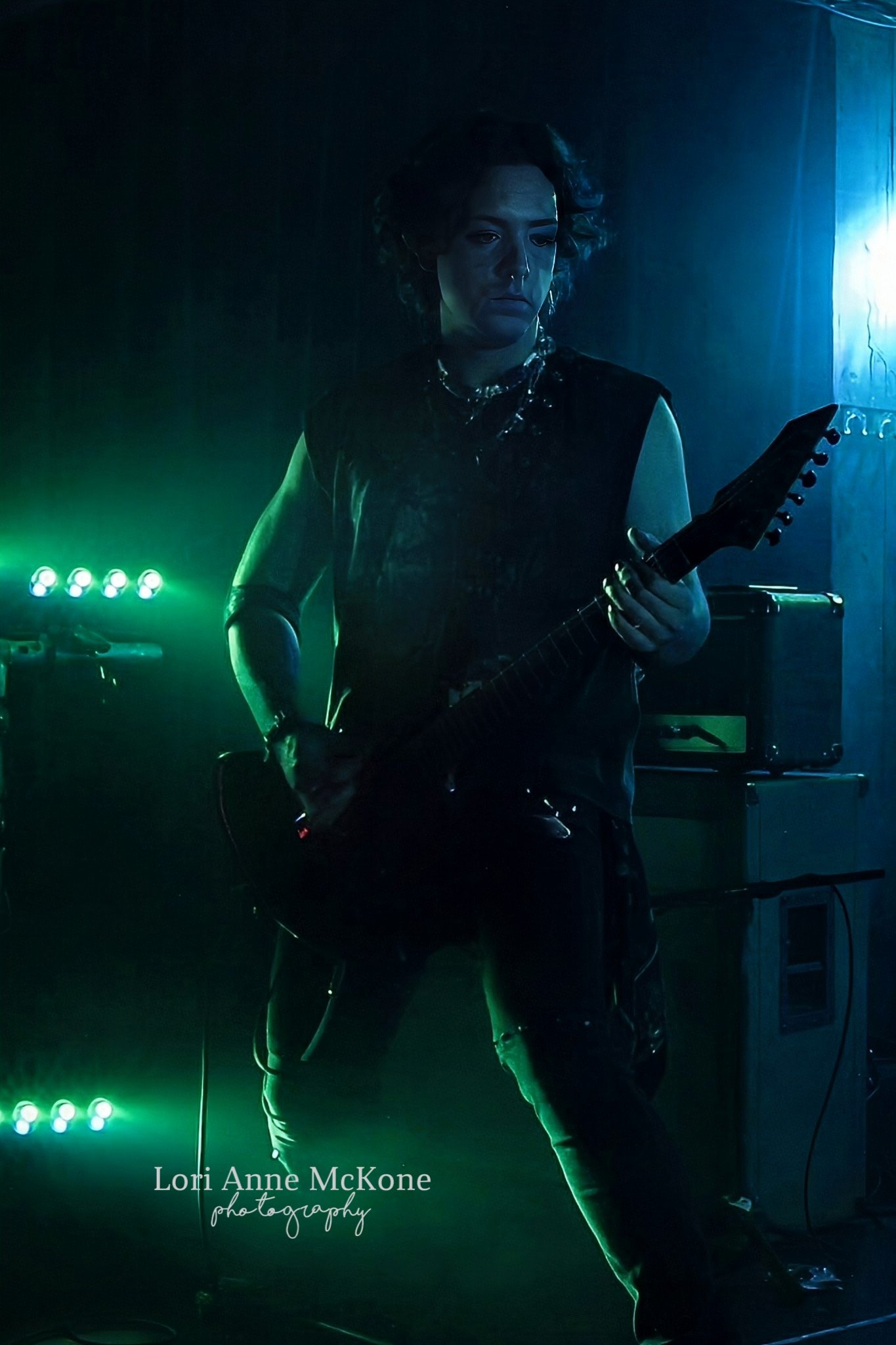
On Friday night, Wildstreet stormed the Piranha Bar in Montreal on the second stop of their three-date Canadian mini-tour, sharing the bill with three other bands, but as I watched the crowd dance and sing along, there was no doubt in my mind who owned the night. The Brooklyn-based glam-punk warriors carried the weight of nearly two decades of rock history into a room that pulsed with anticipation.
The timing couldn’t have been sharper: just hours earlier, Wildstreet released their new single “When It’s Gone” (Nov. 21, 2025). Co-written with Todd Long of Ghosts of Sunset, the track is a testament to the band’s ability to balance raw honesty with arena-sized ambition. Built on thunderous drums tracked at Virtue & Vice Studios with Anthony Gallo, and polished by longtime producer Kyle Kelso, the song blends the DNA of Wildstreet’s 2009 debut with the grit of their current lineup. Fans are already calling it “massive,” “built for volume and heart,” and it’s easy to see why.
This isn’t the first time Eric Jayk and Todd Long have struck gold together. Their earlier collaboration, “Won’t Be Apart” (2022), carried the same emotional weight, proving that when these two write together, the results are both timeless and urgent.
Montreal marked the second date of a planned three-date Canadian run. When the Ontario show was cancelled, Wildstreet refused to let fans down—they turned the setback into an opportunity, rehearsing and streaming the performance online so their community could still share in the energy. That decision speaks volumes about their ethos: Wildstreet isn’t just about playing shows, they’re about building connection.
Live, the Montreal set was a collision of ’80s glam swagger and modern punk rawness, with Eric Jayk’s vocals cutting through like a blade and the band’s chemistry undeniable. Even in a multi-band lineup, Wildstreet carved out their own moment of dominance.
And the night didn’t stop there. The final band on the bill had a surprise guest: none other than a former Anthrax bassist, Dan Lilker, who jumped on stage and tore through three songs with them. It was a jolt of thrash pedigree that electrified the room and reminded everyone how unpredictable and alive rock shows can be. Lilker was the original bassist and co-wrote and played on Anthrax’s first album, “Fistful of Metal.”
For me, the journey itself underscored the devotion this band inspires. Crossing into Canada, I was pulled over at the border, questioned about my intentions, and searched. When I explained I was photographing Wildstreet—a Brooklyn band worth every mile—I pulled out a photo of Eric Jayk. The officer took one look, recognized the passion behind my words, and waved me through. That moment captured what Wildstreet means: they’re not just a band you listen to, they’re a band you chase, a band you fight to see.
Wildstreet proved once again that rock doesn’t have to blow your mind—it has to move your heart. “When It’s Gone” is proof, and their live show is the exclamation point. For those who doubt whether rock can still matter, Wildstreet is the answer.
Photography by I Am Lorelei!

Jesse Sample’s Freak of the Week airs EVERY WEDNESDAY at 6pm Eastern ONLY on RadioRadioX.com
This is Jesse Sample. Sometimes my weekly thing takes its time revealing itself. There are times when songs come together with a crisp verse and singable chorus, and an 8-bar bridge that ramps you up to the ending. You are building a thing and shuffling through your toolbox. Then there are times the muse requires a little attention. She doesn’t reveal her melodies, and you must blindly feel your way around in the dark.
Sometime in this life, I charge through my days and operate with a clear plan and a focused intent. There are weeks where I don’t allow myself to be impressed by a novel perspective. Even when I am moving through society or caring for loved ones, there are huge swaths of time where I exist in the “Jesse Show” where I am the main character.
I think the word narcissist is overused and under understood. At least for me, the “Jesse Show” is how I am able to move through this life. I spend most of my time creating a world where Jesse is the hero and the center of attention. I would guess most people cruise at a similar altitude. Maybe I’m totally off and projecting my uber narcissism onto everyone else.
One of the great things in my life is when someone or something comes along and inspires me to get out of the “Jesse Show” and witness something beautiful and foreign. You can’t run it and you need to create new pathways to even exist within it. It makes me want to listen a little more.
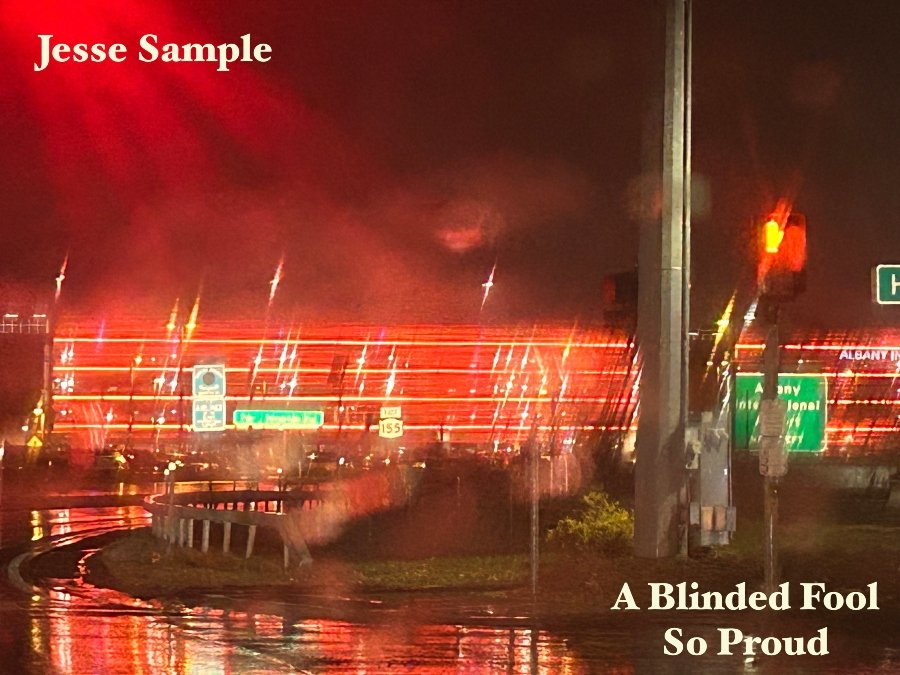
Thanks to all of you tuned into RadioRadioX. This is the Freak of the Week, “A Blinded Fool so Proud.”
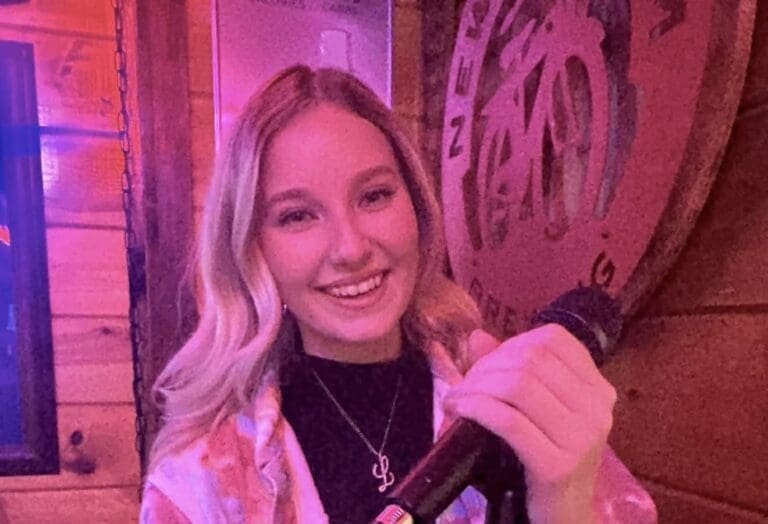
The Porcelain Light in the Night: A Feature on Lacey Allen – by BradQuan Copeland.
It felt like a movie. The day itself slowly unraveling in real time. I woke up around 11 a.m., still fogged from last night’s emerald clouds. I dragged my feet through my morning routine, then hopped in my car and zipped through the Dunkin’ Donuts drive-thru for some cookie-butter motor oil to coax my engine back to life.
Once wound, I took off for the day, immersing myself in research, interviews, and meetings before finally getting a moment to breathe and plan for the night’s event. At 8 p.m., Lacey Allen, a youthful, porcelain-lit performance artiste, was set to take the stage alongside local cover band The Refrigerators at Trick Shot Billiard Hall & Wicked Eatery, Pub & Entertainment in Clifton Park. I’d come across her Facebook page maybe a week earlier, which led me onto her website and its vivid showcase of her journey as an aspiring luminary.
She’s been acting in stage plays since childhood, modeling, singing her heart out on the Lac Du Saint Sacrament Boat in Lake George during summers, and filling in for local bands, 15 in total, where she navigates various genres of music such as rock and roll, pop, country, jazz, disco, and R&B, all while preparing to leap into her own solo endeavor. Without hesitation, I decided to take a shot and asked if she’d be open for an interview following her show on the 21st, to which she ecstatically replied yes.
It was nearly 3 p.m., and I had just left the Silver Cannabis Company dispensary behind Stuyvesant Plaza. Today was clearly a good day, because after spending $60 on two containers of edibles, the clerk handed me a $50 Visa gift card. “Holy shit,” I said as he passed it over with a grin. I headed out to my car, sparked the joint ashed from the night before, then cracked open both containers of gummies and popped one of each to settle my nerves before driving over to The Book House to scan the local inventory and chill for a bit. Not finding anything new that grabbed me, I sank into the couch near the entrance and pulled out local author Sonya Trevizo’s memoir from my laptop case, The Education of a Musician’s Daughter, and dove in.
Dissolving into the churning emotions evoked from the intimacy of her work, I decided to reach out to my childhood friend and fellow music enthusiast, John, who’s recently been going through a turbulent stretch. I figured getting him out of the house and around the vibration of lively tunes could be a great boost for his spirits. So I extended my hand via text and awaited a response. At first, he accepted, but then flaked, so I had to dial him up and practically beg him, for the sake of his wellbeing, to get off his stubborn ass. Alas, he accepted, and I headed over to his place a little before 5 to hang before we hit the road. However, I knew my job wasn’t done.
There, he bitched a bit as I figured he would. “C’mon man, I don’t feel like being sociable. I’m gettin’ crabby in my old age,” he said as I chuckled at his 32-year-old ass before passing him a container of edibles. We then passed his dry herb vape back and forth, and once his shoulders slowly dropped, I was finally able to sell him on Lacey’s vibrant charisma, along with essentially bribing him with my Capital One card for bottomless drinks to heighten that ember within him into a full-fledged flame. Needless to say, he was locked on the hook. He then got himself dressed. Mind you, it was between 30-35 degrees out that night, and his drip of choice was a backwards Adidas cap, a hoodie over a Hippos Entertainment shirt, and some Adidas basketball shorts finished with his black leather slip-on Vans.
“What are you, a 13-year-old delinquent?” I asked as he paused for a second and looked himself up and down. Hell, it’s not like I was exactly painted for the runway, draped in all black like I was Johnny fucking Cash. We lightly roasted one another as we made our way out to the car as a pair of interracial ne’er-do-wells, rocketing our way through the 30-minute drive on I-87 as we hotboxed while alternating between Marilyn Manson and Sleep Token on full blast.
Upon arrival, we entered the large establishment, told the front counter clerks we were here for the Lacey Allen show, and were swiftly pointed to the adjacent door. Making our way through, we were met by a ticket taker who fashioned a shiesty demeanor and bore a ring formidable enough to crack cartilage as you’re bound to a chair in a white-lit backroom of a Vegas casino. He informed us that it was 7 dollars for a wristband. “Show him your press pass dude,” John recommended to no avail. Not that I thought I had a shot, SpongeBob lanyard or not. I knew I wasn’t that cool yet.
Quickly, I scanned the large showroom, decked out with a black-tarped pool table, a hefty bar packed with lurkers, a restaurant setup, and several televisions displaying the lottery and various college basketball games. It was already near capacity, and it was only 7:30. Spotting an empty wall space with a mounted tabletop, I improvised and maneuvered through the lake of bodies and hustling waitresses into the next room, where I grabbed two chairs. John had already taken my card and gotten himself his first Heineken before he met up with me and took his seat.
Popping another edible, I looked to the stage where I saw a Blink-182–Limp Bizkit-esque crew of rocker dads under orange-lit stage fixtures preparing for their set. John was very enthusiastic to see they had a brass section that cut through the alternative rock and pop music spitting from the speakers. I then scanned the room to immerse myself in my surroundings. Tattoos, military fades, Under Armour quarter zips, leopard print blouses, 90’s blowouts, and spunky knee-length boots — we were certainly among the youngest there.
Turning my head in a slow, syrup-thick sweep, I saw a smiling Lacey grace the stage with her wave-draped blonde hair and peach blouse, flexing a diamond L-shaped necklace that shot a glistening spark rivaled only by the beam of her teeth. After a few moments, we made brief eye contact and she exuberantly waved at me, to which I gladly reciprocated. By 7:42, the stage abruptly darkened, then the fixtures turned blue as smoke began to rise. At 7:48, I took another edible as John drank his second beer, followed by the same.
Drifting through the brush of clamoring chatter, time shot forth and suddenly we were filled to capacity. It was then the cymbals thrashed, the drums knocked, and the stage coruscated between blue, red, and green as they rolled into their first cover of “Uptown Funk” by Mark Ronson and Bruno Mars. I saw bell-bottoms start to shake up front as one of the band’s vocalists got the crowd involved. Lacey was having such a blast on stage with a childlike electricity that was so grateful to be in front of fixed eyes. It wasn’t long before she blossomed from her supporting role and took the lead with their cover of “Happy” by Pharrell. As she continued through the selection, I could feel the force of liberation as the roll of her voice echoed throughout the openness of the space. She’s young but feels further ahead as she’s learned to tame her tainted blessings. Her voice is a hybrid of soul and pop, like Janis Joplin meets Christina Aguilera, and it effortlessly shifts between various genres, matching the confident forward flip of her hair. I couldn’t help but imagine what original concoctions she’s got brewed in the vault.
Pages flipped through 4 Non-Blondes, Deep Purple, and Bruno Mars. I slipped into another edible as John joined along with his third or fourth beer. “They’re really a good ensemble, ya know what I mean?” John said woozily as he nodded his head smiling. His interest, along with mine, was further piqued once they waltzed into a hazy cover of “Dancing Queen” by ABBA. “Dancing Queen! BAM DUDE!” John spat out like we were in the heart of ’76 as I witnessed the underarm turns of dancers near the right of the stage.
Lacey’s vocals were as sinuous as weed smoke, locking even the waitresses into a contact high as one hurried by singing along into a menu. “FEEL THE BEAT FROM THE TAMBORINE, OH YEAH! YOU CAN DANCE, YOU CAN JIVE, HAVING THE TIME OF YOUR LIFE…” Lacey sang, capturing the attention of a pleasantly surprised woman as she made her way past me, leaving behind a tender, slightly sweet and powdery floral scent. Time dilated and my thoughts congealed as I leaned on air, experiencing a cushioned rush that suddenly blurred into the same feeling I had during that crack-of-dawn, jet-lagged jog, my feet pounding the pavement after a wicked Molly trip back in 2015.
The lit personality of the crowd began to unravel itself. A bearded man passing by jokingly flicked off someone, then turned to us in an animated beggar’s pose and comedically shouted, “6-7, 6-7, 6-7. What the hell does that even mean? I’m too old for this shit!” Following this, a sweaty fellow resembling that one uncle who’s always the life of the party moonwalk-shuffled his way across the floor with a deep carved smile to the bright Latin-pop horns of the band’s cover of Ricky Martin’s “Livin’ La Vida Loca.”
Both of these men clicked well with John, whose right eye was as lazy as Lucky Luciano as he was now on his sixth, maybe seventh beer. I’d lost count, and as Lacey powerfully drove home the climactic breakdown of whatever song they dissolved into at that point, John’s moving lips appeared to spew pure gibberish as he spoke to me through my absent blur. I just snickered like Butthead and nodded my head.
Suddenly, I felt a jolt as they ripped into a hard cover of AC/DC’s “You Shook Me All Night Long,” and John’s jaw dropped as one of the singers sounded identical to Brian Johnson wailing through the gutter on stage. “This is AC/DC man! This is some degenerate shit! There’s a lot of talent on that stage man! They can do some shit! SOME CRAZY SHIT!” he shouted, slurring as the clock melted toward 10:30.
My munchies began gnawing at me, so I decided to order some food. Extending the offer to John, he drunkenly declined and said, “I’m gonna grab another beer though. The tab may be a little outta control, man.” I laughed, patted him on the shoulder, and then went out into the next room where I ordered a Hummus and Pita plate with a side of Chips and Salsa at the front counter. While there, I could feel Lacey’s vocal projection as she divinely sang Whitney Houston’s “I Wanna Dance with Somebody.” I then paid, took my seat, and eagerly ate upon delivery while admiring the vivid picture quality of the TV as Nikola Jokic sank a clean three-pointer from beyond the arc as the Denver Nuggets took on the Houston Rockets.
Once I finished, I went back into the showroom and found John, who was taking down yet another beer, slouched in his seat. The show was now over, and I saw Lacey up front conversing with a crowd of admirers. Not wanting to disturb her, I messaged her via Facebook and told her to meet me in the dart room whenever she was ready. There, I sat alongside John, who then staggered into the front room when she made her way in for our anticipated talk. Our surroundings settled into a calmer rhythm, and the noise of the crowd dimmed behind us. With the adrenaline of the night still humming in the air, we finally began our conversation.
RRX: When you step into a role or step on a stage, something shifts inside you. What part of yourself do you feel you are revealing, and what part do you feel you are protecting?
LA: “Growing up, music was number one. Honestly, it’s been number one since I was born — music was just in me. When I’m on stage, I want to make sure the heart and soul are really being encapsulated. I focus on energy and passion above all else. Energy for sure. If I’m not sweating, I’m not singing.
I’m trying to breathe my own life into the music. Even when I’m singing covers, I find something in them I can relate to. My soul is in the song.”
RRX: You move through so many genres and styles — rock, jazz, disco, theatre. When you sing, what are you actually trying to communicate underneath the sound itself? What truth do you want people to walk away feeling in their chest?
LA: “What I really want is for people to walk away feeling something — feeling held in whatever energy I’m putting out there. I try to embody the positivity around me, and I know people pick up on that. I feed off the experience itself. Honestly, all of my energy comes from whoever’s out there in the crowd.
I want people to leave feeling… satisfied. That’s the word. Even if the music I’m singing isn’t their thing. Like, you hear a song like Barracuda and you might think, ‘How does this represent me? I’m not a rock-and-roll person.’ But I’d love for even those people to walk away thinking, ‘Okay… I get it now.’ Even if rock isn’t their genre, I want the experience to still resonate.”
RRX: Every artist has a moment where the art feels bigger than them — a moment where the voice takes over. Have you ever felt that? And if so, what does that moment reveal about who you really are at your core?
LA: “A moment where the voice takes over… yeah, I’ve felt that. And honestly, those moments tell me a lot about who I really am. Sometimes I’m so focused on making something sound different that I actually lose the mind behind it. Really seeing into a song takes a lot of brain power, and when I go too deep, I start to lose the thought and just fall straight into the feeling.
But that’s actually helped me. Because when I’m just going ham — letting it all out, doing what feels right in the music — that’s when a real part of me shows through. Like… who I am as a person. That rawness. That freedom.”
RRX: You started in musical theatre. Theatre asks you to become someone else. Music asks you to become more yourself. How do you navigate that tension between transformation and authenticity?
LA: “Oh, I like that! You have to figure out how to make the character yourself, because somebody in that audience has never seen the show before. Which means that the next time they see that show, they’ll be thinking about you in that role.
With music, it’s different, because the bands are all over the map. I’m not hiding behind a character — I am the character. They’re seeing me as Lacey. So I have to show them who I am, while still honoring whatever the music is trying to say. It depends on the song.
For me, it’s about finding the character inside the song, connecting to it, and then layering my own voice over it.
It’s about bringing myself to the song, but also performing something like Heart in a way where people can still feel Ann Wilson, even if she’s not in the room.”
RRX: If someone hears you sing for the first time tomorrow and has no idea who you are, what do you hope they learn about your spirit before the song even ends?
LA: I hope they see the passion overall. Anybody can get on a stage and sing, but whether or not you’re going to turn heads is another story. For me, it starts with connecting to the music first. If I’m smiling, moving, dancing, and letting go, then the passion comes through naturally.
I want people to walk away saying, ‘Oh my gosh, she is so into it. This is who she is.’ Whether it’s rock and roll, disco, or anything else, passion is the biggest thing for me. And the energy. Nobody is going to vibe along if I’m just standing still holding a microphone.
But if I’m making eye contact, if I’m giving a genuine smile from the stage, that creates a sense of connection. Even a tiny 0.5-second interaction — just a glance — locks them in. And once you lock them in, you can take them anywhere.”
RRX: You want people to walk away feeling your passion. Where does that passion stem from? Is it a place of liberation, pain and sorrow, or a combination of both?
LA: I think it’s a little bit of everything. As you grow, you figure out what keeps you going. For me, that’s always been music. Any time I felt low or lost at home, I turned to it. When I was sad, I listened to sad music. When I was happy, I listened to happy music. It grounded me. And in theatre, I learned how to encapsulate the character within the song. That saved me.
High school was not fun for me. Not fun at all. I was a nobody. I was left out of the yearbook two years in a row. I didn’t have friends. It was rough because I was so greasy — I’ll be honest. I gave them reasons. My hair was unkempt. I didn’t feel confident. It was not a good time.
I used to wake up, dread getting on the bus, and dream about being someone else. I listened to the Heathers soundtrack and imagined I was Heather Chandler, the queen bee. I would walk through school pretending I was her just so I could have a sense of confidence going class to class. It kept the negative energy from sticking to me. I took that music and folded it into my own personality so I could survive it.
And now, with the bands, I’m still doing something similar but from a healthier place. I’m not Ann Wilson or Pat Benatar, but their energy — their authority, their confidence — I connected with that. For so long, hearing their power helped me build my own. I used what I admired in them to shape who I wanted to be. And now, I’m finally safe in myself. I love it.”
After we finished, I walked out into the front room and found John slumped over the table, his head buried in his arms.
“You good, man?” I asked, tapping him on the shoulder.
He raised his head lethargically and muttered, groggy as hell, “Yeah, man. I’ve had a few,” before finishing the last sip of his beer and setting the bottle back down.
The night was not only complete, but successful. And surprisingly, he only managed to rack up just under ninety bucks.
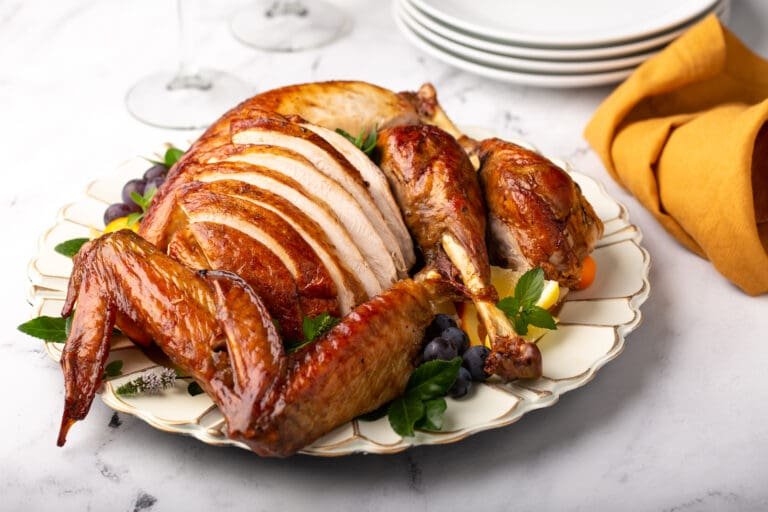
Turkey Day at the ER – The Weird Side of the Internet – by Liam Sweeny.
ER doctor Dr. Reed Caldwell has done twelve Thanksgivings in his ER, and he has some widsom about the peculiarities of the day. And I have stories and commentary to “guaze the sprain,” so to speak. And so, what did Dr. Caldwell see most?
So the big ones are the obvious ones. People cut themselves because they want to go samurai on a half frozen turkey. And everybody cracks out the peelers and the auto kitchen tools like food processors. This shouldn’t even count because this is any day you’re in the kitchen all day.
Next one is burns. Again, super-obvious. Think like dropping stuff. I sunk my hands in 130 degree miapoix by accident, and my Thanksgiving was “different” for about 45 minutes. Burns are no joke, and everything is hot.
This one is unique. Orthopedic injuries from the family football game. It must suck to blow your rotator cuff on Thankgiving? It’s not even a regular season game. I mean, you only got a few weeks before going up against the 40 meter carroling.
Head trauma is big with respect to falls, new people in new environments. Here’s hoping everyone who has someone elderly over is policing their floors.
Of course, the one I would’ve thought was first ended up near the bottom of the list. Stomach issues. You know, if you think about it, stomach wildness might end up being a Black Friday ER visit.
I love Thanksgiving. And on the particular Thanksgiving that I scalded my hands in mirepoix, I would’ve never went to the ER, no matter how bad it hurt. So you figure how bad does the cut have to be where Uncle Marty can’t fix it with duct tape and the butterfly strips in every bathroom first aid kit? How bad to go from family and feast directly to pondering life on a hallway gurney.
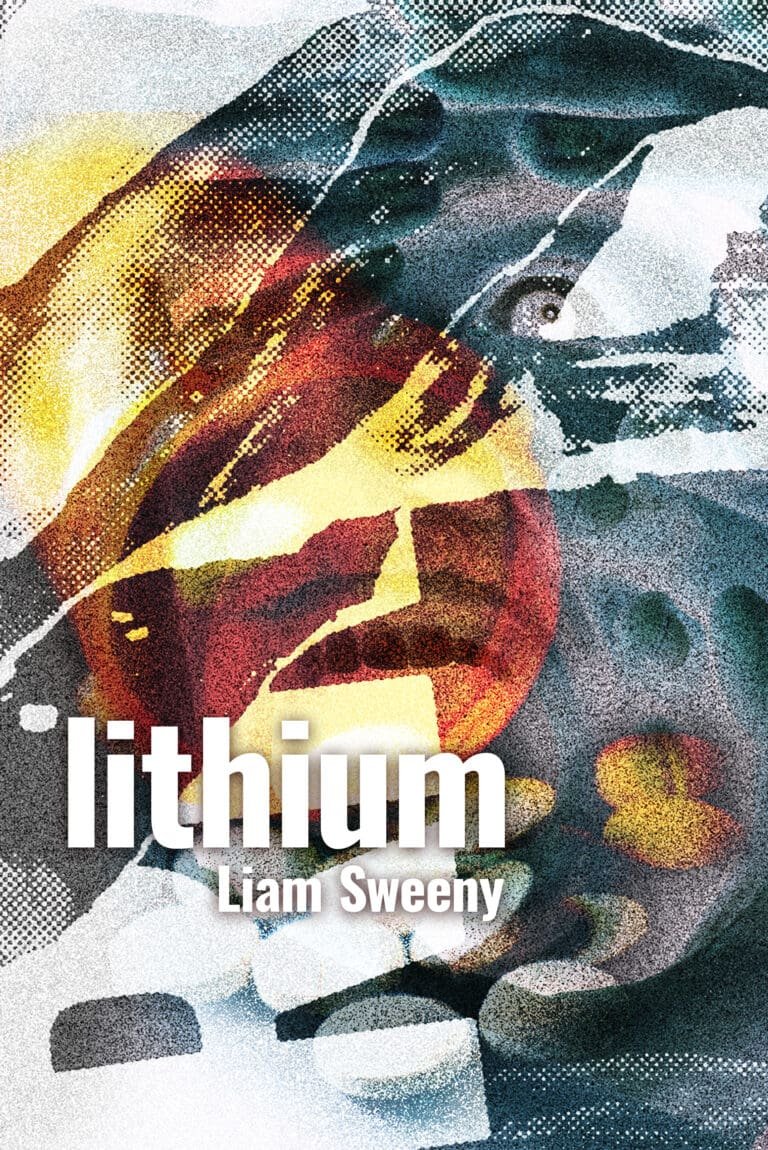
Lithium, Chptr. 15 – Xperience Fiction – by Liam Sweeny.
It was, by all accounts, a picturesque day. Partly sunny with a gentle breeze that carried the scent of cinnamon through the camp, strong enough to make the odor of garbage an afterthought. The children outside were cheerful, their voices scattering off tree trunks and leaves as they ran and jumped in the main path. Andy’s voiced mixed in with the symphony of spring enjoyment. In the distance, some Atlantic R&B played through an old stereo system, giving a soundtrack to everyone’s light-hearted folly.
Mel coughed to bring up remaining bits of bile after throwing up outside the tent.
It had been four days since the last of Mel’s meds ran out. He had stretched for as long as he could, and he thought he had done it right, but the pile of vomit on the ground awaiting a hard rain told otherwise. He glanced up at the azure sky and squinted. It wasn’t too bright; it was too vibrant. In fact, everything was too vibrant. He couldn’t handle the intensity; it was an unwitting and unwilling acid trip that his mind had sprung on him.
He could smell the cinnamon, and it was comforting. It reminded him of the cinnamon buns his mother would make on Sundays, the kind that came in tubes, blobs of which popped out when she’d let Mel rip the packaging open. But even the cinnamon was intense. Cinnamon brought back mom, and mom brought back the anger of her neglect, her post-partum denial of her son that never found its way out of her life, only creative outlets. His mother accomplished great things in the pursuit of running away.
Mel pulled his sleeping bag to cover his shoulders before sliding back into the tent. He laid down on a yoga mat he got in trade for a coat of arms, part of a whole set of trade items. They had to cut the yoga pad to fit the tent, but they made use of the trimmings, turning them into seat covers for the folding chairs, another trade item from a different trade. Mel hadn’t painted, or traded, since he ran out of meds.
He hugged himself with his arms to keep the chills from ripping him apart. He only wished he had a fever. Acetaminophen could take care of it, and he had a small first aid kit in the car. But this wasn’t a body function. It was a mind function. His mind was having to contemplate an existence it hadn’t faced in well over a decade. And serotonin was pounding his amygdala like a heavyweight in a sparring session.
He was faux-feverish and nauseous, his heart played pinball in his rib cage, his head was in full spin, and everything that touched his skin was sharp and stung, even the soft lining of the sleeping bag – nothing but road spikes. But that wasn’t the worst of it. All the physical malaise could be endured. In fact, Mel would feel amazingly content if all he felt was physical. But it was the fresh hell in his mind that damned him by the minute.
He couldn’t process the idle thoughts that popped into his head; the trivial stuff, the ‘it’s such a nice day’ stuff. He couldn’t think of the weather. His brain conjured up images and voices from his life, and his brain dissected them into phony and nothing special, stripped them of their humanity, and spat them back out at him. He needed people right then, probably more than he ever did, and his brain was dead set on pushing human authenticity away.
But his brain didn’t stop at the people in his life. What it did to them was nothing compared to what it did to him. His brain had an armory of ammunition against him, and it was in that armory, picking up weapons and test-firing. Every lie Mel ever told himself, everything that made him feel big reduced to a thing that made him feel small. Every invitation to guilt or sorrow was food for the war machine. Mel deserved homelessness. He deserved a hell that must exist because he didn’t believe in it.
The tent unzipped and Andy came in. Mel wanted him to leave. Mel wanted him to stay. After Andy came Marybeth. Mel just wanted her to leave. Andy had a plastic container with a blue lid on it.
“I’m not hungry,” he said. “You can give that to someone.”
Andy set the container down and placed a wrapped, plastic spoon on top of it.
“You gotta’ eat, Dad. You haven’t eaten anything in two days, and you’ve been puking.”
“I’ll be okay,” Mel said. “I just gotta relax, kiddo. I’ll be fine.”
“Please, dad, eat. For me. Even if you puke. I won’t take no for an answer,”
Mel didn’t have the energy to yell at Andy, nor did he want to. If trying to eat would get them out of there, it was worth doing. He picked up the container and opened the spoon packaging with one hand. He then opened the container to reveal chicken soup. The smell wasn’t nauseating, but it was intense. He dipped the spoon into the soup and drew it into his mouth. It wasn’t good or bad to him, just wet, and his mouth absorbed it, bringing on a thirst that could never be quenched. He brought the soup container to his lips and drank it like a cold soda, burning his mouth and not caring about the pain.
“Dad, Marybeth is a nurse.”
Mel held a hand up to wave, the soup’s course to his belly the only thing on his mind.
“I hear you’re getting withdrawals from psych meds,” she said. “Do you mind if I take your vitals?”
Mel didn’t like medical people, but he knew fighting would prolong the interaction. He unrolled his sleeve and sat up enough to get out of the sleeping bag. Marybeth put the cuff on him and squeezed the bulb, then listened to his heart and took his temperature.
“Blood pressure’s a bit high,” she said. “Do you have high blood pressure?” Mel shook his head.
“Temp’s a little high, but you just had hot soup,” Marybeth said. “Blood pressure could be stress.” She reached in her pocket and pulled out a translucent orange bottle.
“These are diazepam, ten milligrams,” she said. “They should calm you down, help you get through it.”
Mel waved her off. “Pills got me into this, I won’t use them to get out.”
“You don’t have to be a hero here,” she said. “Any landing you can walk away from is a good one.”
Mel wanted to argue with her, throw around some misplaced anger. He also wanted to snort every diazepam in the bottle. Instead, he took a different route, faking sleep until he had the tent to himself.
***
His heart was pumping, breaths quick and shallow. The world around him went by in a blur. His focus was singular, just pull himself through the path he’d taken until there wasn’t any path anymore. Sweat poured off him, and in the second he had between breaths, he wondered how he could get his clothes washed. The thought disappeared like every other thought that entered his consciousness. They suggested meditation, but that was just sitting around, giving all the contorted thoughts a chance to fester on the ‘Ohm.’ He couldn’t see how meditation worked on frenetic minds. Instead, he opted to run away from himself.
He stopped near the water spigots and walked over to run his head under one. It was divine. He lived for it every morning when he reached 70 S and started the run. It was all about getting to that water. So, in a way, it was meditation, Ohm supplanted with a vision of sparkling clear.
It had been five days since he started running, a week and a half since he ran out of meds. At first, it was an act of desperation. He was so strung out, he was clinging to any scrap of self-help that made its way into his cerebral cortex. Of course, diet was tough. Creating a good microbiome in his gut was no easy feat when he wasn’t within a dollar or a mile of a farmer’s market. So diet was out as far as something he could be militant about. That left sleep, and exercise. And sleep wouldn’t come willingly, so he chose to drag it along on a daily run.
He slurped the water like a dog. Sweat soaked him, and he gave a bigger thought to getting his clothes washed. He felt good enough to be safe behind the wheel, though he might want to bring Hope or Max. That is, if either of them cared to go.
Mel wasn’t giving an ounce of thought to Max, or Coop. Max was along for the ride, and the ride having ended at the camp, he was doing well enough on his own. Coop knew people here, and word around camp was that he was going to get kicked out for stealing. But Mel made up for his not worrying about them by excessively thinking about Hope.
She never showed up any of the days he’d been sick. He expected her to, even though he wouldn’t have wanted her there at the time. He thought she was a friend. He thought she was more than a friend pending. But she was nowhere to be found.
Mel went back to the camp, where Andy was trying to spin a basketball on his finger. Poor kid was terrified when Mel went off the meds. Mel had the privilege of not having a mirror in which to see himself. Andy got the full view. Mel forgot, too frequently, as of late, that Andy was dependent upon him for his survival, Andy was his son, not a traveling buddy. From then on, he was going to remember that.
He flipped open his phone, determined to chart a course. He needed a job, preferably close to the camp. Wouldn’t make any sense to work only for the gas money to get to work. Bellevue was a small city nearby, on the outskirts of Nashville. Maybe they had something. He searched for jobs in Bellevue, but most of the results came back for Nashville. And even those results required a bachelor’s degree and three- to five years’ experience.
While he was on his phone, he looked up the Guggenheim. Eastern time was an hour ahead, so he chanced a call. The person who answered had no idea who Roy Miller was, or if they had a Roy Miller painting, but agreed to put him on hold once he revealed that he was the son of said Miller. After ten minutes, a new voice.
“Mr. Miller?” The voice said. “I’m Sarah, the curator. I heard you’re asking about the Roy Miller? Are you referring to ‘State Street’, sir?”
“I am.”
“And you’re his son?”
“Yes.”
“I can tell you we don’t have it,” she said. “It’s been sold to the Getty Center in Los Angeles. I can give you their number if you’d like.”
“No thanks,” Mel said. “I can find it. So it was in the Guggenheim?”
She paused. “Yes, sir. For twenty years.”
“Thank you, ma’am.” He hung up.
Andy patted Mel’s arm. “It really was in the Guggenheim?”
“Yup, kiddo,” he said. “I’m a famous painter.” He paused. “Well, Roy is.”
“That shouldn’t surprise you,” a familiar voice said. “You’re amazing.”
Mel turned to see Hope, wrapped up in her own arms. Andy got up.
“I’ll leave you two alone,” he said, and he took his globetrotter game to the main path.
“I missed you,” Mel said.
“I missed you too.”
“Why didn’t you come to visit when I was sick?”
“I did,” she said. “You were throwing up. You told me to get out of here, remember?”
“Actually, I don’t. I really said that?”
“Yeah,” she said. “I didn’t go though. I stayed at the camp. All day, all night, until you started running.”
“Why didn’t I see you?” Mel asked.
“It’s easy to hide in scrap.”
Hope ran over and wrapped her arms around him, and he had to hold himself off from giving her a bear hug. He brushed her hair from in front of her eyes, his thumb hanging on her cheek, as if to catch a tear she might cry. But the tears were coming from his eyes, and she kissed his cheeks, obstructing their path.
“I thought I had lost you,” he whispered. “I don’t want to do that.”
She smiled. “Then I’ll cling to you like plastic wrap.”
Their lips met, soft on soft melding to one mouth speaking one word in a language known only to hearts. He was drawn to her, his hands iron, her blood magnetic and their electricity passing through clothing and prickling their skin.
“Did you throw up in the tent?” She asked.
Mel took a breath, and a second to think. “No,” he said.
“Good,” she said before she dragged him down and in, zippering them inside.
***
Mel hadn’t watched anyone sleep since Andy was very young, just out of diapers. After the problems he had as a baby had gotten better, and he could sleep through the night, Mel would, when unable to sleep at night, go in and with extreme quiet, pull over the rocking chair in the corner and watch him. He breathed through a nose that was just stuffy enough to give sound to his breaths. Mel found it peaceful and hypnotic, both the sounds of rhythmic breathing, and the peace having a son brought him.
Mel didn’t know if he would’ve stayed on his meds if Andy hadn’t been born. He signed a contract in the delivery room, signed it with a Styrofoam cup of black coffee, to be responsible, because the lump that would grow up in his arms couldn’t yet be. And so he took his meds, even as Debra started taking meds of her own, or what she called meds. Hers came from a guy who still used a pager and met her in downtown Troy.
Andy was eleven now. He’d soon be a teenager. And that didn’t absolve Mel from being responsible in any way; in fact, it made him even more responsible. Andy would be changing soon, and he would need even more guidance to navigate what would be very troubled waters. Not to mention the fear of Andy going into his twenties and suffering the same fate Mel did, a new generation of the illness.
Mel was starting to love it at the camp. He was starting to know people, to find his place in pigments and brush tips. He could survive there, and he could raise Andy there. But that was assuming everybody wanted paintings forever, or that enough new people would come in, see his work, and want some of their own. He understood in his gut that it wouldn’t last, and his Plan B was a graphite squiggle on a mostly blank page.
He promised Andy he would get them back on their feet and living in a homeless camp wasn’t it. They needed a place of their own. They needed an apartment, and he needed a job.
Hope was asleep in the tent. She’d stayed with him since they made love, and they hadn’t really stopped making love since then. She even was game to the idea of moving her tent over to combine with his camp. He would’ve been thrilled, but he’d have to run it by Andy, who was starting to warm up to Hope, but it was another change in his already-changing world.
They pulled a body out of the camp the night before. It was one of the few times Mel had seen a vehicle come in that wasn’t there to camp. No official information was forthcoming, of course, but the talk around camp was suicide. And considering the talk came from the person that found them, it was probably bankable.
Mel borrowed a paper from Clifford’s office when the camp was mostly awake. He sat on the lawn chair and pored through it. Max was over, a can of hash in his hand as a breakfast offering.
“Checking your stocks?” Max asked.
“Job hunting,” Mel said. “Seeing what’s out there.”
“It’s better to go take a ride. They don’t put the kind of jobs we can get in the paper. The ones that are actually hiring.”
“I could do that,” Mel said. “Where would I go?”
“West Nashville, maybe. Bellevue, definitely.” Max pulled out a keychain can opener. “Really, just any populated place. Can I go with?”
“Sure.”
“Me and Andy will clean up the camp,” Hope turned to Andy. “Do you want to put in a sunroom? I have all the stuff at my camp, but I could use a hand getting it all over here.”
Andy nodded. “That sounds good. Are you moving over here?”
“Gee, I’m not sure. Would you hate it?”
Andy shook his head. “Nope,” he said. “Just help me keep dad okay.”
“What am I, an invalid?” Mel joked. “I’m gonna get the car ready to travel. Kiddo, help me pull the awning off. And get any stuff out that you want today. I don’t think I’ll be back until tonight.”
Mel and Max drove as far and as wide as thirty dollars of gas could get them, with enough gas to get back to the camp. They stopped at gas stations, fast food restaurants, the offices of housing complexes, even a day labor outfit. They found work that day with day labor.
“Excuse me, sir,” Mel said to the man who gave him an application. “I don’t have an address. What do I put in that space?”
“Are you homeless?”
“I am. Sorry.”
“What are you apologizing to me for? Hell, I’m sorry, for you,” he said. “You stay at a shelter?”
“No, a camp,” Mel said.
“Oh, the camp. Yeah, we get people from the camp working here. You on drugs?”
“No, no drugs.”
“You don’t look nutso, so just put ‘1 Route 70 S’ for the address, first line, then Nashville. That’ll work. If the IRS comes after you for the address, I didn’t tell you to do that. But you’re just doing day labor, so…”
Mel and Max finished the paperwork, including the W-2s, and they were put to work, sent out to an apartment complex to mow lawns and trim shrubs. They worked until dusk and got paid when they got back. Fifty dollars each.
On the way back, Mel did the math.
“Fifty bucks, and it cost twenty bucks, about, getting to day labor, to the job, and back to day labor. So thirty bucks for a day’s work. And how much for the deposit and first month’s rent of a shithole apartment in Nashville?”
Max laughed. “That’s hilarious,” he said.
As they were nearing the road into the camp, Mel noticed that they were being followed by a vehicle with lights on it. A cop, definitely a cop. He was close on their bumper. Mel thought of trying to ditch him, but that might be suicide. As he turned off onto the camp road, the cop sped past.
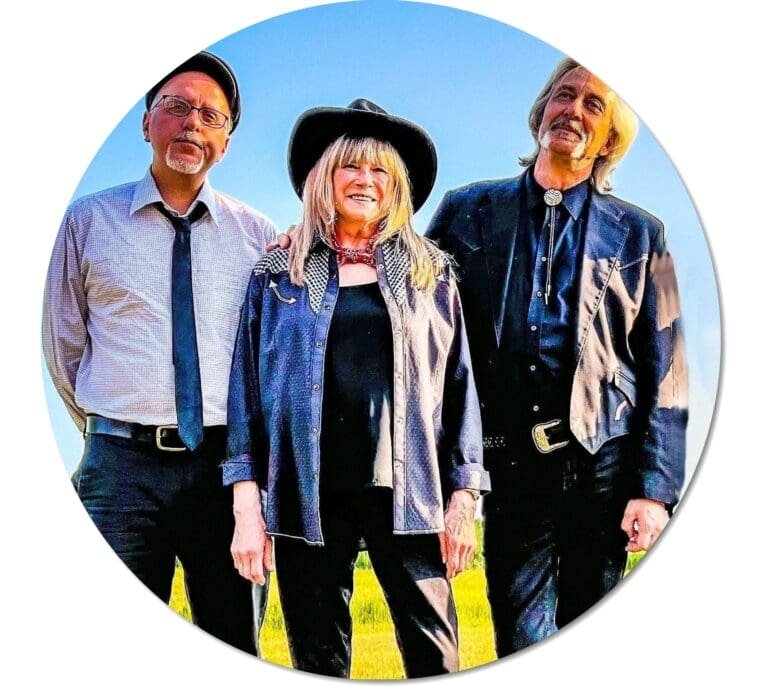
On Saturday Dec. 6, 2025 @ 7:00pm, The Bluebillies’ 13th Annual Old Time Christmas Revue is coming to the Strand Theatre!
Featuring the host band The Bluebillies, the 2023 AND 2025 winner of the ListenUp Award for best country/folk band, who will present a fun and eclectic mix of original and classic Christmas songs that will make your holidays shine a whole lot brighter.
The Bluebillies are bringing along a fabulous cast of guest performers: Off The Record Trio, 2022, 2023, & 2025 Thomas Edison Music Award Winner for Best Party Cover Band in the Capital District; Marc Delgado, Part folkie, poet, raconteur & stand-up comic.
Marc’s songs tell the stories & shares his experiences from dark to light & all the shadows in between; Kevin Harder (Elvis Tribute Artist) will join in again, as will up and coming country singer Zachary Slavers.
The emcee for the evening will be Mark Munzert, International Western Music Association 2024 Poet of the Year! Mark will bring his poetic parlance & rhymsical recitin’ to make guests smile, laugh, tear-up, and ponder. Mark tells the stories & lessons of cowboy life, characters & character, tragedy & triumph.
$15 general admission. Tickets are available at the Strand Box Office; cash or check only or online at Brown Paper Tickets.
Doors into the lobby, coffee shop and box office open at 5:30pm. For more information and the ticketing link, please visit our website at www.mystrandtheatre.org. The Strand Theatre is located at 210 Main St, Hudson Falls, NY.
Please visit our website, Facebook or Instagram accounts for a list of upcoming events at the Strand.
***
Sincerely,
KC Morgan
Executive Assistant
Strand Theatre
210 Main St.
Hudson Falls, NY 12839
Hudson River Music Hall Productions, Inc.
is a 501 c-3 non-profit.
GoFundMe link for the Strand Theatre Revival project:

RadioRadioX & The Xperience Monthly
© 2018 - 2026 Imperial Broadcasting. Most Rights Reserved.