Home Blog Page 105

Life on the Cutting Edge – Discoveries and Advancements

0

Life on the Cutting Edge – Discoveries and Advancements

Scientists Find Gut Bacteria that Destroy Kidney Stones

https://sciencemediacentre.es/en/gut-bacteria-engineered-possible-treatment-kidney-stones/

New Technology Could Create Energy from Your Footsteps

https://parametric-architecture.com/japan-turning-footsteps-electricity/?srsltid=AfmBOoqoa90TRLJclUeFeewF3Spruf_MPuLpntvV4UWsmA9WyjwazoHg

Making Edible Protein from Air

https://www.airprotein.com/


Caffe Lena – Week at a Glance

0
Greetings – If you feel like you just blasted out of the starting gates for that mad dash to the end of the year, know that you can always get refueled and re-centered at Caffe Lena. With Friday, Saturday and Sunday already sold out, this is a great opportunity for me to remind you about the delightful things that happen here outside of prime time (all sustained by our members and Annual Fund Donors!). We host gatherings for a variety of creative cohorts that pursue art for the sheer pleasure of self-expression, curiousity, and sharing a passion with others. Many of these programs–Poetry Open Mic, Storytelling Open Mic, Playwrights Jam, Bluegrass Jam, Monday Open Mic–cost zero to $5, enabling people of all ages and walks of life to enjoy an evening at the Caffe. Performers and listeners are equally welcome. Who knows? It might be exactly the breather you need.

See you at the show,
Sarah

P.S. Our Annual Fund Drive is in full swing and we are Tremendously Grateful to all of you who have already chipped in. We’re on our way to our goal of $75,000 by December 31! If you haven’t done your bit yet, simply click the graphic below to donate online, or mail a check to: PO Box 245, Saratoga Springs, NY 12866. Thank you!

Monday
7:00 PM – Open Mic Night


Tuesday
7:00 PM – STORYTELLING OPEN MIC FEATURING TIM COOMBS
8:00 PM – “Live From Caffè Lena” on WEXT 97.7 or 106.1 FM


Wednesday
10:30 AM – Folk Club Kids: Stories, Songs & Sing-Alongs (Infants to Pre-K)
7:00 PM –  POETRY OPEN MIC FEATURING CAROL GRASER
7:00 PM & 12:00 AM – “Live From Caffè Lena” on Folk Music Notebook


Thursday
1:00 PM – Slow Jam
7:00 PM – A WINTER’S EVENING WITH RYANHOOD


Friday
8:00 PM – SIRSY –  SOLD OUT


Saturday
8:00 PM –SIRSY – SOLD OUT


Sunday
3:00 PM – SIRSY – SOLD OUT

Joanne DelCarpine – An Xperience Interview

0

Joanne DelCarpine – An Xperience Interview – by Niki Kaos.

Joanne DelCarpine’s music caught my ear when I heard her at 344 2nd Street’s Original Music Open Mic. Her sense of rhythm, arrangements, and playful lyrics are complemented by a voice that pulls your attention to the stage. I had to introduce myself. The 518 network of open mics is beautiful in this way – offering the opportunity of connection and collaboration.

RRX: I understand you moved to the Capital Region a few years ago. Since arriving, you’ve got a new band together, Joanne’s Driving The Bus. What’s the vibe of the music, and who’s in the band?

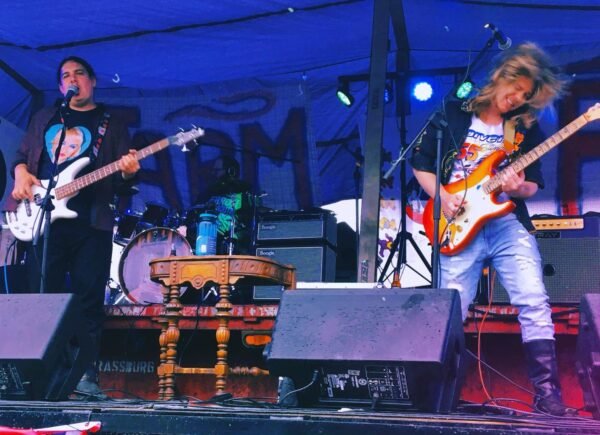
JD: Music brings me joy. You know, life can be hard, and music doesn’t change that, but it can give you a break and help you forget for a little while. I love being able to bring that to people. I want to create a scene that’s fun and relaxed and joyful when I play, so that’s what I look for in my bandmates. Paul Rosamilia on bass, Bob Neiman on lead guitar, Ben Rau on drums. They each bring a lifetime of experience playing all kinds of music.

They’re all so talented. It’s easy ‘cause all of us love to play and we trust each other’s abilities. So we take chances, and we laugh a lot. The music we choose also reflects this. We cover rockabilly, blues, R&B, soul, pop, and rock ‘n roll spanning the ‘60s through the 2020s, and we put our own spin on it all. That’s our art, and people appreciate hearing new treatments of songs they’re familiar with.

RRX: You also host open mics on alternating Fridays at Northern Lights Dispensary in Menands, and you are starting to branch out – running sound at WAMM Fest and for 344 2nd St. Open Mic. What’s it like being on the other side of the microphone?

JD: I’m always happy to do what I can for the scene. Running sound and hosting and supporting other people’s talent brings me joy too, ‘cause you never know what someone’s going to bring, or where your next inspiration will come from. People are amazing. Running sound is a skill I developed out of necessity. Being in bands that couldn’t afford a sound person, I needed to figure it out.

And hosting is just another version of being a front person. I used to literally pretend to put on a “coat of confidence” before walking on stage. I had an imaginary suit of armor that allowed me to stand strong at the mic when I was totally winging it. So, I figured it out. You need to know your talking points, how to read a room, and keep the show moving. It takes a team to make the magic happen, and at heart, I’m really a team player.

RRX: What got you started writing music?

JD: Writing is probably the most challenging aspect of being a musician for me. I’ve struggled with that little voice in my head telling me what I’m doing wasn’t good enough. I can’t tell you how many times I’ve tried to banish that voice. I lived in Boulder, CO from 1990 – 2001, and the live music scene there at that time was almost exclusively original. So, when in Boulder, do what the Boulderites do. I had the opportunity to work with a lot of great writers and collaborate on arrangements in those years. I learned so much. Again, it’s about taking chances – trusting and letting go. Sometimes a song just falls out. A few of my songs have found new life in the past two years, new grooves or one chord change that shifted everything. That’s really exciting for me.

RRX: When I see you perform live, I feel an authentic connection to you. What about music inspires you to connect with other people?

JD: Yeah, people tell me that. For me to perform a song, I have to find my own truth in it. Somehow, the story has to become my story. That’s the only way I can memorize it and share it from my heart. I think that’s what people connect with. We all do it with our favorite songs, the ones we belt out at the tops of our lungs in the car, whether we think we can sing or not. We call them “our songs” ‘cause they reflect some part of our story. I look for that in every song I sing. Then, if I lock eyes with someone and I see them feeling it, that’s such a great moment. I get a lot of those. It’s really a blessing.

RRX: What’s next for Joanne? Where’s that bus going?

JD: As you said, I’m pretty new to the Capital music scene. I’ve been doing open mics for the past year and a half, getting to know people, giving people a chance to know me, and it’s starting to pay off. I’ve joined the Albany Musicians Union, and I’ll be playing a holiday craft fair at the Clinton Collaborative Park with keyboardist Azzaam Hameed on November 29. Joanne’s Driving the Bus will be at Play by Play in Schenectady on Friday, January 9.

I’ve also had a great time playing with WAMM (Women Are Making Music) this past year. I’ve been asked to pull together a WAMM ensemble for Women’s History Month 2026, and a set of ‘70’s music to celebrate a library’s 50th anniversary next spring. So opportunities are starting to present themselves. There’s such a great live music scene here – so many talented folks. I want to create opportunities for people to get out of their homes and off their screens, to connect face-to-face and talk and sing and laugh and dance.

RRX: That’s great news! I love your enthusiasm for that in-person connection. I feel the same way!

Don’t miss your chance to join the party! For more news about Joanne and her band, follow her Facebook page Joanne’s Driving the Bus.

More from Niki Kaos…

Deb Cavanaugh – Thanks for Asking!

0

Deb Cavanaugh – Thanks for Asking! – by Liam Sweeny.

RRX: What was the very first reaction to your music, from the first person to ever hear so much as a practice jam or the demo of your first song?

DC: This is a tough one because I’ve been singing my whole life. When I was fourteen, a neighbor heard me sing and pressured my parents to get me voice lessons. That led to meeting Duke Ellington and starting to get gigs. Later on, my first two long term partners told me they fell in love with me when they heard me sing. I wasn’t so sure I liked that.

RRX: “The best laid plans of mice and men…” I don’t really know the quote, but I know this one; sh*t happens. When we least expect it, calamity befalls us. Sometimes just comic inconvenience. Please tell us a story about some comic inconvenience that happened to you whilst performing?

DCI haven’t had many mishaps but have struggled with electronics constantly. I’m totally ignorant about them. I didn’t start playing guitar until I was forty and started using electronics even later. When playing Lena-Go-Round at Caffe Lena with Erin Harkes, Ryan Leddick and Jacob Shipley, the battery in my guitar pickup went bad in the middle of the show and made horrible noises. I had no idea what was wrong with it and ended up using Jacob’s guitar. I was embarrassed afterwards when Joe, the sound guy, told me about the battery.

RRX: My singer punched my drummer out. Memorable moment, though nothing to brag about. But we have these things that, when summing up your endeavor, an incident comes to mind. What do you got?

DC: I remember playing at the Chateau Lounge in Albany with General Eclectic when Paul’s guitar strap came off and sent his guitar flying up and away from him. He managed to hold on with  his chording hand and spent the rest of the song hopping around on one foot and holding the guitar up with his other knee while I took over the vocals.

RRX: We have to play somewhere, and sometimes those places have more going for them than a stage and a power outlet. What is a memorable place you played, and bonus points if it’s not a well-known place.

DC: Cavanaugh & Kavanaugh played at an art gallery in Windsor, Connecticut. It  was an old train station and was small enough that we really didn’t even need amplification.  The acoustics were amazing, and the place was packed with a very enthusiastic crowd. We made more money that gig than any other between merch, donations and ticket sales.

RRX: Playing out is tricky because you never know what’s going to happen when you get there. Sometimes everything goes wrong. What was your worst show like?

DC: My husband (Paul) and I had recently arrived in the area from Oregon and were invited to be part of a Battle of the Bands somewhere in the rural area around Albany. The other bands were not very friendly, and we felt out of place not knowing anyone. THe first thing that happened during our three song set was our drummer fell off the stage into a table full of bikers who just picked him up on his stool and set him back on the stage. Minutes later, we realized that the monitors had been disconnected. The stage was a weird L shape with the drummer on the short end and everyone else in a straight line. We couldn’t hear a thing. I looked up and realized Paul was singing the chorus while I sang a verse. We were mortified at the end, sure that we had no chance of winning. Despite the craziness, everyone raved about our unique arrangement, and we ended up placing in the top three.

RRX: Would you rather have one of your songs blow up and make you a one-hit wonder and household name, or would you rather have all your songs be solidly received, but no chart-climbers? (You have to pick one or the other here.)

DC: I would definitely rather have them all received well. I have no aspirations of fame and fortune.


More from Liam Sweeny…


The Dionysus Effect – Xperience History

0

The Dionysus Effect – Xperience History – by Liam Sweeny.

A new band is a seed. It can grow to create an incredible sound. It can grow to create
its own sound, indistinguishable from any other thing out there. And in some cases, it
creates that unique sound from the first sprout.
The Dionysus Effect has a unique sound. It came from the ground pumping out
tight, well-formed grooves. All they need to grow is a steady wining.
I sit with singer Christoph Paul and we discuss haunted MP3s.

RRX: The band name, The Dionysus Effect. Let’s pretend I’m too lazy to look up
the term. It’s 4:30am, so we don’t have to pretend that much. So, The Dionysus Effect,
what does it mean? And take us into the war room when you picked the name. Was it a
long deliberation, or did you all just know?

CP: Sean, our guitar player came up with the name at his studio. The name just felt
right. It’s that feeling you get at a good rock show you where you feel high on those
Dionysian energies. I love most music genres but rock n roll will always be the music of
Dionysus. It just made sense. We want rock fans to feel something when they hear our
songs, we want to bring that Dionysus Effect.

RRX: You have a song called “In Defense of Ska,” that plays on This is Ska Radio,
which plays out to 17 radio stations. It’s also the name of a book published by CLASH
Books. Is this a one-off, or are you naming other songs after books?

CP: It’s funny cause none of the band members are big ska fans. I told the author,
Aaron Carnes, that my rock band will record a catchy af ska song about his book if he
sold a certain number of books from the CLASH Books website. Well shit, he doubled
that number and the band agreed to record the song. We ended up loving the song.

Even though we are rock dudes we saw how fun ska can be. Will we record other ska songs?
Probably not, but we had fun. You know, everyone has a day job. Mine just happens to be editing books—
for my press and freelancing. As a musician you are influenced by your job and when
you read and edit a book over five times, it will influence you. So yeah, I have a few
more. I wrote a song about a book called Darryl by Jackie Ess, and Girl Like a Bomb by
Autumn Christian. “Darryl” will be on the debut album. Also, if we ever get in a bidding
war with an agent, I’d be down to add that The Dionysus Effect will record a song about
the book in the contract.

RRX: The book the song is named after, “In Defense of Ska,” was quoted in a
Rolling Stones article. As far as the song, it may be six degrees of Kevin Bacon, but as far
as you being the publisher of that book, it’s gotta be heaven. How did you find out about
the quote?

CP: I feel like this is a Gene Simmonsesque moment of cross-branding and business
maneuvering. I’m really grateful for how well the book is doing. A friend from Twitter
took a pic and tagged us. It was just surreal. I’d obviously love to be in Rolling Stone as a
musician, but it still feels pretty damn awesome to be in there as a publisher. I’m
definitely living in ska heaven right now.

RRX: So, you are the publisher of CLASH Books, with your wife, Leza Cantoral.
And CLASH has a really interesting collection, some of which we’ve featured here. So, do
you think books surrounding the music scene, music genres, etc. have any kind of
advantage in getting out there? Do you think there could be a “music fiction” genre
someday?

CP: My life is pretty much books and rock n roll so I’m all for mixing those two
things I love. I think it all comes down to fans and how passionate they are. I learned
right away how passionate ska fans were with the sale of the ska book. As an editor you
end up reading a book at least five times and that book will inevitably affect and
influence you. Songs come from all types of places, why not books too?

RRX: You all recently played your first show as The Dionysus Effect. Let’s hit the
five ‘W’s – where, when, and how was it. Okay, two W’s and an H. There’s always so
much energy on a first set, between excitement and nerves. Even if it’s back in your
mind, you always know you’ll remember it forever (if you’re sharp.) So, what will you all
remember?

CP: It was just fun to be up there. I love playing live. We’ve been so much about
song-writing during Covid but now I feel that fire to share these songs and play them
well. I feed on the energy and just seeing people dancing to our songs—there’s nothing
better.

RRX: Now that you’ve got the first show under your belt, do you have other shows
on the docket? Any festivals or goings on you have your eyes on? Your first album drops
in September – do you plan on doing a show for it, or at least a barbeque?

CP: We definitely want to be gigging this Fall. We’d love to play all over the Capital
Region and NYC/NYC adjacent shows. Not sure about barbeques but would love to play
some college parties.

RRX: This is where you answer the question I didn’t ask. What’s the proper wine
for the Effect? What exactly is the defense of Ska? Educate, enlighten, emote – the floor
is yours.

CP: Man, I love wine and Dionysus but right now for the effect to happen is to see
people drinking a cold beer with us playing live at a venue. That’s how the true effect
happens. With defending ska, you either gotta read the book or listen to the song.


More from Liam Sweeny…

The Last Verse: Music, Memory and Mortality

0

The Last Verse: Music, Memory and Mortality – by Jason Irwin.

It’s a weird thing, watching your heroes get older. Even weirder when they start leaving us. The voices and faces that once felt larger than life—our gods of rock—are now gray, weathered, and, in too many cases, gone. For anyone who grew up on records that shook the walls, seeing the legends fade is hard to take.

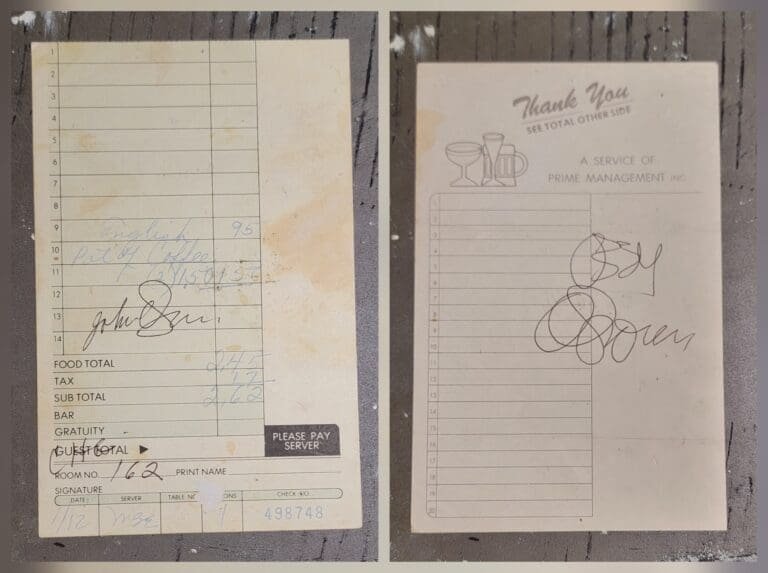
I think back to January 12, 1984. Ozzy Osbourne was staying at the Sheraton at Exit 19 in Queensbury, where my mom worked as the restaurant manager. He was playing the Glens Falls Civic Center that night. I was 12 and a huge Ozzy fan. When his room-service order came in—a pot of coffee and an English muffin—Mom decided to bring it up herself. She told him her son was a fan, and after signing the check “John Osbourne,” he autographed the back for me.

I still have that autograph. Back then, Ozzy was the “Prince of Darkness,” the wild man of metal. But to my mom, he was just a polite guy who liked his coffee hot and his breakfast simple. Forty-one years later, both she and Ozzy are gone—and they passed just five days apart. Somehow, that feels poetic, like the universe closing a circle on one of my favorite memories.

That same year, on November 16, KISS rolled into Glens Falls on their Animalize tour. They stayed at the same Sheraton, and Mom once again got me access to their floor. I met Paul, who signed a piece of paper for me, along with Bruce Kulick and the late Mark St. John. Gene Simmons scared me, so I kept my distance. My six-year-old sister Shaunn was there too, maybe too young to know what was going on, but she knew it was important. Around that time, my Aunt Jeannie handed me down her original copy of “Destroyer.” For so many reasons, it’s become one of my most treasured things—and I’m not even a big vinyl collector. I don’t even have a record player anymore. Maybe it’s finally time I got one.

Even though Ace Frehley wasn’t touring with them back then, his recent passing makes that memory hit differently. When I last saw Ace perform at The Strand Theatre in Hudson Falls on May 15, 2024, he wasn’t the same player I grew up listening to—but he was still The Spaceman, and he always will be. Knowing he’s gone now adds another layer of sadness to that memory. The men behind the makeup aren’t invincible—they’re just like the rest of us.

Those moments were my first real proof that my idols were real. And now, as so many of those icons pass on, it’s both heartbreaking and inspiring to see who’s still out there.

They’re still with us: John Fogerty, Rod Stewart, Debbie Harry, Bob Dylan, Robert Plant, Jimmy Page, Paul Simon, Stephen Stills, and Mick Jagger and Keith Richards—some still touring, some with uncertain futures in music. The truth is—rolling stones do gather moss. What keeps them rolling forever is our memories and their music.

Even the remaining Beatles—Paul McCartney and Ringo Starr—are still performing. Ringo, now 85, keeps flashing peace signs with his All-Starr Band, while Paul, 83, fills stadiums with sing-alongs that blur the line between nostalgia and magic. Watching them perform feels like seeing history itself smile back at you.

And then there’s The Who. Roger Daltrey and Pete Townshend, in their late 70s and early 80s, are still commanding stages decades after their first hits. They’re on their final North American “The Song is Over” farewell tour—a name that quietly admits they’ve given everything they have and are ready to step back. Their endurance is amazing, proof of love for the music. Rush is still going too, even adding new members to fill in for lost legends. The music lives on, and new fans are discovering riffs that have stood the test of time.

Ann Wilson of Heart, now 74, recently returned to the stage after battling cancer and an elbow injury. She’s performing on Heart’s Royal Flush tour from a wheelchair, explaining that balance issues make it unsafe to stand. Yet there she is—belting “Barracuda” with the same fire as ever. That’s rock and roll.

Jon Bon Jovi’s battle has been more personal. Now 63, he’s younger than most of the legends still touring, but even he has felt the toll of time. After struggling with a vocal cord problem that required surgery, he admitted he almost quit. That has to be tough—being one of rock’s biggest stars and realizing the one tool you’ve relied on your whole life might not work the same way. But now, with his voice back, Bon Jovi has announced their Forever Tour for 2026—their first in four years. I’ll be at opening night, July 7, at Madison Square Garden. I don’t expect his voice to sound like it did in 1985—but that’s not the point. The point is he’s still out there, giving everything he has left.

Time catches up to everyone—even the loudest frontmen. Axl Rose has battled vocal strain for years. Once one of the most powerful vocalists in rock, he’s struggled but not given up the drive that got him where he is. Vince Neil of Mötley Crüe gets plenty of criticism for his vocals, yet he still hits the stage night after night to play the songs we grew up on. David Lee Roth, the ultimate showman, has had to pull back, too. His sky-high screams are now more of a commentary on his past.

But they’re all legends. They’ve given us decades of fire and attitude, and they still deserve the same respect they earned when they filled arenas. Anyone who’s ever screamed into a mic knows how fragile that gift is—and how cruel time can be to it. My take: if you don’t want to hear them singing not as perfectly as they once did, don’t buy a ticket. Simple. They’re still mostly selling out shows, by the way.

Of course, the other side of the story is when our heroes die too young. The “27 Club”—Jimi Hendrix, Janis Joplin, Jim Morrison, Kurt Cobain, Amy Winehouse—represents that heartbreak. Those losses were sudden. But watching our surviving heroes age is different. These are the ones who made it through, who kept showing up, decade after decade. Maybe that’s why it hits harder when they finally go. They’ve always been there, so you always expect them to stay.

Seeing these aging icons makes you think about your own life. We all grow old alongside them. Their endurance reminds us that time keeps moving, and every moment counts. When your childhood heroes start limping, graying, and passing away, you realize just how precious time is.

The kid who once clutched that Ozzy autograph has grown up, and the world that once felt endless now feels fragile. But maybe that’s the lesson the music has been giving us all along: every moment matters, every note fades, and how we live our limited time is what counts.

So here’s to the ones still standing—and to the ones who’ve gone ahead. To Ozzy, Ace, and all the fallen rock soldiers. To the Micks, the Pauls, the Ringos, the Dylans, and the Daltreys and Townshends still giving it everything. To Ann Wilson, seated but not silenced. To Bon Jovi, singing through the scars. To Axl, Vince, and Diamond Dave, who may not hit every note anymore, but still hit us right where it counts. And to my mom, who gave me the kind of access no backstage laminate ever could—a front-row seat to the golden age of rock and the reminder that time, like music, only matters when it’s lived out loud. And to those still on top of their game, take a moment to remember: time is real, and every performance is a gift.


More from Jason Irwin…

Rockstar Rebellion: A Trip into Chromatic Chaos – An Xperience Interview

0

Rockstar Rebellion: A Trip into Chromatic Chaos – An Xperience Interview – by BradQuan Copeland.

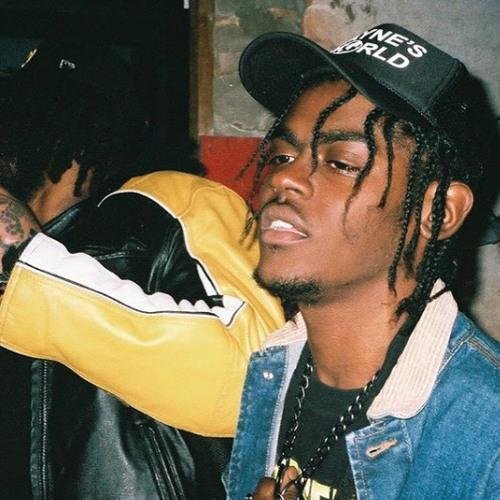
Imprisoned in the thick of thoughtless nothing, metallic gels dissolve upon my tongue, slowly unraveling the iridescent frequencies of kaleidoscopic oscillations. The walls are heaving, as the floor presses to the ceiling. My skin shimmers, like gnawing piranhas snapping at my untethered reality. The only grounding force within this disfigured sphere lies in the cushioned comfort of my studio beats, as Lil Baby Suplex’s vocal hypnosis cradles me in oneiric mysticism.

Am I high? Absolutely! But I’m light-years from the version of myself who’d trip balls at random. Yet that’s the language I chose to color the atmosphere this artist creates, because it stirs that much of a force within me. It’s so much, similar to the relentless snapping of the id’s irrepressible bounce. Imagine a caffeinated Tigger on a psychedelic-laced brew, integrated with the flavors of Ol’ Dirty Bastard, Lil Uzi Vert, Travis Scott, and the Stooges.

There’s a galvanic, hyperactive defiance woven within the production of Suplex’s garage-style raucous. Through the slurring undulations of his vocal instrument, he roars and rips you from your path, burning you with a nagging whiplash that you won’t even notice because the music is that dope. He embodies the reckless, flesh-carving “Gimme a fix” spirit of Sid Vicious, had he lived long enough to hone his talent, yet like him, he swings his hammer with an unbridled flux, smashing through cartilage and bone like the Hulk, had he possessed the worthiness to wield the power of Thor.

Sid Vicious performing live, late 1970s.
Photograph courtesy of public domain archives.

The man is a machine, having released countless quality projects to satisfy cravings, but it’s one in particular—”Big Set”—that flexes the jagged soul of Jean-Michel Basquiat’s “Exu” (1988), and steps in the chromatic resonance of Mark Bradford’s “Looking at Me Funny” (2018). I could barely get through the project, because I couldn’t help but repeat every single song I encountered. My favorite of the 10-track album is “Half Step.” His performance plunges you into f***ing anarchy!

I feel like Arthur Fleck, having claimed my territory atop the mountain’s tip, and amidst the entranced fixation of my ocean of spectators, who, alongside me, chant, “These ni**as just make songs to talk about what they won’t be — and speak on what they don’t see — these ni***s think they know me…” they witness the trembling, yet controlled manipulation of collapse, as my blood paints the iconic smile of Gotham’s renegade.

This is punk rap that’s boldly left the asylum, and sh*ts where it pleases. It’s the unruly child who’s scolded by authority to be seen and not heard, and responds with an arm-sweeping downward rush that craters the earth with a seismic burst. This music spits in the face of order, and fearlessly glares into its soul, daring it to react. Such ferocious passion sears within me, that I feel an intense obligation to contain my energy through household chores. I found myself in deep focus, raking leaves in the front yard—something that I haven’t done since childhood, and more importantly, a task completely needless to me, that maintenance handles.

My only wish is for a chopped-up, double-cupped purple Sunkist playlist littered with Jolly Ranchers—the kind of package that’ll effortlessly ease me into restful reset mode. But that’s purely personal, with no slight against his work whatsoever. This is rebellion that needs to be recognized in a society rooted in the throes of synthetic virtue. Lil Baby Suplex spits for the counterculture that rejects the scraps spat by the gilded collective. I can easily rock out to his playlist on shuffle to slide through any day, but real justice wouldn’t be possible without an interview to showcase the core of the man beyond the mic.

Making the half-hour journey to Albany, I flick on my high beams and drift into his Spotify mix, exhaling terpene mist through my nostrils as I stream the stretch. I shoot him a text four minutes out. When I pull up, I’m greeted at the door with brotherly warmth. Inside, skateboards lean against the hallway wall beside double-cupped traffic cones, and a bicycle rests against the stair rail where sound bleeds from upstairs. We head left into the first-floor apartment. A pull-up bar hangs from the door frame, and a stack of vinyl—ranging from Wham!, New Edition, Barry Manilow, and The Isley Brothers—rests in eclectic excellence atop the credenza.

“We can go in my room, bro,” he says, leading me through the kitchen and an open storage space before we step into his room—its door tagged No Snitches Allowed in blue. Rocking through the speaker is an unreleased track that I’m instantly enamored by; I scrunch my face to its velvet chime, glittering echoes with mesmeric grace.

“Yo, bring that sh** back, bro,” I say as he happily complies.

Settling into the rap-rockasphere, I admire the sincerity of his lived-in collage—half-studio, half-sanctuary—its walls mapped with artistic consciousness: doodles, graffiti scrawls, to-do lists, and reminders of projects in motion. Here lives a worn-in chaos refracted through elegance.

“You wanna sign the wall, bro?” he asks, handing me a marker.

“Word?” I say with gentle surprise. “This is like f***in’ Rap City, dude,” I laugh, scribing BradQuan — Literary Artist about a foot from the headboard of his bed. What makes that even more honoring is the fact that he made it clear that he doesn’t let just anyone write above his bed. Unofficially declaring himself to be a bit of a metaphysicist, he believes that bad energy can travel and haunt the subconscious during sleep. I nodded in agreement and assured him with laughter that he’s not crazy for such a thought.

Though fun-loving, it’s clear Suplex is a man about his business within his kingdom, where he holds court. There’s a list of rules written on the wall beside a nailed WWE SummerSlam shirt:

Turn your f***ing phone down.
We can do anything with a song except delete it.
No laughing, ain’t shit funny.
Don’t be a dirty ass ni***.
No bitching.
Sharing is caring.
There’s no “I” in team.
Try your best.
Challenge yourself.
Love yourself.
No broke ni***s.
And if you got an ego—GET THE *** OUT!

He carries himself with a punk-style professionalism when hosting the multitude of local artists he hangs with. Inspiration is not only felt but seen through his black-taped poster of “Beat It”-red leather-dripped Michael Jackson, along with nailed vinyl of Whitney Houston, Janet Jackson, and the Jackson 5. The door frame of his walk-in closet reads The Rec Room in bubble-block lettering, and chilling on the edge are two CDs: “The Evolution” by Ciara and “MTV Party to Go Vol. 3,” with Madonna donning the cover.

He takes his seat in front of his neon-lit laptop where he’s engineering a new project. “I recorded 10 tracks just last night, bro!” he says as I really start to take in his Suplex moniker. There’s an uproarious nature to it—but I suppose that goes without saying. Upon hearing his name for the first time, I instantly flashed back to the Brock Lesnar vs. Hardcore Holly storyline where Brock suplexes Holly and breaks his neck. From that, an expectation was born that I was certain he’d live up to.

A t-shirt honoring the late Eddie Guerrero hangs beside his laptop, and on a shelf sit two mannequin heads covered in Rey Mysterio and Mankind masks—representing the energetic showmanship shouted through his music. The icing on the cake came as I looked to my left and saw a Primeape Pokémon card visible through his translucent drawer. His personality heaves through every crack and crevice of his castle. It was magnificent.

Rolling a joint, he pushes me a seat, and I go down at the flick of his Bic. Ignited is emerald lush, and he deeply puffs before swiftly passing. Moments pass, and I’m slowly dissolving into the seat as I witness DIY at work. He doesn’t produce his beats, but he does literally everything else—not only for himself but for others. Hell, the man directs his own music videos through step-by-step scripts. Nothing is by accident. Every move is calculated.

Engaged in friendly banter, I notice multiple empty codeine and baby bottles. He’s swigging a White Claw Surge, and decorating the bottom shelf of his entertainment stand are empty Hennessy and Lunazul bottles.

It’s no secret he likes to be lit, and that fact is doubled down upon seeing his 16-inch glass bong tattooed with a Supreme sticker. From there, we get into a conversation about fashion, something he’s deeply immersed in. I could tell by the Dolce & Gabbana Light Blue see-through bag in his closet, further highlighted by the unique fit he’s dripped in: a white shirt with ink-sketched handcuffs, a yin-yang symbol, and an eagle among other things. His black jeans were epoxy-coated and shredded with grunge ruin, and completing his look were loosened white and red Jordan 4s.

“I get a lot of my shit from my guy Steel Toe Tim. He stay out in Amsterdam,” he says after showing me more of his designs—one being a super dope Carhartt-style brown jacket with raw denim stitched into the back as an eagle.

As the dialogue pursued further, I forgot this was a person I’d literally just met. I felt like I was talking to my brother. Interestingly enough, like me, he was raised an only child and found out about his siblings later in life. He filled me in on his roots, sharing the knowledge of his prominent literary ancestor, Zora Neale Hurston, a central figure in the Harlem Renaissance. It’s no secret where his power stems from, and that force was transferred more than effectively as he spoke from a humble yet pride-filled chest, along with the long lineage of generational hurt that he hopes ends with him.

An emotionally intelligent figure, he spoke about the strong desire to end a long lineage of generational hurt.

“I think we’re cut from the same cloth,” I said with light laughter.

The unique duality of comedic intelligence created a dialogue stream that swayed and looped with the erratic nature of a rollercoaster. In real life, I loathe the attraction of such cheap thrills, but this one I was honored to have signed up for. The unpredictability of our meeting granted me an experience I can only compare to a virgin Reiki excursion years ago—a glistening palette showcasing elegantly refined white pillars mighty enough to challenge Redwoods within a serene palace of marble.

Within that hyper-dense environment stood translucent cubes with sharply crisp edges, hallowed with solid gold tops pumping up and down in rapid slow motion—reflecting the prismatic allure that colored my mind with ethereal peculiarity. Just like then, with Suplex, I could feel the energy of my potential heavily brewing within me, and that same visionary haze hung over our conversation as we continued on.

Names like Dr. Sebi, Van Gogh, Shel Silverstein, and W.E.B. Du Bois were mentioned. Topics ranging from anime to environmental awareness, economics, and quantum physics lit up my mind. Here lies a highly intelligent man living within the paradox of a street stepper meshed with an immense desire to inspire revolutionary change. He lives to uplift others, going as far as telling me that he admires me as a Black man in journalism—yet he maintains a healthy level of confidence in knowing he is great and can stand toe to toe with anyone.

The artistic bar he sets for himself is to rival the elite works of Lil Wayne’s “Tha Carter III,” Lady Gaga’s “The Fame Monster,” and Kanye West’s “808s & Heartbreak.” He doesn’t believe he’ll ever surpass them, but setting that standard fuels a monstrous and highly creative output that I believe will lead him to brilliance beyond measure. He moves with an interesting unison of Tupac Shakur and legendary samurai Miyamoto Musashi, with light sprinkles of Dr. Manhattan and William Rodgers.

“Real artists don’t live long—they give long,” he said, cornering me in silence as I lofted within the clouds, acknowledging the fact that there’s nothing surface-level about this artist. It was refreshing to know we share such artistic intensity.

“I’ll stay up until 4 in the morning sometimes, bro. Just wired in,” he told me, and I nodded with understanding.

Coming in, I had a few well-thought-out questions I wanted to ask, and in time I did—allowing him to reach the answers at his own pace. He communicates through enlightened, fragmented tangents, indicative of an overactive brain that refuses a sedentary existence yet operates best with conciseness. The man behind the mic was exactly as I expected—and more.

Interview with Lil Baby Suplex

RRX: When you unplug your outlet—the surging bass, the bravado, the fans—what lies within the inner silence and what does it tell you?
LBS: “It’s never plugged in. I don’t have a performative switch. This is just who I am,” he responds. “There is no silence. If there’s silence, there’s sadness.”

That answer was a heavy hitter, granting further light into the emotional nucleus that was the entirety of our meeting. His art exists to fill the silence grief has left behind. He knows no true peace, stemming from the various losses he’s encountered throughout the years. There lives only noise, which he uses music to channel.

RRX: Your music sounds like therapy and guerrilla warfare at the same time—like you’re healing and raging through the same instrument. Almost like a Draco that delivers both savagery and salvation. When you’re deep in your zone, what are you truly seeking?
LBS: “Nothing,” he responds. “Great art isn’t hunted; it happens. Intention f***s up the result.”

He speaks of creation as instinct and inflection, referencing Van Gogh’s “Starry Night” and how it was born purely from perception without calculation—unlike Da Vinci’s “Mona Lisa,” which, in his opinion, is why the former topples the latter. He further explains how the duality of healing and rage comes naturally since he’s simply emitting only what is.

RRX: There’s beautiful chaos in your sound that feels deliberate, almost like a painter splattering meaning through an internal inferno. What’s the method inside your madness—and how do you know when the chaos has said enough?

LBS: “My method is duality: you only recognize beauty after knowing real chaos. Songs should work for joy, love, game, flyness—and still warn you of the dark edge because everything that glitters ain’t gold. Chaos is the plot. You don’t end it; you learn to move through it with.”

RRX: If every artist carries an unhealable yet tamable wound—one they’ve learned to manipulate into rhythm—what’s yours, and does it still hunger even through the praise?
LBS: He thought for a moment before answering. “The wound is accumulated loss, violence, poverty, and grief. I’m not afraid to be vulnerable. I cry in front of my ni**as because I’m not afraid to hide that shit.”

He mentions how his multitude of tattoos harbor memory and justice on his body. Regarding the hunger, he states that he’s able to convert it into guidance. “It’s okay to be tender, different, and still carry yourself with strength. I’m cool with being a rapper, but I know I’m way more.”

RRX: I compared your work to the abstract rebellion of Jean-Michel Basquiat and Mark Bradford—the way all three of you beautifully weaponize nonlinear emotion. Your music breathes like a fusion of protest, prayer, and instinct. What does that give birth to in real time for you?
LBS: “I move with divinity; love. I gotta be for others what I wanted when I needed it. Each one teach one.”

For him, the use of his platform and the knowledge he’s accumulated over 15 years is to help his people. He centers focused craft beyond clout—utilizing art as a vehicle to position himself to address worldly issues such as insufficient access to clean water and exponential waste that exacerbates the famine at our societal core.

RRX: When you look deeply at the world you’re encompassed in, do you feel your voice represents collapse or revival—and why?
LBS: “Neither. One artist can’t collapse or revive a world. I’m a human just trying to understand it.”

He speaks with profound passion for investing effort into obtaining universal understanding, especially among those plagued by hatred and ignorance. That’s the key to growth, as he puts it—aiming to spark change rather than be the change himself. A man of swaggerous bravado who’s ultimately grounded in genuine selflessness.

RRX: Years from now, when you’re far past your prime and your music finds someone your current age for the first time, what do you hope it ignites within them?
LBS: “The freedom to be many things at once and still do what’s right—even when it’s hard. And to have the faith that money isn’t the answer; feeding the soul and community is.”

Suplex carries a resilient belief that we possess the ability to control our destiny—but that the willingness must be obtained through fearlessly digging for meaning within the grueling muck of chaos.

More from BradQuan Copeland…

Cohoes Turkey Trot

0

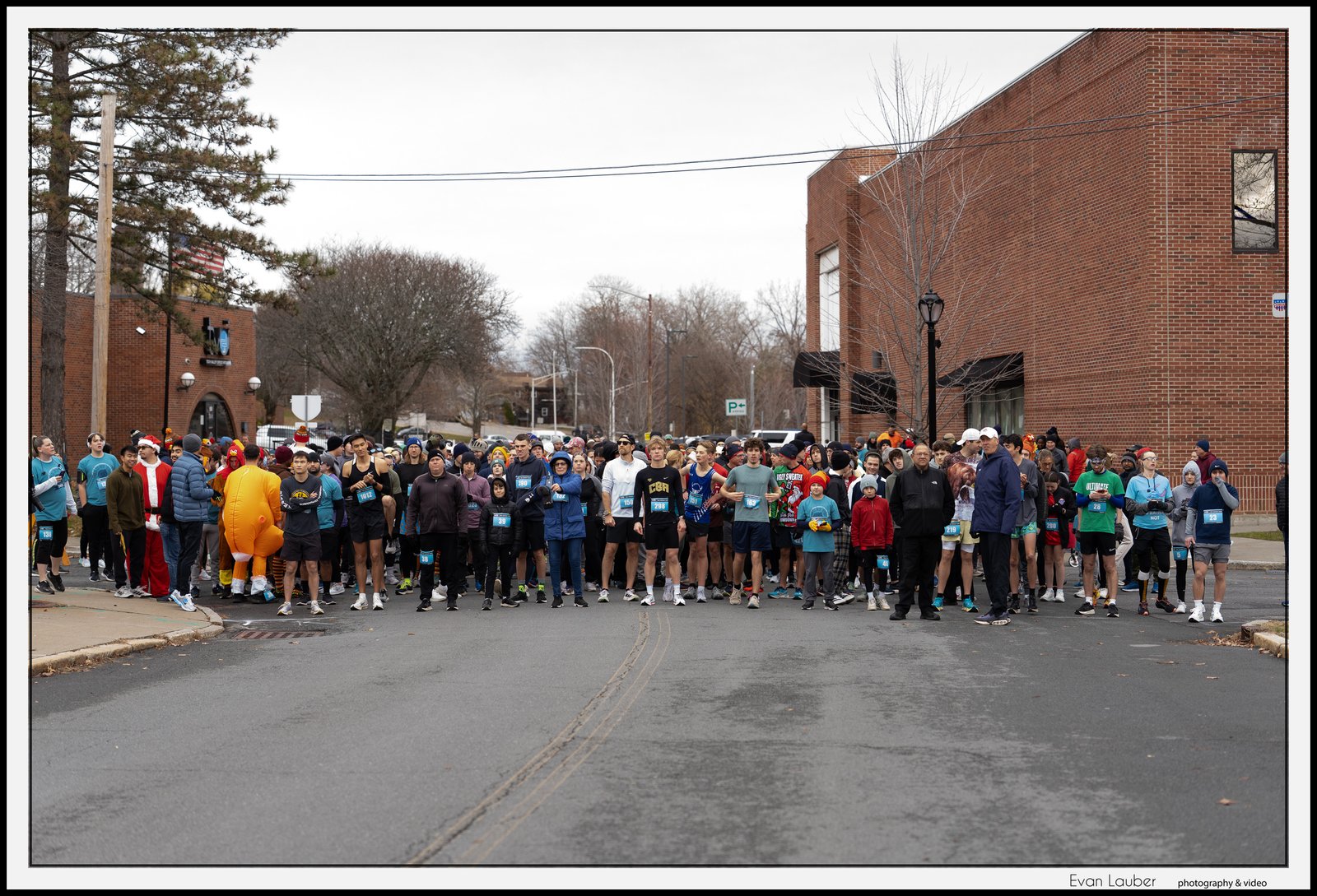
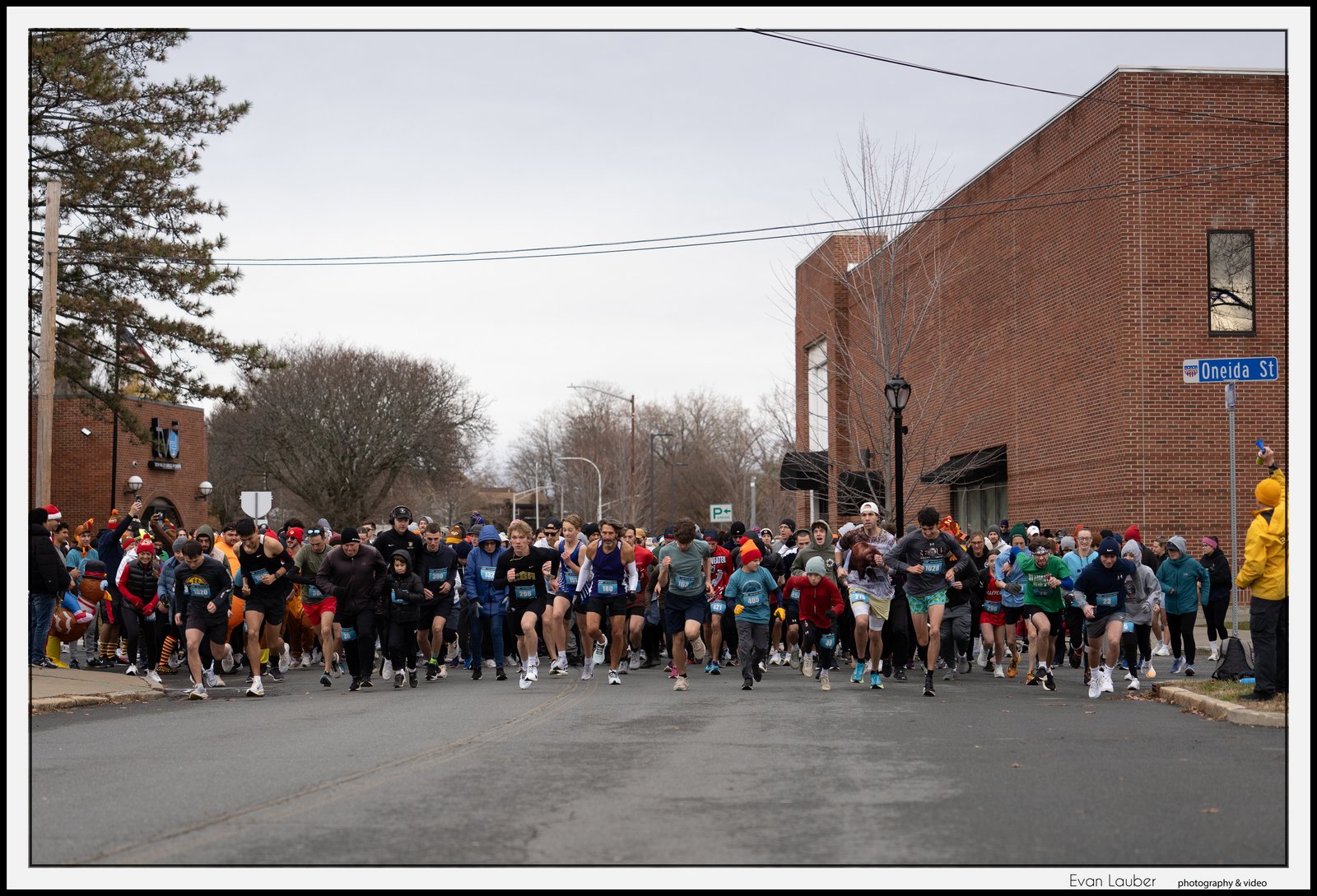
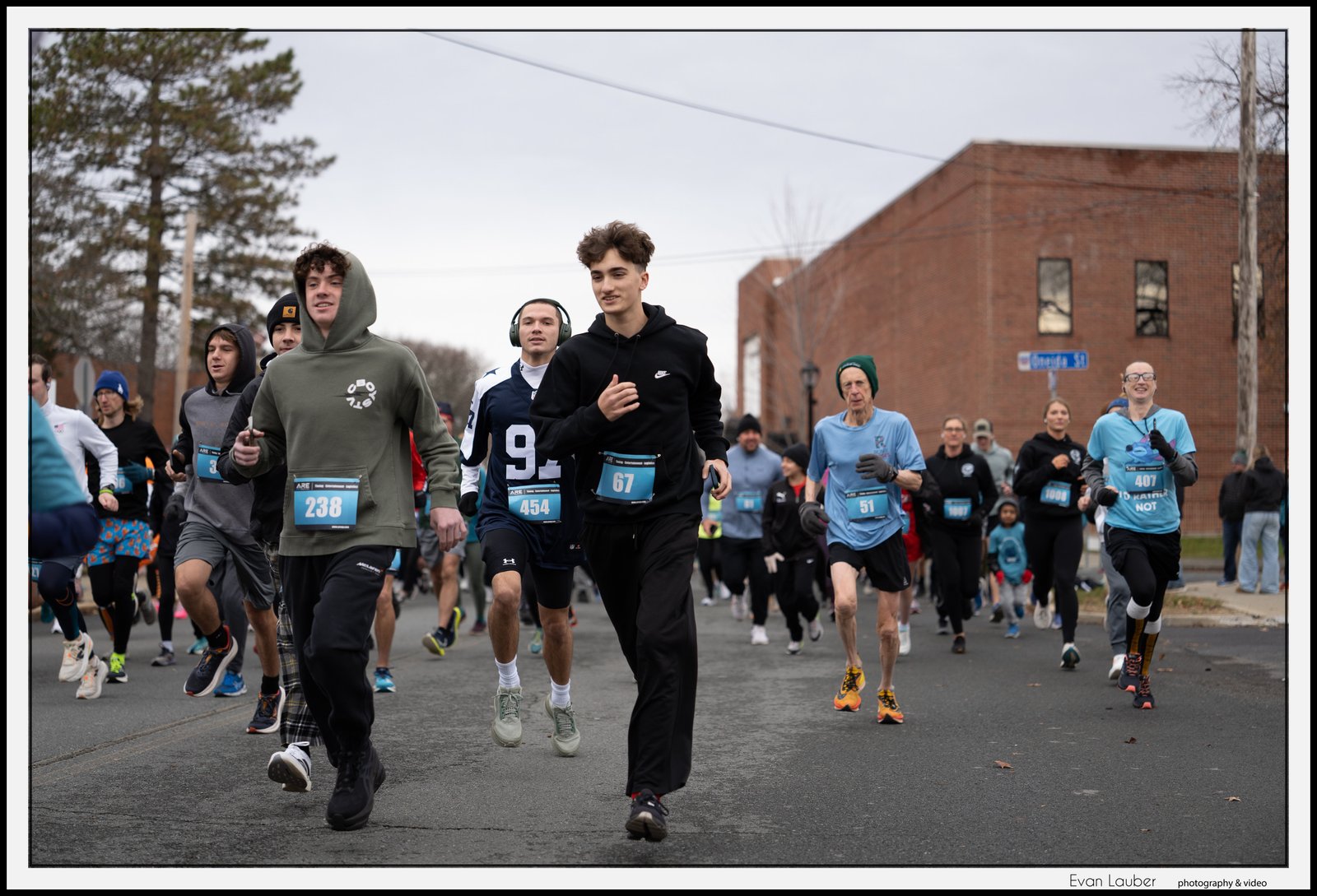
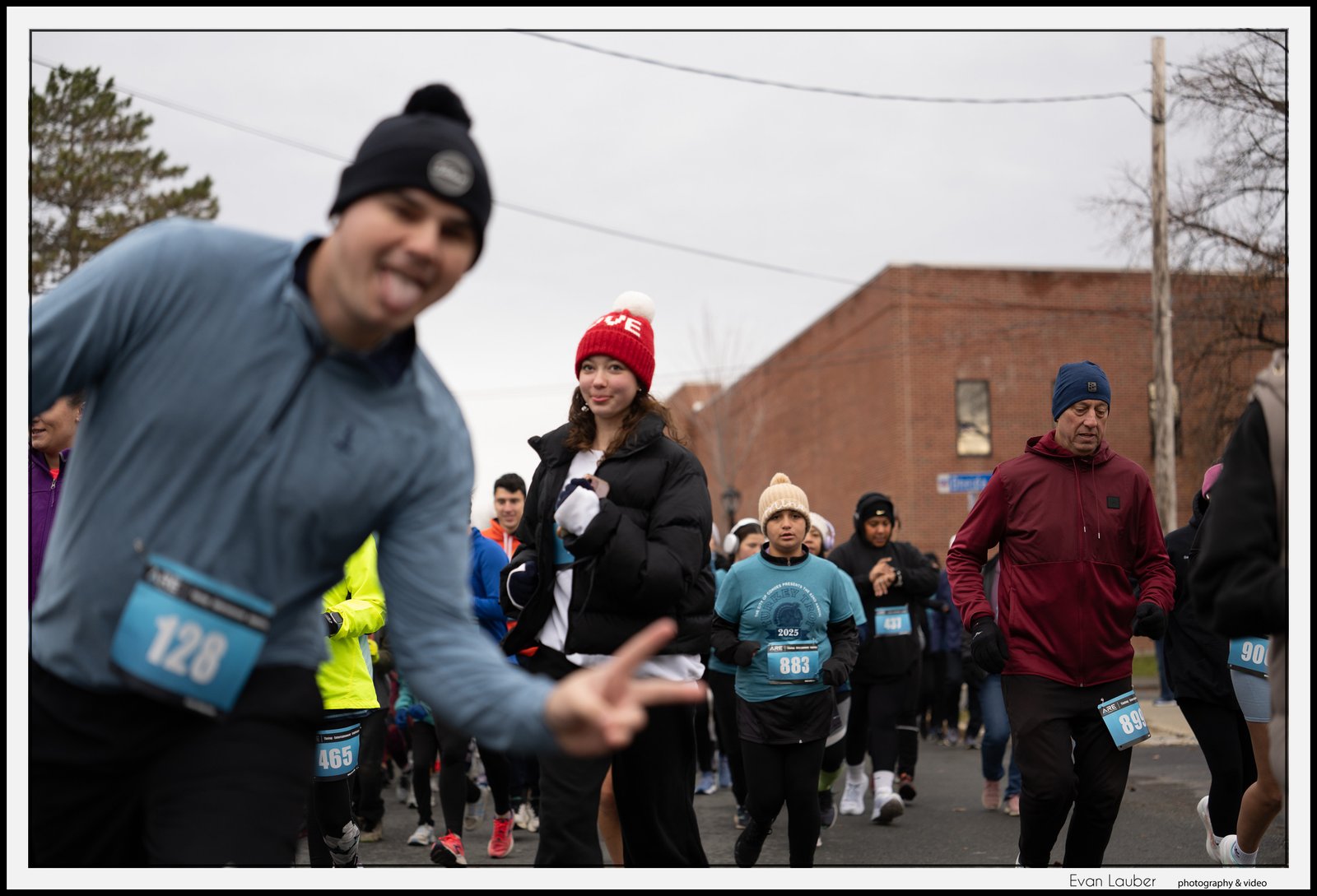
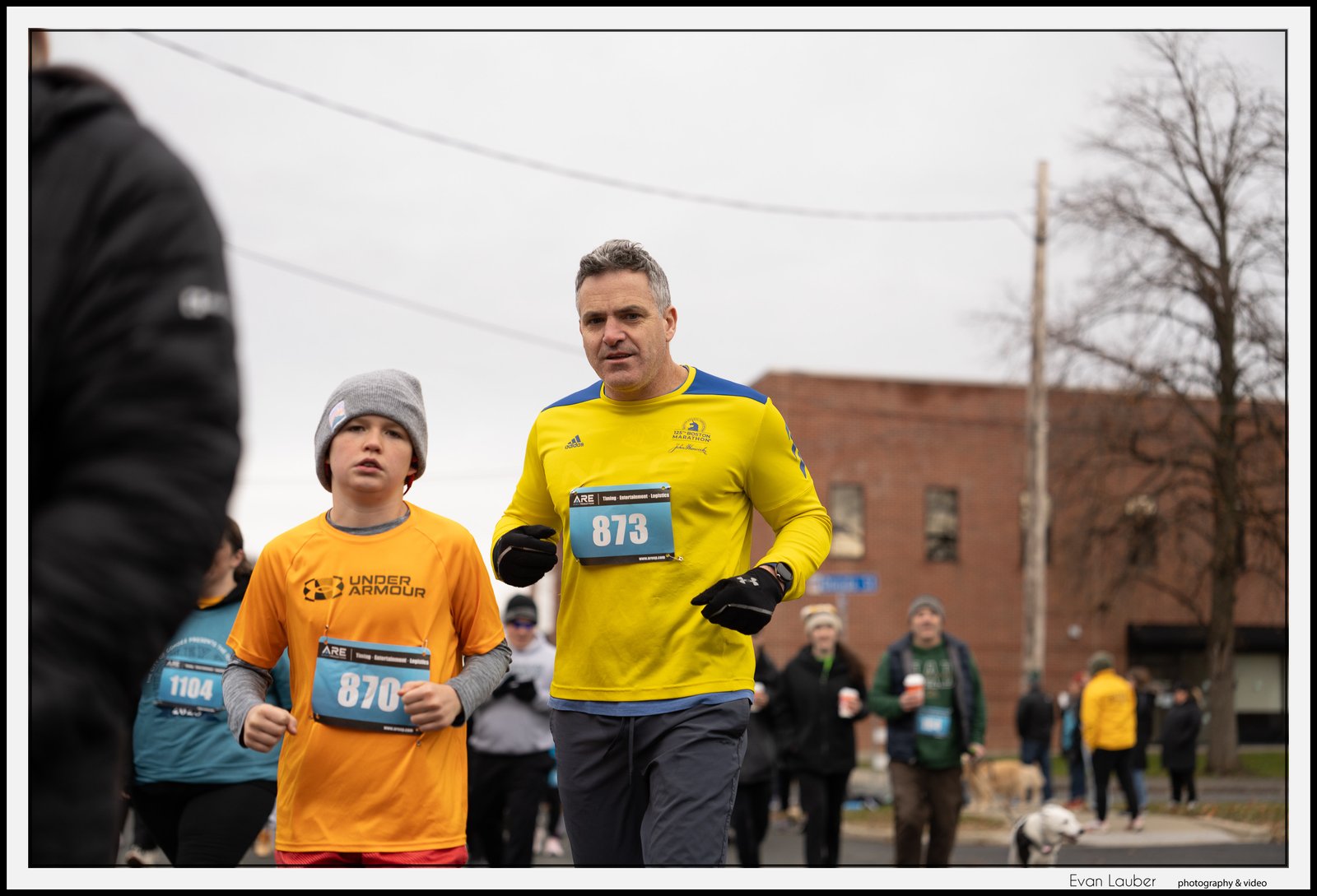
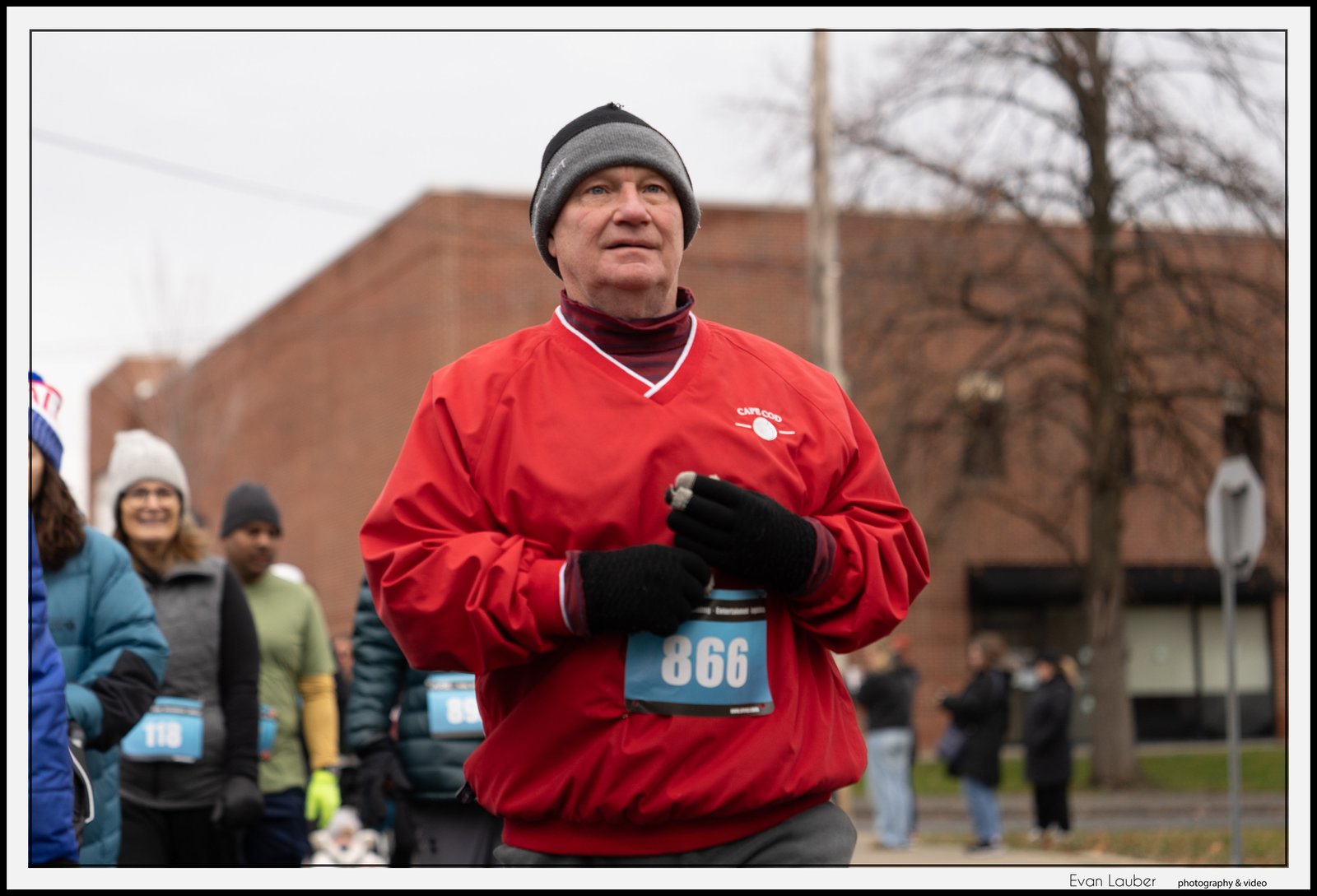
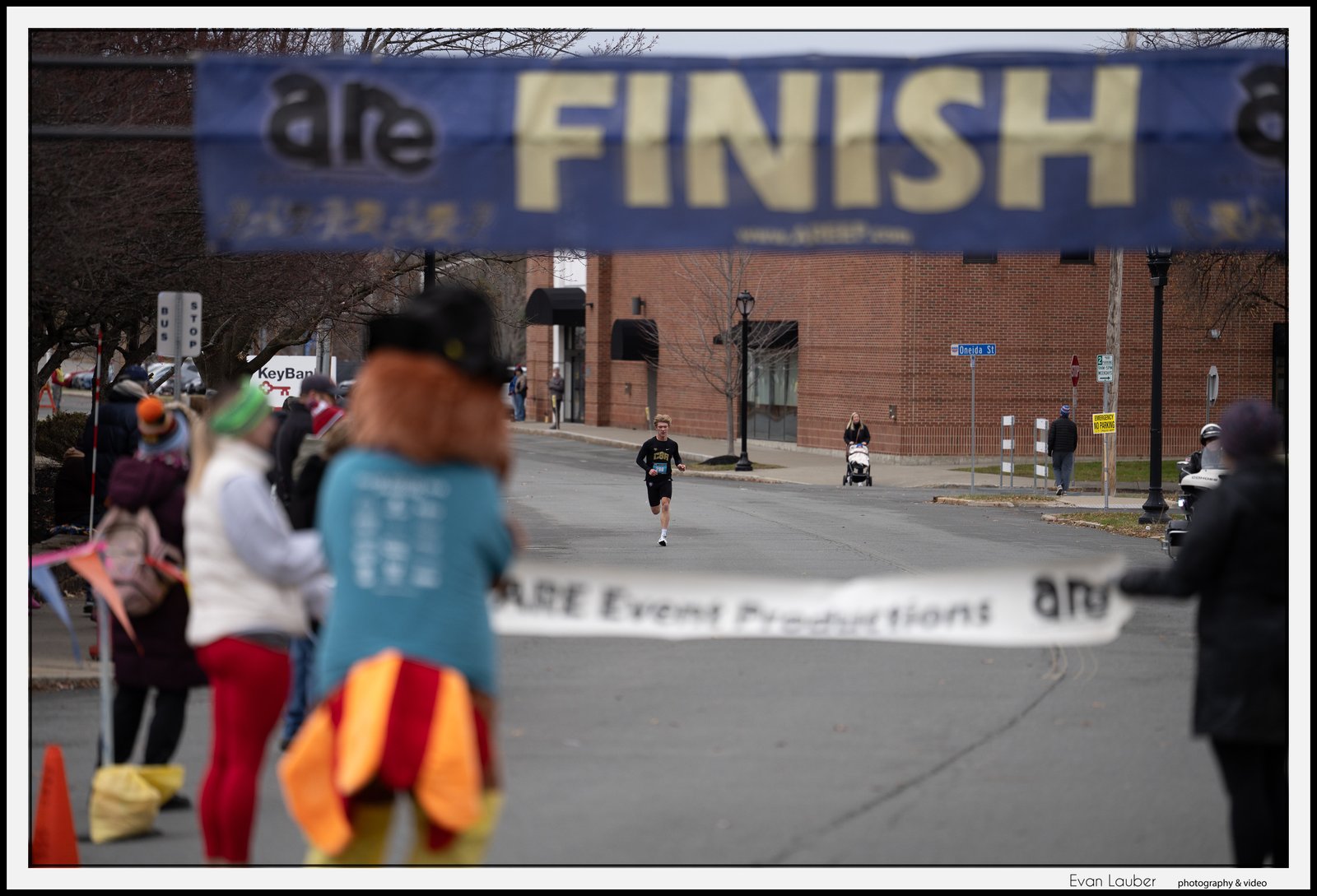
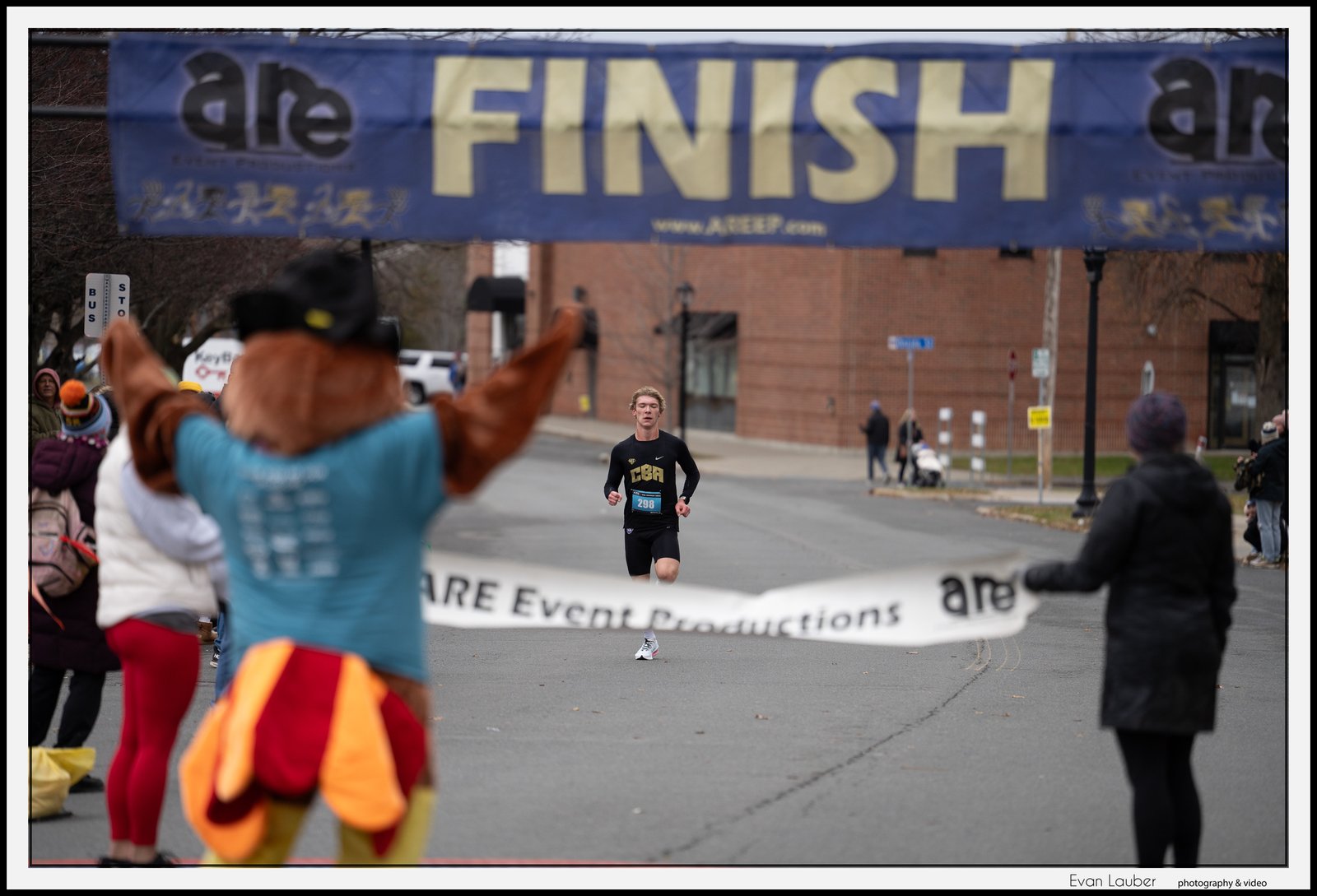
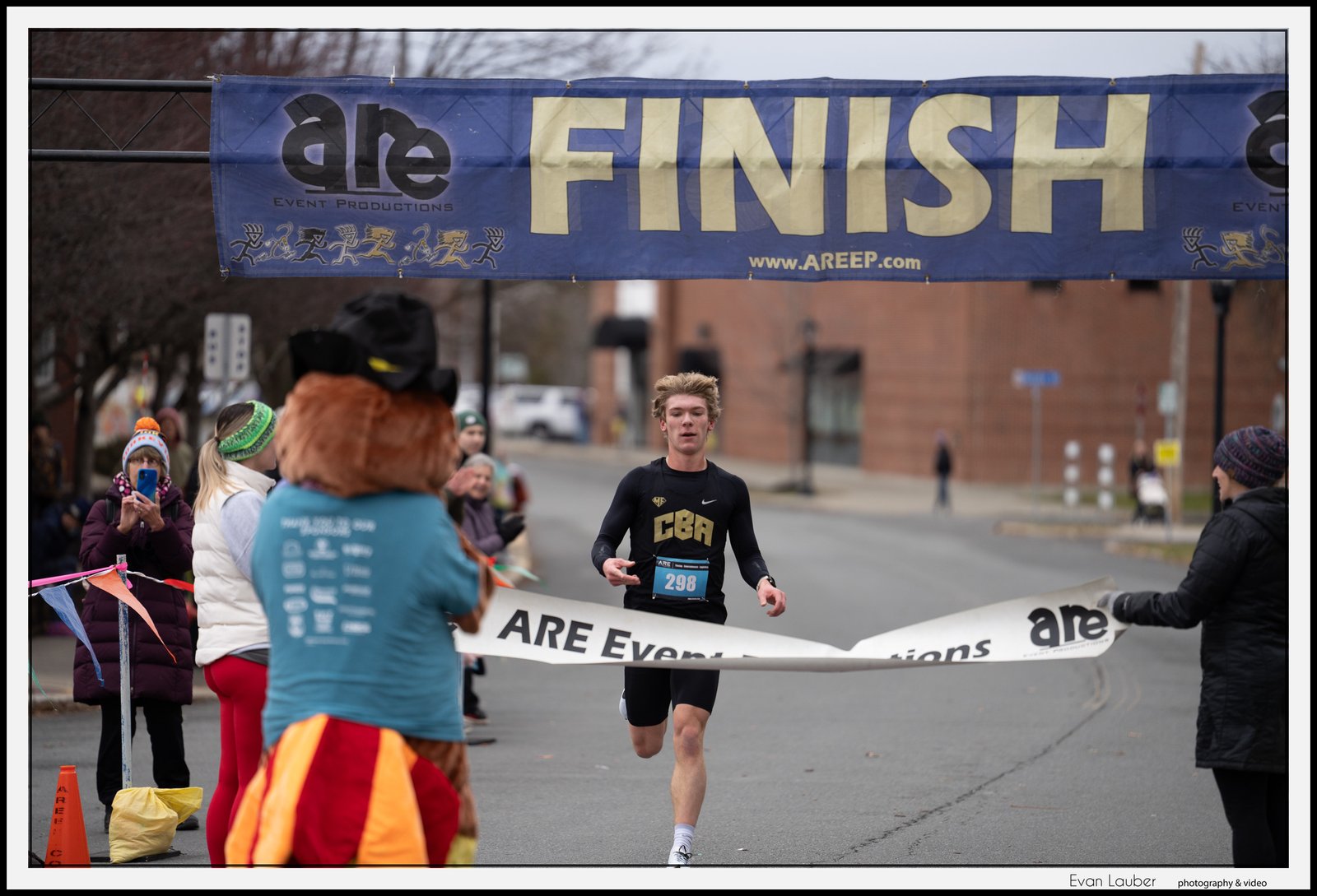
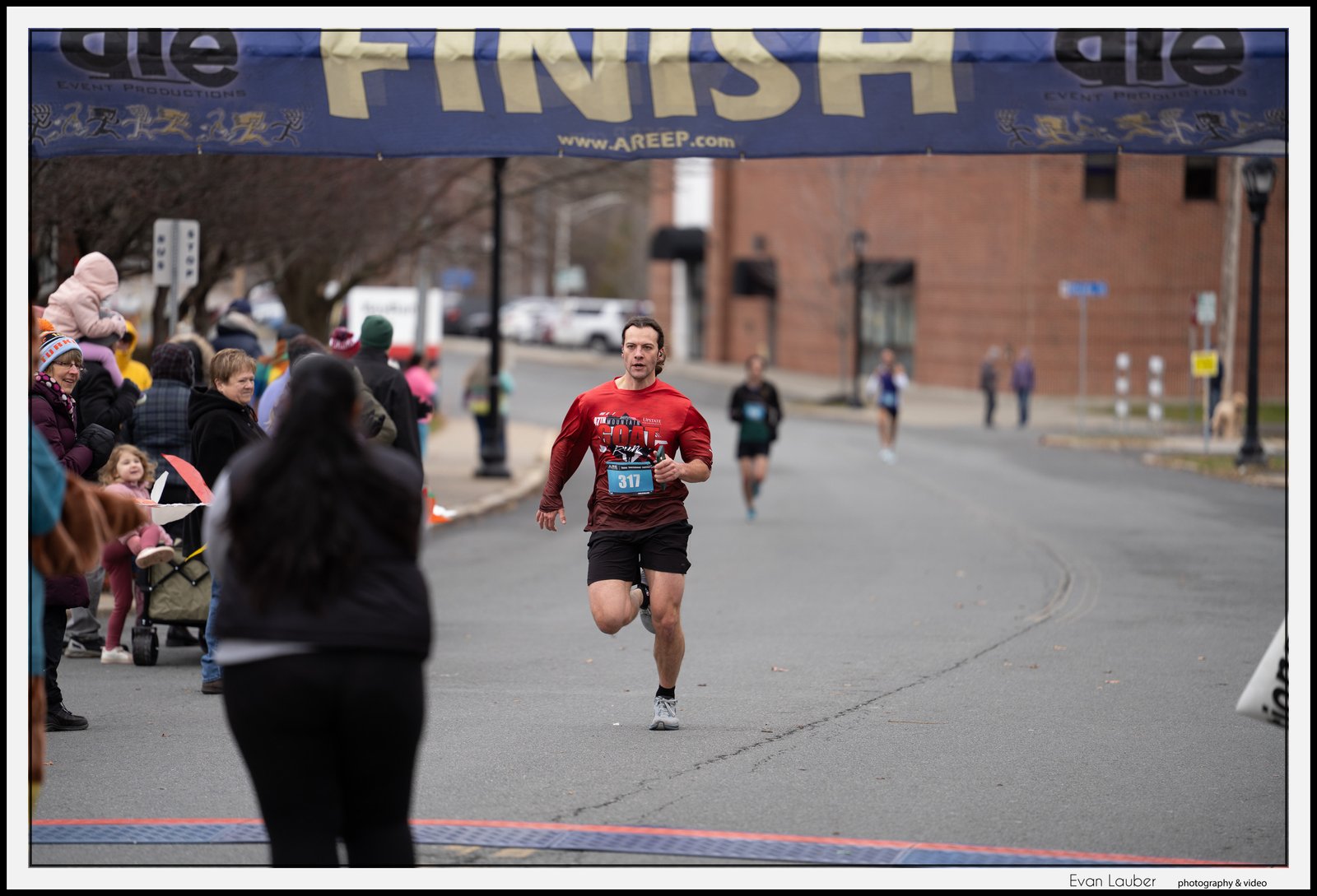
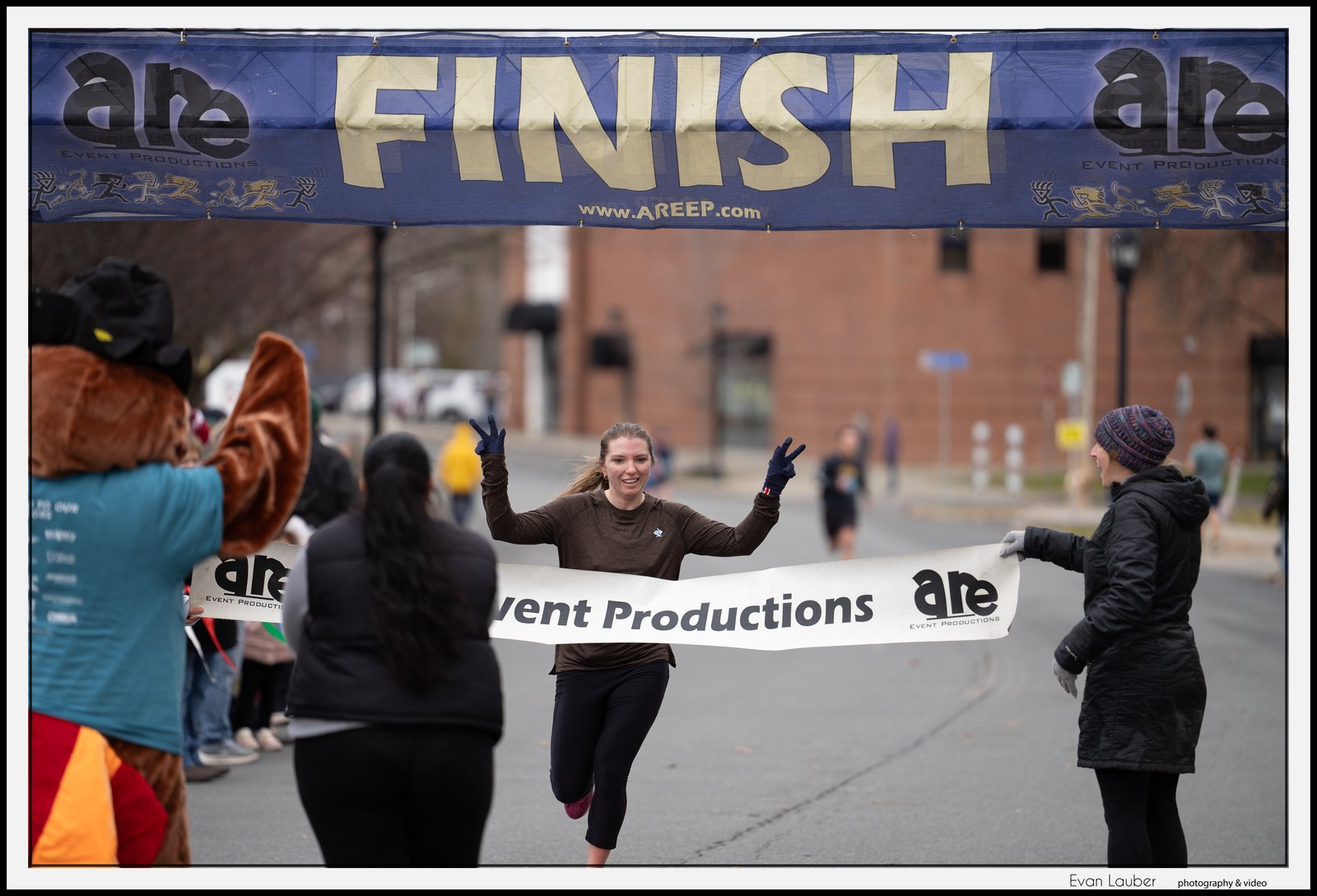
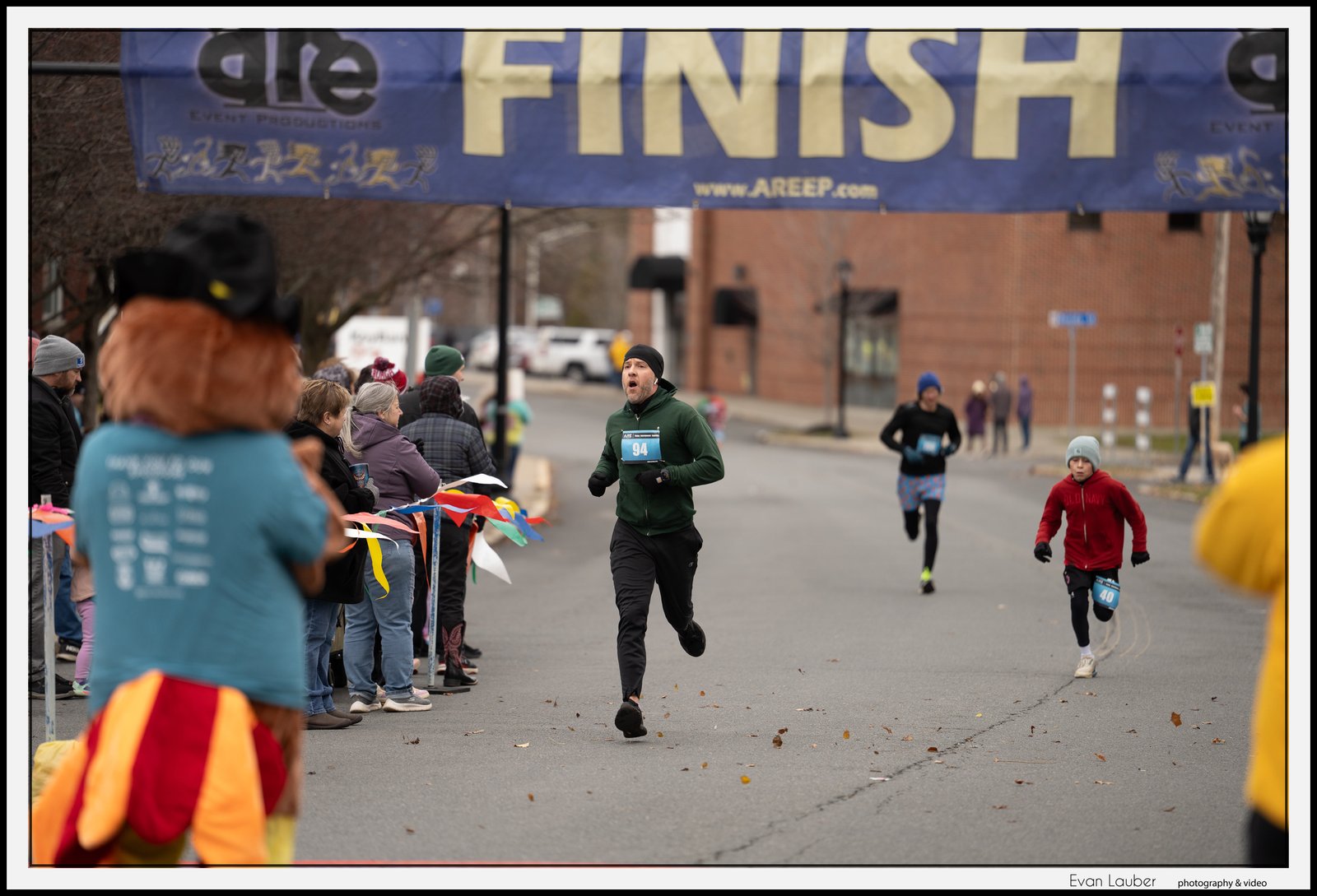
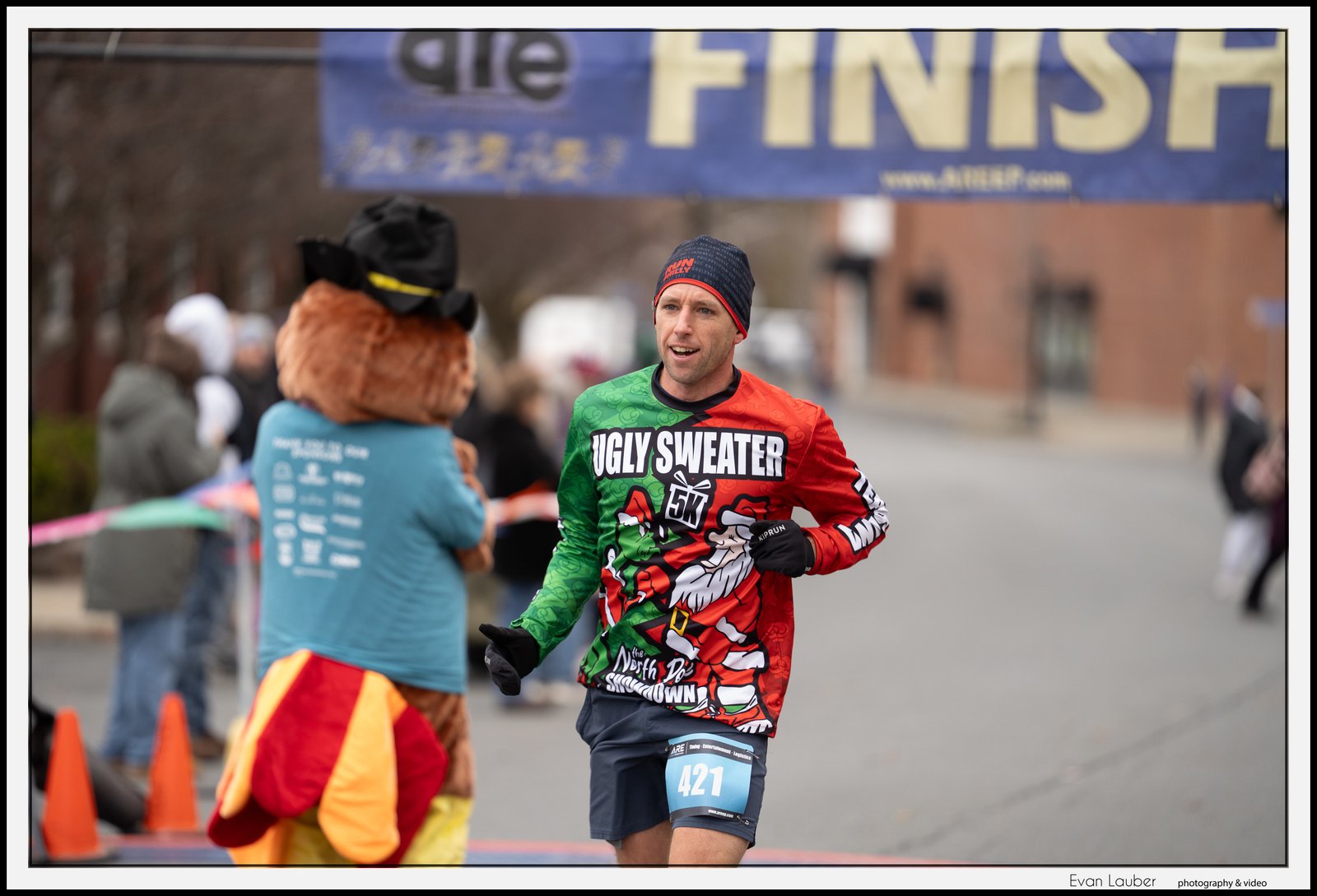
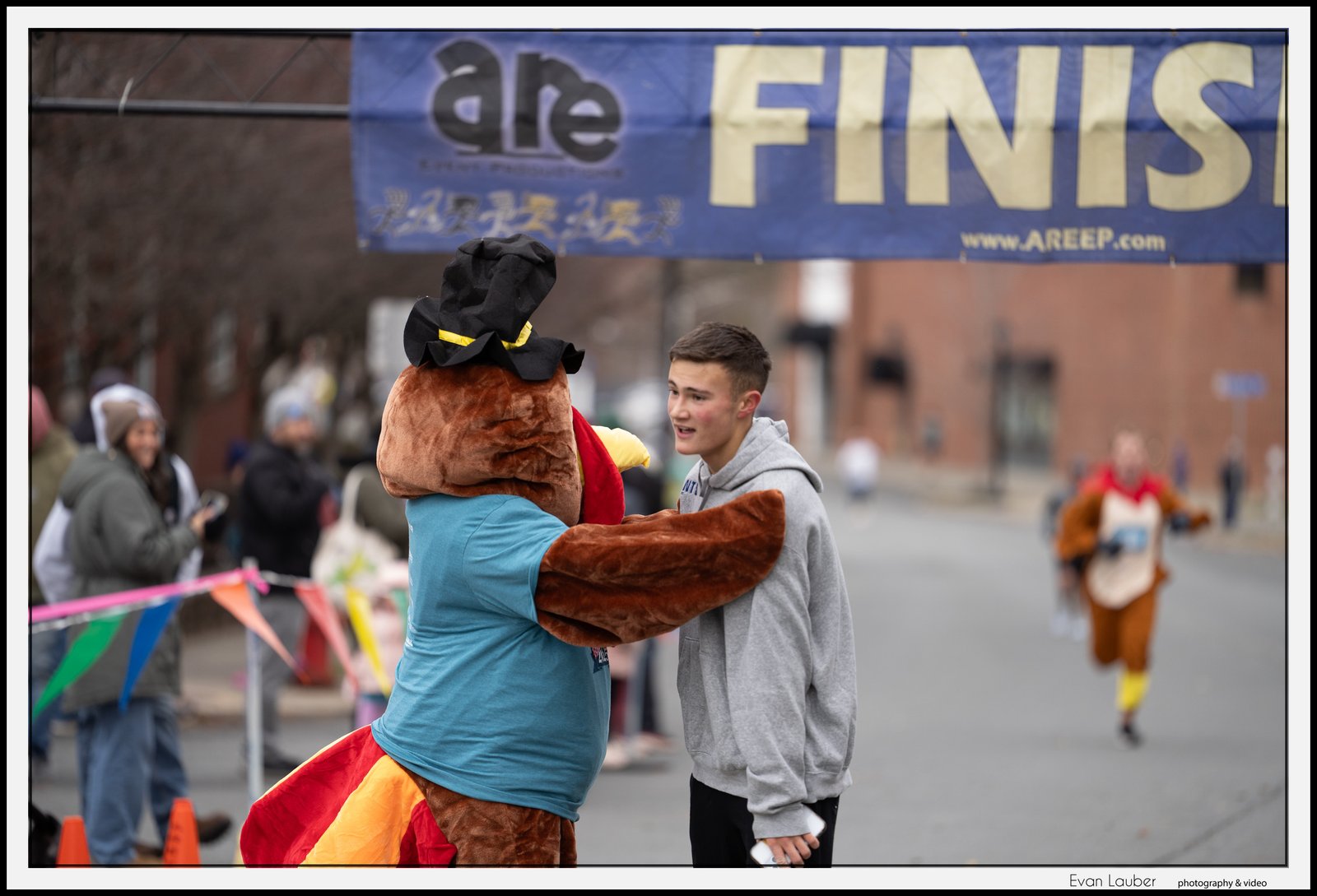
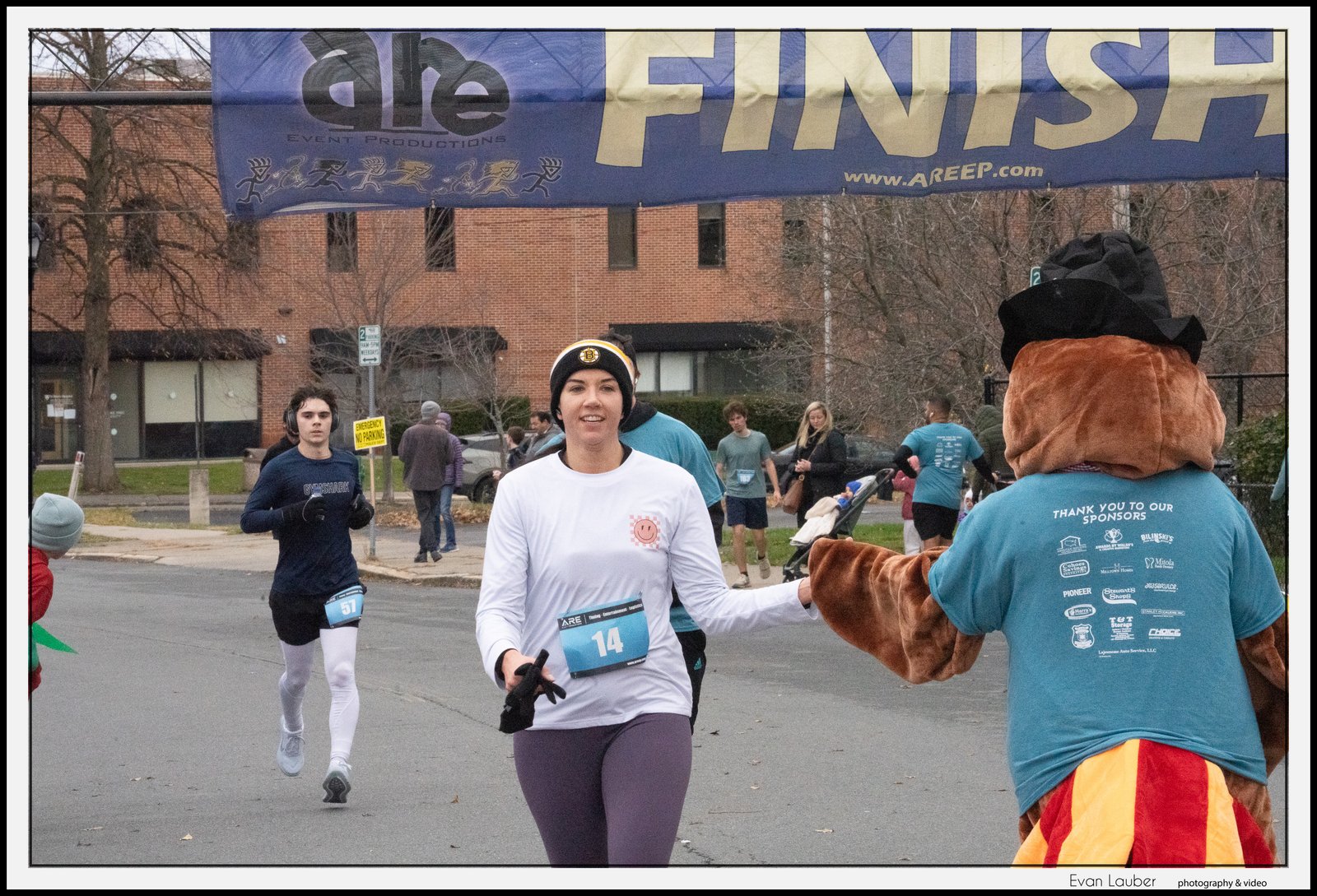
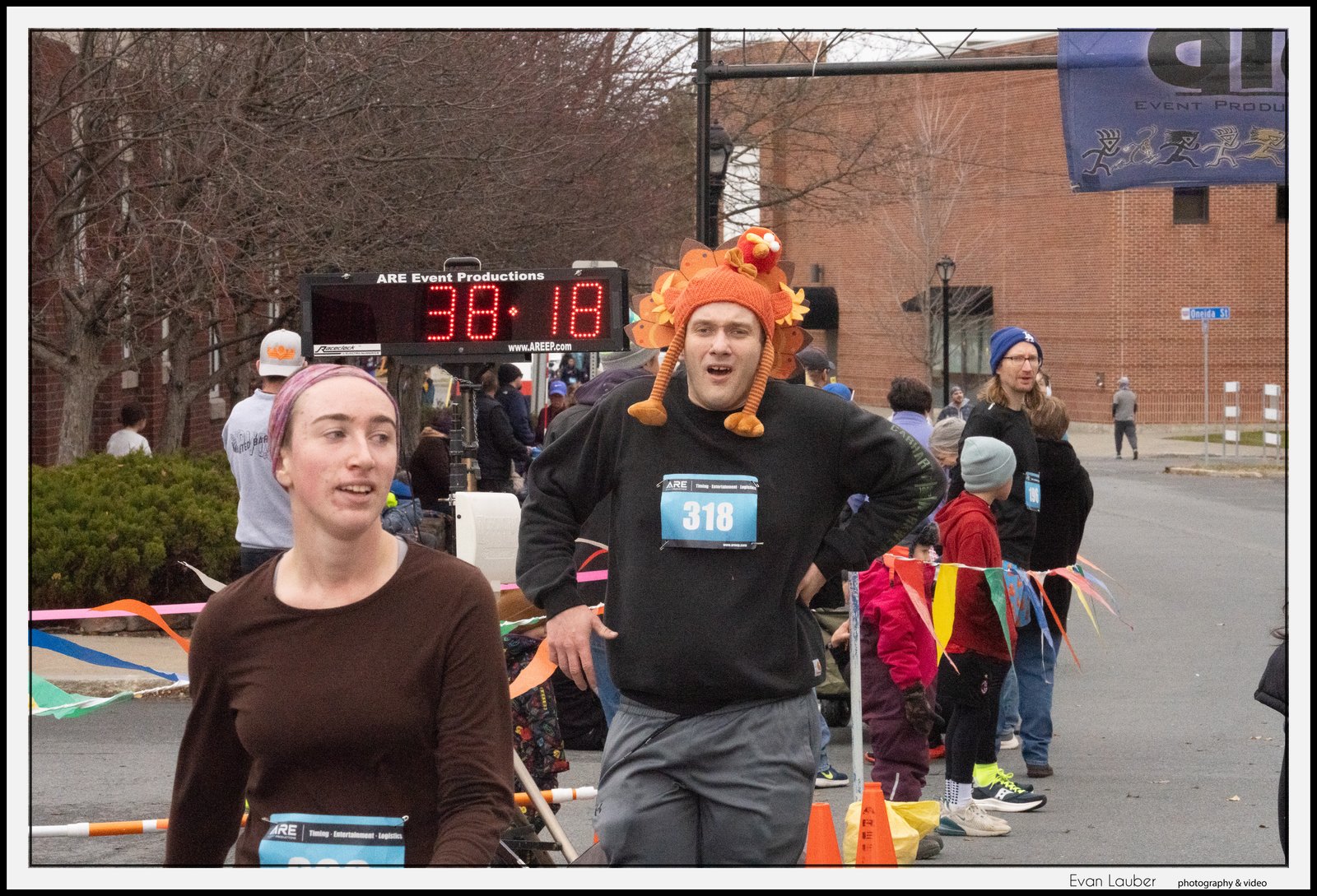
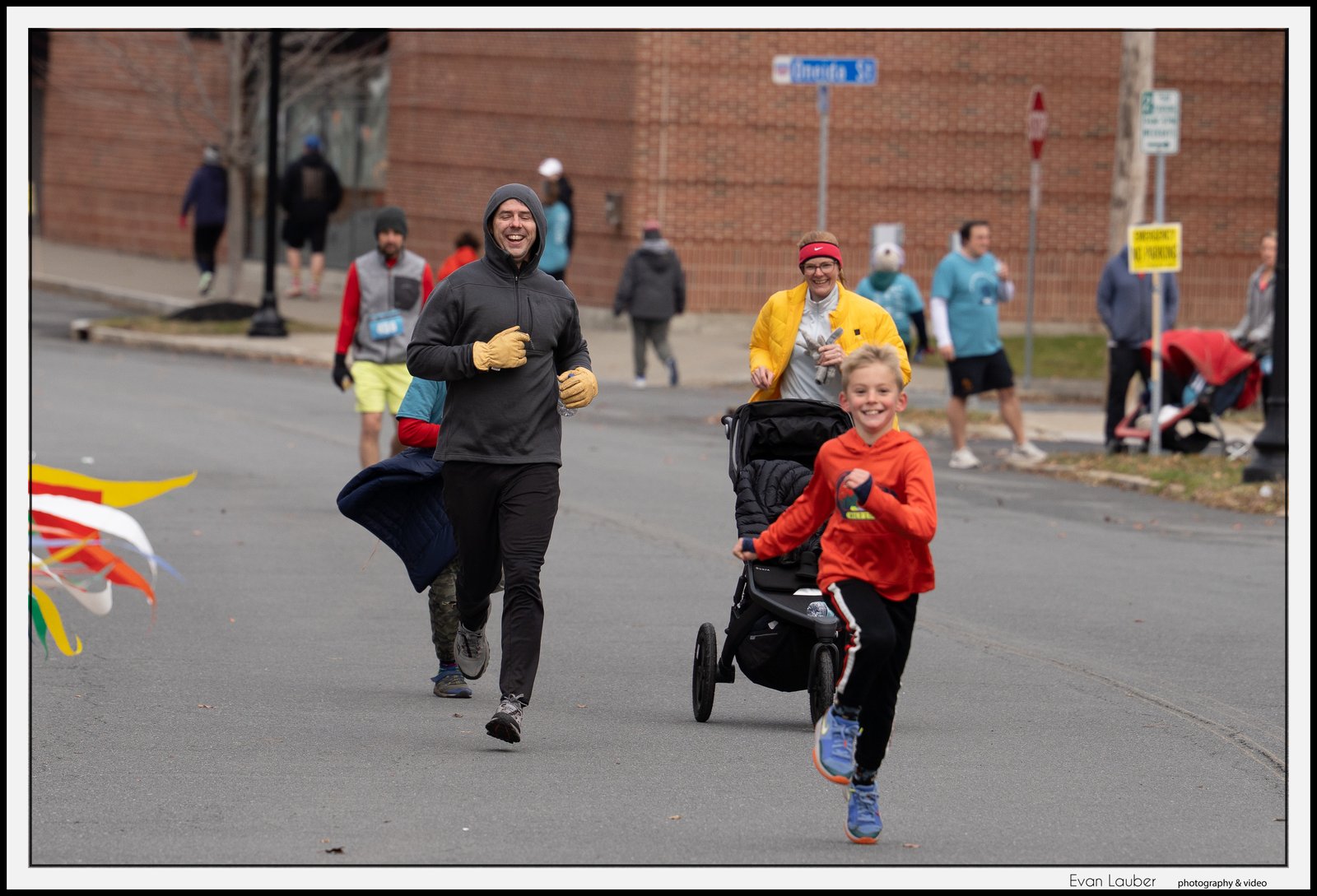
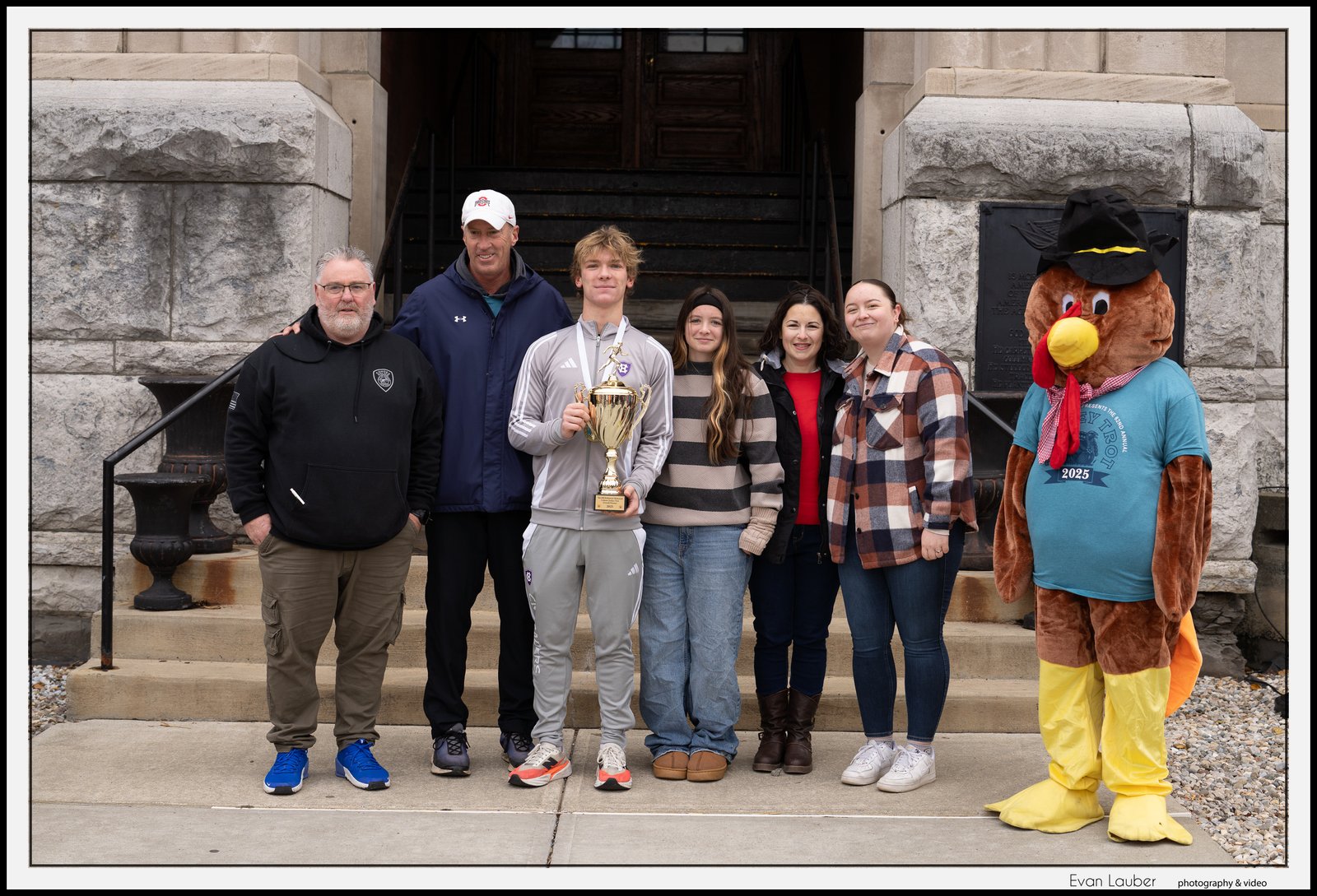
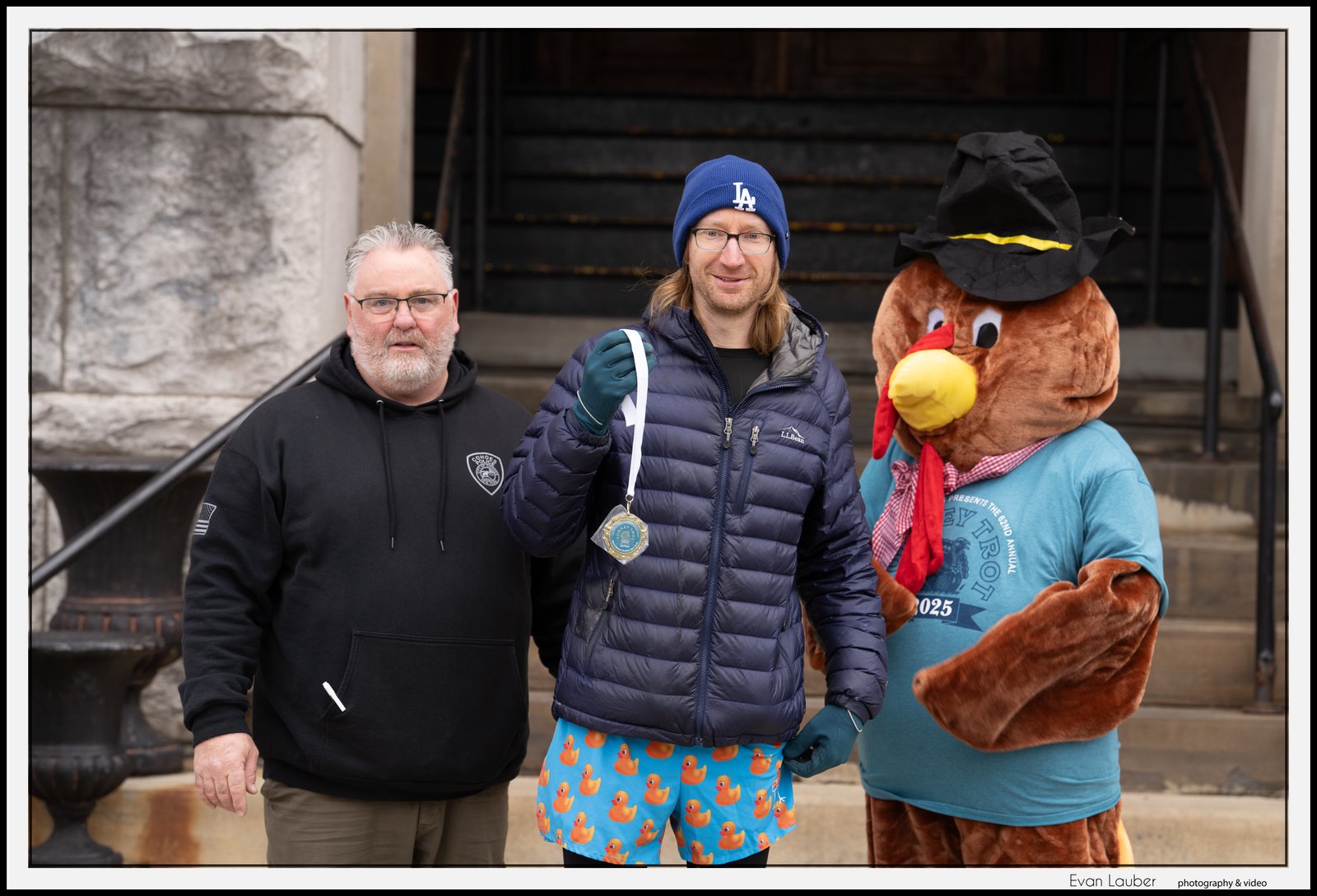
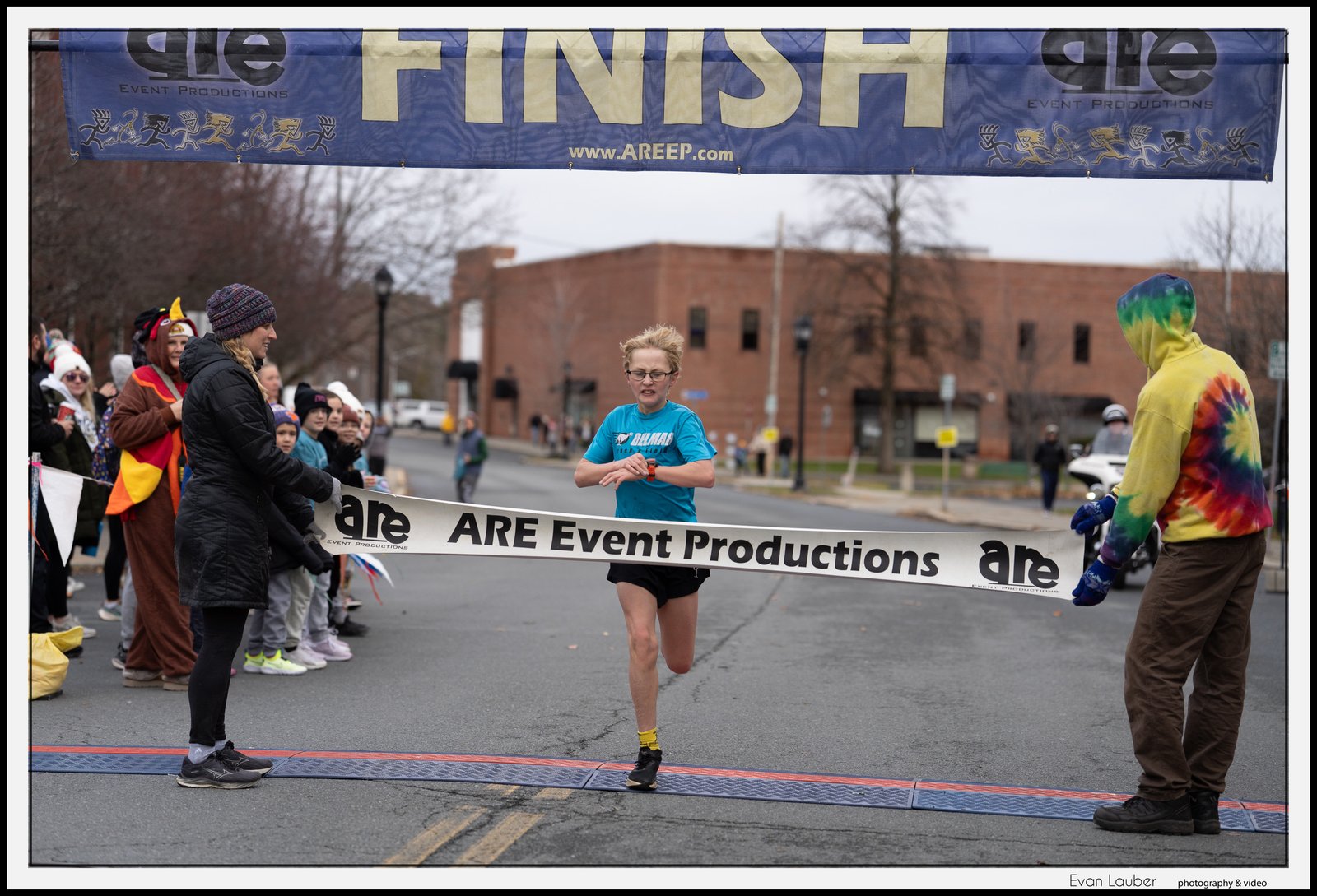
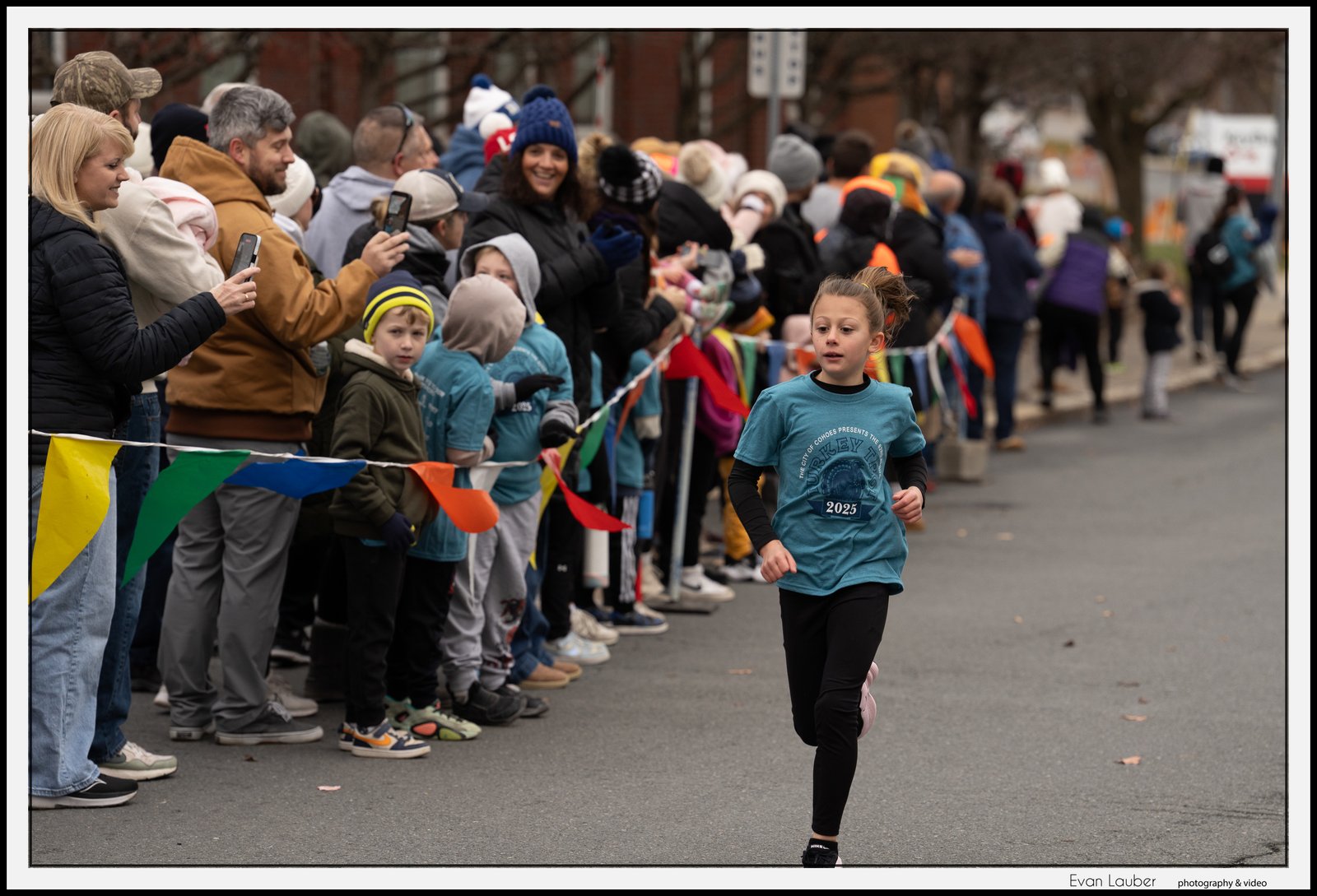
Cohoes hosted its 62nd Annual Turkey Trot on November 27, 2025.


Photography by Evan Lauber.

More from Evan Lauber here …

The King – The Weird Side of the Internet

0

The King – The Weird Side of the Internet – by Liam Sweeny.

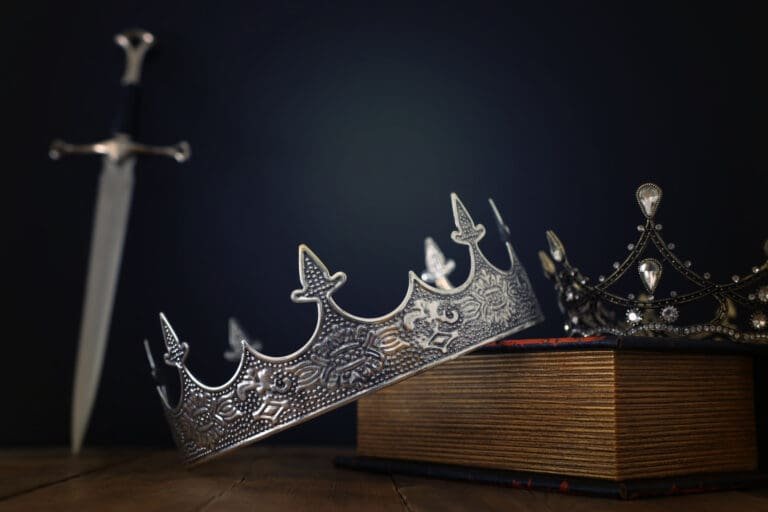
Not too many years ago, there was a dark horse. It was a disturbance that, ironically, fed a pop culture niche, a joke known to all but told to none. This anomaly was Burger King’s “The King.”

The King cared about you. But being on your bed in the morning to deliver you a breakfast sandwich as you woke was a little too far. He kind of felt like a guy who is always there for you, but then it downs on you that it’s because he’s always therebecause cameras are cheap these days, and small as salt. This is who the king was.

In a way, “The King” is the gleaming mockery of an eldritch god. He showed us our insignificance, his overbearing presence, his offer of salvation. The terrible cost.

So they offed the king in 2011, and they said, in part, that children tested negatively. He scared them. Now you may launch into a standard screed of kids needing to be tougher, but what was BK going to do? Kids nag mom, who nags a cashier for a spicy chicken sandwich and a paper hat.

But yeah, kids gotta be tough. I swear that 100 percent of the people that will still be here five years after the apocalypse liked “The King” when they were kids. Those are the Spartans.

Burger King’s chief marketing officer Joel Yashinsky explained the decision to banish “The King.”: “At our heart and soul, we were always a family brand. So you will see that in the work we do, from advertising, from social media — a brand that’s welcoming and fun, but not at anyone’s expense.”

I really hope that a cult grows up around The King. Like those clowns were appearing places right around the pandemic, we could have kings popping up with random whoppers,.

Does “The King” have diplomatic immunity?


More from Liam Sweeny…

Kate Taylor (cont.) – An Xperience Interview

0

Kate Taylor (cont.) – An Xperience Interview – by Liam Sweeny.

Last month, I spoke with Kate Taylor, “Sister Kate,” singer-songwriter and sister to James Taylor. We established that she is a power in her own right, and we are delighted to present to you the continuation of our conversation. She played Caffe Lena in Saratoga on November 1st.

RRX: One thing I noticed, a lot of times when you have a singer-songwriter, you love the singer. You love their music, you love their voice, and the band kind of just hangs and supports. You don’t always think of the band when you think of a singer-songwriter. But what I noticed when I listened to “Sister Kate” and also with “Why Wait!” – your voice, you are the strength of the band; that’s on you. But it’s almost like they’re identical and equal, you’re so good, and the band is so good as well. Your voice fits right in that pocket, where I don’t see that a lot with other singer-songwriters because there’s so much focus on them. How did you get that kind of a band? Like, you and that band sounded amazing. Did you approach it like a singer songwriter, or did you approach it like a band?

KT: That’s a good question, and I don’t really know whether I was thinking about anything like that. I was just so glad to be working with these amazing musicians. But I think perhaps this says more about Peter as a producer. He’s used these fellows a lot in his career as a record producer. He knows them very well and knows what to anticipate from them. And I think maybe that’s something that he’s able to do, bring the songs and the singers and the band to the same place. He knew what to tell them. He had an idea of what to ask of them for me. He’s a wonderful producer. He’s really good at listening. And he makes you feel comfortable. I think the players know him so well now (these particular players), but I think any players would know that he’s excellent at what he does. They have good faith in how he would put things all together. But thank you, that’s a nice thing to hear.

RRX: A lot of people don’t really understand what a producer does, but the way you just described it, yeah, that’s exactly what a producer does is bring all the elements together. And in the case of “Sister Kate” and “Why Wait!,” the elements just came together perfectly.

KT: Right, oh that’s so cool, yeah. Thank you.

RRX: OK, so I have another question. One of the things I noticed when I listened to “Sister Kate” … I’ve heard James before, obviously … the way you sing and the way he sings, there’s like this confident sound, like it’s very clear. There’s a directness and a confidence in both of your voices that sounds similar. So I have a feeling that it came from just you guys as a family. What would you say as far as the way you guys influence each other’s singing? Is that something that’s a musical influence, or is it more like moral support?

KT: Well, I think it’s definitely the moral support, and there’s a genetic component, you know, that perhaps is there. But we were also raised with the same types of music when growing up in Chapel Hill. Chapel Hill, North Carolina, was a university town in the South, and there were all these different types of music that came through. It was Appalachian and bluegrass and country and R&B, the blues, gospel, rock and roll, and we really got a good dose of all this stuff together. And I’m pretty sure we were all influenced by that. I know James has probably got other influences as well, and Livingston, too. And my other two brothers. Alex, who passed on, he was an amazing singer. I miss him. I just wish we could sing together again. He was a wonderful singer … And Huey is an amazing singer; he’s actually put out a recording. And now I’ve got my nephews. Sally, and my nephews, Ben and Isaac Taylor. They’re amazing. It’s wonderful, but people do say that there’s this thread of similarity between our vocal style.

RRX: I definitely noticed that, but like I said, I call it confidence; maybe somebody else would have called it something else. That’s just the first word that popped into my head.

KT: I love that. That’s a nice thing to consider, having confidence. I think we’re just in love with the music and the fun of it. It just feels good. I like to think of it as perhaps different facets of the same stone. We have all this upbringing together, and our mom was very interested in us having exposure to all different kinds of music. So she had some classical music she’d play, and she took us all to musicals on Broadway. We had music lessons if we wanted them. She would make it possible for us to have instruments if we wanted, if we were drawn to a certain instrument. But I tell you, James and Liv, they’re so masterful on the guitar. They really have a beat. I’m not sure what the word is, understanding or connection with the music, the theory and the different possibilities, so that you can know what a chord can do, what different chords can do for your music and to the lyrics you want to sing or the thing you want to present. I just feel very fortunate to have been raised up with these fellows who were so good at their music.

RRX: Home base for the Taylors is, these days, Martha’s Vineyard. And it has a thriving music scene. Is there anybody that’s playing out there right now worth listening to? Like are you going out there to check people out these days? Who looks good?

KT: Yes, I love it. There are so many great players here. I would go listen to Johnny Hoy and the Blue Fish anytime. Johnny Hoy is an amazing singer, and he’s got a wonderful band, and he plays. You can’t sit still when they’re playing. It’s just so much fun. And Jemima James is one of my favorite singer-songwriters, and her son, Willy Mason, amazing songwriter. There’s a lot of people, and everybody sort of shares that. They play in each other’s bands, and it’s really a family. It really feels like a family.


More from Liam Sweeny…