Home Blog Page 132

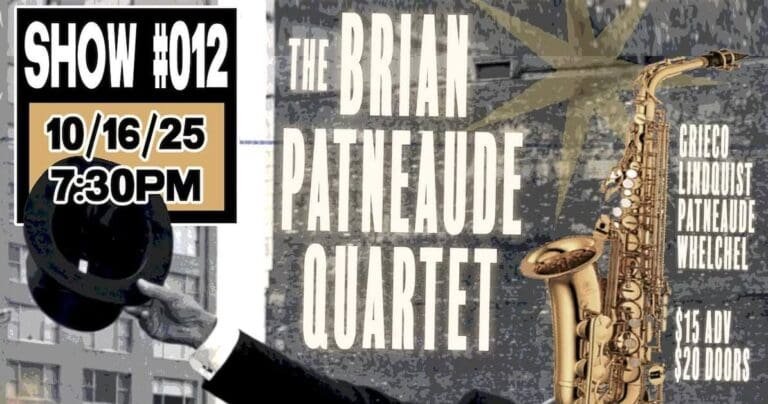
The Brian Patneaude Quartet: Brilliance in Motion

0

By BradQuan Copeland.

On the third Thursday of the month, I parked my car and pressed my way through the brisk autumn wind of a hushed, dusky evening to the Stella Pasta Bar and Bistro, where the Brian Patneaude Quartet was set to take the stage at the adjoining Van Dyck Music Club. I couldn’t help but admire the building upon first sight: a 19th-century Federal-style brick structure with a hint of Victorian influence. Resting at the weathered roof’s tip lay lush emerald climbing ivy—the cherry atop a romantic sundae, further adorned by sprinkles of iron-walled lanterns. 

I entered a relic and was met with the saturation of clamored chatter amid an atmosphere of elegance. Dark, richly toned mahogany took residence throughout the dining hall. Surrounding me were impeccably polished pillars, dim lighting fashioned by the glow of a chandelier, and along the bar’s interior wall shelves sat portraits radiating a modern-expressionist allure. 

Once 6:30 p.m. hit, showgoers began to line up and make their way up the black staircase lined with a gold-diamond-motif carpet into the Van Dyck Music Club room. Laid out like a private bar and restaurant, the space exuded exclusivity. I took my seat at a black wooden table as acclaimed saxophonist Sarah Hanahan played through the mounted speakers, setting the tone for the night. 

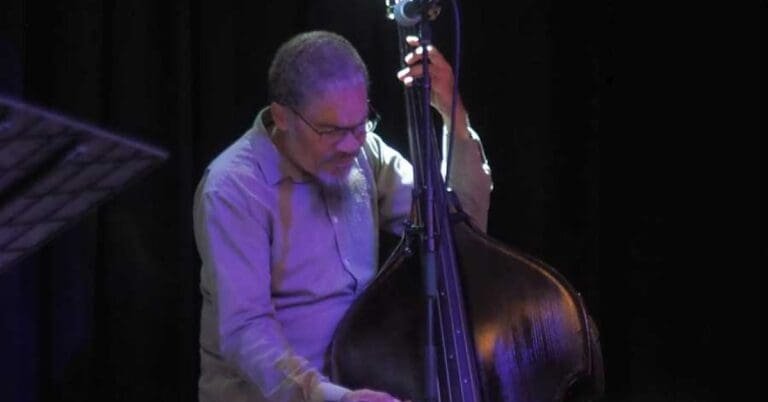
I ordered a pasta dish and made light conversation as time dwindled with graceful haste. Suddenly, it was seven minutes to showtime, and the bassist made his way onto the stage to tune his axe. Bearing Nikki Sixx–tinted glossy black hair, he swiftly yet confidently set himself for the night as the others made their way onstage. 

The quartet was draped in sleek, minimalist chic. Their blacked-out attire radiated pure vigor, with no need for flair, matching the laid-back sophistication of the bohemian crowd. They began smoothly, introduced by their personable and wholesome saxophonist and bandleader, Brian Patneaude. Alongside him were bassist Jarod Grieco, drummer Danny Whelchel, and pianist Rob Lindquist—who, interestingly enough, once served as my music teacher at Myers Middle School some years ago. 

Their opening set draped the room in a contemporary hue of urban limelight. I couldn’t help but envision brownstone buildings on a sunny afternoon, leaves trickling from above as pedestrians wrapped in light coats treaded the pavement with cups of warmth in hand. This was a dope night. 

They only raised the bar as the mood shifted to that of light rainfall—the kind where you sit at home on your sofa, wide blinds half-drawn, admiring the natural glow of daylight through the window as droplets race downward, merging into larger beads before falling into restless puddles. These guys were in a flow state: furrowed brows, feet tapping, heads nodding, and the gentle silence of dancing lips melting into proud smiles as the crowd applauded. Entranced in tunnel vision, I noticed nothing in my surrounding sight—only the presence of the forward light of brilliance in motion. 

The presence of soul was hefty as they blessed the crowd with a lulled angst that stirred an undeniable hunger for more. Each piece told a story—a modern classic of family and societal struggle unfolding in real time, slowly unveiling the vitality that breathes within its timeless frame. The unison of the quartet felt undeniably familial, with three of the four having known each other for over twenty years and the bassist once a student of the saxophonist. 

Following the show’s completion, the lively pulse of communal warmth bloomed with full force. Band members were congratulated by a heartily fed and pleasantly buzzed crowd of admirers, as well as their families. Before heading out, I got the opportunity to interview my former teacher, pianist Rob Lindquist, for some further insight. 


Interview with Rob Lindquist 

RRX: When I saw the flyer for tonight’s show, I noticed your name and instantly remembered you as my teacher during my middle school days. It made me curious about the evolution of your craft. Do you feel that same fire you passed and still continue to pass on to your students, or has the passion taken on a new form for you? 

RL: Hmm … a passion for playing, you’re talking about? 

RRX: Yes sir. 

RL: Absolutely. No, I think it’s grown. It’s maybe changed over the years, and it’s become—I guess it’s matured as I’ve matured. So, different things drive me now. Maybe I wanted to do one specific type of thing back then, and now I try to branch out into other styles of music. I started out more with jazz, and now I’m getting into more funk-related stuff, more Latin influences—different things in the music. 

RRX: I love that. 

RL: Yeah, gospel too—a lot of different music. I think I listen to a lot more music than I used to. 

RRX: So it’s expanded your range? 

RL: Yeah, it’s kind of expanded it. By getting into other styles, it keeps the interest going. It keeps the passion alive. 

RRX: Absolutely. They say jazz lives between control and chaos—what does that space feel like when you’re inside it, your fingers gliding across the keys as you shape sound in real time?

RL: Yeah, so it’s very freeform. Kind of like speaking—you don’t have to prepare what you’re going to say; you just say what you’re thinking at the moment. So, it’s a matter of trusting yourself and letting go at the same time. Trusting right now, and then trying to, to some extent, forget—you know, just play. Not think, “I’m gonna do this here, I’m gonna play these exact notes.” You just kind of enter a place where you let go, feel connected to the people around you, and try to create something nice. 

RRX: Given your years of teaching music, along with your present ability to perform it in such an elevated yet intimate way, how do you think the act of teaching has shaped the way you play? 

RL: I like that—“the act of teaching.” Being an active teacher, how does that affect my music outside of school? So, I guess … there are certain ways of learning. With different students, students learn in different ways. It’s all about breaking things down. For kids, sometimes I have to break things down a certain way for them to get it. And for myself, I’ve learned how to maybe practice a little bit better because I understand—okay, I’m actually a lot like some of these kids. I can’t understand something unless I approach it a certain way. So how can I slow down what I’m doing? I think teaching strengthens what’s important about what I need to learn: rhythm, slowing down, not rushing through things. That’s also helped me in my own playing—focusing on good rhythm, good pitch, good feel, and being aware of it through active listening. I actively listen to kids play, and that awareness translates back into my own musicianship. 

RRX: I love it. My next question—what does a night like this mean to you? Performing in a space like the Van Dyck, surrounded by your hometown crowd and your family? 

RL: It’s great. I mean, I used to play here occasionally. I’ve seen a lot of shows here—a lot of famous people have come through. So whenever I get a chance to play here, whether it’s a jam session or a full gig, it’s always an honor. This is a legendary place. A lot of great musicians have played here and enjoyed playing here. It’s an honor to play here, and it’s great to see the place up and running again, doing the music, and supporting the local scene. 

RRX: Rock and roll! And my final question: if jazz could speak in words instead of notes, what story do you think tonight’s set is trying to tell? 

RL: Oh, that’s interesting. I guess you’d have to talk to Brian about his music—it’s all his compositions. But it seems to be based on his life experiences, his family. Each song has its own kind of personal message for him. It’s nice to see, and nice to be a part of helping bring his vision to life. 

RRX: Understood, man. I really appreciate you. 

RL: Yeah, dude—come on out again!

RRX: Will do! And you’ll be here with your own band when?

RL: The third week of December. It’s the third Thursday we’re doing. 

RRX: Nice. Yeah man, I’m looking forward to it. If I can, I’ll definitely swing by again—I’ll bring some guys along with me! 

RL: Yeah, yeah—absolutely. It’ll be great! It was nice talking with you, man.
Jukebox – Music News Cuts – 10/25

0

Jukebox.

Foo Fighters

Foo Fighters is launching a stadium tour in 2026 with Queens of the Stone Age, and this news comes along with the release of a new song, “Asking for a Friend.” The tour will kick off in Toronto at Rogers Stadium, and will have large attendences at Fort Field in Detroit, Soldier field in Chicago, Allegient Stadium in Las Vegas and more. The band Mannequin Pussy will be playing specific dates.

Foo Fighters 2026 Stadium Tour Dates: 
08/04 – Toronto, ON @ Rogers Stadium ^+ [Buy Tickets]
08/06 – Detroit, MI @ Ford Field ^+ [Buy Tickets]
08/08 – Chicago, IL @ Soldier Field ^+ [Buy Tickets]
08/10 – Cleveland, OH @ Huntington Bank Field ^+ [Buy Tickets]
08/13 – Philadelphia, PA @ Lincoln Financial Field ^+
08/15 – Nashville, TN @ Nissan Stadium ^+ [Buy Tickets]
08/17 – Washington, DC @ Nationals Park ^+ [Buy Tickets]
09/12 – Fargo, ND @ Fargodome + [Buy Tickets]
09/15 – Regina, SK @ Mosaic Stadium at Taylor Field ^+ [Buy Tickets]
09/17 – Edmonton, AB @ Commonwealth Stadium ^+ [Buy Tickets]
09/20 – Vancouver, BC @ BC Place ^* [Buy Tickets]
09/26 – Las Vegas, NV @ Allegiant Stadium ^* [Buy Tickets]

^ = w/ Queens of the Stone Age
+ = w/ Mannequin Pussy
* = w/ Gouge Away

Echo and the Bunnyman

Veteran UK band Echo and the Bunnyman are going to embark on a 2026 North American Greatest Hits Tour. This tour will comprise the greatest hits of the bands fifty plus years active. The tour will be 21 dates, and will begin on May 10th in Vancouver, Canada and end June 19th in Minneapolis. The tour has stops in Los Angeles, Brooklyn, Boston, and Philadelphia, as well as others.

Echo & the Bunnymen 2026 North American Tour Dates:
05/10 – Vancouver, BC @ Commodore Ballroom
05/12 – Seattle, WA @ Showbox SaDo
05/13 – Portland, OR @ Revolution Hall
05/15 – San Francisco, CA @ The Masonic
05/17 – Los Angeles, CA @ The Greek Theatre
05/18 – San Diego, CA @ SOMA @ Mainstage
05/21 – Salt Lake City, UT @ The Union Event Centre
05/22 – Denver, CO @ Mission Ballroom
05/24 – Dallas, TX @ House Of Blues
05/25 – Austin, TX @ ACL @ Live at the Moody Theatre
05/27 – Houston, TX @ White Oak Music Hall
05/29 – Nashville, TN @ Brooklyn Bowl
05/30 – Atlanta, GA @ Tabernacle
06/01 – Wilmington, NC @ Greenfield Lake Amphitheater
06/02 – Charlotte, NC @ The Fillmore
06/04 – Norfolk, VA @ The Norva
06/05 – Washington, D.C. @ The Warner Theater
06/07 – Philadelphia, PA @ The Fillmore
06/08 – Brooklyn, NY @ Brooklyn Paramount
06/11 – Boston, MA @ Road Runner
06/13 – Toronto, ON @ History
06/15 – Cleveland, OH @ House Of Blues
06/16 – Detroit, MI @ The Fillmore
06/19 – Minneapolis, MN The Fillmore

Echo & the Bunnymen 2026 UK Tour Dates:
03/04 – Norwich, UK @ The Nick Rayns LCR, UEA
03/06 – Warrington, UK @ Parr Hall
03/07 – Leeds, UK @ O2 Academy
03/11 – Manchester, UK @ Albert Hall
03/13 – Bristol, UK @ Beacon
03/14 – Brighton, UK @ Brighton Centre
03/18 – London, UK @ Roundhouse
03/21 – Liverpool, UK @ Empire Theatre
03/25 – Cambridge, UK @ Corn Exchange
03/27 – Bournemouth, UK @ O2 Academy
03/28 – Birmingham, UK @ O2 Academy
04/01 – Nottingham, UK @ Rock City
04/03 – Edinburgh, UK @ Usher Hall
04/04 – Newcastle, UK @ O2 City Hall

Limp Bizkit

In the shadow of the October 18th passing of Limp Bizkit bassist Sam Rivera, the band has decided to carry on their tour, a Latin American tour with Yungblud and 311, which will start on November 29th at Explanada del Estadio Banorte in Mexico City. On Rivera’s death, frontman Fred Durst said “It’s so tragic that he’s not here right now, and I’ve gone through gallons and gallons of tears since yesterday, and I’m thinking, ‘Sam’s a legend.’

Peak Music Studios Halloween Spooktacular / Dark Ballet @ September’s Too, 10/19/2025

0

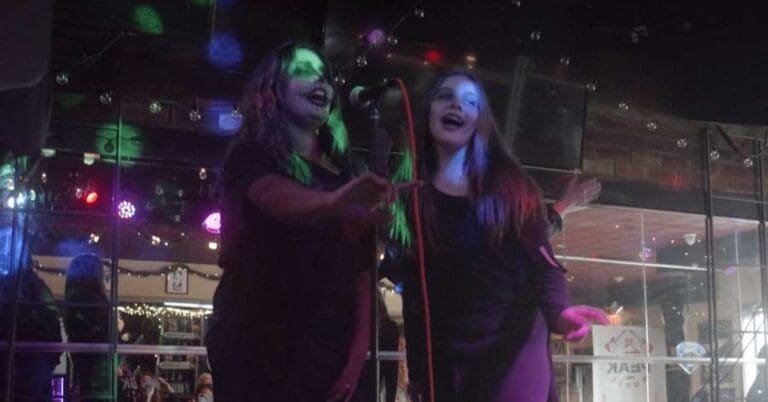
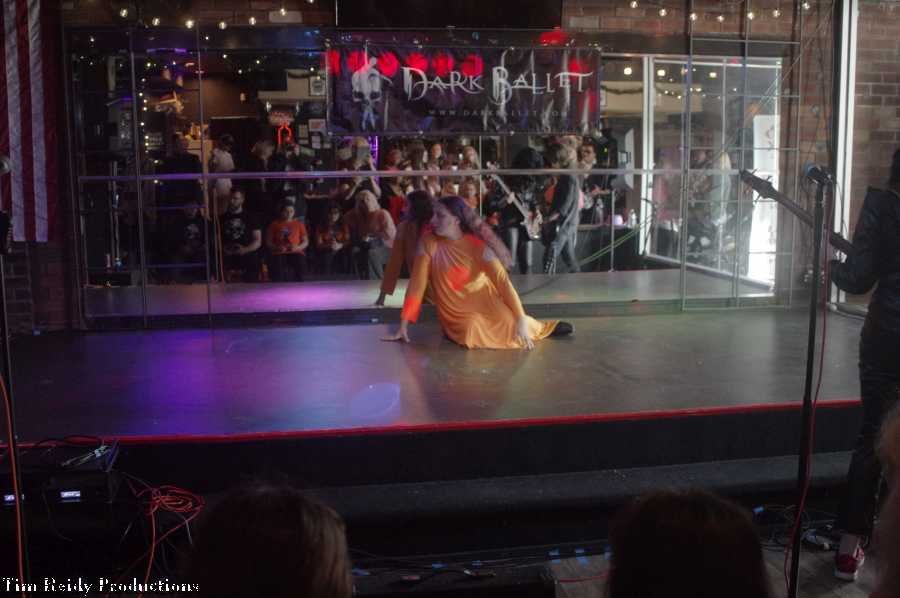
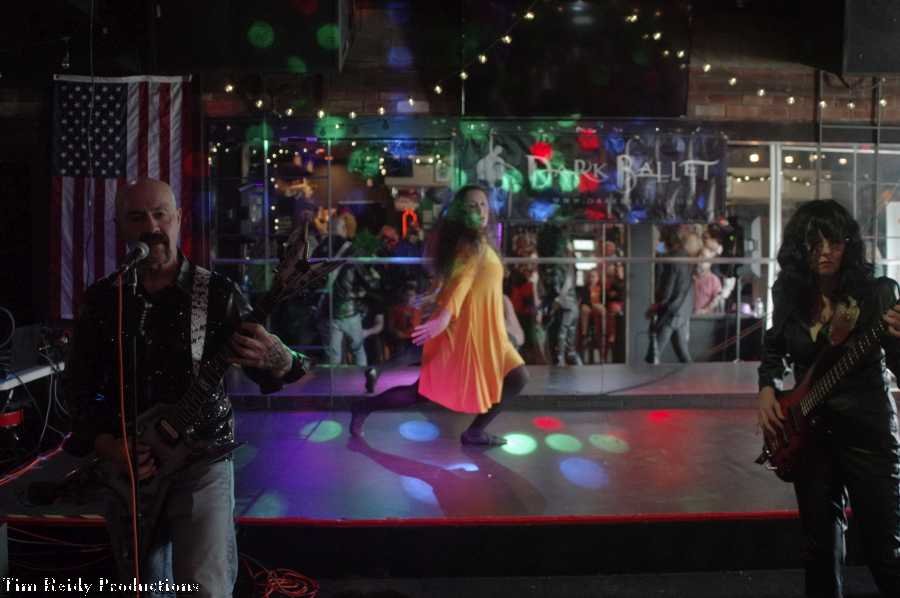
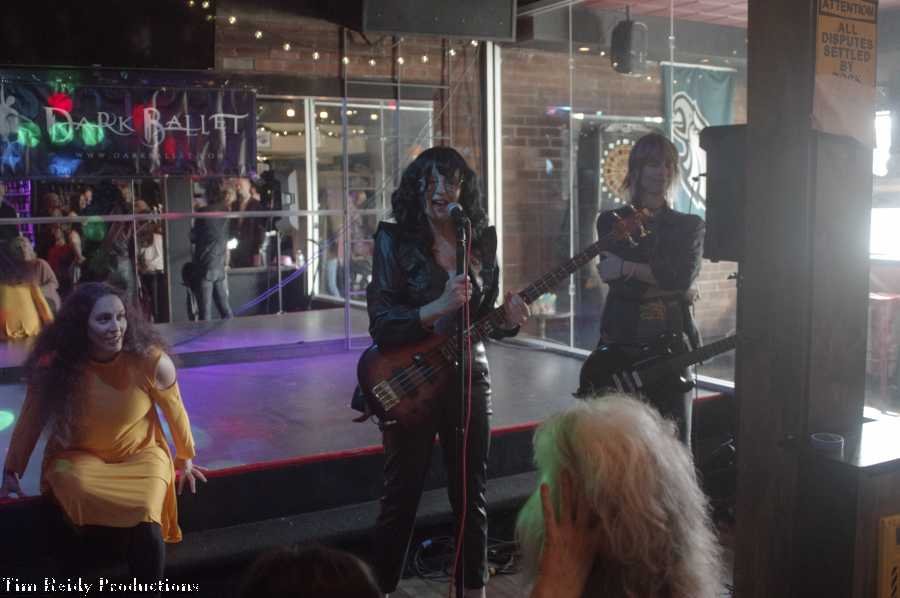
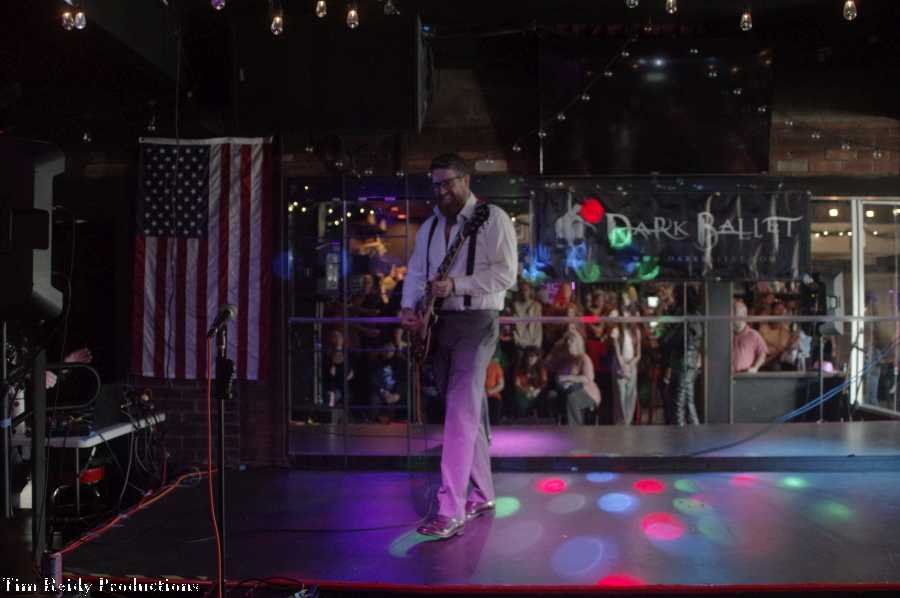
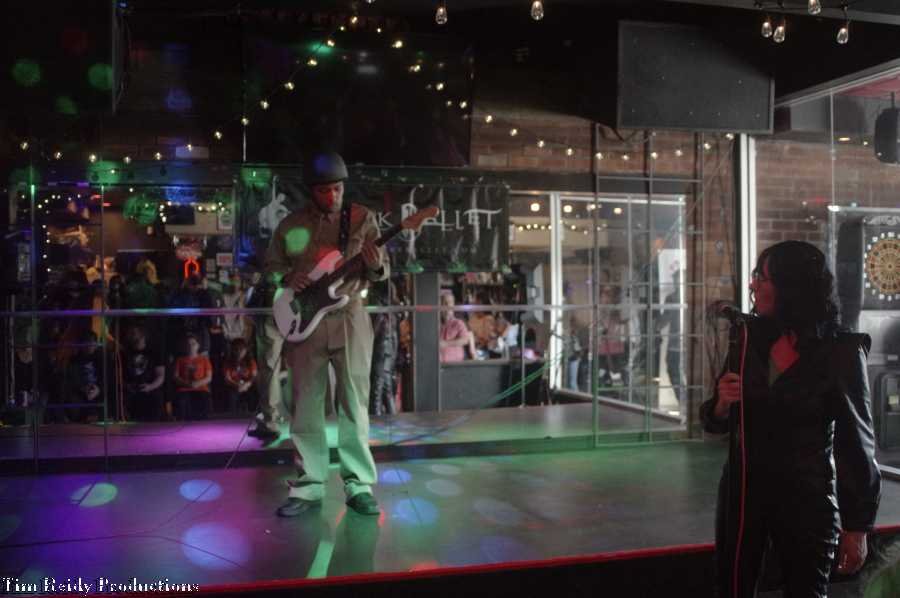
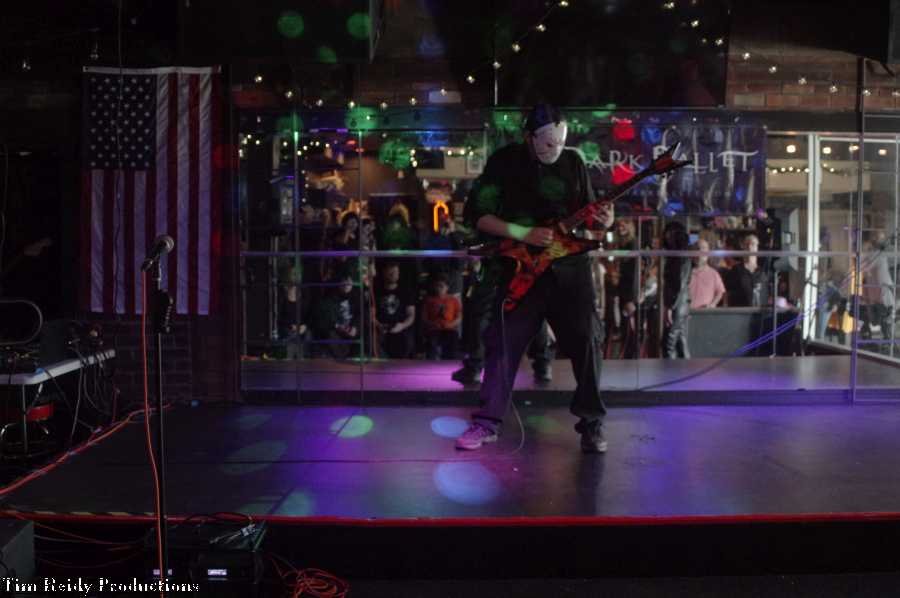
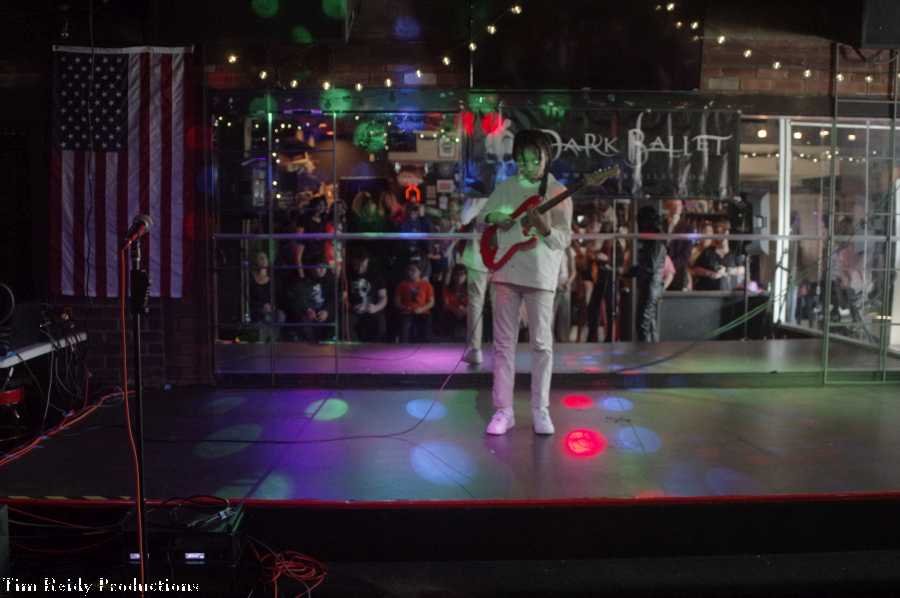
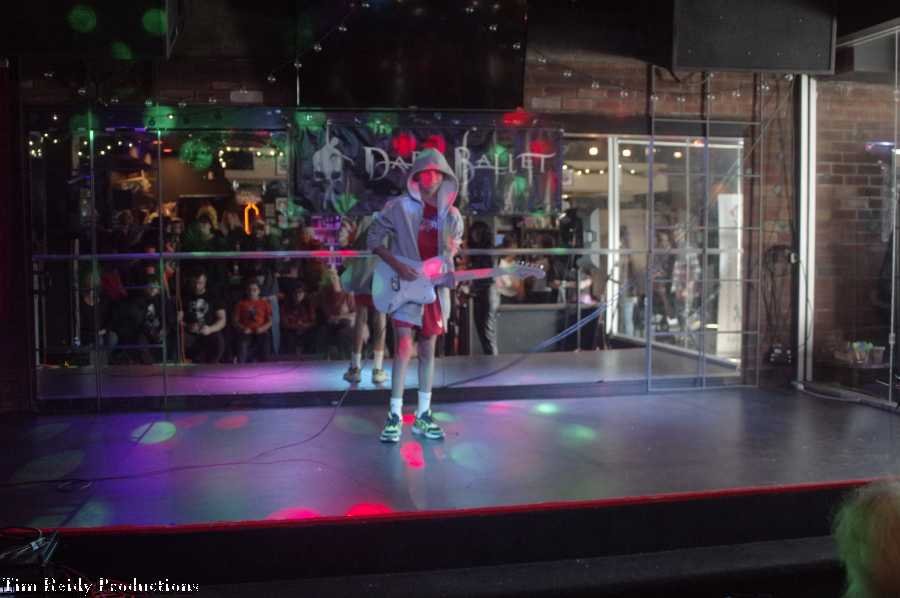
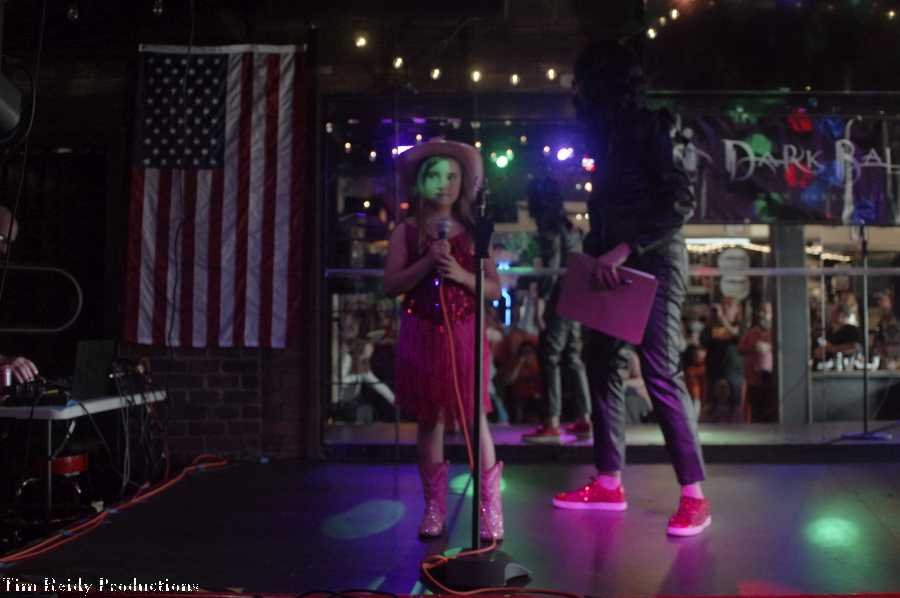
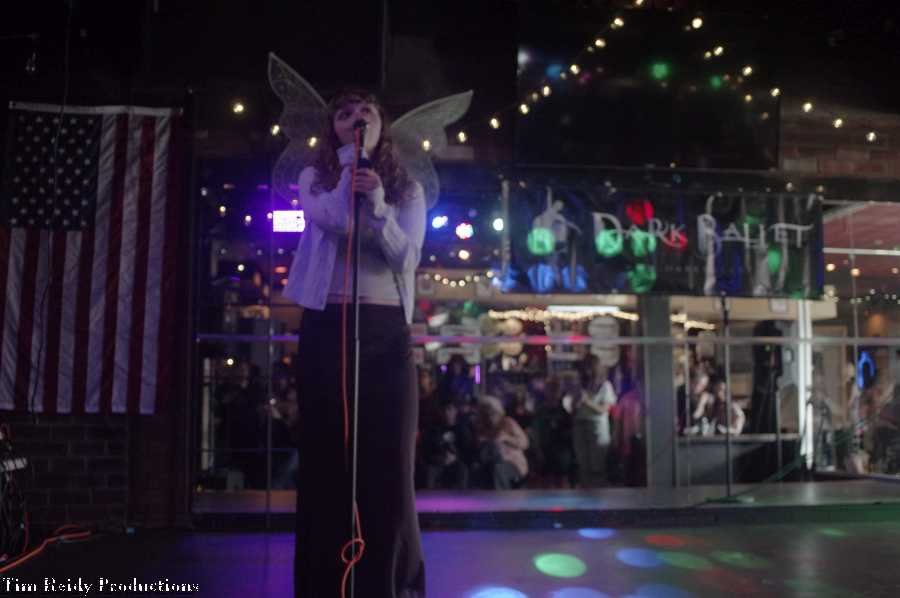
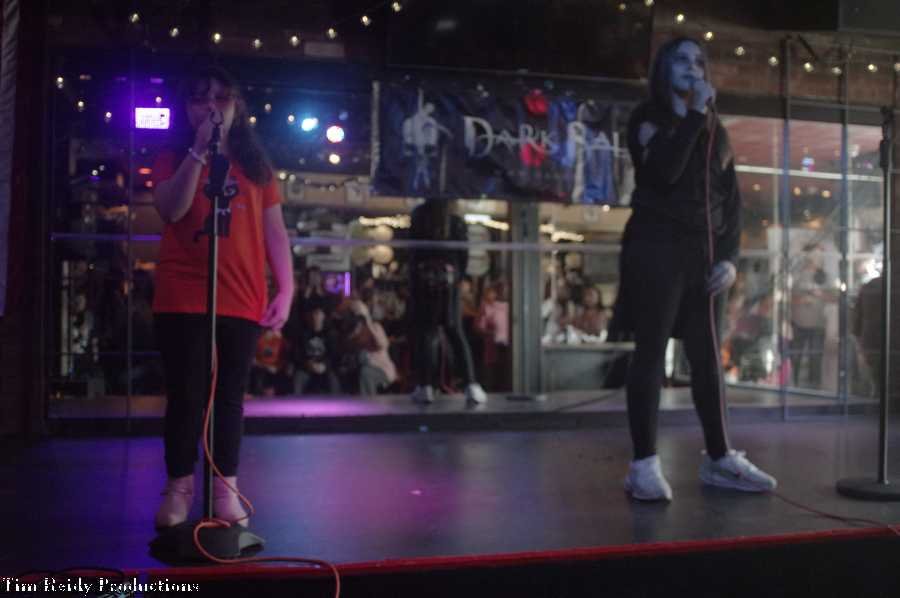
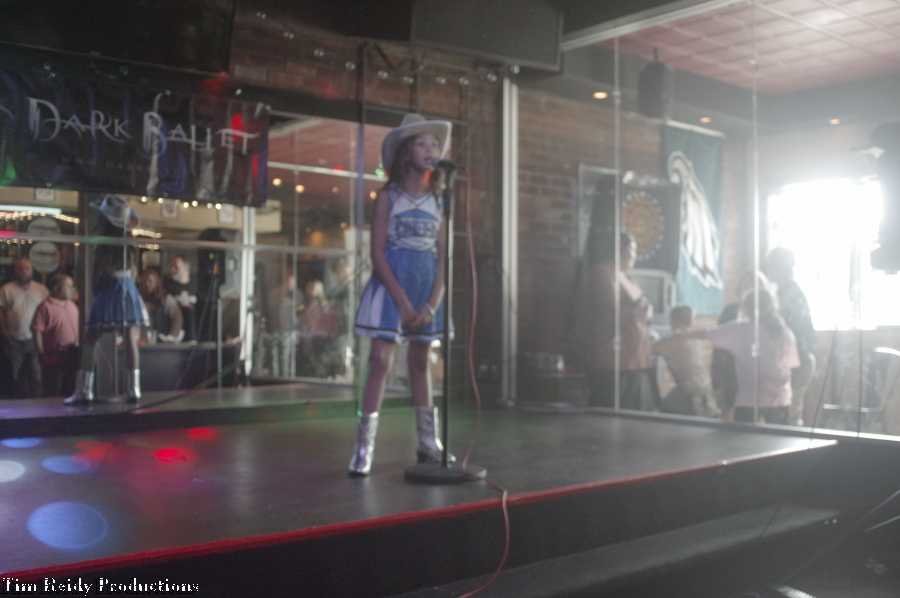
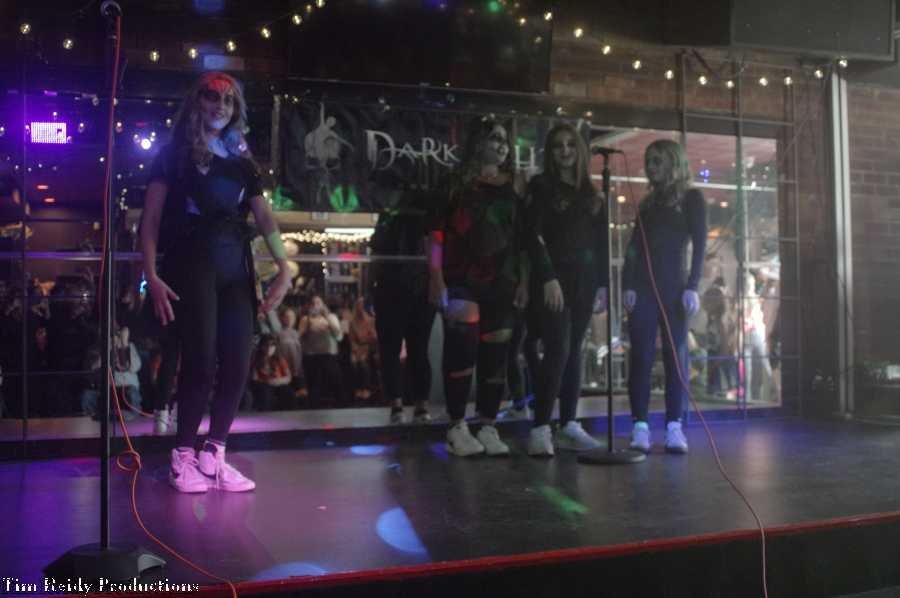
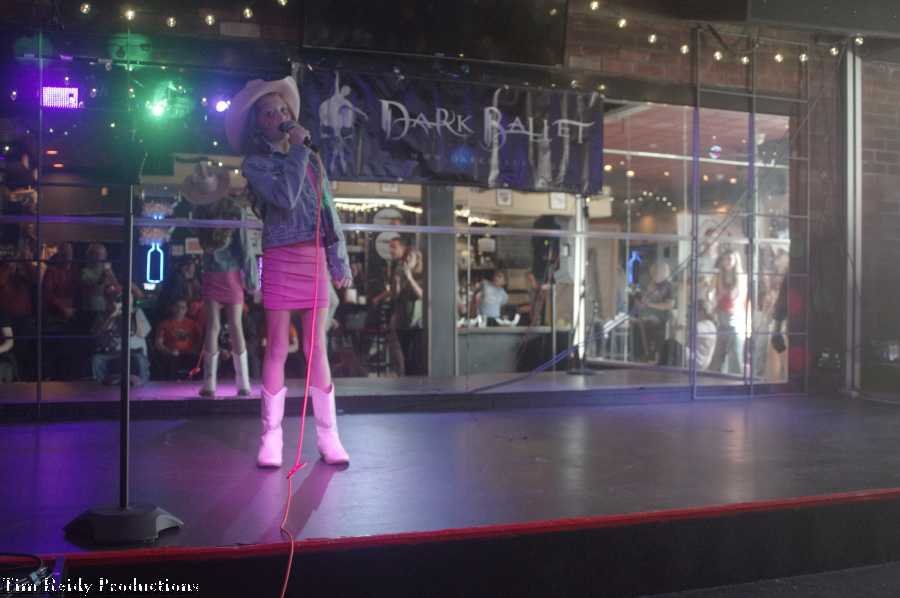
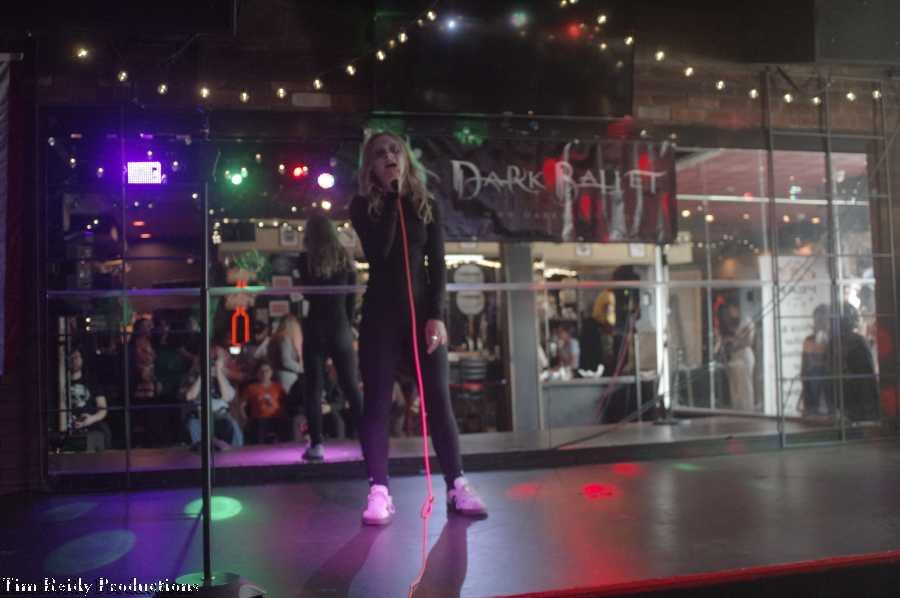
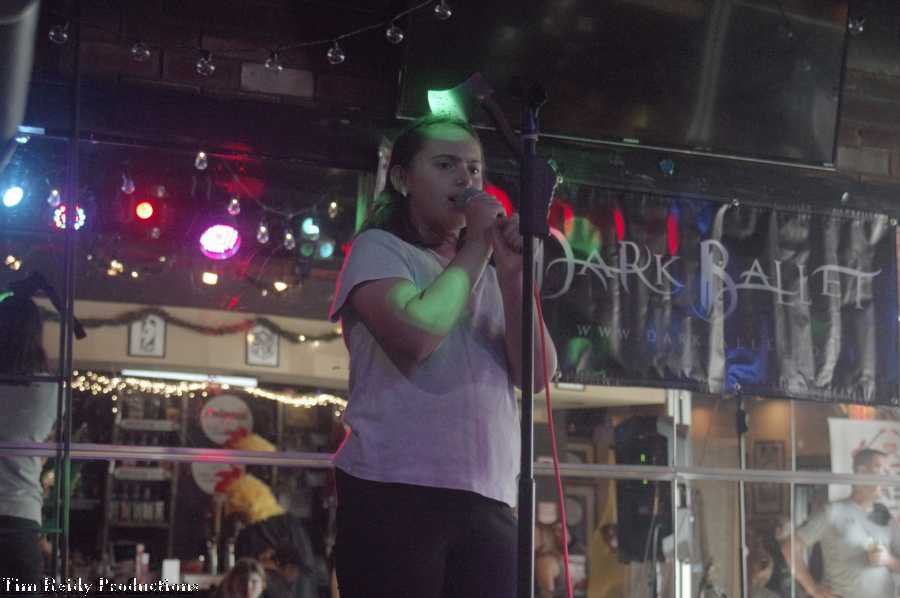
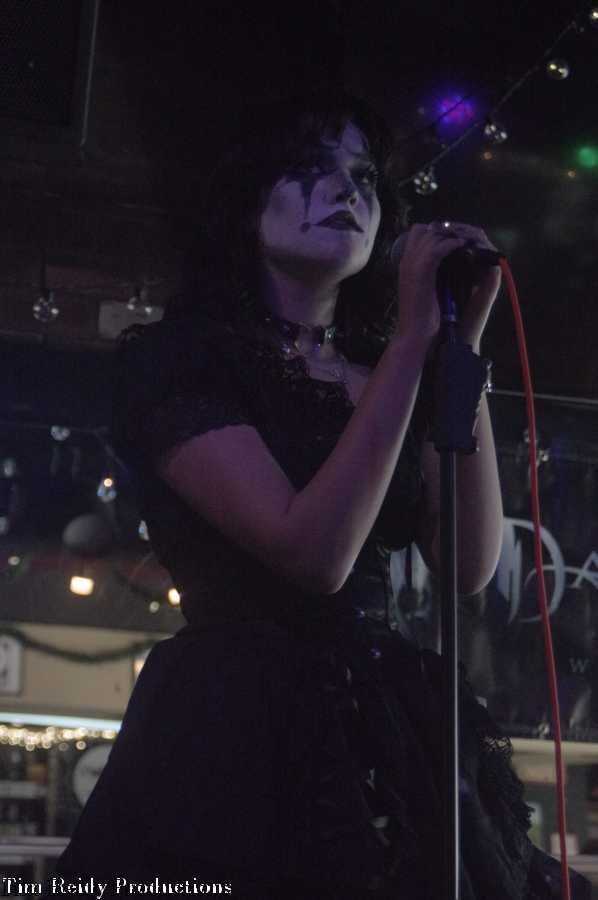
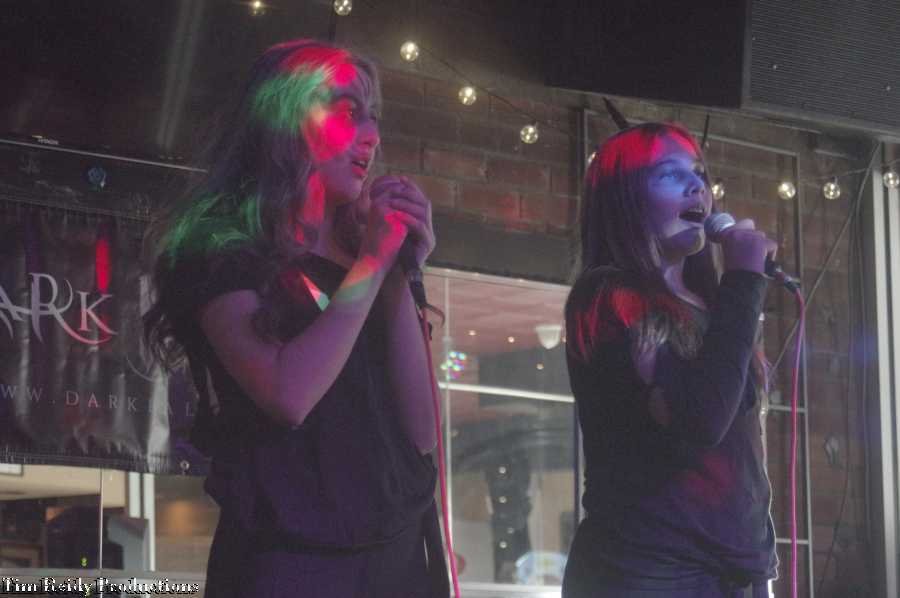
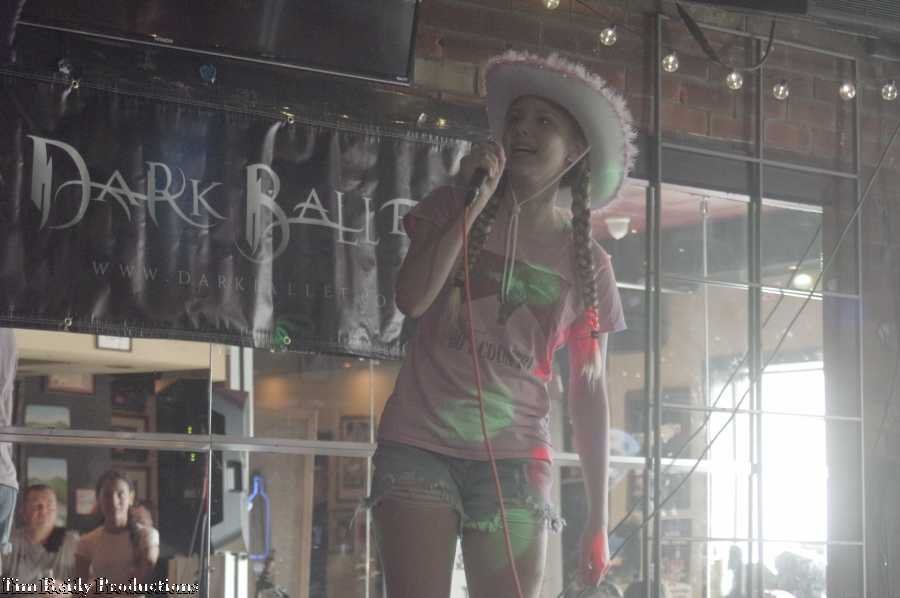
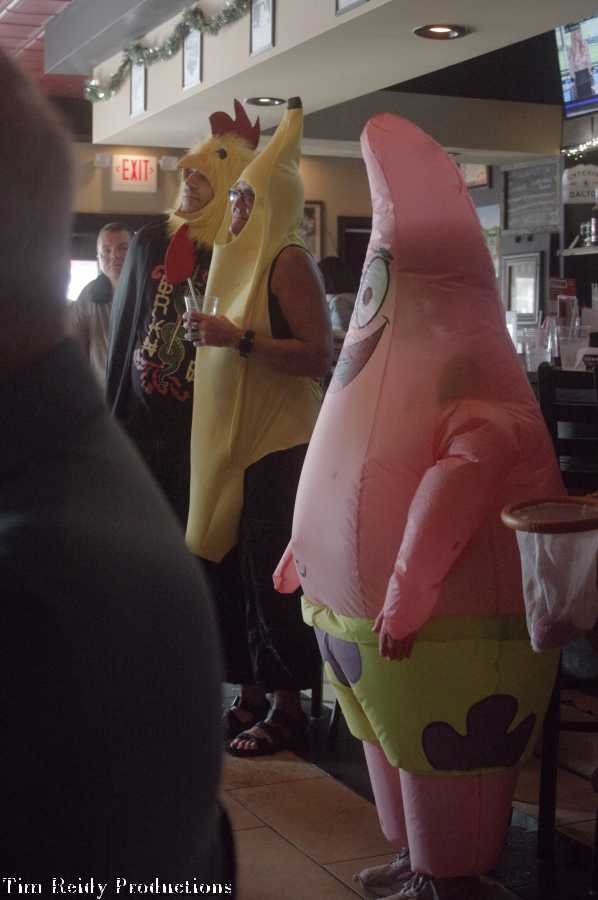
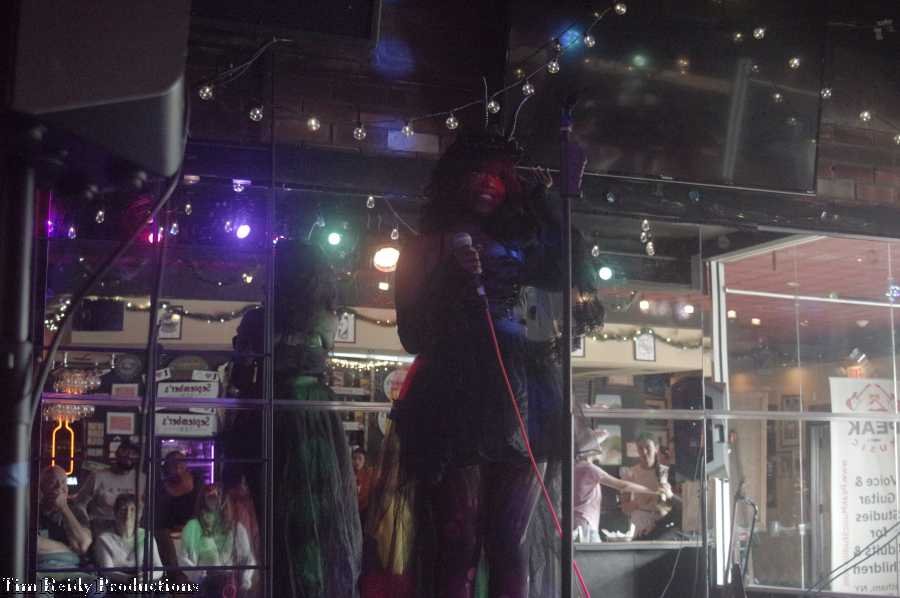
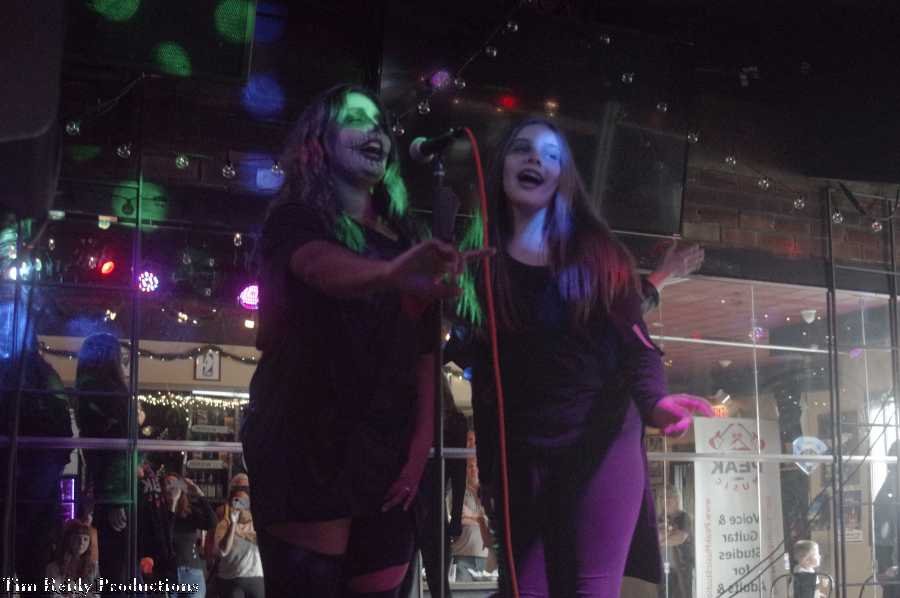
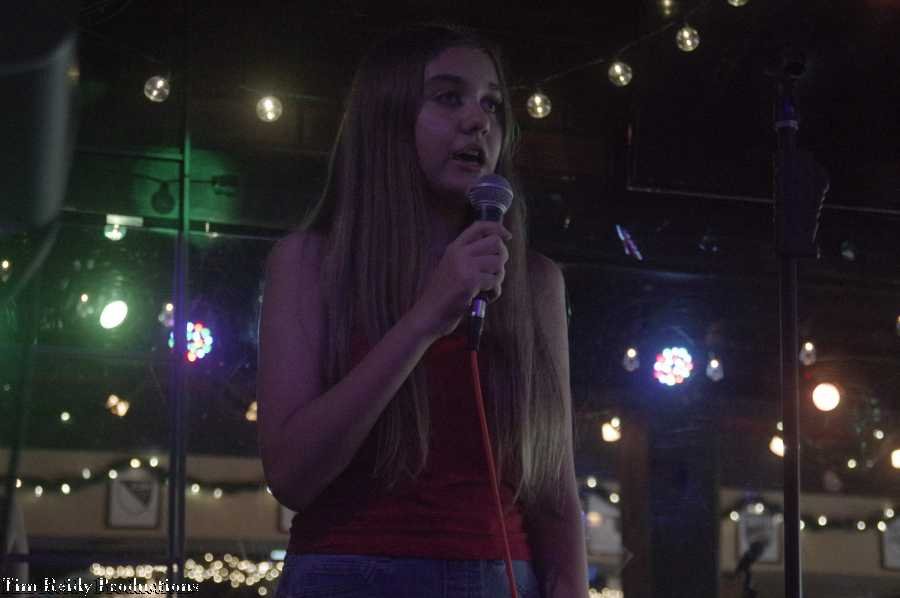
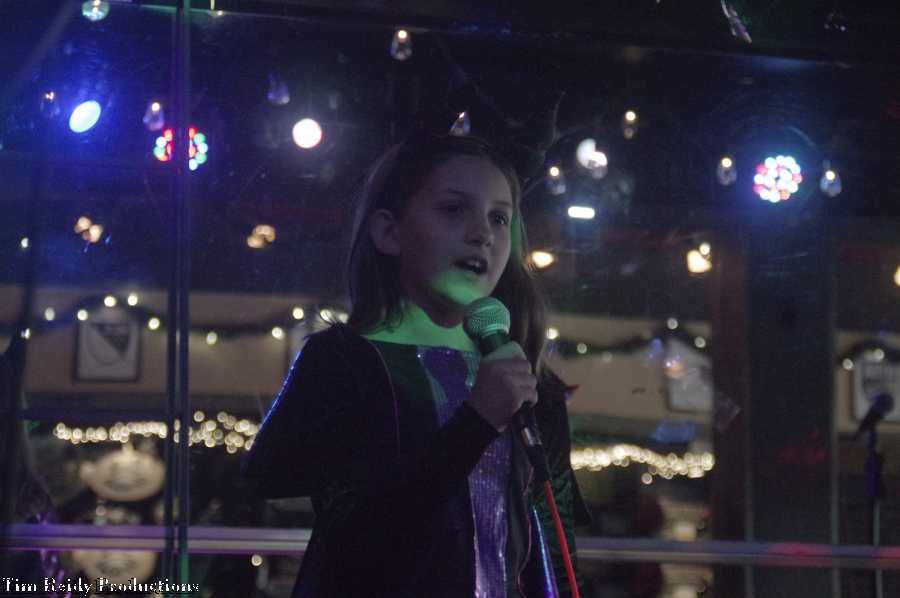
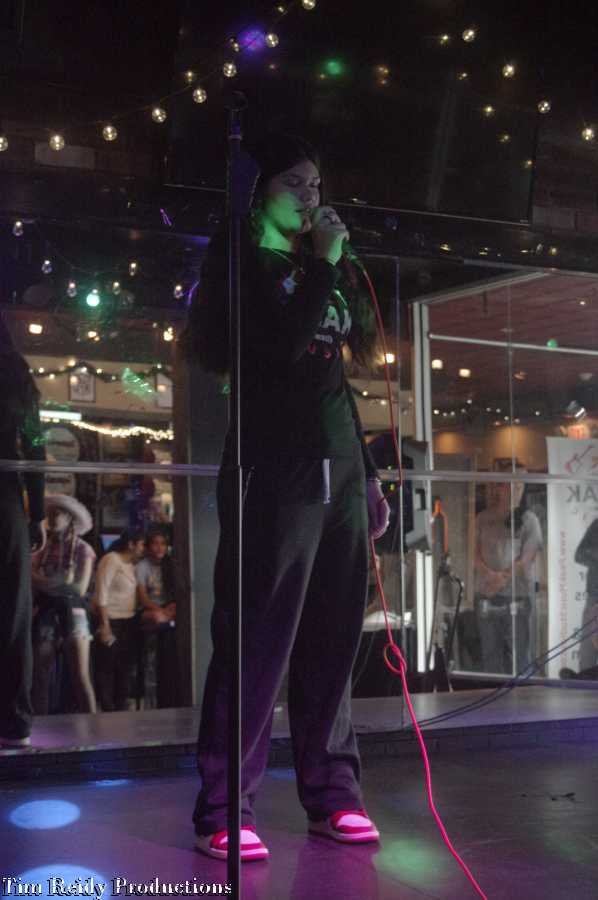
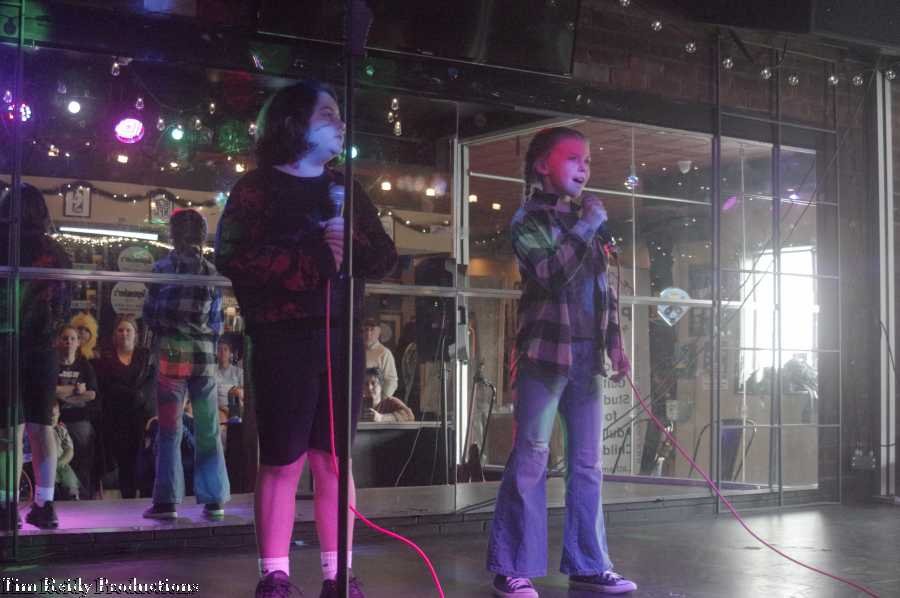
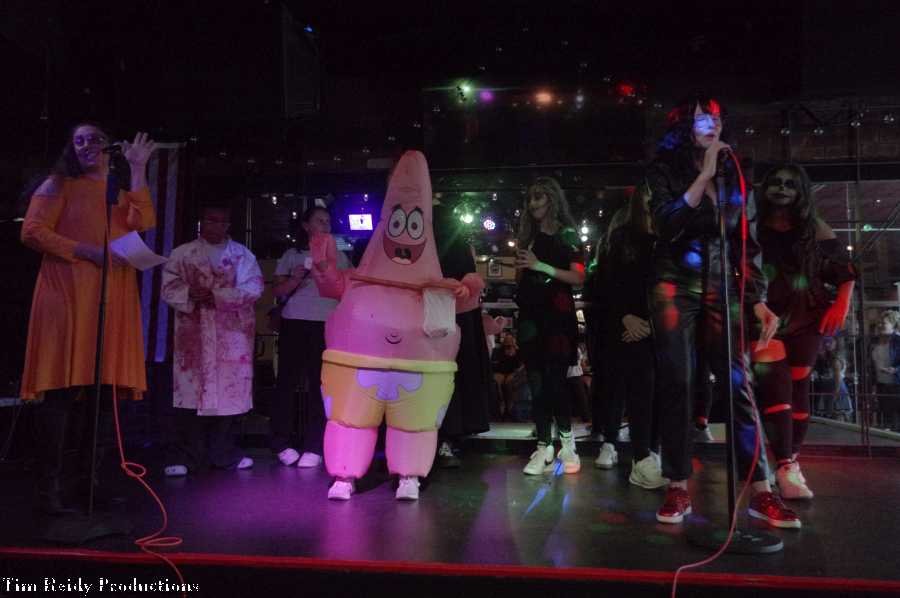
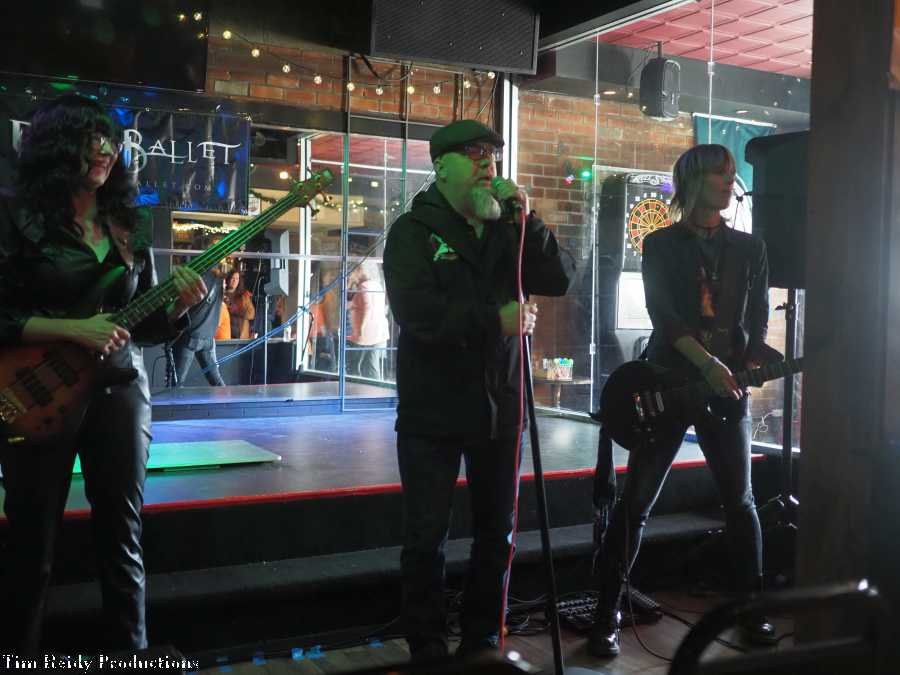
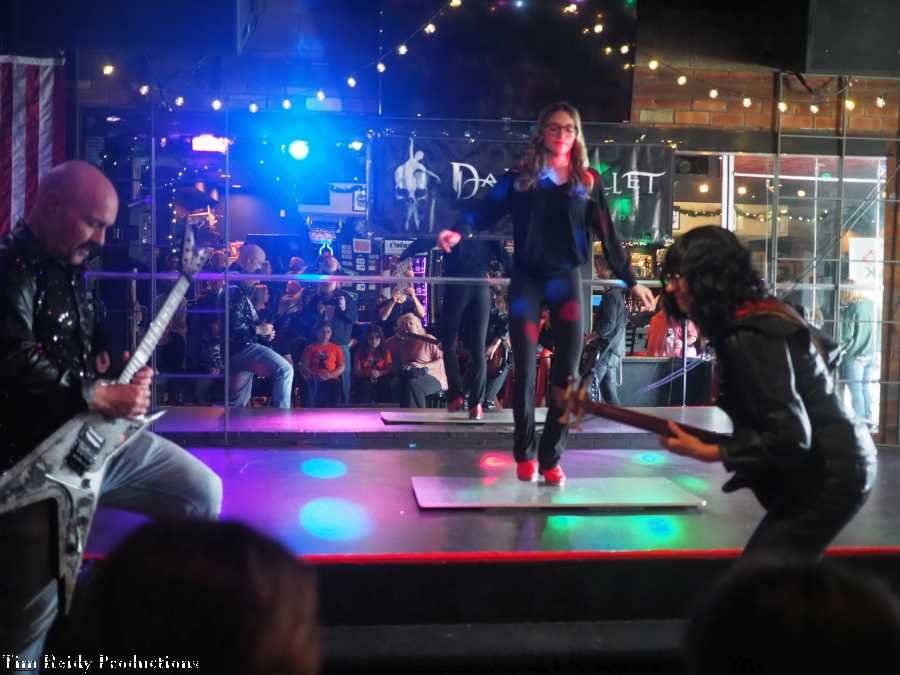
On Sunday, Peak Music Studios put on their “Halloween Spooktacular,” capturing the mood of the season, while earlier in the day, Dark Ballet celebrated the release of their album, “The Weight of Unfortunate Circumstance.”


Photography by Timothy Reidy.

Read an interview with Dark Ballet here …

Weakened Friends / Candy Ambulance @ No Fun, 10/16/2025

0

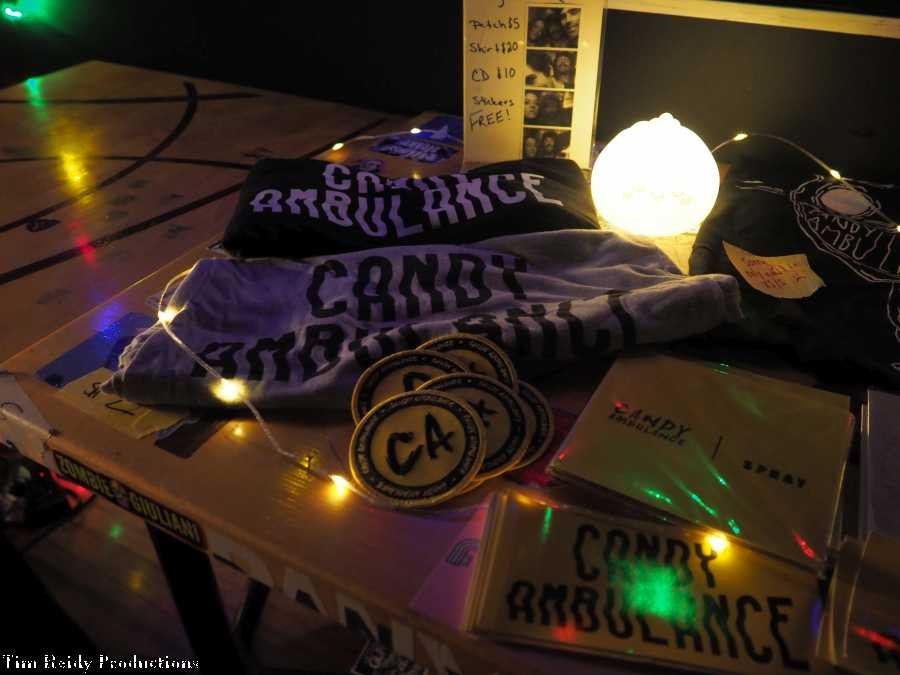
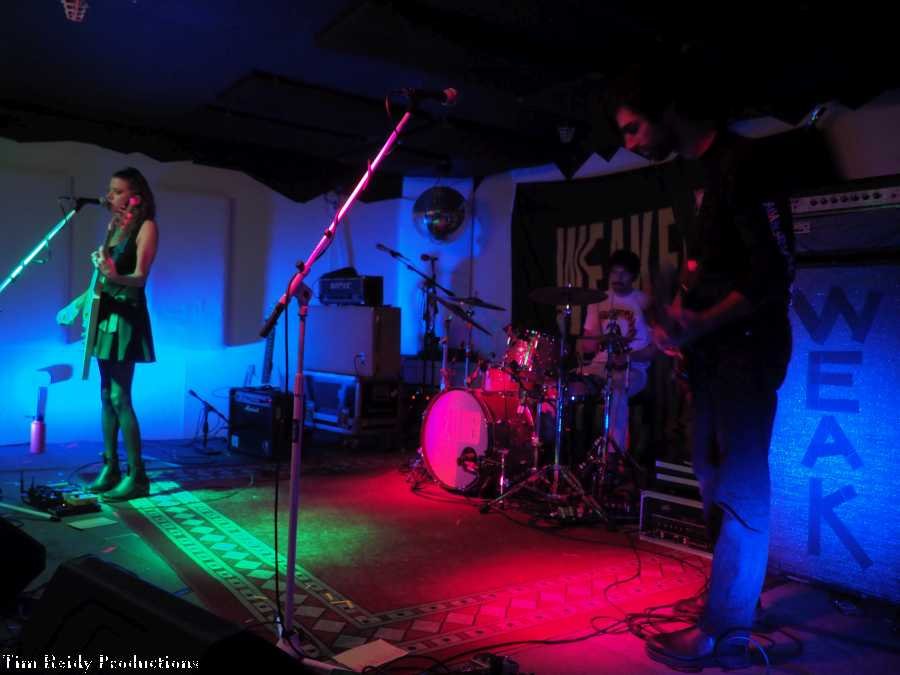
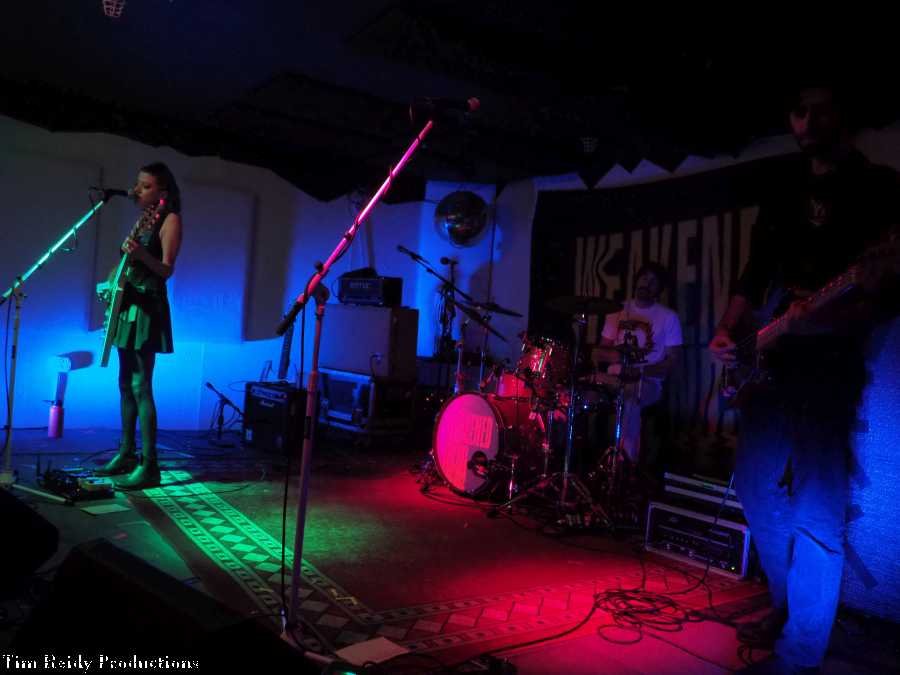
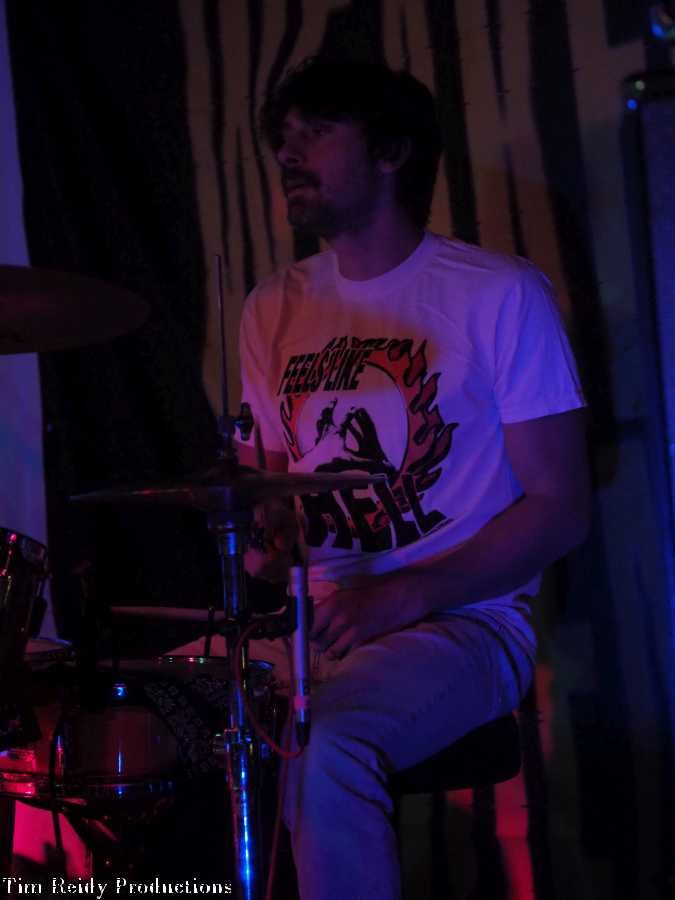
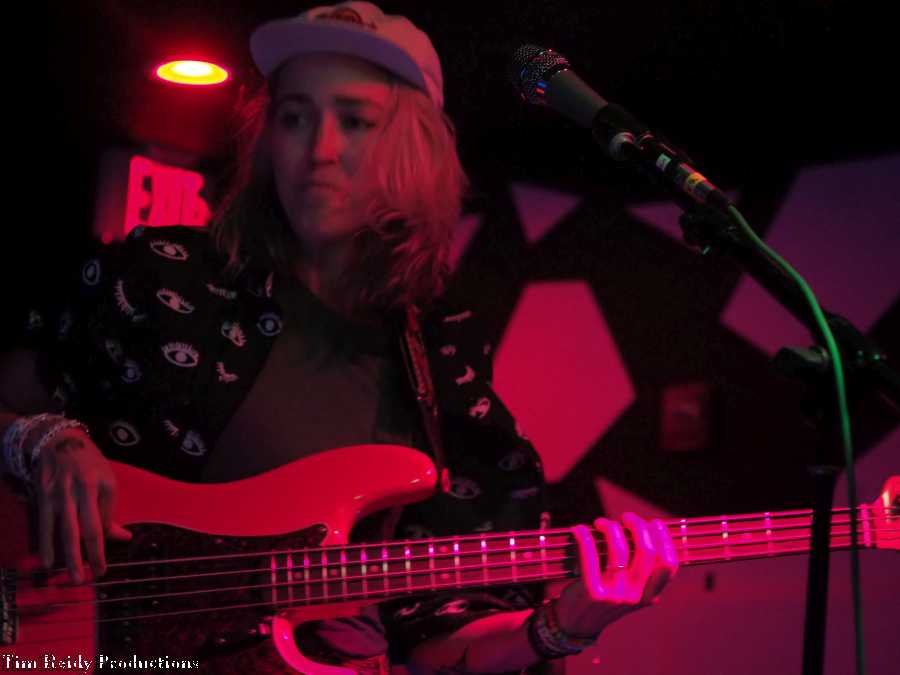
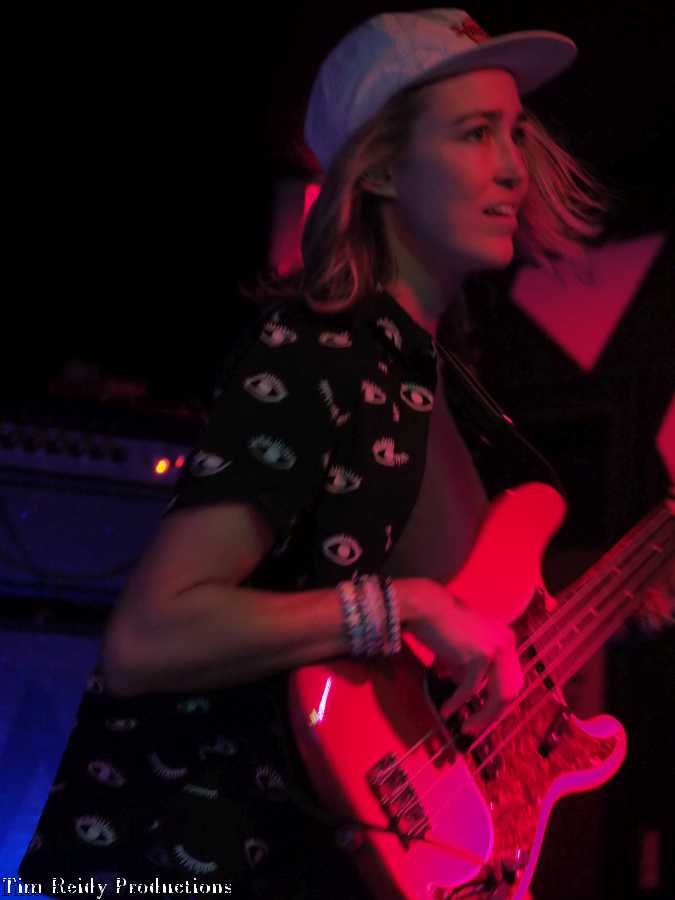
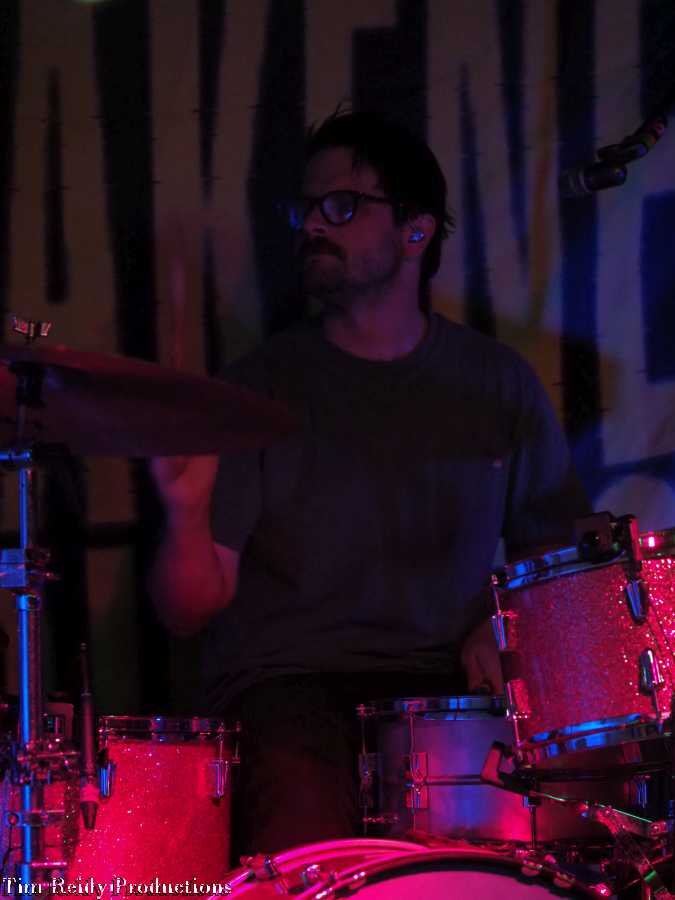
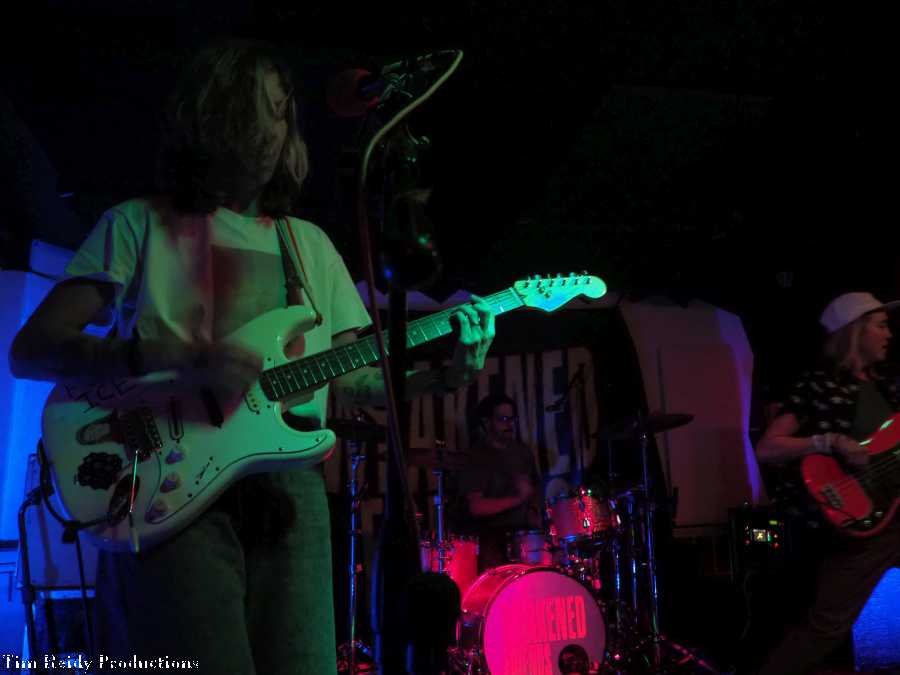
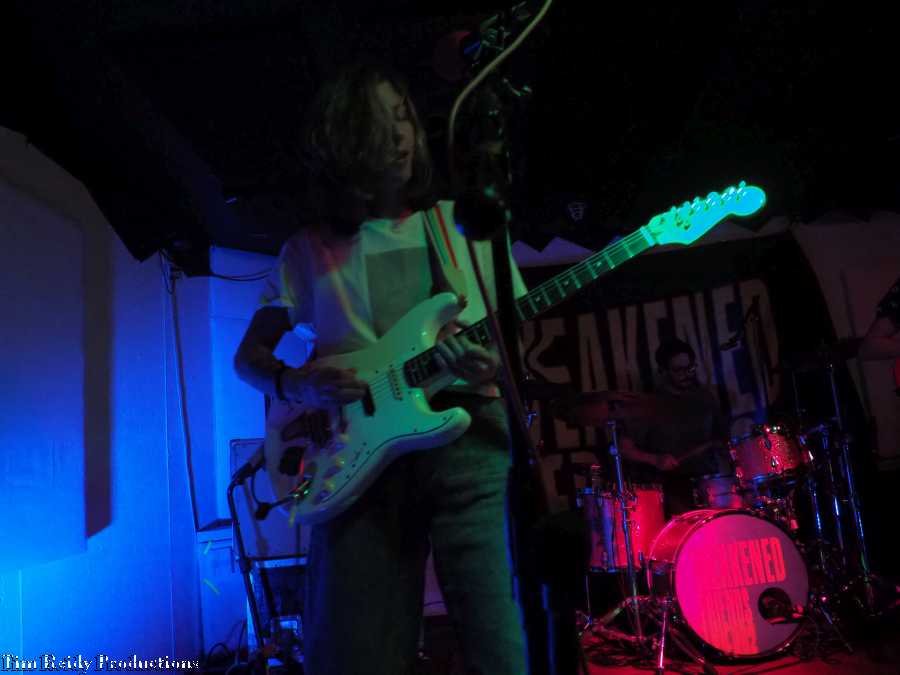
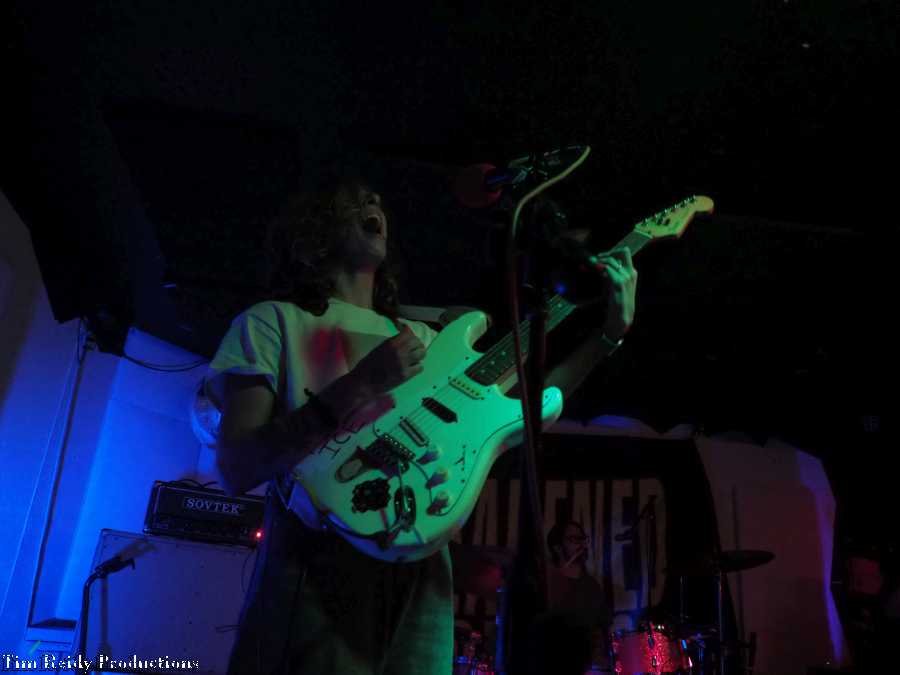
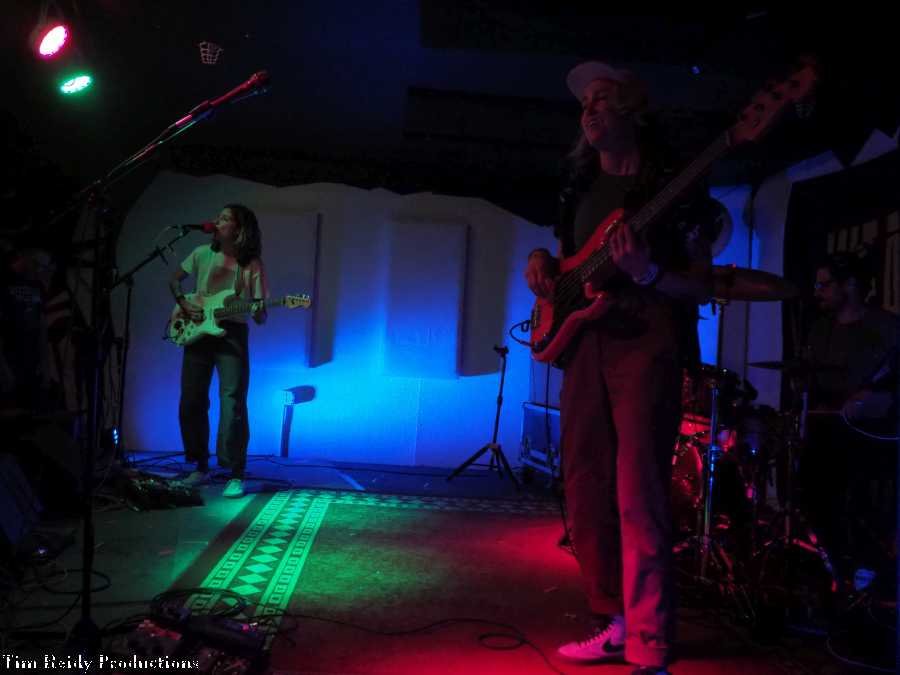
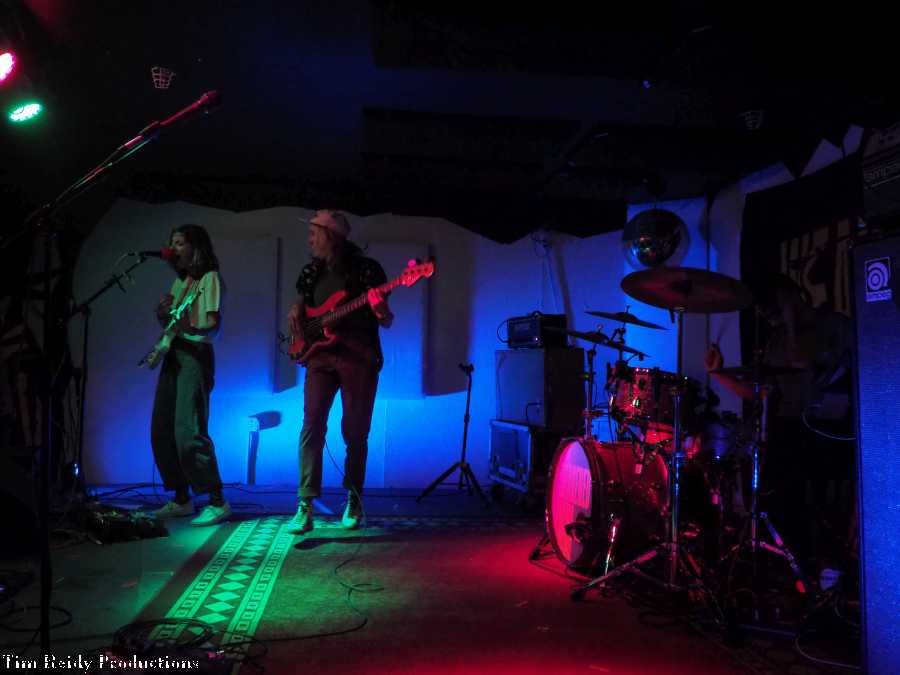
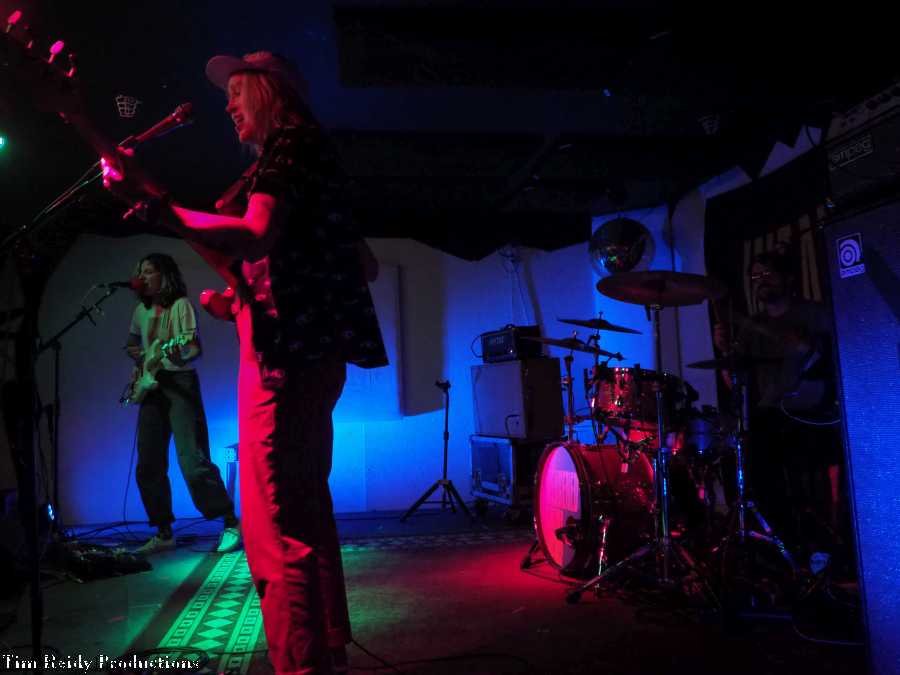
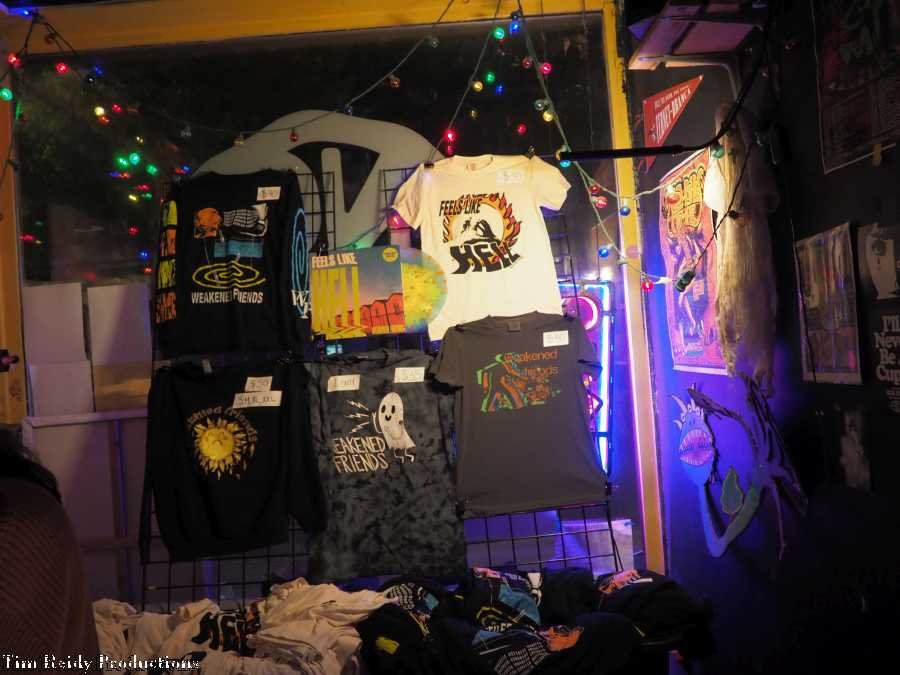
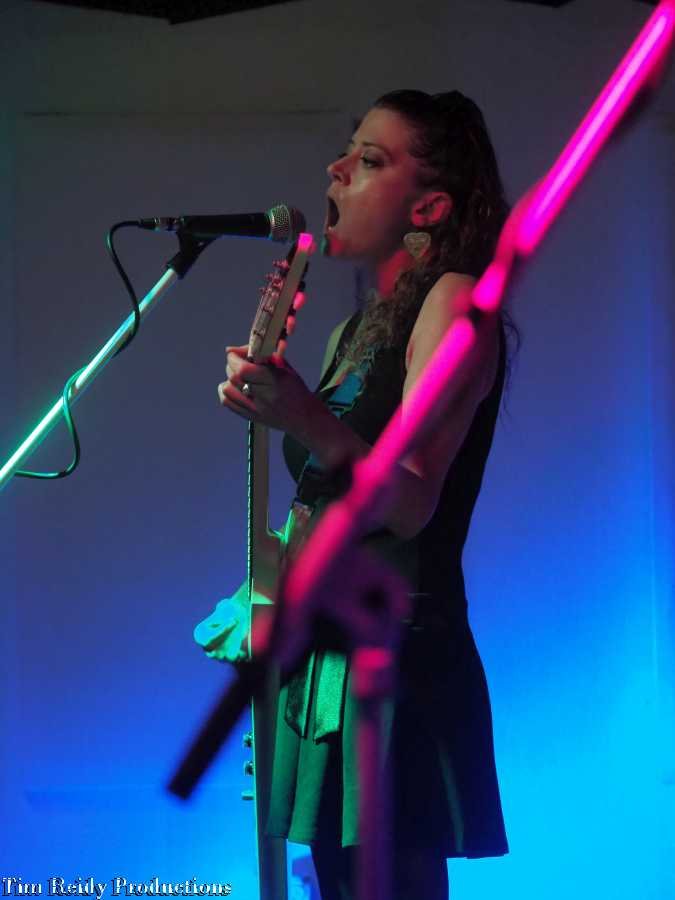
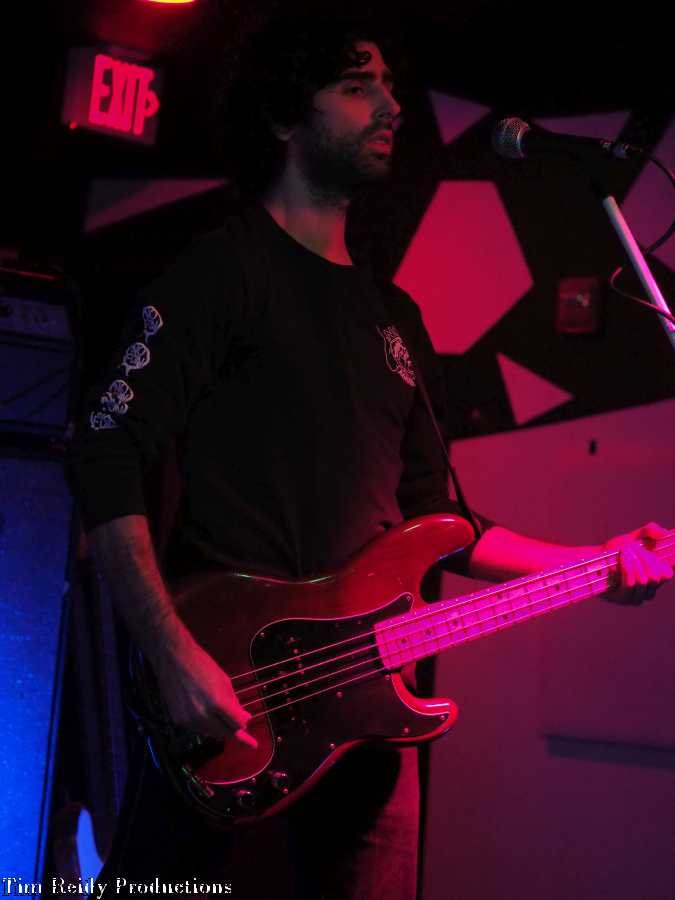
Two trios grooving out at No Fun. Weakened Friends and Candy Ambulance, October 16, 2025.


Photography by Timothy Reidy.

More coverage of the show here …

Chris Sanders @ Rustic Barn Pub, October 24th

0

Chris Sanders performed at Rustic Barn Pub in Troy on Friday, October 24th. Photography by Seth Casale.


More from Seth Casale…

Harlem Hayfield @ White Lake Studios 10/17/2025

0

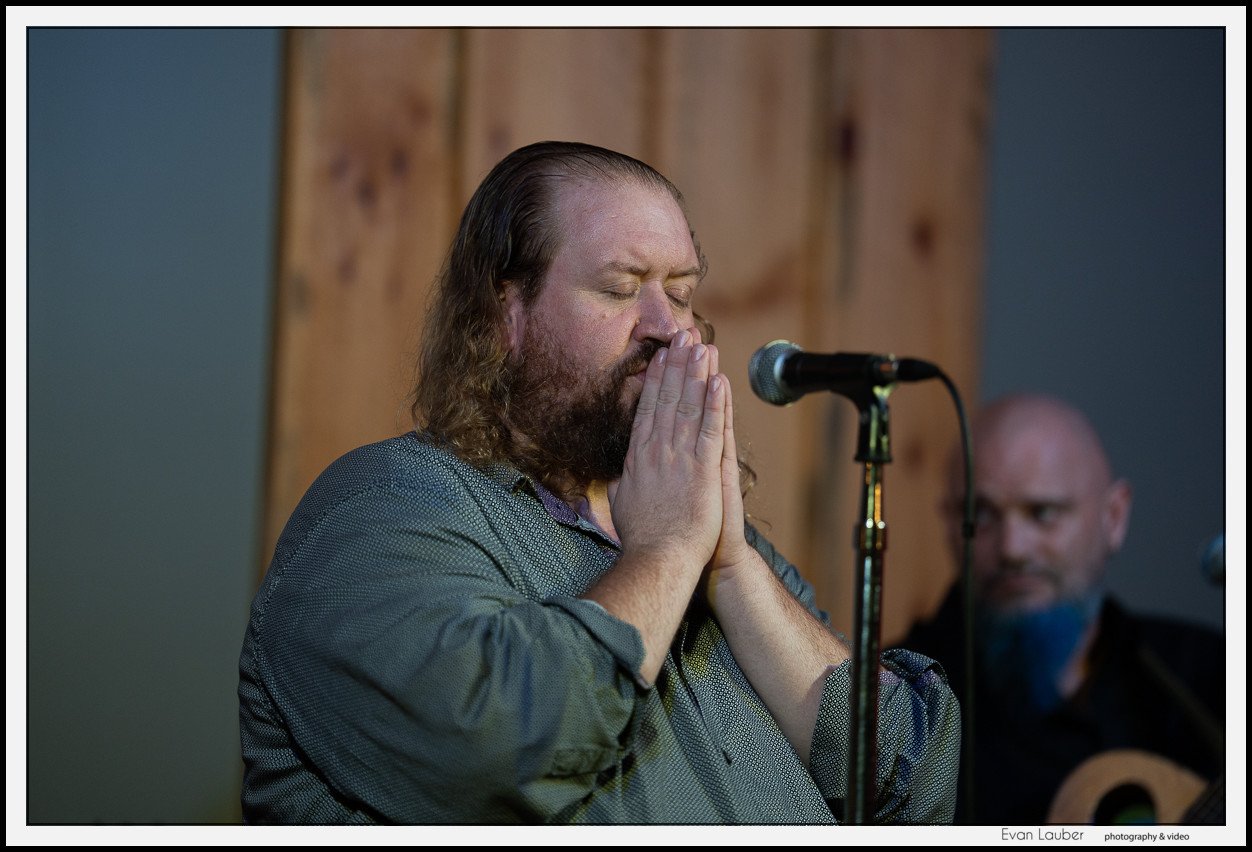
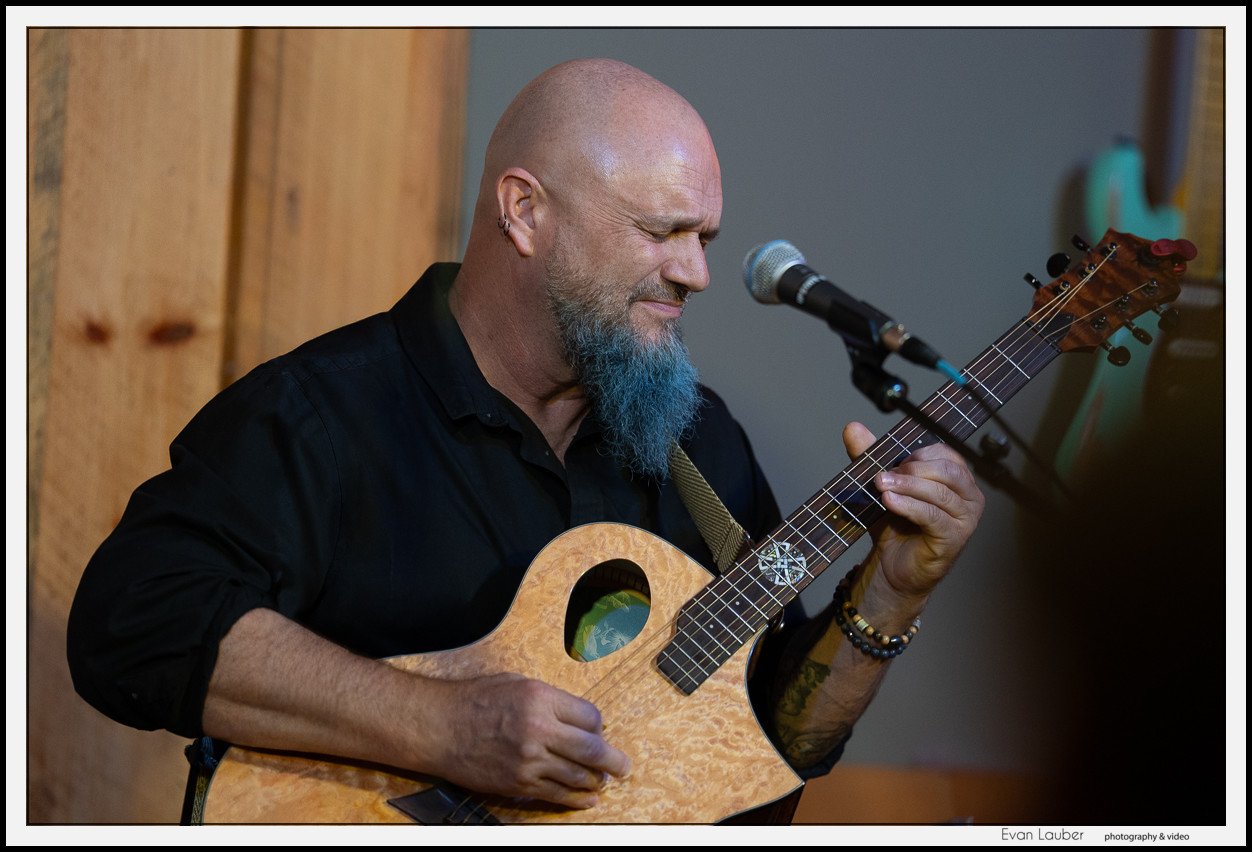
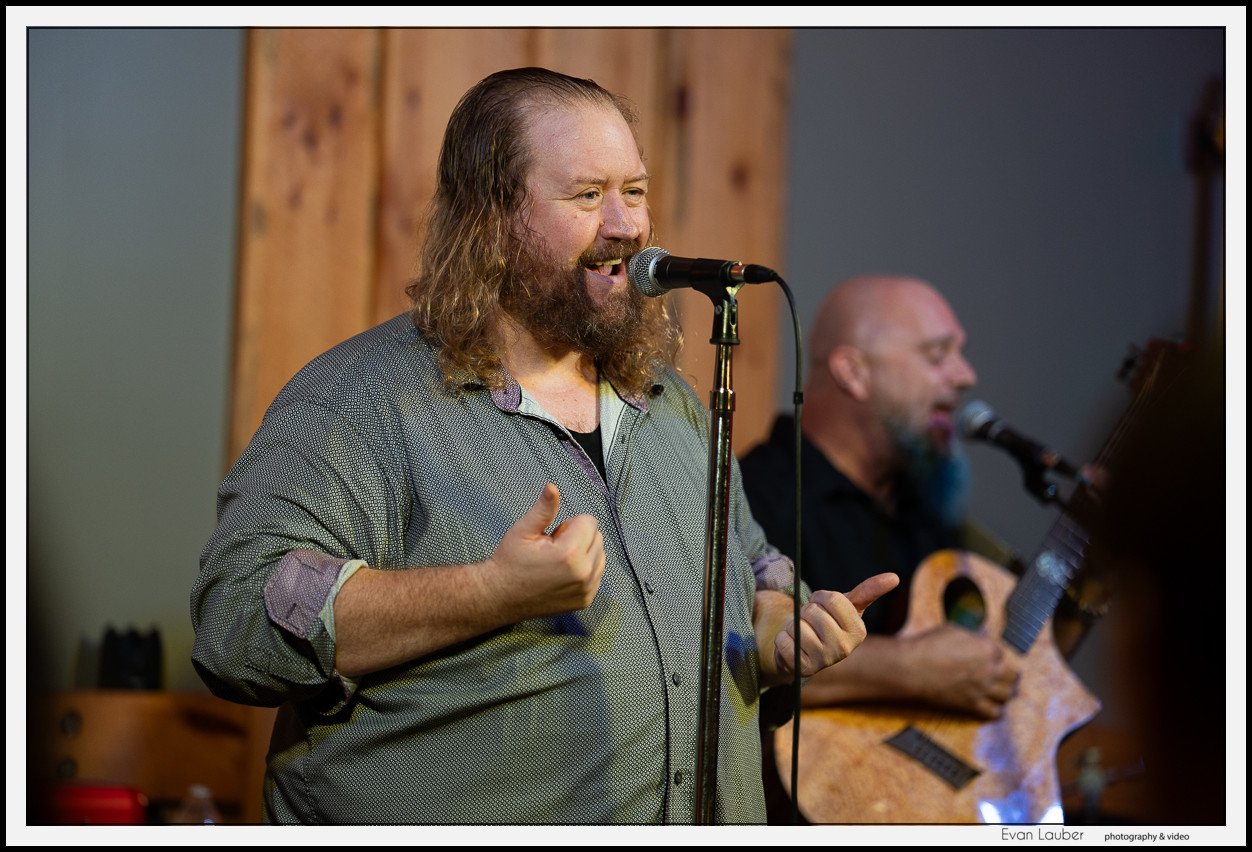
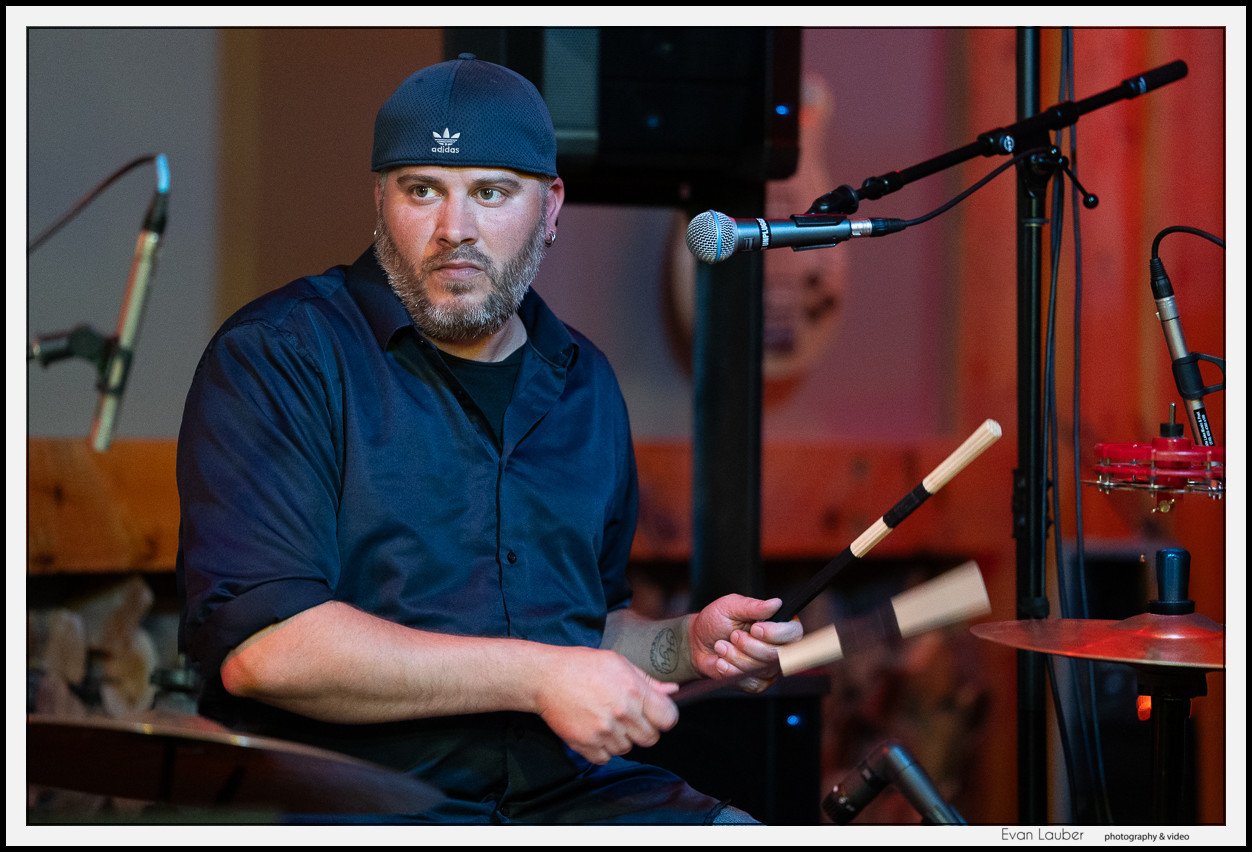
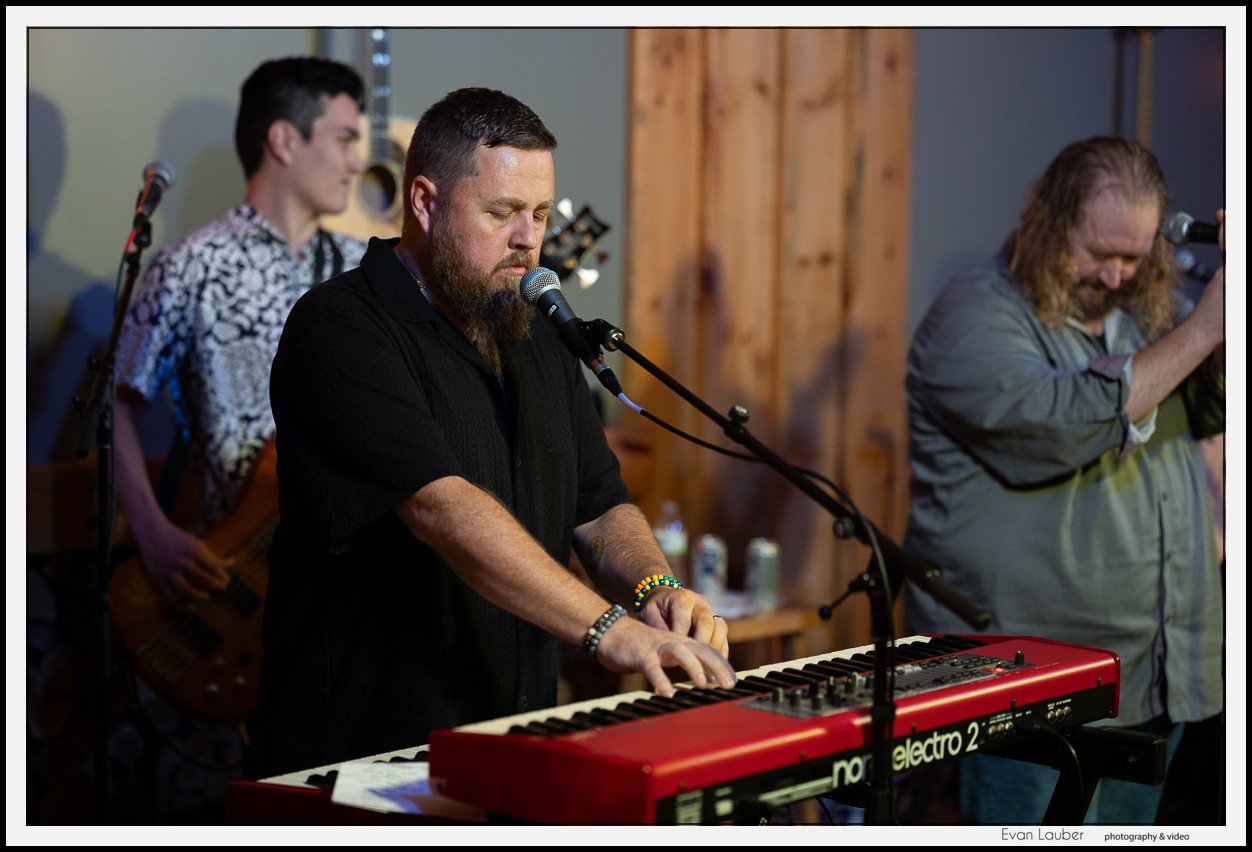
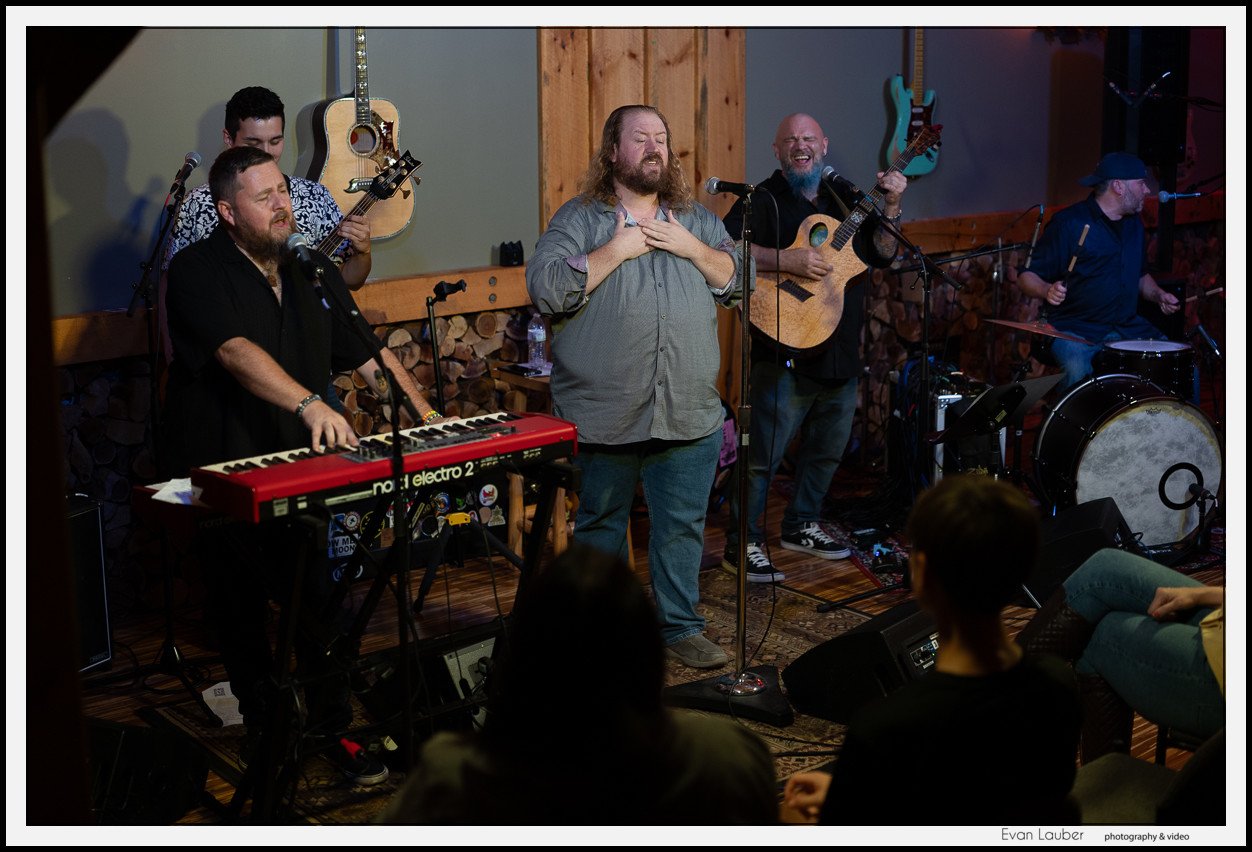
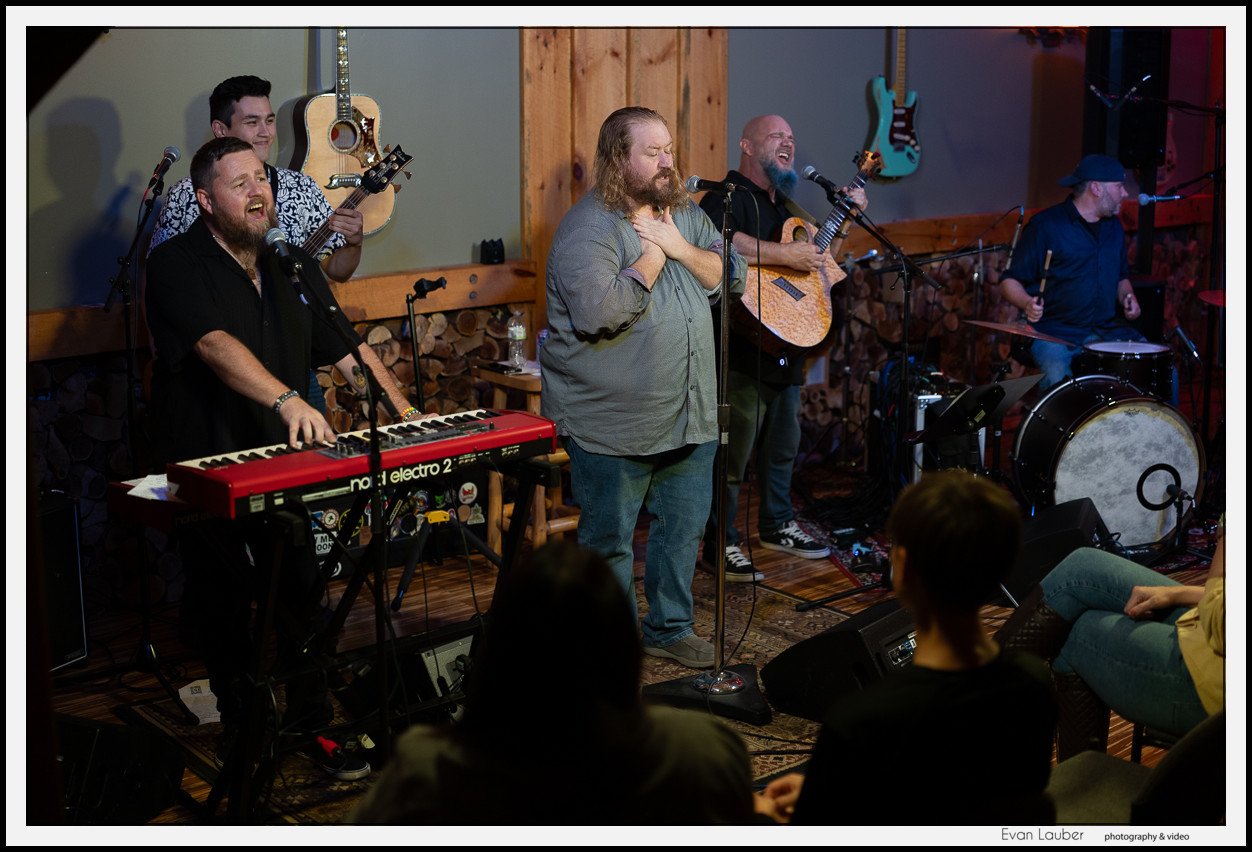
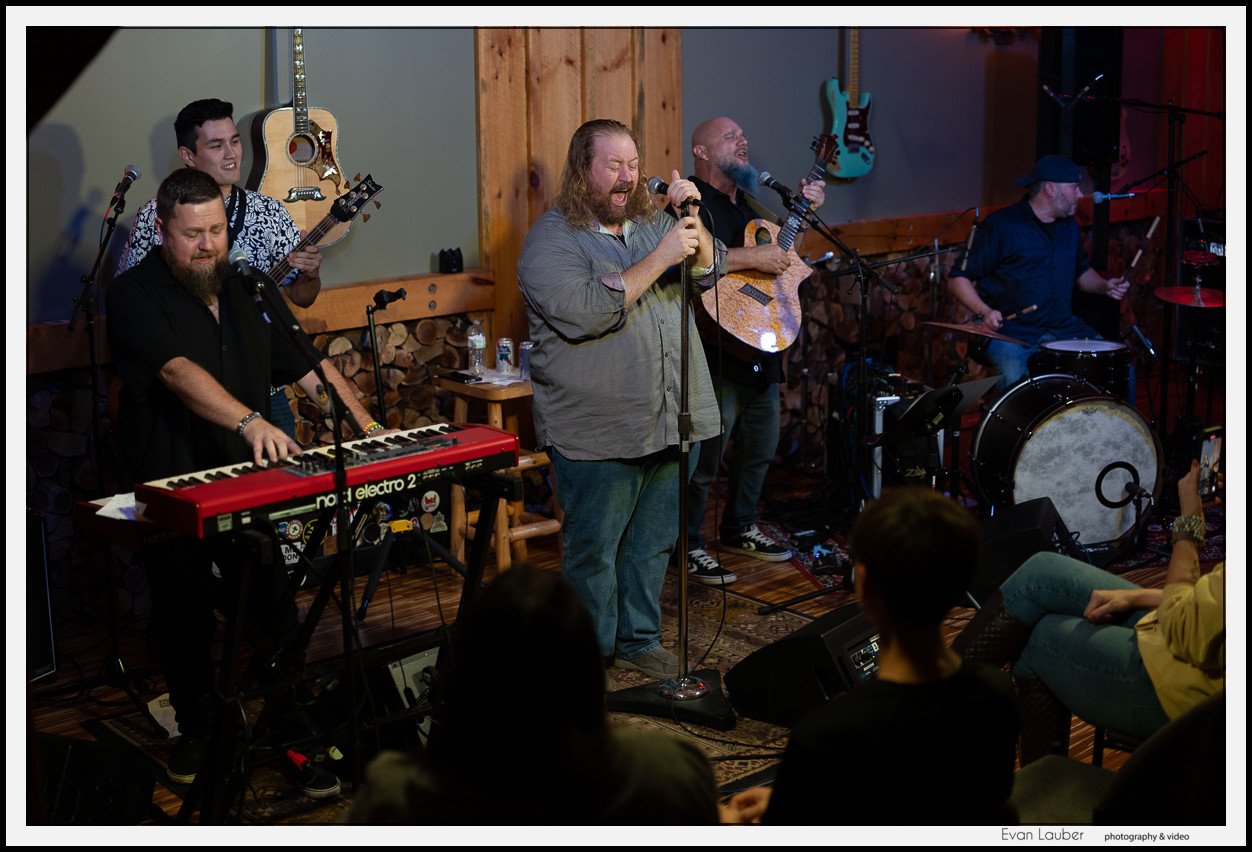
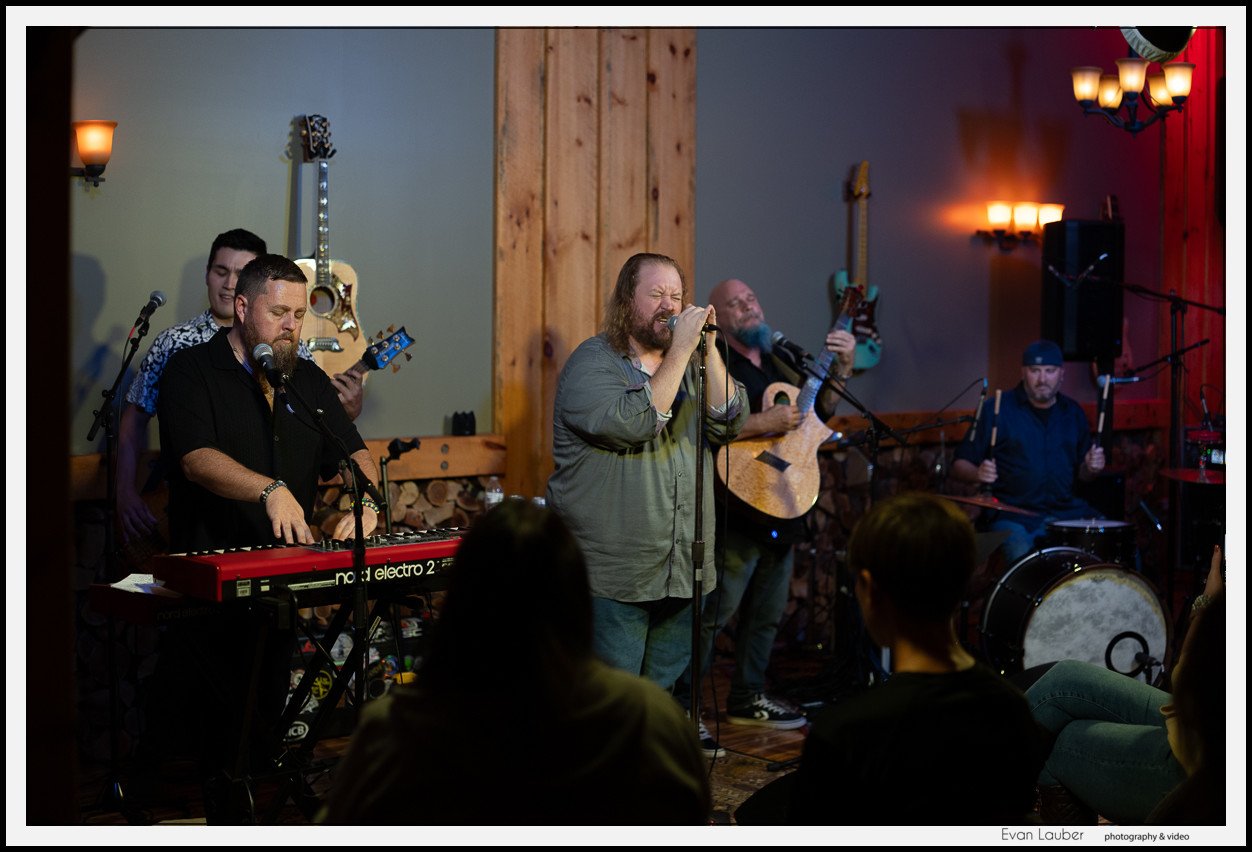
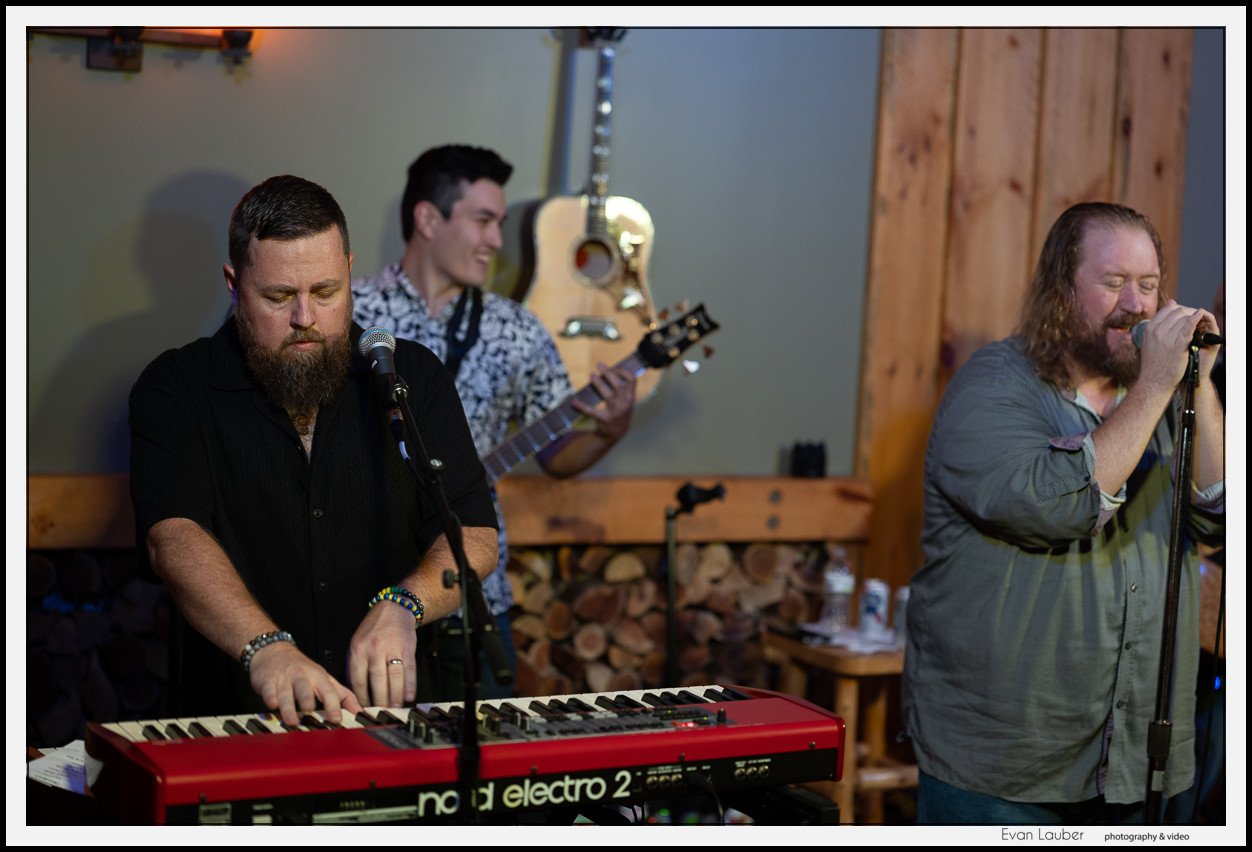
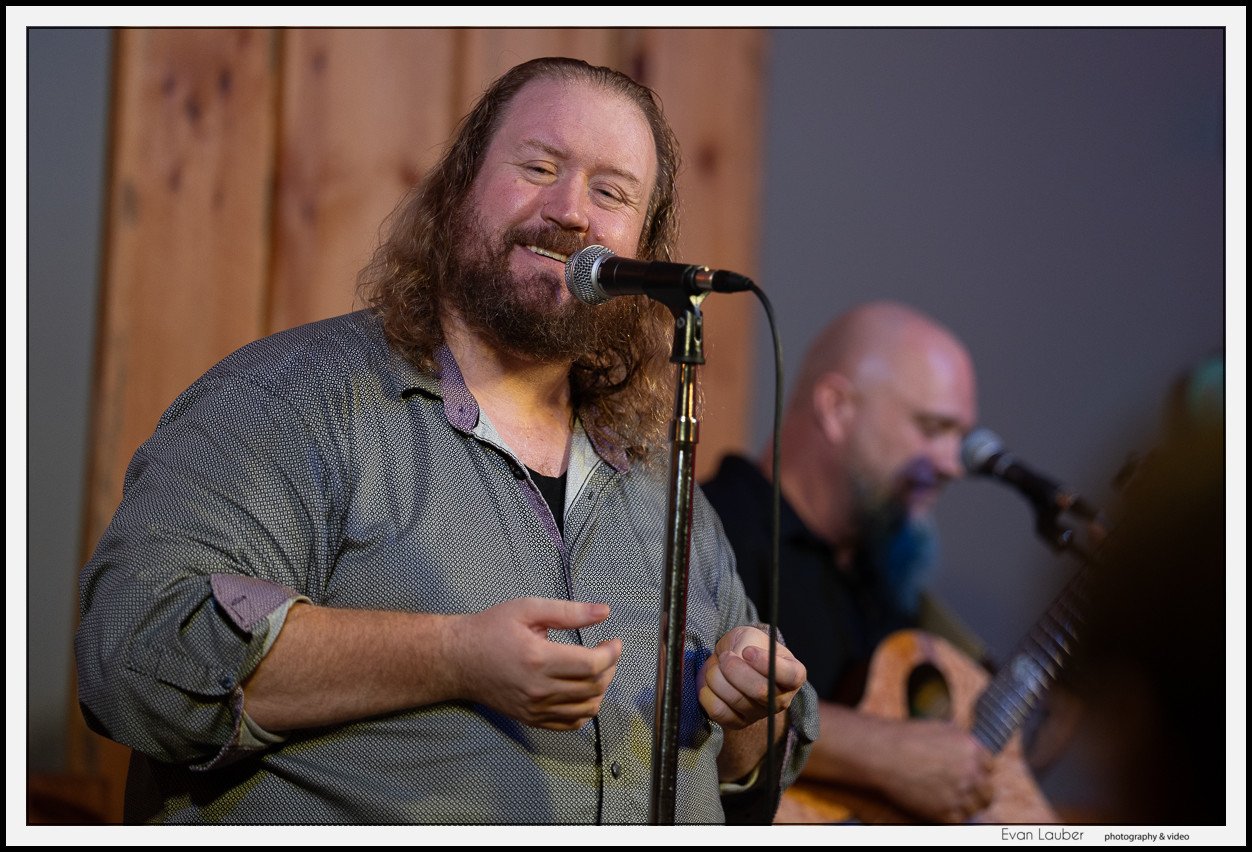
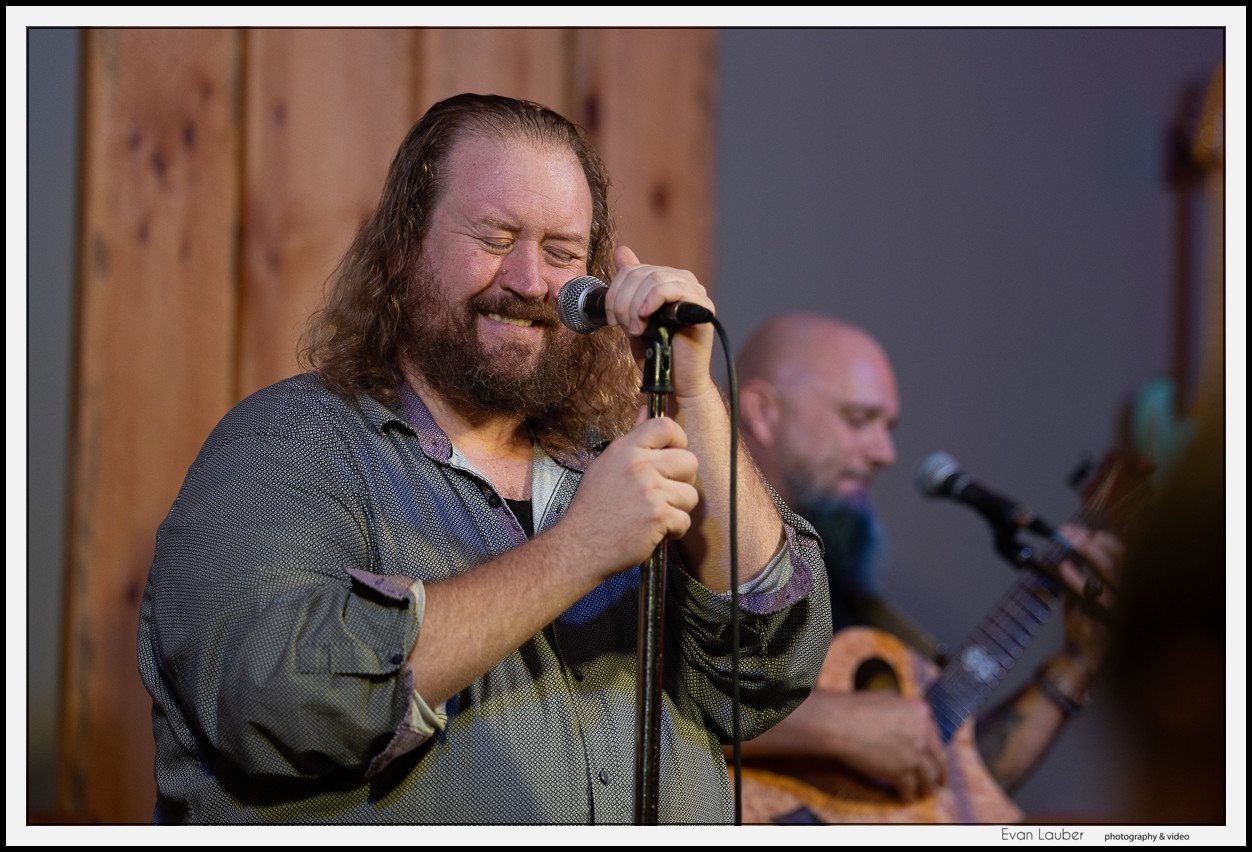
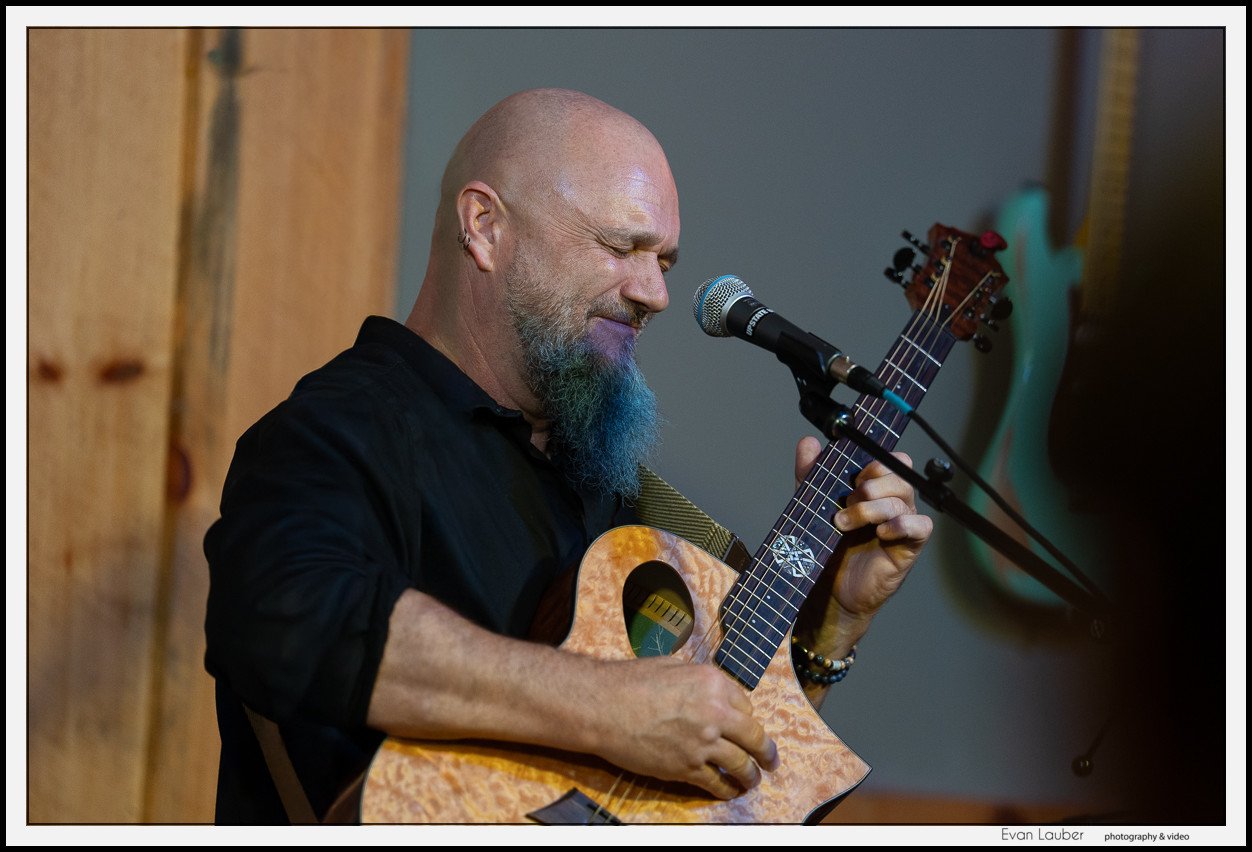
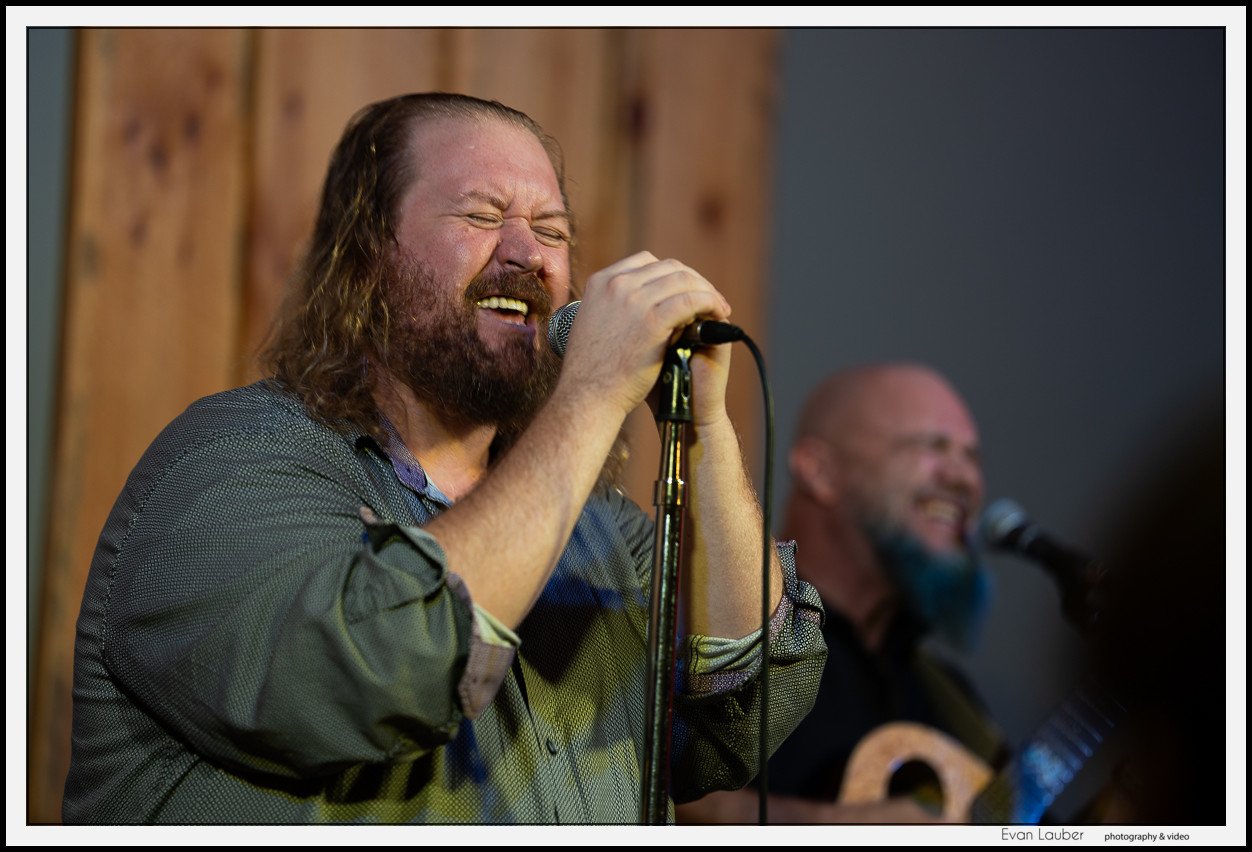
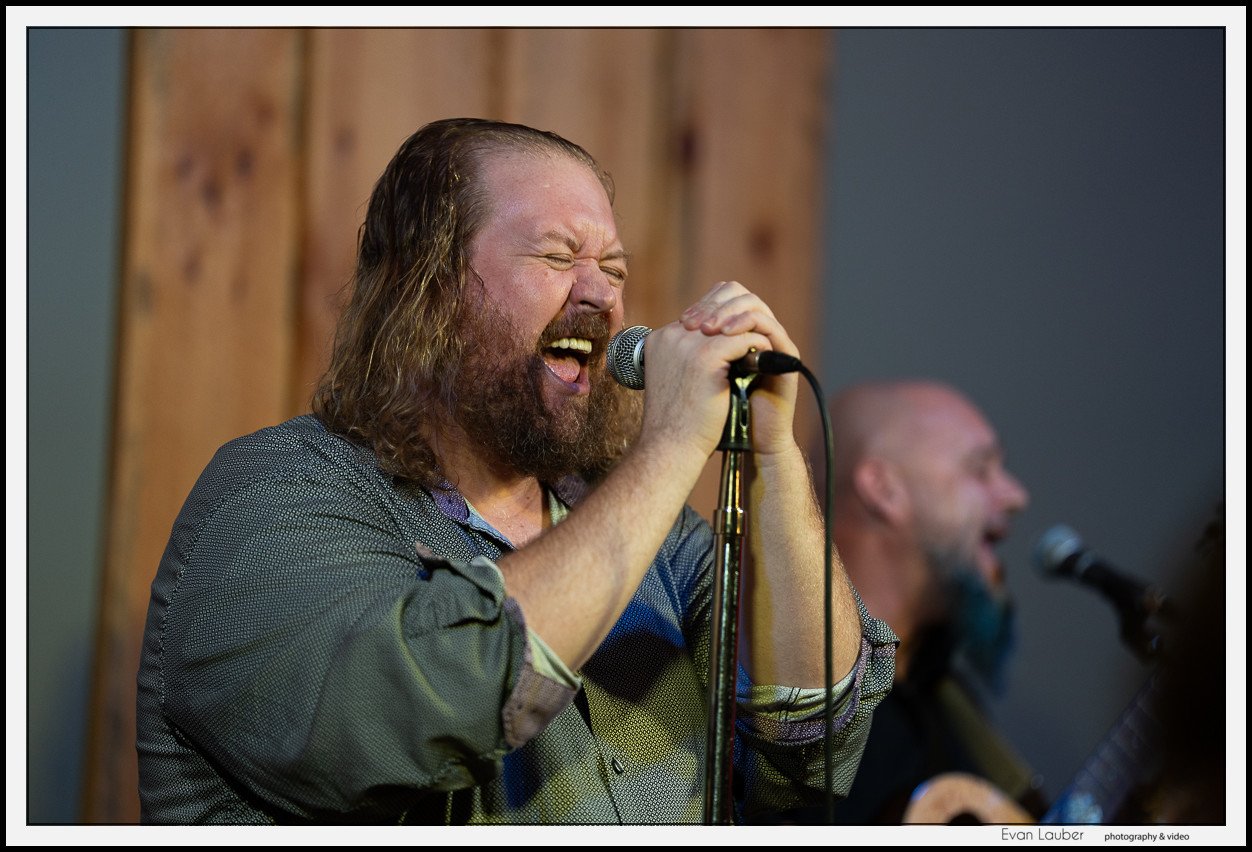
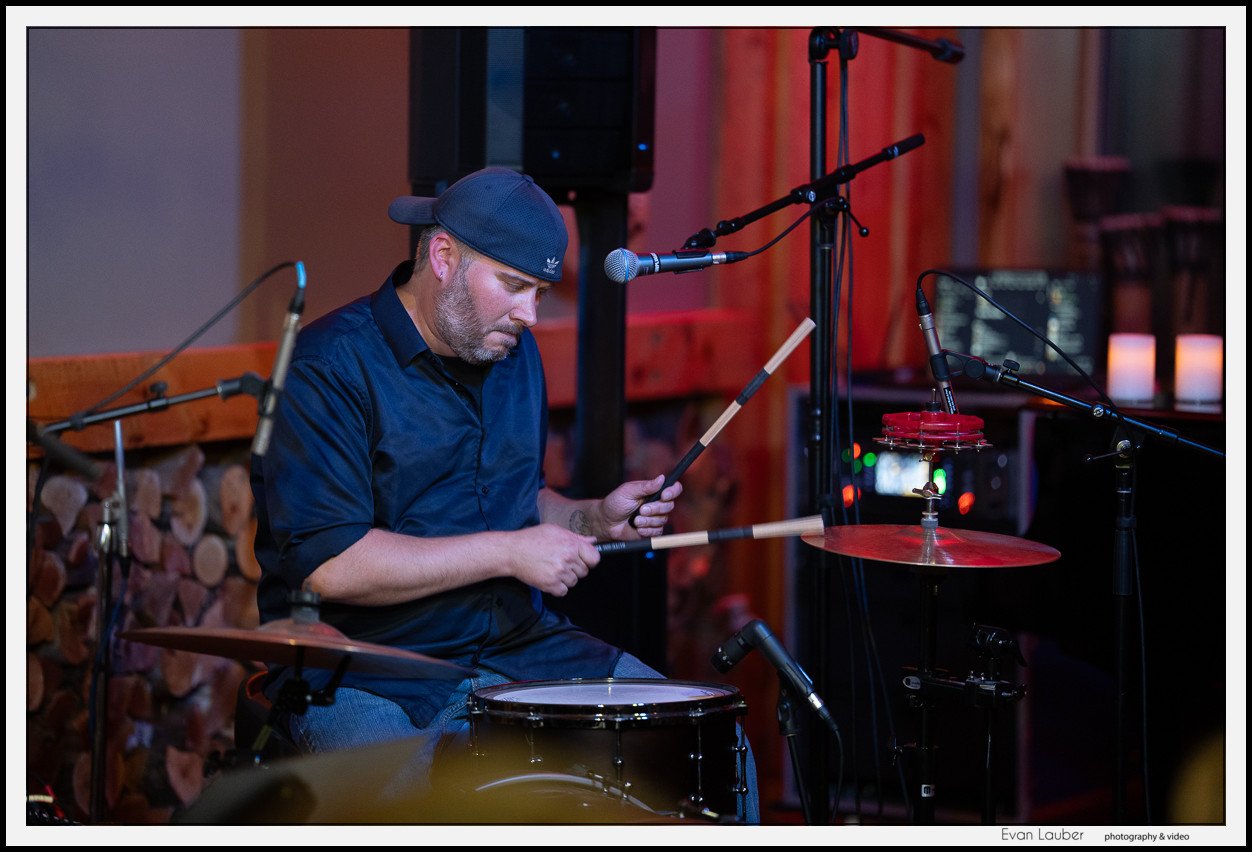
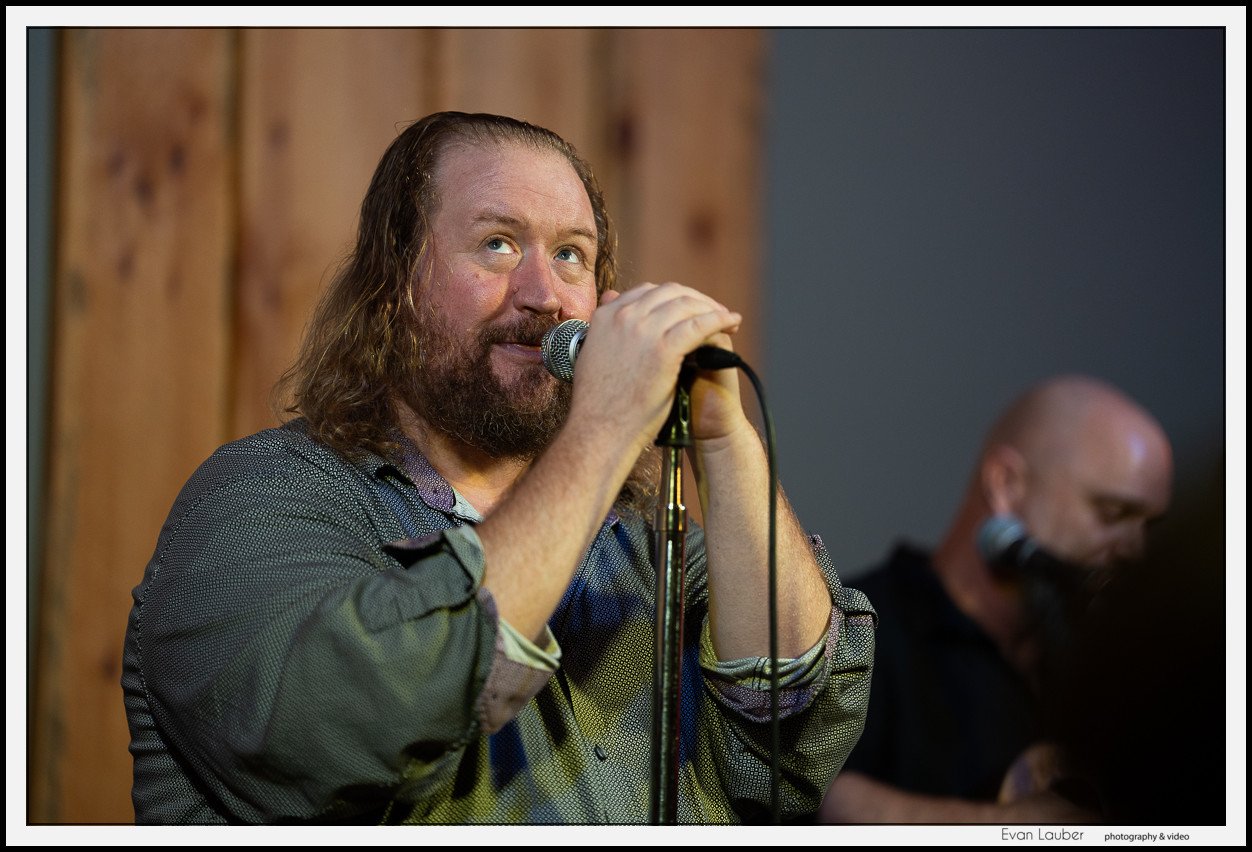
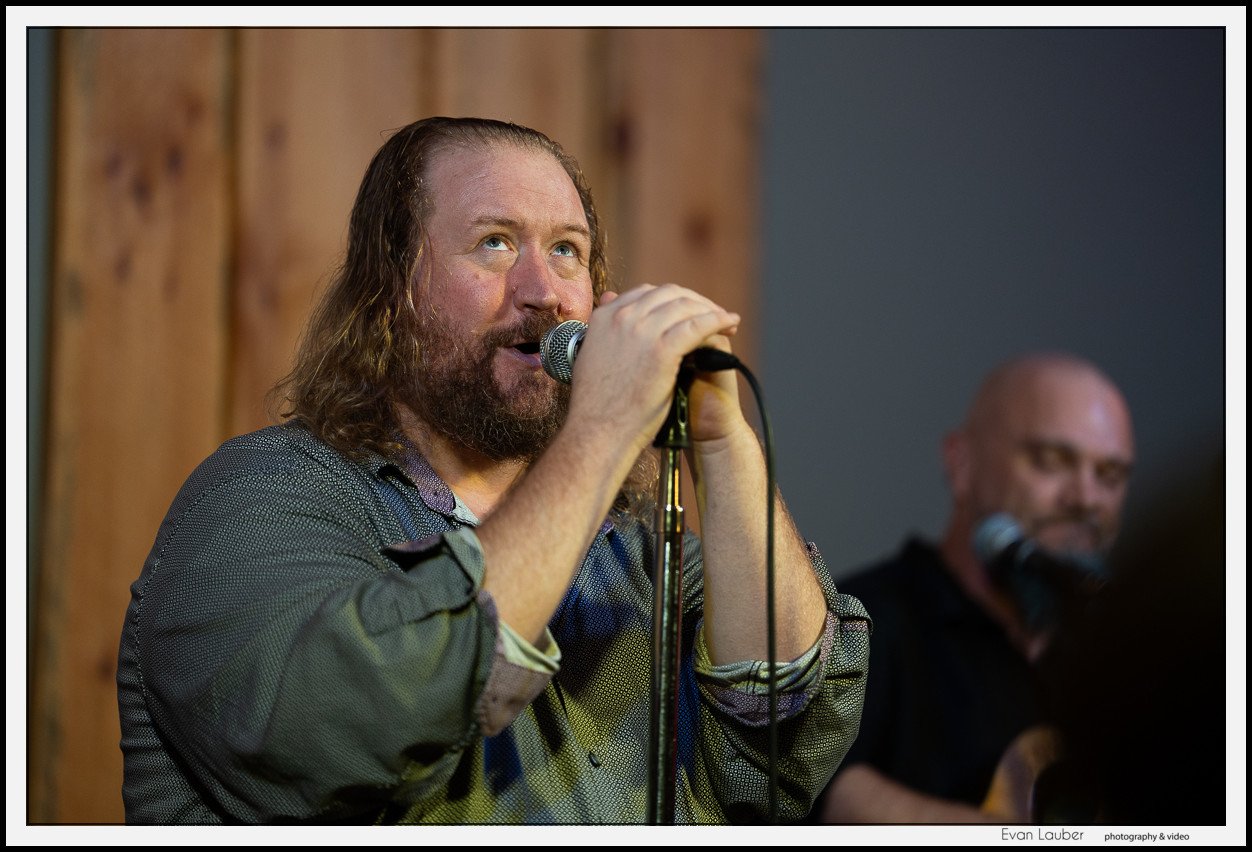
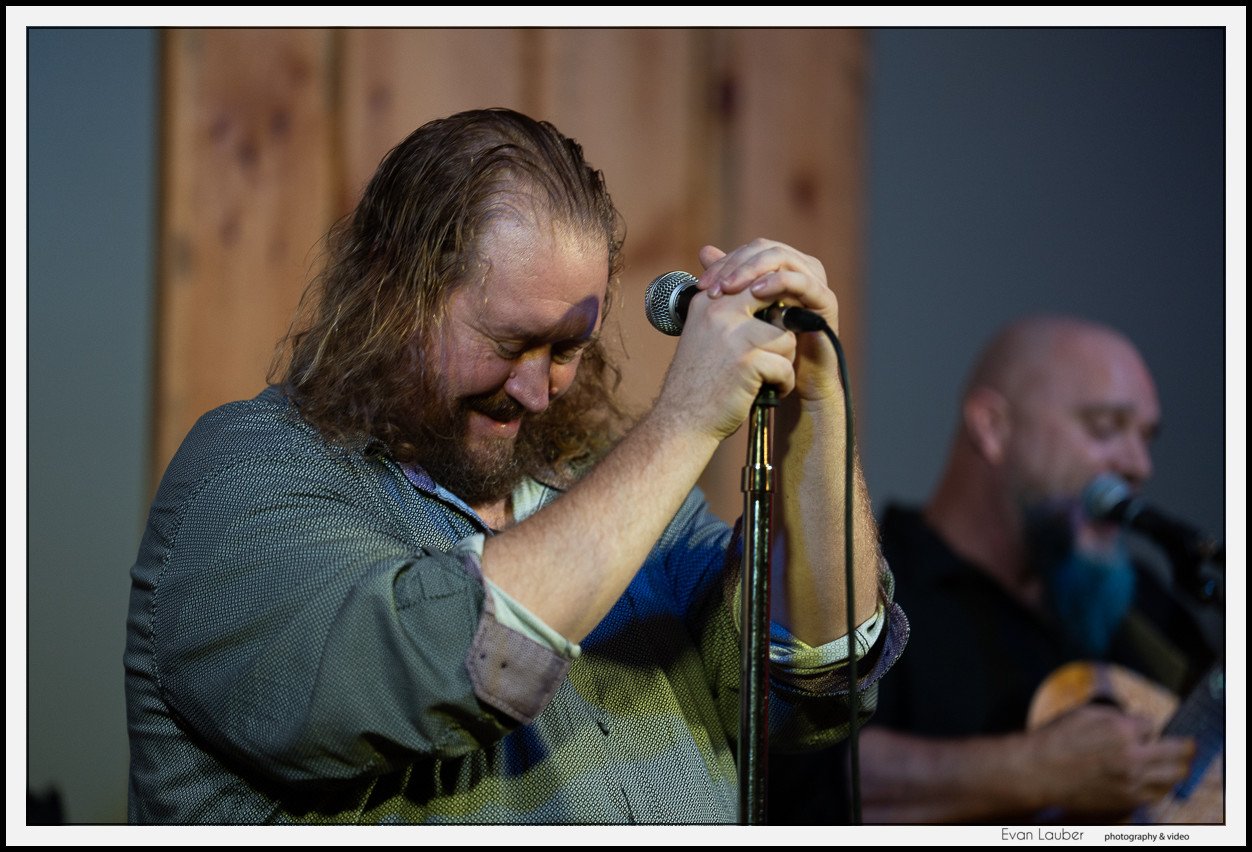
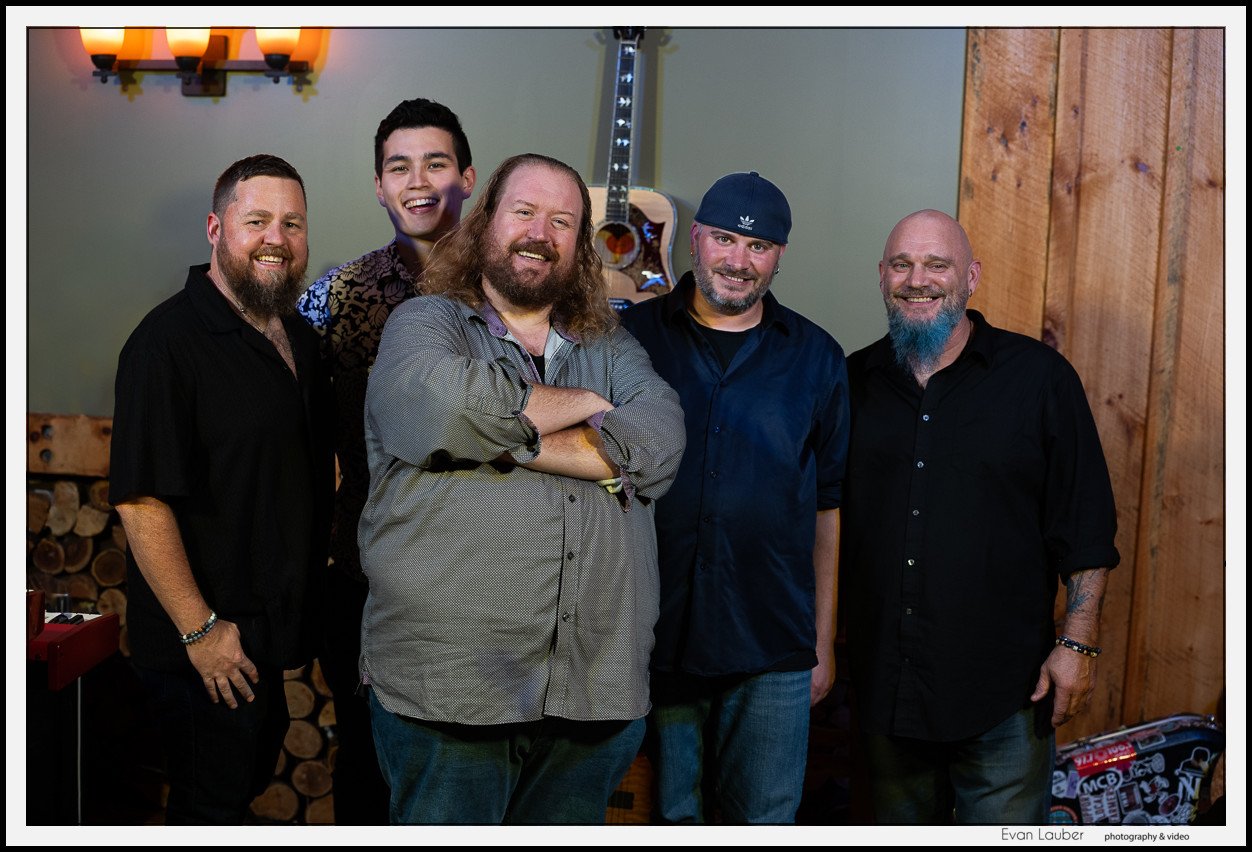
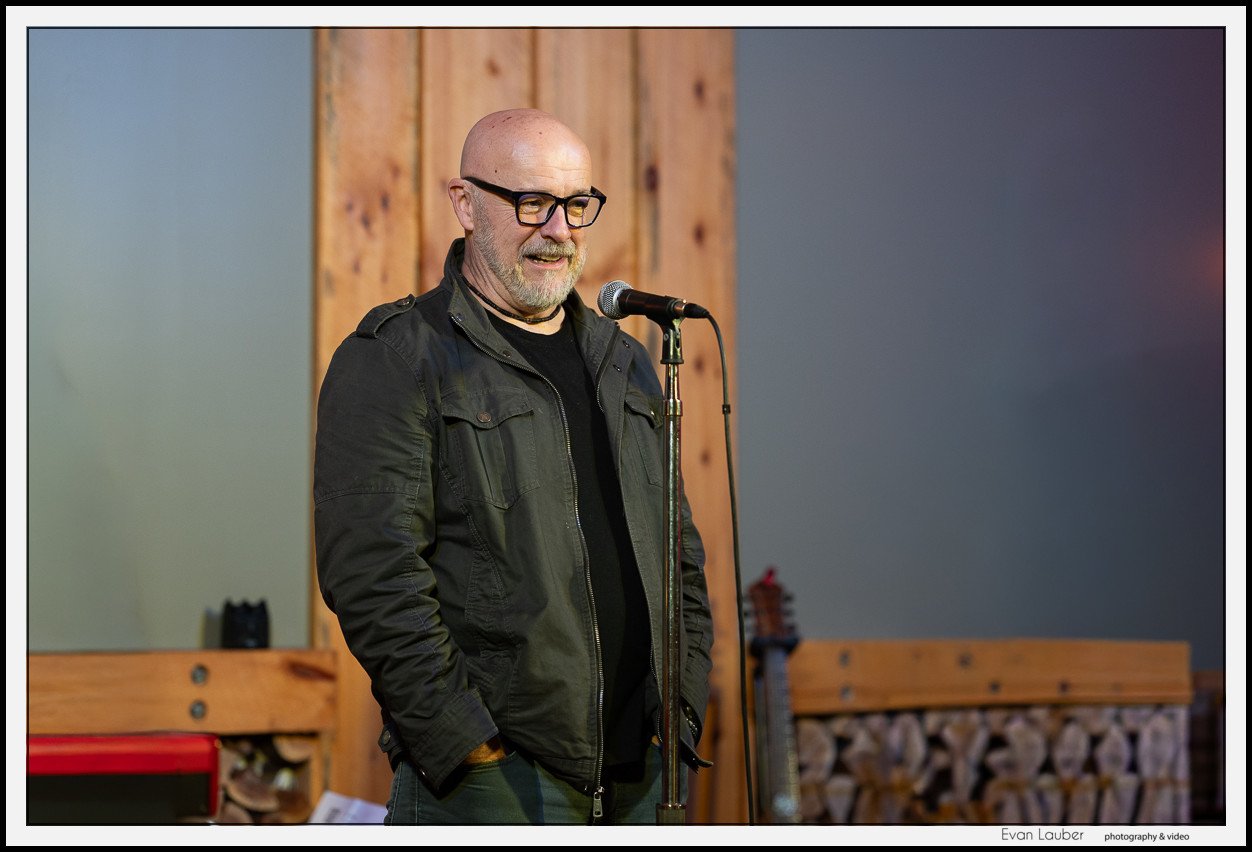
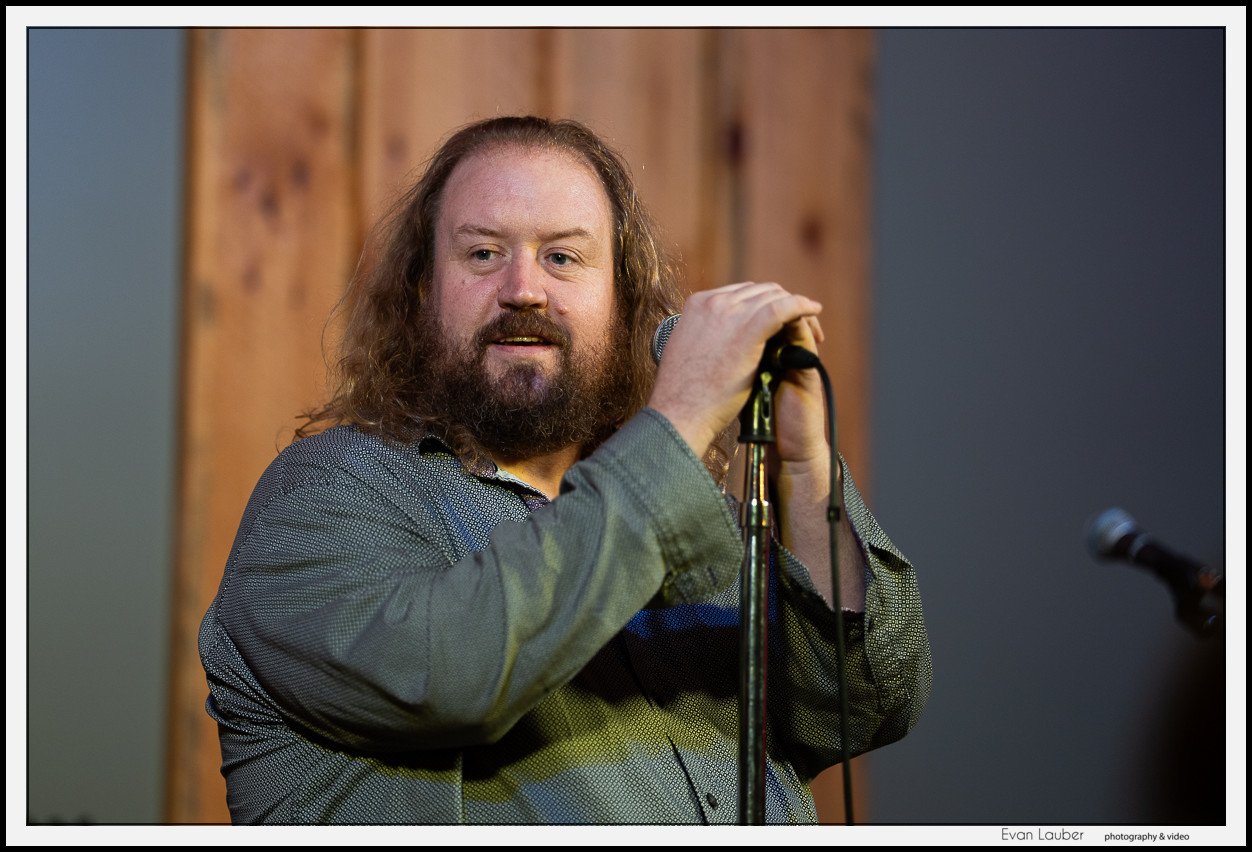
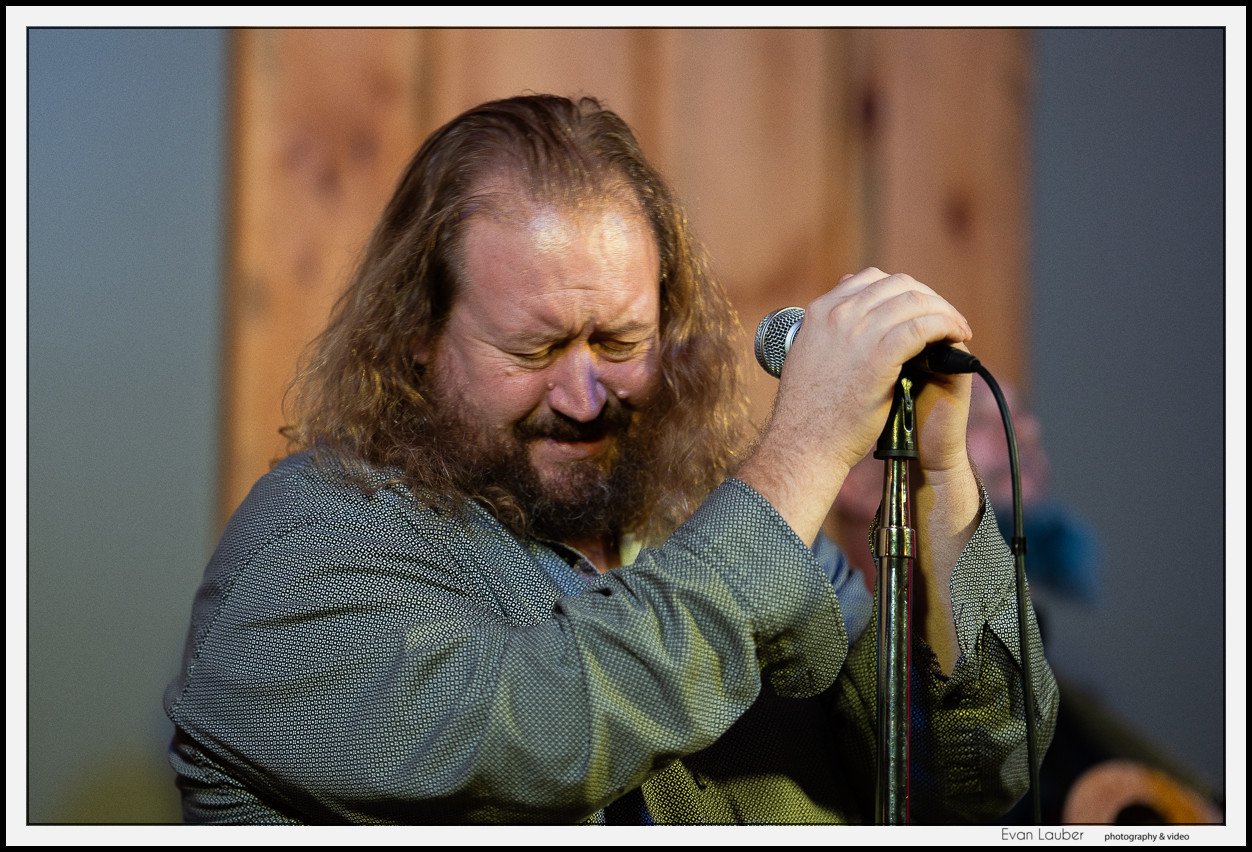
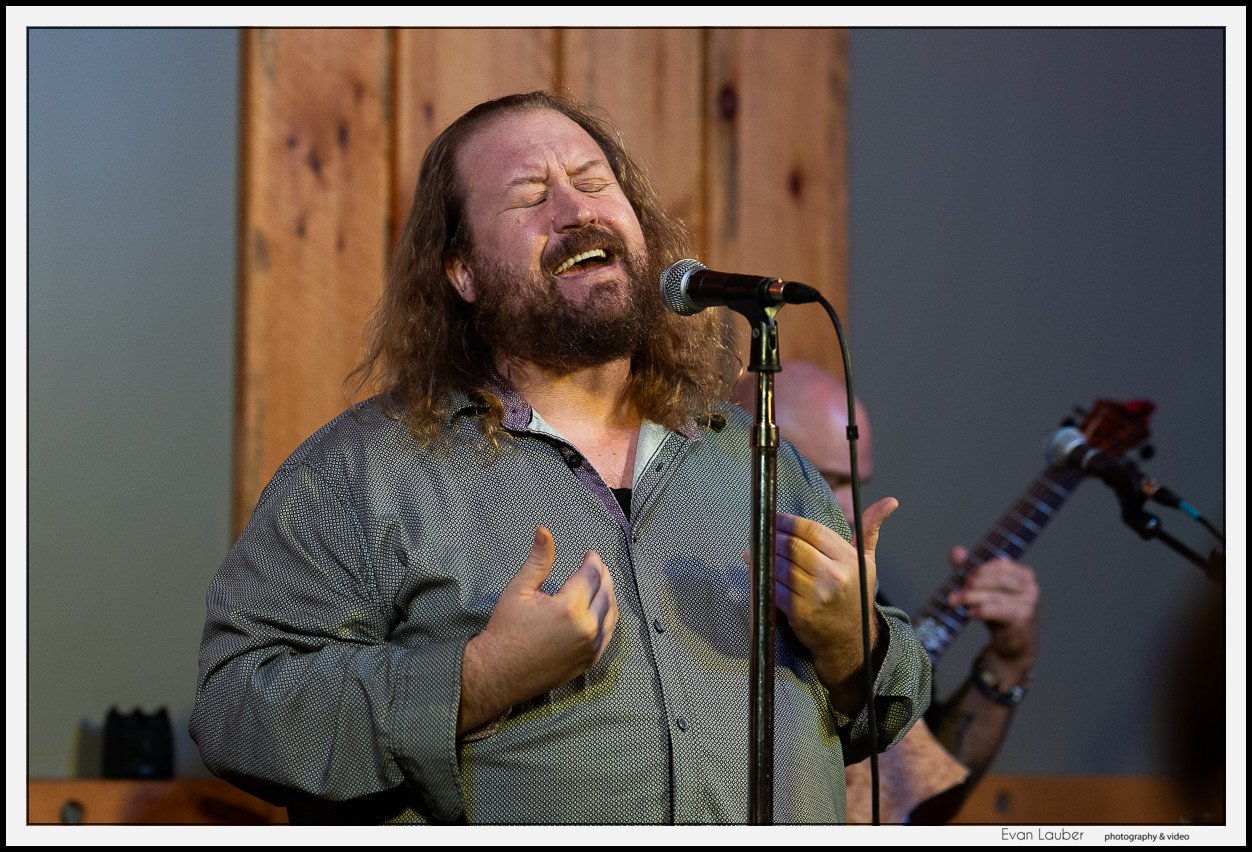
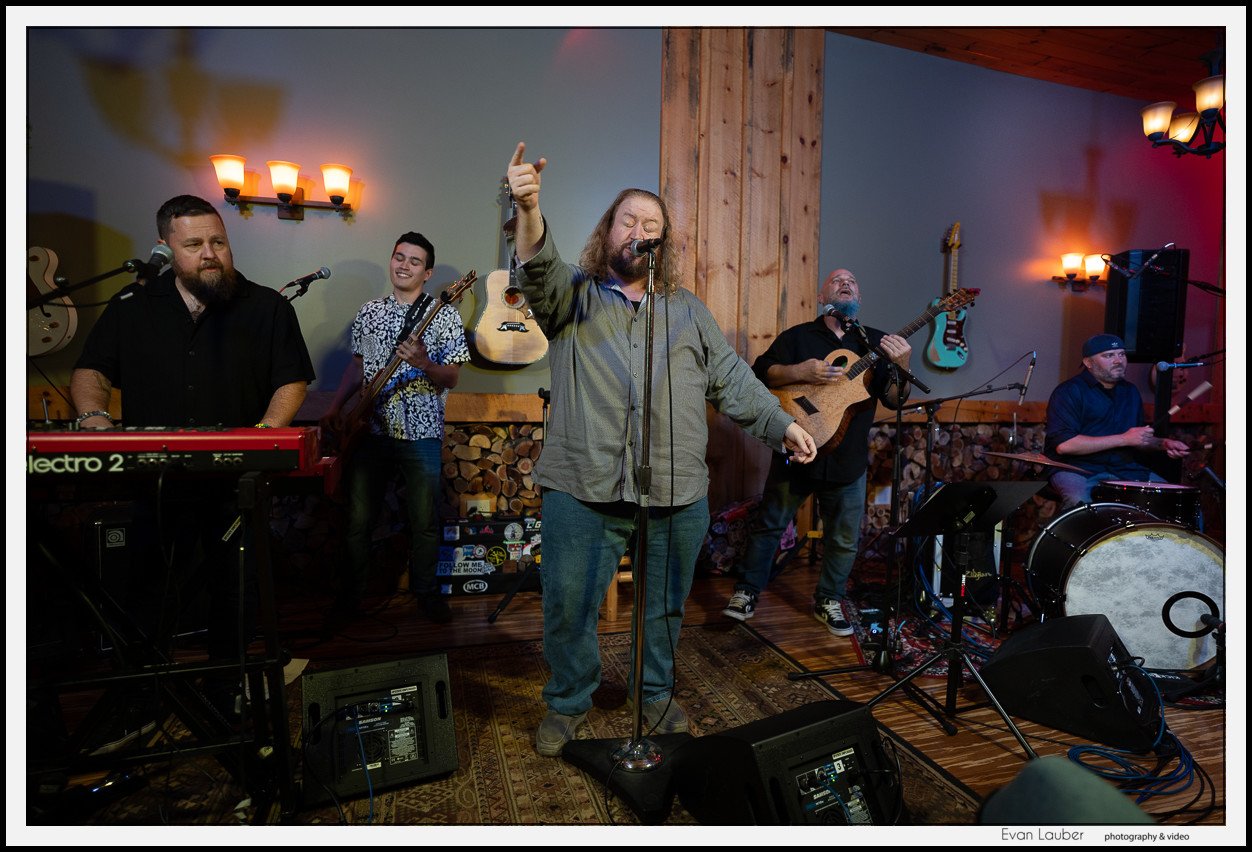
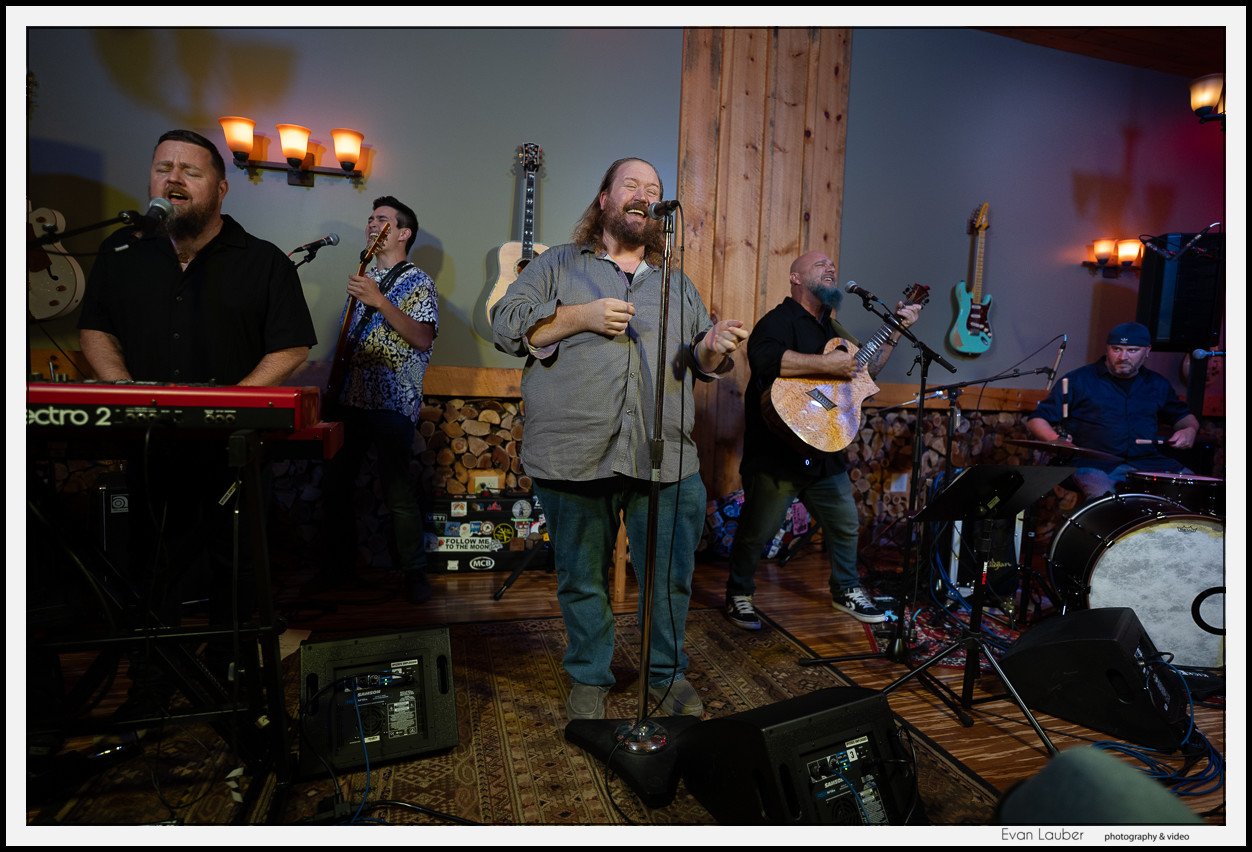
On October 17, Upstate Unplugged presented its latest event at White Lake Studios, the Rust Belt soul of Illinois’ Harlem Hayfield.


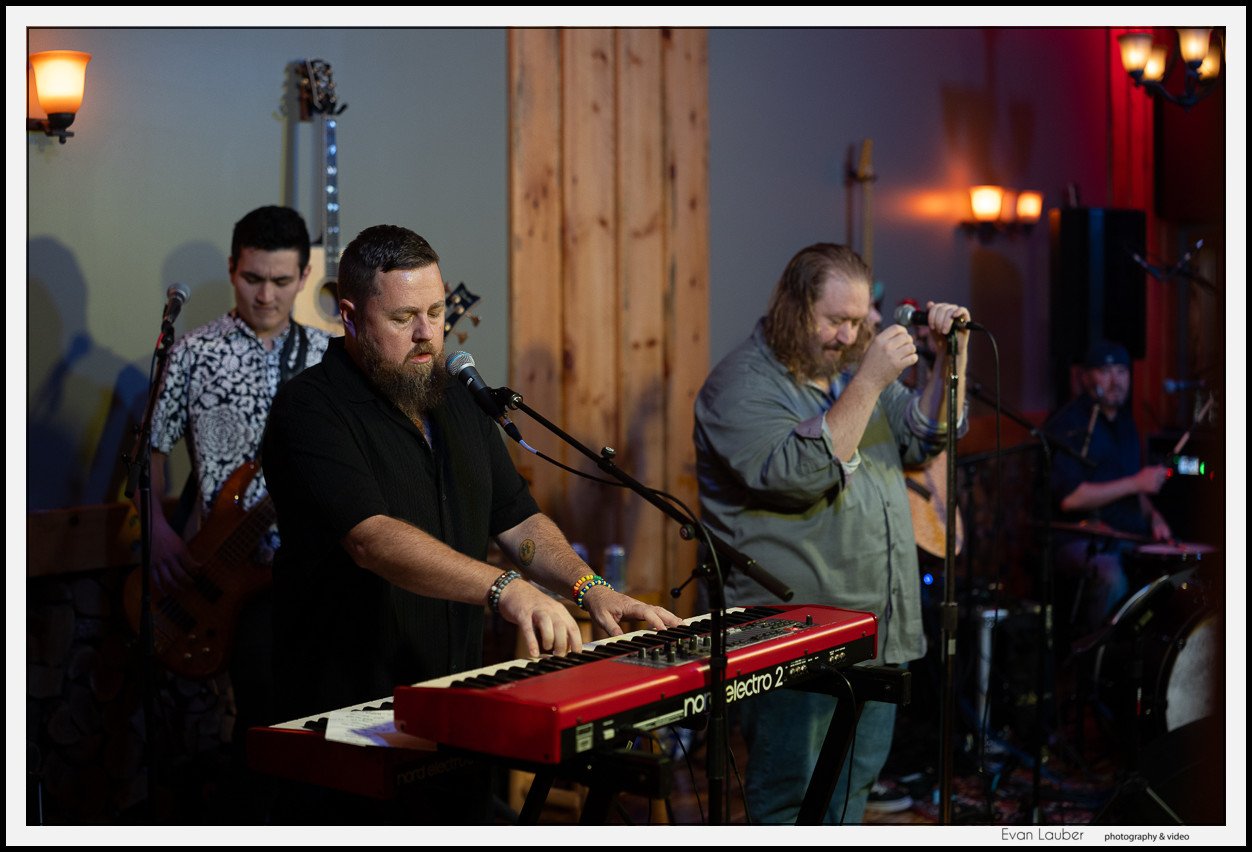
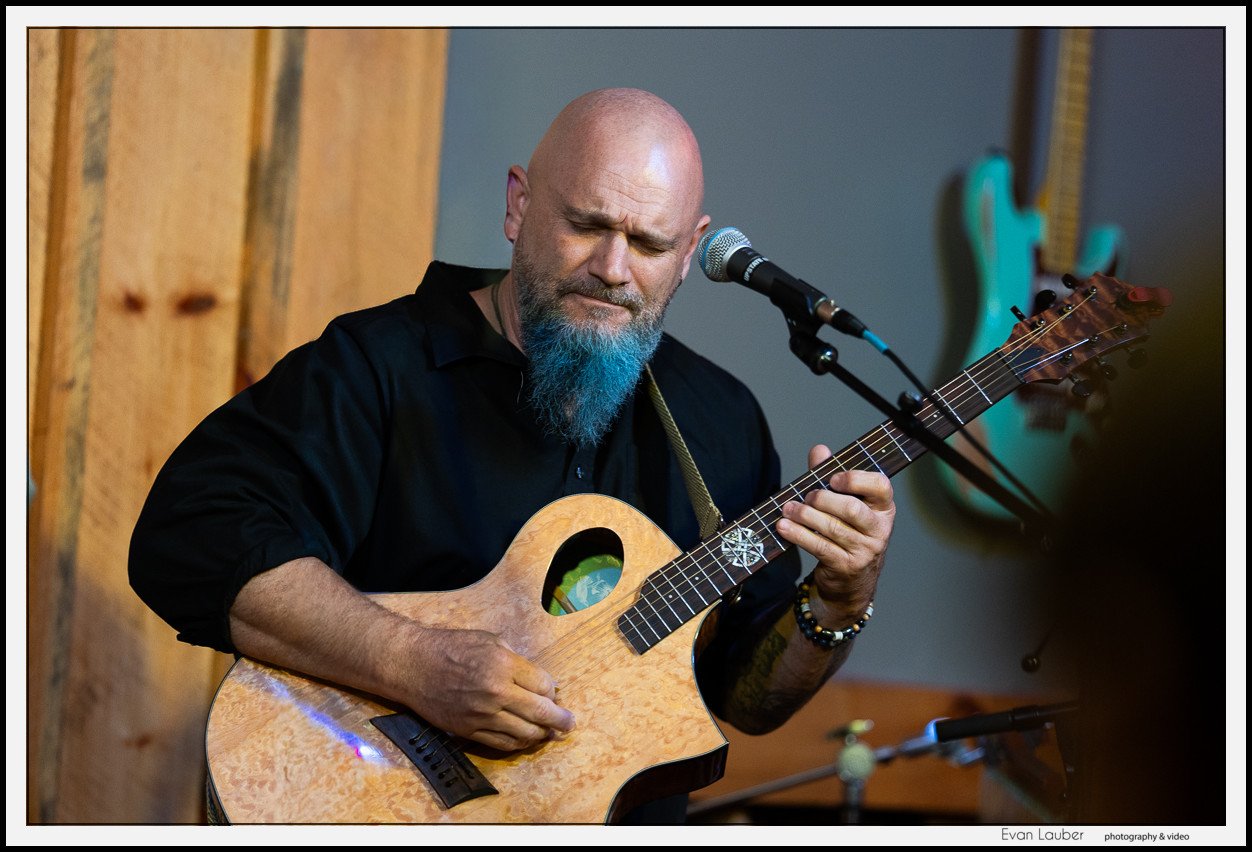
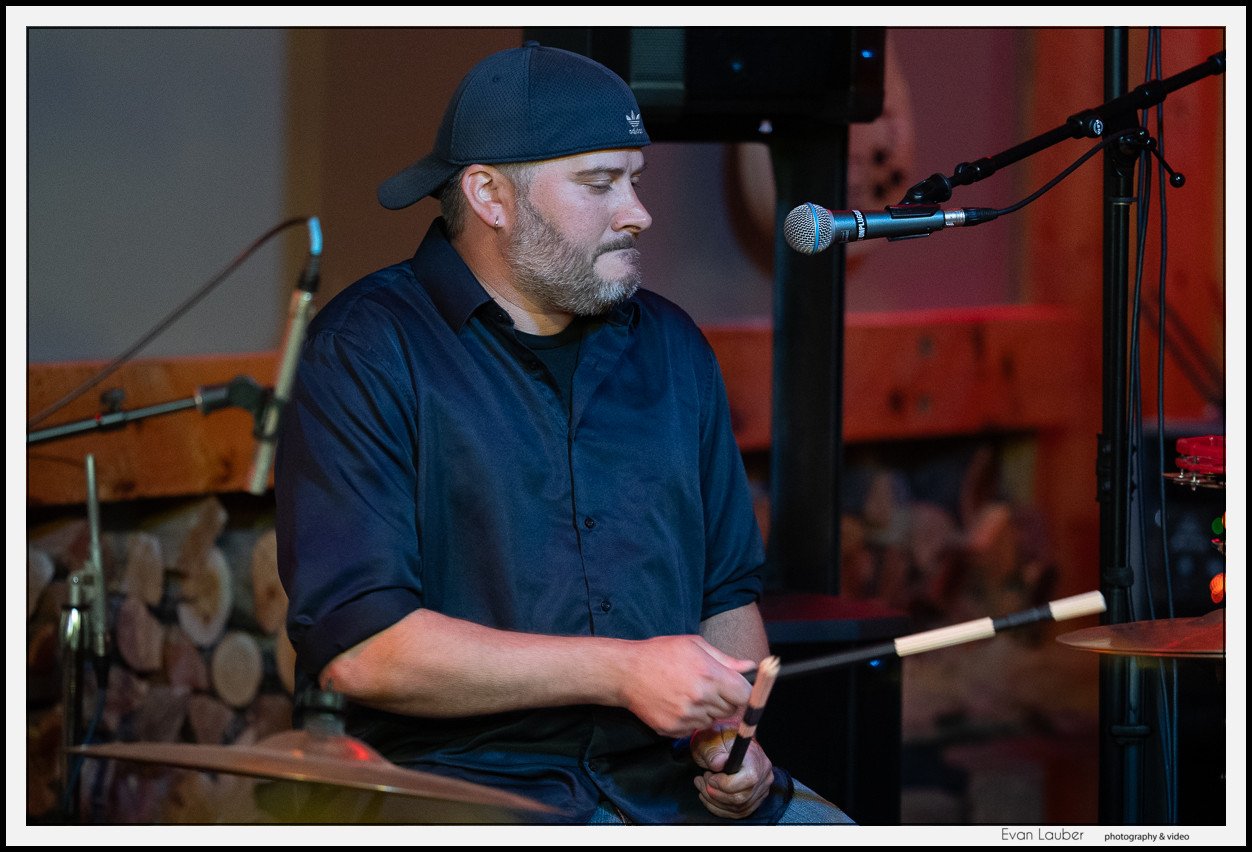
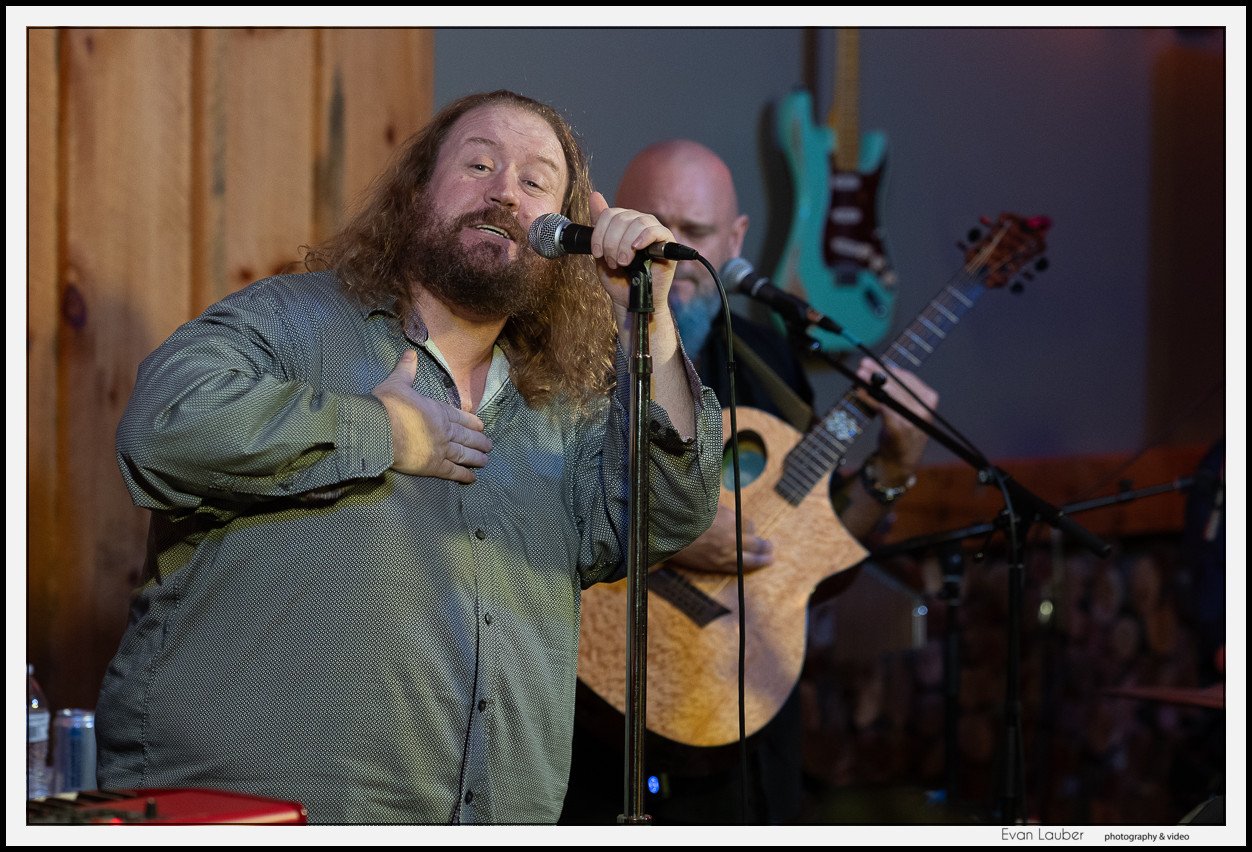
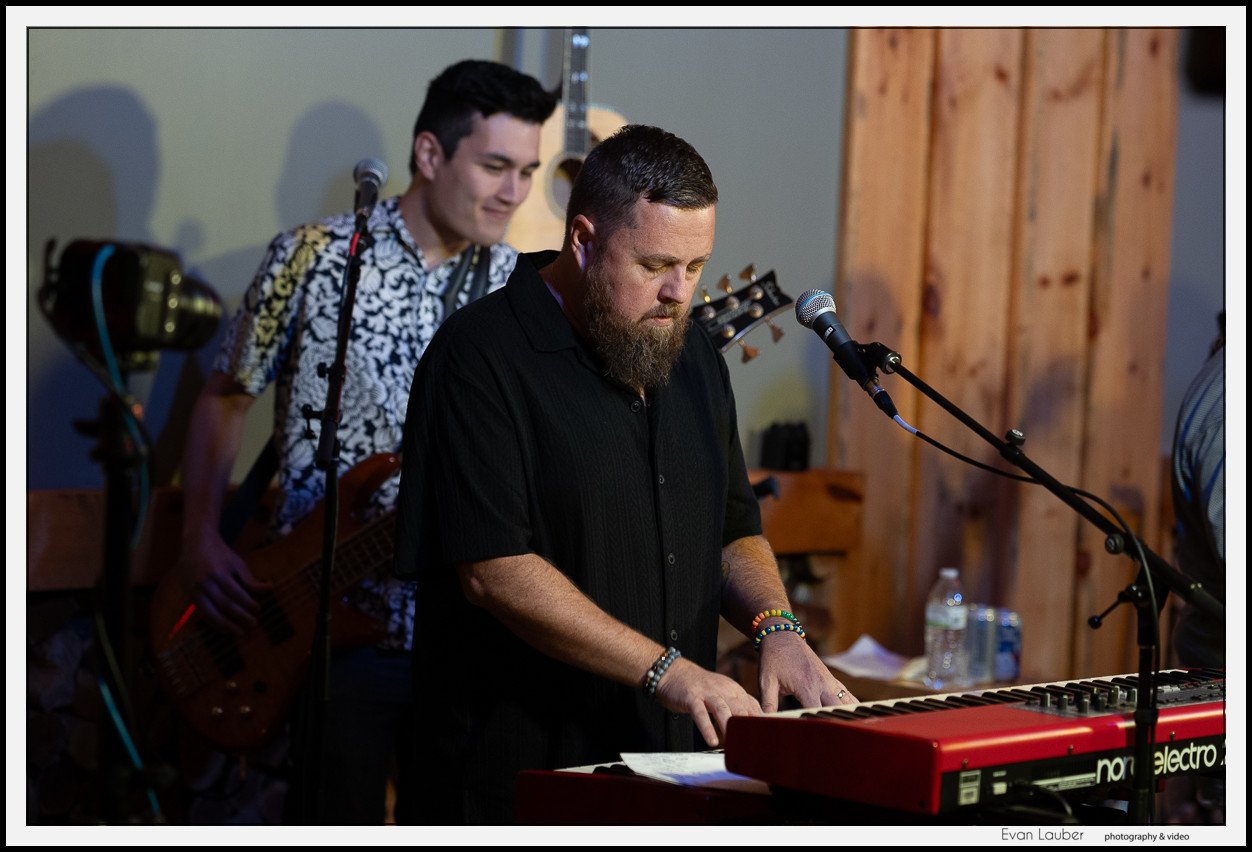
Photography by Evan Lauber.

More from Evan Lauber …

Sean Delaney – Thanks for Asking!

0

Sean Delaney – Thanks for Asking! – by Liam Sweeny.

RRX: What was the very first reaction to your music, from the first person to ever hear so much as a practice jam or the demo of your first song?

SD: Well if you want to travel back to around 1992, you would find me being praised by my English teacher for the poetry I was turning in. It started out there, but once outside music influenced my
brain, such as my father’s classic rock or the hip-hop scene of the 90’s in Hudson, that’s when the poetry shifted into songwriting.

RRX: “The best laid plans of mice and men…” I don’t really know the quote, but I know this one; sh*t happens. When we least expect it, calamity befalls us. Sometimes just comic inconvenience. Please tell us a story about some comic inconvenience that happened to you whilst performing?

SD: This is something I spoke of when I wrote my book “The 40 Year Old Rapper”. In my early days I would take a train from Hudson to NYC just to get a chance to get on the mic in front of the best of the best at the time in an underground rap club called “Boot Camp.” This happened more than once, when I wrote my name on the list to get my shot and the other artists before me would do 3-4 sometimes 5 songs. So by the time it was my turn to finally shine, I had already been sitting there biting my nails and nervous as all hell for the last 4 or 5 hours to perform in front of basically no one at 3 am. Sometimes not even getting a chance at all, and to just swallow going home with nothing to show but the tenacity and will to succeed. It was a hard lesson in the grind and what it would take for me to finally get my opportunity.

RRX: My singer punched my drummer out. Memorable moment, though nothing to brag about. But we have these things that, when summing up your endeavor, an incident comes to mind. What do you got?

SD: I think for me, that moment came not so long ago. I decided that a shift was necessary and I realized that the music game was nothing like it used to be. The moment I made the decision to create my own genre “American Flówk” was the time I realized all of the blood, the sweat and the tears were all meant for me to come into my own and to build something brand new.

RRX: We have to play somewhere, and sometimes those places have more going for them than a stage and a power outlet. What is a memorable place you played, and bonus points if it’s not a well-known place.

SD: Back in 2007, Open Your Eyes was a massive hit, we went viral overnight on Youtube and we had a quarter million plays in 3 days. I was asked to travel as a consultant for a company called NYSACRA. For those who are unaware, Open Your Eyes was the first hiphop song ever written on Autism, and I was a Direct Care worker at the time. Well, as I was saying I was invited to this
event in Saratoga where I was asked to stand up in front of 500 people and recite the first verse Acappella. Needless to say I crushed it and that the applause was tremendous. This was when I
knew this is what I wanted to do for the rest of my life.

RRX: Playing out is tricky because you never know what’s going to happen when you get there. Sometimes everything goes wrong. What was your worst show like?

SD: Fortunately I haven’t gotten to experience by so called “worst show” yet. But, I am not naive to the fact that it’s gonna happen one day. If 10 out of 5,000 shows end up tanking for some god given reason, well I’d take those odds because my philosophy would be, at least I got to play 5,000 shows.

RRX: Would you rather have one of your songs blow up and make you a one-hit wonder and household name, or would you rather have all your songs be solidly received, but no chart-climbers? (You have to pick one or the other here.)

SD: I would have to go with the longevity of it all. At the end of the day I want the world to be able to hear my message. My lyrics are very profound and speak on an abundance of relatable topics. A one hit wonder would do nothing for me. Now if that one song opens Pandora’s Box and then the world gets to find me this way, that’s a different story. But I have a vast catalog of music I am
trying to change the world with. So one song, would not be enough. One hit wonder’s go viral, but they don’t build legacies.


More from Liam Sweeny…

Nug in Nose – The Weird Side of the Internet

0

Nug in Nose – The Weird Side of the Internet – by Liam Sweeny.

Go into any emergency room, and someone there will tell you about the light bulb. Is it necessarily a light buld? No. But let’s just go with a light bulb. And if you can already guess where this is going, good on you, but it’s where it goes, or rather, where it went that’s important here.

Yes, it went in the butt. Which some people treat as a comfy pocket for their personal items, and even, under the wrong circumstances, their drugs. But thhere is a stash orifice that automatically comes to mind. A little smaller, a little less give, but the human nostril has been a runner up for boofing. And just as much can go wrong.

Take the story of a former inmate in Sydney, Australia who had hidden a small plastic capsule of marijuana up his nostril. This was eighteen years-ago. Over the years, it had calcified, and the inmate had a few symptoms, but nothing major. A few months ago, his symptoms got worse, and a CT found his stash.

The calcification part isn’t crazy, per se. It happens to kids all the time who put things up their noses. Stickers, beads, little stuff. But even kids are smart enough not to stick a bag of pot

I have no idea if the pot was still smokeable. Petrified pot, damn.

How do you not know something like that is up your nose for eighteen years? He had to have wondered why he was always having sinus infections and nasal discharge. He must have lousy insurance.

But you know, here’s the thing too. The jail never found his pot, so is a nostril actually a good place to stash if you’re in the joint? That’s gotta equal a Yelp review for that jail.

Eighteen years. That pot is old enough to be hitting college. It’s old enough to vote and go to war.


More from Liam Sweeny…

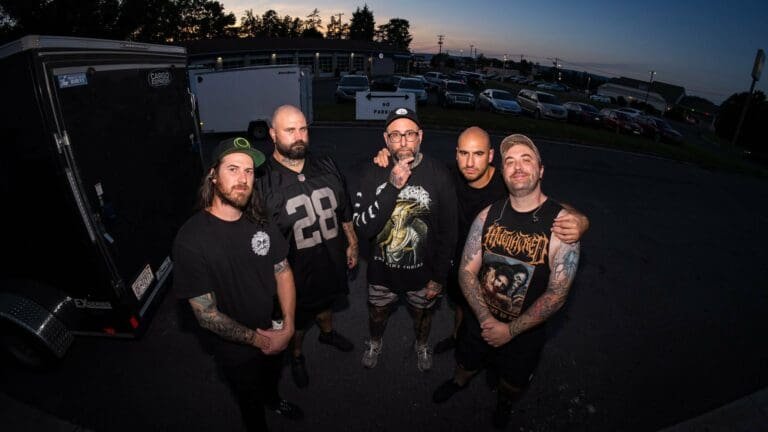
The Acacia Strain: You Are Safe from God Here Listening Party

0

The Acacia Strain – An Xperience Interview – by BradQuan Copeland.

Scattered leaves crackle across the pavement as I sit in my car across from Kickstart Café in Schuylerville, NY. Rested beneath the sun’s gentle press, I’m greeted by the calm of the sky’s crisp breath. It’s 4:15 p.m., and cars steadily begin to fill the lot as The Acacia Strain’s lead singer, Vincent Bennett, puts the finishing touches on the listening party’s setup. You Are Safe from God Here is the heavy metal band’s upcoming album, set for release on October 24th. Though not well-versed in the genre, my openness to new sounds fixates my attention as I eagerly await the event’s start. 

Exiting my car, I cross the street and slip into the slow-swelling motley line. Music brews in the background as I take in the scene: black hoodies, trucker caps, knitted hats, flannel shirts, sagging beards, dirty Vans, Garfield slippers, dyed hair, gauged earlobes flanked by piercings, and tattoos by the dozens. Light conversations simmer as 15-plus-year fanatics of the band anxiously await the session’s start. Local yokels and looky-loos pass by in laced boots and rumbling trucks, reeking of curiosity. 

5:00 p.m. hits, and the line stirs to life and moves into the café’s lot. Two vintage Harleys sit on display beside a concession stand where a man in a black eye-cut mask is posted. Nearby, a small box-style TV with a VHS-DVD setup plays Casper the Friendly Ghost beside a library of tapes and a stash of merchandise: limited-cut vinyl, stickers, and glow-in-the-dark shirts. Heads knock to the pulsing tunes, and at the front of the line, a young boy, no older than six, jams out like he’s the only person in the world. 

The atmosphere is electrifying! Deep, bellowing shrieks claw through the speakers, scraping at the crowd’s flesh with goth-painted nails. Faces scrunch in awe at the collision of punctuating cymbals and the blistering churn of monolithic bass lines that bludgeon the eardrums. In a live setting, a fight would surely erupt within a mosh pit of black-clad bodies, all jolting their fragile yet fervent hearts in frenzied unison. 

Before I know it, an hour has passed. At the front of the line, I shake hands and snap a selfie with the personable punk himself, Vincent Bennett. We talk briefly about the band’s upcoming Albany show at Empire on December 13th, and he even agrees to an interview at a later date. Thrilled by the exchange, I head back to my car and stream the three available tracks from their upcoming album on Spotify. 

With the windows sealed, I crank my Bose speakers to full blast and rip down the highway, locked into the murk of Acacia’s sodden swamp. The tracks blaze, and at the forty-ninth-second mark of Holy Moonlight, the breakdown seethes through my core. Suddenly, I’m entrenched in a heated Fight Club-esque duel: bloodied face, battered husk, salt-stung eyes, as the guitars shift into a sludge-laden guttural grind. The double pedal thunders against the crown of my skull, unleashing a primordial torrent that awakens the fury of ancestral hellions from the bowels of the netherworld. Without hesitation, I devour my opponent with cannibal callousness and stand firm, detached from divinity—hence the album’s title. This is art that scalds, like fine white lines to virgin nostrils. 

Upon arriving home, I sit in my car for a long moment, letting my biorhythms settle before winding down for the night. You don’t just shake off this funk; you let it dissipate, give thanks, and recognize an experience beyond light. Needless to say, I’m beyond stoked for the upcoming interview and can’t wait for another face-to-face with Vincent Bennett. 

A few days later, I met Vincent again — this time without noise, without a crowd, without shrieks. Just two chairs, coffee, and the magnitude of You Are Safe from God Here between us. 

Interview with Vincent Bennett

RRX: So, I’ll be honest, I’m newer to your music, but curious all the same. What struck me right away was the sheer emotion behind it. For someone who’s never been immersed in this world, what do you want them to feel when they first hear The Acacia Strain?

Vincent Bennett: I want them to feel like they’ve found where they belong. You know, a lot of people struggle when it comes to finding a place. When you’re a teenager, you kind of listen to whatever—you listen to what your parents listen to, you listen to what’s on the radio. You don’t really have any real opinion on music yet.

When you become a teenager, you kind of find the stuff that you gravitate towards. When it comes to heavy metal and hardcore music, I feel like in punk rock, it’s a place—it’s a feeling more than music. Certain people who don’t know where they belong yet find this kind of music, and they finally feel like they belong somewhere.

There’s a lot of—well, I don’t want to use buzzwords like trendy or preppy—but there’s a lot of regular people in the world, and when you’re in school, you’re surrounded by that. You don’t have a lot of people who are just like you. So when people find metal or hardcore, they finally meet others who think like them, who like the same things, dress like them, act like them—it’s finally somewhere they can belong.

That’s exactly what The Acacia Strain is. We give people a sounding board, someplace to go, and we let them know they’re not alone in their thoughts.

RRX: Real community, yeah? Love that. There’s an intensity here that borders on spiritual almost—like it’s more than sound, it’s release. What does performing this kind of music do for you on a personal level?

Vincent Bennett: I don’t know where I’d be if I didn’t have this kind of outlet. A lot of people ask, “Why does your music sound angry? Why is it so sad? You’re such a nice person.” And I say, “I wouldn’t be a nice person if I didn’t have this.”

It’s important for everyone to have something like this. When I’m on that stage, I completely let go of everything that’s happened to me during the day, the past month—everything. It gives me a place to release. Even writing or recording or talking to people who understand helps me adjust so I’m not just an angry or sad guy all the time.

It lets me put that anger and sadness into something that makes me happy. Everyone needs something like that—music, sports, art, running—whatever brings you joy and allows you to turn negativity into something positive. That’s what this band is all about. Everybody should either start a band or find something that makes them happy.

RRX: Yeah, one philosophy I’ve always had is like, we are who we are. There are these aspects of ourselves that we don’t quite like, but we drive ourselves crazy trying to eradicate them. They’re an unfortunate, but vital part of us that needs to be channeled properly. Once you do that, you’re off and running.

Vincent Bennett: Absolutely. Everyone’s got their own self-mirror image—how you view yourself. And if you view yourself negatively, it’s important to try as hard as you can to change that or use it to make yourself feel better.

RRX: From the outside, heavy metal can look like pure aggression, but I get the feeling it runs deeper. What’s the true driving force at the wheel of your creativity?

Vincent Bennett: It’s my own personal experience with life—everything going on around me. I think, like I said before, I’d be really angry if I didn’t have this. It’s hard not to be angry right now. Being a human being on earth feels like being in a prison sometimes.

I take all that and fortify it. I don’t want to just be direct or say, “This is what this song is about.” It’s about taking my life experiences and making them accessible for everyone. Heavy metal is expression. Hardcore is emotion.

When outsiders look in, they see people beating each other up—but I see release. People hate their jobs. People hate their parents. People get run into at the grocery store, and the other guy doesn’t say sorry—it all builds up. When people have a release like hardcore or metal or punk rock, it gives them somewhere to feel good.

When you’re a kid, your parents say, “If you’re angry, punch a pillow, yell.” Hardcore and punk rock are the grown-up version of that. You have to go somewhere to express yourself, or it rots you from the inside. People who see it as aggressive are missing the point. It’s aggressive for a reason—because we need an outlet.

RRX: Are you familiar with Jackson Pollock?

Vincent Bennett: Yeah. I’m familiar with his work.

RRX: That’s the vibe I get. It’s like colors representing different aspects—every person in that painting is a different color. As they intersect, it creates that maddening beauty, that passionate unfiltered energy. That’s what your music brings me to. After doing this so long, what keeps you hungry—or even human—in a genre that demands such rawness?

Vincent Bennett: I don’t know how to do anything else, really. This has been my entire life. I’ve been doing this since I was 19, and I’m 43 now—more than half my life. Being in this band is like breathing. Losing it would feel like losing a family member.

I do it because I love it. I always tell myself, if it ever feels like a job, I’ll stop—but it’s never felt that way. There’ve been moments of doubt, sure, but then I’ll meet a fan, or listen to one of our songs, or play a set, and I’ll go, “This is me. This is who I am.”

Everyone doubts themselves, but when someone tells me that a record or a song means a lot to them, it reaffirms everything. I don’t want to do anything else. I love it.

RRX: And someone like me—someone just discovering The Acacia Strain—walks away from your new album with one lasting impression. What do you hope it is?

Vincent Bennett: Not to be ruled by your sadness or negative emotions. We all have them. For me, it’s about personifying the bad in you and finding a place away from it. I hope they understand that being sad, having negative emotions is okay, it’s part of the human experience—but you need to take a break from it sometimes. I was horribly depressed when I wrote this whole record. I needed somewhere to go, somewhere to be, somewhere to feel outside that bubble of depression.

I want listeners to find a safe place outside your own head to level yourself. Feel everything. Feel bad, but also feel good.

If you have to talk to somebody, talk to somebody. If you need to be alone, be alone. But don’t do only one thing. Mix it up.

It’s important to understand you’re not alone when you’re feeling bad—you don’t know what anyone else is going through. Everyone struggles. And it’s important to talk about it if you need to. Don’t feel embarrassed. Find someone you trust and tell them what’s going on—because they don’t know. Nobody knows.

RRX: Interestingly enough, there was some background chatter I heard while in line at your listening session. Somebody said, “This is a line of people who need therapy but won’t go.” Being that you said if you need to talk to somebody, you should—have you ever spoken to a therapist? Have you ever felt the need to?

Vincent Bennett: I’m the type of person where talking about stuff makes me feel worse. I talk to my friends, I talk to people I trust—but therapy feels cold to me. That’s just me. If it works for someone, that’s great, and I fully support that.

But for me, it feels sterile, emotionless. Like I’m just talking to someone to get things out of my head. It’s easier for me to talk to friends. All my friends are very understanding and welcoming of that kind of conversation. Not everyone has that, so therapy is great for them—it’s just not for me.

A lot of times, making stuff known, verbalizing things, makes it too real for me. It relitigates it. I can’t always talk about things. You know?

RRX: Fair enough. That’s a really interesting take from somebody who literally takes their emotions and puts it into lyrics and music.

Vincent Bennett: But that’s what I have. Every time I play a certain song, I’m letting that part of me out. It’s a sea full of strangers, but they’re still people I can trust with this stuff. It makes them feel something, too.

That’s the bonus—I’m not unloading on a crowd; I’m lifting them. I think I’m lifting people up. I hope. I don’t know what I do. I just yell. I just yell over the others.

RRX: I dig it! It’s real, man. Atmospheric.
Vincent Bennett: I agree.

Upon the conclusion of our sit-down, I thanked him for his time, and he wished me luck on my literary endeavors. The meeting reinforced a truth long known but often forgotten: the creators behind the art we deem untouchable are, in reality, human beings operating on the same wavelength of consciousness as the rest of us. The only separation lies in the platform of expression.
It was an honor to shoot the shit with a man who shares my views on helping the outcast feel understood—who’s anti-establishment and aware of the value in what lies beyond the surface. Vincent Bennett embodies unapologetic honesty. He’s living proof that soul not only survives but triumphs within the madness of metal, roaring as a psychological soundtrack of universal understanding. His music is his life’s script, rewritten in his own words—and that’s the essence that grants life to the motion picture that is The Acacia Strain.
 

“Wednesday Nite Swing & Blues Dance” @ Lark Hall, 10/15/2025

0

This week’s music was provided by the Tarik Shah Quartet.
 

Photography by Timothy Reidy.

More from Lark Hall here …