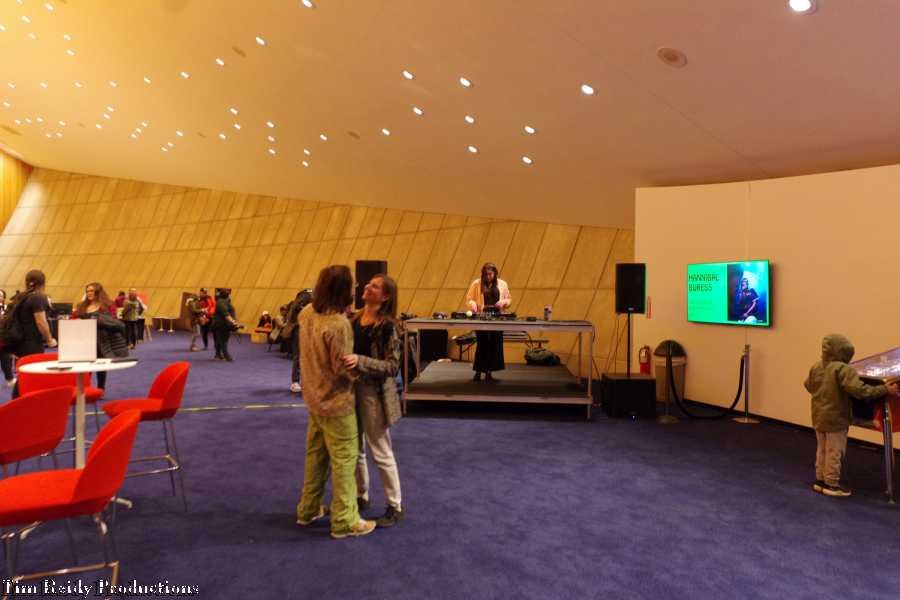
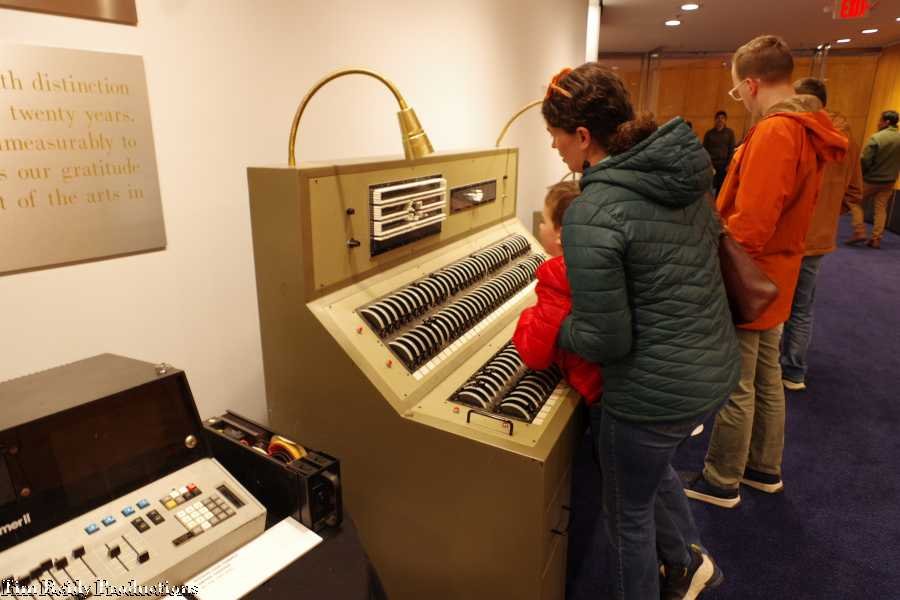
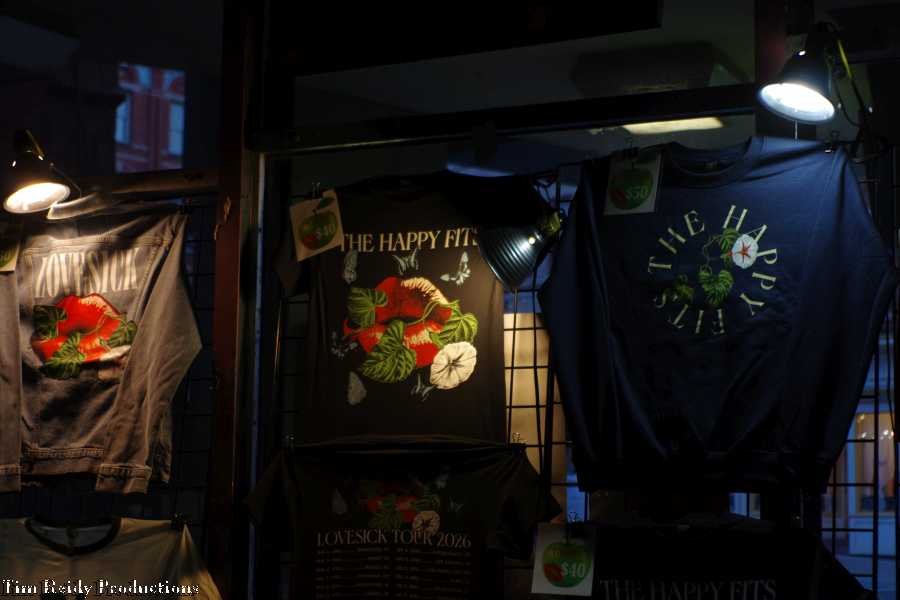
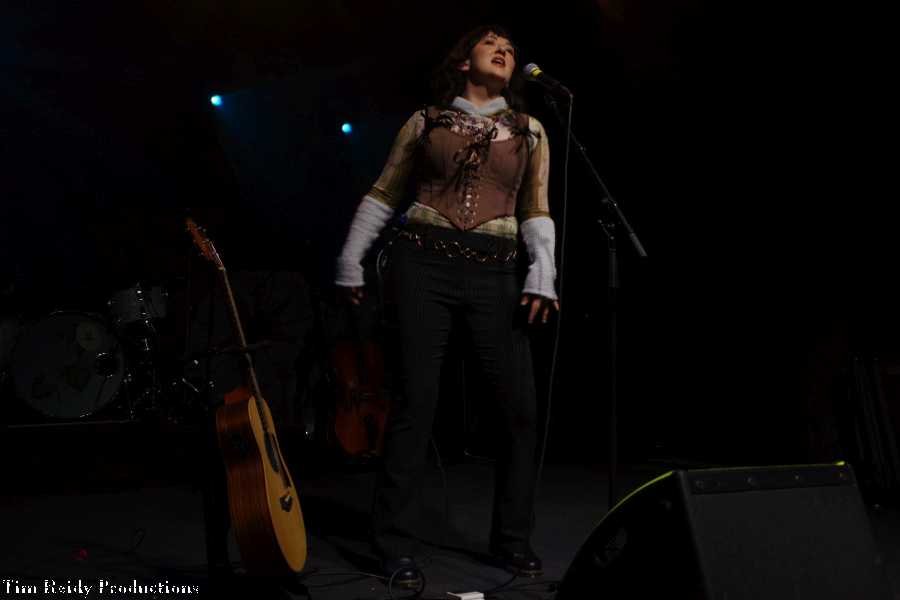
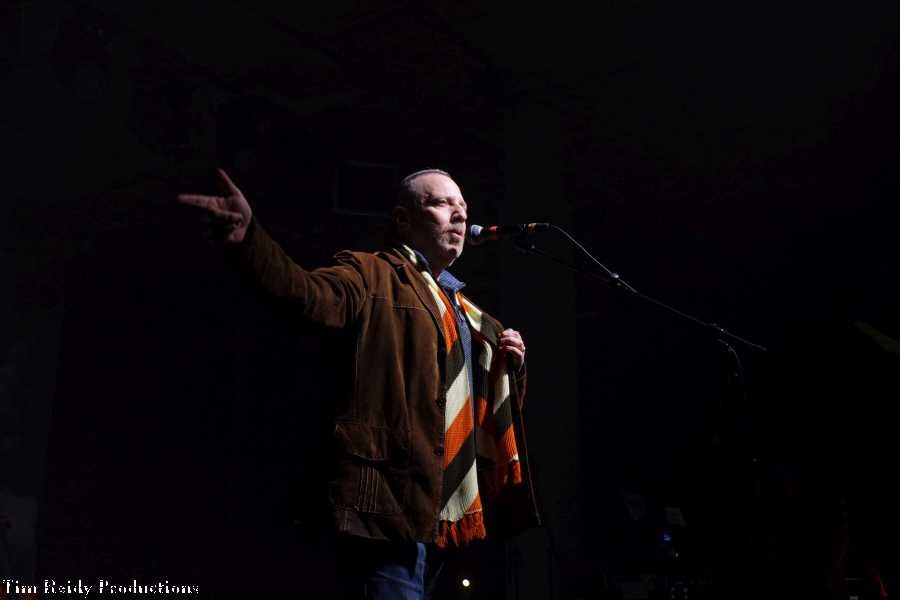
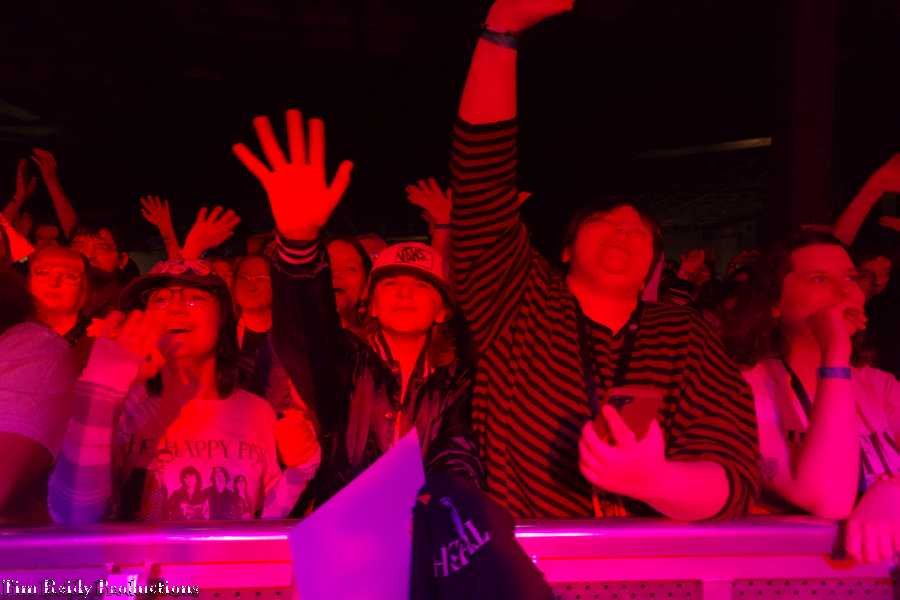
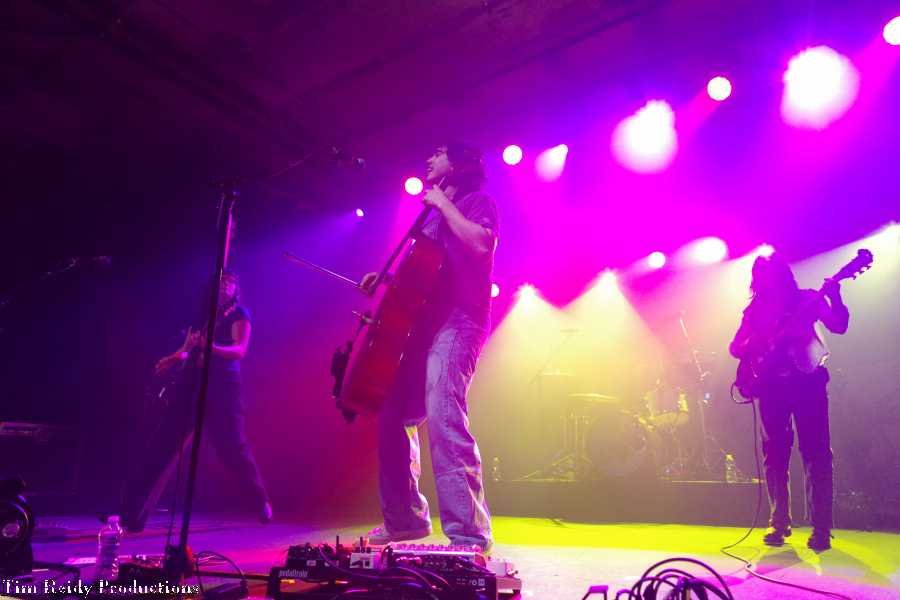
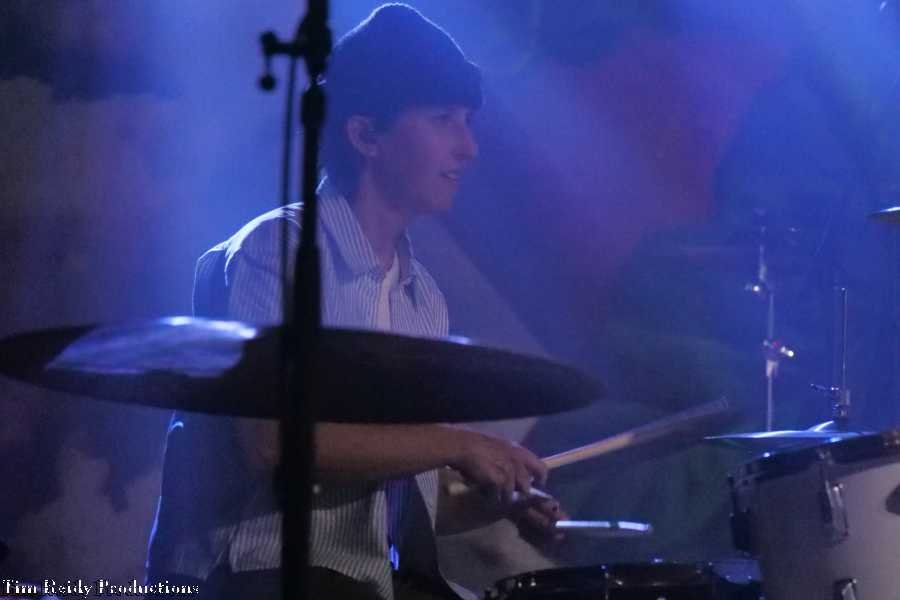
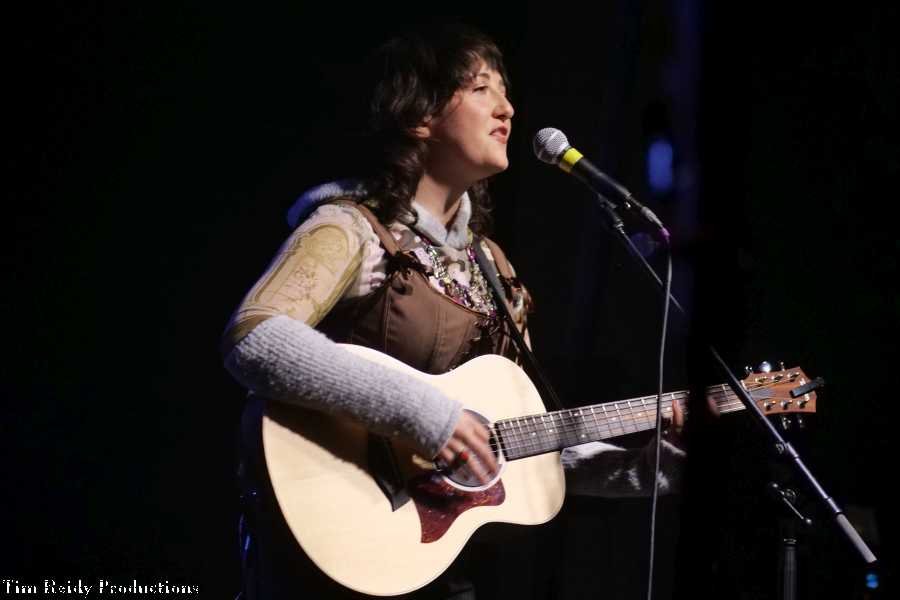
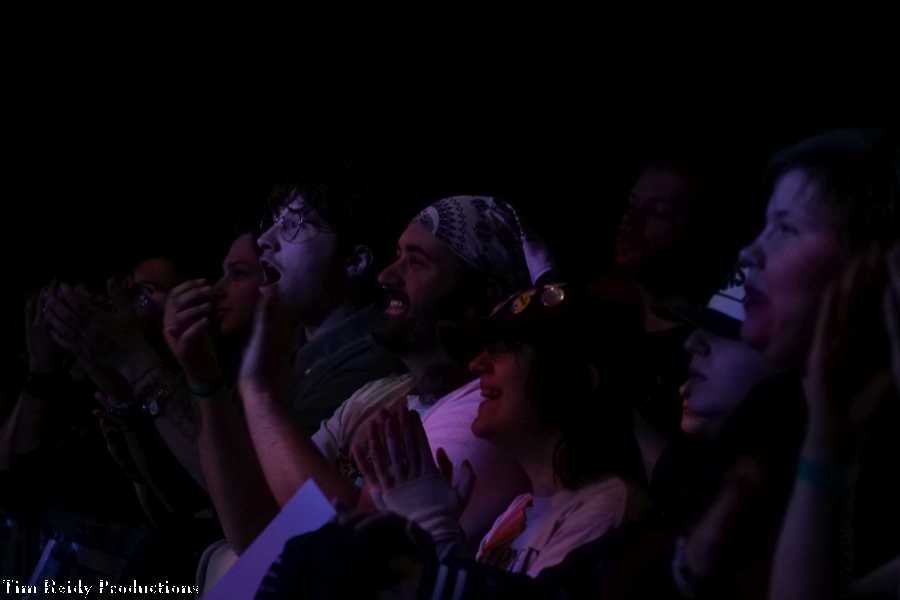
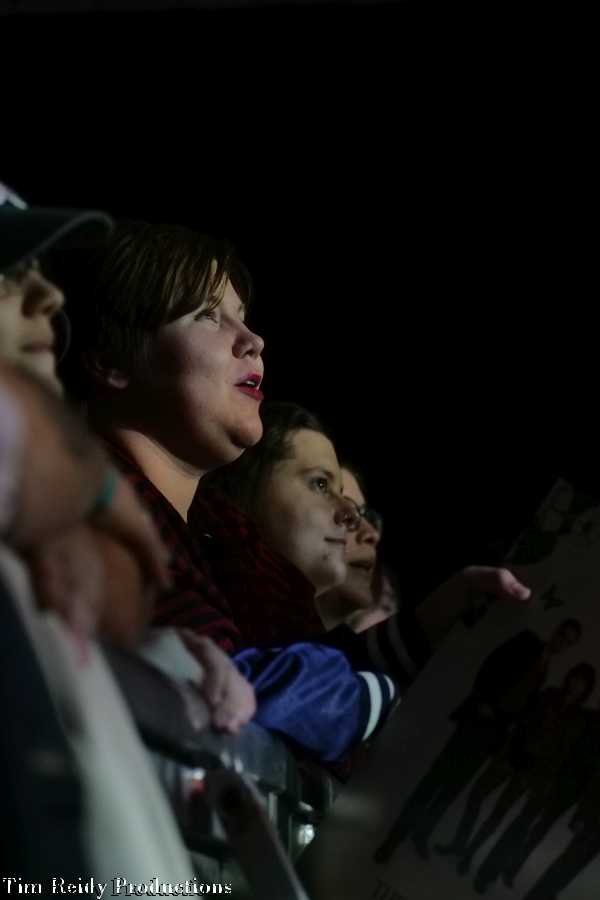
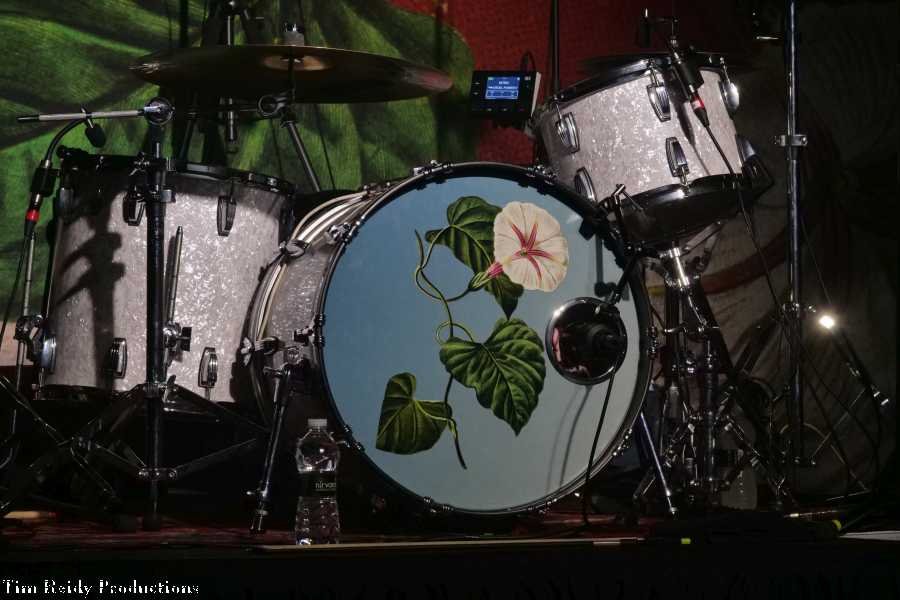
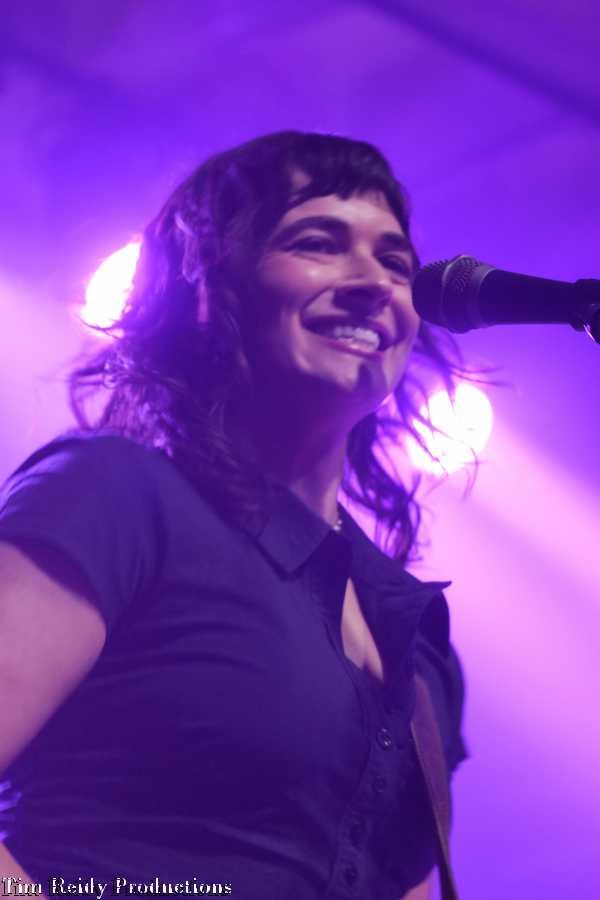
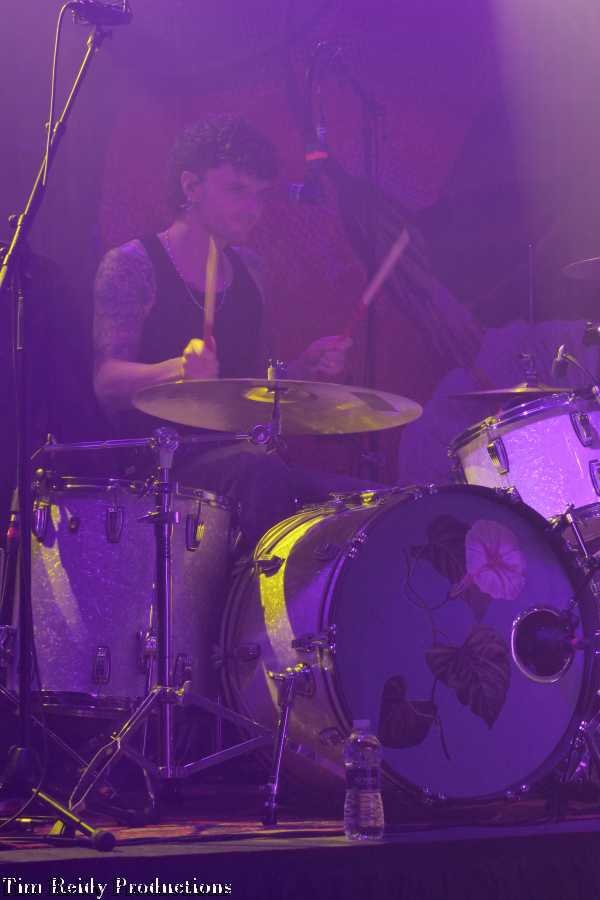
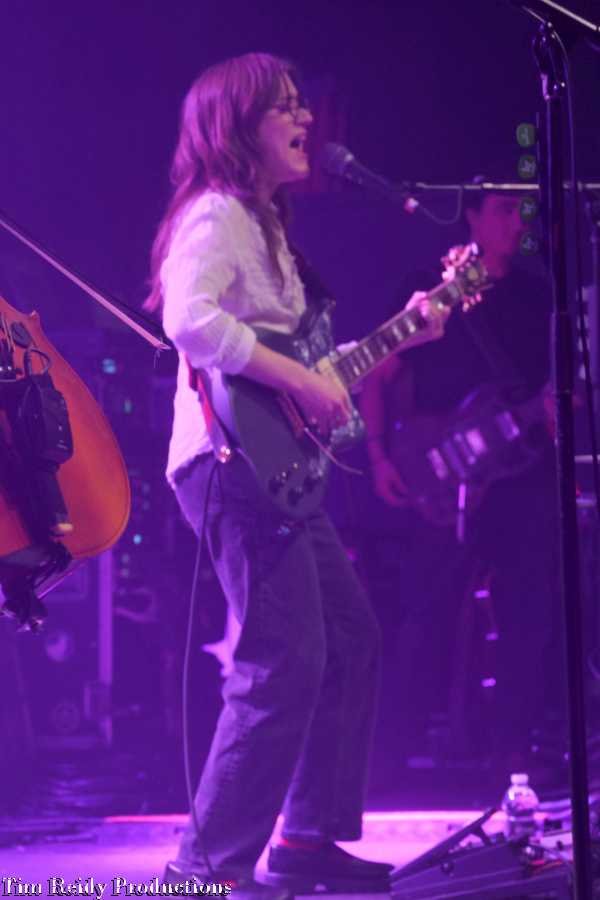
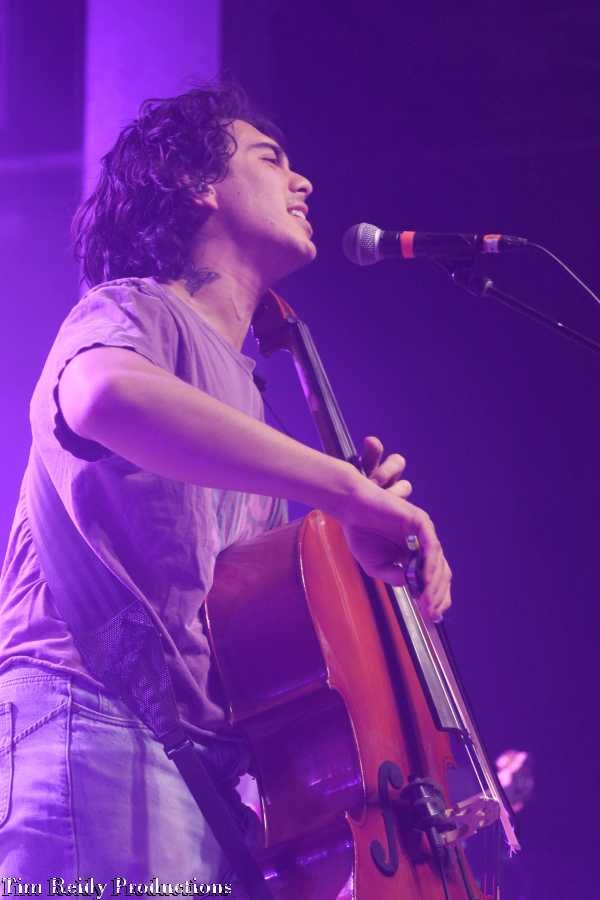
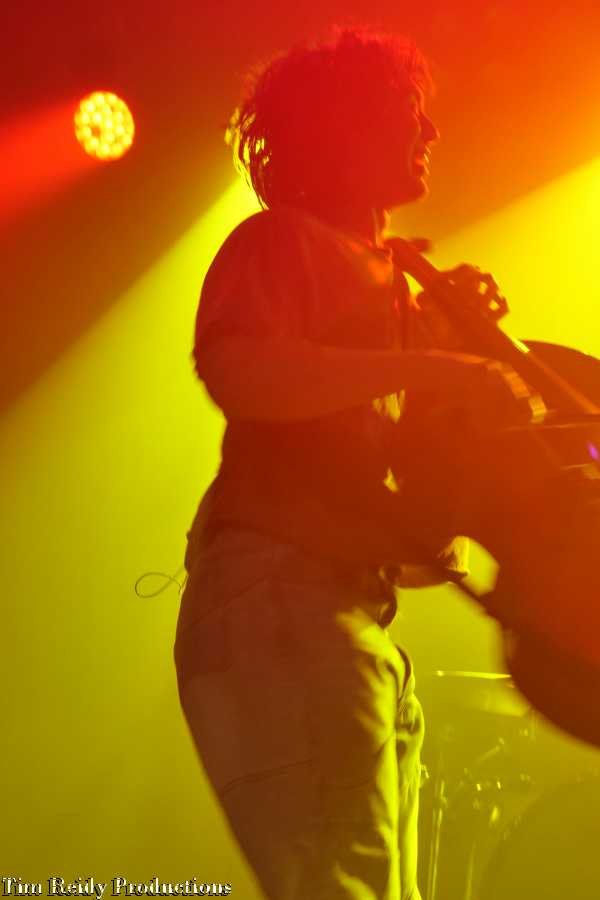
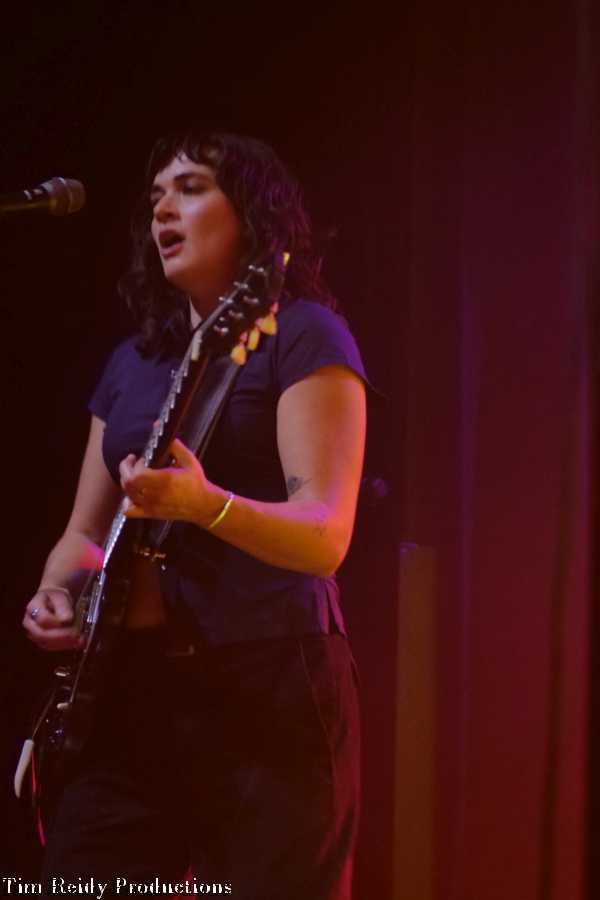
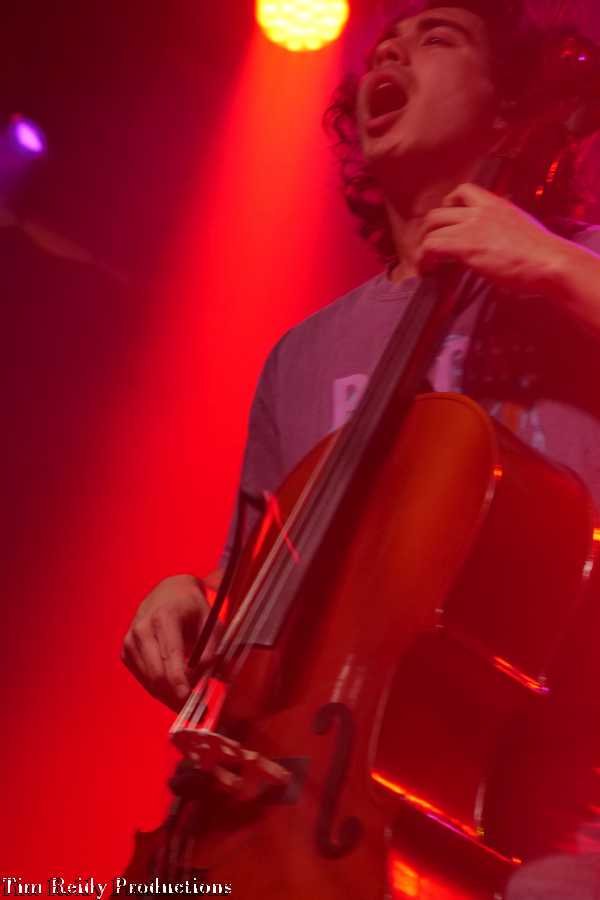
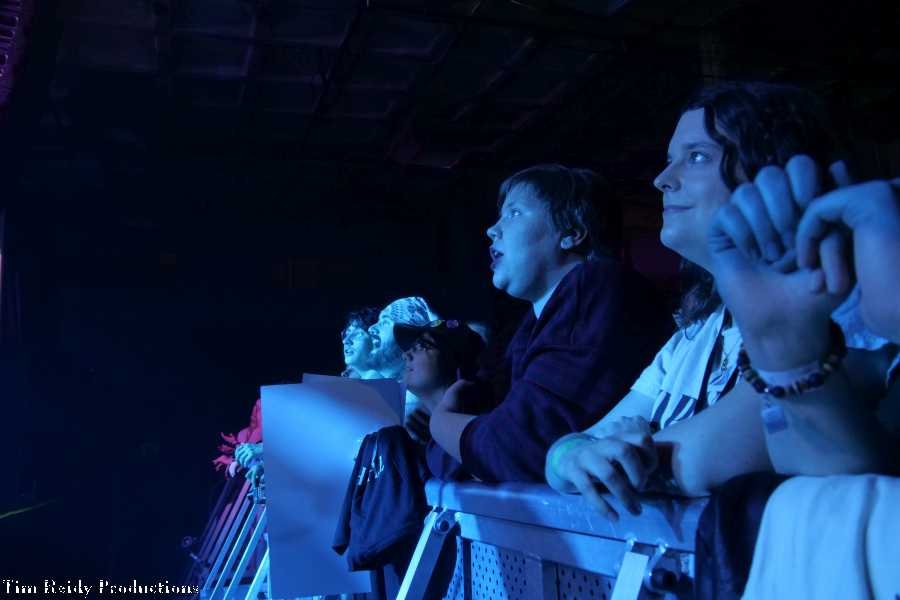
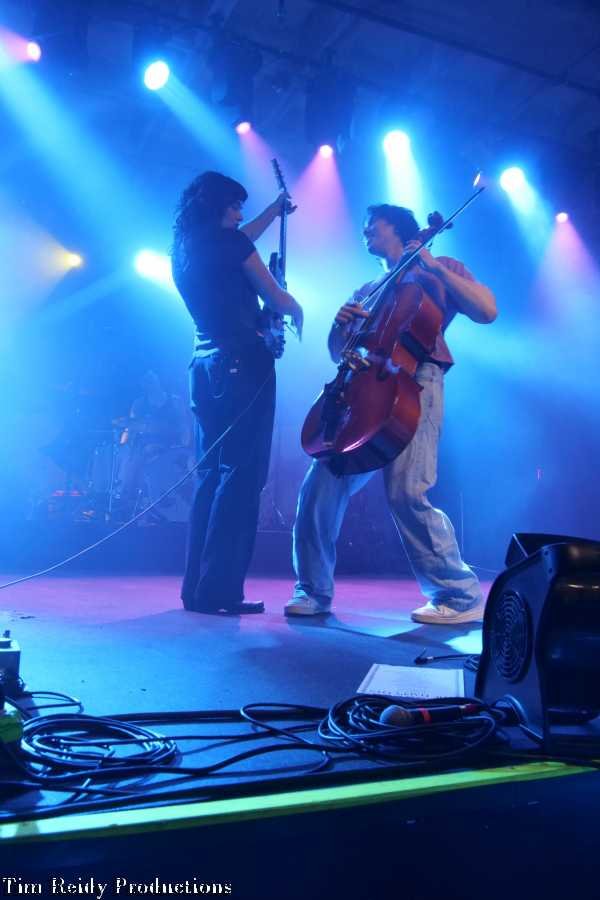
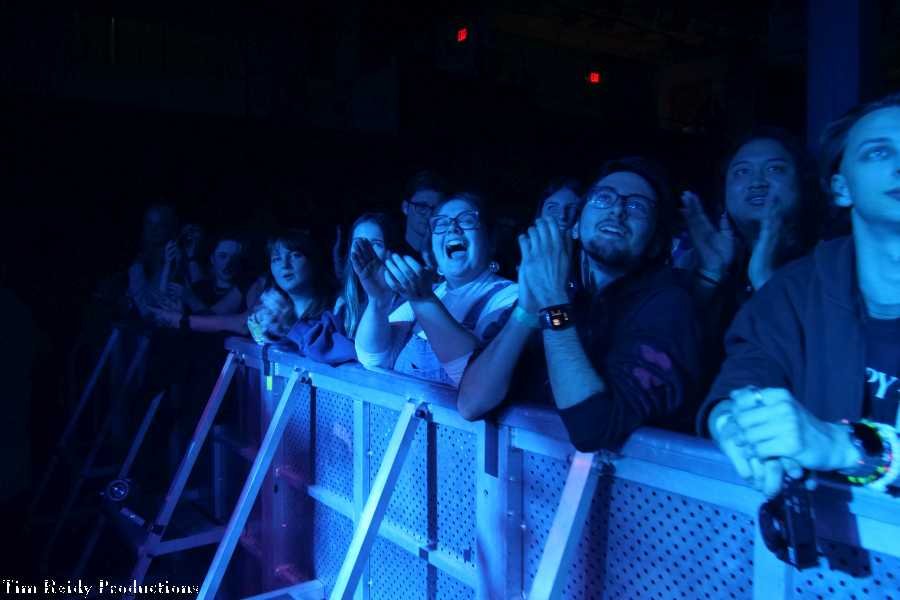
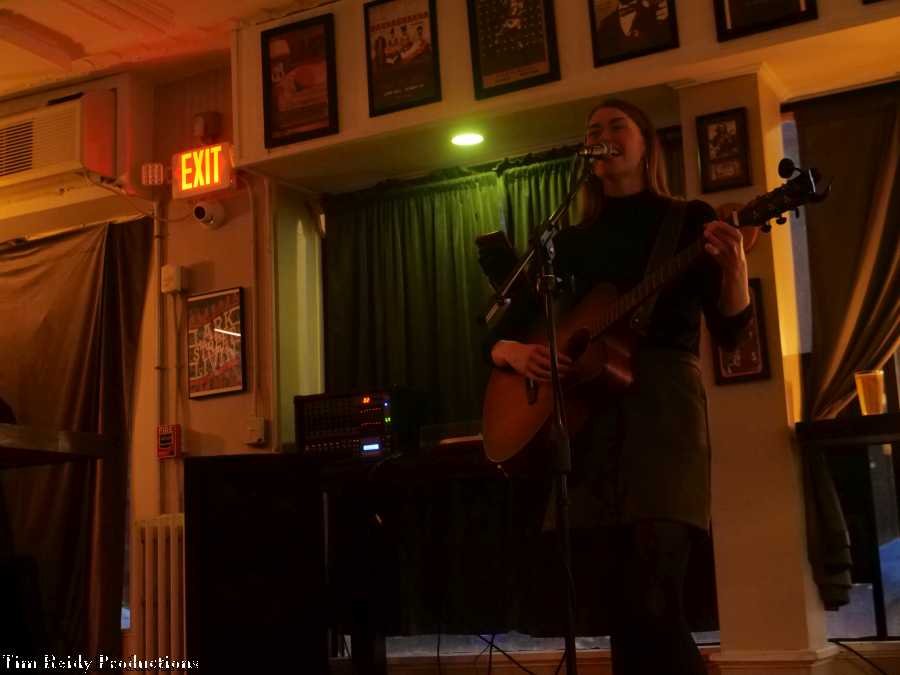
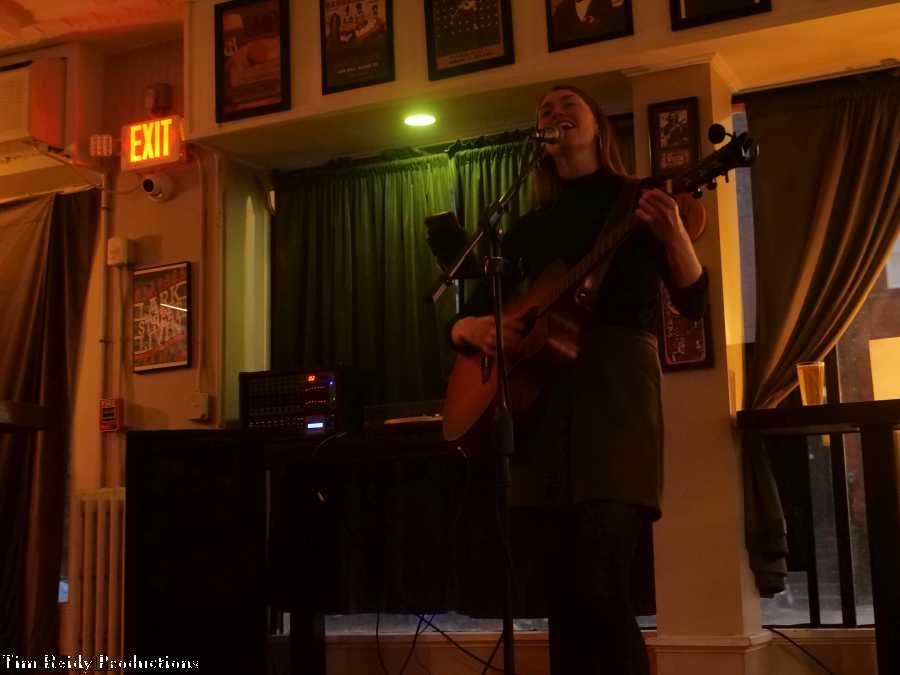
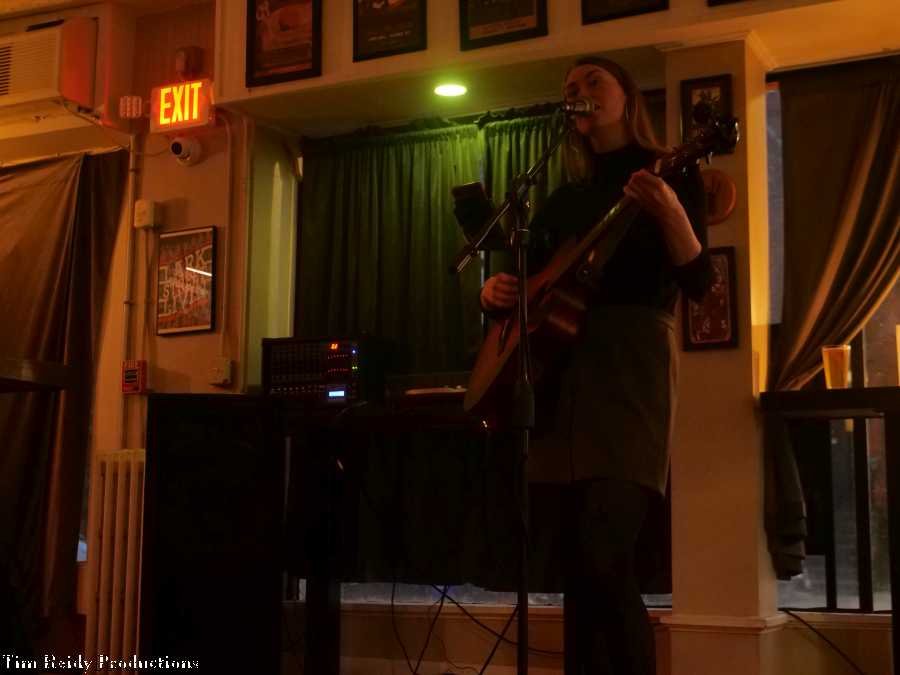
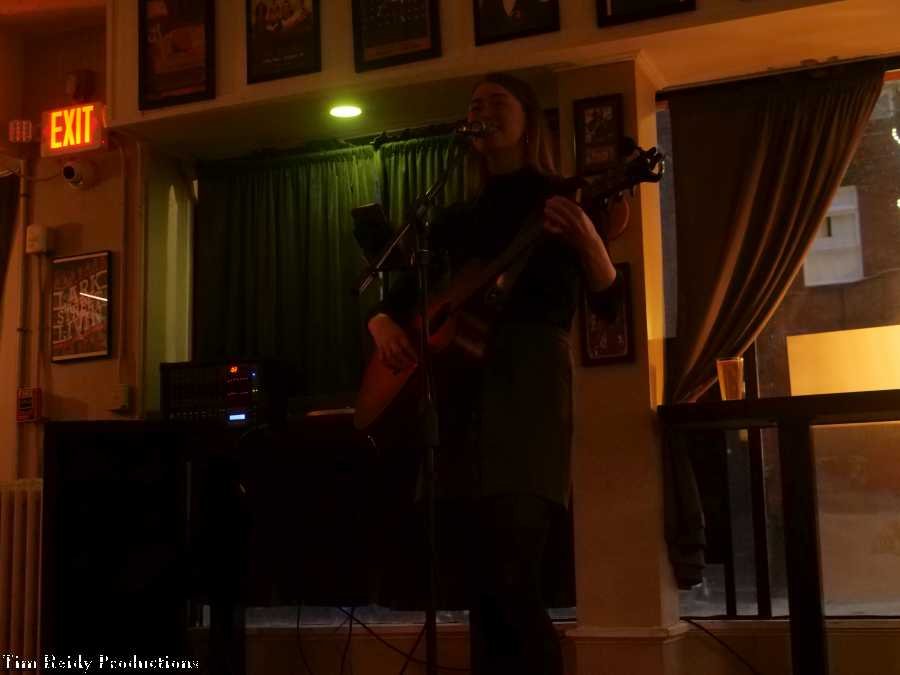
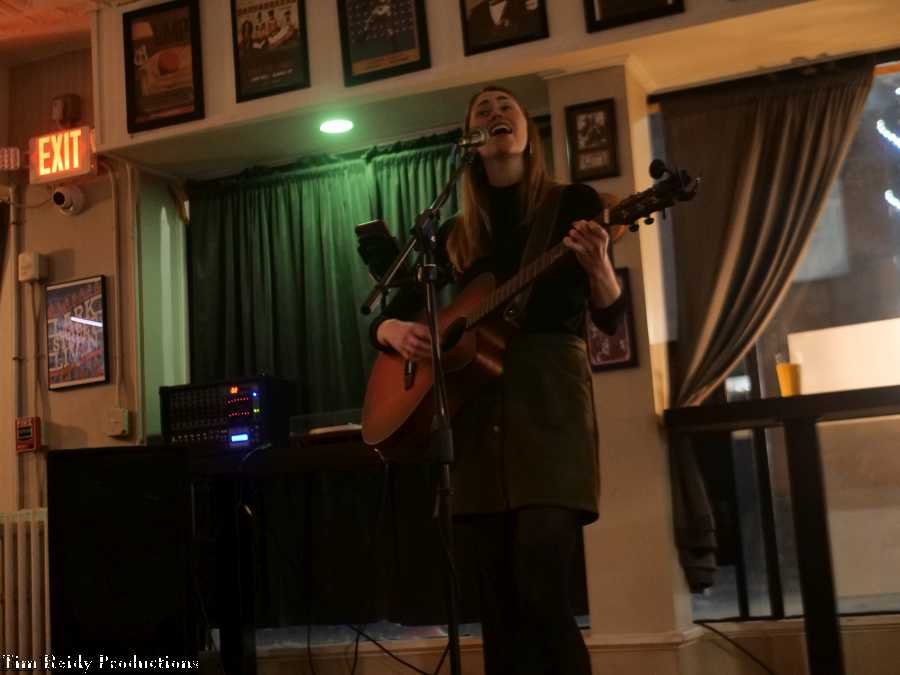
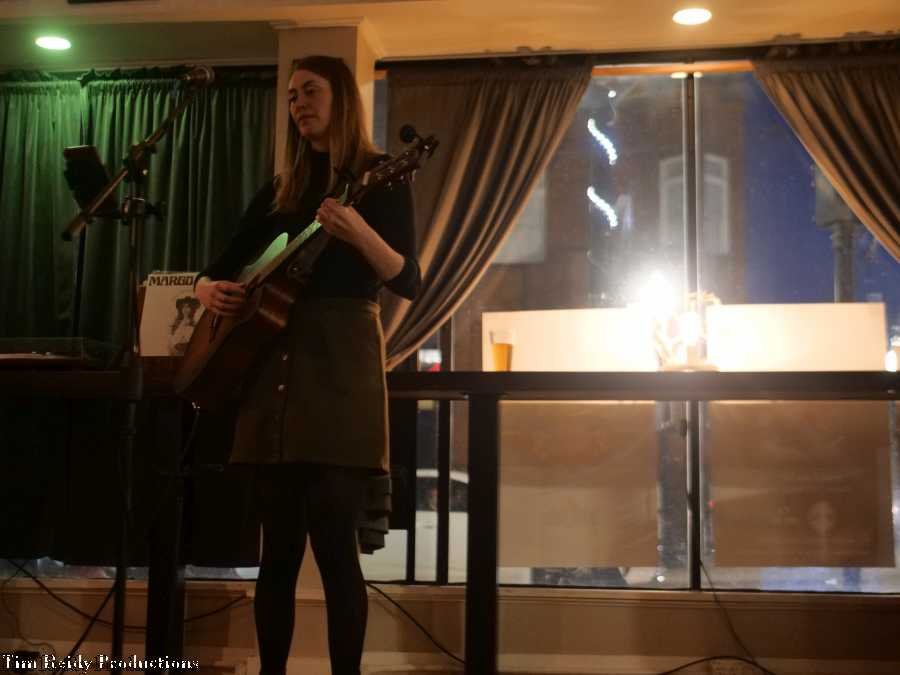
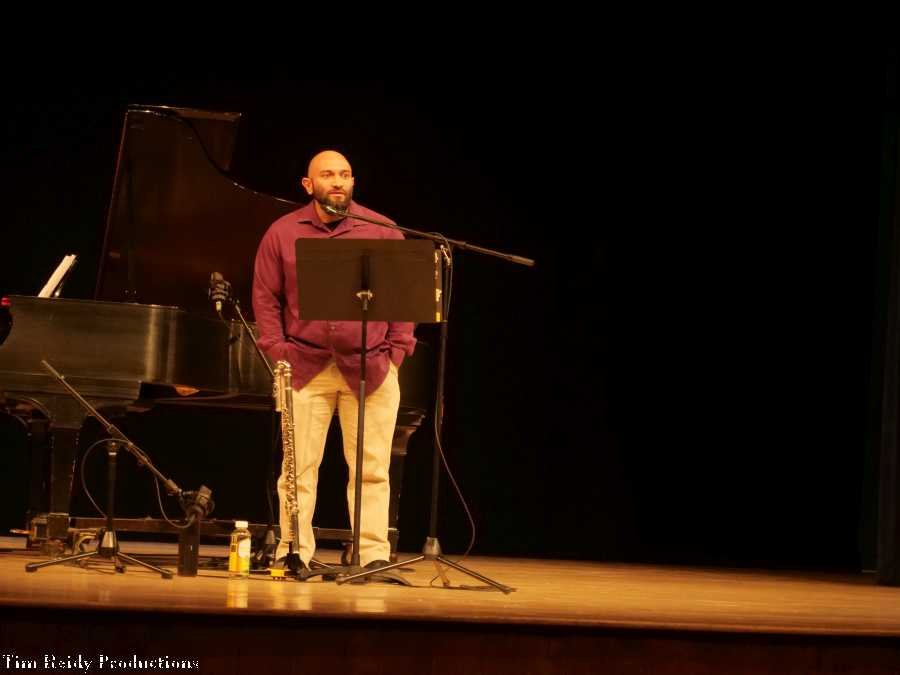
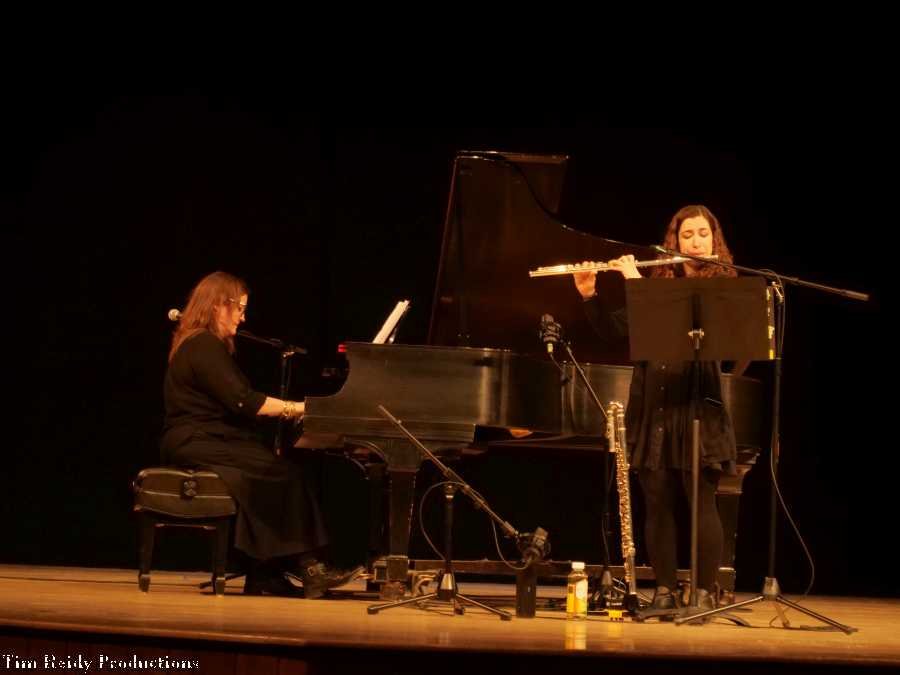
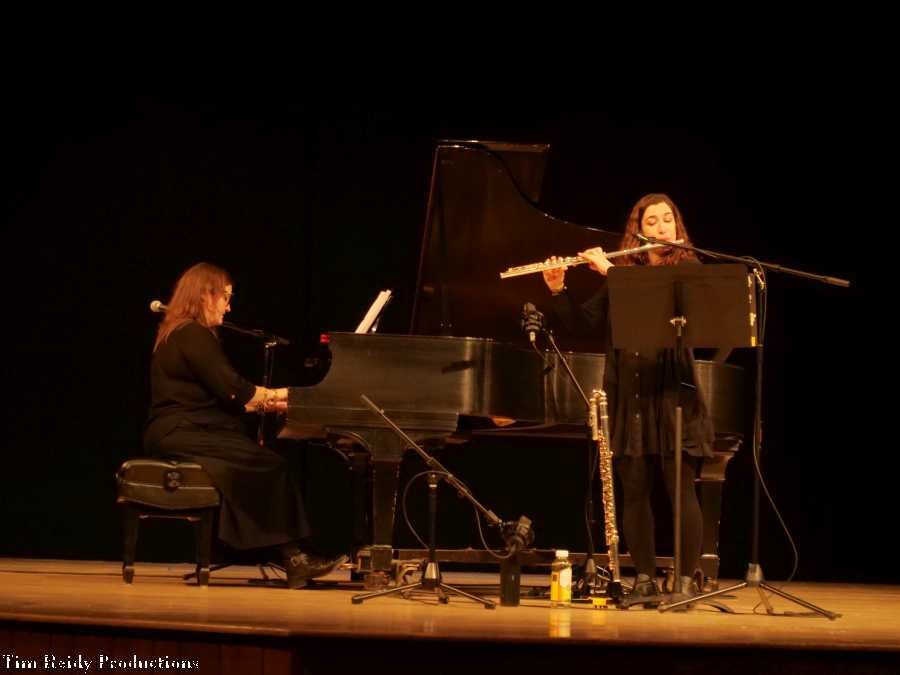
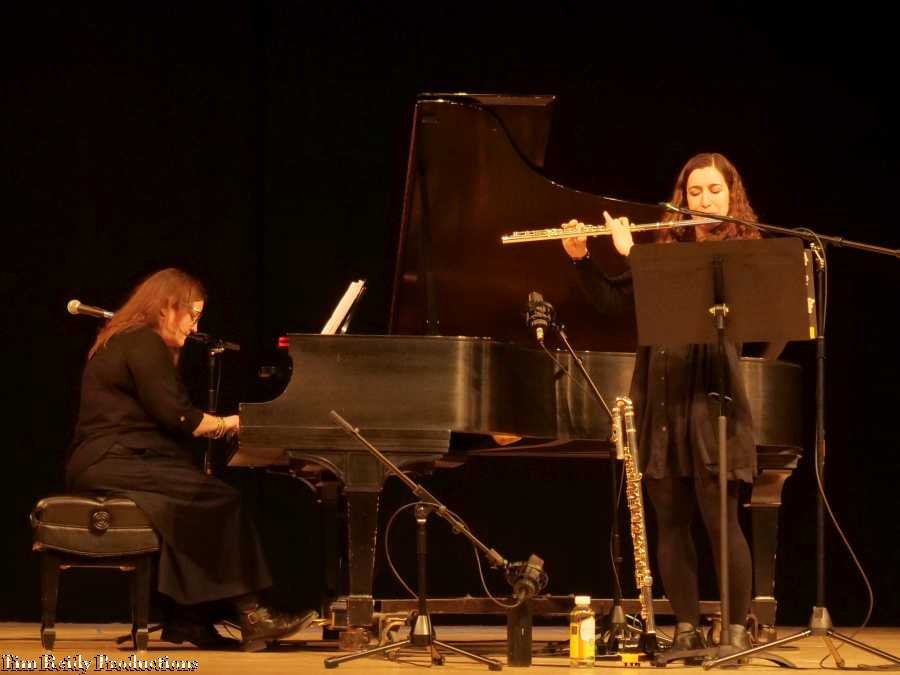
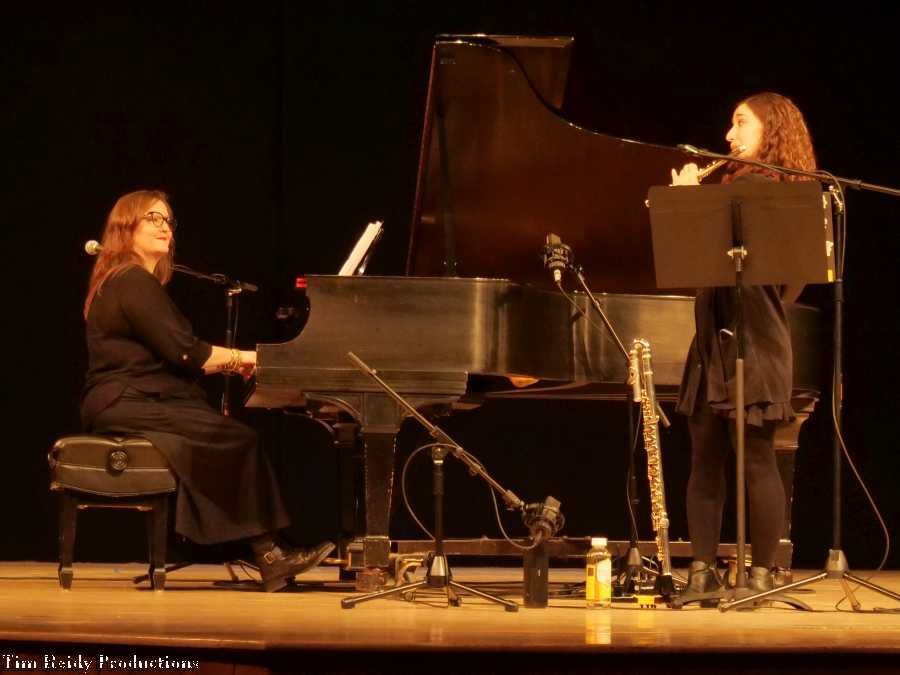
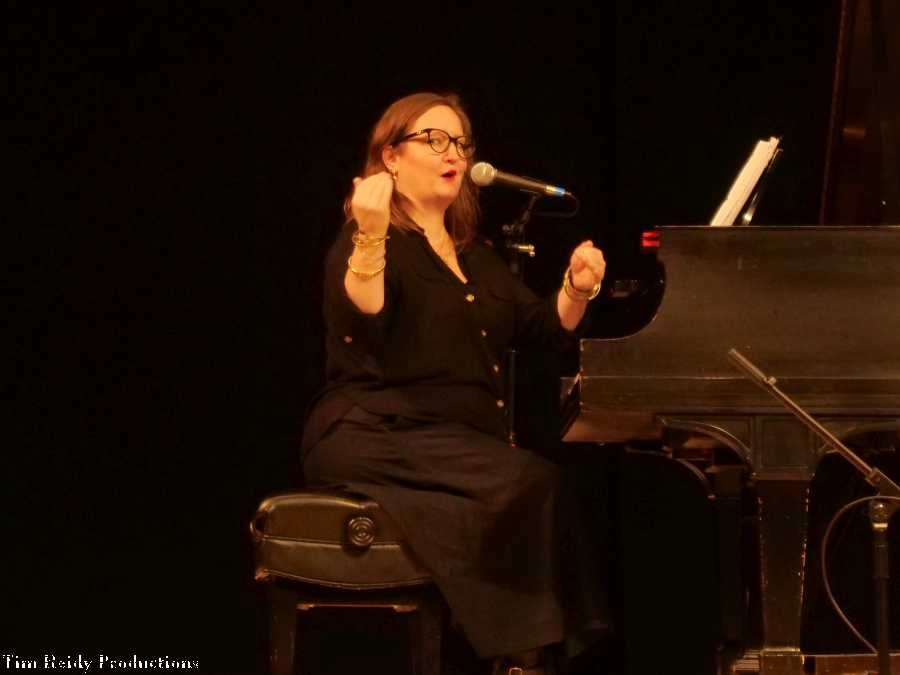
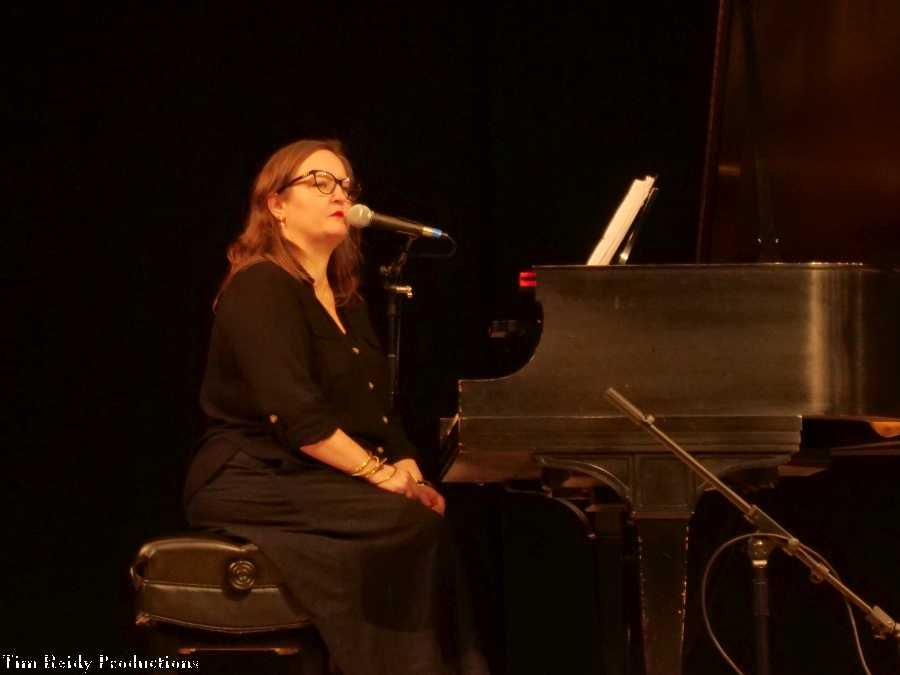
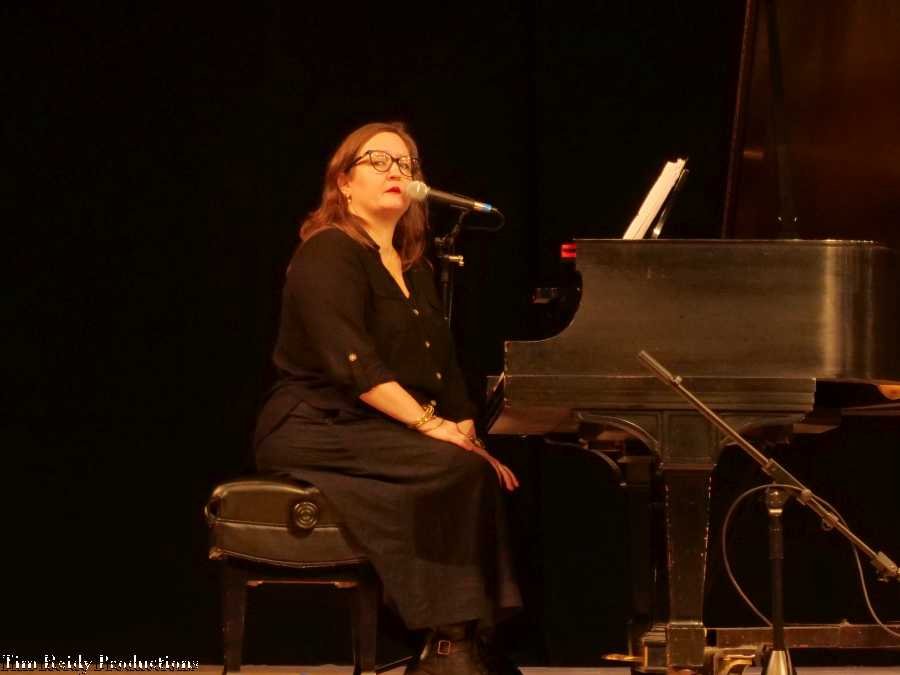
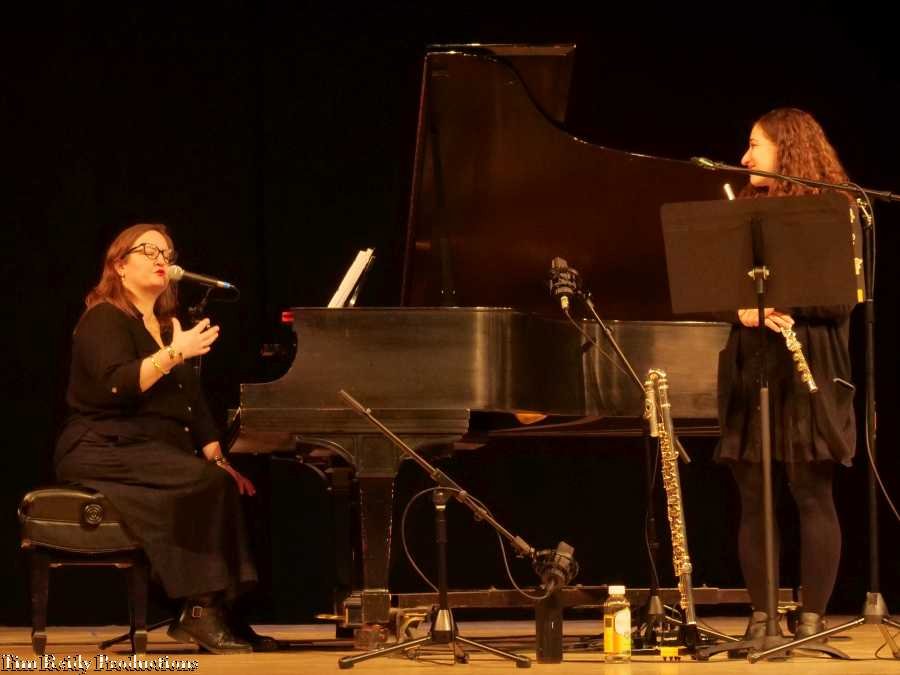
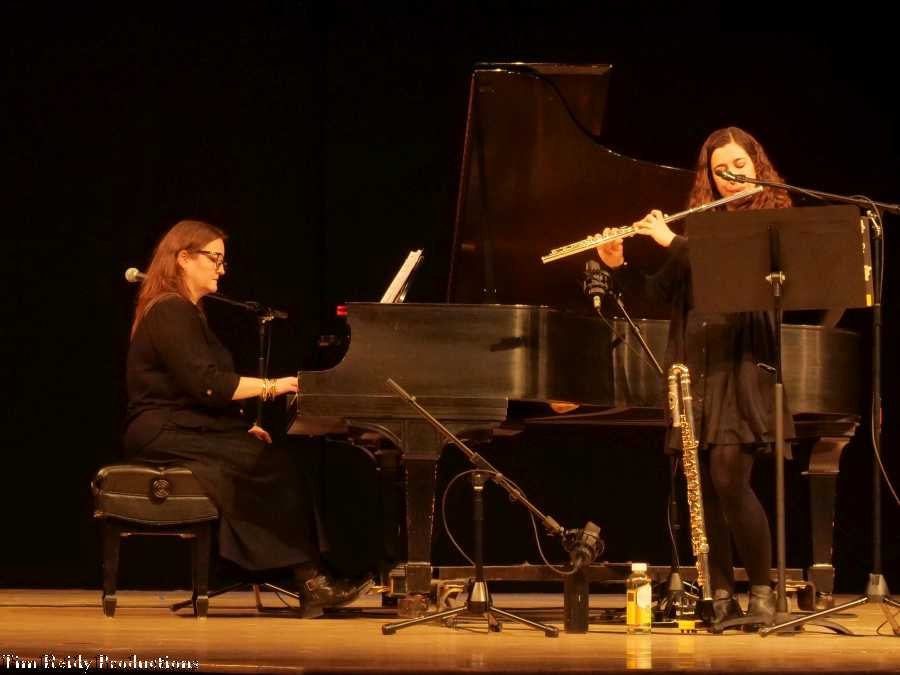
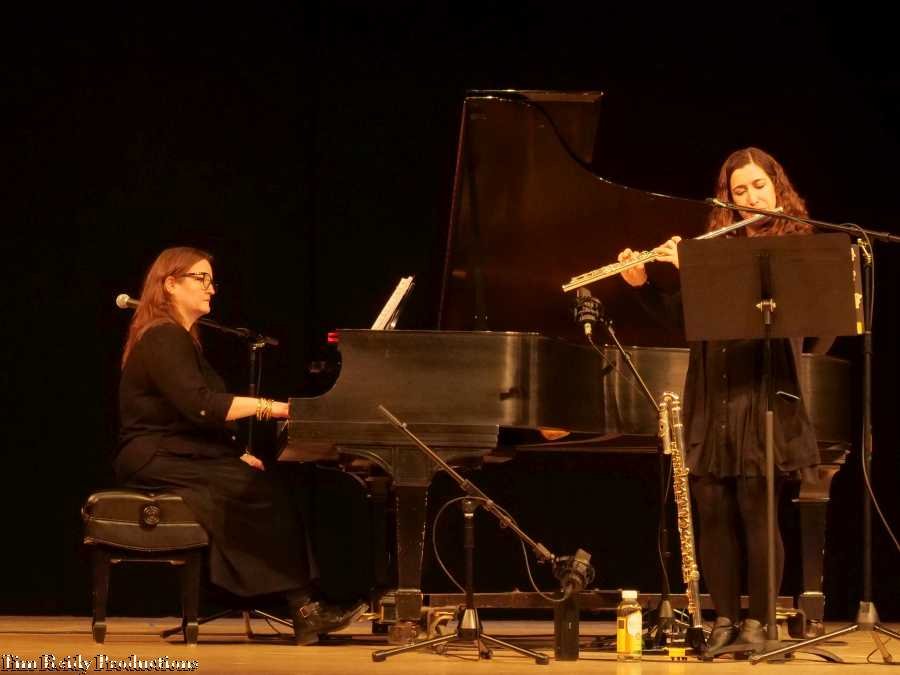
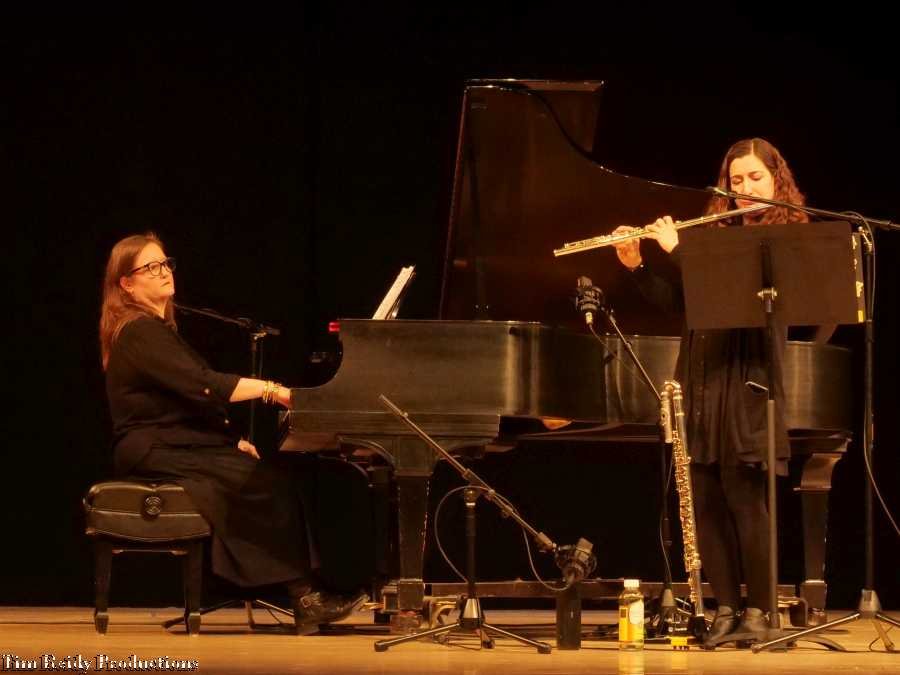
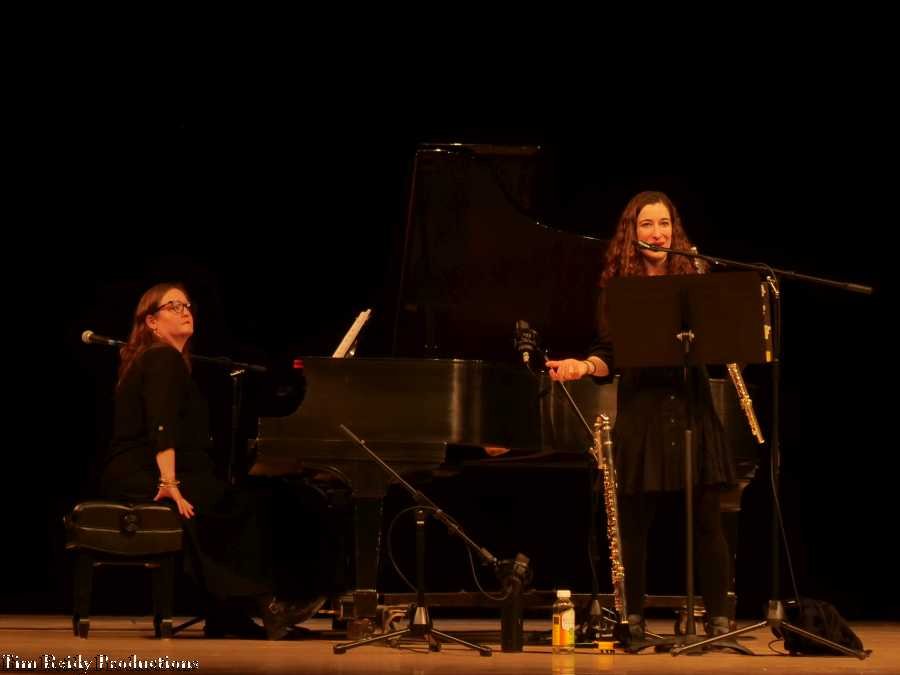
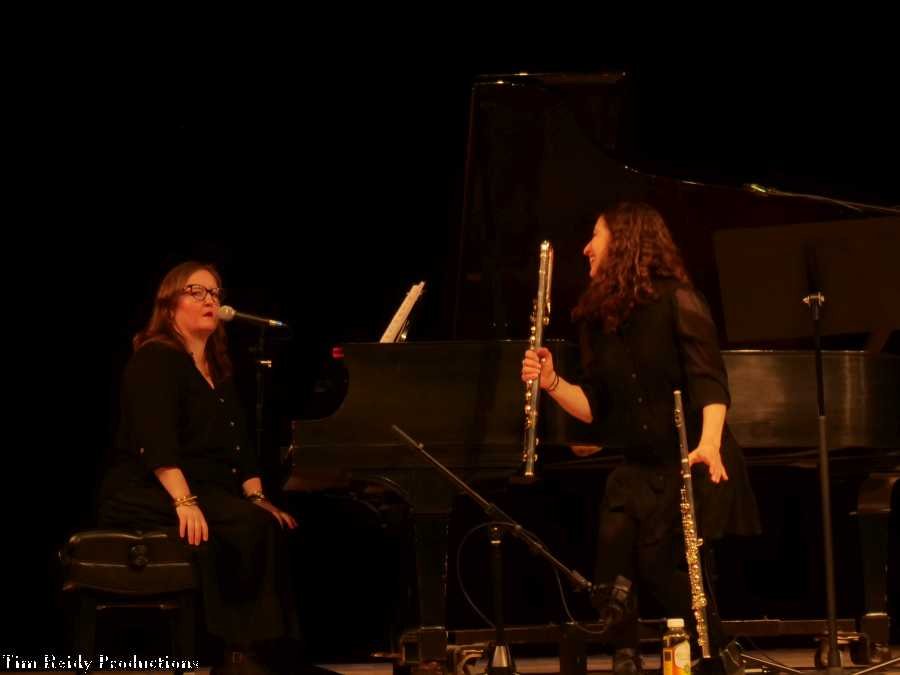
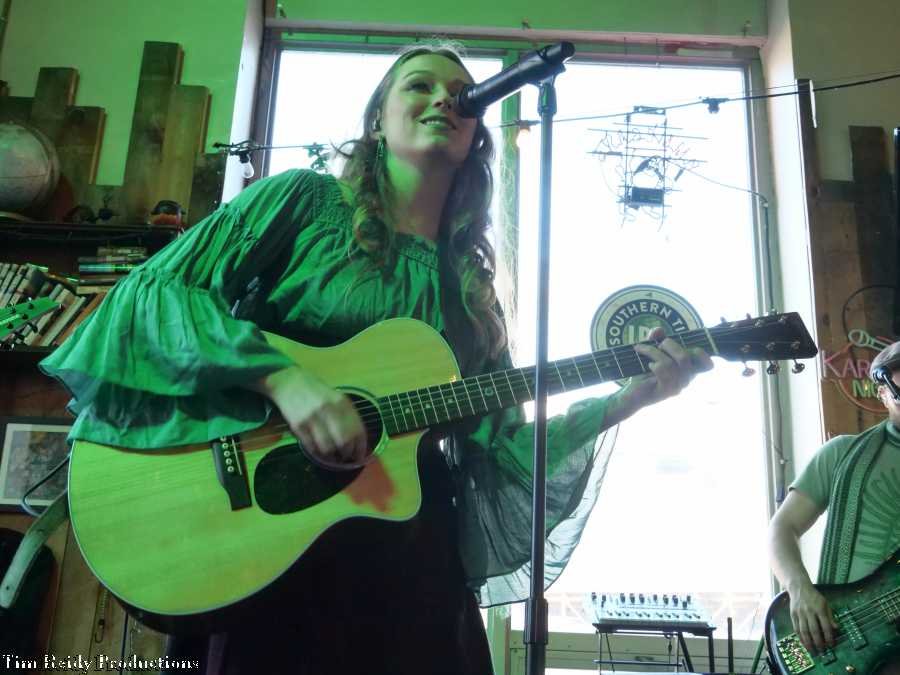
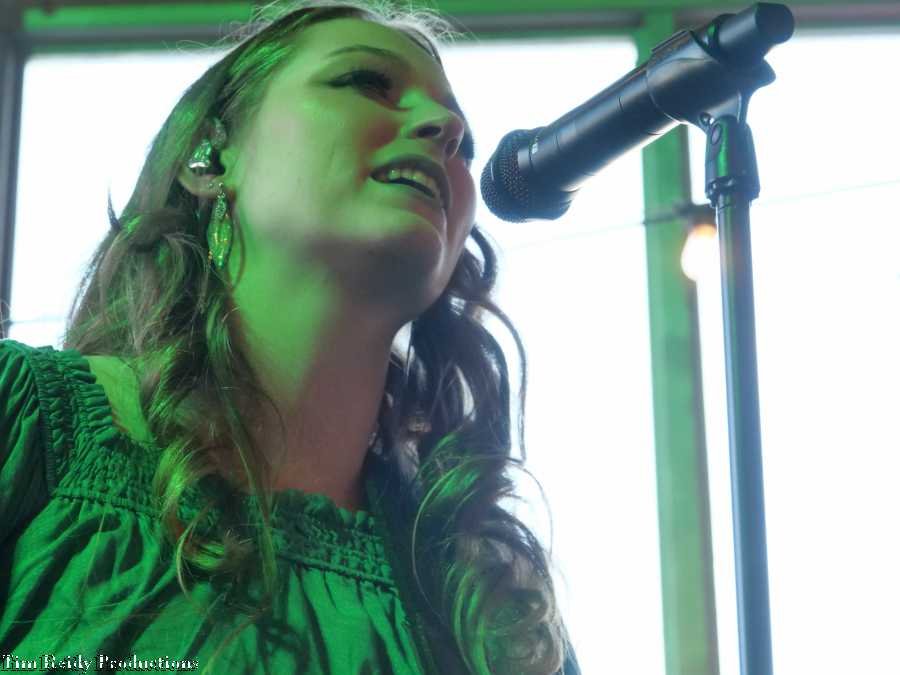
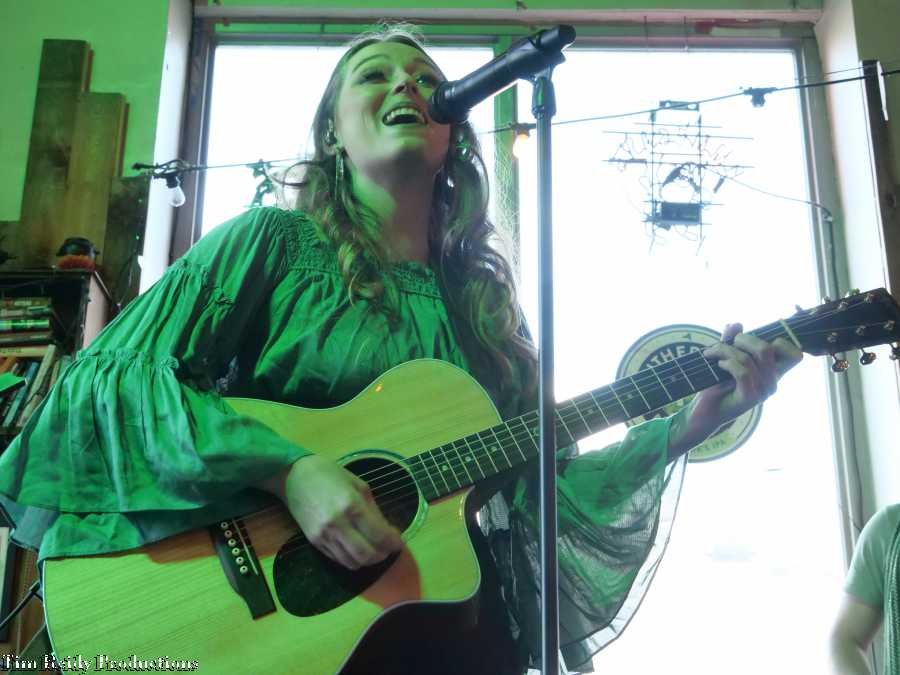
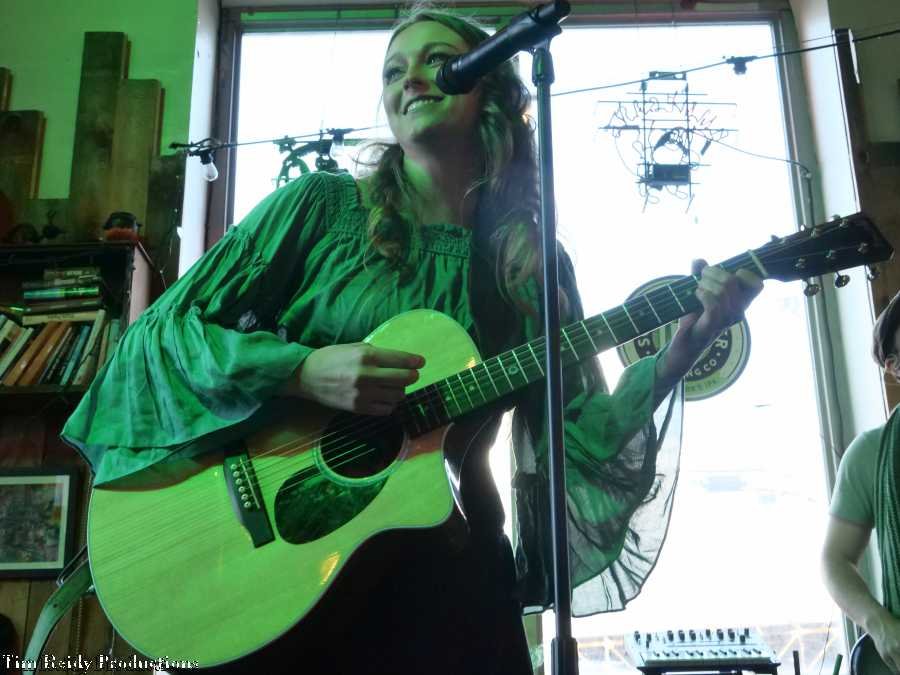
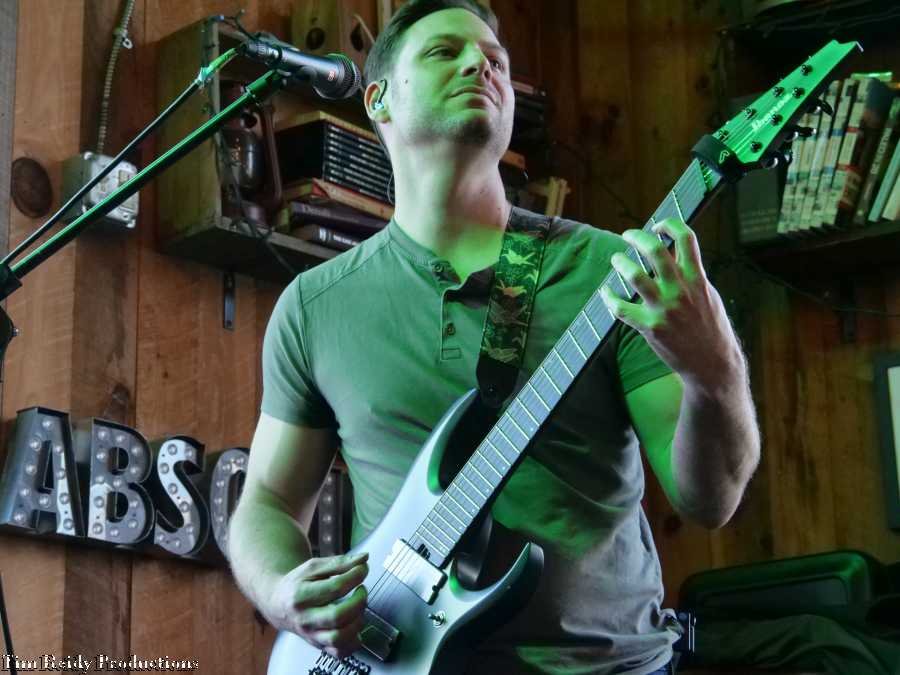
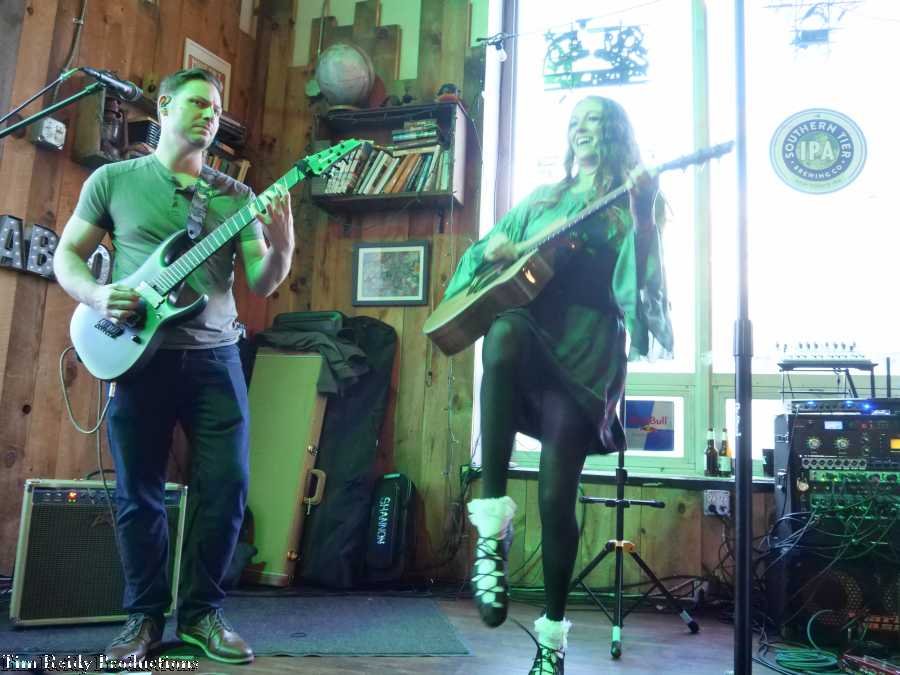
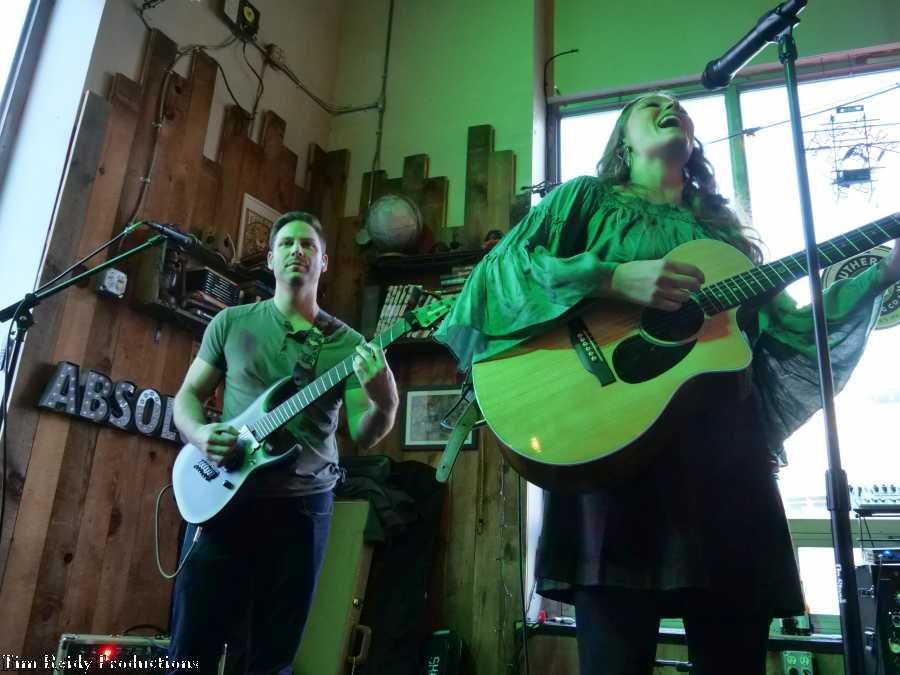
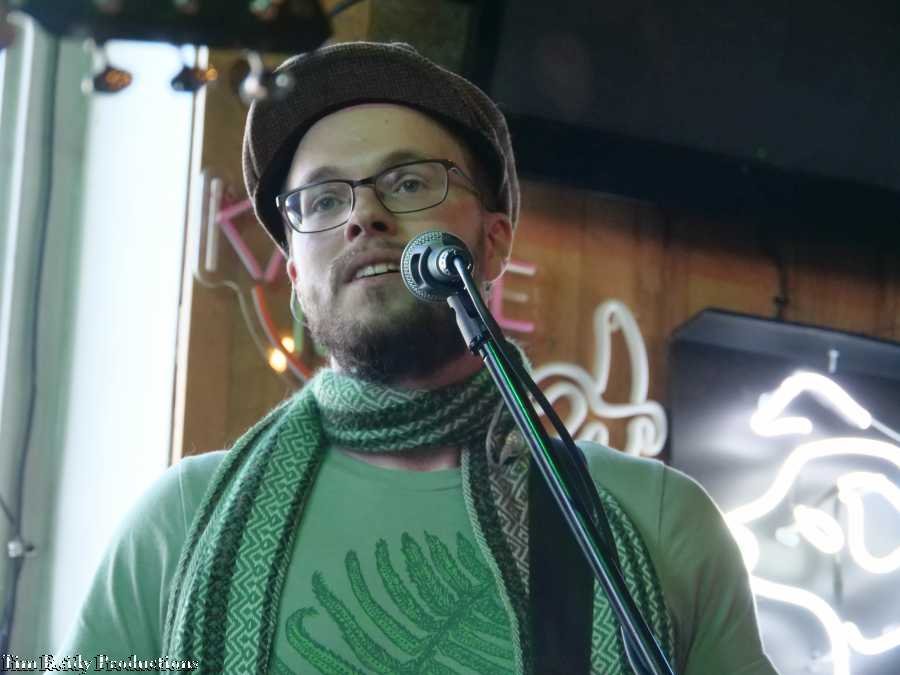
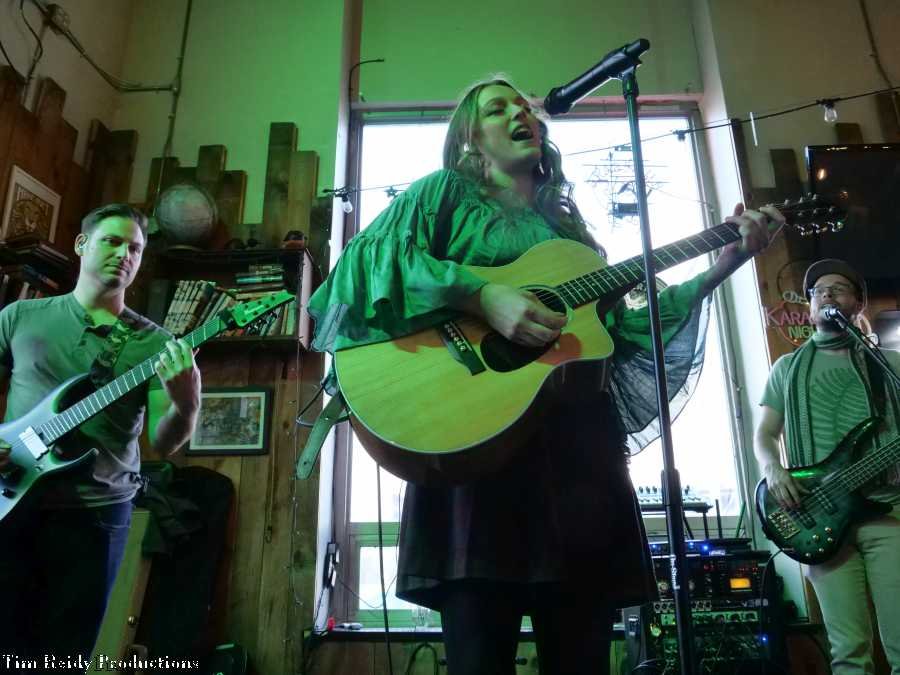
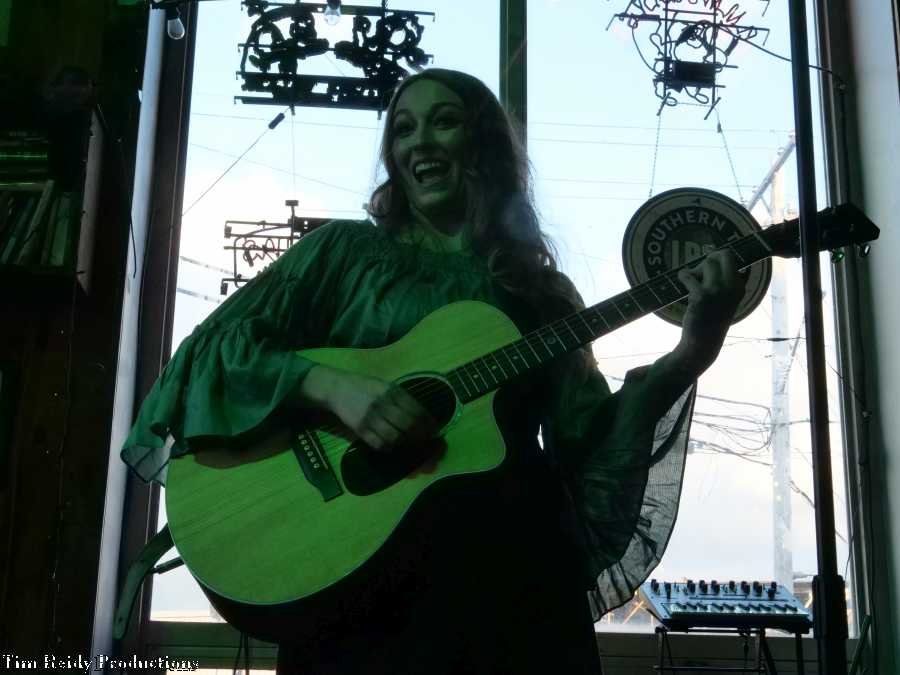
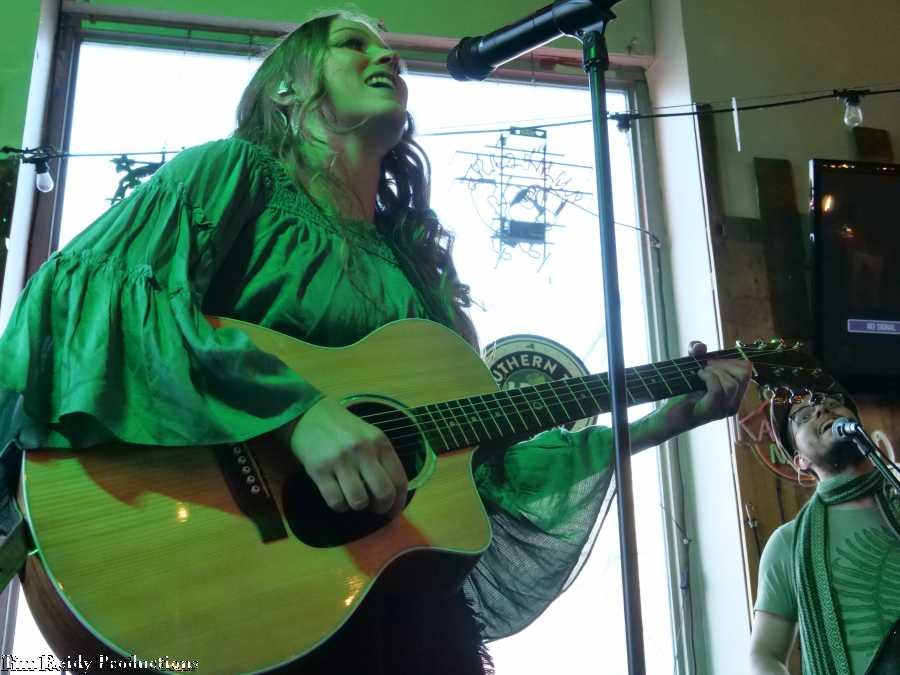
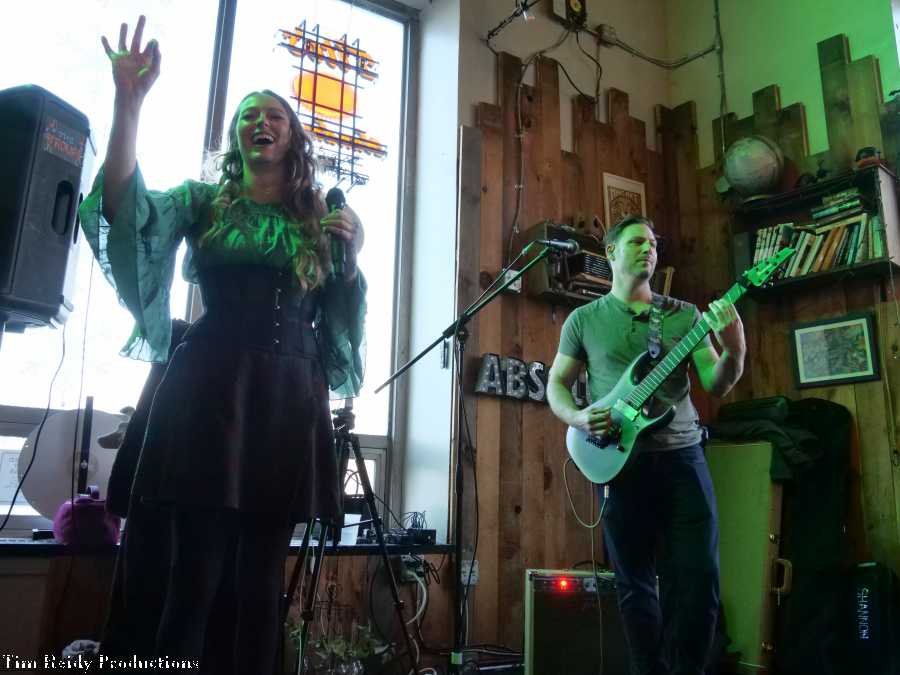
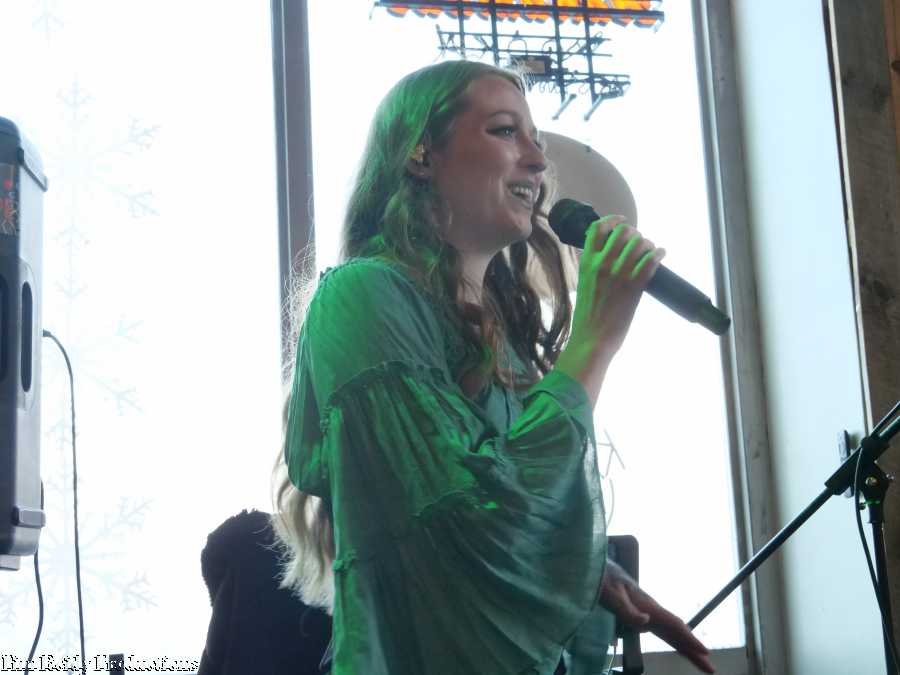
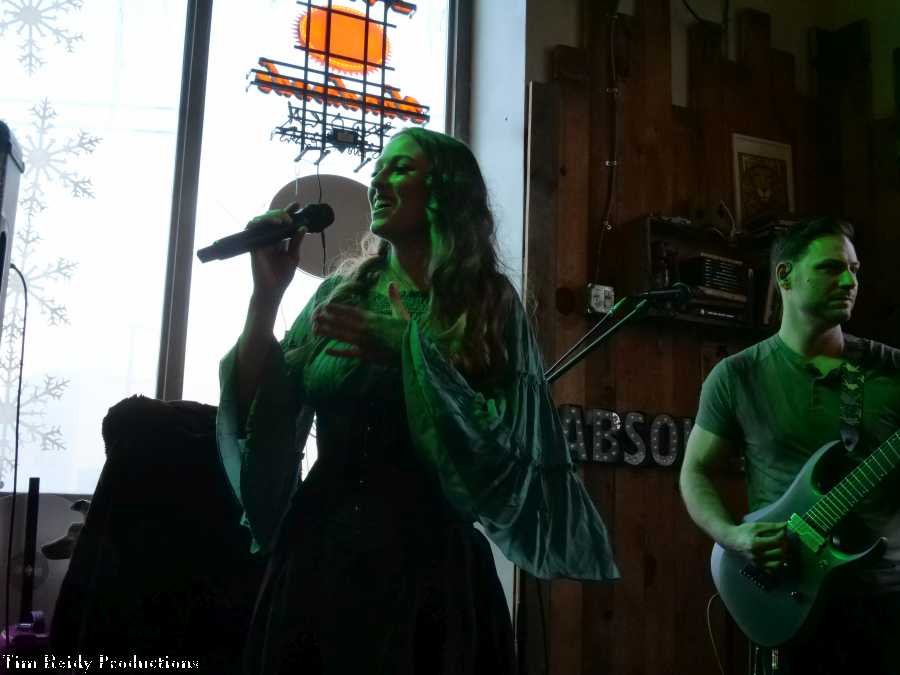
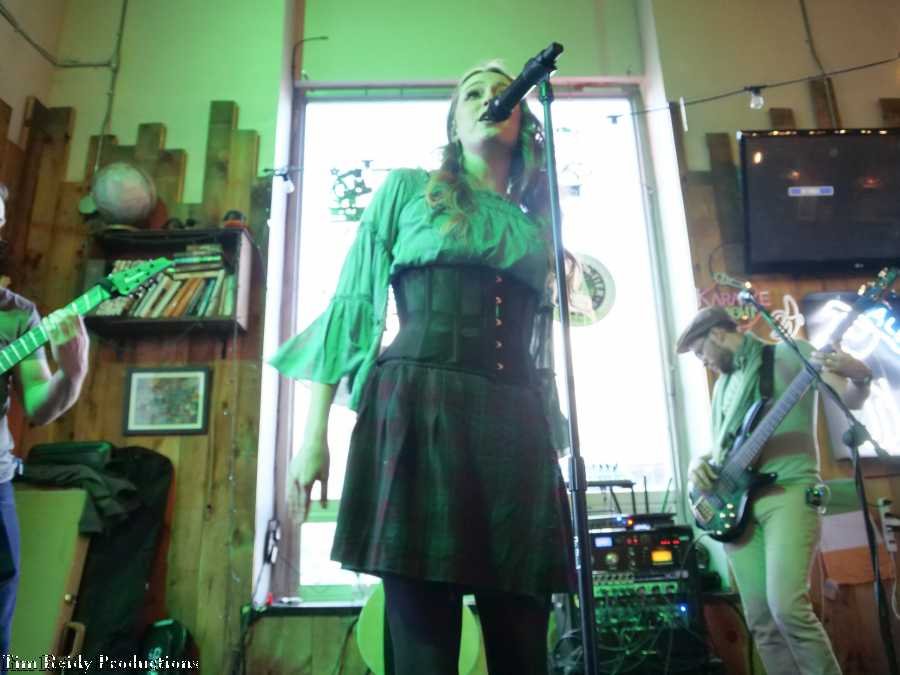
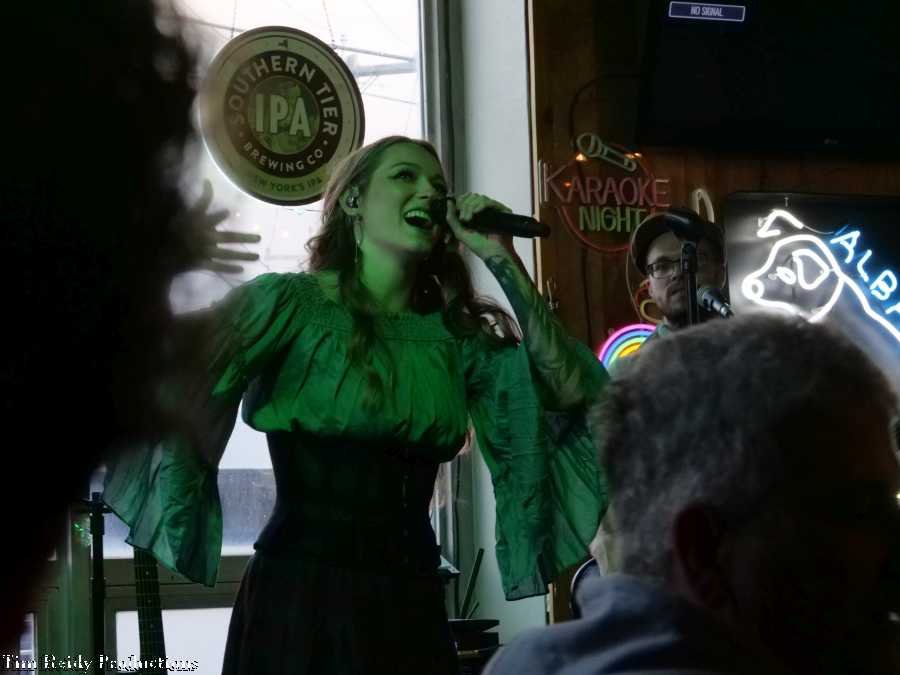
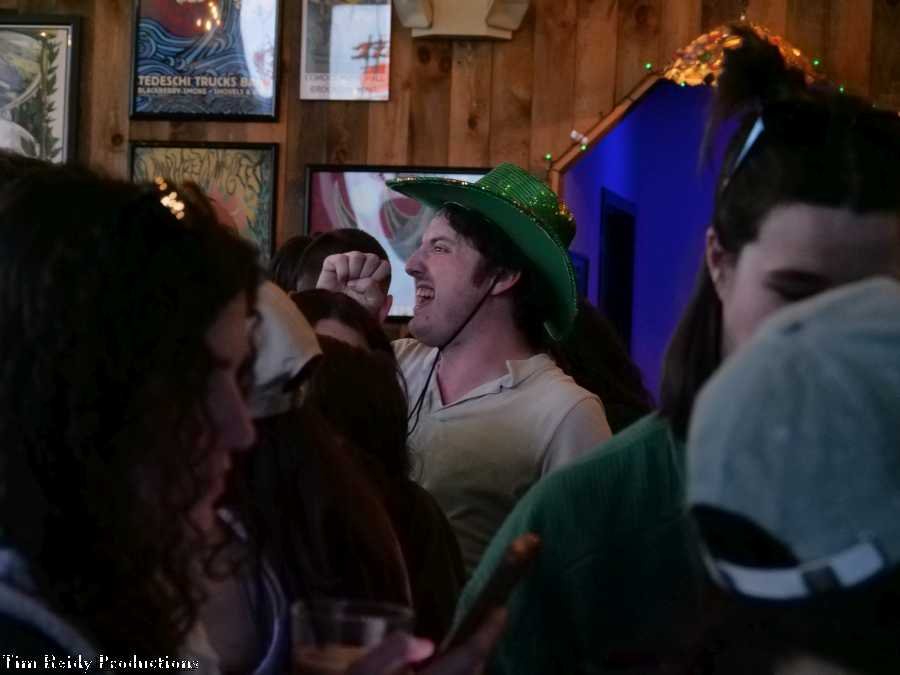
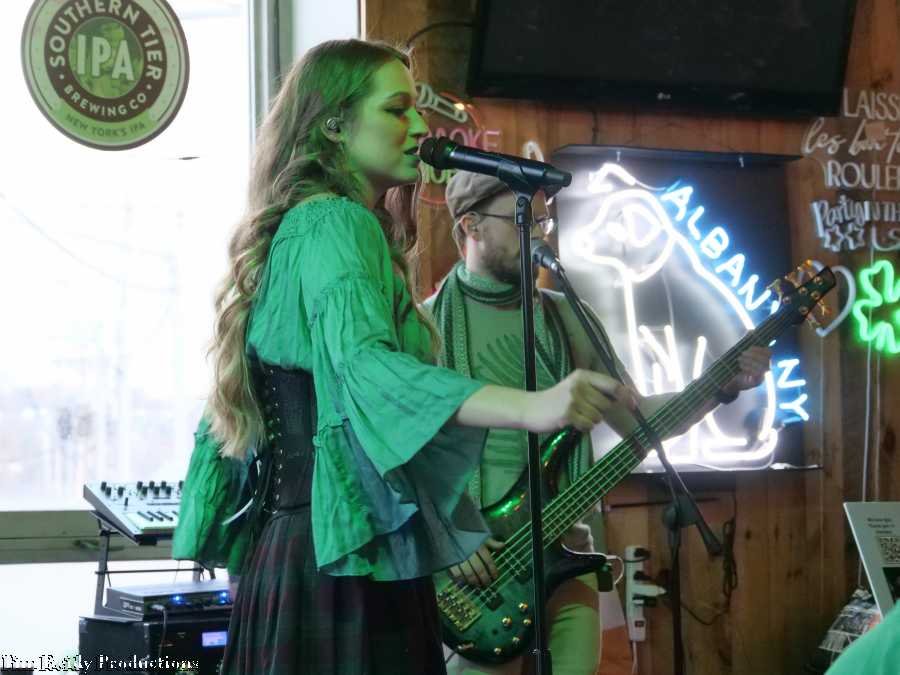
Shannon Tehya brought her trio to Lost & Found Saturday night, which was absolutely packed with post-parade revelers.
Photography by Timothy Reidy.
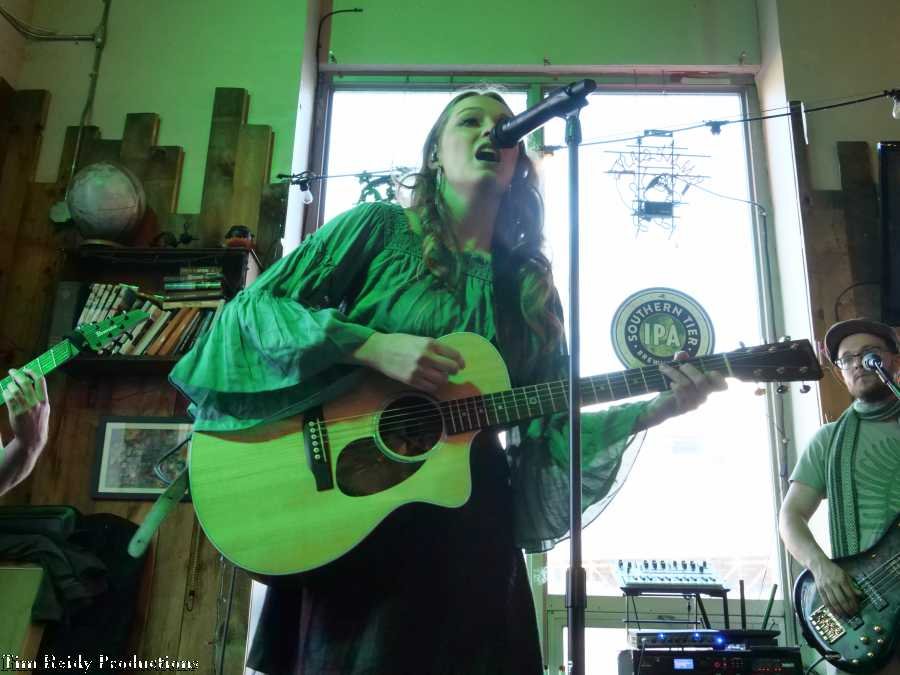
More from Lost & Found here …
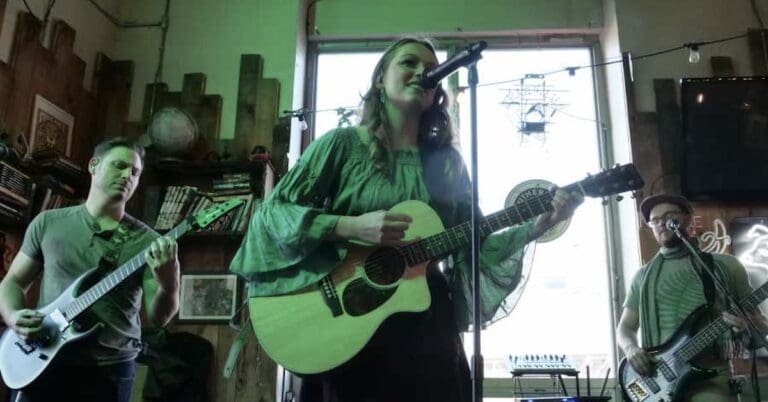
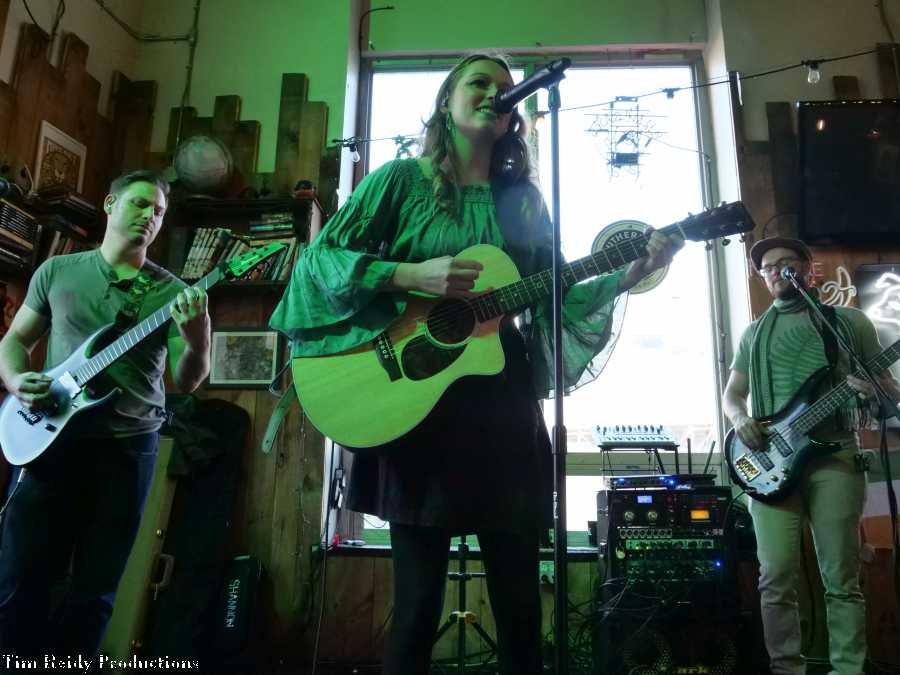
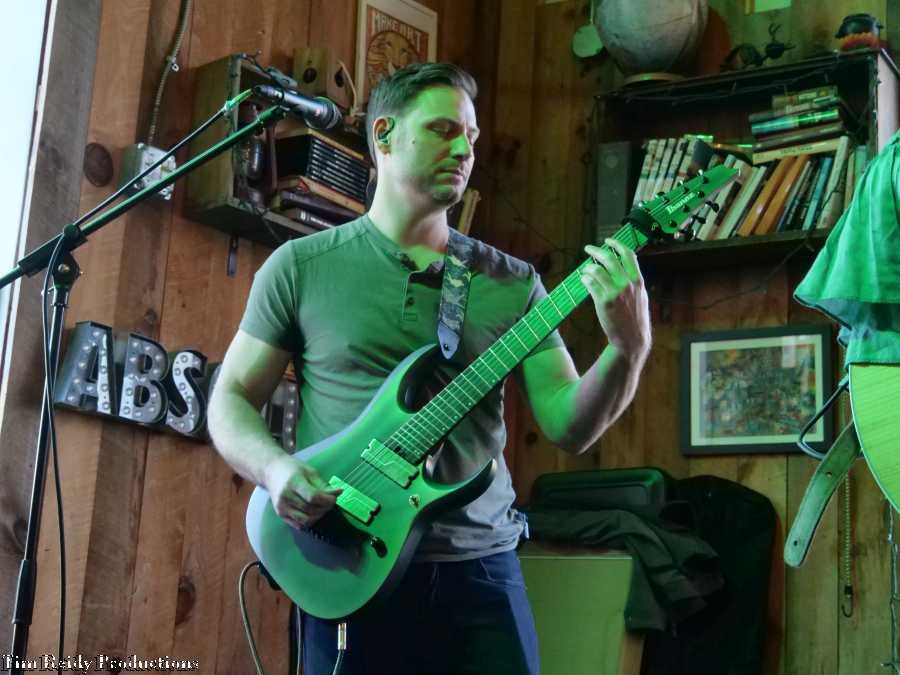
Shannon Tehya brought her trio to Lost & Found Saturday night, which was absolutely packed with post-parade revelers.
Photography by Timothy Reidy.
More from Lost & Found here …
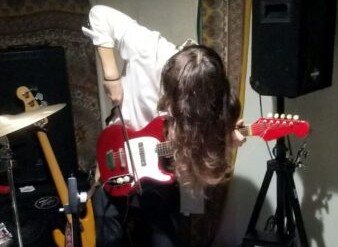
Bailey Bennett – Xperience History – by Joshua Reedy.
Originally published in August 2021.
Bailey Bennett is the exceedingly kind, humble and eloquent mastermind behind several mostly unnamed solo experimental noise projects. On top of using twisted tape loops to create churning, stunning walls of texture with which to accompany himself; Bennett also lives in and operates an intimate basement venue in New Paltz alongside several similarly talented roommates. After attending my very first post-COVID basement show, Bailey and I sat down for my first in-person interview since the lockdown to discuss his style of performance, the New Paltz scene and why noise music is deserving of a higher level of recognition.
RRX: I want to start things by just asking you, because this is a totally new scene for me, to tell me a bit about the New Paltz scene having spent time here in college. I know that’s a big question.
BB: I feel like if I were to give one comparison band, that people would know, to the New Paltz scene it would be King Gizzard (and the Lizard Wizard). A lot of bands here have that sort of jazz influence, a lot of people here get it just from being music students who study with the jazz professors. You get a lot of kids who love the heavy-metal and/or psych-rock scene. I think a band like Kablamo! who played last tonight is a really solid example of the quintessential New Paltz band. The noise scene, which is what I am a part of, is sort of non-representative; my whole goal is to promote that and the weird and not shown artists.
RRX: So, like, outsider music that normally isn’t accepted.
BB: Yeah, and I live with six other people but my goal with the venue is to uplift bands that don’t really get to play here. And we can really push the boundaries on what is unrepresented in New Paltz. I think it’s important to the health of the scene, to have a well-rounded lineup of bands. Yes, it’s important to have those psych-rock bands but it’s also important to have that fucking weirdo, prurient-type noise artist included.
RRX: Right. And before I get into what you do as an artist, I want to touch on the venue here itself. I want you to describe what living in a house with a bunch of other musicians and running a venue out of the basement means to you.
BB: It’s really liberating. We’ve just utilized this power. And I threw together this bill, without much of a democratic process (laughs), because On Pink was looking for any shows they could play on July 12th and I just said “You guys wanna play my house on the 14th?” and they were like, “Yeah!” I threw together most of the acts, but it really became a collaborative effort and to me it’s really intoxicating to be able to have, not only really talented musicians in our space giving their all sweating their ass off in this basement, but also having people want to be there and experience it all is amazing. I love music and performers, so being able to act as the intersection of where music becomes performance and visual art that people can engage with is great.
RRX: And it’s no doubt we were all sweating our asses off tonight (laughs). But I’d say having this kind of performance go on in a basement definitely brings a new layer of intimacy and I’m sure the bands would agree.
BB: Yeah! And I think that that intimacy that’s strived for is owed to a lot of the pre-existing house venues here in New Paltz; Nacho House is one that comes to mind. Nacho House had a great festival my freshman year here, but they’ve had a really great four to five years of band performance and audience attendance that was really impressive for a small intimate basement. Seeing that, I really strive for that level of community which I don’t think can really exist without the proprietors of the scene despite the differences in taste and music.
RRX: And that’s a good segue because I was going to ask you about other venues around here and what kind of community there is here. In Albany, it can be very limiting at times with different sides of the scene feeling opposed to each other and trying to bridge that gap can be tough. I feel there may be a tighter sense of community here just due to the sheer amount of art being pumped out by the college scene.
BB: Yeah that’s a really good topic. Post-COVID has created a new canvas that all of these artists now have to fill; that may be a pretentious way to frame it (laughs) but I think there was an emotion that was felt tonight. Very few of us have had this opportunity to sweat together in a basement; I think that’s what makes the cornerstone of the community. I remember being here as a freshman and having venues like Crazy Dan or Nacho House which I mentioned, or the Groove Grove who got a ton of great bands. Laveda has played Groove Grove, which blew me away. There are so many venues that I couldn’t name them all.
RRX: And this is the first live show I’ve been to since COVID and first in person interview I’ve done since COVID as well. We can have a little bit of a collective sigh of relief for this very recent return to normalcy.
BB: It really is like a blessing. I feel so lucky that this could happen at my house with my friends and people that I know and care about. With all of us being vaccinated and some of the fears of COVID being sort of subdued, we were able to have this really excellent experience, and to be the epicenter of that is phenomenal.
RRX: So now I’d like to get into what you do with art personally. To start things broad, I’d like you to try and summarize what your goal with music.
BB: First of all, I can’t exist without Swans (laughs).
RRX: They are a great reference point!
BB: A lot of people will pick up on that. Public Castration Is a Good Idea is one of my favorite records.
RRX: He’s not just saying that folks, it’s the name of an album!
BB: Right (laughs). That record; it was incredible for me to hear as a longtime Swans fan. The first time I heard it I just felt that they had perfected this industrial style that had already been minimized to a point where it’s almost solely percussion. And they use rock instruments to create that sound. What I do couldn’t exist without Swans and their live performance. I’ve never been in a band, it’s always been my dream to but I can only sort of do my solo stuff right now. I have a tascam 464, which is a great piece of machinery that I’m so lucky to have; to me, that is my bandmate. I will play something, and I’ll stop the recording and I’ll just be like “What is this?”
RRX: You must be like, “Nice work tascam! I love what you did with that last part!”
BB: (laughs) Yeah, it really just either cuts a high end or boosts a low end that sort of makes it this team effort. Listening to an album like that Swans record, it shows you how to take a piece and simplify it down to those very angry, primal roots. And the world itself is angry, despite whether or not you want it, the world is angry and violent.
RRX: So now that we’ve talked a bit about your goals, let’s get more into what exactly it is that you do. You mentioned the tascam already but tell me more about the tape manipulation setup.
BB: So, tape is inherently organic; It’s a vessel that contains a sound that otherwise cannot be captured. If you have a tape, and you play it ten years later it will sound different. With the tascam it has built-in pitch modulation, it has a switch that activates a high and normal speed, which a lot of tape machines don’t have access to. Access to these features creates a very organic relationship with guitar, which I already feel is a very dynamic instrument. Taking a visceral style of guitar playing and filtering it through an analog system creates a very intriguing setup. There was actually a time tonight where I played a melody, and I stopped recording, listened back and I was like, “did I just fucking play this?” It’s a humbling situation where I don’t feel like that master.
RRX: You’re being guided by the sound instead.
BB: It feels very spiritual and cathartic.
RRX: I want to talk about some of the unconventional ways that you play the guitar. Tonight we saw you using a bow and rusty nails to get some crazy sounds.
BB: Listening to an artist who decides to take an object and uses it to play guitar and create these textures is always cool. I was working with my dad one summer in my hometown of Saratoga and I found all these really big, old rusty nails. To me, they were gorgeous.
RRX: So, you didn’t pick those up at Guitar Center?
BB: (laughs) No, but I really enjoy the Fluxus movement because they did not care about the outcome; to them it was the tools and the process that made up the art. When I use those old nails, using the rust and the dirt, it creates a different feeling.
RRX: As we come to a close, why don’t you talk about some other New Paltz bands and the bill tonight. I know On Pink is made up of some of your buddies.
BB: Yes, and shoutout to Lip Critic, they’re incredible as well. Nazca Plate played tonight as well as Kablamo! who are also in another band called Bby Carrots.
RRX: Yes! They played the Byrdhouse in Albany.
BB: Right! Shout out also to Delphino and Proximity Crush and the Byrdhouse people. Oh, and Jack Lynch of course, who also did a set tonight.
RRX: Do you have a stage name you’d like down or should it just be you?
BB: (laughs) I don’t know, I struggle a lot with ego stuff so I suppose it should just be my name.
Follow Bailey on social media:
https://www.instagram.com/bee_person1800/

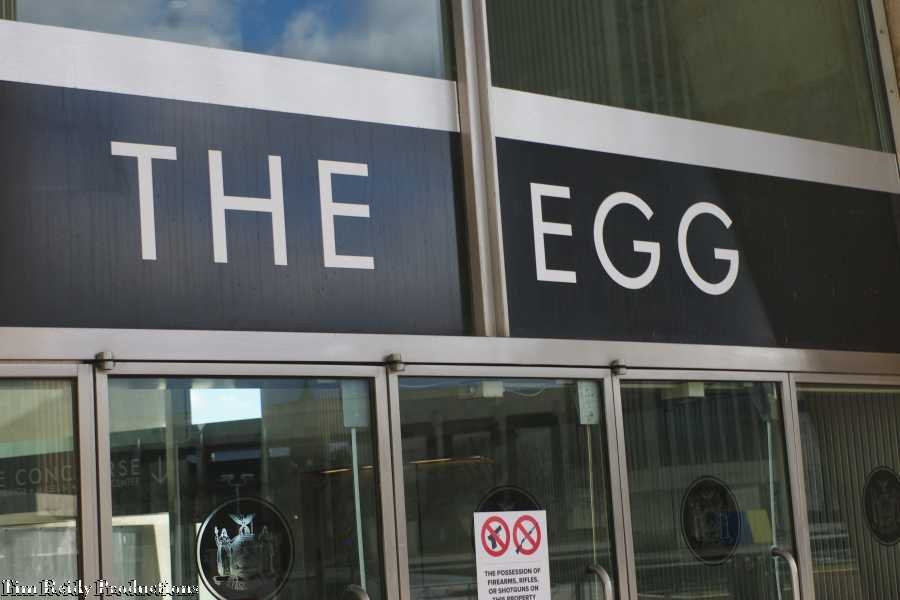
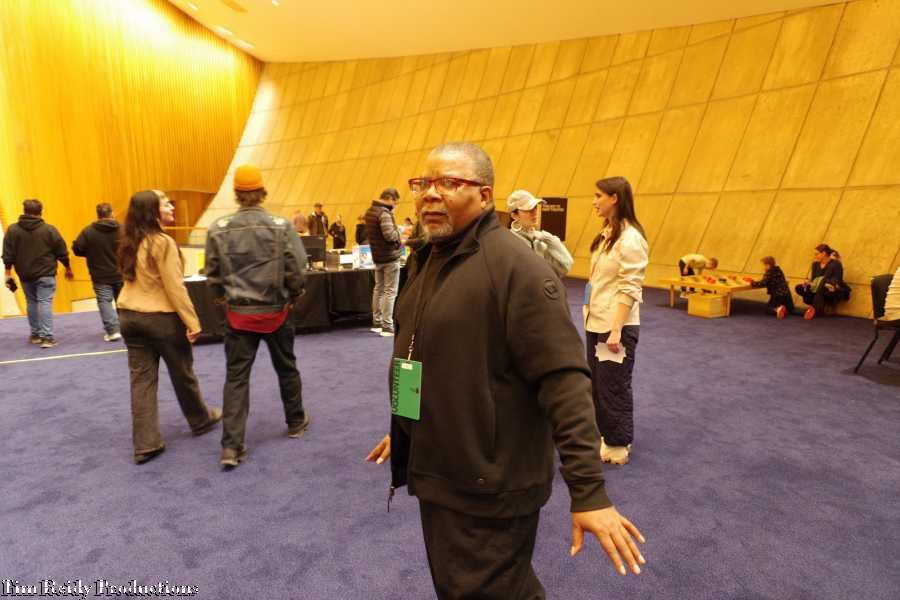
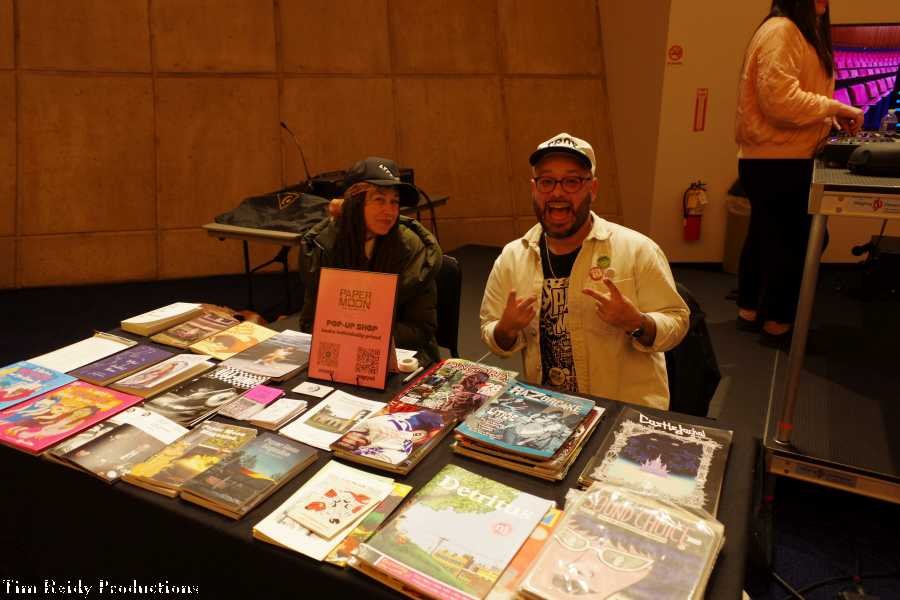
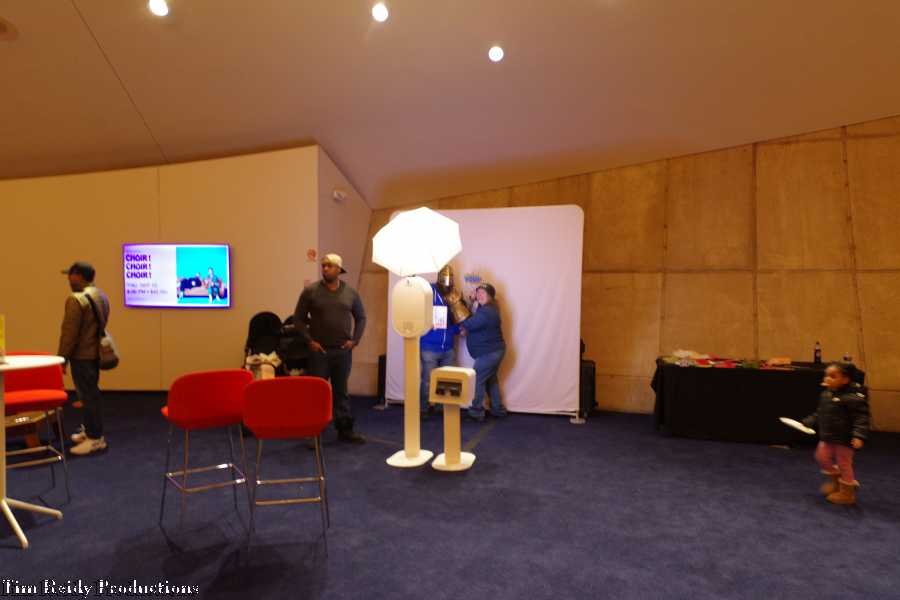
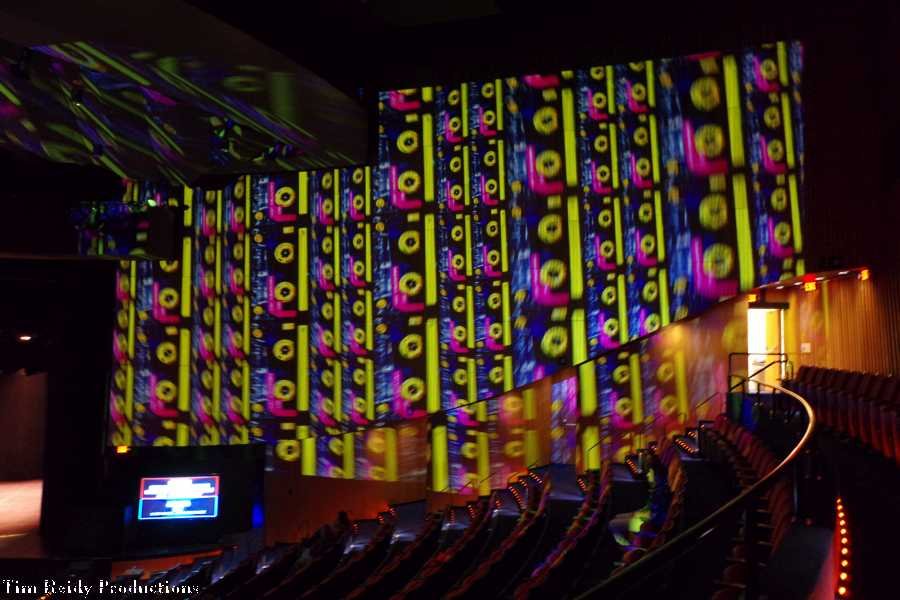
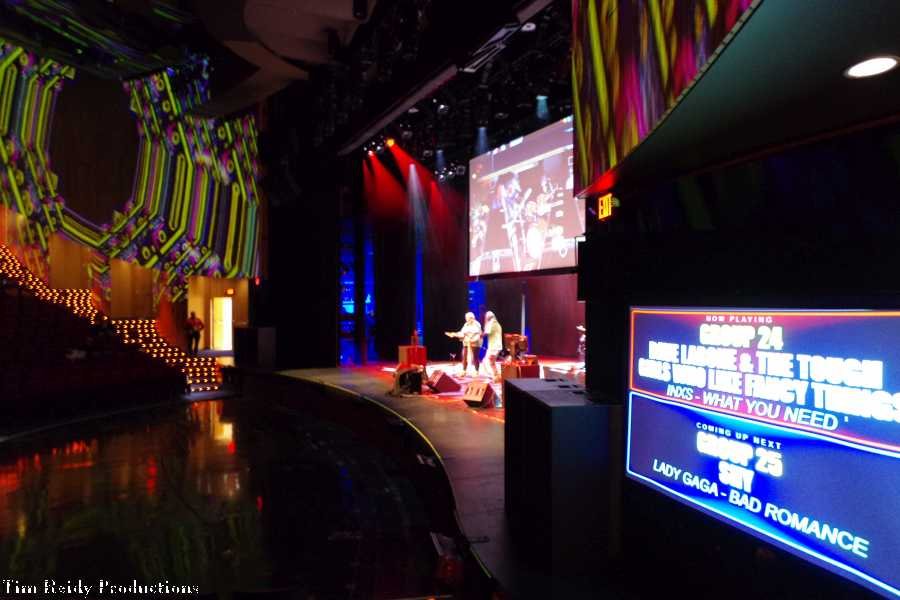
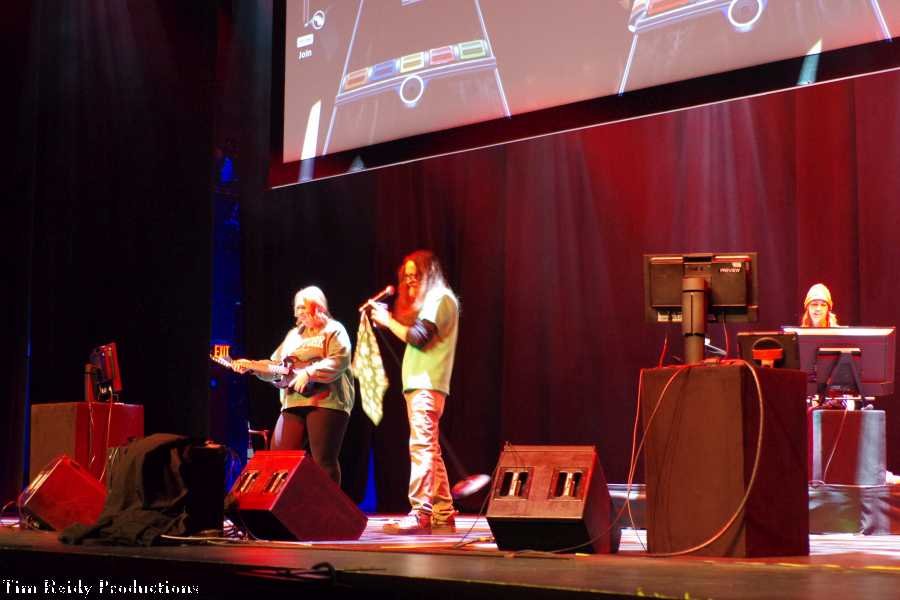
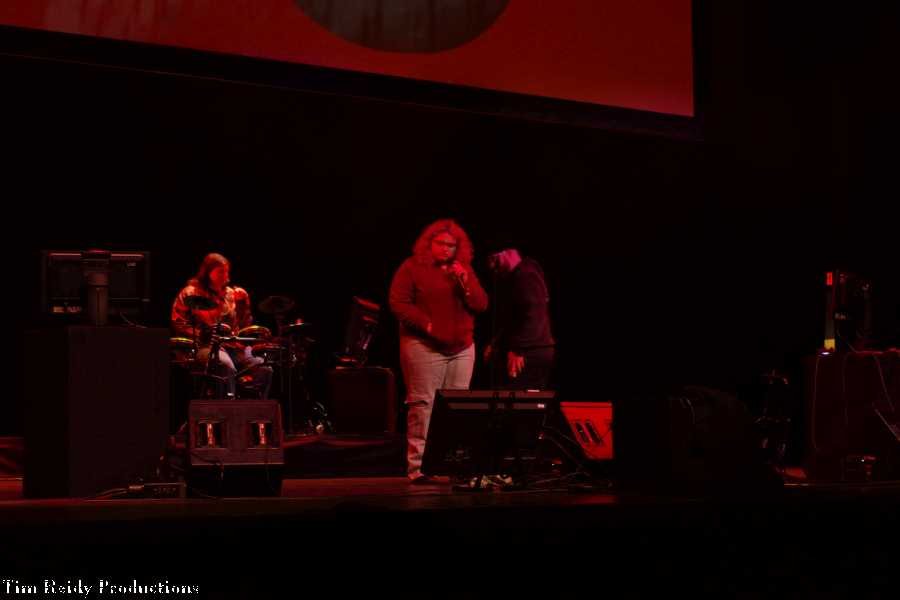
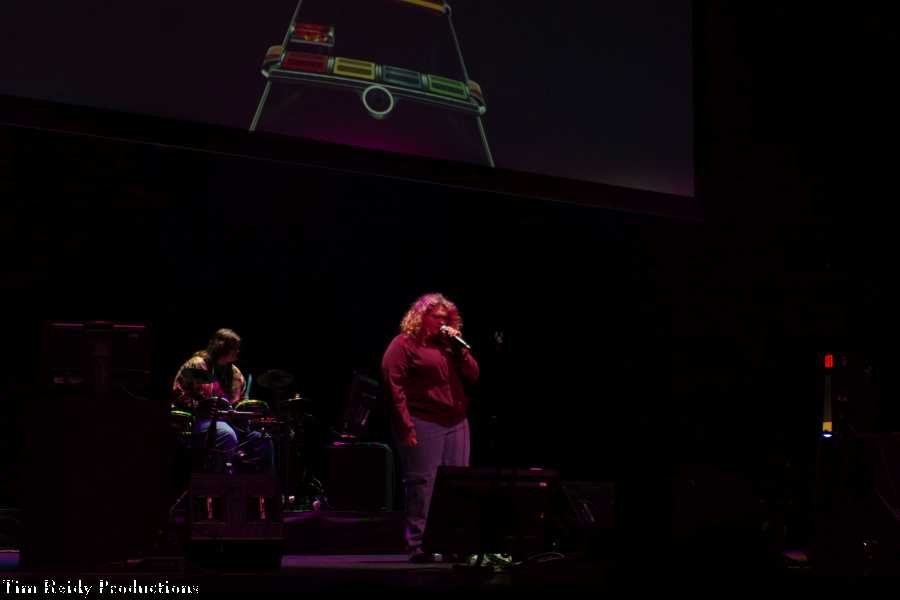
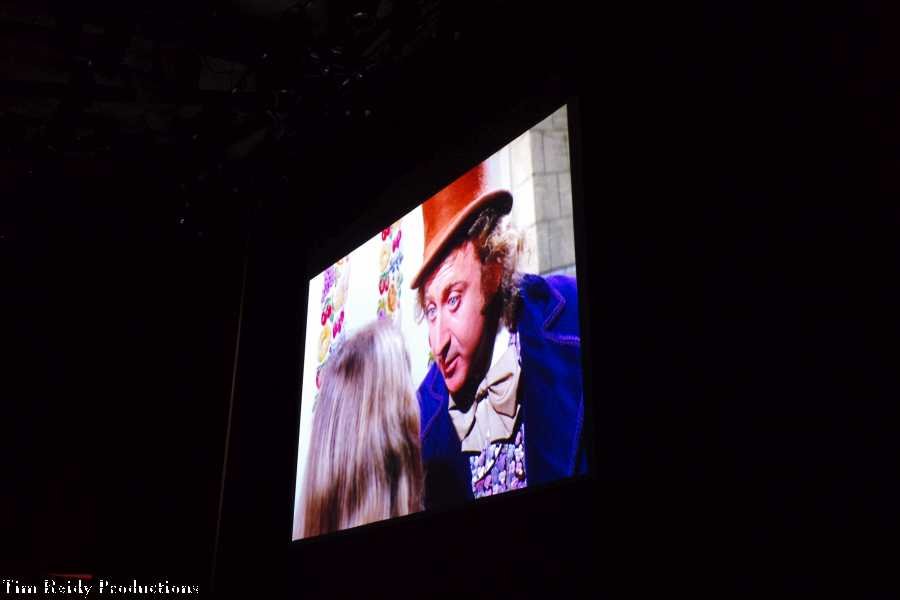
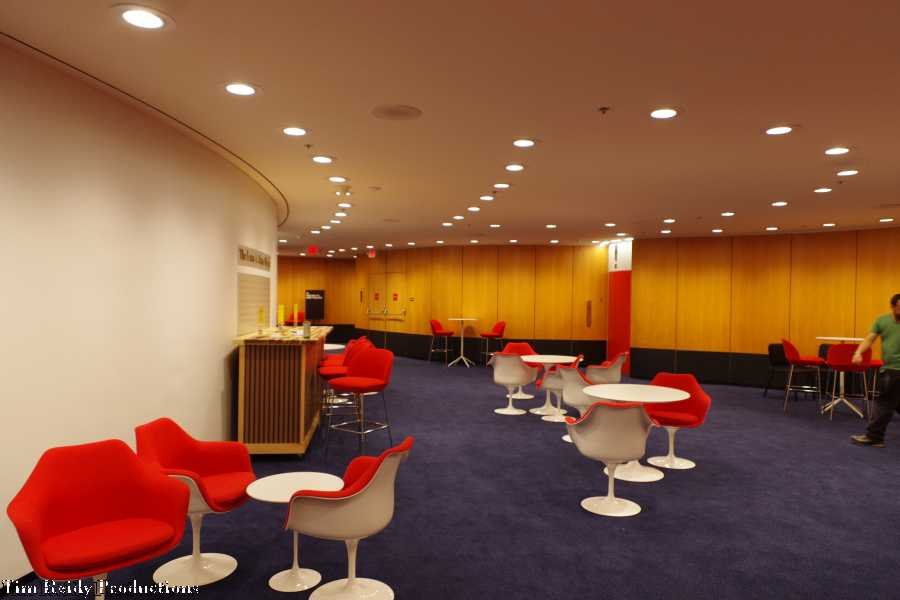
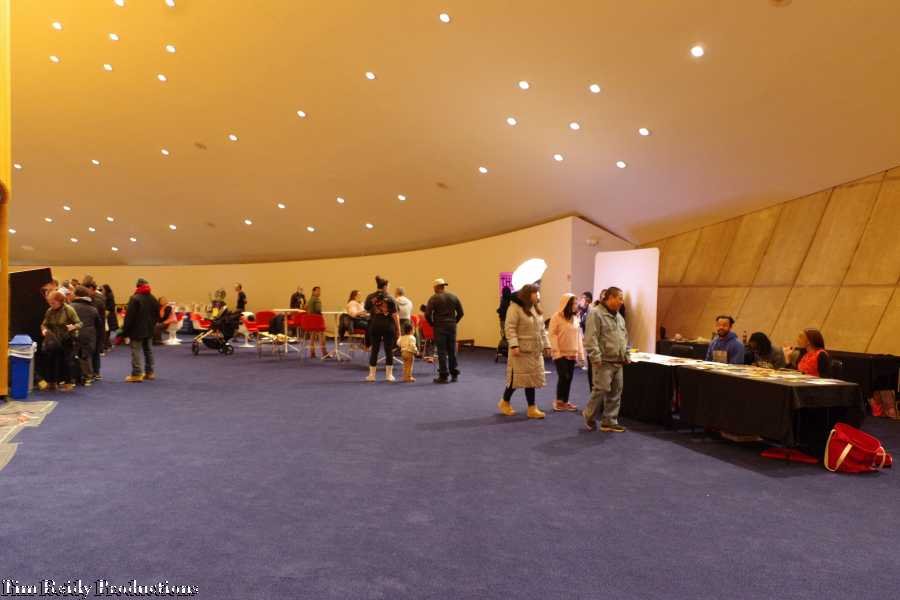
A revamped Egg hosted an Open House on March 14, which featured Rock Band in the Hart. movies in the Swyer, and other attractions throughout the building.
Photography by Timothy Reidy.
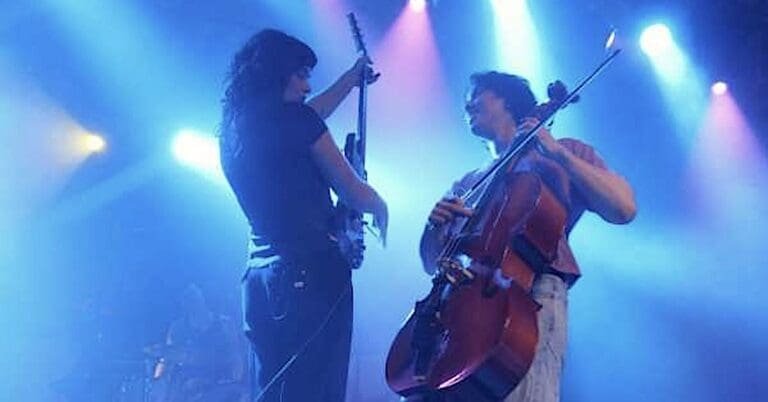
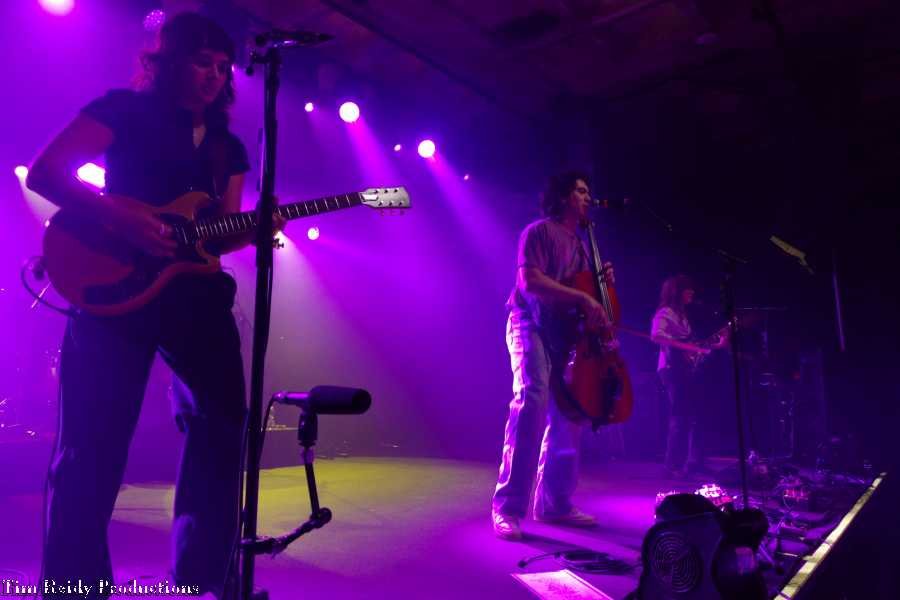
The Happy Fits returned to Albany, this time at Empire Live, early on their current tour. BEL provided support.
Photography by Timothy Reidy.
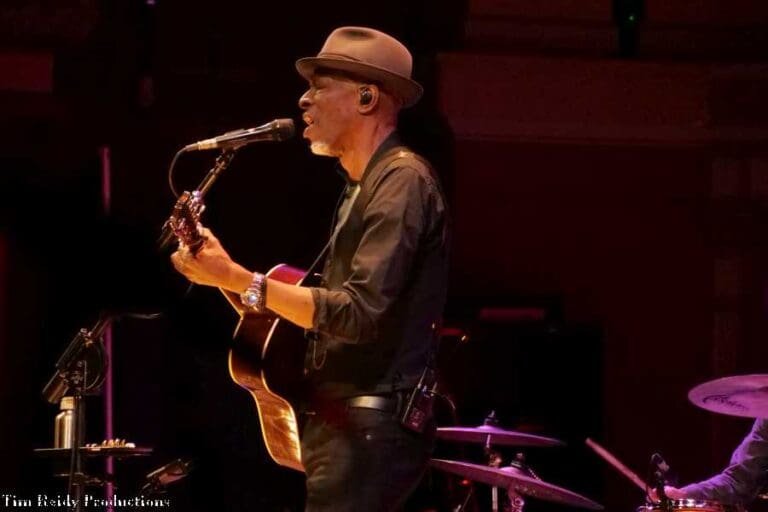
You Don’t Have to “Shave Yo Legs”: It’s Good to Be Home – Keb Mo’ Review – by Colin McCarthy.
Three songs into a sold-out show in downtown Troy, NY, Keb’ Mo’ took a moment to step to the side of the stage and settle into the groove while introducing his band member by me
In my 35 years of going to concerts, I’m not sure I’ve ever seen a performer introduce the entire band that early in a set. It felt genuine,both a gesture of respect and an acknowledgment of the tight chemistry– a well deserved nod.
And the band deserved it.
For 90 minutes straight, they communicated almost entirely without words. Nothing was forced. No beats were missed. Every subtle laugh, knowing glance, and half-humbled shrug became part of the performance. The audience could feel it: the quiet, intuitive connection thats needed most for a successful night. It almost never comes down to how quickly the volunteer staff sat you and if you had to wait in line for a beer before the curtain draws.
The song playing beneath that introduction was “It’s Good to Be Home,” and midway through, Keb’ Mo’ gave the crowd a wink and salute, as if to suggest that he felt at home inside the warm acoustics of Troy Savings Bank Music Hall.
By the end of the night, the entire room did.
Shortly after, the band broke into the Keb’ Mo’ classic “Shave Yo’ Legs,” from his 2004 album Keep It Simple. The record, released in 2004, would go on to win the Grammy Award for Best Contemporary Blues Album.
Watching Keb’ Mo’’s music career unfold is kind of amazing. After all these years, he still walks on stage with the same easy charm, and before you know it the room is full of rhythm, smiles, and a little extra foot traffic as people start swaying closer to the stage. The songs feel timeless, the stories feel real, and by the time the night ends the crowd is always hoping for just one more encore. What makes it even sweeter is how far he’s come,still touring, still creating, still captivating audiences at an age when most people are thinking about slowing down. But Keb’ Mo’ clearly didn’t get that memo… and thank goodness for that. His music proves that soul, talent, and a good groove only get better with time.
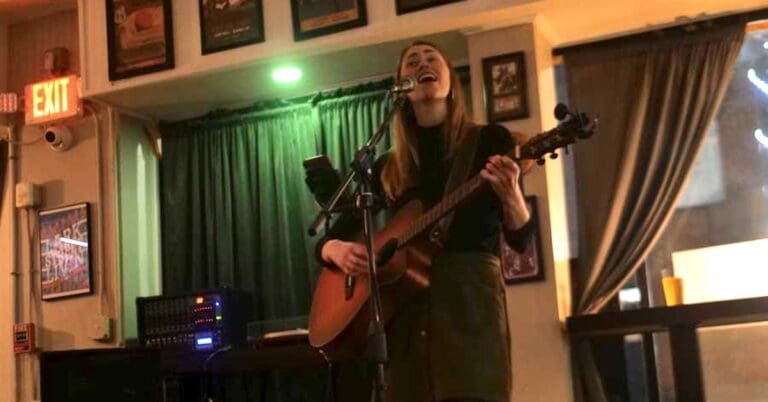
Caity Gallagher returned to The Eleven on March 12, with a mix of originals and covers.
Photography by Timothy Reidy.

The Building Inspector – The Weird Side of the Internet – by Liam Sweeny.
A woman, thirty years old. She’s recently moved to an apartment complex and she saw a man, fifties, and she thouhgt nothing and she saw him again. Coincidence, whatever, but he had his phone out and it looked like he was pointing it at her. Because he was, and for the next eight months, he put her through hell, through the building association.
This was in China, and it shows that ‘that guy’ is a global phenomena. This was ‘that guy’; no, this was the big boss combat version of ‘that guy.’ He would walk around with a little pencil and tiny notepad and write every little petty infraction against a lease that had a ‘nuisance behavior’ clause that you could pied piper a whole village of rats through.
I’ve never lived anywhere with a real association, building or homeowners. My neighborhood associations were you talked smack about everyone who didn’t keep their properties up until you got tired of it and moved to North Carolina. But give people a little bit of power and a purpose no matter how insignificant and tyranny is standing over your flower bed,
It took eight months for someone to suggest to this woman that she go to the police and get a restraining order. And yes, it’s a building complex, but all of those people had to know about this guy, right? Yet he’s “investigating” this woman; yeah, “investigating.” And no one spoke up. Or even went to her in private and took her aside.
And I get that people who live somewhere want to have a say over the standards that they agree upon, shared values and whatnot. But it’s literally creating an extra government. If I want a fifteen foot steel Marlboro man with neon tobing and smoke puffs made with water vapor, there’s a line somewhere that says life, liberty, and the pursuit of happiness and my artistic taste please me. So where you go from there? Because anarchy sucks but it probably looks cool. Shouldn’t there be a rule where if anyone becomes insufferable you can tell them to pound sand and they have to.

Schenectady, NY – Gallery 5s collaboration with Women Artist Community, Our Voices As One – Una Sola Voz presents a visual feast of multiple art forms. The exhibit is curated in celebration of Schenectady Art Night and features acrylic, oil, watercolor, prints, sculpture, mixed media and encaustic by Capital Region artists.
Key details `
April 17 opening reception, 5-8:30 p.m. 236 State Street, Schenectady NY 12305
May 15 closing reception, 5-8:30 p.m. 236 State Street, Schenectady NY 12305
For more info, contact Steve Kowalski. email: gallery5schenectady@gmail.com
More about Gallery 5
Our mission is to invigorate the local art community by providing a platform for both emerging and established artists. By hosting pop-up art shows 2-3 times per year, Gallery 5 brings a fresh, exciting energy to Schenectady. These events are more than just exhibitions; they are celebrations of creativity, drawing artists, collectors, and art enthusiasts together. The founders’ commitment to this mission has made Gallery 5 a beacon for artistic exploration and community engagement.
More about Women Artist Community
Women Artist Community (WAC) is a network of self-identifying female fine artists in the Capital Region and beyond. The group aims to share information to build connections while supporting members’ individual paths as artists. In a spirit of camaraderie and inclusivity, they respect the unique talents, backgrounds and vision of its membership. In its initial year, WAC accomplished exhibitions held in four distinct venues. Several artist members took part in other group shows and also had solo exhibits in the region.
Why women? WAC’s initiatives were launched in February 2025 by artists
Mary Wheeler and MaryK Weeks while discussing opportunities to exhibit their work. They researched disparities in representation in traditional art venues, finding that an estimated 51% of visual artists in the U.S. are women. Despite this statistic, only 12% of artists in major U.S. museum collections are female, according to a comprehensive study in 2019. (Published in The Burns Halperin Report Dec. 13, 2022 ‘Underrepresentation of Women and Black American Artists’)
In 2026, WAC remains dedicated to its mission of promoting creative growth. It continues to move forward as a community, providing resources and expanded opportunities to female artists.
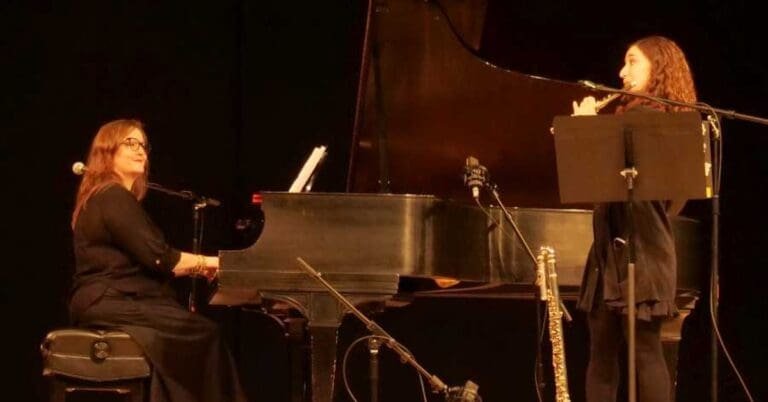
Hudson Valley Community College’s Noontime Concert Series continued on March 12 with Atmospirit Duo in the Maureen Stapleton Theatre. Remaining shows in this free series include:
April 16: Tangled Strings (Bulmer Telecommunication Center)
April 23: Kinloch Nelson (Bulmer Telecommunication Center)
May 7: Cold Chocolate (Bulmer Telecommunication Center)
Photography by Timothy Reidy.
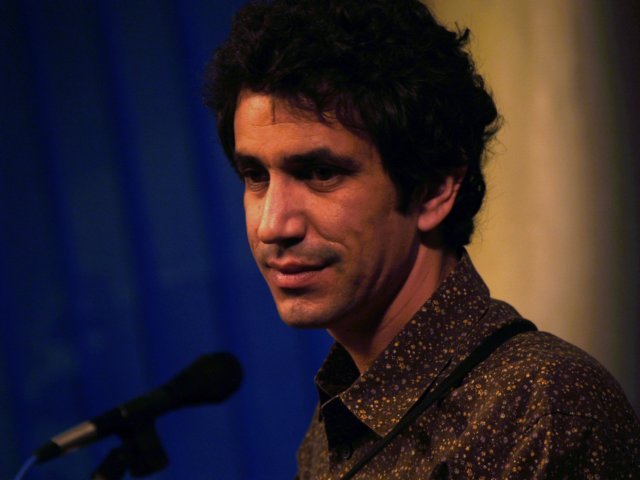
A. J. Croce – Music and Life – in D.R.
In 1973, two-year-old A.J. Croce lost his dad, singer/songwriter Jim Croce, in a plane crash. And then things got worse for him.
But we’re not here to dwell on the past. You can look up his bio elsewhere, if you really want to know. Today we are celebrating his career as an accomplished musician and intrepid human being.
A.J. first mastered the piano, and then later, became an exceptional guitarist. Somewhere in there, he also learned to sing. He has played with virtually every notable modern musician, a spectrum including Elvis’s guitarist, James Burton, to John Oates, of Hall and Oates. In one session, he replaced Jerry Lee Lewis on keyboards. He has more than held his own in their midst many, many times.
He has also become an excellent songwriter.
In his thirties, he decided to revisit his father’s repertoire, playing those great Jim Croce songs: “Operator,” “Leroy Brown,” “Time in a Bottle,” and others. All those songs were recorded by Jim in a very narrow window of just 18 months. In retrospect, that’s astounding.
You can experience A.J. Croce during his “Croce Plays Croce 2026” tour, at Universal Preservation Hall in Saratoga on Thursday, April 9th. Doors at 7:30 (maybe a smidge earlier). Come and celebrate the music, the performer and, mostly, the man.
(Many thanks to Jim Merlis for facilitating this interview)
RRX: Thank you for consenting to this interview. To get right to it, you’re probably best known as a virtuoso pianist. Was piano your first instrument?
AJC: I was drawn to the piano before I could walk; it just spoke to me. I got my first lesson when I was about eight, though I was already running to the piano with my little transistor radio to play along with whatever I was tuned into at the time. Being that I was legally blind from 4 to 10, my early lessons were more about learning my scales and chords. I was encouraged to improvise, and that freedom changed my life. Piano was my solace.
RRX: Who were some of your earliest musical influences?
AJC: I was fortunate to have a father (and grandfather) who loved records and music of all eras and genres. So as a kid who couldn’t see, I was turned on to Ray Charles and Stevie Wonder. With Ray Charles I went down the rabbit hole on where his influences came from, the jazz, blues, gospel… and I was fortunate to have my dad’s record collection, which wasn’t vast but amazing and diverse. So I listened to Fats Waller, Bessie Smith, and Delta blues like Mississippi John Hurt, and Skip James as well as Sonny Terry and Brownie McGee,Otis Redding, Sam Cooke, Solomon Burke, Little Richard, Chuck Berry, Jimmy Reed. Allen Toussaint and the records he wrote and produced for Lee Dorsey, and Irma Thomas made a big impact. Then there was great country like Lefty Frizzell, Hank Williams, Jimmy Rodgers. Folk music like Woody Guthrie and Leadbelly. Gospel, and lots of 50’s and 60’s Rock & Roll.
RRX: When did you take up the guitar? Was playing your father’s music emotionally difficult at first? Has it become cathartic?
AJC: When I turned 30 my mother gave me my father’s 1933 Gibson L-00. I’d learned a few chords over the years, partially because I had recorded and toured with so many great guitarists. When someone would play a cool-sounding chord or riff I’d ask how to play it. Because I had limited knowledge of the fretboard and only maybe 6 or 7 chords under my fingers at first, it simplified my songwriting in a profound way. I had success with the first song I recorded on guitar and for a few years avoided applying the music theory that I know as a pianist in order to keep things simple. But as I fell in love with the instrument I started to feel the limitations were a bit too stifling and my desire to compose more sophisticated music on guitar won out. I’ve never forgotten the power of simplicity, though now it’s a choice and not a necessity.
After a few years of owning the old Gibson I felt obligated to learn a few of the songs that my dad wrote on the instrument. Being a piano player, finger style came naturally. While I it would be another 15 years before I’d perform any of my fathers music in concert, it was emotional and cathartic.
RRX: There’s a recurring joke about guitar players saying, “You can never own enough guitars.” How many guitars do you own? Do you have any favorites?
AJC: Too many! Instruments are tools. My rule for acquiring guitars is that each one needs to do something unique that none of the others can do. I need to be inspired to write a song when I pick up a guitar, or I don’t need it. I’m currently in the process of culling my collection. With a couple exceptions, my criteria for getting rid of guitars is that if I don’t want to tour with it, because it’s rare or in mint condition, or it’s too heavy, then I don’t need it. There are still a few guitars that I’m on the lookout for that I could really put to good use, but not until I get rid of a few. My favorites and ones I’ll never part with are my 1967 Gibson 330 (my first electric), 1955 Gibson SJ, a 1966 Martin D18, my 1951 Martin 0018, a ‘57 Les Paul Gold Top (Murphy Lab), a custom Jazzmaster and of course the ‘33 L-00. I have other great guitars but these are the most special to me.
RRX: You’ve released eleven albums, the latest being “Heart of the Eternal” (BMG, 2025). There’s some pretty tasty music on there. I particularly liked “Hey Margarita” and “On A Roll.” How is that you are not more widely known? I think you just got yourself a new fan…
AJC: Thank you! I don’t know if I have an answer to your question. One thing I can tell you is that for most of my life I avoided celebrity. Growing up in the periphery of renown made me cautious and a little suspicious at times. While I always wanted my music to be heard, I never felt like I needed to be adored by strangers. At a certain point maybe ten year ago, I realized that a certain amount of recognition is a necessity if I wanted to share my music with a larger audience (which is a little crazy, since I’d been touring and recording for about 25 years at that point). Who knows if it will make a difference since so much of this business is about good luck, great timing, and perseverance. At least I have the perseverance in spades. Curiously, there’s an ideal for musicians not to sell out, and yet the whole point of performing live is to sell out. Once I finally embraced the idea that I deserved to have my work recognized (as everyone does), my perspective changed and I became open to whatever may come, for better or worse.
RRX; Jazz pianist Bill Evans is reported to have told a colleague, just before his death: “Focus on truth and beauty, and forget all the rest.” It seems like this is precisely what you have done. True? Has music kept you going through good times and bad?
AJC: Truth and beauty are critical to the music I try to create. There’s a lot of music that I’ve composed which require dynamics. Lately I feel that outside of jazz or classical music fans, there aren’t many people that have the patience to listen to a song develop these days. I want my music to be universal, so I try to be very aware when I’m writing a song if the verse is simple and clear. I do my best to tell a good story and get to the point. So, the time it takes to get to the chorus and whether a song needs a bridge, (because fewer and fewer people have the patience to listen to an entire three minute song) are important factors to consider.
As for music keeping me going, it’s been profoundly rewarding in a holistic way. It’s my life and I wear many hats: artist, publisher, record label head. This business is like a roller coaster with it’s ups and downs, so I’m very grateful to make a living entertaining people, whether the crowds are big or small.
RRX: It seems that you have a broader family, made up of all the incredible musicians you have encountered over your career. Is it a comfort knowing you have been accepted into this amazing family?
AJC: It’s an enormous comfort and honor to have worked and played with so many talented folks. As you mentioned, not everybody is aware of my music, or my history as an artist and some folks assume that I just started my career by playing my fathers music five years ago. But for the first 30 years of my career I didn’t talk about my father in interviews or play his music. People can get nasty on social media sometimes, but you know B.B. King, Ray Charles, Willie Nelson, Leon Russell, Allen Toussaint and the dozens of other amazing artists I’ve performed, written, or recorded with didn’t need me or my last name to sell tickets or records. I guess knowing it was due to my own merits as an artist feels rewarding. When I was younger I never even brought up all the iconic folks I worked with — I just thought people would think I was bragging — though because many people are just discovering me now and I’m paying tribute to my father’s legacy more than my own, I think it’s important that they know a little about my past.
RRX: Any thoughts you want to leave your fans with?

RadioRadioX & The Xperience Monthly
© 2018 - 2026 Imperial Broadcasting. Most Rights Reserved.