Home Blog Page 87

90s Noise – Thanks for Asking!

0

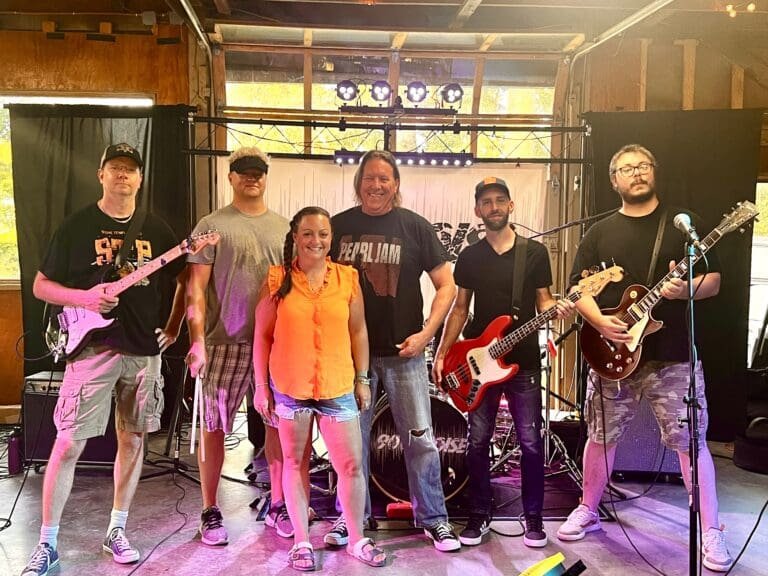
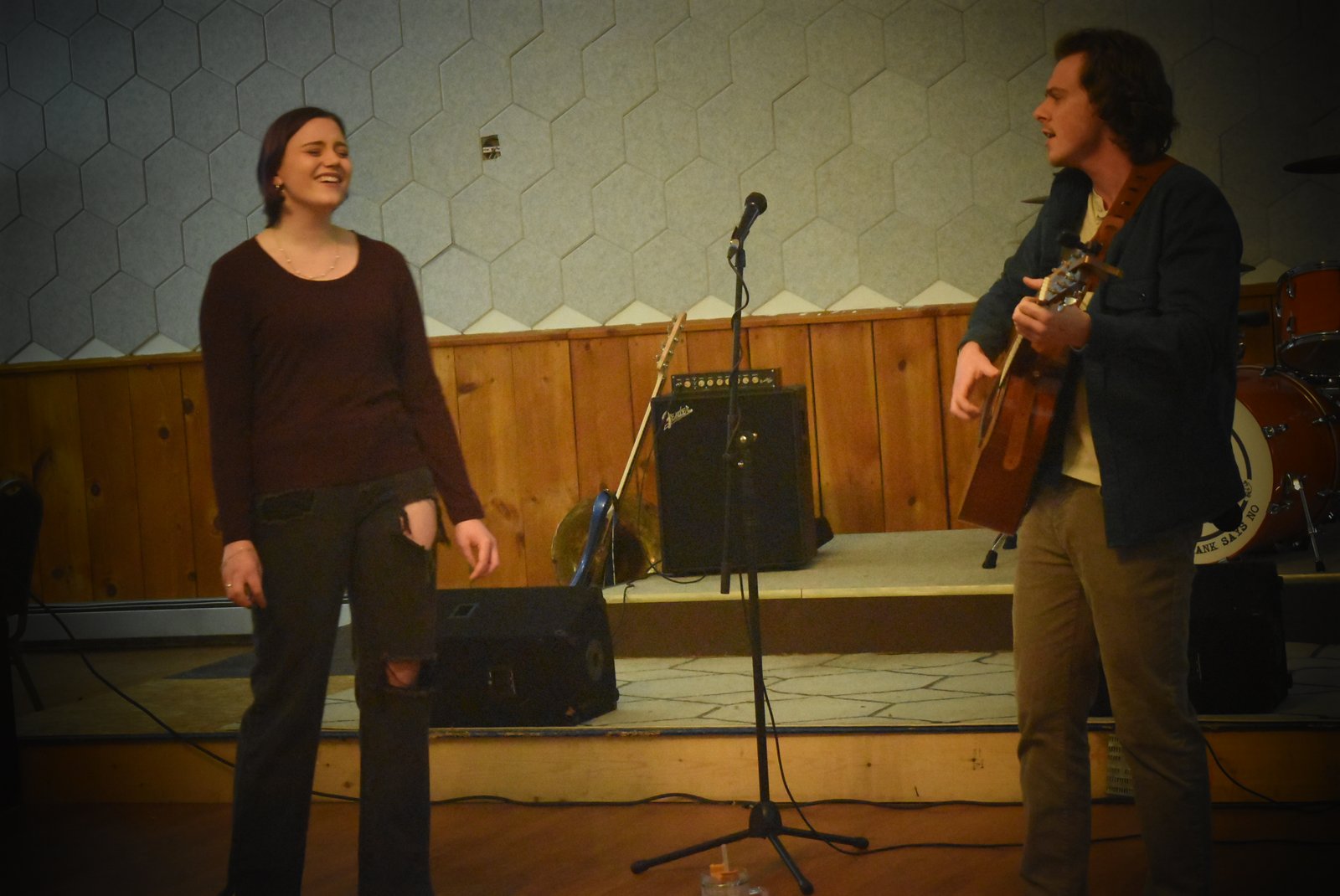
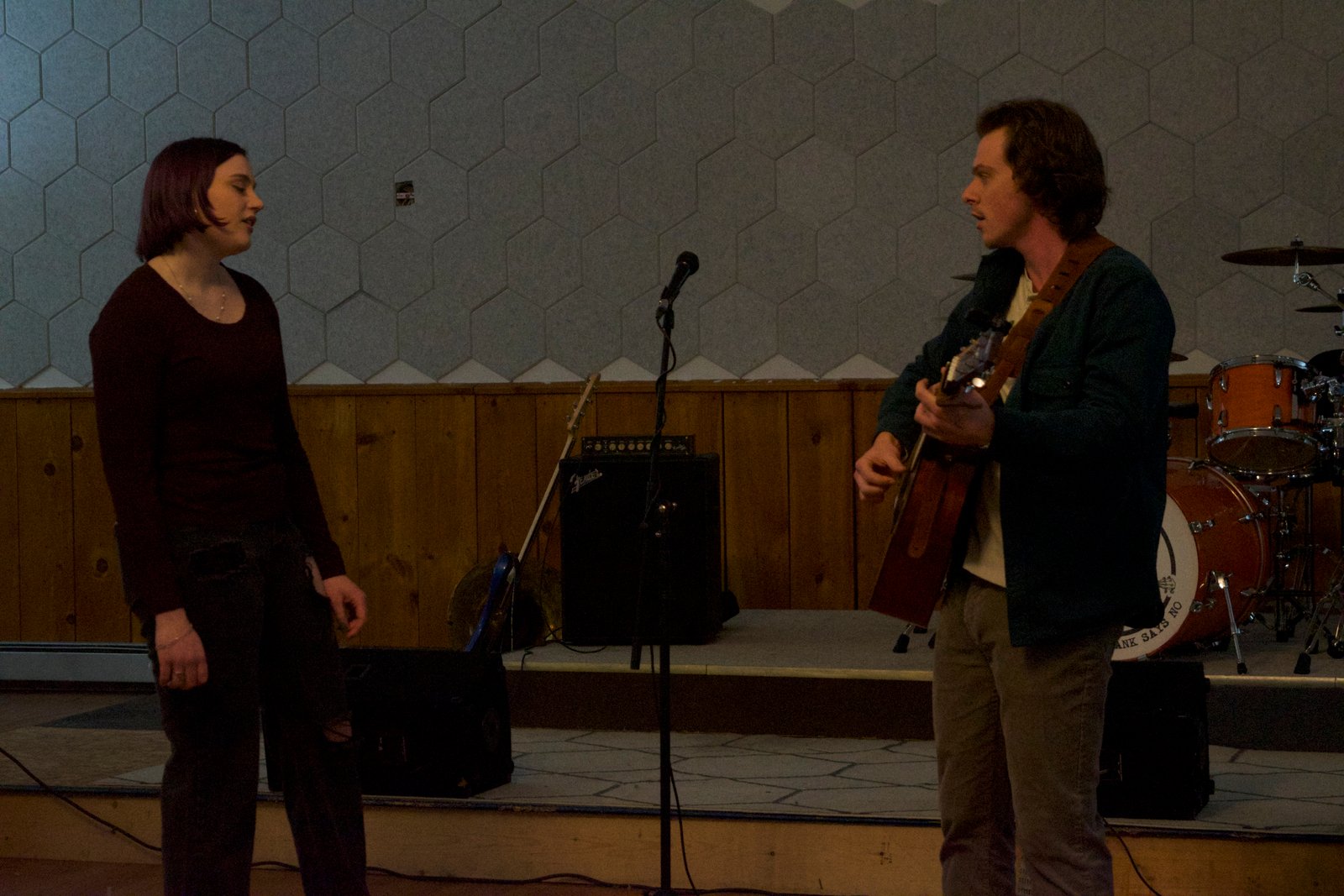
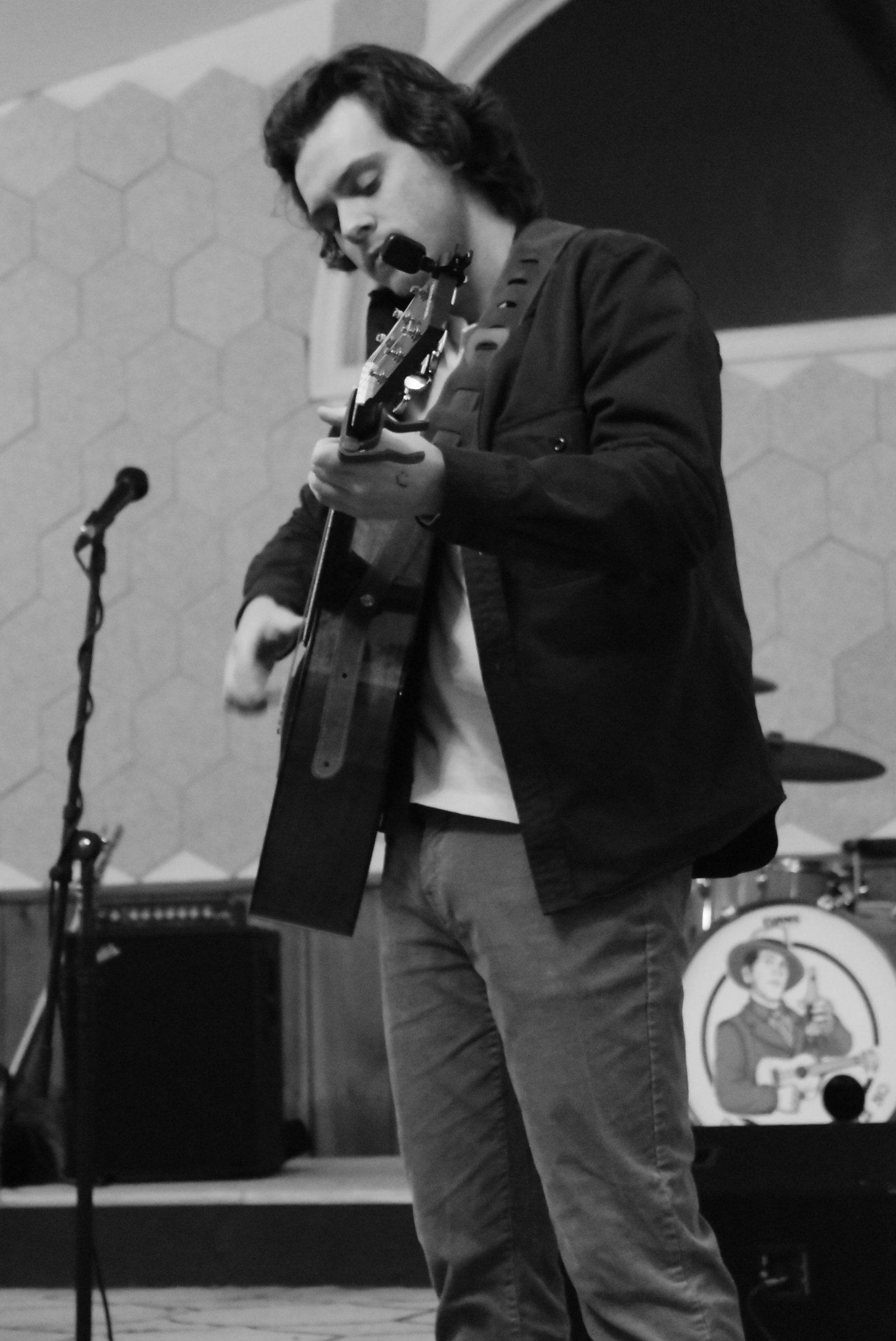
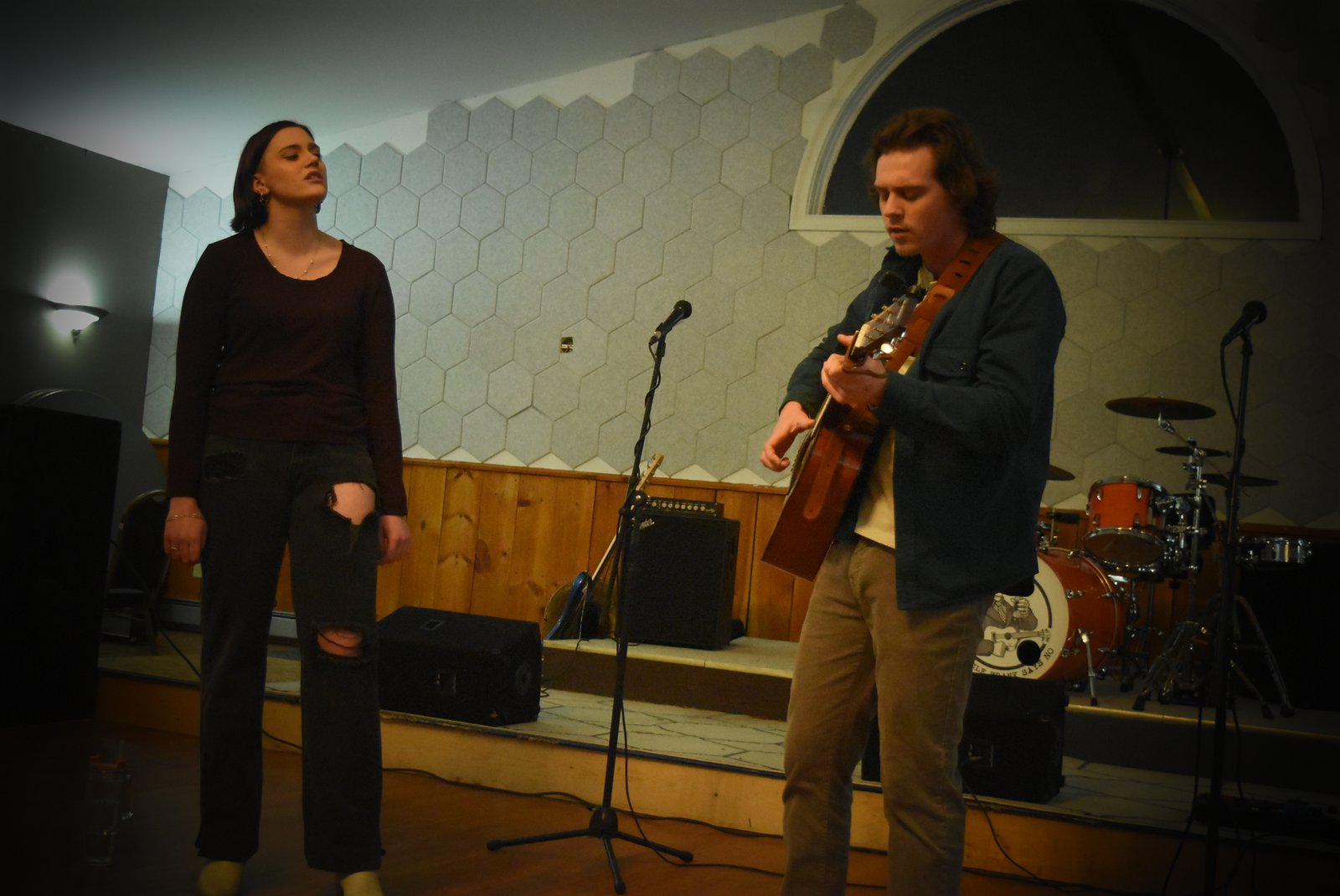
Interview with 90s Noise – Thanks for Asking – by Liam Sweeny.

RRX: Music genres are difficult for some artists. Some strictly adhere; others not so much. What is your perspective on the genre you play, or the genres you hover around?

90N: We adhere to only 90’s music, hence the name 90’s NOISE. To go beyond that, we stick to the grunge, rock, alternative bands from that era. It’s super nostalgic to be a part of playing the music we loved listening to growing up and we want to share that feeling with everyone who comes to see us play.

RRX: I know when pitching it helps to tell someone it’s “this meets that.” So let’s try that with you. If you had to give me two bands that meet each other in your sound, what are those bands? More than two bands?

90N: Definitely a mesh of several different bands, but it’s Pearl Jam meets Stone Temple Pilots meets Alice In Chains, with some Blink182, Green Day and The Offspring sprinkled in for the punk rock side.

RRX: My singer punched my drummer out. Memorable moment, though nothing to brag about. But we have these things that, when summing up your endeavor, an incident comes to mind. What do you got?

90N: Brian, one of the lead singers, tends to move around a lot on stage. One time while doing a kick, he knocked out some mic stands and part of the drums. It was a quick recovery and no one was injured. We’ve learned that Brian needs ample room all around him on stage.

RRX: Stereotypes are a bitch. I mean, aside from the really bad ones, you have cultural stereotypes about everything, including music.  Would do you think is the stereotype for the music you play, and how far are you away from it?

90N: I think our stereotype is mainly Gen X and millennials, but we do have some Gen Z in the mix. We had a younger listener tell us he grew up listening to our music because his parents are Gen X.

RRX: We do this for the fans. For the blisters also, but mostly for the fans. Who’s one your best fans? Without necessarily giving their name, what are they like?

90N: A guy that often comes to see us play at Hometown Pub & Grub in Scotia. He gets into the groove as soon as he shows up, usually dancing front & center and singing along. He also sports our 90’s NOISE t-shirt that he won from answering a correct trivia question that we do in between songs. Aside from that, we have lots of support from friends & family, but we have to give a particular shoutout to Scott’s aunt, who rarely misses a show, and even came to see us on her 75th birthday.

RRX: What would you like fans to know before they come to see you play? (No basic stuff; get specific.)

90N: We rock the house wherever we play and we will not leave you disappointed. You’ll likely know the majority, if not all of the songs we play. We love crowd support, singing along, dancing. It will be a fun time, no doubt and our goal is to make you feel like you’re in high school again, singing along in the car to your favorite 90’s CD’s. We have a huge setlist and are constantly adding to it, so we continuously have new material to play.

https://www.facebook.com/share/r/1ASP7nDdXJ/?mibextid=wwXIfr

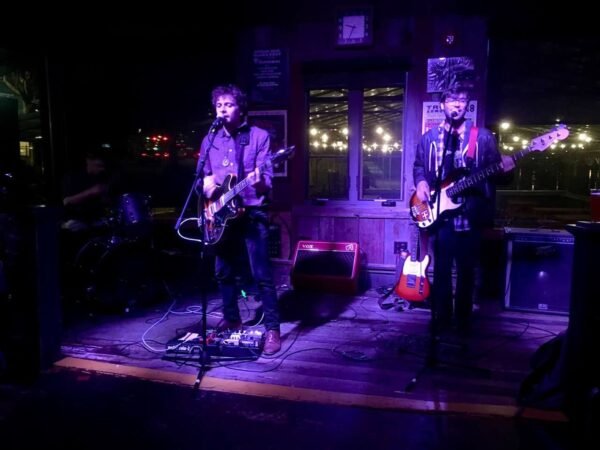
Photo provided. Video Rocket Studios 518.


More from Liam Sweeny…

Colin Jacobson – An Xperience Interview

0

Colin Jacobson – An Xperience Interview – by Neoptolemus.

“Pictures at an Exhibition” (a 1971 live album from Emerson, Lake, and Palmer). “A Fifth of Beethoven” (a 1976 disco instrumental). “Sabre Dance” (a 1968 Dave Edmunds/Love Sculpture electric guitar arrangement).

These are all 1960s-1970s popular song titles based on classical works.

But there’s more. Modern rock bands have sampled various pieces of classical works in their songs. Probably most notable is the guitar arpeggio in the middle of Deep Purple’s “Highway Star.” That’s directly quoted from Mozart’s “Piano Sonata No. 16 in C Major.” And there’s Metallica’s “Damage, Inc.,” with an intro based on Bach’s “Komm, Susser Tod” (“Come, Sweet Death”).

And there’s lots more.

The genre of heavy metal is founded on a movement from Gustav Mahler’s “The Planets” suite. Geezer Butler reports in his memoir, “Into the Void,” that he became fascinated with Mahler’s “Mars, the Bringer of War.” During band practice, he played the tritone from that movement on his bass. Guitarist Tony Iommi picked up on it and started playing it. That was the basis of “Black Sabbath,” the song that launched heavy metal. Ironically, no one in the band then knew that the tritone was nicknamed “The Devil’s Interval.”

So all of you out there who think you don’t like classical music, think again. You just didn’t KNOW you liked it.

Classical music is a fertile source of inspiration and mining for some of today’s biggest bands and musicians. And that is why everyone — young people, especially — should support classical music.

This is precisely the reason you should experience the Knights, who will be performing at the Troy Savings Bank Music Hall on Saturday, February 7; doors at 7:30 PM. True, the program is classical, but to quote an old Alka Seltzer commercial, “Try it; you’ll like it.”

Colin Jacobsen, one of the founders of the Knights, agreed to sit down for an interview with Xperience Monthly.

RRX: Thank you for your willingness to be interviewed. First, can you describe the Knights? What was the origin of The Knights, and how many members are there currently? How does one become a Knight?

CJ: To extend your rock/pop metaphors here, the Knights is perhaps a classical equivalent of a garage band, in that it sprang up organically out of chamber music reading parties (classical jam sessions where you play music extemporaneously, sight-reading it for fun) in our living room in the early aughts. It started out as a string orchestra of about 17 musicians and expanded to include winds, brass, and percussion a few years later. There are around 40 member musicians now, forming a chamber orchestra-sized group that can expand or shrink, accordion-like, according to the repertory on a particular project. Musicians can be eligible for membership after playing at least five projects with us (for which they are recommended by current personnel or our personnel manager). Usually, it’s after several years of playing with us that one can potentially become a member. Our goal is to keep that feeling of intimacy and immediacy we experienced in the living room in small group formations and bring that energy to the concert hall.

RRX: The Knights aren’t your typical chamber orchestra. The group’s performances are highly eclectic; you have even performed a 2009 Kyle Sanna orchestral arrangement of Jimi Hendrix’s song, “Machine Gun” (featuring Jan Vogler on cello). It seems the Knights’ mission is to traverse/amalgamate musical genres in order to connect modern audiences to classical repertoire.

CJ: The Knights’ repertory is reflective of my brother Eric, myself, and other member musicians’ curiosity for and expertise in a number of musical genres. While the majority of us come from classical conservatory backgrounds (Juilliard, Curtis, etc.), some of us specialize in period instrument/early music on one end and in contemporary classical on the other. There are also singer-songwriters in an indie-pop/folk vein, arrangers and composers, jazz musicians, and members who engage in cross-cultural music making. And yes, when we do something like make Paul Simon’s “American Tune” the second movement of Bach’s “Brandenburg Concerto No. 3,” with Knights member Christina Courtin playing violin and singing, it’s based both on a desire to connect to a larger musical world and reflect the back and forth that has always existed between popular or folk music and longer form composition through the centuries. (Simon’s tune is based on a choral from Bach’s “St Matthew’s Passion,” which is itself based on an older hymnal tune …)

RRX: What is the process for the selection of compositions to be performed by the Knights?

CJ: My brother Eric and I are always bandying about ideas. Sometimes they are based around a particular collaboration or guest artist, and that can lead our thoughts in a certain direction. Member musicians often come with ideas which we try to incorporate, and now we have a member musician programming point person (the aforementioned Christina Courtin) who funnels membership ideas as well as coming up with her own. We have a long-term project going around the idea of “Rhapsody,” born out of a desire to celebrate the 100th anniversary of the premiere of Gershwin’s iconic “Rhapsody in Blue.” We commissioned around nine new works that all brought together two or more musical worlds, as Gershwin did.

RRX: You have mentioned elsewhere that you (and the Knights) would be interested in a collaboration with Jon Batiste, who recently released a “Beethoven Blues” album (Verve Records, 2024). Are there any plans for a Knights/Batiste future collaboration?

CJ: Not yet, but sometimes by putting an idea out into the universe, it comes to fruition years later …

RRX: Improvisation, also known as free-soloing, is a mainstay of most rock music, the solos typically performed by a guitarist or keyboardist. Probably the most iconic rock solo is the “Stairway to Heaven” intro by Led Zeppelin’s Jimmy Page. Classical music also had its era of improvisation, when composers like Bach, Beethoven, and Mozart performed their music. But then, for an extended period, classical music became fixed, with only one way to perform a piece. Indeed, during that era, it was blasphemous for soloists to improvise. That seems to be changing, with modern composers like DBR (Daniel Bernard Roumain) not only soloing, but even including improvisational sections in their written music. What are your thoughts about improvisation, and what do you think the future holds regarding its use in modern classical compositions?

CJ: A few thoughts here. I think music that truly touches us is based on a mixture of structure and freedom. I think the parallel for long-form, composed/written-down music is in the theater world. Actors work with scripts, whether for the stage or the screen, and when it’s good, it has a freedom, an organic quality, and something that rings “true” in its delivery. Classical musicians mostly work in a similar way, where timing and a sense of narrative delivery can make a performance feel either alive or stunted. Improvisation or highly structured music both have value, and in the en,d it’s about whether it’s done well.

I will say that classical music, mirroring much of Western society (medicine, law, etc.), became increasingly specialized over the past few centuries, such that composers and performers were increasingly separate people. But when they are the same, there’s an ecosystem of creativity and experimentation that is good, and I feel like the classical world is returning to a more holistic place where there are more performer/composer people who are likely to have improvisation as some part of their creative practice.

RRX: Do you have any guilty pleasures, such as listening to pop/rock/blues/jazz music? Do you have any favorite modern artists or songs?

CJ: There’s no guilt in listening to great music across any genre. Some favorite recent artists: I’m With Her, Kayhan Kalhor, Chris Thile, Martin Hayes, Cecile McLorin Salvant, Toumani Diabate, Magos Herrera.

RRX: Is there any message you would like to leave our readers with?

CJ: In a time when we are distracted by so much in the world, great live music can give us a focused experience in community, unlike anything else. Give the Knights a try on February 7th in the beautiful acoustics of Troy Savings Bank Music Hall.


More from Neoptolemus…

The Space Between @ Norrine’s, 1/10/2025

0

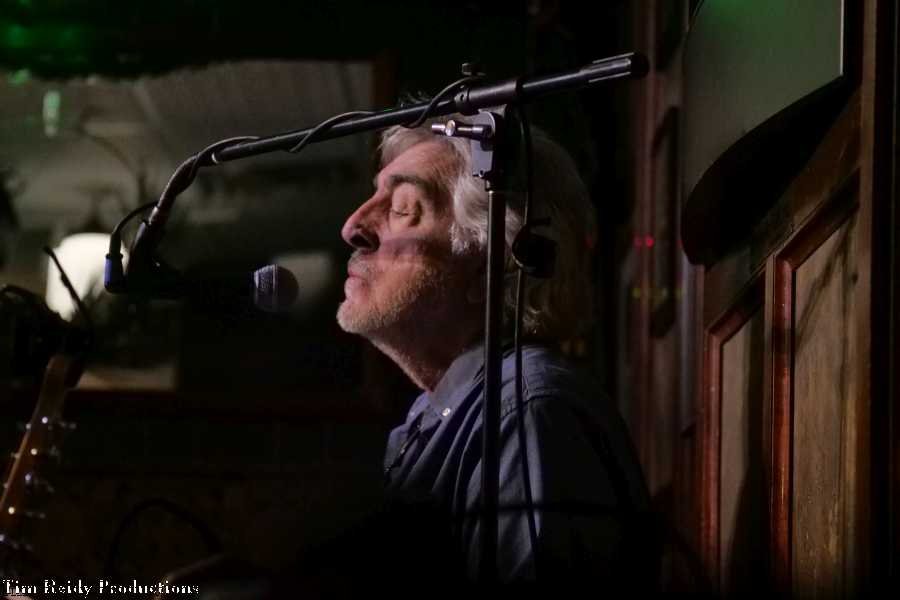
Saturday, January 10th, The Space Between had an absolutely captivating performance down at Norrine’s. Their set list included hits across the folk/country span of old and new. Seeing them live every time is such a great experience!


Photography by Christopher Ebbs.

More from Norrine’s here …

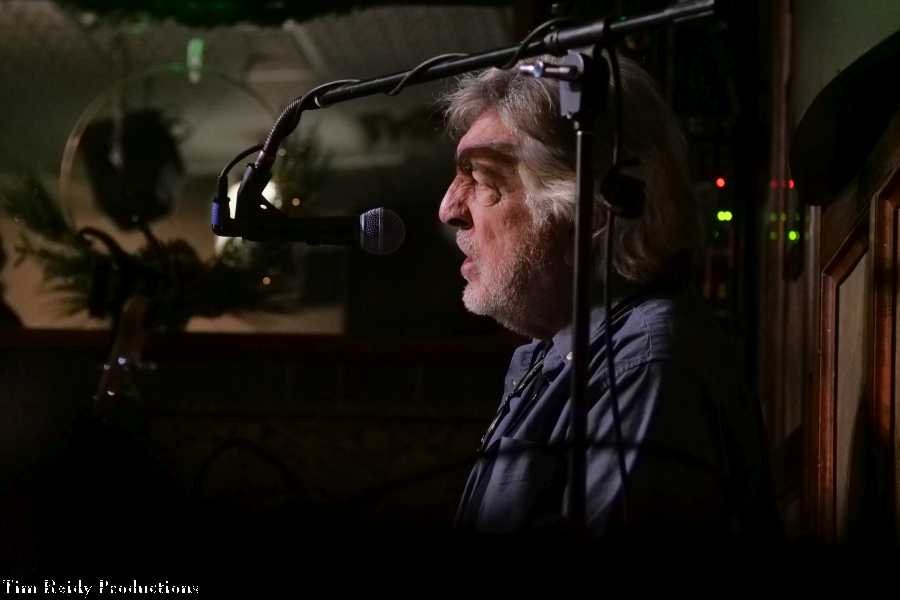
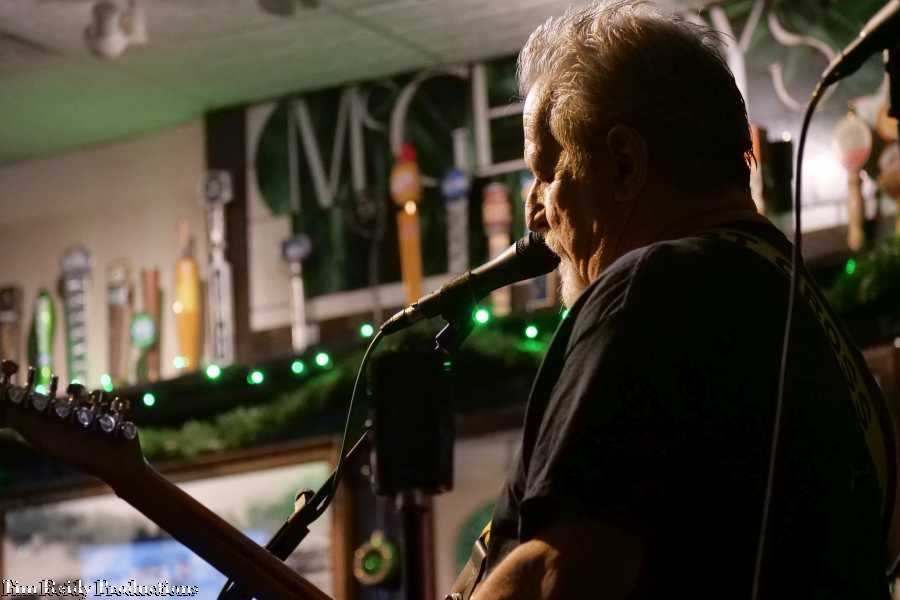
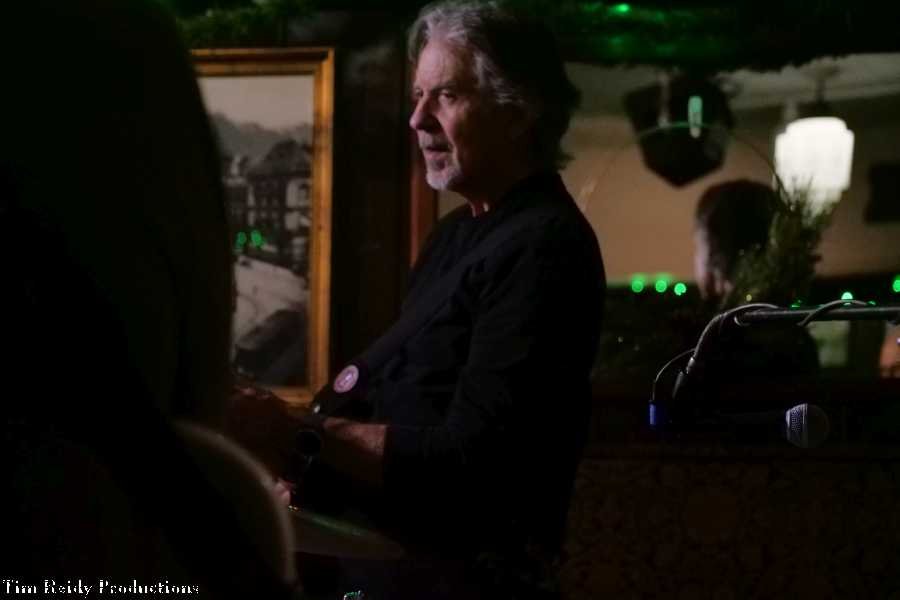
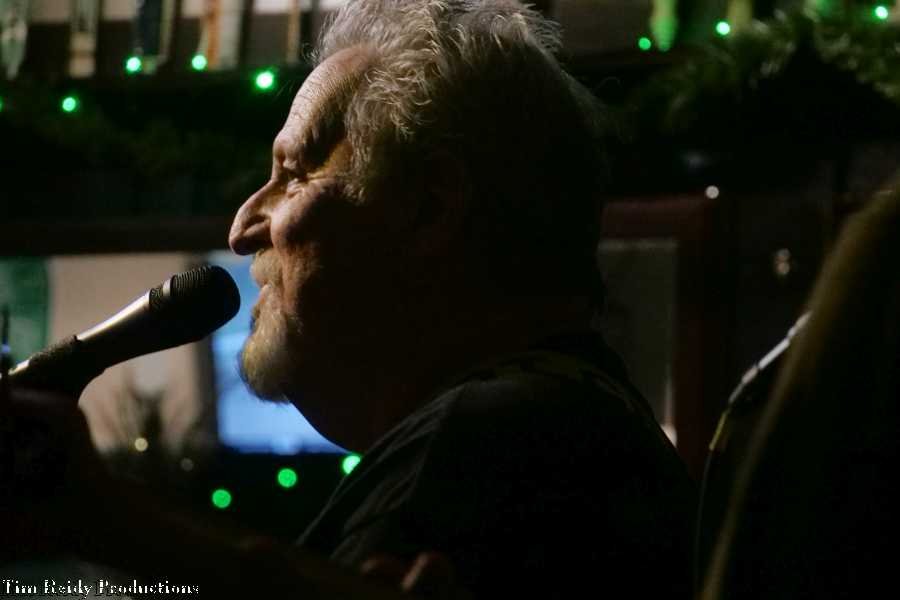
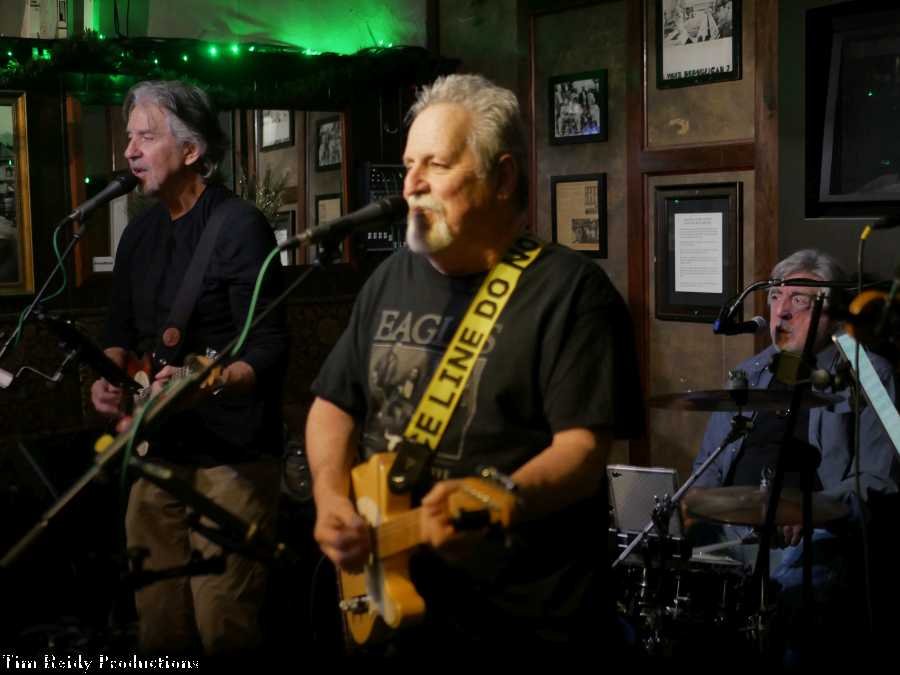
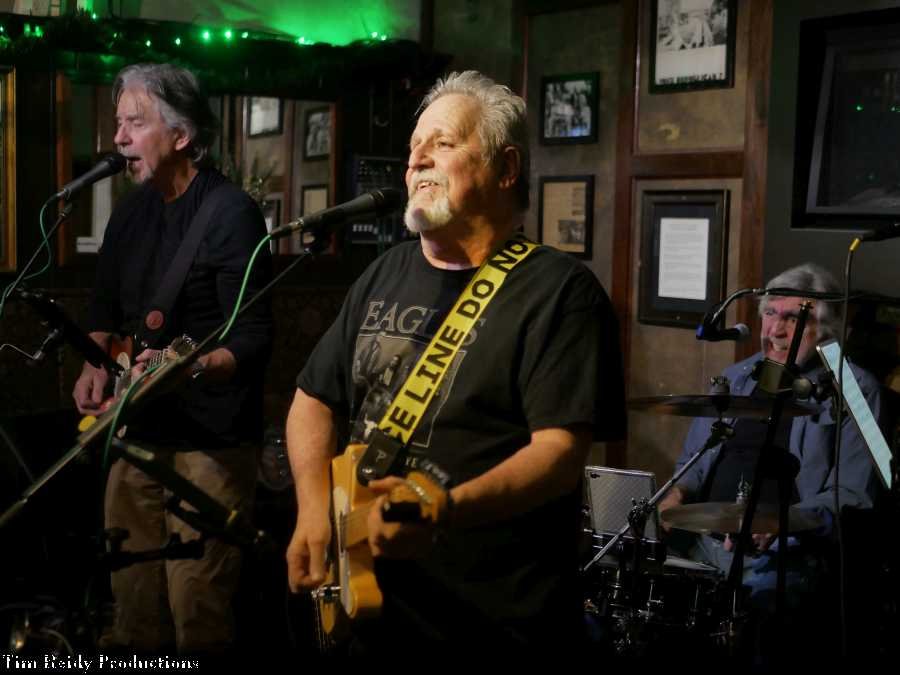
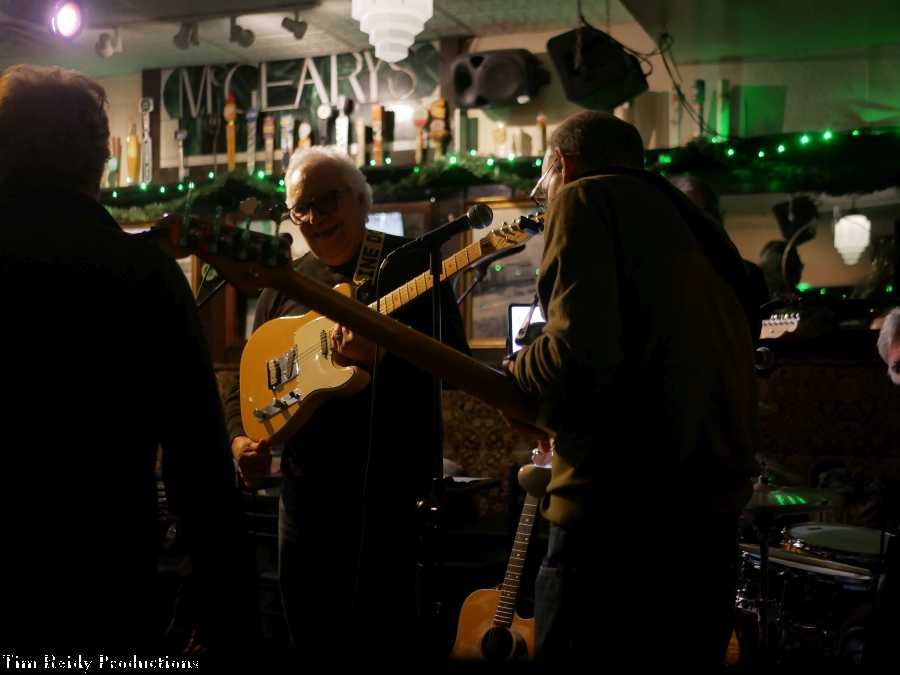
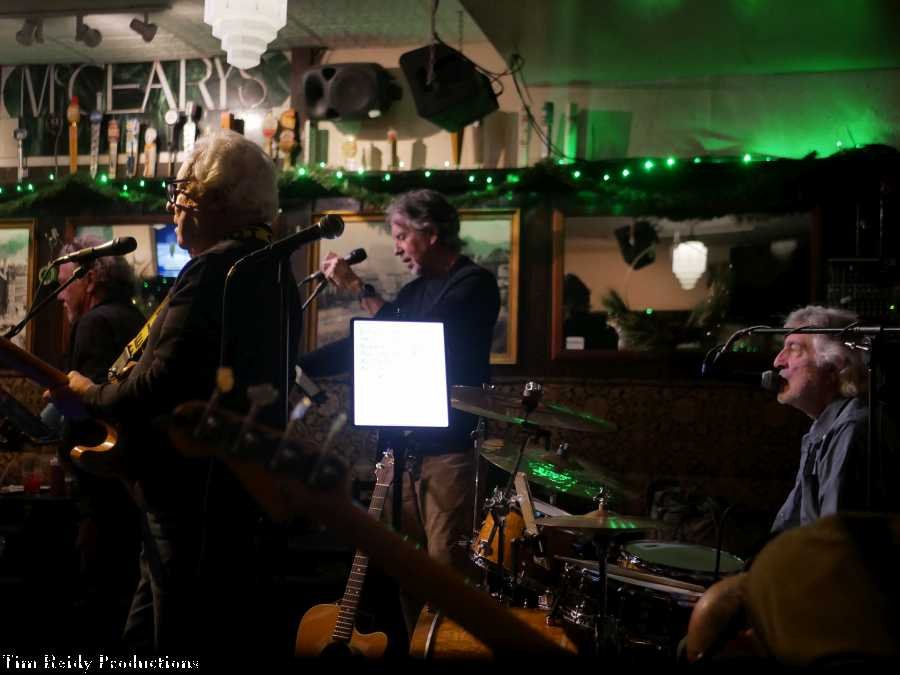
Dave McCarthy and the Very Deep @ McGeary’s, 1/2/2026

0

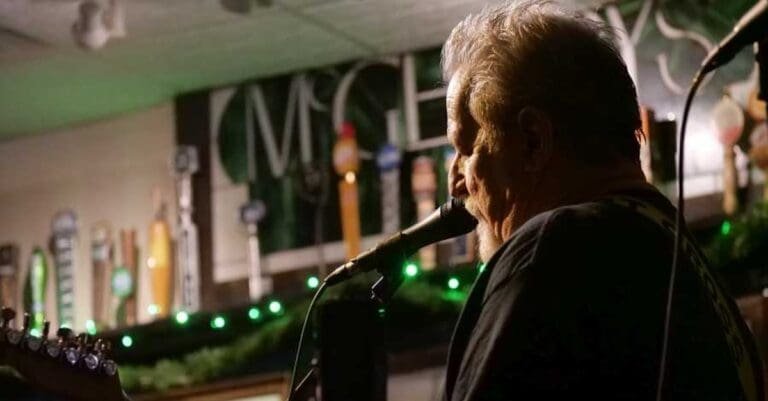
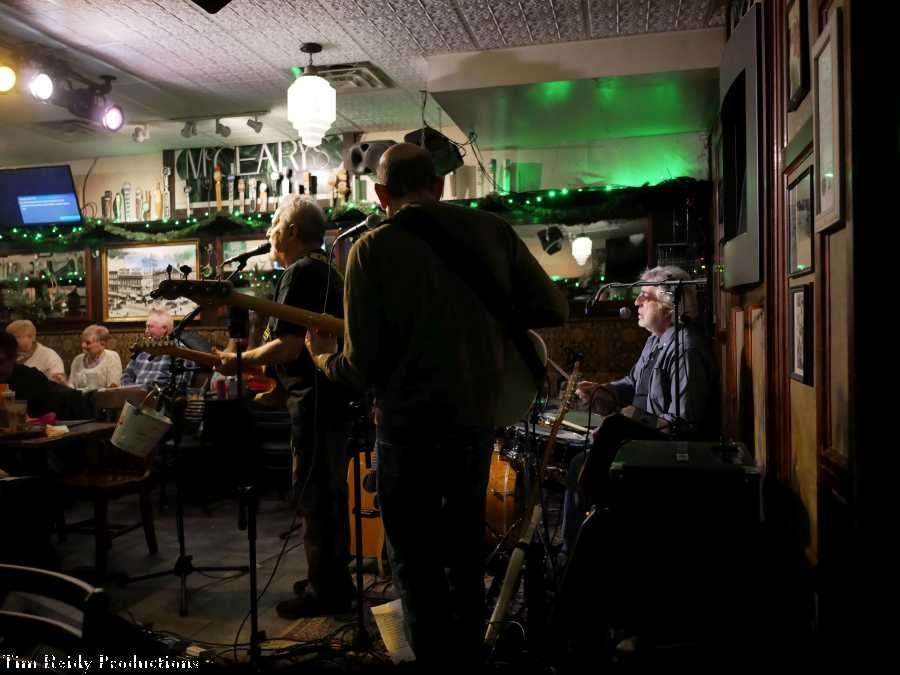
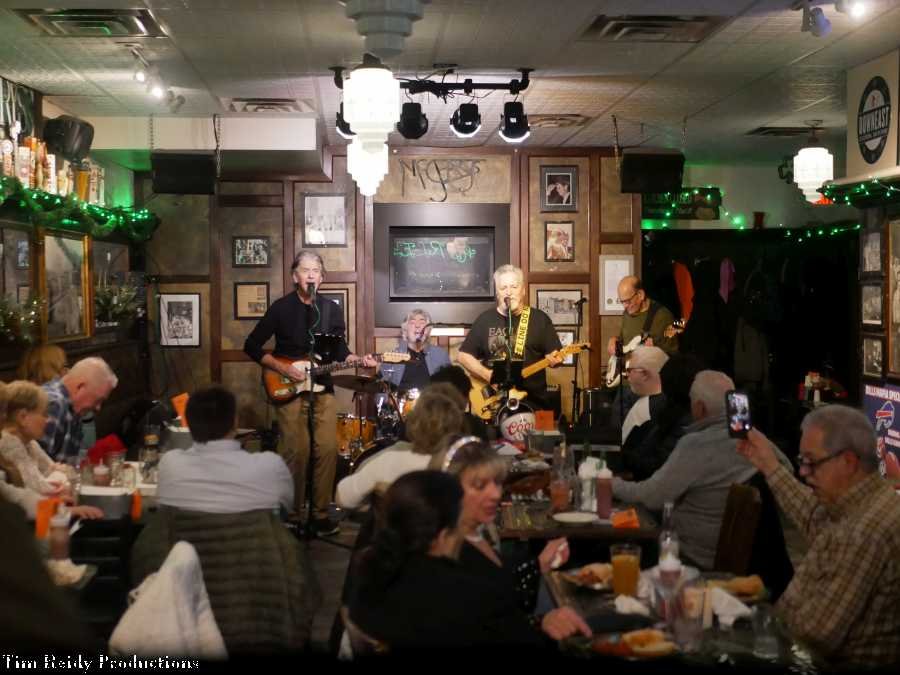
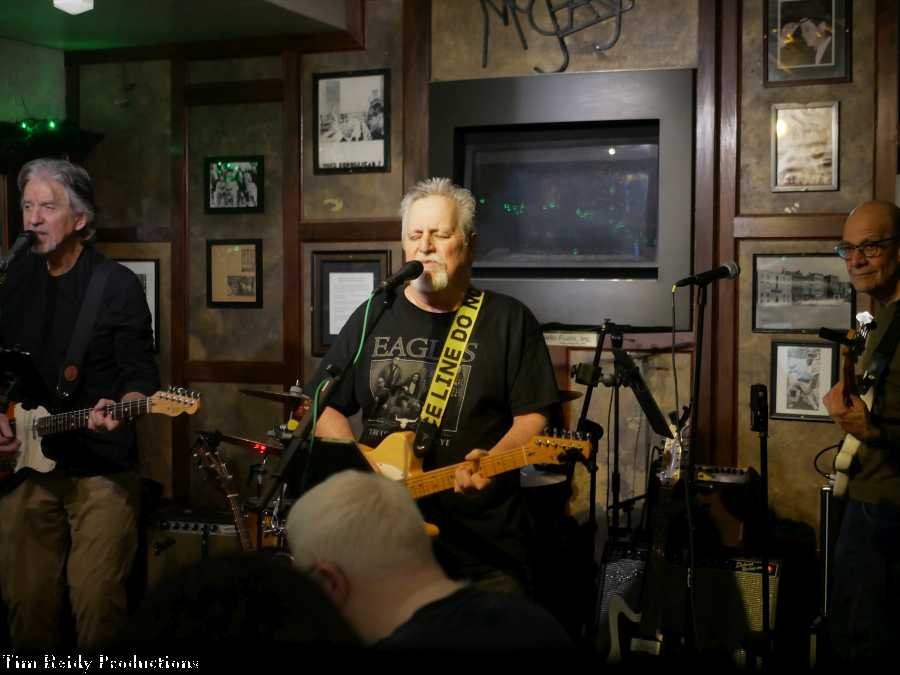
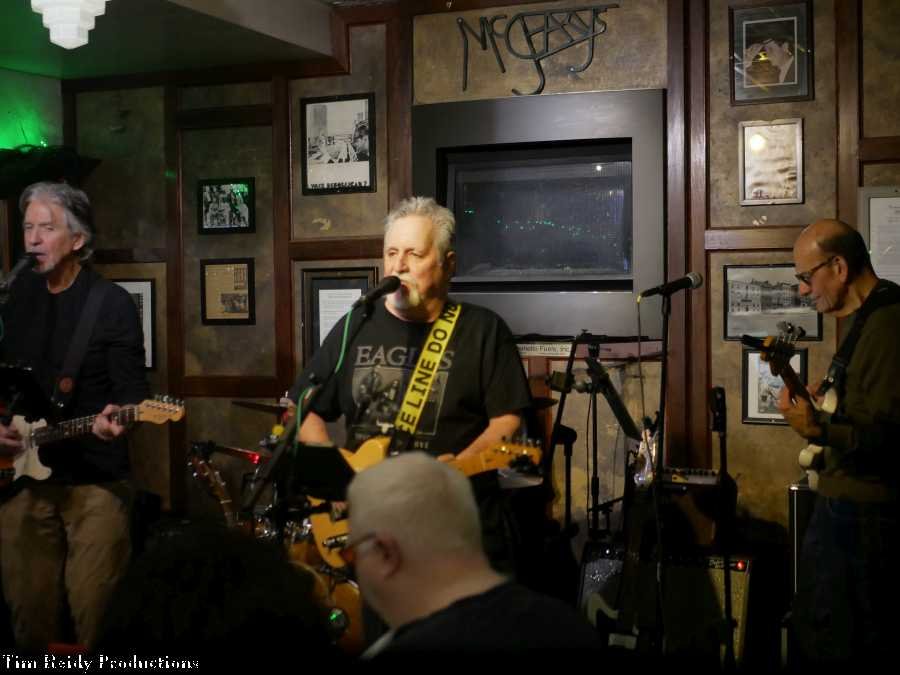
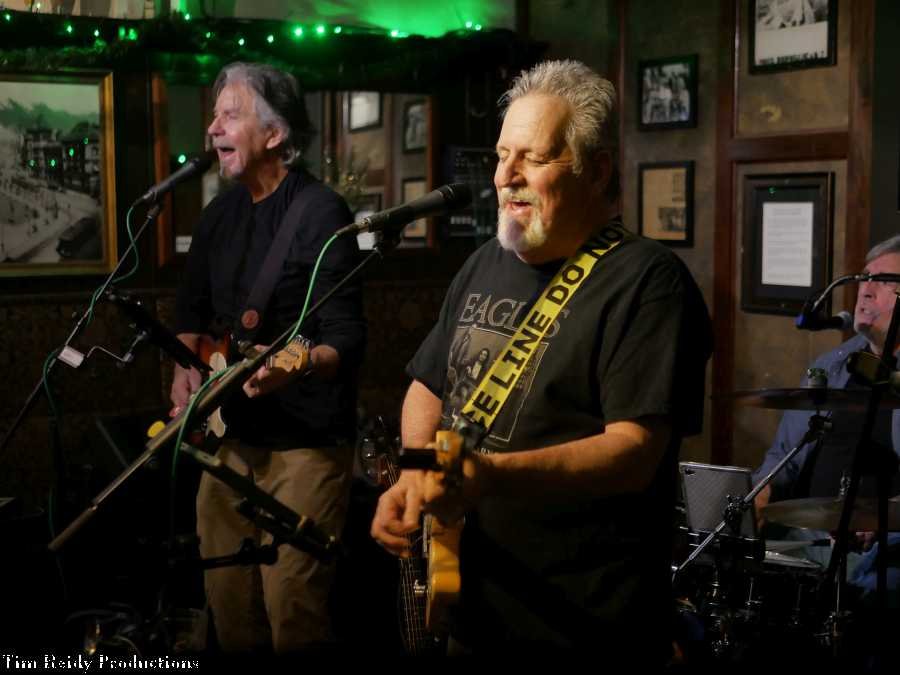
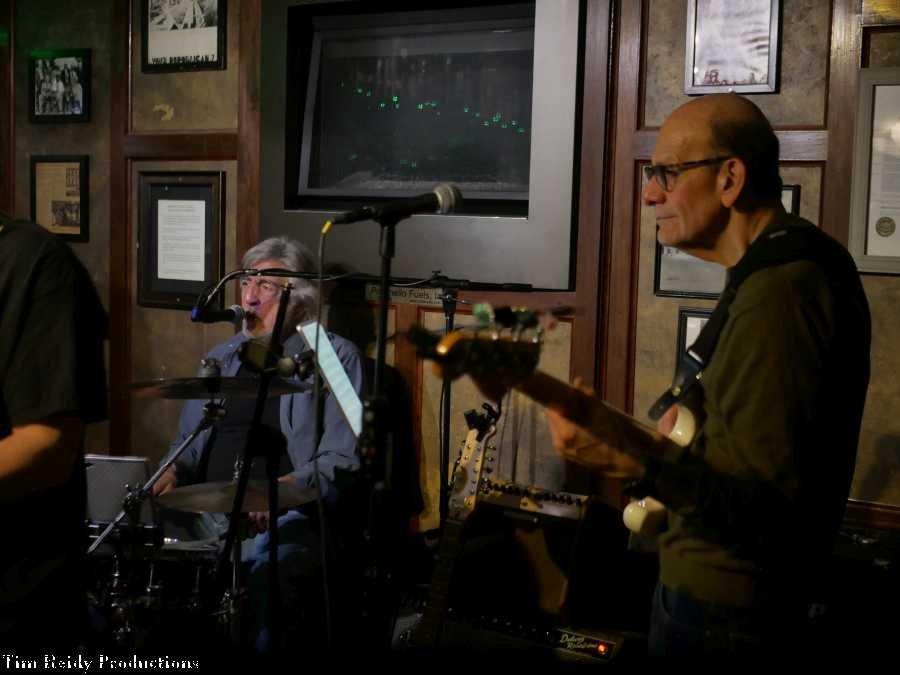
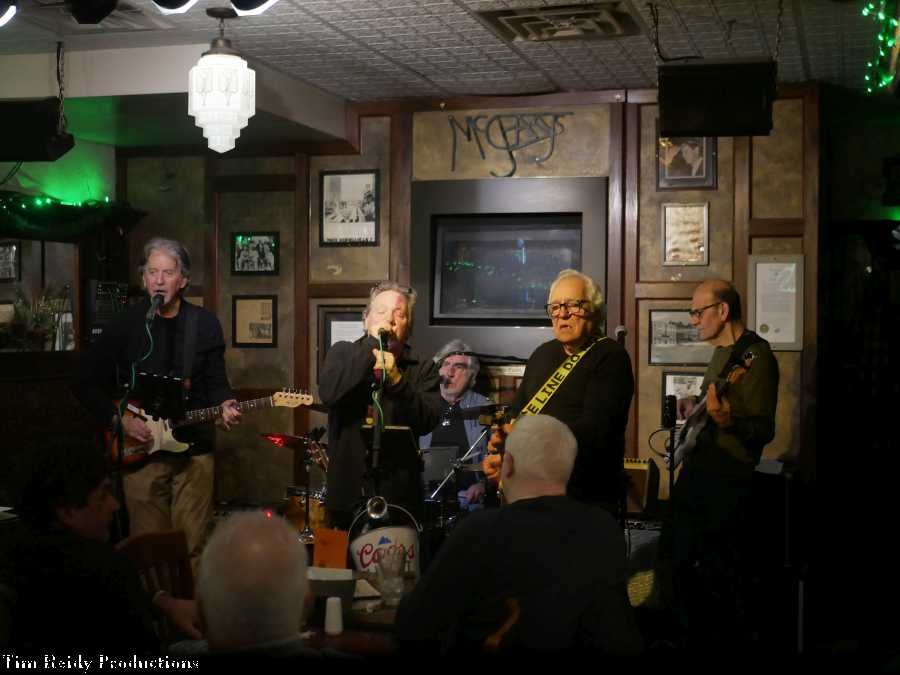
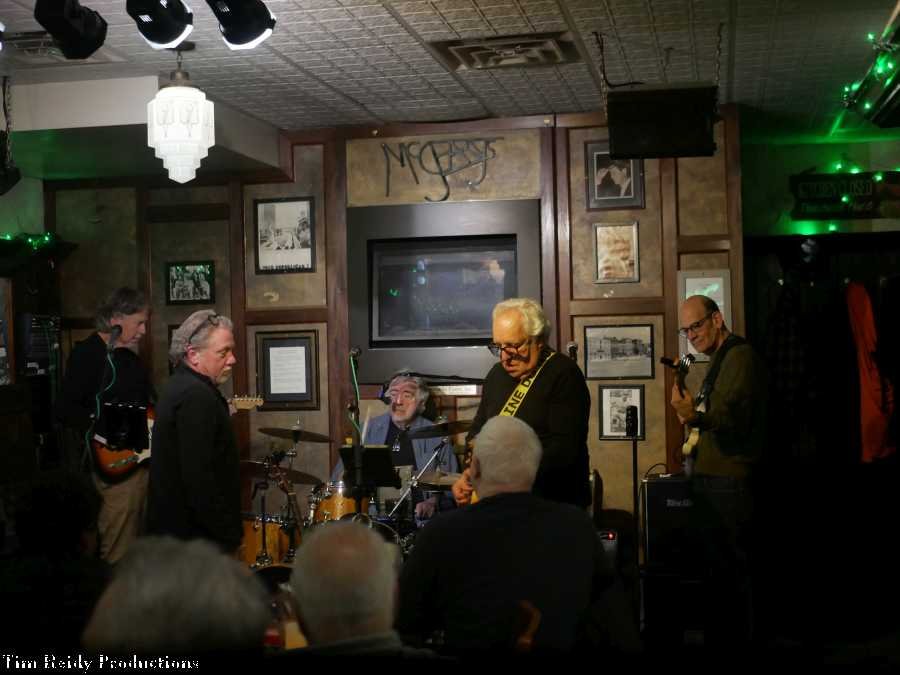
Kicking off 2026 coverage with some rock from Dave McCarthy and the Very Deep at McGeary’s.


Photography by Timothy Reidy.

More from McGeary’s here …


All Bets Are Off: Unmasking the Storyteller Behind Robby Vegas

0

Words and Photography by I Am Lorelei!

Robby Vegas: Where Wrestling, Rock, and Storytelling Collide

Step into Robby Vegas’s world, where the roar of the crowd and the thunder of an ’80s rock anthem fade into the quiet intensity of midnight creativity. Beyond the spotlight, he is a study in contrasts. Explosive energy in the ring and on stage, balanced by quiet, thoughtful moments alone. When the adrenaline fades, and the crowd disperses, Robby retreats to his sanctuary – a space where you hear only the soft rustle of turning pages or storylines scribbled in a notebook. Here, he loses himself in tales of faraway places and midnight horror films, each sparking the imagination that drives both his music and wrestling. These contrasting sides are not at odds; instead, they inspire his artistry in both his music and wrestling. 

Long before he found himself in front of adoring fans or beneath the bright glare of stage lights, Robby’s path began with music. At just six years old, he picked up a guitar for the first time, and an enduring passion quickly took hold. By 13, Robby was performing live, and only a year later, he earned his first paycheck as a musician—a milestone that fueled his determination to pursue his dreams. Throughout his teenage years, he refined his craft with relentless dedication, seamlessly balancing academic responsibilities with late-night rehearsals and local shows, laying a solid foundation for the performer he would become. 

The discipline, creativity, and stage presence Robby developed as a musician naturally paved the way for his next chapter – stepping into the wrestling ring, where those same qualities became essential to his success. It wasn’t until age 23 that Robby stepped into the wrestling ring, bringing with him the discipline, creativity, and stage presence he’d cultivated as a musician. This unique blend of experiences laid the foundation for his multifaceted career, allowing him to merge the worlds of music and wrestling into a singular form of storytelling.  

For Robby, wrestling and music are passions – intertwined outlets for self-expression and complex storytelling. He often draws inspiration from musical rhythms when choreographing wrestling routines that allow him to channel his emotions and connect with audiences on a profound level. The discipline and psychology honed in the ring set the tempo for his songwriting, while the vulnerability and emotion of music enrich his wrestling persona. Both crafts demand relentless commitment, inventiveness, and a flair for narrative – qualities often underestimated by outsiders. 

The creative process behind Robby Vegas’s music is anything but effortless. He invests countless hours refining lyrics and sounds, as well as crafting intricate narratives for wrestling. The solitary nature of studio work makes it difficult to channel the same energy and connection that comes from performing live. “Studio work is a grind,” Robby admits. “One of the biggest challenges is imagining an audience while working alone and staring at a wall.” The same challenge faces him with wrestling, where the art goes beyond physicality to include ring psychology and crafting a narrative that truly resonates with fans.  

They say a lyric or melody scribbled on a napkin in a smoky barroom, five minutes and a shot, is all it takes. The myth grows legs, struts through the minds of listeners, and roots itself in fans’ expectations. These stories cause obvious misconceptions, minimizing the dedication and skill needed for music production. 

Away from the spotlight, Robby Vegas finds inspiration in quiet solitude, surrounded by stacks of well-worn books and the flickering shadows of late-night horror films. These moments of introspection fuel his creativity, whether he’s imagining new wrestling storylines, composing music, or writing chapters for his novel. It’s in this sanctuary that Robby refines his vision, blending the energy of performance with the depth of storytelling and self-discovery. 

Alongside preparing for his upcoming album and guiding students at The Buffalo Wrestling Academy, Robby dedicates time to writing a novel. In the shadows of midnight creativity, Robby Vegas pens a novel whose character is a cross between a rock star and a wrestler—unmistakably a reflection of Robby’s own journey. Now fifty pages deep, the story follows a vampire whose persona channels Robby’s own experiences. As this protagonist grapples with the paradox of immortality, the narrative explores what it means to change and evolve without losing one’s essence. The themes of carrying the weight of eternal consequences, being suspended in the present moment, and fiercely protecting one’s heart mirror the hard-won lessons Robby has acquired through years of personal reinvention and self-discovery. “I’d give up my stubbornness, but I’d fight to keep my heart to become immortal,” Robby muses. “It’s taken me a long time to become the person I am today, and I don’t want it to disappear.” 

Robby envisions his novel one day seeing the story adapted for film, envisioning a lead role that captures both his own charisma and the enigmatic darkness found in Johnny Depp’s most iconic performances. Drawing from his own struggles and triumphs, Robby infuses the novel with authentic emotion and insight. His protagonist’s journey is not just a supernatural adventure, but a reflection of the battles we all face—against time, expectations, and the fear of losing ourselves. Each chapter is shaped by Robby’s unique perspective as both an artist and a mentor, blending the thrill of performance with moments of profound introspection.  

Just as Robby channels his passion for storytelling into his novel, he extends that curiosity and engagement to the world of podcasting, where conversations become another canvas for creative exploration. Podcasting has become another avenue of exploration for Robby Vegas. On his show, All Bets Are Off, he gravitates toward guests who spark genuine curiosity, including personalities from television, paranormal investigators, and musicians. The podcast allows him to stay curious, continue learning, and connect with others beyond his own experiences. When interviewing guest Dan Sturges from Paranormal Caught on Camera, Robby Vegas’s conversation remained authentic and filled with thought-provoking questions. He and Dan discussed investigation techniques and the difficulties in catching paranormal activity, even at sites people swear are hot spots, and getting nothing, so Dan keeps a gigantic database of information – dates, times, time of year, temperature, barometric pressure – to see if there is a pattern. His favorite moments are when they catch something people weren’t expecting, adding a lot of credibility to the investigation. “It’s cool to watch their reactions,” Sturges says.  

Scheduled for release in spring 2026, his upcoming album started as a humble EP but expanded into a full record with 11 tracks—plus a bonus twelfth on the horizon. Robby Vegas draws inspiration from legendary rock icons of the ’80s, such as KISS and Poison, and even incorporates influences from the Beatles. He infuses each song with the energy that first sparked his passion for music, collaborating with co-writer and guitarist David Julien, who also performs on the album. With three songs still in the writing phase, an all-star lineup of accomplished musicians who have already laid down their tracks in the studio, and touring bands coming together, the creative journey is ongoing. This album captures the core spirit of ’80s rock that shaped Robby’s early years; rather than just paying tribute, it offers a modern perspective that blends nostalgic influences with a unique personal style. 

The album features an all-star studio band, including Jimi Bell (House of Lords, Jungle Rot), Roxy Petrucci (VIXEN, Madam X), Maxine Petrucci (Madam X), Todd Boisvert (Bad Marriage), Joey Cassata (ZO2, songwriter), and David Julien (guitar and songwriter), whose expertise shapes every track. Because these musicians have ongoing commitments to their own bands, they will not be joining Robby Vegas on tour. To bring the album’s energy to live audiences, Robby is assembling a dedicated touring band, with details to be announced closer to the album’s release. This approach ensures fans experience both the unique studio sound and dynamic live performances. 

If it were just Robby Vegas and an opponent in the ring—no crowd, no cameras, the final match of his career—he knows exactly who he’d choose: Shawn Michaels. Before the bell rings, Robby would thank Shawn for the opportunity, expressing what an honor it is to share the ring with the very person who inspired him to pursue wrestling in the first place. That match would be more than a farewell; it would be a culmination of everything Robby learned about the sport. 

Afterward, Robby channels all those lessons into his work at the Buffalo Wrestling Academy. As a coach and co-trainer at the academy alongside Vince Valore and Dan Joseph, he’s deeply invested in the growth of his students—not just teaching them the physical techniques of wrestling, but also sharing the discipline, psychology, and storytelling that define the sport. He spends countless hours guiding young wrestlers through the challenges of the ring, helping them understand not just how to execute moves, but why each moment matters. Robby is especially passionate about those breakthrough “aha!” moments, when a student suddenly grasps a concept or connects with the audience for the first time. Witnessing these transformations reminds him of why he fell in love with wrestling, and it fuels his commitment to helping others discover their own passion. For Robby, coaching isn’t just about building athletes—it’s about nurturing storytellers and inspiring the next generation to find their voice, both in and out of the ring. 

Long before the crowd chants his name or the first chord rings out on stage, you will find Robby Vegas alone in a room, surrounded by the silence of his thoughts as he reads tales of haunted midnight worlds, imagines storylines of wrestling legends rising and falling, and sketches out new chapters for his novel. In these quiet moments, Robby draws inspiration from the stories that shaped him—from gritty battles in the ring to the wild, electric pulse of rock music. This creative solitude is where he refines his vision, weaving together the energy of performance, the depth of storytelling, and the vulnerability of self-discovery. It is here, away from the spotlight, that Robby finds the heart of every song and every story, ensuring that when he finally steps into the arena or onto the stage, he brings with him a spirit that is both fiercely personal and universally resonant. With every project—whether music, coaching, or writing—Vegas reminds us that greatness begins not in the roar of the crowd, but in the quiet conviction to create something lasting.  

Official Website:
Robby Vegas Official Site
This site features news, tour dates, merchandise, and updates about Robby Vegas’s music, wrestling, and podcast activities. It’s the best place for fans to check for upcoming shows and new merch. 

Tour Dates:
For a direct link to upcoming events, visit the Shows page.

Merchandise:
Official merch is available at the Shop page and also at Pro Wrestling Tees. 


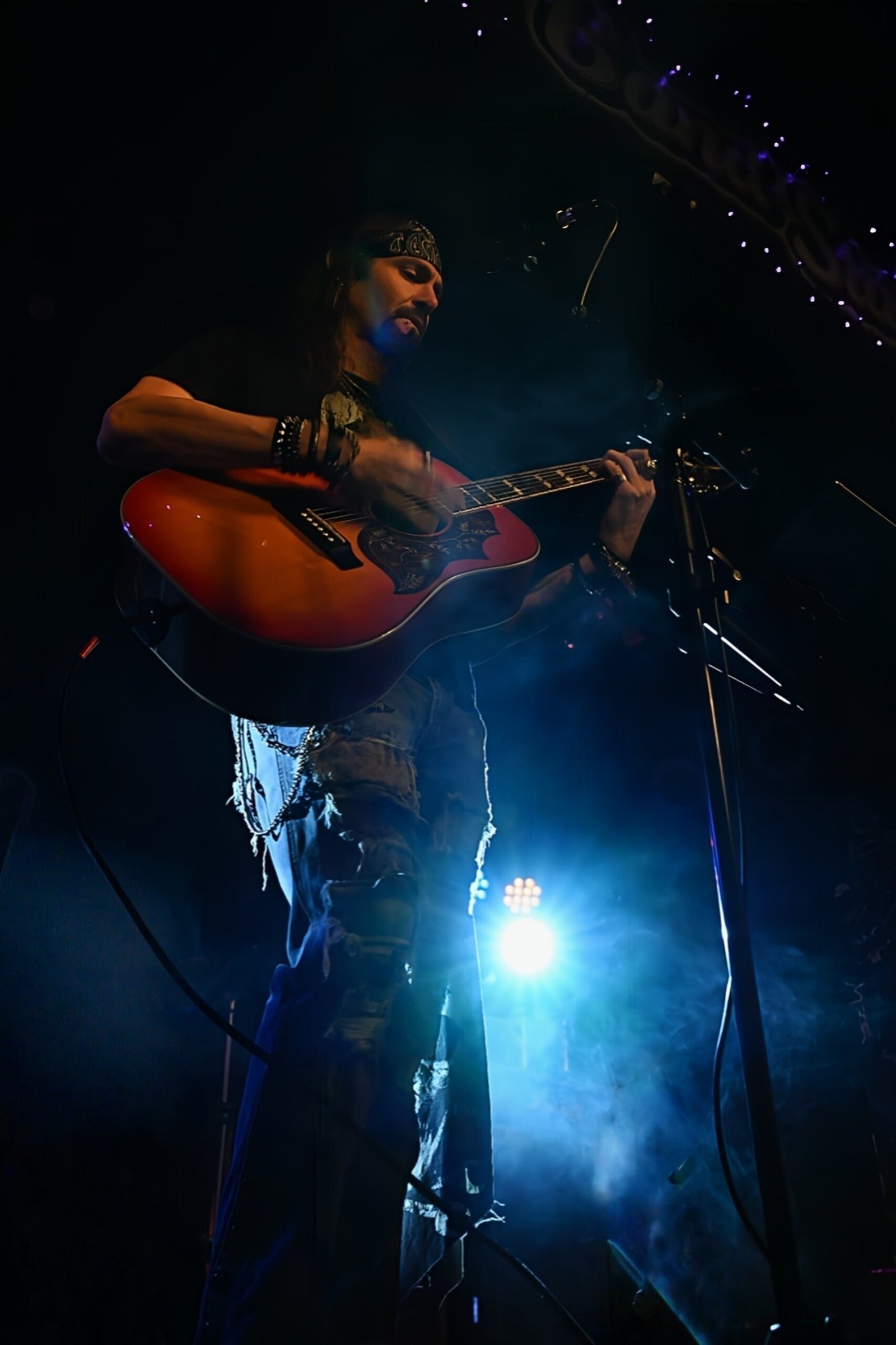
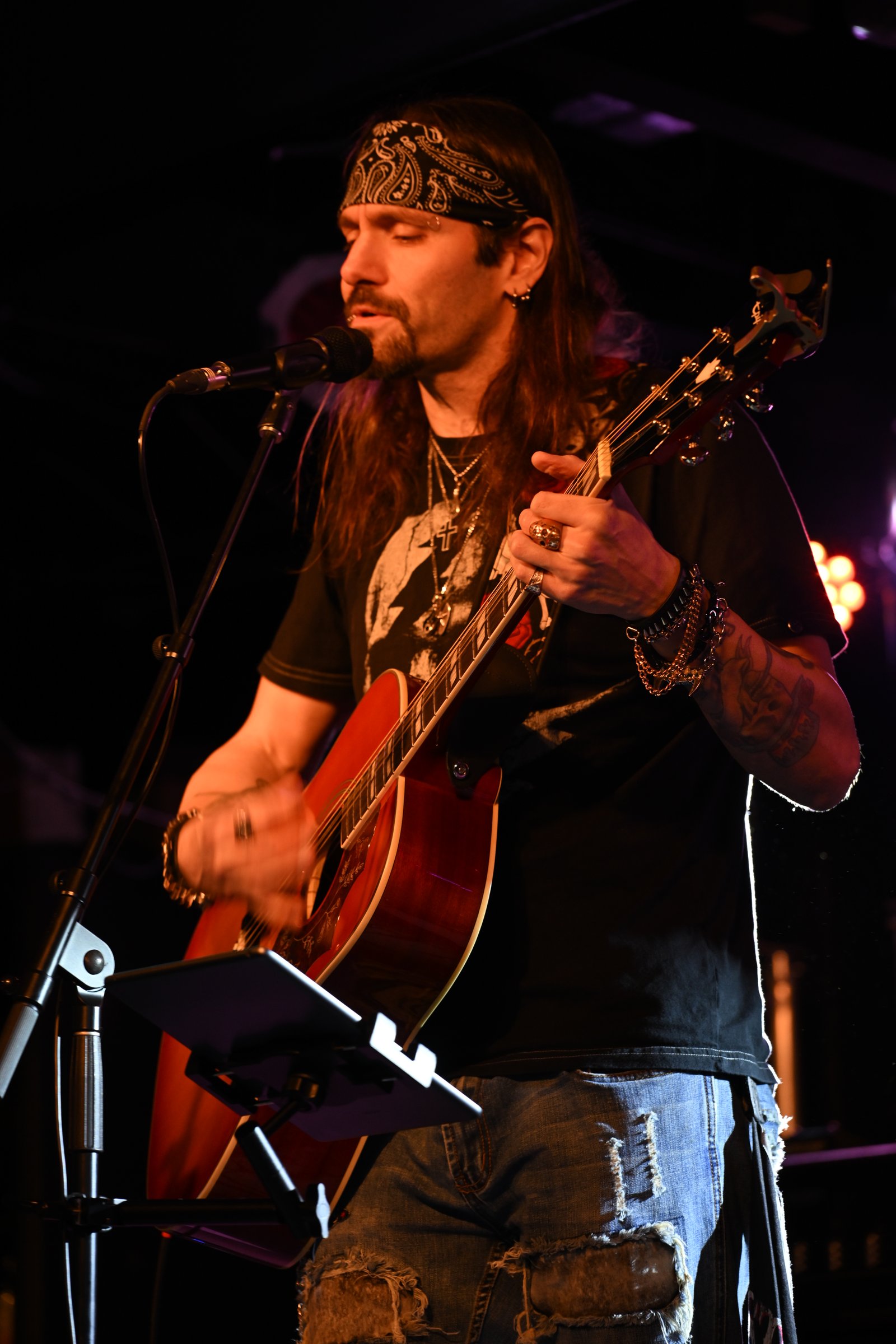
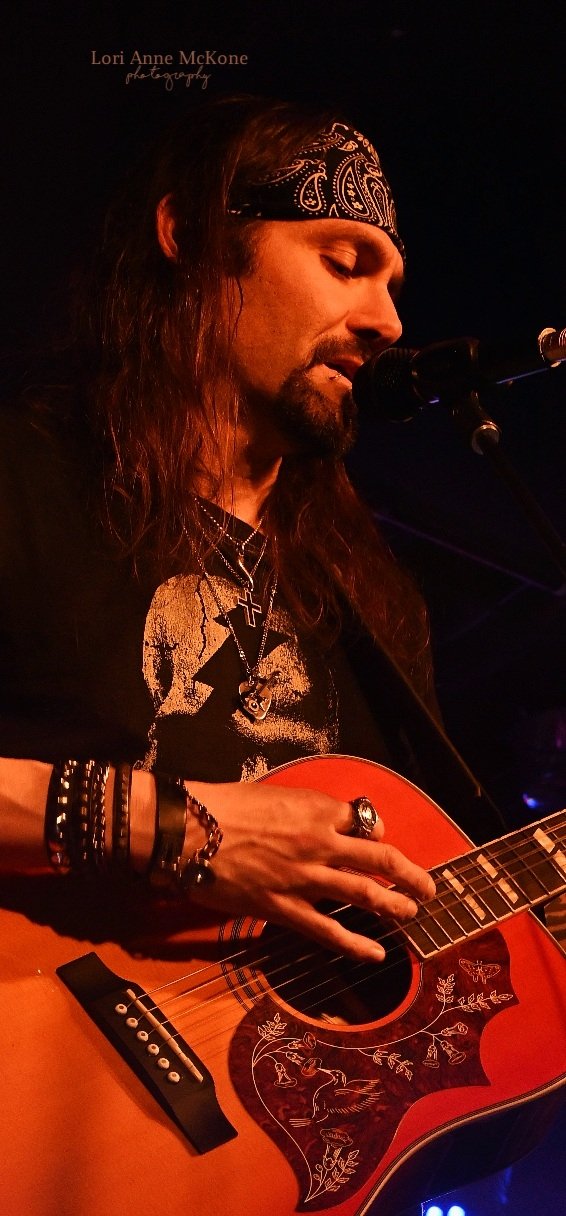
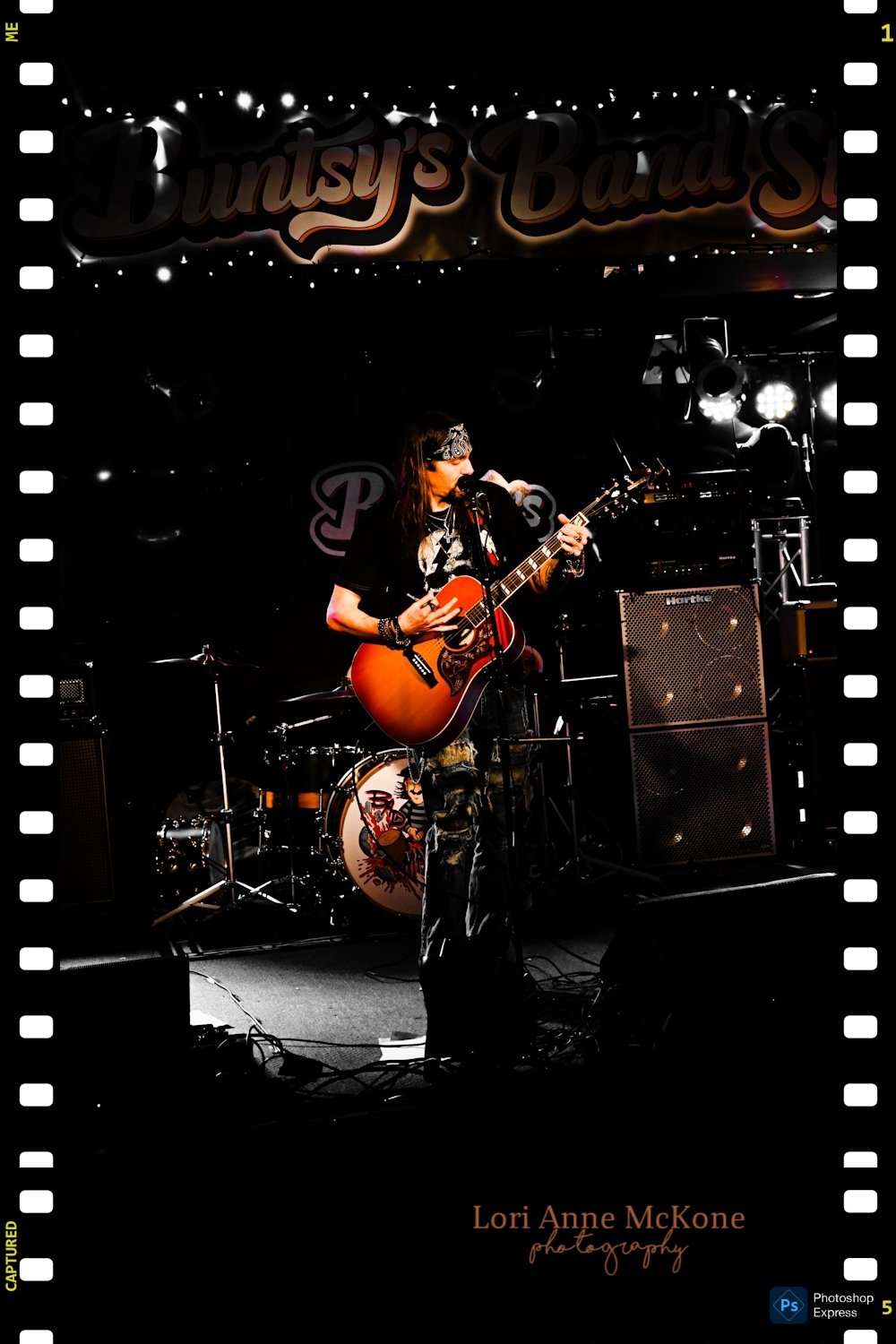
Music photos from his show at Buntsy’s Band Stand (Webster, NY) on December 4, 2025

More from I Am Lorelei! here …

Remembering Mike “Humpy” Humphrey

0
On January 11th, the music community came together to honor Mike “Humpy” Humphrey,  who passed away suddenly at the turn of the year. Mike was a stalwart proponent of local music and will be missed.

Richard Baratta – An Xperience Interview

0

Richard Baratta – An Xperience Interview – by Liam Sweeny.

In the creative arts, talent often doesn’t care where your energy gets applied. Great musicians can be great film producers or location managers. And in the case of Richard Baratta, his music and his film projects have become a part of the American cultural canon, with accomplishments in films from “Desperately Seeking Susan” to “The Wolf of Wall Street” and the Spiderman movies.

He’s playing at Caffe Lena on January 2nd.

RRX: You were playing jazz in New York City in the ‘70s, and the fiction writer in me is just enthralled with the whole vibe of that era. How would you explain that time and place to someone who knows the place, but not the time?

RB: Firstly, I’d like to thank you in advance for this interview prior to my performance with my Gotham City Sextet at Caffe Lena on Friday night, January 2nd. A nice way to kick off the new year.

Great question. Well, it certainly was a different time and place. Mid-’70s NYC was near bankruptcy, there was a lot of crime, it was dirty, and generally on the downswing. Having said that, it was great! It wasn’t so expensive. The loft scene was thriving, apartments could be found, and at a reasonable rent, and artists were arriving in droves. Manhattan was affordable, so was the Lower East Side, Soho, West Village, Washington Heights. Basically, most every neighborhood was a bastion of art in all its forms. Don’t get me wrong, it was gritty; you had to be alert, but it was hopping with creativity and enthusiasm. The music took on that cultural vibe. There was still rebellion in the air and an edge from the ‘60s and the Vietnam War, etc., but things were looser, people were taking chances, there was no formula that had to be followed. There was also an anger, an aggressiveness, and a message to be delivered. You saw like-minded people on the streets, in the parks, in the clubs; it was a great camaraderie of artists. And, there were less people. You could move. Cinema-wise, it was a gritty explosion. John Cassavetes, Scorsese, Woody Allen, William Friedkin, Coppola, Mario Van Peebles, etc. I could go on forever.

Suffice to say, NYC was a tale of two cities, yin and yang. Bring it back!

RRX: You’ve worked on the set of movies that are by every measure bastions of the American cultural landscape, starting with “Desperately Seeking Susan” in 1984 and including “Joker,” “The Wolf of Wall Street,” all the Spiderman movies, “The Taking of Pelham 123,” and too many to list. What makes an iconic movie when you’re seeing it behind the scenes?

RB: The million-dollar question, or should I say, the million-dollar answer. If I knew that answer, I’d be a very, very wealthy person. I’ve worked on movies where I thought the scripts were average at best, and they’ve been critically acclaimed. And I’ve read some great scripts, and the movie turned out lousy. Here’s the thing: we must define what iconic is. Is it about making boatloads of money, or a movie that is universally and critically acclaimed, let’s say the top 100 or 200 movies of all time? If I’m on a set that has a great story, a great director, and great actors, I’d say there’s a good chance the movie will be worthy. But, ya truly never know. 

RRX: In music, you’ve played with pretty much everybody, and you’ve worked on so many films, I think of Forrest Gump, a man running through history. Do you often get caught up with things you see or hear that you were a part of all that time ago?

RB: Well, first of all, I’ve played music with a lot of great musicians, but certainly not everybody, and that’s for damn sure. I’ve also worked on a lot of great movies, and worked with many, many great directors and actors, and two things I have in common with Forrest Gump are that “life is like a box of chocolates, you never know what you’re gonna get” and “stupid is as stupid does.” I don’t get that caught up with the past, although it’s sometimes fun to reminisce. But I am proud of and appreciative of some of the things I have accomplished. Trust me, they didn’t come easy, and they required a lot of hard work, but a good producer friend of mine used to say, “If it was easy, anybody could do it.” Now, if we subscribe to that axiom, then life has more value.

RRX: I think that jazz is many things, but if you hit a bad note, you can be redeemed with the next note. Are the mistakes a bug or a feature?

RB: Interesting. I was just having this conversation with pianist Bill O’Connell. Firstly, more a bug than a feature. Ya know, musically, we all make mistakes, but I think Herbie Hancock said, it’s how you respond to those mistakes. Playing a wrong note or wrong chord, or turning the time around, might stand out to an audience, but if the other musicians respond to that mistake with a creative solution, then the mistakes can become a beautiful thing. You certainly don’t want to make a habit of making errors, I mean, get your sh** together or get out, but the occasional mistake is tolerable, and sometimes fun to see where it takes you. Of course, whoever commits that transgression usually feels bad.

RRX: What do you see in a film pitch that makes you open your wallet, so to speak? How much does the pitch-person’s presentation impact the reception of their idea?

RB: It’s so hard to get a movie made. There are so many great stories and great ideas being shopped around, and sometimes I wonder why the studios or backers choose some of the mediocre stories they do. Presentation is huge! You have to get your message across very quickly. People have such short attention spans that if you don’t grab them right away, they move on. It’s really sad. Movies over two hours, sorry. Songs over four minutes, sorry. What happened to patience and development? Sorry for the short rant. Truth is, it’s good to know someone high up in the food chain, but even then, there are no assurances. I guess we’re back to, “if it was easy, anybody could do it.” 

RRX: If you could take any role in the credits and make it bigger in the beginning, what role would it be? What’s most unsung?

RB: Well, as Mel Brooks said, “It’s good to be the King!” I would love to be first up, but that could come with pitfalls. No matter what role or function you have in a movie, from director, to editor, producer, costume designer, designer, key grip, DP, caterer, craft service, actor, parking PAs or just PAs, and on and on, in almost all cases, you’re working really hard and busting your ass. Making a movie is an arduous task with long hours, and everyone wants and deserves to be recognized. You just built this house, this structure, this story, and you want the recognition of your labor. Getting a credit on the big screen is exciting, and it lives on in perpetuity, but keep it in perspective. It’s not brain surgery or curing cancer. It’s nice to see your name on the big screen, but at the end of the day, you still have to come home and take out your garbage and change your kid’s diaper.

Oh, the question. I’d be happy with Producer or Executive Producer, and no title is unsung. Everyone makes their contribution.


More from Liam Sweeny…

Life on the Cutting Edge – Discoveries and Advancements

0

Life on the Cutting Edge – Discoveries and Advancements

China Builds Artificial Womb to Grow Lambs

https://www.nature.com/articles/ncomms15112

FDA Approves Non-Opioid Pain Reliever

https://www.fda.gov/news-events/press-announcements/fda-approves-novel-non-opioid-treatment-moderate-severe-acute-pain

Injectable Oxygen Gel that Keeps You Alive When You Can’t Breathe

https://newatlas.com/oxygen-microparticles/23139/

Drew Jacobs – Thanks for Asking!

0

Drew Jacobs – Thanks for Asking! – by Liam Sweeny.

RRX: Every artist’s first song is a milestone. But so is the latest song. Describe the first song/album you recorded, and also the latest song/album you recorded; what are the differences?

DJ: As a teen (14-16). I had a stereo with an eight track recorder and an eight track player (I’m talking about the cartridges, popular in the ‘70s). I would record a guitar, play it back on the player and put the mic next to the speaker to add the next layer (vocal, guitar etc). I thank god those tapes are long gone! My latest song (The Greatest Superpower of Mine) is a pop country track I recorded with studio musicians in Nashville. That’s a bucket list item for me. It is definitely my most commercial sounding recording.

RRX: Music genres are difficult for some artists. Some strictly adhere; others not so much. What is your perspective on the genre you play, or the genres you hover around?

DJ: My genre is comedy music. I’ve had success within the genre (airplay on comedy websites, Dr. Demento, etc). But it’s tough as a performer to get gigs with either music acts, or comedy acts. I’m in no man’s land! (No women here either!) In the 70’s, I saw plenty of comedy song artists opening for either straight music acts or comedians.

RRX: It’s a lot of fun living in the present, but we all collect memories and give birth to dreams. We’re talking dreams here. Where you see yourself next year? In the next five years?

DJ: Next year I am looking to break into the sync market, potentially placing my music in TV or movies. Additionally, I want to continue to play out more. I am developing a set list that includes not only my originals, but funny songs by other artists.

RRX: Artists, musicians, we immortalize. We set it in stone. Is there anyone who has passed that you feel you have immortalized in your work? If so, can you tell us a little about them?”

DJ: Steve Goodman was primarily known as a songwriter (City of New Orleans). However, he also wrote and performed some very clever songs. He was a great picker, showman and singer. He did two Austin City Limits shows which I have on DVD. His biographer heard my first CD (Easy Listening ForThe Hard of Hearing) and compared it favorably to Goodman’s oeuvre.

RRX: We have to play somewhere, and sometimes those places have more going for them than a stage and a power outlet. What is a memorable place you played, and bonus points if it’s not a well-known place.

DJ: In 2019, my wife and I spent four days in Liverpool, England. On the last night, I played an open mic at The Cavern Pub, across the alley from the Cavern Club where the Beatles played. Musicians from all over the world had to play originals, no covers. I had a great set with great response, and I gave away CDs. I told the audience I could go home and tell people I have European Distribution.

RRX: Sex, drugs, and rock and roll. Or so they say. Whether you’re off the wagon, on it, or never been, there’s something you got a thirst for. What are some of your basically harmless vices?

DJ: Usually after a show, I will stop at my local Stewarts and pick up either Hostess Cup Cakes, or Drakes Devil Dogs and chocolate milk. If it’s a long way home, I’ll eat them on the road. If I’m close, I’ll wait until I get home!


More from Liam Sweeny…

Ugly Muppets – Xperience History

0

Ugly Muppets – Xperience History – by Joshua Reedy.

Originally published in January 2021.

The Ugly Muppets are a Saratoga based trio creating thoughtful and hard-hitting psych/garage-rock. Their recently released album titled Committee of Public Safety is a skillfully crafted blend of old school psych-rock influences and modern indie stylings, and the band is far from finished. In a recent interview, the Muppets (Dan Burt, Josh Clark and Jeremy Katz) discuss their work on the latest album as well as an upcoming song.

RRX: So, at risk of seeming crazy I wanted to show you guys this Ugly Muppets shirt I bought way back when I saw you for the first time.

JC: Wait a second, I ran into you at SPAC and you were one of the first people to wear our shirts! It was the Beck show.

RRX: I do remember that actually (laughs). But anyway, I’ve kind of been calling these interviews my “local COVID catch up” because as much as I’ve tried to avoid the topic, it seems to be a dominating force on local bands. So, the theme of these interviews has sort of shifted to reaching out to my favorite local bands to see how they’ve been holding up. I know It’s been a bit since you released your album, but tell me how you’ve been doing since then.

JK: We’ve been doing a whole lot of nothing recently.

DB: We did drop a rap album recently.

JK: That’s true, we’ve been doing work on side projects but overall just kind of hit the brakes when COVID hit initially.

DB: I personally got laid off two jobs on the same day, giving me a ton of time, so I decided to make a hip-hop project with a friend of mine, Bukket. The album is called Scootch and the artist is Ooschmoo, it’s on Bandcamp.

JK: Ooschmoo is the name of his cat. He really didn’t want people to find it (laughs).

DB: It came out pretty decent but no one is ever gonna know it exists.

JC: But we’ve also been recording some new stuff of our own. Considering this is an Ugly Muppets interview we probably should mention our own stuff.

RRX: I don’t mind hearing about Ooschmoo (laughs). Anyway, I enjoyed your album a lot when it was released, do you guys wanna talk about working on that at all?

JK: Basically, we did it all in-house like the previous one. We got some new stuff and it ended up sounding less rough around the edges, almost accidentally. I like to keep things a little on the grimier side, and I think we’re going that way with the newer stuff.

JC: We were all living together in this house on Lake Luzerne and that’s where we started the record, then halfway through we moved to this place in Greenfield and set up the studio in the living room there. We recorded probably half of the rhythm tracks in one day during a blizzard, which was pretty cool.

JC: There would be months in between us getting a lot of stuff done.

RRX: Does the band name have anything to do with Britain? I feel like ‘muppet’ is such a British insult.

JC: No actually, the band name comes from my college roommate; he would always say, “Josh you’re not getting laid tonight, you look like an Ugly Muppet.” This guy was a comedian from Syracuse.

RRX: Tell me about this space we’re in right now, you guys seem to have all your stuff set up right here in the living room.

DB: Two bands share this space, that’s why there’s two drum setups and two of everything.

RRX: I dig this pedalboard you have too, what’s this toy car pedal you have on here?

JK: It’s a cool little fuzz pedal, I met the guy who made it when I got it actually. We played a show at some brewhouse, all three of us in a different band actually. There was a raffle at the show and I ended up winning that as a package of random guitar stuff.

RRX: I also wanted to talk about your older album because I have a funny story about it; when I saw you a while ago, I had a friend who isn’t super into music with me and he ended up buying your CD just because he saw the song: “Holden Caulfield Thinks You’re a Phony,” and he thought it was great.

JK: That book was definitely an influence on me, I grew up being angsty like that (laughs). It is what it is, but basically the message of that song was supposed to be: be yourself and fuck everything else. It’s kind of cliche, but that’s what I was going for.

RRX: Tell me a bit more about the origin of the band, and what other side projects you guys are in.

JK: Well, Dan and I have a couple of albums under the name Mountain Kids; it’s kind of more lo-fi and psychedelic folk based. Dan takes the lead on that more.

DB: It’s pretty chill. That stuff came out nice. We were all in a band called Paradox Saints, but that ended up falling apart.

JC: This band (Ugly Muppets) kind of started because you (Jeremy) and I worked together at Uncommon Grounds, and then we realized that we lived down the street from each other. I got sick of being in another band where one guy was like: “Nobody else can write songs, only I can!” So, I wanted to start another band, and Jeremy showed me the Muppets song “Modern Vampires,” and I said “Ok I want to play on this.”

RRX: Tell me more about the Saratoga scene, I got a glimpse from Safety Meeting but it’s always nice to get more insight.

JC: What scene?

RRX: I had heard it’s all in a tight spot, as most venues are right now, but if you guys had any memories to share that would also be cool.

JC: For a while it was pretty lit because we had Superdark Collective on Monday and Friday and the Groovy Tuesdays, which meant three nights a week of music in a town that’s usually full of your typical bar bands.

JK: There were open mics everywhere too.

JC: And then those three nights you’d get original, cool music and a lot of it was touring acts. It was kind of flourishing for a town of its size, but those were the before times.

RRX: I wanted to also ask if you guys had any memorable moments touring around here.

DB: We haven’t really had a chance to really tour, we’ve spent a lot of time in the studio making sure everything was ready. We were actually gearing up for a decent tour and then all this happened and now we can’t really do that.

JC: We played the city once but that was kind of a shitshow; it just wasn’t a great show. The Wu-Tang Clan’s bus was parked outside though so that was cool.

RRX: So, you guys have new stuff you’re working on, do you wanna talk about it at all?

JK: Yeah, it’s a few songs we played live a bunch. It’s coming along.

RRX: Lastly, do you guys have any favorite albums of 2020?

JK: Oh yeah, All My Heroes Are Cornballs by JPEGMAFIA.

JC: The Nude Party, I saw them open for Dr. Dog at Upstate Concert Hall. Their new album is great.

DB: I can’t stop listening to older stuff, Television, that sort of stuff.

Ugly Muppets dropped two new songs on January 8th, 2021, and you can find them on Spotify as well as other streaming services.

Facebook.com/uglymuppets
Instagram: @theuglymuppets


More from Joshua Reedy…