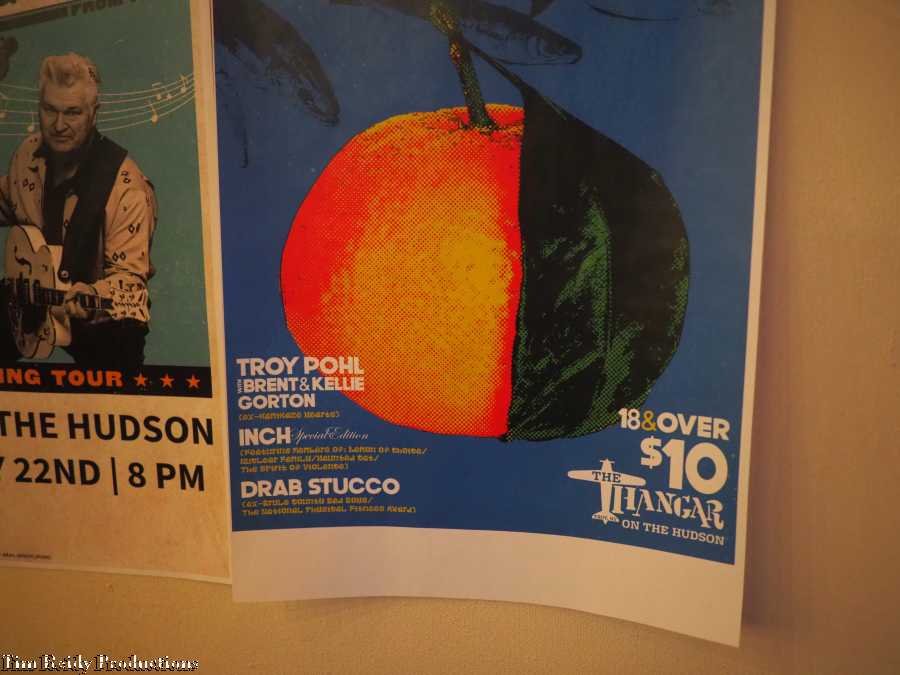
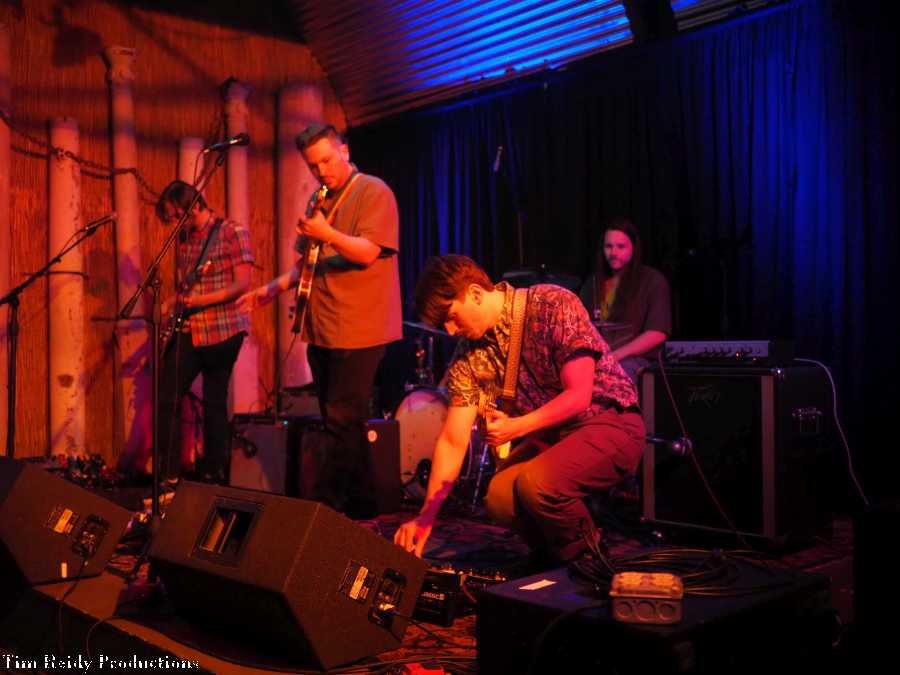
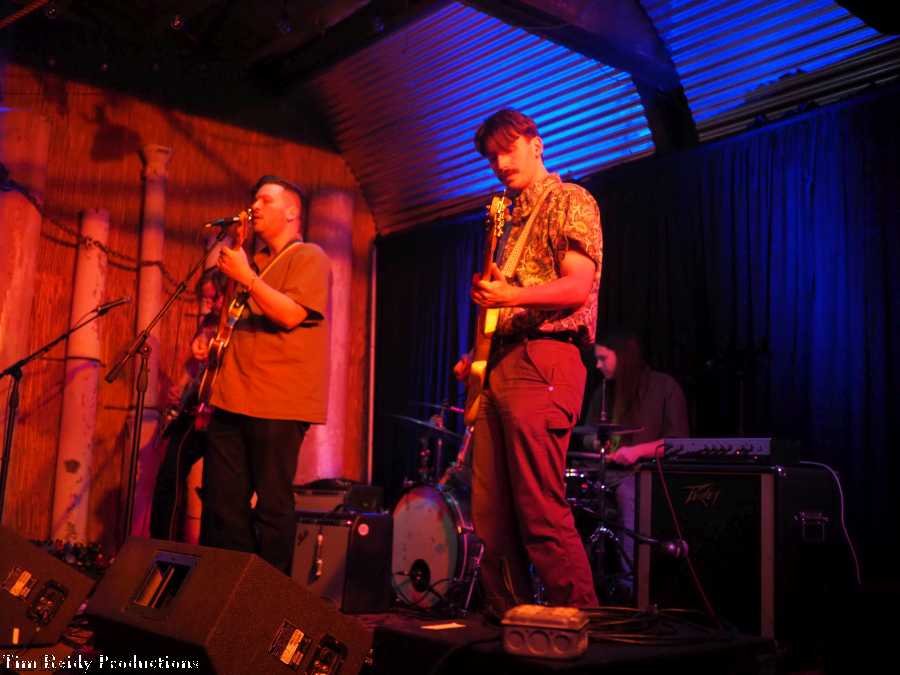
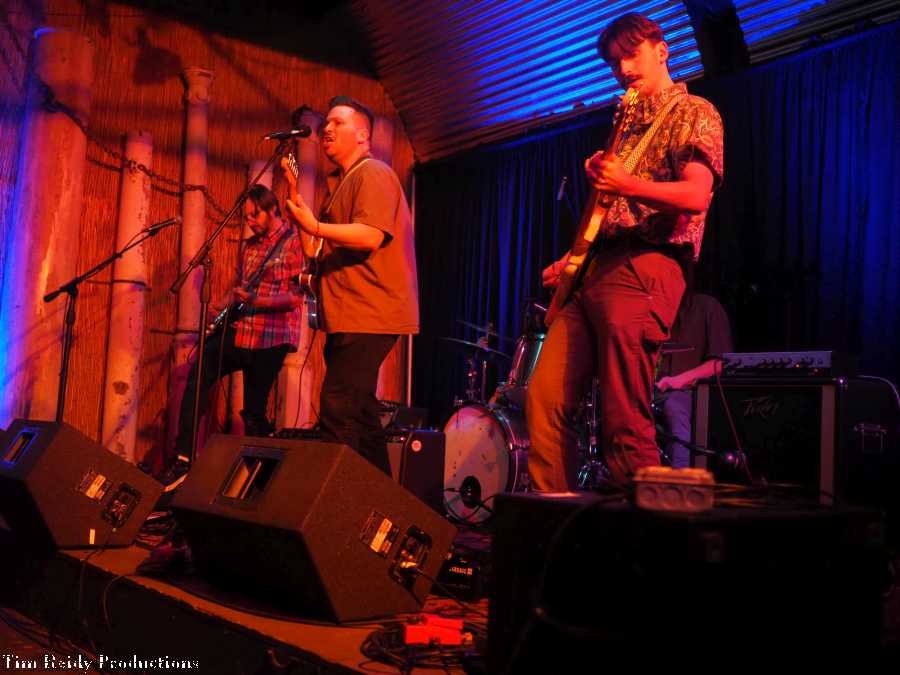
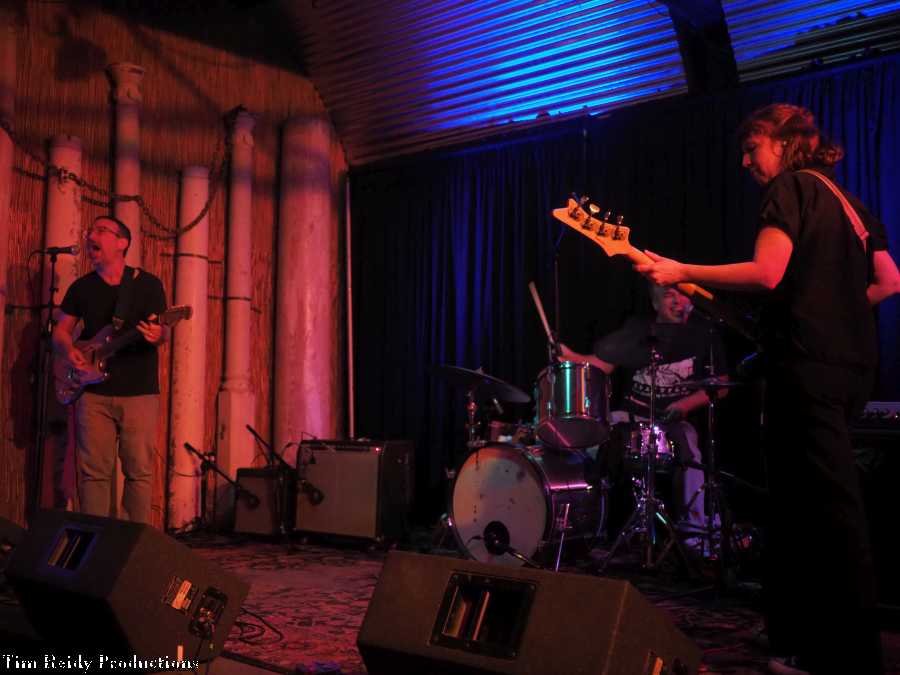
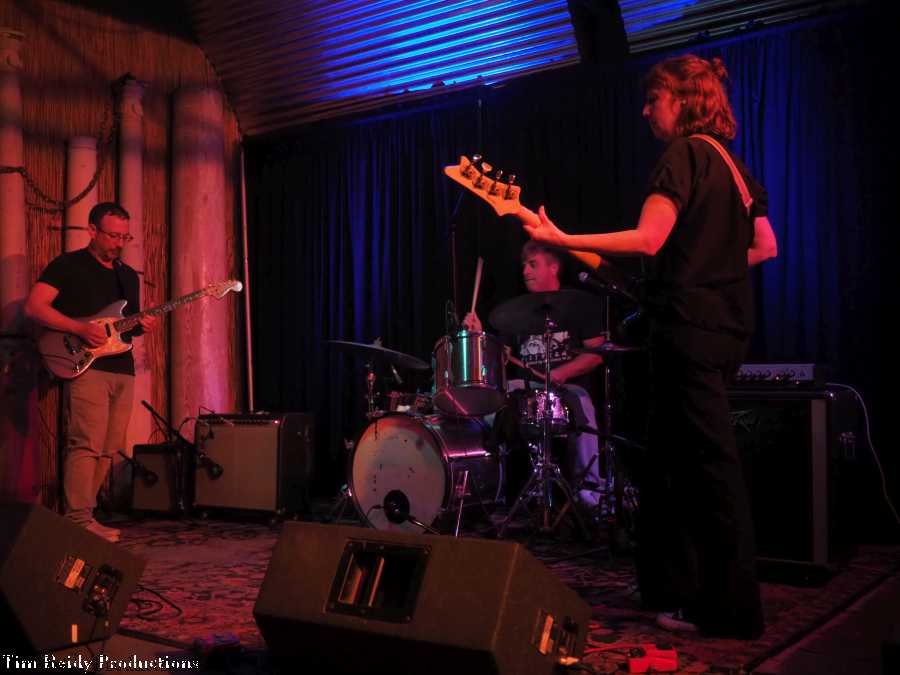
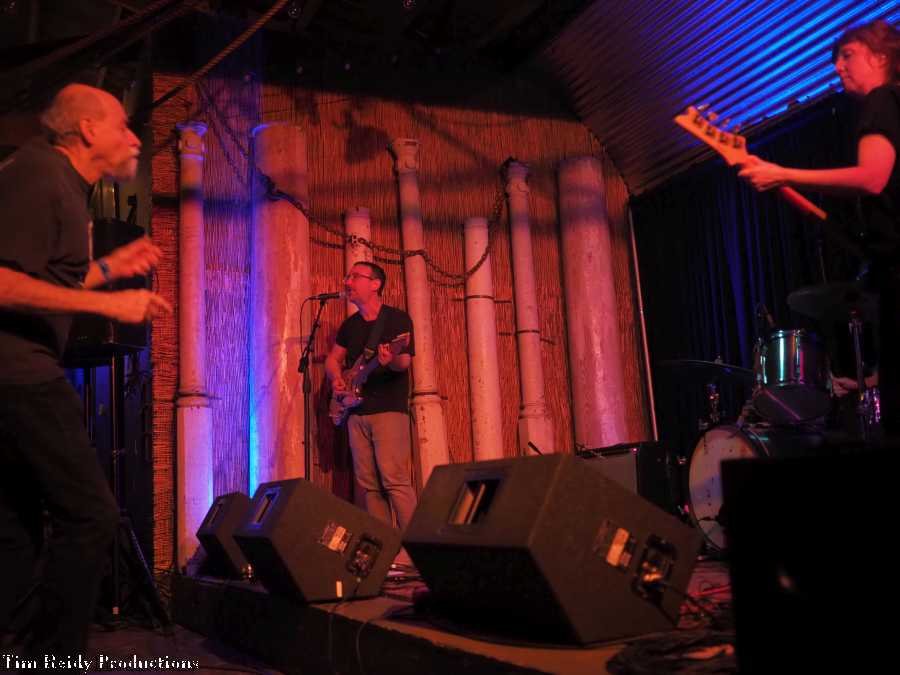
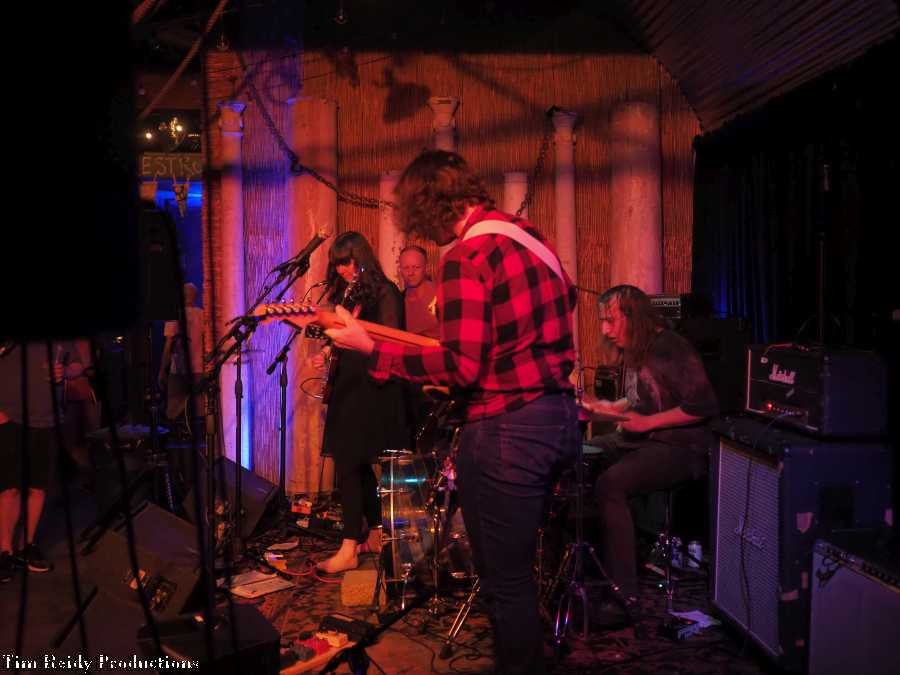
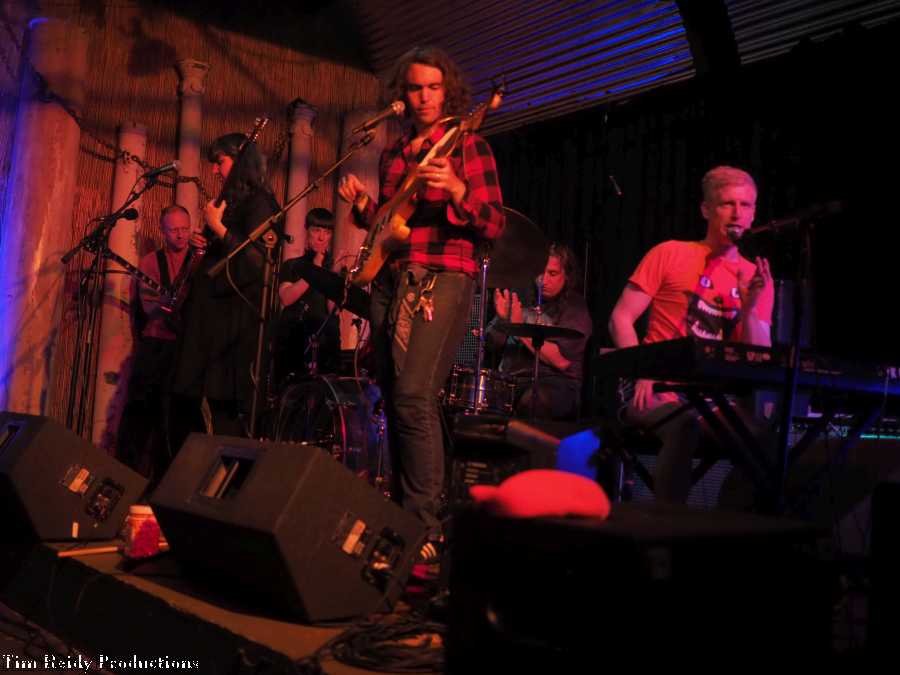
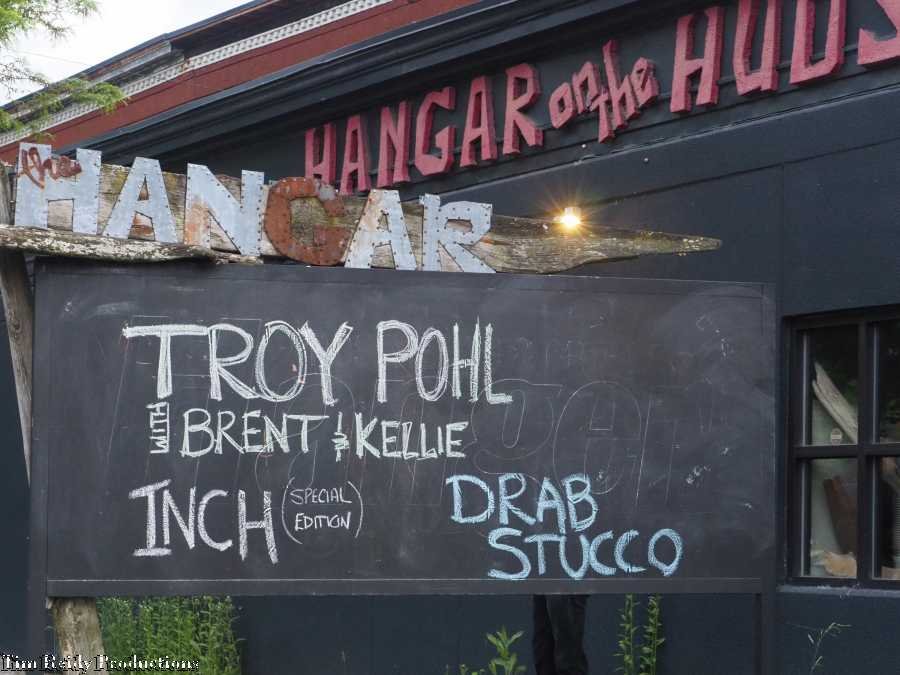
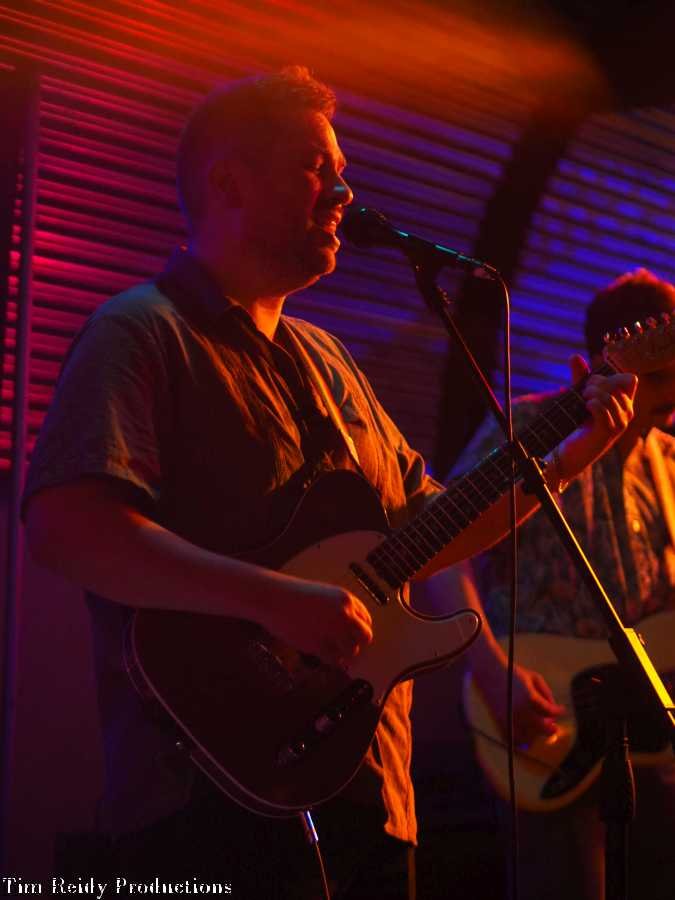
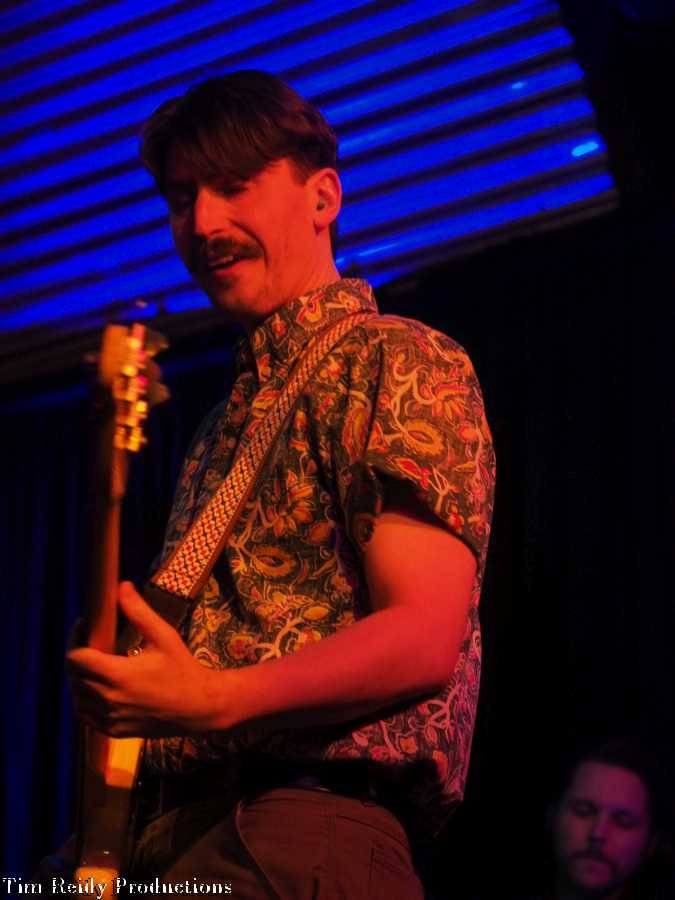
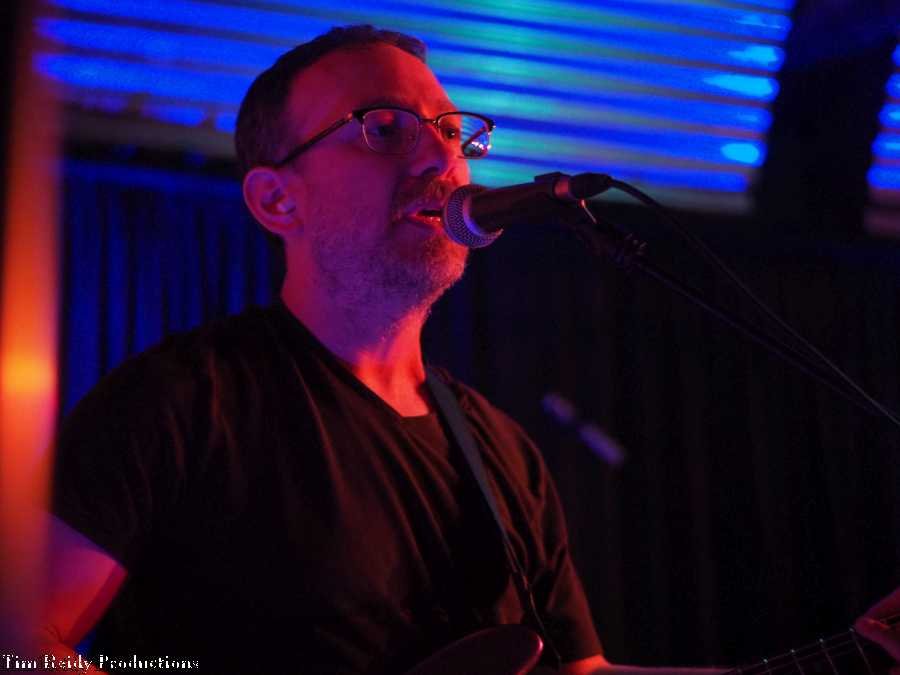
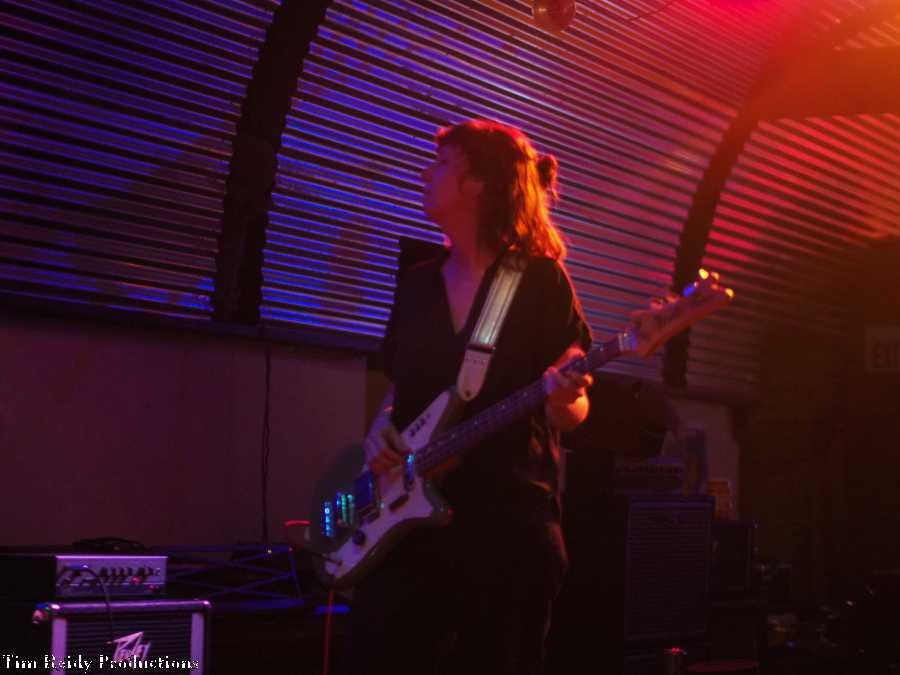
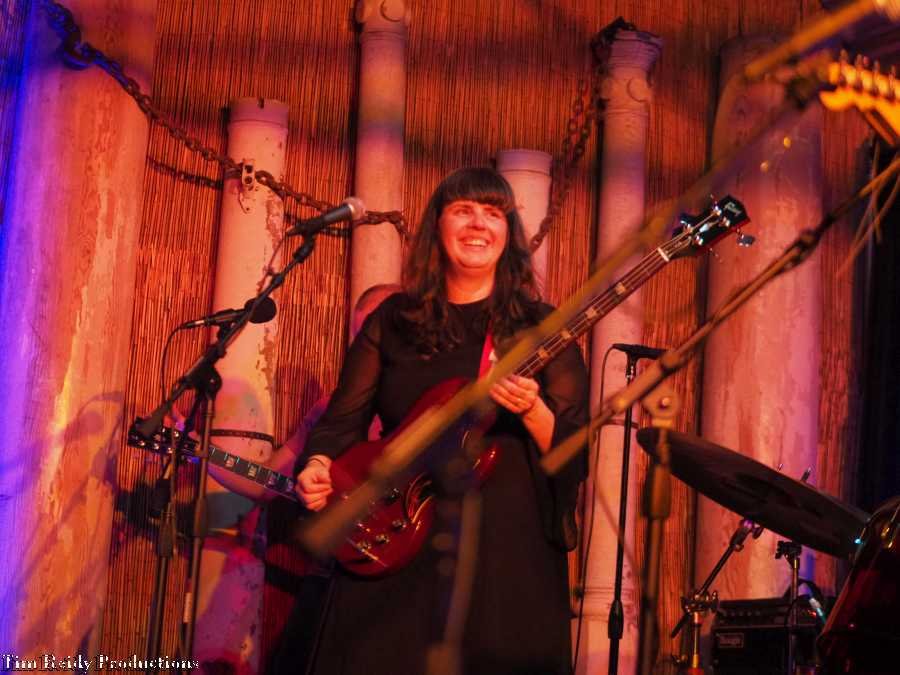
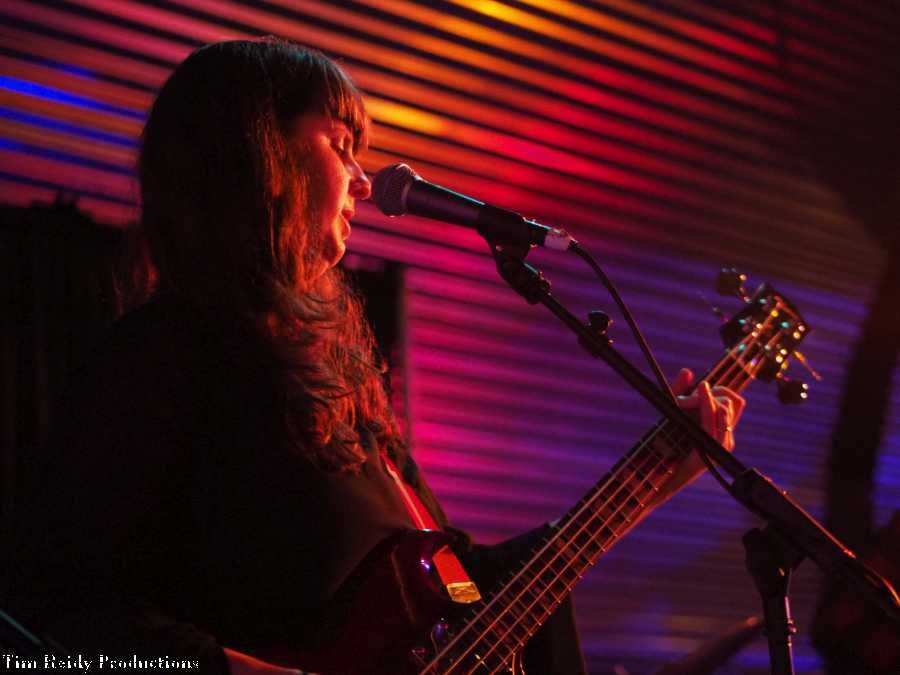
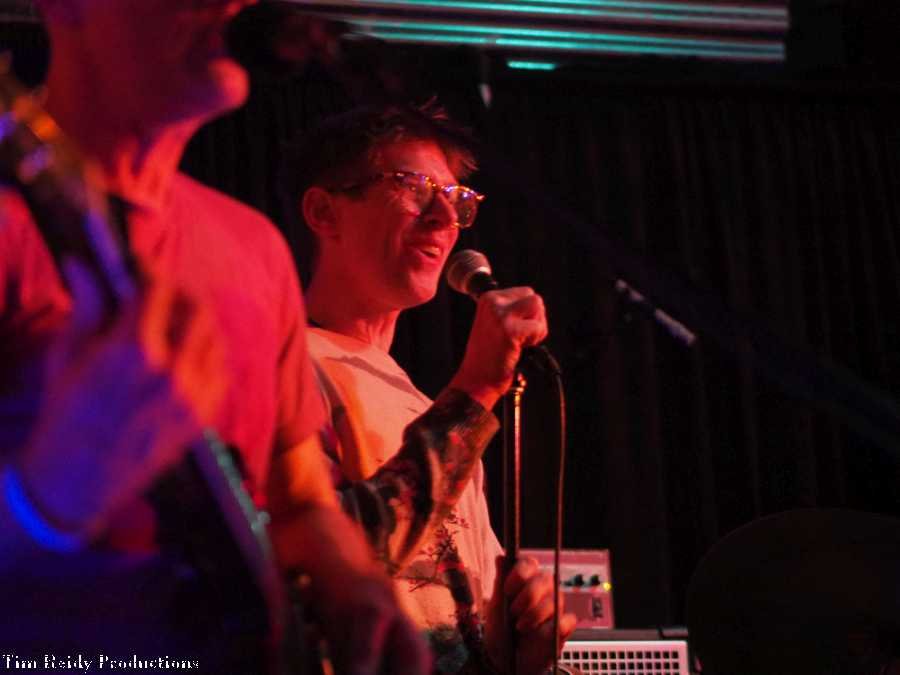
On May 30, the Hangar was rocking with Troy Pohl (with Brent and Kellie from Better Pills), Inch (with lots of added guests), and Drab Stucco.
Photography by Timothy Reidy.
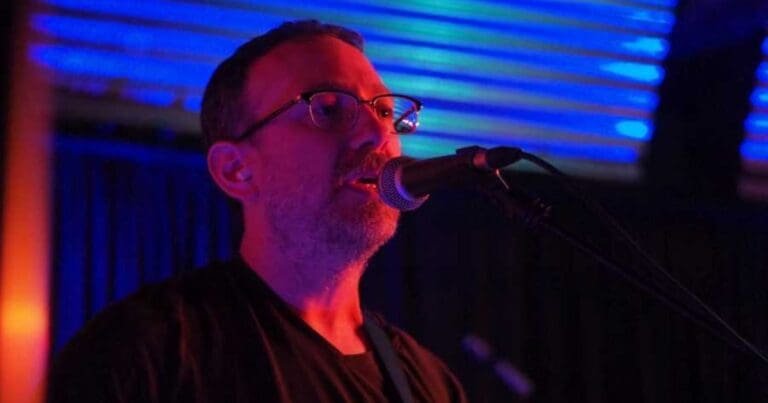
On May 30, the Hangar was rocking with Troy Pohl (with Brent and Kellie from Better Pills), Inch (with lots of added guests), and Drab Stucco.
Photography by Timothy Reidy.
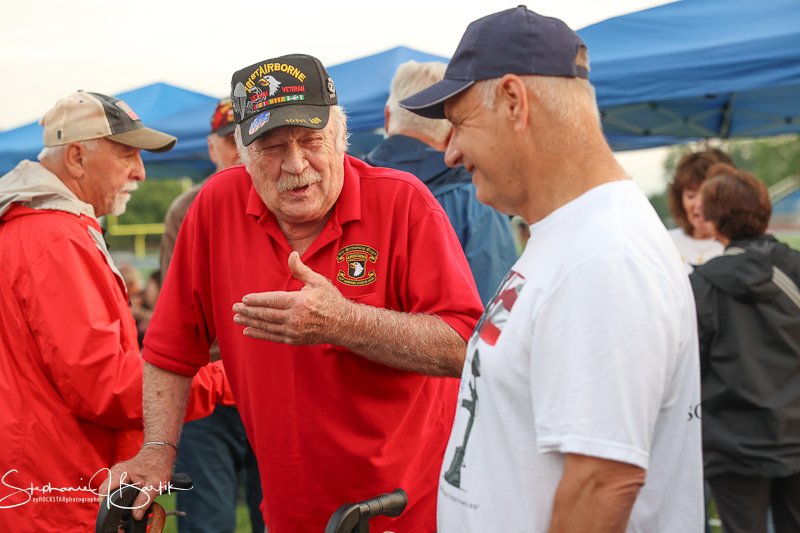
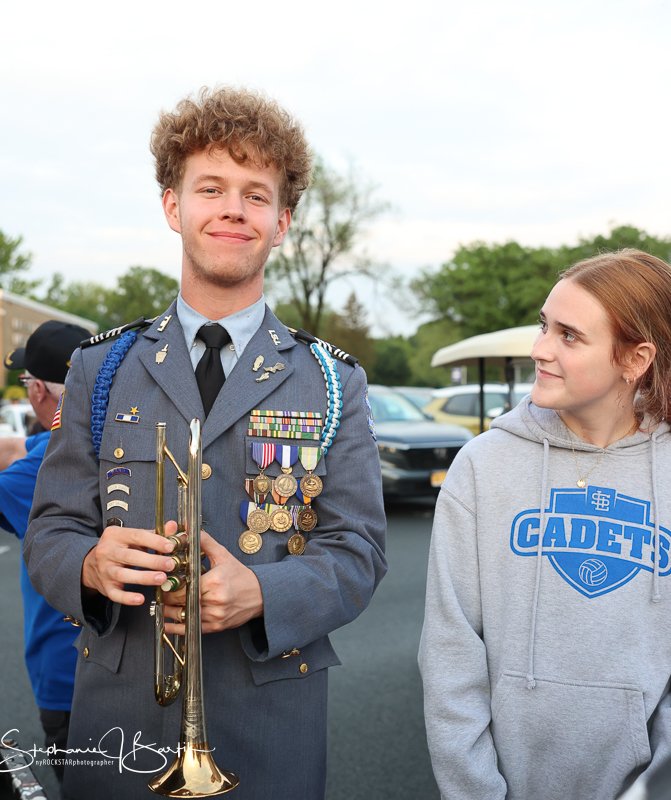
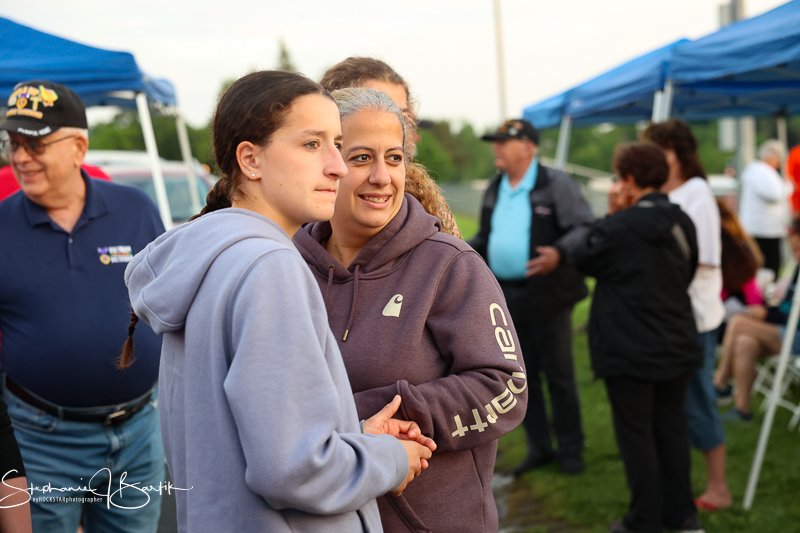
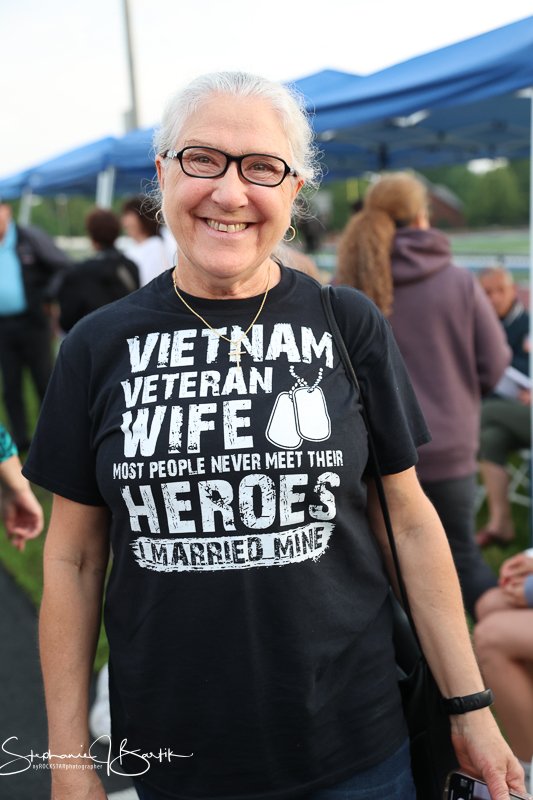
Words and Photography by Stephanie J Bartik.
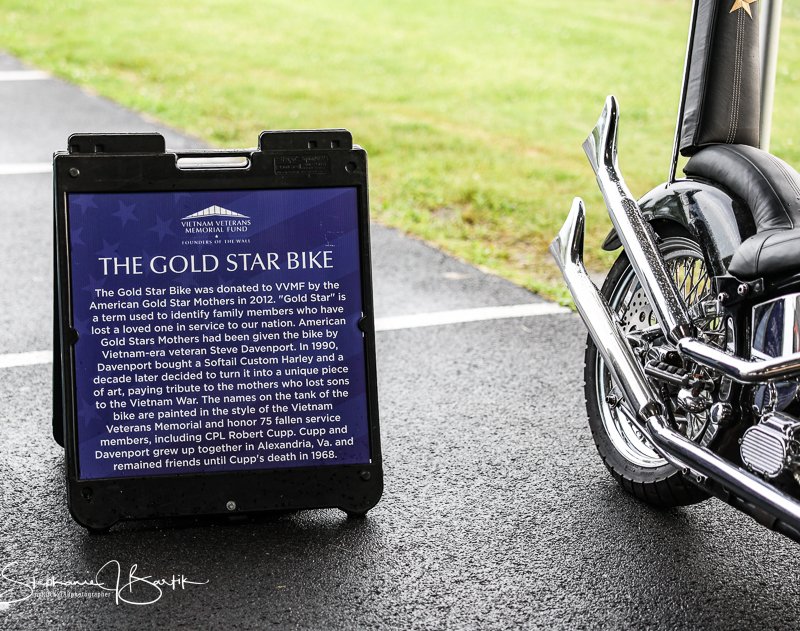
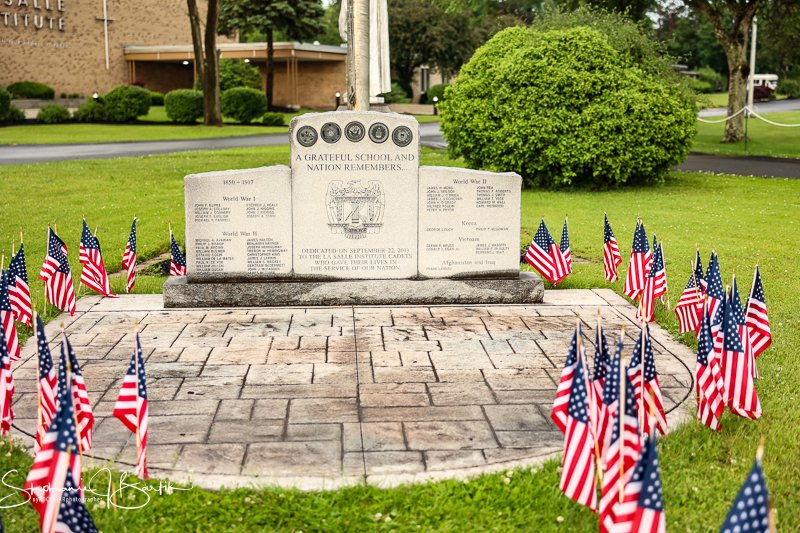
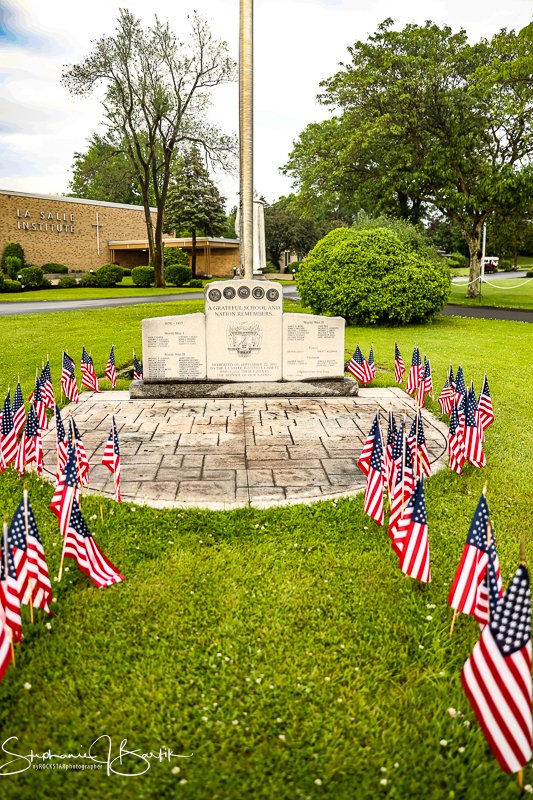
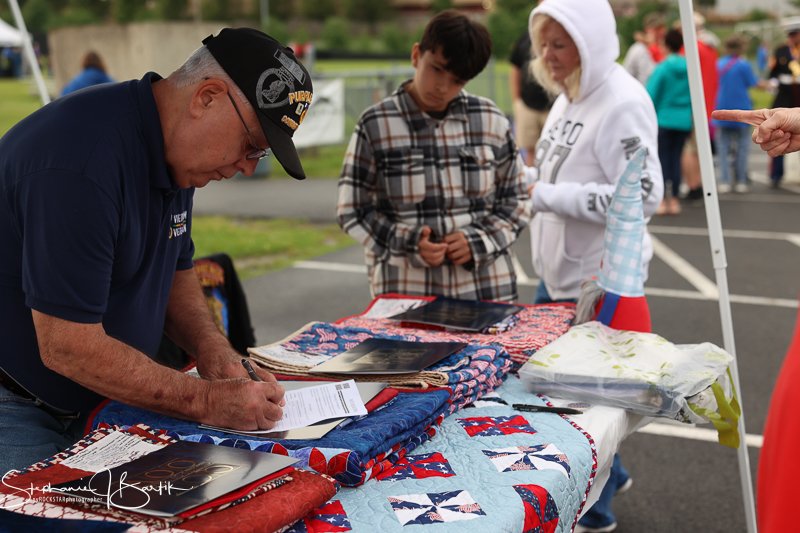
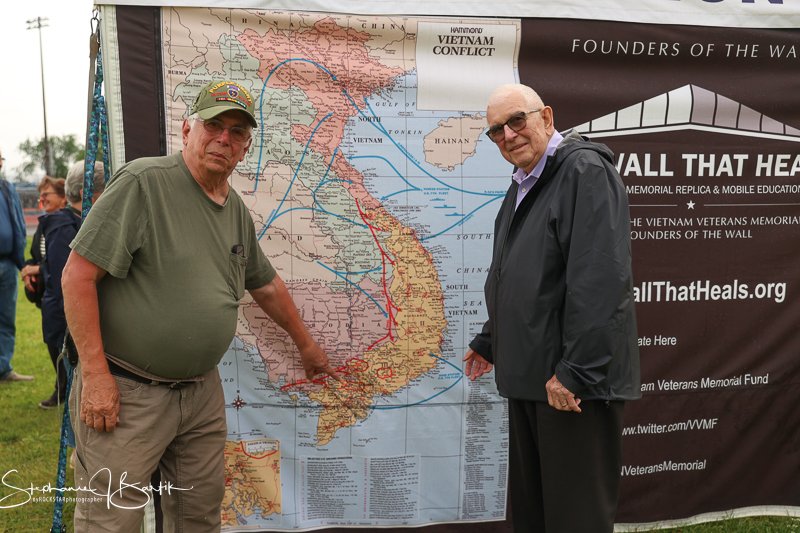
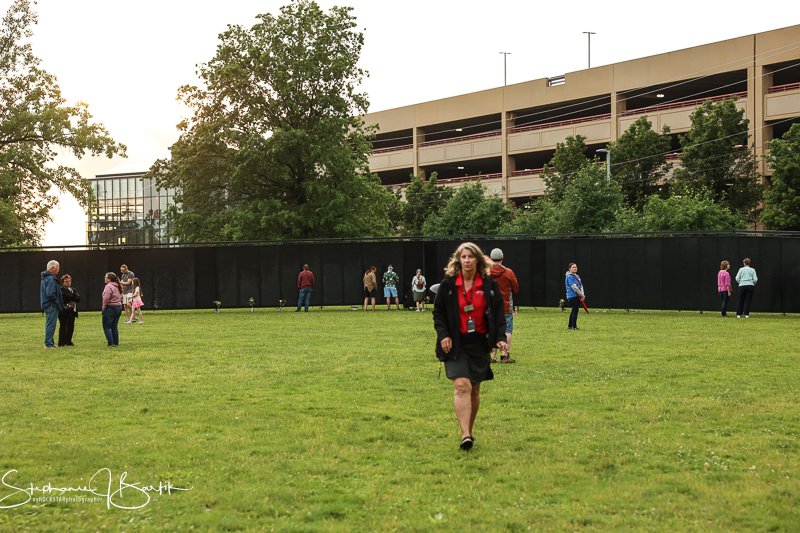
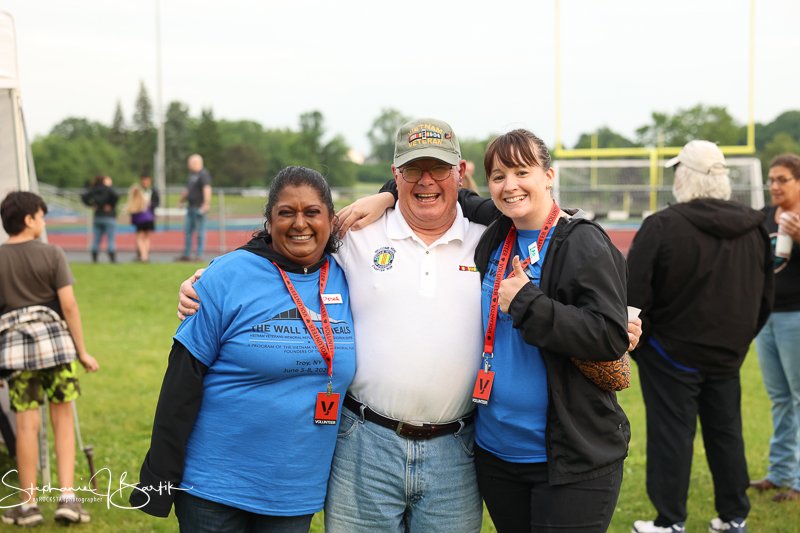
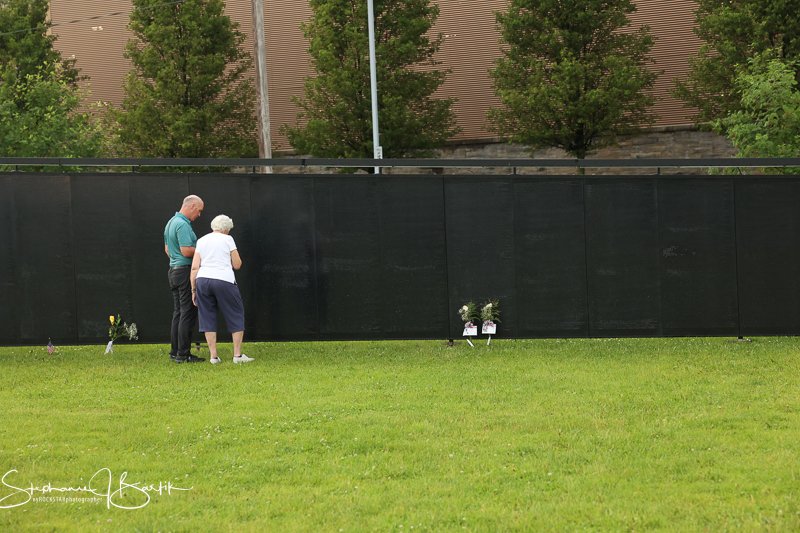
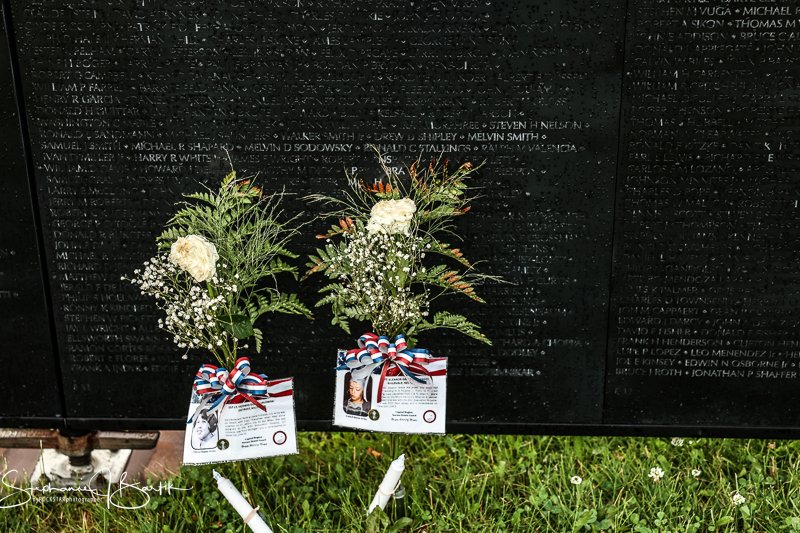
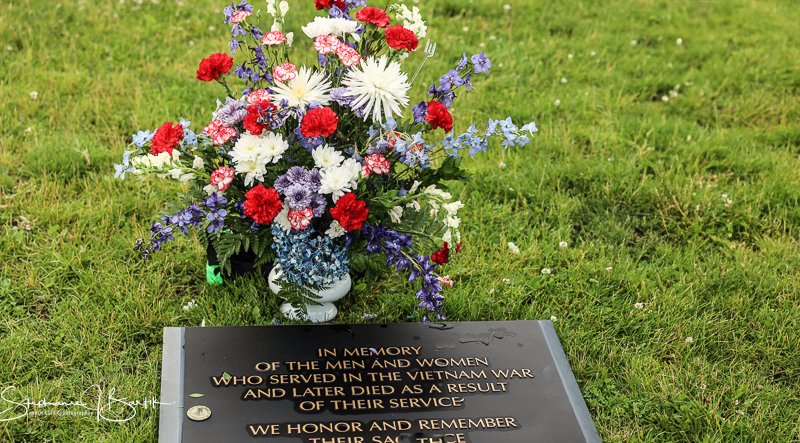
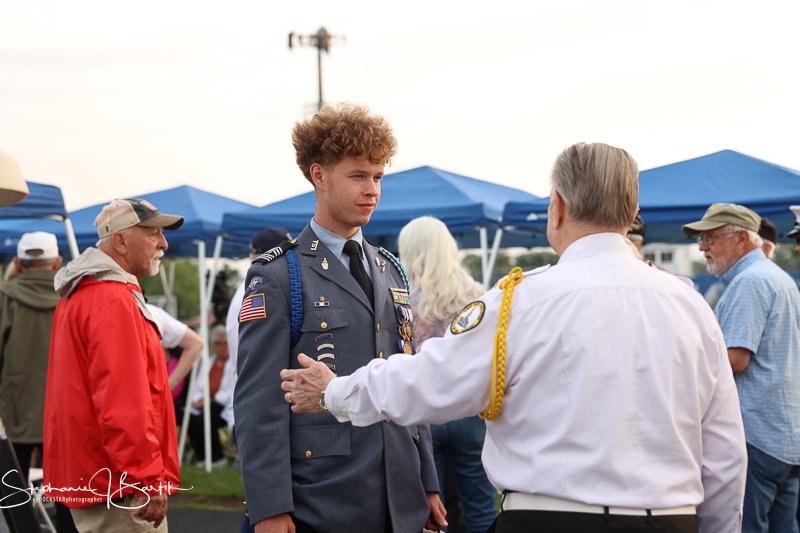
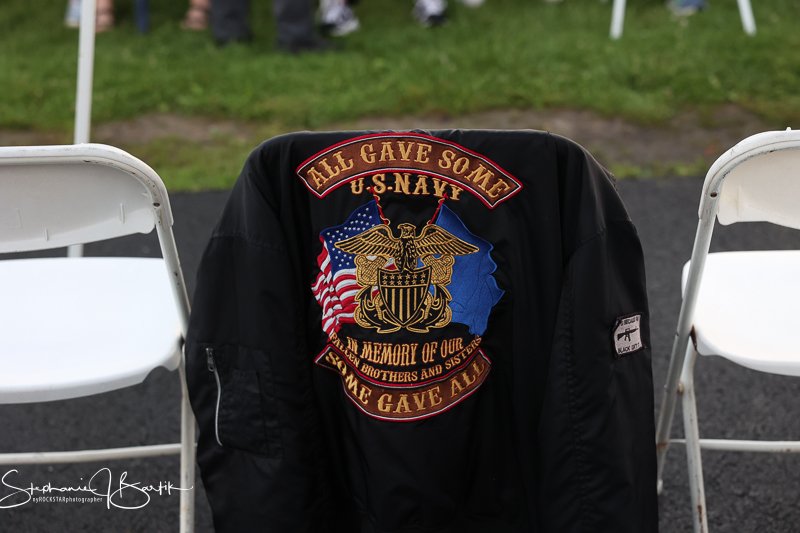
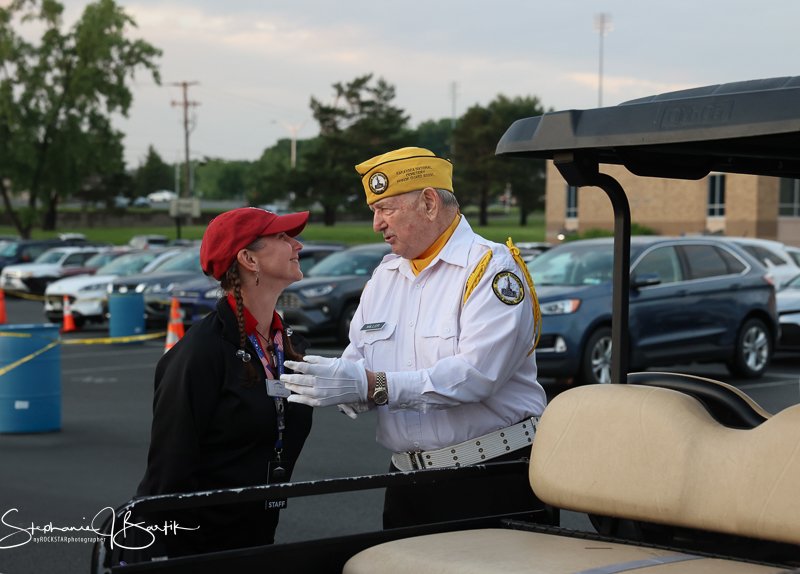
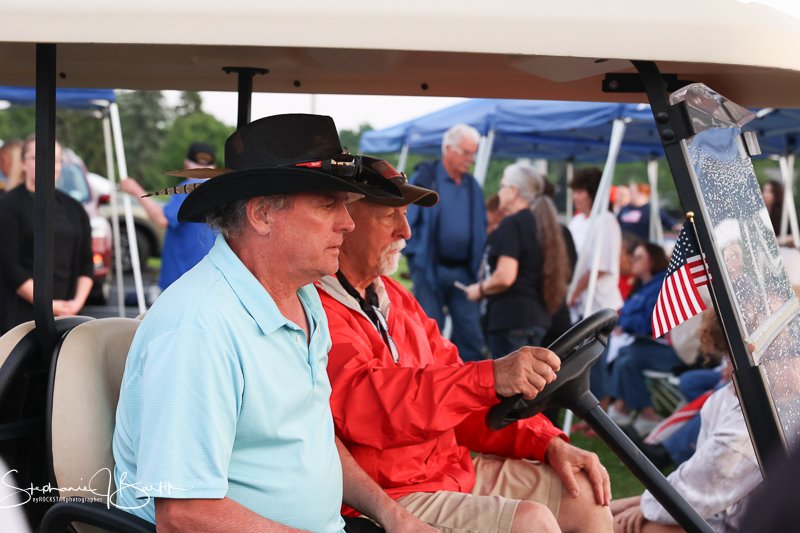
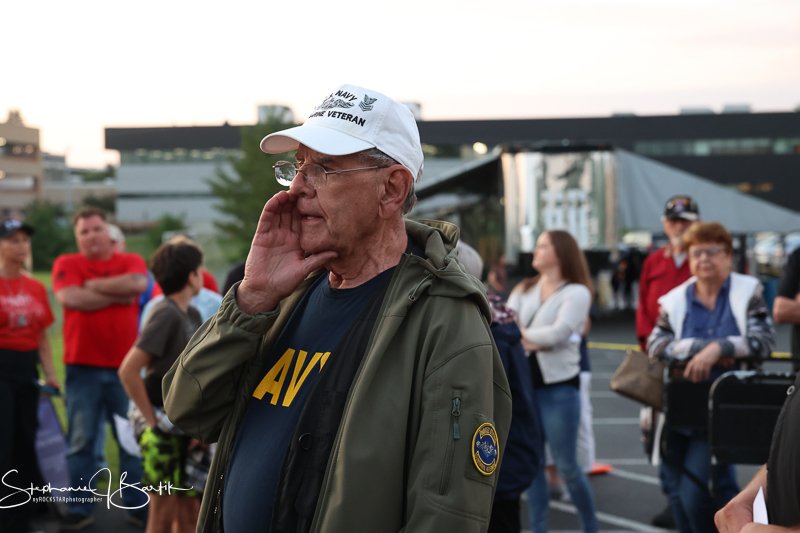
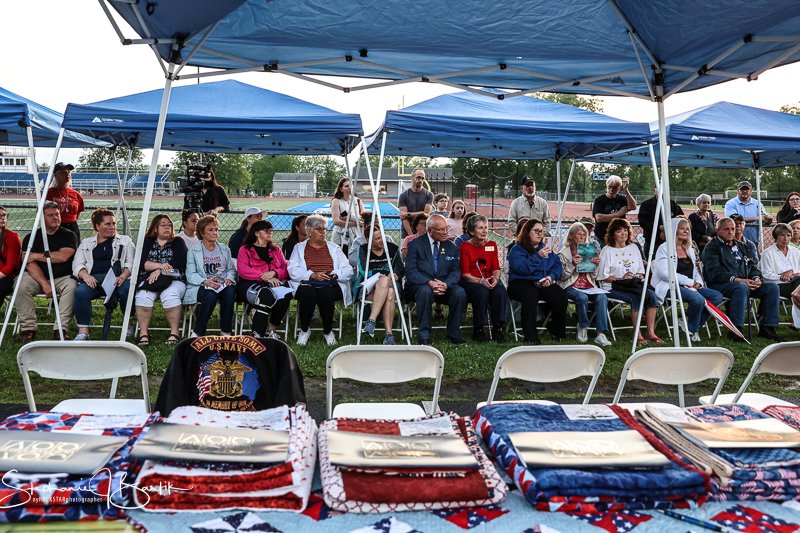
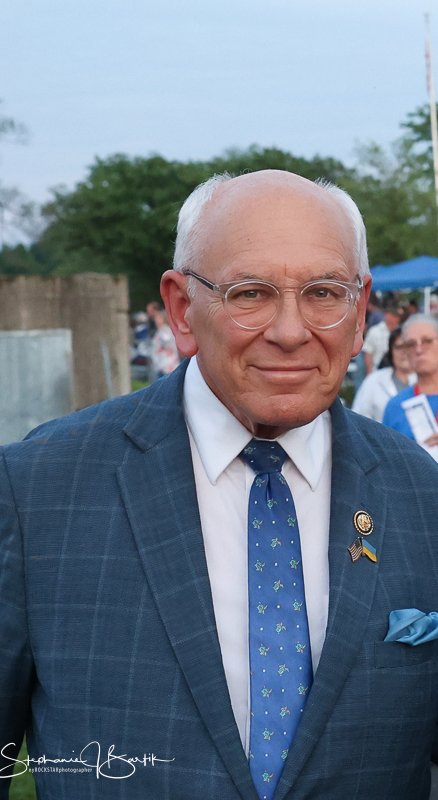
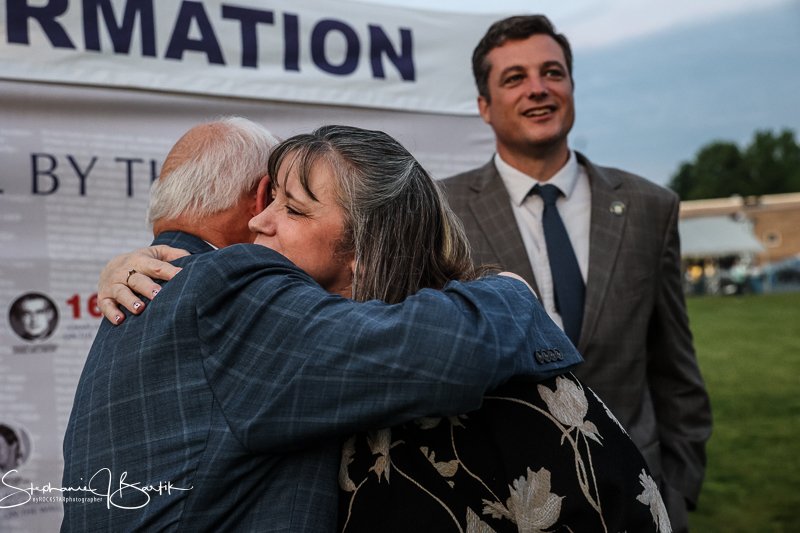
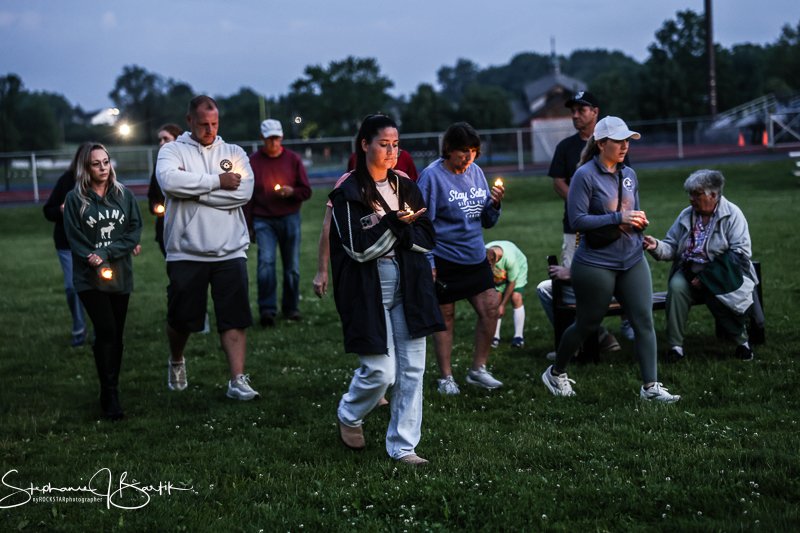
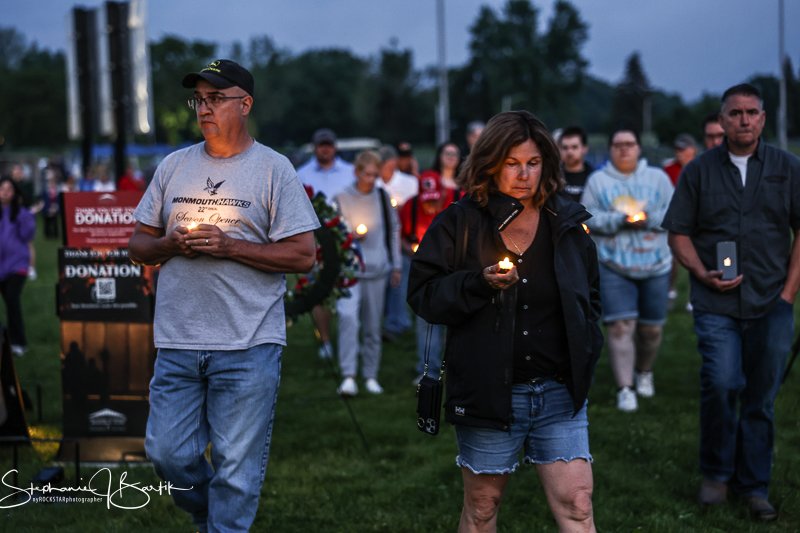
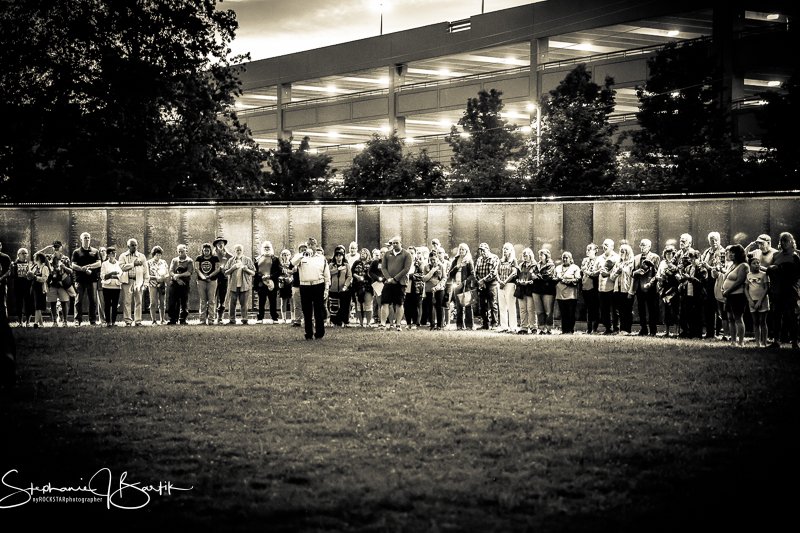
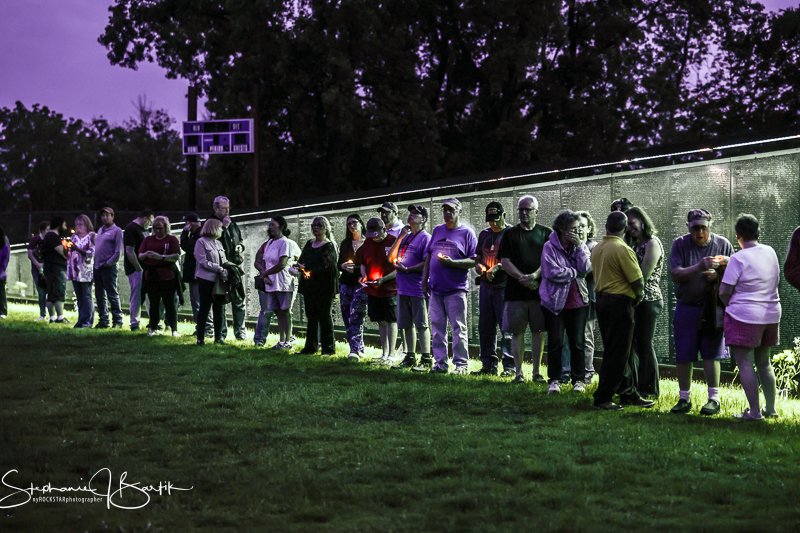
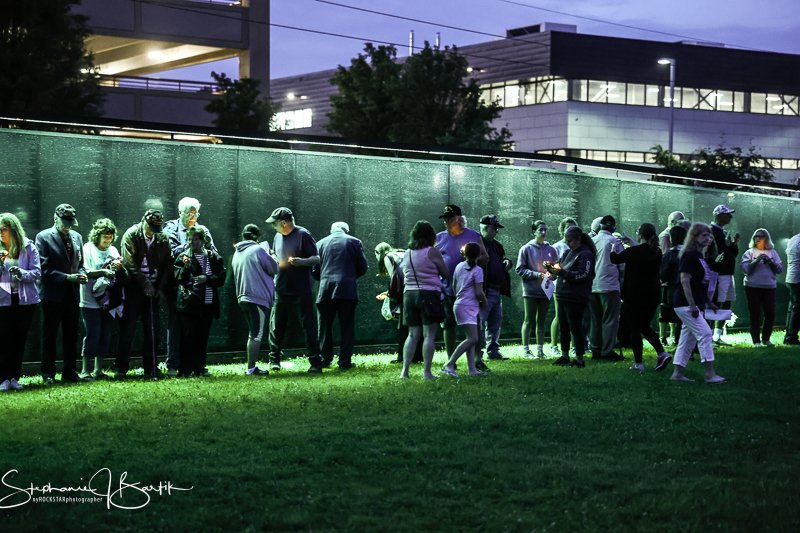
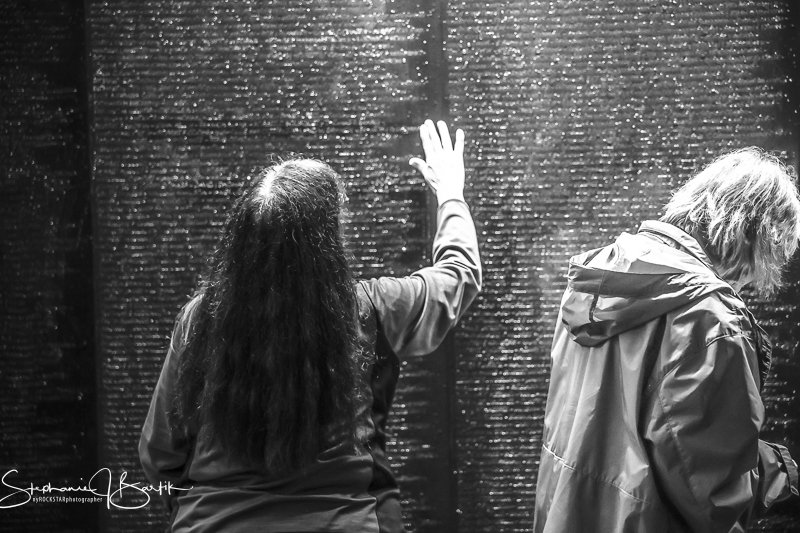
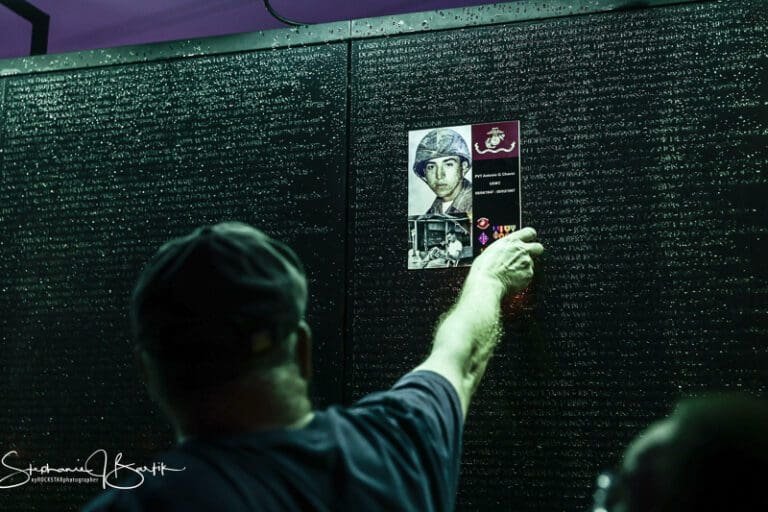
This weekend in Troy, New York, the quiet grounds of La Salle Institute were transformed into a place of remembrance, reflection, and long-awaited recognition. From June 5 to June 8, the Collar City hosts The Wall That Heals, a three-quarter scale replica of the Vietnam Veterans Memorial in Washington, D.C. At 375 feet long and nearly 8 feet tall, the replica wall arrived as part of a national tour that brings the memory of Vietnam’s fallen closer to hometowns across America.

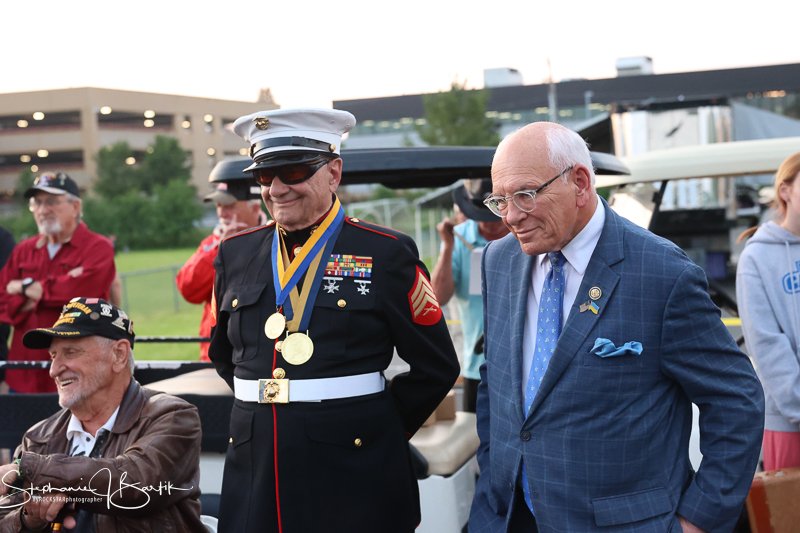
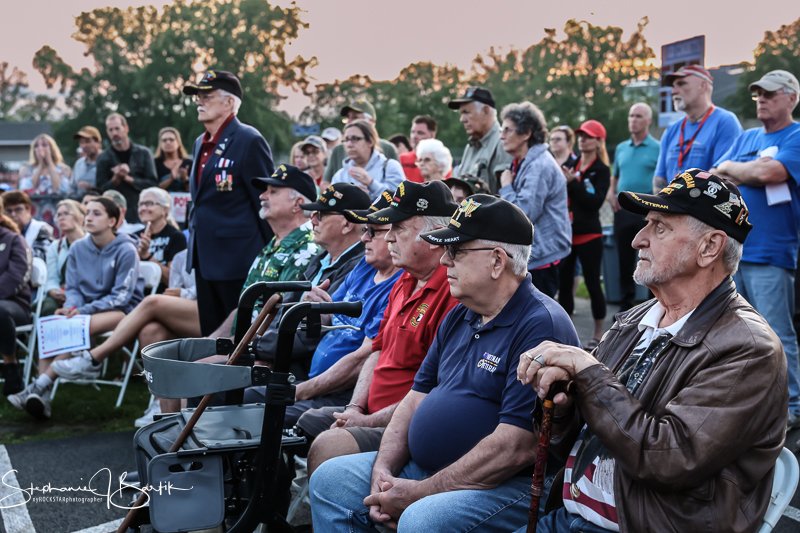
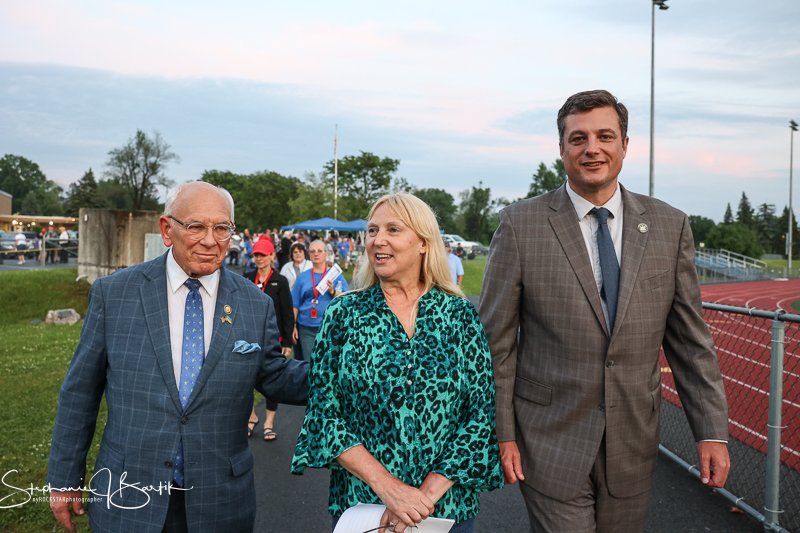
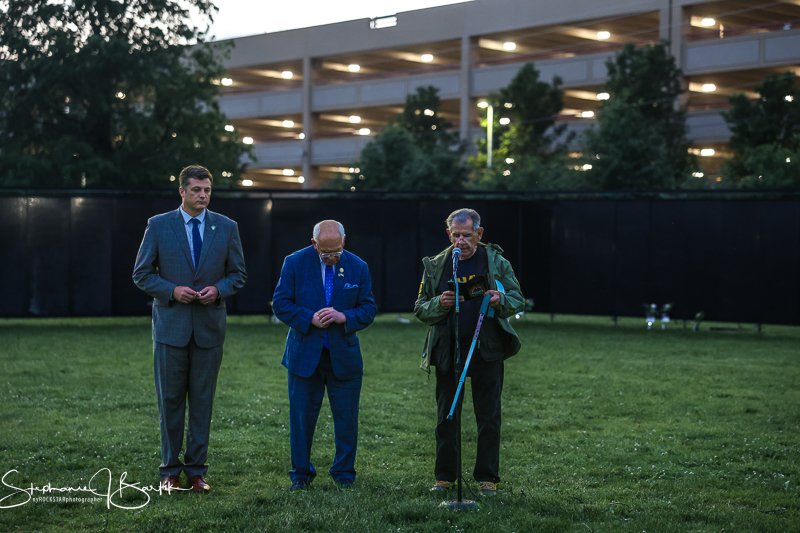
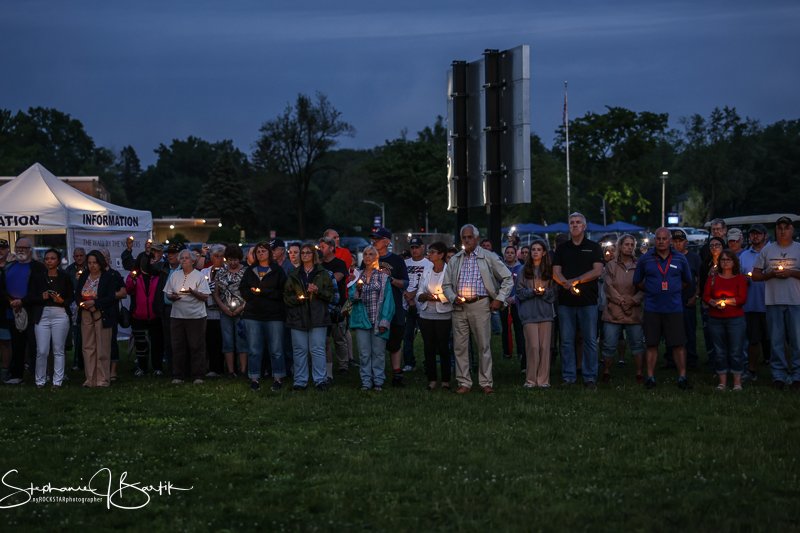
Selected from over 135 applicant communities, Troy was one of only 30 to receive the honor in 2025—and the only host in the entire tri-state area. This distinction wasn’t lost on the estimated 200 attendees who gathered Friday evening for an emotional Candlelight PTSD Awareness in Memory Ceremony.
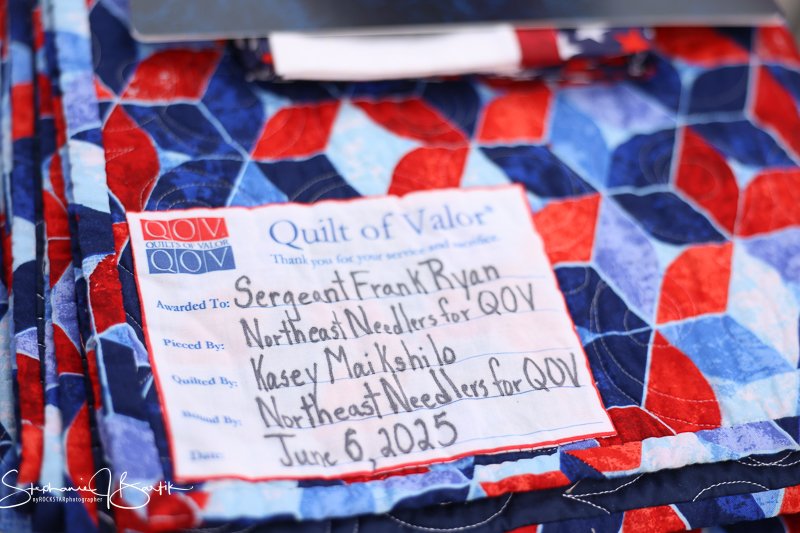
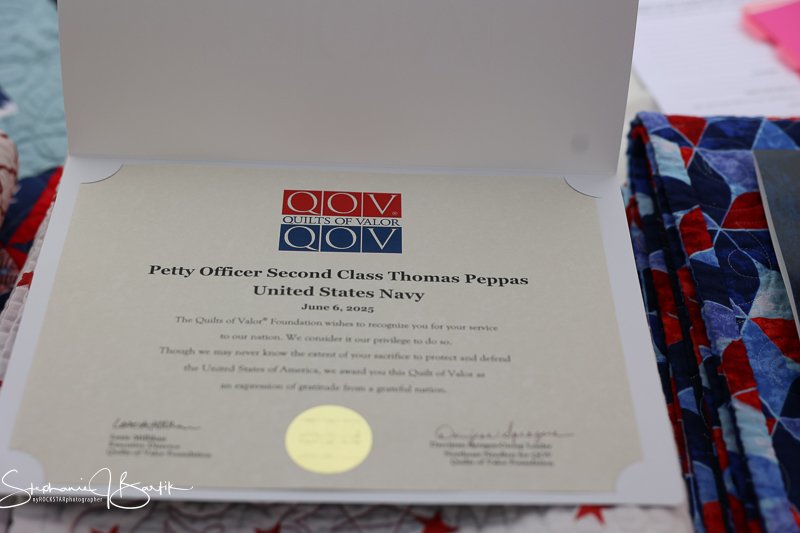
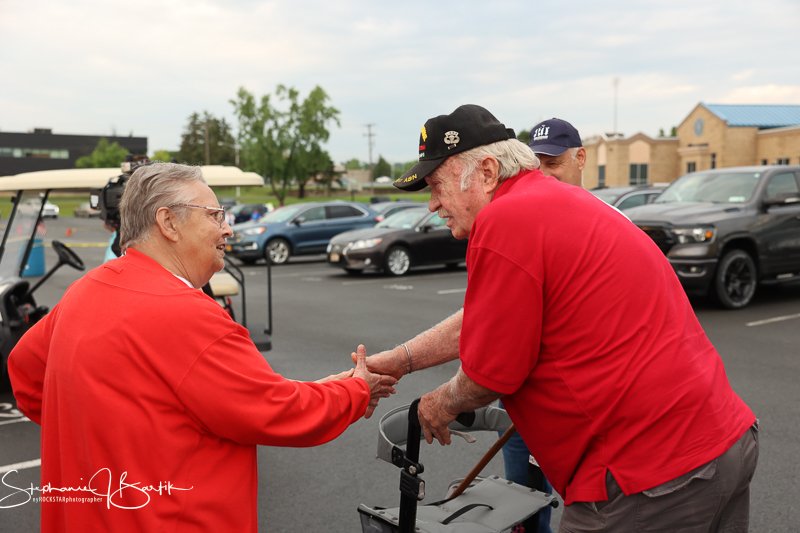
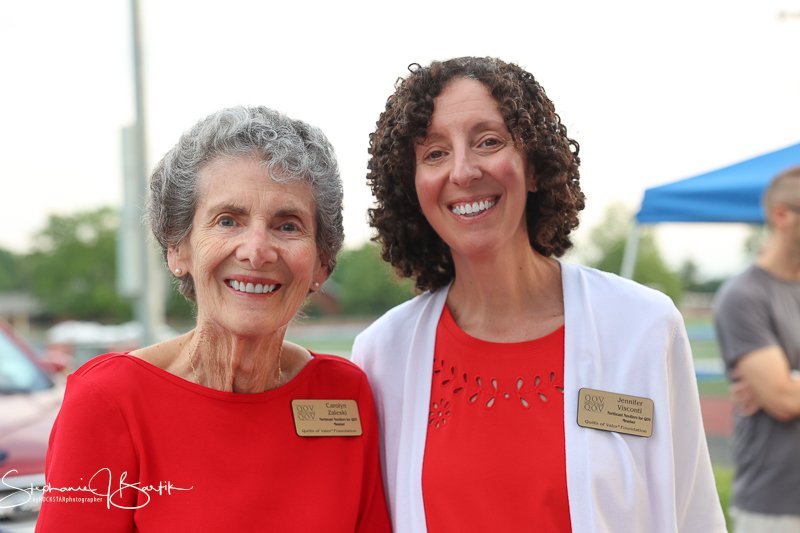
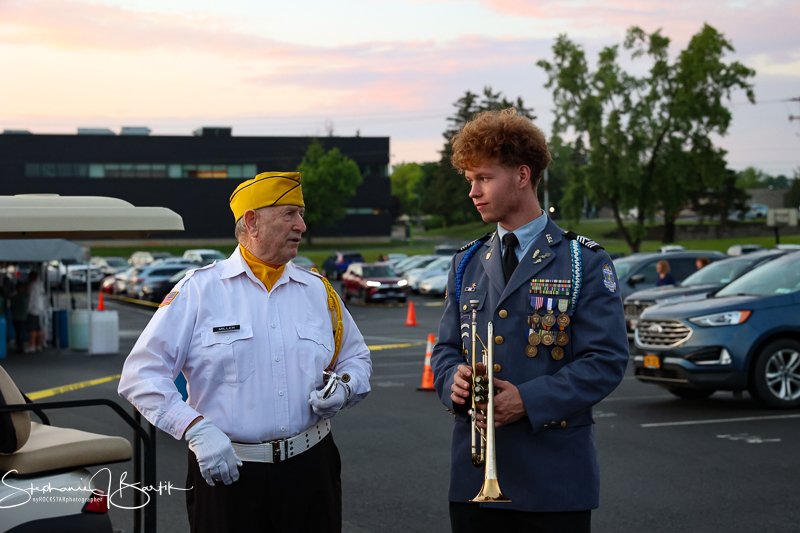
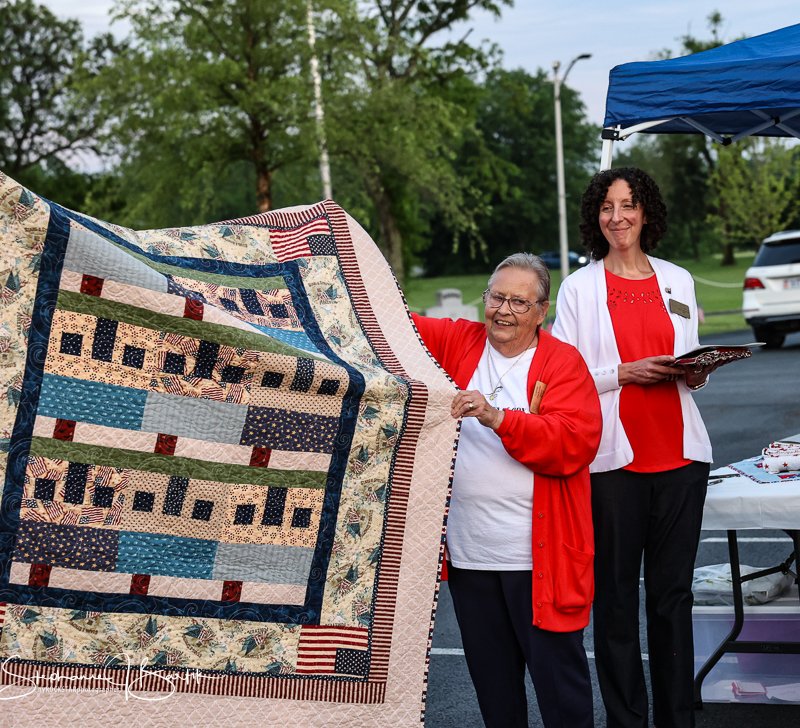
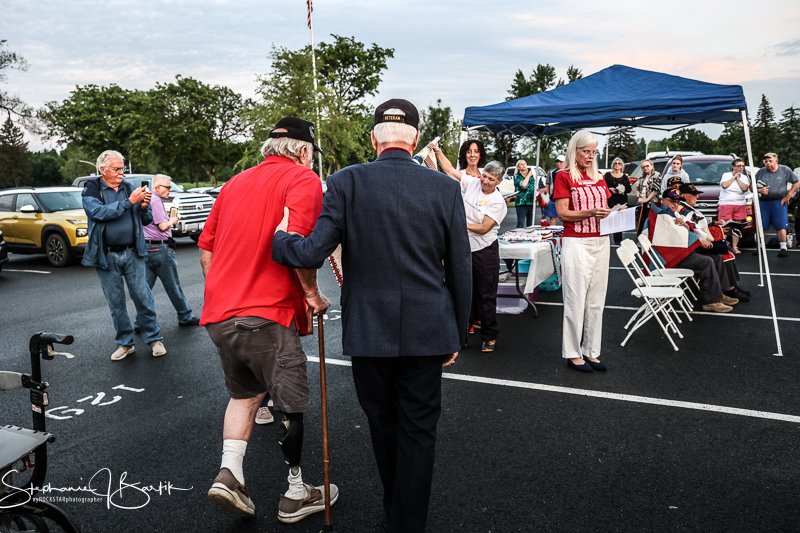
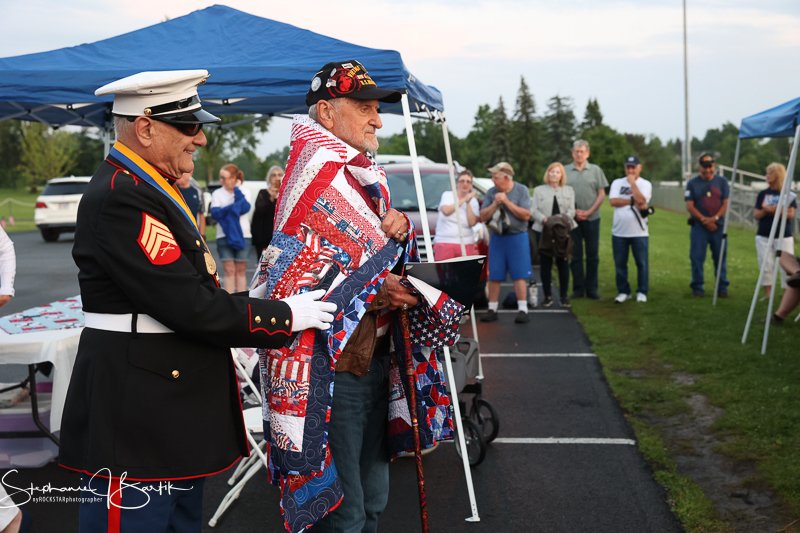
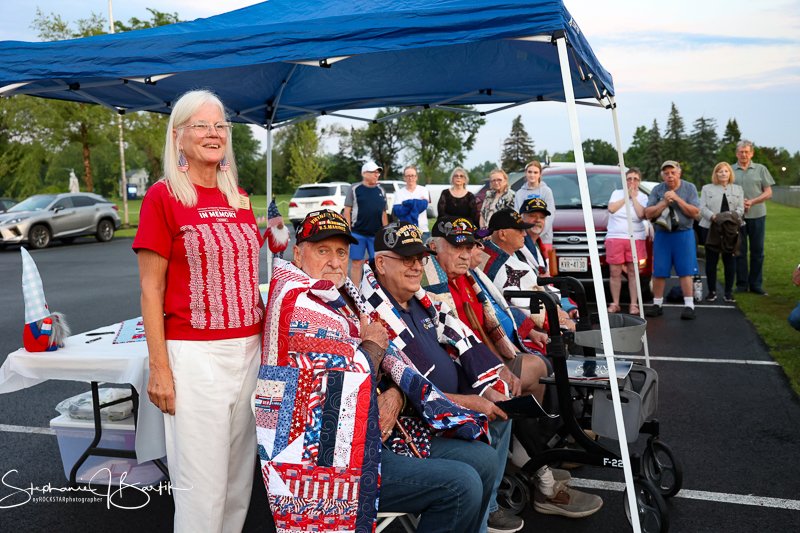
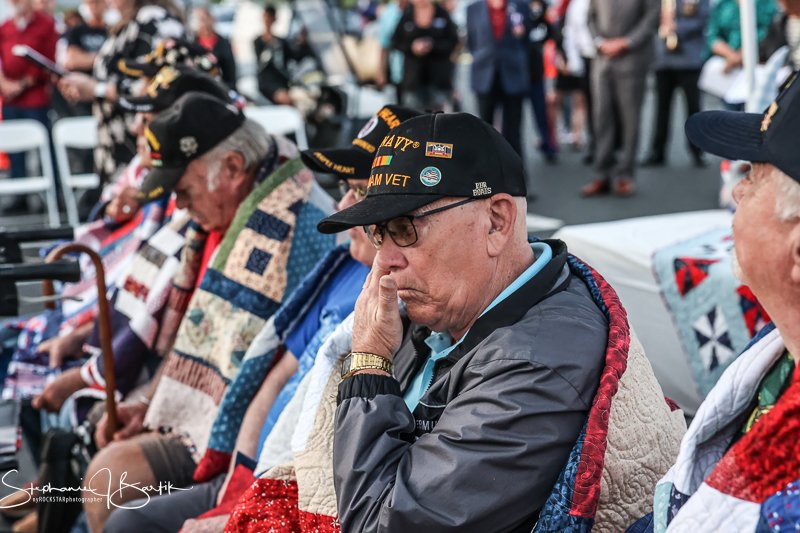
Six local veterans were honored with handmade quilts from the Quilts of Valor Foundation, each a token of gratitude and comfort presented in recognition of their service and sacrifice. Afterward, a candlelight vigil followed. Attendees—each handed a small flickering candle—stood in reverent silence as a clergyman offered prayers for those lost in war. The final tribute came as two trumpeters performed “Taps,” echoing across the wall and into the hearts of those present.

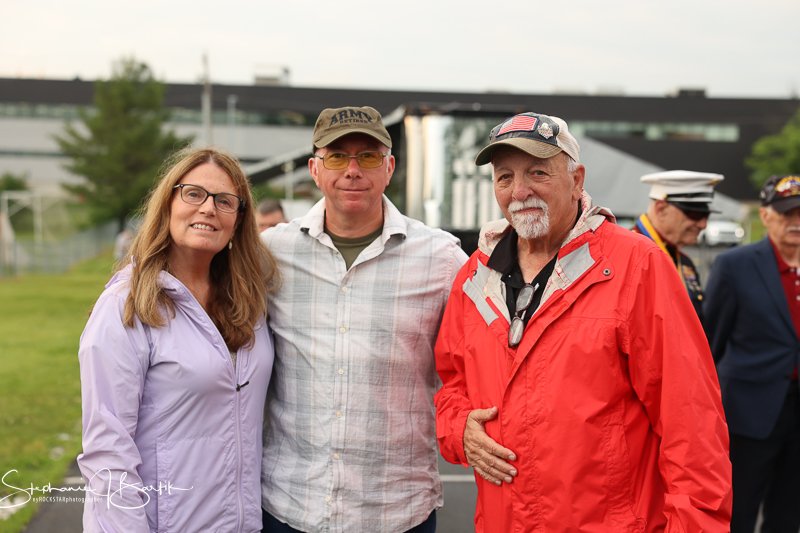
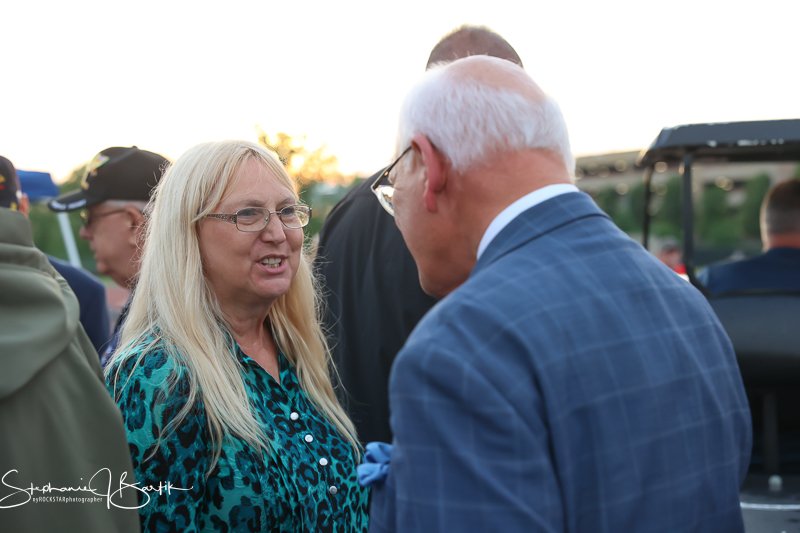
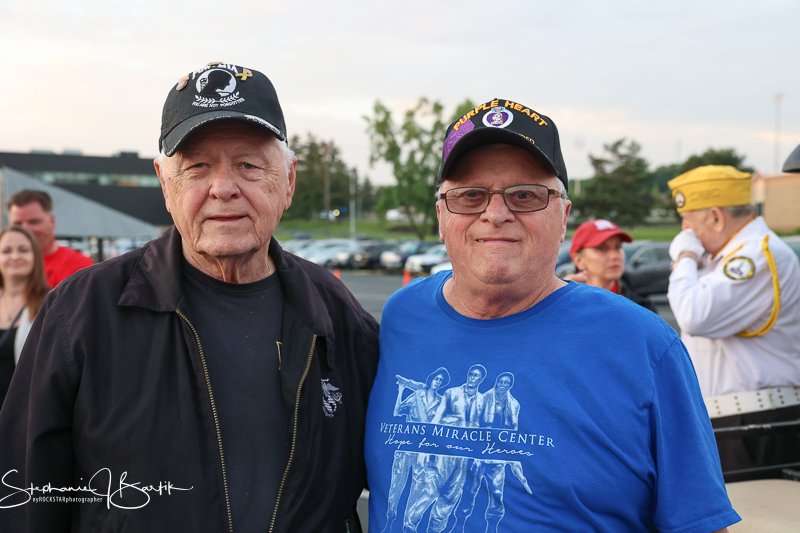
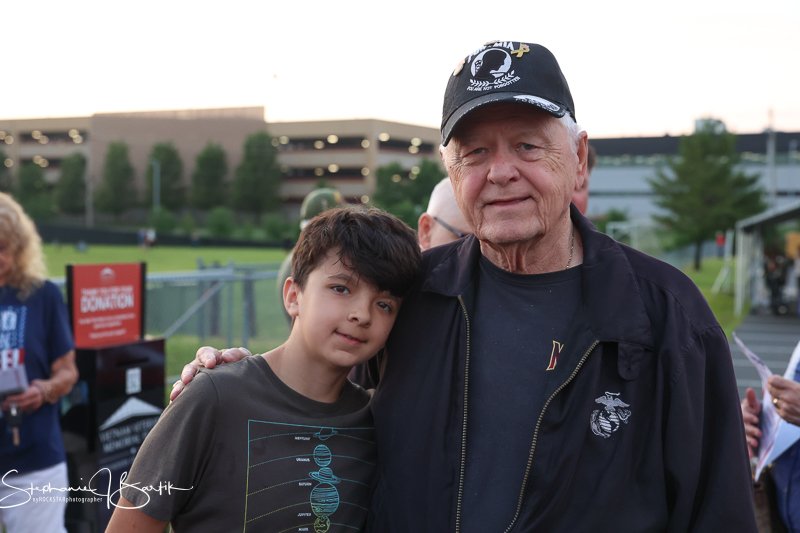
For many, including myself, this was more than an event to photograph. As I prepared my camera, I found myself pulled into conversations with veterans and families, reflecting on a generation that never received the welcome it deserved.
Vietnam veterans, unlike their fathers and uncles from World War II or today’s sons and daughters returning from Iraq or Afghanistan, came home to a nation divided. There were no parades or joyous reunions broadcast on national TV. Instead, they were often met with silence—or worse, hostility. Branded as symbols of an unpopular war, many were forced to bury their experiences deep inside.
I remember the night of December 1, 1969, when the first draft lottery was televised. My older brother and his friend Adam watched anxiously as birth dates were drawn from blue plastic capsules. Adam’s birthday—September 14—was the first picked. Number 001. “I never won anything before,” he said bitterly. Facing near-certain deployment, he enlisted, hoping to gain some control over his fate. My brother drew number 106. Not lucky, just less doomed.

The trauma of Vietnam wasn’t just about what they saw—it was also about what they couldn’t say when they came home. One vet told me how he’d once forgotten the origin of a scar on his leg. Months later, the memory hit: it was from a riverine patrol boat ambush. The recollection had been suppressed for years, buried beneath layers of survival.
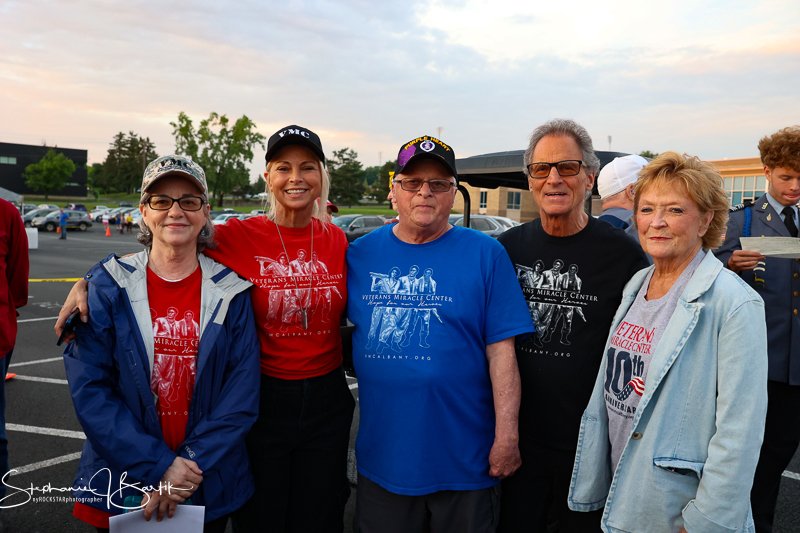
The Wall That Heals is more than polished black panels and engraved names. It is a long-overdue embrace for those who returned in silence, carrying wounds we couldn’t see. Gratitude goes to Cheri Pierce, co-chair of the Wall That Heals Troy Committee, and the many volunteers who ensured these stories were finally seen, honored, and heard, including Ms. Pierce’s co-chair, Chris Albert, and four partners who came together to make it all happen: La Salle Institute, Hudson Valley Community College VET-ROC, Rensselaer County, and CRAB Garrison #1954.
…2..3..4 – An Xperience Column – by Chris Busone.
When I find myself in the company of a group of people I don’t know, and who don’t know me from Adam, Eve, or any of their other descendants, it is inevitable that at some point someone in the assemblage will broach the burning question, “So, what does everyone do?”
I usually wait it out, not for any particular reason other than I find it a mind-numbingly tedious question. So, after a chorus of admirable professions all worthy of our respect and gratitude by the other innocent bystanders such as: “Doctor” … “Lawyer” … “Refrigerator Repairman” … “I’m the guy who makes those plastic ends for shoelaces” … I pause, look around to make sure all votes have been counted, give a stunted wave and say…”Guitar Player.”
Because it’s what I do. It’s the thing I’ve been doing since I was nine years old, longer than anything else I’ve ever done consistently throughout my life other than breathing. So yes, I’m a guitar player. But I’m also a realist.
I know most people who’ve seen me perform, and even some who haven’t, think of me as a singer. It’s not an unreasonable conclusion, as I have been the singer in every band I’ve ever been in, save a brief, glorious stint with the Decadent Royals. But it was never my intention to be the one up front singing and garnering attention. My original rock & roll fantasy was to be that guitar player, stage right, windmilling out power chords, occasionally mouthing the words to some background vocals that no one ever hears, and waiting to pounce on my opportunity to burn a solo that sears your very soul, but somehow warms your heart. But alas, it was not meant to be. Singing got in the way.
Yes, dear reader, some of us are born to sing, others have singing thrust upon them. I’m that second guy. But don’t shed any tears for me because, as it turns out, it’s the best thing that ever happened to me. But let’s start at the beginning because I have a few hundred more words to kill here.
My older brother played guitar and showed me the basic chords and how to navigate my way around a guitar neck. So, once I was strumming chords to popular songs, it seemed only natural to sing along. And because I had supportive brothers and sisters and parents, they didn’t complain too much while I played and sang the same part of the same song over and over, and yes, still over again, until I got it right.
I have spoken in previous columns of my friend Rod Choppy, and here is where he enters this melodic tale. When Rod heard me playing and singing when we were 12 years old, he made it his personal business – a veritable knighted quest – that we would someday be in a band, with him on lead guitar and me as the lead singer. And that’s exactly what happened. We drafted our best friends in the world: Jim Lazzaro (drums), Joe Cocca (bass), and John Degen (sound tech and road manager), and The Chaser Band was born.
Together, we took to the road and knocked around town gigging 5-6 nights a week, playing 50 songs a night, with me singing 48 of them. It was the best training any fledgling vocalist could ask for. And it taught me skills through trial and error that I still use today. It gave me an opportunity to experiment and stretch out my voice. It taught me endurance. It taught me how to sing that many nights in a row and not lose my voice. And when I was a little throaty, it taught me how to work around it to get through nights without crowds noticing. But what it really taught me was that I actually loved singing and wanted to be the best I could possibly be at it. Ya, it surprised the crap outta me too.
I took one formal guitar lesson in my life, and exactly zero singing lessons. But I had another friend, and he schooled me in the vocalistic arts. His name was Larry Lewis.
Larry Lewis was the best singer I’ve ever heard from this area, maybe anywhere. And although I’ve never really figured out why he took an interest in me, I’ll forever be grateful. On one fateful evening, I finished a set in a club with Larry in the crowd. Afterward, I walked up to say hi, expecting the obligatory niceties that most musicians offer their counterparts. But instead, Larry smiled an ear-to-ear beaming grin, so bright you could read by it, and said, “Chris Busone,” (he always called me by my full name), “What-in-the-hell are you doing up there?”
“Singing?” I said with a quiver in my voice, “No?”
“No,” Larry said, still grinning, “But we’ll get you there. Why are you singing those songs like they did on the record? I already heard how those cats sing them,” then he pointed his finger right between my eyes and said, “I wanna hear how Chris Busone sings those songs.”
I felt like the entire building just fell down on top of me. I knew instantly what he was saying, and just as quickly, I knew I had no idea of how to achieve it. “Next set, we’re gonna sing a song together, and I’ll show you what I mean,” Larry decided. So we went up on stage and sang “Heard It Through the Grapevine” together.
“You sing the verse and I’ll sing the bridge,” Larry told me, “And I don’t wanna hear no Marvin Gaye melody lines coming out of you, Chris Busone,” he laughed as the music started.
It was one of the hardest things I’ve ever done musically, avoiding that melody that was seared in my consciousness, while this guy I admired so much stood next to me listening to every note. But it was a huge first step. When we finished, Larry gave me a hug and proclaimed, “There’s Chris Busone! Nice to finally meet you,” and he laughed a satisfied laugh.
I was doing a regular Sunday night gig at Petars in Troy in those days, and Larry showed up week after week, and the lessons continued.
(As a side note, years later, I was talking to Larry and thanking him. He pretended to only have a vague recollection of that time and took no credit for the incredible gift of his knowledge and talent he had given me. “You had it in you, Chris Busone, you just needed to let it out. That was all you.” I’m here to tell you, it wasn’t. )
When I finally felt like I really had it, like I had really found MY voice, that’s when I started to really feel like a singer. Like I had something to say, and my own way of saying it. But I had to put the work in. I would tell myself, “You don’t have to be the same singer you were even five minutes ago,” while I paced around my studio apartment singing classic songs in my own evolving style, never mimicking the original melody line.
And it changed the way I approached my own music, too. I started writing songs for me. For the singer I was and wanted to be. Pushing myself to go further and kick open musical doors with my voice without knowing what was on the other side, but not being afraid to find out or sound stupid doing it. And that’s the guidance I’ve always given anyone who’s asked me for help or advice with their singing: find your own voice. Don’t be afraid to sound stupid. Because even if you do, it’ll be gone in an instant, and no one will remember it. But if it works, you’ve just found something new that you can build on.
I honestly don’t think I would have gotten there without Larry, without Rod, without all the players I’ve played with who’ve influenced me along the way.
So ya, I’m still a guitar player, if you ask me what I do. But if you ask me what I AM, I’m a singer. But here’s my workaround.
My band is a three-piece, so I’m not just the singer, I’m also the one-and-only guitar player, windmilling power chords, just like I always wanted to be. See what I did there?
But hey, singer, guitarist, guy-who-makes-the-plastic-things-on-the-ends-of-shoelaces … I’m cool with it as long as I keep getting a chance to hop up there on stage and, in my own voice, count it off, 2…3…4.
Gloversville, NY
Written and Photographed by Penny Piper
Written and photographed by Penny Piper for RadioRadioX
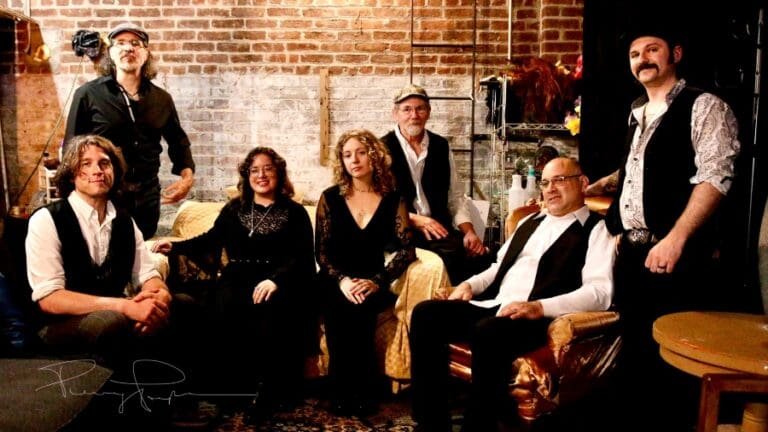
Fleetwood Mac isn’t just a band—it’s a universe. It’s tangled harmonies and velvet shadows, it’s heartbreak and witchy mystique, it’s the sound of love breaking and mending itself again in real time. Seeing a band try to capture that is one thing. Seeing a band succeed is something else entirely. On May 31st at The Glove Theatre, Little Lies didn’t just pay tribute to Fleetwood Mac—they honored them, elevated them, and reminded us why we’ve been singing these songs for decades.
This wasn’t just another cover band gig. The Glove was completely sold out—again. Every time Little Lies plays there, the seats are filled and the energy is electric. It’s no surprise they’re already booked for next year. And believe me, you’re going to want to be there.
From the moment they took the stage, it was clear this group came not just to perform, but to channel the spirit of Fleetwood Mac. Sarah Achorn, embodying Stevie Nicks, was nothing short of ethereal. She moved with that same haunted grace, wrapped in mystery, power, and velvet. Her voice was a portal—raw and soaring—and her presence was magnetic. I couldn’t take my eyes off her. She doesn’t imitate Stevie—she understands her. She brings the goddess energy forward in a way that leaves you stunned and grateful.
On the other side of the stage, Avery Markel brought Christine McVie’s elegance and heart into the spotlight. She sang with the kind of ease that only comes from truly knowing the music. Her voice was captivating—warm and velvety—and she carried herself with the same quiet strength and beauty Christine was known for. It was grace in motion.
Guitarist Jake Harris brought the grit and groove with vocals and playing that were, plain and simple, top notch. He looked like he was having the best night of his life, and that kind of joy is contagious. You felt it in every riff and harmony. Chuck Nemitz added depth and soul to the mix with his guitar work—his tone, timing, and emotional expression gave the performance a richness that hit you right in the chest.
Mike Carlucci kept the whole machine moving behind the drum kit—and let me just say, singing lead vocals while drumming is no small feat. Mike made it look easy, never missing a beat, his voice strong and steady as he held the pulse of the band.
David Lockeretz was a joy to watch on keys—groovy, expressive, and totally in the pocket. His parts brought color and movement to the sound, and you could see just how much he was enjoying himself in every measure. And Art Papa—always with that huge smile—delivered funky, flawless bass all night. His playing was rock solid, full of feel, and the perfect backbone for this powerful group.
But great musicianship is only part of what makes a live show special. What really moved me was the heart. This band loves what they do. You can feel it in the way they interact, in the way they pour themselves into each song, and in the way they connect with the crowd. They’re sweet, they’re fiery, they’re locked in—and they bring Fleetwood Mac’s magic into the present with total reverence and joy.
None of it would be possible without the incredible volunteers at The Glove Theatre. These folks show up with heart and hustle, show after show, and it’s because of them that nights like this can happen. Their dedication creates a space where live music thrives and artists can shine.
If you haven’t seen a show at The Glove, what are you even doing? This space is full of history, heart, and serious talent—and when Little Lies comes through, it’s nothing short of spellbinding.


Credit: Troy Jazz Videos on YouTube
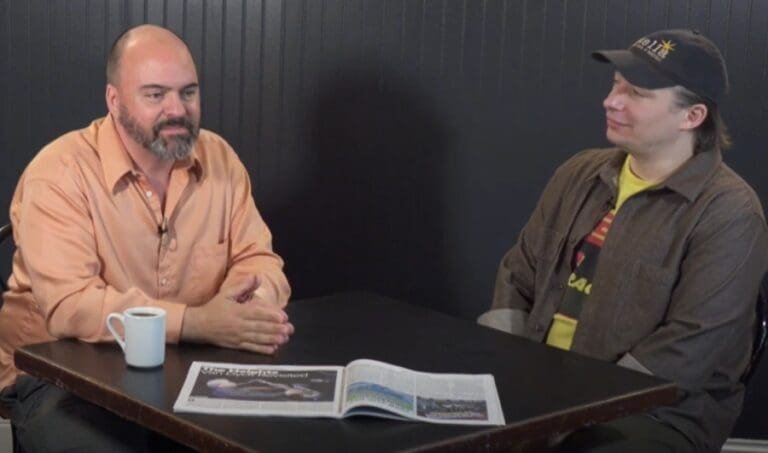
Joe Barna (drummer/composer/bandleader) sits down for an exciting and in depth discussion with Chris Sule (Stella Pasta Bar/The Van Dyck/Seven Points Brewing) to discuss the revival of one of Upstate New York’s most legendary venues.
Jukebox.
Rapper T-Pain has announced a 20-stop U.S. Tour, called the “TP20” tour in the fall. The tour will commence on September 4th in New York City at Radio City Music Hall and will conclude at Red Rocks Amphitheater in Colorado with Ying Yang Twins and Waka Flocka Flame. In between will be stops in Bridgeport, Pittsburgh, Cleveland, Buffalo, Tallahassee, Birmingham, Houston, St. Louis and Oklahoma City, This tour will be heavy on festivals, including Coachella, Governors Ball, Lollapalooza, Austin City Limits and T-Pain’s own Wiscansin Fest.
T-Pain issued a press release about the tour. , “This tour is not just a celebration,” he said. “It’s a thank you to everyone that was there in 2005 and to everyone now who’s just catching onto the wave. It’s for the college kids that played my records at all those parties. It’s for those same people that are now parents and are putting their kids on to what they loved so much back in those days. It’s every karaoke night, every beat drop, every ‘T-Pain saved this song’ comment, every scream when I hit that stage. This isn’t just my story, this is our story. Because music doesn’t live in charts. It lives in people. Come celebrate the 20 years of T-Pain we’ve all gone through and the next 20 years that nobody’s ready for.”
T-Pain 2025 Tour Dates:
06/06 — New York, NY @ Governors Ball
06/14 — Milwaukee, WI @ Wiscansin Fest
07/10 — Las Vegas, NV @ Zouk Nightclub at Resorts World (residency date)
07/16 — Greensboro, NC @ First Horizon Coliseum &
07/26 — York, PA @ York State Fair
07/30 — Columbus, OH @ Ohio State Fair
08/01 — Chicago, IL @ Lollapalooza
08/07 — Lewisburg, WV @ West Virginia State Fair
08/13 — Costa Mesa, CA @ OC Fair
08/16 — Des Moines, IA @ Iowa State Fair
08/29 — Las Vegas, NV @ Zouk Nightclub at Resorts World (residency date)
08/30 — Norfolk, VA @ Cousinz Festival
09/04 — New York, NY @ Radio City Music Hall
10/03 — Oxon Hill, MD @ The Theater at MGM National Harbor
10/04 — Bridgeport, CT @ Hartford Healthcare Amphitheater *
10/07 — Pittsburgh, PA @ Stage AE Outdoor *
10/08 — Cleveland, OH @ Jacob’s Pavilion
10/10 — Buffalo, NY @ Terminal B at Outer Harbor *
10/11 — Newport, KY @ MegaCorp Pavilion *
10/14 — Clearwater, FL @ The BayCare Sound *
10/15 — Hollywood, FL @ Hard Rock Live in Hollywood
10/17 — Tallahassee, FL @ Donald L. Tucker Civic Center *
10/18 — Brandon, MS @ Brandon Amphitheater *
10/19 — Birmingham, AL @ Coca-Cola Amphitheater *
10/21 — Houston, TX @ White Oak Music Hall
10/22 — Irving, TX @ The Pavilion at Toyota Music Factory
10/24 — St. Louis, MO @ The Factory
10/25 — Oklahoma City, OK @ The Zoo Amphitheatre
10/26 — Lincoln, NE @ Pinnacle Bank Arena *
10/28 — Morrison, CO @ Red Rocks Amphitheatre +
Superstar Miley Cyrus had to face a dilemma recently. The singer has a condition called Reinke’s edema, which is a polyp and fluid in the vocal chords. She underwent surgery in 2019, but didn’t complete it for one reason: the condition may be responsible for Cyrus’s signature sound. “My voice is super unique because of it,” Cyrus said about the decision to leave the surgery unfinished. “But I do have this Reinke’s edema and I have this large polyp on my cords, and I’m not willing to sever it because [of] the chance of waking up from a surgery and not sounding like myself.”
Cyrus has her ninth album, Something Beautiful out now.
Netflix will soon have something worth waching, as Becoming Led Zeppelin, an authorized documentary to the streaming service starting June 7th. Director Bernard McMahon spent five years on the project going through archival footage. The documentary also includes interviews with all of the remaining band members and a previously unreleased interview with late drummer John Bonham.
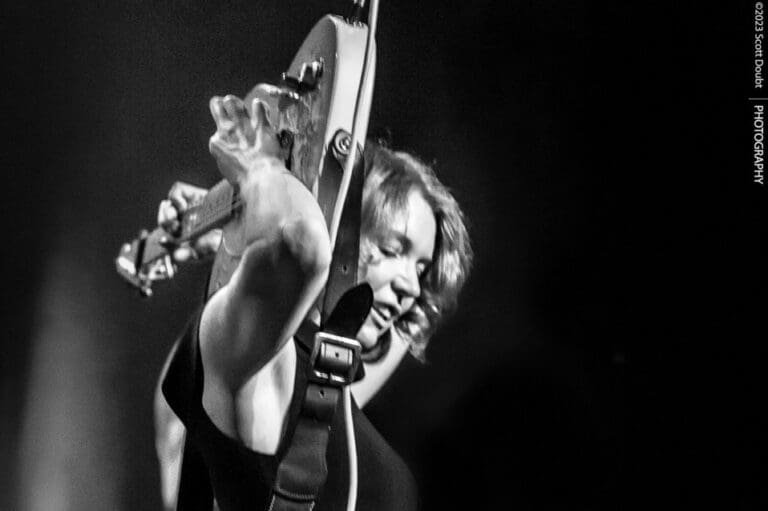
Sue Foley – An Xperience Interview – by Liam Sweeny.
RRX: What is the “One Guitar Woman” album all about? How about the tour, seeing that it’s a solo show? Is that rare for you throughout your career (going solo) or has it been pretty commonplace?
SF: I’ve been doing solo shows since I was in my teens, but I really only spent the last couple of years really getting the art of the solo show down, and actually having an album to support it makes a huge difference. It’s really easy to kind of run with because I have the whole album. It’s a concept that there’s a lot of stories involved, and so it just kind of evolved, but it has definitely all come to fruition with this album, “One Guitar Woman.”
RRX: Can you tell us a little bit about one of the stories inside “One Guitar Woman”?
SF: The full title is “One Guitar Woman: A Tribute to the Female Pioneers of Guitar,” which is pretty self-explanatory, but it’s a passion project that I started working on a couple of decades ago, with studying the work of the female pioneers of guitar and actually their specific guitar styles, learning about their methods of playing, but also about their histories. It encompasses a lot of different genres of guitar and music. Like from country, somebody like Mother Maybelle Carter, to Piedmont folk fingerpicking, which is Elizabeth Cotton, whom I tribute on the album, to a blues artist like Memphis Minnie. Even up to a classical artist named Ida Presti; I mean, these are all pioneering women. And I’m speaking of women who recorded at the inception of recorded music. Some of them, like Maybelle Carter, were recording in the ‘20s, maybe Memphis in the ‘30s, ‘40s, and ‘50s. So a lot of the music is kind of older, but I’m reworking it and reimagining it, but also telling when I do the show, I tell a lot about their personal histories and stories, which are all really fascinating.
RRX: During this show, do you kind of go chronological, or is it more like you just pick moments from different women in history that you thought kind of went together in a different way? How do you present that history that you’re going for?
SF: It’s not really chronological. It’s a kind of mix, like they’re all coming from within 40 or 50 years of each other. So it’s more of a personal narrative that ties it together. A lot of the material I picked ties in with my own narrative, and I talk about how they’ve each influenced me and what’s important about their work, and I try not to turn it into a master class. However, I can do a master class on this, but it’s more of a performance that just sort of showcases and highlights their stories and how they affected me personally, so there’s a personal narrative involved.
RRX: When you’re growing up and learning, because you started playing when you were 13, so you’ve been playing your whole life. I’m a blues player too, so I know when I went into blues, I was looking at like Stevie Ray Vaughan and, and Eric Clapton, and, you know, I’m sure you were looking at some of them too, but the idea of going out and looking for the women players that were fundamental in laying down different tricks and different types of things into blues. You don’t hear about that so much. You don’t hear about there being a path where a young woman who’s learning to play blues guitar could go and learn from the other women who’ve been playing. Usually, everybody kind of has to go through all the men. Did you find that there was an actual pathway when you started out? Were you just learning the Clapton people and the BB King people, and then you found women performers, or did you start out trying to find women?
SF: I knew I was gonna be a guitar player from a very young age, so I was always very conscientious that it was mostly all guys. And so whenever I would see a woman play, it really affected me and I always filed it away in my mind cause I think the idea of role models is really important. I mean, you sometimes don’t even know something’s possible until you’ve seen, “Oh, they did it.” For blues, specifically, discovering Memphis Minnie changed my life. And I talk about that in the show and how a young girl from Ottawa, Canada wanted to be a blues guitar player, and here I am listening to Robert Johnson and Muddy Waters and Eric Clapton, like you say, and wondering ‘where’s my place in this,’ you know, ‘how am I gonna fit in with these guys?’ And then I discovered Memphis Minnie, and she’d been doing it since the 1930s, and she was the lead guitar player; she was a really important figure. She’s a huge figure in blues musicology in so many respects. And so when I discovered her, it was like, ‘Oh wow, she did it in the ‘30s. Are you kidding me? I can do this. It’s not like I would not have done it if I hadn’t discovered her, but having discovered her and knowing her narrative and the words to her songs which were very specific about her experience, which is really important because my experience and the guy’s experience are a little different on the road and in the business. Even how we approach music in a lot of ways, and how we think about things. Having a female perspective was really important to me. So Memphis, I’ve talked about her my whole career like she’s my favourite artist I’ve been doing her songs since I was 16 and I’ve been in love with her, and I’ve always paid tribute to her, but having that as a guiding light has meant more to me than anything, you know. I think that has really been the impetus of this project is knowing how much, how important that was to me, and just paying back in a lot of ways, you know, letting everybody know about these remarkable figures.
RRX: So you’re out of Austin right now, which is a world-famous music spot, a mecca of blues and country music. As you’ve been on the road a big part of your life, how would you describe Austin to someone who’s just never been there?
SF: It’s actually quite diverse. It’s not a blues town. When I got there, it was a real blues town, but I wouldn’t say it is anymore. I think it’s really grown into all kinds of music, and the blues thing has changed so much anyway. But there’s a lot of Americana, there’s a lot of roots music, a lot of great musicians, a lot of good country, a lot of singer-songwriters; kind of a lot of everything. A lot of funk now and R&B, some great hip hop even. It’s just a great community of musicians. What I really love about Austin is that it’s not really an industry town per se. It’s more about the hanging out and being a player rather than making deals. And you know, I do go to Nashville. There’s a ton of musicians there too, but all you hear about in Nashville is who’s playing with who, who’s got what deal, you know what I mean?
That’s the same with LA. In LA, everybody’s looking over your shoulder to see if there’s somebody more important to talk to. Like, Austin is just not like that. Austin is really about everybody just hanging out. Like you could be hanging out in the club, talking to Jimmy Vaughan or talking to some of the greatest players in the world, and they’re just like people, you know? People don’t put on airs there. And it’s a cool and very supportive community. If somebody’s ever in a problem or in a pinch – you know, someone’s house burns down or somebody’s got a medical problem – like everybody comes out. And that has just been really an important factor to me … how the musicians really look after each other.

There’s Something in the Soap – The Weird Side of the Internet – by Liam Sweeny.
Do you have an odd name? I have two. ‘Liam’ and ‘Sweeny.’ Liam is more common now than it was when I was in grade school getting it mangled by teachers accidentally and mangled by students less accidentally. Sweeny, same thing. But I am proud of my names, especially ‘Sweeny,’ which has a long and storied history through the rough grasses of Irish battlefields. Mercenaries. Yeah, that’s right, the Sweenys were gallowglass, or Scots Irish mercenaries in Ireland. We even have our favorite weapon, an axe on a long pike.
So I keep an eye on my fellow Sweenys, including actress Sydney Sweeney. Now she has the common spelling, ‘ney,’ while I have ‘ny’ but that just means we’re not first cousins. Still a Sweeny. And do you know what Sydney Sweeny is doing now? She’s selling soap made from her bathwater.
To be fair, it’s a bit. Dr. Squatch, who makes soap, had her on the payroll for a commercial that went viral about her being a soap genie (or something; I haven’t seen the commercial.) So, seemingly on a lark, Sydney started saving her bathwater, which is mixed with the scent of pine, douglas fir, and earthy moss.
It’s a limited edition soap, thank God and all that is holy. Five hundred bars. Five hundred people will snell clean with undertones of creepy.
Sydney, girl, what are you doing? You know in Japan, students sell their soiled panties in vending machine, you can do that. Not sure how much money you’ll make, but Japan’s expensive, so you’ll probably make some dough. Maybe you should ask for more money for your acting.
But don’t worry about besmirching the Sweeny name. You own it just as much as we do. But here’s an idea: bathe with a pickaxe on a pike and sell it to a museum. Or slaughter your enemies, I don’t know which.
By J Hunter.
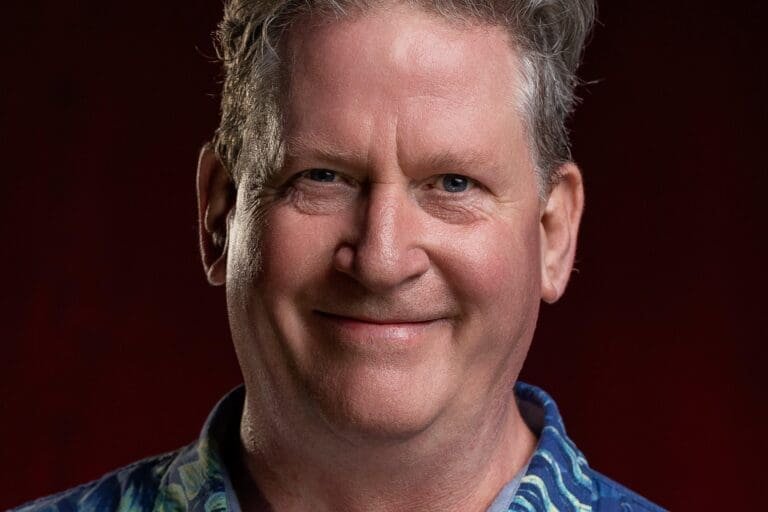
As we saw the last time he was In The Spotlight, Patrick White’s days are both full and rich: between his podcast The Play That Changed My Life, his articles & reviews he’s written for multiple Capital Region publications, the acting classes he leads, and all the plays he attends (here and in NYC) every single week, theater is on White’s mind and in his face all day, every day.
And that’s not including Harbinger, the dive-bombing theater group that’s brought new, challenging plays to the region every year since Lockdown was lifted. Their latest season is already well underway, with White’s longtime partner Chris Foster putting the finishing touches on Brynna Turner’s At The Wedding at Sand Lake Center for the Arts while White begins rehearsals for Stephen Adly Guirgis’ Between Riverside and Crazy, to be performed later this summer at Albany Civic Theater.
You’d think all that would be enough to satisfy White’s hunger for the stage. But Patrick had a dream, going back years, and that’s what he presented to a bunch of us at an organizational meeting last April at ACT: The Capital Region Festival of Theatre, a multi-day, multi-venue celebration bringing together the 100-plus theater groups that dot the area – and apart from the reasonably-priced mixer at the Cue, the whole thing is FREE!
I’ll admit I was skeptical when White made his pitch, picturing a massive herd of cats made of raspberry Jell-O standing in a field, ready to ignore someone at a moment’s notice. Oh, me of little faith! Over a year later, CRFT is a real live thing, starting Thursday, June 12th with a musical mixer at Albany’s Cue Theatre, and ending with a massive slate of programs, workshops, and original plays at UAlbany. In between, there are programs aimed specifically at seniors and their place in the theater community, workshops for anyone interested in the technical side of shows, and a Mayoral Candidates’ Forum on the importance of the arts in the world today.
Patrick was good enough to take a few minutes from preparations to talk to us about CRFT:

RRX: Can you remember when the idea of CRFT first came to you?
PW: I’ve been dreaming of it for many years, 20 years. Every time I see a great performance that’s not reviewed or attended sufficiently. Almost every weekend for the past 20 years, I have looked around at our theater community and I thought that it deserved greater recognition, acclaim, and support. I think there are extraordinary things happening in the Capital Region, and it just keeps growing stronger, more diverse, and more adventurous every year.
RRX: When you reached out to the community for ideas, shows, demonstrations, and anything else they thought should be done at the inaugural CRFT, did the number of responses surprise you?
PW: No, not really. We had a general interest meeting at ACT on 1/25/24, which I only invited Artistic Directors to, and we had 60 people show up (which was surprising!), and the ideas and suggestions just flew for an hour and a half. I think it’s indicative of the pent-up demand for this kind of event for the theater community. From the beginning, we have had major buy-in from our leading players, especially Owen Smith at Playhouse Stage Company.
RRX: There’s been a long roll-out to CRFT, from the first organizational meetings to events like the Shakespeare birthday party. We’re talking over a year. How close to your initial vision was the process, and what surprises did you find along the way?
PW: The shape of it, as far as the multiple venues, is almost exactly what I wanted, with, you know, some adjustments on schedules and things like that. Every venue except one is my first choice to hold the event they are doing, and the one that I initially approached somewhere else has been the champion as far as planning, communication, and punctuality. Hint: It’s Senior Day at SLCA.
The biggest surprise is the Mayoral Candidates Forum. I was looking for photo opportunities and dropping t-shirts off in politicians’ offices – Assemblyman Santabarbara, Councilman Anane, Senator Fahy, Assemblyperson Romero – when Owen suggested the Forum. I was with City Auditor Applyrs and mentioned it to her, and we got it set up with Owusu Anane loaning his Madison Theatre. I am always looking for the cultural life of public figures, and it means a huge amount to me when they show up and support Capital Region Theater, so this is beyond my wildest dreams.
RRX: I was very excited to see the Candidates’ Forum, because the arts are a subject that is rarely brought up in debate (for any office) by either side of the political spectrum. How did this event come about, and what was the initial reaction from the respective campaigns when you first contacted them?
PW: It took a minute to get everyone on board, but this group of candidates has been very eager and willing to get together and discuss issues. I’m thrilled that there will be one on the Arts!!
RRX: I know this is kind of like asking a parent who their favorite kid is, but is there one event during CRFT that you are looking forward to the most?
PW: This is tough! I can’t possibly answer. We see 300 plays a year and I want to see the folks I’m unfamiliar with: Electric City Puppets in the Studio on CRFT Day, there are 10 singers at the CRFT Mixer I have never seen, Children at the Well and Paul Ricciardi of Ancram Center for the Arts storytelling workshops at Theatre Education Day… The slogan of the Festival is going to be “You Can’t See Everything. But it’s FUN trying!”
To find out more about the Capital Region Festival of Theatre, go to www.crftinc.org. To find out more about Harbinger’s new season, go to www.actingclasswithpatrickwhite.net.

RadioRadioX & The Xperience Monthly
© 2018 - 2026 Imperial Broadcasting. Most Rights Reserved.